Compliance Pitfalls In Used Rack Purchases. In the competitive landscape of warehouse management, the decision to invest in used racking systems is more than a mere financial transaction—it’s a commitment to your team’s safety, your business’s integrity, and your community’s well-being. As you step into the world of pre-owned racks, the allure of substantial savings can be tempting, but navigating the hidden complexities of compliance is essential. Every rack carries a story, reflecting the hands that crafted it and the environments it has served. When you choose used equipment, you’re not just making a purchase; you’re participating in a larger narrative of sustainability and responsibility. Think of your workforce and the families that depend on their safety—every decision impacts not only the bottom line but their lives and futures. The landscape of compliance is fraught with potential pitfalls—overlooked regulations, safety standards, and ethical sourcing must guide your choice. Investing time in due diligence fosters a culture of trust and accountability within your organization. Building relationships with reputable sellers not only safeguards your investment but reinforces your commitment to ethical practices. A wise choice in racking systems promotes not just efficiency but also resonant values that echo throughout your operations. Engaging with your community and industry peers transforms equipment procurement into a collaborative journey, illuminating pathways to shared success. In the end, selecting the right used racks isn’t just about filling a need; it’s about fortifying a foundation of trust, safety, and responsibility. By prioritizing these values, you ensure a future where your business thrives alongside your team, reflecting a shared dedication to quality and integrity in every aspect of your operations.
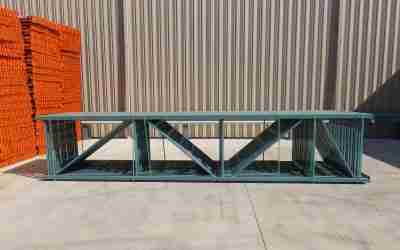
How to Prepare for a Warehouse Inspection
How to Prepare for a Warehouse Inspection. Preparing for a warehouse inspection transcends mere compliance; it’s an opportunity to showcase the pride embedded in your work and ensure safety for everyone involved. Each organized racking system is more than a regulatory requirement—it symbolizes a commitment to maintaining a secure environment. Regular checks help identify potential hazards before they escalate, demonstrating proactive leadership in your operations. An organized inventory transforms what might be chaos into a streamlined, safe workspace, allowing every team member to locate needed items without the stress of disarray. Engaging your team in this process fosters a sense of camaraderie and accountability, turning inspection preparation from a solitary task into a shared mission that reinforces collaboration. Educating staff on safety protocols emphasizes the value placed on their well-being, reinforcing a culture of safety where everyone is informed and prepared. This not only cultivates trust but also empowers your team to contribute insights that may enhance overall safety. A clean, organized warehouse reflects a strong work ethic and aspirations that go beyond merely meeting standards. It embodies a culture of excellence that resonates throughout your operation. This collective effort instills pride, boosting morale and reinforcing a happy workplace. Understanding regulations is an ethical commitment to safeguarding lives and creating a secure environment. Familiarizing yourself with safety codes demonstrates care for your workforce while sharing stories of compliance enhances the narrative, transforming abstract guidelines into relatable actions. Training equips your workforce with the knowledge and confidence needed to face inspections, turning apprehension into competence. It promotes a proactive view of inspections as opportunities for improvement rather than burdens. Addressing common pitfalls, like neglecting racking inspections or insufficient documentation, highlights the importance of regular maintenance and labeling. These practices ensure compliance and signal a dedication to operational efficiency, fostering a workplace where each employee feels valued and standards are upheld. Ultimately, the path to a successful inspection is a collective journey that nurtures a thriving, safe, and respected workplace, where safety and excellence go hand in hand.
Seismic Calculations and Structural Engineering
Seismic Calculations and Structural Engineering. In the world of structural engineering, seismic calculations are not just a technical necessity; they are a profound commitment to community safety and resilience. Consider a family gathered in their living room, sharing laughter and dreams — their security rests on the strength of the walls around them, engineered with meticulous care. These structures embody a promise that engineers uphold: the unwavering dedication to protect lives and preserve the spaces where cherished memories unfold. Racking systems, central to a building’s integrity during seismic events, represent more than just structural components; they symbolize a community’s determination to stand firm against nature’s unpredictability. Each carefully crafted design decision reflects an ethical responsibility — prioritizing safety while fostering trust among neighbors. The stakes are high, as the consequences of overlooking seismic safety extend far beyond property loss. They ripple through lives and communities, creating a narrative that calls us to action. Investing in robust seismic safety measures isn’t merely a financial choice; it’s a moral imperative rooted in compassion and foresight. By engaging in open dialogues about building safety, we transform abstract calculations into relatable stories of protection, reassuring families that their homes are sanctuaries. Public awareness must inspire a collective commitment to advocacy, ensuring that every building embodies both beauty and resilience. Moreover, the role of technology in seismic design cannot be overstated. Advanced computer modeling equips engineers with understanding, allowing them to create structures capable of withstanding the unknown. This synthesis of innovation and historical lessons shapes our current building codes, empowering us to build a future where safety and community thrive hand in hand. In embracing these principles, we not only strengthen our buildings; we weave a safety net for generations to come, fostering environments where families can flourish, and dreams can take root, unshaken by the tremors below.
Designing Storage for Temperature-Controlled Audits
Designing Storage for Temperature-Controlled Audits. Designing storage for temperature-controlled audits goes beyond mere functionality; it embodies our collective responsibilities toward quality and trust. Every racking system represents a commitment to safeguarding products that impact lives, from crucial medications to fresh produce. Imagine a world where strict temperature controls are not just regulations, but moral imperatives—where the health of our communities hinges on our meticulous attention to detail in storage solutions. When temperatures falter, the consequences cascade. It’s not just a loss of inventory; it’s a breach of trust felt by every individual relying on these products. The emotional weight of failure resonates deeply, leaving scars on communities and organizations alike. The responsibility to uphold stringent regulations is more than compliance; it’s a pledge to the people whose lives are intertwined with the goods we deliver. Each story of temperature mismanagement serves as a stark reminder of our burden. Behind every audit lie real people who work tirelessly to ensure that quality is never compromised. Their experiences—both triumphs and setbacks—forge connections that bind teams together in a shared mission of excellence. In the realm of audits, the pressure can be overwhelming. Yet, building a culture that celebrates preparedness transforms these daunting tasks into achievable goals. By investing in robust racking systems and fostering a sense of ownership among employees, we instill confidence and pride in our processes. Every successful audit is a testament not just to regulatory adherence, but to our dedication to safety, quality, and the welfare of those we serve. Let’s shift our perspective. This isn’t merely a logistics challenge; it’s an opportunity to champion our values and support one another in creating environments that reflect the care we all deserve. When we unite in this effort, we’re not just protecting products; we’re cultivating trust and resilience, ensuring our communities thrive through our unwavering commitment to excellence.
Documentation Best Practices for Rack Projects
Documentation Best Practices for Rack Projects. Enhance Your Rack Projects with Expert Documentation In the world of rack systems, success isn’t just about installation; it hinges on the strength of your documentation. Effective documentation is the foundation that holds your project together, empowering every team member with the information they need to succeed. Imagine a comprehensive guide that eliminates confusion, fosters collaboration, and transforms a mechanical process into a shared mission. This is the power of masterful documentation—more than just words on pages, it’s a narrative that connects experiences, builds trust, and drives results. Kick off your projects with a robust overview, detailing specifications, capacities, and guidelines that everyone can understand, regardless of their expertise. Clear, accessible language makes a difference—empowering all team members, from seasoned pros to newcomers, to engage confidently with the material. Emotional resonance lies in the stories of challenges faced and triumphs achieved; weaving these narratives into your documentation cultivates camaraderie and motivates your team to push through obstacles. Rational clarity is key. Streamlined documentation shields against miscommunication, providing a roadmap that enhances efficiency and reduces the chance of costly mistakes. This is about more than just operational success; it’s about ethical transparency. Upholding safety standards and maintaining honesty fosters a culture of trust, encouraging each individual to take ownership of their role. Regular reviews and updates breathe life into your documentation, ensuring it evolves alongside your projects. This collaborative spirit not only strengthens commitment but transforms documentation into a living resource that reflects the expertise and contributions of your team. By prioritizing effective documentation practices, you lay the groundwork for future growth and improvement, affirming that every member’s input is invaluable. Build a framework that emphasizes reliability, safety, and community—remember, the strength of your rack project lies not just in its structure but in the clarity and collaboration fostered through exceptional documentation.
Compliance Planning Before Rack Installation
Compliance Planning Before Rack Installation. When it comes to racking system installation, compliance isn’t merely a regulatory obligation; it’s the cornerstone of your operational integrity. Imagine a bustling warehouse, every product meticulously organized and every worker trusting that their environment is safe. That trust hinges on adherence to compliance standards. Each racking system is more than just steel and design; it’s a commitment to safety, efficiency, and the livelihoods of your team. Start by recognizing the stakes. The codes and regulations aren’t just bureaucratic hurdles; they form the safety net that protects your employees and your business. When your team knows that safety is prioritized, it cultivates a culture of respect and accountability. Engage your crew in the compliance process; their insights are invaluable, leading to smarter decisions that enhance both safety and efficiency. Consulting with industry experts can provide clarity on best practices, ensuring that your approach is grounded in knowledge. This collaboration transforms compliance from a checklist into an ongoing dialogue about safety and quality. Remember, compliance impacts timelines. Delays from non-compliance can stall progress and inflate costs, undermining the original goals of your project. Every worker, from the novice to the veteran, must embrace the safety protocols that govern installations. Regular training and open communication are crucial to ensure that everyone remains invested in the process. This isn’t just about following rules; it’s about crafting a legacy of responsibility and care that resonates throughout your organization. By effectively documenting your compliance planning, you create a roadmap that not only guides your operations but also reinforces the narrative that safety comes first. As you weave together your compliance journey, you build a trust-based community where every team member feels valued and empowered. Compliance isn’t just a requirement; it’s your commitment to a successful future, ensuring that both your business and your people thrive.
Clear Height Restrictions and Code Implications
Clear Height Restrictions and Code Implications. Clear height restrictions may seem trivial, yet they embody critical nuances influencing safety, operational efficiency, and community integrity. Visualize a vibrant distribution center, towering racks filled with goods, each inch of clearance integral to seamless operations. These regulations aren’t arbitrary; they’re designed with care, prioritizing worker safety and the structural integrity of facilities. Neglecting these parameters can morph a thriving hub into a precarious risk zone, where safety becomes a mere afterthought. Emphasizing adherence to these codes is not just about avoiding penalties; it’s about moral responsibility. When businesses prioritize safety, they cultivate trust within their workforce, enhancing morale and fostering a culture of accountability. This commitment radiates beyond the four walls of a facility, nurturing vital ties with the community that depend on reliable operations. Disregarding clear height regulations jeopardizes not only the individuals directly involved but also the broader perception of a company. A workplace incident can ripple through families and communities, cultivating distrust that hinders growth and collaboration. Each code violation resonates, revealing a misalignment of priorities where profit is placed above human life. Moreover, challenges posed by height restrictions can fuel innovation. Far from being mere barriers, they beckon creative solutions that respect both functionality and the surrounding environment. By aligning operations with safety standards, companies not only comply with regulations—they champion a vision for a sustainable and thriving workplace. Conversations about clear height regulations should foster collaboration across sectors, allowing for shared best practices that elevate industry standards. When organizations commit to safety, they lay the groundwork for effective operations and a robust community, realizing that every decision inside a warehouse sends ripples outward, shaping the future of the neighborhoods they serve.
Fire Marshal Considerations In Dense Storage
Fire Marshal Considerations In Dense Storage. In the world of dense storage, safety isn’t just a priority—it’s an imperative. Imagine a warehouse operating smoothly, teeming with goods neatly stacked in towering racking systems. Yet, hidden beneath that surface of efficiency lies an unseen threat: fire. One stray spark can ignite a catastrophe, turning a bustling hub into a scene of chaos. It’s a sobering reality that every warehouse manager must face. To prevent such a nightmare, safety must be woven into the very fabric of daily operations, ensuring that every worker has the right to return home unharmed. Consider the power of proper organization. When racking systems are meticulously arranged, every item has its place, reducing fire hazards and enhancing operational efficiency. This isn’t about adhering to regulations alone; it’s an ethical commitment to protect lives. Keeping flammable materials away from ignition sources and ensuring clear access to firefighting equipment transforms a mere storage facility into a safe haven. Connecting with fire marshals and adhering to fire codes isn’t just about compliance—it’s about fostering trust and accountability within your team. When employees are engaged in safety drills, they empower each other, building a community that values precaution. Each story of near-misses serves as a reminder that vigilance in fire safety practices is vital, pushing everyone toward a shared mission of everyday security. In the end, prioritizing fire safety in dense storage facilities is not just a task; it’s a culture that nurtures a resilient workforce and a safer world. By collectively committing to these practices, we can ensure a legacy of protection and care, turning threats into a testimony of our unwavering dedication to safety. Let’s champion a future where fire safety is not just an afterthought, but a fundamental part of our daily operations.
Engineering Documentation for Rack Systems
Engineering Documentation for Rack Systems. Unlocking Efficiency: The Heart of Rack Systems Engineering In the intricately designed world of rack systems engineering, documentation is not merely a collection of technical specifications—it’s the lifeblood of your projects. Every bolt tightened and every beam positioned relies on the meticulous planning captured in well-crafted documents. Imagine your team, armed with this documentation, transforming chaos into a symphony of efficiency and safety. When every member understands their role through clear guidelines, they become more than just coworkers; they evolve into a cohesive unit working towards a shared vision. The emotional impact of solid documentation transcends the workplace. It fosters a culture of trust, where employees know their safety is prioritized. Nobody wants to receive a call at home because someone has been injured on the job. Documentation ensures regular maintenance checks and compliance with safety standards, safeguarding the lives of those who rely on these structures. From a rational perspective, robust documentation minimizes errors and reduces costs. Mistakes drain valuable time and resources, and a well-documented process provides a clear path for every operation, allowing for quick onboarding of new employees. This efficiency is amplified when documentation includes real-life narratives. Instead of mere instructions, weave stories of past challenges and successes into your manuals, creating an engaging experience that resonates with every reader. Ethically, a commitment to clear documentation reflects respect for all team members. It reinforces accountability, encouraging everyone to contribute to a culture of safety and responsibility. This is critical in today’s fast-paced environment, where adherence to standards is not just regulatory but crucial for operational integrity. Beyond clarity and safety, making documentation accessible is vital. Use simple language and visuals to cater to diverse learning styles, ensuring every team member can interact with the material effectively. An open feedback loop allows continuous improvement, inviting collaboration and affirming that every voice matters. Ultimately, documentation represents more than compliance; it is the cornerstone of a connected community. It builds trust, enhances safety, and drives efficiency. As each component of a rack system plays its part, so too does every element of documentation serve to strengthen the entire operation. Embrace this opportunity to inspire action and foster a legacy of shared success, where every project completed is a testament to the dedication and teamwork that underpins your engineering efforts.
The Cost Of Non-Compliance In Warehouse Operations
The Cost Of Non-Compliance In Warehouse Operations. Every day in the bustling world of warehouse operations, decisions lie at the heart of safety and efficiency. Compliance isn’t just a regulatory obligation; it’s the lifeblood of a thriving workplace. Imagine a warehouse where towering racking systems hum with activity and camaraderie. Each worker trusts that safety protocols are in place, not just as boxes to be checked, but as essential practices that protect their lives and livelihoods. Neglecting compliance opens the door to risks that can shatter this fragile ecosystem. It’s not merely a financial burden from fines or legal repercussions; it’s an emotional toll that weighs on the entire team. When safety standards are overlooked, fear and distrust seep into the workplace, compromising morale and productivity. Investing in compliance transforms risks into opportunities. It builds a culture of trust where employees feel valued and empowered to engage fully in their roles. Rationally, this commitment translates to lower accident rates and reduced costs, creating a sustainable foundation for growth. Ethically, it reflects a deep respect for every worker who deserves to return home safely each day. Moreover, compliance fosters loyalty among customers who see a brand committed to safety and integrity. In an interconnected world, word spreads fast, and reputation counts. A company that prioritizes compliance is seen as a trustworthy partner, building lasting relationships rooted in reliability. As we strive for excellence, let’s embrace compliance not just as a duty but as a reflection of our shared responsibility. It’s a commitment to a safer, more effective workplace for everyone involved—workers, management, and the community at large. When we prioritize compliance, we invest in a future where safety, trust, and success not only coexist but thrive together.
Rack Labeling Requirements In Regulated Industries
Rack Labeling Requirements In Regulated Industries. Rack Labeling Requirements in Regulated Industries: Ensuring Safety and Compliance Rack labeling is not just about organization; it embodies a commitment to safety and compliance within regulated industries. Imagine a bustling warehouse where every shelf is clearly marked, every item easily identifiable. Such clarity does more than streamline operations—it builds trust among clients and colleagues, allowing them to locate what they need promptly, which directly enhances operational efficiency. Each label acts as a vigilant guardian of order, minimizing costly errors and serious safety violations. Proper rack labeling ensures that products are stored correctly and helps new employees integrate swiftly, reducing training delays and enhancing overall productivity. Ethically, maintaining a clear labeling system reflects a company’s commitment to uphold safety regulations, protecting not only employees but also the community at large. Consider the case of a manufacturing plant facing a compliance inspection. Instead of chaos, their well-structured rack labeling resulted in a smooth process, highlighting how a strategic approach to organization can yield significant benefits. Workers feel valued and safe in an environment that prioritizes order and efficiency, which naturally enhances morale and fosters a culture of teamwork. Investing in comprehensive rack labeling is a crucial step for any organization. It minimizes accidents, cuts search times, and cultivates an atmosphere of accountability. Labels that contain vital information like load limits and safety instructions aren’t just compliance checks; they are essential safeguards. This proactive approach to safety and efficiency transforms potential challenges into growth opportunities, reinforcing a sense of pride among employees. In a world where every detail matters, effective rack labeling is not merely an organizational task—it’s foundational to success in the competitive landscape of regulated industries. A well-labeled environment not only safeguards lives but positions businesses to thrive.
Designing for Hazardous Material Storage Compliance
Designing for Hazardous Material Storage Compliance. Designing for hazardous material storage compliance is more than a regulatory requirement; it’s an essential duty that impacts our lives and our environment. Every day, workers show up, trusting that the spaces they occupy will keep them safe and sound. Picture a warehouse where every racking system isn’t just functional but embodies a commitment to safety—a promise that everyone will return home unharmed. It’s easy to overlook the consequences of oversight, yet each decision made regarding hazardous materials carries a weighty responsibility. Investing in compliant storage systems is about more than just avoiding penalties. It’s a pledge to safeguard colleagues, families, and the community as a whole. Each shelf represents not just a storage solution but a life saved and a future protected. When materials are stored correctly, workplace morale flourishes; workers can put their energy into their tasks instead of worrying about potential hazards. This proactive approach creates a culture where safety isn’t just an afterthought but a shared value, enhancing both productivity and personal fulfillment. Ethically, we owe it to ourselves and our communities to uphold the highest safety standards. It’s not just about compliance; it’s about creating environments where individuals feel respected and valued. Partnering with reputable suppliers not only reinforces this commitment but also provides the expertise needed to navigate complex regulations effectively. Moreover, acknowledging the emotional weight of hazardous storage fosters camaraderie and vigilance. Open discussions about fears and responsibilities empower everyone to contribute to a safe environment. Each person’s commitment to compliance strengthens our collective resolve, transforming regulations into meaningful actions that prioritize human life and environmental health. In embracing these responsibilities, we project a future where safety is embedded in our processes and practices. Let’s design our systems with intentionality, ensuring that every racking unit serves as a reminder of our obligation to protect one another and the planet. By taking these steps, we lay the foundation for a safer, more resilient community.
Osha Guidelines for Rack Safety
Osha Guidelines for Rack Safety. Osha Guidelines for Rack Safety: Protect Lives And Livelihoods In the vast landscape of a bustling warehouse, racking systems rise like silent sentinels, cradling the critical inventory that fuels success. When properly maintained and managed, they are indispensable; without diligence, they risk transforming into sources of danger. OSHA guidelines for rack safety go beyond compliance; they embody a commitment to every individual who steps foot inside those walls—a commitment to preserving lives and sustaining the livelihoods of families. Picture a worker, dedicated and diligent, maneuvering among towering racks, trusting in the stability and integrity of their environment. Now, visualize the potential anxiety arising from a compromised system. Each load becomes a weight on their shoulders, representing both risk and responsibility. OSHA’s safety standards emerge not merely as rules, but as a lifeline— a promised assurance that, when adhered to, create a space where dependability reigns over disaster. At the heart of this discourse lies an ethical imperative: every worker deserves to return home safely. When organizations invest in the maintenance of their racking systems, they are demonstrating respect for the men and women who serve them. This ethical framework fosters trust—an innate desire among employees to feel valued and secure. They know their welfare matters, that they are not just numbers on a payroll but vital components of a collective mission. Effectively, the narrative of safety intertwines with productivity. A workplace where employees feel secure is a workplace where focus can shift from survival to flourishing. Over time, the commitment to safe rack management cultivates camaraderie; when everyone prioritizes safe practices, teams unite, transforming individual responsibilities into a shared mission of care. Safety becomes more than a protocol—it evolves into a culture, resonating through every aisle, forging a collective identity that uplifts all. The tangible, rational benefits are clear: reduced accidents lead to saved resources and uninterrupted workflows. Investing in proper training and adhering to OSHA guidelines are not just prudent decisions; they are strategic. Every warehouse that embraces these standards sets the stage for operational excellence, allowing teams to thrive rather than merely survive. The stability of racking systems is paramount, but it takes more than just guidelines—it takes collective vigilance. Think about the stories of triumph and of near misses, of lessons learned and knowledge shared. Such narratives can galvanize the workforce, creating an environment where safety is everyone’s concern. This is the ethos of effective rack safety: in ensuring the integrity of our spaces, we protect the lived experiences of our colleagues, our friends, and ourselves. As we champion the principles of OSHA guidelines for rack safety, we are not merely adhering to laws; we are forging pathways that ensure every worker goes home to a family they cherish, and every organization thrives in the process. Prioritizing safety transforms warehouses from simple storage facilities into vital ecosystems where dignity and care define the way forward. Together, let’s embrace this responsibility, ensuring our racking systems uphold not just our goods but the very essence of our workforce.
What Inspectors Look for In Industrial Storage
What Inspectors Look for In Industrial Storage. The effectiveness of industrial storage transcends mere organization; it intertwines with the very essence of safety, productivity, and ethical responsibility. Imagine walking through a warehouse that hums with activity, where racking systems stand firm and pathways are clear, fostering a culture where every worker understands their vital role in safety. Inspectors, the guardians of this environment, scrutinize every detail, ensuring that racking systems are robust and compliant with safety standards. This diligence isn’t merely about following regulations; it’s about safeguarding lives and livelihoods, cultivating trust among employees, clients, and the community. Proper storage solutions symbolize a company’s commitment to its people. When workers know their environment prioritizes safety through stringent training and organized systems, their morale and productivity soar. On an emotional level, it builds unity—a collective effort where each member feels valued and responsible for one another’s safety. Conversely, the cost of neglect can be staggering. Disorganized spaces lead to inefficiencies, wasted time, and increased risk of accidents. Compliance-related violations are not just regulatory failures; they are breaches of the trust placed in management. Each incident serves as a crucial reminder that the stakes are high; safety shortcuts could mean the difference between a routine day and a catastrophic event. Investing in efficient storage is not merely a tactical choice; it is a moral imperative, a shared commitment to a culture that values both productivity and safety. In this environment, everyone goes home safe, and operations thrive, embodying the principles of integrity, responsibility, and a dedication to excellence.
Navigating Building Code Requirements for Racking
Navigating Building Code Requirements for Racking. Navigating the complexities of building codes for racking systems isn’t merely an administrative necessity; it’s a vital commitment to safety and success. These regulations serve as the bedrock of secure and efficient operations in warehouses and storage facilities, protecting not only assets but also the lives of dedicated workers. Picture a small business owner, fervently devoted to their craft, diligently organizing inventory to foster growth. Yet, without a grasp of the codes governing racking systems, the risk of oversight looms large—potentially jeopardizing not just investments, but the well-being of their team. Understanding load capacity, seismic safety, and local regulations transforms these seemingly daunting codes into essential tools for safeguarding livelihoods. Each racking unit is a testament to careful planning, embodying a promise of safety and stability for those who work beneath it. When businesses invest in compliance, they reflect their ethical commitment to creating a secure environment where workers feel valued and empowered. Moreover, the journey towards compliance can build community. Engaging with peers who have navigated these waters fosters a culture of shared knowledge, illuminating best practices and avoiding common pitfalls. This supportive network not only enhances operational efficiency but reinforces the organization’s reputation as a responsible industry leader. Ultimately, proper racking systems—rooted in thorough understanding and adherence to building codes—reflect integrity and a shared responsibility that resonates throughout the workplace. With each shelf and beam designed for safety, companies cultivate a thriving environment where both productivity and morale flourish. This is the heart of successful operations: a workplace built not just on steel, but on trust and commitment to excellence.
How to Design for Health and Safety Inspections
How to Design for Health and Safety Inspections. Creating environments that prioritize health and safety is essential for the well-being of everyone involved. Think of it as constructing a reliable structure, akin to a robust racking system in a warehouse. Successful design doesn’t merely meet regulations; it fosters a culture where safety is integral and everyone feels responsible. Workers should feel their experiences and concerns are valued, cultivating a sense of community where each individual looks out for one another. Safety inspections are pivotal in this framework, serving as shields against potential hazards while reinforcing trust between employees and management. The emotional weight of inspections can trigger anxiety; however, the relief that comes when everything checks out builds camaraderie. Ethically, prioritizing these inspections signifies a commitment to the well-being of not only the workforce but also the community at large, ensuring that even the most vulnerable individuals are protected. Moreover, thoughtful design amplifies the effectiveness of health inspections. Organized spaces streamline processes and reflect a dedication to public health standards, signaling to all stakeholders that safety is taken seriously. Good design promotes better outcomes, emphasizing that safety is woven into the very fabric of operations. Leadership plays a crucial role in fostering this culture. By actively participating in safety measures, management sets a powerful example that inspires employees to adopt a proactive mindset towards compliance. This shift transforms safety from a mere obligation into a collective mission, where open dialogue around potential hazards encourages shared ownership of safety practices. Ultimately, cultivating a culture of safety transcends mere accident reduction; it highlights that every life matters. It ensures that everyone has a secure workplace and the assurance of returning home safely each day. A strong safety culture thrives on respect, trust, and mutual responsibility, creating an environment where the heart, head, and gut synergize for a healthier, safer future.
Audit-Ready Warehouse Layout Strategies
Audit-Ready Warehouse Layout Strategies. Audit-Ready Warehouse Layout Strategies Creating an efficient warehouse isn’t just a matter of organization; it’s a commitment to transforming spaces for the people who work within them. Picture a warehouse where every item is accounted for, each pathway clear and purposeful, and your team navigates their tasks with the grace of seasoned professionals. This isn’t mere fantasy—it’s a well-planned reality that integrates heart, mind, and spirit into the very bones of your operation. A meticulously designed warehouse layout serves the dual purpose of streamlining operations while enhancing employee morale. Workers should feel a sense of pride as they step into a space that reflects care and thoughtfulness, with organized racking systems that make finding items a seamless experience. Time wasted searching for misplaced inventory translates to frustration and decreased productivity; a well-structured layout alleviates these issues by ensuring clarity and ease of access. Investing in their workflow not only boosts efficiency but nurtures a strong sense of community within your team. But this transformation goes beyond just operational efficiency. Embracing ethical considerations like safety and respect for your staff enhances workplace satisfaction and retention. Employees are more likely to invest in their work when they feel valued and secure. A safe environment fosters trust, prompting them to contribute their best efforts in pursuit of collective success. When the entire workforce stands united under a shared ethos of responsibility and care, it redefines the very culture of your warehouse. Additionally, it’s vital to incorporate technology that aligns with your layout goals. Automated inventory systems and data analysis can unveil patterns and areas for improvement that a manual setup alone cannot. By leveraging technology, you create an organization that not only values efficiency but also prioritizes worker well-being, enabling them to perform their roles with confidence. As you seek to foster a more engaged team and satisfied clientele, remember that a well-organized warehouse is not just a logistical necessity; it embodies a philosophy of respect, quality, and community. Your commitment to thoughtful design will resonate, creating ripples of positivity that extend beyond your warehouse walls, enhancing experiences for employees and customers alike. Embrace this journey of transformation, and take the first step towards a thriving, audit-ready operation where every detail matters.
Pharmaceutical Storage Regulations and Rack Design
Pharmaceutical Storage Regulations and Rack Design. Pharmaceutical storage is more than just organization; it’s a vital cornerstone of healthcare that intertwines safety, integrity, and trust. Picture the weight on a healthcare worker’s shoulders as they ensure that each medication is stored properly; they are not just managing stock—they are safeguarding lives. Regulations governing pharmaceutical storage exist for a reason, primarily to protect vulnerable patients. Racking systems, often overlooked, serve as crucial elements in this ecosystem. They need to be robust enough to handle the heavy loads of medication while being flexible to adapt to the ever-changing needs of inventory. Consider the urgency of a healthcare worker reaching for antibiotics in the middle of the night—a well-designed racking system minimizes search time, ensuring that critical medications are accessible without delay. This commitment to precise storage practices is rooted in ethical responsibility. Each regulation is a protective layer for patients, enabling healthcare professionals to focus on what truly matters: patient care. When storage is compliant, trust flourishes, allowing pharmacists and doctors to dispense medication with confidence. They are not merely giving out drugs; they are dispensing care and compassion to their communities. Moreover, sound storage practices foster a ripple effect of safety. For pharmacists, each medication provided builds trust within the community, reassuring patients and their families that their health is in capable hands. Therefore, when we talk about storage regulations, we must look beyond compliance; we are presented with opportunities to make impactful decisions that ensure the well-being of those we serve. Humidity control, too, is paramount in this discussion. Excess moisture can compromise life-saving medications, making proper environmental management essential. Racking systems designed with humidity control capabilities are more than just storage solutions; they signify a pledge to uphold the integrity of pharmaceuticals. Incorporating effective storage practices not only safeguards health but also enhances operational efficiency, conserving valuable resources. A culture of compliance fosters collective accountability, transforming routine tasks into vital acts of care. As we navigate the intricate landscape of pharmaceutical storage, let’s remember that every regulation represents a promise—a promise to uphold the highest standards of safety and health for all. Embracing this responsibility is not just a task; it’s a commitment to our communities, rooted in compassion and a vision for a healthier tomorrow.
Food Industry Storage Compliance Explained
Food Industry Storage Compliance Explained. In the food industry, storage compliance is not merely a necessary function; it’s the backbone of our commitment to food safety and community trust. Imagine a world where every meal is not only a culinary triumph but also a testament to responsible storage practices. Each ingredient, from farm to table, carries a narrative that demands respect. When food is handled with care, it bolsters our collective well-being, ensuring that families gather around tables brimming with nourishment rather than anxiety about spoilage or illness. Consumers today are astute—they seek transparency and assurance in what they eat. Families deserve the confidence that their food has been treated with the diligence it deserves. It’s not simply about compliance with regulations; it’s about an ethical obligation to uphold safety and quality for the sake of our loved ones and communities. Every time food is improperly stored, the potential for loss—financial and health-related—grows. We owe it to ourselves and our neighbors to maintain conscious, organized storage practices that foster trust. Effective racking systems and stringent temperature controls are critical. They safeguard freshness and integrity, allowing businesses to thrive while providing consumers with the peace of mind they deserve. This commitment not only protects individual health but also nurtures the broader social fabric, reinforcing community values and shared responsibility. Engaging in eco-friendly practices further enriches our mission, showcasing how conscientious choices in food storage can have a profound impact on our planet. By minimizing waste, using sustainable materials, and fostering a culture of accountability, we can transform food storage from a mundane task into an act of love for our families and the environment. Ultimately, the way we store food defines our values and shapes the relationships we have with each other. Every choice we make resonates beyond the kitchen. Let’s ensure that our commitment to proper food storage reflects our passion for safety, integrity, and community well-being, turning every meal into a celebration of life and connection.
How Rack Layout Impacts Sprinkler Performance
How Rack Layout Impacts Sprinkler Performance. When safeguarding what matters most in a warehouse, the impact of rack layout on sprinkler performance cannot be overstated. Picture a thriving hub filled with valuable inventory. A fire ignites, and the immediate effectiveness of sprinklers hinges on how those racking systems are designed. This isn’t merely a matter of aesthetics; it’s about ensuring that every shelf is strategically placed to allow for optimal water distribution, transforming the chaos of flames into an organized response. Imagine your team working within an environment where safety feels palpable. A well-planned racking system instills trust, promoting peace of mind among employees. They understand that the layout directly contributes to their safety, elevating morale and reinforcing a culture of care. This commitment is not just about compliance with regulations; it speaks to the ethical responsibility of protecting lives and assets. Understanding the unique characteristics of your facility, including inventory types and spatial dimensions, is essential. Thoughtful adjustments to rack layouts maximize sprinkler effectiveness, reducing fire risks and potentially saving lives. Each decision taken is a testament to dedication—both to operational efficiency and to the workforce’s well-being. Common layout mistakes, such as over-cluttered spaces, can lead to inefficiencies that sap productivity and worker satisfaction. A chaotic environment breeds frustration, hindering collaboration and performance. By prioritizing a well-structured layout, companies not only optimize operations but also demonstrate respect for their employees’ time and effort—a fundamental ethical obligation. Engineers play a pivotal role in this process, marrying technical prowess with a deep understanding of daily realities faced by workers. Their insights, often supplemented by real-life narratives, illustrate that optimizing layouts isn’t just a logistical challenge but an opportunity to foster a supportive workplace culture. The importance of spacing cannot be overlooked; it ensures that sprinkler systems operate effectively, conserving resources while promoting sustainability. By embracing these principles, businesses not only enhance their properties but also contribute to the broader community. Ultimately, the design of racking systems is a careful interplay of emotional, rational, and ethical factors—about creating safe, productive environments that empower everyone involved. Thoughtful arrangements cultivate a sense of security and responsibility, transforming facilities into places of trust and efficiency.
Understanding Seismic Requirements for Pallet Racking
Understanding Seismic Requirements for Pallet Racking. Understanding the seismic requirements for pallet racking isn’t just a regulatory obligation; it’s a vital investment in the safety and well-being of your employees and community. Imagine the bustling activity in a warehouse when the ground starts to shake—this is where proper engineering makes all the difference. A system designed to withstand seismic forces acts as a shield, protecting not only valuable inventory but also the lives of those who depend on these structures daily. Every towering rack holds more than just products; it carries the weight of hard work, dedication, and the trust of a workforce. Local building codes, shaped by lessons from the past, guide the design of these systems, ensuring that they meet the physical demands of seismic events. Compliance reflects a commitment to best practices and demonstrates a deep respect for the people who make operations possible. The materials used are equally crucial. Steel racks provide the necessary strength, while proper anchoring acts as an essential line of defense against potential calamities. This attention to detail fosters an atmosphere of safety and promotes a culture of care, ultimately enhancing employee morale and productivity. Investing in robust, compliant racking systems is essential. By prioritizing safety, you not only protect assets but also instill confidence in your workforce, creating an environment where everyone can thrive. In times of uncertainty, a strong foundation ensures operations remain steady, affirming your commitment to a secure and prosperous future for all.
Fire Code Compliance In Rack Design
Fire Code Compliance In Rack Design. When designing racking systems, fire code compliance is not merely a regulatory obligation; it embodies a profound commitment to safety and well-being. Imagine a bustling warehouse, an ecosystem of productivity where goods are stacked high and teamwork thrives. Yet, lurking within this environment is the ever-present risk of fire—a spark igniting could trigger chaos. By ensuring your racking systems are engineered to meet fire safety standards, you’re constructing more than just storage; you’re fostering a secure haven for your employees and their families. From a logical perspective, adhering to fire codes translates to minimized risk and protected investments. These regulations are based on real-world experiences, meticulously developed to prevent devastating losses. Using fire-resistant materials and maintaining appropriate spacing not only shields your inventory but also avoids costly fines and business disruptions. The investment in compliance is far less than the potential fallout from negligence. Ethically, prioritizing fire safety cultivates a culture of trust within your organization. Employees deserve an environment where their safety is paramount. When they see that their welfare is a priority, it creates loyalty, enhancing morale and productivity—a workplace where everyone looks out for one another. Real-life experiences serve as stark reminders of the stakes involved. Warehouse incidents, though the stories may linger as cautionary tales, reinforce the urgent need for rigorous safety practices. Designing racking systems with effective pathways for emergency response not only adheres to codes but embeds a culture of safety into the very framework of operations. Ultimately, establishing compliant racking systems is not just about meeting checklists; it’s about fulfilling a shared obligation to each other. In crafting a legacy of safety and respect, every decision impacts community well-being. Let’s commit to this journey together—where safety isn’t merely a box to tick but a trusted value that strengthens our workforce and uplifts our communities.
Designing Out Risk From Day One
Designing Out Risk From Day One. Designing out risk from day one transforms safety into an integral part of your organizational culture. Picture a workplace where every racking system and safety measure is purposefully crafted not only for efficiency but also to protect the individuals who depend on them. This ethos fosters an environment where safety is a shared responsibility, inviting team members to feel personally connected to their well-being and that of their colleagues. When workers know their safety is prioritized, they become proactive stewards of their environment, significantly reducing errors and promoting accountability across all levels. Leaders play a vital role in cultivating this culture. By committing to safety, they send a powerful message that every worker is a valued part of a larger mission. Sharing stories of near misses or prior failures becomes an essential educational tool, transforming abstract safety protocols into relatable experiences that resonate deeply with every team member. These narratives serve to humanize safety, reinforcing the understanding that it isn’t merely about rules but rather a communal approach to well-being. In everyday life, risks often lurk unnoticed, waiting to disrupt both routines and futures. Acknowledging these risks compels individuals to act with intention, recognizing how their choices impact not just themselves but also those they care about. Embracing accountability ensures that each member of the team actively participates in maintaining a culture of safety, leading to greater trust, stronger connections, and a unified front in facing challenges. By embedding these principles into the operational framework, organizations can effectively minimize risks associated with their activities. A robust safety culture not only fulfills compliance requirements but cultivates a vibrant, thriving work environment where every individual feels empowered and secure. In this way, thoughtful design becomes the cornerstone of both operational success and community well-being, creating a legacy of resilience and dedication to safety.
Building a Safety-First Warehouse Culture
Building a Safety-First Warehouse Culture. Creating a safety-first culture in the warehouse goes beyond compliance; it’s about cultivating a community where every member feels empowered and responsible for safety. Imagine a bustling warehouse: the rhythmic hum of machinery, the shuffle of feet, and the camaraderie among coworkers. Within this environment, safety must be the heartbeat, engaging every team member in a narrative of shared responsibility. When stories of close calls are openly discussed, they transform into collective lessons that reinforce trust and a sense of belonging. Rationally, prioritizing safety is essential; the math is simple—fewer accidents mean more productivity, ensuring families can rely on their incomes. When management invests in safety measures, from training to equipment, it underscores an ethical commitment to protecting individuals. Every worker deserves that protection, reinforcing their role as integral to the safety equation. On a practical level, creating safety awareness involves direct actions: checking loads, securing shelves, and mentoring newcomers. Veteran workers sharing experiences foster a supportive environment where safety becomes second nature. This collective responsibility means each team member looks out for one another, reinforcing the notion that their well-being is interdependent. Leadership is crucial in establishing this culture. Effective leaders engage with their teams, listening and responding to concerns, showcasing that safety is a shared value. Recognizing employees who step forward with hazard reports solidifies accountability and creates an environment where vigilance thrives. Clear, compassionate communication is vital. Safety protocols should be framed as essential narratives, emphasizing the real lives they protect. Open dialogues about safety transform fear into proactive engagement, ensuring everyone understands their role in maintaining a secure workplace. Ultimately, a safety-first culture nurtures not just better working conditions but also strengthens families and communities. By committing to safety together, we foster an environment where every worker can thrive, knowing they are cared for and will return home safe each day.
Storage Design for Hazardous Materials
Storage Design for Hazardous Materials. Storing hazardous materials is a responsibility that goes beyond compliance; it’s about protecting lives, maintaining the integrity of our communities, and safeguarding the environment. The right storage solutions are essential—think of them as the backbone of a safe workspace. Each racking system should not just hold materials but provide reassurance, stability, and trust. When we see well-designed storage, we feel confident that risks are mitigated, and safety is prioritized. Real stories underline the importance of this commitment. Instances of negligence remind us that shortcuts in storage practices can lead to disastrous consequences—both emotionally and physically. Training and educating staff isn’t merely about procedure; it’s about cultivating a culture where safety is an unwavering value. When every team member understands the risks, they become advocates for safe handling, turning awareness into action. Moreover, optimizing storage isn’t just about maximizing space; it’s about thoughtful organization that protects both people and materials. Creating a culture of responsibility—where workers are encouraged to share experiences and speak up about safety—can transform compliance into confidence. Legal requirements exist for a reason—they are safeguards against potential disasters. Adhering to these regulations is not just about avoiding penalties; it reflects a commitment to our collective well-being. In every decision regarding hazardous materials storage—from selecting the right containers to implementing meticulous protocols—we forge an ethical path that prioritizes safety for everyone involved. In this pursuit, let every action taken be a testament to our dedication to care, creating not just a safer workplace, but a legacy of trust and accountability for the future.
Preventing Pallet Drop Incidents
Preventing Pallet Drop Incidents. Preventing pallet drop incidents is an essential responsibility that directly impacts the safety and well-being of every employee in the workplace. Imagine a bustling warehouse where the hustle and bustle of daily operations comes to a sudden halt due to a preventable accident. The sound of a pallet crashing down not only jeopardizes the products but also poses a serious danger to the very individuals who contribute to the organization’s success. This stark reality underscores the urgency of prioritizing safety and fostering a culture where every team member feels empowered to act. Investing in high-quality racking systems and conducting regular inspections isn’t merely a compliance measure; it’s a commitment to preserving lives and livelihoods. Each sturdy rack is a safeguard against chaos, meticulously designed to hold weight and prevent tipping. Beyond equipment, education becomes the linchpin of safety. Comprehensive training that engages both the mind and heart can transform employees into vigilant protectors of each other’s safety. When workers share their personal experiences with near misses during training sessions, the atmosphere shifts from obligation to shared ownership of safety. Moreover, consistent maintenance of equipment cannot be overlooked. Just as we prioritize our health through regular check-ups, our machines deserve the same attention. A well-maintained machine is not just a practical necessity; it symbolizes respect for the workforce, reinforcing the idea that their safety is valued. Each member of the team must understand weight limits, load distribution, and proper handling techniques. This knowledge empowers individuals to make informed decisions, reinforcing their agency and care for their peers. In the end, the fight against pallet drop incidents is about more than protocols and training schedules—it’s about forging a community where safety is everyone’s responsibility. By cultivating this ethos, we not only protect our workforce but also build trust and camaraderie, fostering an environment where all can thrive. Together, we can create a culture that values human life above all else, ensuring that everyone returns home safely each day. Let’s take these vital steps today and commit to building a safer tomorrow for ourselves and each other.
Safety Best Practices for Narrow Aisle Systems
Safety Best Practices for Narrow Aisle Systems. Excerpt for WordPress Article: Safety Best Practices for Narrow Aisle Systems In the bustling environment of narrow aisle systems, safety isn’t merely a guideline; it’s a fundamental pillar that upholds our collective responsibility. As we navigate the tight confines packed with towering racking and heavy equipment, every decision counts, and every action has the potential to safeguard our team. Imagine a worker maneuvering through these spaces, aware of the equipment around them. With proper training, this worker isn’t just reacting; they are anticipating, informed by hands-on knowledge that transforms compliance into instinct. The realization that safety practices save lives elevates the workplace atmosphere from mere operations to a community of care, where everyone looks out for one another. Routine equipment maintenance is another cornerstone of a secure environment. When we commit to regular inspections, we are not just ticking a box; we are reinforcing a culture of diligence—one that prioritizes the well-being of our people over convenience. It’s vital to recognize that ethical considerations directly impact employee morale and retention. When team members see that their safety is valued, it fosters loyalty that ripples through the entire organization, enhancing productivity and trust. Effective communication further bridges the gap between potential hazards and proactive vigilance. Encouraging open dialogue cultivates an atmosphere of shared guardianship. Workers discussing safety concerns become advocates rather than mere followers of regulations, transforming the workplace into a proactive community. Moreover, the physical layout of narrow aisles must support safety and efficiency. Thoughtfully designed pathways and clear signage boost confidence among employees, enabling them to focus on their tasks without fear. In this interaction between design and human factor, we witness a natural uplift in productivity—a testament to the fact that when safety thrives, so do we. At its core, integrating safety regulations into our daily operations goes beyond compliance; it embodies a deeper commitment to ourselves and our colleagues. In this shared mission, safety evolves into a way of life, one that enhances our operational efficiency and nurtures the vital humanity that drives our workforce. Together, we can transform the narrative around narrow aisle systems from one of caution to one of collective courage and strength.
Load Distribution and Structural Integrity
Load Distribution and Structural Integrity. Load distribution is the often-overlooked foundation of safety and structural integrity in our warehouses, factories, and construction sites. Imagine a bustling warehouse, alive with the hum of productivity, where every pallet stacked high on racking systems represents not just goods but the lives and livelihoods of workers. This vital balance is what prevents catastrophic failures, protecting teams from potential injuries and ensuring they can focus on their tasks without fear. Rationally, understanding the science behind load distribution enhances operational efficiency. The materials we choose—steel, wood, or composites—react differently under pressure, influencing how structures bear weight. Every decision, from design to load placement, directly impacts the safety and stability of our environments. Professionals must commit to regular inspections and adhere to established safety standards, recognizing that even a small miscalculation can lead to serious consequences. Ethically, prioritizing load distribution reflects our responsibility to each other. Workers trust their leaders to foster safe environments; failing to do this erodes that trust and can lead to tragic outcomes. Investing in high-quality materials and innovative technologies, such as load sensors and real-time analytics, not only improves safety but also cultivates a culture of accountability and pride within teams. Socially, when employees actively participate in maintaining load safety, it strengthens community bonds. A shared commitment to safety creates camaraderie, where individuals support each other, sharing best practices and together ensuring the wellbeing of all. Each task performed safely upholds a legacy of trust, where workers contribute to a collective goal. Ultimately, effective load distribution goes beyond technical specifications; it is about heart and community. Every racking system embodies the dedication of those who build and maintain it. By fostering a culture that values safety, we not only lift the weight of goods but also elevate the spirits of those who rely on these structures. This commitment ensures we all thrive together, safely and securely.
Risk Mitigation Through Structural Planning
Risk Mitigation Through Structural Planning. Risk Mitigation Through Structural Planning: Building Resilience, Empowering Safety Through Thoughtful Design In the high-stakes arena of construction and warehousing, every decision made during structural planning isn’t just a choice; it’s a commitment to life and longevity. When envisioning a bustling warehouse stacked with merchandise, consider that the integrity of its racking systems can be the difference between seamless operations and catastrophic failure. It’s not merely about aesthetics or mere compliance; it’s about safeguarding lives and protecting investments. Think about the immediate consequences of inadequate planning—a racking system that collapses not only jeopardizes the safety of workers but also sends shockwaves through the community, creating fear and uncertainty. These are the gut-wrenching moments when the repercussions exceed financial loss—the emotional toll on those involved cannot be measured. It’s imperative to approach structural planning with an ethical mindset, prioritizing safety over short-term cost savings. Investing in robust structural planning conveys an authoritative message about a business’s values. Employees who see a well-organized, sturdy workspace feel a sense of security and support, fostering a culture that thrives on teamwork and shared responsibility. Anecdotes from industry peers illustrate how meticulous planning pays dividends: while one company stumbled following a preventable collapse, another thrived thanks to their foresight. Risk mitigation is not just about averting disaster; it’s rooted in an understanding of human experience. It’s about listening to the voices of those in the trenches—workers who can share their lived experiences, providing crucial insights that statistics alone cannot offer. The social fabric of an organization strengthens when everyone feels empowered to contribute to safety discussions. Ultimately, prioritizing risk through thoughtful design affects not only the workspace but ripples out to the wider community. Every structural decision, each beam and bolt, speaks to a commitment to both people and the environment. It’s a partnership in fostering resilience and security—a legacy we build together for a future where safety is a given, not a gamble. Join in this journey towards structural integrity. Advocate for rigorous planning and ethical practices that enhance safety culture, cultivating not just successful businesses, but thriving communities that we can all be proud of.
Insurance Implications Of Rack Systems
Insurance Implications Of Rack Systems. In the bustling heart of a warehouse, where racks stand as silent sentinels, the implications of insurance extend far beyond mere logistics. Consider a family-owned enterprise, rich with history and effort, where every scratch tells a story of resilience and perseverance. For them, insurance represents protection—not just of assets, but of dreams and livelihoods. An unexpected mishap can plunge into chaos: unplanned expenses, injuries, and lost productivity threaten to upend decades of hard work. Rationally, the financial stakes are steep. A racking system’s failure can lead to hefty liability claims and damage costs that spiral out of control. Understanding coverage details transforms insurance from a formality into a strategic safeguard against risk—essential in navigating the unknowns of business. Ethically, prioritizing safety cultivates a nurturing environment for employees, acknowledging their vital role as an organization’s true heartbeat. When workers know their safety is paramount, morale and productivity surge. Moreover, showing a commitment to robust insurance practices enhances your business reputation. Clients seek partnerships built on trust; demonstrating comprehensive coverage positions you as an industry authority. Regular inspections are more than compliance—they symbolize the unwavering dedication to a safe workspace, which resonates with employees and instills confidence among stakeholders. Ultimately, protecting your racking systems is a profound commitment to the promise of a safe, secure future. It’s about more than insuring steel and bolts; it’s about safeguarding the vitality of your operation, underlining a relentless pursuit of excellence and ethical responsibility in every corner of your enterprise. In doing so, you lay the groundwork for sustainable success, nurturing the trust inherent in every business relationship.
When to Replace Vs Repair Damaged Racking
When to Replace Vs Repair Damaged Racking. When it comes to your racking systems, the choice between repair and replacement isn’t just a financial decision; it’s a commitment to the very heart of your operations and the safety of your team. Imagine your warehouse bustling with activity—workers navigating through the aisles, lifting heavy loads, and relying on the racking systems that support their efforts. When those systems show signs of damage, such as bent beams or rusted connectors, the stakes rise dramatically. Prioritizing safety means recognizing that a compromised racking system poses a significant risk. An accident could not only injure employees but also jeopardize productivity and undermine morale. The financial implications of injuries and lost time often dwarf the costs associated with implementing new, reliable systems. Consider the long-term value of investing in safety; new racking ensures stability and trust among your employees—an essential part of fostering a positive workplace culture. From an ethical standpoint, maintaining a safe work environment is non-negotiable. Workers deserve to feel secure, and investing in their safety builds a sense of community and responsibility. Involve your team in the decision-making process; their insights are invaluable and demonstrate that you value their welfare. Weighing the options between repair and replacement also means assessing the potential consequences of each choice. Minor repairs may seem like a cost-saving tactic, but if damage persists, you’re delaying the inevitable and potentially operating a system that’s no longer reliable. Observing physical indications of racking integrity—like structural performance under load—serves as a precursor to taking decisive action before small issues escalate into significant crises. Ultimately, your choice reflects your values as a leader. Choosing to invest in well-maintained racking systems signals a deep commitment to safety, efficiency, and the livelihoods of your workforce. It’s not just about fixing a structure; it’s about nurturing a thriving operation where every employee feels empowered and safe. Embrace this opportunity to strengthen your operations and uphold the trust within your team—it’s a decision that will echo positively throughout your entire organization.
Protecting High-Traffic Rack Zones
Protecting High-Traffic Rack Zones. Protecting high-traffic rack zones is essential for the safety and efficiency of bustling warehouses and manufacturing facilities. These active spaces, alive with workers and heavy loads, demand vigilance to prevent accidents that can disrupt lives and operations. Ensuring safe navigation through these zones goes beyond merely supporting shelves; it’s a profound responsibility toward every individual who steps into the work environment. Visual clarity plays a crucial role in safety. Implementing bright signage and maintaining clear pathways guide employees through potential hazards, leading to a culture of awareness. Training is equally imperative; by equipping workers with knowledge of protocols and best practices, organizations cultivate an environment where safety becomes second nature. Regular training sessions and open lines of communication encourage the sharing of experiences and lessons learned, creating a collective ethos of vigilance. The integration of technology in monitoring enhances safety measures substantially. Real-time alerts from smart sensors warn employees of potential overloads or structural weaknesses in racking systems, enabling proactive rather than reactive measures. This application of technology not only prioritizes worker safety but fosters a community where individuals feel cared for and valued. Ethically, organizations must place human life above profit by adhering to stringent safety standards and investing in high-quality equipment. When businesses demonstrate a commitment to employee well-being, it substantially strengthens the trust and loyalty within their workforce. The design of racking systems should also consider efficiency and safety, promoting streamlined workflows that diminish chaos while ensuring ample space for safe movement. Narratives around safety—be they near-misses or successful interventions—infuse personal significance into safety protocols. Sharing these stories fortifies a culture where every worker feels a shared responsibility for maintaining a secure environment, reinforcing camaraderie on the floor. Ultimately, transforming high-traffic rack zones into secure areas is about embedding safety into the daily fabric of work. By prioritizing visibility, training, technology, and thoughtful design, organizations create workplaces where efficiency thrives alongside safety—a commitment that ensures every worker can confidently return home at the end of the day.
Safety Engineering In High-Density Storage
Safety Engineering In High-Density Storage. In high-density storage environments, safety is not merely a guideline; it is the foundation on which lives and livelihoods are built. Every time workers maneuver through towering aisles filled with heavy racks, they carry more than just their daily tasks; they embody the hopes and dreams of families waiting for their safe return. Each individual is more than a cog in the machine—they are a vital part of a community that deserves utmost protection and respect. Prioritizing safety is a moral obligation for any business. Companies that invest in robust safety engineering not only safeguard their workforce but also cultivate a culture of trust and loyalty, which translates into increased productivity and less downtime. These are proactive steps that resonate deeply, affirming that the well-being of each worker is paramount. Real stories from the warehouse floor highlight the profound impact of a strong safety culture. Team members who participate in safety training together forge bonds that extend beyond their responsibilities; they create a family-like environment where each person looks out for the other. This collective sense of responsibility transforms safety protocols from mere checkboxes into a shared commitment backed by emotional engagement and ethical accountability. Regulations play a crucial role, too. They are rooted in hard-earned lessons, serving as essential frameworks that ensure secure operations. Compliance is not just about avoiding penalties; it represents a dedication to creating a safe working environment where employees can thrive without fear. Moreover, the integration of technology into safety measures enhances this framework significantly. Tools like smart sensors and training programs empower workers to navigate their environments confidently, reducing risks and reinforcing an ethic that prioritizes human life above all. Ultimately, the commitment to safety in high-density storage isn’t just a checkbox—it’s a vital narrative woven into the very fabric of the organization. By fostering an atmosphere of trust, care, and shared responsibility, businesses can create not only safer workplaces but also stronger communities where every person matters and is valued.
Training Staff on Rack Safety Basics
Training Staff on Rack Safety Basics. In the realm of warehouse operations, the towering racking systems symbolize not just a means of storage but a vital embodiment of responsibility. Each beam, each shelf, serves as a reminder that safety is the lifeblood of productivity. When your team understands the nuances of rack safety, they aren’t just adhering to guidelines—they’re protecting the livelihoods of their coworkers and families. Training in rack safety goes beyond regulations; it fosters a culture of care where every action taken on the floor resonates with the collective well-being of the team. Think of the potential dangers looming over improperly secured racks. A moment of oversight isn’t just a lapse in judgment; it can lead to catastrophic consequences. This is where your ethical obligation as a leader emerges—ensuring that every employee walks into the warehouse with the knowledge and skills to share in the responsibility of safety. Real stories from within your organization can transform the training experience, creating a powerful connection to the stakes involved. When employees hear first-hand accounts of near misses or successes, they realize that safety isn’t merely an abstract concept; it’s embedded in their everyday actions. This isn’t just about compliance—it’s about building trust and community within your workforce. Each training session serves as a rallying point, igniting a shared mission that prioritizes accountability and encourages open dialogue about potential hazards. Imagine fostering an environment where workers actively engage with each other regarding safety practices, reinforcing a culture that embodies vigilance and mutual respect. This is not merely a desire for workplace compliance; it’s a commitment to creating a legacy of safety that transcends generations. With effective training, your team will not only understand the importance of rack safety, but they will thrive in an atmosphere where looking out for one another is the norm. When safety becomes a shared value, it transforms the warehouse from a place of potential risk to a sanctuary of support. Here, every individual feels empowered and valued, knowing their role is crucial in ensuring everyone heads home safe every night. Prioritizing rack safety is a testament to the integrity of your workplace and the unwavering dedication of its people. Together, let’s build a future where safety is not just a priority, but a communal passion that echoes through every aisle and shelf.
Rack Inspections: What to Look For
Rack Inspections: What to Look For. Rack inspections are more than a routine task—they are an essential commitment to safety, reliability, and the well-being of your workforce. Think about the trust your team places in those metal structures; they’re not just shelves, but the backbone of your operations. Skipping regular inspections is a gamble, endangering lives and livelihoods. Start by examining the structural integrity of your racks. Look for signs of wear, like bends or warps—subtle changes that can signal larger issues. Every detail counts because even minor flaws can spiral into major accidents. Engage your team in this process; leverage their insights and encourage open dialogue about safety. This creates a culture where everyone feels invested and responsible. Be mindful of load limits. They’re ethical guidelines, not just numbers. Overloading racks can lead to disasters that impact not just the bottom line but also the safety of your workforce. Regular inspections foster accountability and vigilance, turning safety into a shared value. Furthermore, embracing safety regulations from OSHA and industry standards isn’t merely compliance; it’s about setting an ethical benchmark that reflects your commitment to people’s well-being. Equip your team with the right tools for inspections, like quality torque wrenches and bright flashlights, ensuring thorough checks that preempt issues before they escalate. Investing in rack inspections strengthens the entire operation, leading to heightened morale and productivity. Prioritize safety—it’s not just about processes, it’s about the lives and futures you protect.
Designing Pedestrian-Safe Warehouses
Designing Pedestrian-Safe Warehouses. Designing pedestrian-safe warehouses is essential in fostering a work environment that prioritizes the well-being of employees. As the heart of operations, these spaces must transcend mere functionality; they are about ensuring that every person feels secure while navigating bustling aisles and heavy machinery. Consider the everyday worker, a vital part of the logistical symphony, who deserves to maneuver without the constant stress of potential danger. Investing in pedestrian safety isn’t just a moral obligation—it’s a strategic decision. The costs of accidents, both in human and financial terms, can be devastating. By creating designated pedestrian pathways, clear signage, and effective lighting, businesses send a powerful message that they value their employees’ safety and health. This commitment not only builds trust and loyalty among staff but also enhances productivity and morale. Engaging employees in the design process fosters a culture of ownership, where safety concerns are discussed and addressed collaboratively. This relationship cultivates a communal spirit—each worker feels accountable for not just their safety but for that of their colleagues as well. The integration of high-quality materials and thoughtful design elements reinforces this dedication, contributing to a workspace where efficiency and care coalesce. Ultimately, a pedestrian-safe warehouse isn’t just a design choice; it embodies a company’s commitment to its workforce. It creates an environment where lives are not only preserved but thrive, ensuring that every step taken is firmly planted in a culture of safety and respect. By prioritizing pedestrian safety, organizations not only protect their employees but also pave the way for sustained success.
Safe Storage for Heavy Industrial Materials
Safe Storage for Heavy Industrial Materials. Safe Storage for Heavy Industrial Materials: Securing the Future for People, Assets, and the Planet In the realm of heavy industrial materials, safety is not just a guideline—it’s the very foundation that upholds the integrity of operations and the well-being of each individual on site. Imagine a job site buzzing with activity: materials stacked high, waiting for the skilled hands of workers to transform them into something valuable. The effectiveness of storage systems plays a pivotal role in this dynamic. The right racking solutions not only bring order to potential chaos but also protect lives and enhance productivity. When storage methods are reliable, workers thrive. Each racking system acts as a silent guardian, preventing mishaps that could endanger lives and disrupt operations. It’s more than organization—it’s about fostering a culture that values safety, respect, and community. Each time materials are stowed safely, it’s a testament to a commitment that extends beyond mere compliance; it’s about making sure everyone returns home safely to their families at day’s end. Investing in durable racking systems pays off significantly, minimizing risks, and ultimately protecting the most valuable asset of any workplace: its people. Neglecting these crucial elements can lead to costly accidents that not only hurt business financially but can also tear apart the fabric of trust within a team. On the ethical front, creating a safe working environment reflects a deep-rooted commitment to care for one another—an essential value that resonates deeply within any team. It’s about shared responsibility, where everyone contributes to a culture of safety, ensuring that no one stands alone in times of peril. Moreover, regulations aren’t merely bureaucratic hurdles; they are safeguards designed to protect workers and the environment alike. Adhering to them signals a genuine intent to foster a safe, resilient community in the workplace. Finally, effective storage systems do more than prevent accidents—they elevate morale, cultivate pride in the workspace, and create an empowered environment where every worker feels valued. This sense of belonging and commitment to collective safety catalyzes a dynamic team ready to face challenges with confidence and camaraderie. In summary, the journey towards effective storage solutions in heavy industrial operations is a shared one, marked by respect for materials and, more importantly, for the lives intertwined in every task. Prioritize safety and watch as it transforms not just your operations but the very ethos of your workplace.
Preventing Overloaded Beam Failures
Preventing Overloaded Beam Failures. Preventing overloaded beam failures is not merely about safety compliance; it’s a commitment to safeguarding lives and preserving community integrity. Imagine the heart of a bustling warehouse or construction site, where beams silently support the dreams and livelihoods of countless individuals. When those beams buckle, it’s not just structural failure; it’s a stark reminder of what’s at stake—families disrupted, futures altered, and trust shattered. To ensure safety, we must understand the intricacies of beam stress and the vital role of well-designed racking systems. Each choice in material—from resilient steel to robust concrete—represents a dedication to excellence. Regular inspections and proactive maintenance transform compliance into a culture of safety, where every worker feels empowered to contribute. By engaging employees in training and creating open lines of communication, we foster a shared responsibility for safety. It’s more than a duty; it’s a collective bond. Workers become vigilant partners in maintaining integrity, remembering that each creak could signal a potential disaster. Together, they form a cohesive unit, looking out for one another and reinforcing the values of trust and accountability. Ethically, the onus lies not only on management but on every individual within the organization. Investing in knowledge and open dialogue cultivates environments where concerns can be voiced without hesitation, reinforcing a culture of vigilance. In every construction project, the stakes extend beyond materials; they encompass the lives dependent on those structures. Building resilience through smart design choices and community engagement ensures that when we look upon our buildings, we see not just steel and wood, but the strength of a united purpose and the promise of a safe future for all.
The Liability Cost Of Ignoring Damaged Racks
The Liability Cost Of Ignoring Damaged Racks. In the fast-paced environment of a warehouse, the unseen dangers lurking within damaged racks can jeopardize everything you’ve worked tirelessly to build. Consider this: a minor dent or crack may seem insignificant, but it can lead to catastrophic consequences. Imagine an employee reaching for a box, only for a compromised rack to collapse. The fallout? Injuries, medical expenses, lost productivity, and potential lawsuit risks that can ripple through your business, threatening its very foundation. Financially, failing to address racking damage isn’t just a momentary setback; it can spiral into overwhelming costs. Investing in maintenance now will save you from the staggering expenses of accidents and operational inefficiencies later on. Each moment your warehouse operates below capacity weighs on your profits and your reputation, as delays turn customers away and tarnish relationships built over years of service. Ethically, your responsibility to your workforce goes beyond dollars and cents. Workers deserve a safe environment where they can thrive. The assurance of safety not only builds trust but also fosters a culture of morale and productivity, encouraging everyone to pull together for the common good. Furthermore, following industry standards is essential—not merely suggestions, but foundational guidelines designed to safeguard every employee involved in the operation. Every narrative shared among team members reinforces the importance of prioritizing safety and maintenance. When employees witness the commitment to their well-being, they feel valued, respected, and part of a larger mission. This sense of belonging encourages a collective effort in maintaining standards that keep the workplace functioning smoothly. Ultimately, the choice to invest in your racking systems is about far more than just equipment—it’s about preserving the heartbeat of your operation and protecting the lives that contribute to it daily. Embrace this responsibility to ensure a safe, efficient, and thriving workplace.
How to Perform a Rack Safety Audit
How to Perform a Rack Safety Audit. Ensuring rack safety is more than a task—it’s a fundamental principle that safeguards lives and nurtures a thriving workplace. Imagine a bustling warehouse, full of activity and promise, where every item stacked high holds the potential for progress. Yet, amidst this vibrancy, the threat of an unsecured load looms, a silent risk that could shatter that promise in an instant. This is why engaging in a thorough rack safety audit is crucial. Your responsibility extends beyond mere compliance; it’s about caring enough to ensure that every employee returns home safely each day. The audit process transforms an everyday task into a mission, where attention to detail uncovers hidden hazards: bent beams, rusted bolts, or misplaced shelving. Each identifying feature tells a story—perhaps a warning of future missteps that could cause injury or disrupt productivity. Engage your team in conversation. Their stories—the near misses, the lessons learned—forge a culture of safety where vigilance is a shared value. These interactions not only highlight the collective responsibility everyone shares but also reinforce trust and communication on the floor. From an ethical standpoint, this act of diligence is an obligation every leader must embrace. As a guardian of your workplace, investing in safety protocols is a commitment to human lives—the most valuable asset of your operation. It’s not just about protecting equipment; it’s about cultivating an environment where people feel valued and safe. Integrate regular audits into the fabric of your operational routine. Create a schedule that reflects seasonality and fluctuating inventory demands, reassuring your team that safety is a non-negotiable priority. By documenting findings and proactively addressing issues, you build a resilient operation wherein employees feel empowered and engaged. This is about more than just rack stability; it is about nurturing a culture of care and responsibility, one where every lift, every pallet, every employee matters. Prioritize these audits, and you not only enhance workplace productivity but also honor the commitment to safety that lies at the heart of every successful team. Investing in a robust rack safety audit process is a promise—to protect, support, and elevate the lives of every team member working hard behind the scenes.
Reducing Workplace Injuries Through Storage Design
Reducing Workplace Injuries Through Storage Design. Reducing workplace injuries through innovative storage design isn’t merely an operational decision; it’s a profound commitment to the safety and well-being of every employee. Envision a workspace where order reigns, and safety is the standard rather than an afterthought. Smart storage solutions, especially racking systems, are crucial in this vision, transforming chaotic environments into organized havens. The implementation of proper storage systems minimizes risks, reducing physical strain and enabling workers to focus on their tasks with confidence. Every injury has far-reaching consequences, rippling through families and communities. By investing in robust storage solutions, companies signal a strong ethical commitment to their workforce. This isn’t about mere compliance; it’s about fostering a culture that prioritizes safety. Research shows that organizations with well-designed storage strategies experience significantly fewer accidents, illustrating the tangible benefits of thoughtful design. Collaboration plays a pivotal role in redefining storage efficacy. By engaging workers in the design process, employers cultivate an environment of trust and shared responsibility. This collaborative approach not only enhances safety but also nurtures innovation, allowing teams to transform potential hazards into opportunities for improvement. Additionally, the role of ergonomics in storage design cannot be understated. Acknowledging the physical well-being of employees paves the way for frustration-free environments where items are easily accessible, thus minimizing the risk of injury caused by overreaching or awkward movements. Prioritizing health sends a clear message: employees are valued and their safety is paramount. Clutter, on the other hand, can severely hinder productivity and safety. A disorganized space breeds accidents and inefficiencies, making the implementation of a well-planned storage strategy essential, not just pragmatic. The right storage solutions declutter spaces and streamline workflows, fostering a culture where safety and efficiency coexist. Ultimately, investing in safer storage goes beyond functionality; it reflects a deep respect for people and processes. Companies prioritizing safety build resilient cultures where everyone thrives. It reinforces a narrative centered around care and community, ensuring every worker comes home safe and sound. A well-designed storage system is an integral investment, reaping emotional, rational, ethical, and social benefits that form the cornerstone of a safer workplace.
Guard Rails, Column Protectors, and Safety Strategy
Guard Rails, Column Protectors, and Safety Strategy. In the high-stakes world of construction and warehousing, guard rails and column protectors are not just practical necessities; they embody a profound commitment to safety and collective responsibility. Imagine a bustling warehouse, filled with the hum of machinery and the bustle of workers, where every small misstep can spiral into disaster. Here, guard rails serve as unwavering sentinels, creating clear boundaries that protect our most valuable asset—our people. They provide not only a physical shield against accidents but also peace of mind, allowing workers to focus on their tasks with confidence. Column protectors, often overlooked, play a critical role in this safety narrative. They absorb impacts from wayward forklifts, safeguarding the structure and, more importantly, preserving the safety and well-being of every employee on the floor. This is not just about compliance; it is an ethical obligation to ensure that everyone returns home safe each day. Each investment in safety features speaks volumes about a company’s commitment to its workforce, reinforcing a culture where safety is prioritized over productivity. The emotional weight of a safe workplace is undeniable. Each accident that is avoided is a family spared from heartache, a community preserved from grief. When companies take proactive measures to invest in guard rails and column protectors, they send an empowering message: the well-being of their people is paramount. From a rational standpoint, these safety investments translate into tangible financial savings—fewer accidents lead to lower medical costs, reduced worker’s compensation claims, and diminished downtime. Opting for durable materials like steel, wood, or composite not only enhances safety but also reflects a company’s integrity and dedication to quality. The right choice ensures that safety measures withstand the test of time, becoming an integral part of the workplace environment that workers can rely on. Ultimately, prioritizing safety through effective guarding solutions fosters a thriving workplace culture where everyone feels valued and respected. By showing that safety is a shared responsibility, businesses lay the groundwork for stronger teams and a more resilient operation. Let’s create an environment where safety is woven into the fabric of daily operations, standing as a testament to the care and commitment we owe to one another.
Fire Code Spacing and Rack Planning
Fire Code Spacing and Rack Planning. When you step into a bustling warehouse, the racking systems are not just functional structures—they represent a commitment to safety and order. Fire code spacing and effective rack planning play a vital role in creating a secure environment for everyone involved. These aren’t just regulations; they embody a promise to protect lives, ensure the welfare of employees, and foster trust within the community. Each inch of spacing is critical, a buffer that can facilitate quick access for emergency responders, potentially making the difference between tragedy and safety. Embracing optimal rack spacing means enhancing operational efficiency. Picture workers navigating their duties unhindered by clutter, thriving in an atmosphere free from frustration. This thoughtful planning cultivates morale and camaraderie, transforming the workplace into a vibrant hub of productivity. Every time managers prioritize safety measures, they send a clear message: they value their team and the community. This ethical commitment not only improves workplace culture but also strengthens relationships built on trust. On the other hand, neglecting these essential details can have catastrophic consequences. Improper rack planning leads to not just financial losses but emotional burdens. Each incident serves as a somber reminder of our collective responsibility to uphold safety standards. Compliance with fire codes is not merely a checkbox; it signifies a deeper ethical obligation to safeguard those we work alongside. The authority backed by fire codes guides us toward better practices, emphasizing the importance of safety in our operations. By investing in compliant systems, businesses protect not only their assets but also the lives of their employees, their families, and the broader community. Transforming these necessities into priorities shapes an environment where safety prevails. Mastering fire code spacing and rack planning is more than just an operational best practice—it’s an act of care that strengthens the fabric of our shared future. It’s about building spaces where everyone can thrive, knowing that their safety and well-being are of utmost priority.
Seismic Bracing Requirements for Rack Systems
Seismic Bracing Requirements for Rack Systems. Seismic bracing for rack systems is not just a regulatory checkbox; it’s a lifeline for workplaces, safeguarding lives, property, and the very fabric of our communities. Imagine a thriving warehouse filled with dedicated employees, bustling with activity. Now envision a seismic event disrupting this harmony. Without proper bracing, that orderly space transforms into a perilous environment, where the risk of injury and loss looms large. It’s a stark reminder that safety isn’t merely a matter of compliance but a profound ethical obligation to prioritize the well-being of those who contribute to our success. Investing in robust seismic bracing ensures that facilities are engineered not just for function but also for resilience. Each bolt and brace symbolizes a commitment to stability, reinforcing the idea that every individual in the workplace is valued and protected. This dedication to safety cultivates a culture of trust, where employees can focus on their responsibilities without the constant shadow of disaster. Moreover, the choice of materials plays a significant role in this narrative. Steel and reinforced concrete provide the strength necessary to endure seismic forces, while environmentally conscious practices contribute to a sustainable future, enhancing community resilience. Local building codes, shaped by lessons from past disasters, exist to further ensure that our structures can withstand nature’s unpredictability, reflecting a collective commitment to safety. In a world filled with uncertainties, let’s act decisively. Prioritize seismic bracing not just as a structural feature but as a vital safeguard for your team and community. When the earth shakes, those who prepare stand strong, demonstrating not just their physical stability but also their unwavering commitment to the lives within their walls. Together, let’s build a future where safety is a shared value, preserving not only businesses but the cherished stories they hold.
How to Reduce Forklift Damage to Racking
How to Reduce Forklift Damage to Racking. Reducing forklift damage to racking systems transcends mere cost savings; it defines the safety, efficiency, and integrity of your entire operation. Envision a dynamic warehouse where forklifts dart seamlessly through aisles, ensuring goods flow smoothly. Now picture the jarring impact of a forklift colliding with a racking system—an echoing thud that signifies not just structural damage but a disruption that ripples through productivity and safety. Instilling a culture of awareness and accountability among your workforce is paramount. It starts with comprehensive training for operators, equipping them not just to handle equipment but to respect the frameworks that support their daily tasks. Regular training sessions should serve as reminders that safety is a collective responsibility, fostering teamwork and vigilance. Implementing physical barriers and marked pathways is essential for accident prevention, making it easier for operators to navigate without fear of collisions. Routine maintenance of both forklifts and racking systems is equally critical. Just as a well-tuned vehicle operates more safely, properly maintained equipment minimizes risks. Schedule routine inspections to catch potential issues before they become costly accidents. Encourage a culture where employees feel empowered to speak up about unsafe practices, transforming your warehouse into a community united by shared safety goals. Understanding the main causes of forklift damage—poor visibility, inadequate training, and neglected equipment—fuels a proactive approach to prevention. Ethical responsibility demands that employers prioritize the well-being of their teams, fostering an environment where everyone can thrive. Investing in training and maintenance is a commitment to both safety and the livelihoods of your workers. In the end, reducing forklift damage isn’t solely about protecting assets; it’s about cultivating an atmosphere where every member feels valued and secure. By aligning training, maintenance, and design with safety, you build not just a more efficient operation but also a resilient team ready to tackle challenges together. When safety is a shared endeavor, the potential for growth transforms threats into opportunities, leaving every worker knowing they contribute to something meaningful.
Designing Clear Aisles for Safer Movement
Designing Clear Aisles for Safer Movement. Designing clear aisles for safer movement goes beyond mere functionality; it’s a commitment to creating environments where safety, efficiency, and community thrive. Imagine navigating a bustling warehouse, where every pathway is uncluttered and well-marked, allowing workers to move with confidence and purpose. This thoughtful design minimizes accidents and stress, fostering a culture that prioritizes employee well-being. Investing in clear, organized aisles not only boosts productivity but reflects a company’s dedication to its workforce. When employees see their safety as a priority, their morale rises, leading to fewer injuries and heightened job satisfaction. A well-maintained environment creates respect and support, transforming mundane tasks into seamless experiences. The aesthetics of an inviting space also play a crucial role in enhancing engagement. Effective lighting illuminates pathways, dispelling hazards and instilling a sense of security. A friendly atmosphere encourages interaction and reinforces the community spirit essential for teamwork. Embracing technology in aisle navigation further elevates safety and efficiency. Real-time guidance systems reduce the risk of accidents, demonstrating an ethical commitment to protecting every worker. When employees feel safe and valued, they contribute to a united, motivated team. Ultimately, designing clear aisles is a narrative of care. It’s about creating spaces that foster connections, ensure safety, and empower every worker. By balancing organizational needs with individual well-being, businesses cultivate environments where everyone can thrive together.
Preventing Rack Collapse Through Engineering
Preventing Rack Collapse Through Engineering. In the intricate dance of warehouse operations, racking systems are both the backbone and the heartbeat, cradling our most valuable assets and ensuring efficiency. Picture this: your dedicated team, focused and driven, working seamlessly under the towering racks. Yet, lurking beneath this everyday comfort is the reality of potential collapse—an accident that could transform a thriving workspace into a scene of chaos. It’s a risk no one should have to face. Every detail in racking design matters. Quality engineering is no mere checkbox; it’s the lifeblood of safety, meticulously considering load capacities and weight distribution to prevent disaster. Investing in robust materials isn’t just about following regulations; it’s a testament to the company’s ethical commitment to its workforce. Each rack represents not only structural integrity but a promise that every employee will go home safe after a day’s work. Moreover, fostering a culture of responsibility is essential. By prioritizing regular inspections and maintenance, teams can identify issues before they escalate, preserving both morale and inventory. This proactive approach leads to a stronger sense of community, where every member feels empowered to voice concerns and contribute to safety. The conversation around rack safety isn’t just technical; it’s profoundly human. Sharing stories of the real-world impact of neglecting safety protocols resonates deeply, creating a powerful bond among team members who recognize their shared responsibility. When employees feel valued and recognized for their commitment to safety, it transforms the entire work environment into a space where collaboration flourishes. Investing in education around safety protocols, utilizing technology for real-time monitoring, and celebrating employees’ advocacy for safety cultivates an atmosphere where everyone participates in maintaining a secure workplace. By elevating safety to a shared value, we create not just stronger racking systems but a thriving, responsible community. Ultimately, avoiding rack collapse isn’t merely an engineering challenge; it’s a commitment to the people who depend on these systems every single day. It’s about trust, teamwork, and the unwavering dedication to safeguard our colleagues and our collective future. Let’s build not just reliable structures, but a legacy of care and accountability in every warehouse.
Rack Load Ratings Explained
Rack Load Ratings Explained. Rack Load Ratings Explained: Building Trust and Safety Together In the world of warehousing, the strength of your operations rests on a simple yet profound principle: understanding rack load ratings. These ratings are more than just numerical figures; they are a crucial commitment to safety and efficiency, forming the backbone of your warehouse environment. Each rack, meticulously engineered, carries not just products but the weight of responsibility—responsibility for the workers relying on these systems, for the customers expecting seamless service, and for the overall integrity of your business. Picture this: the bustling activity on a warehouse floor, where every shelf is loaded with goods essential for daily operations. Each rack is designed with specific load limitations, indicating its maximum capacity. Ignoring these ratings is not only reckless but carries serious consequences—collapses that can endanger lives, jeopardize inventory, and create chaos that ripples through the entire operation. This isn’t just about compliance; it’s about creating a culture that values safety above all. Engaging with load ratings means embracing a narrative steeped in collaboration and trust. Engineers and safety experts pool their expertise to set these standards, offering a blueprint crafted from years of experience. By adhering to these guidelines, you promote a community where every team member feels valued and safe. This shared commitment elevates morale, encouraging workers to take pride in maintaining an environment that protects their well-being. Moreover, the materials you choose—whether sturdy steel or versatile composites—play an essential role in determining load ratings. Each decision impacts not only how much weight a rack can bear but also the trustworthiness of your operations. Will the racking system withstand the pressures of daily use, or will it falter under the strain? This decision echoes in every corner of your warehouse. Ultimately, understanding rack load ratings encapsulates an ethical obligation. It’s about more than just numbers; it’s about the stories behind each shelf. Every dent and scratch tells a tale of hard work and resilience. By fostering an awareness of load ratings, you’re not just protecting your business; you’re nurturing a culture of safety and respect that empowers everyone. Empower your team with the tools and knowledge to make informed decisions—because when safety takes precedence, success is not just a goal; it’s a guarantee that everyone in your workplace can thrive.
Osha Violations Caused By Poor Layout
Osha Violations Caused By Poor Layout. In the intricate dance of workplace safety and productivity, the layout of your space plays a pivotal role—often invisible yet profoundly impactful. Imagine a busy warehouse, where each racking system stands as a testament to careful planning, allowing seamless movement and minimizing risk. This isn’t just theory; it’s about real lives and the promise of safety for every employee who enters. Consider the consequences of negligence. A cluttered environment doesn’t simply create chaos—it fosters danger. Think of Joe, a dedicated worker whose routine was shattered by an avoidable accident in a poorly arranged space. His experience represents countless others, reminding us that each misstep ripples through families and communities, creating fear and distrust. The emotional fallout from such incidents is heavy, with workers carrying the weight of anxiety about their safety each day. Rationally, a well-designed workspace boosts efficiency and morale, enabling your team to thrive rather than merely survive. Accessible tools and clear pathways lead to fewer accidents, fostering a culture of safety that benefits everyone. This isn’t just about compliance—it’s about common sense and caring for those who contribute to your organization. Ethically, there’s an inherent duty to protect your workforce. Prioritizing layout design demonstrates a commitment to human welfare, instilling trust and loyalty among employees, which ultimately enhances the organization’s reputation. Your workplace should reflect values of safety and accountability, fostering not just compliance, but a thriving community where every worker feels valued and respected. Ignoring layout issues can incur hidden costs far beyond fines—rising insurance premiums, legal troubles, and a tarnished reputation take their toll on overall business health. A strong narrative of safety resonates throughout your organization and beyond, reinforcing trust with clients and employees alike. Transform your workplace into a beacon of safety and efficiency. By investing in thoughtful layout design, you create an environment where every individual can work without fear, empowered to contribute their best. It’s more than avoiding violations; it’s about crafting a story of care and respect that uplifts every person who walks through your doors. Prioritize safety; it’s not just a business strategy, but a moral imperative that shapes the future of your workplace.
Forklift Collision Zones: Design Prevention
Forklift Collision Zones: Design Prevention. Forklift Collision Zones: Transforming Safety Through Thoughtful Design In the heart of bustling warehouses, where the rhythmic hum of activity intertwines with the silent power of forklifts, the reality of collision zones emerges—dynamic spaces where lives are at stake and crucial choices must be made. Each day, dedicated workers navigate these high-stakes areas, their well-being hanging on the balance of thoughtful design and strict safety measures. Poorly defined zones can morph into potential disaster zones, casting a shadow over productivity and placing families at risk. The invisible dangers lurking within these collision zones are stark and personal. A moment’s distraction can lead to catastrophic consequences—not just for equipment, but for those whose livelihoods depend on their safety. Every individual in the workforce deserves more than compliance—they deserve an unwavering commitment to their security. Imagine a workplace where clear markers guide movements, where innovative racking systems minimize hazards, transforming the workplace from a site of tension to one of trust and camaraderie. Investing in effective design is not merely a regulatory obligation; it’s an affirmation of ethical responsibility. It’s about saying, “Your safety matters.” Each well-placed sign, every strategically designed path, reinforces a culture of safety that breeds confidence and respect among team members. When safety becomes a shared value, morale skyrockets. Workers no longer view safety protocols as hinderances but as tools that empower them to perform their jobs with assurance. From a business perspective, the financial implications are undeniable. The cost of inaction—including higher insurance premiums, costly injuries, and lost productivity—can far exceed the investments made in proactive safety measures. By prioritizing clear sightlines and robust machinery maintenance, organizations not only safeguard their workforce but also bolster their bottom line. Through comprehensive training, companies can foster an environment where every worker feels equipped to recognize hazards and act decisively. This empowerment transforms the workplace into a community, where stories of near-misses turn into lessons learned, and every individual becomes a guardian of safety. In today’s industrial landscape, how we choose to design and manage forklift collision zones sends a powerful message. Together, we can pave the way for a thriving workplace—one where every employee feels valued, every family is supported, and safety is deeply embedded in the fabric of our operations. Let’s commit to creating spaces that protect lives and livelihoods, transforming anxiety into assurance, and turning risk into responsibility.
How Floor Stacking Increases Injury Risk
How Floor Stacking Increases Injury Risk. How Floor Stacking Increases Injury Risk: Unseen Dangers and the Hidden Costs of Floor Stacking on Safety Floor stacking may appear as a simple solution for maximizing storage, yet it conceals profound dangers that can lead to devastating consequences. Workers traverse a maze of precariously piled boxes, with every stretch to reach an item or climb a ladder representing a potential risk. These are not mere statistics; they embody real lives—dedicated mothers, fathers, and friends striving to support their families. The impact of an injury transcends the individual, sending waves of disruption through communities and households. From a rational perspective, the advantages of effective racking systems are compelling. Research indicates that utilizing proper storage techniques significantly reduces injury rates. When items are stored safely within reach, employees can concentrate on their tasks without the looming fear of accidents. Prioritizing safety does not just safeguard workers; it protects a business’s bottom line. Ignoring safety measures in favor of short-term efficiency can result in substantial long-term costs, including increased workers’ compensation claims and a damaged reputation. Ethically, businesses have a responsibility to advocate for their employees’ well-being. Leaders who champion safe practices and robust training don’t merely operate companies—they create environments of care and trust. Their narratives of near-misses serve as powerful reminders of the collective duty to prioritize safety, reinforcing that every member of the team contributes to a culture of protection. Physical and mental health considerations also cannot be overlooked. Injuries from improper lifting, slips, and falls can lead to chronic pain and diminished morale, ultimately affecting productivity. Stress and anxiety can cloud decision-making, creating a cycle that undermines a thriving workplace. Establishing clear policies and guidelines is vital. Regular audits of stacking practices, well-defined weight limits, and comprehensive training sessions foster accountability and build a culture of respect. Workers empowered to speak up and share their experiences contribute to a supportive community focused on collective safety. In conclusion, the approach to floor stacking carries significant implications for safety and efficiency. By nurturing a vigilant culture where every team member looks out for one another, organizations can safeguard their workforce while enhancing workplace integrity. Prioritizing safety transforms not only stacking practices but also the very quality of working life for all involved.
The Most Common Rack Safety Failures
The Most Common Rack Safety Failures. When it comes to warehouse safety, the unseen threat of rack failures looms large, casting shadows over both morale and productivity. Every racking system, towering with goods, represents not merely a structural element, but a commitment to the well-being of every employee beneath it. Ignoring proper safety measures is not just a gamble; it’s a decision that can jeopardize lives, cost significant financial resources, and tarnish reputations built over years. Imagine a bustling warehouse where every pallet is placed with precision, every load properly balanced. This isn’t just a dream—it’s achievable through vigilance, training, and a steadfast commitment to safety. Routine inspections are a must; they are not tasks to be crossed off a list but sacred rituals that protect the fabric of your organization. Each dent, rust spot, or misalignment tells a story—one that could end in disaster if ignored. Moreover, fostering an environment where every voice matters transforms complacency into collective ownership. Empowering workers to report issues without fear breeds a culture of accountability, where safety is not solely a management concern but a shared mission. Training is vital; it fills the gaps in knowledge and equips employees with the skills necessary to navigate potential hazards. The result? A workplace where every individual feels valued and engaged, knowing they play a crucial role in fostering safety. The implications of neglecting rack safety extend beyond the warehouse. Every time a shelf buckles, every time equipment fails, it erodes trust. Employees feel the weight of uncertainty, and anxiety creeps in, stifling productivity and morale. Conversely, a robust safety culture not only boosts confidence but also enhances loyalty, forging unbreakable bonds among team members. Prioritizing high-quality racking systems and maintaining an organized, clutter-free environment are non-negotiables in this safety-first approach. When every detail is taken seriously—when safety becomes the standard operation—organizations not only thrive but evolve into communities where each individual is supported and respected. In embracing these principles, we safeguard not just our assets but also the heart of the workplace: the people powering the operation. Racking systems can hold goods, but with the right focus on safety, they also uphold the promise of a secure, thriving environment for all.
Building a Warehouse That Moves Like a System
Building a Warehouse That Moves Like a System. Building a Warehouse That Moves Like a System: Crafting Spaces for Heartfelt Efficiency In the intricate dance of logistics, a warehouse is no longer just a destination for goods; it’s the lifeblood flowing through the veins of the supply chain. Imagine a warehouse functioning like a perfectly synchronized orchestra, where each element—from advanced racking systems to dedicated team members—plays its role in harmony. This is about more than organization; it’s about creating a dynamic environment where every worker feels a sense of pride and purpose. Strategically designed racking systems are pivotal; they’re not merely frameworks—they are empowerment tools. When arranged thoughtfully, they enable seamless navigation, transcending the mundane hustle of daily operations. Workers can move with intent, significantly reducing the time spent searching for misplaced items and fostering a culture of respect and appreciation for every contribution made on the floor. Each action echoes the collective effort, reinforcing the vital role of teamwork in reaching common goals. Efficiency doesn’t live in isolation. It requires the heartbeat of morale and a commitment to ethics. A well-structured workspace allows for innovative strategies such as just-in-time inventory, ensuring that every element reflects a shared responsibility for success. It’s about building not just a workplace but a community—a family bound by shared objectives, where every individual’s efforts are valued. Automation introduces a transformative layer, enhancing work processes and creating opportunities. With technology managing repetitive tasks, employees can shift their focus toward more meaningful contributions. This reduction in stress leads to higher satisfaction and a richer workplace culture, creating an environment ripe for creativity and collaboration. Upholding ethical practices in this transition is essential, cultivating a safe setting where employees can thrive without the mental burden of inefficiencies. Looking outward, embracing a narrative-driven approach becomes key; stories of success are not merely metrics on a report but shared experiences that build connections. They inspire every team member to view themselves as integral to the larger mission, fostering a sense of belonging and commitment to collective excellence. In conclusion, a warehouse designed to operate as a cohesive system does more than boost efficiency; it nurtures a culture of pride and accomplishment, ultimately fostering loyalty and dedication. By valuing every individual’s role within this framework, organizations can expect not just enhanced productivity but profound transformations in the relationships that drive their success.
How to Eliminate Layout Friction
How to Eliminate Layout Friction. Eliminate layout friction and unlock the potential of your workspace. Imagine a world where your environment enhances productivity instead of hindering it—a world where each tool and resource is intuitively accessible, invoking a sense of calm and focus rather than chaos. With thoughtfully designed racking systems, you transform not just the space, but the entire experience. Every corner of a well-organized area tells a story. It speaks to dedication, respect for time, and the pursuit of excellence. A streamlined layout isn’t merely about aesthetics; it’s a commitment to efficiency that respects each person’s contributions. Think of the countless hours lost to inefficiencies—each moment devoted to searching rather than creating. This method of organizing is not only a rational investment; it’s an ethical imperative for fostering a supportive workplace. Research shows that layouts designed with clarity can increase productivity significantly, translating to tangible savings and enhanced job satisfaction. It’s not just about the numbers; it’s about empowering your team to flourish. A clutter-free environment cultivates creativity and innovation, igniting a shared pride in one’s work and nurturing collaboration among colleagues. Moreover, every interaction with a space influences your user experience—good or bad. A confusing layout leads to frustration and disengagement, driving potential customers away. When layouts respect the user’s journey, they illuminate the path to connection and satisfaction. A positive shopping experience builds loyalty, turning first-time visitors into lifelong advocates. Consider the emotional toll of clutter and confusion. Frustration breeds cynicism, undermining trust between a business and its customers. By prioritizing layout design, organizations demonstrate their commitment to a better experience—one that honors the time and needs of its patrons. Your challenge lies in the opportunity to elevate every facet of your environment—whether it’s physical or digital. Embrace the power of a well-executed layout to foster a culture of efficiency and clarity, and watch as both your team and your customers thrive in a space designed for success.
Storage As a Throughput Multiplier
Storage As a Throughput Multiplier. Storage as a Throughput Multiplier: Unlocking Efficiency and Transforming Your Competitive Edge In today’s fast-paced marketplace, your storage solutions are not just an operational detail; they’re the cornerstone of efficiency that can propel your business ahead of the competition. Imagine a workspace transformed from chaotic clutter to streamlined organization, where every item has its designated spot, and every team member knows exactly where to find what they need. This isn’t a distant dream—it’s within your grasp. Harnessing effective racking systems is akin to unlocking a hidden vault of productivity. Studies consistently show that an organized storage environment can boost efficiency by up to 30%. This is more than just numbers; it represents countless hours regained, morale elevated, and a team motivated to excel. Employees thrive in orderly spaces; they feel supported and valued when they can navigate their workspace without frustration. When equipped with the right tools, they’re empowered to meet, or even exceed, expectations, fostering a culture of pride and dedication. From an ethical standpoint, investing in quality storage solutions signals a commitment to safety and respect for your workforce. When workers feel that their environment is conducive to success, their engagement skyrockets. A well-planned storage system doesn’t merely enhance workflow; it cultivates a community where collaboration thrives, connecting individuals through shared success. Moreover, the implications reach far beyond internal operations. Efficient storage practices resonate outward, enhancing customer satisfaction and building trust with partners. When orders are filled accurately and promptly, your business’s reputation solidifies, establishing it as a reliable leader in your industry. As you consider the effectiveness of your storage, think about the metrics that truly matter: utilization rates, turnover, accuracy in orders, and employee satisfaction. These indicators provide valuable insight into your operational health. High utilization leads to maximizing every square foot of your space; rapid turnover keeps your inventory fresh; and accuracy fosters customer trust—essential elements for sustained growth. Embrace the power of organization. The costs of inefficiency stretch far beyond financial figures; they dampen morale, hinder progress, and create a workplace culture of chaos. In contrast, a well-organized system is a strategic asset that not only boosts productivity but also nurtures a thriving community. Invest in your storage solutions, and watch as they multiply your throughput, transforming challenges into milestones of success. Your operation deserves this investment, and so do the individuals who drive it forward every day.
Warehouse Flow Simulation Basics
Warehouse Flow Simulation Basics. Warehouse Flow Simulation Basics: Transform Your Warehouse Efficiency Warehouse flow simulation is not merely an abstract concept; it is the lifeblood of operational excellence. Envision a vibrant warehouse, where every racking system and aisle form a meticulously orchestrated symphony, advancing goods seamlessly. Engaging in simulation means you are not just crunching numbers; you are weaving a narrative that brings your warehouse’s potential to life. Each square inch of space must be optimized—after all, a poorly designed layout breeds chaos, inefficiency, and worker frustration. Racking systems are more than mere shelves; they are the backbone of an efficient operation. By simulating various arrangements, you can anticipate how space can be maximized and wastage minimized. This is not solely about improving efficiency; it’s about fostering an environment in which employees feel valued and empowered. An organized and strategic workspace leads to ownership and pride among workers, cultivating job satisfaction that directly influences productivity. The ethical responsibility of warehouse management looms large. Prioritizing employee safety and minimizing risk are paramount. Simulation allows identification of potential hazards before they evolve into problems, ensuring that a sustainable and secure workplace is not just aspirational but actionable. This commitment transcends the bottom line; it is about nurturing an environment that employees are excited to be part of. Consider the collective wisdom that arises from shared experiences and small victories. Every lesson learned from layout changes informs better practices, inspiring camaraderie and encouraging innovation within the industry. When you optimize using simulation tools, you craft a culture of trust, empathy, and efficiency that everyone can rally behind, creating a workspace where each team member has a stake in the success story. In today’s fiercely competitive landscape, optimizing warehouse flow isn’t just a strategy; it’s an essential commitment to excellence. By transforming your warehouse into an efficient operation, you not only enhance workflows but also build a thriving community. Embrace the power of simulation today and witness your warehouse flourish.

Designing Layouts That Reduce Decision Fatigue
Designing Layouts That Reduce Decision Fatigue. Designing layouts that reduce decision fatigue is essential for creating environments that support clarity, productivity, and well-being. Imagine entering a chaotic workspace filled with clutter, where decisions feel overwhelming and time slips away. Now envision that same space transformed into a neatly organized area, where every tool and resource is easily accessible. This is not just a matter of aesthetics; it’s a structured approach that respects our time, mental energy, and ability to focus on what truly matters. This kind of thoughtful design speaks to our gut, delivering an immediate sense of relief and empowerment. It also appeals to our rational mind, fostering clearer decision-making by eliminating unnecessary options. With fewer distractions, we can channel our energy into meaningful tasks, enhancing both individual productivity and collective success. On an emotional level, a well-designed layout nurtures trust and respect. It shows that we care about the user’s experience, making them feel valued and at ease in their surroundings. Ethically, designers assume responsibility for the impact their choices have on community well-being. Adopting proven design principles allows us to create spaces that are not only functional but also promote clarity and calm. Furthermore, understanding the role of color in decision-making can guide choices that resonate with our values, whether it’s the confidence inspired by calm blues or the creativity sparked by vibrant yellows. By integrating these elements, we foster environments that encourage collaboration and connection, enhancing the creative flow. Ultimately, effective design cultivates a space that reflects who we are and supports our aspirations, empowering us to thrive. As we shape our spaces thoughtfully, we create opportunities for inspiration, efficiency, and a sense of belonging in an increasingly complex world.
The Cost Of Interrupted Workflow
The Cost Of Interrupted Workflow. Reclaim Your Productivity: Understanding the True Cost of Interrupted Workflow In a fast-paced work environment, interruptions can feel like relentless waves crashing against the shore of productivity, each one more disruptive than the last. Imagine a dedicated team in a warehouse where every second counts. As they expertly navigate their tasks, even a minor disruption—a misplaced tool or a sudden change in focus—can lead to a cascade of setbacks that ripple through the entire operation. This isn’t just about lost time; it’s about lost momentum, morale, and motivation. Each moment spent battling interruptions is an investment in frustration, draining valuable energy that could have been directed toward achieving goals. Rationally, the implications are staggering. Research shows it can take over 20 minutes to fully regain focus after a distraction, time that could otherwise be spent driving projects forward. Every minute counts, and every moment lost translates into financial costs—overtime pay, missed contracts, unhappy customers. Ethically, it’s essential to foster a work culture that values focus and minimizes distractions. It’s not just about productivity; it’s about respecting your team’s time and efforts. When workers can immerse themselves in their tasks without the constant threat of interruptions, they feel more valued and engaged, ultimately enhancing their contributions to the organization. Narratively, consider the story of a supervisor whose passion for efficiency is stymied by endless interruptions. Reflecting on this struggle underscores a crucial insight: workers thrive in environments that prioritize uninterrupted focus, creating a structure that empowers them. By implementing strategic communication practices and fostering a supportive atmosphere, organizations can pave the way for smoother workflows and rejuvenated team spirits. Imagine transforming the chaos of constant disruptions into a harmonious, synchronized effort. When companies actively acknowledge and combat the hidden costs of interruptions, they prioritize not only productivity but also the collective well-being of their teams. Together, it’s possible to reclaim focus, nurture clarity, and celebrate the power of cohesive teamwork. It’s time to turn interruptions into a story of resilience, forging a path to success that hinges on collaboration and shared commitment.
Rack Placement and Staging Efficiency
Rack Placement and Staging Efficiency. Maximize Space, Streamline Operations: Transform Rack Strategy Today In the heart of every warehouse, rack placement and staging efficiency hold the key to unlocking potential. Picture a space where every item aligns perfectly, each product finds its rightful place, and operations hum with seamless rhythm. It’s not just about aesthetics; it’s about transforming chaos into clarity, empowering your team, and elevating productivity. Every moment spent searching for inventory eats away at your bottom line and saps morale. A well-designed racking system is more than just steel and bolts—it’s the lifeblood of your operation, a structure that underpins safety, efficiency, and a strong workplace culture. Imagine instilling a deep sense of pride in your team, fostering an environment where their input shapes decisions, and where they feel valued and respected. Optimizing rack placement is a blend of strategy and sincerity. Consider not just the physical arrangement but the human needs behind it. Each strategic choice improves workflows, reduces travel time, and demonstrates a commitment to the well-being of every worker. Make safety your compass; wisely distributing weight keeps equipment in top condition and protects those who keep your operation running smoothly. Embrace collaboration—let your team’s insights flood in and watch as their ownership transforms your space. Encourage engagement through open communication and celebrate the small victories that boost morale and motivate progress. In this dynamic environment, every worker contributes to a collective success; they aren’t merely completing a task—they are part of a thriving culture fueled by respect and purpose. The path toward streamlined efficiency and optimal staging isn’t merely about mechanics; it’s an ethical commitment to creating a workspace that reflects shared values. Rethink your approach to rack systems; every thoughtful decision can reshape the narrative of your organization. When you invest in effective rack placement and staging fidelity, you aren’t just enhancing operations—you’re building a legacy of excellence that resonates with customers and empowers your team. Take that step today and transform how you operate, for every choice made enriches not just the metrics, but the heart of your workforce.
Reconfiguring Storage for Lean Initiatives
Reconfiguring Storage for Lean Initiatives. Reconfiguring storage isn’t merely a logistical adjustment; it’s a transformative initiative that resonates at every level of your organization. Consider the toll of disorganization—a cluttered warehouse can sap morale and drain resources. Each misplaced item represents not just inefficiency but lost potential, impacting both the team’s productivity and the bottom line. Imagine walking into a space where every racking system is designed with purpose, where employees feel empowered to do their best work. This isn’t just about optimizing space; it’s about fostering an environment that respects every individual contributor. When team members can effortlessly access what they need, stress diminishes, and engagement flourishes. You’re creating a culture that values collaboration, encourages input from all levels, and nurtures trust. The result? A shared sense of ownership over the workspace, leading to a collective commitment to continuous improvement. Data visibility plays a critical role in this journey, offering insights that streamline operations and inform strategic decisions. With clear visibility into inventory and workflow, your team can act proactively rather than reactively, transforming data into a powerful tool for efficiency. Ultimately, reconfiguring storage systems is not just a practical necessity; it’s a heartfelt call to action. It represents a commitment to the well-being of your workforce, a promise to create a safe, efficient, and approachable environment. Every inch of space reimagined serves as a testament to your shared values and aspirations, incorporating the narratives of every team member into the larger story of success. Embrace this pivotal change, and watch as it empowers individuals, strengthens community ties, and bolsters your operational efficiency.
How to Diagnose Layout-Induced Inefficiency
How to Diagnose Layout-Induced Inefficiency. Every shop floor holds its own narrative, but are you aware of the messages your workspace is sending? Layout-induced inefficiency can quietly dismantle the fabric of your operations, impacting not just productivity but the very spirit of your workforce. Imagine a bustling warehouse, where employees energetically move about, only to be obstructed by a maze of poorly positioned racks and equipment. This chaos doesn’t merely hinder tasks; it drains morale, stifles passion, and veils potential. It’s time to see beyond the surface and recognize that every misstep in layout design represents a lost opportunity. Rationally, inefficient layouts can lead to wasted resources—time lost searching for materials is essentially money down the drain. But more importantly, emotionally, each obstacle faced by your team is a blow to their confidence and enthusiasm. Employees shouldn’t feel they’re fighting their environment; they should feel empowered by it. Incorporating feedback from your team can ignite a transformative dialogue. Those who experience the layout daily hold key insights that can refine processes, creating an environment where everyone feels engaged and valued. Ethically, acknowledging their contributions cultivates a culture of respect; it shows you care about their experiences and well-being. Consider employing visual management tools. They illuminate inefficiencies, making operational shortcomings visible and actionable. When you provide clear pathways and accountability, you not only enhance workflow but also foster a sense of community among your workforce. Ultimately, the heart of your operation thrives on layout effectiveness. When thoughtfully designed, your workspace becomes a well-tuned machine—one that celebrates collaboration, maximizes efficiency, and transforms everyday tasks into a fulfilling experience. Recognize the stories being told within your walls and take action to craft a layout that inspires every individual to connect, contribute, and flourish.
Throughput Mapping for Industrial Operations
Throughput Mapping for Industrial Operations. Throughput mapping for industrial operations is not merely a process; it’s the lifeblood that keeps factories efficient and thriving. Imagine being on the shop floor, surrounded by not just machinery but the dedication of skilled workers. Every part of the operation, from Racking Systems to assembly lines, is integral. By mapping out material flows, we clarify chaotic processes and reveal the true potential of our operations. Identifying bottlenecks isn’t about numbers alone; it’s about honoring the craftsmanship of those on the ground who face these challenges daily. This approach transcends mere efficiency. It carries a profound ethical responsibility—ensuring workplaces are safe, stress is minimized, and employees feel valued. An engaged workforce, where every voice is heard and respected, leads to a culture of trust and collaboration. When experienced operators lend their insights, they share the wisdom that only time and hands-on experience can provide, enriching the mapping process with real-world knowledge. The narrative of throughput mapping is not just about improving the bottom line; it illustrates the shared journey of every worker, making them feel integral to the success story of their organization. Each member, from management to the assembly line, becomes a contributor, fostering camaraderie and communal responsibility. Embracing throughput mapping is about unlocking efficiency that resonates deeply within each individual and enhances the collective success of the operation. In moving towards a more strategic future, we reaffirm our commitment to every employee’s well-being and cultivate a thriving culture that promotes excellence at every level.
Optimizing Pick-To-Ship Flow
Optimizing Pick-To-Ship Flow. Transform Your Operations With Heart And Precision In the fast-paced world of logistics, the way you optimize your pick-to-ship flow is not merely a matter of efficiency—it’s a profound commitment to the heartbeat of your business. Imagine a well-structured warehouse where every detail is designed for seamless operation. Employees navigate their tasks with confidence, aware that they’re valued and empowered to contribute to a collective goal. This is not just about moving products; it’s about creating a culture where every worker feels a sense of pride in their role. Understanding the critical nature of effective racking systems is essential. These systems do more than organize inventory; they enhance accessibility, reduce retrieval times, and minimize errors. When your team can find items quickly and accurately, frustration fades away, replaced by a sense of accomplishment that reverberates through the workplace. Happy employees lead to satisfied customers, and in today’s market, customer loyalty hinges on reliability. Yet, this journey isn’t solely about technology and metrics. It encompasses the ethical considerations of logistics. Each operational choice impacts not only the efficiency of the workflow but also the lives of the individuals who keep the wheels turning. Fair wages, safe working conditions, and recognition of employees’ contributions forge trust and engagement. As you streamline processes and leverage innovative tools, ensure that you’re nurturing a workplace culture that emphasizes respect and dignity. Innovations such as real-time data analytics empower teams to make informed decisions, allowing them to proactively address challenges. This dynamic fosters a workplace ethos where every individual is a vital cog in a well-oiled machine, reinforcing the idea that thriving operations stem from collaboration and shared success. Ultimately, optimizing your pick-to-ship flow is about aligning operational excellence with the well-being of your workforce. It’s the heart of your logistics strategy—a commitment to not just numbers on a spreadsheet but to the people and processes that drive your success. When you blend efficiency with empathy, you create an enduring legacy of reliability and trust within your community. Transform your operations, not just for today, but for a prosperous tomorrow where everyone wins.
Rack Height and Travel Time Tradeoffs
Rack Height and Travel Time Tradeoffs. Rack Height and Travel Time Tradeoffs Choosing the right rack height isn’t just about efficiency; it’s about the heartbeat of your operation and the well-being of your workforce. Imagine the rhythm of a busy warehouse, where each second counts. Workers maneuver through aisles, loading and unloading goods, but if the racks are too high, the rhythm of productivity stumbles. Every awkward stretch or climb takes time, and time wasted translates to dollars lost. From a practical standpoint, the height of your racks serves a dual purpose: maximizing vertical space while maintaining quick and safe access. Consider how often your team has to reach for items perched high on shelves. Those extra seconds spent retrieving goods add up, resulting in increased travel time and fatigue. Striking the optimal balance means creating a workspace that strengthens rather than hinders efficiency and morale. Ethically, there’s a duty to prioritize safety. When workers regularly navigate towering racks, the potential for strain or injury rises. A thoughtful rack design isn’t just about maximizing inventory; it’s about fostering an environment that supports your team’s health and productivity. Open a dialogue with your employees—listen to their experiences. Engaging them in the design process sends a message that their safety matters. Storytelling creates an emotional connection. Recall a time your team celebrated meeting a deadline—those moments are often a direct reflection of how smoothly operations run. When racks are thoughtfully designed, every team member feels valued and empowered, which nurtures a culture of pride and collaboration. Ultimately, optimizing rack height is more than a logistical decision; it embodies a commitment to excellence and community. Each adjustment ripples through your organization, enhancing safety, efficiency, and employee satisfaction. By prioritizing practical solutions that elevate both performance and convenience, you’re not just organizing goods—you’re crafting a seamless experience that inspires trust and drives success.
Designing Around Peak Activity Periods
Designing Around Peak Activity Periods. Designing Around Peak Activity Periods Imagine a warehouse buzzing with energy, orders pouring in, and every inch of space vital to success. During these peak activity periods, the choice of racking systems transforms from a practical decision into a lifeline for efficiency. It’s not just metal and shelves; it embodies trust and resilience. A well-structured racking system, flexible enough to scale with demand, is essential for maintaining a seamless workflow. When the floor staff and logistics managers feel confident in their environment, morale soars, and deadlines are met with grace. Ethically, designers must consider the workforce’s needs—selecting systems that promote safety and accessibility shows a fundamental respect for those who tirelessly navigate the aisles. Picture this: during the rush of the holiday season, the right racking solution doesn’t just facilitate quick access to goods; it fosters an environment that respects and elevates every team member’s role, creating camaraderie amidst the chaos. Understanding peak periods isn’t merely a matter of analytics; it’s a chance to connect with your audience on a deeper level. By recognizing the emotional and rational needs that shape their experiences, you can craft messaging that resonates. An audience that feels seen and understood is much more likely to engage, turning those busy moments into opportunities for growth and trust. Let’s not forget the power of storytelling. Sharing real experiences—how a specific racking solution turned confusion into clarity—makes your messaging relatable and authentic. People crave narratives that mirror their struggles and victories, and when your product is positioned as a solution, it becomes more than a purchase; it joins the story. And so, as you design for those peak activity times, remember that it’s about more than just operations. It’s an opportunity to uphold ethical standards, foster genuine connections, and, most importantly, support the people working tirelessly behind the scenes. In doing so, you’re not only enhancing efficiency; you’re nurturing a culture of resilience and success that will carry through every challenge.
Creating Dedicated Inbound and Outbound Lanes
Creating Dedicated Inbound and Outbound Lanes. Creating Dedicated Inbound and Outbound Lanes: Empowering Connections In the ever-evolving landscape of logistics, where efficiency meets the human element, dedicated inbound and outbound lanes emerge as crucial pathways to success. Imagine a space once drowning in disarray—a torrent of movements with goods shuffled in every direction. Now, envision the transformation as dedicated lanes breathe life into this chaos, establishing a structured, harmonious flow. This isn’t merely about organization; it’s the heart of operational success, turning frustration into empowerment for workers and satisfaction for customers. Dedicated lanes simplify efficiency, offering a clear route for products that reduces delays and minimizes the stress of uncertainty. A dedicated lane isn’t just a path; it’s a promise—a commitment to safety, reliability, and increased productivity. It serves as a beacon of responsibility, prioritizing the well-being of employees and creating a culture where every individual feels valued. Engaged workers are more than just cogs in a machine; they contribute meaningfully to a shared goal, fostering a sense of unity and purpose. Beyond operational benefits, dedicated lanes enhance customer relationships. When deliveries flow smoothly, clients experience prompt and reliable service, reinforcing trust and loyalty. Each successful transaction becomes a chapter in a larger narrative of care—from ensuring timely medical supplies to delivering cherished gifts to loved ones. Customers recognize these efforts, transforming them into advocates who share their positive experiences within their communities. Technology plays a vital role in this framework, streamlining processes and enhancing lane management. Smart solutions, like RFID and barcode scanning, eliminate the guesswork involved in locating items, further refining efficiency and safety. This commitment to innovative solutions demonstrates a company’s dedication to progress and responsibility, reinforcing trust with workers and clientele alike. To create dedicated inbound and outbound lanes is to embrace a philosophy of operational excellence underscored by respect for every individual involved. It is about nurturing not just a logistical process but a thriving community built on shared successes, safety, and satisfaction. In this journey, every mile traveled down a dedicated lane strengthens connections, moving toward a future where logistics serve not just as a function, but as a story of collaboration and triumph.
Slotting for Speed and Flow
Slotting for Speed and Flow. In the fast-paced realm of warehousing, the principles of speed and flow aren’t mere concepts; they form the foundation of an efficient and harmonious operation. Imagine a typical day: trucks roll in, employees are in motion, and every second is a race against the clock. A strategically designed slotting system transforms chaos into order, allowing items to be accessed quickly and accurately. Productivity soars as frustration fades, leading to happier employees and faster order fulfillment. On a rational level, the benefits are clear—minimized travel times mean reduced labor costs and improved outcomes. Ethically, such systems reflect a commitment to not only operational success but also the welfare of your workforce. A thoughtfully organized environment reduces physical strain and fosters engagement, creating a culture of appreciation and teamwork. High morale, in turn, strengthens retention, ensuring skilled employees remain within the fold. Beyond the warehouse, the dynamics of speed and flow resonate in our daily lives. Streamlining tasks fosters mental clarity and allows us to make the most of every moment, whether that’s carving out time for family or pursuing personal interests. These shifts are about more than just efficiency; they’re about crafting a balanced existence where work and life harmonize. Narrative plays a significant role in this transformation. Consider the entrepreneur who revamped their inventory management—not just enhancing their business, but also enriching the customer experience. These stories reveal that the most profound changes often arise from thoughtful, simple adjustments. Ultimately, the journey toward optimized processes is a collective effort, one that encourages every individual to contribute and thrive. By embracing this mindset and facing challenges together, the spirit of collaboration can elevate not only the workplace but also our broader communities.
Traffic Engineering Inside the Warehouse
Traffic Engineering Inside the Warehouse. In the intricate dance of warehouse operations, traffic engineering often goes unnoticed, yet it is the catalyst for seamless productivity and safety. Imagine a bustling warehouse, where movement is as fluid as a well-rehearsed performance. Proper traffic management transforms chaotic environments into structured spaces, reducing the risk of accidents while enhancing operational efficiency. Every employee deserves a workspace that prioritizes their safety—this commitment not only protects lives but also fosters a culture of respect and shared responsibility. Financially, the implications of poor traffic flow are staggering. Wasted time translates into lost profits, and operational hiccups erode the bottom line. Rational adjustments such as designated pathways and clear signage are investments with immediate returns, streamlining processes that ultimately lead to customer satisfaction. Yet, it’s the emotional landscape that truly underscores the importance of effective design. Workers navigating through cluttered corridors feel the weight of anxiety—when facilities prioritize safety, they empower employees to focus on their tasks and thrive. Every statistic tells a story. Real human experiences behind those numbers emphasize the ethical obligation to create safe work environments. The integration of technology—like automated systems—enhances both safety and morale, shifting the narrative from mere survival in a hectic space to thriving in a well-oiled machine. In the end, the layout within a warehouse shapes its culture. Prioritizing safety and efficiency cultivates a sense of community, where every employee plays a vital role in maintaining a safe and productive workplace. This isn’t just about engineering; it’s about developing an environment where teamwork flourishes, and every individual is valued. Traffic engineering is not merely an operational necessity; it’s the heartbeat of a thriving warehouse ecosystem.
How Poor Storage Design Creates Labor Waste
How Poor Storage Design Creates Labor Waste. Transforming Storage Solutions: Unlock Efficiency and Reduce Waste In the heart of every warehouse, a silent battle rages—a fight against chaos that directly impacts productivity and employee morale. Imagine workers scattered in disarray, rummaging through unorganized racking systems, their time slipping away with every ill-fated search. This isn’t just an inconvenience; it’s a reality that breeds frustration, fatigue, and disengagement. Employees deserve better—an environment where every tool and material is not just accessible but intuitively placed, allowing them to navigate their tasks with ease. Investing in well-structured storage solutions is not merely a strategic move; it’s a commitment to nurturing a positive workplace culture. Rationally, it stands to reason: when storage is optimized, efficiency flourishes. Employees spend less time searching and more time innovating, leading to a boost in both morale and output. They feel the shift—hearts lifted by the clarity of their environment, heads clearer as clutter fades from their field of vision. Ethically, companies have an obligation to create spaces that prioritize safety and respect for their workforce. A chaotic environment increases the risk of accidents, a reality that companies must confront. There is power in establishing a workspace that reflects care for employee well-being; it engenders trust and fosters loyalty. The narratives of transformation paint a vivid picture of potential. Consider warehouses that have embraced strategic redesigns, witnessing not only improved efficiency but also enhanced employee satisfaction and collaboration. These stories serve as a rallying cry, urging us to acknowledge the profound effects of our environments on performance and personal well-being. Socially, we have the opportunity to build a community of practiced learning—from those who have triumphed over disorganization to those still battling its grip. Together, we can redefine the standards of storage and organization, forging pathways toward improved operation and greater employee fulfillment. It’s time to champion strong storage systems that inspire connection and drive action. Let’s transform labor waste into a success story, turning neglected spaces into havens of productivity where every worker feels valued and empowered. Unlock the potential within your team by investing in the architecture of efficiency; the rewards are not just financial but woven into the very fabric of your organization.
Rack Layout for Continuous Flow
Rack Layout for Continuous Flow. Excerpt: In the bustling heartbeat of a warehouse, the right rack layout is more than an organizational tool—it’s a transformative force that fuels efficiency, safety, and teamwork. Imagine a space where products glide seamlessly from storage to picking, creating a rhythm that empowers every employee. This isn’t just about practicality; it’s about crafting a work environment that respects the dignity of the people who populate it. When racks are designed with foresight, team members navigate their tasks with confidence, feeling valued and supported. Beyond mere function lies the ethical commitment to safety. An organized layout minimizes hazards, ensuring that every worker returns home safely at the end of the day. It’s about cultivating a culture of care that fosters trust, loyalty, and camaraderie among colleagues. Picture a team thriving in an environment where their every movement is guided by smart design and clear pathways—this is the essence of effective rack layout. On a rational level, optimized layouts lead to reduced operational costs and increased productivity. When every decision made is grounded in efficiency, it resonates throughout the organization, allowing for swift adaptations to evolving market demands. This adaptability not only enhances business performance but also strengthens customer relationships as products flow effortlessly through the pipeline. Narratively, every item stored tells a story of hard work and dedication. When you streamline your rack layout, you honor the labor that goes into every product, creating a workspace that reflects pride in both the process and the people behind it. Social dynamics thrive as collaboration flourishes in a well-structured environment, and the collective determination to succeed becomes a badge of honor. Embrace a rack layout that embodies these principles, fostering an atmosphere of efficiency and respect. Invest in a design that speaks not only to productivity but to the very heart of your team—a choice that promises long-term benefits for both business and workforce harmony. Every step taken towards optimizing your space is a step toward building a resilient community ready to meet any challenge head-on.
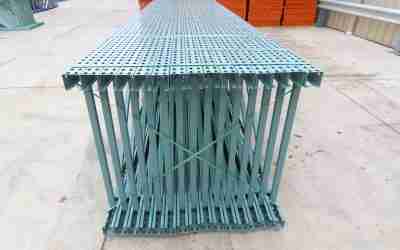
Lean Warehouse Design Principles
Lean Warehouse Design Principles. Lean Warehouse Design Principles: Transforming Spaces, Empowering Efficiency and Sustainability In the dynamic realm of warehouse operations, lean principles offer a transformative pathway that resonates deeply with both operational success and employee empowerment. Racking systems are at the core of this transformation, serving as more than mere storage; they are the heart of efficiency. Imagine a workspace meticulously organized, where every item has its designated place, promoting an atmosphere of pride and purpose among employees. A well-executed racking system not only optimizes space but also fosters a culture of safety and respect, directly impacting morale and productivity. Consider the emotional weight employees carry in a chaotic environment. Their frustrations resonate throughout the workflow, hindering productivity and heightening stress. By implementing effective racking systems, businesses can eliminate these obstacles, transforming potentially hazardous spaces into efficient pathways for success. Studies consistently illustrate that organizations prioritizing safety and organization witness lower accident rates, ultimately leading to increased profitability. Moreover, the narrative of a transformed warehouse serves as a driving force for industry change. When staff members share stories of improved workflow and reduced stress, they inspire others within the organization to envision similar transformations. This creates a ripple effect, encouraging collaboration and fostering a sense of belonging that transcends individual roles. Incorporating technology enhances this journey further. Smart, automated racking solutions not only streamline inventory management but also symbolize a commitment to continuous improvement. Employees benefit from real-time tracking, empowering them to make informed decisions that mitigate waste and enhance efficiency. This integration aligns financial performance with ethical responsibility, setting a standard that others aspire to emulate. Central to the success of lean design principles is the investment in employee training. Training cultivates a culture ofownership and accountability, where each worker feels integral to the larger mission. When employees understand how their contributions align with organizational goals, their commitment deepens, driving innovation. Adopting lean warehouse design is more than a strategic choice; it’s a moral imperative that yields significant benefits for everyone involved. Embrace these principles to create an environment where efficiency flourishes, safety is prioritized, and every member of the team can take pride in their work—transforming challenges into opportunities for growth and success.
Reducing Touchpoints In Distribution
Reducing Touchpoints In Distribution. Reducing touchpoints in distribution isn’t just about cutting corners; it’s about redefining the way we connect and operate in a complex logistics landscape. Imagine a world where each interaction—from a call to a product handoff—serves a purpose, driving efficiency and trust rather than causing chaos. Every added touchpoint can introduce confusion and potential errors, burdening employees and frustrating customers. By streamlining processes, we not only reclaim valuable time but also restore the human connection that gets lost in the clutter. Consider the emotional weight carried by those navigating an overloaded system. Employees, overwhelmed by excess communication, are often left feeling undervalued, impacting morale and productivity. It’s time we prioritize meaningful interactions, fostering a workplace where every team member feels empowered and engaged. This shift cultivates camaraderie, creates a sense of shared responsibility, and translates into a more motivated workforce. From a rational perspective, reducing touchpoints leads to measurable improvement in operational efficiency. Fewer interactions mean less likelihood of errors, resulting in faster, smoother deliveries. Customers appreciate businesses that respect their time and respond with clarity. This builds loyalty and trust—key components of long-term success. Ethically, a commitment to fewer touchpoints reflects a respect for both people and the planet. By making deliberate choices to reduce unnecessary steps, companies not only streamline operations but also embrace their role in fostering sustainable practices. This resonates with increasingly conscientious consumers who favor brands that demonstrate responsibility. Ultimately, embracing a lean distribution model and fewer touchpoints unlocks significant benefits, transforming logistics from a burden into a well-oiled machine. It’s about creating connections that matter, ensuring every interaction enhances relationships and builds trust. By rethinking our approach to distribution, we can pave the way for a future where efficiency and empathy go hand in hand.
Workflow Bottlenecks Hidden In Layout
Workflow Bottlenecks Hidden In Layout. In today’s fast-paced work environment, unnoticed barriers—those hidden workflow bottlenecks—can significantly hinder productivity and morale. Imagine a bustling warehouse where disorganization transforms efficiency into chaos. Workers maneuver through cluttered aisles, their enthusiasm draining with each wasted moment. This isn’t just about misplaced tools or chaotic layouts; it represents a deeper disconnection between management and frontline staff, a lack of acknowledgment that can erode trust and motivation. A meticulously organized workspace, in contrast, empowers employees. It communicates a powerful message: Your contributions matter. When tools and materials are easily accessible, it fosters a sense of pride and ownership. Workers experience a renewed purpose, knowing that they can focus on their tasks rather than navigating a maze of inefficiency. This emotional and rational connection to their environment can elevate morale and turn frustration into collaboration. Furthermore, addressing layout issues isn’t solely a logistical concern; it’s an ethical commitment to the workforce. A thoughtful design respects workers’ needs, significantly reducing the risk of burnout and accidents. Engaging employees in layout discussions cultivates a culture of trust and accountability, enhancing teamwork. Ignoring these factors, on the other hand, doesn’t just risk productivity; it can undermine relationships, creating a toxic work environment that affects everyone. Consider the costs of overlooking these vital aspects. Disorganization translates to higher labor expenses, decreased employee morale, and increased turnover. Yet, the solution lies in simple adjustments—restructuring layouts, optimizing racking systems, and prioritizing communication. These changes signal to your team that their experiences are valued and that their workspace is designed for success. Transform challenges into opportunities by addressing workflow bottlenecks head-on. By recalibrating layouts, you not only streamline operations but also ignite a spirit of engagement and pride within your team, paving the way for sustained productivity and growth. Make space for growth, connection, and a thriving workplace.
Designing for Smooth Replenishment Cycles
Designing for Smooth Replenishment Cycles. Designing for smooth replenishment cycles transcends mere logistics, emphasizing the profound connection between efficiency and human experience. In inventory management, well-thought-out racking systems do more than organize products; they embody a commitment to ensuring availability and minimizing disruptions that can frustrate teams and harm productivity. Each inventory item carries significance—its management a testament to operational foresight and rhythm. Predicting demand poses a complex challenge akin to forecasting the weather. Businesses must strike a delicate balance between overstocking and understocking, where every decision impacts not just sales but livelihoods. Individuals depend on reliable stock levels to perform their roles effectively, intertwining their daily efforts with the availability of products. Space management plays a crucial role; each inch of the workspace has value, reinforcing the importance of smart racking solutions that maximize efficiency. Furthermore, ethical practices surrounding transparency and honesty in inventory management foster trust and loyalty, creating a supportive workplace culture. Tending to product availability underlines emotional connections between brands and customers. A bare shelf can frustrate a customer, influencing their perception and relationship with a brand, whereas consistent availability fosters loyalty and positive experiences. Technology is a game changer, enhancing replenishment efficiency by linking teams, reducing wasted time, and streamlining operations. Smart systems empower staff, focusing their efforts on core tasks while cultivating a resilient supply chain nurtured through strong supplier partnerships. These relationships, built on shared values, elevate operations and foster trust. Ultimately, effective replenishment is a philosophy rooted in respect, responsibility, and collective progress. By refining processes, nurturing relationships, and embracing innovation, businesses can cultivate a thriving community, united in achieving operational success and learning together on this journey.
The Physics Of Forklift Congestion
The Physics Of Forklift Congestion. In the dynamic realm of warehouses, forklift congestion creates a ripple effect that extends beyond mere inconvenience; it poses a real threat to safety and efficiency. Imagine the daily grind where operators are trapped in a web of tightly packed aisles, each beep of warning signals the stakes—navigating heavy machinery in cramped spaces can lead to costly accidents and anxiety-filled workdays. Here, the choreography of movement becomes essential, where understanding the physics of load dynamics can mean the difference between a smooth operation and a potential disaster. Every worker in these environments deserves the assurance of safety and respect. Their roles extend far beyond the machines they operate; they are integral to a collaborative ecosystem that thrives on precision and teamwork. When congestion clogs the pathways of productivity, it doesn’t just waste time—it dims morale and stifles potential. Investing in smarter layouts, effective communication, and technological advancements isn’t merely a business decision; it’s a commitment to the collective well-being of every employee. Rationally, addressing these congestion challenges translates into measurable gains—decreased accidents improve operational flow and profitability. Ethically, it reinforces a culture where employees feel safeguarded and valued. When they see evidence of their employers prioritizing their safety, it fosters loyalty and cooperation, enhancing overall productivity levels. By embracing innovative solutions and fostering robust training programs, organizations can transform chaotic environments into well-structured operations. Clear pathways lead to smoother navigation, reducing stress and empowering workers to perform with confidence. Remember, every step taken to reduce congestion is a step toward creating a vibrant workplace—a community where efficiency blooms, and every worker can excel in their vital roles. Together, let’s navigate the complexities of forklift congestion and pave the way for a safer, more productive future.
Cross-Aisle Planning for High-Volume Operations
Cross-Aisle Planning for High-Volume Operations. In high-volume operations, cross-aisle planning transcends being a mere logistical strategy; it serves as the heartbeat of efficiency and teamwork. Visualize a sprawling warehouse alive with activity—forklifts in motion, employees staking their roles in a well-orchestrated flow. This isn’t just about moving products; it’s about integrating the efforts of individuals who bring their unique skills to the table, creating synergy that drives success. A well-coordinated approach fosters trust and communication. When teams from different aisles collaborate, they break down barriers and cultivate a culture where every voice matters. This shared connectivity is essential, as it transforms isolated tasks into a collective mission, boosting morale and igniting creativity. It’s about seeing each challenge through a lens of collaboration, effortlessly aligning personal and organizational goals while thriving on the diverse strengths each team member contributes. Moreover, evidence shows that effective cross-aisle strategies yield tangible benefits; organizations experience reduced waste, heightened productivity, and improved employee satisfaction. Data reveals that a streamlined operation not only maximizes efficiency but also elevates safety and morale, forming a workspace where individuals feel valued and empowered. Critically, the ethical responsibility rests on leadership to create an environment that recognizes and respects the integral role of each worker. By promoting inclusivity and teamwork, companies underscore their commitment to building a supportive community. This isn’t merely about logistics; it’s about fostering an ethos that champions every contribution, cultivating an atmosphere where everyone is invested in collective success. Through storytelling, the narrative of success grows richer. Sharing triumphs and lessons learned across departments highlights the human element behind every logistical endeavor. This narrative not only strengthens teamwork but also inspires new initiatives, demonstrating that together, the workforce can navigate even the most complex challenges. In the end, cross-aisle planning is more than a strategy; it’s a vital framework for enhancing collaboration and operational excellence. Investing in this approach not only elevates productivity but nurtures an environment where innovation thrives and relationships flourish, paving the path for sustainable success in high-volume operations.
Reducing Double Handling Through Rack Placement
Reducing Double Handling Through Rack Placement. In the dynamic realm of warehouses and distribution centers, the specter of double handling looms large, draining both efficiency and employee morale. Imagine a bustling warehouse where items are moved in endless cycles, causing frustration for workers who yearn for a streamlined process. This constant shuffle not only wastes time but also saps energy and motivation. Workers begin to feel more like machines than valued team members, losing the spark that fuels productivity. Now envision a solution: strategic rack placement that transforms chaos into order. By designing a thoughtful racking system, we create a workspace where every item is easily accessible, freeing workers from the burdens of unnecessary movement. This isn’t merely about logistics; it’s about dignity and respect for the people who keep operations running. When racks are placed for optimal efficiency, employees no longer waste precious minutes searching for tools or products, allowing them to focus on what truly matters. This sense of empowerment elevates their pride in their work, fostering an environment of collaboration and trust. Everyone wins when workers see their efforts valued; engagement increases, productivity soars, and the team becomes a cohesive unit driving towards shared goals. Moreover, there is a moral imperative at play. Prioritizing efficient rack placement not only enhances safety but also signals a commitment to employee well-being. An organized workspace reduces the risk of accidents and minimizes stress, elevating morale and reinforcing the culture of care within the organization. As stories of success circulate among colleagues, a sense of camaraderie develops. Each achievement becomes a shared victory, binding the team through a collective narrative. In such a culture, employees are inspired to innovate and contribute, creating a cycle of continuous improvement. Thus, reducing double handling through smart rack solutions represents a vital investment—not just in operational efficiency but in the very people who drive success. By placing the needs of the workforce at the forefront, organizations can cultivate an environment where respect, safety, and shared achievement flourish. In doing so, they champion not only profitability but the human spirit that underpins every thriving business.
Dock-To-Stock Optimization Strategies
Dock-To-Stock Optimization Strategies. In the intricate world of supply chain management, where every decision shapes the future, the path from dock to stock is not just about logistics—it’s a journey of transformation. Picture a warehouse bustling with activity, a symphony of precision and collaboration, where every team member knows their role. This is where chaos meets clarity, and operational excellence is born. Harnessing effective dock-to-stock optimization strategies transcends mere efficiency; it fosters a culture where trust is paramount. Employees thrive in an environment where they see their input valued, contributing meaningfully to a shared goal. Transparency becomes the foundation, enabling every worker to feel empowered and connected, driving collective success. Consider the emotional pulse of a smooth operation: the satisfaction that blossoms when goods flow seamlessly from dock to shelf, alleviating stress and fostering camaraderie among the team. The stories from the warehouse are powerful; they are tales of resilience, creativity, and mutual support that illustrate the profound impact of teamwork. Smart investments in technology, like automated inventory management systems, can elevate you beyond the daily grind. Imagine a racking system that not only organizes but inspires pride among workers, turning frustration into fulfillment. Each technology enhancement brings clarity to the chaos, while real-time data transforms decision-making, paving the way for a proactive rather than reactive approach. Yet, it’s crucial to remain grounded in ethics. Decisions made in the name of efficiency must honor the well-being of the community, employees, and the environment. A commitment to responsible practices fosters loyalty and a sense of belonging, ensuring that replenishment strategies reflect the values that matter most. Ultimately, enhancing dock-to-stock processes isn’t just about cutting costs; it’s about cultivating lasting relationships with your team and your customers. Every strategy employed is a step toward a more reliable, respected, and efficient operation that stands the test of time. As you guide your supply chain journey, remember that every effort contributes to a legacy that uplifts all involved. Together, we can forge not just a path to success but a future built on trust, pride, and shared accomplishments.
Warehouse Flow Mapping Explained
Warehouse Flow Mapping Explained. Unlocking Efficiency: The Heartfelt Guide to Streamlined Warehouse Success Warehouse flow mapping is essential for transforming chaotic environments into efficient systems where every item has its designated path and every worker understands their role. Imagine a well-choreographed dance, where the rhythm of operations is finely tuned, reducing wasted time and resources. This meticulous planning not only enhances productivity but fosters a collective sense of pride among employees. When team members can seamlessly navigate their tasks, it cultivates a shared ownership of outcomes, boosting morale and instilling confidence. From a rational perspective, flow mapping addresses bottlenecks and optimizes logistics, especially during peak periods. The clarity it provides allows workers to focus on their duties rather than search for misplaced items, ultimately saving precious time and operational costs. Ethically, a well-planned layout minimizes workplace hazards, demonstrating a commitment to employee safety and well-being—creating a work culture where everyone feels valued. The narrative of flow mapping goes beyond mere operations; it represents a shift towards a unified mission where individual contributions are celebrated. This spirit of camaraderie strengthens team bonds, turning challenges into shared victories. On a broader scale, efficient warehouses boost local economies by driving job creation and supporting community growth. Flow mapping isn’t just an operational task; it’s a vital strategy that unites efforts toward a common goal. By fostering clarity and connection within the workplace, it transforms chaos into order, paving the way for a thriving workforce proud of their collective achievements.
Eliminating Cross-Traffic In Industrial Facilities
Eliminating Cross-Traffic In Industrial Facilities. Eliminating cross-traffic in industrial facilities transcends mere operational efficiency; it’s a profound commitment to safety and respect for the workforce. Imagine a workspace transformed, where employees glide through their tasks, unimpeded by chaotic traffic. Each strategic layout enhances not just productivity, but builds confidence and community. Visualize a bustling factory where every worker feels secure, navigating clear paths tailored for their safety. This isn’t about implementing rules; it’s about fostering an environment where every individual’s well-being is prioritized. By investing in thoughtful design, facilities signal that they genuinely value their employees, empowering them to focus on their responsibilities without the looming threat of accidents. Rationally, this isn’t just a matter of ethics; it’s a smart business decision. Reduced accidents translate into higher morale, increased efficiency, and ultimately, better financial performance. Statistics highlight that organized workflows lead to happier workers. When employees are confident in their surroundings, they thrive, contributing to a vibrant workplace culture rooted in teamwork and mutual respect. Moreover, technology plays a pivotal role. Advanced systems can streamline traffic flow, offering real-time data that promotes awareness and precaution. Each tool installed represents a commitment to safety, reinforcing a culture that inspires collective responsibility. This isn’t just about eliminating chaos; it’s about creating a thriving community where every worker is respected, heard, and empowered. By prioritizing safety and efficiency, organizations are not only enhancing productivity but also transforming their workspaces into supportive environments. Together, we can cultivate a culture where every individual can flourish—safely and successfully.
Designing Rack Layouts That Support Flow
Designing Rack Layouts That Support Flow. Designing Rack Layouts That Support Flow: Empowering Efficiency and Connection In the heart of every successful warehouse or workshop lies a meticulously designed racking system that transcends mere practicality—it embodies efficiency, safety, and a sense of community amongst the workforce. A well-structured rack layout acts as the backbone of operational flow, transforming a chaotic environment into a harmonious space that supports both productivity and morale. Imagine a bustling warehouse where every tool and item is accessible, reducing the frantic scramble that often leads to frustration. This isn’t just about aesthetics; it’s about creating an atmosphere where employees feel empowered and valued. When racks are organized, workers can swiftly locate what they need, allowing them to focus on quality work rather than wasting precious time searching in vain. This streamlined approach fosters pride and a collective responsibility to maintain a clean and efficient workspace. From a financial perspective, the benefits of investing in intelligent rack layouts are tangible. Minimizing retrieval times and reducing wasted space directly impact the bottom line. Effective designs not only save time but optimize resources, proving that operational excellence is a wise investment. Ethical leadership is reflected in the commitment to create safe environments that prioritize employee well-being, ultimately enhancing retention and fostering a loyal workforce. The emotional landscape of a tidy workspace is profound. Clutter breeds anxiety, while organization cultivates a sense of calm and teamwork. Each item in its rightful place reflects respect for the daily efforts of your team, reinforcing a culture where collaboration thrives. Spaces that encourage communication spark innovation, transforming individual contributions into a collective force for progress. As you evaluate your current rack designs, consider their alignment with industry best practices. Establishing a sturdy foundation that promotes safety and efficiency is paramount. A thoughtful layout is not just a floor plan; it’s a commitment to nurturing a workplace where everyone can flourish. By prioritizing thoughtful rack layouts, you’re not just organizing space—you’re investing in a thriving workplace culture that everyone can take pride in.
Why Your Warehouse Feels Slower Than It Should
Why Your Warehouse Feels Slower Than It Should. Unlocking the hidden potential of your warehouse starts with acknowledging a fundamental truth: efficiency is more than just a metric—it’s the lifeblood of your operations. Imagine your warehouse functioning like a finely tuned engine, each component working in harmony to propel your business forward. Yet, many warehouses fall victim to inefficiencies that stifle productivity, leaving employees frustrated and revenue at risk. At the heart of these slowdowns often lies outdated racking systems. These structures are not merely for storage; they dictate the flow of goods and, ultimately, the satisfaction of your customers. When racking systems are poorly designed or disorganized, they create unnecessary barriers. Picture workers navigating cluttered aisles or searching for misplaced items while the clock ticks away—this scenario isn’t just a productivity issue; it’s a morale killer. Investing in enhanced racking solutions is not just a smart business move; it’s an ethical obligation to your workforce. A well-structured warehouse respects your employees’ time and effort, fostering an environment where they can thrive. Training your staff adequately on these systems adds another layer of efficiency. Empowered, well-informed employees are more confident and engaged, translating that energy into enhanced performance. Furthermore, embracing technology can drastically elevate your operations. Innovative systems not only improve the speed and accuracy of order fulfillment but also cultivate a culture of collaboration. When everyone is equipped with the right tools and knowledge, they become part of a larger mission—one that values not just outcomes but the people behind them. By addressing the roots of inefficiency, you can transform frustration into teamwork, reviving the enthusiasm of your staff and creating a warehouse that functions as a cohesive unit. Share stories of success within your team and encourage open dialogue about challenges. This culture of communication not only invites solutions but also strengthens bonds—transforming your workforce from a group of individuals into a proud, united team. Efficiency isn’t merely a goal; it’s a journey. Embrace the changes needed to unlock your warehouse’s true potential, and watch as productivity soars, staff morale elevates, and your bottom line flourishes. Together, let’s reclaim the momentum, ensuring that your warehouse operates smoothly and meets the demands of today’s fast-paced environment.
Steel As a Strategic Asset
Steel As a Strategic Asset. Steel is more than just a fundamental material; it’s the lifeblood of our economy, serving as a strategic asset that weaves together communities, innovation, and resilience. Imagine the bustling factories where skilled workers transform raw iron into beams and racks that will support our homes, bridges, and workplaces. Each piece of steel symbolizes not only strength but the pride and dedication of those crafting it, embodying stories of hard work and shared aspirations. In a society increasingly concerned with sustainability, steel stands out as endlessly recyclable, offering a path toward a greener future. Choosing steel sourced responsibly isn’t just an economic decision—it’s an ethical commitment that reflects our shared values. As we navigate the challenges of modern life, steel remains a powerful reminder of our capacity to unite, innovate, and build a future where every structure represents a bond of trust and community. Embracing steel is about securing our collective future, fortifying not just the physical infrastructure but also our societal fabric. Opting for sustainable practices in steel production is a stand for accountability, benefiting not only the economy but the environment, paving the way for generations to thrive.
Storage Density and Margin Protection
Storage Density and Margin Protection. Storage Density and Margin Protection: Maximize Space, Safeguard Profits In the bustling world of warehousing and logistics, storage density is the heartbeat of operational efficiency. Visualize a warehouse where every inch is strategically utilized, transforming disarray into precision. This isn’t merely about cramming more into a space; it’s about crafting a system that enhances productivity and safeguards profit margins. A well-designed racking system serves as a foundational pillar, ensuring each item has a designated place, thus elevating the workplace experience and reducing costly errors. Beyond the practical logistics, this approach embodies ethical responsibility. By maximizing storage density, businesses demonstrate respect for their resources and workforce. It minimizes waste and displays a commitment to sustainability, resonating with both employees and consumers. When teams work in organized, well-structured environments, they feel valued and engaged, fostering a culture of collaboration and pride. Financially, the stakes are high. Low storage density translates to wasted opportunity and unnecessary overhead. Every square foot of unutilized space siphons away potential profits, making it imperative to invest in robust racking systems that amplify storage capabilities. Additionally, this commitment extends beyond immediate savings; it sets the stage for long-term growth, enabling organizations to allocate resources effectively. In this rapidly evolving industry, technology emerges as a vital ally. Smart racking systems and inventory management solutions equip businesses to enhance storage density, streamline operations, and reduce operational costs. Such innovations not only drive efficiency but also cultivate a forward-thinking culture where employees are empowered to optimize processes. Ultimately, maximizing storage density is not simply a technical challenge; it’s a narrative of growth and responsibility. Each rack tells the story of teamwork and dedication to a common goal. By embracing comprehensive strategies that prioritize efficiency, safety, and sustainability, organizations can transform challenges into opportunities, creating a thriving atmosphere where both margins and morale flourish. Together, let’s elevate storage density from a logistical necessity to a robust pathway for sustainable success.
Long-Term Asset Planning for Distribution Centers
Long-Term Asset Planning for Distribution Centers. Long-term asset planning for distribution centers transcends the realm of numbers and machinery; it is about crafting a resilient framework that nourishes both the community and the dedicated workforce. Racking systems, often dismissed as mere storage solutions, embody a commitment—a commitment to delivering vital goods with efficiency and reliability, while ensuring that the workforce managing these systems feels valued and secure. By investing in robust and adaptable racking structures, facilities not only meet immediate logistical demands but also position themselves for sustainable growth, demonstrating foresight that resonates within the industry. Every worker arriving for duty embodies purpose, with each shelf and beam standing as a testament to the trust placed in these systems. This trust fosters workplace reliability, enhancing an environment where employees can flourish. Selecting the right racking systems minimizes hazards and empowers staff, driving morale and productivity higher. Furthermore, the ethical implications of choosing sustainable practices reflect a responsibility to our planet, cultivating community loyalty and enhancing reputation in a competitive landscape. Optimizing asset utilization resembles the fine-tuning of a well-oiled machine; meticulous attention to detail yields streamlined operations that boost efficiency and significant cost savings. Each deliberate step towards improved inventory and asset management not only enhances productivity but also nurtures a collaborative and innovative culture. The long-term investments made today ensure the future viability of distribution centers, whether through advanced racking systems or state-of-the-art technology, all echoing impact on both operational health and employee satisfaction. In this ever-evolving landscape, the importance of long-term planning cannot be overstated. It serves as a safeguard against uncertainty, prioritizing financial stability and the well-being of both employees and the broader community. By harmonizing asset planning with strategic business goals, organizations can forge an environment of trust and shared aspirations. Every thoughtful decision made today lays the foundation for a legacy that transforms distribution centers into not only efficient operations but also vital community resources that resonate profoundly with their surroundings.
Rack Design and Cash Flow Strategy
Rack Design and Cash Flow Strategy. Rack Design and Cash Flow Strategy In the world of business, where every detail counts, your racking systems play a pivotal role in shaping your operational success and financial health. Imagine a warehouse where every pallet is easily accessible, every item organized with precision. This isn’t just about aesthetics—it’s a commitment to efficiency that reflects respect for your investments and your team. A thoughtfully designed rack system transforms chaos into clarity, enhancing productivity and driving faster order fulfillment. This speed is crucial for maintaining a healthy cash flow, ensuring that customer satisfaction and quick payment cycles work hand in hand. But it goes deeper than mere functionality. A well-organized work environment reduces frustration and cultivates a collaborative spirit within your workforce. When employees know where to find what they need, it promotes ownership and pride in their contributions. Ethically, creating a safe workspace should be non-negotiable. A sturdy racking system mitigates potential accidents, fostering trust and loyalty among team members who feel valued and protected. Investing in smart rack design also communicates authority and foresight to stakeholders. It shows a readiness to adapt to changing demands and an understanding of your business’s evolving needs. Each thoughtful adjustment in your racking systems sends a powerful message—your commitment to excellence and resilience. Ultimately, effective rack design isn’t merely a logistical choice; it’s a strategic decision that resonates through every layer of your operation. By optimizing your racking systems, you’re not just improving efficiency; you’re weaving a narrative of success that enriches both your cash flow and employee morale. This legacy of respect, community, and sustainable growth is what sets thriving businesses apart in today’s competitive landscape. Invest in your infrastructure, and watch as every component of your operation works harmoniously to drive your vision forward.
Warehouse Expansion Cost Comparison Model
Warehouse Expansion Cost Comparison Model. Unlocking growth in your warehouse is not merely a financial decision; it’s a holistic endeavor that requires a compassionate blueprint. As you stand on the brink of expansion, envision the ripple effects of your choices on the lives of your employees, the health of your operation, and the strength of your community. Every investment you make isn’t just a number on a balance sheet; it represents a commitment to efficiency and safety that empowers your workforce. Imagine a future where your operations run seamlessly—every inch of space maximized, every worker equipped with the right tools, and every customer delighted by improved service. This isn’t just a possibility; it’s a goal within your reach. Yes, the costs involved can seem daunting, from advanced racking systems to increased labor expenses. But when you weigh these against the long-term gains—enhanced productivity, reduced operational risks, and happier employees—the narrative shifts. It’s vital to approach these complexities with a rational mindset. Understand the true costs beyond the construction, from utilities and maintenance to training new staff. Calculate the return on investment carefully, using both historical data and projected outcomes. Seek the wisdom of industry leaders who have successfully navigated this path. They will reassure you that with careful planning, the right location, and thoughtful technology adoption, the growth of your warehouse can be both sustainable and ethical. Remember, you’re not just expanding physical space; you’re building relationships within your business and your community. As you make these pivotal decisions, focus on creating a culture where employees feel valued and invested in their work. This is not simply about profit; it’s about nurturing a thriving environment for all stakeholders involved. During this journey of expansion, let your heart guide your ethical considerations while your head navigates the numbers. As you take this leap, remember: when you prioritize safety, morale, and community ties, you pave the way for an impactful future—a future where your business doesn’t just grow but flourishes, setting a stage for success that resonates far beyond your warehouse walls.
Financing Large Rack Projects
Financing Large Rack Projects. When it comes to financing large rack projects, you stand at a crucial juncture where ambition meets opportunity. Think of this not just as a financial decision, but as an investment in the future of your business—an embodiment of your hard work, your vision, and your determination. Every entrepreneur knows the relentless hustle: late nights spent strategizing, the sleepless hours questioning, Is this the right move? But there is a path forward, illuminated by informed choices and strategic planning. Explore your options thoroughly. Traditional banks offer lending programs designed specifically for equipment purchases. When presenting your case, emphasize the efficiency and profitability that effective racking systems can bring to your operations—this isn’t merely about financing; it’s about streamlining your business towards greater success. Understand the current market landscape; efficient storage isn’t just an asset; it’s a necessity. Your racking systems could be the difference between chaos and order, a vibrant hub of productivity rather than a cluttered space. In this journey, partnerships cultivate leverage. Collaborate with suppliers, financial advisors, and co-investors who can provide insight and foster support that leads to better financing options. Networking with those who’ve traversed similar paths enriches your understanding and opens up further possibilities. Cost management is essential; scrutinize your expenses for hidden savings and optimize operations. It’s not about cutting costs indiscriminately; it’s about smart spending that reinforces your values and strengthens your community. Every dollar saved is a step closer to reinvesting in your team and supporting sustainable practices. Recognizing potential pitfalls is equally critical. Underestimating the costs associated with financing installations can jeopardize your financial health, so invest time in due diligence. You are crafting more than just an operational environment; you are building an ethical foundation that showcases your commitment to quality and integrity. Seeking guidance? Local credit unions and seasoned financial advisors possess the hands-on experience that resonates with the realities you face. Authentic, trustworthy relationships breed confidence and facilitate informed decisions. Finally, when it comes to attracting investors, your narrative matters. Cultivate an emotional connection through stories that highlight transformative impacts on productivity. Pair your compelling vision with concrete financial data, showcasing the growth potential that awaits. Integrate sustainability into your pitch to align with contemporary values. Prioritize key financial metrics—cash flow, profit margins, ROI, and a balanced debt-to-equity ratio. These indicators will not only fortify your business strategy but also pave the way for a resilient future. Through careful planning and dedication, transform your aspirations into a lasting legacy.
The Cost Of Inefficient Storage Layouts
The Cost Of Inefficient Storage Layouts. Transforming your storage space holds the key to unlocking untapped potential and profitability. Imagine walking into a warehouse where every item has a place, and each worker moves with purpose rather than frustration. The reality is that inefficient storage layouts siphon resources, reduce productivity, and impact employee morale. Picture your team, motivated and confident, thriving in an organized environment. Every minute saved searching for misplaced items translates to real dollars, enhancing operational efficiency and strengthening customer trust. Investing in optimized storage isn’t just smart; it’s ethical. It reflects a commitment to valuing your team and ensuring a reliable, seamless experience for your customers. Consider the ripple effect: happy employees lead to satisfied customers, driving repeat business and positive word-of-mouth. Narratives like Joe’s—a warehouse manager who transformed chaos into order—illustrate the profound impact of strategic design. After revamping the layout, productivity soared and team morale followed suit. In a world where organizational efficiency can set you apart, a well-structured storage system becomes a crucial asset. Embrace the responsibility to create a workspace where every aspect is intentionally designed to foster success. Reclaim your time, enhance employee well-being, and watch customer satisfaction flourish. Now is the moment to assess your storage solutions—before inefficiency becomes an insurmountable burden. Invest wisely, and witness how a small change in layout can generate substantial returns, reigniting pride in both your team and your operation.
Rack Systems As Infrastructure Investment
Rack Systems As Infrastructure Investment. In the dynamic realm of industry, racking systems emerge as pivotal players, offering more than mere storage solutions. They represent a strategic investment in the very infrastructure that fuels productivity and efficiency. Imagine stepping into a meticulously organized warehouse, where every item has a designated place. This isn’t just about aesthetics; it’s about creating an environment where employees feel empowered and valued. The clarity brings order, minimizing frustration and enabling teams to focus on what truly matters—getting the job done. Rationally, the numbers are compelling. Quality racking systems dramatically enhance space utilization, streamline inventory management, and reduce operational costs. Businesses that implement these systems aren’t merely optimizing storage; they’re setting the stage for increased profitability. The ripple effects extend further: improved safety protocols stem from organized spaces, fostering a culture of trust and loyalty among workers who feel secure in their environment. With authority drawn from industry experts, investing in well-designed racking systems translates to long-term gains. The lessons learned from past missteps echo loudly—cutting corners may lead to chaos and inefficiency, undermining morale and productivity. Real stories reveal the transformative power of structured racking, showcasing the shift from disorder to operational excellence, igniting pride in employees and cultivating a workplace culture centered on collaboration and achievement. Beyond individual operations, racking systems anchor the broader economic ecosystem. As businesses thrive, they contribute to local communities, nurturing networks of support that uplift suppliers, clients, and their workforce. This interconnectedness is not just good for business; it reinforces a shared vision of sustainable growth and responsibility. Ultimately, embracing robust racking solutions means investing in a future where safety, efficiency, and respect for every worker resonate throughout the organization. It’s about laying a solid foundation, where the heart of the operation beats strong and steady, poised for success. Each rack tells a story—not just of goods stored, but of potential unlocked and futures transformed.
Warehouse Density As a Financial Strategy
Warehouse Density As a Financial Strategy. Maximizing warehouse density isn’t merely a logistical undertaking; it’s a pivotal financial strategy that impacts the heart, soul, and backbone of your business. Imagine transforming your warehouse into a dynamic environment where each square foot is a catalyst for productivity, pushing your bottom line to new heights. Effective racking systems serve as the backbone of this transformation, not only enhancing organization but exposing the hidden potential of underutilized spaces. Think of the emotional weight a chaotic warehouse places on your staff. When the aisles are cluttered and the layout confusing, the frustration of misplaced items and missed deadlines eats away at morale. But with strategic planning, every inch of your warehouse can motivate and inspire. Employees thrive in an environment where order and accessibility reign, leading to enhanced performance and a stronger sense of belonging. Rationally, the financial benefits are clear. By reducing wasted space, you cut operational costs—unlocking funds for workforce investments, improved training, or better equipment. It’s not just about saving money; it’s about reinvesting in your most valuable asset: your people. Each committed worker will feel the value of your investment, translating to heightened loyalty and increased productivity. Ethically, this focus on efficiency fosters a culture of respect and care. Employees recognize that a thoughtful layout prioritizes their wellbeing, creating an atmosphere that values safety and support. Cultivating such a workplace isn’t just good practice; it builds your reputation as an employer that genuinely cares for its workforce, paving the way for a thriving community. Ultimately, warehouse density is a story of collaboration—a shared journey where every team member contributes to a vision of success. It’s about creating a legacy rooted in smart design and human connection. Make the choice today: optimize your warehouse, and watch the positive ripple effects transform not just your operations, but your entire organizational culture. This is your opportunity to elevate your business, your employees, and your community, earning trust and loyalty from every corner of the market.
Payback Periods for Warehouse Optimization
Payback Periods for Warehouse Optimization. In today’s fast-paced world, optimizing warehouse operations is not just another task; it’s a transformational journey that impacts every facet of your business. Imagine a warehouse where the hustle and bustle of daily activities sync seamlessly with technology and thoughtful design. Each racking system isn’t merely a storage solution; it’s a carefully orchestrated element that amps up efficiency and value. Investing in smart racking and processes translates directly into financial gains, reducing labor costs and accelerating picking times. This isn’t abstract; it results in real, tangible benefits—quicker shipments and happier customers who return, eager for more. When teams operate in an organized, supportive environment, morale skyrockets, and a culture of ownership emerges. Employees feel valued, knowing their hard work contributes to streamlined operations and a thriving business. But this journey isn’t solely about profits. Ethically, it reflects a commitment to your workers and the environment. By minimizing waste and lowering your carbon footprint, your operations not only shine in efficiency but also enhance your reputation as a responsible player in the industry. The stories emerging from transformed warehouses highlight real worker engagement. It’s about creating spaces where every voice matters, leading to collective growth. Teams that share their insights and experience drive innovation, making each improvement a milestone in the narrative of success. Ultimately, embracing warehouse optimization is about harnessing potential and igniting passion. It’s a commitment to excellence that nurtures relationships with your employees and customers, fostering loyalty that stands the test of time. This isn’t just a process—it’s a movement toward a sustainable future, where every effort counts toward a greener, more prosperous tomorrow.
Capital Efficiency In Tight Markets
Capital Efficiency In Tight Markets. Capital efficiency in tight markets is not just a financial strategy; it’s a profound commitment to maximizing every resource at your disposal while nurturing the core of your business—its people and its values. In an era where each dollar spent must yield greater returns, understanding the delicate balance between heart, head, and gut becomes crucial. This is where the success stories of resilient businesses come to life. Imagine a warehouse bustling with activity, each racking system meticulously organized, serving not only as storage but as a testament to strategic planning and foresight. Every well-positioned shelf reflects a choice made with purpose—a choice that resonates deeply with both employees and customers. When a company prioritizes thoughtful investments, it cultivates an atmosphere of trust and loyalty. Workers feel valued and engaged, leading to innovations that drive efficiency and productivity. Yet, in this pursuit of capital efficiency, ethical considerations must guide decisions. Are the investments made in alignment with the well-being of your team and the community? Ethical capital choices enhance your brand’s reputation, drawing in customers who seek enterprises that prioritize responsibility over mere profit. Moreover, the stories behind these decisions are where true connection happens. By sharing challenges and triumphs, businesses can evoke empathy and forge bonds that go beyond transactions, originating a culture that thrives on collaboration and mutual support. In this complex landscape, remember that capital efficiency isn’t merely about cutting costs; it’s about cherishing resources and empowering people. When trust underpins your strategies, your business transforms challenges into opportunities for growth. This holistic approach not only enhances your operational framework but also leaves a lasting impact on the community you serve—ensuring that together, both your business and its stakeholders can flourish.
When Rack Upgrades Beat Real Estate Moves
When Rack Upgrades Beat Real Estate Moves. When Rack Upgrades Beat Real Estate Moves: Transforming Spaces By Tom Seest When businesses consider strategies for growth, the common dilemma arises: invest in real estate or upgrade existing racking systems. While new office spaces or expansive warehouses may glitter with potential, it’s crucial to recognize the untapped advantages of optimizing your current setup. Upgrading racking systems extends beyond installing sleek shelves; it’s about unleashing the hidden power within your operations. Visualize stepping into a familiar workspace cluttered with inventory, where finding essential supplies feels like a scavenger hunt. Before signing a lease for a larger facility, reflect on the profound advantages a strategic racking upgrade can provide. Often, such enhancements lead to increased efficiency, eliminating the complexities and expenses that accompany relocation. The transformation of your racking systems can revolutionize operational dynamics. Enhanced storage capacity and accessibility empower your team to operate more intelligently, maximizing both productivity and morale. Investing in racking systems signifies a commitment to your workforce. When employees can easily access the essentials, they feel prioritized, resulting in a culture rooted in trust and increased performance. A well-organized workspace serves as a testament to your ethical responsibility; opting for upgrades rather than expansion reflects a sustainable mindset, minimizing waste and environmental impact. Numerous businesses have experienced the tangible benefits of smart racking decisions. Picture a distribution center where efficiency thrives, with every item at your fingertips—these aren’t just improvements; they are vital enhancements. When considering the significance of your decisions, remember that choosing to invest in what you already have may be the most forward-thinking strategy. By prioritizing the enhancement of your racking systems, you pave the way for a collaborative environment where growth isn’t just possible; it’s inevitable. Ultimately, the choice to optimize rather than relocate is a powerful statement, harmonizing emotional investment, rational strategy, and ethical responsibility. It reveals a profound understanding that sometimes, the best way to move forward is not to shift locations but to elevate what lies within.
The Financial Impact Of Underutilized Cube
The Financial Impact Of Underutilized Cube. The Financial Impact of Underutilized Cube: Maximizing Space for Cost Savings, Productivity, and Change In today’s fast-paced business environment, the financial toll of underutilized space cannot be overlooked. Picture a factory floor filled with racking systems that only collect dust. Each empty square foot of your facility is not just vacant; it’s wasted potential that reflects lost revenue and productivity. When employees navigate clutter instead of collaboration, morale dips, leading to a frustrated workforce that feels disconnected from the company’s mission. Emotionally, underutilized space sends a message of neglect. Workers crave environments where they feel valued, not situations that suggest their contributions are overlooked. Financially, every unused corner represents money going down the drain—costs for rent, utilities, and maintenance mount rapidly. These resources could fuel hiring or investments that strengthen the very fabric of your team. Ethically, maximizing space translates to responsible stewardship of resources. Businesses that prioritize efficiency not only save costs but also create sustainable practices that resonate with competitive pricing and environmental consciousness. Each transformation from chaos to clear functionality fosters a workplace that encourages innovation. Engaging employees in optimizing their workspace creates advocates for change. By leveraging racking systems and technology, companies can craft intuitively organized environments that enhance productivity. Investing in the people and spaces that matter demonstrates a true commitment to building a cohesive and motivated workforce. In the long run, underutilized areas aren’t just financial burdens; they represent unrealized potential that affects company culture. Transforming these spaces into vibrant hubs revitalizes teamwork and instills a sense of ownership among employees. By reimagining how we utilize every inch, businesses craft a narrative of success where every individual plays a crucial role in a thriving, interconnected ecosystem. Let’s embark on this journey together, maximizing resources to foster environments that echo with purpose and collaboration.
Maximizing Roi on Industrial Square Footage
Maximizing Roi on Industrial Square Footage. Maximizing ROI on industrial square footage isn’t just a necessity; it’s a strategy that transforms potential into profit. As you look around your workspace, envision every corner as an opportunity—a chance to optimize, organize, and push your operations to new heights. Think of your space as a living, breathing entity: it thrives when cared for and strategically structured. Implementing effective racking systems is a game-changer; it turns chaos into clarity, allowing your workforce to operate at peak efficiency. Imagine a scenario where delays are a thing of the past, where every team member has immediate access to what they need to succeed. This isn’t a mere improvement; it’s a commitment to excellence. When your workforce feels empowered and equipped, morale skyrockets, and productivity follows. Ethically, maximizing your space reflects responsibility—not just to your bottom line, but to the environment and your community. By reducing waste through smarter design, you position your company as a leader in sustainability, earning the trust and loyalty of customers and employees alike. Real stories from businesses that have embraced this philosophy illustrate its power. A recent case study from a local manufacturer reveals a remarkable turnaround—a revamped racking system resulted in streamlined operations and a direct boost in profitability. Workers thrived in an environment that honored their contributions, and the company flourished. This is the essence of what it means to maximize your industrial space: a blend of practicality, ethics, and the undeniable human connection that fosters a thriving workplace. It’s time to reconsider how you utilize your square footage. This is not just about numbers—it’s about nurturing a culture that values every individual’s input and experience. With the right strategies and the prioritization of your team’s needs, watch as your investment grows into a legacy of success and fulfillment. Your journey starts now.
Avoiding Capital Waste In Layout Redesign
Avoiding Capital Waste In Layout Redesign. Avoiding Capital Waste in Layout Redesign: An Essential Perspective Redesigning your workspace is more than a mere facelift; it’s a pivotal investment in your organization’s future. A well-executed layout redesign has the power to enhance productivity, elevate morale, and streamline operations—an alignment that ultimately drives profits. Imagine your workspace as a finely tuned instrument—each arrangement, each structural change, a note in a larger symphony of success. When even one element is misaligned, the entire harmony falters. The path to an effective redesign begins with racking systems, critical yet often overlooked components that optimize every square inch of valuable real estate. By reconfiguring these systems intelligently, you’re not just saving space; you’re unlocking potential you didn’t know existed. It’s akin to finding treasure hidden in the details—a strategically arranged layout reveals efficiencies waiting to be tapped. But let’s be frank: change can induce anxiety. Workers accustomed to their routines may resist new arrangements, fearing the unknown. That’s why transparent communication is vital. Engage your employees in discussions about proposed changes. Their insights are invaluable; they illuminate the everyday challenges faced on the ground, fostering a sense of ownership and respect. In return, they feel seen and valued, which bolsters morale and retention, ultimately lowering turnover costs. Ethics play a critical role in this journey. Prioritizing a workspace that embraces well-being shows your workforce they matter. A safe, accessible environment not only nurtures loyalty but also enhances productivity. Every decision echoes beyond immediate outcomes—consider the ripple effect on community, customer satisfaction, and your organization’s reputation. An engaged workforce reflects respect for both individuals and the resources they manage. Lastly, embracing a data-driven mindset ensures that layout changes are more than just theoretical. Metrics like throughput, space utilization, and employee satisfaction illuminate the effectiveness of your redesign, allowing you to refine the process continually. By crafting a space that feels intentional, you create an environment that supports every worker’s journey, fostering a vibrant culture of collaboration. In essence, layout redesign is not merely a logistical task; it’s a profound testament to an organization’s commitment to its people and vision. Investing in thoughtful, ethical changes transforms workplaces into thriving communities where success is a shared mission, collective pride, and sustainable growth flourish.
How Storage Impacts Ebitda
How Storage Impacts Ebitda. Efficient storage isn’t merely about organization; it’s the lifeblood of profitability and workplace culture. Imagine a warehouse where chaos reigns—disorganized shelves lead to lost time and frustrated employees, dragging down morale and customer satisfaction. Now envision transforming that space with smart racking systems that maximize efficiency. A well-structured storage solution sends a clear message: every employee’s time and effort matter, fostering loyalty and a culture of trust. Rationally, effective storage lowers operational costs while enhancing inventory management, directly affecting EBITDA. Each dollar spent on a robust storage system is an investment in sustainability and responsible business practices, aligning profit with principles. Stories of local businesses that have thrived by embracing optimized storage highlight a journey of resilience and growth, creating a narrative that resonates with the community. Furthermore, the social aspect of a well-organized warehouse fosters collaboration and stability for all stakeholders involved—employees, vendors, and customers alike. Investing in smart storage solutions is not just a tactical move; it’s a commitment to a healthier work environment and a flourishing community. Make that choice, and you’re not just improving efficiency; you’re laying the groundwork for sustained success, higher profitability, and a brand that earns trust and respect.
Used Rack Vs New Rack: Financial Tradeoffs
Used Rack Vs New Rack: Financial Tradeoffs. When choosing between used and new racking systems, the decision transcends mere financial calculations—it’s about the backbone of your business operations. Picture the thrill of discovering a used rack at an unbeatable price, but consider the hidden costs that may lurk beneath its surface. Every dent and scratch may tell a story, yet they may also signal potential issues that could disrupt your workflow and compromise safety. The short-term savings can quickly evaporate if you face unexpected repairs or inefficiencies that slow your team down. On the flip side, investing in new racks offers a mix of confidence and commitment. Each fresh installation is more than just equipment; it’s a promise of reliability, an assurance that your operations will run smoothly. Think of it as fortifying the heart of your business, enhancing both productivity and workplace morale. A well-organized space fosters trust among your employees and signals to customers that you prioritize quality and safety. Moreover, choosing to support local manufacturers through new purchases isn’t just ethical; it cultivates a thriving community while reinforcing your brand’s reputation for integrity. Your investment in quality has a ripple effect, inspiring loyalty and confidence both within your team and among your clientele. In essence, weigh your options carefully. The narrative of your business will reflect the decisions you make today—whether you opt for the allure of short-term savings with used racks or embrace the long-term benefits that come with new systems. Every choice shapes the future of your operations and your standing in the industry. Make the smart choice, for it builds more than just storage; it fortifies your business legacy.
Leasing Vs Buying Rack Systems
Leasing Vs Buying Rack Systems. Leasing versus buying rack systems is not merely a financial calculation; it encompasses the very essence of your business’s identity and future. Think of leasing as a temporary fix—an immediate solution that alleviates financial stress but leaves no lasting impact. On the other hand, owning your rack systems transforms that investment into a foundation for growth and stability. The emotional connection to ownership goes beyond equity; it’s about establishing roots in your industry, fostering a sense of pride, and shaping your operational destiny. Imagine walking into your workspace and seeing the organized efficiency that a personalized racking system provides. Every shelf tells a story of your ambition and commitment to excellence. This sense of control over your environment empowers you to optimize processes, enhance productivity, and even pivot in response to market demands without constraints. It’s about investing not just in equipment but in your vision, creating a welcoming space for clients and coworkers alike. Ethically, ownership sends a powerful message—it reflects your dedication to quality, safety, and community engagement. You’re not just using resources; you’re actively participating in cultivating a culture of respect and responsibility. The stories exchanged among peers reveal the shared journey of growth and the importance of making informed decisions that resonate with your core values. In contrast, leasing can be a strategic choice for those seeking flexibility and immediate access to modern innovations without significant upfront costs. This option is attractive, especially for businesses in transition or those valuing adaptability. Yet, it’s vital to weigh the long-term implications; that flexibility can come at the cost of tangible assets. Ultimately, whether you choose to lease or own, the decision profoundly impacts your operational strategy and reflects your ethos. Your path should align with your objectives and dreams, ensuring that your choice today paves the way for tomorrow. Choose wisely, letting your aspirations guide your commitment to success.