
Empowering Safety Through Thoughtful Design: Your Stake In Success
By Tom Seest
At RackingWorld, we help guide you through selecting warehouse storage systems and racking.
Be sure to read our other related stories at RackingWorld to learn more about warehouse storage systems.
Designing Out Risk From Day One
Designing out risk from day one isn’t just about avoiding catastrophe; it’s about creating a work environment where everyone feels safe and valued. Picture this: a bustling warehouse with rows of racking systems, each one strategically placed not just for efficiency but with the foresight to prevent accidents. Every beam, every level is designed with more than just storage in mind; it’s about safeguarding the team who relies on those structures daily.
Imagine the pride in knowing that you’ve set up an operation where safety is the priority from the get-go. It’s about bringing your team into the fold, sharing the blueprints not just for the racking systems but for a culture of care and responsibility. When the workforce feels like their well-being is paramount, they invest themselves more deeply in their roles. They take ownership, and mistakes become less common because everyone is looking out for one another, lending an eye on safety because it’s become second nature.
Let’s talk about accountability. It’s not just the foreman or the safety officer’s job to keep an eye on things. When a culture of safety is ingrained, it turns into everyone’s mission. That kind of solidarity is built on trust. When team members know they can speak up without fear, they’re more likely to catch something before it turns into a problem—a loose bolt, a misaligned shelf—small things that can spiral out of control if ignored.
On the ground, it’s clear that ethical responsibilities go hand in hand with practical actions. Setting up effective guardrails—both literal and metaphorical—speaks volumes about a leader’s commitment to their crew. It conveys that every worker is more than a cog in a machine; they’re part of a community. It’s about fostering that connection, where individuals know their voices matter because they help shape the very environment they work in.
Moreover, sharing stories of near misses or failures creates a narrative that not only educates but resonates on a personal level. When folks see the human side of safety—when they hear about someone’s close call—they can visualize themselves in that same scenario. It drives home the necessity of designing out risk right from the start. This isn’t just about compliance; it’s about being part of something bigger than ourselves. Each racking system installed with care is a testament to our commitment to every person who walks through that door each day.

Designing Out Risk From Day One
Designing Out Risk From Day One
- Designing out risk creates a safe and valued work environment.
- Warehouse setups prioritize safety alongside efficiency, preventing accidents.
- A culture of care and responsibility enhances workforce investment and ownership.
- Safety accountability is a collective mission, not just for designated officers.
- Trust enables team members to speak up, catching small issues before they escalate.
- Effective guardrails reflect a leader’s commitment and foster community among workers.
- Sharing near-miss stories enhances understanding and emphasizes the importance of safety from the outset.

Designing Out Risk From Day One
Table Of Contents
- Designing Out Risk From Day One
- What Risks Are You Ignoring In Your Daily Life?
- How Do Your Choices Affect Your Future?
- Can You Envision a Life Free From Preventable Mistakes?
- What Lessons Did You Learn From Past Failures?
- How Do Experts Suggest We Reduce Risk?
- What Is the Role Of Accountability In Risk Management?
- Conclusion
- Other Resources
- Glossary Of Terms
- Other Questions
- Checklist
What Risks Are You Ignoring In Your Daily Life?
Every day, we go about our routines, often blissfully unaware of the risks lurking around the corner. From the tangled mess of racking systems in warehouses to the unnoticed wear and tear on our homes, the hazards are as varied as they are insidious. Take a moment to reflect on your surroundings. How many times have you glanced at that stack of boxes perched precariously on a racking system, thinking it’ll be fine just one more day? Ignoring that little voice might seem harmless, but it poses a real risk—not just to you but to everyone around.
Let’s break it down. You might wake up each morning ready to tackle the daily grind, but what about the shadowy dangers hidden within the routine? Every heavy object lifted in a warehouse or that outdated ladder leaning against the shed carries the potential for disaster. Just a single misstep could lead to injury, lost wages, or, worse, long-term consequences.
On a deeper level, think about how these small risks ripple through your life. If you injured yourself on the job, the strain wouldn’t just fall on you. Your family would feel the impact too. They depend on you, your income, and your wellbeing. The ethical responsibility to keep yourself and your loved ones safe shouldn’t be taken lightly. It’s about fostering an environment where safety is a priority, not an afterthought.
Rationally, consider this: ignoring the risks doesn’t make them go away. It’s akin to walking past a sign that says “Danger Ahead” and simply shrugging your shoulders. Knowledge brings power. Understanding the safety practices associated with racking systems can mean the difference between a minor inconvenience and a major tragedy. It’s not just about avoiding accidents; it’s about setting a precedent, encouraging a culture of safety in your workplace, and in your community.
Moreover, sharing stories—lessons learned from close calls or observed accidents—can spark a collective responsibility among peers. By connecting through shared experiences, you foster a network that values vigilance and care. So, before you dismiss the daily risks as mere inconveniences, ponder this: every small action counts. Choosing to be mindful can truly transform not just your life, but the lives of those around you. Embrace that responsibility and turn the tides of complacency.

What Risks Are You Ignoring In Your Daily Life?
What Risks Are You Ignoring In Your Daily Life?
- Daily routines often conceal various risks, including hazards in warehouses and homes.
- Ignoring potential dangers, like precarious stacks of boxes, poses significant risks.
- Heavy lifting and outdated equipment can lead to serious injury and financial consequences.
- Injuries not only affect the individual but also impact their family and dependents.
- Prioritizing safety is essential for personal well-being and community responsibility.
- Awareness and knowledge of safety practices can prevent accidents and foster a safety culture.
- Sharing experiences and lessons learned can encourage collective vigilance and care.

What Risks Are You Ignoring In Your Daily Life?
How Do Your Choices Affect Your Future?
Life is a series of choices, often as simple as selecting the right tool for a job. Think about those racking systems you see in warehouses, standing tall and sturdy. Each beam, each shelf is a decision made long before the first box got placed on it. Similarly, our choices are the frameworks that define our futures, holding up everything else.
When you step back and look at the picture, it’s clear that every action carries weight. Choosing to invest in your education, for instance, can set you on a path sprinkled with opportunities. It’s not always easy—just like loading heavy boxes onto a high shelf—but the effort pays off when you reach new heights. Choose to ignore the need for growth, and you might find yourself at ground level, watching others climb that ladder, wondering why you didn’t take that chance.
But let’s not just keep this in the realm of the rational; it touches the heart too. Choices can shape who we become, often in ways we don’t realize at the time. For instance, a small decision like helping a neighbor can lead to a community that supports each other through thick and thin. These moments remind us that our choices connect us. Like strong racking systems, our relationships hold the weight of our experiences, lifting us in times of need.
Ethically, we’re also faced with choices that ripple outwards, affecting those around us. When you make the tough choice to stand for what’s right—even when it’s easier to stay silent—you contribute to a culture of integrity. People notice, and trust builds. That’s how a solid community is forged, just like ensuring your racking systems are safely anchored to the floor. It’s not just about you; it’s about creating a guiding example for others.
Finally, sharing stories of our choices can inspire action. Think about the seasoned worker who shares tales of their trials and triumphs on the job. Their path resonates with us, sparking that familiar gut feeling that urges us to take action, to seize our own future.
So, reflect on your choices and see them not just as decisions, but as building blocks for the life you’re shaping. Just like a well-designed racking system that stands strong over time, your choices can create a future that’s stable, rewarding, and full of connection—if you have the courage to make them count.

How Do Your Choices Affect Your Future?
How Do Your Choices Affect Your Future?
- Life consists of choices that serve as frameworks for our futures.
- Every action carries significance, such as investing in education leading to opportunities.
- Choices can shape our identities and strengthen community bonds.
- Making ethical choices fosters integrity and builds trust within communities.
- Sharing personal stories about decisions can motivate others to take action.
- Choices should be viewed as building blocks for shaping our lives.
- With courage, decisions can lead to a stable and connected future.

How Do Your Choices Affect Your Future?
Can You Envision a Life Free From Preventable Mistakes?
Picture this: a straightforward, no-nonsense approach to life where preventable mistakes don’t stand in your way. Racking systems in warehouses are designed with precision to prevent accidents and optimize storage. Imagine applying that same principle to your daily life. When you think about it, so many moments we trip up on are minor missteps that could have been avoided with a bit of foresight. How often do we rush through tasks, neglecting the details that seem trivial but end up costing us time, money, and relationships?
Each of us has a story about that critical moment—maybe it was the time you overlooked a small detail on a job site or forgot a crucial piece of information in a meeting. These blunders can feel like a punch in the gut, and it’s all too easy to let them define our day. But here’s the thing: recognizing that mistakes are often preventable equips us with the tools to pivot. It’s about learning from what went wrong and building a solid foundation for what comes next. Imagine going home after a long day, feeling accomplished not because you avoided large blunders, but because you sidestepped those small, nagging errors that can derail your efforts.
We’ve all seen how a poorly organized racking system can lead to chaos in a warehouse, costing businesses time and money. It’s a stark reminder that order breeds efficiency. Life mirrors that principle; chaotic moments often arise from a lack of organization and planning. Embracing this idea calls for humility, as we acknowledge our fallibility, but it also ignites a determination to strive for better.
Building a life with fewer preventable mistakes isn’t just about personal gain; it’s a collective effort. It’s about fostering an environment where we support each other in making smarter choices. Whether it’s helping a coworker avoid a slip-up or sharing your own lessons learned, it cultivates a culture grounded in mutual respect and shared goals.
Trust comes from knowing we can learn from our setbacks and rise above them. Take the initiative to evaluate your processes, both personal and professional. As you do, consider the impact on those around you. Just as racking systems provide stability in a warehouse, seeking to eliminate preventable mistakes can create a solid framework for success in life.

Can You Envision a Life Free From Preventable Mistakes?
Can You Envision a Life Free From Preventable Mistakes?
- Approach life with a straightforward mindset to avoid preventable mistakes.
- Racking systems in warehouses symbolize the importance of organization and precision.
- Minor missteps can lead to significant consequences if not addressed with foresight.
- Recognizing preventable mistakes allows for learning and improvement.
- A well-organized life can mirror the efficiency of a proper racking system.
- Creating a culture of support encourages smarter decision-making collectively.
- Assessing personal and professional processes fosters a framework for success.

Can You Envision a Life Free From Preventable Mistakes?
What Lessons Did You Learn From Past Failures?
Title:
Failures aren’t the end of the road; they’re just detours with valuable lessons. When I first tried to implement new racking systems in our warehouse, I was confident I had it all figured out. I mapped everything meticulously, ensured we had the best equipment, and thought it would streamline our operations. But a week in, we hit a wall. The layout was a mess, productivity dropped, and the team was frustrated. We learned our lesson the hard way: no plan survives reality unscathed.
The gut punch of failure can hit you hard, and it’s easy to wallow in what went wrong. But that pain is also a catalyst for growth. Each misstep taught us something crucial—communication is key. We needed to listen to the on-ground workers who knew the day-to-day challenges better than anyone. Their insights helped us redesign the racking systems to match our workflow. It reminded us that success isn’t crafted in isolation; it’s built on collaboration and shared experiences.
Rationally speaking, failure lays down a foundation for resilience. It sharpens our problem-solving skills and teaches us to think on our feet. After that initial flop, we began embracing setbacks as part of the process. We started gathering data, analyzing our mistakes, and refining our strategies. Each iteration brought us closer to the efficiency we sought while fostering a culture where trying and failing was acceptable. This approach not only empowered us but also strengthened our resolve to keep improving.
As we navigated these bumps in the road, we cultivated an ethical commitment to support one another. Trust grew because we recognized that we were all in this together. When one of us stumbled, we didn’t point fingers; we extended hands. Sharing our stories of failures became a norm, helping to foster a supportive community where vulnerability was met with empathy.
What’s important is understanding that failures are universal. Each story of adversity binds us, reminding us that we’re all human. So, the next time you face a setback, don’t shy away from it. Embrace the discomfort; dig deep, learn, and come together with your team to build something stronger. The true victory lies in what we do after we fall, not in never falling at all.
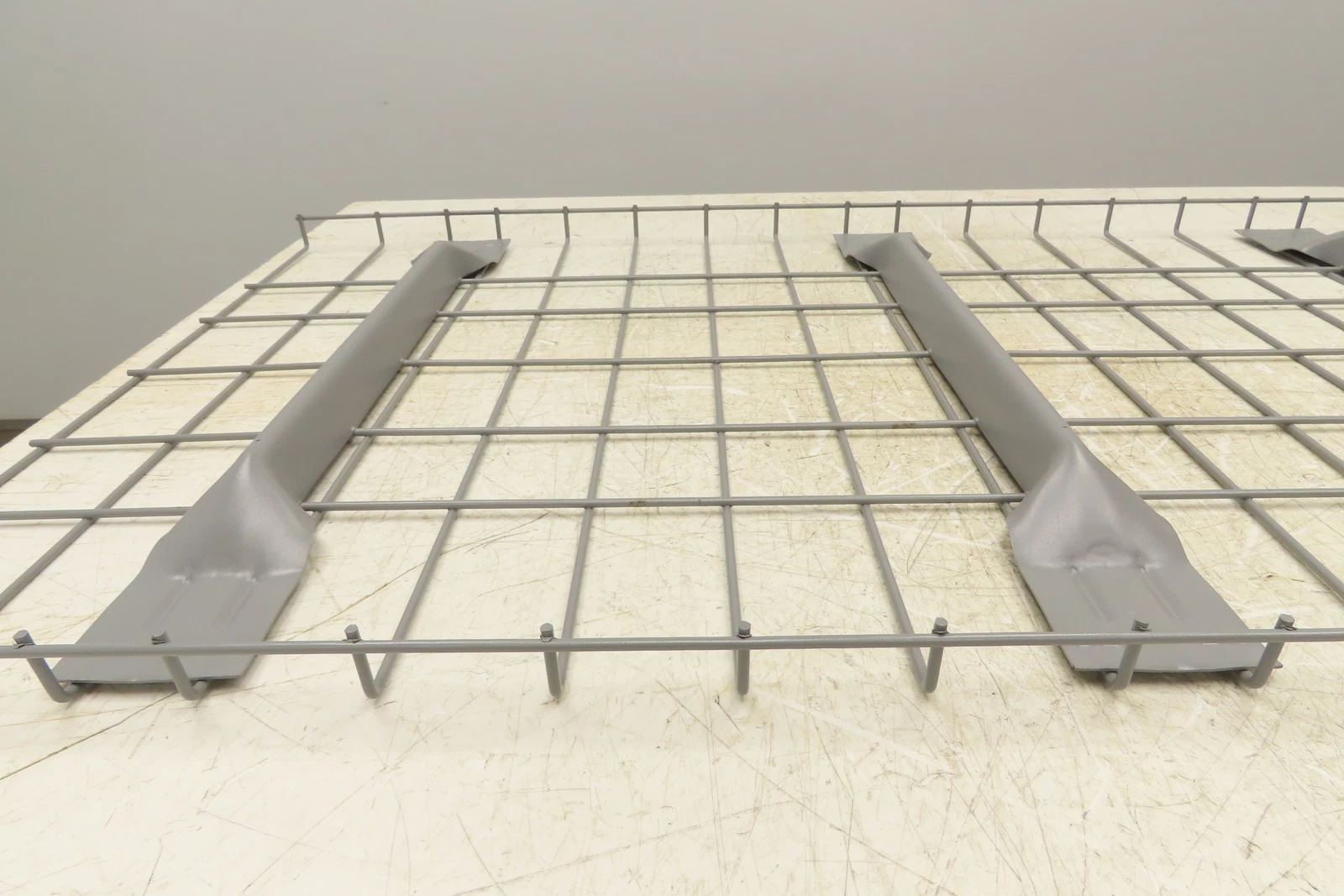
What Lessons Did You Learn From Past Failures?
What Lessons Did You Learn From Past Failures?
- Failures serve as valuable lessons and detours rather than endpoints.
- Initial attempts to implement racking systems led to frustration and a mess, highlighting the need for realistic planning.
- Listening to on-ground workers proved crucial for redesigning systems to fit actual workflows.
- Failure builds resilience and sharpens problem-solving skills, encouraging a mindset that embraces setbacks.
- Data gathering and analysis of mistakes contribute to continuous improvement and efficiency.
- A supportive team culture fosters trust and empathy during challenges, allowing individuals to share their failures without blame.
- Understanding that failures are universal encourages collective growth and stronger teamwork after setbacks.
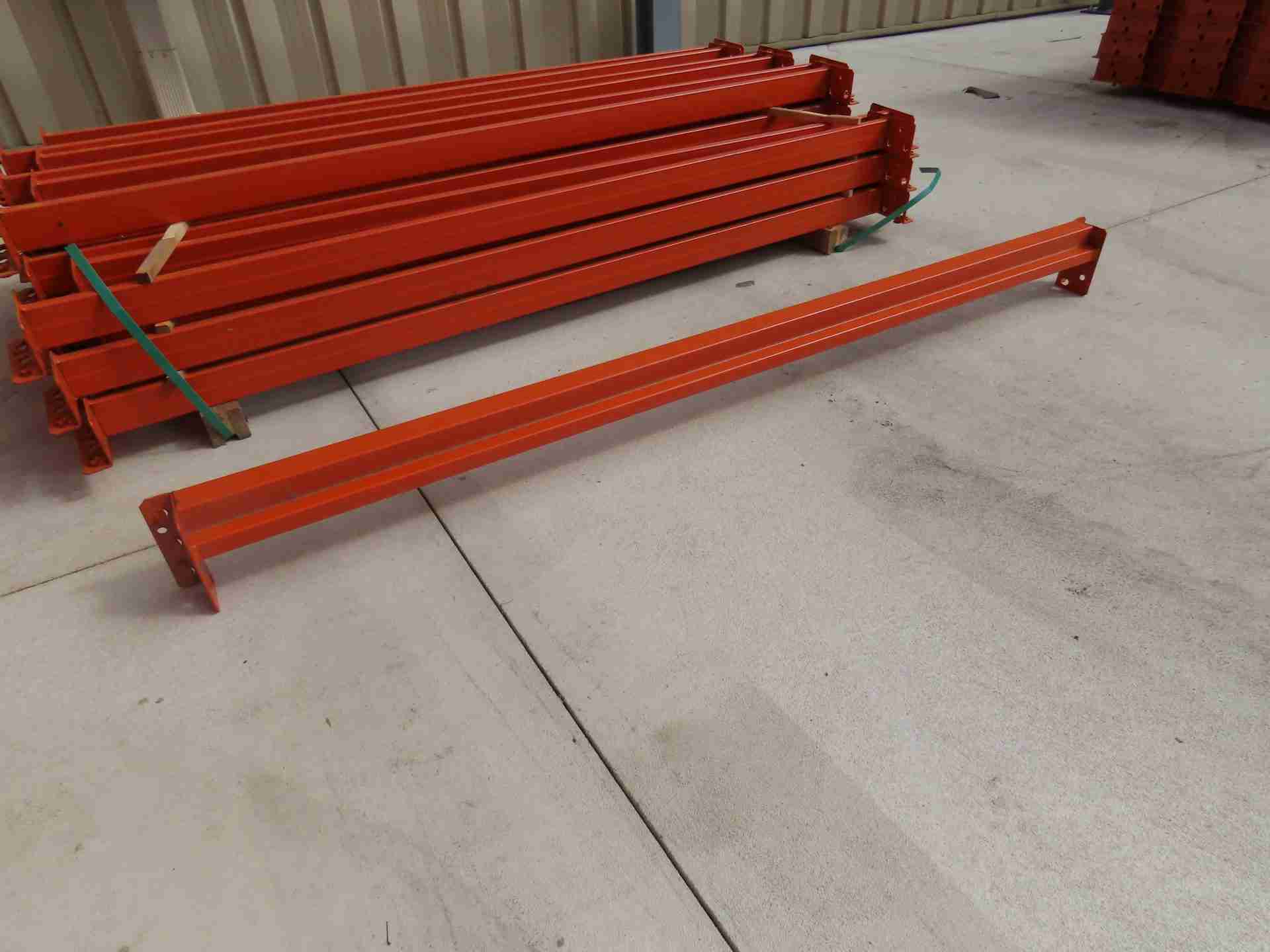
What Lessons Did You Learn From Past Failures?
How Do Experts Suggest We Reduce Risk?
In the world of Racking Systems, the stakes are often high, and risks can lurk in every corner of the warehouse. A simple oversight—whether it’s a poorly installed rack or disregarding capacity limits—can lead to accidents that affect not just the bottom line, but people’s lives. Experts suggest that reducing this risk starts with a deep dive into the very heart of your operations. They emphasize the importance of thorough training. When you invest in your team’s understanding of safety protocols, it’s more than just ticking off a box; it’s about instilling a culture of awareness. When employees know what to look out for, they become the first line of defense against potential hazards.
But knowledge isn’t where it stops. It’s vital to engage in regular maintenance and inspections. Think of it as tuning up an old truck before a long haul. You wouldn’t want to break down mid-journey, right? Regular checks of your racking systems, ensuring that everything is in tip-top shape, not only protects your merchandise but bolsters the trust your team and clients place in you. No one wants to worry about the safety of that stack of goods—everyone deserves to feel secure in their work environment.
Beyond practical measures, there’s an ethical layer to consider. When companies prioritize safety, they’re sending a clear message: they care about their people. This fosters loyalty, as workers are more likely to stick around in a safe environment where their well-being is valued. They’ll also be more inclined to engage actively in safety practices, knowing they are appreciated and respected for their contributions.
Moreover, storytelling plays a significant role in this. Sharing real-life experiences—like how a near-miss incident prompted a new safety protocol—can resonate deeply with employees. Such narratives turn abstract concepts into relatable lessons, making it easier for everyone to grasp the importance of adhering to safety measures.
Lastly, making safety a community effort can amplify the impact. When teams discuss risks openly and brainstorm solutions together, it not only builds camaraderie but also helps to create a shared responsibility for maintaining safety. By rallying around these principles, experts believe we can significantly reduce risks associated with racking systems, turning potential disasters into stories of success, resilience, and strength.

How Do Experts Suggest We Reduce Risk?
How Do Experts Suggest We Reduce Risk?
- High stakes and risks in warehouse racking systems can impact safety and financial outcomes.
- Thorough training for employees is essential to foster a culture of safety awareness.
- Regular maintenance and inspections are crucial for ensuring the integrity of racking systems.
- Prioritizing safety communicates to employees that their well-being is valued, fostering loyalty.
- Real-life storytelling on safety incidents helps make safety protocols relatable and memorable.
- Engaging teams in open discussions about risks promotes camaraderie and shared responsibility.
- Implementing these safety principles can transform potential disasters into success stories.

How Do Experts Suggest We Reduce Risk?
What Is the Role Of Accountability In Risk Management?
Accountability isn’t just a buzzword thrown around in an office meeting; it’s the backbone of effective risk management. Picture this: you’re on the job site, and the racking systems are being installed. Each beam, each rack needs to be placed correctly, or you risk all that hard work tumbling down. Just as those racking systems must be secure to hold the weight of what’s stacked upon them, the integrity of a project relies heavily on the accountability of every team member involved.
When everyone knows their role and the expectations surrounding it, a culture of trust emerges. This isn’t just about checking boxes; it’s about fostering an environment where folks feel responsible for their piece of the puzzle. Imagine a scenario where someone misses a crucial step. Without accountability, those mistakes slide under the radar, and the entire operation is at risk. But when there’s a sense of ownership, people are more inclined to speak up, seek advice, or make changes before a small issue snowballs into a catastrophe.
Accountability also brings clarity and confidence. Workers feel reassured knowing that everyone’s pulling their weight and that there’s a structure in place to handle potential risks. You can bet that when employees understand how their actions impact the overall project, they take it personally. It’s not some abstract concept; it’s about their craft, their livelihood. They want to do right by their co-workers and the clients, leading to better decision-making and risk assessments.
Ethically speaking, accountability means being transparent and fair. If something goes awry, it’s crucial to address it openly rather than brushing it under the rug. This approach builds morale and reflects a strong character within the team. When people see that mistakes are treated as learning opportunities, they’re more likely to own up to their actions, learn from them, and contribute to solutions.
And then there’s the social aspect to consider. Teams that embrace accountability forge deeper connections. They become a close-knit group, akin to a family unit, looking out for one another and ensuring the racking systems are safe and well-designed. It’s not just about completing a project; it’s about building something together, fostering pride in the work, and ensuring everyone goes home safe.
In short, accountability in risk management isn’t just good practice; it’s vital. It creates a workforce that stands firm, resilient, and ready to tackle challenges head-on, ensuring not just the success of the project but the well-being of all involved.

What Is the Role Of Accountability In Risk Management?
What Is the Role Of Accountability In Risk Management?
- Accountability is essential for effective risk management in projects.
- Each team member’s accountability ensures the integrity of the entire project.
- A culture of trust emerges when roles and expectations are clear.
- Ownership encourages proactive communication and problem-solving.
- Workers gain confidence knowing their contributions impact the project.
- Transparency in addressing mistakes fosters learning and morale.
- Accountability strengthens team connections and promotes a collective responsibility for safety and quality.
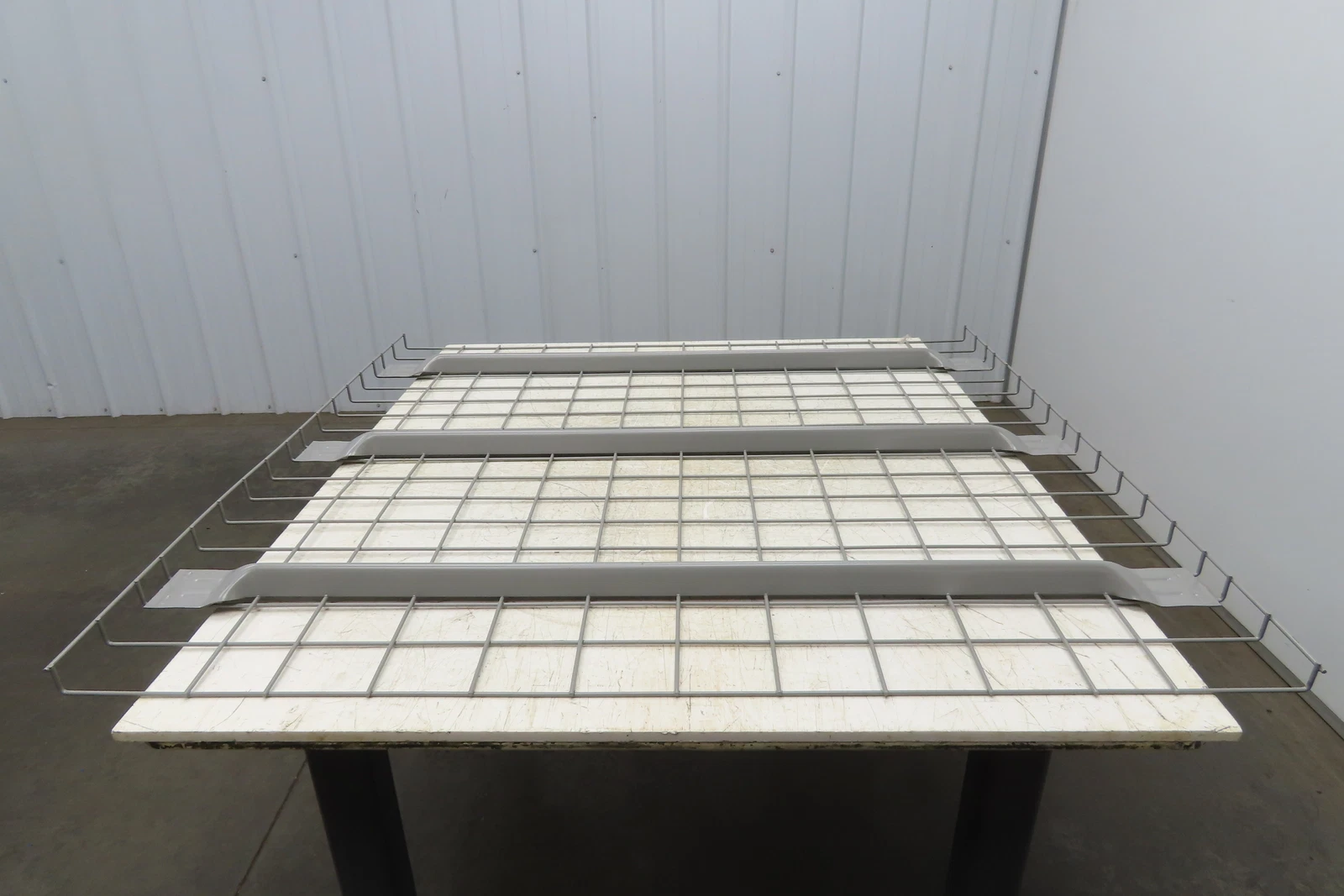
What Is the Role Of Accountability In Risk Management?
Conclusion
Designing out risk from day one is more than a safety protocol; it’s about cultivating a workplace where security thrives at the core of operations. Imagine a warehouse buzzing with activity, where every racking system is meticulously positioned not just for efficiency, but to protect the workers who navigate those aisles daily. Each beam and shelf is a testament to a culture that prioritizes the well-being of its team. When workers recognize their safety is paramount, they are inspired to take charge, fostering a sense of ownership that dramatically reduces errors and accidents.
Accountability plays a pivotal role in this transformation. It’s not only up to managers or safety officers to oversee safety; rather, it becomes a shared mission resonant across all levels of the organization. This culture of vigilance comes from a collective understanding that everyone is in it together. Crew members are more inclined to speak up about potential hazards when they know their concerns are valued. Building trust within teams fosters an environment where proactive measures against risks flourish.
Moreover, navigating the terrain of safety brings with it ethical responsibilities. Leaders who demonstrate a commitment to safety aren’t just adhering to compliance; they’re cultivating a community where every worker feels integral to a larger mission. Sharing narratives of past mistakes or close calls humanizes the topic, enabling workers to relate and learn from those experiences. It reinforces the idea that safety is not merely a set of rules but a way of life in the workplace.
The reality is that risks lurk in our daily routines, often ignored until they culminate in mishaps. Reflecting on these risks can instill a sense of urgency to act, acknowledging that our choices impact not only our future but that of our families as well. Recognizing the interconnectedness of our decisions drives home the necessity of creating systems that prioritize safety and support one another in doing so.
Failures along the way serve as vital learning opportunities that shape our approach to risk management. The resilience gained from these experiences builds stronger teams, as members come together to analyze setbacks, recalibrate strategies, and emerge with renewed determination. When accountability is woven into the fabric of daily operations, it fosters relationships built on trust and mutual respect, ensuring camaraderie among workers.
By embracing a culture centered on safety and shared responsibility, workplaces can significantly diminish risks associated with operations. Each step taken towards creating secure environments yields not just compliance, but a thriving community that sees safety as a fundamental part of everyday success and well-being. A well-designed approach to risk, akin to a sturdy racking system, has the power to uplift and sustain the entire organization.

Conclusion
Conclusion:
- Designing out risk from day one cultivates a workplace where security is central to operations.
- A well-organized warehouse layout protects workers and enhances their sense of ownership.
- Accountability is a shared mission that fosters a culture of vigilance across all organizational levels.
- Trust within teams encourages proactive reporting of potential hazards and safety concerns.
- Leaders exemplify ethical responsibilities and cultivate community through commitment to safety.
- Reflecting on daily risks highlights the urgency of prioritizing safety for the well-being of all.
- A culture of safety and shared responsibility reduces risks and strengthens team resilience.
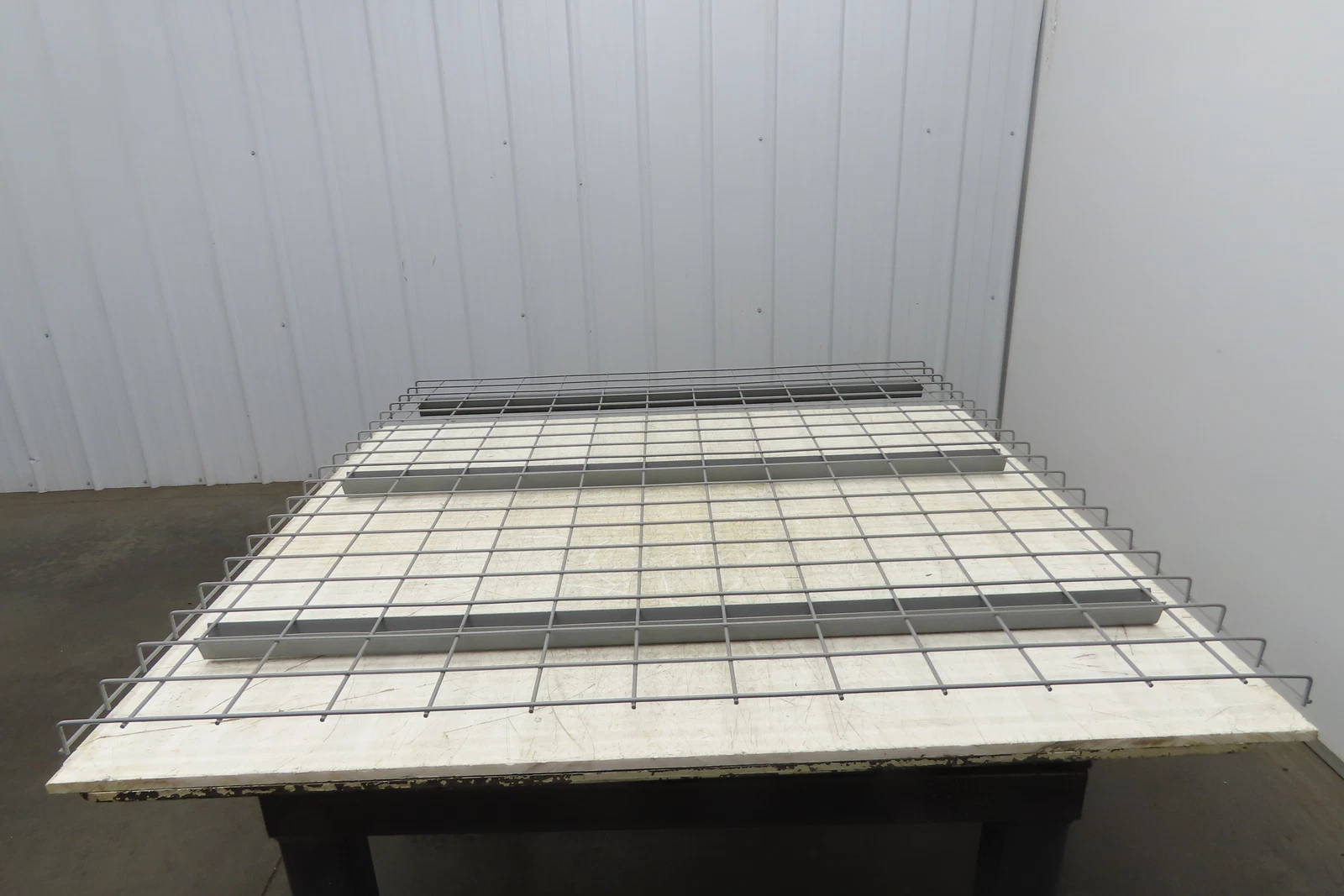
Conclusion
Other Resources

Other Resources
Here is a list of other resources you can review online to learn more:
- Pallet Racking systems in Illinois and Great Lakes
- Warehouse Racks, Warehouse Racking in Stock – ULINE
- WERC
- Intro to Warehouse Racks & Warehouse Racking Systems – ShipBob
- Material Handling Safety
- NSC
- SEMA
- Selective Racking
- Cantilever Rack Guide: Ordering Cantilever Racking
- Chicago Pallet Racking
- What is Selective Pallet Racking
- IIWS Inc. Rack Installation Illinois & Rack Repairs Illinois
- Warehouse Racking Layout: The Ultimate Guide – Conger
- Logic Material Handling
- Selective Racking
- CMMA
- ASSP
- Cantilever Rack Guide: Ordering Cantilever Racking
- Selective Pallet Racking Systems
- The Ultimate Pallet Racking Guide – Speedrack West
Use This Prompt To Get More Resources With Your Favorite Online AI Tool: Please provide me with a list of online articles with their URLs in a bulleted list that I can read regarding Designing Out Risk From Day One

Other Resources
Glossary Terms
Designing Out Risk From Day One – Glossary Of Terms
1. Anticipation: The act of predicting potential risks before they materialize.
2. Mitigation: Strategies or actions taken to reduce the impact or likelihood of identified risks.
3. Proactive: Taking action in advance to address possible risks rather than reacting to them after they occur.
4. Integration: Combining risk assessment processes into the overall design and planning stages.
5. Stakeholder: Any individual or group with an interest or investment in a project or design outcome.
6. Compliance: Adhering to laws, regulations, and standards to minimize risk.
7. Validation: The process of confirming that a design meets the required specifications and functions as intended.
8. Assessment: Evaluating potential risks and their possible impact on a project.
9. Design review: A formal examination of design proposals to identify and address risks early on.
10. Collaboration: Working together among various teams to identify and mitigate risks collectively.
11. Innovation: The introduction of new ideas or methods to enhance safety and reduce risk.
12. Resilience: The ability of a design to withstand unforeseen circumstances or challenges.
13. Hazard identification: The process of recognizing potential sources of harm in a design.
14. Feasibility study: An analysis to determine the practicality of a project, including risk assessment.
15. Scenario planning: Developing and analyzing potential future situations to prepare for risks.
16. Lifecycle analysis: Evaluating the potential risks associated with a product throughout its life from conception to disposal.
17. Tolerance: The acceptable level of risk that can be managed without significant impact on a project.
18. Cost-benefit analysis: Assessing the financial implications of risk management versus the potential benefits gained.
19. Failure mode effects analysis (FMEA): A systematic approach to identifying potential failure points in a design.
20. Transparency: Open communication about risks and uncertainties throughout the design process.
21. Iteration: The process of refining designs through repeated cycles to enhance risk management.
22. Contingency planning: Developing backup plans to address potential risks that may arise.
23. Design for safety: Incorporating safety measures and protocols directly into the design process.
24. Governance: The framework of rules and practices that guide risk management within an organization.
25. Stakeholder engagement: Involving stakeholders in the risk assessment process to gather diverse insights.
26. Documentation: Maintaining records of risk assessments and management actions taken.
27. Training: Educating team members on risk management practices and safety protocols.
28. Continuous improvement: Ongoing efforts to enhance risk management practices over time.
29. Benchmarking: Comparing practices against industry standards to identify areas for risk reduction.
30. Communication plan: A strategy for sharing risk-related information with stakeholders effectively.

Glossary Of Terms
Other Questions
Designing Out Risk From Day One – Other Questions
If you wish to explore and discover more, consider looking for answers to these questions:
- What specific hazards are associated with different types of racking systems?
- How do I assess the current safety and risk level of racking in my facility?
- What legal and regulatory standards (OSHA, ISO, local codes) apply to racking systems?
- How often should racking be inspected and who should perform those inspections?
- What qualifications or certifications should inspectors and installers have?
- How do I calculate and verify safe load capacities for racks and individual shelves?
- What are the early warning signs of racking damage or impending failure?
- When is it better to repair or retrofit existing racking versus replace it entirely?
- What guardrails, column protectors, and barriers are most effective for preventing impacts?
- How should aisle widths, pallet orientations, and traffic flow be designed to reduce risk?
- What training do frontline workers, supervisors, and maintenance staff need?
- How can I build a safety culture that encourages speaking up about hazards and near misses?
- What are best practices for near-miss reporting, investigation, and follow-up?
- How do human factors (fatigue, distractions, incentives) contribute to accidents and how can they be mitigated?
- Which maintenance schedules, logs, and documentation should be kept for racking systems?
- What KPIs and metrics should I track to measure racking safety and improvement over time?
- How do I assign accountability and clear roles for racking safety and inspections?
- What practical steps ensure contractors and temporary workers follow safety procedures?
- Which technologies (sensors, IoT, load monitoring, cameras) are most useful for detecting rack issues?
- How can storytelling and sharing of near-miss lessons be structured to maximize learning?
- What emergency response procedures should be in place for racking collapse or large spills?
- How should racking be anchored and braced for seismic events or other environmental forces?
- How do temperature, humidity, corrosion, or chemicals affect racking lifespan and safety?
- What are the common root causes of racking collapse and how are they prevented?
- How should forklift operations be managed to minimize impacts and loading errors?
- What PPE and lockout/tagout procedures are appropriate for racking maintenance and repair?
- How do I evaluate and select reputable racking suppliers, installers, and engineers?
- What cost-benefit and ROI analyses support investments in safer racking and training?
- How can safety improvements be prioritized when budgets are limited?
- What labeling, signage, and load-rating displays should be used on racks?
- How frequently should load testing be performed and who is qualified to do it?
- How do ethical considerations (workload, staffing, production pressure) impact safety decisions?
- What documentation, warranties, and maintenance agreements should be required from vendors?
- How do I scale and audit safety practices consistently across multiple sites?
- What templates, checklists, or training modules are available for immediate implementation?
- How do I integrate productivity goals with safety objectives without compromising either?
- What insurance, liability, and reporting implications arise from racking incidents?
- How long does it typically take to effect lasting cultural change around safety, and what sustains it?
- Are there case studies or real-world examples of facilities that successfully designed out risk from day one?

Other Questions
Checklist
Designing Out Risk From Day One – A Checklist
Culture and Accountability
✅______ Leadership has a stated, visible commitment to safety as a core value.
✅______ Roles, responsibilities, and decision rights (stop-work authority) are defined and communicated.
✅______ A non-punitive reporting process for hazards, near misses, and improvement ideas is in place.
✅______ Regular safety huddles include two-way feedback and recognition of safe behaviors.
✅______ Clear consequences for reckless actions and reinforcement for responsible actions.
Design and Planning (Before Build/Install)
✅______ Load cases, SKU profiles, pallet types, and handling methods are defined.
✅______ Rack design is reviewed by a qualified engineer; capacity calculations are documented.
✅______ Layout supports safe aisles, egress routes, fire protection, and clearances.
✅______ Anchoring, base plates, and seismic/wind requirements are specified.
✅______ Rack protection (end-of-aisle guards, column protectors, netting or mesh) is included.
✅______ The traffic flow plan separates pedestrians and powered industrial trucks.
✅______ The signage plan for load ratings, aisle IDs, and safety notices is prepared.
✅______ As-built drawings and manuals are controlled and accessible.
Training and Communication
✅______ New hire and refresher training covers rack capacities, safe loading, and equipment operation.
✅______ Pedestrian awareness and right-of-way rules are taught and posted.
✅______ Supervisors are trained to coach, correct, and escalate hazards.
✅______ Load rating signs and operating rules are posted and understood by all.
✅______ Lessons from incidents and near misses are shared in toolbox talks.
Daily Operations
✅______ Loads do not exceed posted capacities; even distribution is maintained.
✅______ Only compatible, undamaged pallets and decking are used.
✅______ No unauthorized changes (drilling, cutting, or moving beams) without approval.
✅______ Aisles, exits, and emergency equipment remain clear.
✅______ Speed limits, horn use, and right-of-way rules are enforced for equipment.
✅______ Housekeeping (5S) standards are maintained to prevent clutter and trip hazards.
Inspections and Maintenance
Daily/Pre-Shift (Operator)
✅______ Visible damage: bent uprights, deflection, missing beam locks, or loose anchors.
✅______ Obstructions to sprinklers, signage, or egress.
✅______ Condition of pallets; loads secured and banded as needed.
Weekly (Supervisor)
✅______ Rack is plumb and level; base plates and anchors are tight and undamaged.
✅______ Beam connectors, safety pins, and clips are installed and intact.
✅______ Decking and grating condition: no sharp edges or corrosion.
✅______ Rack protection (guards and end-of-aisle protection) is present and secure.
Monthly/Quarterly (Designated Qualified Person)
✅______ Formal rack inspection is documented with photos and corrective actions.
✅______ Floor condition, slab cracks, and spills are addressed.
✅______ Lighting is adequate; signage is legible and current.
✅______ Preventive maintenance is completed on handling equipment.
After Impact or Change
✅______ Affected areas are quarantined, assessed, and repaired before reuse.
✅______ Re-inspection and re-rating are completed if required.
Incident Response and Learning
✅______ All incidents and near misses are reported within the same shift.
✅______ Root cause analysis is completed; corrective and preventive actions are assigned.
✅______ Effectiveness of actions is verified and communicated to the team.
✅______ Trend data is tracked (by location, cause, and time) to target improvements.
Change Management (MOC)
✅______ Any change to layout, loads, equipment, or process triggers MOC review.
✅______ Engineering review is completed for reconfiguration or capacity changes.
✅______ Drawings, signs, SOPs, and training are updated before the change goes live.
Emergency Preparedness
✅______ Exits are marked and unobstructed; evacuation maps are posted and current.
✅______ Fire extinguishers, first aid, eyewash, and spill kits are accessible and inspected.
✅______ A drill schedule is maintained; employees know roles and assembly points.
✅______ Clear steps are established for rack impact response and area isolation.
Personal Choices and Ergonomics
✅______ Proper lifting, team lifts, and mechanical aids are used for heavy or awkward loads.
✅______ Approved ladders and MEWPs are inspected and used correctly; no climbing racks.
✅______ Required PPE is worn and in good condition.
✅______ Fatigue management: breaks are taken; high-risk tasks are planned thoughtfully.
Community, Storytelling, and Engagement
✅______ Weekly share-out of one safety story, near miss, or improvement.
✅______ The suggestion system is active; ideas are tracked to closure and credited.
✅______ Peer checks (buddy system) are encouraged for high-risk tasks.
Performance and Review
✅______ KPIs are tracked: near misses, corrective action closure, inspection findings, and training completion.
✅______ Leadership walk-throughs are scheduled and documented.
✅______ Third-party or cross-site audits are conducted periodically.
✅______ An annual management review sets goals and resources for the next cycle.
Sign-Off
✅______ Checklist owner
✅______ Last review date
✅______ Next review date
✅______ Responsible leaders (names/signatures)
✅______ Top three current risks and actions: 1) ____ 2) ____ 3) ____
Checklist
At RackingWorld, we help guide you through selecting warehouse storage systems and racking.
Be sure to read our other related stories at RackingWorld to learn more about warehouse storage systems.
0 Comments