
Navigating Risks In Used Rack Purchases: Protect Your Business And Values
By Tom Seest
At RackingWorld, we help guide you through selecting warehouse storage systems and racking.
Be sure to read our other related stories at RackingWorld to learn more about warehouse storage systems.
Compliance Pitfalls In Used Rack Purchases
When it comes to buying used racking systems, it’s easy to get swept up in the allure of savings. You walk into a warehouse filled with sturdy, steel racks that promise to hold everything you need without breaking the bank. But before you dive in, consider the slippery slope of compliance pitfalls that could turn that bargain into a costly mistake.
Imagine this: you find what looks like a pristine set of racking systems. They’re sturdy, they fit your space perfectly, and the price is hard to resist. But have you checked their history? Used racks come with baggage. Compliance standards vary by region, and buying without understanding the regulations can lead to serious ramifications. A quick inspection might reveal that those racks don’t meet the latest safety guidelines, putting your workers and your operations at risk. It’s not just about a lower price; it’s about investing in safety and integrity.
Now, there’s the ethical side. You might feel good about saving money, but what’s the cost to your team’s safety? Social responsibility starts at home, and if you cut corners with used equipment, it sends a message that savings are more important than the lives of your workers. We all want to be the boss who looks out for the team; nothing breeds loyalty like knowing you’re invested in their well-being.
An authority check also comes into play. What’s the seller’s reputation? Have they been around long enough to understand the ins and outs of racking systems? It’s worth it to pick up the phone and ask questions. Doing your homework isn’t just smart; it builds trust. When you buy from someone who knows their stuff, you’re not just getting metal; you’re getting support and certainty in a world full of uncertainties.
Think about the narrative behind your choice. Every rack has its tale, from the factory where it was made to the hands that installed it. You want to be part of a story that ends well — one where compliance isn’t an afterthought but a priority from the start.
Finally, take a moment to feel this: The last thing anyone wants is to deal with a safety inspection that uncovers violations because of a hasty purchase. That knot in your gut is telling you something. Avoid the risks by ensuring you understand what you’re buying. Do it right, and you won’t just be buying racks; you’ll be building a secure future for your business.

Compliance Pitfalls In Used Rack Purchases
Compliance Pitfalls In Used Rack Purchases
- Buying used racking systems can be tempting due to cost savings.
- Compliance with local regulations is crucial to avoid serious ramifications.
- Investing in safety and integrity is more important than just low prices.
- Social responsibility is essential; cutting corners can jeopardize worker safety.
- Researching the seller’s reputation builds trust and ensures proper support.
- Every racking system has a history; prioritize compliance from the start.
- Understand what you’re purchasing to avoid future safety inspection issues.
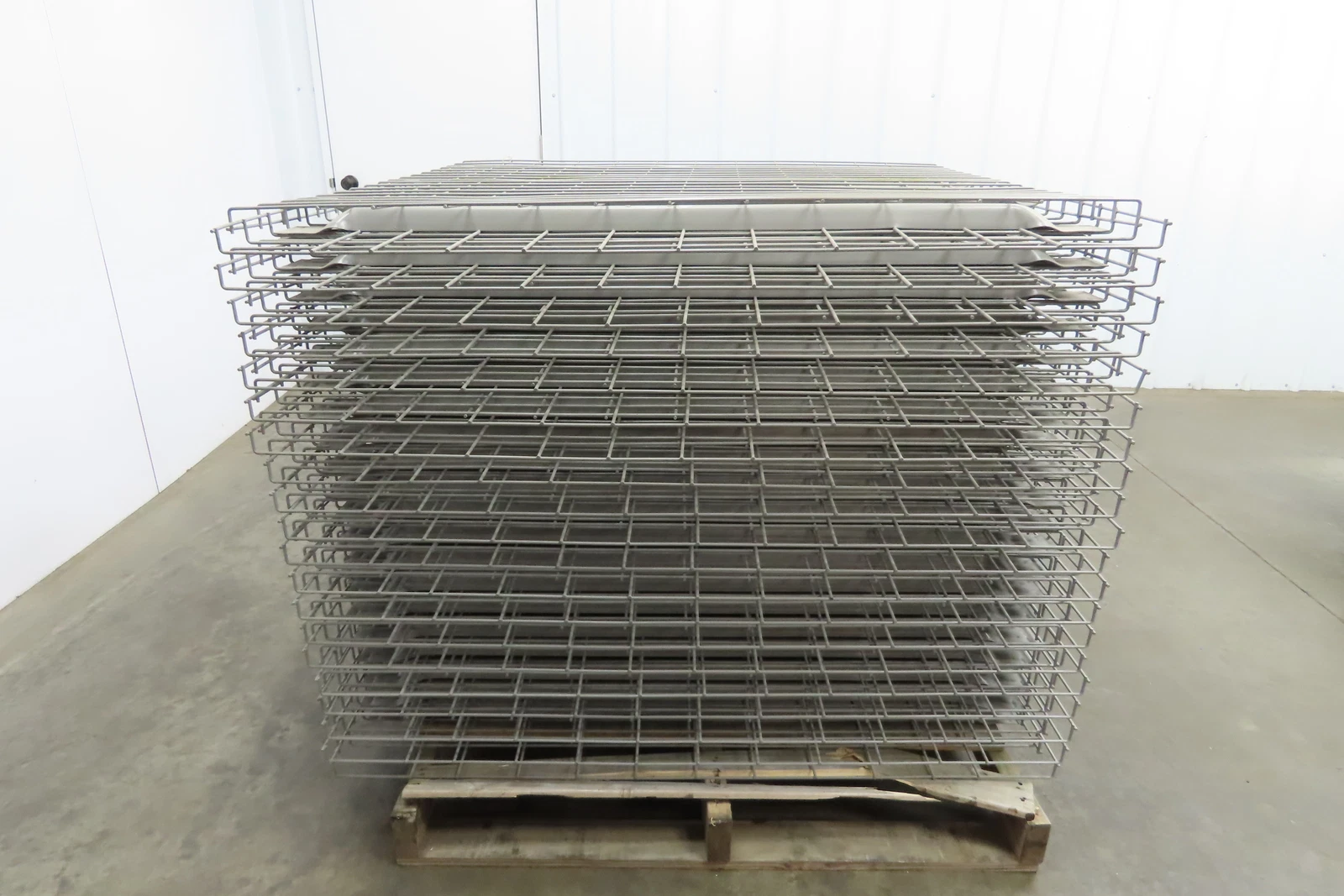
Compliance Pitfalls In Used Rack Purchases
Table Of Contents
- Compliance Pitfalls In Used Rack Purchases
- What Are the Hidden Risks In Buying Used Racks?
- How Can Compliance Issues Affect My Business?
- What Regulations Should I Know About Used Rack Purchases?
- Are There Ethical Considerations In Sourcing Used Racks?
- How Can I Verify the Condition Of Used Racks Before Buying?
- What Common Mistakes Lead to Compliance Violations?
- Conclusion
- Other Resources
- Glossary Of Terms
- Other Questions
- Checklist
What Are the Hidden Risks In Buying Used Racks?
When it comes to setting up your warehouse or workspace, the thrill of scoring a good deal on used racks can feel like winning the lottery. But before you get too excited, it’s crucial to take a step back and consider the hidden risks that come along with those bargain-priced racking systems.
First off, let’s talk about trust. When you’re not buying new, you’re putting your faith in the integrity of someone else’s equipment. You might think that a slight dent or scratch is no big deal, but hidden structural weaknesses could be lurking beneath the surface. A compromised rack can lead to a catastrophic failure, endangering not just your inventory but also the safety of your employees. This isn’t just a business transaction; it’s about protecting lives and livelihoods.
Emotionally, we often connect the state of our tools to our own pride in our work. A rickety storage solution doesn’t just look unprofessional; it feels like a ticking time bomb every time you load it up. You want your facility to reflect your dedication and hard work, and a questionable rack undermines that. Think about it: how would it feel to have a colleague or customer witness an unfortunate collapse because you didn’t look closely enough?
Then there are the ethical considerations. When purchasing used racks, be mindful of where they come from. If they’ve been involved in a mishap or insufficiently maintained, you might inadvertently be supporting practices that prioritize profit over safety. Look for sellers who provide transparency and a history of their products. Supporting ethically responsible businesses strengthens your community and fosters a safer environment for everyone.
Rationally speaking, calculating the true cost of used racks requires more than just the price tag. Consider future expenses: will you need to spend more on repairs or replacements down the line? Reliability often trumps initial savings, and investing in quality can save you headaches later on.
You’ve probably heard the saying, “buy cheap, buy twice.” It rings true in the world of racking systems. While the allure of a deal can be strong, make sure you’re not sacrificing the well-being of your operation just to save a few dollars. Share stories from your own experiences or hear from others—each tale can illuminate the pitfalls or spark a necessary conversation around value. A strong network in the industry isn’t just about support; it’s about learning from each other’s journeys.
Consider this: every decision you make around buying equipment reflects your commitment to quality. Choose wisely, and you’ll not only protect your bottom line but also foster an environment built on trust, safety, and respect.

What Are the Hidden Risks In Buying Used Racks?
What Are the Hidden Risks In Buying Used Racks?
- Buying used racks can seem like a bargain but carries hidden risks.
- Trusting used equipment means relying on the integrity of unknown sources.
- Damaged racks might hide structural weaknesses, risking employee safety and inventory.
- A poor-quality storage solution impacts professional pride and operational safety.
- Consider the ethical aspects of procurement; choose sellers with transparency.
- Evaluate the long-term costs of repairs versus initial savings on used racks.
- Your purchasing decisions reflect your commitment to quality and safety in the workplace.

What Are the Hidden Risks In Buying Used Racks?
How Can Compliance Issues Affect My Business?
Imagine a warehouse buzzing with activity—forklifts humming, workers hustling, and Racking Systems neatly lined up, holding inventory that keeps everything running. Now, picture the freight train of compliance issues barreling toward this scene, threatening to derail not just operations, but the heart and soul of the business. It’s not just paperwork; it’s about trust, relationships, and the very foundation of your livelihood.
Compliance might not get the adrenaline pumping like securing a big contract or landing a new client, but it can trip you up in ways you might not expect. Consider the ripple effects. You could face fines that bleed your profits dry or, worse yet, a shutdown that sends waves of uncertainty through your employees and their families. When you dig deeper, these issues become more than just numbers on a balance sheet; they’re people with mortgages, kids in school, and dreams that hinge on your success.
Then there’s the ethical side of compliance. As a business owner, your reputation is built on your reliability. If you ignore safety regulations or cut corners on quality, word spreads like wildfire. The community that once supported you might turn skeptical, and competitors will swoop in to take your place. When you uphold compliance, you nurture not just your business but the trust of those who work for and rely on you. It’s about being a good neighbor in the business world—one who plays fair and respects the rules.
Authoritative voices in the industry stress the importance of compliance for a reason. They’ve seen the chaos that ensues when companies disregard regulations. Their insights underline the point that compliance isn’t merely an annoyance; it’s a life raft on a turbulent sea. By fostering a culture of compliance, you’re not just protecting your assets; you’re empowering your team, instilling pride in their work, and reinforcing a sense of common purpose.
We’ve all seen businesses thrive or crumble based on their decisions around compliance. The tale of a once-flourishing factory that fell victim to regulatory oversights serves as a stark reminder. That factory was built on dreams, just like yours, but when compliance issues went unchecked, it left employees standing in an empty lot, stripped of security and livelihood.
A commitment to compliance can feel daunting, but it’s an investment in the future of your business. It encourages diligence, sparks innovation, and ensures that when you succeed, you do so while standing on solid ground.

How Can Compliance Issues Affect My Business?
How Can Compliance Issues Affect My Business?
- Warehouse operations involve bustling activity, highlighting the importance of efficient inventory management.
- Compliance issues can threaten business operations and damage relationships, impacting the company’s foundation.
- Neglecting compliance can lead to fines or shutdowns, affecting employees’ livelihoods and financial stability.
- The ethical implications of compliance are crucial for maintaining a reliable business reputation and community trust.
- Industry experts emphasize compliance as essential, viewing it as a protective measure in uncertain times.
- Ignoring compliance can lead to catastrophic consequences, as seen in the downfall of previously successful businesses.
- A commitment to compliance fosters diligence, innovation, and a secure foundation for future success.

How Can Compliance Issues Affect My Business?
What Regulations Should I Know About Used Rack Purchases?
When diving into the world of used rack purchases, it’s essential to understand the regulations that govern racking systems. These guidelines aren’t just red tape; they’re there to keep your workplace safe and efficient. Picture this: you’re in a warehouse filled with racks, each one holding valuable inventory. One shaky rack could lead to disaster—not just for your products but for the folks working around them.
First, familiarize yourself with local building codes. These codes spell out the maximum load capacities, heights, and other specifications. Ignoring them can turn a bustling warehouse into a dangerous space. A common misconception is that if a rack looks okay, it’s okay. But without adhering to the standards, you might be inviting trouble. Do your due diligence and ensure that every piece of racking equipment meets these codes.
Next up is understanding the manufacturer’s guidelines. Each racking system comes with a set of instructions outlining what it can and can’t handle. If you’re buying used, the previous owner may not have followed these to the letter, which puts the onus on you to verify them. Make sure to get the original documentation for the racking system if possible. This isn’t just a box to check; it’s about instilling confidence in your operations. You’ll find peace of mind knowing that you’re working within established safety parameters.
Then consider the ethical side of your purchase. While saving a buck with used racking systems makes sense on the surface, it’s crucial to source from reputable sellers. Ask questions about the condition of the racks, maintenance history, and the reasons for sale. An honest seller will appreciate your scrutiny and provide the information you seek.
Additionally, don’t underestimate the social aspect. Engage with the community around you—other warehouse managers, local trade groups, or industry forums. Sharing insights about experiences with used racks can provide crucial information, trade stories, and sometimes even lead to solid recommendations for suppliers.
Ultimately, this journey is about making your workplace not just productive, but safe and reliable. By understanding the regulations surrounding racking systems, you’re not just buying equipment; you’re fostering an environment built on trust, safety, and continuous improvement. That’s something everyone in your team can get behind.

What Regulations Should I Know About Used Rack Purchases?
What Regulations Should I Know About Used Rack Purchases?
- Understand regulations that govern racking systems to ensure workplace safety and efficiency.
- Familiarize with local building codes that outline load capacities and specifications.
- Adhere to manufacturers’ guidelines for racking systems to prevent operational risks.
- Source used racks from reputable sellers and inquire about the condition and history.
- Engage with the community for insights and recommendations on used racks.
- Prioritize safety and trust when acquiring racking equipment for a productive workplace.
- Foster a culture of continuous improvement within the team regarding equipment safety.

What Regulations Should I Know About Used Rack Purchases?
Are There Ethical Considerations In Sourcing Used Racks?
When it comes to sourcing used racks, whether for warehouses or retail spaces, we might get swept up in the bottom line—the price tag on those racking systems often catches the eye. But let’s take a step back and consider the bigger picture. Ethical sourcing is about more than just cheap deals; it’s about supporting communities, sustainability, and the value of human labor.
First, think about the workers who originally crafted those racking systems. Each rack has a story, from the materials selected to the sweat and skill involved in their manufacture. Purchasing used racks is not merely a transaction; it’s an acknowledgment of that craftsmanship and the people behind it. By choosing pre-owned options, you’re not only saving money but also giving those manufactured items a second life, reducing waste, and honoring the labor that went into making them.
There’s a real-world consequence tied to sourcing decisions. Choosing used racks can help reduce the environmental impact. Manufacturing new racks requires energy and resources, which contribute to pollution and waste. Every time we opt for a pre-owned option, we’re making a conscious choice to stand up for the planet. It’s a feel-good decision that satisfies both heart and gut, knowing your actions contribute to sustainability and conscientious consumption.
However, we must be vigilant. Not all used racks come from honest sources. Some may be salvaged from places where corners were cut or safety protocols ignored. It’s critical to ensure that the racking systems you’re considering are not just affordable but also safe and compliant with regulations. Researching sellers, reading reviews, and asking the right questions builds the trust needed to make informed decisions.
Engage with your community. When sourcing used racks, look for local businesses or suppliers. This not only fosters economic growth within your area but helps forge connections and trust. Supporting local operations means your money stays in the community, creating jobs and opportunities. Plus, you’ll likely discover a support network of people who are as passionate about their trade as you are about your work.
Sourcing used racks is about more than just stacking items neatly. It’s about creating a ripple effect of positive change—both environmentally and socially—while being smart about your resources. Trust in the process, and you’ll find that a responsible choice reinforces your integrity and strengthens your own community ties.

Are There Ethical Considerations In Sourcing Used Racks?
Are There Ethical Considerations In Sourcing Used Racks?
- Ethical sourcing of used racks involves considering more than just the price.
- Purchasing used racks honors the craftsmanship and labor of workers.
- Choosing pre-owned racks reduces waste and gives products a second life.
- Selecting used racks helps decrease environmental impact and promotes sustainability.
- It is essential to verify that used racks come from reliable and safe sources.
- Supporting local businesses when sourcing used racks fosters community growth.
- Responsible sourcing creates a positive environmental and social ripple effect.

Are There Ethical Considerations In Sourcing Used Racks?
How Can I Verify the Condition Of Used Racks Before Buying?
When it comes to buying used racks, trust is non-negotiable. You’ll want to roll up your sleeves and get hands-on with the racking systems you’re considering. Start with a visual inspection; look for any signs of wear, rust, or damage. It might feel like a small detail, but those surface imperfections can tell a bigger story about how the equipment was treated. Imagine the confidence you’ll gain when you know the history of the rack you plan to rely on daily.
Next, tap into the emotional pull of safety. Picture this: you’re loading up your warehouse with inventory, and the last thing you want is for your racking systems to buckle under pressure, risking injury or loss. Think about the responsibility you have for the team counting on you to make smart, safe choices. Evaluating the structural integrity of any used racks you’re eyeballing is not just about saving a few bucks; it’s about ensuring the well-being of everyone who works around them.
Rational thinking plays a critical role in this process, too. Ask for documentation if it’s available. A reputable seller will often have maintenance records or proof of compliance with safety standards. This paper trail can offer peace of mind, knowing that you’re investing in something that’s been cared for rather than risking money on a gamble. Coupled with your firsthand observation, this knowledge adds another layer of confidence to your purchase.
Beyond the racks themselves, consider the ethical responsibility of purchasing used equipment. By opting for second-hand racking systems, you’re contributing to a sustainable cycle, making wiser choices that reflect positively on your business and community. You are not just a buyer; you’re part of a larger conversation about responsible practices.
And let’s not overlook the narratives that come from the world of used equipment. Picture the countless businesses that have relied on that rack before you. It has seen the hustle of daily operations and endured the weight of stacked products intended to fuel dreams and growth. Each scratch and dent has its own story, and now you’re the next chapter.
Connect with the sellers, share experiences, and build a relationship. Those conversations can reveal insights that no inspection alone can provide. When you combine the tangible aspects of checking these racking systems with a heartfelt commitment to safety and ethics, you’ll not only make a purchase; you’ll forge a path to a smarter, more trustworthy investment.

How Can I Verify the Condition Of Used Racks Before Buying?
How Can I Verify the Condition Of Used Racks Before Buying?
- Trust is essential when purchasing used racking systems; hands-on inspection is crucial.
- Conduct a visual check for wear, rust, or damage to assess the condition and history of the equipment.
- Safety is a primary concern to prevent injuries or losses in a warehouse setting.
- Request documentation like maintenance records to ensure compliance with safety standards.
- Buying used racks supports sustainability and reflects responsible business practices.
- Understand the stories behind the equipment, acknowledging its previous use in other businesses.
- Engage with sellers to gain insights that enhance the purchasing experience.

How Can I Verify the Condition Of Used Racks Before Buying?
What Common Mistakes Lead to Compliance Violations?
In the world of compliance, mistakes often stem from a mix of oversight, poor communication, and a lack of understanding. Picture a warehouse with Racking Systems full of valuable inventory. Now imagine that the employees haven’t received adequate training on how to properly manage those racks. It’s a recipe for disaster. The racking systems, designed for efficiency, become a liability when mishandled. Workers might stack items incorrectly, leading to not just wasted product but potential hazards. The toll? Souls burdened by workplace injuries and companies grappling with penalties.
A common mistake is assuming that compliance is someone else’s problem. Employees often feel detached from the regulations that govern their work. When they don’t see the bigger picture, violations become just another part of the job. The truth is, compliance affects every single person on the floor. It’s more than red tape; it’s the safety net that protects their lives and livelihoods. If they understand that their small actions matter, adherence becomes less of a chore and more of a shared responsibility.
Another stumbling block is the tendency to overlook changes in regulations. Companies sometimes operate under the old adage, “If it ain’t broke, don’t fix it.” This mentality can lead to neglecting essential updates. Take a moment to reflect on how quickly industry standards evolve. Failing to keep up can mean falling behind, and eventually, facing serious fallout. Maintaining training programs and staying current is not just good practice; it’s critical for avoiding costly mishaps.
And let’s talk about communication. Too often, important compliance information gets drowned in a sea of jargon. When rules are presented like a legal maze, employees can feel lost and overwhelmed. Clarity is essential. Simple, straightforward discussions about what compliance looks like on the ground empower workers to act with confidence. When people grasp the “why” behind the rules, they’re more likely to champion them.
Finally, fostering a culture of accountability is key. If violations occur, they shouldn’t be swept under the rug. Instead, they should spark open conversations about better practices and collective learning. Sharing stories and experiences within teams can create a supportive environment where everyone is invested in compliance—making it a shared journey rather than a burdensome task.
Mistakes happen, but lessons can be learned. Building trust through shared responsibility, clear communication, and a commitment to continuous improvement cultivates a workplace where compliance is seen as part of the daily grind—making it a safer, stronger operation for everyone involved.

What Common Mistakes Lead to Compliance Violations?
What Common Mistakes Lead to Compliance Violations?
- Compliance mistakes often arise from oversight, poor communication, and lack of understanding.
- Inadequate training on racking systems can lead to mishandling, resulting in wasted product and workplace hazards.
- Employees frequently view compliance as someone else’s problem, detaching themselves from regulations.
- Failing to stay updated with changing regulations can lead to neglect and serious consequences.
- Effective communication is essential; jargon can overwhelm employees, obscuring essential compliance information.
- A culture of accountability encourages discussions about violations and fosters collective learning within teams.
- Building trust through shared responsibility and continuous improvement enhances workplace safety and compliance.

What Common Mistakes Lead to Compliance Violations?
Conclusion
In the world of used rack purchases, success hinges on careful navigation of compliance pitfalls, making the right choices, and safeguarding the well-being of your workforce. While the initial allure of saving money can be intoxicating, it’s crucial to recognize the potential consequences of a hasty decision. Buying used racking systems without proper scrutiny can lead to serious safety issues and compliance violations. These aren’t just abstract risks; they represent real dangers that could jeopardize the lives of your workers and the integrity of your business.
Every piece of equipment comes with a history, and understanding that background is key. Inspect every rack you consider for signs of damage and ensure it meets both local regulations and manufacturer guidelines. The regulations around racking systems exist not to bog you down but to protect lives and livelihoods. Ignoring these can lead to devastating outcomes—fines, injured employees, or even a shutdown—affecting not just the business but the families that rely on it.
Building a strong relationship with reputable sellers is vital. Their transparency can provide reassurance that the equipment is safe, compliant, and ethically sourced. This relationship isn’t just transactional; it’s about establishing trust within the community and ensuring that your choices reflect your values. By doing your homework, you not only become a savvy buyer but also a responsible business leader who promotes safety, quality, and ethical practices.
The narrative of each used rack should tell a positive story—one of resilience and reliability. Choosing second-hand equipment can also contribute to reducing waste and fostering sustainability, reflecting a commitment that resonates on both personal and community levels. Your decision should align with your ethics, prioritizing the well-being of workers and the environment over temporary savings.
Take the time to engage with others in the industry. Sharing experiences and learning from each other can illuminate the road ahead, transforming the process of purchasing used racks into a collective journey toward quality and safety. Remember, when making decisions regarding racking systems, it isn’t just about filling space; it’s about protecting people and building a dependable future for your operations. By investing thoughtfully in used racks, you’re not only securing your bottom line; you’re fostering a culture rooted in trust, safety, and responsibility that benefits everyone involved.

Conclusion
Conclusion:
- Careful navigation of compliance pitfalls is essential when purchasing used racks.
- Hasty decisions can lead to safety issues and compliance violations, endangering workers and the business.
- Inspect used racks for damage and ensure they meet regulations and manufacturer guidelines.
- Building relationships with reputable sellers fosters trust and ensures equipment is safe and compliant.
- Choosing second-hand equipment can promote sustainability and reduce waste.
- Engaging with industry peers helps share experiences and enhance purchasing processes.
- Investing thoughtfully in used racks supports safety, quality, and a responsible business culture.

Conclusion
Other Resources

Other Resources
Here is a list of other resources you can review online to learn more:
- Crane Manufacturers Association Of America Inc.
- Warehouse Racking Systems: Beginner’s Guide to Rack Systems
- Material Handling Industry
- Cantilever Rack Guide: Ordering Cantilever Racking
- Warehousing and Fulfillment
- Pallet Racking systems in Illinois and Great Lakes
- Shipping Boxes, Packaging Materials, Pallet Racking
- New Cantilever Racks and Racking Kits
- Illinois
- Rack Manufacturers Institute
- Intro to Warehouse Racks & Warehouse Racking Systems – ShipBob
- Pallet Racking systems in Illinois, Great Lakes
- Teardrop Uprights
- Warehouse Storage Racking in Illinois
- Teardrop Pallet Rack – Ridg-U-Rak
- Used Teardrop Pallet Rack – American Surplus
- BMH
- RMI
- Interlake Mecalux
- Warehouse Racking Layout: The Ultimate Guide – Conger
Use This Prompt To Get More Resources With Your Favorite Online AI Tool: Please provide me with a list of online articles with their URLs in a bulleted list that I can read regarding Compliance Pitfalls In Used Rack Purchases

Other Resources
Glossary Terms
Compliance Pitfalls In Used Rack Purchases – Glossary Of Terms
1. Compliance: Adherence to laws, regulations, and guidelines relevant to rack purchases.
2. Due Diligence: The investigation and evaluation of a transaction to avoid compliance issues.
3. Rack Inspection: The process of examining used racks for safety and structural integrity.
4. Certification: A formal declaration that used racks meet industry standards and regulations.
5. Liability: Legal responsibility for damages or injuries resulting from the use of non-compliant racks.
6. Regulations: Rules established by governing bodies to ensure safety and compliance in rack purchasing.
7. Risk Assessment: The evaluation of potential risks associated with purchasing used racks.
8. Warranty: A guarantee provided by sellers regarding the quality and safety of used racks.
9. Quality Assurance: Measures taken to ensure that used racks meet specified quality standards.
10. Chain of Custody: Documentation tracking the ownership and condition of used racks from purchase to sale.
11. Inspection Report: A document detailing the findings of a rack inspection, including compliance status.
12. OSHA: The Occupational Safety and Health Administration, which sets safety standards for racks.
13. Resale Value: The potential market value of used racks when reselling them.
14. Manufacturer Specifications: Guidelines provided by the original manufacturer regarding the use and safety of racks.
15. Liability Insurance: Coverage that protects businesses against claims related to non-compliance or accidents.
16. End-of-Life: The point at which racks are deemed no longer safe or compliant for use.
17. Purchase Agreement: A contract outlining the terms of sale for used racks, including compliance clauses.
18. Retrofitting: Modifying existing racks to meet current safety standards and regulations.
19. Hazardous Materials: Substances that can pose risks when stored or handled improperly on racks.
20. Inventory Management: The process of tracking and controlling used racks in a warehouse or distribution center.
21. Stacking Protocol: Guidelines governing the safe stacking and storage of items on racks.
22. Inspection Interval: The recommended frequency of inspections for maintaining rack compliance.
23. Defective: Racks that do not conform to safety and compliance standards.
24. Load Capacity: The maximum weight a rack can safely support according to regulatory guidelines.
25. Non-Conformance: Situations where used racks do not meet safety and compliance standards.
26. Compliance Audits: Systematic examinations of compliance practices associated with rack purchases.
27. Safety Standards: Established criteria for ensuring the safe use of racks in a workplace.
28. Training: Education provided to staff about compliance and safety regarding rack usage.
29. Best Practices: Recommended methods for ensuring compliance and safety in used rack purchases.
30. Documentation: Records related to the compliance and safety assessments of used racks.

Glossary Of Terms
Other Questions
Compliance Pitfalls In Used Rack Purchases – Other Questions
If you wish to explore and discover more, consider looking for answers to these questions:
- Are these racks certified to current industry standards (e.g., ANSI MH16.1, OSHA) and can certification be provided?
- Is there a stamped engineer approval or structural calculation for use at my site?
- What is the rated load capacity per beam, bay, and upright, and is that documentation available?
- Have the racks ever been load-tested, and can I review recent test reports or witness a test?
- Are there serial/model numbers or manufacturer IDs to verify origin and specification?
- Have any components been modified, repaired, rewelded, or replaced, and are those repairs documented?
- Are original installation manuals, load tables, and maintenance records included?
- What is the complete maintenance and inspection history for these racks?
- Are there visible signs of structural damage, corrosion, dents, or fatigue that would compromise performance?
- Were the racks involved in any accidents, overloads, or collapse incidents in prior use?
- Are anchor bolts, braces, safety pins, and all required accessories included with the sale?
- Will these racks meet local building codes and seismic/bracing requirements for my region?
- Do I need local permits or an engineered site plan to install these used racks?
- Who assumes liability for pre-existing damage, hidden defects, or non-compliance after purchase?
- Does the seller provide any warranty, return policy, inspection contingency, or indemnification?
- Can a qualified third-party racking inspector or structural engineer inspect the equipment pre-purchase?
- What are the expected costs and lead times for transporting, disassembling, reassembling, and anchoring these racks?
- Are replacement parts available for this model, and are they OEM or aftermarket?
- How old are the racks, and what is their estimated remaining service life?
- Were the racks stored or used in environments (humidity, chemicals, outdoor) that could accelerate deterioration?
- Are there compatibility issues with my pallets, forklifts, mezzanines, or automation systems?
- Are load labels present and accurate, and will I need to relabel to meet compliance?
- Will my insurance cover these used racks, and will premiums or coverage conditions change?
- Are there any restrictions on using these racks for particular goods (hazardous materials, bulk loads)?
- What inspection and maintenance schedule should be adopted once installed?
- What documentation will be provided at handover (bill of sale, as-is statement, inspection report)?
- Has the seller been vetted—do they have references, past clients, or a verifiable reputation?
- Were any protective safety features (row spacers, column protectors, backstops) removed prior to sale?
- How will purchasing these racks affect my compliance status during regulatory or insurance audits?

Other Questions
Checklist
Compliance Pitfalls In Used Rack Purchases – A Checklist
Planning and Purpose
✅______ Clarified why used racks fit your goals without compromising safety or integrity
✅______ Identified who is accountable for compliance and ongoing upkeep
Seller Credibility and History
✅______ Verified seller’s reputation, years in business, and references
✅______ Requested history of the racks (age, prior use, incident and repair records)
✅______ Confirmed racks were not involved in mishaps or in environments with poor maintenance
✅______ Ensured transparent answers on condition, origin, and reason for sale
Regulatory and Code Compliance
✅______ Reviewed local building codes and permitting requirements for racking
✅______ Confirmed seismic, fire and life safety, and egress considerations for your site
✅______ Matched rack specifications to code requirements for height, load, layout, and anchoring
✅______ Ensured compliance aligns with your insurer’s requirements
Manufacturer Data and Documentation
✅______ Identified the manufacturer, model, and system type
✅______ Obtained manufacturer guidelines, capacity charts, and installation instructions
✅______ Verified capacity labels and placards will be posted and accurate after reconfiguration
✅______ Secured drawings or documentation that reflect the intended layout and loads
Condition and Structural Integrity
✅______ Conducted thorough visual inspection for rust, corrosion, bends, cracks, and weld damage
✅______ Checked uprights, beams, connectors, base plates, anchors, and bracing for defects
✅______ Confirmed no unauthorized modifications (such as torch cuts, drilling, or mixed hardware)
✅______ Verified component compatibility; do not mix brands or models without engineering approval
✅______ Identified missing or non‑OEM hardware and planned for proper replacements
Fit, Layout, and Safe Use
✅______ Confirmed rack dimensions fit aisles, flue spaces, clearances, and equipment turning radii
✅______ Verified beam levels, pallet overhang, and load distribution match the intended use
✅______ Planned anchoring, column protection, end‑of‑aisle protection, and rack repair kits
✅______ Ensured the layout supports safe traffic flow and visibility
Engineering and Permitting
✅______ Scheduled engineering review for capacities, layout, and floor slab adequacy
✅______ Prepared permit submittals, including drawings, calculations, and product data, if required
✅______ Planned post‑installation inspection before loading inventory
Operational Readiness
✅______ Trained staff on safe loading, unloading, and weight limits
✅______ Implemented clear signage and labels for capacities and restricted areas
✅______ Established procedures for reporting and tagging damaged components
✅______ Created a documented inspection and maintenance schedule
Financial Reality and Risk
✅______ Calculated total cost of ownership (repairs, replacement parts, engineering, permits, installation)
✅______ Budgeted for spares (beams, connectors, anchors, protectors) and labeling
✅______ Verified insurance coverage and potential premium impacts
✅______ Weighed savings against downtime risk, fines, and reputational damage
Ethical and Community Considerations
✅______ Selected sellers who prioritize transparency and safety over quick profit
✅______ Considered local sourcing to support community and serviceability
✅______ Evaluated sustainability benefits of reuse while maintaining compliance
✅______ Ensured the purchase reflects your commitment to team safety and well‑being
Documentation and Recordkeeping
✅______ Collected all manuals, inspection reports, and compliance records
✅______ Retained invoices, serials, photos of condition on receipt, and installation records
✅______ Kept training logs and routine inspection checklists on file
Gut Check and Culture
✅______ Addressed any lingering concerns before purchase or installation
✅______ Communicated the “why” of compliance to the team to build shared responsibility
✅______ Aligned the decision with your company’s safety values and reputation goals
Red Flags—Pause or Walk Away
✅______ Inability to provide manufacturer data or capacity information
✅______ Evidence of structural damage, heavy corrosion, or field modifications
✅______ Mixed, incompatible components without engineering sign‑off
✅______ Seller resists questions or offers inconsistent information
✅______ No path to permits, inspections, or capacity labeling for your site

Checklist
At RackingWorld, we help guide you through selecting warehouse storage systems and racking.
Be sure to read our other related stories at RackingWorld to learn more about warehouse storage systems.
0 Comments