Forklift Operations
The Physics Of Forklift Congestion

The Physics Of Forklift Congestion

The Physics Of Forklift Congestion. In the dynamic realm of warehouses, forklift congestion creates a ripple effect that extends beyond mere inconvenience; it poses a real threat to safety and efficiency. Imagine the daily grind where operators are trapped in a web of tightly packed aisles, each beep of warning signals the stakes—navigating heavy machinery in cramped spaces can lead to costly accidents and anxiety-filled workdays. Here, the choreography of movement becomes essential, where understanding the physics of load dynamics can mean the difference between a smooth operation and a potential disaster. Every worker in these environments deserves the assurance of safety and respect. Their roles extend far beyond the machines they operate; they are integral to a collaborative ecosystem that thrives on precision and teamwork. When congestion clogs the pathways of productivity, it doesn’t just waste time—it dims morale and stifles potential. Investing in smarter layouts, effective communication, and technological advancements isn’t merely a business decision; it’s a commitment to the collective well-being of every employee. Rationally, addressing these congestion challenges translates into measurable gains—decreased accidents improve operational flow and profitability. Ethically, it reinforces a culture where employees feel safeguarded and valued. When they see evidence of their employers prioritizing their safety, it fosters loyalty and cooperation, enhancing overall productivity levels. By embracing innovative solutions and fostering robust training programs, organizations can transform chaotic environments into well-structured operations. Clear pathways lead to smoother navigation, reducing stress and empowering workers to perform with confidence. Remember, every step taken to reduce congestion is a step toward creating a vibrant workplace—a community where efficiency blooms, and every worker can excel in their vital roles. Together, let’s navigate the complexities of forklift congestion and pave the way for a safer, more productive future.
read more
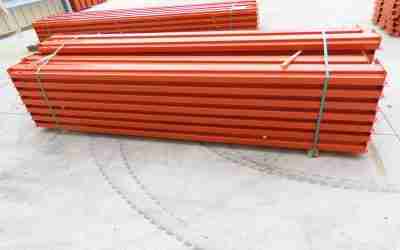
Forklift Traffic Engineering Basics

Forklift Traffic Engineering Basics

Forklift Traffic Engineering Basics

In the fast-paced world of warehouse operations, where every moment counts, understanding forklift traffic engineering is vital for fostering a culture built on safety and efficiency. Each forklift driver, maneuvering through meticulously organized aisles, plays a crucial role in maintaining not just productivity but the well-being of their colleagues. Imagine a bustling floor: the whir of machinery, the clatter of equipment, and the palpable urgency in the air. Behind this dynamic environment lies the essential framework of effective traffic management that balances speed with safety. The reality is stark—accidents can have devastating consequences, not only affecting operational efficiency but impacting the lives of employees and their families. Each near miss serves as a reminder that addressing potential hazards is not merely a regulatory requirement; it’s a moral imperative. Training programs that emphasize safe operational practices foster a sense of responsibility among workers. When employees understand how their actions influence not just their safety but that of their teammates, it cultivates an atmosphere of trust and accountability. Moreover, effective forklift traffic design influences cost efficiency. Streamlined routes reduce wear and tear on equipment and decrease fuel consumption, presenting a compelling case for prioritizing traffic planning. Financial savings can be redirected toward improving workplace conditions or rewarding dedicated employees. This investment reflects a company’s commitment to its workforce, nurturing an ethical workplace culture that resonates with individuals. Technology further enhances traffic operations, transforming a chaotic environment into a well-oiled machine. Real-time tracking systems provide valuable insights, ensuring that routes are not just optimized for productivity but also for safety. The use of automated systems and alerts minimizes risks, demonstrating a proactive approach to avoiding costly accidents. At the heart of this effort is shared storytelling—real experiences of triumphs and challenges that emphasize teamwork and resilience. When employees gather to share their narratives, they weave a tapestry of communal understanding that reinforces the importance of every role in maintaining a safe environment. This connection not only strengthens relationships among team members but builds a unified front, where everyone is committed to looking out for one another. Ultimately, mastering forklift traffic engineering is about more than machinery; it reflects a collective mission. It acknowledges that every worker deserves to return home safely at the end of the day. By promoting a culture of communication, training, and integrated technology, organizations can create an environment where safety and efficiency go hand in hand. Together, as a cohesive team, we can ensure that the wheels of industry keep turning smoothly, embodying a workplace that values the health and success of every individual.

read more
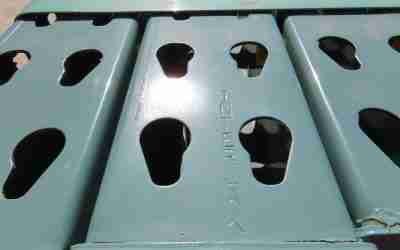
How to Shorten Dock-To-Rack Travel

How to Shorten Dock-To-Rack Travel

How to Shorten Dock-To-Rack Travel

In the fast-paced world of warehousing, every second counts. Picture a bustling warehouse where inefficiencies lurk, disguised as the norm. Here, time is not only money—it’s the lifeblood of your operation. By rethinking your racking systems and streamlining processes, you can transform your dock-to-rack travel from a cumbersome journey into a seamless flow of productivity. Imagine each driver effortlessly navigating the aisles, empowered by an intuitive layout that respects their time and celebrates their contributions. When every worker knows precisely where items are stored, frustration evaporates, and a sense of collective purpose thrives. This isn’t merely a logistical enhancement but an ethical commitment to valuing human effort. Embrace technology as your ally in this journey. Systems that automate tracking and inventory management eliminate mistakes and foster an environment where confidence flourishes. Workers equipped with handheld devices become agile problem-solvers, cutting delays and maximizing output. As you invest in these tools, consider the invaluable impact on workplace morale and productivity. Stories matter. When team members share experiences of overcoming challenges, they weave a communal narrative that cultivates pride. Recognizing small victories transforms the culture, reminding everyone that their contributions serve a greater mission. The need for speed must never undermine quality. Achieving the right balance ensures safety and efficiency, forging an operation where both processes and people can thrive. Timely transport isn’t a luxury; it’s an essential promise to your customers, building trust and loyalty in a competitive market. By fostering clear communication within your team and prioritizing efficiency, you create not just a streamlined operation but an interconnected community. Each successful delivery reinforces your reputation, telling the world that your commitment to excellence runs deep. In short, optimizing dock-to-rack travel is about more than just logistics—it’s about crafting a dynamic and ethical workplace culture that respects time, values every contributor, and drives sustained success. Embrace the journey, and together, let’s stride confidently toward a future of shared achievements.

read more

Designing for Faster Forklift Movement

Designing for Faster Forklift Movement

Designing for Faster Forklift Movement

In the fast-paced world of warehouse operations, every second matters. The hustle of forklifts weaving through carefully designed racking systems is not just about speed; it’s about creating a seamless workflow that champions safety and efficiency. Imagine a vibrant team, each member proud of their role, knowing that their environment enhances rather than hinders their efforts. This is the heart of effective design—where space is optimized, and pathways are clear, allowing forklifts to glide effortlessly. When forklifts are able to move swiftly, it sends a powerful message: the well-being of every worker is paramount. A thoughtful layout reduces the risk of accidents, reinforcing the commitment to safety that every employee deserves. It’s not just about logistics; it’s about cultivating trust within the team, making every member feel valued and engaged. As we delve into the innovations transforming forklift movement, we see the integration of smart technology that elevates operational efficiency. These advancements not only enhance productivity but also reflect a company’s ethical responsibility towards its workforce and the environment. Workers, equipped with the right tools and training, thrive in a culture that prioritizes their safety and empowers their skills. Training becomes the backbone of this operation—not just a checklist, but a vital investment in the team’s confidence and competence. A well-trained operator is not just steering a forklift; they’re moving towards a future where safety and speed coexist. This shared commitment fosters community, where knowledge is exchanged, and every victory is celebrated. Ultimately, streamlining forklift movement is about more than just efficiency; it’s about building a cohesive environment where everyone contributes to success. The journey towards a workplace where speed and safety are in harmony is paved with thoughtful design, ongoing training, and innovative solutions—creating not just a more productive warehouse, but a community that values and empowers every individual.

read more
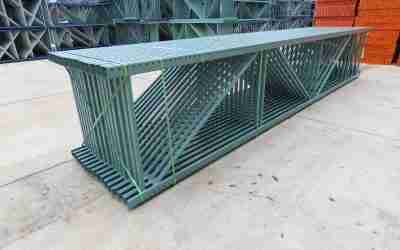
How High Is too High? Rack Height Risk Analysis

How High Is too High? Rack Height Risk Analysis

How High Is too High? Rack Height Risk Analysis

The towering racking systems in our warehouses represent a critical intersection of safety and efficiency—where decisions made today determine the lives of those who work beneath them. Every inch of height is not merely a logistical choice but a profound responsibility; it embodies the trust that employees place in their environment. Picture a father or mother returning home after a long day, confident in their safety as they navigate the rigors of their job. Each rack must be a steadfast guardian, ensuring that the effort invested in daily tasks does not come at the cost of their well-being. Rationally, the math is unyielding. Proper engineering must dictate how high we stack goods to maintain stability and security. Falling back on safety measures as mere checkboxes can lead to catastrophic repercussions—financially and personally. Investing in robust safety protocols today is an investment in the long-term health of both your workforce and your bottom line. Ethically, we carry the weight of protecting our teams. Each decision surrounding rack heights needs to reflect respect for the individuals behind the numbers—a commitment to their safety that fosters a culture of trust. It’s not just about compliance; it’s about creating a workspace where empathy prevails—where stories of near-misses catalyze a proactive approach to risk management. As we navigate regulations and standards, let’s remember that these guidelines are not just rules. They are a shared understanding of our duty to each other. Prioritizing safety cultivates a robust community, encouraging open dialogue and shared responsibility among workers. Ultimately, assessing and implementing safe rack heights is more than a task; it’s a collective mission to ensure that every employee can leave work unscathed, ready to embrace their life outside the warehouse. Balancing height and safety creates an environment where everyone thrives—transforming warehouses from mere storage spaces into nurturing workplaces committed to the well-being of each member of the team.

read more
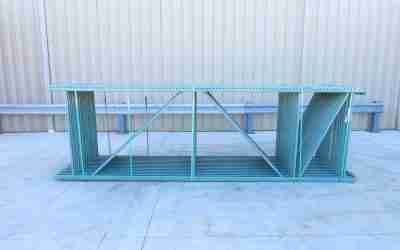
Why Teardrop Isn’t Always the Best Rack Connection

Why Teardrop Isn’t Always the Best Rack Connection

Why Teardrop Isn’t Always the Best Rack Connection. In the world of warehouse management, the choice of racking systems is more than just a technical decision; it’s a reflection of our deeper values and commitments. As we navigate this landscape, the allure of the teardrop connection shines particularly bright, promising quick setups and sleek designs. But let’s face it: the benefits of any system should be weighed not only against convenience but also against safety, integrity, and the profound impact on our workforce and community. Choosing a racking system is akin to crafting a promise to your team. It’s knowing that each decision resonates far beyond cold, hard steel—it reflects our dedication to the livelihoods of those who depend on that structure. For a warehouse manager, understanding this emotional connection is paramount; it isn’t just about efficiency, but about the heart of every operation: your people. Each time a worker retrieves a product or shelves an item, it echoes the concerns of safety and reliability. Too often, the ease of the teardrop design can lead to complacency. The notion of “faster and easier” often overshadows important considerations regarding durability and long-term effectiveness. Injuries from improperly secured racks present both a moral dilemma and a liability; they question our commitment to safe working environments. To uphold ethical standards and foster a culture of trust, we must demand more than aesthetics—we must pursue choices that inspire confidence and uphold our collective responsibility. Flexibility is another cornerstone of effective warehouse operations. The teardrop system may appear versatile but can inadvertently restrict our ability to adapt to changing demands. The stories shared by workers illustrate frustration when systems inhibit innovation and creativity. By cultivating an environment where flexibility reigns, we empower our teams to thrive, encouraging collaboration and enabling us to pivot in the face of evolving consumer needs. As we wrap our minds around these critical decisions, let’s not forget the stories our tools tell. They speak of our choices, our ethical obligations, and the community we build alongside our racking systems. True progress comes from acknowledging that our decisions echo through every aisle and every shelf, shaping not just our operations but our very culture. So, as you contemplate your next racking choice, remember: it’s not about merely storing products; it’s about embodying the values, resilience, and agility we all seek in our ever-evolving world. Choose wisely, and let those choices resonate with the strength of your community and the integrity of your work.
read more
When to Use Mechanical Lifts In Rack Installation

When to Use Mechanical Lifts In Rack Installation

When to Use Mechanical Lifts In Rack Installation. Experience the transformation that mechanical lifts can bring to your workplace. Picture a world where heavy loads are effortlessly lifted, where safety is paramount, and where efficiency thrives. This isn’t just about convenience—it’s about creating a culture of care and connection among your team. By investing in mechanical lifts, you’re not just investing in technology; you’re investing in the well-being of your employees. Imagine the impact of a workplace where everyone feels valued, safe, and motivated to do their best work. This is the power of mechanical lifts in rack installation—a commitment to safety, efficiency, and a workplace where success is not just achieved, but celebrated.
read more
What You Need to Know About Bolt-On Vs. Welded Arms

What You Need to Know About Bolt-On Vs. Welded Arms

What You Need to Know About Bolt-On Vs. Welded Arms. As you navigate the decision between bolt-on and welded arms for your warehouse or automotive projects, remember that this choice goes beyond mere technical specifications. It’s a reflection of your values, your commitment to safety, and the well-being of your team. Bolt-on arms offer flexibility—a ready toolbox at your disposal, allowing you to adapt swiftly to changing demands. This agility isn’t just about workflows; it instills a sense of security and readiness among your workforce. On the other hand, welded arms exude strength and durability, promising longevity and reliability that resonates with every employee who interacts with them. Your choice shapes the culture of your business, prioritizing safety and shared accountability. When considering the safety implications, remember that selecting the wrong arm configuration can have catastrophic consequences, jeopardizing not only your warehouse’s operational integrity but also the safety of your team. This decision is a community effort, requiring open dialogue and collective wisdom to make informed choices that protect and empower your workforce. And when thinking about how your choices impact resale value in modified vehicles, remember that emotional connections play a key role. Your modifications should strike a balance between personal passion and broader market appeal. The story told through your vehicle reflects your journey, aspirations, and the community you’ve built. Ultimately, your decisions shape not just your operations but the lives intertwined with your success. So, as you move forward with your projects, let responsibility and connection guide your choices, creating a landscape of safety, resilience, and community around these crucial elements.

read more
What to Do After a Forklift Collision with a Rack

What to Do After a Forklift Collision with a Rack

What to Do After a Forklift Collision with a Rack. Forklift collisions can throw your world into disarray in a heartbeat. In that moment of chaos, the very first thought must gravitate toward safety—the safety of yourself and your colleagues. It starts with the gut instinct we all share: are we okay? How about those around us? When the dust settles, it’s crucial to take stock of any injuries and get medical help if needed; doing so emphasizes our commitment to one another, reinforcing that our human connections are what truly make us a team. From this emotional foundation, we shift to the rational necessities. It’s not enough to just make sure everyone is physically all right; we must also assess the damage to both the forklift and racking system. Talk to your supervisor, document the scene, and capture the truth—this isn’t merely about compliance; it’s a declaration that we will learn from this experience. Capturing the details with photographs and notes safeguards our collective experience and cultivates accountability among peers, building a stronger community. But the aftermath isn’t just a series of cold, hard facts and figures; it’s a call for conversation. Share stories about what went wrong, listen to shared experiences, and embrace the lessons learned from near misses. Training isn’t simply a checklist operation— it’s a profound ethical responsibility to ensure that safety becomes second nature. It’s about imparting wisdom through real stories, bridging the gap between seasoned veterans and newcomers, and fostering a culture where everyone feels empowered to contribute to their own safety and that of others. As we look toward preventing future incidents, recognize the role of equipment maintenance. A well-oiled machine speaks volumes, not just in productivity but in safety as well. Regular check-ups are essential, not only to comply with regulations but to honor the lives that depend on that equipment functioning flawlessly. Now is the time to transform our experiences into proactive measures. We owe it to ourselves, each other, and our families to build a culture of safety that nurtures both people and equipment. Together, let’s pledge to elevate our workplace safety, foster camaraderie, and create an environment where every worker can return home unharmed—as the heart of our operations and the pillars of our community. In the end, it’s about more than just avoiding accidents; it’s about ensuring that every day is a testament to the care we share for one another in this labor-intensive journey we call work.

read more
The Role Of Rack Safety Pins and Beam Locks

The Role Of Rack Safety Pins and Beam Locks

The Role Of Rack Safety Pins and Beam Locks. In the bustling heart of a warehouse, where steel beams tower and machines hum tirelessly, lies an essential truth: safety is not merely an obligation; it’s the backbone of a thriving workplace culture. Rack safety pins and beam locks, once overlooked, are the quiet guardians ensuring that products—and lives—remain secure. These small yet vital components embody a profound commitment to our well-being, quietly holding the weight of families and futures while we go about our daily tasks. Reflect on the unsung heroes of our warehouses: the dedicated workers who face the ever-looming shadows of fear. In the quiet corners of our minds, the “what ifs” linger—what if a shelf gives way? This isn’t just paranoia; it’s our instinctual need for safety. The statistics on workplace injuries compel our attention, urging us to create environments that champion security alongside productivity. It’s our ethical duty to demand rigorous safety standards, transforming our workplaces into sanctuaries where every individual returns home safely at the end of the day. Rallying around this cause, we can draw strength from stories—whether it’s a colleague who bravely speaks up about unsafe practices or a team that celebrates a milestone of incident-free days. These narratives resonate powerfully, binding us together in a mission that transcends individual fears, fostering an atmosphere of trust, accountability, and solidarity. Each story becomes a thread woven into the fabric of our work culture, building a legacy where safety truly matters. To forge a culture of safety, we must educate and empower our teams. Knowledge transforms uncertainty into confidence. Proper training not only keeps individuals informed; it also reinforces the commitment we share to look out for one another. Inspections and maintenance affirm our dedication, while open communication channels pave the way for a collective voice—this is the heartbeat of a safe workspace. As we champion safety standards and prioritize our teams’ well-being, we’re not just fulfilling regulatory requirements; we’re signaling a fundamental respect for every person in our charge. When safety is ingrained in our fabric, we nurture not only dedication and morale but also productivity and passion. Let’s step into our warehouses with intention, embracing the tools, the knowledge, and the collective spirit of our teams. By committing to safety, we honor those who came before us, protect those who stand beside us, and ensure that moving forward, everyone feels valued and secure. Together, we can transform fear into empowerment and ambition into a culture of care that lasts.

read more
The Physics Of Load Distribution on Pallet Beams

The Physics Of Load Distribution on Pallet Beams

The Physics Of Load Distribution on Pallet Beams. Load distribution is the unsung hero of warehouses, quietly supporting operations critical to our daily lives. Each sturdy pallet beam carries not just weight, but the hopes and livelihoods of workers and families who rely on a smooth supply chain. When we adhere to proper loading, not only do we safeguard people and optimize efficiency, but we also uphold an ethical responsibility—to ensure safety, trust, and integrity in the workplace. The human connection is key, fostering a culture of collaboration and empowerment. By balancing loads, we minimize waste, prevent mishaps, and prolong equipment life, translating savings into meaningful investments in wages and community projects. When tales of pallet failures inform better practices, they inspire a culture of dialogue where experiences shape best practices. Together, let’s ensure every load is balanced, every decision informed, and every worker empowered, creating a safer, more efficient community where structures support both the economy and the people who drive it forward.

read more
Teardrop Vs. Keystone Rack Connections

Teardrop Vs. Keystone Rack Connections

Teardrop Vs. Keystone Rack Connections. When it comes to choosing the right racking system, the decision between teardrop and keystone connections goes beyond just the physical components—it’s about creating a space that embodies reliability, strength, and efficiency. How do you want your workspace to feel? Picture a rack system that adapts and evolves with your needs, like a trusted companion that helps you navigate life’s twists and turns. Teardrop racks offer unparalleled adaptability, allowing you to make adjustments effortlessly without compromising on durability. On the other hand, keystone connections bring a sense of tradition and stability, like that reliable friend who always has your back. Trust in your choices is essential, whether it’s in the flexibility of teardrop racks or the robustness of keystone connections. Ethically, investing in quality materials and designs not only benefits your operations but also showcases your commitment to sustainability and responsible sourcing. Your decision shouldn’t just be about strength; it should also reflect your values and vision for a workspace that inspires confidence and success. So, as you navigate the choice between teardrop and keystone connections, ask yourself: which option resonates with your goals and values? Choose wisely and create a workplace where efficiency, safety, and trust go hand in hand.

read more
Stop Blaming Forklift Drivers�Your Racks May Be Poorly Designed

Stop Blaming Forklift Drivers�Your Racks May Be Poorly Designed

Stop Blaming Forklift Drivers�Your Racks May Be Poorly Designed. In the fast-paced world of warehouse operations, it’s easy to point fingers at forklift drivers when accidents occur. But what if the real culprit isn’t behind the wheel, but in the very structures they navigate? Imagine the heart-pounding journey of a forklift driver through a maze of poorly designed racks. It’s not just about moving goods; it’s about creating an environment that empowers rather than hinders. Ethically, we owe it to our employees to provide safe spaces that value their well-being. Emotionally, imagine the relief and confidence a well-designed racking system can inspire in every worker. From a rational standpoint, investing in high-quality rack design not only reduces accidents and financial losses but also sets a standard for workplace safety. Socially, prioritizing safety in design can spark a positive chain reaction throughout the industry. So let’s stop blaming and start acting. Let’s rethink our racking systems to create spaces where safety isn’t just a policy, but a profound ethos that permeates every aspect of our operations. Together, let’s build a better workplace where every structure supports not just the load, but the people behind it.

read more
Safety Tips for Working Near Cantilever Racks

Safety Tips for Working Near Cantilever Racks

Safety Tips for Working Near Cantilever Racks. In a bustling warehouse, where precision meets trust, safety isn’t just a guideline; it’s a responsibility that weighs heavily on each of us. Neglecting safety isn’t just a personal risk; it’s a community concern that affects everyone on the floor. Picture the camaraderie of colleagues chatting as they work efficiently, but imagine that bond fraying due to a moment of carelessness. It’s a gut-check reality that can transform a productive day into chaos. We owe it to ourselves and our teammates to prioritize safety every step of the way by familiarizing ourselves with the racking system, engaging in regular training sessions, and communicating effectively. Accidents near cantilever racks can shake the very foundation of a workplace, unleashing emotional turmoil that reaches far beyond the initial event. Witnessing or hearing about accidents can leave employees grappling with anxiety and stress, questioning safety, trust, and their place within the organization. From a rational standpoint, the ethical implications of prioritizing safety in operations cannot be overlooked. It’s not just about compliance; it’s about actively protecting its people. Leaders and experts in the field have a role to play in addressing these emotional currents, building trust, and inspiring confidence that proactive measures can foster a safer environment. When we step into a workspace with cantilever racks, it’s about creating an environment where safety reigns supreme. By ensuring clear protocols, loading and unloading materials responsibly, and cultivating an attitude of mutual respect, workers can embrace safety consciously, committing to each other’s well-being. Employers have ethical responsibilities to protect workers, recognizing the humanity of each individual and valuing their contributions beyond labor. Investing in safety measures not only reduces accidents and turnover rates but also enhances productivity, empowering workers to thrive and engage. By adhering to safety tips, businesses can safeguard employees and enhance overall productivity, creating a culture of trust and respect that ripples through every level of an organization. Safety protocols, intertwined with personal stories, shape our understanding of what it means to be safe. Stories of survival, loss, and resilience connect us emotionally, reinforcing the necessity of adherence to safety protocols. Together, let’s reaffirm our dedication to safety as a commitment to one another, transforming our workplace into a sanctuary of trust, respect, and collective strength. Every safety tip embraced nurtures bonds that make our workplace not just functional but thriving. Be diligent, be aware, and above all, be committed to each other in fostering a stronger, more resilient community.

read more
Rack Damage Isn’t Always the Driver’s Fault

Rack Damage Isn’t Always the Driver’s Fault

Rack Damage Isn’t Always the Driver’s Fault. For many, the word racking evokes images of bustling warehouses and precision. But behind the scenes lies a world of unseen pressures and challenges that impact every decision made. Racking damage isn’t always the driver’s fault; it’s a complex issue shaped by myriad factors. When we overlook these intricacies, we miss the opportunity to build a community of support and understanding. By advocating for improved training, better equipment, and a safety-first mindset, we can transform blame into collaborative solutions that benefit everyone. It’s time to recognize the unsung stories behind rack damage and foster a culture of shared responsibility and respect in the workplace. Let’s lift each other up and prioritize safety over speed, creating an environment where everyone can thrive.

read more
Insurance Implications Of Unsafe Racking

Insurance Implications Of Unsafe Racking

Insurance Implications Of Unsafe Racking. In the dynamic landscape of business, where every decision holds the potential to shape not just the present but the future, racking systems stand as a sturdy cornerstone that supports the very essence of your operations. They hold the weight of your inventory, safeguard the well-being of your employees, and safeguard your bottom line. But what happens when these systems falter, when safety takes a back seat to expedience, and vulnerability creeps in like a silent thief in the night? It’s not just a logistical hiccup—it’s a ticking time bomb of insurance implications waiting to detonate. Picture the scene: a shelf buckles under the weight of stacked goods, a cascade of products crashing down in a chaotic symphony. The aftermath? Injuries, damaged goods, lost productivity—a ripple effect that extends far beyond the physical realm. From family-run businesses to massive distribution hubs, the consequences reverberate through communities, affecting not just the business itself but the livelihoods that depend on it. An employee sidelined by injuries can set off a chain reaction, straining families and potentially leading to financial hardship. The heart of your business isn’t just the products you sell—it’s the people who ensure those products reach their destination safely. From a rational viewpoint, ensuring the safety of your racking systems isn’t just about compliance with regulations—it’s a savvy investment in protecting your assets. Insurance implications loom large when unsafe practices lead to accidents. Insurers scrutinize safety protocols, and any slip-up could result in denied claims or soaring premiums. Imagine being left vulnerable, with your coverage rendered moot due to preventable oversights. It’s not just about financial losses—it’s about the erosion of trust, both within your organization and in the eyes of your insurers. And let’s not forget the ethical obligation that comes with being a responsible business owner. Ensuring a safe environment isn’t just a checkbox on a list—it’s a moral imperative to every worker who places their trust in you to keep them secure. By neglecting racking safety, you aren’t just risking your bottom line; you’re jeopardizing the trust and confidence of those who rely on you for their well-being. It’s time to take a proactive approach. Engaging a qualified racking inspector isn’t just an expense—it’s an investment in peace of mind. By bolstering safety measures, you’re laying the foundation for a thriving operation where employees feel secure, customers are satisfied, and your business emerges as a beacon of reliability in your community. Prioritizing racking safety isn’t just a smart business decision—it’s about building a space where everyone can flourish, thrive, and feel valued. Embrace the journey towards safety and security, for the rewards far outweigh the costs, creating a legacy that resonates not just within your walls, but throughout your entire ecosystem.

read more
How to Train Your Staff on Rack Safety Protocols

How to Train Your Staff on Rack Safety Protocols

How to Train Your Staff on Rack Safety Protocols. How to Train Your Staff on Rack Safety Protocols When it comes to rack safety protocols, it’s not just about avoiding accidents; it’s about cultivating a workplace culture where every worker feels like they matter. Let’s be frank: safety isn’t a checklist item; it’s a commitment. Each time your staff walks into that warehouse, they’re entering a world filled with potential hazards and opportunities. Racking may seem mundane, but it holds the weight of responsibility—and not just for the goods stored, but for the well-being of every single person working in and around those racks. Start by framing the conversation around safety as a shared mission. This isn’t just management breathing down their necks; it’s empowered employees taking ownership of their environment. Break down the gravity of rack safety protocols with real stories—the near misses that became teaching moments and the hands-on experiences where human instinct triumphed over negligence. These aren’t just statistics—they’re reminders of why we need to care deeply about how we treat our environment and, by extension, each other. Next, appeal to our shared ethics by emphasizing that a safe workplace isn’t just beneficial—it’s a moral obligation. Every load placed, every shelf secured, speaks to a commitment we make to our teammates. If someone disregards proper procedures, they jeopardize not just their own safety, but the lives of coworkers. Foster a culture where everyone looks out for each other, where peer accountability isn’t worrisome but empowering. Then there’s the practical side of things—training. Roll out comprehensive workshops that cover the nuances of rack safety. Use simulations, engage with hands-on demonstrations, and encourage open discussion as your employees troubleshoot and learn together. Create a forum where questions are welcomed—not stifled—leading to a deeper understanding of the protocols. Finally, promote a sense of belonging and pride—let them know that each time they adhere to rack safety, they contribute to a legacy of care that protects their teammates. Create a wall of honor for safety champions, showcasing those who consistently demonstrate diligence and proactivity. People respond to recognition, and when it comes from a place of genuine respect, it reverberates through the entire workplace. Grow that connection, and you’re not just training staff—you’re building a family dedicated to safety, trust, and shared success. And that isn’t just good for business; it’s the right thing to do. What Emotional Impact Does a Safety Incident Have on Your Team? When a safety incident occurs, it’s not just the physical effects that ripple through your team; it’s the emotional fallout that shapes the workplace culture and individual psyches. Imagine a seasoned staff member arriving at work one day, her sense of purpose clenched in her fist alongside her lunch. Then, in an instant—a slip, a fall, an accident—everything changes. The racking fear that overtakes the workplace isn’t just about the injury itself; it seeps into the hearts and minds of every employee present. From the moment the alarm sounds, the weight of uncertainty hangs heavily in the air. Colleagues exchange glances, a mix of concern and disbelief, their bodies tense. Is someone hurt? Could it happen to me? These questions don’t just sit idly; they gnaw at the gut, stirring a deep sense of vulnerability amidst the routine of daily tasks. The emotional aftershocks can reveal cracks in camaraderie, turning a tight-knit crew into a fragmented group of individuals, each grappling with their own fears. But it doesn’t have to be that way. Leadership, grounded in empathy and awareness, has the power to transform the narrative. A heartfelt conversation in the wake of an incident can instill trust, remind the team that they are not alone in their fears, and even spark an honest dialogue about how to improve safety measures. This is where true authority is found—not in commands and checks, but in listening and embracing vulnerability. Employees need to feel that their leaders genuinely care about their well-being. Moreover, sharing personal stories about overcoming fear and finding strength in adversity can uplift spirits. It’s about connection—recognizing that every worker plays a role in their collective safety. When teammates come together to process an incident and explore safety improvements, they forge bonds stronger than steel. They realize that safety is not merely a protocol but a shared value, invested in by everyone. Emotional impact varies, but the message remains the same: acknowledge the fear, but focus on recovery and resilience. It’s an opportunity for growth—for individuals, teams, and the entire organization. By coming together, maintaining vigilance, and fostering an ethos of safety, your team can emerge from the shadow of disruption, transformed and galvanized, ready to face whatever challenges lie ahead with renewed strength. How Can Safety Protocols Enhance Workplace Productivity and Morale? When you think about workplace productivity and morale, safety protocols might not be the first thing that comes to mind. But like a sturdy racking system in a warehouse, they hold everything together, providing the support needed for growth and success. These protocols are not just rules; they’re a commitment to one another—a promise that every individual’s well-being is valued and safeguarded. Imagine a workforce where every employee feels protected. When safety measures are in place, there’s a palpable sense of trust. Workers are more engaged, knowing that their well-being isn’t just a checkbox on a manual but a core value of the company’s culture. When people feel secure, their focus shifts from worrying about accidents to honing their skills and innovating new solutions. It’s that shift—the transformation from fear to freedom—that fuels productivity. Rationally, investing in safety protocols can save companies significant money over time. Fewer accidents mean less downtime and reduced medical costs. A safe workplace can also lower insurance premiums and improve the company’s bottom line. These benefits don’t just add up on a balance sheet; they resonate with every bag of groceries brought home and every bill paid without worry. Yet the ethical dimension can’t be overlooked. Prioritizing safety reflects a company’s values and demonstrates a commitment to its workforce. It sends a clear message: You matter. Your life matters. This is not just about compliance; it’s about character. Employees thrive in environments where their well-being is placed front and center—this, in turn, cultivates loyalty and fosters community. Through powerful narratives of those who’ve seen the stark difference that safety makes, we learn: a factory worker who used to dread each long shift can now take pride in their role, knowing their workplace has their back. A team that once felt fragile is now robust, unified by a shared understanding that safety and camaraderie are linked. Lastly, consider the social aspect. In an age where connection is crucial, champions of safety protocols often become advocates for their colleagues. They share experiences, teach practices, and reinforce a culture of care—a culture where productivity blooms naturally because it’s rooted in respect and responsibility. Together, we can create not just a safer workplace, but one where every voice is heard and every fear is mitigated. What Costs Can Arise From Inadequate Rack Safety Training? Imagine for a moment the sound of metal clashing against metal, the unmistakable crash of pallets tumbling down from high above. This isn’t a scene from an action movie; this is a daily reality in warehouses across the nation where inadequate rack safety training leaves workers vulnerable to risks. Racking systems are the backbone of many industries, supporting our goods, our livelihoods, and even our families. Yet, without proper training, these very systems can turn into ticking time bombs. Let’s get to the heart of the matter. When workers are uninformed about racking safety protocols, the costs can be staggering—financially, emotionally, and ethically. In a split second, an untrained individual might make a wrong move, resulting in catastrophic injuries or even fatalities. The pain doesn’t stop there; families are left shattered, with lives disrupted and futures uncertain. Employers face soaring medical expenses, legal fees, and the heavy burden of lost productivity. There’s nothing like the gut-wrenching realization that all of this could have been prevented with the right training. Racking might seem like a dull topic, but let’s talk rationality. Would you drive a car without knowing how to steer, brake, or use your mirrors? Of course not. The same logic applies to racking safety. Those who cut corners on training are gambling with lives—an ethical dilemma that no responsible business owner should ignore. Leaders in the industry have seen how investing in safety training ultimately saves money—because it saves lives. This isn’t just about compliance; it’s about creating a culture where safety is prioritized, respected, and ingrained in everyday practices. Socially, we need to shift the dialogue from viewing training as a mundane obligation to recognizing it as our collective responsibility. When every employee is equipped with the knowledge to handle safe practices, we weave a safety net built on trust—a network reinforcing the concept that we look out for one another. Lets share stories of how training transformed workplaces, where employees became champions of safety. They didn’t just retain knowledge; they shared it, leading their teams with an unwavering commitment to care. When we invest in thorough rack safety training, we are not merely fulfilling a duty; we are connecting to something deeper, something human. We are fostering an environment where everyone can thrive, unburdened by the fear of preventable accidents. Why gamble with lives when we can choose safety, knowledge, and empowerment? What Stories Of Prevention Can Motivate Your Staff to Embrace Safety? When it comes to safety in the workplace, stories can be powerful tools for motivation. Picture this: a warehouse bustling with activity, and among the throng, a dedicated employee named Jake. Jake is the kind of worker who takes pride in his craft—he knows that every box he stacks on the racking ensures that his colleagues return home safely at the end of the day. But one day, in a rush to meet a deadline, he overlooks a critical step in safety protocol. A shift occurs, and an accident happens. The consequences ripple through the team, affecting not just Jake but his coworkers and their families too. Now, imagine a meeting where Jake shares his story. He speaks not only of the physical injuries but also of the emotional toll—a friend lost, families affected, and the dark cloud that loomed over their once-vibrant workplace. This narrative pulls at the heartstrings, reminding us all that safety isn’t just a policy; it’s a lifeline. From a rational standpoint, consider the statistics. Workplaces with a strong safety culture have lower accident rates and higher employee morale. Sharing data alongside stories creates a compelling case for safety initiatives. It’s not about compliance; it’s about thriving in a secure environment where everyone can do their best work, knowing their backs are covered. It’s essential to invoke the gut feeling too. Ask your team to imagine how they would feel witnessing a tragedy unfold before their eyes, all because of a preventable mistake. This visceral connection nurtures empathy and spurs action. People are drawn to causes that resonate on a personal level; they want to be part of something bigger—a shared commitment to safety. But ethical considerations matter too. Emphasizing that every action we take, every protocol we follow, is about protecting one another builds a robust sense of responsibility among your staff. They need to understand that safety is not just an obligation but a moral imperative. Lastly, create a culture of storytelling. Invite team members to share their experiences, learn from one another, and foster connections. When employees bond over shared experiences, they become advocates for safety, transforming it from a mere obligation into a shared value. These narratives build trust, enhance confidence in each other, and create a safer workplace, one story at a time. How Can Leadership Set the Tone for a Safety-First Culture? When it comes to cultivating a safety-first culture in any organization, it’s often said that culture doesn’t happen by accident. It’s crafted actively, and it starts at the very top. Strong leadership isn’t just about making decisions; it’s about setting a standard—a tone—that influences every corner of the workplace. Imagine walking into your job and feeling the palpable energy of care and responsibility among your team; that’s a leadership victory. Safety isn’t just a protocol; it becomes part of the collective heartbeat of the organization. Let’s be honest: actions speak louder than words. Leaders who prioritize safety demonstrate this commitment daily, making safety a non-negotiable part of their ethos. When a supervisor visibly joins a safety briefing or picks up a piece of equipment off the floor, he or she is sending a message louder than any policy manual ever could—safety matters. Employees absorb this like a sponge, internalizing it into their own routines. That extra caution they exercise before racking equipment isn’t just about compliance; it’s a reflection of their leader’s steadfast commitment to well-being. Yet, it also tugs at the emotional threads binding a team together. When leadership places value on each worker’s safety, it resonates deeply. Employees feel respected, valued, and most importantly, cared for. They’re not just numbers on a payroll—they’re integral parts of a greater whole. This emotional bond fuels a willingness to embrace safety protocols, fostering an environment where everyone looks out for one another. The rational side can’t be ignored, either. Safety regulations and best practices are there for a reason—they are grounded in ethics and responsibility. Leaders who understand this not only protect their workforce but also enhance their bottom line. Think of the costs—both human and financial—when injuries occur. Investing in safety training pays dividends down the line, translating to lower turnover, higher productivity, and most importantly, preserving lives. Moreover, leadership sets the tone through narrative. Sharing stories of successful safety initiatives can inspire and motivate, showcasing why each safety measure exists. When employees hear about the time that a simple precaution saved a colleague from serious injury, it reinforces the reason behind the rules. So, whether you’re in the boardroom or the breakroom, remember this: your leadership is the foundation on which a safety-first culture is built. Show up, engage actively, and be the change you wish to see. Embrace the responsibility. After all, safety isn’t just a duty; it’s a culture that starts with you. Conclusion Creating a culture of safety in the workplace transcends mere compliance with regulations; it’s about weaving a shared value system that prioritizes the well-being of every team member. When your employees step through the warehouse doors, they should feel not just responsible for their safety, but for the safety of their colleagues as well. When you frame safety as a collective mission, you empower your workforce, transforming them into champions for one another. Real-world anecdotes about near misses and heroism in the face of negligence serve as crucial teaching moments. These narratives resonate on an emotional level, evolving from statistics into potent reminders of the impact every worker has on their environment. It’s vital to recognize that a safe workplace is not merely advantageous—it’s a moral obligation. Every lift executed and every rack secured reflects an unspoken commitment to a co-workers safety. This is not about ensnaring employees in a web of fear; it’s about fostering a workplace where accountability is seen as both a privilege and a responsibility. By cultivating a safety culture where employees feel empowered to look out for each other, you build a tighter-knit community. Practical training is the backbone of this culture, and it’s essential to approach it dynamically. Implementing hands-on workshops, engaging simulations, and an open dialogue creates an environment where learning flourishes. Safety training should be rooted in respect and nurtured through recognition, celebrating those who exemplify diligence. When individuals earn acknowledgment for their commitment to safety, it ripples throughout the organization, encouraging others to embrace the cause. Embracing safety protocols not only comes with immediate emotional and ethical benefits; it also makes rational sense. Fewer workplace incidents translate into lower costs associated with medical bills, downtime, and lost productivity. Leadership that prioritizes safety cultivates loyalty and contributes to a robust bottom line. A thriving, engaged workforce can execute their roles with freedom rather than fear, and that in itself can be transformative. At its core, the essence of a safety-first culture lies in the stories we share, the values we uphold, and the bonds we forge. When safety becomes interwoven into every conversation, every meeting, and every interaction, you’re not just training employees—you’re building a resilient family driven by mutual respect and shared triumphs. Approach this task with heart, head, and gut intuition; every single voice matters, every role is significant, and together, we can cultivate not just a safer workplace, but a legacy of care that resonates through generations.

read more
How to Safely Work on Tall Racking Systems

How to Safely Work on Tall Racking Systems

How to Safely Work on Tall Racking Systems. When it comes to working on tall racking systems, its more than just a job; its a commitment to safety, productivity, and respect for the task at hand. Imagine standing high above the ground, surrounded by towering stacks of goods. Even if youre well-trained, the sheer height can play tricks on your mind. That’s where the heart of safety comes in. It’s not just about following a checklist; its about valuing your life, your colleagues, and the hard work that went into building your space. Before you even think about climbing up those racking systems, do a mental inventory. Rationalize each step. Think about the height, the weight of the items being handled, the equipment you’ll need, and even your own physical limits. Understand that every inch you elevate comes with risk—an unsteady ladder, a moments distraction can lead to a fall that changes everything. Knowledge is power, and in this case, it’s your best safety net. Your head must be engaged when choosing the right tools: a sturdy harness and a solid lift can mean the difference between smooth sailing and a nasty tumble. Ethically, we owe it to ourselves and those who depend on us to work smart and work safe. Be a mentor, fostering an atmosphere where safety is a priority and asking questions is encouraged. Sharing experiences and lessons learned can strengthen camaraderie within your team—thats the kind of connection that can elevate workplace culture beyond mere productivity. Additionally, there’s something powerful about the human experience here. Stories abound of those who didnt prioritize safety, and those lessons ring out like sirens in a quiet night. Make no mistake; the risks are real, but they can be mitigated. Respect the racking; let it serve as a structured reminder of both your capabilities and your vulnerabilities. If everyone on the floor respects these systems, you’ll create a community of trust and confidence. Be the one who leads by example, who ensures others are educated and equipped to face the heights. The next time you’re gearing up to climb, recall that emotional touchstone—the collective heartbeat of your team depends on each other’s safety. Your actions today ensure that tomorrow will be just as bright.

read more
How to Plan Rack Placement Around Forklift Paths

How to Plan Rack Placement Around Forklift Paths

How to Plan Rack Placement Around Forklift Paths. In the intricate world of warehouse management, the careful placement of racks in relation to forklift paths is not merely a logistical exercise; it’s about crafting a safe, efficient, and nurturing environment for the people who keep the wheels of industry turning. Picture the bustling hum of activity where every movement signifies the backbone of the business. Here, every rack serves a dual purpose—not just to hold products, but to promote a culture of safety and respect for the workers maneuvering heavy machinery. Your warehouse layout is a living, breathing entity. It requires thoughtful design to ensure safety, allowing forklifts to navigate seamlessly without the shadow of impending collisions. This is where the head and heart connect. Rationally, a well-planned space minimizes accident risks while enhancing workflow and ultimately boosting productivity. But on an emotional level, it’s about creating a sanctuary for employees where they can thrive, feeling valued and respected in their roles. Every smooth passage of a forklift isn’t just a testament to good planning; it is a reflection of commitment to the safety and well-being of every team member. Ethical considerations also play a crucial role in this dialogue. Just as one wouldn’t sacrifice safety for profit, a well-structured approach acknowledges that the lives behind the statistics deserve utmost care. Each individual in that warehouse is not merely a cog in the machine; they are mothers, fathers, friends: cherished members of their communities. Safety in the workplace resonates with a deep-rooted belief that well-being should supersede expediency. Moreover, the narrative here is key. Each time a colleague effortlessly navigates their duties in a well-laid-out space, it fosters a sense of pride and ownership. It embodies a shared mission where teamwork thrives because every member understands their part within this intricate dance. In this context, the success of a warehouse operation mirrors the collective strength of its workforce. Ultimately, the essence of optimizing rack placement isn’t just about improving metrics—it’s about honoring the people who breathe life into the operation every day. Investing in thoughtful design isn’t merely a strategic move; it represents a profound commitment to safer workplaces, fostering community, and enhancing quality of life. In the end, it’s not just about where things go; it’s about how effectively we can work together—united by a shared vision of safety and success.

read more
How to Check for Overloaded Arms In Cantilever Racks

How to Check for Overloaded Arms In Cantilever Racks

How to Check for Overloaded Arms In Cantilever Racks. Every day, countless workers navigate the intricate dance of a busy warehouse, surrounded by massive cantilever racks that support everything from raw materials to finished products. Yet behind that sturdy façade lies a hidden danger: overloaded rack arms. It’s easy to overlook this critical inspection, but neglecting it can lead to disastrous consequences—not just for the equipment, but for the people working around it. The implications of overloaded arms extend beyond broken steel; they resonate deeply within the hearts and minds of every worker, altering their sense of safety and wellbeing. Imagine a worker compelled by pride and the sheer pressure of productivity, pushing the limits of what those racks were built to hold. The adrenaline rush of stacking one more box may evoke a feeling of triumph in the moment, but it comes with a caveat: anxiety and insecurity. When burdens become too heavy, they weigh not just on the arms, but on the spirit of the workforce, fostering an environment of silent worry that can hinder focus and complacency. It’s vital to recognize that every task performed safely contributes to a culture rooted in shared responsibility—a narrative that transcends the mere act of lifting. From a logical standpoint, understanding weight limits is paramount. These figures are far more than technical numbers; they represent the foundation of safety and efficiency within the workplace. When we take the time to assess the structural integrity of our racks, we act as stewards, prioritizing the safety of our colleagues over convenience or profit margins. In fostering this mindful approach, we build trust and camaraderie among team members, enhancing the collective sense of responsibility toward one another’s safety. Ethically, leaders hold a duty to advocate for a culture where well-being supersedes blind adherence to productivity. It’s not just a matter of compliance; it’s about crafting an environment that respects the humanity of every individual involved. When organizations invest in proper safety measures and clear communication, they send a powerful message: every worker matters, and their safety is a priority. By vigilantly monitoring overloaded rack arms, we create an echo that resonates beyond the warehouse walls. It’s a choice that actively nurtures a space where not only equipment is protected but lives are preserved. Together, we can champion a stronger, safer community—one that values each individual’s contribution and stands united against the risks of negligence. Because in the end, this is about lifting each other up, both literally and figuratively, ensuring that when a worker goes home, they carry with them not just the burdens of the day’s work, but the knowledge that they did so in a safe and supportive environment.

read more
How Racking Affects Insurance and Liability

How Racking Affects Insurance and Liability

How Racking Affects Insurance and Liability. In the dynamic world of racking systems, we uncover a tapestry of interconnected threads—each representing safety, financial stability, and ethical responsibility. As we watch workers weave through the aisles of stacked goods, we witness more than just a simple work environment; we observe a living, breathing ecosystem where safety standards stand tall as pillars of protection. Every decision we make regarding racking—whether it’s a meticulous attention to detail or a careless oversight—impacts not just the present moment but the very essence of our businesses and communities. Imagine the harrowing scenario of a worker caught in a torrent of falling goods due to a flawed racking system. The emotional toll reverberates through families, colleagues, and communities, highlighting the critical need for prioritizing safety above all else. Financially, the repercussions are no less stark as insurers scrutinize operations and premiums skyrocket in the aftermath of accidents, threatening the very livelihood of businesses large and small. Here lies the delicate balance between operational efficiency and liability—a balance that can be tipped in favor of success through the implementation of superior racking systems that safeguard against costly mishaps. But beyond the numbers and figures lies a realm of storytelling and community-building. Every rack, every shelf is a testament to the dreams and aspirations of those who depend on these systems for their daily bread. By championing safety as a core value, businesses nurture a culture of trust and collaboration—where stories of resilience and collective relief emerge from challenging circumstances. These shared experiences foster bonds among employees, customers, and partners, painting a narrative of unity and strength. In our quest for operational excellence and financial prosperity, let us not lose sight of the human heart that beats within the walls of our warehouses. Each decision we make regarding racking standards is not just a practical choice; it’s a reflection of our commitment to safety, integrity, and partnership within our businesses and communities. Let us embrace responsible racking not as a mere practice but as a beacon of hope for a safer, brighter future for all.

read more
Fall Protection Considerations Near Racks

Fall Protection Considerations Near Racks

Fall Protection Considerations Near Racks. Fall Protection Considerations Near Racks: Ensuring Worker Safety And Efficiency Near Racks Within the bustling warehouses filled with towering racks, there lies a hidden narrative of dedication, emotion, and responsibility. It’s not just boxes being stacked high; it’s the hopes, dreams, and fears of every worker that add weight to their every step. The emotional investment in each individual underscores the absolute necessity of comprehensive fall protection measures near racking systems. Imagine the heart-wrenching scenario of a worker climbing to retrieve a product high on the racking, with their family anxiously waiting at home, trusting in their safe return after a long day. This connection, this emotional bond, emphasizes the vital importance of providing a safe environment for every worker. Ethically, every employer has a duty to protect their employees, ensuring a workplace where no one feels the weight of worry when they begin their shift. Implementing thorough fall protection systems isn’t just about following regulations; it’s about investing in the workforce, building a culture of trust that promotes both safety and productivity. Gut feelings play a significant role in hazard awareness – there’s a sense of unease when navigating areas without proper protection. By acknowledging and addressing these emotions through training and acknowledgment of risks near racking, we can transform fear into confidence. Creating a safe workspace is a shared responsibility, a collective effort among colleagues where everyone looks out for one another. It’s about fostering camaraderie, trust, and a supportive environment where each team member feels empowered to speak up and ensure the safety of all. As you step near those racks, remember the emotional weight your team carries and the importance of prioritizing safety measures to keep everyone protected. Let’s build a culture of care and responsibility, where safety is not just a priority but a mission we all commit to together.

read more
Exploring Pallet Supports: When and Why You Need Them

Exploring Pallet Supports: When and Why You Need Them

Exploring Pallet Supports: When and Why You Need Them. In the complex world of warehousing and logistics, the significance of pallet supports extends far beyond mere functionality; they represent a critical pillar of safety, efficiency, and ethical responsibility. Picture a bustling warehouse, alive with ambition, yet overshadowed by the haunting prospect of a pallet collapse. When product loads sag under pressure, it’s not just merchandise at stake—it’s trust, morale, and the very livelihood of the workers involved. The emotional toll of inadequate support is real and can manifest as worry and stress, impacting not just individual workers but the team as a whole. The cascading effects of a compromised racking system can lead to accidents that ripple through operations, affecting efficiency and the company’s reputation. This isn’t just about numbers; it’s about people—parents, friends, coworkers—each one contributing to a shared narrative of trust and responsibility. Every pallet that stands firm symbolizes a commitment to safety and productivity, showcasing leadership that prioritizes the human factor in business. Rationally, the choice to implement strong pallet systems emerges as an astute financial strategy. The costs of neglect, from insurance claims to lost productivity, can be staggering. Conversely, investing in quality pallet supports not only mitigates risk but also inspires confidence throughout the organization. Emphasizing ethical practices in this decision-making process creates an atmosphere where everyone feels valued and protected, thereby enhancing overall workplace morale. Beyond immediate concerns, the environmental implications of underperforming pallets demand attention. Inefficiencies create waste that harms our planet while undermining efforts to foster a sustainable future for our industry. By making responsible choices today, we pave the way for a greener tomorrow, strengthening our legacy and ensuring that our operations resonate positively within the broader community. Ultimately, the commitment to robust pallet support systems embodies a call to action—a reminder that safety, efficiency, and ethical responsibility are inextricably linked. When we recognize that every pallet carries not just weight but hopes and dreams, we cultivate an environment where trust, shared knowledge, and community thrive. In whatever warehouse you walk into, strive to make every choice count, because when we lift each other up, we’re building a solid foundation for the future, where success is as inevitable as it is shared.

read more
Are Your Racks Designed for Your Forklift Fleet?

Are Your Racks Designed for Your Forklift Fleet?

Are Your Racks Designed for Your Forklift Fleet? In the heart of every bustling warehouse lies a pulsing ecosystem where efficiency, safety, and purpose converge. Imagine a world where every box, beam, and aisle isn’t just a fixture, but a vital player in a synchronized dance of productivity. To achieve this, however, your racking systems must align impeccably with your forklift fleet. If they don’t, the harmony breaks, leading to chaos, inefficiency, and, ultimately, a costly fallout that ripples beyond the warehouse doors. Visualize the impact of good design: a warehouse where forklifts glide effortlessly, and workers operate with the confidence that their environments are both functional and safe. Each maneuver becomes a carefully orchestrated move, eliminating the potential for accidents that haunt workplaces. When your racking systems are thoughtfully curated to fit your operations needs, you pursue more than profit—you affirm your commitment to the people who keep your business thriving. Let’s get real for a moment. You may think numbers matter most, but they’re just a means to a greater end—your team. Your employees deserve a workspace that empowers them, respects their well-being, and crafts an atmosphere where safety isn’t an afterthought, but a priority. Every investment in racking is a declaration of respect and care—a promise that you value not just their contributions, but their lives outside those warehouse walls. The implications extend further. A well-structured warehouse redefines community engagement. When you streamline operations, products move swiftly and reliably, enhancing your reputation and fostering customer loyalty. Businesses that prioritize the well-being of their workforce and the efficiency of their operations stand tall as pillars of trust in the community. They’re not merely surviving; they’re thriving. Neglecting the importance of racking design and safety can lead to devastating consequences, both financially and ethically. Every delay, every injured worker, paints a grim picture of failure that no good leader should allow. By becoming proactive in assessing and optimizing your rack systems, you safeguard against these hidden costs while enhancing not just your bottom line, but also the lives entwined within your operational fabric. As you contemplate your warehouse’s future, remember: every choice shapes the path ahead. Embrace the responsibility to create an optimized, safe, and efficient environment for everyone involved. It’s not just about racking; it’s about building trust, preserving lives, and securing a legacy of operational excellence for tomorrow’s challenges. Trust the process, feel the impact, and take action now.

read more
What Role Does Employee Training Play In Warehouse Safety?

What Role Does Employee Training Play In Warehouse Safety?

What Role Does Employee Training Play In Warehouse Safety? As we wrap up this insightful journey into the pivotal role of employee training in warehouse safety, it is clear that investing in a robust training program is no longer optional—it’s an imperative. The dynamic environment of a bustling warehouse, teeming with movement and heavy equipment, presents inherent risks. The solution? Empowering your workforce with the knowledge and skills needed to navigate these challenges with confidence and care. At Arrow Industrial Sales, we understand that comprehensive employee training transforms workers into vigilant guardians of safety. When warehouse employees are educated on the intricacies of pallet racking systems and equipment operation, they become proactive participants in mitigating risks. It’s not just about compliance; it’s about cultivating a culture where safety is prioritized and woven into the very fabric of daily operations. Picture a transformed warehouse—a space where every team member not only understands their role in maintaining safety but also feels responsible for their colleagues’ well-being. This camaraderie, forged through ongoing training, fosters a thriving environment, reducing accidents and enhancing productivity. Studies show that organizations prioritizing safety training witness fewer workplace injuries, translating to decreased downtime and a bolstered bottom line. By safeguarding your employees, you’re also protecting your investment in the enterprise itself. Moreover, consistent and innovative training techniques, such as leveraging technology and interactive methods, ensure that learning becomes engaging and memorable. By incorporating virtual simulations, mobile platforms, and gamification, Arrow Industrial Sales can help you create an unforgettable training experience that stimulates the mind and reinforces critical safety protocols. However, the stakes are high, and the risks of neglect can be profound. With each passing day, accidents can disrupt operations and jeopardize the safety of your team. The time to act is now. Consider the future of your warehouse and the lives it impacts. Don’t just meet safety standards—exceed them. Join us in committing to a strategic training approach that elevates safety standards and sets your organization apart in today’s competitive landscape. Make the call to Arrow Industrial Sales at (574) 349-6575. Our experts are eager to provide tailored training solutions to enhance your safety initiatives today, ensuring you create a secure and productive environment for your employees. Take this essential step now, and position your warehouse for success. Your commitment to safety is a commitment to excellence—don’t wait to embrace it!

read more
What If Warehouse Storage Methods Are Causing Avoidable Accidents?

What If Warehouse Storage Methods Are Causing Avoidable Accidents?

What If Warehouse Storage Methods Are Causing Avoidable Accidents? In the fast-paced world of warehouse operations, the safety of your team should always be a top priority. What if I told you that the very methods you use for warehouse storage could be posing hidden risks, leading to avoidable accidents? Picture this: towering pallet racking systems filled with goods, seemingly efficient but potentially hazardous if not managed properly. Misalignment, overloading, and poor visibility can turn a straightforward operation into a risky endeavor. Have you witnessed near-misses in your workplace? Those careless moments that almost lead to disaster? It’s time to reassess how you utilize your storage systems, prioritizing safety over convenience. By investing in improving your warehouse storage methods, you not only reduce risks but also send a powerful message to your team—safety matters. So, let’s transform your approach with a simple audit of your pallet racking systems. Make sure they are properly secured, maintained, and that your loading procedures are up to snuff. With the right methods in place, you can create an environment where productivity and safety go hand-in-hand, showing your team that their well-being is your top priority. Don’t wait for accidents to happen; take action now and build a reputation for safety and efficiency in your warehouse. Invest in the safety of your employees today, because protecting what matters most should always be your top priority.

read more
Is Your Racking System Putting Your Safety At Risk Today?

Is Your Racking System Putting Your Safety At Risk Today?

Is Your Racking System Putting Your Safety At Risk Today? In today’s fast-paced warehouse environment, ensuring the safety of your pallet racking system is not just a priority—it’s a necessity. Neglecting the hidden dangers within your racking system could lead to costly consequences, jeopardizing not only your inventory but the well-being of your team. By proactively assessing the health of your pallet racking through routine inspections and maintenance, you demonstrate your commitment to safety and cultivate a culture of trust among your employees. Arrow Industrial Sales understands the urgency of addressing these safety concerns head-on, offering expert guidance and top-of-the-line products to ensure your racking system is both safe and reliable. Don’t wait until it’s too late—take control of your business’s safety today with Arrow Industrial Sales.

read more
Is Your Failure to Train Warehouse Staff Leading to Costly Accidents?

Is Your Failure to Train Warehouse Staff Leading to Costly Accidents?

Is Your Failure to Train Warehouse Staff Leading to Costly Accidents? Invest in Safety Training to Safeguard Your Warehouse Operations In the dynamic world of warehousing, safety shouldn’t just be a checkbox on your to-do list; it should be the cornerstone of your operations. As illustrated throughout this article, the failure to properly train your warehouse staff can lead to disastrous consequences—not just for your employees, but for your company’s bottom line. The reality is that untrained or inadequately trained personnel are walking hazards in an environment already fraught with risks. From costly accidents to diminished morale, the stakes are too high to ignore. The good news? You have the power to turn your warehouse into a safer, more productive workspace by implementing robust training programs that cater to the specific challenges your staff faces daily. It’s not merely about compliance; it’s about cultivating a culture of responsibility and awareness that resonates at every level of your organization. Imagine a warehouse where every member of your team is equipped with the knowledge and confidence to navigate complex pallet racking systems, operate machinery efficiently, and respond to emergencies effectively. Training is not a one-time event but an ongoing commitment—a strategy that pays dividends in reduced injuries, lower operational costs, and higher employee engagement. Regular refresher courses and hands-on training allow for continual improvement, transforming safety from a mere policy into a fundamental part of your workplace culture. By addressing training gaps and fostering an environment of open communication, you provide your team not just with skills, but a sense of ownership and pride in their roles. Now is the time to take action! Don’t wait for accidents to occur before you realize the importance of effective training. Contact Arrow Industrial Sales at (574) 349-6575 today and learn how you can transform your warehouse into a bastion of safety and efficiency. Given the increasing demands of modern warehousing, the cost of negligence is far greater than the investment in training. Equip your workforce with the tools they need to succeed and watch as your operational efficiency soars while costly incidents plummet. The future of your warehouse—and the safety of your team—depends on the choices you make today. Make the right choice and commit to comprehensive training.

read more
How Can You Train Staff to Use Warehouse Equipment Safely?

How Can You Train Staff to Use Warehouse Equipment Safely?

How Can You Train Staff to Use Warehouse Equipment Safely? In the fast-paced world of warehouse operations, safety isn’t just a policy—it’s a commitment that can transform your business. From pallet racking to forklifts, specialized training is the key to unlocking operational excellence while safeguarding your most valuable asset—your team. So, how often should safety training be conducted for warehouse staff? Quarterly refreshers and monthly toolbox talks can build a culture of safety that empowers your workforce and protects your bottom line. Trust Arrow Industrial Sales to provide the tailored resources and training solutions you need to elevate your warehouse to new heights of safety and efficiency. Call us today at (574) 349-6575 and let’s make safety the cornerstone of your success. Remember: a well-trained team is a safe team, and safety is always a winning strategy.

read more
How Can You Enhance Safety In Your Warehouse Operations?

How Can You Enhance Safety In Your Warehouse Operations?

How Can You Enhance Safety In Your Warehouse Operations? As we conclude this exploration of enhancing safety in your warehouse operations, remember that safety isn’t simply a compliance checkbox—its the very foundation of a thriving, productive environment. Choosing to prioritize safety means investing in your workforce, cultivating a culture of responsibility, and developing systems that together create an inviting and secure atmosphere where every employee can excel. Imagine walking into a well-structured warehouse, equipped with robust pallet racking systems that not only maximize space but also enhance safety at every level. When these systems are maintained and regularly inspected, they serve as a fortress against accidents and inefficiencies. Control is in your hands when you choose high-quality materials and commit to routine audits. This single act can significantly diminish risks and enhance productivity simultaneously. Moreover, your people are invaluable assets. By providing robust training programs, you empower employees to navigate their environment knowledgeably and confidently. Communication is crucial; encourage dialogue so that safety protocols are second nature among your team members. Regular safety meetings foster an open environment where potential hazards are discussed, allowing everyone to play a pivotal role in maintaining safety. Let’s not overlook the dynamic role of modern technology. Integrated systems, smart sensors, and data analytics can transform your safety protocols into proactive measures that anticipate risks rather than react to them. This investment is not just technological; it is foundational to creating an engaged and vigilant workforce that prioritizes their well-being. As you reflect on these strategies, consider implementing ergonomics in your warehouse layout to further minimize injury risks. By designing your workspaces for optimal physical health, you enhance job satisfaction and decrease turnover. Happy employees lead to a thriving workplace; its a ripple effect that benefits everyone. Now is the time to take action. Don’t let the opportunity to create a safer, more efficient operation slip through your fingers. Call Arrow Industrial Sales at (574) 349-6575 today to discuss tailored safety solutions, product options, and actionable steps that can revolutionize your warehouse environment. The commitment to safety is not just an investment in equipment; it’s an investment in your most valuable asset: your people. Keep your team safe, motivated, and productive by turning your warehouse into a model of operational excellence. Act now, and watch as your success flourishes!

read more
Do You Grieve Over Preventable Accidents In Warehouse Storage?

Do You Grieve Over Preventable Accidents In Warehouse Storage?

Do You Grieve Over Preventable Accidents In Warehouse Storage? Are you haunted by the specter of preventable accidents in your warehouse? The looming threat of mishaps can disrupt not only your finances but also shatter the emotional well-being of your team. But fear not; there is a solution. By focusing on safety measures, particularly in the realm of pallet racking systems, you can transform your warehouse into a model of security and efficiency. Let’s rewrite the narrative together—one safe pallet at a time. Take action today and invest in creating a culture of safety that will not only protect your assets but also safeguard the lives of your valued employees. Let’s build a future where accidents are the exception, not the norm.

read more
Could Your Choices Lead to Warehouse Accidents That Could Be Prevented?

Could Your Choices Lead to Warehouse Accidents That Could Be Prevented?

Could Your Choices Lead to Warehouse Accidents That Could Be Prevented? Are you willing to take a chance with the safety of your warehouse operations? The hidden dangers that lurk beneath the surface could be prevented with the right choices. From properly storing items on pallet racks to ensuring employees are trained to navigate the aisles safely, every decision can make a difference between an accident waiting to happen and a safe environment for all. Don’t wait for a wake-up call to prioritize safety—transform your warehouse into a sanctuary of safety, one informed choice at a time. Your employees and your bottom line will thank you.

read more
Can Forklift Training Be More Dangerous Than No Training At All?

Can Forklift Training Be More Dangerous Than No Training At All?

Can Forklift Training Be More Dangerous Than No Training At All? In a world where safety and efficiency converge on the warehouse floor, the importance of forklift training cannot be overstated. But what if I told you that inadequate training could pose a greater risk than no training at all? Picture this: a bustling warehouse filled with intricate pallet racking systems, where a single misstep could turn a symphony of operations into a cacophony of disasters. It’s a sobering thought, isn’t it? The truth is, subpar training can create a false sense of security, leading operators to make costly mistakes that could have been avoided with proper guidance. It’s time to shift our focus from merely checking boxes on a certification form to cultivating a culture of safety that empowers operators to navigate challenges with confidence and precision. Let’s not wait for a preventable accident to compel us into action. Elevate your forklift training program today with Arrow Industrial Sales and pave the way for a safer, more productive workplace. The time for excellence is now.

read more
Are You Turning a Blind Eye to Safety In Your Warehouse Racking?

Are You Turning a Blind Eye to Safety In Your Warehouse Racking?

Are You Turning a Blind Eye to Safety In Your Warehouse Racking? Are You Turning a Blind Eye to Safety In Your Warehouse Racking? Imagine walking into your warehouse each day, the hum of activity around you, the promise of productivity in the air. But wait—are you overlooking a critical aspect of your operation? That’s right, I’m talking about your pallet racking system. Every time you stack those pallets high, there’s a sense of accomplishment and efficiency. However, have you paused to consider the safety implications? Picture a scenario: a loaded pallet tips over or, worse yet, the entire racking system collapses. The potential for injury, loss of product, and expensive downtime isn’t just a remote possibility; it’s a frightening reality for many warehouses. Think of your employees and their families. They trust you to provide a safe working environment. When you allow unsafe practices in your pallet racking, you compromise that trust. It’s time to confront the uncomfortable truth. Are you turning a blind eye to the safety measures that could protect your team—and your bottom line? Investing in safety isn’t just about compliance; it’s an assurance of peace of mind for both you and your workers. Consider conducting a thorough inspection of your pallet racking. Look for signs of wear and tear, check for correct installations, and find out if your equipment meets industry standards. Don’t let negligence put your valuable assets at risk. But inspections are just the beginning. Make educating your staff on proper pallet racking use a cornerstone of your safety program. Host training sessions that empower them to recognize hazards, promote safe practices, and encourage open discussion about safety challenges. Create a culture where safety is not a sidebar but a primary parameter of daily operations. And here’s the kicker: when you prioritize safety, it’s not just your employees who benefit. Your bottom line will thrive too. Fewer accidents mean reduced costs associated with injuries, insurance, and damage control. You’ll develop a reputation as a company that cares—not just about profits, but about its people. Take action today. Don’t be the warehouse owner who ignores the warning signs. Invest in your pallet racking safety and watch your operational efficiency soar. The time to act is now—before your oversight becomes a crisis. Trust me, your future self—and your warehouse team—will thank you for it.

read more
Are Unsafe Warehouse Racking Systems Putting Lives At Risk?

Are Unsafe Warehouse Racking Systems Putting Lives At Risk?

Are Unsafe Warehouse Racking Systems Putting Lives At Risk? In the fast-paced world of warehousing and logistics, the integrity of your pallet racking systems is paramount. But what happens when these crucial safety standards are ignored? The consequences can be dire and far-reaching. Neglected warehouse racking isn’t just a compliance issue; it’s a moral responsibility towards your team and your business’s success. Imagine the chaos that ensues when a rack fails, endangering not only products but lives. The ripple effects of such negligence can lead to soaring insurance premiums, legal repercussions, and a tarnished reputation. Don’t wait for a disaster to strike—invest in quality materials, conduct regular inspections, and prioritize safety training for your team. Safeguard your warehouse and empower your workforce today. Join the ranks of businesses committed to a safe, efficient workplace with Arrow Industrial Sales at (574) 349-6575. It’s time to elevate your standards and ensure that safety is at the forefront of your operations.

read more
Are Safety Violations In Your Racking System Putting Your Team At Risk?

Are Safety Violations In Your Racking System Putting Your Team At Risk?

Are Safety Violations In Your Racking System Putting Your Team At Risk? In the fast-paced world of warehousing, your pallet racking systems are more than just storage solutions—they’re the backbone of a safe and efficient operation. But with safety violations lurking around every corner, it’s essential to take proactive steps to protect your team and your business. Regular inspections, thorough employee training, and a culture of safety are non-negotiables in today’s dynamic environment. By investing in high-quality racking solutions that meet safety standards, you not only ensure the well-being of your team but also boost morale and enhance productivity. It’s not just about ticking boxes; it’s about creating a legacy of care and excellence within your organization. Don’t wait for a disaster to strike; take action today to transform your workplace into a beacon of safety and efficiency. When it comes to safety compliance, every moment counts. A small oversight or a minor violation can quickly escalate into a dangerous situation that puts your employees at risk and threatens your bottom line. Don’t let another day go by without evaluating your racking systems for safety compliance. Contact Arrow Industrial Sales at (574) 349-6575 to discuss tailored safety solutions for your specific needs. Your team, your operations, and your reputation depend on it. Embrace safety as a core principle and watch as your team not only meets but exceeds expectations in a culture of safety and excellence.

read more
Are Safety Hazards In Your Warehouse Costing Lives and Livelihoods?

Are Safety Hazards In Your Warehouse Costing Lives and Livelihoods?

Are Safety Hazards In Your Warehouse Costing Lives and Livelihoods? In the fast-paced world of warehousing, every decision counts. Are safety hazards in your warehouse putting lives and livelihoods at risk? Transform the status quo by prioritizing safety measures and investing in proper equipment like sturdy pallet racking systems. Don’t wait for disaster to strike—take proactive steps now to create a culture of safety that empowers your team and safeguards your operations. At Arrow Industrial Sales, we understand the urgency of ensuring safety within your warehouse. Let’s work together to build a secure environment that fosters trust, productivity, and success. Call us today at (574) 349-6575 to start your safety journey. Trust in safety, invest in your future.

read more
What Is The Easiest Way to Disassemble Pallets?

What Is The Easiest Way to Disassemble Pallets?

What Is The Easiest Way to Disassemble Pallets? In a world where sustainability and creativity are increasingly valued, mastering the art of pallet disassembly is a skill worth honing. With the right tools and techniques, you can transform these seemingly humble wooden structures into valuable resources for your next project. Whether you’re repurposing pallets for DIY endeavors, crafting unique furniture, or seeking cost-effective materials for your business, the possibilities are endless. But where can you find these pallets to unleash your creativity? From local retailers and construction sites to online marketplaces and farms, the options are plentiful. By identifying different types of pallets—such as wooden, plastic, steel, or composite—you can tailor your approach to disassembly and maximize the value of these materials. More than just a practical skill, pallet disassembly embodies a commitment to sustainability, community engagement, and resourcefulness. By diving into this rewarding endeavor, you not only enhance your projects but also contribute to a greener future. So, gear up, embrace the challenge, and let your creativity flourish with each dismantled pallet. The time is ripe to redefine your space, create something unique, and make a positive impact—all starting with a simple wooden pallet.

read more
Is It Safe to Walk Under Pallet Racking?

Is It Safe to Walk Under Pallet Racking?

Is It Safe to Walk Under Pallet Racking? In conclusion, the safety of walking under pallet racking systems is not to be taken lightly. It is a crucial aspect of warehouse operations that demands meticulous attention to detail and a proactive approach to safety. By implementing regular inspections, maintenance schedules, and training programs, you can minimize hazards and enhance the overall safety of your workplace. At Arrow Industrial Sales, we understand the importance of racking safety and are here to support your safety initiatives. Contact us at (574) 349-6575 for personalized advice, product recommendations, and actionable solutions to improve your racking safety measures. Remember, prioritizing safety not only protects your team but also secures the future of your business. Invest in safety today for a safer tomorrow.

read more
What Are The OSHA Regulations for Pallet Racking?

What Are The OSHA Regulations for Pallet Racking?

What Are The OSHA Regulations for Pallet Racking? Take the guesswork out of OSHA compliance with your pallet racking systems. At Arrow Industrial Sales, we understand the importance of maintaining a safe and efficient workplace. From routine inspections to employee training, our team is here to guide you through the complex landscape of regulations. Don’t risk fines, accidents, or lost productivity—prioritize safety and efficiency with Arrow Industrial Sales today. Your workforce deserves a safe environment, and your business deserves to thrive.

read more
Do OSHA Pallet Racking Regulations Change?

Do OSHA Pallet Racking Regulations Change?

Do OSHA Pallet Racking Regulations Change? In the world of warehouse management, staying compliant with OSHA pallet racking regulations isn’t just a legal obligation—it’s a strategic advantage. As regulations evolve to reflect industry advancements and safety protocols, businesses must be proactive in understanding and adhering to these changes. Ignoring compliance can lead to financial repercussions, legal troubles, and damaged reputations. By prioritizing safety, investing in employee training, and staying informed on the latest regulations, businesses can position themselves as leaders in safety and efficiency. At Arrow Industrial Sales, we’re here to provide tailored advice and solutions to meet your specific regulations and business needs. Don’t let compliance issues hold your business back. Embrace the changing regulatory landscape, and let it drive your growth. Contact us at (574) 349-6575 to ensure your business is on the right track to success!

read more
Does OSHA Pallet Racking Regulations Exist?

Does OSHA Pallet Racking Regulations Exist?

Does OSHA Pallet Racking Regulations Exist? In the fast-paced world of warehouse operations, ensuring compliance with OSHA pallet racking regulations isnt just a matter of legality—its a cornerstone of effective business management. Addressing the nuances of pallet racking safety is more pressing than ever as the industry undergoes rapid transformations driven by e-commerce demands. This conclusion reiterates the crucial elements presented in our comprehensive exploration of OSHA’s guidelines and the safety standards surrounding pallet racking systems. While OSHA may not have explicit regulations dedicated solely to pallet racks, its overarching guidelines speak volumes about general workplace safety. Your responsibility as a business leader aligns with the General Duty Clause of OSHA: creating an environment devoid of recognized hazards. From understanding load capacities to adhering to proper installation practices, every detail holds weight in ensuring operational safety and efficiency. Regular inspections and consistent maintenance form the backbone of compliance efforts. The need for at least quarterly checks—in high-traffic settings—cannot be overstated. Any lapse can hinder not just employee safety but your overall business productivity. As our findings highlighted, ignoring these practices could result in catastrophic incidents, hefty fines, and irreparable reputational damage. A culture of safety must be cultivated through comprehensive training sessions for your staff, fostering awareness about the correct handling of loads and the importance of maintaining clear aisles free from obstruction. Such proactive measures promote a safer environment and can lead to notable cost savings through reduced workplace accidents. The real-world examples and statistics provided throughout the article clearly showcase that prioritizing safety is not merely about compliance; it is an investment that pays dividends in efficiency and employee morale. Finally, there is an undeniable urgency in taking action. With OSHA’s regulations continually evolving, businesses must stay informed and adaptive. The recent shifts in regulatory focus mean now is the time to evaluate your pallet racking systems critically. Contact Arrow Industrial Sales at (574) 349-6575 to ensure that your business meets all safety standards and avoids the pitfalls associated with non-compliance. Remember, safeguarding your employees isnt just an obligation—its a strategic advantage that positions your business for success. Embrace the importance of maintaining compliant pallet racking systems today for a safer, more productive tomorrow.

read more
Does OSHA Pallet Rack Regulations Exist?

Does OSHA Pallet Rack Regulations Exist?

Does OSHA Pallet Rack Regulations Exist? In the intricate tapestry of warehouse operations, OSHA pallet rack regulations stand as a non-negotiable pillar of safety, efficiency, and compliance. As the backbone of effective storage and organization, pallet racks play a crucial role in operational success—but only when they are regulated, properly utilized, and meticulously maintained. At Arrow Industrial Sales, we understand that the stakes are high. Compliance with OSHA standards is not merely a legal obligation; it’s a strategic business imperative that underscores your commitment to safety. An investment in compliant practices can yield immense rewards, including enhanced worker morale, operational efficiency, and an enviable brand reputation that resonates positively in today’s conscientious marketplace. By ensuring regular inspections, comprehensive employee training, and meticulous documentation, you create a work environment where safety thrives, and productivity flourishes. But here’s the kicker: time is of the essence! The consequences of inaction can be swift and severe. Whether it’s costly fines or heartbreaking workplace incidents, the risks are simply too significant to ignore. Act now to evaluate your existing systems, identify potential compliance gaps, and set forth on a path to ensure operational safety. Let Arrow Industrial Sales be your trusted partner in navigating the complexities of pallet rack regulations. Our seasoned experts are ready to guide you through actionable steps, from conducting rigorous inspections to implementing training programs tailored to your unique operation. Don’t wait for an incident to kick the urgency into high gear; proactively fortify your warehouse against potential hazards. Take action today! Call Arrow Industrial Sales at (574) 349-6575 for immediate guidance and insights on maximizing your compliance and safety measures. Together, we can build a work environment where safety and efficiency intersect, propelling your business towards new heights. Remember, your commitment to safety is the foundation for long-term success—let’s get started now!

read more
How to Move Stacked Pallets?

How to Move Stacked Pallets?

How to Move Stacked Pallets? Grab the reins of your business operations and steer towards success with the mastery of moving stacked pallets. In a world where every inch of space and every moment of efficiency counts, the ability to handle pallets with finesse and precision is the key to unlocking your business potential. Equip yourself with the knowledge and strategies outlined in this guide to streamline your operations, maximize productivity, and ensure the safety of your team. From understanding the tools at your disposal to planning effective routes, training your team, and embracing the latest technologies, every step you take towards mastering pallet handling will pave the way for a smoother, more efficient operation. Don’t let inefficiencies hold you back—embrace these techniques and watch your business soar to new heights. Call Arrow Industrial Sales at (574) 349-6575 today to discover equipment solutions tailored to your needs and essential training programs that will elevate your team’s skills. The time to optimize your pallet-moving operations is now. Don’t wait—take the leap towards success and transform your business processes today.

read more
What Is The OSHA Pallet Stacking Height?

What Is The OSHA Pallet Stacking Height?

What Is The OSHA Pallet Stacking Height? Remember, safety is not just a regulatory checkbox—it’s a commitment to your workforce and the success of your business. Implementing best practices for pallet stacking height is not only about compliance but about creating a culture of safety, efficiency, and responsibility. By partnering with Arrow Industrial Sales, you can access the tools, training, and expertise needed to elevate your warehouse operations and stack the odds in favor of workplace safety and success. Don’t let an incident drive change; take action now and prioritize safety to ensure a thriving and productive workplace environment. Call Arrow Industrial Sales at (574) 349-6575 and start optimizing your pallet stacking processes today.

read more
What Are OSHA Warehouse Racking Requirements?

What Are OSHA Warehouse Racking Requirements?

What Are OSHA Warehouse Racking Requirements? In the dynamic world of warehouse management, compliance with OSHA standards is not just a checkbox—it’s a strategic imperative. Understanding the intricacies of OSHA racking requirements is not only about meeting regulations; it’s about safeguarding your employees, assets, and business reputation. From ensuring that racking systems can handle diverse loads to conducting regular inspections to investing in comprehensive employee training, adherence to OSHA guidelines is the cornerstone of a safe and successful warehouse. Take proactive steps, stay informed about evolving regulations, and prioritize safety to create a culture of compliance that sets your operation apart. Don’t wait for a crisis to spur action; take control of your warehouse’s future today.

read more
How to Find OSHA Load Rating for Storage Racks?

How to Find OSHA Load Rating for Storage Racks?

How to Find OSHA Load Rating for Storage Racks? As a business invested in warehousing, distribution, or inventory management, understanding OSHA load ratings for storage racks is not just a matter of compliance—it’s a crucial element of your operations’ safety and efficiency. Overlooking load ratings can lead to catastrophic failures, costly damages, and, worst of all, harm to your employees. At Arrow Industrial Sales, we understand the urgency of ensuring proper load ratings for your storage racks. From familiarizing yourself with your rack system to consulting manufacturer specifications, regular inspections, and thorough documentation, we provide the guidance and resources you need to safeguard your operations. Don’t wait for a disaster to strike; take the necessary steps now to create a safer, more productive environment for everyone involved. Contact us at (574) 349-6575 to discuss how we can help you meet OSHA standards and enhance your operational efficiency. Remember, safety and profitability go hand in hand—make the right choice for your business today with Arrow Industrial Sales.

read more
What Are OSHA Requirements for Warehouse Racking?

What Are OSHA Requirements for Warehouse Racking?

What Are OSHA Requirements for Warehouse Racking? In the fast-paced world of warehouse operations, safety isn’t just a buzzword—it’s a necessity. Ensuring compliance with OSHA requirements for warehouse racking is not only a legal obligation but a strategic business decision that can protect your workforce and enhance operational efficiency. From routine inspections to employee training and investing in quality equipment, every step you take towards compliance is a step towards a safer and more efficient workplace. At Arrow Industrial Sales, we understand the challenges you face and are here to provide tailored solutions to meet OSHA requirements and elevate your warehouse’s safety and efficiency. Contact us today at (574) 349-6575 to prioritize safety, elevate efficiency, and secure your bottom line for the future. Your business’s success and your employees’ well-being depend on it.

read more
What Is Storage Rack Load Capacity OSHA?

What Is Storage Rack Load Capacity OSHA?

What Is Storage Rack Load Capacity OSHA? In the fast-paced world of warehousing and industrial operations, understanding and adhering to storage rack load capacity according to OSHA guidelines is not just a necessity—it’s a critical component of your business’s success. Ignoring these regulations can lead to devastating accidents, hefty fines, and significant damage to your reputation. To safeguard your workforce and bottom line, prioritize safety and efficiency. Understand the specifics of storage rack load capacity, conduct regular inspections, and invest in quality training for your employees. Implement innovative training techniques such as augmented or virtual reality to engage your staff and enhance their learning experience. Additionally, be mindful of environmental factors that can affect load capacity, such as temperature and humidity. Continuously assess your operational environment and make necessary adjustments to ensure the integrity of your storage systems. By investing in quality storage racks, adhering to safety standards, and prioritizing a culture of safety, you not only protect your assets and employees but also fortify your business for long-term success. For support in ensuring compliance with OSHA regulations and improving operational safety, contact Arrow Industrial Sales today at (574) 349-6575. Act now to secure the safety of your workplace and set the foundation for a successful future.

read more
What Are OSHA Pallet Rack Anchor Requirements?

What Are OSHA Pallet Rack Anchor Requirements?

What Are OSHA Pallet Rack Anchor Requirements? In the fast-paced world of warehouse operations, ensuring your pallet racks are properly anchored isn’t just a suggestion—it’s a necessity. With OSHA requirements in mind, taking the time to understand the unique needs of your facility is crucial for maintaining a safe and efficient workplace. By investing in quality tools, materials, and expert guidance, you can fortify your operation against potential risks and position yourself for success. Don’t wait until disaster strikes—act now to secure your assets and pave the way for a future built on safety and productivity. Contact Arrow Industrial Sales at (574) 349-6575 to take the first step towards a safer tomorrow.

read more
Are There OSHA Racking Requirements?

Are There OSHA Racking Requirements?

Are There OSHA Racking Requirements? In summary, the road to OSHA racking compliance is paved with proactive measures and a commitment to safety. Arrow Industrial Sales is here to support you every step of the way, ensuring that your racking systems not only meet regulatory standards but exceed them. By embracing a safety-centric culture, you not only protect your employees but also enhance productivity and brand reputation. Contact Arrow Industrial Sales today at (574) 349-6575 to begin your journey towards a safer, more efficient workplace. Remember, safety is not just a requirement—it’s a strategic advantage that sets you apart in the competitive marketplace.

read more
What Are OSHA Requirements for Pallet Racking?

What Are OSHA Requirements for Pallet Racking?

What Are OSHA Requirements for Pallet Racking? Are you prepared to meet OSHA requirements for your pallet racking systems? At Arrow Industrial Sales, we understand the importance of prioritizing compliance to ensure the safety of your workforce. With a focus on structural integrity, regular inspections, adherence to load limits, and comprehensive employee training, we offer expert guidance and tailored solutions to help you navigate the complexities of OSHA regulations. Don’t wait until incidents occur—take proactive measures now to safeguard your business and your team. Contact Arrow Industrial Sales today at (574) 349-6575 and prioritize your commitment to safety with confidence. Your employees deserve it, and so does your bottom line.

read more
Are There OSHA Guidelines for Cantilever Rack Installation?

Are There OSHA Guidelines for Cantilever Rack Installation?

Are There OSHA Guidelines for Cantilever Rack Installation? With incidents in various distribution centers showcasing the repercussions of improper rack setups, it becomes imperative for businesses to take proactive measures. The heart of your safety strategy should involve conducting regular inspections to identify potential hazards before they escalate into catastrophic failures, ensuring your racks are structurally sound and correctly loaded. Substantial benefits arise when integrating best practices from industry standards. Leveraging guidelines set forth by organizations like ANSI and RMI can vastly improve your operational efficiency, while fostering an environment where employees feel secure and valued. Effective training programs that inform staff on safe usage, load limits, and maintenance checks create an educated workforce capable of recognizing red flags in real-time. Additionally, incorporating technology into your safety protocols can further elevate your compliance efforts. Digital monitoring tools track load capacity and prevent potential hazards, ensuring not just adherence to OSHA regulations, but also smooth, efficient operations—a win-win for your productivity and safety benchmarks. The crux of your business’s safety lies in understanding the shared responsibility for maintaining compliance with OSHA regulations. Leadership must champion a safety-first approach, compliance officers need to conduct routine checks, and frontline employees should be encouraged to speak up about safety concerns. By establishing a collaborative framework that emphasizes accountability at all levels, you create a sustainable culture of safety that transcends compliance—it embeds itself in the very fabric of your operations. Time is of the essence; don’t let negligence manifest in avoidable accidents or costly downtime. For tailored solutions and advice, call Arrow Industrial Sales at (574) 349-6575. Your safety and compliance are too vital to be left to chance, so act now to safeguard your workplace and optimize your operational success. Prioritize safety today, and build a fortress of compliance for a robust tomorrow.

read more
How Do You Conduct a Safety Audit on Cantilever Racks?

How Do You Conduct a Safety Audit on Cantilever Racks?

How Do You Conduct a Safety Audit on Cantilever Racks? Enhancing safety in the fast-paced world of warehousing and logistics is paramount to the success and well-being of your workforce. Conducting thorough safety audits on cantilever racks is not just a task—it’s a strategic imperative that can safeguard your assets and elevate your operational efficiency. From meticulous visual inspections to load capacity assessments, each step in the audit process empowers you to create a culture of safety that resonates throughout your organization. However, audits are only the first step. Comprehensive employee training programs play a crucial role in enhancing safety for cantilever racks. Empowering your team with the knowledge and skills to navigate their environment responsibly can prevent costly accidents and disruptions. By investing in ongoing maintenance and training, you not only protect your assets but also foster a more engaged and productive workforce. In today’s evolving regulatory landscape, proactive measures are essential. Prioritizing preventive actions today can safeguard against potential hazards and position your organization as a safety leader in your industry. Act now to fortify your workplace, secure operational effectiveness, and protect your workforce. Reach out to Arrow Industrial Sales at (574) 349-6575 for expert guidance on your cantilever rack safety audit. Your commitment to safety is a commitment to excellence.

read more
What Are The Common Warehouse Forklift Types?

What Are The Common Warehouse Forklift Types?

What Are The Common Warehouse Forklift Types? Ready to elevate your warehouse operations to new heights? With a plethora of warehouse forklift types at your disposal, choosing the right equipment is vital. From the versatile sit-down counterbalance forklift to the efficient reach truck and the space-saving order picker forklift, there’s an option for every warehouse layout and application. And why stop there? Incorporating electric forklifts not only slashes operating costs and maintenance but also fosters a greener, more sustainable workplace. With advancements in battery technology, electric forklifts now deliver longer run times and faster charging capabilities, making them a preferred choice among warehouse operators. Selecting the ideal forklift for your warehouse marks just the beginning. To truly amplify efficiency, productivity, and safety, prioritize regular maintenance, operator training, and safety protocols. Investing in routine maintenance checks, comprehensive operator training programs, and advanced safety features fosters a safer, more efficient work environment. Why wait? Propel your warehouse operations forward today. Reach out to Arrow Industrial Sales at (574) 349-6575 to explore the array of warehouse forklift types available and how they can revolutionize your business. Don’t let inefficiency and safety risks hinder your warehouse success – opt for the right forklift equipment tailored to your needs. Your warehouse operations will thank you!

read more
Are There Warehouse Racking Safety Standards?

Are There Warehouse Racking Safety Standards?

Are There Warehouse Racking Safety Standards? Discover the key to maintaining a safe and efficient warehouse environment with our in-depth overview of warehouse racking safety standards. From the Rack Manufacturers Institute (RMI) Specifications to Occupational Safety and Health Administration (OSHA) regulations, we’ll guide you through the essential guidelines to ensure the structural integrity of your storage systems. With Arrow Industrial Sales by your side, you can navigate the complexities of safety compliance and protect your workers and inventory for years to come. Don’t wait – prioritize warehouse safety today and give us a call to secure a safer tomorrow.

read more
How Should Pallets Be Properly Stored on Racks?

How Should Pallets Be Properly Stored on Racks?

How Should Pallets Be Properly Stored on Racks? Attention all warehouse managers and logistics professionals! Are you looking to maximize efficiency and safety in your warehouse operations? Look no further than proper pallet storage on racks. In this comprehensive guide by author Tom Seest, you’ll discover the essential best practices for storing pallets on racks, including how to stack pallets evenly, adhere to weight capacity limits, and secure pallets to prevent accidents. Learn about the advantages of using pallet racks for storage and how to organize pallets strategically to maximize space efficiency. Don’t let improper pallet storage slow down your operations – implement these best practices today and watch your productivity soar.

read more
What Are The Types Of Forklifts and Their Warehouse Applications?

What Are The Types Of Forklifts and Their Warehouse Applications?

What Are The Types Of Forklifts and Their Warehouse Applications? In the fast-paced world of warehouse operations, the forklift reigns supreme as the ultimate tool for moving heavy loads efficiently and safely. With a variety of different types to choose from, each designed for specific tasks and applications, the forklift is a versatile and essential piece of equipment in any warehouse setting. From the precision of the order picker to the rugged power of the rough terrain forklift, there is a machine out there to suit every need. So, the next time you see a forklift in action, take a moment to appreciate the incredible work that these machines do behind the scenes to keep our modern world moving. Choose wisely, and happy forklifting!

read more