
Uncovering The Hidden Risks Of Forklift Training
By Tom Seest
At RackingWorld, we help guide you through selecting warehouse storage systems and racking.
Be sure to read our other related stories at RackingWorld to learn more about warehouse storage systems.
Can Forklift Training Be More Dangerous Than No Training At All?
Imagine stepping onto a bustling warehouse floor filled with towering pallet racking, stacks of goods teetering precariously, and the hum of machinery whirring all around. It’s a complex orchestration of movement and efficiency, yet all it takes is one unsafe maneuver for the symphony to turn into a disaster. This is where the conversation about forklift training becomes crucial—but did you know that in certain scenarios, training could potentially be more dangerous than no training at all?
Now, let’s not throw the baby out with the bathwater. Training is undeniably necessary; it equips operators with essential skills and knowledge. However, if that training is insufficient or poorly executed, it becomes a false security blanket. Ever seen an operator who thinks they’ve mastered the art of maneuvering around pallet racking, only to misjudge their turns? Suddenly, what was once a safe environment transforms into a potential hazard, significantly increasing the chances of accidents and injuries.
Think about it. A novice operator, fresh out of what was supposed to be comprehensive training, may feel overconfident, armed with little more than textbook knowledge. They lack the critical real-world experience that comes only from hours behind the wheel, navigating around pallet racking and other obstacles. Isn’t it unnerving to realize that those same operators could inadvertently cause serious damage—either to goods or to their own colleagues—simply because their training didn’t encompass the practical challenges of an actual warehouse setting?
It’s vital that any training program prioritizes hands-on experience, situational awareness, and the nuances of the environment itself. Warehouse settings present unique challenges, and if training fails to mimic these conditions realistically, you’re leaving your team vulnerable. Companies need to ask themselves: Are our team members genuinely equipped to handle the real-world complexities of their job, or are we just checking boxes on a training certification form?
A competent training program should strike a balance between theory and practice, nurturing operators to become not just skilled, but intuitive and responsive to their surroundings. Because when it comes to the safety of your team and the integrity of your warehouse, advanced training isn’t just about meeting regulatory obligations; it’s about instilling a culture of safety that empowers confidence and action—way beyond the classroom walls.

Can Forklift Training Be More Dangerous Than No Training At All?
Can Forklift Training Be More Dangerous Than No Training At All?
- Warehouse environments are complex and require efficient movement for safety.
- Forklift training is essential but can be counterproductive if inadequate or poorly executed.
- Overconfidence from insufficient training can lead novice operators to misjudge maneuvers, creating hazards.
- Real-world experience is crucial; operators must practice navigating the actual environment, not just theoretical knowledge.
- Training programs must prioritize hands-on experience and situational awareness to address unique warehouse challenges.
- Effective training should balance theory with practical application, developing operators to be intuitive and responsive.
- A culture of safety should be fostered beyond just meeting regulatory training requirements.

Can Forklift Training Be More Dangerous Than No Training At All?
Table Of Contents
- Can Forklift Training Be More Dangerous Than No Training At All?
- Is Forklift Training Truly Essential For Safe Operation?
- What Are The Risks Of Inadequate Forklift Training?
- How Can Poor Training Increase Accident Rates?
- Are There Specific Hazards Linked To Forklift Training?
- What Common Mistakes Occur During Forklift Training?
- How Does Training Quality Affect Operator Safety?
- Conclusion
- Other Resources
- Glossary Of Terms
- Other Questions
- Checklist
Is Forklift Training Truly Essential For Safe Operation?
When you think about safety in your workplace, what comes to mind? Sharp edges? Slippery floors? No doubt, those are critical concerns. But let’s talk about something that often gets swept under the rug: forklift training. You might be tempted to think, “How complicated can it be to operate a forklift?” Well, here’s the reality—it’s more complex than you realize, especially when you’re maneuvering around key structures like pallet racking.
Imagine this scenario: a busy warehouse with towering pallet racking filled with goods. Every inch of space is utilized. Your team is hustling, and a forklift operator is rushing to keep up with demand. Suddenly, a miscalculation occurs. A mishandled fork leads to a collision with the pallet racking, causing not just damage to the structure but also jeopardizing the safety of everyone around. A moment’s inattention translates to potential injuries—and hefty costs. Does the risk of such incidents resonate with you?
This is where forklift training comes into play. It’s not just a box to tick off on an HR checklist; it’s the lifeline that connects safety and productivity. Trained operators learn the nuances of handling their machinery, including how to navigate tight spaces around pallet racking without a hitch. They understand the weight limits and load capacities, ensuring that every lift is not just efficient but safe.
But let’s go deeper—how does this impact your organization on a holistic level? Consider the trust and confidence it instills not only in your team but also in your customers. When you prioritize safety, you show your employees that you genuinely care about their wellbeing. You create a culture of responsibility that resonates across all levels of your organization. This commitment to safety can drive employee satisfaction and retention, not to mention the positive ripple effect it can have on your brand’s reputation. In an age where customers are increasingly focused on accountability, having a stellar safety record can set you apart.
So, the next time you question the necessity of forklift training, recall the image of those towering pallet racks and the people working diligently beneath them. Lay the groundwork for a safer, more efficient workplace. Make forklift training an essential part of your operational strategy—and watch as safety transforms into your competitive advantage.
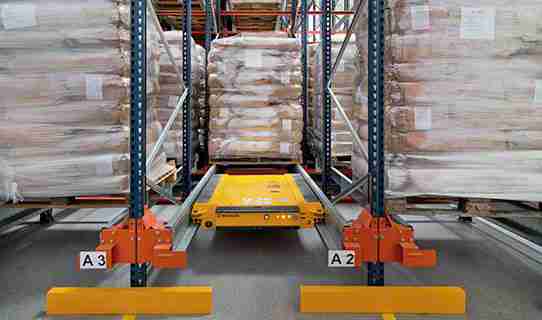
Is Forklift Training Truly Essential For Safe Operation?
Is Forklift Training Truly Essential For Safe Operation?
- Workplace safety encompasses more than just visible hazards like sharp edges and slippery floors.
- Forklift training is often overlooked, yet it is critical for safe operation around structures like pallet racking.
- A moment of inattention can lead to accidents, potential injuries, and significant costs to the organization.
- Proper forklift training helps operators navigate tight spaces safely, ensuring efficiency and safety in lifting.
- Investing in training builds trust and confidence among employees and enhances customer satisfaction.
- A strong commitment to safety cultivates a responsible workplace culture and can improve employee retention.
- A stellar safety record can differentiate your brand in a market where accountability is valued.

Is Forklift Training Truly Essential For Safe Operation?
What Are The Risks Of Inadequate Forklift Training?
In the bustling world of warehousing and logistics, where every second counts and safety is paramount, the risks of inadequate forklift training loom larger than you might think. Imagine a busy warehouse filled with towering pallet racking, where every item relies on the skilled hands of a trained operator. Now picture a scenario where those operators haven’t been properly trained. It’s not just a recipe for inefficiency; it’s a disaster waiting to happen.
When employees operate forklifts without sufficient training, the stakes are high. The potential for accidents—both minor and catastrophic—skyrockets. According to safety statistics, accidents due to operator error remain a leading cause of workplace injuries. Think about it: a poorly trained forklift driver navigating through a maze of pallet racking can easily miscalculate a maneuver, leading to damaged goods, injured colleagues, or worse. Every bump, every misstep, creates a ripple effect that can halt your entire operation.
But it’s not just about physical injuries. Inadequate training can have severe financial repercussions for your business. Imagine the costs associated with equipment damage, medical bills, or increased insurance premiums—suddenly, the true cost of inadequate training becomes all too tangible. Beyond the figures, it also affects morale. When workers see their colleagues getting hurt or equipment being destroyed due to negligence, their trust in the workplace erodes.
Moreover, let’s not forget the legal implications. Employers risk hefty fines and potential lawsuits if accidents happen due to insufficient training programs. The ripple effect could tarnish your company’s reputation, leaving clients questioning the integrity of your operations.
So, what can you do? Investing in comprehensive forklift training is not just a smart business decision; it’s your responsibility as an employer. By ensuring your team is well-trained and knowledgeable about the ins and outs of operating forklifts safely—even in complicated pallet racking environments—you demonstrate a commitment to safety and professionalism.
Your staff deserves to feel confident as they maneuver through the challenges of the warehouse. With proper training, they’ll not only improve efficiency but foster a culture of safety that resonates throughout your organization.
Don’t leave your business’s safety to chance. Take action today and equip your team with the skills they need to navigate the challenges and responsibilities of operating forklifts efficiently and safely. It’s more than just training—it’s a pathway to success.

What Are The Risks Of Inadequate Forklift Training?
What Are The Risks Of Inadequate Forklift Training?
- Inadequate forklift training poses significant risks in warehousing and logistics.
- Untrained operators can lead to accidents, damaging goods and injuring coworkers.
- Workplace injuries from operator error are a leading cause of safety incidents.
- Financial repercussions include equipment damage costs, medical bills, and higher insurance premiums.
- Morale can suffer when employees witness accidents and negligence in the workplace.
- Employers may face legal implications such as fines and lawsuits for insufficient training.
- Investing in comprehensive forklift training fosters a culture of safety and enhances operational efficiency.

What Are The Risks Of Inadequate Forklift Training?
How Can Poor Training Increase Accident Rates?
Have you ever found yourself in a work environment where safety practices seemed more like a suggestion than a rule? Unfortunately, too many workplaces operate this way, especially in settings involving complex machinery, like pallet racking systems. When workers are inadequately trained, the risk of accidents skyrockets, resulting in not just physical injuries but financial losses and decreased morale.
Imagine a busy warehouse filled with towering rows of pallet racks. Each rack is a potential peril for employees who are not well-versed in safe handling practices. Without proper training, vital safety protocols can go overlooked. For example, an employee who hasn’t received instruction on correctly positioning and securing items could cause a cascade of boxes to tumble, risking injury to themselves and their colleagues. Or picture an operator unfamiliar with weight limits loading a pallet rack with heavy materials, leading to structural failure. This isn’t just hypothetical—such scenarios happen every day in workplaces across the country.
Untrained employees often lack the knowledge of the company’s safety culture and procedures. They may not recognize the importance of personal protective equipment (PPE) or fail to report near misses that could prevent future accidents. Poor training can foster an environment where workers feel unsafe and unprepared, increasing stress and lowering productivity.
Conversely, investing in thorough training creates an empowered workforce equipped to tackle challenges confidently. When employees understand the ins and outs of pallet racking safety, they’re less likely to make reckless decisions. Comprehensive training programs encourage workers to engage actively with safety protocols, ask questions without hesitation, and look out for one another’s well-being. This not only lowers the chance of accidents but also cultivates a sense of community and accountability on the floor.
You have the power to shape your workplace culture. Begin with robust training that covers all aspects of working safely with pallet racking. Prioritize learning over compliance, and your employees will reciprocate with diligence and a commitment to safety. Remember, it’s not only about minimizing accident rates; it’s about creating an environment where everyone feels secure and valued. Take action now—invest in your team today for a safer tomorrow.

How Can Poor Training Increase Accident Rates?
How Can Poor Training Increase Accident Rates?
- Many workplaces treat safety practices as suggestions, especially in environments with complex machinery like pallet racking systems.
- Inadequate training increases the risk of accidents, leading to physical injuries, financial losses, and decreased employee morale.
- Untrained workers may overlook vital safety protocols, resulting in hazardous situations such as improperly secured items or overloaded racks.
- Employees lacking knowledge about safety culture and procedures may not appreciate the importance of personal protective equipment (PPE) or fail to report potential hazards.
- Investing in thorough training empowers employees, improving their confidence and decision-making regarding safety practices.
- Comprehensive training fosters a culture of community and accountability, encouraging workers to actively engage with safety protocols.
- Creating a focus on robust safety training enhances workplace culture, ensuring employees feel secure, valued, and committed to safety.

How Can Poor Training Increase Accident Rates?
Are There Specific Hazards Linked To Forklift Training?
When you step onto the warehouse floor, it’s easy to overlook the hidden dangers that lurk around every corner. Forklift training is essential, but it’s just the tip of the iceberg when it comes to ensuring a safe working environment. Let’s be honest: the last thing you want is to be caught off guard when navigating through pallet racking and high stacks of merchandise.
Understanding the specific hazards linked to forklift training will not only protect your crew but also drastically reduce operational hiccups and losses. Picture this: your team is diligently going about their tasks, expertly maneuvering a forklift amidst towering pallet racking. But did you know that without comprehensive training, they might not be aware of the risks associated with that very racking? Overloading, improper stacking, and even faultily maintained equipment can spell disaster when a forklift enters the mix.
Now, it’s critical to recognize that forklift training goes beyond merely receiving a certification. While this credential is vital, it’s equally important to integrate practical knowledge about your environment. This involves educating your operators about how to assess load weights, understand the dynamics of the forklift, and recognize specific challenges posed by pallet racking. Did you know that nearly 60% of forklift-related accidents result from factors that could have been avoided with better training?
But let’s shift the spotlight to your role as a leader. By prioritizing robust forklift training, you’re not just ticking a box; you’re actively investing in your team’s safety and well-being. Imagine the confidence you could instill in your employees, knowing that they are equipped with the skills to navigate potential hazards confidently. Think about the ripple effect – a safer workplace means fewer accidents, reduced downtime, and ultimately, improved productivity.
Here’s a call to action: don’t let complacency take root. Dive deep into understanding the specific hazards linked to forklift training in your environment. Make it a priority to not only cover the basics but also adapt your training programs to address the unique challenges of your warehouse. The first step in safeguarding your operation is knowledge; let’s ensure everyone has the tools to succeed. Remember, every forklift operator is a vital component of your team. Equip them for success, and watch your operation soar.

Are There Specific Hazards Linked To Forklift Training?
Are There Specific Hazards Linked To Forklift Training?
- Warehouse environments have hidden dangers that can be overlooked, highlighting the need for thorough forklift training.
- Comprehensive knowledge of hazards related to forklift operation helps protect workers and minimizes operational setbacks.
- A significant percentage (nearly 60%) of forklift accidents can be attributed to avoidable factors linked to inadequate training.
- Certification is important, but practical knowledge about load assessment and forklift dynamics is crucial for safety.
- Leadership plays a key role in prioritizing robust forklift training, enhancing team safety and confidence.
- Investing in comprehensive training leads to a safer work environment, reducing accidents and improving productivity.
- Focus on specific hazards in your warehouse environment and adapt training programs to meet these challenges effectively.

Are There Specific Hazards Linked To Forklift Training?
What Common Mistakes Occur During Forklift Training?
Forklift training is crucial for ensuring safety and efficiency in any warehouse environment. Yet, all too often, even the best intentions can fall victim to avoidable mistakes. Understanding these common pitfalls can help elevate your training program and ultimately protect both your workforce and your bottom line.
1. Insufficient Hands-On Experience
Many training programs focus heavily on theory but skimp on practical, hands-on experience. Imagine trying to drive a car by reading a manual! Your trainees need the chance to operate a forklift in a controlled environment, maneuvering around obstacles like pallet racking—only then can they truly grasp the nuances of operating heavy machinery.
2. Skipping Safety Protocols
In the hurry to cut costs or save time, some trainers overlook safety protocols. But remember, negligence in emphasizing safety can lead to accidents that not only put employees in harm’s way but also jeopardize your business reputation. Comprehensive training must weave safety measures into every lesson, empowering workers to prioritize their own well-being and that of their colleagues.
3. Lack of Assessments
A training program shouldn’t be a one-size-fits-all model. Each operator may have different skill levels and learning curves. Failing to conduct proper assessments can lead to inadequately trained operators. Consistent evaluations not only identify strengths and weaknesses but also allow for tailored training! After all, custom-fit training ensures that everyone—from novice to seasoned operator—can safely navigate through challenges, including navigating tight spots like pallet racking.
4. Neglecting Ongoing Training
Just because a trainee has passed the initial certification doesn’t mean they’re done learning. Frequent changes in regulations, equipment upgrades, and evolving best practices make it imperative to invest in continuous education. Regular training refreshers keep skills sharp and promote a culture of safety and diligence throughout your team.
5. Overlooking Mental Preparation
Lastly, mental readiness is often underestimated. A forklift operator needs more than just physical skills; they require mental acuity, focus, and a strong understanding of their surroundings. Ignoring the psychological aspect can lead to lapses in judgment during operations, particularly when navigating complex warehouse layouts filled with pallet racking.
Awareness of these common training mistakes can transform your training program from average to exceptional. Investing time and resources into addressing these pitfalls will not only ensure that your operators are confident and capable but also bolster your organization’s safety culture and operational efficiency. Don’t let these mistakes derail your training efforts—take proactive steps today!

What Common Mistakes Occur During Forklift Training?
What Common Mistakes Occur During Forklift Training?
- Importance of Forklift Training: Ensures safety and efficiency in warehouse environments.
- Insufficient Hands-On Experience: Training should include practical operations in controlled environments to grasp machinery nuances.
- Skipping Safety Protocols: Neglecting safety measures can lead to accidents and damage business reputation; safety should be integrated into training.
- Lack of Assessments: Customized evaluations are necessary to tailor training to individual skill levels and ensure mastery.
- Neglecting Ongoing Training: Continuous education is vital due to changing regulations and equipment; regular refreshers maintain skills and promote safety culture.
- Overlooking Mental Preparation: Mental acuity and focus are crucial for operators to make sound judgments in complex environments.
- Transforming Training Programs: Addressing these common pitfalls can enhance operator confidence, safety culture, and operational efficiency.

What Common Mistakes Occur During Forklift Training?
How Does Training Quality Affect Operator Safety?
In the bustling environment of a warehouse, every moment counts. Operators are on the floor maneuvering heavy machinery, navigating intricate pallet racking systems, and managing inventory. If you’ve ever been caught in the whirlwind of peak operational hours, you understand how critical operator safety becomes. But here’s the crucial element that can often be overlooked: the quality of training.
Let’s face it, investing in advanced equipment and sophisticated pallet racking solutions is only half the battle. You can have the finest materials and systems, but without comprehensive training for your operators, you might as well be tossing a life preserver to someone who doesn’t know how to swim. Effective training lays the groundwork for a culture of safety. It instills confidence, empowers staff, and, ultimately, saves lives.
Picture this. An operator who understands the intricacies of handling equipment, who has been trained not just on how to move pallets but on the science of weight distribution in pallet racking systems, is far less likely to cause damage or injury. They don’t just know the “how”—they understand the “why” behind every safety procedure. This knowledge is essential, eliminating the guesswork, reducing errors, and fostering a keen awareness of their surroundings.
Quality training programs not only educate but also nurture responsibility and accountability among team members. When employees feel invested in their own safety and the safety of their colleagues, they are more likely to adhere to protocols. This cultural shift can tactically reduce accidents and increase productivity. The connection forged through informed training fosters a community of safety-minded individuals who collectively contribute to a safer workplace.
Now, you might be thinking, “Where do I start?” Begin by reassessing your current training programs. Are they robust enough to equip your operators with necessary skills? Are you encouraging a continuous learning environment that adapts to evolving technologies and practices? The assurance of a well-trained operator can be the difference between a smooth operation and a costly incident.
Remember that the most valuable asset in any warehouse is not the pallet racking but the people who navigate it. Equip them with the tools—not just physical ones but knowledge—and watch how it transforms safety standards in your operation. Investing in quality training not only inspires confidence but propels your entire organization towards a culture that prioritizes safety above all. So, take action now. Your operators deserve it, and your bottom line will thank you.

How Does Training Quality Affect Operator Safety?
How Does Training Quality Affect Operator Safety?
- Warehouse operations demand precise maneuvering and safety, especially during peak hours.
- Investment in equipment is insufficient without comprehensive operator training.
- Effective training fosters a culture of safety, instilling confidence and saving lives.
- Trained operators understand equipment handling and the science behind safety procedures.
- Quality training promotes responsibility, accountability, and adherence to safety protocols.
- Reassess current training programs to ensure they meet evolving needs in safety and technology.
- Investing in training transforms safety standards and enhances overall organizational performance.

How Does Training Quality Affect Operator Safety?
Conclusion
Conclusion: Elevate Your Forklift Training for Safety and Success
In the fast-paced world of warehousing, where efficiency meets the daunting complexities of navigating pallet racking, the stakes of forklift operations could not be higher. It’s a paradox that inadequate training can pose a greater risk than the absence of any training at all. Just consider the alarming reality: a poorly trained operator, armed with nothing more than superficial knowledge, might inadvertently transform a bustling warehouse into a perilous environment. The repercussions of mishandling a forklift extend far beyond mere accidents; they can lead to serious injuries, costly repairs, and even a tarnished reputation.
This pressing challenge solely underscores the necessity for robust, high-quality forklift training programs. Safety training is not merely a checklist item; it is the lifeblood of a thriving operation. An effective training initiative should strike a fine balance between theoretical knowledge and practical, hands-on experience. Your operators must navigate simulated, real-world scenarios to understand the unique challenges they will face daily.
Moreover, the quality of training directly correlates with employee confidence and morale. When employees feel they have been adequately prepared to handle the complexities of their roles, they become proactive in their safety and well-being, contributing to a culture where safety is paramount. This culture doesn’t just boost morale; it enhances productivity and protects your bottom line.
But we must act quickly. The window for complacency is closing, as regulatory scrutiny and customer expectations rise. Unsure about whether your current training practices measure up? Ask yourself: Are we providing adequate hands-on experience? Are we prioritizing safety protocols throughout the training? Is ongoing education part of our training strategy?
Now is the time for decisive action. Equip your team with the comprehensive training they need to mitigate risks and bolster effectiveness. Don’t just meet compliance standards—exceed them. Open the door to achieving operational excellence by prioritizing safety and confidence among your forklift operators.
To dive deeper into enhancing your forklift training program, contact Arrow Industrial Sales at (574) 349-6575 today. Let’s create a safer, more productive workplace—before an accident compels you to react. The time for action is now. Your team—and your business—deserve nothing less than the best in forklift training.

Conclusion
Conclusion:
- The complexities of forklift operations in warehousing present significant safety risks.
- Poor training can be more dangerous than no training at all, leading to serious accidents and financial losses.
- High-quality forklift training programs are essential for safety and operational success.
- Effective training combines theoretical knowledge with hands-on experience in real-world scenarios.
- Quality training boosts employee confidence, morale, and promotes a safety-oriented workplace culture.
- Rising regulatory scrutiny and customer expectations necessitate immediate action to improve training practices.
- Contact Arrow Industrial Sales to enhance your forklift training and ensure a safer work environment.

Conclusion
Other Resources

Other Resources
Here is a list of other resources you can review online to learn more:
- American Society of Safety Professionals
- Cantilever Racks Chicago
- Teardrop Industrial Shelving Rack
- ASSP
- Teardrop Racks – Pallet Rack World
- WERC
- Warehouse Racking Chicago, IL
- Pallet Rack Systems – New and Used Pallet Racking and Shelving Experts
- Racking World
- Warehouse Racking Layout: The Ultimate Guide – Conger
Use This Prompt To Get More Resources With Your Favorite Online AI Tool: Please provide me with a list of online articles with their URLs in a bulleted list that I can read regarding Can Forklift Training Be More Dangerous Than No Training At All?

Other Resources
Glossary Terms
Can Forklift Training Be More Dangerous Than No Training At All? – Glossary Of Terms
1. Forklift: A powered industrial vehicle used to lift and move materials over short distances, often found in warehouses and construction sites.
2. Training: The process of teaching individuals the skills and knowledge necessary to operate a forklift safely and effectively.
3. Certification: A formal recognition that an individual has completed a forklift training program and is deemed competent to operate a forklift.
4. Operator: An individual who operates a forklift, responsible for following safety regulations and protocols.
5. Hazard: A condition that could lead to injury, damage, or an accident related to forklift operation.
6. Safety Regulations: Established guidelines and standards aimed at ensuring the safe operation of forklifts, often governed by organizations like OSHA (Occupational Safety and Health Administration).
7. Accident: An unplanned event that results in injury, damage, or other negative outcomes, potentially exacerbated by improper forklift operation.
8. Risk Assessment: The process of identifying potential hazards and evaluating the risks associated with forklift operation.
9. Blind Spots: Areas around the forklift that the operator cannot see while driving, increasing the risk of accidents.
10. Load Capacity: The maximum weight a forklift can safely lift, which must be understood and adhered to by the operator.
11. Stability: The ability of a forklift to maintain balance while lifting and moving loads, critical to preventing tip-overs.
12. OSHA: The Occupational Safety and Health Administration, a U. S. agency that sets and enforces workplace safety and health standards.
13. Pre-Operation Inspection: A checklist performed by operators before using a forklift to ensure that it is functioning correctly and safely.
14. Situational Awareness: The ability of the operator to understand and respond to the current environment while operating a forklift.
15. Defensive Driving: A proactive driving approach that involves anticipating potential hazards and taking preventative measures to avoid accidents.
16. Refresher Training: Additional training provided to forklift operators to update their skills and knowledge, especially after an incident or change in equipment.
17. Ergonomics: The study of how workers interact with their environment, particularly in reducing the risk of injury due to repetitive motions or improper posture while operating equipment.
18. Pedestrian Safety: Guidelines and practices designed to protect individuals who are not operating forklifts but work in areas where forklifts are in use.
19. Operator Error: Mistakes made by the forklift operator that can lead to accidents, often linked to insufficient training or understanding of equipment limitations.
20. Maintenance: Regular inspection and servicing of forklifts to ensure they are in safe working condition, which can reduce the risk of accidents.
21. Simulation Training: A training method that uses virtual reality or other technologies to mimic forklift operation scenarios without real-world risks.
22. Load Stability: The principle of maintaining a secure and balanced load while it is being transported by a forklift, critical for safety.
23. Emergency Procedures: Established actions to take in the event of a forklift-related emergency to minimize harm and damage.
24. Workplace Culture: The shared values and practices within a workplace that influence employee behavior, including adherence to safety protocols.
25. Training Protocols: Structured methods and plans designed to deliver effective forklift training that adheres to safety standards.
26. Liability: The legal responsibility of employers and certified operators for accidents or injuries resulting from improper forklift use.
27. Visual Aids: Tools such as charts, diagrams, or videos used in training to help trainees better understand safe forklift operation.
28. SOP (Standard Operating Procedures): Detailed, written instructions intended to achieve uniformity in the performance of specific operations, including forklift handling.
29. Incident Report: Documentation detailing the circumstances surrounding a forklift-related accident or near-miss, used for analysis and prevention.
30. Safety Culture: The overall commitment of an organization to health and safety, influencing attitudes and behaviors regarding safe forklift operation.

Glossary Of Terms
Other Questions
Can Forklift Training Be More Dangerous Than No Training At All? – Other Questions
If you wish to explore and discover more, consider looking for answers to these questions:
- What are the key components of an effective forklift training program?
- How can companies ensure that their training programs are not just for compliance?
- What real-world scenarios should be included in forklift training?
- How often should forklift training be refreshed or updated?
- What role does hands-on experience play in forklift training effectiveness?
- What legal requirements exist for forklift operator training?
- How can companies measure the effectiveness of their forklift training programs?
- What consequences can arise from poor forklift training beyond accidents?
- Are there specific industries that face greater risks with inadequate forklift training?
- How does forklift training impact employee morale and job satisfaction?
- What strategies can companies adopt to create a culture of safety?

Other Questions
Checklist
Can Forklift Training Be More Dangerous Than No Training At All? – A Checklist
Checklist: Ensuring Effective Forklift Training and Safety
1. Assess Training Needs
_____ Evaluate current training programs to identify gaps in practical, hands-on training.
_____ Tailor training to address the specific tasks and challenges faced by operators in your warehouse environment.
2. Prioritize Hands-On Experience
_____ Incorporate extensive hands-on practice in real-world warehouse settings.
_____ Ensure that trainees operate forklifts in controlled conditions, maneuvering around obstacles.
3. Emphasize Safety Protocols
_____ Integrate safety measures into every training module, stressing the importance of following procedures consistently.
_____ Train employees on the importance of personal protective equipment (PPE) and safe operating practices.
4. Conduct Skills Assessments
_____ Implement regular assessments to tailor training to individual skill levels.
_____ Use assessments to identify areas of improvement for each operator.
5. Implement Ongoing Training
_____ Schedule regular refresher courses to keep training up-to-date with new regulations and equipment.
_____ Encourage continuous learning and knowledge-sharing among operators.
6. Address Mental Preparedness
_____ Provide training on the psychological aspects of operating forklifts, including situational awareness and decision-making.
_____ Foster a culture that encourages operators to remain alert and focused on their surroundings.
7. Evaluate Training Outcomes
_____ Monitor accident rates and near-misses to gauge the effectiveness of training programs.
_____ Seek employee feedback on training relevancy and effectiveness, adjusting programs as needed.
8. Encourage a Safety Culture
_____ Promote open communication about safety concerns and suggestions among all warehouse staff.
_____ Reward safe practices and acknowledge those who contribute to a culture of safety.
9. Integrate Real-World Challenges
_____ Design training scenarios that mimic the complexities of your specific warehouse layout.
_____ Provide guidance on handling common challenges, such as tight spaces and heavy loads.
10. Foster Operator Responsibility
_____ Empower operators to take ownership of their training and safety.
_____ Encourage teamwork where operators look out for each other’s safety and well-being.
By following this checklist, you can ensure that your forklift training program not only meets regulatory requirements but also enhances safety and efficiency in your workplace.

Checklist
At RackingWorld, we help guide you through selecting warehouse storage systems and racking.
Be sure to read our other related stories at RackingWorld to learn more about warehouse storage systems.
0 Comments