
Discover The Key To Secure Warehouse Storage
By Tom Seest
At RackingWorld, we help guide you through selecting warehouse storage systems and racking.
The security of your warehouse—and by extension, your business—cannot afford to be a mere afterthought. Procrastination only heightens risk. Call Arrow Industrial Sales today at (574) 349-6575. Our experts are ready to collaborate with you to evaluate your current setup, discuss optimal solutions, and create a tailored plan that safeguards your assets and enhances your operational efficiency.
Be sure to read our other related stories at RackingWorld to learn more about warehouse storage systems.
Are You Constantly Worrying About The Safety Of Warehouse Stored Goods?
Picture this: You step into your warehouse and a wave of anxiety washes over you. The towering rows of pallet racking loom like a giant puzzle, each piece containing valuable goods you’ve worked so hard to acquire. Yet, despite your meticulous organization and planning, a knot of worry tightens in your stomach. What if an unstable racking system leads to damage or injury? What if the goods stored on that top shelf fall and create chaos? If this sounds familiar, you’re not alone.
For countless warehouse managers and business owners, the safety of stored goods is a constant source of stress. You invest time and resources to keep your products in pristine condition, but the fear of unforeseen accidents can creep in at any moment. It’s time to tackle those worries head-on.
Imagine having a storage solution that not only maximizes your warehouse space but also prioritizes safety. By investing in high-quality pallet racking, you can create a robust framework that ensures your goods are secured and accessible. Choose systems specifically designed to support weight and resist the many challenges posed by everyday operations. With the right pallet racking, you can breathe easier knowing that your goods are stored safely and efficiently.
But let’s be honest—choosing the right pallet racking isn’t just about minimizing risk. It’s about creating an environment where you can thrive. With a well-structured warehouse, you can focus on growing your business rather than worrying about the next potential disaster. A clear, organized space leads to smoother operations, happier employees, and increased customer satisfaction.
And here’s the kicker: safety doesn’t need to be an afterthought. When you prioritize the integrity of your storage solutions, you inspire trust. Your employees will feel more confident in their environment, and your clients will appreciate the attention to detail. This commitment to safety can even become a selling point for your business, attracting customers who value reliability and quality.
So, will you continue living under the weight of uncertainty, or will you take a proactive step toward safeguarding your warehouse and its contents? The choice is yours—empower yourself with the right pallet racking solutions and let your concerns fade away. The peace of mind you gain will revolutionize not just your warehouse, but your entire operation. Embrace this transformation today, and watch as your worries dissipate.

Are You Constantly Worrying About The Safety Of Warehouse Stored Goods?
Are You Constantly Worrying About The Safety Of Warehouse Stored Goods?
- Warehouse managers often experience anxiety about the safety of stored goods.
- Concerns arise from the potential risks of unstable racking systems causing damage or injury.
- Investing in high-quality pallet racking can enhance safety and maximize storage space.
- Choosing the right racking systems allows for secure and accessible storage of goods.
- A well-structured warehouse fosters a productive environment, aiding business growth.
- Prioritizing safety builds trust among employees and clients, enhancing customer satisfaction.
- Taking proactive measures can lead to reduced worries and improved overall operations.
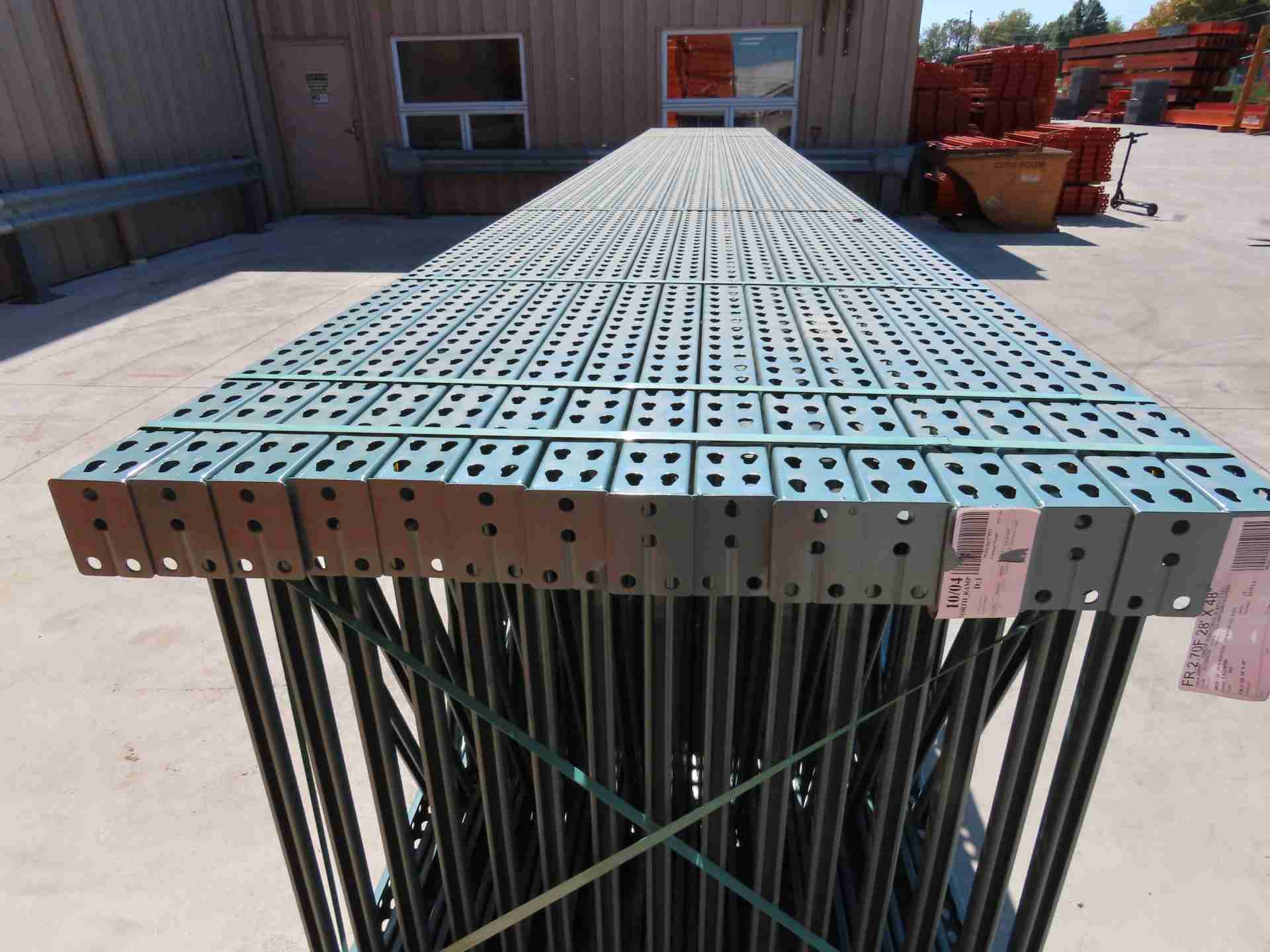
Are You Constantly Worrying About The Safety Of Warehouse Stored Goods?
Table Of Contents
- Are You Constantly Worrying About The Safety Of Warehouse Stored Goods?
- What Are The Main Risks To Warehouse Stored Goods?
- How Can I Improve Warehouse Security?
- What Technology Can Help Protect Stored Goods?
- Are There Best Practices For Inventory Management?
- How Do I Assess The Safety Measures In My Warehouse?
- What Role Do Employees Play In Warehouse Safety?
- Conclusion
- Other Resources
- Glossary Of Terms
- Other Questions
- Checklist
What Are The Main Risks To Warehouse Stored Goods?
When it comes to protecting your valuable inventory, understanding the risks associated with warehouse storage is paramount. In a bustling warehouse environment, your goods face an array of potential threats that can jeopardize their safety and your bottom line. Let’s delve into some of these risks, so you can fortify your strategy and safeguard your assets.
1. Physical Damage from Improper Pallet Racking:
Imagine the unease of watching a stack of inventory topple due to poorly secured pallet racking. The consequences extend beyond just physical damage; your cash flow could suffer, and customer trust could wane if you can’t deliver on your promises. It’s crucial to ensure that your pallet racking system is not only compliant with relevant regulations but also appropriately designed to accommodate the weight and dimensions of your stored goods.
2. Environmental Hazards:
Humidity, temperature fluctuations, and even pests can wreak havoc on sensitive products. Whether it’s perishable goods that spoil, electronics that short-circuit, or textiles that become infested, the risks are diverse and potentially crippling. Implementing climate control mechanisms and regular inspections will foster an environment where your goods can thrive—and where you can operate confidently.
3. Fire and Safety Regulations:
One flicker can turn into disaster. Warehouses are often stocked with flammable materials or packed densely with goods, increasing the likelihood of a fire spreading rapidly. By staying updated on local safety regulations and investing in quality fire prevention systems, you can protect your inventory and your livelihood. Regular safety drills aren’t just for show; they’re a critical aspect of ensuring your team knows how to respond swiftly in emergencies.
4. Theft and Intrusion:
In a world where trust can feel like a luxury, the reality of theft looms large. Inadequate security measures make your warehouse a prime target for break-ins. Barcode systems, surveillance cameras, and robust entry protocols can go a long way toward making your facility a fortress for your goods—and a place where you can sleep soundly at night knowing your products are secure.
5. Supply Chain Disruptions:
Supply chain instability can strike like lightning. From natural disasters to geopolitical events, these disruptions can throw a wrench in your operations and leave your warehouse limping. Building strong relationships with suppliers and diversifying your sources can create a sturdy safety net for your business.
By recognizing and addressing these risks, you’ll transform your warehouse into a protective haven for your stored goods, enabling you to focus on growth with confidence. Take action now—your inventory deserves nothing less than your unwavering dedication to its safety!
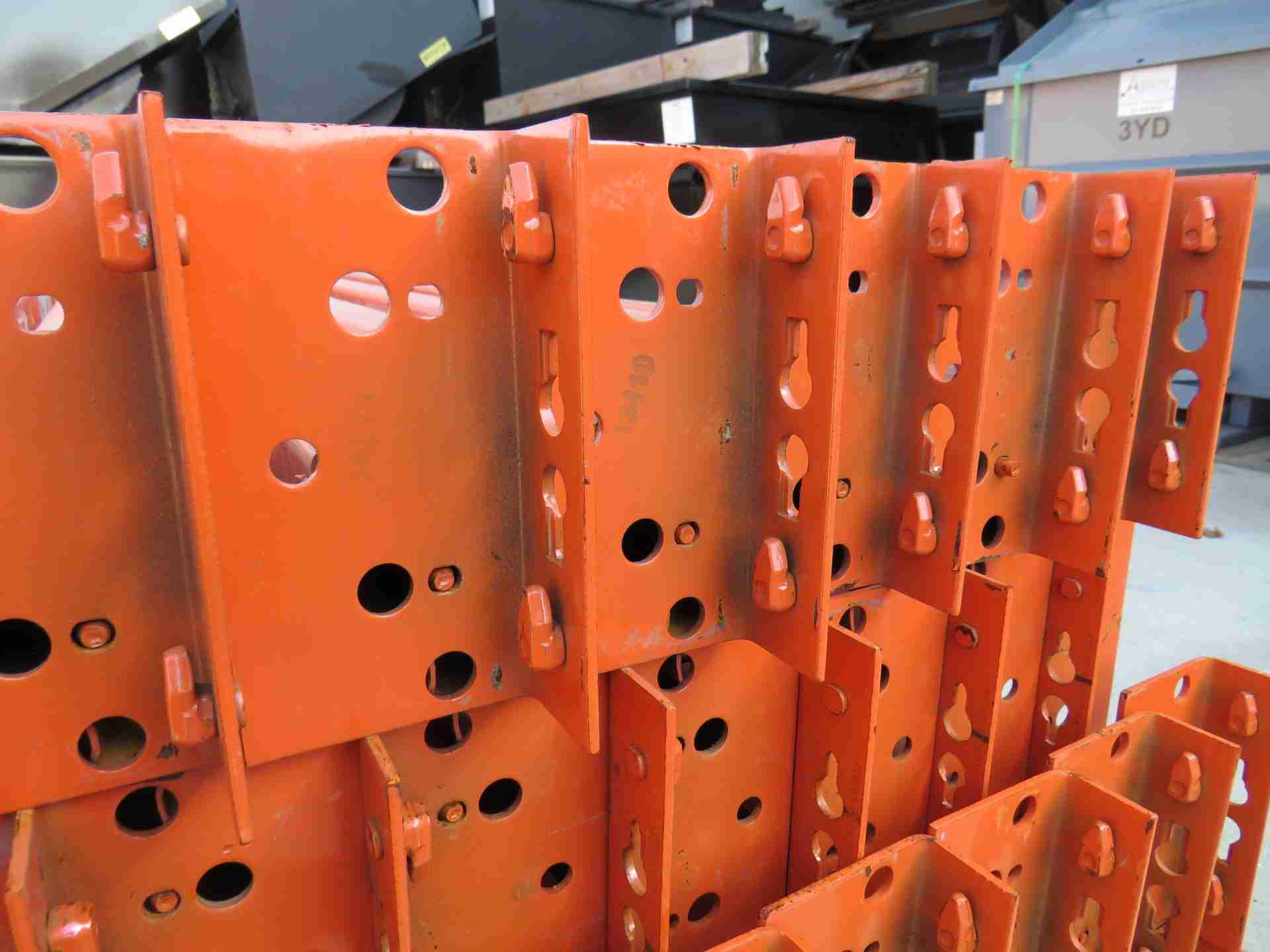
What Are The Main Risks To Warehouse Stored Goods?
What Are The Main Risks To Warehouse Stored Goods?
- Understanding risks in warehouse storage is crucial for protecting valuable inventory.
- Improper pallet racking can lead to physical damage, impacting cash flow and customer trust.
- Environmental hazards such as humidity and pests can harm sensitive products; climate control and inspections are vital.
- Staying updated on fire and safety regulations and having a fire prevention system is essential for safeguarding inventory.
- Theft and intrusion risks can be mitigated with security measures like surveillance cameras and robust entry protocols.
- Supply chain disruptions can occur due to various events; diversifying suppliers helps create a safety net.
- Proactively addressing these risks will enhance inventory safety and foster business growth.
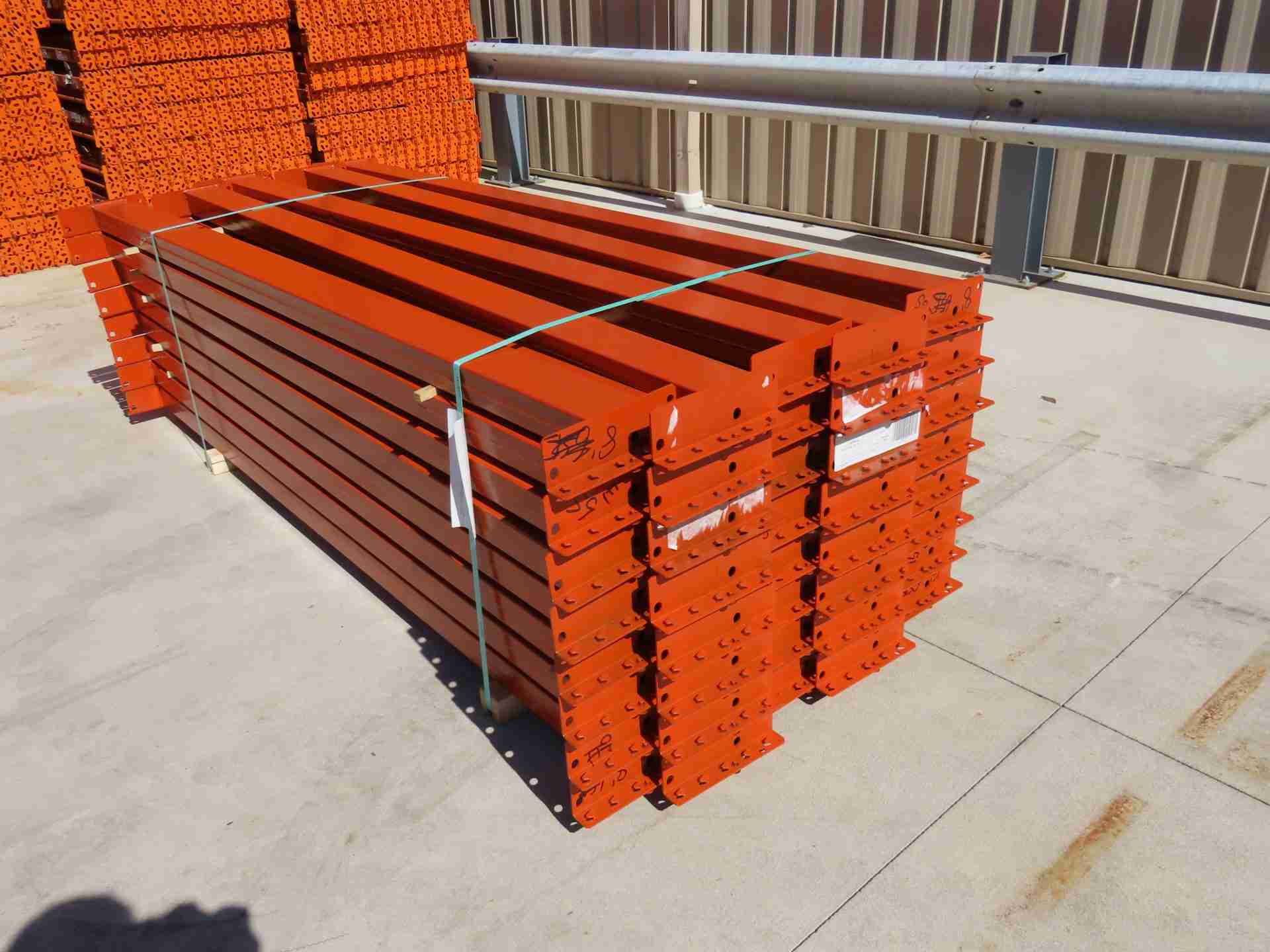
What Are The Main Risks To Warehouse Stored Goods?
How Can I Improve Warehouse Security?
Imagine walking into your warehouse and feeling a sense of peace, knowing that every item is securely in place and that your operation is safeguarded from potential threats. It’s not just a dream—it’s entirely achievable with the right strategies in place. Let’s explore ways to elevate your warehouse security and ensure your valuable assets stay protected.
First, let’s talk about the backbone of your physical layout: Pallet Racking. It’s more than just a storage solution; it’s a first line of defense against theft and damage. Opt for high-quality pallet racking systems that are robust and well-maintained. A well-organized racking system not only maximizes space but also allows for better visibility and surveillance. When items are stacked and housed neatly, you reduce risks associated with misplacement and, more importantly, mitigate opportunities for unauthorized access.
Now that your racking is set, consider investing in advanced surveillance systems. Modern technology offers more than just basic CCTV; think smart cameras equipped with motion detection and night vision capabilities. This tech doesn’t just keep an eye on your warehouse; it acts as a deterrent. When potential threats see those cameras, they think twice—creating a safer environment for you and your employees.
But security isn’t just about hardware; it’s about people too. Elevate the human aspect of your security strategy through training. Empower your staff with the knowledge of security protocols. Regularly conduct safety drills, and cultivate an environment where employees feel comfortable reporting suspicious activity. Remember, a vigilant team is your best asset.
Furthermore, consider implementing access controls. This can range from badge readers to biometric fingerprint scanners that restrict entry to sensitive areas. By curating who can enter your secured zones, you’ll significantly decrease internal and external risks. Each layer you add to your security system reinforces the trust your employees and stakeholders have in your operations.
Finally, don’t overlook the power of routine audits. Schedule frequent evaluations of your security measures to ensure they remain effective. This proactive approach allows you to identify vulnerabilities before they become issues—and it demonstrates a commitment to safety that enhances your brand’s credibility.
Creating a fortress out of your warehouse doesn’t have to be daunting. With a blend of effective pallet racking, state-of-the-art surveillance, employee engagement, controlled access, and regular audits, your warehouse can become a secure sanctuary for your business assets. Take action now, and watch your confidence in your operation soar!
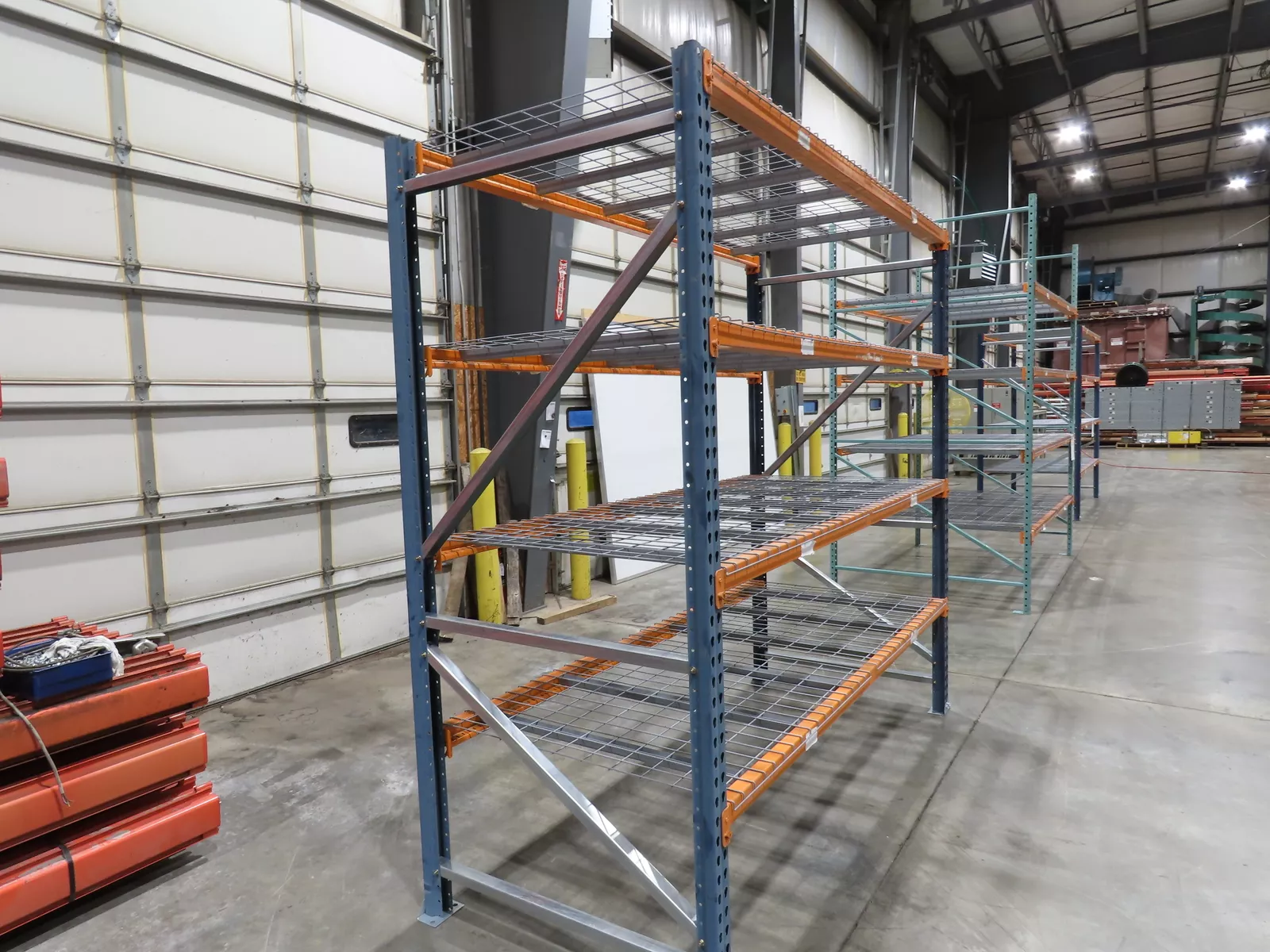
How Can I Improve Warehouse Security?
How Can I Improve Warehouse Security?
- Achieving a sense of peace in your warehouse is possible with the right security strategies.
- Invest in high-quality pallet racking systems for better organization and to minimize theft risks.
- Utilize advanced surveillance systems, including smart cameras with motion detection and night vision.
- Empower staff with security training and regular safety drills to create a vigilant workforce.
- Implement access controls, such as badge readers or biometric scanners, to restrict entry to sensitive areas.
- Conduct routine audits of security measures to identify vulnerabilities and enhance overall safety.
- Combine effective racking, surveillance, employee engagement, access control, and audits for optimal warehouse security.
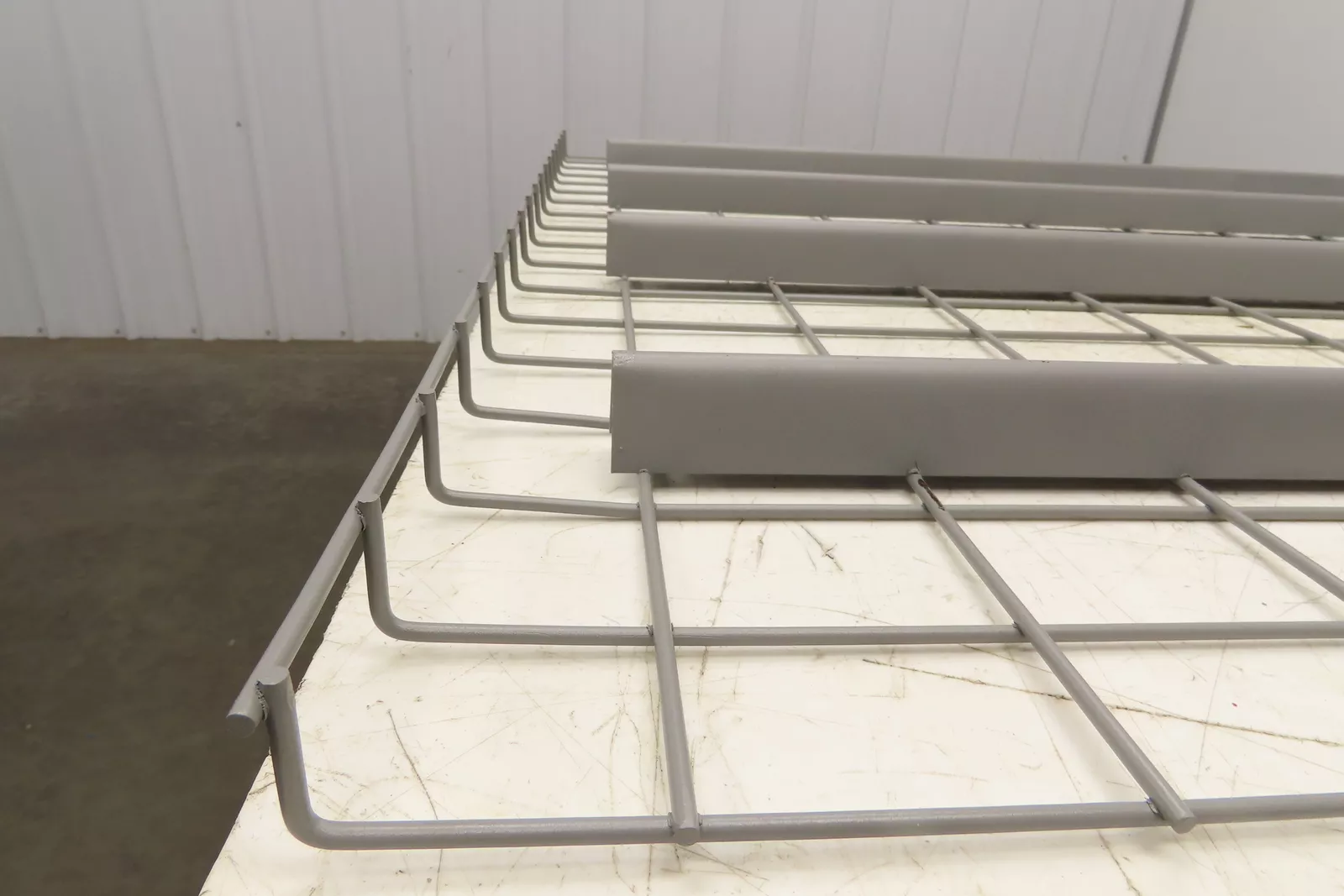
How Can I Improve Warehouse Security?
What Technology Can Help Protect Stored Goods?
When it comes to safeguarding your stored goods, the right technology can mean the difference between peace of mind and unmitigated disaster. Imagine walking into your warehouse and feeling a wave of confidence wash over you as you gaze upon your meticulously organized pallet racking systems. Those robust steel frames may look like simple structures, but they play a crucial role in your inventory management strategy. Let’s delve into the cutting-edge technology that can elevate your storage solutions from ordinary to extraordinary.
First and foremost, consider smart inventory management systems. These sophisticated software platforms are designed to track your goods in real-time. No more guessing games or frantic searches when someone asks if you have that widget in stock. With a simple glance at your dashboard, you can pinpoint exactly where each item is stored and how many are left. Imagine the trust this builds with your customers, knowing that you have a handle on your inventory and can deliver on your promises.
But what good is technology if it can’t be monitored? Enter the world of automated surveillance systems. These advanced cameras and sensors don’t just capture footage; they employ artificial intelligence to recognize patterns and detect anomalies. Whether it’s unauthorized access or an unusual fluctuation in temperature that could jeopardize your goods, these systems alert you instantly. Imagine sleeping soundly at night, knowing that your best interests are being watched over by this impenetrable digital guardian.
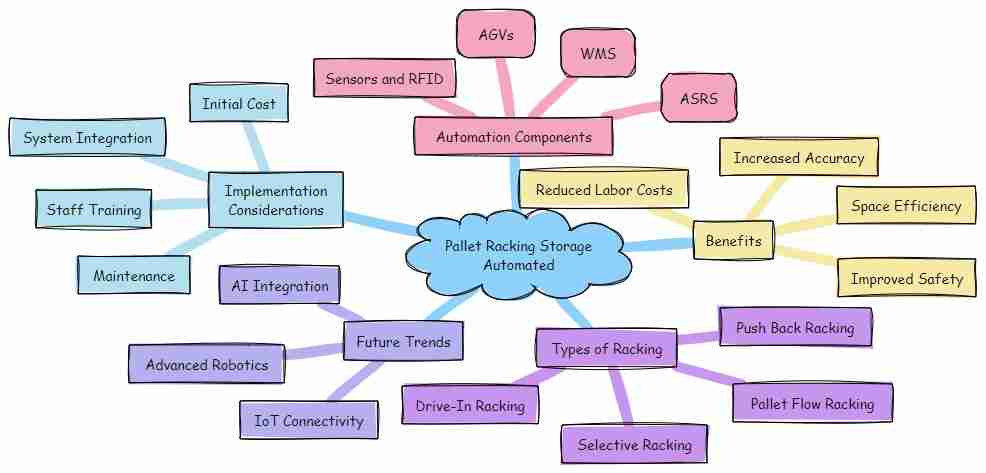
For those with larger spaces or high turnover rates, the integration of automated guided vehicles (AGVs) can revolutionize how you handle logistics. Picture robots seamlessly navigating your pallet racking, picking and moving goods efficiently without human intervention. It’s not just about saving time; it’s about minimizing the risk of damage to your products and cutting labor costs. You’ll find yourself with more time to focus on growing your business instead of managing it.
Lastly, let’s not forget about the importance of environmental monitoring systems. These devices keep a constant watch over humidity, temperature, and other critical factors that could impact your goods. Protecting your inventory from the elements should never feel like a gamble, and with the right technology in place, you can prevent loss before it ever becomes a concern.
By embracing these technological advancements, you’re not just investing in tools; you’re investing in the security, efficiency, and reliability of your operation. This is the future of warehousing, and it’s time you stepped into it. Turn to technology, and watch as your worries about storing goods fade into the background, replaced with confidence and peace of mind.

What Technology Can Help Protect Stored Goods?
What Technology Can Help Protect Stored Goods?
- Right technology is crucial for safeguarding stored goods, enhancing peace of mind in inventory management.
- Smart inventory management systems enable real-time tracking of goods, eliminating guesswork and enhancing customer trust.
- Automated surveillance systems use AI to detect anomalies and alert users, ensuring security and peace of mind.
- Automated guided vehicles (AGVs) can streamline logistics in larger spaces, improving efficiency and reducing labor costs.
- Environmental monitoring systems continuously oversee critical factors like temperature and humidity to protect inventory.
- Investing in these technologies enhances the security, efficiency, and reliability of warehousing operations.
- Embracing technological advancements allows businesses to focus on growth while minimizing concerns about storage.
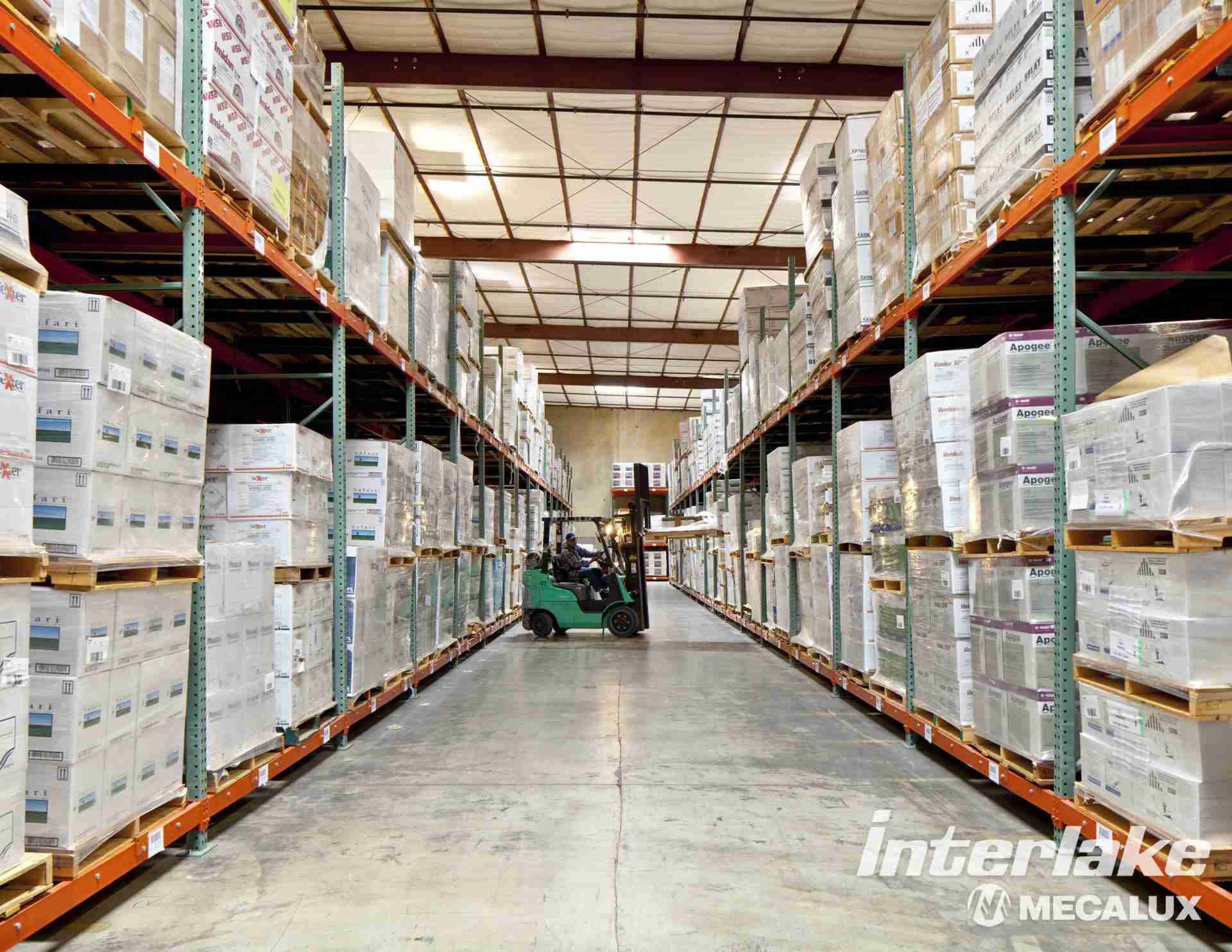
What Technology Can Help Protect Stored Goods?
Are There Best Practices For Inventory Management?
Picture this: Your warehouse is bustling with activity. Orders are flying out the door, but behind the scenes, chaos lurks. Boxes stacked haphazardly, misplaced items, and inventory counts that feel like a guessing game. It’s a worry many business owners share, and that worry can easily morph into a tidal wave of lost revenue and customer dissatisfaction. What if I told you that with a few strategic practices, you could regain control and watch your profits soar?
Let’s start with one powerful ally: Pallet Racking. Gone are the days of clutter and confusion. Implementing a structured pallet racking system can transform your inventory space into a well-oiled machine. These systems optimize vertical space, allowing you to store more products efficiently. Not only does this maximize storage, but it also means your team can find and pull items quickly, reducing labor costs and improving customer satisfaction.
But it doesn’t stop with just the physical structure. True inventory management mastery involves understanding your stock levels. Periodic audits are crucial. They may seem tedious, but they are vital for pinpointing discrepancies and preventing inventory shrinkage. Think of it as a health check for your inventory—ensuring everything is where it should be and working as it should.
And let’s not overlook technology. Embracing inventory management software is no longer a luxury; it’s a necessity. This technology provides real-time data about your stocks, enabling you to make informed decisions. Picture this: You have a bird’s-eye view of your inventory at all times. You can see which products are moving and which are collecting dust. With this information at your fingertips, pivoting your strategy and adapting to market changes becomes second nature.
In an era where customer expectations are at an all-time high, an efficient inventory management system is not just an operational need; it’s a strategic advantage. You’ll find your customers happier and your bottom line healthier when you efficiently manage what you have and know exactly what you need.
So, take the leap and implement these best practices. Invest in pallet racking solutions, commit to routine audits, and embrace the tech that can simplify your life. It’s time to put an end to inventory anxiety and start building a resilient, profitable business! Your future self—who’s sipping a cold drink by the beach instead of stressing over stock—will thank you.
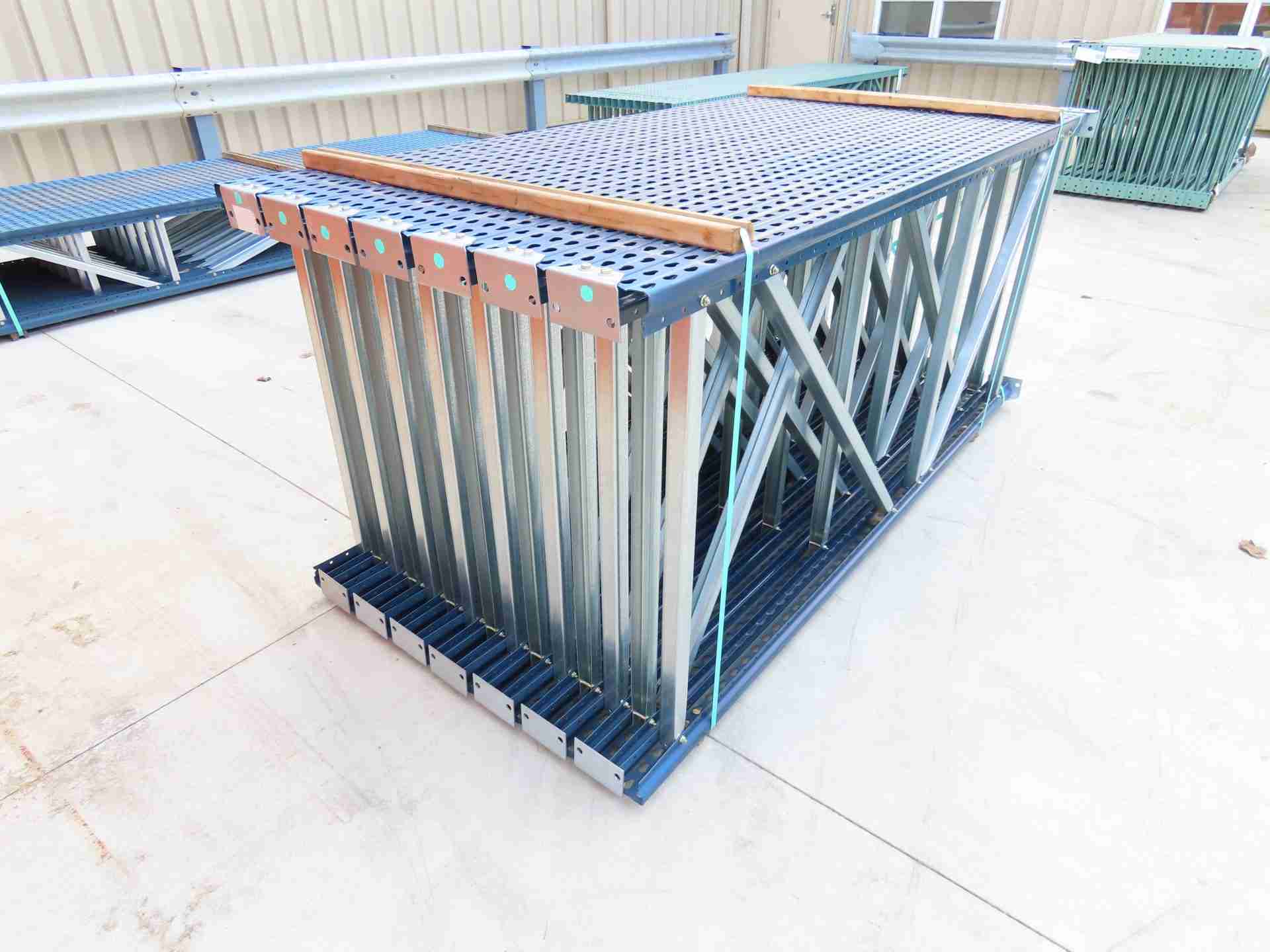
Are There Best Practices For Inventory Management?
Are There Best Practices For Inventory Management?
- Warehouse operations may seem chaotic with disorganized inventory and misplaced items.
- Pallet racking systems can optimize vertical space, improving storage efficiency and usability.
- Implementing structured pallet racking aids in quick item retrieval, lowering labor costs and enhancing customer satisfaction.
- Periodic audits are essential for identifying discrepancies and preventing inventory shrinkage.
- Embracing inventory management software is crucial for gaining real-time visibility over stock levels.
- Effective inventory management can help meet high customer expectations and improve profitability.
- Investing in best practices, including pallet racking and tech solutions, can lead to a more resilient and profitable business.
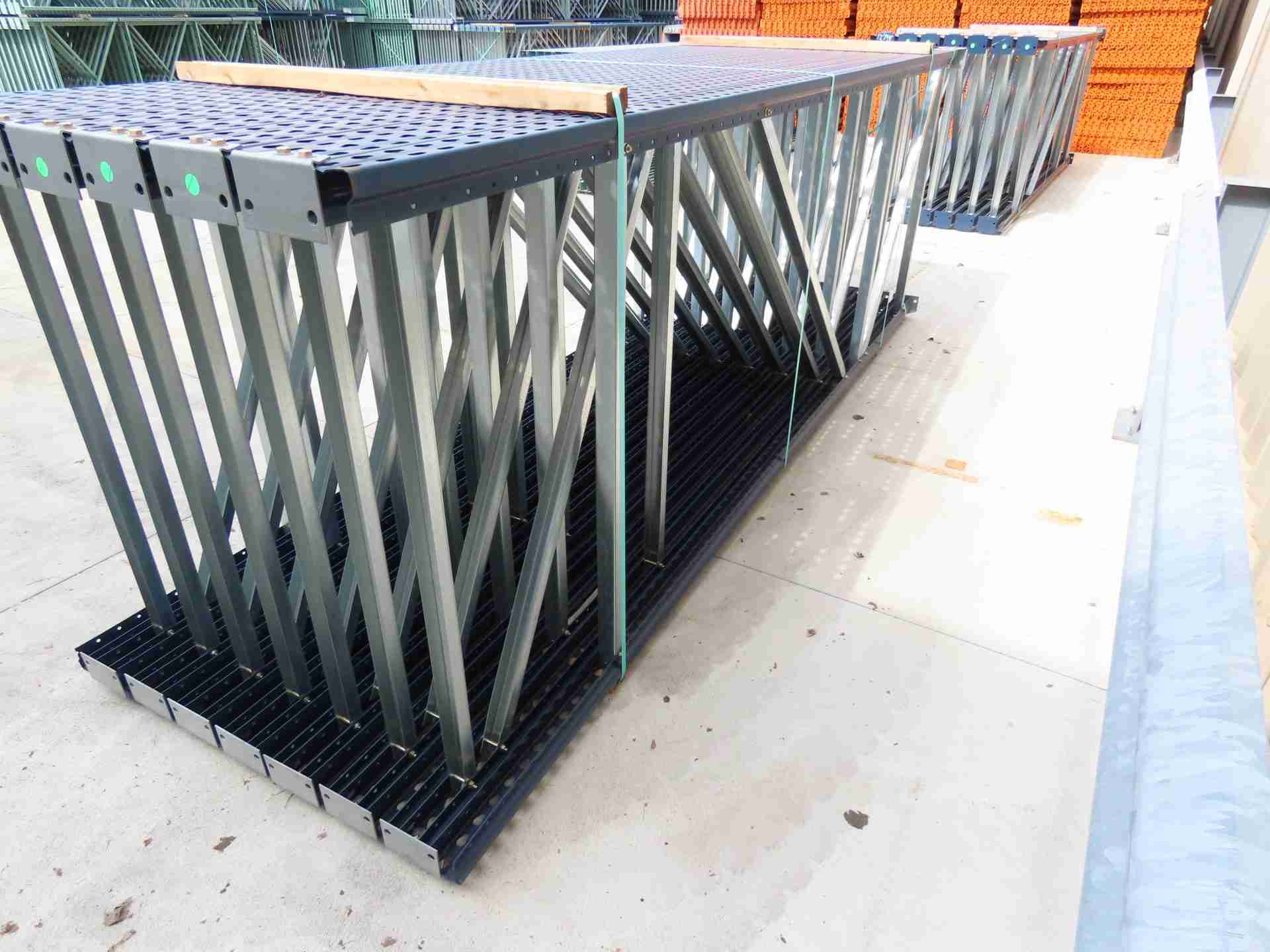
Are There Best Practices For Inventory Management?
How Do I Assess The Safety Measures In My Warehouse?
When it comes to the safety of your warehouse, there’s no room for guesswork. It’s not just about complying with regulations; it’s about nurturing a work environment where your team feels secure, and productivity thrives. So, how do you assess the safety measures in your warehouse effectively? Let’s dive in.
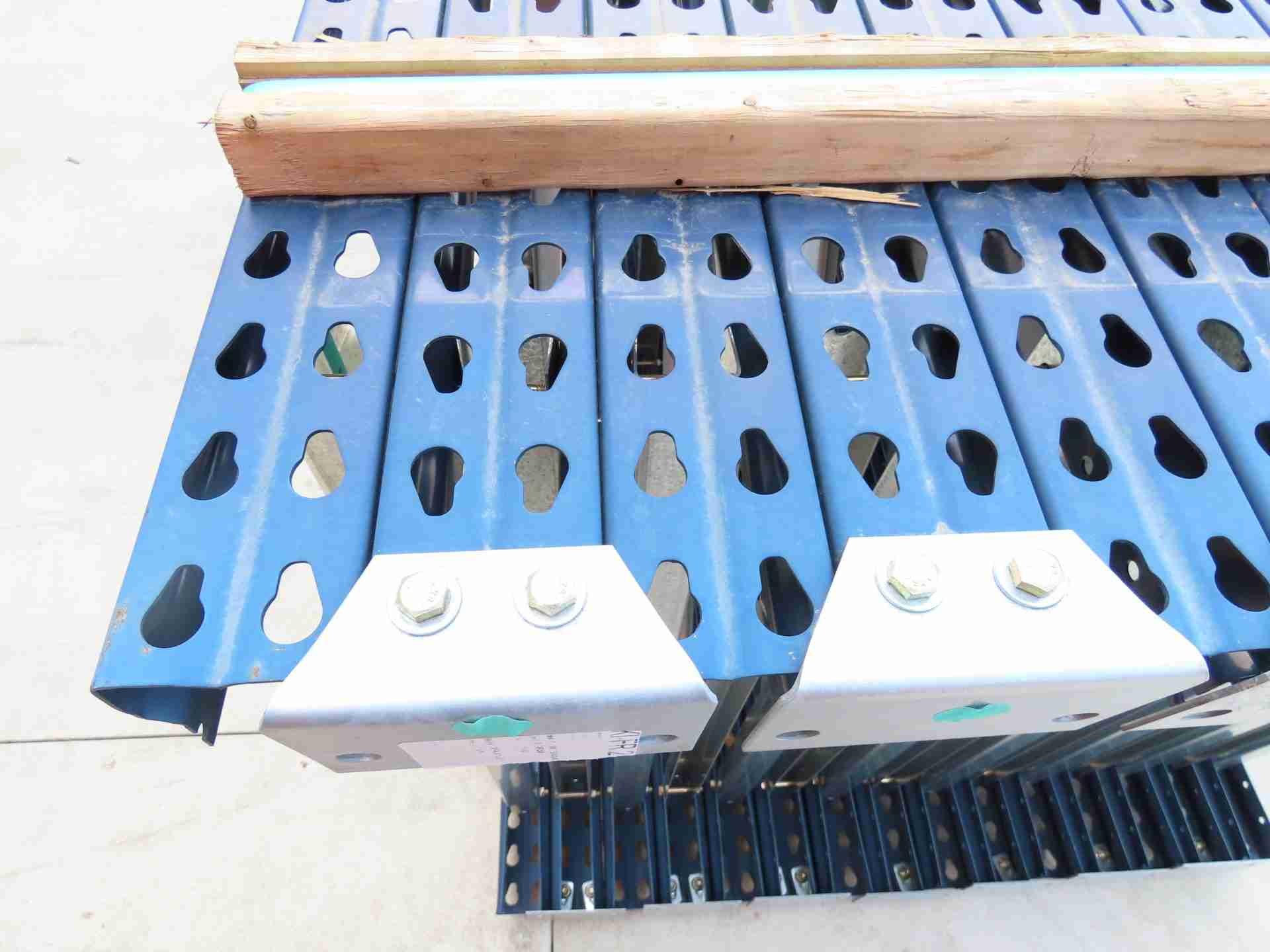
First things first, start by inspecting your pallet racking systems. This is the backbone of your warehouse organization and storage efficiency. Is it well-maintained? Are there any visible signs of wear and tear? Your pallet racks should be sturdy enough to handle heavy loads without wobbling or causing a hazard. Implement an inspection routine—weekly checks, log them, and make it a habit to maintain transparency with your team regarding any issues. This helps foster a culture of safety and accountability.
Next, let’s talk about the flow of the workspace. A cluttered aisle is an accident waiting to happen. Regularly evaluate the pathways in your warehouse to ensure they are clear and well-marked. It might seem like a small detail, but proper signage and unobstructed aisles directly contribute to safety. Encourage your employees to keep their workspaces tidy and report any disruptions immediately. Instilling ownership among your team builds trust and accountability.
Another crucial component is your equipment. From forklifts to conveyor systems, each piece of machinery must be regularly inspected and properly maintained. Schedule routine training sessions for your team to reinforce safe operating procedures. Not only does this protect your workforce, but it also ensures that morale remains high—because who doesn’t want to feel like part of a team that prioritizes its members’ wellbeing?
Additionally, assess your emergency protocols. Are your employees trained to respond effectively in case of a fire or accident? Conduct mock drills to ensure everyone knows their role. This kind of proactive measure builds not just compliance but confidence—the kind of confidence that translates into a more engaged and committed team.
Lastly, collect feedback from your staff. They are the boots on the ground and can offer invaluable insight into potential safety hazards. Create an anonymous feedback loop where employees can voice their concerns without fear or hesitation. Act on this feedback, and you’ll build a culture where safety is truly collective.
Assessing the safety measures in your warehouse is an ongoing journey, not a one-time task. By focusing on areas like your pallet racking, workspace organization, equipment maintenance, emergency protocols, and team involvement, you’re not just safeguarding your warehouse—you’re investing in the future success of your business and your people. Together, let’s cultivate a safer, more productive workspace!
How Do I Assess The Safety Measures In My Warehouse?
How Do I Assess The Safety Measures In My Warehouse?
- Assessing warehouse safety goes beyond compliance; it fosters a secure and productive work environment.
- Inspect pallet racking systems regularly to ensure they are well-maintained and capable of handling heavy loads.
- Maintain clear and marked pathways to prevent accidents, encouraging employees to keep workspaces tidy.
- Regularly inspect and maintain equipment, and schedule routine training sessions on safe operating procedures.
- Evaluate and practice emergency protocols through mock drills to build confidence among employees.
- Collect anonymous feedback from staff about safety hazards to create a culture of accountability and ownership.
- Continuous assessment of safety measures enhances warehouse security and contributes to the success of the business.
How Do I Assess The Safety Measures In My Warehouse?
What Role Do Employees Play In Warehouse Safety?
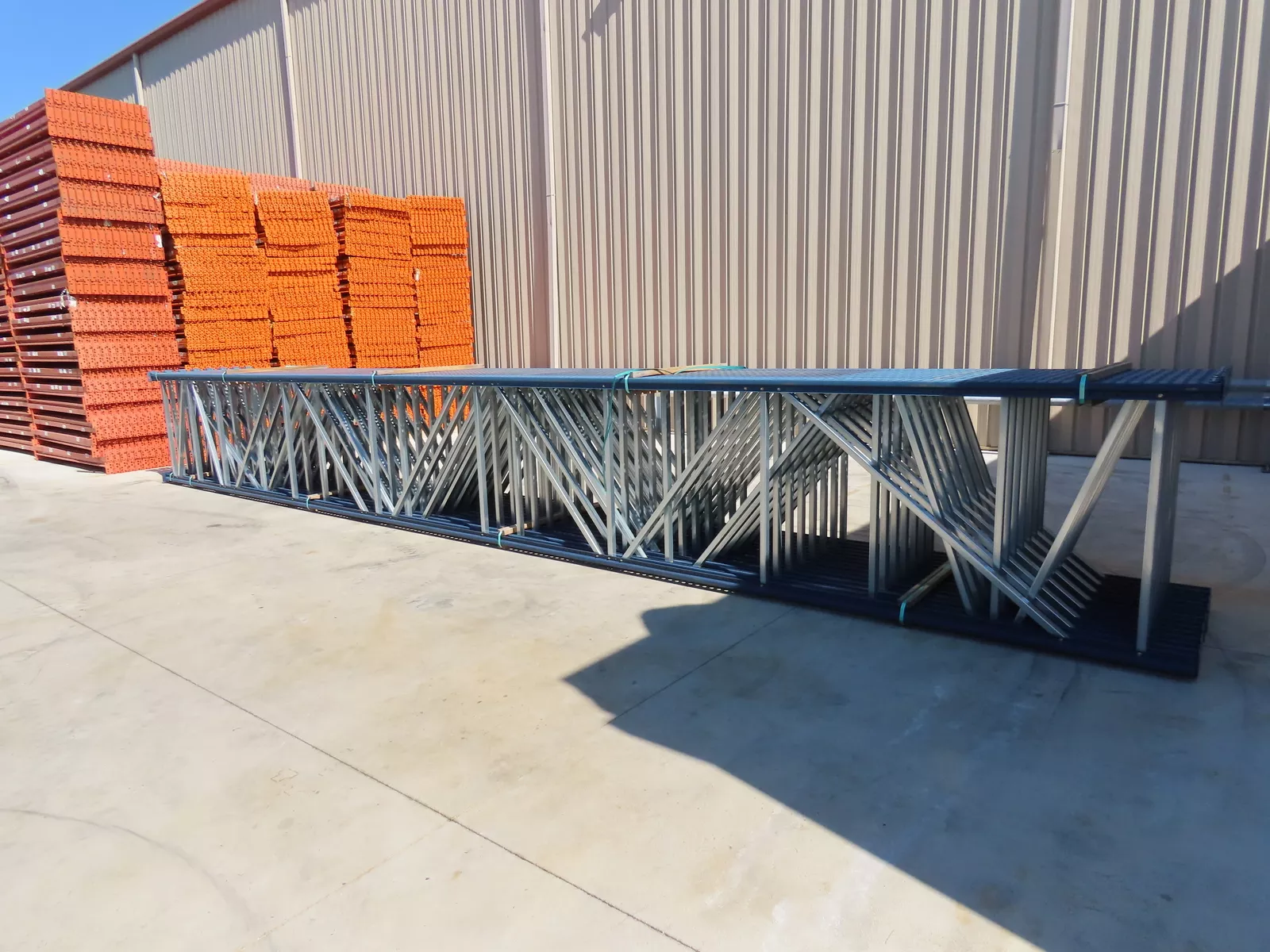
In the dynamic environment of a warehouse, every employee is not just a cog in the wheel; they are the essential architects of safety. Imagine navigating a bustling space filled with towering pallet racking systems, moving machinery, and a flurry of activity—each day presents unique challenges. But here’s the good news: when your employees are invested in safety, they become the frontline defenders against risks, ensuring that operations run smoothly and safely.
First, let’s talk about awareness. Employees who are fully aware of their surroundings and the potential hazards are crucial to maintaining a safe workplace. This awareness doesn’t just come from mandatory training sessions; it flourishes in an environment where open communication and continuous learning are encouraged. Regular safety briefings and sharing real-life experiences can transform your team into sharp-eyed guardians who proactively identify risks associated with high-stacking pallet racking and moving equipment.
But awareness is only the beginning. Employees also take on the responsibility of adhering to best practices. That means not cutting corners, strictly following protocols, and understanding the significance of proper loading and unloading techniques—especially when dealing with the intricate balance of stacking on pallet racking. Their commitment to these practices not only protects their wellbeing but also safeguards their colleagues and the entire operational flow. A warehouse where every employee feels empowered to speak up about unsafe conditions fosters a culture of collective safety.
In addition, employees play a pivotal role in maintaining equipment. Regular checks on pallet racking and other machinery should become second nature. When workers take pride in their environment and ensure that equipment is not only functioning but also safe, accidents diminish, and productivity surges. This sense of ownership can be infectious. When one employee goes above and beyond to uphold safety standards, it often inspires peers to follow suit.
Moreover, engendering a culture of safety is not just a top-down directive; it’s a collaborative effort that demands engagement from every staff member. Incentivizing participation in safety initiatives can strengthen this connection. When employees feel recognized and valued for their contributions to warehouse safety, it reinforces their commitment while creating a more harmonious work environment.
So, let’s not underestimate the critical role each employee plays in warehouse safety. By investing in their training, fostering open communication, and building a culture of accountability, you create a safe, productive work environment where every team member can thrive. Here’s to empowering your workforce and crafting a safer tomorrow, one employee at a time!

What Role Do Employees Play In Warehouse Safety?
What Role Do Employees Play In Warehouse Safety?
- Employees are vital to warehouse safety, acting as key architects in a dynamic environment filled with potential risks.
- Awareness of surroundings and hazards is crucial, fostered by open communication and continuous learning.
- Adherence to best practices, including proper loading techniques, is essential for individual and collective safety.
- Regular equipment maintenance and pride in the workspace help reduce accidents and boost productivity.
- Creating a culture of safety requires collaboration and engagement from all staff members.
- Recognizing employee contributions to safety initiatives strengthens their commitment and enhances the work environment.
- Investing in training and accountability leads to a safer, more productive workplace for everyone.
What Role Do Employees Play In Warehouse Safety?
Conclusion
If you’re reading this, chances are you’ve experienced the weight of uncertainty that comes with managing a warehouse. The nagging fear of the safety of your stored goods can be a constant shadow. But what if I told you there’s an actionable path to not only mitigate those worries but also empower your entire operation?
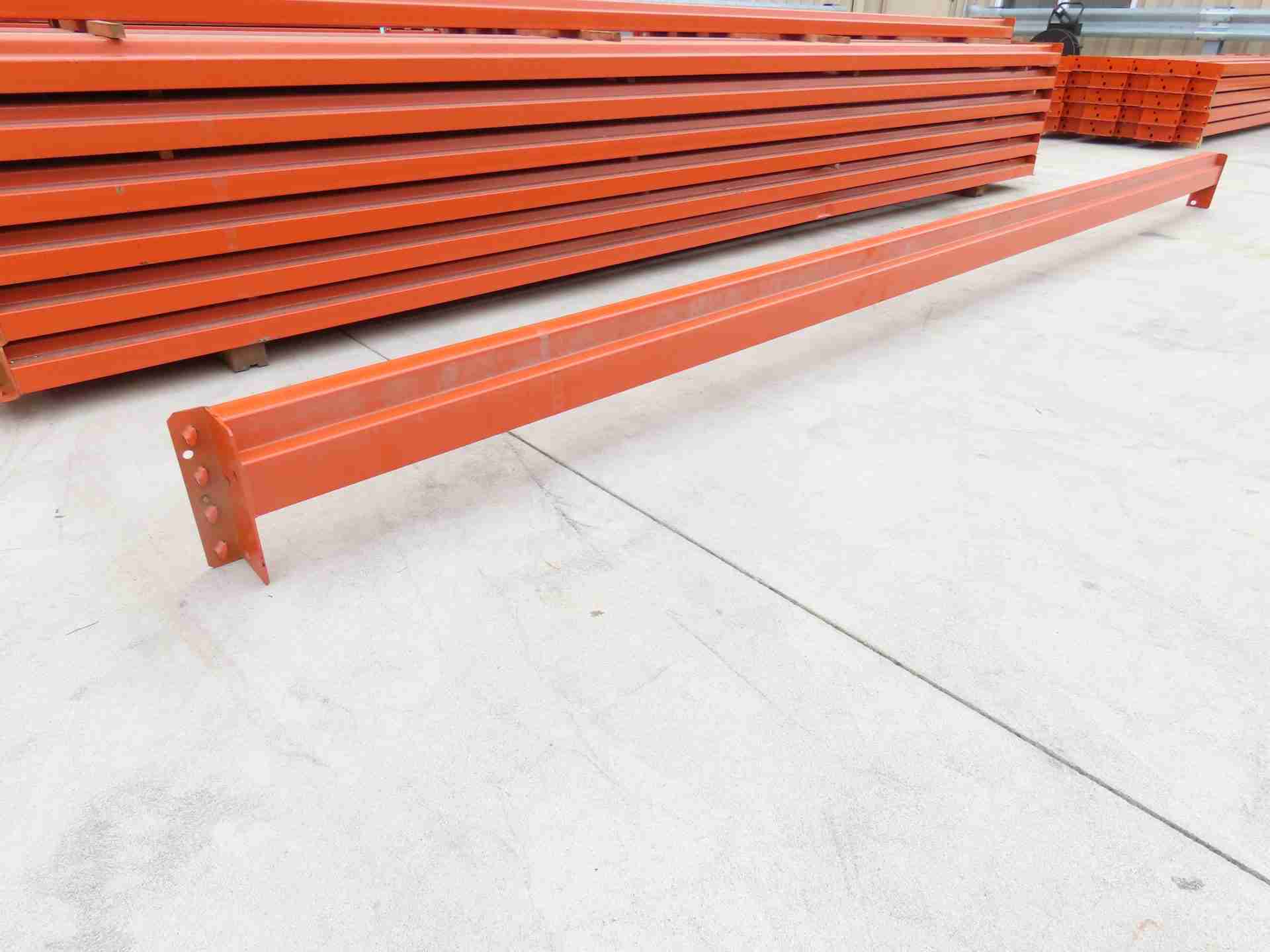
Understanding the risks—ranging from physical damage and environmental hazards to theft and supply chain disruptions—is crucial. You deserve a storage solution that proactively fortifies your space against these threats. At Arrow Industrial Sales, we recognize that your peace of mind is paramount. The right pallet racking system acts as your warehouse’s backbone, optimizing space, enhancing organization, and alleviating the potential chaos of misplaced or damaged goods.
Investing in high-quality racking solutions is just the first step. By embracing cutting-edge technology like smart inventory management tools and automated surveillance systems, you can transform your warehouse into a fortress. Imagine leveraging real-time data to monitor your goods and employing AI-powered cameras to safeguard your space around the clock. With established best practices and routine audits, you foster a culture of safety that not only engages your employees but also enhances overall productivity.
Let’s not forget, safety transcends beyond structures and technology—it’s about people. Empowering your employees by training them on best practices while recognizing their role in maintaining a secure work environment can create champions of safety within your organization. Their commitment will foster an atmosphere of trust and efficient operations, allowing you to focus on growth rather than fear.
But time is of the essence. The security of your warehouse—and by extension, your business—cannot afford to be a mere afterthought. Procrastination only heightens risk. Call Arrow Industrial Sales today at (574) 349-6575. Our experts are ready to collaborate with you to evaluate your current setup, discuss optimal solutions, and create a tailored plan that safeguards your assets and enhances your operational efficiency.
This is more than just a call to action; it’s an invitation to redefine how you approach warehouse management. Don’t let insecurity dictate your operations—embrace the transformation today. Your future self will thank you as you relish in the newfound confidence that comes from knowing your stored goods are in safe hands!
Conclusion
Conclusion:
- Managing a warehouse brings uncertainty and concerns about the safety of stored goods.
- Understanding risks like damage, theft, and supply chain disruptions is essential.
- The right pallet racking system optimizes warehouse space and enhances organization.
- Investing in advanced technology like smart inventory management can strengthen warehouse security.
- Training employees on safety practices fosters a culture of safety and enhances productivity.
- Procrastination in addressing warehouse security increases risks; timely action is crucial.
- Contact Arrow Industrial Sales for tailored security solutions and operational efficiency. .
Conclusion
Other Resources
Other Resources
Here is a list of other resources you can review online to learn more:
- RMI
- Warehouse Racking System: Powerful Guide to Optimise, 2024
- Warehouse Automation
- Chicago Pallet Racking
- Teardrop Pallet Rack – Ridg-U-Rak
- Material Handling Safety
- Teardrop Industrial Shelving Rack
- Interlake
- Intro to Warehouse Racks & Warehouse Racking Systems – ShipBob
- BMH Equipment LLC
Use This Prompt To Get More Resources With Your Favorite Online AI Tool: Please provide me with a list of online articles with their URLs in a bulleted list that I can read regarding Are You Constantly Worrying About The Safety Of Warehouse Stored Goods?

Other Resources
Glossary Terms
Are You Constantly Worrying About The Safety Of Warehouse Stored Goods? – Glossary Of Terms
1. Inventory: The total amount of goods and materials a warehouse holds for sale or use in production.
2. Security System: A combination of equipment and procedures designed to protect warehouse goods from theft, damage, or unauthorized access.
3. Surveillance Cameras: Devices used to monitor and record activity in and around a warehouse, enhancing security by deterring theft and documenting incidents.
4. Access Control: Restrictions and monitoring of who can enter specific areas of a warehouse, often using keycards or biometric systems.
5. Fire Safety: Measures and protocols implemented to prevent and control fires in a warehouse, including smoke detectors and fire extinguishers.
6. Pest Control: Strategies and practices used to manage and eliminate pests that could damage stored goods or affect their integrity.
7. Theft Prevention: Tactics and technologies employed to reduce the risk of stolen goods, such as alarms, security guards, and tracking systems.
8. Goods in Transit: Products that are being transported to or from a warehouse, which require special consideration for safety during movement.
9. Warehouse Management System (WMS): Software that helps manage inventory levels, track goods, and optimize warehouse operations for improved efficiency and security.
10. Temperature Control: Systems designed to maintain specific temperature ranges in warehouses storing perishable or sensitive goods.
11. Labeling and Tracking: The process of marking and identifying goods to ensure accurate inventory management and easy retrieval.
12. Ergonomics: The science of designing workspaces to improve worker safety and comfort, particularly during the handling of stored goods.
13. Stacking Guidelines: Best practices outlining how goods should be stacked to prevent tipping, crushing, or damage.
14. Incident Reporting: The process of documenting and addressing any security breaches, accidents, or damages that occur in the warehouse.
15. Emergency Response Plan: A set of procedures to follow in case of emergencies, such as fires, thefts, or natural disasters, aimed at protecting goods and personnel.
16. Personal Protective Equipment (PPE): Gear worn by warehouse employees to prevent injuries and accidents when handling goods.
17. Insurance Coverage: Policies that protect warehouse owners against financial loss due to theft, damage, or other risks affecting stored goods.
18. Quality Control: Processes that ensure that goods meet specific standards before they are stored or shipped, reducing the risk of damaged products.
19. ISO Standards: International standards that ensure the quality, safety, and efficiency of warehouse processes, impacting the overall handling of goods.
20. Material Handling: The movement, protection, and storage of goods within a warehouse, which directly affects the safety and security of stored items.
21. Hazardous Materials: Substances that pose risks to health and safety and require special storage and handling procedures within a warehouse.
22. Liability: Legal responsibility for any damage or loss of goods that occurs within a warehouse context.
23. Shrinkage: The loss of inventory due to theft, damage, or errors, which is a concern for warehouse safety and profitability.
24. Supply Chain Security: Measures taken to protect goods throughout the entire supply chain, from production to storage to delivery.
25. Fire Suppression System: Automated systems designed to detect and extinguish fires in a warehouse before they spread.
26. Inventory Audits: Regular evaluations of stock to ensure accuracy, control theft, and assess the condition of goods.
27. Logistics: The detailed coordination of complex operations involved in moving and storing goods in a warehouse setting.
28. Bin Location: The designated placement of items in a warehouse to optimize organization and improve efficiency in locating goods.
29. Cross-Docking: A practice where incoming goods are directly transferred to outbound vehicles without storage, enhancing efficiency and security.
30. Training and Compliance: Ongoing education for warehouse staff on safety protocols and regulations to minimize risks associated with stored goods.
These terms can help you understand and address concerns related to the safety and security of goods stored in warehouses.
Glossary Of Terms
Other Questions
Are You Constantly Worrying About The Safety Of Warehouse Stored Goods? – Other Questions
If you wish to explore and discover more, consider looking for answers to these questions:
- What are the most common causes of accidents in warehouses?
- How often should I conduct safety audits in my warehouse?
- What are the key features to look for in a pallet racking system?
- How can I effectively train my employees on safety protocols?
- What types of insurance should I consider for my warehouse?
- How can I measure the effectiveness of my warehouse security systems?
- What are the legal requirements for warehouse safety compliance?
- How can I integrate technology into my warehouse for better safety?
- What are the cost implications of upgrading my warehouse’s safety measures?
- How do I create an emergency response plan for my warehouse?
- What role does warehouse design play in safety and efficiency?
- Are there industry standards or certifications for warehouse safety?
Other Questions
Checklist
Are You Constantly Worrying About The Safety Of Warehouse Stored Goods? – A Checklist
1. Assess Your Pallet Racking
✅ _____ Inspect pallet racking systems for stability and signs of wear.
✅ _____ Ensure compliance with relevant safety regulations.
✅ _____ Regularly maintain and secure racking systems.
2. Identify and Mitigate Environmental Hazards
✅ _____ Implement climate control systems for temperature-sensitive items.
✅ _____ Conduct regular inspections for humidity, pests, and other environmental threats.
✅ _____ Establish protocols for handling perishable goods.
3. Adhere to Fire and Safety Regulations
✅ _____ Invest in quality fire prevention systems.
✅ _____ Stay updated on local fire and safety regulations.
✅ _____ Conduct regular emergency drills with staff.
4. Enhance Security Measures
✅ _____ Install advanced surveillance systems with motion detection.
✅ _____ Implement access controls (e. g. , badge readers, biometric scanners).
✅ _____ Consider alarm systems and motion-triggered lights around the facility.
5. Conduct Regular Inventory Audits
✅ _____ Schedule periodic audits to ensure inventory accuracy.
✅ _____ Utilize inventory management software for real-time tracking.
✅ _____ Address discrepancies and prevent inventory shrinkage.
6. Train Employees on Safety Protocols
✅ _____ Conduct regular safety training sessions.
✅ _____ Encourage awareness of surroundings and reporting of hazards.
✅ _____ Empower employees to take ownership of safety practices.
7. Create Clear Pathways and Signage
✅ _____ Maintain unobstructed aisles and clear pathways.
✅ _____ Use proper signage to indicate hazard zones and emergency exits.
✅ _____ Regularly review layout to improve visibility and accessibility.
8. Implement Technology for Monitoring and Management
✅ _____ Utilize automated surveillance systems with AI capabilities.
✅ _____ Integrate automated guided vehicles (AGVs) for logistics efficiency.
✅ _____ Install environmental monitoring systems to track critical factors.
9. Foster Open Communication and Feedback
✅ _____ Create an anonymous feedback mechanism for employees to voice safety concerns.
✅ _____ Encourage employees to participate in safety discussions and initiatives.
✅ _____ Regularly review and act on employee feedback regarding safety measures.
10. Regularly Review and Update Safety Policies
✅ _____ Schedule annual reviews of safety protocols and procedures.
✅ _____ Stay informed about changes in regulations or best practices.
✅ _____ Adapt and enhance policies based on industry advancements and employee input.
By following this checklist, warehouse managers can better secure their stored goods and create a safer, more efficient working environment.
Checklist
At RackingWorld, we help guide you through selecting warehouse storage systems and racking.
Be sure to read our other related stories at RackingWorld to learn more about warehouse storage systems.
0 Comments