
Mastering The Art Of Pallet Jack Maneuvers
By Tom Seest
At RackingWorld, we help guide you through selecting warehouse storage systems and racking.
Be sure to read our other related stories at RackingWorld to learn more about warehouse storage systems.
How to Move Stacked Pallets?
In today’s fast-paced world, managing inventory and logistics effectively can set you apart from the competition. Whether you’re running a warehouse, a manufacturing facility, or a retail center, the ability to move stacked pallets with efficiency and precision is crucial for maintaining operations and maximizing profitability. Here’s how you can streamline this process while keeping safety a top priority.
# Understand Your Tools
First things first: make sure you have the right equipment. Manual pallet jacks, electric pallet jacks, and forklifts are your best friends in this arena. Each tool has its own niche — while manual jacks are perfect for smaller, more confined spaces, electric jacks and forklifts are essential for larger loads and distances. Consider investing in electric pallet jacks this year as they are gaining popularity due to their efficiency, particularly in high-volume warehouses—a trend highlighted in recent industry reports indicating a surge in the automation of warehouse operations amid labor shortages.
# Planning the Move
You wouldn’t embark on a road trip without a map, right? The same principle applies when moving pallets. Plan the route in advance—accounting for obstacles and potential hazards. This simple step can save you time and reduce risks. For instance, if your warehouse is navigating the new challenge of increased online deliveries due to a rise in e-commerce, layout efficiency becomes vital. Consider marking clear pathways, and make sure that all team members understand the plan before executing it.
# Training Your Team
Investing in training is not just an expenditure; it’s an investment in your workforce. Ensure your team knows how to operate the machinery safely. Regular training sessions—perhaps quarterly—can reinforce safety protocols and best practices. With the recent increase in workplace injuries reported in logistics sectors, this is especially vital. A well-trained team can handle unforeseen challenges and mitigate risks effectively.
# Communicate Clearly
In a busy warehouse, communication can make or break the success of your operations. Utilize clear signage and labeling for pallets, pathways, and storage areas. Regular check-ins among team members can foster an environment where potential issues are flagged before they escalate. Remember, the art of communication isn’t just in the tools you use but in the culture you create.
# Embrace Technology
As we move further into an age dominated by digital solutions, consider incorporating warehouse management systems (WMS) to optimize pallet tracking and movement. For instance, using QR codes on pallets can enhance visibility across your supply chain. With recent global supply chain challenges, being able to pinpoint the location and status of every pallet can provide a significant competitive edge.
# Conclusion
Moving stacked pallets doesn’t have to be a daunting task. By understanding your tools, planning effectively, training your team, ensuring clear communication, and embracing technology, you can increase operational efficiencies and set your business up for success. Make these changes today, and watch your productivity soar.

How to Move Stacked Pallets?
How to Move Stacked Pallets?
- Understand Your Tools: Use appropriate equipment like manual and electric pallet jacks, and forklifts for different load sizes and operational spaces.
- Planning the Move: Prepare a route in advance to avoid obstacles and reduce risks, especially in response to increased online deliveries.
- Training Your Team: Regular training sessions are essential to ensure safe operation of equipment and mitigate risks of workplace injuries.
- Communicate Clearly: Use clear signage and maintain regular communication among team members to address potential issues proactively.
- Embrace Technology: Implement warehouse management systems and use QR codes for better pallet visibility and tracking.
- Focus on Efficiency and Safety: Streamline pallet movement to enhance productivity while prioritizing safety protocols.
- Conclusion: Making these strategic changes can significantly improve your operations and boost profitability.

How to Move Stacked Pallets?
Table Of Contents
- How to Move Stacked Pallets?
- How Can I Safely Move Stacked Pallets?
- What Equipment Is Best For Moving Pallets?
- How Do I Prevent Pallets From Slipping During Transport?
- What Techniques Help In Lifting Heavy Pallets?
- Should I Use A Pallet Jack Or A Forklift?
- How Can I Optimize Space When Moving Pallets?
- What Safety Precautions Should I Consider?
- How To Plan The Best Route For Moving Pallets?
- How Do I Stack Pallets For Easier Movement?
- What Are The Common Mistakes When Moving Pallets?
- How Do I Handle Uneven Surfaces When Moving Pallets?
- What Should I Do If A Pallet Is Damaged?
- How Can I Ensure Stability During Pallet Transport?
- What Are The Regulations For Moving Pallets In My Area?
- How Can I Train Staff On Proper Pallet Handling?
- Conclusion
- Other Resources
- Glossary Of Terms
- Other Questions
- Checklist
How Can I Safely Move Stacked Pallets?
In today’s high-stakes logistics environment, moving stacked pallets isn’t just a simple task; it’s a critical operation that requires attention to detail and strategic planning. Ensuring the safe transfer of these heavy loads can mean the difference between efficiency and disaster. Here’s how you can move your stacked pallets safely and effectively.
1. Assess Your Load: Before you even think about moving your stacked pallets, spend some time assessing the load. Check if the pallets are tightly secured and stacked evenly. A load that rocks or sways is an accident waiting to happen. If you’re dealing with a shipment of electronics, for instance, you don’t want to risk damaging those expensive devices. Use shrink wrap or stretch film to stabilize the load and prevent any shifting during transit.
2. Choose the Right Equipment: The right equipment can make all the difference in moving stacked pallets safely. Forklifts are typically the go-to choice for this task, but they come in various models and sizes. If you’re on a tight budget, consider renting a forklift for a short period instead of purchasing one outright. For smaller stacks, pallet jacks can do the trick, allowing for a more manual but equally effective method of transport. Remember: Investing in quality equipment can repay you tenfold by reducing accidents and potential damages.
3. Train Your Team: If you have a team, training is essential. Ensure that everyone understands the proper methods for lifting and moving pallets. A recent case highlighted in industry news showed that companies with ongoing training programs experienced 30% fewer accidents than their counterparts. That’s real money on the table—don’t ignore it. Running drills can boost confidence and ensure everyone knows how to respond in case of an emergency.
4. Plan Your Route: Whether you’re moving pallets within a warehouse or from one facility to another, planning your route is key. Make sure that the pathway is clear of obstacles. Use clear signage to guide workers and keep everyone informed. Companies involved in e-commerce have reported that streamlining their movement routes has amplified their efficiency, ultimately affecting their bottom line positively.
5. Monitor for Hazards: Keep an eye out for potential issues as you move your pallets. Be aware of spills, uneven surfaces, and other hazards that could disrupt the process. Recent developments in safety technology, such as motion sensors and alert systems, can provide a technological layer of protection to ensure a smooth operation.
Moving stacked pallets safely isn’t just about reducing risks; it’s about creating an operation that’s efficient, streamlined, and profitable. Don’t let negligence compromise your results. With the right approach, you can transport your goods with confidence.
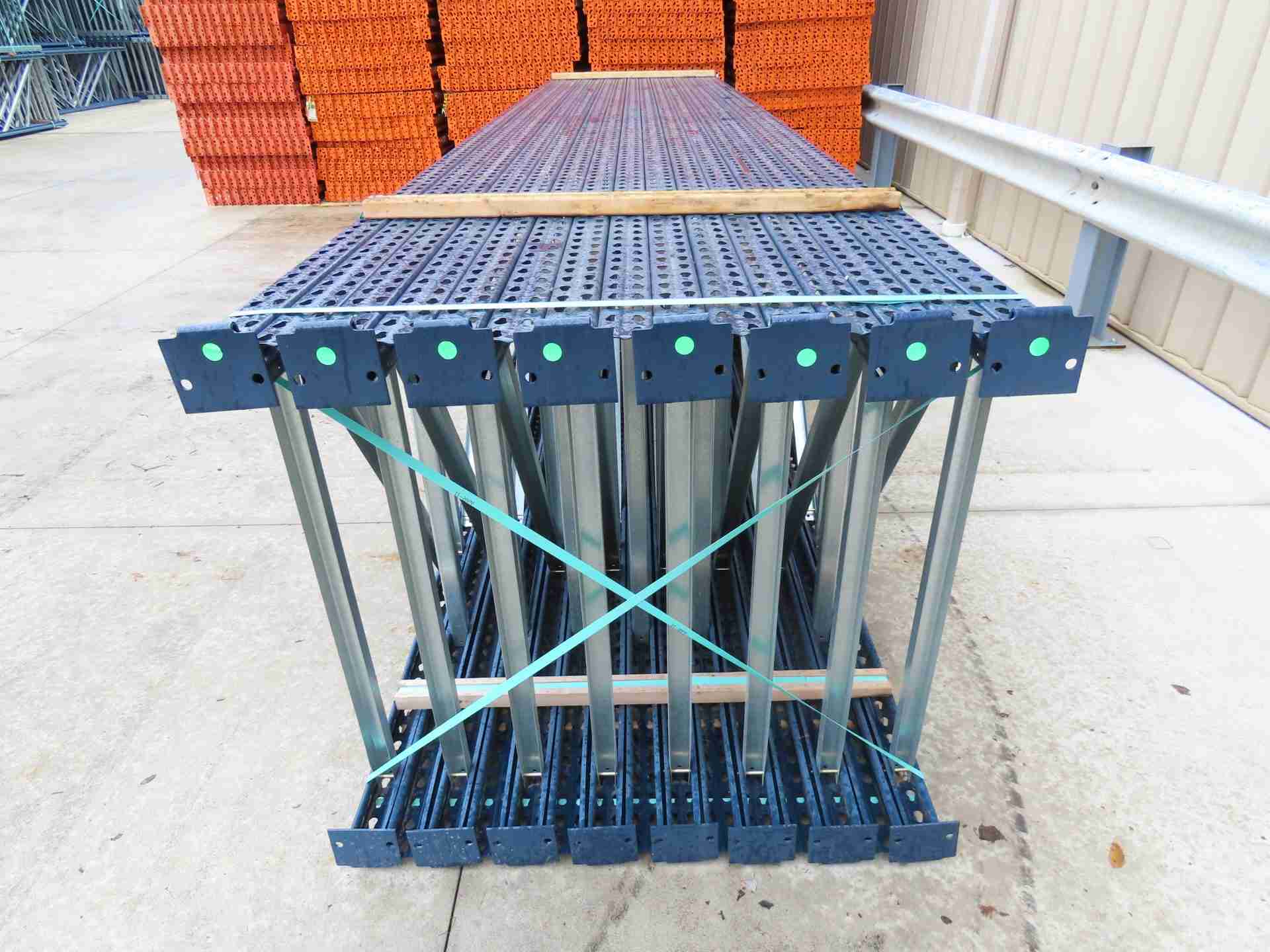
How Can I Safely Move Stacked Pallets?
How Can I Safely Move Stacked Pallets?
- Assess Your Load: Ensure stacked pallets are tightly secured and evenly stacked to prevent accidents.
- Choose the Right Equipment: Utilize equipment like forklifts or pallet jacks based on the load size, considering rental options for budget constraints.
- Train Your Team: Implement ongoing training programs to reduce accidents and boost team confidence.
- Plan Your Route: Clear pathways and use signage for efficient pallet movement within facilities.
- Monitor for Hazards: Stay vigilant for spills and uneven surfaces, utilizing safety technology for added protection.
- Efficiency and Profitability: Prioritize safety to enhance operation efficiency and protection of goods during transit.
- Confidence in Transport: Adopt a strategic approach to move pallets safely and confidently, ensuring operational success.
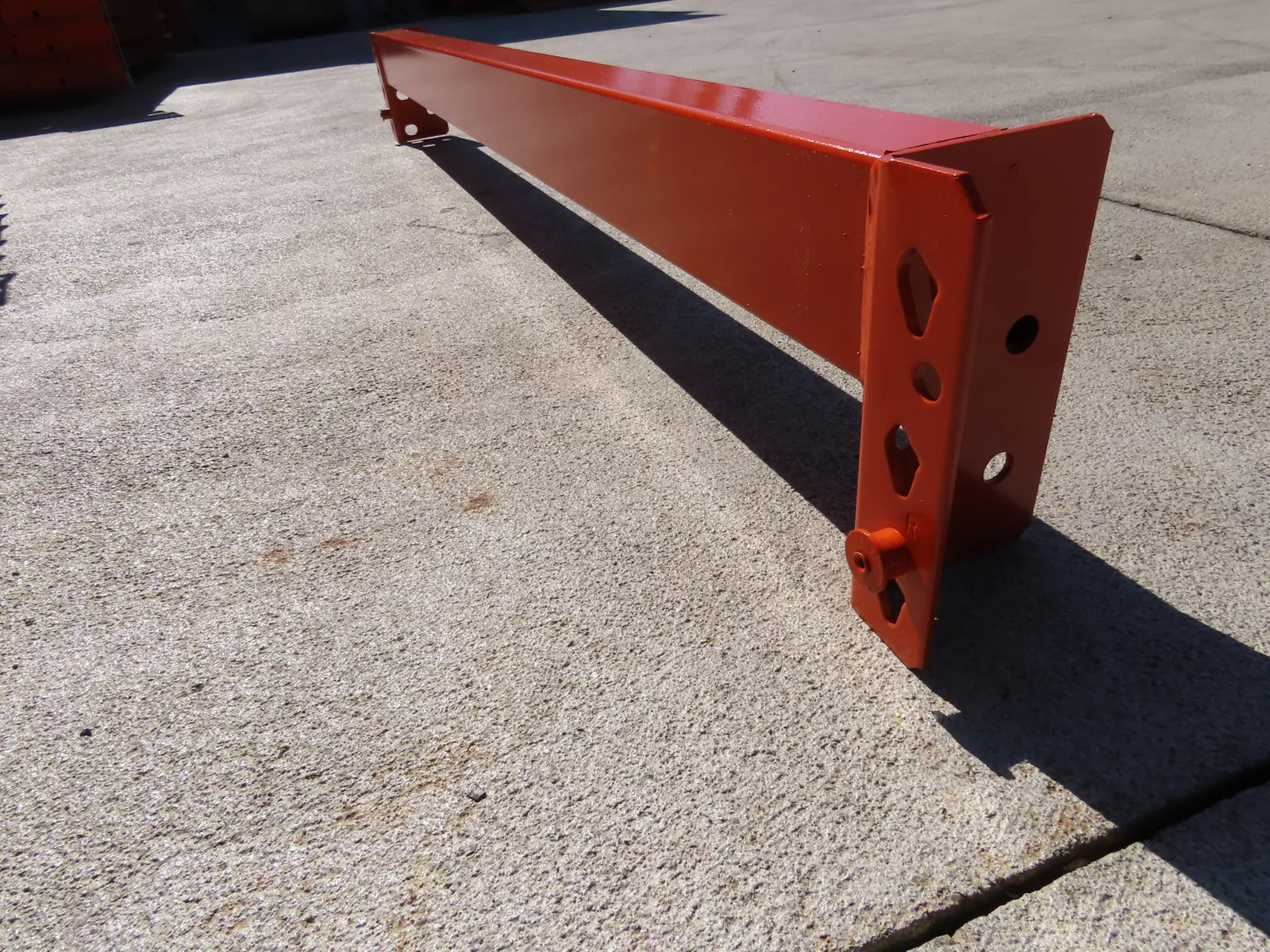
How Can I Safely Move Stacked Pallets?
What Equipment Is Best For Moving Pallets?
Moving pallets efficiently is crucial for businesses aiming to optimize their operations, increase productivity, and minimize downtime. In today’s fast-paced environment, the right equipment can make all the difference between a smooth operation and a logistical nightmare. When considering what equipment is best for moving pallets, you need to weigh the demands of your specific environment against the strengths of various tools available on the market.
Forklifts: The Workhorse of Warehousing
When it comes to heavy lifting, forklifts reign supreme. Whether you’re in a warehouse, factory, or distribution center, these machines offer the power and versatility needed to handle heavy pallet loads. Modern electric forklifts are particularly attractive for businesses looking to reduce their carbon footprint while maintaining productivity. They are quieter and have lower operating costs than their gasoline counterparts. Companies like Toyota and Crown offer cutting-edge models equipped with advanced safety features and ergonomic designs that enhance operator comfort.
Pallet Jacks: Versatile and Cost-Effective
If your operations demand something lighter but still effective, look no further than pallet jacks. Manual pallet jacks are straightforward and economical, making them an excellent choice for smaller spaces or lower volume operations. However, for operations requiring more efficiency, electric pallet jacks are a godsend. They can maneuver in tight spaces while reducing physical strain on employees. Recent data from logistics research indicates that electric pallet jacks have seen a surge in popularity due to their ability to reduce employee fatigue, thus leading to enhanced productivity.
Automated Solutions: The Future is Now
As we see automation become entrenched in various industries, robotic solutions for moving pallets are gaining traction. Automated Guided Vehicles (AGVs) equipped with intelligent navigation systems are revolutionizing warehouse operations, significantly reducing human error and labor costs. Companies like Amazon, leveraging their own robotics systems, are setting the pace for warehouse automation. Though the initial investment might seem steep, the long-term savings in labor and error reduction make AGVs an attractive option for forward-thinking businesses.
Concluding Thoughts
Choosing the right equipment for moving pallets is about aligning your operational needs with the right tools. Invest in technology that not only meets current demands but prepares your business for future growth. As industries evolve and consumer expectations shift, equipping your team with the right pallet-moving solutions will position you ahead of the competition. Remember, in logistics, efficiency isn’t just an option; it’s a competitive advantage you can’t afford to ignore.
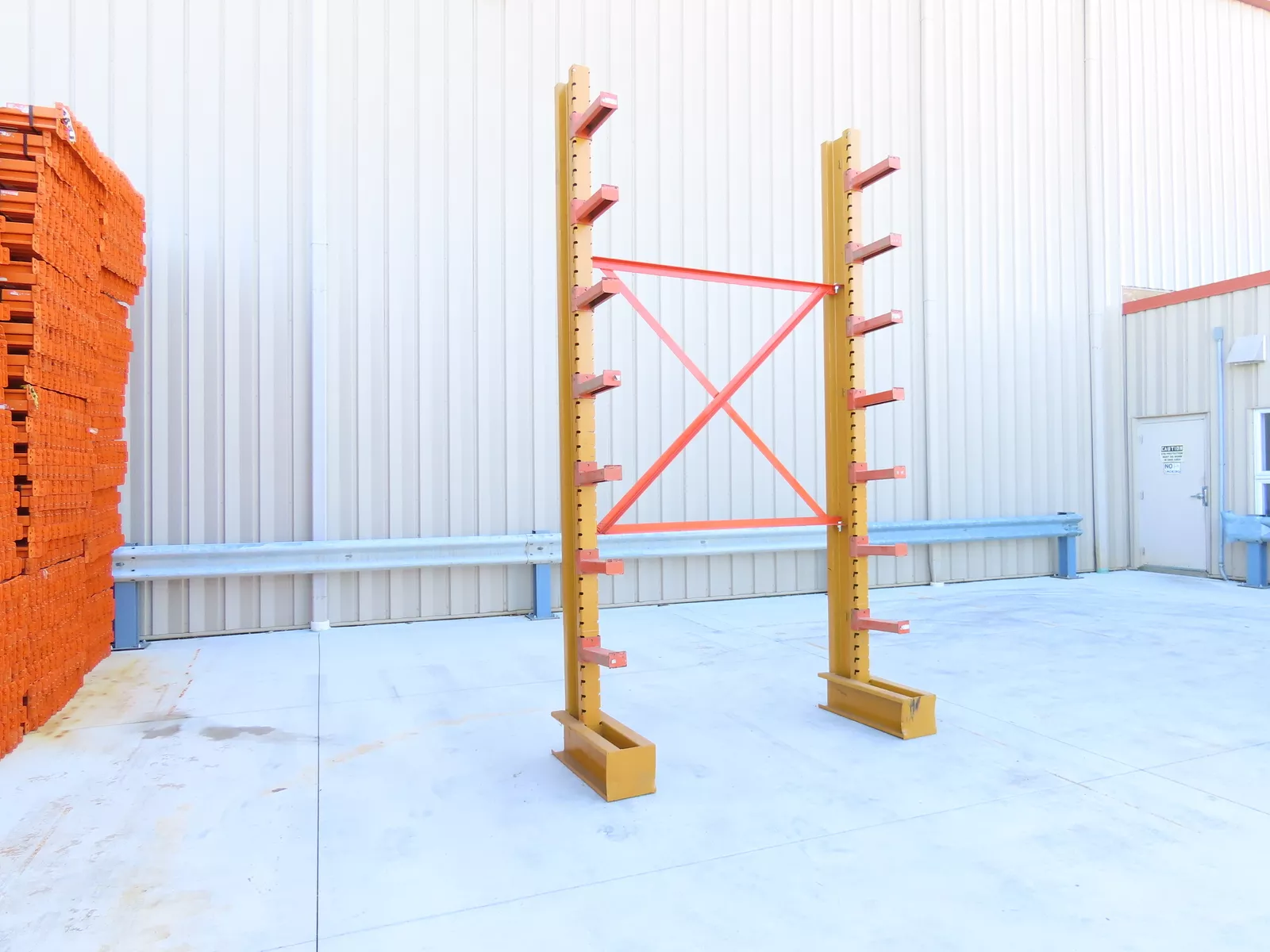
What Equipment Is Best For Moving Pallets?
What Equipment Is Best For Moving Pallets?
- Efficient pallet movement is essential for optimizing operations, increasing productivity, and minimizing downtime.
- Forklifts are ideal for heavy lifting in warehouses and distribution centers, with modern electric models offering eco-friendly, low-cost options.
- Pallet jacks, both manual and electric, provide versatile, cost-effective solutions for lighter loads and smaller spaces.
- Electric pallet jacks reduce physical strain on employees and have gained popularity for enhancing productivity.
- Automated Guided Vehicles (AGVs) are transforming warehouse operations by reducing human error and labor costs.
- Investing in the right pallet-moving technology can prepare businesses for future growth and shifting consumer demands.
- Efficiency in logistics is a competitive advantage that businesses cannot overlook.
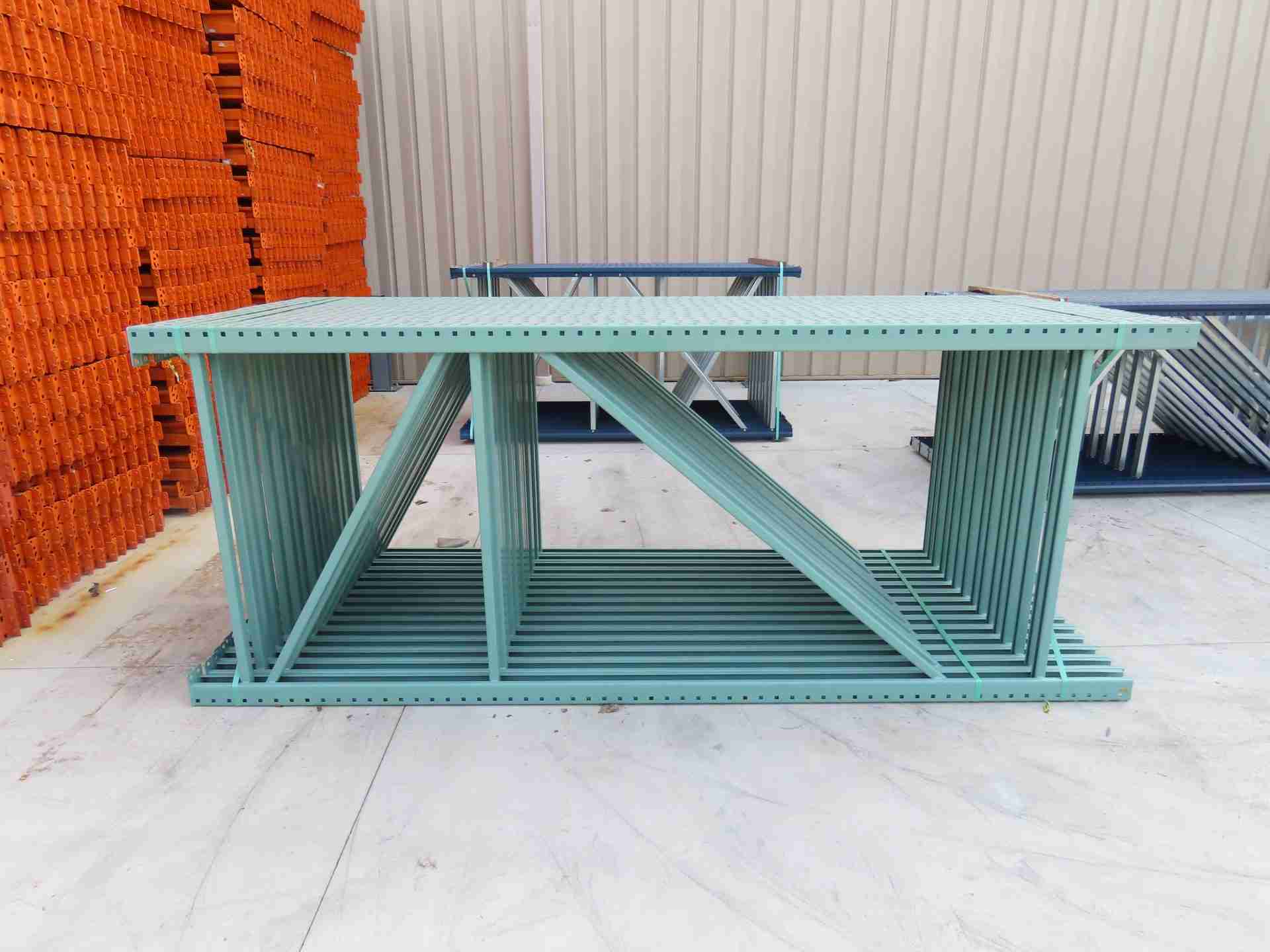
What Equipment Is Best For Moving Pallets?
How Do I Prevent Pallets From Slipping During Transport?
In the logistics game, the stakes are high. Ensuring that your pallets reach their destination intact is not just good practice; it’s a necessity. Given the rise in e-commerce and global shipping, companies are facing greater pressure than ever to deliver not just on time, but in pristine condition. So, how can you ensure that your pallets don’t become unwieldy obstacles on this journey?
1. Master the Basics of Pallet Configuration
First things first: a well-organized pallet is your best start. Think of it as setting the foundation for a skyscraper. Use the right pallet size for your cargo and stack items uniformly. Heavy items should go at the bottom; lighter, more fragile items should be on top. A former shipping industry executive once swore by the “Tetris method” of stacking—if it doesn’t fit snugly, it doesn’t belong on that pallet!
2. Harness the Power of Proper Strapping and Wrapping
Once your pallet is organized, it’s time to secure it. Shrink wrap provides an excellent first layer of protection. But don’t stop there! Use quality strapping to bind cargo together. This isn’t just about aesthetics; it’s about safety. A load that isn’t strapped is a load begging for trouble. Companies like ULINE offer industrial-grade strapping solutions with a proven track record. Remember, a few extra dollars spent on quality materials can save you costly losses down the line.
3. Consider Anti-Slip Technology
Current innovations in materials can significantly enhance safety during transport. Anti-slip sheets, for instance, create friction between the pallet and its cargo, minimizing the risk of slippage. These technologies are gaining traction in the industry—not just as a trend, but as a necessity in keeping cargo safe. As consumers expect more rapid delivery times, these solutions become even more crucial.
4. Invest in Employee Training
Your team is not just an asset; they’re your front-line warriors in the battle against cargo mishaps. Ensure they receive education on best practices for loading and securing pallets. Interactive training sessions, complete with simulations, can yield impressive results. Employees who take pride in their loading practices will contribute to lower damage rates and higher customer satisfaction.
5. Monitor Weather and Environmental Conditions
Finally, don’t underestimate the effect of external factors like bad weather. When navigating through storms or icy conditions, consider adjusting your loading techniques accordingly. Companies that stay educated on local weather forecasts and plan accordingly—not just on the day of transport—keep their reputation intact and avoid the pitfalls of shipping disasters.
Effectively preventing pallet slippage is a multi-faceted endeavor, combining organization, technology, and human capital. Now is the time to bolster your logistics strategy—because when it comes to transport, every inch matters!
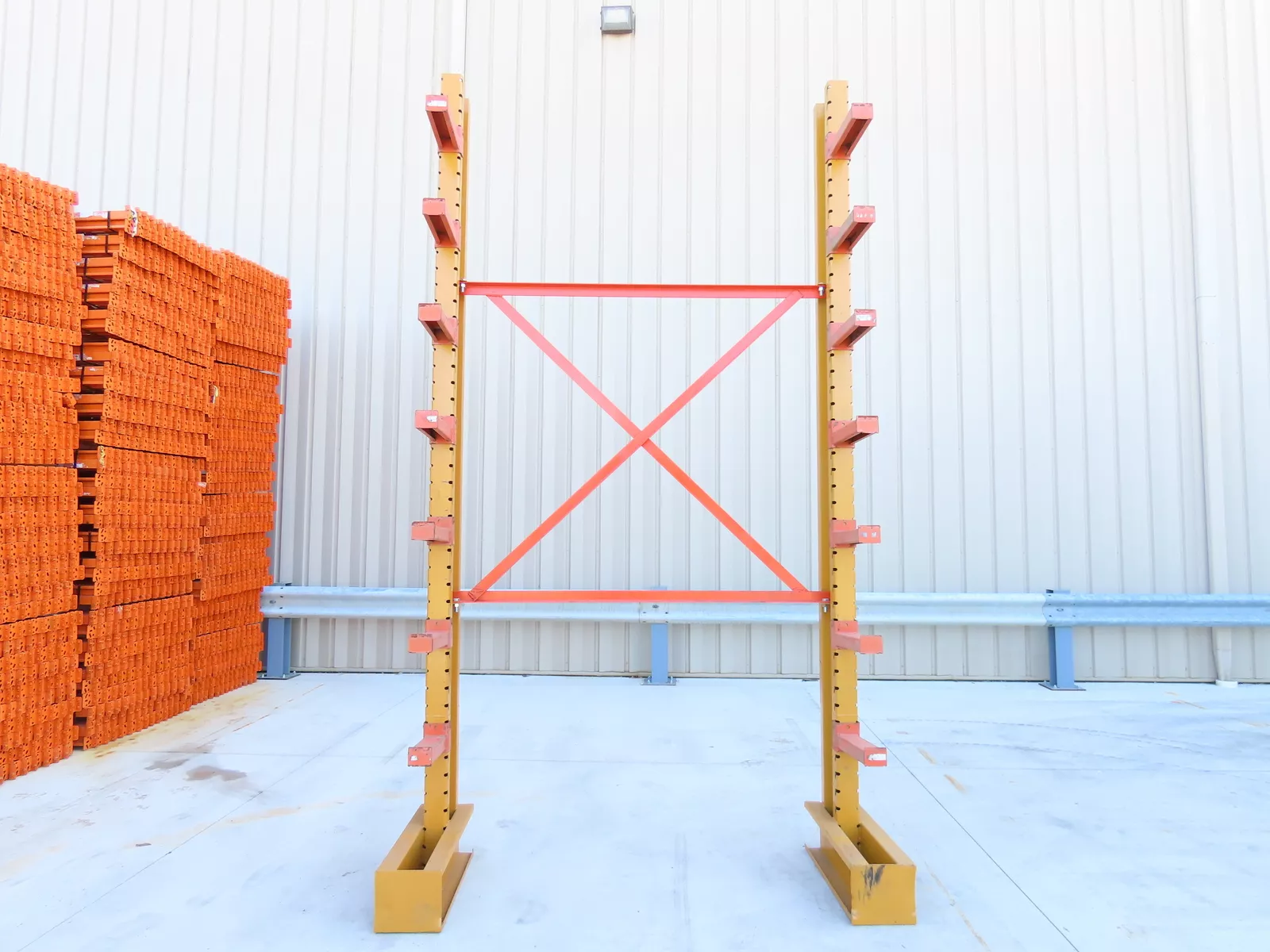
How Do I Prevent Pallets From Slipping During Transport?
How Do I Prevent Pallets From Slipping During Transport?
- High Stakes in Logistics: Ensuring pallets reach their destination intact is crucial, especially with the rise in e-commerce and global shipping.
- Master Pallet Configuration: Organize pallets by using the right size, stacking items uniformly, with heavier items at the bottom and lighter ones on top.
- Secure with Strapping and Wrapping: Use shrink wrap and quality strapping to bind cargo; investing in quality materials can prevent costly losses.
- Implement Anti-Slip Technology: Utilize innovations like anti-slip sheets to minimize cargo slippage during transport.
- Invest in Employee Training: Train employees on best practices for loading and securing pallets to reduce damage and enhance customer satisfaction.
- Monitor Weather Conditions: Adjust loading techniques based on external factors like bad weather to mitigate risks during transport.
- Comprehensive Strategy: Preventing pallet slippage requires a combination of organization, technology, and skilled workforce for effective logistics management.
How Do I Prevent Pallets From Slipping During Transport?
What Techniques Help In Lifting Heavy Pallets?
When it comes to lifting heavy pallets, technique is king. It’s not just about brute strength; it’s about employing the right methods to ensure safety, efficiency, and effectiveness. Whether you’re in a warehouse, on a construction site, or managing logistics for a retail operation, understanding and implementing proper lifting techniques can save you time and money, while minimizing the risk of injury.
First and foremost, let’s talk about the power of body mechanics. Your body is a finely tuned machine, and using it correctly is essential. A key method you should adopt is the “squat lift,” which involves bending at the knees while keeping your back straight. Picture this: you’re at the loading dock, preparing to lift a pallet weighing hundreds of pounds. Instead of bending over from the waist—an invitation to disaster—you angle your knees, engage your core, and maintain a neutral spine. This approach not only distributes the weight more evenly but also reduces the strain on your back, allowing you to lift more efficiently.
Consider the benefits of teamwork. This isn’t just a cliché; collaboration can make a world of difference. Suppose you’re part of a logistics team. When lifting a particularly hefty pallet, coordinating with a colleague can lead to a smooth and safe lift. Communicate your movements clearly, perhaps using a system of signals or commands, and you’ll find that two sets of hands are far more effective than one. Current events have shown that companies embracing collaborative work environments report not just better results, but also heightened employee morale and retention.
Additionally, never underestimate the role of equipment in lifting heavy pallets. Tools such as forklifts, pallet jacks, and hoists can significantly reduce physical strain. In light of recent supply chain disruptions, many businesses are investing in new technologies to streamline their operations. For instance, automated guided vehicles (AGVs) have surged in popularity, helping to transport heavy loads autonomously and safely.
Finally, let’s not ignore the continuous improvement aspect. Training programs that focus on safe lifting techniques can empower your workforce, boosting confidence while reducing accidents. Companies such as Amazon have made headlines for their meticulous training methodologies, stressing the importance of safety and efficiency in their fulfillment centers.
In summary, lifting heavy pallets effectively hinges on understanding body mechanics, fostering teamwork, leveraging technology, and investing in training. By adopting these techniques, you’re not just lifting weights—you’re building a culture of safety, collaboration, and efficacy that ultimately drives your bottom line to new heights.
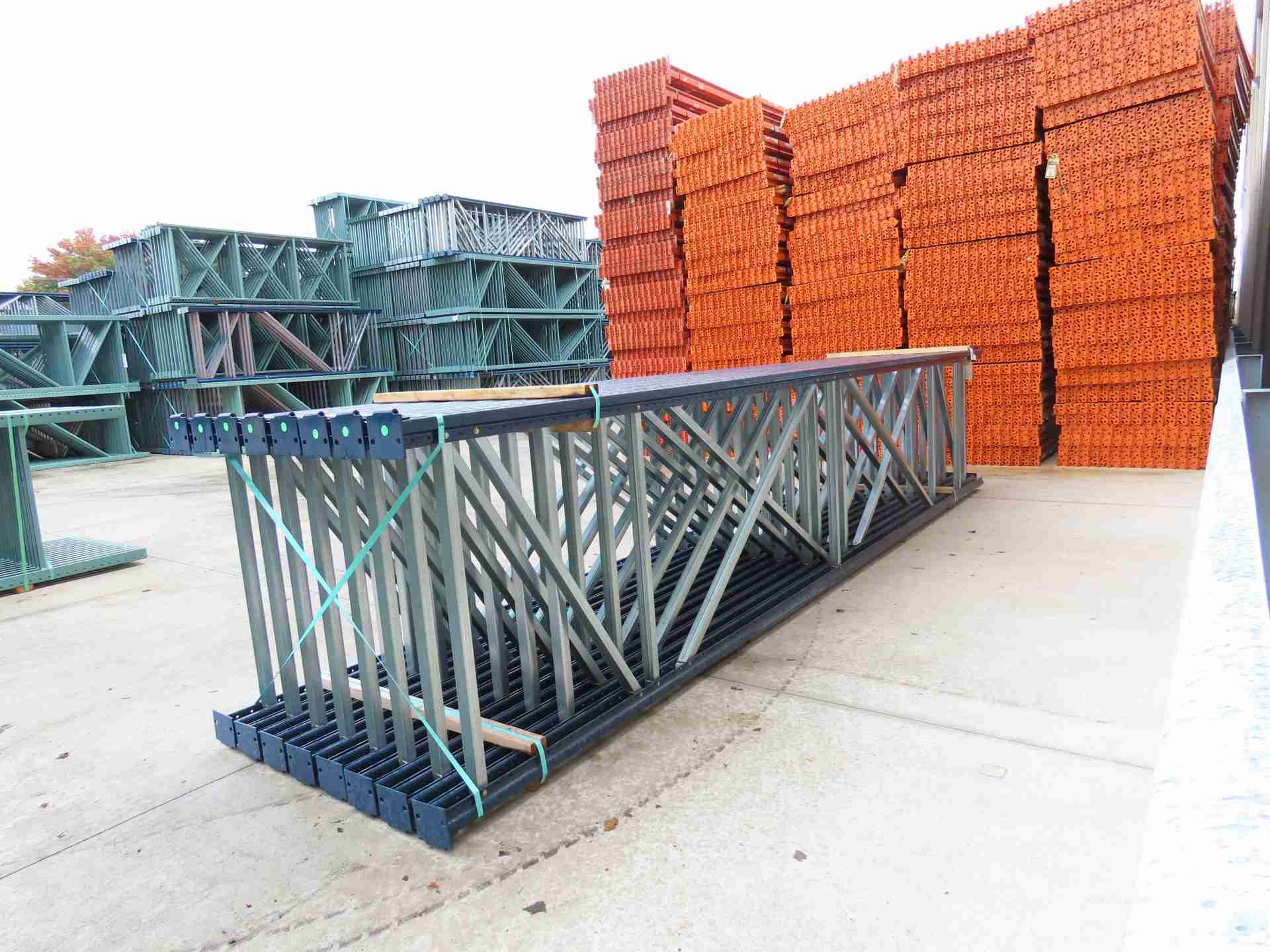
What Techniques Help In Lifting Heavy Pallets?
What Techniques Help In Lifting Heavy Pallets?
- Proper lifting technique is essential for safety, efficiency, and effectiveness when handling heavy pallets.
- Utilize the “squat lift” method to maintain a neutral spine and reduce back strain.
- Collaboration and clear communication among team members enhance safety and effectiveness during lifting.
- Employing equipment like forklifts and pallet jacks can significantly reduce physical strain.
- Investing in new technologies, such as automated guided vehicles (AGVs), helps streamline operations.
- Continuous training programs focused on safe lifting techniques can empower employees and reduce accidents.
- Understanding body mechanics, teamwork, technology, and training fosters a culture of safety and collaboration.

What Techniques Help In Lifting Heavy Pallets?
Should I Use A Pallet Jack Or A Forklift?
In today’s fast-paced world of logistics and warehousing, the choice between a pallet jack and a forklift can make or break your operational efficiency. Both tools are indispensable, but the needs of your business will dictate which one serves you better in various scenarios.
A pallet jack, either manual or electric, is an ideal solution for lighter loads in tight spaces. These compact devices easily maneuver in narrow aisles and can access areas a forklift simply can’t reach. Imagine a bustling warehouse where space is at a premium—using a pallet jack allows your team to operate efficiently without the risk of damaging surrounding inventory. For instance, during the recent supply chain disruptions caused by the COVID-19 pandemic, many companies turned to pallet jacks to adapt their loading strategies, enabling swift handling of lighter shipments without the complexity of forklifts.
However, when the weight of your goods exceeds that 5,500-pound threshold, a forklift becomes non-negotiable. These heavy-duty machines are designed to lift significant loads and are essential for moving bulk items with maximum efficiency. Picture a construction site or a warehouse receiving a large shipment of heavy machinery. Here, a forklift can swiftly unload containers, boosting productivity while ensuring safety. With the recent surge in construction projects fueled by government infrastructure spending, the demand for forklifts has surged, propelling businesses to invest in this powerful equipment to meet growing logistical demands.
It’s important to note that while forklifts can tackle heavier tasks, they require skilled operators to ensure safety and compliance. Regulatory bodies have tightened restrictions and training requirements for forklift operation, reinforcing the need for a professionally trained workforce. Investing in operator training not only enhances safety but also maximizes the potential of your equipment—ensuring every lifting session yields optimal results.
Ultimately, the decision between a pallet jack and a forklift comes down to assessing your specific operational needs. For lighter, more frequent tasks in a confined space, a pallet jack is your best friend. But for heavier, more substantial loads that require speed and efficiency, a forklift cannot be overlooked.
To succeed in today’s evolving marketplace, it’s crucial to make informed choices about your material handling equipment. Just as you wouldn’t use a sledgehammer to crack a nut, using the wrong equipment for the job could cost you time and money. Evaluate your current workload, consider future needs, and make that choice wisely—your bottom line will thank you.
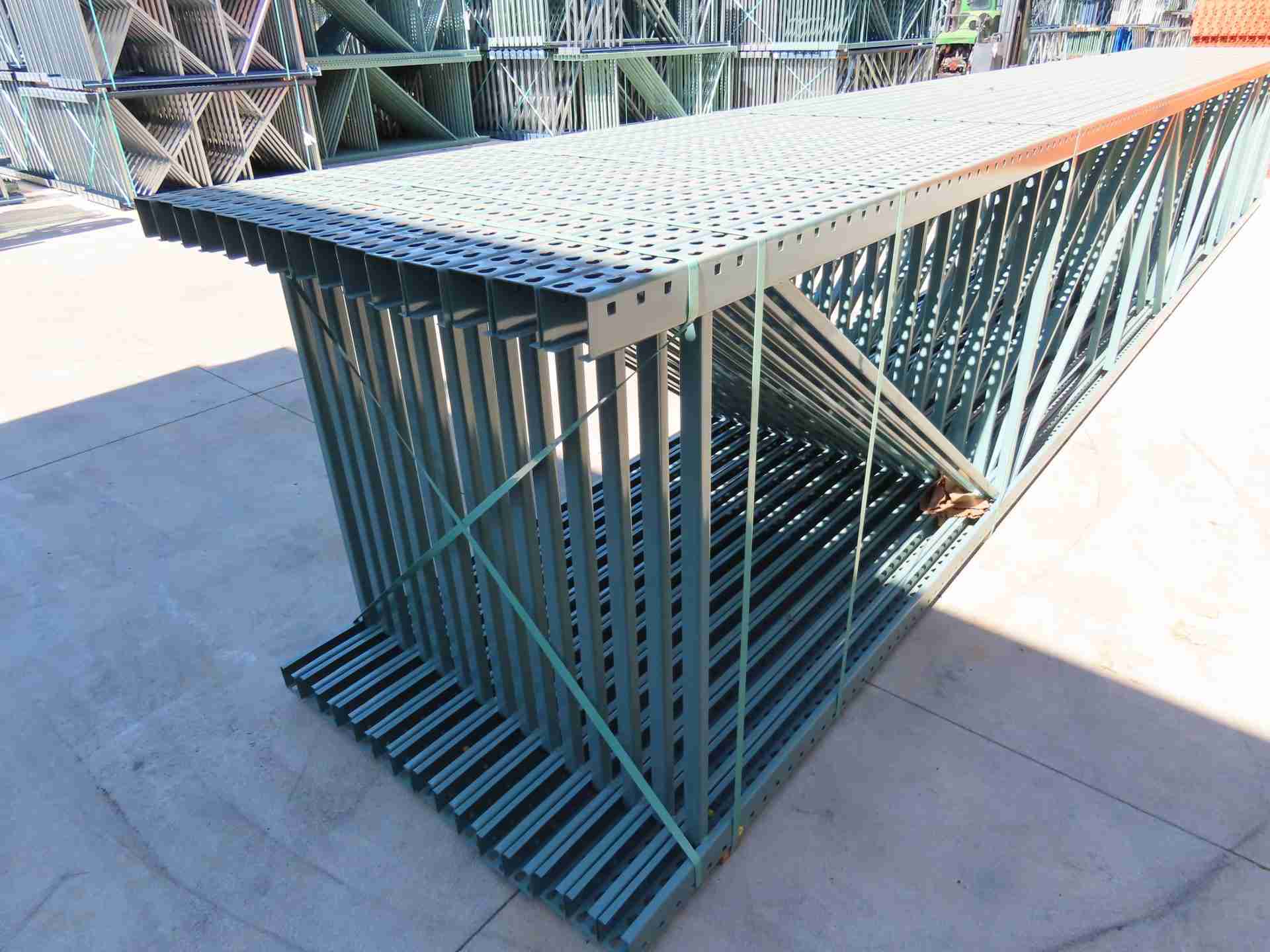
Should I Use A Pallet Jack Or A Forklift?
Should I Use A Pallet Jack Or A Forklift?
- Choosing between a pallet jack and a forklift impacts operational efficiency in logistics and warehousing.
- Pallet jacks (manual or electric) are suitable for lighter loads and maneuverability in tight spaces.
- During supply chain disruptions caused by COVID-19, businesses relied on pallet jacks for efficient handling of lighter shipments.
- Forklifts are essential for loads exceeding 5,500 pounds and maximize efficiency for bulk item movement.
- Increased construction projects due to government spending have raised demand for forklifts in logistics.
- Forklifts require skilled operators due to safety and compliance regulations, making training crucial.
- The choice between equipment should be based on operational needs—pallet jacks for light, frequent tasks and forklifts for heavy, substantial loads.
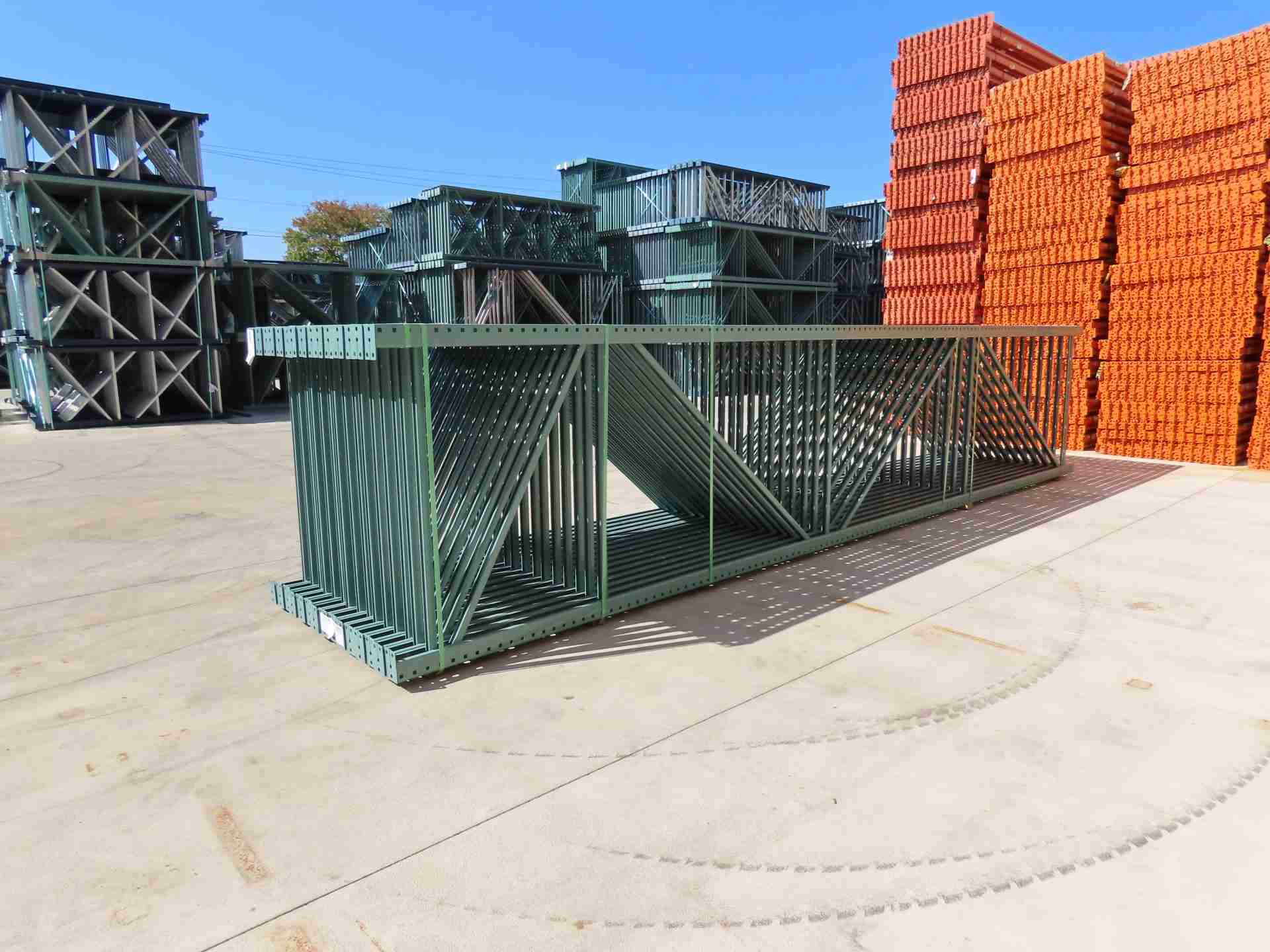
Should I Use A Pallet Jack Or A Forklift?
How Can I Optimize Space When Moving Pallets?
In today’s fast-paced logistics environment, maximizing space when moving pallets isn’t just a strategy; it’s a necessity. With supply chain disruptions making headlines and the demand for efficiency increasing, businesses must adopt smarter techniques to ensure every square inch of storage and transport is utilized effectively. Here’s how you can optimize space like a pro.
1. Choose the Right Pallet Size:
The first step in optimizing space is selecting the correct pallet size. Standard pallets, which typically measure 48” x 40”, dominate the market, but specialized pallets are gaining traction. For instance, businesses in the e-commerce arena are opting for smaller pallets to accommodate varying product sizes, thus enhancing storage density. The recent surge in e-commerce has made this even more critical, ensuring that every inch of warehouse space must be put to good use.
2. Utilize Vertical Space:
Don’t forget about the sky! Use vertical space to your advantage. Employ stackable pallets and high-density racking systems. This approach allows warehouses to store more goods in a smaller footprint. For example, a major retailer recently implemented a new vertical storage system that increased their storage capacity by 30%, helping them manage the recent holiday demand surge efficiently.
3. Lean on Technology:
In this age of digital transformation, technology can be your best ally. Implementing a Warehouse Management System (WMS) can dramatically streamline your operations. A WMS can provide real-time inventory tracking, optimizing your pallet arrangements based on demand predictions. Companies that invested in technological solutions in 2023 observed up to a 20% reduction in wasted space.
4. Rethink Your Pallet Configuration:
The arrangement of pallets during transport can significantly impact space optimization. Utilizing techniques like tight stacking—where pallets are meticulously aligned—can free up vital inches whether you are shipping via truck or air. Understanding the specifics of your shipping method can guide you in arranging pallets to maximize the use of available dimensions.
5. Training and Best Practices:
A well-trained staff can make all the difference. Regular workshops focusing on best practices in pallet loading and movement can help your team minimize wasted space. A recent logistics summit shared insights on how employee training programs helped companies reduce loading times and improve efficiency, ultimately leading to better space management.
Optimizing space when moving pallets requires a multifaceted approach, from choosing the right pallet sizes to utilizing technology and training. As global supply chains evolve, adapting these strategies can streamline operations and set your business apart in a competitive marketplace. Now, more than ever, every inch counts. Embrace these methods and watch your efficiency soar!
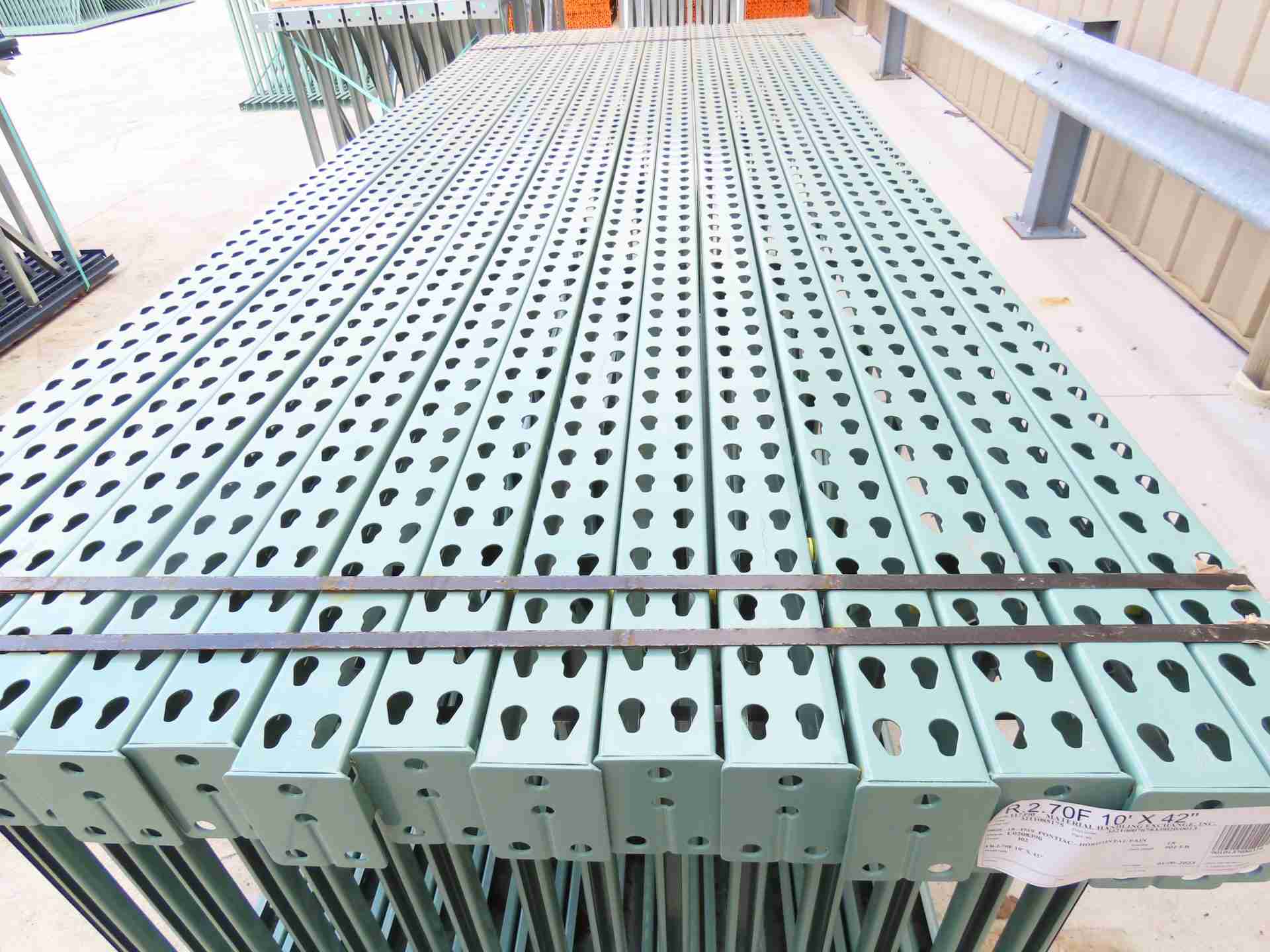
How Can I Optimize Space When Moving Pallets?
How Can I Optimize Space When Moving Pallets?
- Optimizing space in logistics is essential due to supply chain disruptions and increasing efficiency demands.
- Choosing the right pallet size, including specialized pallets, enhances storage density, especially in e-commerce.
- Utilizing vertical space through stackable pallets and high-density racking can significantly increase storage capacity.
- Implementing a Warehouse Management System (WMS) aids in real-time inventory tracking and can reduce wasted space by up to 20%.
- Rethinking pallet configurations and using tight stacking techniques maximizes available space during transport.
- Training staff on best practices in pallet loading can help minimize wasted space and improve operational efficiency.
- Adopting these strategies can streamline operations and improve competitiveness in the logistics marketplace.
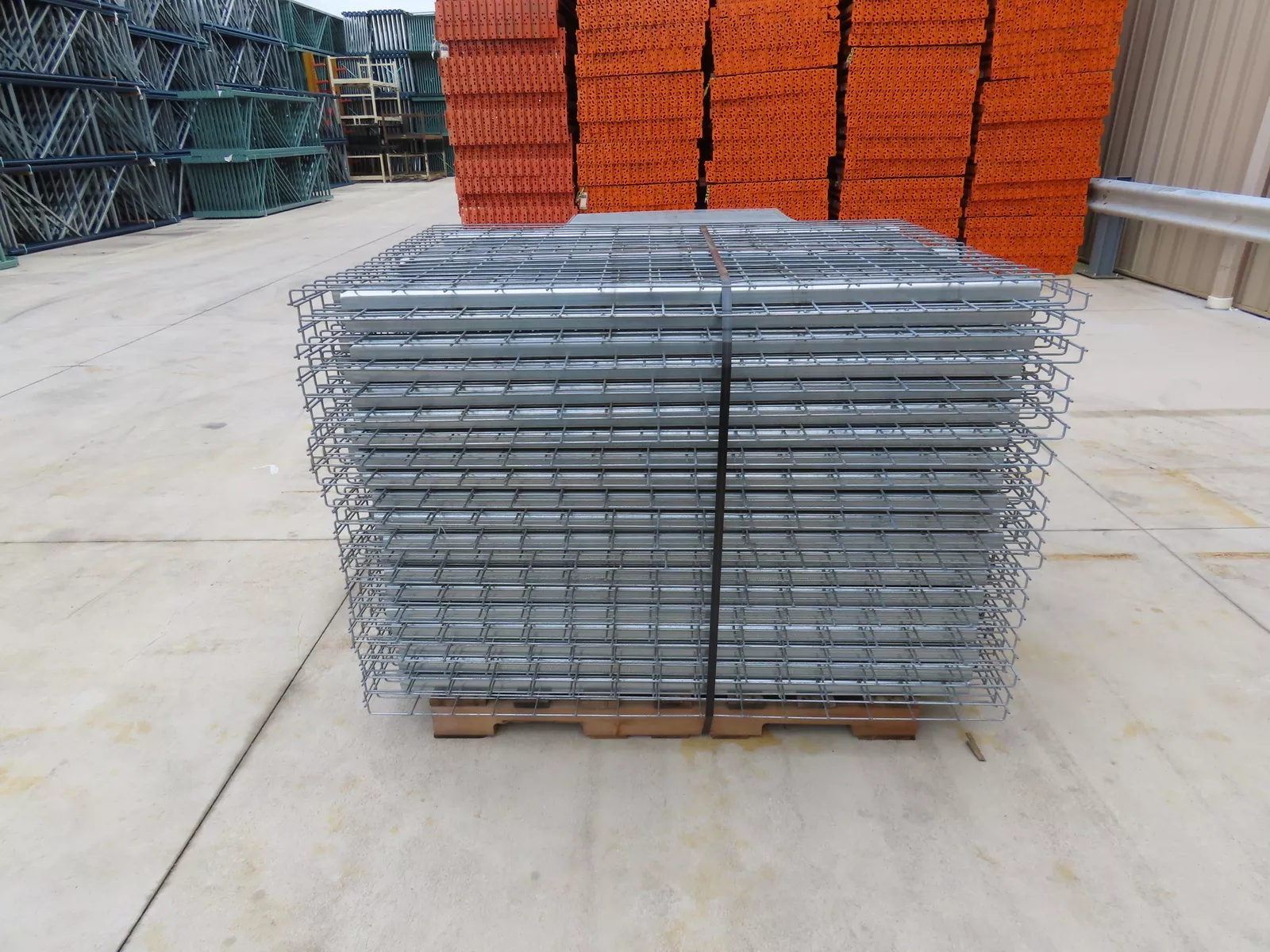
How Can I Optimize Space When Moving Pallets?
What Safety Precautions Should I Consider?
In a world that’s constantly in flux, ensuring your safety—whether at home or in public—should never be an afterthought. It’s a priority that pays dividends not just in peace of mind but in smart, calculated decisions that protect your most valuable asset: you.
First, evaluate your surroundings. Consider the environment where you’ll be spending the most time. For instance, if you’re going on vacation to a bustling city, like New York or Los Angeles, familiarize yourself with neighborhoods and their safety ratings. Apps and websites that offer crime stats and neighborhood reviews can guide you on where to stay or what areas to avoid. Don’t just rely on Google; local news sources can provide up-to-date information on any current issues. For example, cities are evolving, and new crime trends emerge regularly, as seen in recent headlines regarding downtown district safety improvements.
Next, incorporate technology into your safety strategy. A good smartphone is more than just a tool for social media; it’s a safety beacon in your pocket. Download safety apps like “Citizen,” which shares real-time alerts about police activity and other emergencies in your vicinity. Always let a trusted friend know your plans and check in regularly—no need to be overly dramatic, just practical. In an age where connectivity is ubiquitous, this simple step can keep you safe and informed.
Home safety is equally paramount. Invest in a good security system. Motion sensor lights and cameras aren’t just for celebrity mansions—they’re now accessible for any budget. With reported increases in home burglaries in many urban areas, having a visible deterrent can make all the difference. Remember to lock your doors and windows, regardless of how safe you feel in your neighborhood. A well-lit home is a less attractive target; it’s simple psychology.
Finally, stay educated. Take self-defense classes—not just for the skills but for the confidence they instill. Organizations often hold sessions that emphasize awareness and preparedness. With societal events occasionally spiraling into protests or unrest, knowing how to navigate these situations safely can prove invaluable.
Safety isn’t just about reacting to dangers; it’s about strategically preparing your life’s landscape to minimize risks. From choosing safer environments to leveraging modern technology and investing in personal empowerment, every step you take today can safeguard your tomorrow. Remember, safety isn’t an option; it’s a necessity.
What Safety Precautions Should I Consider?
What Safety Precautions Should I Consider?
- Prioritize safety at home and in public environments to protect yourself.
- Evaluate your surroundings by researching neighborhoods and safety ratings before visiting new areas.
- Utilize technology by downloading safety apps for real-time alerts and keeping in touch with trusted friends.
- Invest in home security systems, including motion sensor lights and cameras, to deter potential burglars.
- Regularly lock doors and windows, enhancing your home’s security regardless of neighborhood safety perceptions.
- Stay educated by taking self-defense classes, improving both skills and confidence in handling potential threats.
- Understand that safety is about strategic preparation, not just reacting to dangers.
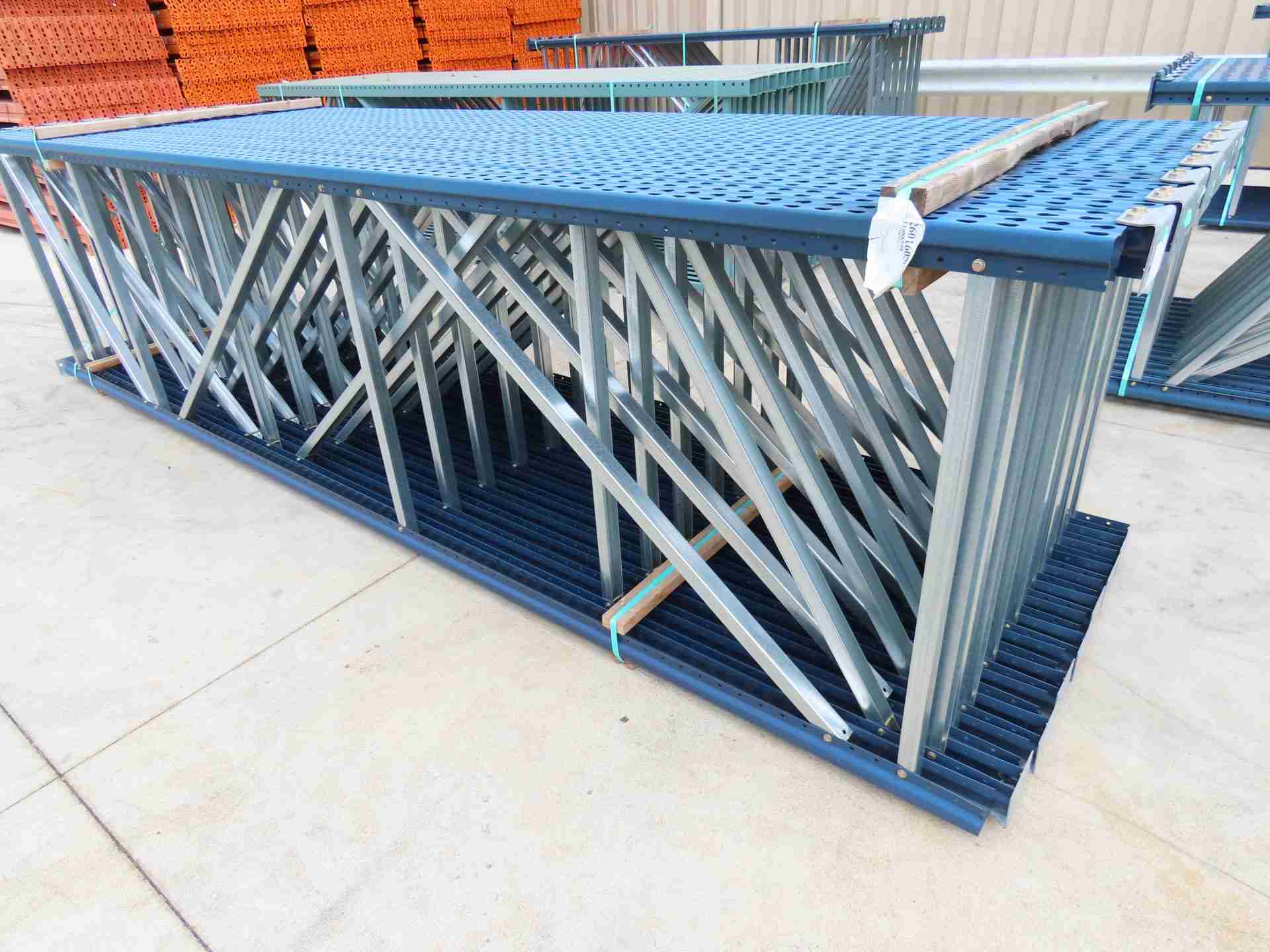
What Safety Precautions Should I Consider?
How To Plan The Best Route For Moving Pallets?
In today’s fast-paced logistics environment, the efficiency of pallet movement can make or break your operation. The key to success lies in meticulously planning your route. Your competitors are likely already optimizing their processes, so let’s arm you with the strategies necessary to ensure your pallets move seamlessly and swiftly.
1. Leverage Technology:
Investing in route optimization software can provide valuable insights into traffic patterns, road conditions, and real-time data analytics. For example, solutions like Route4Me or OptimoRoute leverage AI to configure the most time-effective paths, allowing your team to focus on what they do best while technology handles the heavy lifting. Don’t just take my word for it—recent studies show that businesses using route optimization tools can reduce delivery times by up to 25%.
2. Analyze Historical Data:
Look at your historic data to identify high-traffic times and delivery bottlenecks. If you’ve been transporting pallets through a congested downtown area during rush hour, it might be time to rethink your strategy. Consider shifting deliveries to off-peak hours, as demonstrated by delivery giants who have adapted their schedules to avoid congested routes—proving that timing can be just as crucial as the road taken.
3. Factor in Vehicle Specifications:
Your forklifts and transport vehicles each have unique capacities and constraints. Tailor your route based not only on distance but on each vehicle’s strengths. For instance, a smaller truck might navigate narrow alleys more efficiently, meaning your delivery might reach its destination faster even if the overall distance is longer. Reviewing how other successful companies utilize their vehicles can shed light on effective strategies for your fleet.
4. Map Out Contingency Plans:
In an unpredictable world, having a contingency plan for potential delays is paramount. With recent supply chain disruptions—evidenced by the challenges seen during the COVID-19 pandemic or the semiconductor shortage—businesses need to be agile and responsive. Develop alternative routes that can be implemented quickly in case of accidents or road closures. Your agility in rerouting can keep you a step ahead of competitors who might be caught flat-footed.
5. Involve Your Team:
Lastly, don’t forget to involve your staff who are directly handling the pallets. Their insights can uncover inefficiencies you may overlook. Regular brainstorming sessions will not only enhance morale but can lead to innovative route planning ideas grounded in practical experience.
By integrating technology, understanding historical patterns, considering your vehicles, preparing for the unexpected, and harnessing your team’s insights, you’ll be set to create a robust route plan that propels your pallet-moving efficiency forward, ensuring your operation not only survives but thrives in today’s competitive landscape. Embrace these strategies, and watch your logistics operation soar!
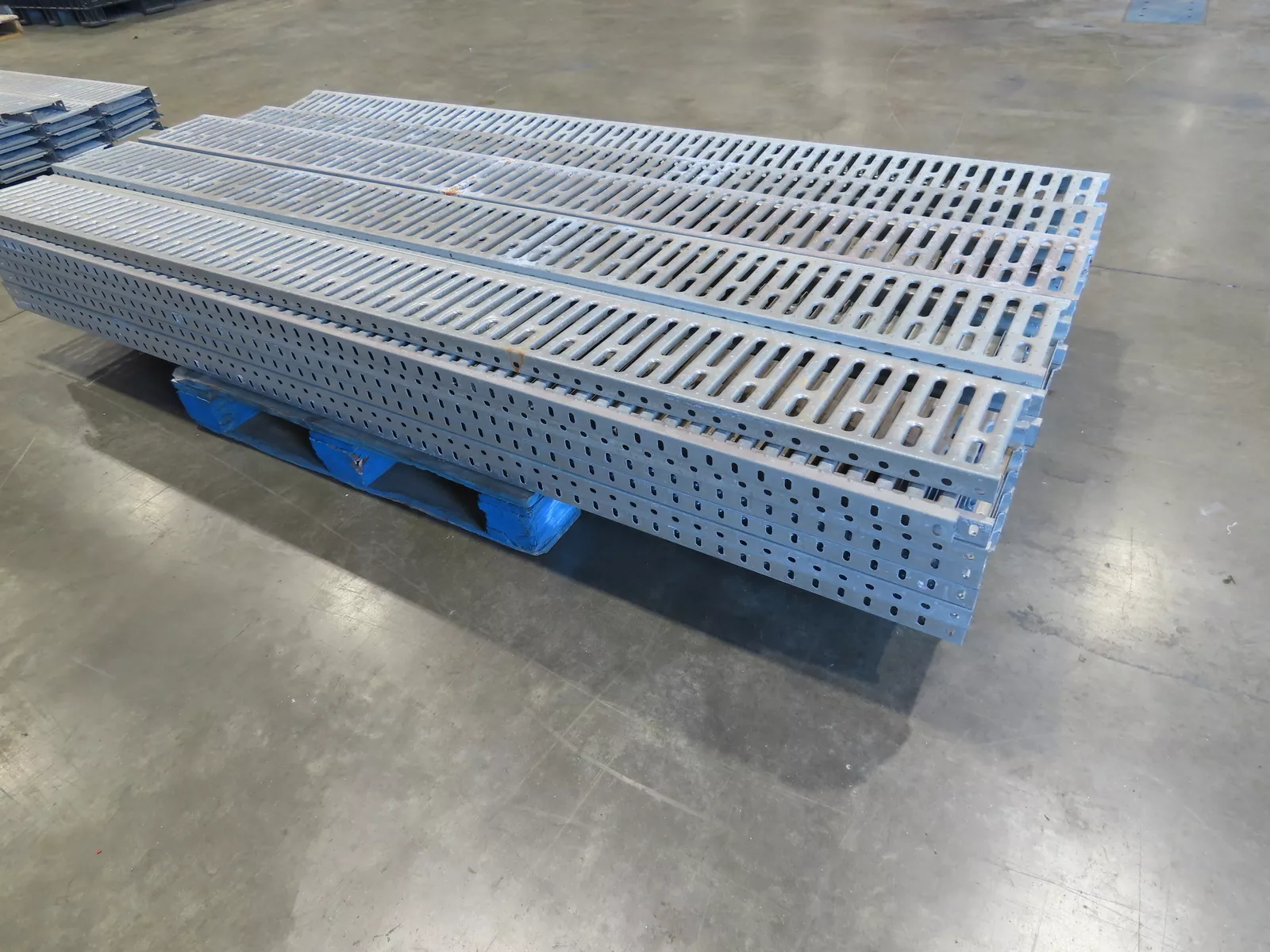
How To Plan The Best Route For Moving Pallets?
How To Plan The Best Route For Moving Pallets?
- Leverage Technology: Utilize route optimization software like Route4Me or OptimoRoute to improve delivery efficiency and reduce times by up to 25%.
- Analyze Historical Data: Study past delivery data to identify high-traffic times and adjust schedules to avoid congestion.
- Factor in Vehicle Specifications: Tailor routes based on the unique capacities of your vehicles for optimal efficiency.
- Map Out Contingency Plans: Prepare alternative routes to quickly handle unexpected delays from accidents or road closures.
- Involve Your Team: Engage staff who handle pallets for insights on inefficiencies and innovative route planning ideas.
- Integrate Strategies: Combine technology, historical data, vehicle capabilities, contingency plans, and team collaboration for a comprehensive approach.
- Thrive in Competition: Embrace these strategies to enhance logistics operations and achieve better pallet-moving efficiency.
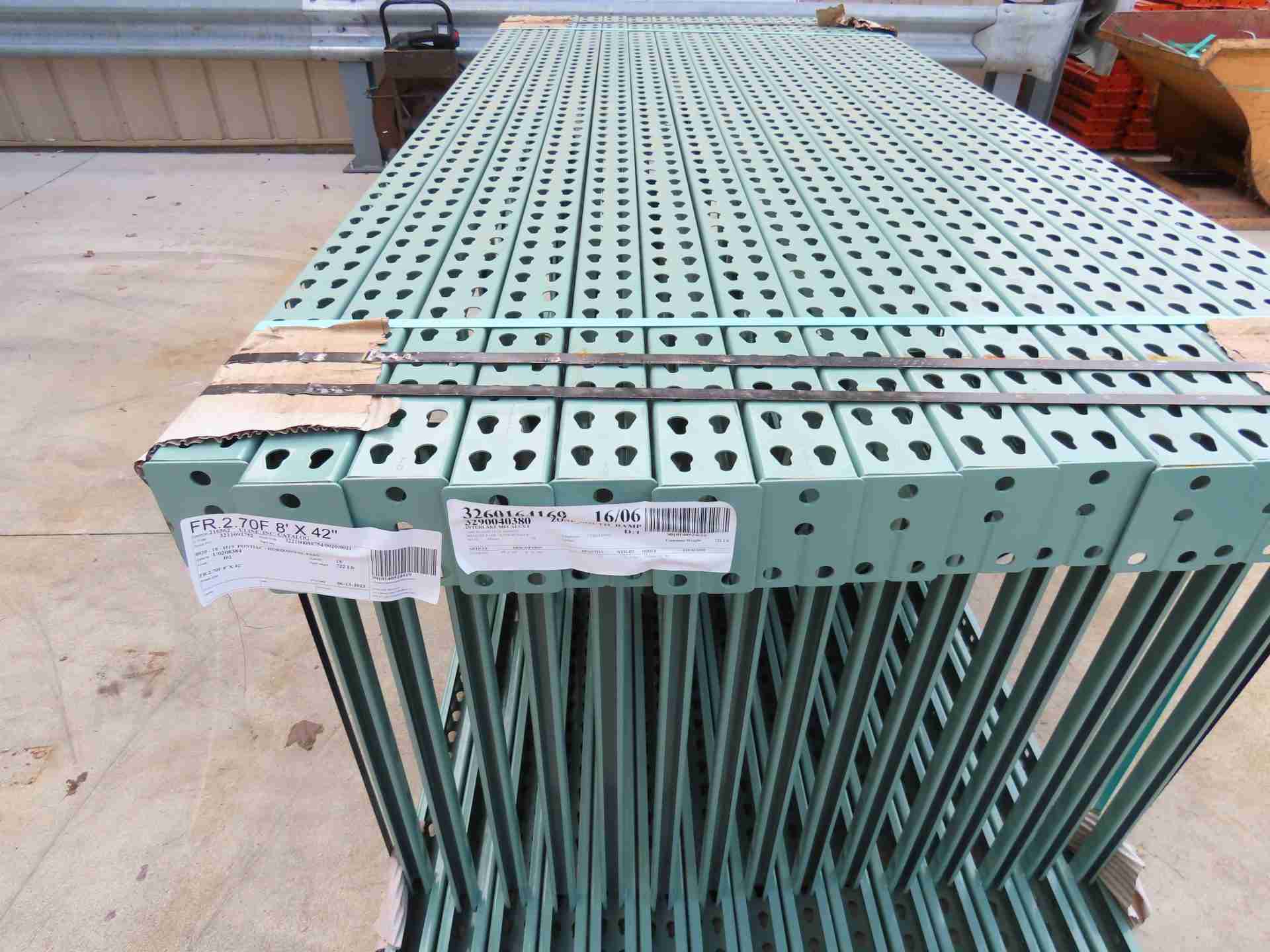
How To Plan The Best Route For Moving Pallets?
How Do I Stack Pallets For Easier Movement?
In today’s fast-paced logistics and warehousing environment, optimizing your pallet stacking techniques is no longer just a good idea—it’s a necessity. As businesses around the globe face increased demand and supply chain disruptions, ensuring efficient movement of goods can mean the difference between profit and loss. Follow these simple yet effective strategies to make your pallet management system work smarter, not harder.
1. Understand the Right Techniques
While it may seem intuitive to stack pallets as high as possible, this can lead to safety hazards and complications during movement. Instead, focus on the principles of weight distribution. The heaviest items should always be placed at the bottom, with lighter, more fragile products stacked on top. Think of it as building a pyramid; a solid foundation ensures the stability necessary for easier transportation.
Example: A national grocery chain recently revamped its pallet stacking methods by prioritizing weight and size, resulting in a 20% increase in warehouse efficiency. This allowed the company to keep shelves stocked even amidst ongoing supply chain challenges caused by late shipments and factory slowdowns.
2. Use Proper Equipment
The right tools can transform your stacking process from cumbersome to seamless. Employ pallet jacks, forklifts, or stackers designed for optimal height and weight management. Investing in quality equipment retains longevity, decreases strain on workers, and ultimately saves money over time.
3. Maximize Vertical Space
With real estate at a premium in many warehouses today, maximizing vertical space becomes critical. By using racking systems tailored for pallet stacking, you can store more goods without increasing the floor footprint. Current trends show that companies utilizing vertical solutions can increase product turnover, as seen in the rise of e-commerce platforms vying for consumer attention.
4. Train Your Team
Even the best strategies can fall flat without proper execution. Providing hands-on training for your staff not only fosters a culture of safety but also ensures they are familiar with the latest protocols for efficient pallet management. Take cues from recent warehouse safety initiatives that highlight the importance of knowledge sharing and skill enhancement—a necessary feature in today’s competitive market.
5. Monitor and Adjust
Finally, regularly review your pallet stacking procedures and make adjustments as necessary. Market conditions change, and your stacking strategies should too. Consider seasonal spikes and shifts in product demand. Continuous improvement is key—what worked last quarter may need tweaking to adapt to the currents of today’s business climate.
Stacking pallets skillfully can lead to smoother operations, minimizing labor costs and maximizing productivity. Commit to these strategies, and you will not only stay ahead in the game but pave the way for sustained growth and success.
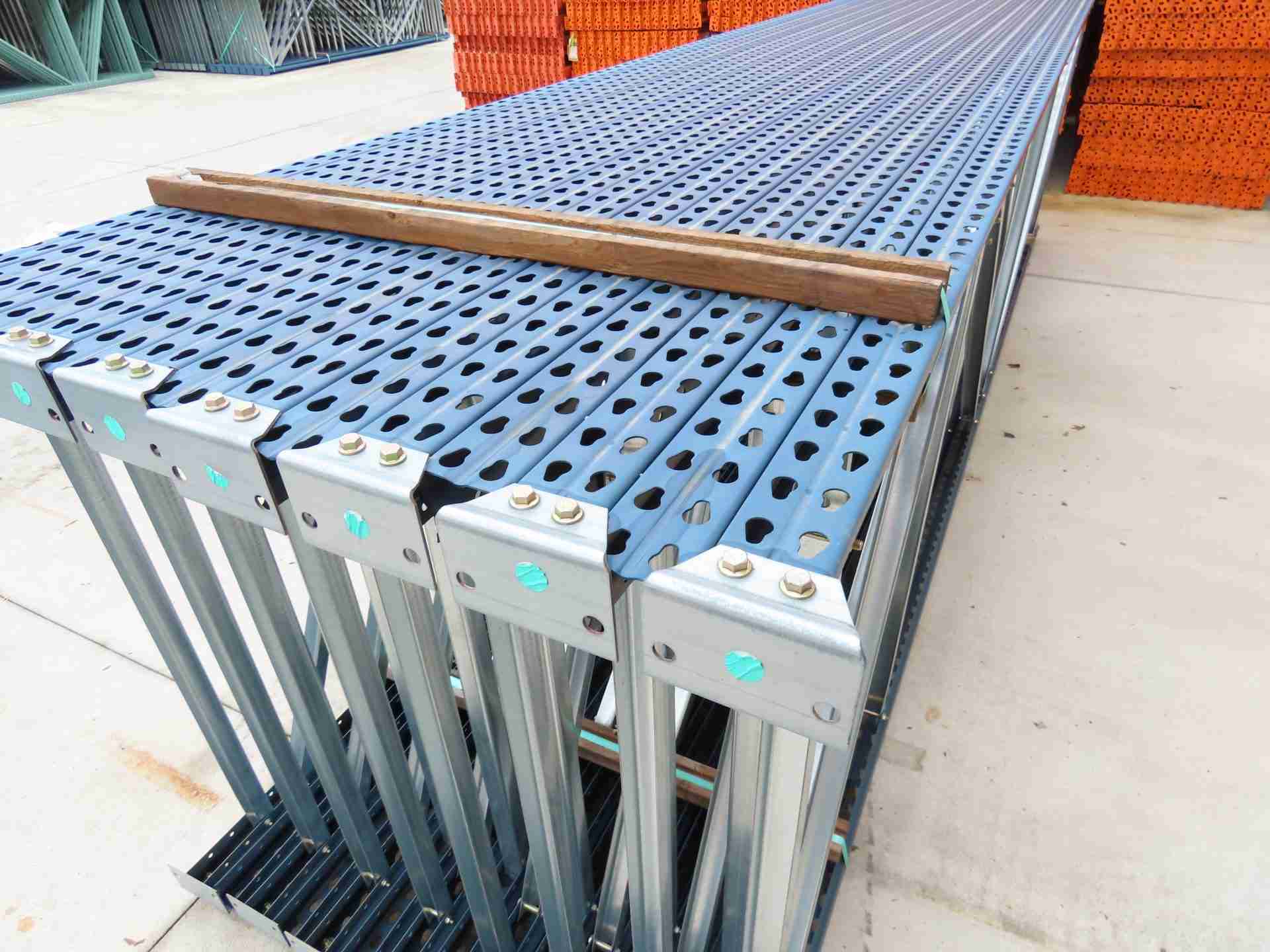
How Do I Stack Pallets For Easier Movement?
How Do I Stack Pallets For Easier Movement?
- Optimizing pallet stacking techniques is essential for efficiency in logistics and warehousing.
- Prioritize weight distribution: stack heaviest items at the bottom and lighter items on top to ensure stability.
- Use proper equipment, such as pallet jacks and forklifts, to improve the stacking process and reduce worker strain.
- Maximize vertical space with tailored racking systems to enhance storage capacity without expanding floor area.
- Provide training for staff to ensure they are knowledgeable about safe and efficient pallet management practices.
- Regularly monitor and adjust stacking procedures based on changing market conditions and product demand.
- Implementing these strategies can lead to smoother operations, lower labor costs, and increased productivity.

How Do I Stack Pallets For Easier Movement?
What Are The Common Mistakes When Moving Pallets?
In the bustling world of logistics and warehouse management, the efficient movement of pallets can mean the difference between a thriving business and one plagued by costly setbacks. Yet, companies all too often stumble over common pitfalls, compromising both safety and productivity. Let’s take a closer look at these mistakes and how to avoid them.
1. Ignoring Load Capacity Limits
One of the gravest errors a warehouse can make is exceeding the load capacity of pallet jacks or forklifts. Each piece of equipment is engineered to handle specific weight limits. When loads are pushed beyond these limits, not only does equipment wear out faster, leading to expensive repairs, but it also raises the risk of catastrophic accidents. For instance, mishandling heavy pallets can cause a forklift to tip, endangering operators and nearby personnel. Always reference operational manuals to adhere strictly to load capacities.
2. Not Properly Training Staff
Even the best equipment is only as effective as the hands that wield it. Failing to train staff on proper pallet handling techniques can result in unnecessary injuries and inventory damage. Consider the incident that made headlines last year when a well-known distribution center faced a lawsuit due to a preventable accident caused by untrained employees. Implementing comprehensive training programs not only enhances safety but boosts employee morale and productivity too.
3. Neglecting Equipment Maintenance
Just as you wouldn’t drive a car with worn-out tires, operating pallet-moving equipment without regular maintenance is a recipe for disaster. Issues such as hydraulic leaks, worn tires, and unchecked brakes can lead to accidents that not only shut down operations but can also lead to hefty financial penalties. Establish a proactive maintenance schedule, ensuring all equipment is inspected and serviced regularly.
4. Inefficient Pallet Arrangement
A cluttered or poorly arranged warehouse can inhibit efficiency drastically. Stacks that are too high may topple over, creating hazards and delays. Furthermore, pallets should be organized in a manner that prioritizes accessibility and flow—think just-in-time inventory practices. For instance, during the recent supply chain disruptions observed globally, companies that mastered effective space management fared significantly better, demonstrating that strategic pallet arrangement is key.
5. Overlooking Safety Protocols
Safety should never be an afterthought. From clear floor markings to regular safety drills, it’s essential to cultivate a culture of awareness and precaution. Many organizations face severe penalties for neglecting safety regulations, which can significantly impact their bottom line.
By recognizing and addressing these common mistakes, companies can streamline their pallet-moving processes and safeguard their employees and assets. Remember, in the realm of logistics, a smoother operation doesn’t just pay dividends—it saves lives.
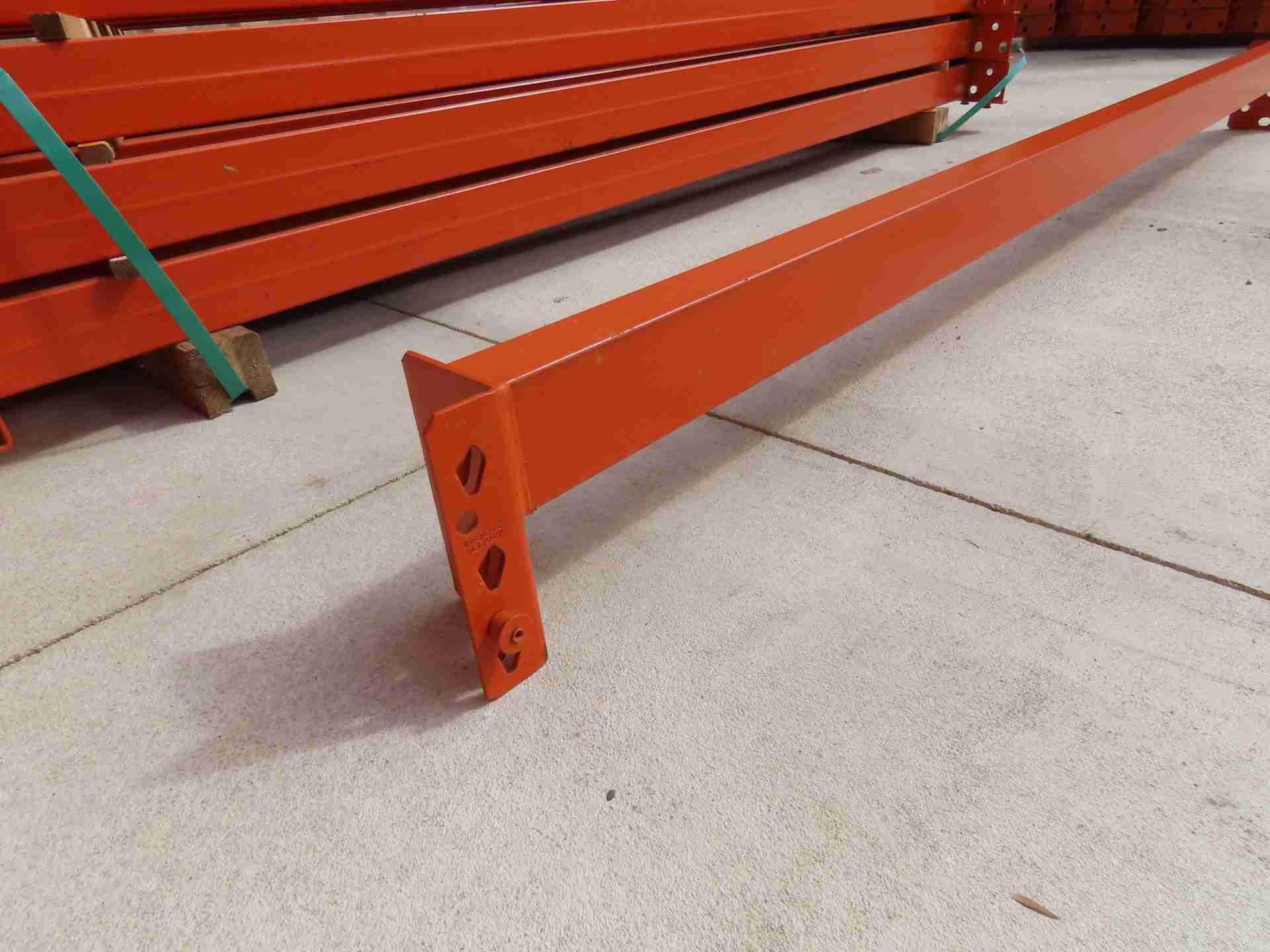
What Are The Common Mistakes When Moving Pallets?
What Are The Common Mistakes When Moving Pallets?
- Efficient pallet movement is crucial for thriving logistics and warehouse operations.
- Exceeding load capacity limits on pallet jacks or forklifts can lead to equipment wear and catastrophic accidents.
- Proper training for staff is essential to prevent injuries and inventory damage.
- Regular equipment maintenance is necessary to avoid accidents and costly downtime.
- Efficient pallet arrangement improves accessibility and flow, impacting overall productivity.
- Safety protocols should be a priority to avoid severe penalties and ensure a safe working environment.
- Avoiding common mistakes can streamline operations and safeguard employees and assets.

What Are The Common Mistakes When Moving Pallets?
How Do I Handle Uneven Surfaces When Moving Pallets?
When it comes to moving pallets, encountering uneven surfaces can feel like navigating a minefield. From bumpy warehouse floors to outdoor terrain, the hazards posed by uneven surfaces can jeopardize efficiency and safety. If you’re serious about optimizing your logistics and ensuring smooth operations, mastering this challenge is essential.
Imagine this: you have a thriving business, and demand is skyrocketing. You’re on a tight schedule to deliver goods to a major distributor. Suddenly, you hit a patch of uneven flooring, causing your pallet jack to stall and delaying your delivery. This isn’t just a logistical hiccup; it’s a potential loss of revenue and trust.
So, how do you tackle the unpredictability of uneven surfaces head-on? The answer lies in preparation and strategy. Start by assessing the areas where you’ll be moving pallets. Identifying problem spots ahead of time allows you to either modify the environment or equip your team with the right tools.
Consider Upgrading Equipment
Investing in quality equipment can be a game-changer. Heavy-duty pallet jacks with larger, robust wheels can traverse rough terrain more effectively than standard models. For instance, electric pallet trucks designed for rugged surfaces have gained popularity in warehouses facing natural disasters and unpredictable weather, proving essential for continued operations during events like hurricanes or floods that have made headlines recently.
Implementing Training Programs
Training employees is equally vital. Ensure your team understands how to navigate uneven surfaces safely and efficiently. A quick workshop on the best practices for maneuvering pallets over bumps and dips can turn a cumbersome task into a streamlined process. You can even gamify the experience—host a contest for the quickest and safest maneuver over a simulated uneven surface to pique interest and engagement.
Use Proper Techniques
Additionally, employing proper techniques can make a significant difference. Encourage employees to shift their weight and use a low center of gravity when navigating uneven surfaces. This not only increases their stability but also reduces the risk of spills. Just as recent safety regulations emphasize workplace safety across industries, taking preventive steps within your own operations can dramatically enhance safety and productivity.
Ultimately, navigating uneven surfaces while moving pallets is all about preparation, the right choice of equipment, training, and technique. By proactively addressing these hurdles, you position your business for success, ensuring that you meet deadlines and satisfy clients—no matter the terrain. The world may be unpredictable, but with the right strategies in place, your logistics operations don’t have to be.

How Do I Handle Uneven Surfaces When Moving Pallets?
How Do I Handle Uneven Surfaces When Moving Pallets?
- Uneven surfaces pose hazards that can affect efficiency and safety in logistics.
- Problems like stalling pallet jacks can lead to revenue loss and diminished trust.
- Preparation and strategy are essential for navigating uneven surfaces successfully.
- Invest in heavy-duty pallet jacks with robust wheels for better performance on rough terrain.
- Implement training programs to educate employees on safe methods for maneuvering over bumps.
- Encourage techniques such as maintaining a low center of gravity to enhance stability and reduce spills.
- Proactive measures in equipment choice, training, and technique lead to successful logistics operations.
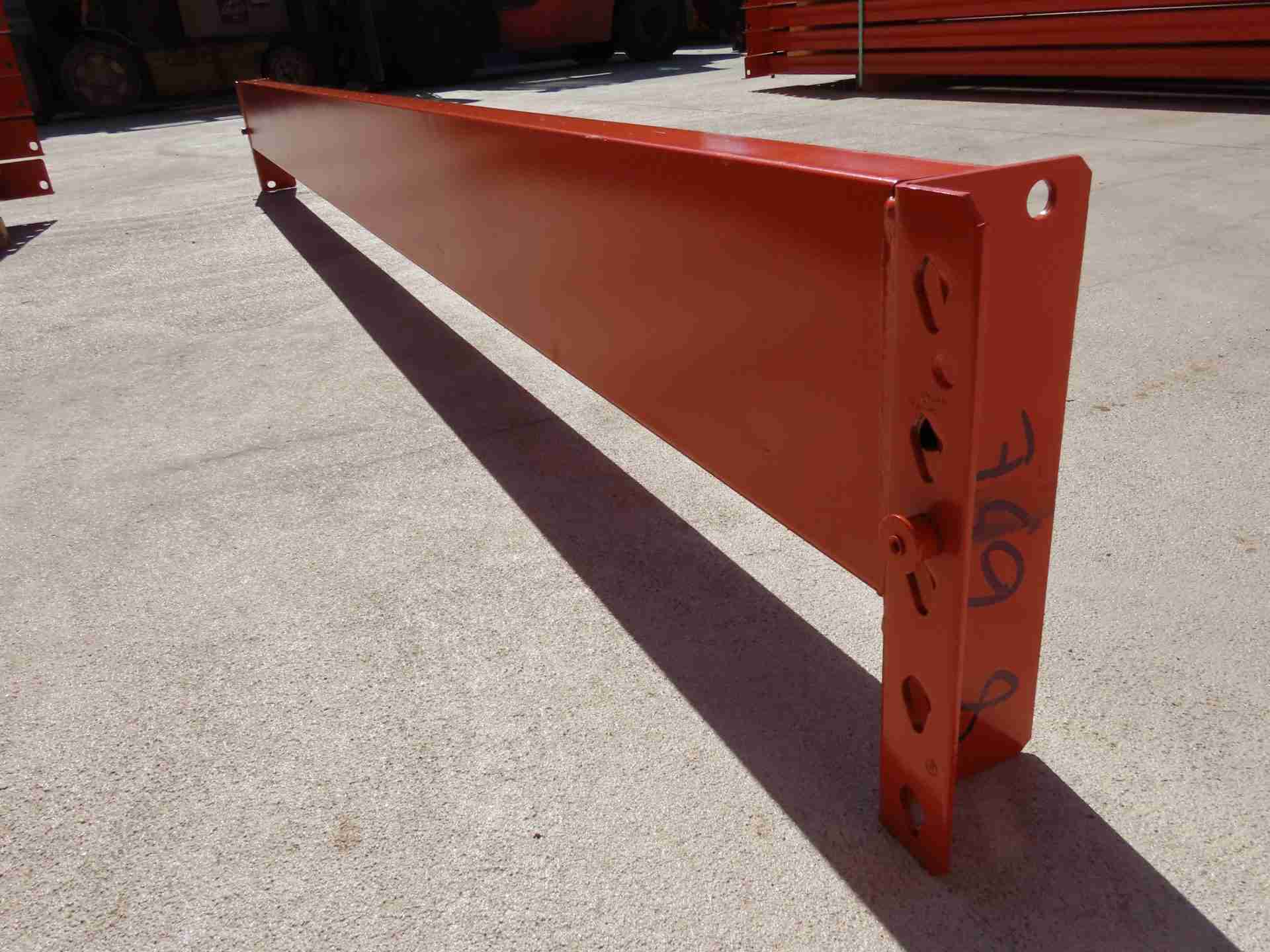
How Do I Handle Uneven Surfaces When Moving Pallets?
What Should I Do If A Pallet Is Damaged?
In the fast-paced world of logistics and supply chain management, a damaged pallet can feel like a crisis waiting to unfold. Rather than seeing this as a setback, consider it an opportunity to showcase your business’s responsiveness and commitment to quality. Here’s a clear, practical approach to navigate this challenge while reinforcing your brand’s reliability.
1. Assess the Damage
First things first: evaluate the extent of the damage. Is the pallet merely splintered, or is the integrity compromised to the point of being unsafe? For instance, during last year’s supply chain disruptions—exacerbated by global shipping delays—many companies faced up to the reality of damaged pallets. Those who promptly assessed and acted on the damage were able to mitigate further losses, emphasizing the importance of vigilance.
Example: If you’re dealing with a moderate crack, it may merely require a repair or reinforcement. On the other hand, a severed support beam signals it’s time for a replacement. Documenting the extent of damage with photos can also help with warranty claims or discussions with suppliers.
2. Implement a Solution—Quickly
Once you’ve assessed the damage, it’s time for action. If repairs are feasible, conduct them swiftly. Engage with your maintenance team or a logistics partner who can swiftly handle pallet repairs.
For example, if you’re in the food industry—a sector currently under extra scrutiny for supply chain integrity—a damaged pallet could lead to delays that jeopardize product quality. In this instance, quickly replacing or repairing the pallet not only keeps your products safe but also demonstrates your brand’s dedication to maintaining high standards.
3. Communicate Transparently
It’s crucial to inform your team and stakeholders about the situation. Keeping lines of communication open can prevent misunderstandings and keep everyone on the same page. For instance, when a major retailer recently faced delays due to damaged pallets during peak season, they kept customers informed through updates on social media and email notifications. This proactive communication not only preserved customer trust but turned potential complaints into compliments for their transparency.
4. Learn and Adapt
Finally, take this incident as a chance for growth. Analyze the root causes of pallet damage: Is it a storage issue? Equipment misuse? Tight packing? Learning from the mishap allows you to bolster your operations, think strategically about supplier relationships, and even introduce a new inventory protocol. In the competitive landscape of today’s logistics, adaptability is the key to longevity.
A damaged pallet is not the end of the world. It’s a moment to assess, act, communicate, and learn—a chance to solidify your reputation as a trustworthy provider.

What Should I Do If A Pallet Is Damaged?
What Should I Do If A Pallet Is Damaged?
- Assess the Damage: Evaluate the degree of damage to determine if repair or replacement is necessary; documenting with photos can aid in claims.
- Implement a Solution Quickly: Act promptly to repair or replace the damaged pallet to prevent quality issues, especially in sensitive industries like food.
- Communicate Transparently: Keep stakeholders informed about the situation to maintain trust and transparency, using updates via social media or email.
- Learn and Adapt: Analyze the root causes of damage to improve operational efficiency and supplier relationships.
- Opportunity Over Crisis: View damaged pallets as chances to showcase business responsiveness and commitment to quality rather than setbacks.
- Documentation for Warranty Claims: Keep thorough records of damage assessments and actions taken for potential warranty claims or discussions with suppliers.
- Strategic Insights: Use the incident as a learning opportunity to bolster operations and implement new inventory protocols.
What Should I Do If A Pallet Is Damaged?
How Can I Ensure Stability During Pallet Transport?
In today’s fast-paced logistics environment, transporting goods securely on pallets can often resemble a high-stakes game of Jenga—one wrong move, and the whole operation collapses. But fear not! Ensuring stability during pallet transport is not just an art; it’s a science that can be mastered with the right strategies. Here’s how you can keep your product intact and your customers happy.
1. Choose the Right Pallet:
The foundation of stability begins with the pallet itself. Selecting the appropriate type is crucial based on your load. For heavier items, opt for robust wooden or plastic pallets. The recent disruptions in supply chains have underscored the need for durability—just remember the chaos caused by the logistics bottlenecks earlier this year. A sturdy pallet will stand up to the rigors of transport, preventing costly losses and damage.
2. Adequate Load Distribution:
Imagine an elephant balancing on a seesaw. It’s all about distribution! When loading, maintain an even weight distribution across the pallet. Position heavier items at the base to lower the center of gravity, preventing tipping. Current trends in e-commerce emphasize fast shipping, and a stable load can mean the difference between satisfied customers and returns—something every business wants to avoid!
3. Use Proper Strapping Techniques:
Securing your load is like fastening your seatbelt in a car; it keeps everything in place. Use high-quality strapping materials, like nylon or polyester, to bind your cargo effectively. Harness recent innovations in strapping technology—like automatic strapping machines—that enhance efficiency and reliability. These modern solutions can significantly cut down on human error, which is often the weakest link in the chain of stability.
4. Invest in Quality Stretch Film:
No matter how strong your pallet, the true secret sauce lies in stretch film. Wrapping your load tightly will hold it together during transit. Opt for multi-layer stretch film that provides added puncture resistance—an especially pertinent feature as reported cases of cargo theft surged recently. A well-wrapped pallet can thwart thieves while ensuring your goods reach their destination undamaged.
5. Train Your Team:
Lastly, the human element can never be underestimated. Training your staff on best practices for pallet loading, unloading, and securing is essential. Regular workshops can cultivate a culture of diligence and care. The investment in employee education pays dividends in reduced damage claims and improved efficiency.
By implementing these strategies to ensure stability during pallet transport, you’ll find not only a smoother operation but also an enhancement in trust and reputation with your customers. After all, in a world rife with uncertainties, your reliability can set you apart from the competition. Make stability your business’s hallmark, and watch sales soar!
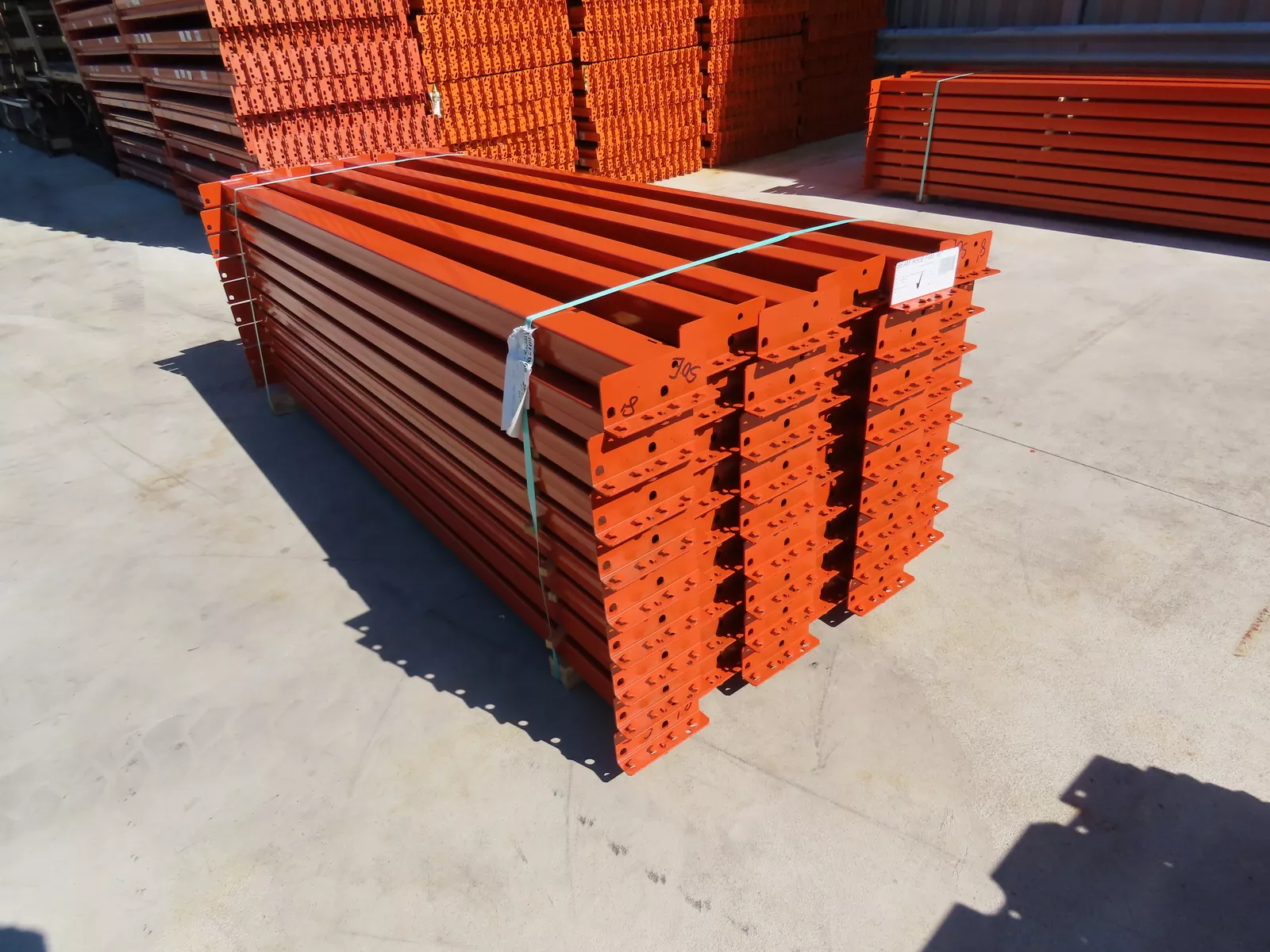
How Can I Ensure Stability During Pallet Transport?
How Can I Ensure Stability During Pallet Transport?
- Choose the Right Pallet: Select pallets based on load type; heavy items require robust wooden or plastic pallets for durability.
- Adequate Load Distribution: Maintain even weight distribution and place heavier items at the base to lower the center of gravity.
- Use Proper Strapping Techniques: Secure loads with high-quality strapping materials and consider innovations like automatic strapping machines.
- Invest in Quality Stretch Film: Wrap loads tightly with multi-layer stretch film for added puncture resistance and theft prevention.
- Train Your Team: Educate staff on best practices for loading, unloading, and securing pallets to reduce damage and increase efficiency.
- Enhance Customer Trust: Implementing these strategies can improve customer satisfaction and solidify your reputation in the market.
- Focus on Reliability: Stability in transport can set your business apart, leading to increased sales and reduced operational uncertainties.
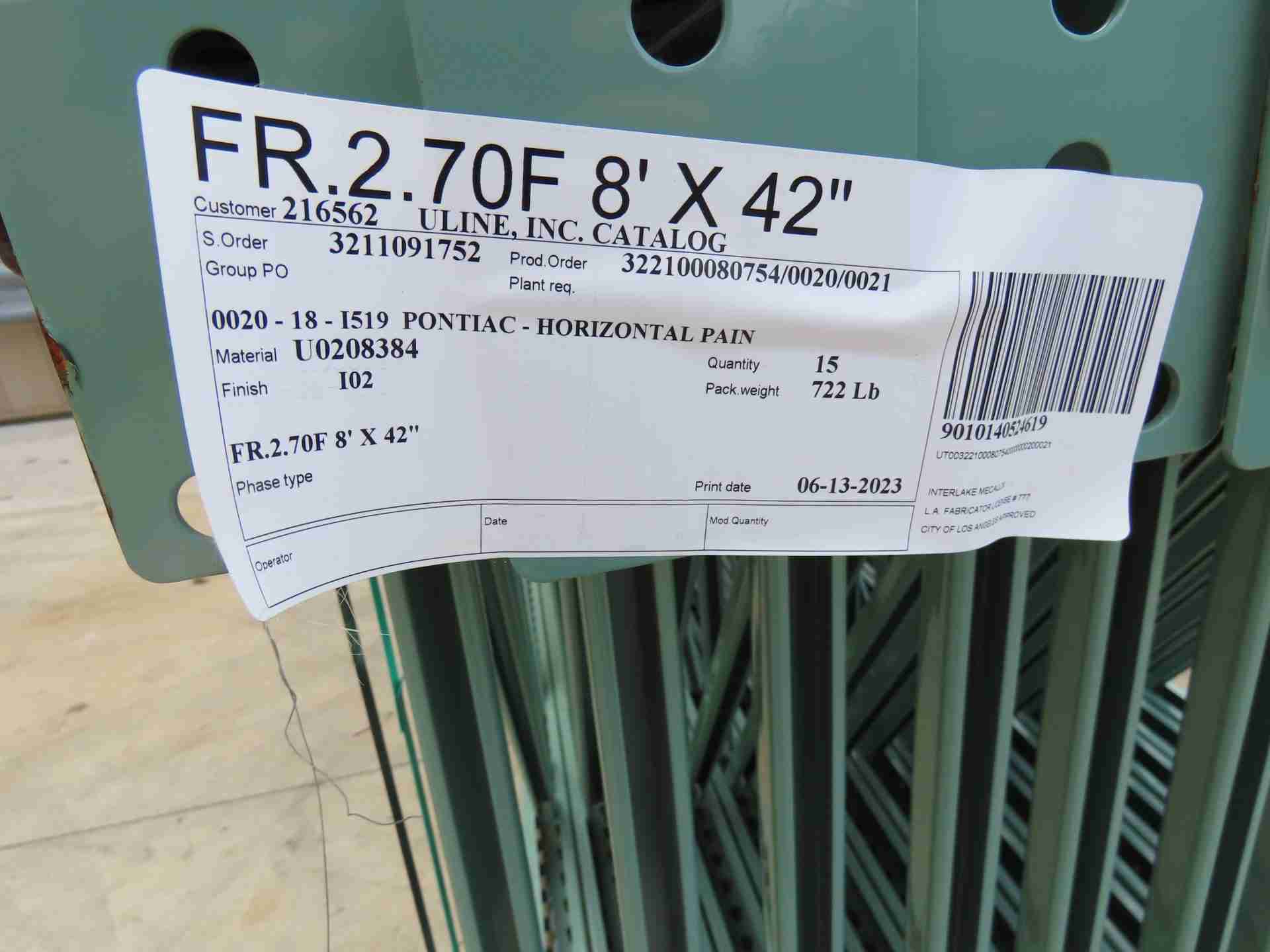
How Can I Ensure Stability During Pallet Transport?
What Are The Regulations For Moving Pallets In My Area?
Navigating the operational landscape for moving pallets can be a labyrinthine endeavor, especially with regulations that vary by location and industry. As businesses seek to optimize their supply chain management and enhance efficiency in shipping and receiving, understanding these regulations is crucial—not just for compliance, but also for streamlining operations and enhancing profitability.
First, let’s talk about local regulations. If you operate within metropolitan areas, you might encounter specific guidelines regarding weight limits, vehicle sizes, and even designated routes for heavy machinery. For instance, cities like New York and San Francisco have stringent laws that govern commercial vehicle operations during peak hours to minimize traffic congestion. Ignoring these regulations can result in hefty fines and delays that derail your supply chain.
Moreover, state regulations often come into play, particularly concerning safety and labor laws. States like California have implemented laws that demand certain environmental standards for transportation, impacting how businesses handle pallet movement. If your operation involves the use of wooden pallets, knowing about regulations pertaining to ISPM 15 standards—designed to prevent the spread of pests through wooden packaging—is vital. Failing to comply could have serious repercussions, including rejected shipments at ports or increased scrutiny from regulatory agencies.
Consider the recent surge in e-commerce, which has amplified the demand for efficient warehousing and logistics practices. As companies scale up their operations, staying compliant becomes even more critical. The increased volume of shipments means there’s little room for error—particularly regarding the safe and efficient movement of pallets within your facility or to the shipping docks.
Additionally, you should be aware of Occupational Safety and Health Administration (OSHA) guidelines governing the handling of pallets. Employees must be trained correctly to avoid injuries, as improper handling can lead to accidents that jeopardize both worker safety and corporate liability. For example, implementing pallet jacks or forklifts without adhering to safety standards can expose you to lawsuits, thereby increasing insurance premiums.
To keep ahead in this ever-evolving landscape, consider investing in software solutions that offer real-time updates on compliance regulations. These tools can help you manage inventory more effectively, streamline pallet movement, and ensure you’re abreast of local and state requirements.
In the fast-paced world of logistics, understanding and adhering to regulations isn’t merely a box to tick—it’s a competitive advantage. By staying informed and compliant, you can optimize your operations and cultivate a reputation built on reliability and efficiency, propelling your business toward future success.

What Are The Regulations For Moving Pallets In My Area?
What Are The Regulations For Moving Pallets In My Area?
- Navigating operational regulations for moving pallets can be complex and varies by location and industry.
- Local regulations may impose specific guidelines on weight limits, vehicle sizes, and designated routes, especially in metropolitan areas.
- State regulations, like California’s environmental standards, significantly impact pallet movement, particularly for wooden pallets under ISPM 15 standards.
- The rise of e-commerce demands efficient warehousing and logistics practices, making compliance increasingly critical.
- OSHA guidelines require proper employee training for pallet handling to avoid injuries and corporate liability issues.
- Investing in software solutions for real-time compliance updates can enhance inventory management and streamline operations.
- Understanding regulations offers a competitive advantage, optimizing operations and improving business reputation in logistics.
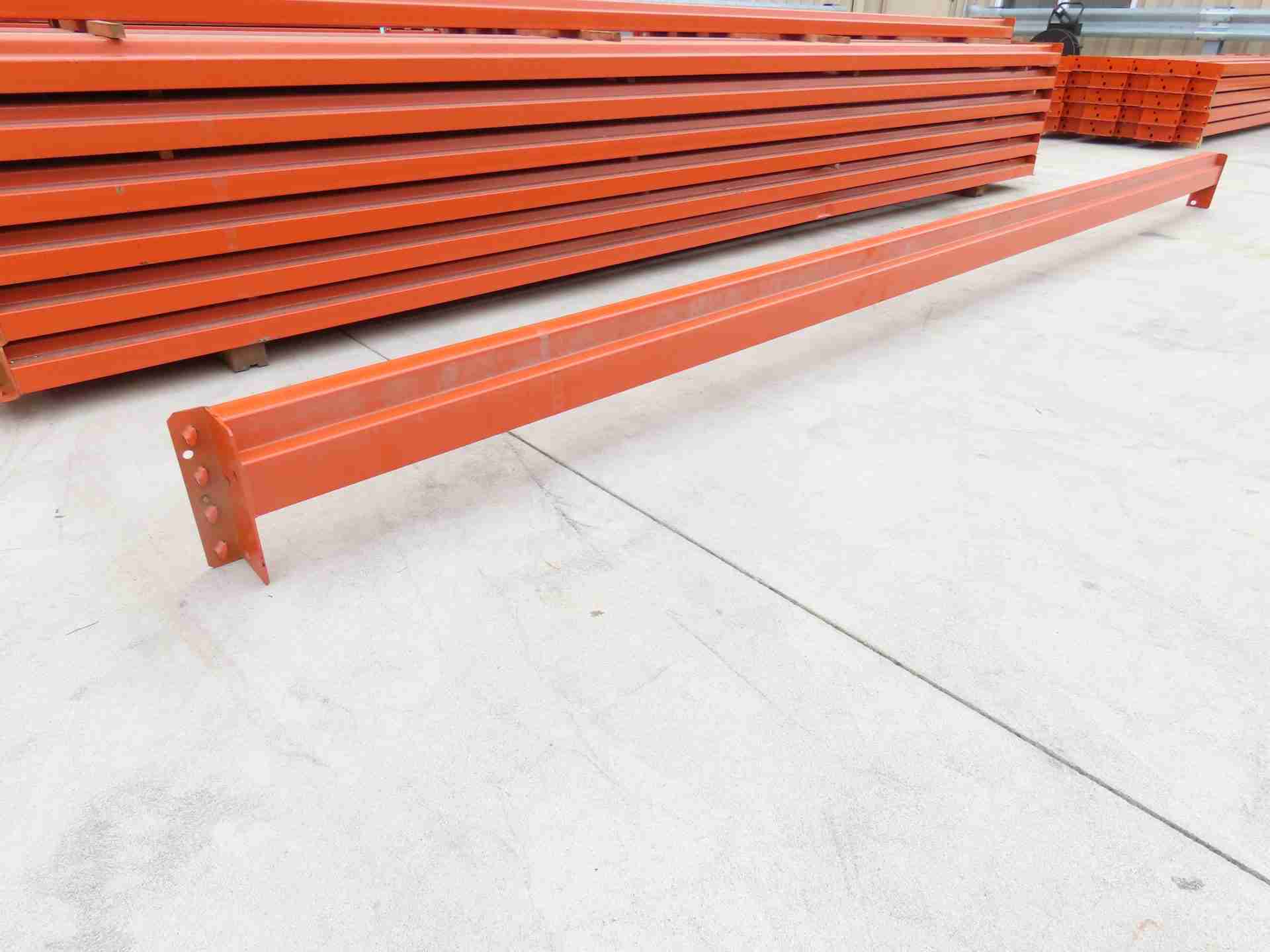
What Are The Regulations For Moving Pallets In My Area?
How Can I Train Staff On Proper Pallet Handling?
In today’s fast-paced logistics and warehousing environment, effective pallet handling is not just a nicety; it’s a necessity. Training your staff on proper pallet handling techniques can significantly reduce workplace injuries, streamline operations, and minimize product damage. Here are some actionable strategies to ensure your workforce operates with precision and safety.
1. Start with the Basics
Begin with foundational training. Educate your team on the anatomy of a pallet, the different types available, and their specific uses. Emphasize the importance of selecting the right pallet for the task. For example, during the COVID-19 pandemic, many businesses faced supply chain disruptions and had to adapt quickly. Staff trained in identifying appropriate pallets could ensure that goods were moved efficiently, reducing delays.
2. Interactive Training Modules
Engage your employees with interactive training modules that include videos, quizzes, and real-life scenarios. For instance, simulate a busy warehouse environment or an inventory cycle with unexpected challenges, like a sudden influx of goods or a last-minute order. This hands-on experience helps reinforce the principles of safe lifting techniques and encourages teamwork.
3. Safety First: Ergonomics Matter
Teach your staff about ergonomics when handling pallets. Highlight how improper lifting can lead to chronic injuries, which in turn affects productivity. Use clear visuals and demonstrations to illustrate the proper body mechanics, such as bending at the knees and keeping the back straight. Regular ergonomic workshops can be a great addition, helping employees recognize strain before it leads to injury.
4. Lead by Example
Leverage the influence of your leadership. Encourage supervisors and managers to model proper pallet handling techniques. If the leaders prioritize safety and proper handling, it sets a tone for the entire organization. Recognize staff who excel in following procedures and provide incentives for safe behavior, fostering a culture of safety.
5. Continuous Improvement
Training doesn’t end after the initial session. Implement regular refresher courses to keep safety at the forefront of your operations. Utilize current events in logistics—like the increased emphasis on worker safety regulations post-2020—as teaching moments for your workforce. Highlighting real-world outcomes of successful pallet handling can instill a sense of urgency and purpose.
By investing time and resources into comprehensive pallet handling training, you create a safer, more efficient workplace. Remember: every piece of training contributes to smoother operations, happier employees, and satisfied customers. In a world where efficiency can make or break your bottom line, proper pallet handling training is not just a good idea—it’s essential.
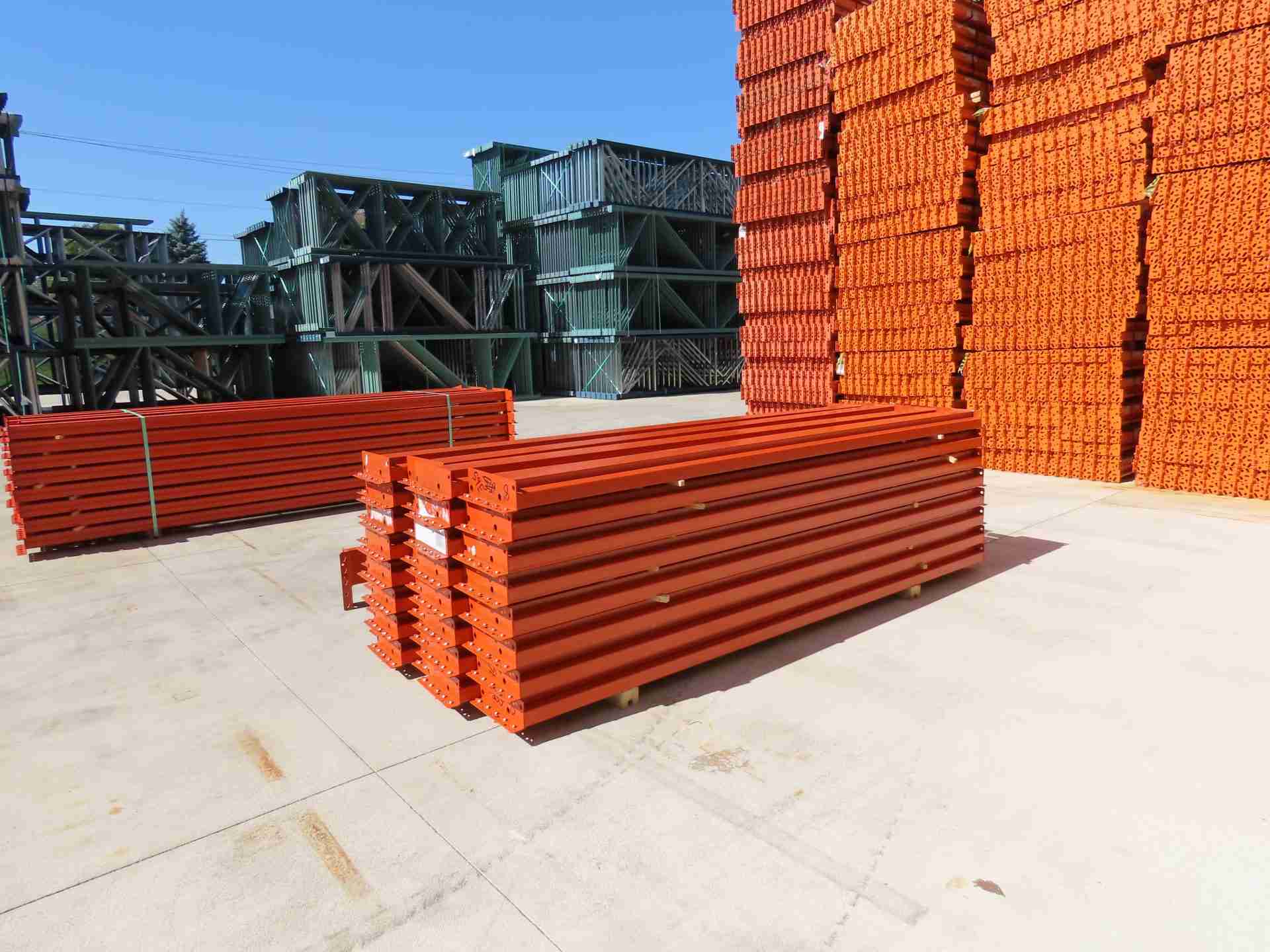
How Can I Train Staff On Proper Pallet Handling?
How Can I Train Staff On Proper Pallet Handling?
- Pallet handling training is crucial for reducing workplace injuries and minimizing product damage.
- Start with foundational training on pallet anatomy, types, and appropriate uses.
- Utilize interactive training modules that include videos, quizzes, and real-life scenarios.
- Emphasize the importance of ergonomics to prevent chronic injuries and improve productivity.
- Encourage leaders to model proper handling techniques and recognize safe behavior among staff.
- Implement regular refresher courses to keep safety practices current and relevant.
- Investing in proper training leads to a safer, more efficient workplace and satisfied customers.
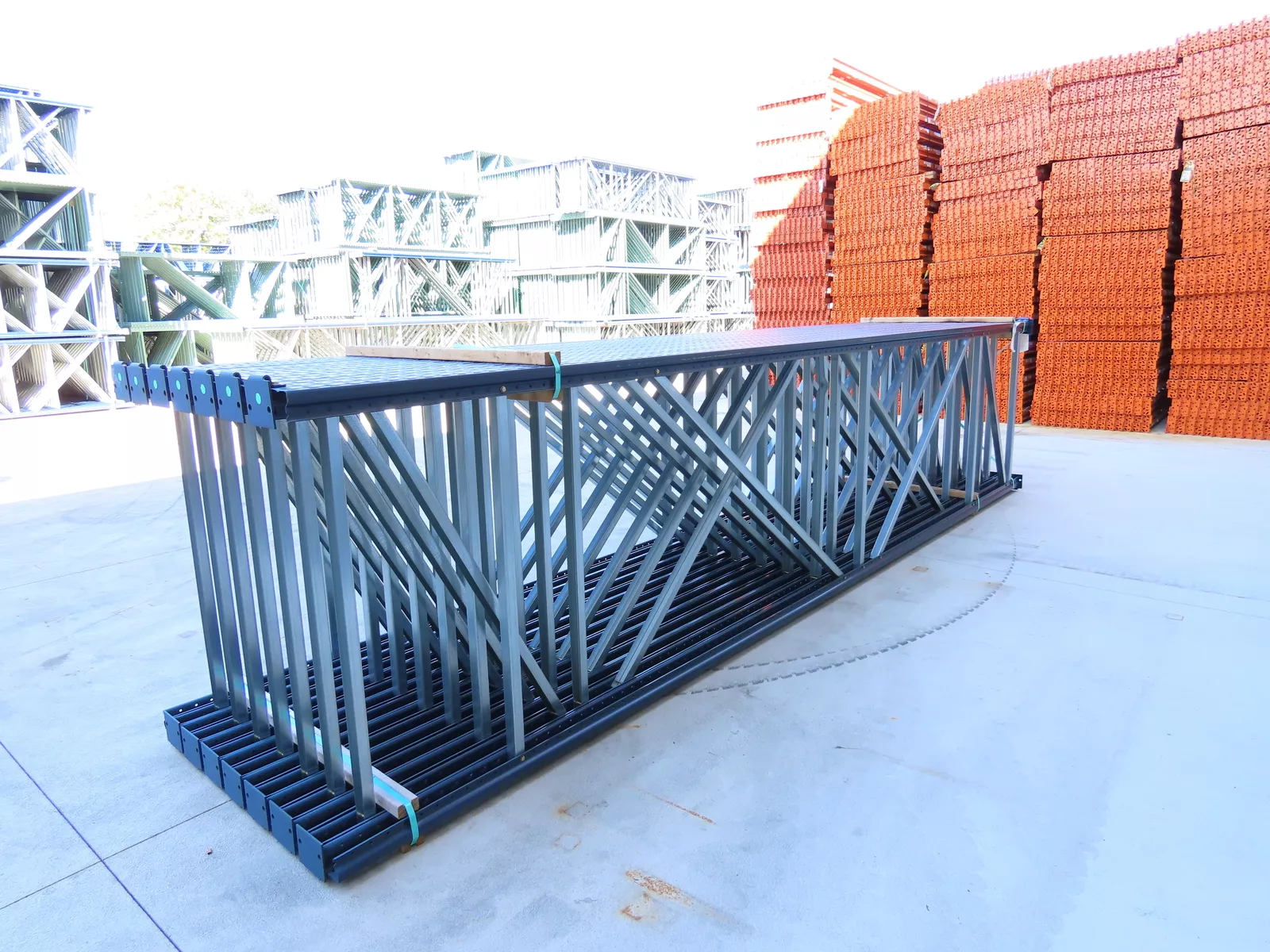
How Can I Train Staff On Proper Pallet Handling?
Conclusion
n the relentless arena of warehouse management and logistics, the art of moving stacked pallets effectively is not merely a technical detail—it’s a pivotal operation that can propel your business to new heights of efficiency and profitability. As we’ve explored throughout this guide, success hinges upon a blend of expertise, strategy, and the right tools tailored to meet your specific needs. By understanding the intricacies of your equipment—be it manual pallet jacks for tight spaces or powerful forklifts for heavier loads—you can enhance operational efficiency while ensuring safety remains paramount.
Preparation is key. Proper route planning, training your team, and adopting the latest technologies are all foundational steps that create a powerful logistics operation. Each strategy, whether it’s marking efficient pathways or leveraging warehouse management systems for visibility, contributes to a streamlined process that minimizes risks and maximizes productivity. Moreover, the significance of ongoing training cannot be overstated. It’s not just about compliance; investing in your team’s skill set nurtures a culture of safety, ultimately leading to a formidable operation ready to tackle any challenge.
Moreover, the urgency to adapt to current market demands is paramount. As e-commerce continues to flourish and global supply chains face unprecedented challenges, the time for businesses to act is now. With a robust and strategic approach to pallet management that addresses potential pitfalls—from load assessments to proper stacking techniques—your organization isn’t just poised for survival; it’s geared for growth.
For those looking to transition their operations into a seamless logistics powerhouse, it’s imperative to act. Call Arrow Industrial Sales at (574) 349-6575 today to explore equipment solutions tailored to your needs, as well as essential training programs that will elevate your team’s handling capabilities. Don’t wait until inefficiencies start costing you money; embrace these actionable strategies and witness how a simple shift in approach can lead to soaring productivity, improved safety, and a stronger bottom line. The time is now to ensure that your pallet-moving operations are not just adequate but optimized for success. Take the leap and elevate your business processes today!

Conclusion
Conclusion:
- Effective pallet management is crucial for enhancing efficiency and profitability in warehouse logistics.
- Success requires a mix of expertise, strategy, and tailored tools to address specific operational needs.
- Understanding your equipment, such as manual pallet jacks and forklifts, is essential for improving operations and safety.
- Preparation through route planning, team training, and adopting new technologies is foundational for successful logistics.
- Ongoing training fosters a culture of safety and equips teams to handle challenges effectively.
- With rising e-commerce demands and global supply chain challenges, businesses must adapt and improve pallet management strategies.
- Contact Arrow Industrial Sales for tailored equipment solutions and training programs to optimize your operations.
Conclusion
Other Resources
Other Resources
Here is a list of other resources you can review online to learn more:
- How To Stack Pallets: Safety Tips and Patterns | BigRentz
- Pallet Stacking: Tips for Proper Pallet Stacking and Pallet Storage Safety
- Tips to efficiently and safely stack pallets every time | CHEP USA
- How to Move Pallets Manually Without Using a Forklift
- How do you move a pallet without a forklift? – Eurosender
Use This Prompt To Get More Resources With Your Favorite Online AI Tool: Please provide me with a list of online articles with their URLs in a bulleted list that I can read about how to Move Stacked Pallets.
Other Resources
Glossary Terms
How to Move Stacked Pallets? – Glossary Of Terms
1. Pallet: A flat structure used to support goods and materials in a stable configuration during storage or transport.
2. Stacking: The process of placing one pallet on top of another to maximize storage efficiency.
3. Forklift: A powered industrial truck used to lift and move materials over short distances, commonly used for moving stacked pallets.
4. Pallet Jack: A manual or powered tool designed to lift and move pallets, typically used in warehouses.
5. Load Capacity: The maximum weight that a pallet, forklift, or pallet jack can safely carry.
6. Pallet Configuration: The arrangement of goods on a pallet, including how items are stacked and balanced.
7. Weight Distribution: The even distribution of weight across a pallet to prevent tipping or damage during movement.
8. Safety Guidelines: Recommended practices to ensure the safe handling and movement of pallets, including proper lifting techniques.
9. Clearance Height: The maximum vertical space required when moving stacked pallets, ensuring they can pass through doorways and under overhead obstacles.
10. Stability: A measure of how well a stacked load can resist tipping over during movement.
11. Wrapper: A plastic or stretch wrap used to secure items on a pallet during transport to prevent shifting.
12. Shrink Wrap: A type of plastic film used to tightly wrap around palletized loads, providing protection against dust and moisture.
13. Dock Leveler: A device that allows for smooth loading and unloading of pallets between a truck and a loading dock.
14. Transport Equipment: Any machinery or tool (e. g. , forklifts, pallet jacks) used to move pallets from one place to another.
15. Load Securing: Methods used to keep goods on a pallet in place during transport to prevent damage or shifting.
16. Barrier: Any physical obstruction used to protect stacked pallets from falling or being damaged.
17. Tipping: The act of a pallet or load falling over, often due to improper stacking or weight distribution.
18. Warehouse Racking: Structured storage systems designed to hold stacked pallets and maximize vertical space.
19. Loading Plan: A strategic approach to organizing how pallets are loaded onto trucks or storage spaces for efficiency.
20. Hand Signals: Non-verbal cues used by operators and ground crew to communicate during pallet movement.
21. Pallet Size: The dimensions of a pallet, which can affect how many pallets can fit into a truck or storage area.
22. Workplace Ergonomics: The design of tasks and workplace systems to minimize the risk of injury while moving pallets.
23. Decanting: The process of unloading goods from stacked pallets to distribute them safely or to change configurations.
24. Pallet Exchange: A system where empty pallets are traded for full ones, common in supply chain management.
25. Training: Instruction provided to workers on proper handling and safety techniques for moving stacked pallets.
26. Inspection: A thorough check of pallets and handling equipment to ensure they are safe and fit for use.
27. Gating System: A structured layout that controls traffic flow in an area where pallets are being loaded or unloaded.
28. Manual Handling: The physical process of lifting, carrying, and moving pallets without the aid of machinery.
29. Break Bulk: The process of separating a large shipment into smaller groups or individual pallets for distribution.
30. Hazard Identification: The process of recognizing potential risks associated with moving stacked pallets to prevent accidents.

Glossary Of Terms
Other Questions
How to Move Stacked Pallets? – Other Questions
If you wish to explore and discover more, consider looking for answers to these questions:
- What are the different types of pallets used in logistics?
- How can I evaluate the condition of my pallets before moving them?
- What is the best way to secure a load on a pallet?
- How often should I conduct safety training for my team?
- What are the benefits of using automated pallet handling systems?
- What should I do if I encounter an equipment malfunction while moving pallets?
- How can I reduce the risk of injury when moving pallets?
- What are the best practices for stacking pallets to maximize space?
- How do I properly maintain my pallet handling equipment?
- What are the consequences of not following pallet handling regulations?
Other Questions
Checklist
How to Move Stacked Pallets? – A Checklist
1. Equipment Selection Checklist:
_____ Choose the appropriate pallet jack (manual or electric) based on load and space requirements.
_____ Ensure forklifts and pallet jacks are serviced and in good working condition.
_____ Consider investing in automated solutions if dealing with high-volume operations.
2. Planning Your Move Checklist:
_____ Map out the best route for moving pallets, avoiding obstacles and hazards.
_____ Mark clear pathways to guide movement.
_____ Involve team members in planning to ensure everyone is informed.
3. Training Your Team Checklist:
_____ Conduct regular training sessions on safe operation of equipment.
_____ Organize hands-on workshops for practical experience.
_____ Emphasize ergonomics and proper lifting techniques in training.
4. Communication Checklist:
_____ Use clear signage and labels for pathways and pallets.
_____ Hold regular team check-ins to discuss any concerns or improvements.
_____ Foster a culture of openness where team members feel comfortable reporting issues.
5. Load Assessment Checklist:
_____ Inspect pallets for secure stacking and stability before moving.
_____ Use shrink wrap or strapping to secure loose goods.
_____ Assess weight distribution to avoid tilting during transport.
6. Hazard Monitoring Checklist:
_____ Regularly check for spills, uneven surfaces, and obstacles in pathways.
_____ Ensure safety technology such as motion sensors is in place.
_____ Encourage team observation and reporting of potential hazards.
7. Space Optimization Checklist:
_____ Choose the right pallet size for your loads.
_____ Use vertical space with stacking systems to maximize storage.
_____ Implement a Warehouse Management System (WMS) for inventory tracking.
8. Safety Precautions Checklist:
_____ Establish clear safety protocols for moving pallets.
_____ Conduct safety drills to prepare for emergencies.
_____ Use personal protective equipment (PPE) as required.
9. Continual Improvement Checklist:
_____ Review and adjust pallet handling procedures regularly based on feedback.
_____ Analyze any issues for root causes to prevent recurrence.
_____ Stay updated on industry best practices and new technologies.
10. Regulatory Compliance Checklist:
_____ Familiarize yourself with local and state regulations regarding pallet handling.
_____ Ensure all equipment operations are compliant with OSHA standards.
_____ Document training and safety efforts for regulatory compliance.
This checklist provides a comprehensive guide for organizations looking to improve their pallet handling processes while ensuring safety and efficiency. Utilize these points to create an effective strategy for pallet management in your operations.
Checklist
At RackingWorld, we help guide you through selecting warehouse storage systems and racking.
Be sure to read our other related stories at RackingWorld to learn more about warehouse storage systems.
0 Comments