
Maximize Safety With Cantilever Racking
By Tom Seest
At RackingWorld, we help guide you through selecting warehouse storage systems and racking.
Be sure to read our other related stories at RackingWorld to learn more about warehouse storage systems.
Can Cantilever Racking Help Reduce Workplace Injuries?
In today’s fast-paced warehouses and distribution centers, the emphasis on safety and efficiency has never been greater. At the intersection of these two critical considerations lies an often-overlooked solution: cantilever racking. This innovative storage system not only maximizes space but can also play a pivotal role in reducing workplace injuries—a point that deserves your attention.
With the Occupational Safety and Health Administration (OSHA) reporting over 4 million workplace injuries annually, the importance of a safe working environment is indisputable. The right kind of storage solution can significantly minimize risks associated with heavy lifting and improper material handling. Cantilever racks, designed with an open-sided construction, allow for easier access to stored materials, which lowers the likelihood of mishaps. Imagine a warehouse using traditional pallet racking versus cantilever racking; the former requires workers to navigate tight aisles and multi-level access systems, increasing the risk of accidents and falls. Conversely, cantilever racking streamlines the picking process, allowing workers to reach items from ground level without stretching, climbing, or more significantly, putting themselves in harm’s way.
Take the recent shift in industries to adapt to Amazon’s efficiency-driven model, for example. Many businesses are following suit, implementing smarter storage solutions to mitigate risks. Companies adopting cantilever racking systems can optimize their layouts to reduce heavy-lifting scenarios, which directly correlates to fewer injuries and downtime. Not only does this result in a more productive workforce, but it also helps in lowering workers’ compensation costs—this is a smart investment for any business looking to enhance safety while keeping the bottom line strong.
Moreover, consider a case study from a leading furniture retailer that employed cantilever racking in their distribution center. By redesigning their storage systems, they reported a 30% drop in injuries within months. This was not merely luck; it was a direct result of creating a safer working environment through thoughtful storage solutions.
Cantilever racking is more than just a means of storage; it’s a strategic tool for enhancing workplace safety. By properly implementing cantilever racking systems, businesses can not only protect their employees but also boost productivity and morale. As more industries look to streamline operations amidst current economic pressures, understanding the role of efficient storage in injury prevention will be paramount. Don’t wait for an accident to occur—transform your workplace today and reap the benefits of a safer, more efficient environment.
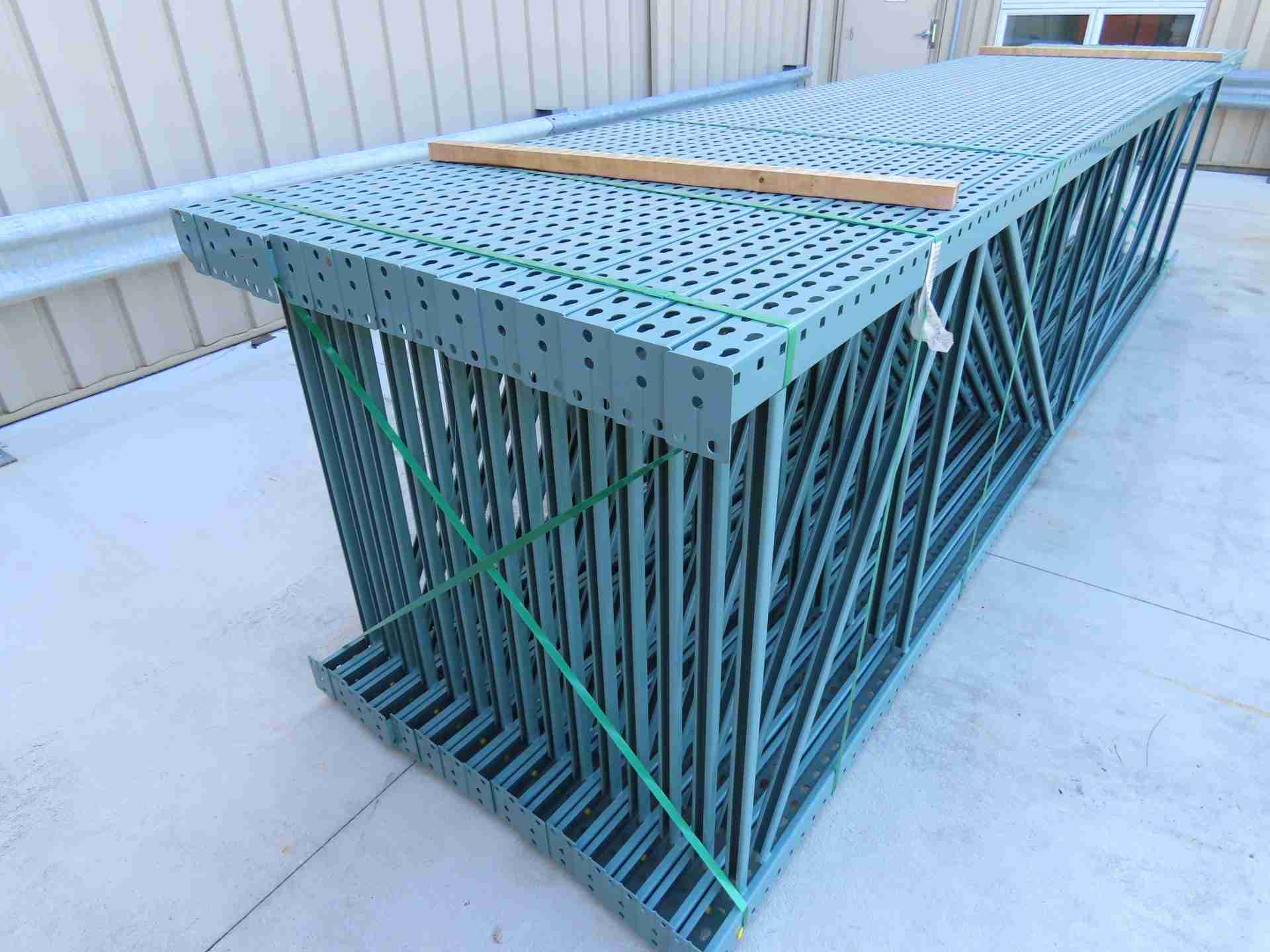
Can Cantilever Racking Help Reduce Workplace Injuries?
Can Cantilever Racking Help Reduce Workplace Injuries?
- Emphasis on safety and efficiency in warehouses and distribution centers has risen significantly.
- Cantilever racking maximizes space and reduces workplace injuries.
- OSHA reports over 4 million workplace injuries annually, highlighting the need for safe environments.
- Cantilever racks allow easier access to materials, minimizing risks associated with heavy lifting.
- Companies adopting cantilever racking can optimize layouts, reducing heavy-lifting scenarios and improving productivity.
- A case study showed a 30% drop in injuries after a furniture retailer implemented cantilever racking.
- Cantilever racking is a strategic tool for enhancing safety and efficiency in the workplace.
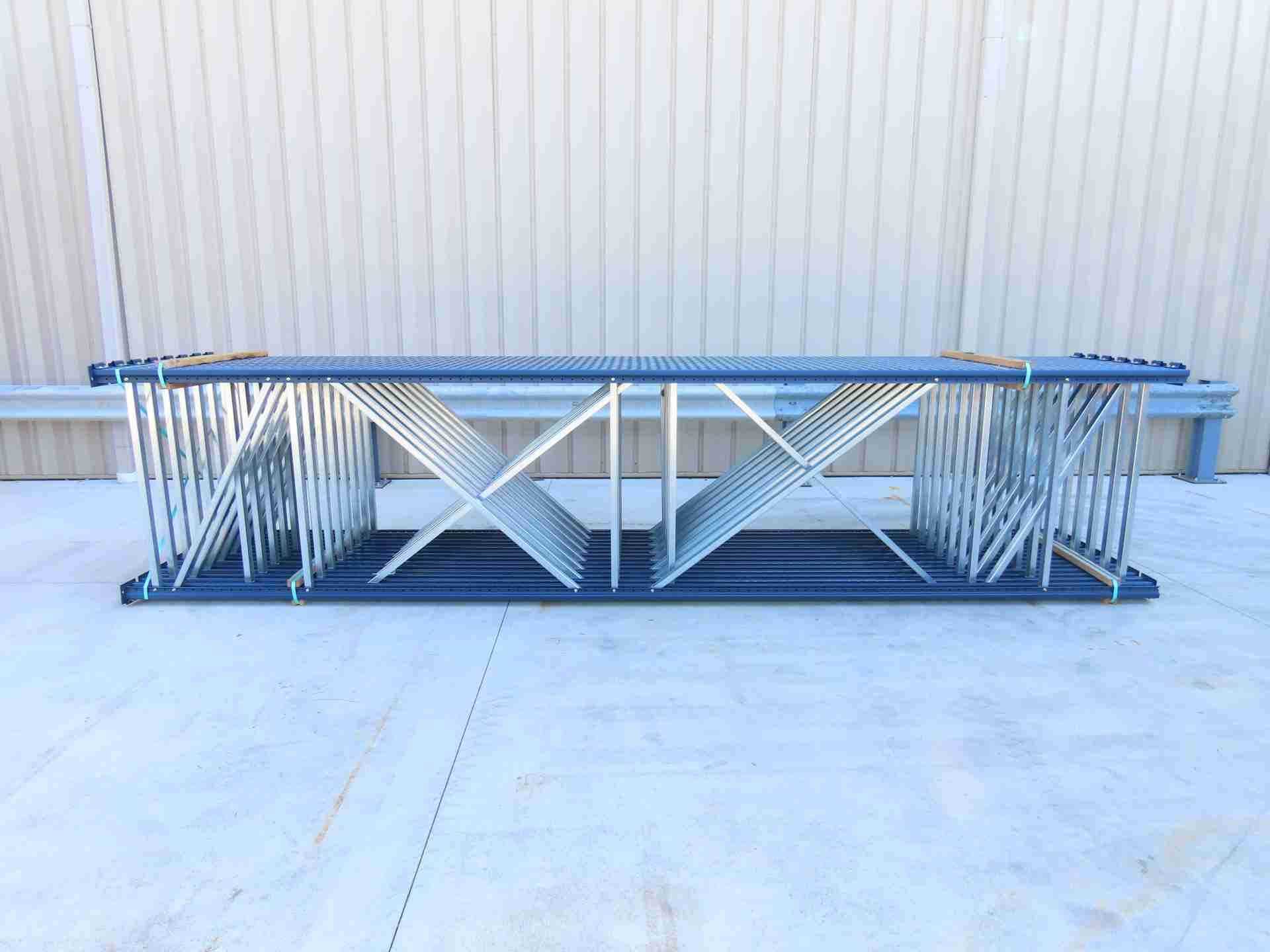
Can Cantilever Racking Help Reduce Workplace Injuries?
Table Of Contents
- Can Cantilever Racking Help Reduce Workplace Injuries?
- Can Cantilever Racking Improve Workplace Safety?
- What Are The Benefits Of Cantilever Racking?
- How Does Cantilever Racking Minimize Risks Of Injury?
- Can Proper Storage Reduce Employee Accidents?
- What Are Common Hazards In Warehouse Settings?
- How Does Cantilever Racking Enhance Organization?
- What Types Of Items Can Be Stored On Cantilever Racks?
- How Can Employees Be Trained On Safe Racking Practices?
- What Is The Role Of Ergonomics In Warehouse Design?
- How Often Should Cantilever Racking Be Inspected For Safety?
- Can Cantilever Racking Save Time In Material Handling?
- What Are The Compliance Standards For Racking Systems?
- How Can Businesses Assess The Need For Racking Systems?
- What Are The Costs Associated With Implementing Cantilever Racking?
- How Can Layout Optimization Improve Safety And Efficiency?
- Conclusion
- Other Resources
- Glossary Of Terms
- Other Questions
- Checklist
Can Cantilever Racking Improve Workplace Safety?
In today’s fast-paced industrial environment, workplace safety is non-negotiable. Businesses are continually on the lookout for strategies to mitigate risks while maximizing efficiency. Enter cantilever racking—a storage solution that’s becoming a game-changer in improving safety across warehouses and distribution centers.
Cantilever racking boasts a unique, open design that allows for easy access to products without the clutter often associated with traditional shelving. Imagine this: your warehouse is stocked with long, bulky items like lumber, pipes, or even furniture. With cantilever racking, you can store these materials securely and organize them in a way that’s accessible yet safe. No more perilous balancing acts or risky ladder climbs; everything sits at a comfortable height and distance, reducing the chances of accidents caused by overreaching or overloading shelves.
Consider the recent surge in workplace injuries cited by OSHA reports, particularly within the warehousing sector. Many injuries stem from improper storage practices leading to falls, strains, and even entrapment. By implementing cantilever racking systems, businesses can drastically reduce these risks. For example, a glass manufacturing facility that recently upgraded its storage to cantilever came forward with a striking statistic: they reported a 30% reduction in injuries related to material handling just six months post-installation!
Furthermore, the stability of cantilever racking is paramount. Each arm in the system can hold substantial weight, but it’s designed to distribute that load evenly. This ensures that heavy loads aren’t teetering at precarious angles, thus minimizing the likelihood of tipping or collapsing—a concern that’s fresh on everyone’s mind with the recent news stories of warehouses facing severe structural failures.
Cantilever racking isn’t just about safety; it’s also about efficiency. With safer systems in place, workers are more productive, leading to lower operational costs and higher morale. When employees perceive their workplace as an environment conducive to safety, they are more engaged and less likely to take unnecessary risks. Transforming your workspace into a fortress of safety isn’t merely a feel-good initiative; it’s an investment in your company’s bottom line.
In summary, if you are serious about workplace safety, embracing cantilever racking could be your strategic move. It’s time to reimagine your storage solutions and prioritize the well-being of your workforce while driving efficiency. With the right equipment in place, you can ensure that safety doesn’t take a backseat to productivity—it drives your success instead.
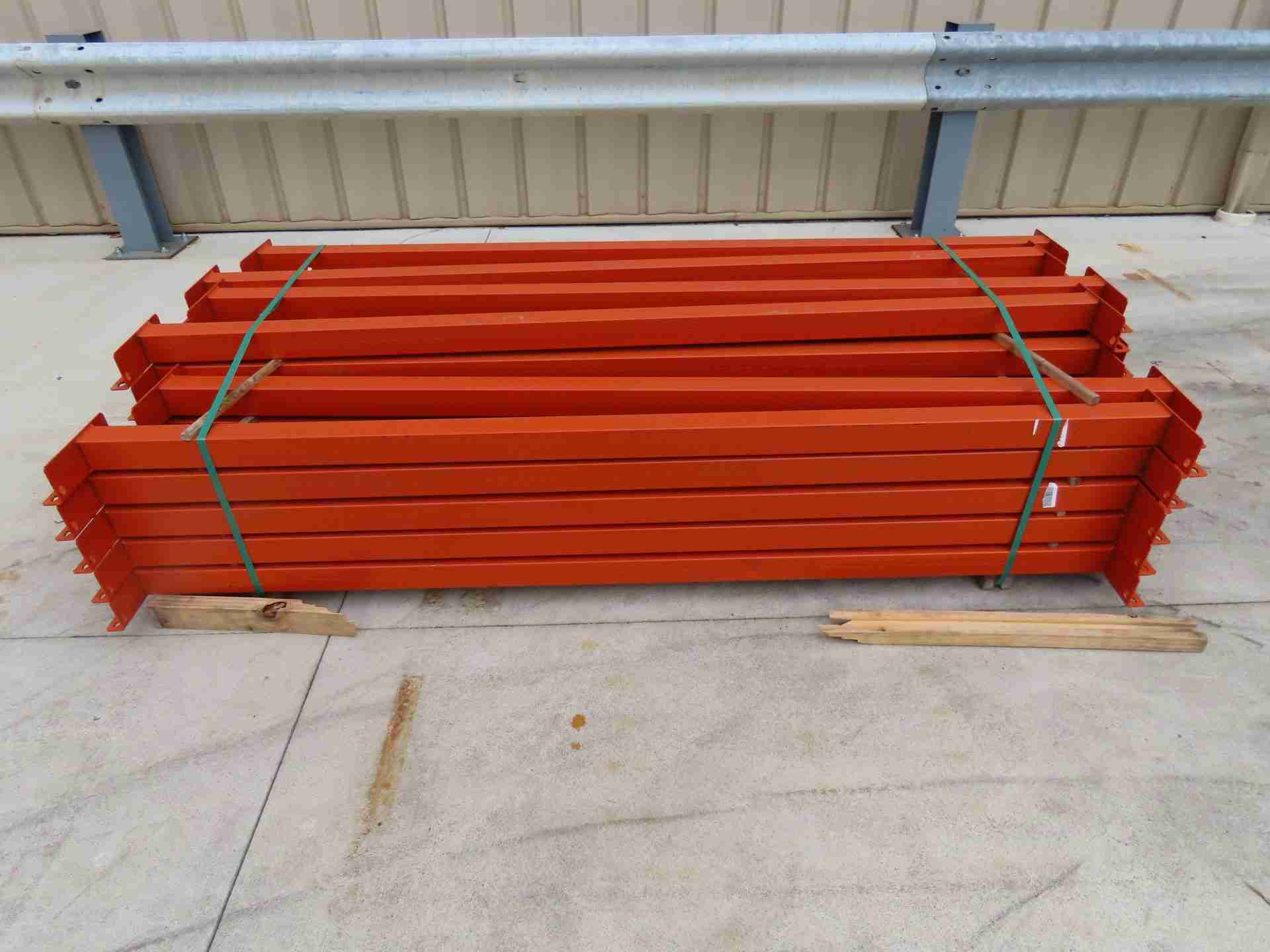
Can Cantilever Racking Improve Workplace Safety?
Can Cantilever Racking Improve Workplace Safety?
- Workplace safety is essential in today’s industrial environment, with businesses seeking strategies to mitigate risks and maximize efficiency.
- Cantilever racking offers an open design for easy access to products, reducing the clutter typical of traditional shelving.
- This system is ideal for storing long, bulky items securely, minimizing the risk of accidents from overreaching or overloading shelves.
- Recent OSHA reports indicate that many workplace injuries in warehousing stem from improper storage, but cantilever racking can significantly reduce these risks.
- A glass manufacturing facility saw a 30% reduction in material handling injuries within six months of implementing cantilever racking.
- Cantilever racking provides stability, distributing weight evenly to prevent tipping or structural failures.
- Investing in cantilever racking not only improves safety but also boosts productivity and employee morale, benefiting the company’s bottom line.
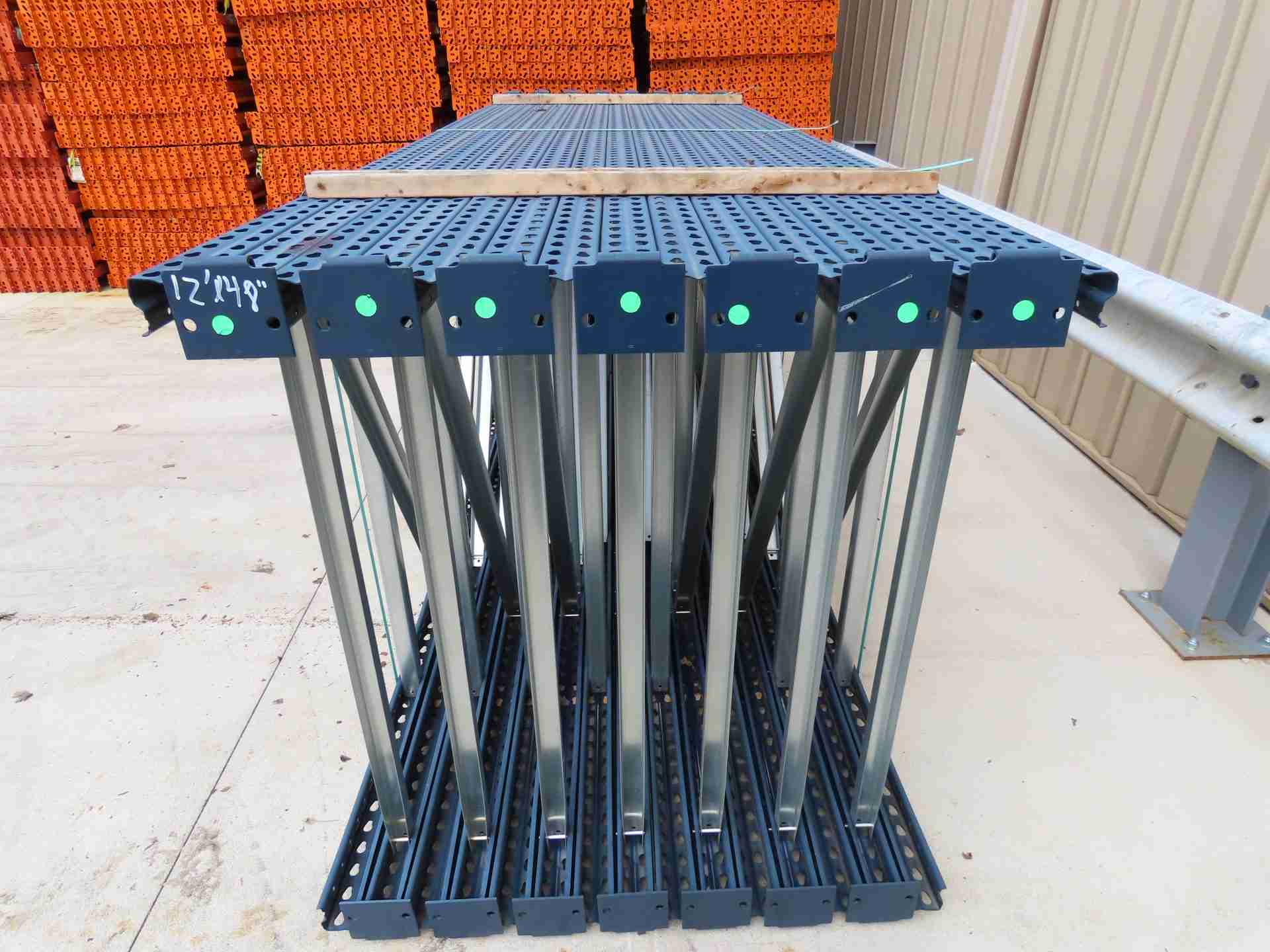
Can Cantilever Racking Improve Workplace Safety?
What Are The Benefits Of Cantilever Racking?
In an ever-evolving marketplace, businesses continuously seek innovative solutions designed to maximize efficiency and profitability. Enter cantilever racking—a storage solution that is redefining how industries manage materials, while carving out invaluable benefits for warehouse and storage operations. If you’re in construction, lumber, or any sector dealing with long or bulky loads, cantilever racking is a game changer that can elevate the way you do business.
Maximized Space Utilization
The beauty of cantilever racking lies in its ability to utilize vertical space effectively. Unlike traditional shelving, cantilever systems are designed without front columns, allowing for unobstructed access to your materials. Imagine a construction yard filled with timber; with cantilever racks strategically placed, you can store multiple lengths without worrying about clearance issues. Recent statistics show that businesses can increase their storage capacity by up to 50% when using these flexible racking systems. Whether you’re holding assemblies for pre-fabricated homes or sheets of metal for industrial projects, the ability to stagger storage levels increases access and reduces the time employees spend searching for items.
Adaptability And Customization
Every business has unique needs, and cantilever racking systems are remarkably adaptable. You can easily configure your racking to accommodate different material sizes, weights, and shapes. This customization is not just beneficial; it is essential in today’s fast-paced market. Consider the global supply chain disruptions caused by recent trade tensions—having a highly adaptable storage system means you can pivot quickly to changing inventory levels and product lines. Businesses can rapidly scale their operations up or down, providing a competitive edge during uncertain times.
Enhanced Safety And Organization
Organization is not merely a luxury—it is a necessity. Cantilever racking systems improve workplace safety by simplifying access to materials. When loads are organized properly, there is less risk of accidents, injuries, or even costly damage to your assets. Industry leaders have reported major declines in workplace incidents after the implementation of cantilever solutions, showcasing their role in fostering a culture of safety. In a recent survey of manufacturing environments, 73% of respondents noted that streamlined storage solutions directly contributed to higher productivity and a safer workspace.
The benefits of cantilever racking are far-reaching, directly contributing to improved efficiency, adaptability, and safety. Embracing such innovative storage solutions prepares your business not just to survive, but to thrive amidst the challenges of an unpredictable market. Grab the opportunity to implement cantilever racking today, and watch your operations transform.
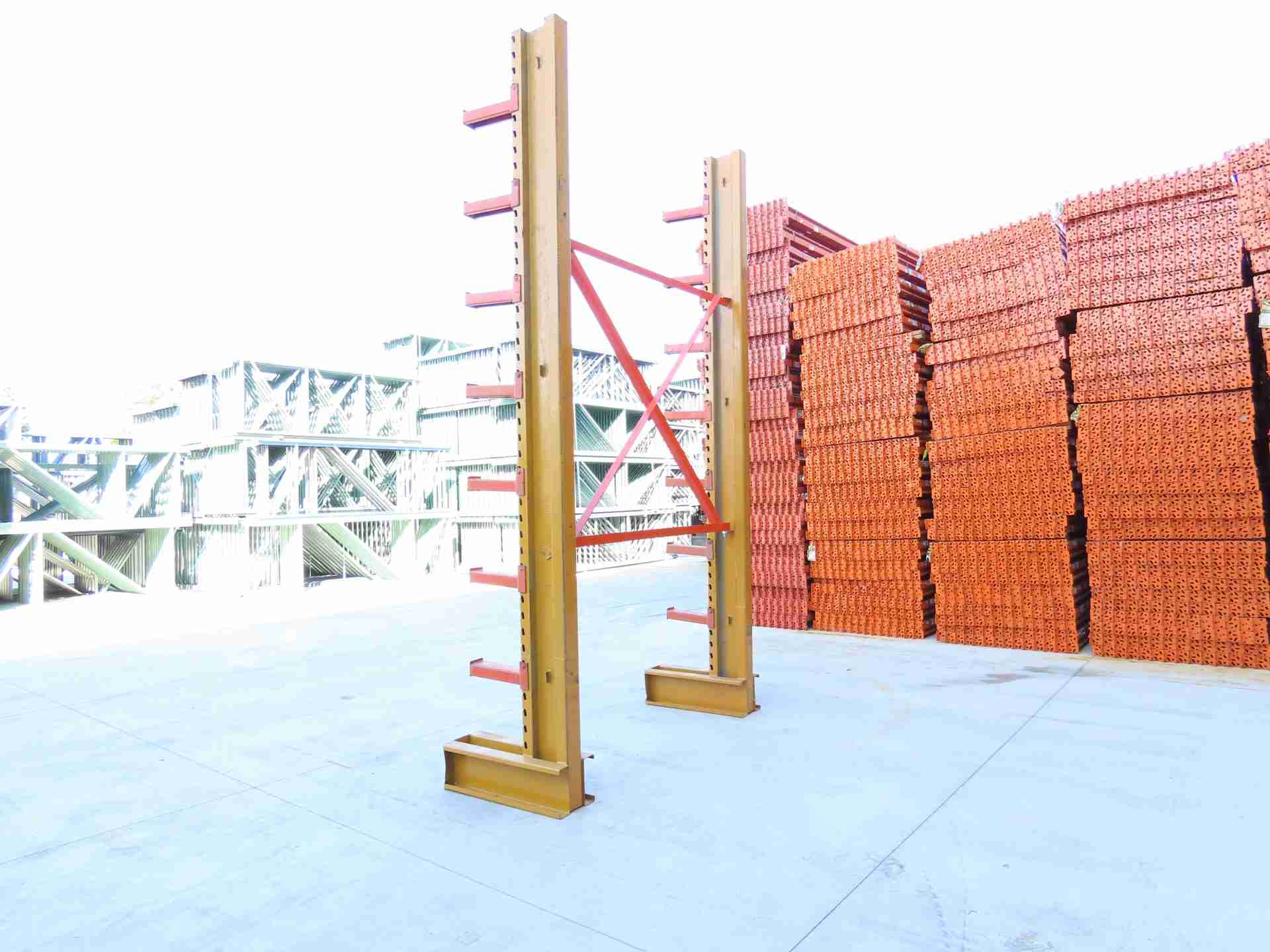
What Are The Benefits Of Cantilever Racking?
What Are The Benefits Of Cantilever Racking?
- Cantilever racking is an innovative storage solution that enhances efficiency and profitability in various industries, especially construction and lumber.
- Utilizes vertical space effectively with no front columns, allowing for better access and maximizing storage capacity by up to 50%.
- Can accommodate various material sizes, weights, and shapes, offering adaptability and customization for unique business needs.
- Helps businesses respond quickly to supply chain disruptions and pivot to changing inventory levels.
- Improves workplace safety by organizing materials efficiently, reducing the risk of accidents and damage.
- Reported improvements in safety culture, with 73% of manufacturing respondents noting increased productivity due to streamlined storage.
- Embracing cantilever racking prepares businesses to thrive in an unpredictable market, transforming warehouse operations.
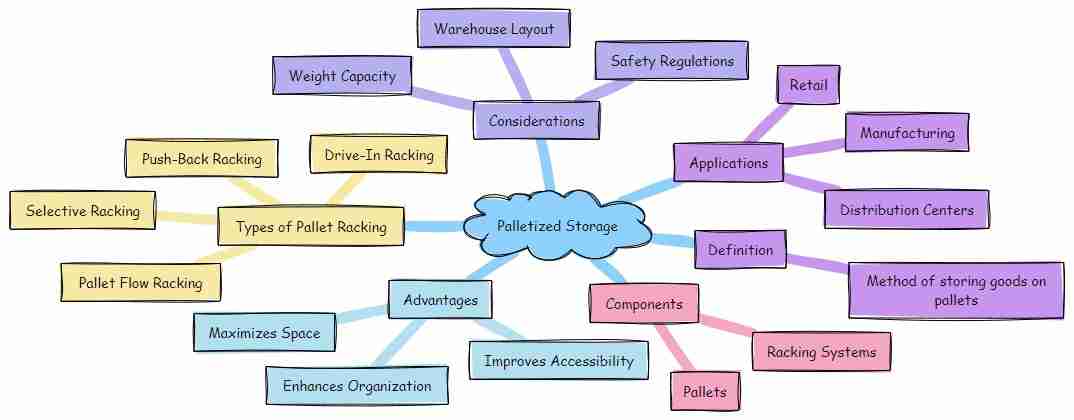
What Are The Benefits Of Cantilever Racking?
How Does Cantilever Racking Minimize Risks Of Injury?
In today’s fast-paced industrial environment, safety is paramount. As businesses strive to maximize space and efficiency, the potential for workplace injuries—stemming from poor storage practices—remains a significant concern. Enter cantilever racking, the unsung hero of warehousing solutions, designed not just for efficiency but also for safety.
Cantilever racking systems offer a unique design that sheds conventional upright storage methods, allowing for the streamlined storage of various materials—from lumber to pipes. This innovative approach minimizes hazards associated with traditional pallet racking systems. With vertical supports positioned at the rear, cantilever racks eliminate hazardous protrusions and reduce the risk of workers inadvertently colliding with sharp edges, an all-too-common cause of injury.
For example, imagine a lumber yard where workers navigate between bulky stacks of wood on traditional racks. A slip, a spasm of a twisting body, or distracted footwork can lead to disastrous consequences. In contrast, cantilever racking provides a clear aisle between loads, with the added benefit of eliminating unnecessary storage height, which reduces overhead injuries caused by falling items. Companies like Home Depot, alongside many smaller local businesses, have shifted towards cantilever systems for this very reason—promoting worker safety while ensuring that operations remain uninterrupted.
Furthermore, cantilever racking significantly aids in maintaining organized workspaces, directly impacting safety. When items are accessible and clearly stored, the likelihood of accidents caused by overcrowded or poorly arranged stocks decreases sharply. For instance, following global supply chain disruptions due to the pandemic, many businesses have adopted best practices in inventory management. Cantilever racking, with its open design, ensures that inventory is not only accessible but also maintained in a manner that retains clarity and order, mitigating potential risks.
Current trends in occupational safety, such as rising workers’ compensation claims and stringent regulatory frameworks, emphasize the need for businesses to implement safety-oriented practices. By investing in cantilever racking systems, organizations can markedly decrease the risk of injuries and associated costs. Beyond compliance with regulations, it also portrays a company ethos that values the well-being of its employees—a key point in today’s workplace culture.
Adopting cantilever racking is not merely a move to enhance operational efficiency; it’s an investment in safety that can lead to healthier work environments and, ultimately, a more productive workforce. By prioritizing safety through smart storage solutions, businesses can thrive while ensuring their most valuable asset—people—are protected.
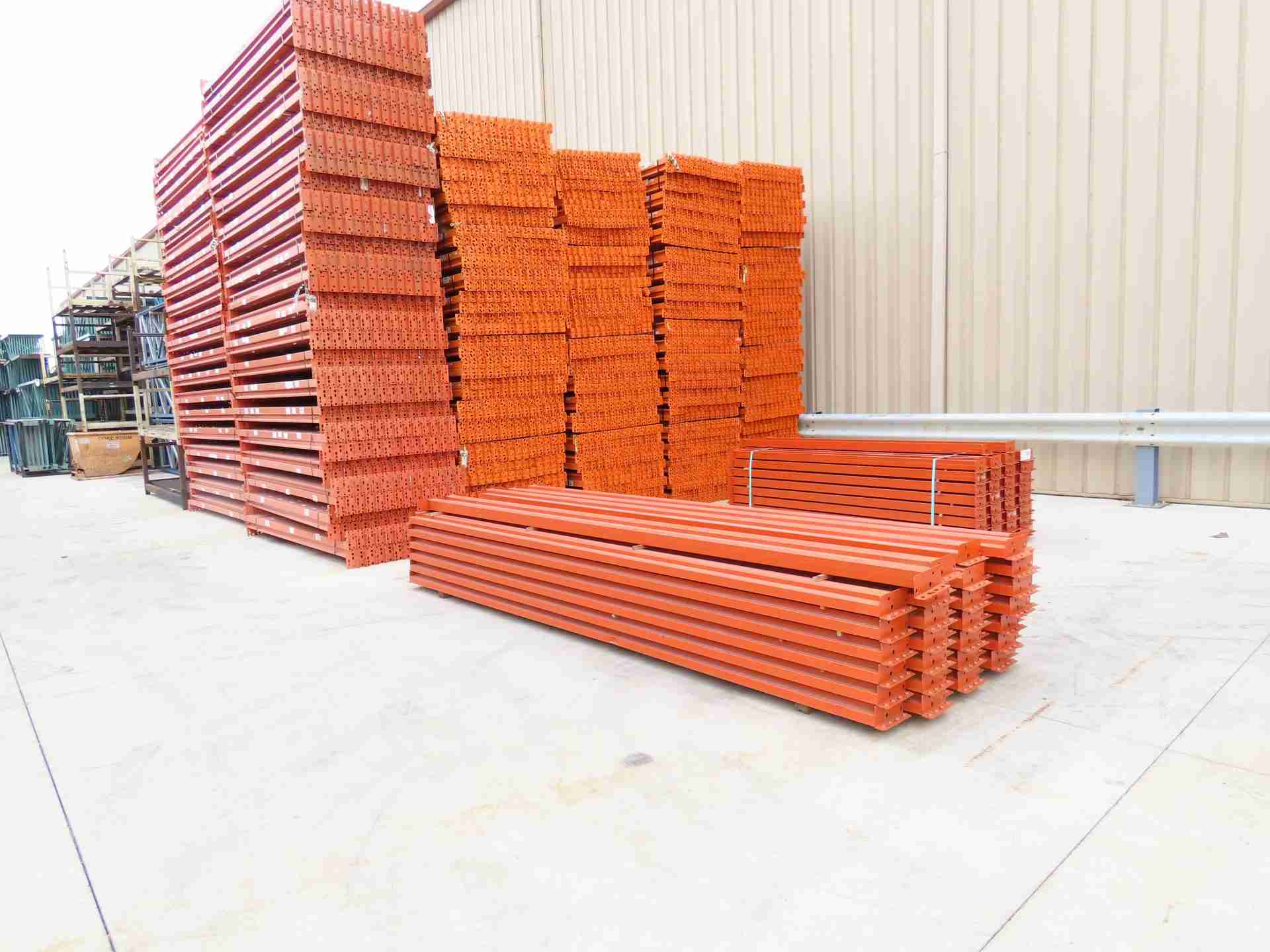
How Does Cantilever Racking Minimize Risks Of Injury?
How Does Cantilever Racking Minimize Risks Of Injury?
- Safety is critical in fast-paced industrial environments, with workplace injuries from poor storage practices being a significant concern.
- Cantilever racking systems provide an efficient and safe storage solution by allowing streamlined storage of materials like lumber and pipes.
- This design minimizes hazards by eliminating sharp edge collisions and overhead injuries from falling items, thanks to reduced storage height.
- Companies such as Home Depot and smaller businesses are adopting cantilever systems to enhance worker safety and maintain uninterrupted operations.
- Cantilever racking promotes organized workspaces, reducing the likelihood of accidents related to overcrowded or poorly arranged stocks.
- Trends in occupational safety highlight the need for businesses to embrace safety-oriented practices, reducing injury risks and costs associated with workers’ compensation.
- Investing in cantilever racking is both a move towards operational efficiency and a commitment to employee safety, leading to healthier work environments and increased productivity.
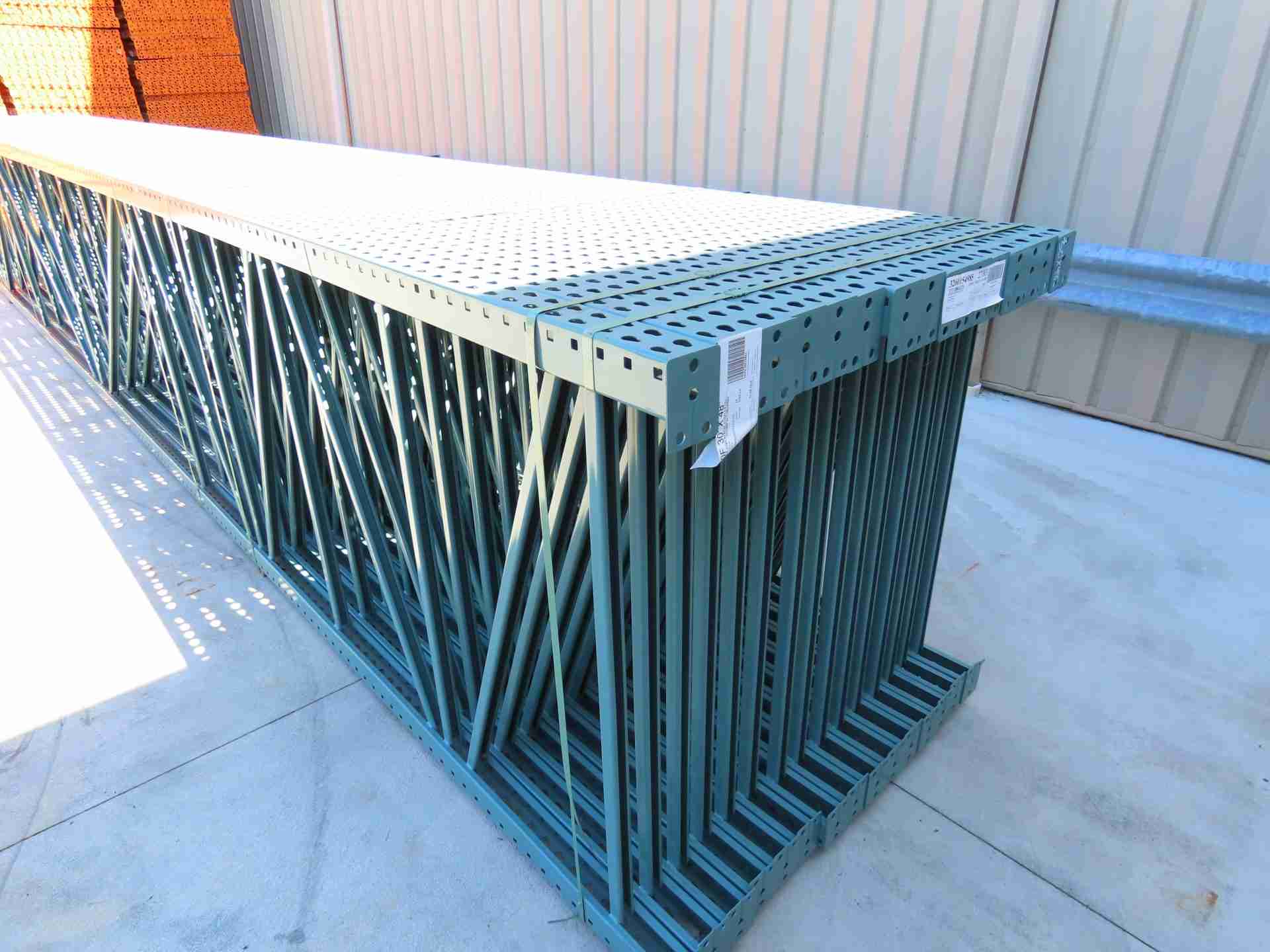
How Does Cantilever Racking Minimize Risks Of Injury?
Can Proper Storage Reduce Employee Accidents?
In today’s fast-paced work environment, a hidden culprit can lead to significant employee accidents: improper storage. The organization of tools, materials, and even electronic equipment is often overlooked, yet it has a direct impact on workplace safety and productivity. Investing in proper storage solutions is not merely an operational improvement; it is a proactive strategy to safeguard your most valuable asset—your employees.
Consider the fallout from a 2022 incident at a major California manufacturing plant, where an employee suffered severe injuries due to improperly stored heavy materials. This avoidable accident not only resulted in costly medical bills but also led to lost productivity, legal battles, and a tarnished reputation. If proper storage systems had been implemented, that injury could have been avoided entirely.
Imagine the effect on morale in your workplace when employees feel safe and secure, knowing that their workplace hazards are minimized. A well-organized environment can lead to heightened focus and efficiency. When everything has a designated place and is clearly marked, employees spend less time searching for tools or materials and more time on their core responsibilities. Think of the cluttered workspaces you may have encountered; they seldom inspire confidence or a sense of safety.
Now, let’s discuss practical steps to improve storage and enhance safety. Adopting vertical storage solutions can maximize floor space, minimizing the risk of items falling over. Moreover, utilizing labeled bins for hazardous materials not only boosts organization but ensures compliance with safety regulations, reducing liability risks. A retail giant recently restructured its storage methods and reported a dramatic 30% reduction in workplace accidents.
Furthermore, consider implementing regular audits of storage practices. An internal review can uncover bottlenecks where organization fails, allowing you to address these concerns proactively before they escalate into accidents. Employees should also be encouraged to participate in the organization process, providing insights that may reveal unique safety issues relevant to specific job roles.
In a world where headlines continually underscore workplace safety, the message is clear: investing in proper storage isn’t merely a choice; it’s an obligation. The return on investment extends far beyond financial metrics; it encompasses employee satisfaction, operational efficiency, and an enhanced corporate image. By taking the initiative to create an organized, hazard-free workplace, you demonstrate a commitment to your employees’ well-being while fortifying the foundation for your business’s future success. Don’t wait for an accident to prompt a change; act now and pave the way for a safer, more productive tomorrow.
Can Proper Storage Reduce Employee Accidents?
Can Proper Storage Reduce Employee Accidents?
- Improper storage can lead to significant employee accidents, impacting safety and productivity.
- A 2022 incident in California highlighted the dangers of improper storage, resulting in severe employee injuries and costly consequences.
- Safe work environments boost employee morale, focus, and efficiency, reducing time spent searching for tools.
- Implementing vertical storage solutions and labeled bins can enhance organization and compliance with safety regulations.
- Regular audits of storage practices can help identify and address organizational bottlenecks proactively.
- Employee participation in the organization process can uncover unique safety issues relevant to their roles.
- Investing in proper storage is essential for employee well-being and operational success, going beyond just financial metrics.
Can Proper Storage Reduce Employee Accidents?
What Are Common Hazards In Warehouse Settings?
What Are Common Hazards in Warehouse Settings?
Warehouse operations are the backbone of global commerce, yet they can also be treacherous environments if appropriate precautions aren’t taken. Understanding the common hazards that can lurk behind the racks and pallets is essential for any business aiming to create a safe working atmosphere. Ignoring these risks not only endangers employees but can also result in costly interruptions that impact the bottom line.
1. Slips, Trips, and Falls
These incidents are alarmingly common in warehouses, resulting in injuries that range from minor sprains to severe fractures. Spills from liquids such as oil or cleaning agents can create slick surfaces, while uneven ground, clutter, or improperly stored items can lead to trips. For example, a recent report highlighted a spike in slip-and-fall incidents tied to recent supply chain disruptions, which meant workers were hurrying and not paying attention to their surroundings. Implementing regular inspections and maintaining clear walkways are vital steps in mitigating this risk.
2. Forklift Safety
Forklifts are a lifeline in warehouse settings, but they come with their own set of dangers. Over 20,000 injuries occur each year due to forklift accidents, often involving pedestrians who are struck by moving machinery. The importance of operator training cannot be overstated. With many warehouses adopting new automation technologies, ensuring that operators are well-versed in safety protocols is critical. Companies like Amazon have faced scrutiny for accident reports linked to warehouse environments; awareness and training can make the difference between safe operations and catastrophic outcomes.
3. Hazardous Materials
Many warehouses store chemicals and hazardous materials, putting workers at risk of exposure. These environments often do not have adequate containment systems or proper labeling, leading to potentially dangerous situations. For instance, during the COVID-19 pandemic, warehouses experienced an uptick in the use of cleaning and disinfecting agents without proper training on handling them. Regular audits and employee training on the handling and storage of these materials are essential to prevent accidents and health issues.
4. Ergonomic Hazards and Repetitive Strain Injuries
Repetitive movements, awkward postures, and heavy lifting are part of the daily grind in warehouses, leading to ergonomic-related injuries. The National Institute for Occupational Safety and Health (NIOSH) estimates that these injuries account for a significant portion of workplace-based claims. Implementing ergonomic assessments and providing equipment such as adjustable lift tables and proper lifting gear can drastically reduce the risk.
Warehouse settings present several hazards that can jeopardize worker safety and productivity. Understanding these risks and addressing them proactively will not only protect your employees but also enhance operational efficiency, ultimately contributing to a healthier bottom line. Remember, a safe warehouse is a productive warehouse!
What Are Common Hazards In Warehouse Settings?
What Are Common Hazards In Warehouse Settings?
- Warehouse operations are critical for global commerce but can pose significant hazards without proper precautions.
- Common hazards include slips, trips, and falls, often resulting from spills, uneven ground, and clutter.
- Forklift accidents result in over 20,000 injuries annually, emphasizing the need for operator training and safety awareness.
- Storage of hazardous materials poses risks due to inadequate containment and labeling, requiring regular audits and employee training.
- Ergonomic hazards from repetitive tasks can lead to strain injuries, making ergonomic assessments and appropriate equipment essential.
- Addressing these risks proactively can enhance worker safety, productivity, and overall operational efficiency.
- A safe warehouse environment contributes to a healthier bottom line for businesses.
What Are Common Hazards In Warehouse Settings?
How Does Cantilever Racking Enhance Organization?
In the fast-paced world of modern logistics and warehousing, organization is your best ally. A cluttered environment not only hampers efficiency, but it can also lead to costly errors and delays. Enter cantilever racking—a game-changing shelving solution that transforms chaos into streamlined productivity.
Imagine a warehouse brimming with assorted materials, from long pipes to unwieldy furniture. Where do you even begin to get organized? This is where cantilever racking shines. Its distinctive design features arms that extend outward, allowing for the easy storage of bulky or oversized items that traditional shelving struggles to accommodate. Just picture a lumber yard: stacks of wood lean elegantly along cantilever racks, not only maximizing space but also making every single piece readily accessible. Less time searching means quicker turnaround, and in today’s economy, time is money.
Cantilever racking doesn’t just cater to the storage of heavy or cumbersome items; it’s the secret sauce for achieving an uncluttered workspace. Take recent supply chain disruptions, for example. Many businesses have learned the hard way that being unorganized can result in lost materials and delayed project timelines. When everything has its rightful place, you can react better to market demands, pivot quickly in a crisis, and keep your operations running smoothly.
Further, this type of racking enhances safety, a paramount concern in any operational facility. Unlike traditional shelving that can overextend or collapse, cantilever racks provide sturdy support for unevenly shaped or heavy products. This minimizes the risk of accidents and injuries, safeguarding your most valuable asset—your people.
Let’s not forget convenience. With cantilever racking, you can easily implement inventory management systems that are as sophisticated as a stock exchange. Modern RFID technology works seamlessly with these racks, allowing for real-time tracking of materials. Consider how Amazon and other e-commerce giants use similar inventory techniques to ensure that every package is shipped promptly. Cantilever racking can facilitate similar efficiencies in smaller operations, empowering businesses to scale without losing their organizational edge.
Cantilever racking is not just a storage solution; it’s a strategic organizational tool that paves the way for operational excellence. By enhancing accessibility, improving safety, and streamlining inventory management, you position your business not only to survive but to thrive in a competitive landscape. Embrace the cantilever revolution—start transforming your workspace into a model of efficiency today!
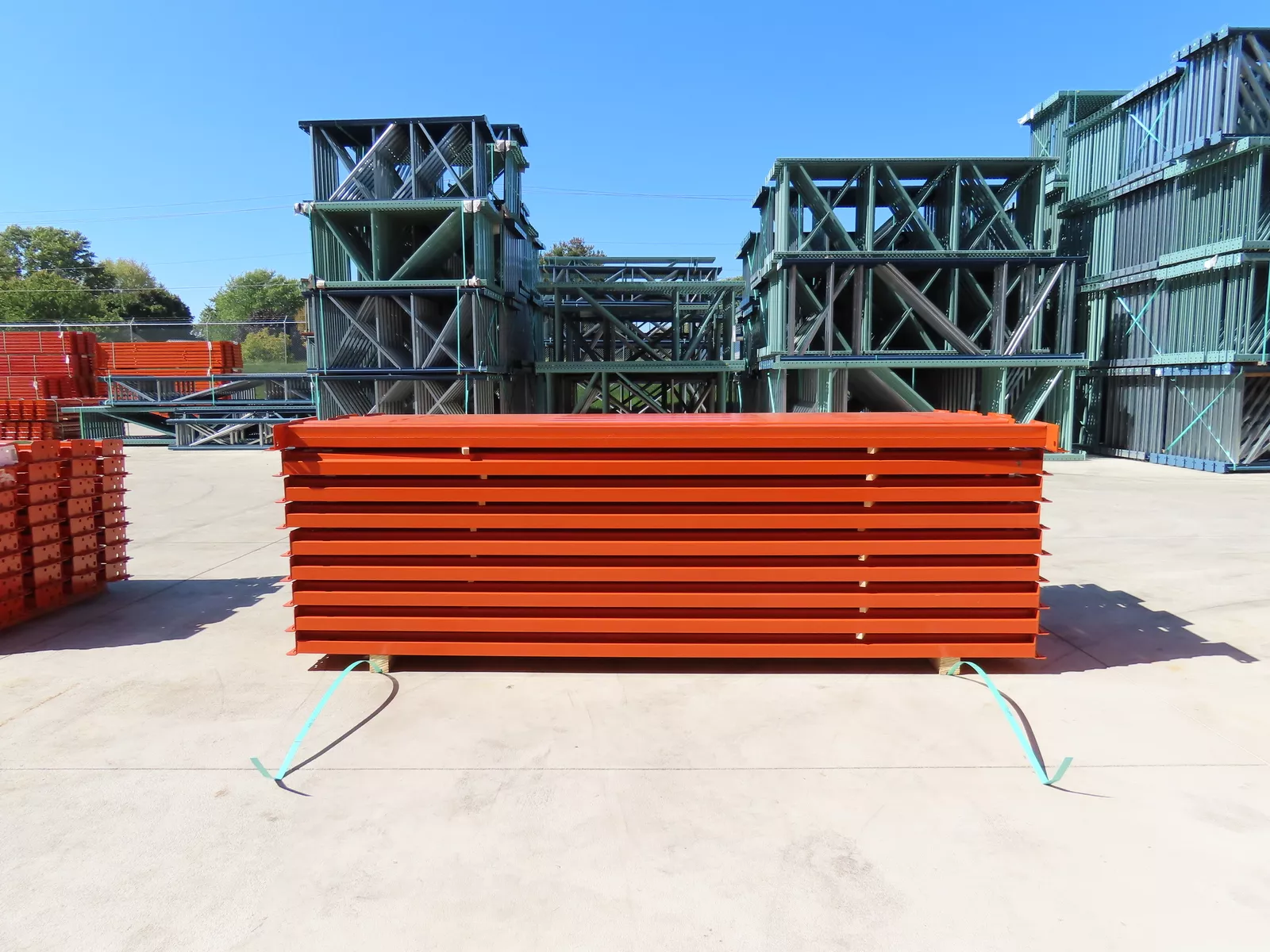
How Does Cantilever Racking Enhance Organization?
How Does Cantilever Racking Enhance Organization?
- Organization is essential in modern logistics and warehousing to enhance efficiency and minimize errors.
- Cantilever racking is an innovative shelving solution designed for storing bulky and oversized items.
- This racking system allows for easy access to materials, reducing time spent searching and improving turnaround times.
- It helps achieve an uncluttered workspace, critical for responding effectively to supply chain disruptions.
- Cantilever racks enhance safety by providing sturdy support for unevenly shaped or heavy products, reducing accident risks.
- Convenient inventory management is facilitated through integration with modern RFID technology, allowing real-time tracking.
- Cantilever racking is a strategic tool for operational excellence, improving accessibility, safety, and efficiency.
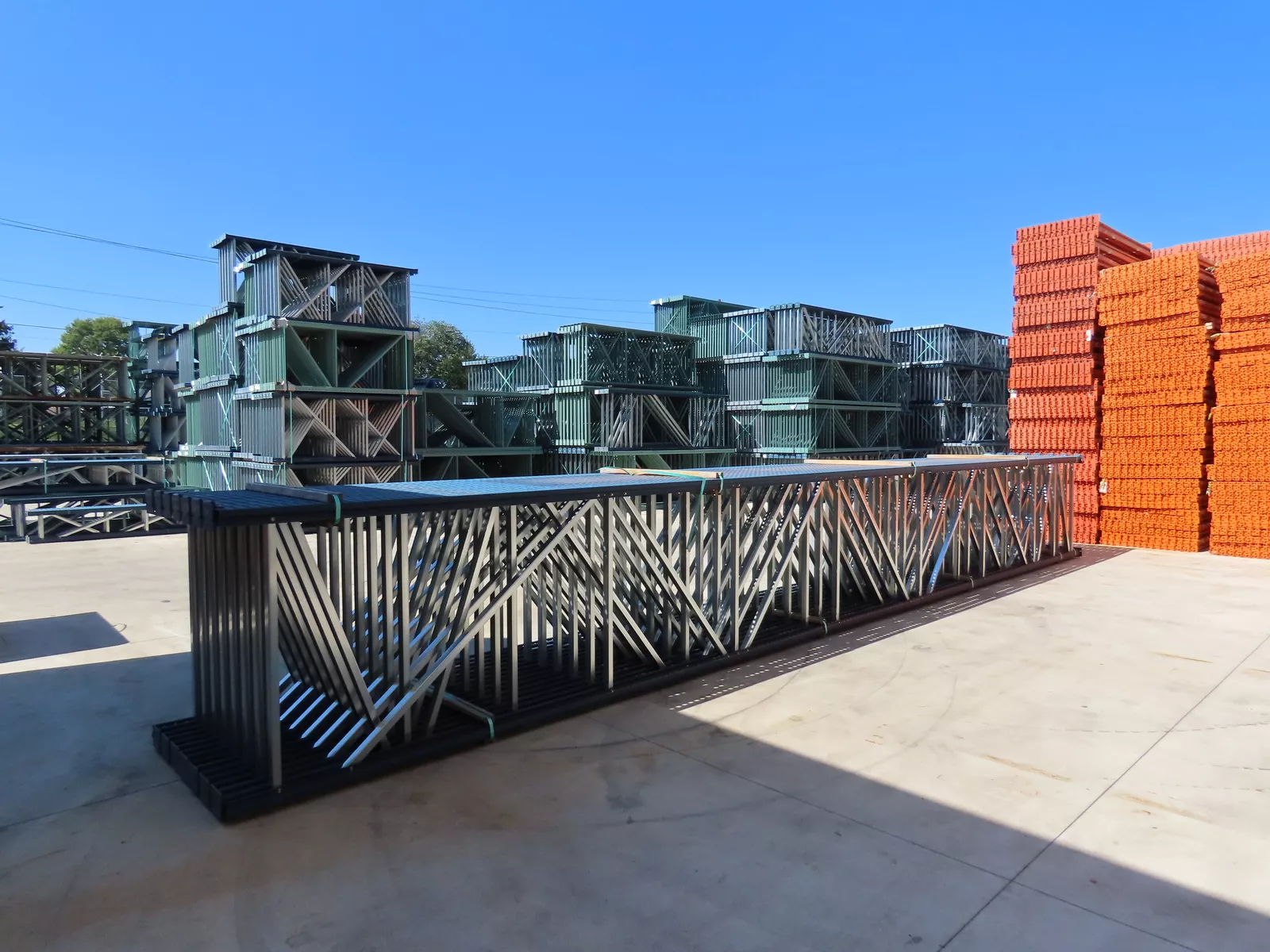
How Does Cantilever Racking Enhance Organization?
What Types Of Items Can Be Stored On Cantilever Racks?
If you’re in the business of storage, inventory management, or warehousing, understanding the versatility of cantilever racks can dramatically enhance your operations. These innovative storage solutions are engineered to accommodate a broad spectrum of items, making them an invaluable asset for diverse industries.
First, let’s talk about lumber and building materials—industries where space is a premium and organization is key. Cantilever racks are particularly well-suited for storing long, heavy items like plywood, beams, and pipes. Unlike conventional shelving, these racks are designed without front columns, enabling you to load and unload materials from either side with ease. Picture your warehouse, neatly organized, with planks of wood resting effortlessly on the robust arms of a cantilever rack. It’s not just about storage; it’s about optimizing workflow!
Next, consider the manufacturing sector where sheet metal and long rolls of insulation material can pose significant logistical challenges. By utilizing cantilever racks, you can transform your storage unit into a finely-tuned operational hub. Not only do these racks ensure that your materials are safe and secure, but they also allow your team to access items quickly, effectively reducing downtime that can derail production schedules.
Retail businesses can also reap substantial benefits from cantilever racks. Whether you’re holding seasonal goods—like pool supplies in summer or holiday decorations in winter—or heavy-duty items such as furniture and appliances, these racks give you the flexibility to display products while maximizing floor space. Moreover, as consumer demands shift in today’s fast-paced market, ensuring that you can swiftly adapt your inventory display can make all the difference.
Of course, we cannot overlook the potential of cantilever racks in the logistics and shipping industry. With e-commerce booming and rapid deliveries becoming the norm, warehouses that utilize cantilever racks can manage items efficiently while responding nimbly to changing customer demands. Think about how instantly adjusting your inventory can give you an edge over competitors struggling with outdated storage methods.
Whether you’re managing lumber, manufacturing materials, retail items, or logistical goods, cantilever racks offer flexibility that aligns with today’s fast-evolving needs. When you invest in this space-saving solution, you’re not just optimizing your storage—you’re positioning your business to thrive, adapt, and expand in a dynamic marketplace. Embrace cantilever rack systems, and watch how they can revolutionize your operations for the better!
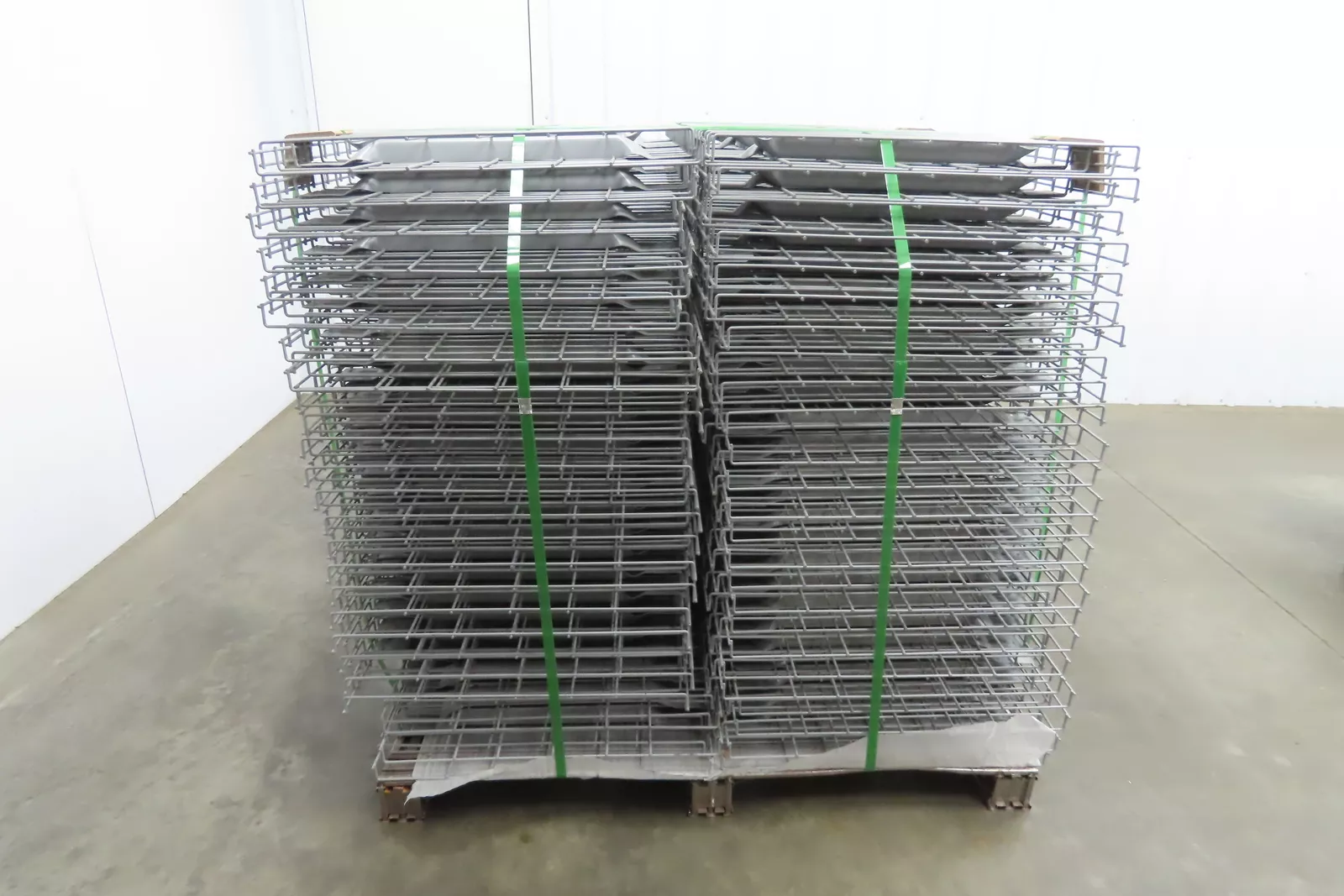
What Types Of Items Can Be Stored On Cantilever Racks?
What Types Of Items Can Be Stored On Cantilever Racks?
- Cantilever racks are versatile storage solutions ideal for businesses in storage, inventory management, and warehousing.
- Especially beneficial for industries like lumber and building materials by accommodating long, heavy items without front columns.
- Enhance workflow efficiency in manufacturing by enabling quick access to sheet metal and insulation materials.
- Retailers can benefit by displaying seasonal and heavy-duty items while maximizing floor space and inventory adaptability.
- In logistics and shipping, they facilitate efficient item management for the growing demands of e-commerce.
- Cantilever racks promote flexibility to meet dynamic market changes in various sectors.
- Investing in these storage solutions can position businesses to thrive and expand in a competitive marketplace.

What Types Of Items Can Be Stored On Cantilever Racks?
How Can Employees Be Trained On Safe Racking Practices?
In the world of modern warehousing and logistics, nothing is more crucial than understanding safe racking practices. With the rapid expansion of e-commerce and increased pressure to enhance efficiency, issues related to racking safety have catapulted to the forefront of industry concerns. As we face a surge in warehouse activities, it’s vital to ensure that your employees are properly trained to navigate the complexities of safe racking practices.
1. Start with Comprehensive Training Programs
To create an effective training strategy, begin by developing a comprehensive training program. This should include both onboarding for new employees and refresher courses for seasoned staff. Consider utilizing a blend of formats—interactive workshops, e-learning modules, and hands-on demonstrations. Recent studies reveal that employees retain more when they can engage with the material actively. For instance, companies like Amazon have embraced virtual reality simulations to train their employees on safe racking practices, allowing them to experience safety scenarios without risk.
2. Create Clear Visual Aids
Visual aids play a vital role in making safety practices memorable. Create posters, digital signage, or infographics that depict proper racking practices—like weight limits or safe load placements—ensuring that they are prominently displayed in high-traffic areas of your warehouse. In July 2023, a well-known retailer increased safety compliance by 40% simply by updating their signage to include clearer visuals and concise messaging. Ensure that these materials are easily understandable, even for those who might be new to the terminology utilized in racking systems.
3. Conduct Regular Safety Audits and Drills
To cement safe racking practices into your company culture, conduct regular safety audits and drills. Schedule “safety weeks” where teams can focus on evaluating existing racking systems, discussing potential hazards, and practicing corrective measures. This not only reinforces safe practices but also builds camaraderie and a shared responsibility for safety. In a recent incident that made headlines, a warehouse faced severe penalties due to non-compliance with safety regulations; however, companies that proactively engage in regular audits tend to stay ahead of potential liabilities.
4. Leverage Technology
In this digital age, technology offers innovative solutions to enhance safety training. Implement software that tracks training progress, schedules refreshers based on employee tenure, and provides access to up-to-date resources. Companies that have adopted this approach have reported a marked decrease in operational incidents, not to mention improved morale as employees feel valued and informed.
By integrating these strategies, you can instill a strong safety culture within your organization, safeguarding your workforce and protecting your bottom line against the costly repercussions of unsafe racking practices. Remember, a commitment to safety isn’t just a legal obligation; it’s a competitive advantage in today’s fast-paced marketplace.
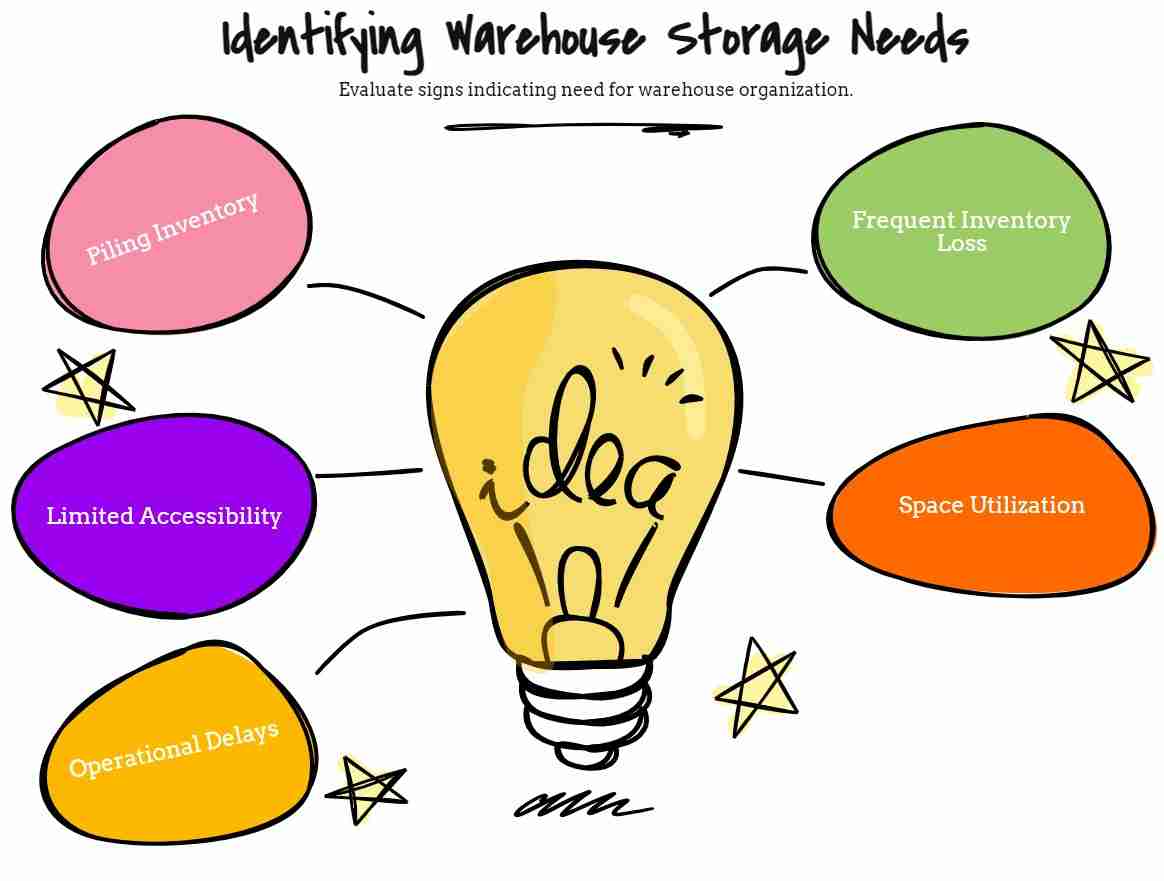
How Can Employees Be Trained On Safe Racking Practices?
How Can Employees Be Trained On Safe Racking Practices?
- Understanding safe racking practices is crucial in modern warehousing and logistics.
- Comprehensive training programs should be developed for new and existing employees, utilizing various engaging formats.
- Clear visual aids like posters or infographics are essential for memorable safety practices.
- Regular safety audits and drills should be conducted to reinforce safe racking practices and build camaraderie among employees.
- Leveraging technology can enhance safety training and tracking progress, leading to fewer operational incidents.
- Implementing these strategies strengthens the safety culture within an organization, benefiting both employees and the bottom line.
- Safety commitment not only fulfills legal obligations but also serves as a competitive advantage.
How Can Employees Be Trained On Safe Racking Practices?
What Is The Role Of Ergonomics In Warehouse Design?
In today’s fast-paced and demanding logistics environment, the efficient design of warehouses has never been more critical. Enter ergonomics—the science of designing workplaces that improve comfort and efficiency. As businesses face labor shortages and rising operational costs, investing in ergonomic warehouse design is no longer just a trend; it’s a necessity for long-term success and employee well-being.
Imagine a bustling distribution center where workers are picking and packing orders. If the workstations are poorly designed—requiring excessive bending, stretching, or reaching—it can lead to fatigue, injuries, and reduced productivity. According to a recent report from the Bureau of Labor Statistics, musculoskeletal disorders account for a significant percentage of workplace injuries. By strategically applying ergonomic principles, warehouse operators can reduce these risks, saving costs on healthcare and lost productivity.
For example, consider the case of a major retail giant that implemented ergonomic changes in its warehouse operations. They introduced adjustable shelving, ergonomic lifting aids, and anti-fatigue mats. The result? A 25% reduction in injury-related absenteeism and a remarkable increase in order-processing speed. Such changes not only enhance employee health but also positively impact the bottom line—proof that ergonomics is a smart investment.
Additionally, when we think about current trends, the rise of e-commerce has transformed warehouse operations into highly multitasking environments. This demands flexibility in design. Ergonomically designed areas that allow for easy transition between tasks—without causing unnecessary strain on workers—are essential. For instance, integrating mobile workstations can enable employees to switch between picking, packing, and shipping seamlessly, boosting efficiency and morale.
Furthermore, the ongoing adoption of automation in warehousing doesn’t negate the need for ergonomic principles; it enhances them. Automated guided vehicles (AGVs) can transport goods to ergonomic picking stations, thus minimizing heavy lifting and repetitive motions for workers. Companies that prioritize such integrative designs not only comply with safety regulations but also create a competitive edge in a rapidly evolving market.
Ergonomics plays a pivotal role in warehouse design—not just as a compliance measure but as a strategic approach to elevate productivity, employee satisfaction, and ultimately, profit. Investing in ergonomic solutions not only safeguards your workforce but also positions your business as a forward-thinking leader in an increasingly competitive landscape. Don’t just follow the trends; lead the way by creating an ergonomic environment that respects your most valuable asset—your people.
What Is The Role Of Ergonomics In Warehouse Design?
What Is The Role Of Ergonomics In Warehouse Design?
- Efficient warehouse design is critical in today’s logistics environment.
- Ergonomics enhances workplace comfort and efficiency, becoming essential for long-term success.
- Poorly designed workstations can lead to fatigue, injuries, and reduced productivity.
- Incorporating ergonomic principles can significantly reduce workplace injuries and associated costs.
- Case studies show that ergonomic changes can lead to lower absenteeism and improved order-processing speed.
- Flexibility in ergonomic design is crucial, especially with the rise of e-commerce and multitasking tasks.
- Integrating automation with ergonomic principles enhances operational efficiency and compliance with safety regulations.
What Is The Role Of Ergonomics In Warehouse Design?
How Often Should Cantilever Racking Be Inspected For Safety?
In the world of warehouse management and logistics, safety is paramount, and cantilever racking systems are no exception. These vital structures, designed for storing long and bulky items, require diligent oversight to ensure optimal performance and safety. But the pressing question remains: how often should you inspect your cantilever racking systems for safety? The answer is as critical as it is strategic.
Regular inspections should occur at least once every six months, adhering to the standards set by the Rack Manufacturers Institute and regional safety regulations. However, the frequency of inspections may need to be increased depending on certain risk factors specific to your operations. If your warehouse deals with heavier loads or operates in an environment where racking systems are subject to damage from forklift traffic, consider bi-monthly or even monthly inspections. For instance, in a busy distribution center that recently experienced a minor collapse due to improper loading practices, the management recognized the need to elevate their inspection schedule to avert potential disasters.
Why so proactive? Think about it: Proper inspections not only safeguard your employees but also protect your investment in inventory and racking systems. Ignoring neglected inspections can lead to catastrophic failures, financial losses, and even serious injuries. Consider the notable case earlier this year at a warehouse in Ohio, where a lack of routine racking inspections led to a substantial collapse, causing injuries and halting operations for weeks at a time. The financial and reputational damage was felt far beyond the immediate costs.
In addition to scheduled inspections, maintain a culture of safety through daily visual checks by your warehouse staff. Encourage employees to report any signs of wear, damage, or excessive deflection in the racks. Remember, a simple observation can trigger an essential inspection before small issues become enormous problems.
Moreover, implementing a robust training program for your staff is indispensable. Providing employees with the tools and knowledge they need can foster a proactive safety mindset, ultimately translating into more effective inspections and a safer work environment.
In short, the best practice is to combine regular inspections with an acute awareness of your operational conditions. The stakes are high, but so too are the rewards of a safe, efficient workplace. After all, a well-maintained cantilever racking system is not just about compliance—it’s about maximizing efficiencies and minimizing risks in a competitive marketplace. Keep your focus sharp; safety today ensures success tomorrow.
How Often Should Cantilever Racking Be Inspected For Safety?
How Often Should Cantilever Racking Be Inspected For Safety?
- Safety is crucial in warehouse management, particularly for cantilever racking systems designed for bulky items.
- Regular inspections should occur at least once every six months, following Rack Manufacturers Institute standards and regional regulations.
- Inspection frequency may need to increase based on specific risk factors, such as heavier loads or damage from forklift traffic.
- Proactive safety measures can protect employees and investments, avoiding catastrophic failures and financial losses.
- Daily visual checks by warehouse staff should be encouraged to identify signs of wear or damage before they escalate.
- Robust staff training programs are essential for fostering a proactive safety culture and effective inspections.
- Combining regular inspections with a keen understanding of operational conditions enhances workplace safety and efficiency.
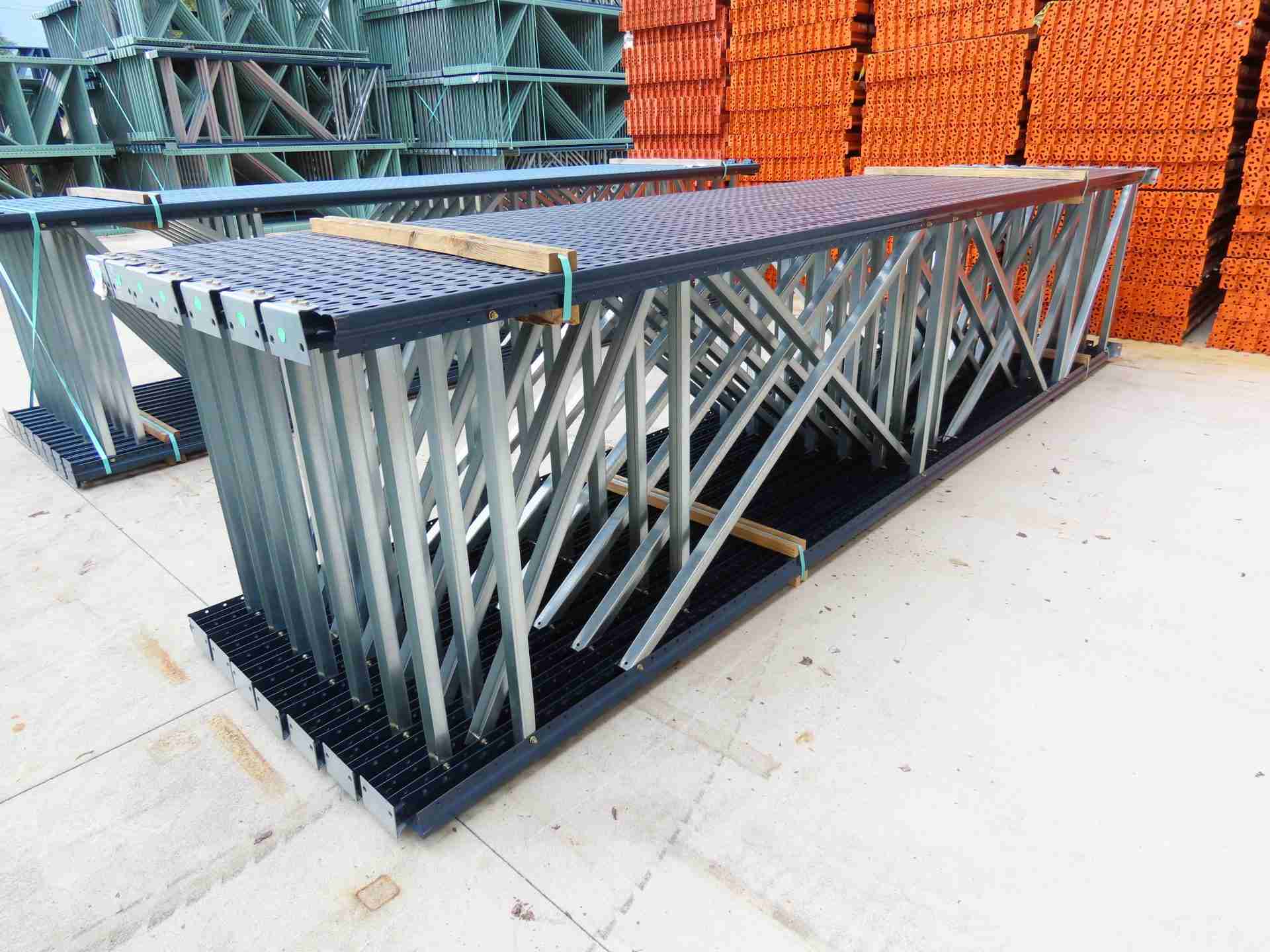
How Often Should Cantilever Racking Be Inspected For Safety?
Can Cantilever Racking Save Time In Material Handling?
In today’s competitive landscape, businesses are constantly searching for methods to enhance efficiency and productivity. One powerful solution that stands out is cantilever racking—a game-changer in material handling that can significantly save time and streamline operations.
Imagine a warehouse flooded with various materials, from lumber and pipes to furniture and tools. Accessing these items can turn into a tedious affair if they’re stacked haphazardly. Enter cantilever racking. This innovative system is designed to hold long, bulky items off the ground and within easy reach. The open design of cantilever racking minimizes obstructions, enabling almost instant access to the materials you need. This not only saves time in locating items but drastically reduces the handling time associated with retrieving goods.
Consider a recent case with a construction supply company that was overwhelmed by inefficient storage practices. By redesigning their storage layout with cantilever racking, they reported a staggering 30% increase in productivity. Workers no longer wasted precious minutes wrestling with heavy loads or sifting through unused items. Instead, everything was neatly organized and easily accessible, resulting in quicker fulfillment of orders and improved customer satisfaction.
Time savings are particularly vital to industries experiencing rapid growth or seasonal peaks. For example, retailers gearing up for holiday sales can benefit immensely from cantilever racking as they prepare to stockpile seasonal inventory. When inventory is organized and easy to manage, it becomes feasible to meet increased demand without scrambling. A well-implemented cantilever racking system allows businesses to scale their operations seamlessly without sacrificing productivity.
Moreover, in today’s era of supply chain disruptions and delays, efficiency is king. By employing cantilever racking, companies can adjust their warehousing strategies to reduce lead times and ensure that they can maintain strong inventory levels amidst fluctuating demand. During the recent global supply chain challenges, companies optimized their warehouses with intelligent systems like cantilever racking; those who adapted swiftly found themselves thriving against competitors who remained shackled to outdated practices.
Cantilever racking is not merely a storage solution; it’s a strategic investment in enhancing operational efficiency. By saving time in material handling, businesses can respond swiftly to customer needs while bolstering their bottom line. It’s time to reconsider your storage strategy and embrace the future of material handling. Upgrade today and watch your operational efficiency soar!
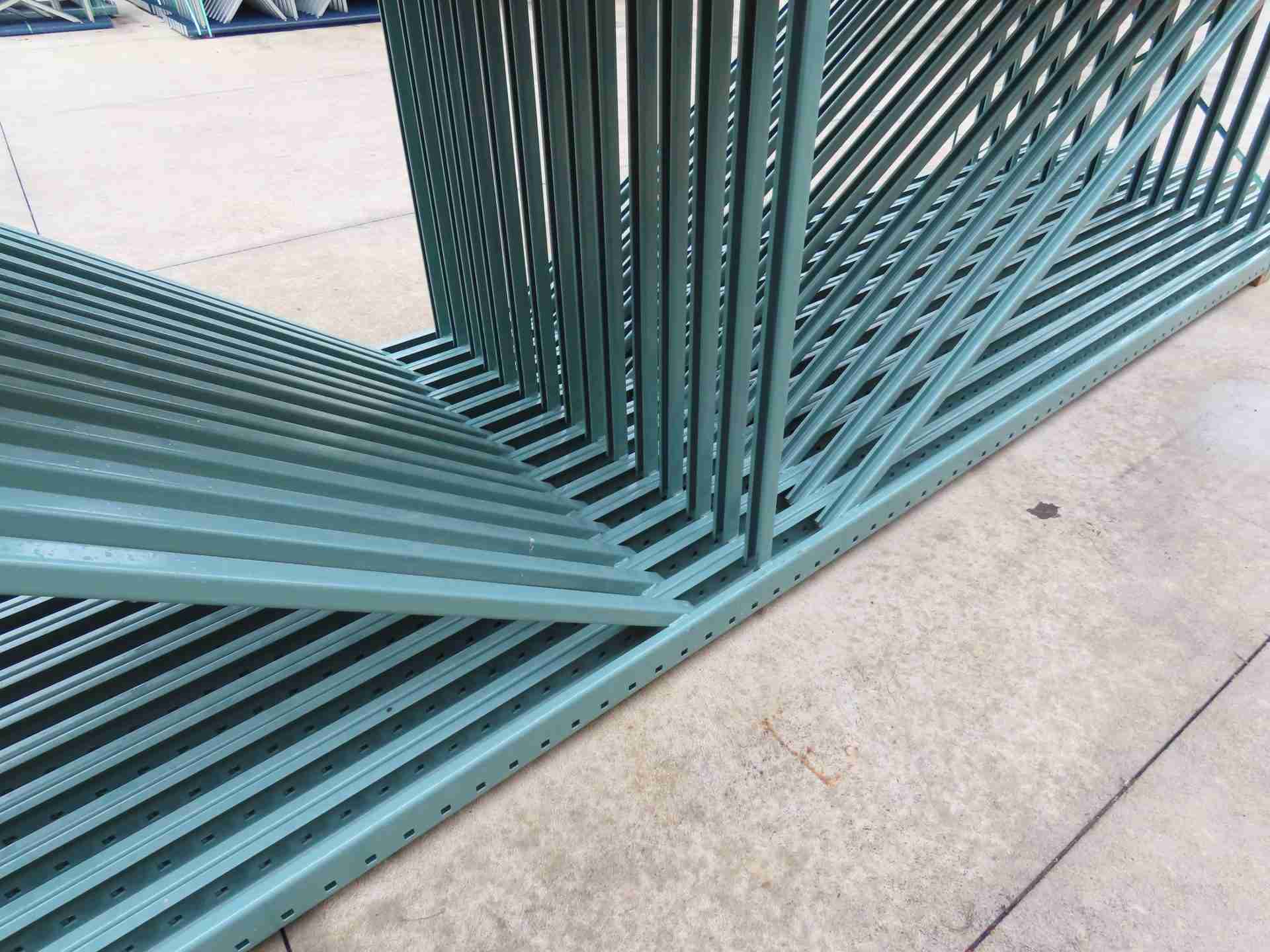
Can Cantilever Racking Save Time In Material Handling?
Can Cantilever Racking Save Time In Material Handling?
- Businesses are seeking ways to improve efficiency and productivity in a competitive landscape.
- Cantilever racking is an innovative solution designed to hold long, bulky items, making them easily accessible.
- This racking system reduces handling time and improves organization in warehouses overflowing with materials.
- A construction supply company that adopted cantilever racking saw a 30% increase in productivity, enhancing order fulfillment and customer satisfaction.
- Cantilever racking is especially beneficial for retailers during seasonal peaks, helping them manage inventory effectively.
- In a time of supply chain disruptions, cantilever racking helps companies reduce lead times and maintain strong inventory levels.
- Investing in cantilever racking can enhance operational efficiency and improve responsiveness to customer needs.
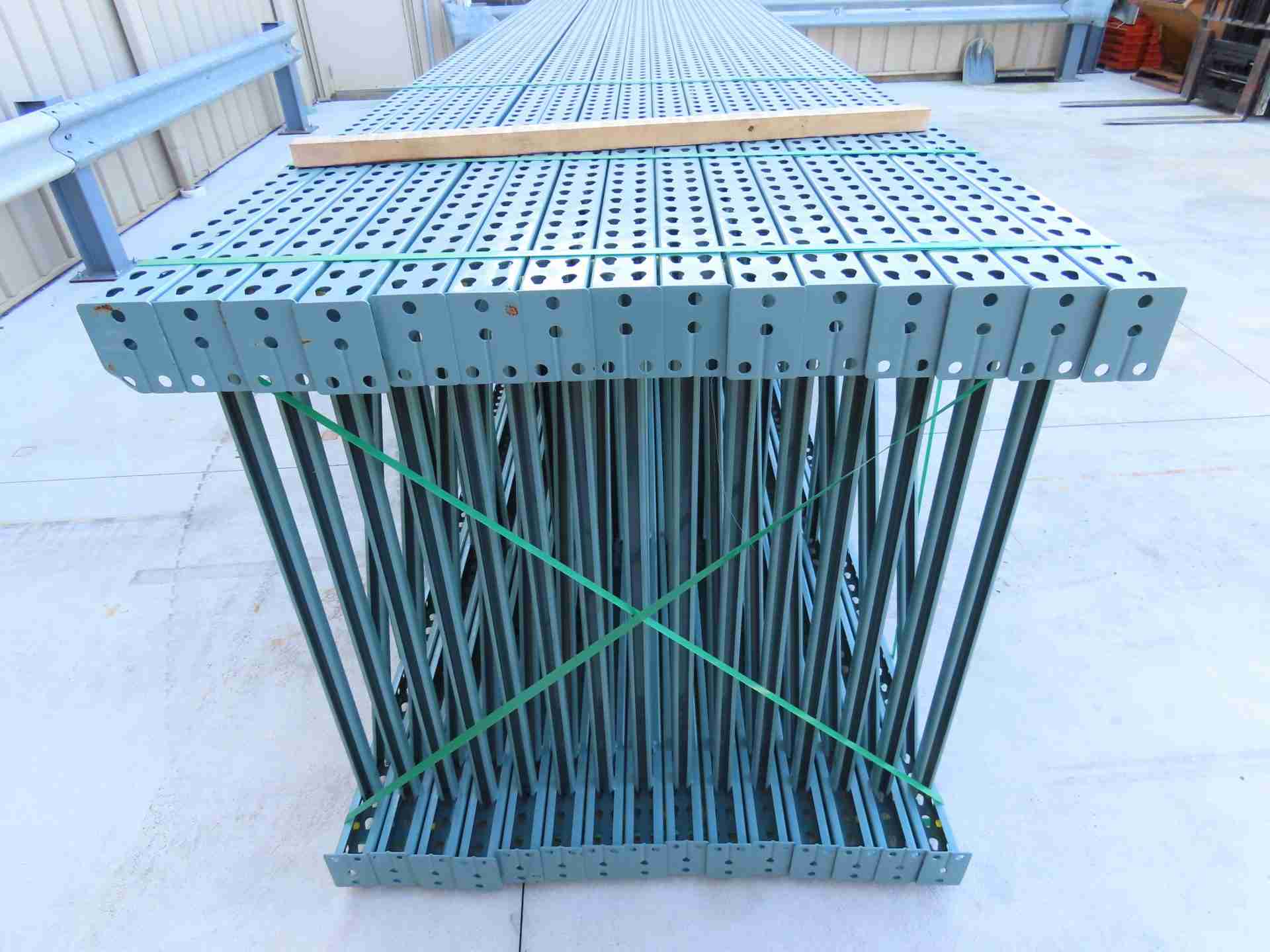
Can Cantilever Racking Save Time In Material Handling?
What Are The Compliance Standards For Racking Systems?
When it comes to racking systems—those vital structures that organize your warehouse and maximize space—compliance with standards isn’t just a box to tick; it’s an absolute necessity. Whether you’re managing a colossal distribution center or a quaint retail stockroom, understanding compliance standards can mean the difference between seamless operations and costly mishaps.
At the heart of racking system compliance are several key standards that ensure safety and efficiency. The American National Standards Institute (ANSI) and the Occupational Safety and Health Administration (OSHA) are pivotal players in the compliance landscape. These organizations outline specifications for design, installation, and maintenance of racking systems, ensuring that they support both product safety and worker welfare. For instance, the ANSI/ITSDF B56.1 standard offers guidelines for safely using powered industrial trucks, which often interact with racking systems.
But let’s delve deeper into practical implications. Consider the recent uptick in e-commerce—warehouses are running at full throttle, and every inch of vertical space is now valuable real estate. Compliance with the Rack Manufacturers Institute (RMI) standards is crucial here. These standards not only dictate load capacities but also outline the protocols for how racks must be constructed and maintained. It’s no longer just about stacking boxes; a failure to adhere to these guidelines could lead to catastrophic failures, as we saw in a Seattle warehouse fire where improperly maintained racks contributed to the rapid spread of flames.
Moreover, the International Organization for Standardization (ISO) also plays a role, especially for companies looking to sell internationally. By adhering to ISO standards, you can demonstrate your commitment to quality and safety, which is increasingly valuable in a global economy. As consumers and businesses alike are more concerned about safety, compliance can set your company apart from competitors who neglect these critical elements.
So, how do you ensure compliance? Start by conducting regular inspections and audits of your racking systems. Invest in training for your staff to be vigilant about potential hazards. Work with reputable suppliers who are knowledgeable about compliance standards; their expertise can save you headaches down the line.
In a world where safety is paramount, compliance standards aren’t merely regulations—they’re your ticket to operational success and peace of mind. By taking the time to understand and implement these standards, you’ll not only bolster your business’s reputation but also safeguard your employees and assets, making it a win-win situation for everyone involved.
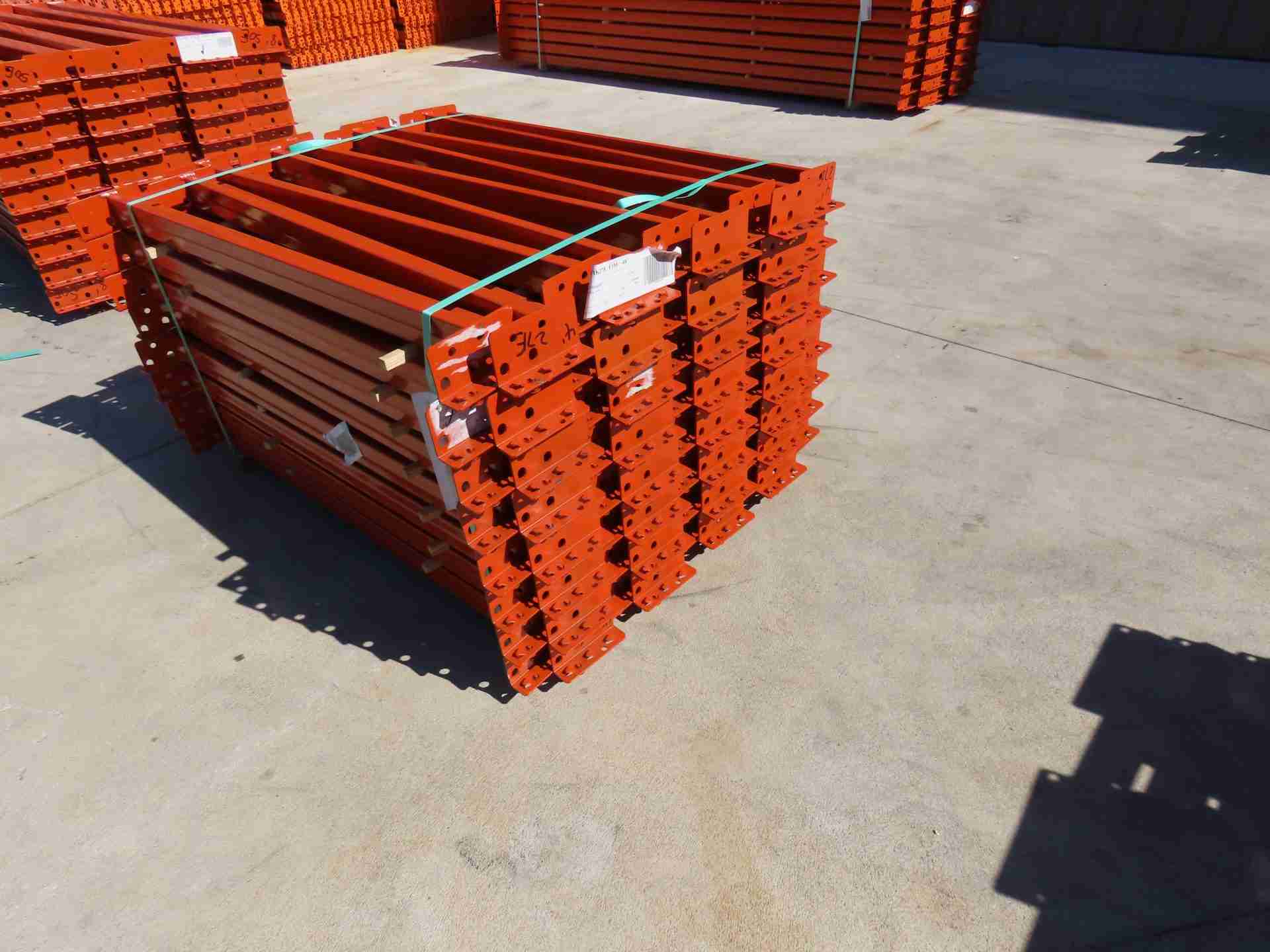
What Are The Compliance Standards For Racking Systems?
What Are The Compliance Standards For Racking Systems?
- Compliance with standards for racking systems is essential for warehouse operations.
- Key organizations, such as ANSI and OSHA, provide guidelines for the safe design, installation, and maintenance of racking systems.
- ANSI/ITSDF B56.1 standards offer guidance on safely using powered industrial trucks with racking systems.
- With the rise of e-commerce, RMI standards are crucial for load capacity and proper rack construction to prevent failures.
- ISO standards help companies demonstrate commitment to quality and safety, enhancing their competitiveness in global markets.
- Regular inspections, staff training, and collaboration with knowledgeable suppliers are vital for ensuring compliance.
- Understanding and implementing compliance standards not only protects employees but also enhances business reputation.
What Are The Compliance Standards For Racking Systems?
How Can Businesses Assess The Need For Racking Systems?
In the fast-paced world of logistics and inventory management, businesses face the critical challenge of optimizing their storage solutions. An effective racking system can not only maximize space but also streamline operations and enhance productivity. Here’s how your business can evaluate the necessity for implementing or upgrading racking systems.
1. Evaluate Current Storage Capacity
Begin by conducting a thorough inventory audit. Are your products sprawled across your warehouse, creating chaos? Or are they strategically organized but at full capacity? The recent supply chain disruptions have forced many companies to rethink their storage strategies. For instance, retailers like Target have leveraged data analytics to understand their inventory flow better and adjust their racking systems accordingly. Assess how much vertical space you are utilizing—higher ceilings can be a goldmine if paired with the right racking system.
2. Analyze Your Product Mix
What you store greatly influences your racking needs. Seasonal products, fast movers, and slow-moving items require different approaches. For example, 2023 saw an uptick in e-commerce as consumers preferred online shopping during economic uncertainty, leading many businesses to rethink their storage needs. Implementing a selective pallet racking system could be beneficial for a business with diverse inventory, allowing easy access to fast-moving goods while still accommodating bulk storage for slow movers.
3. Conduct a Workflow Assessment
Observe how your team interacts with your current storage setup. Is the time taken to retrieve products bogging down your operations? The adage “time is money” has never been more accurate. As a contemporary case, logistics giants like Amazon have continuously enhanced their fulfillment centers to ensure speed and efficiency, often reshaping racking systems to foster faster picking processes. Mapping out your workflow can illuminate inefficiencies and guide you toward a racking system that complements your operational rhythm.
4. Consider Safety Standards
In an era where workplace safety is paramount—especially following the pandemic—assessing your racking system for safety compliance isn’t just about following regulations; it’s about protecting your employees and investments. Racking systems that accommodate safety features could potentially reduce workplace injuries, hence safeguarding your bottom line.
5. Future Growth Planning
Don’t just think about today’s needs; envision your business’s growth trajectory. If your business plans to scale, adaptable racking systems like adjustable pallet racks can provide the flexibility you need. In a volatile market, having a system that grows with you can be the differentiator between seizing opportunities or getting bogged down by outdated infrastructure.
A meticulous assessment of your storage capacity, product mix, workflow, safety standards, and growth potential will guide your decision on implementing a racking system that not only meets current requirements but positions your business for future success. Embrace change!
How Can Businesses Assess The Need For Racking Systems?
How Can Businesses Assess The Need For Racking Systems?
- Evaluate Current Storage Capacity: Conduct a thorough inventory audit to assess organization and utilize vertical space effectively.
- Analyze Your Product Mix: Different storage items require tailored racking solutions; consider implementing selective pallet racking for diverse inventory.
- Conduct a Workflow Assessment: Evaluate how product retrieval affects operations, learning from logistics giants like Amazon to improve efficiency.
- Consider Safety Standards: Ensure racking systems comply with safety regulations to protect employees and minimize injuries.
- Future Growth Planning: Choose adaptable racking systems that align with business growth plans for flexibility in a changing market.
- Maximize Space and Productivity: An effective racking system enhances operational efficiency and overall productivity in logistics.
- Embrace Change: A comprehensive assessment will facilitate the right decision for implementing or upgrading racking systems for future success.

How Can Businesses Assess The Need For Racking Systems?
What Are The Costs Associated With Implementing Cantilever Racking?
When considering an investment in cantilever racking for your warehouse or distribution facility, it’s crucial to understand the various costs involved. At first glance, the numbers may seem straightforward—purchase price, installation fees, and ongoing maintenance. However, a thorough analysis reveals a multi-faceted financial picture that can directly impact your bottom line.
1. Initial Purchase Costs:
The first expense is the purchase of the racking system itself, which varies widely based on size, capacity, and supplier. For instance, a basic cantilever rack setup can cost anywhere from $200 to $500 per arm, depending on the weight it needs to support. For businesses storing heavy machinery or construction materials, investing in higher-capacity models makes sense, albeit at a higher price point. Remember, this initial investment is critical—not a mere expense—because the right system can streamline operations and maximize your storage efficiency.
2. Installation Expenses:
Don’t overlook installation costs, which can add another 10% to 20% to your total expenditure. Hiring professionals for installation enhances safety and ensures compliance with local regulations, especially in industries where safety standards are strictly enforced. For example, a fully installed cantilever system for lighter goods might run you $1,500, while installations for heavier, more complex configurations can escalate to $5,000 or more.
3. Maintenance Considerations:
Once your system is in place, maintenance becomes an ongoing cost. Regular inspections and repairs for wear and tear must be factored into your budget. Allocate about 1% to 3% of the initial cost annually for maintenance; neglecting this can lead to costly accidents, regulatory fines, or even business interruptions—a valuable lesson many learned during the pandemic when supply chains were already stretched thin.
4. Space Optimization:
Consider the intangible savings that arise from implementing cantilever racking. By optimizing your warehouse space, you can decrease operational costs and potentially avoid the need for larger facilities. For instance, by storing goods vertically, companies can save money on lease agreements, and navigate supply chain disruptions more effectively, like those witnessed in global shipping this past year.
5. Training and Compliance:
Training staff to safely and efficiently use the new system also incurs costs—however, investing in training pays dividends in productivity and minimizes the risk of accidents. As regulatory pressures grow, ensuring compliance with OSHA regulations not only protects your workforce but also shields your financial assets.
By understanding each of these components, you can make informed decisions about whether expanding into cantilever racking is the right move for your business, paving the way for smarter, more cost-effective operations. As with any strategic investment, being well-informed will set you apart from the competition and lead to sustainable growth.
What Are The Costs Associated With Implementing Cantilever Racking?
What Are The Costs Associated With Implementing Cantilever Racking?
- Initial Purchase Costs: The cost of cantilever racking ranges from $200 to $500 per arm, depending on size and capacity. Higher-capacity models may incur higher costs but can enhance storage efficiency.
- Installation Expenses: Installation can add 10% to 20% to the total cost. Professional installation is recommended for safety and compliance, with costs ranging from $1,500 to over $5,000, depending on complexity.
- Maintenance Considerations: Allocate 1% to 3% of the initial cost annually for ongoing maintenance to prevent accidents and regulatory fines.
- Space Optimization: Implementing cantilever racking can save on operational costs by optimizing space, potentially reducing the need for larger facilities.
- Training and Compliance: Staff training incurs costs but is essential for productivity and safety compliance, protecting both workforce and financial assets.
- Multi-Faceted Financial Picture: A comprehensive analysis of all costs is critical for understanding the true financial impact of investing in cantilever racking.
- Informed Decision-Making: Being well-informed about these components enables strategic investment decisions that contribute to sustainable business growth.
What Are The Costs Associated With Implementing Cantilever Racking?
How Can Layout Optimization Improve Safety And Efficiency?
In today’s fast-paced business environment, the pressure to maximize productivity and minimize risks has never been greater. Companies across various sectors—from manufacturing plants to retail shops—are discovering that layout optimization is not just a luxury; it’s a necessity. But what is layout optimization, and how does it specifically enhance safety and efficiency?
Let’s start with a simple premise: a well-organized space reduces hazards. Consider a warehouse that follows optimal layout principles, which ensures that frequently accessed items are stored within easy reach while heavy equipment is strategically positioned to minimize clutter. For instance, reflecting on recent challenges faced by logistics companies due to supply chain disruptions, firms that revamped their layouts to accommodate both safety and efficiency maintained their operational agility. They reduced the risk of accidents and ensured that employees could safely navigate the space, quickly fulfilling orders.
Take the healthcare sector, for example. During the COVID-19 pandemic, many hospitals re-evaluated their floor plans to reduce infection spread. By strategically placing patient care areas, waiting rooms, and staff stations, they improved the flow of patients and minimized exposure risks. Layout optimization became a lifebuoy, allowing healthcare providers to deliver critical services efficiently while prioritizing safety.
Moreover, in manufacturing, optimizing layouts can significantly impact workflow. A well-structured layout—for example, the famous “U-shaped” layout—enables smoother movement of materials and allows workers to collaborate more effectively. This is particularly valuable in industries embracing Industry 4.0 technologies, where machinery needs to interact seamlessly with human operators. Companies that understood this early on not only improved production rates but also created safer work environments.
Let’s not overlook the human element. Employee morale is linked to their physical workspace. An optimized layout can reduce the psychological stress that arises from cluttered, chaotic environments. Think about retail; a store with well-defined pathways and strategic product placement can enhance the shopping experience, encourage longer visits, and minimize accidents—like slipping on a misplaced item.
Finally, layout optimization can offer financial benefits. By cutting down on inefficiencies, companies can channel those resources into growth initiatives, saving money that can be reinvested into business expansion.
Layout optimization is no mere buzzword; it’s a powerful business strategy that enhances safety and efficiency in profound ways. It’s about creating spaces that empower employees and customers alike—facilitating a safer, more productive workplace where everyone can thrive. Embrace this strategy, and watch your operational performance soar.
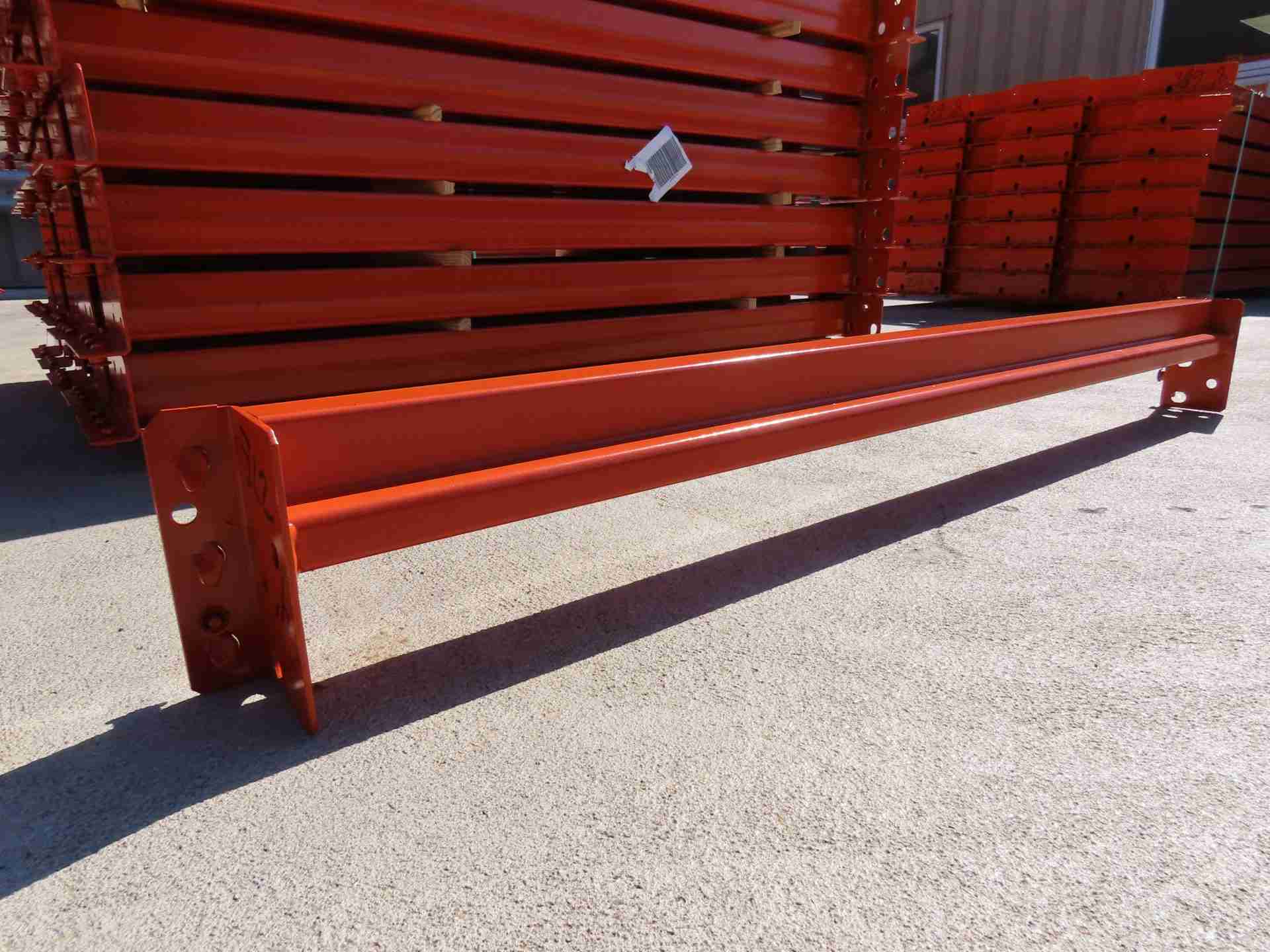
How Can Layout Optimization Improve Safety And Efficiency?
How Can Layout Optimization Improve Safety And Efficiency?
- Layout optimization is essential for maximizing productivity and minimizing risks in various sectors.
- A well-organized space reduces hazards by ensuring easy access to frequently used items and strategic placement of heavy equipment.
- Logistics companies that revamped layouts during supply chain disruptions maintained operational agility and reduced accident risks.
- Healthcare facilities optimized their layouts during the COVID-19 pandemic to improve patient flow and reduce infection exposure.
- In manufacturing, structured layouts enhance workflow and collaboration, particularly in environments utilizing Industry 4.0 technologies.
- An optimized workspace positively affects employee morale by reducing psychological stress associated with cluttered environments.
- Layout optimization can lead to financial benefits by reducing inefficiencies and allowing companies to reinvest resources into growth initiatives.
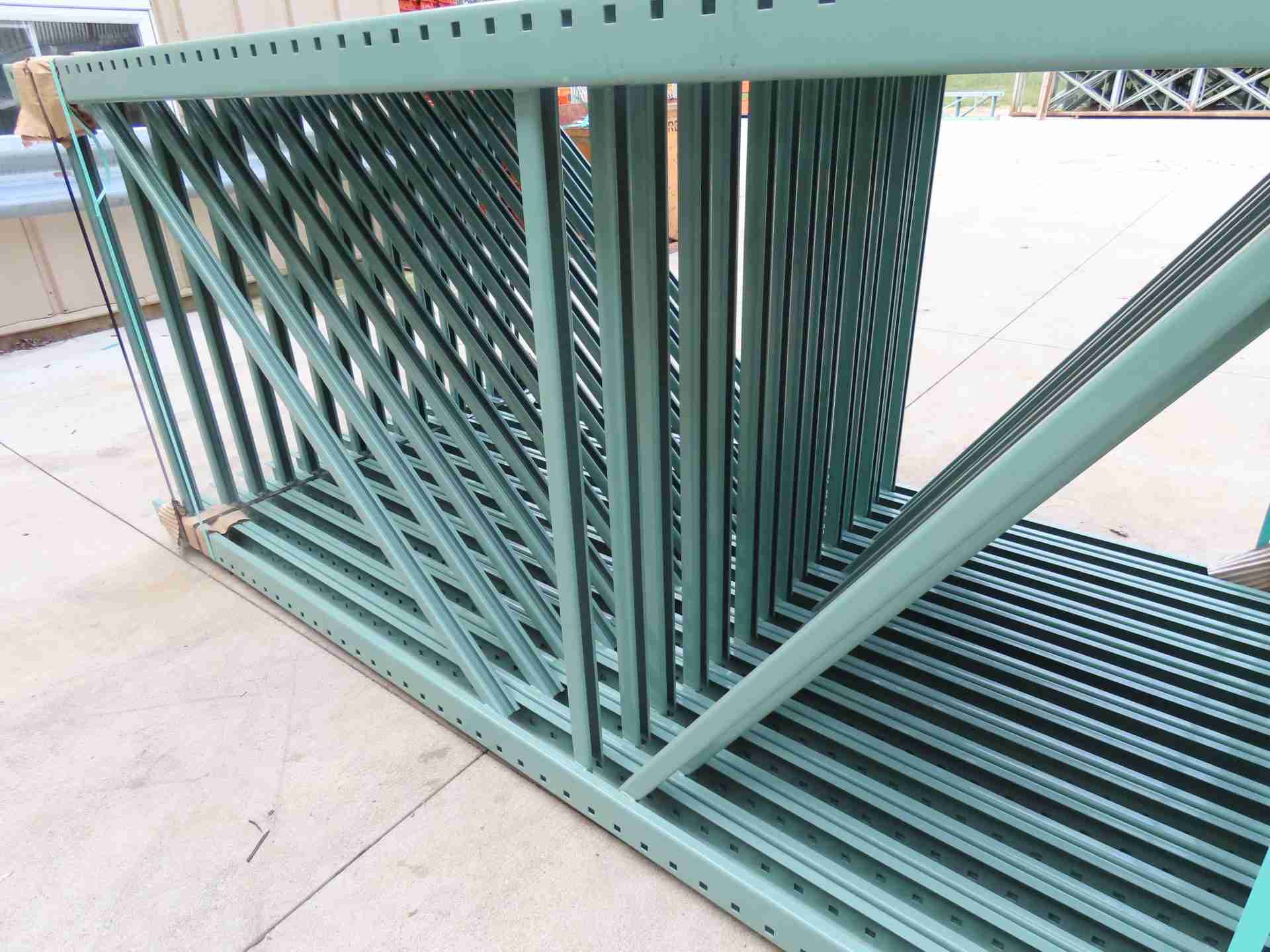
How Can Layout Optimization Improve Safety And Efficiency?
Conclusion
Conclusion: Elevating Workplace Safety with Cantilever Racking
In an era where workplace safety is paramount, cantilever racking systems are emerging as unsung heroes in warehouse environments. With over 4 million workplace injuries reported annually by OSHA, the need for innovative storage solutions that minimize risks cannot be overstated. This unique racking system is not merely an organizational tool; it is a strategic investment in the health and safety of your workforce.
Cantilever racking addresses common hazards associated with traditional storage systems, offering an open design that enables seamless access to heavy and awkward items without the clutter found in conventional shelving. This approach not only streamlines operations, dramatically reducing retrieval times, but also minimizes injury risks tied to overreaching and heavy lifting. Recent anecdotal evidence shows furniture retailers experiencing a 30% reduction in workplace injuries after adopting cantilever racking. Clearly, the proof is in the results.
Moreover, the adaptability and customization that cantilever racking offers is a game changer for diverse industries, be it construction, manufacturing, or retail. By allowing businesses to store everything from lumber to furniture in a safe, organized fashion, cantilever racking optimizes storage space, helping companies confront modern-day supply chain challenges effectively. As seen from industry leaders, embracing such an adaptable solution not only enhances productivity but also fosters an organizational culture that values safety.
As we navigate a rapidly changing landscape—with urgent calls for efficiency, safety, and compliance—it’s clear that investing in cantilever racking isn’t just a matter of convenience; it’s a strategic imperative. The urgency is unmistakable: the right storage solution can make the difference between a seamless operation and one plagued by accidents and inefficiency.
Now is the time to take action. Whether you’re looking to enhance your warehouse layout, maximize storage, or prioritize safety, calling Arrow Industrial Sales at (574) 349-6575 can set you on the path toward a safer, more efficient workplace. Don’t wait until an accident forces you to reconsider your storage practices—opt for cantilever racking today and secure not only your inventory but the well-being of your most valuable asset: your employees. Transform your workspace and seize the opportunity to elevate safety and productivity to new heights.
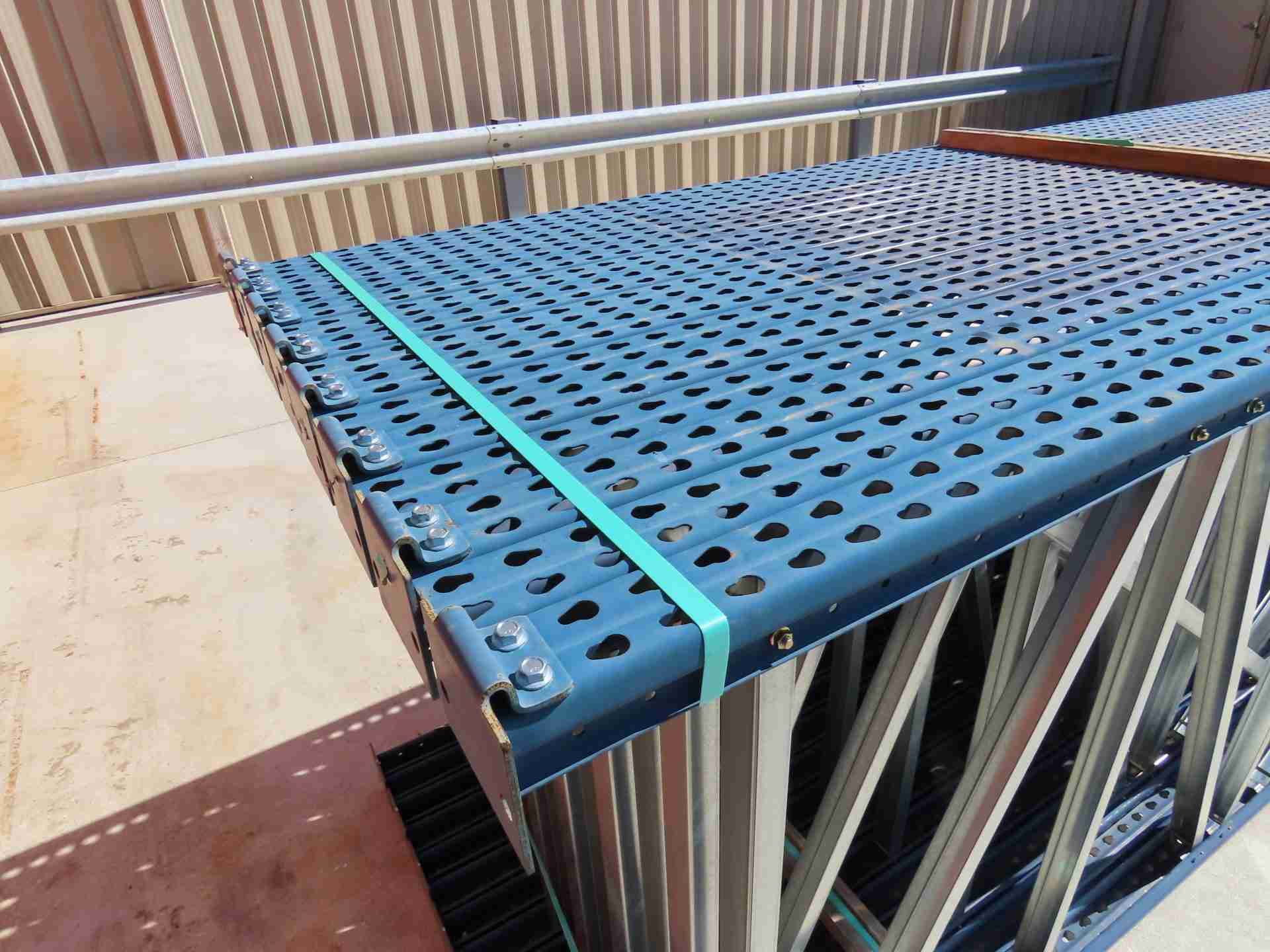
Conclusion
Conclusion:
- Cantilever racking systems enhance workplace safety in warehouse environments.
- Over 4 million workplace injuries are reported annually, highlighting the need for innovative storage solutions.
- This racking system allows seamless access to heavy and awkward items, reducing clutter and injury risks.
- Anecdotal evidence indicates a 30% reduction in workplace injuries among furniture retailers using cantilever racking.
- Cantilever racking is adaptable for diverse industries, optimizing storage for various materials from lumber to furniture.
- Investing in cantilever racking is essential for enhancing safety, efficiency, and compliance in modern operations.
- Contacting Arrow Industrial Sales can help transform workplace safety and productivity.
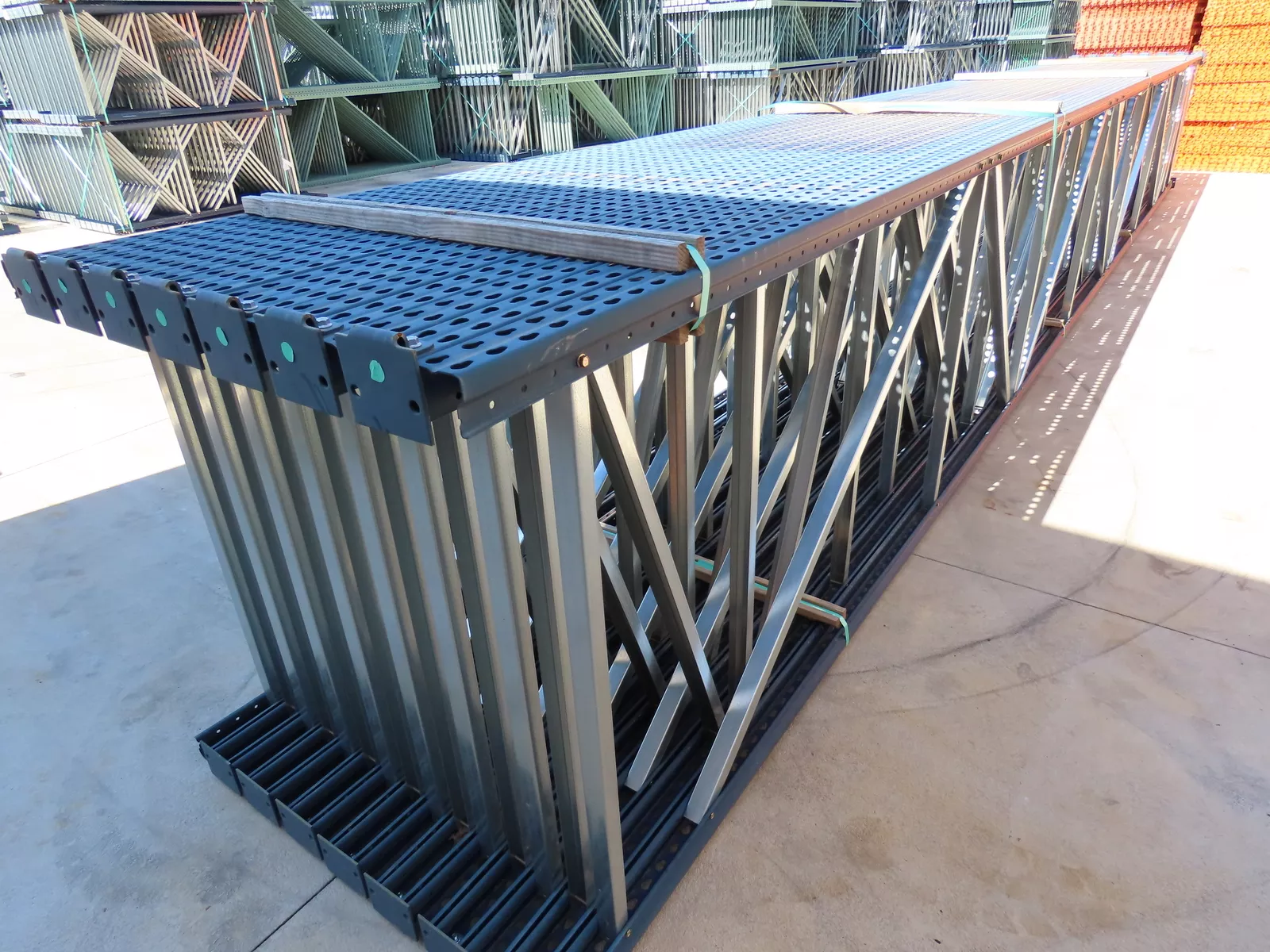
Conclusion
Other Resources

Other Resources
Here is a list of other resources you can review online to learn more:
- Cantilever Racking | Workplace Products: Cantilever racks provide a safe and secure area for items that are commonly awkward to store. This in turn increases workplace safety, reducing the risk of injury to your staff.
- The Safety Practices for Cantilever Racking Systems | Blog: Ensuring worker safety with cantilever racking systems is crucial, especially in environments where heavy materials are stored and retrieved. Safety practices can help reduce the risk of accidents and related injuries with cantilever racking systems and create a safer work environment for employees.
- Structural Cantilever Racking Systems: Strength & Functionality: Cantilever Racking Systems are designed with safety in mind, with features like safety pins, column protectors, and load stops to prevent accidents and damage to products and personnel.
- The Main Reasons Behind Racking Collapse and How To Avoid These Risks: Unfortunately, racking collapses can lead to catastrophic consequences, posing risks to personnel, operations and inventory. To prevent such disasters, let’s delve into the most common causes of racking failures, explore examples and most importantly the prevention of racking collapse.
Please note that it’s always a good idea to contact these companies directly for the most accurate and up-to-date information.

Other Resources
Glossary Terms
Can Cantilever Racking Help Reduce Workplace Injuries? – Glossary Of Terms
1. Cantilever Racking: A type of shelving system with horizontal beams that extend from vertical columns, designed to store long or bulky items.
2. Workplace Safety: The practices and policies implemented to ensure the health and well-being of employees while they perform their job duties.
3. OSHA: The Occupational Safety and Health Administration, a US agency that sets and enforces safety regulations for workplaces.
4. Load Capacity: The maximum weight that a racking system can safely support without risk of failure.
5. Ergonomics: The science of designing workspaces and tools to fit the worker’s needs, thereby reducing strain and the risk of injury.
6. Forklift: A powered industrial truck used to lift and move materials over short distances, often used in conjunction with racking systems.
7. Material Handling: The process of moving, protecting, and storing materials throughout the manufacturing and warehousing process.
8. Inventory Management: The supervision of non-capitalized assets, including products and materials, to ensure optimal stock levels and organization.
9. Space Optimization: The process of arranging physical space to maximize storage and improve workflow, as seen in effective racking systems.
10. Employee Training: Programs designed to educate employees on safety protocols and proper handling techniques to reduce injury risks.
11. Hazard Assessment: The process of identifying and evaluating potential hazards in a workplace to implement preventive measures.
12. Load Stabilization: Techniques used to prevent loads from shifting or falling during storage or movement, enhancing safety.
13. Safety Audit: A systematic review of workplace safety practices and conditions to identify areas for improvement.
14. Back Injury: A common workplace injury often associated with improper lifting techniques or poorly designed storage systems.
15. Ergonomic Design: An approach to designing tools and workspaces that fit human physical needs to minimize discomfort and injury.
16. Pallet Racking: A type of storage system that supports pallets and facilitates organized stacking of goods.
17. Safety Signage: Signs displayed in a workplace to communicate important safety information and reminders.
18. Injury Rate: A statistic representing the number of workplace injuries occurring over a specific time period, often used to measure safety performance.
19. Aisle Width: The distance between racking systems ensuring adequate space for safe material movement, especially for forklifts.
20. Load Distribution: The way weight is spread across a racking system, crucial for maintaining structural integrity and safety.
21. Maintenance Checks: Regular inspections of racking systems to identify wear and tear or potential safety hazards.
22. Compliance: Adhering to local and national safety regulations, ensuring that practices and equipment meet legal and safety standards.
23. Slips and Falls: Common types of workplace injuries that often result from poor organization, inadequate training, or unsafe practices.
24. Hazard Communication: The methods of informing employees about the risks associated with materials and equipment in the workplace.
25. Incident Reporting: The process of documenting and analyzing workplace accidents to prevent future occurrences.
26. Workplace Ergonomics Assessment: An evaluation of the work environment to identify ergonomic issues and recommend improvements.
27. Bulky Items: Large or heavy products that may require specialized storage solutions like cantilever racking for safe handling.
28. Spill Containment: Systems and procedures designed to manage and control hazardous material spills in a workplace.
29. Safety Culture: The set of beliefs, practices, and attitudes within an organization that influences its safety policies and behaviors.
30. Process Improvement: Efforts to enhance workplace operations and safety protocols to increase efficiency and reduce injury rates.
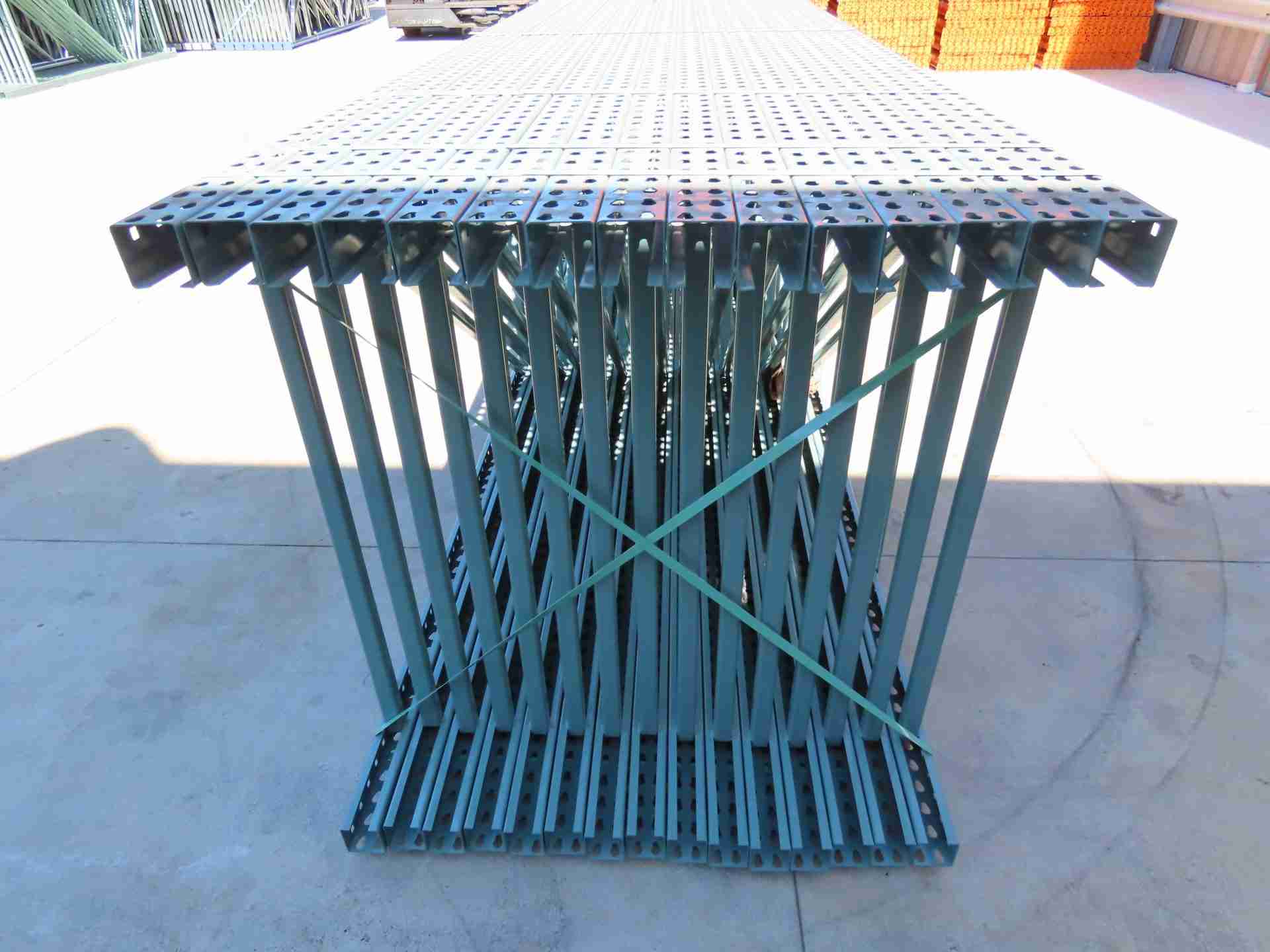
Glossary Of Terms
Other Questions
Can Cantilever Racking Help Reduce Workplace Injuries? – Other Questions
If you wish to explore and discover more, consider looking for answers to these questions:
- What are the specific safety features of cantilever racking systems?
- How does cantilever racking compare to other racking systems in terms of safety?
- What types of materials are best suited for cantilever racking?
- Can cantilever racking be customized for specific industry needs?
- What training is necessary for workers using cantilever racking systems?
- How can businesses measure the effectiveness of cantilever racking in reducing injuries?
- What are the maintenance requirements for cantilever racking systems?
- Are there industry standards specifically for cantilever racking systems?
- Which industries most benefit from implementing cantilever racking systems?
- How can technology be integrated with cantilever racking for improved safety?
- What are common costs associated with maintaining cantilever racking systems?
- How should cantilever racking be designed for maximum safety and efficiency?
- What are the best practices for loading and unloading materials on cantilever racks?
- How does cantilever racking support compliance with safety regulations?
- What case studies demonstrate the effectiveness of cantilever racking in improving safety?
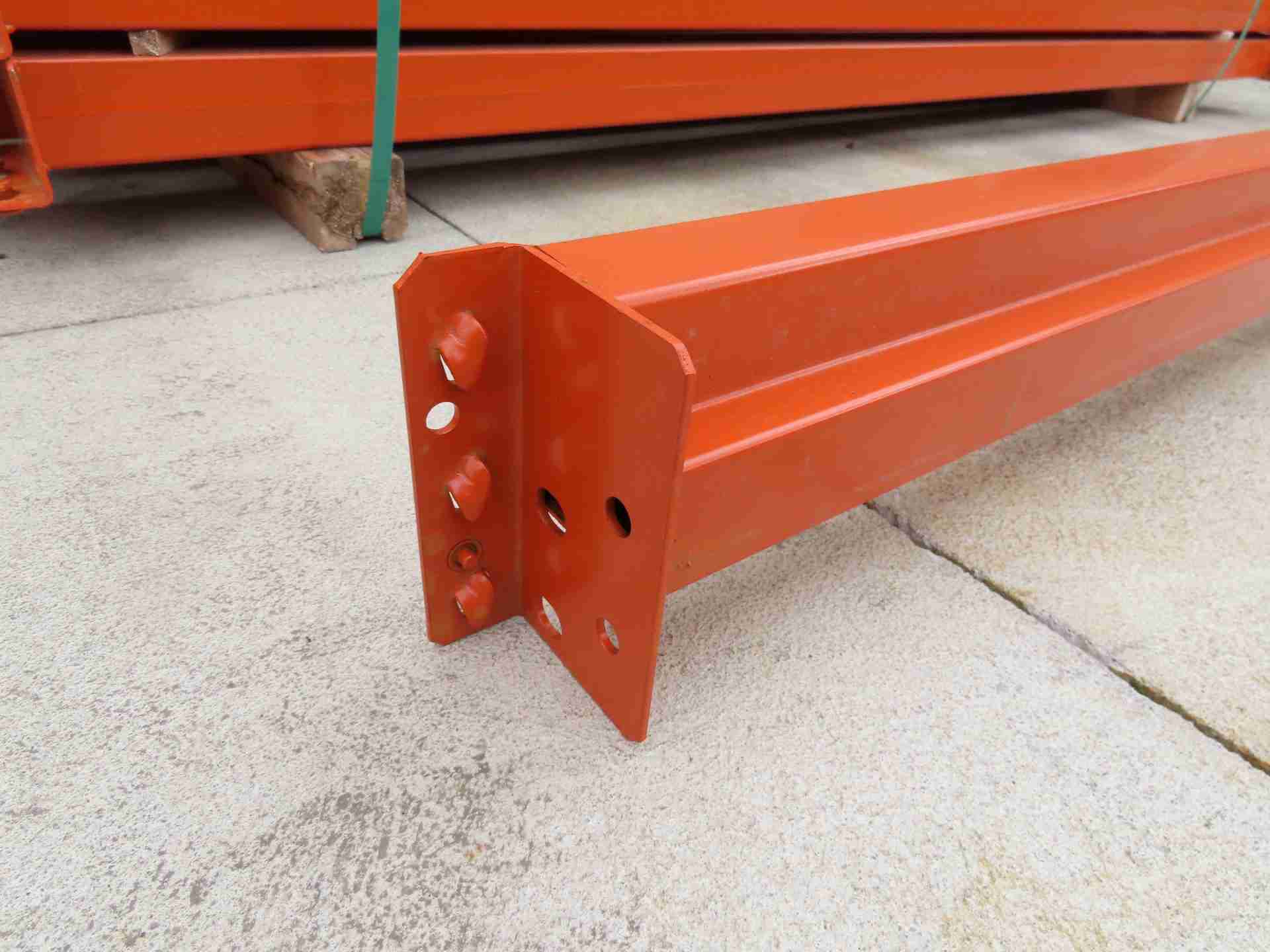
Other Questions
Checklist
Can Cantilever Racking Help Reduce Workplace Injuries? – A Checklist
Before Implementation:
1. Evaluate Current Storage Needs:
_____ Conduct an inventory audit to identify existing storage challenges.
_____ Analyze the types of materials to be stored (length, weight, and shape).
2. Assess Safety Compliance:
_____ Review OSHA, ANSI, and RMI guidelines relevant to racking systems.
_____ Identify any current safety hazards in your storage practices.
3. Plan for Layout Optimization:
_____ Design an efficient and accessible layout that reduces clutter.
_____ Ensure frequently accessed items are easily reachable without overreaching or climbing.
4. Budget for Costs:
_____ Calculate initial purchase costs for cantilever racks based on your storage needs.
_____ Include installation fees, ongoing maintenance, and potential training costs in your budget.
During Implementation:
5. Choose Proper Cantilever Racking:
_____ Select racks that accommodate your specific load requirements (length and weight).
_____ Ensure racks are installed according to safety regulations and manufacturer guidelines.
6. Train Employees:
_____ Conduct comprehensive training programs focused on safe racking practices.
_____ Provide clear visual aids to reinforce safety procedures.
7. Establish Regular Inspections:
_____ Schedule inspections every six months or more frequently based on risk factors.
_____ Encourage daily visual checks by warehouse staff for early detection of wear and damage.
After Implementation:
8. Monitor Safety and Efficiency:
_____ Review incident reports and track any safety incidents related to racking use.
_____ Gather employee feedback on the effectiveness of the new storage system.
9. Optimize Workflow:
_____ Continuously assess how the new layout impacts employee productivity and safety.
_____ Make adjustments based on minimum handling times and maximum accessibility of items.
10. Conduct Regular Safety Audits:
_____ Schedule audits to evaluate compliance with safety regulations and overall effectiveness.
_____ Involve employees in the audit process to facilitate a culture of safety awareness.
Continuous Improvement:
11. Stay Updated on Best Practices:
_____ Keep abreast of industry trends and developments related to cantilever racking and safety.
_____ Invest in ongoing education and training for employees regarding safety.
12. Review Performance Metrics:
_____ Analyze productivity rates and accident counts before and after cantilever racking implementation.
_____ Adjust policies and practices based on these metrics to continuously improve safety and efficiency.
By following this checklist, you can effectively implement cantilever racking systems that not only mitigate workplace injuries but also enhance overall operational efficiency and productivity in your warehouse or distribution center.
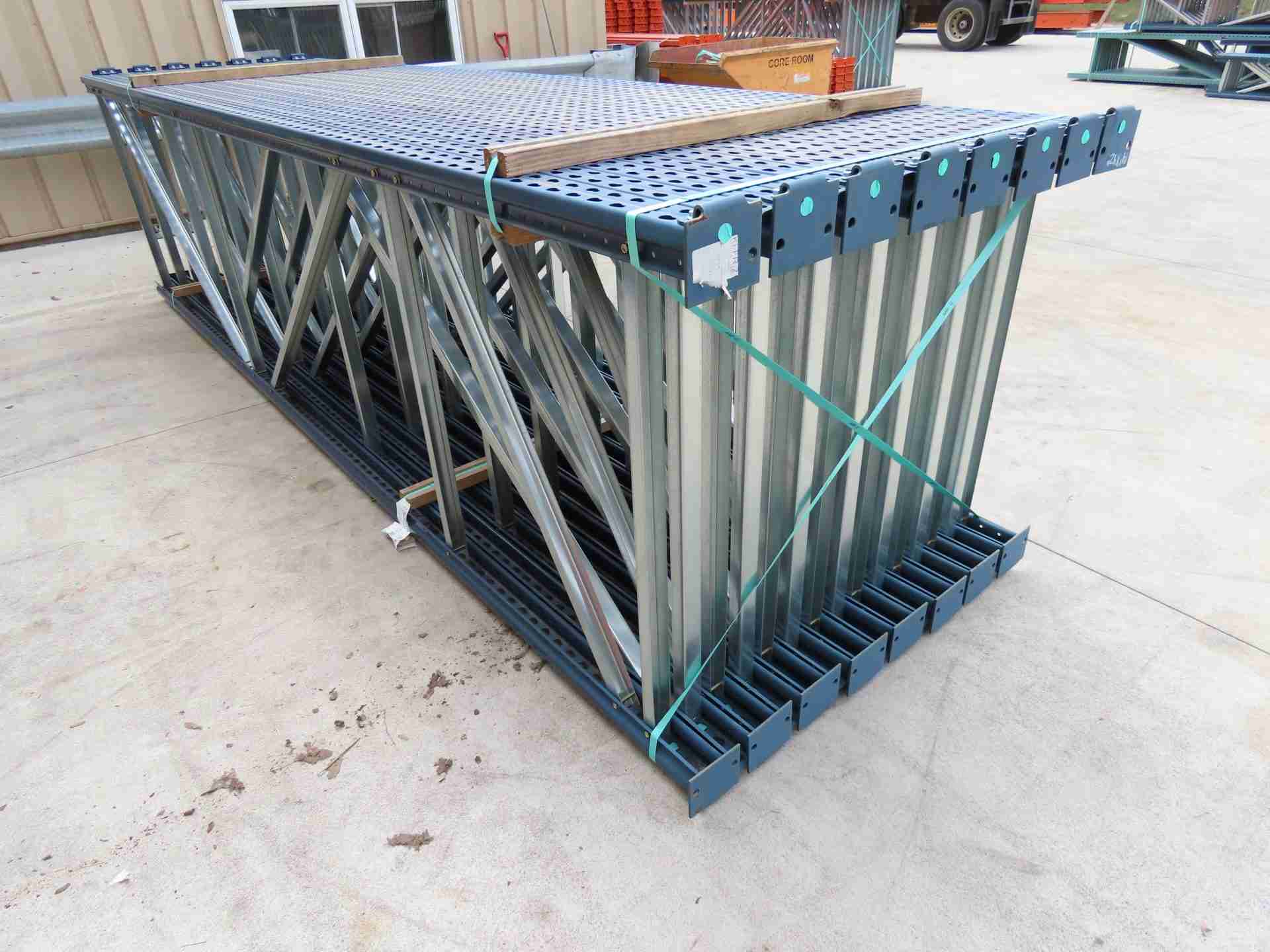
Checklist
At RackingWorld, we help guide you through selecting warehouse storage systems and racking.
Be sure to read our other related stories at RackingWorld to learn more about warehouse storage systems.
0 Comments