
Finding The Perfect Balance For Cantilever Racks
By Tom Seest
At RackingWorld, we help guide you through selecting warehouse storage systems and racking.
Be sure to read our other related stories at RackingWorld to learn more about warehouse storage systems.
How Do You Balance Flexibility and Stability In Cantilever Racks?
In today’s fast-paced warehouse environment, achieving the perfect equilibrium between flexibility and stability in cantilever racks is not just a goal—it’s a necessity. As supply chains evolve and consumer demands shift, businesses must leverage storage solutions that accommodate both variability and dependability. So, how do you strike this balance?
Flexibility in Design and Layout
First, consider the unique needs of your inventory. Flexibility means having the ability to adapt quickly to changes, whether that’s the introduction of a new product line or fluctuations in seasonal storage needs. Cantilever racks are inherently designed for flexibility; with adjustable arms, they can easily accommodate items of various sizes and weights—think lumber, pipes, or other long items. Companies like Big Joe Manufacturing have embraced this adaptability to stay ahead in a rapidly changing market.
Moreover, the current trend towards e-commerce has raised the stakes. As businesses navigate shipping pressures, being able to tailor your shelving to increased turnovers becomes crucial. For instance, during peak seasons—such as the last holiday rush—companies that invested in modular cantilever systems found themselves able to quickly reconfigure storage options, thereby avoiding costly delays and maximizing return on investment.
Stability That Instills Confidence
While flexibility is vital, it should never come at the cost of stability. No one wants to risk employee safety or product damage due to an unstable storage solution. Look for cantilever racks that provide robust construction using high-grade steel, which offers both durability and stability, even under heavy loads.
Moreover, stability is enhanced through proper installation and spacing standards. For example, in a recent National Safety Council report, adherence to safety regulations in warehouse spaces directly correlated with reduced accidents. This not only protects your employees but also fortifies your bottom line, ensuring that you maintain efficiency and productivity during critical times.
Creating a Synergy
So how do you practically create a synergy between these two compelling forces? Start by bringing in experts who can assess your specific storage needs and configure systems that allow for easy reconfiguration without compromising on structural integrity. Consider the use of dividers or detachable arms to further enhance flexibility while being anchored securely to the ground.
The art of balancing flexibility and stability in cantilever rack systems is one that requires foresight, design savvy, and a focus on safety. By investing time to understand both aspects, you can equip your warehouse for the future while ensuring operational excellence today. Don’t just store—optimized storage is the key to winning the logistics game.
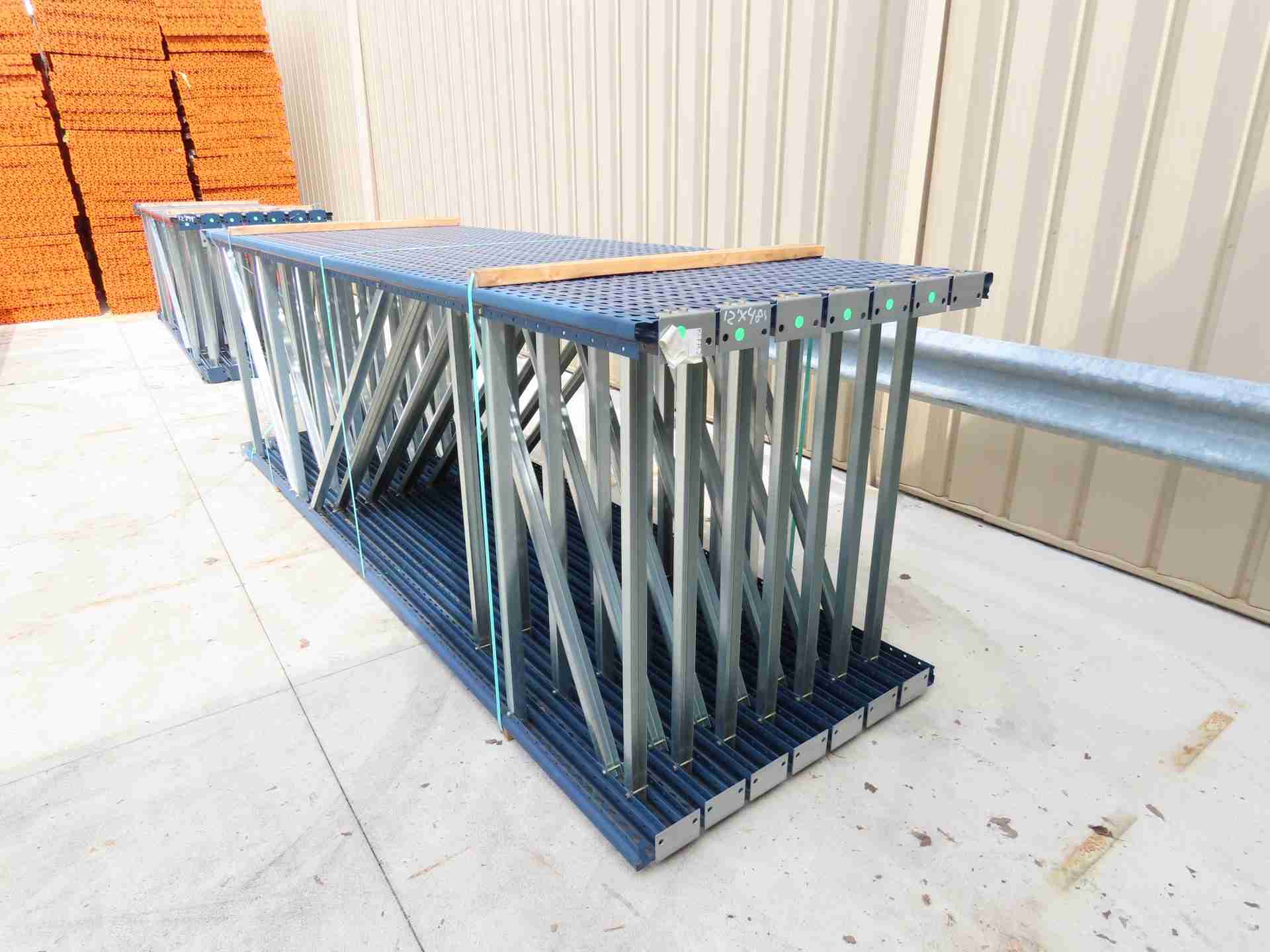
How Do You Balance Flexibility and Stability In Cantilever Racks?
How Do You Balance Flexibility and Stability In Cantilever Racks?
- Balancing flexibility and stability in cantilever racks is essential in modern warehouses.
- Flexibility allows businesses to adapt to inventory changes and seasonal fluctuations.
- Cantilever racks offer adjustable arms to accommodate various item sizes and weights.
- E-commerce trends necessitate quick adjustments to shelving for increased turnovers.
- Stability should not be compromised; robust construction with high-grade steel is crucial.
- Following safety regulations can reduce accidents and protect both employees and products.
- Bringing in experts can help configure storage systems that enhance flexibility and maintain safety.
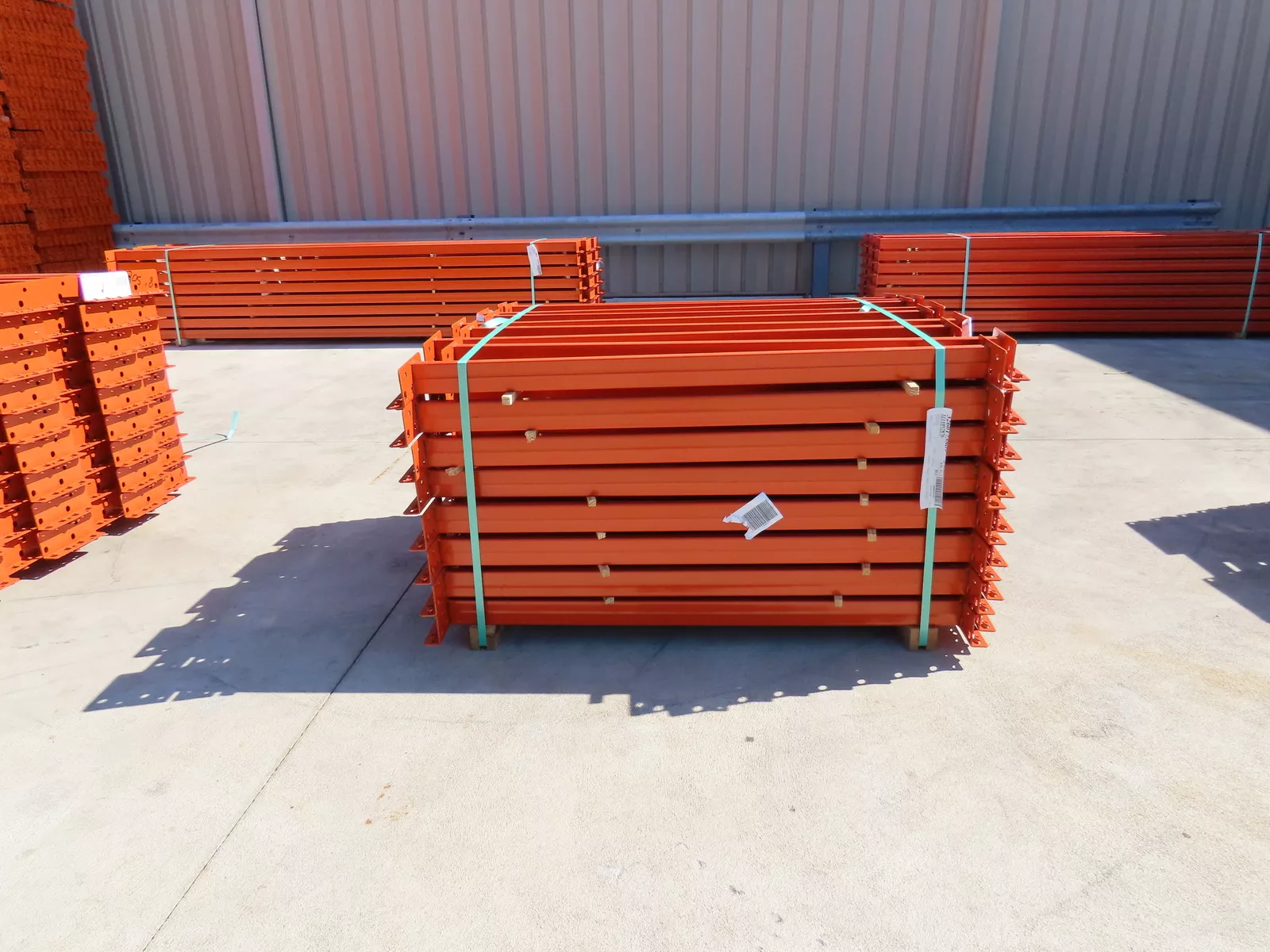
How Do You Balance Flexibility and Stability In Cantilever Racks?
Table Of Contents
- How Do You Balance Flexibility and Stability In Cantilever Racks?
- How Do Cantilever Racks Provide Both Flexibility And Stability?
- What Materials Enhance The Stability Of Cantilever Racks?
- How Do Load Capacities Affect Flexibility In Cantilever Racks?
- What Design Features Promote Better Flexibility In These Racks?
- How Can I Determine The Right Height For My Cantilever Racks?
- What Safety Standards Should I Consider For Cantilever Racks?
- How Does The Choice Of Accessories Impact Stability And Flexibility?
- What Common Mistakes Should I Avoid When Installing Cantilever Racks?
- How Can I Assess The Stability Of My Existing Cantilever Racks?
- Conclusion
- Other Resources
- Glossary Of Terms
- Other Questions
- Checklist
How Do Cantilever Racks Provide Both Flexibility And Stability?
In a world where businesses are constantly adapting to changing market demands and consumer preferences, the ability to pivot while maintaining a solid foundation is crucial. Enter cantilever racks, the unsung heroes of storage solutions that perfectly embody the principles of flexibility and stability. These racks are not just storage solutions; they’re strategic assets that empower businesses to operate efficiently, even in turbulent times.
Imagine a distributor of building materials facing fluctuating supply chains as economic conditions shift. With cantilever racks, they can easily adjust their layout to accommodate various sizes of lumber, pipes, or other materials. Unlike traditional shelving that can be rigid and preset, cantilever racks allow for modifications in height and depth, ensuring that every inch of vertical space is utilized effectively. In a recent case study, a manufacturing facility reduced storage costs by 25% simply by reconfiguring their cantilever rack system. This flexibility meant that when demand surged for a particular product line, they could quickly adapt their storage to keep pace without incurring additional expenses.
But what about stability? In an age where safety regulations are tighter than ever, businesses can’t afford to compromise. Cantilever racks are engineered for strength and durability, built to hold considerable weight while maintaining structural integrity. Recent incidents in warehouse management highlight the importance of sturdy storage solutions. Companies are facing fines and operational halts due to poor safety practices, but those utilizing cantilever racks benefit from both compliance and confidence in their setups. Many racks come with a variety of safety features such as safety pins and reinforced arms, ensuring that even in the busiest environments, items remain secure and accessible.
Furthermore, as more businesses embrace e-commerce, the need for quick, efficient inventory management is paramount. Cantilever racks facilitate easier access to products, reducing pickup times and increasing order fulfillment speeds. For example, a recent report revealed that retailers using cantilever rack systems reported an improvement in order accuracy by nearly 30%. This means not only are customers satisfied with their fast deliveries, but the business’s bottom line also sees a boost.
The unique combination of flexibility and stability provided by cantilever racks makes them indispensable in today’s competitive landscape. They offer a practical solution that not only meets the immediate needs of storage but also scales alongside business growth, ultimately securing a robust infrastructure for future challenges. Whether you’re streamlining your operations or aiming for explosive growth, the right cantilever rack system could be your game changer.
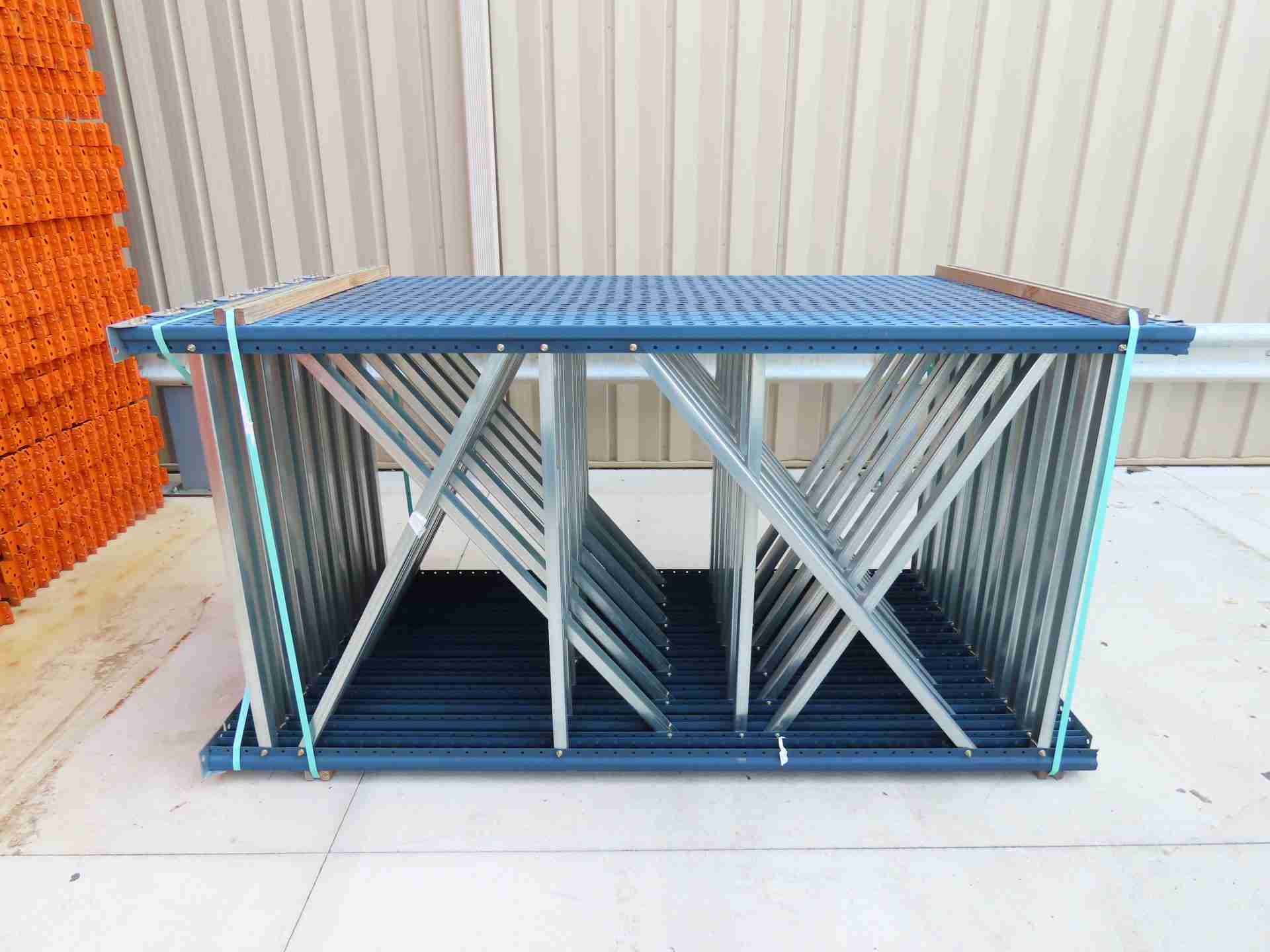
How Do Cantilever Racks Provide Both Flexibility And Stability?
How Do Cantilever Racks Provide Both Flexibility And Stability?
- Cantilever racks are essential storage solutions that combine flexibility and stability for businesses.
- These racks allow for easy layout adjustments, accommodating various sizes of materials like lumber and pipes.
- A case study found that a manufacturing facility reduced storage costs by 25% by reconfiguring their cantilever rack system.
- Cantilever racks are engineered for strength and durability, helping businesses maintain safety compliance and operational effectiveness.
- Safety features, such as safety pins and reinforced arms, ensure secure storage in busy environments.
- Retailers using cantilever racks reported a nearly 30% increase in order accuracy, improving customer satisfaction and business profitability.
- The unique combination of flexibility and stability positions cantilever racks as indispensable for businesses facing growth and change.
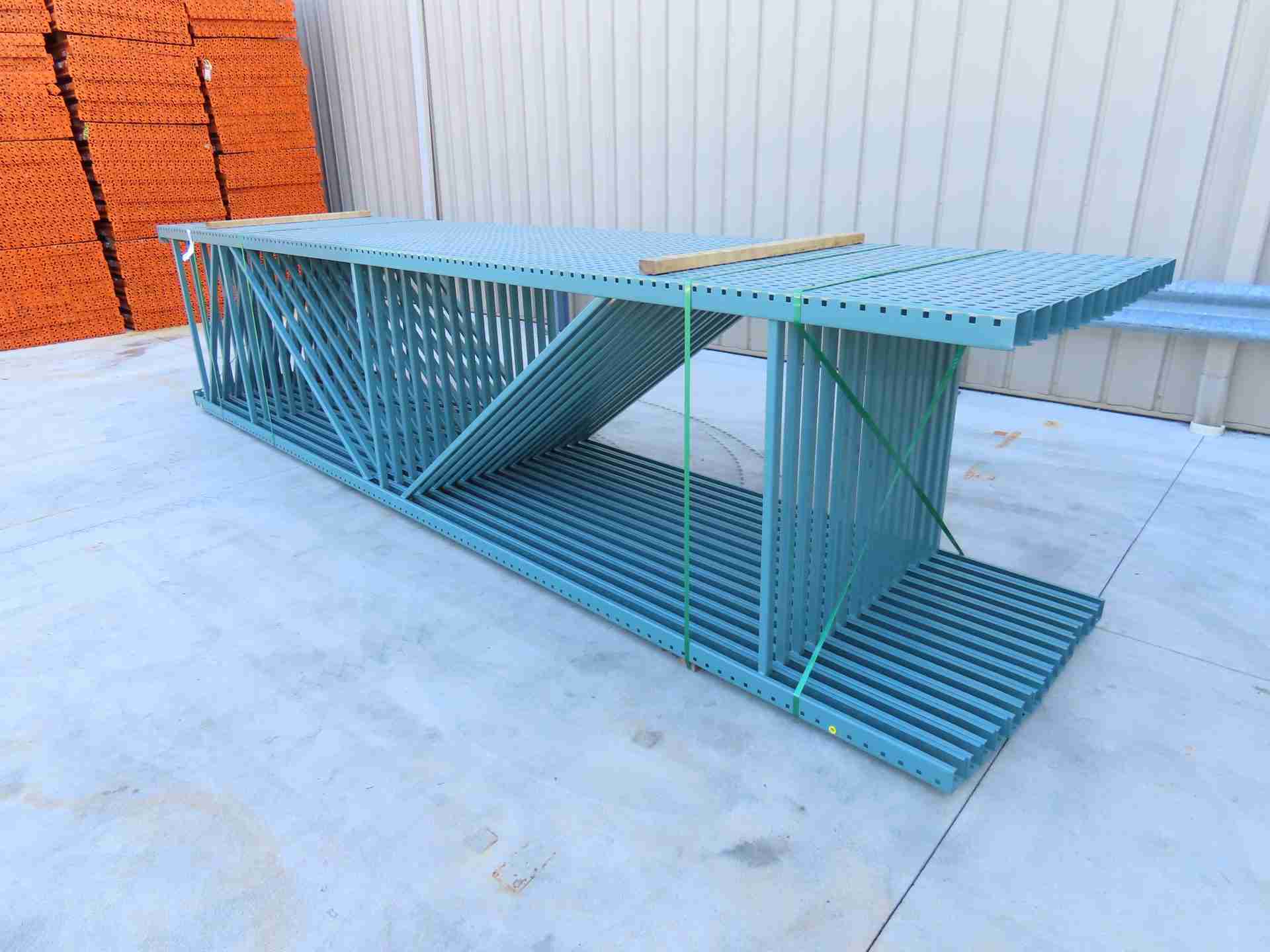
How Do Cantilever Racks Provide Both Flexibility And Stability?
What Materials Enhance The Stability Of Cantilever Racks?
When it comes to maximizing warehouse efficiency and ensuring the safety of your stored materials, the stability of cantilever racks is paramount. Understanding the right materials that fortify these vital systems can make all the difference—both in terms of operational productivity and risk management. In an age where industry standards and regulations are tightening, selecting the right materials isn’t just a matter of preference; it’s a necessity.
Steel: The Gold Standard
First and foremost, the backbone of any cantilever rack system is steel. High-grade structural steel provides unparalleled strength, durability, and resistance to bending. When sourced from respected suppliers, like those adhering to ASTM standards, you can rest assured your racks won’t falter under heavy loads. Steel possesses the flexibility to absorb impacts without breaking while maintaining stability—even in high-stress environments like warehouses or construction sites.
Reinforced Designs and Optimized Profiles
In recent years, there’s been a surge in the adoption of reinforced cantilever racks featuring optimized profiles. These advanced designs utilize heavier gauge steel and various cross-bracing techniques, dramatically enhancing stability. Companies like Condell and Interlake have pioneered innovative designs that not only meet but exceed industry safety standards. During volatile economic periods, such as the fluctuating construction demands seen in today’s market, investing in stronger materials is not just forward-thinking; it’s essential for safeguarding your investments.
Corrosion-Resistant Coatings
It’s essential to consider environmental aspects as well. If your cantilever racks will be situated in high-humidity or corrosive environments, think about materials with protective coatings. Powder coatings or galvanization can significantly prolong the lifespan of your racks, preventing rust and degrading effects. For instance, industries like cold storage or outdoor material yards see the benefits of these extra measures firsthand. As reported in recent industry news, facilities using corrosion-resistant materials witnessed up to 30% longer lifespans in their infrastructure.
Innovative Composite Materials
Emerging trends in materials science have introduced composite materials that are lighter yet strong. Though still on the cutting edge, companies experimenting with advanced polymers may soon provide a cost-effective alternative to traditional steel for certain applications. As technology progresses, keeping an eye on these developments could lead to considerable savings without sacrificing performance.
Conclusion: Choose Wisely for Lasting Results
Choosing the right materials for your cantilever racks isn’t just a decision that affects today; it influences the long-term sustainability and stability of your operations. With the current climate shifting towards increased regulations and heightened safety awareness, opting for high-quality materials will keep your business competitive and safe. Remember, a small investment today in strong, durable materials can yield significant returns tomorrow—both in peace of mind and operational capacity.

What Materials Enhance The Stability Of Cantilever Racks?
What Materials Enhance The Stability Of Cantilever Racks?
- The stability of cantilever racks is crucial for maximizing warehouse efficiency and ensuring safety.
- High-grade structural steel is the backbone of cantilever rack systems, providing strength and durability.
- Reinforced cantilever racks with optimized profiles, including heavy gauge steel and cross-bracing techniques, enhance stability.
- Corrosion-resistant coatings, such as powder coatings or galvanization, prolong the lifespan of racks in harsh environments.
- Emerging composite materials may offer lighter and cost-effective alternatives to traditional steel in the future.
- Choosing the right materials impacts the long-term sustainability and stability of operations.
- Investing in high-quality materials today can lead to significant returns in operational capacity and safety in the future.
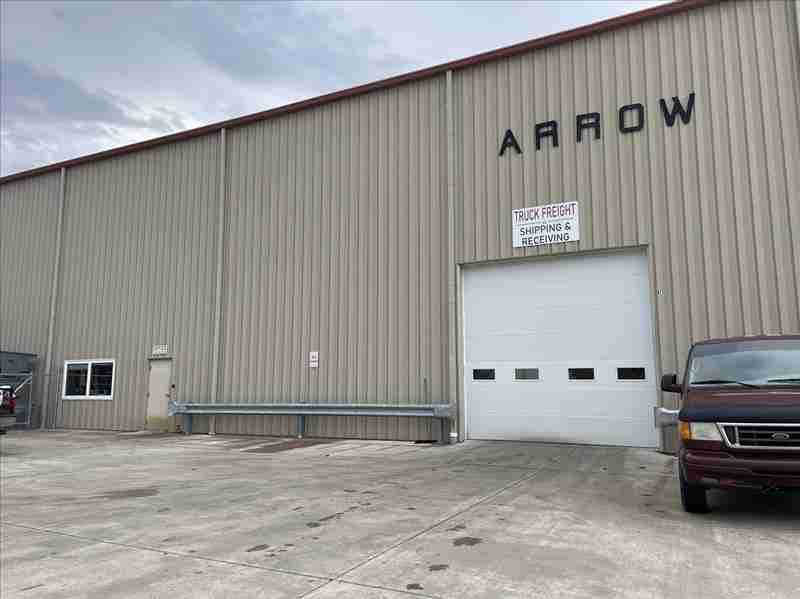
What Materials Enhance The Stability Of Cantilever Racks?
How Do Load Capacities Affect Flexibility In Cantilever Racks?
In today’s fast-paced warehousing and logistics landscape, flexibility is not just a competitive advantage; it’s a necessity. Companies strive to adapt quickly to changing inventory needs, and one critical element that facilitates this adaptability is the load capacity of cantilever racks. Understanding how load capacities impact flexibility can transform your storage solutions from mere essentials into dynamic assets that streamline operations and enhance profitability.
Cantilever racks, designed specifically to handle long, bulky, or irregularly shaped items, come with varying load capacities that dictate what you can store and how you can use the space. For example, a cantilever rack with a maximum load capacity of 2,000 pounds per arm can accommodate heavy pipes or lumber. Conversely, a lighter rack may serve well for textiles or packaging materials. The capacity not only influences what you can store but also how you configure the space to maximize efficiency.
Now, let’s discuss flexibility. Organizations that leverage cantilever racks effectively can pivot and reconfigure their storage systems as needs change. For instance, a manufacturing facility may originally require heavy-duty racks to store metal components but later decide to shift focus to lighter components or different stock altogether. If the racks were selected based solely on initial weight requirements—with inflexible capacities—this transition could lead to expensive modifications or dual inventory systems.
On the other hand, a well-planned rack system that accommodates a range of load capacities enables businesses to adjust quickly. Companies like Amazon, known for their superb logistical prowess, often emphasize optimizing shelf space based on not just current inventory, but anticipated demand trends. The COVID-19 pandemic highlighted just how quickly stock needs can change, making it imperative for warehouses to possess the flexibility to store both long-term inventory and quick-turnaround goods.
Furthermore, effective load capacities enhance safety. Overloading racks beyond their designated capacity not only leads to costly damages but increases the risk of workplace injuries. Using the appropriate rack system allows organizations to meet safety standards while remaining nimble enough to adapt to ever-shifting market dynamics.
When evaluating cantilever racks, remember that load capacity is not merely a figure; it’s a foundation of flexibility. By investing in the right rack solutions today, you can position your business for rapid adaptation tomorrow, driving both efficiency and profitability in an unpredictable marketplace. Whether scaling up or pivoting towards new demands, the right cantilever rack system will keep you on the cutting edge of storage and operational success.
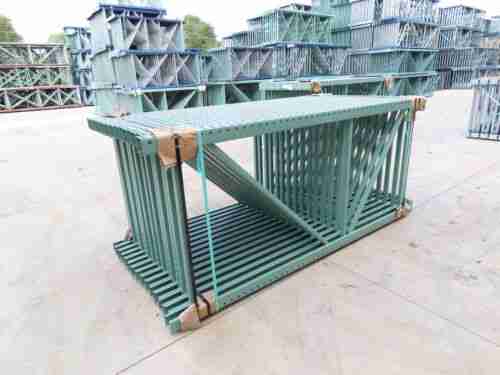
How Do Load Capacities Affect Flexibility In Cantilever Racks?
How Do Load Capacities Affect Flexibility In Cantilever Racks?
- Flexibility in warehousing and logistics is essential for adapting to changing inventory needs.
- Cantilever racks are designed for storing long, bulky, or irregularly shaped items and have varying load capacities.
- A cantilever rack with a higher load capacity can store heavy items, while lighter racks are suitable for items like textiles.
- Organizations must choose racks that accommodate changing storage needs to avoid costly modifications.
- Companies like Amazon optimize their storage based on current and anticipated inventory demands.
- Proper load capacities also enhance safety by preventing overloading and associated risks.
- Investing in the right cantilever rack solutions positions businesses for rapid adaptation and operational success.
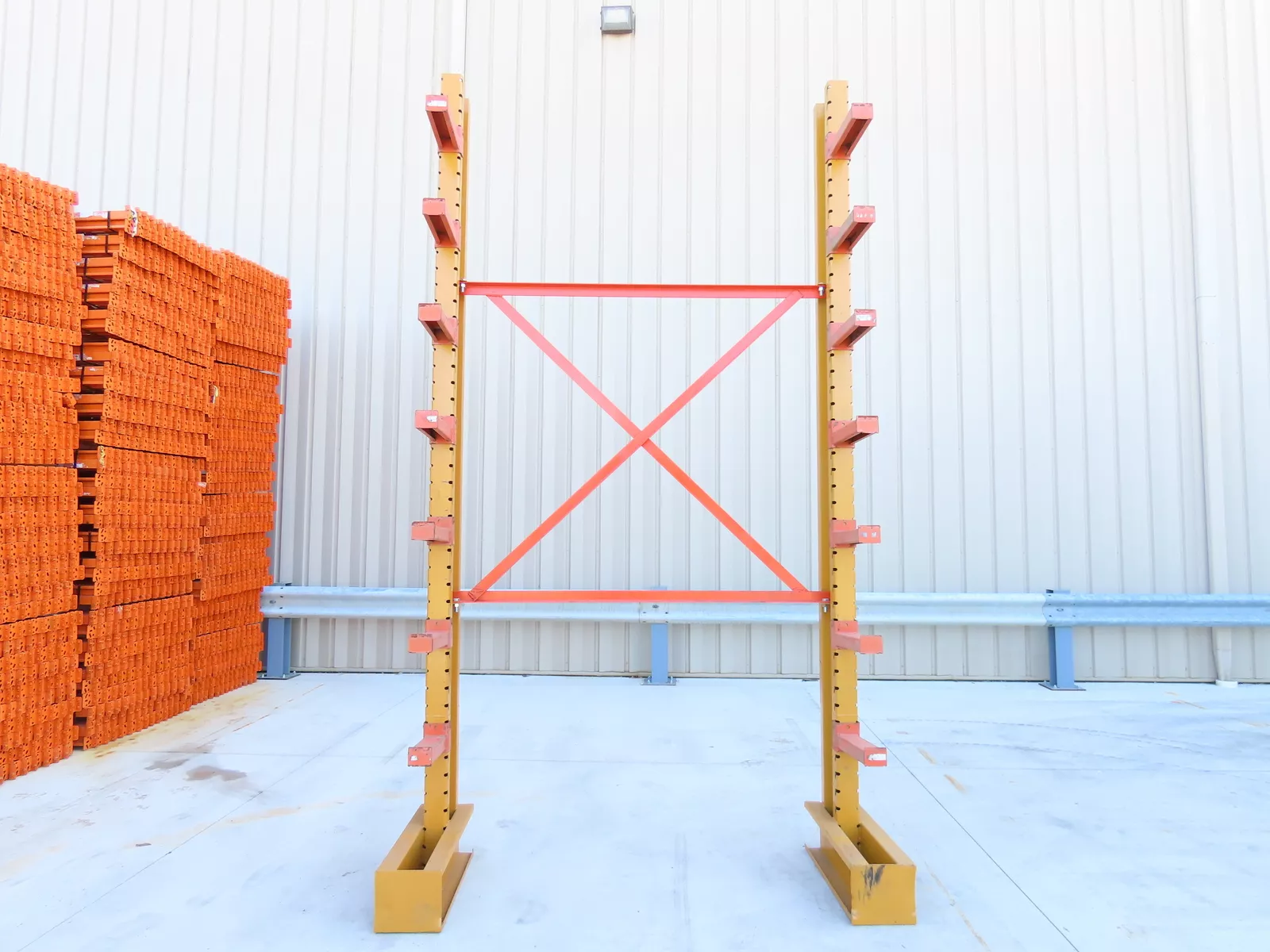
How Do Load Capacities Affect Flexibility In Cantilever Racks?
What Design Features Promote Better Flexibility In These Racks?
In today’s fast-paced retail environment, flexibility is the name of the game. As businesses adapt to ever-changing consumer preferences and market conditions, the design of retail racks must be more than just functional; it must be strategically versatile. Here are the key design features that promote better flexibility in these indispensable retail fixtures.
Modular Components
One of the standout features that enhance flexibility in retail racks is modularity. By integrating interchangeable parts, retailers can effortlessly reconfigure their displays to accommodate seasonal promotions or shifts in inventory. Take, for instance, the recent surge in eco-friendly products. Retailers are enhancing their product displays with modular racks that allow for easy adjustments—whether it’s expanding space for new products or scaling down for limited-time offers. Brands like IKEA have successfully utilized modular designs not only in their furniture but also in their retail solutions, allowing businesses to adapt quickly to changing demands.
Adjustable Heights
Another important feature that contributes to flexibility is adjustable shelving. Retailers can optimize visual merchandising by easily altering shelf heights to promote different product types, from oversized seasonal items to compact gadgets. Recently, national retailers have begun emphasizing height-adjustability in their displays, reflecting consumer insights that suggest that the eye naturally gravitates toward products positioned at varied heights. This not only enhances visibility but also offers a dynamic shopping experience for customers.
Multi-Functional Uses
Flexibility is also achieved through multi-functional designs. Racks that can seamlessly transition from displaying products to serving as storage solutions provide retailers with significant operational advantages. For example, sleek, multi-tier racks that can serve dual purposes—showcasing products upfront while hiding stock in back storage—allow for better space management. Recent innovations in design technology also make it easier to incorporate hidden compartments or wheels, enabling quick rearrangements when a sudden product launch occurs.
Aesthetically Versatile Finishes
Finally, retailers must pay attention to finishes and aesthetics. Racks that can take on various color schemes or textures allow retailers to align their displays with evolving brand identities or seasonal themes. The recent trend toward “Instagrammable” retail environments shows that consumers are drawn to visually appealing spaces, making adaptable finishes a priority. Brands such as Glossier have showcased how fluid design elements can align with brand narratives and create an inviting atmosphere that draws in customers.
Incorporating these design features into your retail racks not only promotes flexibility but also enhances customer engagement. In a world that’s constantly shifting, being flexible is not just an option; it’s a necessity.
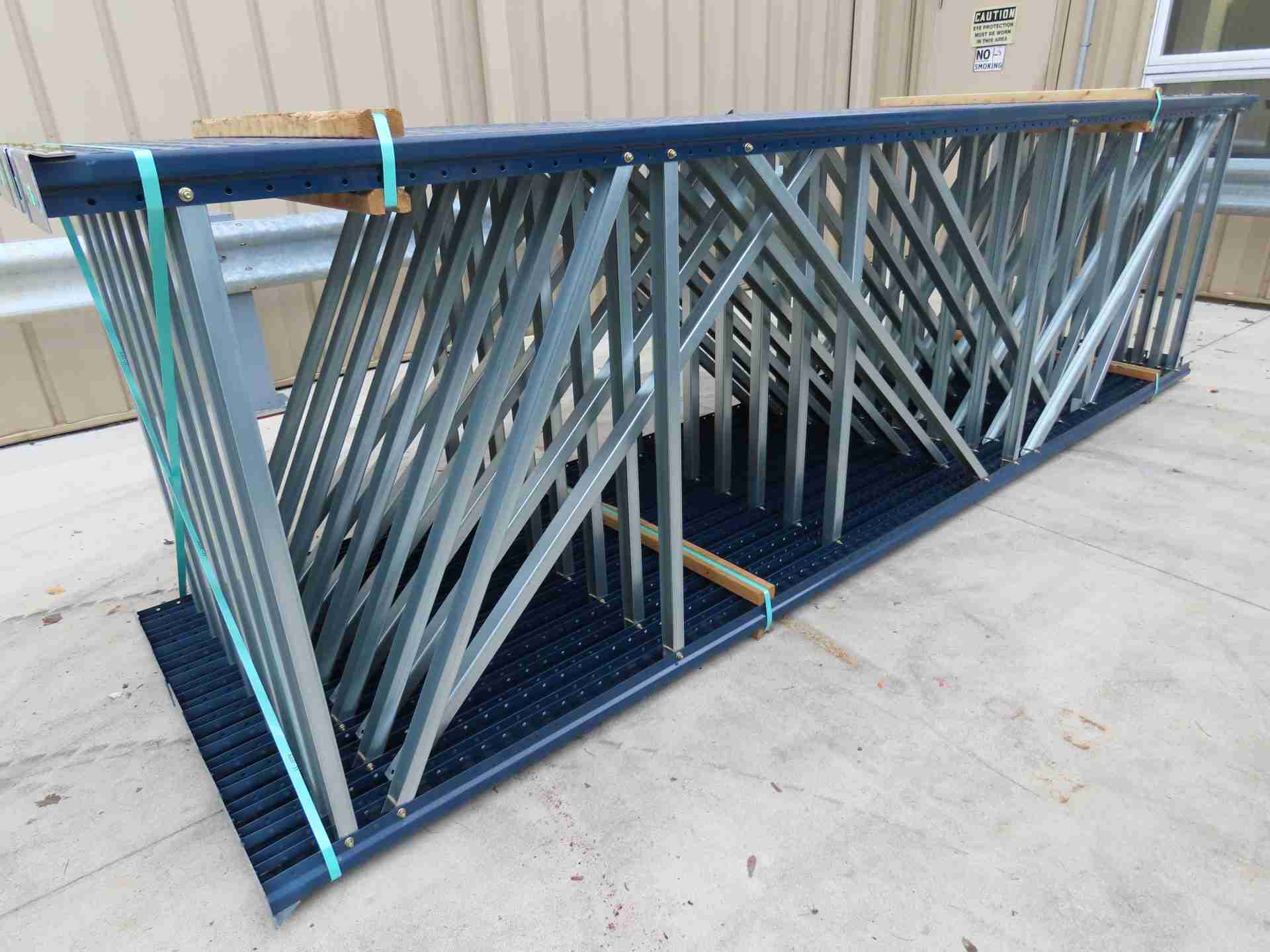
What Design Features Promote Better Flexibility In These Racks?
What Design Features Promote Better Flexibility In These Racks?
- Flexibility in Retail Design: Essential for adapting to changing consumer preferences and market conditions.
- Modular Components: Interchangeable parts allow easy reconfiguration for seasonal promotions and inventory changes, exemplified by brands like IKEA.
- Adjustable Heights: Height-adjustable shelving optimizes visual merchandising and enhances product visibility, catering to consumer behavior.
- Multi-Functional Uses: Racks that serve dual purposes for display and storage improve operational efficiency and space management.
- Aesthetically Versatile Finishes: Displays that change in color and texture align with brand identities and seasonal trends, attracting customers.
- Enhancing Customer Engagement: Incorporating flexible design features fosters a dynamic shopping experience and encourages customer interaction.
- Adapting to Change: Flexibility in retail rack design is a necessity in a constantly shifting market landscape.
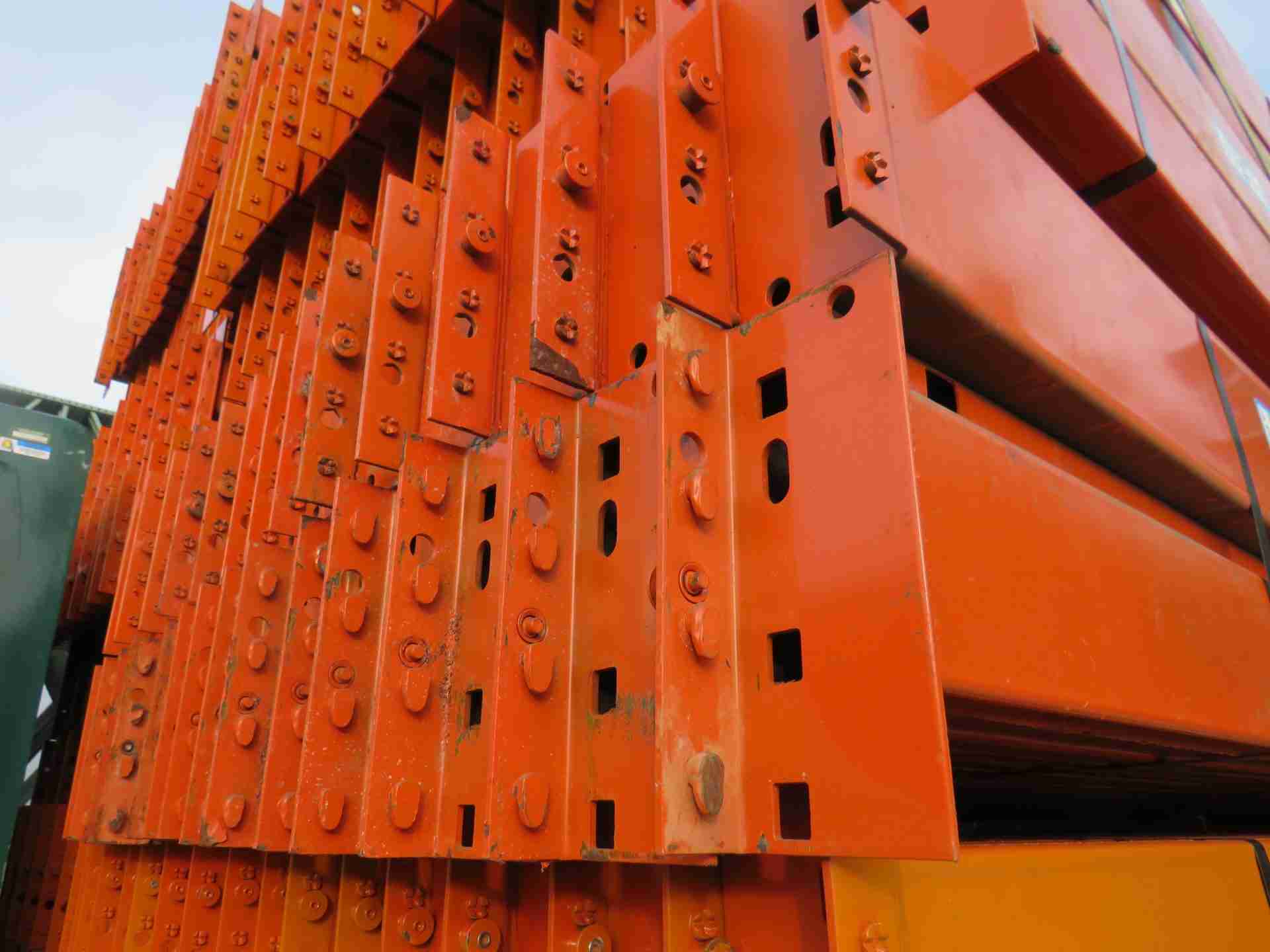
What Design Features Promote Better Flexibility In These Racks?
How Can I Determine The Right Height For My Cantilever Racks?
Choosing the correct height for your cantilever racks is no trivial matter; it’s a decision that can have a profound impact on your storage efficiency, workflow, and ultimately, your bottom line. Here’s a straightforward guide to help you strike that crucial balance between functionality and accessibility.
First, consider the nature of your inventory. Are you storing long lumber, heavy pipes, or lightweight sheets of material? The dimensions and weight of your goods will significantly influence how tall you should go. For example, if you’re in the construction industry, using longer, heavier materials necessitates a rack height that allows for both storage efficiency and safe retrieval. Conversely, if you’re dealing with lighter, shorter items, you can afford to optimize vertical space even further.
Next, think about the equipment you’ll use to access these items. A forklift or a reach truck requires a certain amount of vertical clearance. If your cantilever racks are excessively high, you might find your team struggling to retrieve items efficiently, leading to delays and frustration. A general rule of thumb: ensure that the maximum lifting height of your equipment is 60-80% of the rack height. This way, your team won’t be forced to strain or climb precariously just to reach the goods they need.
Let’s not ignore the human aspect. If your team has to continually pick items from high cantilever racks, consider the ergonomic implications. Straining to reach items can lead to injuries, which in turn can elevate your insurance premiums or, worse, lead to downtime. A proven approach is to place frequently accessed items at waist height where retrieval is quick and effortless—and store the seldom-used items higher up.
As of 2023, many companies are adopting multi-tiered racking systems, particularly in e-commerce, where speed is essential. Companies like Amazon are constantly innovating storage solutions to keep efficiency at the forefront. Consider this: if a multi-tiered solution can help a giant like Amazon optimize its warehouse space and minimize retrieval times, imagine what it could do for your operations.
Finally, don’t overlook local building codes or regulations that could affect rack height. Always consult with a local supplier or industry expert to ensure compliance and safety.
In summary, determining the right height for your cantilever racks involves assessing your inventory, considering equipment constraints, prioritizing ergonomic design, and adhering to safety regulations. By doing so, you can enhance your workflow and boost productivity, propelling your business forward.
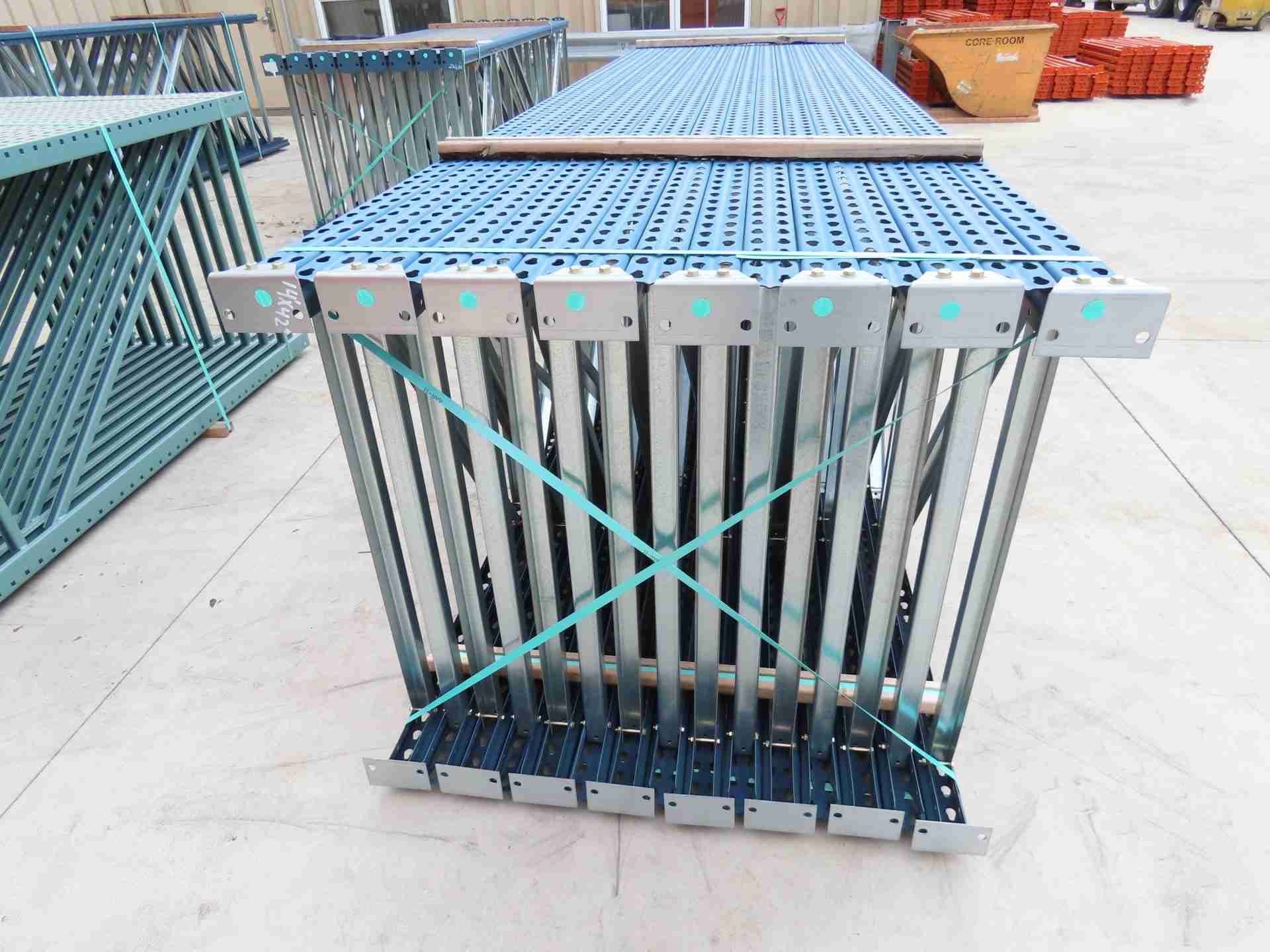
How Can I Determine The Right Height For My Cantilever Racks?
How Can I Determine The Right Height For My Cantilever Racks?
- Choosing the correct height for cantilever racks affects storage efficiency, workflow, and profit.
- Evaluate the inventory type (e.g., lumber, pipes, sheets) to determine appropriate rack height.
- Consider equipment used for accessing items; ensure it requires 60-80% of the rack height for efficiency.
- Prioritize ergonomic design to reduce injury risks when retrieving items from high racks.
- Utilize multi-tiered racking systems for enhanced efficiency, especially in industries like e-commerce.
- Consult local building codes and industry experts to ensure compliance with safety regulations.
- Assessing inventory, equipment constraints, ergonomic design, and safety can boost productivity.
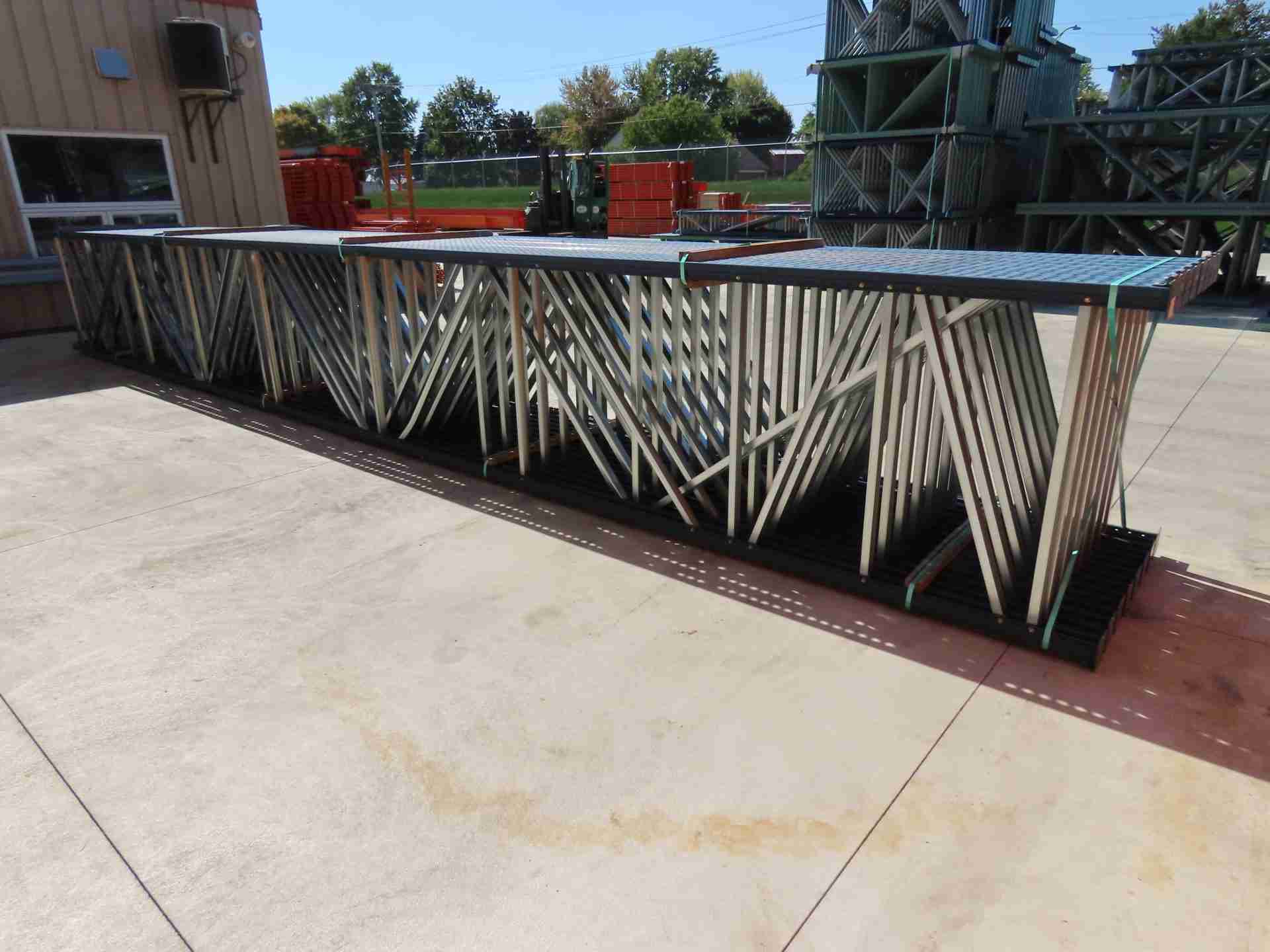
How Can I Determine The Right Height For My Cantilever Racks?
What Safety Standards Should I Consider For Cantilever Racks?
When it comes to maximizing warehouse efficiency, few solutions rival the flexibility and strength of cantilever racks. However, before you make this investment, it’s imperative to consider safety standards to ensure your warehouse remains a secure environment for both employees and inventory. Remember, business isn’t just about profits; it’s about operating responsibly and ensuring everyone goes home safe at the end of the day.
First and foremost, look to the Occupational Safety and Health Administration (OSHA) standards. OSHA sets the benchmark for workplace safety in the United States, and compliance with their guidelines will not only keep your employees safe but also protect your business from potential fines. For cantilever racks, OSHA emphasizes the importance of proper installation and maintenance. Regular inspections are essential; you shouldn’t wait for an accident to happen to understand the importance of vigilance.
Next, familiarize yourself with the American National Standards Institute (ANSI) and the Material Handling Industry (MHI) guidelines. ANSI MH16.1 provides valuable insights on cantilever rack design, manufacture, and testing. Adhering to ANSI standards can give you peace of mind, knowing that your cantilever racks are built to withstand the rigors of daily operations. For instance, if you’re storing heavy materials like lumber or metal sheets, ensure that the racks are rated for the specific weight and dimensions of your inventory.
Consider also the implications of recent events, such as supply chain disruptions and evolving work conditions due to the pandemic. Businesses are increasingly adapting to larger inventories, necessitating robust safe storage solutions. Many companies are seeking out cantilever racks but often overlook safety features like load limits, bracing configurations, and aisle widths designed to encourage safe forklift operations.
Furthermore, don’t forget about employee training. Safety doesn’t stop at procurement. Ensure that your staff understands both proper loading techniques and emergency procedures. Regular training sessions can instill a culture of safety, empowering employees to take ownership of their environment.
The safety standards for cantilever racks are not merely guidelines—they’re foundational elements of a successful operation. Investing time and resources into understanding and implementing these standards will pay off not just for your bottom line, but for your team’s well-being and the safety of your warehouse. Prioritize safety, and watch your business thrive.
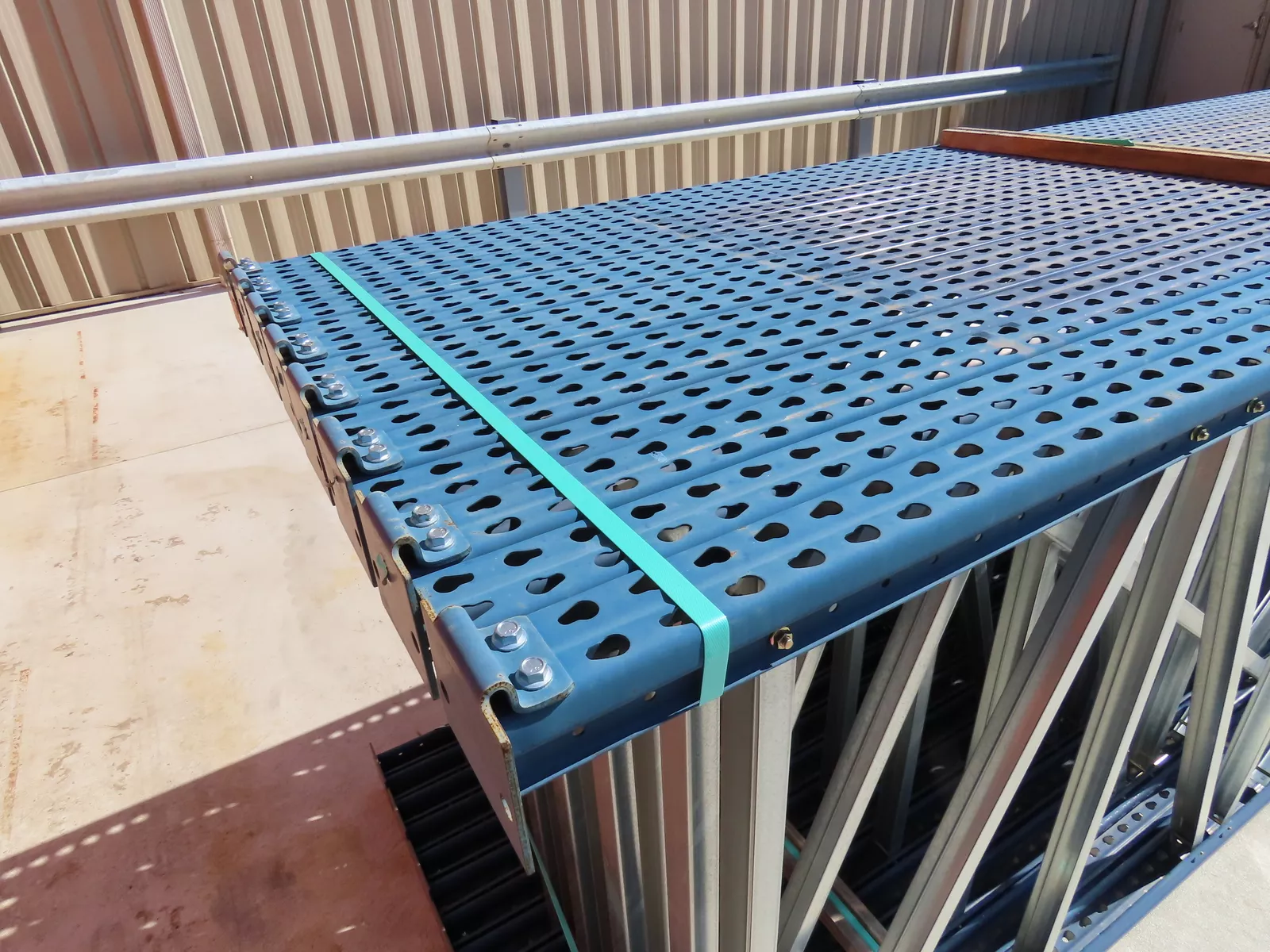
What Safety Standards Should I Consider For Cantilever Racks?
What Safety Standards Should I Consider For Cantilever Racks?
- Cantilever racks enhance warehouse efficiency but require attention to safety standards.
- Compliance with OSHA standards is crucial for minimizing workplace hazards and avoiding fines.
- Regular installation and maintenance inspections of cantilever racks are essential to ensure safety.
- Familiarize yourself with ANSI and MHI guidelines for cantilever rack design and testing.
- Adapt to changing business needs by considering safety features like load limits and aisle widths.
- Regular employee training on safety protocols and emergency procedures promotes a culture of safety.
- Investing in safety standards leads to enhanced operational success and employee well-being.
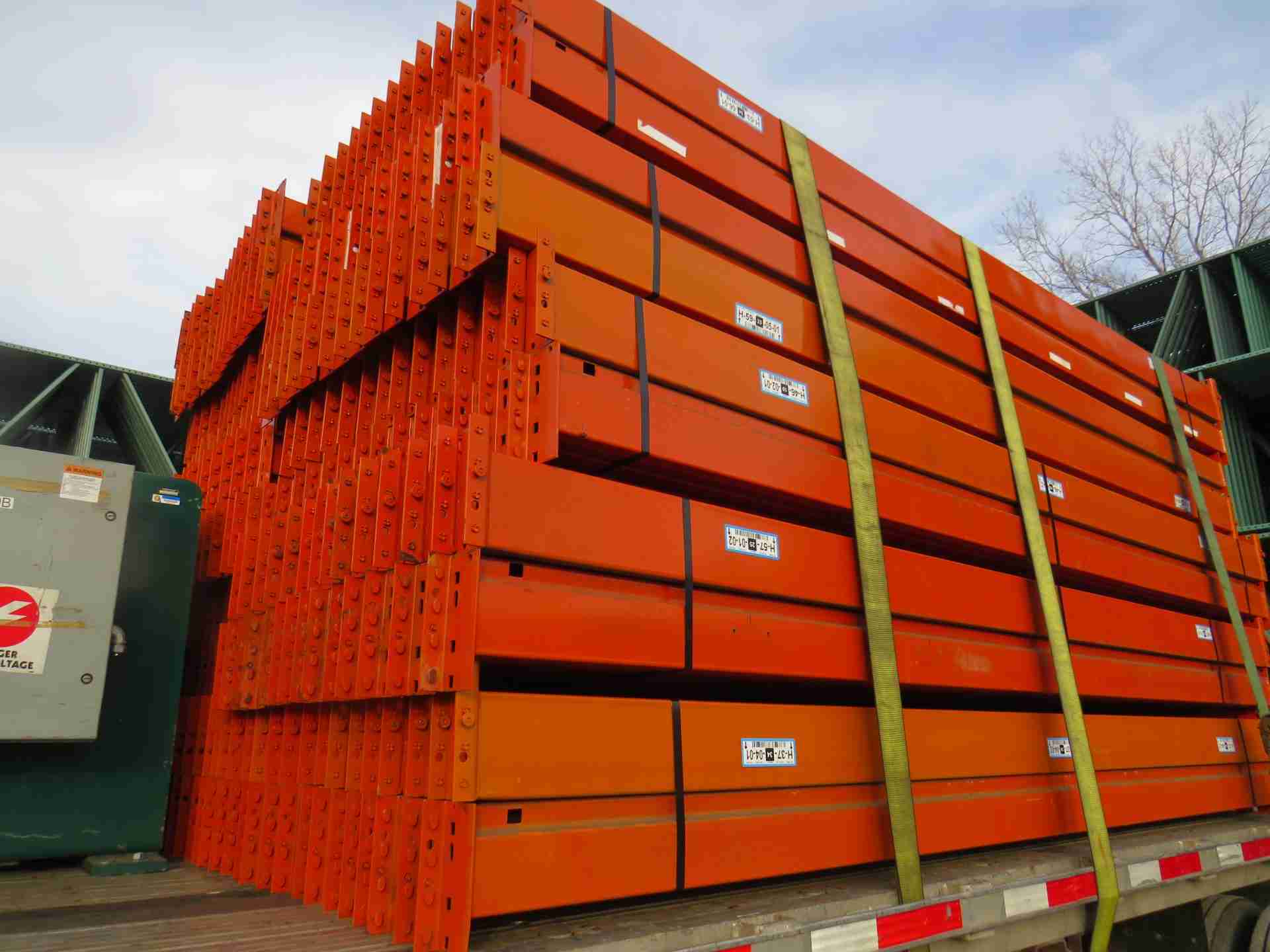
What Safety Standards Should I Consider For Cantilever Racks?
How Does The Choice Of Accessories Impact Stability And Flexibility?
When it comes to personal style, accessories are not simply add-ons; they are essential elements that influence both the perception and performance of your overall appearance. The right choice in accessories can enhance your stability—the foundation of your style—and elevate your flexibility, allowing you to adapt your look to any occasion seamlessly.
Consider this: when you think of stability in your outfit, think of a tailored blazer. It acts as an anchor, providing structure and professionalism to your look. Pair it with a classic watch—a timeless accessory that conveys reliability and sophistication. In today’s fast-paced world, where first impressions are often formed in split seconds, having a well-considered accessory like a watch can set you apart in a meeting or a social gathering.
Conversely, letting your flexibility shine through requires accessories that can be easily interchanged or layered. For instance, layered necklaces or statement earrings can take an outfit from day to night in no time. Look at the current trend of ear cuffs and mismatched earrings, which not only lend an edgy flair to any ensemble but also allow you to express your individuality without compromising on style. Flexibility is about having options that can enhance any base outfit, making accessories an indispensable part of your wardrobe arsenal.
Current fashion events also reflect this duality of stability and flexibility. At the latest spring fashion shows, designers showcased collections that emphasized the importance of accessorizing. For example, a minimalist dress garnished with oversized sunglasses or a bold handbag offers both stability in its classic base and flexibility through its striking accessories. With fashion icons and influencers endorsing looks that breakdown traditional style boundaries, the conversation is clear: The smart use of accessories can dramatically impact how we present ourselves to the world.
Moreover, in recent discussions around sustainability, the role of accessories has gained prominence. Choosing eco-friendly accessories can not only provide stability through ethical purchasing practices but also enhance flexibility by encouraging creativity. A single, well-made bag that pairs well with multiple outfits demonstrates the ability to be versatile while making a statement about conscious consumer choices.
The choice of accessories is integral to defining your style narrative. By thoughtfully selecting pieces that offer both stability and flexibility, you can craft an identity that resonates with authenticity and confidence—qualities that are more important now than ever in our fast-evolving world.
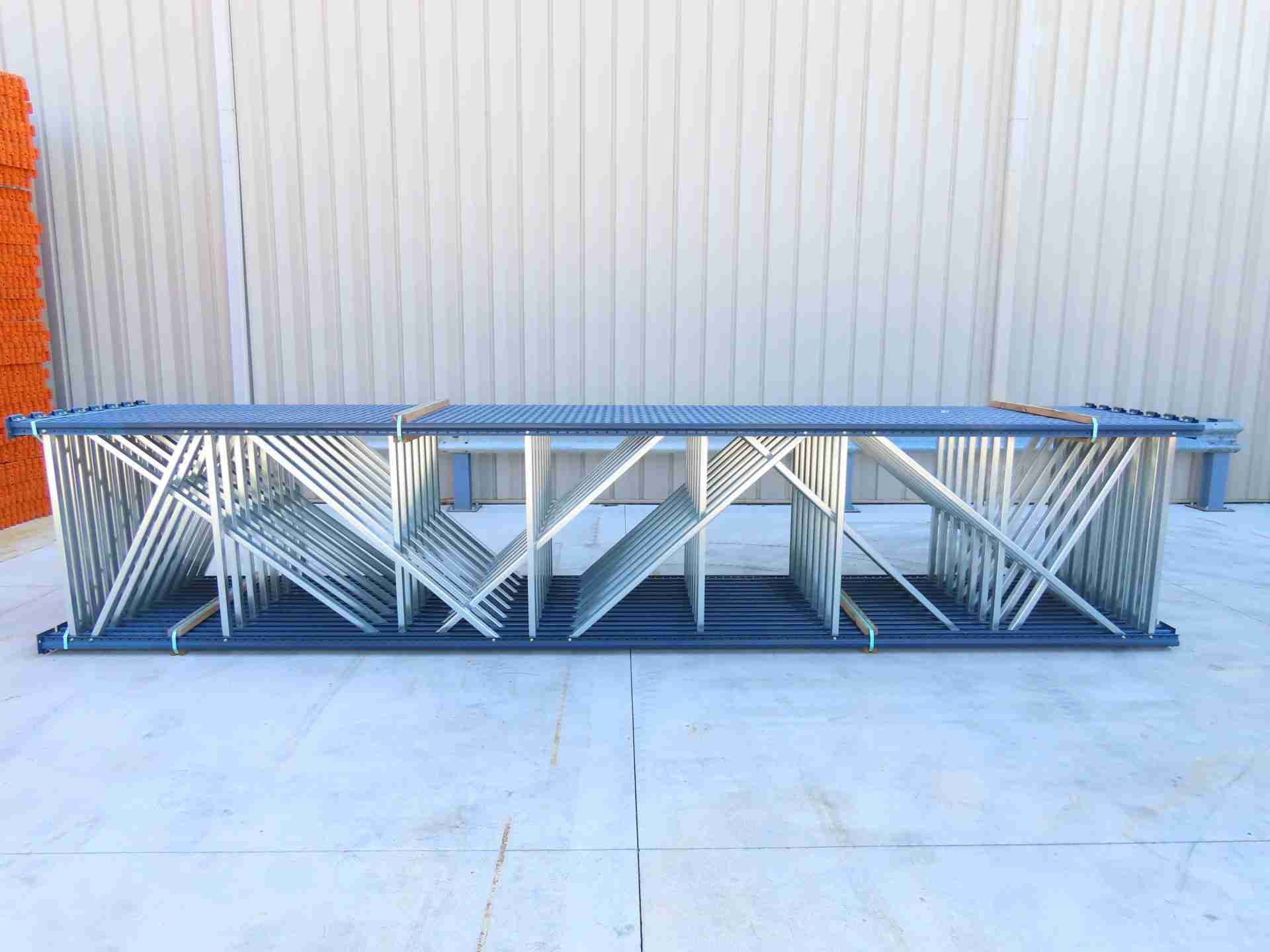
How Does The Choice Of Accessories Impact Stability And Flexibility?
How Does The Choice Of Accessories Impact Stability And Flexibility?
Here’s a bulleted summary of the text in formatted HTML list:
- Accessories are essential elements that influence perception and performance of personal style.
- Choosing the right accessories enhances stability and flexibility in outfits.
- A tailored blazer serves as an anchor, providing structure and professionalism.
- A classic watch conveys reliability and sophistication, vital for making strong first impressions.
- Flexibility in style is achieved through easily interchangeable accessories like layered necklaces and statement earrings.
- Fashion events highlight the dual importance of stability and flexibility in accessorizing outfits.
- Eco-friendly accessories promote ethical purchasing and creative versatility.
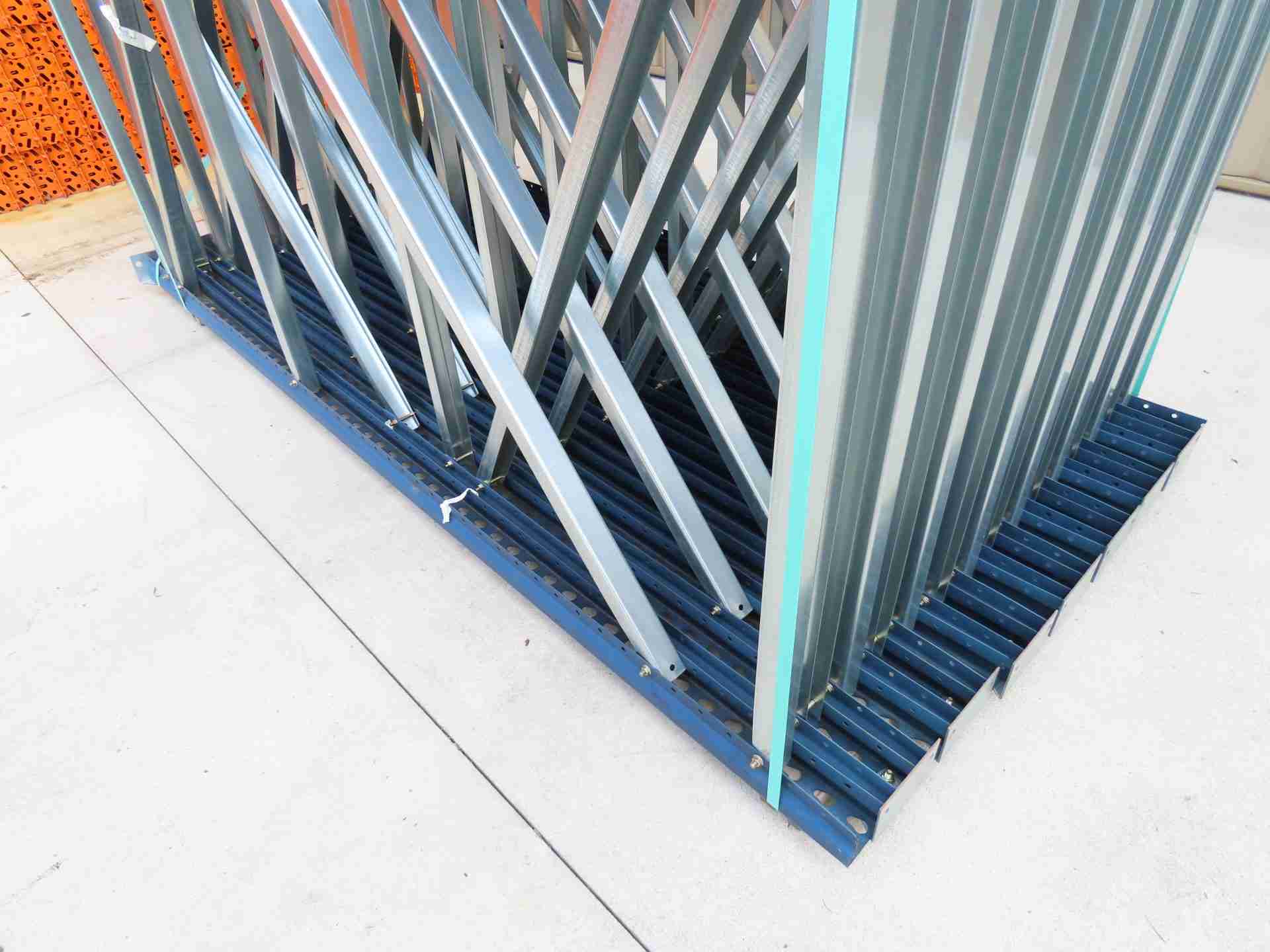
How Does The Choice Of Accessories Impact Stability And Flexibility?
What Common Mistakes Should I Avoid When Installing Cantilever Racks?
When it comes to installing cantilever racks, small oversights can lead to significant setbacks. Understanding common pitfalls is essential for seamless operations and maximizing your investment. Here are some traps to dodge to ensure your installation goes off without a hitch.
1. Neglecting Proper Planning and Layout Design
One of the most prevalent mistakes is a lack of adequate planning regarding the layout design. Before breaking ground, assess the space thoroughly. For instance, have a clear understanding of the materials you’ll be storing, their weights, and dimensions. An easy way to visualize your plan is by using blueprint software that allows you to simulate the spacing and configuration of your cantilever racks. Failing to accurately calculate these factors often leads to inefficient space utilization, forcing you to reconfigure or expand later—potentially increasing costs and disrupting your workflow.
2. Ignoring Weight Distribution Limits
Ignoring the manufacturer’s specifications regarding weight limits can be detrimental. Each cantilever rack is designed with a certain load-bearing capacity. Overloading can compromise the stability of your racks and, more importantly, create safety hazards. A recent incident involving warehouse racks collapsing due to overload serves as a stark reminder of the consequences of neglecting this critical aspect. Always adhere to the prescribed weight distribution and consult with experts if you’re unsure about your load requirements.
3. Skipping Ground Preparation and Anchoring
Many installers overlook the importance of grounded preparation, which can significantly impact the stability of your cantilever racks. Ensure the ground is leveled and appropriately compacted. Additionally, neglecting to anchor your racks securely can result in tipping and swaying. In shaking markets—both economically and literally—adequate ground preparation and anchoring can be the difference between a compliant installation and a complete disaster. Equipment failures in warehouses during seismic events highlight the necessity of serious groundwork.
4. Failing To Train Staff on Safe Usage
Even after a perfect installation, your efforts might go to waste without proper training on safe usage. Employees should be aware of how to load and unload materials correctly, respecting weight limits and ensuring safe operations. Host orientation sessions or workshops. For example, warehouses that recently implemented training programs reported a decrease in workplace injuries and higher productivity. The right training transforms racks from simple storage solutions into strategic tools for efficiency.
Avoid these missteps, and you’ll not only save money but also time and headaches in your warehousing operations. Planning, precision, and training are your best allies in creating a secure, efficient storage environment.
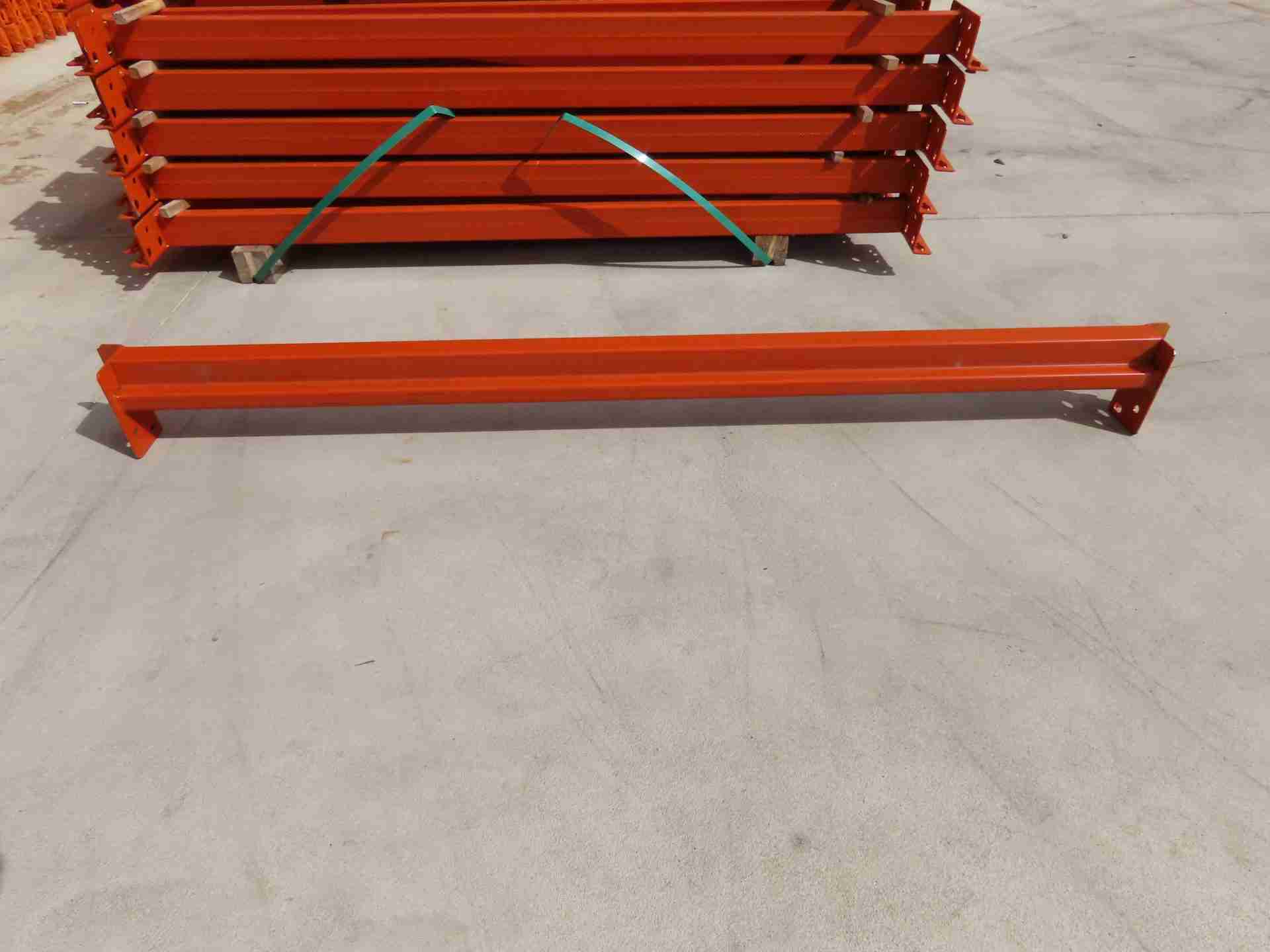
What Common Mistakes Should I Avoid When Installing Cantilever Racks?
What Common Mistakes Should I Avoid When Installing Cantilever Racks?
- Small oversights in cantilever rack installation can lead to significant setbacks.
- Proper planning and layout design are crucial; assess space, materials, weights, and dimensions before installation.
- Ignoring weight distribution limits can compromise rack stability and create safety hazards.
- Ground preparation and secure anchoring are essential for stability to prevent tipping or swaying.
- Failure to train staff on safe usage can negate installation efforts, leading to potential injuries.
- Implementing employee training can improve safety and productivity in warehouse operations.
- Attention to planning, precision, and staff training helps create a secure and efficient storage environment.
What Common Mistakes Should I Avoid When Installing Cantilever Racks?
How Can I Assess The Stability Of My Existing Cantilever Racks?
In today’s fast-paced industrial environment, maintaining the integrity of your storage solutions is not just a matter of safety; it’s a matter of profitability. If you’re running a warehouse or distribution center, your cantilever racks are the backbone of your operational efficiency, but how can you ensure they remain stable and safe for your workforce?
First and foremost, regular inspections are key. Think of your cantilever racks as the foundation of a house; without proper upkeep, even the most well-designed structures can crumble. Conduct thorough visual inspections to look for any signs of wear and tear. Are there any bent arms, worn-out bases, or signs of rust? Such superficial damages may signal deeper issues with load capacity and structural integrity.
Let’s take an example from a recent warehouse incident that made headlines. A major retail distributor faced significant losses when a poorly maintained cantilever system collapsed under the weight of overstocked materials. Not only did this result in injuries, but the financial ramifications also reverberated through their entire supply chain. Avoiding such catastrophes starts with vigilance.
Next, evaluate the load capacities of your racks. Each cantilever rack is rated for specific weights; exceeding these limits can lead to instability. Review your inventory practices. Are you putting excessive weight on certain arms? Consider recalibrating your inventory distribution to match the intended design of the racks. This proactive approach not only emphasizes safety but also promotes a streamlined workflow.
Moreover, think about environmental factors. Is your warehouse prone to vibrations from nearby machinery? Is it exposed to moisture or extreme temperatures? External conditions can significantly affect the stability of your cantilever racks. Regularly assess the surrounding area and implement strategies to mitigate risks, such as lubricating parts exposed to frequent movements or installing moisture barriers.
Finally, take advantage of technology. There are now sophisticated monitoring systems that can track the load and stress levels on your cantilever racks in real time. By embracing these innovations, you can gain insights that would otherwise go unnoticed and preemptively address potential dangers.
Assessing the stability of your cantilever racks involves a multi-faceted approach. Regular inspections, careful inventory management, consideration of environmental factors, and the integration of modern technology will fortify your storage solutions. Prioritizing these measures not only safeguards your operation but also enhances your bottom line—because a safe workspace is a productive workspace. Don’t wait for a disaster to strike; take action now!
How Can I Assess The Stability Of My Existing Cantilever Racks?
How Can I Assess The Stability Of My Existing Cantilever Racks?
- Maintaining storage solutions is crucial for safety and profitability in industrial environments.
- Regular inspections of cantilever racks are essential to identify signs of wear and tear.
- Past incidents demonstrate the serious consequences of neglecting rack maintenance.
- Evaluate and adhere to load capacities to avoid instability and potential accidents.
- Consider environmental factors that may affect rack stability, such as vibrations and moisture.
- Utilize technology to monitor load and stress levels on cantilever racks in real time.
- A multi-faceted approach strengthens storage solutions, ensuring safety and enhancing productivity.
How Can I Assess The Stability Of My Existing Cantilever Racks?
Conclusion
As businesses grapple with the complexities of modern supply chain challenges, achieving a seamless balance between flexibility and stability in storage solutions becomes paramount. Cantilever racks stand out as a versatile answer, designed to adapt to dynamic inventory demands without sacrificing safety or strength. As we’ve explored, this delicate equilibrium allows companies to pivot in response to shifting market conditions while ensuring a secure environment for both employees and goods.
The journey begins with understanding the foundational attributes of cantilever racks. With their adjustable arms and robust construction, these systems can effortlessly accommodate a diverse range of products—from hefty timber to lightweight textiles—effectively maximizing vertical space. Your company’s unique inventory requirements guide this adaptability, empowering you to respond to seasonal fluctuations and unexpected surges in demand, as highlighted by the innovative approaches of industry leaders like Big Joe Manufacturing.
However, flexibility must not come at the cost of stability. Relying on high-grade steel construction and adhering to rigorous installation standards ensures that safety is woven into the very fabric of your warehouse operations. Ignoring safety compliance not only jeopardizes employee welfare but can also result in costly disruptions. Therefore, choosing cantilever racks equipped with safety features, such as reinforced arms and secure anchoring, is essential.
But how can you ensure that your cantilever racks continue to serve their purpose effectively over time? The answer lies in a proactive maintenance routine. Regular inspections and timely adjustments based on load capacities are crucial in maintaining not just the stability of your racks but the overall efficiency of your operations.
At Arrow Industrial Sales, we recognize the urgency of incorporating the right storage solutions to adapt to your unique business environment. Don’t wait for issues to multiply—now is the time to create a safe, productive workspace that positions your business for growth. Call us at (574) 349-6575 and let our experts help you optimize your warehouse with cantilever racks tailored to your specific challenges.
The capital invested in the right storage solutions—coupled with knowledge from our tailored recommendations—will yield dividends in operational effectiveness, employee satisfaction, and, ultimately, your bottom line. Act now, and transform your warehouse into a beacon of efficiency that meets both present needs and future ambitions. With Arrow Industrial Sales, don’t just store—innovate your storage strategy today!
Conclusion
Conclusion:
- Businesses face modern supply chain challenges requiring a balance between flexibility and stability in storage.
- Cantilever racks provide a versatile storage solution, adapting to dynamic inventory demands while maintaining safety and strength.
- These racks accommodate various products, maximizing vertical space to respond to seasonal fluctuations and demand surges.
- Prioritizing high-grade steel construction and safety compliance is essential to ensure employee welfare and minimize disruptions.
- Regular inspections and maintenance of cantilever racks are vital for maintaining stability and operational efficiency.
- Arrow Industrial Sales emphasizes the importance of adapting storage solutions to unique business environments for growth.
- Investing in the right storage solutions can enhance operational effectiveness, employee satisfaction, and overall profitability.
Conclusion
Other Resources
Other Resources
Here is a list of other resources you can review online to learn more:
- “Everything You Need to Know about Cantilever Racking …”
- “North America Cantilever Racking Market By Application …”
- “Understanding Cantilever Racks: A Comprehensive Guide”
- “Indoor & Outdoor Cantilever Rack Safety Features & …”
- “Cantilever racks – Heinz Racking Systems”
- “Heavy-duty cantilever racking”
- “Cantilever Racking & Lumber Racking for Warehouse”
- “words – Larry Hosken”
Other Resources
Glossary Terms
How Do You Balance Flexibility and Stability In Cantilever Racks? – Glossary Of Terms
1. Cantilever Rack: A storage system with arms protruding from a vertical structure, designed to hold long, bulky, or irregularly shaped items.
2. Flexibility: The ability of a storage system to easily adapt to changes in inventory, including varying sizes and weights of materials.
3. Stability: The capacity of a cantilever rack to maintain its position and structure under load without bending, collapsing, or tipping over.
4. Load Capacity: The maximum weight that a cantilever rack can safely support without compromising safety or structural integrity.
5. Arm Span: The distance between the vertical posts of a cantilever rack where the arms extend, influencing both load distribution and stability.
6. Base Stability: The robustness of the foundation of a cantilever rack, crucial for preventing tipping and ensuring safety under load.
7. Weight Distribution: The way in which weight is spread across the arms and base of a rack, affecting the overall balance and stability.
8. Adjustment Mechanism: Features that allow users to modify arm height or position to accommodate various loads and improve flexibility.
9. Material Composition: The type of materials used in cantilever racks, affecting their strength, flexibility, and resistance to environmental factors.
10. Dynamic Load: Variations in weight distribution caused by moving items in and out of the rack, necessitating considerations of flexibility.
11. Static Load: The weight that is permanently placed on a cantilever rack, which influences design for stability.
12. Cross-bracing: Diagonal supports between vertical posts that enhance the stability and rigidity of cantilever racks.
13. Column Height: The vertical length of the cantilever rack’s posts, determining the storage capacity and impact on stability.
14. Arm Support: The design and construction of the arms that hold the stored items, crucial for both flexibility and weight handling.
15. Cantilever Design: The architectural configuration of the rack that affects its ability to support loads while allowing easy access.
16. Environmental Considerations: Factors such as temperature, humidity, and corrosion that can affect the materials and stability of racks.
17. Safety Standards: Regulations and guidelines that dictate how cantilever racks should be constructed and used to ensure safety.
18. Load Balancing: Techniques used to evenly distribute weight across the cantilever arms to maintain stability.
19. Tempered Strength: The heat treatment process that increases the strength of steel components of the rack, enhancing stability.
20. Overload Protection: Features or mechanisms designed to prevent loading a cantilever rack beyond its capacity, ensuring safety.
21. Vertical Clearance: The space between the top of stored items and the overhead structure, impacting flexibility in storage options.
22. Shelf Integration: The use of additional shelving within a cantilever rack system to provide more stability and functional use.
23. Forklift Access: The design considerations necessary to allow for safe forklift access for loading and unloading items.
24. Inventory Management: The practices involved in tracking and controlling stock levels, impacting the need for flexibility in storage.
25. Load Testing: Procedures for assessing the strength and stability of cantilever racks under various weight conditions.
26. Modular Design: A flexible arrangement of components that can be easily reconfigured to meet changing storage needs.
27. Anchor Points: Fixed points used to secure the cantilever rack to the ground, enhancing stability against tipping.
28. Weight Sensors: Technology that monitors the load on the rack to ensure it stays within safe limits, balancing flexibility with safety.
29. Maintenance Protocols: Regular checks and repairs to ensure the integrity and stability of cantilever racks over time.
30. Space Optimization: Techniques used to maximize the use of storage space while maintaining stability and allowing for flexibility in operations.
Glossary Of Terms
Other Questions
How Do You Balance Flexibility and Stability In Cantilever Racks? – Other Questions
If you wish to explore and discover more, consider looking for answers to these questions:
- What are the advantages of using cantilever racks over traditional shelving?
- How can I determine the load capacity needed for my cantilever racks?
- What are the best practices for maintaining cantilever racks?
- Are there specific types of products that are better suited for cantilever racks?
- What challenges do companies face when transitioning to cantilever racks?
- How do I choose the right supplier for cantilever racks?
- What are the costs associated with installing cantilever racks?
- How often should I perform safety inspections on my cantilever racks?
- What role does technology play in managing cantilever rack systems?
- What are the potential risks of using cantilever racks incorrectly?
- How can I ensure compliance with safety regulations when using cantilever racks?
- What innovations are impacting the design of cantilever racks?
- Can cantilever racks be customized for specific industry needs?
- What are the differences between single-sided and double-sided cantilever racks?
- How can I improve the ergonomics of my storage system with cantilever racks?
Other Questions
Checklist
How Do You Balance Flexibility and Stability In Cantilever Racks? – A Checklist
1. Assess Your Inventory Needs
_____ Identify the types of materials you will store (length, weight, size).
_____ Determine seasonal fluctuations and variability in product lines.
2. Evaluate Rack Flexibility
_____ Look for adjustable arms and modular designs.
_____ Ensure the ability to reconfigure the layout quickly for changing demands.
_____ Consider the use of dividers to separate different items.
3. Ensure Structural Stability
_____ Verify that cantilever racks are constructed from high-grade steel.
_____ Check for solid installation and adherence to spacing standards.
_____ Choose racks that feature safety pins and reinforced arms.
4. Review Load Capacities
_____ Check the maximum load capacity of each rack arm.
_____ Ensure that weight distribution adheres to manufacturer specifications.
_____ Consider future inventory needs and potential load increases.
5. Determine the Appropriate Rack Height
_____ Assess the vertical clearance of equipment used (forklifts, etc. ).
_____ Place frequently accessed items at waist height for ease of access.
_____ Ensure compliance with local building codes and safety regulations.
6. Implement Safety Standards
_____ Familiarize yourself with OSHA regulations regarding rack safety.
_____ Review ANSI and MHI guidelines for proper rack installation and maintenance.
_____ Conduct regular inspections and employee training for safe usage.
7. Choose the Right Materials and Accessories
_____ Opt for corrosion-resistant coatings if applicable (e. g. , powder coating or galvanization).
_____ Consider innovative materials that enhance durability but remain lightweight.
_____ Select accessories that enhance both flexibility and stability (e. g. , safety features, load indicators).
8. Plan for Installation
_____ Develop a clear layout design that considers all operational needs.
_____ Ensure proper ground preparation and anchoring for stability.
_____ Schedule staff training sessions on safe loading/unloading techniques.
9. Monitor and Adjust Over Time
_____ Conduct regular audits and inspections of existing rack systems.
_____ Use technology to monitor the stability and load levels of racks.
_____ Reassess space utilization regularly and adapt storage solutions when needed.
Use this checklist to guide your assessment and implementation of cantilever racks, ensuring a balance of flexibility and stability to optimize your warehouse operations effectively.
Checklist
At RackingWorld, we help guide you through selecting warehouse storage systems and racking.
Be sure to read our other related stories at RackingWorld to learn more about warehouse storage systems.
0 Comments