
Unlocking Interactive Methods for Warehouse Safety Training
By Tom Seest
At RackingWorld, we help guide you through selecting warehouse storage systems and racking.
Be sure to read our other related stories at RackingWorld to learn more about warehouse storage systems.
How Can You Make Warehouse Safety Training More Engaging?
If you’re looking to enhance warehouse safety training and truly engage your employees, it’s essential to think outside the box and get creative. Boring training sessions filled with endless slideshows and lectures simply won’t cut it in a fast-paced, modern workplace.
One powerful technique for making warehouse safety training more engaging is to incorporate interactive simulations and hands-on activities. For example, you could set up a mock safety drill where employees have to respond to a simulated emergency situation. This not only tests their knowledge but also allows them to practice their skills in a realistic setting.
Another great way to engage employees is to gamify the training process. By turning safety training into a game with challenges, rewards, and friendly competition, you can make learning fun and memorable. For instance, you could create a safety bingo game where employees have to spot hazards or demonstrate proper safety procedures to earn points and win prizes.
Additionally, consider using multimedia elements such as videos, virtual reality, or augmented reality to bring training to life. Show real-life examples of safety hazards and accidents to drive home the importance of following safety protocols. By incorporating modern technology into your training program, you can make it more interactive and engaging for employees of all ages.
Furthermore, consider inviting guest speakers or industry experts to provide fresh perspectives and insights on warehouse safety. Hearing from outside professionals can add credibility to your training program and keep employees engaged and invested in their own safety.
Incorporating hands-on activities, gamification, multimedia elements, and guest speakers into your warehouse safety training program can help boost engagement and retention among employees. By making training sessions more interactive and dynamic, you can ensure that crucial safety information is not only understood but also put into practice on the warehouse floor.
If you want to make warehouse safety training more engaging, it’s time to get creative and think outside the box. By incorporating interactive elements, gamification, multimedia, and outside perspectives, you can create a dynamic and engaging training program that will resonate with employees and drive home the importance of safety in the workplace.

How Can You Make Warehouse Safety Training More Engaging?
How Can You Make Warehouse Safety Training More Engaging?
- Think outside the box and get creative with warehouse safety training.
- Incorporate interactive simulations and hands-on activities for engagement.
- Gamify the training process with challenges, rewards, and friendly competition.
- Use multimedia elements like videos and virtual reality for a more interactive experience.
- Invite guest speakers or industry experts to provide fresh perspectives on safety.
- Make training sessions dynamic and engaging to boost employee engagement and retention.
- Create a training program that resonates with employees and emphasizes the importance of safety.

How Can You Make Warehouse Safety Training More Engaging?
Table Of Contents
- How Can You Make Warehouse Safety Training More Engaging?
- What Are Some Interactive Methods For Teaching Warehouse Safety?
- How Can Technology Be Used To Enhance Warehouse Safety Training?
- What Role Does Management Play In Making Safety Training Engaging?
- What Are Some Interactive Techniques For Warehouse Safety Training?
- Are Gamification Methods Effective In Engaging Warehouse Workers?
- How Can Virtual Reality Enhance Safety Training In Warehouses?
- What Role Does Employee Participation Play In Safety Training?
- Are Incentives Helpful In Promoting Safety Awareness In Warehouses?
- How Can Storytelling Be Used To Make Safety Training More Engaging?
- What Are Some Best Practices For Creating Engaging Safety Modules?
- Is Peer-To-Peer Learning Effective In Improving Safety Practices?
- How Important Is Consistent Reinforcement In Safety Training?
- Are Hands-On Demonstrations Beneficial For Warehouse Safety Training?
- Conclusion
- Other Resources
- Glossary Of Terms
- Other Questions
- Checklist
What Are Some Interactive Methods For Teaching Warehouse Safety?
When it comes to teaching warehouse safety, it is crucial to engage employees in a way that not only educates them on safety protocols but also encourages them to actively participate in creating a safe work environment. One highly effective method for achieving this is through the use of interactive training methods.
One interactive method for teaching warehouse safety is the use of virtual reality (VR) simulations. By immersing employees in a virtual warehouse environment, they are able to practice identifying safety hazards, responding to emergencies, and following proper safety procedures in a realistic setting. This hands-on approach not only reinforces safety protocols but also allows employees to experience the consequences of unsafe behaviors in a safe and controlled environment. With advancements in technology, VR training is becoming more accessible and cost-effective for companies of all sizes.
Another interactive method for teaching warehouse safety is through gamification. By turning safety training into a game, employees are more likely to engage with the material and retain important information. For example, companies can create safety-themed quizzes, scavenger hunts, or escape room challenges that require employees to demonstrate their knowledge of safety procedures in order to complete the task. Gamification not only makes learning fun but also encourages healthy competition among employees, motivating them to actively participate in safety training.
Additionally, interactive workshops and hands-on demonstrations can be highly effective in teaching warehouse safety. By bringing in safety experts to demonstrate proper lifting techniques, emergency response procedures, and equipment usage, employees are able to learn through observation and practice. Workshops can also provide a forum for employees to ask questions, share their own experiences, and discuss ways to improve safety practices in the warehouse. By actively involving employees in the learning process, they are more likely to take ownership of their safety responsibilities and make meaningful changes in their behavior.
Interactive methods for teaching warehouse safety are essential for creating a culture of safety within the workplace. By incorporating VR simulations, gamification, workshops, and hands-on demonstrations, companies can effectively educate employees on safety protocols and empower them to make informed decisions when it comes to their own well-being. Investing in interactive safety training not only protects employees from harm but also demonstrates a commitment to creating a safe and productive work environment.

What Are Some Interactive Methods For Teaching Warehouse Safety?
What Are Some Interactive Methods For Teaching Warehouse Safety?
- Virtual reality (VR) simulations immerse employees in a realistic warehouse environment to practice identifying safety hazards and responding to emergencies.
- VR training allows employees to experience consequences of unsafe behaviors in a controlled setting, reinforcing safety protocols.
- Advancements in technology make VR training more accessible and cost-effective for companies of all sizes.
- Gamification of safety training turns learning into a game, encouraging employee engagement and retention of important information.
- Safety-themed quizzes, scavenger hunts, and escape room challenges create a fun and competitive learning environment.
- Interactive workshops and hands-on demonstrations featuring safety experts help employees learn through observation and practice.
- Workshops provide a forum for employees to ask questions, share experiences, and discuss ways to improve safety practices in the warehouse.

What Are Some Interactive Methods For Teaching Warehouse Safety?
How Can Technology Be Used To Enhance Warehouse Safety Training?
In today’s fast-paced world, warehouse safety training is more important than ever. With the rise of e-commerce and the increasing demand for efficient warehouse operations, it is crucial for companies to prioritize the safety of their employees. Thankfully, technology has provided us with innovative solutions to enhance warehouse safety training and ensure that employees are equipped with the necessary skills and knowledge to prevent accidents.
One way technology can be utilized to enhance warehouse safety training is through the use of virtual reality (VR) simulations. VR simulations allow employees to immerse themselves in real-life scenarios and practice safety protocols in a controlled environment. For example, employees can experience how to properly operate machinery, handle hazardous materials, and navigate through busy warehouse aisles. By using VR simulations, employees can gain hands-on experience without being exposed to any actual risks, ultimately increasing their confidence and knowledge in safety procedures.
Another technology that can be leveraged for warehouse safety training is the use of interactive online modules. These modules can be accessed remotely, allowing employees to complete training on their own time and at their own pace. Interactive modules can include quizzes, videos, and simulations to engage employees and reinforce key safety concepts. This flexibility in training delivery ensures that employees are continuously learning and staying up-to-date on safety protocols.
Furthermore, wearable technology such as smart glasses and sensors can play a crucial role in enhancing warehouse safety training. Smart glasses can provide employees with real-time information and guidance, ensuring that they are following safety protocols correctly. Sensors can also be used to monitor employee movements and detect potential hazards in the warehouse, alerting employees to potential dangers and preventing accidents before they occur.
Technology has revolutionized the way warehouse safety training is conducted, offering innovative solutions to ensure the safety of employees. By utilizing VR simulations, interactive online modules, and wearable technology, companies can enhance their safety training programs and empower employees with the knowledge and skills needed to prevent accidents. In today’s competitive market, investing in technology for warehouse safety training is not only a smart decision but a necessary one to ensure the well-being of employees and the success of the business.

How Can Technology Be Used To Enhance Warehouse Safety Training?
How Can Technology Be Used To Enhance Warehouse Safety Training?
- In today’s fast-paced world, warehouse safety training is more important than ever.
- Technology has provided innovative solutions to enhance warehouse safety training.
- Virtual reality (VR) simulations allow employees to practice safety protocols in a controlled environment.
- Interactive online modules can be accessed remotely to engage employees and reinforce key safety concepts.
- Wearable technology such as smart glasses and sensors can provide real-time information and guidance.
- Technology has revolutionized warehouse safety training, offering innovative solutions to ensure employee safety.
- Investing in technology for warehouse safety training is necessary to ensure employee well-being and business success.

How Can Technology Be Used To Enhance Warehouse Safety Training?
What Role Does Management Play In Making Safety Training Engaging?
Management plays a crucial role in making safety training engaging for employees. They are responsible for setting the tone and expectations around safety in the workplace, which directly impacts how seriously employees take safety training.
One way management can make safety training more engaging is by leading by example. When employees see that managers prioritize safety and actively participate in training programs, they are more likely to follow suit. For example, if a manager consistently wears proper safety gear and follows safety protocols, employees are more likely to do the same.
Another important aspect of making safety training engaging is to make it relevant to employees’ day-to-day tasks. Management should tailor training programs to address specific safety risks that employees may encounter in their roles. For instance, if employees are required to use heavy machinery, training should focus on proper operation and safety precautions related to that equipment.
Additionally, management can make safety training more engaging by incorporating interactive elements such as quizzes, case studies, and group discussions. This not only reinforces key safety concepts but also makes the training more interesting and memorable for employees. For example, using real-life examples of workplace accidents and discussing how they could have been prevented can make a lasting impact on employees.
Furthermore, management can leverage technology to make safety training more engaging. Online platforms and mobile apps can be used to deliver interactive training modules, track employee progress, and provide instant feedback. Virtual reality (VR) and augmented reality (AR) can also be used to simulate realistic safety scenarios and allow employees to practice their response in a controlled environment.
Management plays a crucial role in making safety training engaging for employees. By leading by example, tailoring training programs to address specific risks, incorporating interactive elements, and leveraging technology, management can create a culture of safety in the workplace that resonates with employees. This not only ensures compliance with safety regulations but also fosters a safe and productive work environment for all.

What Role Does Management Play In Making Safety Training Engaging?
What Role Does Management Play In Making Safety Training Engaging?
- Management plays a crucial role in making safety training engaging for employees.
- Leading by example can make safety training more engaging for employees.
- Tailoring training programs to address specific safety risks is important.
- Incorporating interactive elements like quizzes and case studies enhances engagement.
- Using technology such as online platforms and VR/AR can make safety training more engaging.
- Creating a culture of safety through engaging training ensures compliance and productivity.

What Role Does Management Play In Making Safety Training Engaging?
What Are Some Interactive Techniques For Warehouse Safety Training?
When it comes to warehouse safety training, simply presenting information in a traditional lecture format may not cut it. In order to truly engage employees and ensure that safety protocols are being followed, interactive techniques must be utilized. These techniques not only make training more engaging and memorable, but they also allow employees to practice applying safety concepts in a hands-on environment.
One effective interactive technique for warehouse safety training is the use of simulations. Simulations provide employees with a realistic and interactive way to experience potential safety hazards in a controlled environment. For example, employees could participate in a virtual reality simulation that replicates a hazardous situation, such as operating a forklift in a crowded warehouse. By experiencing these scenarios firsthand, employees are better able to understand the potential risks and practice proper safety protocols.
Another interactive technique for warehouse safety training is the use of role-playing exercises. Role-playing allows employees to act out different safety scenarios and practice effective communication and problem-solving skills. For example, employees could role-play a situation where a coworker is not following safety protocols, and they must address the issue in a constructive manner. By engaging in these exercises, employees can develop their conflict resolution skills and learn how to effectively communicate safety concerns with their colleagues.
Additionally, gamification can be a powerful tool for warehouse safety training. By turning safety training into a game with rewards and incentives, employees are motivated to actively participate and retain important information. For example, employees could compete in safety quizzes or challenges to earn points and prizes. Gamification not only makes training more enjoyable, but it also encourages healthy competition and teamwork among employees.
Incorporating interactive techniques into warehouse safety training is more important than ever in light of recent events. With the ongoing global pandemic, warehouses have had to implement new safety protocols to ensure the health and well-being of their employees. By using interactive techniques such as simulations, role-playing, and gamification, companies can effectively train their employees on these new protocols and ensure compliance with safety measures.
Overall, warehouse safety training should be engaging, practical, and memorable. By using interactive techniques, companies can empower their employees to take ownership of their safety and create a culture of accountability within the workplace. Through simulations, role-playing, and gamification, employees can develop the skills and knowledge they need to navigate potential safety hazards and protect themselves and their colleagues.

What Are Some Interactive Techniques For Warehouse Safety Training?
What Are Some Interactive Techniques For Warehouse Safety Training?
- Simply presenting information in a traditional lecture format may not be effective for warehouse safety training.
- Interactive techniques such as simulations provide employees with a realistic experience of safety hazards.
- Role-playing exercises help employees practice communication and problem-solving skills.
- Gamification can motivate employees to actively participate in safety training.
- Interactive techniques are crucial for training employees on new safety protocols due to the global pandemic.
- Warehouse safety training should be engaging, practical, and memorable.
- Interactive techniques empower employees to take ownership of their safety and create a culture of accountability.

What Are Some Interactive Techniques For Warehouse Safety Training?
Are Gamification Methods Effective In Engaging Warehouse Workers?
Gamification methods have been making waves in various industries, including warehousing, as a way to engage and motivate workers. With the rise of e-commerce and the increasing demand for speedy delivery, warehouse workers are facing more pressure than ever to meet high expectations. Traditional methods of motivating employees, such as financial incentives or verbal praise, may fall short in engaging workers in the long term. This is where gamification comes into play.
By incorporating game-like elements into the work environment, such as leaderboards, badges, and rewards, warehouse managers can tap into workers’ natural desire for competition and achievement. For example, a warehouse could implement a points system where employees earn points for completing tasks efficiently and accurately. These points could then be redeemed for rewards, such as gift cards or extra time off. This not only incentivizes workers to perform at their best but also creates a sense of friendly competition among team members.
One real-world example of the effectiveness of gamification in engaging warehouse workers is Amazon’s utilization of video game-like training modules for its fulfillment center employees. The modules simulate various scenarios that workers may encounter on the job and provide instant feedback on their performance. This gamified approach to training has been shown to increase employee engagement and retention, ultimately leading to a more productive workforce.
Another benefit of gamification in the warehouse setting is its ability to promote teamwork and collaboration. By creating group challenges or team-based competitions, workers are encouraged to work together towards a common goal. This not only boosts morale but also fosters a sense of camaraderie among employees, leading to a more cohesive and successful team.
In light of the current labor shortage impacting the warehousing industry, finding innovative ways to engage and retain workers has never been more crucial. With the implementation of gamification methods, warehouse managers have a powerful tool at their disposal to motivate employees and increase job satisfaction. By tapping into workers’ intrinsic motivation through game-like incentives, companies can create a more dynamic and enjoyable work environment, ultimately leading to higher productivity and lower turnover rates.
Gamification methods have proven to be effective in engaging warehouse workers and improving overall job performance. By harnessing the power of competition, rewards, and teamwork, companies can create a more vibrant and motivated workforce. As the warehousing industry continues to evolve and face new challenges, integrating gamification into the workplace can be a game-changing strategy for success.

Are Gamification Methods Effective In Engaging Warehouse Workers?
Are Gamification Methods Effective In Engaging Warehouse Workers?
- Gamification methods are being used in various industries, including warehousing, to engage and motivate workers.
- Traditional methods of motivation, such as financial incentives or verbal praise, may not be as effective in the long term.
- By incorporating game-like elements like leaderboards and rewards, warehouse managers can tap into workers’ desire for competition and achievement.
- Amazon has successfully used video game-like training modules to engage fulfillment center employees and improve performance.
- Gamification in warehouses promotes teamwork and collaboration through group challenges and team-based competitions.
- Gamification is a powerful tool for motivating employees, increasing job satisfaction, and reducing turnover rates.
- Integrating gamification into the workplace can lead to a more vibrant and motivated workforce, ultimately contributing to higher productivity and success in the warehousing industry.

Are Gamification Methods Effective In Engaging Warehouse Workers?
How Can Virtual Reality Enhance Safety Training In Warehouses?
Virtual reality (VR) technology has the potential to revolutionize safety training in warehouses. By immersing employees in realistic and interactive scenarios, VR can provide a more engaging and effective way to teach important safety protocols.
One way VR can enhance safety training in warehouses is through simulation exercises. Instead of simply reading a manual or watching a video, employees can actually experience what it’s like to navigate a warehouse environment and encounter potential hazards. For example, they can practice using a forklift in a virtual setting, allowing them to make mistakes and learn from them without any real-world consequences.
Furthermore, VR can be used to train employees on emergency procedures. In the event of a fire or other crisis, employees need to know how to react quickly and safely. By immersing them in a virtual emergency scenario, they can practice making split-second decisions and learn how to effectively respond to dangerous situations.
In addition, VR can help identify potential safety hazards in the warehouse. By creating a virtual replica of the warehouse, managers can conduct virtual inspections to identify any areas that may pose a risk to employees. This proactive approach to safety can help prevent accidents before they happen.
Moreover, VR can provide a cost-effective solution to safety training. Instead of conducting in-person training sessions that require time and resources, companies can use VR technology to train employees remotely. This can be especially useful for companies with multiple warehouse locations or a large number of employees to train.
Furthermore, with the ongoing COVID-19 pandemic, virtual reality offers a safe way to conduct safety training while maintaining social distancing guidelines. Companies can provide VR headsets to employees and conduct training sessions remotely, ensuring that safety remains a top priority even during these challenging times.
Overall, virtual reality has the potential to revolutionize safety training in warehouses by providing a more engaging, effective, and cost-effective solution. By leveraging this cutting-edge technology, companies can ensure that their employees are well-equipped to handle any safety hazards that may arise in the warehouse environment.

How Can Virtual Reality Enhance Safety Training In Warehouses?
How Can Virtual Reality Enhance Safety Training In Warehouses?
- VR technology can revolutionize safety training in warehouses by immersing employees in realistic scenarios.
- Simulation exercises in VR allow employees to navigate warehouse environments and learn from mistakes.
- VR can be used to train employees on emergency procedures for quick and safe reactions.
- Virtual inspections in VR can help identify potential safety hazards in warehouses.
- VR provides a cost-effective solution for safety training, especially for remote training.
- Virtual reality allows for safe safety training during the COVID-19 pandemic by maintaining social distancing.
- Overall, VR offers a more engaging, effective, and cost-effective way to ensure employee safety in warehouses.

How Can Virtual Reality Enhance Safety Training In Warehouses?
What Role Does Employee Participation Play In Safety Training?
Employee participation plays a crucial role in safety training, as it not only increases engagement and accountability but also helps create a culture of safety within the organization. When employees are actively involved in the training process, they are more likely to retain and apply the information learned.
One example of the importance of employee participation in safety training can be seen in the healthcare industry. In a study published in the Journal of Occupational Health Psychology, researchers found that healthcare workers who were actively engaged in safety training were more likely to follow protocols and decrease the number of workplace injuries. This highlights the impact that employee participation can have on overall safety within the workplace.
Furthermore, involving employees in safety training can also lead to the development of innovative solutions and best practices. For instance, in a manufacturing plant, employees who were given the opportunity to provide input and suggestions during safety training sessions were able to identify potential hazards and come up with practical ways to mitigate risks. This collaborative approach not only improved safety outcomes but also fostered a sense of ownership and responsibility among the workforce.
Moreover, employee participation in safety training can help create a positive work environment and improve morale. When employees feel valued and included in the decision-making process, they are more likely to take safety protocols seriously and look out for the well-being of their colleagues. This sense of camaraderie can lead to higher productivity, lower turnover rates, and a more cohesive team.
In today’s ever-evolving work landscape, where the COVID-19 pandemic has drastically changed the way we work and interact with one another, safety training has become more important than ever. By involving employees in the safety training process and adapting training programs to address current health and safety concerns, organizations can ensure that their workforce is equipped to handle any challenges that come their way.
Employee participation plays a vital role in safety training by increasing engagement, accountability, and innovation. By fostering a culture of safety and involving employees in the training process, organizations can create a safer work environment, improve morale, and enhance overall productivity. Investing in safety training that encourages employee participation is not only a smart business decision but also a critical component of ensuring the well-being of your workforce.

What Role Does Employee Participation Play In Safety Training?
What Role Does Employee Participation Play In Safety Training?
- Employee participation in safety training is crucial for increasing engagement, accountability, and creating a culture of safety.
- Actively involved employees are more likely to retain and apply safety information learned.
- In the healthcare industry, engaged workers following safety protocols can decrease workplace injuries.
- Employee involvement can lead to innovative solutions, hazard identification, and risk mitigation in various industries.
- Participation in safety training can improve morale, productivity, and team cohesion in the workplace.
- Adapting training programs to address current health concerns, like COVID-19, is crucial in today’s work environment.
- By investing in safety training that encourages employee participation, organizations can ensure the well-being of their workforce and create a safer work environment.

What Role Does Employee Participation Play In Safety Training?
Are Incentives Helpful In Promoting Safety Awareness In Warehouses?
In the fast-paced world of warehouse operations, safety awareness is paramount. With numerous potential hazards lurking around every corner, it is crucial for employees to remain vigilant and proactive in ensuring a safe work environment. One method that has been gaining traction in recent years is the use of incentives to promote safety awareness among warehouse staff.
Incentives can take many forms, from monetary rewards to recognition and praise. By offering tangible rewards for safe behavior, companies can create a culture of safety consciousness that permeates throughout the entire organization. For example, a warehouse may implement a program where employees who go a certain amount of time without a safety incident are entered into a raffle to win a cash prize or gift card. This serves as a powerful motivator for employees to prioritize safety in their daily tasks.
Moreover, incentives can also be used to encourage employees to report safety concerns or near-misses. By offering rewards for identifying potential hazards, companies can proactively address safety issues before they escalate into full-blown accidents. This not only helps prevent injuries and property damage but also fosters a culture of open communication and transparency within the organization.
Furthermore, in light of recent events such as the COVID-19 pandemic, safety awareness in warehouses has become more critical than ever. With social distancing guidelines and sanitization protocols in place, employees must be extra vigilant to ensure a safe working environment. Incentives can play a crucial role in reinforcing these safety measures and encouraging compliance among warehouse staff.
Overall, incentives can be a powerful tool in promoting safety awareness in warehouses. By offering rewards for safe behavior and encouraging employees to report safety concerns, companies can create a culture of safety consciousness that benefits both employees and the organization as a whole. In today’s rapidly changing and unpredictable world, safety must remain a top priority, and incentives can help ensure that warehouse operations run smoothly and safely.
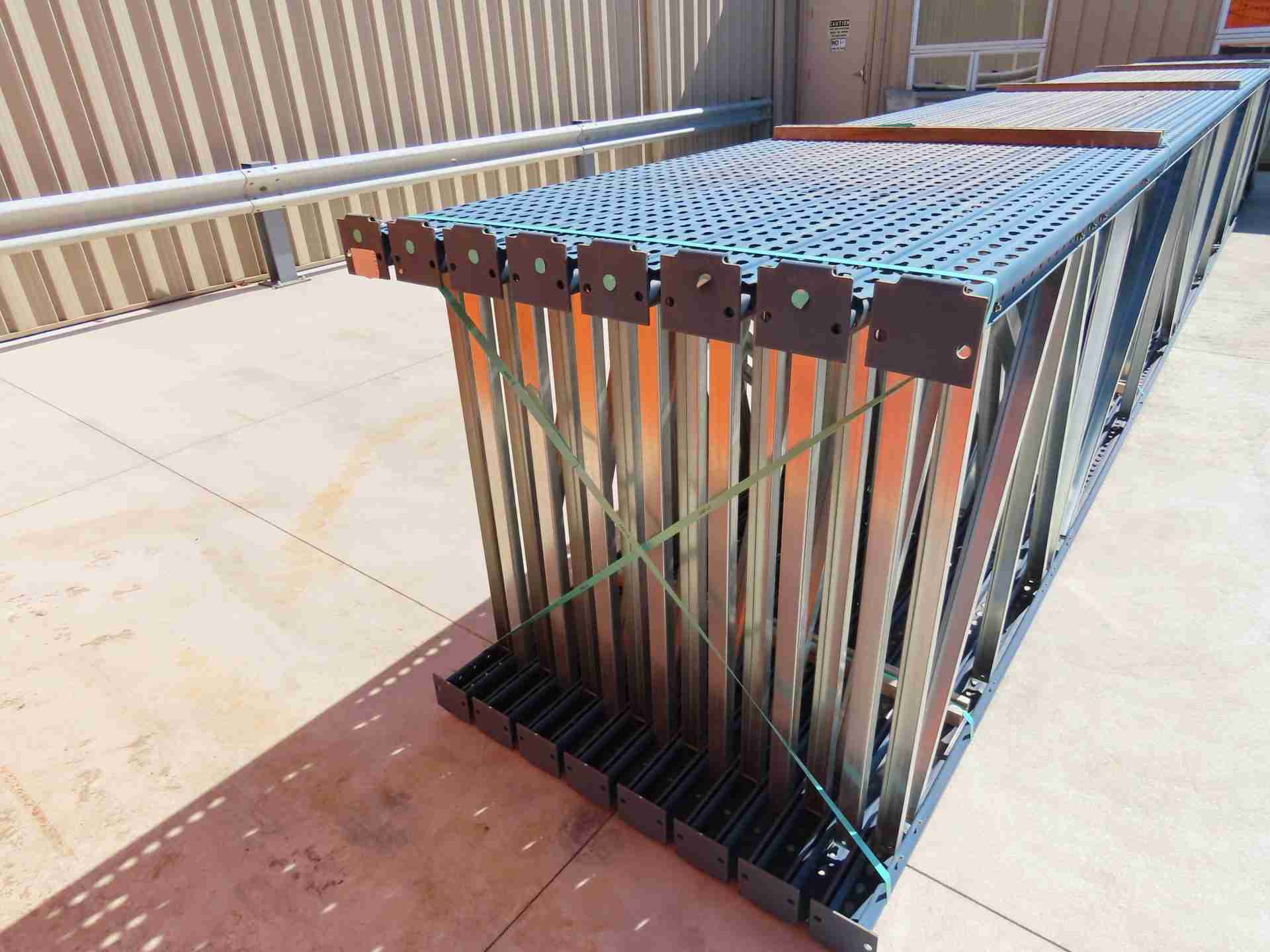
Are Incentives Helpful In Promoting Safety Awareness In Warehouses?
Are Incentives Helpful In Promoting Safety Awareness In Warehouses?
- Safety awareness is crucial in warehouse operations.
- Incentives are gaining popularity to promote safety among staff.
- Incentives can include rewards such as cash prizes or recognition.
- Rewards for safe behavior can create a culture of safety consciousness.
- Incentives can encourage reporting of safety concerns.
- Safety awareness has become even more important due to COVID-19.
- Incentives can help ensure smooth and safe warehouse operations.

Are Incentives Helpful In Promoting Safety Awareness In Warehouses?
How Can Storytelling Be Used To Make Safety Training More Engaging?
In today’s fast-paced world, safety training can often feel like just another mundane task on the to-do list for employees. However, by incorporating storytelling into your safety training programs, you can make the content more engaging and memorable for your team.
The power of storytelling lies in its ability to connect with people on a deeper level. When you use real-life examples and anecdotes to illustrate safety procedures and protocols, you create a more relatable and engaging learning experience. For example, instead of simply listing off safety regulations, you could share a story about a near-miss incident that occurred at your workplace and how following proper safety protocols prevented a more serious outcome.
Another way to make safety training more engaging is to incorporate interactive elements into your storytelling. For instance, you could create a choose-your-own-adventure style training module where employees have to make decisions about how to handle different safety scenarios. This not only makes the training more interactive and immersive, but it also allows employees to see the direct impact of their choices on safety outcomes.
Furthermore, by using storytelling in your safety training, you can make the content more relevant and timely. For example, you could reference recent workplace safety incidents or industry news to drive home the importance of following proper safety procedures. By incorporating these current events into your storytelling, you can make the training more dynamic and engaging for employees.
Overall, storytelling is a powerful tool that can be used to make safety training more engaging and effective. By creating a more relatable and interactive learning experience, you can ensure that your team retains the important safety information they need to stay safe on the job.
So, are you ready to transform your safety training programs with the power of storytelling? Start by incorporating real-life examples, interactive elements, and timely references into your training content. By doing so, you can create a more engaging and memorable learning experience for your team – one that will have a lasting impact on their safety practices.

How Can Storytelling Be Used To Make Safety Training More Engaging?
How Can Storytelling Be Used To Make Safety Training More Engaging?
- Safety training can often feel mundane, but storytelling can make it engaging.
- Storytelling connects with people on a deeper level and makes content relatable.
- Using real-life examples and anecdotes can illustrate safety procedures effectively.
- Incorporating interactive elements like choose-your-own-adventure modules can engage employees.
- Referencing recent workplace incidents in storytelling can make training more relevant.
- Storytelling can make safety training more engaging, effective, and dynamic.
- Transform your safety training with real-life examples, interactive elements, and timely references.

How Can Storytelling Be Used To Make Safety Training More Engaging?
What Are Some Best Practices For Creating Engaging Safety Modules?
When it comes to creating engaging safety modules, there are several best practices that can help ensure your content resonates with your audience and drives positive behavior change.
First and foremost, it’s important to make your safety modules visually appealing and interactive. Utilize engaging graphics, animations, and videos to grab the viewer’s attention and keep them engaged throughout the module. Interactive elements such as quizzes, games, and scenarios can also help make the content more memorable and impactful. For example, incorporating a quiz at the end of each module can not only test the viewer’s knowledge but also reinforce key safety concepts.
In addition to engaging visuals, it’s essential to make your safety modules relevant and relatable to your audience. Tailor the content to address specific safety concerns or challenges that your viewers may face in their day-to-day work. For instance, if your audience is comprised of healthcare workers, you might incorporate scenarios related to patient handling or infection control. By making the content more relevant to the viewer, they are more likely to pay attention and retain the information.
Furthermore, storytelling can be a powerful tool for creating engaging safety modules. Narratives help humanize the content and make it more engaging and relatable. Consider incorporating real-life examples or case studies that illustrate the importance of following safety protocols. For instance, sharing a story about a workplace accident that could have been prevented by following proper safety procedures can underscore the importance of the content and motivate viewers to take action.
Lastly, it’s crucial to regularly assess the effectiveness of your safety modules and make necessary adjustments to improve engagement. Track metrics such as completion rates, quiz scores, and feedback from viewers to gauge the impact of your content. Use this data to identify areas for improvement and make updates accordingly. By continually refining your safety modules based on feedback and data, you can ensure that your content remains engaging and effective in promoting safety awareness.
By incorporating visually appealing elements, making the content relevant and relatable, using storytelling, and analyzing metrics, you can create engaging safety modules that drive positive behavior change and enhance workplace safety. Remember, creating engaging safety modules is a continuous process that requires ongoing evaluation and optimization to ensure maximum effectiveness.

What Are Some Best Practices For Creating Engaging Safety Modules?
What Are Some Best Practices For Creating Engaging Safety Modules?
- Make safety modules visually appealing and interactive.
- Utilize engaging graphics, animations, and videos.
- Incorporate interactive elements like quizzes, games, and scenarios.
- Tailor content to address specific safety concerns of the audience.
- Use storytelling with real-life examples or case studies.
- Regularly assess effectiveness of modules and make adjustments.
- Continuously refine modules based on feedback and data.

What Are Some Best Practices For Creating Engaging Safety Modules?
Is Peer-To-Peer Learning Effective In Improving Safety Practices?
Peer-to-peer learning has been increasingly recognized as a powerful tool in improving safety practices within various industries. This form of collaborative learning allows individuals to share their knowledge, experiences, and best practices with their peers, resulting in a more informed and proactive approach to safety.
One of the key advantages of peer-to-peer learning in the context of safety practices is its effectiveness in engaging employees and promoting a culture of safety within organizations. When employees have the opportunity to learn from their peers, they are more likely to pay attention, ask questions, and actively participate in the learning process. This engagement is essential for fostering a safety-conscious mindset among employees, which ultimately leads to a safer work environment.
Moreover, peer-to-peer learning can provide unique insights and perspectives that may not be covered in traditional safety training programs. For example, a seasoned worker who has experienced a near-miss incident may have valuable lessons to share with new employees that could help prevent similar accidents in the future. By tapping into the collective wisdom of employees, organizations can identify potential hazards, develop innovative safety solutions, and continuously improve their safety practices.
Recent events have further highlighted the importance of peer-to-peer learning in improving safety practices. For instance, in the wake of the COVID-19 pandemic, many industries have had to adapt their safety protocols to protect employees from the virus. Peer-to-peer learning has played a crucial role in disseminating information about new safety measures, sharing best practices for preventing the spread of the virus, and fostering a sense of collective responsibility for workplace safety.
Peer-to-peer learning is a valuable tool for improving safety practices in organizations. By harnessing the knowledge, experience, and creativity of employees, organizations can create a culture of safety that is both proactive and innovative. As the importance of safety continues to grow in the workplace, peer-to-peer learning offers a cost-effective and engaging way to empower employees to take ownership of their safety and well-being.
References:
-https://www.sciencedirect.com/topics/computer-science/peertopeer-learning
-https://www.eurekalert.org/pub_releases/2020-01/osux-ppl011520.php

Is Peer-To-Peer Learning Effective In Improving Safety Practices?
Is Peer-To-Peer Learning Effective In Improving Safety Practices?
- Peer-to-peer learning is a powerful tool for improving safety practices within industries by allowing individuals to share knowledge, experiences, and best practices.
- Engaging employees through peer-to-peer learning promotes a culture of safety within organizations, leading to a safer work environment.
- Peer-to-peer learning provides unique insights and perspectives not covered in traditional safety training programs, helping identify hazards and improve safety practices.
- The COVID-19 pandemic highlighted the importance of peer-to-peer learning in disseminating new safety measures and fostering collective responsibility for workplace safety.
- Peer-to-peer learning harnesses employee knowledge and creativity to create a proactive and innovative safety culture in organizations.
- As safety remains important in the workplace, peer-to-peer learning offers a cost-effective and engaging way for employees to take ownership of their safety and well-being.
- References:
- Peer-to-Peer Learning
- ScienceDirect
- .
- Press Release on Peer-to-Peer Learning.
.

Is Peer-To-Peer Learning Effective In Improving Safety Practices?
How Important Is Consistent Reinforcement In Safety Training?
Consistent reinforcement in safety training is absolutely crucial for ensuring a safe work environment. Just like any other skill or behavior, safety practices need to be reinforced regularly in order to become ingrained in employees’ habits.
Think of it this way – if you were learning to play the piano, you wouldn’t expect to master a difficult piece after just one lesson. It takes consistent practice and reinforcement to build the muscle memory and mental acuity needed to play proficiently. The same principle applies to safety training. Employees need constant reminders and refreshers to keep safety at the forefront of their minds.
One recent example that illustrates the importance of consistent reinforcement in safety training is the COVID-19 pandemic. Many businesses had to quickly implement new safety protocols to protect employees and customers from the virus. However, without consistent reinforcement and monitoring, these safety practices can easily slip through the cracks. This can lead to serious consequences, such as outbreaks within the workplace or fines for non-compliance.
On the other hand, businesses that have made consistent reinforcement of safety protocols a priority have been able to navigate the pandemic more successfully. By regularly reminding employees of proper hygiene practices, social distancing guidelines, and mask-wearing protocols, these businesses have been able to create a safer work environment for everyone.
In addition to ensuring the physical safety of employees, consistent reinforcement in safety training can also have a positive impact on overall morale and productivity. When employees feel supported and valued by their employer, they are more likely to be engaged and motivated in their work. This can lead to higher levels of job satisfaction, lower turnover rates, and increased productivity.
So, how can businesses ensure consistent reinforcement in safety training? One effective method is to incorporate safety reminders into daily routines. For example, businesses can use digital signage or safety posters in common areas to remind employees of important safety protocols. Regular safety meetings and training sessions can also be used to reinforce key safety practices and address any questions or concerns that employees may have.
Ultimately, consistent reinforcement in safety training is not just a nicety – it’s a necessity. By making safety a top priority and ensuring that it is consistently reinforced, businesses can create a safer and more productive work environment for everyone.

How Important Is Consistent Reinforcement In Safety Training?
How Important Is Consistent Reinforcement In Safety Training?
- Consistent reinforcement in safety training is crucial for a safe work environment.
- Safety practices need regular reinforcement to become habits.
- Businesses need to keep safety at the forefront of employees’ minds.
- The COVID-19 pandemic highlighted the need for consistent safety reinforcement.
- Businesses with reinforced safety protocols have navigated the pandemic more successfully.
- Consistent reinforcement can boost morale, productivity, and job satisfaction.
- Methods like daily reminders, digital signage, and regular training sessions can help reinforce safety practices.

How Important Is Consistent Reinforcement In Safety Training?
Are Hands-On Demonstrations Beneficial For Warehouse Safety Training?
Hands-On Demonstrations: The Key to Effective Warehouse Safety Training
In the fast-paced world of warehouse operations, safety is paramount. With the rise of e-commerce and the increasing demand for quick order fulfillment, warehouse managers must ensure that their employees are well-trained in safety protocols to prevent accidents and injuries. While traditional classroom training can be effective, hands-on demonstrations are proving to be the most impactful method for teaching warehouse safety.
Why are hands-on demonstrations so effective? Because they provide employees with a tangible, real-world experience that allows them to see safety protocols in action. Employees can practice using safety equipment, navigating hazardous areas, and responding to emergencies in a controlled environment. This not only reinforces the importance of safety procedures but also helps employees retain information better than traditional classroom instruction alone.
For example, imagine a warehouse worker who has only been told in a classroom setting about the proper way to lift heavy boxes to prevent back injuries. Now, imagine that same worker participating in a hands-on demonstration where they practice using proper lifting techniques with a trainer guiding them in real-time. The worker is able to feel the difference in their body when they lift correctly versus incorrectly, making a lasting impression that will stick with them long after the training session is over.
In recent times, the importance of hands-on safety training has become even more evident with the rise of automation in warehouses. As more tasks are being performed by machines, it is essential for employees to understand how to work safely alongside these new technologies. Hands-on demonstrations can show employees how to interact with automated equipment in a way that minimizes the risk of accidents, ensuring a smooth transition to a more automated warehouse environment.
Additionally, hands-on demonstrations can help improve employee morale and engagement. When employees are actively participating in their own learning process, they are more likely to feel invested in their own safety and the safety of their coworkers. This can lead to a more positive safety culture within the warehouse, where employees are more likely to speak up about safety concerns and actively look out for one another.
Hands-on demonstrations are a vital component of effective warehouse safety training. By providing employees with real-world experiences, reinforcing safety protocols, and improving employee engagement, hands-on demonstrations can help reduce accidents and injuries in the warehouse. Make sure to incorporate hands-on demonstrations into your safety training program to ensure a safe and successful warehouse operation.

Are Hands-On Demonstrations Beneficial For Warehouse Safety Training?
Are Hands-On Demonstrations Beneficial For Warehouse Safety Training?
- Hands-on demonstrations provide tangible, real-world experiences for employees.
- Employees can practice using safety equipment and responding to emergencies in a controlled environment.
- Hands-on demonstrations help employees retain information better than traditional classroom instruction.
- Hands-on safety training is crucial with the rise of automation in warehouses.
- Employee engagement and morale can be improved through hands-on demonstrations.
- Hands-on demonstrations reinforce safety protocols and create a positive safety culture.
- Incorporating hands-on demonstrations into safety training programs can help reduce accidents and injuries in warehouses.

Are Hands-On Demonstrations Beneficial For Warehouse Safety Training?
Conclusion
In conclusion, making warehouse safety training more engaging is not just a nice-to-have – it’s a must-have in today’s fast-paced workplace. Boring training sessions filled with endless slideshows and lectures simply won’t cut it anymore. It’s time to get creative, think outside the box, and incorporate interactive methods that truly engage your employees. Incorporating interactive simulations, gamification, multimedia elements, and guest speakers into your training program can boost engagement and retention among employees. Furthermore, leveraging technology such as virtual reality simulations and interactive online modules can enhance the effectiveness of your safety training programs. Additionally, involving employees in the learning process through peer-to-peer learning and hands-on demonstrations can foster a culture of safety and accountability within your organization. By consistently reinforcing safety protocols and utilizing storytelling to make the content more relatable and engaging, you can ensure that crucial safety information is not only understood but also put into practice on the warehouse floor.
Arrow Industrial Sales is your go-to partner for all your warehouse safety needs. With a wide range of safety products and solutions, we can help you create a safe and productive work environment for your employees. Call us today at (574) 349-6575 to learn more and take the first step towards enhancing your warehouse safety training. Don’t wait – your employees’ safety is too important to delay. Make warehouse safety training more engaging, effective, and impactful with Arrow Industrial Sales.

Conclusion
Conclusion:
- Making warehouse safety training more engaging is a must-have in today’s fast-paced workplace.
- Endless slideshows and lectures won’t cut it anymore.
- Get creative, think outside the box, and incorporate interactive methods.
- Incorporate interactive simulations, gamification, and multimedia elements.
- Utilize technology such as virtual reality simulations and interactive online modules.
- Involve employees in the learning process through peer-to-peer learning and hands-on demonstrations.
- Consistently reinforce safety protocols and utilize storytelling to make content more relatable.
Arrow Industrial Sales is your go-to partner for all your warehouse safety needs. With a wide range of safety products and solutions, we can help you create a safe and productive work environment for your employees. Call us today at (574) 349-6575 to learn more and take the first step towards enhancing your warehouse safety training. Don’t wait
- your employees’ safety is too important to delay. Make warehouse safety training more engaging, effective, and impactful with Arrow Industrial Sales.

Conclusion
Other Resources

Other Resources
Here is a list of other resources you can review online to learn more:
- “18 Workplace Safety Games to Educate Employees”
- “Enhancing occupational safety training through simulations”
- “Safety Training Techniques: Engaging and Effective Methods”
- “9 Engaging Workplace Safety Games”
- “Creative Safety Drills: Making Workplace Training Engaging”
- “Games of safety”
- “State Regulations of Private Schools (PDF)”
- “Announcements”
- “Associated Student Body – Turlock Unified School District”

Other Resources
Glossary Terms
How Can You Make Warehouse Safety Training More Engaging? – Glossary Of Terms
1. Active Learning: Techniques that engage participants directly, such as group discussions or hands-on activities, to enhance understanding and retention.
2. Augmented Reality (AR): A technology that overlays digital information (images, sounds, text) on the real world through devices like smartphones or AR glasses, useful for interactive training simulations.
3. Behavioral Safety: Focus on shaping employee behaviors to enhance safety, often involving observation and feedback to encourage safe practices.
4. Blended Learning: An approach that combines online digital media with traditional face-to-face training, enhancing engagement and flexibility.
5. Case Studies: Real-world scenarios or incidents used to illustrate safety concepts and provoke discussion and problem-solving among trainees.
6. Competency-Based Training: Training designed to ensure employees achieve specific skills or competencies, often tailored to individual roles and responsibilities.
7. E-Learning: Online training programs that employees can complete at their own pace, often including interactive elements to keep learners engaged.
8. Gamification: The application of game-design elements and principles in training to make learning more enjoyable and motivating.
9. Hazard Recognition: The ability to identify potential dangers in the workplace, a crucial part of any safety training.
10. Interactive Tools: Software or devices that engage employees actively during training, such as quizzes, simulators, or virtual tours.
11. Job Safety Analysis (JSA): A systematic process to identify hazards in specific job tasks and develop safety measures, often used as a training tool.
12. KPI (Key Performance Indicator): Metrics used to measure the effectiveness of safety training programs and their impact on reducing incidents.
13. Learning Management System (LMS): A software application for the administration, documentation, tracking, and delivery of educational courses or training programs.
14. Microlearning: Providing training in small, bite-sized chunks to improve comprehension and retention, often delivered via mobile devices.
15. Peer Learning: Training methods that encourage employees to learn from one another through collaboration and discussion, fostering a supportive learning environment.
16. Personal Protective Equipment (PPE): Items worn by employees to protect against hazards, whose correct use is often a critical component of safety training.
17. Simulation Training: The use of virtual or physical simulations to replicate real-world tasks or scenarios, helping employees to practice responses to hazards in a controlled environment.
18. Storytelling: A powerful method to convey safety messages by sharing stories of real incidents, which can help make the training more relatable and memorable.
19. Tailored Training: Customizing content to fit the specific needs, roles, and risk factors of different employee groups within the warehouse.
20. Technology Integration: The use of advanced tech tools like VR, AR, and AI to create immersive and interactive training experiences.
21. Virtual Reality (VR): The use of VR headsets to immerse employees in a fully synthetic environment where they can practice safety procedures.
22. Workplace Ergonomics: Designing the workplace and job tasks to fit the worker, which can reduce physical strain and improve safety, often a key aspect of training content.
23. Engagement Triggers: Elements incorporated in training to capture and maintain attention, such as multimedia, interactive exercises, and real-time feedback.
24. Feedback Mechanisms: Systems for providing timely and constructive feedback during and after training sessions to reinforce learning and correct mistakes.
25. Mobile Training Programs: Training modules accessible via smartphones or tablets, allowing for flexibility and on-the-go learning.
26. Risk Assessment: The process of identifying and evaluating risks, a fundamental component of effective safety training.
27. Safety Culture: The shared attitudes, values, practices, and norms that influence safety behavior in the workplace, vital for sustaining engagement in training efforts.
28. Training Modules: Divided sections of a larger training program, making it easier to digest and more flexible for scheduling.
29. Visualization Techniques: The use of diagrams, flowcharts, and other visual aids to simplify complex information and improve comprehension.
30. Workshop: Interactive and practical training sessions that involve hands-on activities and real-life problem-solving, making learning more dynamic and effective.
These terms and their descriptions will help in understanding how to make warehouse safety training more engaging and effective.

Glossary Of Terms
Other Questions
How Can You Make Warehouse Safety Training More Engaging? – Other Questions
If you wish to explore and discover more, consider looking for answers to these questions:
- What are the benefits of using virtual reality in safety training?
- How can gamification improve safety training outcomes?
- What are some examples of successful gamified safety training programs?
- How does employee motivation affect the success of safety training programs?
- What technologies are available for enhancing warehouse safety training?
- How can management support and improve safety training engagement?
- What role does hands-on practice play in retaining safety training information?
- How effective is peer-to-peer learning in warehouse safety training?
- What are best practices for conducting safety drills in warehouses?
- What types of incentives work best for promoting safety in the workplace?
- How can storytelling be incorporated into safety training effectively?
- What metrics should be used to measure the success of a safety training program?
- How can safety training programs be customized for different types of warehouses?
- What are some common pitfalls to avoid in warehouse safety training?
- How can feedback from employees be integrated into improving safety training programs?

Other Questions
Checklist
How Can You Make Warehouse Safety Training More Engaging? – A Checklist
Incorporate Interactive Simulations
_____ Set up mock safety drills.
_____ Create scenarios for simulated emergency situations.
_____ Implement virtual reality (VR) hazard identification.
Gamify the Training Process
_____ Develop safety-themed quizzes.
_____ Organize scavenger hunts or escape room challenges.
_____ Use a points system to track progress and reward achievements.
Use Multimedia Elements
_____ Include videos demonstrating real-life hazards.
_____ Integrate augmented reality (AR) for hands-on learning.
_____ Employ interactive online modules and quizzes.
Invite Guest Speakers
_____ Bring in industry experts for fresh perspectives.
_____ Organize Q&A sessions with safety professionals.
Leverage Technology
_____ Use virtual reality (VR) for immersive training experiences.
_____ Introduce wearable technology such as smart glasses and sensors.
_____ Facilitate remote learning with interactive online modules.
Hands-On Activities
_____ Conduct workshops on proper lifting techniques.
_____ Hold practical demonstrations of emergency response procedures.
_____ Utilize role-playing exercises for scenario-based training.
Promote Employee Participation
_____ Solicit input and suggestions from employees.
_____ Encourage sharing of personal experiences with safety practices.
_____ Create a culture of safety ownership among employees.
Consistent Reinforcement
_____ Provide regular safety reminders and updates.
_____ Hold frequent safety meetings and refreshers.
_____ Use digital signage and safety posters.
Use Storytelling
_____ Share relatable, real-life examples and anecdotes.
_____ Incorporate choose-your-own-adventure style modules.
_____ Reference recent events and industry news.
Offer Incentives
_____ Implement a program for rewarding safe behavior.
_____ Encourage reporting of safety concerns with incentives.
_____ Recognize and praise employees who prioritize safety.
Employ Peer-to-Peer Learning
_____ Facilitate knowledge sharing among employees.
_____ Promote a culture of collective responsibility for safety.
_____ Use peer experiences to illustrate best practices.
Incorporate Gamification
_____ Implement a points and rewards system.
_____ Create team-based competitions and challenges.
_____ Utilize leaderboards and badges for recognition.
Hands-On Demonstrations
_____ Conduct practical training with real-world applications.
_____ Allow employees to practice using safety equipment.
_____ Demonstrate proper techniques in a controlled environment.
This checklist can help you transform your warehouse safety training program into an engaging, effective, and memorable experience for your employees.

Checklist
At RackingWorld, we help guide you through selecting warehouse storage systems and racking.
Be sure to read our other related stories at RackingWorld to learn more about warehouse storage systems.
0 Comments