
An Overview Of Selective Pallet Racking
By Tom Seest
At RackingWorld, we help guide you through selecting warehouse storage systems and racking.
Be sure to read our other related stories at RackingWorld to learn more about warehouse storage systems.
What Is Selective Pallet Racking?
In the fast-paced world of warehouse management, efficiency is the name of the game. And one of the best tools in a warehouse manager’s arsenal is selective pallet racking. But what exactly is selective pallet racking, and how can it revolutionize your storage capabilities?
Selective pallet racking is a storage system that allows for easy access to every pallet stored. This means that warehouse workers can quickly locate and retrieve specific items, streamlining the overall logistics process. Imagine a warehouse where every pallet is easily accessible, reducing the time and effort required to fulfill customer orders. That’s the power of selective pallet racking.
But the benefits don’t stop there. Selective pallet racking also maximizes storage space, allowing warehouses to store more inventory in the same footprint. By utilizing vertical space effectively, warehouses can increase their storage capacity without expanding their physical footprint. This is especially important in today’s competitive market, where warehouse real estate comes at a premium.
Furthermore, selective pallet racking can improve safety in the warehouse. By organizing inventory in a logical and structured manner, the risk of accidents and injuries is significantly reduced. Workers can navigate the warehouse with ease, decreasing the likelihood of collisions or other mishaps. This not only keeps employees safe but also protects valuable inventory from damage.
In the wake of the COVID-19 pandemic, the importance of efficient warehouse management has become even more apparent. With supply chain disruptions and increased demand for essential goods, warehouses are under more pressure than ever to operate efficiently. Selective pallet racking can help warehouses meet these challenges head-on by optimizing storage space and streamlining operations.
Selective pallet racking is a game-changer for warehouse management. By maximizing storage space, improving accessibility, and enhancing safety, this storage system can transform the way warehouses operate. In today’s fast-paced and competitive market, efficiency is key. With selective pallet racking, warehouses can stay one step ahead of the competition and meet the demands of today’s consumers.
Don’t get left behind in the race for efficiency. Invest in selective pallet racking today and revolutionize your warehouse management. Your bottom line will thank you.
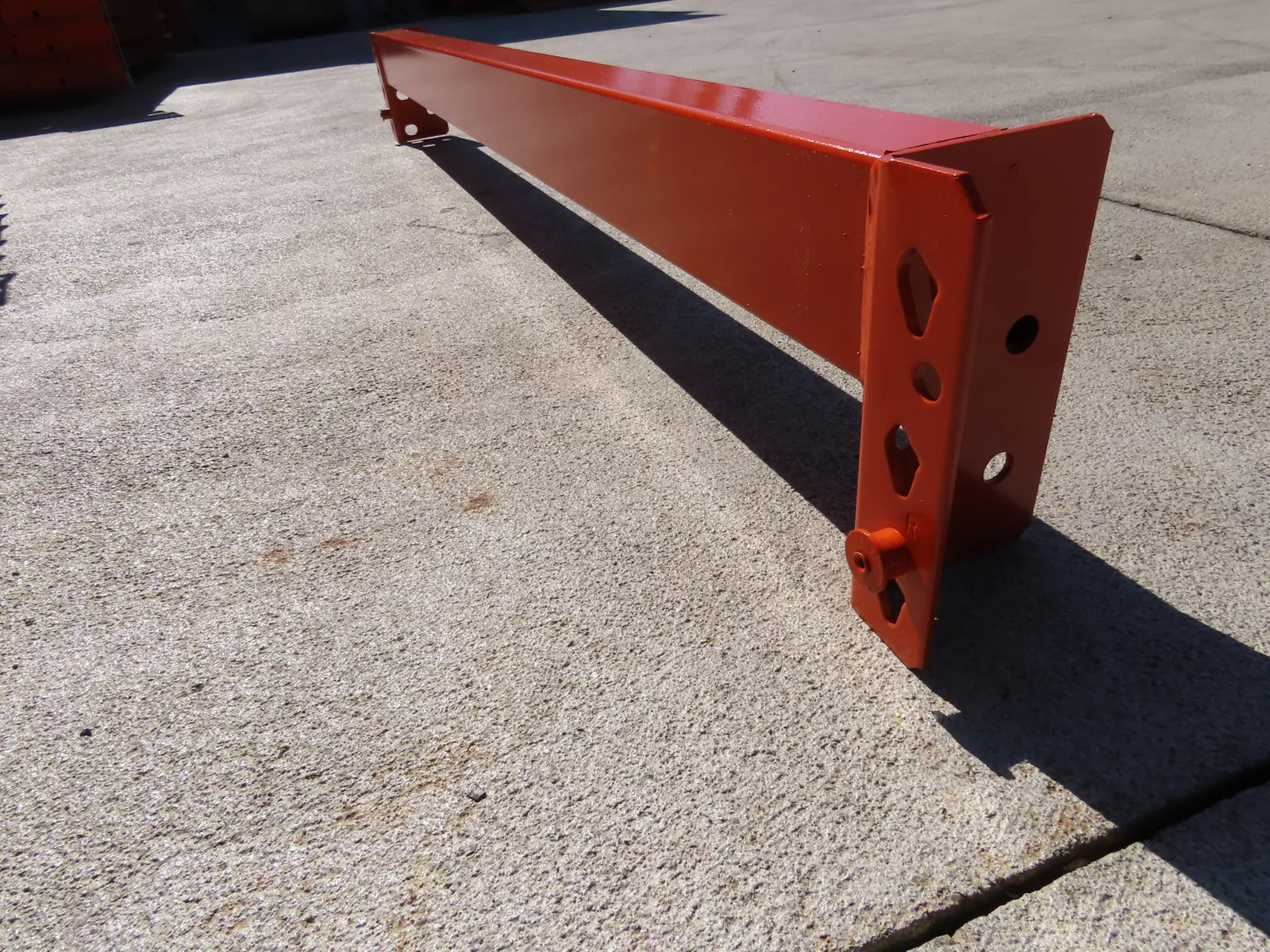
What Is Selective Pallet Racking?
What Is Selective Pallet Racking?
- Selective pallet racking allows for easy access to every pallet stored, streamlining the logistics process.
- Maximizes storage space to store more inventory in the same footprint.
- Improves safety by reducing the risk of accidents and injuries.
- Optimizes storage space and streamlines operations, especially important in the current competitive market.
- Transforms the way warehouses operate by enhancing accessibility and safety.
- Efficiency is key in today’s market and selective pallet racking can help warehouses stay ahead of the competition.
- Investing in selective pallet racking can revolutionize warehouse management and improve the bottom line.
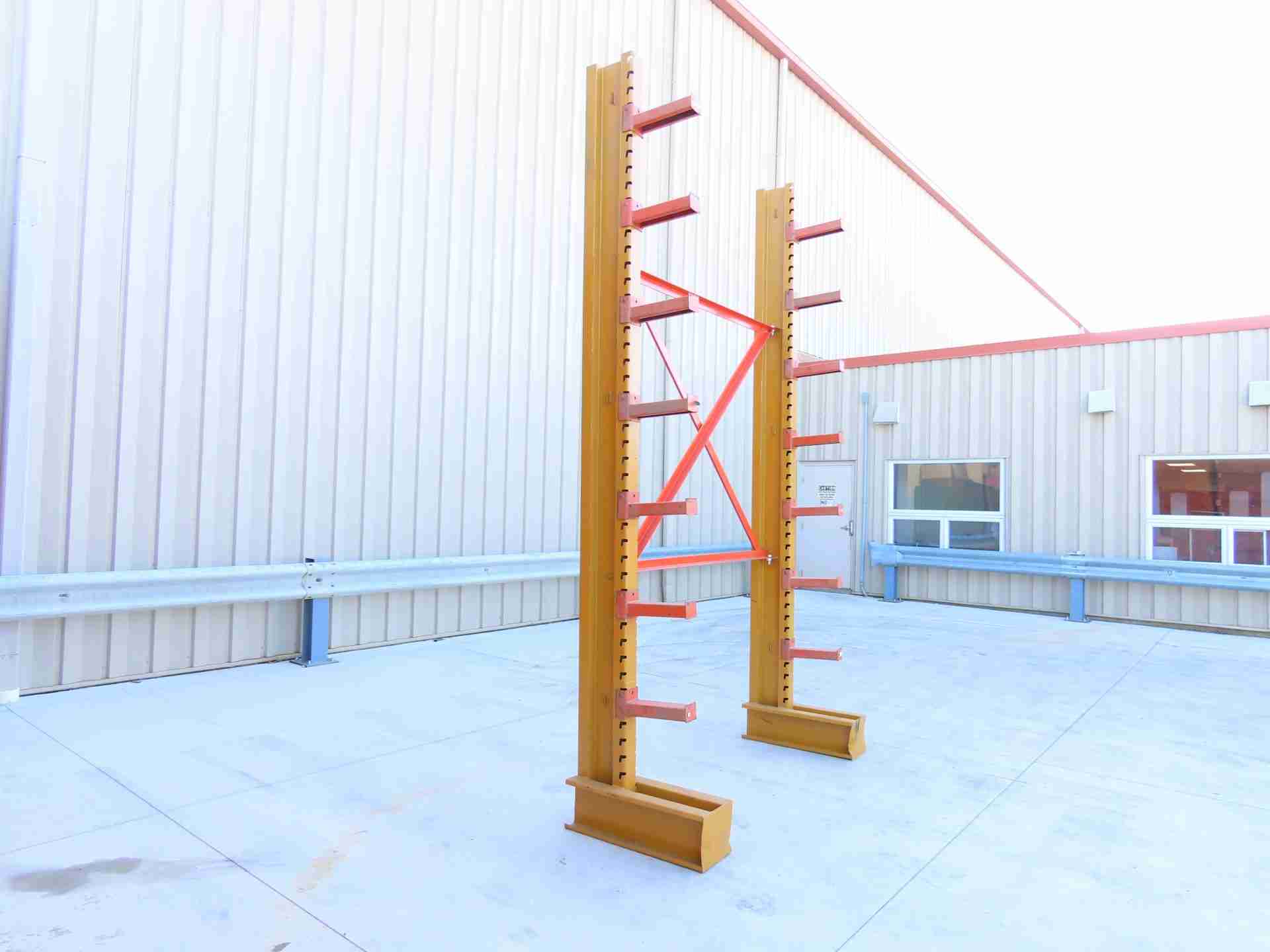
What Is Selective Pallet Racking?
Table Of Contents
- What Is Selective Pallet Racking?
- What Are The Key Features Of Selective Pallet Racking?
- How Tall Can Selective Pallet Racking Be Built?
- What Is The Typical Depth Of Selective Pallet Racking?
- How Much Aisle Width Does Selective Pallet Racking Require?
- What Is The Weight Capacity Of Selective Pallet Racking?
- How Does Selective Pallet Racking Compare to Other Systems In Density?
- Conclusion
- Other Resources
- Glossary Of Terms
- Other Questions
- Checklist
What Are The Key Features Of Selective Pallet Racking?
When it comes to maximizing warehouse space and efficiency, selective pallet racking stands out as a top choice for businesses looking to streamline their operations. This popular storage solution offers a range of key features that make it a smart investment for any company looking to optimize their logistics processes.
One of the primary features of selective pallet racking is its versatility. With the ability to adjust shelf heights and configurations, businesses can easily customize their racking system to suit their unique storage needs. This flexibility allows for easy adaptation to changing inventory requirements, ensuring that your warehouse is always operating at peak efficiency.
Additionally, selective pallet racking offers excellent accessibility to all stored items. Unlike other storage systems that may require moving multiple pallets to access a single item, selective racking allows for easy access to any pallet within the system. This means quicker retrieval times, reducing labor costs and improving overall productivity.
Another key feature of selective pallet racking is its durability. Constructed from high-quality materials, these racking systems are designed to withstand the rigors of daily warehouse operations. This level of durability ensures that your investment will last for years to come, providing a reliable storage solution for your business.
Furthermore, selective pallet racking is a cost-effective option for businesses looking to maximize their storage space. By utilizing vertical space, businesses can effectively double or triple their storage capacity without the need for additional square footage. This can result in significant cost savings compared to expanding or relocating to a larger facility.
Selective pallet racking offers a range of key features that make it an attractive option for businesses of all sizes. Its versatility, accessibility, durability, and cost-effectiveness combine to create a storage solution that can streamline operations and improve overall efficiency. By investing in selective pallet racking, businesses can optimize their warehouse space and set themselves up for long-term success in today’s competitive marketplace.
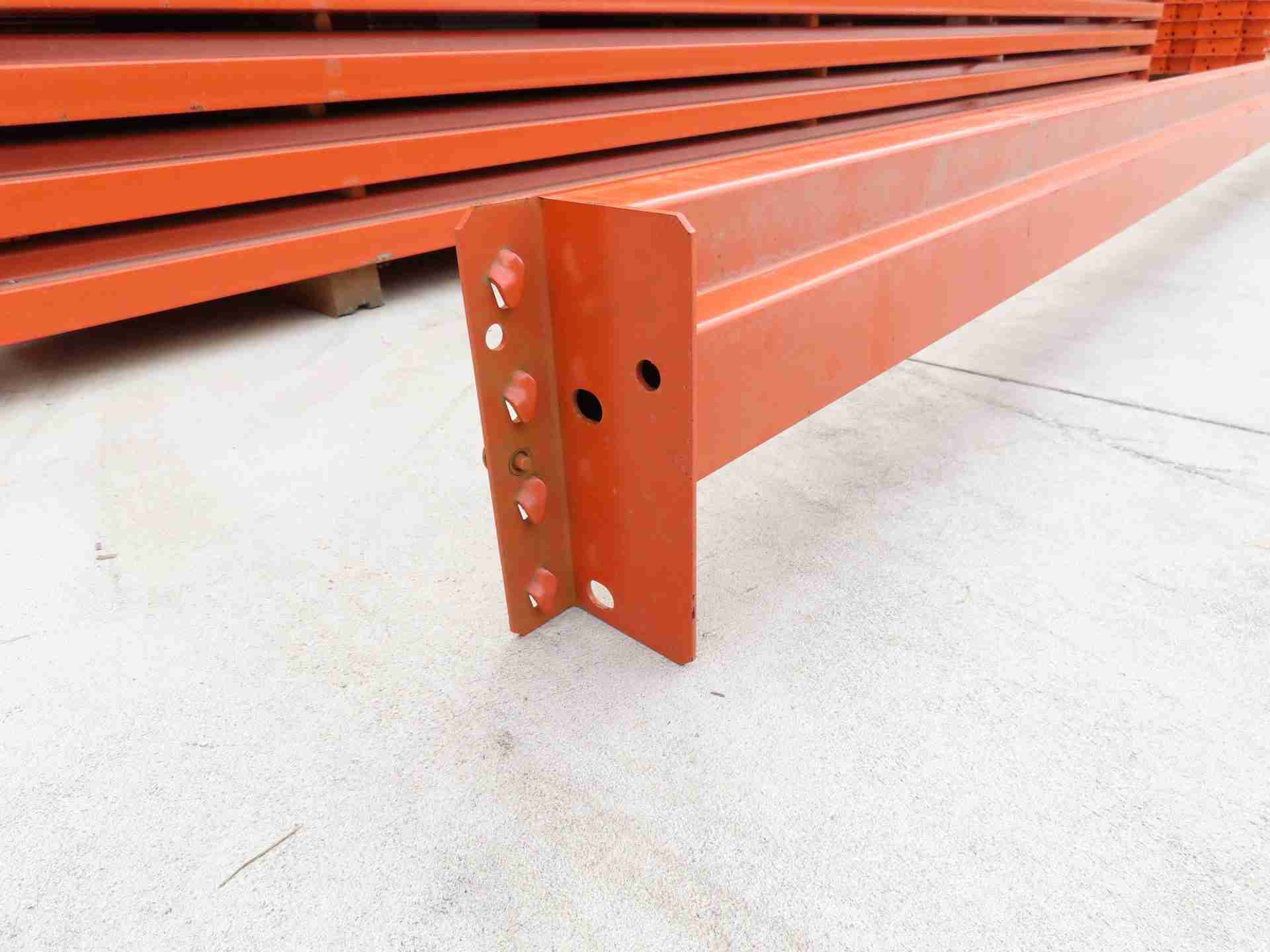
What Are The Key Features Of Selective Pallet Racking?
What Are The Key Features Of Selective Pallet Racking?
- Selective pallet racking is versatile, with adjustable shelf heights and configurations to meet unique storage needs.
- Offers excellent accessibility to all stored items, allowing for easy retrieval and reducing labor costs.
- Durable construction ensures the racking system can withstand the rigors of daily warehouse operations.
- Cost-effective option for maximizing storage space by utilizing vertical space effectively.
- Streamlines operations and improves overall efficiency for businesses of all sizes.
- Provides a reliable storage solution that can last for years to come.
- Optimizes warehouse space and sets businesses up for long-term success in a competitive marketplace.
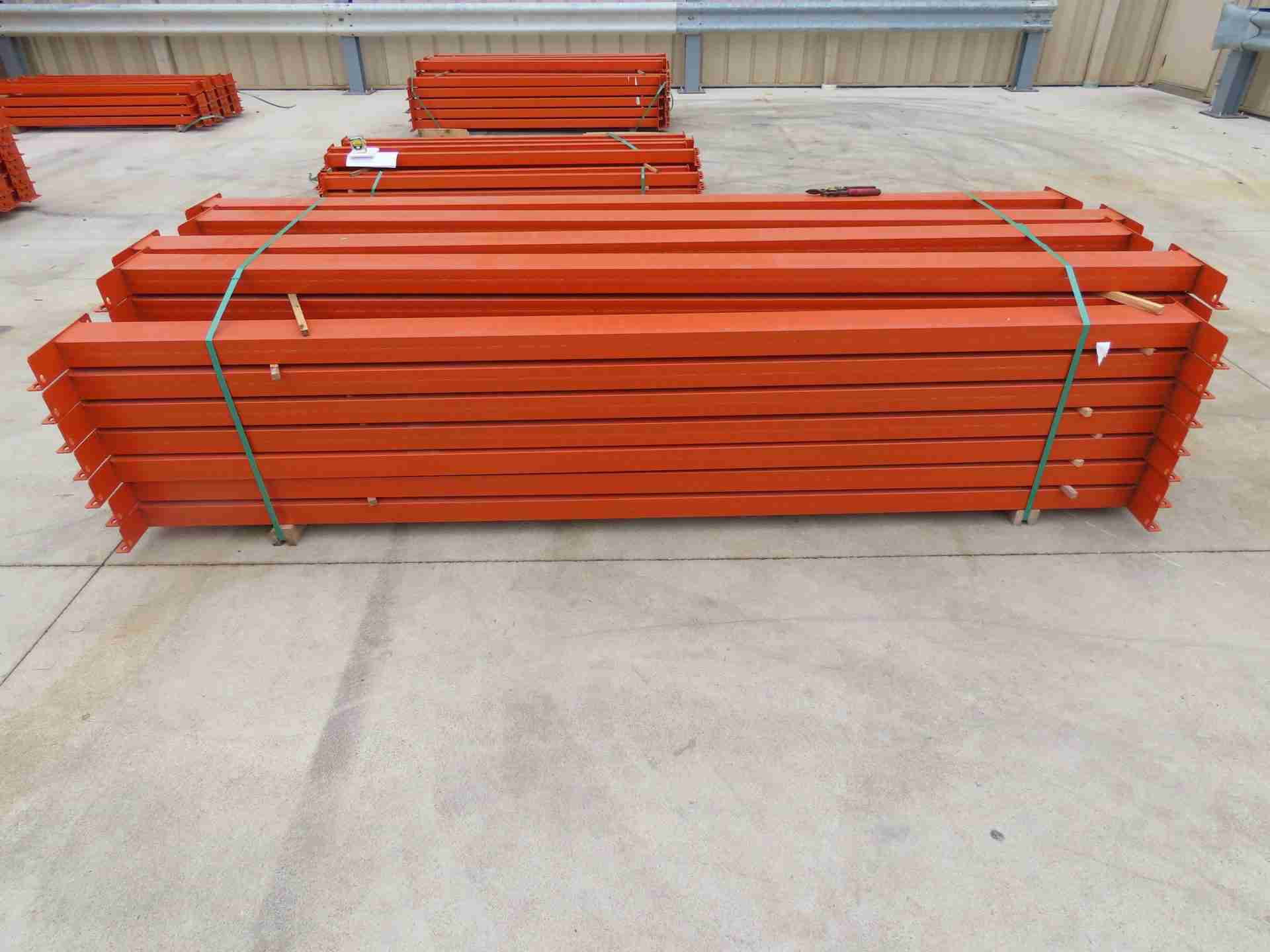
What Are The Key Features Of Selective Pallet Racking?
How Tall Can Selective Pallet Racking Be Built?
When it comes to optimizing your warehouse space, selective pallet racking is an essential solution. But how high can you go when it comes to building your pallet racking system? The answer may surprise you.
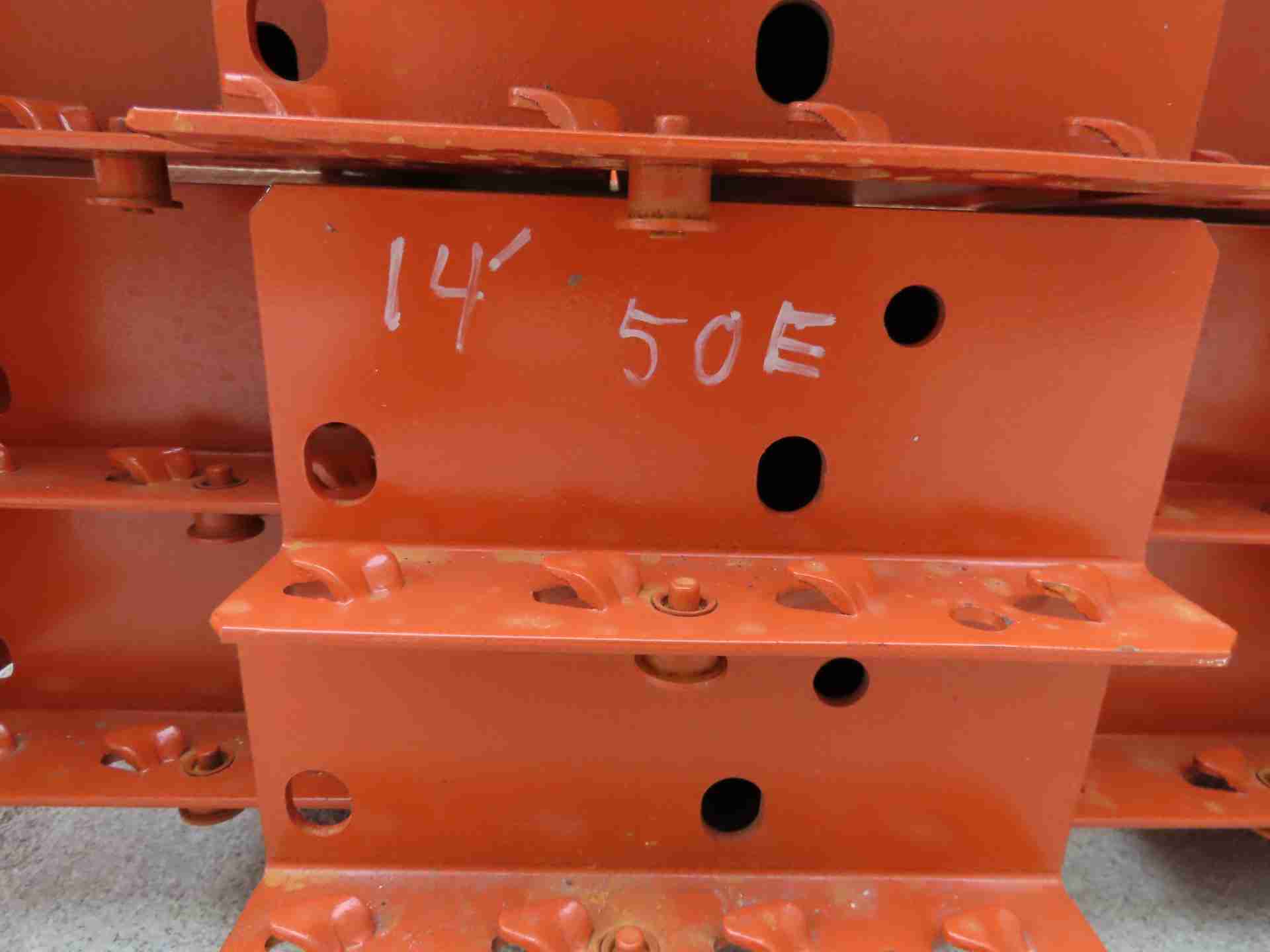
Selective pallet racking can be built to impressive heights, depending on your specific needs and the capabilities of your warehouse. In fact, some companies have successfully constructed selective pallet racking systems that reach up to 40 feet high or more. By maximizing vertical space, you can increase your storage capacity without expanding your warehouse footprint.
One recent example of a company pushing the limits of selective pallet racking height is Amazon. The e-commerce giant has been at the forefront of warehouse automation and efficiency, utilizing cutting-edge technology to build racking systems that soar to dizzying heights. By taking advantage of advanced robotics and automated picking systems, Amazon is able to efficiently store and retrieve products from these towering pallet racking systems with ease.
But you don’t have to be a tech giant like Amazon to benefit from tall selective pallet racking. Even smaller businesses can take advantage of vertical storage solutions to optimize their warehouse space. By working with a knowledgeable warehouse design and storage solutions provider, you can create a custom pallet racking system that meets your specific needs and maximizes your storage capacity.
Of course, building taller pallet racking systems does come with some considerations. Safety is paramount when constructing any type of storage system, and it’s essential to ensure that your racking is properly secured and meets all relevant safety regulations. Additionally, factors like seismic activity and your warehouse layout may impact how tall you can safely build your pallet racking system.
Ultimately, the sky’s the limit when it comes to building tall selective pallet racking systems. By working with a trusted partner who understands your business needs and the capabilities of your warehouse, you can create a custom storage solution that maximizes your space and enhances your operational efficiency.
So don’t be afraid to think big when it comes to your pallet racking system. With the right planning and expertise, you can build a storage solution that reaches new heights and takes your warehouse operations to the next level.

How Tall Can Selective Pallet Racking Be Built?
How Tall Can Selective Pallet Racking Be Built?
- Selective pallet racking can be built to impressive heights, up to 40 feet or more.
- Maximizing vertical space increases storage capacity without expanding warehouse.
- Amazon is an example of a company with tall selective pallet racking systems.
- Even smaller businesses can benefit from vertical storage solutions.
- Safety is paramount when building tall pallet racking systems.
- Considerations like seismic activity and warehouse layout impact system height.
- Working with a trusted partner can help create a custom storage solution.
How Tall Can Selective Pallet Racking Be Built?
What Is The Typical Depth Of Selective Pallet Racking?
When it comes to maximizing warehouse storage space, selective pallet racking is a popular choice among businesses of all sizes. This versatile storage system allows for easy access to individual pallets, making it ideal for warehouses with a high product turnover rate. But what is the typical depth of selective pallet racking?
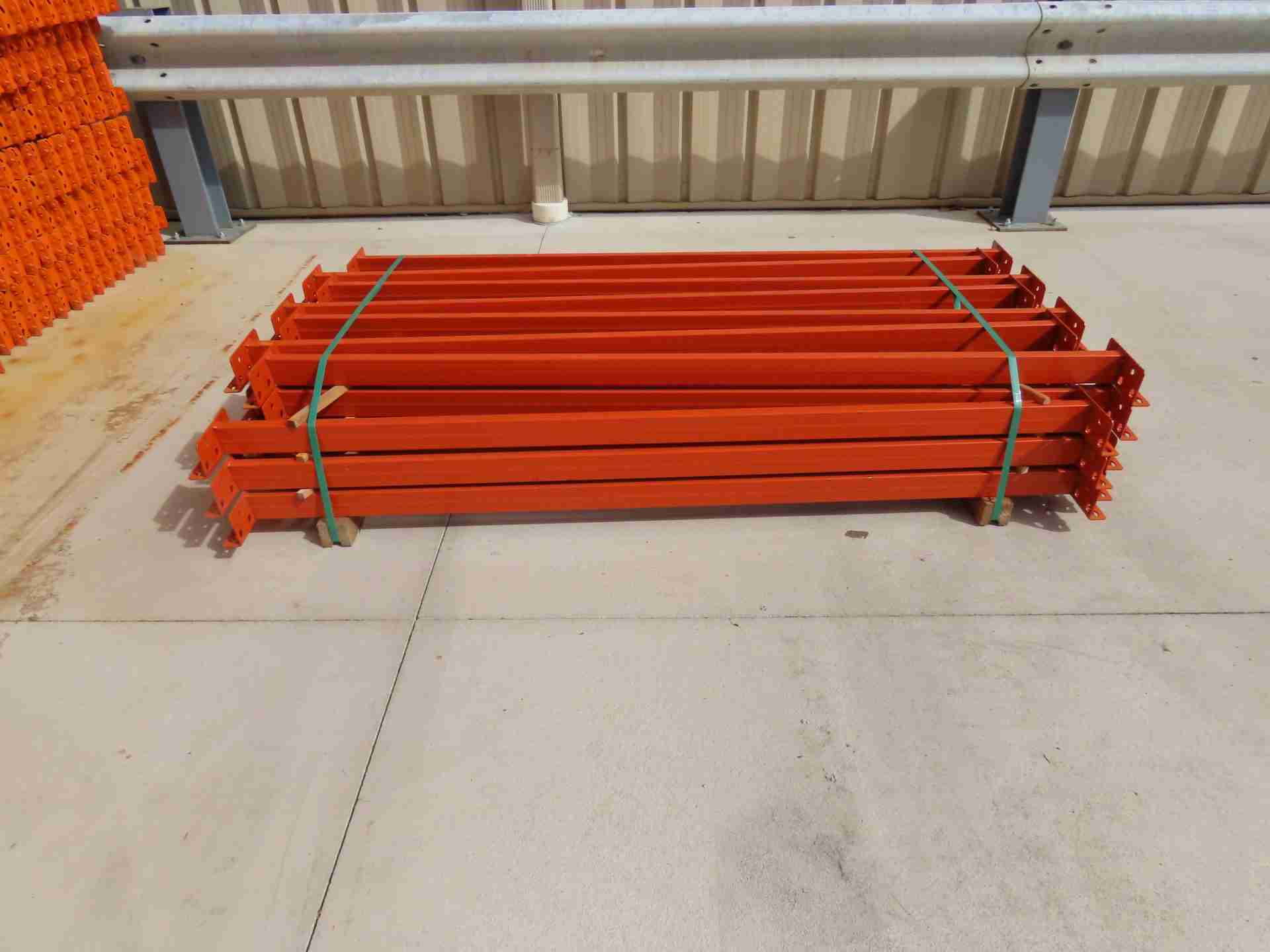
Typically, the depth of selective pallet racking ranges from 36 to 48 inches. This range allows for efficient storage of pallets while still providing ample space for forklifts to maneuver. By utilizing the full depth of the racking system, businesses can optimize their warehouse space and increase efficiency in their operations.
For example, imagine a busy distribution center that receives shipments of various sizes on a daily basis. By utilizing selective pallet racking with a depth of 48 inches, the facility can easily store and retrieve pallets without wasting valuable space. This ensures that products are readily available for shipment, leading to faster turnaround times and ultimately, happier customers.
In today’s fast-paced business environment, maximizing efficiency is key to staying competitive. With the rise of e-commerce and the increasing demand for quick delivery, businesses need to make the most of their warehouse space. Selective pallet racking offers the flexibility and accessibility needed to streamline operations and meet customer demands.
In light of recent global events, such as the COVID-19 pandemic, the importance of efficient warehouse storage has become even more apparent. With disruptions in supply chains and an increased reliance on online shopping, businesses are facing unprecedented challenges. By implementing selective pallet racking with the appropriate depth, companies can adapt to changing market conditions and ensure that their operations remain agile and resilient.
The typical depth of selective pallet racking plays a crucial role in optimizing warehouse storage space and enhancing operational efficiency. By choosing the right depth for your racking system, you can maximize space utilization, improve inventory management, and ultimately, drive profitability. As businesses continue to navigate the challenges of today’s marketplace, investing in a reliable and versatile storage solution like selective pallet racking is more important than ever.
What Is The Typical Depth Of Selective Pallet Racking?
What Is The Typical Depth Of Selective Pallet Racking?
- Selective pallet racking is a popular choice for maximizing warehouse storage space.
- The typical depth of selective pallet racking ranges from 36 to 48 inches.
- This depth allows for efficient storage of pallets while providing space for forklift maneuverability.
- Selective pallet racking with a depth of 48 inches can help a distribution center store and retrieve pallets effectively.
- Efficiency is crucial in today’s fast-paced business environment, especially with the rise of e-commerce.
- The importance of efficient warehouse storage has become more apparent due to global events like the COVID-19 pandemic.
- Choosing the right depth for selective pallet racking is essential for maximizing space utilization and driving profitability.

What Is The Typical Depth Of Selective Pallet Racking?
How Much Aisle Width Does Selective Pallet Racking Require?
When it comes to maximizing storage space and efficiency in your warehouse, Selective Pallet Racking is a popular choice for many businesses. However, one of the key considerations to keep in mind when implementing this system is the aisle width required for optimal functionality.
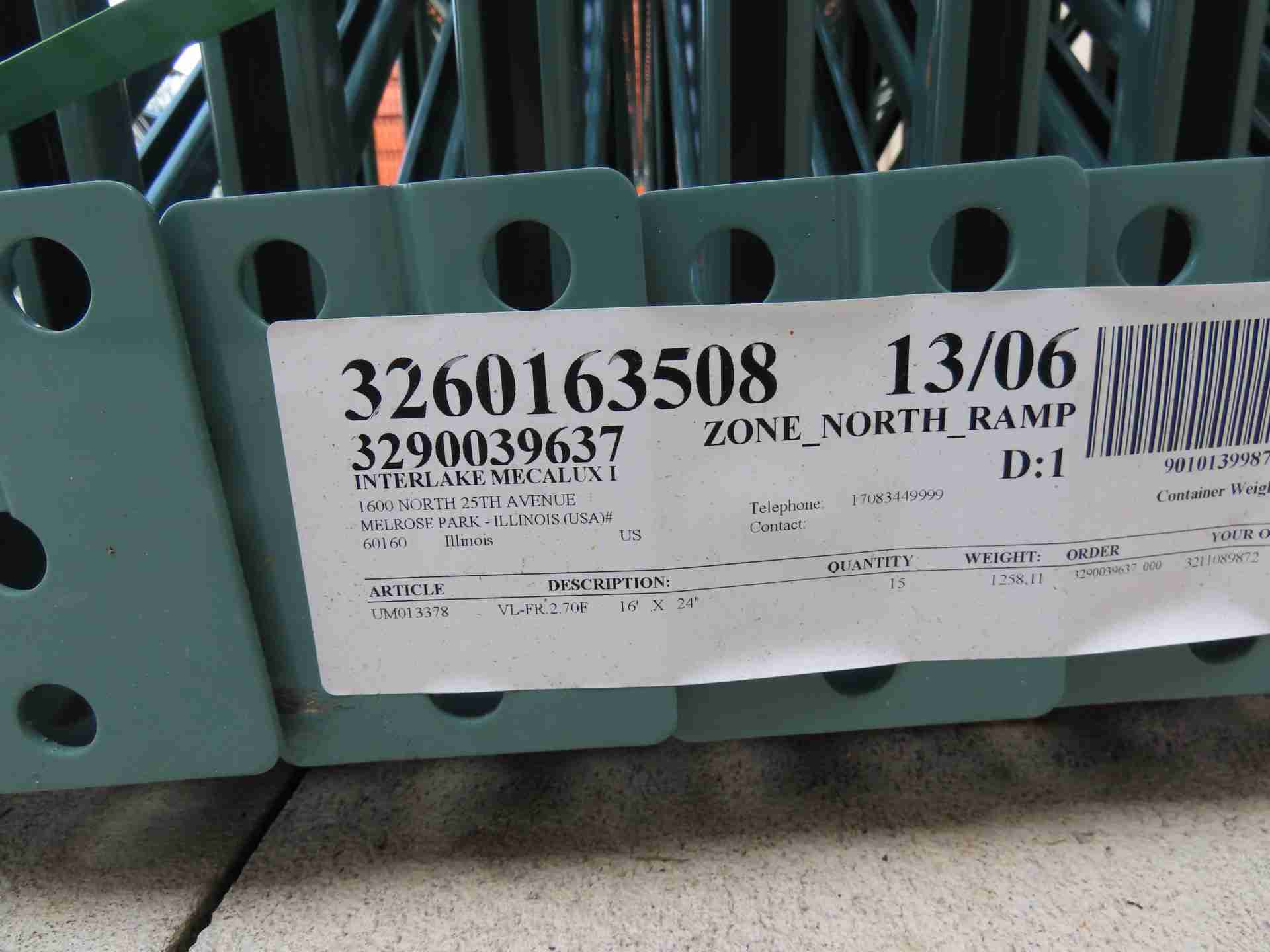
The amount of aisle width needed for Selective Pallet Racking largely depends on the type of forklifts being used in your warehouse. Narrow aisle forklifts, for example, require a minimum of 8-10 feet of aisle width to navigate through the racks efficiently. On the other hand, standard forklifts may need a wider aisle width of 10-12 feet to operate smoothly.
It’s important to consider the aisle width not just in terms of the forklifts, but also in relation to the size of your pallets and the overall layout of your warehouse. For example, if you have large or oddly shaped pallets, you may need to factor in additional clearance space to ensure safe and easy maneuverability.
In addition to the aisle width, it’s also crucial to consider the turning radius of the forklifts when planning your Selective Pallet Racking layout. This will help to prevent any potential collisions or obstructions that could impact productivity and safety in your warehouse.
Furthermore, with the rise of e-commerce and the growing demand for quick order fulfillment, having the right aisle width for your Selective Pallet Racking system is essential for meeting customer expectations. By optimizing your aisle width, you can improve the flow of goods in your warehouse and streamline your operations to keep up with the pace of modern business.
The amount of aisle width required for Selective Pallet Racking is a crucial aspect to consider when designing your warehouse layout. By taking into account factors such as the type of forklifts, pallet size, and turning radius, you can create a more efficient and productive storage system that meets the needs of your business. Investing in the right aisle width for your Selective Pallet Racking will not only maximize your storage space but also enhance the overall performance of your warehouse operations.

How Much Aisle Width Does Selective Pallet Racking Require?
How Much Aisle Width Does Selective Pallet Racking Require?
- Selective Pallet Racking is a popular choice for maximizing storage space and efficiency in warehouses.
- The aisle width needed for optimal functionality depends on the type of forklifts used.
- Narrow aisle forklifts require 8-10 feet of aisle width, while standard forklifts may need 10-12 feet.
- Consider pallet size, layout, and turning radius of forklifts when planning aisle width.
- Optimizing aisle width is crucial for meeting customer expectations in e-commerce era.
- Proper aisle width design can improve flow of goods and streamline operations.
- Investing in the right aisle width for Selective Pallet Racking enhances overall warehouse performance.
How Much Aisle Width Does Selective Pallet Racking Require?
What Is The Weight Capacity Of Selective Pallet Racking?
When it comes to selecting the right pallet racking system for your warehouse, one crucial factor to consider is the weight capacity of the system. Selective pallet racking is a popular choice for many businesses due to its versatility and efficiency in maximizing storage space. But what exactly is the weight capacity of selective pallet racking?
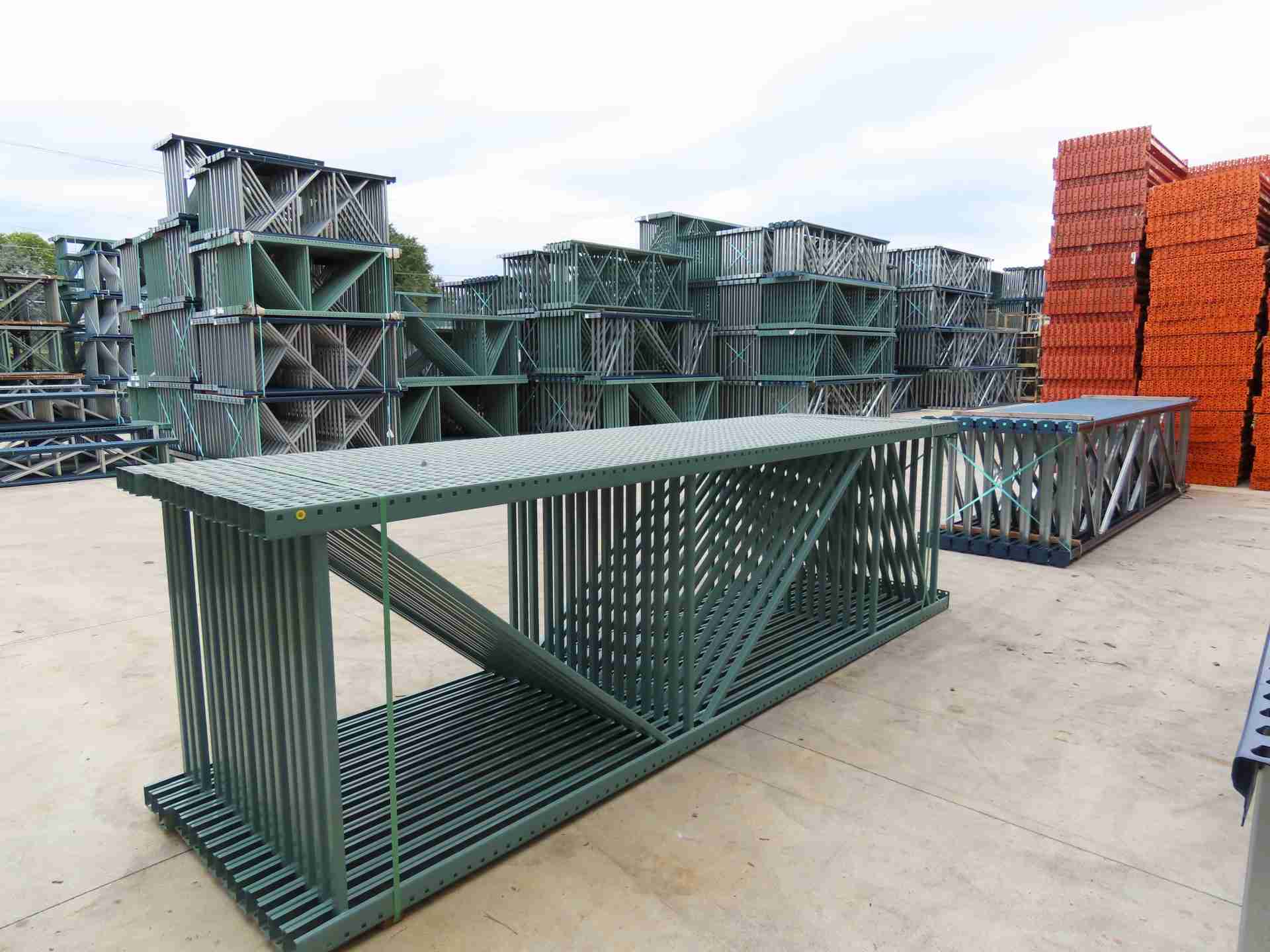
The weight capacity of selective pallet racking can vary depending on several factors, including the size and configuration of the racking system, the type of pallets being stored, and the quality of the materials used in construction. In general, most selective pallet racking systems are designed to support anywhere from 2,000 to 4,000 pounds per pallet position. However, it is important to consult with a professional engineer or racking manufacturer to determine the exact weight capacity of your specific racking system.
For example, if your warehouse stores heavy-duty industrial equipment or large quantities of bulk materials, you may need a selective pallet racking system with a higher weight capacity to ensure the safety and stability of your storage area. On the other hand, if you are storing lightweight consumer goods or small packages, a lower weight capacity may suffice.
It’s also important to consider the weight distribution of the items being stored on the pallet racking system. Unevenly distributed weight can put undue stress on the racking beams and compromise the structural integrity of the system. To prevent accidents and damage to your inventory, make sure to evenly distribute the weight of your pallets across the racking system and avoid overloading individual pallet positions.
In light of recent events, such as the global supply chain disruptions caused by the COVID-19 pandemic, businesses are reevaluating their warehouse operations and investing in more robust storage solutions like selective pallet racking. With the ability to safely store and organize a wide range of products, selective pallet racking offers businesses the flexibility and efficiency they need to adapt to changing market conditions and consumer demands.
The weight capacity of selective pallet racking is a critical factor to consider when designing or upgrading your warehouse storage space. By choosing a racking system with the appropriate weight capacity for your needs, you can ensure the safety of your employees, protect your valuable inventory, and optimize the efficiency of your operations. Consult with a qualified racking expert today to determine the best solution for your business.
What Is The Weight Capacity Of Selective Pallet Racking?
What Is The Weight Capacity Of Selective Pallet Racking?
- Selective pallet racking is versatile and efficient in maximizing storage space.
- Weight capacity varies based on factors such as size, configuration, type of pallets, and quality of materials.
- Most selective pallet racking systems can support 2,000 to 4,000 pounds per pallet position.
- Heavy-duty industrial equipment may require a higher weight capacity system.
- Even weight distribution is crucial to prevent stress on racking beams.
- Businesses are investing in selective pallet racking for robust storage solutions.
- Choosing the right weight capacity ensures employee safety, protects inventory, and optimizes operations.
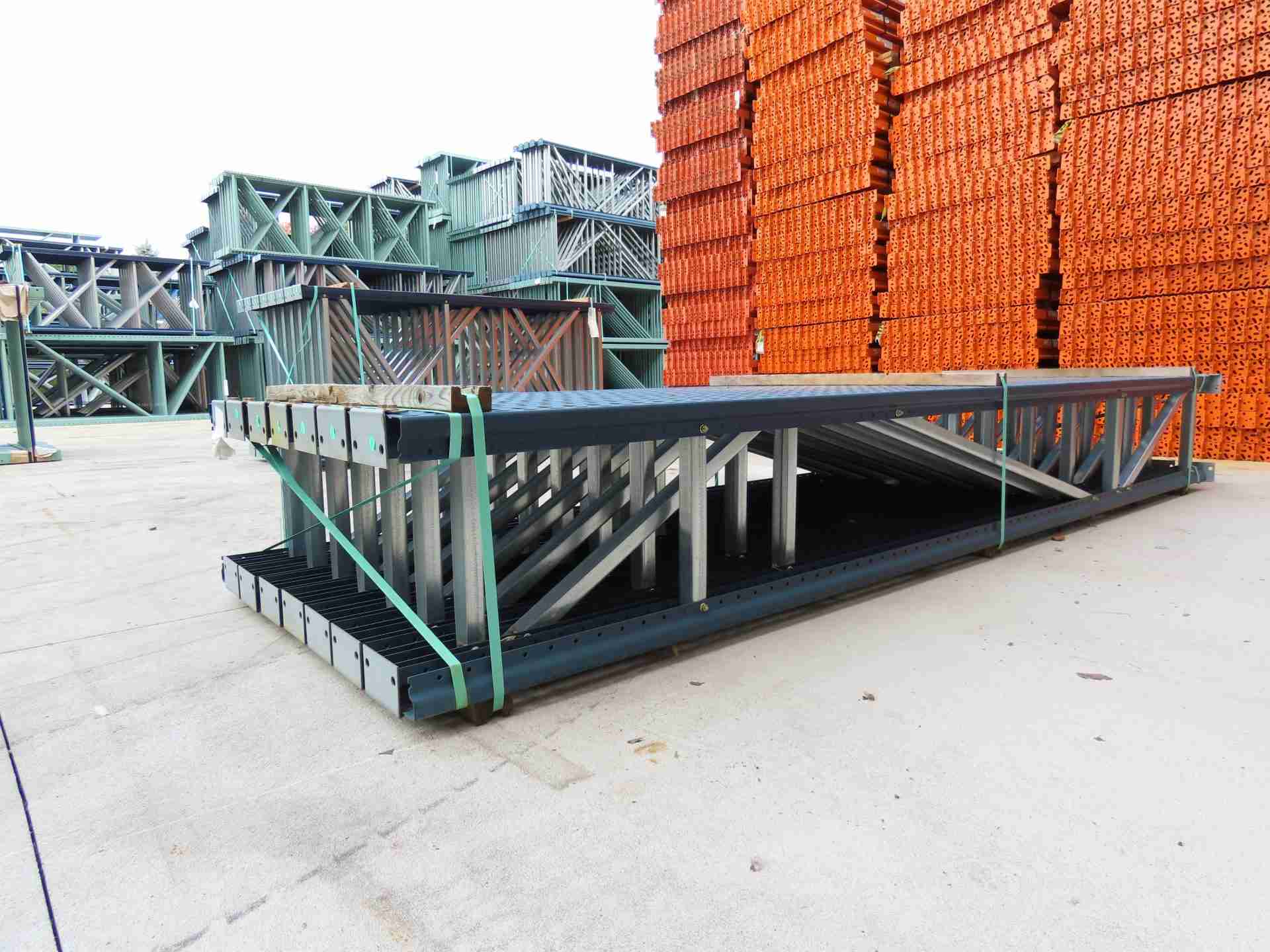
What Is The Weight Capacity Of Selective Pallet Racking?
How Does Selective Pallet Racking Compare to Other Systems In Density?
When it comes to maximizing storage space and efficiency in a warehouse setting, selective pallet racking stands out as a top contender. This popular storage system allows for easy access to all pallets while also making use of vertical space, making it a key player in the world of warehouse storage solutions.
One of the main advantages of selective pallet racking is its high density compared to other systems. While some storage systems, like block stacking or drive-in racking, may offer comparable space-saving benefits, they often sacrifice accessibility and ease of use. Selective pallet racking, on the other hand, allows for individual pallet access, making it ideal for businesses with a large variety of SKUs that need to be easily retrieved on a regular basis.
For example, let’s compare selective pallet racking to block stacking. While block stacking may seem like an efficient way to store pallets in a confined space, it can be difficult to access individual pallets without unstacking the entire block. This can lead to wasted time and potential damage to products. With selective pallet racking, each pallet is easily accessible, reducing the risk of damage and increasing productivity.
Furthermore, selective pallet racking can be tailored to suit the specific needs of a business. Whether you’re storing lightweight items or heavy machinery, selective pallet racking can be customized to accommodate various load capacities and storage requirements. This flexibility is especially important in today’s rapidly evolving business landscape, where storage needs can change at a moment’s notice.
In addition, the recent surge in e-commerce has placed increased demands on warehousing and storage solutions. With more businesses turning to online platforms to reach customers, the need for efficient and space-saving storage solutions has never been greater. Selective pallet racking offers the perfect solution for businesses looking to maximize their storage space while maintaining quick and easy access to products.
When it comes to density and efficiency in warehouse storage, selective pallet racking is a clear winner. By offering a high density storage solution that prioritizes accessibility and flexibility, this system stands out as a top choice for businesses looking to optimize their storage space. With the rise of e-commerce and rapidly changing storage needs, selective pallet racking is sure to remain a key player in the world of warehouse storage solutions.

How Does Selective Pallet Racking Compare to Other Systems In Density?
How Does Selective Pallet Racking Compare to Other Systems In Density?
- Selective pallet racking is a top contender for maximizing storage space and efficiency in warehouses.
- It allows easy access to all pallets and utilizes vertical space effectively.
- Compared to other systems, selective pallet racking offers high density without sacrificing accessibility.
- It allows for individual pallet access, making it ideal for businesses with a large variety of SKUs.
- Selective pallet racking can be customized to suit specific business needs and storage requirements.
- The system is a perfect solution for businesses looking to maximize storage space, especially with the rise of e-commerce.
- Selective pallet racking prioritizes accessibility, flexibility, and efficiency in warehouse storage solutions.
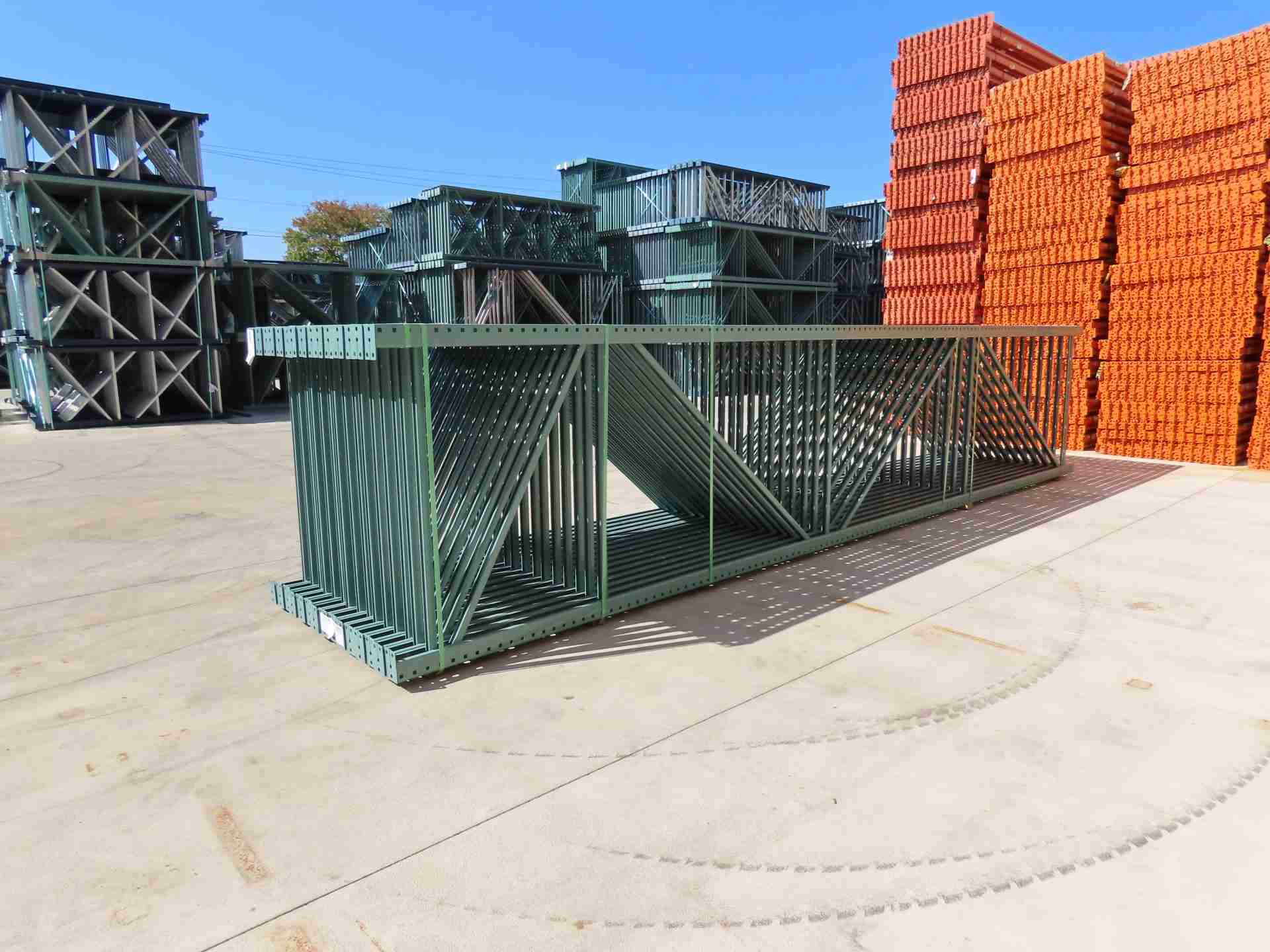
How Does Selective Pallet Racking Compare to Other Systems In Density?
Conclusion
In conclusion, Selective Pallet Racking is not just a storage solution, but a game-changer for warehouse management. With the ability to maximize storage space, improve accessibility, enhance safety, and increase efficiency, this system revolutionizes the way warehouses operate. In today’s competitive market, where efficiency is key, Selective Pallet Racking is a must-have for any business looking to stay ahead of the competition.
With features such as versatility, durability, and cost-effectiveness, Selective Pallet Racking offers businesses of all sizes a reliable and customizable storage solution. By investing in Selective Pallet Racking, businesses can optimize their warehouse space, streamline operations, and set themselves up for long-term success in today’s fast-paced marketplace.
From reaching impressive heights to accommodating various loads, Selective Pallet Racking offers a range of benefits that can transform the way businesses manage their inventory. With the rise of e-commerce and changing market conditions, the importance of efficient warehouse storage has never been more apparent.
To take your warehouse operations to the next level and stay ahead of the competition, invest in Selective Pallet Racking today. Contact Arrow Industrial Sales at (574) 349-6575 to learn more about how Selective Pallet Racking can benefit your business. Don’t wait – revolutionize your warehouse management and maximize your storage space with Selective Pallet Racking today. Your bottom line will thank you.
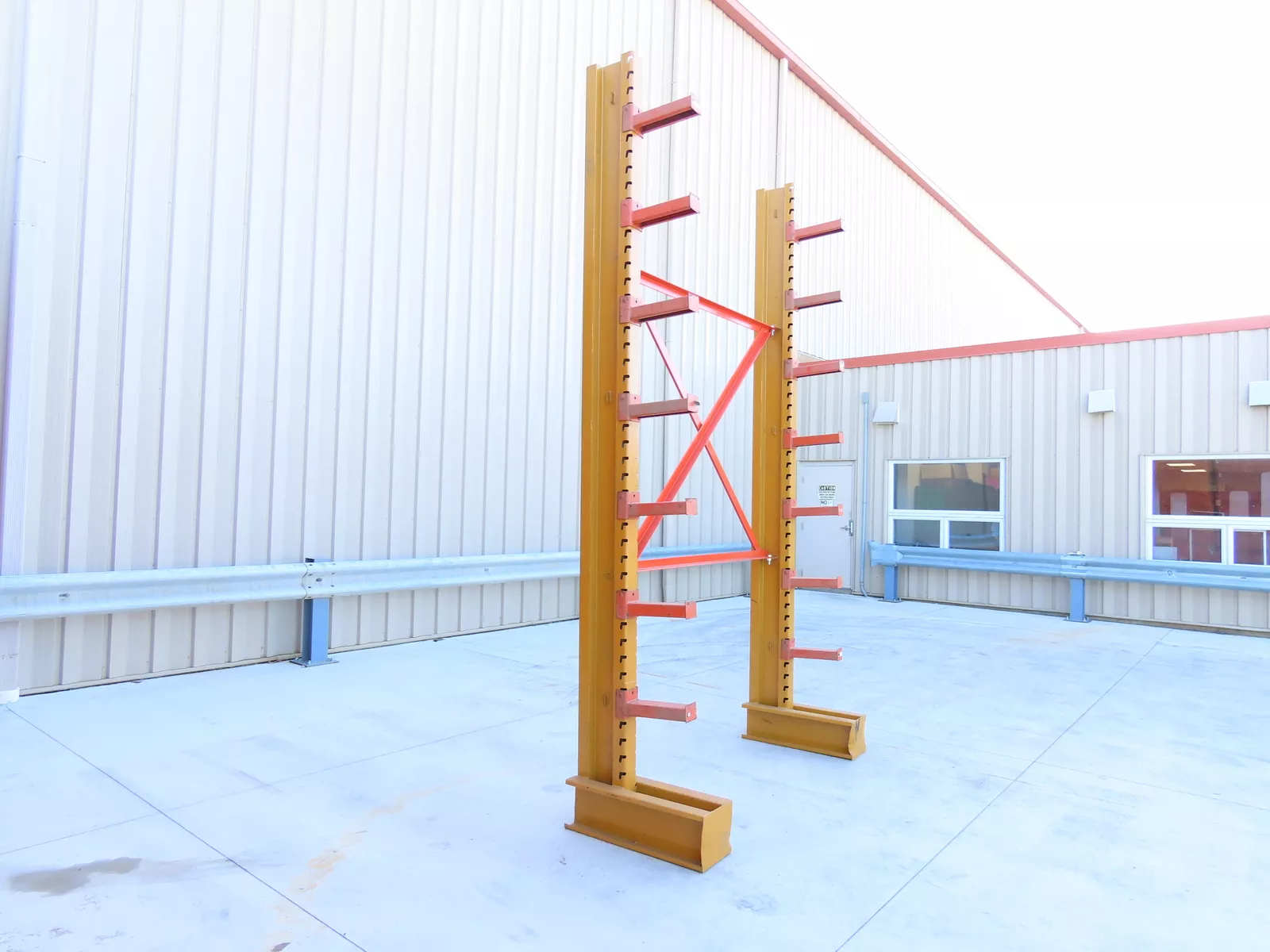
Conclusion
Conclusion:
- Selective Pallet Racking is a game-changer for warehouse management.
- This system maximizes storage space, improves accessibility, enhances safety, and increases efficiency.
- Efficiency is key in today’s competitive market.
- Features versatility, durability, and cost-effectiveness.
- Optimizes warehouse space, streamlines operations, and sets businesses up for long-term success.
- Accommodates various loads and reaches impressive heights.
- Invest in Selective Pallet Racking to revolutionize warehouse management and maximize storage space.
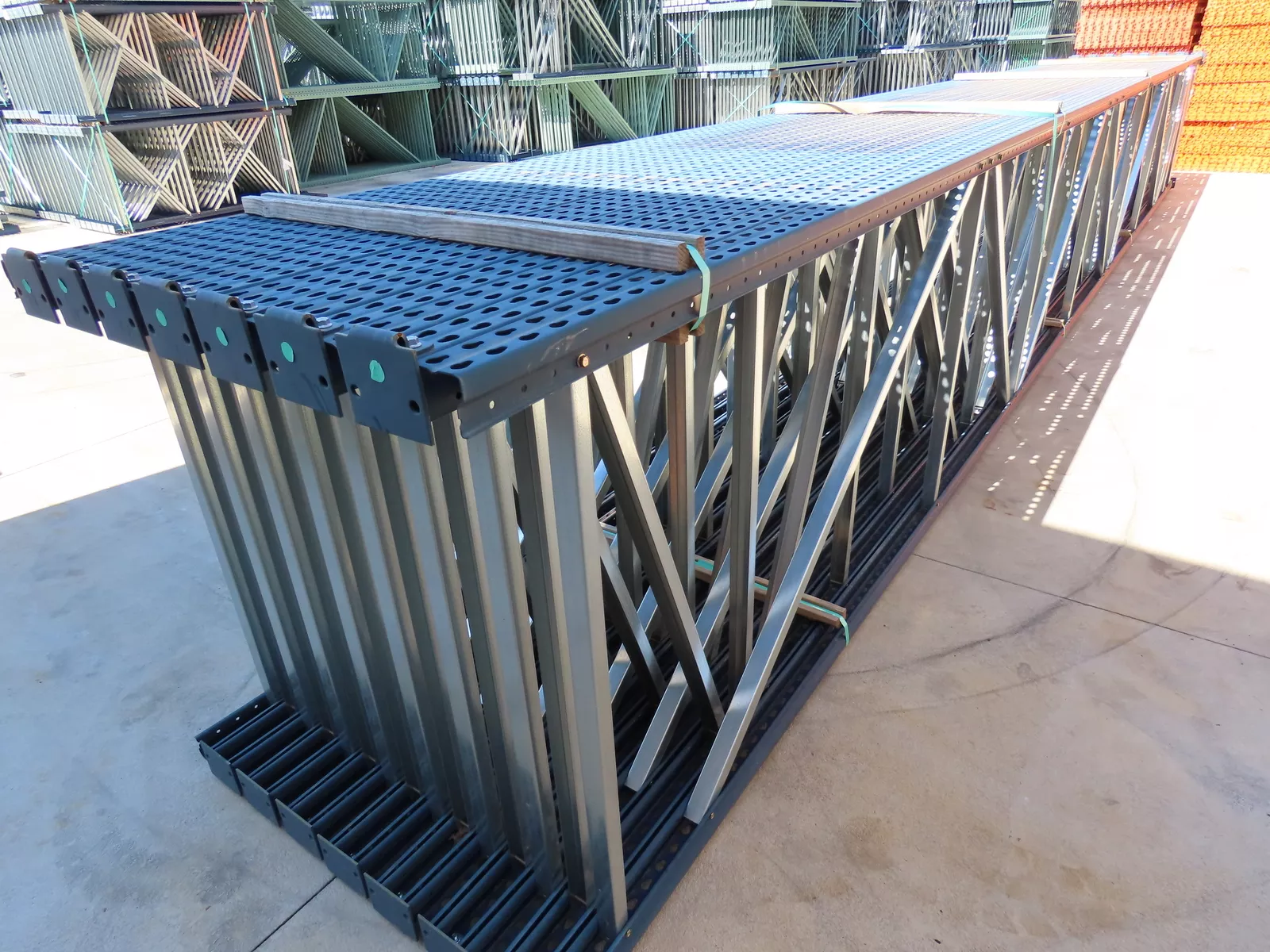
Conclusion
Other Resources
Other Resources
Here is a list of other resources you can review online to learn more:
- “15 Ways COVID has Changed Warehousing and …”
- “Impact of COVID-19 on Warehousing and the Supply Chain”
- “Navigating Supply Chain Disruptions: Strategies for …”
- “COVID-19 and distribution centres operations: The impacts …”
- “Threats to Warehouses in the Wake of COVID-19”
- “Pandemic-Related Trends in Warehouse Technology Adoption”
- “5 Warehousing Problems Caused by COVID-19 (And …”
Other Resources
Glossary Terms
What Is Selective Pallet Racking? – Glossary Of Terms
1. Selective Pallet Racking (SPR): A type of warehouse storage system that allows for easy access to individual pallets. It is the most commonly used racking system for inventory management.
2. Pallet: A portable platform used to stack, store, and transport goods in a warehouse. Typically made of wood or plastic.
3. Aisle: The space between rows of pallet racks that allows for movement of forklifts and pickers.
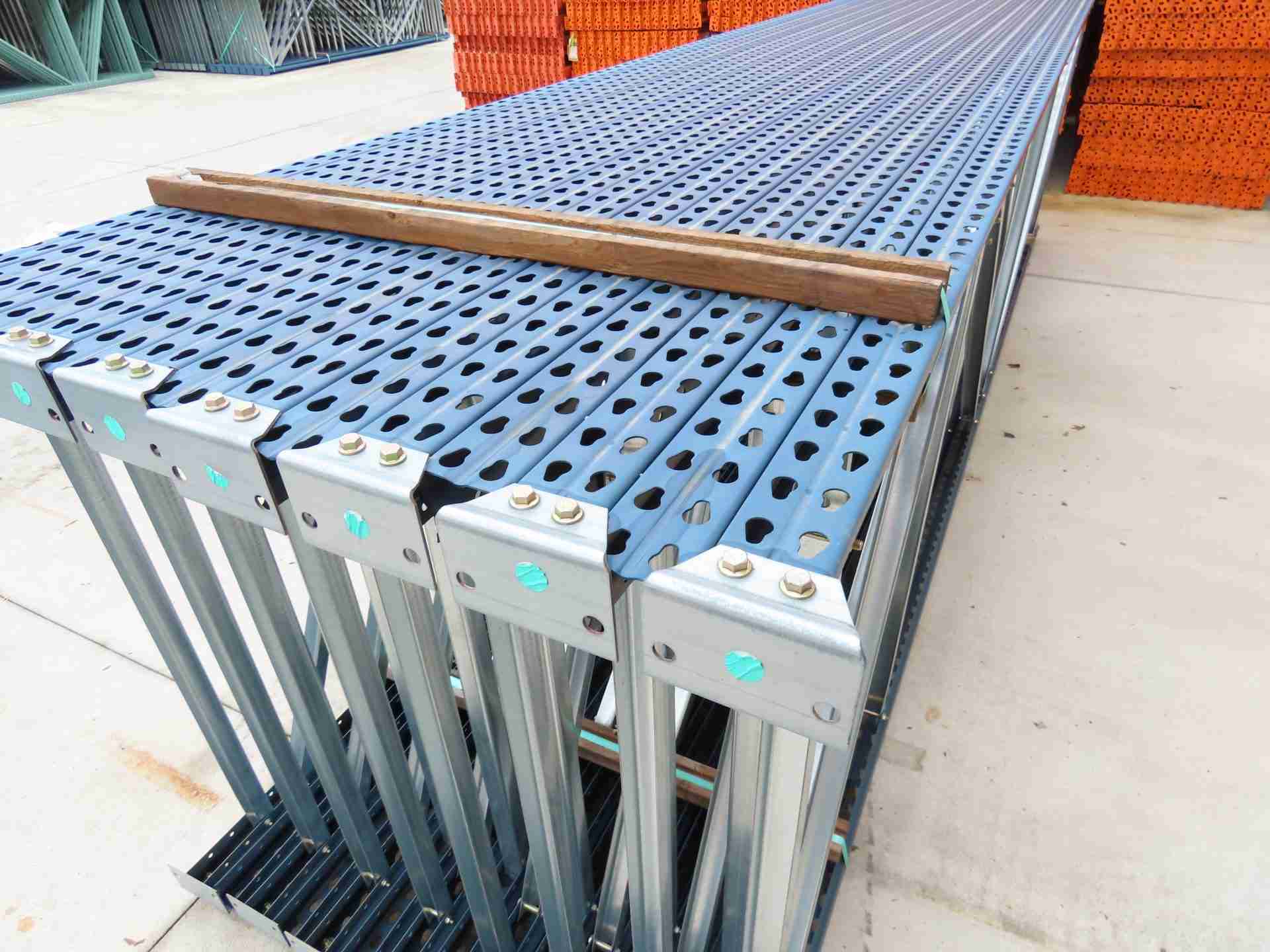
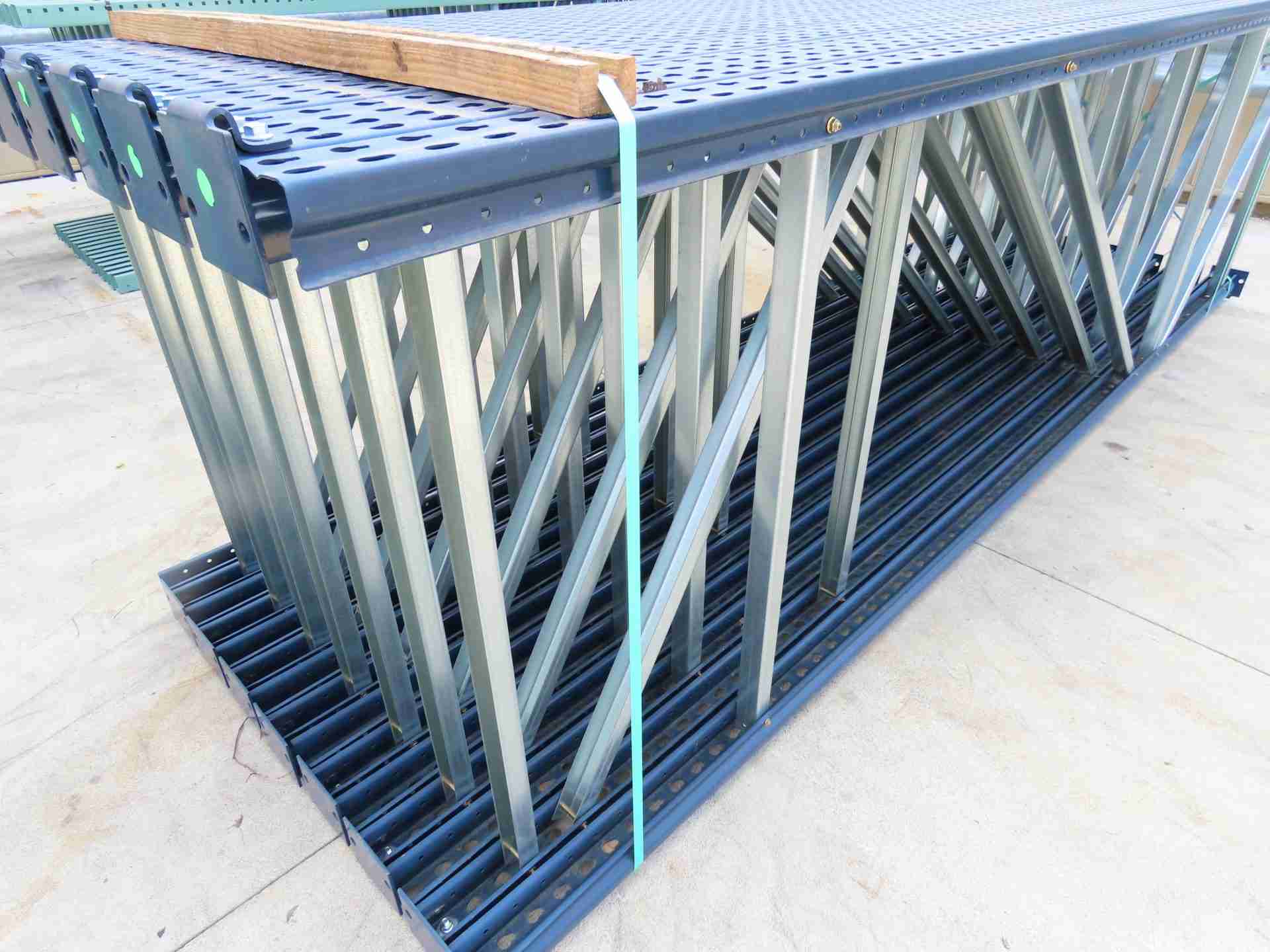
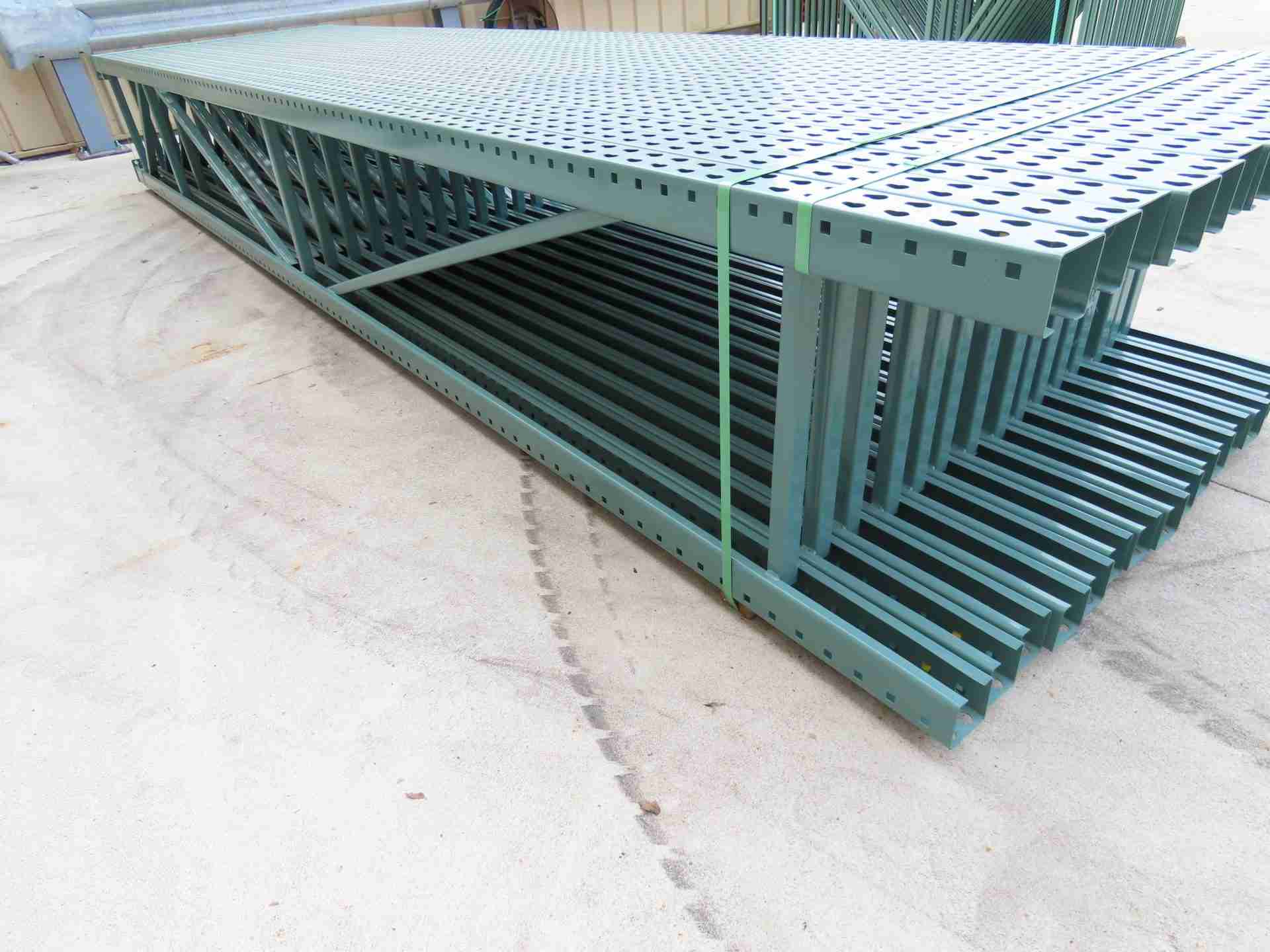
4. Upright Frame: Vertical structural components of a selective pallet racking system that support the weight of the stored goods.
5. Beam: Horizontal components that connect upright frames and hold the pallets in place.
6. Bay: The vertical section between two uprights in a pallet racking system where pallets are stored.
7. Load Capacity: The maximum weight a selective pallet racking system can safely hold. It varies by design and materials used.
8. Forklift: A powered industrial truck used to lift and move materials over short distances, essential for loading and unloading pallets.
9. Decking: Surface material added to beams to create a shelf for smaller items that cannot be stored on pallets alone.
10. Safety Clip: A locking mechanism used to secure beams to the upright frames, preventing accidental dislodgement.
11. Backstop: A mechanism attached at the rear of racking frames to prevent pallets from being pushed too far back and falling off.
12. Row Spacer: A structural component used to maintain a consistent distance between back-to-back racks, adding stability.
13. Wire Mesh Decking: A decking option made of welded wire mesh, offering greater visibility and air circulation compared to solid shelving.
14. Frame Guard: Protective barriers installed at the base of upright frames to prevent damage from forklift collisions.
15. Load Beam Level: The height at which beams are set within the racking system, adjustable to accommodate different pallet sizes.
16. Double-Deep Racking: A variation where two pallets are stored back-to-back in a deeper rack, reducing aisle space but requiring special forklifts.
17. Drive-In Racking: An alternative system where forklifts enter the rack structure to access pallets, maximizing storage density.
18. Pick Face: The front area of a racking system where individual items are picked for orders.
19. Storage Density: The amount of inventory that can be stored in a given space, optimized by the layout of racking systems.
20. Floor Anchors: Heavy-duty bolts used to secure the racking system to the warehouse floor for additional stability.
21. Pallet Flow Rack: A gravity-based system where pallets are loaded from the back and slide to the front, allowing for first-in, first-out (FIFO) management.
22. Carton Flow Rack: A smaller-scale version of pallet flow racks, designed for cartons instead of pallets.
23. Cantilever Rack: A type of racking designed for long, bulky items not easily stored on pallets, such as lumber or pipes.
24. Load Distribution: The even distribution of weight across beams and uprights to prevent overloading and potential collapse.
25. Selective Racking: The practice of storing individual pallets in such a way that each can be accessed without moving other pallets.
26. Adjustable Racking: Racking systems that can be modified in height and width to accommodate varying pallet sizes and inventory types.
27. Galvanized Racking: Racking systems coated with a layer of zinc to prevent rust and corrosion, ideal for outdoor or humid environments.
28. Warehouse Management System (WMS): Software used to manage warehouse operations including inventory tracking, order picking, and racking system management.
29. Accessibility: The ease with which forklifts and pickers can access stored pallets within a selective pallet racking system.
30. Rack Safety Inspection: Regular checks and assessments conducted to ensure that the racking system remains safe and operationally efficient.
This glossary covers fundamental concepts, components, and variations of selective pallet racking systems, providing a comprehensive understanding of this essential warehouse storage methodology.
Glossary Of Terms
Other Questions
What Is Selective Pallet Racking? – Other Questions
If you wish to explore and discover more, consider looking for answers to these questions:
-
- What industries benefit the most from using selective pallet racking?
- Are there any specific safety guidelines to follow when using selective pallet racking?
- How does selective pallet racking affect inventory management?
- What are the installation costs associated with selective pallet racking?
- How can selective pallet racking be integrated with automated systems?
- What are the maintenance requirements for selective pallet racking?
- Is selective pallet racking compatible with different pallet sizes?
- Can selective pallet racking be easily relocated or reconfigured?
- What are the environmental benefits of using selective pallet racking?
- How does selective pallet racking compare to mobile racking systems?
- What are the lead times for ordering and receiving selective pallet racking?
- Are there any specific training requirements for operating within a warehouse equipped with selective pallet racking?
- Does selective pallet racking require any special types of forklifts or other equipment?
- How can selective pallet racking accommodate rapid changes in inventory levels?
- What are the key differences between selective pallet racking and double-deep pallet racking?
Other Questions
Checklist
What Is Selective Pallet Racking? – A Checklist
1. Assess Current Storage Needs
_____ Evaluate the type and variety of SKUs
_____ Measure current storage space and layout
_____ Identify peak usage times and inventory turnover rates
2. Define Warehouse Objectives
_____ Enhance efficiency and reduce retrieval times
_____ Maximize vertical storage space
_____ Improve safety and reduce accident risks
_____ Prepare for scalability and future growth
3. Understand Key Features of Selective Pallet Racking
_____ Versatility: Adjustable shelf heights and configurations
_____ Accessibility: Easy access to any pallet without moving others
_____ Durability: High-quality materials designed for daily use
_____ Cost-effectiveness: Utilizes vertical space, reducing need for additional square footage
4. Determine Optimal Configurations
_____ Measure desired racking height (up to 40 feet or more)
_____ Decide on racking depth (typically 36 to 48 inches)
_____ Plan for appropriate aisle width (8-10 feet for narrow aisle forklifts, 10-12 feet for standard forklifts)
5. Calculate Weight Capacity Needs
_____ Evaluate typical load weights per pallet
_____ Ensure weight distribution is as even as possible
_____ Consult with a professional engineer or racking manufacturer for specific weight capacities (typically 2,000 to 4,000 pounds per position)
6. Safety Considerations
_____ Ensure all racking meets safety regulations
_____ Plan for proper securement and seismic activity considerations
_____ Install protective barriers where necessary to prevent collisions
7. Implementation Process
_____ Select a knowledgeable warehouse design and storage solutions provider
_____ Plan the layout and installation process
_____ Ensure minimal disruption to ongoing operations during installation
8. Staff Training
_____ Train staff on new retrieval and storage processes
_____ Update safety protocols
_____ Ensure ongoing assessment and training for new staff members
9. Evaluate and Optimize Post-implementation
_____ Monitor efficiency and retrieval times
_____ Identify any areas of the racking that are under or overutilized
_____ Adjust racking as necessary to meet changing inventory and operational needs
10. Consider Future Expansions
_____ Plan for scalability and adaptability in designs
_____ Stay informed on new storage technologies and solutions
_____ Regularly review warehouse management practices to accommodate growth and changes in market demand
By following this checklist, you can ensure a smooth transition to selective pallet racking that maximizes efficiency, safety, and storage capacity in your warehouse.
Checklist
At RackingWorld, we help guide you through selecting warehouse storage systems and racking.
Be sure to read our other related stories at RackingWorld to learn more about warehouse storage systems.
0 Comments