
Maximizing Efficiency: Integrating Pallet Racking With Automated Warehousing
By Tom Seest
At RackingWorld, we help guide you through selecting warehouse storage systems and racking.
Be sure to read our other related stories at RackingWorld to learn more about warehouse storage systems.
Do Pallet Racking Systems Integrate with Automated Warehouse Systems?
Have you ever wondered how pallet racking systems integrate with automated warehouse systems? It’s a question that many people may not think about, but the answer is crucial to the efficiency and productivity of modern warehouses.
In today’s fast-paced world, warehouses are constantly looking for ways to streamline their operations and maximize their storage space. Pallet racking systems play a crucial role in this process, providing a sturdy and organized structure for storing goods. But when it comes to integrating these systems with automated warehouse systems, things can get a bit more complicated.
Automated warehouse systems use machinery and technology to efficiently move and store goods, eliminating the need for manual labor and increasing productivity. These systems can include everything from conveyor belts and robotic arms to automated guided vehicles and sorting systems. But how do pallet racking systems fit into this equation?
The good news is that pallet racking systems can easily be integrated with automated warehouse systems to create a seamless and efficient operation. By incorporating sensors, barcode scanners, and other technological innovations into the pallet racking system, warehouses can track inventory in real-time, optimize storage space, and automate the process of moving goods in and out of the warehouse.
One of the key benefits of integrating pallet racking systems with automated warehouse systems is the ability to maximize storage space. By using intelligent algorithms and data analysis, warehouses can optimize the layout of the pallet racking system to accommodate more goods and reduce wasted space. This not only increases efficiency but also allows warehouses to store more inventory in a smaller footprint.
Another advantage of integrating pallet racking systems with automated warehouse systems is the ability to reduce the risk of human error. By automating the process of moving and storing goods, warehouses can minimize the likelihood of mistakes such as misplaced inventory or damaged goods. This not only improves accuracy but also saves time and money in the long run.
Overall, the integration of pallet racking systems with automated warehouse systems is a game-changer for modern warehouses looking to improve efficiency and productivity. By combining the strength and reliability of pallet racking with the efficiency and speed of automated technology, warehouses can create a well-oiled machine that maximizes storage space, reduces errors, and ultimately drives success.
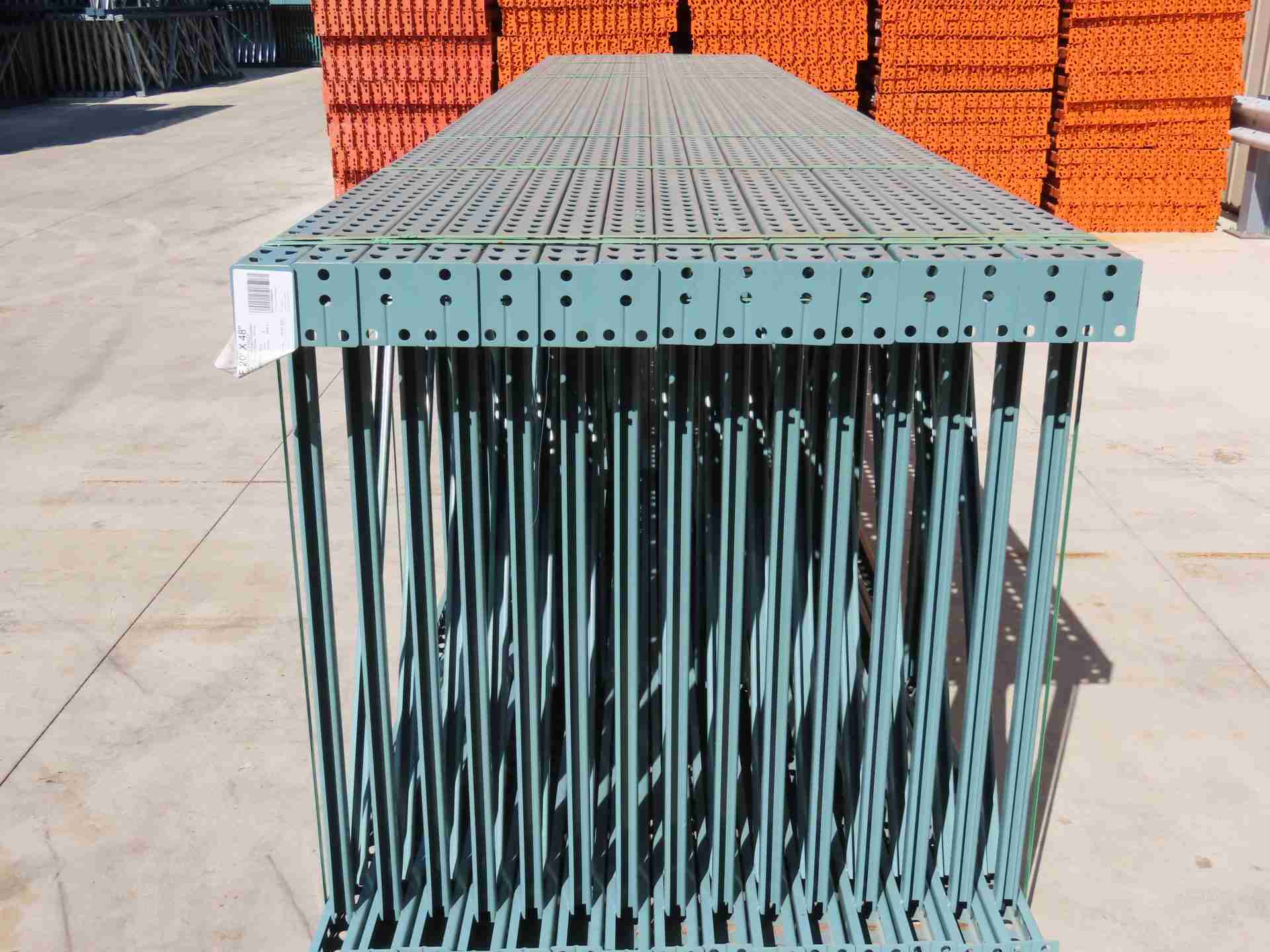
Do Pallet Racking Systems Integrate with Automated Warehouse Systems?
Do Pallet Racking Systems Integrate with Automated Warehouse Systems?
- Pallet racking systems are crucial for providing a sturdy and organized structure for storing goods in modern warehouses.
- Automated warehouse systems use machinery and technology to efficiently move and store goods, increasing productivity and eliminating manual labor.
- Pallet racking systems can be integrated with automated warehouse systems by incorporating sensors, barcode scanners, and other technological innovations.
- Integration allows warehouses to track inventory in real-time, optimize storage space, and automate the process of moving goods.
- The integration of pallet racking systems with automated warehouse systems can maximize storage space by using intelligent algorithms.
- Automated processes help to reduce human errors, minimizing mistakes such as misplaced inventory or damaged goods.
- Overall, the integration improves efficiency and productivity in modern warehouses by combining the strength of pallet racking with the efficiency of automated technology.
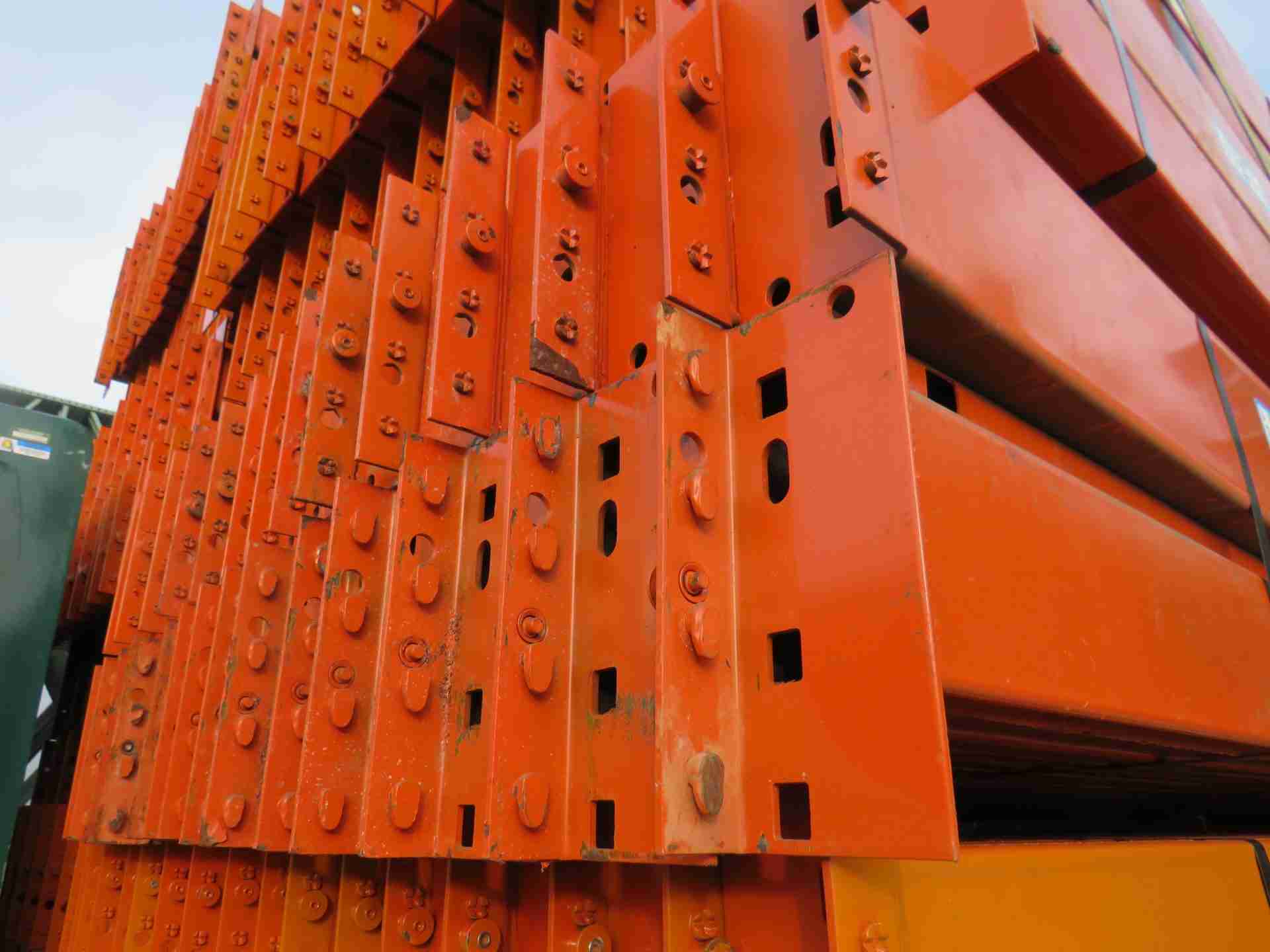
Do Pallet Racking Systems Integrate with Automated Warehouse Systems?
Table Of Contents
- Do Pallet Racking Systems Integrate with Automated Warehouse Systems?
- Do Pallet Racking Systems Improve Warehouse Organization?
- How Can Pallet Racking Systems Increase Storage Capacity?
- How Do Pallet Racking Systems Improve Inventory Management?
- How Do Pallet Racking Systems Enhance Warehouse Efficiency?
- What Are The Key Features Of Automated Warehouse Systems?
- Can Pallet Racking Systems Be Customized For Specific Needs?
- How Do Automated Warehouse Systems Improve Inventory Management?
- What Role Do Pallet Racking Systems Play In Maximizing Storage Space?
- How Can Pallet Racking Systems Facilitate Order Processing?
- What Maintenance Is Required For Pallet Racking And Automated Systems?
- How Do Pallet Racking Systems Impact Overall Warehouse Productivity?
- Conclusion
- Other Resources
- Glossary Of Terms
- Other Questions
- Checklist
Do Pallet Racking Systems Improve Warehouse Organization?
When it comes to warehouse organization, the key is to maximize space and efficiency. One of the best ways to achieve this is through the use of pallet racking systems. These systems are specifically designed to store materials on pallets in a vertical manner, making the most of the available storage space in a warehouse.
By utilizing pallet racking systems, warehouses can greatly improve their organization and overall productivity. These systems allow for better utilization of vertical space, which is often underutilized in warehouses. By stacking pallets upwards instead of spreading them out horizontally, warehouses can store more inventory in a smaller footprint.
Furthermore, pallet racking systems make it easier for warehouse employees to locate and access items quickly. With pallets neatly organized and stacked in the racks, workers can easily spot the items they need and retrieve them without having to sift through disorganized piles of inventory. This not only saves time but also reduces the risk of accidents or injuries that can occur in cluttered, poorly organized warehouses.
In addition, pallet racking systems can help improve inventory management. By keeping track of what items are stored on which pallets and where they are located in the racks, warehouses can better track their inventory levels and prevent overstocking or stockouts. This can help reduce waste, improve inventory accuracy, and ultimately save the warehouse money in the long run.
One of the biggest advantages of pallet racking systems is their versatility. These systems come in a variety of designs and sizes to accommodate different types of inventory and warehouse layouts. Whether you need selective pallet racking for easy accessibility to individual pallets, drive-in racking for high-density storage, or pushback racking for FIFO inventory management, there is a pallet racking system that can meet your warehouse’s specific needs.
Pallet racking systems are an essential tool for improving warehouse organization. By maximizing storage space, enhancing efficiency, and improving inventory management, these systems can help warehouses operate more smoothly and effectively. If you want to take your warehouse organization to the next level, investing in a pallet racking system is a smart choice.
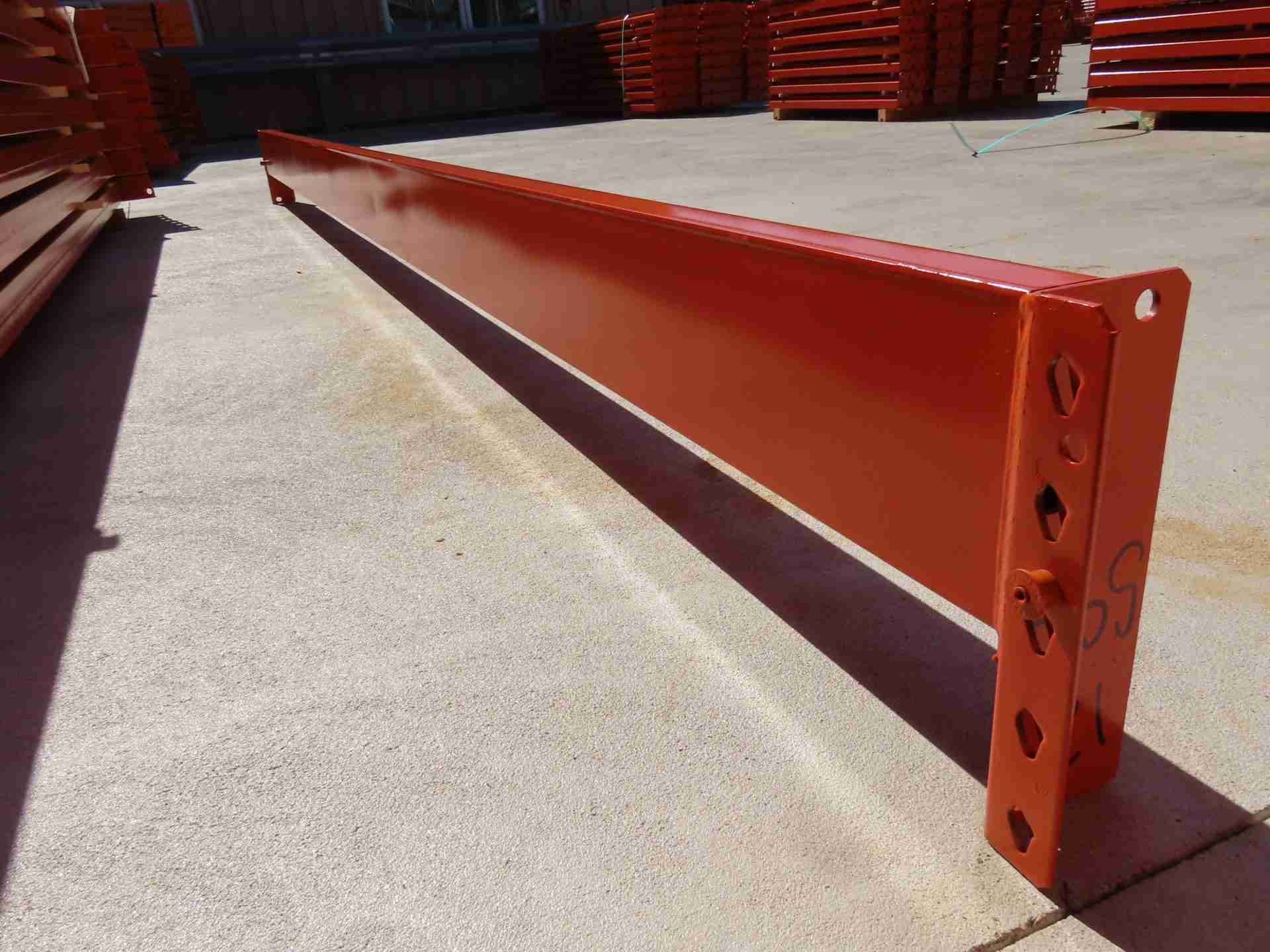
Do Pallet Racking Systems Improve Warehouse Organization?
Do Pallet Racking Systems Improve Warehouse Organization?
- Maximize space and efficiency through pallet racking systems.
- Improve organization and productivity in warehouses.
- Better utilization of vertical space by stacking pallets upwards.
- Easier access to items for warehouse employees.
- Improve inventory management and prevent overstocking.
- Versatile designs to accommodate different inventory and layouts.
- Essential tool for enhancing warehouse organization and efficiency.
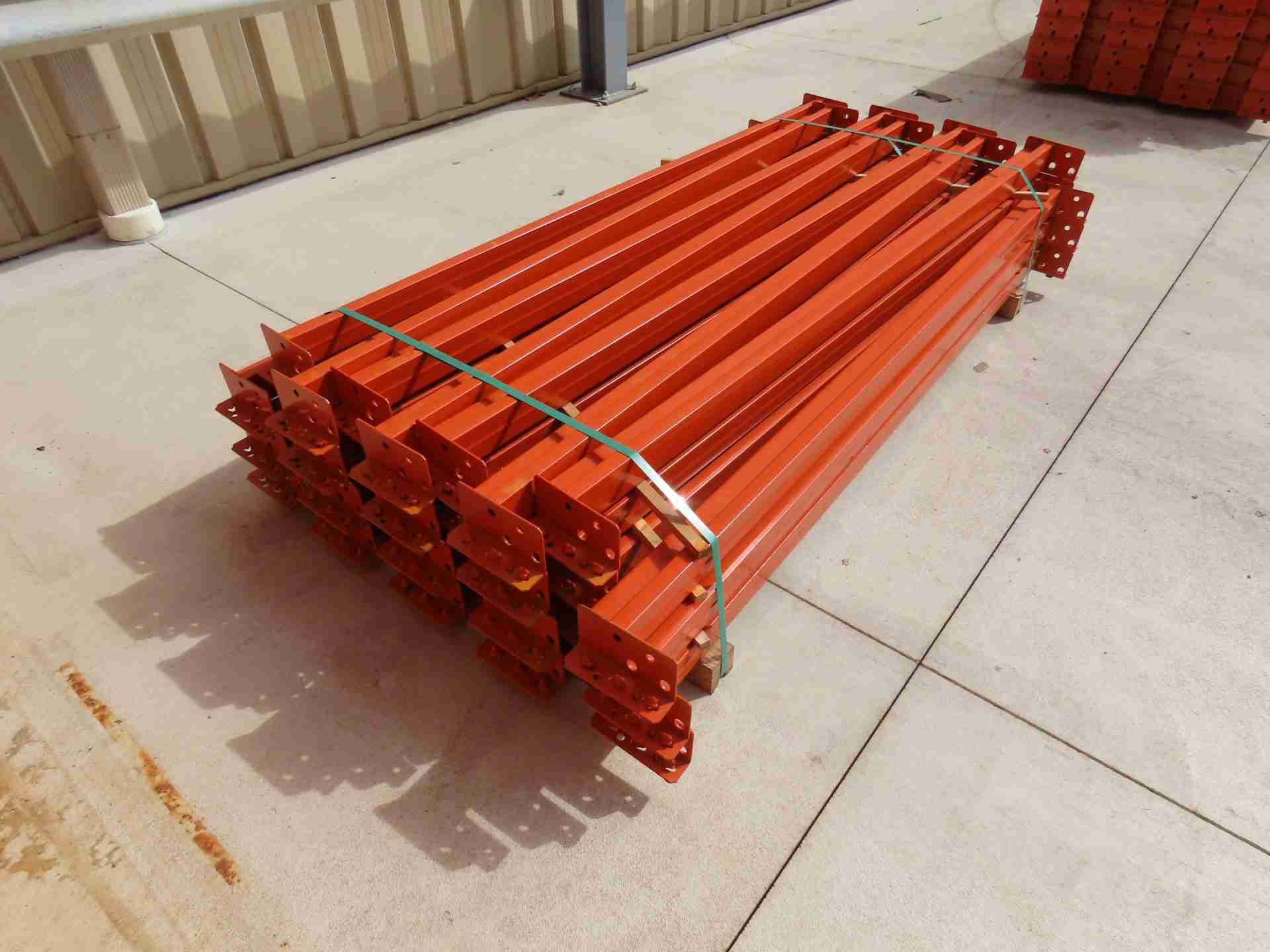
Do Pallet Racking Systems Improve Warehouse Organization?
How Can Pallet Racking Systems Increase Storage Capacity?
Have you ever walked into a warehouse and marveled at the sheer amount of stuff they can fit in there? It’s like a real-life game of Tetris, but instead of colorful blocks, it’s rows upon rows of pallets stacked to the ceiling.
So, how do they manage to cram so much stuff into one space? The answer lies in the clever design of pallet racking systems.
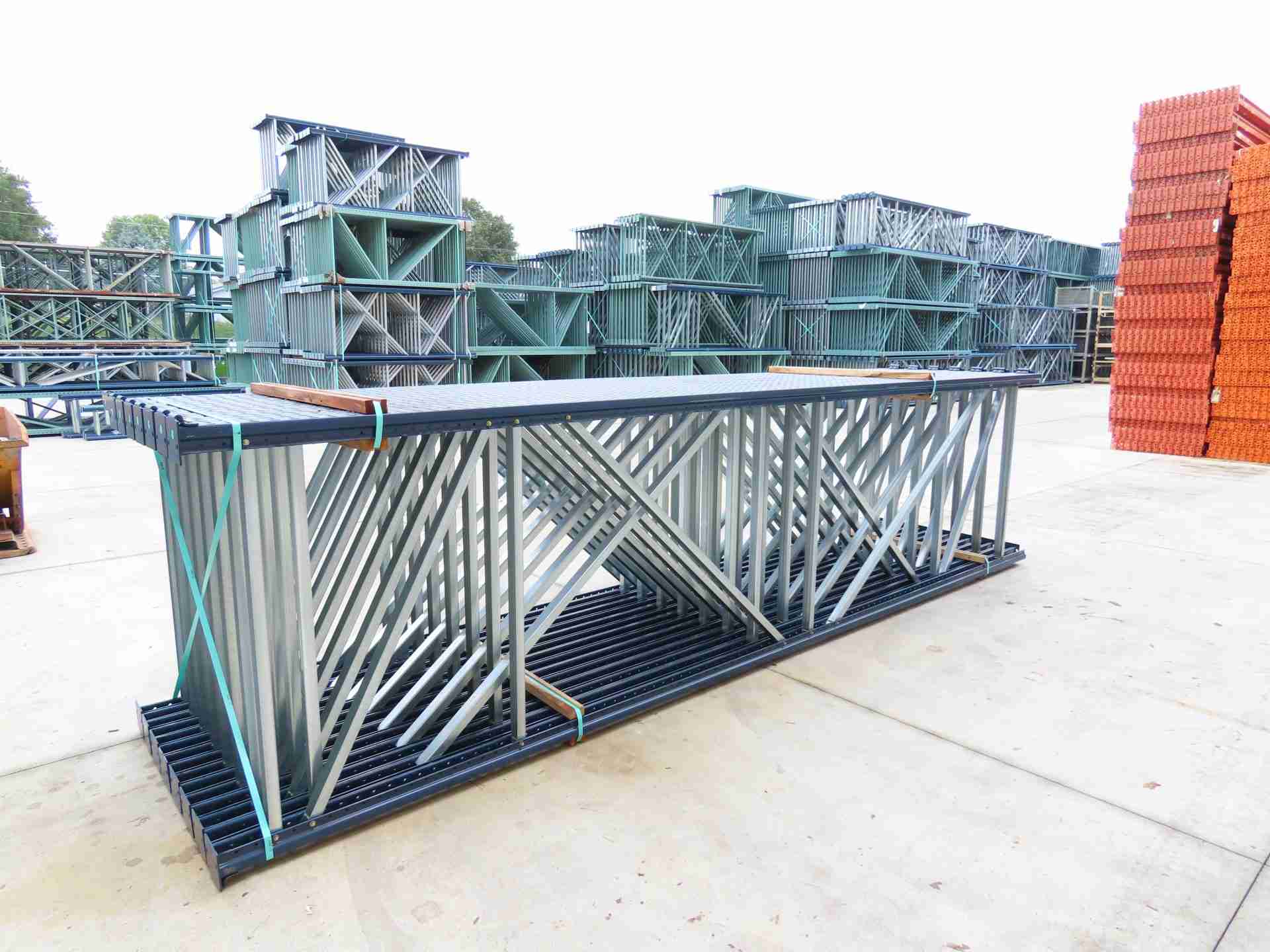
Pallet racking systems are like the backbone of a warehouse. They’re designed to maximize vertical space, allowing you to store more items in the same footprint. By stacking pallets on top of each other, you can take advantage of every inch of available space.
But it’s not just about stacking things high – it’s also about organization. Pallet racking systems allow you to categorize and separate your inventory, making it easier to find what you need when you need it. This not only increases storage capacity but also improves efficiency and reduces the risk of errors.
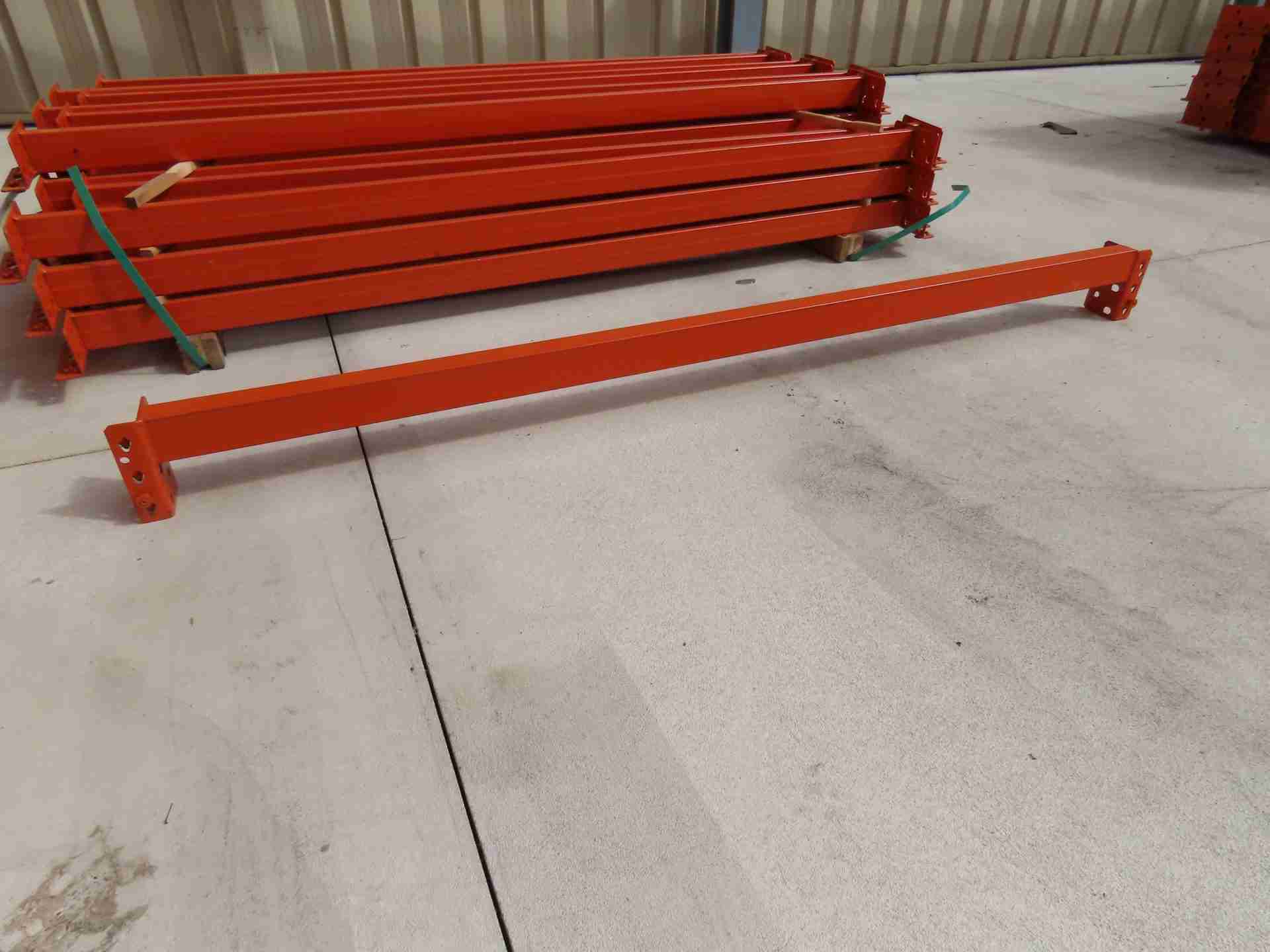
Another way pallet racking systems increase storage capacity is by utilizing various types of racks to accommodate different types of items. For example, cantilever racks are perfect for storing long, bulky items like lumber or pipes, while drive-in racks are ideal for high-density storage of multiple pallets of the same item.
And let’s not forget about safety. Pallet racking systems are designed to withstand heavy loads, ensuring that your inventory is stored securely without the risk of collapse. By following proper safety guidelines and regular inspections, you can rest assured that your warehouse is a safe and efficient storage space.
So, the next time you walk into a warehouse and marvel at how much they can fit in there, remember that it’s all thanks to the clever design and efficiency of pallet racking systems. With the right system in place, you can increase your storage capacity, improve organization, and streamline your operations – all while keeping your inventory safe and secure.

How Can Pallet Racking Systems Increase Storage Capacity?
How Can Pallet Racking Systems Increase Storage Capacity?
- Warehouses utilize pallet racking systems to maximize storage space.
- Pallet racking systems stack pallets vertically to utilize every inch of space.
- Organization is key; pallet racking systems help categorize and separate inventory.
- Various types of racks are used for different types of items to increase storage capacity.
- Pallet racking systems are designed for safety and to withstand heavy loads.
- Proper safety guidelines and regular inspections are important for warehouse operations.
- Pallet racking systems help increase storage capacity, improve organization, and streamline operations.
How Can Pallet Racking Systems Increase Storage Capacity?
How Do Pallet Racking Systems Improve Inventory Management?
When it comes to warehouse operations, efficiency is key. And one of the best ways to enhance efficiency is through the use of pallet racking systems. These systems provide a structured and organized way to store inventory, making it easier to keep track of what you have on hand and where it is located.
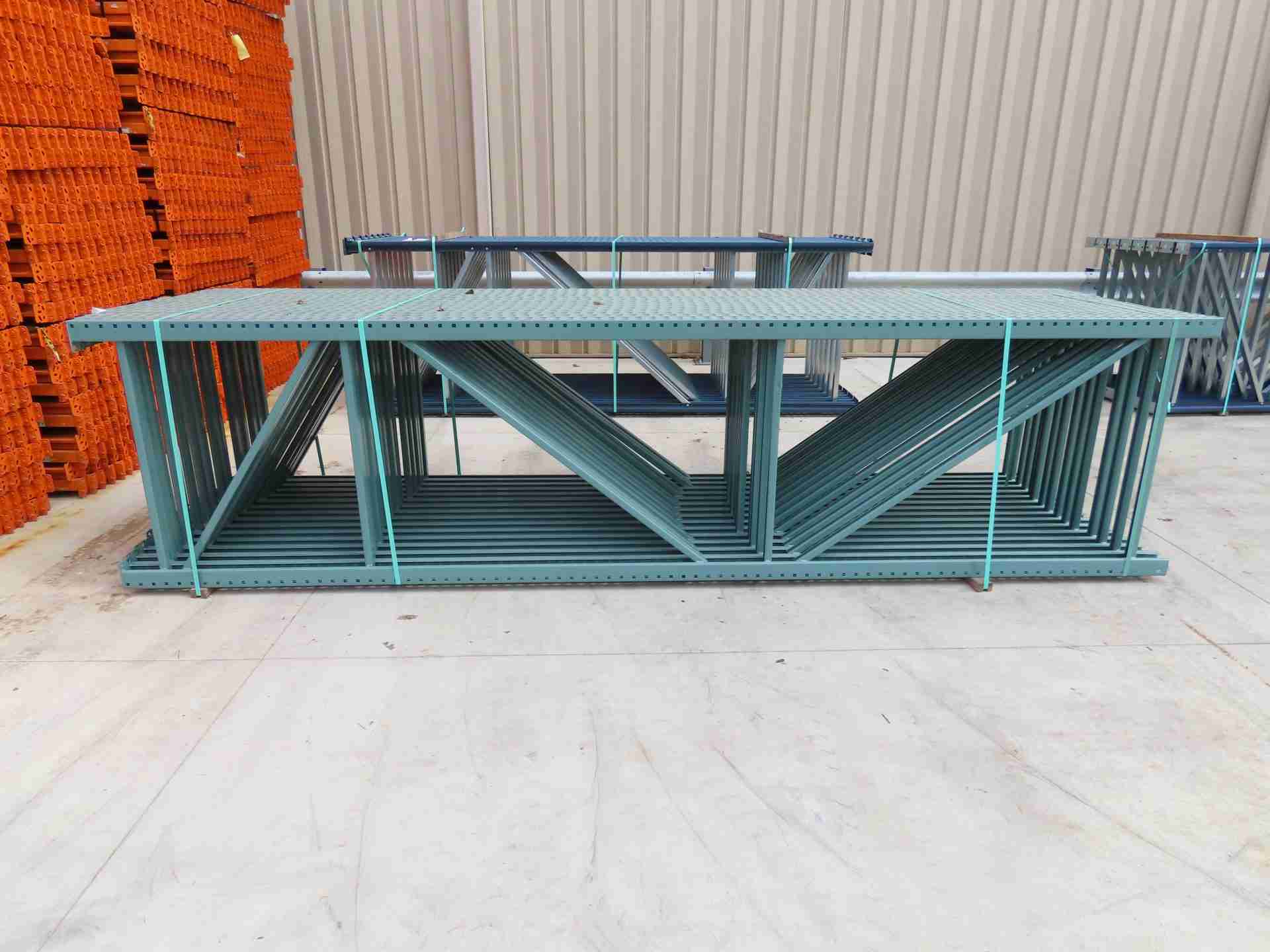
One of the main ways that pallet racking systems improve inventory management is by maximizing vertical space. By stacking pallets vertically, rather than spreading them out horizontally, you can make the most of your warehouse’s storage capacity. This means you can store more inventory in the same amount of space, allowing you to keep larger quantities on hand and reducing the need for frequent restocking.
In addition to maximizing space, pallet racking systems also help to improve inventory visibility. When inventory is stored in an organized and accessible manner, it becomes much easier to track and locate specific items. This can reduce the time spent searching for products, leading to faster order fulfillment and improved customer satisfaction.
Furthermore, pallet racking systems can help to reduce the risk of inventory damage. By providing sturdy support for pallets and ensuring they are stored safely and securely, these systems help to prevent items from becoming damaged or lost. This can save your business money in the long run by minimizing the need for replacements and reducing the risk of waste.
Another key benefit of pallet racking systems is their versatility. These systems can be customized to fit the specific needs of your warehouse, whether you are storing large, bulky items or small, fragile ones. This flexibility allows you to tailor your storage solutions to meet the demands of your inventory, rather than trying to fit your inventory into a one-size-fits-all solution.
Overall, pallet racking systems are a valuable tool for improving inventory management in any warehouse setting. By maximizing space, improving visibility, reducing damage, and offering versatility, these systems help to streamline operations and increase efficiency. So if you’re looking to take your warehouse operations to the next level, consider investing in a pallet racking system – it could be just the solution you need to optimize your inventory management processes.
How Do Pallet Racking Systems Improve Inventory Management?
How Do Pallet Racking Systems Improve Inventory Management?
- Enhance efficiency through pallet racking systems.
- Maximize vertical space to increase storage capacity.
- Improve inventory visibility for faster order fulfillment.
- Reduce the risk of inventory damage.
- Customizable to fit specific warehouse needs.
- Streamline operations and increase efficiency.
- Optimize inventory management processes with pallet racking systems.
How Do Pallet Racking Systems Improve Inventory Management?
How Do Pallet Racking Systems Enhance Warehouse Efficiency?
When it comes to the world of warehouse logistics, efficiency is the name of the game. Every square foot of space is precious, every second of time is valuable, and every dollar spent must be maximized. In this high-stakes environment, having the right equipment can make all the difference.
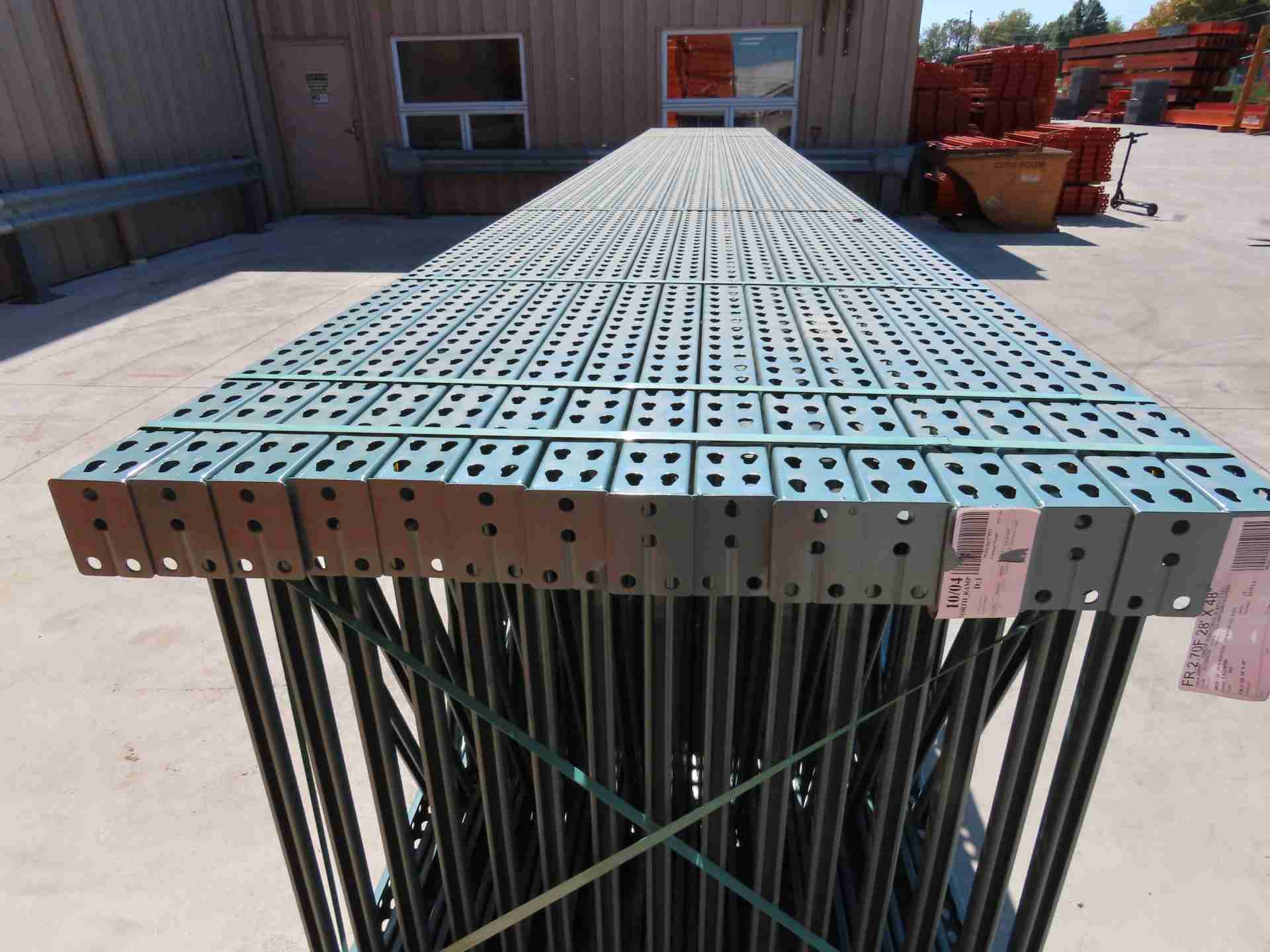
One key tool in the warehouse manager’s arsenal is the pallet racking system. These sturdy, versatile structures are designed to safely store goods of all shapes and sizes, maximizing storage capacity and organization. But how exactly do pallet racking systems enhance warehouse efficiency?
First and foremost, pallet racking systems help maximize storage space. By utilizing vertical space rather than just floor space, warehouses can store more goods in a smaller footprint. This means that managers can make better use of their existing space, avoiding the need to expand or move to a larger facility. This not only saves money in the long run but also allows for more efficient picking and packing processes.
Additionally, pallet racking systems improve organization within the warehouse. By storing goods on pallets in a systematic and structured manner, employees can easily locate and retrieve items when needed. This reduces the time spent searching for specific products, increasing overall productivity and decreasing the risk of errors.
Furthermore, pallet racking systems enhance safety in the warehouse. By securely storing pallets of goods off the ground, these systems reduce the risk of accidents and injuries caused by loose or improperly stacked items. This not only protects employees but also ensures that goods remain in good condition, reducing the likelihood of damaged or lost inventory.
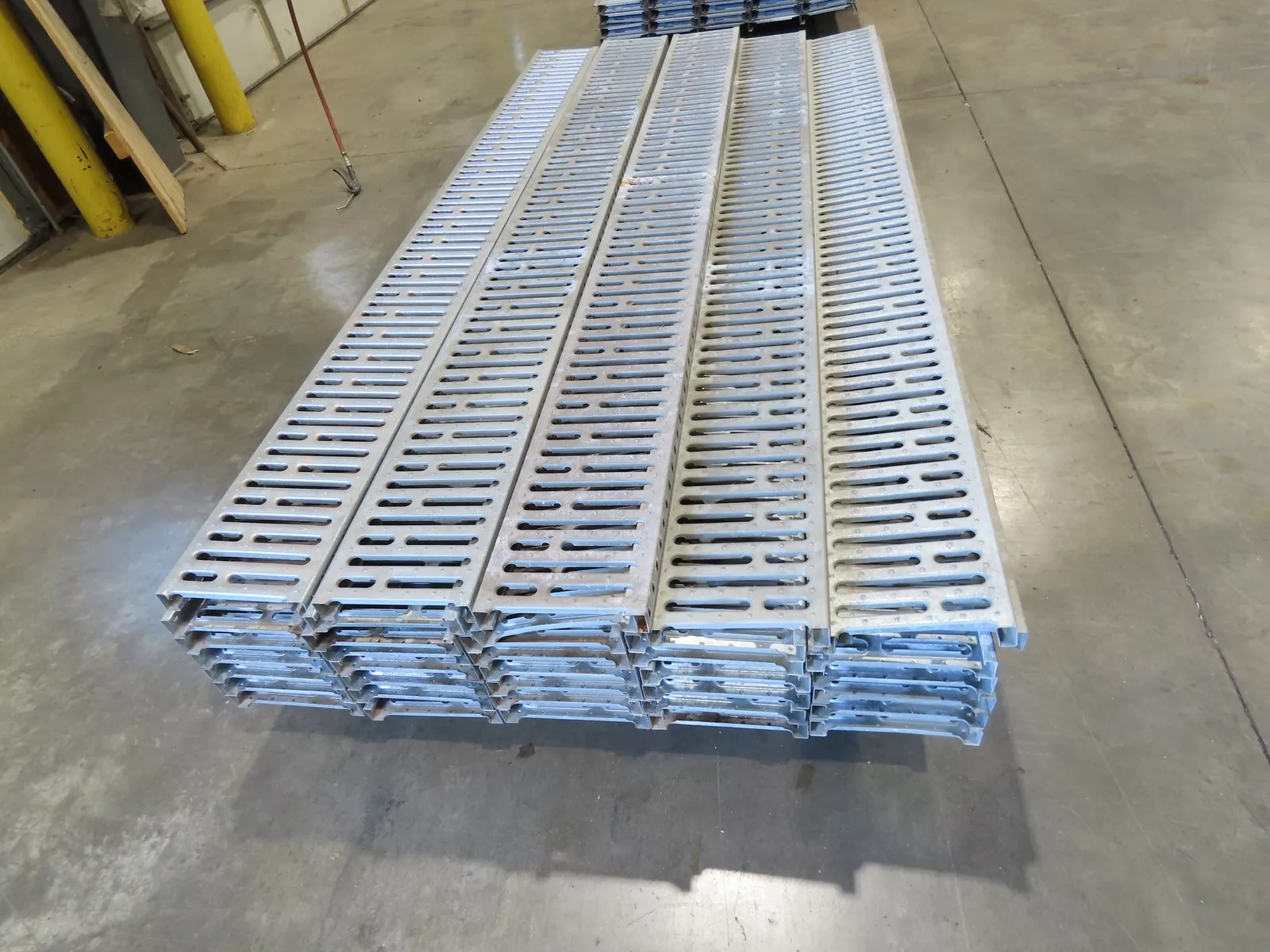
Another key benefit of pallet racking systems is their versatility. These systems can be customized to fit the unique needs of any warehouse, whether that means adjusting shelf heights, adding additional levels, or incorporating special features like wire decking or dividers. This flexibility allows warehouses to adapt to changing inventory needs and optimize their space for maximum efficiency.
Pallet racking systems are a vital tool for enhancing warehouse efficiency. By maximizing storage space, improving organization, enhancing safety, and providing versatility, these systems help warehouses run more smoothly and effectively. So the next time you walk through a well-organized warehouse, take a moment to appreciate the pallet racking system that helps keep everything in its place.
How Do Pallet Racking Systems Enhance Warehouse Efficiency?
How Do Pallet Racking Systems Enhance Warehouse Efficiency?
- Pallet racking systems help maximize storage space by utilizing vertical space.
- Enhance organization within the warehouse, making it easier to locate and retrieve items.
- Improve safety by securely storing goods off the ground, reducing accidents and injuries.
- Offer versatility by allowing customization to fit the unique needs of any warehouse.
- Help warehouses run more smoothly and effectively by optimizing space for efficiency.
- Avoid the need for warehouse expansion or moving to a larger facility.
- Reduce the likelihood of damaged or lost inventory by securely storing goods.
How Do Pallet Racking Systems Enhance Warehouse Efficiency?
What Are The Key Features Of Automated Warehouse Systems?
Automated warehouse systems are revolutionizing the way companies store and manage their inventory. These cutting-edge systems offer a wide range of features that help businesses increase efficiency, accuracy, and productivity in their warehouse operations.
One key feature of automated warehouse systems is their ability to streamline the order fulfillment process. With automated picking and packing technologies, these systems can significantly reduce the time it takes to pick, pack, and ship orders. This not only improves order accuracy but also allows businesses to fulfill orders faster, leading to increased customer satisfaction and loyalty.
Another important feature of automated warehouse systems is their ability to maximize space utilization. By utilizing advanced storage and retrieval systems, these systems can store inventory in a more compact and organized manner, allowing companies to make the most of their warehouse space. This not only reduces the need for additional storage facilities but also improves inventory management and tracking capabilities.
Furthermore, automated warehouse systems come equipped with sophisticated inventory management software that allows businesses to track inventory levels in real-time. This helps companies better manage their stock levels, reduce overstocking or stockouts, and optimize inventory turnover rates. With accurate and up-to-date inventory information at their fingertips, businesses can make informed decisions about restocking, reordering, and inventory replenishment.
In addition, automated warehouse systems also offer increased safety and security features. These systems are designed to reduce the risk of accidents and injuries by automating potentially hazardous tasks such as picking and lifting heavy items. By minimizing human intervention in these tasks, automated warehouse systems help create a safer working environment for warehouse employees.
Moreover, automated warehouse systems are scalable and flexible, allowing businesses to easily adapt to changing market conditions and business needs. Whether a company needs to increase storage capacity, add new product lines, or expand into new markets, automated warehouse systems can be easily customized and expanded to accommodate these changes.
Overall, the key features of automated warehouse systems provide businesses with a competitive edge in today’s fast-paced and highly competitive market. By investing in these advanced technologies, companies can streamline their warehouse operations, improve productivity and efficiency, and ultimately drive business growth and success.
What Are The Key Features Of Automated Warehouse Systems?
What Are The Key Features Of Automated Warehouse Systems?
- Automated warehouse systems streamline order fulfillment process.
- Maximize space utilization through advanced storage systems.
- Inventory management software provides real-time tracking.
- Increased safety and security features.
- Scalable and flexible to adapt to changing business needs.
- Improves productivity, efficiency, and ultimately drives business growth.
What Are The Key Features Of Automated Warehouse Systems?
Can Pallet Racking Systems Be Customized For Specific Needs?
When it comes to pallet racking systems, one size definitely does not fit all. These versatile storage solutions can be customized to fit the specific needs of any warehouse or facility.
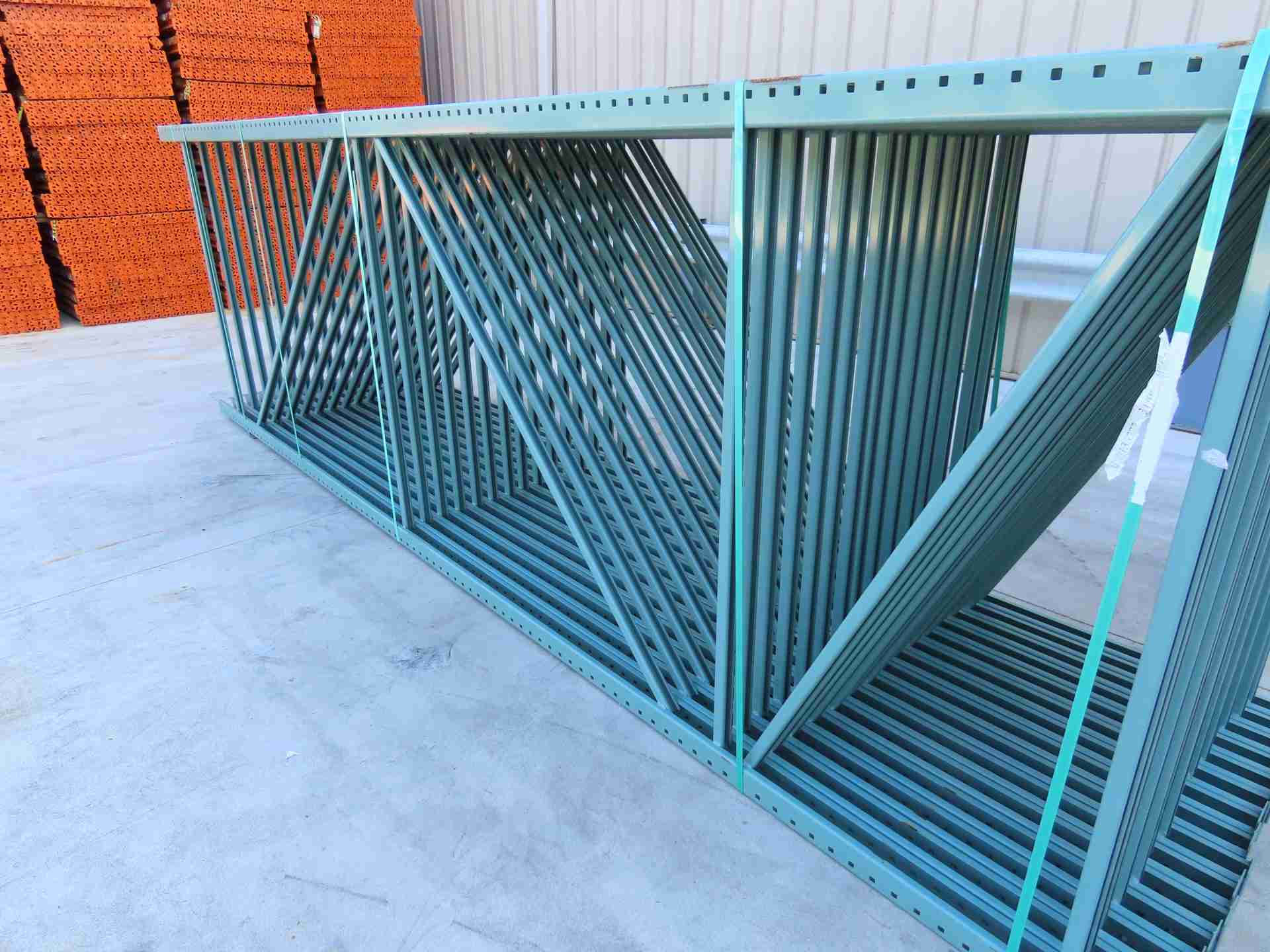
From the height and width of the racks to the weight capacity and configuration, pallet racking systems can be tailored to accommodate a wide range of products and materials. Need extra support for heavy items? No problem. Looking to maximize vertical space? Easy peasy. Want to create a specific layout to streamline your workflow? Piece of cake.
Customizing a pallet racking system begins with a thorough assessment of your storage needs. A professional consultant can help determine the best layout and configuration based on factors such as the size and weight of your inventory, the layout of your facility, and any specific requirements you may have.
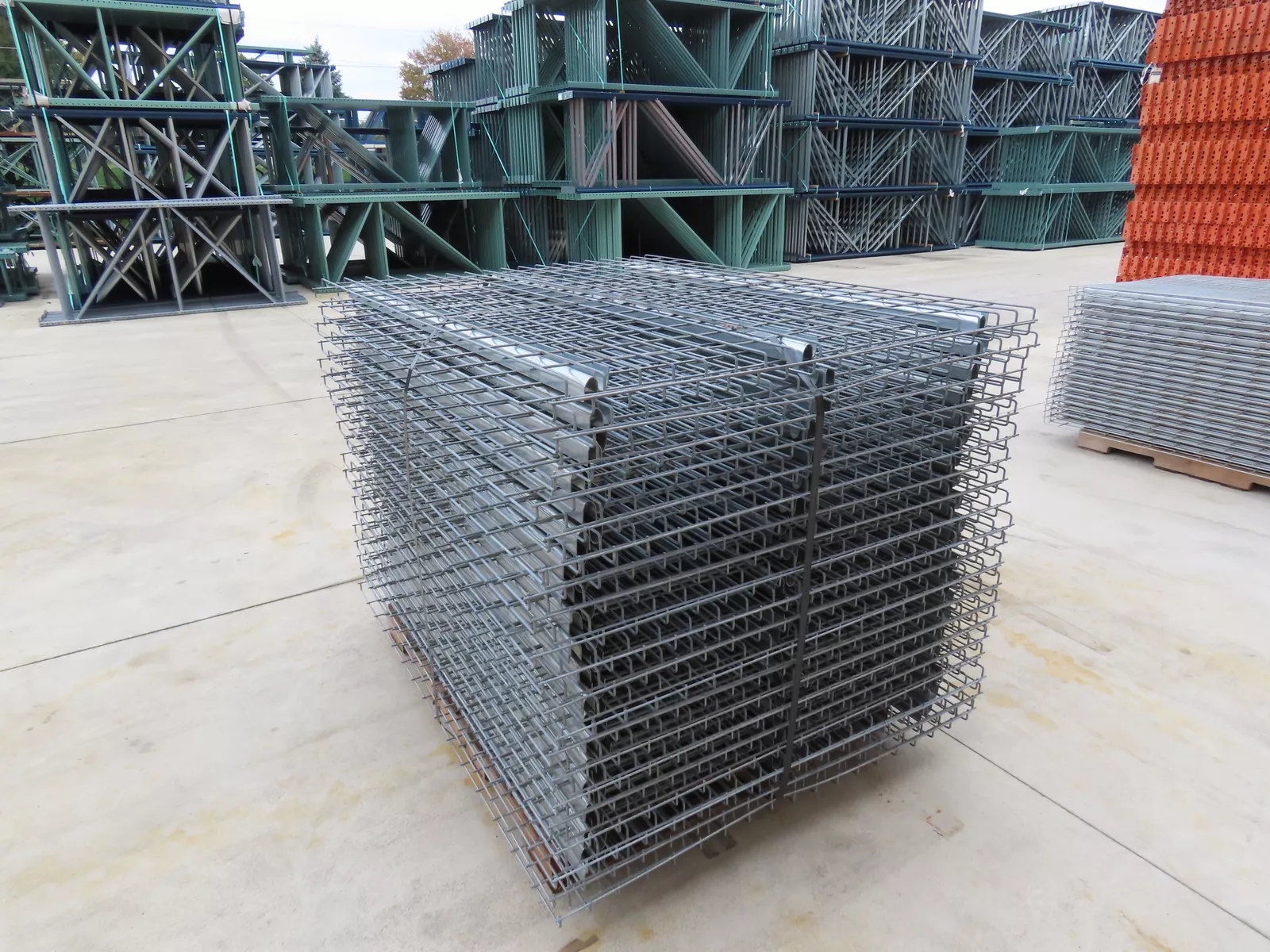
With the right customization, you can optimize your storage space, improve efficiency, and enhance safety in your warehouse. By incorporating features such as additional bracing, wire decking, or specialized shelving, you can create a system that meets your unique needs and maximizes your storage capacity.
Whether you need a simple shelving unit for light-duty items or a complex system for heavy-duty pallets, customization is the key to creating a pallet racking system that works for you. By working with a professional team to design and install a system tailored to your specific requirements, you can ensure that your storage needs are met now and in the future.
So, can pallet racking systems be customized for specific needs? Absolutely. With the right expertise and guidance, you can create a storage solution that fits your facility like a glove. Don’t settle for a one-size-fits-all approach when it comes to pallet racking systems – invest in a customized solution that will help you make the most of your storage space and improve your overall efficiency.
Can Pallet Racking Systems Be Customized For Specific Needs?
Can Pallet Racking Systems Be Customized For Specific Needs?
- Pallet racking systems are versatile storage solutions that can be customized.
- Customization includes adjusting height, width, weight capacity, and configuration.
- Customization begins with assessing storage needs and consulting a professional.
- Optimizing storage space, efficiency, and safety is possible through customization.
- Features like additional bracing, wire decking, or specialized shelving can be incorporated.
- Customized systems can range from simple shelving units to complex heavy-duty pallet systems.
- Investing in a customized solution ensures storage needs are met now and in the future.
Can Pallet Racking Systems Be Customized For Specific Needs?
How Do Automated Warehouse Systems Improve Inventory Management?
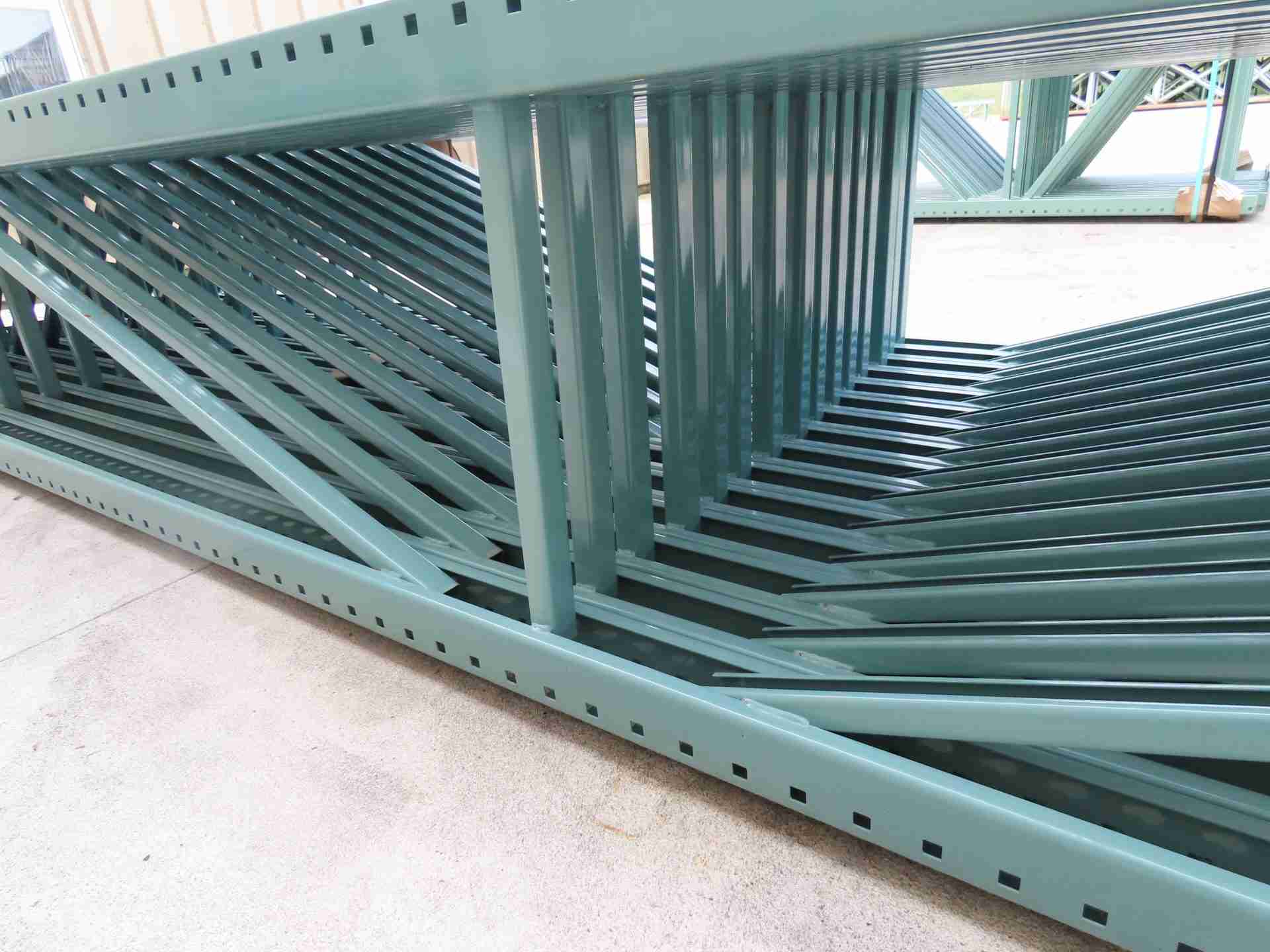
Automated warehouse systems have revolutionized the way companies manage their inventory, making the process more efficient and streamlined than ever before. By utilizing advanced technology such as robotics, conveyors, and automated storage and retrieval systems, these systems are able to handle tasks that were once time-consuming and labor-intensive.
One of the key ways in which automated warehouse systems improve inventory management is through increased accuracy. With human error being a common factor in traditional warehouse settings, the use of automated systems helps to minimize mistakes in picking, packing, and shipping. This not only reduces the risk of costly errors but also ensures that customers receive the correct products in a timely manner.
Additionally, automated systems can track inventory levels in real-time, providing companies with up-to-date information on stock levels and product demand. This improves decision-making processes, allowing businesses to optimize their inventory levels and reduce excess stock. By having a better understanding of their inventory, companies can also improve their forecasting accuracy and avoid stockouts or overstock situations.
Furthermore, automated warehouse systems can improve overall efficiency and productivity within a warehouse setting. With the ability to automate repetitive tasks, such as picking and sorting, employees are able to focus on more strategic tasks that require human intervention. This not only improves job satisfaction but also increases overall productivity and throughput within the warehouse.
Another benefit of automated warehouse systems is their ability to optimize storage space. By utilizing automated storage and retrieval systems, companies can maximize their warehouse space and reduce the need for additional storage facilities. This not only saves on costs but also improves overall warehouse organization and accessibility, making it easier to locate and retrieve products quickly.
Automated warehouse systems play a crucial role in improving inventory management for companies of all sizes. By increasing accuracy, optimizing inventory levels, improving efficiency, and maximizing storage space, these systems help businesses operate more effectively and competitively in today’s fast-paced market. The future of warehouse management is automated, and those who embrace this technology will undoubtedly reap the benefits of improved inventory management.
How Do Automated Warehouse Systems Improve Inventory Management?
How Do Automated Warehouse Systems Improve Inventory Management?
- Automated warehouse systems revolutionize inventory management.
- Utilize advanced technology like robotics and conveyors.
- Improve accuracy and minimize human error in picking, packing, and shipping.
- Track inventory levels in real-time for informed decision-making.
- Automate repetitive tasks to increase efficiency and productivity.
- Optimize storage space with automated systems.
- Crucial role in improving inventory management for companies of all sizes.

How Do Automated Warehouse Systems Improve Inventory Management?
What Role Do Pallet Racking Systems Play In Maximizing Storage Space?
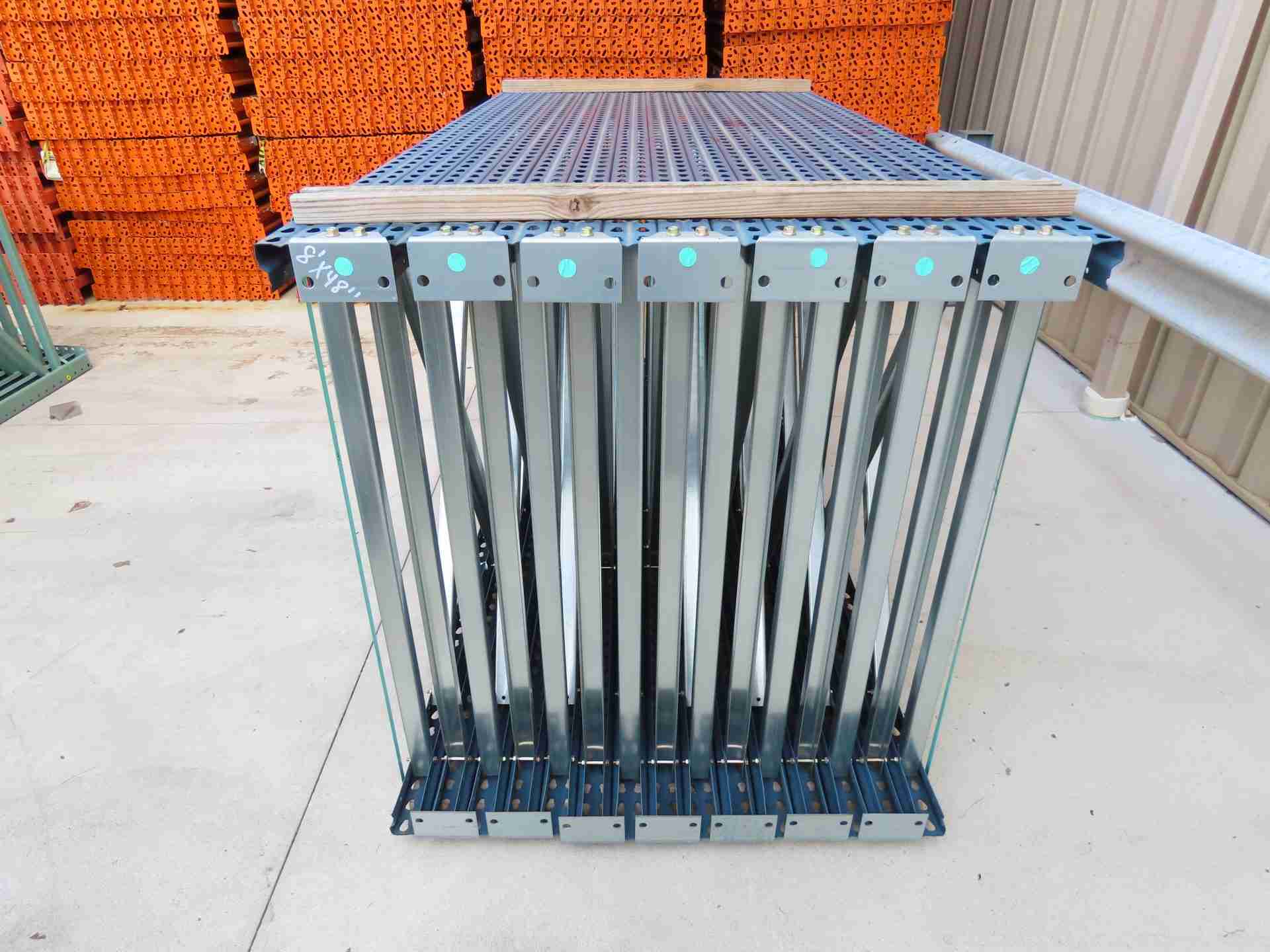
When it comes to maximizing storage space in a warehouse or distribution center, pallet racking systems play a crucial role. These systems are specifically designed to utilize vertical space efficiently, allowing businesses to store more inventory in a smaller footprint.
Pallet racking systems come in a variety of designs, each suited to different storage needs. The most common type is selective pallet racking, which allows for easy access to individual pallets. This design is ideal for warehouses that require quick access to a high volume of different SKUs.
Another popular option is drive-in racking, which allows for high-density storage by eliminating aisles between racks. This design is perfect for storing large quantities of the same SKU and can maximize storage capacity in a limited space.
Push-back racking systems are another excellent choice for warehouses looking to maximize storage space. This system allows for pallets to be stored several deep, utilizing all available space. By using gravity rollers, push-back racking systems also help improve picking efficiency by automatically pushing pallets to the front of the rack for easy access.
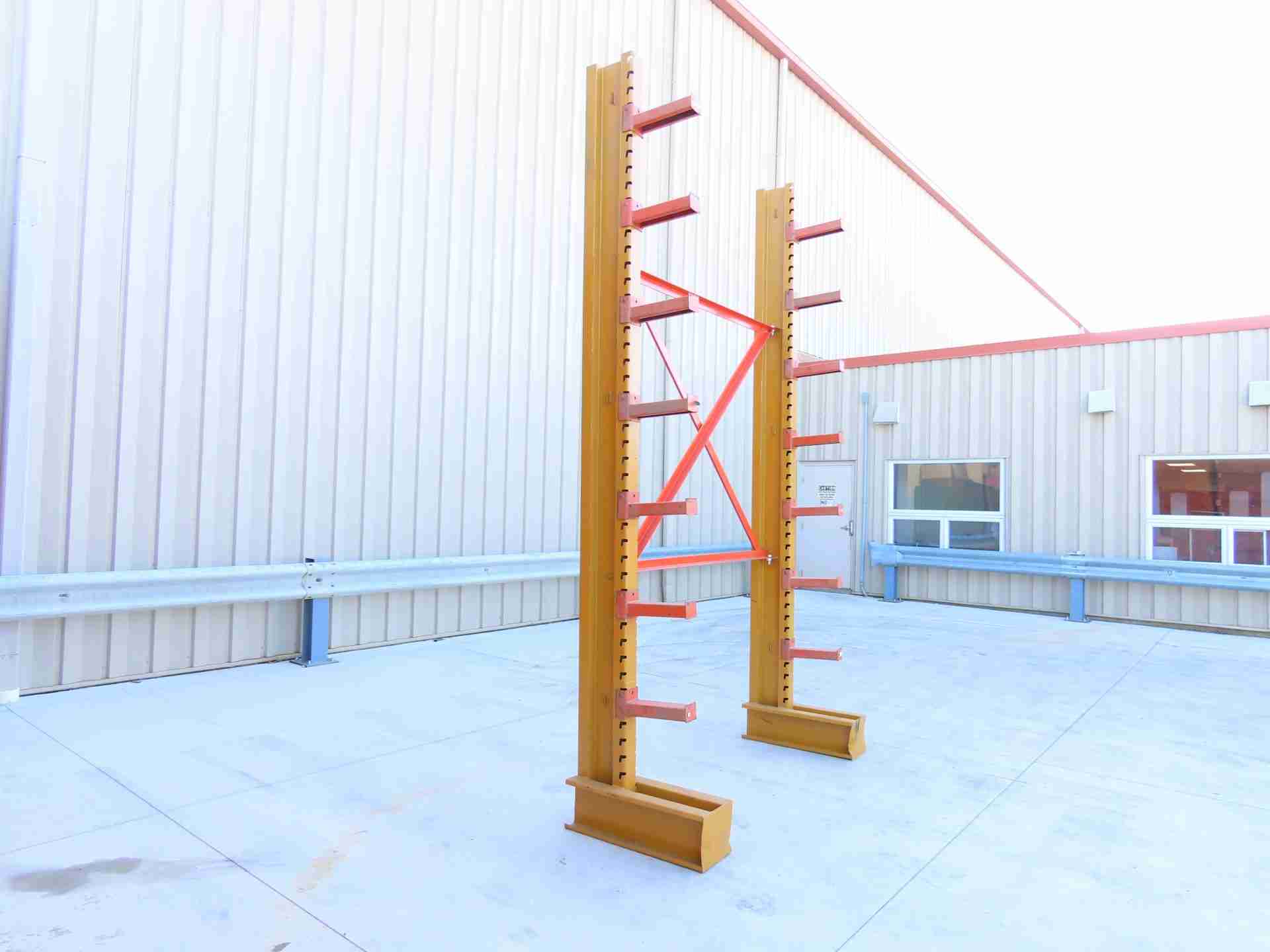
Cantilever racking is another specialized system designed for storing long, bulky items such as pipes, lumber, or carpet rolls. By utilizing arms that extend from vertical columns, cantilever racking systems make it easy to store and retrieve these awkwardly shaped items without wasting valuable floor space.
Pallet flow racking systems are ideal for warehouses with high inventory turnover. By utilizing gravity-fed rollers or wheels, pallet flow racking systems automatically rotate inventory so that the oldest stock is always picked first. This design helps optimize warehouse space by reducing the need for aisles and ensuring that stock is always accessible.
No matter the specific needs of a business, pallet racking systems are essential for maximizing storage space in a warehouse or distribution center. By carefully selecting the right system for their inventory and picking processes, businesses can efficiently utilize vertical space and increase storage capacity without expanding their physical footprint. In the fast-paced world of logistics, every square foot counts, and pallet racking systems are the key to making the most of available space.
What Role Do Pallet Racking Systems Play In Maximizing Storage Space?
What Role Do Pallet Racking Systems Play In Maximizing Storage Space?
- Pallet racking systems are crucial for maximizing storage space in warehouses and distribution centers by utilizing vertical space efficiently.
- Selective pallet racking allows for easy access to individual pallets, ideal for warehouses with high SKU turnover.
- Drive-in racking provides high-density storage by eliminating aisles between racks, perfect for storing large quantities of the same SKU.
- Push-back racking systems allow for pallets to be stored several deep, utilizing all available space and improving picking efficiency.
- Cantilever racking is designed for storing long, bulky items such as pipes or lumber without wasting floor space.
- Pallet flow racking systems are ideal for high inventory turnover warehouses, automatically rotating inventory to optimize space and accessibility.
- Pallet racking systems are essential for businesses to increase storage capacity without physical expansion, making the most of available space in a logistics environment.
What Role Do Pallet Racking Systems Play In Maximizing Storage Space?
How Can Pallet Racking Systems Facilitate Order Processing?
Pallet racking systems play a crucial role in streamlining order processing operations for warehouses and distribution centers. By maximizing vertical space and efficiently organizing inventory, these systems help to create a more organized and efficient workflow.
One of the primary ways in which pallet racking systems facilitate order processing is by optimizing storage space. By utilizing the vertical space of a warehouse, these systems allow for more inventory to be stored in a smaller footprint. This not only helps to maximize storage capacity but also improves accessibility to products. With inventory stored in a systematic and organized manner, employees can quickly locate and retrieve items, reducing picking times and minimizing errors.
Furthermore, pallet racking systems help to improve inventory management by providing a clear and visible layout of products. By organizing inventory based on size, weight, and demand, these systems make it easier for employees to locate and pick items for orders. This can help to reduce fulfillment times and improve order accuracy, ultimately enhancing customer satisfaction.
In addition to improving inventory management, pallet racking systems also contribute to a safer working environment. With inventory stored securely on pallets and accessed using forklifts or other equipment, employees can avoid manual handling of heavy or bulky items. This helps to reduce the risk of injuries and accidents in the warehouse, creating a safer and more productive work environment.
Moreover, pallet racking systems can be customized to accommodate different types of inventory and storage needs. From selective racking for fast-moving items to drive-in racking for bulk storage, these systems offer flexibility and versatility for warehouses of all sizes. This customization allows warehouses to adapt to changing inventory levels and business requirements, ensuring that order processing operations remain efficient and effective.
Overall, pallet racking systems are essential tools for enhancing order processing in warehouses and distribution centers. By maximizing storage space, improving inventory management, and creating a safer work environment, these systems play a critical role in streamlining operations and boosting productivity. With their ability to accommodate different types of inventory and storage needs, pallet racking systems are a valuable asset for any warehouse looking to improve order processing efficiency.

How Can Pallet Racking Systems Facilitate Order Processing?
How Can Pallet Racking Systems Facilitate Order Processing?
- Pallet racking systems maximize vertical space and organize inventory efficiently for streamlined order processing in warehouses and distribution centers.
- Optimizing storage space by utilizing the vertical dimension allows for more inventory to be stored in a smaller footprint, increasing storage capacity and accessibility to products.
- Organized inventory layout based on size, weight, and demand facilitates quick retrieval of items, reducing picking times and errors, leading to improved inventory management.
- Improved inventory management with pallet racking systems results in reduced fulfillment times, increased order accuracy, and enhanced customer satisfaction.
- Pallet racking systems contribute to a safer work environment by securely storing inventory on pallets and minimizing manual handling of heavy items, reducing the risk of injuries and accidents in the warehouse.
- Customizable to accommodate different types of inventory and storage needs, such as selective racking for fast-moving items and drive-in racking for bulk storage, providing flexibility and versatility for warehouses of all sizes.
- Essential tools for enhancing order processing efficiency, pallet racking systems play a critical role in streamlining operations, boosting productivity, and improving overall efficiency in warehouses and distribution centers.
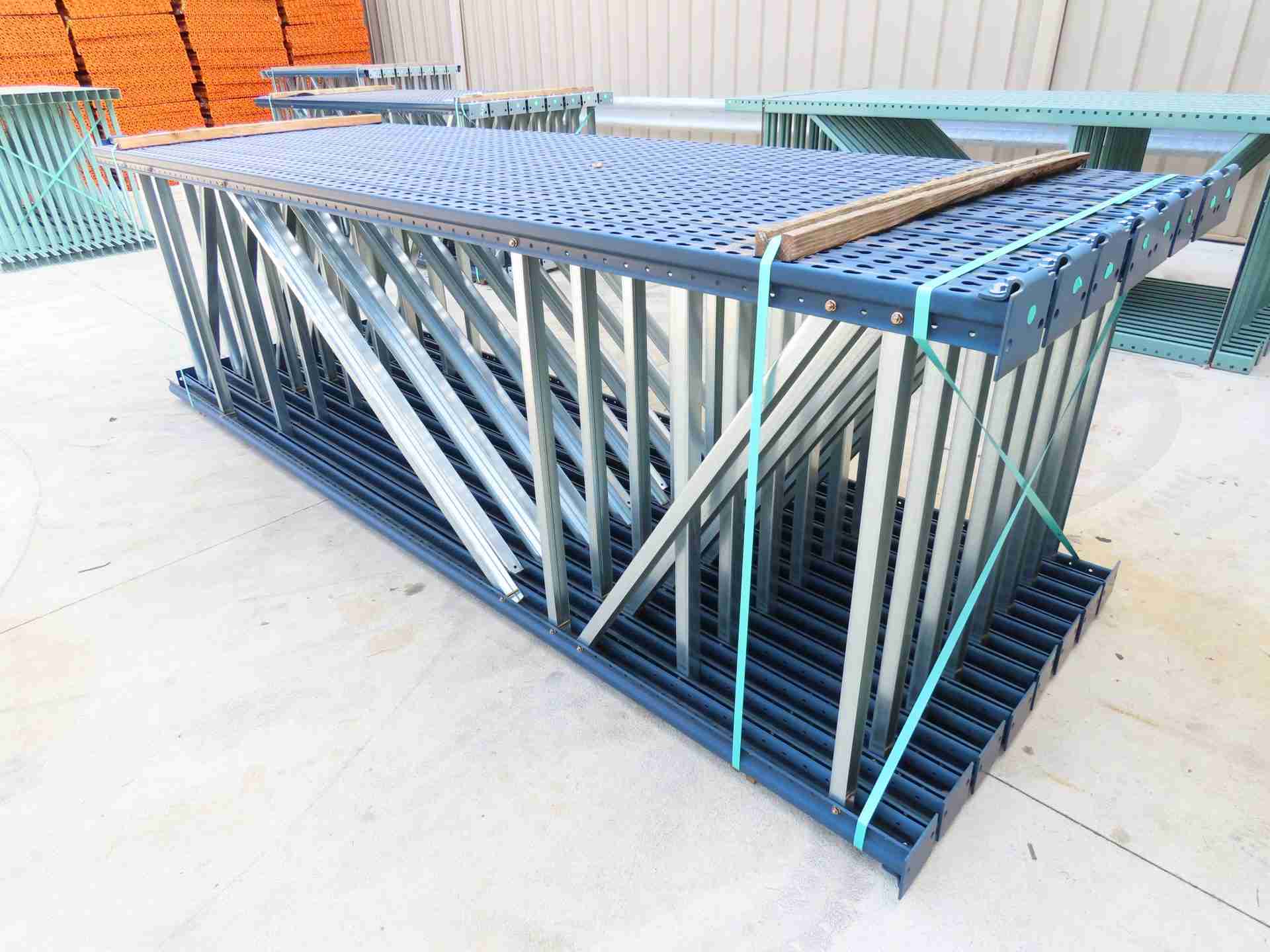
How Can Pallet Racking Systems Facilitate Order Processing?
What Maintenance Is Required For Pallet Racking And Automated Systems?
So you’ve got yourself a fancy new pallet racking system or automated material handling system. Congratulations! These systems can greatly improve the efficiency and organization of your warehouse operations. But like any piece of equipment, they require regular maintenance to ensure they continue to operate at their best.
When it comes to pallet racking systems, there are a few key maintenance tasks that should be performed on a regular basis. First and foremost, it’s important to regularly inspect the racking for any signs of damage or wear. This includes looking for things like dents, cracks, or misalignments that could compromise the structural integrity of the system. Any damaged components should be repaired or replaced immediately to prevent accidents or collapses.
Another important maintenance task for pallet racking systems is to ensure that they are properly anchored to the floor. Over time, the bolts that secure the racking to the floor can become loose, which can compromise the stability of the system. Regularly checking and tightening these bolts can help prevent accidents and ensure the safety of your employees.
In addition to these tasks, it’s also important to regularly clean and lubricate the components of your pallet racking system. Dust, debris, and grime can build up over time, causing the system to operate less efficiently. By keeping the system clean and well-lubricated, you can help prevent unnecessary wear and tear on the components.
When it comes to automated material handling systems, maintenance requirements can be a bit more complex. These systems often include a variety of moving parts, sensors, and controls that need to be properly maintained to ensure they continue to operate reliably. Regular inspections, cleaning, and lubrication are essential for keeping these systems running smoothly.
In addition to these basic maintenance tasks, it’s also important to regularly check and calibrate the sensors and controls of your automated system. If these components become misaligned or malfunction, it can cause the entire system to break down. By performing regular checks and calibrations, you can help prevent costly downtime and repairs.
Overall, the key to keeping your pallet racking and automated material handling systems in top condition is to stay proactive with your maintenance efforts. By regularly inspecting, cleaning, and lubricating your systems, you can help ensure they continue to operate at their best for years to come. So roll up your sleeves, grab your tools, and get to work – your warehouse operations will thank you!
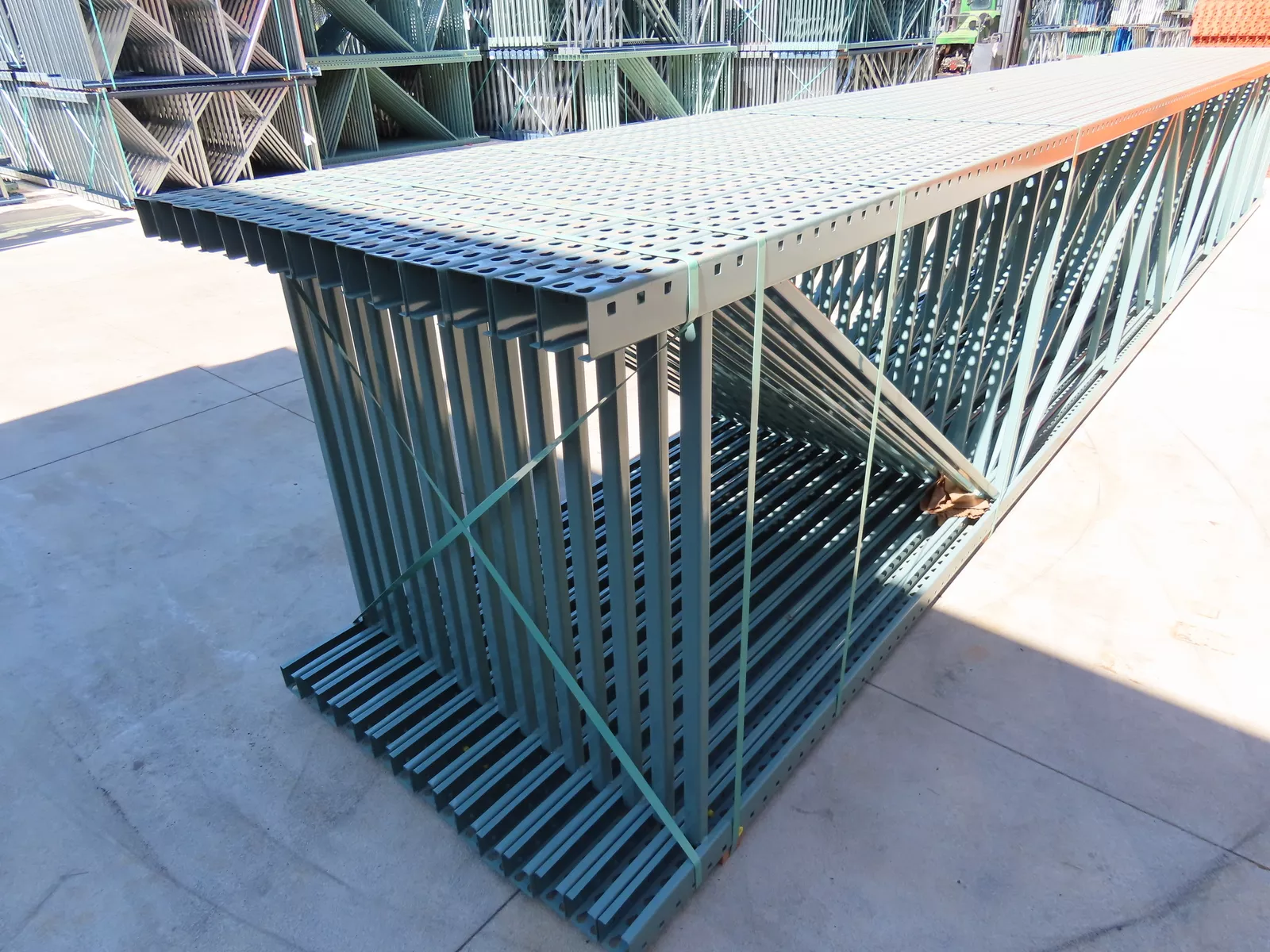
What Maintenance Is Required For Pallet Racking And Automated Systems?
What Maintenance Is Required For Pallet Racking And Automated Systems?
- Regularly inspect the racking for damage or wear.
- Repair or replace damaged components immediately.
- Ensure proper anchoring of the racking to the floor.
- Clean and lubricate the components of the racking system.
- Regularly maintain moving parts, sensors, and controls of automated material handling systems.
- Check and calibrate sensors and controls of automated systems.
- Stay proactive with maintenance efforts to ensure efficient operation.
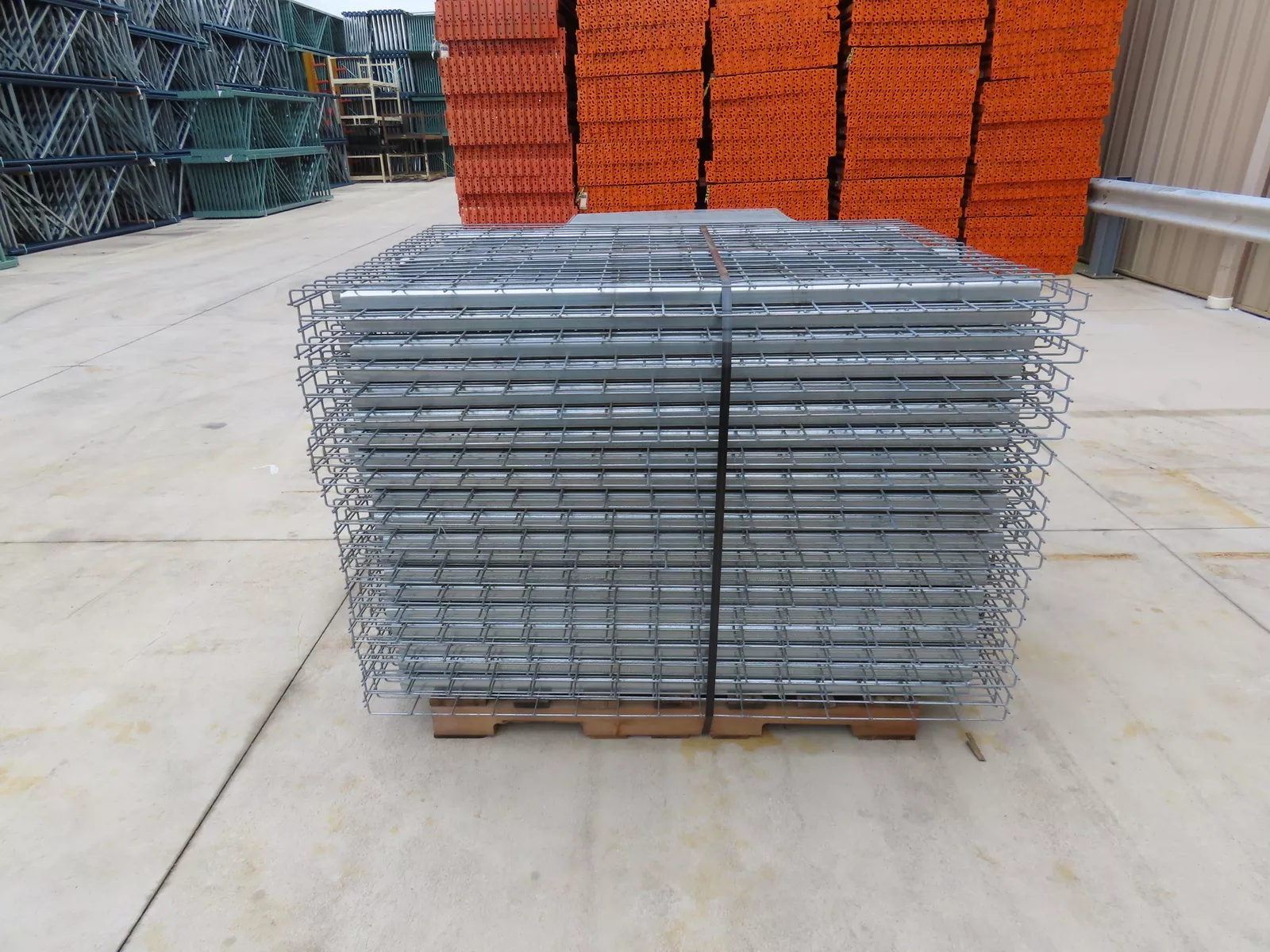
What Maintenance Is Required For Pallet Racking And Automated Systems?
How Do Pallet Racking Systems Impact Overall Warehouse Productivity?
When it comes to running a warehouse efficiently, every little detail matters. From the layout of the shelves to the speed of the assembly line, each element plays a crucial role in determining the overall productivity of the facility. One often overlooked aspect that can greatly impact warehouse productivity is the use of pallet racking systems.
Pallet racking systems are essential in maximizing storage space and organizing inventory in a warehouse. By utilizing vertical space effectively, these systems allow for more efficient use of floor space, which can lead to increased storage capacity and improved overall organization. This not only helps prevent clutter and disorganization but also makes it easier for workers to locate and retrieve items quickly, reducing the time it takes to fulfill orders.
In addition to optimizing storage space, pallet racking systems also play a significant role in streamlining the inventory management process. By categorizing and labeling items properly on the shelves, these systems make it easier for workers to keep track of stock levels and ensure that the right items are picked and shipped to customers promptly. This reduces the risk of inventory errors and minimizes the time spent searching for items, ultimately improving overall warehouse efficiency.
Furthermore, the use of pallet racking systems can also enhance workplace safety and reduce the risk of accidents in the warehouse. By providing a stable and secure storage solution for heavy items, these systems help prevent overloading and collapse, which can result in injuries to workers and damage to inventory. This instills a sense of security and confidence among warehouse staff, allowing them to focus on their tasks without worrying about potential hazards.
Overall, the impact of pallet racking systems on warehouse productivity cannot be overstated. By maximizing storage space, streamlining inventory management, and enhancing workplace safety, these systems contribute significantly to the overall efficiency of the facility. When implemented correctly, they can lead to faster order fulfillment, improved inventory accuracy, and a more organized and efficient work environment. So the next time you walk into a warehouse, take a moment to appreciate the well-organized pallet racking systems that are helping to keep things running smoothly behind the scenes.
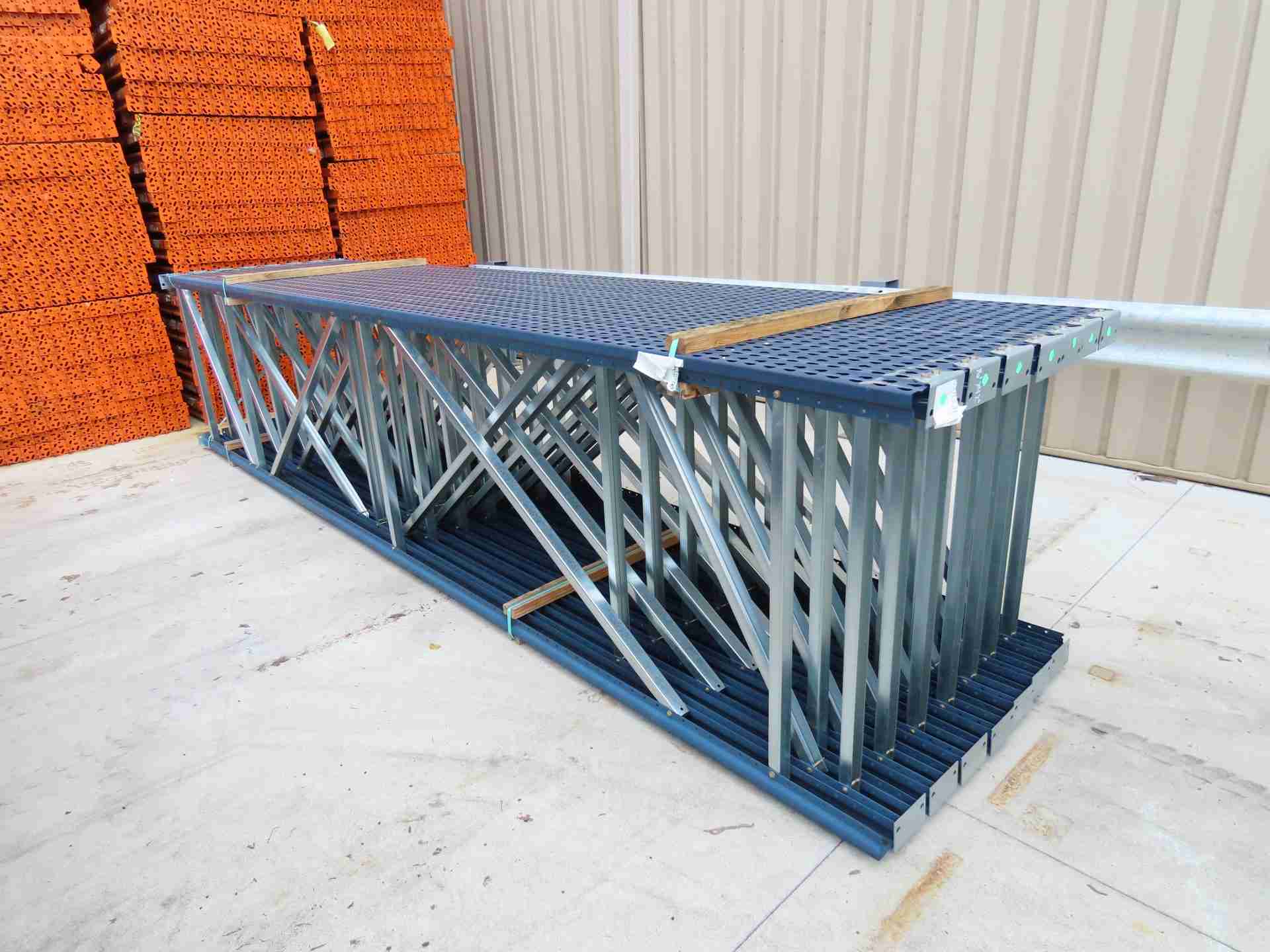
How Do Pallet Racking Systems Impact Overall Warehouse Productivity?
How Do Pallet Racking Systems Impact Overall Warehouse Productivity?
- Pallet racking systems are crucial in maximizing storage space and organizing inventory.
- They allow for more efficient use of floor space, increasing storage capacity.
- Proper categorization and labeling on shelves streamline inventory management.
- Reduces the risk of inventory errors and minimizes time spent searching for items.
- Enhances workplace safety by providing stable storage for heavy items.
- Overall, pallet racking systems significantly improve warehouse efficiency.
- When implemented correctly, they lead to faster order fulfillment and improved work environment.
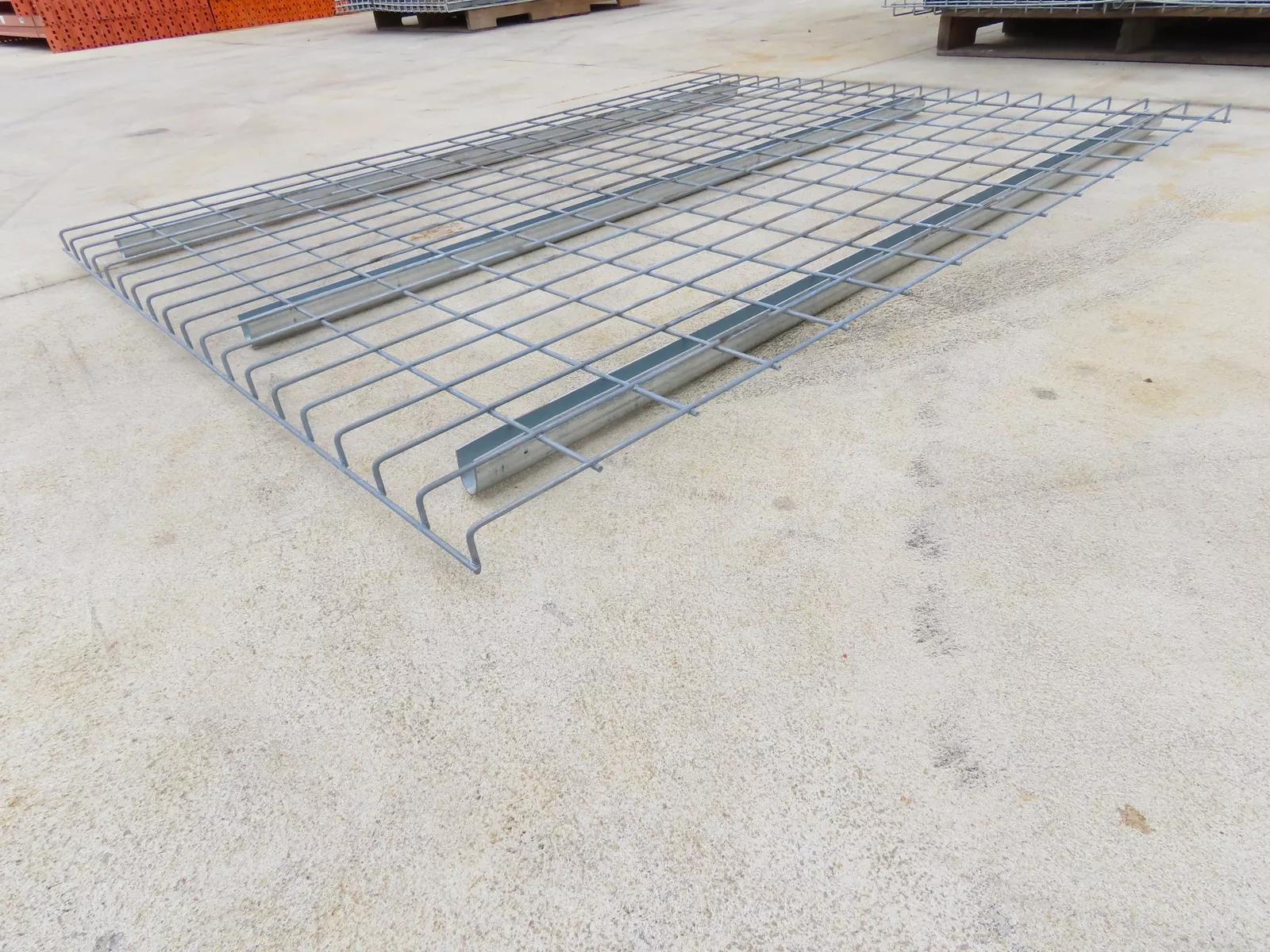
How Do Pallet Racking Systems Impact Overall Warehouse Productivity?
Conclusion
In conclusion, pallet racking systems are an essential component of modern warehouses, playing a crucial role in maximizing efficiency and productivity. By integrating these systems with automated warehouse systems, businesses can create a seamless operation that optimizes storage space, reduces errors, and ultimately drives success. The automation of moving and storing goods not only increases accuracy but also saves time and money in the long run. These systems also improve warehouse organization by maximizing vertical space, making it easier to access items, and improving inventory management. Pallet racking systems are versatile and can be customized to fit specific needs, ensuring that businesses can make the most of their storage space. These systems streamline order processing operations, increase accuracy, and create a safer working environment for employees. Regular maintenance is key to keeping pallet racking systems and automated material handling systems running smoothly, ensuring that they continue to operate at their best. Overall, the impact of pallet racking systems on warehouse productivity cannot be overstated. By maximizing storage space, streamlining inventory management, and enhancing workplace safety, these systems contribute significantly to the overall efficiency of the facility. So, for businesses looking to improve their warehouse operations, investing in pallet racking systems is a smart choice that will help drive success in today’s fast-paced market.
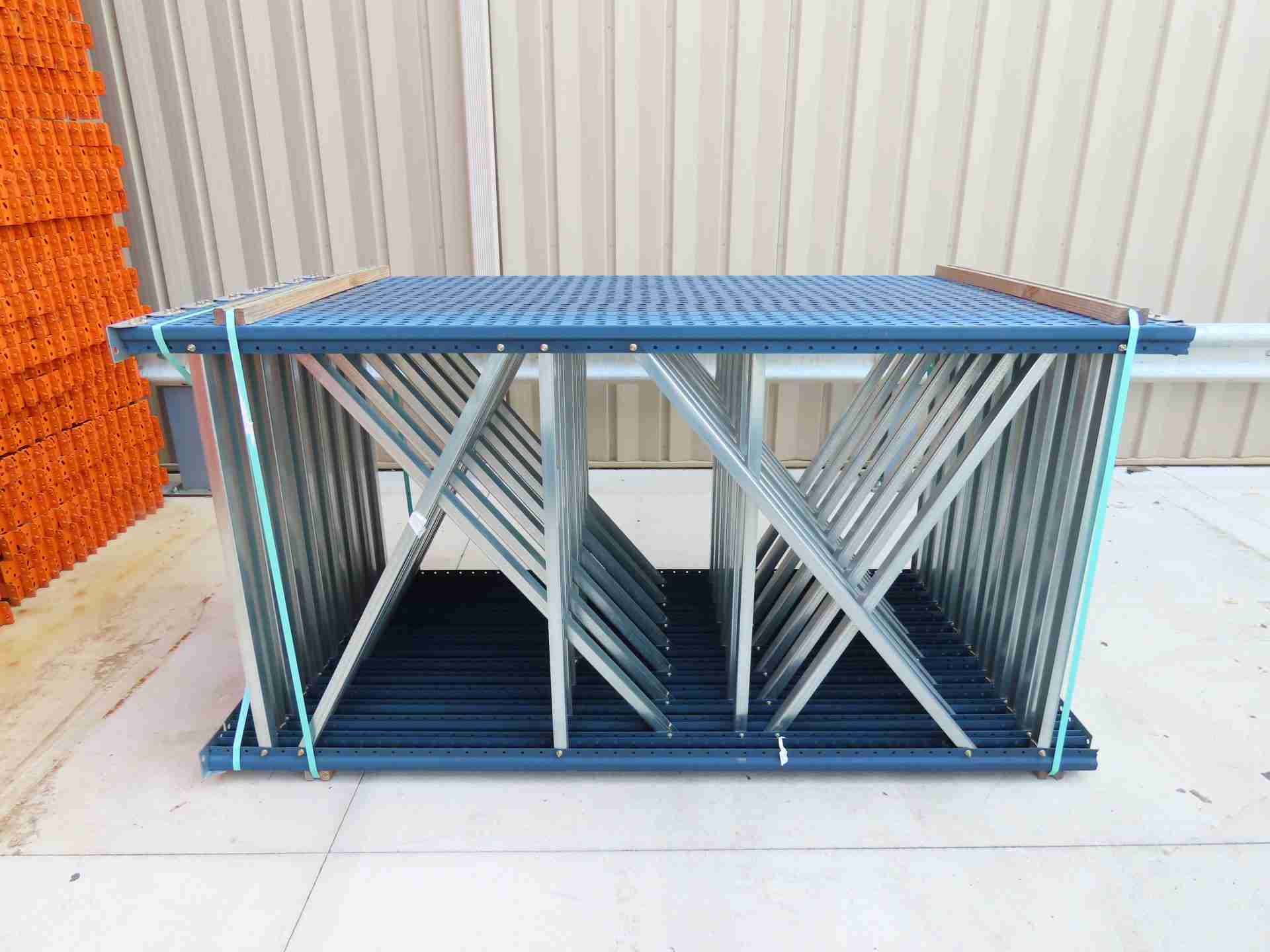
Conclusion
Conclusion:
- Pallet racking systems are essential for modern warehouses.
- Integrating with automated systems maximizes efficiency.
- Automation saves time and money, increases accuracy.
- Improves warehouse organization and inventory management.
- Systems can be customized to fit specific needs.
- Streamlines order processing and creates a safer working environment.
- Regular maintenance is key for optimal operation.
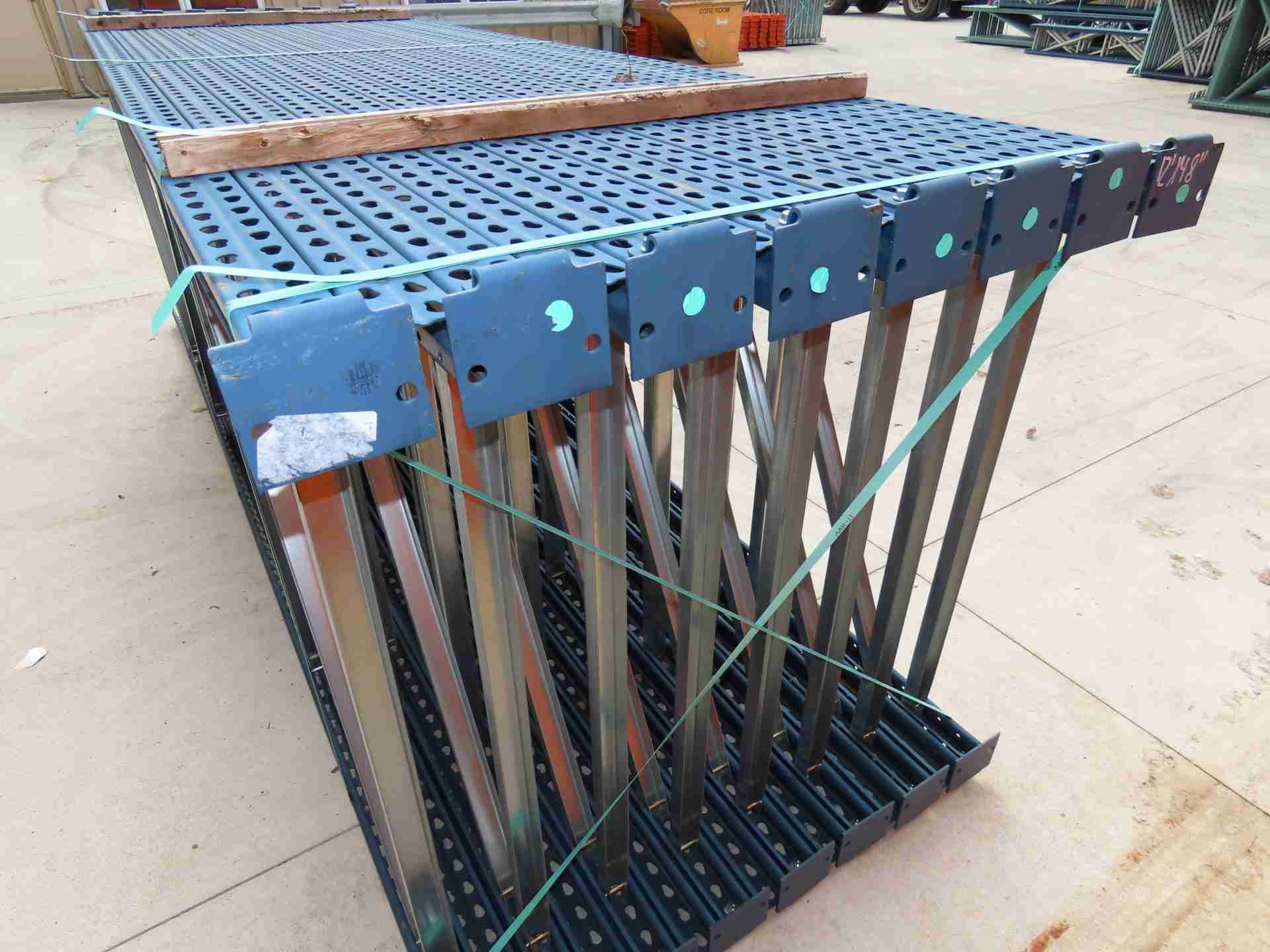
Conclusion
Other Resources
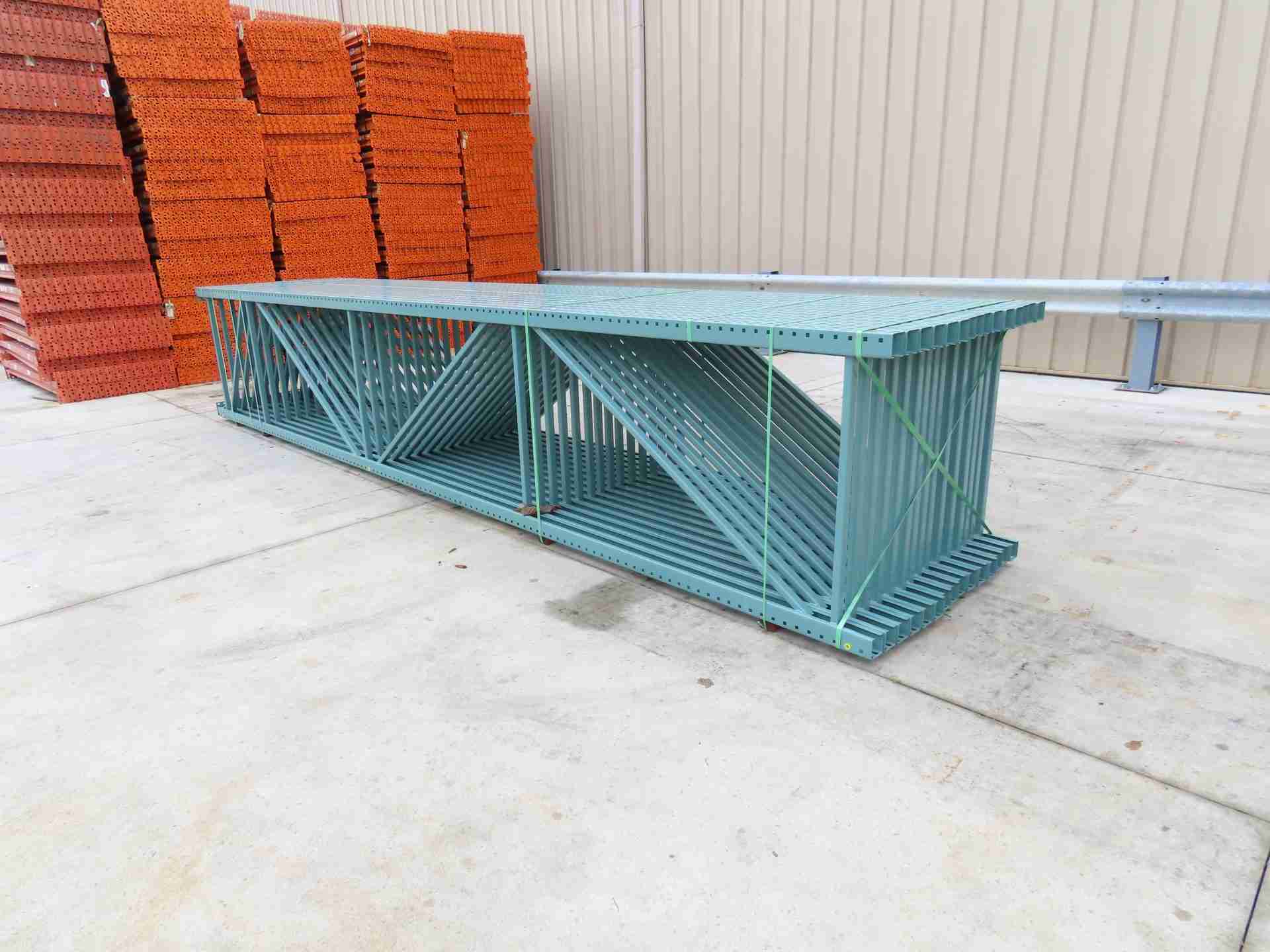
Other Resources
Here is a list of other resources you can review online to learn more:
- “What is warehouse automation today?”
- “Warehouse Automation – Everything you need to know”
- “Types of Warehouse Robots”
- “Warehouse Automation Trends Making the Most Impact in …”
- “Enhancing Efficiency and Productivity Through Warehouse …”
- “16 Warehouse Automation Trends for 2024”
- “Top Solutions In Warehouse Automation System Development”
- “Introduction to the Automated Warehouse”
- “Understanding Pallet Racking: An In-Depth Guide by …”
- “Boosting Supply Chain Efficiency: The Power of Warehouse …”
- “10 Warehouse Automation Examples for 2023”
- “Warehouse Automation: Glossary of Important Terms”
- “Flexible Pallet Racking Solutions for a Modern Warehouse”
- “Robotics and Automation in Modern Warehousing and …”
- “What Is Automated Warehouse?”
- “Unlocking the Potential: Warehouse Layout Optimization Tips”
- “Warehouse Automation: What Is It? How Is It Used? …”
- “Role of Warehouse Automation Systems | L-A-C Logistics”
- “Warehouse Operations”
- “Warehouse Automation Trends”
Other Resources
Glossary Terms
Do Pallet Racking Systems Integrate with Automated Warehouse Systems? – Glossary Of Terms
1. Pallet Racking System: Structural framework used for storing palletized goods in a warehouse, offering multiple levels of storage.
2. Automated Warehouse System: Technology-driven solution that partially or fully automates warehouse operations, including storage, retrieval, and management of goods.
3. AS/RS (Automated Storage and Retrieval System): A highly automated system designed for automatically placing and retrieving loads from predefined storage locations.
4. Conveyor Belt: A mechanical system that moves goods across different parts of the warehouse, often integrated with automated systems.
5. WMS (Warehouse Management System): Software that manages the day-to-day operations of a warehouse, including inventory management, space utilization, and labor management.
6. Forklift: A powered vehicle used to lift and move materials over short distances, sometimes adapted for compatibility with automation.
7. Pallet Shuttle: A semi-automated, high-density storage system that uses a shuttle to move pallets within the racks.
8. RFID (Radio-Frequency Identification): Technology using electromagnetic fields to automatically identify and track tags attached to objects, improving inventory accuracy.
9. Barcode Scanner: A device that reads barcodes for easy inventory tracking and management, typically used in conjunction with automation systems.
10. Picking System: Methods and tools used to collect products from storage to fulfill orders, which can be manual, semi-automated, or fully automated.
11. AGV (Automated Guided Vehicle): Mobile robots that follow markers or wires in the floor, or use vision or lasers, to transport goods within a warehouse.
12. IoT (Internet of Things): Network of interconnected devices that communicate and exchange data, enhancing warehouse automation and efficiency.
13. Slotting: The process of organizing products in a warehouse to improve picking efficiency and storage density.
14. Inventory Turnover: A measure of how often inventory is sold and replaced over a period, critical for designing effective automated systems.
15. Load Capacity: The maximum weight that a pallet racking system can safely handle.
16. Pick-to-Light: Automated system that uses lights to guide warehouse workers to the correct picking locations.
17. Voice Picking: Voice-directed system where operators receive picking instructions through a headset, facilitating hands-free operation.
18. E-commerce Fulfillment: The process of receiving, packing, and shipping online orders, often requiring highly automated systems.
19. Cross-Docking: Logistics practice where incoming products are directly transferred to outbound transportation, minimizing storage time.
20. Throughput: Measure of how much material or product can be processed through a system in a given time period.
21. Load Balancing: Distribution of workloads across multiple storage and retrieval systems to optimize efficiency.
22. Operational Downtime: Periods when systems or machinery are not operational, impacting overall productivity.
23. Cycle Counting: A method of inventory auditing where a small subset of inventory is counted on a specified day.
24. Redundancy: Backup components or systems to ensure reliable operation in the event of a failure.
25. Dynamic Slotting: Adaptive approach to slotting where product locations change based on demand patterns to optimize picking efficiency.
26. Heat Mapping: Visualization of data showing areas of high and low activity within the warehouse, used for optimizing layout.
27. KPI (Key Performance Indicator): Metrics used to evaluate the success and efficiency of various aspects of warehouse operations.
28. Pallet Wrapper: Machine used to wrap palletized goods with stretch film for stability and protection during transport.
29. Order Consolidation: Process of combining multiple orders into a single shipment to improve efficiency and reduce costs.
30. Lean Warehousing: Approach focusing on minimizing waste and improving efficiency through continuous improvement methodologies.
These terms provide a comprehensive overview of the concepts, tools, and technologies involved in integrating pallet racking systems with automated warehouse systems.
Glossary Of Terms
Other Questions
Do Pallet Racking Systems Integrate with Automated Warehouse Systems? – Other Questions
If you wish to explore and discover more, consider looking for answers to these questions:
- What types of pallet racking systems are available for different warehouse needs?
- How do automated guided vehicles (AGVs) interface with pallet racking systems?
- What are the cost implications of integrating pallet racking systems with automated warehouse systems?
- What technological advancements are being made to improve the integration of pallet racking with automated systems?
- Are there specific industries that benefit the most from integrating pallet racking with automated warehouse systems?
- What challenges might a warehouse face when integrating pallet racking systems with automated technologies?
- How much time and training is required for staff to adapt to a newly integrated pallet racking and automated warehousing system?
- What are the environmental benefits, if any, of integrating pallet racking systems with automated solutions?
- How can pallet racking systems be adapted for warehouses with varying floor plans and ceiling heights?
- What are the safety considerations when using automated systems in conjunction with pallet racking?
- How are inventory management software and sensors integrated into pallet racking systems?
- Can the integration of pallet racking with automation help in disaster recovery scenarios?
- What maintenance schedules are recommended for integrated pallet racking and automated systems?

Other Questions
Checklist
Do Pallet Racking Systems Integrate with Automated Warehouse Systems? – A Checklist
Below is a checklist you can use to ensure your pallet racking systems are effectively integrated with automated warehouse systems, as highlighted in the accompanying article.
✅ Initial Assessment
_____ Evaluate Current Setup: Assess your existing pallet racking systems and determine areas for potential integration with automated solutions.
_____ Define Objectives: Identify key goals such as maximizing storage space, reducing human error, and improving inventory management.
✅ Technology Integration
_____ Install Sensors and Barcode Scanners: Equip your racking systems with necessary sensors and barcode scanners for real-time inventory tracking.
_____ Integrate with Existing Systems: Ensure compatibility with current warehouse management software and automated systems like conveyor belts or robotic arms.
✅ Storage Optimization
_____ Analyze Storage Layout: Use intelligent algorithms and data analysis to optimize the layout of pallet racking systems.
_____ Maximize Vertical Space: Utilize vertical storage to increase capacity without expanding the footprint.
_____ Select Appropriate Racking Types: Choose from selective, drive-in, or pushback racking to meet specific storage needs.
✅ Enhance Inventory Management
_____ Inventory Tracking: Implement technology that tracks the location and status of each item in real-time.
_____ Improve Visibility: Ensure that inventory is stored systematically and is easily accessible to reduce search times.
_____ Accuracy and Efficiency: Automate processes to minimize human error and improve order accuracy.
✅ Safety and Maintenance
_____ Regular Inspections: Conduct frequent checks for damage or wear on racking systems and automated components.
_____ Safety Measures: Ensure racks are anchored properly and adhere to safety guidelines.
_____ Scheduled Maintenance: Establish a routine for cleaning, lubrication, and calibration of both racking systems and automation technology.
✅ Customization and Scalability
_____ Tailor to Specific Needs: Customize your racking system to accommodate different types of inventory and warehouse layouts.
_____ Future-Proofing: Ensure that both racking and automation solutions are scalable and can adapt to future changes in inventory or space requirements.
✅ Training and Compliance
_____ Employee Training: Train staff on the proper usage and safety measures for both racking systems and automated equipment.
_____ Compliance Checks: Regularly review and comply with industry standards and regulations related to warehouse storage and automation.
✅ Improved Order Processing
_____ Enhanced Picking Systems: Incorporate technology to expedite the picking and packing process.
_____ Order Accuracy: Leverage integrated systems to ensure orders are accurate and fulfilled promptly.
✅ Evaluation and Feedback
_____ Monitor Performance: Regularly review the performance metrics of integrated systems to identify areas for improvement.
_____ Gather Feedback: Obtain input from warehouse staff to improve system usability and efficiency.
Use this checklist to ensure a seamless and efficient integration of pallet racking systems with automated warehouse technologies, ultimately maximizing your warehouse’s efficiency and productivity.
Checklist
At RackingWorld, we help guide you through selecting warehouse storage systems and racking.
Be sure to read our other related stories at RackingWorld to learn more about warehouse storage systems.
0 Comments