
Understanding OSHA Guidelines for Warehouse Racking
By Tom Seest
At RackingWorld, we help guide you through selecting warehouse storage systems and racking.
Be sure to read our other related stories at RackingWorld to learn more about warehouse storage systems.
Are There OSHA Racking Regulations?
When it comes to warehouse safety and compliance, it is crucial for businesses to be aware of any regulations that may impact their operations. One important area that often gets overlooked is racking regulations set forth by the Occupational Safety and Health Administration (OSHA).
While OSHA does not have specific regulations solely dedicated to racking systems, they do have general safety requirements that apply to all types of storage equipment, including pallet racking. These requirements are aimed at ensuring the safety of workers and minimizing the risk of accidents in the workplace.
For example, OSHA requires employers to provide a safe work environment that is free from recognized hazards. This includes ensuring that racking systems are properly installed, maintained, and inspected on a regular basis. Neglecting these duties can result in serious consequences, including hefty fines and potential legal action.
Furthermore, OSHA also mandates that all employees receive proper training on how to safely use and maneuver around racking systems. This includes training on how to stack and unstack pallets, as well as how to identify and report any issues with the racking system.
In recent years, there have been a number of high-profile incidents involving racking failures that have resulted in serious injuries or even fatalities. These incidents have brought increased scrutiny to the safety of warehouse operations, prompting OSHA to ramp up enforcement efforts and inspections.
To avoid falling afoul of OSHA regulations and potentially putting your employees at risk, it is essential to ensure that your racking systems are in compliance with all applicable safety standards. This may involve conducting regular inspections, making necessary repairs, and providing ongoing training for your staff.
Additionally, investing in high-quality racking systems that are designed to meet OSHA standards can help mitigate the risk of accidents and ensure the long-term safety of your warehouse operations. By taking proactive steps to address safety concerns and stay in compliance with regulations, you can not only protect your employees but also avoid costly fines and penalties.
While there are no specific OSHA regulations exclusively dedicated to racking systems, businesses must still adhere to general safety requirements to ensure a safe work environment. By staying informed and taking proactive measures to address safety concerns, businesses can protect their employees and avoid potential legal consequences.

Are There OSHA Racking Regulations?
Are There OSHA Racking Regulations?
- Businesses must be aware of regulations impacting warehouse safety and compliance.
- OSHA has general safety requirements that apply to all storage equipment, including pallet racking.
- Racking systems must be properly installed, maintained, and inspected regularly.
- Employees need proper training on using and maneuvering around racking systems.
- Recent incidents of racking failures have prompted increased OSHA enforcement.
- Ensuring racking systems are in compliance with safety standards is essential.
- Investing in high-quality racking systems can help mitigate the risk of accidents.

Are There OSHA Racking Regulations?
Table Of Contents
- Are There OSHA Racking Regulations?
- What Are The OSHA Requirements For Warehouse Racking?
- How Can I Ensure My Racking System Is Compliant With OSHA Standards?
- Are There Specific Guidelines For Stacking Materials On Racks?
- Can Failing To Meet OSHA Regulations Lead To Fines Or Penalties?
- How Often Should Racking Systems Be Inspected For Safety Compliance?
- What Should I Do If I Suspect My Racking System Is Not OSHA-Compliant?
- Are There OSHA Pallet Rack Anchor Requirements?
- Are There OSHA Storage Rack Regulations?
- Are There OSHA Warehouse Racking Regulations?
- Are There OSHA Pallet Racking Requirements?
- Are There OSHA Rack Capacity Labeling Requirements?
- Are There OSHA Warehouse Storage Regulations?
- Are There OSHA Pallet Rack Regulations?
- Are There OSHA Shelving Regulations?
- What Is OSHA Requirements for Warehouse Racking?
- Are There OSHA Requirements for Warehouse Racking?
- Are There OSHA Stacking Height Limits?
- Are There OSHA Storage Rack Inspection Checklists?
- Are There OSHA Requirements for Storage Racks?
- Are There OSHA Storage Rack Load Capacity Requirements?
- Conclusion
- Other Resources
- Glossary Of Terms
- Other Questions
- Checklist
What Are The OSHA Requirements For Warehouse Racking?
When it comes to warehouse racking, ensuring compliance with OSHA regulations is of the utmost importance. Failing to meet these requirements can result in costly fines, lawsuits, and even serious accidents. As such, it is essential for warehouse managers to familiarize themselves with OSHA’s guidelines for racking systems to maintain a safe and efficient work environment.
One of the key OSHA requirements for warehouse racking is ensuring that all racks are properly installed and maintained. This includes regularly inspecting racks for signs of damage, rust, or corrosion, as well as ensuring that they are properly anchored to the floor. By taking these proactive measures, warehouse managers can help prevent accidents such as rack collapses and falls.
In addition, OSHA guidelines also stipulate that racks must be designed to safely support the intended load. This means taking into account factors such as the weight of the products being stored, as well as the height and configuration of the racks themselves. By following these guidelines, warehouse managers can reduce the risk of overloading racks and causing potentially dangerous accidents.
Furthermore, OSHA regulations require that warehouse racking systems be equipped with appropriate safety measures, such as guardrails, rack protectors, and aisle markings. These features help to minimize the risk of accidents and injuries while also ensuring that employees can safely navigate the warehouse environment.
In recent years, OSHA has increased its enforcement efforts related to warehouse safety, conducting more frequent inspections and issuing higher fines for violations. This is especially true in light of the COVID-19 pandemic, which has brought increased attention to workplace safety and the need for proper social distancing measures in warehouses.
By staying informed about OSHA’s requirements for warehouse racking and taking proactive steps to ensure compliance, warehouse managers can create a safer work environment for their employees and avoid costly penalties. In doing so, they can also improve productivity and efficiency, ultimately leading to greater success for their business.
Meeting OSHA requirements for warehouse racking is not only a legal obligation but also a crucial step in creating a safe and productive work environment. By staying up to date on regulations, conducting regular inspections, and implementing appropriate safety measures, warehouse managers can protect their employees and their bottom line.

What Are The OSHA Requirements For Warehouse Racking?
What Are The OSHA Requirements For Warehouse Racking?
- Proper installation and maintenance of racks is crucial for OSHA compliance.
- Racks must be designed to safely support the intended load.
- Racking systems should be equipped with safety features like guardrails and rack protectors.
- OSHA has increased enforcement efforts for warehouse safety in recent years.
- Staying informed about OSHA requirements can help create a safer work environment.
- Meeting OSHA regulations is essential for creating a safe and productive work environment.
- Regular inspections and safety measures can help protect employees and avoid penalties.

What Are The OSHA Requirements For Warehouse Racking?
How Can I Ensure My Racking System Is Compliant With OSHA Standards?
Ensuring that your racking system is compliant with OSHA standards is crucial for the safety of your employees and the protection of your business. Failure to meet these regulations can result in costly fines, damaged inventory, and even serious injuries. To avoid these risks, it is essential to take proactive steps to ensure that your racking system is up to code.
One of the first things to do in order to ensure compliance with OSHA standards is to familiarize yourself with the regulations that apply to your industry. OSHA provides detailed guidelines for the design, installation, and maintenance of racking systems to prevent accidents and injuries in the workplace. By understanding these requirements, you can identify any potential issues with your current system and take corrective action.
For example, OSHA regulations require that racking systems are properly anchored to the floor to prevent tip-overs. If your racking system is not securely fastened, it may be at risk of collapsing under the weight of heavy loads, putting your employees in danger. By inspecting your racking system and making any necessary repairs or reinforcements, you can ensure that it meets OSHA’s anchoring requirements and avoid potential accidents.
Another important aspect of ensuring compliance with OSHA standards is regular inspections and maintenance of your racking system. Over time, wear and tear, as well as changes in your inventory and storage needs, can weaken the structural integrity of your racking system. By conducting routine inspections and addressing any issues promptly, you can prevent accidents and ensure the continued safety of your employees.
In light of recent events, such as the increase in e-commerce activity and the rise of warehouse automation, the importance of maintaining a safe and compliant racking system has never been more critical. With the rapid growth of online shopping and the need for efficient storage and fulfillment solutions, businesses are under pressure to maximize their warehouse space and productivity. However, cutting corners on safety and compliance can have serious consequences for your business.
By taking proactive measures to ensure that your racking system meets OSHA standards, you can protect your employees, your inventory, and your bottom line. Investing in the safety and compliance of your racking system is not only a legal obligation but also a smart business decision that can help you avoid costly fines, lawsuits, and reputational damage. Don’t wait until it’s too late – take action now to ensure the safety and compliance of your racking system.

How Can I Ensure My Racking System Is Compliant With OSHA Standards?
How Can I Ensure My Racking System Is Compliant With OSHA Standards?
- Ensuring that the racking system is compliant with OSHA standards is crucial for employee safety and business protection.
- Failure to meet regulations can lead to costly fines, damaged inventory, and serious injuries.
- Familiarize yourself with OSHA guidelines for racking system design, installation, and maintenance.
- Properly anchor racking systems to prevent tip-overs and collapse risks.
- Regular inspections and maintenance are key to ensuring racking system compliance over time.
- Increased e-commerce activity underscores the importance of safe and compliant racking systems.
- Investing in racking system safety is a smart business decision to avoid fines, lawsuits, and reputational damage.

How Can I Ensure My Racking System Is Compliant With OSHA Standards?
Are There Specific Guidelines For Stacking Materials On Racks?
When it comes to maximizing efficiency and optimizing space in your warehouse or storage facility, proper stacking of materials on racks is crucial. But are there specific guidelines you should follow to ensure you’re doing it right?
The answer is yes. While there may not be one-size-fits-all rules for stacking materials on racks, there are some best practices you can follow to ensure you’re making the most of your space and minimizing the risk of accidents or damage.
First and foremost, it’s important to consider the weight capacity of your racks. Every rack is designed to hold a certain amount of weight, and exceeding that limit can put both your products and your employees at risk. Be sure to check the manufacturer’s guidelines for maximum weight capacities and adhere to them strictly.
Additionally, you’ll want to consider the size and shape of the items you’re stacking. For example, if you’re stacking long, flat items like boards or pipes, it may be best to place them horizontally across the racks to prevent them from tipping over. On the other hand, smaller, irregularly shaped items may benefit from being placed in bins or containers to keep them organized and easily accessible.
Another important factor to consider is the accessibility of your materials. Are the items you need most frequently easily within reach, or are they buried under a pile of other materials? By organizing your racks in a way that makes it easy to access the items you use most often, you can save time and increase productivity.
Furthermore, you may want to consider utilizing tools like pallets, shelving dividers, or even automated systems to help you stack materials more efficiently. These tools can help you maintain a neat and organized workspace while also reducing the risk of accidents or damage.
While there may not be strict guidelines for stacking materials on racks, there are certainly best practices you can follow to ensure you’re making the most of your space and operating safely. By considering factors like weight capacity, item size and shape, accessibility, and utilizing tools to help you stack more efficiently, you can create a well-organized and efficient storage system that benefits both your business and your employees.

Are There Specific Guidelines For Stacking Materials On Racks?
Are There Specific Guidelines For Stacking Materials On Racks?
- Proper stacking of materials on racks is crucial for maximizing efficiency and optimizing space in warehouses or storage facilities.
- There are no strict rules, but following best practices is essential to make the most of space and minimize accidents or damage.
- Consider the weight capacity of racks and adhere to manufacturer’s guidelines to prevent overloading.
- Take into account the size and shape of items being stacked to prevent tipping over or disorganization.
- Ensure easy accessibility of most frequently used items to save time and increase productivity.
- Utilize tools like pallets, shelving dividers, or automated systems to stack materials more efficiently and maintain organization.
- By following these best practices, you can create a safe, well-organized, and efficient storage system that benefits your business and employees.

Are There Specific Guidelines For Stacking Materials On Racks?
Can Failing To Meet OSHA Regulations Lead To Fines Or Penalties?
Failing to meet OSHA regulations can have serious consequences for businesses. Not only does it put employees at risk, but it can also result in hefty fines and penalties for the company.
One recent example of this is the case of a construction company in New York that was fined $281,000 for multiple violations of OSHA regulations. The company failed to provide proper fall protection for its workers, resulting in several accidents and injuries on the job site. As a result, OSHA levied significant fines against the company, sending a clear message that non-compliance will not be tolerated.
These fines and penalties can have a major impact on a business’s bottom line. In addition to the financial cost of the fines themselves, companies may also face increased insurance premiums, legal fees, and potential damage to their reputation. This can all add up to significant costs for a company that fails to meet OSHA regulations.
Furthermore, failing to meet OSHA regulations can also result in lost productivity and increased downtime. When accidents occur due to safety violations, it can lead to employees being out of work for extended periods of time. This not only affects the morale of the workforce but also the overall efficiency of the business.
To avoid these costly consequences, businesses must prioritize safety and compliance with OSHA regulations. This means investing in proper training for employees, conducting regular safety inspections, and addressing any issues promptly. By taking proactive measures to ensure a safe work environment, companies can avoid fines and penalties while also protecting the well-being of their employees.
Failing to meet OSHA regulations can have serious financial and operational consequences for businesses. It is essential for companies to prioritize safety and compliance to avoid costly fines, penalties, and other negative outcomes. By investing in a culture of safety and taking proactive measures to address any issues, businesses can protect their employees and their bottom line. Don’t let non-compliance lead to costly consequences for your business – make safety a top priority today.

Can Failing To Meet OSHA Regulations Lead To Fines Or Penalties?
Can Failing To Meet OSHA Regulations Lead To Fines Or Penalties?
- Failing to meet OSHA regulations can result in serious consequences for businesses.
- Recent example: a construction company in New York was fined $281,000 for violations.
- Financial impact includes fines, increased insurance premiums, legal fees, and damage to reputation.
- Lost productivity and increased downtime can occur due to safety violations.
- Businesses must prioritize safety, compliance, training, inspections, and prompt issue resolution.
- Investing in a safety culture and proactive measures can protect employees and the bottom line.
- Prioritize safety and compliance to avoid costly fines, penalties, and negative outcomes.

Can Failing To Meet OSHA Regulations Lead To Fines Or Penalties?
How Often Should Racking Systems Be Inspected For Safety Compliance?
Racking systems play a crucial role in the safe and efficient storage of goods in warehouses and distribution centers. However, over time, wear and tear can compromise the structural integrity of these systems, potentially leading to catastrophic collapses and injuries. That’s why regular inspections are essential to ensure compliance with safety regulations and prevent accidents.
So, how often should racking systems be inspected for safety compliance? The frequency of inspections can vary depending on the type of racking system, usage patterns, and environmental factors. However, a general rule of thumb is to conduct inspections at least once a year. Regular inspections can help identify any potential issues early on and address them before they escalate into major safety hazards.
In addition to annual inspections, it is also important to conduct more frequent inspections after events that could impact the structural integrity of the racking system. This includes incidents like forklift collisions, seismic activity, or extreme weather conditions. By being proactive and conducting timely inspections, you can ensure that your racking systems remain safe and compliant with regulations.
For example, recent warehouse collapses in the news have highlighted the importance of proper racking system maintenance and inspections. In one instance, a warehouse in the Midwest experienced a racking system collapse, leading to significant damage to goods and putting workers at risk. This serves as a stark reminder of the potential consequences of neglecting safety compliance in warehouse operations.
To avoid such incidents, companies should prioritize regular inspections of their racking systems to identify and address any potential safety risks. By investing in proper maintenance and inspections, companies can not only protect their employees and assets but also ensure compliance with safety regulations and avoid costly fines and penalties.
The safety of your warehouse operations relies on the integrity of your racking systems. Regular inspections are essential to ensure compliance with safety regulations and prevent accidents. By conducting inspections at least once a year and being proactive in addressing any issues that arise, you can maintain a safe and efficient warehouse environment for your employees and goods. Don’t wait until it’s too late – prioritize safety compliance in your warehouse operations today.

How Often Should Racking Systems Be Inspected For Safety Compliance?
How Often Should Racking Systems Be Inspected For Safety Compliance?
- Racking systems play a crucial role in safe and efficient storage.
- Regular inspections are essential to prevent collapses and injuries.
- Inspections should be conducted at least once a year.
- More frequent inspections are needed after events affecting structural integrity.
- Recent warehouse collapses highlight the importance of inspections.
- Proper maintenance and inspections can protect employees and assets.
- Priority should be given to safety compliance in warehouse operations.

How Often Should Racking Systems Be Inspected For Safety Compliance?
What Should I Do If I Suspect My Racking System Is Not OSHA-Compliant?
If you suspect that your racking system is not OSHA-compliant, it is crucial that you take immediate action to rectify the situation. Failure to comply with OSHA regulations can not only result in hefty fines and legal consequences, but it can also put the safety of your employees at risk.
The first step you should take is to conduct a thorough assessment of your racking system to identify any potential violations. Look for signs of damage, improper installation, or overloading that could compromise the structural integrity of the system. If you are unsure of what to look for, consider hiring a professional inspector to assess the system and provide recommendations for improvement.
In addition to assessing the physical condition of your racking system, it is important to review your company’s safety protocols and employee training procedures. Make sure that all employees are properly trained on how to safely use the racking system, and that they are aware of any potential hazards associated with its operation.
Once you have identified any potential issues with your racking system, it is important to take immediate steps to address them. This may involve making repairs to damaged components, reconfiguring the layout of the system to prevent overloading, or implementing new safety measures to protect employees.
By taking proactive steps to ensure that your racking system is OSHA-compliant, you can create a safer work environment for your employees and avoid costly fines and penalties. Remember, the safety of your employees should always be your top priority, so don’t hesitate to take action if you suspect that your racking system is not up to par.
Maintaining an OSHA-compliant racking system is essential for ensuring the safety of your employees and avoiding potential legal consequences. By conducting regular assessments, implementing proper safety protocols, and taking immediate action to address any issues, you can create a safer work environment for everyone. Don’t wait until it’s too late – take action now to ensure that your racking system is in compliance with OSHA regulations.

What Should I Do If I Suspect My Racking System Is Not OSHA-Compliant?
What Should I Do If I Suspect My Racking System Is Not OSHA-Compliant?
- If you suspect that your racking system is not OSHA-compliant, it is crucial that you take immediate action to rectify the situation.
- Conduct a thorough assessment of your racking system to identify any potential violations such as damage, improper installation, or overloading.
- Consider hiring a professional inspector to assess the system and provide recommendations for improvement if needed.
- Review your company’s safety protocols and employee training procedures to ensure that all employees are properly trained on how to safely use the racking system.
- Take immediate steps to address any potential issues with your racking system, including making repairs, reconfiguring layout, or implementing new safety measures.
- Creating a safer work environment for your employees and avoiding costly fines by ensuring that your racking system is OSHA-compliant should be a top priority.
- By conducting regular assessments, implementing proper safety protocols, and taking immediate action to address any issues, you can ensure a safe work environment for everyone and avoid legal consequences.

What Should I Do If I Suspect My Racking System Is Not OSHA-Compliant?
Are There OSHA Pallet Rack Anchor Requirements?
Pallet rack safety is a crucial aspect of warehouse management that cannot be overlooked. One important aspect of pallet rack safety is anchoring requirements set forth by OSHA. Failure to properly anchor your pallet racks can result in serious accidents, injuries, and damage to your inventory.
While OSHA does not specifically outline pallet rack anchoring requirements, they do provide general guidelines for the safe installation and use of pallet racking systems. According to OSHA guidelines, pallet racks must be properly anchored to the floor to prevent them from tipping over. This is especially important in earthquake-prone areas or in facilities where forklifts are constantly moving loads on and off the racks.
Properly anchored pallet racks provide stability and ensure the safety of your employees and inventory. In the event of a seismic event or other high-impact event, anchored pallet racks are less likely to collapse or tip over, preventing injuries and damage to your warehouse.
One common method of anchoring pallet racks is through the use of anchor bolts. Anchor bolts are large bolts that are inserted into the floor and secured with nuts and washers. These anchor bolts provide a secure connection between the pallet rack frame and the concrete floor, preventing the rack from tipping over.
In addition to anchor bolts, there are other methods of anchoring pallet racks, such as seismic bracing kits and floor anchors. Seismic bracing kits are designed to provide additional stability to pallet racks in areas prone to earthquakes. Floor anchors are heavy-duty anchors that are embedded into the concrete floor to secure the pallet racks in place.
In recent years, there have been several high-profile warehouse accidents caused by improperly anchored pallet racks. These accidents have resulted in serious injuries and even fatalities, highlighting the importance of following OSHA guidelines for pallet rack safety.
By ensuring that your pallet racks are properly anchored, you can minimize the risk of accidents and injuries in your warehouse. Investing in quality anchor bolts, seismic bracing kits, or floor anchors can provide peace of mind knowing that your pallet racks are secure and your employees are safe.
While OSHA may not have specific pallet rack anchoring requirements, it is important to follow their general guidelines for pallet rack safety. Properly anchoring your pallet racks can prevent accidents, injuries, and damage to your inventory, ultimately saving you time and money in the long run.

Are There OSHA Pallet Rack Anchor Requirements?
Are There OSHA Pallet Rack Anchor Requirements?
- Pallet rack safety is crucial in warehouse management.
- Proper anchoring is important to prevent accidents and injuries.
- OSHA provides general guidelines for safe installation and use of pallet racking systems.
- Pallet racks must be properly anchored to the floor to prevent tipping over.
- Anchor bolts are commonly used to secure pallet racks to the floor.
- Other methods of anchoring include seismic bracing kits and floor anchors.
- Properly anchored pallet racks can prevent accidents, injuries, and damage to inventory.

Are There OSHA Pallet Rack Anchor Requirements?
Are There OSHA Storage Rack Regulations?
When it comes to storage rack regulations, it is important for businesses to stay compliant with Occupational Safety and Health Administration (OSHA) standards. Failure to do so can result in hefty fines and penalties, as well as potential safety hazards for workers.
One key regulation to be aware of is the requirement for proper installation and maintenance of storage racks. This includes ensuring that racks are securely anchored to the floor or walls to prevent tipping or collapsing. In addition, regular inspections should be conducted to check for any signs of damage or wear that could compromise the structural integrity of the racks.
Another important consideration is the safe stacking of materials on storage racks. OSHA guidelines recommend that heavy items should be stored on lower shelves to prevent top-heavy racks from tipping over. It is also important to evenly distribute weight across the shelves and avoid overloading them beyond their capacity.
In recent years, there have been several high-profile incidents of storage rack failures leading to injuries and even fatalities in workplaces across the country. These tragedies serve as a stark reminder of the importance of adhering to OSHA regulations and taking proactive steps to ensure the safety of workers.
One example that comes to mind is the collapse of a storage rack in a warehouse in New Jersey, which resulted in multiple injuries and a significant loss of inventory. An investigation by OSHA revealed that the rack had been improperly installed and overloaded with heavy items, leading to its collapse. This incident highlights the importance of following proper safety protocols when it comes to storage rack usage.
To avoid similar disasters, businesses should take the time to assess their storage rack systems and make any necessary upgrades or repairs to ensure compliance with OSHA regulations. This may involve investing in new, more durable racks, or implementing additional safety measures such as weight limits and regular inspections.
It is crucial for businesses to be aware of OSHA storage rack regulations and take proactive steps to ensure compliance. By following these guidelines, companies can protect their workers and avoid costly fines and penalties. Remember, safety should always be the top priority in any workplace environment.

Are There OSHA Storage Rack Regulations?
Are There OSHA Storage Rack Regulations?
- Businesses must stay compliant with OSHA standards for storage rack regulations.
- Proper installation and maintenance of storage racks is required to prevent accidents.
- Safe stacking of materials on racks is crucial to prevent tipping and collapsing.
- Recent incidents of storage rack failures highlight the importance of adhering to OSHA guidelines.
- Businesses should assess their storage rack systems and make necessary upgrades or repairs.
- Awareness of OSHA regulations and proactive steps are needed to ensure compliance.
- Safety should always be the top priority in any workplace environment.

Are There OSHA Storage Rack Regulations?
Are There OSHA Warehouse Racking Regulations?
When it comes to warehouse racking, ensuring safety and compliance with regulations is crucial for protecting both your employees and your business. One key set of regulations that warehouse managers need to be aware of is those set forth by the Occupational Safety and Health Administration (OSHA).
While OSHA does not have specific regulations solely dedicated to warehouse racking, there are a number of standards and guidelines that apply to the design, installation, and maintenance of racking systems in warehouses. These standards are in place to minimize the risk of accidents, injuries, and fatalities in the workplace.
For example, OSHA’s general duty clause requires employers to provide a workplace that is free from recognized hazards that are likely to cause serious injury or death. This includes ensuring that racking systems are properly installed, maintained, and used in a safe manner.
In addition, OSHA’s regulations on powered industrial trucks (such as forklifts) and fall protection may also apply to warehouse racking operations. Employers must ensure that employees are trained to operate forklifts safely and that fall protection measures are in place for employees working at heights.
Failure to comply with OSHA regulations can result in costly fines and penalties, as well as potential lawsuits in the event of an accident or injury. By proactively ensuring compliance with OSHA regulations, warehouse managers can protect their employees and their businesses from these risks.
In recent years, OSHA has increased its focus on workplace safety and enforcement of regulations. With the COVID-19 pandemic highlighting the importance of workplace safety and health, OSHA has been conducting more inspections and issuing more citations for violations.
This increased enforcement makes it more important than ever for warehouse managers to prioritize safety and compliance in their operations. By investing in proper training, maintenance, and safety measures for warehouse racking systems, businesses can avoid costly fines, protect their employees, and maintain a positive reputation in the industry.
Overall, while OSHA may not have specific regulations dedicated solely to warehouse racking, compliance with the agency’s standards and guidelines is essential for ensuring a safe and secure working environment. By staying informed of OSHA regulations and proactively addressing safety concerns in their operations, warehouse managers can create a workplace that is both productive and safe for employees.

Are There OSHA Warehouse Racking Regulations?
Are There OSHA Warehouse Racking Regulations?
- Warehouse racking safety and compliance with regulations are crucial for employee and business protection.
- OSHA has standards and guidelines for the design, installation, and maintenance of racking systems in warehouses.
- Employers must ensure racking systems are properly installed, maintained, and used in a safe manner per OSHA’s general duty clause.
- Regulations on powered industrial trucks and fall protection may also apply to warehouse racking operations.
- Non-compliance with OSHA regulations can result in fines, penalties, and potential lawsuits.
- OSHA has increased enforcement efforts, emphasizing workplace safety in light of the COVID-19 pandemic.
- Proactively ensuring compliance with OSHA regulations is essential to protect employees and businesses from risks.

Are There OSHA Warehouse Racking Regulations?
Are There OSHA Pallet Racking Requirements?
When it comes to pallet racking in the workplace, safety should always be a top priority. Not only is it important to protect your employees from harm, but it is also crucial to comply with regulations set forth by organizations such as OSHA.
Many businesses may be wondering if there are specific OSHA requirements for pallet racking. The answer is yes, there are indeed regulations that must be followed to ensure the safe operation of pallet racking systems in the workplace.
One key OSHA requirement for pallet racking is proper installation and maintenance. Racking systems must be installed correctly to prevent potential collapses or failures. This includes ensuring that racks are securely anchored to the floor and that weight limits are never exceeded. Regular inspections and maintenance checks should also be conducted to identify any potential hazards or issues.
Another important OSHA requirement for pallet racking is proper training for employees. Workers who operate in areas with pallet racking systems should be trained on how to safely load and unload pallets, as well as how to identify and report any safety concerns. By providing thorough training, businesses can help prevent accidents and injuries in the workplace.
In addition to these requirements, businesses should also consider implementing additional safety measures to further protect their employees and ensure compliance with OSHA regulations. This may include installing safety barriers or guards to prevent items from falling off racks, as well as implementing clear signage to indicate weight limits and safe operating procedures.
Failure to comply with OSHA requirements for pallet racking can result in serious consequences for businesses, including fines and penalties. By taking proactive steps to ensure the safety of pallet racking systems in the workplace, businesses can not only protect their employees but also avoid costly repercussions.
In light of recent events highlighting the importance of workplace safety, such as the increase in remote work due to the COVID-19 pandemic, businesses are more aware than ever of the need to prioritize safety in all aspects of their operations. By following OSHA requirements for pallet racking, businesses can demonstrate their commitment to creating a safe and secure work environment for all employees.
Overall, OSHA pallet racking requirements are an essential aspect of workplace safety that businesses cannot afford to overlook. By adhering to these regulations and implementing additional safety measures, businesses can protect their employees, avoid potential fines, and demonstrate their commitment to creating a safe work environment.

Are There OSHA Pallet Racking Requirements?
Are There OSHA Pallet Racking Requirements?
- Safety should always be a top priority in pallet racking.
- OSHA regulations must be followed for pallet racking.
- Proper installation and maintenance are key OSHA requirements.
- Employees should receive proper training on pallet racking safety.
- Additional safety measures should be considered to protect employees.
- Failure to comply with OSHA requirements can result in fines.
- Following OSHA requirements demonstrates a commitment to workplace safety.

Are There OSHA Pallet Racking Requirements?
Are There OSHA Rack Capacity Labeling Requirements?
When it comes to warehouse safety, ensuring that your racks are properly labeled with their capacity is not only a best practice, but it is also a requirement set forth by the Occupational Safety and Health Administration (OSHA). OSHA has specific guidelines in place to ensure the safety of workers in warehouses and other industrial settings, and failure to comply with these guidelines can result in fines and penalties for your business.
One of the key aspects of OSHA’s rack capacity labeling requirements is the need for clear and visible labeling on all storage racks in your facility. These labels must clearly indicate the maximum weight capacity of the rack, as well as any specific load distribution requirements. This helps to prevent overloading of racks, which can lead to collapse and serious injuries for workers.
For example, if you have a pallet rack system in your warehouse that is rated for a maximum capacity of 10,000 pounds per shelf level, you must have a label on each shelf level indicating this capacity. Additionally, if there are any specific load distribution requirements (such as evenly distributing weight across the rack), these must also be clearly labeled.
In addition to labeling individual rack capacities, OSHA also requires that overall rack systems be evaluated for safety and load capacity by a qualified professional. This assessment should be documented, and any necessary repairs or modifications should be made to ensure the safety of workers in the facility.
Recent events, such as the collapse of a warehouse rack system in a major retail fulfillment center, have highlighted the importance of proper rack capacity labeling and safety measures. In this particular case, overloaded racks led to a catastrophic collapse that resulted in injuries and damage to inventory.
By ensuring that your racks are properly labeled with their capacity and following OSHA guidelines for rack safety, you can help to prevent accidents and injuries in your facility. Not only does this protect your workers and your bottom line, but it also helps to maintain a positive reputation for your business in the eyes of customers and regulatory agencies.
OOSHA’s rack capacity labeling requirements are not to be taken lightly. By following these guidelines and ensuring that your racks are properly labeled and maintained, you can create a safer work environment for your employees and avoid costly fines and penalties. Your business’s reputation and bottom line depend on it.

Are There OSHA Rack Capacity Labeling Requirements?
Are There OSHA Rack Capacity Labeling Requirements?
- Properly labeled rack capacity is crucial for warehouse safety and is required by OSHA.
- Clear and visible labeling on storage racks is necessary to indicate maximum weight capacity.
- Specific load distribution requirements must also be labeled to prevent overloading and collapse.
- Rack systems must be evaluated by a professional for safety and load capacity, documented, and repaired if necessary.
- Recent incidents have shown the importance of proper rack capacity labeling to prevent accidents and injuries.
- Following OSHA guidelines for rack safety helps protect workers, avoid fines, and maintain positive reputation.
- Adhering to OSHA’s rack capacity labeling requirements is crucial for creating a safe work environment and avoiding penalties.
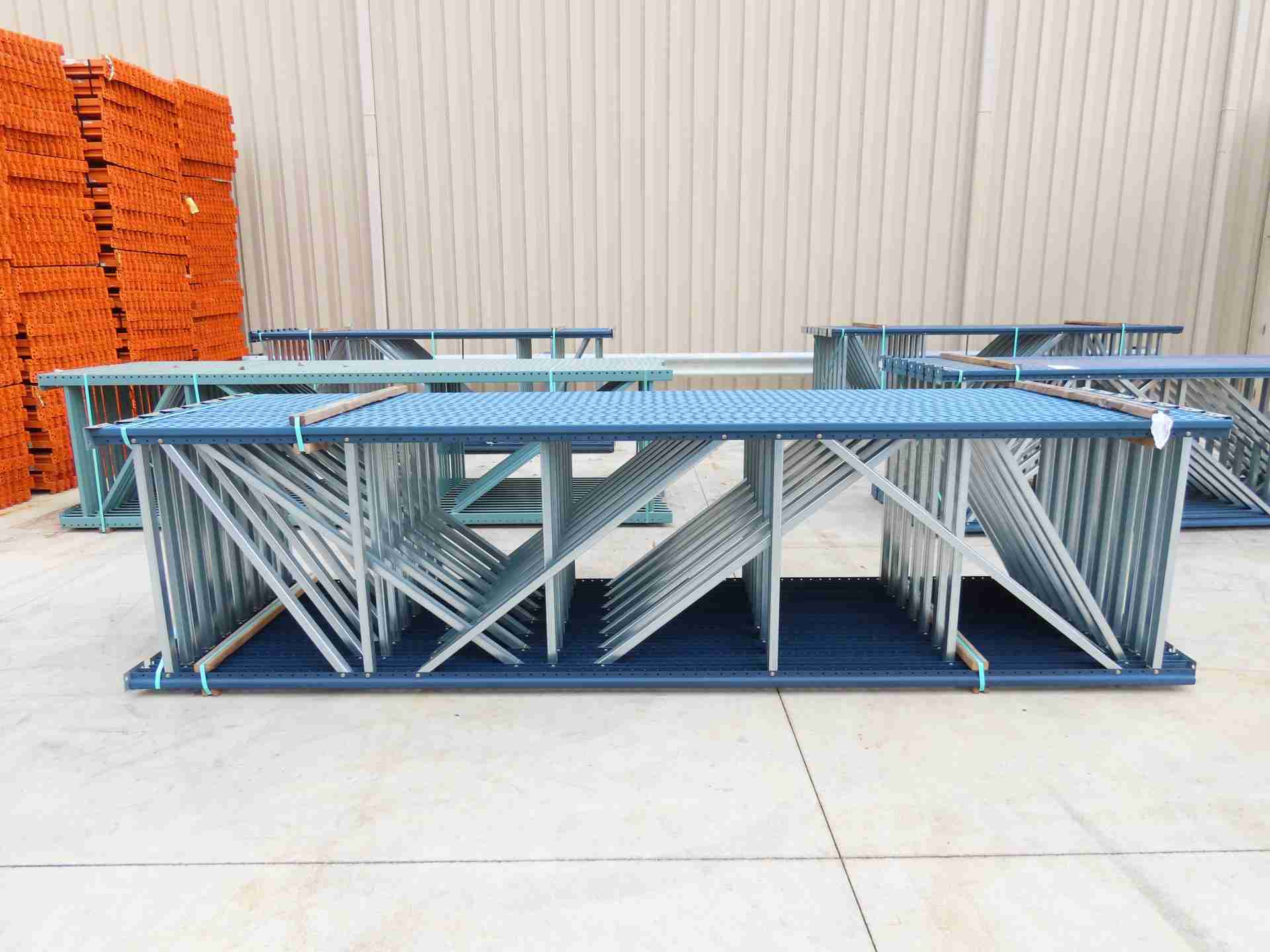
Are There OSHA Rack Capacity Labeling Requirements?
Are There OSHA Warehouse Storage Regulations?
When it comes to warehouse storage regulations, staying compliant with OSHA standards is crucial for the safety of your employees and the success of your business. OSHA, or the Occupational Safety and Health Administration, sets guidelines and regulations for a variety of workplace environments, including warehouses.
One important aspect of OSHA regulations for warehouse storage is ensuring that all materials are properly stored and secured to prevent accidents and injuries. This includes using appropriate storage equipment such as pallet racks, shelving units, and storage containers. For example, pallet racks should be inspected regularly to ensure they are in good condition and can safely support the weight of the materials being stored on them.
Another key regulation from OSHA is the requirement for proper labeling of hazardous materials in the warehouse. All hazardous materials must be clearly labeled with the appropriate warning signs and symbols to alert employees to potential dangers. Failure to properly label hazardous materials can result in fines and penalties from OSHA, so it is crucial to stay compliant with these regulations.
In addition to storage equipment and labeling requirements, OSHA also sets regulations for the overall safety and cleanliness of the warehouse environment. This includes keeping aisles clear of obstructions, maintaining proper lighting and ventilation, and ensuring that fire exits are easily accessible in case of emergency. By following these regulations, you can create a safer and more productive work environment for your employees.
In light of recent events, such as the COVID-19 pandemic, OSHA has also issued guidelines for warehouse employers to protect their workers from exposure to the virus. This includes implementing social distancing measures, providing personal protective equipment (PPE), and increasing sanitation efforts in the warehouse. By following these guidelines, you can help prevent the spread of COVID-19 among your employees and keep your warehouse operating safely.
Overall, OSHA warehouse storage regulations are designed to protect the health and well-being of your employees while ensuring that your business operates in a safe and efficient manner. By staying informed about these regulations and implementing the necessary safety measures, you can create a secure work environment that benefits both your employees and your bottom line.

Are There OSHA Warehouse Storage Regulations?
Are There OSHA Warehouse Storage Regulations?
- Compliance with OSHA standards is crucial for warehouse safety and business success.
- Proper storage and securing of materials is essential to prevent accidents and injuries.
- Regulations include using appropriate storage equipment and regularly inspecting pallet racks.
- Hazardous materials must be clearly labeled to alert employees of potential dangers.
- OSHA sets regulations for safety, cleanliness, and accessibility in the warehouse environment.
- COVID-19 guidelines include social distancing, PPE, and increased sanitation efforts.
- Following OSHA regulations creates a safe work environment that benefits employees and businesses.

Are There OSHA Warehouse Storage Regulations?
Are There OSHA Pallet Rack Regulations?
When it comes to workplace safety, one area that often gets overlooked is pallet rack regulations set forth by OSHA. Many businesses may not be aware of the specific guidelines and requirements that OSHA has in place to ensure the safe storage and handling of pallet racks in warehouses and distribution centers.
One key regulation to be aware of is the requirement for regular inspections of pallet racks. According to OSHA guidelines, pallet racks should be inspected regularly to identify any potential hazards or structural damage that could lead to a collapse. These inspections should be conducted by qualified individuals who are trained to identify potential issues and make necessary repairs. By staying on top of these inspections, businesses can prevent accidents and injuries in the workplace.
Another important regulation to be aware of is the requirement for proper load capacity labeling on pallet racks. OSHA mandates that all pallet racks must have clear and visible load capacity labels that indicate the maximum weight that the rack can safely hold. This is crucial for preventing overloading, which can lead to rack failure and potentially catastrophic accidents.
In addition to these regulations, businesses should also be aware of OSHA guidelines regarding proper installation and maintenance of pallet racks. This includes ensuring that racks are properly anchored to the floor, and that they are regularly maintained to prevent corrosion and other structural issues.
Failure to comply with OSHA pallet rack regulations can have serious consequences for businesses. In the event of an accident or injury caused by non-compliance, businesses can face hefty fines and penalties, as well as damage to their reputation. By taking proactive steps to ensure compliance with OSHA regulations, businesses can protect their employees and their bottom line.
In light of recent events, such as the increase in online shopping and e-commerce activity, many businesses are experiencing a surge in warehouse and distribution center operations. With this increase in activity comes a greater need for businesses to prioritize safety and compliance with OSHA regulations, including those related to pallet racks.
Overall, staying informed about OSHA pallet rack regulations and taking proactive steps to ensure compliance is crucial for businesses looking to prioritize safety in the workplace. By investing in regular inspections, proper labeling, and maintenance of pallet racks, businesses can create a safe and efficient work environment for their employees while avoiding costly fines and penalties.

Are There OSHA Pallet Rack Regulations?
Are There OSHA Pallet Rack Regulations?
- Regular inspections of pallet racks are required by OSHA guidelines to identify potential hazards or structural damage.
- Inspections should be conducted by qualified individuals trained to identify issues and make necessary repairs.
- Pallet racks must have clear load capacity labels indicating the maximum weight they can safely hold to prevent overloading.
- Businesses should also ensure proper installation, maintenance, and anchoring of pallet racks to prevent accidents.
- Non-compliance with OSHA regulations can result in hefty fines, penalties, and damage to a business’s reputation.
- With the increase in warehouse operations, businesses need to prioritize safety and compliance regarding pallet racks.
- Investing in regular inspections, labeling, and maintenance of pallet racks can create a safe work environment while avoiding fines.

Are There OSHA Pallet Rack Regulations?
Are There OSHA Shelving Regulations?
When it comes to workplace safety and organization, it’s important to ensure that all shelving systems meet the necessary regulations set forth by OSHA. OSHA, or the Occupational Safety and Health Administration, is responsible for establishing and enforcing standards to ensure the safety and health of workers in the United States. This includes regulations for shelving systems in warehouses, industrial facilities, and other workplaces where shelving is used.
One of the key regulations that OSHA has in place for shelving systems is ensuring that they are properly installed and maintained to prevent accidents and injuries. This includes ensuring that shelving units are securely anchored to the floor or walls to prevent tipping or collapse, especially in areas where earthquakes or other natural disasters are common. Additionally, shelving systems must be able to support the weight of the materials stored on them without bending or buckling to prevent injuries from falling objects.
Another important regulation set forth by OSHA is ensuring that shelving systems are designed and constructed in a way that minimizes the risk of employees being injured while accessing or moving items on the shelves. This includes ensuring that shelves are at a safe height for employees to reach without straining or using stools or ladders, as well as ensuring that the aisles between shelves are wide enough for employees to move safely without tripping or being injured by moving equipment.
In addition to these basic regulations, OSHA also requires employers to regularly inspect and maintain their shelving systems to ensure they are in good working order and free from hazards. This includes checking for signs of wear and damage, as well as ensuring that shelves are not overloaded with materials. By following these regulations, employers can help protect their employees from injuries and maintain a safe and efficient workplace.
Overall, OSHA shelving regulations are an important aspect of workplace safety and organization that employers should take seriously. By ensuring that shelving systems meet these regulations, employers can help prevent accidents and injuries in the workplace, while also maintaining a productive and efficient work environment.
It is essential for employers to be aware of and compliant with OSHA shelving regulations to ensure the safety and well-being of their employees. By following these regulations, employers can protect their employees from harm and create a safe and productive work environment.

Are There OSHA Shelving Regulations?
Are There OSHA Shelving Regulations?
- OSHA regulations are essential for ensuring workplace safety and organization.
- Shelving systems must be properly installed and maintained to prevent accidents and injuries.
- Shelving units should be securely anchored to prevent tipping or collapse.
- Shelving systems need to support the weight of materials without bending or buckling.
- Shelving designs should minimize the risk of employee injuries while accessing or moving items.
- Employers must regularly inspect and maintain shelving systems to ensure they are hazard-free.
- Compliance with OSHA shelving regulations is crucial for creating a safe and productive work environment.

Are There OSHA Shelving Regulations?
What Is OSHA Requirements for Warehouse Racking?
Warehouse racking is a critical component of any warehouse operation, providing storage and organization for inventory and supplies. However, it’s important to ensure that your warehouse racking meets OSHA requirements to ensure the safety of your employees and comply with regulations.
OSHA (Occupational Safety and Health Administration) has specific standards in place to regulate the design, construction, installation, and maintenance of warehouse racking systems. These standards are intended to prevent accidents and injuries that can occur due to the improper installation or use of racking systems.
One key requirement is that warehouse racking must be able to support the loads it is designed to hold. This means that the racking system must be designed and installed in such a way that it can safely store the weight of the items it is intended to hold. Failure to meet this requirement can result in the collapse of the racking system, potentially causing serious injuries or even fatalities.
In addition to load capacity, OSHA also specifies requirements for the inspection and maintenance of warehouse racking systems. Regular inspections are necessary to ensure that the racking is in good condition and free from damage that could compromise its structural integrity. Any damage or deterioration must be promptly repaired to prevent accidents.
Furthermore, OSHA requires that warehouse racking systems be properly installed and anchored to the floor. This is essential to prevent the racking from tipping over, which can pose a serious safety hazard in the warehouse. Proper installation and anchoring are critical to ensuring the stability of the racking system and preventing accidents.
Failure to comply with OSHA requirements for warehouse racking can result in costly fines and penalties for your business. In addition, it can also pose a risk to the safety of your employees, potentially leading to serious injuries or even fatalities. It’s important to take the necessary steps to ensure that your warehouse racking meets OSHA standards to protect both your business and your employees.
By investing in high-quality warehouse racking systems that meet OSHA requirements, you can ensure the safety of your employees and the efficiency of your warehouse operations. Taking the time to properly design, install, and maintain your racking systems will not only help you comply with regulations but also create a safer and more productive work environment for your team.
OSHA requirements for warehouse racking are essential for ensuring the safety of your employees and complying with regulations. By meeting these requirements, you can protect your business from fines and penalties while creating a safe and efficient work environment for your team.

What Is OSHA Requirements for Warehouse Racking?
What Is OSHA Requirements for Warehouse Racking?
- Warehouse racking is critical for storage and organization in warehouses.
- OSHA has specific standards for design, construction, installation, and maintenance of racking.
- Racking must be able to support intended loads to prevent accidents.
- Regular inspections and maintenance are required by OSHA.
- Racking systems must be properly installed and anchored to the floor.
- Non-compliance with OSHA requirements can result in fines and safety risks.
- Investing in high-quality racking systems that meet OSHA standards is crucial for safety and efficiency.

What Is OSHA Requirements for Warehouse Racking?
Are There OSHA Requirements for Warehouse Racking?
When it comes to running a warehouse, safety should always be a top priority. One area that often gets overlooked when it comes to safety regulations is warehouse racking. Many warehouse managers may not be aware of the specific OSHA requirements for warehouse racking, but it is crucial to understand and comply with these regulations to ensure a safe working environment for your employees.
OSHA (Occupational Safety and Health Administration) has strict guidelines in place to ensure the safety of workers when it comes to warehouse racking. These guidelines cover everything from the installation of racking systems to the inspection and maintenance of these systems.
One important requirement is that warehouse racking systems must be properly installed and maintained to prevent accidents and injuries. This includes ensuring that racks are securely anchored to the floor and are capable of supporting the weight of the items stored on them. Failure to comply with these requirements can result in serious accidents, injuries, and even fatalities.
In addition, OSHA also requires regular inspections of warehouse racking systems to identify any potential hazards or issues that could compromise the safety of workers. These inspections should be conducted by qualified personnel who are trained to identify problems with racking systems and make any necessary repairs or adjustments.
For example, in 2020, OSHA issued citations to a warehouse in Ohio after an inspection revealed numerous safety violations, including improperly installed and maintained racking systems. These violations not only put workers at risk of injury but also resulted in hefty fines for the company.
To avoid facing similar consequences, warehouse managers should make it a priority to stay up to date on the latest OSHA requirements for warehouse racking and ensure that their systems are in compliance. This not only helps to protect the safety of employees but also reduces the risk of costly fines and penalties for non-compliance.
By investing in proper installation, maintenance, and inspections of warehouse racking systems, you can create a safer work environment for your employees and minimize the risk of accidents and injuries. Ultimately, compliance with OSHA requirements for warehouse racking is not just a matter of legal obligation – it is a crucial step in ensuring the well-being of your workforce and the success of your business.

Are There OSHA Requirements for Warehouse Racking?
Are There OSHA Requirements for Warehouse Racking?
- Safety should always be a top priority in warehouse operations.
- OSHA has strict guidelines for warehouse racking safety.
- Racking systems must be properly installed and maintained.
- Regular inspections are required to identify hazards.
- Violations can result in serious accidents, injuries, and fines.
- Staying up to date on OSHA requirements is crucial.
- Proper installation and maintenance create a safer work environment.

Are There OSHA Requirements for Warehouse Racking?
Are There OSHA Stacking Height Limits?
When it comes to warehouse safety regulations, one key aspect that often gets overlooked is the stacking height for pallets. Many businesses may not be aware that OSHA does indeed have specific guidelines when it comes to how high pallets can be stacked in a warehouse setting.
According to OSHA regulations, there are certain stacking height limits that must be adhered to in order to ensure the safety of workers and prevent potential accidents. These limits are in place to prevent pallets from collapsing and causing serious injuries or damage to products.
For example, OSHA guidelines state that when pallets are stacked, they should not exceed a certain height based on the weight and stability of the products being stored. This means that businesses must carefully consider the weight and size of the items being stacked to determine the appropriate stacking height.
To put this into perspective, let’s consider a recent incident where a warehouse in Illinois experienced a pallet collapse due to exceeding the stacking height limit. This resulted in multiple injuries and significant damage to the products being stored. Had the business followed OSHA guidelines for stacking height limits, this incident could have been prevented.
In order to avoid potential accidents and costly mistakes, businesses must take the time to educate their employees on OSHA stacking height limits and ensure that proper procedures are followed. This includes providing training on how to safely stack pallets, as well as regularly inspecting pallets to ensure they are stacked correctly.
By following OSHA guidelines for stacking height limits, businesses can not only protect the safety of their workers but also avoid potential fines and penalties for non-compliance. It is crucial for businesses to prioritize safety in the warehouse setting and ensure that all employees are aware of the importance of following OSHA regulations.
OSHA stacking height limits are not just a suggestion – they are a crucial aspect of warehouse safety that all businesses must adhere to. By taking the time to understand and implement these guidelines, businesses can create a safer work environment for their employees and prevent potential accidents. Don’t wait until it’s too late – make sure your stacking heights are in compliance with OSHA regulations today.

Are There OSHA Stacking Height Limits?
Are There OSHA Stacking Height Limits?
- Warehouse safety regulations often overlook stacking height for pallets.
- OSHA has specific guidelines for how high pallets can be stacked.
- Stacking height limits are in place to prevent accidents and injuries.
- Businesses must consider weight and stability when determining stacking height.
- Failure to adhere to stacking height limits can result in injuries and product damage.
- Educating employees on OSHA guidelines is crucial for safety in the warehouse.
- Compliance with OSHA stacking height limits is essential for avoiding fines and penalties.

Are There OSHA Stacking Height Limits?
Are There OSHA Storage Rack Inspection Checklists?
When it comes to warehouse safety, OSHA compliance is crucial. One area that often gets overlooked is storage rack inspections. Properly maintained storage racks can prevent costly accidents and injuries in the workplace. To ensure your storage racks are up to code, it’s important to conduct regular inspections.
But what exactly should you be looking for when inspecting your storage racks? Are there specific OSHA storage rack inspection checklists you can follow?
While OSHA does not have a specific checklist for storage rack inspections, they do have guidelines and regulations that can help you ensure your racks are safe and compliant. These guidelines outline requirements for the design, installation, and maintenance of storage racks to help prevent accidents and protect workers.
When conducting a storage rack inspection, here are some key areas to focus on:
1. Load capacity: Make sure your storage racks are not overloaded and can support the weight of the items stored on them. Exceeding the load capacity can lead to rack failure and potentially serious injuries.
2. Rack clearance: Ensure there is enough space between racks for easy access and proper ventilation. This can help prevent accidents and reduce the risk of fire hazards.
3. Rack stability: Check for any signs of damage or instability in the racks, such as bent or corroded frames, loose bolts, or missing braces. These issues should be addressed immediately to prevent accidents.
4. Floor conditions: Inspect the floor under the storage racks to ensure it is level and free of debris. Uneven floors can cause racks to become unstable and increase the risk of collapse.
5. Documentation: Keep detailed records of your storage rack inspections, including any issues identified and actions taken to address them. This documentation can help demonstrate your compliance with OSHA regulations in case of an inspection.
By following these guidelines and conducting regular inspections, you can ensure your storage racks are safe and compliant with OSHA regulations. Protecting your workers and preventing accidents should always be a top priority in any warehouse setting.
While there may not be a specific OSHA storage rack inspection checklist, there are guidelines and best practices you can follow to ensure the safety of your storage racks. Don’t wait until it’s too late – start inspecting your storage racks today to prevent accidents and protect your workers.

Are There OSHA Storage Rack Inspection Checklists?
Are There OSHA Storage Rack Inspection Checklists?
- Properly maintained storage racks can prevent accidents and injuries in the workplace.
- Regular inspections are important to ensure storage racks are up to code.
- While OSHA does not have a specific checklist for storage rack inspections, they provide guidelines for safety and compliance.
- Key areas to focus on during a storage rack inspection include load capacity, rack clearance, rack stability, floor conditions, and documentation.
- Documentation of inspections is important for demonstrating compliance with OSHA regulations.
- Following guidelines and conducting regular inspections can help ensure storage racks are safe and compliant.
- Start inspecting storage racks today to prevent accidents and protect workers.

Are There OSHA Storage Rack Inspection Checklists?
Are There OSHA Requirements for Storage Racks?
When it comes to warehouse safety, one of the most important factors to consider is the storage racks. These racks are essential for keeping your inventory organized and accessible, but they can also pose a serious risk if not properly installed and maintained. That’s why it’s crucial to understand the Occupational Safety and Health Administration (OSHA) requirements for storage racks.
OSHA does not have specific regulations that are solely dedicated to storage racks, but they do have general guidelines that apply to the safe use of this equipment. According to OSHA’s General Duty Clause, employers are responsible for providing a workplace that is free from recognized hazards that could cause serious harm or death. This includes ensuring that storage racks are properly installed, inspected, and maintained to prevent accidents.
One key requirement from OSHA is that storage racks must be able to support the weight of the products stored on them. This means that racks must be designed and installed according to the manufacturer’s specifications, and regular inspections should be conducted to ensure that they remain in good condition. Failure to follow these guidelines could result in collapsed racks, damaged inventory, and even injuries to employees.
For example, in a recent incident in a warehouse in California, a storage rack collapsed due to overloading. Several employees were injured, and the company faced hefty fines for violating OSHA regulations. This serves as a stark reminder of the importance of following proper safety protocols when it comes to storage racks.
In addition to weight capacity, OSHA also requires that aisles between storage racks be clear and unobstructed to allow for safe movement of employees and equipment. This entails regular housekeeping measures to remove debris and ensure that emergency exits are accessible at all times.
To ensure compliance with OSHA requirements for storage racks, it is imperative for employers to invest in proper training for employees who handle and manage these racks. This training should cover topics such as load capacity, inspection procedures, and safe stacking techniques.
By taking the time to understand and implement OSHA requirements for storage racks, employers can create a safe and efficient work environment for their employees. Not only does this protect workers from harm, but it also helps companies avoid costly fines and legal repercussions. So remember, when it comes to storage racks, safety always comes first.

Are There OSHA Requirements for Storage Racks?
Are There OSHA Requirements for Storage Racks?
- Storage racks are crucial for warehouse organization and accessibility.
- OSHA guidelines emphasize proper installation and maintenance of storage racks.
- Racks must support the weight of stored products and be regularly inspected.
- Failure to follow OSHA guidelines can result in collapsed racks and injuries.
- Aisles between racks must be clear for safe employee movement.
- Employers should provide training on load capacity and safety protocols for rack management.
- Compliance with OSHA requirements ensures a safe work environment and avoids penalties.

Are There OSHA Requirements for Storage Racks?
Are There OSHA Storage Rack Load Capacity Requirements?
When it comes to storage rack load capacity requirements, many businesses may be unaware of the strict guidelines set forth by the Occupational Safety and Health Administration (OSHA). Failure to adhere to these regulations can result in fines, damages to inventory and equipment, and even injury or death to employees.
It is crucial for companies to understand that OSHA has specific load capacity requirements for storage racks to ensure the safety of workers and the integrity of the workplace. These regulations dictate the maximum weight that a rack can safely hold, taking into account factors such as the type of material being stored, the design of the rack, and the spacing between shelves. Failure to comply with these standards can have serious consequences.
For example, in a recent case in New Jersey, a warehouse experienced a catastrophic rack collapse due to overloading. The company was found to be in violation of OSHA regulations for exceeding the load capacity of their racks, resulting in significant damage to their inventory and equipment. This incident not only led to costly fines and repairs but also put the lives of their employees at risk.
To avoid similar disasters, businesses must ensure that they are in compliance with OSHA storage rack load capacity requirements. This includes conducting regular inspections of racks to check for signs of damage or overloading, properly labeling weight limits on shelves, and training employees on safe loading practices. By following these guidelines, companies can create a safer work environment and protect themselves from potential liabilities.
In addition to the legal and safety implications of non-compliance, businesses should also consider the impact on their reputation. In today’s interconnected world, news of safety violations can spread quickly through social media and tarnish a company’s image. By prioritizing compliance with OSHA regulations, businesses can demonstrate their commitment to the well-being of their employees and customers, building trust and loyalty in the process.
OOSHA storage rack load capacity requirements are not to be taken lightly. Businesses must prioritize safety and compliance in order to protect their employees, assets, and reputation. By following these guidelines and investing in proper training and maintenance, companies can create a secure and efficient workplace that benefits everyone involved.

Are There OSHA Storage Rack Load Capacity Requirements?
Are There OSHA Storage Rack Load Capacity Requirements?
- OSHA has specific load capacity requirements for storage racks to ensure worker safety and workplace integrity.
- Regulations dictate maximum weight, taking into account material type, rack design, and shelf spacing.
- Non-compliance can result in fines, damages, and even injury or death to employees.
- A recent case in New Jersey saw a costly rack collapse due to overloading.
- Businesses must conduct regular inspections, label weight limits, and train employees on safe loading practices.
- Non-compliance can damage a company’s reputation and lead to legal consequences.
- Prioritizing safety and compliance with OSHA regulations is crucial for creating a secure and efficient workplace.

Are There OSHA Storage Rack Load Capacity Requirements?
Conclusion
In conclusion, OSHA regulations for warehouse racking are not to be taken lightly. In order to protect your employees, your inventory, and your bottom line, it is crucial to ensure that your racking systems are in compliance with these guidelines. By adhering to OSHA requirements for storage racks, businesses can create a safe and efficient work environment that minimizes the risk of accidents, injuries, fines, and penalties. Regular inspections, proper installation, and maintenance of storage racks are essential steps to ensure compliance and prevent potential hazards in the workplace. Don’t wait until it’s too late – prioritize safety and compliance in your warehouse operations today. For more information and guidance on OSHA racking regulations, contact Arrow Industrial Sales at (574) 349-6575. Take action now to protect your employees and your business from costly consequences – your safety and success depend on it.

Conclusion
Conclusion:
- In conclusion, OSHA regulations for warehouse racking are not to be taken lightly.
- It is crucial to ensure that your racking systems are in compliance with these guidelines to protect your employees, inventory, and bottom line.
- Adhering to OSHA requirements for storage racks creates a safe and efficient work environment, minimizing the risk of accidents, injuries, fines, and penalties.
- Regular inspections, proper installation, and maintenance of storage racks are essential for compliance and preventing workplace hazards.
- Don’t wait until it’s too late – prioritize safety and compliance in your warehouse operations today.
- For more information and guidance on OSHA racking regulations, contact Arrow Industrial Sales at (574) 349-6575.
- Take action now to protect your employees and business from costly consequences – your safety and success depend on it.

Conclusion
Other Resources

Other Resources
Here is a list of other resources you can review online to learn more:
- “Occupational Safety and Health Administration”
- “OSHA: Occupational Safety and Health Administration”
- “Warehouse Racking Safety Guidelines: Satisfying OSHA”
- “Occupational Safety and Health Administration (OSHA)”
- “Warehousing – Know the Law | Occupational Safety and …”
- “Achieving OSHA Certification for Your Warehouse”
- “Occupational Safety and Health Regulations 2009”

Other Resources
Glossary Terms
Are There OSHA Racking Regulations? – Glossary Of Terms
Glossary of Terms for OSHA Racking Regulations
1. OSHA (Occupational Safety and Health Administration) : A governmental agency responsible for ensuring safe and healthy working conditions by enforcing standards and providing workplace safety training.
2. Racking : A system of shelves used for storage in warehouses and industrial environments, designed to optimize space and efficiency.
3. Standards : A set of guidelines or criteria used to ensure products, services, and systems are safe, reliable, and consistently perform as intended.
4. ANSI (American National Standards Institute) : A private non-profit organization that oversees the development of voluntary consensus standards for products, services, and systems in the United States.
5. NFPA (National Fire Protection Association) : A global nonprofit organization that provides standards and codes for fire safety and prevention.
6. Load Capacity : The maximum weight that a racking system can safely support without risk of failure.
7. Material Handling : The movement, protection, storage, and control of materials and products throughout manufacturing, warehousing, distribution, consumption, and disposal.
8. Pallet Racking : A type of racking system specifically designed for the storage of pallet-mounted goods.
9. Safety Inspections : Regular checks conducted to ensure that racking systems are in good condition and comply with safety standards.
10. Fall Protection : Systems and practices implemented to prevent falls from heights, such as guardrails and safety harnesses.
11. Ergonomics : The study of how people interact with their work environment, aimed at improving safety and efficiency.
12. Personal Protective Equipment (PPE) : Equipment worn to minimize exposure to hazards that can cause injuries or illnesses, such as gloves, helmets, and safety glasses.
13. Hazard Assessment : The process of identifying, evaluating, and controlling risks in the workplace.
14. Mechanical Lifting Devices : Equipment such as forklifts and cranes used to move heavy loads safely and efficiently.
15. Structural Integrity : The soundness and durability of a structure, ensuring it can support loads and cope with expected usage.
16. Anchor Points : The secure points where racking systems are fixed to the floor or wall to prevent tipping or collapsing.
17. Training : Instruction and practice in procedures and safety measures to ensure workers can perform tasks safely and efficiently.
18. Proper Labeling : The practice of clearly marking racking systems with critical information such as load limits and hazard warnings.
19. Warehouse Layout : The design and arrangement of storage areas, aisles, and passages to optimize space, safety, and workflow.
20. Compliance : Adhering to laws, regulations, and standards set by regulatory bodies such as OSHA.
21. Safety Barriers : Physical barriers used to protect workers from racking systems or machinery.
22. Risk Mitigation : Strategies and practices used to minimize potential hazards in the workplace.
23. Emergency Action Plan : A set of procedures to follow in the event of a workplace emergency such as a fire, chemical spill, or natural disaster.
24. Maintenance : Regular checks and repairs performed to ensure that racking systems remain safe and functional.
25. Inspection Checklist : A detailed form used during safety inspections to ensure all aspects of the racking systems are examined.
26. Load Distribution : The even placement of weight on racking systems to prevent overloading any particular section.
27. Warehouse Management System (WMS) : A software application that helps control and manage the day-to-day operations in a warehouse.
28. Space Utilization : The effective and efficient use of available space within a warehouse or storage facility.
29. Statutory Requirements : Legal obligations set by governmental bodies that must be met by businesses and organizations.
30. Worker Rights : Protections and entitlements provided to workers to ensure safe and fair working conditions.
Each term is essential for understanding the comprehensive landscape of OSHA racking regulations and their importance in maintaining a safe workplace.

Glossary Of Terms
Other Questions
Are There OSHA Racking Regulations? – Other Questions
If you wish to explore and discover more, consider looking for answers to these questions:
- What specific OSHA guidelines apply to warehouse racking systems?
- How can businesses ensure their racking systems are OSHA compliant?
- What training is required for employees regarding racking systems according to OSHA?
- What incidents can result from non-compliance with OSHA racking regulations?
- What routine maintenance and inspection procedures are recommended to stay compliant?
- How often should warehouse racking systems be inspected?
- What steps should be taken if a racking system is suspected to be non-compliant?
- Are there specific guidelines or best practices for stacking materials on racks?
- Can failing to meet OSHA racking regulations lead to fines or penalties?
- What anchoring methods are recommended for pallet racks according to OSHA?
- What are the general OSHA requirements for warehouse storage racks?
- Are there specific OSHA requirements for pallet racking systems?
- Does OSHA require specific capacity labeling for storage racks?
- Are there OSHA requirements for shelving systems in warehouses that differ from racking systems?
- Does OSHA have regulations for pallet racks related to load capacity and stability?
- What should businesses document as part of their inspection and maintenance records for racks?
- Are there OSHA regulations specifically focused on the overall safety of warehouse environments?
- What are OSHA’s recommendations for the safe handling and transport of materials in warehouses?
- What are the legal and financial consequences of non-compliance with OSHA’s racking regulations?
- How do recent events and trends (e.g., increased e-commerce activity) highlight the importance of complying with OSHA regulations?

Other Questions
Checklist
Are There OSHA Racking Regulations? – A Checklist
Installation and Maintenance
_____ Ensure racking systems are properly installed according to manufacturer’s specifications.
_____ Anchor racking securely to the floor to prevent tipping.
_____ Regularly inspect racks for signs of damage, rust, or corrosion.
_____ Repair any damaged components immediately to prevent accidents.
Load Capacity
_____ Verify that all racks are designed to support the intended load.
_____ Check and adhere to manufacturer’s guidelines for maximum weight capacities.
_____ Clearly label racks with their load capacities.
Safety Measures
_____ Equip racking systems with appropriate safety features such as guardrails and rack protectors.
_____ Mark aisles clearly to ensure safe navigation around the racks.
_____ Ensure that racks are not overloaded and that weight is evenly distributed.
Employee Training
_____ Provide proper training on how to stack and unstack pallets safely.
_____ Train employees to identify potential hazards and report any issues with the racking system.
_____ Ensure employees are trained to operate forklifts and other equipment safely around racking systems.
Regular Inspections
_____ Conduct routine checks to ensure compliance with OSHA regulations.
_____ Inspect racks after any incidents that could affect their structural integrity (e. g. , forklift collisions, seismic activity).
_____ Document all inspections and maintenance activities.
Reporting and Compliance
_____ Ensure employees know how to report any concerns about racking safety.
_____ Keep detailed records of all safety inspections and any corrective actions taken.
_____ Stay updated on OSHA regulations and guidelines related to warehouse racking and storage.
Additional Safety Considerations
_____ Utilize tools like pallets or shelving dividers to maintain an organized workspace.
_____ Implement safety barriers or guards to prevent items from falling off racks.
_____ Ensure that hazardous materials are appropriately labeled and stored.
Pallet Rack Anchoring
_____ Use appropriate anchoring methods such as anchor bolts or seismic bracing kits.
_____ Regularly check the anchoring to ensure it remains secure.
OSHA Compliance
_____ Familiarize yourself with OSHA’s General Duty Clause and other relevant standards.
_____ Conduct assessments of the racking system’s capacity and safety by a qualified professional.
_____ Implement any recommendations from these assessments promptly.
By following this checklist, you can help ensure a safe and compliant work environment, protect your employees from potential accidents, and avoid costly fines and penalties. Always prioritize safety and stay informed about the latest OSHA guidelines.

Checklist
At RackingWorld, we help guide you through selecting warehouse storage systems and racking.
Be sure to read our other related stories at RackingWorld to learn more about warehouse storage systems.
0 Comments