
Maximizing Efficiency and Budget: Pallet Racking Cost Breakdown
By Tom Seest
At RackingWorld, we help guide you through selecting warehouse storage systems and racking.
Be sure to read our other related stories at RackingWorld to learn more about warehouse storage systems.
What Are Costs Associated with Different Pallet Racking Systems?
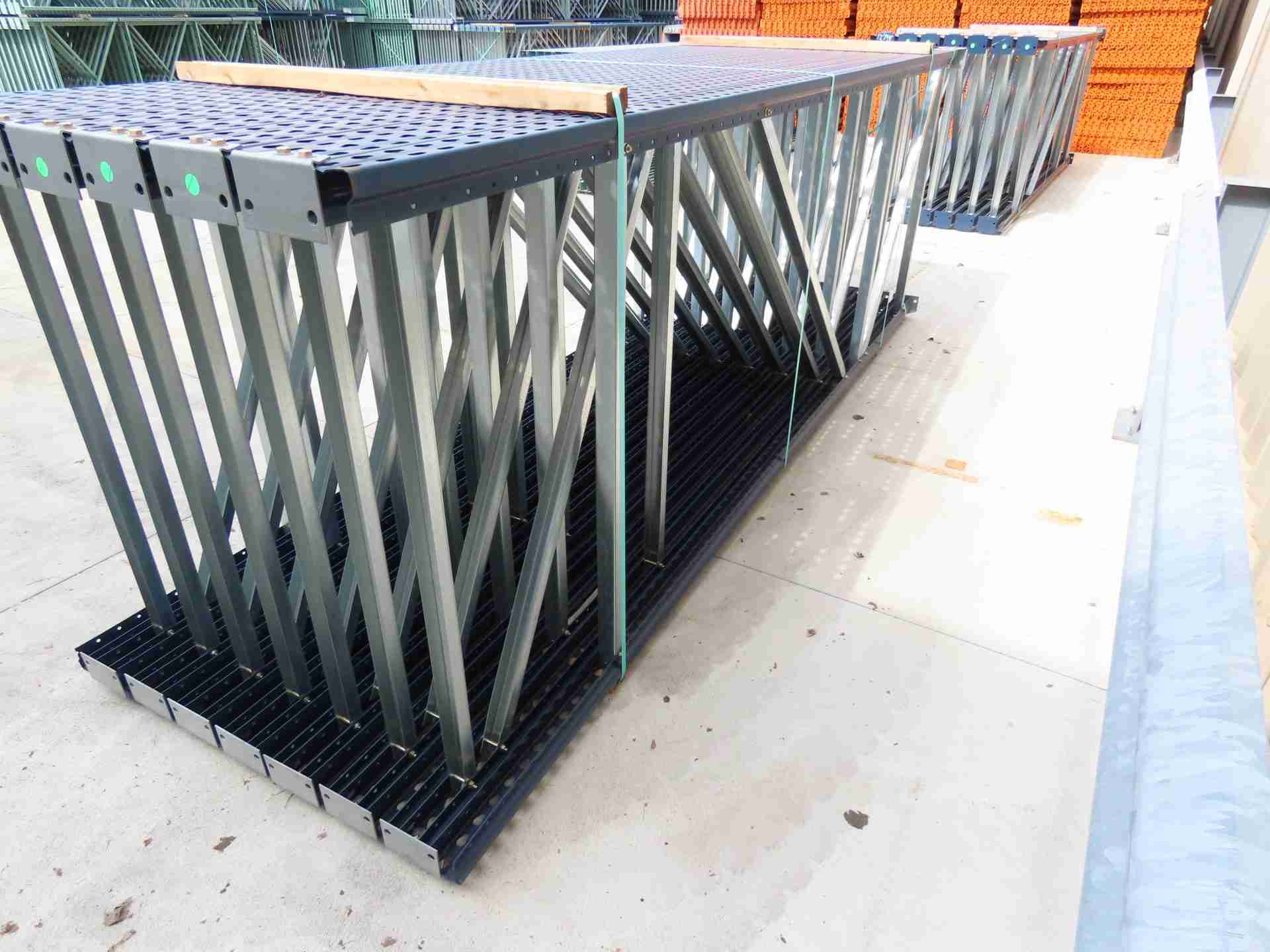
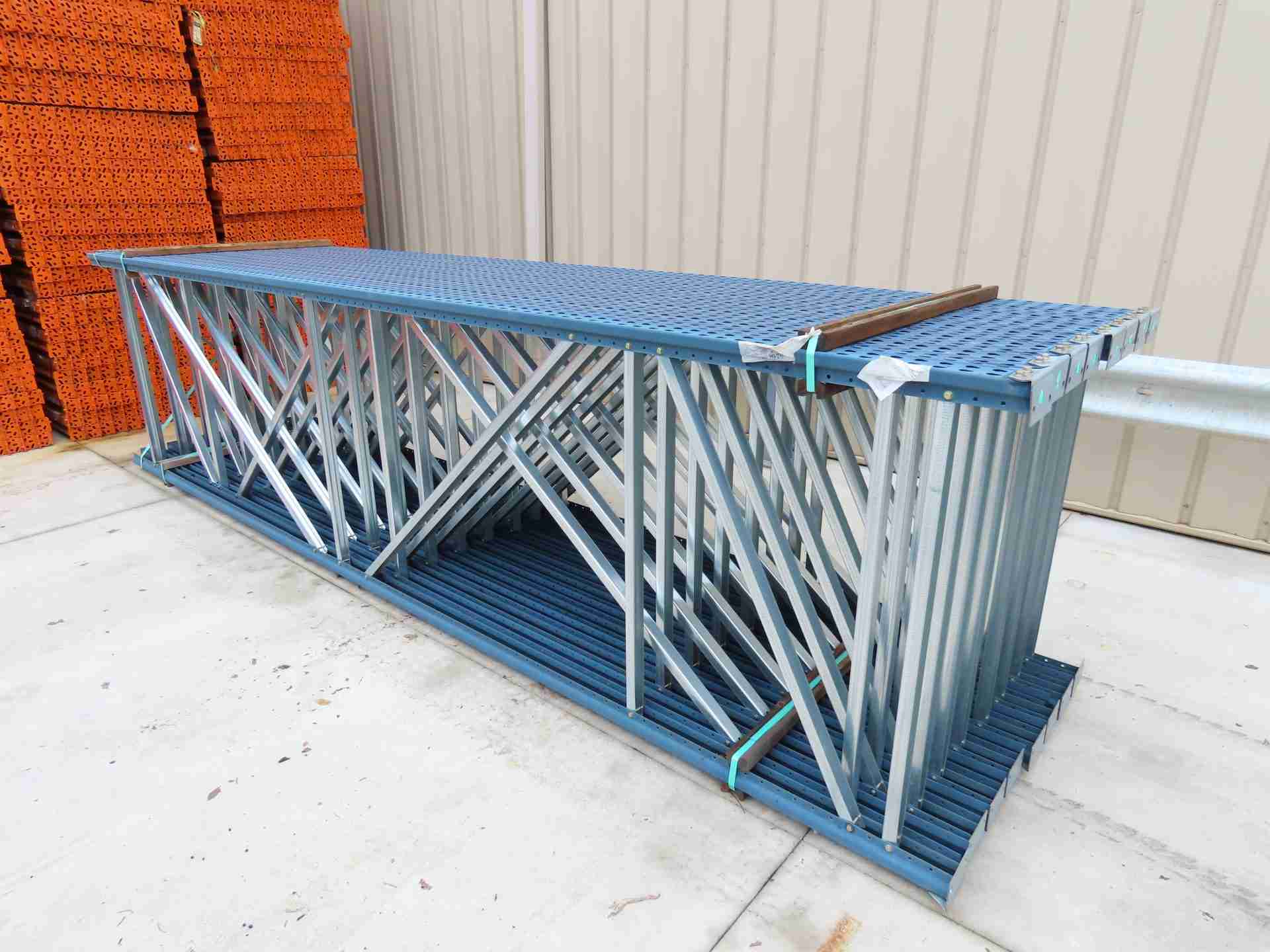
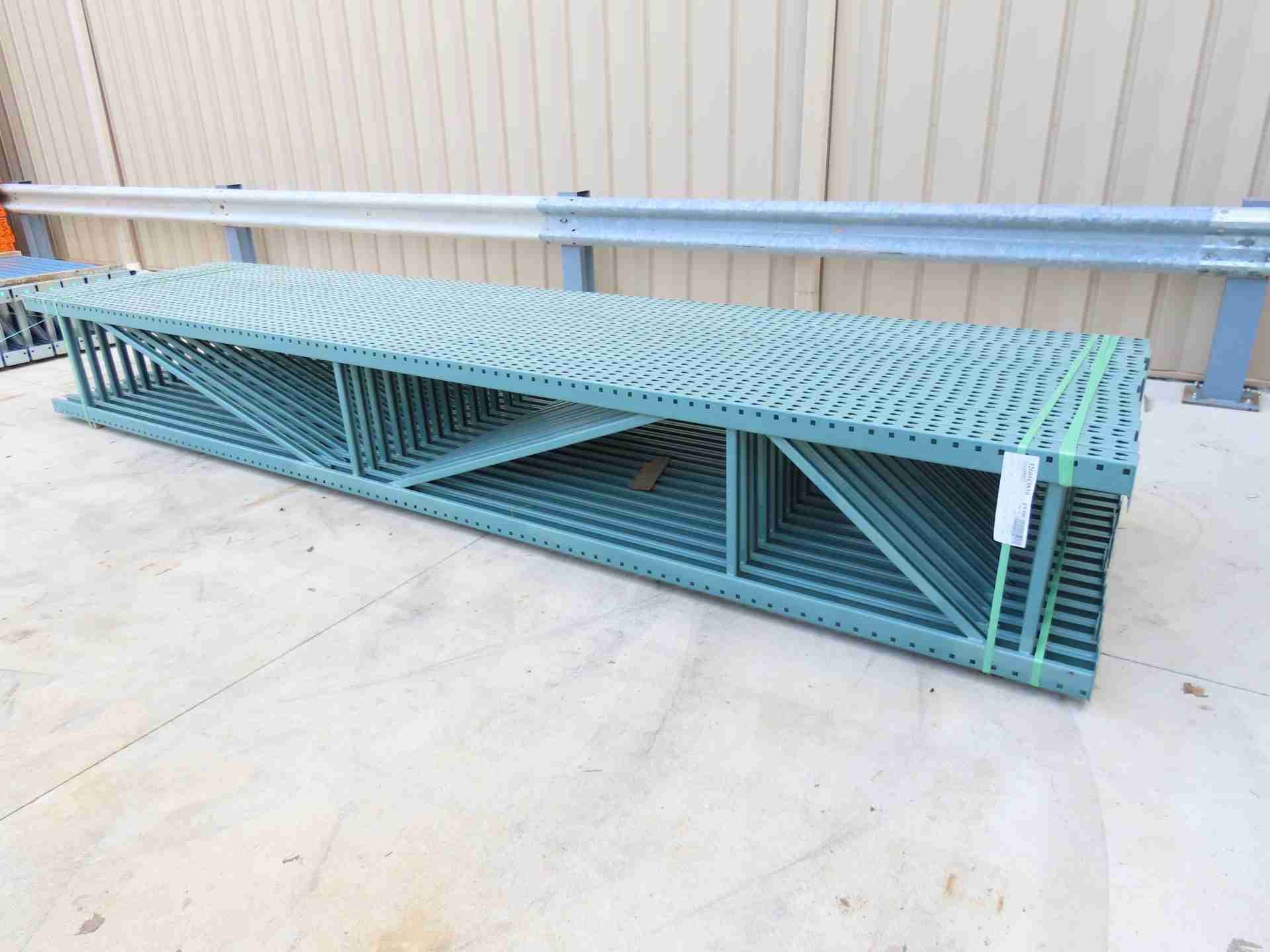
When it comes to choosing the right pallet racking system for your warehouse, there are a variety of factors to consider – not least of which is cost. Different pallet racking systems come with different price tags, and it’s important to weigh the costs against the benefits to determine which system is right for your needs.
One of the most common types of pallet racking systems is selective pallet racking. This system allows for easy access to individual pallets and is a good option for warehouses that need to move and rotate inventory quickly. However, the cost of selective pallet racking can vary depending on the size and configuration of your warehouse. Typically, selective pallet racking is one of the more affordable options, making it a popular choice for many businesses.
Another popular option is drive-in pallet racking. This system allows for high-density storage by eliminating aisles and allowing forklifts to drive directly into the racking to access pallets. While this can maximize storage space, drive-in pallet racking tends to be more expensive than selective pallet racking due to the added complexity of the system. However, the higher cost may be justified for businesses with limited space looking to maximize their storage capacity.
For businesses with a large volume of the same product, push-back pallet racking may be a good option. This system allows for the deep storage of multiple pallets and is ideal for warehouses that need to store large quantities of the same item. The cost of push-back pallet racking can vary depending on the size and configuration of your warehouse, but it is generally more expensive than selective pallet racking due to the added features and functionality of the system.
If you have specialized storage needs, such as temperature-controlled storage or seismic protection, you may need to consider a more custom pallet racking system. These systems are designed to meet specific requirements and can be more expensive than standard pallet racking systems. However, the added features and benefits of a custom system may be worth the investment for businesses with specialized needs.
Ultimately, the cost of a pallet racking system will depend on a variety of factors, including the size and configuration of your warehouse, the type of products you store, and any special requirements you may have. By carefully considering your needs and budget, you can choose the right pallet racking system for your business.
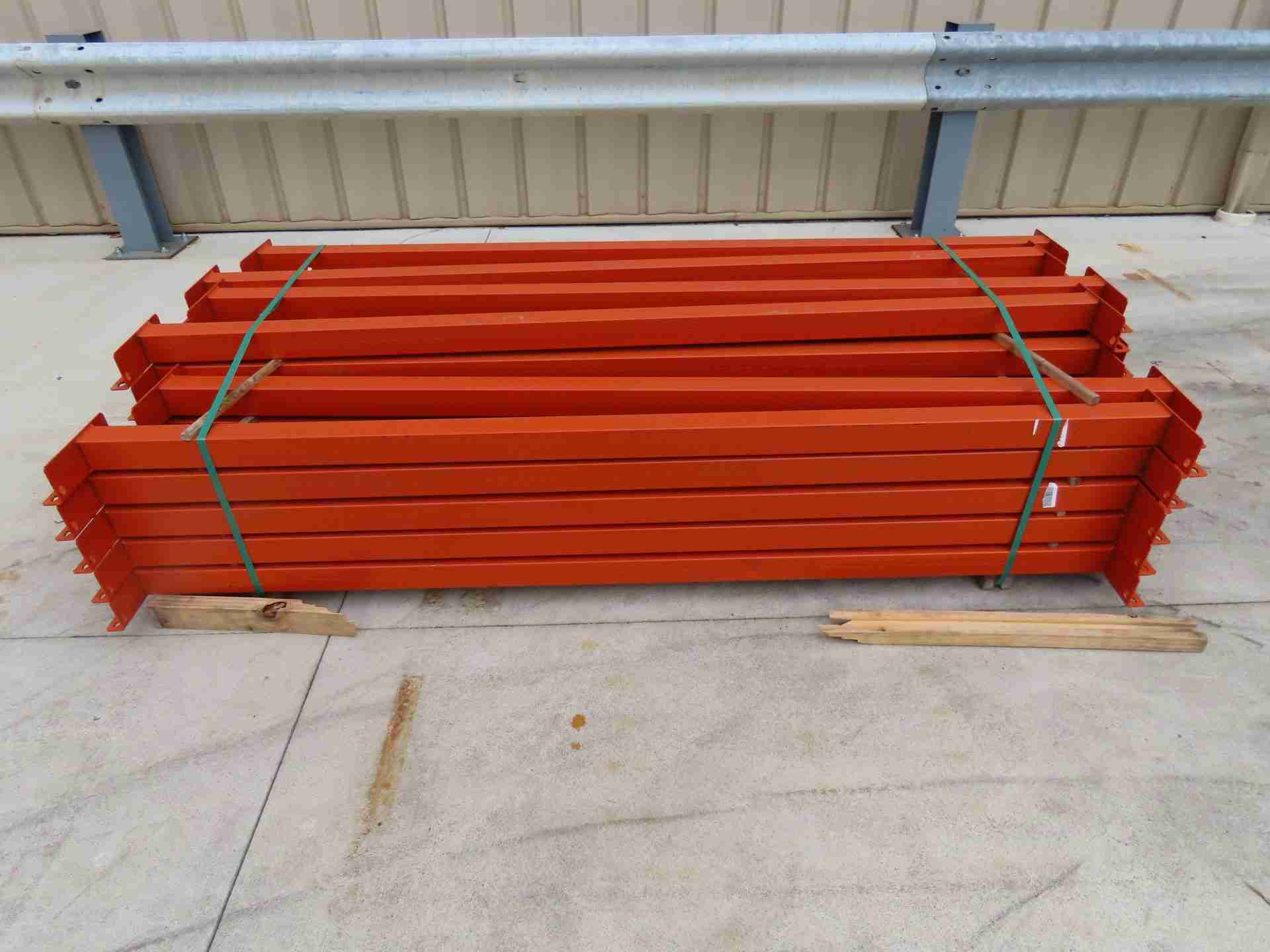
What Are Costs Associated with Different Pallet Racking Systems?
What Are Costs Associated with Different Pallet Racking Systems?
- Consider cost when choosing pallet racking system.
- Selective pallet racking is affordable and allows easy access to individual pallets.
- Drive-in pallet racking maximizes storage space but tends to be more expensive.
- Push back pallet racking is good for storing large quantities of the same product.
- Custom pallet racking systems are more expensive but offer specialized features like temperature control.
- Cost depends on warehouse size, product type, and specific requirements.
- Choose the right pallet racking system by carefully considering needs and budget.
What Are Costs Associated with Different Pallet Racking Systems?
Table Of Contents
- What Are Costs Associated with Different Pallet Racking Systems?
- What Are The Initial Costs Of Purchasing Pallet Racking Systems?
- How Do Installation Costs Vary Between Different Racking Systems?
- Are There Ongoing Maintenance Costs For Pallet Racking Systems?
- What Are The Energy Costs Associated With Different Racking Options?
- Do Certain Racking Systems Impact Labor Costs More Than Others?
- How Do Insurance Costs Differ Depending On The Type Of Racking Used?
- Are There Any Hidden Costs Associated With Specific Racking Systems?
- Conclusion
- Other Resources
- Glossary Of Terms
- Other Questions
- Checklist
What Are The Initial Costs Of Purchasing Pallet Racking Systems?
When considering purchasing pallet racking systems, it’s important to understand the initial costs involved in acquiring these essential pieces of equipment for your warehouse or storage facility.
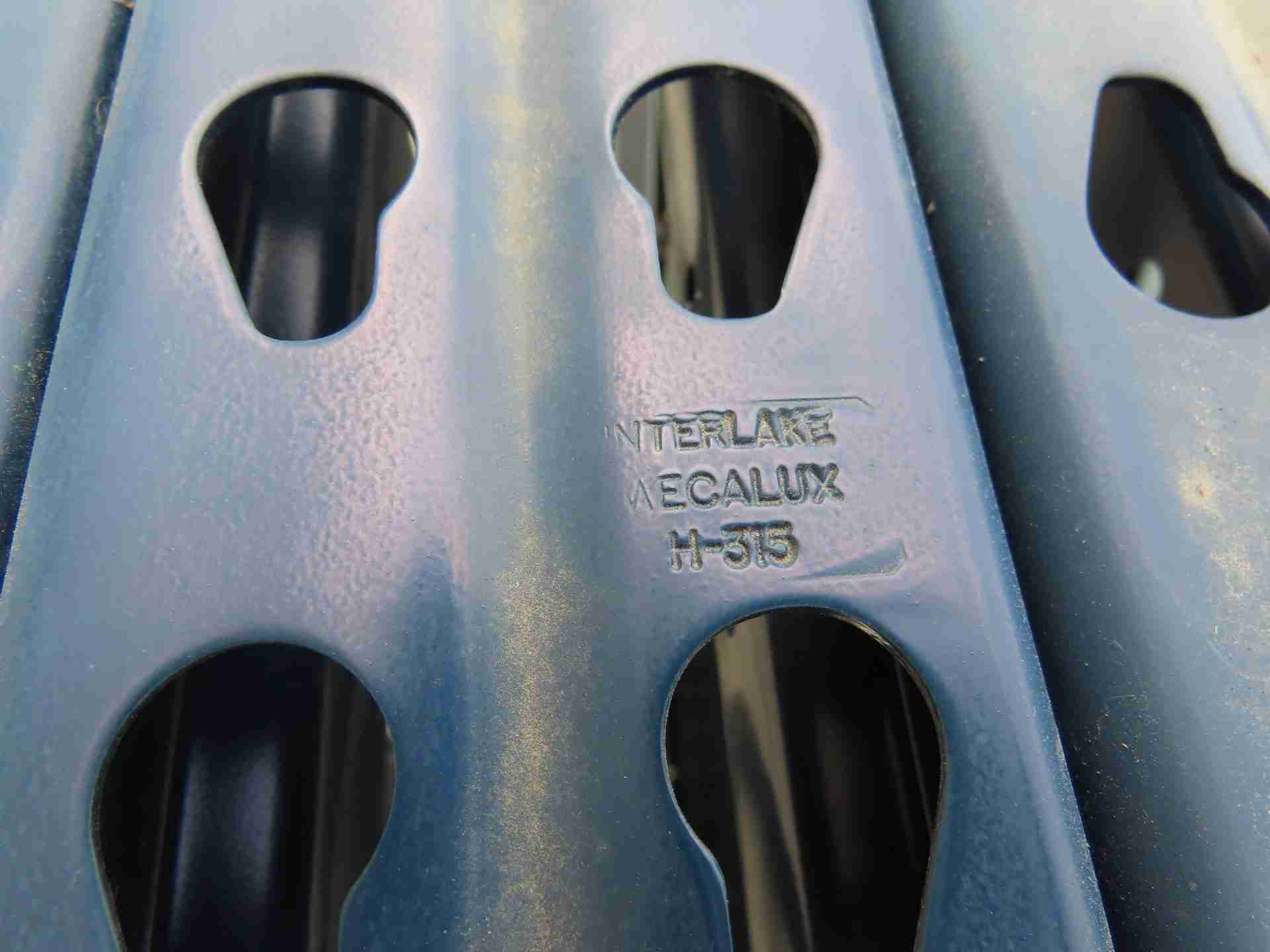
First and foremost, the actual cost of the pallet racking system itself can vary depending on several factors. The size and capacity of the system, as well as any additional features or customization, can all impact the overall price. Additionally, the brand and quality of the pallet racking system will also play a role in determining the cost. It’s crucial to do your research and compare prices from different suppliers to ensure you’re getting the best deal for your specific needs.
In addition to the cost of the pallet racking system itself, there are other initial expenses to consider. Installation costs can add to the overall price tag, as professional installation is often recommended to ensure the system is set up correctly and safely. Depending on the size and complexity of the system, installation fees can vary, so it’s important to budget for this additional expense.
Another initial cost to keep in mind is any necessary permits or approvals required for the installation of the pallet racking system. Depending on your location and the size of the system, you may need to obtain permits from local authorities to ensure compliance with building codes and regulations. It’s important to factor in these potential costs when budgeting for your pallet racking purchase.
Moreover, don’t forget about the cost of any additional accessories or components you may need for your pallet racking system. This could include items such as wire decking, safety attachments, or protective guards. These accessories can enhance the functionality and safety of your system, but they can also add to the overall cost.
Finally, it’s important to consider the long-term costs associated with maintaining and servicing your pallet racking system. Regular inspections, repairs, and replacements may be necessary to ensure the system remains safe and efficient. While these costs may not be immediate, it’s essential to budget for these ongoing expenses to keep your pallet racking system in good working condition for years to come.
Purchasing a pallet racking system involves more than just the initial cost of the equipment itself. From installation and permits to accessories and maintenance, there are several factors to consider when budgeting for your new system. By carefully planning and budgeting for these initial costs, you can ensure a smooth and successful transition to your new pallet racking system.
What Are The Initial Costs Of Purchasing Pallet Racking Systems?
What Are The Initial Costs Of Purchasing Pallet Racking Systems?
- The actual cost of the pallet racking system can vary based on size, capacity, features, brand, and quality.
- Research and compare prices from different suppliers to ensure the best deal.
- Installation costs are an additional expense, with professional installation recommended.
- Permits or approvals may be needed for installation, adding to initial costs.
- Consider the cost of additional accessories like wire decking, safety attachments, or protective guards.
- Budget for long-term maintenance and servicing expenses to keep the system safe and efficient.
- Plan and budget for all initial costs to ensure a smooth transition to your new pallet racking system.
What Are The Initial Costs Of Purchasing Pallet Racking Systems?
How Do Installation Costs Vary Between Different Racking Systems?
When it comes to installing solar panels on your roof, there are a few key factors to consider that can greatly impact the overall cost of the project. One of the biggest cost considerations is the type of racking system you choose to use.
Racking systems are the structures that hold the solar panels in place on your roof. There are several different types of racking systems available, each with its own set of pros and cons. Some of the most common types include roof-mounted, ground-mounted, and pole-mounted racking systems.
The cost of installing a racking system can vary greatly depending on the type of system you choose. Roof-mounted systems are typically the least expensive option, as they require minimal additional materials and labor to install. However, they may not be suitable for all roof types, so it’s important to consult with a professional to determine if this type of system is right for your home.
Ground-mounted racking systems are slightly more expensive than roof-mounted systems, as they require more materials and labor to install. However, they offer the advantage of being able to be installed in a wider range of locations, making them a good option for homes with limited roof space or shading issues.
Pole-mounted racking systems are the most expensive option, as they require the most materials and labor to install. However, they offer the advantage of being able to be installed in areas where other types of racking systems may not be feasible, such as on uneven or rocky terrain.
In addition to the type of racking system you choose, the size of your solar panel array will also impact the overall cost of installation. Larger arrays will require more racking materials and labor to install, which will increase the overall cost of the project.
It’s also important to consider the location of your home when determining installation costs. Homes in remote or hard-to-reach areas may require additional labor and transportation costs, which can add to the overall cost of the project.
Ultimately, the cost of installing a racking system will depend on a variety of factors, including the type of system you choose, the size of your solar panel array, and the location of your home. Consulting with a professional solar installer can help you determine the best racking system for your needs and budget.
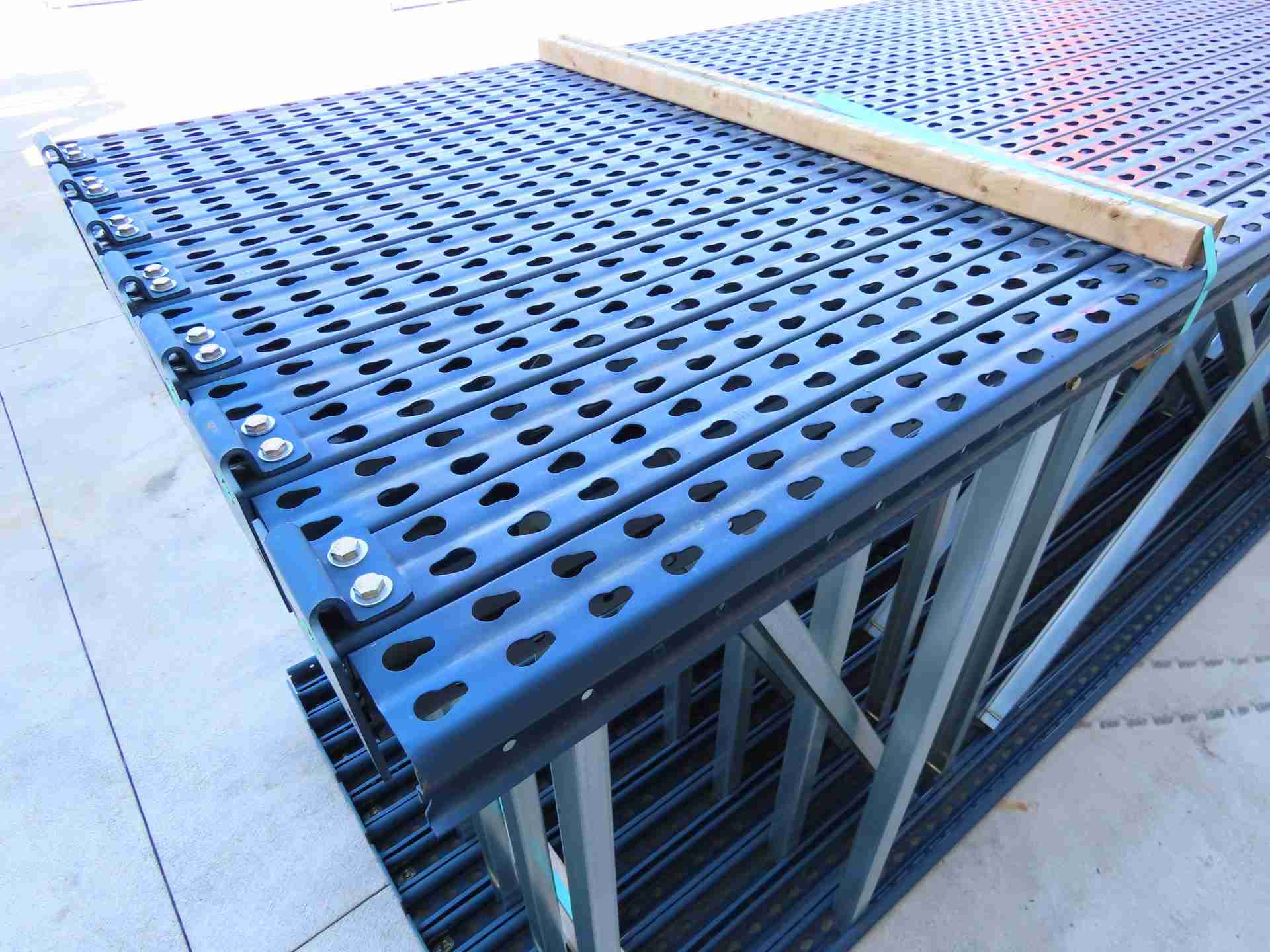
How Do Installation Costs Vary Between Different Racking Systems?
How Do Installation Costs Vary Between Different Racking Systems?
- One of the biggest cost considerations for installing solar panels is the type of racking system chosen.
- Racking systems hold solar panels in place on the roof, with options like roof-mounted, ground-mounted, and pole-mounted systems.
- Roof-mounted systems are the least expensive but may not be suitable for all roof types.
- Ground-mounted systems are slightly more expensive but can be installed in a wider range of locations.
- Pole-mounted systems are the most expensive but can be installed in challenging terrains.
- The size of the solar panel array will also impact installation costs.
- Location of the home, especially in remote areas, can affect labor and transportation costs.

How Do Installation Costs Vary Between Different Racking Systems?
Are There Ongoing Maintenance Costs For Pallet Racking Systems?
When it comes to pallet racking systems, there’s a common misconception that once they’re installed, they require little to no maintenance. But the reality is, like most things in life, they do need some ongoing upkeep to ensure they continue to function properly and safely.
One of the main ongoing maintenance costs associated with pallet racking systems is regular inspections. These inspections are crucial for identifying any damage or wear and tear that could compromise the stability and safety of the system. Inspections should be carried out by trained professionals who know what to look for and how to address any issues that may arise.
In addition to inspections, regular cleanings are also important for keeping pallet racking systems in good working order. Dust, dirt, and debris can build up on the racks over time, causing them to become less stable and more prone to damage. By regularly cleaning the racks, you can prevent this buildup and ensure that your system continues to function optimally.
Another ongoing maintenance cost to consider is repairs. Even with regular inspections and cleanings, accidents can still happen that result in damage to the racking system. Whether it’s a forklift collision, overloading, or just general wear and tear, repairs may be necessary to keep the system safe and secure. It’s important to address any damage promptly to prevent it from getting worse and potentially causing a safety hazard.
Lastly, it’s important to factor in the cost of replacing any damaged or worn components of the pallet racking system. Over time, certain parts of the system may need to be replaced due to wear and tear or damage. This could include things like beams, uprights, wire decking, or other structural components. By staying on top of these replacements, you can ensure that your pallet racking system remains in good working condition for years to come.
While pallet racking systems are a durable and long-lasting storage solution, they do require some ongoing maintenance to keep them operating at their best. By investing in regular inspections, cleanings, repairs, and replacements, you can extend the life of your racking system and ensure the safety of your employees and your inventory. So don’t overlook the ongoing maintenance costs of pallet racking systems – they’re a small price to pay for the peace of mind that comes with a well-maintained storage system.
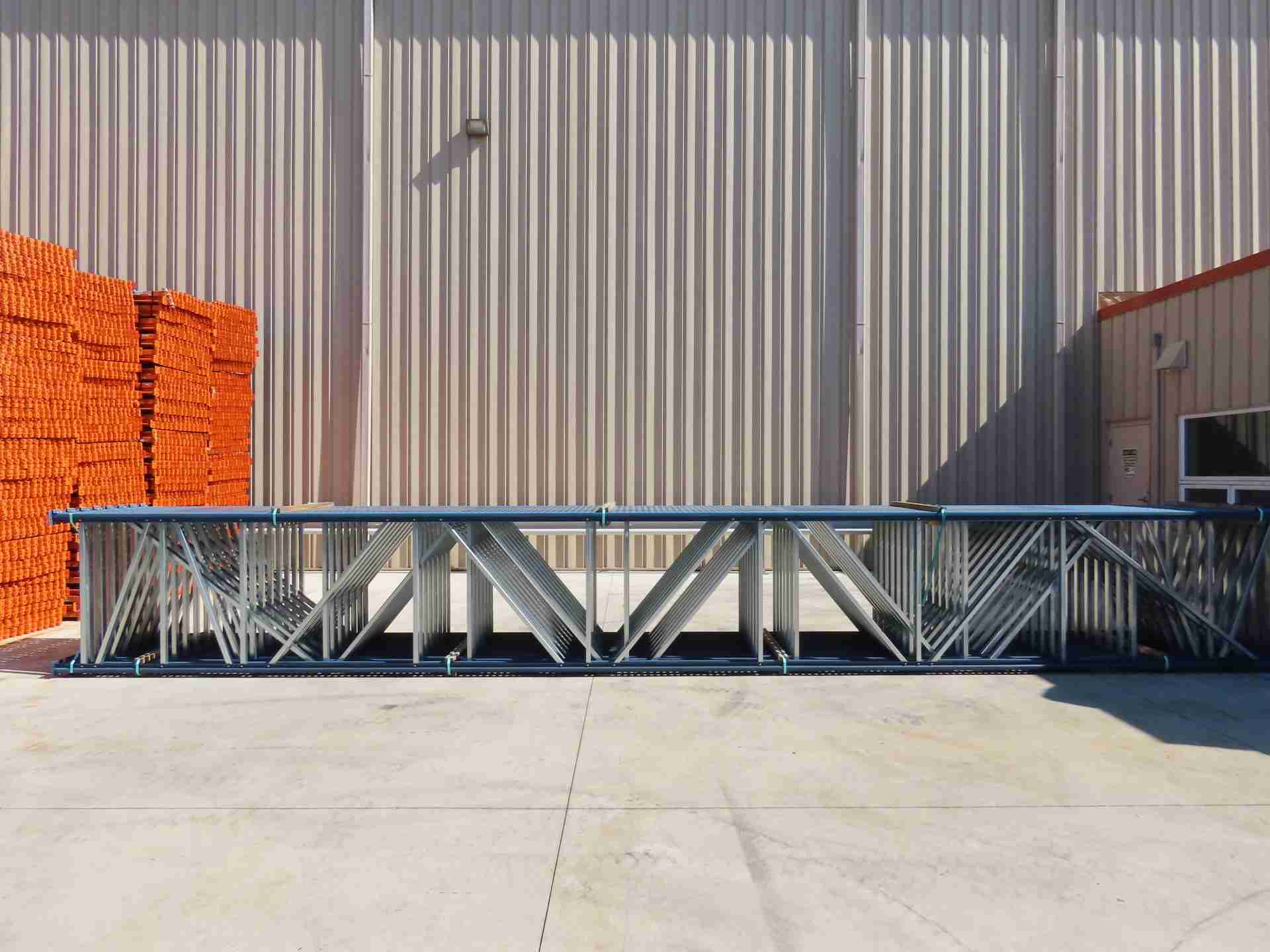
Are There Ongoing Maintenance Costs For Pallet Racking Systems?
Are There Ongoing Maintenance Costs For Pallet Racking Systems?
- Regular inspections are crucial for identifying any damage or wear and tear that could compromise the stability and safety of pallet racking systems.
- Inspections should be carried out by trained professionals who know what to look for and how to address any issues that may arise.
- Regular cleanings are important for preventing dust, dirt, and debris buildup on the racks, ensuring the system continues to function optimally.
- Accidents can still happen, resulting in damage to the racking system, necessitating repairs to keep the system safe and secure.
- It’s important to promptly address any damage to prevent safety hazards and factor in the cost of replacing damaged or worn components of the pallet racking system.
- Investing in regular maintenance such as inspections, cleanings, repairs, and replacements can extend the life of pallet racking systems and ensure the safety of employees and inventory.
- Don’t overlook the ongoing maintenance costs of pallet racking systems – they’re a small price to pay for the peace of mind that comes with a well-maintained storage system.
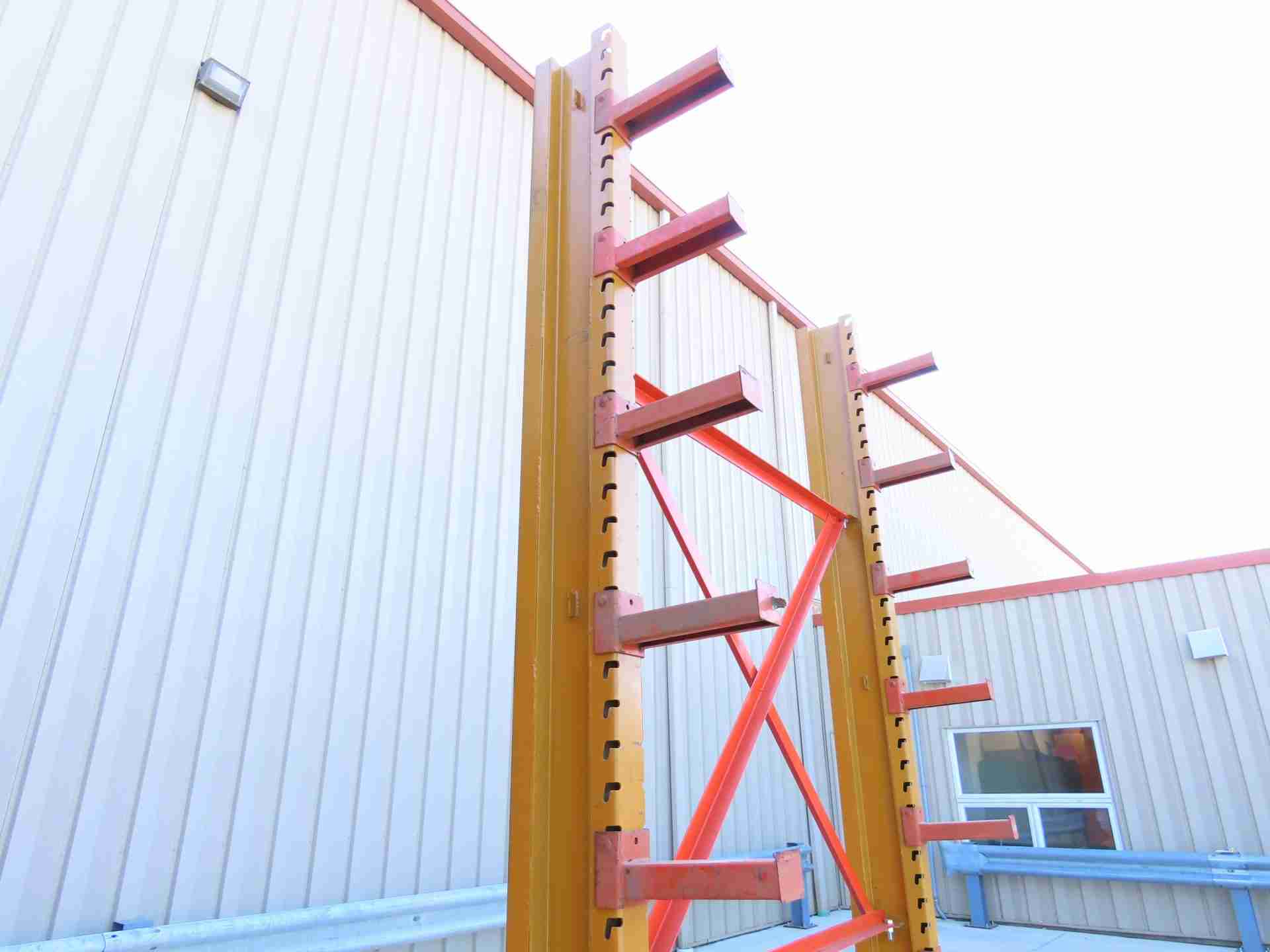
Are There Ongoing Maintenance Costs For Pallet Racking Systems?
What Are The Energy Costs Associated With Different Racking Options?
When it comes to choosing the right racking option for your energy needs, there are a few key factors to consider – namely, the energy costs associated with each option. Let’s break it down.
First up, we have ground-mounted racking systems. These systems are installed directly on the ground, making them a popular choice for solar installations. However, the energy costs associated with ground-mounted systems can vary depending on factors such as site location, orientation, and tilt angle. Generally speaking, ground-mounted systems tend to have higher energy costs compared to other options due to the need for regular maintenance and cleaning to ensure optimal performance.
Next, we have roof-mounted racking systems. These systems are installed on the roof of a building or structure, making them a space-saving and aesthetically pleasing option. The energy costs associated with roof-mounted systems can be lower than ground-mounted systems, as they typically require less maintenance and cleaning. However, factors such as roof pitch, shading, and structural integrity can impact the energy costs of these systems.
Lastly, we have tracking racking systems. These systems are designed to follow the sun throughout the day, maximizing energy production. While tracking systems can be more efficient than fixed systems, they also tend to have higher energy costs due to the need for more complex and sophisticated technology. Additionally, tracking systems require more regular maintenance and monitoring to ensure optimal performance.
Overall, when it comes to choosing the right racking option for your energy needs, it’s essential to consider not just the upfront costs but also the long-term energy costs associated with each option. By weighing factors such as installation, maintenance, and energy production, you can make an informed decision that meets your energy goals and budget.
The energy costs associated with different racking options can vary significantly, depending on various factors such as system type, location, and maintenance needs. By carefully evaluating your energy needs and budget, you can choose the racking option that best fits your requirements, ultimately helping you achieve a more cost-effective and sustainable energy solution.
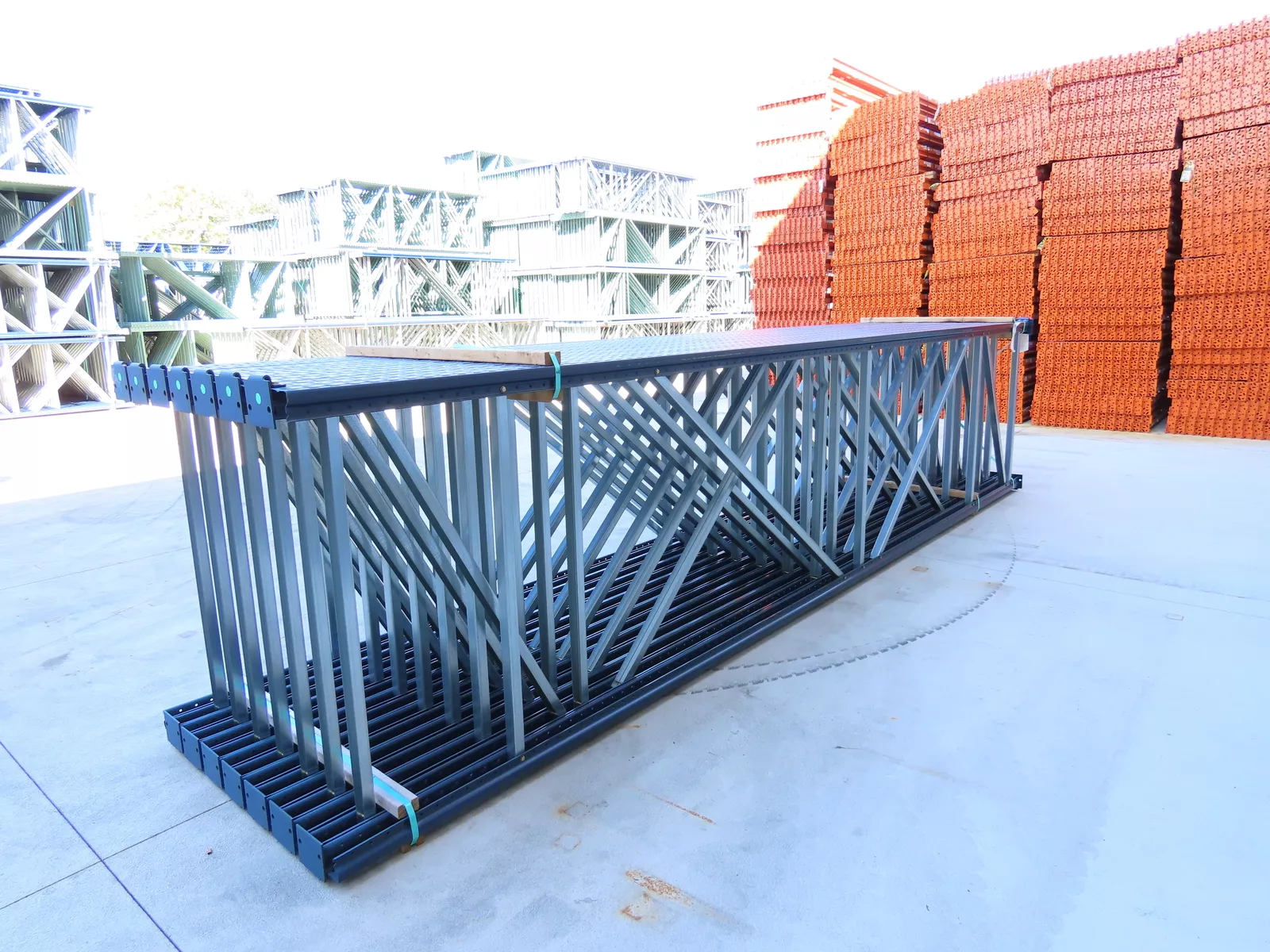
What Are The Energy Costs Associated With Different Racking Options?
What Are The Energy Costs Associated With Different Racking Options?
- Ground-mounted racking systems:
- Installed directly on the ground.
- A popular choice for solar installations.
- Higher energy costs due to maintenance and cleaning needs.
.
- Roof-mounted racking systems:
- Installed on building roofs.
- Space-saving and aesthetically pleasing.
- Lower energy costs than ground-mounted systems.
.
- Tracking racking systems:
- Designed to follow the sun throughout the day.
- Maximize energy production.
- Higher energy costs due to complex technology and maintenance needs.
.
- Considerations for choosing the right racking option:
- Upfront costs and long-term energy costs.
- Factors like installation, maintenance, and energy production.
.
- Energy costs can vary based on factors such as system type and location.
- By evaluating energy needs and budget, choose a racking option that fits requirements.
- Choose a cost-effective and sustainable energy solution by making an informed decision.

What Are The Energy Costs Associated With Different Racking Options?
Do Certain Racking Systems Impact Labor Costs More Than Others?
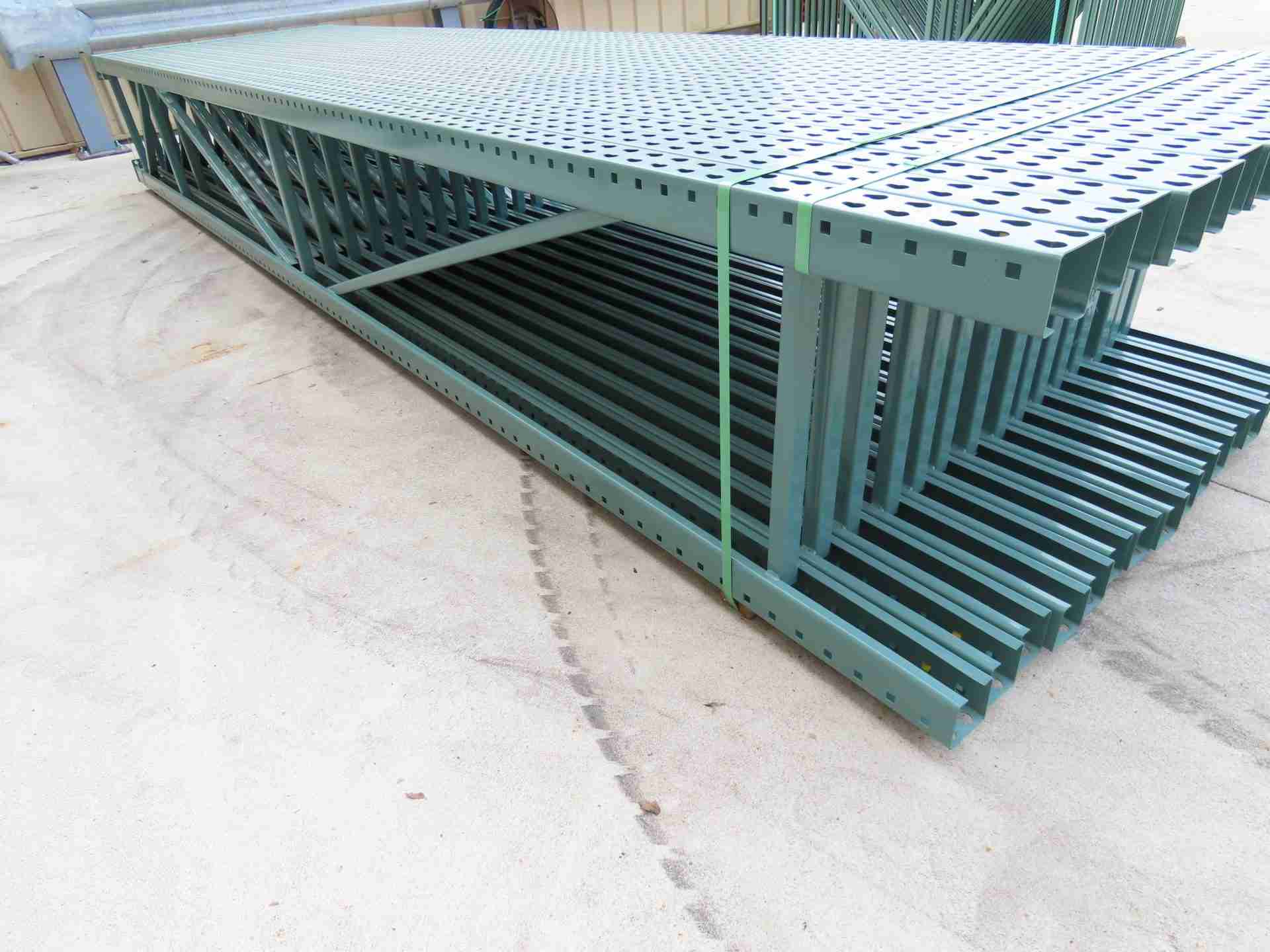
When it comes to warehouse operations, the type of racking system you choose can have a significant impact on your labor costs. Different racking systems can affect how efficiently your employees can move and organize inventory, ultimately affecting the amount of time and effort required to complete tasks.
One of the main factors that can impact labor costs is the accessibility of the inventory. Certain racking systems, such as pallet racking, allow for easy access to each individual pallet, making it quicker and easier for employees to pick and load items. This can lead to faster fulfillment times and lower labor costs.
On the other hand, systems like drive-in racking or push back racking require more time and effort to access inventory, as employees may need to move other pallets out of the way to reach the desired item. This can result in longer picking times and increased labor costs.
Another factor to consider is the organization and layout of the racking system. Systems that are poorly organized or difficult to navigate can lead to inefficiencies and increased labor costs. For example, if inventory is not properly labeled or stored in a logical manner, employees may waste time searching for items or making unnecessary trips back and forth between aisles.
Additionally, the height and configuration of the racking system can also impact labor costs. Taller racking systems may require the use of lifting equipment or ladders, which can slow down employees and increase the risk of accidents or injuries. Systems with narrow aisles or tight spaces can also make it more difficult for employees to maneuver and pick items efficiently.
Ultimately, the key to minimizing labor costs in your warehouse is to choose a racking system that is well-designed and optimized for your specific needs. Consider factors such as accessibility, organization, and layout when selecting a racking system, and make sure to regularly evaluate and adjust your system as needed to ensure maximum efficiency.
By investing in a racking system that is tailored to your business operations, you can help to streamline processes, reduce labor costs, and improve overall productivity in your warehouse. Remember, a well-organized and efficient warehouse isn’t just good for your bottom line – it’s also better for your employees and their safety. Choose wisely, and watch your labor costs shrink while your profits grow.
Do Certain Racking Systems Impact Labor Costs More Than Others?
Do Certain Racking Systems Impact Labor Costs More Than Others?
- The type of racking system chosen can impact labor costs in warehouse operations.
- Pallet racking allows easy access for employees, leading to quicker fulfillment and lower labor costs.
- Drive-in racking or push back racking require more time to access inventory, increasing labor costs.
- Poorly organized racking systems can lead to inefficiencies and increased labor costs.
- Taller racking systems may require lifting equipment, slowing down employees and increasing risks.
- Choose a well-designed racking system optimized for specific needs to minimize labor costs.
- Investing in a tailored racking system can streamline processes, reduce costs, and improve productivity.
Do Certain Racking Systems Impact Labor Costs More Than Others?
How Do Insurance Costs Differ Depending On The Type Of Racking Used?
When it comes to insurance costs for warehouses, the type of racking used can play a significant role in determining the premiums. Different types of racking systems pose different risks, and insurance companies take these factors into consideration when calculating costs.
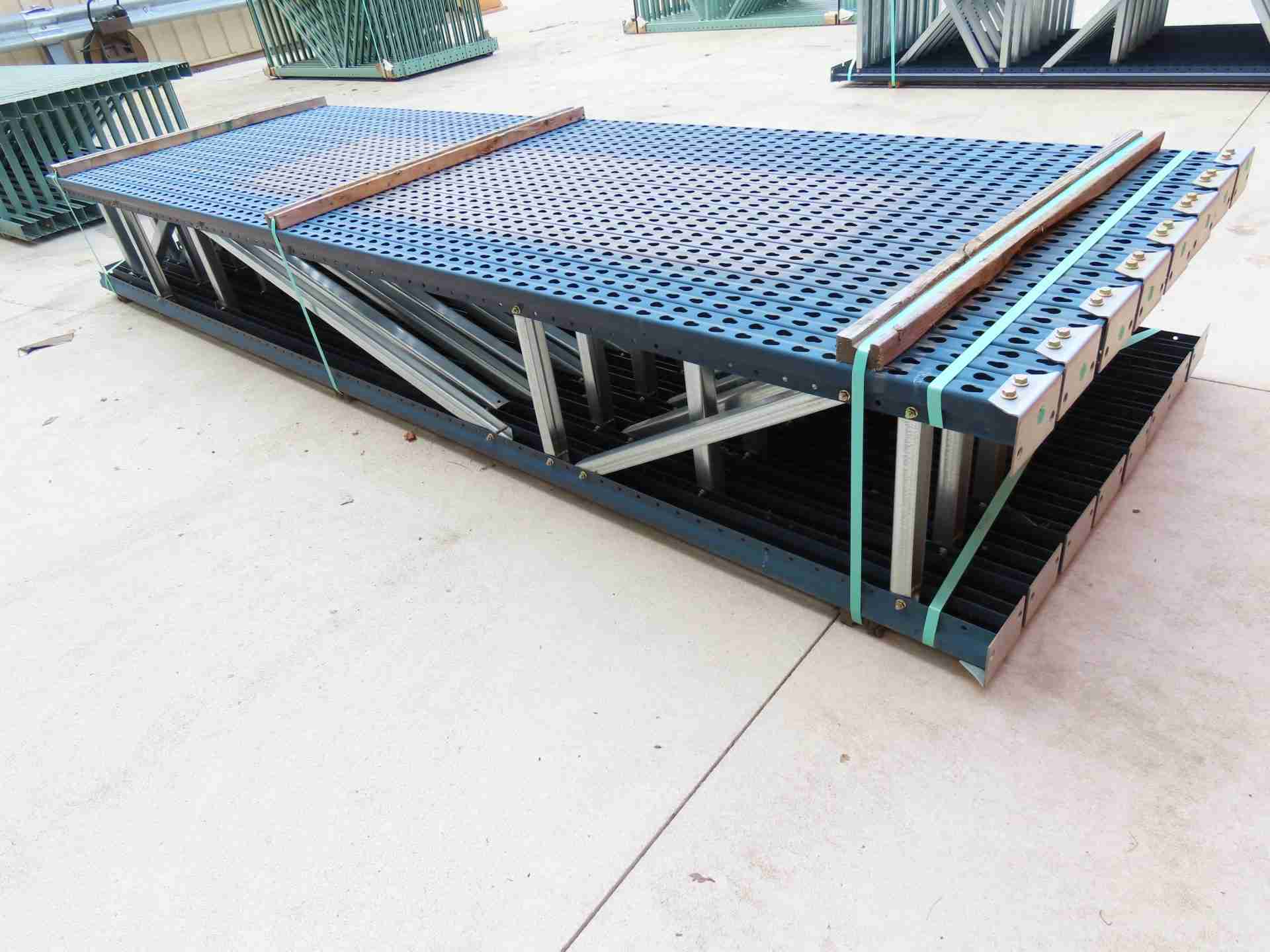
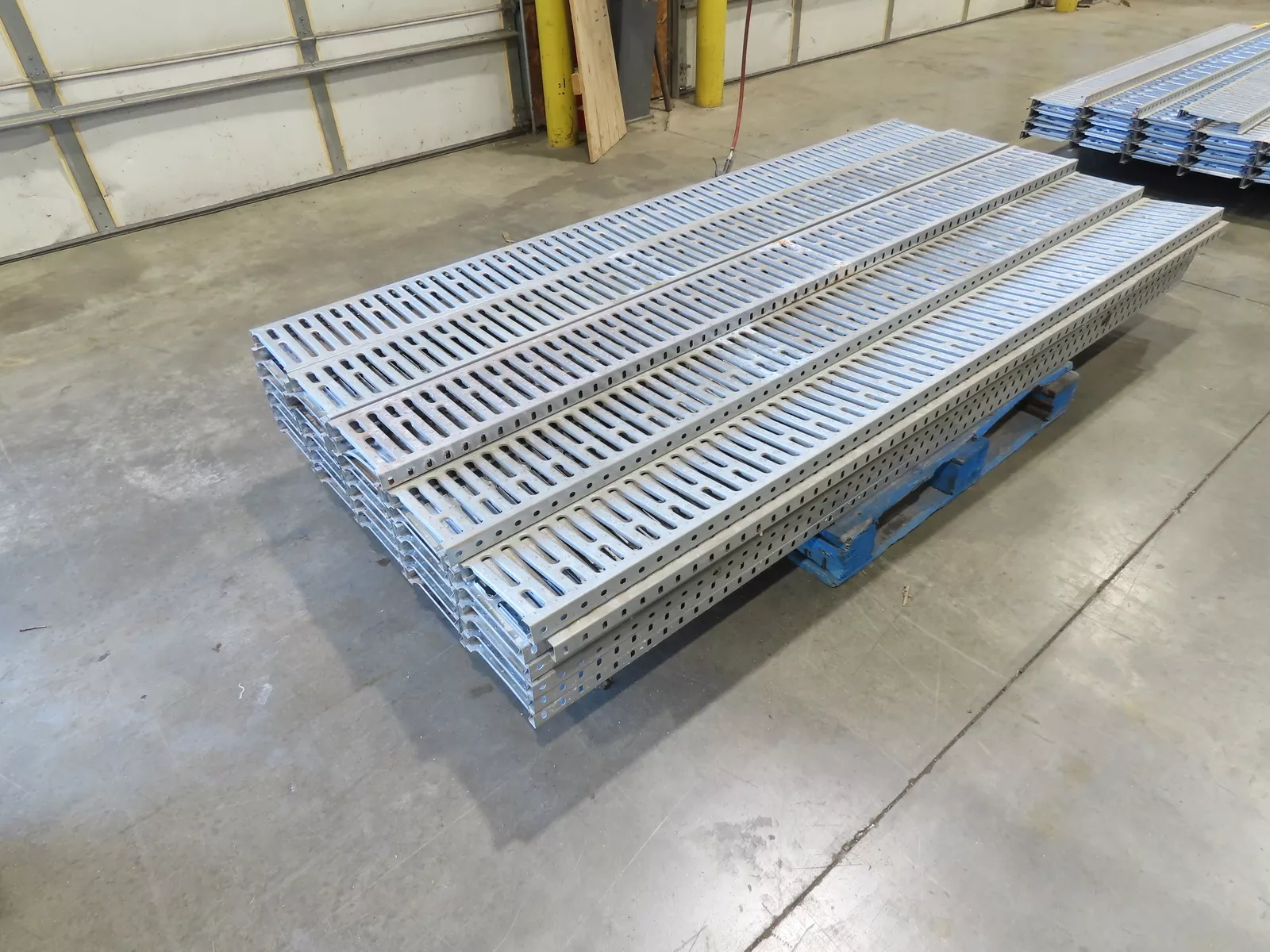
One of the main factors that insurance companies look at is the stability and durability of the racking system. Bolted racking systems, which are secured to the floor with bolts, are generally considered to be more stable and less likely to collapse compared to wire racking systems, which are less secure and may be more prone to accidents. As a result, insurance premiums for warehouses with bolted racking systems are typically lower than those with wire racking systems.
Another factor that can affect insurance costs is the height of the racking system. Taller racking systems pose a higher risk of collapse, especially if they are not properly secured or if the weight capacity is exceeded. Insurance companies may charge higher premiums for warehouses with taller racking systems to account for this increased risk.
The layout of the racking system can also impact insurance costs. Warehouses with narrow aisles and high-density racking systems may be more prone to accidents, such as forklift collisions or collapses. Insurance companies may charge higher premiums for warehouses with these types of racking layouts to offset the potential for costly claims.
Additionally, the type of material being stored on the racking system can influence insurance costs. Flammable materials, hazardous chemicals, or heavy items may increase the risk of fire, spills, or collapses, leading to higher insurance premiums. Warehouses that store high-risk materials may be required to meet specific safety regulations or install additional safety measures to mitigate these risks.
Ultimately, insurance costs for warehouses with different types of racking systems can vary significantly based on various factors, including the stability and durability of the racking, the height and layout of the system, and the type of materials being stored. Warehouse owners should carefully consider these factors when selecting a racking system to ensure that they are not only maximizing storage efficiency but also minimizing insurance costs and ensuring the safety of their employees and assets.
How Do Insurance Costs Differ Depending On The Type Of Racking Used?
How Do Insurance Costs Differ Depending On The Type Of Racking Used?
- The type of racking used in warehouses can impact insurance costs.
- Insurance companies consider stability and durability of racking systems.
- Bolted racking systems are generally more stable than wire racking systems.
- Taller racking systems pose higher risk of collapse and may lead to higher premiums.
- The layout of the racking system can also impact insurance costs.
- The type of material being stored on the racking system can influence insurance costs.
- Warehouse owners should carefully consider these factors to minimize insurance costs and ensure safety.
How Do Insurance Costs Differ Depending On The Type Of Racking Used?
Are There Any Hidden Costs Associated With Specific Racking Systems?
When it comes to choosing a racking system for your warehouse or storage facility, it’s important to consider all of the potential costs involved. While many companies advertise their racking systems as being cost-effective and efficient, there can sometimes be hidden costs that you may not have initially considered.
One common hidden cost associated with specific racking systems is installation. Some racking systems are more complex to install than others, requiring specialized equipment or trained professionals to get the job done. This can result in additional costs for labor, equipment rental, or installation fees that you may not have budgeted for.
Another potential hidden cost to be aware of is maintenance. Depending on the type of racking system you choose, regular maintenance and inspections may be required to ensure the system remains safe and functional. This could involve hiring maintenance staff or contractors, purchasing replacement parts, or investing in additional safety features to comply with regulations.
Additionally, some racking systems may require modifications or customization to fit your specific space or storage needs. This could involve cutting, welding, or adding additional components to the racking system, which can result in extra costs for materials and labor.
It’s also important to consider the long-term costs associated with specific racking systems. While upfront costs may be low, some racking systems may not be as durable or long-lasting as others, leading to higher maintenance and replacement costs down the line. Investing in a higher-quality racking system upfront may save you money in the long run by reducing the need for frequent repairs or replacements.
When considering the costs of specific racking systems, it’s important to weigh the upfront price against the potential hidden costs that may arise. By doing thorough research, comparing different options, and consulting with professionals, you can make an informed decision that minimizes the risk of unexpected expenses. Remember, the cheapest option may not always be the most cost-effective in the long run.
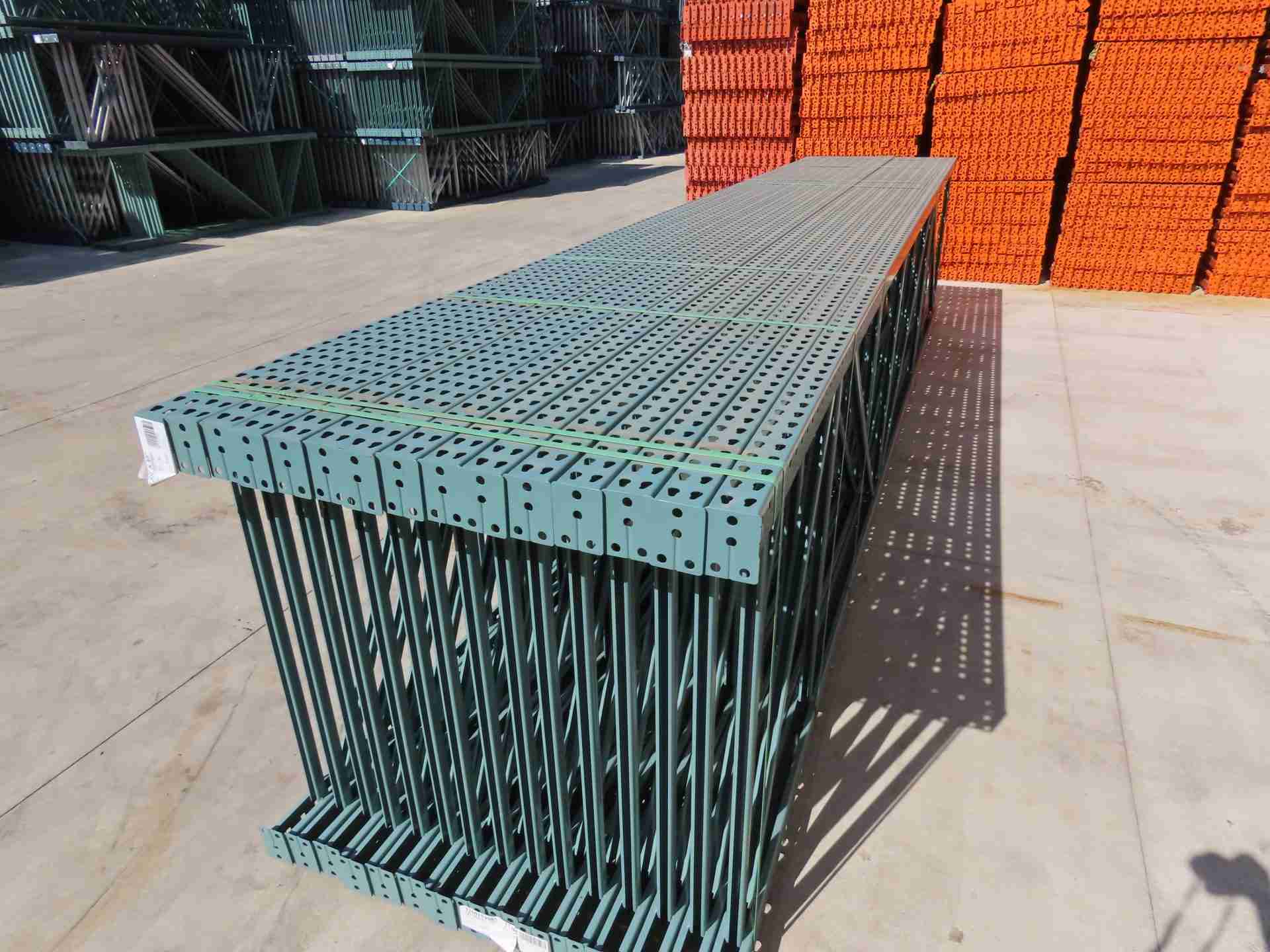
Are There Any Hidden Costs Associated With Specific Racking Systems?
Are There Any Hidden Costs Associated With Specific Racking Systems?
- Consider all potential costs when choosing a racking system.
- Installation can have hidden costs such as labor and equipment fees.
- Maintenance may require additional expenses for inspections, parts, or safety features.
- Customization of racking systems can result in extra costs for materials and labor.
- Long-term costs should be considered; investing in quality upfront may save money in the long run.
- Weigh the upfront price against potential hidden costs before making a decision.
- Thorough research and consulting with professionals can help minimize unexpected expenses.
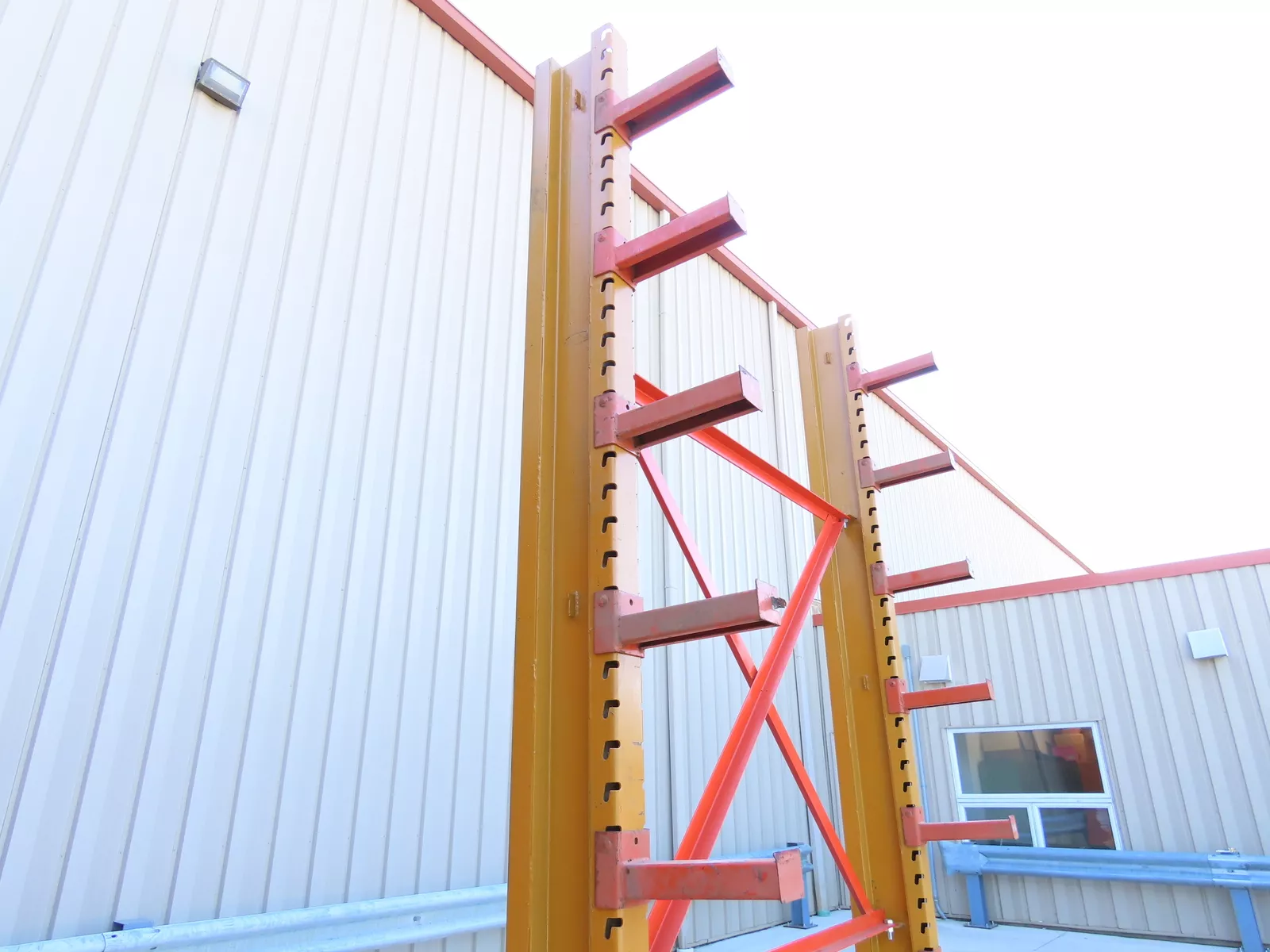
Are There Any Hidden Costs Associated With Specific Racking Systems?
Conclusion
In conclusion, choosing the right pallet racking system for your warehouse involves more than just considering the initial costs. Factors such as installation fees, ongoing maintenance, energy costs, labor costs, insurance premiums, and potential hidden costs all play a role in determining the total cost of ownership. From selective pallet racking for easy access to individual pallets to drive-in racking for high-density storage, each system comes with its own set of benefits and price tags. It’s essential to carefully evaluate your needs, budget, and long-term goals to select the system that best fits your business requirements.
When it comes to installation costs, factors like system type and size can impact the overall price. Considerations such as permits, accessories, and long-term maintenance expenses should also be factored into your budget. Regular inspections, cleanings, and repairs are necessary to ensure the safety and efficiency of your racking system. Labor costs can be affected by the accessibility, organization, and configuration of the racking system, so choose wisely to minimize expenses. Insurance costs may vary depending on the stability, height, layout, and materials stored on the racking system. Be aware of potential hidden costs related to installation, maintenance, customization, and long-term durability.
By analyzing all of these cost factors and making informed decisions, you can maximize efficiency and stay within your budget while selecting the pallet racking system that best suits your business needs. Remember, a well-organized and efficient warehouse is not only good for your bottom line but also for the safety and productivity of your employees. So, take the time to evaluate all the costs associated with different pallet racking systems and choose wisely for a successful and cost-effective warehouse operation.
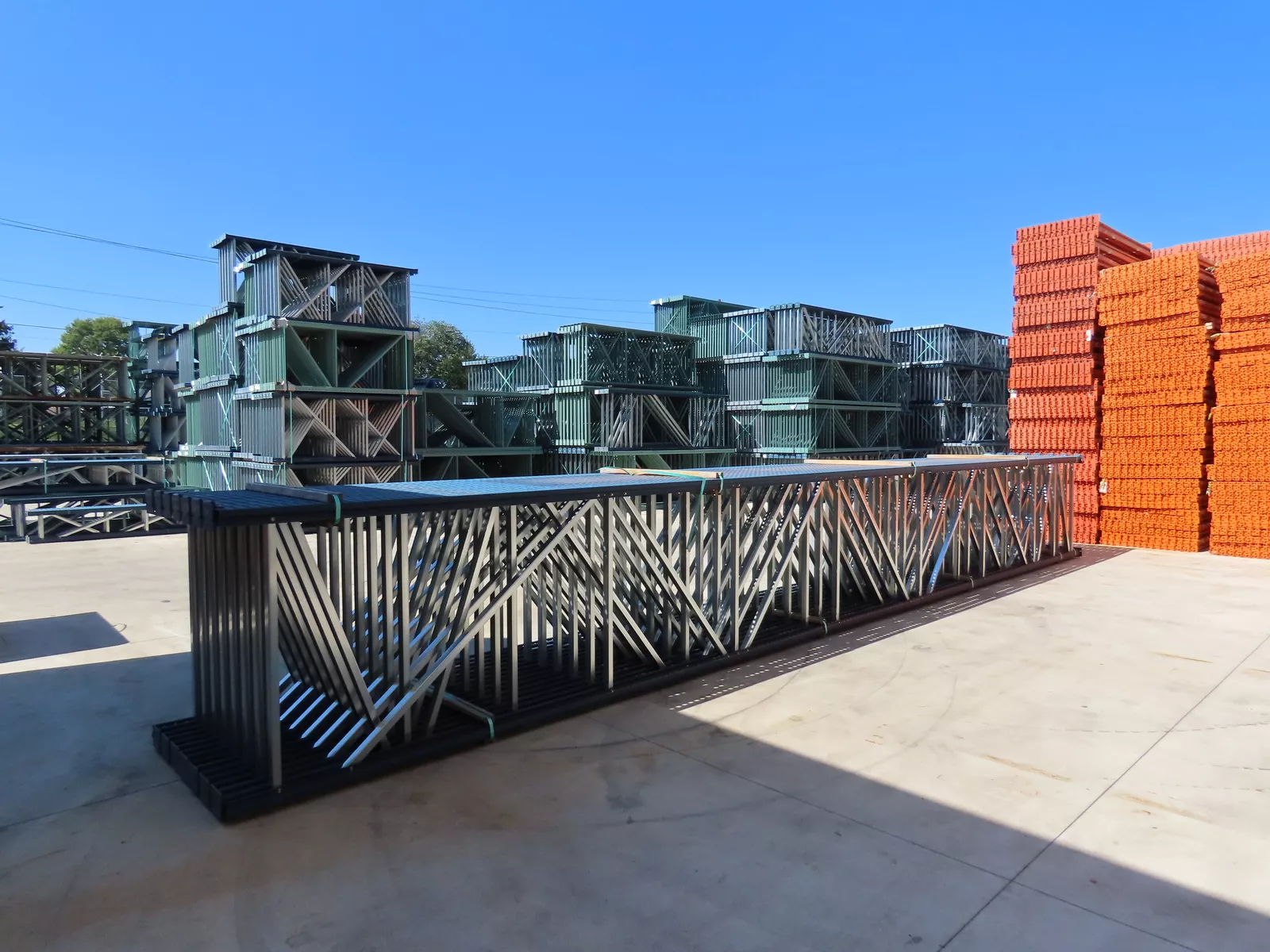
Conclusion
Conclusion:
- Choosing the right pallet racking system involves more than just initial costs.
- Factors like installation fees, ongoing maintenance, energy costs, labor costs, insurance premiums, and potential hidden costs play a role.
- Each system, from selective pallet racking to drive-in racking, has its own benefits and price tags.
- Consider your needs, budget, and long-term goals when selecting a system.
- Installation costs are influenced by system type, size, permits, accessories, and maintenance expenses.
- Labor costs can be impacted by the accessibility, organization, and configuration of the racking system.
- By analyzing all cost factors and making informed decisions, you can maximize efficiency and stay within your budget while selecting the best system for your business needs.
Conclusion
Other Resources
Other Resources
Here is a list of other resources you can review online to learn more:
- “Pallet Racking & Shelving Systems for Industrial Warehouses”
- “Pallet Racking”
- “Pallet Racking (Selective Storage Racks)”
- “Spotlight On: The 10 Most Common Pallet Racking Systems”
- “PALLET RACKING SYSTEMS 2019 2020”
- “Experimental assessment of the seismic behavior …”
- “Understanding the Different Types of Pallet Racking Systems”
Other Resources
Glossary Terms
What Are Costs Associated with Different Pallet Racking Systems? – Glossary Of Terms
1. Pallet Racking: A storage aid system designed to store pallets in horizontal rows with multiple levels.
2. Selective Racking: The most common pallet racking system, allowing direct access to each pallet.
3. Drive-In Racking: A compact storage system where pallets are stored on rails, allowing high-density storage by driving directly into the lanes.
4. Push-Back Racking: Uses a system of carts on rails to store pallets up to six deep on each side of an aisle.
5. Pallet Flow Racking: Uses gravity rollers and a slight incline to allow pallets to roll to the front for picking.
6. Cantilever Racking: Designed to store long or bulky items like lumber or pipes.
7. Mezzanine: Elevated floor systems installed within a building, utilizing vertical space for additional storage.
8. Load Capacity: The maximum load weight that a racking system can handle.
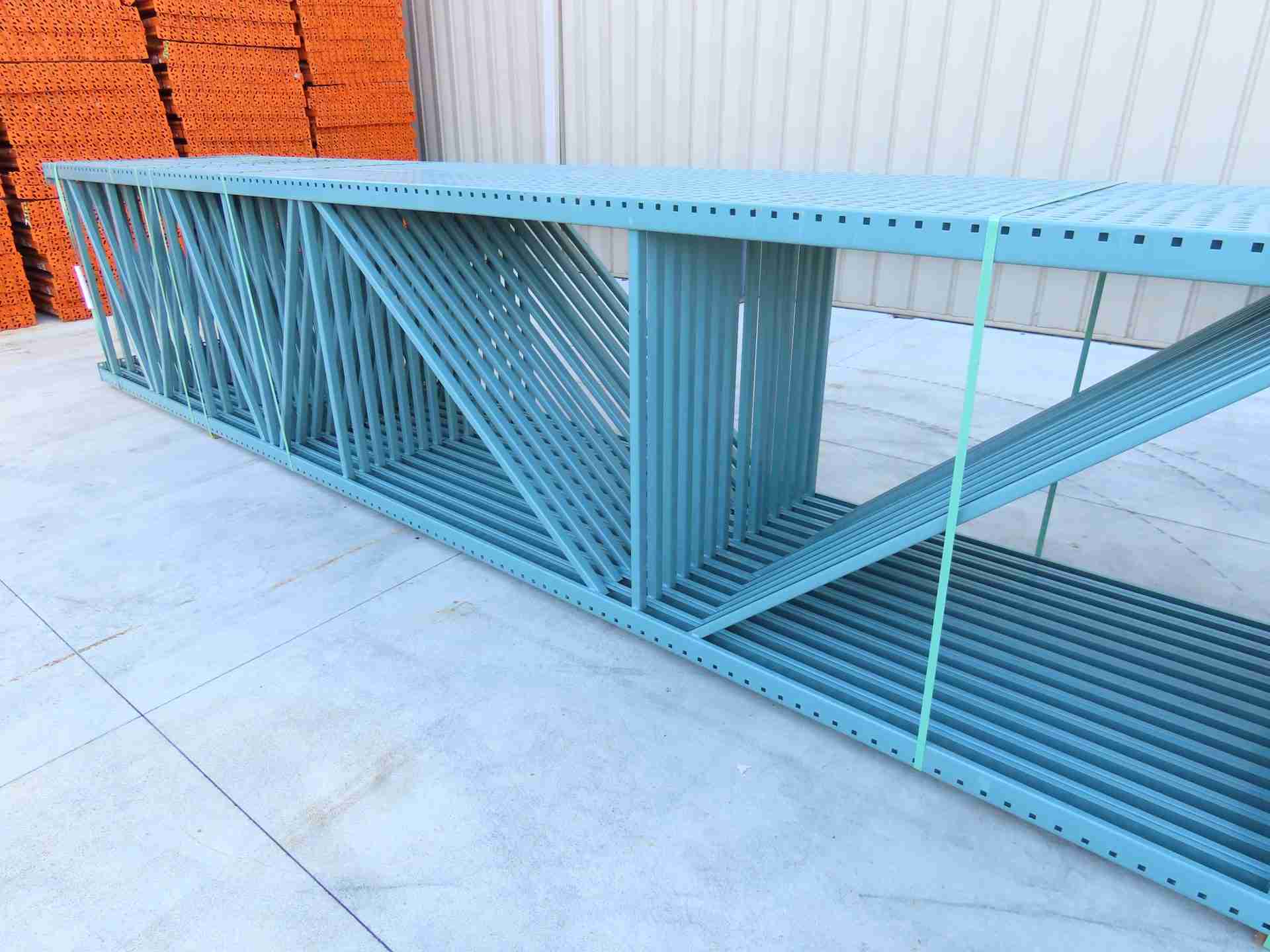
9. Uprights: The vertical components of a pallet racking system that support the beams and loads.
10. Beams: The horizontal bars that connect uprights in a pallet racking system, supporting the weight of the pallets.
11. Bracing: Structures that provide stability to the racking system by tying uprights together.
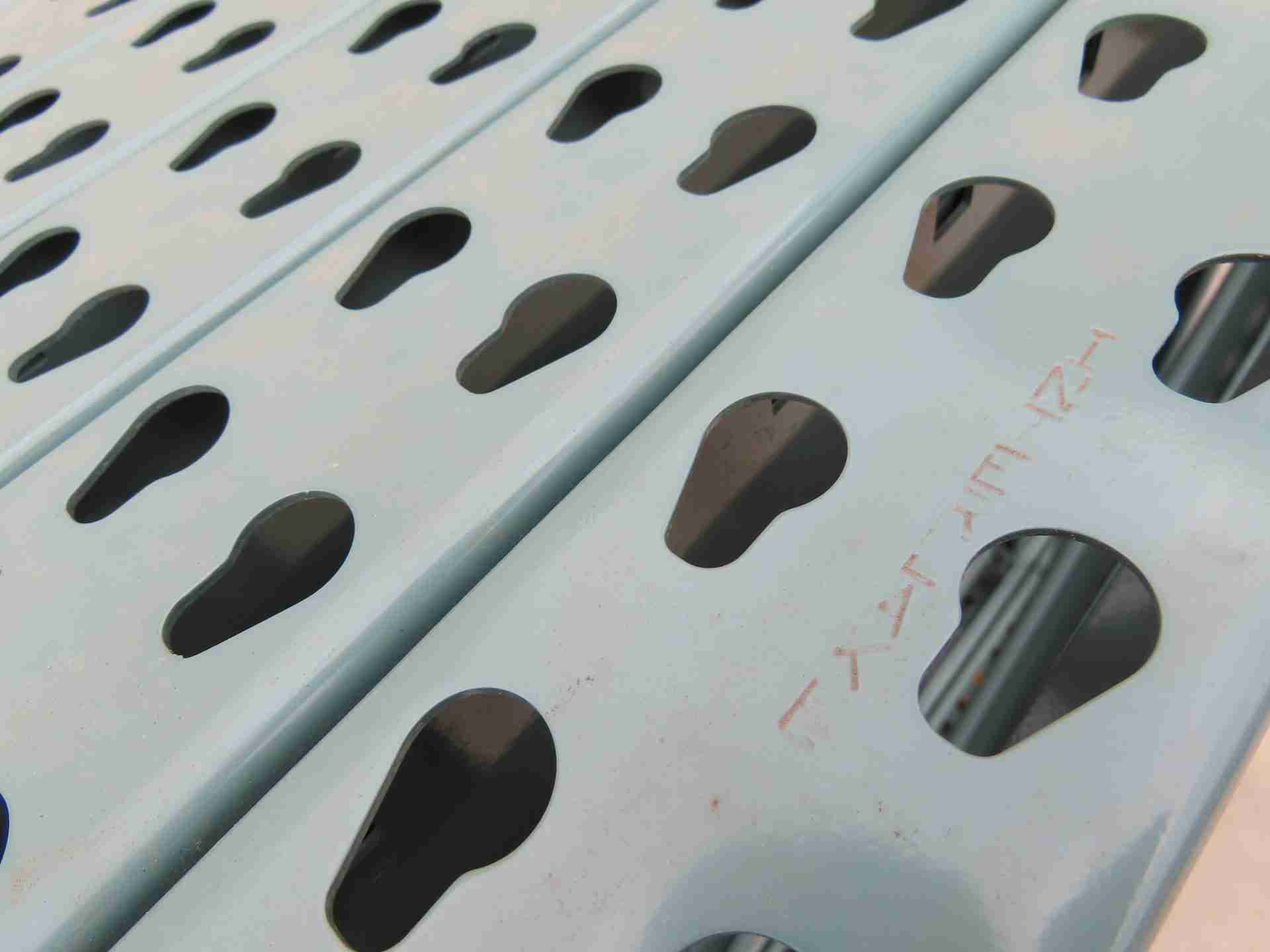
12. Decking: The material, often wire mesh or wood, placed on beams to create a shelf for pallets.
13. Aisle Width: The distance between racking rows, impacting the type of forklifts required and storage density.
14. Footplates: Baseplates that help distribute the weight of the racking system on the floor.
15. Anchoring: The method of securing the racking system to the floor to prevent tipping.
16. System Installation: The process and cost associated with setting up the racking system in your facility.
17. Permits and Regulations: Any required local, state, or national permits and adherence to safety regulations which might add to the cost.
18. Column Protection: Guarding attached or free-standing around uprights to prevent damage from forklifts.
19. Racking Inspection: Routine checks and maintenance costs to ensure the racking system remains safe and functional.
20. Modular Racking: System that can be easily expanded or reconfigured without a significant cost.
21. Load Distribution: How evenly the weight is spread across the racking system which affects durability and safety.
22. Safety Equipment: Additional features like safety clips, nets, or guards that might incur extra costs.
23. Usable Height: The vertical space utilized by the racking system, influencing the number of levels and storage capacity.
24. Accessibility: The ease with which pallets can be retrieved or stored, impacting operational efficiency and costs.
25. Forklift Compatibility: The specific types of forklifts needed to work with different racking systems, affecting overall costs.
26. Material Handling Equipment: The cost of equipment like pallet jacks or conveyors that work in conjunction with the racking system.
27. Structural Integrity: The robustness of the materials used in construction affecting long-term durability and cost-effectiveness.
28. Custom Fabrication: Tailor-made racking systems to fit unique needs or spaces, often at added expense.
29. Automation Integration: The cost associated with integrating automated storage and retrieval systems (AS/RS) with pallet racking.
30. Environmental Factors: Consideration of temperature, humidity, and other environmental conditions can affect the type of racking materials and associated costs.
This glossary outlines some of the primary factors that contribute to the overall cost of different pallet racking systems, highlighting the importance of thorough planning and assessment in selecting an appropriate system.
Glossary Of Terms
Other Questions
What Are Costs Associated with Different Pallet Racking Systems? – Other Questions
If you wish to explore and discover more, consider looking for answers to these questions:
- What are the different types of pallet racking systems available?
- Which pallet racking system is the most cost-effective?
- What factors should be considered when choosing a pallet racking system?
- How does the size and configuration of a warehouse impact the cost of pallet racking systems?
- What are the specific advantages and disadvantages of selective pallet racking?
- Why is drive-in pallet racking more expensive than selective pallet racking?
- What makes push back pallet racking suitable for storing large quantities of the same item?
- What types of custom pallet racking systems are available for specialized storage needs?
- How do installation costs vary between different pallet racking systems?
- Are there any necessary permits or approvals required for installing pallet racking systems?
- What are the initial costs of purchasing pallet racking systems?
- What accessories or components might be needed for a pallet racking system?
- Are there ongoing maintenance costs for pallet racking systems?
- What are the associated costs of regular inspections, cleanings, and repairs for pallet racking systems?
- How do different racking systems impact energy costs in a warehouse?
- Do certain racking systems affect labor costs more than others?
- How do the organizational layout and navigation of racking systems influence labor costs?
- What are the insurance cost implications of using different types of racking systems?
- Are there any hidden costs associated with specific racking systems?
- How do the height and configuration of racking systems affect overall costs?
- What are the long-term costs associated with maintaining and replacing parts of pallet racking systems?
- What safety considerations should be taken into account when choosing a pallet racking system?
Other Questions
Checklist
What Are Costs Associated with Different Pallet Racking Systems? – A Checklist
Initial Costs
_____ System Purchase Price
_____ Selective Pallet Racking
_____ Drive-In Pallet Racking
_____ Push Back Pallet Racking
_____ Custom Pallet Racking Systems
_____ Installation Costs
_____ Professional Installation Fees
_____ Specialized Equipment Rental
_____ Permits and Approvals
_____ Local Authority Permits
_____ Building Code Compliance
_____ Additional Accessories
_____ Wire Decking
_____ Safety Attachments
_____ Protective Guards
Installation Costs
_____ Type of Pallet Racking System
_____ Roof-Mounted
_____ Ground-Mounted
_____ Pole-Mounted
_____ System Complexity
_____ Additional Materials and Labor
_____ Accessibility to Location (e. g. , remote or challenging terrains)
Ongoing Maintenance Costs
_____ Regular Inspections
_____ Damage and Wear Identification
_____ Professional Inspection Fees
_____ Cleaning and Upkeep
_____ Regular Cleaning Costs
_____ Debris and Dirt Removal
_____ Repairs
_____ Forklift Collision Damage
_____ Overloading Issues
_____ General Wear and Tear
_____ Component Replacement
_____ Beams, Uprights, and Wire Decking
_____ Structural Components
Energy Costs
_____ Type of Racking System
_____ Ground-Mounted
_____ Roof-Mounted
_____ Tracking Racking Systems
_____ System Efficiency
_____ Regular Maintenance and Cleaning
_____ Energy Production Maximization
Labor Costs
_____ Accessibility
_____ Easy Access vs. Restricted Access
_____ Pallet Movement and Organization Efforts
_____ System Organization
_____ Inventory Labeling and Logical Storage
_____ Navigation Ease within Layout
_____ Height and Configuration
_____ Use of Lifting Equipment or Ladders
_____ Maneuverability within Narrow Aisles
Insurance Costs
_____ System Stability _____ Bolted Systems vs Wire Racking Systems
_____ System Height _____ Risk of Collapse
_____ System Layout _____ Narrow Aisles and High-Density Storage
_____ Stored Materials _____ Flammable or Hazardous Materials
Hidden Costs
_____ Installation Complexity _____ Specialized Labor or Equipment
_____ Maintenance Requirements _____ Regular Inspections and Safety Checks
_____ Customization Needs _____ Space-fitting Modifications
_____ Long-term Durability _____ Replacement and Repair Frequency
This checklist will help you to consider all potential costs associated with selecting a pallet racking system for your warehouse or storage needs. Make sure to evaluate each factor carefully to make the most cost-effective and efficient decision for your business.
Checklist
At RackingWorld, we help guide you through selecting warehouse storage systems and racking.
Be sure to read our other related stories at RackingWorld to learn more about warehouse storage systems.
0 Comments