
Protecting Your Workspace: Industrial Rack Safety Tips
By Tom Seest
At RackingWorld, we help guide you through selecting warehouse storage systems and racking.
Be sure to read our other related stories at RackingWorld to learn more about warehouse storage systems.
What Safety Measures Should Be Considered with Industrial Racks?
When it comes to dealing with industrial racks, safety should always be the top priority. These massive structures are essential for storing heavy loads and keeping warehouses organized, but they can also pose serious risks if not handled properly. Here are some key safety measures that should be considered when working with industrial racks:
First and foremost, it’s important to ensure that the racks are properly installed and secured. This means following the manufacturer’s guidelines for assembly and installation, and making sure that the racks are anchored to the floor or wall as necessary. Improperly installed racks can easily collapse under the weight of heavy loads, putting workers at risk of serious injury.
Regular inspections are also crucial for maintaining the safety of industrial racks. Any signs of damage or wear and tear should be addressed immediately, as even minor flaws can weaken the structure and lead to a collapse. It’s important to inspect racks regularly for any signs of rust, corrosion, bent beams, or loose connections, and to repair or replace any damaged components as soon as possible.
Proper loading and unloading procedures are essential for preventing accidents when working with industrial racks. It’s important to distribute weight evenly across the shelves, avoiding overloading any one section. Workers should also be trained in the safe handling of heavy loads, using appropriate equipment such as forklifts or pallet jacks to move items onto and off of the racks. Proper training and supervision can help prevent accidents and injuries caused by improper loading practices.
In addition to proper loading procedures, it’s also important to consider the layout of the warehouse when working with industrial racks. Racks should be arranged in a way that allows for easy access to all shelves, minimizing the need for workers to climb or reach dangerously high to retrieve items. Clear pathways should be maintained to allow for safe movement of workers and equipment around the racks, and caution should be taken to prevent collisions with overhead sprinkler systems or other obstacles.
By following these safety measures and maintaining a culture of vigilance and attention to detail, workers can minimize the risks associated with working around industrial racks. With proper training, regular inspections, and careful attention to loading procedures and warehouse layout, workers can stay safe and productive while working with these essential storage structures.

What Safety Measures Should Be Considered with Industrial Racks?
What Safety Measures Should Be Considered with Industrial Racks?
- Ensure racks are properly installed and secured.
- Regularly inspect racks for damage or wear and tear.
- Follow proper loading and unloading procedures.
- Train workers in safe handling of heavy loads.
- Consider warehouse layout for easy access and safe movement.
- Maintain clear pathways and prevent collisions.
- By following safety measures, workers can minimize risks associated with industrial racks.

What Safety Measures Should Be Considered with Industrial Racks?
Table Of Contents
- What Safety Measures Should Be Considered with Industrial Racks?
- How Can The Weight Capacity Of Industrial Racks Be Determined?
- What Are The Common Causes Of Industrial Rack Collapses?
- Are There Specific Guidelines For Pallet Rack Safety Inspections?
- How Should Industrial Racks Be Inspected For Potential Hazards?
- Are There Specific Weight Limits For Industrial Racks?
- What Are The Best Practices For Loading And Unloading Racks?
- How Can Workers Avoid Injuries When Working With Industrial Racks?
- What Should Be Done In Case Of A Rack Collapse?
- Are There Regulations Or Standards For Industrial Rack Safety?
- How Can Fire Hazards Be Mitigated In Industrial Rack Storage?
- What Training Is Needed For Working With Industrial Racks Safely?
- How Can Maintenance Prolong The Life Of Industrial Racks?
- What Are Common Causes Of Accidents Involving Industrial Racks?
- Conclusion
- Other Resources
- Glossary Of Terms
- Other Questions
- Checklist
How Can The Weight Capacity Of Industrial Racks Be Determined?
Determining the weight capacity of industrial racks is essential to ensuring the safety and efficiency of your warehouse operations. It’s not just a matter of piling items onto shelves and hoping for the best. There are specific methods and calculations that must be taken into account to determine the maximum load that a rack can handle.
One of the key factors in determining the weight capacity of industrial racks is understanding the structural integrity of the rack itself. This involves analyzing the material from which the rack is constructed, as well as its overall design and configuration. Different materials have different load-bearing capacities, so it’s important to know what your rack is made of before stacking it full of heavy items.
Additionally, the size and dimensions of the rack play a crucial role in determining its weight capacity. The height, width, and depth of the shelves all impact how much weight they can support. It’s important to consider the spacing between shelves as well, as this can affect the overall stability of the rack under heavy loads.
Another important factor to consider is the load distribution across the shelves. Placing heavy items in one concentrated area can exceed the weight capacity of the rack, leading to potential structural failure. It’s important to evenly distribute the weight across all shelves to ensure maximum safety and stability.
In order to determine the weight capacity of industrial racks, it’s necessary to perform load testing. This involves gradually adding weight to the shelves until they reach their maximum capacity. It’s important to monitor the rack throughout this process to ensure that it remains stable and secure.
It’s also a good idea to consult with the manufacturer of the rack or a qualified engineer to determine the weight capacity of your specific rack. They can provide valuable insight into the load-bearing capabilities of the rack and offer recommendations for safe loading practices.
Determining the weight capacity of industrial racks is a crucial step in maintaining a safe and efficient warehouse environment. By understanding the structural integrity of the rack, considering its size and dimensions, evenly distributing the load, and performing load testing, you can ensure that your racks are capable of handling the demands of your operation. Remember, safety always comes first when it comes to industrial storage solutions.

How Can The Weight Capacity Of Industrial Racks Be Determined?
How Can The Weight Capacity Of Industrial Racks Be Determined?
- Determining the weight capacity of industrial racks is essential to ensuring safety and efficiency in warehouse operations.
- Understanding the structural integrity of the rack, including material, design, and configuration, is key in determining weight capacity.
- The size and dimensions of the rack, including spacing between shelves, impact its weight capacity.
- Evenly distributing weight across shelves is crucial to prevent potential structural failure due to overload.
- Load testing is necessary to gradually add weight to shelves and ensure stability and security.
- Consulting with the manufacturer or a qualified engineer can provide valuable insights into weight capacity and safe loading practices.
- By following these steps, you can maintain a safe and efficient warehouse environment with industrial racks that meet the demands of your operation.

How Can The Weight Capacity Of Industrial Racks Be Determined?
What Are The Common Causes Of Industrial Rack Collapses?
Industrial rack collapses can be a messy and potentially dangerous problem in warehouses and distribution centers. These collapses can result in damaged goods, injured workers, and costly repairs. So, what are the common causes of these industrial rack disasters?
One common cause of rack collapses is overloading. Many times, workers try to squeeze as much inventory onto a rack as possible, without considering the weight limits. This can put too much stress on the rack system, causing it to buckle and collapse under the weight. It’s important for workers to follow weight capacity guidelines and not exceed them in order to prevent these collapses from happening.
Another common cause of rack collapses is poor installation. If racks are not installed properly or securely, they are much more likely to fail. This could be due to improper anchoring, poor welds, or using the wrong type of fasteners. It’s crucial to have experienced professionals install industrial racks to ensure they are properly set up and won’t collapse unexpectedly.
Lack of maintenance is also a major factor in industrial rack collapses. Over time, racks can become damaged or weakened due to wear and tear. If these issues are not addressed promptly, the racks are at a higher risk of collapsing. Regular inspections and maintenance are essential to prevent these collapses from occurring.
Additionally, impacts from forklifts or other machinery can weaken rack systems and lead to collapses. If a forklift accidentally hits a rack, even a minor bump, it can cause damage that weakens the structure. It’s important for operators to be careful around rack systems and report any impacts to prevent potential collapses.
Finally, environmental factors can also play a role in industrial rack collapses. Changes in temperature, humidity, or seismic activity can all affect the stability of rack systems. It’s important for warehouses and distribution centers to take these factors into consideration when installing and maintaining their rack systems to prevent collapses caused by environmental factors.
Industrial rack collapses can be caused by a variety of factors, including overloading, poor installation, lack of maintenance, impacts from machinery, and environmental factors. By being mindful of these common causes and taking preventative measures, warehouses and distribution centers can avoid the costly and dangerous consequences of rack collapses.

What Are The Common Causes Of Industrial Rack Collapses?
What Are The Common Causes Of Industrial Rack Collapses?
- Overloading of racks.
- Poor installation of racks.
- Lack of maintenance.
- Impacts from machinery.
- Environmental factors.
- Following weight capacity guidelines is essential.
- Regular inspections and maintenance are crucial.

What Are The Common Causes Of Industrial Rack Collapses?
Are There Specific Guidelines For Pallet Rack Safety Inspections?
When it comes to pallet rack safety inspections, there are indeed specific guidelines that should be followed to ensure the safety of both workers and the products being stored. These guidelines are put in place to prevent accidents and injuries that can occur if pallet racks are not properly maintained and inspected on a regular basis.
One important aspect of pallet rack safety inspections is making sure that the racks are properly installed and secured according to manufacturer’s recommendations. This includes ensuring that the racks are correctly anchored to the floor and walls, as well as making sure that the beams are properly connected to the uprights. If racks are not installed correctly, they can be at risk of collapsing under the weight of the products stored on them, leading to serious injuries or even death.
In addition to proper installation, regular inspections should be conducted to check for any signs of damage or wear and tear on the pallet racks. This can include checking for bent or broken beams, loose connections, and damaged uprights. It is important to address any issues found during these inspections promptly to prevent accidents from occurring.
Another important aspect of pallet rack safety inspections is making sure that the racks are being used correctly. This includes making sure that the weight capacity of the racks is not being exceeded, as this can lead to overloading and potential collapse. It is also important to make sure that products are being stored evenly on the racks to prevent uneven weight distribution and potential accidents.
Regular maintenance of pallet racks is also crucial in ensuring their safety. This can include cleaning and inspecting the racks on a regular basis, as well as addressing any issues that arise promptly. It is also important to have a plan in place for regular maintenance and inspections to ensure that they are being conducted consistently.
Overall, following specific guidelines for pallet rack safety inspections is essential in preventing accidents and injuries in the workplace. By ensuring that racks are properly installed, regularly inspected, used correctly, and maintained, workers can feel confident in their safety while working with pallet racks. Remember, safety always comes first, so make sure to follow these guidelines to keep everyone safe and sound.

Are There Specific Guidelines For Pallet Rack Safety Inspections?
Are There Specific Guidelines For Pallet Rack Safety Inspections?
- Ensure racks are properly installed and secured according to manufacturer’s recommendations.
- Regularly inspect racks for damage or wear and tear.
- Address any issues found during inspections promptly.
- Make sure racks are not being overloaded and weight is evenly distributed.
- Conduct regular maintenance of pallet racks.
- Have a plan in place for regular maintenance and inspections.
- Following specific guidelines is essential in preventing accidents and injuries.

Are There Specific Guidelines For Pallet Rack Safety Inspections?
How Should Industrial Racks Be Inspected For Potential Hazards?
When it comes to inspecting industrial racks for potential hazards, attention to detail is key. These racks are the backbone of many warehouses, supporting heavy loads of materials and products. Ensuring their safety and structural integrity is essential to prevent accidents and injuries.
First and foremost, it’s important to regularly inspect industrial racks for any signs of damage or wear. This includes checking for rust, bent or damaged beams, missing bolts or fasteners, and any other visible signs of deterioration. Even the smallest imperfection can compromise the integrity of the rack and put everyone in the warehouse at risk.
Another important aspect of inspecting industrial racks is ensuring that they are properly installed and anchored to the floor. Racks that are not securely anchored can tip over or collapse under the weight of the materials being stored on them. It’s crucial to make sure that the racks are installed according to the manufacturer’s specifications and that they are regularly inspected for any signs of movement or instability.
In addition to visual inspections, it’s also a good idea to perform regular load capacity tests on industrial racks. Overloading a rack with materials that exceed its weight capacity can cause it to collapse, putting workers in harm’s way. By periodically testing the load capacity of the racks, you can ensure that they are being used safely and within their design limits.
Furthermore, it’s important to keep the area around industrial racks clear of obstructions and debris. This includes ensuring that aisles are wide enough for forklifts and other equipment to maneuver safely, and that there are no loose materials or objects that could pose a tripping hazard. Keeping the workspace clean and organized not only helps prevent accidents, but also allows for easier inspection of the racks themselves.
Finally, training your employees on how to properly use and inspect industrial racks is crucial for maintaining a safe work environment. Make sure that all workers are aware of the potential hazards associated with using industrial racks, and provide them with the necessary knowledge and skills to identify and report any safety concerns.
Inspecting industrial racks for potential hazards requires a combination of vigilance, attention to detail, and proper training. By taking the time to regularly inspect and maintain these essential warehouse structures, you can help prevent accidents and ensure the safety of everyone in the workplace.

How Should Industrial Racks Be Inspected For Potential Hazards?
How Should Industrial Racks Be Inspected For Potential Hazards?
- Regularly inspect industrial racks for damage or wear.
- Ensure racks are properly installed and anchored to the floor.
- Perform regular load capacity tests on industrial racks.
- Keep the area around racks clear of obstructions and debris.
- Train employees on how to properly use and inspect industrial racks.
- Inspecting industrial racks requires vigilance, attention to detail, and proper training.
- Regular inspection and maintenance of racks can help prevent accidents and ensure workplace safety.

How Should Industrial Racks Be Inspected For Potential Hazards?
Are There Specific Weight Limits For Industrial Racks?
When it comes to industrial racks, weight limits are a crucial factor to consider. While there are general guidelines for weight limits based on the type and design of the rack, it’s important to note that these limits can vary depending on the specific manufacturer and model.
In general, industrial racks are designed to safely and efficiently store heavy items, whether it be pallets of products in a warehouse or heavy equipment in a manufacturing facility. However, exceeding the weight limit of a rack can lead to serious safety hazards, including collapsed racks, damaged products, and potential injuries to workers.
Typically, weight limits for industrial racks are determined by factors such as the material of the rack, the configuration of the racks (such as the number of shelves and their spacing), and the method of installation. For example, steel racks are often more durable and have higher weight capacities compared to racks made of other materials.
It’s important for businesses to carefully consider their storage needs and choose industrial racks that can safely support the weight of their products. This may require working closely with a knowledgeable supplier or manufacturer to determine the best rack configuration for your specific needs.
In addition to weight limits, businesses should also consider other factors that can impact the safety and efficiency of their industrial racks. These factors may include proper installation, regular inspections and maintenance, and following proper loading procedures.
Ultimately, while weight limits for industrial racks can provide a general guideline, it’s important for businesses to prioritize safety and choose racks that are designed to meet their specific storage needs. This may require investing in higher weight capacity racks or limiting the weight of products stored on the racks to ensure safety and prevent damage.
By carefully considering weight limits and other factors when choosing industrial racks, businesses can create a safe and efficient storage solution that meets their needs and helps to maximize their productivity. Remember, when it comes to industrial racks, safety should always be the top priority.

Are There Specific Weight Limits For Industrial Racks?
Are There Specific Weight Limits For Industrial Racks?
- Weight limits are a crucial factor to consider when it comes to industrial racks.
- Exceeding weight limits can lead to safety hazards like collapsed racks and damaged products.
- Factors such as material, configuration, and installation method determine weight limits for industrial racks.
- It’s important for businesses to choose racks that can safely support the weight of their products.
- Other factors to consider include proper installation, regular inspections, and following loading procedures.
- Prioritize safety and choose racks designed to meet specific storage needs.
- By carefully considering weight limits and other factors, businesses can create a safe and efficient storage solution.

Are There Specific Weight Limits For Industrial Racks?
What Are The Best Practices For Loading And Unloading Racks?
When it comes to loading and unloading racks, there are a few key practices that can help ensure the job is done safely and efficiently. Whether you’re working in a warehouse, factory, or any other setting that requires the use of racks, following these best practices can help prevent accidents and minimize the risk of damage to both the racks and the items being moved.
First and foremost, it’s important to make sure that the rack is properly positioned before loading or unloading. This means ensuring that the rack is stable and securely anchored to the floor or wall, depending on the type of rack being used. If the rack is not properly secured, it can tip over or collapse, putting employees at risk of injury and potentially causing damage to the items being moved.
Additionally, it’s essential to make sure that the items being loaded onto the rack are evenly distributed and securely placed. Unevenly distributed weight can cause the rack to become unbalanced, increasing the risk of it tipping over. Likewise, items that are not securely placed on the rack can shift or fall off during transport, potentially causing damage or injury.
When loading or unloading racks, it’s also important to use the proper equipment and techniques to ensure the job is done safely. This may include using pallet jacks, forklifts, or other lifting devices to help move heavy items onto the rack. It’s important to make sure that all equipment is in good working order and that employees are properly trained on how to use it safely.
Furthermore, it’s crucial to communicate effectively with coworkers when loading and unloading racks. This includes coordinating with others to ensure that everyone is on the same page and working together to accomplish the task at hand. Clear communication can help prevent accidents and ensure that the job is done efficiently.
Finally, it’s important to regularly inspect racks for signs of wear and tear and to address any issues promptly. This may include replacing damaged components, tightening loose bolts, or making any necessary repairs to ensure that the rack is in good working order. By staying on top of maintenance and addressing any issues as they arise, you can help prevent accidents and extend the life of your racks.
Following these best practices for loading and unloading racks can help ensure that the job is done safely and efficiently. By taking the time to properly position racks, evenly distribute weight, use the proper equipment and techniques, communicate effectively with coworkers, and regularly inspect racks for wear and tear, you can help prevent accidents and minimize the risk of damage to both the racks and the items being moved.

What Are The Best Practices For Loading And Unloading Racks?
What Are The Best Practices For Loading And Unloading Racks?
- Properly position racks before loading or unloading.
- Ensure racks are stable and securely anchored.
- Load items evenly distributed and securely placed.
- Use proper equipment and techniques for safe loading and unloading.
- Communicate effectively with coworkers.
- Regularly inspect racks for wear and tear.
- Address any issues promptly to prevent accidents.

What Are The Best Practices For Loading And Unloading Racks?
How Can Workers Avoid Injuries When Working With Industrial Racks?
When it comes to working with industrial racks, safety should always be a top priority. These towering structures are essential for storing and organizing goods in warehouses and factories, but they can also pose serious risks if not handled properly. Here are some key tips for workers to avoid injuries when working with industrial racks.
First and foremost, make sure to receive proper training on how to safely handle and work with industrial racks. This includes learning how to properly load and unload shelves, as well as understanding the weight capacity of the racks and how to distribute weight evenly. By following these guidelines, you can prevent accidents and injuries caused by overloading or unbalanced loads.
It’s also important to inspect the racks regularly for any signs of damage or wear and tear. Look out for rust, corrosion, bent beams, or loose hardware, as these can all weaken the structure and increase the risk of collapses or accidents. If you notice any issues, report them to your supervisor immediately and avoid using the rack until it has been properly repaired or replaced.
When loading and unloading items from the racks, be sure to use the right equipment and techniques to minimize strain on your body. This includes using forklifts, pallet jacks, or other lifting devices to move heavy items, as well as practicing proper lifting techniques to prevent back injuries. Remember to always lift with your legs, not your back, and ask for help if an item is too heavy to handle on your own.
Another key aspect of safety when working with industrial racks is maintaining clear aisles and walkways around the racks. Clutter and obstacles can increase the risk of trips, falls, and collisions with racks, so be sure to keep the area clean and organized at all times. This will not only prevent accidents but also improve efficiency and productivity in the workplace.
Lastly, always be mindful of your surroundings and stay alert when working around industrial racks. Pay attention to warning signs, overhead hazards, and other potential dangers, and never take shortcuts or risks that could compromise your safety. By following these tips and staying vigilant, you can help prevent injuries and create a safer working environment for yourself and your colleagues.
Working with industrial racks can be a challenging but rewarding task. By prioritizing safety, receiving proper training, inspecting racks regularly, using the right equipment and techniques, maintaining clear aisles, and staying alert, workers can avoid injuries and accidents when working with these essential storage structures. Remember, safety first!

How Can Workers Avoid Injuries When Working With Industrial Racks?
How Can Workers Avoid Injuries When Working With Industrial Racks?
- Receive proper training on how to handle industrial racks.
- Inspect racks regularly for damage or wear and tear.
- Use the right equipment and techniques when loading and unloading items.
- Maintain clear aisles and walkways around the racks.
- Stay alert and mindful of your surroundings.
- Report any issues with racks to your supervisor immediately.
- Remember, safety should always be the top priority when working with industrial racks.

How Can Workers Avoid Injuries When Working With Industrial Racks?
What Should Be Done In Case Of A Rack Collapse?
When it comes to working in a warehouse, safety should always be the number one priority. But despite all the precautions and regulations in place, accidents can still happen. One potential hazard that can occur in a warehouse setting is a rack collapse.
If you find yourself in the unfortunate situation of witnessing a rack collapse, the first step is to stay calm. Panicking will only make the situation worse and could potentially put yourself or others in danger. Assess the scene quickly and determine if anyone is injured or trapped under the collapsed rack. If there are any injuries, contact emergency services immediately.
After addressing any immediate medical concerns, the next step is to secure the area to prevent further accidents. This may involve cordoning off the area with caution tape or barriers to keep others away from the unstable rack. It’s also important to make sure that no other racks are at risk of collapsing, as a domino effect could occur if the structural integrity of the racks has been compromised.
Once the area is secure, it’s time to investigate the cause of the rack collapse. Was it due to overloading the rack with too much weight? Was the rack improperly installed or maintained? By understanding the root cause of the collapse, steps can be taken to prevent it from happening again in the future.
In the aftermath of a rack collapse, it’s crucial to report the incident to management or the appropriate authorities. This will not only help in determining the cause of the collapse, but also in implementing measures to prevent similar incidents from occurring in the future. Safety protocols may need to be reviewed and updated, and employees may need to undergo additional training to ensure proper handling of warehouse equipment.
Remember, safety is everyone’s responsibility in a warehouse setting. By staying calm, securing the area, investigating the cause of the collapse, and reporting the incident, you can help prevent future accidents and ensure a safe working environment for yourself and your colleagues. So, in the event of a rack collapse, take charge, stay safe, and work together to prevent it from happening again.

What Should Be Done In Case Of A Rack Collapse?
What Should Be Done In Case Of A Rack Collapse?
- Safety should always be the number one priority in a warehouse setting.
- Despite precautions, accidents like rack collapses can still occur.
- Stay calm if you witness a rack collapse to avoid further danger.
- Assess for injuries and contact emergency services if needed.
- Secure the area to prevent further accidents and investigate the cause of the collapse.
- Report the incident to management to prevent similar incidents in the future.
- Remember that safety is everyone’s responsibility in a warehouse setting.

What Should Be Done In Case Of A Rack Collapse?
Are There Regulations Or Standards For Industrial Rack Safety?
When it comes to industrial rack safety, there are certainly regulations and standards in place to ensure the well-being of workers and the protection of equipment and products. These guidelines are put into place to prevent accidents, injuries, and damage that can occur when racks are not properly installed or maintained.
One important set of regulations to be aware of are the Occupational Safety and Health Administration (OSHA) guidelines. OSHA has specific standards that address the safe use of industrial racks in the workplace. These standards cover aspects such as load capacities, proper installation, and regular maintenance. By adhering to these regulations, companies can help reduce the risk of accidents and ensure a safer working environment for their employees.
In addition to OSHA regulations, there are also industry-specific standards that companies may need to follow. Organizations such as the Rack Manufacturers Institute (RMI) have developed guidelines and recommendations for the safe use of industrial racks. These standards address issues such as rack design, installation, and maintenance, and are meant to help companies ensure the structural integrity and safety of their racks.
Companies that use industrial racks should also consider implementing their own safety measures and guidelines. This can include regular inspections of racks, training for employees on safe usage practices, and procedures for reporting and addressing any issues or damage that may arise. By taking a proactive approach to rack safety, companies can help prevent accidents and protect their employees and equipment.
It’s important to remember that industrial rack safety is not just about following regulations and standards – it’s also about being vigilant and proactive in identifying and addressing potential risks. This means keeping an eye out for signs of damage or wear, ensuring that racks are properly loaded and secured, and training employees on safe handling practices.
At the end of the day, industrial rack safety is a crucial aspect of workplace safety that cannot be overlooked. By following regulations, standards, and best practices, companies can help create a safer work environment for their employees and prevent accidents and injuries that can result from improper rack usage. So remember, when it comes to industrial rack safety, it’s better to be safe than sorry.

Are There Regulations Or Standards For Industrial Rack Safety?
Are There Regulations Or Standards For Industrial Rack Safety?
- Industrial rack safety regulations and standards are in place to protect workers and equipment.
- OSHA guidelines cover aspects such as load capacities, installation, and maintenance.
- Industry-specific standards, like those from RMI, address rack design and maintenance.
- Companies should implement their own safety measures, such as regular inspections and employee training.
- Vigilance and proactive measures are important in identifying and addressing potential risks.
- Industrial rack safety is crucial for creating a safe work environment and preventing accidents.
- Following regulations, standards, and best practices is key to ensuring industrial rack safety.

Are There Regulations Or Standards For Industrial Rack Safety?
How Can Fire Hazards Be Mitigated In Industrial Rack Storage?
In the world of industrial rack storage, fire hazards are a very real and serious concern. When you’ve got stacks of pallets, boxes, and other flammable materials piled high, it doesn’t take much for a spark to turn into a full-blown inferno. So how can these hazards be mitigated to ensure the safety of workers and the protection of valuable inventory?
One of the first lines of defense against fire hazards in industrial rack storage is proper housekeeping. Keeping a tidy workspace may not be the most glamorous task, but it can make all the difference when it comes to fire prevention. Regularly removing debris, dust, and other combustible materials from the storage area can help reduce the risk of ignition.
Another key factor in mitigating fire hazards is proper training. Workers should be educated on the importance of fire safety and equipped with the knowledge and skills to prevent and respond to fires. This includes knowing how to properly handle flammable materials, how to use fire extinguishers, and what to do in the event of a fire.
Investing in fire protection and prevention measures is also crucial in industrial rack storage facilities. This can include installing fire suppression systems, such as sprinklers or foam suppression systems, to quickly extinguish fires before they have a chance to spread. Regular maintenance and testing of these systems are essential to ensure they are in proper working order.
In addition to fire suppression systems, having adequate ventilation and proper spacing between racks can also help reduce the risk of fires spreading. Properly ventilating the storage area can help prevent the buildup of flammable vapors, while ensuring there is enough space between racks can help prevent fires from jumping from one rack to another.
Inspecting storage racks regularly for damage or signs of wear and tear is another important step in mitigating fire hazards. A damaged rack can collapse under the weight of materials stored on it, potentially causing a fire. Regular inspections can help identify and address potential issues before they turn into a safety hazard.
By implementing these measures and staying vigilant, industrial rack storage facilities can help mitigate fire hazards and create a safer work environment for all. Remember, when it comes to fire safety, an ounce of prevention is worth a pound of cure.

How Can Fire Hazards Be Mitigated In Industrial Rack Storage?
How Can Fire Hazards Be Mitigated In Industrial Rack Storage?
- Proper housekeeping is essential for reducing fire hazards in industrial rack storage.
- Workers should receive training on fire safety and proper handling of flammable materials.
- Investing in fire protection measures such as suppression systems is crucial.
- Adequate ventilation and spacing between racks can help prevent fires from spreading.
- Regular inspections of storage racks are necessary to identify and address potential hazards.
- Implementing these measures can create a safer work environment in industrial rack storage facilities.
- Prevention is key in fire safety, so vigilance is necessary to ensure workplace safety.

How Can Fire Hazards Be Mitigated In Industrial Rack Storage?
What Training Is Needed For Working With Industrial Racks Safely?
Working with industrial racks can be a challenging and potentially dangerous job if not done correctly. In order to ensure the safety of yourself and those around you, it is crucial to receive proper training before working with these heavy-duty structures.
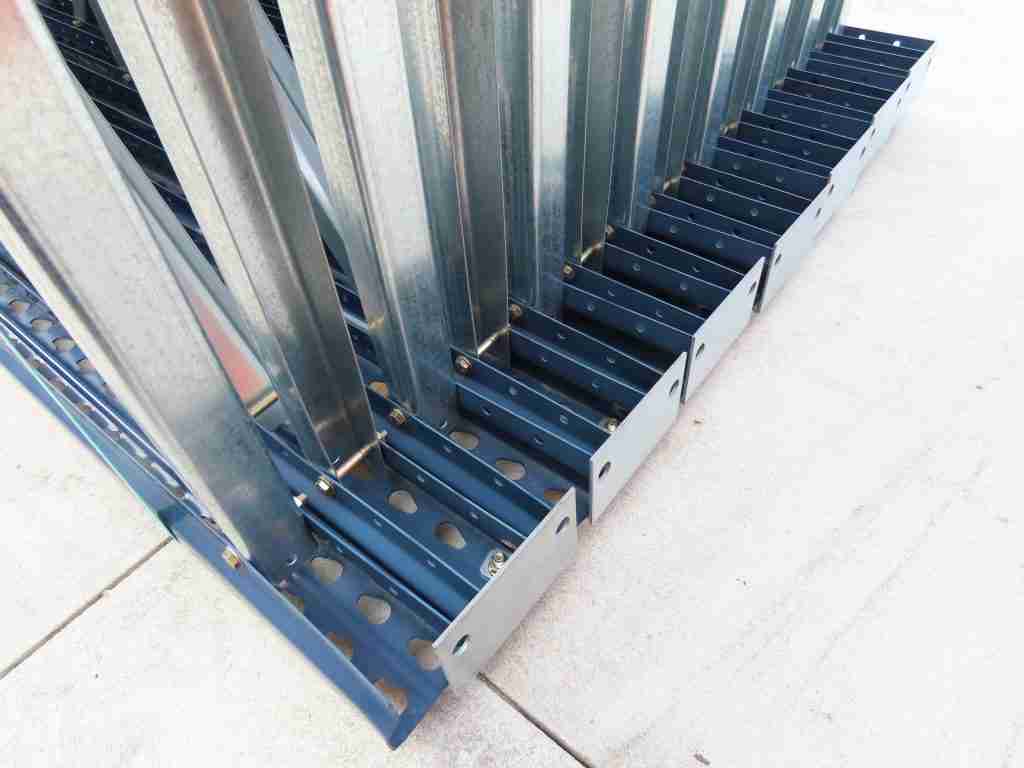
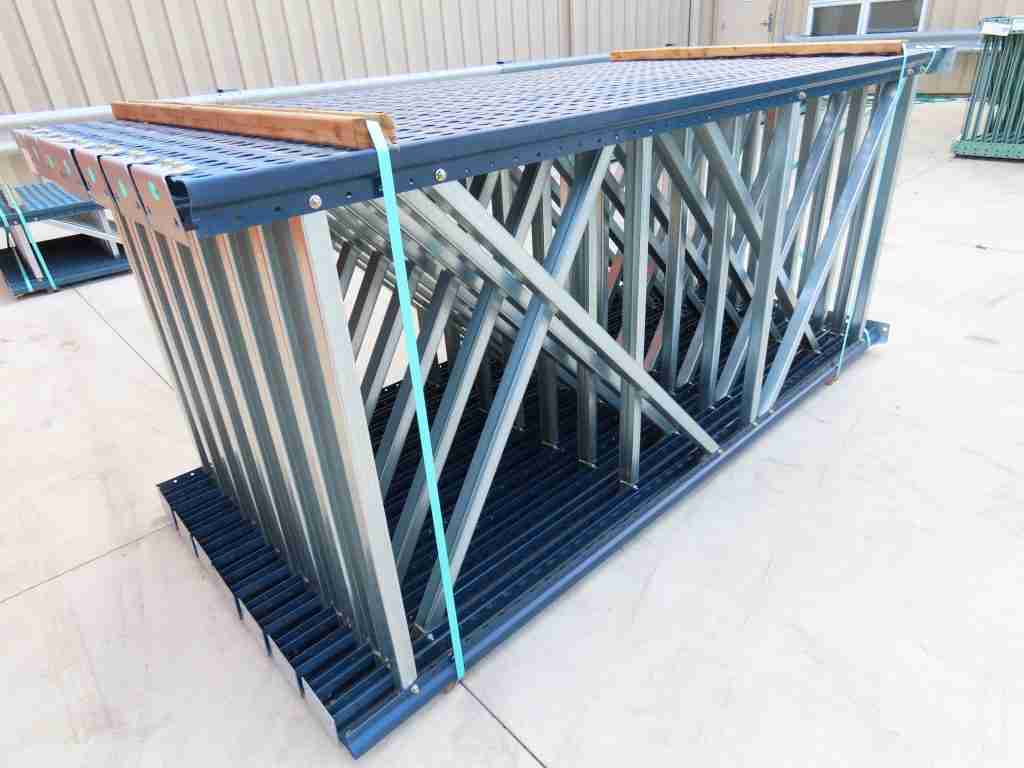
One of the most important aspects of training for working with industrial racks is understanding the different types of racks and their capabilities. There are various types of industrial racks, such as pallet racks, cantilever racks, and pushback racks, each with their own unique design and function. It is important to be familiar with each type of rack and how they are used in order to work with them safely.
In addition to knowing the different types of racks, training should also cover proper loading and unloading techniques. Overloading a rack can lead to a collapse, causing serious injuries or even fatalities. Proper loading techniques, such as evenly distributing weight and securing loads with appropriate restraints, are essential for maintaining the structural integrity of the rack.
Furthermore, training should also include instruction on how to inspect racks for damage or signs of wear. Regular inspections are crucial for identifying potential issues before they escalate into a safety hazard. Learning how to properly inspect racks can help prevent accidents and prolong the lifespan of the equipment.
Another important aspect of training for working with industrial racks is understanding proper safety protocols. This includes wearing the appropriate personal protective equipment, following established safety procedures, and knowing how to respond in the event of an emergency. Being prepared for any situation can help prevent accidents and keep both you and your coworkers safe.
Lastly, training should emphasize the importance of proper maintenance and upkeep of industrial racks. Regular maintenance, such as tightening bolts, repairing damage, and ensuring racks are level and secure, is essential for preventing accidents and ensuring the longevity of the equipment.
Overall, working with industrial racks requires a combination of knowledge, skill, and attention to detail. By receiving proper training and following established safety protocols, you can ensure a safer work environment for yourself and those around you. Remember, safety should always be the top priority when working with industrial racks.
What Training Is Needed For Working With Industrial Racks Safely?
What Training Is Needed For Working With Industrial Racks Safely?
- Understanding different types of industrial racks and their capabilities.
- Proper loading and unloading techniques to prevent collapses.
- Inspecting racks for damage or signs of wear regularly.
- Following proper safety protocols and wearing personal protective equipment.
- Emphasizing the importance of maintenance and upkeep of industrial racks.
- Combining knowledge, skill, and attention to detail for safe work environment.
- Ensuring safety as the top priority when working with industrial racks.
What Training Is Needed For Working With Industrial Racks Safely?
How Can Maintenance Prolong The Life Of Industrial Racks?
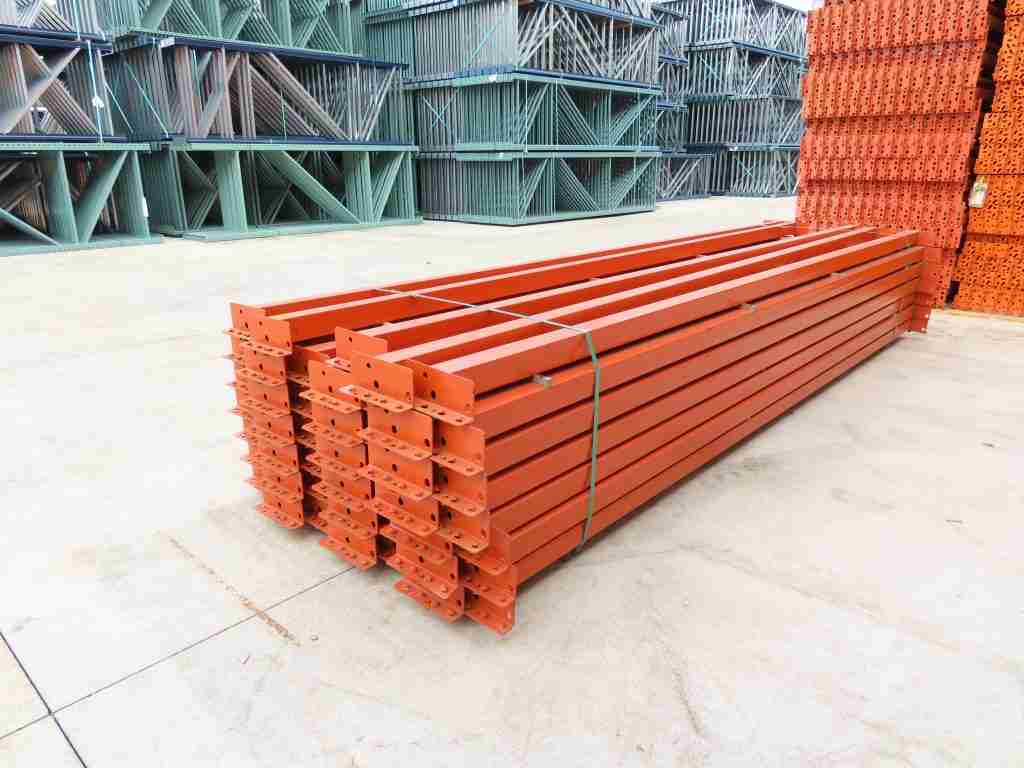
Industrial racks are essential components in warehouses and storage facilities, providing efficient organization and maximizing space utilization. However, without proper maintenance, these racks can quickly deteriorate, leading to safety hazards and decreased longevity. By implementing a regular maintenance routine, you can significantly prolong the life of your industrial racks and ensure they continue to operate at peak performance.
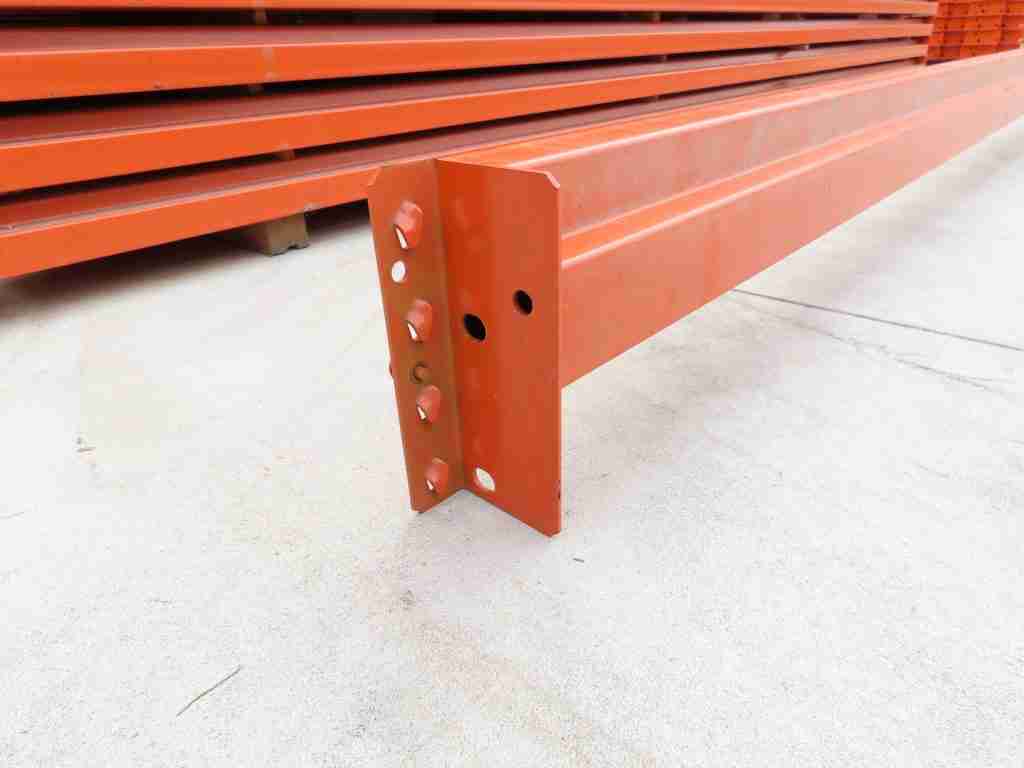
One of the most critical aspects of maintenance for industrial racks is inspection. Regularly inspecting your racks allows you to identify any potential issues before they escalate into more significant problems. Look for signs of damage such as bent or missing beams, loose connections, or rust and corrosion. Addressing these issues promptly can prevent them from worsening and compromising the structural integrity of the rack.
In addition to visual inspections, it’s essential to regularly clean your industrial racks. Dust, debris, and other contaminants can accumulate on the racks over time, causing them to deteriorate faster. Use a brush or vacuum to remove dirt and grime from the racks, paying special attention to hard-to-reach areas. Keeping your racks clean not only prolongs their life but also enhances safety and efficiency in the workplace.
Another crucial maintenance task for industrial racks is to ensure proper load distribution. Overloading racks can cause them to buckle or collapse, putting both the stored items and employees at risk. Be sure to adhere to the manufacturer’s weight limits and load capacity guidelines when stocking your racks. Regularly check the weight distribution on the shelves and make adjustments as needed to prevent damage and maintain stability.
Additionally, regularly lubricating moving parts of your industrial racks can help prevent wear and tear. Hinges, wheels, and other mechanisms should be lubricated to ensure smooth operation and prevent friction-related damage. Use a suitable lubricant recommended by the rack manufacturer and follow their guidelines for application. Proper lubrication not only extends the life of your racks but also improves their overall performance.
Finally, investing in professional rack inspections and maintenance as needed can further prolong the life of your industrial racks. Experienced technicians can identify and address potential issues that may go unnoticed during routine maintenance. They can also provide recommendations for repairs or upgrades that can enhance the reliability and longevity of your racks.
Regular maintenance is crucial for prolonging the life of industrial racks and ensuring the safety and efficiency of your storage facility. By incorporating these maintenance practices into your routine, you can maximize the lifespan of your racks and minimize the risk of costly repairs or replacements. Remember, a well-maintained rack is a safe and reliable rack.
How Can Maintenance Prolong The Life Of Industrial Racks?
How Can Maintenance Prolong The Life Of Industrial Racks?
- Industrial racks are essential in warehouses for organization and space utilization.
- Regular maintenance is crucial to prevent safety hazards and prolong longevity.
- Inspection is key to identifying potential issues early on.
- Cleaning racks regularly helps prevent deterioration from dust and debris.
- Proper load distribution is crucial to prevent buckling or collapse.
- Lubricating moving parts helps prevent wear and tear.
- Professional inspections and maintenance can further extend rack life.
How Can Maintenance Prolong The Life Of Industrial Racks?
What Are Common Causes Of Accidents Involving Industrial Racks?
When it comes to the world of industrial racks, accidents can happen in the blink of an eye. Whether it’s in a warehouse, distribution center, or manufacturing facility, there are several common causes of accidents that can lead to serious injuries or even fatalities.
One of the main culprits behind accidents involving industrial racks is improper installation. When racks are not properly installed or secured, they can easily collapse under the weight of heavy loads. This can not only result in damage to the products being stored, but it can also pose a serious risk to the workers in the vicinity. It’s crucial that racks are installed by experienced professionals who know how to properly secure them and ensure they can support the weight they are designed for.
Another common cause of accidents involving industrial racks is overloading. When workers exceed the maximum weight capacity of a rack, it puts a strain on the structure and increases the likelihood of a collapse. This can happen when workers stack items too high or too densely on the racks, or when they fail to consider the weight limitations of the racks. It’s important for workers to be trained on how to properly load and distribute weight on industrial racks to prevent overloading.
Poor maintenance is also a major contributing factor to accidents involving industrial racks. Over time, racks can become damaged or weakened due to wear and tear, corrosion, or other factors. If these issues are not addressed promptly, it can lead to a rack failure that puts workers at risk. Regular inspections and maintenance are essential to identify and address any issues before they escalate into a serious accident.
Lack of proper training is yet another common cause of accidents involving industrial racks. If workers are not properly trained on how to safely handle and store items on racks, they are more likely to make mistakes that can lead to accidents. It’s important for companies to provide comprehensive training to all workers who will be working around industrial racks to ensure they understand proper procedures and safety precautions.
Accidents involving industrial racks can have serious consequences for workers and businesses alike. By addressing common causes such as improper installation, overloading, poor maintenance, and lack of training, companies can help minimize the risk of accidents and create a safer work environment for everyone involved.
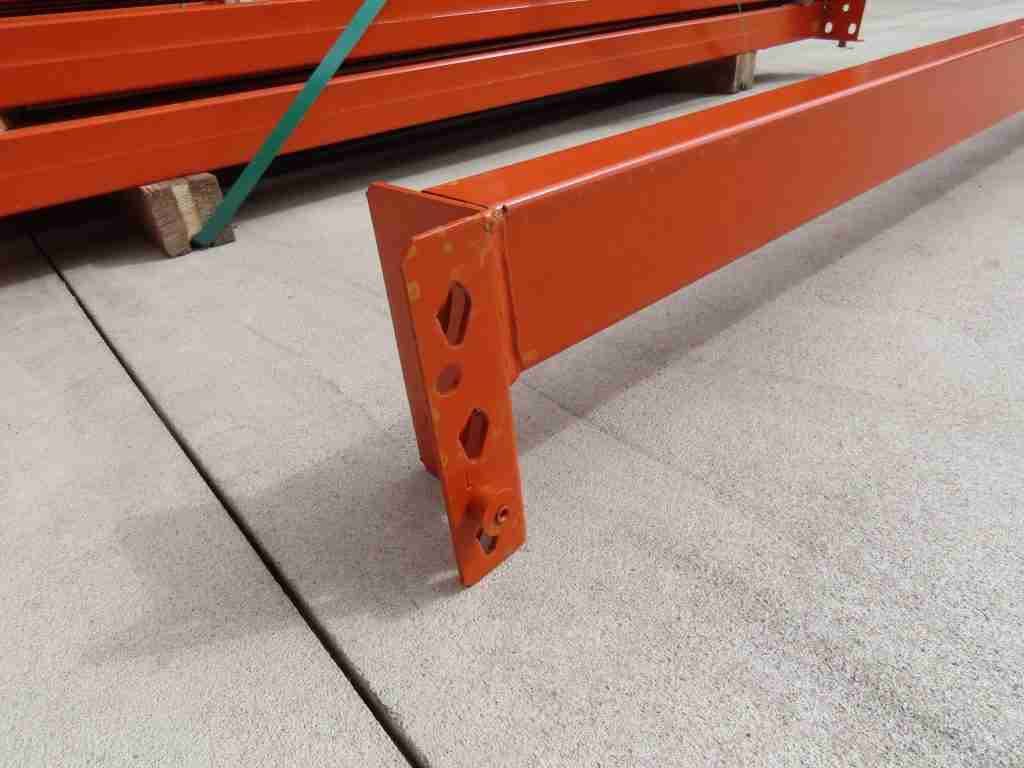
What Are Common Causes Of Accidents Involving Industrial Racks?
What Are Common Causes Of Accidents Involving Industrial Racks?
- Improper installation: Racks can collapse if not installed or secured properly.
- Overloading: Exceeding weight capacity can strain the structure and lead to collapse.
- Poor maintenance: Damage or weakening of racks over time can result in failure.
- Lack of proper training: Workers need to be trained on safely handling items on racks.
- Accidents can have serious consequences for workers and businesses.
- Companies need to address common causes to minimize the risk of accidents.
- Creating a safer work environment is essential to prevent accidents involving industrial racks.
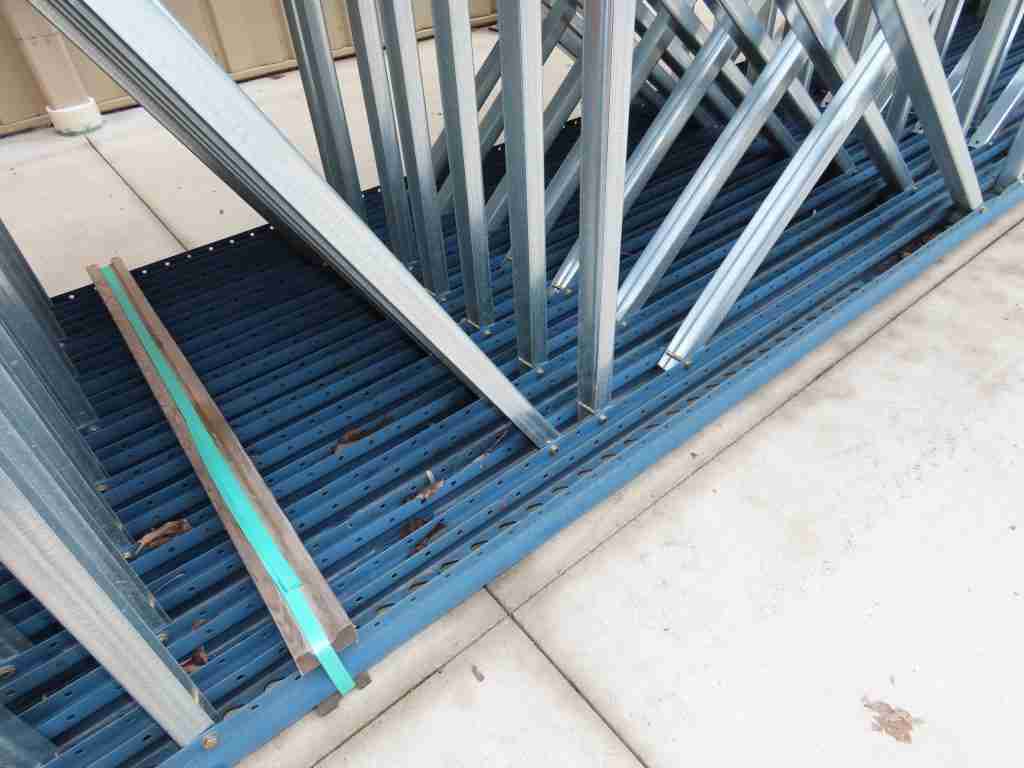
What Are Common Causes Of Accidents Involving Industrial Racks?
Conclusion
In conclusion, when it comes to working with industrial racks, safety should always be the top priority. Proper installation, regular inspections, and following specific guidelines for weight limits are crucial for maintaining a safe work environment. By understanding the common causes of accidents involving industrial racks, such as overloading, poor maintenance, and lack of training, workers can take preventative measures to avoid potential risks. Implementing a regular maintenance routine, ensuring proper load distribution, and investing in professional inspections can help prolong the life of industrial racks and prevent accidents. By staying vigilant, receiving proper training, and following safety protocols, workers can create a safer work environment when working with these essential storage structures. Remember, safety always comes first when it comes to industrial rack storage.
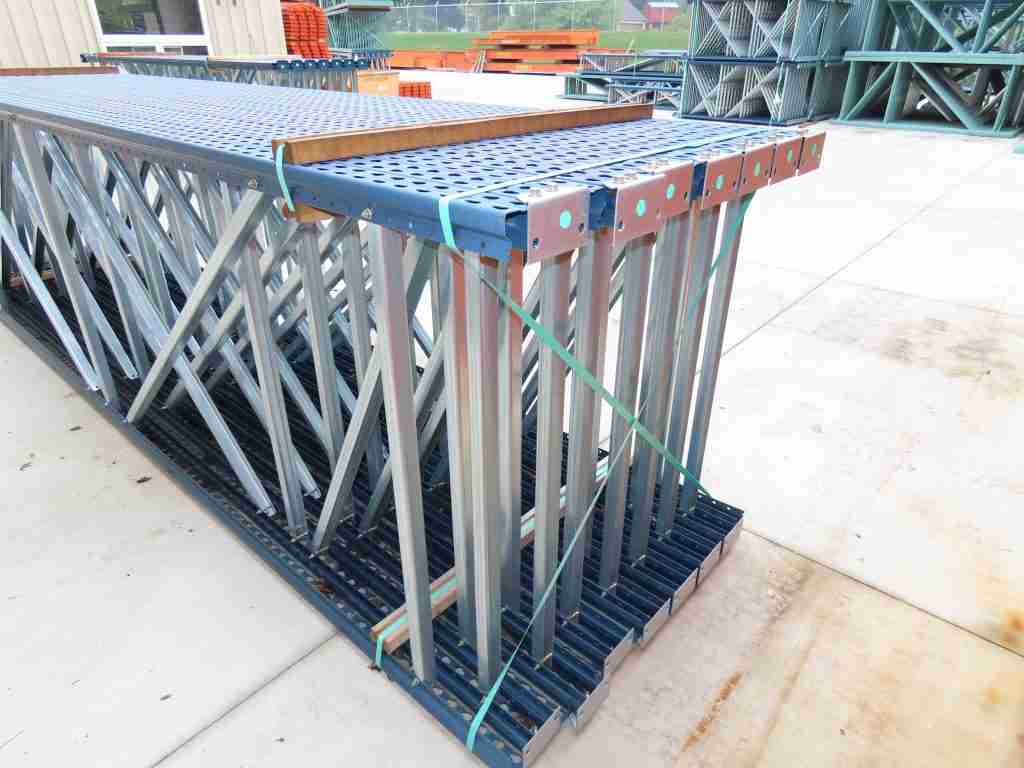
Conclusion
Conclusion:
- Safety should always be the top priority when working with industrial racks.
- Proper installation, regular inspections, and following weight limit guidelines are crucial.
- Understanding common causes of accidents such as overloading and poor maintenance can help prevent risks.
- Implementing regular maintenance routines and proper load distribution can prolong rack life.
- Investing in professional inspections can also help prevent accidents.
- Staying vigilant, receiving proper training, and following safety protocols are essential.
- Safety should always be the first priority when working with industrial rack storage.
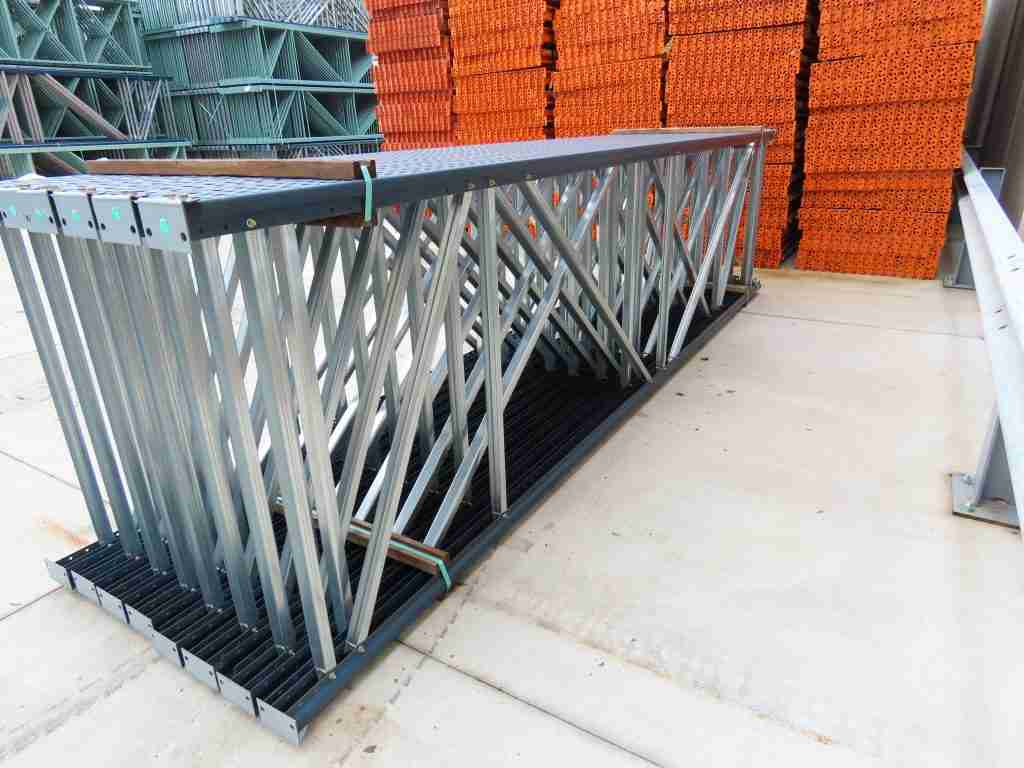
Conclusion
Other Resources
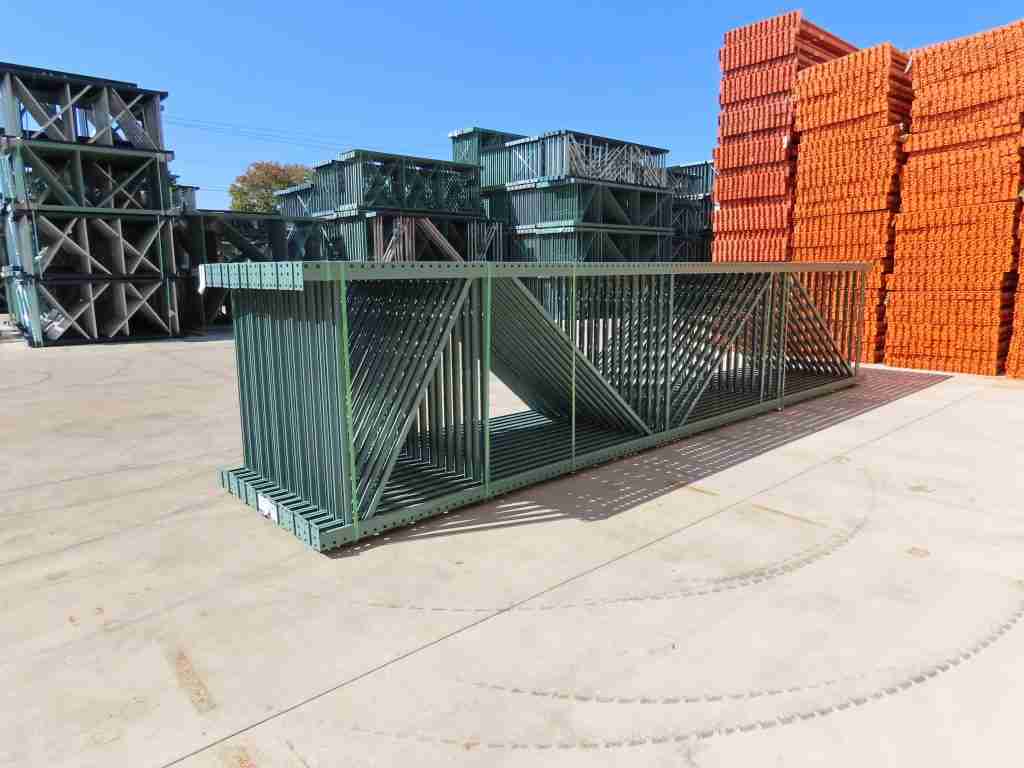
Other Resources
Here is a list of other resources you can review online to learn more:
- “Warehouse safety: 7 key points to consider”
- “GOOD LABORATORY PRACTICE (GLP)”
- “Edible Insects: Future Prospects for Food and Feed Security”
- “factories and warehouses”
- “7 Warehouse Inspections You Need to Carry Out”
- “Sustainability Report 2022”
- “The Great Transformation”
- “The Illustrated London News”
- “Popular Mechanics – mag 1975 – Pagina 109 – Risultati da Google Libri”
- “Classical LA. – nov 2003 – Pagina 45 – Risultati da Google Libri”
- “(PDF) Artificial Intelligence and Machine Learning for the …”
- “How to Manage a Warehouse (with Pictures)”
- “Warehouses: industrial racking risks and prevention …”
- “PALLET RACKING SYSTEMS 2019 2020”
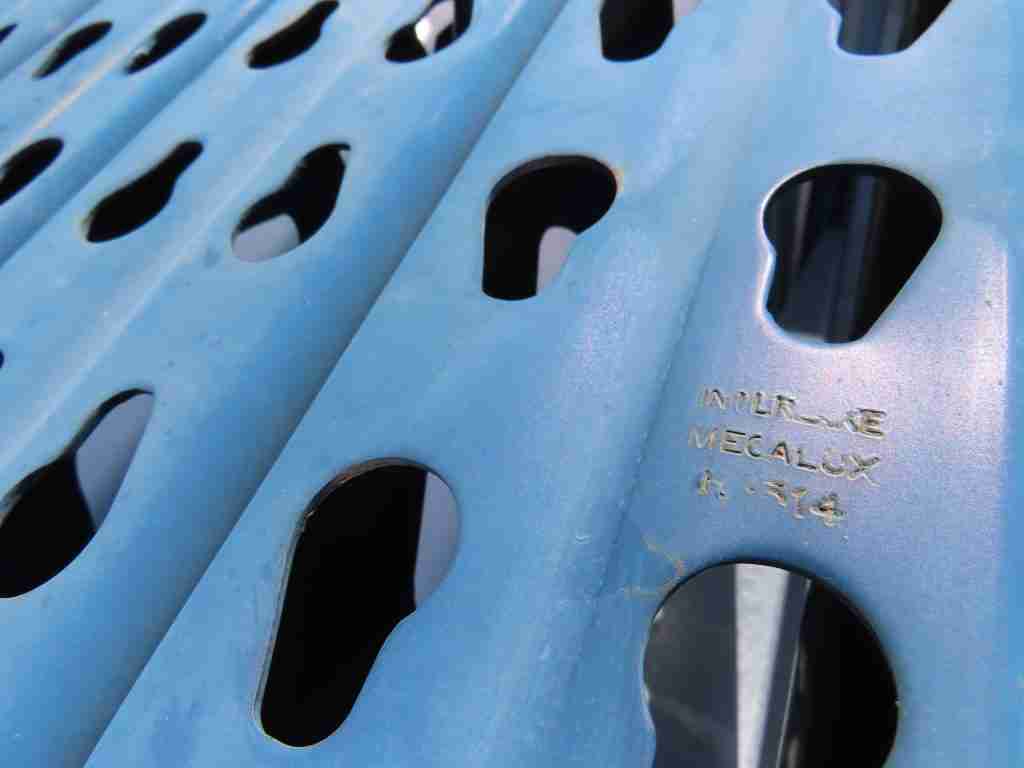
Other Resources
Glossary Terms
What Safety Measures Should Be Considered with Industrial Racks? – Glossary Of Terms
Here is a glossary of terms related to safety measures for industrial racks:
1. Load Capacity: Description: The maximum weight that an industrial rack can safely support.
2. Material Handling: Description: The process of moving, controlling, and storing materials within a facility.
3. Pallet Rack: Description: A type of storage system designed to store materials on pallets.
4. Racking Inspection: Description: The regular examination of racking systems to identify and fix potential safety issues.
5. Anchor Bolts: Description: Hardware used to secure industrial racks to the floor, preventing movement.
6. Rack Beams: Description: Horizontal components that support the load in a racking system.
7. Rack Uprights: Description: Vertical components that support and stabilize the racking system.
8. Weight Distribution: Description: The even spreading of load weight across the rack to prevent tipping or collapse.
9. Safety Clips/Pins: Description: Devices used to secure rack beams and prevent dislodgment.
10. Rack Protection: Description: Measures taken to safeguard racks from damage, like corner guards or aisle barriers.
11. Load Binders: Description: Devices to secure loads on racks and prevent items from falling.
12. Capacity Signage: Description: Signs displaying the maximum load limits of racks for safety and compliance.
13. Forklift Safety: Description: Guidelines and practices for operating forklifts safely near racking systems.
14. Seismic Bracing: Description: Structural reinforcements to help racks withstand seismic activity.
15. Aisle Width: Description: The space between racks which must be sufficient to allow safe movement of people and machinery.
16. Deflection Limits: Description: The maximum acceptable bending or sagging of rack components under load.
17. Impact Protection: Description: Systems designed to absorb and dissipate forces to protect racks from collisions.
18. Rack Configuration: Description: The specific setup and arrangement of racks to optimize safety and efficiency.
19. Pallet Placement: Description: Guidelines for correctly placing pallets within racks to avoid overloading.
20. Employee Training: Description: Education programs for workers on safe practices for using and interacting with racking systems.
21. Rack Labelling: Description: Identification tags and labels to facilitate organization and safe loading practices.
22. Periodic Maintenance: Description: Scheduled checks and repairs to keep racking systems in optimal and safe condition.
23. Fall Protection: Description: Safety systems to prevent items from falling off shelves, such as netting or safety bars.
24. Emergency Procedures: Description: Plans and practices to follow in case of an accident involving racking systems.
25. Stability Testing: Description: Assessments to ensure the racking system remains stable under expected load conditions.
26. Rack Permit: Description: Legal certification required in some areas to ensure racking systems meet regulatory standards.
27. Damage Assessment: Description: Evaluations to identify any physical damage to racks that might compromise safety.
28. Dynamic Loads: Description: The varying forces and impacts on a rack during loading and unloading processes.
29. Rack Design: Description: The engineering and structural planning of racks tailored to specific operation requirements.
30. Spill Containment: Description: Methods to prevent and manage spills from items stored in racks, especially hazardous materials.
These terms and their descriptions are essential for understanding and implementing safety measures in industrial racking systems.
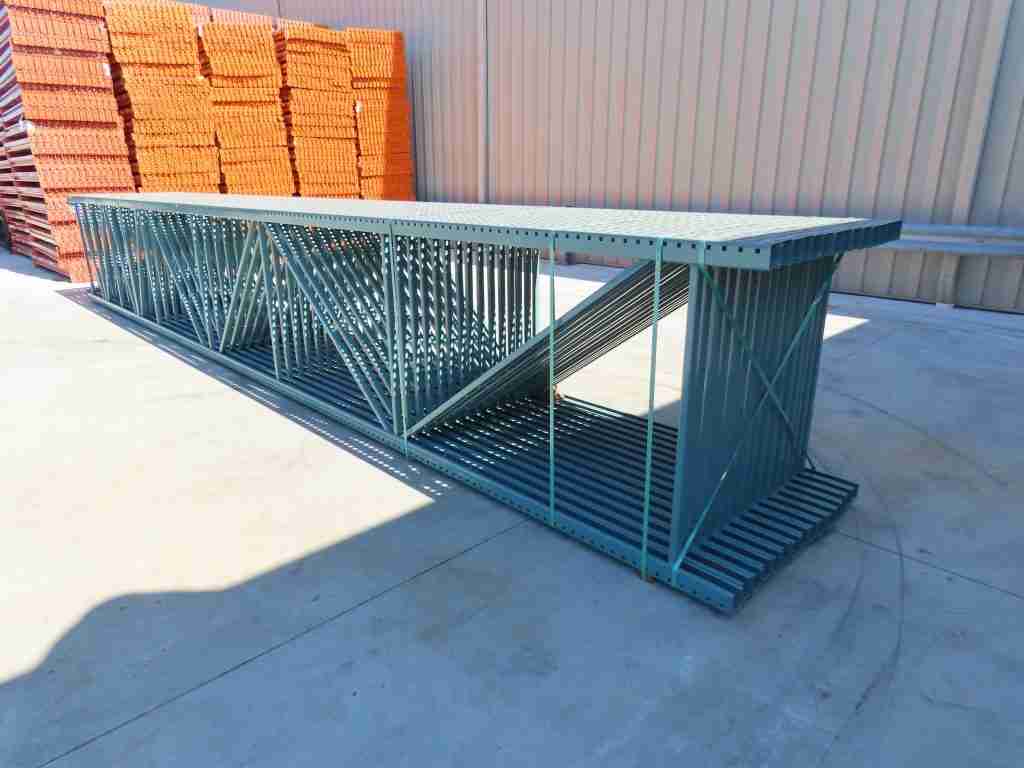
Glossary Of Terms
Other Questions
What Safety Measures Should Be Considered with Industrial Racks? – Other Questions
If you wish to explore and discover more, consider looking for answers to these questions:
- What types of industrial racks are commonly used in warehouses?
- How can one ensure proper installation of industrial racks?
- What is involved in the regular inspection process for industrial racks?
- What are the signs that an industrial rack needs repair or replacement?
- What kinds of damages should workers look for during rack inspections?
- What are the safety protocols for using forklifts around industrial racks?
- How should weight be evenly distributed on industrial racks?
- What equipment is best for loading and unloading heavy items onto racks?
- What are the proper techniques for lifting and moving items to prevent injuries?
- How can workers be trained to use industrial racks safely?
- What are common manufacturers’ guidelines for the weight limits of different racks?
- How can companies track and manage the load capacities of their industrial racks?
- What precautions should be taken to avoid collisions with racks?
- What are the best practices for maintaining clear pathways in a warehouse?
- How can layouts be optimized to minimize hazards in industrial rack storage?
- Which regulations and standards should companies adhere to for rack safety?
- How often should racks be inspected for potential hazards?
- How should companies prepare for emergency situations involving rack collapses?
- What steps should be taken to document and analyze rack collapse incidents?
- What fire suppression systems are recommended for industrial rack storage?
- How can temperature and humidity affect the stability of industrial racks?
- What are the common environmental factors that impact the integrity of racks?
- How can businesses implement a comprehensive maintenance schedule for their racks?
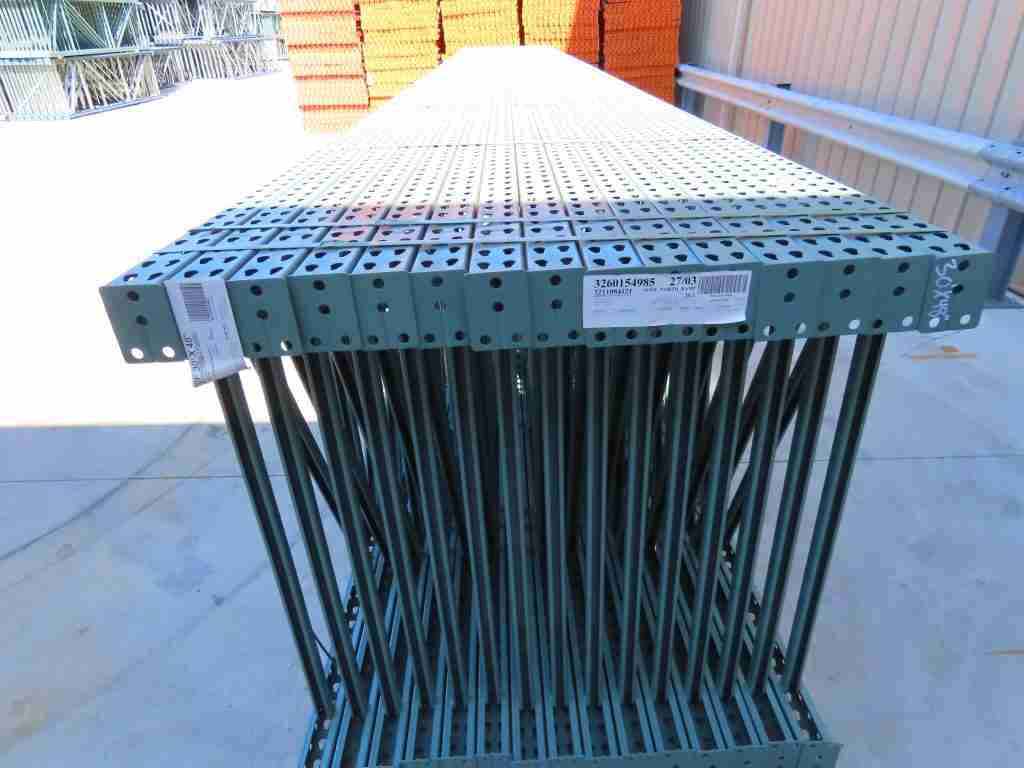
Other Questions
Checklist
What Safety Measures Should Be Considered with Industrial Racks? – A Checklist
## Installation
_____ Ensure racks are installed following manufacturer’s guidelines.
_____ Verify racks are anchored to the floor or wall.
_____ Use experienced professionals for installation.
## Regular Inspections
_____ Inspect racks regularly for damage: rust, corrosion, bent beams, loose connections.
_____ Immediately address any signs of wear and tear.
_____ Perform load capacity tests periodically.
## Proper Maintenance
_____ Replace damaged components as soon as possible.
_____ Clean racks regularly to remove dust and debris.
_____ Lubricate moving parts.
_____ Conduct professional inspections as needed.
## Loading and Unloading
_____ Distribute weight evenly across shelves.
_____ Do not exceed the weight capacity of any rack.
_____ Use appropriate equipment (e. g. , forklifts, pallet jacks) for heavy loads.
_____ Properly secure and balance items on shelves.
## Training
_____ Ensure all workers receive proper training on rack safety.
_____ Train workers on safe loading and unloading techniques.
_____ Educate workers about the weight limits and how to distribute weight evenly.
_____ Provide instruction on proper maintenance and inspection protocols.
_____ Train workers on fire safety procedures.
## Warehouse Layout
_____ Arrange racks to allow for easy access to all shelves.
_____ Maintain clear pathways around racks for safe movement.
_____ Prevent collisions with overhead sprinkler systems or other obstacles.
_____ Keep area around racks free from obstructions and debris.
## Safety Protocols
_____ Wear personal protective equipment (PPE) as required.
_____ Establish procedures for reporting and addressing rack damage.
_____ Ensure proper communication among workers during rack use.
_____ Implement regular safety drills, including fire drills.
## Emergency Preparedness
_____ Have a plan in place for securing the area in case of a rack collapse.
_____ Keep emergency contact numbers accessible.
_____ Train workers on emergency procedures, including first aid and how to contact emergency services.
## Fire Safety
_____ Invest in fire protection and suppression systems (e. g. , sprinklers).
_____ Conduct regular maintenance and testing of fire suppression systems.
_____ Ensure proper ventilation to prevent the buildup of flammable vapors.
_____ Train workers in fire prevention and response.
By adhering to this checklist, businesses can minimize risks associated with industrial racks and create a safer and more efficient workspace for everyone.

Checklist
At RackingWorld, we help guide you through selecting warehouse storage systems and racking.
Be sure to read our other related stories at RackingWorld to learn more about warehouse storage systems.
0 Comments