
Discover The Top Pallet Racking Systems
By Tom Seest
At RackingWorld, we help guide you through selecting warehouse storage systems and racking.
Be sure to read our other related stories at RackingWorld to learn more about warehouse storage systems.
What Is The Most Common Type Of Pallet Racking System?
When it comes to warehousing and logistics, pallet racking systems play a crucial role in maximizing storage space and efficiency. One of the most common types of pallet racking systems is known as selective pallet racking.
Selective pallet racking is aptly named because it allows for easy selectivity and access to individual pallets. This type of system consists of upright frames, cross beams, and wire decking that create shelves for storing pallets of various sizes. The beams can be adjusted to accommodate different load heights, making it versatile for different types of inventory.
What sets selective pallet racking apart is its accessibility. With aisles between each row of shelves, forklifts can easily maneuver and access any pallet in the system. This makes it ideal for warehouses that require frequent and quick access to their inventory.
In addition to its accessibility, selective pallet racking is also known for its cost-effectiveness. It is a relatively simple system that does not require special equipment or complex installation procedures. This makes it a popular choice for warehouses looking to maximize their storage capacity without breaking the bank.
Despite its popularity, selective pallet racking does have its limitations. One of the main drawbacks is that it may not be the most efficient use of vertical space. Because pallets are stored directly on top of each other, there is limited utilization of height compared to other types of pallet racking systems.
Another consideration is the weight capacity of the beams. While selective pallet racking can accommodate a wide range of pallet sizes and weights, there are limits to how much weight the beams can support. It is important to carefully consider your inventory and storage needs to ensure that the system can handle the load.
Overall, selective pallet racking is a reliable and widely used system for storing palletized inventory. Its accessibility, cost-effectiveness, and versatility make it a popular choice for warehouses of all sizes. By understanding the benefits and limitations of selective pallet racking, businesses can make informed decisions about their storage solutions to optimize their operations.

What Is The Most Common Type Of Pallet Racking System?
What Is The Most Common Type Of Pallet Racking System?
- Selective pallet racking allows for easy selectivity and access to individual pallets.
- Consists of upright frames, cross beams, and wire decking for storing pallets of various sizes.
- Beams can be adjusted to accommodate different load heights.
- Accessible system with aisles between shelves for easy forklift maneuverability.
- Cost-effective option that is easy to install and does not require special equipment.
- Limited vertical space utilization compared to other systems.
- Important to consider weight capacity of beams for proper storage of inventory.

What Is The Most Common Type Of Pallet Racking System?
Table Of Contents
- What Is The Most Common Type Of Pallet Racking System?
- What Are The Benefits Of Using Pallet Racking Systems?
- How Do Pallet Racking Systems Improve Warehouse Efficiency?
- How Can I Choose The Right Pallet Racking System For My Business?
- What Are The Key Considerations For Installing Pallet Racking Systems?
- What Are The Benefits Of Using A Pallet Racking System?
- How Can Pallet Racking Help Optimize Storage Space?
- Are There Different Types Of Pallet Racking Systems Available?
- How Can Pallet Racking Systems Improve Efficiency In A Warehouse?
- What Are The Safety Considerations When Using Pallet Racking?
- What Are The Costs Associated With Installing A Pallet Racking System?
- Can Pallet Racking Systems Be Customized To Fit Specific Needs?
- How Long Does It Take To Install A Pallet Racking System?
- Conclusion
- Other Resources
- Glossary Of Terms
- Other Questions
- Checklist
What Are The Benefits Of Using Pallet Racking Systems?
Pallet racking systems are like the unsung heroes of warehouses everywhere. These metal structures may not be the flashiest of warehouse equipment, but they play a crucial role in keeping operations running smoothly.
One of the main benefits of using pallet racking systems is the ability to maximize storage space. By using vertical space efficiently, warehouses can store more inventory without taking up additional floor space. This not only helps in organizing the warehouse but also allows for easier navigation of forklifts and other equipment.
Another advantage of pallet racking systems is the increased safety they provide. By securely storing pallets of inventory on sturdy racks, the risk of accidents caused by unstable stacks of pallets is significantly reduced. This not only protects the warehouse employees but also the valuable inventory stored within.
Efficiency is another key benefit of using pallet racking systems. With inventory neatly organized on racks, picking orders becomes faster and more streamlined. Employees can easily locate and access the items they need, leading to quicker order fulfillment and increased productivity.
Pallet racking systems also offer flexibility and scalability. These systems can be easily customized to fit the specific needs of a warehouse, whether it be changing inventory sizes or layout adjustments. As the warehouse grows and evolves, the pallet racking system can adapt to accommodate these changes, making it a long-term investment.
Cost-effectiveness is another advantage of using pallet racking systems. By maximizing storage space and increasing efficiency, warehouses can save money in the long run. Additionally, the durability of pallet racking systems means they require minimal maintenance and have a long lifespan, reducing the need for frequent replacements.
Ultimately, pallet racking systems are the backbone of any warehouse operation. They provide numerous benefits that not only improve safety and efficiency but also save time and money in the long run. So the next time you walk through a warehouse and see those towering racks of pallets, remember that they are the unsung heroes keeping everything in order.

What Are The Benefits Of Using Pallet Racking Systems?
What Are The Benefits Of Using Pallet Racking Systems?
- Pallet racking systems maximize storage space by using vertical space efficiently.
- Increased safety is provided by securely storing pallets on sturdy racks.
- Efficiency is improved with organized inventory, leading to faster order fulfillment.
- Flexibility and scalability allow for customization and adaptation to warehouse needs.
- Cost-effectiveness is achieved through space optimization, efficiency, and durability.
- Pallet racking systems are a long-term investment that save time and money.
- They are the unsung heroes of warehouses, improving safety, efficiency, and organization.

What Are The Benefits Of Using Pallet Racking Systems?
How Do Pallet Racking Systems Improve Warehouse Efficiency?
Pallet racking systems are like the unsung heroes of the warehouse world. They quietly stand tall, storing and organizing products with precision and efficiency, allowing businesses to operate like well-oiled machines. But how exactly do these seemingly simple shelving units play such a vital role in improving warehouse efficiency?
First and foremost, pallet racking systems maximize storage space. By utilizing vertical space, rather than spreading products out horizontally, warehouses can store more goods in a smaller footprint. This not only saves valuable floor space, but also allows for easier navigation and access to products. With products neatly stacked on pallets and organized on racks, employees can quickly locate and retrieve items, reducing the time spent searching for specific products and increasing overall productivity.
Furthermore, pallet racking systems enhance inventory management processes. By organizing products based on size, weight, or demand, warehouses can better track inventory levels and ensure stock rotation. This helps prevent overstocking or stockouts, ultimately reducing costs and improving customer satisfaction. With a well-organized warehouse, businesses can better manage their inventory and respond to customer demands in a timely manner.
In addition, pallet racking systems improve workplace safety. By storing products vertically, rather than piling them haphazardly on the floor, the risk of accidents and injuries is significantly reduced. Employees can easily maneuver around the warehouse, retrieve products without strain, and operate machinery with ease. This not only protects employees from potential harm, but also minimizes damage to products, reducing waste and costly replacements.
Moreover, pallet racking systems promote efficiency in picking and packing operations. With products neatly organized on racks, employees can quickly locate and pick items for orders, streamlining the fulfillment process. This reduces the time spent fulfilling orders and increases order accuracy, leading to faster delivery times and improved customer satisfaction. By optimizing picking and packing operations, businesses can more effectively meet customer demands and stay ahead of the competition.
Overall, pallet racking systems are essential tools for improving warehouse efficiency. By maximizing storage space, enhancing inventory management, promoting workplace safety, and streamlining picking and packing operations, these systems play a vital role in helping businesses operate more effectively and efficiently. So, the next time you see a towering pallet racking system in a warehouse, remember the important role it plays in keeping things running smoothly behind the scenes.

How Do Pallet Racking Systems Improve Warehouse Efficiency?
How Do Pallet Racking Systems Improve Warehouse Efficiency?
- Pallet racking systems maximize storage space by utilizing vertical space.
- Allows for easier navigation and access to products.
- Enhances inventory management processes by organizing products based on size, weight, or demand.
- Improves workplace safety by storing products vertically.
- Promotes efficiency in picking and packing operations.
- Reduces time spent fulfilling orders and increases order accuracy.
- Essential tools for improving warehouse efficiency.

How Do Pallet Racking Systems Improve Warehouse Efficiency?
How Can I Choose The Right Pallet Racking System For My Business?
So, you’re in the market for a new pallet racking system for your business, eh? Well, let me tell you, it’s not as simple as just picking the first one you come across. No sir, choosing the right pallet racking system is crucial for the efficient operation of your warehouse.
First things first, you need to assess the specific needs of your business. How much storage space do you require? What types of products are you storing? How often do you need to access them? These are all important factors to consider when selecting a pallet racking system.
Next, you’ll want to consider the layout of your warehouse. Are you working with limited space? Or do you have an expansive area to work with? The layout of your warehouse will determine the type of pallet racking system that will work best for you.
Now, let’s talk about weight capacity. You need to choose a pallet racking system that can handle the weight of your products. If you plan on storing heavy items, you’ll need a system that is designed to support the load. Don’t cut corners on this one, my friend. Safety should always be a top priority in the warehouse.
Another important factor to consider is accessibility. How often do you need to access your products? If you have a high turnover rate, you’ll want a pallet racking system that allows for easy access to your inventory. On the other hand, if you have products that are rarely accessed, you can opt for a system that prioritizes storage density over accessibility.
Lastly, don’t forget about cost. While it may be tempting to go for the cheapest option available, keep in mind that you get what you pay for. Investing in a durable, high-quality pallet racking system will save you money in the long run by reducing the risk of damage to your products and preventing accidents in the warehouse.
Choosing the right pallet racking system for your business requires careful consideration of your specific needs, the layout of your warehouse, weight capacity requirements, accessibility, and budget. Take your time, do your research, and don’t be afraid to ask for expert advice if needed. Your business’s success depends on it.

How Can I Choose The Right Pallet Racking System For My Business?
How Can I Choose The Right Pallet Racking System For My Business?
- Assess the specific needs of your business.
- Consider the layout of your warehouse.
- Take weight capacity into account.
- Think about accessibility.
- Don’t forget about cost.
- Invest in a durable, high-quality pallet racking system.
- Seek expert advice if needed.

How Can I Choose The Right Pallet Racking System For My Business?
What Are The Key Considerations For Installing Pallet Racking Systems?
Installing pallet racking systems may seem like a straightforward task, but there are several key considerations that must be taken into account to ensure a safe and efficient storage solution. Before diving into the installation process, it’s important to carefully evaluate the specific needs and requirements of your facility to determine the best racking system for your space.
One of the first things to consider when installing pallet racking systems is the layout of your facility. Take into account the size and shape of the space, as well as any potential obstructions or obstacles that could impact the installation. It’s crucial to plan out the layout of the racking system in advance to maximize storage capacity and efficiency.
Another important consideration is the weight and size of the items that will be stored on the racks. Different racking systems are designed to accommodate varying weight capacities, so it’s essential to choose a system that can safely support the weight of your inventory. Additionally, consider the dimensions of your pallets to ensure they will fit securely on the racking shelves.
Safety is paramount when installing pallet racking systems, so it’s critical to adhere to all safety regulations and guidelines throughout the installation process. This includes ensuring that the racking system is properly anchored to the floor and walls to prevent tipping or collapse. Be sure to also install safety features such as beam locks and safety pins to secure the shelves and prevent accidental dislodging of pallets.
Accessibility is another key consideration when installing pallet racking systems. Take into account the flow of goods through your facility and ensure that aisles are wide enough for forklifts or other equipment to maneuver safely. Consider the height of the racking system as well, making sure that items are easily accessible for loading and unloading.
Finally, it’s important to consider the long-term maintenance and upkeep of the pallet racking system. Regular inspections and maintenance checks should be conducted to ensure the integrity of the system and prevent any potential hazards. Routine maintenance can help extend the lifespan of the racking system and ensure continued safety and efficiency.
Installing pallet racking systems requires careful planning, consideration of safety regulations, and attention to detail. By taking these key considerations into account, you can create a safe and efficient storage solution that meets the specific needs of your facility.
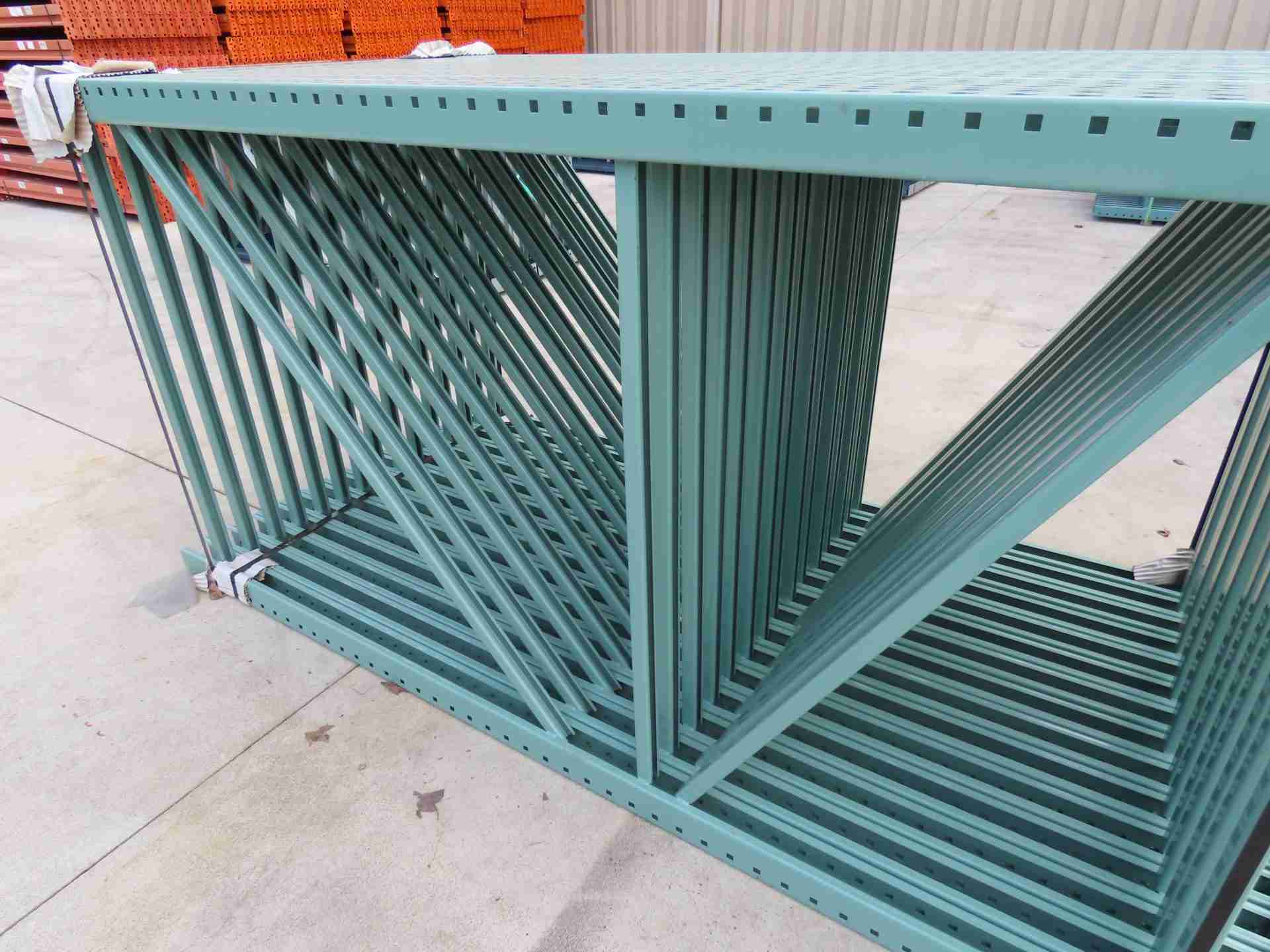
What Are The Key Considerations For Installing Pallet Racking Systems?
What Are The Key Considerations For Installing Pallet Racking Systems?
- Consider the layout of your facility, including size, shape, and potential obstacles.
- Take into account the weight and size of items to be stored on the racks.
- Adhere to safety regulations and guidelines during installation.
- Ensure accessibility for forklifts and other equipment.
- Plan for long-term maintenance and upkeep of the racking system.
- Maximize storage capacity and efficiency through careful planning.
- Create a safe and efficient storage solution that meets your facility’s needs.

What Are The Key Considerations For Installing Pallet Racking Systems?
What Are The Benefits Of Using A Pallet Racking System?
You know, when it comes to optimizing your warehouse or storage space, a pallet racking system is really the way to go. Let me break it down for you – there are some serious benefits to using these bad boys.
First and foremost, let’s talk about efficiency. With a pallet racking system in place, you’re able to maximize your vertical storage space. That means you can store more products or materials in the same footprint, which is a game-changer for businesses looking to save on real estate costs. Plus, having easy access to all your inventory means you can streamline your operations and improve workflow efficiency.
Next up, let’s chat about organization. One of the biggest headaches in any warehouse or storage facility is keeping things organized and easily accessible. But with a pallet racking system, everything has its place. You can use different types of racks, like selective, drive-in, or push-back racks, to customize the layout for your specific needs. This makes finding and retrieving items a breeze, so you can say goodbye to those frantic searches for that one elusive product.
And let’s not forget about safety. When you’ve got heavy materials or products stacked up high, safety is key. Pallet racking systems are designed to withstand heavy loads and provide stability and support for your inventory. Plus, you can add accessories like safety bars, column protectors, or netting to ensure your employees and products are protected at all times.
Another major benefit of using a pallet racking system is durability. These systems are built to last, with sturdy materials like steel or aluminum that can withstand the wear and tear of a busy warehouse environment. That means you can trust that your investment will pay off in the long run, without having to worry about constant repairs or replacements.
Lastly, let’s talk about flexibility. As your business grows and changes, your storage needs will too. With a pallet racking system, you have the flexibility to reconfigure or expand your storage space as needed. You can easily add or remove racks, adjust shelf heights, or even move the entire system to a new location without too much hassle.
So, there you have it – the benefits of using a pallet racking system are clear. It’s efficient, organized, safe, durable, and flexible. If you want to take your warehouse or storage facility to the next level, investing in a pallet racking system is the way to go. Trust me, you won’t regret it.

What Are The Benefits Of Using A Pallet Racking System?
What Are The Benefits Of Using A Pallet Racking System?
- Efficiency: Maximize vertical storage space, store more products in the same footprint, improve workflow efficiency.
- Organization: Everything has its place, use different types of racks to customize layout, find and retrieve items easily.
- Safety: Designed to withstand heavy loads, provide stability and support, add accessories for employee and product protection.
- Durability: Built to last with sturdy materials like steel or aluminum, withstand wear and tear of warehouse environment.
- Flexibility: Reconfigure or expand storage space as needed, add or remove racks, adjust shelf heights, move system to new location.
- Investment: Clear benefits of efficiency, organization, safety, durability, and flexibility, take warehouse to the next level.
- Long-term benefits: Trust that investment will pay off in the long run without constant repairs or replacements.

What Are The Benefits Of Using A Pallet Racking System?
How Can Pallet Racking Help Optimize Storage Space?
Warehouse efficiency is crucial for any business looking to maximize their storage space and streamline their operations. One of the most effective tools in achieving this goal is pallet racking.
Pallet racking systems are designed to store materials on pallets in a way that maximizes space utilization. By utilizing vertical space within a warehouse, businesses can store more inventory without needing to expand their physical footprint. This is particularly important for companies operating in urban areas where warehouse space is limited and expensive.
One of the key benefits of pallet racking is its ability to increase storage density. By stacking pallets vertically, businesses can make the most of their available space and avoid wasting valuable real estate. This is essential for businesses with a high volume of inventory that needs to be stored in an organized and accessible manner.
Additionally, pallet racking systems can help improve inventory management and retrieval processes. By organizing materials on pallets and storing them in designated locations, businesses can easily track their inventory and quickly locate items when needed. This can reduce the time and labor required to fulfill orders, increasing overall efficiency and customer satisfaction.
Another advantage of pallet racking is its ability to adapt to the needs of the business. With a variety of configurations and accessories available, businesses can customize their pallet racking system to suit their specific requirements. Whether they need to store small items, bulky goods, or materials that require specialized handling, there is a pallet racking solution that can meet their needs.
Furthermore, pallet racking can help improve workplace safety by keeping inventory organized and secure. By storing materials on pallets and keeping them off the ground, businesses can reduce the risk of accidents and injuries caused by cluttered and disorganized storage areas. This can not only protect employees and equipment but also prevent damage to valuable inventory.
Pallet racking is a valuable tool for businesses looking to optimize their storage space and improve efficiency. By utilizing vertical space, increasing storage density, improving inventory management, and enhancing workplace safety, pallet racking systems can help businesses streamline their operations and maximize their productivity. Whether you’re a small business or a large corporation, investing in pallet racking could be the key to unlocking your warehouse’s full potential.

How Can Pallet Racking Help Optimize Storage Space?
How Can Pallet Racking Help Optimize Storage Space?
- Warehouse efficiency is crucial for any business looking to maximize storage space and streamline operations.
- Pallet racking systems are designed to store materials on pallets to maximize space utilization and increase storage density.
- Vertical space utilization is important for businesses in urban areas where warehouse space is limited and expensive.
- Pallet racking systems can improve inventory management and retrieval processes, reducing time and labor required to fulfill orders.
- Businesses can customize pallet racking systems to suit their specific requirements, adapting to the needs of the business.
- Pallet racking helps improve workplace safety by keeping inventory organized and secure, reducing the risk of accidents and injuries.
- Investing in pallet racking systems can help businesses optimize storage space, improve efficiency, and maximize productivity.

How Can Pallet Racking Help Optimize Storage Space?
Are There Different Types Of Pallet Racking Systems Available?
Oh, you bet there are different types of pallet racking systems available. In fact, the world of warehouse organization is a diverse and fascinating one, with a plethora of options to choose from when it comes to storing your precious pallets.
One of the most popular types of pallet racking systems is selective racking. As the name implies, this system allows you to select individual pallets easily and quickly. It’s like the cherry-picking of the pallet racking world, designed for warehouses where access to each pallet is essential. Selective racking is great for maximizing storage space and efficiency.
Then there’s drive-in racking, a system that allows forklifts to enter the racking structure and pick or place pallets in a first-in, last-out (FILO) configuration. This is a fantastic option for warehouses that deal with a high volume of the same item and need to maximize storage space. It’s like a game of Tetris, but with pallets instead of blocks.
If you’re looking for something a little more dynamic, push-back racking might be the way to go. This system is perfect for warehouses with a high turnover rate of inventory, as it allows for multiple pallets to be stored in a single lane. The push-back mechanism works on a last-in, first-out (LIFO) basis, making it ideal for facilities that need easy access to new stock.
But wait, there’s more! Cantilever racking is a specialized system designed for long and bulky items, like pipes or lumber. The design of cantilever racking allows for easy loading and unloading, making it perfect for warehouses that deal with oversized inventory.
And let’s not forget about pallet flow racks, a gravity-fed system that uses rollers or wheels to move pallets along a track. This system is fantastic for warehouses that prioritize inventory rotation, as it ensures FIFO (first-in, first-out) storage practices.
So, whether you’re looking for easy access, space optimization, high turnover capabilities, specialized storage for oversized items, or inventory rotation efficiency, there’s a pallet racking system out there for you. The world of warehouse organization is vast and varied, so don’t be afraid to explore your options and find the perfect system for your unique needs.

Are There Different Types Of Pallet Racking Systems Available?
Are There Different Types Of Pallet Racking Systems Available?
- Selective racking allows for easy selection of individual pallets, maximizing storage space and efficiency.
- Drive-in racking enables forklifts to access and store pallets in a FILO configuration, ideal for high-volume warehouses.
- Push-back racking is great for high turnover inventory, allowing multiple pallets to be stored in a single lane on a LIFO basis.
- Cantilever racking is designed for long and bulky items, offering easy loading and unloading for oversized inventory.
- Pallet flow racks use a gravity-fed system to ensure FIFO storage practices, perfect for inventory rotation efficiency.
- There are different pallet racking systems available for easy access, space optimization, high turnover, specialized storage, and inventory rotation efficiency.
- Explore the diverse options in warehouse organization to find the perfect system for your unique needs.

Are There Different Types Of Pallet Racking Systems Available?
How Can Pallet Racking Systems Improve Efficiency In A Warehouse?
If you’ve ever wandered through a warehouse, you’ve probably noticed the towering shelves filled with boxes and products stacked high. These shelves are not just for show – they are part of a carefully designed system called pallet racking.
So, how can pallet racking systems improve efficiency in a warehouse? Let me break it down for you.
First and foremost, pallet racking systems help maximize storage space. By utilizing vertical space rather than just floor space, warehouses can store more products in a smaller footprint. This means less wasted space and more room for inventory, ultimately increasing the warehouse’s capacity.
Furthermore, pallet racking systems organize inventory in a way that makes it easy to locate and access products quickly. With clearly labeled shelves and aisles, employees can easily find the items they need without wasting time searching through cluttered areas. This saves time and improves productivity, making the warehouse operations run more smoothly.
In addition, pallet racking systems improve safety in the warehouse. By securely storing products on shelves rather than stacking them precariously on the floor, the risk of accidents and injuries is greatly reduced. Employees can work more confidently knowing that the products are stored safely and securely.
Another way pallet racking systems improve efficiency is by streamlining the picking and packing process. With products organized on shelves according to size, weight, or other factors, employees can quickly and efficiently locate the items they need for orders. This reduces the time it takes to fulfill customer orders and ensures that products are shipped out in a timely manner.
Additionally, pallet racking systems can be customized to fit the specific needs of a warehouse. Whether it’s a narrow aisle design for tight spaces or a drive-in system for high-density storage, pallet racking can be tailored to optimize the layout of the warehouse and improve efficiency.
Overall, pallet racking systems are a vital component of a well-organized and efficient warehouse. By maximizing storage space, improving inventory organization, enhancing safety, streamlining operations, and offering customization options, pallet racking systems play a key role in ensuring that warehouse operations run smoothly and effectively. So, the next time you walk through a warehouse and see those towering shelves, remember that they are more than just storage – they are a critical tool for improving efficiency and productivity.

How Can Pallet Racking Systems Improve Efficiency In A Warehouse?
How Can Pallet Racking Systems Improve Efficiency In A Warehouse?
- Pallet racking systems help maximize storage space by utilizing vertical space efficiently.
- Organize inventory for easy access and quick product location, improving productivity.
- Improve safety by securely storing products on shelves and reducing the risk of accidents.
- Streamline the picking and packing process by organizing products for quick retrieval.
- Customizable to fit specific warehouse needs, optimizing layout and improving efficiency.
- Vital component of a well-organized warehouse, maximizing space and improving operations.
- Enhance efficiency and productivity in warehouse operations.

How Can Pallet Racking Systems Improve Efficiency In A Warehouse?
What Are The Safety Considerations When Using Pallet Racking?
When it comes to using pallet racking, safety should always be the top priority. These towering structures are essential for storing and organizing heavy loads, but they can also pose serious risks if not used properly.
One of the key safety considerations when using pallet racking is ensuring that it is properly installed and maintained. This means following the manufacturer’s guidelines for assembly and making sure that the racking is inspected regularly for any signs of damage or wear. A weak or unstable racking system can easily collapse under the weight of heavy pallets, causing serious injury or even death.
Another important safety consideration is training. Anyone who will be working with pallet racking should be properly trained on how to use it safely. This includes how to correctly load and unload pallets, how to inspect the racking for damage, and how to safely navigate around the racking system. Proper training can help prevent accidents and injuries that can occur when workers are not familiar with the proper procedures.
It’s also crucial to keep the workplace around the pallet racking clean and organized. Clutter and debris can create trip hazards and make it difficult to safely maneuver around the racking. By keeping the area tidy and free of obstructions, you can help reduce the risk of accidents and injuries.
In addition, it’s important to adhere to weight limits and load capacities when using pallet racking. Overloading the racking system can cause it to become unstable and collapse, putting everyone in the vicinity at risk. Make sure that all pallets are stacked evenly and that the weight is distributed properly to prevent any issues.
Lastly, always use the appropriate safety equipment when working with pallet racking. This may include gloves, steel-toed boots, helmets, and high-visibility clothing. By wearing the proper gear, you can protect yourself from potential hazards and ensure that you are prepared in case of an emergency.
Safety should always be the number one priority when using pallet racking. By following proper procedures, ensuring that the racking is installed and maintained correctly, receiving adequate training, keeping the workplace clean and organized, adhering to weight limits, and using the appropriate safety equipment, you can help prevent accidents and injuries while working with pallet racking. Remember, a few extra precautions can make all the difference in keeping yourself and your coworkers safe.

What Are The Safety Considerations When Using Pallet Racking?
What Are The Safety Considerations When Using Pallet Racking?
- Safety should always be the number one priority when using pallet racking.
- Ensure that pallet racking is properly installed and maintained.
- Proper training for everyone working with pallet racking is essential.
- Keep the workplace clean and organized to reduce risks of accidents.
- Adhere to weight limits and load capacities to prevent instability.
- Always use the appropriate safety equipment when working with pallet racking.
- Following proper procedures can help prevent accidents and injuries.

What Are The Safety Considerations When Using Pallet Racking?
What Are The Costs Associated With Installing A Pallet Racking System?
When it comes to installing a pallet racking system, there are several costs to consider. These costs can vary depending on the size of the system, the type of racking chosen, and any additional features or accessories that may be needed.
One of the main costs associated with installing a pallet racking system is the actual cost of the racking itself. This can range from a few hundred dollars for a basic, used system to several thousand dollars for a high-quality, custom-designed system. It’s important to remember that while it may be tempting to go with the cheapest option available, investing in a higher quality system can save you money in the long run by reducing the likelihood of damage or collapse.
In addition to the cost of the racking itself, there are also costs associated with installation. Depending on the complexity of the system and the size of the space, installation costs can vary. Some companies may choose to install the system themselves to save money, while others may opt to hire a professional installation team. Whichever route you choose, it’s important to factor in these costs when budgeting for your pallet racking system.
Another cost to consider is any additional features or accessories that may be needed for your system. This could include things like safety guards, aisle marking tape, or wire decking. While these additions may not be strictly necessary, they can help to improve the safety and efficiency of your pallet racking system.
Finally, it’s important to consider any ongoing maintenance or repair costs that may be associated with your pallet racking system. Regular inspections and maintenance can help to prevent damage and ensure the longevity of your system. It’s also important to have a plan in place for repairs in case of any accidents or malfunctions.
There are several costs to consider when installing a pallet racking system. From the initial cost of the racking itself to installation, accessories, and ongoing maintenance, investing in a high-quality system can help to improve the safety and efficiency of your warehouse or storage space. By carefully considering these costs and budgeting accordingly, you can ensure that your pallet racking system is a worthwhile investment for your business.

What Are The Costs Associated With Installing A Pallet Racking System?
What Are The Costs Associated With Installing A Pallet Racking System?
- Cost of the racking itself varies depending on size and type chosen.
- Investing in higher quality racking can save money in the long run.
- Installation costs can vary based on complexity and size of space.
- Consider hiring professional installation team if needed.
- Additional features and accessories such as safety guards or wire decking.
- Ongoing maintenance and repair costs should be factored in.
- High-quality system can improve safety and efficiency of warehouse space.

What Are The Costs Associated With Installing A Pallet Racking System?
Can Pallet Racking Systems Be Customized To Fit Specific Needs?
When it comes to pallet racking systems, one size does not fit all. The beauty of these systems lies in their ability to be customized to fit specific needs. Whether you’re dealing with limited space, odd-shaped inventory, or unique storage requirements, there’s a solution out there waiting to be tailored just for you.
One of the greatest benefits of customizing a pallet racking system is maximizing the efficiency of your space. By taking into account the dimensions of your inventory, the weight loads, and the layout of your warehouse, you can create a storage solution that not only fits like a glove but also allows for easy access and organization. This can lead to increased productivity, faster inventory turnover, and ultimately, a healthier bottom line.
But the benefits don’t stop there. Customizing your pallet racking system can also improve safety in the workplace. By designing racks that are specifically engineered to handle the size and weight of your inventory, you can reduce the risk of accidents and injuries caused by overloaded or improperly stored pallets. This not only protects your employees but also safeguards your investment in equipment and inventory.
Another advantage of customization is the flexibility it provides for future growth and change. As your business evolves, so too can your pallet racking system. Whether you need to add additional levels, adjust beam heights, or integrate new features like push-back racks or flow racks, a customized solution can adapt with you every step of the way. This not only saves you time and money in the long run but also gives you the peace of mind knowing that your storage needs can be met, no matter how they may change.
Pallet racking systems are not one-size-fits-all solutions. By customizing your system to fit specific needs, you can optimize your space, improve safety, and future-proof your storage capabilities. So, if you find yourself in need of a storage solution that goes above and beyond the standard offering, consider the benefits of customization. Your warehouse, your inventory, and your bottom line will thank you.

Can Pallet Racking Systems Be Customized To Fit Specific Needs?
Can Pallet Racking Systems Be Customized To Fit Specific Needs?
- Customizing pallet racking systems maximizes space efficiency, fits inventory dimensions, weight loads, and warehouse layout.
- Maximized efficiency leads to increased productivity, faster inventory turnover, and a healthier bottom line.
- Customization improves workplace safety by reducing accidents and injuries caused by overloaded or improperly stored pallets.
- Customization offers flexibility for future growth and changes in business needs.
- Customized solutions can adapt to additions, adjustments, or new features like push-back racks or flow racks.
- Customized pallet racking systems optimize space, improve safety, and future-proof storage capabilities.
- Consider the benefits of customization for a storage solution that goes above and beyond standard offerings.

Can Pallet Racking Systems Be Customized To Fit Specific Needs?
How Long Does It Take To Install A Pallet Racking System?
When it comes to installing a pallet racking system, there are a few factors that can influence how long the process takes. One of the biggest factors is the size and complexity of the system being installed. A small, straightforward system might only take a couple of days to install, while a large, intricate system could take a week or more.
Another factor that can impact the installation timeline is the experience and expertise of the installers. A team of professional and skilled installers will be able to work more efficiently and effectively, potentially reducing the overall installation time.
Additionally, the availability of the necessary equipment and materials can also affect how long it takes to install a pallet racking system. If everything is on hand and ready to go, the installation process can move along smoothly. However, if there are delays in getting the required materials or equipment, it can slow down the installation timeline.
It’s also important to consider any potential obstacles or challenges that may arise during the installation process. For example, if the installation site is difficult to access or if there are existing structures that need to be worked around, it can add time to the overall installation.
Overall, the installation of a pallet racking system is not a quick or simple process. It requires careful planning, coordination, and skilled labor to ensure that the system is installed correctly and safely. While the timeline can vary depending on the specific circumstances, it’s important to be patient and allow the installers to do their job properly to ensure a successful installation.

How Long Does It Take To Install A Pallet Racking System?
How Long Does It Take To Install A Pallet Racking System?
- Size and complexity of the system.
- Experience and expertise of installers.
- Availability of necessary equipment and materials.
- Potential obstacles or challenges.
- Requires careful planning, coordination, and skilled labor.
- Installation process not quick or simple.
- Patience is important for successful installation.

How Long Does It Take To Install A Pallet Racking System?
Conclusion
In conclusion, pallet racking systems are a crucial component of warehouse operations, maximizing storage space and efficiency. The most common type, selective pallet racking, offers easy selectivity and access to individual pallets, making it ideal for warehouses requiring frequent access to inventory. While selective pallet racking is cost-effective and versatile, it may not fully optimize vertical space and has weight capacity limitations that must be considered.
Pallet racking systems provide numerous benefits, including increased storage space utilization, improved safety, enhanced efficiency in inventory management and order fulfillment, flexibility, scalability, and cost-effectiveness. By carefully choosing the right pallet racking system for your business needs, considering factors such as storage space requirements, layout, weight capacity, accessibility, and budget, you can optimize your warehouse operations and save money in the long run.
Installing a pallet racking system requires careful planning, evaluation of safety considerations, and attention to detail to ensure a safe and efficient storage solution. By considering factors such as layout, weight capacity, safety regulations, accessibility, and long-term maintenance, businesses can create a storage solution that meets their specific needs and improves overall efficiency.
Pallet racking systems can be customized to fit specific needs, maximizing space efficiency, improving safety, and allowing for future growth and change. Customization tailored to the dimensions, weight loads, and layout of the warehouse can optimize storage space, enhance safety, and adapt to the evolving needs of the business.
While the installation timeline for a pallet racking system can vary based on factors such as size, complexity, installer expertise, availability of equipment and materials, and potential obstacles, patience and careful planning are essential to ensure a successful and efficient installation. Overall, pallet racking systems are indispensable tools for warehouse efficiency and organization, offering numerous benefits that can help businesses operate more effectively and productively. So, when it comes to maximizing your storage space and streamlining your operations, a well-planned and customized pallet racking system is the way to go. Remember, safety first, efficiency second, and your warehouse will be running like a well-oiled machine in no time.

Conclusion
Conclusion:
- Pallet racking systems are crucial for warehouse operations, maximizing storage space and efficiency.
- Selective pallet racking offers easy selectivity and access to individual pallets, ideal for frequent inventory access.
- While cost-effective and versatile, selective pallet racking may not fully optimize vertical space and has weight capacity limitations.
- Pallet racking systems provide benefits like increased storage space utilization, improved safety, efficiency in inventory management, flexibility, scalability, and cost-effectiveness.
- Choosing the right pallet racking system involves factors like storage space requirements, layout, weight capacity, accessibility, and budget.
- Installation requires careful planning, evaluation of safety considerations, layout design, weight capacity assessment, and long-term maintenance planning.
- Customized pallet racking systems maximize efficiency, safety, and adaptability to future growth and changes in business needs.

Conclusion
Other Resources

Other Resources
Here is a list of other resources you can review online to learn more:
- “Pallet Racking (Selective Storage Racks)”
- “BR Racking – Storage Pallet Racking Supplier”
- “PALLET RACKING SYSTEMS 2019 2020”
- “Exploring the Components of Pallet Racking”
- “Pallet Racking & Shelving – BLS Racking Systems”
- “Automated Pallet Racking Systems”
- “BR Interlock Pallet Racking System 2015 en Lowres | PDF”
- “Understanding the Different Types of Pallet Racking Systems”

Other Resources
Glossary Terms
What Is The Most Common Type Of Pallet Racking System? – Glossary Of Terms
1. Pallet Racking: A storage system designed to hold materials on pallets in horizontal rows with multiple levels, used extensively in warehouses.
2. Selective Pallet Racking: The most common type of pallet racking system, offering direct access to each pallet and flexibility in storing various products.
3. Uprights: Vertical beams that form the support structure of a racking system, providing height and stability.
4. Beams: Horizontal components of the racking system that connect the uprights and support the pallets.
5. Decking: Material (often wire or wood) placed on beams to provide a flat surface for storing smaller items.
6. Bays: Sections within a racking system delineated by a pair of uprights and the beams between them.
7. Aisles: Pathways between rows of pallet racking that allow for forklift access and mobility.
8. Load Capacity: The maximum weight that a pallet rack can safely support without risk of failure.
9. Racking Depth: Refers to the distance from the front to the back of a racking system, affecting the type and amount of storage.
10. Column Guards: Protective devices used to shield uprights from forklift damage.
11. End Frames: The lateral frames that support the entire structure of the pallet rack.
12. Bracing: Diagonal or horizontal supports used to reinforce the stability of the pallet racking.
13. Crossbars: Additional horizontal supports that help distribute the weight of stored items.
14. Cantilever Racking: A type of racking with arms extending from a central column, ideal for storing long, bulky items like pipes or lumber.
15. Drive-In Racking: A high-density storage system allowing forklifts to drive directly into the racking to place or retrieve pallets.
16. Drive-Thru Racking: Similar to drive-in racking but allows access from both ends, increasing flexibility in inventory management.
17. Push-Back Racking: Uses a system of nested carts to hold pallets, allowing multiple rows of pallets to be stored on a slight incline.
18. Pallet Flow Racking: Incorporates inclined rollers or tracks to allow pallets to move forward automatically using gravity.
19. Double-Deep Racking: Doubles the storage capacity by allowing pallets to be stored two deep, reducing aisle space.
20. Dynamic Racking: Uses moving elements like conveyors or rollers to facilitate easier movement and better inventory rotation.
21. FIFO (First-In, First-Out): Inventory management strategy where the first products placed in storage are the first ones removed.
22. LIFO (Last-In, First-Out): Inventory management strategy where the most recently stored items are the first ones retrieved.
23. Pallet Support Bars: Cross beams that help distribute the load weight across the pallet and prevent accidents.
24. Safety Pins: Devices used to secure beams to uprights, preventing accidental dislodging.
25. Load Plaques: Informational signage displaying the maximum load capacity for a specific racking system.
26. Forklift: Mechanical vehicle used to lift and transport pallets within a warehouse.
27. Pick Faces: Accessible locations in a racking system where individual items can be picked without moving pallets.
28. Load Distribution: The proper placement of weight across a pallet to ensure even balance and safety in storage.
29. Storage Density: The measure of how much product is stored within a given space, important for maximizing warehouse efficiency.
30. Rack Inspection: The process of regularly checking the pallet racking system for damage or wear to ensure safety and integrity.
This glossary provides an overview of the key components and concepts associated with the most common type of pallet racking system, particularly focusing on selective pallet racking.

Glossary Of Terms
Other Questions
What Is The Most Common Type Of Pallet Racking System? – Other Questions
If you wish to explore and discover more, consider looking for answers to these questions:
- What are some other types of pallet racking systems besides selective pallet racking?
- How do businesses determine which pallet racking system is best for their needs?
- What are the typical dimensions and weight capacities for selective pallet racking?
- How frequently should pallet racking systems be inspected and maintained?
- What safety features should be considered when installing a pallet racking system?
- Can pallet racking systems be incorporated into automated warehouse solutions?
- What are the most common issues or problems encountered with pallet racking systems?
- How long do pallet racking systems typically last, and what factors contribute to their longevity?
- Are there industry standards or regulations governing the use of pallet racking systems?
- How can businesses optimize the layout of their pallet racking systems to maximize efficiency?
- What are the environmental impacts of using steel or aluminum pallet racking systems?
- How do pallet racking systems support warehouse inventory management software or systems?
- What is the typical cost range for installing different types of pallet racking systems?
- What training do employees need to safely operate and interact with pallet racking systems?

Other Questions
Checklist
What Is The Most Common Type Of Pallet Racking System? – A Checklist
Selecting the Right Pallet Racking System:
1. Assess Storage Needs:
_____ How much storage space is required?
_____ What types of products are being stored?
_____ Frequency of accessing stored items.
2. Consider Warehouse Layout:
_____ Evaluate available space including height, width, and depth.
_____ Identify any obstructions or obstacles in the facility.
3. Determine Weight Capacity:
_____ Ensure the system can handle the weight of your inventory.
_____ Verify beam capacities and load ratings.
4. Prioritize Accessibility:
_____ Choose a system that aligns with your turnover rate (e. g. high-frequency access vs. long-term storage).
5. Budget Considerations:
_____ Evaluate initial costs vs. long-term savings.
_____ Balance between cost-effectiveness and durability.
Types of Pallet Racking Systems:
1. Selective Pallet Racking:
_____ Easy access to individual pallets.
_____ Cost-effective and versatile.
_____ Consider limitations in vertical space utilization.
2. Drive-In and Drive-Through Racking:
_____ High-density storage.
_____ Suitable for large volumes of similar items.
3. Push-Back Racking:
_____ Ideal for high turnover rates.
_____ Efficient use of space, last-in, first-out (LIFO) method.
4. Cantilever Racking:
_____ Designed for long, bulky items.
5. Pallet Flow Racking:
_____ Great for first-in, first-out (FIFO) inventory management.
_____ Uses gravity rollers for easy pallet movement.
Installation Considerations:
1. Layout Planning:
_____ Plan in advance to maximize space and efficiency.
_____ Consider flow of goods and accessibility.
2. Safety Regulations:
_____ Ensure compliance with safety standards.
_____ Use proper anchoring and safety features (beam locks, safety pins).
3. Equipment & Installation:
_____ Gather necessary tools and installation guides.
_____ Decide whether to DIY or hire professional installers.
4. Regular Maintenance:
_____ Schedule regular inspections.
_____ Monitor for signs of damage or wear.
Customization & Flexibility:
1. Adjustable Configurations:
_____ Ensure the system can adapt to changing inventory sizes and layout adjustments.
2. Additional Features:
_____ Accessories like safety bars, column protectors, or wire decking to enhance efficiency and safety.
3. Future-Proofing:
_____ Plan for scalability to accommodate future growth.
Safety Practices:
1. Training:
_____ Train employees on proper usage and safety procedures.
2. Clean & Organized Workspace:
_____ Keep the area around the racking clean and free of debris.
3. Weight Adherence:
_____ Do not overload racks; ensure even weight distribution.
4. Use Appropriate Safety Equipment:
_____ Equip workers with gloves, helmets, steel-toed boots, and high-visibility clothing.
By following this checklist, businesses can make informed decisions about their pallet racking systems, ensuring they choose the most suitable solution and install it correctly for optimal efficiency and safety.

Checklist
At RackingWorld, we help guide you through selecting warehouse storage systems and racking.
Be sure to read our other related stories at RackingWorld to learn more about warehouse storage systems.
0 Comments