
Uncovering The Dangers Of Mishandling Industrial Racks
By Tom Seest
At RackingWorld, we help guide you through selecting warehouse storage systems and racking.
Be sure to read our other related stories at RackingWorld to learn more about warehouse storage systems.
What Are The Potential Risks If Industrial Racks Are Not Used Correctly?
You may not realize it, but industrial racks play a crucial role in keeping warehouses and factories organized and efficient. These sturdy structures are designed to hold heavy loads and keep items safely stored off the ground. However, if industrial racks are not used correctly, they can pose serious risks to both workers and the integrity of the building.
One potential risk of improper use of industrial racks is the collapse of the racking system. When racks are overloaded or not properly secured, they can buckle under the weight of the stored items. This can not only cause damage to the goods being stored, but it can also put workers at risk of injury. Imagine being in a warehouse when a rack full of heavy items comes crashing down – it’s a dangerous situation that can easily be avoided by following proper safety guidelines.
Another risk of using industrial racks incorrectly is damage to the building itself. Racks that are not properly anchored to the floor or walls can shift and put stress on the structure of the building. This can lead to cracks in the walls, warped floors, or even a complete collapse of the building in extreme cases. Not only is this a costly problem to fix, but it also puts everyone in the building at risk of injury.
Improperly loaded industrial racks can also pose a risk to the items being stored on them. If items are not stacked correctly or if heavy items are placed on top of lighter items, it can cause instability in the rack. This can lead to items falling off the racks and potentially injuring workers below. By following proper loading guidelines and evenly distributing weight across the racks, you can prevent these accidents from happening.
Additionally, using industrial racks incorrectly can lead to inefficiencies in the workplace. When racks are not organized properly or items are haphazardly stacked on them, it can be difficult for workers to find what they need quickly. This can lead to wasted time and decreased productivity. By taking the time to set up your racks correctly and train employees on the proper use of them, you can ensure that your warehouse or factory runs smoothly and efficiently.
The potential risks of not using industrial racks correctly are far-reaching and can have serious consequences. By following safety guidelines, properly loading racks, and maintaining the integrity of the structure, you can ensure a safe and efficient workplace for everyone involved. Remember, a little attention to detail now can prevent a lot of headaches down the road.
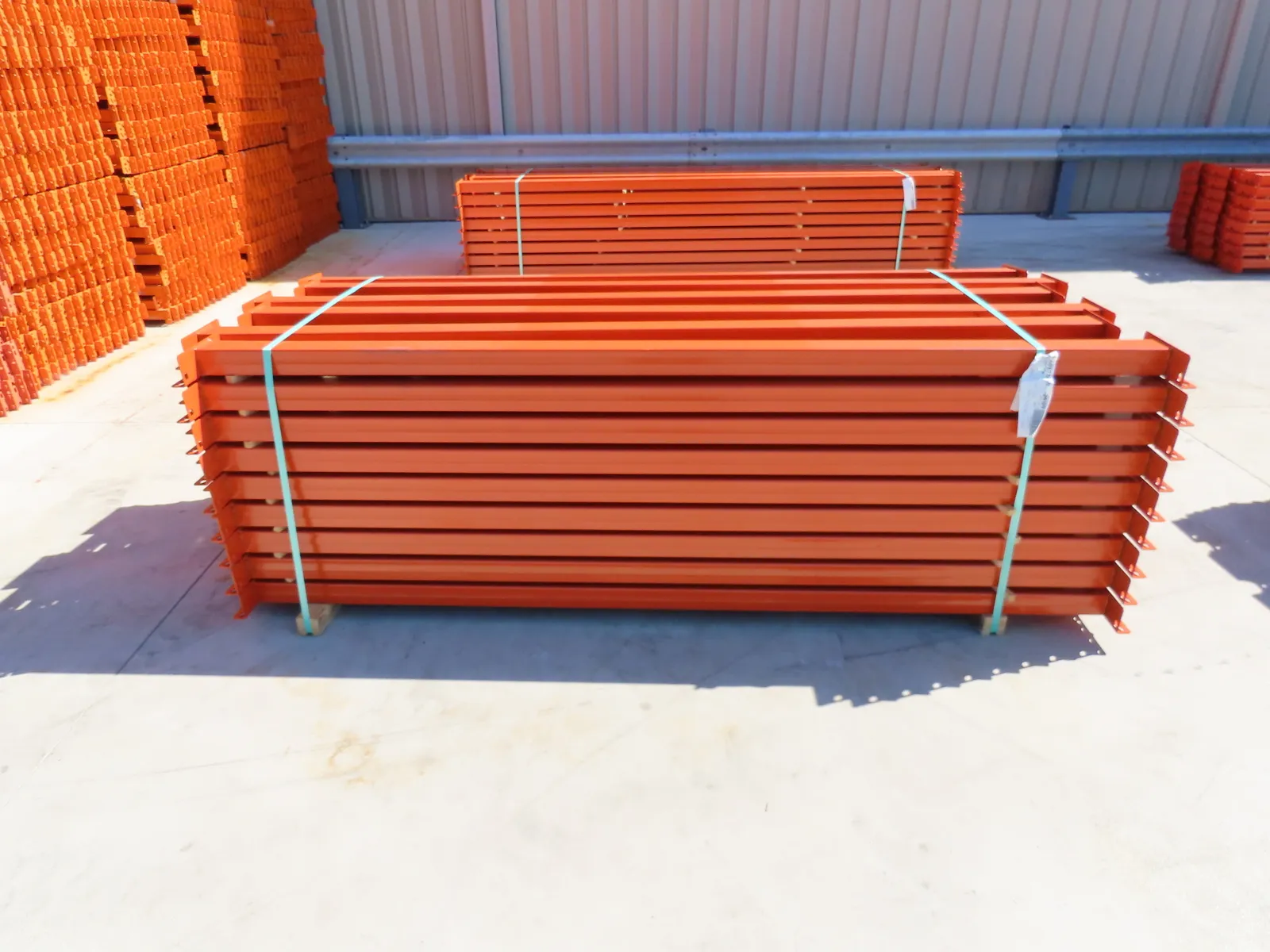
What Are The Potential Risks If Industrial Racks Are Not Used Correctly?
What Are The Potential Risks If Industrial Racks Are Not Used Correctly?
- Industrial racks are crucial for keeping warehouses and factories organized and efficient.
- Improper use of industrial racks can lead to collapse of the racking system, causing damage and injury.
- Incorrect use can also damage the building itself, leading to costly repairs and potential collapse.
- Improper loading of industrial racks can cause instability and items falling off, posing risks to workers.
- Using racks incorrectly can lead to inefficiencies in the workplace, causing decreased productivity.
- By following safety guidelines and proper loading methods, risks and inefficiencies can be avoided.
- Attention to detail in the use of industrial racks can ensure a safe and efficient workplace for all.
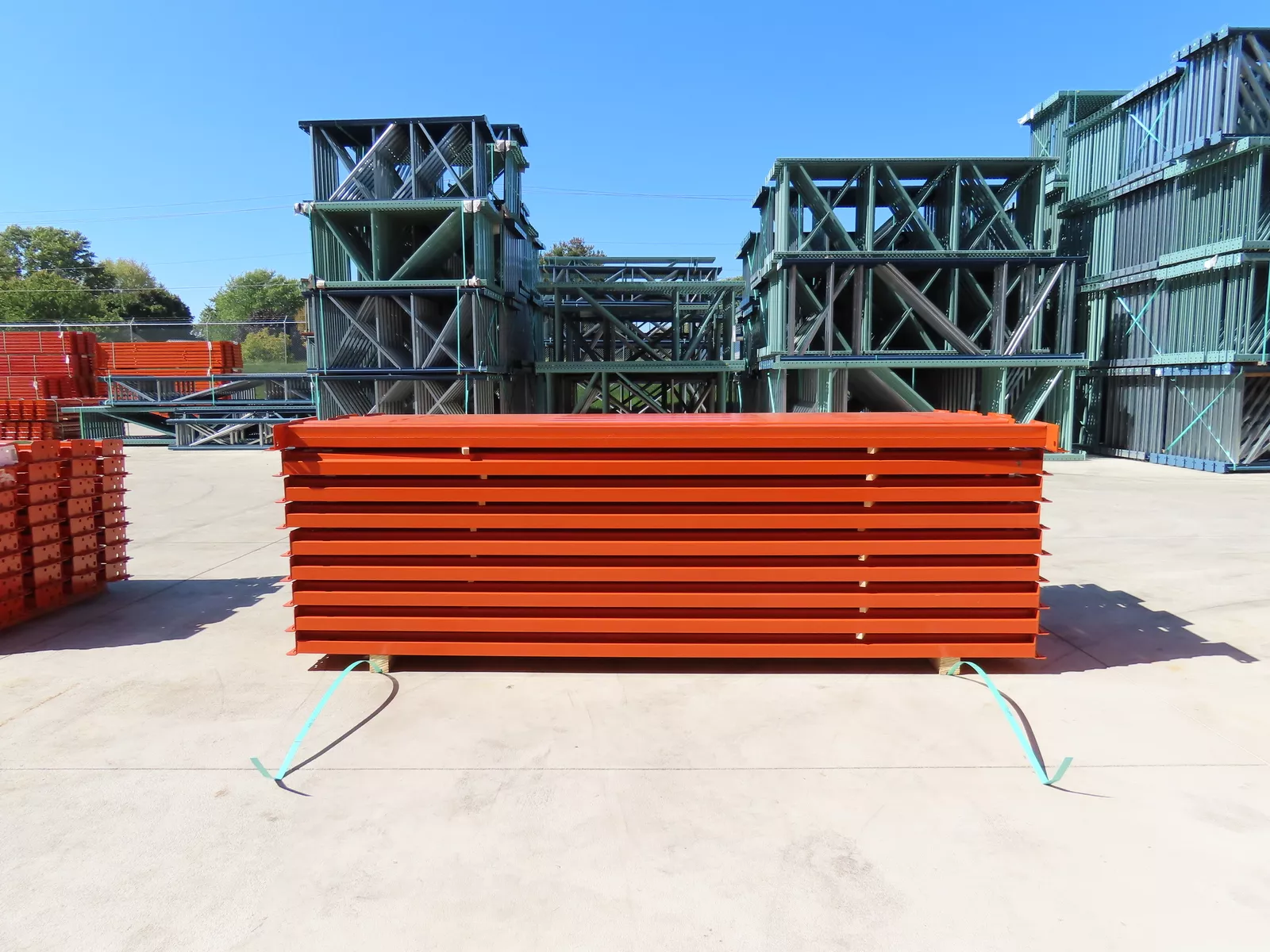
What Are The Potential Risks If Industrial Racks Are Not Used Correctly?
Table Of Contents
- What Are The Potential Risks If Industrial Racks Are Not Used Correctly?
- What Are The Weight Limits For Industrial Racks?
- How To Properly Load Industrial Racks?
- What Are Common Mistakes In Using Industrial Racks?
- How To Ensure Safety When Using Industrial Racks?
- What Are The Consequences Of Overloading Industrial Racks?
- How To Maintain And Inspect Industrial Racks For Safety?
- What Training Is Needed For Using Industrial Racks Correctly?
- Conclusion
- Other Resources
- Glossary Of Terms
- Other Questions
- Checklist
What Are The Weight Limits For Industrial Racks?
When it comes to industrial racks, weight limits are a crucial factor to consider. These heavy-duty storage solutions are designed to hold large quantities of items, so it’s important to understand their weight capacities to ensure safe and efficient storage procedures.
Industrial racks are typically made from sturdy materials such as steel or aluminum, which enables them to support heavy loads. However, each rack is designed with specific weight limits in mind to prevent overloading and potential damage to the rack itself.
The weight limit of an industrial rack is determined by a few different factors, including the type of material the rack is made from, the design of the rack, and the way the weight is distributed across the shelves. It’s important to carefully consider these factors when determining how much weight a rack can safely hold.
Typically, industrial racks can support anywhere from 1,000 to 5,000 pounds per shelf, depending on the specific model and design. Some racks may have higher weight capacities, while others may have lower limits. It’s essential to consult the manufacturer’s guidelines and specifications to ensure that you are not exceeding the recommended weight limit for your rack.
Exceeding the weight limit of an industrial rack can have serious consequences. Not only does it put unnecessary strain on the rack itself, but it also poses a safety risk to anyone working around the rack. Overloading a rack can cause it to collapse, leading to potential injuries and damage to stored items.
To prevent overloading an industrial rack, it’s important to carefully consider the weight of the items being stored and distribute the load evenly across the shelves. It’s also a good idea to periodically inspect the rack for signs of damage or wear and tear that could compromise its structural integrity.
Understanding the weight limits for industrial racks is crucial for maintaining a safe and efficient storage system. By following the manufacturer’s guidelines and paying attention to the weight capacities of your racks, you can ensure that your storage solution is both reliable and secure. Remember, when it comes to industrial racks, it’s better to err on the side of caution and avoid overloading them.
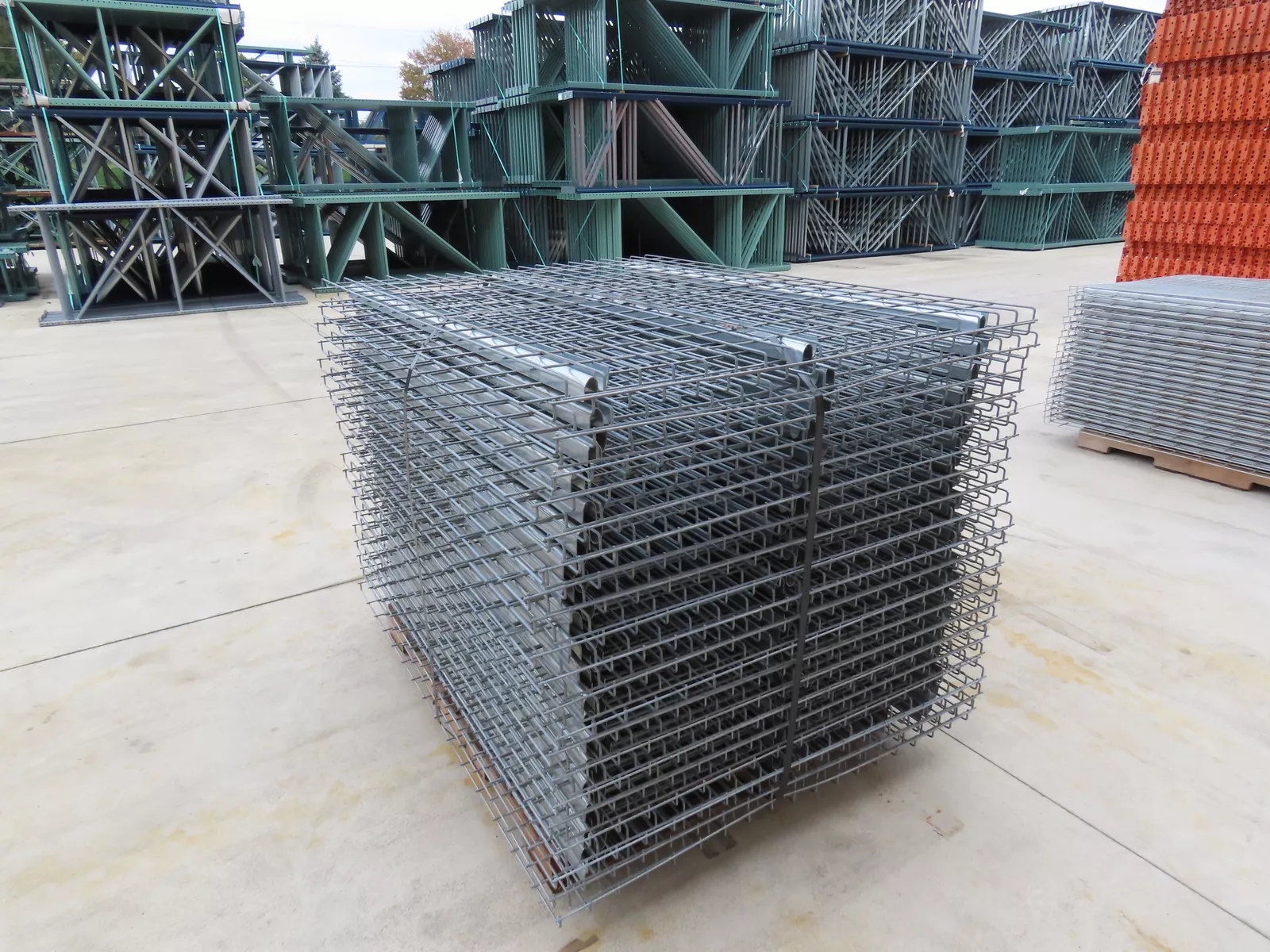
What Are The Weight Limits For Industrial Racks?
What Are The Weight Limits For Industrial Racks?
- Weight limits are crucial when considering industrial racks.
- Racks are made from sturdy materials like steel or aluminum to support heavy loads.
- Weight limits are determined by the material, design, and weight distribution.
- Industrial racks can support 1,000 to 5,000 pounds per shelf.
- Exceeding weight limits can lead to rack collapse and potential injuries.
- Prevent overloading by distributing weight evenly and inspecting for damage.
- Understanding weight limits is crucial for safe and efficient storage.
What Are The Weight Limits For Industrial Racks?
How To Properly Load Industrial Racks?
Loading industrial racks may seem like a simple task, but in reality, it requires a certain level of precision and know-how to ensure safety and efficiency in the workplace. Here are some tips on how to properly load industrial racks:
1. Start with a solid foundation: Before loading anything onto the racks, make sure the shelves are properly secured to the frame and are able to support the weight of the items you plan to store. This will help prevent any accidents or damage to the products.
2. Organize items by weight and size: When loading industrial racks, it’s important to organize items by weight and size to prevent overloading and ensure stability. Heavier items should be placed on the lower shelves, while lighter items can go on the higher shelves.
3. Utilize proper storage methods: Make sure to use pallets, containers, or bins to store items on the racks. This will help keep the items secure and prevent them from falling or shifting during transport.
4. Distribute weight evenly: When loading items onto industrial racks, distribute weight evenly across the shelves to prevent tipping or collapse. Avoid stacking items too high or placing heavy objects on one side of the rack.
5. Secure items with straps or bungee cords: For added safety, consider using straps or bungee cords to secure items to the racks. This will help prevent items from falling or shifting during transportation.
6. Leave clear aisles: Make sure to leave clear aisles between racks to allow for easy access and maneuverability. This will help prevent accidents and ensure a smooth workflow in the warehouse.
7. Regularly inspect racks: It’s important to regularly inspect industrial racks for any signs of damage or wear and tear. Replace any damaged components immediately to prevent accidents or equipment failure.
By following these tips and guidelines, you can ensure that industrial racks are properly loaded and maintained in your workplace. Remember, safety should always be the top priority when working with industrial equipment, so take the time to load racks correctly and prevent any potential hazards.
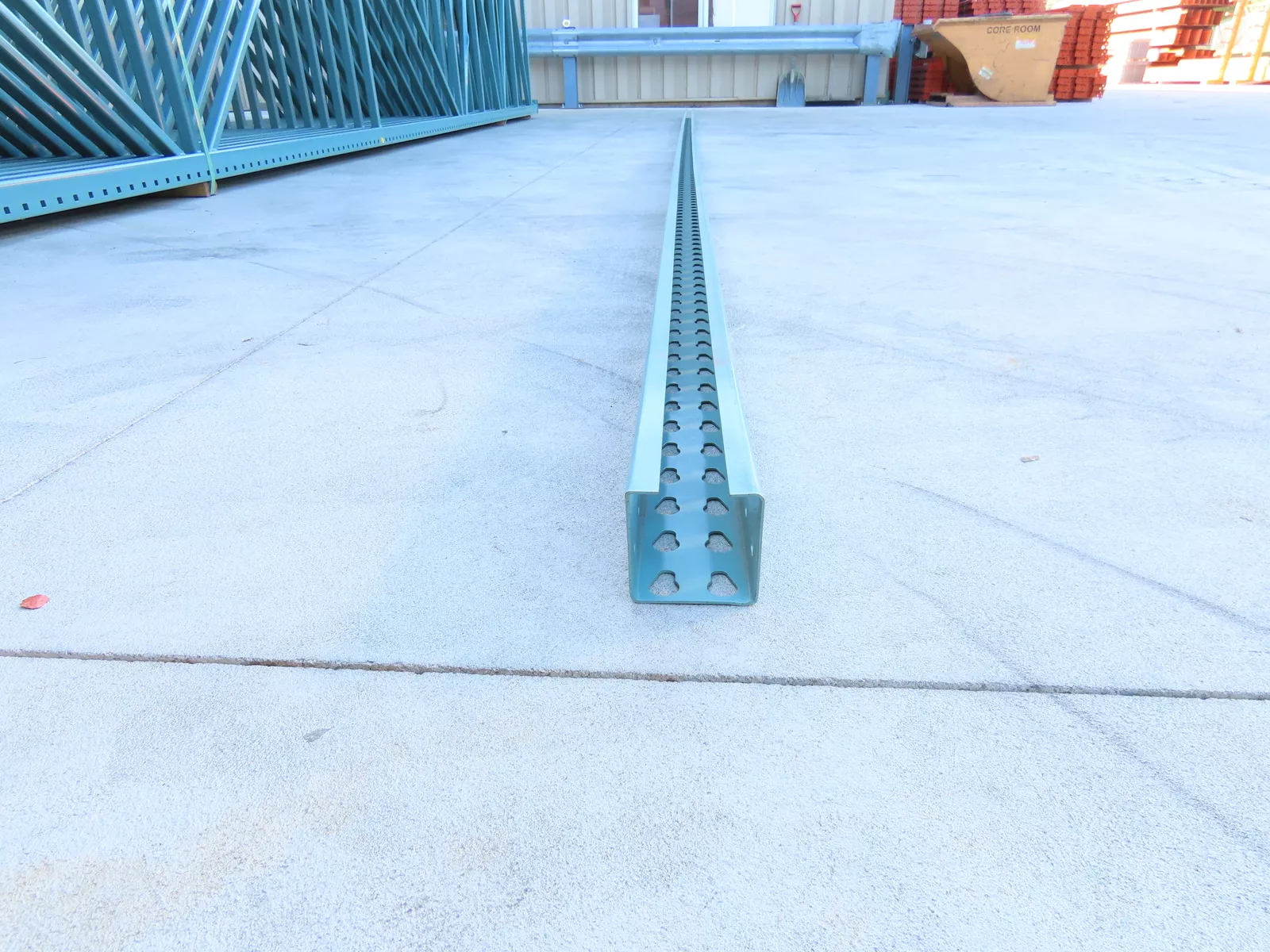
How To Properly Load Industrial Racks?
How To Properly Load Industrial Racks?
- Start with a solid foundation: Before loading anything onto the racks, make sure the shelves are properly secured to the frame and are able to support the weight of the items you plan to store.
- Organize items by weight and size: When loading industrial racks, it’s important to organize items by weight and size to prevent overloading and ensure stability.
- Utilize proper storage methods: Make sure to use pallets, containers, or bins to store items on the racks.
- Distribute weight evenly: When loading items onto industrial racks, distribute weight evenly across the shelves to prevent tipping or collapse.
- Secure items with straps or bungee cords: For added safety, consider using straps or bungee cords to secure items to the racks.
- Leave clear aisles: Make sure to leave clear aisles between racks to allow for easy access and maneuverability.
- Regularly inspect racks: It’s important to regularly inspect industrial racks for any signs of damage or wear and tear.
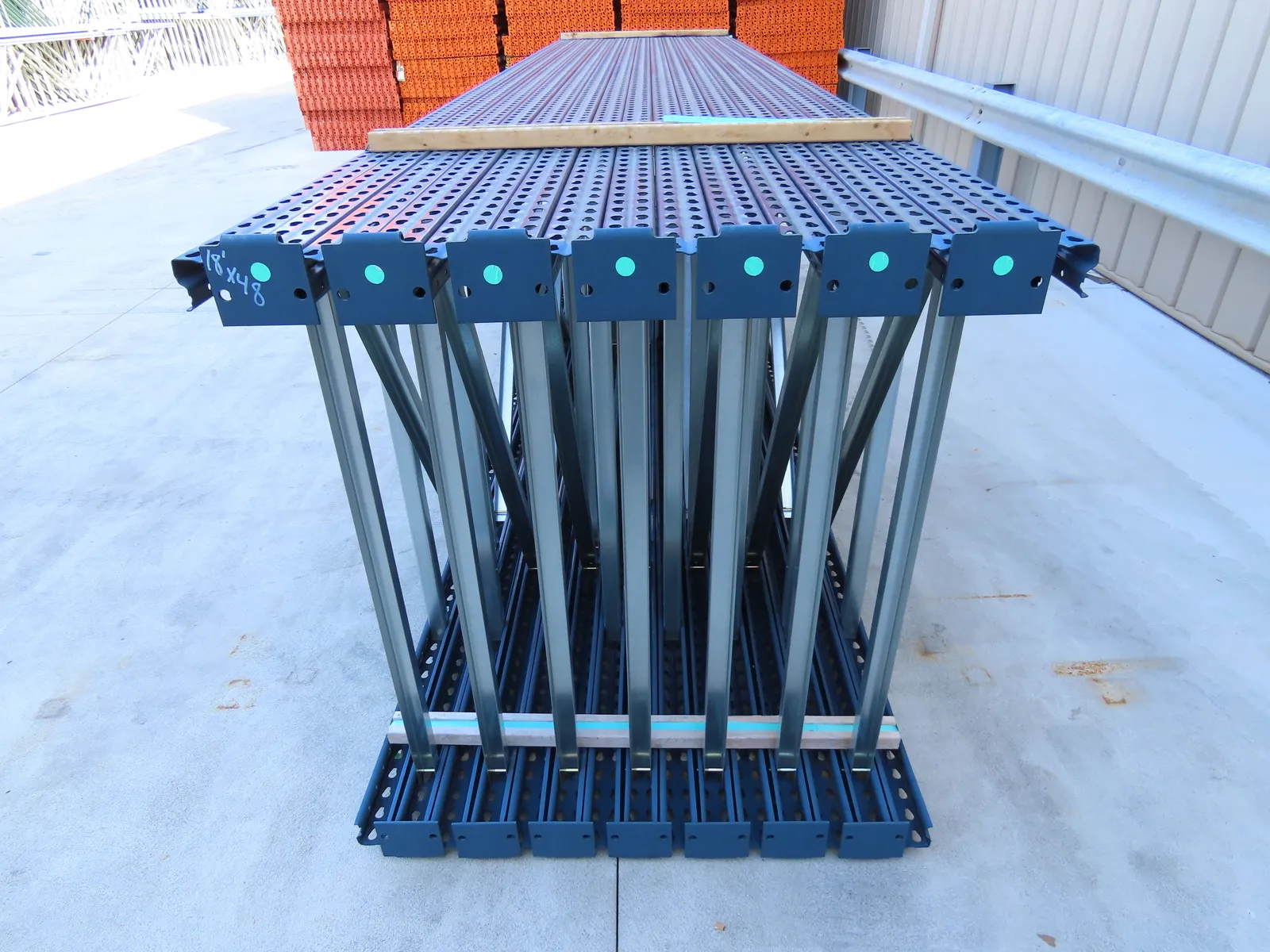
How To Properly Load Industrial Racks?
What Are Common Mistakes In Using Industrial Racks?
Industrial racks are a crucial component in many warehouses and manufacturing facilities, providing a means to organize and store goods efficiently. However, even the most experienced professionals can make mistakes when using industrial racks. It’s important to be aware of these common pitfalls in order to ensure the safety of workers and the integrity of your products.
One common mistake in using industrial racks is overloading them. It can be tempting to try to maximize storage space by stacking items higher than recommended weight limits or adding more items than the rack can safely hold. This can lead to a catastrophic failure of the rack, resulting in damage to products or even injury to workers. Always adhere to the manufacturer’s guidelines for weight limits and avoid overloading racks to prevent accidents.
Another mistake to watch out for is improper installation of industrial racks. It’s essential to follow the manufacturer’s instructions carefully when setting up new racks or reconfiguring existing ones. Failure to properly install racks can result in instability, making them more prone to collapse. Make sure to secure racks to the floor or wall as necessary and regularly inspect them for any signs of wear or damage.
Neglecting regular maintenance is also a common mistake when using industrial racks. Over time, racks can become worn down or damaged, compromising their strength and stability. It’s important to regularly inspect racks for any signs of wear, such as rust, bent beams, or loose connections. Addressing these issues promptly can prevent accidents and extend the lifespan of your racks.
Not training employees on proper rack usage is another mistake that can have serious consequences. Workers should be educated on how to safely load and unload racks, as well as how to recognize and report any potential issues with the racks. Providing training and enforcing safety protocols can help prevent accidents and ensure the longevity of your industrial racks.
While industrial racks are a valuable tool for storing goods in warehouses and manufacturing facilities, they can also pose risks if not used properly. By avoiding common mistakes such as overloading racks, improper installation, neglecting maintenance, and inadequate training, you can ensure the safety of your workers and the integrity of your products. Be vigilant in addressing these potential pitfalls to make the most of your industrial racks.
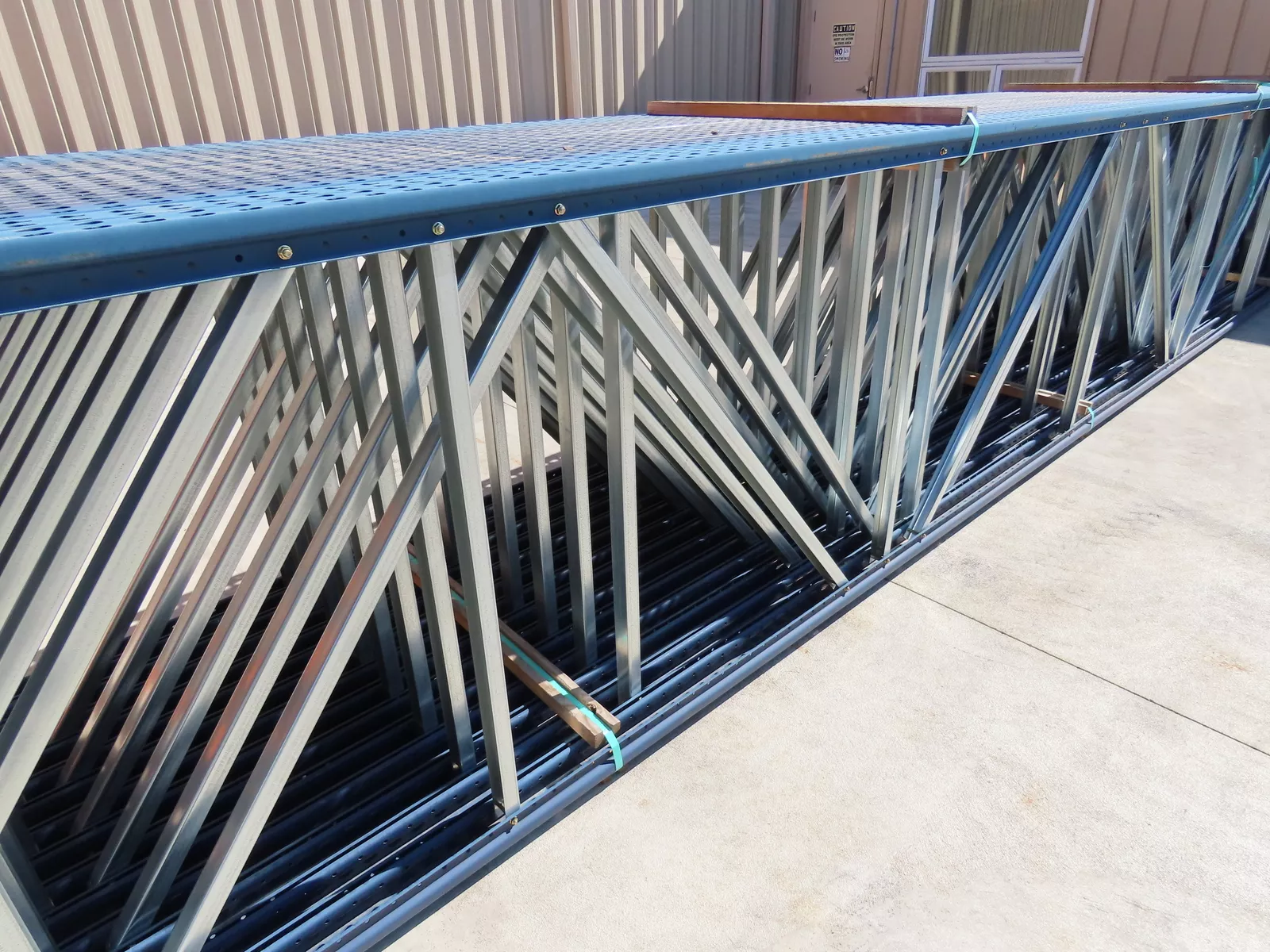
What Are Common Mistakes In Using Industrial Racks?
What Are Common Mistakes In Using Industrial Racks?
- Overloading industrial racks beyond weight limits.
- Improper installation of racks.
- Neglecting regular maintenance of racks.
- Failure to train employees on proper rack usage.
- Ensuring stability by securing racks to floor or wall.
- Regularly inspecting racks for wear or damage.
- Following manufacturer’s guidelines and safety protocols.
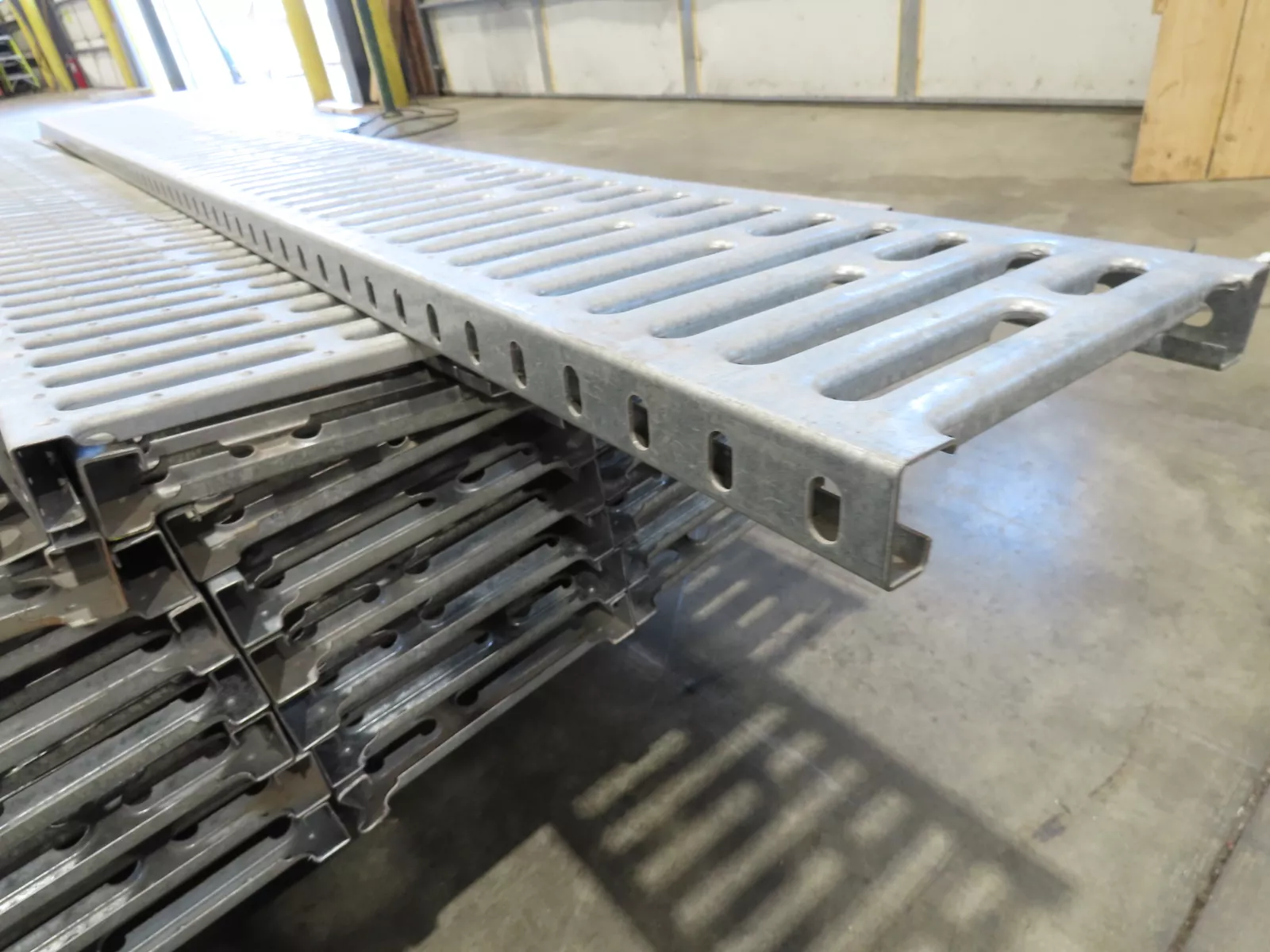
What Are Common Mistakes In Using Industrial Racks?
How To Ensure Safety When Using Industrial Racks?
When it comes to using industrial racks in the workplace, safety should always be the top priority. These storage solutions are essential for keeping your warehouse organized and efficient, but they can also pose certain risks if not used properly.
To ensure safety when using industrial racks, there are a few key guidelines to keep in mind. First and foremost, it’s important to always follow the manufacturer’s instructions for assembly and usage. These guidelines are put in place for a reason, and not following them could result in serious accidents or damage to the racks.
Another important step in ensuring safety is to regularly inspect the racks for any signs of damage or wear. Look out for bent or broken beams, loose bolts, or any other issues that could compromise the structural integrity of the rack. If you notice any damage, it’s crucial to address it immediately and either repair or replace the affected components.
Proper loading is also critical when using industrial racks. Be sure to distribute weight evenly across the shelves and never exceed the rated capacity of the rack. Overloading can lead to buckling or collapse, putting both your products and employees at risk. Additionally, always place heavier items on lower shelves to prevent the rack from becoming top-heavy and tipping over.
It’s also important to ensure that the racks are properly anchored to the floor to prevent tipping or shifting. Use the appropriate hardware and follow the manufacturer’s recommendations for securing the racks in place. This will provide added stability and help prevent accidents caused by movement or instability.
Lastly, proper training for employees who will be using the industrial racks is essential for ensuring safety in the workplace. Make sure all workers are familiar with the correct procedures for loading and unloading items, as well as any safety precautions that should be taken while using the racks. Regular refresher training sessions can help reinforce these guidelines and ensure that everyone is on the same page when it comes to safety.
By following these guidelines and making safety a top priority, you can ensure that your industrial racks are used safely and effectively in the workplace. Remember, safety first, always.
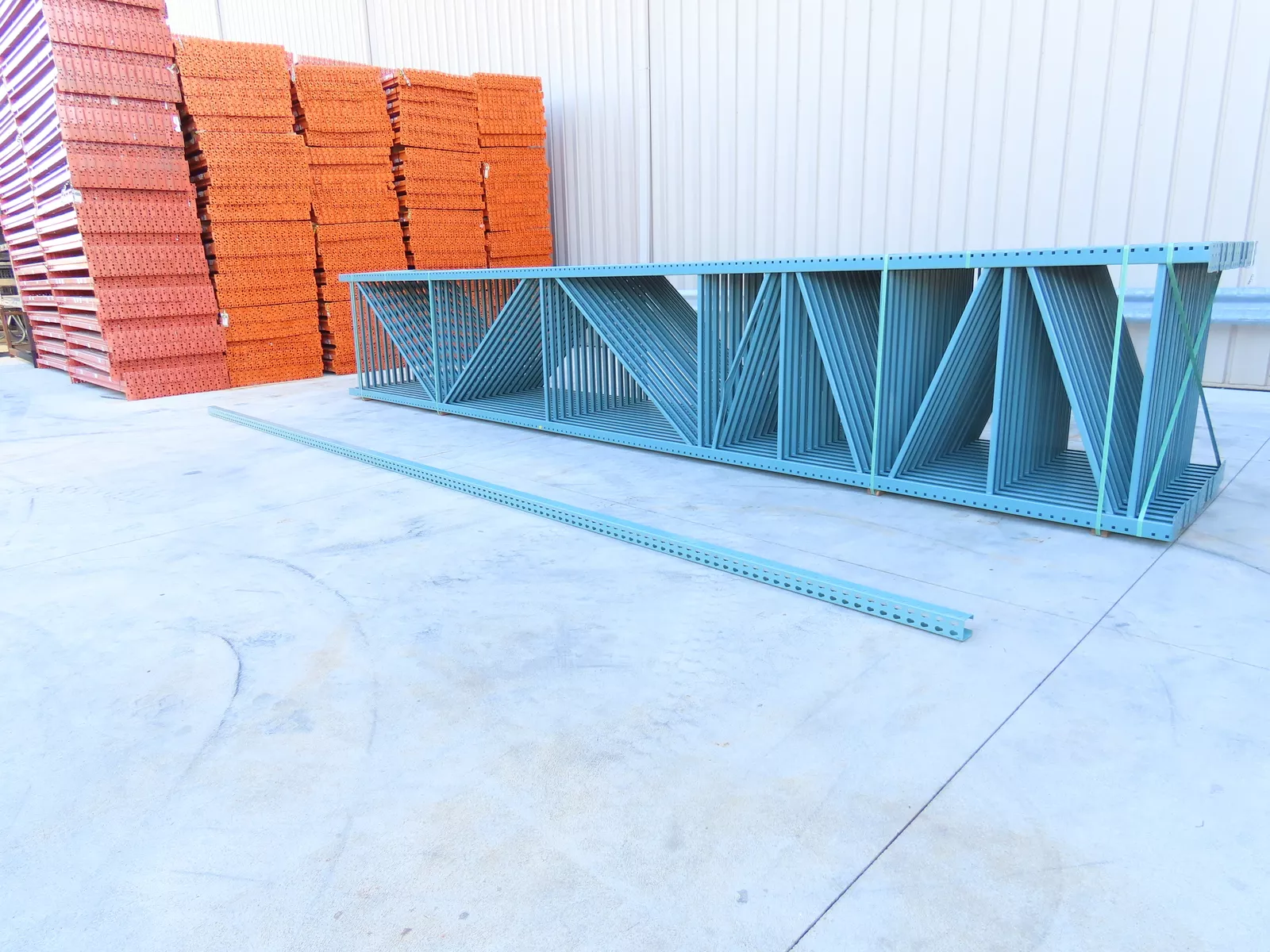
How To Ensure Safety When Using Industrial Racks?
How To Ensure Safety When Using Industrial Racks?
- Always follow manufacturer’s instructions for assembly and usage.
- Regularly inspect racks for signs of damage or wear.
- Properly distribute weight and never exceed rated capacity.
- Place heavier items on lower shelves to prevent tipping.
- Ensure racks are properly anchored to prevent tipping or shifting.
- Provide proper training for employees on correct procedures and safety precautions.
- Make safety a top priority to ensure industrial racks are used safely and effectively.
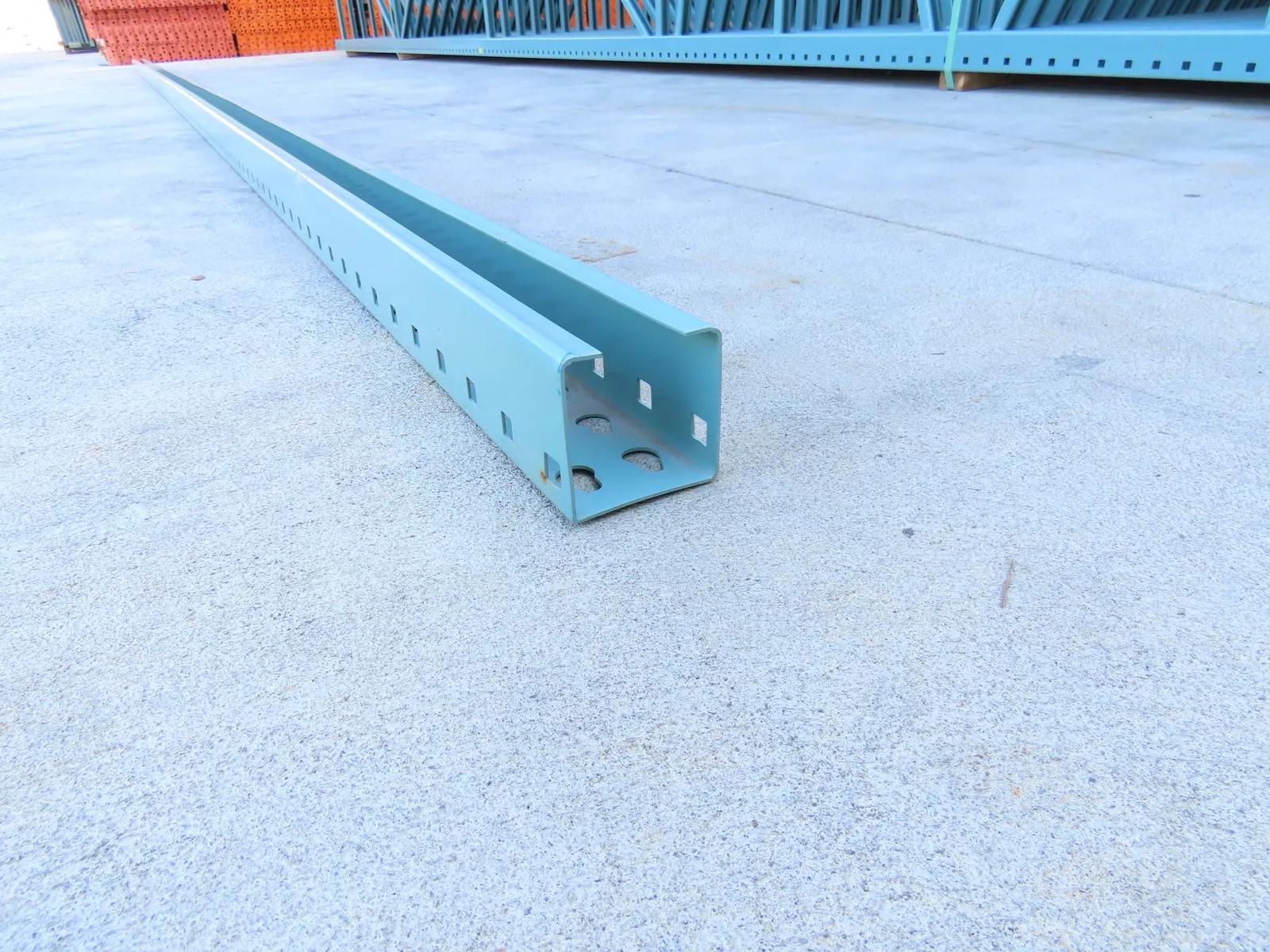
How To Ensure Safety When Using Industrial Racks?
What Are The Consequences Of Overloading Industrial Racks?
Have you ever stopped to wonder about the consequences of overloading industrial racks? It’s a common occurrence in the world of production and distribution, but it can have serious repercussions if not addressed properly.
First and foremost, overloading industrial racks can pose a significant safety risk to employees. When racks are loaded beyond their capacity, they become more unstable and prone to collapsing. This can result in serious injuries or even fatalities if not properly managed. It’s crucial to adhere to the weight limits and loading guidelines for industrial racks to ensure the safety of everyone in the warehouse.
Additionally, overloading racks can lead to damage to inventory and equipment. When racks are overloaded, they are more likely to bend or break under the pressure, causing products to fall and become damaged. This can result in costly losses for the company and impact their bottom line. It can also damage the racks themselves, leading to the need for expensive repairs or replacements.
Another consequence of overloading industrial racks is a decrease in efficiency and productivity. When racks are overloaded, it can be more difficult for workers to access and retrieve inventory, slowing down the overall operations of the warehouse. This can lead to delays in fulfilling orders and fulfilling customer demands, ultimately impacting the company’s reputation and bottom line.
Furthermore, overloading racks can also lead to compliance issues. Many industries have strict regulations and guidelines in place regarding the safe storage of inventory. By overloading racks, companies risk being non-compliant with these regulations, resulting in fines or penalties that can further harm their business.
The consequences of overloading industrial racks are far-reaching and can have a significant impact on a company’s operations, safety, and bottom line. It’s important for companies to prioritize proper loading practices and adhere to weight limits to ensure the safety of their employees, protect their inventory, maintain efficiency, and remain compliant with regulations. By taking proactive steps to prevent overloading, companies can mitigate these risks and create a safer and more efficient work environment for everyone involved.
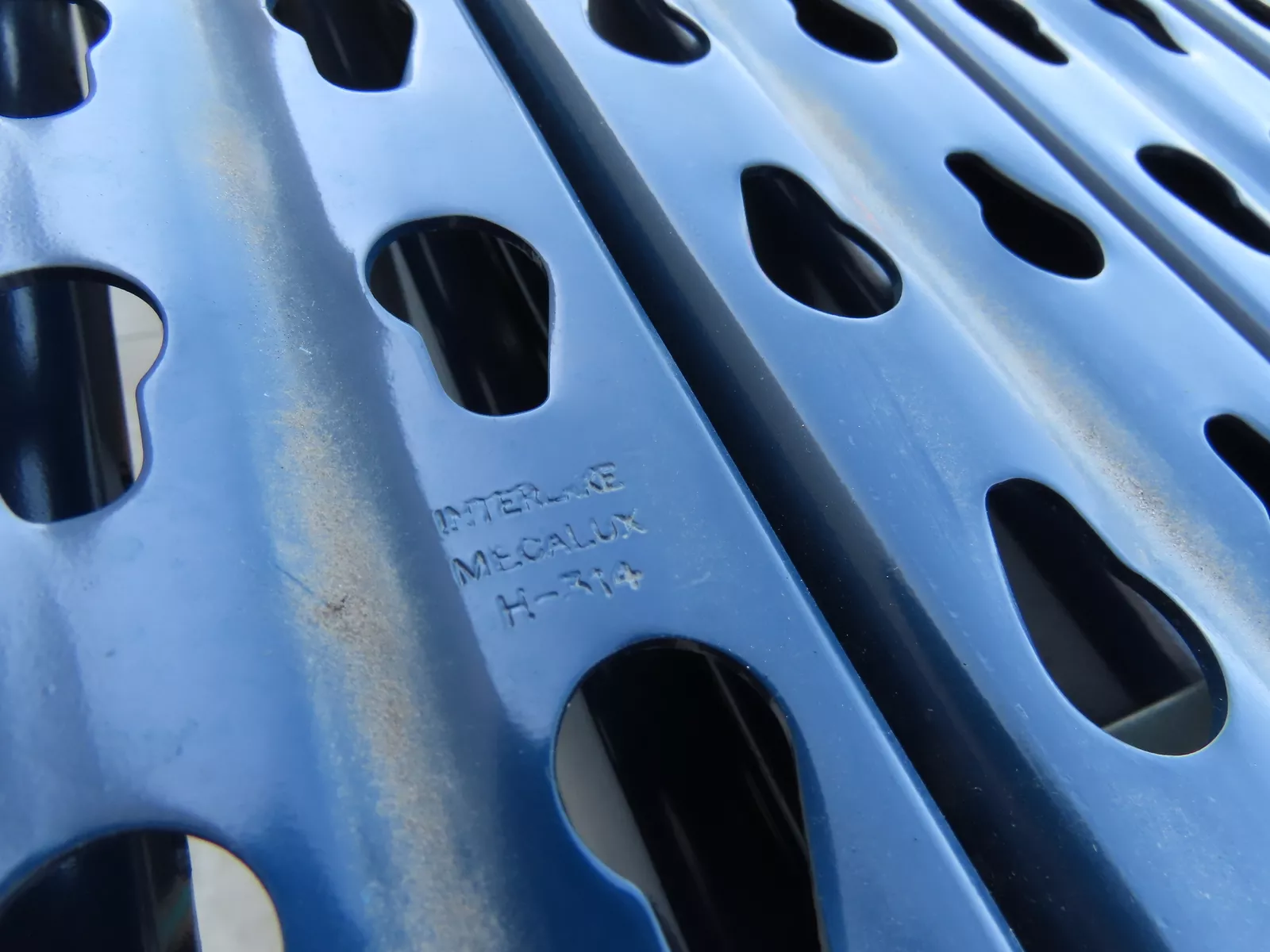
What Are The Consequences Of Overloading Industrial Racks?
What Are The Consequences Of Overloading Industrial Racks?
- Overloading industrial racks can pose a significant safety risk to employees.
- Overloading racks can lead to damage to inventory and equipment.
- Overloading industrial racks can result in a decrease in efficiency and productivity.
- Overloading racks can lead to compliance issues with regulations.
- Consequences of overloading industrial racks can have a significant impact on a company’s operations, safety, and bottom line.
- Proper loading practices are essential to ensure safety, protect inventory, maintain efficiency, and remain compliant with regulations.
- By taking proactive steps to prevent overloading, companies can create a safer and more efficient work environment.
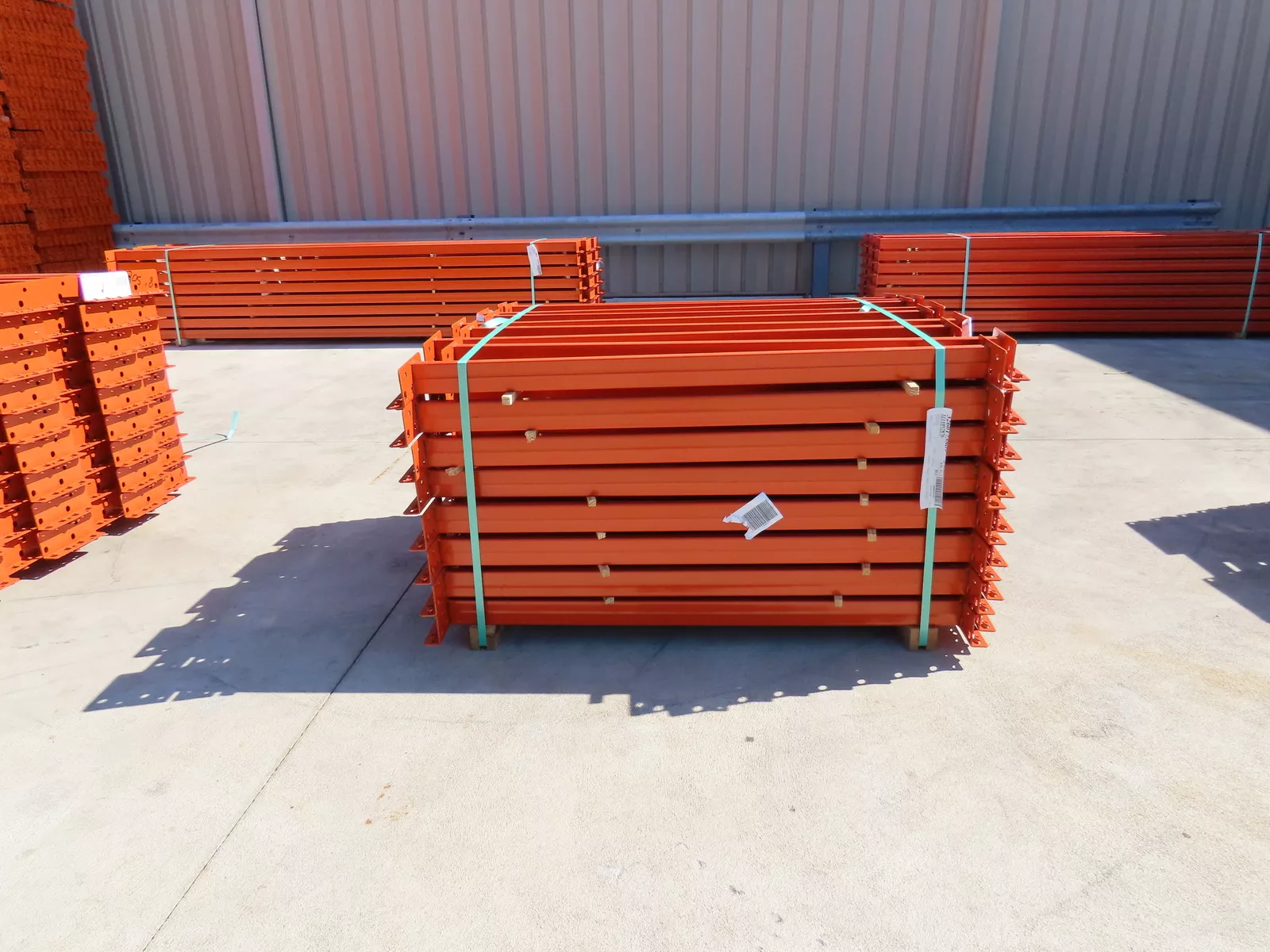
What Are The Consequences Of Overloading Industrial Racks?
How To Maintain And Inspect Industrial Racks For Safety?
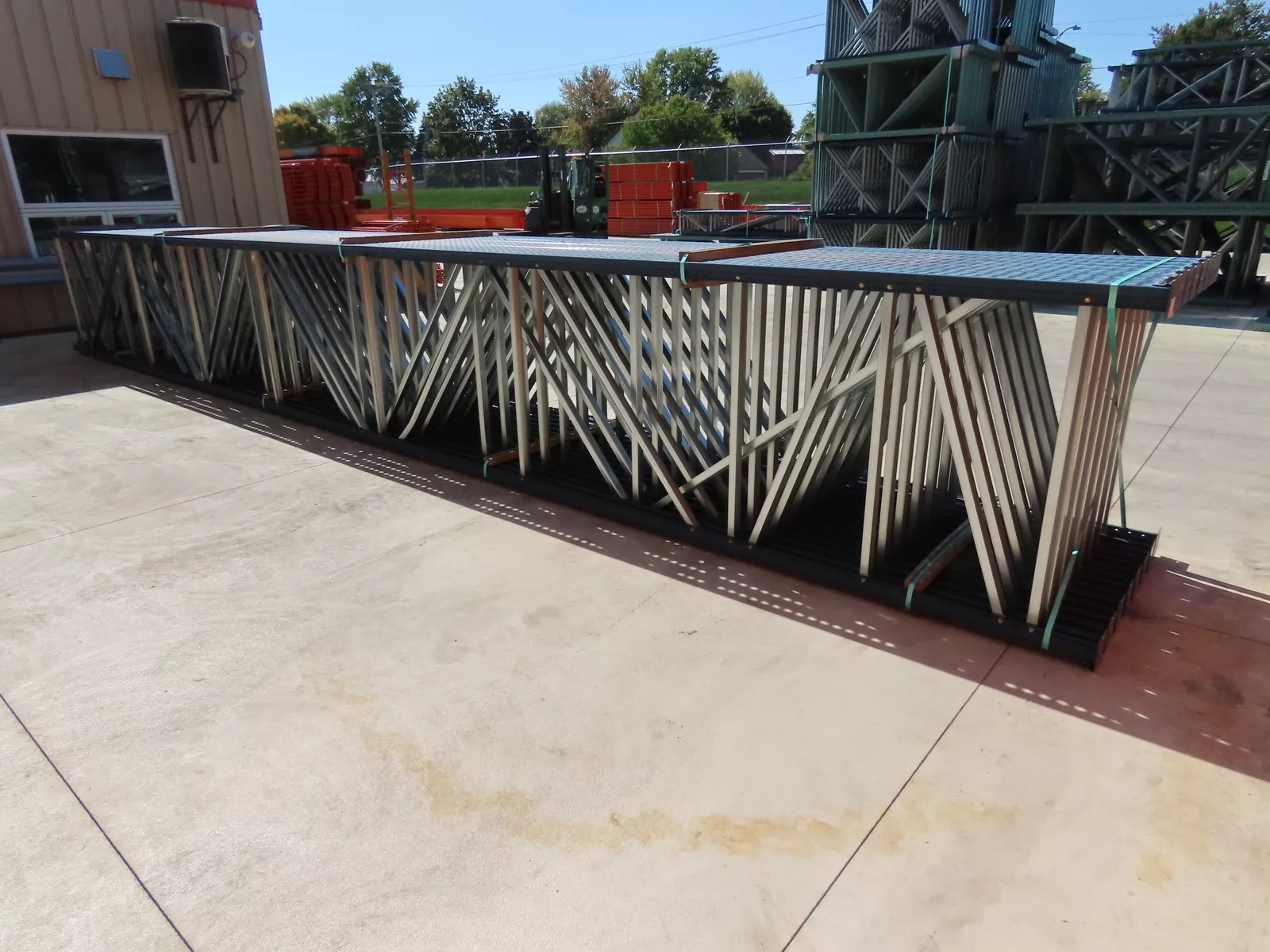
If you’re in charge of maintaining industrial racks in your warehouse or workspace, safety should always be your number one priority. These racks are designed to hold heavy loads and keep your inventory organized, so it’s crucial to ensure they are in good condition at all times. Here are some tips on how to inspect and maintain industrial racks for safety:
First and foremost, make sure you are familiar with the manufacturer’s guidelines and specifications for your racks. Each type of rack is designed to support a specific weight capacity and load configuration, so it’s important to adhere to these guidelines to prevent accidents or collapses.
Regular inspections are key to identifying any potential issues with your industrial racks. Look for signs of damage such as bent or broken beams, missing hardware, or rust. If you notice any of these issues, it’s important to address them immediately to prevent further damage or accidents.
It’s also important to regularly check the integrity of the floor where your racks are installed. Uneven surfaces or flooring that is not capable of supporting the weight of your racks can lead to instability and potential collapses. Make sure to address any flooring issues promptly to ensure the safety of your racks and employees.
Properly securing your racks to the floor is crucial for preventing accidents. Make sure your racks are anchored securely using the appropriate hardware and follow the manufacturer’s guidelines for installation. Periodically check the anchor points to ensure they are still secure and tighten any loose bolts or screws as needed.
Regularly inspect the items stored on your racks to ensure they are within the weight capacity and are properly distributed. Overloading your racks or placing heavy items in an unstable manner can lead to collapses or accidents. Make sure to educate your employees on the proper way to stack and organize inventory on your racks to prevent accidents.
Maintaining and inspecting industrial racks for safety is crucial for the well-being of your employees and the efficiency of your workspace. By following these tips and staying proactive about safety, you can prevent accidents and ensure that your racks are in good condition for years to come. Remember, safety always comes first!
How To Maintain And Inspect Industrial Racks For Safety?
How To Maintain And Inspect Industrial Racks For Safety?
- Ensure familiarity with manufacturer’s guidelines and specifications.
- Regularly inspect racks for damage and rust.
- Check integrity of floor under racks for stability.
- Secure racks to the floor using appropriate hardware.
- Inspect items stored on racks for weight capacity and distribution.
- Educate employees on proper stacking and organizing techniques.
- Stay proactive about safety to prevent accidents and maintain rack condition.

How To Maintain And Inspect Industrial Racks For Safety?
What Training Is Needed For Using Industrial Racks Correctly?
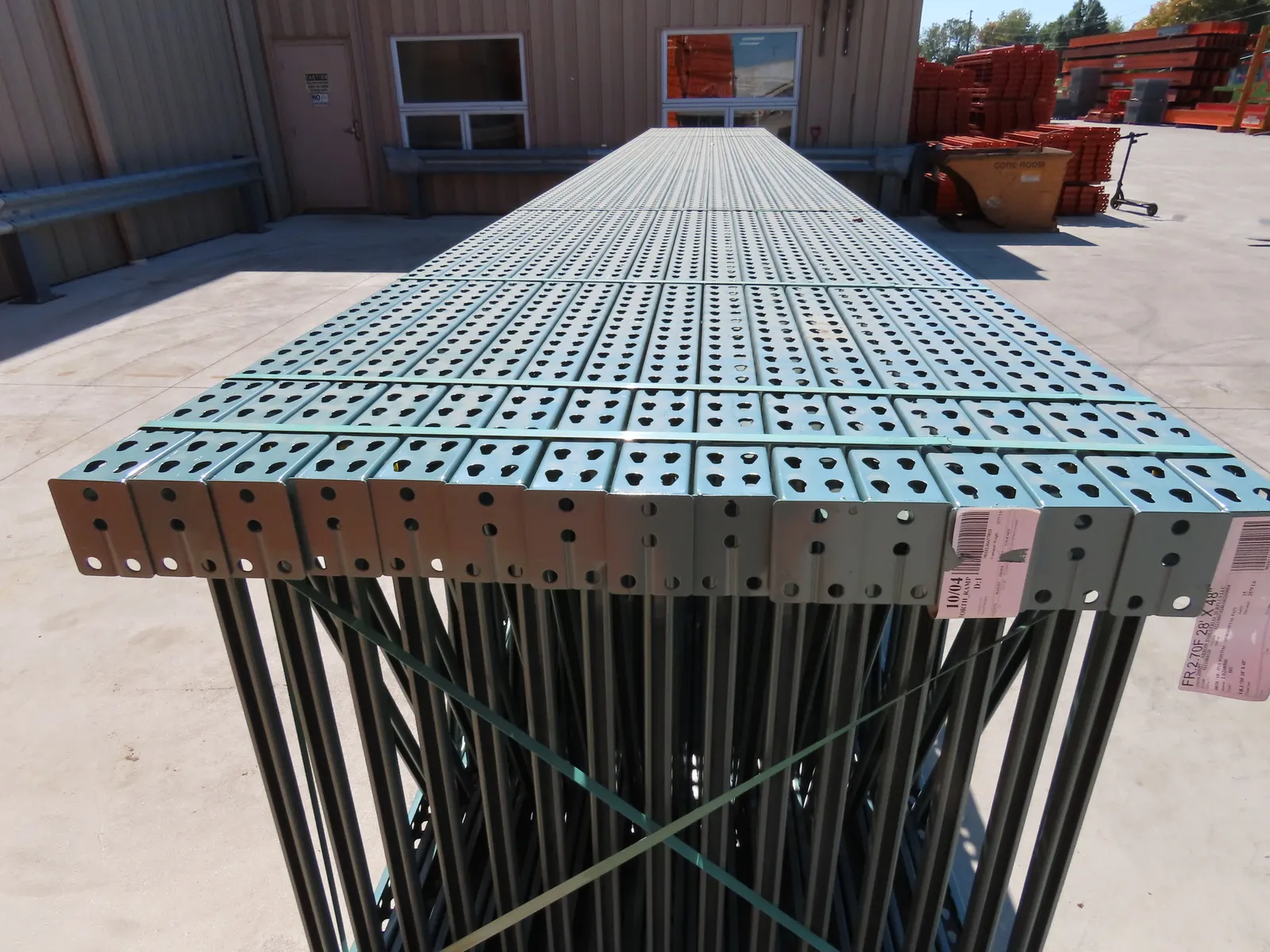
When it comes to using industrial racks correctly, it’s important to understand that proper training is essential. These heavy-duty storage systems can be incredibly useful in maximizing storage space and efficiency in a warehouse or industrial setting, but they must be used with care to prevent accidents and damage.
One of the most important aspects of training for using industrial racks is understanding how to properly load and unload them. This includes knowing how to distribute weight evenly across the shelves, how to secure loads to prevent shifting or falling, and how to safely maneuver items on and off the racks. Improper loading and unloading techniques can not only damage the racks themselves, but can also lead to injuries for workers and damage to inventory.
In addition, training should cover proper inspection and maintenance procedures for industrial racks. Regular inspections can help identify any signs of wear or damage that could compromise the integrity of the racks. This includes checking for rust, bent or broken beams, loose bolts, and any other issues that could potentially lead to a collapse. Proper maintenance, such as tightening bolts, repairing damaged components, and repainting rusty areas, can help ensure that the racks remain in good working condition.
Furthermore, training should also cover proper safety procedures for working around industrial racks. This includes understanding weight capacity limits, how to secure racks to the floor to prevent tipping, and how to safely use equipment such as forklifts to move items on and off the racks. Additionally, workers should be trained on how to recognize and respond to potential hazards, such as damaged racks or improperly loaded shelves.
Overall, training for using industrial racks correctly is essential for ensuring the safety of workers and the integrity of inventory. By providing comprehensive training that covers loading and unloading techniques, inspection and maintenance procedures, and safety protocols, employers can help prevent accidents and damage in the workplace. Remember, a little knowledge can go a long way in keeping things running smoothly and efficiently in an industrial setting.
What Training Is Needed For Using Industrial Racks Correctly?
What Training Is Needed For Using Industrial Racks Correctly?
- Proper training is essential for using industrial racks correctly.
- Understanding how to load and unload racks safely is crucial.
- Inspection and maintenance procedures should be included in training.
- Safety procedures for working around industrial racks should be covered.
- Training is essential for ensuring worker safety and inventory integrity.
- Comprehensive training can help prevent accidents and damage in the workplace.
- Knowledge of how to use industrial racks properly is key in maintaining efficiency.
What Training Is Needed For Using Industrial Racks Correctly?
Conclusion
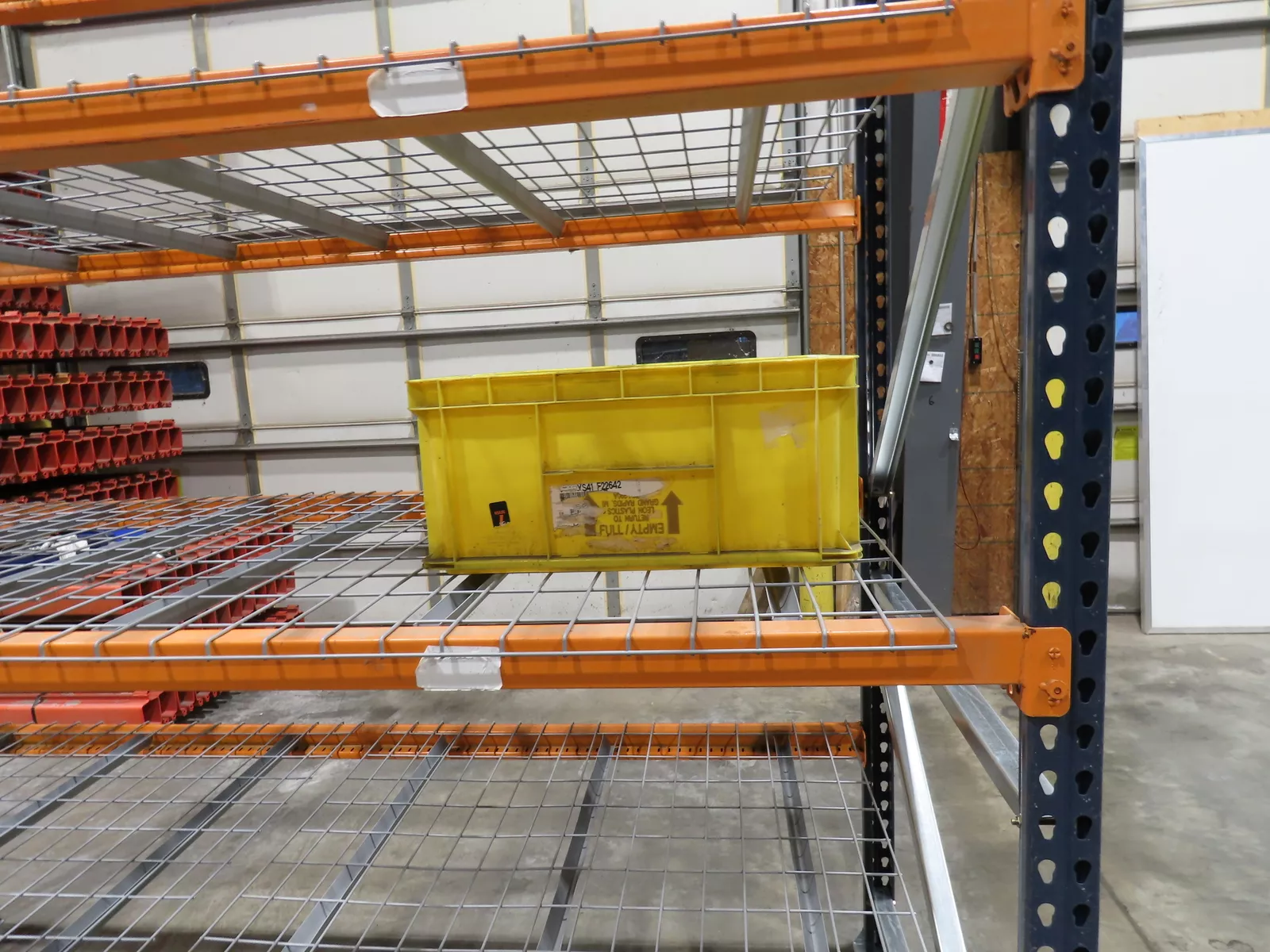
In conclusion, industrial racks are an essential component in warehouses and manufacturing facilities, providing a means to organize and store goods efficiently. However, if not used correctly, they can pose serious risks to both workers and the integrity of the building. One potential risk of mishandling industrial racks is the collapse of the racking system, which can lead to injuries and damage to stored items. Improper loading can also cause damage to the building structure itself, resulting in costly repairs and potential safety hazards. Similarly, inefficiencies in the workplace can arise from haphazardly stacked items or disorganized racks, leading to decreased productivity.
To prevent these dangers, it is crucial to adhere to safety guidelines, properly load racks, and regularly maintain and inspect them for any signs of wear or damage. By following manufacturer recommendations for weight limits, distributing weight evenly, and securing items properly, you can ensure the safety of your employees and the longevity of your racks. Additionally, providing proper training for employees on correct loading procedures and safety protocols is essential for maintaining a safe work environment.
Remember, a little attention to detail and proactive maintenance can go a long way in preventing accidents and creating a safe and efficient workplace. Prioritizing safety when using industrial racks is key to avoiding potential risks and ensuring a smooth operation in any industrial setting. By following these guidelines, you can protect your employees, inventory, and equipment from harm and maintain a productive work environment for all. Stay safe, stay efficient, and keep those racks properly loaded!
Conclusion
Conclusion:
- Industrial racks are essential in warehouses and manufacturing facilities for organizing and storing goods efficiently.
- Mishandling industrial racks can lead to the collapse of the racking system, causing injuries and damage to stored items.
- Improper loading can damage the building structure, resulting in costly repairs and safety hazards.
- Inefficiencies in the workplace can arise from haphazardly stacked items or disorganized racks, leading to decreased productivity.
- To prevent dangers, adhere to safety guidelines, properly load racks, and regularly maintain and inspect them for wear or damage.
- Proper training for employees on correct loading procedures and safety protocols is essential for a safe work environment.
- Attention to detail, proactive maintenance, and prioritizing safety can prevent accidents and maintain a productive work environment.
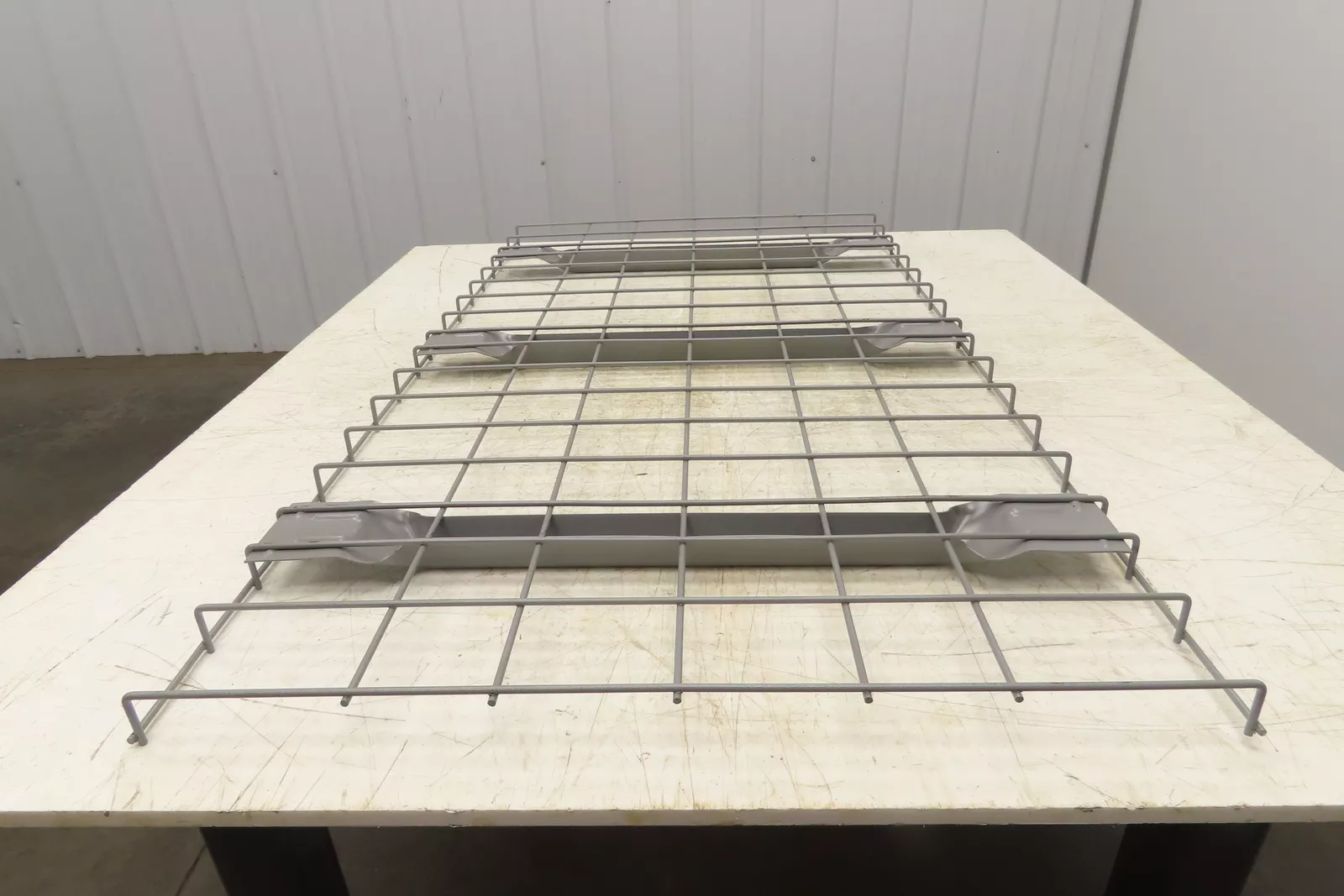
Conclusion
Other Resources
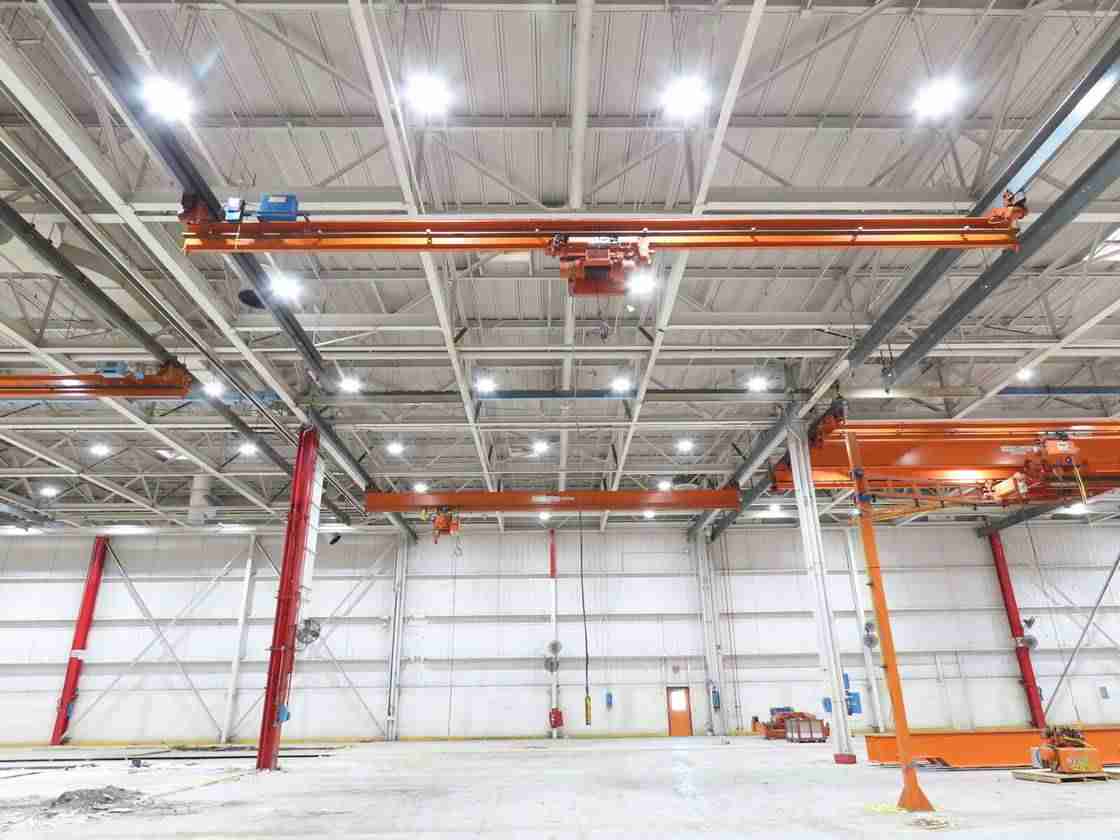
Other Resources
Here is a list of other resources you can review online to learn more:
- “Industrial Storage Racks safety”
- “Warehouse Racking Safety: Risks & Prevention Measures”
- “The Main Reasons Behind Racking Collapse and How To …”
- “Safety and health in ports”
- “Part XVI. Construction”
- “Answering the Top 5 Questions on Pallet Racks”
- “Guidebook to Starting Warehousing Business in Malaysia.pdf”
- “Worker struck by falling objects at warehouse”
- “Industrial Safety Guidelines for Nuclear Facilities”
- “Warehouse Racking Protection: A Guide”
- “SAFETY REPRESENTATIVES RESOURCE BOOK”
- “afman 91-203 – Air Force – AF.mil”
- “Safety and Warehouse Storage”
- “HSE REQUIREMENTS ANNEX”
- “DUNE Far Detector Technical Design Report”
- “F417-031-000 Forklift Safety Guide”
- “Facilities Management Design Guidelines”
- “Safety Inspections Workbook”
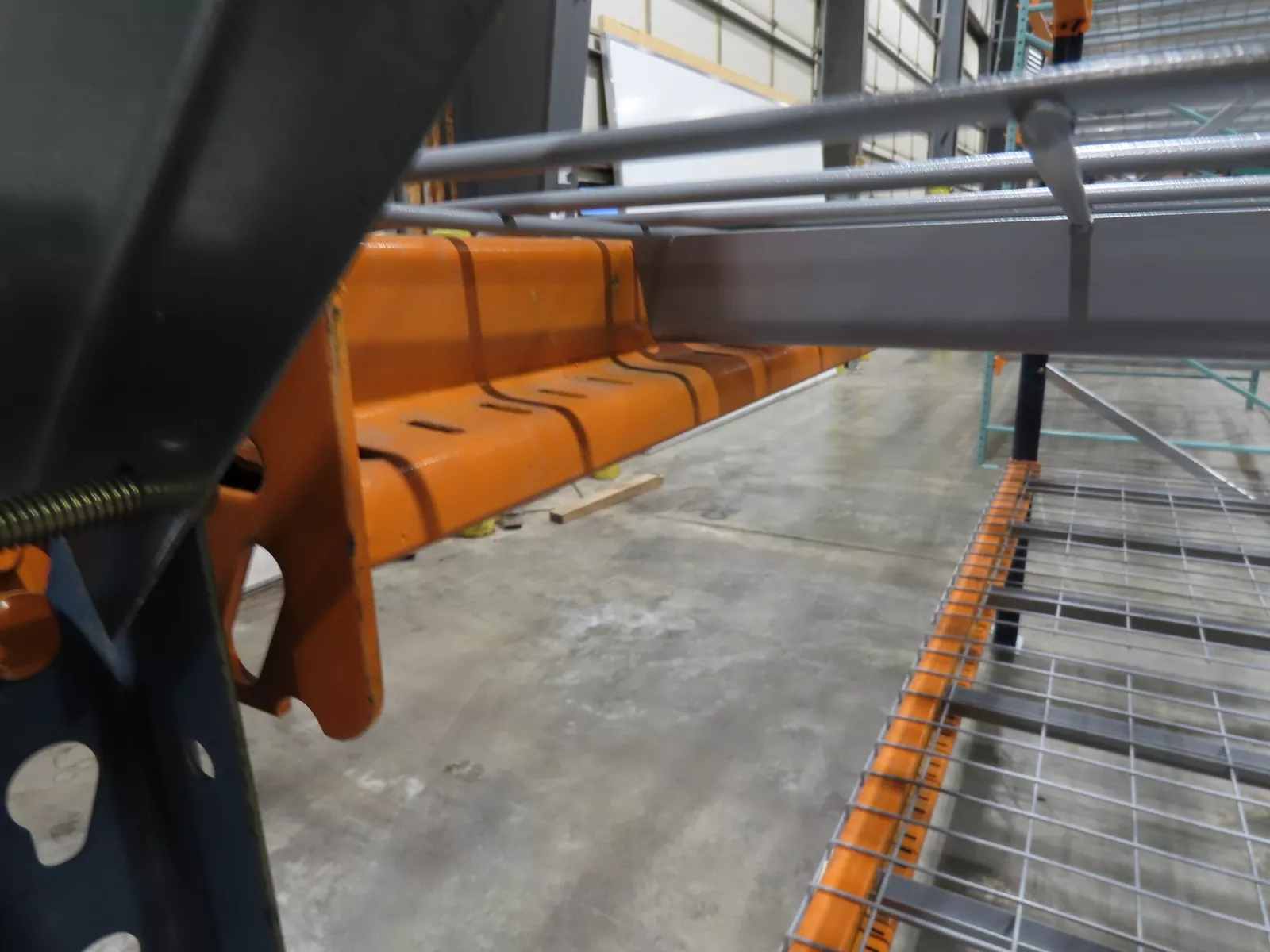
Other Resources
Glossary Terms
What Are The Potential Risks If Industrial Racks Are Not Used Correctly? – Glossary Of Terms
Here is a glossary of terms related to the potential risks if industrial racks are not used correctly:
1. Load Capacity: The maximum weight that a rack can safely hold without the risk of failure or collapse.
2. Structural Integrity: The condition of a rack being whole and undamaged; compromised integrity increases the risk of failure.
3. Overloading: Placing more weight on the racks than they are designed to support, leading to potential collapse.
4. Load Distribution: Arranging weight evenly across a rack to prevent imbalance and tipping.
5. ANSI Standards: Guidelines provided by the American National Standards Institute for the safe design and use of industrial racks.
6. OSHA Compliance: Adhering to safety regulations set by the Occupational Safety and Health Administration to prevent workplace accidents.
7. Rack Inspection: Routine checks for wear, damage, and structural soundness to ensure safety.
8. Beam Deflection: The bending or deformation of beams under weight, which can be a sign of overloading.
9. Pallet Placement: Proper positioning of pallets on the racks to avoid instability and tipping.
10. Rack Anchoring: Securely fixing racks to the floor to prevent them from moving or tipping.
11. Seismic Considerations: Design and use modifications to ensure rack stability during an earthquake.
12. Safety Clips: Hardware used to secure beams and prevent accidental dislodging.
13. Backstops: Barriers installed on the back of racks to prevent objects from falling off the rear.
14. Flue Space: Gap between the rack and adjacent structures to allow for fire suppression and proper ventilation.
15. Guard Rails: Protective barriers to prevent equipment or machinery from colliding with racks.
16. Forklift Damage: Damage caused by forklifts during loading and unloading, which can compromise rack integrity.
17. Environmental Conditions: Factors such as humidity, temperature, and chemicals that may impact the material and structure of racks.
18. Rack Configuration: The specific arrangement and assembly of rack components that must adhere to manufacturer guidelines.
19. Load Shifting: Movement of goods that can cause imbalances and increase the risk of collapse.
20. Egress Paths: Clear routes for egress in case of rack collapse, ensuring worker safety.
21. Protective Coatings: Treatments applied to racks to prevent corrosion or degradation.
22. Material Fatigue: The weakening of rack materials over time due to repeated loading and unloading.
23. Bracing: Structural supports that enhance the stability of racks.
24. Safety Signage: Warning signs posted to inform workers of load limits and safe use practices.
25. Warranty Adherence: Following the manufacturer’s guidelines and limitations to ensure the warranty remains valid.
26. Dynamic Loads: Loads that can change in weight or position, impacting rack stability.
27. Case Selections: Guidelines for selecting the appropriate type of rack based on the specific use case and load requirements.
28. Accident Reports: Documentation of incidents related to rack failure, useful for preventing future occurrences.
29. Employee Training: Ensuring workers are educated on the proper use, risks, and safety procedures for using industrial racks.
30. Preventive Maintenance: Regularly scheduled upkeep to detect and repair potential issues before they lead to failure.
These terms and descriptions aim to provide a comprehensive understanding of the various factors and risks associated with the improper use of industrial racks.
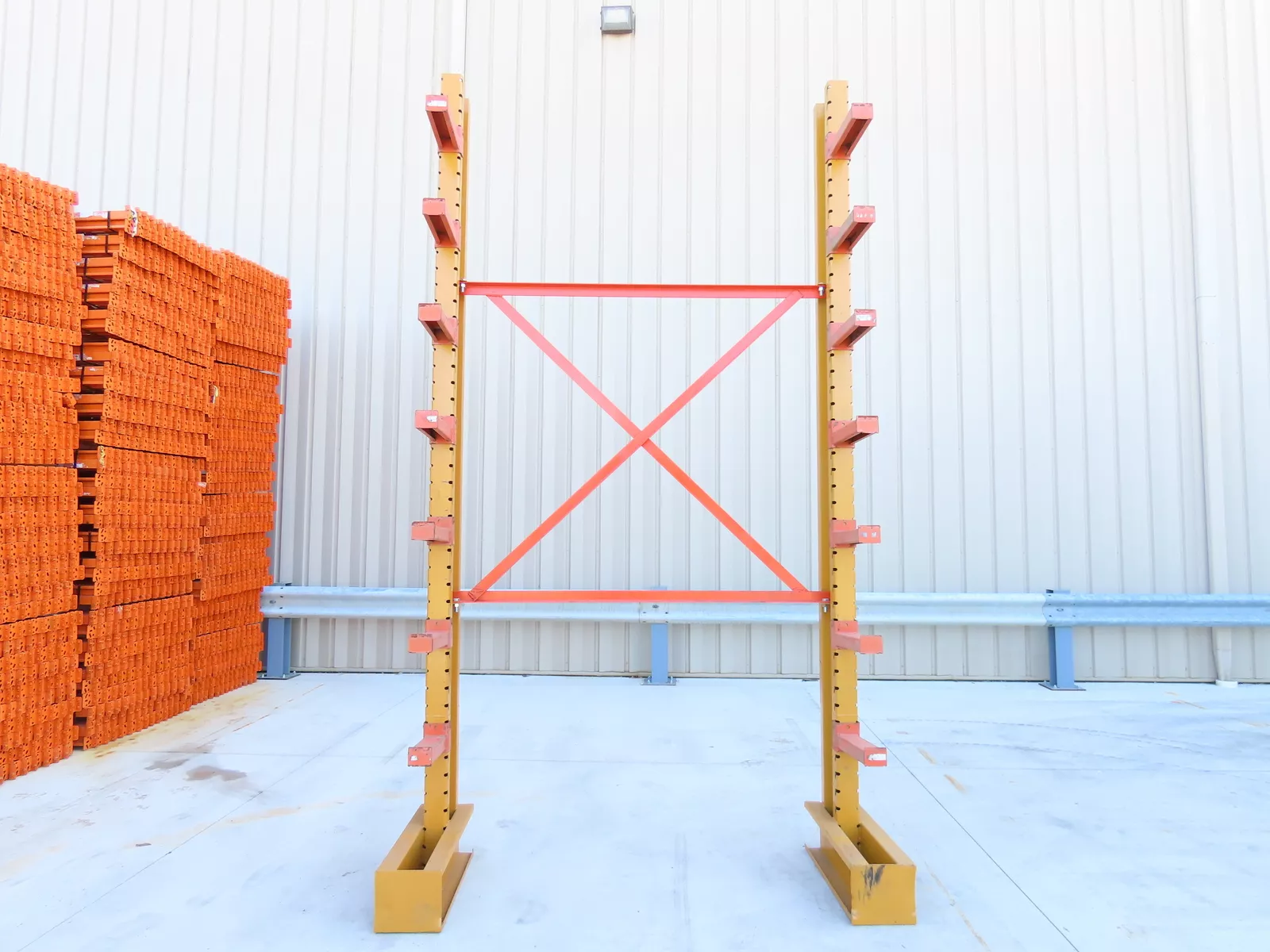
Glossary Of Terms
Other Questions
What Are The Potential Risks If Industrial Racks Are Not Used Correctly? – Other Questions
If you wish to explore and discover more, consider looking for answers to these questions:
- How can businesses prevent the collapse of an industrial racking system due to improper use?
- What steps should be taken to properly anchor industrial racks to the floor or walls?
- How can you ensure items are stacked correctly to avoid instability in industrial racks?
- What are the indications that an industrial rack is overloaded or improperly used?
- Are there specific guidelines for maintaining and inspecting industrial racks for safety?
- What are the common mistakes people make when using industrial racks?
- What training methods are most effective for teaching employees the proper use of industrial racks?
- How frequently should industrial racks be inspected for safety and structural integrity?
- How can improper usage of industrial racks lead to inefficiencies in the workplace?
- What are the manufacturer guidelines typically provided with industrial racks, and why are they important?
- What are some examples of the most severe consequences from overloading industrial racks?
- How can the weight limits of industrial racks be determined and adhered to?
- What tools and equipment are recommended for safely loading and unloading industrial racks?
- What are some legal and regulatory requirements for the use of industrial racks in warehouses and factories?
- How should items of different weights and sizes be arranged on industrial racks?
Other Questions
Checklist
What Are The Potential Risks If Industrial Racks Are Not Used Correctly? – A Checklist
Section 1: Understanding the Potential Risks
1. Read Manufacturer’s Guidelines:
_____ Ensure you understand and follow the manufacturer’s instructions for assembly and usage.
_____ Confirm that all employees have access to and are familiar with these guidelines.
2. Regular Inspections:
_____ Check for signs of damage such as bent or broken beams, rust, and loose bolts.
_____ Address any signs of wear promptly to prevent accidents.
3. Proper Anchoring:
_____ Verify that all racks are securely anchored to the floor or walls.
_____ Regularly check anchor points and re-tighten any loose bolts.
4. Weight Distribution:
_____ Ensure weight is evenly distributed across all shelves.
_____ Avoid stacking items too high or placing heavy objects on one side of the rack.
5. Inspection of Floor Integrity:
_____ Check that the flooring is capable of supporting the weight of the racks.
_____ Address any flooring issues immediately to ensure stability.
Section 2: Loading and Unloading Procedures
6. Organize Items Properly:
_____ Place heavier items on the lower shelves.
_____ Store lighter items on higher shelves to prevent top-heaviness.
7. Use Pallets, Containers, or Bins:
_____ Secure items on racks using appropriate storage methods.
_____ Consider straps or bungee cords for added security during transportation.
8. Clear Aisles:
_____ Ensure aisles are clear of obstacles to allow easy access and maneuverability.
_____ Maintain clear pathways to prevent accidents and ensure a smooth workflow.
Section 3: Employee Training
9. Loading and Unloading Techniques:
_____ Train employees on proper techniques for loading and unloading racks.
_____ Highlight the importance of even weight distribution and secure loading.
10. Safety Protocols:
_____ Educate workers on recognizing potential hazards and responding appropriately.
_____ Offer regular refresher training sessions to reinforce safety guidelines.
Section 4: Regular Maintenance
11. Scheduled Inspections:
_____ Conduct regular inspections for signs of wear and damage.
_____ Implement a maintenance schedule to tighten bolts, repair components, and repaint rusted areas.
12. Weight Capacity Awareness:
_____ Ensure all employees understand the weight limits for each rack.
_____ Avoid exceeding the rated capacity to prevent overloading and potential collapses.
Section 5: Emergency Preparedness
13. Emergency Response Plan:
_____ Create a plan for responding to rack collapses or other emergencies.
_____ Ensure all employees are familiar with emergency procedures and evacuation routes.
Section 6: Compliance and Reporting
14. Adherence to Regulations:
_____ Follow industry-specific regulations and guidelines for rack usage.
_____ Conduct regular audits to ensure compliance and avoid potential penalties.
15. Report Issues Promptly:
_____ Encourage employees to report any signs of damage or potential hazards immediately.
_____ Address reported issues without delay to maintain a safe working environment.
By following this checklist, you can ensure that your industrial racks are used safely and efficiently, minimizing risks and maximizing productivity in your workplace. Remember to prioritize safety and regular maintenance to prevent accidents and ensure the longevity of your storage solutions.
Checklist
At RackingWorld, we help guide you through selecting warehouse storage systems and racking.
Be sure to read our other related stories at RackingWorld to learn more about warehouse storage systems.
0 Comments