
Exploring Sustainable Pallet Racking Solutions
By Tom Seest
At RackingWorld, we help guide you through selecting warehouse storage systems and racking.
Be sure to read our other related stories at RackingWorld to learn more about warehouse storage systems.
Are There Eco-Friendly Pallet Racking Options Available?
When it comes to warehouse storage solutions, pallet racking is a tried and true method for efficiently organizing and storing goods. However, as more and more companies are looking to reduce their environmental impact, the question arises – are there eco-friendly pallet racking options available?
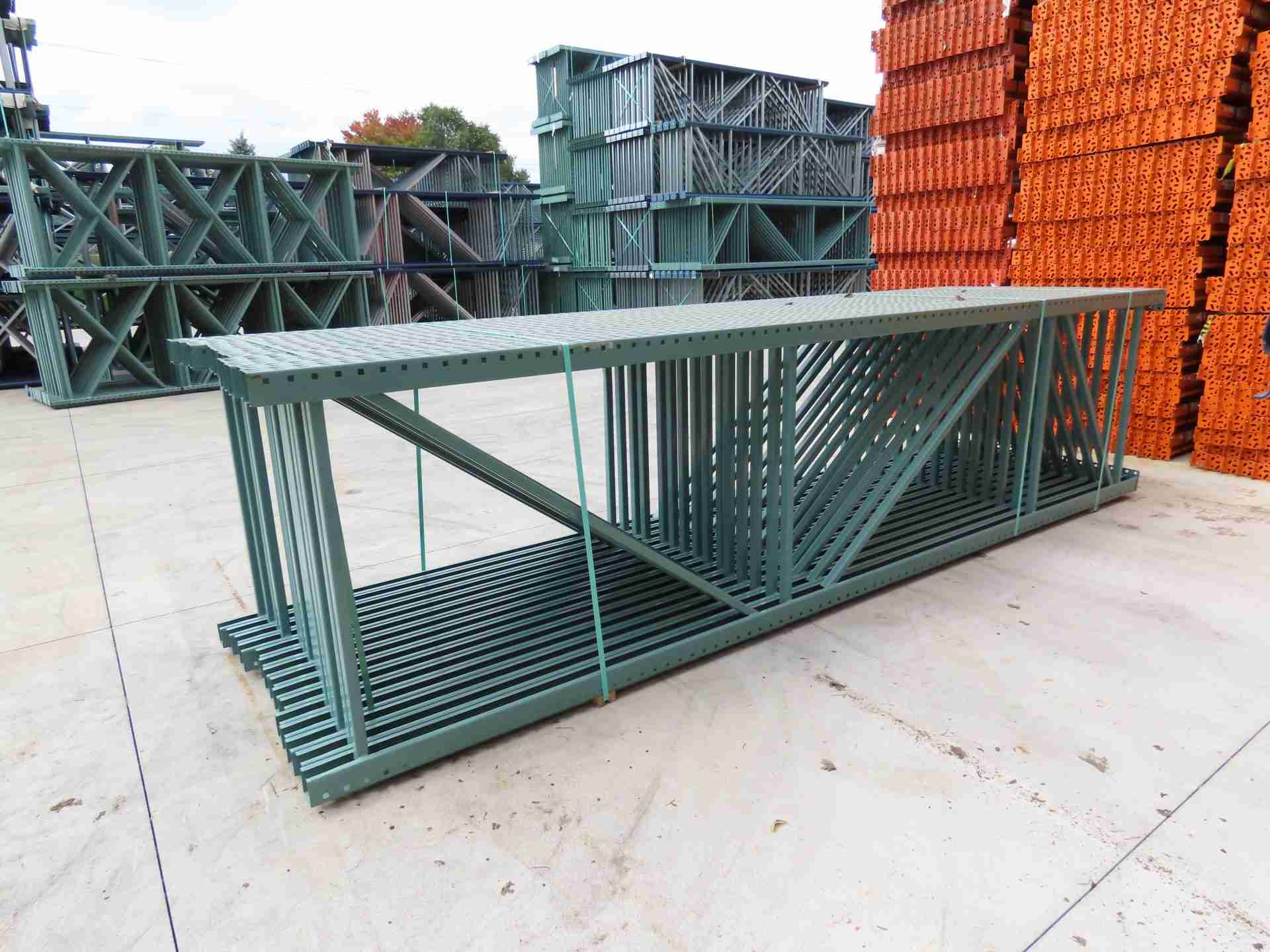
The good news is, yes, there are eco-friendly options when it comes to pallet racking. One option is using recycled or refurbished pallet racking. By reusing pallet racking that has been previously used, companies can help reduce the demand for new materials and prevent old racking from ending up in a landfill. Not only is this a more sustainable option, but it can also save companies money in the long run.
Another eco-friendly option for pallet racking is choosing racking systems made from sustainable materials. Look for racking systems that are made from materials like bamboo, recycled steel, or FSC-certified wood. These materials are more environmentally friendly compared to traditional steel racking systems and can help reduce the overall carbon footprint of a warehouse operations.
In addition to the materials used in the pallet racking system, companies can also consider the design of the racking system to make it more eco-friendly. By maximizing vertical space and optimizing storage capacity, companies can reduce the overall footprint of their warehouse and minimize the need for additional storage space.
Furthermore, companies can also implement eco-friendly practices when it comes to maintaining and operating their pallet racking systems. Regular maintenance and inspections can help ensure that the racking system remains in optimal condition, reducing the likelihood of accidents or damage that would require replacement. Additionally, using energy-efficient lighting and implementing recycling programs can help further reduce the environmental impact of warehouse operations.
Overall, when it comes to pallet racking, there are indeed eco-friendly options available. By choosing recycled or sustainable materials, optimizing storage space, and implementing eco-friendly practices, companies can reduce their carbon footprint and make their warehouse operations more environmentally friendly. So next time you’re in the market for pallet racking, consider these eco-friendly options to help do your part in protecting the planet.
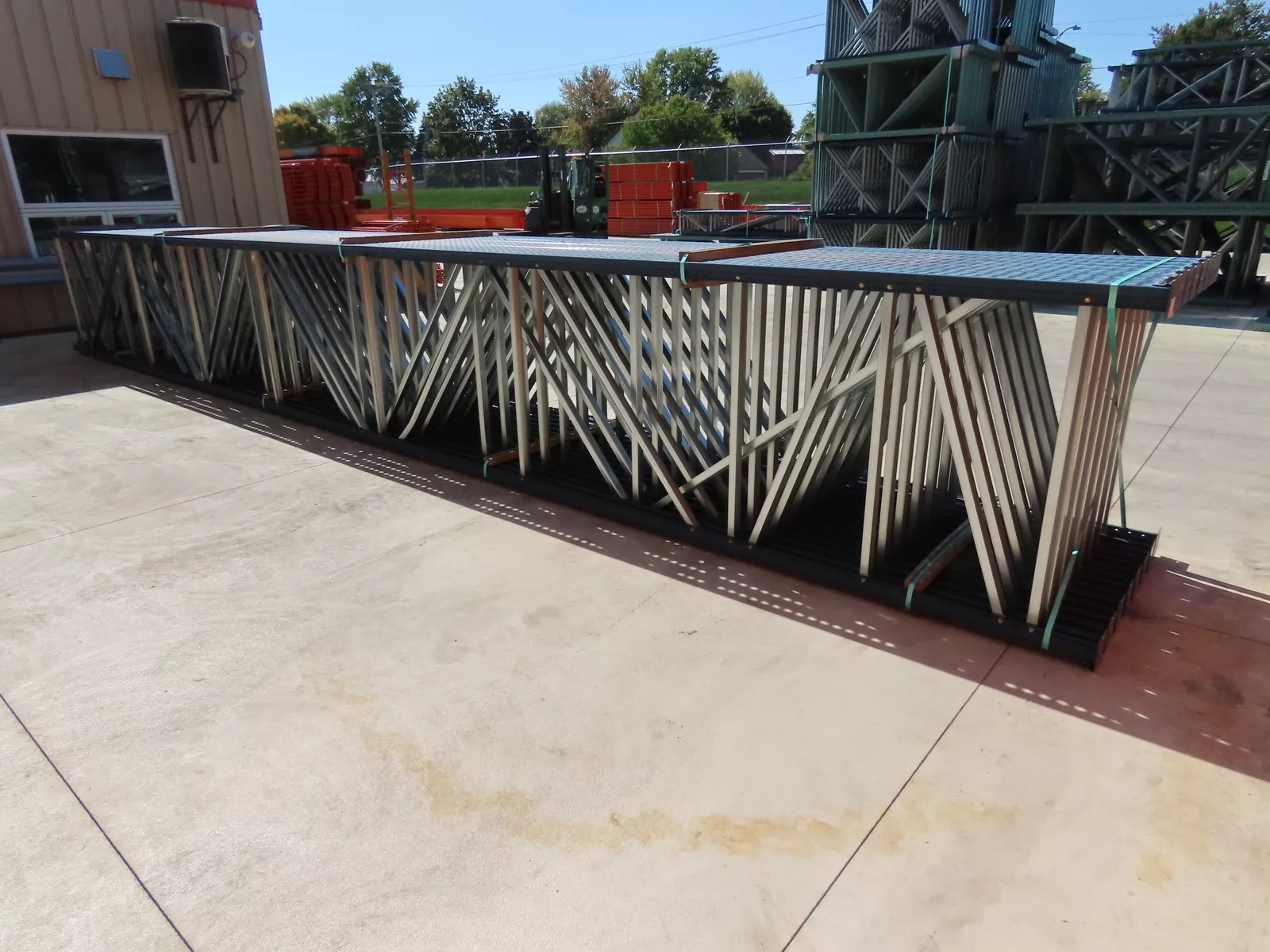
Are There Eco-Friendly Pallet Racking Options Available?
Are There Eco-Friendly Pallet Racking Options Available?
- Recycled or refurbished pallet racking can help reduce demand for new materials and save companies money.
- Racking systems made from sustainable materials like bamboo, recycled steel, or FSC-certified wood are more environmentally friendly.
- Maximizing vertical space and optimizing storage capacity can reduce the overall footprint of a warehouse.
- Regular maintenance and inspections can help ensure the racking system remains in optimal condition.
- Using energy-efficient lighting and implementing recycling programs can further reduce the environmental impact.
- Choosing eco-friendly options for pallet racking can help companies reduce their carbon footprint.
- Consider recycled or sustainable materials, optimizing storage space, and implementing eco-friendly practices.
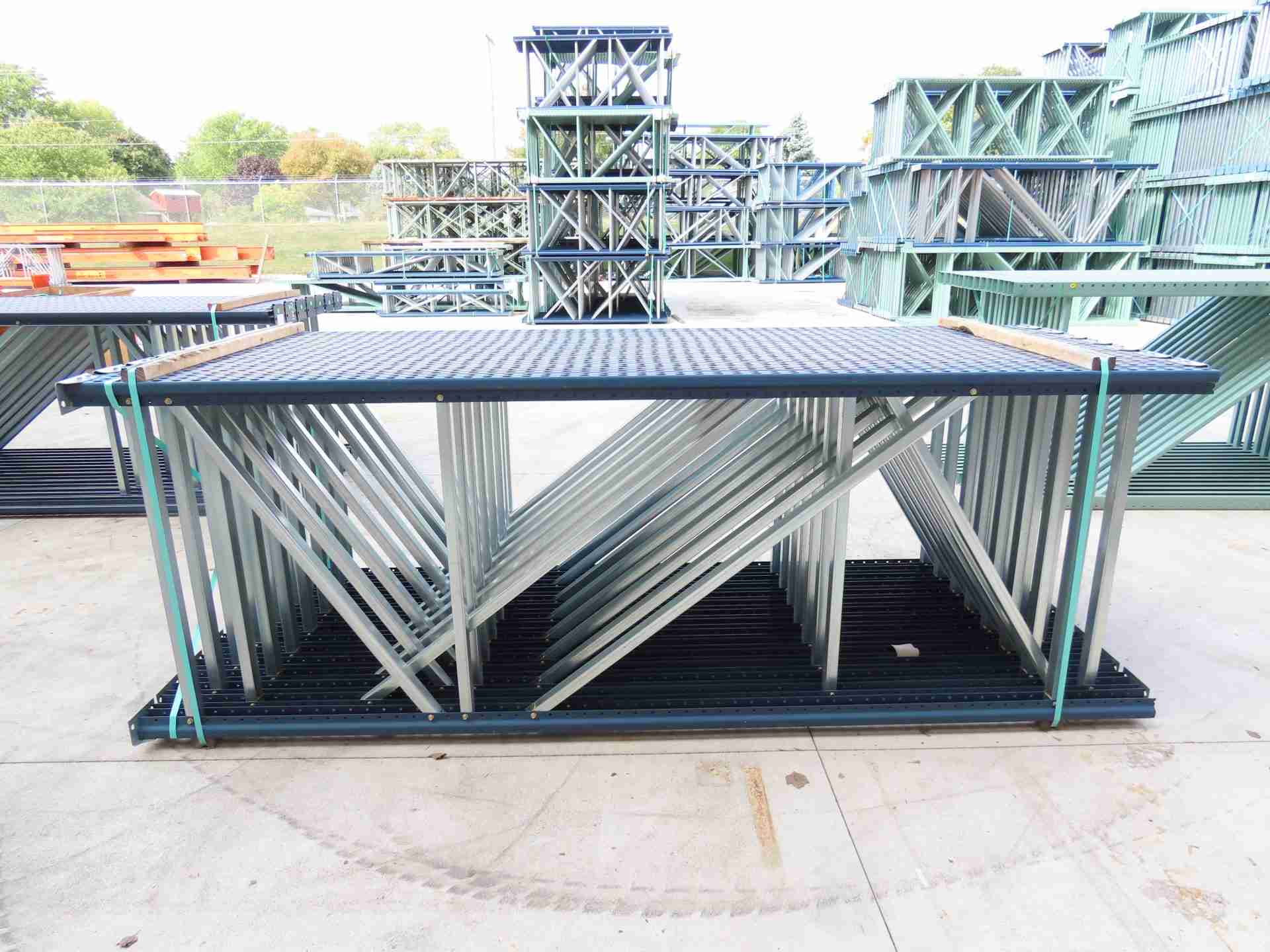
Are There Eco-Friendly Pallet Racking Options Available?
Table Of Contents
- Are There Eco-Friendly Pallet Racking Options Available?
- What Are The Benefits Of Using Eco-Friendly Pallet Racking?
- How Can Eco-Friendly Pallet Racking Help Reduce Carbon Footprint?
- What Sustainable Materials Are Used In Eco-Friendly Pallet Racking?
- What Materials Can Be Used For Eco-Friendly Pallet Racking?
- How Can Eco-Friendly Pallet Racking Impact Sustainability Goals?
- Are There Recycled Pallet Racking Options On The Market?
- Can Eco-Friendly Pallet Racking Be Customized To Fit Different Spaces?
- What Are The Benefits Of Choosing Eco-Friendly Pallet Racking?
- Conclusion
- Other Resources
- Glossary Of Terms
- Other Questions
- Checklist
What Are The Benefits Of Using Eco-Friendly Pallet Racking?
When it comes to choosing the right pallet racking for your warehouse or storage facility, there are plenty of options to consider. One choice that is gaining popularity is eco-friendly pallet racking. But what exactly are the benefits of using this type of racking system?
First and foremost, eco-friendly pallet racking is made from sustainable materials that have a minimal impact on the environment. This means that you can feel good about your choice to use these racks, knowing that you are doing your part to reduce your carbon footprint. Not only are these racks better for the environment, but they are also typically more durable than traditional racks, meaning they will last longer and require less maintenance over time.
Another benefit of using eco-friendly pallet racking is that these racks are often made with recycled materials. By utilizing recycled materials in the manufacturing process, companies are able to reduce their reliance on raw materials and minimize waste. This not only helps to conserve valuable resources, but it also reduces the amount of waste that ends up in landfills.
In addition to being environmentally friendly, eco-friendly pallet racking can also save you money in the long run. Since these racks are built to last and require less maintenance, you will spend less on repairs and replacements over time. Plus, many eco-friendly options are designed to be more space-efficient, allowing you to maximize your storage capacity and make the most of your warehouse space.
Furthermore, using eco-friendly pallet racking can also improve the overall safety of your warehouse. These racks are designed to be sturdy and secure, reducing the risk of accidents and injuries caused by collapsed or unstable racks. By investing in high-quality, eco-friendly racks, you can create a safer work environment for your employees and protect your valuable inventory.
Ultimately, choosing eco-friendly pallet racking is a smart and responsible decision for any business looking to improve their sustainability efforts. With benefits ranging from reduced environmental impact to cost savings and increased safety, it’s clear that eco-friendly pallet racking is a win-win option for businesses of all sizes. So why not make the switch to eco-friendly racks and start reaping the benefits today?
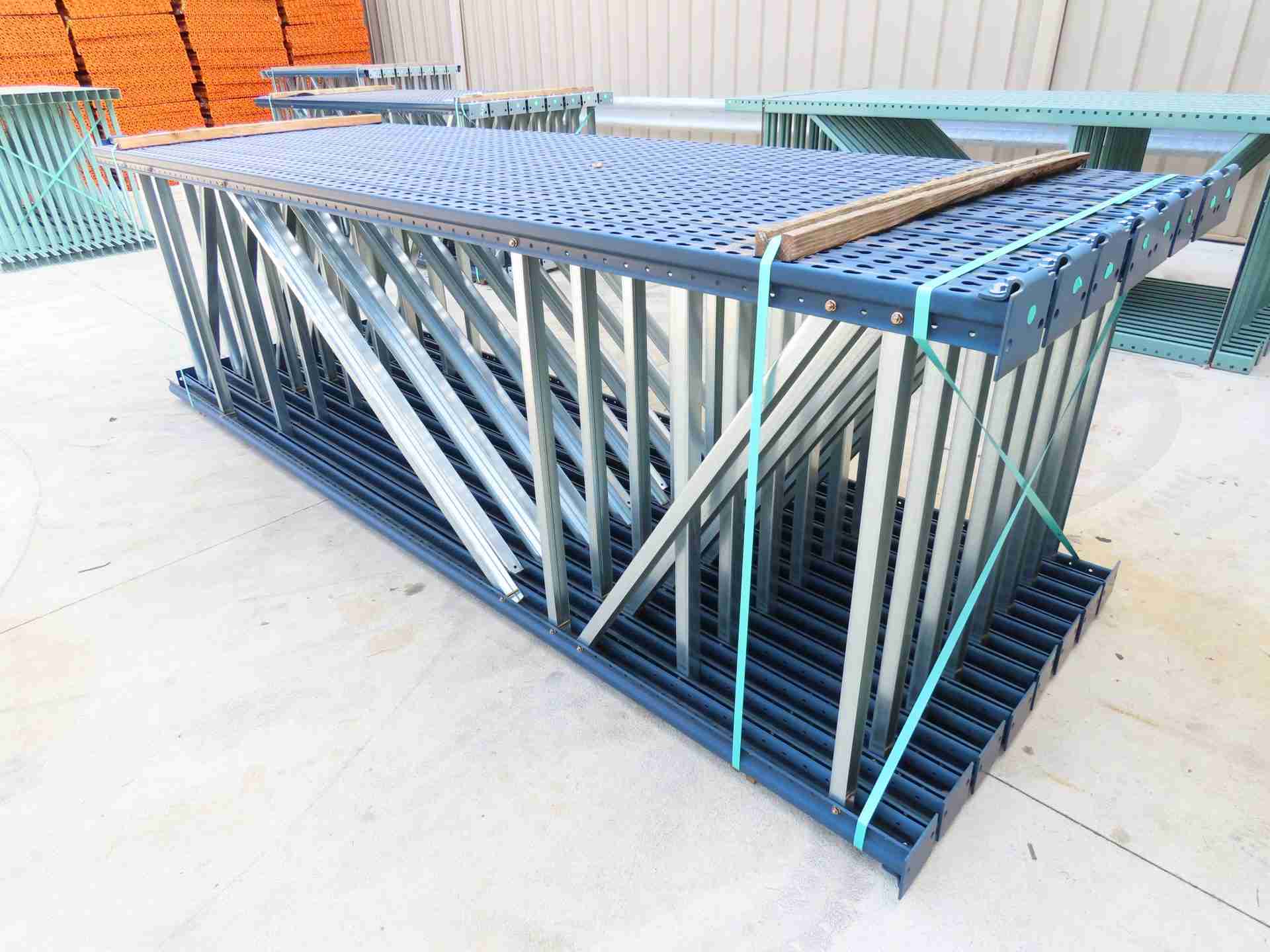
What Are The Benefits Of Using Eco-Friendly Pallet Racking?
What Are The Benefits Of Using Eco-Friendly Pallet Racking?
- Eco-friendly pallet racking is made from sustainable materials with minimal impact on the environment.
- These racks are more durable and require less maintenance than traditional racks.
- They are often made with recycled materials, reducing reliance on raw materials and minimizing waste.
- Eco-friendly pallet racking can save money in the long run by lasting longer and requiring less maintenance.
- They are space-efficient, maximizing storage capacity and warehouse space.
- Improves safety by being sturdy and secure, reducing the risk of accidents.
- Choosing eco-friendly pallet racking is a smart and responsible decision for businesses, offering benefits such as reduced environmental impact, cost savings, and increased safety.
What Are The Benefits Of Using Eco-Friendly Pallet Racking?
How Can Eco-Friendly Pallet Racking Help Reduce Carbon Footprint?
When it comes to reducing our carbon footprint, we often think of big changes like driving less or using energy-efficient appliances. But what about the little things we can do in our everyday lives that can add up to make a big impact? One often-overlooked way to reduce our carbon footprint is by using eco-friendly pallet racking in our warehouses and storage facilities.
Traditional pallet racking systems are typically made from materials that are not environmentally friendly, such as steel, which requires a significant amount of energy to produce. In contrast, eco-friendly pallet racking is made from sustainable materials like recycled steel or wood, which require less energy to manufacture and produce fewer emissions. By choosing eco-friendly pallet racking, businesses can significantly reduce their carbon footprint and make a positive impact on the environment.
In addition to being made from sustainable materials, eco-friendly pallet racking systems are also designed to be more energy-efficient. They are often lighter in weight, which means less fuel is needed to transport them and install them in a warehouse. This can further reduce the carbon footprint of a business and help them move towards a more sustainable future.
Furthermore, eco-friendly pallet racking systems are designed to last longer than traditional racking systems. This means that businesses won’t have to replace their pallet racking as often, reducing the amount of waste that ends up in landfills. By investing in durable and long-lasting eco-friendly pallet racking, businesses can not only reduce their carbon footprint but also save money in the long run.
Another way that eco-friendly pallet racking can help reduce carbon footprint is through its design. Many eco-friendly pallet racking systems are designed to maximize storage space and improve warehouse efficiency, which can help businesses reduce their energy consumption and emissions. By optimizing their warehouse layout with eco-friendly pallet racking, businesses can minimize the amount of energy needed to operate their facilities and further reduce their carbon footprint.
Overall, the benefits of using eco-friendly pallet racking are clear. By choosing sustainable materials, improving energy efficiency, and optimizing warehouse layouts, businesses can significantly reduce their carbon footprint and make a positive impact on the environment. Making the switch to eco-friendly pallet racking is a simple yet effective way for businesses to do their part in creating a more sustainable future.
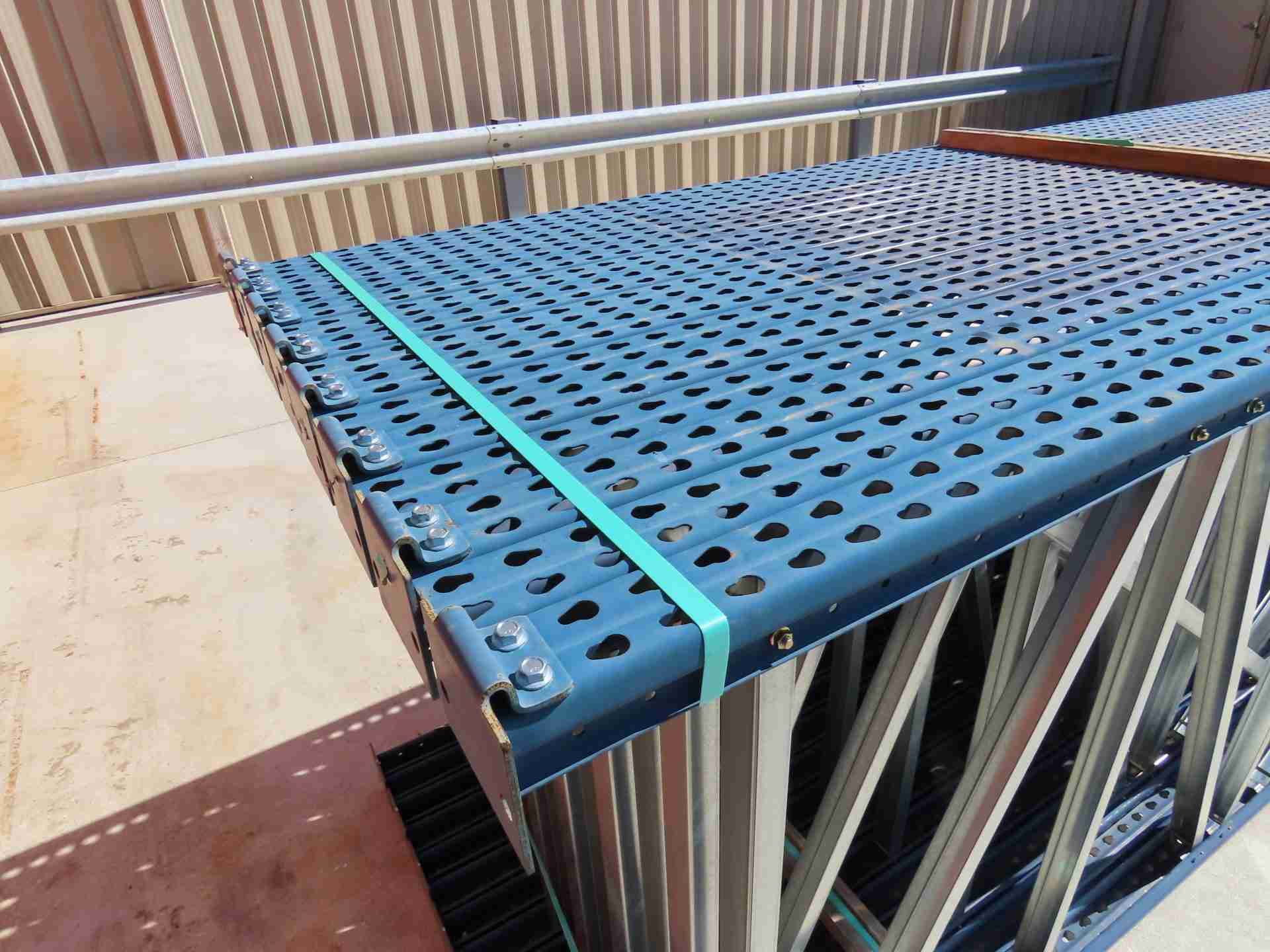
How Can Eco-Friendly Pallet Racking Help Reduce Carbon Footprint?
How Can Eco-Friendly Pallet Racking Help Reduce Carbon Footprint?
- Using eco-friendly pallet racking can help reduce our carbon footprint.
- Eco-friendly pallet racking is made from sustainable materials like recycled steel or wood.
- Such pallet racking requires less energy to manufacture and produces fewer emissions.
- Eco-friendly pallet racking is designed to be more energy-efficient.
- They are lighter in weight, reducing the fuel needed for transportation.
- They are also durable, leading to less waste in landfills and long-term cost savings.
- Optimizing warehouse layouts with eco-friendly pallet racking can further reduce energy consumption and emissions.
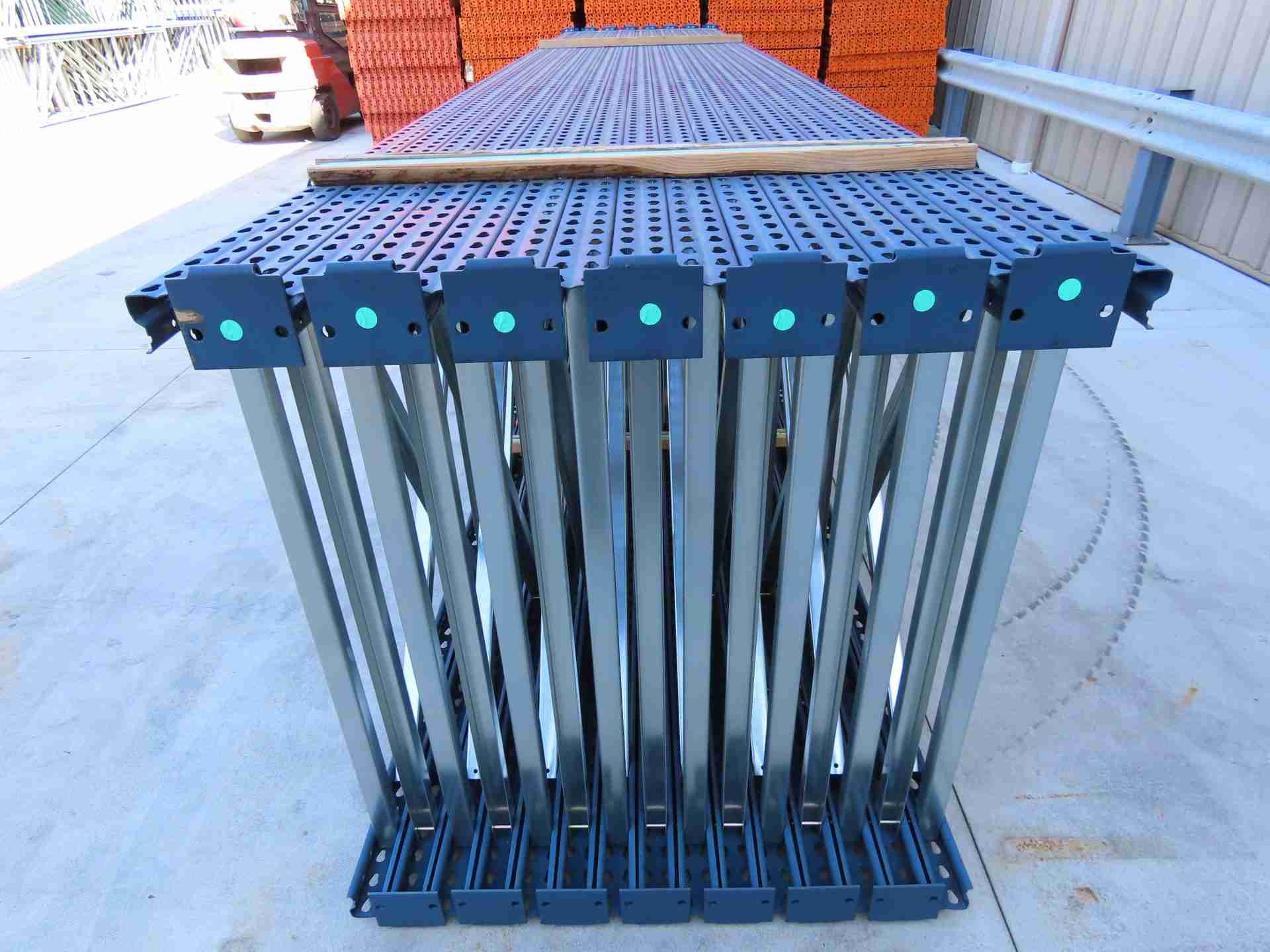
How Can Eco-Friendly Pallet Racking Help Reduce Carbon Footprint?
What Sustainable Materials Are Used In Eco-Friendly Pallet Racking?
When it comes to eco-friendly pallet racking, the materials used play a crucial role in the sustainability of the product. Fortunately, there are a number of sustainable materials that are commonly used in the construction of eco-friendly pallet racking systems.
One of the most popular sustainable materials used in eco-friendly pallet racking is recycled steel. This material is not only durable and strong, but it also helps to reduce the environmental impact of manufacturing new steel. By using recycled steel, companies can help to conserve natural resources and reduce the amount of energy that is required to produce new steel.
Another sustainable material that is commonly used in eco-friendly pallet racking is bamboo. Bamboo is a fast-growing, renewable resource that is known for its strength and durability. It is also biodegradable, which means that it can easily be recycled at the end of its life cycle. By using bamboo in the construction of pallet racking systems, companies can help to reduce their carbon footprint and lessen their impact on the environment.
In addition to recycled steel and bamboo, some companies also use reclaimed wood in their eco-friendly pallet racking systems. Reclaimed wood is salvaged from old buildings, barns, or other structures, and then repurposed for use in pallet racking. This not only gives the wood a new life, but it also helps to prevent the unnecessary cutting down of trees for new wood products. By using reclaimed wood, companies can reduce waste and promote sustainability in their operations.
Some companies also choose to use recycled plastic in their eco-friendly pallet racking systems. Recycled plastic is made from post-consumer materials such as plastic bottles and containers, and can be just as strong and durable as traditional plastic. By using recycled plastic, companies can help to reduce the amount of plastic waste that ends up in landfills or oceans, and promote a more circular economy.
Overall, there are a variety of sustainable materials that can be used in the construction of eco-friendly pallet racking systems. By choosing materials such as recycled steel, bamboo, reclaimed wood, or recycled plastic, companies can help to lessen their environmental impact and move towards a more sustainable future.
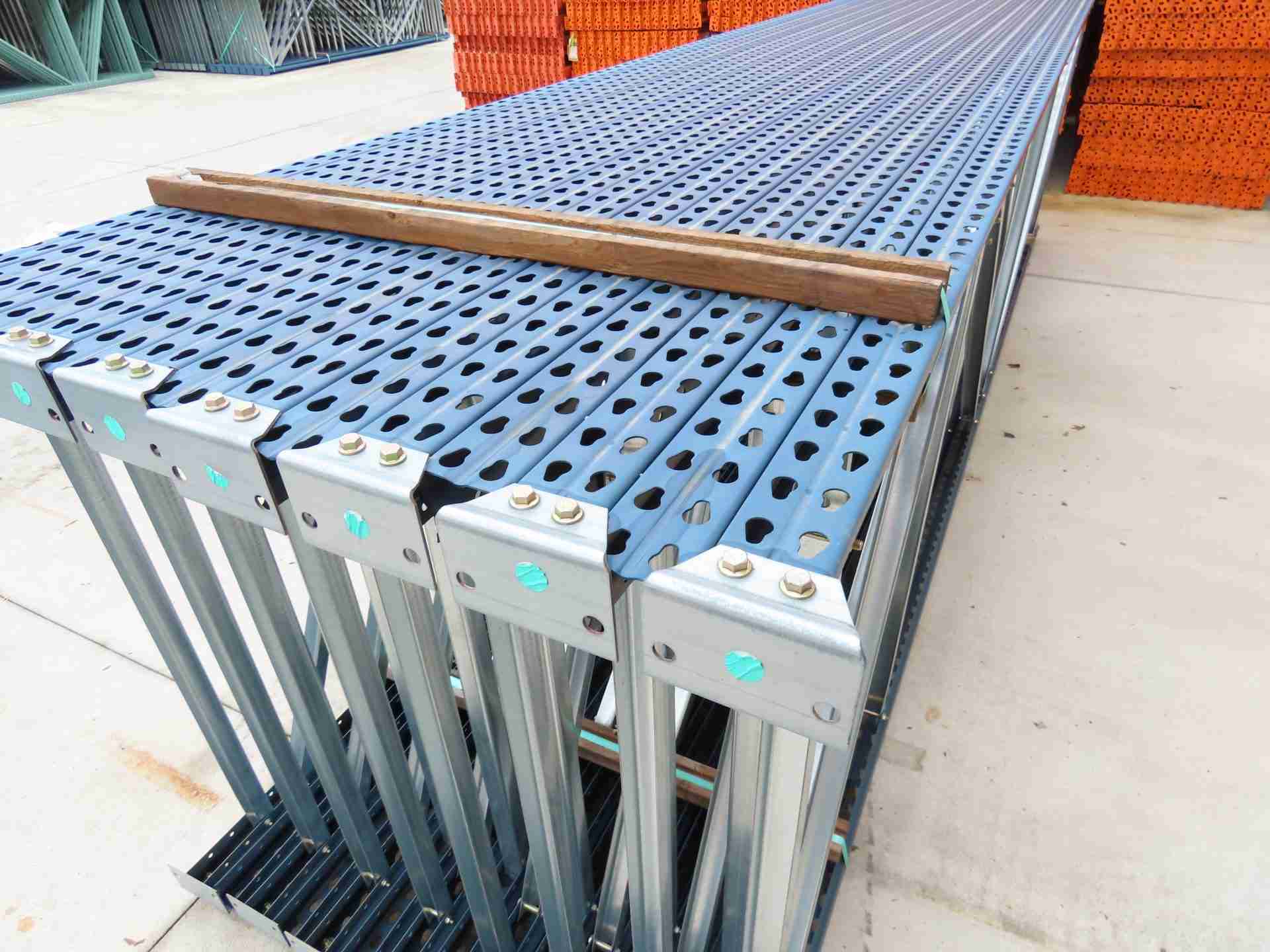
What Sustainable Materials Are Used In Eco-Friendly Pallet Racking?
What Sustainable Materials Are Used In Eco-Friendly Pallet Racking?
- Recycled steel is a popular sustainable material for eco-friendly pallet racking, reducing the environmental impact of manufacturing new steel.
- Bamboo is another common material used in eco-friendly pallet racking, known for its strength, durability, and renewable nature.
- Reclaimed wood is sometimes used in pallet racking systems, salvaged from old structures to prevent unnecessary tree cutting.
- Recycled plastic can also be used in eco-friendly pallet racking, reducing plastic waste and promoting a circular economy.
- Using sustainable materials like recycled steel, bamboo, reclaimed wood, and recycled plastic can help companies reduce their environmental impact.
- By utilizing eco-friendly materials in the construction of pallet racking systems, companies can move towards a more sustainable future.
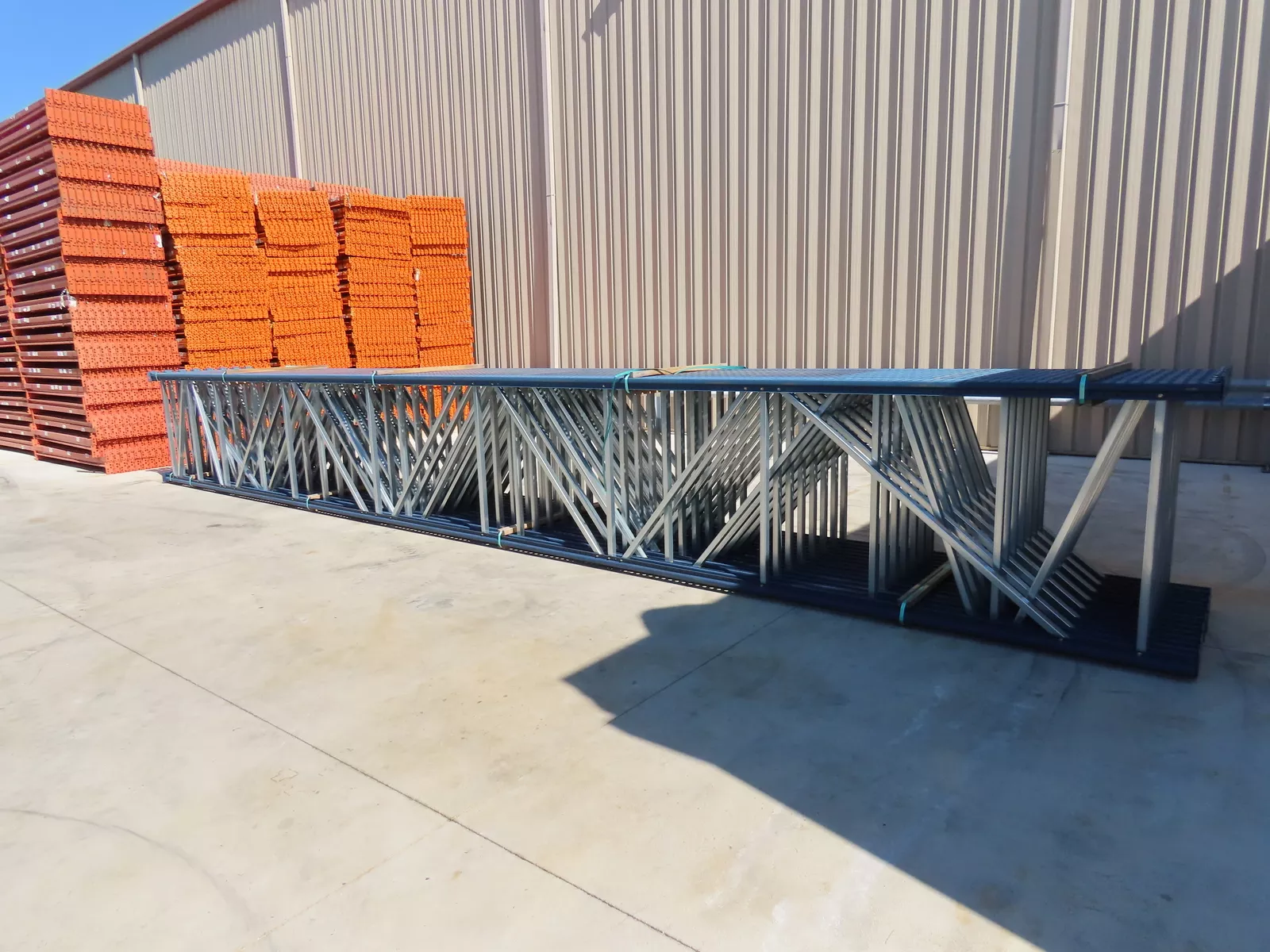
What Sustainable Materials Are Used In Eco-Friendly Pallet Racking?
What Materials Can Be Used For Eco-Friendly Pallet Racking?
When it comes to eco-friendly pallet racking, the materials used play a crucial role in reducing environmental impact. There are several sustainable options available that can be used for constructing pallet racking systems.
One popular material for eco-friendly pallet racking is reclaimed wood. This involves salvaging wood from old structures or pallets and repurposing it for use in new pallet racking systems. Not only does this help reduce the demand for new wood, but it also prevents old wood from ending up in landfills. Reclaimed wood can provide a rustic and unique look to pallet racking systems while also being environmentally friendly.
Another environmentally friendly material for pallet racking is bamboo. Bamboo is a fast-growing and renewable resource that can be harvested without causing harm to the environment. It is also incredibly strong and durable, making it an ideal material for pallet racking systems. Additionally, bamboo has natural antibacterial properties, making it a hygienic choice for storage solutions.
Recycled plastic is also a great option for eco-friendly pallet racking. By using recycled plastic materials, manufacturers can divert plastic waste from landfills and reduce the demand for new plastic production. Recycled plastic pallet racking is durable, lightweight, and resistant to moisture and corrosion. It is a cost-effective and sustainable solution for businesses looking to reduce their environmental impact.
Steel is a common material used in traditional pallet racking systems, but there are eco-friendly options available as well. Recycled steel is made from scrap metal and requires less energy to produce than new steel. By using recycled steel for pallet racking, businesses can reduce their carbon footprint and minimize their impact on the environment. Additionally, steel pallet racking is strong, durable, and long-lasting, providing a sustainable storage solution for warehouses and storage facilities.
There are several materials that can be used for eco-friendly pallet racking systems. From reclaimed wood to bamboo, recycled plastic to recycled steel, businesses have a variety of sustainable options to choose from. By selecting environmentally friendly materials for their pallet racking systems, businesses can reduce their environmental impact and contribute to a more sustainable future.
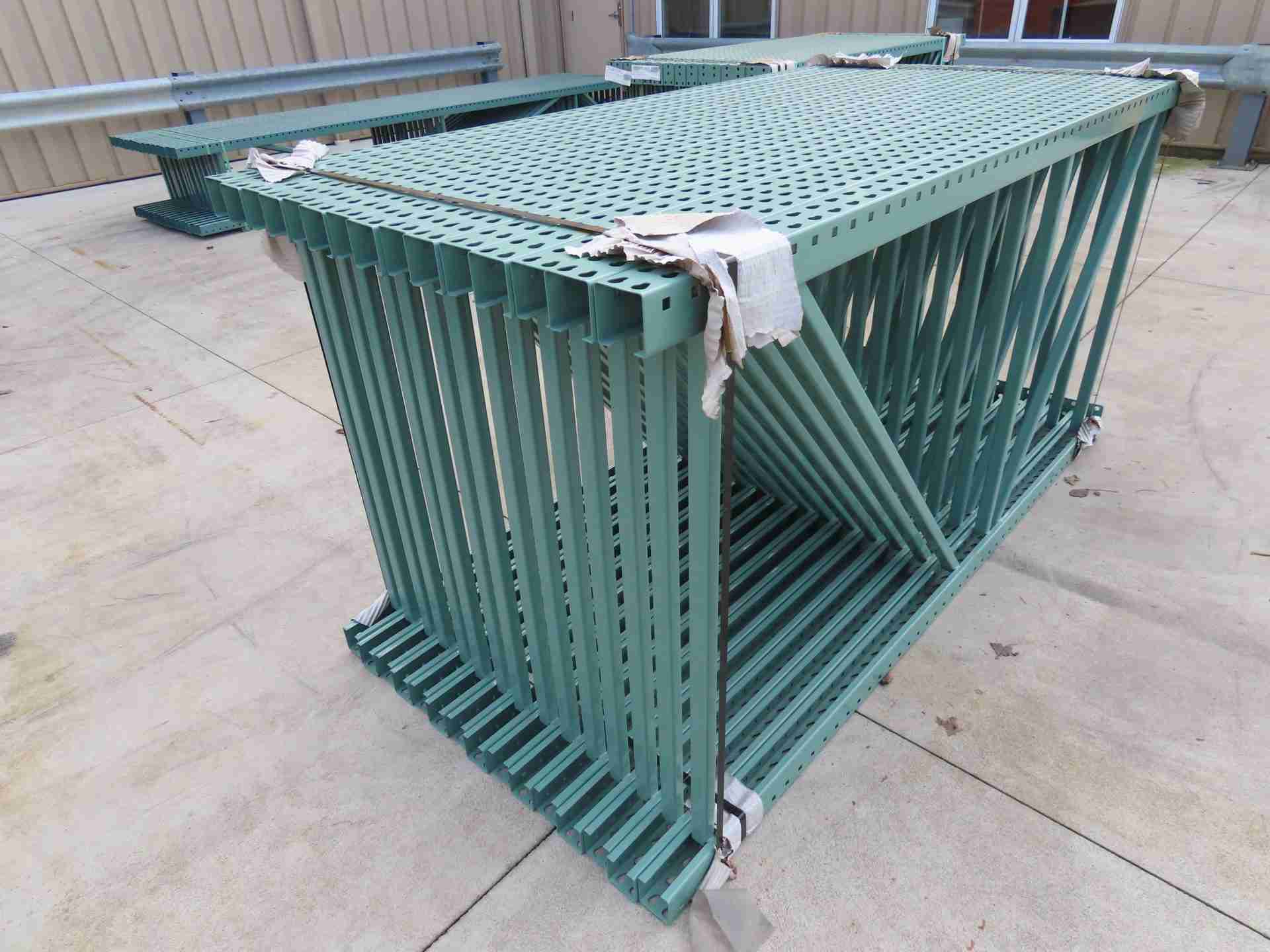
What Materials Can Be Used For Eco-Friendly Pallet Racking?
What Materials Can Be Used For Eco-Friendly Pallet Racking?
- Reclaimed wood is a popular material for eco-friendly pallet racking, salvaged from old structures or pallets.
- Bamboo is another environmentally friendly option, fast-growing and renewable.
- Recycled plastic is a great choice, diverting plastic waste from landfills.
- Recycled steel is available, made from scrap metal and requiring less energy to produce.
- Using sustainable materials for pallet racking can reduce environmental impact.
- Businesses have a variety of eco-friendly options to choose from for pallet racking systems.
- Selecting environmentally friendly materials can contribute to a more sustainable future.
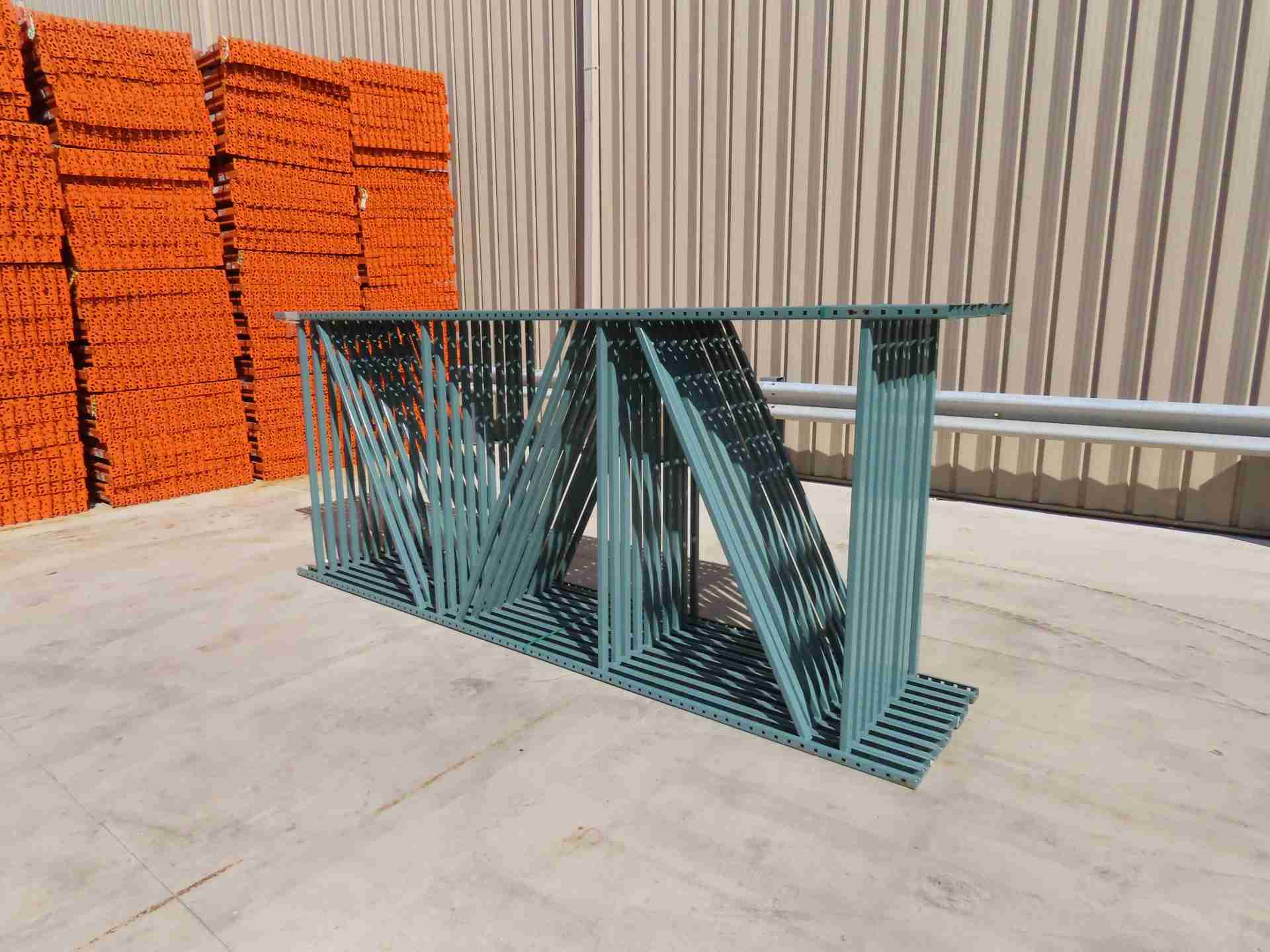
What Materials Can Be Used For Eco-Friendly Pallet Racking?
How Can Eco-Friendly Pallet Racking Impact Sustainability Goals?
When it comes to sustainability goals, many companies are looking for ways to reduce their environmental impact while also improving efficiency. One often-overlooked area where businesses can make a significant difference is in their choice of warehouse storage solutions. Eco-friendly pallet racking can be a game-changer for companies striving to meet their sustainability goals.
Traditional pallet racking systems are typically made from materials that have a negative impact on the environment. Steel, for example, requires a significant amount of energy to produce, and wooden pallets contribute to deforestation. In contrast, eco-friendly pallet racking is made from recycled materials, such as recycled steel or plastic. By choosing these sustainable options, companies can significantly reduce their carbon footprint and lessen their impact on the planet.
But the benefits of eco-friendly pallet racking go beyond just environmental considerations. These systems are also designed with efficiency and longevity in mind. By investing in durable, high-quality pallet racking, companies can reduce the need for frequent replacements and repairs, which can save both time and money in the long run.
Additionally, eco-friendly pallet racking systems are often designed with versatility in mind. This means that companies can easily reconfigure their warehouse layout as needed, without having to invest in entirely new storage solutions. This flexibility can help companies adapt to changing business needs and maximize the use of their warehouse space, ultimately leading to increased efficiency and productivity.
Furthermore, many eco-friendly pallet racking systems are designed to optimize storage space, allowing companies to maximize the use of their warehouse. By utilizing vertical space and investing in options such as pushback or drive-in racking, companies can store more products in a smaller footprint, reducing the need for additional warehouse space and further reducing their environmental impact.
Choosing eco-friendly pallet racking can have a significant impact on a company’s sustainability goals. By opting for recycled materials, companies can reduce their carbon footprint and lessen their impact on the environment. Additionally, the durability, versatility, and efficiency of these systems can help companies improve their overall operations and reduce costs in the long run. Ultimately, eco-friendly pallet racking is a smart choice for companies looking to make a positive impact on the planet while also improving their bottom line.
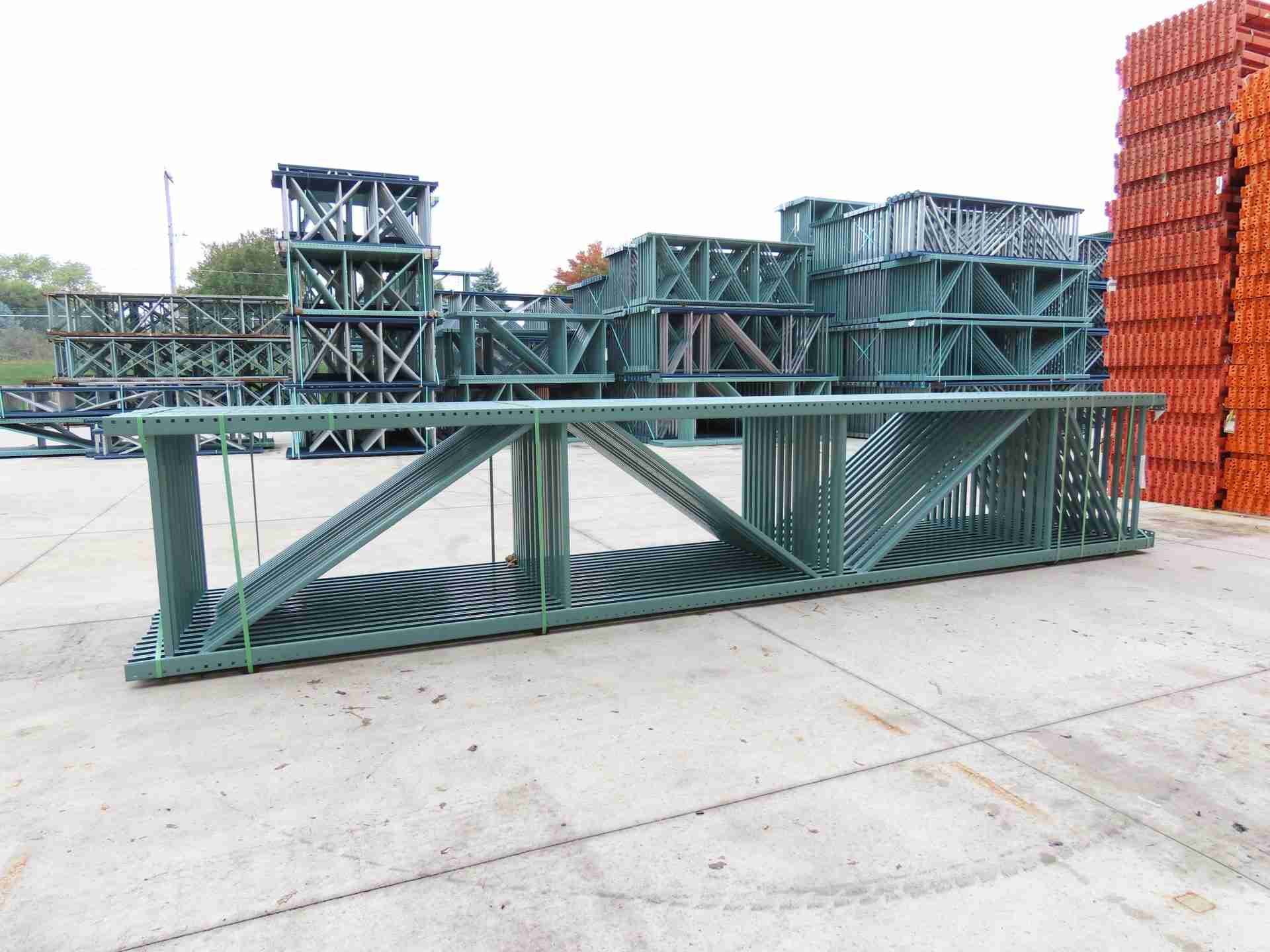
How Can Eco-Friendly Pallet Racking Impact Sustainability Goals?
How Can Eco-Friendly Pallet Racking Impact Sustainability Goals?
- Companies can reduce their environmental impact and improve efficiency by choosing eco-friendly pallet racking.
- Traditional pallet racking systems contribute negatively to the environment through materials like steel and wooden pallets.
- Eco-friendly pallet racking is made from recycled materials like recycled steel or plastic, reducing carbon footprint.
- Investing in durable, high-quality pallet racking can save time and money by reducing the need for frequent replacements and repairs.
- Eco-friendly pallet racking systems are designed with versatility in mind, allowing for easy reconfiguration of warehouse layouts.
- Optimizing storage space with eco-friendly pallet racking can lead to increased efficiency and productivity.
- Choosing eco-friendly pallet racking helps companies reduce their environmental impact, improve operations, and lower costs in the long run.
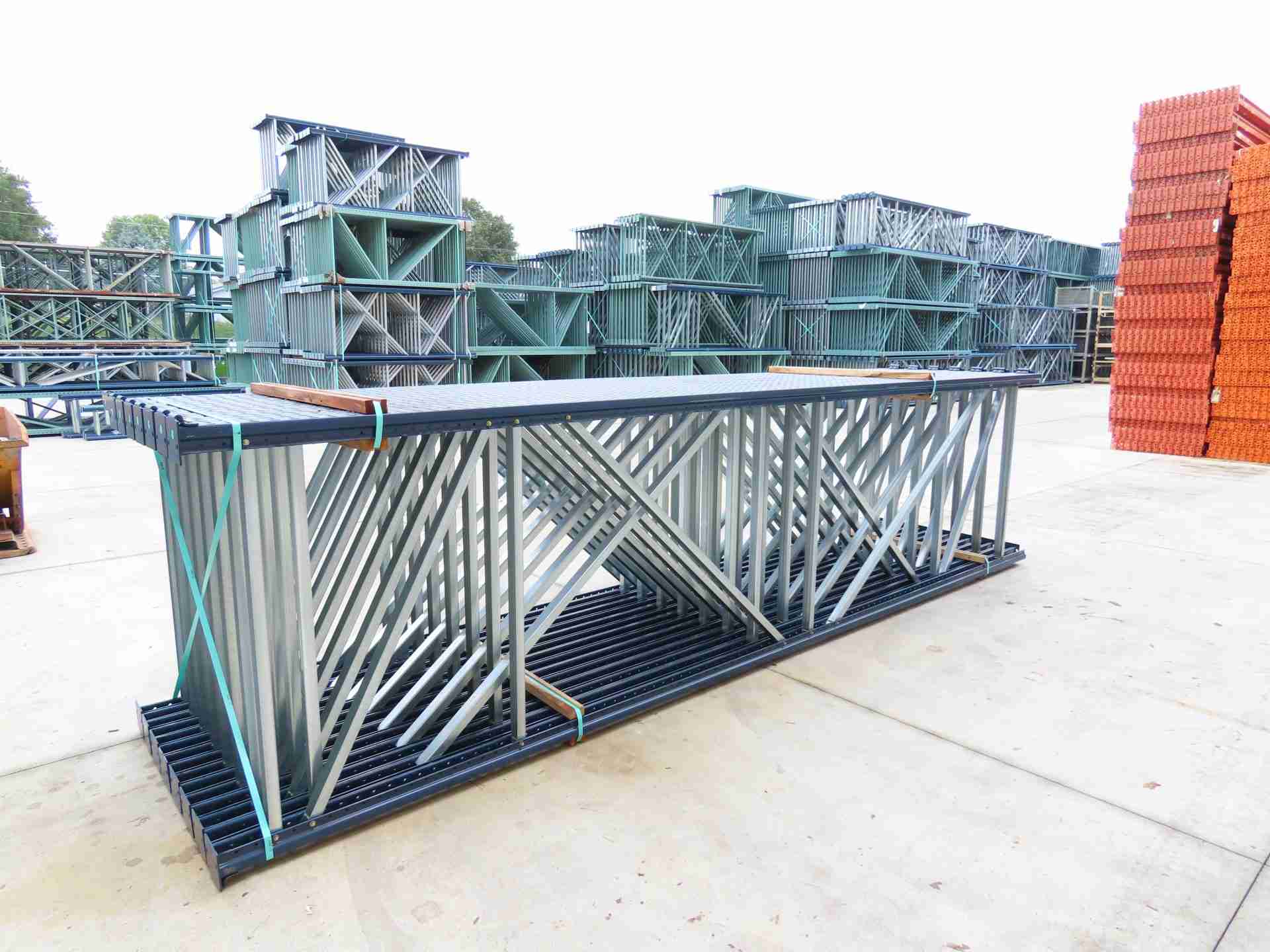
How Can Eco-Friendly Pallet Racking Impact Sustainability Goals?
Are There Recycled Pallet Racking Options On The Market?
When it comes to pallet racking, the question of whether or not there are recycled options on the market is a common one. And the answer is yes, there definitely are.
Recycled pallet racking is a great option for businesses looking to save money on their storage solutions while also reducing their environmental impact. By using recycled materials, you are not only saving resources and reducing waste, but you are also getting a quality product at a lower cost.
There are several ways that recycled pallet racking is made available on the market. One way is through companies that specialize in refurbishing and reselling used pallet racking. These companies will take used racking, inspect it for any damage or wear, and refurbish it to like-new condition before reselling it to customers at a discounted price.
Another way that recycled pallet racking is available is through businesses that are looking to get rid of their old racking systems. Instead of sending them to the landfill, these companies will sell or donate their used racking to others who can make use of it. This is a win-win situation for all involved – the seller gets rid of their old racking, the buyer gets a discounted price on a quality product, and the environment benefits from the avoidance of more waste.
When considering recycled pallet racking options, it’s important to keep a few things in mind. First, make sure that the racking meets your specific needs in terms of size, weight capacity, and configuration. Just because it’s recycled doesn’t mean it won’t work for your storage needs.
Second, be sure to inspect the racking thoroughly before making a purchase. Look for any signs of damage or wear that could affect the safety or functionality of the racking. If you’re buying from a reputable source, they should be able to provide you with information on the condition of the racking and any refurbishments that have been done.
And finally, consider the long-term benefits of using recycled pallet racking. Not only are you saving money upfront by purchasing recycled materials, but you are also contributing to a more sustainable future by reducing the demand for new resources and keeping waste out of landfills.
So if you’re in the market for new pallet racking, consider giving recycled options a look. You might just find a quality, affordable solution that works for your business while also helping to protect the planet.

Are There Recycled Pallet Racking Options On The Market?
Are There Recycled Pallet Racking Options On The Market?
- Recycled pallet racking is a cost-effective and environmentally friendly storage solution.
- Companies refurbish and resell used pallet racking, offering quality products at discounted prices.
- Businesses looking to get rid of old racking can sell or donate them, benefiting both parties and the environment.
- When considering recycled pallet racking, ensure it meets your needs and inspect it for damage or wear.
- Purchasing recycled materials contributes to a more sustainable future by reducing waste and demand for new resources.
- Consider the long-term benefits of using recycled pallet racking for your business.
- Explore recycled options when in the market for new pallet racking to find a quality, affordable solution.
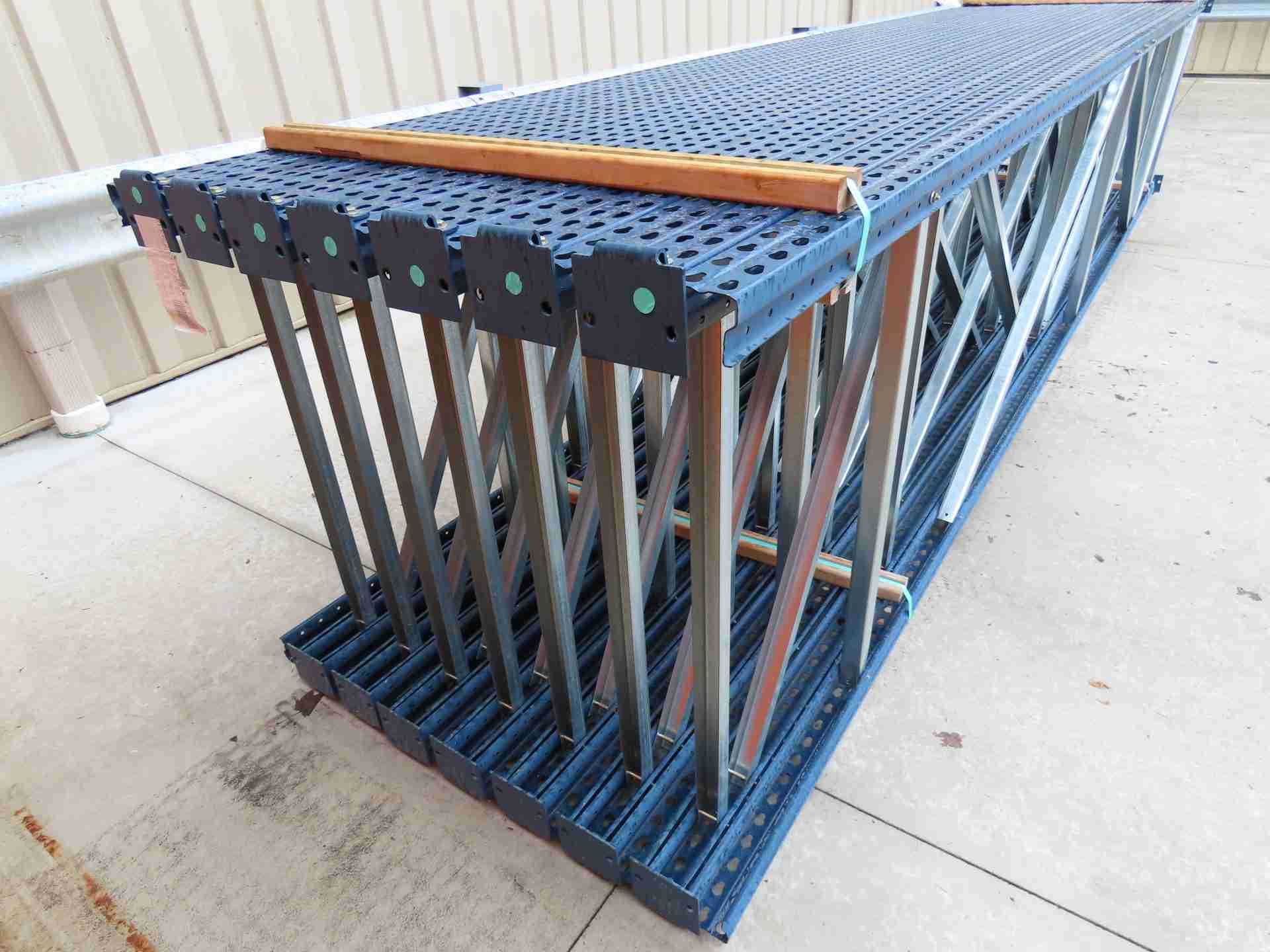
Are There Recycled Pallet Racking Options On The Market?
Can Eco-Friendly Pallet Racking Be Customized To Fit Different Spaces?
You might be wondering if eco-friendly pallet racking can be customized to fit different spaces. The short answer is yes, but let me explain why.
When it comes to pallet racking, one size definitely does not fit all. Every warehouse or storage space is unique, with its own set of challenges and constraints. This is where customization comes into play.
Eco-friendly pallet racking systems are designed to be versatile and adaptable to a variety of spaces. They can be tailored to fit both large warehouses and smaller storage areas, maximizing the available space and optimizing storage capacity.
One of the key advantages of customizable pallet racking is the ability to choose the right configuration to suit your specific needs. This includes selecting the right height, width, and depth of the racking system, as well as determining the optimal layout for efficient access and organization.
Another important factor to consider is the environmental impact of the pallet racking system. Eco-friendly options are made from sustainable materials and designed to minimize waste and energy consumption. By choosing a customized eco-friendly pallet racking system, you can reduce your carbon footprint and contribute to a more sustainable future.
In addition to being eco-friendly, customized pallet racking systems are also more cost-effective in the long run. By investing in a system that is tailored to your space and operational requirements, you can optimize storage efficiency and streamline your workflow. This can lead to increased productivity and profitability for your business.
So, whether you have a large warehouse or a small storage space, there is a customizable eco-friendly pallet racking solution that can meet your needs. By working with a reputable supplier who understands your unique requirements, you can create a sustainable and efficient storage system that works for you.
Eco-friendly pallet racking can indeed be customized to fit different spaces. By choosing a customized system, you can optimize your storage space, reduce your environmental impact, and improve your overall efficiency. So why settle for one-size-fits-all when you can have a solution that is tailor-made for you?
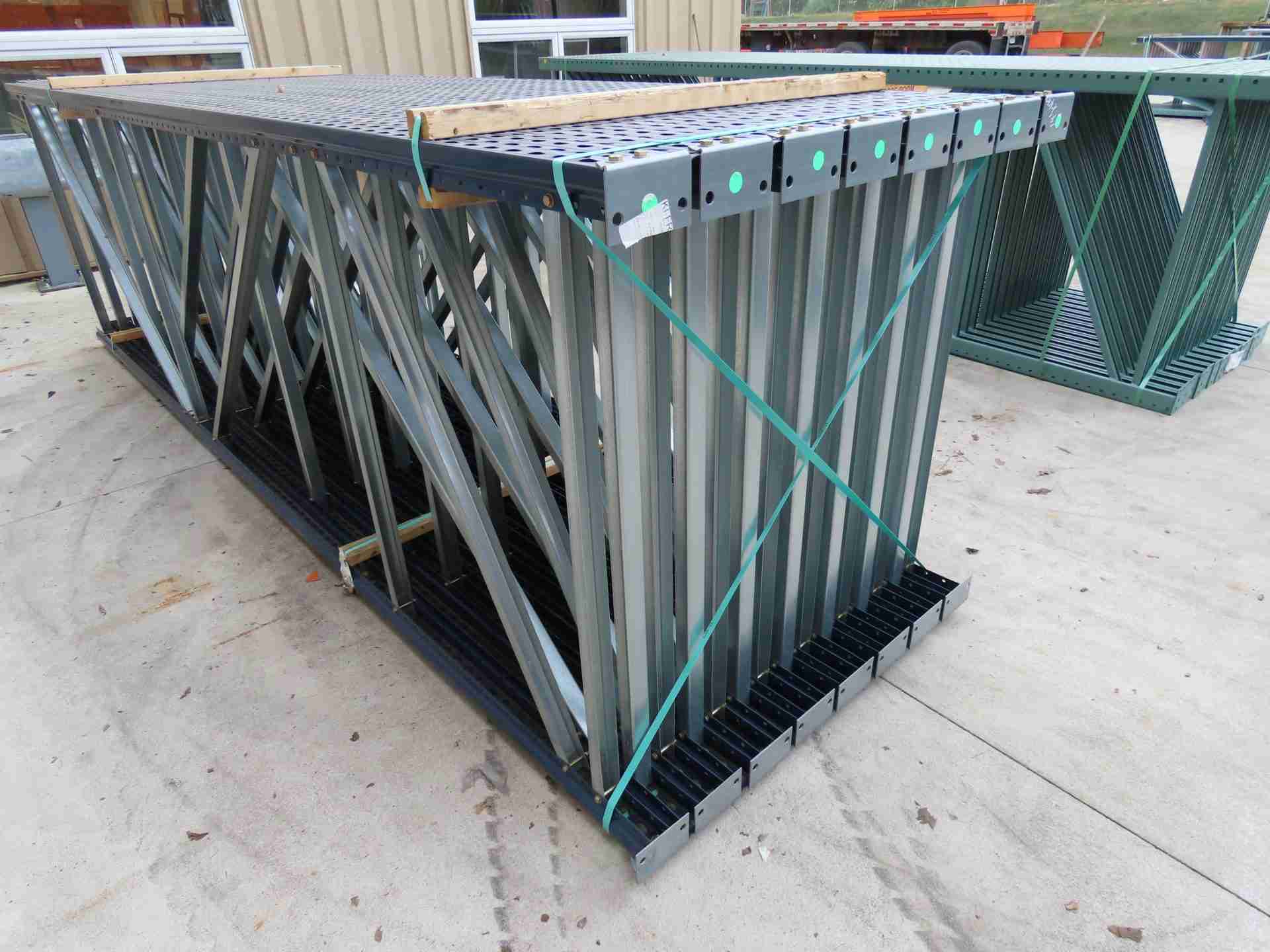
Can Eco-Friendly Pallet Racking Be Customized To Fit Different Spaces?
Can Eco-Friendly Pallet Racking Be Customized To Fit Different Spaces?
- Customizable eco-friendly pallet racking systems can fit different spaces.
- Every warehouse or storage space is unique, with its own challenges.
- Customization allows for versatility and adaptability to various spaces.
- Choosing the right configuration is key for specific needs.
- Eco-friendly options reduce environmental impact and are cost-effective.
- Customized systems optimize storage efficiency and streamline workflow.
- Working with a reputable supplier can help create a sustainable and efficient storage system.
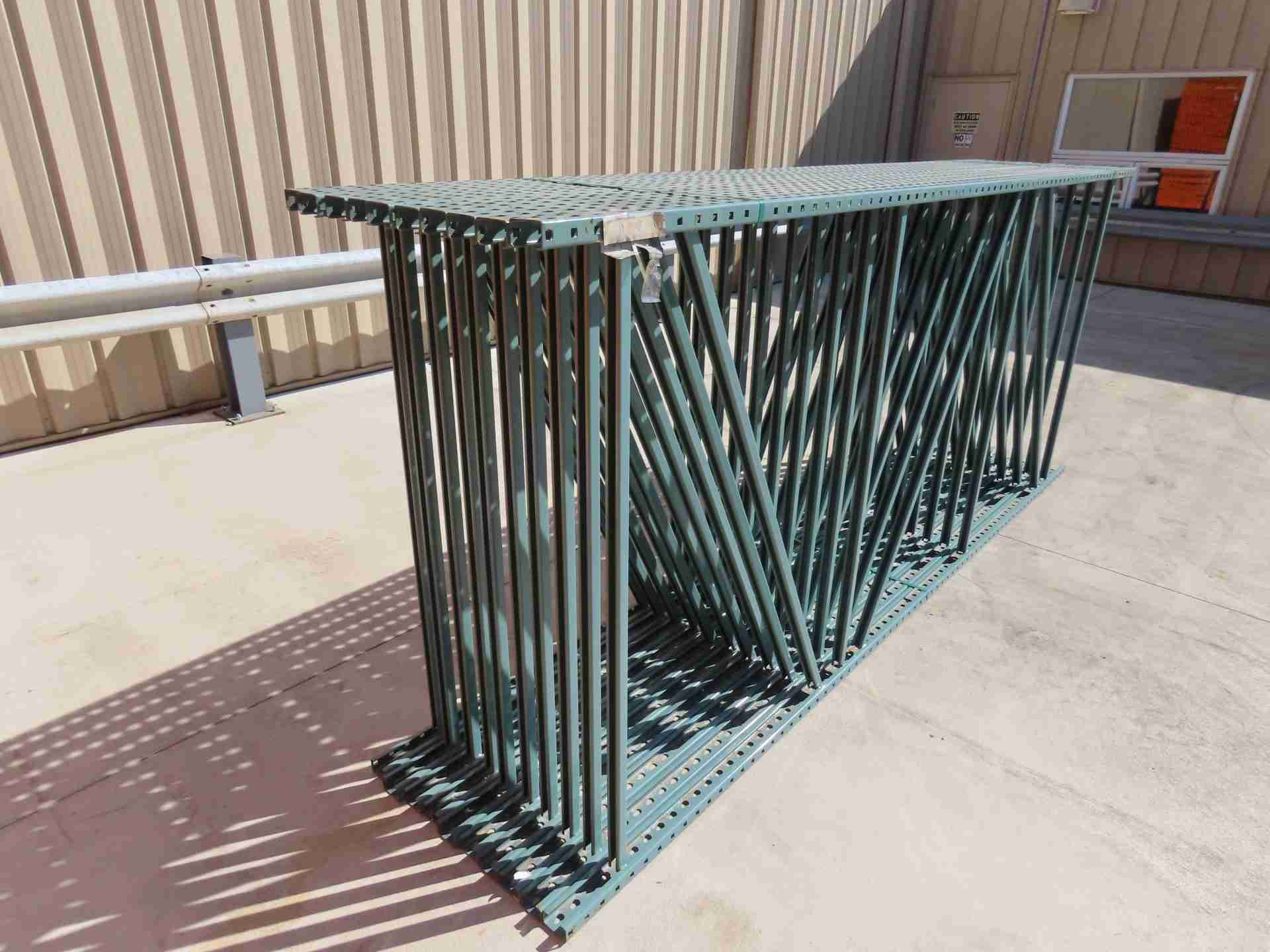
Can Eco-Friendly Pallet Racking Be Customized To Fit Different Spaces?
What Are The Benefits Of Choosing Eco-Friendly Pallet Racking?
When it comes to choosing pallet racking for your warehouse or storage facility, there are many factors to consider. One important consideration is the environmental impact of the materials you choose. Eco-friendly pallet racking is a great option for those looking to reduce their carbon footprint and make more sustainable choices.
One of the key benefits of choosing eco-friendly pallet racking is the positive impact it can have on the environment. Traditional pallet racking is often made from materials like steel or plastic, which can have a significant impact on the planet. By choosing pallet racking made from sustainable materials like recycled steel or bamboo, you can help reduce your overall environmental impact.
In addition to being better for the environment, eco-friendly pallet racking can also be more cost-effective in the long run. While the upfront cost may be slightly higher than traditional pallet racking options, the durability and longevity of eco-friendly materials can result in savings over time. Plus, many eco-friendly options are designed to be easy to disassemble and reconfigure, making them a more versatile choice for changing storage needs.
Another benefit of choosing eco-friendly pallet racking is the potential for improved safety in your facility. Many eco-friendly materials are more lightweight and have smoother surfaces, reducing the risk of injury to employees. Additionally, some eco-friendly pallet racking options are designed with additional safety features, like built-in protectors or anti-slip coatings, to further enhance workplace safety.
When you choose eco-friendly pallet racking, you are also signaling to your customers and employees that you are committed to sustainability and responsible business practices. This can help enhance your brand image and attract environmentally-conscious consumers who value businesses that prioritize environmental stewardship.
Overall, choosing eco-friendly pallet racking is a smart choice for businesses looking to reduce their environmental impact, save money in the long run, improve workplace safety, and enhance their brand image. By making sustainable choices in your warehouse or storage facility, you can contribute to a healthier planet and create a more sustainable future for generations to come.
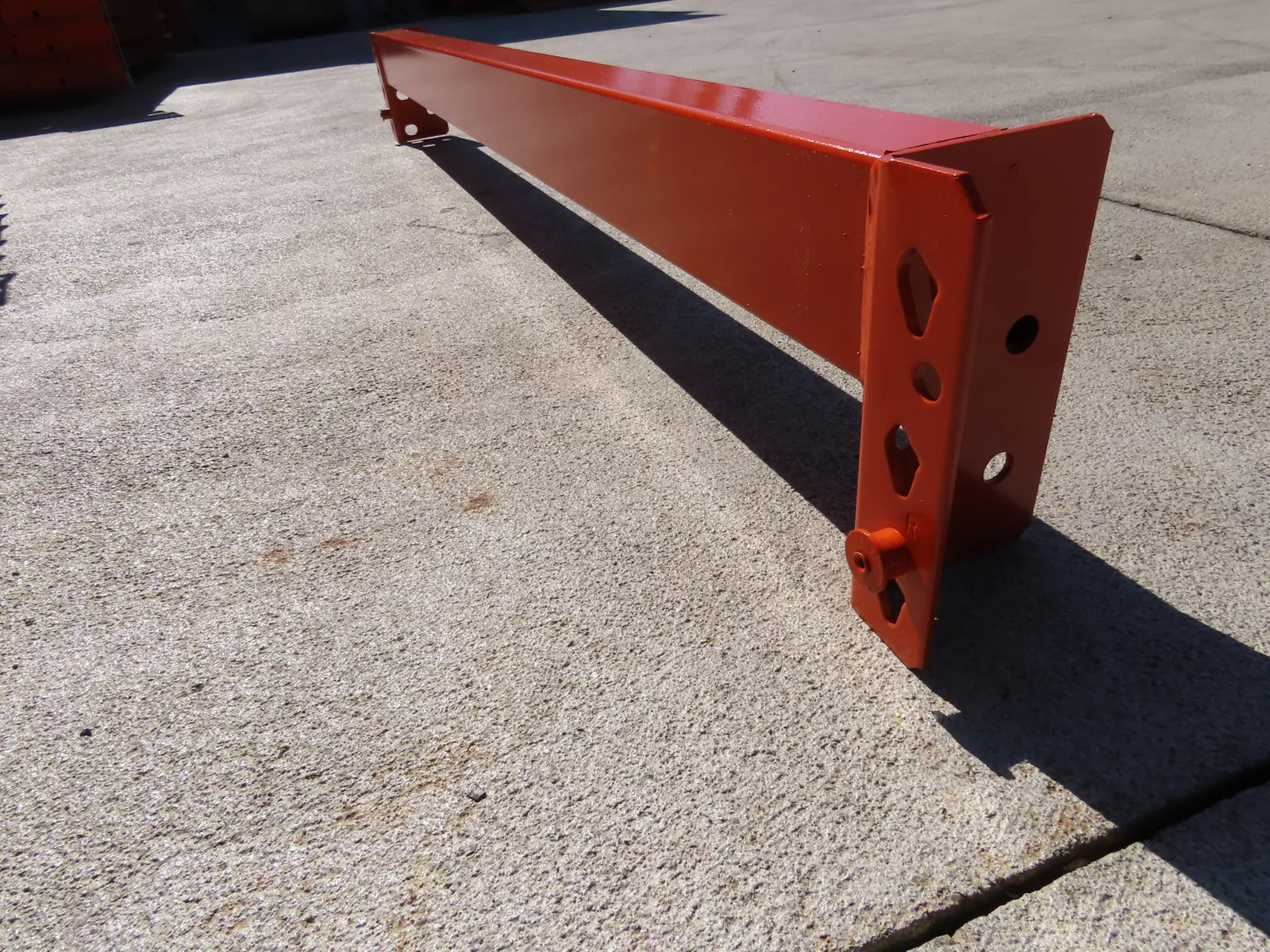
What Are The Benefits Of Choosing Eco-Friendly Pallet Racking?
What Are The Benefits Of Choosing Eco-Friendly Pallet Racking?
- Choosing eco-friendly pallet racking can reduce your carbon footprint and make more sustainable choices.
- Eco-friendly materials like recycled steel or bamboo can help lessen environmental impact compared to traditional materials.
- Eco-friendly pallet racking can be more cost-effective in the long run due to durability and longevity.
- Improvements in safety can be achieved with lightweight materials and additional safety features in eco-friendly options.
- By choosing eco-friendly pallet racking, you signal a commitment to sustainability and responsible business practices.
- Enhance your brand image and attract environmentally-conscious consumers by opting for eco-friendly options.
- Overall, choosing eco-friendly pallet racking can help reduce environmental impact, save money, improve safety, and enhance brand image.
What Are The Benefits Of Choosing Eco-Friendly Pallet Racking?
Conclusion
In conclusion, when it comes to pallet racking, there are indeed eco-friendly options available that can help businesses reduce their environmental impact and make more sustainable choices. Whether it’s using recycled or sustainable materials, optimizing storage space, or implementing eco-friendly practices, there are several ways that companies can make their warehouse operations more environmentally friendly. By choosing eco-friendly pallet racking, businesses can not only reduce their carbon footprint but also save money in the long run through durability and efficiency.
The benefits of using eco-friendly pallet racking are clear – from reducing environmental impact to improving safety, cost savings, and enhancing brand image. By selecting materials like recycled steel, bamboo, reclaimed wood, or recycled plastic, businesses can contribute to a more sustainable future. Customizable eco-friendly pallet racking systems allow companies to tailor their storage solutions to fit their unique needs, optimizing space and efficiency. Additionally, choosing eco-friendly pallet racking can have a positive impact on a company’s sustainability goals, helping them meet their environmental objectives while improving operations and profitability.
In a world where sustainability is becoming increasingly important, making the switch to eco-friendly pallet racking is a smart and responsible decision for businesses of all sizes. By considering these eco-friendly options, companies can play a part in protecting the planet and creating a more sustainable future for generations to come. So next time you’re in the market for pallet racking, think about choosing eco-friendly options to make a positive impact on the environment and your bottom line.
Conclusion
Conclusion:
- There are eco-friendly options available for pallet racking that can help businesses reduce their environmental impact.
- Using recycled or sustainable materials, optimizing storage space, and implementing eco-friendly practices are ways to make warehouse operations more environmentally friendly.
- Eco-friendly pallet racking can help businesses reduce their carbon footprint and save money in the long run.
- Benefits of using eco-friendly pallet racking include reducing environmental impact, improving safety, cost savings, and enhancing brand image.
- Selecting materials like recycled steel, bamboo, reclaimed wood, or recycled plastic can contribute to a more sustainable future.
- Customizable eco-friendly pallet racking systems allow companies to tailor storage solutions to fit their unique needs.
- Choosing eco-friendly pallet racking can help companies meet sustainability goals, improve operations, and increase profitability.
Conclusion
Other Resources
Other Resources
Here is a list of other resources you can review online to learn more:
- Sustainable Storage: Eco-Friendly Practices in Warehouse Pallet Racking: This article explores how sustainable storage practices can be implemented in warehouse pallet racking systems to reduce the carbon footprint and promote a greener supply chain.
- Full Guide to Warehouse Storage Racks & Pallet Racking Types: This guide provides a comprehensive overview of the benefits of commercial storage racks and their common industrial uses.
- How to Implement Industrial Racking Systems in Your Warehouse: This guide provides strategies for incorporating sustainability into warehouse racking.
- The Future of Pallet Racking: Trends and Innovations in Warehouse: This article explores the latest trends and innovations in pallet racking, from eco-friendly materials to automated storage and retrieval systems.
- Pallet Racking 101: A Comprehensive Guide & Options Explained: This guide provides a detailed look at various types of industrial pallet racks.
These resources should provide a good starting point for your research. Remember, the eco-friendliness of pallet racking systems can vary greatly depending on the specific materials used and the design of the system.
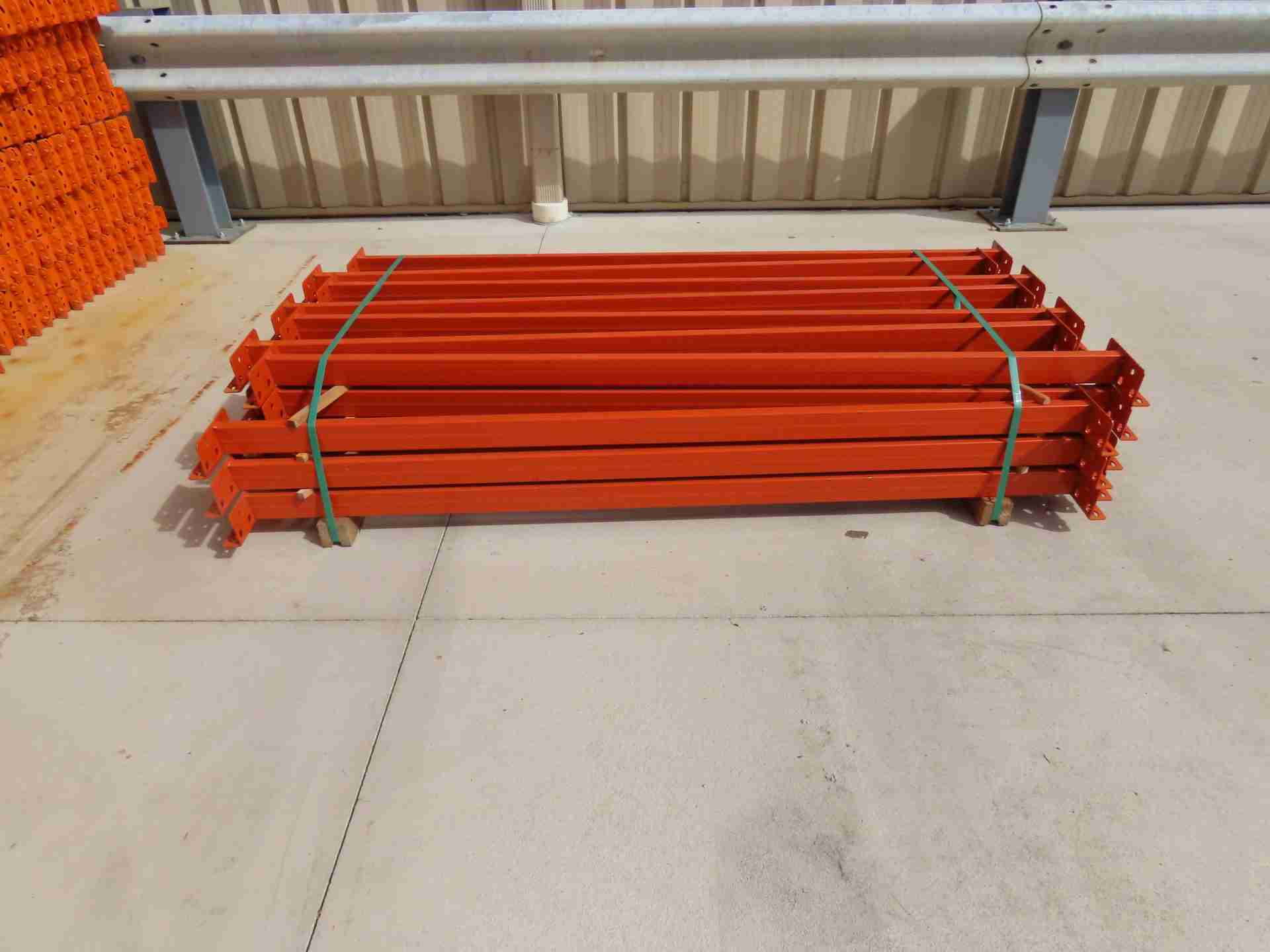
Other Resources
Glossary Terms
Are There Eco-Friendly Pallet Racking Options Available? – Glossary Of Terms
Here is a glossary of terms related to eco-friendly pallet racking options:
1. Pallet Racking: Storage systems designed to hold materials on pallets within warehouses or storage facilities.
2. Eco-Friendly: Practices or products that do not harm the environment, often designed to minimize waste, reduce pollution, and conserve natural resources.
3. Recycled Material: Materials that have been reprocessed from used products or by-products, allowing them to be used again in manufacturing.
4. Sustainability: The ability to maintain ecological balance by avoiding depletion of natural resources, ensuring long-term environmental health.
5. Carbon Footprint: The total amount of greenhouse gases, including CO2, that are emitted directly or indirectly by activities.
6. Green Manufacturing: Processes that focus on reducing waste and pollution, conserving energy, and promoting the recyclability of products.
7. Modular Design: Design methodology that uses interchangeable parts or components to create a more flexible and versatile system, enabling easier upgrades and maintenance.
8. Load Capacity: The maximum weight that a pallet racking system can safely hold without risk of failure.
9. Powder Coating: A dry finishing process that provides a durable coating for metal products, often considered more environmentally friendly than liquid coatings.
10. Energy Efficiency: The goal of using less energy to provide the same service or achieve the same result, reducing overall energy consumption.
11. Forklift: A vehicle with a pronged device used to lift and carry pallets in warehouses.
12. Lifecycle Analysis: The assessment of the environmental impact of a product throughout its entire lifecycle, from raw material extraction to disposal.
13. Bio-Based Materials: Materials derived from renewable biological resources such as plants or agricultural waste.
14. Renewable Energy: Energy sourced from natural processes that are continuously replenished, such as wind, solar, and hydro power.
15. LEED Certification: Leadership in Energy and Environmental Design, a certification for buildings that meet criteria for sustainability and energy efficiency.
16. Galvanization: The process of applying a protective zinc coating to steel or iron to prevent rusting, extending the material’s life.
17. Waste Minimization: Practices aimed at reducing the amount of waste produced and promoting the reuse and recycling of materials.
18. Circular Economy: An economic system that aims to eliminate waste and promote the continual use of resources through recycling, reusing, and refurbishing materials.
19. Pallet: A flat transport structure that supports goods in a stable manner while being lifted by a forklift.
20. Vertical Storage: Utilizing vertical space efficiently in warehouses to store goods, often through the use of tall pallet racking systems.
21. Deconstruction: The process of carefully dismantling a building or structure to salvage valuable materials for reuse or recycling.
22. Water-Based Paints: Paints that use water as their primary solvent, typically emitting fewer fumes and being more environmentally friendly than solvent-based paints.
23. Cross-Docking: A logistics practice where products are unloaded from incoming shipments and directly reloaded onto outbound trucks, reducing storage time and costs.
24. Safety Standards: Established regulations and guidelines that ensure the safety and stability of pallet racking systems during use.
25. ISO 14001: An international standard that sets out criteria for an effective environmental management system.
26. Nanomaterials: Extremely small materials that can provide enhanced performance with lower quantities, reducing waste and improving efficiency.
27. Biodegradable Coatings: Protective layers that can safely break down into natural substances without harming the environment.
28. Industrial Ecology: The study of material and energy flows through industrial systems to improve sustainability.
29. Emissions Reduction: Strategies aimed at decreasing the release of pollutants into the atmosphere from industrial activities.
30. Pallet Rack Accessories: Components such as guards, dividers, and labels that enhance the functionality and safety of pallet racking systems.
This glossary covers a range of terms that are pertinent to understanding eco-friendly pallet racking options and their broader environmental context.
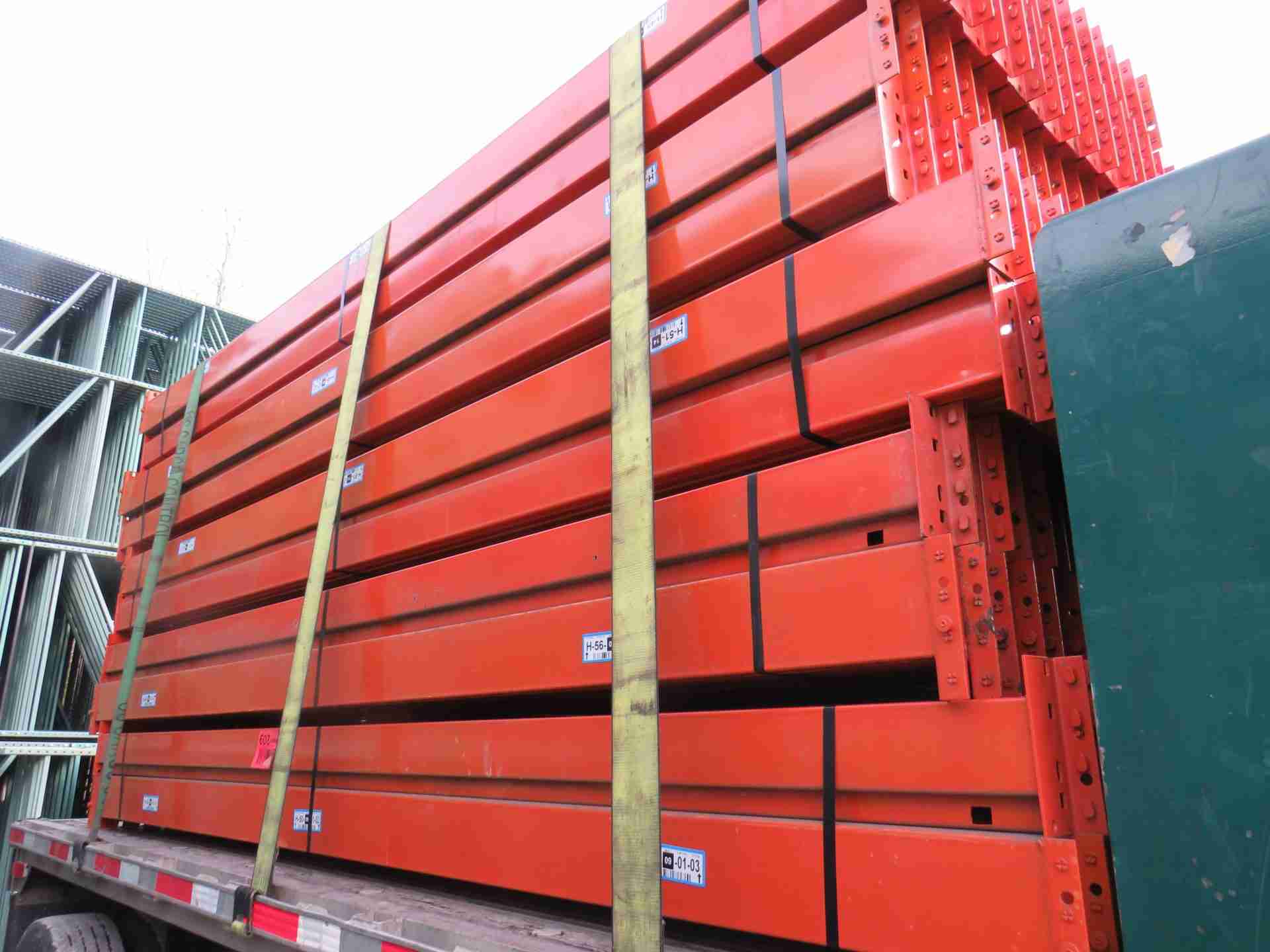
Glossary Of Terms
Other Questions
Are There Eco-Friendly Pallet Racking Options Available? – Other Questions
If you wish to explore and discover more, consider looking for answers to these questions:
- What are the specific types of recycled or refurbished pallet racking available in the market?
- How does the cost of eco-friendly pallet racking compare to traditional pallet racking options?
- What are some examples of companies that have successfully implemented eco-friendly pallet racking systems?
- Are there any specific certifications or standards to look for when choosing eco-friendly pallet racking?
- How long do eco-friendly pallet racking systems typically last compared to traditional systems?
- What are the maintenance requirements for eco-friendly pallet racking?
- Can eco-friendly pallet racking be integrated with existing warehouse systems and operations?
- Are there any government or industry incentives for using eco-friendly pallet racking?
- What is the process for disposing of or recycling eco-friendly pallet racking at the end of its life cycle?
- How do eco-friendly pallet racking systems impact overall warehouse energy consumption?
- What are the potential downsides or challenges of switching to eco-friendly pallet racking?
- How do eco-friendly pallet racking options hold up in various environmental conditions (e.g., humidity, temperature fluctuations)?
- Can eco-friendly pallet racking systems be customized for high-load or specialized storage requirements?
- What is the process for transitioning from traditional to eco-friendly pallet racking in an operational warehouse?
- How does the resale value of eco-friendly pallet racking compare to traditional systems?
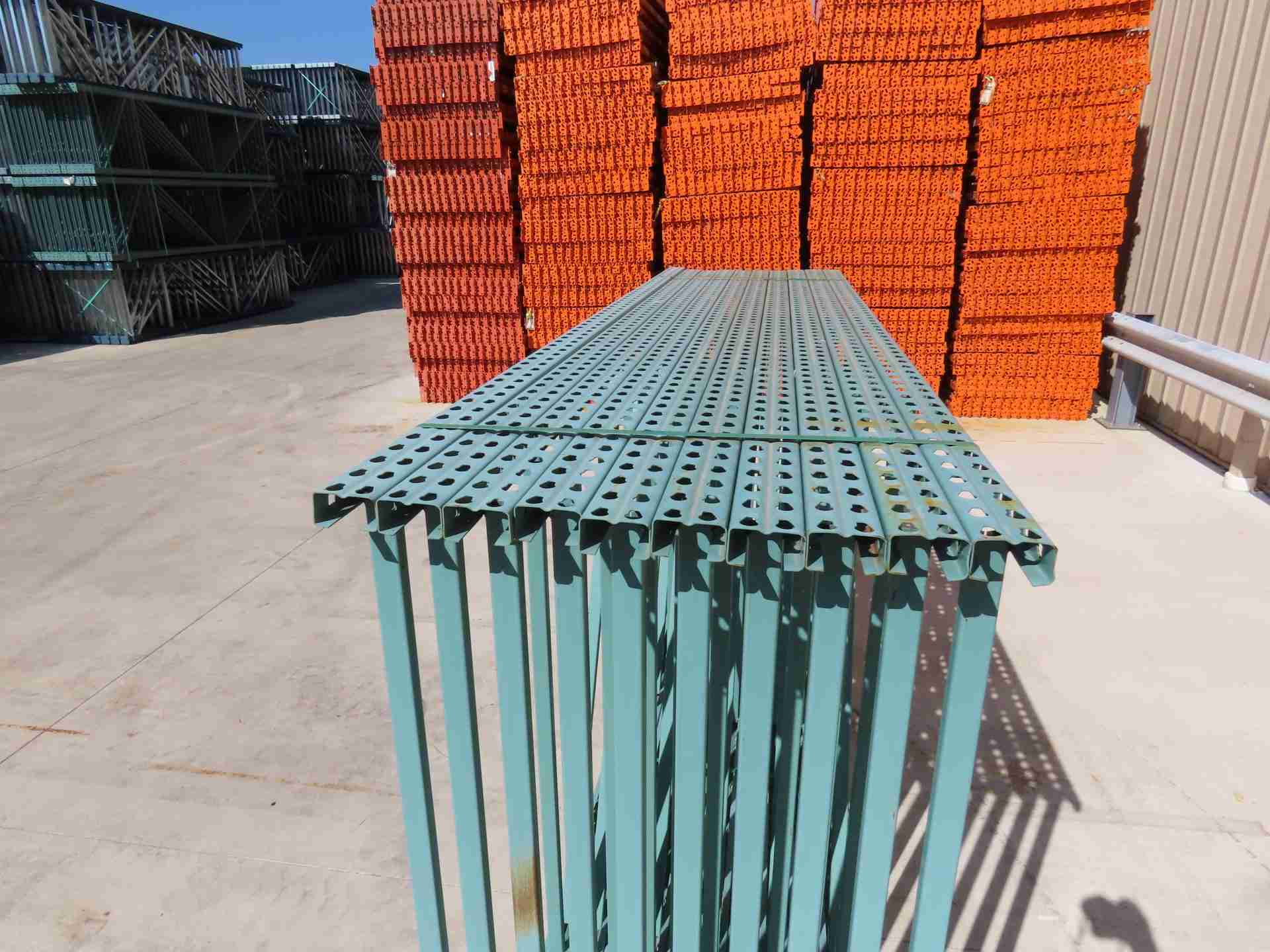
Other Questions
Checklist
Are There Eco-Friendly Pallet Racking Options Available? – A Checklist
Recycled and Refurbished Pallet Racking
_____ Source Recycled or Refurbished Systems: Check for vendors offering recycled or refurbished pallet racking systems.
_____ Inspect for Quality: Ensure that the recycled or refurbished racking meets your needs in terms of size, weight capacity, and configuration.
_____ Cost Analysis: Compare costs of recycled/refurbished systems versus new ones to understand long-term savings.
Materials for Sustainable Racking
_____ Bamboo: Look for pallet racking systems made from bamboo, a fast-growing and renewable resource.
_____ Recycled Steel: Opt for racking systems made from recycled steel to conserve natural resources and reduce energy consumption.
_____ Reclaimed Wood: Consider reclaimed wood salvaged from old structures, reducing the demand for new wood.
_____ Recycled Plastic: Choose systems made from recycled plastic, which are durable and help minimize landfill waste.
Eco-Friendly Racking Design
_____ Optimize Vertical Space: Select racking that maximizes use of vertical space to reduce the warehouse footprint.
_____ Storage Efficiency: Ensure the racking system is designed to improve storage capacity and warehouse layout efficiency.
_____ Modular and Flexible Design: Look for racking systems that are easy to reconfigure as your storage needs change.
Sustainable Warehouse Practices
_____ Regular Maintenance: Schedule regular inspections and maintenance to prolong the life of your racking system.
_____ Energy-Efficient Lighting: Implement energy-efficient lighting within the warehouse to reduce electricity consumption.
_____ Recycling Programs: Establish programs for recycling materials such as packaging and obsolete storage equipment.
Benefits of Eco-Friendly Pallet Racking
_____ Environmental Impact: Understand how your choice reduces carbon footprint and supports sustainability goals.
_____ Cost Savings: Evaluate long-term cost benefits from reduced maintenance and longer-lasting materials.
_____ Safety Improvements: Look for eco-friendly racks with additional safety features, such as smooth surfaces and built-in protectors.
_____ Enhanced Brand Image: Promote your commitment to sustainability to attract environmentally-conscious customers and employees.
Customization Options
_____ Tailored Fit: Work with suppliers to customize racking systems that fit your unique warehouse space.
_____ Versatile Configurations: Choose custom racking systems that can be easily adapted or expanded as necessary.
By following this checklist, you can make informed decisions to choose eco-friendly pallet racking systems that align with your business’s sustainability goals, improve efficiency, and possibly reduce costs in the long run.
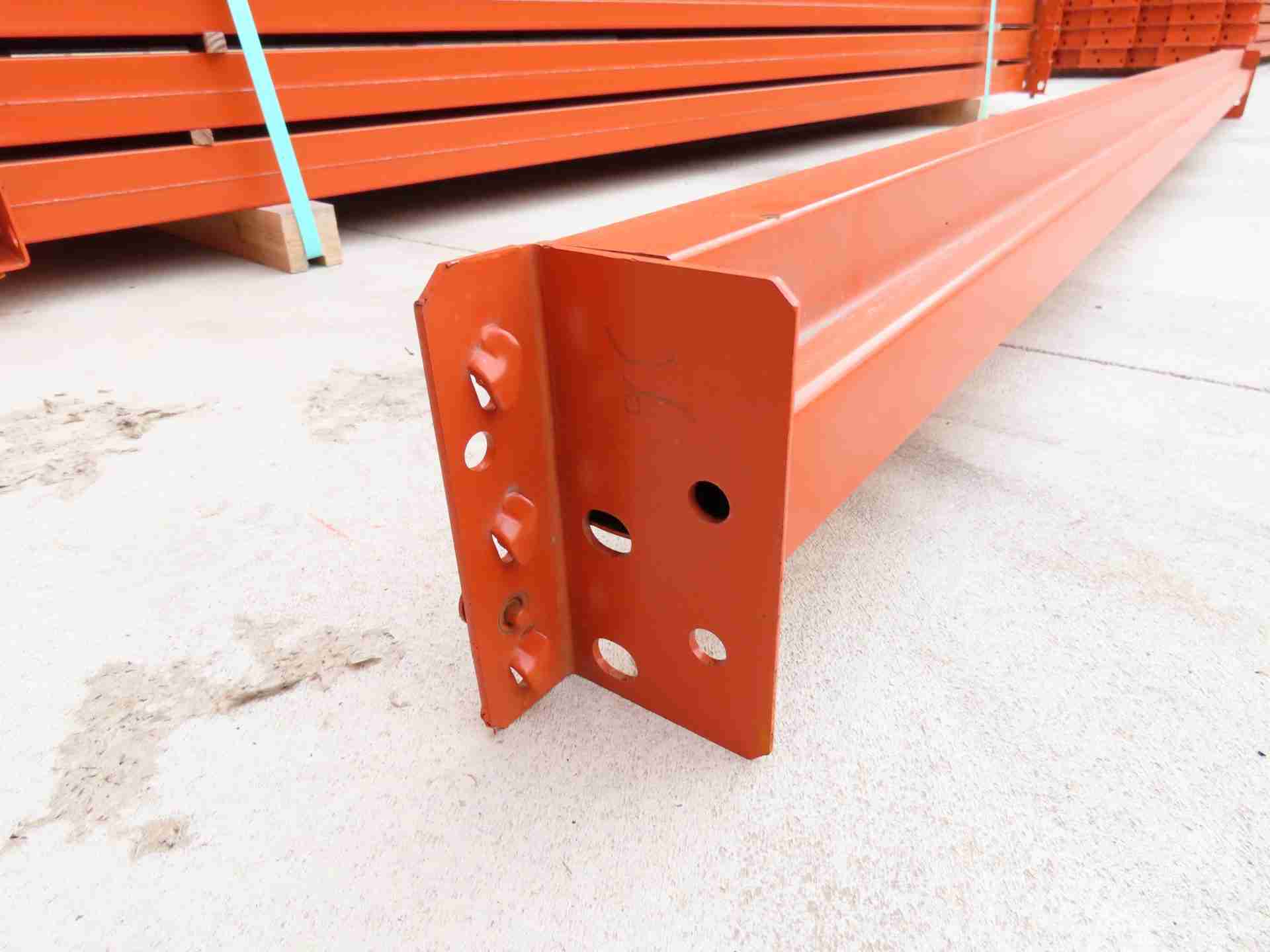
Checklist
At RackingWorld, we help guide you through selecting warehouse storage systems and racking.
Be sure to read our other related stories at RackingWorld to learn more about warehouse storage systems.
0 Comments