
Maximizing Warehouse Efficiency with Industrial Racks
By Tom Seest
At RackingWorld, we help guide you through selecting warehouse storage systems and racking.
Be sure to read our other related stories at RackingWorld to learn more about warehouse storage systems.
How Do Industrial Racks Contribute to Inventory Control In Warehouses?
When it comes to keeping track of inventory in warehouses, industrial racks play a crucial role in maintaining order and efficiency. By providing a structured and organized storage system, industrial racks contribute significantly to inventory control.
One of the primary ways industrial racks help with inventory control is by maximizing storage space. With their sturdy and customizable design, industrial racks allow warehouses to utilize vertical space efficiently, creating more room for inventory while keeping items easily accessible. This not only reduces clutter on the warehouse floor but also helps employees quickly locate and retrieve items, ultimately improving overall inventory accuracy.
Furthermore, industrial racks enable warehouses to implement a systematic approach to inventory management. By assigning specific locations for different products on the racks, warehouses can establish a clear inventory layout that facilitates inventory tracking and replenishment. This organization reduces the chances of misplaced or lost items, streamlining the inventory process and minimizing the risk of inventory errors.
In addition, industrial racks help warehouses optimize inventory flow and rotation. With the ability to store items in a FIFO (first in, first out) or LIFO (last in, first out) manner, warehouses can ensure that older inventory is used before newer stock, reducing the risk of expired or obsolete items. This rotation system also helps warehouses manage inventory levels more effectively, preventing overstocking or stockouts that can hinder overall operations.
Moreover, industrial racks contribute to inventory control by enhancing warehouse safety and security. By securely storing items on racks designed to withstand heavy loads, warehouses can minimize the risk of accidents or damage to inventory. Additionally, many industrial racks come equipped with safety features such as guard rails and safety clips, further enhancing warehouse safety protocols.
Overall, industrial racks play a vital role in maintaining inventory control in warehouses by maximizing storage space, facilitating systematic inventory management, optimizing inventory flow, and enhancing warehouse safety and security. With their durable and versatile design, industrial racks not only help warehouses keep track of inventory more efficiently but also contribute to overall warehouse productivity and performance. So the next time you walk into a warehouse and see those towering racks filled with inventory, remember the important role they play in keeping things running smoothly behind the scenes.

How Do Industrial Racks Contribute to Inventory Control In Warehouses?
How Do Industrial Racks Contribute to Inventory Control In Warehouses?
- Industrial racks play a crucial role in maintaining order and efficiency in warehouses.
- They maximize storage space by utilizing vertical space efficiently.
- Industrial racks help establish a clear inventory layout, reducing the chances of misplaced items.
- They enable warehouses to store items in a FIFO or LIFO manner to optimize inventory flow and rotation.
- Industrial racks enhance warehouse safety and security by securely storing items and providing safety features.
- Overall, industrial racks contribute to maintaining inventory control by maximizing storage space, facilitating systematic inventory management, optimizing inventory flow, and enhancing warehouse safety and security.
- Industrial racks help warehouses keep track of inventory more efficiently and enhance warehouse productivity and performance.

How Do Industrial Racks Contribute to Inventory Control In Warehouses?
Table Of Contents
- How Do Industrial Racks Contribute to Inventory Control In Warehouses?
- How Do Industrial Racks Help In Organizing Warehouse Inventory?
- What Are The Benefits Of Using Industrial Racks For Storage Purposes?
- How Do Industrial Racks Improve Efficiency In Inventory Management?
- What Types Of Industrial Racks Are Commonly Used In Warehouses?
- Can Industrial Racks Help With Maximizing Storage Space?
- Can Industrial Racks Help Prevent Damage And Loss Of Inventory Items?
- Conclusion
- Other Resources
- Glossary Of Terms
- Other Questions
- Checklist
How Do Industrial Racks Help In Organizing Warehouse Inventory?
In the world of warehouse organization, industrial racks are like the unsung heroes – quietly working behind the scenes to keep everything in order. These versatile shelving units play a crucial role in maximizing storage space, increasing efficiency, and ultimately improving productivity within any warehouse setting.
One of the key ways in which industrial racks help in organizing warehouse inventory is by providing a systematic and structured storage solution. Instead of having inventory scattered haphazardly around the warehouse, industrial racks offer a designated space for each item. This makes it easier for warehouse staff to locate specific products quickly, reducing the time spent searching for items and increasing overall productivity.
Furthermore, industrial racks help to optimize storage space within the warehouse. By utilizing vertical space effectively, industrial racks ensure that every inch of the warehouse is utilized efficiently. This not only helps in accommodating more inventory within a limited space but also reduces clutter and congestion in the warehouse, making it a safer and more organized working environment.
Another benefit of industrial racks is their ability to improve inventory visibility. With clear labeling and organized storage systems, warehouse staff can easily identify and access items on the racks. This minimizes the chances of misplacing or losing inventory, ultimately saving time and reducing the risk of costly errors.
In addition, industrial racks can help in improving inventory management processes. By categorizing items and assigning specific locations on the racks, warehouse staff can easily track inventory levels and monitor stock movements. This information is crucial for maintaining optimal inventory levels, preventing stockouts, and ensuring timely replenishment of goods.
Moreover, industrial racks can enhance the overall workflow within the warehouse. By streamlining the storage and retrieval process, industrial racks help in reducing downtime and improving the overall efficiency of warehouse operations. This allows for faster order fulfillment, quicker inventory counts, and smoother material handling processes.
Overall, industrial racks are a vital component of any warehouse organization strategy. They provide a structured and efficient storage solution, optimize storage space, improve inventory visibility, enhance inventory management processes, and streamline workflow operations. With their ability to transform a chaotic warehouse into a well-organized and productive space, industrial racks truly are the unsung heroes of warehouse organization.

How Do Industrial Racks Help In Organizing Warehouse Inventory?
How Do Industrial Racks Help In Organizing Warehouse Inventory?
- Industrial racks provide a systematic and structured storage solution, making it easier to locate specific products quickly.
- They help optimize storage space by utilizing vertical space effectively, accommodating more inventory within a limited space.
- Industrial racks improve inventory visibility with clear labeling and organized storage systems, minimizing the chances of misplacing inventory.
- They enhance inventory management processes by categorizing items and tracking inventory levels and stock movements.
- Industrial racks streamline the storage and retrieval process, reducing downtime and improving overall efficiency in warehouse operations.
- Overall, industrial racks are a vital component of any warehouse organization strategy, transforming chaotic spaces into well-organized and productive environments.

How Do Industrial Racks Help In Organizing Warehouse Inventory?
What Are The Benefits Of Using Industrial Racks For Storage Purposes?
When it comes to storing items in warehouses or industrial facilities, having the right storage solutions can make a world of difference. One of the most efficient and effective ways to store items in these environments is by using industrial racks.
One of the key benefits of using industrial racks for storage purposes is their ability to maximize space. By utilizing vertical space and stacking items on racks, companies can store more items in a smaller footprint. This not only helps to optimize storage space but also increases efficiency by making it easier for workers to access and retrieve items when needed.
Another advantage of using industrial racks is their durability. These racks are typically made from high-quality materials such as steel, making them strong and able to withstand the heavy weight of items stored on them. This durability ensures that the racks will last for years to come, providing a long-lasting storage solution for companies.
Additionally, industrial racks help to improve organization and accessibility. By storing items on racks, companies can categorize and label items based on their type, size, or other factors. This makes it easier for workers to locate and retrieve items quickly, reducing the time spent searching for items and increasing overall productivity.
Moreover, using industrial racks can also help to improve safety in the workplace. By storing items on racks rather than on the floor or in haphazard piles, companies can reduce the risk of accidents and injuries caused by items falling or being misplaced. This not only protects workers but also helps to maintain a safe and organized work environment.
Lastly, industrial racks can also help to improve inventory management. By organizing items on racks, companies can easily keep track of inventory levels and monitor stock levels. This allows companies to know when to restock items and when to reorder, preventing stockouts and ensuring that items are always available when needed.
The benefits of using industrial racks for storage purposes are numerous. From maximizing space and improving organization to increasing safety and efficiency, these racks offer a practical and effective storage solution for warehouses and industrial facilities. By investing in industrial racks, companies can streamline their storage processes and create a more efficient and productive work environment.

What Are The Benefits Of Using Industrial Racks For Storage Purposes?
What Are The Benefits Of Using Industrial Racks For Storage Purposes?
- Industrial racks maximize space by utilizing vertical space and stacking items.
- They are durable, typically made from high-quality materials like steel.
- Industrial racks improve organization and accessibility by categorizing and labeling items.
- They enhance safety in the workplace by reducing the risk of accidents and injuries.
- Industrial racks help improve inventory management by easily tracking inventory levels.
- Using industrial racks increases efficiency by making it easier for workers to access and retrieve items.
- Overall, industrial racks offer a practical and effective storage solution for warehouses and industrial facilities.

What Are The Benefits Of Using Industrial Racks For Storage Purposes?
How Do Industrial Racks Improve Efficiency In Inventory Management?
Have you ever stopped to think about how the products you buy make their way from the manufacturer to the store shelves? It’s a complex process that involves a lot of moving parts, quite literally. One crucial component of this process is inventory management, which is essential for ensuring the right products are in the right place at the right time.
One key aspect of efficient inventory management is the use of industrial racks. These racks may not seem like much at first glance, but they play a vital role in keeping warehouses organized and running smoothly.
Industrial racks come in all shapes and sizes, from simple shelving units to complex automated systems. Regardless of their design, the primary function of these racks is to provide a structured storage solution for products of all shapes and sizes. By utilizing industrial racks, warehouses can maximize their storage capacity and make it easier for workers to locate and retrieve items quickly.
One way that industrial racks improve efficiency in inventory management is by utilizing vertical space. By stacking products vertically, warehouses can make the most of their available space and increase their storage capacity without having to expand their physical footprint. This not only saves money on real estate costs but also allows warehouses to stock more products and fulfill customer orders more efficiently.
Additionally, industrial racks help to organize inventory in a way that makes it easier for workers to find and retrieve items. With clearly labeled shelves and designated storage areas, employees can quickly locate the products they need without wasting time searching through disorganized piles of inventory. This not only speeds up the picking and packing process but also reduces the likelihood of errors in fulfillment.
Furthermore, industrial racks can help to protect inventory from damage. By storing products on sturdy racks designed to support their weight and dimensions, warehouses can prevent breakage and ensure that items remain in pristine condition until they are shipped to customers. This not only improves customer satisfaction but also reduces costs associated with damaged or expired inventory.
Industrial racks are a critical component of efficient inventory management. By utilizing vertical space, organizing inventory, and protecting products from damage, these racks help warehouses operate more effectively and meet customer demands with greater ease. So next time you see a warehouse filled with neatly stacked shelves, remember that those industrial racks are the unsung heroes of the supply chain.

How Do Industrial Racks Improve Efficiency In Inventory Management?
How Do Industrial Racks Improve Efficiency In Inventory Management?
- Products go from manufacturer to store shelves through a complex process involving inventory management.
- Industrial racks are key to efficient inventory management in warehouses.
- Industrial racks come in various shapes and sizes, providing structured storage solutions.
- Vertical stacking with industrial racks maximizes storage capacity and increases efficiency.
- Organized inventory with industrial racks helps workers locate items quickly and reduces errors.
- Industrial racks protect inventory from damage, improving customer satisfaction and reducing costs.
- Industrial racks are critical for efficient inventory management, helping warehouses operate effectively and meet customer demands.

How Do Industrial Racks Improve Efficiency In Inventory Management?
What Types Of Industrial Racks Are Commonly Used In Warehouses?
In the vast and bustling world of warehouses, industrial racks reign supreme as the unsung heroes of storage and organization. These sturdy and reliable structures come in a variety of shapes and sizes, each designed to meet the unique needs of different industries and storage requirements.
One of the most commonly used types of industrial racks in warehouses is the pallet rack. These racks are essential for storing palletized materials and goods, and are available in a variety of configurations such as selective, drive-in, and push-back racks. Selective pallet racks are the most common type, allowing for easy access to each pallet stored on the rack. Drive-in racks are ideal for storing large quantities of the same product, while push-back racks offer high-density storage with the ability to store multiple pallets deep.
Cantilever racks are another popular choice for warehouses that need to store long and bulky items such as lumber, pipe, or tubing. These racks feature arms that extend out from vertical columns, allowing for easy loading and unloading of materials. Cantilever racks are adjustable and can be customized to fit the specific needs of different warehouse environments.
For warehouses looking to maximize their vertical storage space, stackable racks are a great option. These racks are designed to be stacked on top of each other, creating a vertical storage solution that is both efficient and space-saving. Stackable racks are commonly used in warehouses that have limited floor space but need to store a large volume of goods.
In warehouses where order picking is a primary function, carton flow racks are a popular choice. These racks feature rollers or wheels that allow boxes or cartons to flow smoothly to the front of the rack for easy retrieval. Carton flow racks are ideal for warehouses with high-volume order picking operations, as they can help increase efficiency and reduce the time it takes to fulfill orders.
In addition to these common types of industrial racks, there are a variety of other specialized racks available for specific storage needs. Gravity flow racks are designed for storing and picking goods based on a first-in, first-out system, while tire racks are specifically designed for storing tires in an organized and efficient manner.
No matter the size or function of your warehouse, there is a wide range of industrial racks available to meet your storage and organizational needs. From pallet racks to cantilever racks to carton flow racks, the world of industrial racks offers a solution for every warehouse challenge. So, the next time you walk through a warehouse and marvel at its organization, take a moment to appreciate the unsung heroes standing tall – the industrial racks that keep the world of warehousing running smoothly.

What Types Of Industrial Racks Are Commonly Used In Warehouses?
What Types Of Industrial Racks Are Commonly Used In Warehouses?
- Industrial racks are essential for storage and organization in warehouses.
- Pallet racks are commonly used for storing palletized materials.
- Cantilever racks are ideal for storing long and bulky items.
- Stackable racks maximize vertical storage space.
- Carton flow racks are great for high-volume order picking.
- Specialized racks like gravity flow racks and tire racks are available for specific needs.
- Industrial racks offer a solution for every warehouse storage challenge.

What Types Of Industrial Racks Are Commonly Used In Warehouses?
Can Industrial Racks Help With Maximizing Storage Space?
When it comes to maximizing storage space in a warehouse or industrial facility, industrial racks can be a game changer. These heavy-duty shelving units are designed to efficiently store and organize an array of items, from bulky equipment to smaller boxes and containers. By utilizing vertical space and allowing for easy accessibility, industrial racks can help businesses make the most of their available storage space.
One of the key benefits of industrial racks is their ability to utilize vertical space effectively. With multiple shelves or levels, these racks can store items from floor to ceiling, maximizing the amount of storage space available. This is especially beneficial in facilities with limited floor space, as it allows businesses to store more items in a smaller footprint.
Additionally, industrial racks are designed to be sturdy and durable, making them capable of holding heavy and bulky items. This means businesses can store equipment, materials, and inventory without worrying about shelves collapsing or becoming damaged. The robust construction of industrial racks also ensures that they can withstand the wear and tear of a busy warehouse environment, providing a long-lasting storage solution.
Another advantage of industrial racks is their ability to provide easy accessibility to stored items. With open shelving designs, businesses can quickly locate and retrieve items as needed, increasing efficiency and productivity. This accessibility also makes it easier to maintain inventory accuracy and organization, reducing the time and effort required to find specific items.
In addition to maximizing storage space, industrial racks can also help businesses improve safety in their facilities. By storing items off the floor and in an organized manner, the risk of accidents and injuries due to tripping or falling objects is minimized. This can result in a safer work environment for employees and reduce the likelihood of damage to stored items.
Overall, industrial racks offer a practical and effective solution for businesses looking to maximize their storage space. By utilizing vertical space, providing sturdy construction, and offering easy accessibility, these shelving units can help businesses optimize their storage capabilities. Whether used in a warehouse, distribution center, or manufacturing facility, industrial racks are a versatile storage solution that can benefit a wide range of industries.

Can Industrial Racks Help With Maximizing Storage Space?
Can Industrial Racks Help With Maximizing Storage Space?
- Industrial racks maximize storage space in warehouses and industrial facilities.
- They efficiently store and organize bulky equipment, boxes, and containers.
- Racks utilize vertical space effectively, storing items from floor to ceiling.
- They are sturdy and durable, capable of holding heavy items without collapsing.
- Racks provide easy accessibility to stored items, increasing efficiency.
- They help improve safety by minimizing the risk of accidents and injuries.
- Industrial racks offer a practical solution for businesses to optimize storage capabilities.

Can Industrial Racks Help With Maximizing Storage Space?
Can Industrial Racks Help Prevent Damage And Loss Of Inventory Items?
The importance of industrial racks in preventing damage and loss of inventory items cannot be understated. As someone who has seen firsthand the chaos that can ensue when items are improperly stored, I can attest to the crucial role that these racks play in maintaining order and efficiency in a warehouse or storage facility.
One of the main benefits of industrial racks is their ability to maximize space. By utilizing vertical storage solutions, these racks allow for more items to be stored in a smaller footprint, freeing up valuable floor space for other operations. This not only helps to improve organization and accessibility but also minimizes the risk of items being misplaced or damaged due to overcrowding or improper storage.
Another key advantage of industrial racks is their durability and strength. Built to withstand heavy loads and frequent use, these racks provide a stable and secure foundation for items of all shapes and sizes. With proper installation and maintenance, industrial racks can prevent items from falling or shifting, reducing the risk of damage and loss.
In addition to their practical benefits, industrial racks also offer a cost-effective solution for businesses looking to protect their inventory. By investing in high-quality racks, businesses can avoid the costly consequences of damaged or lost items, such as delayed shipments, dissatisfied customers, and decreased profitability. With proper storage and organization, businesses can maximize the lifespan of their inventory items and minimize the need for costly replacements.
Furthermore, industrial racks can help improve workplace safety by reducing clutter and creating clear pathways for employees to navigate. By keeping items off the floor and properly secured, these racks can help prevent accidents and injuries caused by tripping, slipping, or falling objects. This not only protects employees from harm but also helps businesses avoid costly liability claims and downtime.
Industrial racks are a valuable asset for businesses looking to maintain the integrity of their inventory and optimize their storage space. By investing in quality racks and implementing proper storage practices, businesses can prevent damage and loss of inventory items, improve efficiency and organization, and create a safer work environment for their employees. So, if you want to avoid the headache of damaged or lost inventory items, consider investing in industrial racks – your bottom line will thank you.

Can Industrial Racks Help Prevent Damage And Loss Of Inventory Items?
Can Industrial Racks Help Prevent Damage And Loss Of Inventory Items?
- The importance of industrial racks in preventing damage and loss of inventory items.
- Industrial racks maximize space by utilizing vertical storage solutions.
- Industrial racks are durable, strong, and provide a stable foundation for items.
- Industrial racks offer a cost-effective solution to protect inventory and prevent losses.
- Industrial racks help improve workplace safety by reducing clutter and creating clear pathways.
- Industrial racks are a valuable asset for maintaining inventory integrity and optimizing storage space.
- Investing in industrial racks can help prevent damage and loss of inventory items, improve efficiency and organization, and create a safer work environment.
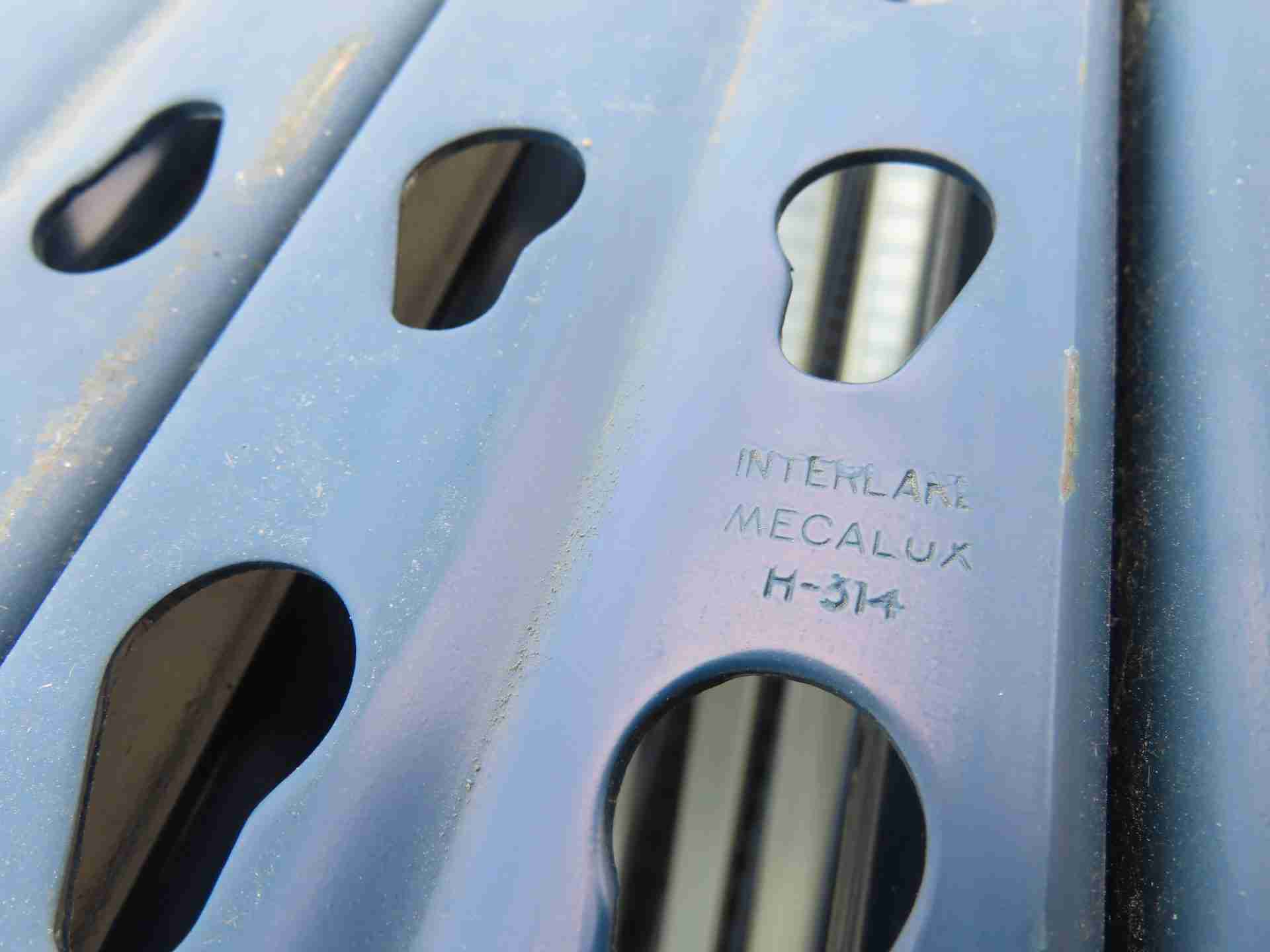
Can Industrial Racks Help Prevent Damage And Loss Of Inventory Items?
Conclusion
In conclusion, industrial racks are the unsung heroes of warehouse organization, playing a crucial role in maximizing storage space, improving efficiency, and preventing damage and loss of inventory items. These sturdy and reliable shelving units are designed to optimize vertical space, making it easier for workers to locate and retrieve items quickly. By providing a structured and organized storage solution, industrial racks help warehouses maintain order, improve inventory control, and enhance overall efficiency. From pallet racks to cantilever racks to carton flow racks, there is a wide range of industrial racks available to meet the unique needs of different industries and storage requirements. By investing in quality racks and implementing proper storage practices, businesses can prevent accidents, increase productivity, and ultimately ensure the smooth and efficient operation of their warehouse. So, the next time you walk through a warehouse and marvel at its organization, remember to appreciate the vital role that industrial racks play in keeping things running smoothly behind the scenes. These unsung heroes are truly the backbone of warehouse organization, making a significant impact on maximizing storage space and improving inventory control. Industrial racks are not just metal shelves – they are the key to a well-organized and efficient warehouse, ensuring that the right products are in the right place at the right time.

Conclusion
Conclusion:
- Industrial racks are unsung heroes of warehouse organization.
- They maximize storage space, improve efficiency, and prevent damage and loss of inventory items.
- Designed to optimize vertical space for quick item retrieval.
- Help warehouses maintain order, improve inventory control, and enhance overall efficiency.
- Wide range of industrial racks available to meet unique industry needs.
- Investing in quality racks and proper storage practices can prevent accidents and increase productivity.
- Industrial racks are the backbone of warehouse organization, ensuring smooth and efficient operations.

Conclusion
Other Resources

Other Resources
Here is a list of other resources you can review online to learn more:
- “Industrial Storage Racks: A Comprehensive Guide to …”
- “Warehouse Racking System: Powerful Guide to Optimise …”
- “Unlock the hidden potential of your warehouse space”
- “Unlocking the Potential: Warehouse Layout Optimization Tips”
- “Vertical Space Utilization in Warehouses: A Guide to …”
- “The importance of organizing warehouse inventory”
- “Maximizing Warehouse Efficiency: Key Inventory Control …”
- “Increasing Warehouse Efficiency With Industrial Racking …”
- “Vertical Warehouse Storage – Improve Operations in …”
- “Common Warehouse Mistakes and How to Prevent Them”
- “50 expert warehouse management best practices and tips”
- “Warehouse Racking Tips and Tactics: 50 Expert …”
- “Used Storage Cabinets for Sale”
- “Vertical Space”
- “Participant Handbook”
- “Catalog – Warehouse Solutions (SF18204)”
- “Why is an effective labeling system crucial for warehouse …”

Other Resources
Glossary Terms
How Do Industrial Racks Contribute to Inventory Control In Warehouses? – Glossary Of Terms
1. Industrial Racks: Strong, durable shelves designed to store large quantities of products in warehouses, facilitating efficient stock management.
2. Pallet Racking: A type of storage system designed to hold materials on pallets, allowing for easy access, organization, and inventory control.
3. Cantilever Racking: Specialized racks designed for storing long, bulky items like lumber or pipes, enhancing warehouse storage flexibility.
4. Drive-In Rack: A storage system that allows forklifts to drive directly into the structure, optimizing space for high-density storage of similar products.
5. Drive-Thru Rack: Similar to drive-in racking but accessible from both ends, making it easier to load and unload items, improving warehouse efficiency.
6. Push-Back Rack: Utilizes inclined rails and carts to store pallets deep within the system, allowing for high-density storage and last-in, first-out (LIFO) inventory management.
7. Flow Rack (Gravity Flow Rack): Uses gravity to move pallets forward on inclined rollers, ensuring first-in, first-out (FIFO) inventory for improved stock rotation and control.
8. Mezzanine Systems: Elevated platforms built within the warehouse to create additional storage space, aiding in better inventory management by utilizing vertical space.
9. Load Capacity: The maximum weight that a rack or shelving unit can safely hold, crucial for ensuring safety and efficient inventory storage.
10. Rack Safety Netting: Protective netting installed on racks to prevent items from falling, ensuring inventory integrity and worker safety.
11. Rack Labels: Identification markers placed on racks to track and organize inventory, enhancing stock management and control.
12. SKU (Stock Keeping Unit): A unique identifier for each item in inventory, essential for tracking products within industrial racks.
13. Inventory Turnover: A metric that calculates how often inventory is sold and replaced over a period, influenced by the organization and accessibility provided by industrial racks.
14. Automated Storage and Retrieval System (AS/RS): A system that automates the placement and retrieval of inventory from racks, increasing efficiency and accuracy in inventory control.
15. Forklift: An essential warehouse vehicle used to lift, move, and place products on and off racks, facilitating efficient inventory management.
16. Pick Face: The accessible side of a rack from which items are picked for orders, crucial for order fulfillment efficiency.
17. Live Storage: Storage systems designed for active inventory, ensuring easy access and fast turnover, often utilizing flow racks for FIFO inventory management.
18. Dead Storage: Storage areas designated for less frequently accessed inventory, often placed on higher or less accessible racks.
19. Warehouse Management System (WMS): Software that helps oversee and control warehouse operations, including inventory management through rack systems.
20. Barcoding: The use of barcodes and scanners to track inventory on racks, enhancing accuracy and speed in inventory control.
21. Load Beams: Horizontal supports in racking systems that bear the weight of stored items, critical for maintaining rack integrity and safety.
22. Anchor Bolts: Fasteners used to secure racks to the warehouse floor, ensuring stability and safety of the racking system.
23. Decking: The surface material placed on racks to create a platform for storing items, important for supporting inventory and preventing damage.
24. Zoning: The division of warehouse space into specific areas for different types of inventory, facilitated by organized rack layouts for better inventory control.
25. Lean Inventory: A strategy focused on minimizing excess inventory and improving efficiency, supported by the effective use of industrial racking systems.
26. Cross-Docking: A logistics practice where products are unloaded from inbound trucks and directly loaded onto outbound trucks, often requiring specific racking systems for temporary storage.
27. Cycle Counting: A method of auditing inventory accuracy by regularly counting a subset of inventory, made more manageable by organized racking systems.
28. Vertical Utilization: The practice of using vertical space in a warehouse through tall racking systems, maximizing storage density and improving inventory control.
29. Picking and Packing: The processes of selecting items from racks and preparing them for shipment, streamlined by efficient rack organization.
30. Ergonomics: The design and arrangement of racking systems to enhance worker comfort and reduce injury, critical for maintaining productivity in inventory control tasks.
These terms collectively illustrate the important role that industrial racks play in inventory control within warehouse environments, contributing to efficiency, safety, and optimized space utilization.

Glossary Of Terms
Other Questions
How Do Industrial Racks Contribute to Inventory Control In Warehouses? – Other Questions
If you wish to explore and discover more, consider looking for answers to these questions:
- What are the different types of industrial racks available for warehouses?
- How do industrial racks improve inventory accuracy?
- What safety features do industrial racks typically include?
- How do industrial racks help in FIFO (first in, first out) or LIFO (last in, first out) inventory management?
- Can industrial racks be customized to fit specific warehouse needs?
- What are the common materials used to manufacture industrial racks?
- How do industrial racks contribute to reducing inventory retrieval time?
- What considerations should be made when choosing the right industrial racks for a warehouse?
- What is the lifespan of industrial racks, and how should they be maintained?
- What are the costs associated with implementing industrial racks in a warehouse?
- How do industrial racks enhance warehouse productivity and performance?
- Are there any specific industries that benefit more from using industrial racks?
- Can industrial racks be used in extreme environmental conditions?
- How do industrial racks integrate with automated warehouse systems?
- What are the installation requirements for industrial racks in warehouses?

Other Questions
Checklist
How Do Industrial Racks Contribute to Inventory Control In Warehouses? – A Checklist
1. Optimize Storage Space
_____ Utilize vertical space effectively.
_____ Ensure racks are sturdy and capable of handling inventory weight.
_____ Implement modular and customizable rack solutions.
_____ Evaluate current floor layout and make adjustments for better space utilization.
2. Systematic Inventory Management
_____ Assign specific locations for different products on the racks.
_____ Use consistent labeling and signposting.
_____ Maintain a clear, organized inventory layout.
_____ Periodically review and update the racking system to adapt to changing needs.
3. Inventory Flow & Rotation
_____ Implement FIFO (First In, First Out) or LIFO (Last In, First Out) systems where applicable.
_____ Track inventory age and rotate stock to minimize expired or obsolete items.
_____ Regularly audit inventory for consistency in the rotation system.
4. Safety and Security
_____ Securely store items on racks designed to withstand heavy loads.
_____ Utilize safety features such as guard rails, safety clips, and netting.
_____ Conduct regular safety inspections of racks and report any damage.
5. Improve Organization
_____ Ensure a designated space for each item.
_____ Use clear labeling and categorization systems.
_____ Regularly declutter the warehouse to maintain organization.
_____ Train staff on the importance of keeping the rack space organized.
6. Enhance Inventory Visibility
_____ Use transparent labeling for easy identification.
_____ Implement RFID or barcode systems for real-time inventory tracking.
_____ Regularly update inventory logs and records.
7. Improve Inventory Management
_____ Track inventory levels consistently.
_____ Monitor stock movements closely.
_____ Set reordering thresholds and alerts to prevent stockouts.
_____ Use inventory management software integrated with rack systems for efficiency.
8. Streamline Workflow Operations
_____ Optimize rack layout for efficient picking and packing processes.
_____ Implement “pick-to-light” or “pick-to-voice” systems for streamlined order fulfillment.
_____ Schedule regular training for staff on rack system operations.
9. Utilize Different Types of Industrial Racks
_____ Selective Pallet Racks: General purpose storage.
_____ Drive-In/Drive-Through Racks: High-density storage for large quantities.
_____ Push-Back Racks: High-density storage allowing multiple pallets deep.
_____ Cantilever Racks: Suitable for long and bulky items.
_____ Carton Flow Racks: Ideal for order picking operations.
_____ Stackable Racks: Efficient vertical storage for limited floor space.
10. Prevent Damage and Loss of Inventory
_____ Ensure proper shelf weight distribution.
_____ Regularly inspect racks for wear and tear.
_____ Store items securely to prevent shifting and falling.
_____ Implement damage control measures and quick reporting protocols.
By following this checklist, warehouses can maintain a well-organized, efficient, and safe storage environment using industrial racks, thereby improving overall inventory control and operational performance.

Checklist
At RackingWorld, we help guide you through selecting warehouse storage systems and racking.
Be sure to read our other related stories at RackingWorld to learn more about warehouse storage systems.
0 Comments