
Essential Safety Tips for Pallet Racking
By Tom Seest
At RackingWorld, we help guide you through selecting warehouse storage systems and racking.
Be sure to read our other related stories at RackingWorld to learn more about warehouse storage systems.
What Are The Safety Guidelines for Pallet Racking?
Working with pallet racking can be a dangerous job if safety guidelines are not followed. To ensure the safety of yourself and others working around pallet racking, it is important to adhere to specific safety guidelines. Here are some key safety guidelines to keep in mind when working with pallet racking:
1. Inspect the racking regularly: Before using pallet racking, it is crucial to inspect it for any signs of damage or wear. Check for dents, cracks, or any other damage that could compromise the integrity of the racking. If any damage is found, do not use the racking until it has been repaired or replaced.
2. Properly load and distribute weight: When placing items on pallet racking, ensure that the weight is evenly distributed on each shelf. Do not overload the racking with heavy items, as this can cause it to collapse. Be mindful of weight limits and guidelines provided by the manufacturer.
3. Use appropriate lifting equipment: When loading or unloading items from pallet racking, always use the appropriate lifting equipment such as forklifts or pallet jacks. Do not attempt to lift heavy items manually, as this can result in serious injuries. Make sure all operators are trained in the proper use of lifting equipment.
4. Secure items properly: When storing items on pallet racking, make sure they are secured in place. Use straps or bungee cords to prevent items from falling off the shelves. This will help prevent injuries and damage to both the items being stored and the racking itself.
5. Keep aisles clear: It is important to keep aisles clear of clutter and obstructions to allow for safe movement around pallet racking. Do not stack items in aisles or block emergency exits. This will help prevent accidents and ensure quick evacuation in case of an emergency.
6. Provide proper training: Ensure that all employees working with pallet racking are properly trained in safety procedures and guidelines. This includes how to properly load and unload items, how to inspect racking for damage, and how to use lifting equipment safely. Regular safety training sessions should be conducted to reinforce these guidelines.
By following these safety guidelines when working with pallet racking, you can help prevent accidents and injuries in the workplace. Remember, safety should always be the top priority when working with heavy equipment like pallet racking. So, stay vigilant, stay safe, and happy racking!
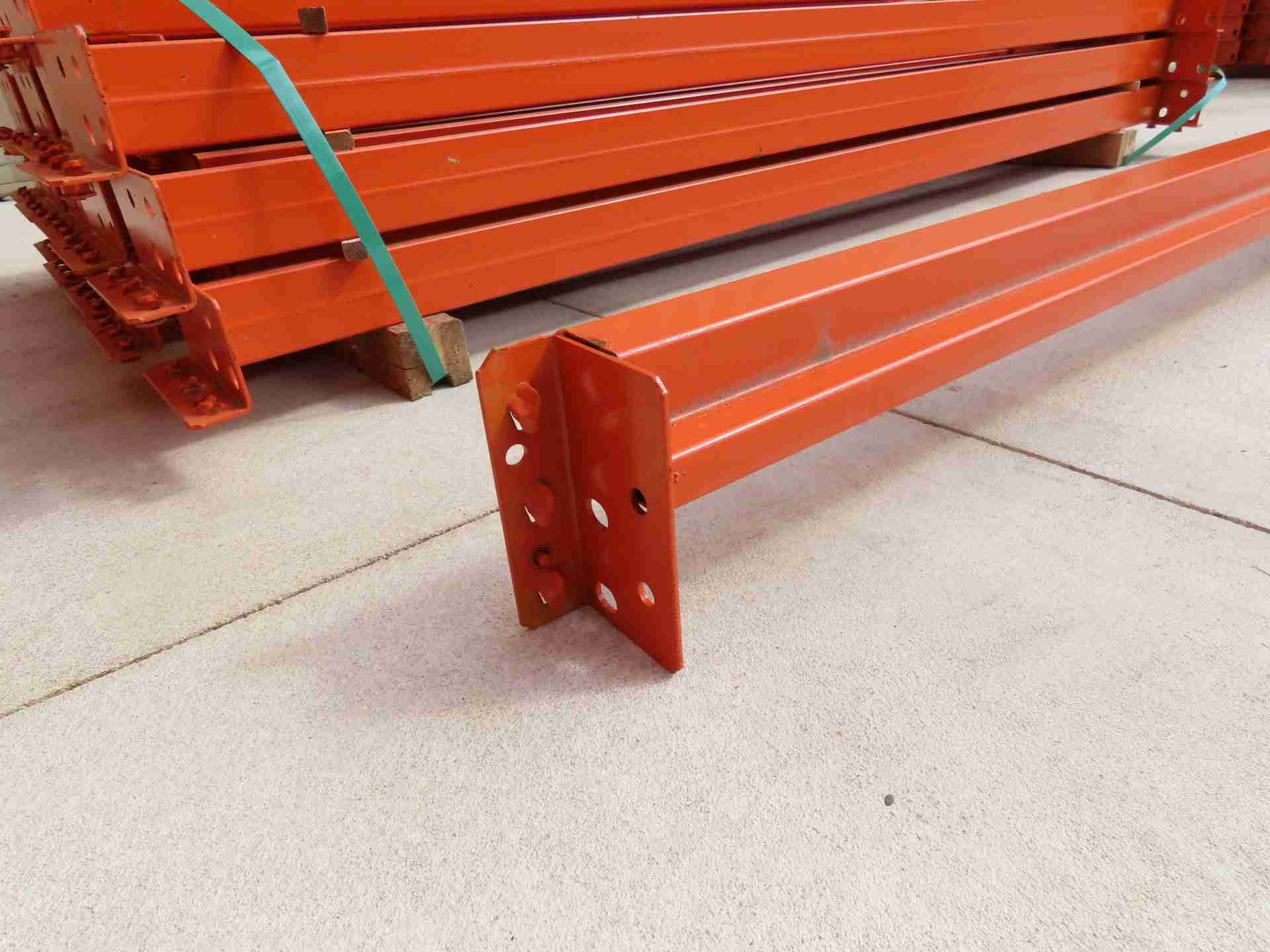
What Are The Safety Guidelines for Pallet Racking?
What Are The Safety Guidelines for Pallet Racking?
- Inspect the racking regularly: Before using pallet racking, inspect for damage.
- Properly load and distribute weight: Ensure weight is evenly distributed.
- Use appropriate lifting equipment: Always use forklifts or pallet jacks.
- Secure items properly: Use straps or bungee cords to prevent falls.
- Keep aisles clear: Avoid clutter and obstructions for safe movement.
- Provide proper training: Ensure all employees are trained in safety procedures.
- Follow safety guidelines to prevent accidents and injuries.
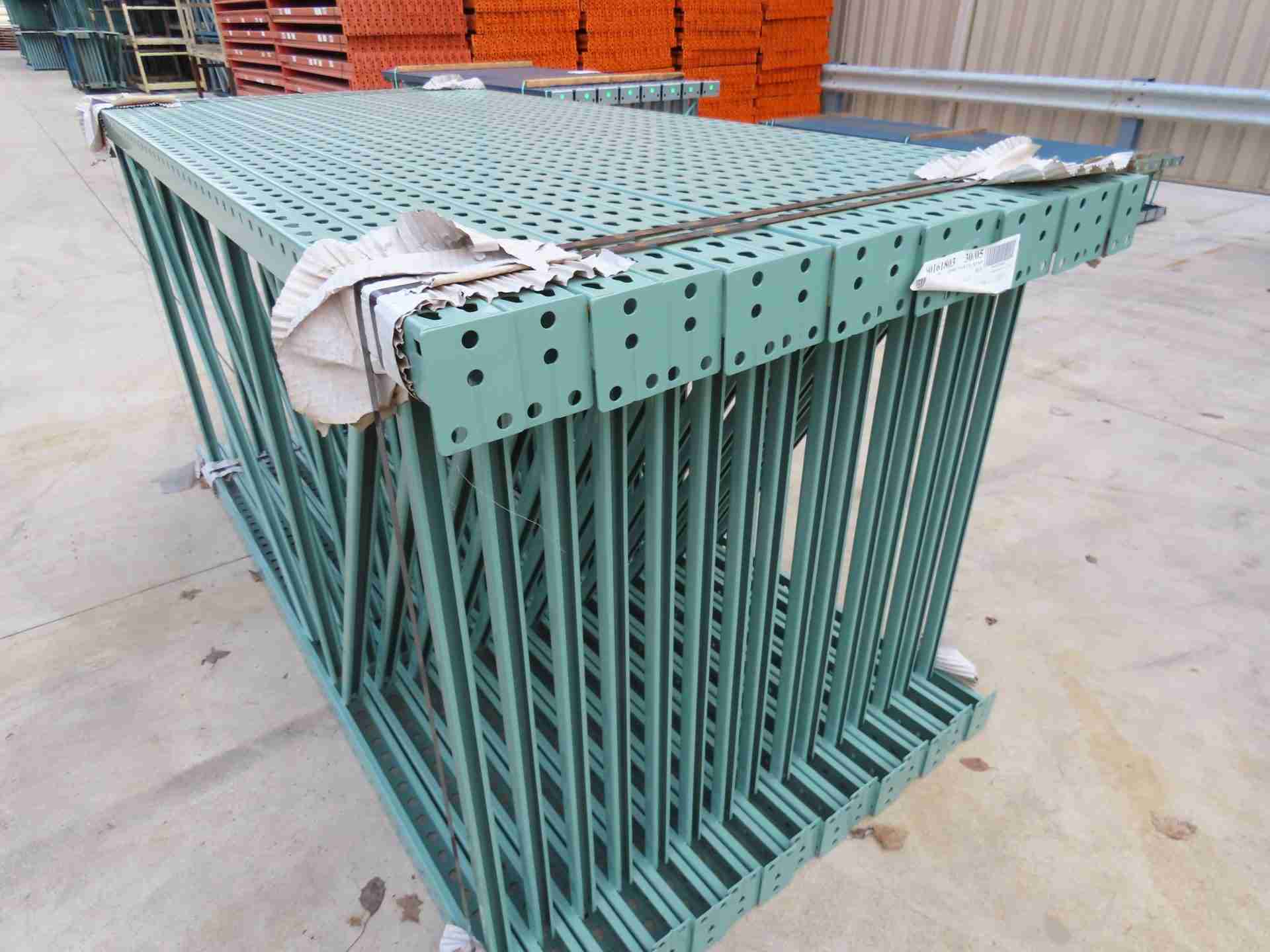
What Are The Safety Guidelines for Pallet Racking?
Table Of Contents
- What Are The Safety Guidelines for Pallet Racking?
- What Are The Key Safety Rules For Pallet Racking?
- How Can You Ensure Proper Weight Distribution On Pallet Racking?
- Are There Specific Guidelines For Stacking Materials On Shelves?
- What Should You Do If You Notice Damaged Pallet Racking?
- Is It Necessary To Have Safety Inspections On A Regular Basis?
- How Can Employees Be Trained On Pallet Racking Safety?
- Are There Specific Rules For Accessing Items On High Shelves?
- How Can You Properly Maintain Pallet Racking Systems?
- What Are The Consequences Of Ignoring Safety Protocols In A Warehouse?
- Conclusion
- Other Resources
- Glossary Of Terms
- Other Questions
- Checklist
What Are The Key Safety Rules For Pallet Racking?
When it comes to pallet racking, safety should always be the number one priority. These towering structures are essential for storage and organization in warehouses and industrial settings, but they can also pose serious risks if not used properly. To ensure a safe work environment, it is crucial to follow key safety rules for pallet racking.
One of the most important safety rules for pallet racking is to never overload the shelves. Each rack has a specified weight capacity that should not be exceeded. Overloading can cause the shelves to bow or collapse, putting workers at risk of injury and damaging inventory. It is essential to carefully assess the weight of each pallet and distribute them evenly across the racks to prevent overloading.
Another crucial safety rule is to regularly inspect the pallet racking for any signs of damage or wear. This includes checking for bent or damaged beams, loose bolts, and missing safety pins. Any damaged components should be repaired or replaced immediately to prevent accidents. It is also important to conduct regular maintenance on the racks to ensure they remain structurally sound.
Properly training employees on how to safely use pallet racking is also essential for maintaining a safe work environment. Workers should be trained on how to load and unload pallets properly, as well as how to use equipment such as forklifts and pallet jacks safely around the racks. Clear communication and signage should be used to designate load capacities and safe operating procedures.
Maintaining clear aisles and walkways around the pallet racking is another key safety rule. Cluttered or obstructed aisles can impede the safe movement of workers and equipment, increasing the risk of accidents. It is important to keep aisles clear of debris and obstructions to ensure smooth operations in the warehouse.
In the event of an emergency, it is crucial to have proper safety measures in place, such as fire extinguishers and emergency exits, to ensure the safety of workers in the facility. Regular emergency drills should be conducted to ensure that everyone knows what to do in case of a fire or other emergency.
By following these key safety rules for pallet racking, you can help prevent accidents and injuries in the workplace. Prioritizing safety not only protects workers and inventory but also contributes to a more efficient and productive work environment. Remember, when it comes to pallet racking, safety always comes first.
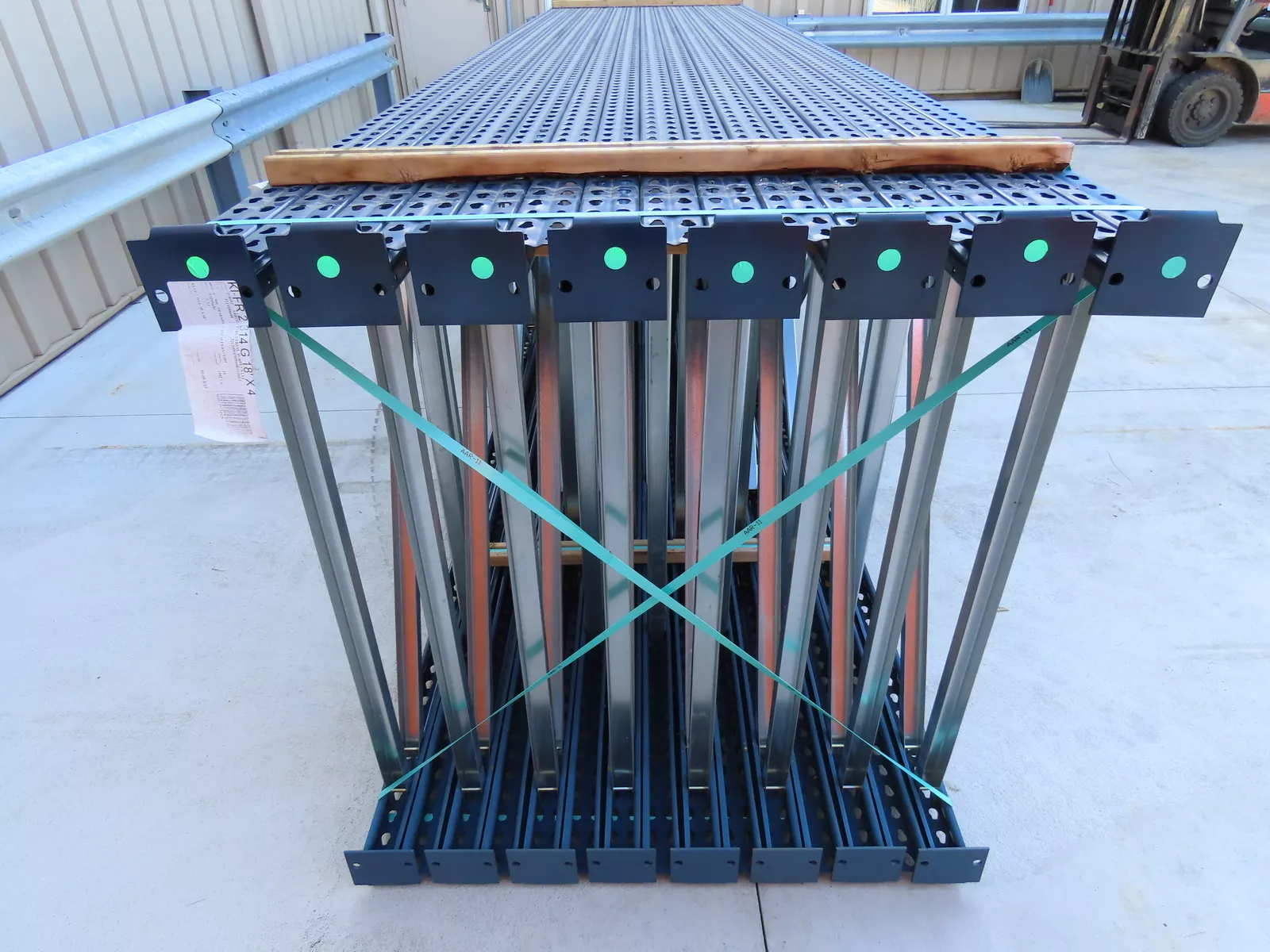
What Are The Key Safety Rules For Pallet Racking?
What Are The Key Safety Rules For Pallet Racking?
- Never overload the shelves.
- Regularly inspect for damage or wear.
- Properly train employees on safe usage.
- Maintain clear aisles and walkways.
- Have proper safety measures in place for emergencies.
- Conduct regular emergency drills.
- Prioritize safety to prevent accidents and injuries.
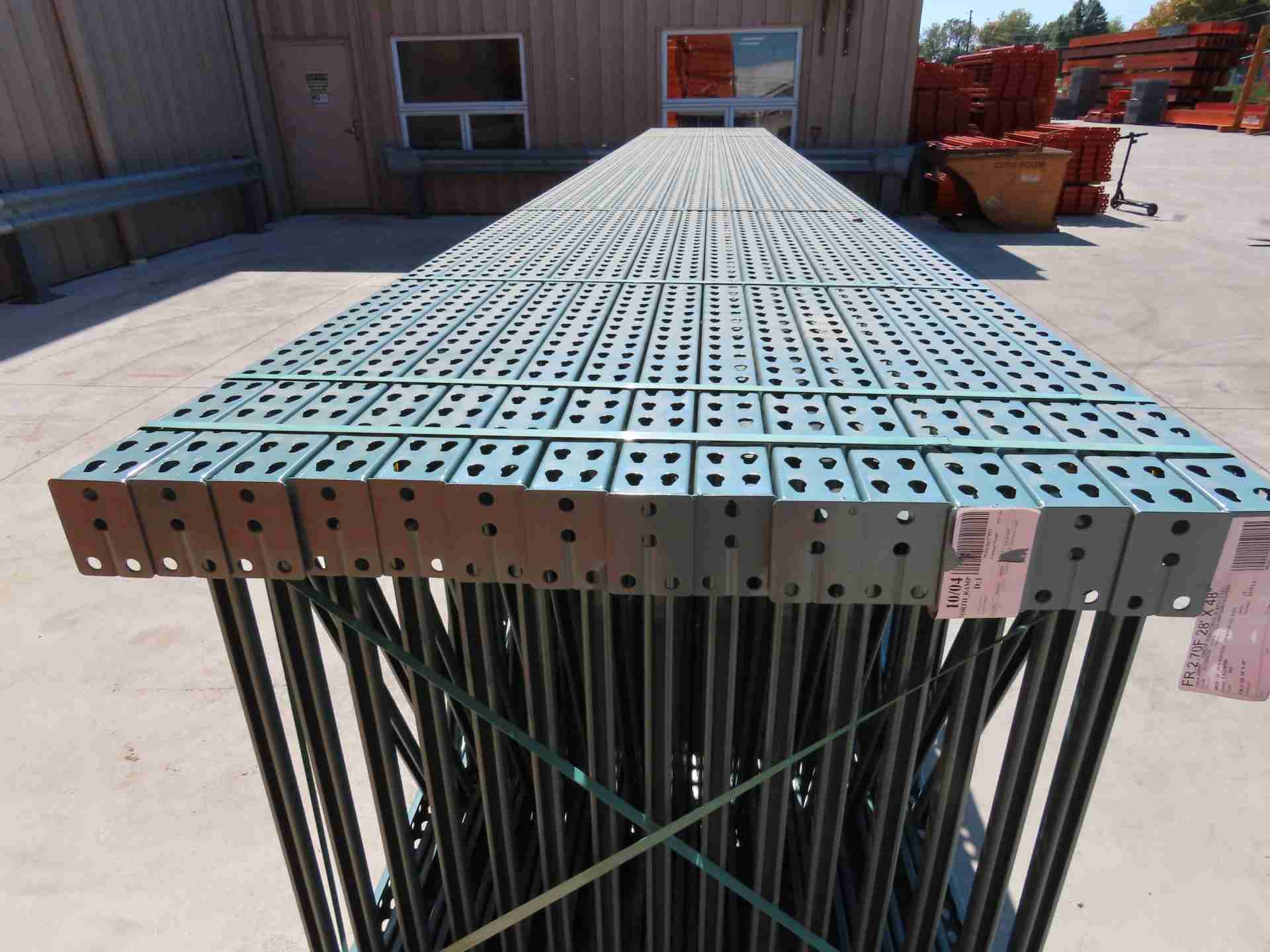
What Are The Key Safety Rules For Pallet Racking?
How Can You Ensure Proper Weight Distribution On Pallet Racking?
You know, when it comes to pallet racking, one of the most important things to consider is proper weight distribution. It may not seem like a big deal, but if you overlook this crucial aspect, you could be in for a world of trouble.
So, how can you ensure proper weight distribution on pallet racking? Well, let me break it down for you.
First things first, you need to know the weight capacity of your pallet racking system. This is non-negotiable. Overloading a rack can lead to catastrophic failure, putting not only your products at risk, but also the safety of your workers. So, before you start loading up those shelves, make sure you know their limits.
Next, make sure you are using the right type of pallets for your racking system. Not all pallets are created equal, and using the wrong type can lead to uneven weight distribution. This can cause one side of the rack to become overloaded, putting unnecessary strain on the entire system. So, do your research and make sure you are using the correct pallets for your setup.
Another key factor in proper weight distribution is to place heavier items on the lower shelves. This may seem like common sense, but you’d be surprised how often it gets overlooked. Placing heavy items on the top shelves can lead to instability and increase the risk of a dangerous collapse. So, when in doubt, remember: heavy stuff down low.
Lastly, make sure you are evenly distributing the weight across the entire rack. Avoid stacking all the heavy items on one side, as this can lead to an unbalanced load. Instead, aim to spread the weight out as evenly as possible. This will help to prevent any one section of the rack from bearing too much weight and potentially buckling under the pressure.
Proper weight distribution on pallet racking is absolutely essential for the safety and efficiency of your warehouse. By following these simple guidelines and paying close attention to the details, you can ensure that your racking system remains sturdy and secure. And remember, a properly distributed load is a happy load.

How Can You Ensure Proper Weight Distribution On Pallet Racking?
How Can You Ensure Proper Weight Distribution On Pallet Racking?
- Proper weight distribution is crucial for pallet racking.
- Know the weight capacity of your system.
- Use the right type of pallets.
- Place heavier items on lower shelves.
- Evenly distribute weight across the rack.
- Prevent overloading and unbalanced loads.
- Ensure safety and efficiency in your warehouse.
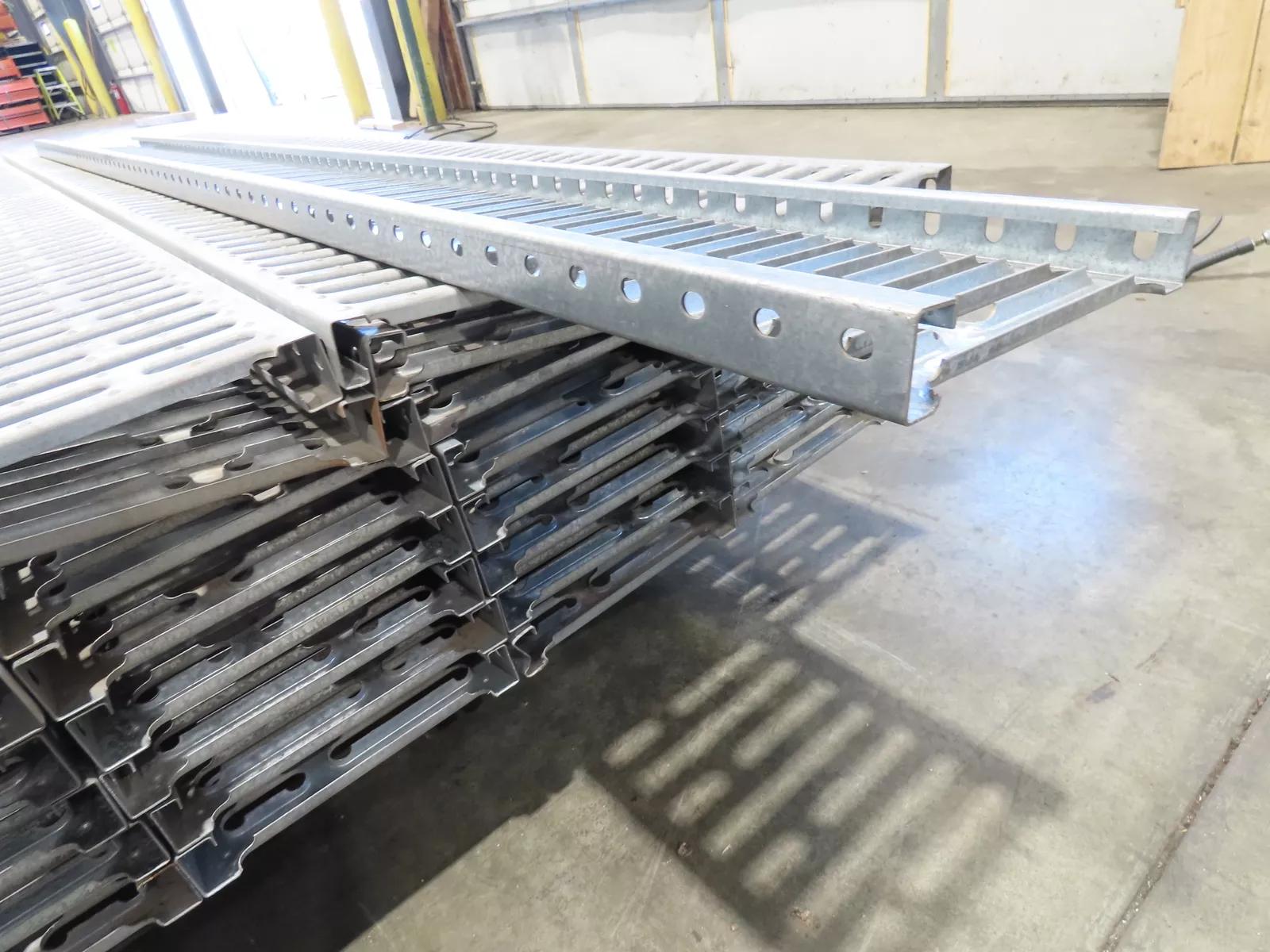
How Can You Ensure Proper Weight Distribution On Pallet Racking?
Are There Specific Guidelines For Stacking Materials On Shelves?
When it comes to stacking materials on shelves, there are definitely some guidelines that can help ensure safety, organization, and efficiency in your workspace. While these guidelines can vary depending on the specific materials being stacked and the type of shelving being used, there are some general principles that can be applied to most situations.
First and foremost, it’s important to consider the weight and stability of the materials being stacked. You want to make sure that the shelves are strong enough to support the weight of the materials without bowing or collapsing. If you’re unsure about the weight capacity of your shelves, it’s always a good idea to err on the side of caution and avoid overloading them.
Another key consideration when stacking materials on shelves is organization. By organizing materials in a logical and intuitive manner, you can make it easier to find what you need quickly and efficiently. This can save you time and reduce the risk of accidents caused by reaching for items on unstable or poorly organized shelves.
In addition to weight and organization, it’s also important to consider the height at which materials are stacked. Ideally, heavy or bulky items should be placed on lower shelves to minimize the risk of injury from items falling or shelves tipping over. Lighter or less frequently used items can be placed on higher shelves, making them accessible but out of the way.
When stacking materials on shelves, it’s also important to consider the size and shape of the items being stored. Stacking irregularly shaped items or items that are prone to rolling can create instability and increase the risk of accidents. Whenever possible, try to stack items in a way that maximizes stability and minimizes the risk of items falling or shifting.
Finally, it’s important to regularly inspect and maintain your shelves to ensure they remain in good condition. Check for signs of wear and tear, such as bowing or rust, and address any issues promptly to avoid accidents or damage to your materials.
By following these guidelines for stacking materials on shelves, you can create a safer, more efficient workspace that allows you to easily access and organize your materials. Take the time to assess your shelving needs and implement these principles to ensure a well-organized and safe work environment.
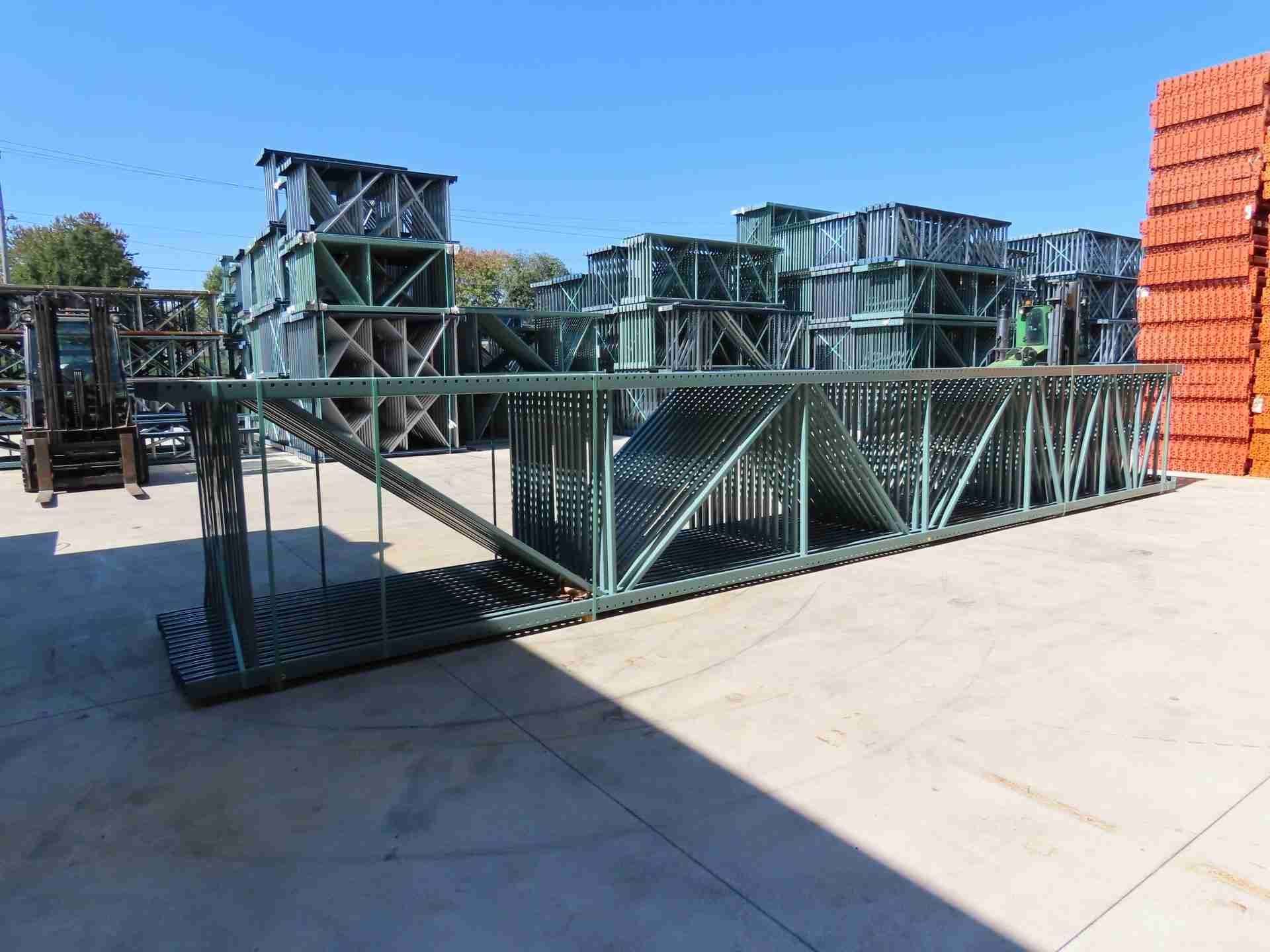
Are There Specific Guidelines For Stacking Materials On Shelves?
Are There Specific Guidelines For Stacking Materials On Shelves?
- Consider the weight and stability of materials being stacked.
- Organize materials in a logical manner for easy access.
- Stack heavy/bulky items on lower shelves to prevent injuries.
- Take into account the size and shape of items being stored.
- Regularly inspect and maintain shelves for wear and tear.
- Err on the side of caution when unsure of shelf weight capacity.
- Implement these guidelines for a safer and more efficient workspace.
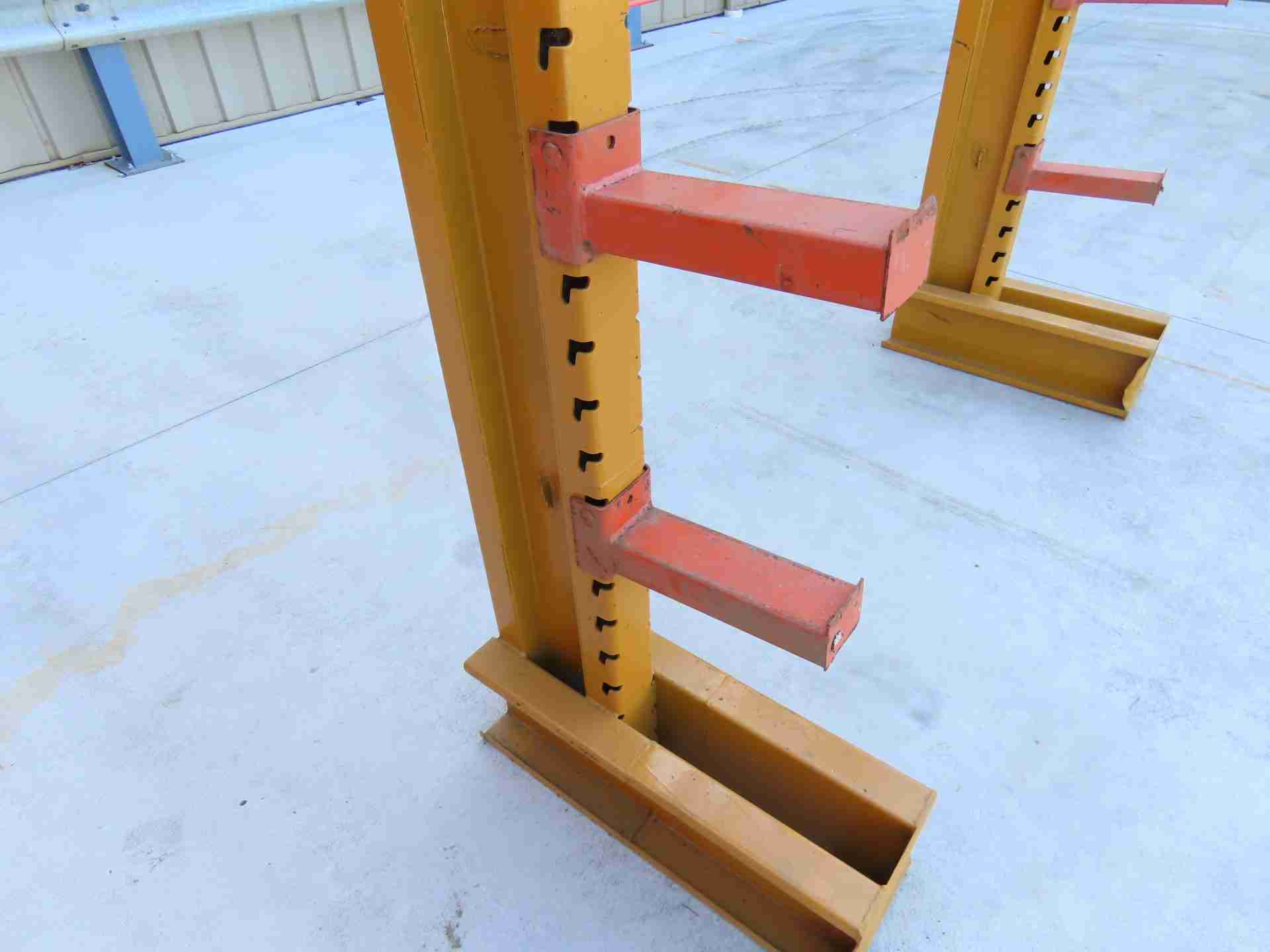
Are There Specific Guidelines For Stacking Materials On Shelves?
What Should You Do If You Notice Damaged Pallet Racking?
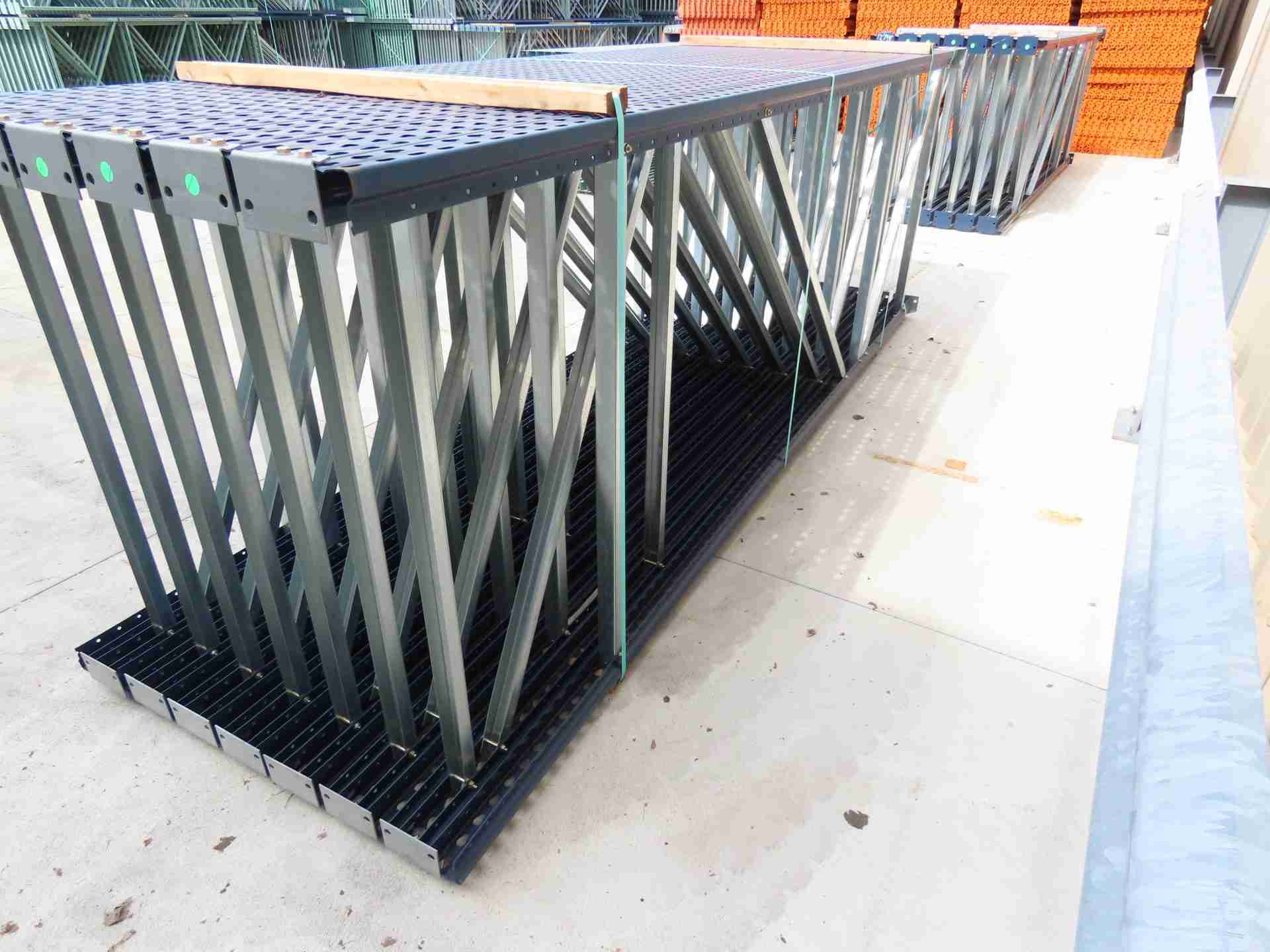
So, you’re walking through your warehouse and you notice something not quite right – a damaged pallet racking system. Now, you could just ignore it and hope for the best, but that wouldn’t be very wise now, would it?
When you come across damaged pallet racking, the first thing you need to do is assess the situation. Is it just a minor dent or is there a more serious structural issue at play? If the damage seems minimal, you may be tempted to just leave it be. But trust me, it’s always better to address the problem sooner rather than later.
Next, you’ll want to determine the cause of the damage. Was it a forklift collision? Overloaded shelves? General wear and tear? By figuring out what caused the damage, you can take steps to prevent it from happening again in the future.
After you’ve assessed the situation and identified the cause of the damage, it’s time to take action. Depending on the severity of the damage, you may need to simply replace a few components or, in more serious cases, replace the entire racking system.
Now, I know what you’re thinking – “But that’s gonna cost me time and money!” And you’re not wrong. But consider this – a damaged pallet racking system is not only a safety hazard for your employees, but it also puts your inventory at risk. And let me tell you, replacing damaged inventory is going to cost you a whole lot more than fixing or replacing a racking system.
So, do yourself a favor and don’t put off addressing damaged pallet racking. It may seem like a hassle in the moment, but in the long run, it’ll save you a whole lot of headache – and potentially even a few bucks.
Remember, a safe and secure warehouse is a productive warehouse. So take care of your pallet racking systems and they’ll take care of you.
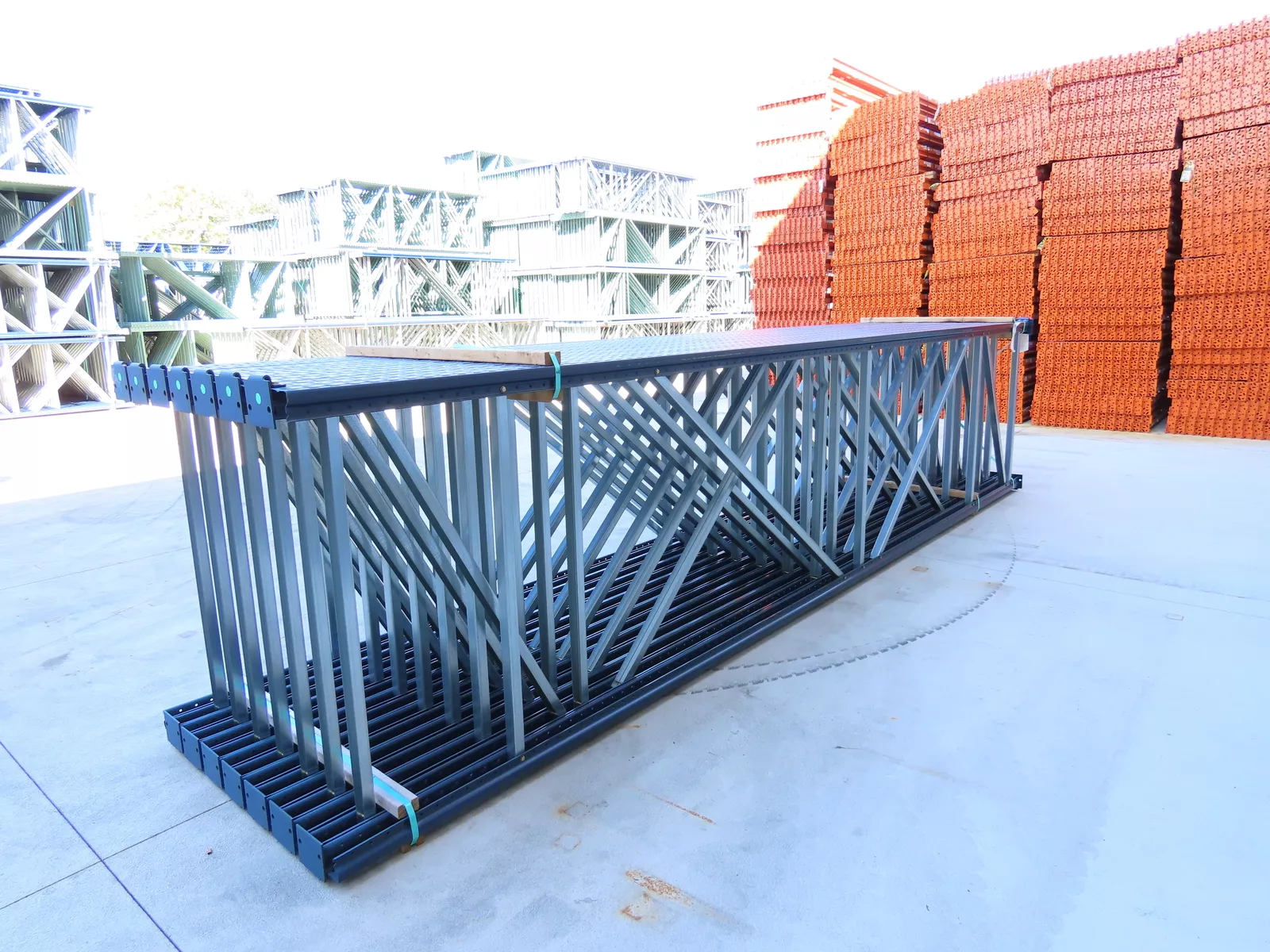
What Should You Do If You Notice Damaged Pallet Racking?
What Should You Do If You Notice Damaged Pallet Racking?
- Assess the damaged pallet racking system.
- Determine the cause of the damage.
- Take action based on severity of damage.
- Addressing the damage sooner rather than later is key.
- Consider the safety hazards for employees and risks to inventory.
- Replacing damaged inventory is more costly than fixing or replacing racking system.
- Ensure a safe and secure warehouse for productivity.
What Should You Do If You Notice Damaged Pallet Racking?
Is It Necessary To Have Safety Inspections On A Regular Basis?
Safety inspections are an essential part of maintaining a safe and healthy work environment. Some may argue that safety inspections are a hassle or unnecessary, but the truth is, they are crucial in preventing accidents and ensuring the well-being of employees.
Regular safety inspections help to identify potential hazards before they become a serious issue. By conducting inspections on a regular basis, employers can stay ahead of any safety risks and take proactive measures to mitigate them. This can include anything from ensuring proper safety equipment is in place to fixing faulty machinery or equipment.
In addition to preventing accidents, regular safety inspections also promote a culture of safety within the workplace. When employees see that their employer is taking safety seriously and conducting regular inspections, it sends a clear message that safety is a top priority. This, in turn, can help to boost morale and productivity, as employees feel more secure and valued in their work environment.
Furthermore, safety inspections are often required by law in many industries. Failing to conduct regular safety inspections can lead to fines, penalties, and even legal action. By staying on top of safety inspections, employers can ensure they are compliant with all regulations and avoid any potential legal issues.
Overall, safety inspections are not just a box to check off on a list – they are a critical component of maintaining a safe and healthy work environment. By conducting regular inspections, employers can prevent accidents, promote a culture of safety, and stay ahead of any potential hazards. So, next time you think about skipping a safety inspection, remember that the well-being of your employees and the success of your business could be at stake. It may seem like a hassle, but in the long run, it’s well worth it to ensure the safety and security of everyone in the workplace.
Is It Necessary To Have Safety Inspections On A Regular Basis?
Is It Necessary To Have Safety Inspections On A Regular Basis?
- Safety inspections are essential for maintaining a safe and healthy work environment.
- Regular inspections help identify potential hazards before they become serious issues.
- Inspections allow employers to take proactive measures to mitigate safety risks.
- Safety inspections promote a culture of safety in the workplace.
- Regular inspections are often required by law in many industries.
- Skipping safety inspections can lead to fines, penalties, and legal action.
- Overall, safety inspections are critical for preventing accidents and maintaining a safe work environment.
Is It Necessary To Have Safety Inspections On A Regular Basis?
How Can Employees Be Trained On Pallet Racking Safety?
It’s no secret that working in a warehouse can be a dangerous job if proper precautions aren’t taken. One area that often gets overlooked when it comes to safety training is pallet racking. These towering structures hold thousands of pounds of inventory, and if they’re not used correctly, they can pose a serious risk to employees.
So how can employees be trained on pallet racking safety? Well, first and foremost, it’s crucial that all workers undergo thorough training before they’re allowed to operate in the warehouse. This training should include information on how to properly load and unload pallets, how to assess the condition of the racking, and what to do in case of an emergency.
One key aspect of this training is teaching employees how to avoid overloading the racking. Each rack is rated to hold a certain amount of weight, and exceeding this limit can lead to a catastrophic collapse. By educating workers on the importance of staying within these limits, you can help prevent accidents before they happen.
Additionally, employees should be trained on how to properly inspect the racking for any signs of damage. This includes looking for bent or broken beams, loose bolts, or missing safety pins. Regular inspections should be conducted to catch any issues before they become a serious problem.
Another important aspect of pallet racking safety training is teaching employees how to properly handle and store inventory. This includes making sure that pallets are stacked evenly and securely, as well as ensuring that heavy items are placed on the bottom of the stack to prevent any toppling over.
In the event of an emergency, such as a pallet falling from the racking, employees should know what steps to take to stay safe. This can include clear procedures for evacuating the area and contacting emergency services if necessary.
Overall, training employees on pallet racking safety is essential to creating a secure work environment. By providing thorough education and resources on how to properly use and maintain the racking, you can help prevent accidents and injuries in the warehouse. Remember, safety should always be the top priority – it’s better to be safe than sorry.
How Can Employees Be Trained On Pallet Racking Safety?
How Can Employees Be Trained On Pallet Racking Safety?
- Thorough training for all workers on pallet racking safety is crucial.
- Training should include proper loading/unloading, assessing racking condition, and emergency procedures.
- Educate workers on avoiding overloading the racking to prevent collapses.
- Train employees on how to inspect racking for damage regularly.
- Teach proper handling and storage of inventory to prevent accidents.
- Have clear procedures for emergencies, such as pallet falls, in place.
- Creating a secure work environment through education and resources is essential for safety.
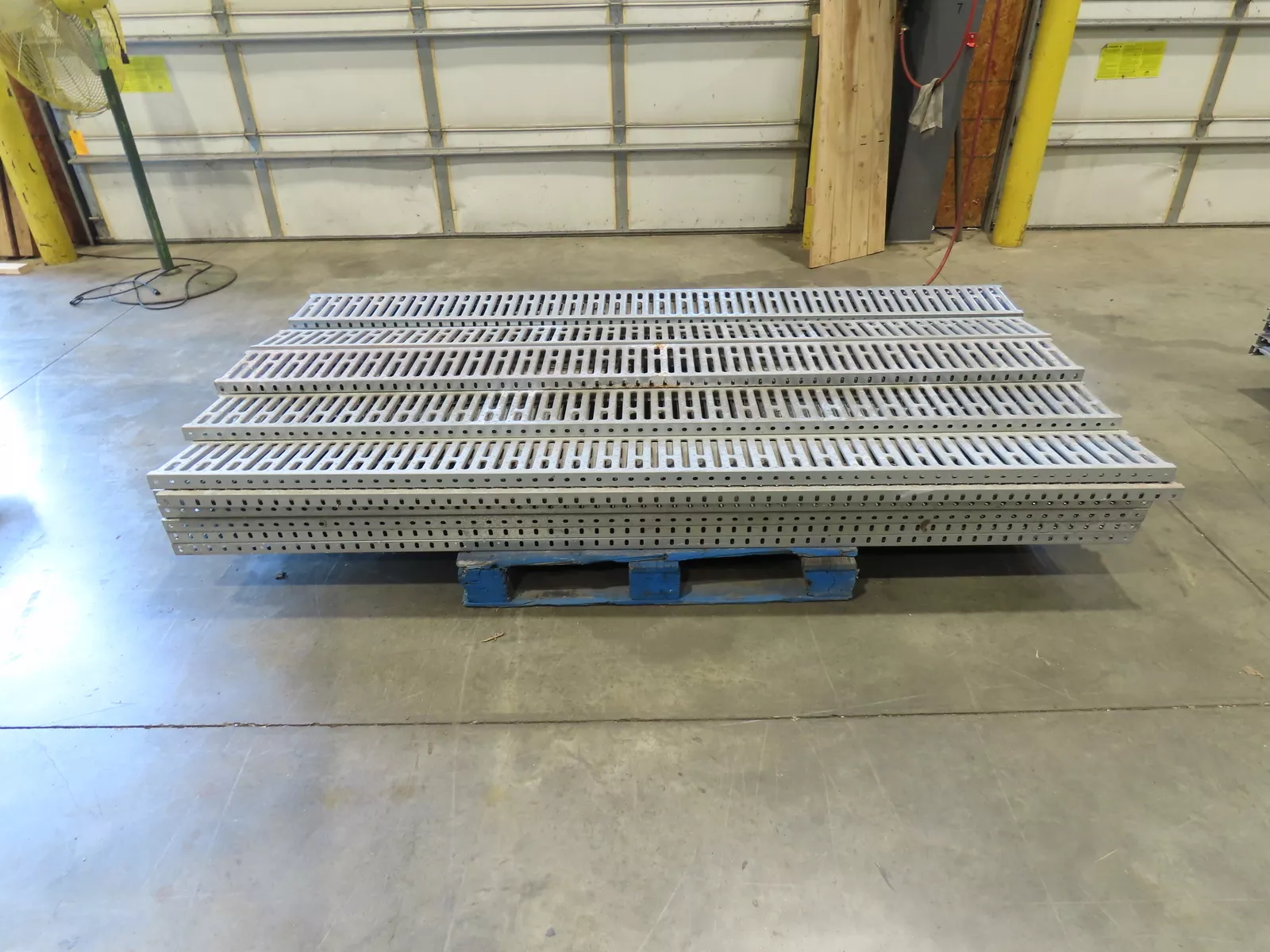
How Can Employees Be Trained On Pallet Racking Safety?
Are There Specific Rules For Accessing Items On High Shelves?
When it comes to accessing items on high shelves, there are a few key considerations to keep in mind. While there may not be specific rules in place, there are certainly best practices that can help you safely and effectively reach those out-of-reach items.
First and foremost, it’s important to assess the situation before attempting to access anything on a high shelf. This includes taking into account the weight of the item, the stability of the shelving unit, and any potential hazards that may be present. If the item is too heavy or the shelf is not securely attached to the wall, it may be best to seek assistance rather than attempting to reach it on your own.
When it comes to actually reaching for the item, there are a few techniques that can help make the process easier and safer. One common method is to use a step stool or ladder to give you the extra height needed to reach the item comfortably. It’s important to make sure that the stool or ladder is stable and secure before climbing onto it, as falls from even a short distance can result in serious injury.
Another important consideration is proper body mechanics. When reaching for an item on a high shelf, it’s important to use good posture and avoid twisting or reaching too far. Instead, try to position yourself directly in front of the item and use both hands to lift it off the shelf. This will help prevent strain on your back and shoulders and reduce the risk of injury.
If you find yourself needing to access items on high shelves frequently, it may be worth investing in some additional tools or equipment to make the process easier. This could include a reacher grabber tool, which can help you grab items without needing to stretch or climb, or a rolling step ladder that can easily be moved from shelf to shelf.
The most important rule for accessing items on high shelves is to prioritize safety above all else. It’s always better to ask for help or use proper equipment than to put yourself at risk of injury by trying to reach something on your own. By following these guidelines and using common sense, you can safely and effectively access items on high shelves whenever the need arises.

Are There Specific Rules For Accessing Items On High Shelves?
Are There Specific Rules For Accessing Items On High Shelves?
- Assess the situation before attempting to access items on high shelves.
- Use a step stool or ladder to reach items comfortably.
- Ensure the stability and security of the stool or ladder before climbing on it.
- Use proper body mechanics to prevent strain on your back and shoulders.
- Consider investing in tools like a reacher grabber tool or a rolling step ladder.
- Always prioritize safety when accessing items on high shelves.
- Seek assistance or use proper equipment rather than risking injury by trying to reach items on your own.
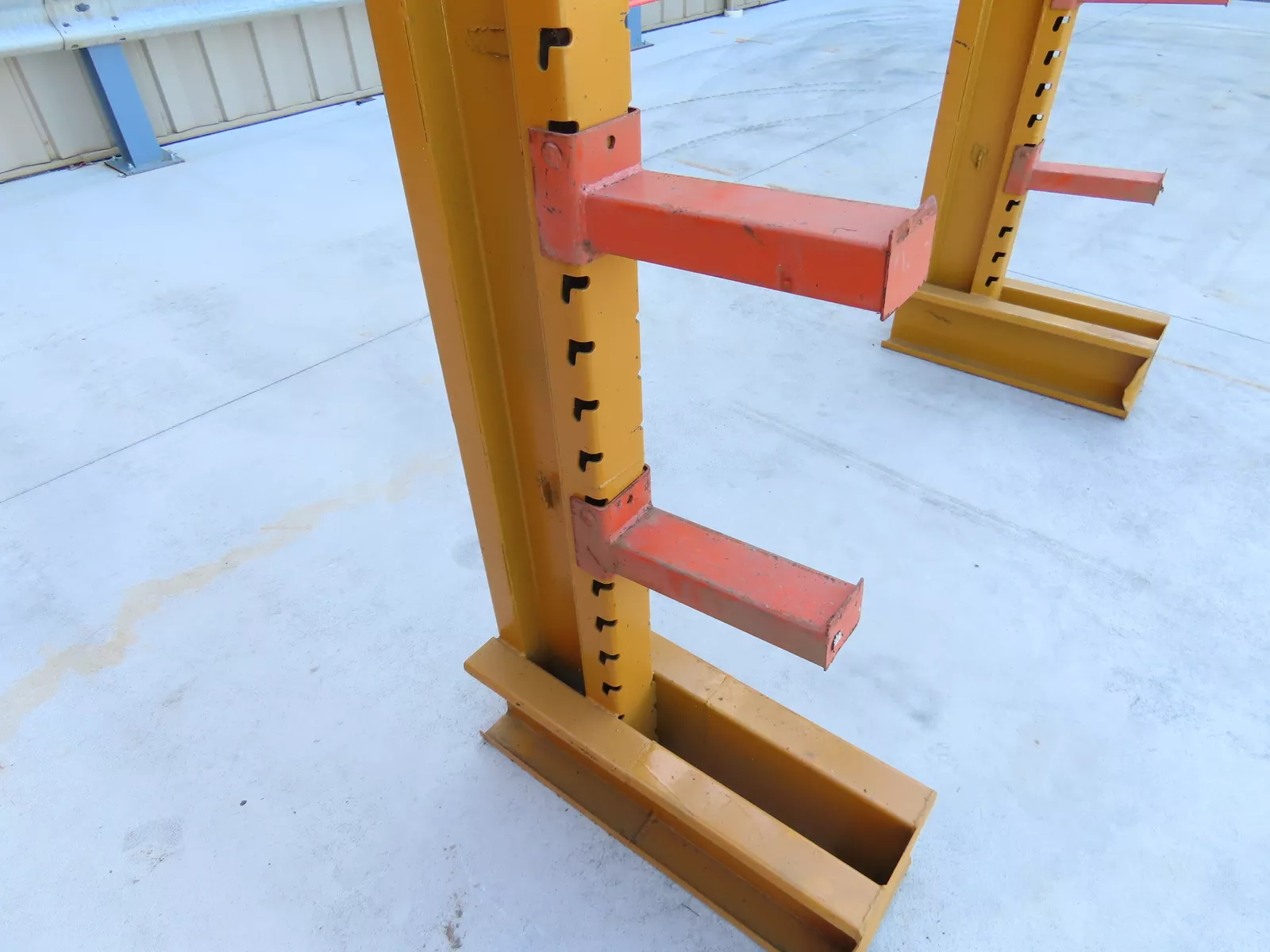
Are There Specific Rules For Accessing Items On High Shelves?
How Can You Properly Maintain Pallet Racking Systems?
Pallet racking systems are vital to the efficient storage and organization of goods in warehouses and distribution centers. To ensure these systems continue to function properly and safely, it is important to regularly maintain and inspect them. Here are some tips on how to properly maintain pallet racking systems:
1. Regular Inspections: One of the best ways to prevent accidents and ensure the longevity of your pallet racking system is to conduct regular inspections. Inspect the racking for any signs of damage, such as bent beams, missing bolts, or rust. It is recommended to perform these inspections at least once a month to catch any issues early on.
2. Avoid Overloading: Overloading your pallet racking system can be extremely dangerous and cause the beams to bend or even collapse. Always follow the weight guidelines provided by the manufacturer for each level of the racking. By overloading the system, you are not only putting your inventory at risk but also the safety of your employees.
3. Proper Forklift Usage: Forklifts are commonly used to move pallets onto and off of the racking system. It is important to train your employees on how to properly operate forklifts and ensure they are using them in a safe manner. Improper use of a forklift can cause damage to the racking as well as create safety hazards for those working in the area.
4. Cleanliness: Keeping your warehouse clean can also help maintain the integrity of your pallet racking system. Debris and dust build-up can cause issues with the beams or prevent proper installation of new pallets. Regularly sweep and clean the area around the racking to prevent any damage or obstructions.
5. Repairs and Maintenance: If you notice any damage to your pallet racking system during inspections, it is important to address these issues promptly. Bent beams or missing bolts should be repaired or replaced as soon as possible to prevent any further damage. Regularly scheduled maintenance on the racking, such as tightening bolts or lubricating moving parts, can also help prolong the life of the system.
By following these maintenance tips, you can ensure the safety and efficiency of your pallet racking system. Proper maintenance not only protects your inventory and employees but also extends the life of your investment in warehouse storage. Remember, a well-maintained pallet racking system is a key component in keeping your operation running smoothly.
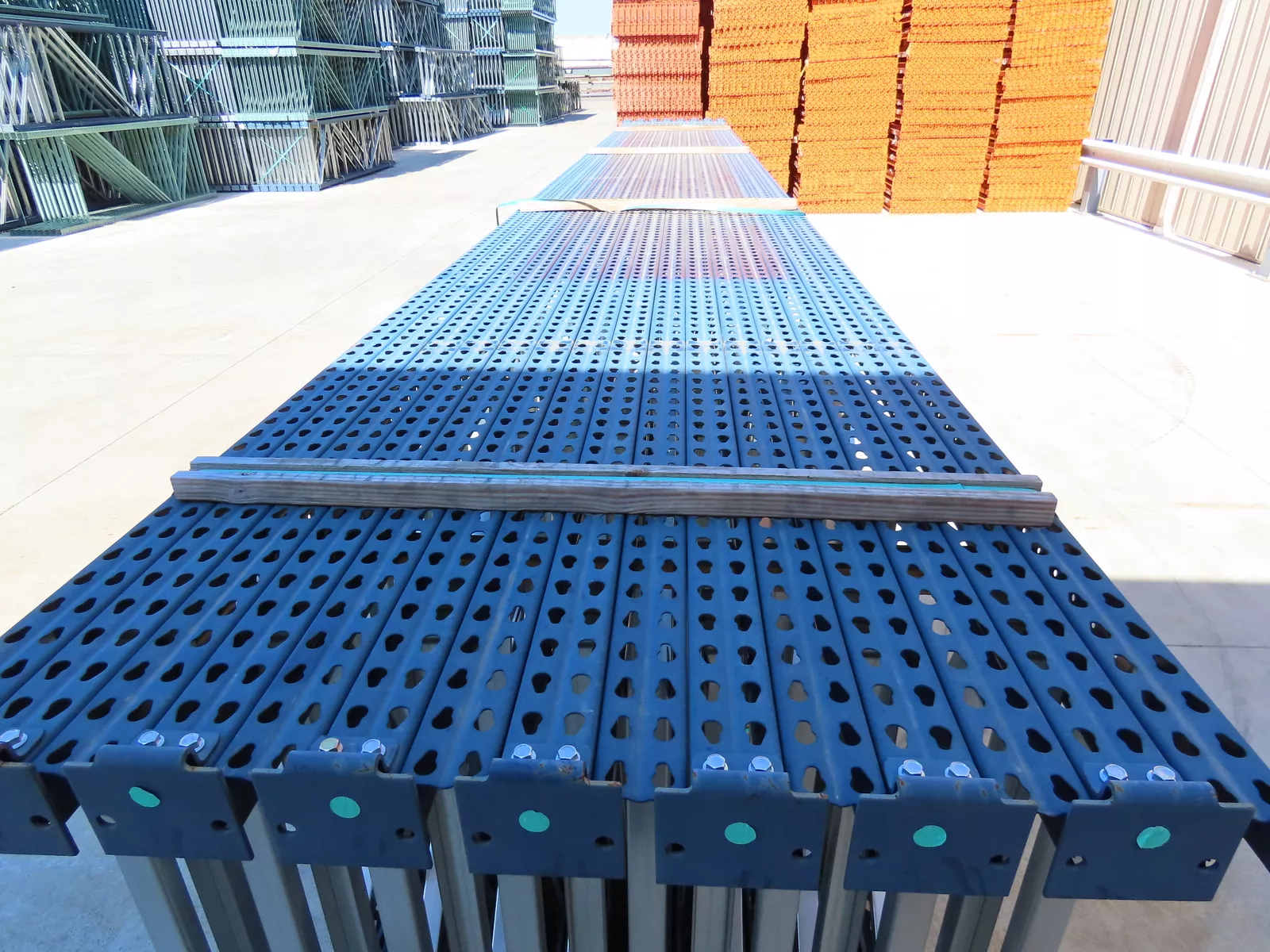
How Can You Properly Maintain Pallet Racking Systems?
How Can You Properly Maintain Pallet Racking Systems?
- Regular Inspections: Conduct inspections at least once a month to check for damage.
- Avoid Overloading: Follow weight guidelines to prevent beams from bending or collapsing.
- Proper Forklift Usage: Train employees on safe forklift operation to prevent damage.
- Cleanliness: Regularly clean around the racking to prevent debris build-up.
- Repairs and Maintenance: Promptly address any damage and perform scheduled maintenance.
- Efficiency: Proper maintenance ensures safety and efficiency of the system.
- Longevity: Extends the life of the system and protects inventory and employees.
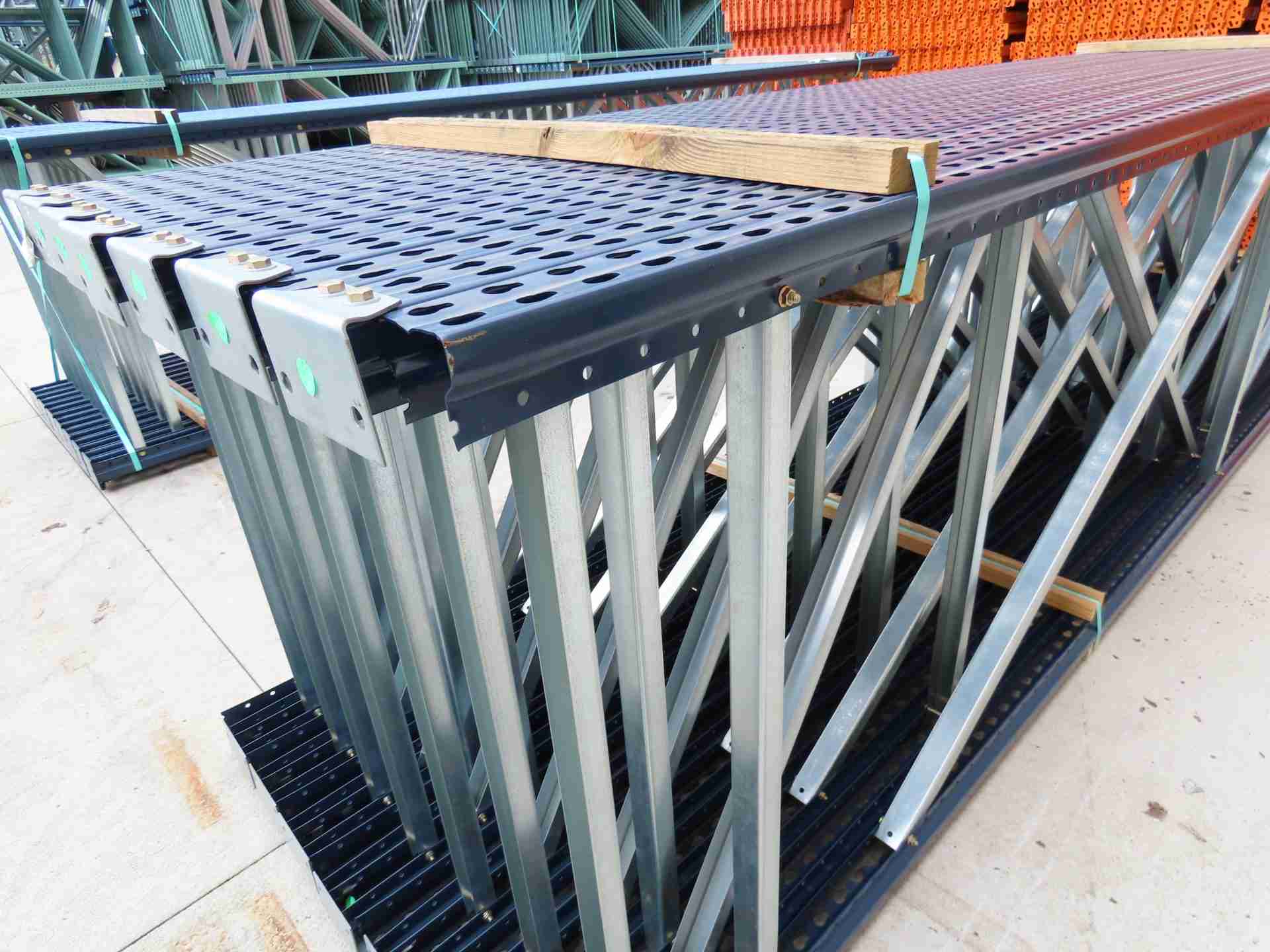
How Can You Properly Maintain Pallet Racking Systems?
What Are The Consequences Of Ignoring Safety Protocols In A Warehouse?
In any workplace, safety protocols are put in place for a reason. When these protocols are ignored, the consequences can be severe – especially in a high-risk environment like a warehouse.
One of the most obvious consequences of ignoring safety protocols in a warehouse is the increased risk of accidents and injuries. Warehouse workers are often required to move heavy loads, operate machinery, and work at heights, all of which can be dangerous if proper safety precautions are not followed. From slips, trips, and falls to accidents involving forklifts or other equipment, the potential for serious injury is always present when safety protocols are disregarded.
Not only can ignoring safety protocols in a warehouse lead to physical harm, but it can also result in financial repercussions for both the company and the individual responsible. Workplace accidents can result in costly medical bills, lost wages due to time off work, and potential legal fees if a lawsuit is brought against the employer. In addition, the company may face fines and penalties from regulatory agencies for failing to provide a safe work environment for their employees.
Furthermore, ignoring safety protocols can have a negative impact on employee morale and productivity. When workers feel unsafe in their environment, it can lead to increased stress and anxiety, which can ultimately affect their performance on the job. In addition, accidents and injuries can result in downtime for the company, causing delays in production and potentially leading to lost revenue.
Beyond the immediate consequences of accidents and injuries, ignoring safety protocols in a warehouse can also have long-term effects on a company’s reputation. If word gets out that a particular warehouse has a reputation for being unsafe, it can deter potential employees from wanting to work there and can also damage relationships with customers and clients who may question the company’s commitment to safety.
The consequences of ignoring safety protocols in a warehouse are far-reaching and can have serious implications for both individuals and companies. It is essential for all employees to take safety regulations seriously and follow protocols to ensure a safe and productive work environment. Remember, safety is everyone’s responsibility, and it’s always better to be safe than sorry.
What Are The Consequences Of Ignoring Safety Protocols In A Warehouse?
What Are The Consequences Of Ignoring Safety Protocols In A Warehouse?
- Ignoring safety protocols in a warehouse increases the risk of accidents and injuries.
- Consequences include slips, falls, accidents with machinery, and potential serious injuries.
- Financial repercussions may include medical bills, lost wages, and legal fees.
- Companies may face fines and penalties for not providing a safe work environment.
- Negative impact on employee morale and productivity due to feeling unsafe.
- Accidents can lead to downtime, delays in production, and lost revenue for the company.
- Long-term effects on a company’s reputation if known for being unsafe.
What Are The Consequences Of Ignoring Safety Protocols In A Warehouse?
Conclusion
In conclusion, when it comes to working with pallet racking, safety should always be the number one priority. By following key safety guidelines, such as regular inspections, proper weight distribution, and using appropriate lifting equipment, you can help prevent accidents and injuries in the workplace. It is crucial to ensure that pallet racking is properly maintained, and damaged components are promptly repaired or replaced to avoid potential hazards. Employees should be thoroughly trained on pallet racking safety procedures to create a secure work environment and minimize risks. By prioritizing safety and following best practices when accessing items on high shelves, maintaining pallet racking systems, and conducting regular safety inspections, you can help prevent accidents, promote a culture of safety, and ensure the well-being of everyone in the workplace. Remember, safety is not just a box to check off on a list – it is a critical component of maintaining a safe and healthy work environment. So, stay vigilant, stay safe, and happy racking!
Conclusion
Conclusion:
- Working with pallet racking, safety is the top priority.
- Key safety guidelines include regular inspections and proper weight distribution.
- Using appropriate lifting equipment helps prevent accidents and injuries.
- Ensure pallet racking is properly maintained and damaged components are repaired promptly.
- Thoroughly train employees on pallet racking safety procedures.
- Follow best practices for accessing items on high shelves and conducting regular safety inspections.
- Safety is a critical component of maintaining a safe and healthy work environment.
Conclusion
Other Resources
Other Resources
Here is a list of other resources you can review online to learn more:
- “pallet racking”
- “Guide to Pallet Rack Safety: Best Practices”
- “What Does OSHA Say About Pallet Rack Safety?”
- “What Does OSHA Have to Say About Pallet Rack Safety?”
- “Ensuring Pallet Rack Safety – Essential Policies and Best …”
- “Pallet Rack Safety Guidelines & Tips”
- “7 Pallet Rack Safety Tips for Warehouse Managers Who …”
Other Resources
Glossary Terms
What Are The Safety Guidelines for Pallet Racking? – Glossary Of Terms
Here’s a glossary of terms specifically focused on the safety guidelines for pallet racking:
1. Pallet Racking: A storage system designed to hold materials on pallets in horizontal rows with multiple levels.
2. Load Capacity: The maximum weight a pallet rack can safely hold. Exceeding this limit can lead to structural failure.
3. Seismic Considerations: Safety measures accounting for potential seismic activity, including required bracing and anchoring.
4. Column Protectors: Safety devices installed at the base of uprights to prevent damage from forklift impacts.
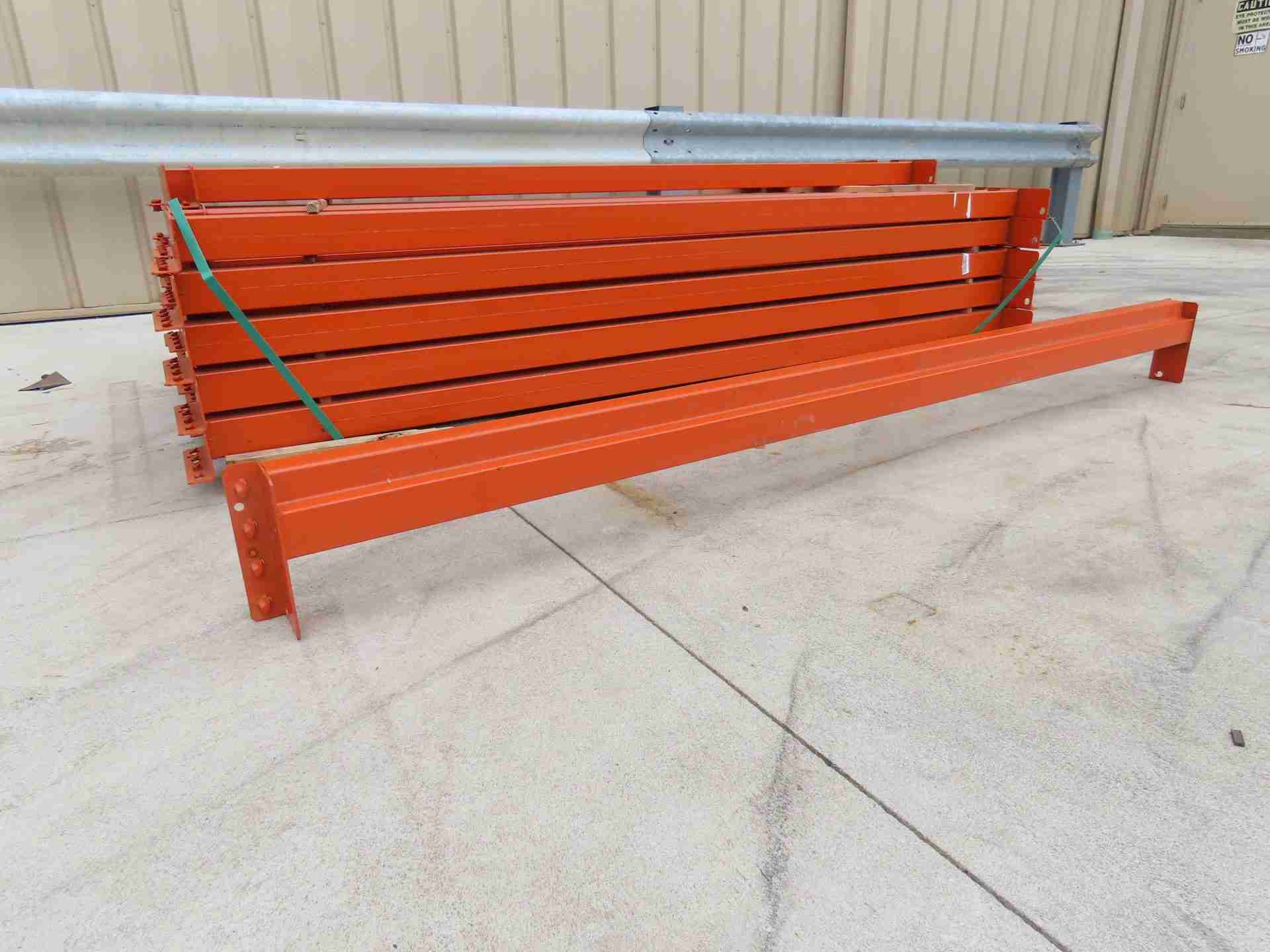
5. Beam Levels: The horizontal support bars that hold the pallets; they must be uniformly spaced and securely locked.
6. Rack Anchoring: Securing the base of racking systems to the floor to prevent tipping or movement.
7. Footplates: Base components that distribute weight and anchor the racking to the floor to enhance stability.
8. Back & Cross Beams: Horizontal and diagonal braces that provide additional support and stability to the entire racking structure.
9. Load Distribution: Properly balancing the weight of materials across the entire racking system to prevent tipping.
10. Rack Inspection: Regular, systematic checks for signs of wear, damage, or structural weakness in the racking.
11. Guard Rails: Barriers installed to protect racks from vehicle collisions and other potential impacts.
12. Safety Clips: Devices used to secure beams in place, ensuring they cannot become dislodged under load.
13. Rack Repair Kits: Tools and materials used to fix minor damages on-site, maintaining rack integrity.
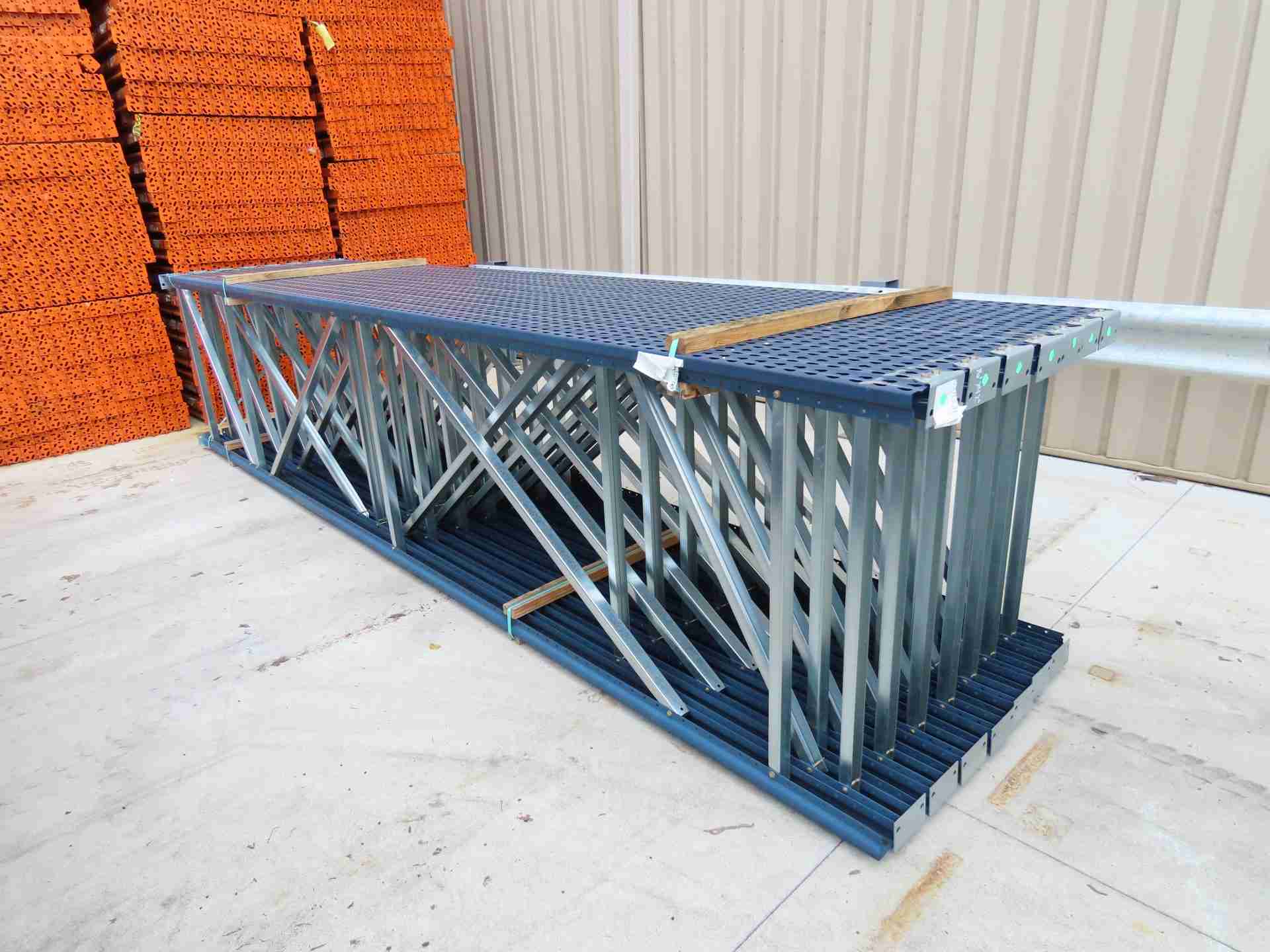
14. Upright Frames: Vertical structural parts that support the horizontal beams and bear the weight of stored items.
15. Aisle Width: The space between racks, crucial for safe forklift maneuverability and worker access.
16. Pallet Overhang: Restrictions on how far materials can extend beyond the pallet edge to ensure stability.
17. Weight Distribution Tags: Labels indicating the maximum shelf load to prevent overloading.
18. Rack Layout: The planned arrangement of racks to maximize space and ensure easy access without compromising safety.
19. Forklift Training: Safety education for operators on proper handling of forklifts within racking systems.
20. Fire Safety Compliance: Ensuring racking does not obstruct sprinklers and that materials stored meet fire safety regulations.
21. Load Limiting Devices: Adjustable mechanisms that restrict the weight that can be placed on any shelf or beam.
22. Rack End Protectors: Safety devices that shield the exposed ends of rack rows from impact.
23. Material Compatibility: Ensuring that stored goods are suitable for racking and do not pose a risk of chemical reactions or degradation.
24. Signage: Markings that indicate load limits, safety warnings, and operational guidelines clearly.
25. Deflection: The allowable bending of beams under load, which should not exceed preset safety standards.
26. Pallet Condition: Regular checks to ensure pallets are not damaged or weakened, which could compromise racking safety.
27. Rack Configuration: Customizing the racking to specific storage needs while adhering to safety standards.
28. Professional Engineering: Engaging certified engineers to design and audit racking systems for compliance with safety codes.
29. Load Stability: Ensuring that stacked materials do not shift or fall, which could cause system imbalance or accidents.
30. Emergency Protocols: Established procedures for dealing with accidents or structural failures to minimize risk and ensure quick response.
Understanding and adhering to these terms and guidelines will help promote a safer working environment and reduce the risk of accidents or damage in facilities with pallet racking systems.
Glossary Of Terms
Other Questions
What Are The Safety Guidelines for Pallet Racking? – Other Questions
If you wish to explore and discover more, consider looking for answers to these questions:
- What are the specific signs of damage to look for during pallet racking inspections?
- How can you determine the weight capacity of your pallet racking system?
- What types of lifting equipment are appropriate for use with pallet racking?
- How should you properly secure items on pallet racking?
- What are the consequences of not keeping aisles clear?
- What should be included in employee training for pallet racking safety?
- What are the best practices for maintaining pallet racking systems?
- How frequently should safety inspections be conducted on pallet racking systems?
- How can accidents be prevented when accessing items on high shelves?
- What are the potential consequences of ignoring safety protocols in a warehouse setting?
- What should you do if you discover that a pallet racking system has been overloaded?
- How can proper weight distribution on pallet racking be ensured?
- What specific guidelines should be followed for stacking different types of materials on shelves?
- What steps should be taken immediately upon noticing damaged pallet racking?
- How often should employees receive training or refresher courses on pallet racking safety?
- Are there particular safety measures that should be in place for emergency situations in warehouses?
- What role does good housekeeping play in maintaining pallet racking safety?
- What tools or equipment can assist in safely accessing high shelves?
- How do you handle items that are irregularly shaped or prone to rolling when stacking them on shelves?
- What are some examples of proper body mechanics when reaching for items on high shelves?
- How can regular maintenance and repairs prolong the life of pallet racking systems?
Other Questions
Checklist
What Are The Safety Guidelines for Pallet Racking? – A Checklist
Safety Checklist for Pallet Racking
Ensuring the safety of your workplace, especially when dealing with heavy equipment like pallet racking, is paramount. Use this checklist to help maintain a safe environment and prevent accidents and injuries.
1. Regular Inspections
_____ Inspect pallet racking for damage, including dents, cracks, and rust.
_____ Check for missing or loose bolts, safety pins, and any structural deformities.
_____ Perform monthly inspections and address any issues promptly.
2. Proper Loading and Weight Distribution
_____ Know the weight capacity of each shelf to prevent overloading.
_____ Ensure the weight is evenly distributed across each shelf.
_____ Place heavier items on lower shelves to maintain stability.
_____ Use the right type of pallets suitable for your racking system.
3. Use of Appropriate Lifting Equipment
_____ Always use forklifts or pallet jacks for loading and unloading items.
_____ Ensure all operators are trained in the proper usage of lifting equipment.
_____ Do not attempt to lift heavy items manually.
4. Securing Items on Shelves
_____ Use straps or bungee cords to secure items on pallet racking.
_____ Regularly check secured items to ensure they remain in place.
5. Keeping Aisles Clear
_____ Maintain clear aisles free of clutter and obstructions.
_____ Do not stack items in aisles or block emergency exits.
_____ Regularly inspect aisles and walkways for potential hazards.
6. Employee Training
_____ Ensure all employees receive thorough training on pallet racking safety, including proper loading, unloading, and inspection procedures.
_____ Conduct regular safety training sessions to reinforce guidelines and procedures.
_____ Train employees on how to handle emergency situations, including evacuations.
7. Handling Damaged Racking
_____ Immediately assess the damage when spotting compromised racking.
_____ Identify the cause of damage to prevent future occurrences.
_____ Repair or replace damaged elements promptly; do not use damaged racking.
8. Maintaining the Racking System
_____ Clean the area around the racking to prevent debris build-up.
_____ Schedule regular maintenance to tighten bolts and lubricate moving parts.
_____ Regularly update maintenance logs.
9. Regular Safety Inspections
_____ Conduct periodic safety inspections as required by law and best practices.
_____ Identify potential hazards and mitigate them before they become serious threats.
_____ Promote a culture of safety by involving employees in the inspection process.
10. Avoiding Overloading
_____ Calculate the weight of each pallet and ensure it matches the racking system’s weight capacity.
_____ Avoid placing heavy items on top shelves to reduce the risk of collapse.
_____ Spread the load evenly to reduce stress on any single part of the racking system.
By following this safety checklist, you can greatly reduce the risk of accidents and ensure a safer, more efficient workplace. Always remember, safety is a continuous process and requires vigilance from everyone involved. Stay vigilant, stay safe, and prioritize the well-being of everyone in your warehouse.
Checklist
At RackingWorld, we help guide you through selecting warehouse storage systems and racking.
Be sure to read our other related stories at RackingWorld to learn more about warehouse storage systems.
0 Comments