
An Overview Of Do Pallet Racking Systems Integrate with Automated Warehouse Robots
By Tom Seest
At RackingWorld, we help guide you through selecting warehouse storage systems and racking.
Be sure to read our other related stories at RackingWorld to learn more about warehouse storage systems.
Do Pallet Racking Systems Integrate with Automated Warehouse Robots?
When it comes to the world of warehousing and logistics, one question that often arises is whether pallet racking systems can seamlessly integrate with automated warehouse robots. The answer? A resounding yes.
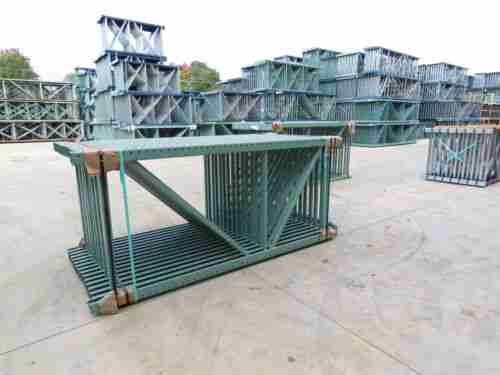
Pallet racking systems are essentially a storage solution that allows for the efficient organization and stacking of pallets in a warehouse or distribution center. These systems consist of upright frames, beams, and wire decks that provide a sturdy foundation for stacking goods in a way that maximizes vertical space and accessibility.
Automated warehouse robots, on the other hand, are cutting-edge machines that are designed to handle and move goods within a warehouse environment without the need for human intervention. These robots are equipped with advanced sensors and navigation systems that allow them to navigate through aisles, pick up pallets, and transport them to their designated locations with precision and efficiency.
When it comes to integrating pallet racking systems with automated warehouse robots, the key lies in ensuring that the racking system is compatible with the specific requirements of the robots. This means taking into consideration factors such as aisle width, load capacity, and overall layout to ensure that the robots can move seamlessly throughout the warehouse without any hindrances.
One of the main advantages of integrating pallet racking systems with automated warehouse robots is the increased efficiency and productivity that it brings to the warehouse operation. By automating the movement of goods within the warehouse, companies can significantly reduce the time and labor required to fulfill orders, resulting in faster turnaround times and higher customer satisfaction.
Additionally, integrating pallet racking systems with automated warehouse robots can also help to optimize the use of warehouse space. By utilizing the vertical storage capacity of pallet racking systems and allowing robots to move goods to and from different levels, companies can maximize the storage space available and make more efficient use of their warehouse footprint.
The integration of pallet racking systems with automated warehouse robots is not only possible but highly beneficial for companies looking to streamline their warehouse operations and improve overall efficiency. By leveraging the strengths of both systems, companies can create a dynamic and highly efficient warehouse environment that is ready to meet the demands of the modern-day supply chain.

Do Pallet Racking Systems Integrate with Automated Warehouse Robots?
Do Pallet Racking Systems Integrate with Automated Warehouse Robots?
- Pallet racking systems allow for efficient organization and stacking of pallets in a warehouse.
- Automated warehouse robots are designed to handle and move goods without human intervention.
- Key to integration lies in ensuring racking system is compatible with robot requirements.
- Advantages include increased efficiency, productivity, and optimization of warehouse space.
- Integration is highly beneficial for streamlining warehouse operations and improving efficiency.
- By leveraging both systems, companies can create a dynamic and efficient warehouse environment.

Do Pallet Racking Systems Integrate with Automated Warehouse Robots?
Table Of Contents
- Do Pallet Racking Systems Integrate with Automated Warehouse Robots?
- What Factors Should Be Considered When Implementing This Technology?
- Are There Specific Requirements For Integrating These Systems?
- What Are The Benefits Of Using Both Technologies In Tandem?
- How Do Companies Ensure Proper Functionality And Efficiency?
- What Are Some Best Practices For Successful Integration?
- How Can Companies Determine If Their Current Systems Are Compatible?
- What Are The Potential Cost Implications Of Integration?
- Conclusion
- Other Resources
- Glossary Of Terms
- Other Questions
- Checklist
What Factors Should Be Considered When Implementing This Technology?
When considering the implementation of Pallet Racking technology, there are several important factors to take into account. Proper planning and foresight can make all the difference in ensuring a successful transition to this efficient storage system.
First and foremost, it’s crucial to carefully assess the current storage needs of your facility. Understanding the types of items that will be stored on the pallet racks, as well as their dimensions and weight requirements, is essential for selecting the appropriate racking system. Additionally, considering the future growth and expansion of your inventory will help ensure that the chosen system can accommodate your evolving needs.
Next, the layout and configuration of the storage space must be carefully evaluated. Factors such as ceiling height, floor space, and any existing obstacles or obstructions will all impact the type of racking system that can be installed. It’s important to work closely with a qualified professional to develop a layout that maximizes storage capacity while optimizing workflow and accessibility.
Another key consideration is the durability and quality of the pallet racking system. Investing in high-quality materials and construction will ensure that your racks can withstand the demands of heavy loads and frequent use. Regular maintenance and inspections should also be scheduled to address any issues promptly and prevent potential safety hazards.
In addition, employee training and safety procedures are essential when implementing pallet racking technology. Proper training on how to safely load and unload items from the racks, as well as guidelines for maintaining a clutter-free workspace, can help prevent accidents and injuries. It’s important to instill a culture of safety and accountability among all staff members to promote a secure working environment.
Lastly, budget considerations should not be overlooked when implementing pallet racking technology. While quality and durability are paramount, it’s also important to find a system that fits within your financial constraints. Working with a trusted supplier or distributor can help you find a cost-effective solution that meets your storage needs without sacrificing quality.
Careful planning, attention to detail, and a focus on safety are all crucial factors to consider when implementing pallet racking technology. By taking the time to evaluate your needs, select the right system, and prioritize training and maintenance, you can set your facility up for success with this efficient storage solution.

What Factors Should Be Considered When Implementing This Technology?
What Factors Should Be Considered When Implementing This Technology?
- Carefully assess current storage needs.
- Evaluate layout and configuration of storage space.
- Invest in durable and quality pallet racking system.
- Implement employee training and safety procedures.
- Consider budget constraints.
- Work with qualified professional for layout optimization.
- Regular maintenance and inspections for safety.

What Factors Should Be Considered When Implementing This Technology?
Are There Specific Requirements For Integrating These Systems?
When it comes to integrating Pallet Racking systems with other warehouse storage solutions, there are indeed specific requirements that must be met in order to ensure a seamless and efficient operation.
First and foremost, it is crucial to consider the overall layout of the warehouse and how the Pallet Racking system will fit within it. Factors such as the size and weight of the items being stored, the available floor space, and the height of the ceiling all play a role in determining the most appropriate setup for the Pallet Racking.
Additionally, when integrating Pallet Racking systems with other storage solutions such as shelving units or mezzanines, it is important to take into account the load-bearing capacity of each component. Ensuring that all systems are able to safely support the weight of the items being stored is paramount in preventing accidents and ensuring the longevity of the equipment.
Another important consideration when integrating Pallet Racking systems is the accessibility and ease of use for warehouse personnel. The layout of the racking should be designed in a way that allows for easy access to all items, minimizing the time and effort required to retrieve or store inventory. This may involve implementing features such as aisles, walkways, or picking stations to optimize workflow and increase productivity.
Furthermore, proper safety measures must be implemented when integrating Pallet Racking systems with other storage solutions. This includes securing the racking to the floor or walls to prevent tipping, utilizing safety guards or barriers to protect personnel and equipment, and regularly inspecting and maintaining the systems to ensure they are in proper working order.
Integrating Pallet Racking systems with other warehouse storage solutions requires careful planning and consideration of various factors. By following specific requirements related to layout, load-bearing capacity, accessibility, and safety, warehouse managers can create a well-organized and efficient storage system that maximizes space, minimizes risks, and streamlines operations.

Are There Specific Requirements For Integrating These Systems?
Are There Specific Requirements For Integrating These Systems?
- Consider overall warehouse layout to ensure Pallet Racking system fits appropriately.
- Take into account size, weight, floor space, and ceiling height when planning setup.
- Ensure load-bearing capacity of all storage solutions to safely support stored items.
- Design racking layout for easy access to all items to optimize workflow.
- Implement safety measures such as securing racking, safety guards, and regular maintenance.
- Careful planning and consideration of layout, load capacity, accessibility, and safety is essential.
- Create well-organized and efficient storage system to maximize space and streamline operations.

Are There Specific Requirements For Integrating These Systems?
What Are The Benefits Of Using Both Technologies In Tandem?
When it comes to maximizing efficiency in your warehouse, combining pallet racking with the latest technology is the way to go. The benefits of using both technologies in tandem are plentiful, and can greatly improve the overall operations of your facility.
First and foremost, the use of pallet racking provides a solid foundation for storing and organizing your inventory. By utilizing this sturdy shelving system, you can maximize the available space in your warehouse, allowing you to store more products in a systematic and orderly fashion. This not only saves space, but also helps to keep your inventory organized and easily accessible.
When you add technology into the mix, such as barcode scanning or RFID tracking, you take your warehouse management to the next level. These technologies allow you to keep precise track of your inventory in real-time, ensuring that you always know exactly what products are in stock and where they are located within your pallet racking system. This level of visibility can help to reduce the risk of stockouts, minimize errors in picking and packing, and streamline the overall order fulfillment process.
In addition, the use of technology in conjunction with pallet racking can also improve the safety of your warehouse operations. For example, automated systems can help to reduce the need for manual labor when moving heavy pallets, minimizing the risk of injury to your employees. Similarly, barcode scanning and RFID tracking can help to prevent inventory shrinkage by providing a more accurate record of your stock levels.
Overall, the benefits of using both pallet racking and technology in tandem are undeniable. By combining the strength and reliability of a solid shelving system with the efficiency and accuracy of the latest warehouse management technologies, you can create a well-oiled machine that can help to streamline your operations, improve productivity, and ultimately drive greater success for your business. So don’t wait, start integrating these technologies into your warehouse today and experience the difference for yourself.

What Are The Benefits Of Using Both Technologies In Tandem?
What Are The Benefits Of Using Both Technologies In Tandem?
- Pallet racking provides a solid foundation for storing and organizing inventory.
- Maximizes available space in the warehouse.
- Utilizes sturdy shelving system to store products systematically.
- Technology like barcode scanning and RFID tracking enhances warehouse management.
- Real-time inventory tracking ensures stock levels are known.
- Improves safety of warehouse operations by reducing manual labor.
- Combining pallet racking with technology streamlines operations and improves productivity.

What Are The Benefits Of Using Both Technologies In Tandem?
How Do Companies Ensure Proper Functionality And Efficiency?
When it comes to ensuring proper functionality and efficiency in a company, one key aspect to consider is the use of proper Pallet Racking systems. These systems play a crucial role in maximizing storage space, optimizing organization, and increasing overall productivity in a warehouse or distribution center.
One way companies ensure proper functionality and efficiency is by carefully designing and implementing the right Pallet Racking system for their specific needs. This involves taking into account factors such as the type of products being stored, the layout of the facility, and the flow of operations. By selecting the right type of Pallet Racking system, companies can ensure that their storage space is utilized effectively and that goods are easily accessible for retrieval and shipment.
Another important factor in ensuring proper functionality and efficiency is regular maintenance and inspection of Pallet Racking systems. Companies must ensure that their racking systems are in good condition, free from damage or wear that could compromise their stability or safety. Regular inspections can help identify any potential issues early on and prevent accidents or disruptions in the workflow.
Additionally, companies can enhance the functionality and efficiency of their Pallet Racking systems by implementing proper safety measures and training for employees. This includes educating workers on how to safely operate equipment, stack products correctly, and handle goods with care to prevent damage or accidents. By promoting a culture of safety and adherence to best practices, companies can ensure that their racking systems operate smoothly and efficiently.
Furthermore, companies can improve functionality and efficiency by utilizing technology and automation in their Pallet Racking systems. This includes implementing software systems for inventory management, order fulfillment, and tracking shipments. By leveraging technology to streamline processes and improve accuracy, companies can reduce errors, save time, and increase overall productivity in their operations.
Ensuring proper functionality and efficiency in a company’s operations requires careful consideration of factors such as the design of Pallet Racking systems, regular maintenance, safety measures, and the use of technology. By focusing on these key areas, companies can optimize their storage space, streamline their operations, and ultimately drive success in their business.
How Do Companies Ensure Proper Functionality And Efficiency?
How Do Companies Ensure Proper Functionality And Efficiency?
- Proper Pallet Racking systems are essential for maximizing storage space and increasing productivity in a company’s warehouse or distribution center.
- Designing and implementing the right Pallet Racking system involves considering factors such as product type, facility layout, and operational flow.
- Regular maintenance and inspections are crucial to ensuring that Pallet Racking systems are in good condition and safe to use.
- Implementing safety measures and providing employee training can enhance the functionality and efficiency of Pallet Racking systems.
- Utilizing technology and automation, such as software systems for inventory management, can improve accuracy and productivity in operations.
- Companies can optimize their storage space and streamline operations by focusing on factors like system design, maintenance, safety, and technology.

How Do Companies Ensure Proper Functionality And Efficiency?
What Are Some Best Practices For Successful Integration?
When it comes to successful integration, one of the key components to consider is the effective organization of your space. This is where pallet racking comes into play. Pallet racking provides a sturdy and efficient way to store your goods, allowing for easy access and visibility of your inventory. By utilizing pallet racking, you can ensure that your products are stored in a manner that maximizes space and minimizes the risk of damage.
Another important factor to consider in successful integration is communication. Clear and open communication between employees, departments, and management is crucial to ensuring that everyone is on the same page and working towards the same goals. This means establishing clear channels for feedback, addressing any issues promptly, and keeping everyone informed of any changes or updates.
In addition to communication, it is essential to set clear goals and expectations for your integration process. By defining what success looks like and outlining the steps needed to achieve it, you can help keep your team focused and motivated. This might involve setting specific milestones, deadlines, or performance metrics to track your progress and make adjustments as needed.
Furthermore, successful integration often requires a willingness to adapt and evolve. As your business grows and changes, so too should your integration strategy. This may involve reevaluating your processes, updating your technology, or investing in additional training for your team. Being flexible and open to new ideas can help ensure that your integration efforts remain effective in the long run.
Lastly, it’s important to maintain a positive and proactive attitude throughout the integration process. While challenges and setbacks are inevitable, having a resilient mindset and a can-do attitude can help you overcome obstacles and keep your team motivated. By staying focused on your goals, communicating effectively, and being willing to adapt, you can set yourself up for success in integrating your business operations.
Successful integration requires careful planning, clear communication, goal setting, adaptability, and a positive attitude. By following these best practices, you can help ensure that your integration efforts are successful and that your business continues to thrive and grow. So, remember to prioritize pallet racking, communicate effectively, set clear goals, adapt as needed, and maintain a positive mindset throughout the process.

What Are Some Best Practices For Successful Integration?
What Are Some Best Practices For Successful Integration?
- Pallet racking provides a sturdy and efficient way to store goods.
- Clear and open communication is crucial for successful integration.
- Setting clear goals and expectations is essential.
- Being willing to adapt and evolve is necessary for successful integration.
- Maintaining a positive and proactive attitude is important.
- Successful integration requires careful planning and goal setting.
- Follow best practices to ensure successful integration.

What Are Some Best Practices For Successful Integration?
How Can Companies Determine If Their Current Systems Are Compatible?
Determining if your current systems are compatible with new technology or processes can be a daunting task. One key area to consider is your pallet racking system. Pallet racking plays a crucial role in warehouse operations, and ensuring that it can accommodate any changes is vital for a smooth transition.
The first step in assessing the compatibility of your pallet racking system is to conduct a thorough inspection. Look for signs of wear and tear, damage, or structural weaknesses that could affect its ability to support new equipment or processes. It’s essential to address any issues promptly to avoid potential safety hazards and operational disruptions.
Next, consider the dimensions and layout of your pallet racking system. Will it be able to accommodate larger or differently shaped items? Are there any obstructions that could hinder the movement of goods or equipment? These are important questions to ask when determining compatibility with new systems.
Another factor to consider is the weight capacity of your pallet racking system. Will it be able to support the increased load of new equipment or processes? It’s crucial to ensure that your racking can handle the weight requirements to prevent any accidents or damage to goods.
Furthermore, consider the scalability of your pallet racking system. Can it be easily adjusted or expanded to accommodate future growth or changes in operations? Flexibility is key when assessing compatibility with new systems, as you want to avoid costly replacements or modifications down the road.
Finally, communication is key when determining compatibility with new systems. Ensure that all stakeholders are involved in the assessment process, including warehouse managers, IT professionals, and maintenance personnel. By collaborating and sharing insights, you can identify any potential issues and develop a plan to address them effectively.
Assessing the compatibility of your pallet racking system with new technology or processes is essential for a successful transition. By conducting a thorough inspection, considering dimensions and layout, evaluating weight capacity, assessing scalability, and fostering open communication, companies can ensure that their current systems are ready for the future. Don’t overlook the importance of your pallet racking system – it’s the backbone of your warehouse operations.

How Can Companies Determine If Their Current Systems Are Compatible?
How Can Companies Determine If Their Current Systems Are Compatible?
- Conduct a thorough inspection of your pallet racking system.
- Consider the dimensions and layout of the system.
- Check the weight capacity of the racking system.
- Assess the scalability of your current system.
- Involve all stakeholders in the assessment process.
- Ensure prompt addressing of any issues found during inspection.
- Communicate openly and collaborate to identify and address potential issues.

How Can Companies Determine If Their Current Systems Are Compatible?
What Are The Potential Cost Implications Of Integration?
When considering the potential cost implications of integration, one must take into account various factors that can impact the overall budget. One significant cost to consider is the need for Pallet Racking in order to properly store and organize integrated materials and equipment.
Pallet racking is essential for efficient warehouse operations and can come with a hefty price tag. The type of pallet racking system chosen, as well as the size and layout of the warehouse space, can greatly affect the cost of this investment. Additionally, installation costs, maintenance fees, and potential customization requirements should all be factored into the overall budget.
Another cost consideration when integrating systems is the potential need for new technology or equipment to facilitate smooth operation. This can include software upgrades, hardware installations, or even training sessions for employees to adapt to the new integrated systems. These upgrades and investments can quickly add up and should be carefully planned for in the budgeting process.
Integration may also require additional staffing or training to manage the new systems effectively. Hiring new employees or providing education for current staff members can be a costly endeavor but is often necessary to ensure the success of the integration process.
Moreover, unexpected costs can arise during the integration process, such as unforeseen complications, delays, or the need for emergency repairs. It is crucial to have a contingency fund set aside for any potential surprises that may occur during the integration period.
The potential cost implications of integration can vary depending on the specific needs of the organization and the complexity of the systems being integrated. Proper planning, budgeting, and consideration of various factors such as pallet racking, technology upgrades, staffing requirements, and contingency funds are essential for a successful and cost-effective integration process.

What Are The Potential Cost Implications Of Integration?
What Are The Potential Cost Implications Of Integration?
- Consider various factors impacting overall budget for integration.
- Need for Pallet Racking for storage and organization.
- Cost of Pallet Racking system depends on type, size, and layout.
- Included costs: installation, maintenance, customization.
- Potential need for new technology or equipment.
- Additional staffing or training may be required for effective management.
- Plan for unexpected costs during integration process.

What Are The Potential Cost Implications Of Integration?
Conclusion
In conclusion, the integration of pallet racking systems with automated warehouse robots is not only possible but highly beneficial for companies looking to optimize their operations. By ensuring compatibility, considering factors such as layout and load capacity, and implementing best practices for successful integration, companies can create a dynamic and efficient warehouse environment that enhances productivity and maximizes storage space.
Companies can determine the compatibility of their current systems by conducting thorough inspections, considering dimensions and weight capacity, assessing scalability, and fostering open communication among stakeholders. By addressing potential cost implications, such as the need for pallet racking, new technology, staffing, and unexpected expenses, companies can budget effectively for a successful integration process.
By following best practices, maintaining proper functionality, and utilizing both pallet racking and technology in tandem, companies can streamline their operations, improve efficiency, and ultimately drive greater success for their business. So, don’t wait – start integrating these technologies into your warehouse today and experience the difference for yourself. Remember, proper planning, communication, flexibility, and a positive attitude are key to ensuring a successful integration that will benefit your company for years to come.

Conclusion
Conclusion:
- Integration of pallet racking systems with automated warehouse robots is highly beneficial for companies.
- Compatibility, layout, and load capacity are important factors to consider for successful integration.
- Thorough inspections, scalability assessment, and open communication can help determine system compatibility.
- Budgeting for potential cost implications like new technology and unexpected expenses is crucial for successful integration.
- Utilizing best practices, proper functionality, and teamwork can streamline operations and drive success.
- Start integrating technologies into your warehouse today to experience improved efficiency and productivity.
- Proper planning, communication, flexibility, and a positive attitude are key to ensuring a successful integration.

Conclusion
Other Resources

Other Resources
Here is a list of other resources you can review online to learn more:
- “Pallet Rack Systems: New & Used Warehouse Pallet Racks …”
- “Pallet Racking Systems | Warehouse Racking for Sale”
- “Pallet Racking Installation | New and Used Warehouse Pallet …”
- “BR Medium Duty Warehouse Racking”
- “Catalog – Warehouse Solutions (SF18204)”
- “Automated Pallet Racking Systems”
- “Adjustable Pallet Racking”
- “General Catalog 2020/2021”

Other Resources
Glossary Terms
Do Pallet Racking Systems Integrate with Automated Warehouse Robots? – Glossary Of Terms
1. Pallet Racking System: A storage system designed to store materials on pallets (or skids) in horizontal rows with multiple levels.
2. Automated Warehouse Robots: Robots used to transport inventory within a warehouse without human intervention, using advanced technologies like AI and machine learning.
3. Integration: The process of linking different systems (racking and robots) together to allow them to work as a cohesive unit.
4. Automation: The use of technology to perform tasks without human assistance.
5. Picker Robots: Robots designed to pick items from shelves or racks and transport them to packing or shipping stations.
6. Conveyors: Mechanical handling equipment that moves materials from one location to another within a warehouse.
7. Warehouse Management System (WMS): Software designed to manage, control, and track warehouse operations.
8. RFID (Radio-Frequency Identification): A technology that uses electromagnetic fields to automatically identify and track tags attached to objects.
9. Scanning Systems: Technology used to read barcodes or RFID tags for identification, inventory tracking, and data collection.
10. AI (Artificial Intelligence): Technology that gives robots the ability to imitate human intelligence, enabling them to adapt and optimize tasks.
11. Machine Learning: A subset of AI focused on the development of algorithms that allow computers to learn from and make decisions based on data.
12. Sensors: Devices that detect changes in the environment and send information to automated systems.
13. Collision Avoidance: Systems built into robots to prevent collisions by detecting obstacles within their path.
14. Dynamic Slotting: The process of dynamically assigning storage locations for inventory, optimizing space and picking times.
15. SKU (Stock Keeping Unit): A unique identifier for each distinct item of inventory, used for tracking and management purposes.
16. Load Capacity: The maximum amount of weight a pallet racking system can safely support.
17. Throughput: The rate at which materials can be processed and moved through the warehouse.
18. Warehouse Layout: The arrangement of different storage areas, pathways, and operational zones within a warehouse.
19. Pick-to-Light Systems: Light-directed picking technology to help workers identify inventory locations quickly.
20. Automated Guided Vehicles (AGVs): Vehicles that navigate autonomously using pre-defined paths to transport goods within the warehouse.
21. AS/RS (Automated Storage and Retrieval Systems): Automated systems that handle, store, and retrieve materials with precision.
22. Vertical Lift Modules (VLMs): Automated vertical storage solutions that provide high-density storage in a compact footprint.
23. Task Interleaving: The process of assigning multiple tasks to a robot or worker to maximize efficiency and reduce downtime.
24. Load Handling Devices (LHDs): Equipment or mechanisms used by robots to handle and transport loads, such as forks, clamps, or grippers.
25. Pallet Shuttles: Semi-automated systems that move pallets within racking channels, operated by remote control.
26. Forklift Guidance Systems: Technology used to guide forklifts more accurately, often integrated with robots for enhanced efficiency.
27. Cross-Docking: A logistics practice where products from suppliers are directly sorted, repacked, and loaded for shipment without long-term storage.
28. Robotic Arms: Flexible, mechanical arms used in warehouses for picking, placing, and sorting tasks.
29. Inventory Accuracy: The measure of how accurately inventory records match actual physical inventory.
30. Safety Protocols: Guidelines and regulations designed to ensure safe interaction between automated systems and human workers.

Glossary Of Terms
Other Questions
Do Pallet Racking Systems Integrate with Automated Warehouse Robots? – Other Questions
If you wish to explore and discover more, consider looking for answers to these questions:
- What types of automated warehouse robots are most commonly used with pallet racking systems?
- How does the integration process between pallet racking systems and warehouse robots typically work?
- What are the initial costs involved in integrating pallet racking systems with automated robots?
- Can existing pallet racking systems be retrofitted to work with automated robots?
- What are the safety considerations and regulations when integrating these systems?
- How long does it typically take to implement an integrated pallet racking and robotics system?
- What are the maintenance requirements for automated warehouse robots?
- Are there specific brands or models of robots that are recommended for use with certain pallet racking systems?
- What kind of training is required for employees to operate and maintain these integrated systems?
- How can companies measure the return on investment (ROI) of integrating pallet racking with automated robots?
- What challenges might companies face during the integration process?
- What are the potential risks and how can they be mitigated when using automated robots in the warehouse?
- How does integrating pallet racking systems with automated robots impact the overall workflow and productivity in a warehouse?
- What technological advancements are on the horizon that could further enhance the integration of pallet racking systems with automated robots?
- Are there any case studies or examples of companies that have successfully integrated these systems?

Other Questions
Checklist
Do Pallet Racking Systems Integrate with Automated Warehouse Robots? – A Checklist
1. Assess Current Storage Needs
_____ Identify types of items stored
_____ Measure dimensions and weight of items
_____ Estimate future inventory growth
2. Evaluate Warehouse Layout
_____ Check ceiling height and floor space
_____ Identify existing obstacles or obstructions
_____ Plan for optimal layout with a qualified professional
3. Compatibility Review
_____ Ensure aisle width is sufficient
_____ Confirm that load capacity meets requirements
_____ Check overall warehouse layout for robot navigation
4. Choose Quality Materials
_____ Select high-quality, durable materials
_____ Plan for regular maintenance and inspections
5. Employee Training and Safety
_____ Train employees on safe loading/unloading procedures
_____ Implement guidelines for a clutter-free workspace
_____ Promote a culture of safety and accountability
6. Budget Considerations
_____ Balance quality with financial constraints
_____ Collaborate with trusted suppliers for cost-effective solutions
7. Safety Measures
_____ Secure racking to floor or walls to prevent tipping
_____ Install safety guards and barriers
_____ Regularly inspect and maintain racking systems
8. Leverage Technology
_____ Incorporate barcode scanning or RFID tracking
_____ Automate systems for inventory management and order fulfillment
9. Plan for Integration Requirements
_____ Consider load-bearing capacity for all storage solutions
_____ Design layout for easy item accessibility
_____ Implement features like aisles, walkways, and picking stations
10. Set Clear Goals and Expectations
_____ Define what success looks like
_____ Establish specific milestones, deadlines, and performance metrics
11. Flexibility and Adaptability
_____ Be open to new ideas and technologies
_____ Reevaluate processes periodically and update as needed
12. Effective Communication
_____ Maintain clear and open channels of communication
_____ Address issues promptly and keep all stakeholders informed
13. Regular Inspections and Maintenance
_____ Schedule routine inspections
_____ Address any potential issues early to prevent disruptions
14. Check Compatibility of Current Systems
_____ Conduct a thorough inspection for wear and tear
_____ Evaluate dimensions, layout, and weight capacity
_____ Ensure scalability for future growth
15. Contingency Planning
_____ Set aside a contingency fund for unexpected costs
_____ Prepare for potential delays or complications
16. Evaluate Potential Cost Implications
_____ Factor in costs of pallet racking systems
_____ Consider expenses for new technology and equipment
_____ Budget for additional staffing or training needs
By following this checklist, you can effectively integrate pallet racking systems with automated warehouse robots, leading to increased efficiency, safety, and cost-effectiveness in your warehouse operations.

Checklist
At RackingWorld, we help guide you through selecting warehouse storage systems and racking.
Be sure to read our other related stories at RackingWorld to learn more about warehouse storage systems.
0 Comments