
Proper Disposal Methods For Old Pallet Racking
By Tom Seest
At RackingWorld, we help guide you through selecting warehouse storage systems and racking.
Be sure to read our other related stories at RackingWorld to learn more about warehouse storage systems.
What Are Best Practices for Disposing Of Old Pallet Racking Systems?
When it comes time to dispose of old pallet racking systems, it’s important to handle the process with care and consideration. These systems, as durable and sturdy as they may be, eventually reach the end of their lifespan and need to be replaced. But what’s the best way to go about getting rid of them?
First and foremost, it’s crucial to consider the environmental impact of disposing of old pallet racking systems. These systems are constructed from a variety of materials, including steel, wood, and plastic, which can all have negative effects on the environment if not disposed of properly. Simply tossing them in a landfill is not only wasteful, but it can also harm the ecosystem.
One of the best practices for disposing of old pallet racking systems is to explore recycling options. Many companies specialize in recycling pallet racking systems, breaking them down into their raw materials and reusing them in new products. Not only does this help reduce waste, but it also conserves valuable resources and minimizes the environmental impact of the disposal process.
Another option to consider is selling your old pallet racking systems. There is a thriving market for used warehouse equipment, and you may be able to recoup some of your initial investment by selling your old systems to another company in need. This not only provides a cost-effective solution for both parties involved but also extends the lifespan of the racking system, reducing the need for new materials to be produced.
If recycling or selling isn’t an option, it’s important to dispose of your old pallet racking systems responsibly. Many cities and municipalities have recycling centers or scrap yards that accept old metal and wood materials. By taking your old systems to one of these facilities, you can ensure that they are properly dismantled and recycled, reducing the impact on the environment.
When it comes time to dispose of old pallet racking systems, it’s important to consider the environmental impact of your actions. By exploring recycling options, selling your old systems, or responsibly disposing of them at a recycling center, you can help minimize waste and protect the planet for future generations.

What Are Best Practices for Disposing Of Old Pallet Racking Systems?
What Are Best Practices for Disposing Of Old Pallet Racking Systems?
- Handle the disposal process of old pallet racking systems with care and consideration.
- Consider the environmental impact of disposing of old pallet racking systems.
- Explore recycling options for old pallet racking systems.
- Consider selling old pallet racking systems to recoup investment.
- Dispose of old pallet racking systems responsibly at recycling centers or scrap yards.
- Help minimize waste and protect the environment for future generations.

What Are Best Practices for Disposing Of Old Pallet Racking Systems?
Table Of Contents
- What Are Best Practices for Disposing Of Old Pallet Racking Systems?
- How Can Old Pallet Racking Systems Be Recycled Or Repurposed?
- Are There Companies That Specialize In Pallet Racking Disposal?
- What Are The Environmental Impacts Of Improper Disposal?
- Can Old Pallet Racking Systems Be Sold Or Donated?
- How Can Old Pallet Racking Systems Be Dismantled Safely?
- What Are The Options For Recycling Old Pallet Racking Materials?
- How Can Companies Maximize The Value Of Their Old Pallet Racking?
- Conclusion
- Other Resources
- Glossary Of Terms
- Other Questions
- Checklist
How Can Old Pallet Racking Systems Be Recycled Or Repurposed?
So you’ve got an old pallet racking system that’s just taking up valuable space in your warehouse. What should you do with it? Well, the good news is that there are plenty of ways you can recycle or repurpose those old racks instead of just sending them to the landfill.
One option is to sell your old pallet racking system to a company that specializes in buying and selling used warehouse equipment. This can be a great way to recoup some of the initial cost of your racks and make sure they get a second life with another business in need of storage solutions. Plus, it’s a win-win for both parties involved – you get some extra cash in your pocket, and someone else gets affordable storage options.
If selling your old pallet racking system isn’t an option, another way you can recycle or repurpose it is by using it in a different way within your own warehouse. Maybe you can rearrange the racks to create more space for new inventory, or repurpose them to store different types of products. Get creative and think outside the box – there are endless possibilities for how you can make use of your old racking system in a new and innovative way.
Another idea for recycling or repurposing your old pallet racking system is to donate it to a local charity or nonprofit organization. Many organizations are in need of storage solutions for their inventory, and your old racks could be just what they’re looking for. Not only will you be helping out a good cause, but you’ll also be reducing waste and giving your racks a new purpose in the community.
And if all else fails, you can always look into recycling your old pallet racking system. Many metal recycling facilities will accept old racks and properly dispose of them in an environmentally friendly way. By recycling your racks, you’ll be helping to reduce the amount of waste that ends up in landfills and doing your part to protect the planet.
So don’t let your old pallet racking system go to waste. Whether you sell, repurpose, donate, or recycle them, there are plenty of options for giving your racks a new life and making sure they don’t end up in the trash. Get creative, think outside the box, and do your part to reduce waste and protect the environment. Your old racks will thank you for it.

How Can Old Pallet Racking Systems Be Recycled Or Repurposed?
How Can Old Pallet Racking Systems Be Recycled Or Repurposed?
- Sell your old pallet racking system to a company specializing in used warehouse equipment.
- Recoup some of the initial cost and help another business in need of storage solutions.
- Reorganize or repurpose the racks within your own warehouse for new inventory or storage.
- Donate the old pallet racking system to a local charity or nonprofit organization.
- Help a good cause while reducing waste and giving the racks a new purpose.
- Recycle the old pallet racking system at a metal recycling facility.
- Reduce waste, protect the environment, and make sure the racks don’t end up in a landfill.

How Can Old Pallet Racking Systems Be Recycled Or Repurposed?
Are There Companies That Specialize In Pallet Racking Disposal?
When it comes to getting rid of old pallet racking, you might be wondering if there are companies out there that specialize in this specific task. The short answer is yes, there are.
Pallet racking disposal is no small feat. It requires careful planning, proper equipment, and skilled workers to ensure that the job is done safely and efficiently. That’s why there are companies that have made it their mission to specialize in this type of service.
These companies understand the unique challenges and requirements that come with pallet racking disposal. They know how to dismantle and remove racking systems of all sizes and configurations, and they have the knowledge and experience to do so in compliance with all relevant regulations and safety standards.
Many of these companies also offer additional services, such as recycling or repurposing the materials from the old pallet racking. This not only helps to reduce waste and minimize environmental impact but also provides a sustainable solution for disposal.
Hiring a company that specializes in pallet racking disposal can save you time, money, and hassle. Instead of trying to tackle the job yourself or hiring a general waste disposal company that may not have the expertise or equipment needed for the task, you can rely on professionals who know exactly what they’re doing.
Before hiring a pallet racking disposal company, be sure to do your research. Look for companies with a proven track record of success in this specialized field. Check their credentials, read reviews from past customers, and ask about their processes and procedures for disposal.
It’s also important to consider the company’s approach to safety. Pallet racking disposal can be a dangerous job if not done correctly, so make sure the company you choose prioritizes safety above all else.
If you’re in need of pallet racking disposal services, there are companies out there that specialize in this exact task. By hiring one of these specialized companies, you can rest assured that your old pallet racking will be disposed of safely, efficiently, and in an environmentally responsible manner. Don’t hesitate to reach out to these experts for help with your pallet racking disposal needs.

Are There Companies That Specialize In Pallet Racking Disposal?
Are There Companies That Specialize In Pallet Racking Disposal?
- There are companies that specialize in pallet racking disposal.
- Disposal requires careful planning, proper equipment, and skilled workers.
- Specialized companies understand unique challenges and requirements.
- Some companies offer recycling or repurposing services.
- Hiring a specialized company can save time, money, and hassle.
- Research companies before hiring, look for proven track record.
- Consider the company’s approach to safety.

Are There Companies That Specialize In Pallet Racking Disposal?
What Are The Environmental Impacts Of Improper Disposal?
Imagine for a moment a world where every piece of trash you throw away ends up in a pristine environment, untouched by human hands. Sounds like a dream come true, right? Unfortunately, that’s not the reality we live in. Improper disposal of waste can have serious consequences on the environment, affecting everything from the air we breathe to the water we drink.
One of the biggest environmental impacts of improper disposal is pollution. When waste is not properly managed, it can end up in our oceans, rivers, and lakes, contaminating the water and endangering marine life. Plastic waste, in particular, has become a major problem, with millions of tons ending up in the ocean every year. This not only harms marine animals who can mistake it for food, but also pollutes the water and contributes to the degradation of ecosystems.
But it’s not just our waterways that are at risk. Improper disposal of waste can also lead to air pollution. When trash is burned in incinerators or left to decompose in landfills, it releases harmful chemicals and greenhouse gases into the atmosphere. This can contribute to climate change and have negative impacts on our health, leading to respiratory problems and other illnesses.
And let’s not forget about the impact on land. Improper disposal of waste can lead to littering, which not only makes our communities look unsightly, but can also harm wildlife and contaminate the soil. Toxic chemicals from electronic waste, for example, can leach into the ground and pollute our food sources.
So what can we do to prevent these environmental impacts? It’s simple, really. Properly dispose of your waste. Recycle whenever possible, compost organic materials, and make sure hazardous waste is disposed of safely. By taking these small actions, we can all do our part to protect the environment and ensure a cleaner, healthier world for future generations.
So next time you go to throw something away, think about where it might end up. Remember, our actions today have a lasting impact on the world around us. Let’s be mindful of how we dispose of our waste and strive to leave this planet better than we found it.

What Are The Environmental Impacts Of Improper Disposal?
What Are The Environmental Impacts Of Improper Disposal?
- Improper waste disposal can lead to pollution of waterways, endangering marine life.
- Plastic waste in particular is a major problem, harming marine animals and ecosystems.
- Improper waste disposal can also lead to air pollution, contributing to climate change.
- Littering from improper waste disposal can harm wildlife and contaminate soil.
- Proper waste disposal includes recycling, composting, and safely disposing of hazardous waste.
- We can all do our part to protect the environment for future generations.
- Our actions today have a lasting impact on the world around us, let’s dispose of waste mindfully.

What Are The Environmental Impacts Of Improper Disposal?
Can Old Pallet Racking Systems Be Sold Or Donated?
You know, it’s a question I get asked a lot – what to do with old pallet racking systems. Whether you’re looking to clear out some warehouse space or simply upgrade to a newer system, the fate of your old racking can be a bit of a head-scratcher. But fear not, my friends, because I’m here to shed some light on the subject.
One option many folks consider is selling their old pallet racking. And hey, why not? There’s always someone out there looking for a good deal on some used equipment. You could try your luck with online marketplaces or even reach out to other businesses in your industry to see if they’re in the market for some affordable racking. Just be sure to properly dismantle and package up your racking to ensure a smooth transaction – nobody wants a damaged delivery, after all.
But what if selling isn’t your style and you’d rather see your old racking put to good use elsewhere? Well, my friends, there’s always the option of donating. That’s right, there are plenty of non-profit organizations, schools, and community groups that could benefit from a donation of pallet racking. Not only does this give your old racking a new lease on life, but it also helps out those in need. Just imagine the smiles on their faces when they receive a much-needed donation of quality racking – it’s enough to warm the heart.
Now, I know what some of you may be thinking – why bother with all this hassle? Can’t I just toss my old racking in the trash and be done with it? Well, hold on there, partner. While it may be tempting to take the easy way out, throwing away old racking can have some serious consequences for the environment. Those materials aren’t exactly biodegradable, you know.
So, before you go reaching for the nearest dumpster, take a moment to consider your options. Whether you choose to sell, donate, or even recycle your old pallet racking, just remember that there’s a better way than simply trashing it. Let’s make sure we’re doing our part to keep our planet clean and our communities thriving. Thanks for tuning in, folks – until next time, stay safe and keep on rackin’.

Can Old Pallet Racking Systems Be Sold Or Donated?
Can Old Pallet Racking Systems Be Sold Or Donated?
- Consider selling your old pallet racking on online marketplaces or to other businesses in need.
- Properly dismantle and package up your racking for a smooth transaction.
- Donate your old racking to non-profit organizations, schools, or community groups in need.
- Help out those in need while giving your racking a new lease on life.
- Avoid throwing away old racking to prevent environmental consequences.
- Choose to sell, donate, or recycle your old pallet racking instead of trashing it.
- Contribute to keeping the planet clean and communities thriving.

Can Old Pallet Racking Systems Be Sold Or Donated?
How Can Old Pallet Racking Systems Be Dismantled Safely?
When it comes to dismantling old pallet racking systems, safety should always be the top priority. These systems are heavy and can be dangerous if not taken apart properly. Here are some tips on how to safely dismantle old pallet racking systems.
First and foremost, make sure you have the right tools for the job. You’ll likely need a hammer, wrench, drill, and possibly a saw to take apart the racking system. It’s important to have these tools on hand before you start the dismantling process.
Next, be sure to wear the proper safety equipment. This includes gloves, safety goggles, and a hard hat. You never know when a piece of metal could come loose and cause injury, so it’s important to protect yourself at all times.
Before you begin dismantling the pallet racking system, make sure to inspect it for any damage or weaknesses. If you notice any structural issues, it’s best to contact a professional to help with the dismantling process. Safety should always come first.
When you’re ready to start dismantling the racking system, begin by removing any items that are still stored on the shelves. This will make it easier to see what you’re working with and prevent any accidents from items falling while you’re working.
Once the shelves are clear, start by loosening the bolts that hold the racks together. Use a wrench or drill to remove the bolts, being careful not to strip them in the process. It’s important to work slowly and methodically to avoid any accidents.
As you dismantle each section of the racking system, be sure to lower it down to the ground safely. You may need a partner to help support the weight of the rack as you lower it. Take your time and communicate clearly with your partner to ensure a safe dismantling process.
Once all sections of the racking system have been removed, be sure to clean up any debris and secure the area before moving on to the next step. It’s important to leave the work area clean and organized to prevent any accidents from occurring.
By following these tips and taking the time to properly dismantle the old pallet racking system, you can ensure a safe and successful project. Remember, safety should always be the number one priority when working on any type of construction project.

How Can Old Pallet Racking Systems Be Dismantled Safely?
How Can Old Pallet Racking Systems Be Dismantled Safely?
- Make sure you have the right tools for the job (hammer, wrench, drill, saw).
- Wear proper safety equipment (gloves, safety goggles, hard hat).
- Inspect the racking system for damage or weaknesses before dismantling.
- Remove items stored on the shelves before starting dismantling.
- Loosen bolts carefully and methodically to avoid accidents.
- Lower each section of the racking system safely to the ground.
- Clean up debris, secure the area, and leave it clean and organized.

How Can Old Pallet Racking Systems Be Dismantled Safely?
What Are The Options For Recycling Old Pallet Racking Materials?
So you’ve got some old pallet racking materials lying around, taking up space and gathering dust. But before you toss them in the landfill, let’s talk about some of the options available for recycling these sturdy structures.
One option is to refurbish the old pallet racking materials. With a little TLC and some elbow grease, you can sand down any rust, repaint the metal, and replace any damaged parts. This not only gives the materials a new lease on life but also saves money compared to buying brand new racking systems. Plus, refurbishing is a great way to customize the materials to better fit your storage needs.
Another option is to repurpose the old pallet racking materials for a completely different use. Think outside the box and consider turning the racking into shelving units for your garage or workshop, or even into a unique piece of furniture. The sturdy construction of pallet racking makes it versatile and adaptable for a variety of projects.
If refurbishing or repurposing isn’t feasible, you can always recycle the old pallet racking materials. Metal recycling centers will gladly take your old racking off your hands, where it can be melted down and reused for new metal products. Not only does this keep the materials out of the landfill, but it also helps conserve natural resources by using recycled metal instead of mining for new ore.
Lastly, if you have a surplus of old pallet racking materials and no immediate need for them, consider donating them to a local non-profit organization or community center. Many organizations can benefit from the durability and versatility of pallet racking for storage purposes, and your donation could make a big difference in their operations.
Before you write off your old pallet racking materials as junk, consider the options for recycling them. Whether you choose to refurbish, repurpose, recycle, or donate, there are plenty of ways to give new life to these sturdy structures. By taking the time to explore all your options, you can not only declutter your space but also contribute to a more sustainable and environmentally friendly way of handling waste.

What Are The Options For Recycling Old Pallet Racking Materials?
What Are The Options For Recycling Old Pallet Racking Materials?
- Refurbish the old pallet racking materials by sanding down rust, repainting, and replacing damaged parts.
- Save money compared to buying new racking systems and customize the materials to fit your storage needs.
- Repurpose the old pallet racking materials for shelving units, furniture, or other creative projects.
- Old racking can be recycled at metal recycling centers to be melted down and reused for new products.
- Recycling keeps materials out of landfills and conserves natural resources by using recycled metal.
- Consider donating surplus pallet racking materials to non-profit organizations or community centers.
- Explore all options for recycling to give new life to sturdy structures and contribute to a more sustainable way of handling waste.

What Are The Options For Recycling Old Pallet Racking Materials?
How Can Companies Maximize The Value Of Their Old Pallet Racking?
If you’re a company looking to maximize the value of your old pallet racking, there are a few key strategies you can employ to ensure you get the most bang for your buck.
The first step is to assess the condition of your current pallet racking. Is it still functional and in good shape, or is it on its last legs? If your racking is in good condition, you may be able to sell it to another company in need of storage solutions. This can help recoup some of the initial investment you made in the racking and free up space in your warehouse for new storage solutions.
If your pallet racking is in poor condition or outdated, you still have options for maximizing its value. One option is to repurpose the racking for use in other parts of your warehouse or facility. This can help extend the life of the racking and save you money on purchasing new storage solutions.
Another option is to sell the racking for scrap metal. While this may not bring in as much money as selling the racking to another company, it can still help recoup some of the initial investment. Plus, selling the racking for scrap metal is a more sustainable option than simply throwing it away.
If you’re looking to upgrade your warehouse with new pallet racking, consider trading in your old racking with the company you’re purchasing from. Many companies offer trade-in programs that can help offset the cost of new racking. This can be a win-win situation for both parties, as you get new racking at a discounted price and the company can refurbish and resell your old racking.
Ultimately, the key to maximizing the value of your old pallet racking is to think creatively and explore all of your options. Whether you sell it, repurpose it, or trade it in, there are ways to recoup some of the initial investment you made in the racking. By taking the time to assess your options and choose the best strategy for your specific situation, you can ensure that you get the most value out of your old pallet racking.

How Can Companies Maximize The Value Of Their Old Pallet Racking?
How Can Companies Maximize The Value Of Their Old Pallet Racking?
- Assess the condition of your current pallet racking.
- Sell it to another company if in good condition.
- Repurpose the racking for other parts of your warehouse.
- Sell the racking for scrap metal.
- Consider trading in old racking when purchasing new.
- Think creatively and explore all options.
- Choose the best strategy for your specific situation.

How Can Companies Maximize The Value Of Their Old Pallet Racking?
Conclusion
In conclusion, when it comes to disposing of old pallet racking systems, it’s important to prioritize environmental considerations. Proper disposal methods, such as recycling and selling, not only reduce waste but also help conserve valuable resources and minimize the impact on the planet. Recycling options allow for the breakdown of old systems into raw materials that can be reused in new products, while selling your old pallet racking systems can provide a cost-effective solution for both parties involved. If recycling or selling isn’t feasible, responsibly disposing of the old systems at recycling centers or scrap yards is crucial to minimize the impact on the environment.
Furthermore, there are options for repurposing old pallet racking systems, such as rearranging them for more storage space or donating them to charitable organizations in need. By exploring these alternatives, you can ensure that your old racks find a new purpose and don’t end up in the landfill. Additionally, companies that specialize in pallet racking disposal can assist with safely dismantling and removing old systems, ensuring compliance with regulations and safety standards.
Ultimately, by considering the environmental impacts of improper disposal and maximizing the value of old pallet racking, companies can contribute to a more sustainable and environmentally friendly approach to handling waste. So, whether it’s through recycling, selling, repurposing, or donating, there are plenty of ways to give old pallet racking systems a new life and protect the planet for future generations. Remember, our actions today have a lasting impact, so let’s be mindful and responsible in our disposal practices. Stay safe, keep on rackin’, and remember to prioritize the planet in your pallet racking disposal decisions.

Conclusion
Conclusion:
- It’s important to prioritize environmental considerations when disposing of old pallet racking systems.
- Proper disposal methods like recycling and selling reduce waste and conserve resources.
- Recycling breaks down old systems into raw materials for reuse in new products.
- Selling old pallet racking systems can be a cost-effective solution for both parties.
- Repurposing old systems by rearranging for storage space or donating to organizations in need.
- Specialized companies can assist with safely dismantling and removing old systems.
- Maximizing the value of old pallet racking can contribute to a more sustainable waste handling approach.

Conclusion
Other Resources

Other Resources
Here is a list of other resources you can review online to learn more:
- The Do’s and Don’ts of Pallet Racking Systems – Pallet Rack Now: This article provides a guide on the do’s and don’ts of pallet racking systems.
- “repurposing” Pallet Racking VS Landfill – repurposedMATERIALS: This article discusses the concept of “repurposing” pallet racking instead of sending it to landfills. It also talks about the environmental impact of discarded pallet racking and the benefits of “repurposing” pallet racking.
- How to Take Down Pallet Racking – East Coast Storage Equipment: This article provides a step-by-step guide on how to take down pallet racking.
- Pallet Rack Safety Regulations and Best Practices – EHS Insight: This article discusses the safety regulations and best practices for pallet rack systems.
- THE PALLET RECYCLING GUIDE – Kamps Pallets: This guide discusses the concept of pallet recycling, which can be a good practice for disposing of old pallet racking systems.
These articles should provide a good starting point for your research.

Other Resources
Glossary Terms
What Are Best Practices for Disposing Of Old Pallet Racking Systems? – Glossary Of Terms
Glossary of Terms for Disposing of Old Pallet Racking Systems
1. Pallet Racking: A material handling storage aid system designed to store products on pallets.
2. Disposal: The process of getting rid of or removing something no longer needed.
3. Recycling: Turning waste materials into new materials and objects, a crucial step in sustainable disposal.
4. Repurposing: Utilizing an item for a different purpose than originally intended, potentially extending its usefulness.
5. Dismantling: The careful deconstruction of the pallet racking system into its component parts for safe disposal or recycling.
6. Metal Scraps: Pieces of metal that remain after the useful part has been removed or used, which can be recycled or sold.
7. E-Waste: Discarded electrical or electronic devices, relevant if the racking system includes automated or electronic components.
8. Safety Protocols: Established procedures to ensure the health and safety of workers during the disposal process.
9. Waste Segregation: The separation of different types of waste materials for more efficient recycling or disposal.
10. Environmental Regulations: Laws and guidelines governing the disposal of waste to minimize environmental impact.
11. Landfill: A site for the disposal of waste materials by burial, generally the least preferred method for pallet racking disposal.
12. Decontamination: The process of cleansing to remove hazardous materials from the racking system before disposal.
13. Asset Recovery: The practice of reclaiming, repurposing, or reselling usable parts from the old racking system.
14. Upcycling: Creating a product of higher value from the discarded materials than what was originally discarded.
15. Reselling: The act of selling used pallet racking systems to a different buyer who can reuse them.
16. Donation: Providing the racking system parts for free to entities who may have use for them, such as nonprofits.
17. Scrap Yard: A facility where scrap materials are collected before being recycled or repurposed.
18. Compliance: Adherence to regulations and standards during the disposal process to ensure legality and safety.
19. Sustainability: Practices that aim to meet current needs without compromising the ability of future generations to meet theirs.
20. Carbon Footprint: The total amount of greenhouse gases produced by our actions, which should be minimized during disposal.
21. Lifecycle Assessment: An analysis of the environmental impacts associated with all the stages of a product’s life, from cradle to grave.
22. Material Recovery Facility (MRF): A specialized plant that receives, separates, and prepares recyclable materials for markets.
23. Inventory Management: The process of ordering, storing, and using a company’s inventory, pertinent when extracting useful parts.
24. Circular Economy: An economic system aimed at eliminating waste and the continual use of resources through recycling and reusing.
25. Baler: A machine that compresses recyclable materials into compact bales to facilitate easier transport and handling.
26. Deconstruction vs. Demolition: Deconstruction carefully dismantles structures for reuse/repurposing, while demolition usually results in more waste.
27. Hazardous Waste: Waste that poses substantial or potential threats to public health or the environment, sometimes found in older systems.
28. Lean Manufacturing: A production practice that considers spending resources for anything other than value creation as wasteful.
29. Extended Producer Responsibility (EPR): Policy approach where producers are given the responsibility for the treatment or disposal of post-consumer products.
30. Zero Waste: The goal of reducing waste to zero by diverting it from landfills through recycling, composting, reuse, and other methods.
This glossary aims to provide a comprehensive understanding of the terminologies involved in the disposal of old pallet racking systems, fostering better practices and environmentally conscious decisions.
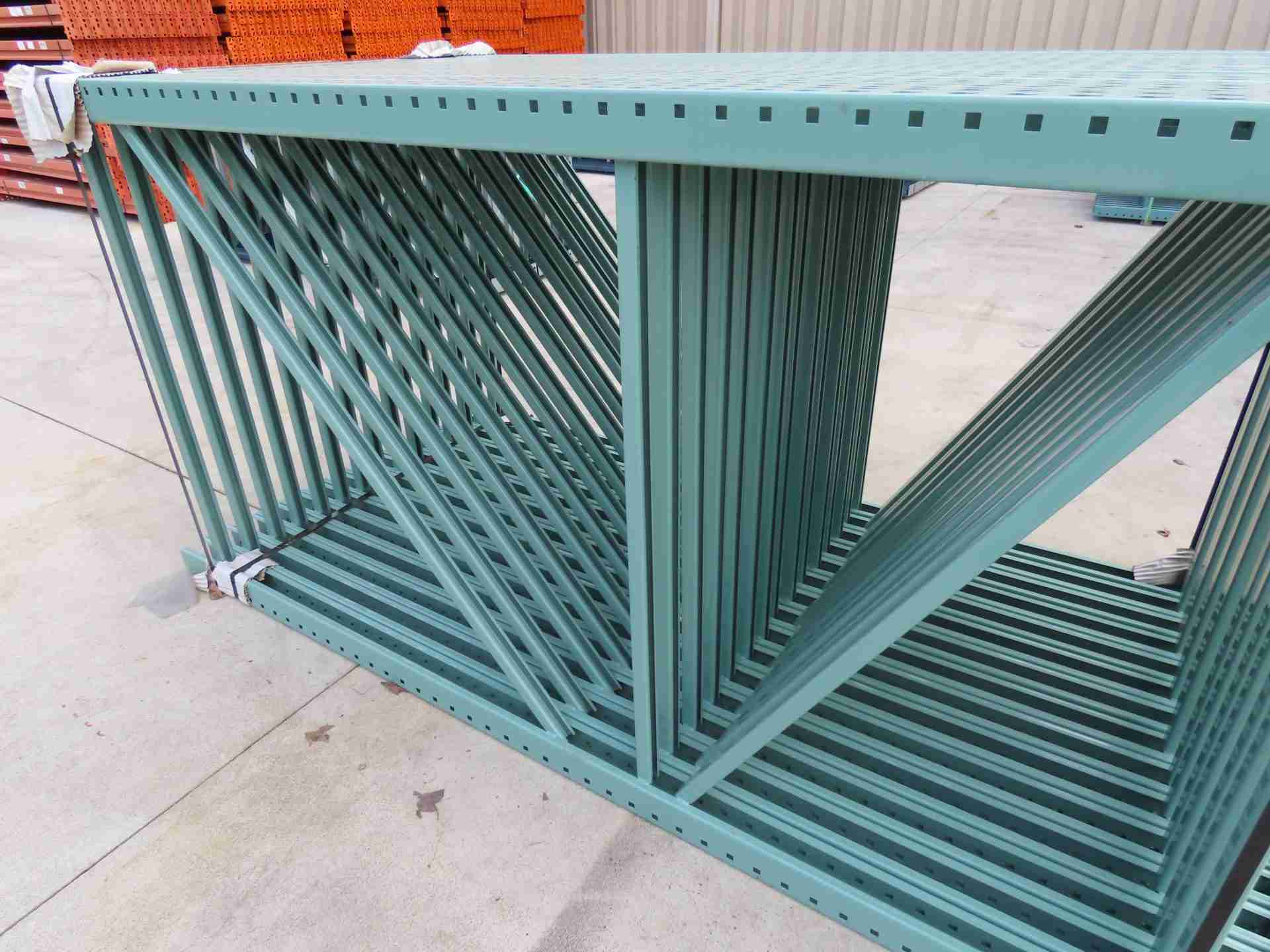
Glossary Of Terms
Other Questions
What Are Best Practices for Disposing Of Old Pallet Racking Systems? – Other Questions
If you wish to explore and discover more, consider looking for answers to these questions:
- How long is the typical lifespan of a pallet racking system?
- What are the legal or regulatory requirements for disposing of pallet racking systems?
- Are there any safety concerns or hazards associated with dismantling pallet racking systems?
- What types of companies specialize in pallet racking disposal and recycling?
- How can companies evaluate whether their old pallet racking systems are still valuable?
- Are there any tax benefits for donating or recycling old pallet racking systems?
- What are some creative ways to repurpose old pallet racking systems within the warehouse or facility?
- What kind of environmental certifications or documentation should companies look for in recycling facilities?
- How does the condition of the pallet racking affect its resale value?
- Can components of pallet racking systems (like beams or uprights) be recycled separately if they are not in good condition?
- How can companies find buyers for their old pallet racking systems?
- What are the costs involved in hiring a specialized company for pallet racking disposal?
- What role do pallet racking systems play in overall warehouse efficiency and safety?
- What materials are commonly used in the construction of pallet racking systems and how are they recycled?
- How does improper disposal of pallet racking contribute to landfill waste and pollution?
- What is the process for dismantling pallet racking to ensure it remains in good condition for resale or repurposing?
- Are there case studies or success stories of companies that have successfully recycled or repurposed their pallet racking systems?
- What kind of training or skills are required for safely dismantling pallet racking systems?
- Is there a market for used pallet racking systems internationally, and what are the logistics involved?
- What are some examples of local charities or nonprofit organizations that can benefit from donated pallet racking systems?

Other Questions
Checklist
What Are Best Practices for Disposing Of Old Pallet Racking Systems? – A Checklist
Environmental Considerations
_____ Evaluate the environmental impact of disposal.
_____ Ensure materials like steel, wood, and plastic are handled properly to prevent ecosystem harm.
Recycling Options
_____ Research companies that specialize in recycling pallet racking systems.
_____ Arrange for the breakdown of old racking systems into raw materials for reuse.
Selling Old Pallet Racking
_____ Explore the market for used warehouse equipment.
_____ List items for sale on online marketplaces or contact other businesses directly.
_____ Ensure dismantling and packaging are done properly for transport.
Donation
_____ Identify local charities, nonprofit organizations, schools, or community groups that could benefit from a donation.
_____ Ensure that donated items are in good condition.
Responsible Disposal
_____ Locate local recycling centers or scrap yards that accept metal and wood materials.
_____ Ensure the materials are properly dismantled and transported to these facilities.
Repurposing
_____ Brainstorm alternative uses for the pallet racking within your own warehouse.
_____ Consider using the materials for creative projects, such as shelving units or furniture.
Hiring Disposal Services
_____ Research companies that specialize in pallet racking disposal.
_____ Verify the company’s credentials, read customer reviews, and understand their disposal process.
_____ Ensure the company prioritizes safety and adheres to all regulations.
_____ Inquire about additional services like recycling or repurposing offered by the disposal company.
Safety Measures for Dismantling
_____ Gather necessary tools: hammer, wrench, drill, saw, etc.
_____ Wear safety equipment: gloves, safety goggles, hard hat.
_____ Inspect the racking system for damage or weaknesses before starting.
_____ Clear shelves of any items before dismantling.
_____ Loosen bolts carefully and work methodically.
_____ Lower sections safely, possibly with a partner.
_____ Clean up any debris and organize the work area post-dismantling.
Maximizing Value
_____ Assess the condition of the racking for avenues like sale or repurposing.
_____ If in good condition, list for sale to recoup initial investment.
_____ Consider refurbishing materials for extended use.
_____ Explore scrap metal sale options for damaged or outdated racking.
_____ Look into trade-in programs when purchasing new racking systems.
General Tips
_____ Always explore all options before disposing of pallet racking.
_____ Keep sustainability in mind to reduce environmental impact.
_____ Utilize creative thinking for repurposing and maximizing the value of old systems.
Use this checklist to ensure you’re following best practices for disposing of old pallet racking systems in an environmentally responsible and cost-effective manner.

Checklist
At RackingWorld, we help guide you through selecting warehouse storage systems and racking.
Be sure to read our other related stories at RackingWorld to learn more about warehouse storage systems.
0 Comments