
Discover The Essential Steps for Pallet Racking Design
By Tom Seest
At RackingWorld, we help guide you through selecting warehouse storage systems and racking.
Be sure to read our other related stories at RackingWorld to learn more about warehouse storage systems.
What Are The Steps Involved In Designing a Pallet Racking System?
So, you’re thinking about designing a pallet racking system, huh? Well, that’s no small task. It takes some serious planning and precision to make sure you’re setting yourself up for success. Let me break it down for you – here are the steps involved in designing a pallet racking system:
First things first, you need to assess your storage needs. How much product do you have? What are the dimensions of your products? Will the pallet racking system be used for bulk storage or individual item picking? These are all important questions to consider before diving into the design process.
Next, you’ll need to measure your space. Take accurate measurements of the area where the pallet racking system will be installed. This will help you determine how much racking you can fit in the space and ensure that the system will be properly sized for your needs.
Once you have your storage needs and space measurements, it’s time to start designing the layout of your pallet racking system. Consider factors like aisle width, load capacity, and accessibility when planning the layout. You’ll want to maximize the use of vertical space while still allowing for easy access to all stored items.
After you’ve finalized the layout, it’s time to choose the right type of pallet racking for your needs. There are several different types of pallet racking systems, including selective racking, drive-in racking, push back racking, and more. Each type has its own advantages and disadvantages, so be sure to choose the one that best fits your storage needs.
Once you’ve selected the type of racking, it’s time to place your order and schedule the installation. Make sure to work with a reputable supplier who can provide high-quality racking and professional installation services. The installation process can be complex, so it’s important to leave it to the experts.
Finally, once your pallet racking system is installed, it’s time to start loading it up with your products. Be sure to follow weight limits and loading guidelines to ensure the safety and efficiency of your system.
Designing a pallet racking system may not be the most glamorous task, but it’s definitely an important one. By following these steps and taking the time to plan and design your system carefully, you’ll be setting yourself up for success in your storage operations. After all, as they say, a well-organized warehouse is a well-functioning warehouse.
What Are The Steps Involved In Designing a Pallet Racking System?
What Are The Steps Involved In Designing a Pallet Racking System?
- Assess your storage needs, product quantity, dimensions, and intended use.
- Measure the space where the system will be installed accurately.
- Design the layout considering aisle width, load capacity, and accessibility.
- Choose the right type of pallet racking system for your needs.
- Place an order with a reputable supplier for quality racking and professional installation.
- Load the system with products following weight limits and loading guidelines.
- By carefully planning and designing your pallet racking system, you’ll set yourself up for success in your storage operations.
What Are The Steps Involved In Designing a Pallet Racking System?
Table Of Contents
- What Are The Steps Involved In Designing a Pallet Racking System?
- What Are The Key Considerations When Deciding On Rack Type?
- How Can Space Utilization Be Optimized In Pallet Racking Design?
- What Factors Impact Load Capacity Of Pallet Racking Systems?
- What Are The Safety Regulations To Keep In Mind During Design?
- How Can Flexibility And Adjustability Be Achieved In Design?
- What Software Tools Can Assist In Designing A Pallet Racking System?
- How Can Maintenance And Upkeep Of The System Be Managed?
- Conclusion
- Other Resources
- Glossary Of Terms
- Other Questions
- Checklist
What Are The Key Considerations When Deciding On Rack Type?
When it comes to deciding on the type of rack to use for your storage needs, there are several key considerations that should be taken into account. One of the most important factors to consider is the type of items that will be stored on the rack. Different types of racks are designed to accommodate different types of items, so it is important to choose a rack that is suitable for the items that will be stored on it.
Another important consideration is the amount of space that is available for the rack. It is essential to measure the space where the rack will be located in order to ensure that the rack will fit properly and not obstruct any pathways or work areas. Additionally, it is important to consider the height of the rack, as taller racks may be more difficult to access and may require the use of a ladder or step stool.
The weight capacity of the rack is another key consideration when deciding on the type of rack to use. It is important to choose a rack that is capable of supporting the weight of the items that will be stored on it. Overloading a rack can lead to damage or collapse, so it is essential to choose a rack with a weight capacity that matches the needs of the items that will be stored on it.
Durability is another important consideration when choosing a rack. Racks that are made from high-quality materials and have a sturdy construction are more likely to withstand the wear and tear of everyday use. It is also important to consider the environment in which the rack will be used, as some racks may be more suitable for indoor use while others may be better suited for outdoor use.
In addition to these considerations, it is also important to consider the overall design and aesthetics of the rack. Racks come in a variety of styles and colors, so it is important to choose a rack that complements the existing decor and design of the space where it will be located. Additionally, some racks may offer additional features such as adjustable shelves, locking mechanisms, or wheels for easy mobility, so it is important to consider these factors as well.
Overall, when deciding on the type of rack to use for your storage needs, it is important to take into account the type of items that will be stored, the amount of space available, the weight capacity of the rack, durability, and design. By considering these key factors, you can choose a rack that is both functional and aesthetically pleasing for your storage needs.
What Are The Key Considerations When Deciding On Rack Type?
What Are The Key Considerations When Deciding On Rack Type?
- Consider the type of items that will be stored on the rack.
- Measure the space available for the rack.
- Take into account the weight capacity of the rack.
- Ensure durability of the rack.
- Consider the overall design and aesthetics of the rack.
- Choose a rack that complements the existing decor.
- Consider additional features such as adjustable shelves or wheels for mobility.
What Are The Key Considerations When Deciding On Rack Type?
How Can Space Utilization Be Optimized In Pallet Racking Design?
When it comes to warehouse efficiency, one of the key factors to consider is optimizing space utilization in pallet racking design. A well-thought-out layout can make a significant difference in maximizing storage capacity and streamlining operations.
One of the first steps in optimizing space utilization is to carefully analyze the inventory and determine the best racking system for your needs. Different types of pallet racking, such as selective, drive-in, or push-back racks, offer various advantages depending on the size, weight, and turnover rate of your products. By selecting the right type of racking for each area of your warehouse, you can make the most of the available space and improve accessibility to goods.
Additionally, it’s important to consider the height at which racking should be installed. Utilizing vertical space effectively by installing taller racks can help increase storage capacity without expanding the footprint of the warehouse. However, it’s essential to balance this with safety considerations and ensure that the racks are stable and secure.
Another way to optimize space utilization in pallet racking design is to implement a strategic layout that minimizes dead space and maximizes the use of aisles. By organizing racks in a way that allows for efficient movement of forklifts and easy access to goods, you can enhance workflow and reduce unnecessary travel time. This may involve grouping products with similar turnover rates together or creating dedicated aisles for specific types of inventory.
Furthermore, utilizing accessories and add-ons like dividers, separators, and wire decks can help make the most of the available space within each pallet slot. These additional features can help prevent damage to goods, improve organization, and optimize storage efficiency.
Regular maintenance and monitoring of the racking system are also crucial in ensuring optimal space utilization. Inspecting racks for damage, adjusting configurations as needed, and keeping track of inventory turnover rates can help identify opportunities for improvement and prevent inefficiencies from creeping in over time.
Optimizing space utilization in pallet racking design is essential for maximizing storage capacity, improving workflow efficiency, and ultimately, enhancing overall warehouse productivity. By carefully considering the types of racking, layout, accessories, and maintenance practices that best suit your needs, you can create a well-organized and efficient storage solution that benefits both your bottom line and your employees.
How Can Space Utilization Be Optimized In Pallet Racking Design?
How Can Space Utilization Be Optimized In Pallet Racking Design?
- One of the key factors in warehouse efficiency is optimizing space utilization in pallet racking design.
- Analyze inventory to choose the best racking system for your needs, such as selective, drive-in, or push-back racks.
- Consider installing taller racks to make use of vertical space and increase storage capacity.
- Implement a strategic layout to minimize dead space and maximize aisle usage for efficient movement.
- Utilize accessories like dividers and wire decks to optimize space within each pallet slot.
- Regular maintenance and monitoring of the racking system are crucial for optimal space utilization.
- Optimizing space utilization in pallet racking design is essential for maximizing storage capacity and improving overall warehouse productivity.
How Can Space Utilization Be Optimized In Pallet Racking Design?
What Factors Impact Load Capacity Of Pallet Racking Systems?
When it comes to pallet racking systems, load capacity is a critical factor to consider. The ability of a pallet racking system to hold heavy loads safely and securely is essential for the smooth and efficient operation of any warehouse or distribution center.
There are several key factors that can impact the load capacity of a pallet racking system. One of the most important factors is the type and quality of the racking system itself. Different types of pallet racking systems, such as selective, drive-in, and push-back racking, have different load capacities based on their design and construction. It is crucial to choose a pallet racking system that is well-suited to the specific needs and requirements of your operation.
Another important factor that can impact the load capacity of a pallet racking system is the quality of the materials used in its construction. High-quality steel and other durable materials are essential for ensuring that a pallet racking system can support heavy loads without bending, warping, or collapsing. Investing in a high-quality pallet racking system may require a higher upfront cost, but it can ultimately save you money in the long run by reducing the risk of damage to both your products and your facility.
In addition to the type of racking system and the quality of materials used, the layout and configuration of the racking system can also impact its load capacity. Properly spacing out pallets and ensuring that weight is evenly distributed across the shelves are crucial for maximizing the load capacity of a pallet racking system. Overloading shelves or stacking pallets unevenly can lead to structural damage and increase the risk of accidents and injuries in the workplace.
It is also important to regularly inspect and maintain pallet racking systems to ensure that they are in good condition and capable of supporting heavy loads. Regular inspections can help identify any signs of wear or damage that could compromise the load capacity of the racking system. Additionally, following proper safety protocols and guidelines for loading and unloading pallets can help prevent overloading and reduce the risk of accidents.
The load capacity of a pallet racking system is a critical consideration for any warehouse or distribution center. By taking into account factors such as the type of racking system, the quality of materials used, and proper maintenance and safety protocols, you can ensure that your pallet racking system is capable of safely and efficiently handling heavy loads.

What Factors Impact Load Capacity Of Pallet Racking Systems?
What Factors Impact Load Capacity Of Pallet Racking Systems?
- Load capacity is a critical factor to consider in pallet racking systems.
- The type and quality of the racking system can impact load capacity.
- The quality of materials used in construction affects load capacity.
- Layout and configuration of the racking system can impact load capacity.
- Regular inspection and maintenance is important for ensuring load capacity.
- Proper safety protocols and guidelines can help prevent accidents related to load capacity.
- Considering all these factors can ensure that a pallet racking system can safely handle heavy loads.
What Factors Impact Load Capacity Of Pallet Racking Systems?
What Are The Safety Regulations To Keep In Mind During Design?
When it comes to designing a new product or building, safety should always be a top priority. In order to ensure that the end result is safe for the users, there are a number of regulations and guidelines that must be followed.
One of the most important safety regulations to keep in mind during the design process is compliance with building and construction codes. These codes are put in place to ensure that buildings and structures are safe and durable. Failing to comply with these codes can result in serious safety hazards and legal consequences.
Additionally, it is important to consider the safety of the individuals who will be using the product or building. This includes things like proper lighting, clear signage, and ergonomic design. For example, if designing a workplace, it is important to consider factors such as proper ventilation, fire safety measures, and emergency exits.
In the case of designing machinery or equipment, it is essential to follow safety regulations such as proper guarding, warning labels, and emergency stop buttons. Failing to do so can result in serious injuries to users.
Another important aspect of safety in design is considering potential hazards and risks. This includes things like slip and trip hazards, electrical hazards, and exposure to harmful substances. By identifying these hazards during the design process, steps can be taken to mitigate them before they become a serious issue.
It is also important to consider the environmental impact of the design. This includes things like energy efficiency, waste reduction, and proper disposal of harmful materials. By designing with the environment in mind, we can help create a safer and healthier world for future generations.
Overall, safety should always be a top priority during the design process. By following the necessary regulations and guidelines, as well as considering the safety of users, potential hazards, and the environment, we can create products and buildings that are not only functional and aesthetically pleasing, but also safe for everyone involved. Remember, safety first!

What Are The Safety Regulations To Keep In Mind During Design?
What Are The Safety Regulations To Keep In Mind During Design?
- Designing for safety should always be a top priority.
- Compliance with building and construction codes is essential.
- Consider the safety of users, including proper lighting and ergonomic design.
- Follow safety regulations for machinery and equipment, such as proper guarding and warning labels.
- Identify and mitigate potential hazards and risks during the design process.
- Consider the environmental impact of the design, including energy efficiency and waste reduction.
- By prioritizing safety, we can create products and buildings that are both functional and safe for everyone involved.

What Are The Safety Regulations To Keep In Mind During Design?
How Can Flexibility And Adjustability Be Achieved In Design?
In the world of design, flexibility, and adjustability are crucial elements for success. Whether you’re creating a new product, a building, or a piece of art, the ability to adapt to changing circumstances and requirements is key. So, how can flexibility and adjustability be achieved in design?
One way to achieve flexibility in design is to think outside the box and be willing to try new things. Don’t be afraid to experiment with different materials, styles, and techniques. By pushing the boundaries of what is considered traditional or conventional, you can open up new possibilities and create designs that are truly unique and innovative.
Another important factor in achieving flexibility in design is to consider the needs and preferences of the end user. A design that works well in one context may not be suitable for another, so it’s important to be open to feedback and willing to make changes as needed. By listening to the people who will be using your design, you can ensure that it meets their needs and is able to adapt to a variety of situations.
In addition, using modular and adaptable elements in your design can help increase its flexibility and adjustability. By breaking a design down into smaller, interchangeable components, you can easily modify and reconfigure it to suit different purposes or environments. This can be especially useful in areas such as architecture, where buildings may need to be expanded or reconfigured over time.
Lastly, keep in mind that flexibility and adjustability are not just about the physical aspects of a design, but also about the underlying principles and concepts. By designing with flexibility in mind from the beginning, you can ensure that your creation is able to withstand changes in technology, culture, and other external factors. This will help ensure that your design remains relevant and useful for years to come.
Achieving flexibility and adjustability in design requires an open mind, a willingness to listen to feedback, and a focus on adaptability. By incorporating these principles into your work, you can create designs that are truly innovative, versatile, and able to withstand the test of time. So, don’t be afraid to think outside the box, consider the needs of the end user, and design with flexibility in mind.
How Can Flexibility And Adjustability Be Achieved In Design?
How Can Flexibility And Adjustability Be Achieved In Design?
- One way to achieve flexibility in design is to think outside the box and be willing to try new things.
- Don’t be afraid to experiment with different materials, styles, and techniques.
- Consider the needs and preferences of the end user.
- Using modular and adaptable elements in your design can help increase its flexibility.
- Design with flexibility in mind from the beginning to ensure relevancy over time.
- Focusing on adaptability and listening to feedback can help create innovative designs.
- Incorporating principles of flexibility and adjustability can lead to versatile designs that withstand the test of time.

How Can Flexibility And Adjustability Be Achieved In Design?
What Software Tools Can Assist In Designing A Pallet Racking System?
When it comes to designing a pallet racking system, having the right software tools can make all the difference. With the advancements in technology, there are now a variety of programs available that can assist in creating efficient and effective storage solutions for businesses large and small.
One popular software tool that is used in the design process is CAD (Computer-Aided Design) software. This program allows designers to create detailed 2D and 3D models of the warehouse space, as well as the pallet racking systems themselves. With CAD software, designers can easily visualize how different configurations will fit within the space and make adjustments as needed. This can help streamline the design process and ensure that the final layout is optimized for maximum efficiency.
Another useful software tool for designing pallet racking systems is warehouse management software. This type of program is specifically designed to help businesses manage their inventory and storage systems. With warehouse management software, designers can input data about the types of products being stored, the size and weight of the items, and other relevant information. The software can then generate optimal racking configurations based on this data, taking into account factors such as accessibility, load capacity, and safety requirements.
In addition to CAD and warehouse management software, there are also specialized tools available for designing pallet racking systems. These programs are typically tailored to the specific needs of the industry, offering features such as pallet layout optimization, load distribution analysis, and safety compliance checks.
One key benefit of using software tools to design pallet racking systems is the ability to test different configurations and make adjustments before any physical changes are made. This can help prevent costly mistakes and ensure that the final design meets the needs of the business.
Overall, having the right software tools can greatly assist in designing a pallet racking system that is efficient, safe, and tailored to the unique needs of the business. By utilizing these programs, designers can create optimal storage solutions that maximize space, improve accessibility, and enhance overall productivity.
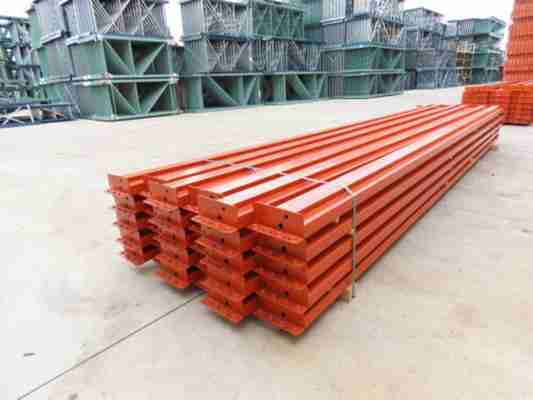
What Software Tools Can Assist In Designing A Pallet Racking System?
What Software Tools Can Assist In Designing A Pallet Racking System?
- Having the right software tools is crucial for designing a pallet racking system.
- CAD software allows for the creation of detailed 2D and 3D models of the warehouse and racking systems.
- Warehouse management software helps manage inventory and generate optimal racking configurations.
- Specialized tools offer features like pallet layout optimization and safety compliance checks.
- Software tools enable testing different configurations before making physical changes.
- Using software tools can prevent costly mistakes and ensure the final design meets business needs.
- Overall, software tools help design efficient, safe, and tailored pallet racking systems for businesses.

What Software Tools Can Assist In Designing A Pallet Racking System?
How Can Maintenance And Upkeep Of The System Be Managed?
Maintaining and managing the upkeep of any system is no small task. It requires dedication, attention to detail, and a willingness to get your hands dirty. When it comes to keeping your system running smoothly, there are a few key things to keep in mind.
First and foremost, regular maintenance is key. Just like changing the oil in your car or cleaning out the gutters on your house, your system needs regular care to keep it running at its best. This means checking for any potential issues, making sure all components are in working order, and addressing any problems before they become major headaches.
One way to manage the upkeep of your system is to create a maintenance schedule. This can help you stay on top of things and make sure that everything gets done in a timely manner. Whether it’s checking filters, cleaning out vents, or inspecting connections, having a schedule can help you keep track of what needs to be done and when.
Another important aspect of managing the upkeep of your system is knowing when to call in the professionals. While regular maintenance can go a long way in keeping things running smoothly, there are some things that are best left to the experts. Whether it’s a major repair or just a tricky problem that you can’t figure out on your own, don’t be afraid to reach out for help when you need it.
It’s also important to keep up with any updates or changes to your system. Technology is constantly evolving, and staying on top of the latest advancements can help ensure that your system is running as efficiently as possible. Whether it’s upgrading to a more energy-efficient model or installing new components to improve performance, staying informed can help you make the most of your system.
Managing the maintenance and upkeep of your system is a crucial part of owning any type of equipment. By staying on top of regular maintenance, creating a schedule, knowing when to call in the experts, and staying informed about new developments, you can keep your system running smoothly and efficiently for years to come. So get your hands dirty, stay proactive, and take care of your system – it will thank you in the long run.
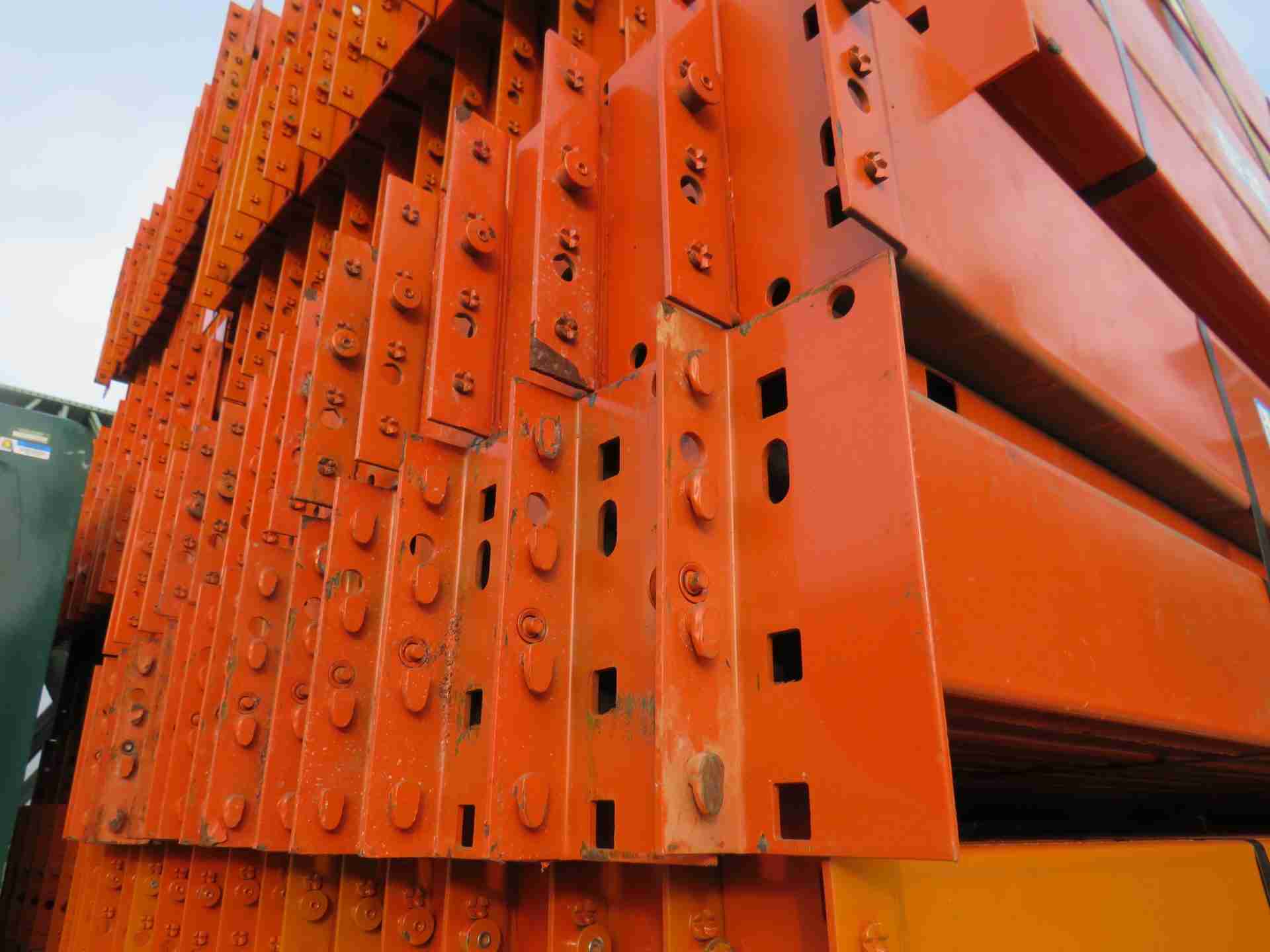
How Can Maintenance And Upkeep Of The System Be Managed?
How Can Maintenance And Upkeep Of The System Be Managed?
- Maintaining and managing system upkeep requires dedication and attention to detail.
- Regular maintenance is essential for optimal system performance.
- Create a maintenance schedule to stay organized and on top of tasks.
- Know when to call in professionals for major repairs or complex issues.
- Stay updated on system advancements and changes to improve efficiency.
- Managing upkeep is crucial for system longevity and performance.
- Stay proactive, get your hands dirty, and take care of your system for long-term benefits.

How Can Maintenance And Upkeep Of The System Be Managed?
Conclusion
Well folks, designing a pallet racking system is no walk in the park. It takes careful planning, precise measurements, and some serious elbow grease. But fear not, because I’m here to break it down for you. First things first, you need to assess your storage needs. How much product do you have? What are the dimensions of your products? Will the pallet racking system be used for bulk storage or individual item picking? Answering these questions will set you on the right path. Next, measure your space. Take accurate measurements of where the pallet racking system will be installed to ensure it fits properly. Once you’ve got your storage needs and space measurements in hand, it’s time to start designing the layout. Consider factors like aisle width, load capacity, and accessibility to maximize vertical space while still allowing for easy access to all stored items.
After finalizing the layout, choose the right type of pallet racking – whether it’s selective racking, drive-in racking, push back racking, or another type that best fits your needs. Once you’ve made your selection, place your order and schedule the installation with a reputable supplier. The installation process can be complex, so leave it to the experts. Finally, load up your pallet racking system with your products, following weight limits and loading guidelines to ensure safety and efficiency. Remember, a well-organized warehouse is a well-functioning warehouse.
When it comes to deciding on the type of rack to use, consider factors like the type of items that will be stored, the available space, weight capacity, durability, and design. By choosing a rack that is suitable for your needs and environment, you can ensure the safety and efficiency of your storage operations.
Optimizing space utilization in pallet racking design involves analyzing inventory, selecting the right racking system, utilizing vertical space effectively, organizing racks strategically, and using accessories to maximize space within each pallet slot. Regular maintenance and monitoring are also crucial for ensuring optimal space utilization.
Load capacity of pallet racking systems is impacted by factors like the type and quality of the racking system, the materials used in construction, the layout and configuration of the system, and proper safety protocols. By choosing high-quality materials, evenly distributing weight, and following safety guidelines, you can ensure that your pallet racking system can safely handle heavy loads.
When designing any product or building, safety regulations should always be kept in mind. Compliance with building and construction codes, considering user safety, identifying potential hazards, and designing with the environment in mind are all important aspects of creating a safe and durable design.
Flexibility and adjustability in design can be achieved by thinking creatively, considering user needs, using modular elements, and designing with flexibility in mind from the beginning. By incorporating these principles into your work, you can create designs that are versatile, innovative, and able to withstand changes over time.
Software tools like CAD software, warehouse management software, and specialized design tools can assist in designing efficient and effective pallet racking systems. These programs can help create detailed layouts, optimize storage configurations, and test different designs before implementation.
Managing the maintenance and upkeep of your pallet racking system involves regular care, creating a maintenance schedule, knowing when to call in professionals, staying informed about updates, and taking proactive steps to keep your system running smoothly and efficiently. By staying on top of maintenance and repairs, you can ensure that your pallet racking system operates at its best for years to come. So, roll up your sleeves, stay proactive, and take care of business. Your system will thank you in the long run.

Conclusion
Conclusion:
- Assess your storage needs and space measurements.
- Design the layout to maximize vertical space.
- Choose the right type of pallet racking system.
- Schedule installation with a reputable supplier.
- Load up your pallet racking system following weight limits.
- Optimize space utilization in pallet racking design.
- Manage maintenance and upkeep of your pallet racking system.
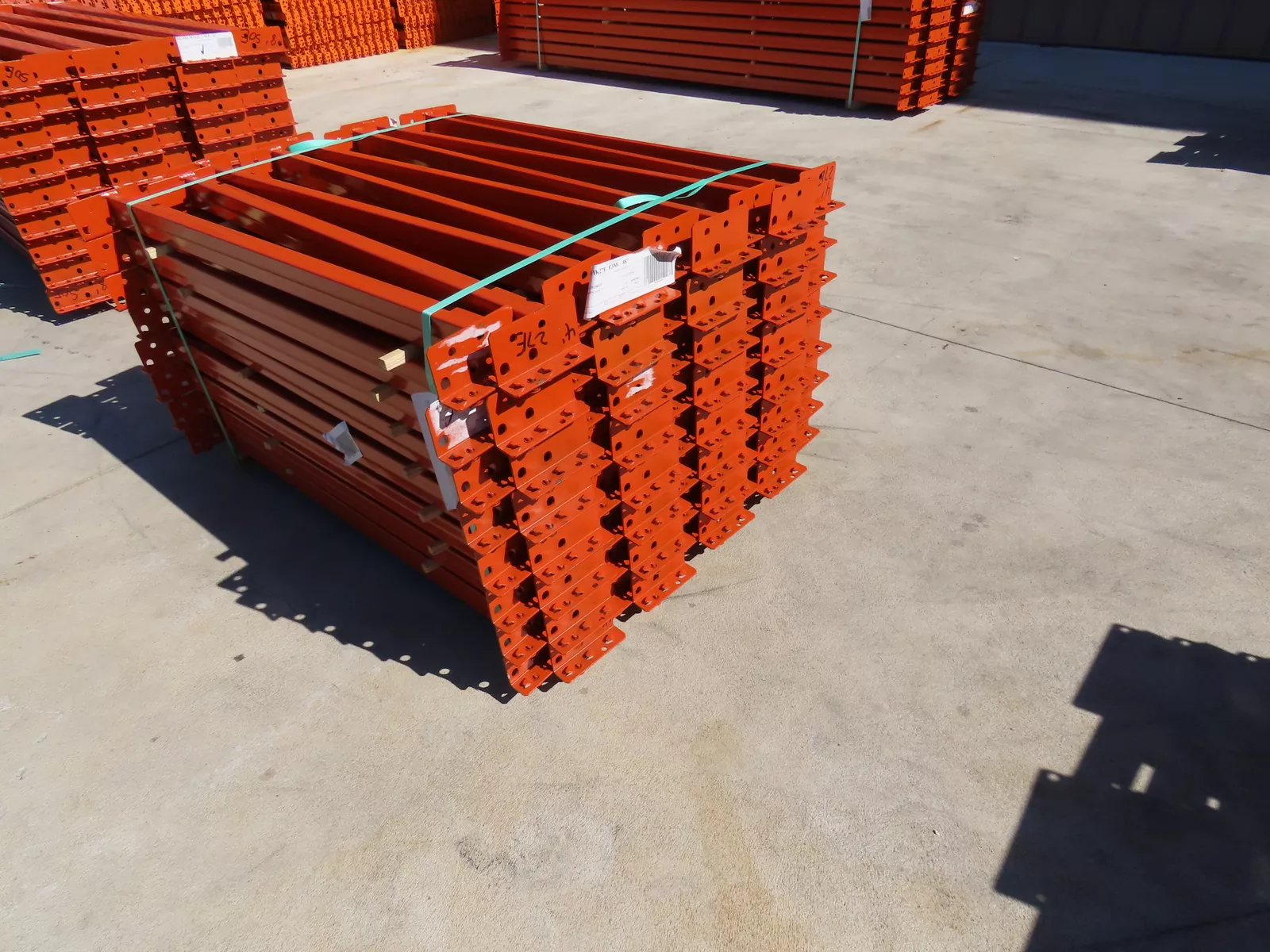
Conclusion
Other Resources
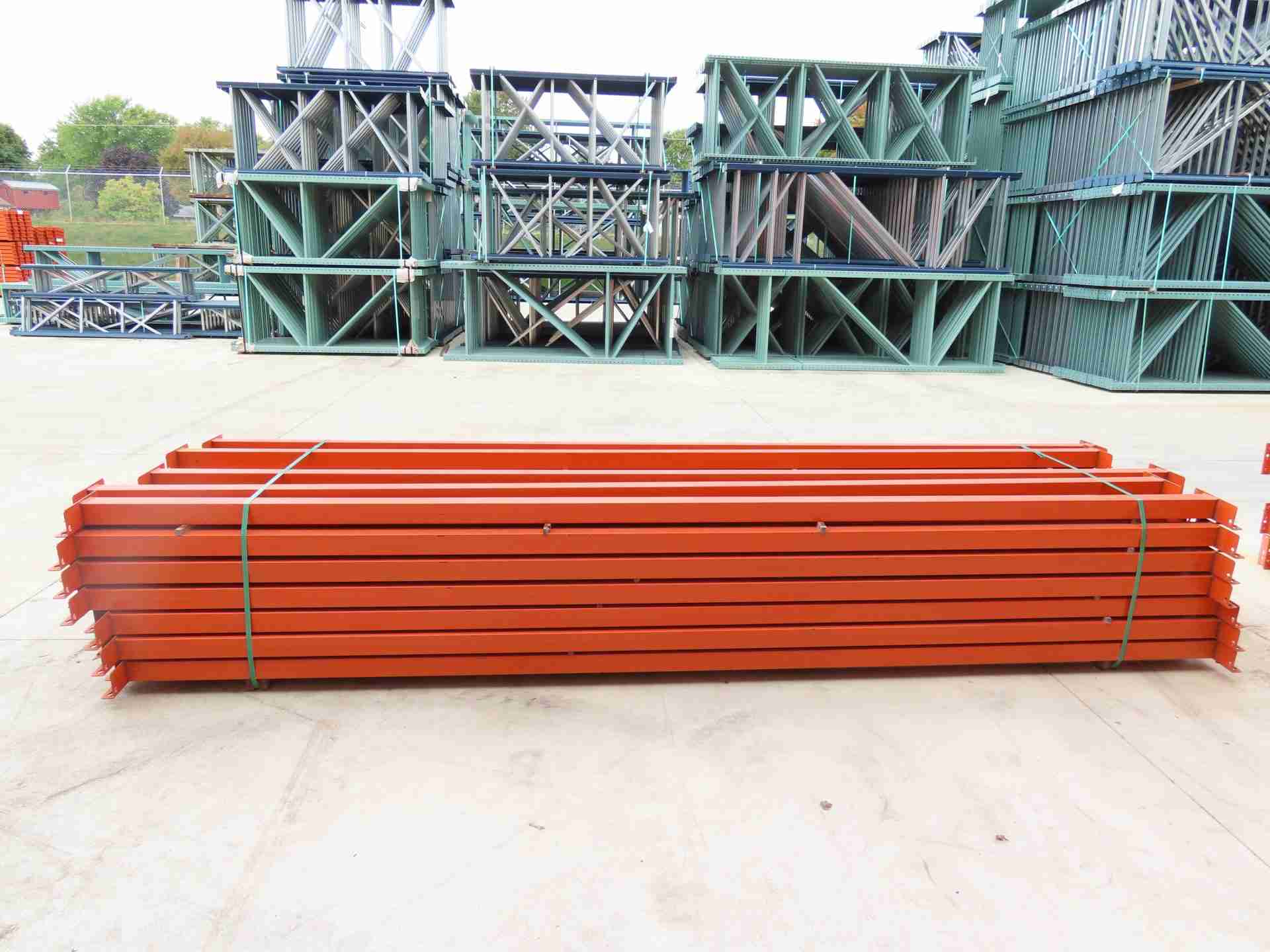
Other Resources
Here is a list of other resources you can review online to learn more:
- Warehouse Pallet Racking System Design Guide with Steps: This guide provides a comprehensive overview of the steps to designing a pallet rack system for your warehouse. It covers considerations such as the type and quantity of goods you will be storing, the available space in your warehouse, future needs of your business, aisle width and clearance height, frequency of access, budget, and maintenance.
- 9 Things to Consider When Designing a Warehouse Pallet Racking System: This article lists 9 important factors to consider when designing a new pallet racking system, including understanding your warehouse’s workflow, capabilities, and limitations.
- 4 Steps to Design Your Ideal Selective Pallet Rack System: This guide walks you through 4 simple steps to determine the best pallet rack beams and uprights to fit your specific storage needs.
- 3 Steps to Help You Design Your Pallet Rack System: This article provides a brief overview and 3 critical steps to help you set up your pallet rack system.
- How to Guide to Configuring Pallet Racking Systems: This guide offers 3 simple steps to get you started on setting up your own pallet racking system.
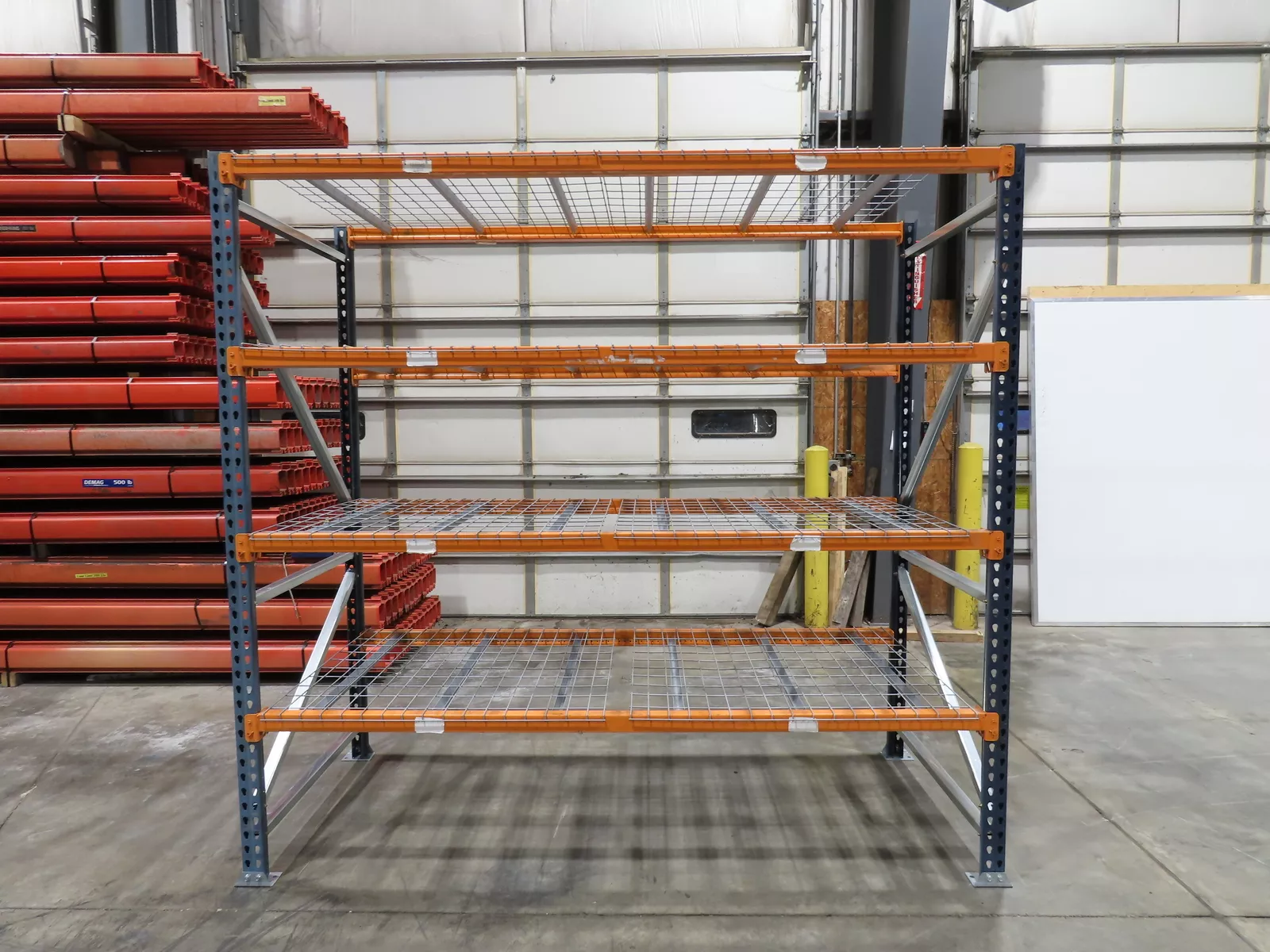
These resources should provide a good starting point for your research. Remember, the design of your pallet racking system will depend on various factors including the size and weight of the goods you will be storing, the available space in your warehouse, and your specific business needs.
Other Resources
Glossary Terms
What Are The Steps Involved In Designing a Pallet Racking System? – Glossary Of Terms
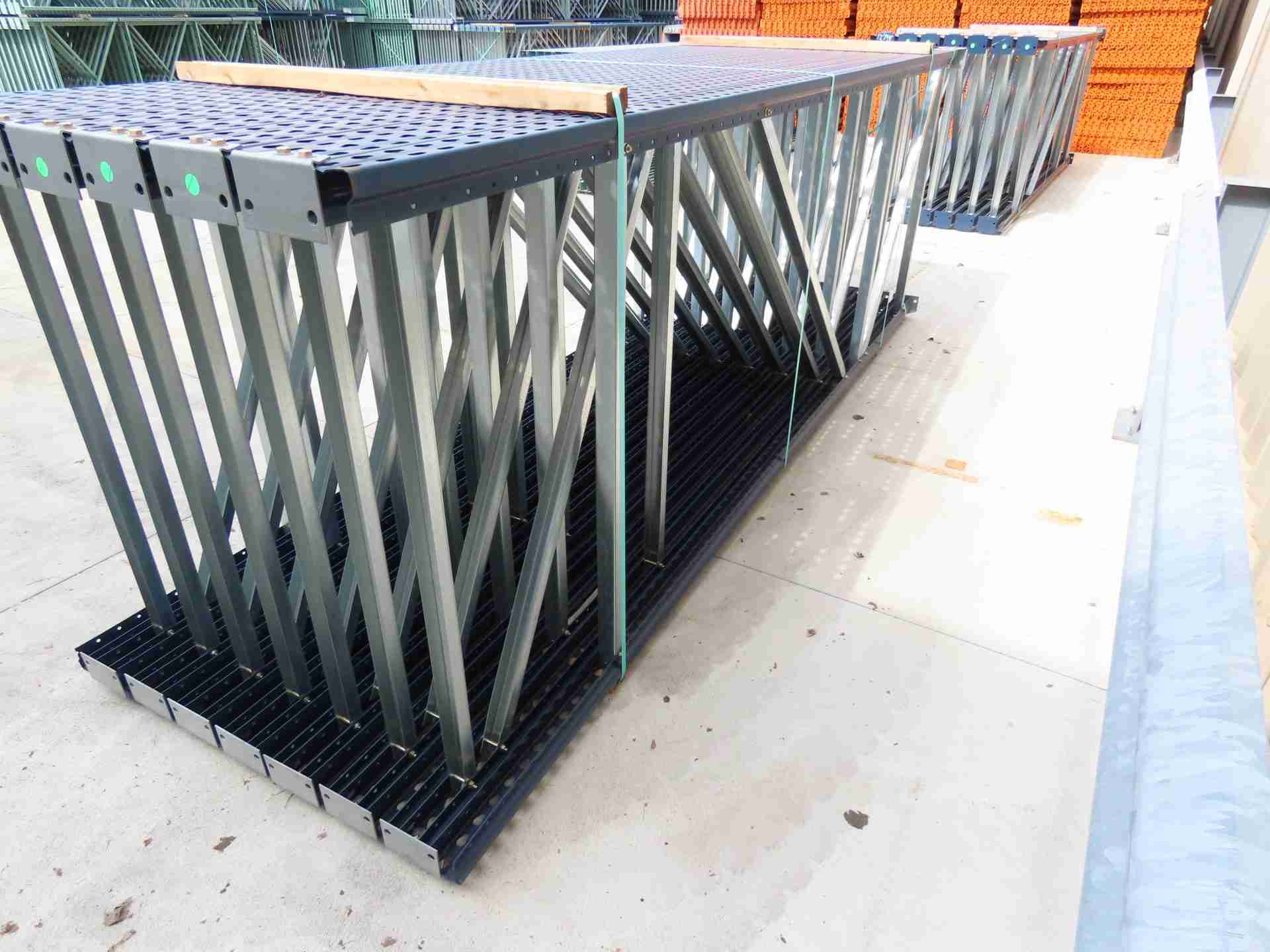
1. Pallet Racking System: A framework of beams and uprights that creates shelving to store pallets in a warehouse.
2. Load Capacity: The maximum weight that a pallet racking system can safely support per level or per pallet position.
3. Beam: A horizontal component of the racking system that supports the load. Connects to uprights to create shelving levels.
4. Upright Frame: Vertical columns that support the beams and provide the structural framework of the racking system.
5. Shelf Level: The horizontal storage surface created by beams where pallets are placed.
6. Decking: Material placed on the beams to create a solid shelf for items that are not on pallets. Can be made from wire mesh, wood, or metal.
7. Bay: A single unit of the racking system, consisting of two uprights and the beams that connect them.
8. Aisle Width: The distance between two rows of racking, allowing for forklift or other equipment maneuverability.
9. Clear Height: The vertical space available in the warehouse for racking; affects the number of shelf levels possible.
10. Span: The distance between two uprights in a single racking bay. Influences weight capacity and the need for additional supports.
11. Pallete Position: A location within the racking system where a pallet can be stored securely.
12. Static Load: The weight of the products and pallets stored in the racking system without movement.
13. Dynamic Load: The weight a racking beam must support when the pallet is being loaded or unloaded.
14. Point Load: The concentrated weight on a specific point within the racking system, usually occurring from palletized merchandise.
15. Capacity Rating: The total weight that can be safely stored per level or bay without risking structural integrity.
16. Seismic Considerations: Design factors that ensure racking stability and safety in earthquake-prone areas.
17. Anchor Bolts: Fasteners used to secure the base plates of uprights to the warehouse floor.
18. Back-to-Back Bracing: Connectors used to stabilize rows of racking placed back-to-back.
19. Row Spacers: Devices that maintain consistent spacing between rows of racking to enhance stability.
20. Load Distribution: Ensuring that weight is evenly spread across the racking system to avoid overstressing certain components.
21. Forklift Access: Ensuring that aisles and racking designs accommodate the size and turning radius of forklifts.
22. Safety Guards: Barriers or other devices installed to protect the racking system from damage by forklifts or other equipment.
23. Pick Face: The front edge of the racking system where items are accessed or picked.
24. Fully Utilized Height: Maximizing the vertical space in a warehouse by extending racking as high as possible.
25. Load Handler: Equipment like forklifts or pallet jacks used to move pallets on and off the racking system.
26. Cantilever Racking: A type of racking with beams that only support on one end, ideal for long, bulky items.
27. Push Back Racking: A pallet storage method where pallets are pushed backward on inclined rails, allowing for higher density storage.
28. Drive-In/Drive-Through Racking: High-density racking systems designed for storing large quantities of similar items. Forklifts drive into the racking system to load or unload.
29. Selective Racking: A common type of racking system that allows easy access to every pallet position, ideal for warehouses with a wide range of products.
30. Installation: The process of assembling and securing the racking system in the warehouse according to the design plan.
This glossary should give you a comprehensive understanding of the terms and concepts involved in designing a pallet racking system.
Glossary Of Terms
Other Questions
What Are The Steps Involved In Designing a Pallet Racking System? – Other Questions
If you wish to explore and discover more, consider looking for answers to these questions:
- What are the common types of pallet racking systems available?
- How do you assess storage needs for a pallet racking system?
- What tools or techniques are best for measuring storage space accurately?
- How do aisle width and load capacity affect pallet racking design?
- What criteria should be used to select the right type of pallet racking?
- What are the pros and cons of different types of pallet racking systems like selective, drive-in, and push-back racking?
- How can you ensure a smooth and professional installation of a pallet racking system?
- What safety guidelines should be followed when using a pallet racking system?
- How can you optimize space utilization in warehouse design?
- What factors impact the load capacity of a pallet racking system?
- What are the key safety regulations to keep in mind during the design phase?
- How can flexibility and adjustability be achieved in pallet racking design?
- What software tools can assist in designing a pallet racking system?
- How often should pallet racking systems be inspected for maintenance?
- What are the best practices for the maintenance and upkeep of pallet racking systems?
- How do you ensure that a pallet racking system is compliant with industry safety standards?
- What are the common challenges faced during the installation of a pallet racking system?
- How does the choice of materials affect the durability of a pallet racking system?
- What cost considerations should be kept in mind while designing a pallet racking system?
- How can you incorporate future scalability in your pallet racking system design?
- What are some innovative solutions for pallet racking in small or constrained spaces?
Other Questions
Checklist
What Are The Steps Involved In Designing a Pallet Racking System? – A Checklist
1. Assess Storage Needs
_____ Measure product quantity
_____ Determine product dimensions
_____ Identify usage: bulk storage or individual item picking
2. Measure Space
_____ Take accurate measurements of the installation area
_____ Consider ceiling height and other spatial constraints
3. Design Layout
_____ Plan aisle widths
_____ Calculate load capacities
_____ Ensure accessibility
_____ Maximize vertical space utilization
4. Choose The Right Racking Type
_____ Evaluate selective racking
_____ Analyze drive-in racking
_____ Consider push-back racking and other options
5. Place Order and Schedule Installation
_____ Choose a reputable supplier
_____ Arrange for professional installation
6. Follow Loading Guidelines
_____ Adhere to weight limits
_____ Ensure proper and safe loading practices
Key Considerations for Rack Type
Item Type Compatibility
_____ Assess product types for suitable racks
Space Availability
_____ Measure accurately
_____ Consider the height and clearance
Weight Capacity
_____ Ensure the rack supports the intended loads
Durability
_____ Choose high-quality materials
_____ Consider the environment: indoor vs outdoor
Design Aesthetics
_____ Match existing decor
_____ Look for additional features like adjustable shelves, locking mechanisms, wheels, etc.
Optimizing Space Utilization
Inventory Analysis
_____ Choose appropriate racking types for different inventory
_____ Use vertical space effectively
Strategic Layout
_____ Minimize dead space
_____ Optimize aisle use and product grouping
Use of Accessories
_____ Implement dividers, wire decks, and other add-ons
Regular Maintenance
_____ Inspect for damage
_____ Adjust configurations
Impacting Load Capacity
Racking Type & Quality
_____ Select the right racking system for your load type
_____ Use high-quality construction materials
Proper Spacing and Load Distribution
_____ Evenly distribute weight
_____ Avoid overloading
Regular Inspections
_____ Check for wear and tear
_____ Follow safety protocols
Safety Regulations
Compliance with Building Codes
_____ Meet construction safety standards
User Safety Considerations
_____ Ensure proper lighting, signage, ergonomic design
Hazard Identification
_____ Identify and mitigate slip, trip, electrical, and chemical hazards
Environmental Impact
_____ Consider energy efficiency and waste reduction
Achieving Flexibility and Adjustability
Modular Design
_____ Use interchangeable components
End-User Needs
_____ Gather feedback and be willing to adapt
Innovation
_____ Experiment with materials, styles, and techniques
Durability
_____ Plan for long-term relevance despite technological and cultural changes
Software Tools for Design
_CAD Software
_____ Create 2D and 3D models
Warehouse Management Software
_____ Manage inventory data and optimize layouts
Specialized Design Tools
_____ Use for racking layout optimization, load analysis, and safety checks
Maintenance and Upkeep
Regular Maintenance
_____ Create and follow a maintenance schedule
Professional Assistance
_____ Know when to call experts
Stay Updated
_____ Follow technology advancements and updates
Environmental Sustainability
_____ Incorporate energy-efficient and sustainable practices
Use this checklist to ensure that all crucial factors are considered for efficient, safe, and organized pallet racking system design and maintenance.
Checklist
At RackingWorld, we help guide you through selecting warehouse storage systems and racking.
Be sure to read our other related stories at RackingWorld to learn more about warehouse storage systems.
0 Comments