
Maximizing Space And Efficiency With Warehouse Racking
By Tom Seest
At RackingWorld, we help guide you through selecting warehouse storage systems and racking.
Be sure to read our other related stories at RackingWorld to learn more about warehouse storage systems.
How Does One Set Up a Warehouse Racking System?
Setting up a warehouse racking system may seem like a daunting task, but with the right approach and knowledge, it can be a manageable and efficient process. Before diving into the nuts and bolts of the system, it’s important to have a solid plan in place.
First and foremost, you’ll need to assess your warehouse space and determine the layout that will best suit your needs. Consider factors such as the size and weight of your inventory, the flow of your operations, and any potential growth or changes in the future. Once you have a clear understanding of your requirements, you can begin to map out the layout of your racking system.
Next, it’s time to select the right type of racking for your warehouse. There are various types of racking systems available, each with its own advantages and limitations. For example, selective racking is a common choice for warehouses with a variety of products, while drive-in racking is a more space-efficient option for warehouses with a large volume of the same product.
Once you’ve chosen the type of racking that best suits your needs, it’s time to start the installation process. This typically involves assembling the racking components, anchoring them to the floor, and ensuring that they are properly aligned and level. It’s crucial to follow the manufacturer’s instructions closely to ensure that the racking is installed safely and securely.
After the racking is set up, it’s important to establish a labeling system to help organize your inventory and facilitate easy access. This may involve labeling each rack with a unique identifier, as well as labeling individual shelves or sections within the racking. Clear and consistent labeling will help your team locate and retrieve items quickly and accurately.
Finally, it’s essential to regularly inspect and maintain your racking system to ensure its safety and longevity. This may involve checking for signs of damage or wear, reorganizing inventory to optimize storage space, and making any necessary adjustments or repairs as needed.
Setting up a warehouse racking system requires careful planning, thoughtful consideration, and attention to detail. By following these steps and taking the time to install and maintain your racking system properly, you can create a safe and efficient storage solution for your warehouse operations.
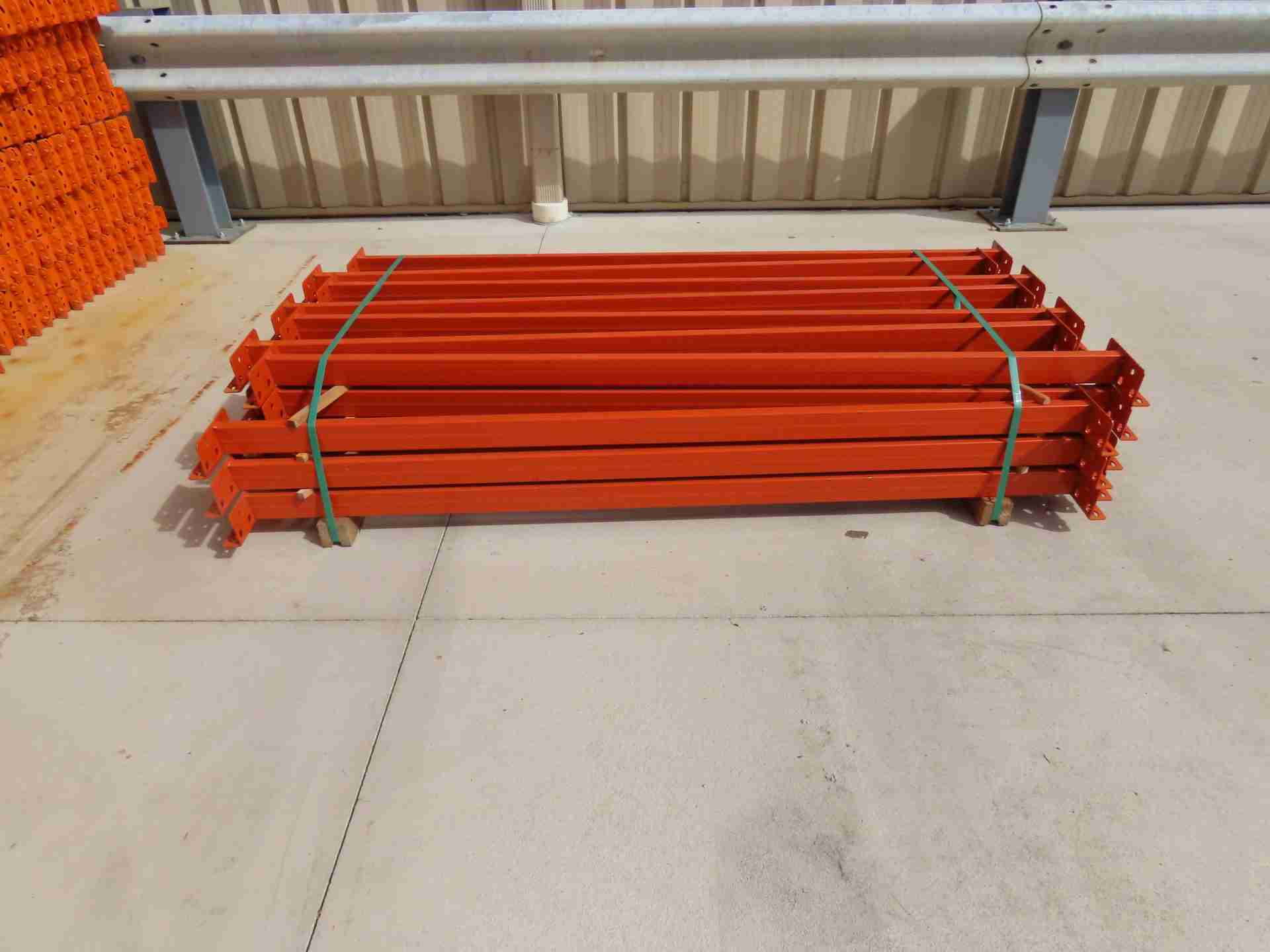
How Does One Set Up a Warehouse Racking System?
How Does One Set Up a Warehouse Racking System?
- Assess warehouse space and determine layout.
- Select the right type of racking system.
- Begin installation process following manufacturer’s instructions.
- Establish a labeling system for inventory organization.
- Regularly inspect and maintain the racking system.
- Set up a warehouse racking system requires careful planning.
- Install and maintain racking system properly for safe and efficient storage solution.
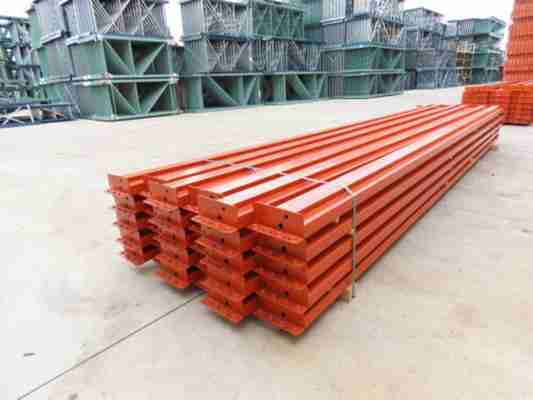
How Does One Set Up a Warehouse Racking System?
Table Of Contents
- How Does One Set Up a Warehouse Racking System?
- How Important Is Proper Layout Planning For Warehouse Racking?
- What Types Of Warehouse Racking Systems Are Available?
- What Considerations Need To Be Made For Heavy-Duty Storage?
- How Can Inventory Management Be Optimized With Racking?
- What Safety Measures Should Be Followed During Installation?
- How Can Vertical Space Be Maximized In A Warehouse?
- Conclusion
- Other Resources
- Glossary Of Terms
- Other Questions
- Checklist
How Important Is Proper Layout Planning For Warehouse Racking?
Proper layout planning for warehouse racking is crucial for maximizing efficiency and productivity in any storage facility. Without a well-thought-out plan in place, a warehouse can quickly become chaotic and disorganized, leading to wasted time and resources.
One of the main reasons why layout planning is so important for warehouse racking is because it allows for optimal use of available space. By carefully considering the layout of your racking systems, you can ensure that every inch of your warehouse is utilized effectively, minimizing wasted space and maximizing storage capacity. This not only helps to streamline operations but also helps to reduce costs associated with unused or underutilized space.
In addition to maximizing space, proper layout planning also plays a crucial role in promoting safety within the warehouse. By carefully planning the placement of racking systems, aisles, and work areas, you can help to prevent accidents and injuries that can occur when employees are forced to navigate through a cluttered or poorly organized environment. This not only helps to protect your employees but also helps to reduce the risk of damage to your inventory and equipment.
Another key benefit of proper layout planning for warehouse racking is improved workflow and efficiency. By strategically arranging your racking systems and work areas, you can create a more streamlined workflow that minimizes the time and effort required to move and access inventory. This not only helps to improve productivity but also helps to reduce labor costs and increase overall efficiency in the warehouse.
Furthermore, a well-planned layout can also help to enhance inventory management and tracking. By organizing your racking systems in a logical and systematic manner, you can make it easier to locate and retrieve items, reducing the risk of lost or misplaced inventory. This can help to improve inventory accuracy, reduce stockouts, and ultimately improve customer satisfaction.
Proper layout planning for warehouse racking is a critical component of effective warehouse management. By carefully considering the layout of your racking systems, you can maximize space, promote safety, improve workflow, and enhance inventory management. Ultimately, a well-planned layout can help to optimize operations, reduce costs, and drive greater efficiency and productivity in your warehouse. So, remember – a little planning goes a long way when it comes to warehouse racking!
How Important Is Proper Layout Planning For Warehouse Racking?
How Important Is Proper Layout Planning For Warehouse Racking?
- Proper layout planning for warehouse racking is crucial for maximizing efficiency and productivity in any storage facility.
- Optimal use of available space is one of the main reasons why layout planning is important for warehouse racking.
- Layout planning helps to promote safety by preventing accidents and injuries in the warehouse.
- Improved workflow and efficiency are benefits of proper layout planning for warehouse racking.
- Layout planning can enhance inventory management and tracking by organizing racking systems effectively.
- Proper layout planning is a critical component of effective warehouse management.
- A well-planned layout can optimize operations, reduce costs, and drive greater efficiency and productivity in the warehouse.

How Important Is Proper Layout Planning For Warehouse Racking?
What Types Of Warehouse Racking Systems Are Available?
When it comes to warehouse storage, there are a variety of racking systems available to help keep things organized and efficient. Let’s take a closer look at some of the most common types of warehouse racking systems:
1. Selective Pallet Racking: This is perhaps the most common type of racking system used in warehouses. It allows for easy access to each pallet, making it ideal for businesses that need to quickly pick and pack items. Selective pallet racking can be adjusted to accommodate different pallet sizes and weights, making it a versatile option for many warehouses.
2. Drive-In Racking: If you have a large quantity of the same product that needs to be stored, drive-in racking may be the solution for you. This system allows forklifts to drive directly into the racking to access pallets, maximizing storage space and efficiency. However, it may not be the best choice if you need frequent access to individual pallets.
3. Push Back Racking: Push back racking is another option for storing multiple pallets of the same product. This system uses a series of nested carts that allow pallets to be stored on multiple levels within the racking. As new pallets are added, they push existing pallets further back into the racking, maximizing storage space and making it easy to access pallets from the front.
4. Cantilever Racking: For warehouses that need to store long or awkwardly shaped items, cantilever racking is a great option. This system uses arms that extend out from a central column, allowing for easy access to items that may not fit on traditional pallets. Cantilever racking is often used for items like lumber, piping, or furniture.
5. Mezzanine Racking: If you’re looking to maximize vertical storage space in your warehouse, mezzanine racking may be the answer. This system uses a raised platform above the main floor of the warehouse to create additional storage space. Mezzanine racking is a great option for warehouses that are tight on space but need to store a large quantity of items.
These are just a few of the many racking systems available for warehouses. Each system has its own advantages and considerations, so it’s important to carefully weigh your options before making a decision. By choosing the right racking system for your warehouse, you can maximize storage space, improve efficiency, and keep your warehouse running smoothly.
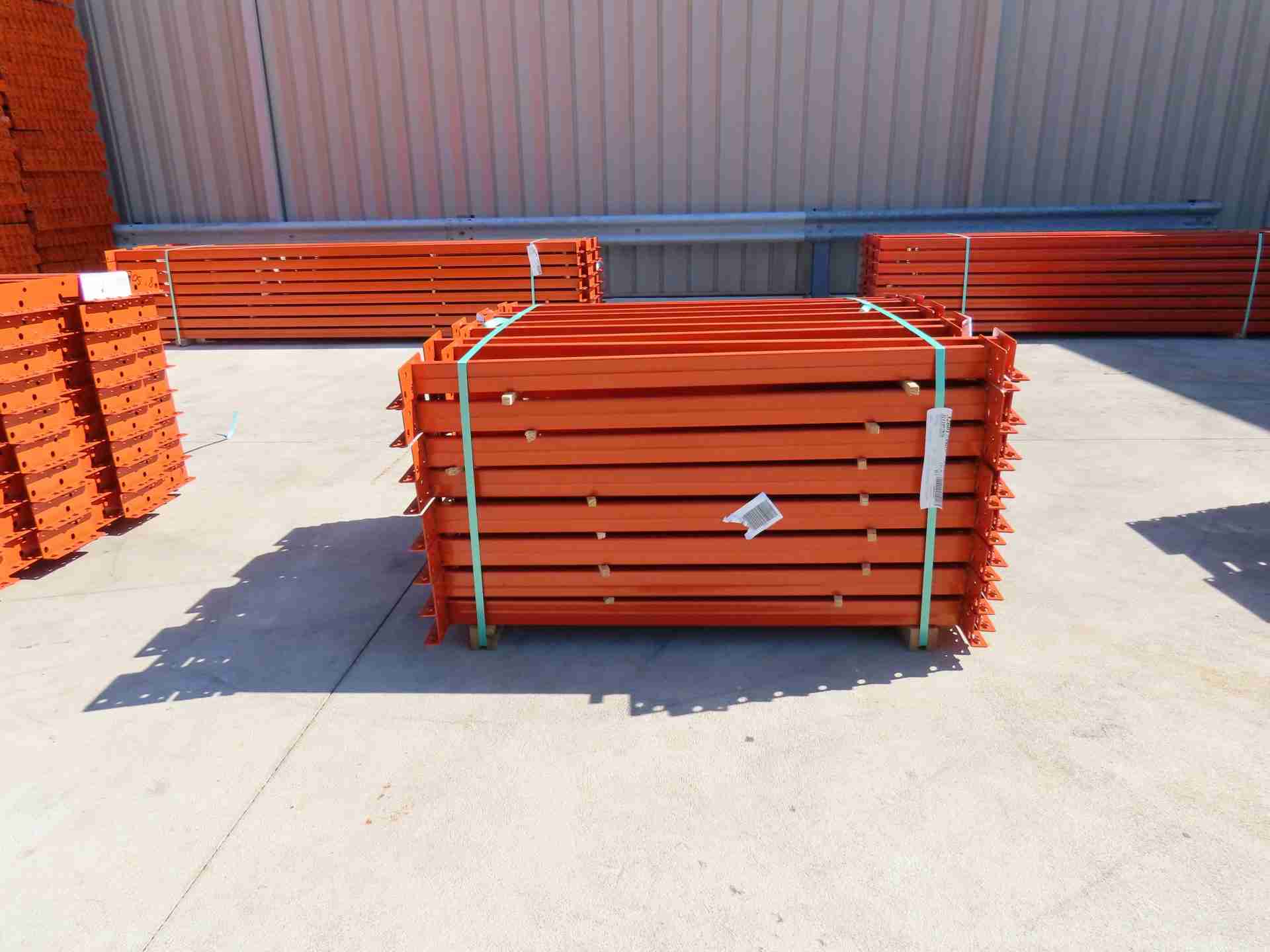
What Types Of Warehouse Racking Systems Are Available?
What Types Of Warehouse Racking Systems Are Available?
- Selective Pallet Racking: Common type used in warehouses; easy access to each pallet; adjustable for different sizes and weights.
- Drive-In Racking: For large quantities of same product; forklifts can drive directly into racking; maximizes storage space.
- Push Back Racking: Stores multiple pallets of same product; uses nested carts for multiple levels; maximizes storage space.
- Cantilever Racking: For long or awkwardly shaped items; uses arms that extend for easy access.
- Mezzanine Racking: Maximizes vertical storage space; uses raised platform for additional storage.

What Types Of Warehouse Racking Systems Are Available?
What Considerations Need To Be Made For Heavy-Duty Storage?
When it comes to heavy-duty storage, there are a few key considerations that need to be taken into account in order to ensure proper functionality and safety. Whether you’re in a warehouse setting, a workshop, or just looking to organize your garage, it’s important to choose the right storage solutions that can handle the weight and size of your items.
First and foremost, you need to assess the weight capacity of the storage system you’re considering. Heavy-duty storage options are designed to hold significantly more weight than standard shelves or cabinets, so be sure to check the weight limits of each shelf or rack before loading them up. Overloading shelves can not only lead to collapse but also poses a serious safety risk to anyone working in the area.
In addition to weight capacity, it’s important to consider the size and dimensions of the items you plan to store. Make sure that the storage system you choose has enough space to accommodate your largest and heaviest items without overcrowding or strain. This might mean opting for taller shelves or wider racks to ensure everything fits comfortably and securely.
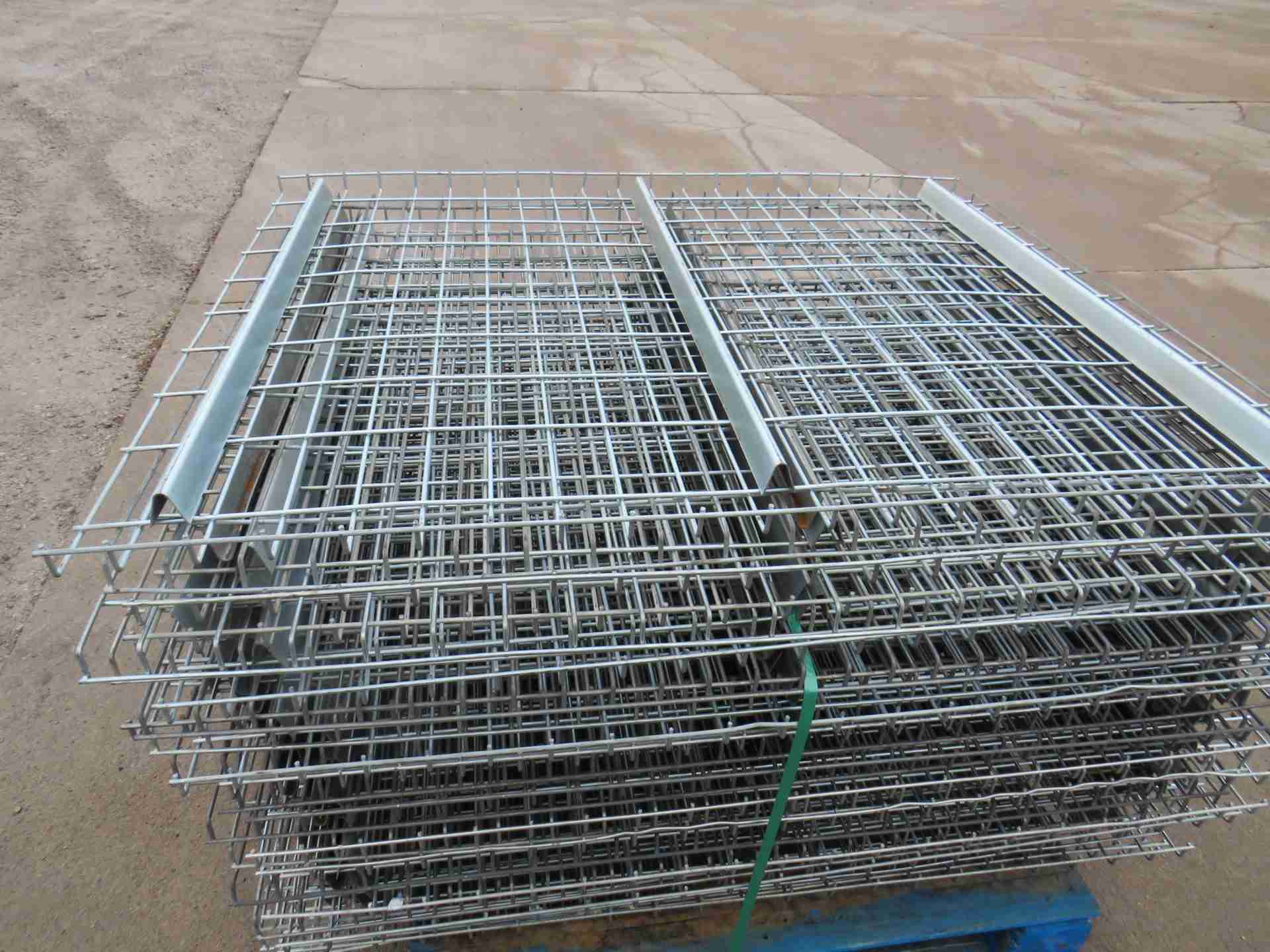
Another consideration to keep in mind is the material of the storage system itself. Heavy-duty storage solutions are typically made from sturdy materials like steel or aluminum to withstand the weight and pressure of heavy items. Avoid flimsy materials like plastic or particle board, as they are more likely to break or bend under strain.
Furthermore, consider the layout and organization of your storage space. Opt for storage systems that allow for easy access to your items without having to move everything around. This will not only save you time and hassle but also reduce the risk of accidents or injuries caused by trying to reach heavy objects in hard-to-reach places.
Lastly, don’t forget about safety measures when it comes to heavy-duty storage. Make sure your storage system is securely anchored to the floor or wall to prevent tipping or collapse. Additionally, consider adding extra support like braces or anchors for added stability, especially in areas with high traffic or seismic activity.
By taking these considerations into account, you can ensure that your heavy-duty storage system is not only functional and efficient but also safe and reliable for years to come. Don’t cut corners when it comes to storing heavy items – invest in the right storage solutions that can handle the weight and size of your belongings with ease.

What Considerations Need To Be Made For Heavy-Duty Storage?
What Considerations Need To Be Made For Heavy-Duty Storage?
- Assess the weight capacity of the storage system.
- Consider the size and dimensions of the items you plan to store.
- Choose storage systems made from sturdy materials.
- Opt for storage systems that allow for easy access.
- Ensure storage system is securely anchored to prevent tipping or collapse.
- Add extra support like braces or anchors for added stability.
- Invest in the right storage solutions that can handle the weight and size of your belongings.
What Considerations Need To Be Made For Heavy-Duty Storage?
How Can Inventory Management Be Optimized With Racking?
Running a successful business involves more than just selling products – you also need to effectively manage your inventory. One key way to optimize your inventory management is by utilizing racking systems.
Imagine walking into a warehouse filled with stacks of boxes, pallets piled high, and inventory scattered all over the floor. It’s a chaotic mess that makes finding the items you need a real challenge. This haphazard approach to inventory management can lead to lost items, wasted time searching for products, and potentially costly mistakes.
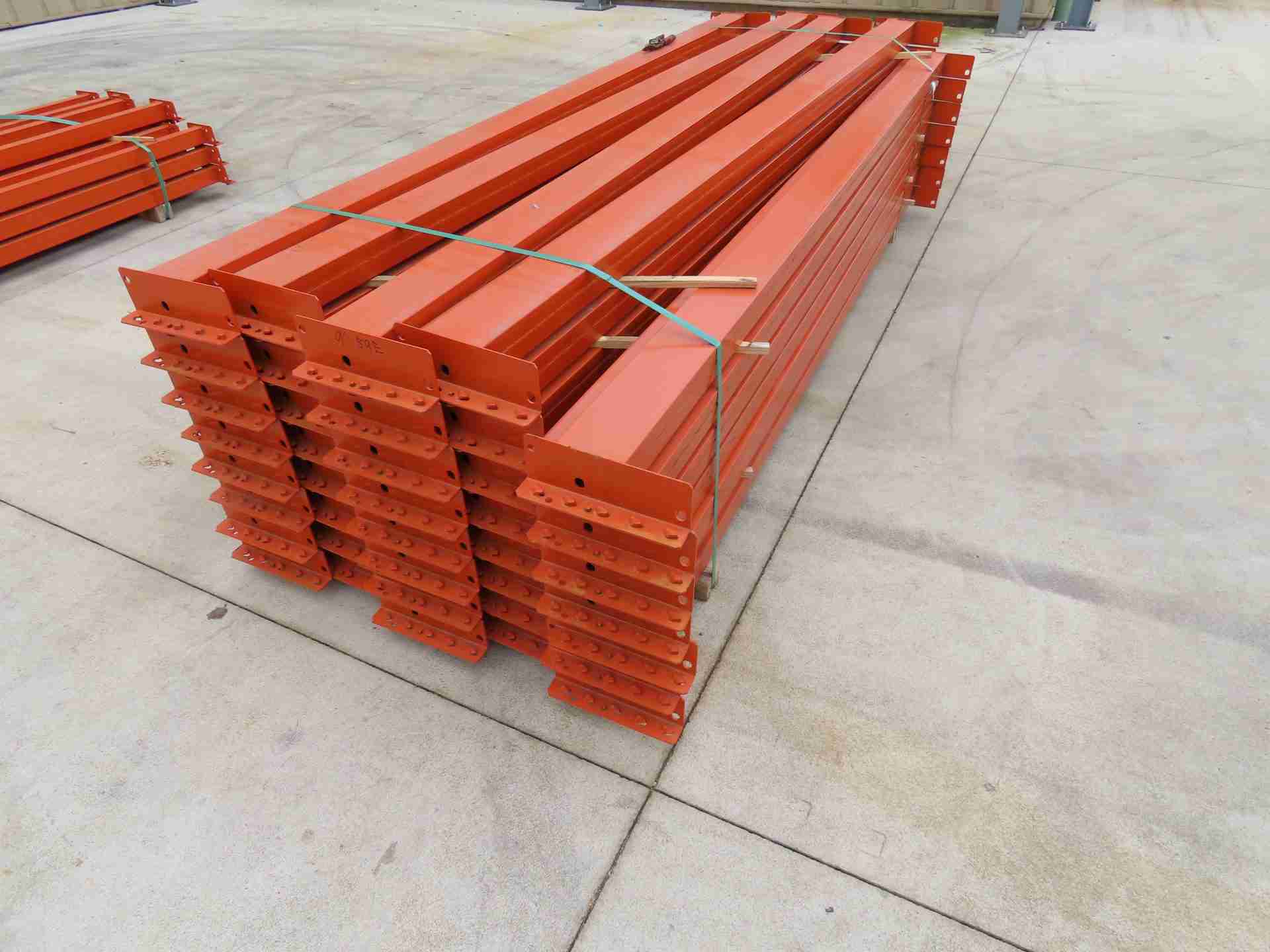
That’s where racking systems come in. By installing shelves and racks in your warehouse, you can create a more organized and efficient storage solution for your inventory. Racking systems allow you to store items vertically, maximizing the use of your space and making it easier to locate and access products when needed.
With racking systems, you can categorize your inventory by type, size, or any other relevant factor, making it simple to keep track of what you have on hand. This organization can help prevent overstocking or understocking of items, ensuring that you have the right amount of products in stock at all times.
In addition to improving organization and efficiency, racking systems can also help protect your inventory. By storing items properly on shelves, you can reduce the risk of damage to fragile or delicate products. This can save you money in the long run by minimizing the need to replace damaged items.
Another benefit of racking systems is their scalability. As your business grows and your inventory expands, you can easily add more shelves or racks to accommodate your changing needs. This flexibility allows you to adapt your storage solutions to fit your business without having to completely reorganize your warehouse.
Overall, investing in racking systems can greatly improve your inventory management process. By creating a more organized, efficient, and scalable storage solution, you can save time, reduce costs, and improve overall productivity in your business. So why not take advantage of this simple yet effective tool to optimize your inventory management today?
How Can Inventory Management Be Optimized With Racking?
How Can Inventory Management Be Optimized With Racking?
- Running a successful business involves more than just selling products
- you also need to effectively manage your inventory.
- One key way to optimize your inventory management is by utilizing racking systems.
- Racking systems allow you to store items vertically, maximizing the use of space and making it easier to locate and access products.
- Categorize inventory by type, size, or relevant factor to prevent overstocking or understocking of items.
- Racking systems help protect inventory by reducing the risk of damage to fragile products.
- Racking systems are scalable, allowing you to easily add more shelves or racks as your business grows.
- Investing in racking systems can greatly improve overall productivity, save time, and reduce costs in your business.
How Can Inventory Management Be Optimized With Racking?
What Safety Measures Should Be Followed During Installation?
When it comes to installing any equipment or machinery, safety should always be the number one priority. It may not always be the most exciting part of the job, but taking the time to follow proper safety measures can prevent accidents and injuries that could be costly, both in terms of time and money.
One of the most important safety measures to follow during installation is to always wear the appropriate personal protective equipment (PPE). This may include items such as safety glasses, gloves, ear protection, and steel-toed boots. These items may not always be the most comfortable or stylish, but they can mean the difference between a minor inconvenience and a serious injury.
Before beginning any installation project, it is crucial to fully understand the equipment and machinery being installed. This includes reading and following all manufacturer’s instructions and guidelines. Taking the time to familiarize yourself with the equipment can help prevent mistakes that could result in accidents.
Another important safety measure is to make sure that the installation site is clear of any obstacles or hazards. This may include removing debris, ensuring proper lighting, and creating a clear path for moving equipment and machinery. By keeping the installation site organized and clean, you can reduce the risk of trips, slips, and falls.
During installation, it is essential to use proper lifting techniques to prevent strains and sprains. This includes bending at the knees, using your legs to lift, and asking for help when needed. Trying to lift heavy equipment on your own can lead to serious injuries that could sideline you from work.
It is also important to have a clear communication plan in place during installation. This may include using hand signals or walkie-talkies to communicate with team members. Clear communication can help prevent accidents and ensure that everyone is on the same page.
Finally, it is crucial to always follow lockout/tagout procedures when installing equipment or machinery. This means shutting off power sources and locking out equipment to prevent accidental starts. Failure to follow lockout/tagout procedures can result in serious injuries or even death.
Safety should always be a top priority during installation projects. By wearing the appropriate PPE, understanding the equipment being installed, keeping the installation site clear of hazards, using proper lifting techniques, communicating effectively, and following lockout/tagout procedures, you can help ensure a safe and successful installation process. Remember, taking the time to prioritize safety now can prevent costly accidents and injuries in the future.
What Safety Measures Should Be Followed During Installation?
What Safety Measures Should Be Followed During Installation?
- Safety should always be the number one priority during installation projects.
- Always wear appropriate personal protective equipment (PPE) such as safety glasses, gloves, and steel-toed boots.
- Fully understand the equipment being installed by reading and following manufacturer’s instructions.
- Ensure the installation site is clear of obstacles and hazards to prevent accidents.
- Use proper lifting techniques to prevent strains and sprains.
- Have a clear communication plan in place to avoid accidents and ensure everyone is on the same page.
- Follow lockout/tagout procedures by shutting off power sources to prevent accidental starts.
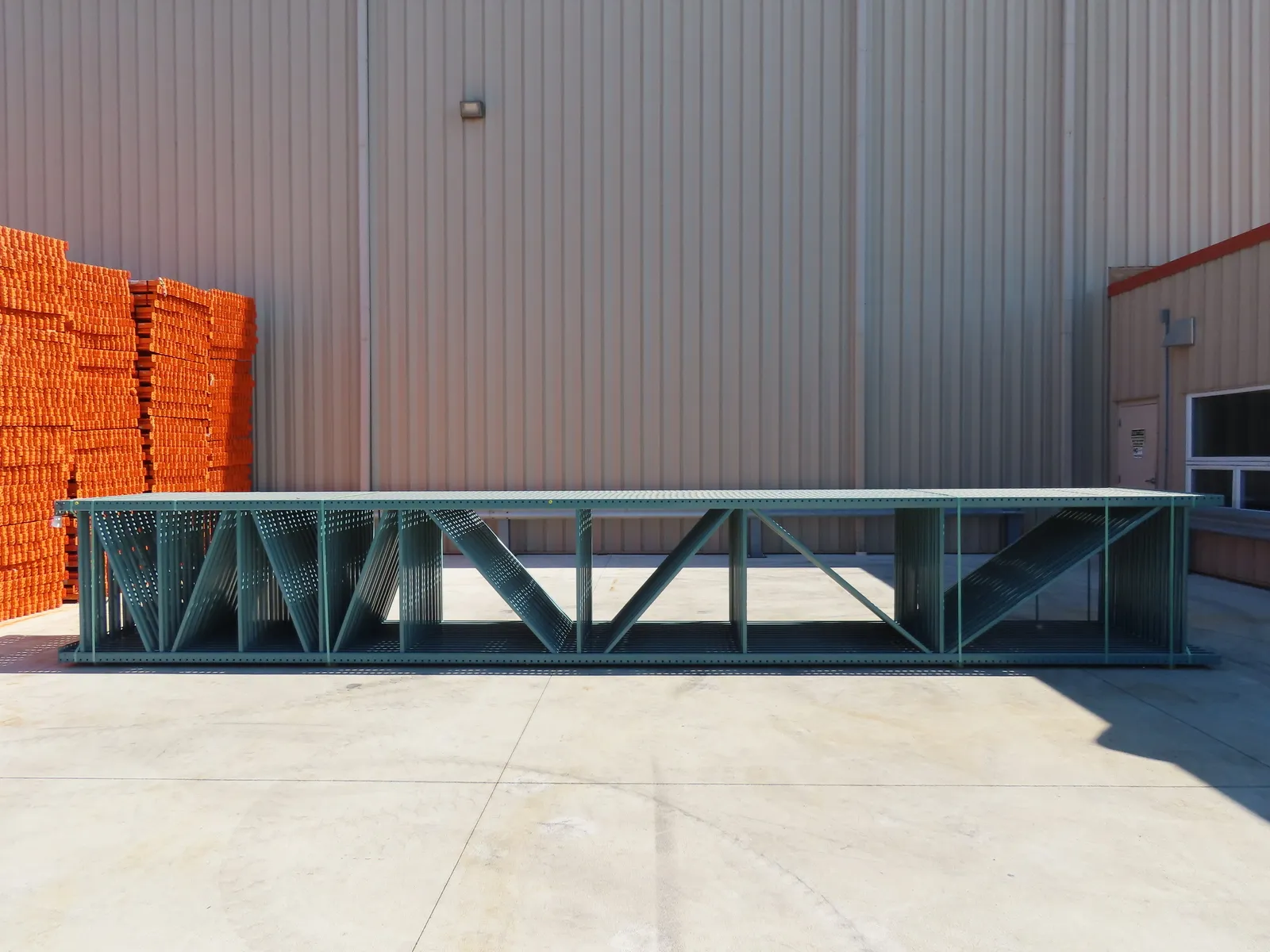
What Safety Measures Should Be Followed During Installation?
How Can Vertical Space Be Maximized In A Warehouse?
When it comes to maximizing vertical space in a warehouse, there are a few key strategies that can help make the most of every inch of available space. By utilizing these tactics, a warehouse can increase its storage capacity and efficiency, ultimately saving time and money in the long run.
One of the most effective ways to maximize vertical space in a warehouse is by utilizing overhead storage options. This can include installing shelving units or racks that reach all the way to the ceiling, allowing for items to be stored vertically rather than horizontally. By taking advantage of the vertical space above, warehouses can significantly increase their storage capacity without needing to expand their physical footprint.
Another way to maximize vertical space is by implementing mezzanine levels within the warehouse. Mezzanines are intermediate floors that can be installed above existing floor space, providing additional storage or workspace without the need for costly renovations or expansions. Mezzanines can be used to store inventory, house equipment, or provide additional office space, making them a versatile and efficient solution for maximizing vertical space in a warehouse.
Utilizing vertical lifts or automated storage and retrieval systems can also help maximize vertical space in a warehouse. These systems can store and retrieve items efficiently and quickly, allowing for greater storage capacity and improved organization within the warehouse. By implementing these technologies, warehouses can make the most of their vertical space and streamline their storage and retrieval processes.
Finally, utilizing stackable storage solutions can also help maximize vertical space in a warehouse. By using stackable bins, pallets, or shelves, warehouses can store items in a compact and efficient manner, allowing for easy access and organization. Stackable storage options can be used throughout the warehouse, from the warehouse floor to mezzanine levels, providing a flexible and cost-effective way to make the most of vertical space.
Maximizing vertical space in a warehouse is essential for increasing storage capacity and efficiency. By utilizing overhead storage options, mezzanine levels, vertical lifts, and stackable storage solutions, warehouses can make the most of their available space and improve their operations overall. By implementing these strategies, warehouses can maximize their vertical space and optimize their storage capabilities, ultimately saving time and money in the process.
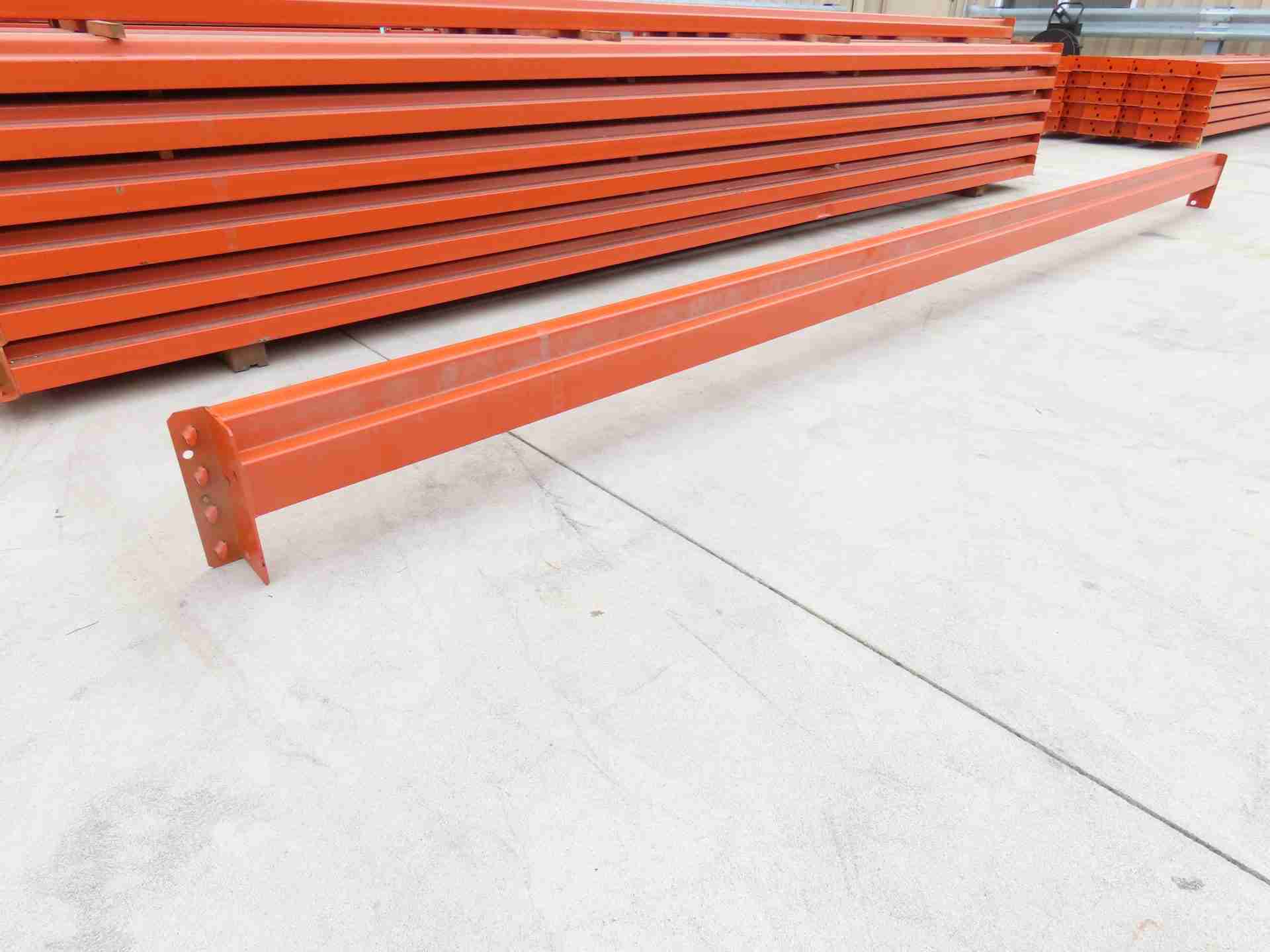
How Can Vertical Space Be Maximized In A Warehouse?
How Can Vertical Space Be Maximized In A Warehouse?
- Utilize overhead storage options such as shelving units or racks to maximize vertical space.
- Implement mezzanine levels to create additional storage or workspace without costly renovations.
- Use vertical lifts or automated storage and retrieval systems for efficient storage and organization.
- Utilize stackable storage solutions like bins, pallets, or shelves to store items compactly.
- Maximizing vertical space is essential for increasing storage capacity and efficiency.
- Implementing these strategies can help warehouses optimize their storage capabilities.
- By maximizing vertical space, warehouses can save time and money in the long run.
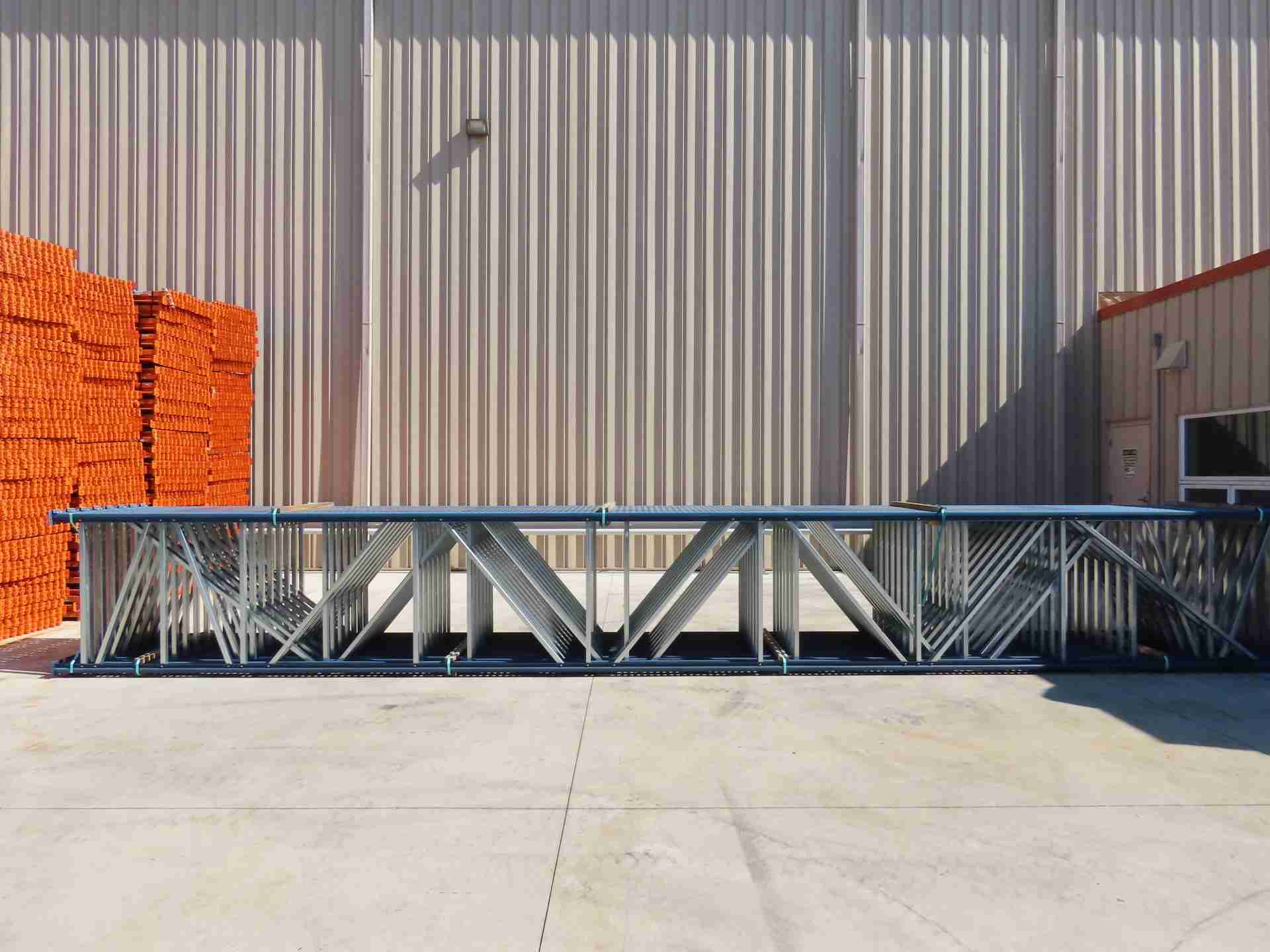
How Can Vertical Space Be Maximized In A Warehouse?
Conclusion
In conclusion, setting up a warehouse racking system requires careful planning, attention to detail, and a focus on safety. By assessing your warehouse space, selecting the right type of racking, and properly installing and maintaining the system, you can create a safe and efficient storage solution for your operations. Proper layout planning is essential for maximizing space, promoting safety, improving workflow, and enhancing inventory management. With various types of racking systems available, such as selective pallet racking, drive-in racking, push back racking, cantilever racking, and mezzanine racking, you can choose the best option to meet your warehouse needs. When it comes to heavy-duty storage, considerations like weight capacity, size, material, layout, and safety measures must be taken into account to ensure functionality and safety. By utilizing racking systems, you can optimize inventory management by improving organization, protecting inventory, and allowing for scalability as your business grows. During installation, prioritizing safety by wearing appropriate PPE, understanding equipment instructions, keeping the site clear, using proper lifting techniques, communicating effectively, and following lockout/tagout procedures is crucial. To maximize vertical space in a warehouse, strategies like using overhead storage options, implementing mezzanine levels, utilizing vertical lifts, and stackable storage solutions can help increase storage capacity and efficiency. Remember, a little planning and attention to detail can go a long way in setting up a warehouse racking system that is safe, efficient, and optimized for your business needs.
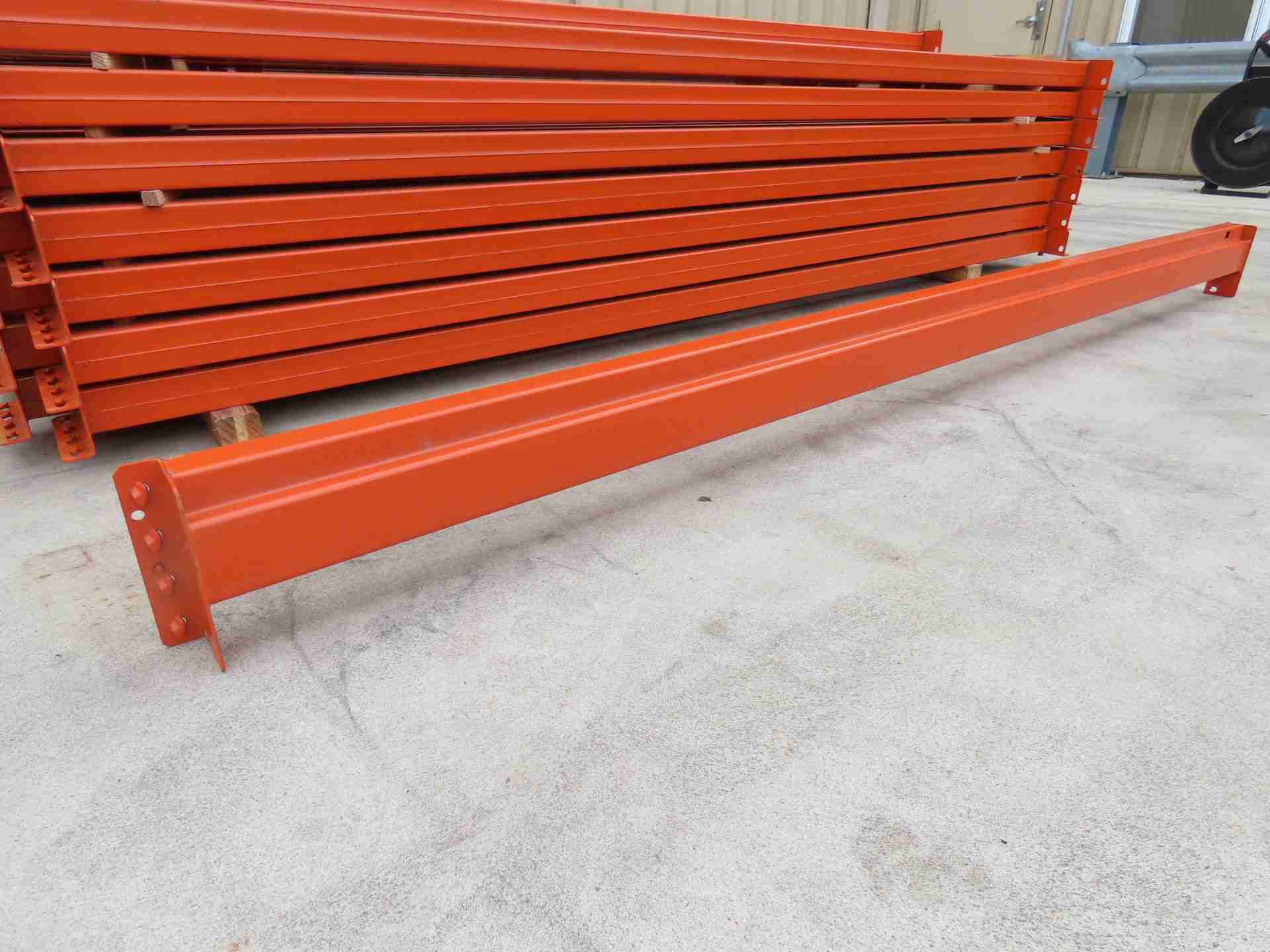
Conclusion
Conclusion:
- Setting up a warehouse racking system requires careful planning, attention to detail, and a focus on safety.
- Proper layout planning is essential for maximizing space, promoting safety, improving workflow, and enhancing inventory management.
- Various types of racking systems available including selective pallet racking, drive-in racking, push back racking, cantilever racking, and mezzanine racking.
- Considerations like weight capacity, size, material, layout, and safety measures are important for heavy-duty storage.
- Utilizing racking systems can optimize inventory management by improving organization, protecting inventory, and allowing for scalability.
- Prioritizing safety during installation is crucial by wearing appropriate PPE, understanding equipment instructions, and following procedures.
- To maximize vertical space in a warehouse, strategies like using overhead storage options, mezzanine levels, vertical lifts, and stackable storage solutions can help increase storage capacity and efficiency.
Conclusion
Other Resources
Other Resources
Here is a list of other resources you can review online to learn more:
- “Best Racking Systems for Warehouses: A Comparison”
- “Warehouse Racking and Storage Solutions”
- “A Warehouse Racking System: What Should You Look for?”
- “Warehouse Racking Systems: Beginner’s Guide to Rack …”
- “Pallet racking systems”
- “Key Considerations For Drive-In Rack Design”
- “Heavy Duty Industrial Racking | Storage Shelves Manufaturers”
- “Intro to Warehouse Racks & Warehouse Racking Systems”
Other Resources
Glossary Terms
How Does One Set Up a Warehouse Racking System? – Glossary Of Terms
Here is a glossary of terms to help understand how to set up a warehouse racking system:
1. Pallet Racking: A storage system designed to store materials on pallets. It makes it easier to organize and retrieve items.
2. Cantilever Racking: Ideal for storing long, bulky items like lumber and pipes. It has arms that extend from a central column.
3. Selective Racking: The most common type of racking system, allowing direct access to each pallet.
4. Drive-In Racking: Allows forklifts to drive directly into the racking system to pick up or drop off pallets. Suitable for high-density storage.
5. Drive-Through Racking: Similar to drive-in racking but allows access from both ends, facilitating a first-in, first-out (FIFO) storage method.
6. Push Back Racking: Uses a system of nested carts and inclined rails to store pallets multiple deep. Pallets are placed and retrieved from the same side.
7. Flow Racking: Uses a conveyor system to move pallets from one side of the racking system to the other. Excellent for FIFO inventory management.
8. Mezzanine: An elevated platform in the warehouse to increase storage capacity without expanding the actual square footage.
9. Load-Bearing Capacity: The maximum weight that the racking system can safely support.
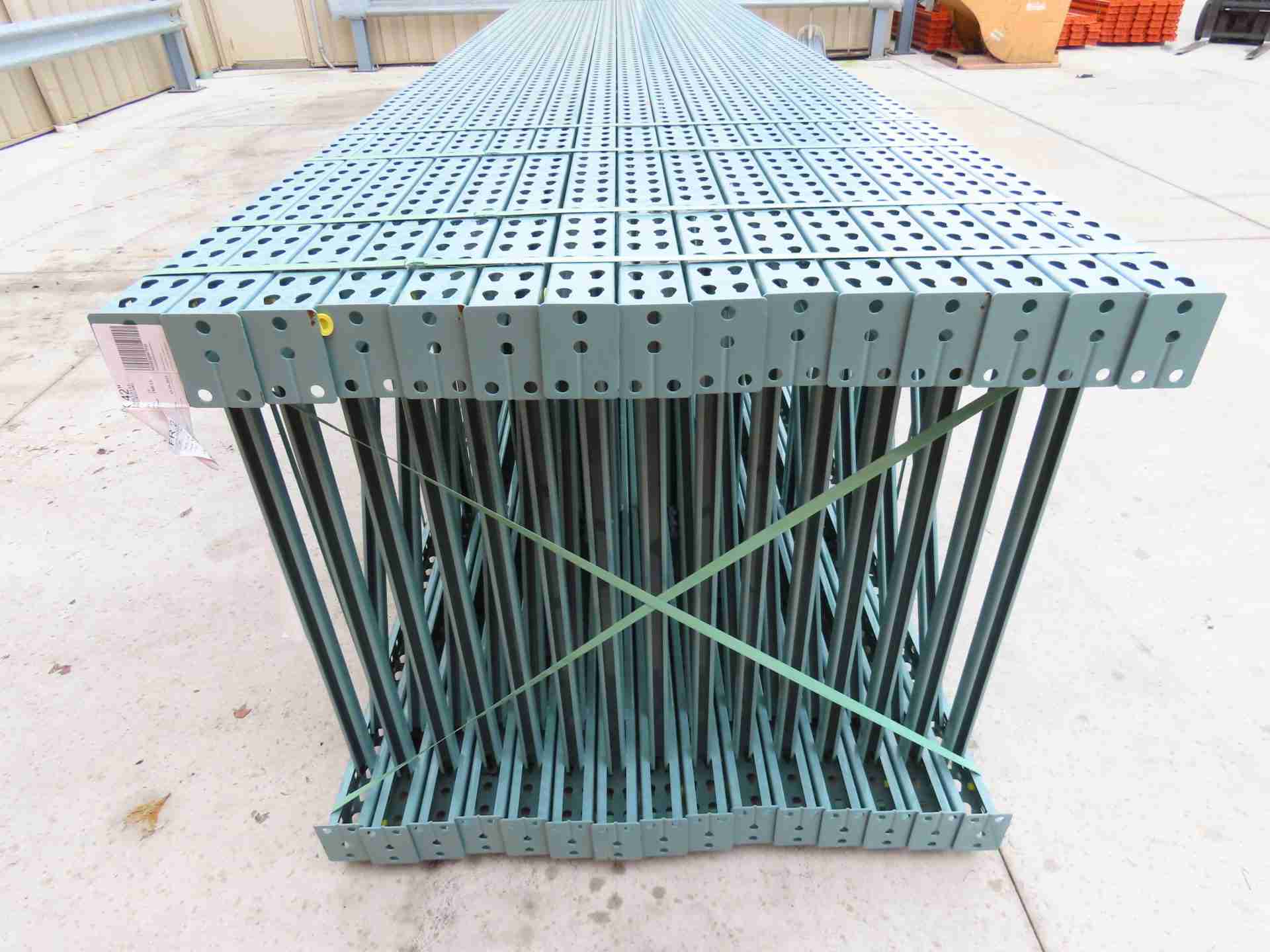
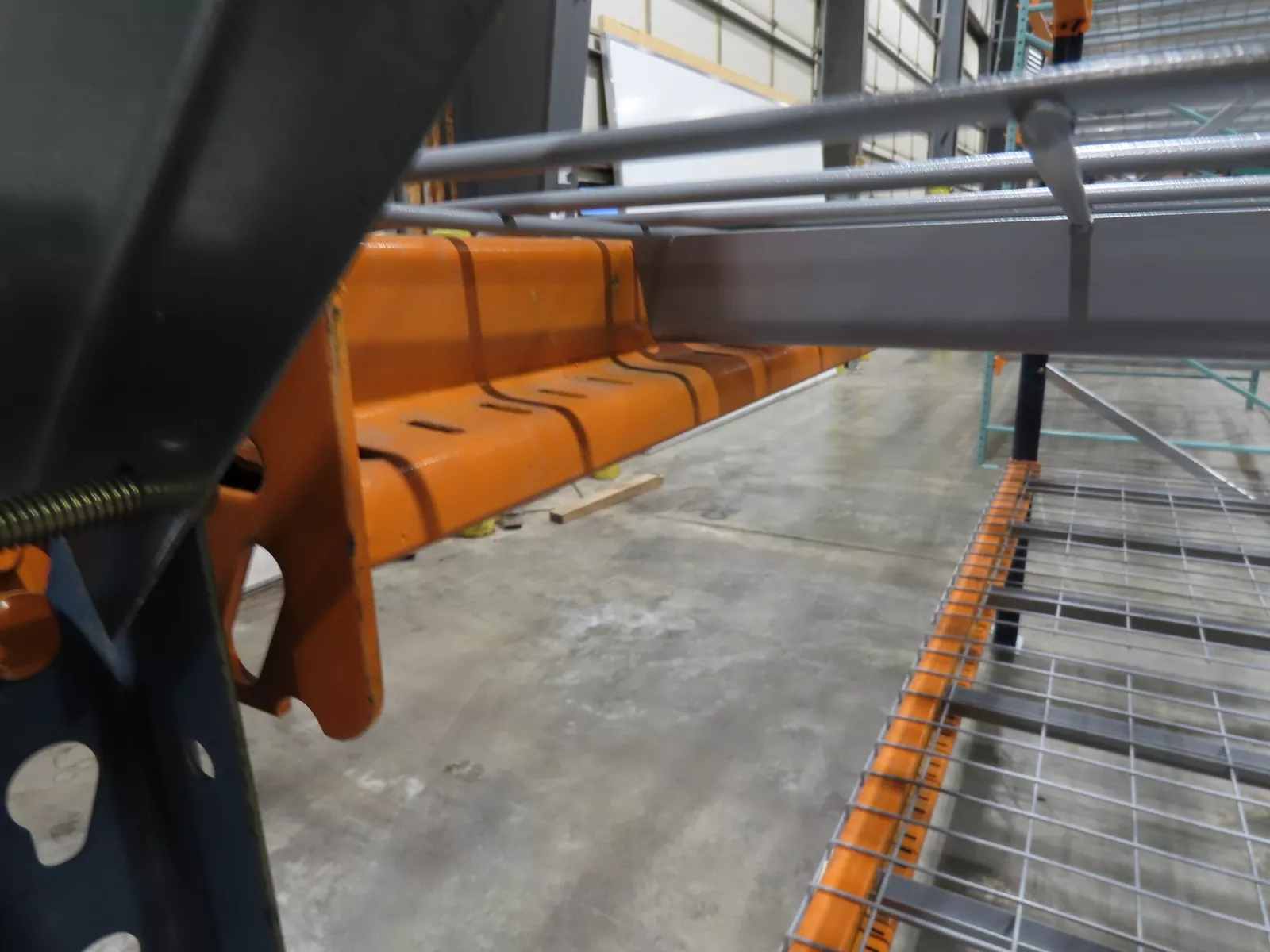
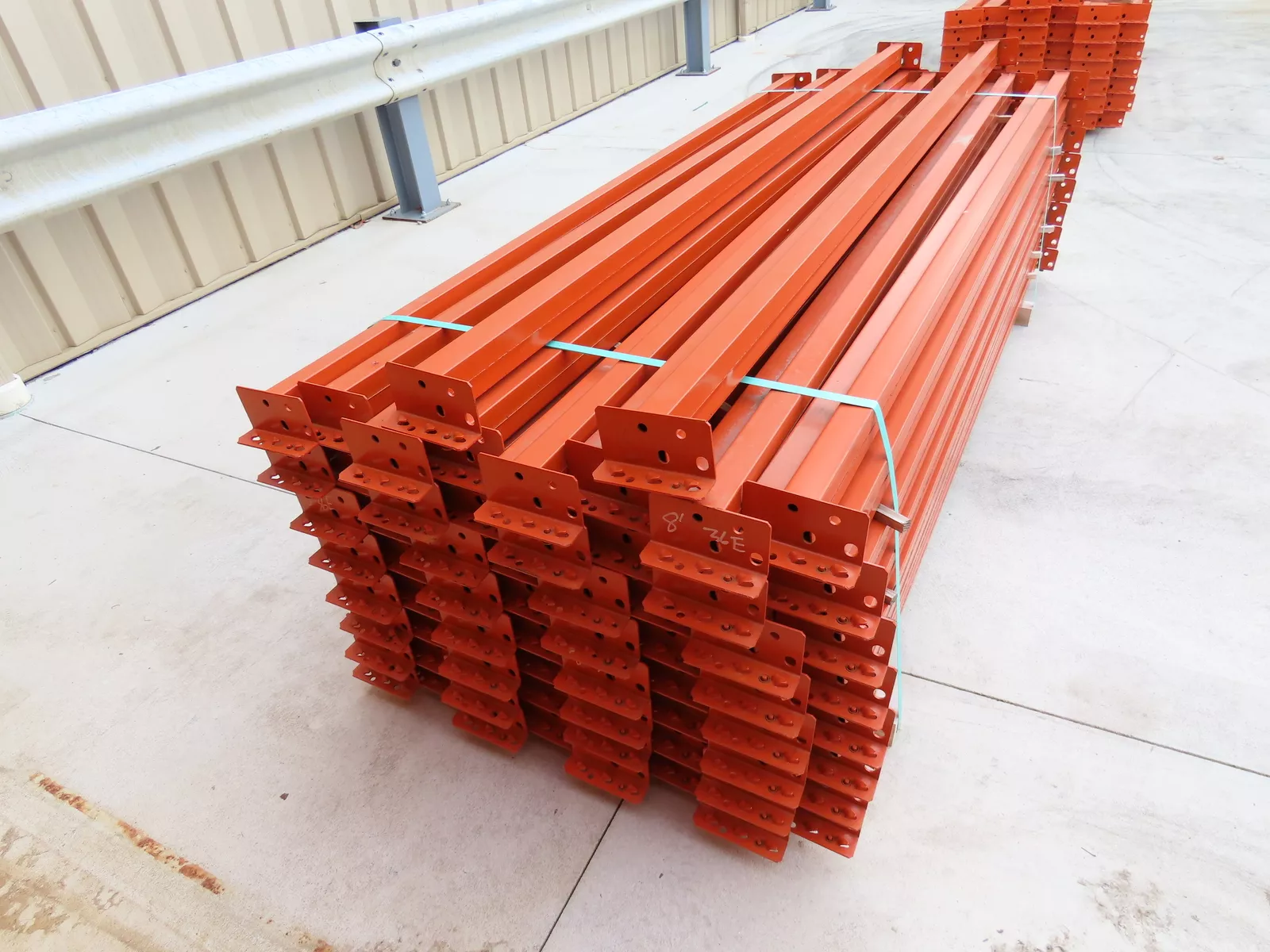
10. Beams: Horizontal components of a racking system that support the load. They connect to the upright frames.
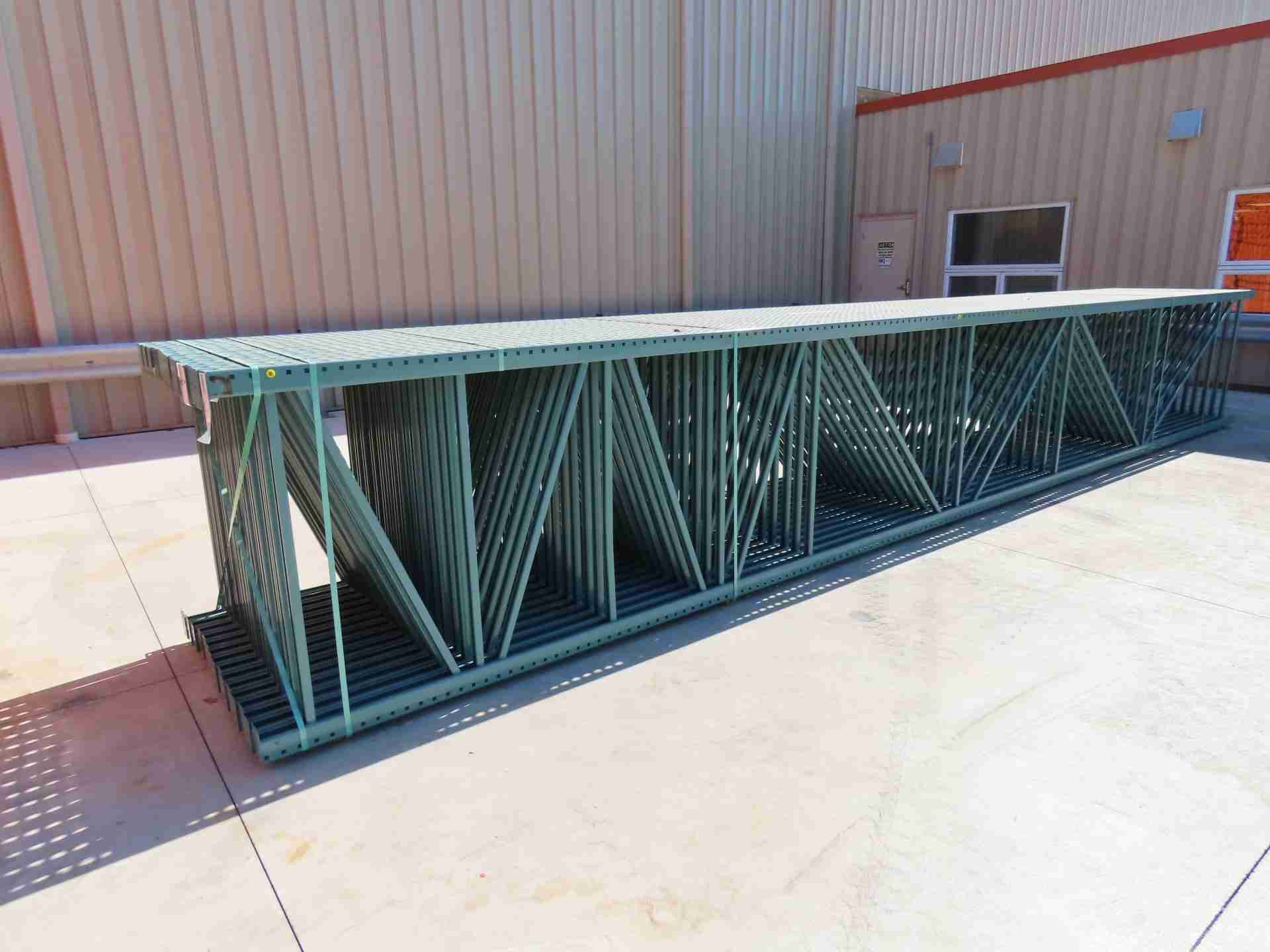
11. Upright Frames: Vertical components that form the main structure of the racking system and support the beams.
12. Bracing: Horizontal and diagonal supports to increase the stability of the racking system.
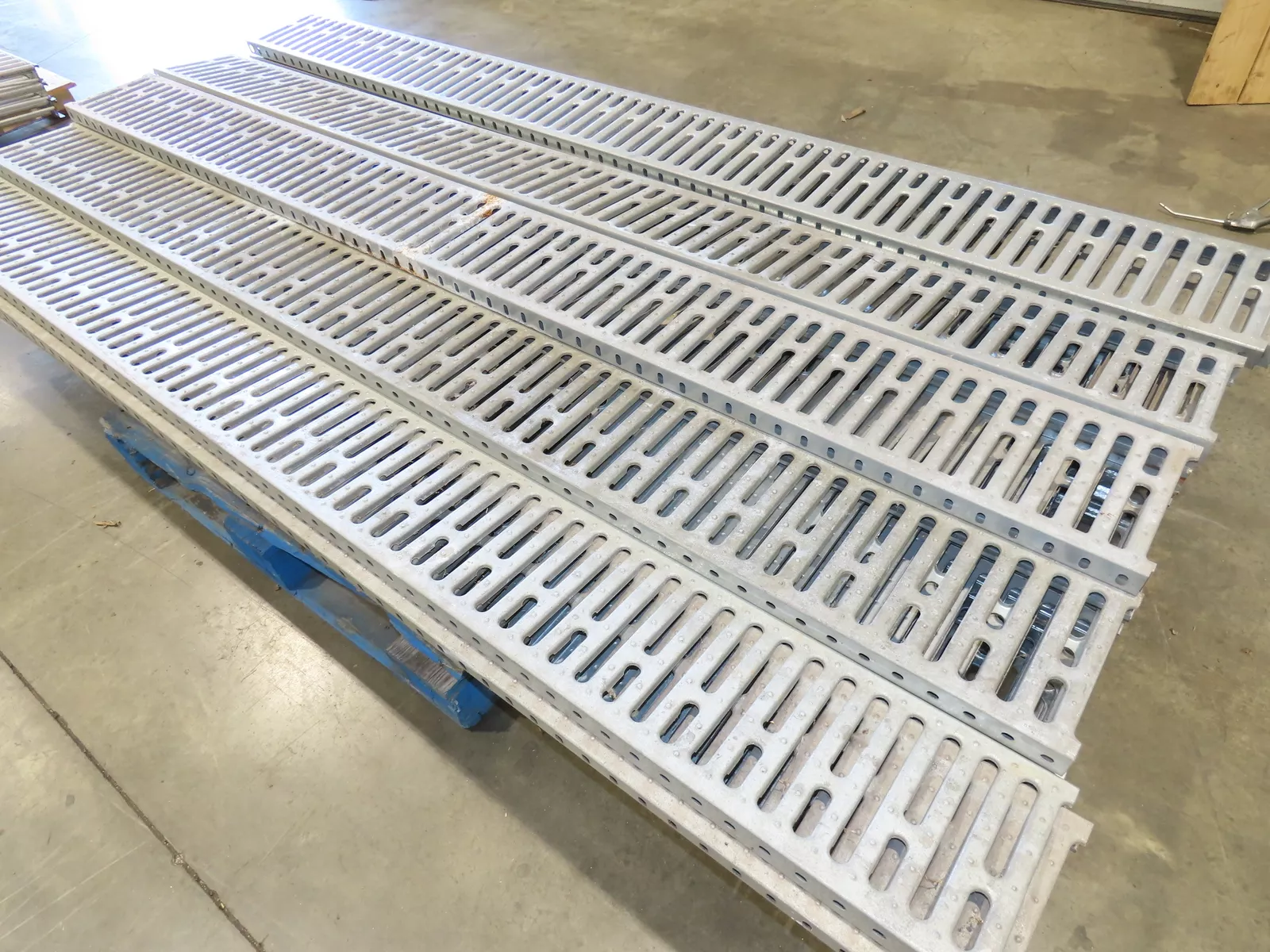
13. Decking: Surface material placed on beams to support loads that are not on pallets (e. g. , wood, wire mesh).
14. Forklift: Essential machinery for moving pallets within the warehouse and in and out of the racking system.
15. Safety Pins: Devices used to secure beams to the upright frames to prevent accidental dislodgment.
16. Load Guide: Guidelines that indicate the maximum load capacity, dimensions, and the type of goods suitable for a specific racking system.
17. Pick Face: The front area of the rack where picking and replenishment operations take place.
18. Column Protectors: Guards that shield upright frames from forklift impact damage.
19. End-of-Aisle Guards: Barriers placed at the end of aisles to protect racking systems from collisions.
20. Bay: The space between two upright frames, often used to describe a single “unit” of storage space within the racking system.
21. Aisle Width: The space between racks that determines the type of forklift equipment that can be used and its maneuverability.
22. Row Spacers: Additional supports placed between rows of back-to-back racking to ensure stability and proper alignment.
23. Back Stop Beams: Installed at the rear of racking units to prevent pallets from being pushed out the back.
24. Wire Mesh Decking: A type of decking that allows for better visibility and ventilation. It’s also fire-resistant.
25. Rack Labels: Identification tags for bays, levels, and sections to streamline inventory management and order picking processes.
26. Split Beam Design: Beams that have a central divider, often used to improve weight distribution.
27. Racking Layout Plan: A blueprint or design plan that outlines the positioning and type of racking systems within the warehouse for optimal workflow.
28. Seismic Anchors: Special fasteners used to secure racks to the floor, particularly in regions prone to earthquakes.
29. Pick Modules: Integrated systems combining various types of racking, conveyors, and pick zones to increase picking efficiency.
30. Safety Inspection Checklist: A document listing items to be regularly checked to ensure the integrity and safety of the racking system.
These terms and their definitions should provide a solid foundation for understanding and setting up a warehouse racking system.
Glossary Of Terms
Other Questions
How Does One Set Up a Warehouse Racking System? – Other Questions
If you wish to explore and discover more, consider looking for answers to these questions:
- What are the initial steps for assessing warehouse space before setting up a racking system?
- How can one determine the best layout for a warehouse racking system?
- What are the different types of racking systems and their respective advantages and limitations?
- How critical is it to follow manufacturers’ instructions during the installation of racking systems?
- What are the best practices for labeling inventory within a racking system?
- How often should a warehouse racking system be inspected and maintained?
- Why is proper layout planning essential for warehouse racking?
- What are the safety measures that must be followed during the installation of racking systems?
- What considerations need to be made for storing heavy-duty items in a warehouse?
- How can racking systems improve inventory management and tracking?
- What are the benefits of using vertical space effectively in a warehouse?
- How can mezzanine levels be used to maximize vertical storage space?
- What are the key safety risks associated with improper warehouse racking installation?
- Which materials are best suited for heavy-duty storage solutions?
- What are the advantages of using automated storage and retrieval systems in warehouses?
- How can warehouses ensure safe lifting practices during racking installation?
- What role does proper communication play during the installation of warehouse racking systems?
- How can warehouses deal with space constraints without expanding their physical footprint?
- What are some common challenges faced during the setup of warehouse racking systems, and how can they be mitigated?
- How can seasonal changes impact the setup and maintenance of warehouse racking systems?
Other Questions
Checklist
How Does One Set Up a Warehouse Racking System? – A Checklist
1. Initial Planning
_____ Assess warehouse space dimensions.
_____ Determine storage needs based on inventory size and weight.
_____ Forecast potential future growth or changes.
2. Layout Design
_____ Plan the physical layout of the racking system.
_____ Consider the flow of operations (loading, picking, and packing).
_____ Ensure clear aisles for forklift and worker movement.
3. Selecting a Racking System
_____ Evaluate different types of racking systems:
_____ Selective Pallet Racking
_____ Drive-In Racking
_____ Push Back Racking
_____ Cantilever Racking
_____ Mezzanine Racking
_____ Choose the system that best fits your needs, considering space and inventory type.
4. Installation Preparation
_____ Gather and inspect all required components.
_____ Read and understand the manufacturer’s installation instructions.
_____ Ensure the installation site is clean and obstacles removed.
5. Safety Measures During Installation
_____ Wear appropriate Personal Protective Equipment (PPE).
_____ Use proper lifting techniques and equipment.
_____ Follow lockout/tagout procedures to prevent accidental starts or movements.
_____ Securely anchor racking to the floor.
6. Installation Process
_____ Assemble racking components according to manufacturer’s guidelines.
_____ Ensure racks are properly aligned and level.
_____ Anchor racks securely to the floor for stability.
7. Labeling and Organization
_____ Develop a labeling system for racks and shelves.
_____ Use consistent labels for easy identification and retrieval.
_____ Organize inventory logically by categories such as type or size.
8. Regular Maintenance
_____ Inspect racking regularly for signs of damage or wear.
_____ Reorganize inventory periodically to optimize storage space.
_____ Perform necessary adjustments or repairs promptly.
9. Utilizing Vertical Space
_____ Consider overhead storage options.
_____ Install mezzanine levels if applicable.
_____ Use stackable storage solutions to maximize space.
10. Optimizing Inventory Management
_____ Categorize inventory effectively to avoid over/understocking.
_____ Implement vertical lifts or automated systems for efficiency.
_____ Protect inventory by storing items properly on shelves to prevent damage.
11. Workflow and Safety Enhancements
_____ Plan the placement of work areas and aisles to prevent accidents.
_____ Ensure clear communication channels during heavy-duty storage and installation.
_____ Follow industry best practices to maintain safety and efficiency.
This checklist aims to streamline the process of setting up and maintaining a warehouse racking system, ensuring efficiency, organization, and safety in your storage operations.

Checklist
At RackingWorld, we help guide you through selecting warehouse storage systems and racking.
Be sure to read our other related stories at RackingWorld to learn more about warehouse storage systems.
0 Comments