
Maximizing Safety: Pallet Racking Design And Fire Regulations
By Tom Seest
At RackingWorld, we help guide you through selecting warehouse storage systems and racking.
Be sure to read our other related stories at RackingWorld to learn more about warehouse storage systems.
How Do Fire Safety Regulations Impact Pallet Racking Design?
When it comes to designing pallet racking systems, there are a number of factors to consider. Among them, fire safety regulations play a crucial role in determining the layout and design of the racks.
One of the most important aspects to keep in mind when designing a pallet racking system is the potential for fires to occur. In warehouses and distribution centers where large quantities of goods are stored, the risk of a fire breaking out is always present. This is why fire safety regulations are in place to ensure that proper precautions are taken to minimize the risk of fires spreading and causing damage to both the property and the people working within it.
Fire safety regulations impact pallet racking design in several ways. One key consideration is the spacing between racks. Fire codes typically require a certain amount of clearance between racks to allow for the passage of sprinkler systems and provide access for firefighters in the event of a fire. This means that the layout of the racking system must be carefully planned to ensure that there is enough space between racks to comply with these regulations.
Additionally, fire safety regulations also dictate the materials that can be used in the construction of pallet racking systems. Certain materials are more fire-resistant than others, and using the right materials can help to prevent fires from spreading and minimize the damage caused by flames. It is important to choose materials that meet the necessary fire safety standards to ensure the safety of the property and the people working in the facility.
Another factor to consider when designing pallet racking systems in accordance with fire safety regulations is the placement of fire suppression equipment. Sprinkler systems, fire extinguishers, and other firefighting equipment must be strategically located throughout the facility to ensure that they are easily accessible in the event of a fire. This may impact the layout of the racks and the overall design of the warehouse space.
Overall, fire safety regulations play a critical role in determining the design of pallet racking systems. By ensuring that proper precautions are taken to minimize the risk of fires and comply with fire codes, warehouse and distribution center operators can create a safe and efficient working environment for their employees. Remember, safety first!

How Do Fire Safety Regulations Impact Pallet Racking Design?
How Do Fire Safety Regulations Impact Pallet Racking Design?
- Fire safety regulations are crucial in designing pallet racking systems.
- The risk of fires breaking out in warehouses with large quantities of goods is always present.
- Spacing between racks is a key consideration to comply with fire codes.
- Materials used in construction must meet necessary fire safety standards.
- Placement of fire suppression equipment must be strategic and easily accessible.
- Complying with fire safety regulations ensures a safe working environment.
- Remember, safety first!.

How Do Fire Safety Regulations Impact Pallet Racking Design?
Table Of Contents
- How Do Fire Safety Regulations Impact Pallet Racking Design?
- What Are The Requirements For Aisle Width And Sprinkler Systems?
- What Are The Key Fire Safety Regulations For Pallet Racking Design?
- How Can Pallet Racking Be Designed To Comply With These Regulations?
- How Do Sprinkler Systems Affect Pallet Racking Design?
- What Are The Requirements For Aisle Width In Fire Safety Regulations?
- How Can Flue Spaces Be Incorporated Into Pallet Racking Design?
- What Role Does Fire Resistance Play In Pallet Racking Materials?
- How Do Fire Safety Regulations Influence Pallet Racking Layout?
- Conclusion
- Other Resources
- Glossary Of Terms
- Other Questions
- Checklist
What Are The Requirements For Aisle Width And Sprinkler Systems?
When it comes to designing a safe and efficient warehouse, there are certain requirements that must be met in order to ensure the well-being of employees and the protection of goods. One of the key factors to consider is aisle width, as well as the installation of sprinkler systems.
Aisle width may seem like a minor detail, but it plays a crucial role in the overall functionality of a warehouse. The Occupational Safety and Health Administration (OSHA) has set specific guidelines for aisle width to ensure that employees can move freely and safely throughout the facility. According to OSHA standards, aisles in a warehouse must be wide enough to allow for the safe passage of workers and equipment, as well as easy access to emergency exits.
The minimum required aisle width in a warehouse is typically determined by the type of equipment being used and the layout of the facility. For example, narrow aisle forklifts require narrower aisles than traditional forklifts in order to maneuver effectively. Additionally, aisles should be clear of obstructions and debris to prevent accidents and allow for easy navigation.
In addition to aisle width, the installation of sprinkler systems is another important requirement for warehouse safety. In the event of a fire, sprinkler systems can help to contain and extinguish the flames, potentially saving lives and reducing property damage. OSHA regulations specify that warehouses must be equipped with adequate sprinkler systems based on the size and layout of the facility.
The National Fire Protection Association (NFPA) also provides guidelines for sprinkler system installation in warehouses, including the spacing and placement of sprinkler heads. It is important to work with a qualified fire protection company to ensure that the sprinkler system meets all necessary requirements and is regularly inspected and maintained.
Meeting the requirements for aisle width and sprinkler systems is essential for creating a safe and compliant warehouse environment. By adhering to OSHA and NFPA standards, warehouse owners can help to protect their employees, property, and assets. Remember, safety should always be a top priority in any warehouse setting.

What Are The Requirements For Aisle Width And Sprinkler Systems?
What Are The Requirements For Aisle Width And Sprinkler Systems?
- Aisle width and installation of sprinkler systems are key factors in designing a safe warehouse.
- OSHA sets specific guidelines for aisle width to ensure safe movement of workers and equipment.
- Minimum aisle width is determined by equipment type and layout to allow for safe passage and access to exits.
- Aisles should be clear of obstructions to prevent accidents and aid navigation.
- Sprinkler systems are crucial for containing and extinguishing fires in warehouses.
- OSHA regulations and NFPA guidelines specify requirements for sprinkler system installation.
- Adhering to safety standards is essential to protect employees, property, and assets in warehouse environments.

What Are The Requirements For Aisle Width And Sprinkler Systems?
What Are The Key Fire Safety Regulations For Pallet Racking Design?
When it comes to designing pallet racking systems, there are several key fire safety regulations that must be followed to ensure the safety of both employees and property. These regulations are in place to prevent fires from starting and spreading in warehouses where flammable materials are often stored.
One of the most important regulations to consider when designing pallet racking systems is the requirement for adequate spacing between racks. This is crucial for allowing fire suppression systems, such as sprinklers, to effectively control and extinguish fires. By maintaining proper spacing between racks, you can help prevent fires from spreading quickly and causing widespread damage.
In addition to spacing, it is also important to consider the type of materials being stored on the racks. Flammable liquids, gases, and materials should be stored in designated areas away from ignition sources to minimize the risk of fire. Proper ventilation and lighting can also help reduce the risk of fires by preventing the buildup of flammable vapors and making it easier to detect and address potential hazards.
Another key regulation to keep in mind is the requirement for regular inspections and maintenance of pallet racking systems. This includes checking for damage, wear and tear, and ensuring that racks are properly secured and anchored to prevent collapse. Regular inspections can help identify potential fire hazards before they become serious threats, allowing for prompt intervention and prevention of fires.
Furthermore, it is essential to ensure that all employees are trained in fire safety procedures and emergency evacuation plans. This includes knowing how to operate fire suppression equipment, identifying potential fire hazards, and understanding the importance of reporting any safety concerns or hazards to management. By investing in proper training and education, you can help prevent fires from starting and spreading in your warehouse.
Overall, adhering to key fire safety regulations for pallet racking design is essential for maintaining a safe work environment and protecting your employees and property from the devastating effects of fires. By following these regulations and implementing proper safety measures, you can reduce the risk of fires in your warehouse and ensure that your operations run smoothly and efficiently.

What Are The Key Fire Safety Regulations For Pallet Racking Design?
What Are The Key Fire Safety Regulations For Pallet Racking Design?
- Adherence to key fire safety regulations is crucial for designing pallet racking systems.
- Adequate spacing between racks is necessary for fire suppression systems to effectively control and extinguish fires.
- Consideration of the type of materials being stored to minimize the risk of fire.
- Regular inspections and maintenance of pallet racking systems are required to identify potential fire hazards.
- Ensuring all employees are trained in fire safety procedures and emergency evacuation plans.
- Proper ventilation, lighting, and reporting of safety concerns are essential for fire prevention.
- Following regulations and implementing safety measures can reduce the risk of fires in warehouses.

What Are The Key Fire Safety Regulations For Pallet Racking Design?
How Can Pallet Racking Be Designed To Comply With These Regulations?
When it comes to designing pallet racking systems that comply with regulations, there are a few key factors to keep in mind. First and foremost, it’s important to understand the specific regulations that apply to your industry and location. Whether it’s OSHA standards, local building codes, or other safety regulations, being aware of these requirements is vital to ensuring the safety and compliance of your racking system.
One key aspect of designing compliant pallet racking systems is ensuring proper installation and maintenance. This includes following manufacturer guidelines for installation, as well as regularly inspecting and maintaining the racking system to ensure it remains in good condition. This not only helps prevent accidents and injuries, but also ensures that the racking system continues to meet regulatory standards over time.
In addition to installation and maintenance, it’s also important to consider the layout and design of the pallet racking system itself. This includes factors such as load capacity, aisle width, and overall configuration of the racking system. By carefully planning and designing the layout of the racking system, you can ensure that it meets regulatory requirements while also maximizing storage space and efficiency.
Another important consideration when designing pallet racking systems is the use of proper safety features and accessories. This can include items such as safety guards, rack protectors, and aisle markers to help prevent accidents and injuries. By incorporating these safety features into the design of the racking system, you can create a safer working environment for employees and ensure compliance with regulations.
Finally, it’s important to regularly review and update your pallet racking system to ensure it remains in compliance with regulations. This can include conducting regular safety inspections, training employees on proper use of the racking system, and making any necessary updates or modifications to ensure compliance. By staying proactive and vigilant in maintaining your pallet racking system, you can help prevent accidents, ensure regulatory compliance, and create a safer work environment for all employees.
Designing pallet racking systems that comply with regulations requires careful planning, attention to detail, and a commitment to safety. By following these guidelines and staying informed on regulatory requirements, you can create a safe and compliant racking system that meets the needs of your business while also protecting the well-being of your employees.

How Can Pallet Racking Be Designed To Comply With These Regulations?
How Can Pallet Racking Be Designed To Comply With These Regulations?
- Understand specific regulations for your industry and location.
- Proper installation and maintenance following manufacturer guidelines.
- Consider layout, load capacity, aisle width, and overall configuration.
- Use proper safety features and accessories like safety guards and aisle markers.
- Regularly review and update the racking system to ensure compliance.
- Conduct regular safety inspections and train employees on proper use.
- Stay informed on regulatory requirements and commit to safety.

How Can Pallet Racking Be Designed To Comply With These Regulations?
How Do Sprinkler Systems Affect Pallet Racking Design?
When considering the design of pallet racking systems in a warehouse, one crucial element that must be taken into account is the presence of sprinkler systems. These fire protection systems are essential for ensuring the safety of both workers and goods within the facility. However, they can also have a significant impact on the overall layout and design of the racking system.
One of the primary ways in which sprinkler systems can affect pallet racking design is through clearance requirements. In order to ensure that the sprinklers are able to effectively disperse water in the event of a fire, there must be a certain amount of clearance between the sprinkler heads and the items stored on the shelves. This means that the height of the racking system may need to be limited in order to allow for adequate clearance for the sprinklers to function properly.
Additionally, the location of the sprinkler heads within the facility can also impact the design of the pallet racking system. If the sprinkler heads are located in specific areas of the warehouse, the racking system may need to be configured in a way that avoids blocking the flow of water from the sprinklers. This can require careful planning and layout of the shelves in order to ensure that the sprinklers are able to effectively reach all areas of the facility.
Another consideration when designing pallet racking systems in warehouses with sprinkler systems is the type of sprinkler system being used. There are various types of sprinkler systems available, each with their own unique requirements and specifications. For example, some sprinkler systems may require additional clearance between shelves in order to function properly, while others may require specific spacing between shelves to ensure that water can reach all areas of the facility.
Overall, when designing pallet racking systems in warehouses with sprinkler systems, it is important to carefully consider the impact that the sprinklers will have on the layout and design of the shelves. By taking into account clearance requirements, sprinkler head locations, and the type of sprinkler system being used, warehouse managers can ensure that their racking systems are both functional and compliant with fire safety regulations.

How Do Sprinkler Systems Affect Pallet Racking Design?
How Do Sprinkler Systems Affect Pallet Racking Design?
- Sprinkler systems are crucial for safety in warehouses.
- Clearance requirements affect racking system design.
- Height of racking may need to be limited for sprinklers.
- Sprinkler head locations impact racking system layout.
- Consideration of type of sprinkler system being used.
- Planning and layout are crucial for avoiding blocking water flow.
- Design must comply with fire safety regulations.

How Do Sprinkler Systems Affect Pallet Racking Design?
What Are The Requirements For Aisle Width In Fire Safety Regulations?
When it comes to keeping people safe in the event of a fire, aisle width is critical. You see, in an emergency situation where time is of the essence, having wide enough aisles can make a huge difference in whether people are able to evacuate quickly and efficiently.
So, what are the requirements for aisle width in fire safety regulations? Well, it all depends on the occupancy of the building. Different types of buildings have different rules when it comes to aisle width, and for good reason.
For example, in a movie theater where hundreds of people may be trying to exit at once, wider aisles are necessary to accommodate the large crowds. In this case, fire safety regulations may require aisles to be a certain width to ensure a smooth and speedy evacuation.
On the other hand, in a smaller retail store with fewer occupants, the requirements for aisle width may not be as stringent. However, even in smaller spaces, it’s important to consider the potential for panic and chaos in an emergency situation.
One common requirement for aisle width in fire safety regulations is the need for at least one clear path of travel. This means that there should be a designated aisle wide enough to allow people to move freely without obstruction. This clear path of travel is crucial for ensuring that everyone can safely exit the building in the event of a fire.
Additionally, fire safety regulations may dictate specific measurements for aisle width based on the occupancy load of the building. For example, a building with a higher occupancy may be required to have wider aisles to accommodate more people.
In some cases, fire safety regulations may also require that aisles be kept clear of obstructions at all times. This means that furniture, equipment, or other items should not block the aisles and impede people’s ability to evacuate quickly.
Overall, the requirements for aisle width in fire safety regulations are designed to ensure that people can safely evacuate a building in the event of a fire. By following these regulations and keeping aisles clear and wide enough to accommodate occupants, we can help reduce the risk of injury or loss of life in an emergency situation.

What Are The Requirements For Aisle Width In Fire Safety Regulations?
What Are The Requirements For Aisle Width In Fire Safety Regulations?
- Aisle width is critical in fire safety for quick and efficient evacuation.
- Requirements for aisle width in fire safety regulations depend on the occupancy of the building.
- Different types of buildings have different rules regarding aisle width.
- Wider aisles are necessary in places with large crowds like movie theaters.
- One common requirement is the need for at least one clear path of travel.
- Specific measurements for aisle width may be based on the occupancy load of the building.
- Aisles may also be required to be kept clear of obstructions at all times.

What Are The Requirements For Aisle Width In Fire Safety Regulations?
How Can Flue Spaces Be Incorporated Into Pallet Racking Design?
Flue spaces are a crucial element in the design of pallet racking systems. They provide proper air circulation and ventilation throughout the storage area, helping to prevent fires and ensuring the safety of both workers and products. So, how can flue spaces be incorporated into pallet racking design? Let’s break it down.
First and foremost, it’s important to understand what flue spaces are and why they are necessary. Flue spaces refer to the gaps or openings between storage racks that allow for the passage of air. These spaces are essential for preventing the buildup of heat and promoting air flow, which is critical for fire prevention.
When designing a pallet racking system, it’s vital to ensure that adequate flue spaces are incorporated into the layout. This can be achieved by spacing the pallet racks at the appropriate distance apart to create the necessary gaps for air circulation. The National Fire Protection Association (NFPA) recommends a minimum flue space of 6 inches between racks to comply with safety regulations.
Incorporating flue spaces into pallet racking design also involves considering the height of the racks. The higher the racks, the more important it is to maintain proper flue spaces to allow for effective ventilation. Additionally, it’s essential to ensure that obstructions such as lights, ductwork, or sprinkler systems do not impede airflow between racks.
One common method of creating flue spaces in pallet racking design is through the use of wire decking. Wire decking consists of wire mesh panels that are placed on the beams of the pallet racks to provide a sturdy and durable surface for storing pallets. These panels also allow for air to circulate freely between racks, helping to maintain proper flue spaces.
Another way to incorporate flue spaces into pallet racking design is by using slotted pallet racks. These racks feature slotted beams that allow for air to pass through, promoting ventilation and preventing the buildup of heat. Slotted pallet racks are a practical solution for ensuring proper flue spaces while maximizing storage capacity.
Flue spaces are a critical component of pallet racking design that should not be overlooked. By incorporating adequate flue spaces into the layout of a pallet racking system, businesses can help reduce the risk of fires and create a safer working environment for their employees. Remember, when it comes to pallet racking design, proper ventilation is key.

How Can Flue Spaces Be Incorporated Into Pallet Racking Design?
How Can Flue Spaces Be Incorporated Into Pallet Racking Design?
- Flue spaces are essential in pallet racking systems for proper air circulation and fire prevention.
- Understanding what flue spaces are and why they are necessary is crucial in design.
- Ensure adequate flue spaces by spacing racks appropriately, with a minimum of 6 inches recommended.
- Consider height of racks and avoid obstructions to maintain proper flue spaces.
- Use wire decking or slotted pallet racks to promote air flow and ventilation between racks.
- Flue spaces are critical for safety and should be a priority in pallet racking design.
- Proper ventilation is key for reducing fire risks and creating a safe working environment.

How Can Flue Spaces Be Incorporated Into Pallet Racking Design?
What Role Does Fire Resistance Play In Pallet Racking Materials?
When it comes to choosing materials for pallet racking, one important factor to consider is fire resistance. In warehouses and storage facilities where pallet racking is used, the risk of fire is a real concern. In the event of a fire, the ability of the racking materials to resist flames and heat can make the difference between a manageable incident and a catastrophic disaster.
Fire resistance in pallet racking materials is crucial for a few reasons. First and foremost, it helps to protect the safety of the workers in the facility. In the event of a fire, strong and fire-resistant racking materials can help prevent the spread of flames and smoke, giving employees more time to evacuate safely. Additionally, fire resistant materials can also help protect the inventory stored on the racks, potentially saving a company thousands of dollars in lost goods.
Another important reason to consider fire resistance in pallet racking materials is compliance with regulations and building codes. Many local and national regulations require storage facilities to meet specific fire safety standards, including the use of fire-resistant materials for pallet racking. Choosing materials that meet these standards can help ensure that a facility is in compliance with the law and avoid costly fines or shutdowns.
When it comes to choosing fire-resistant pallet racking materials, there are a few options to consider. Steel is often considered one of the most fire-resistant materials available for pallet racking. Steel is non-combustible and has a high melting point, making it able to withstand high temperatures for an extended period of time. Additionally, steel can be treated with fire-resistant coatings to further enhance its ability to withstand flames and heat.
Another option to consider for fire-resistant pallet racking materials is concrete. Concrete is also non-combustible and has a high resistance to heat, making it a good choice for facilities where fire safety is a top priority. While concrete racking may be more expensive upfront than steel or other materials, its durability and resistance to fire can make it a worthwhile investment in the long run.
Fire resistance plays a crucial role in the selection of pallet racking materials. By choosing materials that are strong and fire-resistant, companies can help protect their employees, inventory, and bottom line in the event of a fire. Steel and concrete are both excellent choices for fire-resistant pallet racking materials, offering durability and peace of mind for warehouse managers and owners.

What Role Does Fire Resistance Play In Pallet Racking Materials?
What Role Does Fire Resistance Play In Pallet Racking Materials?
- Fire resistance is a crucial factor to consider in pallet racking materials to protect against potential disasters.
- Strong, fire-resistant materials can help prevent the spread of flames and smoke, allowing for safe evacuation of workers.
- Fire-resistant materials also help protect inventory on the racks, potentially saving thousands of dollars in lost goods.
- Compliance with fire safety regulations and building codes is another important reason to choose fire-resistant materials for pallet racking.
- Steel is a highly fire-resistant material often used for pallet racking due to its non-combustible nature and high melting point.
- Concrete is also a good option for fire-resistant pallet racking materials, offering high resistance to heat and durability.
- Choosing fire-resistant materials like steel or concrete can help companies protect their employees, inventory, and bottom line in the event of a fire.

What Role Does Fire Resistance Play In Pallet Racking Materials?
How Do Fire Safety Regulations Influence Pallet Racking Layout?
Fire safety regulations play a crucial role in shaping the layout of pallet racking systems in warehouses and storage facilities. These regulations are put in place to ensure the safety of workers and protect valuable inventory from potential hazards such as fires.
One of the key factors that influence pallet racking layout is the spacing between racks. Fire codes typically require a minimum distance between aisles and racks to allow for easy access in case of an emergency. This spacing also helps prevent the rapid spread of fires between racks, reducing the risk of catastrophic damage to the facility.
In addition to aisle width, fire safety regulations also often dictate the maximum height of pallet racking systems. Taller racks increase the risk of fires spreading vertically, making it more difficult for firefighters to extinguish the flames. By limiting the height of racks, regulations help mitigate this risk and ensure that fires can be contained more easily.
Furthermore, fire codes may require the installation of sprinkler systems or other fire suppression equipment throughout the warehouse. This can impact the layout of pallet racking systems, as certain areas may need to be kept clear to allow for the proper functioning of these systems in case of a fire.
Another important consideration when designing pallet racking layouts in compliance with fire safety regulations is the materials used in the construction of the racks themselves. Materials that are fire-resistant or have been treated to withstand high temperatures can help prevent fires from spreading and provide additional time for evacuation and firefighting efforts.
It is crucial for warehouse managers and owners to stay informed about the latest fire safety regulations and ensure that their pallet racking systems are designed and maintained in compliance with these standards. Failure to do so not only puts employees and inventory at risk but also can result in hefty fines and legal consequences.
Fire safety regulations have a significant impact on the layout of pallet racking systems in warehouses. By following these regulations and implementing proper safety measures, businesses can create a safer work environment and reduce the risk of devastating fires. Remember, when it comes to fire safety, it’s always better to be proactive than reactive.
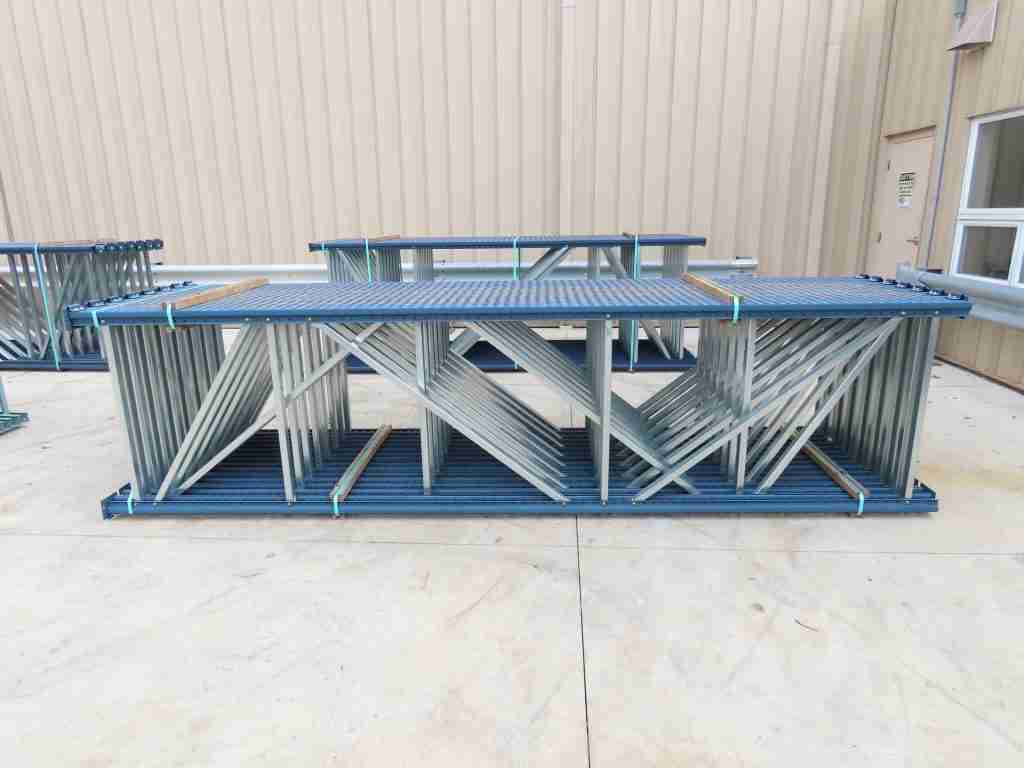
How Do Fire Safety Regulations Influence Pallet Racking Layout?
How Do Fire Safety Regulations Influence Pallet Racking Layout?
- Fire safety regulations are crucial for shaping pallet racking layouts in warehouses.
- Spacing between racks is a key factor influenced by fire codes.
- Regulations often dictate the maximum height of pallet racking systems.
- Installation of sprinkler systems can impact pallet racking layouts.
- Materials used in construction of racks should be fire-resistant.
- Staying informed and compliant with fire safety regulations is essential for warehouse managers.
- Following regulations can create a safer work environment and reduce fire risk.

How Do Fire Safety Regulations Influence Pallet Racking Layout?
Conclusion
In conclusion, fire safety regulations have a significant impact on the design and layout of pallet racking systems in warehouses and storage facilities. These regulations are in place to ensure the safety of employees, protect valuable inventory, and prevent the spread of fires in the event of an emergency. One of the key factors influenced by fire safety regulations is the spacing between racks. Regulations require adequate clearance to allow for the passage of sprinkler systems and access for firefighters. Additionally, regulations dictate the materials used in the construction of pallet racking systems to ensure fire resistance and prevent the spread of flames. Proper placement of fire suppression equipment, such as sprinkler systems and fire extinguishers, is also essential in compliance with regulations. Aisle width, installation of sprinkler systems, and fire resistance of materials all play crucial roles in designing pallet racking systems that meet fire safety standards.
To comply with these regulations, businesses must understand and adhere to specific guidelines for aisle width, sprinkler systems, and flue spaces. Proper installation, maintenance, and regular inspections are necessary to ensure compliance over time. Careful planning and consideration of the layout and design of the racking system, as well as incorporating safety features, are key elements in complying with fire safety regulations. Additionally, selecting fire-resistant materials, such as steel or concrete, can help protect employees, inventory, and prevent catastrophic damage in the event of a fire.
Ultimately, by following fire safety regulations and implementing proper safety measures, warehouse managers can create a safer working environment for their employees and ensure compliance with legal standards. Remember, when it comes to fire safety, prevention is key. By prioritizing safety in the design and layout of pallet racking systems, businesses can minimize the risk of fires and create a secure working environment for all.

Conclusion
Conclusion:
- Fire safety regulations impact design and layout of pallet racking systems in warehouses.
- Regulations ensure safety of employees, protect inventory, and prevent spread of fires.
- Spacing between racks is influenced by regulations for sprinkler system access.
- Materials used in construction of racking systems must be fire resistant.
- Proper placement of fire suppression equipment is essential for compliance.
- Aisle width, sprinkler systems, and fire-resistant materials are crucial for compliance.
- Following regulations and implementing safety measures create a safer working environment.

Conclusion
Other Resources
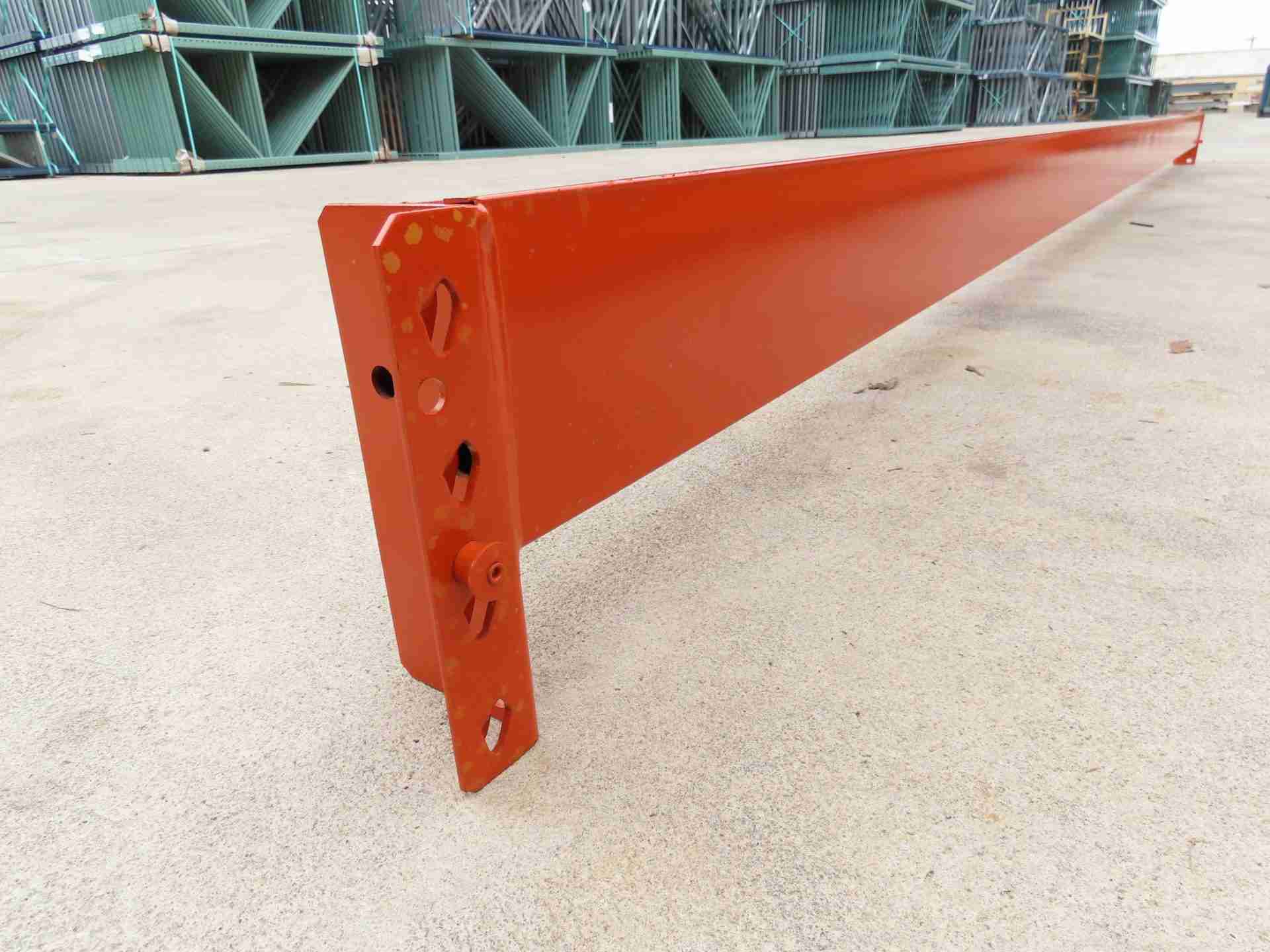
Other Resources
Here is a list of other resources you can review online to learn more:
- “Fire safety in warehouses”
- “Fire Safety in Warehouse and Distribution Centers”
- “Warehouse Fire Safety Checklist: 27 Regulations & Tips”
- “Fire Safety Regulations”
- “factories and w arehouses”
- “Warehouse Racking Fire Code Cheat Sheet & Checklist”
- “O. Reg. 213/07: FIRE CODE”
- “Protecting Your Warehouse From Fire: What You Need To …”
- “New Pallet Rack Fire Codes & Sprinkler Guidelines”
- “IS 3594 (1991): Code of practice for fire safety of industrial …”
- “National Fire Code – of Canada 2015”
- “Warehouse Fire Safety Guide”
- “The List of 300+ Codes and Standards”
- “Fire protection measures for metal racks and warehouses”
- “International Fire Prevention Code Ordinance”
- “O. Reg. 388/97: FIRE CODE”
- “Code of Practice for Fire Precautions in Buildings 2018”
- “2022 Connecticut State Fire Safety Code”
- “BOSTON FIRE PREVENTION CODE”

Other Resources
Glossary Terms
How Do Fire Safety Regulations Impact Pallet Racking Design? – Glossary Of Terms
Here’s a glossary of 30 terms related to how fire safety regulations impact pallet racking design:
1. Pallet Racking: A storage system designed to store materials on pallets (or “skids”) in horizontal rows with multiple levels.
2. Fire Safety Regulations: Legal requirements set forth by government or local authorities to ensure the safety of a building’s occupants in the event of a fire.
3. Sprinkler System: A network of pipes and water outlets that automatically spray water when fire is detected, playing a critical role in fire suppression and influencing racking design.
4. Fire Code: A set of standards that provide guidelines for fire safety measures, including those applicable to warehouse storage and racking systems.
5. Load Capacity: The maximum weight that a pallet rack can safely hold, factoring in the implications of fire safety requirements.
6. Flue Space: The space between rows of pallets on a rack, important for enabling effective fire suppression and water distribution from sprinkler systems.
7. Plenum Space: The area above the top rack and below the roof, which should be kept clear for smoke ventilation and sprinkler effectiveness.
8. Aisle Width: The gap between rows of pallet racks, which must be wide enough for emergency access and evacuation.
9. Fire Exit Points: Designated pathways and doors for occupants to exit a building safely during a fire emergency.
10. Fire Load: The total potential energy released during a fire, which can be influenced by the types and quantities of materials stored on pallet racks.
11. Combustible Materials: Items that can easily catch fire, necessitating careful consideration in pallet racking design to minimize fire risks.
12. Fire Resistance Rating: A measure of how long a material or structure can withstand fire before failing, which can influence the materials used in pallet racking systems.
13. Load Spreaders: Devices used to distribute weight more evenly across pallet racks, reducing the risk of collapse during a fire.
14. Seismic Bracing: Structural supports added to pallet racks to ensure stability during both earthquakes and fire emergencies.
15. Rack Configuration: The arrangement and design of pallet racks, which must comply with fire safety standards to ensure effective fire control.
16. Thermal Barrier Systems: Materials or systems designed to prevent the spread of heat and flames within a pallet racking area.
17. Smoke Curtains: Barriers used to control the movement of smoke during a fire, often considered in the design of pallet racking systems.
18. In-Rack Sprinklers: Sprinklers that are installed directly into the racking system, providing targeted fire suppression.
19. Transverse Flue Spaces: Gaps between pallets in the horizontal direction, ensuring proper airflow and sprinkler effectiveness.
20. Longitudinal Flue Spaces: Gaps between pallets in the vertical direction, contributing to effective fire suppression.
21. Rack Load Distribution: The method of how weight is spread across the entire racking system, critical for maintaining structural integrity during a fire.
22. Fire Detection Systems: Sensors and alarms integrated into a warehouse to detect fire early and activate suppression systems.
23. Compartmentalization: Dividing a warehouse into smaller sections to contain and control fires more effectively within pallet racking areas.
24. Non-combustible Racking Material: Use of metals or other fire-resistant materials in constructing pallet racks to reduce fire risks.
25. Emergency Lighting: Lighting systems that activate during a fire, aiding in safe evacuation and access to pallet racking areas.
26. Fire Wall Separation: Physical barriers that prevent fire from spreading between different sections of pallet racks and the larger warehouse.
27. Rack Sprinkler Density: The required concentration of sprinkler heads in a racking system to ensure sufficient water coverage during a fire.
28. Fire Retardants: Chemicals applied to materials in and around pallet racks to reduce their flammability.
29. Automated Retrieval Systems (AS/RS): Technologies integrated with pallet racking that may include enhanced fire safety measures due to automation.
30. Building Codes: Local or national regulations that specify construction standards, including those related to fire safety for racking systems within warehouses.
These terms should help in understanding the intricate relationship between fire safety regulations and pallet racking design.
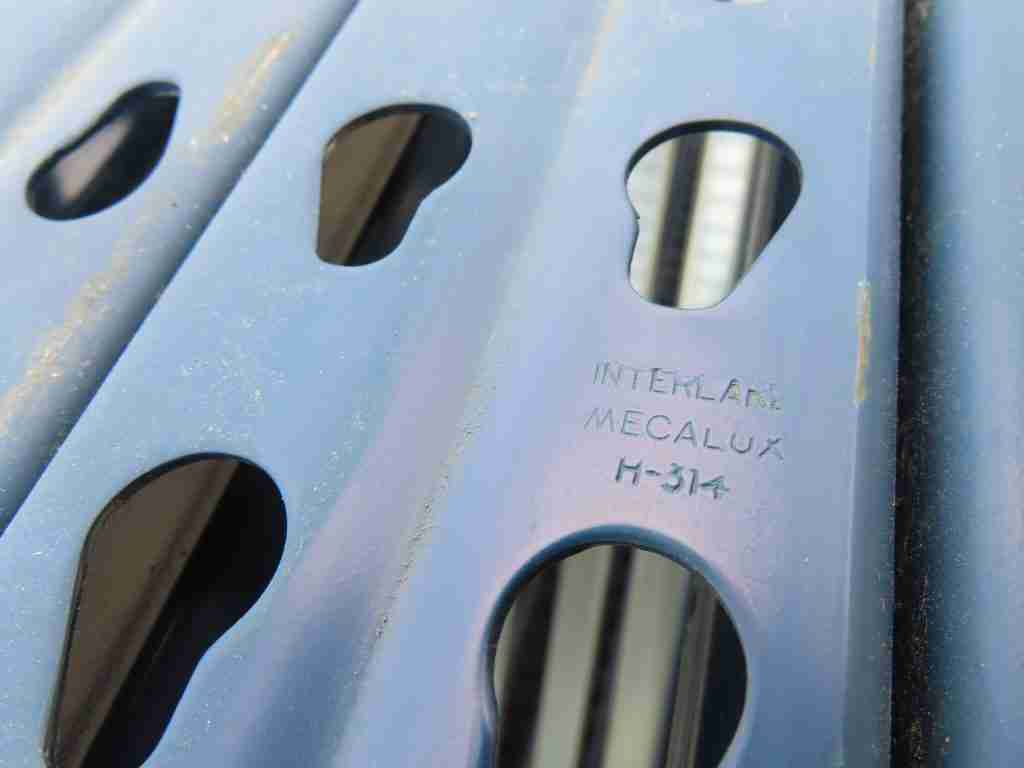
Glossary Of Terms
Other Questions
How Do Fire Safety Regulations Impact Pallet Racking Design? – Other Questions
If you wish to explore and discover more, consider looking for answers to these questions:
- What specific fire safety regulations need to be considered when designing pallet racking systems?
- How do fire safety regulations influence the spacing between pallet racks?
- What materials are recommended for fire-resistant pallet racking?
- How are fire suppression systems integrated into pallet racking designs?
- What are the requirements for aisle width according to fire safety regulations?
- How do different types of sprinkler systems affect pallet racking design?
- What are the key guidelines from OSHA and NFPA regarding warehouse sprinkler systems?
- What are the best practices for maintaining pallet racking systems to ensure compliance with fire safety regulations?
- How are flue spaces incorporated into pallet racking design for fire safety?
- How can employee training contribute to fire safety in warehouses with pallet racking systems?
- What role does regular inspection and maintenance play in fire safety for pallet racking systems?
- What are the consequences of not adhering to fire safety regulations in warehouse design?
- How can warehouse operators balance safety and efficiency in pallet racking design?
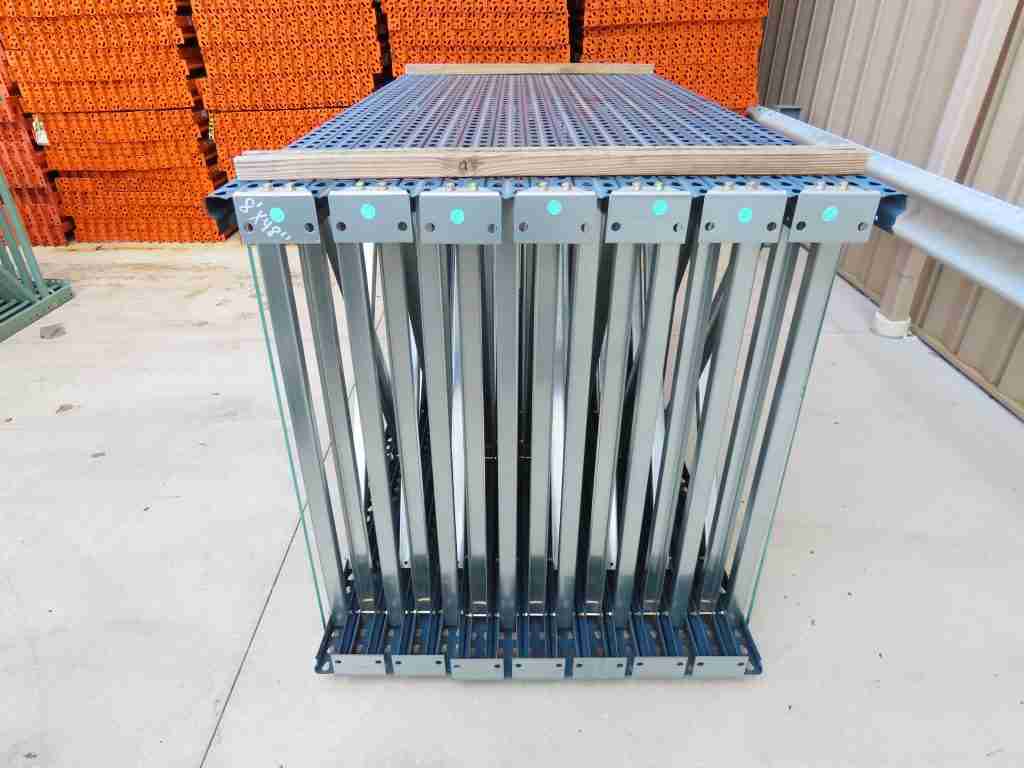
Other Questions
Checklist
How Do Fire Safety Regulations Impact Pallet Racking Design? – A Checklist
Pre-Installation Considerations
1. Understand Fire Safety Regulations:
_____ Familiarize yourself with OSHA standards, local building codes, and NFPA guidelines.
_____ Stay updated on industry-specific regulations.
2. Consult Fire Safety Experts:
_____ Engage with a fire protection company for advice on sprinkler systems and layout.
_____ Schedule an initial consultation for a safety assessment.
Design and Layout
3. Aisle Width:
_____ Ensure aisles are wide enough for the safe passage of workers and equipment.
_____ Maintain clear paths of travel according to OSHA and NFPA requirements.
4. Rack Spacing:
_____ Keep a minimum clearance between racks to allow for sprinkler system effectiveness.
_____ Follow NFPA’s recommended minimum flue space of 6 inches.
5. Rack Height:
_____ Limit the height of racks to ensure fire suppression systems can function properly.
_____ Consider the clearance required for overhead sprinklers.
Material Selection
6. Fire-Resistant Materials:
_____ Use materials that meet fire safety standards.
_____ Consider steel or concrete for added fire resistance.
7. Treated Materials:
_____ Opt for fire-resistant coatings and treatments on existing structures.
Fire Suppression
8. Sprinkler Systems:
_____ Integrate sprinklers into the design layout.
_____ Confirm the type of sprinkler system matches the facility’s needs.
_____ Ensure proper spacing and placement of sprinkler heads.
9. Accessible Equipment:
_____ Strategically place fire extinguishers and other firefighting equipment.
_____ Ensure all equipment is easily accessible in an emergency.
Emergency Planning
10. Employee Training: _____ Train employees on fire safety procedures.
_____ Conduct regular fire drills and emergency evacuation plans.
11. Regular Inspections: _____ Schedule regular safety inspections and maintenance.
_____ Check for damage, wear, and proper anchoring to prevent rack collapse.
Ventilation and Flue Spaces
12. Adequate Ventilation: _____ Design racks to allow for air circulation, preventing heat buildup.
_____ Maintain flue spaces, especially for high racks.
13. Obstruction-Free Paths: _____ Remove any obstructions that could impede airflow or evacuation.
Compliance and Review
14. Regular Compliance Checks: _____ Continuously review and update safety practices to meet changing regulations.
_____ Conduct periodic audits for compliance with fire safety standards.
15. Documentation: _____ Keep detailed records of safety inspections, maintenance, and employee training.
_____ Ensure all documentation is easily accessible for regulatory reviews.
Final Steps
16. Professional Sign-Off: _____ Have a fire safety professional review and sign-off on the design and layout of the pallet racking system.
By following this checklist, you can ensure your pallet racking systems are not only compliant with fire safety regulations but also provide a safe and efficient working environment for your employees. Remember, safety first!
Checklist
At RackingWorld, we help guide you through selecting warehouse storage systems and racking.
Be sure to read our other related stories at RackingWorld to learn more about warehouse storage systems.
0 Comments