
Discover The Essential Construction Materials for Pallet Racks
By Tom Seest
At RackingWorld, we help guide you through selecting warehouse storage systems and racking.
Be sure to read our other related stories at RackingWorld to learn more about warehouse storage systems.
What Materials Are Used In Pallet Rack Construction?
When it comes to pallet rack construction, there are a variety of materials that are commonly used to ensure durability and strength. Pallet racks are essential for maximizing storage space in warehouses and other industrial settings, so it’s important to choose materials that can withstand heavy loads and constant wear and tear.
One of the most common materials used in pallet rack construction is steel. Steel is known for its strength and durability, making it an ideal choice for supporting heavy pallets of inventory. Steel pallet racks are typically made of either roll-formed or structural steel, with roll-formed steel being more commonly used due to its affordability and versatility. Structural steel racks, on the other hand, are more heavy-duty and often used for larger, heavier loads.
Another material that is frequently used in pallet rack construction is wire decking. Wire decking is made of steel wire that is welded together to create a strong and sturdy surface for storing pallets. Wire decking is popular because it allows for better air circulation and light penetration, which can help prevent dust buildup and improve visibility in the warehouse.
Wood is also a common material used in pallet rack construction, particularly for upright frames. Wood upright frames are often made of engineered wood products like laminated veneer lumber (LVL) or oriented strand board (OSB). These materials are known for their strength and stability, making them a reliable choice for supporting the weight of palletized goods.
In addition to steel, wire decking, and wood, there are other materials that are used in pallet rack construction to ensure safety and durability. For example, pallet rack uprights are often equipped with bracing and diagonal supports to increase stability and prevent swaying. Pallet rack beams are typically made of steel or other strong materials to provide support for the pallets.
Ultimately, the materials used in pallet rack construction play a crucial role in ensuring the safety and efficiency of warehouse operations. By choosing materials that are strong, durable, and reliable, businesses can optimize their storage space and reduce the risk of accidents or damage to inventory. So whether it’s steel, wire decking, wood, or a combination of materials, investing in high-quality pallet rack construction is essential for maintaining a well-organized and efficient warehouse.

What Materials Are Used In Pallet Rack Construction?
What Materials Are Used In Pallet Rack Construction?
- Steel is commonly used in pallet rack construction for its strength and durability.
- Roll-formed steel is more affordable and versatile, while structural steel is heavier-duty.
- Wire decking is made of steel wire for better air circulation and visibility in the warehouse.
- Wood, such as LVL or OSB, is often used for upright frames due to its strength and stability.
- Pallet rack uprights are equipped with bracing and diagonal supports for increased stability.
- Pallet rack beams are typically made of steel or strong materials to provide support for pallets.
- Choosing high-quality materials is essential for ensuring safety and efficiency in warehouse operations.

What Materials Are Used In Pallet Rack Construction?
Table Of Contents
- What Materials Are Used In Pallet Rack Construction?
- What Are The Common Materials Used For Pallet Rack Construction?
- How Do Steel And Aluminum Compare In Terms Of Strength And Durability?
- Are There Any Eco-Friendly Options For Pallet Rack Materials?
- What Impact Does Material Choice Have On Shelf Weight Capacity?
- How Do Different Materials Hold Up In Different Storage Environments?
- What Are The Most Common Materials Used In Pallet Rack Construction?
- Conclusion
- Other Resources
- Glossary Of Terms
- Other Questions
- Checklist
What Are The Common Materials Used For Pallet Rack Construction?
If you’ve ever walked through a warehouse or distribution center, chances are you’ve seen pallet racks lining the walls, reaching up towards the ceiling like a towering jungle gym for boxes and crates. But have you ever stopped to wonder what these racks are made of? Let’s take a closer look at the common materials used for pallet rack construction.
One of the most popular materials used for pallet racks is steel. Steel is known for its strength and durability, making it an ideal choice for heavy-duty applications. Steel pallet racks can withstand the weight of multiple pallets loaded with goods, making them a reliable option for storing heavy items in warehouses and industrial facilities. Additionally, steel racks can be easily customized to fit the specific needs of a space, allowing for efficient use of floor space and maximizing storage capacity.
Another common material used for pallet rack construction is aluminum. While not as strong as steel, aluminum is lightweight and corrosion-resistant, making it a good choice for environments where moisture or chemicals are present. Aluminum pallet racks are often used in food storage facilities, pharmaceutical warehouses, or other settings where cleanliness and hygiene are important considerations.
Wood is also a popular material for pallet rack construction, particularly in smaller storage spaces or retail environments. Wooden pallet racks are often more affordable than steel or aluminum options, making them a budget-friendly choice for businesses looking to expand their storage capacity without breaking the bank. Additionally, wood racks can be easily customized and can add a rustic or natural aesthetic to a space.
In recent years, plastic pallet racks have also gained popularity for their lightweight construction and versatility. Plastic racks are easy to assemble and can be quickly reconfigured to accommodate changing storage needs. They are also resistant to moisture and rust, making them a good choice for cold-storage facilities or outdoor use.
No matter the material used, proper installation and maintenance are key to ensuring the safety and longevity of pallet racks. Regular inspections, weight capacity assessments, and repairs as needed are all essential practices to keep racks in top condition and prevent accidents or damage.
There are a variety of materials used for pallet rack construction, each with its own strengths and benefits. When choosing the right material for your storage needs, consider factors such as weight capacity, durability, and environmental conditions to ensure that your racks will provide reliable storage solutions for years to come.

What Are The Common Materials Used For Pallet Rack Construction?
What Are The Common Materials Used For Pallet Rack Construction?
- Steel is known for its strength and durability.
- Steel racks can be customized for efficient use of floor space.
- Aluminum is lightweight and corrosion-resistant.
- Aluminum racks are often used in food storage facilities.
- Wood pallet racks are more affordable and customizable.
- Plastic pallet racks are lightweight and versatile.
- Proper installation and maintenance are essential for pallet rack safety.

What Are The Common Materials Used For Pallet Rack Construction?
How Do Steel And Aluminum Compare In Terms Of Strength And Durability?
When comparing steel and aluminum in terms of strength and durability, there are distinct differences that come into play. Steel is known for its superior strength and durability, making it a preferred choice for applications that require heavy-duty materials. Its high tensile strength and resistance to bending and breaking make it a reliable option for structures and machinery that need to withstand significant stress and strain.
Aluminum, on the other hand, is lighter and more malleable than steel, making it a versatile material for a variety of applications. While aluminum may not have the same level of strength as steel, it still offers good durability and resistance to corrosion. This makes it a popular choice for industries such as aerospace and automotive, where weight savings are a priority.
In terms of strength, steel has a higher tensile strength than aluminum, meaning it can withstand higher levels of tension before breaking. Steel is also more resistant to impact and abrasion, making it a durable option for heavy-duty use. Aluminum, while not as strong as steel, still offers good strength and durability for many applications. Its lightweight nature also makes it easier to work with and transport, making it a practical choice for projects that require flexibility and ease of handling.
When it comes to durability, steel is known for its long-lasting properties and ability to resist wear and tear. Its strength and toughness make it a reliable option for structures that need to withstand harsh conditions and heavy loads. Aluminum, while not as durable as steel, still offers good corrosion resistance and longevity. Proper maintenance and care can help extend the lifespan of aluminum structures and components, making it a cost-effective choice for many applications.
Steel and aluminum each have their own strengths and weaknesses when it comes to strength and durability. Steel is the go-to option for heavy-duty applications that require superior strength and toughness, while aluminum offers versatility and lightweight properties that make it a popular choice for a wide range of projects. Both materials have their place in various industries and play an important role in modern construction and manufacturing processes. Ultimately, the choice between steel and aluminum depends on the specific requirements of the project and the desired outcome in terms of strength and durability.

How Do Steel And Aluminum Compare In Terms Of Strength And Durability?
How Do Steel And Aluminum Compare In Terms Of Strength And Durability?
- Steel is known for its superior strength and durability, making it a preferred choice for heavy-duty applications.
- Aluminum is lighter and more malleable than steel, making it versatile for a variety of applications.
- Steel has a higher tensile strength than aluminum, meaning it can withstand higher levels of tension before breaking.
- Steel is more resistant to impact and abrasion, making it a durable option for heavy-duty use.
- Aluminum offers good strength and durability, as well as resistance to corrosion.
- Steel is known for its long-lasting properties and ability to resist wear and tear.
- Aluminum, while not as durable as steel, still offers good corrosion resistance and longevity with proper maintenance.

How Do Steel And Aluminum Compare In Terms Of Strength And Durability?
Are There Any Eco-Friendly Options For Pallet Rack Materials?
When it comes to choosing materials for pallet racks, the eco-conscious consumer may find themselves at a bit of a crossroads. Traditional pallet racks are typically made from materials like steel or wood, which may not be the most environmentally friendly option. However, there are a few alternatives for those looking to reduce their carbon footprint.
One eco-friendly option for pallet rack materials is recycled steel. This material is made from scrap steel that has been melted down and reformed into new products, which helps to reduce the environmental impact of mining and manufacturing new steel. Recycled steel is just as strong and durable as virgin steel, making it a sustainable choice for pallet racks.
Another option for eco-friendly pallet rack materials is reclaimed wood. Reclaimed wood is salvaged from old buildings, barns, or other structures, giving it a second life as a pallet rack material. Using reclaimed wood not only reduces the demand for new lumber, but it also helps to preserve forests and natural habitats. Additionally, the unique character and history of reclaimed wood can add a rustic and charming look to your warehouse.
Bamboo is another eco-friendly material that can be used for pallet racks. Bamboo is a rapidly renewable resource that grows quickly and requires minimal water and pesticides to thrive. It is also a durable and strong material, making it a suitable option for supporting heavy loads on pallet racks. By choosing bamboo for your pallet racks, you can help reduce deforestation and support sustainable forestry practices.
Recycled plastic is also a viable option for eco-friendly pallet rack materials. Plastic pallet racks are lightweight, durable, and resistant to moisture and corrosion, making them a practical choice for warehouse storage. By using recycled plastic for your pallet racks, you can help reduce the amount of plastic waste that ends up in landfills and oceans.
There are several eco-friendly options available for pallet rack materials that can help reduce the environmental impact of your warehouse operations. Whether you choose recycled steel, reclaimed wood, bamboo, or recycled plastic, each of these materials offers a sustainable and responsible choice for your storage needs. By making conscious decisions about the materials you use in your warehouse, you can help protect the planet and create a more sustainable future for generations to come.

Are There Any Eco-Friendly Options For Pallet Rack Materials?
Are There Any Eco-Friendly Options For Pallet Rack Materials?
- Recycled steel is made from scrap steel melted down and reformed into new products.
- Reclaimed wood is salvaged from old structures, reducing demand for new lumber.
- Bamboo is rapidly renewable and strong and supports sustainable forestry practices.
- Recycled plastic pallet racks are lightweight, durable, and reduce plastic waste.
- Each material offers an eco-friendly option for warehouse storage.
- By using these materials, you can help protect the planet and create a sustainable future.

Are There Any Eco-Friendly Options For Pallet Rack Materials?
What Impact Does Material Choice Have On Shelf Weight Capacity?
When it comes to shelf weight capacity, the material choice plays a crucial role in determining just how much weight a shelf can hold. Different materials have different strengths and properties that can affect the overall durability and load-bearing capacity of a shelf.
For starters, let’s talk about wood shelves. Wood is a popular choice for shelves due to its natural beauty and versatility. However, not all woods are created equal when it comes to weight capacity. Hardwoods like oak and maple are known for their strength and durability, making them ideal for heavy-duty shelving. Softwoods like pine, on the other hand, may not be able to support as much weight.
Metal shelves, on the other hand, are often used in industrial and commercial settings due to their superior strength and load-bearing capacity. Steel shelves, in particular, are known for their durability and ability to hold heavy items without bending or buckling. Aluminum shelves are lightweight yet strong, making them a popular choice for storage solutions where weight is a concern.
Plastic shelves are another option for those looking for lightweight and affordable storage solutions. While plastic may not be as durable as wood or metal, it can still hold a decent amount of weight depending on the quality of the material and construction.
It’s important to consider the material choice when determining the weight capacity of a shelf. Factors such as the thickness of the material, the design of the shelf brackets, and the method of installation can all play a role in determining how much weight a shelf can safely support.
The material choice has a significant impact on the shelf weight capacity. Whether you’re looking for a sturdy hardwood shelf, a heavy-duty steel shelf, or a lightweight plastic shelf, it’s important to choose the right material for your storage needs. By taking into account the strength and durability of the material, you can ensure that your shelves will be able to safely hold all of your belongings without any concerns.

What Impact Does Material Choice Have On Shelf Weight Capacity?
What Impact Does Material Choice Have On Shelf Weight Capacity?
- Wood shelves vary in weight capacity based on the type of wood used.
- Hardwoods like oak and maple are strong and durable for heavy-duty shelving.
- Softwoods like pine may not be as strong, for supporting heavy weight.
- Metal shelves, such as steel, are known for superior strength and load-bearing capacity.
- Aluminum shelves are lightweight yet strong, making them ideal for weight-sensitive storage needs.
- Plastic shelves offer lightweight and affordable storage options with decent weight capacity.
- Material choice, thickness, bracket design, and installation method all affect shelf weight capacity.

What Impact Does Material Choice Have On Shelf Weight Capacity?
How Do Different Materials Hold Up In Different Storage Environments?
When it comes to storing items, the choice of material can make a big difference in how well those items hold up over time. Different materials react differently to varying storage environments, so it’s important to choose wisely.
Let’s start with plastic. Plastic storage bins are a popular choice for many people because they are durable, lightweight, and relatively inexpensive. However, plastic can degrade over time when exposed to sunlight or extreme temperatures. This can cause the plastic to become brittle and crack, compromising the integrity of the storage container and potentially damaging the items inside.
On the other hand, metal storage containers are known for their strength and durability. Metal containers are less likely to crack or break under pressure, making them a good choice for storing heavy items. However, metal containers are susceptible to rust and corrosion, especially when exposed to moisture. It’s important to keep metal containers dry and well-ventilated to prevent rust from forming.
Wood is another popular material for storage containers, thanks to its natural beauty and timeless appeal. Wood containers are sturdy and can hold up well over time, but they are susceptible to warping and cracking when exposed to moisture. It’s important to keep wood containers in a cool, dry environment to prevent damage.
Cardboard boxes are a common choice for storing items, especially for moving or shipping purposes. While cardboard boxes are lightweight and affordable, they are not as durable as plastic or metal containers. Cardboard boxes can easily be crushed or torn, especially when exposed to moisture or pressure. It’s best to store cardboard boxes in a dry, climate-controlled environment to prevent damage.
The material you choose for storing items can have a big impact on how well those items hold up over time. Plastic containers are durable but can degrade in sunlight or extreme temperatures. Metal containers are strong but can rust when exposed to moisture. Wood containers are sturdy but can warp when exposed to moisture. And cardboard boxes are lightweight but can easily be damaged. It’s important to consider the storage environment and the material’s properties when choosing the right container for your storage needs.

How Do Different Materials Hold Up In Different Storage Environments?
How Do Different Materials Hold Up In Different Storage Environments?
- Plastic storage bins are durable, lightweight, and relatively inexpensive.
- However, plastic can degrade over time when exposed to sunlight or extreme temperatures, leading to brittleness and cracking.
- Metal storage containers are known for their strength and durability, making them a good choice for heavy items.
- However, metal containers are susceptible to rust and corrosion when exposed to moisture.
- Wood containers are sturdy and visually appealing but can warp and crack when exposed to moisture.
- Cardboard boxes are lightweight and affordable but not as durable as plastic or metal containers.
- It’s important to consider storage environment and material properties when choosing the right container for your needs.

How Do Different Materials Hold Up In Different Storage Environments?
What Are The Most Common Materials Used In Pallet Rack Construction?
When it comes to pallet rack construction, there are a few common materials that are typically used to ensure durability, strength, and functionality.
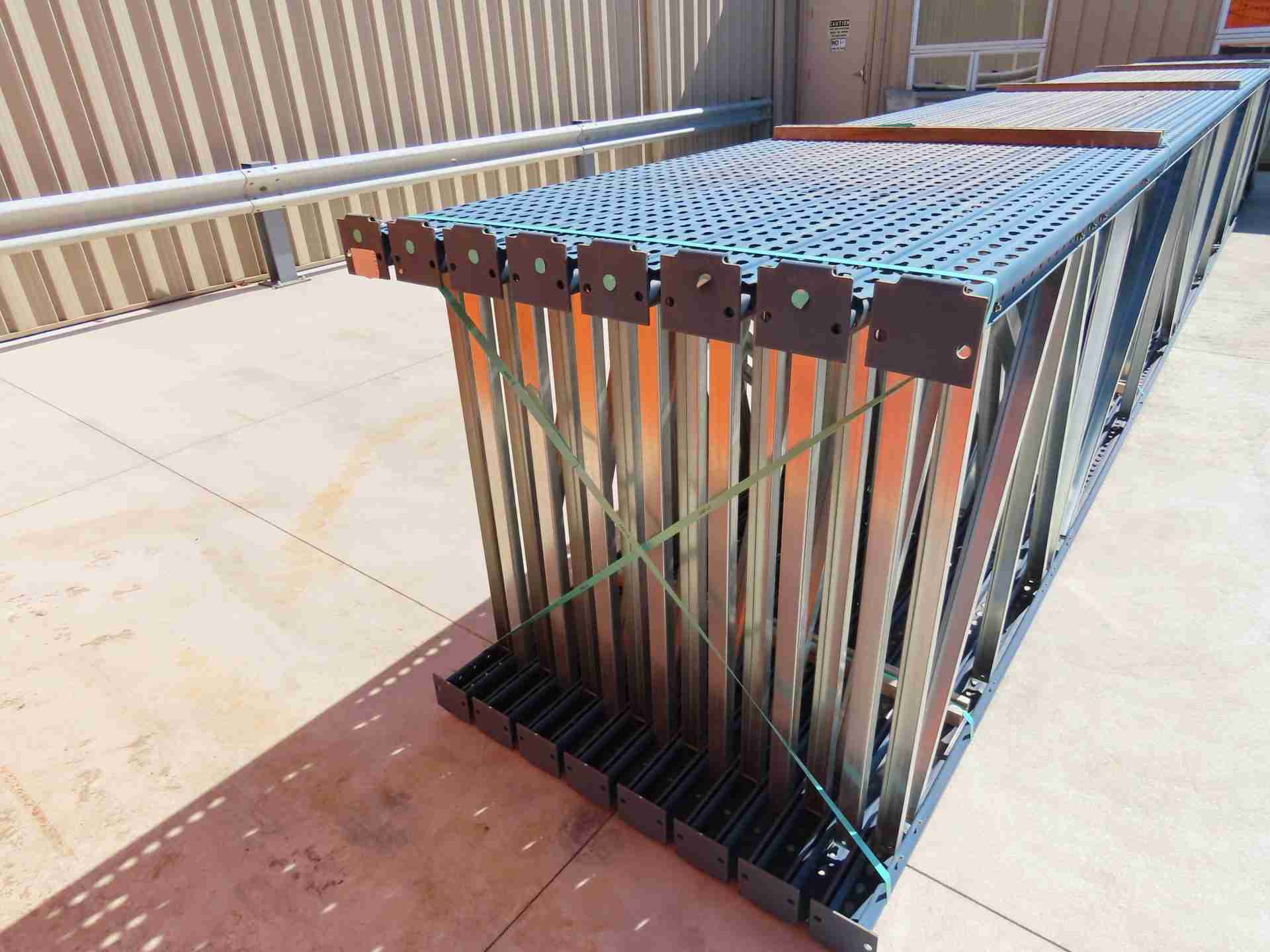
One of the most popular materials used in pallet rack construction is steel. Steel is known for its exceptional strength and durability, making it an ideal choice for heavy-duty storage solutions. Steel pallet racks can withstand the weight of heavy loads and provide long-lasting support for your warehouse or storage facility.
Another common material used in pallet rack construction is aluminum. Aluminum is a lightweight yet sturdy material that is often used for more specialized storage needs. Aluminum pallet racks are corrosion-resistant and easy to clean, making them a popular choice for food storage or pharmaceutical facilities.
Wood is another material that is frequently used in pallet rack construction. Wood pallet racks offer a more rustic and traditional look compared to steel or aluminum racks. While not as durable as metal options, wood racks are still a popular choice for lighter loads and smaller storage spaces.
Wire mesh is another material that is commonly used in pallet rack construction. Wire mesh decking can be added to pallet racks to provide additional support and safety for storing smaller items or loose materials. Wire mesh decking is often used in conjunction with steel or aluminum pallet racks to create a more versatile storage solution.
Plastic is also a material that is sometimes used in pallet rack construction. Plastic pallet racks are lightweight, easy to clean, and resistant to rust and corrosion. While not as strong as steel or aluminum racks, plastic pallet racks can be a cost-effective option for lighter storage needs.
Ultimately, the choice of material for pallet rack construction will depend on your specific storage requirements, budget, and aesthetic preferences. Whether you opt for the strength of steel, the lightweight versatility of aluminum, the traditional look of wood, the added safety of wire mesh, or the cost-effectiveness of plastic, there are plenty of options to choose from when it comes to building durable and functional pallet racks for your warehouse or storage facility.

What Are The Most Common Materials Used In Pallet Rack Construction?
What Are The Most Common Materials Used In Pallet Rack Construction?
- Steel is known for its exceptional strength and durability, making it ideal for heavy-duty storage solutions.
- Aluminum is lightweight, corrosion-resistant, and easy to clean, making it popular for specialized storage needs.
- Wood pallet racks offer a traditional look and are popular for lighter loads and smaller storage spaces.
- Wire mesh decking provides additional support and safety for storing smaller items or loose materials.
- Plastic pallet racks are lightweight, resistant to rust and corrosion, and cost-effective for lighter storage needs.
- The choice of material will depend on specific storage requirements, budget, and aesthetic preferences.
- Options include steel for strength, aluminum for versatility, wood for a traditional look, wire mesh for added safety, and plastic for cost-effectiveness.

What Are The Most Common Materials Used In Pallet Rack Construction?
Conclusion
In conclusion, when it comes to pallet rack construction, the choice of materials is crucial for ensuring durability, strength, and efficiency in warehouse operations. Steel is a popular choice due to its exceptional strength and durability, making it ideal for supporting heavy loads. Aluminum offers a lightweight yet sturdy alternative, while wood provides a more traditional and rustic look for lighter loads. Wire decking can be added to racks for additional support, and plastic racks offer a cost-effective solution for lighter storage needs.
Each material has its own strengths and benefits, and the right choice will depend on specific storage requirements, budget constraints, and aesthetic preferences. Whether you choose steel for its strength, aluminum for its versatility, wood for its traditional look, wire mesh for added safety, or plastic for affordability, investing in high-quality pallet rack construction is essential for maintaining a well-organized and efficient warehouse.
Ultimately, the materials used in pallet rack construction play a crucial role in maximizing storage space, reducing the risk of accidents, and optimizing warehouse operations. By choosing strong, durable, and reliable materials, businesses can ensure the safety and efficiency of their storage solutions for years to come. Whether you’re storing heavy inventory, organizing a retail space, or planning for future growth, selecting the right materials for pallet rack construction is key to creating a sustainable and effective storage solution.

Conclusion
Conclusion:
- Steel is popular for its exceptional strength and durability for supporting heavy loads.
- Aluminum provides a lightweight yet sturdy alternative.
- Wood offers a traditional and rustic look for lighter loads.
- Wire decking can be added for additional support.
- Plastic racks offer a cost-effective solution for lighter storage needs.
- Each material has its own strengths and benefits for specific storage requirements.
- Choosing the right material is essential for maintaining an efficient warehouse.
Conclusion
Other Resources

Other Resources
Here is a list of other resources you can review online to learn more:
- “Roll-Formed Pallet Racks”
- “Roll Form Pallet Rack”
- “Pallet Rack Decking Options”
- “Structural steel pallet racks”
- “Pallet Rack Wire Decking”
- “Republic Pallet Rack With Wire Decking”
- “Structural vs. Roll Formed Pallet Racking: Advantages and …”
- “Material Handling and Storage”

Other Resources
Glossary Terms
What Materials Are Used In Pallet Rack Construction? – Glossary Of Terms
1. Steel: A strong, durable metal primarily used for the beams, frames, and uprights of pallet racking systems.
2. Cold-Rolled Steel: Steel processed at low temperatures, increasing its strength and making it ideal for upright posts.
3. Hot-Rolled Steel: Steel processed at high temperatures, often used for heavy-duty beams and components.
4. Galvanized Steel: Steel coated with a layer of zinc to prevent rust and increase longevity, ideal for racks in humid or corrosive environments.
5. Powder-Coated Steel: Steel coated with a dry powder that’s baked onto the surface, creating a durable, scratch-resistant finish.
6. Carbon Steel: A type of steel containing carbon, offering high tensile strength and used for heavy-duty racking systems.
7. Stainless Steel: Corrosion-resistant steel often used in environments requiring high hygiene standards.
8. Aluminum: A lightweight and corrosion-resistant metal occasionally used in specialized racking systems.
9. Wood: Often used for decking or pallets that sit on the racking system, not as common for the rack structure itself.
10. Wire Mesh: A grid of welded wire used for decking to allow air circulation and visibility.
11. Mesh Decks: Wire mesh panels used to create shelving surfaces on pallet racks.
12. Particle Board: Engineered wood product used for decking, often cheaper but less durable than wire mesh or steel decking.
13. Plywood: Strong, multi-layered wood product used for decking on pallet racks.
14. Plastic: Sometimes used for decking or safety accessories, especially where hygiene is critical.
15. Polypropylene: A type of plastic used for deck panels and pallets, resistant to chemicals and moisture.
16. Safety Pins: Small metal or plastic components used to secure beams to uprights, preventing accidental dislodging.
17. Column Guards: Protective steel barriers placed around upright columns to prevent impact damage.
18. Anchors: Metal bolts used to secure racking systems to the floor, ensuring stability.
19. Bolts: Metal fasteners used to join different parts of the racking system together securely.
20. Braces: Steel components that connect uprights for added stability and rigidity.
21. Footplates: Metal plates attached to the bottom of uprights, distributing weight and allowing the rack to be anchored to the floor.
22. Shims: Small pieces of material used to level the racking system on uneven floors.
23. Beams: Horizontal steel bars that connect the uprights and support the pallets.
24. Uprights (Frames): Vertical steel columns that form the backbone of the racking system.
25. Cross Bars: Steel bars placed between beam levels to provide extra support for heavy loads.
26. Load Beams: Another term for the horizontal bars that bear the weight of the stored items, typically made of steel.
27. Decking Supports: Steel U-channels or other forms placed between beams to support decking materials like wire mesh or wood.
28. End-Ties: Steel components that connect adjoining racks at the top for added stability.
29. Back-Ties: Metal braces used at the rear of the rack to prevent it from tipping or swaying.
30. Base Plates: Flat metal plates fixed to the bottom of uprights to stabilize and anchor the racking system to the floor.
These terms and materials are fundamental in the design and construction of pallet racking systems, each contributing to the overall functionality and durability of the storage solution.

Glossary Of Terms
Other Questions
What Materials Are Used In Pallet Rack Construction? – Other Questions
If you wish to explore and discover more, consider looking for answers to these questions:
- What are the advantages and disadvantages of using steel versus aluminum in pallet rack construction?
- How does wire decking improve the functionality of pallet racks?
- What factors should be considered when choosing materials for pallet racks in different environments?
- Are there any specific maintenance practices for pallet racks made from different materials?
- What are the cost implications of using various materials for pallet rack construction?
- How does the choice of pallet rack material affect warehouse safety?
- What are the latest innovations in materials for pallet rack construction?
- Are there industry standards or regulations for materials used in pallet rack construction?
- How can businesses determine the best material for their specific pallet rack needs?
- What is the environmental impact of using different materials for pallet racks?

Other Questions
Checklist
What Materials Are Used In Pallet Rack Construction? – A Checklist
1. Steel
_____ Types: Roll-formed, Structural
_____ Properties: High strength, Durability
_____ Common Uses: Supporting heavy pallets, Industrial storage
2. Wire Decking
_____ Material: Steel wire welded together
_____ Properties: Strong, Allows air circulation and light penetration
_____ Common Uses: Surface for storing pallets, Improves visibility and reduces dust buildup
3. Wood
_____ Types: Engineered wood products like Laminated Veneer Lumber (LVL), Oriented Strand Board (OSB)
_____ Properties: Strength, Stability
_____ Common Uses: Upright frames
4. Aluminum
_____ Properties: Lightweight, Corrosion-resistant
_____ Common Uses: Environments with moisture or chemicals, Food storage facilities, Pharmaceutical warehouses
5. Plastic
_____ Properties: Lightweight, Versatile, Resistant to moisture and rust
_____ Common Uses: Cold-storage facilities, Outdoor use, Quick reconfiguration in changing storage needs
6. Bracing and Diagonal Supports
_____ Materials: Typically steel
_____ Properties: Increases stability, Prevents swaying
_____ Common Uses: Pallet rack uprights
7. Recycled Steel
_____ Properties: Eco-friendly, Made from scrap steel, Strong and durable
_____ Common Uses: Sustainable pallet rack construction
8. Reclaimed Wood
_____ Properties: Eco-friendly, Reduces demand for new lumber, Adds rustic aesthetic
_____ Common Uses: Pallet rack construction with natural appeal
9. Bamboo
_____ Properties: Rapidly renewable, Durable, Minimal water and pesticides required
_____ Common Uses: Eco-friendly pallet rack alternative
10. Recycled Plastic
_____ Properties: Lightweight, Durable, Moisture-resistant, Reduces plastic waste
_____ Common Uses: Sustainable pallet rack construction
Factors Affecting Material Choice:
_____ Weight Capacity: Heavier materials like steel and engineered wood support more weight.
_____ Durability: Metals like steel and aluminum offer superior long-lasting properties.
_____ Environmental Conditions: Aluminum and plastic are suitable for moist or chemical environments.
_____ Eco-Friendliness: Recycled steel, reclaimed wood, bamboo, and recycled plastic help reduce environmental impact.
_____ Specific Storage Needs: Factors such as hygiene (e. g. , aluminum in food storage) and ease of reconfiguration (e. g. , plastic racks).
Maintenance Tips:
_____ Regular inspections
_____ Weight capacity assessments
_____ Addressing repair needs promptly
Keep this checklist handy to ensure you choose the right materials for your pallet rack needs!
Checklist
At RackingWorld, we help guide you through selecting warehouse storage systems and racking.
Be sure to read our other related stories at RackingWorld to learn more about warehouse storage systems.
0 Comments