
Efficient Storage Solutions: Industrial Racks Unleashed
By Tom Seest
At RackingWorld, we help guide you through selecting warehouse storage systems and racking.
Be sure to read our other related stories at RackingWorld to learn more about warehouse storage systems.
How Do Industrial Racks Maximize Storage Space In Warehouses?
When it comes to maximizing storage space in warehouses, industrial racks are the unsung heroes of efficiency. These sturdy structures are specifically designed to store large quantities of items in an organized and accessible manner, making the most of the available space.
One key way that industrial racks maximize storage space is by utilizing vertical space. By taking advantage of the height of a warehouse, rather than just the floor space, industrial racks are able to store more items in a smaller footprint. This is particularly important in warehouses where space is at a premium. By stacking items vertically on industrial racks, warehouses can make use of every inch of available space, increasing their storage capacity significantly.
Additionally, industrial racks are designed to be highly customizable, allowing warehouses to tailor their storage solutions to their specific needs. Whether it’s bulky items, long items, or a mix of both, industrial racks can be adjusted and configured to accommodate a variety of products. This flexibility ensures that warehouses can make the most of their space, no matter what type of items they need to store.
Another way that industrial racks maximize storage space is by providing easy access to items. By organizing items on racks in a logical manner, warehouses can minimize the time and effort it takes to find and retrieve items when they are needed. This not only improves efficiency but also maximizes the use of the available storage space. With industrial racks, warehouses can store more items in a smaller space without sacrificing accessibility.
In addition to maximizing storage space, industrial racks also help warehouses maintain a safe and organized work environment. By keeping items off the floor and stored securely on racks, warehouses can reduce the risk of accidents and injuries caused by clutter and disorganization. This not only creates a safer workplace but also helps warehouses operate more efficiently.
Overall, industrial racks play a crucial role in maximizing storage space in warehouses. By utilizing vertical space, providing customization options, ensuring easy access to items, and promoting safety and organization, industrial racks help warehouses make the most of their available space. With industrial racks, warehouses can store more items in a smaller footprint, improving efficiency and productivity in the process.

How Do Industrial Racks Maximize Storage Space In Warehouses?
How Do Industrial Racks Maximize Storage Space In Warehouses?
- Industrial racks maximize storage space by utilizing vertical space effectively.
- They are customizable to accommodate various types of items.
- Industrial racks provide easy access to stored items, improving efficiency.
- They help maintain a safe and organized work environment in warehouses.
- Overall, industrial racks play a crucial role in maximizing storage space.
- They help warehouses make the most of their available space.
- Industrial racks improve efficiency and productivity in warehouses.

How Do Industrial Racks Maximize Storage Space In Warehouses?
Table Of Contents
- How Do Industrial Racks Maximize Storage Space In Warehouses?
- What Are The Benefits Of Using Industrial Racks For Storage?
- How Can Industrial Racks Help Optimize Warehouse Space?
- What Types Of Industrial Racks Are Commonly Used In Warehouses?
- How Do Industrial Racks Improve Warehouse Organization?
- What Factors Should Be Considered When Choosing Industrial Racks?
- How Do Industrial Racks Contribute To Efficient Inventory Management?
- What Are Some Tips For Maximizing Storage Space With Industrial Racks?
- Conclusion
- Other Resources
- Glossary Of Terms
- Other Questions
- Checklist
What Are The Benefits Of Using Industrial Racks For Storage?
When it comes to storing items in a warehouse or industrial setting, the right shelving system can make all the difference. Industrial racks offer a range of benefits that can help streamline operations, improve efficiency, and increase safety in the workplace.
One of the key benefits of using industrial racks for storage is their ability to maximize space. By using vertical storage solutions, you can make the most of your available square footage and create a more organized and efficient workspace. This not only makes it easier to locate and access items when needed but also helps to reduce clutter and improve overall safety in the workplace.
Industrial racks are also designed to be durable and able to withstand heavy loads. This means you can store a wide range of items, from bulky machinery to smaller parts, without worrying about the shelves buckling or collapsing under the weight. This not only helps to protect your inventory but also ensures a longer lifespan for your shelving system, saving you money in the long run.
In addition to their strength and durability, industrial racks are also highly customizable. With a variety of different configurations and accessories available, you can tailor your shelving system to meet the specific needs of your operation. This flexibility allows you to optimize the storage space available to you and adapt to changes in inventory or workflow as needed.
Another benefit of using industrial racks for storage is their ability to improve workflow and efficiency. By organizing items in a logical and accessible manner, you can reduce the time and effort required to locate and retrieve items. This not only speeds up picking and packing processes but also helps to minimize errors and improve overall productivity in the workplace.
Furthermore, industrial racks can help to improve safety in the workplace. By keeping items off the floor and properly stored on shelves, you can reduce the risk of accidents and injuries caused by tripping hazards or improper storage practices. This not only protects your employees but also helps to ensure compliance with safety regulations and standards.
Industrial racks offer a range of benefits that can help improve efficiency, increase safety, and optimize storage space in a warehouse or industrial setting. With their strength, durability, and customizability, they are an essential tool for any business looking to streamline their operations and maximize productivity.

What Are The Benefits Of Using Industrial Racks For Storage?
What Are The Benefits Of Using Industrial Racks For Storage?
- Industrial racks maximize space by using vertical storage solutions.
- They are durable and can withstand heavy loads, protecting inventory.
- Industrial racks are highly customizable to meet specific operational needs.
- They improve workflow by organizing items in a logical and accessible manner.
- Industrial racks help to improve safety by reducing accidents and injuries.
- They help to ensure compliance with safety regulations and standards.
- Industrial racks are essential for businesses looking to streamline operations and maximize productivity.

What Are The Benefits Of Using Industrial Racks For Storage?
How Can Industrial Racks Help Optimize Warehouse Space?
When it comes to maximizing the efficiency of a warehouse, industrial racks are an absolute game-changer. These sturdy, reliable structures are specifically designed to store and organize a wide variety of items, from bulky merchandise to small parts.
One of the key ways that industrial racks help optimize warehouse space is by maximizing vertical storage. By utilizing the vertical space of the warehouse, rather than just relying on floor space, businesses can significantly increase their storage capacity without having to expand their physical footprint. This is particularly important for warehouses that are dealing with limited space constraints.
Industrial racks also help improve organization within the warehouse. By providing designated storage areas for different types of items, racks make it easy for workers to locate and access the products they need quickly. This not only speeds up the picking and packing process but also helps reduce the risk of errors or damage to inventory.
In addition, industrial racks can help improve safety in the warehouse. By keeping items organized and off the floor, racks help reduce the risk of accidents such as slips, trips, and falls. They also provide a stable structure for storing heavy or bulky items, preventing them from toppling over and causing injury to employees.
Furthermore, industrial racks can help optimize warehouse space by allowing for better inventory control. By keeping track of which items are stored on which racks, businesses can ensure that items are rotated properly to prevent spoilage or expiration. This can help reduce waste and improve overall efficiency in the warehouse.
Overall, industrial racks are a vital tool for businesses looking to optimize their warehouse space. By maximizing vertical storage, improving organization, enhancing safety, and promoting better inventory control, these sturdy structures help businesses make the most of their available space and operate more efficiently. So, if you’re looking to streamline your warehouse operations and improve your bottom line, investing in industrial racks is definitely a smart move.

How Can Industrial Racks Help Optimize Warehouse Space?
How Can Industrial Racks Help Optimize Warehouse Space?
- Industrial racks maximize vertical storage, increasing storage capacity without expanding physical footprint.
- Racks improve organization within the warehouse, making it easy for workers to locate and access products quickly.
- Industrial racks help improve safety by keeping items off the floor and providing stable storage for heavy items.
- Racks allow for better inventory control, ensuring proper rotation of items to prevent spoilage or expiration.
- Industrial racks are vital for optimizing warehouse space and improving efficiency.
- Investing in industrial racks is a smart move to streamline warehouse operations and boost profitability.

How Can Industrial Racks Help Optimize Warehouse Space?
What Types Of Industrial Racks Are Commonly Used In Warehouses?
When it comes to warehouses, organization is key. And one of the most important tools for keeping things orderly in a warehouse are industrial racks. These racks come in all shapes and sizes, each with their own unique strengths and uses.
One of the most commonly used types of industrial racks in warehouses is pallet racks. These racks are designed to store palletized materials and are typically made of steel for durability. Pallet racks come in a variety of configurations, including selective racks, drive-in racks, and push-back racks, each designed for different storage needs.
Cantilever racks are another popular choice for warehouse storage. These racks are ideal for storing long, bulky items such as lumber, piping, and furniture. Cantilever racks have arms that extend out from a central column, allowing for easy access to items and maximizing storage space.
For warehouses that need to store small parts or components, bin racks are a must-have. These racks contain bins or shelves that are perfect for organizing and storing small items like nuts, bolts, and screws. Bin racks come in a variety of sizes and configurations to suit different storage needs.
If your warehouse deals with items that need to be hung or displayed, garment racks are the way to go. These racks are designed for storing clothing, textiles, or any other items that can be hung on a hanger. Garment racks are commonly used in retail warehouses, clothing stores, and distribution centers.
For warehouses that deal with heavy or oversized items, heavy-duty racks are a necessity. These racks are designed to withstand the weight of heavy items and are typically made of thick steel beams for added durability. Heavy-duty racks come in a variety of configurations, including cantilever racks and pallet racks, to suit different storage needs.
No matter what type of warehouse you have, there is an industrial rack out there to help keep your space organized and efficient. Whether you need to store palletized materials, long items, small parts, or heavy items, there is a rack that can meet your storage needs. So don’t overlook the importance of industrial racks in your warehouse – they could be the key to keeping your space in top shape.

What Types Of Industrial Racks Are Commonly Used In Warehouses?
What Types Of Industrial Racks Are Commonly Used In Warehouses?
- Industrial racks are key for warehouse organization.
- Pallet racks are commonly used for storing palletized materials.
- Cantilever racks are ideal for storing long, bulky items.
- Bin racks are essential for storing small parts or components.
- Garment racks are designed for hanging or displaying items like clothing.
- Heavy-duty racks are necessary for storing heavy or oversized items.
- There is an industrial rack for every warehouse storage need.

What Types Of Industrial Racks Are Commonly Used In Warehouses?
How Do Industrial Racks Improve Warehouse Organization?
Industrial racks play a crucial role in improving warehouse organization by maximizing storage space and efficiency. These heavy-duty racks are designed to store a wide variety of products in a safe and systematic manner, ultimately increasing productivity and reducing clutter in the warehouse.
One of the key benefits of using industrial racks is their ability to optimize vertical space. By storing items vertically instead of horizontally, warehouses can make use of unused overhead space and maximize their storage capacity. This not only allows for more products to be stored in a smaller footprint but also facilitates easy access to inventory without having to navigate through cluttered aisles.
In addition to maximizing space, industrial racks also help improve organization by providing designated storage areas for different types of products. With racks specifically designed for pallets, boxes, or bins, warehouse employees can easily identify where items are located and retrieve them quickly when needed. This streamlined approach to storage not only saves time but also reduces the risk of errors and damage to inventory.
Furthermore, industrial racks help improve organization by creating a more efficient workflow within the warehouse. By strategically placing racks in high-traffic areas and near shipping docks, employees can easily access and transport goods to their intended destinations. This minimizes the need for excessive handling of inventory and ensures that products are stored and retrieved in a timely manner.
Another advantage of using industrial racks is their durability and ability to withstand heavy loads. Made from sturdy materials such as steel or aluminum, these racks are designed to support the weight of pallets and other heavy items without bending or buckling. This ensures that inventory is stored safely and securely, reducing the risk of damage or accidents in the warehouse.
Overall, industrial racks offer a practical and effective solution for improving warehouse organization. By maximizing storage space, providing designated storage areas, streamlining workflow, and ensuring durability, these racks play a crucial role in enhancing productivity and efficiency in the warehouse. With their ability to optimize space and create a more organized storage system, industrial racks are a valuable asset for any warehouse looking to improve its operational effectiveness.

How Do Industrial Racks Improve Warehouse Organization?
How Do Industrial Racks Improve Warehouse Organization?
- Industrial racks play a crucial role in improving warehouse organization by maximizing storage space and efficiency.
- They optimize vertical space, allowing for more products to be stored in a smaller footprint.
- Industrial racks help improve organization by providing designated storage areas for different types of products.
- They create a more efficient workflow within the warehouse by strategically placing racks in high-traffic areas.
- Industrial racks are durable and able to withstand heavy loads without bending or buckling.
- They offer a practical solution for enhancing productivity and efficiency in the warehouse.
- Industrial racks are valuable assets for any warehouse looking to improve its operational effectiveness.

How Do Industrial Racks Improve Warehouse Organization?
What Factors Should Be Considered When Choosing Industrial Racks?
When it comes to selecting the right industrial racks for your business, there are several crucial factors that should be taken into consideration. From the type of materials being stored to the layout of your facility, each decision can have a significant impact on your overall operations.
One of the first things to consider is the weight and size of the items that will be stored on the racks. Different racks are designed to handle different weight capacities, so it’s essential to choose one that can support the items you need to store. Additionally, considering the size of the items is important to ensure they will fit properly on the racks without any risk of damage.
The type of materials being stored is another key factor to think about. Some materials may require specific rack configurations or materials to prevent damage or contamination. For example, if you are storing food items, you may need racks that are made of stainless steel to maintain hygiene standards. Understanding the requirements of your materials will help you select the right racks for your needs.
Consider the layout of your facility when choosing industrial racks as well. Make sure to measure the available space to determine the best configuration for your racks. You may need racks that can be easily accessed by forklifts or other machinery, or you may need racks that can maximize vertical space to make the most of your storage capacity.
Another important factor to consider is the durability and quality of the racks. Investing in high-quality racks may cost more upfront, but they will likely last longer and provide better support for your materials. Cheaper racks may save money in the short term, but they could end up costing you more in the long run if they need to be replaced frequently.
Additionally, consider any safety requirements or regulations that may apply to your industry. Some industries have specific guidelines for how materials should be stored, so make sure the racks you choose comply with these regulations to avoid any potential issues.
Choosing the right industrial racks for your business requires careful consideration of a variety of factors. By taking into account the weight and size of your materials, the type of materials being stored, the layout of your facility, the durability of the racks, and any safety regulations, you can ensure that you select the best racks to meet your needs and maximize your storage space.
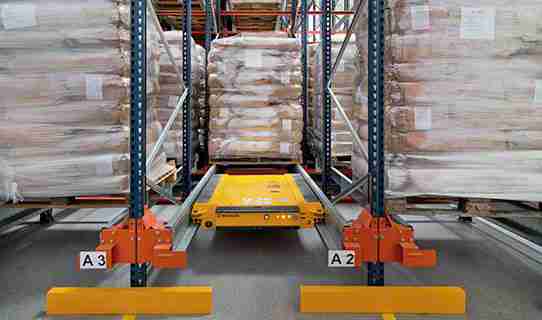
What Factors Should Be Considered When Choosing Industrial Racks?
What Factors Should Be Considered When Choosing Industrial Racks?
- Consider weight and size of items to be stored on the racks.
- Take into account the type of materials being stored.
- Think about the layout of your facility.
- Ensure durability and quality of the racks.
- Consider any safety requirements or regulations.
- Invest in high-quality racks for long-term savings.
- Choose racks that maximize storage space.

What Factors Should Be Considered When Choosing Industrial Racks?
How Do Industrial Racks Contribute To Efficient Inventory Management?
Industrial racks play a crucial role in efficient inventory management within warehouses and distribution centers. These racks are not just simple shelves for storing goods; they are strategic tools that help streamline operations and maximize storage space.
One of the key ways industrial racks contribute to efficient inventory management is by optimizing space utilization. With the ability to stack goods vertically, industrial racks allow for more items to be stored in a smaller footprint. This means warehouses can make the most of their available space and avoid clutter and disorganization that can slow down productivity.
Additionally, industrial racks provide easy access to inventory, which speeds up the process of picking and packing orders. By having goods neatly organized on racks, warehouse staff can quickly locate the items they need, reducing the time spent searching for products. This not only increases efficiency but also minimizes errors and improves overall accuracy in inventory management.
Moreover, industrial racks help enhance safety in the workplace. By securely storing heavy items on sturdy racks, the risk of accidents and injuries from falling objects is minimized. This creates a safer environment for warehouse employees to work in, reducing downtime due to injuries and maintaining a productive workflow.
Another benefit of industrial racks is their versatility and adaptability to different types of products. These racks come in various sizes and configurations, allowing warehouses to customize their storage solutions based on the specific needs of their inventory. Whether storing pallets, boxes, or long items, industrial racks can be adjusted to accommodate a wide range of goods, making them a versatile tool for efficient inventory management.
Furthermore, industrial racks help to improve inventory visibility and tracking. By organizing goods on racks, warehouses can easily see what items they have in stock and monitor inventory levels in real-time. This visibility enables better inventory control, preventing stockouts and overstock situations that can lead to costly inefficiencies.
Industrial racks play a vital role in efficient inventory management by optimizing space utilization, improving accessibility, enhancing safety, accommodating different types of products, and increasing inventory visibility. By investing in quality industrial racks and utilizing them effectively, warehouses can streamline operations, maximize storage space, and improve overall productivity in managing their inventory.

How Do Industrial Racks Contribute To Efficient Inventory Management?
How Do Industrial Racks Contribute To Efficient Inventory Management?
- Industrial racks optimize space utilization by allowing for vertical stacking of goods.
- Easy access to inventory on racks speeds up picking and packing processes.
- Racks help enhance workplace safety by securely storing heavy items.
- Industrial racks are versatile and can be customized based on inventory needs.
- Improved inventory visibility and tracking by organizing goods on racks.
- Racks prevent stockouts and overstock situations, improving inventory control.
- Investing in quality industrial racks can streamline operations and improve productivity.

How Do Industrial Racks Contribute To Efficient Inventory Management?
What Are Some Tips For Maximizing Storage Space With Industrial Racks?
When it comes to maximizing storage space with industrial racks, there are a few key tips that can make a big difference. Let’s dig into some strategies that can help you make the most of your space.
First and foremost, it’s important to consider the layout of your warehouse or storage facility. Take the time to carefully plan where you will place your industrial racks in order to optimize the available space. Think about factors like the height of your racks, the width of the aisles, and how you can make the most efficient use of every inch of space.
Next, consider the types of products or materials that you will be storing on your industrial racks. Make sure to choose racks that are well-suited for the items you will be storing, whether they are heavy pallets, bulky equipment, or smaller boxes. Organizing your racks based on the size and weight of your inventory will help you maximize your storage space and keep everything organized and easily accessible.
Another key tip for maximizing storage space with industrial racks is to make use of vertical space. Don’t just think about storing items on the racks themselves – think about how you can utilize the height of your warehouse or storage facility. By utilizing taller racks or installing mezzanine levels, you can increase your storage capacity without taking up additional floor space.
When it comes to organizing your industrial racks, remember that efficiency is key. Make sure to label and categorize your inventory in a way that makes it easy to find what you need quickly. Consider using storage bins, labels, or color-coding systems to keep everything organized and easily accessible. By keeping your racks organized, you will not only maximize your storage space but also increase productivity and reduce the risk of errors.
Lastly, don’t forget about safety when it comes to maximizing storage space with industrial racks. Make sure that your racks are properly installed and maintained to prevent accidents or damage. Consider investing in additional safety features like guardrails, bollards, or rack protectors to help protect your inventory and your employees.
By carefully planning the layout of your warehouse, selecting the right racks for your inventory, utilizing vertical space, organizing your inventory efficiently, and prioritizing safety, you can maximize your storage space with industrial racks and create a more efficient and productive storage facility.

What Are Some Tips For Maximizing Storage Space With Industrial Racks?
What Are Some Tips For Maximizing Storage Space With Industrial Racks?
- Consider the layout of your warehouse to optimize space.
- Choose racks suited for the items you will be storing.
- Utilize vertical space with taller racks or mezzanine levels.
- Label and categorize inventory for efficiency.
- Ensure racks are properly installed and maintained for safety.
- Use storage bins, labels, and color coding for organization.
- Invest in safety features like guardrails and rack protectors.

What Are Some Tips For Maximizing Storage Space With Industrial Racks?
Conclusion
In conclusion, industrial racks are essential tools for maximizing storage space and efficiency in warehouses. By utilizing vertical space and providing easy access to items, these sturdy structures help warehouses store more items in a smaller footprint without sacrificing accessibility. The customization options of industrial racks allow warehouses to tailor their storage solutions to specific needs, whether for bulky items, long items, or a mix of both. Furthermore, industrial racks not only maximize storage space but also help maintain a safe and organized work environment by keeping items off the floor and securely stored on racks.
Overall, industrial racks offer a range of benefits that can help streamline operations, improve efficiency, and increase safety in the workplace. The durability and customizability of industrial racks make them an essential tool for any business looking to optimize storage space and improve inventory management. By choosing the right industrial racks based on factors like weight capacity, materials being stored, facility layout, and safety regulations, warehouses can enhance productivity and efficiency.
For businesses looking to make the most of their warehouse space, industrial racks are a game-changer. By following tips such as carefully planning the layout, selecting racks based on the type of inventory, utilizing vertical space, organizing inventory efficiently, and prioritizing safety, warehouses can maximize storage space and create a more efficient and productive storage facility. With the right industrial racks in place, businesses can optimize their warehouse space, streamline operations, and ultimately improve their bottom line.

Conclusion
Conclusion:
- Industrial racks are essential tools for maximizing storage space and efficiency in warehouses.
- They help store more items in a smaller footprint without sacrificing accessibility.
- Customization options of industrial racks allow tailoring storage solutions to specific needs.
- Industrial racks help maintain a safe and organized work environment by keeping items off the floor.
- They offer benefits such as streamlining operations, improving efficiency, and increasing safety.
- Choosing the right industrial racks based on factors like weight capacity and safety regulations is important.
- By following tips for utilizing industrial racks effectively, businesses can optimize their warehouse space and improve productivity.

Conclusion
Other Resources

Other Resources
Here is a list of other resources you can review online to learn more:
- “Organizing Your Inventory With Industrial Storage Racks”
- “Used Shelving for Sale | Industrial & Warehouse Style”
- “warehouse pallet rack & storage solutions”
- “AIT Industrial Shelving Racking & Equipment”
- “Industrial Storage Racks safety”
- “Heavy Duty Pallet Storage Racking & Industrial Shelving …”
- “Used Material Handling Equipment For Sale”
- “Warehouse Organization Using Rack Systems”
- “Industrial Storage & Handling”
- “Guide to Pallet Rack Safety: Best Practices”
- “Everything you need to know about warehouse Storage Rack”
- “12 Tips for Warehouse Layout Efficiency”
- “Warehouse 5S: The Ultimate Guide [FREE 5S Checklist …”
- “How To Optimise Your Mezzanine Floor For Storage And Efficiency”
- “Top Industrial Storage Rack Products in Guwahati”
- “Effective Space Utilization And Traffic Flow”

Other Resources
Glossary Terms
How Do Industrial Racks Maximize Storage Space In Warehouses? – Glossary Of Terms
Here is a glossary of 30 terms related to how industrial racks maximize storage space in warehouses:
1. Industrial Racks: Heavy-duty shelving systems designed to store large quantities of products and materials, optimizing warehouse space.
2. Pallet Racking: A common type of industrial racking that uses pallets to store goods, allowing for efficient use of vertical space.
3. Shelving Units: Storage units with multiple levels of shelves, often adjustable, used for organizing various items in warehouses.
4. Cantilever Racks: Racking systems with arms extending from a central column, ideal for storing long, bulky items like pipes and lumber.
5. Mezzanine Floors: Elevated platforms installed between the floor and ceiling, creating additional storage space above the ground level.
6. Drive-In Racking: High-density storage system where forklifts drive into the racks to store and retrieve pallets, maximizing limited space.
7. Drive-Through Racking: Similar to drive-in but allows access from both ends, facilitating first-in, first-out (FIFO) inventory management.
8. Dynamic Racking: Refers to racking systems equipped with rollers or mobile bases to provide easy movement of goods, increasing storage efficiency.
9. Flow Racks: Shelving systems inclined to use gravity to move inventory from the loading side to the picking side, optimizing space and time.
10. Push-Back Racking: High-density storage where pallets are stored on a series of nested carts riding on inclined rails, allowing for deeper storage.
11. Stacking Frames: Movable frameworks used to stack goods, enabling efficient use of vertical space even without fixed racking systems.
12. Vertical Lift Modules: Automated storage and retrieval systems that use vertical space to store and manage goods efficiently.
13. Automated Storage and Retrieval Systems (AS/RS): Fully automated systems that store and retrieve materials from defined storage locations, maximizing space and efficiency.
14. Adjustable Beam Racking: Racking systems with adjustable beams to accommodate various pallet sizes and optimize storage capacity.
15. Warehouse Layout: The strategic arrangement of racking systems and other storage solutions to maximize space utilization.
16. Load Capacity: The maximum weight that each shelf or racking unit can safely hold, critical for optimizing storage without compromising safety.
17. Space Utilization: Refers to the percentage of available warehouse space that is effectively used for storage.
18. Aisle Width: The width of the spaces between racking systems, which affects the ease of movement and storage capacity.
19. Picking Efficiency: How quickly and accurately items can be retrieved from storage, impacted by the racking system used.
20. Inventory Turnover: A measure of how often stock is replaced over a period, influenced by the organization and accessibility of storage.
21. FIFO (First-In, First-Out): Inventory management method that ensures older stock is used first, facilitated by specific racking designs like drive-through racks.
22. LIFO (Last-In, First-Out): Inventory method where the most recently added stock is used first, often applied in push-back racking systems.
23. Safety Regulations: Guidelines and standards for the safe installation and use of racking systems in warehouses.
24. Load Distribution: Refers to the even spread of weight across the storage system to maintain stability and safety.
25. Expansion Capabilities: The ability to add on or modify existing racking systems to accommodate growing inventory needs.
26. Selective Racking: Common racking system where every pallet can be accessed without moving others, offers flexibility at the expense of density.
27. Modular Designs: Racking systems designed with interchangeable parts, allowing for easy customization and expansion.
28. Decking: The surface material placed on racking systems, such as wire mesh or solid panels, to support stored items.
29. Forklift Compatibility: Design consideration for racking systems to ensure they can be accessed safely and efficiently by forklifts.
30. Space-Saving Techniques: Various strategies and methods used to maximize storage space, including optimizing racking configurations and warehouse layout planning.
This glossary covers essential terms and concepts related to maximizing storage space in warehouses using industrial racks.

Glossary Of Terms
Other Questions
How Do Industrial Racks Maximize Storage Space In Warehouses? – Other Questions
If you wish to explore and discover more, consider looking for answers to these questions:
- What are the different types of industrial racks commonly used in warehouses?
- How does vertical storage with industrial racks improve space utilization?
- What specific features make industrial racks highly customizable for different storage needs?
- How do industrial racks improve accessibility and workflow in a warehouse?
- What are the safety benefits associated with using industrial racks?
- How do industrial racks contribute to efficient inventory management?
- What factors should be considered when selecting the right industrial racks for a warehouse?
- What are some common configurations of pallet racks in warehouses?
- How do industrial racks help in maintaining an organized warehouse environment?
- What specific criteria should be used to assess the durability and quality of industrial racks?
- How do industrial racks help in optimizing workflow and reducing clutter in a warehouse?
- What are some innovative or advanced features available in modern industrial racks?
- How can warehouses integrate industrial racks with automated systems for better efficiency?
- What safety regulations should warehouses consider when installing industrial racks?
- What are the cost implications of investing in different types of industrial racks?

Other Questions
Checklist
How Do Industrial Racks Maximize Storage Space In Warehouses? – A Checklist
1. Layout Planning
_____ Measure available space: height, width, and depth.
_____ Determine optimal placement for racks.
_____ Plan aisle widths to allow for easy access and efficiency.
2. Rack Selection
_____ Evaluate weight and size capacity needs.
_____ Consider the types of products/materials to be stored.
_____ Choose appropriate rack types (pallet racks, cantilever racks, bin racks, etc. ).
3. Vertical Space Utilization
_____ Use taller racks to maximize vertical storage.
_____ Consider mezzanine levels to increase storage without occupying more floor space.
4. Customization
_____ Adjust rack configurations to fit different storage needs (bulky items, small parts, etc. ).
_____ Utilize accessories such as bins and dividers for better organization.
5. Organization and Labeling
_____ Categorize inventory logically.
_____ Use clear labeling systems: color-coding, bin labels, etc.
_____ Ensure items are easy to locate and retrieve.
6. Safety Measures
_____ Ensure proper installation and regular maintenance of racks.
_____ Install additional safety features like guardrails, bollards, and rack protectors.
_____ Store heavy items on lower shelves to prevent toppling.
7. Workflow Optimization
_____ Place high-turnover items in easily accessible areas.
_____ Position racks near shipping and receiving docks to speed up loading/unloading processes.
_____ Streamline movement paths to reduce travel time and improve efficiency.
8. Inventory Management
_____ Track inventory levels using industrial racks for better visibility and control.
_____ Implement a first-in, first-out (FIFO) system where applicable.
_____ Regularly audit and update inventory records.
9. Durability and Quality
_____ Invest in high-quality racks made from sturdy materials.
_____ Choose racks that can handle the anticipated load without compromising safety.
10. Compliance
_____ Ensure racks meet industry-specific safety regulations and standards.
_____ Keep up-to-date with regulatory changes that may impact storage solutions.
By following this checklist, you can maximize storage space, improve organizational efficiency, and ensure safety in your warehouse operations using industrial racks.

Checklist
At RackingWorld, we help guide you through selecting warehouse storage systems and racking.
Be sure to read our other related stories at RackingWorld to learn more about warehouse storage systems.
0 Comments