
Maximizing Warehouse Space: Exploring Industrial Rack Options
By Tom Seest
At RackingWorld, we help guide you through selecting warehouse storage systems and racking.
Be sure to read our other related stories at RackingWorld to learn more about warehouse storage systems.
What Are The Different Types Of Industrial Racks Available for Warehouses?
If you’ve ever set foot in a warehouse, you know just how important industrial racks are. These sturdy structures are the backbone of any efficient storage system, allowing businesses to maximize their space and organize their inventory with ease. But with so many different types of industrial racks on the market, how do you know which ones are right for your warehouse? Let’s take a closer look at some of the most common options available.
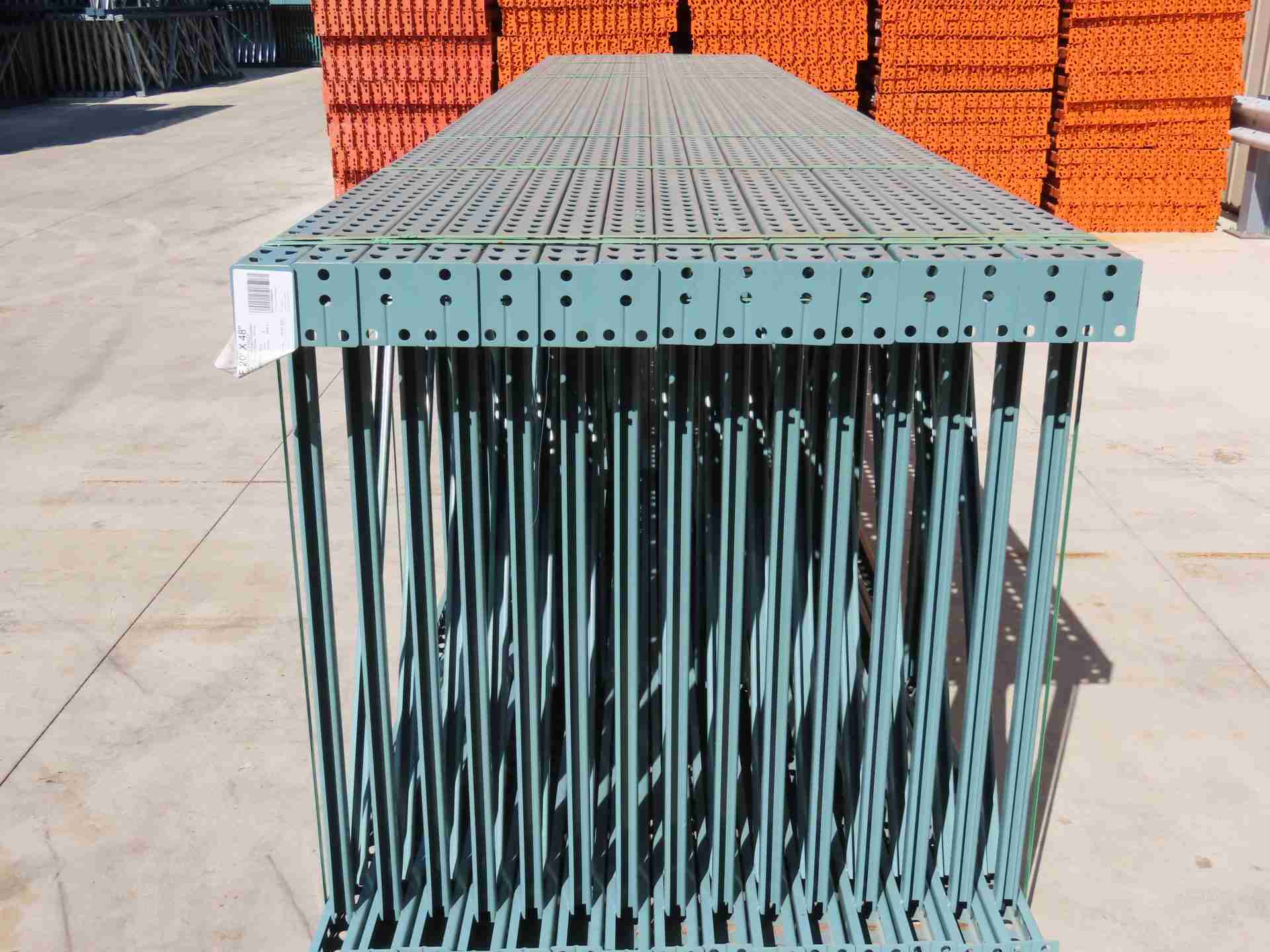
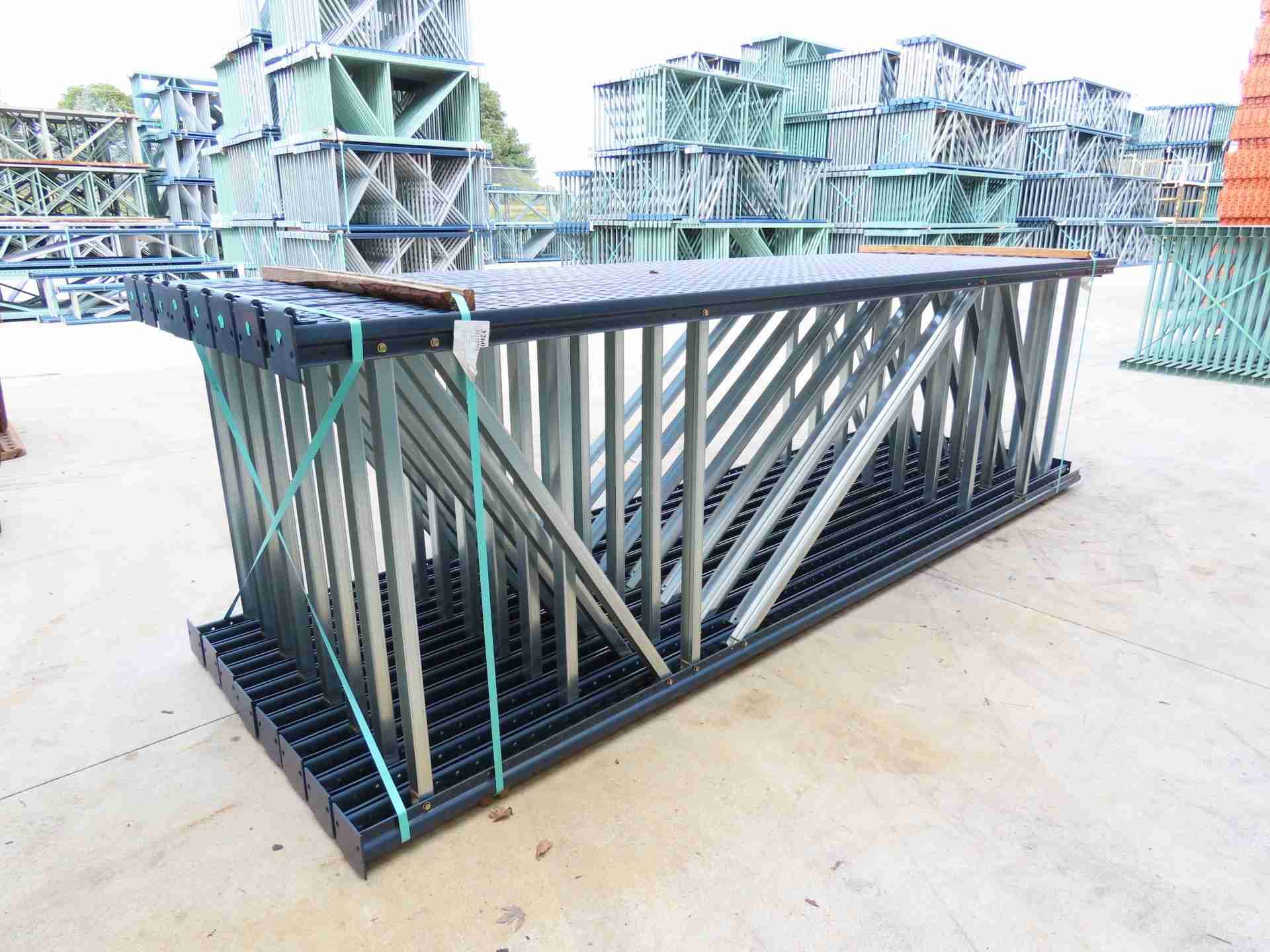
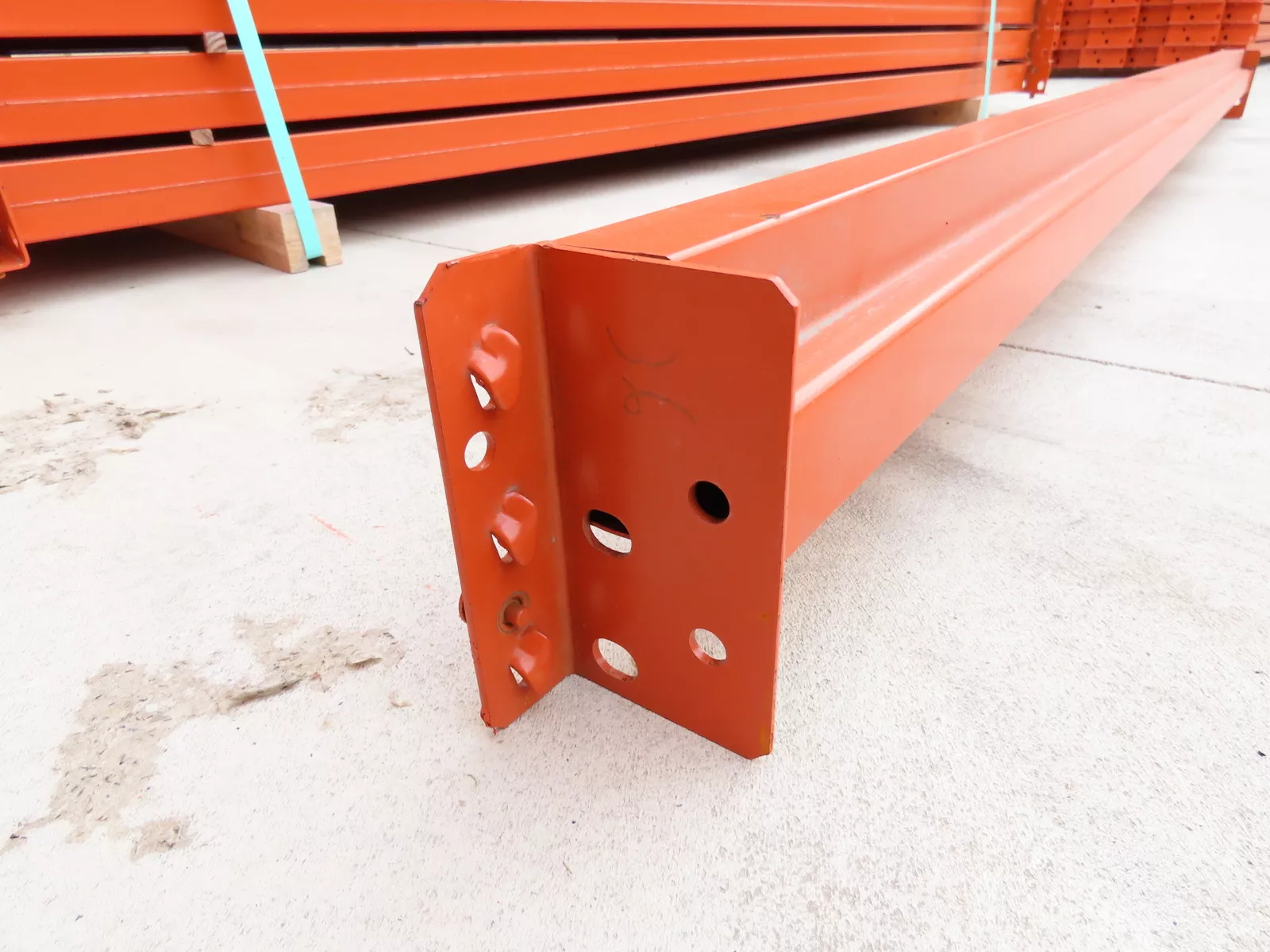
One of the most popular types of industrial racks is pallet racks. These heavy-duty racks are designed to hold pallets of inventory, making them ideal for businesses that deal with large, bulky items. Pallet racks come in a variety of sizes and configurations, allowing you to customize them to fit your specific needs. From selective pallet racks that allow for easy access to each pallet, to drive-in racks that maximize storage space, there’s a pallet rack option for just about any warehouse.
Cantilever racks are another common type of industrial rack that is perfect for storing long, bulky items like lumber, pipes, and tubing. These racks feature arms that extend outward from a central column, allowing you to easily store and retrieve items without the need for vertical beams that may get in the way. Cantilever racks are extremely versatile and can be configured to fit your warehouse’s layout and storage requirements.
If you’re looking to maximize your vertical storage space, consider investing in vertical racking systems. These racks are designed to take advantage of the height of your warehouse, allowing you to store more inventory in a smaller footprint. Vertical racking systems are ideal for businesses that have limited floor space but need to store a large quantity of items.
For businesses that deal with small, lightweight items, boltless shelving racks are a great option. These racks are easy to assemble and adjust, making them perfect for businesses that frequently change their inventory size and organization. Boltless shelving racks come in a variety of sizes and configurations, allowing you to create customized storage solutions that meet your specific needs.
No matter what type of industrial rack you choose for your warehouse, it’s important to invest in high-quality racks that are built to last. By choosing racks that are sturdy, durable, and designed to withstand the rigors of a busy warehouse environment, you can ensure that your inventory stays safe and organized for years to come.
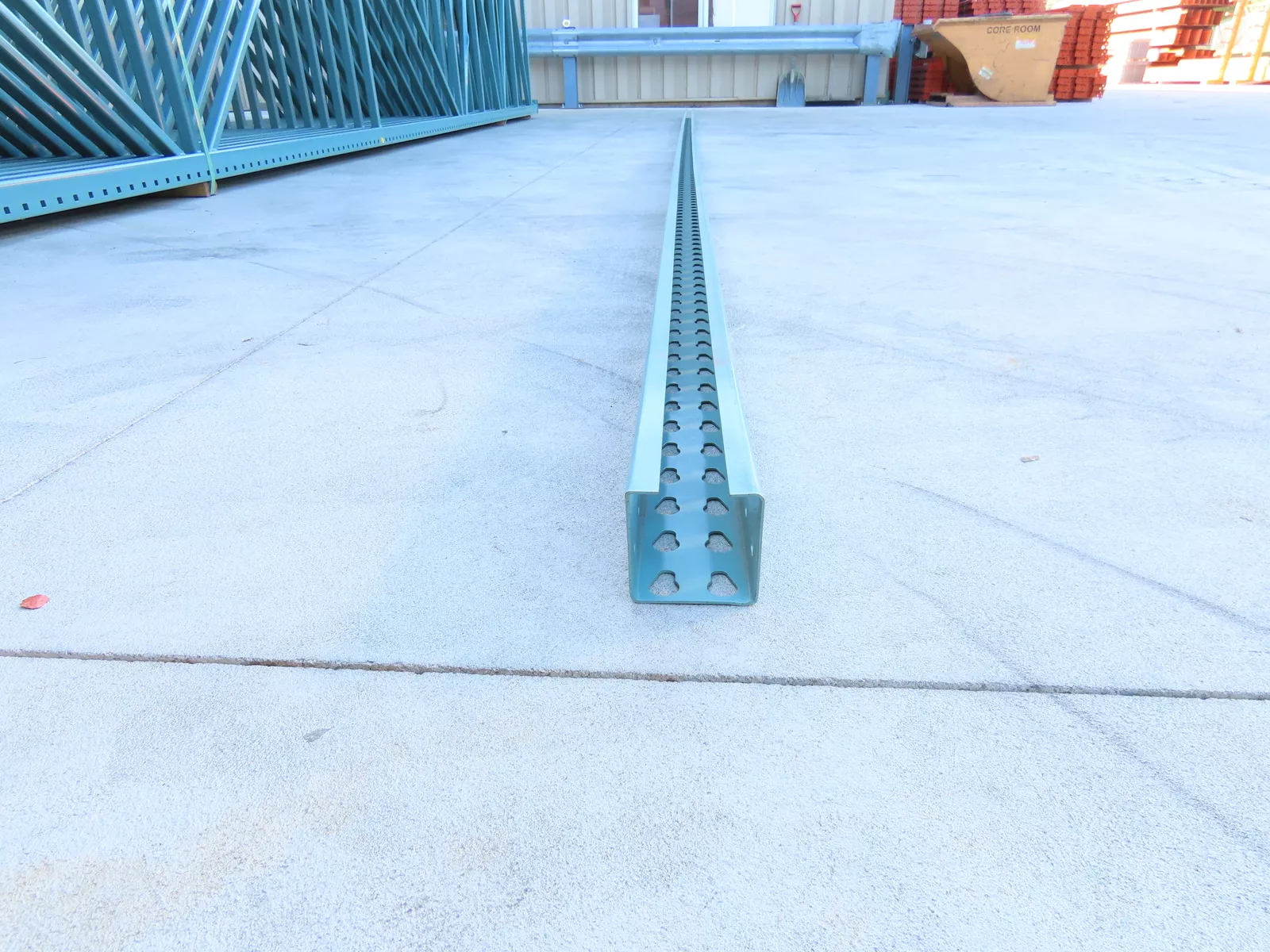
What Are The Different Types Of Industrial Racks Available for Warehouses?
What Are The Different Types Of Industrial Racks Available for Warehouses?
- Pallet racks are designed for holding pallets of inventory, customizable to fit specific needs.
- Cantilever racks are perfect for storing long, bulky items like lumber, pipes, and tubing.
- Vertical racking systems maximize vertical storage space, ideal for limited floor space.
- Boltless shelving racks are easy to assemble and adjust, great for small, lightweight items.
- It’s important to invest in high-quality industrial racks that are sturdy and durable.
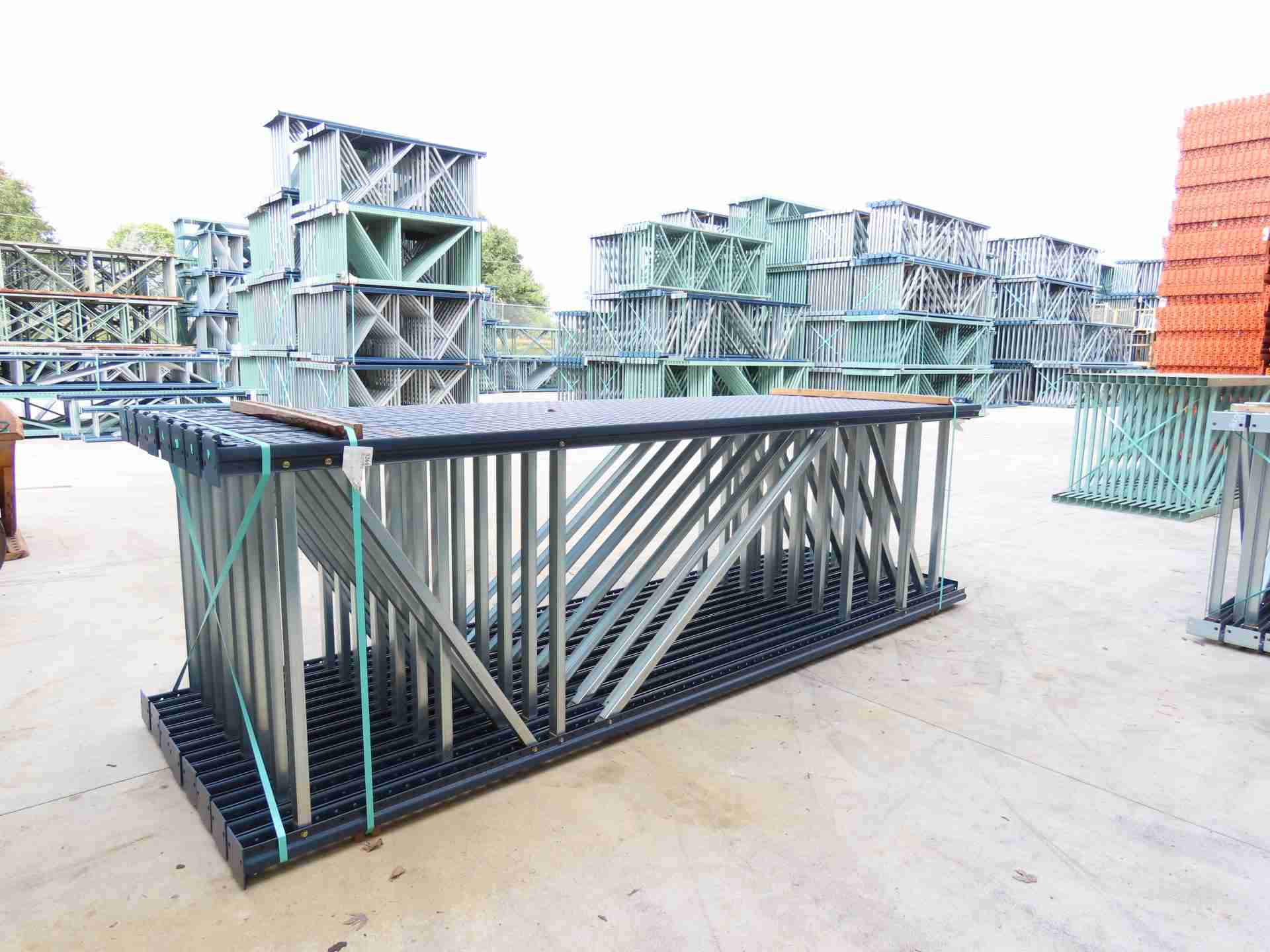
What Are The Different Types Of Industrial Racks Available for Warehouses?
Table Of Contents
- What Are The Different Types Of Industrial Racks Available for Warehouses?
- What Are The Benefits Of Using Pallet Racking In A Warehouse?
- How Can Push Back Racks Help Maximize Storage Space?
- How Do Selective Racks Improve Accessibility To Stored Goods?
- What Factors Should Be Considered When Choosing Drive-In Racks?
- How Does Mezzanine Flooring Help Increase Usable Space In A Warehouse?
- What Are The Key Features Of Stackable Racks For Warehouse Storage?
- How Can Flow Racks Contribute To Better Inventory Management?
- Conclusion
- Other Resources
- Glossary Of Terms
- Other Questions
- Checklist
What Are The Benefits Of Using Pallet Racking In A Warehouse?
Pallet racking is a crucial component of any warehouse operation, providing a safe and efficient way to store goods and materials. There are numerous benefits to using pallet racking systems in a warehouse setting, ranging from improved organization to increased productivity.
One of the primary benefits of using pallet racking is the space-saving capabilities it offers. By utilizing vertical space within the warehouse, pallet racking systems allow for maximum storage capacity without taking up valuable floor space. This means that warehouses can store more goods and materials in a smaller footprint, ultimately leading to cost savings and increased efficiency.
In addition to saving space, pallet racking also helps to improve organization within the warehouse. By storing goods on pallets that can be easily accessed and moved using forklifts or other machinery, warehouse employees can quickly locate and retrieve items as needed. This not only streamlines the picking and packing process but also reduces the risk of misplaced or lost inventory.
Another key benefit of using pallet racking is the improved safety it provides for warehouse employees. By storing goods on sturdy and secure racks, the risk of accidents and injuries caused by falling or shifting inventory is greatly reduced. This not only protects the well-being of employees but also minimizes damage to goods and equipment, leading to cost savings for the company.
Furthermore, pallet racking systems can help to increase productivity within the warehouse. With goods organized and easily accessible, employees can work more efficiently and complete tasks in less time. This leads to faster order fulfillment, reduced lead times, and overall improved customer satisfaction.
Overall, utilizing pallet racking in a warehouse setting offers a wide range of benefits that can positively impact the bottom line of a business. From saving space and improving organization to increasing safety and productivity, pallet racking systems are a valuable investment for any warehouse operation. By implementing this storage solution, businesses can optimize their operations, reduce costs, and ultimately drive greater success in the competitive world of logistics and distribution.

What Are The Benefits Of Using Pallet Racking In A Warehouse?
What Are The Benefits Of Using Pallet Racking In A Warehouse?
- Pallet racking maximizes storage capacity by utilizing vertical space in the warehouse.
- Helps to improve organization by allowing easy access to goods stored on pallets.
- Enhances safety for warehouse employees by securely storing goods on sturdy racks.
- Increases productivity by streamlining the picking and packing process.
- Leads to cost savings and efficiency through space-saving capabilities.
- Reduces the risk of misplaced or lost inventory.
- Optimizes operations, reduces costs, and drives greater success in logistics and distribution.
What Are The Benefits Of Using Pallet Racking In A Warehouse?
How Can Push Back Racks Help Maximize Storage Space?
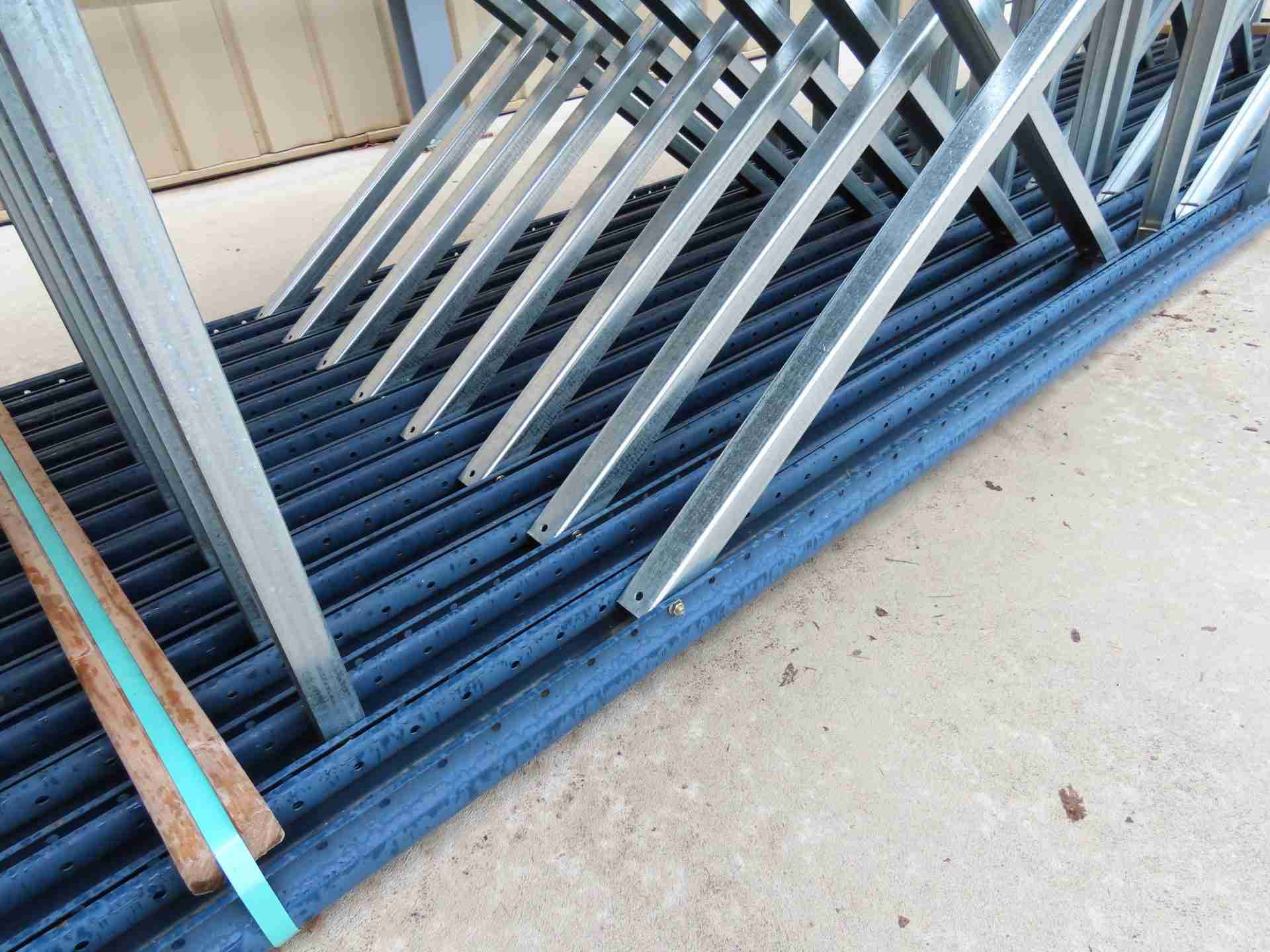
Push back racks are a game-changer when it comes to maximizing storage space in warehouses and distribution centers. These innovative systems allow for increased storage capacity by utilizing vertical space more efficiently and reducing the need for aisles between racks.
One of the key benefits of push back racks is their ability to store multiple pallets deep within each lane. This means that instead of just one pallet per level, you can store several pallets in a single lane, all accessible from the front of the rack. This greatly increases the amount of inventory that can be stored in a given area, maximizing storage space without the need for costly expansions or moving to a larger facility.
Another advantage of push back racks is their ability to better utilize vertical space. Because pallets are stored on rolling carts that can be pushed back along inclined rails, there is no wasted space above the top level of inventory. This allows for higher stacking of pallets and ultimately more storage capacity within the same footprint.
Additionally, push back racks help to improve organization and inventory management. By storing multiple pallets of the same SKU together in a single lane, you can easily keep track of stock levels and rotation. This makes it easier to implement a first-in, first-out (FIFO) system, ensuring that older inventory is used first and reducing the risk of product spoilage or obsolescence.
In addition to maximizing storage space, push back racks also offer the flexibility to store a variety of pallet sizes and weights. The adjustable cart system allows for customization based on the specific needs of your inventory, making it easy to accommodate a wide range of products without the need for separate racking systems.
Overall, push back racks are a cost-effective solution for businesses looking to optimize their storage space and improve efficiency. By allowing for higher stacking, better use of vertical space, and improved organization, these systems can help to streamline operations and increase productivity without the need for costly expansions or renovations.
Push back racks are a smart investment for any warehouse or distribution center looking to maximize their storage space. With their ability to store multiple pallets deep, utilize vertical space efficiently, and improve organization, these systems offer a practical and effective solution for businesses looking to make the most of their warehouse space.
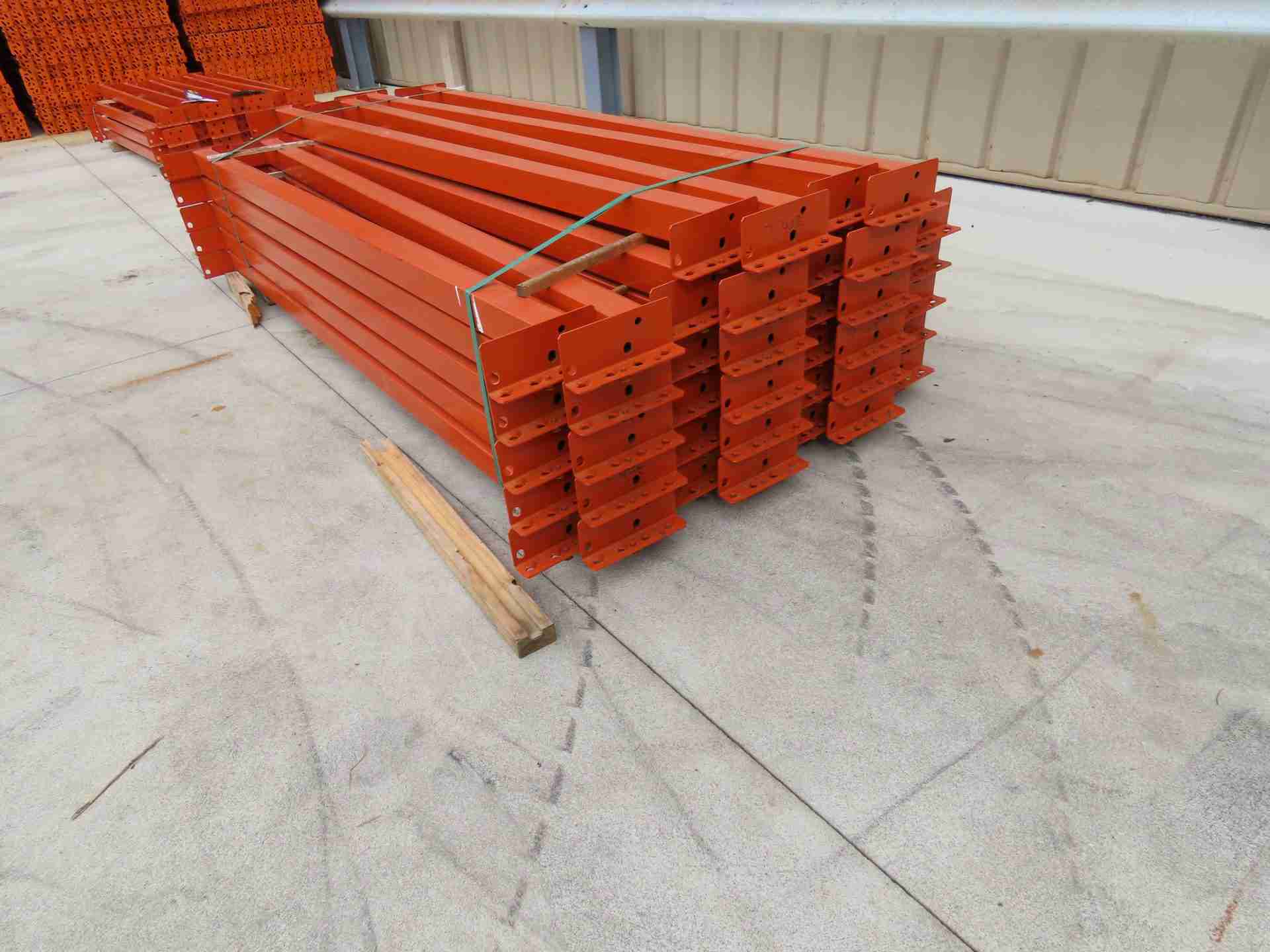
How Can Push Back Racks Help Maximize Storage Space?
How Can Push Back Racks Help Maximize Storage Space?
- Push back racks maximize storage space in warehouses and distribution centers.
- They store multiple pallets deep within each lane, increasing inventory capacity.
- Push back racks efficiently utilize vertical space by stacking pallets on rolling carts.
- They improve organization and inventory management with easy access to multiple pallets of the same SKU.
- Push back racks offer flexibility to store a variety of pallet sizes and weights.
- These systems are cost-effective, streamline operations, and increase productivity.
- Push back racks are a smart investment for any warehouse or distribution center.
How Can Push Back Racks Help Maximize Storage Space?
How Do Selective Racks Improve Accessibility To Stored Goods?
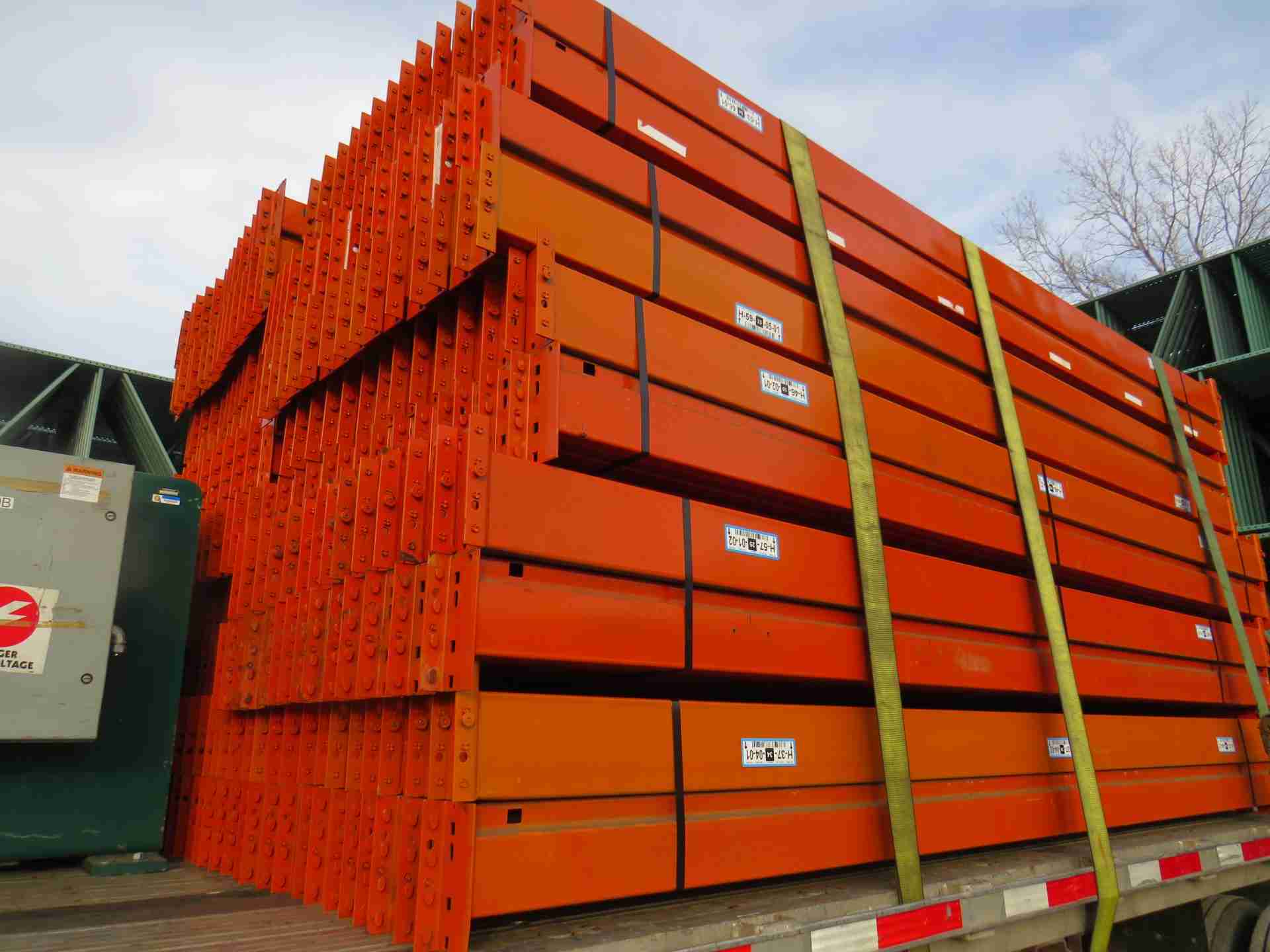
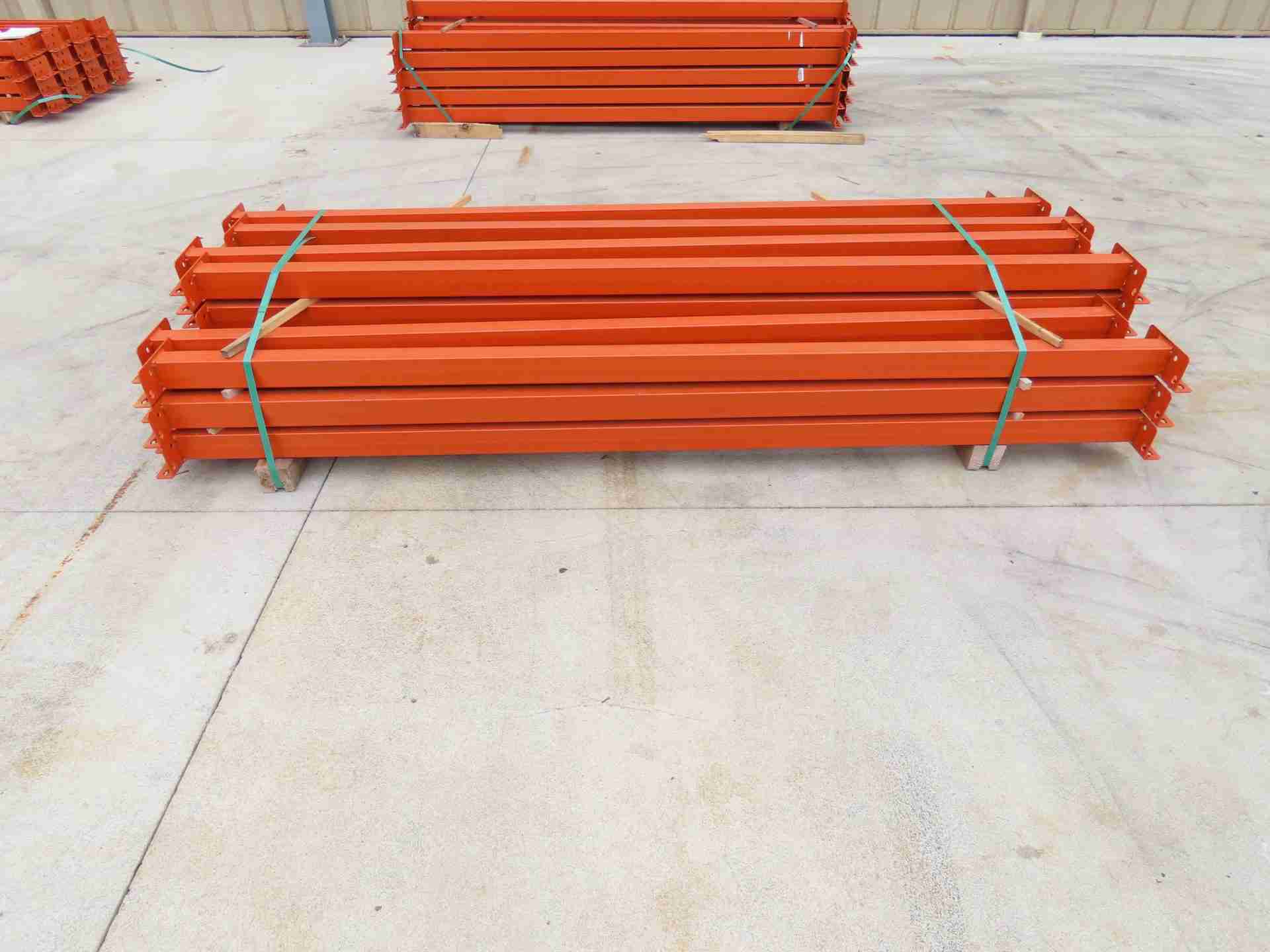
Selective racks are a game-changer when it comes to improving accessibility to stored goods in warehouses and distribution centers. These innovative rack systems are designed with efficiency and functionality in mind, making it easier for workers to locate and access items quickly and safely.
One of the key ways in which selective racks improve accessibility is through their design. Unlike traditional pallet racks that require workers to move multiple pallets to access a specific item, selective racks allow for direct access to each individual pallet. This means that workers can easily retrieve items without having to navigate through multiple layers of inventory, saving time and reducing the risk of injury.
Selective racks also offer a high level of visibility, making it easier for workers to locate items without having to search through rows of shelves. The open design of selective racks allows for better line of sight, helping workers quickly identify and retrieve the items they need. This not only speeds up the picking process but also reduces the likelihood of errors and missing items.
Furthermore, selective racks are customizable to meet the specific needs of a warehouse or distribution center. With various configurations and sizes available, selective racks can be tailored to accommodate different types of items, from small boxes to large pallets. This level of customization ensures that stored goods are easily accessible and organized in a way that maximizes efficiency.
Another benefit of selective racks is their ability to maximize space utilization. By allowing for direct access to each individual pallet, selective racks make the most of available storage space. This means that warehouses and distribution centers can store more goods in a smaller area, improving overall efficiency and reducing costs associated with excess space.
Selective racks are a valuable tool for improving accessibility to stored goods in warehouses and distribution centers. Their innovative design, high visibility, customization options, and space-saving capabilities make them a smart investment for businesses looking to streamline their operations and enhance productivity. With selective racks, workers can easily locate and retrieve items, leading to faster order fulfillment, reduced labor costs, and overall improved efficiency in the warehouse.
How Do Selective Racks Improve Accessibility To Stored Goods?
How Do Selective Racks Improve Accessibility To Stored Goods?
- Selective racks are designed to improve accessibility to stored goods in warehouses and distribution centers.
- They allow for direct access to each individual pallet, reducing the need to navigate through multiple layers of inventory.
- Selective racks offer high visibility, making it easier for workers to locate items quickly.
- They are customizable to meet specific storage needs, accommodating different types of items.
- Selective racks maximize space utilization by allowing direct access to each pallet.
- They are a valuable tool for improving efficiency, reducing labor costs, and enhancing productivity.
- With selective racks, workers can easily locate and retrieve items, leading to faster order fulfillment.
How Do Selective Racks Improve Accessibility To Stored Goods?
What Factors Should Be Considered When Choosing Drive-In Racks?
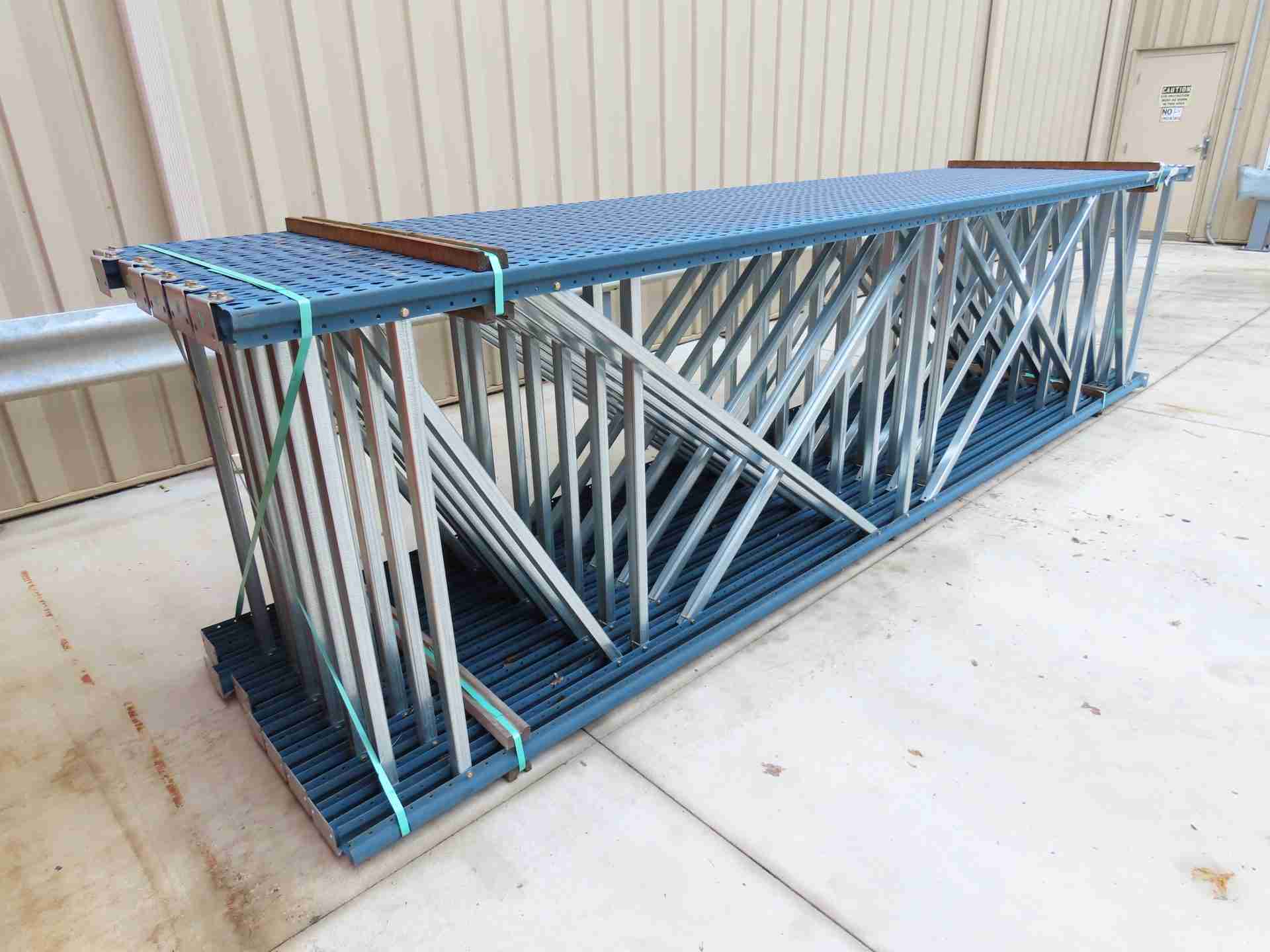
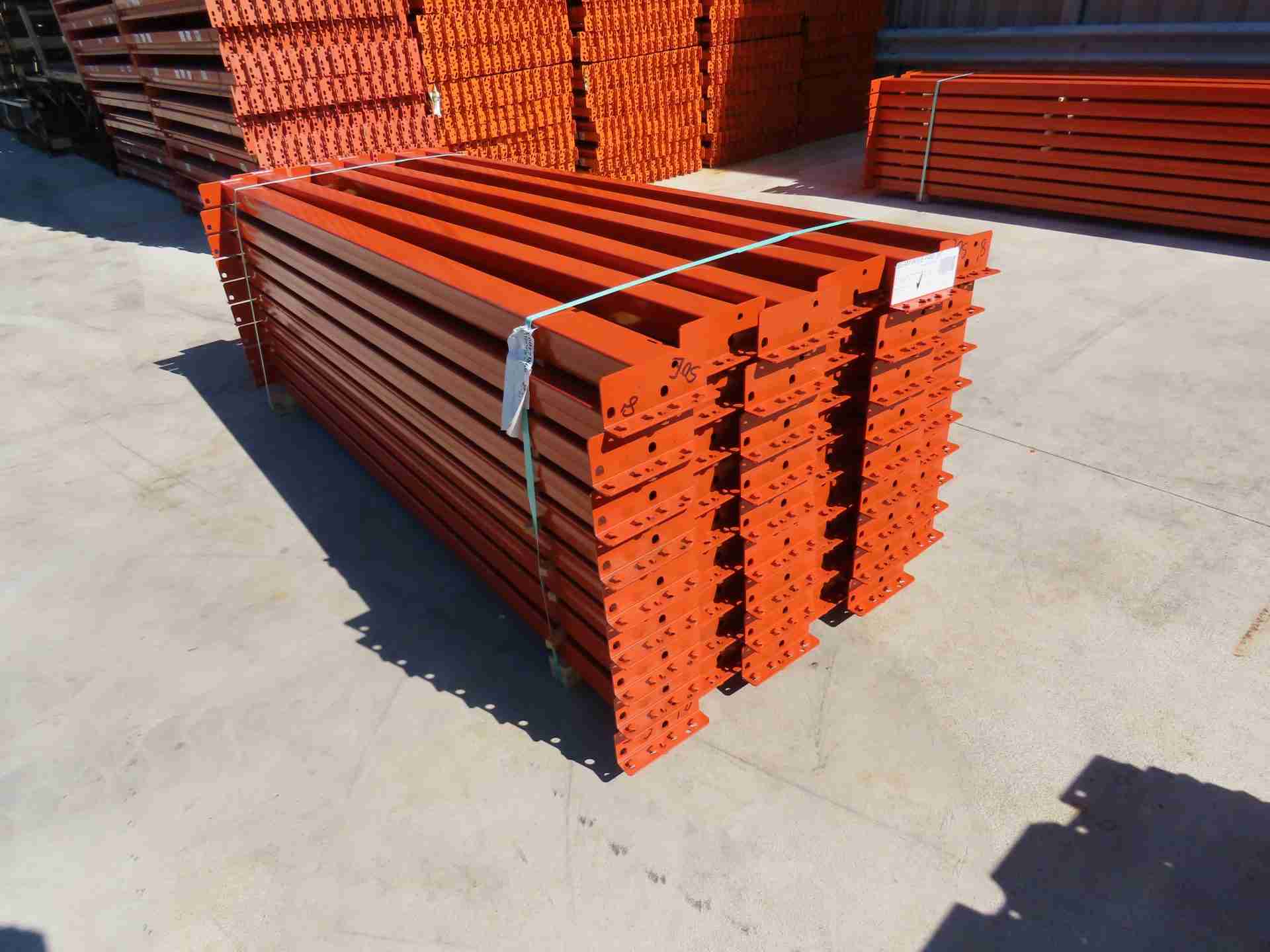
When it comes to selecting drive-in racks for your warehouse, there are a few key factors to consider to ensure you make the best decision for your storage needs.
First and foremost, it’s important to assess the available space in your warehouse. Drive-in racks are known for their high-density storage capabilities, but they also require a large amount of space for maneuvering pallets and forklifts. Make sure to measure the dimensions of your warehouse and factor in any aisles, doorways, and other obstacles that could impact the layout of your drive-in racks.
Next, consider the size and weight of the pallets that you will be storing. Drive-in racks are designed to accommodate bulky and heavy loads, but not all racks are created equal. Be sure to choose racks that can safely support the weight of your pallets and are tall enough to accommodate the height of your products.
Another important factor to consider is the frequency at which you will be accessing and rotating your inventory. Drive-in racks are ideal for storing large quantities of the same product, but they may not be the best option if you need to frequently access different pallets. In this case, drive-in racks with a FIFO (first in, first out) system may be more suitable for your needs.
Additionally, you should take into account the safety and durability of the drive-in racks you are considering. Look for racks that are made from high-quality materials, such as steel, and are designed to withstand the rigors of a busy warehouse environment. Make sure to inspect the racks for any signs of damage or wear and tear before making your final decision.
Lastly, consider the cost of installing and maintaining drive-in racks in your warehouse. While drive-in racks can be a cost-effective storage solution in the long run, they do require an initial investment and ongoing maintenance to ensure they continue to function properly. Compare the cost of different rack options and factor in any additional expenses, such as installation and repairs, to determine which option is the most budget-friendly for your business.
Overall, choosing the right drive-in racks for your warehouse requires careful consideration of factors such as available space, pallet size and weight, inventory rotation needs, safety and durability, and cost. By taking the time to evaluate these factors and select racks that meet your specific requirements, you can optimize your warehouse storage and boost efficiency in your operations.
What Factors Should Be Considered When Choosing Drive-In Racks?
What Factors Should Be Considered When Choosing Drive-In Racks?
- Assess available space in your warehouse for maneuvering pallets and forklifts.
- Consider size and weight of pallets to ensure racks can support them.
- Think about how frequently you will need to access and rotate inventory.
- Ensure racks are made from high-quality materials and are durable.
- Compare costs of different rack options, including installation and maintenance.
- Choose racks that meet your specific requirements to optimize storage efficiency.
What Factors Should Be Considered When Choosing Drive-In Racks?
How Does Mezzanine Flooring Help Increase Usable Space In A Warehouse?
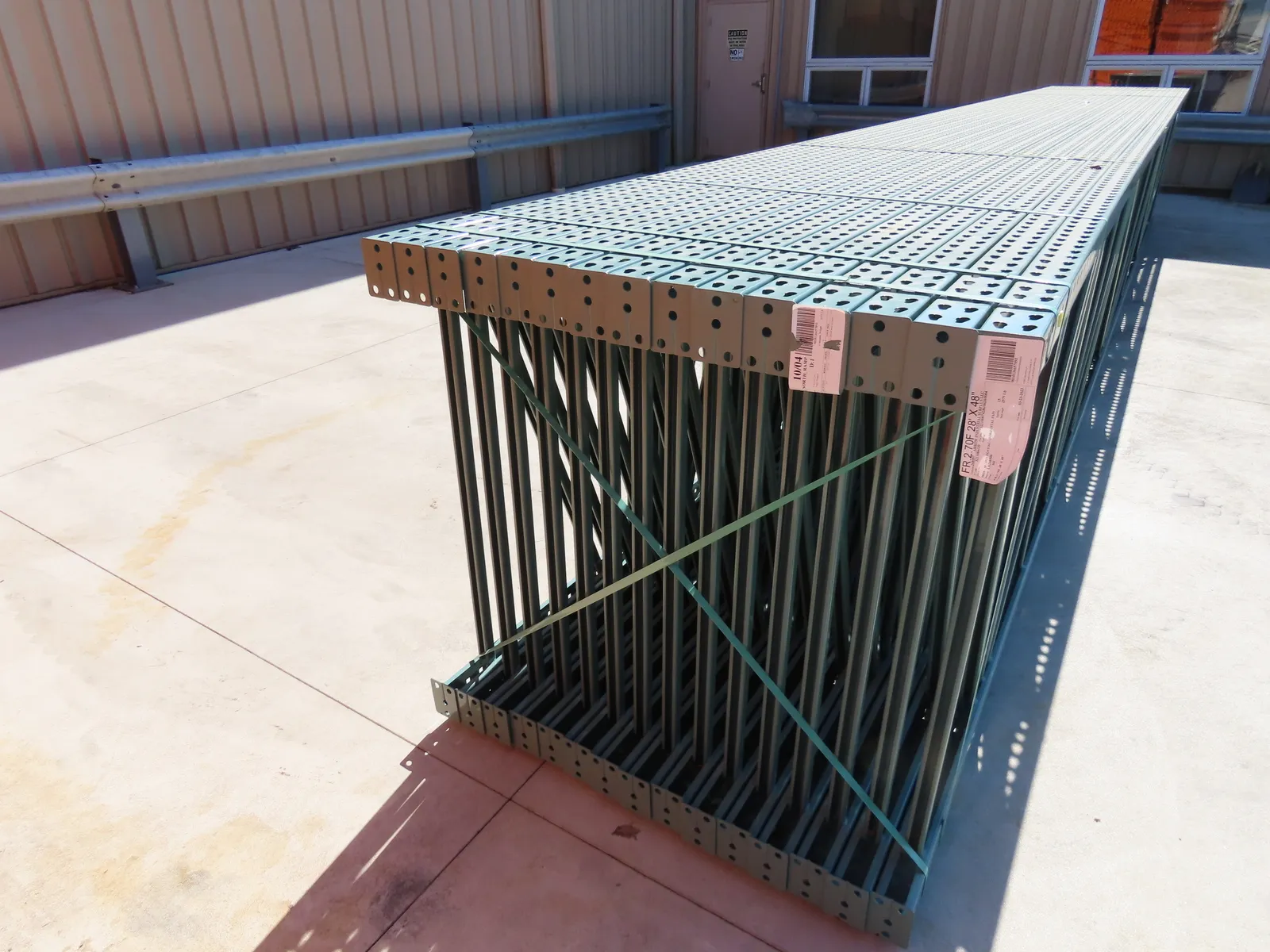
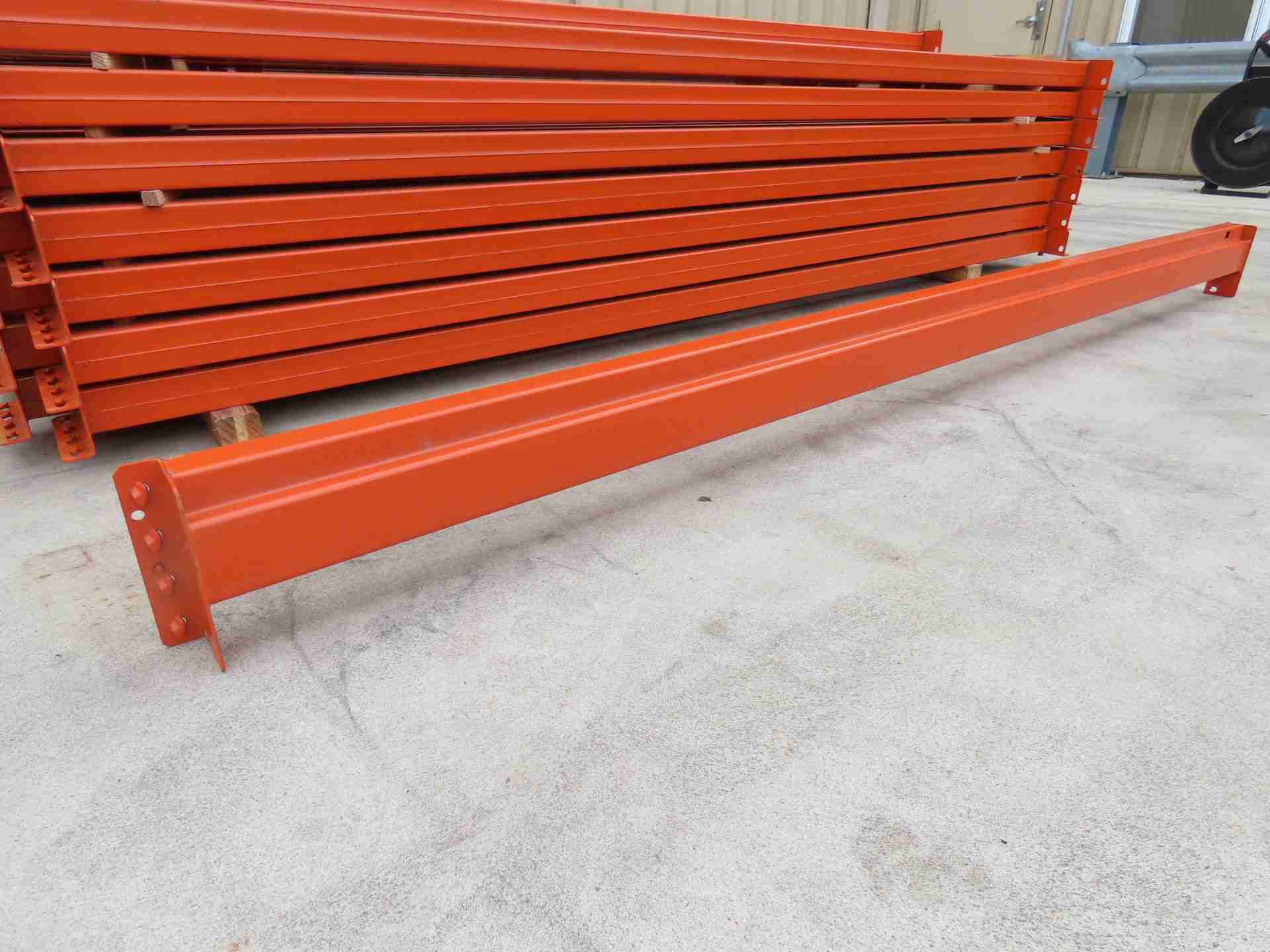
Mezzanine flooring is like adding an extra level to your warehouse, creating a whole new area for storage or operations without taking up any additional ground space. It’s a clever way to maximize the vertical real estate of your building, turning wasted air space into valuable usable square footage.
Imagine this – you’ve got a warehouse that’s bursting at the seams with inventory, equipment, or whatever it is you need to store. You can either rent out a larger space, which is going to cost you a pretty penny, or you can get creative and install a mezzanine floor. By doing this, you’re essentially doubling your storage capacity without having to expand outward and break the bank.
Not only does mezzanine flooring help increase usable space, but it also allows you to organize your warehouse more efficiently. You can designate specific areas for different functions, like storage on the mezzanine level and operations on the ground floor. This separation of space can help streamline your operations and make it easier for your employees to navigate the warehouse without running into each other.
Another benefit of mezzanine flooring is the flexibility it provides. If your storage needs change or if you need to reconfigure your warehouse layout, you can easily adapt the mezzanine floor to suit your new requirements. You can add or remove sections, change the location of staircases or access points, or even dismantle the entire structure and move it to a different location. It’s like playing with a giant LEGO set that actually has a practical purpose.
One of the best things about mezzanine flooring is that it’s a relatively quick and cost-effective solution to your space constraints. Instead of undergoing a lengthy and expensive construction project to expand your building, you can have a mezzanine floor installed in a fraction of the time and at a fraction of the cost. Plus, it’s a versatile solution that can be customized to fit your specific needs, whether you need a small platform for a few extra pallets or a full-blown second level for additional workspace.
Mezzanine flooring is a smart investment for any warehouse looking to maximize its space and increase efficiency. By utilizing the vertical space you already have, you can create a more organized and functional workspace without breaking the bank. So why not elevate your warehouse with a mezzanine floor and see how much more you can accomplish?
How Does Mezzanine Flooring Help Increase Usable Space In A Warehouse?
How Does Mezzanine Flooring Help Increase Usable Space In A Warehouse?
- Mezzanine flooring adds an extra level to the warehouse without taking up additional ground space.
- Doubles storage capacity without needing to rent a larger space.
- Allows for more efficient organization of warehouse space.
- Provides flexibility to adapt to changing storage needs or warehouse layouts.
- Quick and cost-effective solution compared to traditional building expansion.
- Customizable to fit specific storage needs, from small platforms to full second levels.
- Maximizes space, increases efficiency, and improves functionality of the warehouse.
How Does Mezzanine Flooring Help Increase Usable Space In A Warehouse?
What Are The Key Features Of Stackable Racks For Warehouse Storage?
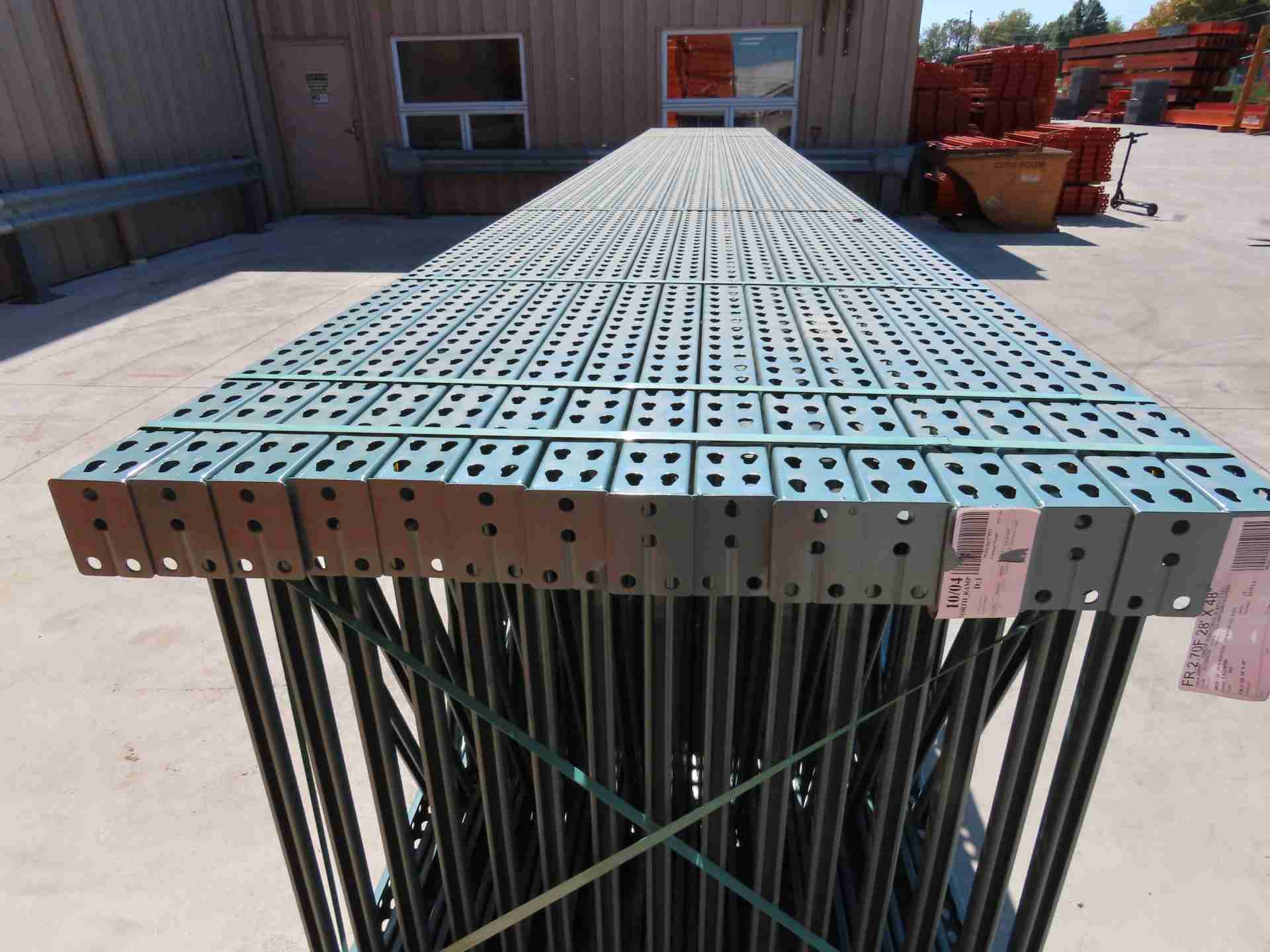
You know, when it comes to warehouse storage, stackable racks are a real game-changer. These bad boys are designed to maximize space, efficiency, and organization in your warehouse, making them a must-have for any business looking to streamline their operations.
One of the key features of stackable racks is their, well, stackability. I mean, it’s right there in the name, right? These racks are designed to be easily stacked on top of each other, allowing you to go vertical with your storage instead of spreading out horizontally. This means you can make the most of your available space, whether you’re working with a small warehouse or a sprawling distribution center.
But it’s not just about saving space – stackable racks also make it a breeze to organize your inventory. With each rack able to hold a specific type of product or material, you can easily label and track what’s being stored where. This not only speeds up the picking and packing process, but also helps prevent any mix-ups or misplaced items.
Another key feature of stackable racks is their durability. Made from high-quality materials like steel or aluminum, these racks are built to last and can withstand the wear and tear of daily warehouse operations. Whether you’re storing heavy pallets or delicate merchandise, you can trust that your stackable racks will hold up over time.
And let’s not forget about versatility. Stackable racks come in a variety of sizes and configurations, so you can customize them to fit your specific storage needs. Need a rack with extra shelving for smaller items? No problem. Looking for a rack with adjustable height options? You got it. The possibilities are endless when it comes to finding the perfect stackable rack for your warehouse.
Last but not least, stackable racks are a cost-effective storage solution. By maximizing your space and improving your organization, you can reduce overhead costs and increase productivity in the long run. Plus, with their easy assembly and reconfigurability, you won’t have to break the bank every time you need to make a change to your storage setup.
So there you have it – the key features of stackable racks for warehouse storage. From their space-saving design to their durability and versatility, these racks are a game-changer for any business looking to optimize their storage space and streamline their operations. Time to stack ’em up and get organized!
What Are The Key Features Of Stackable Racks For Warehouse Storage?
What Are The Key Features Of Stackable Racks For Warehouse Storage?
- Stackable racks maximize space, efficiency, and organization in warehouses.
- Designed to easily stack on top of each other, going vertical with storage.
- Allows for easy organization and tracking of inventory.
- Durable and built to last, made from high-quality materials like steel.
- Available in various sizes and configurations for customized storage solutions.
- Cost-effective solution that can reduce overhead costs and increase productivity.
- Easy assembly and reconfigurability make stackable racks a practical option.
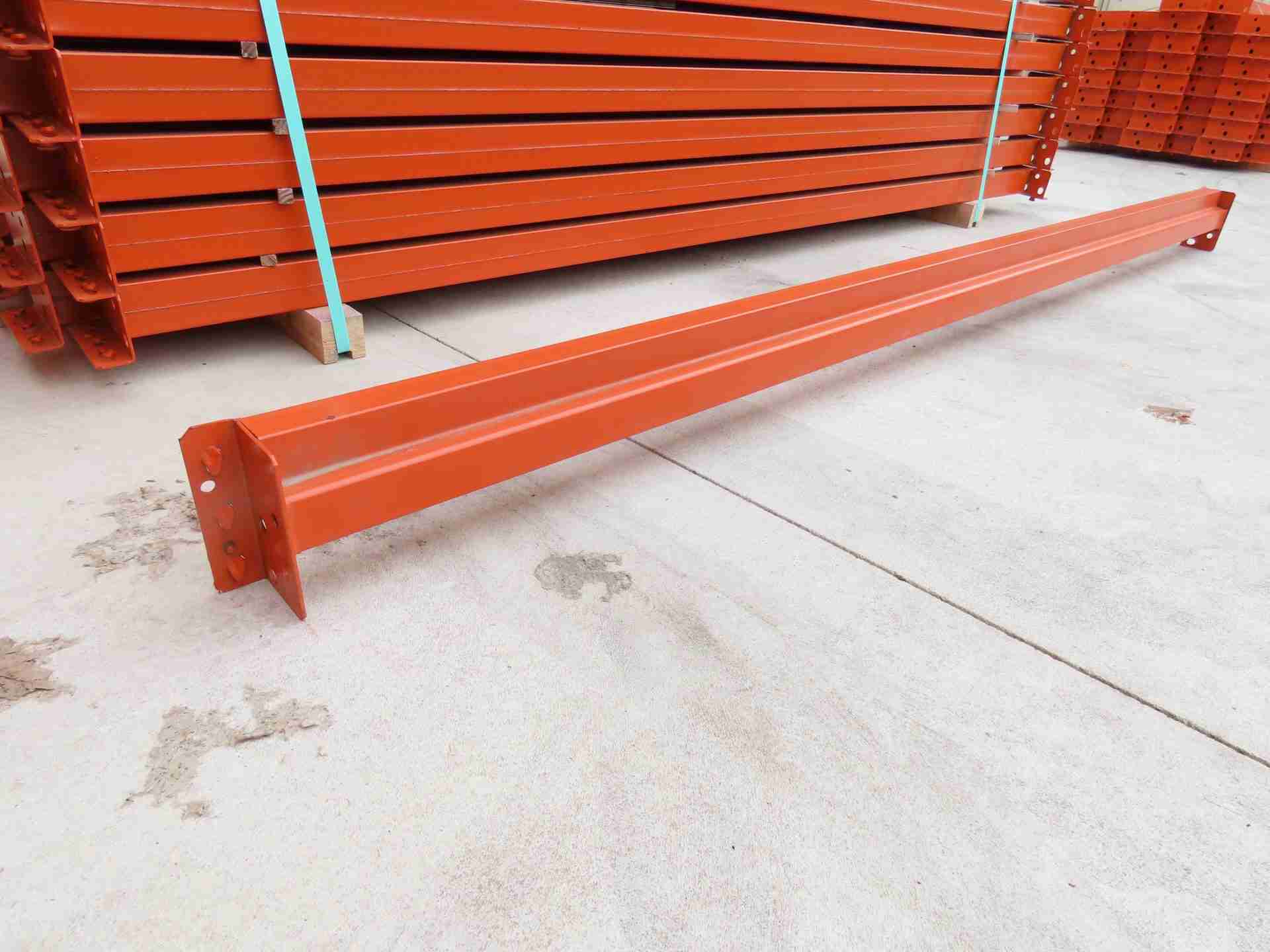
What Are The Key Features Of Stackable Racks For Warehouse Storage?
How Can Flow Racks Contribute To Better Inventory Management?
When it comes to effective inventory management, flow racks can be a game changer. These specialized storage systems are designed to help optimize space, streamline processes, and improve overall efficiency in a warehouse or distribution center.
One of the key benefits of flow racks is their ability to help maintain proper inventory rotation. By utilizing a FIFO (first in, first out) system, flow racks ensure that older products are used first, reducing the risk of expired or obsolete inventory. This not only helps to prevent waste but also improves inventory accuracy and ensures that products are consistently moving through the supply chain.
Flow racks also contribute to better inventory management by maximizing available space. By utilizing gravity-fed rollers or conveyors, flow racks allow for dense storage of products while still providing easy access for picking and replenishment. This helps to optimize warehouse layout and minimize wasted space, ultimately improving overall storage capacity and organization.
In addition, flow racks can help to improve picking and restocking processes, reducing the time and labor required to move products throughout the warehouse. By utilizing a push-back or flow-through system, flow racks allow for efficient movement of products without the need for manual handling or excessive travel time. This can help to increase productivity, reduce errors, and improve overall workflow in the warehouse.
Overall, flow racks are a valuable tool for achieving better inventory management. By optimizing space, improving inventory rotation, and streamlining processes, flow racks help to ensure that products are properly stored, picked, and replenished in a timely and efficient manner. This not only reduces waste and errors but also improves overall warehouse performance and customer satisfaction.
Flow racks are a vital component of any successful inventory management strategy. By incorporating these specialized storage systems into your warehouse or distribution center, you can achieve greater efficiency, accuracy, and productivity in managing your inventory. So, whether you’re looking to optimize space, improve inventory rotation, or streamline picking processes, flow racks are a smart investment that can help take your inventory management to the next level.
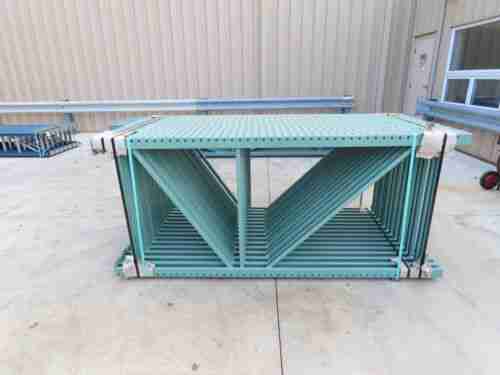
How Can Flow Racks Contribute To Better Inventory Management?
How Can Flow Racks Contribute To Better Inventory Management?
- Flow racks optimize space, streamline processes, and improve efficiency.
- They help maintain proper inventory rotation with a FIFO system.
- Flow racks maximize available space by allowing for dense storage of products.
- They contribute to better inventory management by improving picking and restocking processes.
- Flow racks reduce time and labor required to move products throughout the warehouse.
- Overall, flow racks help ensure products are properly stored, picked, and replenished in a timely manner.
- Flow racks are a vital component of successful inventory management strategy.
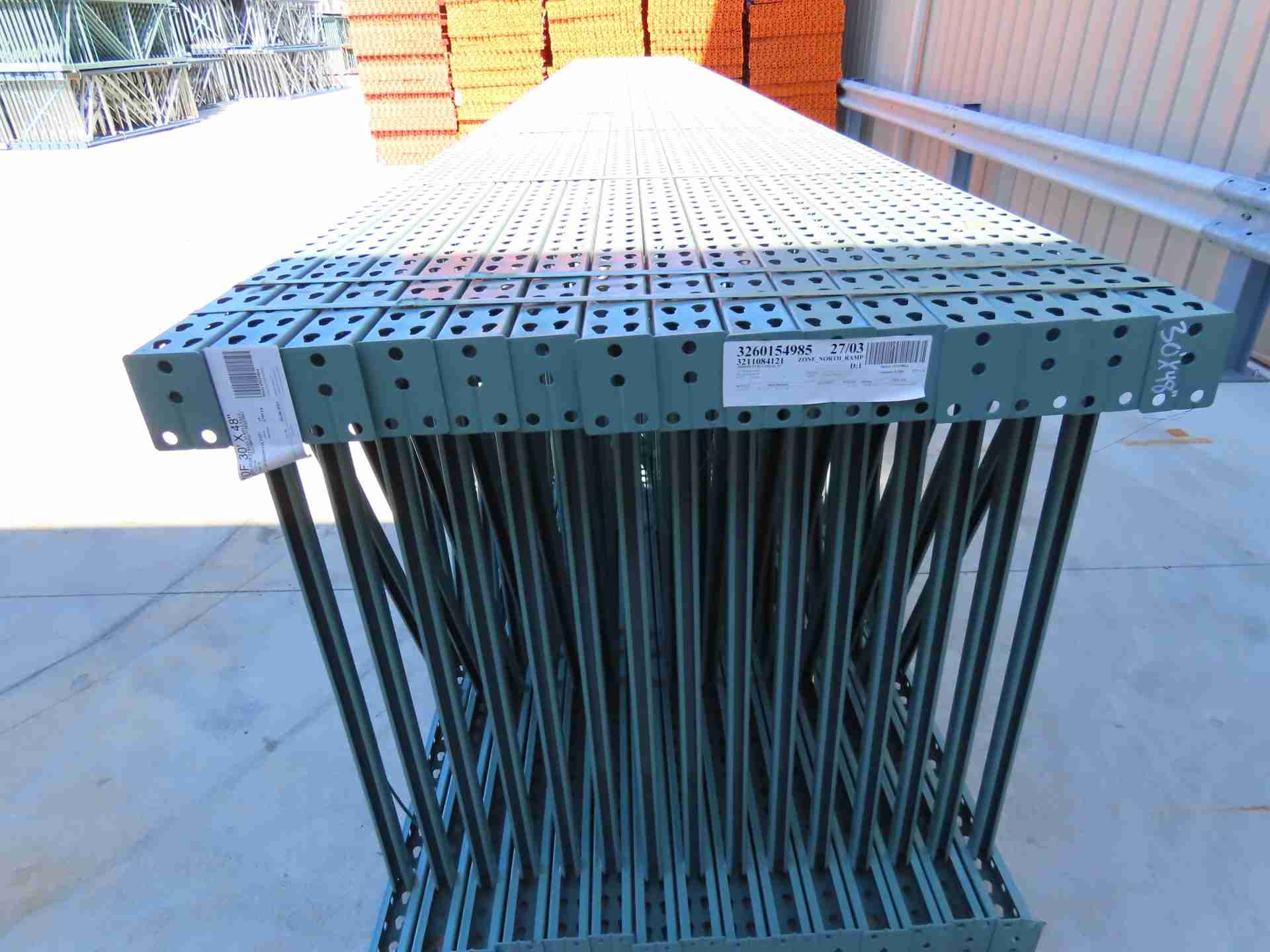
How Can Flow Racks Contribute To Better Inventory Management?
Conclusion
In conclusion, industrial racks play a vital role in maximizing warehouse space and organizing inventory efficiently. From pallet racks to cantilever racks, vertical racking systems to boltless shelving racks, there are various types of industrial racks available to suit different storage needs. Each type of rack offers unique benefits, such as space-saving capabilities, improved organization, increased safety, and enhanced productivity.
Pallet racking systems, for example, help businesses save space, improve organization, and increase safety for employees. Push back racks are designed to maximize storage space by utilizing vertical space more efficiently, while selective racks improve accessibility to stored goods through their innovative design and customization options. Drive-in racks are ideal for high-density storage, but factors such as available space, pallet size and weight, inventory rotation needs, safety, and cost should be considered when choosing them.
Mezzanine flooring is a cost-effective solution to increase usable space in warehouses by adding an extra level without expanding the ground space. Stackable racks provide efficient organization, durability, versatility, and cost-effectiveness in warehouse storage. Flow racks contribute to better inventory management by maintaining proper inventory rotation, maximizing available space, and improving picking and restocking processes.
In conclusion, choosing the right type of industrial rack for a warehouse is crucial in optimizing storage space, improving efficiency, and ultimately driving success in the competitive world of logistics and distribution. By investing in high-quality, durable racks that meet specific storage needs, businesses can ensure that their inventory remains safe, organized, and easily accessible for years to come. So remember, when it comes to maximizing warehouse space and streamlining operations, the right industrial racks can make all the difference.
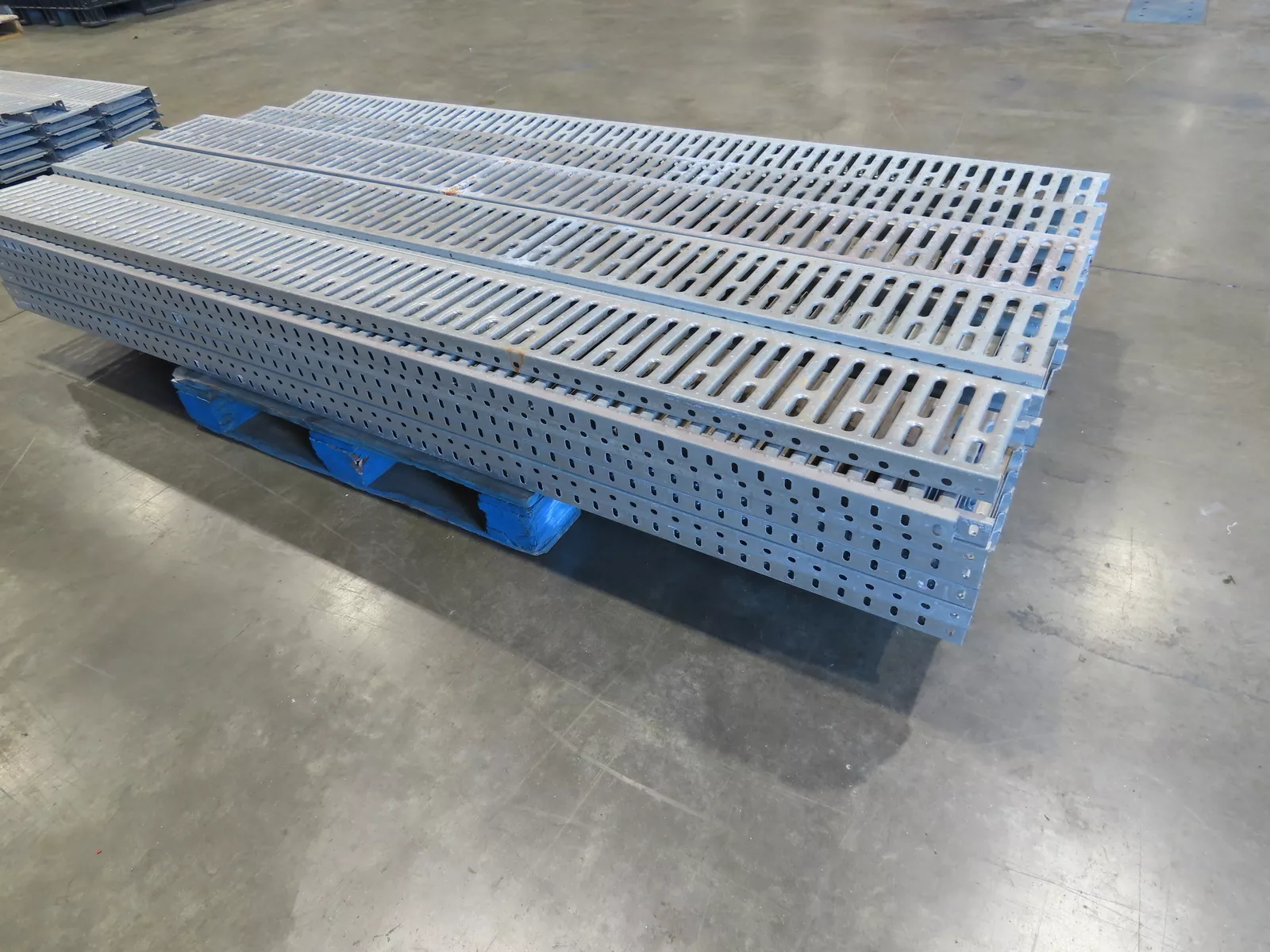
Conclusion
Conclusion:
- Industrial racks play a vital role in maximizing warehouse space and organizing inventory efficiently.
- Various types of industrial racks are available to suit different storage needs.
- Each type of rack offers unique benefits such as space-saving capabilities, improved organization, increased safety, and enhanced productivity.
- Pallet racking systems help save space, improve organization, and increase safety for employees.
- Mezzanine flooring is a cost-effective solution to increase usable space in warehouses.
- Stackable racks provide efficient organization, durability, versatility, and cost-effectiveness in warehouse storage.
- Flow racks contribute to better inventory management by maintaining proper inventory rotation and improving picking and restocking processes.

Conclusion
Other Resources
Other Resources
Here is a list of other resources you can review online to learn more:
- “Heavy Duty Cantilever Racks | Platforms and Ladders”
- “Best Prices on Quality Used Cantilever Racking …”
- “Cantilever Racks & Shelves – Meco & Red Steel”
- “Used Cantilever Racks & Lumber Racking”
- “Cantilever Racks”
- “Cantilever Racking System – Speedrack West”
- “Cantilever Racks for Sale (New/Used)”
- “Cantilever Racks Archives”
Other Resources
Glossary Terms
What Are The Different Types Of Industrial Racks Available for Warehouses? – Glossary Of Terms
Here’s a glossary of 30 terms related to different types of industrial racks available for warehouses:
1. Selective Racking: A common type of racking system that allows access to every pallet. Suitable for warehouses with varied product types.
2. Drive-In Racking: Compacted racking system allowing forklifts to drive directly into the shelf structure to deposit or retrieve pallets. Ideal for high storage density.
3. Drive-Through Racking: Similar to Drive-In, but allows entry from both ends for first-in, first-out (FIFO) stock rotation.
4. Push Back Racking: Uses nested carts on inclined rails allowing shelving of pallets up to 6 deep. Products pushed back as new ones are added.
5. Pallet Flow Racking: Utilizes a gravity roller system; pallets are loaded at one end and flow down to the other for FIFO picking.
6. Cantilever Racking: Best for long or bulky items like timber, pipes, or metal rods. Comprises arms that extend from upright frames.
7. Mezzanine Racking: Creates additional storage floors within the vertical space of a warehouse, improving space utilization.
8. Carton Flow Racking: Gravity-based system designed for cartons or cases, ideal for order picking applications.
9. Double Deep Racking: Allows two pallets to be stored back-to-back in a single row for high-density storage. Forklifts need specialized extensions.
10. Mobile Racking: Mounted on motorized bases, which can move horizontally. Ideal for dense storage while maintaining accessibility.
11. Vertical Lift Modules (VLMs): Automated storage systems that use vertical space to manage small to medium-sized items.
12. Shuttle Racking: Uses an automated shuttle cart to move, load, and unload pallets within the rack system.
13. AS/RS (Automated Storage and Retrieval Systems): Robotically driven systems for automatic storage and retrieval of products.
14. Cantilever Storage: Ideal for storing long and bulky items in a horizontal position with no obstructions.
15. High-Bay Racking: Extremely tall racking systems accessible by specialized forklifts or automated systems. Maximizes vertical storage.
16. Cold Storage Racking: Racking systems designed to withstand low-temperature environments for refrigerated warehouses.
17. Roll Formed Racking: Racking made from roll-formed steel for lightweight yet sturdy storage solutions.
18. Structural Racking: Heavy-duty racking made from structural steel, ideal for heavy loads.
19. Boltless Shelving: Easily assembled shelving system without bolts, ideal for easy reconfiguration.
20. Tire Racks: Specialized racking designed to store tires efficiently, keeping them easily accessible.
21. Wire Decking: Provides a supportive grid layer for pallets or bins, offering better visibility and airflow.
22. Gravity Flow Racks: Racks that use rollers to move inventory from one side of the system to the other using gravity.
23. Pigeon Hole Racking: Compartmentalized racks for storing various small items in separate slots or pigeonholes.
24. Rack-Supported Building: Structures where the racking system itself acts as the building’s structural framework.
25. Single-Deep Racking: A racking system where only one pallet is stored in depth, providing high accessibility but less density.
26. Wide Span Shelving: Ideal for medium to large-sized items, providing longer shelf spans for bulk storage.
27. Bulk Storage Racks: Designed for heavy-duty, large bulk items with wide spaces between shelves.
28. Over-Dock Racks: Racks installed above dock doors to utilize space otherwise left unused.
29. Vertical Carousels: Mechanical systems that rotate shelves vertically to bring inventory to the operator’s level.
30. Multi-Tier Racking: Multi-level racking creating several layers or floors to maximize vertical storage space.
This glossary covers a variety of racking systems, each with unique advantages suited to different warehouse needs and storage requirements.
Glossary Of Terms
Other Questions
What Are The Different Types Of Industrial Racks Available for Warehouses? – Other Questions
If you wish to explore and discover more, consider looking for answers to these questions:
- What are some specific examples of industries that benefit the most from the different types of industrial racks?
- How do I determine which type of industrial rack is most suitable for my warehouse needs?
- Are there any cost differences between the different types of industrial racks mentioned (pallet racks, cantilever racks, vertical racking systems, boltless shelving racks)?
- How does the installation process vary for the different types of industrial racks?
- What safety considerations should be taken into account when installing and using industrial racks?
- Can industrial racks be customized, and if so, to what extent?
- What are the maintenance requirements for different types of industrial racks?
- How do industrial racks impact warehouse efficiency and operational workflow?
- What are some common mistakes to avoid when selecting and installing industrial racks?
- Are there any specific regulatory or compliance standards for installing industrial racks in warehouses?
- Can industrial racks be integrated with automated warehouse systems?
- What options are available for modular or reconfigurable industrial racks?
- How do environmental conditions (e.g., temperature, humidity) affect the choice and longevity of industrial racks?
- What are the potential return on investment (ROI) benefits of upgrading to high-quality industrial racks?
- How does mezzanine flooring compare to industrial racks in terms of cost and space maximization?
- Are there any hybrid storage solutions that combine multiple types of industrial racks?
- What are the best practices for loading and unloading items from the various types of racks?
- How does the layout and design of a warehouse impact the selection of industrial racks?
- What are some innovative features or advancements in industrial rack technology?
- What training or certifications are recommended for employees who will be using and maintaining industrial racks?
Other Questions
Checklist
What Are The Different Types Of Industrial Racks Available for Warehouses? – A Checklist
Checklist: Choosing the Right Industrial Rack for Your Warehouse
Types of Industrial Racks:
1. Pallet Racks:
_____ Selective Pallet Racks
_____ Drive-In Racks
2. Cantilever Racks:
_____ For long, bulky items like lumber and pipes
3. Vertical Racking Systems:
_____ For maximizing vertical storage space
4. Boltless Shelving Racks:
_____ Ideal for small, lightweight items
5. Push Back Racks:
_____ For high-density storage and efficient space utilization
6. Selective Racks:
_____ For easy access to individual pallets
7. Drive-In Racks:
_____ High-density storage for similar items with less frequent access
8. Mezzanine Flooring:
_____ For adding a second level of storage without expanding ground space
9. Stackable Racks:
_____ For maximizing vertical storage and easy organization
10. Flow Racks:
_____ For optimized inventory rotation using FIFO systems
Factors to Consider:
1. Warehouse Space:
_____ Measure dimensions and assess layout
_____ Consider obstacles like aisles and doorways
2. Pallet Size and Weight:
_____ Ensure racks can support the size and weight
_____ Check for height compatibility
3. Inventory Rotation Needs:
_____ Determine if FIFO or LIFO works better for your operations
4. Material Quality and Durability:
_____ Look for high-quality construction, preferably steel
_____ Inspect for damage or wear and tear
5. Safety:
_____ Choose racks designed to withstand warehouse environment
_____ Ensure stability and security of stored items
6. Cost:
_____ Factor in initial investment, installation, and maintenance costs
_____ Compare different solutions for cost-effectiveness
7. Accessibility:
_____ Choose systems that allow easy and direct access to items
_____ Consider visibility and ease of navigation
8. Customization:
_____ Look for racks that can be tailored to specific storage needs
_____ Flexibility to reconfigure as needs change
Benefits of Key Rack Types:
1. Pallet Racking:
_____ Space-saving by utilizing vertical space
_____ Improved organization and safety
_____ Increased productivity and faster order fulfillment
2. Push Back Racks:
_____ Multiple pallets deep storage
_____ Better vertical space utilization
_____ Improved inventory management with FIFO systems
3. Selective Racks:
_____ Direct access to each pallet
_____ High visibility and easy location of items
_____ Customizable designs for various needs
4. Mezzanine Floors:
_____ Increase usable space without ground expansion
_____ Flexible configuration options
_____ Cost-effective and quick installation
5. Flow Racks:
_____ Ensure proper inventory rotation with FIFO
_____ Maximize storage and access efficiency
_____ Streamlined picking and restocking processes
By carefully evaluating these factors and options, you can select the most suitable industrial racking systems to optimize your warehouse operations, improve efficiency, and drive greater success in your logistics and distribution efforts.
At RackingWorld, we help guide you through selecting warehouse storage systems and racking.
Be sure to read our other related stories at RackingWorld to learn more about warehouse storage systems.
0 Comments