
An Overview Of The Types Of Forklifts and Their Warehouse Applications
By Tom Seest
At RackingWorld, we help guide you through selecting warehouse storage systems and racking.
Be sure to read our other related stories at RackingWorld to learn more about warehouse storage systems.
What Are The Types Of Forklifts and Their Warehouse Applications?
When it comes to navigating the chaotic hubbub of a warehouse, the trusty forklift is king. But not all forklifts are created equal. There are a variety of different types, each designed for specific tasks and applications within a warehouse setting.
One of the most common types of forklift is the counterbalance forklift. These beasts are typically used indoors on even surfaces and are known for their ability to maneuver in tight spaces. They’re perfect for loading and unloading trucks, stacking pallets in aisles, and moving heavy loads over short distances.
Then there are reach trucks, which are specifically designed for reaching heights up to 30 feet. These bad boys are great for high stacking in narrow aisles, maximizing storage space in a warehouse where space is at a premium.
If you’re dealing with heavy loads that need to be transported over rough terrain, a rough terrain forklift might be your best bet. These rugged machines are typically used in construction sites, lumber yards, and other outdoor settings where traditional forklifts would struggle to keep up.
But let’s not forget about the electric forklifts, which are gaining popularity in warehouses for their environmentally friendly and cost-effective operation. These quiet machines are perfect for indoor applications where emissions and noise need to be kept to a minimum.
Of course, there are also specialty forklifts like the order picker, which is designed specifically for picking items from high shelves with precision and accuracy. And let’s not overlook the pallet jack, a simple but essential tool for moving pallets around a warehouse without the need for a full-size forklift.
As for my personal experience with forklifts, I once had the pleasure of operating a reach truck in a warehouse during my early years. It was a challenging but rewarding experience, requiring precision and careful maneuvering to avoid collisions and maximize storage space. I learned firsthand the importance of proper training and attention to detail when operating heavy machinery in a fast-paced environment.
The type of forklift you choose for your warehouse will depend on the specific tasks and applications you need it for. Whether you’re stacking pallets in narrow aisles, transporting heavy loads over rough terrain, or picking items from high shelves, there’s a forklift out there designed to make your job easier and more efficient. So choose wisely, and happy forklifting!

What Are The Types Of Forklifts and Their Warehouse Applications?
What Are The Types Of Forklifts and Their Warehouse Applications?
- Counterbalance forklifts are commonly used indoors on even surfaces for tasks like loading, unloading, and stacking pallets in tight spaces.
- Reach trucks are designed for reaching heights up to 30 feet, making them ideal for high stacking in narrow aisles to maximize storage space.
- Rough terrain forklifts are best for transporting heavy loads over rough terrain in outdoor settings like construction sites and lumber yards.
- Electric forklifts are gaining popularity in warehouses for their environmentally friendly and cost-effective operation, ideal for indoor applications.
- Specialty forklifts like order pickers are designed for precision picking from high shelves, while pallet jacks are essential for moving pallets around warehouses.
- Proper training and attention to detail are essential when operating forklifts, as they require precision and careful maneuvering to avoid collisions.
- Choosing the right forklift for your warehouse depends on the specific tasks and applications you need it for, so choose wisely based on your needs.

What Are The Types Of Forklifts and Their Warehouse Applications?
Table Of Contents
- What Are The Types Of Forklifts and Their Warehouse Applications?
- What Is a Counterbalance Forklift Used for In a Warehouse?
- How Can a Reach Forklift Benefit Warehouse Operations?
- When Is a Pallet Jack The Most Practical Choice In a Warehouse?
- What Is The Advantage Of Using a Telescopic Handler In a Warehouse?
- How Does a Side Loader Forklift Improve Efficiency In a Warehouse?
- What Are The Key Features Of a Narrow Aisle Forklift In a Warehouse?
- Why Should a Rough Terrain Forklift Be Used Outdoors?
- What Are The Benefits Of Using an Order Picker In a Warehouse?
- How Does a Walkie Stacker Aid In Inventory Control?
- When Is a Tow Tractor Forklift a Suitable Option In a Warehouse?
- Conclusion
- Other Resources
- Glossary Of Terms
- Other Questions
- Checklist
What Is a Counterbalance Forklift Used for In a Warehouse?
When it comes to maneuvering heavy loads in a warehouse, one piece of equipment stands out above the rest – the counterbalance forklift. This powerhouse of a machine is a staple in warehouses across the country, and for good reason. Its unique design allows it to easily lift and transport heavy loads with precision and efficiency, making it an indispensable tool for any warehouse operation.
So, what exactly is a counterbalance forklift used for in a warehouse? Well, the answer is simple – everything. From unloading trucks and moving pallets to stacking goods on shelves and everything in between, the counterbalance forklift is the workhorse of any warehouse. Its ability to maneuver in tight spaces and lift heavy loads makes it a versatile and essential tool for any warehouse worker.
I remember the first time I hopped behind the wheel of a counterbalance forklift. I was nervous, to say the least. The sheer power of the machine was intimidating, but once I got the hang of it, I realized just how valuable this piece of equipment truly is. In no time, I was confidently navigating through the warehouse, picking up and moving loads with ease.
One of the things that have always impressed me about the counterbalance forklift is its sheer strength. I’ve seen it effortlessly lift tons of weight as if it were nothing. It’s a reminder of the incredible power of modern technology and the ingenuity of those who design and operate these machines.
In today’s fast-paced warehouse environments, time is of the essence. With consumer demand at an all-time high, warehouses must operate efficiently to keep up with the pace of the modern world. The counterbalance forklift is a vital tool in achieving this efficiency. Its ability to quickly and safely move heavy loads allows warehouses to meet the demands of consumers while maintaining a high level of productivity.
In recent years, the rise of e-commerce has put even more pressure on warehouses to operate at maximum efficiency. The counterbalance forklift plays a crucial role in this process, ensuring that goods are moved quickly and accurately to meet the demands of online shoppers. Without this powerful machine, warehouses would struggle to keep up with the demands of the digital age.
The counterbalance forklift is an essential tool in any warehouse operation. Its strength, versatility, and efficiency make it a valuable asset for any warehouse worker. So the next time you see one of these machines in action, take a moment to appreciate the incredible work that they do behind the scenes to keep our modern world moving.

What Is a Counterbalance Forklift Used for In a Warehouse?
What Is a Counterbalance Forklift Used for In a Warehouse?
- Counterbalance forklift is a staple in warehouses for maneuvering heavy loads with precision and efficiency.
- It is used for a variety of tasks in a warehouse, from unloading trucks to stacking goods on shelves.
- Once familiar with operating a counterbalance forklift, it becomes a valuable and indispensable tool for warehouse workers.
- The impressive strength of the machine allows it to lift heavy loads effortlessly.
- It plays a vital role in keeping up with the fast-paced demands of today’s warehouse environments.
- With the rise of e-commerce, counterbalance forklifts are even more crucial in moving goods quickly and accurately.
- The efficiency, versatility, and strength of the counterbalance forklift make it an essential asset for any warehouse operation.

What Is a Counterbalance Forklift Used for In a Warehouse?
How Can a Reach Forklift Benefit Warehouse Operations?
If you want to lift heavy items high up in the air with precision and skill, a reach forklift is the tool for you. Not only does it offer efficiency and ease of use, but it also provides a multitude of benefits for warehouse operations.
One major benefit of using a reach forklift in a warehouse setting is its ability to maximize storage space. By utilizing its extended reach and narrow aisles capabilities, a reach forklift can navigate tight spaces and stack items higher than a traditional forklift. This means warehouses can store more goods in the same amount of space, ultimately increasing storage capacity and maximizing efficiency. I remember one warehouse I visited where they were able to double their storage capacity simply by switching to reach forklifts – talk about a game-changer!
Another key advantage of using a reach forklift is its maneuverability. With its ability to move in multiple directions and turn on a dime, a reach forklift can easily navigate crowded warehouse spaces and tight corners. This enables operators to efficiently move items from one location to another without wasting time or getting stuck in awkward positions. I once watched a skilled reach forklift operator zip through a warehouse like a pro, effortlessly maneuvering around obstacles and stacking pallets with precision – it was like watching a ballet performance with heavy machinery!
Furthermore, reach forklifts offer increased safety for warehouse operations. With features like advanced stability controls and operator safety training programs, reach forklifts prioritize the well-being of workers and minimize the risk of accidents. In a time when workplace safety is a top priority, having reliable equipment like a reach forklift can provide peace of mind and ensure a smooth operation. I recently read a news article about a warehouse that saw a significant decrease in workplace accidents after implementing reach forklifts – proof that investing in safety measures pays off in the long run.
The benefits of using a reach forklift in warehouse operations are undeniable. From maximizing storage space to improving efficiency and enhancing safety, a reach forklift is a valuable asset that can revolutionize how warehouses operate. So, if you want to take your warehouse to the next level, consider adding a reach forklift to your arsenal – your bottom line and your employees will thank you for it.

How Can a Reach Forklift Benefit Warehouse Operations?
How Can a Reach Forklift Benefit Warehouse Operations?
- Maximizes storage space by reaching high and navigating tight aisles.
- Increases efficiency by doubling storage capacity and maximizing space.
- Enhances maneuverability with multidirectional movement.
- Improves safety with stability controls and operator training.
- Reduces workplace accidents and prioritizes worker well-being.
- Revolutionizes warehouse operations with precision and skill.
- Valuable asset for enhancing efficiency and safety in warehouse settings.
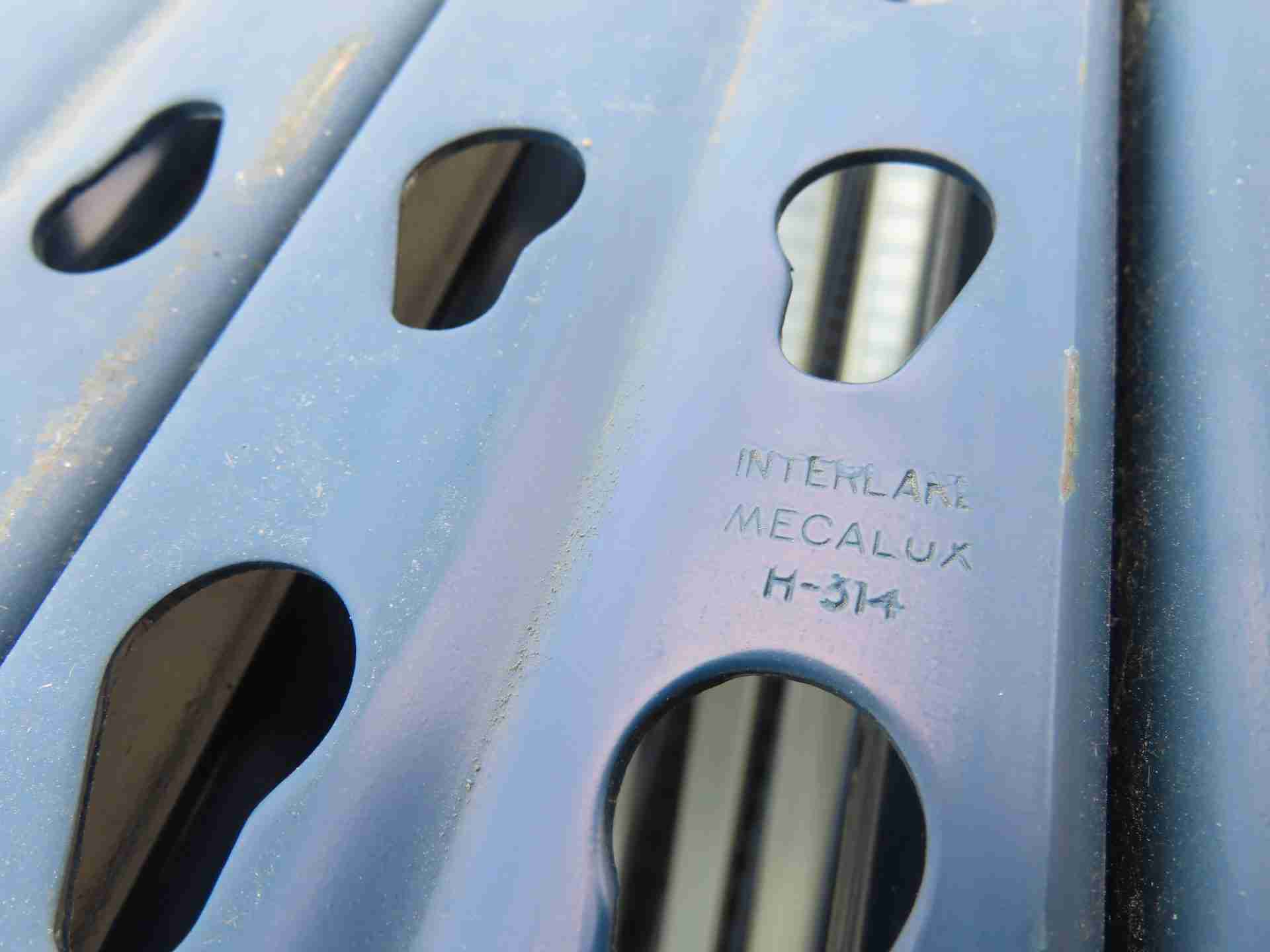
How Can a Reach Forklift Benefit Warehouse Operations?
When Is a Pallet Jack The Most Practical Choice In a Warehouse?
In the fast-paced world of warehouse logistics, there’s always a debate raging about the best equipment to use for moving heavy loads. Forklifts, conveyor belts, and pallet jacks all have their proponents, each claiming superiority in their own way. But when is a pallet jack the most practical choice in a warehouse?
Let me tell you about a recent experience I had at a distribution center where I witnessed the power and efficiency of a pallet jack in action. The warehouse had just received a large shipment of products that needed to be quickly sorted and stored. The team decided to use pallet jacks to move the heavy pallets of goods to their designated locations.
I watched as the workers effortlessly maneuvered the pallet jacks through the aisles, weaving in and out of tight spaces with ease. The compact size of the pallet jack allowed them to navigate the crowded warehouse floor without any issues. The workers were able to quickly transport multiple pallets at once, saving time and increasing productivity.
One of the main advantages of using a pallet jack in a warehouse is its simplicity. Unlike forklifts, which require specialized training to operate, pallet jacks can be used by almost anyone with minimal training. This makes them a practical choice for warehouses with high turnover rates or seasonal workers.
Another factor to consider is cost. Pallet jacks are typically more affordable than forklifts, making them a budget-friendly option for warehouses looking to improve their efficiency without breaking the bank. Additionally, pallet jacks require less maintenance and upkeep compared to forklifts, further reducing costs in the long run.
Current events, such as the global supply chain disruptions caused by the COVID-19 pandemic, have highlighted the importance of efficiency in warehouse operations. With increasing demand for fast and reliable shipping, warehouses need equipment that can keep up with the pace. Pallet jacks offer a versatile solution for moving heavy loads quickly and safely, making them an ideal choice for warehouses looking to streamline their operations.
There are many factors to consider when determining the most practical choice for moving heavy loads in a warehouse. From cost and simplicity to efficiency and versatility, pallet jacks offer a compelling solution for warehouses looking to improve their logistics operations. So, the next time you’re debating between a forklift and a pallet jack, remember the power of simplicity and efficiency that a pallet jack can bring to your warehouse.

When Is a Pallet Jack The Most Practical Choice In a Warehouse?
When Is a Pallet Jack The Most Practical Choice In a Warehouse?
- In a fast-paced warehouse environment, there is a debate about the best equipment for moving heavy loads.
- Pallet jacks offer simplicity, ease of use, and cost-effectiveness compared to forklifts.
- Recent experience at a distribution center highlighted the efficiency of pallet jacks in moving heavy pallets.
- Pallet jacks allow for easy maneuvering in tight spaces and increased productivity in warehouses.
- They are practical for warehouses with high turnover rates or seasonal workers due to minimal training requirements.
- Pallet jacks are more affordable and require less maintenance compared to forklifts, reducing long-term costs.
- In the current global supply chain disruptions caused by COVID-19, the efficiency of warehouse equipment like pallet jacks is crucial for fast and reliable shipping.

When Is a Pallet Jack The Most Practical Choice In a Warehouse?
What Is The Advantage Of Using a Telescopic Handler In a Warehouse?
In the fast-paced world of warehouse operations, efficiency is the name of the game. That’s where a telescopic handler comes in handy. With its ability to reach high places and lift heavy loads, this versatile piece of equipment can revolutionize the way warehouses operate.
One of the key advantages of using a telescopic handler in a warehouse is its flexibility. Whether you need to unload pallets from a truck, stack inventory on high shelves, or transport materials across the warehouse floor, a telescopic handler can do it all. Its extendable arm allows operators to reach heights that would be impossible with a traditional forklift, saving time and reducing the risk of injury.
I remember one warehouse job I had where we struggled to move heavy boxes of inventory from one end of the warehouse to the other. It was a tedious and back-breaking task that often resulted in damaged goods and wasted time. But once we started using a telescopic handler, everything changed. Suddenly, we could move those boxes with ease and precision, freeing up valuable time to focus on other tasks.
In addition to its flexibility, a telescopic handler can also improve safety in the warehouse. By reducing the need for manual lifting and reaching, it helps prevent accidents and injuries that can occur when workers are trying to handle heavy loads on their own. This not only protects employees from harm but also reduces the risk of damaged inventory and costly downtime.
Another benefit of using a telescopic handler is its efficiency. With its quick and smooth operation, it can significantly speed up processes in the warehouse, leading to increased productivity and cost savings. In today’s competitive market, every minute counts, and having the right equipment can make all the difference.
Furthermore, the current global supply chain challenges have highlighted the importance of having reliable and efficient equipment in warehouses. With disruptions in transportation and labor shortages impacting many industries, having a telescopic handler can help warehouses stay agile and adaptable in the face of adversity.
The advantage of using a telescopic handler in a warehouse is clear. Its flexibility, safety features, efficiency, and ability to adapt to changing circumstances make it an invaluable tool for modern warehouse operations. So if you’re looking to streamline your processes and improve productivity, consider incorporating a telescopic handler into your operations. Your employees will thank you, your bottom line will thank you, and your customers will thank you. It’s a win-win-win.

What Is The Advantage Of Using a Telescopic Handler In a Warehouse?
What Is The Advantage Of Using a Telescopic Handler In a Warehouse?
- Telescopic handler is versatile and efficient for reaching high places and lifting heavy loads.
- Flexibility allows for a variety of tasks, such as unloading pallets, stacking inventory, and transporting materials.
- Improves safety by reducing manual lifting and reaching, preventing accidents and injuries.
- Increases productivity and cost savings with quick and smooth operation.
- Helps warehouses stay agile and adaptable in times of global supply chain challenges.
- Valuable tool for modern warehouse operations, streamlining processes and improving productivity.
- Consider incorporating a telescopic handler to benefit employees, bottom line, and customers.

What Is The Advantage Of Using a Telescopic Handler In a Warehouse?
How Does a Side Loader Forklift Improve Efficiency In a Warehouse?
When it comes to efficiency in a warehouse, every little detail counts. One often overlooked piece of equipment that can make a big difference is the side loader forklift. These versatile machines are designed to maximize space utilization in warehouses while also improving overall productivity.
I remember the first time I got behind the wheel of a side-loader forklift. It was like nothing I had ever experienced before. The ability to navigate tight aisles and handle long loads with ease was a game changer. I could move pallets from one end of the warehouse to the other in record time, saving both energy and time in the process.
One of the key benefits of using a side loader forklift is its maneuverability. With its ability to move sideways, these forklifts can easily navigate through narrow pathways and tight spaces that traditional forklifts would struggle to pass through. This means that workers can efficiently move goods around the warehouse without wasting time trying to navigate around obstacles.
Additionally, side loader forklifts are ideal for handling long and awkwardly shaped loads. Whether it’s lumber, piping, or other bulky items, these machines can easily pick up and transport these items with precision. This not only improves efficiency by reducing the risk of damage to the goods but also saves time by eliminating the need for manual labor.
In today’s competitive market, warehouses are under constant pressure to improve their operational efficiency. With the rise of e-commerce and just-in-time delivery systems, the need for speed and accuracy in warehouse operations has never been greater. By utilizing side loader forklifts, warehouses can streamline their processes and meet the demands of modern logistics.
A side loader forklift is a valuable asset for any warehouse looking to improve efficiency. From its maneuverability to its ability to handle long loads, these machines offer a wide range of benefits that can help warehouses maximize their space and increase productivity. So, the next time you’re looking to upgrade your warehouse equipment, consider adding a side loader forklift to your fleet. Your bottom line will thank you.

How Does a Side Loader Forklift Improve Efficiency In a Warehouse?
How Does a Side Loader Forklift Improve Efficiency In a Warehouse?
- Side loader forklifts are versatile machines that maximize space utilization and improve productivity in warehouses.
- Maneuverability is a key benefit of side loader forklifts, as they can easily move sideways through narrow pathways and tight spaces.
- Side loader forklifts are ideal for handling long and awkwardly shaped loads, reducing the risk of damage and eliminating the need for manual labor.
- In today’s competitive market, warehouses can improve operational efficiency by utilizing side loader forklifts to streamline processes.
- Side loader forklifts offer a wide range of benefits that help warehouses maximize space and increase productivity.
- Consider adding a side loader forklift to your warehouse equipment to improve efficiency and meet the demands of modern logistics.

How Does a Side Loader Forklift Improve Efficiency In a Warehouse?
What Are The Key Features Of a Narrow Aisle Forklift In a Warehouse?
When it comes to navigating the tight and crowded spaces of a warehouse, a narrow aisle forklift is the unsung hero of the operation. These little machines may not be as flashy as their larger counterparts, but they certainly pack a punch in terms of efficiency and versatility.
One key feature of a narrow aisle forklift is its compact size. In a warehouse filled to the brim with inventory, every inch of space counts. These pint-sized powerhouses can maneuver through narrow aisles and tight corners with ease, allowing for more efficient storage and retrieval of goods. I remember one time I was working in a warehouse that was so cramped, I felt like I was driving a race car through a maze. But with the help of a narrow aisle forklift, I was able to zip around like a pro, getting the job done in record time.
Another important feature of these forklifts is their ability to reach greater heights. With high stacking capabilities, they can maximize vertical space in the warehouse, ensuring that no storage space goes to waste. This is especially crucial in today’s fast-paced world of e-commerce, where warehouses are under constant pressure to fulfill orders quickly and efficiently. I once worked in a warehouse where the shelves seemed to touch the sky, but with the help of a narrow aisle forklift, I was able to reach the top with ease, grabbing items with precision and speed.
Furthermore, narrow aisle forklifts are equipped with advanced technology to enhance productivity. From automated systems for precise positioning to ergonomic controls for operator comfort, these machines are designed to make the job easier and safer. In a world where technology is constantly evolving, it’s crucial for warehouses to stay ahead of the curve and invest in the latest equipment. I remember the first time I got behind the wheel of a narrow aisle forklift with all the bells and whistles – it was like stepping into the future.
The key features of a narrow aisle forklift make it an indispensable tool in any warehouse setting. From its compact size and high stacking capabilities to its advanced technology and ease of operation, these machines are a game-changer for businesses looking to maximize efficiency and streamline operations. So the next time you see one of these little workhorses zipping around the warehouse, just remember – they may be small, but they sure do pack a punch.

What Are The Key Features Of a Narrow Aisle Forklift In a Warehouse?
What Are The Key Features Of a Narrow Aisle Forklift In a Warehouse?
- Narrow aisle forklifts are essential for efficiently navigating tight and crowded warehouse spaces.
- These compact machines can maneuver through narrow aisles and tight corners, maximizing storage space.
- They have high stacking capabilities, allowing for the utilization of vertical space in the warehouse.
- Narrow aisle forklifts are equipped with advanced technology for enhanced productivity and operator comfort.
- They are crucial for businesses looking to maximize efficiency and streamline operations in a fast-paced environment.
- These little workhorses may be small in size, but they pack a punch when it comes to performance.

What Are The Key Features Of a Narrow Aisle Forklift In a Warehouse?
Why Should a Rough Terrain Forklift Be Used Outdoors?
In the world of outdoor work, the rough terrain forklift reigns supreme. This versatile piece of equipment is a true workhorse, designed to navigate challenging landscapes and handle heavy loads with ease. But why exactly should a rough terrain forklift be used outdoors? Let me break it down for you.
First off, let’s talk about the terrain. As anyone who has ever worked on a construction site or in a rural setting can tell you, outdoor environments can be unpredictable and unforgiving. From potholes to mud pits to uneven ground, there are countless obstacles that can make traditional forklifts struggle to keep up. That’s where the rough terrain forklift shines. With its rugged tires, strong suspension, and high ground clearance, this machine can handle just about anything Mother Nature throws its way.
I remember one summer working on a farm, trying to move heavy bales of hay with a standard forklift. Let me tell you, it was a nightmare. The ground was uneven, the mud was thick, and I felt like I was constantly teetering on the edge of disaster. But then we brought in a rough terrain forklift, and suddenly everything became so much smoother. I was able to navigate the rough terrain with ease, lifting and moving hay bales without a hitch. It was a game changer, and I never looked back.
And then there’s the issue of power. Outdoor work often involves handling heavy loads, whether it’s construction materials, equipment, or livestock. A standard forklift may struggle under the weight of these loads, leading to inefficiency and potential safety hazards. But a rough terrain forklift is built for heavy lifting. With its powerful engine and sturdy frame, this machine can hoist even the heaviest of loads with ease, making it an invaluable asset for outdoor work.
Just take a look at the recent surge in construction projects across the country. As more and more buildings go up and infrastructure is expanded, the need for reliable outdoor equipment is greater than ever. Rough terrain forklifts have become an essential tool for construction crews, helping them navigate the challenges of busy construction sites and keep projects on track.
So, whether you’re working on a construction project, a farm, or any other outdoor setting, a rough terrain forklift is a game-changing piece of equipment that can make all the difference. With its ability to tackle tough terrain, handle heavy loads, and power through any job, it’s a must-have for anyone looking to get the job done right.
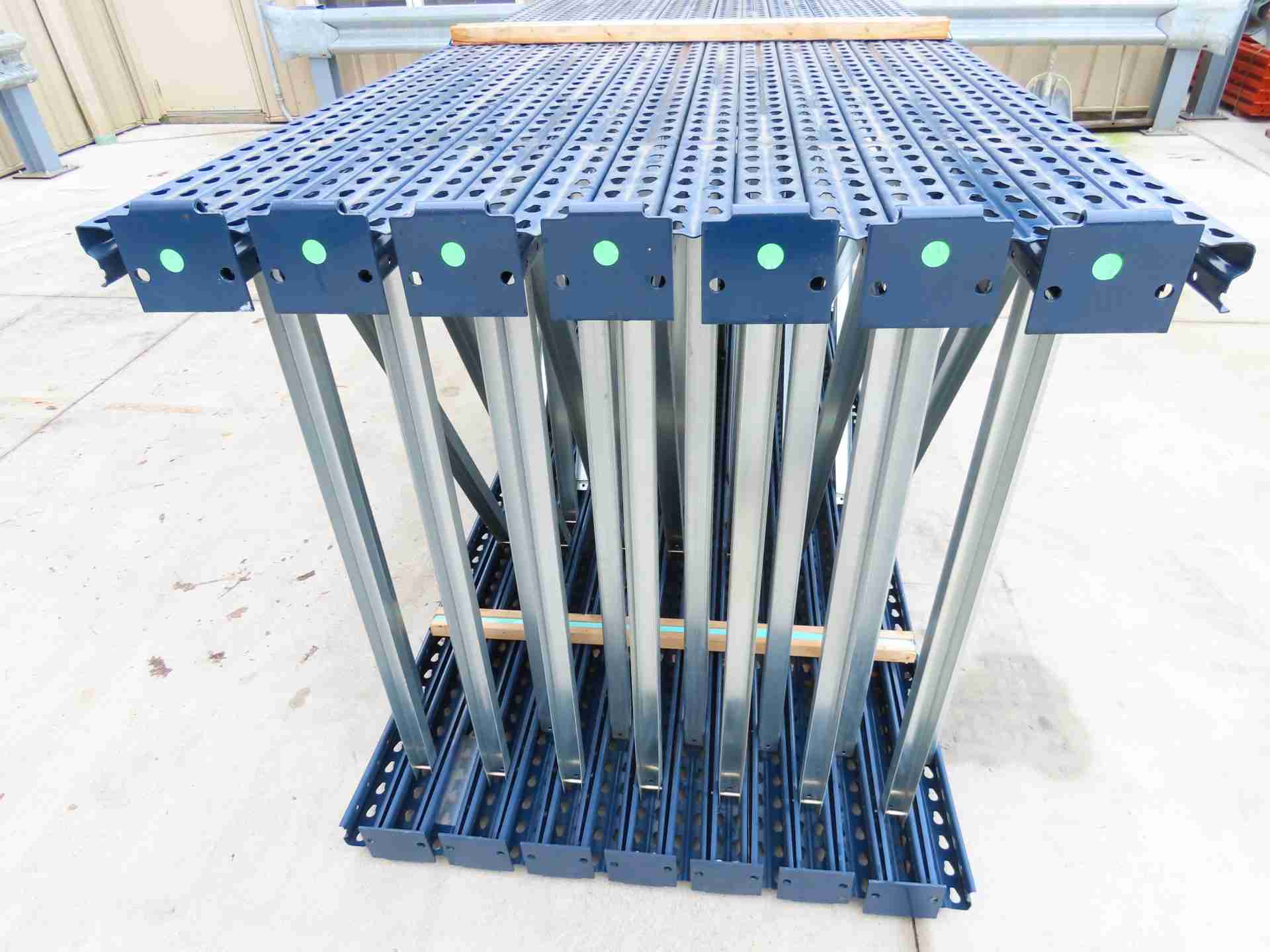
Why Should a Rough Terrain Forklift Be Used Outdoors?
Why Should a Rough Terrain Forklift Be Used Outdoors?
- In the world of outdoor work, the rough terrain forklift reigns supreme.
- This versatile piece of equipment is a true workhorse, designed to navigate challenging landscapes and handle heavy loads with ease.
- Rough terrain forklifts excel in unpredictable and unforgiving outdoor environments with rugged tires, strong suspension, and high ground clearance.
- These machines make handling heavy loads in outdoor settings much more efficient and safe compared to standard forklifts.
- Rough terrain forklifts have become an essential tool for construction crews, helping them navigate busy construction sites and keep projects on track.
- Whether on a construction site, a farm, or any outdoor setting, a rough terrain forklift is a game-changing piece of equipment that can make all the difference.
- With its ability to tackle tough terrain, handle heavy loads, and power through any job, it is a must-have for anyone looking to get the job done right.

Why Should a Rough Terrain Forklift Be Used Outdoors?
What Are The Benefits Of Using an Order Picker In a Warehouse?
When it comes to efficiently moving products around a warehouse, few tools are as essential as the order picker. This versatile piece of equipment is a game-changer for any warehouse operation, offering a variety of benefits that can help streamline processes and boost productivity.
One of the primary benefits of using an order picker in a warehouse is its ability to increase efficiency. With an order picker, workers can easily access and pick items from high shelves, saving time and eliminating the need for ladders or other equipment. This not only speeds up the picking process but also reduces the risk of accidents or injuries, making for a safer work environment.
Another major benefit of using an order picker is its versatility. These machines come in various sizes and configurations, allowing them to be customized to suit the specific needs of different warehouses. Whether you have narrow aisles, tight spaces, or large storage areas, there is an order picker out there that can get the job done efficiently.
In my years of working in warehouses, I’ve seen firsthand how using an order picker can make a world of difference. I remember one especially busy holiday season when we had a huge influx of orders to fill. Without our trusty order picker, we would have been overwhelmed by the sheer volume of work. But with its help, we were able to keep up with demand and ensure that our customers received their orders on time.
Not only does an order picker improve efficiency and productivity, but it can also have a positive impact on employee morale. By providing workers with the tools they need to do their jobs effectively, you are showing them that their well-being and safety are a top priority. This can lead to increased job satisfaction and a more motivated workforce.
In today’s fast-paced world, where e-commerce is booming and customers expect quick delivery times, having the right equipment in your warehouse is more important than ever. Investing in an order picker can help ensure that your operation runs smoothly and that you are able to meet the demands of your customers efficiently.
So, if you’re looking to take your warehouse operations to the next level, consider the benefits of using an order picker. With its ability to increase efficiency, boost productivity, and improve employee morale, this versatile piece of equipment is a smart investment for any warehouse.

What Are The Benefits Of Using an Order Picker In a Warehouse?
What Are The Benefits Of Using an Order Picker In a Warehouse?
- Order pickers are essential for efficiently moving products in a warehouse.
- Order pickers increase efficiency by allowing workers to access high shelves easily.
- Order pickers are versatile and can be customized to suit different warehouse needs.
- Using an order picker can make a significant difference in busy warehouse seasons.
- Order pickers can improve productivity and employee morale by providing necessary tools.
- Investing in an order picker is crucial in today’s fast-paced e-commerce world.
- Order pickers are a smart investment for any warehouse looking to improve operations.

What Are The Benefits Of Using an Order Picker In a Warehouse?
How Does a Walkie Stacker Aid In Inventory Control?
Picture this: It’s a bustling warehouse, shelves stacked high with products waiting to be shipped out. The workers are hustling, moving boxes from one place to another, trying to keep up with the demands of the customers. In the midst of the chaos, there’s a tool that stands out – the walkie stacker.
So, how does a walkie stacker aid in inventory control? Well, let me tell you from my own experience. Back in my days working in a warehouse, we used to rely heavily on manual labor to move products around. It was a grueling task, requiring a lot of manpower and time. But once we introduced the walkie stacker into our operations, everything changed.
With the walkie stacker, we were able to move pallets of products quickly and efficiently, without breaking a sweat. The machine could lift heavy loads with ease, allowing us to stack items neatly and compactly, maximizing our warehouse space. This not only improved the efficiency of our operations but also made it easier for us to keep track of our inventory.
One of the key benefits of using a walkie stacker for inventory control is its accuracy. By utilizing this machine, we were able to easily organize and track our products, ensuring that each item was accounted for and in the right place. This helped us avoid the headache of misplaced items or lost inventory, ultimately saving us time and money.
Moreover, the walkie stacker allowed us to conduct regular inventory checks with ease. Instead of spending hours manually counting and sorting through products, we could simply use the machine to quickly scan and verify our inventory levels. This not only saved us valuable time but also reduced the risk of human error in our inventory management.
In today’s fast-paced world, where e-commerce is booming, having efficient inventory control is more important than ever. With the rise of online shopping and same-day delivery services, warehouses are under immense pressure to deliver products quickly and accurately. The use of tools like the walkie stacker can make all the difference in meeting these demands and staying competitive in the market.
So, if you’re looking to improve your inventory control and streamline your operations, consider incorporating a walkie stacker into your warehouse. Trust me, you won’t regret it. Your workers will thank you, your customers will thank you, and most importantly, your bottom line will thank you.
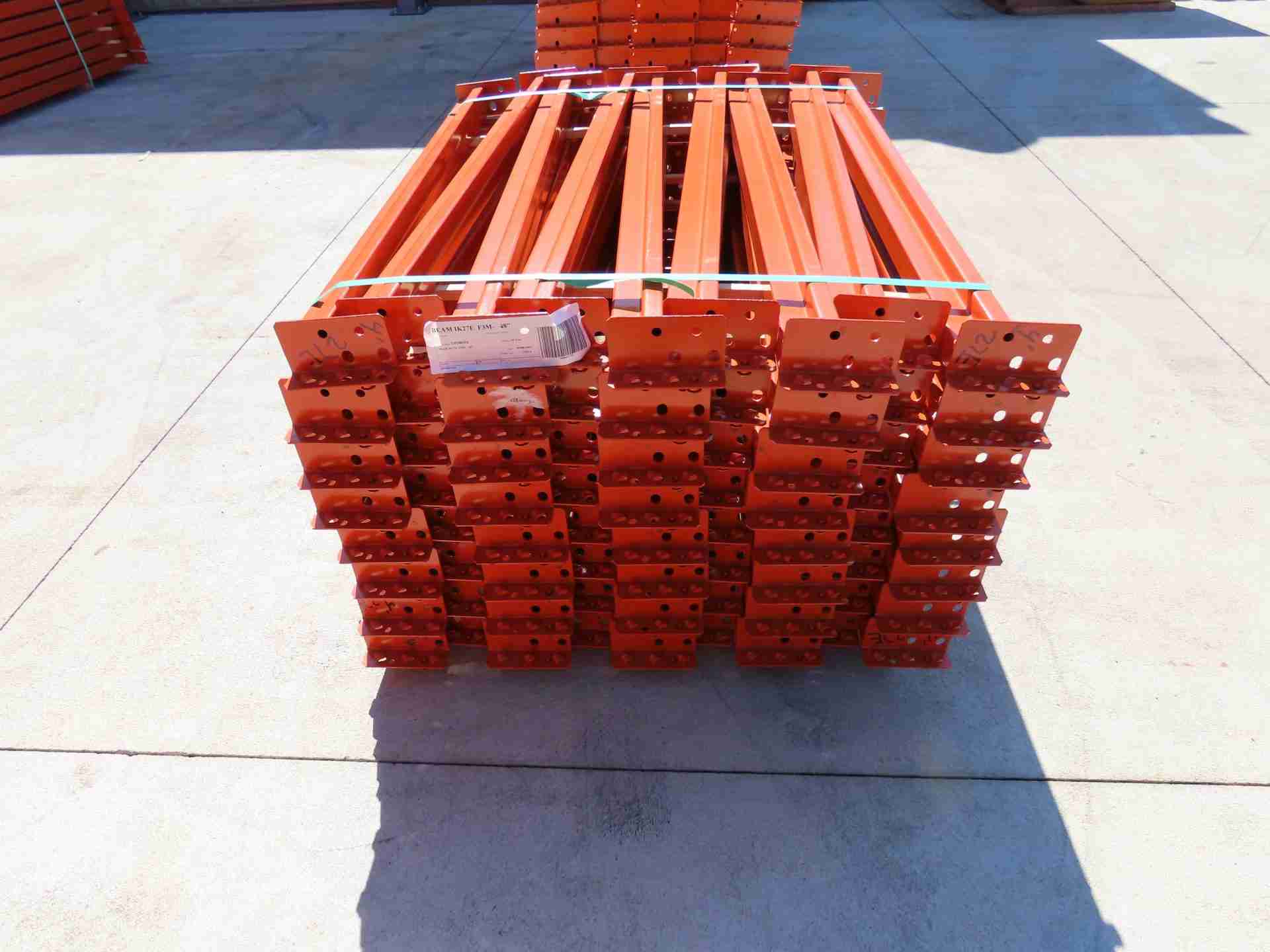
How Does a Walkie Stacker Aid In Inventory Control?
How Does a Walkie Stacker Aid In Inventory Control?
- The walkie stacker aids in inventory control by efficiently moving pallets of products.
- It can lift heavy loads with ease, maximizing warehouse space and improving efficiency.
- Using a walkie stacker ensures accuracy in organizing and tracking inventory, reducing errors.
- Regular inventory checks are made easier and quicker with the use of a walkie stacker.
- Efficient inventory control is crucial in today’s fast-paced e-commerce market.
- Incorporating a walkie stacker into warehouse operations can help meet demands and stay competitive.
- Consider implementing a walkie stacker to improve inventory control and streamline operations.
How Does a Walkie Stacker Aid In Inventory Control?
When Is a Tow Tractor Forklift a Suitable Option In a Warehouse?
If you find yourself in the bustling world of warehouse operations, you know just how important it is to have the right equipment at your disposal. From moving heavy loads to maximizing efficiency, the tools you choose can make or break the productivity of your operation. But when it comes to the question of whether a tow tractor forklift is a suitable option for your warehouse, the answer may not always be clear.
Let me tell you a little story from my time working in a warehouse many moons ago. I remember when we were trying to figure out the best way to transport pallets of goods from one end of the facility to the other. The aisles were tight, and the loads were heavy. We tried using traditional forklifts, but they were too bulky and cumbersome for the job. That’s when someone suggested we give a tow tractor forklift a shot.
I’ll tell you what – that tiny but mighty machine was a game-changer. It was able to navigate the narrow aisles with ease and could tow multiple pallets at once, saving us time and energy. Not to mention, it was a lot more cost-effective than investing in a fleet of large forklifts.
When considering if a tow tractor forklift is the right choice for your warehouse, it’s essential to evaluate your specific needs. If you have a high volume of goods that need to be moved quickly and efficiently, especially in tight spaces, a tow tractor forklift could be the perfect solution. They’re versatile, compact, and can handle heavy loads with ease.
In today’s fast-paced world, where e-commerce is booming, warehouses are under more pressure than ever to keep up with demand. That’s where having the right equipment, like a tow tractor forklift, can give you a competitive edge. With online shopping becoming the norm and same-day delivery expectations on the rise, having a tool that can streamline your operations is crucial.
So, the next time you’re evaluating your warehouse equipment options, don’t overlook the potential benefits of a tow tractor forklift. Whether you’re facing tight spaces, heavy loads, or the need for increased efficiency, this versatile machine could be just what you need to take your operation to the next level. Trust me, I’ve seen it in action, and it’s a game-changer.

When Is a Tow Tractor Forklift a Suitable Option In a Warehouse?
When Is a Tow Tractor Forklift a Suitable Option In a Warehouse?
- In warehouse operations, having the right equipment is crucial for productivity.
- A tow tractor forklift can be a suitable option for moving heavy loads efficiently.
- Story of using a tow tractor forklift in a warehouse to transport goods efficiently.
- Tow tractor forklifts are versatile, compact, and cost-effective for moving heavy loads in tight spaces.
- With e-commerce booming, having the right equipment like a tow tractor forklift can give a competitive edge.
- Consider a tow tractor forklift for handling tight spaces, heavy loads, and increasing efficiency in operations.
- A tow tractor forklift can be a game-changer for taking warehouse operations to the next level.

When Is a Tow Tractor Forklift a Suitable Option In a Warehouse?
Conclusion
In today’s fast-paced world of warehouse operations, the forklift reigns supreme as the ultimate tool for moving heavy loads efficiently and safely. With a variety of different types to choose from, each designed for specific tasks and applications, the forklift is a versatile and essential piece of equipment in any warehouse setting.
From the counterbalance forklift, perfect for loading and unloading trucks and maneuvering in tight spaces, to the reach forklift, designed for reaching heights up to 30 feet and maximizing storage space in narrow aisles, there is a forklift out there for every need. Electric forklifts are gaining popularity for their environmentally friendly operation, while rough terrain forklifts are ideal for outdoor settings where traditional forklifts struggle.
Specialty forklifts like the order picker and pallet jack offer precision and efficiency for picking items from high shelves and moving pallets without the need for a full-size forklift. And lets not forget about the practicality and simplicity of the walkie stacker and the cost-effective versatility of the tow tractor forklift.
Each type of forklift offers unique benefits that can revolutionize how warehouses operate, improving efficiency, maximizing space, and increasing productivity. Whether youre navigating narrow aisles, moving heavy loads over rough terrain, or picking items from high shelves, there is a forklift designed to make your job easier and more efficient.
So, the next time you’re in the warehouse and see a forklift in action, take a moment to appreciate the incredible work that these machines do behind the scenes to keep our modern world moving. Choose wisely, and happy fork lifting!

Conclusion
Conclusion:
- Forklifts are essential tools for moving heavy loads efficiently and safely in warehouse operations.
- There are different types of forklifts designed for specific tasks and applications.
- Counterbalance forklifts are perfect for loading/unloading trucks and maneuvering in tight spaces.
- Reach forklifts can reach heights up to 30 feet and maximize storage space in narrow aisles.
- Specialty forklifts like order pickers and pallet jacks offer precision and efficiency for specific tasks.
- Each type of forklift offers unique benefits that can revolutionize warehouse operations.
- Choosing the right forklift can improve efficiency, maximize space, and increase productivity in the warehouse.

Conclusion
Other Resources
Other Resources
Here is a list of other resources you can review online to learn more:
- “Five Common Types Of Warehouse Pickers & Forklifts”
- “What Are The Most Common Types Of Forklifts Used In …”
- “A Closer Look at Forklift Varieties – Material Handling”
- “Toyota Material Handling Europe: Forklifts & warehouse …”
- “Practical Examples | STILL Island”
- “What are the Most Common Forklift Types?”
- “Toyota Forklifts and Material Handling Equipment”
- “Top Forklift Dealers Products in Bangalore”
- “Forklift Purchasing Guide – Purchasing.com”
- “Combilift (@combilift_official) • Instagram photos and videos”
- “INVENTORY SCHEDULE – Mylang Documents and Files Hub”
- “REVERSE LOGISTICS OPTIMIZATION – Mylang Documents and …”
Other Resources
Glossary Terms
What Are The Types Of Forklifts and Their Warehouse Applications? – Glossary Of Terms
1. Counterbalance Forklift: A common type of forklift with a weight at the back to balance the load at the front. Ideal for general warehouse applications including loading and unloading goods, and transporting items.
2. Reach Truck: Designed with extended reach capabilities for high shelving, reach trucks are perfect for narrow aisle operations and stacking pallets.
3. Stand-Up Rider Forklift: A type of forklift where the operator stands while operating, offering quick on-and-off convenience for tasks like order picking.
4. Order Picker: Specially designed for picking individual items or cases from elevated racking. Used extensively in e-commerce and fulfillment centers.
5. Turret Truck: A type of very narrow aisle (VNA) equipment that allows the operator to pivot the forks 180 degrees within the aisle. Ideal for high-density warehousing.
6. Side Loader: Forklifts designed to handle wide or long loads like timber or steel pipes, allowing loading and unloading from the side.
7. Pallet Jack: Manual or electric, these are used to lift and move pallets over short distances. Often used in delivery applications and small warehouse operations.
8. Walkie Stacker: Combines the features of a pallet jack and a lift, ideal for small warehouses and low to medium-height storage facilities.
9. Telehandler: Also known as a telescopic forklift; used for rough terrain and outdoor applications, often with a large reach capability.
10. Rough Terrain Forklift: Designed with large, rugged tires for stability on uneven surfaces. Used in outdoor and construction site applications.
11. Swing-Reach Forklift: Similar to turret trucks but with the ability to rotate loads, making them ideal for very narrow aisles.
12. Narrow Aisle Forklift: Specialized for operations in tight warehouse spaces with narrow aisles, enhancing storage density.
13. Tow Tractor: Used for towing large loads or multiple carts, typically seen in logistics and manufacturing environments.
14. High-Capacity Forklift: Designed to carry heavy loads ranging from 15 tons and above, often used in steel or lumber industries.
15. Industrial Forklift: A robust forklift used for heavier industrial applications, like manufacturing plants or large warehouses.
16. Container Handler: Specially tailored for handling shipping containers. Often used at ports and large logistics hubs.
17. Electric Forklift: Powered by batteries, suitable for indoor environments due to zero emissions and quiet operation.
18. Cushion Tire Forklift: Equipped with solid, smooth-rubber tires, ideal for indoor use on smooth surfaces.
19. Pneumatic Tire Forklift: Features air-filled tires; suitable for both indoor and outdoor use on rough surfaces.
20. Diesel Forklift: Engine-powered forklifts designed for heavy-duty outdoor use; not suitable for indoor operations due to emissions.
21. Gasoline Forklift: Powered by a gas combustion engine, typically used outdoors due to emissions and noise levels.
22. LPG/Propane Forklift: Operates on liquefied petroleum gas, providing a cleaner option compared to diesel and gasoline for both indoor and outdoor use.
23. Articulated Forklift: Features a central pivot point for better maneuverability in narrow aisles and tight spaces.
24. Safety Cage: An attachment for forklifts to safely raise personnel to heights for inventory and maintenance tasks.
25. Forklift Attachment: Additional tools (like clamps, rotators, or fork extensions) that attach to a forklift to handle specialized tasks.
26. Overhead Guard: A protective structure on a forklift above the operator’s area to protect from falling objects.
27. Load Backrest: A support structure on the forks to prevent the load from shifting backward towards the operator.
28. Tilt Cylinder: Hydraulic components that tilt the forks forward or backward for easier load handling.
29. Mast: The vertical assembly on a forklift that lifts and lowers the load. Key part for reach and loading capacity.
30. Load Capacity: The maximum weight a forklift can safely carry, crucial for ensuring safety and efficiency in warehouse operations.
This glossary covers the essentials of different forklift types and their specific applications, offering a comprehensive resource for understanding forklift usage in warehouses.
Glossary Of Terms
Other Questions
What Are The Types Of Forklifts and Their Warehouse Applications? – Other Questions
If you wish to explore and discover more, consider looking for answers to these questions:
- What safety measures should be taken while operating different types of forklifts?
- What are the training requirements for operating various types of forklifts?
- How does the use of electric forklifts compare to traditional ones in terms of cost and efficiency?
- What are the maintenance requirements for different types of forklifts?
- How does the introduction of new technology impact the efficiency of warehouse operations?
- What are the environmental benefits of using electric forklifts?
- How can warehouses maximize storage space with different types of forklifts?
- What role do forklifts play in meeting the rising demands of e-commerce?
- How does using specialty forklifts like order pickers and pallet jacks improve warehouse efficiency?
- What are the cost implications of using different types of forklifts in a warehouse?
- How can businesses ensure their forklift operators are adequately trained and certified?
- What innovations are being made in forklift design and technology?
- How does using a mix of different forklifts benefit warehouse operations?
Other Questions
Checklist
What Are The Types Of Forklifts and Their Warehouse Applications? – A Checklist
1. Counterbalance Forklift
Suitable for:
_____ Indoors on even surfaces
_____ Loading and unloading trucks
_____ Stacking pallets in aisles
_____ Moving heavy loads over short distances
Key Features:
_____ Maneuverability in tight spaces
_____ High lifting capacity
2. Reach Truck
Suitable for:
_____ High stacking in narrow aisles
_____ Maximizing storage space in tight areas
Key Features:
_____ Reach heights up to 30 feet
_____ Precise maneuverability
3. Rough Terrain Forklift
Suitable for:
_____ Outdoor settings like construction sites, lumber yards
_____ Transporting heavy loads over uneven or rough terrain
Key Features:
_____ Rugged tires and suspension
_____ High ground clearance
4. Electric Forklift
Suitable for:
_____ Indoor applications requiring low noise and no emissions
Key Features:
_____ Environmentally friendly
_____ Cost-effective operation
_____ Quiet performance
5. Order Picker
Suitable for:
_____ Picking items from high shelves with precision
Key Features:
_____ High levels of precision and accuracy
_____ Great for inventory picking and order fulfillment
6. Pallet Jack
Suitable for:
_____ Moving pallets around the warehouse
_____ Situations requiring simplicity and minimal training
Key Features:
_____ Cost-effective
_____ Minimal training required
_____ Compact size for tight spaces
7. Telescopic Handler
Suitable for:
_____ Unloading trucks, stacking inventory on high shelves, and transporting materials
Key Features:
_____ Extendable arm for reaching higher places
_____ Versatile and efficient
8. Side Loader Forklift
Suitable for:
_____ Handling long or awkwardly shaped loads in narrow aisles
Key Features:
_____ Sideways movement for tight spaces
_____ Ideal for lumber, piping, and bulky items
9. Narrow Aisle Forklift
Suitable for:
_____ Warehouses with very narrow aisles
_____ Maximizing vertical storage space
Key Features:
_____ Compact size
_____ High stacking capabilities
10. Walkie Stacker
Suitable for:
_____ Efficient inventory control and regular checks
Key Features:
_____ Easy to organize and track products
_____ Enhanced accuracy in inventory management
11. Tow Tractor Forklift
Suitable for:
_____ Transporting multiple pallets
_____ Navigating tight aisles with high-volume goods
Key Features:
_____ Compact and versatile
_____ Ideal for high-efficiency operations
This checklist aims to help identify the right type of forklift according to specific warehouse needs while considering efficiency, cost, and safety measures.
Checklist
At RackingWorld, we help guide you through selecting warehouse storage systems and racking.
Be sure to read our other related stories at RackingWorld to learn more about warehouse storage systems.
0 Comments