
Crucial Tips for Industrial Rack Maintenance
By Tom Seest
At RackingWorld, we help guide you through selecting warehouse storage systems and racking.
Be sure to read our other related stories at RackingWorld to learn more about warehouse storage systems.
How Are Industrial Racks Maintained to Ensure Longevity and Safety?
Maintaining industrial racks is crucial for ensuring both longevity and safety in any warehouse or storage facility. These racks are designed to hold heavy loads and withstand constant use, so proper maintenance is key to preventing accidents and prolonging their lifespan.
One of the most important aspects of maintaining industrial racks is regular inspections. Warehouse managers or designated personnel should routinely inspect the racks for any signs of damage, such as bent beams, missing or damaged bracing, or loose bolts. It’s also important to check for any signs of overloading, as exceeding weight limits can put unnecessary strain on the racks and increase the risk of collapse.
In addition to visual inspections, it’s also important to conduct regular load testing on industrial racks. This involves subjecting the racks to their maximum weight capacity to ensure they can safely hold the intended loads. Load testing should be done at least annually, or more frequently if there have been any changes to the racks or their usage.
Another key aspect of maintaining industrial racks is keeping them clean and free of debris. Dust, dirt, and other contaminants can build up on the racks over time, which can impact their structural integrity and make them more prone to corrosion. Regularly cleaning the racks with a mild detergent and water can help prevent this buildup and prolong their lifespan.
Properly anchoring industrial racks to the floor is another important maintenance step. Anchoring the racks securely helps prevent them from tipping over or collapsing, especially in the event of seismic activity or forklift collisions. It’s important to follow manufacturer guidelines for anchoring and regularly check the anchors to ensure they are secure.
Regularly lubricating moving parts, such as beams and frames, is also essential for maintaining industrial racks. Lubrication helps reduce friction and wear on the racks, making them easier to adjust and reducing the risk of damage. Using the right type of lubricant for the specific material of the racks is important to ensure proper maintenance.
Overall, maintaining industrial racks requires attention to detail and a proactive approach to safety. By conducting regular inspections, load testing, cleaning, anchoring, and lubrication, warehouse managers can ensure their racks remain in good condition and provide a safe and reliable storage solution for years to come.
How Are Industrial Racks Maintained to Ensure Longevity and Safety?
How Are Industrial Racks Maintained to Ensure Longevity and Safety?
- Regular inspections are crucial for identifying damage and signs of overloading.
- Regular load testing should be conducted to ensure racks can safely hold intended loads.
- Cleaning industrial racks regularly helps prevent buildup that can impact structural integrity.
- Properly anchoring racks to the floor can help prevent tipping or collapsing.
- Regular lubrication of moving parts reduces wear and makes adjustments easier.
- Attention to detail and proactive safety measures are essential for maintaining industrial racks.

How Are Industrial Racks Maintained to Ensure Longevity and Safety?
Table Of Contents
- How Are Industrial Racks Maintained to Ensure Longevity and Safety?
- What Are The Common Maintenance Procedures For Industrial Racks?
- How Often Should Inspections Be Conducted On Industrial Racks?
- Is It Necessary To Have A Maintenance Schedule For Industrial Racks?
- How Can Regular Maintenance Improve The Longevity Of Industrial Racks?
- How Can Employees Be Trained To Properly Care For Industrial Racks?
- What Are The Common Maintenance Practices For Industrial Racks?
- How Often Should Industrial Racks Be Inspected For Safety?
- What Are The Consequences Of Neglecting Industrial Rack Maintenance?
- How Can Proper Maintenance Extend The Lifespan Of Industrial Racks?
- Conclusion
- Other Resources
- Glossary Of Terms
- Other Questions
- Checklist
What Are The Common Maintenance Procedures For Industrial Racks?
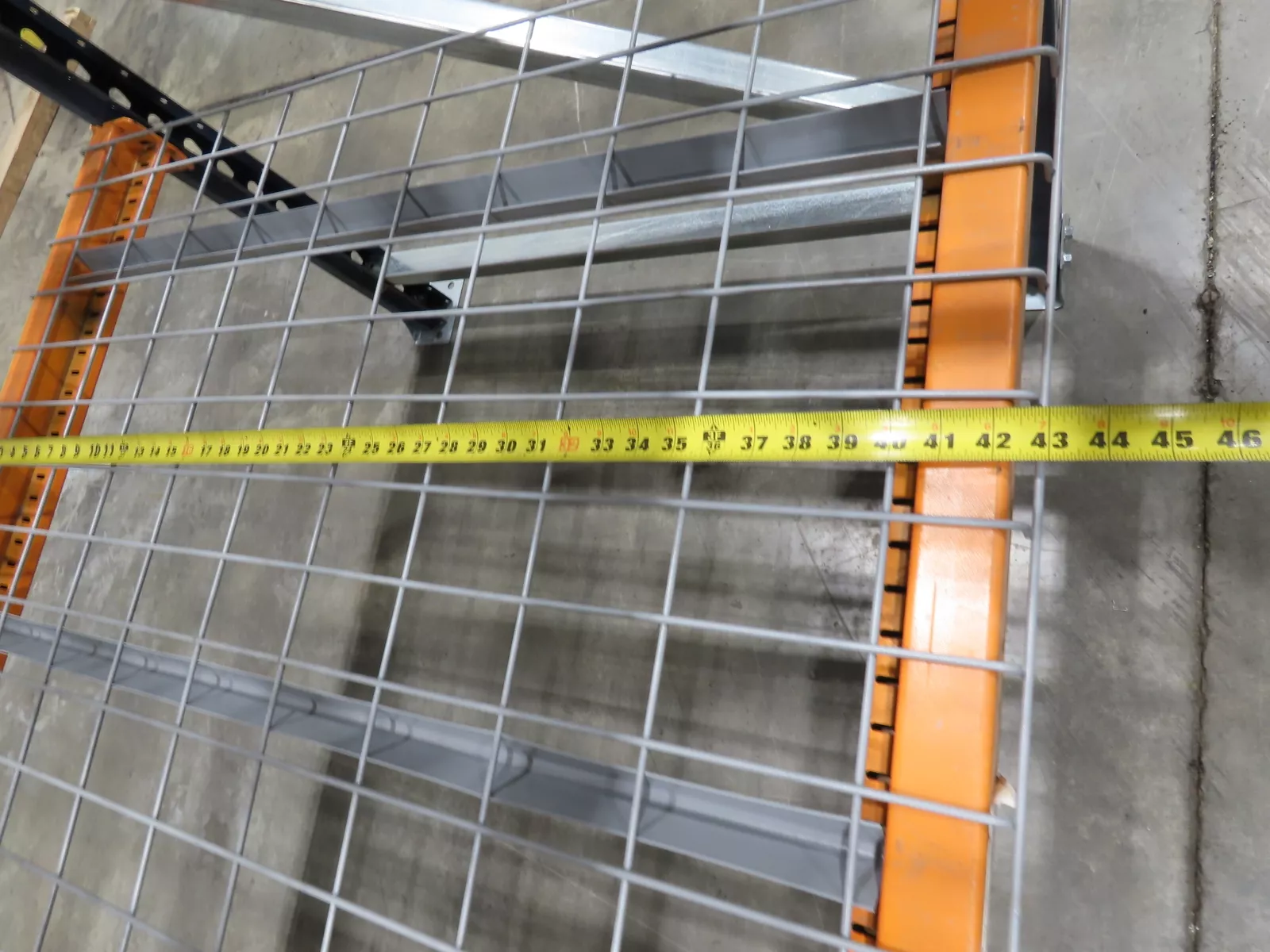
Maintaining industrial racks is crucial for keeping your warehouse or storage facility running smoothly and efficiently. Neglecting proper maintenance can lead to safety hazards, damaged inventory, and costly repairs. Here are some common maintenance procedures for industrial racks that every facility manager should prioritize:
1. Regular Inspections: One of the most important maintenance procedures for industrial racks is regular inspections. Inspect your racks for any signs of damage, such as bent or missing beams, loose bolts, or rust. These issues can compromise the structural integrity of the racks and put your employees and inventory at risk. By catching and addressing problems early, you can prevent more serious issues down the line.
2. Cleaning: Keeping your industrial racks clean is essential for preventing corrosion and ensuring the longevity of your equipment. Regularly remove dust, debris, and any spilled liquids from the racks to prevent buildup that can lead to rust or other damage. A clean environment also makes it easier to spot potential issues during inspections.
3. Repair and Replacement: When you identify any damaged or worn components during your inspections, it’s crucial to repair or replace them promptly. This might involve straightening bent beams, replacing missing or damaged connectors, or tightening loose bolts. Ignoring these problems can lead to further damage and compromise the safety of your racks.
4. Load Capacity Checks: Industrial racks are designed to support a specific weight capacity, and exceeding this limit can cause serious safety hazards. Regularly check the load capacities of your racks and ensure that they are not being overloaded. Train your employees on proper loading and weight distribution to prevent accidents and damage to your racks.
5. Regular Maintenance Schedule: To ensure that all necessary maintenance procedures are being carried out in a timely manner, establish a regular maintenance schedule for your industrial racks. This can include routine inspections, cleaning, and any necessary repairs or replacements. By staying proactive with your maintenance efforts, you can prevent costly downtime and ensure the safety of your facility.
Maintaining industrial racks is essential for the safety and efficiency of your warehouse or storage facility. By prioritizing regular inspections, cleaning, repair and replacement of damaged components, load capacity checks, and establishing a regular maintenance schedule, you can ensure that your racks will continue to operate effectively for years to come.
What Are The Common Maintenance Procedures For Industrial Racks?
What Are The Common Maintenance Procedures For Industrial Racks?
- Regular Inspections: Inspect racks for damage to prevent safety hazards.
- Cleaning: Regularly remove debris to prevent corrosion.
- Repair and Replacement: Address damaged components promptly.
- Load Capacity Checks: Ensure racks are not overloaded.
- Regular Maintenance Schedule: Establish a routine for inspections and repairs.
What Are The Common Maintenance Procedures For Industrial Racks?
How Often Should Inspections Be Conducted On Industrial Racks?
Inspecting industrial racks is a crucial part of maintaining a safe work environment in any warehouse or industrial facility. The frequency of these inspections can vary depending on the type of rack and the specific conditions in which they are used. However, it is generally recommended to conduct inspections on a regular basis to ensure that the racks are in good working condition and compliant with safety regulations.
So, how often should inspections be conducted on industrial racks? The answer to this question is not a one-size-fits-all solution. Instead, it requires a careful assessment of various factors that can impact the integrity of the racks.
One of the key factors to consider is how frequently the racks are used. Racks that are heavily used on a daily basis are more likely to experience wear and tear, making them more susceptible to damage. In such cases, it is recommended to conduct inspections more frequently, such as on a monthly basis, to catch any potential issues before they escalate.
Another factor to consider is the type of items being stored on the racks. If the racks are holding heavy or bulky items, they may be more prone to damage over time. In these cases, more frequent inspections, such as bi-monthly or quarterly, may be necessary to ensure the racks can safely support the loads.
Additionally, the environment in which the racks are located can also impact the frequency of inspections. Racks that are exposed to harsh conditions, such as extreme temperatures, humidity, or corrosive substances, may deteriorate more quickly. As a result, inspections should be conducted more frequently to identify any signs of damage caused by these environmental factors.
It is also important to consider any changes in regulations or industry standards that may impact the safety of industrial racks. Regular inspections can help ensure that the racks are compliant with these standards and help prevent any potential safety hazards.
Regular inspections of industrial racks are essential for maintaining a safe work environment and preventing accidents. The frequency of these inspections should be based on various factors, such as usage, load capacity, environmental conditions, and regulatory requirements. By conducting inspections on a regular basis, businesses can ensure that their racks are in good working condition and minimize the risk of accidents or injuries.
How Often Should Inspections Be Conducted On Industrial Racks?
How Often Should Inspections Be Conducted On Industrial Racks?
- Inspecting industrial racks is crucial for maintaining a safe work environment.
- Frequency of inspections varies based on rack type and conditions of use.
- Regular inspections recommended to ensure racks are in good condition and compliant with safety regulations.
- Frequency of inspections should be based on factors such as usage and load capacity.
- Type of items stored on racks can also impact the need for more frequent inspections.
- Environment where racks are located can affect inspection frequency.
- Regular inspections help ensure compliance with regulations and prevent accidents or injuries.
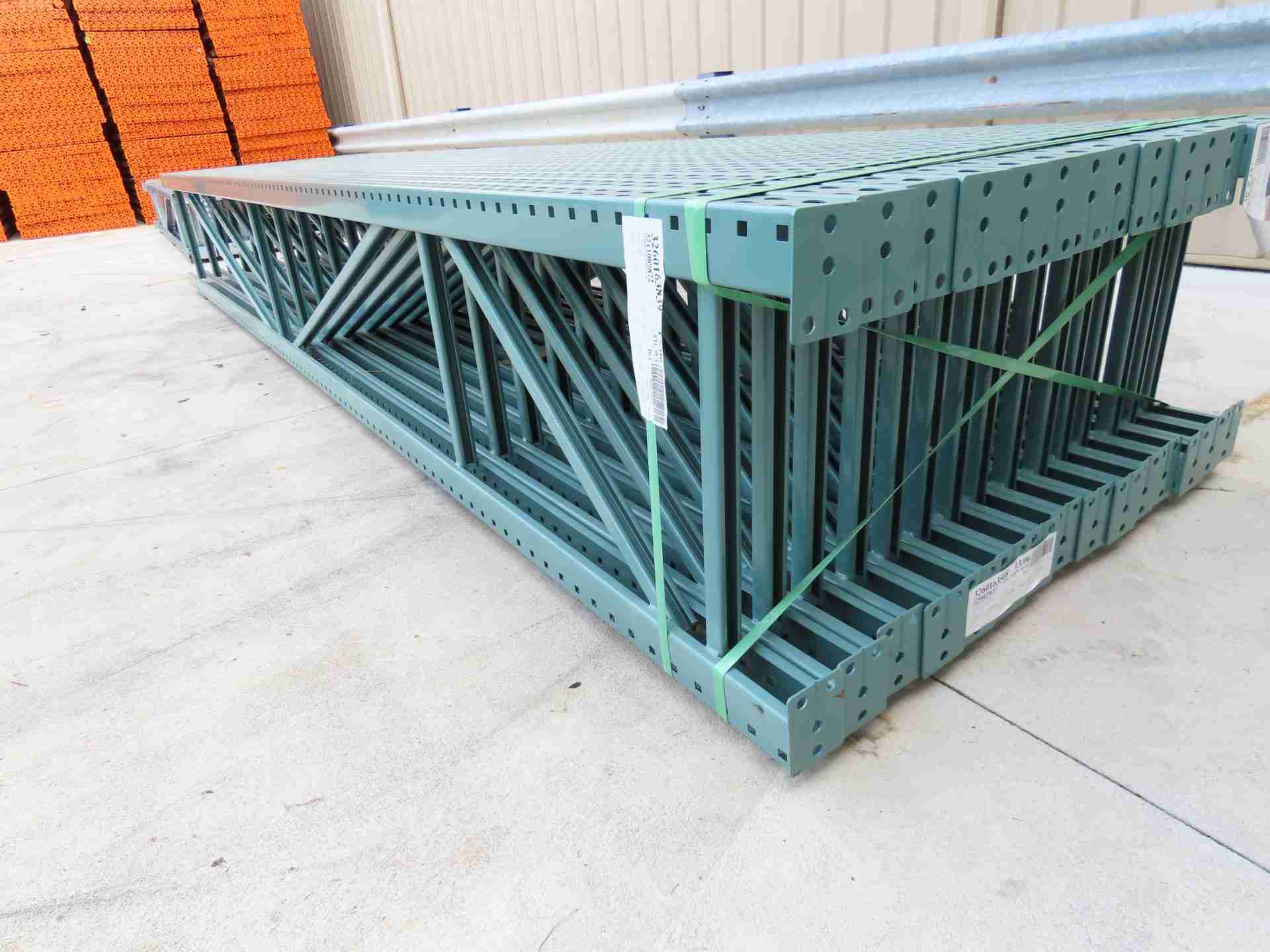
How Often Should Inspections Be Conducted On Industrial Racks?
Is It Necessary To Have A Maintenance Schedule For Industrial Racks?
Many people may overlook the importance of implementing a maintenance schedule for their industrial racks, but let me tell you – it is absolutely necessary. These racks are the backbone of any warehouse or industrial facility, and without proper care and maintenance, they can pose serious safety risks and lead to costly repairs down the line.
Think about it – these racks are constantly under heavy loads, enduring wear and tear day in and day out. Over time, this can lead to structural weaknesses, damage, and potential collapse if not addressed properly. A maintenance schedule allows you to stay ahead of any potential issues by regularly inspecting and addressing any problems before they escalate.
Not only does a maintenance schedule help prevent accidents and injuries, it also helps extend the lifespan of your racks. By regularly inspecting and repairing any damage, you can ensure that your racks are in optimal condition and continue to support your operations efficiently.
So, what should a maintenance schedule for industrial racks include? First and foremost, regular inspections are key. This includes checking for any signs of damage, such as bent or broken beams, loose connections, or rust. By catching these issues early on, you can prevent further damage and avoid costly repairs.
In addition to inspections, it is important to regularly clean and organize your racks. Debris and clutter can not only create safety hazards, but also contribute to wear and tear on your racks. By keeping them clean and free of obstructions, you can ensure that they continue to function properly and support your storage needs.
Another important aspect of a maintenance schedule is to address any repairs promptly. Whether it’s replacing a damaged beam or tightening loose connections, it is crucial to address any issues as soon as they are identified. This not only helps prevent further damage, but also ensures the safety of your employees and the integrity of your racks.
A maintenance schedule for industrial racks is not just a good idea – it is a necessity. By implementing a regular schedule of inspections, cleaning, and repairs, you can ensure that your racks are safe, efficient, and reliable for years to come. Don’t wait until it’s too late – start a maintenance schedule today and protect your investment in your facility.
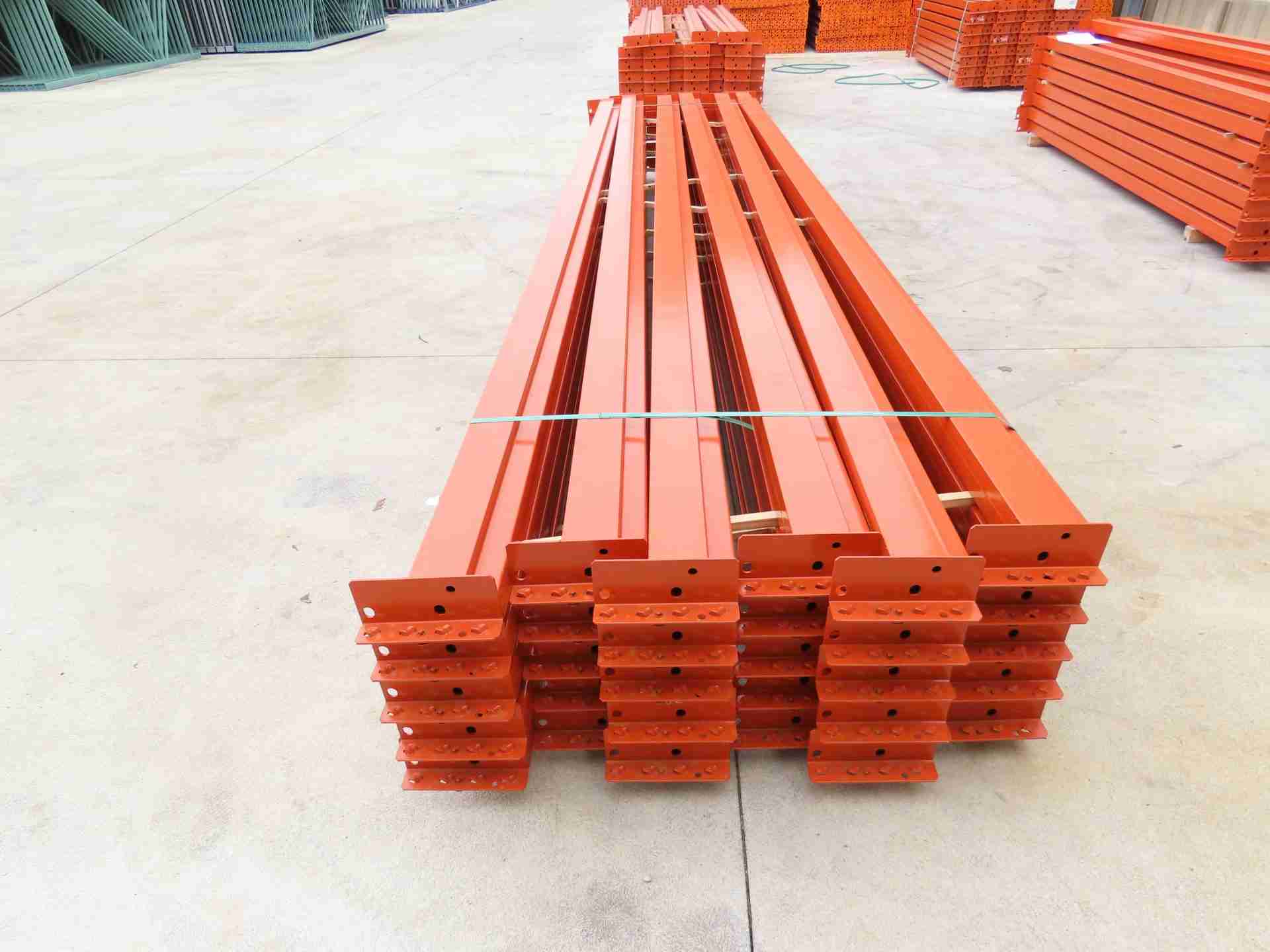
Is It Necessary To Have A Maintenance Schedule For Industrial Racks?
Is It Necessary To Have A Maintenance Schedule For Industrial Racks?
- Implementing a maintenance schedule for industrial racks is crucial for safety and cost-efficiency.
- Regular maintenance helps prevent accidents, injuries, and costly repairs.
- Inspecting for damage, cleaning, and organizing are key components of a maintenance schedule.
- Addressing repairs promptly is essential to maintaining rack integrity and employee safety.
- Regular maintenance extends the lifespan of racks and ensures optimal functionality.
- Don’t overlook the importance of a maintenance schedule for industrial racks – start one today!
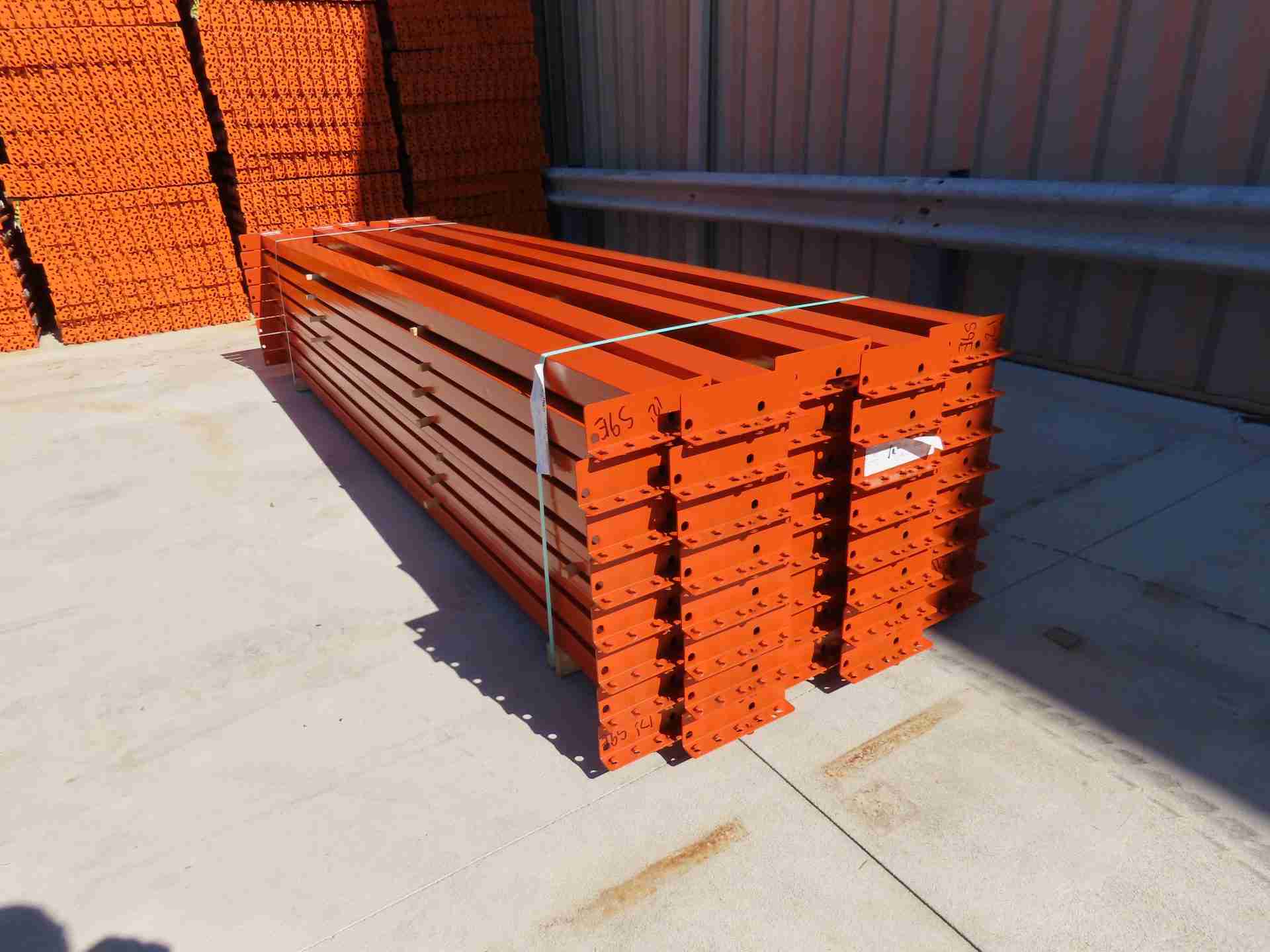
Is It Necessary To Have A Maintenance Schedule For Industrial Racks?
How Can Regular Maintenance Improve The Longevity Of Industrial Racks?
Regular maintenance is key to ensuring the longevity of industrial racks in any facility. Just like a well-oiled machine, these racks need to be properly cared for in order to continue functioning at their best. Neglecting to maintain your industrial racks can lead to costly repairs, decreased efficiency, and potentially dangerous working conditions.
One important aspect of maintaining industrial racks is to regularly inspect them for any signs of wear and tear. This means checking for any loose or missing bolts, damaged components, or structural issues that could compromise the integrity of the racks. By catching these problems early on, you can prevent them from escalating into more serious issues down the line.
Another crucial part of maintenance is keeping the racks clean and free of debris. Over time, dust, dirt, and other particles can accumulate on the racks, leading to corrosion and rust. Regularly cleaning the racks with a mild detergent and water can help prevent this buildup and extend their lifespan. It’s also important to note that using harsh chemicals or abrasive materials on the racks can actually do more harm than good, so it’s best to stick to gentle cleaning solutions.
In addition to regular inspections and cleaning, it’s important to properly load and unload the racks in order to prevent unnecessary stress and strain. Avoid overloading the racks beyond their weight capacity, as this can cause them to become unstable and lead to potential collapse. By following the manufacturer’s guidelines for loading and unloading the racks, you can ensure that they remain in good condition and continue to provide reliable storage solutions for your facility.
It’s also a good idea to schedule routine maintenance checks with a qualified professional to ensure that the racks are in optimal condition. A trained technician can identify any potential issues and address them before they become major problems. While this may require some upfront costs, it can ultimately save you time and money in the long run by preventing costly repairs or replacements.
Regular maintenance is essential for improving the longevity of industrial racks. By staying on top of inspections, cleaning, proper loading and unloading, and professional maintenance checks, you can ensure that your racks continue to function efficiently and safely for years to come. Remember, a little TLC goes a long way when it comes to taking care of your industrial equipment.
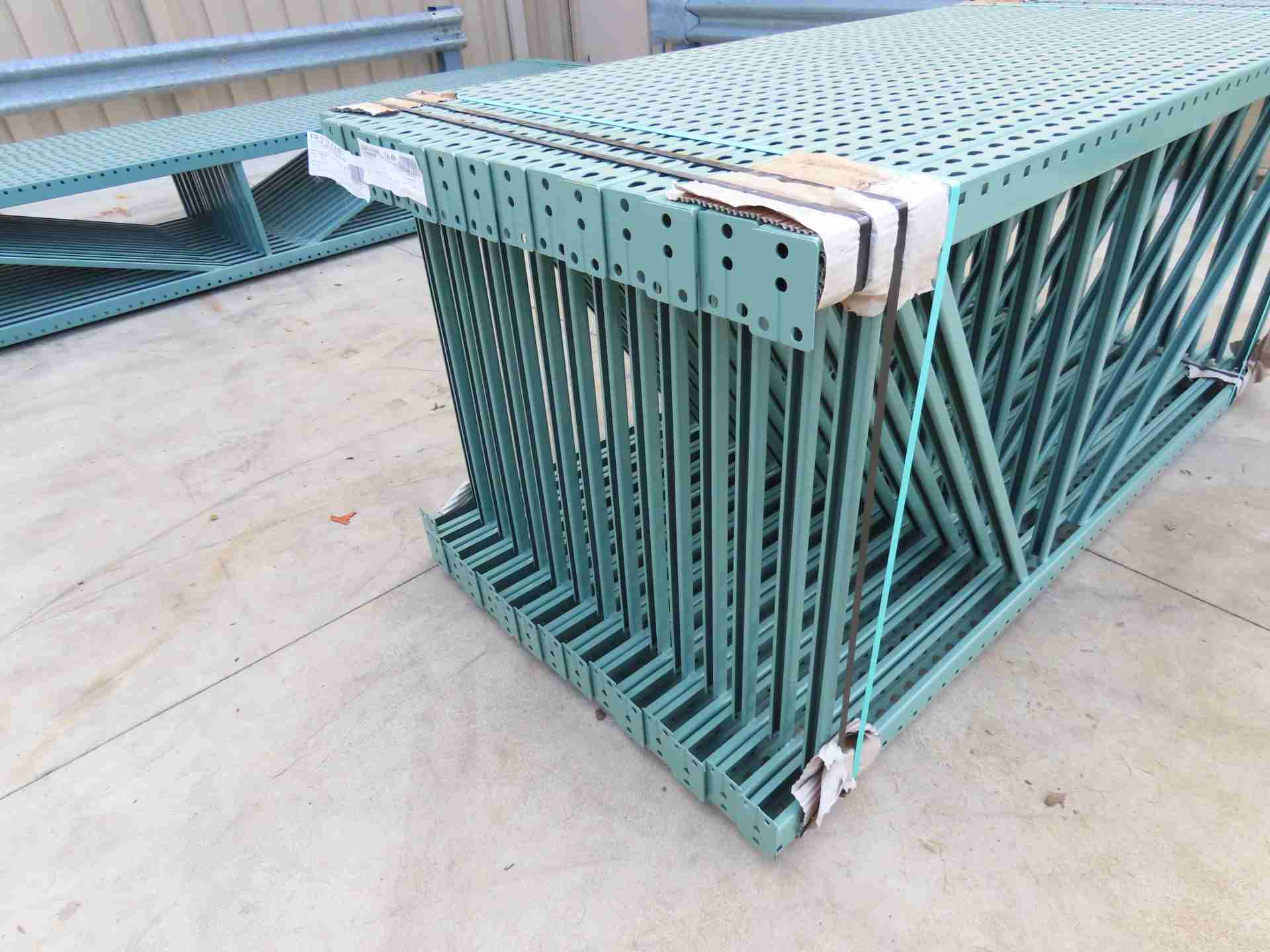
How Can Regular Maintenance Improve The Longevity Of Industrial Racks?
How Can Regular Maintenance Improve The Longevity Of Industrial Racks?
- Regular maintenance is key to ensuring the longevity of industrial racks in any facility.
- Inspect racks for wear and tear to prevent serious issues.
- Keep racks clean and free of debris to prevent corrosion and rust.
- Properly load and unload racks to avoid stress and strain.
- Schedule routine maintenance checks with a professional technician.
- Stay on top of inspections, cleaning, proper loading/unloading, and maintenance checks.
- Remember that a little TLC goes a long way in maintaining industrial equipment.
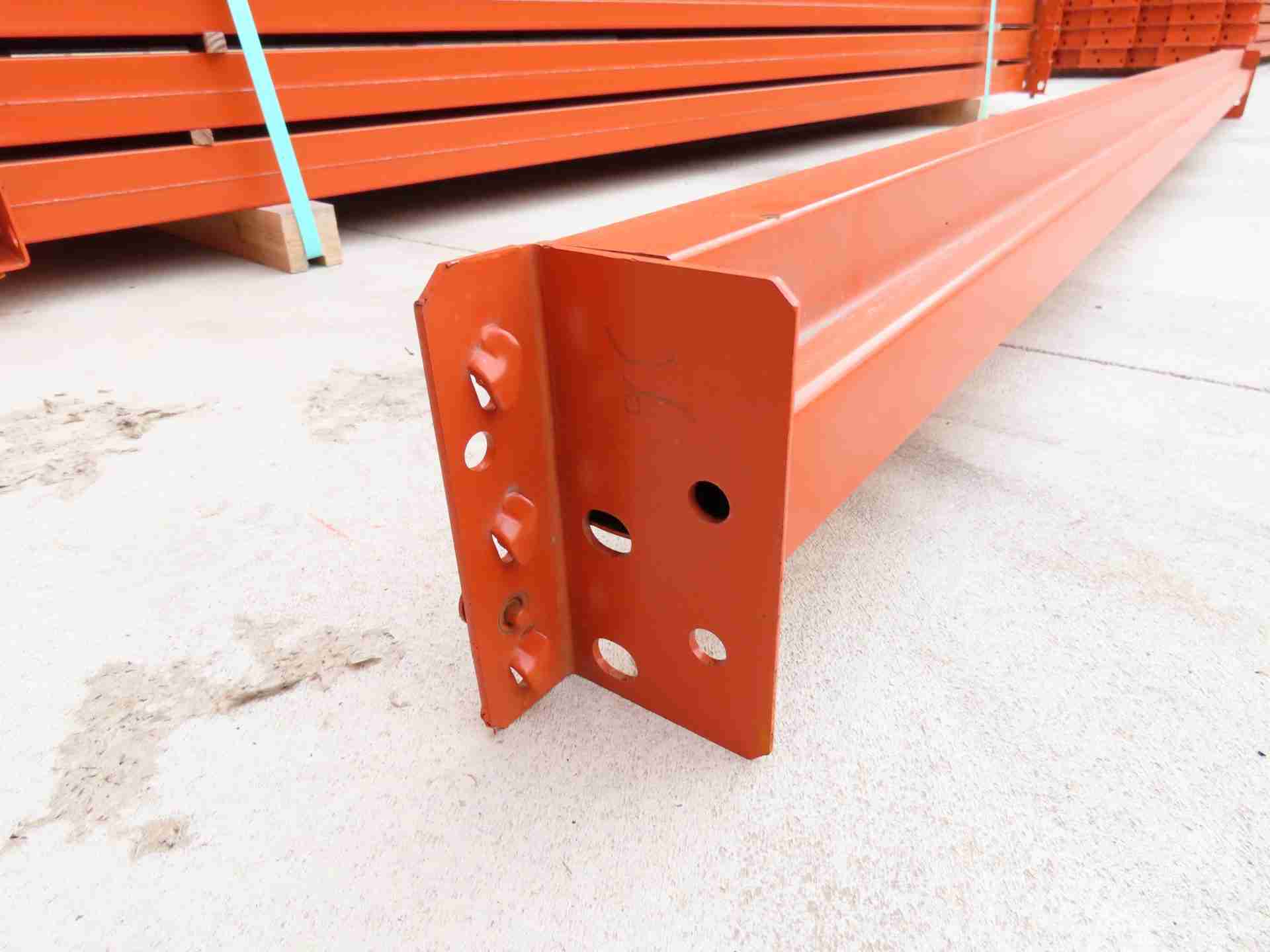
How Can Regular Maintenance Improve The Longevity Of Industrial Racks?
How Can Employees Be Trained To Properly Care For Industrial Racks?
When it comes to properly caring for industrial racks, training is key. Many accidents and injuries can occur if racks are not maintained and used properly. Here are a few ways employees can be trained to ensure the safety and longevity of industrial racks:
1. Safety First: Training should always start with emphasizing the importance of safety when working with industrial racks. Employees should be taught how to properly lift and move items on and off the racks to prevent accidents and injuries. They should also be instructed on how to properly inspect racks for any damage or signs of wear that could potentially lead to a collapse.
2. Proper Use: Employees should be trained on how to properly load and unload items from the racks to prevent overloading and misplacement. They should also be educated on the weight capacity of the racks and how to distribute weight evenly to prevent tipping or collapse.
3. Maintenance: Regular maintenance is crucial for the longevity of industrial racks. Employees should be trained on how to properly clean and inspect racks for any damage or signs of wear. They should also be taught how to report any issues to management so they can be addressed promptly.
4. Labeling and Organization: Proper labeling and organization of items on industrial racks can help prevent accidents and improve efficiency. Employees should be trained on how to label items correctly and how to organize them in a way that maximizes space and accessibility.
5. Teamwork: In a fast-paced industrial environment, teamwork is essential for the proper care of industrial racks. Employees should be trained on how to communicate effectively with their coworkers to ensure that racks are loaded and unloaded safely and efficiently. They should also be encouraged to work together to address any issues that may arise.
Overall, training employees to properly care for industrial racks is essential for maintaining a safe and efficient work environment. By emphasizing safety, proper use, maintenance, labeling, organization, and teamwork, employees can ensure that industrial racks are used to their full potential while minimizing the risk of accidents and injuries. Remember, a little training goes a long way in keeping everyone safe and productive in the workplace.

How Can Employees Be Trained To Properly Care For Industrial Racks?
How Can Employees Be Trained To Properly Care For Industrial Racks?
- Safety First: Emphasize the importance of safety, proper lifting, and inspecting racks for damage.
- Proper Use: Train on loading/unloading, weight capacity, and weight distribution.
- Maintenance: Teach cleaning, inspecting, and reporting damage promptly.
- Labeling and Organization: Properly label and organize items for safety and efficiency.
- Teamwork: Encourage effective communication and collaboration for safe rack use.
- Overall, training is essential for a safe and efficient work environment with industrial racks.
- Remember, a little training can go a long way to keep everyone safe and productive.
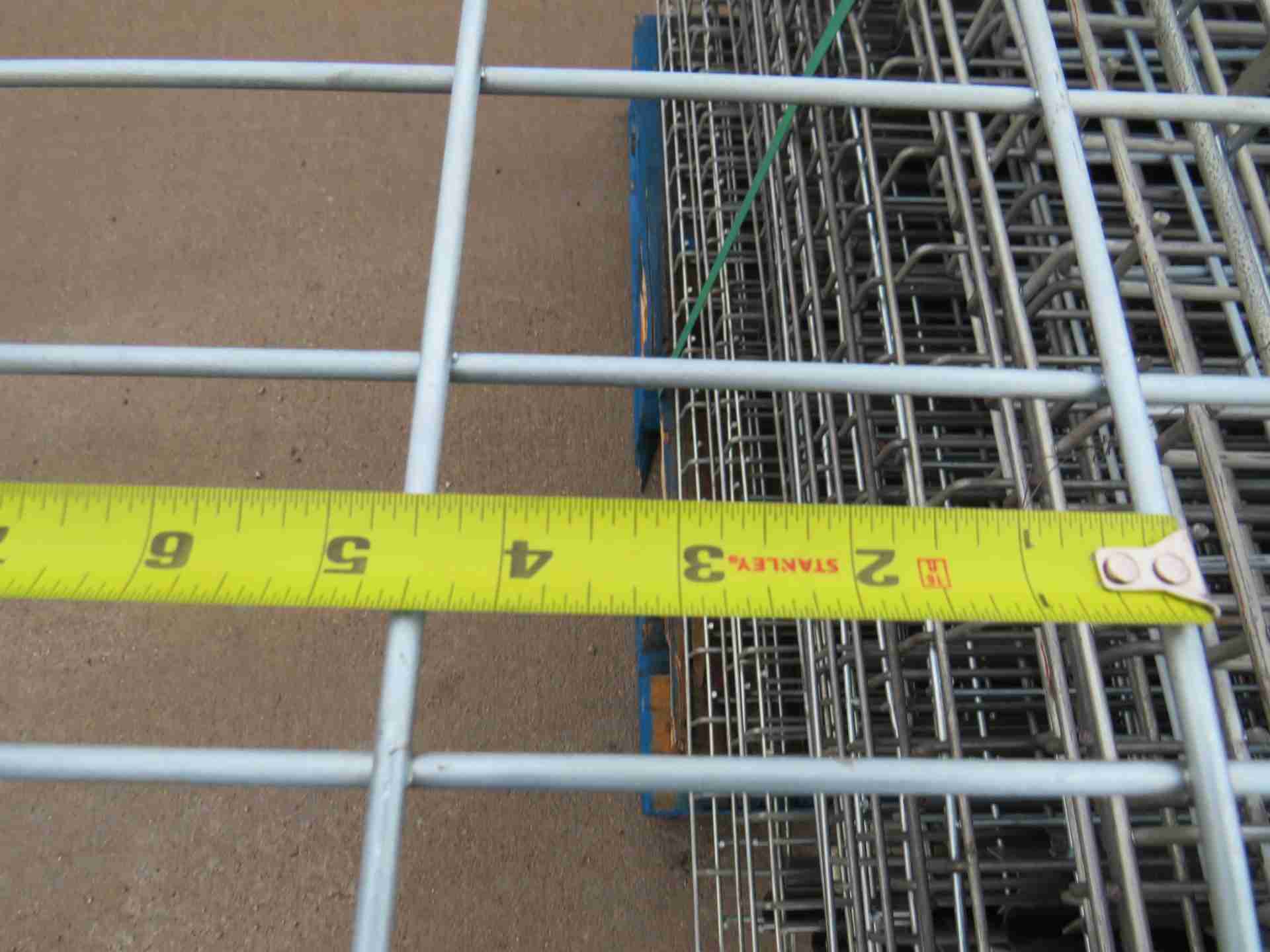
How Can Employees Be Trained To Properly Care For Industrial Racks?
What Are The Common Maintenance Practices For Industrial Racks?
When it comes to industrial racks, proper maintenance is crucial to ensure safety and efficiency in the workplace. Neglecting routine maintenance can lead to costly repairs, accidents, and even potential hazards for employees. That’s why it’s important to stay on top of regular maintenance practices to keep your racks in top condition.
One common maintenance practice for industrial racks is regular inspections. It’s important to visually inspect your racks on a regular basis to check for any signs of damage or wear. This includes looking for bent or broken beams, loose bolts or connections, and any other issues that could compromise the structural integrity of the racks. By catching these issues early, you can address them before they become major problems.
Another key maintenance practice is keeping your racks clean and free of debris. Over time, dust, dirt, and other debris can build up on your racks, which can not only create a mess but also make it harder to spot potential issues. Regularly cleaning your racks with a broom or vacuum can help prevent this buildup and ensure that your racks are in good working condition.
In addition to inspections and cleaning, it’s also important to have a plan in place for regular maintenance tasks, such as lubricating moving parts or tightening bolts. By creating a maintenance schedule and sticking to it, you can ensure that your racks are properly cared for and less likely to experience issues down the road.
When it comes to maintenance, it’s also important to involve your employees. Encouraging them to report any issues they notice with the racks and providing proper training on how to maintain them can go a long way in preventing accidents and hazards in the workplace. After all, when everyone is invested in keeping the racks in good condition, the whole team benefits.
Overall, proper maintenance practices for industrial racks are essential for ensuring the safety and efficiency of your workplace. By staying on top of inspections, cleaning, and regular maintenance tasks, you can extend the life of your racks and reduce the risk of accidents or costly repairs. So, roll up your sleeves, grab your tools, and make sure those racks are in tip-top shape. Your workplace – and your employees – will thank you for it.
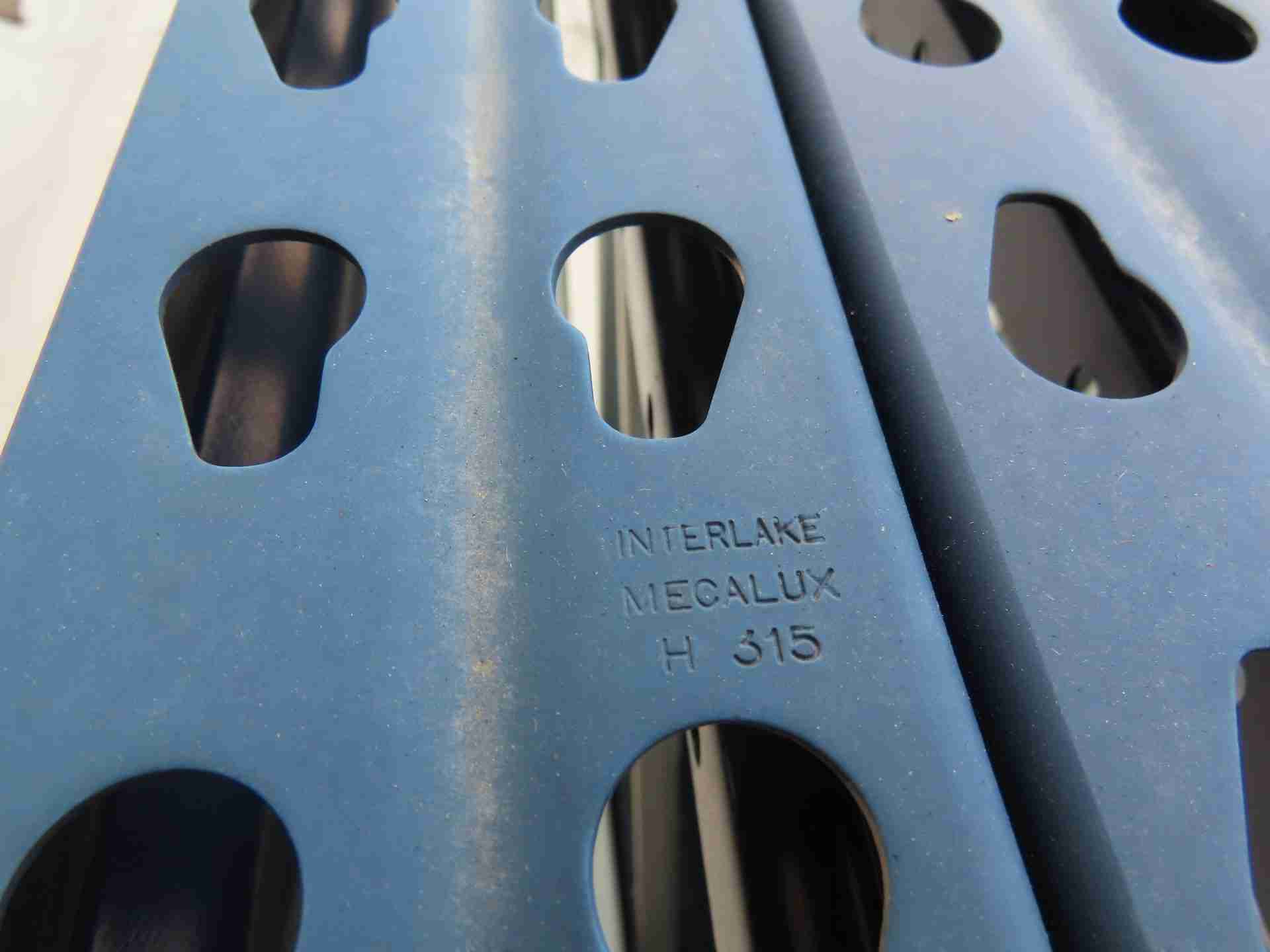
What Are The Common Maintenance Practices For Industrial Racks?
What Are The Common Maintenance Practices For Industrial Racks?
- Proper maintenance is crucial for industrial racks to ensure safety and efficiency in the workplace.
- Neglecting routine maintenance can lead to costly repairs, accidents, and potential hazards for employees.
- Regular inspections are important to check for signs of damage or wear such as bent or broken beams, loose bolts, or connections.
- Keeping racks clean and free of debris can prevent buildup and make it easier to spot potential issues.
- Having a maintenance plan in place for tasks like lubricating moving parts and tightening bolts is essential.
- Involving employees in maintenance and providing proper training can help prevent accidents and hazards in the workplace.
- Staying on top of maintenance practices can extend the life of racks, reduce the risk of accidents, and improve workplace efficiency.
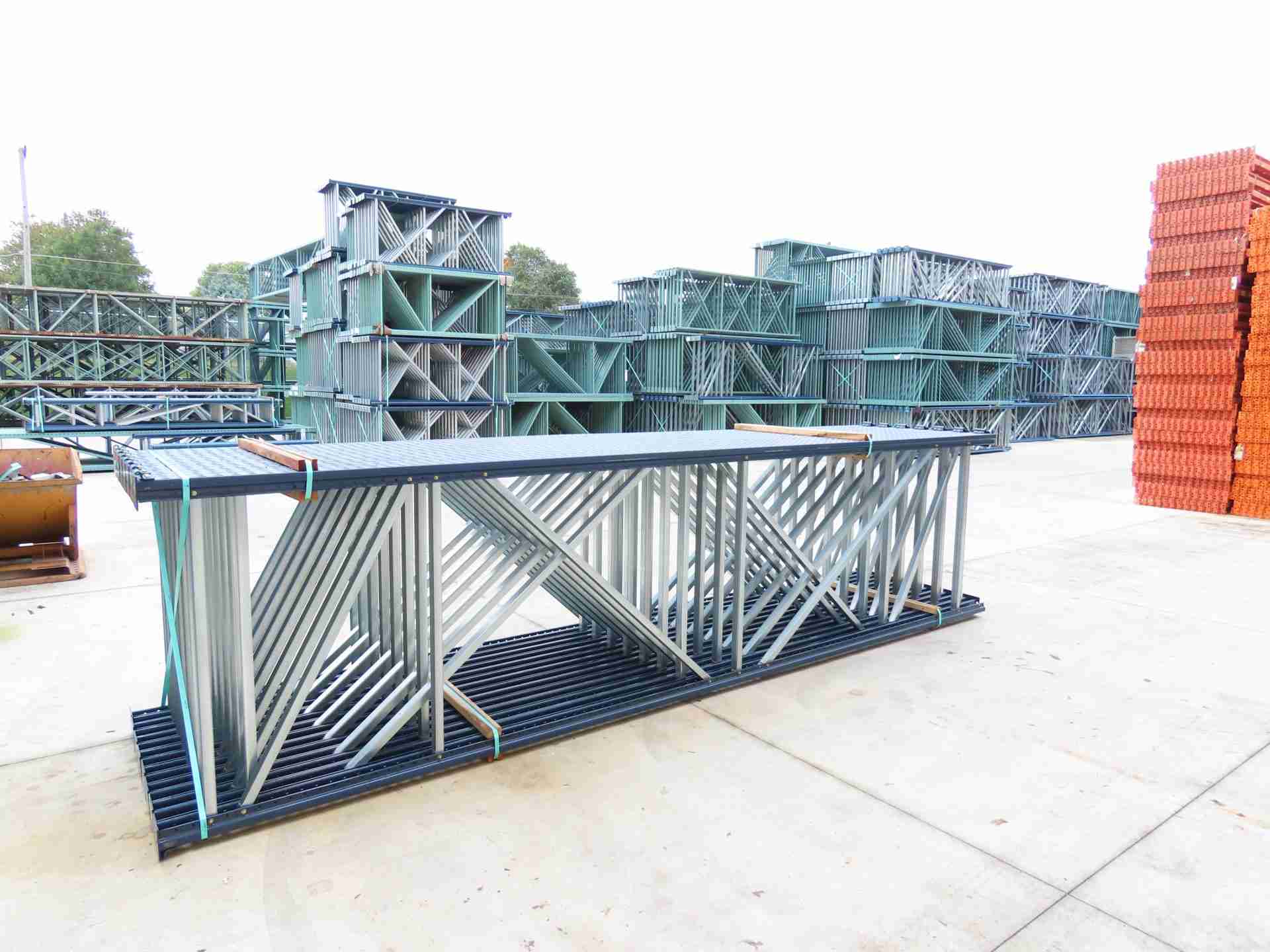
What Are The Common Maintenance Practices For Industrial Racks?
How Often Should Industrial Racks Be Inspected For Safety?
When it comes to industrial racks, safety should always be a top priority. These racks are essential for storing heavy and potentially dangerous materials, so it’s crucial to make sure they’re in good condition and up to standard to prevent accidents. One way to ensure the safety of industrial racks is by conducting regular inspections.
But how often should these inspections be done? Well, that really depends on a few factors. First and foremost, it’s important to follow any guidelines set forth by regulatory agencies or industry standards. These may dictate specific timeframes for inspections based on the type of material being stored, the height and weight of the racks, and other factors.
In general, though, it’s a good idea to inspect industrial racks at least once a year. This will give you a chance to identify any potential issues before they become serious safety hazards. During these annual inspections, be sure to check for signs of wear and tear, such as rust, corrosion, or bending. Pay special attention to any weld points or connections, as these are common areas for failure.
In addition to yearly inspections, it’s also a good idea to conduct regular checks throughout the year. This could be as simple as visually inspecting the racks during routine maintenance or cleaning. Look for any signs of damage or instability, such as loose bolts or missing straps. If anything seems off, it’s better to address it sooner rather than later.
If your industrial racks are subjected to heavy use or harsh conditions, you may want to consider more frequent inspections. For example, if the racks are constantly being loaded and unloaded with heavy equipment, or if they are exposed to extreme temperatures or weather conditions, you may need to inspect them every six months or even quarterly.
Ultimately, the key to ensuring the safety of industrial racks is to stay vigilant and proactive. Regular inspections can help identify potential issues before they escalate into emergencies. By staying on top of maintenance and repairs, you can help prevent accidents and keep your workplace safe for everyone. Remember, when it comes to safety, there’s no such thing as being too cautious.
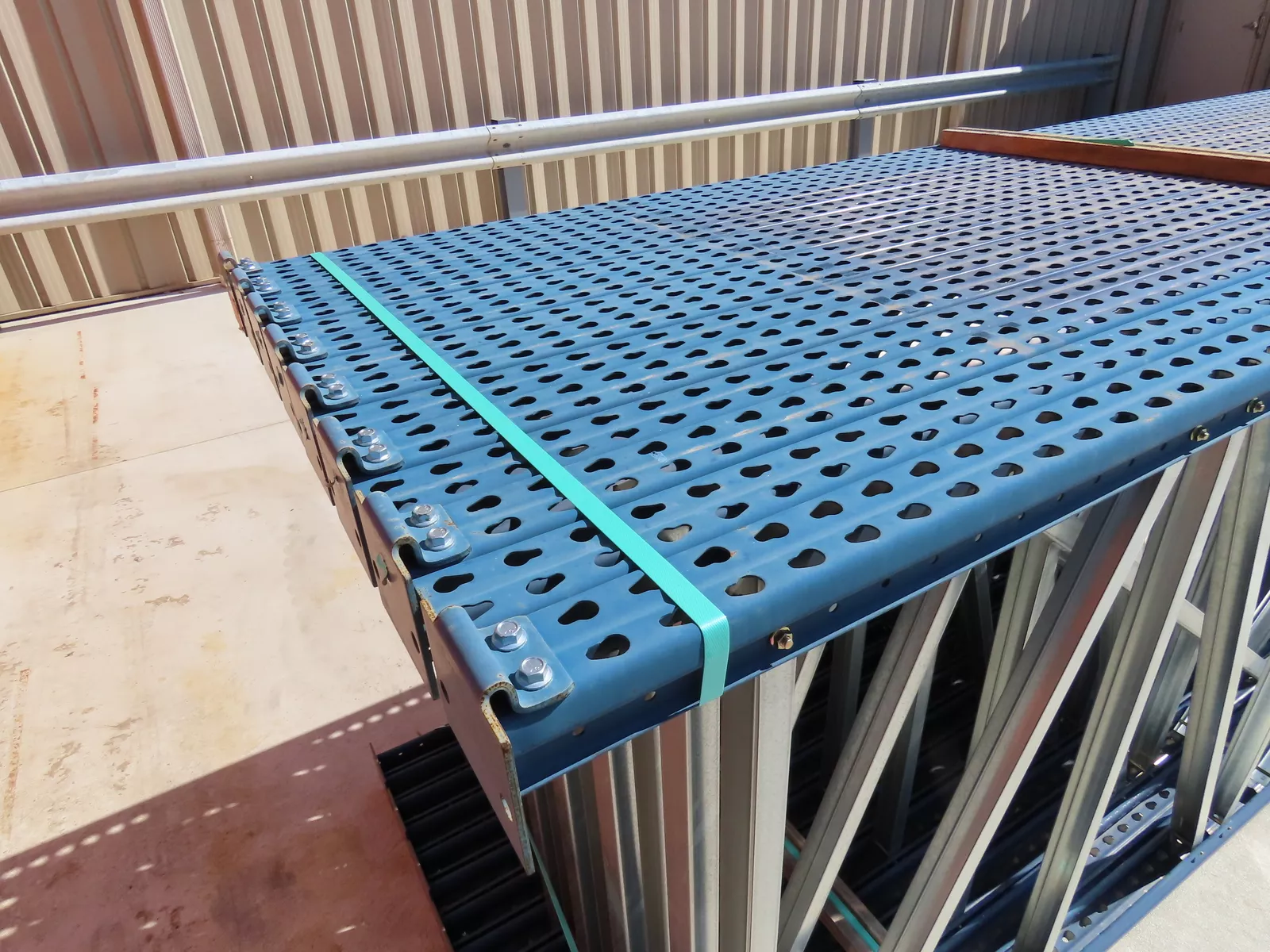
How Often Should Industrial Racks Be Inspected For Safety?
How Often Should Industrial Racks Be Inspected For Safety?
- Safety should always be a top priority for industrial racks.
- Regular inspections are essential to prevent accidents.
- Inspection frequency depends on regulatory guidelines and industry standards.
- Generally, industrial racks should be inspected at least once a year.
- Check for wear and tear, rust, corrosion, and bending during inspections.
- Consider more frequent inspections for racks under heavy use or harsh conditions.
- Staying vigilant and proactive is key to ensuring the safety of industrial racks.
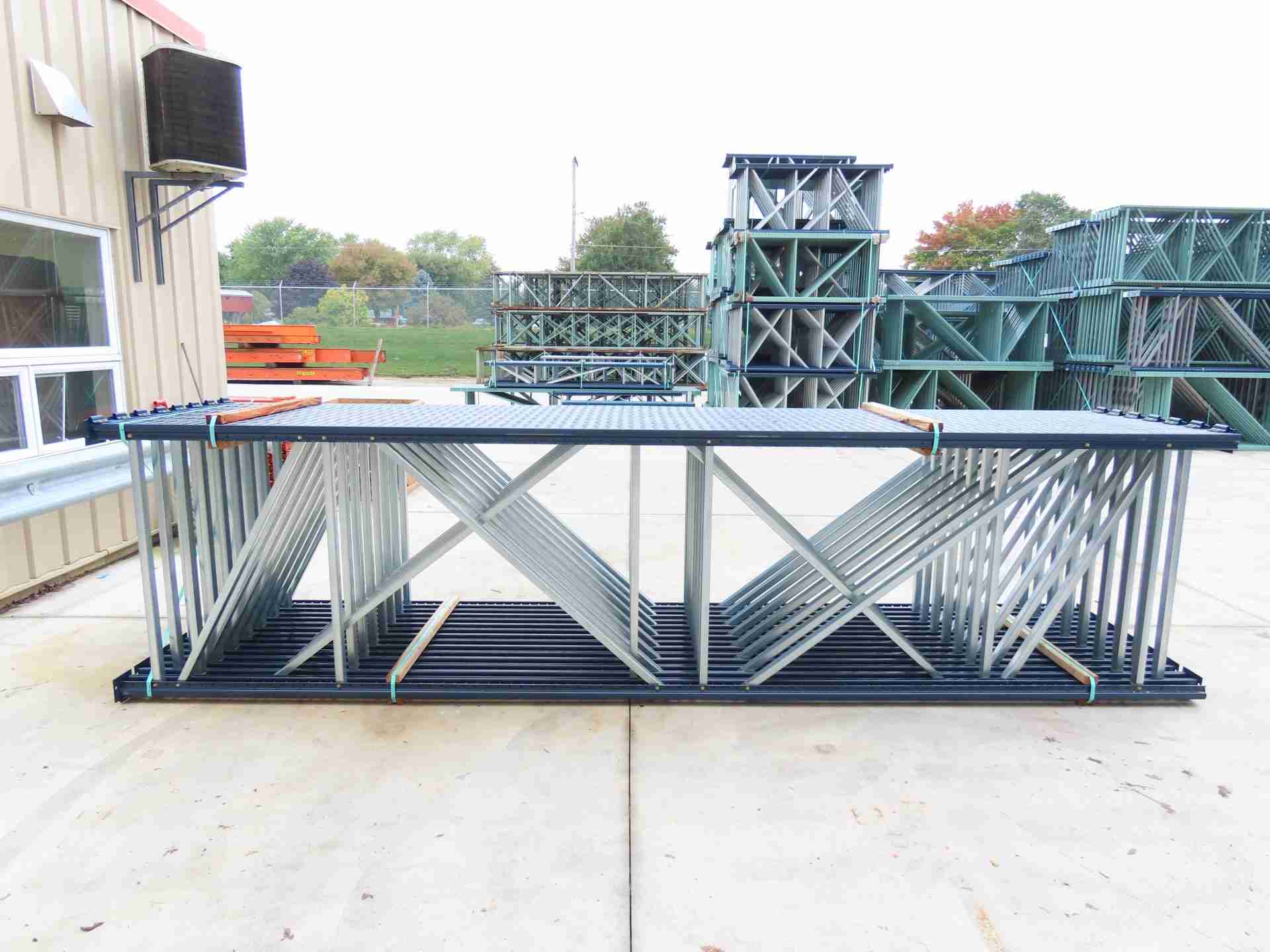
How Often Should Industrial Racks Be Inspected For Safety?
What Are The Consequences Of Neglecting Industrial Rack Maintenance?
If you’re in the business of manufacturing, warehousing, or distribution, chances are you rely heavily on industrial racks to store and organize your products. These racks serve as the backbone of your operation, keeping everything in its proper place and allowing for efficient workflows. But what happens when these crucial pieces of equipment are neglected and maintenance is put on the back burner?
One of the most immediate consequences of neglecting industrial rack maintenance is the risk of collapse. Over time, wear and tear can take a toll on the structural integrity of your racks, leading to potential failures and catastrophic accidents. Not only does this pose a serious safety hazard for your employees, but it can also result in financial losses, damaged inventory, and costly repairs. When you consider the potential legal ramifications and damage to your reputation, it becomes clear that proper maintenance is not something to be taken lightly.
In addition to the safety risks, neglecting industrial rack maintenance can also have a negative impact on your bottom line. When racks are not properly maintained, they are more likely to experience damage or failure, leading to costly repairs or replacements. This downtime can disrupt your operations, resulting in lost productivity and decreased efficiency. In the fast-paced world of manufacturing and distribution, every minute counts, and any disruptions to your workflow can have significant consequences for your business.
Furthermore, neglecting industrial rack maintenance can also lead to inefficient use of space and resources. When racks are not properly maintained, they may not be able to support the weight or size of your products, leading to wasted space and decreased storage capacity. This can result in overcrowded shelves, disorganized inventory, and difficulty locating and accessing items when needed. In a competitive industry where efficiency is key, these inefficiencies can put you at a serious disadvantage and impact your overall profitability.
Ultimately, neglecting industrial rack maintenance is a gamble that no business can afford to take. The consequences of failing to properly maintain your racks can be far-reaching and costly, both in terms of safety and financial impact. By prioritizing regular maintenance and inspections, you can ensure that your racks are safe, efficient, and reliable, protecting your employees and your bottom line in the process. Remember, when it comes to industrial rack maintenance, an ounce of prevention is worth a pound of cure.
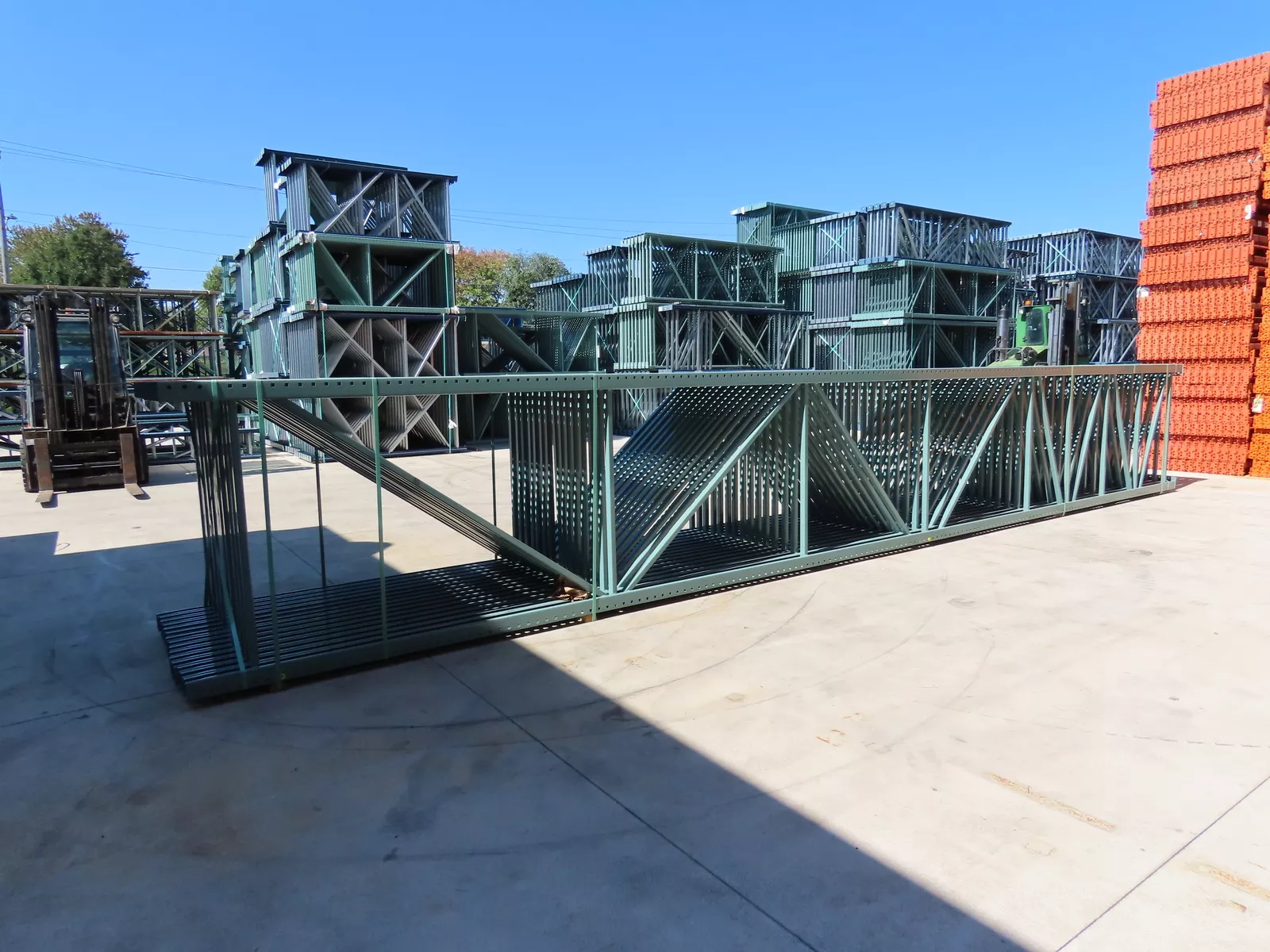
What Are The Consequences Of Neglecting Industrial Rack Maintenance?
What Are The Consequences Of Neglecting Industrial Rack Maintenance?
- Industrial racks are crucial for storing and organizing products.
- Neglecting maintenance can lead to collapse and safety hazards.
- Failure to maintain racks can result in financial losses and damaged inventory.
- Disruption in operations and decreased efficiency are consequences of neglected maintenance.
- Improper maintenance can lead to inefficient use of space and resources.
- Neglecting maintenance can put a business at a serious disadvantage in a competitive industry.
- Regular maintenance and inspections are essential to ensure safety, efficiency, and reliability.
What Are The Consequences Of Neglecting Industrial Rack Maintenance?
How Can Proper Maintenance Extend The Lifespan Of Industrial Racks?
In the fast-paced world of industrial warehouses and distribution centers, the importance of proper maintenance for industrial racks cannot be overstated. These racks play a crucial role in efficiently storing and organizing inventory, ultimately impacting the productivity and profitability of the entire operation.
One of the key ways to extend the lifespan of industrial racks is to regularly inspect them for any signs of damage or wear. This proactive approach can help prevent small issues from turning into major problems, potentially leading to costly repairs or even the need for replacement. By identifying and addressing issues early on, you can ensure that your racks remain in proper working condition for years to come.
In addition to regular inspections, it is important to follow manufacturer guidelines for load capacity and proper use of the racks. Overloading a rack or using it for purposes it was not designed for can weaken the structure and lead to premature failure. By adhering to these guidelines, you can help extend the lifespan of your industrial racks and maximize their efficiency and safety.
Another important aspect of maintenance is keeping the racks clean and free of debris. Dust, dirt, and other contaminants can accumulate on the racks over time, potentially causing rust or corrosion. Regular cleaning and inspection can help prevent these issues and ensure that the racks continue to function properly.
Furthermore, conducting routine maintenance tasks such as tightening bolts, lubricating moving parts, and repairing any damage can help prolong the life of industrial racks. By addressing minor issues promptly, you can prevent them from escalating into larger problems that could compromise the integrity of the racks.
It is also important to train employees on proper rack usage and maintenance practices to ensure that everyone is on the same page when it comes to caring for the racks. Investing in employee training can help prevent accidents and damage to the racks, ultimately saving time and money in the long run.
By taking a proactive approach to maintenance and following best practices for rack usage, you can significantly extend the lifespan of your industrial racks. This not only helps protect your investment in these essential storage solutions but also contributes to a safer, more efficient work environment for all employees. So, remember to prioritize maintenance and care for your industrial racks to ensure they continue to serve your business well for years to come.
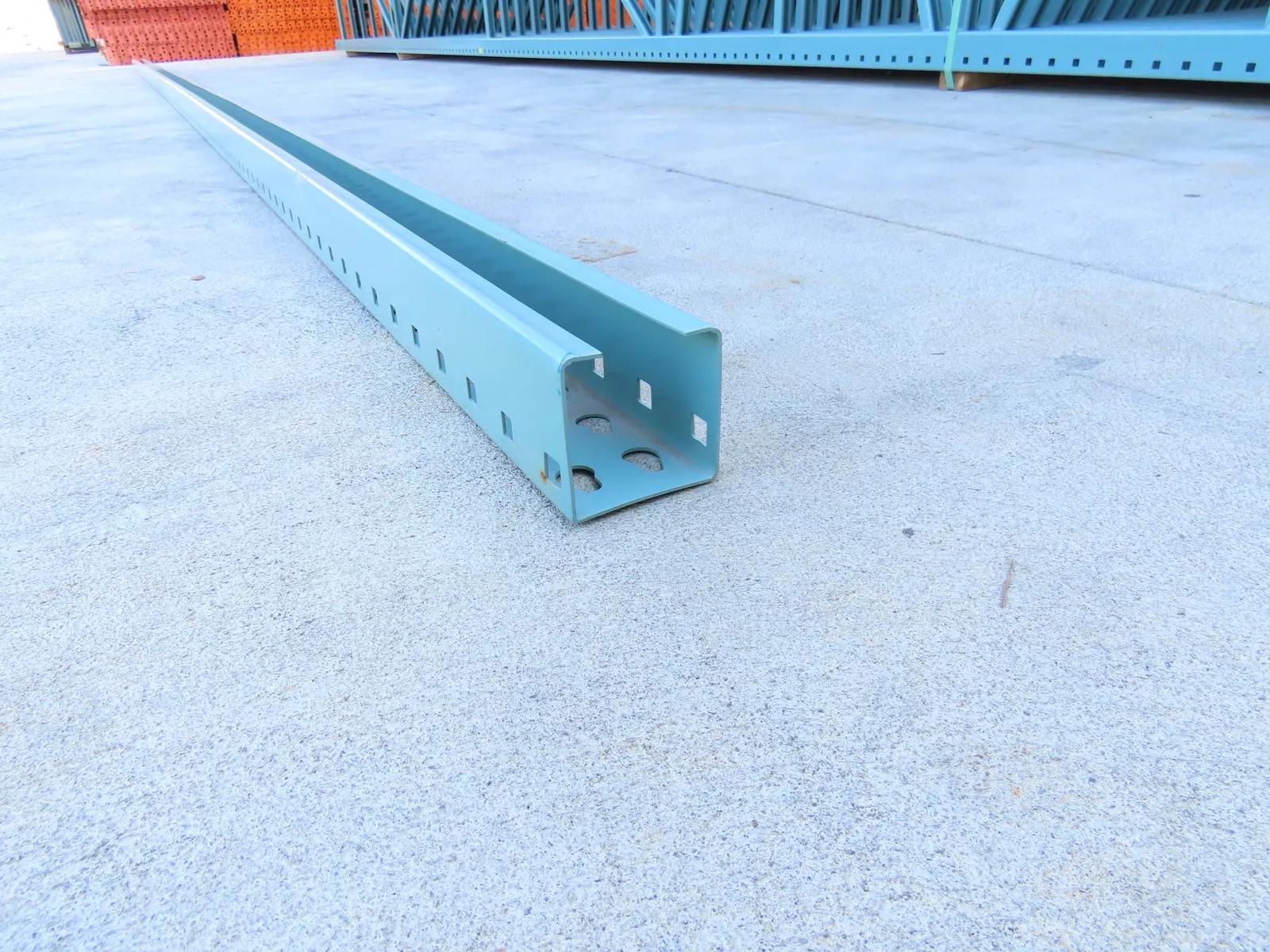
How Can Proper Maintenance Extend The Lifespan Of Industrial Racks?
How Can Proper Maintenance Extend The Lifespan Of Industrial Racks?
- Regularly inspect industrial racks for damage or wear to prevent major problems.
- Follow manufacturer guidelines for load capacity and proper use to extend lifespan.
- Keep racks clean and free of debris to prevent rust or corrosion.
- Conduct routine maintenance tasks like tightening bolts and lubricating moving parts.
- Train employees on proper rack usage and maintenance practices to prevent accidents.
- Invest in employee training to save time and money in the long run.
- By prioritizing maintenance, you can extend the lifespan of industrial racks and create a safer work environment.
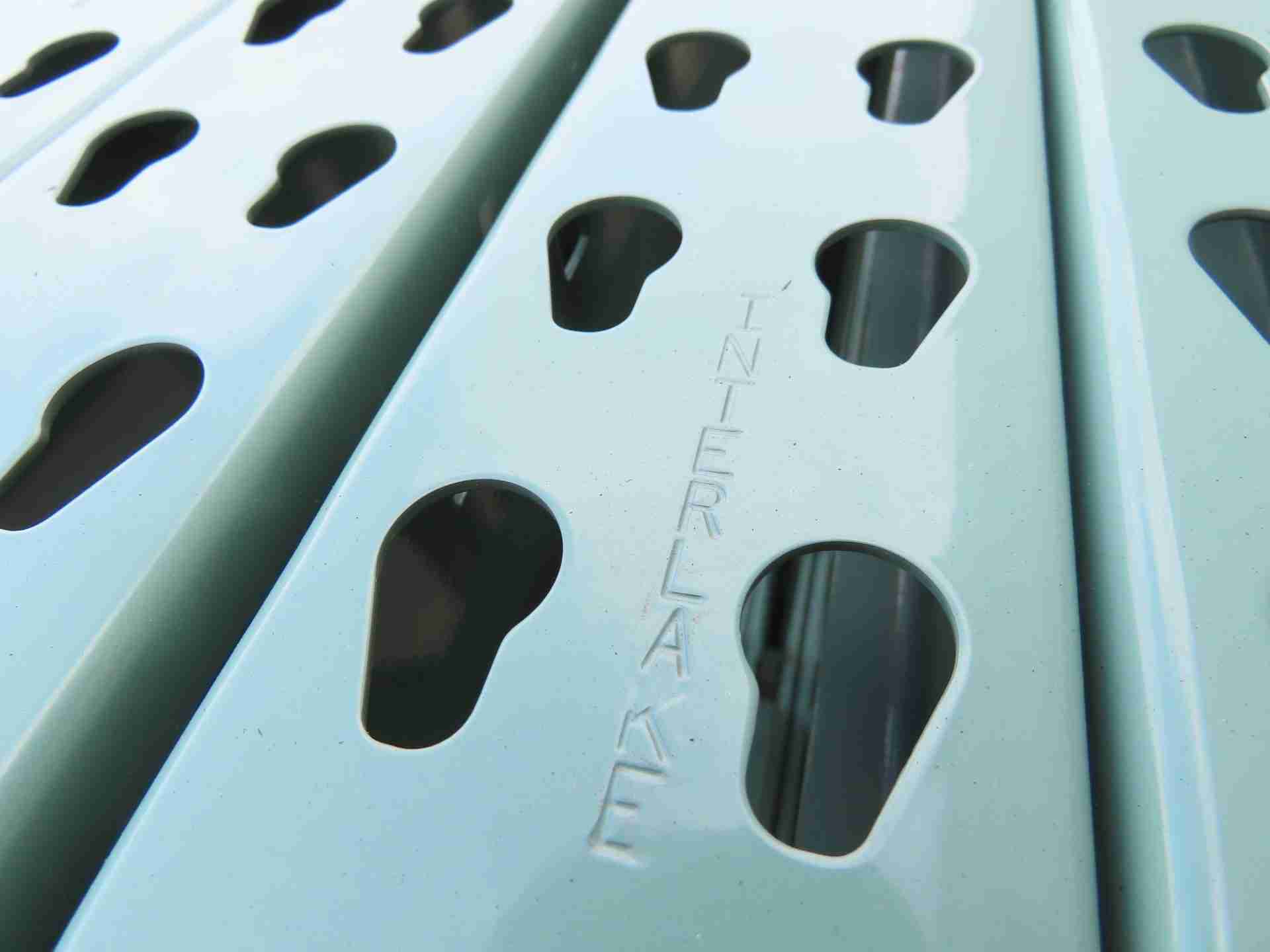
How Can Proper Maintenance Extend The Lifespan Of Industrial Racks?
Conclusion
In conclusion, maintaining industrial racks is essential for ensuring the longevity and safety of any warehouse or storage facility. Regular inspections, load testing, cleaning, anchoring, and lubrication are all key components of proper maintenance. By conducting regular inspections and addressing any signs of damage early on, warehouse managers can prevent accidents and costly repairs. Keeping the racks clean and free of debris, properly anchoring them to the floor, and lubricating moving parts are all important steps in prolonging the lifespan of industrial racks. Additionally, training employees on proper rack usage and maintenance practices can help prevent accidents and ensure the racks are cared for correctly.
Neglecting industrial rack maintenance can lead to serious consequences, including the risk of collapse, safety hazards, financial losses, and decreased efficiency. By implementing a regular maintenance schedule, conducting frequent inspections, and staying proactive with repairs and cleaning, businesses can avoid these pitfalls and protect their investment in their facility. Regular maintenance not only extends the lifespan of industrial racks but also contributes to a safer and more efficient work environment for employees.
Ultimately, proper maintenance is crucial for the safety and efficiency of industrial racks. By prioritizing regular inspections, cleaning, repairs, and employee training, warehouse managers can ensure that their racks remain in good condition and provide a reliable storage solution for years to come. Remember, a little TLC goes a long way when it comes to taking care of your industrial equipment. So, roll up your sleeves, grab your tools, and make sure those racks are in tip-top shape. Your workplace – and your employees – will thank you for it.
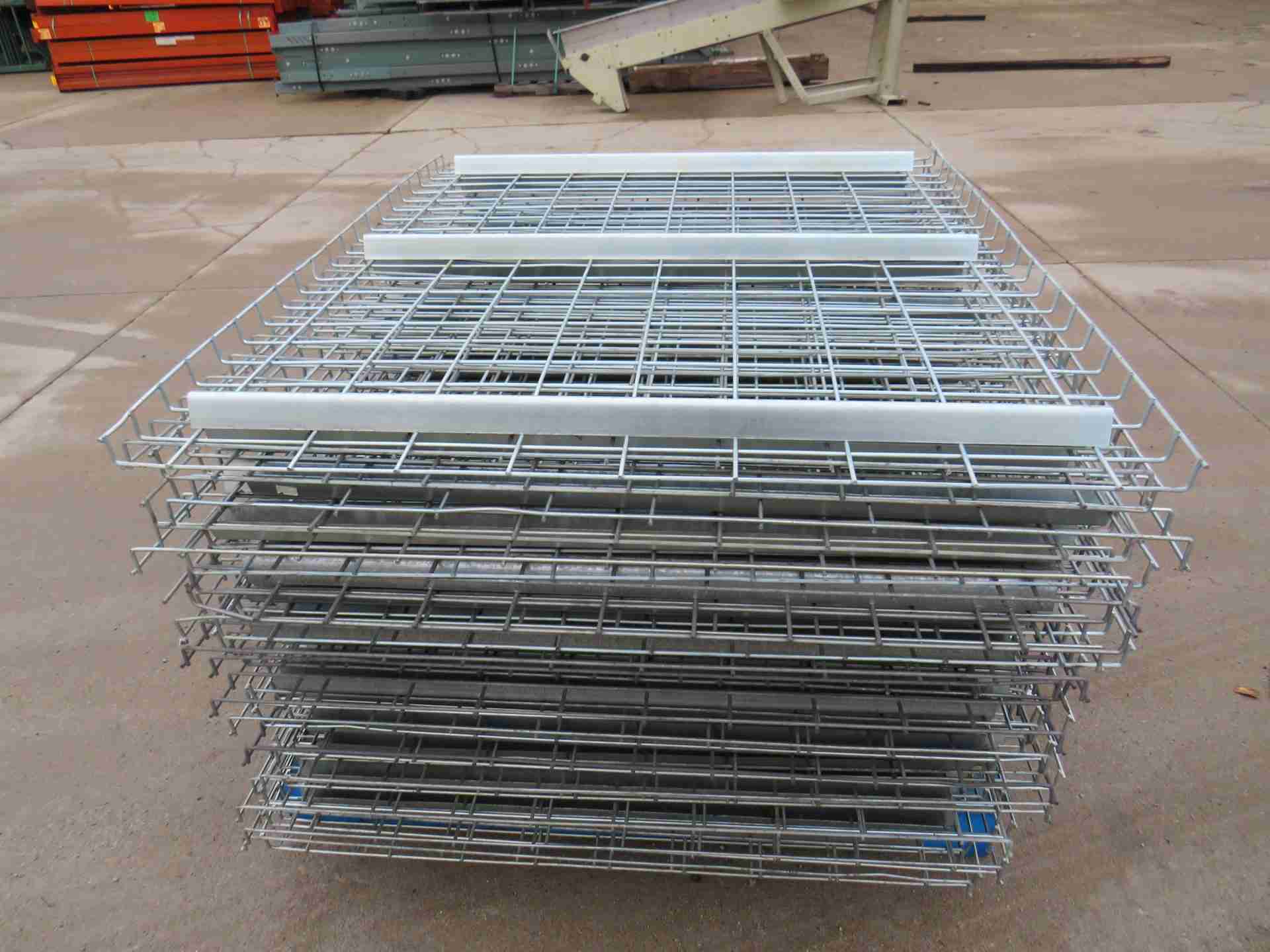
Conclusion
Conclusion:
- Maintaining industrial racks is essential for longevity and safety of warehouse.
- Regular inspections, load testing, cleaning, anchoring, and lubrication are key components.
- Prevent accidents and costly repairs by addressing damage early on.
- Keep racks clean, anchored, and lubricated to prolong lifespan.
- Training employees on proper maintenance practices is important.
- Neglecting maintenance can lead to collapse, hazards, losses, and decreased efficiency.
- Proper maintenance contributes to safer, more efficient work environment.
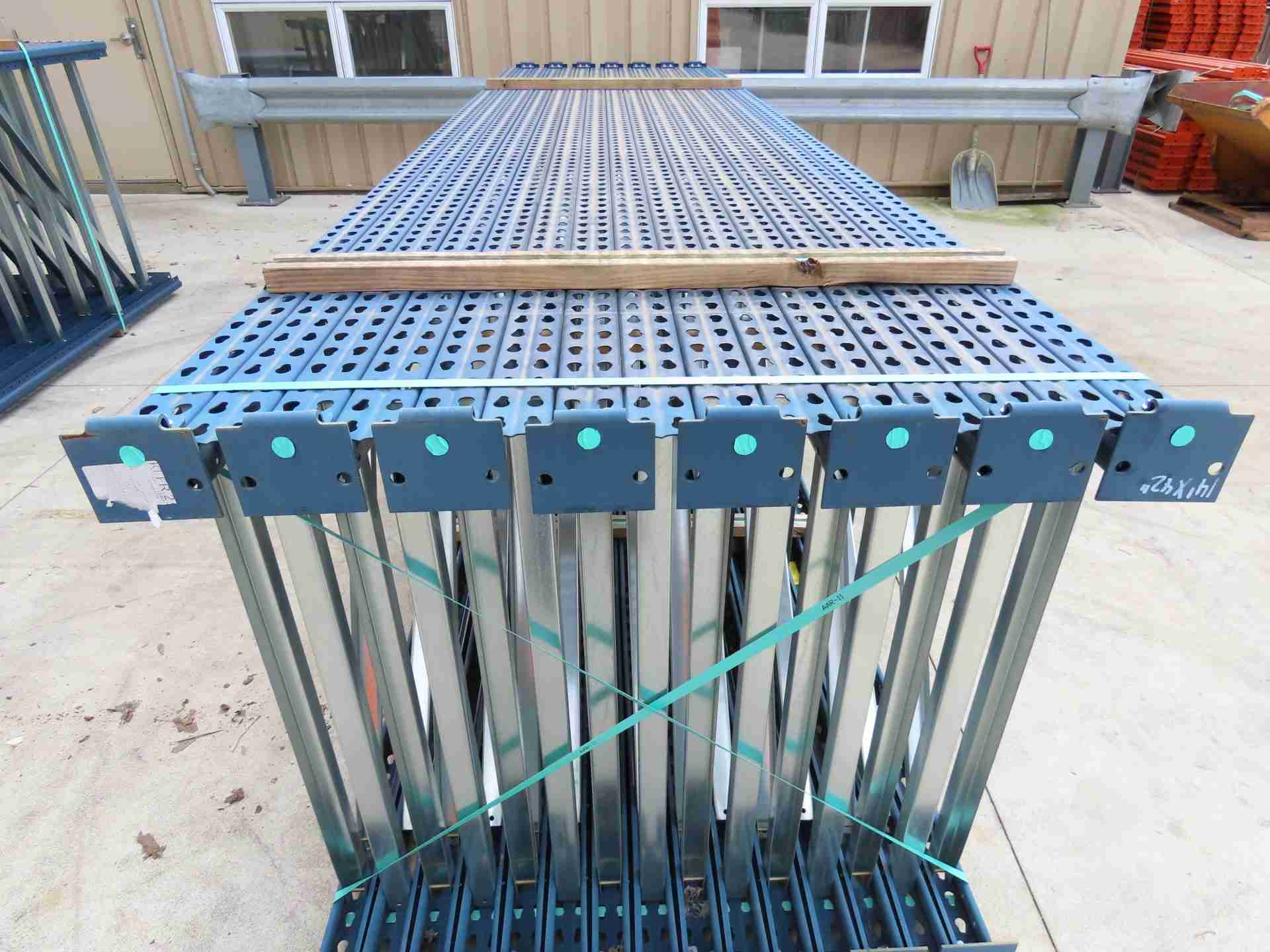
Conclusion
Other Resources
Other Resources
Here is a list of other resources you can review online to learn more:
- “DAILY TOOL BOX TALKS MODULES (1).docx”
- “Corporate Safety Policy and Procedure”
- “REPAIR BUILDING 1103 (BE2054M)”
- “SA-PLN-620.00 Contractor Safety Manual”
- “Worker Safety and Health Program for Chemical Data Gap …”
- “229 – Neepco Safety – Manual”
- “asme nqa-24989 edition”
- “Garmong Safety Manual”
- “Warehouse Safety: Best Practices for Accident Prevention”
- “NHPC LIMITED”
- “Safety and health in shipbuilding and ship repair”
- “Revised 02-2020”
- “Repair Nose Dock 6 Roof (FAC 434) Grissom Air Reserve …”
- “SPECIFICATIONS – VA Vendor Portal”
- “Corporate Safety Policy and Procedure”
- “Construction Safety Manual”
- “GCG CONSTRUCTION INJURY AND ILLNESS PREVENTION …”
- “STANDARD 1 GENERAL REQUIRMENENTS”
Other Resources
Glossary Terms
How Are Industrial Racks Maintained to Ensure Longevity and Safety? – Glossary Of Terms
Glossary of Terms: Maintenance of Industrial Racks for Longevity and Safety
1. Load Capacity : The maximum weight a rack can safely support without risking failure.
2. Inspection Schedule : The established routine or timeline for assessing the condition of racks to preemptively identify and mitigate issues.
3. Corrosion Control : Methods and treatments used to prevent rust and deterioration, such as painting, galvanizing, or using anti-corrosive materials.
4. Torque Check : The process of ensuring bolts and fasteners are properly tightened to prevent wobbling or collapse.
5. Bracing : Structural supports added to racks to increase stability and prevent swaying or collapsing.
6. Vertical Alignment : Ensuring uprights are plumb (vertically true) to avoid uneven pressure distribution that can lead to collapse.
7. Structural Integrity : The soundness and reliability of the rack’s construction, ensuring it can perform under normal and peak loads.
8. Load Distribution : The even spreading of weight across the rack to prevent overloading any single point.
9. Decking : The shelves or platforms on a rack, typically made of wood, metal, or wire, that need regular inspection for wear and tear.
10. Anchor Bolts : Fasteners that secure the rack to the ground, preventing tipping or shifting.
11. Pallet Overhang : The extent to which a pallet extends beyond the edges of a rack shelf, potentially causing instability.
12. Beam Deflection : The bending of horizontal beams under load, which should be monitored to prevent structural failure.
13. Safety Clips : Components that ensure beams stay securely in place, often overlooked in regular maintenance.
14. Plumb and Level : Ensuring that racks are both vertically and horizontally straight to maintain structural integrity.
15. Fire Suppression Systems : Installed systems such as sprinklers that need periodic maintenance to ensure they function correctly.
16. Load Signs : Instructional signs and labels indicating maximum load capacities, vital for safe operation.
17. Audit Checklist : A comprehensive list used during inspections to ensure all aspects of rack maintenance are covered.
18. Rust Inhibitor : A chemical compound applied to metal surfaces to prevent oxidation and rust.
19. Damage Assessment : The process of evaluating racks for any physical damage that may compromise their safety and functionality.
20. Preventative Maintenance : Routine actions performed to keep the racks in good working condition, preventing unexpected failures.
21. Safety Training : Employee education on the proper use, loading, and maintenance of storage racks to minimize accidents.
22. Load Sensors : Devices that monitor the weight being added to racks, ensuring loads do not exceed safe limits.
23. Impact Protection : Barriers and guards installed to protect racks from forklift and machinery collisions.
24. Fasteners : Bolts, screws, and rivets used to assemble racks, which need regular checking for proper tightness and integrity.
25. Uprights : Vertical columns that support the load; must be checked for plumbness and damage.
26. Cross Bracing : Diagonal supports that help distribute loads and increase rack stability.
27. Horizontal Beams : Structural elements connecting uprights, crucially needing inspection for deflection and damage.
28. Footplates : The metal plates at the base of uprights designed to distribute weight and stabilize the rack.
29. Load Configuration : The specific arrangement of stored items, critical to maintaining rack stability and safety.
30. Environmental Factors : External conditions such as humidity, temperature, and exposure to chemicals that can affect rack longevity.
Understanding and regularly maintaining these components can significantly extend the life of industrial racks and ensure the safety of the workplace.
Glossary Of Terms
Other Questions
How Are Industrial Racks Maintained to Ensure Longevity and Safety? – Other Questions
If you wish to explore and discover more, consider looking for answers to these questions:
- What are the common signs of damage to look for during inspections of industrial racks?
- How should industrial racks be anchored to the floor, and what are the manufacturer guidelines?
- What type of detergents and cleaning methods are recommended for maintaining industrial racks?
- What kinds of lubricants are appropriate for the beams and frames of industrial racks?
- What specific safety standards and regulations apply to the use of industrial racks in warehouses?
- How can load testing be conducted safely and effectively to ensure industrial rack integrity?
- What are the potential risks of overloading industrial racks, and how can they be mitigated?
- What steps should be included in a comprehensive maintenance schedule for industrial racks?
- Why is it essential to train employees on the proper care and use of industrial racks?
- How frequent should environmental factors like humidity and temperature be monitored around industrial racks?
- How should damaged or worn components of industrial racks be repaired or replaced correctly?
- What are some advanced diagnostic tools or technologies used in industrial rack maintenance?
- How do industrial rack inspections vary between different industries, such as food storage vs. manufacturing?
- What are the consequences of failing to adhere to the recommended load capacities for industrial racks?
- What legal requirements exist for documenting inspections and maintenance activities for industrial racks?
- How can digital maintenance logs and schedules improve the upkeep of industrial racks?
- What training programs or certifications are available for individuals responsible for industrial rack maintenance?
- What are the best practices for organizing inventory on industrial racks to prevent damage and wear?
- How can the design of an industrial rack system be optimized for easier maintenance and increased longevity?
- How can warehouses integrate automated systems for monitoring the condition of industrial racks?
Other Questions
Checklist
How Are Industrial Racks Maintained to Ensure Longevity and Safety? – A Checklist
Regular Inspections
_____ Inspect for bent or missing beams.
_____ Check for loose or missing bolts and nuts.
_____ Look for signs of rust or corrosion.
_____ Assess the condition of bracing and anchors.
_____ Identify any signs of overloading or uneven weight distribution.
Cleaning and Debris Removal
_____ Clean racks with a mild detergent and water.
_____ Ensure racks are free from dust, dirt, and other contaminants.
_____ Remove any spilled liquids or accumulated debris promptly.
Repair and Replacement
_____ Straighten any bent beams.
_____ Replace missing or damaged connectors.
_____ Tighten any loose bolts.
_____ Replace corroded components immediately.
Load Capacity Checks
_____ Verify that current loads are within the manufacturer’s specified weight limits.
_____ Train employees on proper weight distribution techniques.
_____ Conduct regular load testing to ensure racks can hold designated weights safely.
Anchoring
_____ Ensure racks are securely anchored to the floor.
_____ Regularly inspect anchors for stability and wear.
_____ Follow manufacturer guidelines for anchoring systems.
Lubrication
_____ Lubricate moving parts such as beams and frames.
_____ Use appropriate lubricants compatible with the rack material.
Training
_____ Conduct safety training sessions for all employees.
_____ Train employees on proper loading and unloading procedures.
_____ Educate employees on the importance of maintenance and reporting issues.
Establish a Maintenance Schedule
_____ Create a monthly, quarterly, and annual maintenance schedule.
_____ Document each inspection and maintenance activity.
_____ Develop a checklist for routine tasks (e. g. , monthly cleaning, quarterly load testing).
Environmental Considerations
_____ Inspect racks more frequently if exposed to extreme conditions (e. g. , temperature, humidity).
_____ Use rust-prevention measures in humid or corrosive environments.
Emergency Response
_____ Have a plan in place for immediate action if significant damage is detected.
_____ Train employees on how to report urgent maintenance issues.
Professional Review
_____ Schedule annual inspections by a qualified technician.
_____ Follow any additional maintenance recommendations from the technician.
By using this checklist, you can ensure your industrial racks stay in top condition, thereby prolonging their lifespan and maintaining a safe workspace.
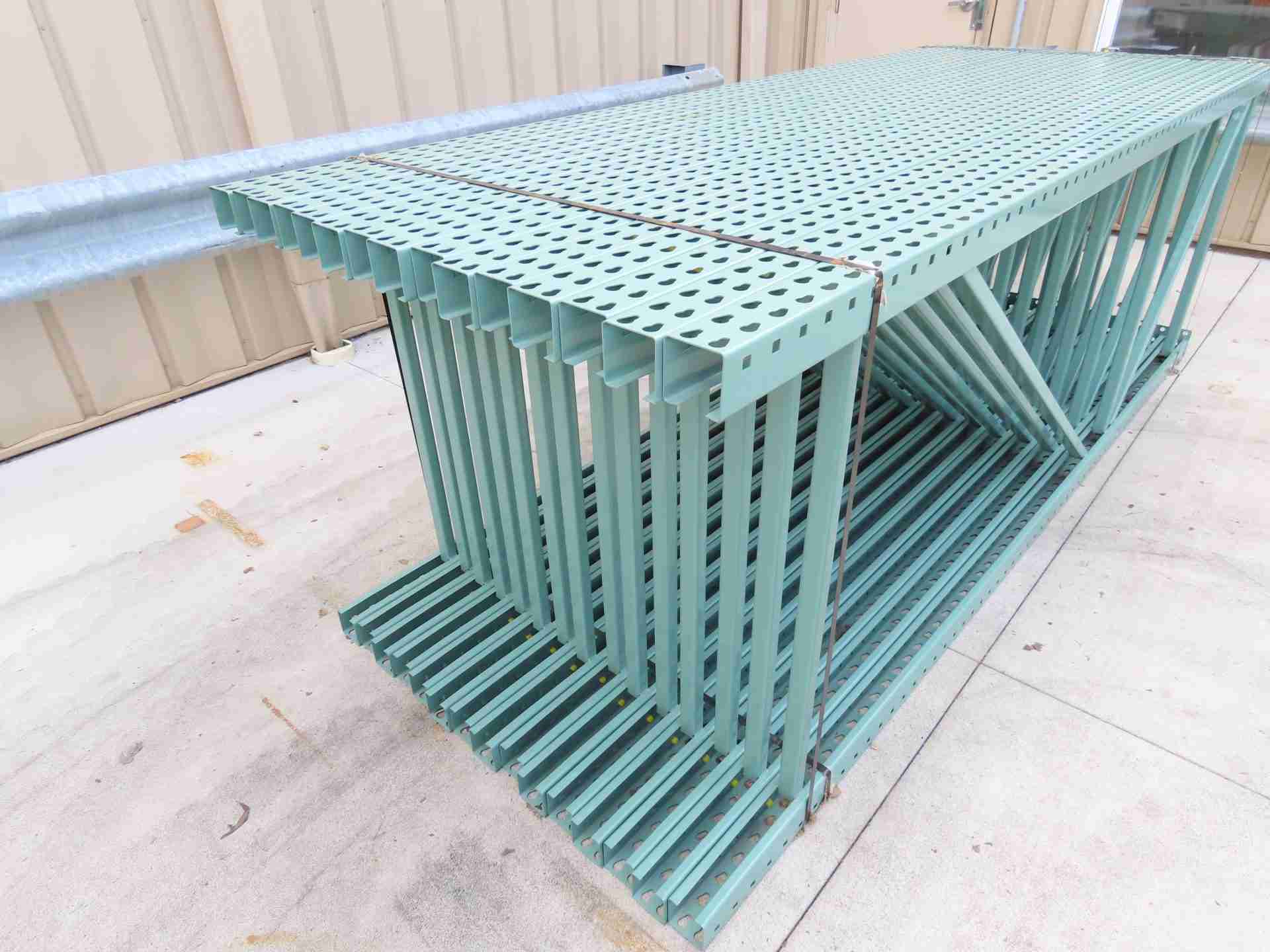
Checklist
At RackingWorld, we help guide you through selecting warehouse storage systems and racking.
Be sure to read our other related stories at RackingWorld to learn more about warehouse storage systems.
0 Comments