
Key Considerations for Selecting Industrial Racks
By Tom Seest
At RackingWorld, we help guide you through selecting warehouse storage systems and racking.
Be sure to read our other related stories at RackingWorld to learn more about warehouse storage systems.
What Factors Should Be Considered When Choosing Industrial Racks?
When it comes to choosing industrial racks for your business, there are a few key factors that you need to take into consideration. These racks are the backbone of your operation, responsible for storing and organizing all of your products and materials. So, it’s important to make sure you’re choosing the right racks for your specific needs.
First and foremost, you need to consider the weight capacity of the racks. Industrial racks come in a variety of weight capacities, so it’s crucial that you choose racks that can handle the weight of your products. Overloading racks can lead to dangerous situations, such as collapses or structural damage. Make sure to calculate the total weight of the items you’ll be storing on the racks and choose racks with a weight capacity that exceeds that total.
Another important factor to consider is the size and dimensions of the racks. You need to make sure that the racks you choose will fit in your space and allow for easy access to your products. Measure the height, width, and depth of your storage area to ensure that the racks will fit properly. You also need to consider the height of the racks themselves, as you want to make sure you can utilize all available vertical space in your warehouse.
Durability is another key factor to keep in mind when choosing industrial racks. You want racks that are built to last and can withstand the wear and tear of daily use. Look for racks made from high-quality materials, such as steel or aluminum, that are designed to handle heavy loads and frequent use. You also want to consider the type of finish on the racks, as a durable powder-coat finish can help prevent rust and corrosion, extending the life of your racks.
Ease of assembly and installation is also important when choosing industrial racks. You want racks that are easy to put together and can be installed quickly and easily. Look for racks that come with clear instructions and all necessary hardware for assembly. Consider racks that are modular in design, allowing you to easily add onto or reconfigure your storage system as your needs change.
When choosing industrial racks for your business, be sure to consider factors such as weight capacity, size and dimensions, durability, and ease of assembly. By taking these factors into account, you can select the right racks to meet your storage needs and help streamline your operations.

What Factors Should Be Considered When Choosing Industrial Racks?
What Factors Should Be Considered When Choosing Industrial Racks?
- Consider the weight capacity of the racks to ensure they can handle the weight of your products.
- Measure the size and dimensions of the racks to ensure they will fit in your space and allow for easy access.
- Choose racks with high durability, made from materials like steel or aluminum, to withstand wear and tear.
- Look for racks with a durable finish, such as a powder-coat finish, to prevent rust and corrosion.
- Opt for racks that are easy to assemble and install, with clear instructions and necessary hardware.
- Consider modular racks that can be easily added onto or reconfigured as your storage needs change.
- By considering these factors, you can choose the right industrial racks to streamline your operations.

What Factors Should Be Considered When Choosing Industrial Racks?
Table Of Contents
- What Factors Should Be Considered When Choosing Industrial Racks?
- How Much Weight Can The Industrial Racks Support?
- Are The Racks Adjustable For Different Sizes?
- Does The Rack Have Durable Construction For Longevity?
- What Kind Of Materials Should I Store On The Racks?
- Can The Racks Be Easily Assembled And Disassembled?
- Are There Safety Features To Prevent Accidents?
- What Are The Overall Dimensions Of The Industrial Racks?
- Are There Customization Options Available For Specific Needs?
- How Easy Is It To Maintain And Clean The Racks?
- Do The Racks Come With A Warranty For Peace Of Mind?
- Conclusion
- Other Resources
- Glossary Of Terms
- Other Questions
- Checklist
How Much Weight Can The Industrial Racks Support?
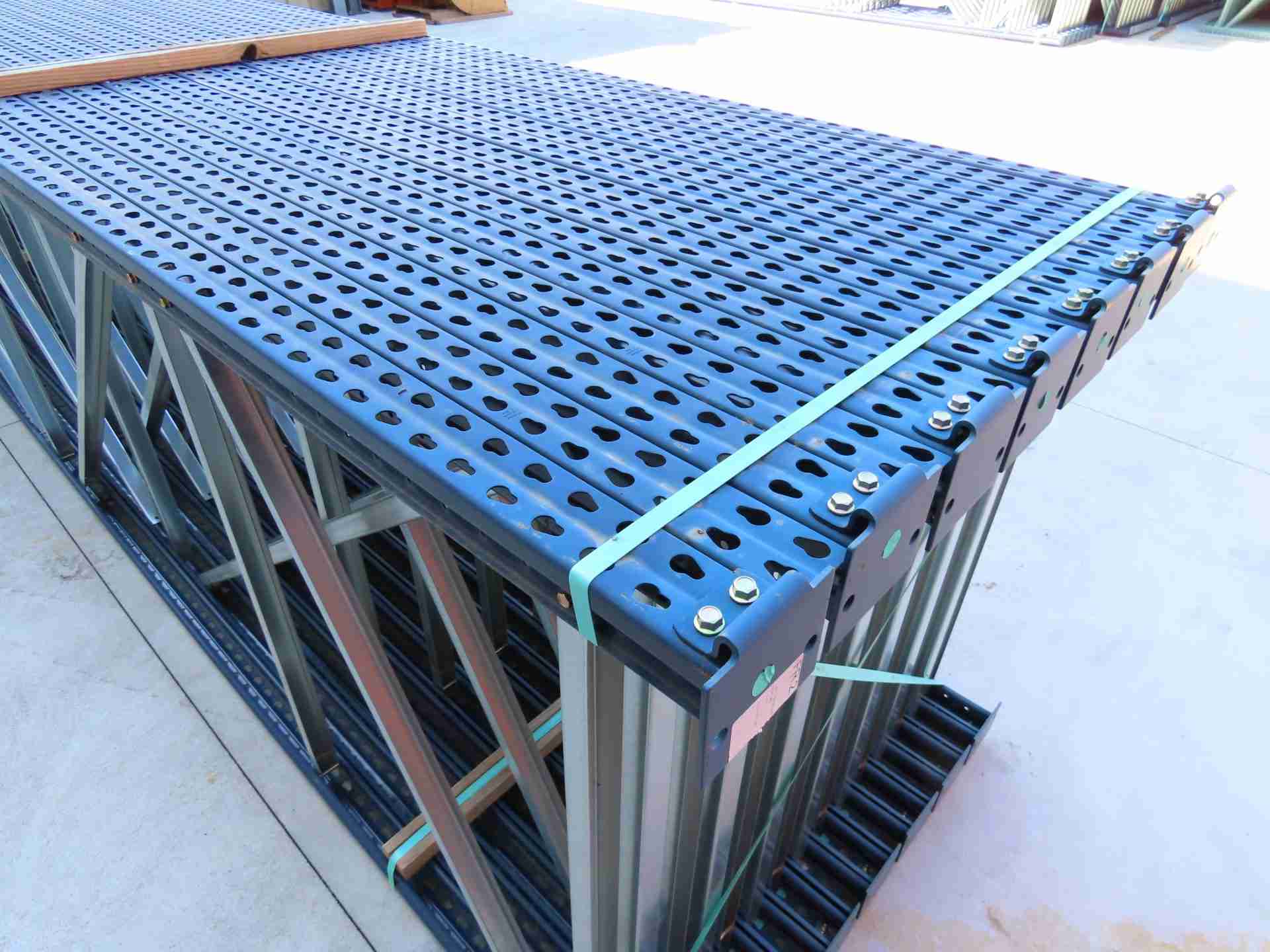
When it comes to industrial racks, the question of weight capacity is a critical one. These sturdy structures are designed to withstand heavy loads and support the weight of various materials and products. But just how much weight can they actually handle?
The weight capacity of industrial racks can vary depending on the specific design and materials used in their construction. Most industrial racks are built to support loads ranging from a few hundred pounds to several thousand pounds per shelf. Some heavy-duty racks can even handle tens of thousands of pounds per shelf, making them ideal for storing large, bulky items or heavy machinery.
It’s important to note that the weight capacity of an industrial rack is not just determined by its size and materials, but also by how it is installed and maintained. Proper installation and regular inspections are crucial to ensuring that the rack can safely support its maximum load capacity. Failure to follow these guidelines can result in structural failure or collapse, putting both workers and stored materials at risk.
When determining the weight capacity of an industrial rack, factors such as the type of load being stored, the size and spacing of shelves, and the overall configuration of the rack must be taken into account. For example, a rack designed to store large, heavy items will have a higher weight capacity than one meant for smaller, lighter materials.
It’s always best to consult with a professional engineer or rack manufacturer to determine the appropriate weight capacity for your specific needs. They can provide valuable insight into the design and construction of industrial racks, as well as offer recommendations for maximizing their load capacity and safety.
Industrial racks are built to withstand heavy loads and support a wide range of materials. With proper installation, maintenance, and careful consideration of factors like load type and shelf spacing, these sturdy structures can safely accommodate the weight of even the heaviest items. Just remember that safety should always be the top priority when working with industrial racks, so never exceed their recommended weight capacity and always follow proper guidelines for use.
How Much Weight Can The Industrial Racks Support?
How Much Weight Can The Industrial Racks Support?
- The weight capacity of industrial racks can vary, ranging from a few hundred pounds to tens of thousands of pounds per shelf.
- Proper installation and maintenance are crucial to ensure the rack can safely support its maximum load capacity.
- Factors such as load type, shelf spacing, and rack configuration must be considered when determining weight capacity.
- Consulting with a professional engineer or rack manufacturer is recommended to determine the appropriate weight capacity.
- Industrial racks are designed to withstand heavy loads and support a variety of materials.
- With proper considerations, these structures can safely accommodate heavy items.
- Safety should always be a top priority when working with industrial racks.

How Much Weight Can The Industrial Racks Support?
Are The Racks Adjustable For Different Sizes?
One common question that often comes up when it comes to purchasing racks for storage is whether or not they are adjustable for different sizes. The simple answer is, it depends.
Some racks are designed with adjustable features that allow them to accommodate a variety of sizes. These types of racks typically have movable shelves or hooks that can be repositioned to fit items of various dimensions. This versatility can be incredibly useful for those who need to store a variety of different items or who may need to adapt their storage needs over time.
However, not all racks are created equal. Some racks are designed with fixed dimensions and may not be adjustable at all. While these types of racks can still be useful for storing specific items, they may not be able to accommodate larger or smaller items without some creative maneuvering.
When considering whether or not adjustable racks are necessary for your storage needs, it’s important to think about the types of items you’ll be storing and how likely it is that you’ll need to adjust the rack in the future. If you anticipate needing to change the configuration of your storage space frequently, then opting for an adjustable rack may be the best choice for you.
Additionally, adjustable racks can be a great option for those who are planning on using the rack for multiple purposes. For example, if you plan on using the rack to store both large sporting equipment and smaller tools, having adjustable features can make it much easier to accommodate the different sizes of items.
Ultimately, the decision to purchase adjustable racks for your storage needs will depend on your individual requirements and preferences. While some may find the flexibility of adjustable racks to be invaluable, others may find that fixed racks suit their needs just fine. It’s important to consider how you plan on using the rack and what items you’ll be storing before making a decision.
Adjustable racks can be a valuable addition to your storage space if you need versatility and flexibility. Whether you opt for adjustable racks or not, ensuring that your storage solution meets your needs and helps you stay organized is key.

Are The Racks Adjustable For Different Sizes?
Are The Racks Adjustable For Different Sizes?
- Some racks are designed with adjustable features to accommodate a variety of sizes.
- Adjustable racks typically have movable shelves or hooks for repositioning.
- Fixed dimension racks may not be adjustable and require creative maneuvering for different sized items.
- Consider the types of items you’ll be storing before deciding on adjustable racks.
- Adjustable racks are ideal for those using the rack for multiple purposes.
- Decision to purchase adjustable racks depends on individual requirements and preferences.
- Whether opting for adjustable racks or not, ensure your storage solution meets your needs for organization.

Are The Racks Adjustable For Different Sizes?
Does The Rack Have Durable Construction For Longevity?
When it comes to investing in a rack for your home gym, durability is key. After all, you want your equipment to last for the long haul, right? So, does the rack you’re eyeing have the sturdy construction needed for longevity?
Well, let’s take a closer look at the materials used in its construction. A rack that’s built to last is typically made from heavy-duty steel. This material is known for its strength and durability, able to withstand the weight of heavy barbells and intense workouts without buckling under pressure. Look for racks that are made from a high-grade steel, as this will ensure that it can handle even your toughest training sessions.
But it’s not just about the material – the design of the rack is equally important when it comes to longevity. A well-constructed rack will have sturdy welds that hold all the pieces together securely. You don’t want to be worrying about your rack falling apart mid-rep, do you? Look for racks that have thick, solid welds that are smooth and free of any imperfections.
In addition to the materials and construction, pay attention to the weight capacity of the rack. A rack that is designed for heavy lifting will have a high weight capacity, ensuring that it can support the loads you throw at it. Make sure to check the manufacturer’s specifications to see what the weight capacity of the rack is, and choose one that exceeds your current lifting abilities to allow for room to grow.
Lastly, look for racks that have a durable finish to protect them from the wear and tear of your workouts. A powder-coated finish is a great option, as it provides a strong, scratch-resistant coating that will keep your rack looking new for years to come.
When it comes to longevity, the construction of your rack is key. Look for racks that are made from high-grade steel, have sturdy welds, a high weight capacity, and a durable finish. By choosing a well-built rack, you can rest assured that your investment will last for many workouts to come.

Does The Rack Have Durable Construction For Longevity?
Does The Rack Have Durable Construction For Longevity?
- Durability is key when investing in a rack for your home gym.
- A rack made from heavy-duty steel is built to last.
- Look for racks with sturdy welds that securely hold all pieces together.
- Pay attention to the weight capacity of the rack to ensure it can support heavy loads.
- Choose a rack with a durable finish, such as powder-coated, to protect it from wear and tear.
- Construction, weight capacity, sturdy welds, and durable finish are crucial for longevity.
- A well-built rack will last for many workouts to come.

Does The Rack Have Durable Construction For Longevity?
What Kind Of Materials Should I Store On The Racks?
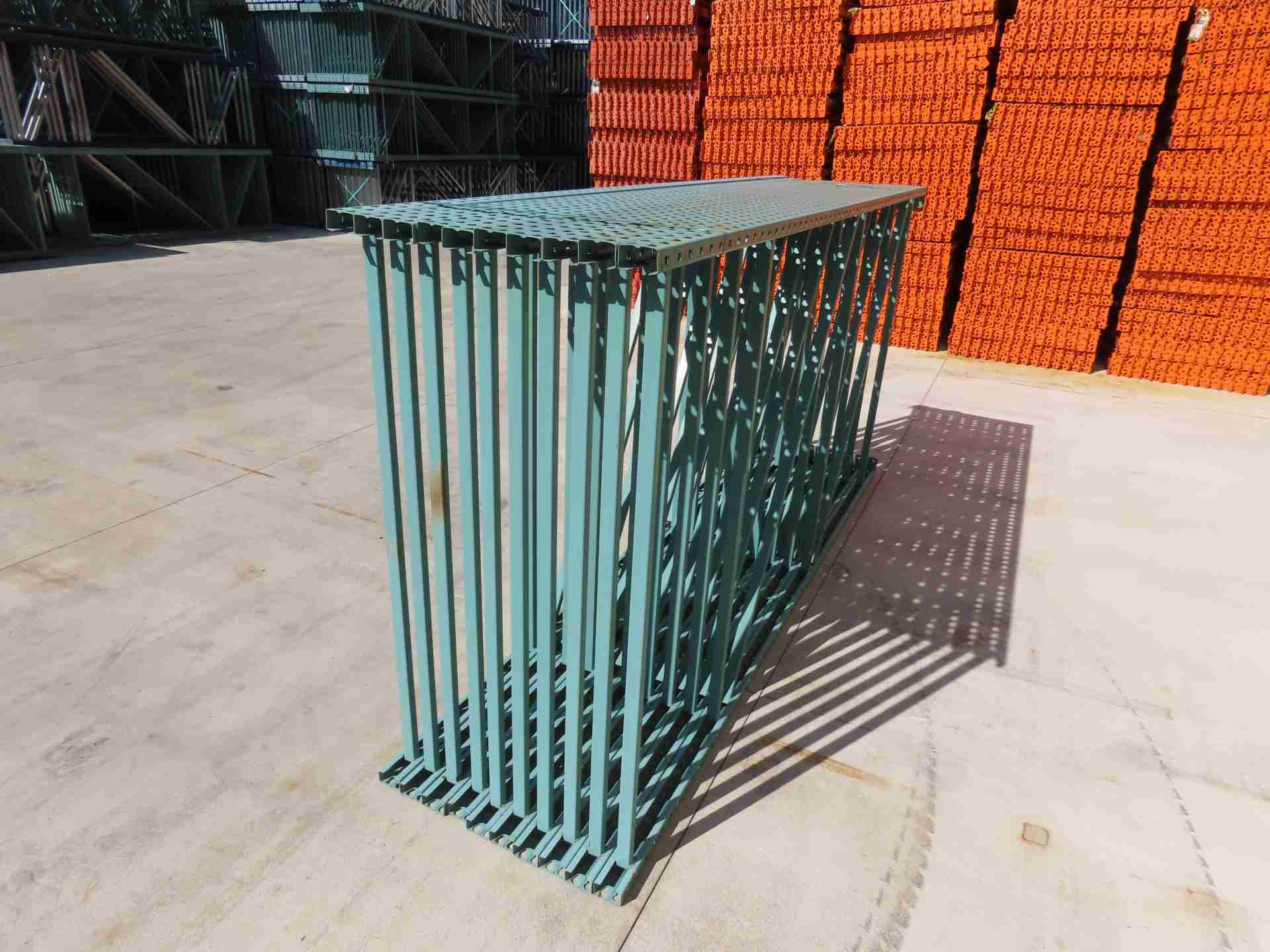
When it comes to deciding what materials to store on your racks, there are a few factors to consider. First and foremost, you want to think about the weight of the items. Racks are designed to hold a certain amount of weight, so it’s important to make sure you’re not overloading them. You wouldn’t want to put heavy machinery or bulky items on a rack that’s only meant for lighter materials.
Another thing to think about is the size and shape of the materials. Racks come in different sizes and configurations, so you want to make sure you’re choosing the right one for the items you’re storing. If you have long pieces of lumber or metal, you’ll want a rack with long arms to support them properly. And if you have odd-shaped items, you might need a custom rack designed specifically for your needs.
Durability is also a key factor to consider when deciding what materials to store on your racks. If you’re storing heavy items, you’ll want a rack that’s made of strong, sturdy materials like steel. But if you’re storing lighter materials, you might be able to get away with a rack made of a lighter material like aluminum. Just make sure the rack is built to last and can withstand the wear and tear of everyday use.
Finally, think about the accessibility of the materials. You want to make sure you can easily access the items you’re storing on the racks. That might mean choosing a rack with shelves that can be easily adjusted or one that has wheels so you can move it around as needed. Accessibility is key when it comes to storing materials on racks, so be sure to choose a rack that makes it easy to get to your items when you need them.
When it comes to deciding what materials to store on your racks, it’s important to consider the weight, size, shape, durability, and accessibility of the items. By choosing the right rack for your needs and taking these factors into account, you can ensure that your materials are stored safely and securely. So go ahead and get those racks filled with whatever you need – just make sure you’re doing it right!
What Kind Of Materials Should I Store On The Racks?
What Kind Of Materials Should I Store On The Racks?
- Consider the weight of the items to prevent overloading the racks.
- Take into account the size and shape of the materials when choosing the right rack.
- Durability is important
- choose sturdy materials like steel for heavy items.
- Ensure accessibility of the materials stored on the racks for easy retrieval.
- Consider the weight, size, shape, durability, and accessibility of items when choosing rack materials.
- Choose the right rack to store materials safely and securely.
- Fill your racks with the right materials, ensuring they are stored properly.

What Kind Of Materials Should I Store On The Racks?
Can The Racks Be Easily Assembled And Disassembled?
Assembling and disassembling racks may seem like a daunting task, but with the right tools and knowledge, it can be a relatively simple process. The key to successfully putting together and taking apart racks lies in following the manufacturer’s instructions carefully and using the proper techniques.
When it comes to assembling racks, it’s important to first lay out all the pieces and familiarize yourself with the components. This will help you visualize how everything fits together and ensure that you have all the necessary parts before you begin. Most racks come with clear and easy-to-follow instructions that outline each step of the assembly process. By taking the time to read through these instructions and understand them, you can avoid common pitfalls and complications that may arise during assembly.
In terms of tools, you’ll typically need a set of basic tools such as a screwdriver, hammer, and possibly an adjustable wrench. Some racks may require additional tools or hardware, so it’s important to check the instructions before you start. Additionally, having a clear workspace with plenty of room to maneuver will make the assembly process much smoother.
Once you’ve gathered your tools and familiarized yourself with the instructions, you’re ready to begin assembly. Take your time and ensure that each piece is securely fastened before moving on to the next step. It’s also important to double-check your work as you go to catch any mistakes or missing pieces before they become larger issues.
Disassembling racks is essentially the reverse of the assembly process. Start by carefully removing any fasteners or hardware that hold the rack together, taking care not to damage any of the components in the process. Keep track of all the pieces as you disassemble the rack to make reassembly easier in the future. By following the manufacturer’s instructions in reverse, you can quickly and efficiently disassemble the rack without causing any damage.
Overall, the ease of assembling and disassembling racks will vary depending on the specific design and manufacturer. However, with the right tools, knowledge, and attention to detail, most racks can be put together and taken apart without too much trouble. Remember to take your time, follow the instructions closely, and use caution to ensure a successful assembly or disassembly process.

Can The Racks Be Easily Assembled And Disassembled?
Can The Racks Be Easily Assembled And Disassembled?
- Assembling and disassembling racks can be simplified with the right tools and knowledge.
- Lay out all pieces and familiarize yourself with components before assembling.
- Use basic tools like a screwdriver and hammer, and check for additional tools as needed.
- Ensure each piece is securely fastened during assembly and double-check your work.
- To disassemble, carefully remove fasteners without damaging components.
- Keep track of pieces for easier reassembly in the future.
- Follow manufacturer’s instructions closely for successful assembly and disassembly.

Can The Racks Be Easily Assembled And Disassembled?
Are There Safety Features To Prevent Accidents?
When it comes to preventing accidents, safety features are a crucial piece of the puzzle. Many industries have implemented various safety measures to help minimize the risk of on-the-job injuries.
One common safety feature is the presence of warning signs and labels. These reminders serve as a visual aid to alert workers of potential hazards in their surroundings. Whether it’s a “Caution: Wet Floor” sign at a construction site or a “Do Not Enter” label on a piece of machinery, these visual cues can help workers stay alert and avoid dangerous situations.
Another important safety feature is the use of personal protective equipment (PPE). This gear is designed to protect workers from specific hazards in their environment, such as hard hats to protect against head injuries or steel-toed boots to prevent foot injuries. By wearing the appropriate PPE, workers can significantly reduce their risk of accidents on the job.
Additionally, many industries have implemented machine guarding as a safety measure. Machine guarding involves placing barriers or shields around hazardous equipment to prevent workers from coming into contact with moving parts or other dangerous elements. By creating physical barriers between workers and potential hazards, industries can help reduce the risk of accidents and injuries.
Emergency stop buttons are another important safety feature in many workplaces. These buttons are designed to immediately shut down machinery or equipment in the event of an emergency. By providing workers with easy access to emergency stop buttons, industries can help prevent accidents and minimize the severity of injuries if an incident occurs.
Moreover, regular safety training and drills are crucial for preventing accidents in the workplace. By educating workers on proper safety procedures and emergency protocols, industries can help prepare their employees to respond effectively in the event of an accident. By conducting regular safety drills, companies can ensure that workers are prepared to handle emergencies and minimize the risk of accidents on the job.
Safety features play a vital role in preventing accidents in the workplace. From warning signs and labels to personal protective equipment and machine guarding, there are numerous measures that industries can implement to help keep their workers safe. By prioritizing safety and providing workers with the tools and training they need to stay safe on the job, companies can help minimize the risk of accidents and create a safer work environment for everyone involved.

Are There Safety Features To Prevent Accidents?
Are There Safety Features To Prevent Accidents?
- Warning signs and labels serve as visual aids to alert workers of potential hazards.
- Personal protective equipment (PPE) is designed to protect workers from specific hazards.
- Machine guarding involves placing barriers around hazardous equipment to prevent contact.
- Emergency stop buttons are designed to shut down machinery in emergencies.
- Regular safety training and drills are crucial for educating workers on safety procedures.
- Safety features are vital in preventing accidents in the workplace.
- Industries can help minimize the risk of accidents by prioritizing safety.

Are There Safety Features To Prevent Accidents?
What Are The Overall Dimensions Of The Industrial Racks?
When it comes to industrial racks, size definitely matters. The overall dimensions of these racks can vary depending on the specific needs of a business or warehouse. Typically, industrial racks come in a range of sizes to accommodate different types of products and storage spaces.
The first thing to consider when looking at the overall dimensions of industrial racks is the height. Industrial racks can stand anywhere from a few feet tall to towering structures that reach the ceiling. The height of the racks will depend on the available space in the warehouse and the need for vertical storage. Taller racks can maximize storage capacity, but they may also require special equipment like forklifts to access higher shelves.
Next, let’s talk about the width and depth of industrial racks. These dimensions can also vary significantly, with widths ranging from a few feet to several feet wide, and depths from a few feet to over a dozen feet deep. The width and depth of the racks will determine how much space is available for storing items and how easily workers can access those items. It’s important to consider the size of the products being stored and the aisle space needed for employees to move around the racks safely.
Additionally, the overall weight capacity of industrial racks is another important factor to consider. Industrial racks are designed to hold heavy items, so it’s crucial to choose racks that can support the weight of the products being stored. The weight capacity of industrial racks can vary greatly depending on the materials used in construction and the design of the rack. It’s essential to follow weight capacity guidelines to prevent accidents and damage to the racks.
The overall dimensions of industrial racks play a significant role in determining their functionality and suitability for different storage needs. From height and width to depth and weight capacity, there are a variety of factors to consider when choosing industrial racks for a warehouse or business. By carefully assessing these dimensions and selecting racks that meet specific requirements, businesses can optimize their storage space and improve efficiency in their operations.

What Are The Overall Dimensions Of The Industrial Racks?
What Are The Overall Dimensions Of The Industrial Racks?
- Industrial racks come in a range of sizes to accommodate different products and spaces.
- The height of industrial racks can vary, maximizing storage capacity.
- Width and depth also vary significantly, affecting storage space and accessibility.
- The weight capacity of industrial racks is critical to support heavy items.
- Choosing racks with the right dimensions is essential for functionality and efficiency.
- Consideration of height, width, depth, and weight capacity is crucial in selecting industrial racks.
- Optimizing storage space and improving operations through careful assessment of rack dimensions.

What Are The Overall Dimensions Of The Industrial Racks?
Are There Customization Options Available For Specific Needs?
When it comes to finding solutions for specific needs, many people are on the lookout for customizable options that can be tailored to their unique requirements. Whether it’s a specialized tool for a niche industry or a personalized service for a particular situation, customization can make a world of difference in meeting individual needs effectively.
One example of customization options for specific needs can be found in the world of technology. With the rapid advancements in technology, there are now more options than ever for customizing software and hardware to suit specific requirements. From specialized software applications designed for specific industries to customizable hardware configurations that can meet the demands of a particular task, there are endless possibilities for tailoring technology to individual needs.
In the world of manufacturing, customization is also key for meeting specific needs. Whether it’s creating a custom part for a unique machine or designing a specialized product for a particular market, manufacturers are constantly looking for ways to customize their offerings to better serve their customers. With advancements in digital design and 3D printing technology, the possibilities for customization in manufacturing are only growing.
For those in the healthcare industry, customization options can be crucial for providing the best possible care for patients. From personalized treatment plans tailored to individual needs to specialized medical devices designed for specific conditions, customization plays a vital role in delivering effective healthcare solutions. With advancements in medical technology and research, the options for customization in healthcare continue to expand, offering new possibilities for improving patient outcomes.
In the world of education, customization options are also becoming increasingly important for meeting the needs of diverse learners. From personalized learning plans for students with unique needs to specialized programs for gifted and talented individuals, customization in education can help ensure that all students have the opportunity to succeed. With advancements in educational technology and teaching methods, educators are finding new ways to tailor their instruction to meet the needs of each student.
Customization options are available for a wide range of specific needs across various industries. Whether it’s technology, manufacturing, healthcare, education, or any other field, customization can provide tailored solutions that meet the unique requirements of individuals and organizations. By embracing customization options, we can find innovative ways to address specific needs and create more effective solutions for the challenges we face.

Are There Customization Options Available For Specific Needs?
Are There Customization Options Available For Specific Needs?
- Customization options can be tailored to meet specific needs effectively.
- Rapid advancements in technology provide more options for customizing software and hardware.
- Manufacturers are constantly looking for ways to customize their offerings in the world of manufacturing.
- Customization plays a vital role in delivering effective healthcare solutions.
- Customization in education can help ensure that all students have the opportunity to succeed.
- Customization options are available across various industries such as technology, manufacturing, healthcare, and education.
- Embracing customization options can lead to more effective solutions for specific needs and challenges.

Are There Customization Options Available For Specific Needs?
How Easy Is It To Maintain And Clean The Racks?
Maintaining and cleaning racks may seem like a daunting task at first glance, but I’m here to tell you that it doesn’t have to be as complicated as it may appear. In fact, with a few simple tips and tricks, keeping your racks in top-notch condition can be a breeze.
First and foremost, it’s important to regularly inspect your racks for any signs of wear and tear. Look out for loose bolts, cracked welds, or any other damages that may compromise the structural integrity of the racks. By catching these issues early on, you can prevent any potential accidents or mishaps down the line.
When it comes to cleaning your racks, the process is fairly straightforward. Start by removing any items from the racks and giving them a good wipe down with a damp cloth or sponge. For tougher stains or grime, you can use a mild detergent or cleaning solution to help break down the buildup.
For metal racks, it’s a good idea to apply a protective coating or rust inhibitor to help prevent corrosion and extend the lifespan of the racks. This can easily be done with a spray-on product or a paint-on sealant, depending on your preference.
In terms of maintenance, regularly lubricating any moving parts or hinges on the racks can help keep them running smoothly and prevent any unnecessary wear and tear. A simple lubricant spray can go a long way in ensuring that your racks stay in tip-top shape for years to come.
Another important aspect of rack maintenance is ensuring that they are properly aligned and level. Uneven racks can not only pose a safety hazard, but they can also lead to uneven weight distribution and potential damage to your stored items. Using a level and adjusting the feet or supports as needed can help keep your racks stable and secure.
While maintaining and cleaning your racks may require a bit of time and effort, it is certainly not an insurmountable task. By staying proactive, regularly inspecting, cleaning, and maintaining your racks, you can ensure that they remain in prime condition and continue to serve their purpose effectively. So roll up your sleeves, grab a cloth and some lubricant, and get to work – your racks will thank you for it!

How Easy Is It To Maintain And Clean The Racks?
How Easy Is It To Maintain And Clean The Racks?
- Regularly inspect racks for wear and tear.
- Clean racks by wiping down with a damp cloth or sponge.
- Apply protective coating or rust inhibitor to metal racks.
- Lubricate moving parts and hinges for smooth operation.
- Ensure racks are properly aligned and level.
- Regular maintenance prevents accidents and extends lifespan.
- Stay proactive to keep racks in top-notch condition.

How Easy Is It To Maintain And Clean The Racks?
Do The Racks Come With A Warranty For Peace Of Mind?
When it comes to investing in a new rack for your garage or workspace, one important factor to consider is whether or not it comes with a warranty. After all, a rack is a significant purchase and you want to ensure that your investment is protected for years to come.
Many reputable rack manufacturers offer warranties on their products, providing customers with peace of mind and ensuring that their purchase is protected against defects or malfunctions. These warranties can vary in length and coverage, so it’s important to carefully read the terms and conditions before making a purchase.
A warranty typically covers the rack against manufacturing defects, ensuring that the product is free from any defects in materials or workmanship. This means that if your rack fails due to a fault in the manufacturing process, the manufacturer will repair or replace it at no cost to you. Some warranties also cover damage caused during shipping, so you can rest assured that your rack will arrive in perfect condition.
In addition to manufacturing defects, some warranties also cover normal wear and tear on the rack. This means that if your rack shows signs of wear after regular use, the manufacturer will repair or replace it within the warranty period. This can be particularly helpful for heavy-duty racks that are designed to hold a lot of weight and withstand a lot of use.
Having a warranty on your rack can provide you with peace of mind, knowing that your investment is protected and that you can rely on the manufacturer to stand behind their product. If you encounter any issues with your rack, you can simply contact the manufacturer and they will take care of the problem for you.
Before purchasing a rack, be sure to inquire about the warranty coverage and familiarize yourself with the terms and conditions. This will ensure that you fully understand what is covered and what is not, so you can make an informed decision and purchase with confidence.
Overall, investing in a rack with a warranty can provide you with the peace of mind you need to confidently organize your space and store your belongings. So before making a purchase, be sure to check if the rack comes with a warranty, so you can enjoy your new storage solution without any worries.

Do The Racks Come With A Warranty For Peace Of Mind?
Do The Racks Come With A Warranty For Peace Of Mind?
- Consider whether the rack comes with a warranty.
- Reputable manufacturers offer warranties for peace of mind.
- Warranties cover manufacturing defects and sometimes shipping damage.
- Some warranties cover normal wear and tear on the rack.
- Having a warranty provides peace of mind and support from the manufacturer.
- Inquire about warranty coverage before purchasing.
- Investing in a rack with a warranty can provide peace of mind for organizing your space.

Do The Racks Come With A Warranty For Peace Of Mind?
Conclusion
In conclusion, when it comes to choosing industrial racks for your business, there are several key factors to consider. First and foremost, make sure to assess the weight capacity of the racks to ensure they can safely hold the products and materials you need to store. Additionally, consider the size and dimensions of the racks to ensure they fit in your space and allow for easy access to your items. Durability is also crucial, so look for racks made from high-quality materials with a durable finish to prevent rust and corrosion.
Ease of assembly and installation is important, so opt for racks that are easy to put together and can be installed quickly. Modular designs can allow for easy reconfiguration as your storage needs change. Furthermore, consider the customization options available for specific needs, as well as any safety features to prevent accidents. And don’t forget to assess the overall dimensions of the racks to ensure they meet your storage requirements.
Maintenance and cleaning of the racks are also essential for longevity, so regularly inspect, clean, and maintain your racks to keep them in top condition. Additionally, check if the racks come with a warranty for peace of mind, ensuring that your investment is protected in the event of any issues.
By carefully considering these factors and selecting the right industrial racks for your business, you can ensure that your storage needs are met efficiently and safely. So, take the time to assess your requirements and choose racks that will help streamline your operations and keep your products organized and secure.

Conclusion
Conclusion:
- Assess weight capacity of racks.
- Consider size and dimensions.
- Look for durability in materials and finish.
- Opt for easy assembly and installation.
- Consider modular designs for reconfiguration.
- Check customization options and safety features.
- Maintain and clean racks regularly.
- Check for warranty for peace of mind.

Conclusion
Other Resources

Other Resources
Here is a list of other resources you can review online to learn more:
- “Pallet Racking Weight Capacity: Why Warehouse …”
- “Industrial Storage Racks safety”
- “1926.250 – General requirements for storage.”
- “Pallet Racking Installation: Setup & Safety Guide”
- “Discussion: Climbing on racks to retrieve damaged pallets?”
- “Pallet Racking and Workbench Design”
- “Warehouse Racking Safety Guidelines: Satisfying OSHA”

Other Resources
Glossary Terms
What Factors Should Be Considered When Choosing Industrial Racks? – Glossary Of Terms
1. Load Capacity: The maximum weight that the rack system can support safely.
2. Storage Density: The ratio of the storage capacity to the space occupied by the rack system.
3. Accessibility: The ease with which items can be retrieved from or placed onto the racks.
4. Adjustability: The capability to change the height or position of the shelves or beams to accommodate different item sizes.
5. Rack Configuration: The arrangement and design of racks, such as single-deep or double-deep setups.
6. Clear Height: The vertical distance between the floor and the lowest overhead obstruction.
7. Floor Plan: The layout of the warehouse or facility, detailing rack placement and material flow.
8. Seismic Rating: The rack system’s ability to withstand earthquake forces.
9. Durability: The lifespan and wear resistance of the rack materials under normal operating conditions.
10. Corrosion Resistance: The ability of the rack material to withstand corrosive environments, such as those exposed to chemicals.
11. Safety Features: Built-in elements that enhance the safety of the rack system, such as guardrails and locking pins.
12. Ergonomics: Design aspects that contribute to the comfort and efficiency of workers using the racks.
13. Compatibility: How well the new racks integrate with existing systems and equipment.
14. Scalability: The ability to expand or modify the rack system as storage needs increase.
15. Budget: The total cost of purchasing, installing, and maintaining the rack system.
16. Installation Time: The duration required to set up the rack system fully.
17. Maintenance Requirements: The amount of regular upkeep needed to keep the rack system in optimal condition.
18. Fire Safety: Features that help in reducing fire risks, such as open shelving for sprinkler penetration.
19. Aisle Width: The space between racks that allows for the movement of forklifts or other material handling equipment.
20. Modularity: The ability to add or remove components to customize the rack system.
21. Space Utilization: How efficiently the available floor and vertical space are used.
22. Load Distribution: The even distribution of weight across the rack system to prevent collapse.
23. Environmental Considerations: Factors such as temperature and humidity that may affect the material and structural integrity of the racks.
24. Pallet Size: The dimensions of the pallets that will be stored on the racks.
25. Shelf Material: The type of material used for the shelves, such as wood, metal, or wire mesh.
26. Forklift Compatibility: The suitability of the rack system for use with different types of forklifts.
27. Ventilation: The allowance for air circulation within and around the rack system.
28. Weight Distribution: How loads are spread across multiple shelves or beams to prevent overloading any single point.
29. Lighting Requirements: The need for adequate lighting to ensure safety and efficiency during use.
30. Code Compliance: Adherence to local, state, and federal regulations regarding industrial storage racks.
This glossary provides a comprehensive understanding of the terms and considerations involved in choosing the appropriate industrial racks for a facility.

Glossary Of Terms
Other Questions
What Factors Should Be Considered When Choosing Industrial Racks? – Other Questions
If you wish to explore and discover more, consider looking for answers to these questions:
- What different types of industrial racks are available in the market?
- How can I calculate the total weight of the items I need to store on the racks?
- What are the standard weight capacities for various types of racks?
- Are there industry standards or certifications for industrial racks?
- What is the expected lifespan of different types of industrial racks?
- How can I ensure the durability of racks over the long term?
- What materials are best suited for the construction of industrial racks?
- What are the maintenance requirements for different types of racks?
- Are there space planning guidelines for optimizing the layout of racks?
- How do I ensure safety compliance when using industrial racks?
- Can the racks be customized for seasonal storage needs?
- What are the costs involved in purchasing and installing industrial racks?
- How do adjustable racks compare to fixed racks in terms of cost and functionality?
- Are there any specific brands or manufacturers known for high-quality industrial racks?
- What are the common problems faced with industrial racks, and how can they be mitigated?
- How can I handle the logistics of installing large industrial racks in a confined space?
- What additional accessories are available for industrial racks?
- How do I choose between steel and aluminum racks for my needs?
- What are the environmental and safety regulations governing the use of industrial racks?
- How frequently should industrial racks be inspected for safety compliance?
- Can industrial racks be used outdoors, and if so, what modifications are required?

Other Questions
Checklist
What Factors Should Be Considered When Choosing Industrial Racks? – A Checklist
1. Weight Capacity
_____ Determine the total weight of stored items.
_____ Select racks with a weight capacity exceeding the total weight.
_____ Consult with a professional engineer or rack manufacturer if needed.
2. Size and Dimensions
_____ Measure the storage area (height, width, depth).
_____ Ensure racks fit properly in the designated space.
_____ Utilize vertical space by choosing the appropriate rack height.
3. Durability
_____ Look for racks made from high-quality materials (e. g. , steel or aluminum).
_____ Check for a durable finish (e. g. , powder-coat) to prevent rust and corrosion.
_____ Check for sturdy welds and solid construction.
4. Ease of Assembly and Installation
_____ Ensure racks come with clear instructions and necessary hardware.
_____ Consider modular racks for easy reconfiguration.
5. Weight Capacity Verification
_____ Review the manufacturer’s weight capacity guidelines.
_____ Ensure proper installation and regular inspections.
6. Adjustability
_____ Determine if racks need adjustable features for varying item sizes.
_____ Consider adjustable shelves or hooks for versatility.
7. Storage Material Suitability
_____ Choose racks according to the weight, size, and shape of items.
_____ Select racks made of materials appropriate for the stored items’ weight.
8. Safety Features
_____ Check for safety features like warning signs, labels, machine guarding, and emergency stop buttons.
_____ Ensure personal protective equipment (PPE) recommendations are provided.
9. Maintenance and Cleaning
_____ Opt for racks with easy-to-clean surfaces.
_____ Regularly inspect racks for damage or wear.
_____ Use appropriate cleaners and protective coatings as needed.
10. Warranty and Longevity _____ Review available warranties for manufacturing defects and general wear.
_____ Choose racks with warranties for added peace of mind.
11. Customization Options _____ Determine if customization is necessary for specific storage needs.
_____ Consider racks that offer customizable configurations.
12. Overall Dimensions _____ Match the overall dimensions (height, width, depth) with your storage requirements.
_____ Assess if the rack dimensions align with aisle spacing and accessibility.
By following this checklist, you can ensure that the industrial racks you choose meet your storage needs effectively and safely.

Checklist
At RackingWorld, we help guide you through selecting warehouse storage systems and racking.
Be sure to read our other related stories at RackingWorld to learn more about warehouse storage systems.
0 Comments