
Maximizing Storage Efficiency with Industrial Racks
By Tom Seest
At RackingWorld, we help guide you through selecting warehouse storage systems and racking.
Be sure to read our other related stories at RackingWorld to learn more about warehouse storage systems.
What Are The Main Types Of Industrial Racks for Warehouses?
When it comes to warehouse storage, industrial racks play a crucial role in keeping products organized and accessible. There are several main types of industrial racks commonly used in warehouses to maximize storage space and efficiency.
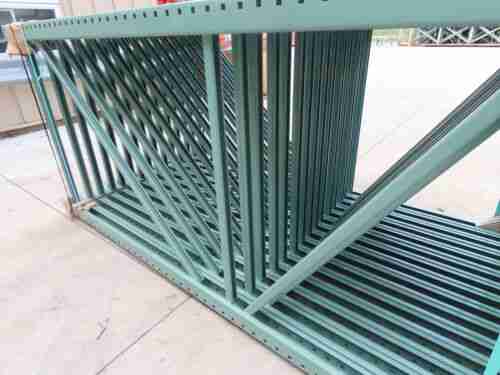
One of the most common types of industrial racks is pallet racks. These racks are designed to store goods on pallets and are typically made of heavy-duty steel to support heavy loads. Pallet racks come in various configurations, including selective racks, drive-in racks, and push-back racks, each offering unique benefits for different storage needs.
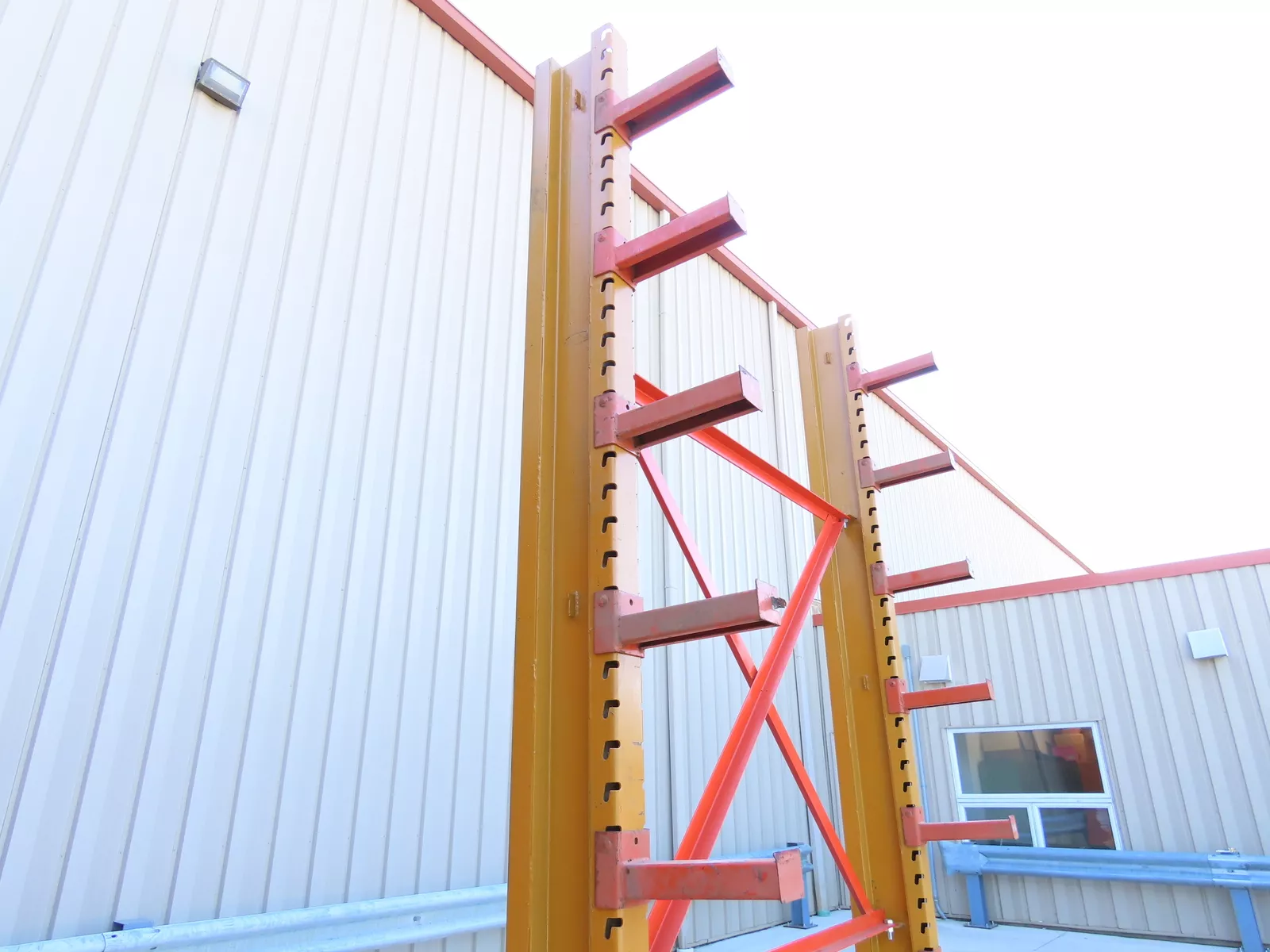
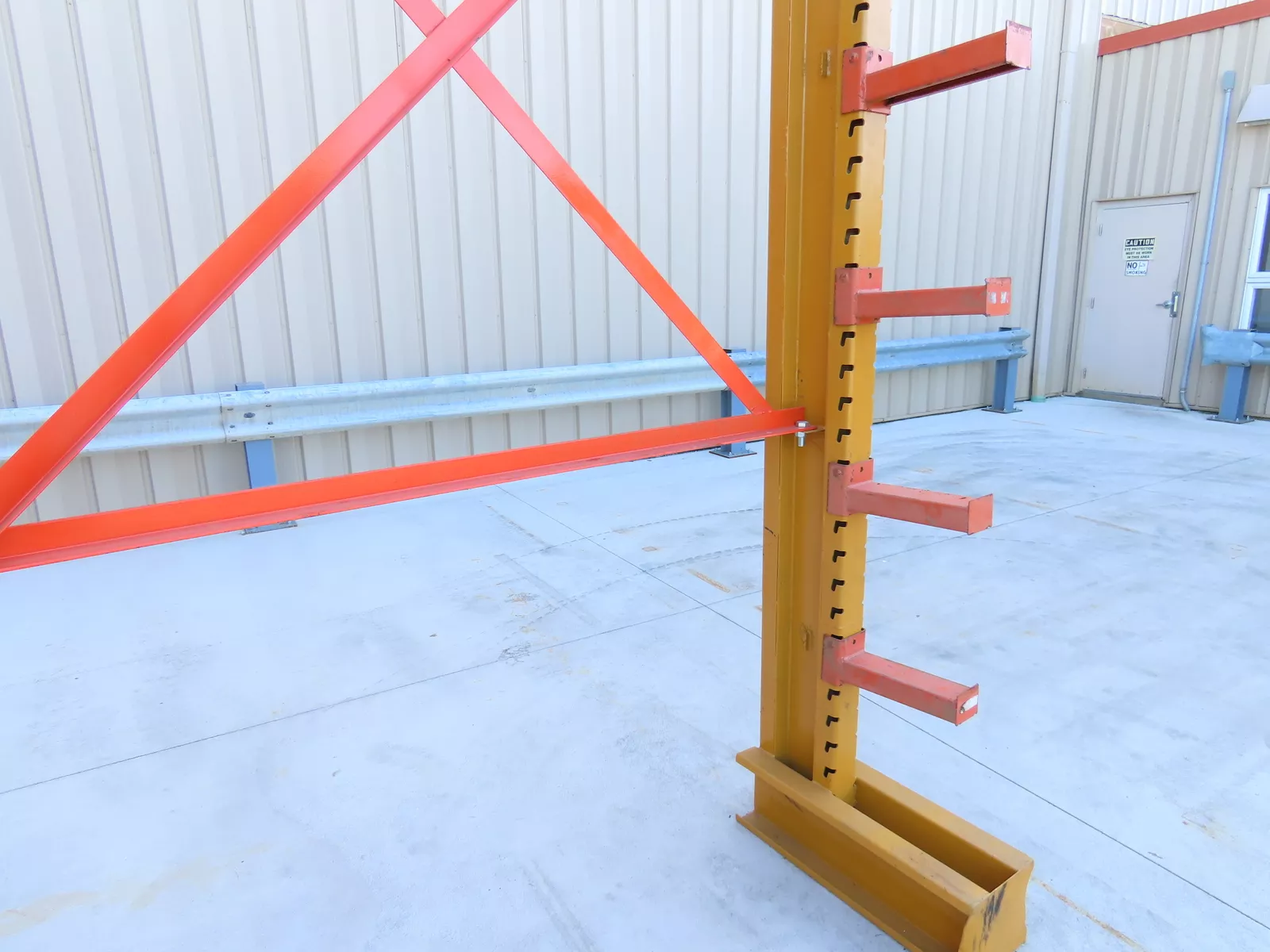
Cantilever racks are another popular choice for warehouses that need to store long, bulky items such as lumber, pipes, or furniture. These racks feature arms that extend outward from a central column, allowing for easy loading and unloading of oversized items.
For warehouses that deal with small to medium-sized items, shelving racks are a versatile storage solution. These racks come in a range of styles, including boltless shelving, wire shelving, and rivet shelving, providing options for different load capacities and storage requirements.
In warehouses that store a large quantity of small, lightweight items, carton flow racks are a practical choice. These racks feature inclined shelves with rollers or wheels that allow cartons to flow forward as items are picked, making it easier for workers to access products quickly and efficiently.
For warehouses that require a high level of organization and stock control, mezzanine racks provide an elevated storage platform above the warehouse floor. This type of rack system maximizes vertical space and can be customized with additional shelving, conveyor systems, or work platforms to suit specific storage needs.
In addition to these main types of industrial racks, warehouses may also utilize specialty racks such as drum racks for storing barrels, tire racks for stacking tires, or reel racks for organizing spools of wire or cable.
Choosing the right type of industrial rack for a warehouse depends on factors such as the size and weight of the items being stored, the layout of the warehouse space, and the workflow of the operation. By investing in quality industrial racks that are designed to maximize storage capacity and efficiency, warehouses can streamline their operations and ensure that products are stored securely and accessible when needed.
What Are The Main Types Of Industrial Racks for Warehouses?
What Are The Main Types Of Industrial Racks for Warehouses?
- Industrial racks play a crucial role in warehouse storage.
- Main types of industrial racks include pallet racks, cantilever racks, and shelving racks.
- Pallet racks are designed for goods on pallets and come in various configurations.
- Cantilever racks are used for storing long, bulky items like lumber or pipes.
- Shelving racks are versatile and great for small to medium-sized items.
- Carton flow racks are ideal for warehouses with many small, lightweight items.
- Mezzanine racks provide elevated storage platforms for organized stock control.
Table Of Contents
- What Are The Main Types Of Industrial Racks for Warehouses?
- What Are The Advantages Of Using Pallet Racks In Warehouses?
- How Do Cantilever Racks Differ From Other Types Of Industrial Racks?
- What Factors Should Be Considered When Choosing Rack Systems?
- Are There Specific Racks Designed For Storing Heavy Loads?
- How Can A Warehouse Optimize Storage Space With Rack Systems?
- Are There Safety Concerns Associated With Industrial Rack Use?
- Conclusion
- Other Resources
- Glossary Of Terms
- Other Questions
- Checklist
What Are The Advantages Of Using Pallet Racks In Warehouses?
Pallet racks are like the unsung heroes of the warehouse world. They may not be the flashiest piece of equipment, but they sure do a lot of heavy lifting. So what are the advantages of using pallet racks in warehouses? Let me break it down for you.
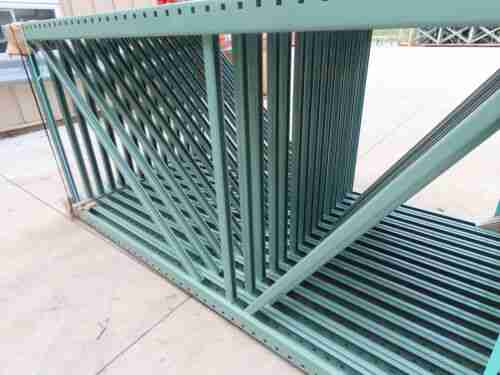
First and foremost, pallet racks are the key to maximizing storage space in a warehouse. These bad boys allow you to stack pallets on top of each other, taking advantage of that vertical space that would otherwise go to waste. This means you can store more inventory in the same footprint, saving you money on rent or construction costs for a bigger facility.
But it’s not just about saving space – pallet racks also make it easier to organize your inventory. By keeping similar items together on the same rack, you can improve picking and stocking efficiency. No more wasted time searching for that one elusive widget buried somewhere in the depths of your warehouse. With pallet racks, everything has its place, making it a breeze to keep track of your inventory and fulfill orders quickly and accurately.
Speaking of fulfilling orders, pallet racks also help to improve workplace safety. By keeping pallets off the ground and secured to the racks, you reduce the risk of accidents caused by items falling or shifting. And when you have a safer work environment, you also have happier and more productive employees. It’s a win-win for everyone involved.
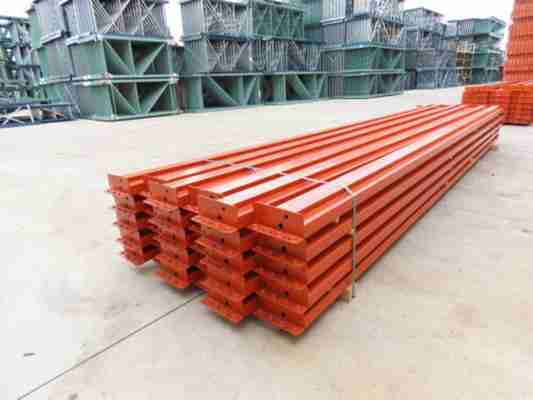
Not to mention, pallet racks are incredibly versatile. Whether you need to store heavy machinery or delicate electronics, there’s a pallet rack out there that can handle the job. And with so many different options to choose from – selective racks, drive-in racks, push back racks, the list goes on – you can customize your storage system to fit your specific needs.
And let’s not forget about the cost savings. Investing in pallet racks may seem like a big expense upfront, but it pays off in the long run. By maximizing storage space, improving organization, enhancing safety, and increasing efficiency, pallet racks can help you save time and money in the long haul. And in the fast-paced world of warehousing, every penny counts.
So there you have it – the advantages of using pallet racks in warehouses are clear. They’re a simple yet crucial tool that can revolutionize the way you store and manage your inventory. So next time you’re in need of a storage solution, don’t overlook the humble pallet rack. Trust me, it’s a game-changer.
What Are The Advantages Of Using Pallet Racks In Warehouses?
What Are The Advantages Of Using Pallet Racks In Warehouses?
- Pallet racks maximize storage space in warehouses.
- They help to organize inventory efficiently.
- Pallet racks improve workplace safety.
- They are versatile and can store a variety of items.
- Pallet racks offer cost savings in the long run.
- Customizable options are available such as selective racks, drive-in racks, and push back racks.
- Pallet racks are a crucial tool for revolutionizing inventory storage and management.
What Are The Advantages Of Using Pallet Racks In Warehouses?
How Do Cantilever Racks Differ From Other Types Of Industrial Racks?
When it comes to industrial storage solutions, there are a variety of options available to businesses looking to maximize their warehouse space. Cantilever racks are one such option that offer unique advantages over other types of industrial racks.
One key difference between cantilever racks and other types of industrial racks is their design. Cantilever racks are specifically engineered to store long, bulky items such as lumber, pipes, and tubing. This is made possible by their open, horizontal arms that extend outward from a vertical column, allowing for easy loading and unloading of materials. In contrast, traditional pallet racks are better suited for storing smaller, uniform items that can be stacked on top of each other.
Another distinguishing feature of cantilever racks is their versatility. While pallet racks are limited in their ability to accommodate various shapes and sizes of items, cantilever racks can be easily adjusted to fit the specific needs of your warehouse. The adjustable arms of cantilever racks can be customized in terms of length, angle, and spacing to accommodate different types of materials. This flexibility is especially valuable for businesses that deal with a wide range of products with varying dimensions.
Furthermore, cantilever racks offer an advantage in terms of accessibility. The open design of cantilever racks allows for easy access to stored items, making it simple to retrieve materials without having to move other items out of the way. This can drastically improve efficiency in a warehouse setting, especially when dealing with time-sensitive orders or shipments.
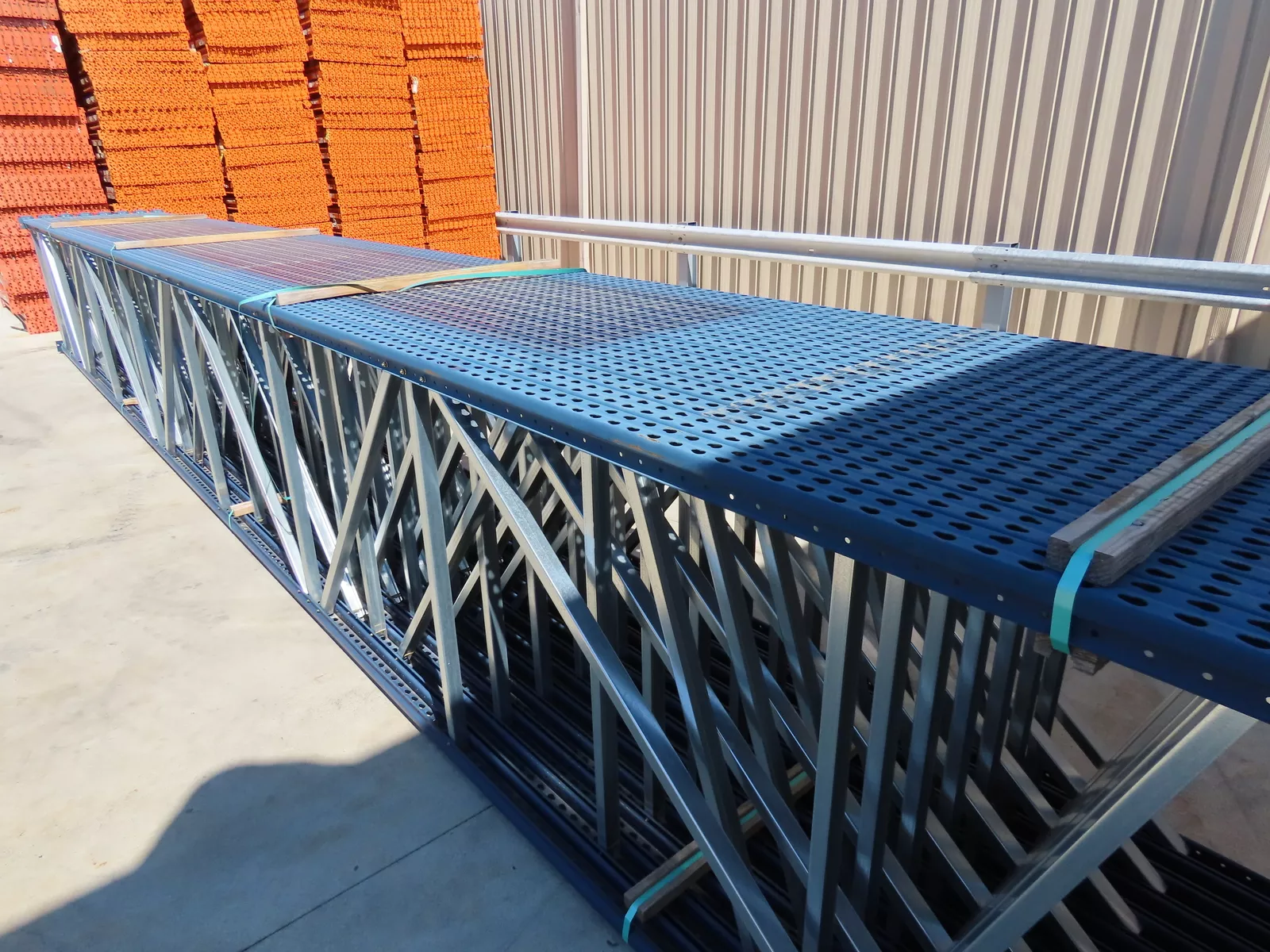
In addition, cantilever racks are known for their durability and strength. Constructed with heavy-duty steel, these racks are able to withstand the weight of bulky materials without bending or warping. This makes them ideal for storing heavy items that may be too much for other types of industrial racks to handle.
Overall, the unique design, versatility, accessibility, and durability of cantilever racks set them apart from other types of industrial racks. Whether you’re looking to streamline your warehouse operations, maximize storage space, or improve accessibility to materials, cantilever racks offer a reliable solution for businesses in need of efficient storage solutions for long, bulky items.
How Do Cantilever Racks Differ From Other Types Of Industrial Racks?
How Do Cantilever Racks Differ From Other Types Of Industrial Racks?
- Cantilever racks are specifically designed to store long, bulky items such as lumber, pipes, and tubing.
- Cantilever racks offer versatility, allowing for customization of arms to fit specific warehouse needs.
- The open design of cantilever racks provides easy access to stored items.
- Cantilever racks are constructed with heavy-duty steel, making them durable and strong.
- The unique design, versatility, accessibility, and durability make cantilever racks stand out from other industrial racks.
- They are ideal for businesses looking to streamline warehouse operations and maximize storage space.
- Cantilever racks are a reliable solution for businesses needing efficient storage for long, bulky items.
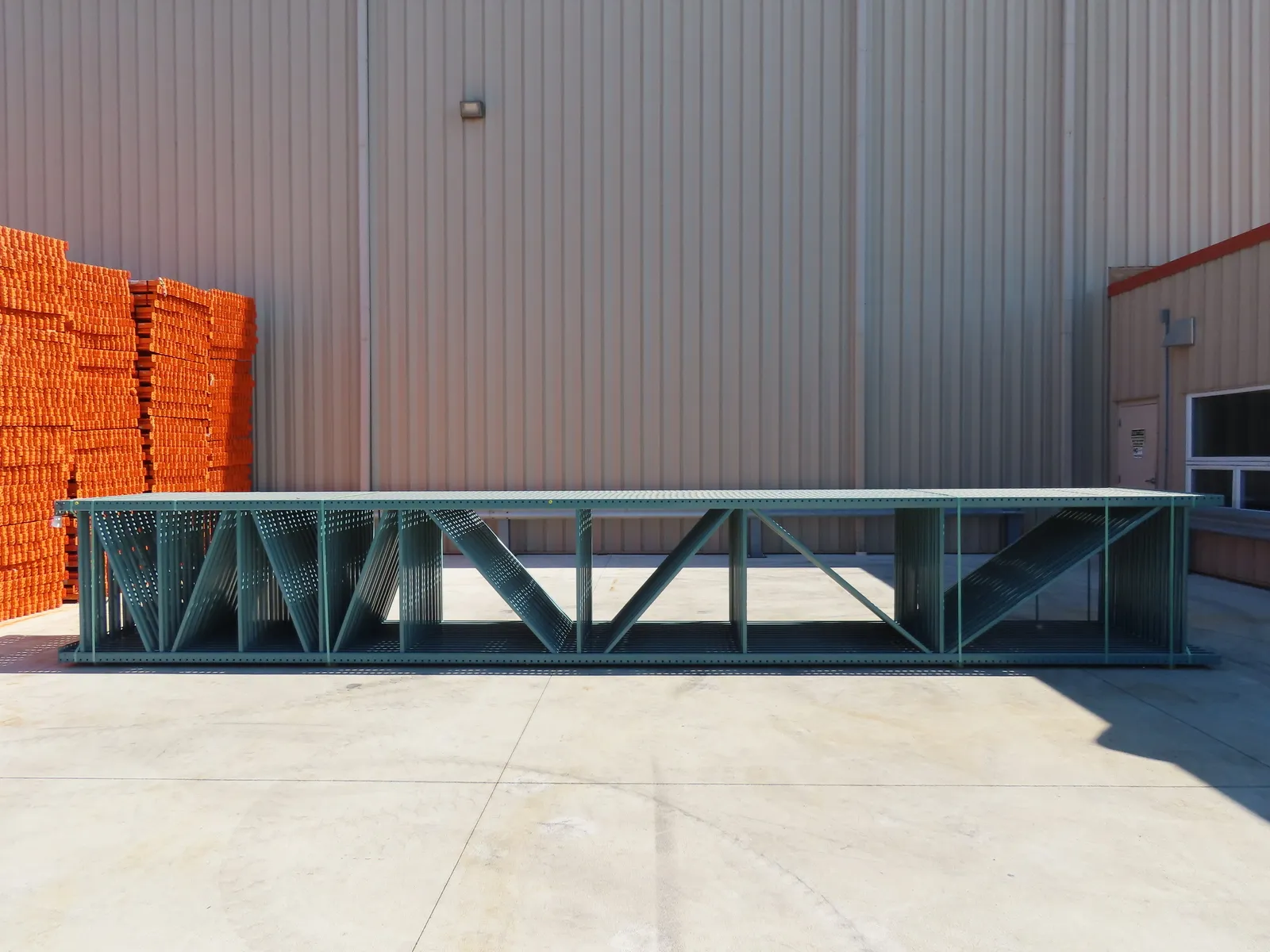
How Do Cantilever Racks Differ From Other Types Of Industrial Racks?
What Factors Should Be Considered When Choosing Rack Systems?
When it comes to choosing rack systems for your storage needs, there are several factors that should be taken into consideration. The first thing to think about is the amount of space you have available. Make sure to measure the area where you plan to install the rack system to ensure it will fit properly and not obstruct any doors or walkways.
Next, consider the weight capacity of the rack system. It’s important to know how much weight the racks can hold in order to prevent accidents or damage to your inventory. If you plan on storing heavy items, make sure to choose a rack system with a high weight capacity to accommodate your needs.
Another important factor to consider is the type of items you will be storing on the rack system. If you are storing long or bulky items, you may want to consider a cantilever rack system that allows for easy access to individual items. If you are storing smaller items, a pallet rack system with shelves may be more suitable.
Durability is also a key consideration when choosing rack systems. You want to invest in a rack system that is built to last and can withstand the everyday wear and tear of a busy storage facility. Look for rack systems made of high-quality materials like steel or aluminum that are designed to withstand heavy loads and frequent use.
Another factor to think about is whether you will need to expand your storage capacity in the future. Make sure to choose a rack system that is modular and can be easily expanded or reconfigured as your storage needs grow. This will save you time and money in the long run by allowing you to add onto your existing rack system rather than having to replace it entirely.
Finally, consider the cost of the rack system. While it’s important to stick to your budget, don’t sacrifice quality for a cheaper price. Investing in a high-quality rack system will pay off in the long run by providing a safe and efficient storage solution for your business.
When choosing rack systems for your storage needs, it’s important to consider factors such as space, weight capacity, type of items being stored, durability, expandability, and cost. By carefully considering these factors, you can choose a rack system that meets your needs and provides a reliable storage solution for years to come.

What Factors Should Be Considered When Choosing Rack Systems?
What Factors Should Be Considered When Choosing Rack Systems?
- Consider the amount of space available for the rack system installation.
- Check the weight capacity of the rack system to ensure it can hold your inventory.
- Consider the type of items you will be storing (long, bulky, small) to choose the right rack system.
- Look for durability in the rack system materials to withstand everyday wear and tear.
- Choose a rack system that can be easily expanded or reconfigured for future storage needs.
- Consider the cost of the rack system while also prioritizing quality for a long-term investment.
- By considering factors like space, weight capacity, item type, durability, expandability, and cost, you can choose a rack system that meets your needs.
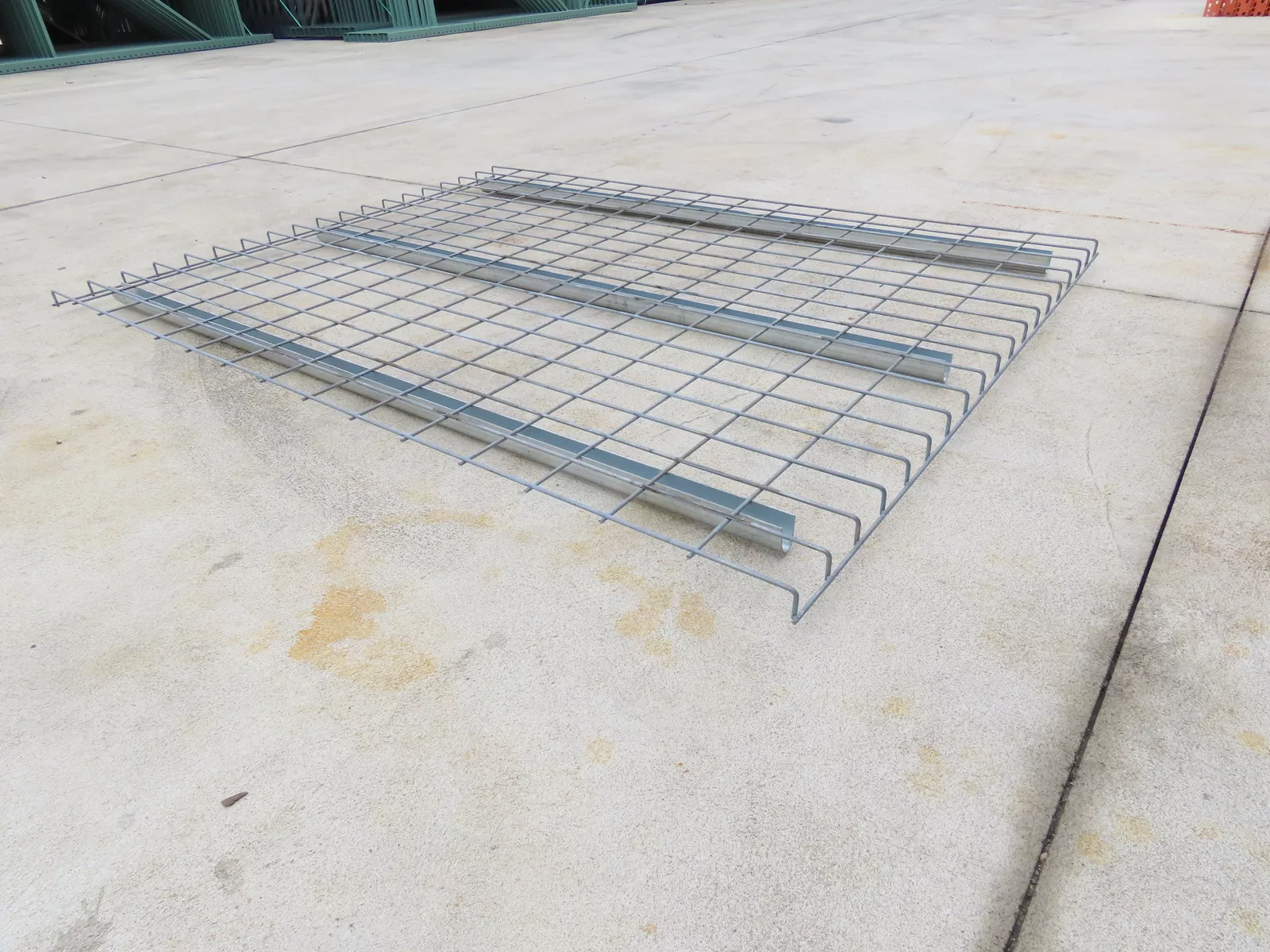
What Factors Should Be Considered When Choosing Rack Systems?
Are There Specific Racks Designed For Storing Heavy Loads?
When it comes to storing heavy loads, having the right racks in place can make all the difference. While many standard racks can handle a fair amount of weight, there are specific types of racks designed for storing heavy loads that are worth considering.
One popular option for storing heavy loads is pallet racking. These racks are specifically designed to hold pallets, which are commonly used to transport heavy items. Pallet racking systems come in various configurations, such as selective racking, drive-in racking, and pushback racking, and can be customized to fit the specific needs of your space and load requirements.
Another option for storing heavy loads is cantilever racking. This type of rack features arms that extend from a central column, allowing for easy access to long and bulky items like lumber, pipes, and furniture. Cantilever racking is ideal for storing heavy loads that are too large or awkwardly shaped to fit on traditional shelves.
For warehouses with limited space, mobile racking systems may be the way to go. These racks are mounted on wheeled carriages that move along tracks, allowing you to create aisles only when needed. This maximizes storage capacity and provides easy access to heavy loads without sacrificing space.
If you’re looking to store heavy loads in a cold storage environment, consider investing in drive-in racking. This type of rack allows forklifts to drive directly into the rack to retrieve or store pallets, making it a great option for storing heavy items in a temperature-controlled setting.
When it comes to storing heavy loads, safety is paramount. Be sure to inspect your racks regularly for any signs of damage or wear and tear, and always adhere to weight capacity guidelines to prevent accidents or collapses. Additionally, consider investing in additional safety features like rack guards or load indicators to further protect your employees and inventory.
There are specific racks designed for storing heavy loads that can help optimize your storage space and ensure the safety of your employees. Whether you choose pallet racking, cantilever racking, mobile racking, or drive-in racking, investing in the right racks for your needs can make a world of difference in your warehouse operations. So, don’t skimp on the racks – your heavy loads deserve the best!

Are There Specific Racks Designed For Storing Heavy Loads?
Are There Specific Racks Designed For Storing Heavy Loads?
- Consider pallet racking for heavy loads.
- Multiple configurations are available.
- Choose cantilever racking for long and bulky items.
- Mobile racking systems maximize storage capacity.
- Invest in drive-in racking for cold storage environments.
- Regularly inspect racks for safety.
- Invest in additional safety features.
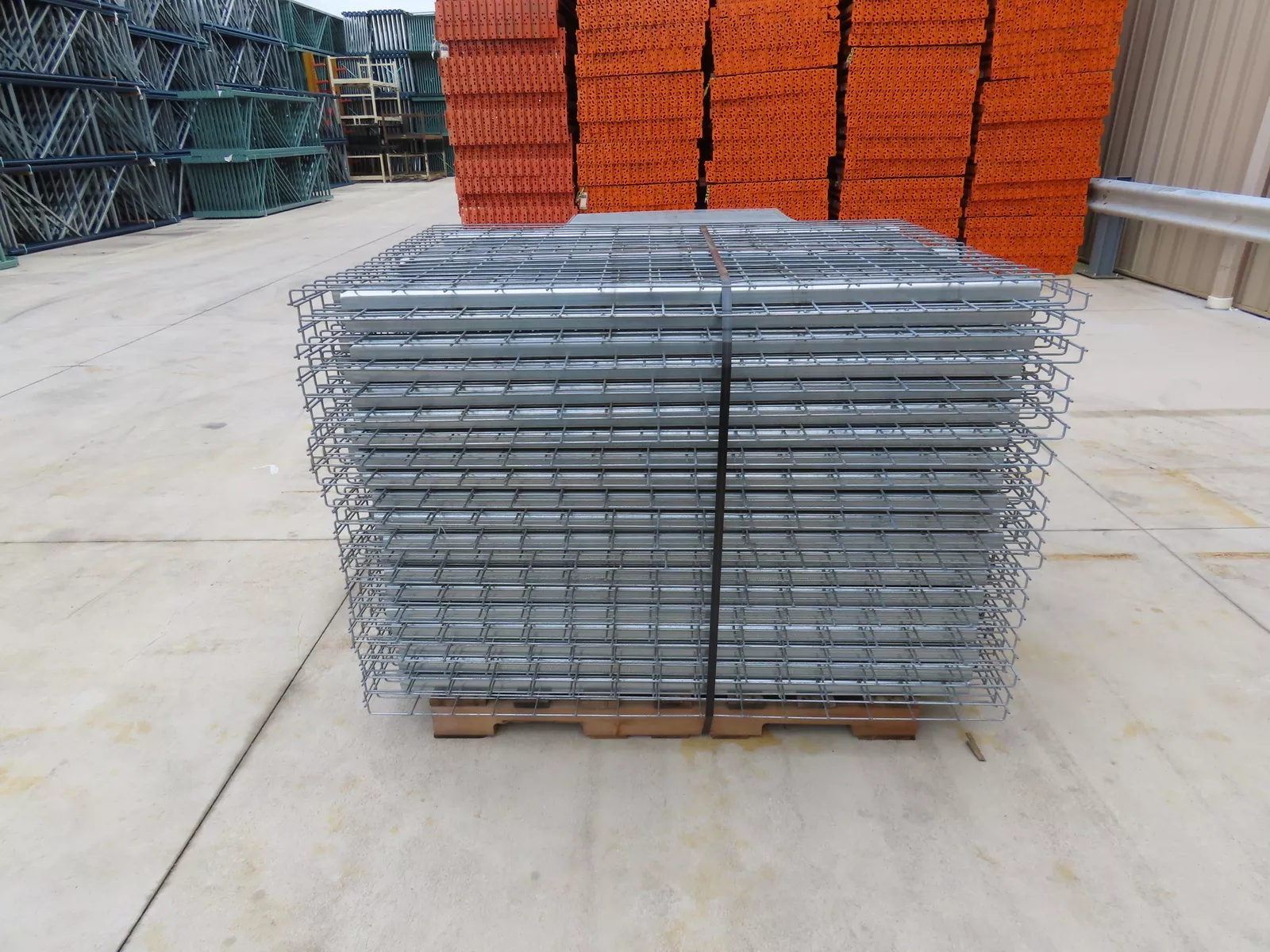
Are There Specific Racks Designed For Storing Heavy Loads?
How Can A Warehouse Optimize Storage Space With Rack Systems?
When it comes to maximizing storage space in a warehouse, rack systems are the unsung heroes of efficiency. These systems are like the backbone of a warehouse operation, providing structure and organization to ensure that every square inch of space is utilized to its full potential.
One of the key ways that rack systems help optimize storage space is by allowing for vertical storage. In a warehouse setting, floor space is valuable real estate. By utilizing the height of the warehouse with tall rack systems, you can greatly increase the amount of inventory that can be stored without taking up more floor space. This not only helps to free up room for other essential warehouse operations, but it also makes it easier to locate and access inventory quickly and efficiently.
Another way rack systems help optimize storage space is by providing a system for categorizing and organizing inventory. With the right combination of rack types – such as pallet racks, cantilever racks, or push-back racks – items can be stored in a way that makes them easily accessible and maximizes the use of available space. By keeping similar items together and labeling racks accordingly, warehouse workers can quickly locate and retrieve inventory as needed, saving time and reducing the risk of errors.
Furthermore, rack systems can help warehouse managers make better use of space by allowing for customization. Depending on the specific needs of the warehouse, racks can be configured and installed in a way that best suits the layout and inventory requirements. This flexibility allows for a more efficient use of space and can adapt to changing storage needs over time.
In addition to maximizing storage space, rack systems also play a critical role in maintaining a safe working environment in the warehouse. By securely storing inventory in racks designed to withstand heavy loads, the risk of accidents and injuries is greatly reduced. Properly installed rack systems also help to prevent inventory from shifting or falling, keeping workers and inventory safe.
Rack systems are a crucial component of warehouse operations when it comes to optimizing storage space. By utilizing the vertical height of the warehouse, categorizing and organizing inventory effectively, customizing rack configurations, and maintaining a safe working environment, warehouses can make the most of their available space and operate more efficiently overall. So, next time you walk into a warehouse and see rows of neatly organized racks, take a moment to appreciate the unsung heroes of storage optimization.
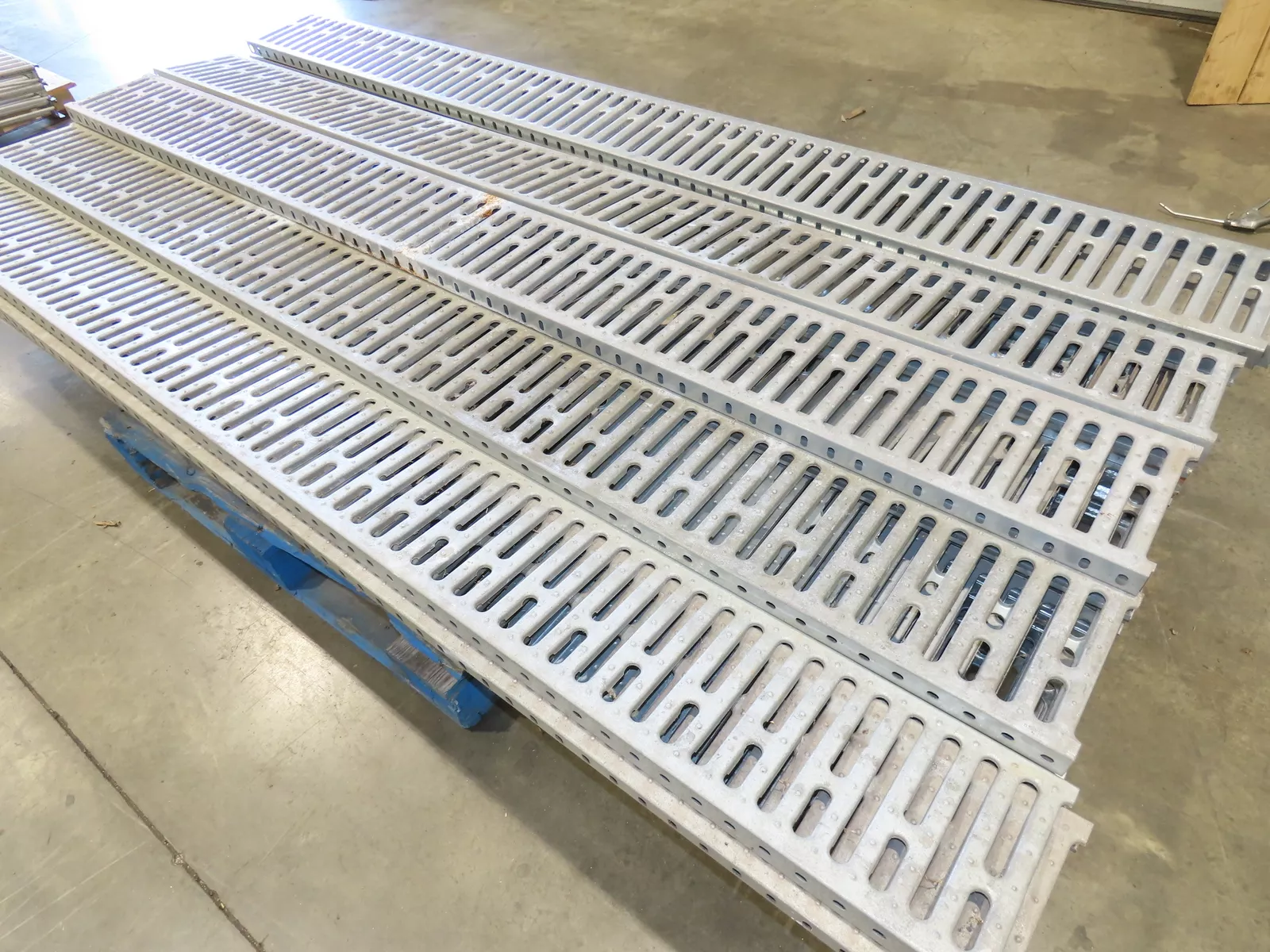
How Can A Warehouse Optimize Storage Space With Rack Systems?
How Can A Warehouse Optimize Storage Space With Rack Systems?
- Rack systems are crucial for maximizing storage space in warehouses.
- They allow for vertical storage, making use of warehouse height.
- Rack systems help categorize and organize inventory effectively.
- Customizable rack configurations adapt to changing storage needs.
- Rack systems contribute to maintaining a safe working environment.
- They prevent accidents by securely storing inventory.
- Overall, rack systems optimize storage space and help warehouse operations run efficiently.

How Can A Warehouse Optimize Storage Space With Rack Systems?
Are There Safety Concerns Associated With Industrial Rack Use?
When it comes to industrial rack use, safety is always a top priority. However, like any other equipment or tool used in the workplace, there are certain safety concerns that must be addressed to ensure the well-being of workers.
One of the primary safety concerns associated with industrial rack use is overloading. It can be tempting to stack as much inventory as possible onto the racks to maximize storage space. However, overloading the racks can lead to them becoming unstable and potentially collapsing, posing a serious risk to anyone nearby. It is crucial to follow the manufacturer’s guidelines and weight limits when loading racks to prevent accidents.
Another safety concern is improper installation. If industrial racks are not installed correctly, they may not be able to support the weight of the items stored on them, leading to a collapse. It is essential to have qualified professionals install the racks to ensure they are secure and stable.
In addition, regular inspections and maintenance are crucial to prevent accidents. Racks can become damaged over time due to wear and tear or impact from forklifts or other equipment. Inspecting racks regularly for signs of damage, such as bent or broken beams, is essential for identifying potential safety hazards.
Proper training for employees who work with industrial racks is also critical for preventing accidents. Employees should be trained on how to load and unload racks safely, as well as how to recognize signs of damage or instability. By educating workers on proper rack use and maintenance, the risk of accidents can be significantly reduced.
It is also important to ensure that the workplace is organized to prevent obstructions that could interfere with the safe use of industrial racks. Clear aisles and walkways are essential for allowing workers to safely access and maneuver around the racks.
Overall, while industrial racks are a valuable tool for maximizing storage space in warehouses and industrial facilities, it is essential to address safety concerns associated with their use. By following proper guidelines for loading, installation, inspection, maintenance, and employee training, the risk of accidents can be minimized, creating a safer work environment for all.
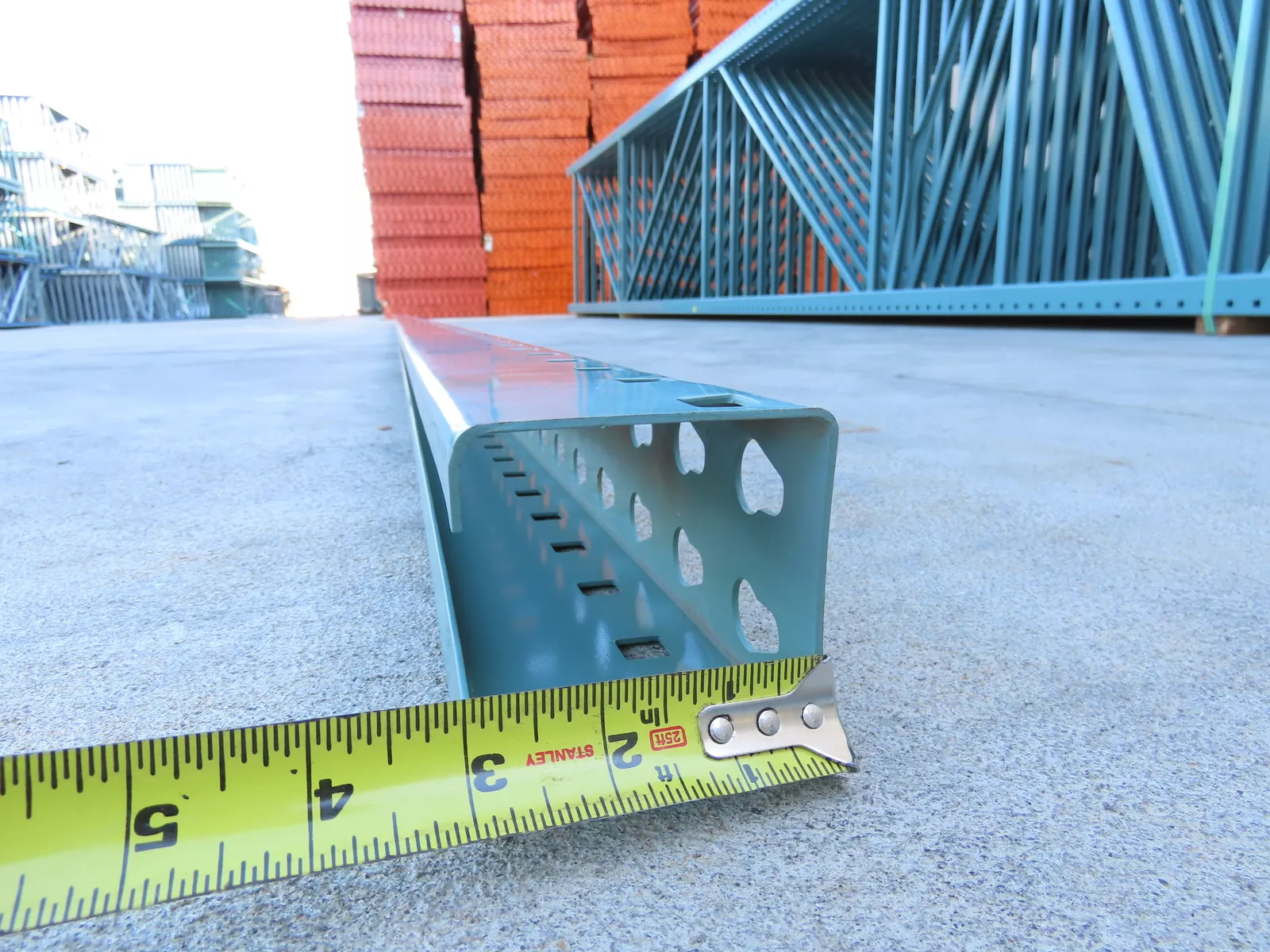
Are There Safety Concerns Associated With Industrial Rack Use?
Are There Safety Concerns Associated With Industrial Rack Use?
- One of the primary safety concerns associated with industrial rack use is overloading.
- Overloading racks can lead to instability and potential collapse, posing a serious risk to workers.
- Improper installation of industrial racks can also lead to collapse if they cannot support the weight of items stored on them.
- Regular inspections and maintenance are crucial to identify potential safety hazards due to damage over time.
- Proper training for employees on how to load and unload racks safely is essential for preventing accidents.
- Organizing the workplace to prevent obstructions that could interfere with safe rack use is important.
- Following guidelines for loading, installation, inspection, maintenance, and employee training can minimize the risk of accidents in industrial facilities.
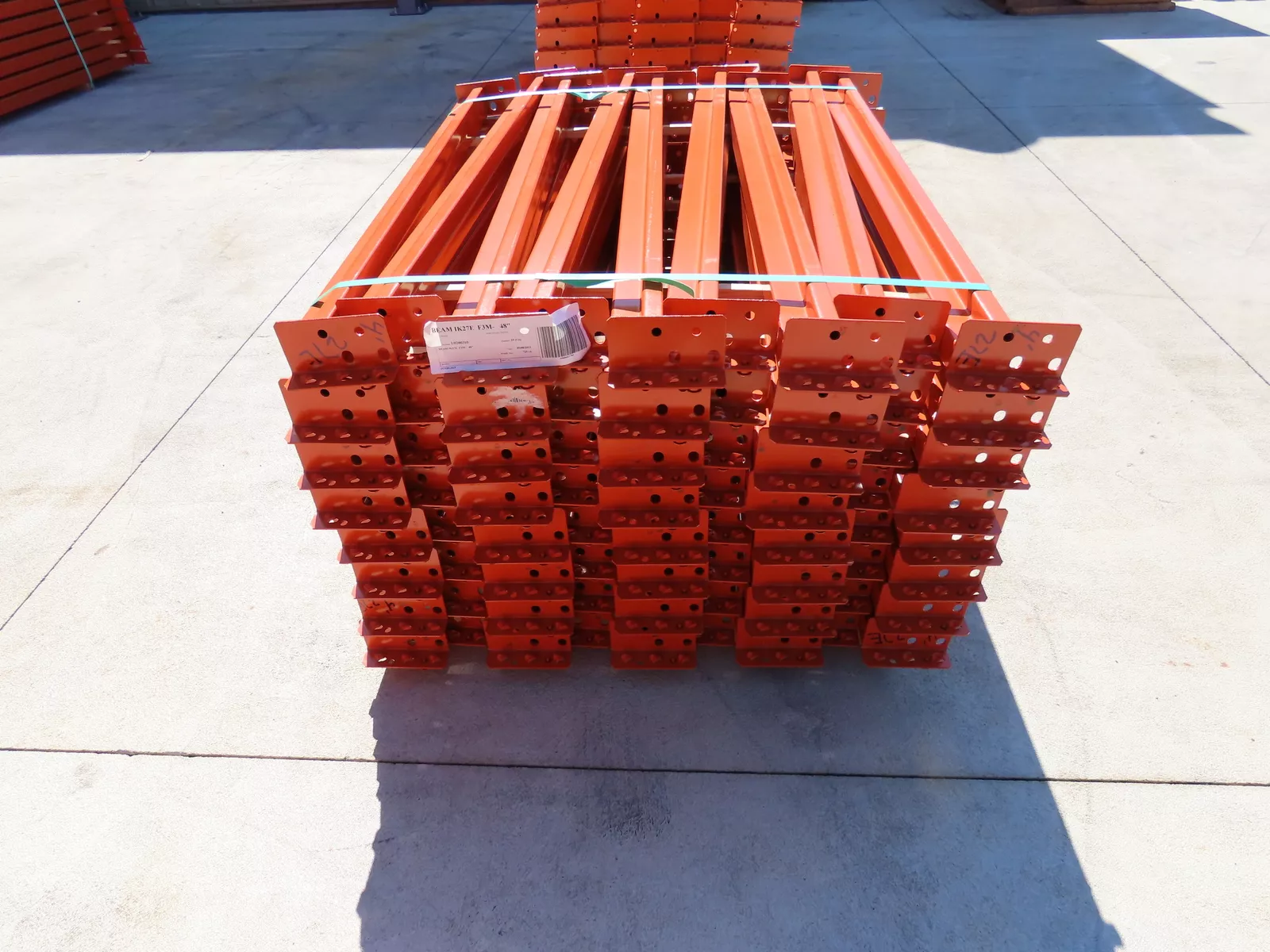
Are There Safety Concerns Associated With Industrial Rack Use?
Conclusion
In conclusion, industrial racks are an essential component of warehouse operations, offering a variety of solutions to maximize storage space and efficiency. From pallet racks to cantilever racks, shelving racks to mezzanine racks, there are options available to suit a wide range of storage needs. The advantages of using pallet racks, such as maximizing storage space, improving organization, and enhancing workplace safety, make them a standout choice for warehouses. Cantilever racks, on the other hand, offer unique benefits for storing long, bulky items with ease and accessibility. When choosing rack systems, factors like space, weight capacity, type of items being stored, durability, expandability, and cost must be taken into consideration to ensure a reliable storage solution. Specialty racks designed for storing heavy loads provide added strength and durability, ensuring the safe storage of inventory. By optimizing storage space with rack systems, warehouses can make the most of their available space, categorize and organize inventory efficiently, and maintain a safe working environment. However, safety concerns associated with industrial rack use, such as overloading, improper installation, lack of maintenance, and inadequate employee training, must be addressed to prevent accidents and injuries. By following proper guidelines and protocols, warehouses can ensure a safe and efficient storage environment for their employees and inventory. Industrial racks may not be the flashiest piece of equipment, but they are the unsung heroes of warehouse storage, quietly working behind the scenes to keep operations running smoothly and efficiently. So, whether you’re stacking pallets, storing long items, or optimizing storage space, industrial racks are a versatile and reliable solution for any warehouse looking to streamline its operations and maximize storage capacity.
Conclusion
Conclusion:
- Industrial racks are crucial for warehouse operations, offering solutions to maximize storage space and efficiency.
- Options like pallet racks, cantilever racks, shelving racks, and mezzanine racks cater to various storage needs.
- Pallet racks offer benefits like maximizing space, improving organization, and enhancing workplace safety.
- Cantilever racks are ideal for storing long, bulky items with ease and accessibility.
- Consider factors like space, weight capacity, item type, durability, expandability, and cost when selecting rack systems.
- Specialty racks for heavy loads provide added strength and durability for safe inventory storage.
- Proper guidelines and protocols need to be followed to address safety concerns associated with industrial rack use.
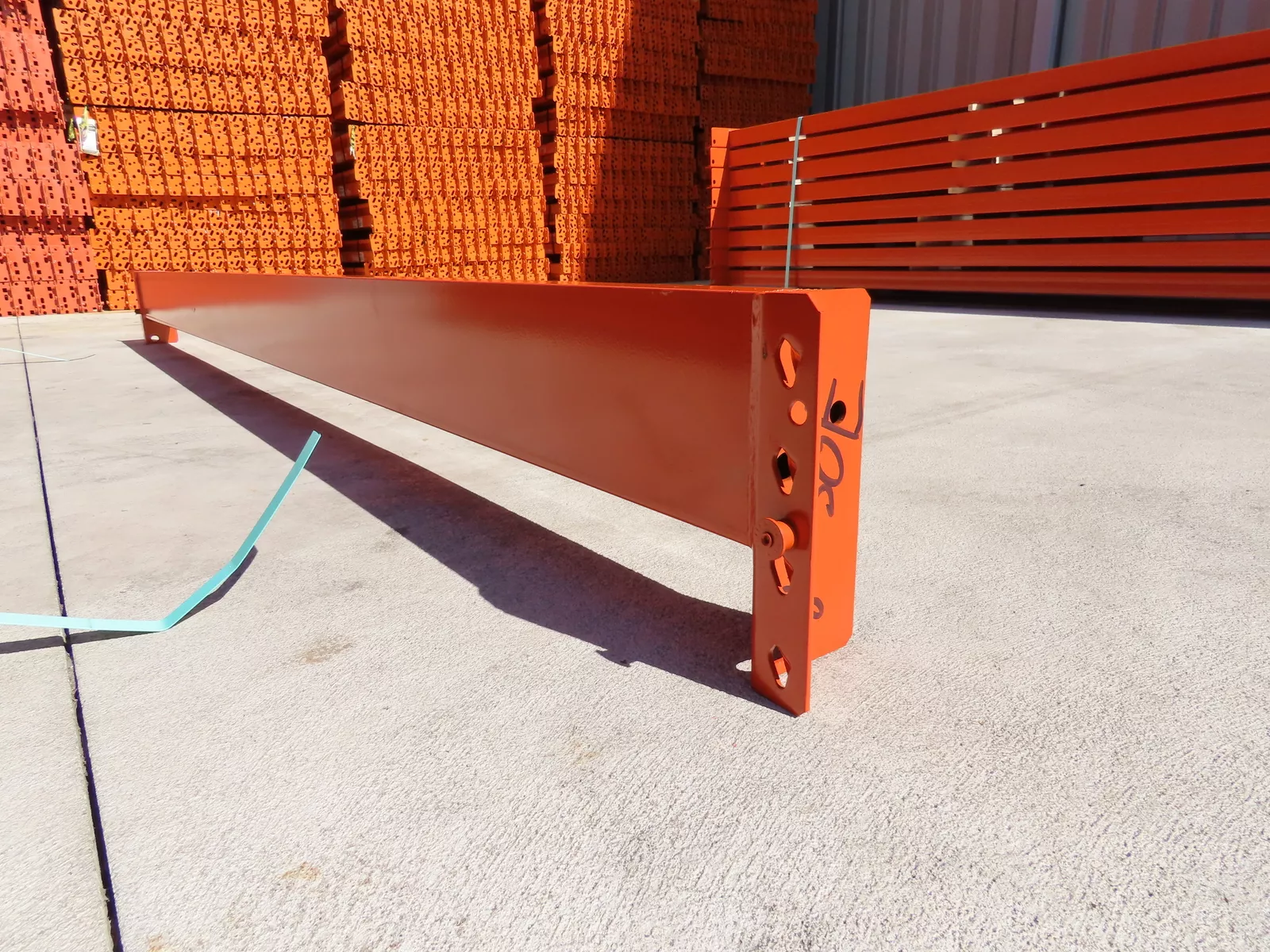
Conclusion
Other Resources

Other Resources
Here is a list of other resources you can review online to learn more:
- “New & Used Warehouse Storage Rack Solutions| Camara …”
- “Ultimate Warehouse Racking Guide for Optimal Space Use”
- “Pallet Racking Storage System Solution – SRS – I”
- “Warehouse Racking Systems | Material Handling Equipment …”
- “Pallet Racking (Selective Storage Racks)”
- “Adjustable Carton Flow Rack Warehouse Shelving Systems”
- “Warehouse Rack & Industrial Shelving”
- “Pallet Rack Guide For Beginners”
- “Types of Industrial Racking for Warehouse: Classification & …”
- “Pallet Rack & Storage Solutions – Warehouse Optimizers Inc”
- “Western Pacific Storage Solutions”
- “Pick Module | Carton Flow Rack | Multilevel Shelving system”
- “Top Warehouse Rack Manufacturers in Surat – Justdial”
- “Pallet Racking / Shelving Industrial Shelves – Various Sizes …”
- “Pallet Racks Suppliers located in Florida”
- “Shelving & Material Handling Superstore! 866-328-5066”
- “Cantilever Racking Systems”
Other Resources
Glossary Terms
What Are The Main Types Of Industrial Racks for Warehouses? – Glossary Of Terms
1. Adjustable Pallet Racks: Modular systems that can be adjusted to fit different pallet sizes, commonly used for versatile storage needs.
2. Cantilever Racks: Ideal for storing long, bulky items like pipes or lumber, featuring horizontal arms anchored on one side for accessibility.
3. Drive-In Racks: High-density storage system that allows forklifts to drive directly into the storage lane, suitable for large quantities of similar items.
4. Drive-Through Racks: Similar to drive-in racks but accessible from both sides, enabling first-in, first-out (FIFO) inventory management.
5. Selective Pallet Racks: The most common type, allowing access to each pallet without moving others, ideal for varied and fast-moving inventory.
6. Push-Back Racks: Utilize a system where pallets are loaded on carts that slide backward on inclined rails, optimizing space and improving picking speeds.
7. Pallet Flow Racks: Feature inclined roller tracks that allow pallets to flow from the loading end to the picking end, ideal for FIFO inventory control.
8. Carton Flow Racks: Similar to pallet flow racks but designed for cartons, enhancing order picking efficiency and space utilization.
9. Mezzanine Racks: Multi-level structures that add extra storage levels within existing warehouse space, effectively doubling or tripling storage capacity.
10. Double-Deep Racks: These allow pallets to be stored two-deep, increasing storage density but requiring more sophisticated forklift reach.
11. Stack Racks: Portable racks that can be stacked on top of each other, providing flexible, high-density storage for various materials.
12. Vertical Carousels: Automated systems that rotate vertically to deliver selected items to an operator, improving storage and retrieval efficiency.
13. Horizontal Carousels: Rotate horizontally to present stored items at an accessible height, efficient for high-density, high-speed picking environments.
14. Mobile Racks: Mounted on mobile bases that move along tracks, optimizing space by creating accessible aisles only when needed.
15. Boltless Shelving: Easy-assembly shelving units that do not require bolts, providing versatile storage solutions for smaller items.
16. Gravity Flow Racks: Leverage gravity for product movement, typically used in both pallet and carton flow systems to manage stock rotation efficiently.
17. Shuttle Racks: Use automated shuttles to move pallets within deep storage channels, enhancing efficiency in high-density storage environments.
18. Rack Supported Buildings: Structures where the racking system forms part of the building’s structural framework, optimizing use of vertical space.
19. Cold Storage Racks: Specialized racks designed to withstand cold temperatures, used for storing perishable goods in refrigerated or freezer warehouses.
20. Die Racks: Heavy-duty racks specifically built to store heavy, cumbersome items like dies, molds, and other manufacturing equipment.
21. Pigeon Hole Racks: Compartmentalized racks that provide multiple small storage spaces for items like pipes, bars, or tool storage.
22. Tire Racks: Tailored for efficient storage and easy identification of various types and sizes of tires.
23. VNA (Very Narrow Aisle) Racks: Designed for warehouses with limited space, accessed using specialized VNA forklifts to maximize storage capacity.
24. Bulk Storage Racks: Ideal for storing large, non-palletized items that come in bulk, featuring wide spaces for easy handling.
25. A-Frame Racks: Configured to hold items vertically, often used for products like glass sheets or drywall to prevent damage.
26. Wire Mesh Decking: Open grid shelving added to pallet racks, providing visibility, improving fire safety, and preventing dust accumulation.
27. Custom Racks: Tailored storage solutions designed to meet specific requirements of a warehouse’s inventory and operational workflow.
28. Safety Bars: Reinforcement accessories added to rack systems to prevent pallets from accidentally falling through.
29. Load Beams: Horizontal bars that hold up the pallets in racking systems, crucial for determining weight capacity and stability.
30. End-of-Aisle Guards: Protective barriers installed at the ends of racks to prevent collision damage from forklifts or other warehouse equipment.
This glossary should provide a comprehensive understanding of the various types of industrial racks used in warehouse settings and their specific applications.
Glossary Of Terms
Other Questions
What Are The Main Types Of Industrial Racks for Warehouses? – Other Questions
If you wish to explore and discover more, consider looking for answers to these questions:
- What other types of industrial racks are available besides pallet, cantilever, and shelving racks?
- How do you determine the appropriate configuration of pallet racks for specific warehouse needs?
- What are the specific benefits of selective, drive-in, and push-back pallet racks?
- Are there any specific design considerations for warehouses with limited vertical space?
- What materials are commonly used in the construction of industrial racks, other than steel?
- How do shelving racks differ from other types of storage solutions in terms of load capacity and design flexibility?
- What are the criteria for choosing specialty racks like drum racks, tire racks, or reel racks?
- What are the installation best practices for ensuring the stability and safety of industrial racks?
- How often should warehouse racks be inspected for signs of wear and tear?
- What type of training should warehouse employees undergo for safe rack operation and maintenance?
- What are some case studies or examples of warehouses that have successfully optimized their storage with specific rack systems?
- How do cantilever racks handle uneven or irregularly shaped items compared to shelving racks?
- What are the additional safety features that can be added to industrial racks?
- What are the pros and cons of using mobile racking systems versus fixed racks?
- What environmental factors should be considered when choosing rack systems (e.g., temperature, humidity)?
- How do industrial racks contribute to improving the overall workflow in a warehouse?
- What are some recent innovations or trends in the design and manufacturing of industrial racks?
Other Questions
Checklist
What Are The Main Types Of Industrial Racks for Warehouses? – A Checklist
Pallet Racks
_____ Determine the load capacity required.
_____ Choose between selective, drive-in, and push-back racks.
_____ Ensure racks are made of heavy-duty steel.
_____ Organize inventory by storing similar items together.
_____ Ensure vertical space is efficiently utilized.
Cantilever Racks
_____ Evaluate the need for storing long, bulky items such as lumber, pipes, or furniture.
_____ Ensure arms extend outward from a central column.
_____ Customize arms for length, angle, and spacing.
_____ Prioritize accessibility for easy loading and unloading.
_____ Use for storing heavy and awkwardly shaped items.
Shelving Racks
_____ Assess the need for storing small to medium-sized items.
_____ Choose between boltless, wire, and rivet shelving.
_____ Match shelving style to load capacity requirements.
_____ Ensure versatility in storage options.
Carton Flow Racks
_____ Utilize for storing a large quantity of small, lightweight items.
_____ Ensure shelves are inclined with rollers or wheels.
_____ Optimize for quick and efficient product access.
Mezzanine Racks
_____ Maximize vertical space with an elevated storage platform.
_____ Consider customization with additional shelving, conveyor systems, or work platforms.
_____ Assess the need for high organization and stock control.
Specialty Racks
_____ Identify the need for specialty items like barrels, tires, or spools.
_____ Choose appropriate specialty racks (e. g. , drum racks, tire racks, reel racks).
Factors to Consider When Choosing Rack Systems
_____ Measure available space for proper fit.
_____ Determine weight capacity needs.
_____ Match rack type to items being stored.
_____ Ensure durability with high-quality materials (e. g. , steel, aluminum).
_____ Plan for future expandability.
_____ Balance quality with budget constraints.
Storing Heavy Loads
_____ Use pallet racking designed for heavy items.
_____ Consider cantilever racking for long, bulky heavy loads.
_____ Evaluate mobile racking for maximizing space.
_____ Consider drive-in racking for temperature-controlled environments.
_____ Regularly inspect racks for damage.
_____ Adhere to weight capacity guidelines.
_____ Invest in additional safety features like rack guards or load indicators.
Optimizing Storage Space
_____ Utilize vertical storage with tall racks.
_____ Categorize and label inventory for easy access.
_____ Customize rack configurations for layout efficiency.
_____ Ensure secure storage to prevent accidents.
Safety Concerns
_____ Avoid overloading racks to prevent instability.
_____ Ensure proper installation by qualified professionals.
_____ Conduct regular inspections and maintenance.
_____ Train employees on safe loading and unloading practices.
_____ Keep aisles and walkways clear of obstructions.
_____ Follow manufacturer’s guidelines and weight limits.
By following this checklist, warehouses can enhance storage efficiency, ensure worker safety, and maintain an organized and effective inventory management system.
Checklist
At RackingWorld, we help guide you through selecting warehouse storage systems and racking.
Be sure to read our other related stories at RackingWorld to learn more about warehouse storage systems.
0 Comments