
Ensuring Safety and Compliance In Your Warehouse
By Tom Seest
At RackingWorld, we help guide you through selecting warehouse storage systems and racking.
Be sure to read our other related stories at RackingWorld to learn more about warehouse storage systems.
What Are OSHA Requirements for Warehouse Racking?
When it comes to warehouse racking, safety should always be a top priority. In order to ensure a safe working environment, it’s important to understand and comply with the Occupational Safety and Health Administration (OSHA) requirements for warehouse racking.
One key OSHA requirement for warehouse racking is ensuring that racking systems are properly installed and maintained. This includes making sure that racks are securely anchored to the floor and have adequate clearance from walls and ceilings. Regular inspections should be conducted to check for any signs of damage or wear and tear, and any issues should be promptly addressed to prevent accidents.
Another important OSHA requirement is ensuring that racks are loaded and unloaded properly. Overloading racks or improperly stacking pallets can lead to rack collapse, putting workers at risk of injury. It’s essential to train employees on safe loading practices and weight limits, and to regularly check the condition of racks to ensure they can safely support the loads they are carrying.
In addition to proper installation and loading procedures, OSHA also requires that warehouse racking is equipped with appropriate safety features. This includes things like rack guards to prevent forklifts from accidentally bumping into racks, as well as safety clips and pins to secure beams in place. Employers should also provide workers with personal protective equipment, such as hard hats and safety shoes, to reduce the risk of injury in the event of a rack collapse.
It’s also important to ensure that aisles between racks are wide enough to allow for safe passage of equipment and workers. OSHA recommends a minimum aisle width of at least 3 feet for manual pallet jacks and 12 feet for forklifts. Adequate aisle space not only helps prevent accidents, but also allows for efficient movement of goods throughout the warehouse.
By adhering to OSHA requirements for warehouse racking, employers can create a safer work environment for their employees and reduce the risk of accidents and injuries. Investing in proper installation, maintenance, and safety features for warehouse racking is not only a legal obligation, but also a smart business decision that can help prevent costly accidents and downtime. Remember, when it comes to warehouse safety, it’s always better to be proactive and preventative rather than reactive and regretful.

What Are OSHA Requirements for Warehouse Racking?
What Are OSHA Requirements for Warehouse Racking?
- Ensure proper installation and maintenance of racking systems.
- Train employees on safe loading practices and weight limits.
- Equip warehouse racking with appropriate safety features.
- Provide workers with personal protective equipment.
- Maintain wide enough aisles for safe equipment and worker passage.
- Creating a safer work environment by adhering to OSHA requirements.
- Prevent costly accidents and downtime through proactive safety measures.

What Are OSHA Requirements for Warehouse Racking?
Table Of Contents
- What Are OSHA Requirements for Warehouse Racking?
- What Are The Weight Limits For Warehouse Racking?
- How Should Racking Be Maintained To Meet OSHA Standards?
- Are There Specific Height Requirements For Warehouse Racks?
- What Are The Minimum Clearance Requirements For Warehouse Racking?
- How Often Should Warehouse Racking Be Inspected For Safety Compliance?
- Are There Specific Weight Limits For Shelves On Warehouse Racking?
- How Can Warehouse Workers Ensure Proper Loading And Stacking?
- What Are The Consequences Of Not Complying With OSHA Requirements?
- Conclusion
- Other Resources
- Glossary Of Terms
- Other Questions
- Checklist
What Are The Weight Limits For Warehouse Racking?
When it comes to warehouse racking, knowing the weight limits is crucial for both safety and efficiency. The weight limits for warehouse racking depend on various factors, including the type of racking system, the materials being stored, and the layout of the warehouse itself.
One of the most common types of warehouse racking is pallet racking, which is designed to store palletized goods. The weight limits for pallet racking can vary depending on the design and configuration of the system. In general, most pallet racking systems are designed to hold between 2,000 and 3,000 pounds per shelf. However, it’s important to note that overloading a pallet rack can lead to structural failure and pose a serious safety hazard.
Another factor to consider when determining weight limits for warehouse racking is the type of materials being stored. For example, if you’re storing heavy items like steel beams or automotive parts, you’ll need a racking system that can handle higher weight capacities. On the other hand, if you’re storing lighter items like clothing or office supplies, you may be able to get away with a racking system with lower weight limits.
The layout of the warehouse also plays a role in determining weight limits for racking. For instance, if your racking system is located near walls or other structures, you may need to consider the load-bearing capacity of those structures when determining weight limits. Additionally, if your warehouse has high ceilings, you’ll need to take into account the vertical weight capacity of the racking system.
In order to determine the weight limits for warehouse racking, it’s always best to consult with a professional racking supplier or engineer. They can help you assess your specific needs and recommend a racking system that meets your weight capacity requirements. Additionally, they can provide guidance on proper loading techniques and safety measures to ensure that your racking system is used safely and efficiently.
Understanding the weight limits for warehouse racking is essential for maintaining a safe and productive work environment. By taking into account factors such as the type of racking system, materials being stored, and warehouse layout, you can ensure that your racking system is up to the task of safely storing your goods. So remember, when it comes to warehouse racking, knowing your weight limits is key to successful operations.

What Are The Weight Limits For Warehouse Racking?
What Are The Weight Limits For Warehouse Racking?
- Knowing weight limits is crucial for safety and efficiency in warehouse racking.
- Pallet racking is a common type with weight limits of 2,000-3,000 pounds per shelf.
- Overloading a pallet rack can lead to structural failure and safety hazards.
- Weight limits depend on the materials stored
- heavier items require higher weight capacities.
- Warehouse layout affects weight limits, consider load-bearing capacity of structures.
- Consult with a professional racking supplier to determine weight limits.
- Understand weight limits to maintain a safe and productive work environment.

What Are The Weight Limits For Warehouse Racking?
How Should Racking Be Maintained To Meet OSHA Standards?
Keeping racking systems in good condition is crucial for ensuring the safety of employees and the efficiency of warehouse operations. To meet OSHA standards, racking should be properly maintained on a regular basis.
First and foremost, regular inspections are key to identifying any potential issues with the racking system. Inspections should be conducted by trained employees who know what to look for, such as signs of damage, rust, or missing components. These inspections should be done at least once a year, but more frequent checks may be necessary depending on how heavily the racking is used.
Any damaged or compromised components should be repaired or replaced immediately. This includes uprights, beams, braces, and wire decking. Even minor damage can pose a serious risk to employees and should not be ignored. It’s better to address the issue promptly rather than waiting for a major safety hazard to develop.
In addition to regular inspections, racking systems should be cleaned regularly to prevent debris buildup. Dust, dirt, and other materials can accumulate on the racking, making it more difficult to spot damage or issues with the system. Regular cleaning can help keep the racking in good condition and reduce the risk of accidents or injuries.
Proper loading and unloading procedures should also be followed to prevent damage to the racking. Overloading shelves or unevenly distributing weight can put excessive strain on the system, leading to bending or buckling of the components. Employees should be trained on the proper way to load and unload items from the racking to prevent accidents and damage.
Finally, it’s important to keep detailed records of maintenance and inspections for the racking system. This can help track the condition of the racking over time and ensure that any issues are addressed promptly. It can also provide valuable information in the event of an OSHA inspection or audit.
Overall, proper maintenance of racking systems is essential for meeting OSHA standards and ensuring a safe work environment. By conducting regular inspections, repairs, and cleanings, employees can help prevent accidents and keep the warehouse running smoothly. Remember, a well-maintained racking system is not only a requirement for compliance with regulations – it’s also a crucial component of a successful and safe workplace.

How Should Racking Be Maintained To Meet OSHA Standards?
How Should Racking Be Maintained To Meet OSHA Standards?
- Regular inspections are key to identifying potential issues with the racking system.
- Inspections should be done at least once a year by trained employees.
- Damaged or compromised components should be repaired or replaced immediately.
- Racking systems should be cleaned regularly to prevent debris buildup.
- Proper loading and unloading procedures should be followed to prevent damage to the racking.
- Detailed records of maintenance and inspections should be kept for the racking system.
- Proper maintenance of racking systems is essential for meeting OSHA standards and ensuring a safe work environment.

How Should Racking Be Maintained To Meet OSHA Standards?
Are There Specific Height Requirements For Warehouse Racks?
In the world of warehouse operations, one might assume that specific height requirements for warehouse racks would be a given. After all, ensuring that racks are built to the right height is crucial for maximizing storage space and efficiency. However, the truth is that when it comes to warehouse racks, there are no hard and fast rules when it comes to height requirements.
Instead, determining the right height for warehouse racks involves a number of factors that can vary depending on the specific needs and limitations of each individual warehouse. Factors such as the height of the building, the types of products being stored, and the capabilities of the forklifts used in the warehouse all play a role in determining the optimal height for warehouse racks.
One of the key considerations when determining the height of warehouse racks is the height of the building itself. In some warehouses, the ceilings may be too low to accommodate very tall racks. In these cases, warehouse managers may need to opt for shorter racks in order to maximize storage space within the limitations of the building.
Another important factor to consider is the types of products being stored on the racks. Some products may require more clearance above them in order to ensure safe and easy access. For example, racks used for storing pallets of goods may need to be taller in order to allow for ample room for forklifts to maneuver.
The capabilities of the forklifts used in the warehouse also play a role in determining the optimal height for warehouse racks. If the forklifts in use have limited lifting capabilities, then it may be necessary to keep the racks at a lower height in order to ensure that they can safely and efficiently load and unload products.
While there are no specific height requirements for warehouse racks, there are a number of factors that warehouse managers must take into consideration when determining the optimal height for their racks. By carefully considering the height of the building, the types of products being stored, and the capabilities of the forklifts in use, warehouse managers can ensure that their racks are built to the right height to maximize storage space and efficiency.

Are There Specific Height Requirements For Warehouse Racks?
Are There Specific Height Requirements For Warehouse Racks?
- Specific height requirements for warehouse racks are not standardized.
- Factors such as building height, product types, and forklift capabilities influence rack height.
- Building height limitations may require shorter racks to maximize space.
- Products that require clearance may need taller racks for easy access.
- Forklift capabilities determine safe and efficient loading and unloading heights.
- Warehouse managers must consider building height, product types, and forklift capabilities when determining rack height.
- Optimizing rack height is crucial for maximizing storage space and efficiency in warehouse operations.

Are There Specific Height Requirements For Warehouse Racks?
What Are The Minimum Clearance Requirements For Warehouse Racking?
When it comes to warehouse racking, there are minimum clearance requirements that must be adhered to in order to ensure the safety and efficiency of the operation. These clearance requirements are put in place to prevent accidents, provide proper access for workers and equipment, and maximize storage space within the warehouse.
First and foremost, it’s important to consider the height of the racking when determining minimum clearance requirements. The height of the racking will determine how much clearance is needed above and below the shelves to safely store and retrieve items. Generally speaking, there should be a minimum clearance of at least six inches between the top of the highest item on the top shelf and the ceiling. This allows for proper ventilation and fire safety measures.
In terms of side clearance, there should be a minimum of 18 inches between the edge of the racking and any walls or other obstacles. This allows for safe maneuvering of forklifts and other equipment within the aisles. Additionally, there should be a minimum of three feet of clearance between rows of racking to allow for easy access for workers and equipment.
When it comes to vertical clearance between shelves, there should be a minimum of 18 inches between each level of the racking. This ensures that items can be safely stored and retrieved without the risk of falling or becoming damaged. It’s also important to consider the weight and size of the items being stored when determining vertical clearance requirements.
Another important factor to consider when determining minimum clearance requirements for warehouse racking is the type of equipment being used to move and store items. Different types of equipment, such as forklifts or reach trucks, require different amounts of clearance to safely operate within the aisles. It’s important to consult with the manufacturer of the equipment to determine the specific clearance requirements needed for safe operation.
Ultimately, adhering to minimum clearance requirements for warehouse racking is essential for maintaining a safe and efficient work environment. By ensuring that the proper clearances are in place, you can minimize the risk of accidents, improve access for workers and equipment, and maximize storage space within the warehouse.

What Are The Minimum Clearance Requirements For Warehouse Racking?
What Are The Minimum Clearance Requirements For Warehouse Racking?
- Minimum clearance requirements are essential for safety and efficiency in warehouse racking operations.
- The height of the racking determines the clearance needed above and below the shelves.
- A minimum clearance of at least 6 inches is needed between the top shelf and the ceiling for ventilation and fire safety.
- A side clearance of 18 inches is needed between racking and walls or obstacles for equipment maneuvering.
- Three feet of clearance is required between rows of racking for easy access.
- Vertical clearance of 18 inches is needed between each level for safe storage and retrieval of items.
- Consult the manufacturer for specific clearance requirements based on the type of equipment being used.

What Are The Minimum Clearance Requirements For Warehouse Racking?
How Often Should Warehouse Racking Be Inspected For Safety Compliance?
In the world of warehouse safety, one question often comes up – how often should warehouse racking be inspected to ensure compliance with safety regulations?
Well, the short answer is – it depends. There are a few factors that come into play when determining the frequency of inspections. First and foremost, it’s important to consult with your company’s safety regulations and guidelines to see if they have any specific requirements for racking inspections. Some companies may require monthly inspections, while others may only require annual inspections.
Another factor to consider is the type of racking system being used in the warehouse. Different types of racking have different load capacities and require different levels of maintenance. For example, selective pallet racking – one of the most common types of racking – may require more frequent inspections compared to cantilever racking, which is designed to hold longer or irregularly shaped items.
It’s also important to consider the environment in which the racking is being used. If the warehouse experiences high traffic levels, extreme weather conditions, or other potential hazards, then more frequent inspections may be necessary to ensure the safety of employees and the integrity of the racking system.
In general, it’s a good rule of thumb to inspect warehouse racking at least once a year, if not more frequently. Regular inspections can help identify any potential issues before they become major safety hazards. Inspections should include checking for signs of damage, such as bent or broken beams, missing or damaged bracing, or loose connections. It’s also important to ensure that the racking is properly anchored to the floor and that load capacities are not being exceeded.
Of course, inspections should be conducted by trained professionals who are familiar with the specific requirements of warehouse racking safety. If any issues are identified during an inspection, they should be addressed promptly to ensure the safety of everyone in the warehouse.
Safety is paramount when it comes to warehouse racking. Regular inspections are crucial to maintaining compliance with safety regulations and ensuring the longevity of the racking system. By staying on top of inspections and addressing any issues promptly, warehouse managers can create a safe and efficient working environment for their employees.

How Often Should Warehouse Racking Be Inspected For Safety Compliance?
How Often Should Warehouse Racking Be Inspected For Safety Compliance?
- Consult the company’s safety regulations and guidelines for specific inspection requirements.
- The frequency of inspections depends on the type of racking system used.
- Consider environmental factors like high traffic levels or extreme weather.
- Inspect warehouse racking at least once a year, if not more frequently.
- Check for signs of damage, ensure proper anchoring, and monitor load capacities.
- Inspections should be conducted by trained professionals.
- Address any issues promptly to ensure safety and compliance.

How Often Should Warehouse Racking Be Inspected For Safety Compliance?
Are There Specific Weight Limits For Shelves On Warehouse Racking?
When it comes to warehouse racking, weight limits are not a one-size-fits-all proposition. There are many factors that come into play when determining the maximum weight capacity for shelves on warehouse racking.
One of the most important things to consider is the type of racking being used. Different types of racking systems have different weight capacities. For example, cantilever racking is designed to store long, bulky items and can support heavier loads than traditional pallet racking. It’s crucial to understand the specific weight limits for the type of racking system in your warehouse to ensure safe and efficient storage.
Another key factor to consider is the material of the shelves. Racking shelves can be made from a variety of materials, including steel, wire mesh, and wood. Each material has its own weight capacity limitations, so it’s essential to know the capabilities of the shelves in your warehouse racking system.
In addition to the type of racking and shelf material, the design and construction of the racking system play a significant role in determining weight limits. Factors such as the spacing between shelves, the size and shape of the shelves, and the overall stability of the racking system can all impact how much weight the shelves can safely hold.
It’s also essential to consider how the weight is distributed on the shelves. Uneven weight distribution can put undue stress on certain areas of the racking system, potentially leading to damage or collapse. Properly stacking and organizing inventory on the shelves can help ensure that weight is evenly distributed and that the shelves can support the load.
Finally, regular inspections and maintenance are crucial for ensuring that shelves on warehouse racking are safe and secure. Over time, wear and tear can weaken shelves and compromise their weight capacity. Regularly checking for signs of damage, such as bent or sagging shelves, and addressing any issues promptly can help prevent accidents and injuries in the warehouse.
There are no one-size-fits-all weight limits for shelves on warehouse racking. It’s essential to consider the type of racking, shelf material, design and construction, weight distribution, and maintenance when determining the maximum weight capacity for shelves in your warehouse. By understanding these factors and taking proper precautions, you can ensure that your warehouse racking system is safe, reliable, and efficient.

Are There Specific Weight Limits For Shelves On Warehouse Racking?
Are There Specific Weight Limits For Shelves On Warehouse Racking?
- When it comes to warehouse racking, weight limits are not a one-size-fits-all proposition.
- Different types of racking systems have different weight capacities.
- The type of racking and shelf material play a significant role in determining weight limits.
- Factors such as spacing between shelves and overall stability of the racking system impact weight capacity.
- Uneven weight distribution can put stress on certain areas of the racking system.
- Regular inspections and maintenance are crucial for ensuring shelves are safe and secure.
- Proper precautions can help ensure that a warehouse racking system is safe, reliable, and efficient.

Are There Specific Weight Limits For Shelves On Warehouse Racking?
How Can Warehouse Workers Ensure Proper Loading And Stacking?
Warehouse workers play a crucial role in efficiently loading and stacking goods to ensure safe transportation and easy access to inventory. Proper loading and stacking not only prevent damage to the goods being shipped but also make it easier for workers to locate and retrieve items when needed.
To ensure proper loading, workers should start by organizing the warehouse space in a way that allows for easy access to different areas. This may involve using labels, signs, or color-coded systems to designate where each type of product should go. By keeping aisles clear and shelves organized, workers can more easily navigate the warehouse and locate items for loading.
When it comes to stacking goods, workers should pay close attention to weight distribution and follow any specific guidelines provided by their employer. Overloading shelves or stacking items too high can lead to accidents and damage to goods. It’s important to distribute weight evenly and stack heavier items on lower shelves to prevent top-heavy stacks from toppling over.
Workers should also take care to stack items in a way that allows for proper air circulation. This can help prevent mold and mildew from forming on goods, especially in areas with high humidity. By leaving space between stacks and ensuring that items are stored in a dry environment, workers can help maintain the quality of the goods being stored.
Properly stacking items also involves using the right equipment, such as pallet jacks or forklifts, to move heavy or bulky items. Workers should be trained on how to use this equipment safely and effectively to prevent accidents and injuries. By following proper lifting techniques and using the right tools for the job, workers can reduce the risk of strain or muscle injuries.
In addition to physical safety, workers should also be mindful of the quality of the goods they are handling. Checking for damaged or defective items before loading them onto shelves can prevent accidents and ensure that customers receive products in good condition. Workers should report any issues with products or packaging to their supervisor to prevent further damage during transportation.
By following these tips and guidelines, warehouse workers can ensure proper loading and stacking of goods in the warehouse. This not only helps prevent damage to goods and improves efficiency but also creates a safer work environment for all employees. Properly loaded and stacked goods are essential for smooth operations in any warehouse setting.

How Can Warehouse Workers Ensure Proper Loading And Stacking?
How Can Warehouse Workers Ensure Proper Loading And Stacking?
- Warehouse workers play a crucial role in efficiently loading and stacking goods to ensure safe transportation and easy access to inventory.
- To ensure proper loading, workers should organize the warehouse space for easy access, using labels, signs, or color-coded systems.
- Workers should pay attention to weight distribution and follow specific guidelines to prevent accidents when stacking goods.
- Proper air circulation when stacking items can prevent mold and mildew, especially in humid areas.
- Using the right equipment, such as pallet jacks or forklifts, is essential for moving heavy items safely and effectively.
- Workers should check for damaged or defective items before loading them onto shelves to avoid accidents and ensure product quality.
- Following these tips creates a safer work environment, prevents damage to goods, and improves efficiency in the warehouse setting.

How Can Warehouse Workers Ensure Proper Loading And Stacking?
What Are The Consequences Of Not Complying With OSHA Requirements?
Let’s face it – no one likes being told what to do. But when it comes to workplace safety, following the rules isn’t just about avoiding a slap on the wrist. Non-compliance with OSHA requirements can have serious consequences for both employees and employers.
One of the most immediate risks of not following OSHA regulations is the threat to worker safety. Without proper safety measures in place, employees are at a higher risk of injury or even death. This not only affects the individual worker, but it can also have a ripple effect on the entire team. A workplace accident can lead to lost productivity, increased insurance costs, and potential legal ramifications. Not to mention the emotional toll it can take on everyone involved.
Beyond the immediate danger to employees, non-compliance with OSHA standards can also result in financial consequences for employers. Fines for violating OSHA regulations can add up quickly, eating into profits and draining resources that could be better spent on improving workplace conditions. In addition to fines, companies that fail to comply with OSHA requirements may also face increased insurance premiums, lawsuits, and damage to their reputation. In today’s competitive business environment, a tarnished reputation could be the kiss of death for a company.
But perhaps the most important consequence of not complying with OSHA requirements is the erosion of trust between employers and employees. When workers see that their safety is not a top priority for their employer, it can lead to decreased morale, higher turnover rates, and a toxic work environment. Employees who feel unsafe or unvalued are unlikely to be productive or engaged in their work, which can have a negative impact on the overall success of the company.
So, what can employers do to avoid these consequences? The answer is simple – prioritize safety. Investing in training, equipment, and procedures that meet or exceed OSHA requirements is not just a legal obligation, it’s a smart business decision. By creating a culture of safety in the workplace, employers can protect their most valuable asset – their employees – and ensure the long-term success and sustainability of their business.
The consequences of not complying with OSHA requirements are serious and far-reaching. From the physical dangers faced by employees to the financial and reputational risks for employers, there is no benefit to cutting corners when it comes to workplace safety. By taking the necessary steps to meet OSHA standards, companies can protect their workers, their bottom line, and their future.
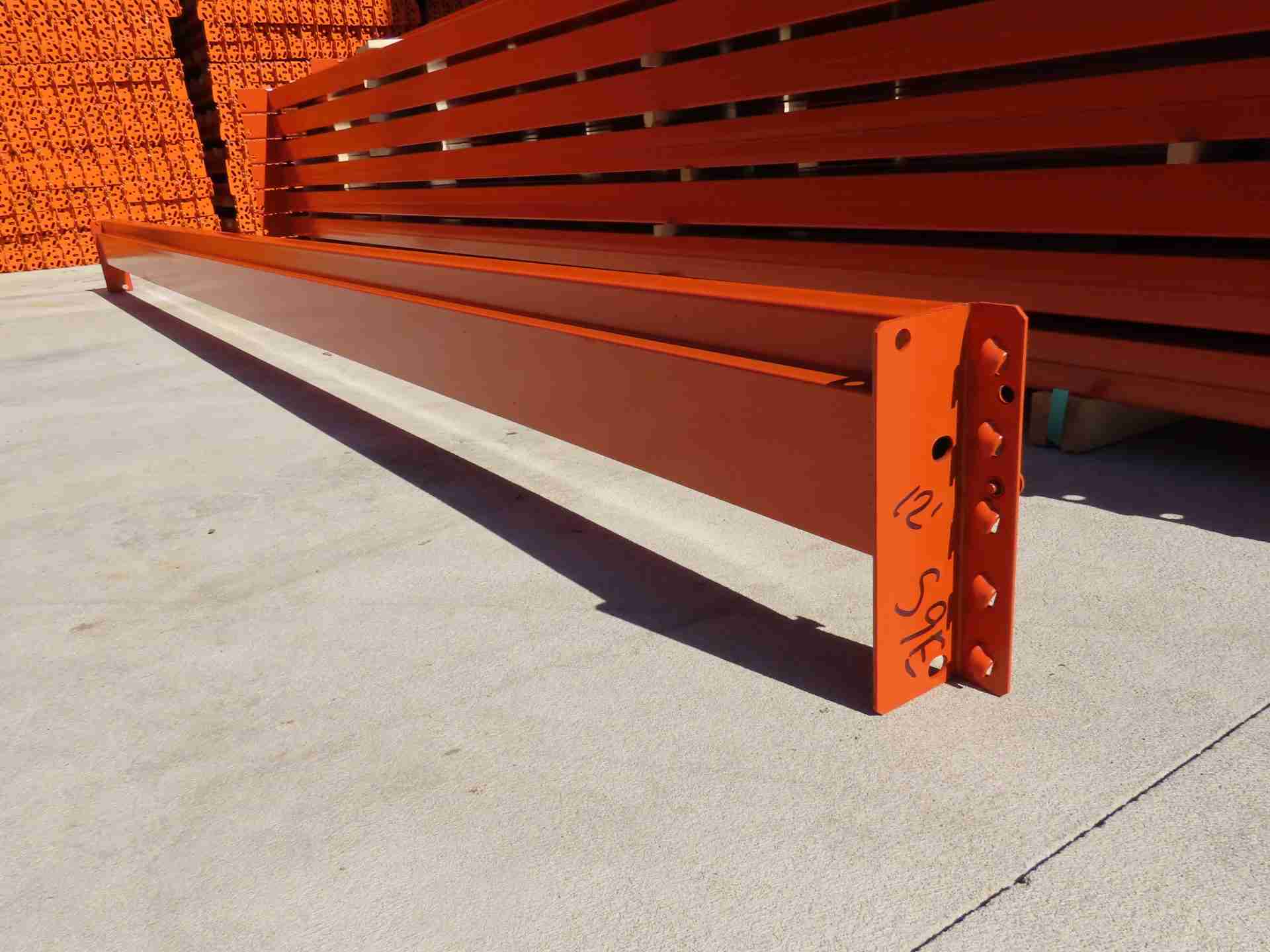
What Are The Consequences Of Not Complying With OSHA Requirements?
What Are The Consequences Of Not Complying With OSHA Requirements?
- Non-compliance with OSHA requirements can pose serious risks to both employees and employers.
- The immediate risk of not following OSHA regulations is the threat to worker safety, potentially leading to injuries, decreased productivity, increased insurance costs, and legal consequences.
- Financial consequences for employers include fines, increased insurance premiums, lawsuits, and damage to reputation, which can be detrimental in a competitive business environment.
- Erosion of trust between employers and employees is a significant consequence of not complying with OSHA requirements, resulting in decreased morale, higher turnover rates, and a toxic work environment.
- The solution to avoiding these consequences is to prioritize safety by investing in training, equipment, and procedures that meet or exceed OSHA standards.
- Creating a culture of safety in the workplace is not only a legal obligation but also a smart business decision to protect employees and ensure the long-term success of the company.
- By meeting OSHA standards, companies can safeguard their workers, bottom line, and future, as cutting corners on workplace safety offers no benefits.

What Are The Consequences Of Not Complying With OSHA Requirements?
Conclusion
In the world of warehouse operations, safety is paramount. Adhering to OSHA requirements for warehouse racking is not only a legal obligation but also a smart business decision. By ensuring that racking systems are properly installed, maintained, and equipped with appropriate safety features, employers can create a safer work environment for their employees and reduce the risk of accidents and injuries. Training employees on safe loading practices, maintaining proper aisle widths for equipment and worker passage, and adhering to weight limits are all important aspects of OSHA compliance. Regular inspections, cleaning, and maintenance of racking systems are necessary to identify and address any potential issues before they become major safety hazards. By staying proactive and preventative in their approach, employers can avoid costly accidents, fines, and damaged reputations. Prioritizing safety in the workplace not only protects employees but also ensures the long-term success and sustainability of the business. Remember, a well-maintained racking system is not just a legal requirement – it’s a crucial component of a successful and safe workplace.

Conclusion
Conclusion:
- In the world of warehouse operations, safety is paramount.
- Adhering to OSHA requirements for warehouse racking is a legal obligation and a smart business decision.
- Properly installed, maintained, and equipped racking systems create a safer work environment and reduce the risk of accidents.
- Training employees on safe loading practices, maintaining proper aisle widths, and adhering to weight limits are crucial for OSHA compliance.
- Regular inspections, cleaning, and maintenance of racking systems are necessary to prevent safety hazards.
- Staying proactive and preventative helps employers avoid accidents, fines, and damaged reputations.
- Prioritizing safety protects employees and ensures the long-term success of the business.

Conclusion
Other Resources

Other Resources
Here is a list of other resources you can review online to learn more:
- Understanding OSHA Requirements for Warehouse Racking: This article provides a comprehensive understanding of OSHA requirements for warehouse racking.
- OSHA 3220-10N 2004 – Occupational Safety and Health Administration: This is an official document from OSHA that provides safety guidelines for various aspects of warehouse operations, including racking.
- OSHA Compliance Guide for Pallet Rack Safety in Warehouses: This guide focuses on the safety aspects of pallet racking in warehouses as per OSHA standards.
- Storage rack safety: Capacity, anchoring, and stacking: This article discusses common questions about OSHA’s requirements for capacity marking, anchoring, and stacking height.
Remember to always follow the guidelines and regulations set by OSHA to ensure safety in your warehouse.

Other Resources
Glossary Terms
What Are OSHA Requirements for Warehouse Racking? – Glossary Of Terms
1. OSHA (Occupational Safety and Health Administration): A U. S. government agency dedicated to ensuring safe and healthy working conditions.
2. Warehouse Racking: Storage systems designed to hold inventory, consisting of vertical and horizontal supports.
3. Load Capacity: Maximum weight a racking system can safely support.
4. Rack Labeling: Specification needed to indicate rack capacity and usage instructions.
5. Pallet Rack: A common form of racking designed to store materials on pallets.
6. Cantilever Rack: A racking system with arms extending from a central column, used for long or bulky items.
7. Seismic Design: Structural considerations to ensure racking system stability during earthquakes.
8. Anchoring: Securing racking systems to the floor to prevent tipping.
9. Audit/Inspection: Regular checks to ensure the racking system is safe and compliant with regulations.
10. Safety Clips: Devices used to prevent beams from dislodging.
11. Beams: Horizontal support components that hold shelving or pallets in place.
12. Frames: Vertical structures providing support to racking systems.
13. Decking: Material placed between beams to create shelves.
14. Height-to-Depth Ratio: A measure ensuring the racking system’s stability, preventing tip-overs.
15. Deflection: Bending or flexing of racking components under load.
16. Load Distribution: Ensuring even placement of weight across the racking system.
17. Back-of-Rack Protection: Barriers installed to protect the rear of the racking system from impacts.
18. Guarding: Protective barriers to prevent forklifts or other equipment from damaging racking.
19. Stacking: Method for safely placing items on racks to avoid collapse.
20. Boltless Shelving: A shelving system that requires no bolts, designed for quick assembly and adjustability.
21. Wire Mesh Decking: Grated material used as shelving for improved fire safety and visibility.
22. Custom Engineering: Designing racking systems tailored to specific storage needs and safety requirements.
23. Material Handling Equipment: Tools like forklifts used to move inventory onto and off racking systems.
24. Aisle Width: Space between racks allowing safe and efficient movement of materials.
25. Cross-Beam: Horizontal support connecting frame columns, adding stability.
26. Vertical Clearance: Space allowance above racks to prevent damage and ensure fire safety compliance.
27. Safety Pins: Pins that secure beams in place, preventing accidental dislodging.
28. Bay: The usable storage area between two upright support columns.
29. Overloading: Placing more weight on racking systems than they are designed to hold, which is strictly prohibited.
30. Maintenance: Regular upkeep procedures to ensure the racking system remains safe and functional.
This glossary provides a comprehensive overview of key terms and concepts involved in ensuring warehouse racking systems meet OSHA requirements for safety and functionality.

Glossary Of Terms
Other Questions
What Are OSHA Requirements for Warehouse Racking? – Other Questions
If you wish to explore and discover more, consider looking for answers to these questions:
- What guidelines does OSHA provide for the proper installation of warehouse racking systems?
- How often should racks be inspected for signs of damage or wear and tear?
- What are the potential consequences of overloading warehouse racking?
- What specific safety features are required for warehouse racking according to OSHA?
- What types of personal protective equipment should be provided to workers in a warehouse?
- How wide should aisles be between racks to ensure safe passage of equipment and workers?
- What are the proper procedures for loading and unloading warehouse racks to meet OSHA standards?
- Which materials and goods require higher weight capacity racking systems?
- What are the common types of racking systems used in warehouses, and their respective weight limits?
- How can proper training on loading practices and weight limits be provided to employees?
- What factors should be considered when determining the optimal height for warehouse racks?
- What are the recommended minimum clearance requirements for different types of warehouse equipment?
- How frequently should warehouse racks be maintained and inspected according to OSHA guidelines?
- What are the common signs of damage or wear that should be looked for during rack inspections?
- How can warehouses ensure that racking systems are properly cleaned and maintained?
- What record-keeping practices are recommended for tracking racking maintenance and inspections?
- How should heavy or bulky items be safely moved and stacked in a warehouse?
- What steps can be taken to prevent accidents caused by improper loading and stacking of items?
- What are the legal and financial consequences of not complying with OSHA requirements?
- How can a safety-first culture be cultivated in a warehouse setting?

Other Questions
Checklist
What Are OSHA Requirements for Warehouse Racking? – A Checklist
1. Proper Installation and Maintenance
_____ Ensure proper installation of racking systems.
_____ Securely anchor racks to the floor.
_____ Maintain adequate clearance from walls and ceilings.
_____ Conduct regular inspections for damage or wear and tear.
_____ Address any issues promptly.
2. Safe Loading and Unloading
_____ Train employees on safe loading practices and weight limits.
_____ Avoid overloading racks or improperly stacking pallets.
_____ Regularly check rack conditions to ensure safe load support.
3. Appropriate Safety Features
_____ Install rack guards to prevent forklift collisions.
_____ Utilize safety clips and pins to secure beams.
_____ Provide personal protective equipment (PPE) such as hard hats and safety shoes.
4. Aisle Space Requirements
_____ Ensure aisle widths are at least 3 feet for manual pallet jacks.
_____ Ensure aisle widths are at least 12 feet for forklifts.
_____ Maintain clear and safe passage for equipment and workers.
5. Understanding Weight Limits
_____ Know the weight limits for different types of racking systems.
_____ Consult with a racking supplier or engineer for specific needs.
_____ Follow proper loading techniques to avoid overloading.
6. Height and Clearance Requirements
_____ Determine racking height based on warehouse constraints.
_____ Ensure a minimum clearance of at least 6 inches between the top item and the ceiling.
_____ Maintain at least 18 inches of side clearance and 3 feet of clearance between racks.
_____ Adjust height based on the type of products stored and equipment used.
7. Regular Inspections and Maintenance
_____ Conduct inspections at least annually or more frequently if necessary.
_____ Look for signs of damage, rust, or missing components.
_____ Perform regular cleaning to prevent debris buildup.
_____ Train employees on proper loading and unloading procedures.
8. Detailed Records
_____ Keep records of maintenance and inspection activities.
_____ Track the condition of racking systems over time.
_____ Provide records for OSHA inspections or audits.
9. Consequences of Non-Compliance
_____ Understand the risks to worker safety and the potential for accidents.
_____ Be aware of financial penalties, increased insurance premiums, and potential lawsuits.
_____ Recognize the impact on employee morale and company reputation.
10. Foster a Safety Culture
_____ Prioritize safety training and compliance.
_____ Encourage reporting of safety issues or concerns.
_____ Invest in proper safety equipment and procedures.

Checklist
At RackingWorld, we help guide you through selecting warehouse storage systems and racking.
Be sure to read our other related stories at RackingWorld to learn more about warehouse storage systems.
0 Comments