
Unraveling The Connection: Pallet Racking and Insurance
By Tom Seest
At RackingWorld, we help guide you through selecting warehouse storage systems and racking.
Be sure to read our other related stories at RackingWorld to learn more about warehouse storage systems.
How Do Insurance Requirements Relate to Pallet Racking Systems?
When it comes to setting up a warehouse or storage facility, one of the key elements to consider is the pallet racking system. These systems are essential for organizing and storing inventory efficiently. But what many people may not realize is the importance of understanding insurance requirements when it comes to pallet racking.
Insurance requirements play a crucial role in the safety and liability of a warehouse or storage facility. In the event of a collapse or accident involving the pallet racking system, having the right insurance coverage can make all the difference. That’s why it’s essential to ensure that your pallet racking system meets all necessary safety standards and regulations to comply with insurance requirements.
When it comes to insurance, the type of pallet racking system you choose can have a significant impact on your coverage. Different systems have different levels of risk associated with them, and insurance companies will often take this into account when determining your policy. For example, a high-density pallet racking system may require more stringent safety measures and regular inspections to meet insurance requirements.
In addition to the type of pallet racking system, insurance requirements may also vary depending on the size and layout of your facility. Larger facilities with multiple levels of pallet racking may have different insurance requirements than smaller warehouses with only one level of racking. It’s important to work with your insurance provider to understand what specific requirements apply to your facility and make sure you are adequately covered.
Another key factor to consider when it comes to insurance requirements and pallet racking systems is regular maintenance and inspection. Insurance companies may require proof that your pallet racking system is regularly inspected and maintained to ensure its safety and reliability. By staying on top of maintenance and inspections, you can help reduce the risk of accidents and ensure that you meet all necessary insurance requirements.
Insurance requirements play a crucial role in the safety and liability of pallet racking systems in warehouse and storage facilities. By understanding and meeting these requirements, you can help protect your business, employees, and inventory in the event of an accident. Whether you’re setting up a new pallet racking system or updating an existing one, be sure to work closely with your insurance provider to ensure you are adequately covered.Pallet Racking
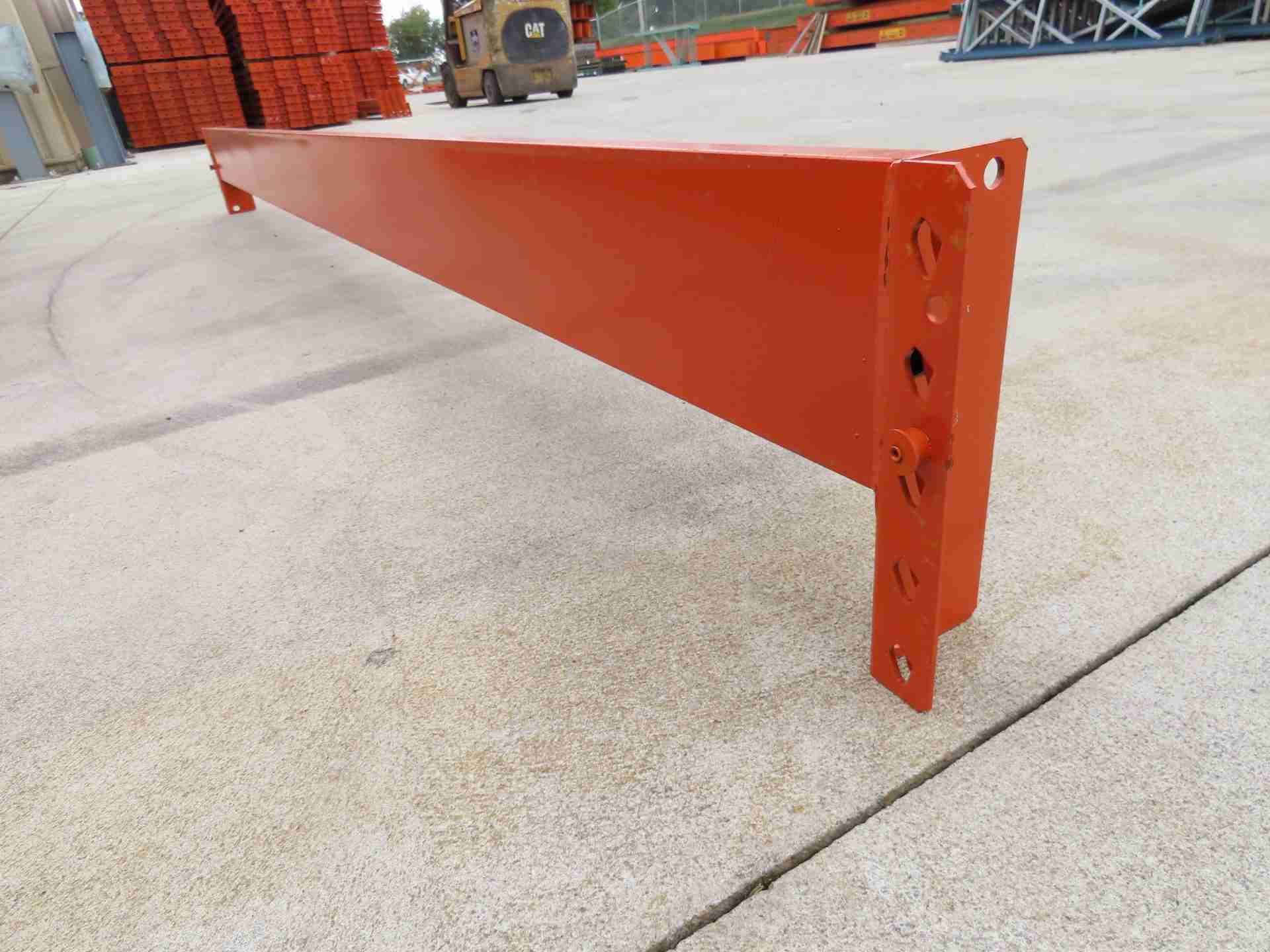
How Do Insurance Requirements Relate to Pallet Racking Systems?
How Do Insurance Requirements Relate to Pallet Racking Systems?
- Setting up a warehouse or storage facility requires consideration of a pallet racking system.
- Understanding insurance requirements for pallet racking is crucial for safety and liability.
- The type of pallet racking system chosen can impact insurance coverage.
- Insurance requirements may vary based on the size and layout of the facility.
- Regular maintenance and inspections are necessary to meet insurance requirements.
- Meeting insurance requirements helps protect business, employees, and inventory.
- Work closely with insurance provider to ensure adequate coverage.
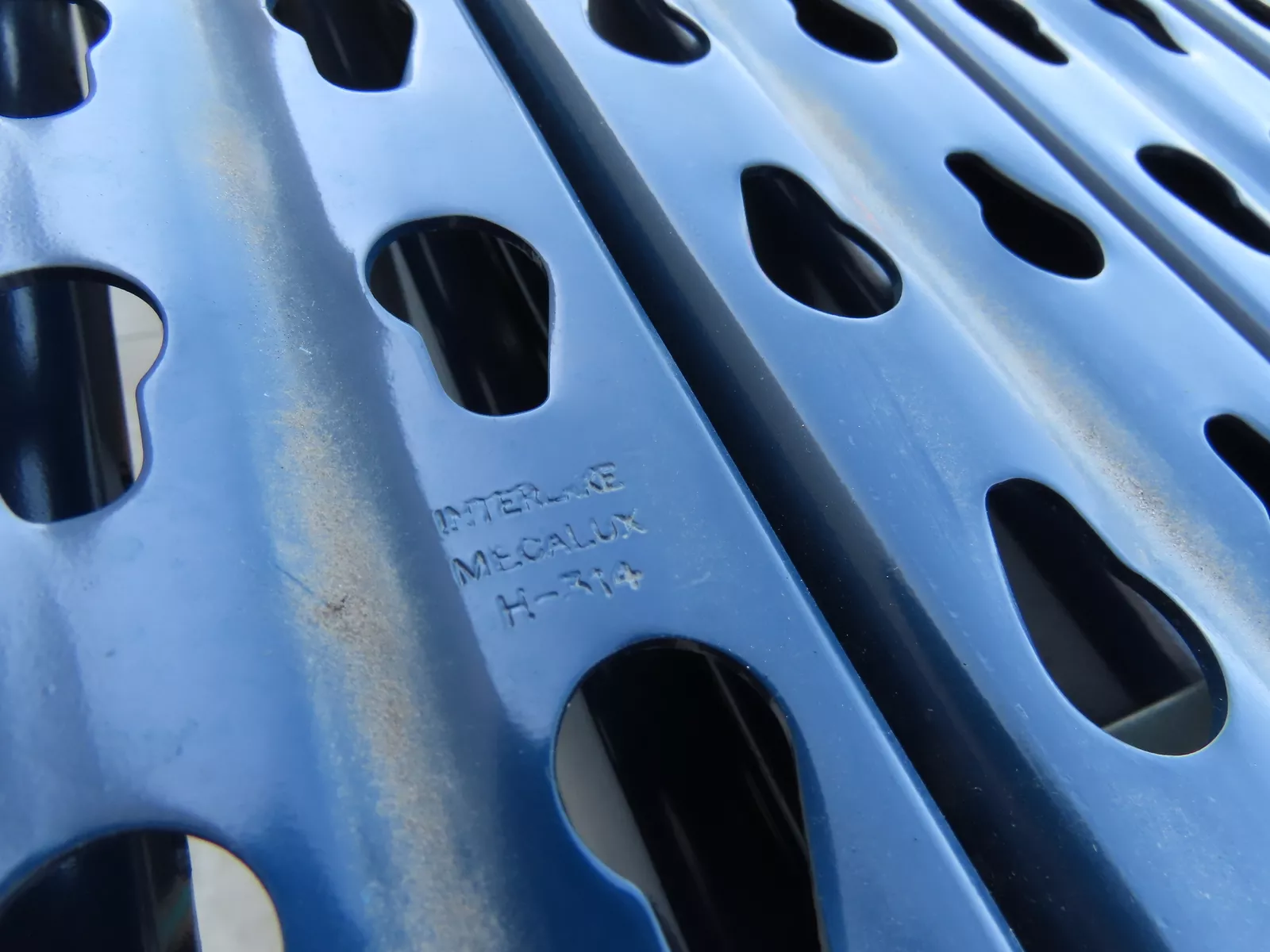
How Do Insurance Requirements Relate to Pallet Racking Systems?
Table Of Contents
- How Do Insurance Requirements Relate to Pallet Racking Systems?
- What Are The Common Insurance Requirements For Pallet Racking Systems?
- Are There Specific Safety Standards That Need To Be Met For Insurance?
- How Can Non-Compliance With Insurance Requirements Impact A Business?
- Conclusion
- Other Resources
- Glossary Of Terms
- Other Questions
- Checklist
What Are The Common Insurance Requirements For Pallet Racking Systems?
When it comes to Pallet Racking systems, there are a few common insurance requirements that businesses need to keep in mind. These requirements are put in place to ensure the safety of the system, the products stored on it, and the employees working with it.
One of the most important insurance requirements for Pallet Racking systems is liability insurance. This type of insurance provides coverage in case someone is injured or property is damaged as a result of the pallet racking system. Liability insurance is essential for protecting businesses from potential lawsuits and costly legal fees.
Another key insurance requirement for Pallet Racking systems is property insurance. This type of insurance provides coverage in case the pallet racking system is damaged or destroyed by fire, natural disasters, or other unforeseen events. Property insurance is crucial for businesses looking to protect their investment in the pallet racking system and the products stored on it.
Additionally, businesses that use Pallet Racking systems may be required to have workers’ compensation insurance. This type of insurance provides coverage for employees who are injured on the job while working with the pallet racking system. Workers’ compensation insurance is important for ensuring that employees are taken care of in the event of an accident or injury.
In some cases, businesses may also be required to have equipment breakdown insurance for their Pallet Racking systems. This type of insurance provides coverage for repairs or replacements needed as a result of equipment malfunctions or breakdowns. Equipment breakdown insurance can help businesses avoid costly downtime and keep their operations running smoothly.
Overall, having the right insurance coverage for Pallet Racking systems is essential for ensuring the safety of employees and protecting businesses from potential financial risks. By meeting these common insurance requirements, businesses can have peace of mind knowing that they are prepared for any unexpected events that may arise while using their pallet racking system.
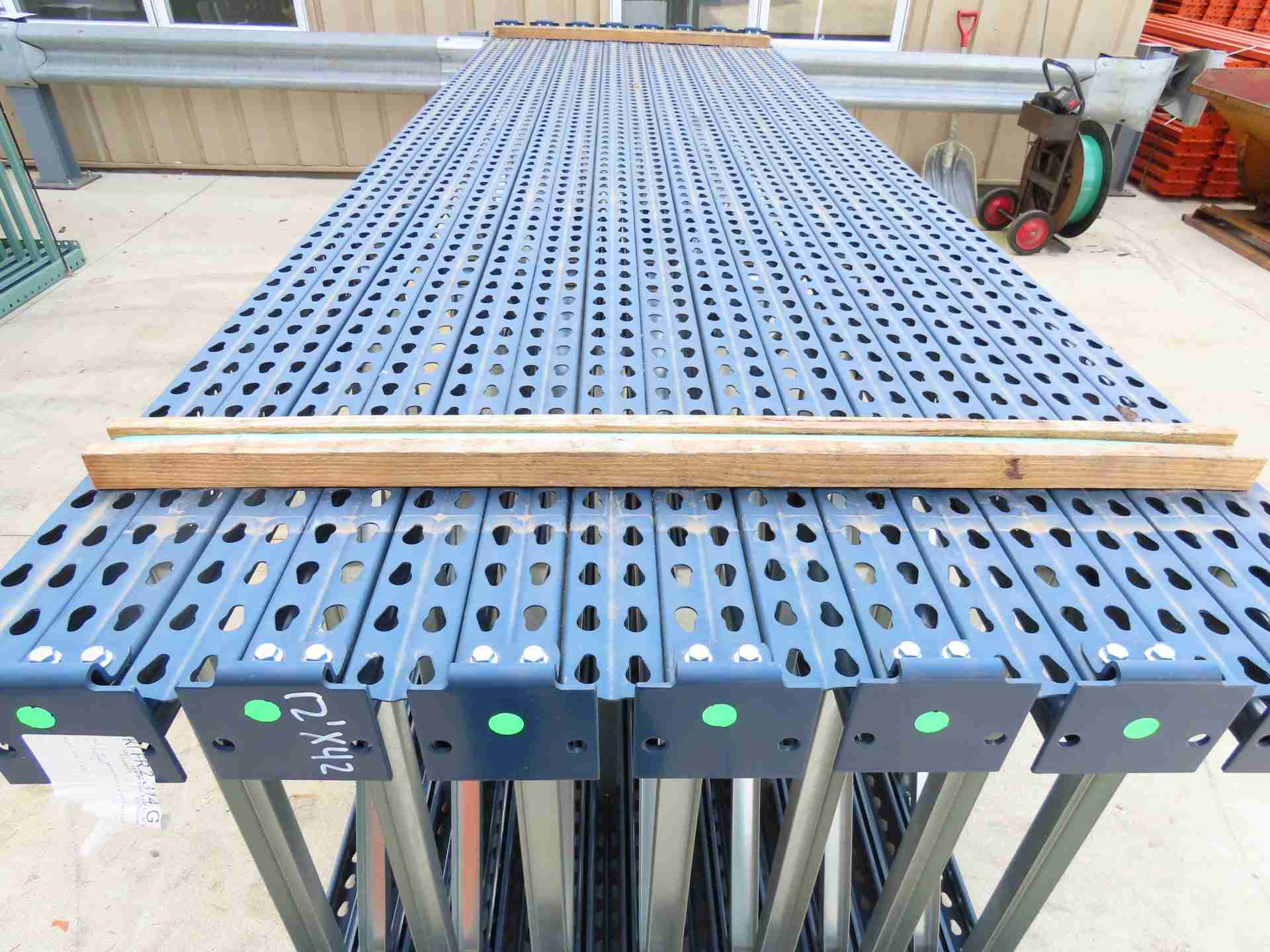
What Are The Common Insurance Requirements For Pallet Racking Systems?
What Are The Common Insurance Requirements For Pallet Racking Systems?
- Liability insurance is crucial for protecting businesses from potential lawsuits and costly legal fees.
- Property insurance provides coverage in case the pallet racking system is damaged or destroyed by fire, natural disasters, or other unforeseen events.
- Workers’ compensation insurance is important for ensuring that employees are taken care of in the event of an accident or injury.
- Equipment breakdown insurance provides coverage for repairs or replacements needed as a result of equipment malfunctions or breakdowns.
- Having the right insurance coverage for Pallet Racking systems ensures the safety of employees and protects businesses from potential financial risks.
- Meeting these common insurance requirements gives businesses peace of mind knowing that they are prepared for any unexpected events while using their pallet racking system.
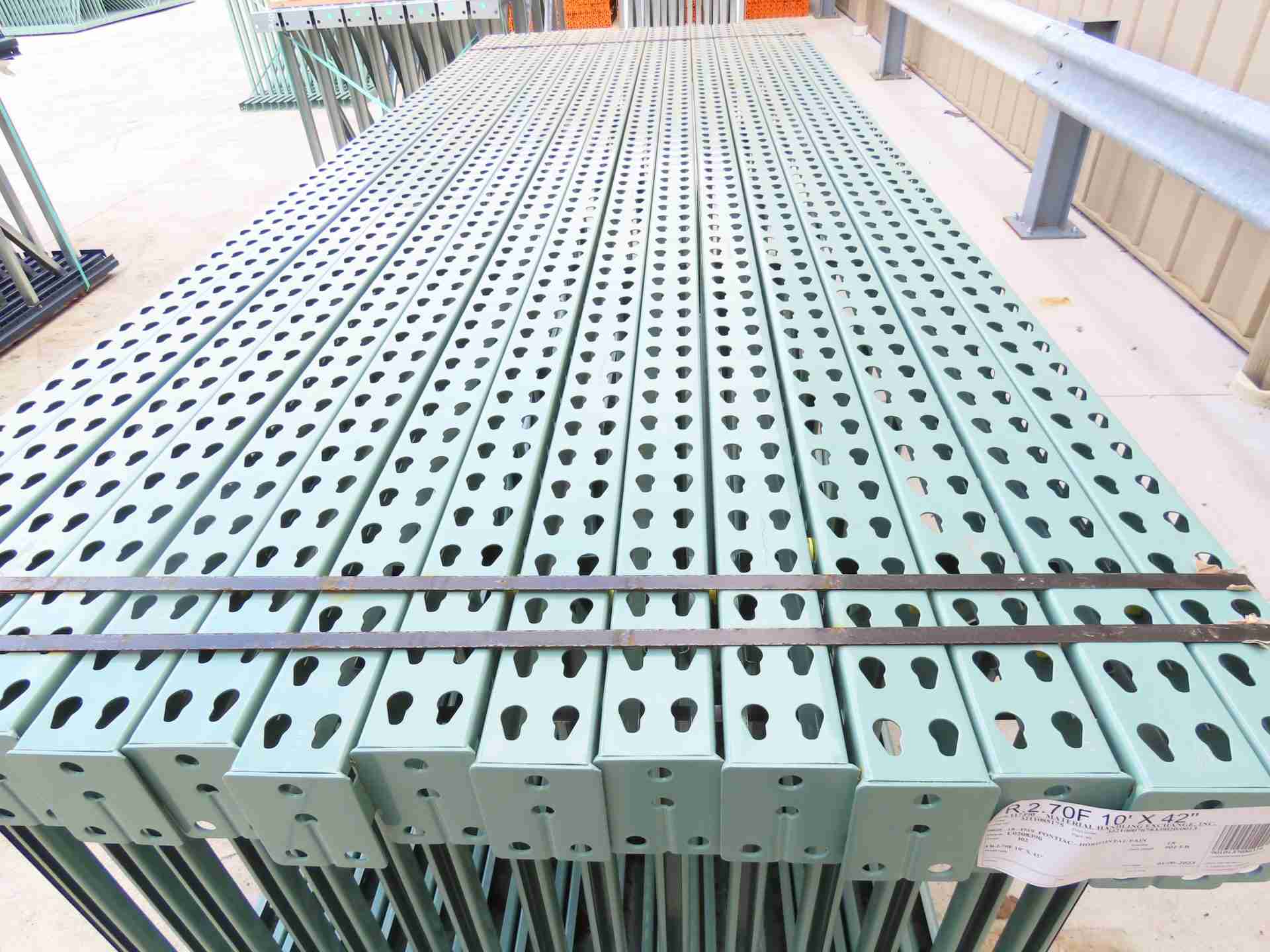
What Are The Common Insurance Requirements For Pallet Racking Systems?
Are There Specific Safety Standards That Need To Be Met For Insurance?
When it comes to insurance coverage for warehouses and distribution centers, there are certainly specific safety standards that need to be met in order to ensure proper coverage and protection for both the facility and its employees. One area where these safety standards are particularly important is in the installation and maintenance of pallet racking systems.
Pallet racking, which is the most common form of storage system used in warehouses, is designed to hold and organize heavy pallets of inventory. However, if not installed and maintained properly, pallet racking can pose serious safety risks, including collapse and injury to workers.
Insurance companies understand the potential risks associated with pallet racking, which is why they often require businesses to meet certain safety standards in order to qualify for coverage. Some of these standards may include regular inspections and maintenance of the racking system, proper employee training on safe loading and unloading procedures, and adherence to industry best practices for pallet racking installation.
For example, insurance providers may require businesses to conduct regular inspections of their pallet racking systems to check for signs of damage, wear, or overloading. Any issues that are identified during these inspections must be promptly addressed to prevent potential accidents and injuries. In addition, employees who work with the racking systems should receive thorough training on how to safely load and unload pallets, as well as how to recognize and report any potential safety hazards.
Furthermore, insurance companies may also require businesses to follow industry guidelines for the installation of pallet racking systems. This includes ensuring that the racking is installed by qualified professionals, using the proper hardware and equipment, and following the manufacturer’s recommendations for weight capacities and load distribution.
By meeting these safety standards for pallet racking, businesses can not only protect their employees and inventory from harm, but also ensure that they are fully covered by their insurance policy in the event of an accident. Ultimately, taking the time to prioritize safety in the warehouse can help businesses avoid costly liabilities and maintain a safe and productive work environment.
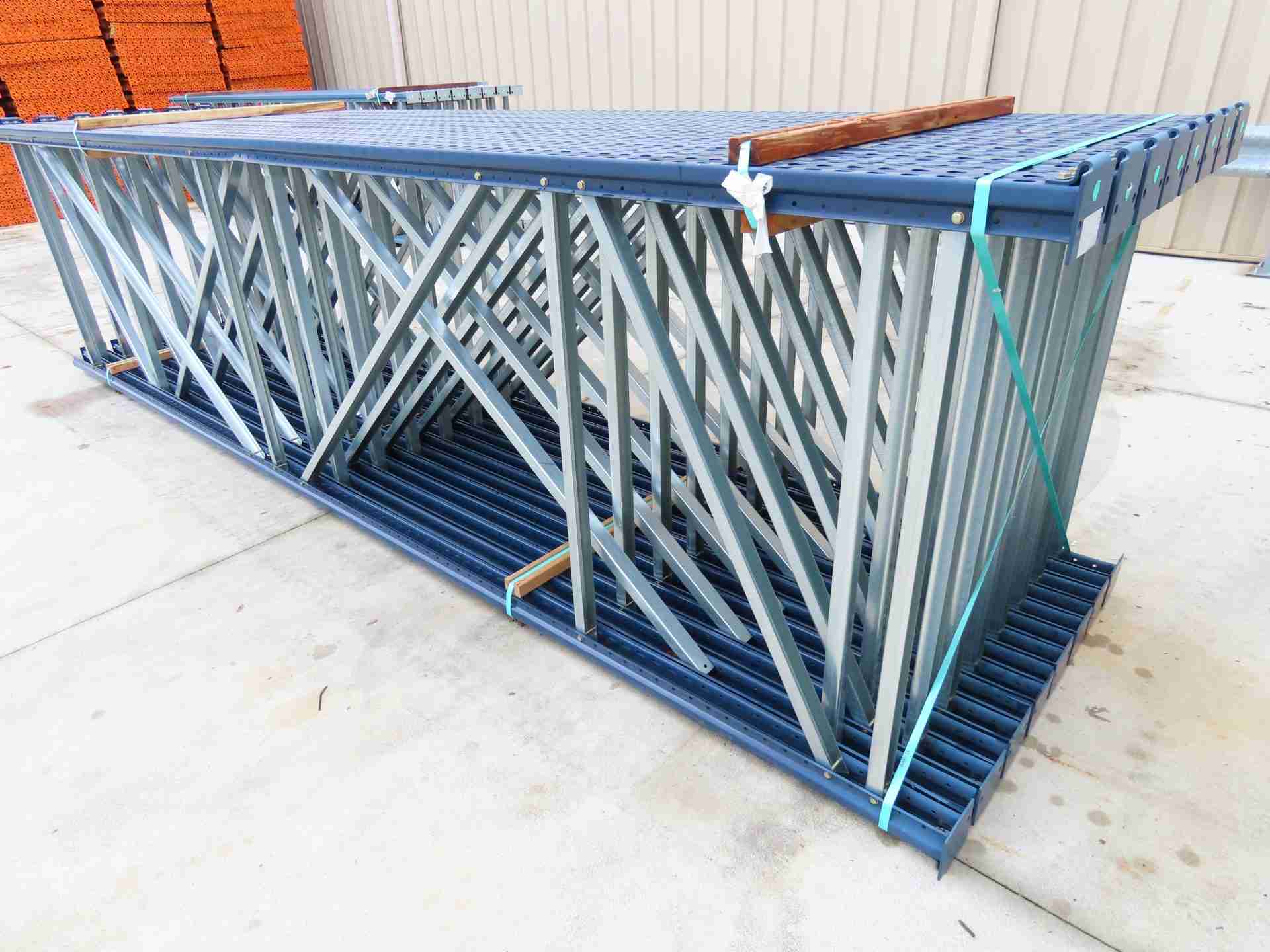
Are There Specific Safety Standards That Need To Be Met For Insurance?
Are There Specific Safety Standards That Need To Be Met For Insurance?
- Insurance coverage for warehouses and distribution centers requires meeting specific safety standards.
- Proper installation and maintenance of pallet racking systems is crucial for safety.
- Insurance companies may require businesses to meet safety standards to qualify for coverage.
- Standards may include regular inspections, employee training, and industry best practices.
- Regular inspections should be conducted to check for damage, wear, or overloading.
- Employees should receive training on safe loading and unloading procedures.
- Following industry guidelines for racking installation is important for safety and insurance coverage.
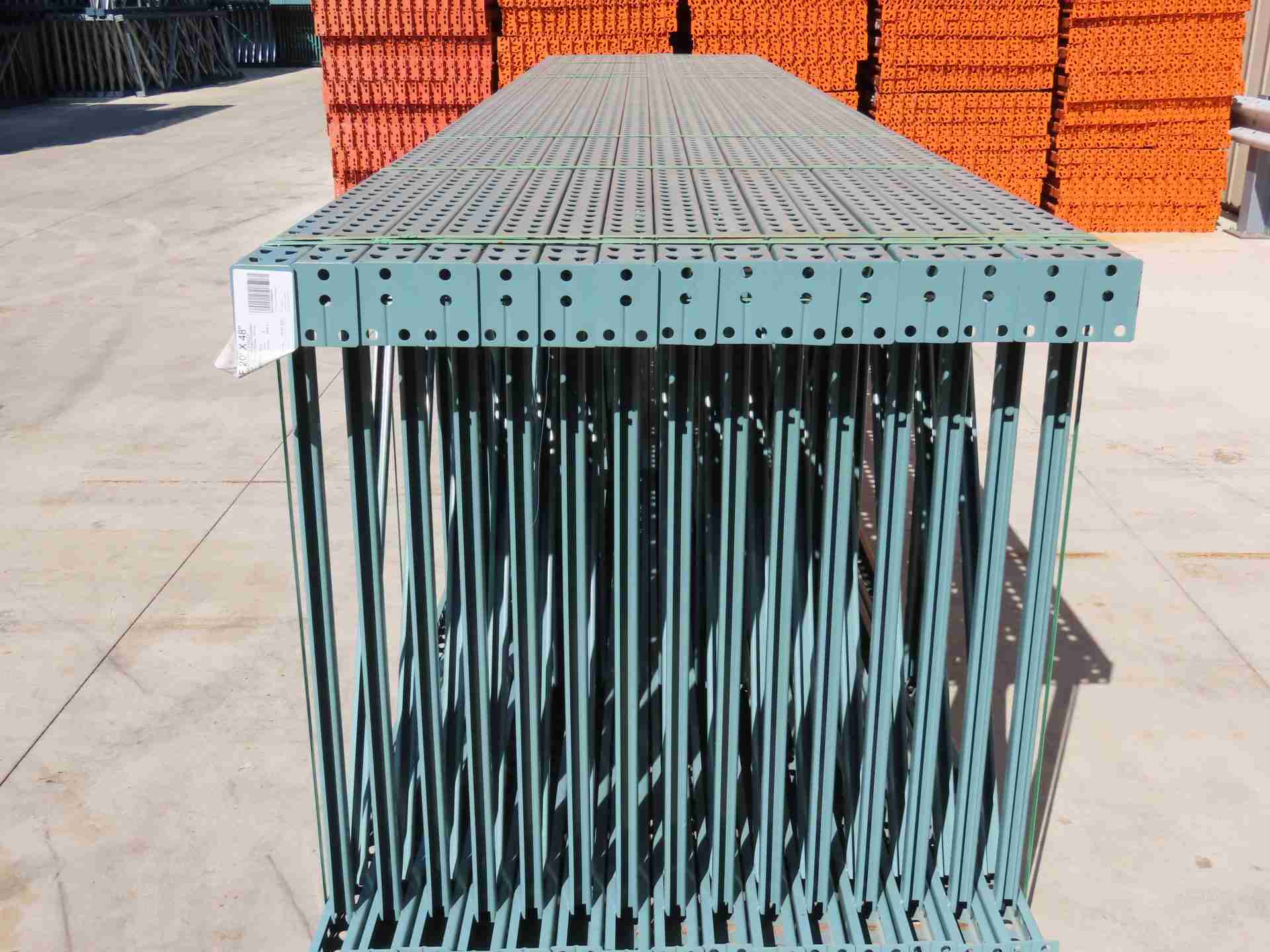
Are There Specific Safety Standards That Need To Be Met For Insurance?
How Can Non-Compliance With Insurance Requirements Impact A Business?
When it comes to running a business, there are countless responsibilities to juggle and regulations to follow. One area that often gets overlooked is insurance requirements. Many businesses are required to have specific insurance coverage in place to protect themselves, their employees, and their customers. However, some may not realize the potential consequences of non-compliance with these insurance requirements. Let’s take a closer look at how failing to meet insurance obligations, such as those related toPallet Racking, can impact a business.
One of the most immediate impacts of non-compliance with insurance requirements is the potential for financial loss. Without the proper insurance coverage in place, a business could be on the hook for costly medical bills, legal fees, and property damage in the event of an accident or disaster. For example, if a customer were to be injured by fallingPallet Racking in a business’s warehouse, the business could face a hefty lawsuit without the proper liability insurance coverage. This could result in devastating financial consequences that could potentially put the business at risk of closure.
In addition to financial repercussions, non-compliance with insurance requirements can also damage a business’s reputation. Customers and clients want to do business with companies that prioritize safety and responsibility. If a business is found to be negligent in maintaining the necessary insurance coverage, it can erode trust and turn potential customers away. In the age of social media and online reviews, negative publicity can spread rapidly and have lasting effects on a business’s bottom line.
Furthermore, failing to comply with insurance requirements can lead to legal trouble. Many states have specific laws mandating certain types of insurance coverage for businesses, such as workers’ compensation insurance or general liability insurance. If a business is found to be in violation of these laws, it could face fines, penalties, and even legal action. This not only adds to the financial burden but also creates a headache for business owners who must now navigate the complex legal system.
Overall, non-compliance with insurance requirements, including those related toPallet Racking, can have serious consequences for a business. From financial loss and damaged reputation to legal troubles, the risks of not meeting insurance obligations far outweigh the costs of maintaining proper coverage. Business owners must prioritize insurance compliance to protect their livelihood and ensure continued success.
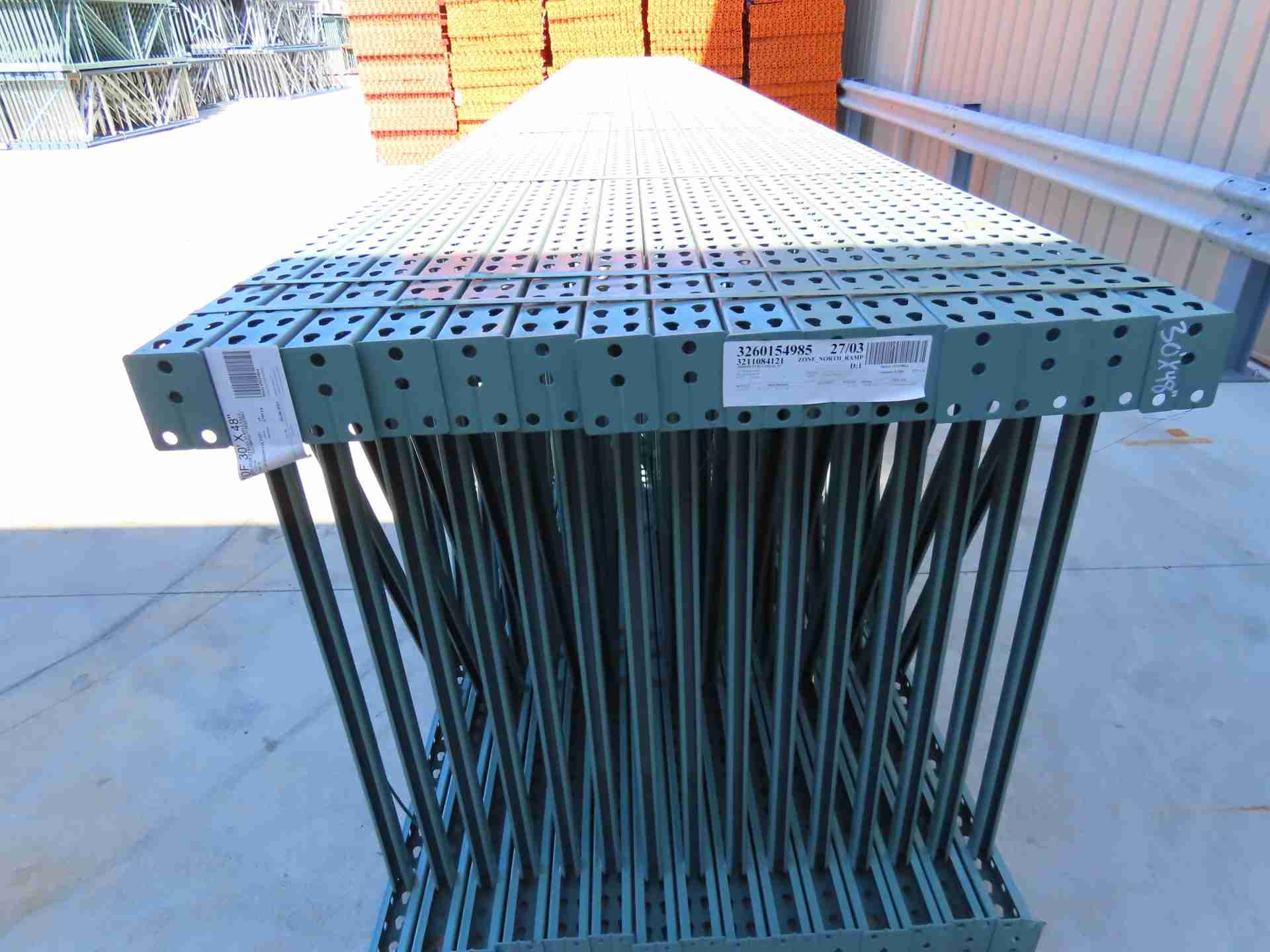
How Can Non-Compliance With Insurance Requirements Impact A Business?
How Can Non-Compliance With Insurance Requirements Impact A Business?
- Failure to meet insurance requirements can lead to financial losses, including costly medical bills, legal fees, and property damage.
- Not having the proper liability insurance coverage for incidents like injuries caused by falling Pallet Racking can result in devastating financial consequences and potential closure.
- Non-compliance with insurance requirements can damage a business’s reputation, erode trust, and turn potential customers away.
- Negative publicity from failing to have necessary insurance coverage can spread quickly in the age of social media and online reviews, impacting a business’s bottom line.
- Legal trouble can arise from not complying with insurance laws mandating specific coverage like workers’ compensation insurance or general liability insurance.
- Businesses found in violation of insurance laws may face fines, penalties, and legal action, adding to financial burdens and complexities for business owners.
- Overall, the risks of not meeting insurance obligations, including those related to Pallet Racking, far outweigh the costs of maintaining proper coverage, and business owners must prioritize insurance compliance to protect their livelihood and ensure continued success.

How Can Non-Compliance With Insurance Requirements Impact A Business?
Conclusion
In conclusion, understanding insurance requirements when it comes to pallet racking systems is essential for the safety and liability of warehouse and storage facilities. By meeting these requirements, businesses can protect themselves, their employees, and their inventory in the event of accidents. One of the key factors to consider is the type of pallet racking system chosen, as different systems may have varying levels of risk associated with them. Insurance companies often take this into account when determining coverage. It’s crucial to work closely with your insurance provider to ensure that your pallet racking system meets all necessary safety standards and regulations to comply with insurance requirements.
Regular maintenance and inspection of the pallet racking system are also key components in meeting insurance requirements. It’s important to provide proof that the system is regularly inspected and maintained to ensure its safety and reliability. By staying on top of maintenance and inspections, businesses can help reduce the risk of accidents and ensure that they meet all necessary insurance requirements. Liability insurance, property insurance, workers compensation insurance, and equipment breakdown insurance are common requirements for pallet racking systems to protect businesses from potential financial risks.
Non-compliance with insurance requirements can have serious implications for a business, including financial loss, damaged reputation, and legal troubles. It’s important for business owners to prioritize insurance compliance to protect their livelihood and ensure continued success. Ultimately, by understanding and meeting insurance requirements for pallet racking systems, businesses can rest assured that they are prepared for any unexpected events that may arise while using their pallet racking system.
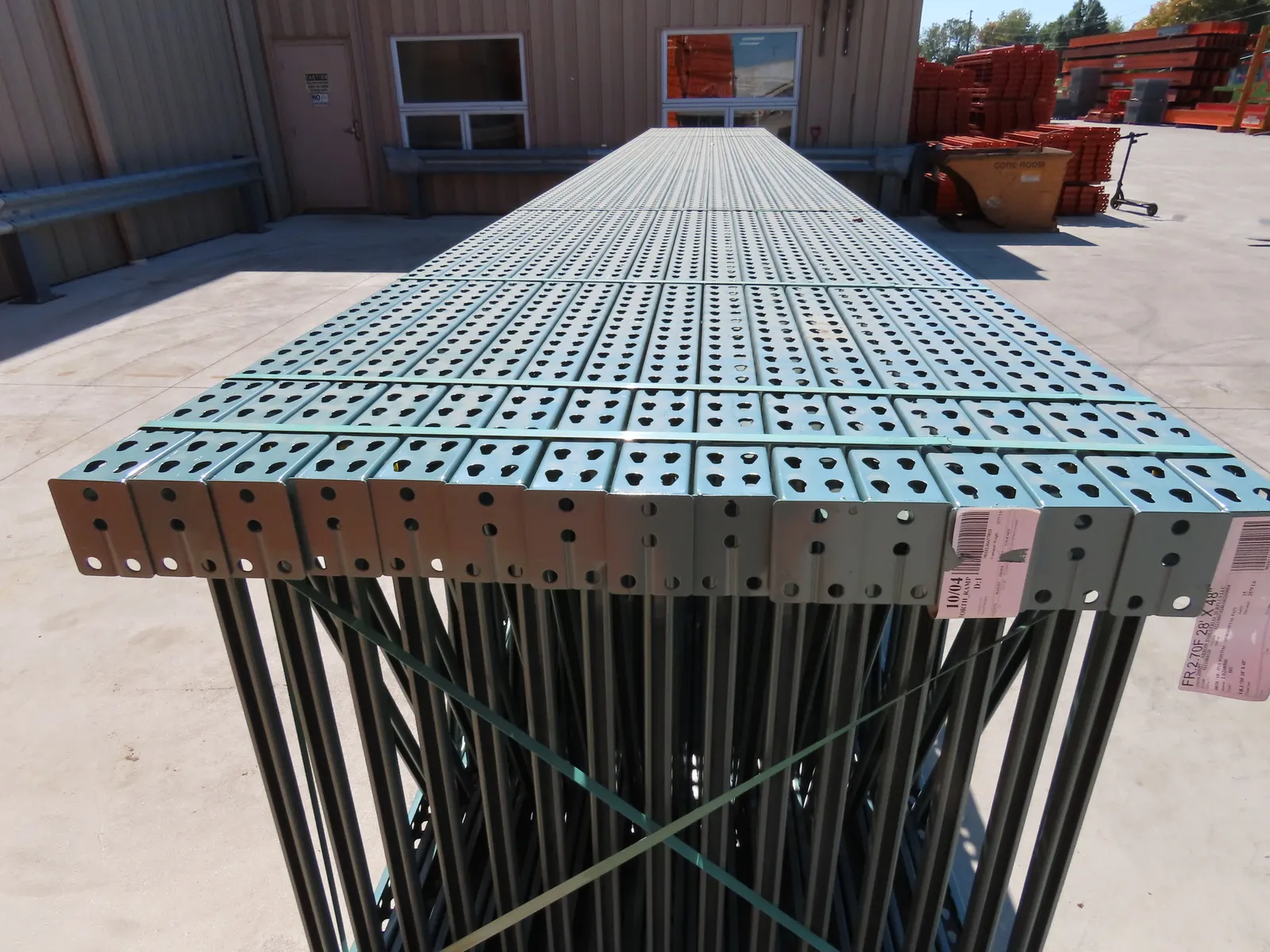
Conclusion
Conclusion:
- Understanding insurance requirements for pallet racking systems is essential for safety and liability.
- Businesses can protect themselves, employees, and inventory by meeting insurance requirements.
- The type of pallet racking system chosen affects insurance coverage and risk levels.
- Regular maintenance and inspection are crucial for meeting insurance requirements.
- Proof of regular inspection and maintenance helps reduce accident risks.
- Liability, property, workers compensation, and equipment breakdown insurance are common requirements.
- Non-compliance can lead to financial loss, damaged reputation, and legal troubles.
Conclusion
Other Resources
Other Resources
Here is a list of other resources you can review online to learn more:
- “Industrial Pallet Racking Inspections | CheckPoint Group”
- “Warehouseman’s Legal Liability: An Underwriting Overview”
- “The Importance Of Regular Pallet Racking Inspection For Safety”
- “European Statistics on Accidents at Work (ESAW)”
- “Pallet racking fact sheet | SafeWork NSW”
- “Executive order on building regulations 2018 (BR18)”
- “Rack Inspections”
- “3 Reasons For Racking Inspections”
- “Pallet racking systems”
- “Pallet Rack Configuration Tips for Warehouse Managers”
- “The Importance of Regular Pallet Rack Safety Inspections”

Other Resources
Glossary Terms
How Do Insurance Requirements Relate to Pallet Racking Systems? – Glossary Of Terms
1. Pallet Racking System: Structural system designed to store materials on pallets in rows with multiple shelves or levels.
2. Fire Suppression System: A system designed to control or extinguish fires, often a key insurance requirement to reduce fire risk in pallet racking areas.
3. Load Capacity: Maximum weight that pallet racking can safely hold, critical for compliance with insurance standards.
4. Rack Configuration: The design and arrangement of racks, which must comply with safety standards for insurance purposes.
5. Seismic Bracing: Support mechanisms to ensure pallet racks withstand seismic activities, often required by insurers in earthquake-prone areas.
6. Safety Inspections: Regular examinations of pallet racking systems to ensure they meet safety and insurance standards.
7. Load Distribution: Even placement of weight across racks, a necessity to prevent accidents and meet insurance guidelines.
8. Material Handling Equipment: Tools like forklifts used for moving pallets, which must be compatible with pallet racking systems per insurance requirements.
9. Occupational Safety and Health Administration (OSHA): U. S. government agency that sets safety standards; compliance is often tied to insurance policies.
10. Warehouse Management System (WMS): Software used to manage inventory and operations in a warehouse, facilitating compliance with insurance requirements.
11. Risk Assessment: Evaluation of potential hazards related to pallet racking, often required by insurers.
12. Storage Conditions: Environmental factors (e. g. , temperature, humidity) that must be controlled to meet insurance criteria.
13. Compliance Certification: Official recognition that a pallet racking system meets certain insurance and safety standards.
14. Structural Integrity: Strength and stability of racking systems, a critical factor for insurance approval.
15. Sprinkler Systems: Fire control systems that might be mandatory for pallet racking systems within insured warehouses.
16. Rack Inspections: Routine checks for structural damage or wear, required by insurers to ensure safety.
17. Worker Training: Instruction for employees on safe practices for using pallet racking systems, meeting insurance requirements.
18. Weight Limits: Restrictions on how much weight can be stored on each rack, enforced to prevent accidents and comply with insurance policies.
19. Incident Reporting: Documentation of any accidents or issues as required by insurance policies for investigating and improving safety.
20. Safety Signage: Labels and warnings placed on and around pallet racking to ensure safe usage and compliance with insurance standards.
21. Insurance Premiums: Costs paid for insurance coverage, which can be influenced by adherence to safety and compliance standards in pallet racking systems.
22. Collapse Hazard: Risk of the pallet racking system failing, which must be minimized according to insurance requirements.
23. Third-Party Inspections: External assessments conducted by insurance or safety experts to ensure compliance with standards.
24. Wear and Tear: Deterioration of pallet racking over time; regular maintenance is required to meet insurance guidelines.
25. Liability Coverage: Insurance protection against damages or injuries related to pallet racking systems.
26. Building Codes: Local regulations that impact the design and installation of pallet racking systems, relevant for insurance compliance.
27. Emergency Exits: Clear and accessible pathways required for safe evacuation, influenced by the placement of pallet racking systems per insurance standards.
28. Safety Protocols: Established procedures to ensure safe operation of pallet racking, a critical component of meeting insurance requirements.
29. Certifications: Official documents proving that pallet racking systems meet specific standards, often required by insurance companies.
30. Regulatory Compliance: Adhering to laws and standards governing pallet racking systems, essential for obtaining and maintaining insurance coverage.
These terms and descriptions outline how various aspects of pallet racking systems relate to insurance requirements, helping ensure both safety and compliance.
Glossary Of Terms
Other Questions
How Do Insurance Requirements Relate to Pallet Racking Systems? – Other Questions
If you wish to explore and discover more, consider looking for answers to these questions:
- What types of insurance are typically required for pallet racking systems?
- How do insurance requirements differ for various types of pallet racking systems?
- What specific safety standards must be met to ensure insurance compliance for pallet racking systems?
- How can a business ensure that their pallet racking system is meeting all necessary safety standards and regulations?
- What are the risks associated with different types of pallet racking systems and how do they impact insurance requirements?
- How often should pallet racking systems be inspected and maintained to comply with insurance requirements?
- What are the consequences of non-compliance with insurance requirements in relation to pallet racking systems?
- How can a business work effectively with their insurance provider to understand specific requirements for their pallet racking systems?
- What role does employee training play in meeting insurance requirements for pallet racking systems?
- What legal requirements exist for insurance coverage related to pallet racking systems and how can businesses ensure they are in compliance?
Other Questions
Checklist
How Do Insurance Requirements Relate to Pallet Racking Systems? – A Checklist
1. Understand Insurance Requirements
_____ Review insurance policies to identify specific coverage requirements.
_____ Consult with your insurance provider to clarify any uncertainties.
2. Select the Appropriate Pallet Racking System
_____ Assess the risk levels associated with different types of pallet racking systems.
_____ Choose a system that meets both operational needs and insurance safety standards.
3. Facility Size and Layout Considerations
_____ Determine insurance requirements based on the size of the facility.
_____ Evaluate different requirements for single-level versus multi-level racking systems.
_____ Ensure sufficient spacing and access routes according to industry standards and insurance policies.
4. Regular Maintenance and Inspections
_____ Schedule regular inspections of the pallet racking system.
_____ Document all maintenance and inspection activities.
_____ Address any signs of wear, damage, or overloading promptly.
5. Employee Training and Safety Protocols
_____ Provide thorough training for employees on safe loading and unloading procedures.
_____ Implement safety protocols and ensure adherence by all staff members.
_____ Conduct regular safety drills and refreshers on best practices.
6. Meet Common Insurance Requirements
_____ Secure liability insurance to cover injuries or property damage involving the pallet racking system.
_____ Obtain property insurance to protect against damage from fire, natural disasters, or other events.
_____ Ensure workers’ compensation insurance for employees working with the system.
_____ Consider equipment breakdown insurance to cover repairs or replacements due to malfunctions.
7. Adherence to Specific Safety Standards
_____ Follow industry best practices for the installation of pallet racking systems.
_____ Use qualified professionals for installation.
_____ Adhere to manufacturers’ recommendations for weight capacities and load distribution.
_____ Ensure the use of appropriate hardware and equipment.
8. Verification and Documentation
_____ Keep detailed records of all insurance policies and updates.
_____ Maintain documentation of compliance with safety inspections and standards.
_____ Regularly review and update insurance policies to cover any system upgrades or changes.
9. Potential Consequences of Non-Compliance
_____ Be aware of the financial risks: costly medical bills, legal fees, and property damage.
_____ Understand the potential damage to the business’s reputation.
_____ Recognize the legal repercussions such as fines, penalties, and legal action.
10. Regular Review and Risk Assessment
_____ Periodically review all insurance coverage and requirements.
_____ Conduct risk assessments to identify any new potential hazards.
_____ Update protocols and insurance policies as needed to accommodate any operational changes.
By following this checklist, businesses can ensure their pallet racking systems meet all necessary insurance requirements, thus protecting their operations, employees, and assets.

Checklist
At RackingWorld, we help guide you through selecting warehouse storage systems and racking.
Be sure to read our other related stories at RackingWorld to learn more about warehouse storage systems.
0 Comments