
Maximizing Pallet Rack Performance: Essential Maintenance Tips
By Tom Seest
At RackingWorld, we help guide you through selecting warehouse storage systems and racking.
Be sure to read our other related stories at RackingWorld to learn more about warehouse storage systems.
How Should Pallet Racks Be Maintained?
Pallet racks are a crucial component of any warehouse or distribution center, holding tons of inventory and ensuring smooth operations. But like any piece of equipment, they require regular maintenance to ensure they remain in good working condition.
First and foremost, it’s important to regularly inspect your pallet racks for any signs of damage. Look for dents, bends, or any other structural issues that could compromise the integrity of the racks. If you spot any damage, address it immediately before it leads to a more serious problem.
Another key aspect of maintaining pallet racks is keeping them clean and free of debris. Piles of dust and dirt can accumulate on the racks, increasing the risk of corrosion and making it harder to spot damage. Regularly sweeping or vacuuming the racks can help prevent this buildup and ensure they stay in top condition.
In addition to visual inspections, it’s also a good idea to conduct load tests on your pallet racks. Load testing involves placing a heavy load on the racks to ensure they can support their maximum weight capacity. This can help identify any weaknesses in the racks and prevent a potential collapse.
It’s also important to follow proper loading guidelines when using pallet racks. Overloading the racks can put excessive stress on them and increase the risk of damage or collapse. Make sure to follow weight limits and distribute loads evenly to prevent any strain on the racks.
Regularly lubricating the moving parts of the pallet racks can also help prevent wear and tear. This includes greasing joints and rollers to ensure they move smoothly and reduce friction. Proper lubrication can extend the life of your pallet racks and help them operate more efficiently.
Finally, it’s essential to train your employees on proper rack maintenance and safety protocols. Make sure they understand how to inspect the racks for damage, how to load them correctly, and what to do in case of an emergency. By investing in training, you can help prevent accidents and ensure the longevity of your pallet racks.
Maintaining pallet racks is essential for ensuring the safety and efficiency of your warehouse operations. By conducting regular inspections, keeping the racks clean, conducting load tests, following proper loading guidelines, lubricating moving parts, and training your employees, you can help prolong the life of your pallet racks and prevent costly accidents. Remember, a little maintenance now can save you a lot of headaches down the road.

How Should Pallet Racks Be Maintained?
How Should Pallet Racks Be Maintained?
- Regularly inspect pallet racks for damage to ensure structural integrity.
- Keep pallet racks clean to prevent corrosion and make damage easier to spot.
- Conduct load tests to identify weaknesses and prevent potential collapses.
- Follow loading guidelines to avoid overloading and stressing the racks.
- Lubricate moving parts to reduce wear and tear and increase efficiency.
- Train employees on proper maintenance and safety protocols.
- Investing in maintenance now can prevent costly accidents in the future.

How Should Pallet Racks Be Maintained?
Table Of Contents
- How Should Pallet Racks Be Maintained?
- What Are Some Common Maintenance Tasks For Pallet Racks?
- How Often Should Pallet Racks Be Inspected For Damage?
- What Are The Consequences Of Neglecting Pallet Rack Maintenance?
- Are There Any Safety Guidelines For Maintaining Pallet Racks?
- What Are Some Signs That A Pallet Rack Needs Repair Or Replacement?
- Should Professionals Be Hired For Pallet Rack Maintenance?
- How Can Proper Maintenance Extend The Lifespan Of Pallet Racks?
- Can Regular Maintenance Prevent Accidents In The Workplace?
- Conclusion
- Other Resources
- Glossary Of Terms
- Other Questions
- Checklist
What Are Some Common Maintenance Tasks For Pallet Racks?
When it comes to keeping your warehouse running smoothly, proper maintenance of your pallet racks is crucial. These storage systems are essential for keeping your inventory organized and accessible, but they can also pose a safety risk if not properly maintained.
One common maintenance task for pallet racks is regular inspections. This involves checking for any signs of damage, such as bent or broken beams, loose bolts, or rust. Inspections should be conducted on a regular basis to ensure the structural integrity of the racks and prevent any accidents from occurring. If any damage is discovered during an inspection, it should be addressed immediately to prevent further issues.
Another important maintenance task for pallet racks is keeping them clean and free of debris. Accumulated dust, dirt, or debris can not only make it difficult to access your inventory but can also pose a fire hazard. Regularly sweeping and vacuuming around the racks can help prevent buildup and keep your storage area safe and organized.
Additionally, it’s important to make sure that your pallet racks are properly anchored to the floor. This helps to ensure the stability of the racks and prevents them from tipping over, especially when they are being loaded or unloaded. Over time, the anchors may become loose or worn, so it’s important to regularly check and tighten them as needed.
Properly labeling your pallet racks is another important maintenance task. Clear labeling makes it easier to track inventory and locate specific items, reducing the risk of errors and improving efficiency. Labels should be easy to read and properly affixed to the racks to prevent them from falling off or becoming illegible.
Regularly organizing and adjusting your inventory on the racks can also help prevent damage and ensure that the weight is evenly distributed. Overloading racks or placing heavy items on unstable shelves can lead to collapse and put your employees at risk. By regularly auditing and adjusting your inventory, you can ensure that your pallet racks are being used efficiently and safely.
Maintaining your pallet racks is essential for keeping your warehouse operating smoothly and safely. By conducting regular inspections, keeping the racks clean, properly anchoring them to the floor, labeling them clearly, and organizing your inventory efficiently, you can prevent accidents and ensure that your inventory is easily accessible. Remember, a little maintenance goes a long way in keeping your warehouse running like a well-oiled machine.

What Are Some Common Maintenance Tasks For Pallet Racks?
What Are Some Common Maintenance Tasks For Pallet Racks?
- Proper maintenance of pallet racks is crucial for keeping a warehouse running smoothly.
- Regular inspections are important to check for damage like bent beams, loose bolts, or rust.
- Keep pallet racks clean and free of debris to prevent safety hazards and ensure easy inventory access.
- Ensure pallet racks are properly anchored to the floor to prevent tipping over during loading/unloading.
- Properly label pallet racks for easier inventory tracking and efficient organization.
- Regularly organize and adjust inventory on racks to prevent damage and ensure even weight distribution.
- Maintaining pallet racks through inspections, cleaning, anchoring, labeling, and organizing is essential for warehouse safety and efficiency.

What Are Some Common Maintenance Tasks For Pallet Racks?
How Often Should Pallet Racks Be Inspected For Damage?
So, you’ve got yourself a warehouse full of pallet racks holding up all your precious inventory. You’ve invested in high-quality racks and put a lot of time and money into setting them up just right. But here’s the thing – no matter how sturdy those racks may seem, they’re not indestructible.
Every day, forklifts are buzzing around your warehouse, loading and unloading pallets, sometimes not as gently as they should be. And let’s not forget about Mother Nature, who can throw a curveball with a storm or an earthquake. All this wear and tear can lead to damage to your pallet racks, which can put your employees and your inventory at risk.
So, how often should you be inspecting those racks for damage? Well, the short answer is – regularly. You need to be checking those racks on a regular basis to ensure they are safe and in good working condition. But what does that actually mean?
First off, all new pallet racks should be inspected upon installation to make sure they were put together properly and are in good shape. After that, it’s recommended to have a trained professional come in and inspect the racks at least once a year. This way, you can catch any damage early on and prevent it from turning into a major safety hazard.
But don’t just rely on the professionals to do all the work. It’s important for you and your employees to keep an eye on the racks as well. Encourage your team to report any signs of damage they see – whether it’s a bent beam, a missing safety pin, or a wobbly upright. And make sure to have a plan in place for addressing any issues that are found.
In addition to these regular inspections, it’s also a good idea to perform a more thorough inspection after any major event that could have impacted your racks – such as a storm, an earthquake, or a particularly rough day with the forklifts. These events can cause unseen damage that could compromise the integrity of your racks.
Remember, the safety of your employees and your inventory is at stake here. So, make sure you’re staying on top of those inspections and addressing any damage that’s found. It may take a little time and effort, but it’s a small price to pay for the peace of mind knowing that your warehouse is a safe place to work.

How Often Should Pallet Racks Be Inspected For Damage?
How Often Should Pallet Racks Be Inspected For Damage?
- You need to regularly inspect your pallet racks to ensure safety and prevent damage.
- New pallet racks should be inspected upon installation.
- Trained professionals should inspect racks at least once a year.
- Encourage employees to report any signs of damage they see.
- Have a plan in place for addressing any issues found during inspections.
- Perform a thorough inspection after any major event that could impact the racks.
- Regular inspections are important for the safety of employees and inventory.

How Often Should Pallet Racks Be Inspected For Damage?
What Are The Consequences Of Neglecting Pallet Rack Maintenance?
Let’s talk about neglecting pallet rack maintenance. When you don’t take care of your pallet racks, you’re setting yourself up for a whole host of potential problems.
First and foremost, neglecting pallet rack maintenance can lead to safety hazards in your warehouse. Pallet racks that are damaged or not properly maintained can collapse, causing serious injuries to workers and potentially damaging products or equipment. This is not a situation you want to find yourself in.
In addition to safety concerns, neglecting pallet rack maintenance can also have financial consequences. When a pallet rack collapses, you not only have to deal with the cost of repairing or replacing the rack itself, but you may also have to contend with damaged inventory, lost productivity, and potential fines or penalties for safety violations. All of these things can add up quickly and have a significant impact on your bottom line.
Furthermore, neglecting pallet rack maintenance can also result in inefficiencies in your warehouse operations. When racks are not properly maintained, they may not be able to support the weight they were designed for, leading to overloading and potential collapses. This can disrupt your workflow, slow down order fulfillment, and create a domino effect of problems throughout your entire operation.
Lastly, neglecting pallet rack maintenance can also reflect poorly on your business as a whole. In today’s competitive market, reputation is everything. If customers or suppliers see that you are not taking proper care of your equipment and facilities, it can make them question your commitment to quality and safety. This can ultimately damage your relationships with key stakeholders and have a long-lasting impact on your business.
Neglecting pallet rack maintenance is not a risk worth taking. By investing the time and resources to properly inspect, repair, and maintain your pallet racks, you can prevent safety hazards, avoid costly financial consequences, improve efficiency in your warehouse, and protect the reputation of your business. So, don’t put off maintenance any longer – take care of your pallet racks and take care of your business.
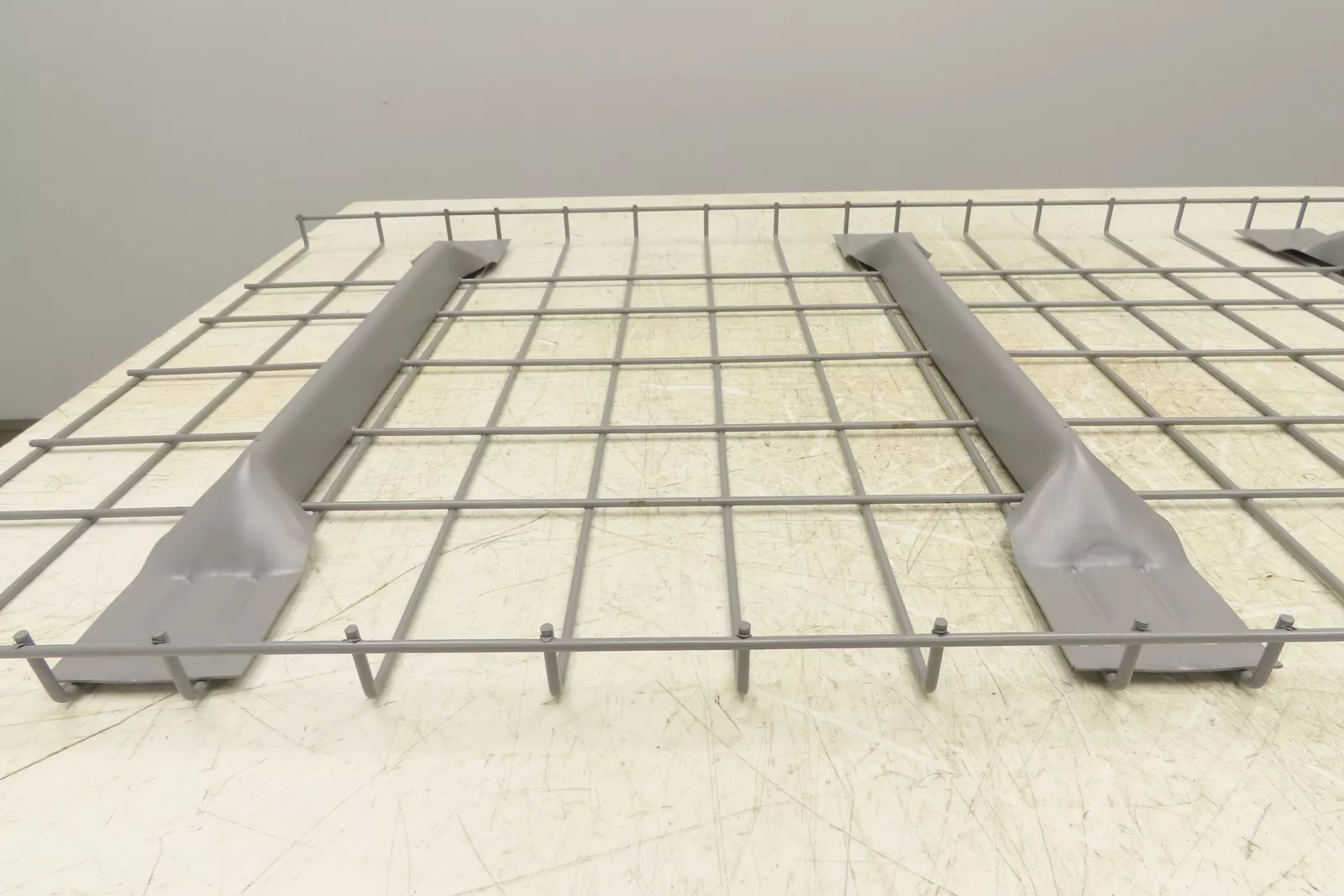
What Are The Consequences Of Neglecting Pallet Rack Maintenance?
What Are The Consequences Of Neglecting Pallet Rack Maintenance?
- Neglecting pallet rack maintenance can lead to safety hazards in your warehouse, potentially causing injuries and damage.
- Financial consequences can arise from neglected maintenance, including costs for repairs, damaged inventory, lost productivity, and fines for safety violations.
- Inefficiencies in warehouse operations can result from improperly maintained racks, leading to overloading and disruptions in workflow.
- Neglecting maintenance can reflect poorly on your business, impacting relationships with customers and suppliers.
- Properly inspecting, repairing, and maintaining pallet racks can prevent safety hazards, financial losses, operational inefficiencies, and damage to your business’s reputation.
- Investing time and resources in maintenance is essential to protect your business and demonstrate commitment to quality and safety.
- Don’t delay maintenance
- take care of your pallet racks to take care of your business.

What Are The Consequences Of Neglecting Pallet Rack Maintenance?
Are There Any Safety Guidelines For Maintaining Pallet Racks?
When it comes to maintaining pallet racks in your warehouse or storage facility, safety should always be a top priority. After all, these racks are used to store heavy items and materials, so ensuring they are in good condition is crucial to prevent accidents and injuries.
One of the most important safety guidelines for maintaining pallet racks is regular inspections. It’s essential to inspect your racks on a regular basis to check for any signs of damage or wear and tear. Look for things like bent or broken beams, missing or loose bolts, or any other issues that could compromise the structural integrity of the rack. By catching these problems early, you can address them before they lead to a more serious accident.
In addition to regular inspections, it’s also important to follow proper loading procedures. Make sure that you are not exceeding the weight capacity of the racks and that you are distributing the weight of your stored items evenly. Overloading racks or stacking items unevenly can lead to instability and potentially cause a rack to collapse.
Another important safety guideline for maintaining pallet racks is to keep the area around the racks clear and organized. Clutter and debris can obstruct access to the racks and create trip hazards for workers. Make sure that aisles are clear and that items are stored properly to prevent accidents.
Proper training is also key to maintaining pallet rack safety. Make sure that your employees are trained in how to safely load and unload items from the racks, as well as how to identify and report any potential safety hazards. By educating your team on best practices for using pallet racks, you can help prevent accidents and injuries in your facility.
Finally, it’s important to address any issues or concerns promptly. If you notice any damage to your pallet racks or if there are any safety hazards present, don’t wait to address them. Take immediate action to repair or replace damaged components and make any necessary adjustments to ensure the safety of your racks.
By following these safety guidelines for maintaining pallet racks, you can help create a safe and efficient working environment for your employees. Remember, safety should always come first when it comes to operating and maintaining pallet racks in your facility.

Are There Any Safety Guidelines For Maintaining Pallet Racks?
Are There Any Safety Guidelines For Maintaining Pallet Racks?
- Regular inspections are crucial for checking for damage or wear and tear.
- Follow proper loading procedures to prevent overloading and instability.
- Keep the area around the racks clear and organized to prevent accidents.
- Proper training is essential for employees to safely use pallet racks.
- Address any issues or concerns promptly to ensure safety.
- By following safety guidelines, you can create a safe working environment.
- Safety should always be a top priority in maintaining pallet racks.

Are There Any Safety Guidelines For Maintaining Pallet Racks?
What Are Some Signs That A Pallet Rack Needs Repair Or Replacement?
You know, it’s easy to overlook the importance of pallet racks in a warehouse. They’re like the unsung heroes of the storage world, quietly holding up all that heavy inventory day in and day out. But just like anything else, they can’t last forever without a little TLC. So, how do you know when it’s time to repair or replace your trusty old pallet rack? Let’s take a closer look at some telltale signs.
First and foremost, keep an eye out for any visible damage. This could be anything from bent beams to missing bolts. If you notice any broken or twisted parts, it’s a pretty clear indication that something isn’t quite right. After all, a faulty pallet rack is a disaster waiting to happen.
Next, pay attention to any unusual noises coming from your racks. If you hear creaking, groaning, or any other sounds that weren’t there before, it’s time to investigate. These noises could be a sign of structural damage or wear and tear that needs to be addressed.
Another thing to watch for is any noticeable leaning or bowing of your pallet racks. If they’re not standing up straight like they used to, it could be a sign of overloading or structural issues. Leaning racks are not only inefficient but also dangerous, as they could collapse under the weight of your inventory.
Additionally, keep an eye on how smoothly your pallets are sliding in and out of the racks. If they’re catching or jamming, it could be a sign of misalignment or damage. This not only slows down your workflow but also increases the risk of accidents and injuries.
Lastly, don’t forget to regularly inspect the welds and connections on your pallet racks. If you notice any signs of rust, corrosion, or weakening, it’s a surefire sign that your racks are in need of some attention. After all, a weak weld is like a ticking time bomb just waiting to go off.
It’s crucial to be proactive when it comes to the maintenance of your pallet racks. By keeping an eye out for these warning signs and addressing any issues promptly, you can ensure the safety and efficiency of your warehouse operations. Remember, a little preventative maintenance goes a long way when it comes to the longevity of your pallet racks.

What Are Some Signs That A Pallet Rack Needs Repair Or Replacement?
What Are Some Signs That A Pallet Rack Needs Repair Or Replacement?
- Keep an eye out for visible damage such as bent beams or missing bolts.
- Pay attention to unusual noises like creaking or groaning coming from your racks.
- Watch for any leaning or bowing of the pallet racks.
- Check how smoothly pallets slide in and out of the racks.
- Regularly inspect welds and connections for signs of rust or weakening.
- Be proactive in maintenance to ensure safety and efficiency.
- Preventative maintenance is key to the longevity of your pallet racks.
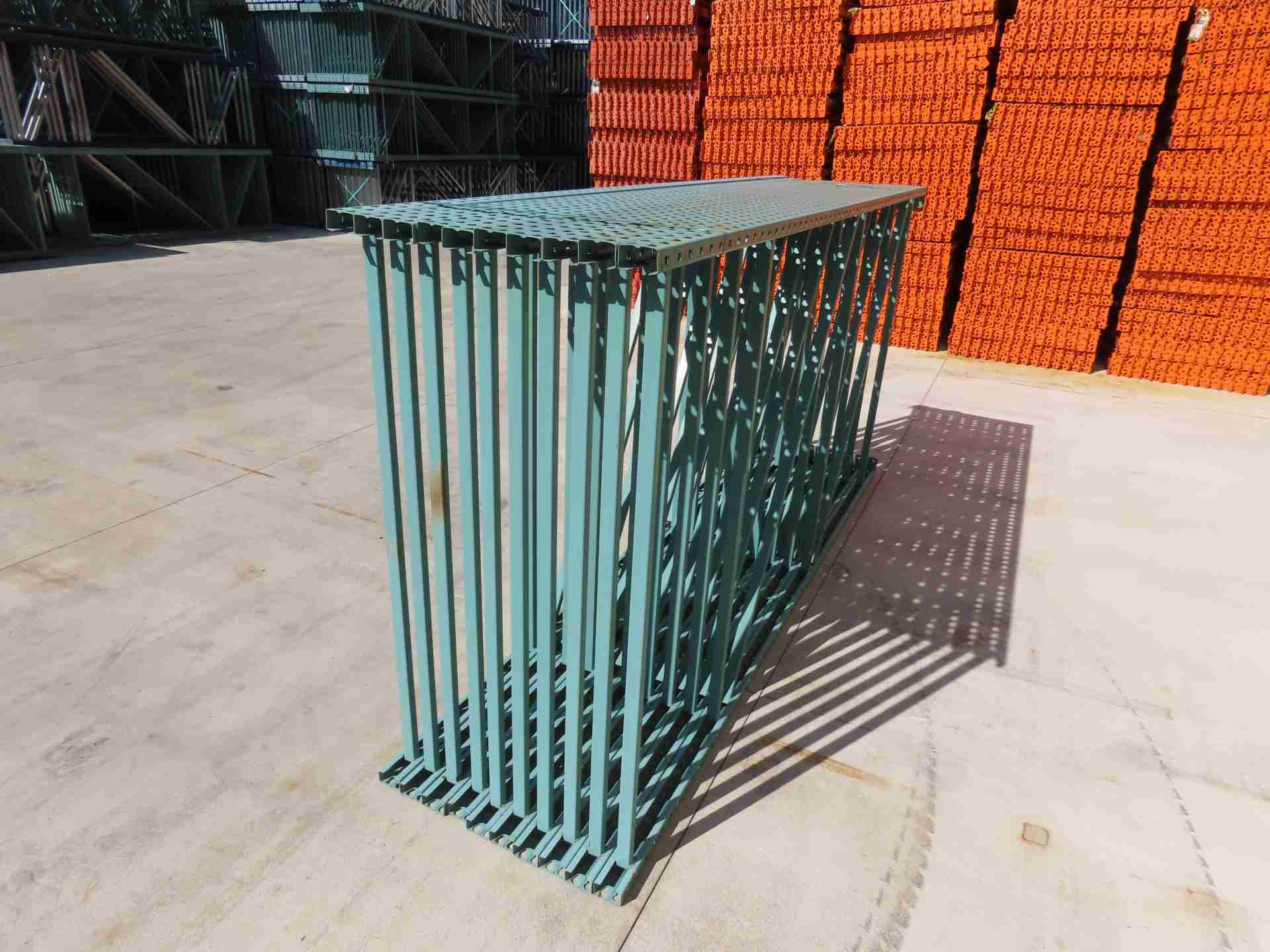
What Are Some Signs That A Pallet Rack Needs Repair Or Replacement?
Should Professionals Be Hired For Pallet Rack Maintenance?
When it comes to maintaining pallet racks in a warehouse or storage facility, the question of whether professionals should be hired for the job is a valid one. While it may be tempting to assign this task to existing staff members in an effort to save money, there are several reasons why bringing in experts may be the more practical choice.
First and foremost, pallet rack maintenance requires specialized knowledge and skills that not everyone possesses. Professionals who work in this field have undergone training to understand the intricacies of pallet rack systems and are equipped with the necessary tools to perform inspections, repairs, and installations safely and efficiently. Attempting to do this work without the proper expertise can lead to costly mistakes, accidents, and damage to the racks themselves.
Additionally, hiring professionals for pallet rack maintenance can help ensure that the job is done correctly and up to industry standards. These experts have experience working with a variety of rack systems and can identify potential issues that may not be obvious to the untrained eye. By having professionals handle maintenance tasks, warehouse owners can have peace of mind knowing that their racks are in good hands and will continue to operate smoothly.
Another benefit of hiring professionals for pallet rack maintenance is that it can help extend the lifespan of the racks themselves. Regular inspections and maintenance can help detect and address minor issues before they escalate into major problems that require costly repairs or replacements. By investing in routine maintenance by professionals, warehouse owners can save money in the long run by avoiding unexpected downtime and expenses.
Lastly, bringing in professionals for pallet rack maintenance can also help improve overall safety in the workplace. Properly maintained racks are less likely to collapse or fail, reducing the risk of injury to employees and damage to inventory. Professionals can also provide guidance on proper load distribution, weight limits, and other safety measures to prevent accidents and ensure a secure working environment.
While it may be tempting to cut costs by assigning pallet rack maintenance tasks to existing staff members, hiring professionals for the job is a wise investment. By leveraging their expertise, experience, and resources, warehouse owners can ensure that their rack systems are well-maintained, compliant with industry standards, and safe for employees to use. So when it comes to pallet rack maintenance, it may be best to leave it to the professionals.

Should Professionals Be Hired For Pallet Rack Maintenance?
Should Professionals Be Hired For Pallet Rack Maintenance?
- Specialized knowledge and skills required for pallet rack maintenance.
- Experts equipped with necessary tools for inspections, repairs, and installations.
- Ensures job is done correctly and up to industry standards.
- Helps extend the lifespan of the racks.
- Improves overall safety in the workplace.
- Reduces the risk of costly mistakes, accidents, and damage.
- Wise investment in leveraging expertise, experience, and resources.

Should Professionals Be Hired For Pallet Rack Maintenance?
How Can Proper Maintenance Extend The Lifespan Of Pallet Racks?
You ever stop to think about how much our world relies on good ol’ pallet racks? They’re everywhere – in warehouses, factories, distribution centers. These trusty storage systems bear the weight of our supplies and goods, keeping everything organized and in its proper place. But just like any hardworking tool, pallet racks need a little TLC to keep them going strong.
Proper maintenance is the key to extending the lifespan of your pallet racks. If you neglect them, it’s like ignoring the health of your favorite old truck – sooner or later, it’s gonna break down on ya. And nobody wants a collapsed rack sending a cascade of merchandise crashing down.
So, how do you give your pallet racks the attention they deserve? It’s not rocket science, but it does take a bit of elbow grease. Here are a few tips to keep those racks in tip-top shape:
Regular Inspections: Take a good look at your pallet racks on a regular basis. Check for any signs of damage, like dents, rust, or bent beams. Catching these issues early can prevent bigger problems down the line.
Cleanliness Is Key: Keep your racks clean and free of debris. Dust and dirt can cause corrosion, which weakens the metal over time. A quick sweep or vacuum can go a long way in preventing damage.
Proper Loading: Make sure you’re not overloading your racks. Each rack has a weight capacity that shouldn’t be exceeded. Distribute the weight evenly across shelves and use pallet supports for added stability.
Regular Upkeep: Tighten bolts and fix any loose components. Pay attention to any squeaks or creaks – they could be a sign of instability. A little maintenance now can save you from a major repair later.
Stay Organized: Keep your inventory neat and organized on the shelves. Avoid piling items haphazardly or placing heavy items on top of lighter ones. This helps maintain the structural integrity of the racks.
By taking the time to give your pallet racks some love and attention, you’ll not only extend their lifespan but also ensure the safety of your workers and products. Think of it as an investment in the backbone of your operation – a little prevention now can prevent a costly disaster in the future.
So, roll up your sleeves and show those pallet racks some appreciation. Trust me, they’ll thank you by holding up their end of the bargain for years to come.
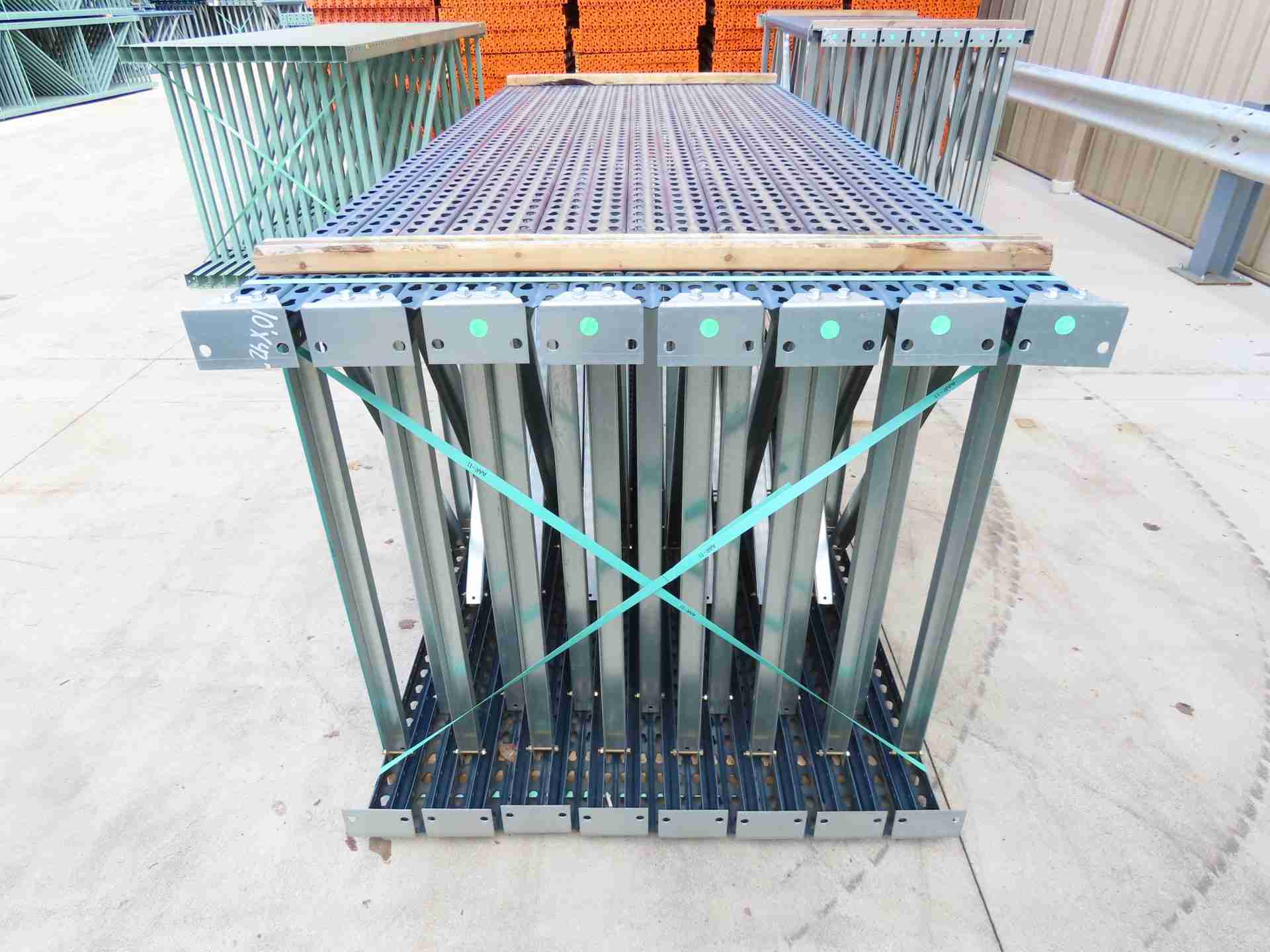
How Can Proper Maintenance Extend The Lifespan Of Pallet Racks?
How Can Proper Maintenance Extend The Lifespan Of Pallet Racks?
- Our world relies heavily on pallet racks for storage in various settings.
- Proper maintenance is crucial for extending the lifespan of pallet racks.
- Regular inspections can help catch signs of damage early.
- Keeping racks clean and free of debris prevents corrosion.
- Proper loading and weight distribution is essential to prevent overloading.
- Regular upkeep and tightening of components can prevent instability.
- Staying organized on the shelves helps maintain structural integrity of the racks.

How Can Proper Maintenance Extend The Lifespan Of Pallet Racks?
Can Regular Maintenance Prevent Accidents In The Workplace?
When it comes to workplace safety, many people focus on training and proper procedures to prevent accidents. And while those are crucial elements, another important factor often gets overlooked – regular maintenance.
Think about it – a piece of machinery that malfunctions due to lack of maintenance could easily cause an accident. A ladder with a loose step, a forklift with faulty brakes, or a conveyor belt with a loose belt – all of these issues can spell disaster if left unchecked.
Regular maintenance is not just about keeping equipment running smoothly, but also about ensuring that it is safe to use. By conducting routine inspections and repairs, you can catch potential problems before they escalate into serious safety hazards. This proactive approach can not only prevent accidents, but also save you time and money in the long run.
Furthermore, regular maintenance can also help improve overall efficiency and productivity in the workplace. When equipment is well-maintained, it operates more smoothly and effectively, leading to higher output and fewer breakdowns. This can result in a more streamlined workflow and ultimately, a more profitable business.
But despite these benefits, many companies still fail to prioritize regular maintenance. Often, it simply comes down to a lack of time, resources, or understanding of its importance. Some businesses may view maintenance as an unnecessary expense, while others may struggle to find the right personnel or tools to conduct inspections and repairs.
However, investing in regular maintenance is not just about compliance with regulations or avoiding fines – it’s about protecting your most valuable asset: your employees. By creating a safe work environment through proper maintenance practices, you show your employees that their well-being is your top priority.
So, how can you ensure that your workplace is up to par when it comes to maintenance? Start by implementing a regular maintenance schedule for all equipment and machinery. This should include routine inspections, lubrication, cleaning, and repairs as needed. Make sure to assign specific responsibilities to qualified personnel and provide them with the necessary training and tools to do the job effectively.
Additionally, consider investing in a preventive maintenance program that can help you track and manage maintenance tasks more efficiently. By staying on top of maintenance needs, you can prevent accidents before they happen and keep your workplace safe and productive for everyone involved.
Regular maintenance is a key factor in preventing accidents in the workplace. By prioritizing the upkeep of equipment and machinery, you can create a safe and efficient work environment that benefits both your employees and your bottom line. So, don’t wait until it’s too late – start implementing a comprehensive maintenance plan today and ensure a safer tomorrow for everyone.

Can Regular Maintenance Prevent Accidents In The Workplace?
Can Regular Maintenance Prevent Accidents In The Workplace?
- Regular maintenance is often overlooked in workplace safety.
- It is crucial for preventing accidents caused by malfunctioning equipment.
- Regular maintenance ensures equipment is safe to use and functioning properly.
- It can improve overall efficiency and productivity in the workplace.
- Many companies fail to prioritize regular maintenance due to lack of time or resources.
- Investing in maintenance is about protecting your employees and creating a safe work environment.
- Implement a regular maintenance schedule and consider a preventive maintenance program to track tasks efficiently.

Can Regular Maintenance Prevent Accidents In The Workplace?
Conclusion
In conclusion, maintaining pallet racks is essential for keeping your warehouse safe and efficient. By conducting regular inspections, keeping the racks clean, conducting load tests, following proper loading guidelines, lubricating moving parts, and training your employees, you can prolong the life of your pallet racks and prevent costly accidents. Neglecting pallet rack maintenance can lead to safety hazards, financial consequences, inefficiencies, and damage to your business’s reputation. Regular maintenance can extend the lifespan of pallet racks by identifying issues early on and preventing major problems. Hiring professionals for pallet rack maintenance can ensure that the work is done correctly, up to industry standards, and can help extend the life of the racks. Proper maintenance, like regular inspections, cleaning, proper loading, regular upkeep, and staying organized, can help prevent accidents in the workplace. Investing in regular maintenance is not just about compliance with regulations, but it’s about protecting your employees and creating a safe work environment. By implementing a comprehensive maintenance plan and prioritizing the upkeep of equipment, you can prevent accidents before they happen and keep your workplace safe and productive for everyone involved. Remember, a little maintenance now can save you a lot of headaches down the road. So, roll up your sleeves and show your pallet racks some appreciation. Trust me, they’ll thank you by holding up their end of the bargain for years to come.

Conclusion
Conclusion:
- Maintaining pallet racks is essential for keeping your warehouse safe and efficient.
- Conduct regular inspections to identify issues early on.
- Keep the racks clean and conduct load tests.
- Follow proper loading guidelines and lubricate moving parts.
- Training employees on proper rack usage can prevent accidents.
- Neglecting maintenance can lead to safety hazards, financial consequences, and inefficiencies.
- Hiring professionals for maintenance ensures work is done correctly and up to industry standards.

Conclusion
Other Resources

Other Resources
Here is a list of other resources you can review online to learn more:
- “Answering the Top 5 Questions on Pallet Racks”
- “MASTER PALLET RACKS”
- “How to Anchor Pallet Racks to Be Safe and OSHA Compliant”
- “How to Inspect Warehouse Pallet Racks”
- “The Pallet Rack Beam Capacity Guide”
- “(PDF) Observed performance of industrial pallet rack …”
- “Pallet racking fact sheet | SafeWork NSW”
- “Preventing Pallet Rack & Inventory Damage in Warehousing”
- “OCCUPATIONAL SAFETY QUALIFICATION STANDARD …”

Other Resources
Glossary Terms
How Should Pallet Racks Be Maintained? – Glossary Of Terms
1. Load Capacity: The maximum weight a pallet rack can safely support without risk of collapse or damage.
2. Anchor Bolts: Hardware used to secure pallet racks to the floor to prevent them from tipping over.
3. Beam: Horizontal components of a pallet rack that support the weight of the stored items.
4. Upright Frame: The vertical structure that supports the beams and connects them to the floor.
5. Crossbars: Support bars installed between beams to provide additional stability and support.
6. Footplate: The base plate of an upright frame that distributes the load and can be anchored to the ground.
7. Safety Clips: Devices used to lock beams into uprights to prevent accidental dislodging.
8. Guard Rails: Protective barriers installed to prevent forklifts and other equipment from impacting the racks.
9. Load Distribution: Proper placement of items on the racks to ensure even weight distribution and stability.
10. Inspection: Regular examination of rack components for signs of wear, damage, or corrosion.
11. Load Labels: Signage indicating the maximum allowable load for each section of the pallet rack.
12. Training: Instruction provided to workers on the correct use and limitations of pallet racking systems.
13. Damage Assessment: The process of evaluating and documenting any harm to the pallet rack system.
14. Replacement: Substitution of damaged or worn components with new ones to maintain rack integrity.
15. Cleaning: The removal of dust, debris, and other particles from racks to prevent corrosion and ensure stability.
16. Pallet Overhang: The extent to which a pallet extends beyond the edges of the beams, which can affect stability.
17. Corrosion: The deterioration of metal parts due to environmental factors, which can weaken the structure.
18. Load Shift: Movement of stored items that can create an imbalance, necessitating immediate correction.
19. Safety Backstops: Barriers installed at the back of the rack to prevent items from falling off.
20. Bracing: Structural supports that enhance the stability and rigidity of pallet racks.
21. Rack Alignment: Ensuring racks are installed and remain straight and level for optimal safety and performance.
22. End Frames: Vertical structures at the ends of the racks that provide support and help define rack boundaries.
23. Safety Netting: Mesh material installed to catch falling items and prevent accidents.
24. Post Guards: Protective sleeves or covers for upright frames to minimize impact damage.
25. Seismic Clips: Special clips used in areas prone to earthquakes to enhance rack stability.
26. Reinforcement: Additional materials or supports added to increase the load-bearing capacity of the racks.
27. Forklift Impact: Damage that occurs when forklifts collide with the pallet racks, often necessitating repairs or reinforcement.
28. Visual Indicators: Markings or signs on the racks to guide proper loading and unloading procedures.
29. Weight Distribution: The careful arrangement of pallets to avoid overloading one side and ensure even weight spread.
30. Preventive Maintenance: Routine checks and minor repairs conducted to keep the pallet racks in optimal condition and prevent major failures.
This glossary provides a comprehensive overview of key terms and concepts related to the maintenance of pallet racks. Proper understanding and application of these terms can help ensure the safety and longevity of your racking system.

Glossary Of Terms
Other Questions
How Should Pallet Racks Be Maintained? – Other Questions
If you wish to explore and discover more, consider looking for answers to these questions:
- What is the optimal frequency for inspecting pallet racks for damage?
- What specific signs indicate that a pallet rack needs repair or replacement?
- How can proper maintenance extend the lifespan of pallet racks?
- Are there industry standards or guidelines for pallet rack maintenance?
- Should a warehouse hire professionals for pallet rack maintenance or rely on internal staff?
- What are the most common maintenance tasks required for pallet racks?
- How important is employee training in the maintenance and safety of pallet racks?
- Can neglecting pallet rack maintenance lead to severe workplace accidents?
- What are the consequences of not following proper loading guidelines for pallet racks?
- How does keeping pallet racks clean contribute to their maintenance and safety?
- What role do load tests play in ensuring the safety of pallet racks?
- How can regular maintenance prevent workplace accidents and improve safety?
- What specific tools and equipment are necessary for pallet rack maintenance?
- How does proper anchoring of pallet racks to the floor enhance workplace safety?
- What are some best practices for labeling and organizing inventory on pallet racks?

Other Questions
Checklist
How Should Pallet Racks Be Maintained? – A Checklist
Regular Inspections
_____ Structural Damage: Check for dents, bends, rust, cracks, or any visible damage.
_____ Loose Components: Inspect for loose bolts, safety pins, or any unsecured parts.
_____ Anchor Stability: Ensure racks are properly anchored to the floor.
Cleaning and Debris Removal
_____ Dust and Dirt: Regularly sweep or vacuum racks to prevent the buildup of dust and dirt.
_____ Debris-Free Area: Keep the area around racks clear of clutter and debris to facilitate easy access.
Load Testing
_____ Weight Capacity: Conduct load tests to verify racks can handle their maximum weight limits.
_____ Even Distribution: Ensure loads are evenly distributed to avoid overloading specific sections.
Proper Loading Guidelines
_____ Weight Limits: Adhere to specified weight limits for each rack.
_____ Even Loading: Distribute weight evenly across the shelves to minimize stress on the racks.
Lubrication of Moving Parts
_____ Moving Components: Periodically grease joints, rollers, and any moving parts to reduce friction and wear.
Employee Training
_____ Inspection Procedures: Train employees on how to inspect racks for damage.
_____ Safe Loading Practices: Educate staff on correct loading techniques.
_____ Emergency Protocols: Ensure employees know what to do in case of an emergency.
Labeling and Organization
_____ Clear Labels: Use clear and readable labeling for better inventory management.
_____ Proper Affixing: Ensure labels are securely attached and maintained.
Additional Maintenance Tasks
_____ Regular Audits: Conduct routine checks and audits to adjust and organize inventory.
_____ Post-Event Inspections: After major events (e. g. , storms, earthquakes), perform thorough inspections.
Professional Maintenance
_____ Hiring Experts: Consider hiring trained professionals for detailed maintenance and repairs.
_____ Safety Standards: Ensure maintenance is conducted up to industry standards for optimal safety and efficiency.
By following this checklist, you can help prolong the life of your pallet racks, maintain a safe working environment, and improve operational efficiency. Regular maintenance is a small investment compared to the potential costs and risks associated with neglected pallet racks.

Checklist
At RackingWorld, we help guide you through selecting warehouse storage systems and racking.
Be sure to read our other related stories at RackingWorld to learn more about warehouse storage systems.
0 Comments