
Maximizing Efficiency And Storage: Selecting The Ideal Industrial Rack
By Tom Seest
At RackingWorld, we help guide you through selecting warehouse storage systems and racking.
Be sure to read our other related stories at RackingWorld to learn more about warehouse storage systems.
How Can Businesses Choose The Right Type Of Industrial Rack?
When it comes to choosing the right type of industrial rack for your business, there are a few key factors to keep in mind. First and foremost, it’s crucial to assess the specific needs and requirements of your operation. Are you dealing with heavy-duty materials that require a sturdy rack with high weight capacity? Or are you working with smaller, lighter items that can be stored on a more basic shelving unit?
Next, consider the layout of your facility. Do you have ample floor space for large, freestanding racks? Or do you need a more compact solution that can be wall-mounted or attached to existing structures? It’s important to take accurate measurements and consider any obstacles or constraints that may impact the installation of your industrial rack.
Another important factor to consider is accessibility. Will you need to frequently access items stored on the rack, or will they be more long-term storage? This will dictate the type of rack that is best suited for your needs. For example, if you need regular access to items on the rack, you may want to opt for a rack with adjustable shelves or bins for easy retrieval. On the other hand, if items will be stored for longer periods of time, a more basic shelving unit may suffice.
Additionally, it’s important to consider the durability and longevity of the industrial rack. Investing in a high-quality, well-built rack can save you time and money in the long run by preventing damage or wear and tear. Look for racks made from sturdy materials like steel or aluminum, and consider factors like weight capacity and overall construction.
Finally, don’t forget to factor in your budget when choosing the right type of industrial rack for your business. While it may be tempting to opt for the cheapest option available, keep in mind that quality and durability are key. It’s worth investing a little more upfront to ensure that your rack will last for years to come and meet the needs of your operation.
Choosing the right type of industrial rack for your business requires careful consideration of your specific needs, facility layout, accessibility requirements, durability, and budget. By taking the time to assess these factors and select a rack that meets your criteria, you can optimize your storage and organization systems for maximum efficiency and productivity.

How Can Businesses Choose The Right Type Of Industrial Rack?
How Can Businesses Choose The Right Type Of Industrial Rack?
- Assess specific needs and requirements of your operation.
- Consider the layout of your facility.
- Think about accessibility needs.
- Consider the durability and longevity of the industrial rack.
- Factor in your budget.
- Invest in a high-quality, well-built rack.
- Optimize your storage and organization systems for maximum efficiency.

How Can Businesses Choose The Right Type Of Industrial Rack?
Table Of Contents
- How Can Businesses Choose The Right Type Of Industrial Rack?
- What Size And Weight Capacity Does Your Industrial Rack Need To Hold?
- What Type Of Material Do You Need Your Industrial Rack To Be Made Of?
- Do You Need A Stationary Industrial Rack Or One That Can Be Moved?
- How Much Space Do You Have Available For Your Industrial Rack?
- What Type Of Products Will Be Stored On The Industrial Rack?
- What Is Your Budget For Purchasing An Industrial Rack?
- Conclusion
- Other Resources
- Glossary Of Terms
- Other Questions
- Checklist
What Size And Weight Capacity Does Your Industrial Rack Need To Hold?
When it comes to choosing an industrial rack for your warehouse or work space, one of the most important factors to consider is the size and weight capacity of the rack. This is crucial in ensuring the safety and efficiency of your operations.
First and foremost, you need to determine the size of the items you will be storing on the rack. This will help you determine the dimensions of the rack you will need. Measure the length, width, and height of the largest items you plan to store and ensure that the rack you choose can accommodate these dimensions without any issues.
In addition to size, you also need to consider the weight capacity of the industrial rack. It’s essential to know the maximum weight each shelf can hold as well as the overall weight capacity of the entire rack. Overloading a rack not only poses significant safety risks but can also lead to damage to the rack itself, causing it to become unstable and potentially collapse.
The weight capacity of an industrial rack is typically measured in pounds or kilograms per shelf. It’s important to factor in the weight of the items you plan to store on each shelf, as well as any potential future needs for heavier items. Be sure to choose a rack with a weight capacity that exceeds your current and anticipated storage needs to ensure that it can safely support your inventory.
It’s also important to consider the distribution of weight on the rack. Avoid placing heavy items on just one side of the rack as this can cause it to become unbalanced and potentially tip over. Instead, evenly distribute the weight of items across the shelves to maintain stability and prevent accidents.
When determining the size and weight capacity of your industrial rack, always err on the side of caution. It’s better to choose a rack with a higher weight capacity than you think you’ll need rather than risking overload and potential disaster. Remember, the safety of your employees and the integrity of your inventory are at stake.
Choosing an industrial rack with the appropriate size and weight capacity is crucial for the smooth and safe operation of your warehouse or workspace. Take the time to carefully assess your storage needs and invest in a quality rack that can support your inventory effectively.

What Size And Weight Capacity Does Your Industrial Rack Need To Hold?
What Size And Weight Capacity Does Your Industrial Rack Need To Hold?
- Size and weight capacity are crucial factors to consider when choosing an industrial rack for your workspace.
- Determine the size of items you will be storing to find the right dimensions for the rack.
- Consider the weight capacity of each shelf and the overall weight capacity of the rack.
- Ensure the rack can accommodate the weight of items you plan to store, both now and in the future.
- Distribute weight evenly on the rack to maintain stability and prevent accidents.
- Err on the side of caution by choosing a rack with a higher weight capacity than needed.
- Invest in a quality rack that can support your inventory effectively for smooth and safe operations.

What Size And Weight Capacity Does Your Industrial Rack Need To Hold?
What Type Of Material Do You Need Your Industrial Rack To Be Made Of?
When it comes to choosing the material for your industrial rack, there are several factors to consider. The type of material you choose will impact the strength, durability, and overall performance of your rack.
One common material used for industrial racks is steel. Steel is known for its strength and durability, making it an ideal choice for heavy-duty applications. Steel racks can withstand heavy loads and provide long-lasting support for your products. Additionally, steel racks are resistant to corrosion and damage, making them a reliable choice for industrial environments.
Another popular material for industrial racks is aluminum. Aluminum racks are lightweight yet strong, making them a versatile option for a variety of applications. Aluminum racks are also resistant to corrosion, making them suitable for use in damp or humid environments. However, aluminum racks may not be as strong as steel racks and may not be able to support as heavy of loads.
For those looking for a more budget-friendly option, plastic industrial racks may be a suitable choice. Plastic racks are lightweight, easy to clean, and resistant to corrosion. However, plastic racks may not be as durable or strong as steel or aluminum racks, making them better suited for lighter-duty applications.
There are also hybrid options available, such as composite material racks. These racks are typically made from a combination of materials, such as steel and plastic, to provide a balance of strength, durability, and cost-effectiveness.
When choosing the material for your industrial rack, it’s important to consider the specific needs of your application. Consider factors such as the weight and size of the products you’ll be storing, the environmental conditions of your facility, and your budget. By selecting the right material for your industrial rack, you can ensure that it will provide reliable support for your products and withstand the demands of your operation.

What Type Of Material Do You Need Your Industrial Rack To Be Made Of?
What Type Of Material Do You Need Your Industrial Rack To Be Made Of?
- Steel is known for its strength and durability, making it ideal for heavy-duty applications.
- Steel racks can withstand heavy loads and provide long-lasting support.
- Steel racks are resistant to corrosion and damage, making them reliable for industrial environments.
- Aluminum racks are lightweight yet strong and resistant to corrosion.
- Plastic racks are budget-friendly, lightweight, and easy to clean, but may not be as durable or strong as steel or aluminum racks.
- Composite material racks provide a balance of strength, durability, and cost-effectiveness.
- Consider factors such as product weight, environmental conditions, and budget when choosing the material for your industrial rack.

What Type Of Material Do You Need Your Industrial Rack To Be Made Of?
Do You Need A Stationary Industrial Rack Or One That Can Be Moved?
When it comes to choosing the right industrial rack for your needs, one of the key decisions you’ll need to make is whether you require a stationary rack or one that can be easily moved. Each option has its own unique set of advantages and considerations, so it’s important to carefully weigh your options before making a decision.
If your storage needs are relatively consistent and you have a designated space where the rack will be permanently stationed, a stationary industrial rack may be the best choice for you. These racks are typically more robust and durable, as they are designed to hold heavy loads and withstand constant use. They are also often bolted to the floor for added stability, ensuring that your stored items remain secure at all times.
On the other hand, if your storage needs are more dynamic and you require the flexibility to easily reposition your rack as needed, a mobile industrial rack may be the better option. These racks are equipped with wheels or casters, allowing you to quickly and easily move them from one location to another. This can be particularly useful in environments where space is limited or where frequent reorganization is necessary.
A key consideration when choosing between a stationary and mobile industrial rack is your long-term storage needs. If you anticipate that your storage requirements will change frequently or that you may need to reconfigure your storage space in the future, a mobile rack may be the more practical choice. However, if you have a stable inventory and know exactly where your rack will be positioned, a stationary rack may be the more cost-effective option.
Another factor to consider is the ease of access to your stored items. Stationary racks are typically designed for maximum storage capacity and efficiency, but they may be more difficult to access if you need to retrieve items from the back of the rack. On the other hand, mobile racks allow for easier access to all stored items, as they can be easily moved to provide better visibility and reach.
The decision between a stationary industrial rack and a mobile industrial rack ultimately comes down to your specific storage needs and preferences. Consider factors such as the stability of your inventory, the flexibility of your storage space, and the ease of access to your stored items before making a final decision. By carefully weighing these considerations, you can choose the right industrial rack for your needs and ensure that your stored items remain safe and secure.

Do You Need A Stationary Industrial Rack Or One That Can Be Moved?
Do You Need A Stationary Industrial Rack Or One That Can Be Moved?
- Consider whether you need a stationary or mobile industrial rack.
- Stationary racks are durable and ideal for consistent storage needs.
- Mobile racks provide flexibility for dynamic storage needs.
- Consider long-term storage requirements when choosing between stationary and mobile racks.
- Access to stored items may be easier with a mobile rack.
- Choose between stationary and mobile based on stability, storage flexibility, and ease of access.
- Make a decision based on your specific storage needs and preferences.

Do You Need A Stationary Industrial Rack Or One That Can Be Moved?
How Much Space Do You Have Available For Your Industrial Rack?
When it comes to choosing an industrial rack for your facility, one of the most important factors to consider is how much space you have available. This may seem like a simple question, but the answer can have a big impact on the type of rack you choose and how effectively it will help you organize your inventory.
First and foremost, you need to take a good look at the layout of your facility. Are there any obstructions, such as support columns or ceiling beams, that could impact the placement of your rack? You also need to think about any potential future expansion or changes to your facility that could affect the available space for your rack.
Next, consider the size and weight of the items you will be storing on the rack. You want to make sure that the rack you choose can safely and securely hold your inventory without taking up too much space. It’s important to think about not only the dimensions of the items themselves, but also the clearance required for loading and unloading them.
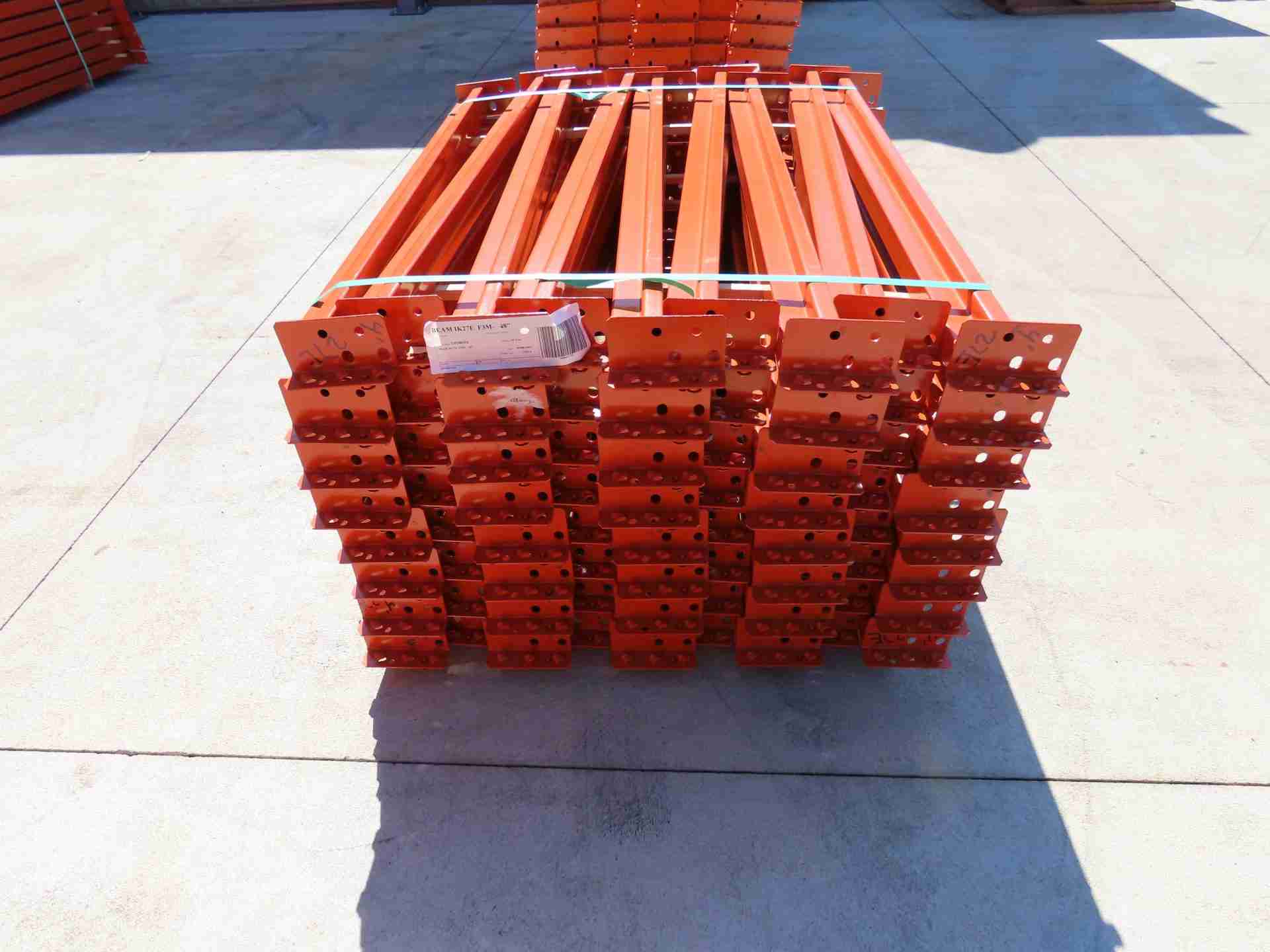
In some cases, you may need to think outside the box (or rack, in this case) when it comes to maximizing your available space. Consider options such as mezzanine storage or mobile shelving units that can be easily repositioned to make the most of your space. It’s also worth exploring different styles of racks, such as cantilever racks or push back racks, which can help you make the most of vertical space without sacrificing accessibility.
If space is really at a premium in your facility, don’t be afraid to get creative. Look for opportunities to consolidate your inventory or rethink your storage processes to make better use of the space you have. You may also want to consider investing in a custom-designed rack that can be tailored to fit your facility’s unique layout and needs.
The key is to carefully assess your available space and consider all of your options before committing to a specific industrial rack. By taking the time to think through these factors, you can ensure that you choose a rack that not only fits your space constraints, but also helps you maximize efficiency and organization in your facility.
How Much Space Do You Have Available For Your Industrial Rack?
How Much Space Do You Have Available For Your Industrial Rack?
- Consider the layout of your facility and any obstructions that may impact rack placement.
- Think about potential future expansion or changes that could affect available space.
- Take into account the size and weight of items to be stored on the rack.
- Explore options such as mezzanine storage or mobile shelving units for maximizing space.
- Consider different styles of racks like cantilever or push back racks to make the most of vertical space.
- Look for opportunities to consolidate inventory or rethink storage processes to optimize space.
- Invest in custom-designed racks tailored to fit your facility’s layout and needs if necessary.

How Much Space Do You Have Available For Your Industrial Rack?
What Type Of Products Will Be Stored On The Industrial Rack?
When it comes to industrial racks, the possibilities are vast. These towering structures are designed to hold a wide variety of products, from heavy machinery to delicate electronics.
One common item you might find on an industrial rack is automotive parts. From engine blocks to brake pads, these racks are built to withstand the weight and size of these bulky items. With the ability to easily organize and access these parts, industrial racks are essential for keeping auto repair shops running smoothly.
Another popular product stored on industrial racks is building materials. Whether it’s lumber, steel beams, or PVC piping, these racks are designed to support the weight of these construction essentials. By keeping these materials off the ground and neatly organized, industrial racks help builders stay on track with their projects.
In the world of manufacturing, industrial racks are a must-have for storing raw materials and finished products. Whether it’s steel sheets waiting to be stamped into car body panels or pallets of finished goods ready for shipping, these racks provide a space-efficient solution for keeping production lines moving.
But it’s not just heavy-duty items that can be stored on industrial racks. These versatile structures can also hold more delicate products, like electronics and pharmaceuticals. By providing a secure and organized storage solution, industrial racks help ensure that these sensitive items remain in pristine condition until they’re ready to be used.
And let’s not forget about the importance of food storage. Industrial racks are commonly used in warehouses and distribution centers to store large quantities of food products, from canned goods to fresh produce. With the ability to stack and organize these items efficiently, industrial racks play a crucial role in keeping our food supply chain running smoothly.
In short, the possibilities for what can be stored on an industrial rack are endless. From heavy machinery to delicate electronics, these structures are designed to safely and efficiently store a wide variety of products. So whether you’re in the automotive industry, construction, manufacturing, or food distribution, you can trust that industrial racks will provide the space and support you need to keep your operation running smoothly.

What Type Of Products Will Be Stored On The Industrial Rack?
What Type Of Products Will Be Stored On The Industrial Rack?
- Automotive parts are commonly stored on industrial racks.
- Building materials such as lumber, steel beams, and PVC piping are also stored on industrial racks.
- Industrial racks are essential for storing raw materials and finished products in manufacturing.
- Delicate products like electronics and pharmaceuticals can be stored on industrial racks.
- Food products, from canned goods to fresh produce, are stored on industrial racks in warehouses.
- Industrial racks are designed to hold a wide variety of products efficiently.
- Industrial racks are crucial for various industries to keep operations running smoothly.

What Type Of Products Will Be Stored On The Industrial Rack?
What Is Your Budget For Purchasing An Industrial Rack?
So, you’re in the market for an industrial rack. Wise choice. Industrial racks are a crucial component in keeping your warehouse organized and running smoothly. But before you start browsing through all the different options out there, there’s one question you need to ask yourself: What is your budget for purchasing an industrial rack?
Now, I know what you’re thinking. Budget? Who wants to think about money when there are so many shiny, new racks to choose from? But trust me, it’s important to have a clear understanding of how much you’re willing to spend before you start shopping around.
Industrial racks can vary widely in price, depending on factors like size, material, and customization options. Some racks are more basic and utilitarian, while others are more high-end and offer additional features.
Consider what you need your industrial rack to do. Do you need it to hold heavy-duty items, or is it for lighter, smaller items? Will it be stationary, or does it need to be mobile? These are all important factors to consider when determining your budget.
It’s also important to factor in any additional costs that may come with purchasing an industrial rack. Installation, delivery, and any necessary accessories or modifications will all add to the final price. Make sure to get a clear understanding of all costs upfront so you’re not hit with any surprises down the line.
But here’s the thing – just because you have a budget doesn’t mean you have to sacrifice quality. There are plenty of affordable industrial rack options out there that are built to last and can effectively meet your storage needs. Don’t be swayed by flashy features or bells and whistles that may not be necessary for your operation.
So, take some time to sit down and crunch the numbers. Figure out what you can realistically afford to spend on an industrial rack, keeping in mind both your immediate needs and your long-term goals. And remember, it’s always better to invest in a quality rack that will last for years to come, rather than cutting corners now and having to replace it sooner than you’d like.
Your budget for purchasing an industrial rack should be a realistic reflection of what you can afford, without compromising on quality or functionality. So, do your homework, shop around, and make a smart investment that will benefit your warehouse for years to come.

What Is Your Budget For Purchasing An Industrial Rack?
What Is Your Budget For Purchasing An Industrial Rack?
- Industrial racks are crucial for warehouse organization and efficiency.
- Before browsing options, determine your budget for purchasing an industrial rack.
- Consider factors like size, material, and customization needs when setting a budget.
- Factor in additional costs like installation, delivery, and accessories.
- Affordable industrial rack options are available without sacrificing quality.
- Invest in a quality rack that meets your needs and will last for years.
- Your budget should be a realistic reflection of what you can afford without compromising on quality or functionality.

What Is Your Budget For Purchasing An Industrial Rack?
Conclusion
In conclusion, choosing the right type of industrial rack for your business is crucial for maximizing efficiency and storage. By carefully considering factors such as your specific needs, facility layout, accessibility requirements, durability, and budget, you can select a rack that meets your criteria and optimizes your storage and organization systems. When determining the size and weight capacity of your industrial rack, always err on the side of caution to ensure the safety of your employees and inventory. The material of your industrial rack is important, with options like steel, aluminum, plastic, and composite materials offering different strengths and durability levels. Whether you need a stationary rack or a mobile one depends on your storage needs and space constraints. Consider the long-term stability of your inventory, flexibility of your storage space, and ease of access to stored items when making this decision. Available space in your facility is a key factor to consider when choosing an industrial rack, so carefully assess your layout, future expansion possibilities, and potential customization options. Industrial racks can hold a wide range of products, from heavy machinery to delicate electronics, making them essential for various industries. Lastly, determining your budget for purchasing an industrial rack is crucial to ensuring you find a quality rack that meets your needs without sacrificing on functionality or durability. So, do your research, compare options, and make a smart investment that will benefit your business for years to come. Remember, investing a little more upfront can save you time and money in the long run and help you optimize your storage and organization systems for maximum efficiency.

Conclusion
Conclusion:
- Choosing the right industrial rack is crucial for efficiency and storage optimization.
- Consider factors such as specific needs, facility layout, accessibility, durability, and budget.
- Err on the side of caution when determining size and weight capacity for safety.
- Material choices include steel, aluminum, plastic, and composite materials.
- Consider whether a stationary or mobile rack is needed based on storage needs and space constraints.
- Assess available space, future expansion, and customization options in your facility.
- Determine budget for purchasing an industrial rack to find quality without sacrificing functionality.

Conclusion
Other Resources

Other Resources
Here is a list of other resources you can review online to learn more:
- “Industrial Storage Racks safety”
- “10 Shelving Safety Tips | Keep Your Warehouse OSHA …”
- “Pallet Racking Weight Capacity: Why Warehouse …”
- “Pallet racking operation and maintenance”
- “The True Cost of Warehouse Storage Racks + The Benefits …”
- “Beginner’s Guide to Industrial Shelving”
- “14 FAH-1 H-310 RECEIPT AND STORAGE …”
- “Code of Construction Safety Practice”
- “Preventing Warehouse Rack Collapse: Causes & Solutions”
- “Pallet racking fact sheet | SafeWork NSW”

Other Resources
Glossary Terms
How Can Businesses Choose The Right Type Of Industrial Rack? – Glossary Of Terms
1. Industrial Rack: A structure used to store goods, materials, or products in an industrial setting. Various types include pallet racks, cantilever racks, and push-back racks.
2. Pallet Rack: A storage system designed to store materials on pallets in horizontal rows with multiple levels. Ideal for warehousing and distribution centers.
3. Cantilever Rack: A type of rack designed to store long, bulky items like lumber, pipes, and steel bars. Features arms that extend from a single column.
4. Push-Back Rack: A high-density storage system that allows for multiple pallets to be stored on a slight incline for gravity-assisted retrieval. Ideal for Last-In, First-Out (LIFO) inventory systems.
5. Load Capacity: The maximum weight an industrial rack can hold. Critical for ensuring rack stability and safety.
6. Aisle Width: The distance between rows of racks, important for determining the type of forklift or material handling equipment that can be used.
7. Selective Rack: The most common type of pallet racking that allows for direct access to each pallet. Best for businesses with a wide variety of products.
8. Drive-In/Drive-Thru Rack: High-density storage systems that allow forklifts to enter the rack structure to retrieve pallets. Great for products with low SKU diversity and high volume.
9. Flow Rack: Uses a gravity-fed system where products are loaded from the back and picked from the front, suitable for First-In, First-Out (FIFO) inventory systems.
10. Dynamic Storage: A type of storage system designed to provide high density and operational efficiency by moving units as needed.
11. Static Storage: A non-moveable storage system where items are stored in fixed positions. Often used in conjunction with shelving.
12. SKU (Stock Keeping Unit): A unique identifier for each product or item in inventory management systems.
13. Footprint: The amount of floor space occupied by the industrial rack system, important for layout and planning.
14. Accessibility: How easily items can be reached and retrieved from the racks, influencing the selection of the rack type.
15. Durability: The longevity and wear-resistance of the rack, often considering factors like material quality and design.
16. Flexibility: The ability of the rack system to be adjusted or reconfigured to accommodate different types of products.
17. Compliance: Adherence to industry standards and regulations, such as those set by OSHA or ANSI.
18. Modular Design: Racks that can be assembled in various configurations to suit different storage needs.
19. Material Handling Equipment: Tools and machinery such as forklifts, pallet jacks, and conveyor systems used to move products.
20. Safety Features: Elements designed to reduce the risk of accidents, including rack guards, safety clips, and anti-sway braces.
21. Cost-Effectiveness: The balance between the cost of the rack system and its benefits in terms of efficiency and durability.
22. Scalability: The capability of the rack system to expand in alignment with business growth.
23. Eco-Friendly: Racks made with environmentally sustainable materials or designs that minimize environmental impact.
24. Customization: The ability to tailor rack systems to specific business needs, including size, shape, and load capacity.
25. Ergonomics: Design aspects that facilitate ease of use and movement for human operators, reducing strain and potential injuries.
26. Load Distribution: How weight is spread across the rack system, determining stability and safety.
27. Tear-Down Efficiency: How easily the rack can be disassembled, moved, or reconfigured, important for businesses that require flexibility.
28. Cladding: Protective materials applied to racks to enhance durability and safety, often used in cold storage or corrosive environments.
29. Inventory Turnover: The rate at which inventory is cycled through the storage system, influencing the choice of a rack type.
30. Space Utilization: Efficiency in using available space, optimizing the storage layout to maximize capacity and accessibility.
Understanding these terms can significantly aid businesses in selecting the most appropriate industrial racking system to meet their operational needs.

Glossary Of Terms
Other Questions
How Can Businesses Choose The Right Type Of Industrial Rack? – Other Questions
If you wish to explore and discover more, consider looking for answers to these questions:
- What are the different types of industrial racks available?
- What are the most common materials used for industrial racks and their respective advantages?
- How do environmental conditions affect the choice of industrial rack material?
- What safety considerations should be taken into account when installing industrial racks?
- Are there industry regulations or standards for industrial rack systems?
- How can mobility (i.e., movable vs stationary) of an industrial rack impact the overall efficiency of a workspace?
- What maintenance practices are recommended to ensure the longevity of industrial racks?
- Can industrial racks be customized, and what are the options available for customization?
- What kind of training or expertise is required for the installation and maintenance of industrial racks?
- What are the common pitfalls businesses encounter when choosing industrial racks?
- Are there any brands or manufacturers that are highly recommended for industrial racks?
- How can technology (e.g., smart shelving systems) enhance the functionality of industrial racks?
- What are the benefits of investing in higher-quality industrial racks despite a higher upfront cost?
- What financing options are available for purchasing industrial racks?How can businesses maximize space efficiency when using industrial racks?
Other Questions
Checklist
How Can Businesses Choose The Right Type Of Industrial Rack? – A Checklist
1. Assess Your Business Needs
_____ Identify the type and dimensions of items to be stored (e. g. , heavy-duty materials, smaller items).
_____ Determine the frequency of access required for stored items (e. g. , regular access vs. long-term storage).
_____ Evaluate the need for adjustable shelves or bins for easy retrieval.
2. Measure Your Facility
_____ Take accurate measurements of available floor and wall space.
_____ Identify any obstacles like support columns, beams, or existing structures.
_____ Consider potential future expansions or layout changes.
3. Determine Weight Capacity
_____ Calculate the weight of items to be stored on each shelf.
_____ Ensure the total weight does not exceed the rack’s capacity.
_____ Opt for a higher weight capacity to account for future needs.
4. Choose the Right Material
_____ Steel: For heavy-duty applications; strong and durable.
_____ Aluminum: Lightweight and corrosion-resistant; suitable for varied applications but lower load capacity.
_____ Plastic: Budget-friendly and corrosion-resistant; suitable for lighter loads.
_____ Hybrid/Composite: Balance of strength, durability, and cost-effectiveness.
5. Decide Between Stationary or Mobile Racks
_____ Stationary Racks: For consistent storage needs; often bolted to the floor for added stability.
_____ Mobile Racks: For flexible storage needs; equipped with wheels or casters for easy repositioning.
6. Evaluate Storage Space
_____ Consider the vertical and horizontal space available.
_____ Think about loading/unloading clearance.
_____ Explore different rack styles like mezzanine storage, cantilever racks, or push back racks for space efficiency.
7. Identify Product Types
_____ Determine if the rack will store heavy machinery, building materials, electronics, or food products.
_____ Ensure the rack design complements the specific storage needs of your products.
8. Set a Budget
_____ Determine how much you are willing to spend.
_____ Factor in additional costs such as installation, delivery, and accessories.
_____ Balance between quality and cost-effectiveness.
9. Consider Accessibility
_____ Plan for ease of access—whether items are stored in frequently accessed areas or require retrieval from the back.
_____ Choose rack designs that facilitate easy access, like adjustable shelves or bins.
10. Check Durability and Longevity
_____ Opt for high-quality, well-built racks to minimize maintenance costs.
_____ Check for features like resistance to wear and tear, and longevity of materials used.
11. Review and Compare Options
_____ Compare multiple options to find the best fit for functionality and budget.
_____ Consult with suppliers for custom-designed racks if standard options do not suffice.
12. Ensure Compliance with Safety Standards
_____ Verify that the rack meets industry safety standards.
_____ Check for additional safety features, such as bolted stationary racks or locking mobile racks.
Additional Tips
_____ Conduct periodic reviews of storage needs to adjust and optimize your storage solutions.
_____ Train employees on the proper use and safety protocols for the chosen industrial racks.

Checklist
At RackingWorld, we help guide you through selecting warehouse storage systems and racking.
Be sure to read our other related stories at RackingWorld to learn more about warehouse storage systems.
0 Comments