
Maximizing Warehouse Efficiency With Selective Pallet Racking
By Tom Seest
At RackingWorld, we help guide you through selecting warehouse storage systems and racking.
Be sure to read our other related stories at RackingWorld to learn more about warehouse storage systems.
When to Use Selective Pallet Racking?
Selective pallet racking is a versatile storage solution that can be used in a variety of warehouse settings. However, there are certain situations where selective pallet racking is particularly well-suited and can provide maximum efficiency and convenience for your operation.
One instance where selective pallet racking is ideal is in warehouses that store a large number of SKUs (stock-keeping units). With selective pallet racking, each SKU can have its own dedicated location, making it easy for warehouse employees to locate and access specific products quickly. This is especially useful in e-commerce warehouses, where orders are picked and packed at a rapid pace.
Another situation where selective pallet racking is beneficial is in warehouses that experience frequent inventory turnover. Because each pallet is easily accessible in selective pallet racking, workers can quickly replenish stock and fulfill orders without wasting time searching for specific items. This can help reduce picking errors and improve overall warehouse efficiency.
Selective pallet racking is also a great option for warehouses that need to accommodate varying pallet sizes and weights. The adjustability of selective pallet racking allows for customization based on the specific needs of your inventory, ensuring that your warehouse is able to handle a wide range of products efficiently.
In addition, selective pallet racking can be a cost-effective solution for warehouses that are looking to maximize their storage space. By utilizing vertical storage space with selective pallet racking, you can make the most of your warehouse’s square footage without the need for costly expansion or relocation.
Overall, selective pallet racking is a highly versatile storage solution that can benefit a wide range of warehouse operations. Whether you are looking to improve efficiency, accommodate varying inventory, or maximize storage space, selective pallet racking may be the perfect solution for your warehouse needs.
When considering the use of selective pallet racking in your warehouse, think about the specific needs of your operation and how this storage solution can help you achieve your goals. With its flexibility, efficiency, and cost-effectiveness, selective pallet racking may be the ideal choice for your warehouse storage needs.
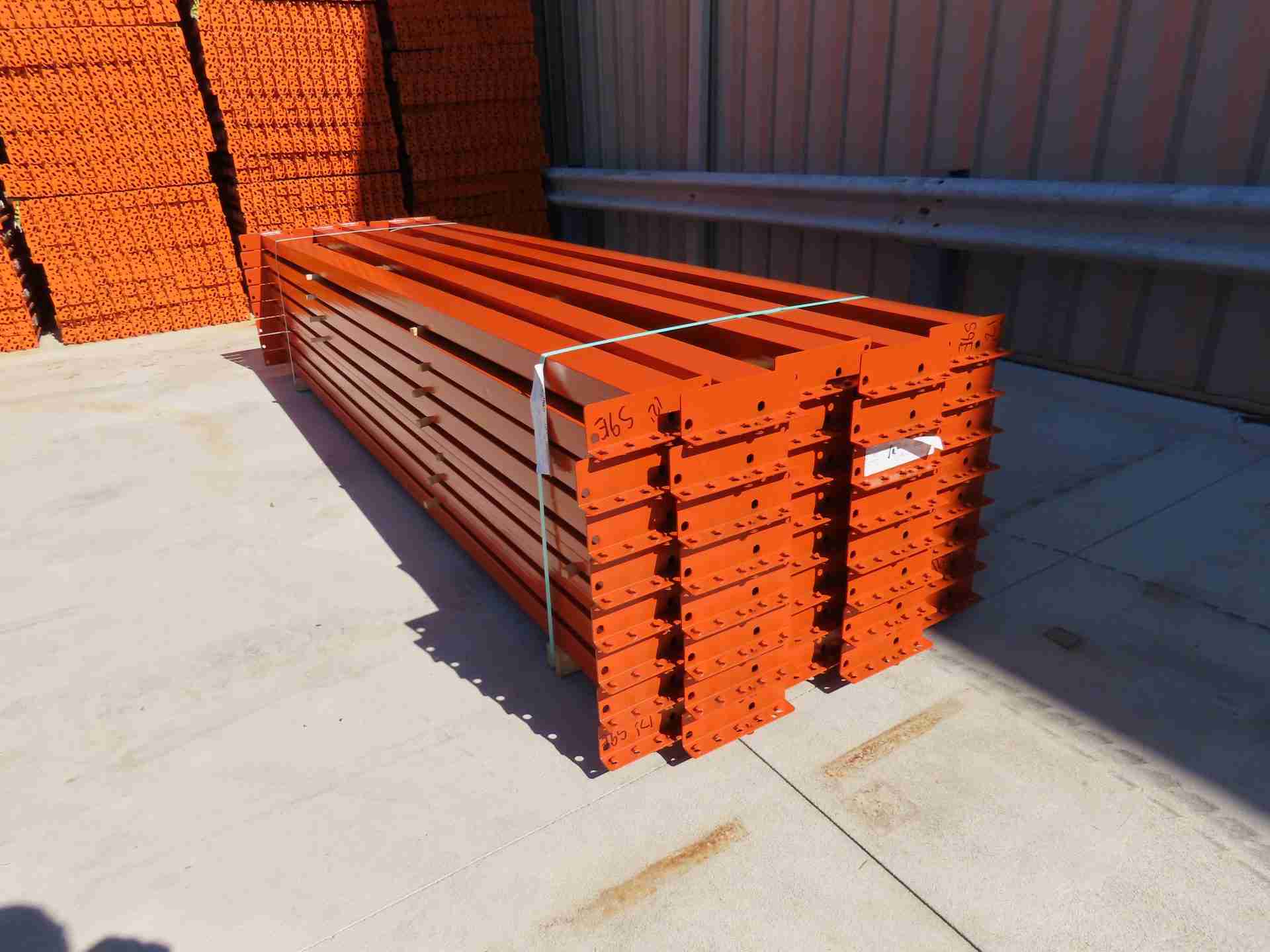
When to Use Selective Pallet Racking?
When to Use Selective Pallet Racking?
- Selective pallet racking is ideal for warehouses with a large number of SKUs for quick access.
- Beneficial for warehouses with frequent inventory turnover to reduce picking errors.
- Great option for accommodating varying pallet sizes and weights.
- A cost-effective solution to maximize storage space in warehouses.
- Highly versatile storage solution that can benefit a wide range of warehouse operations.
- Consider specific needs of your operation to determine if selective pallet racking is the right choice.
- With its flexibility, efficiency, and cost-effectiveness, selective pallet racking may be ideal for your warehouse storage needs.
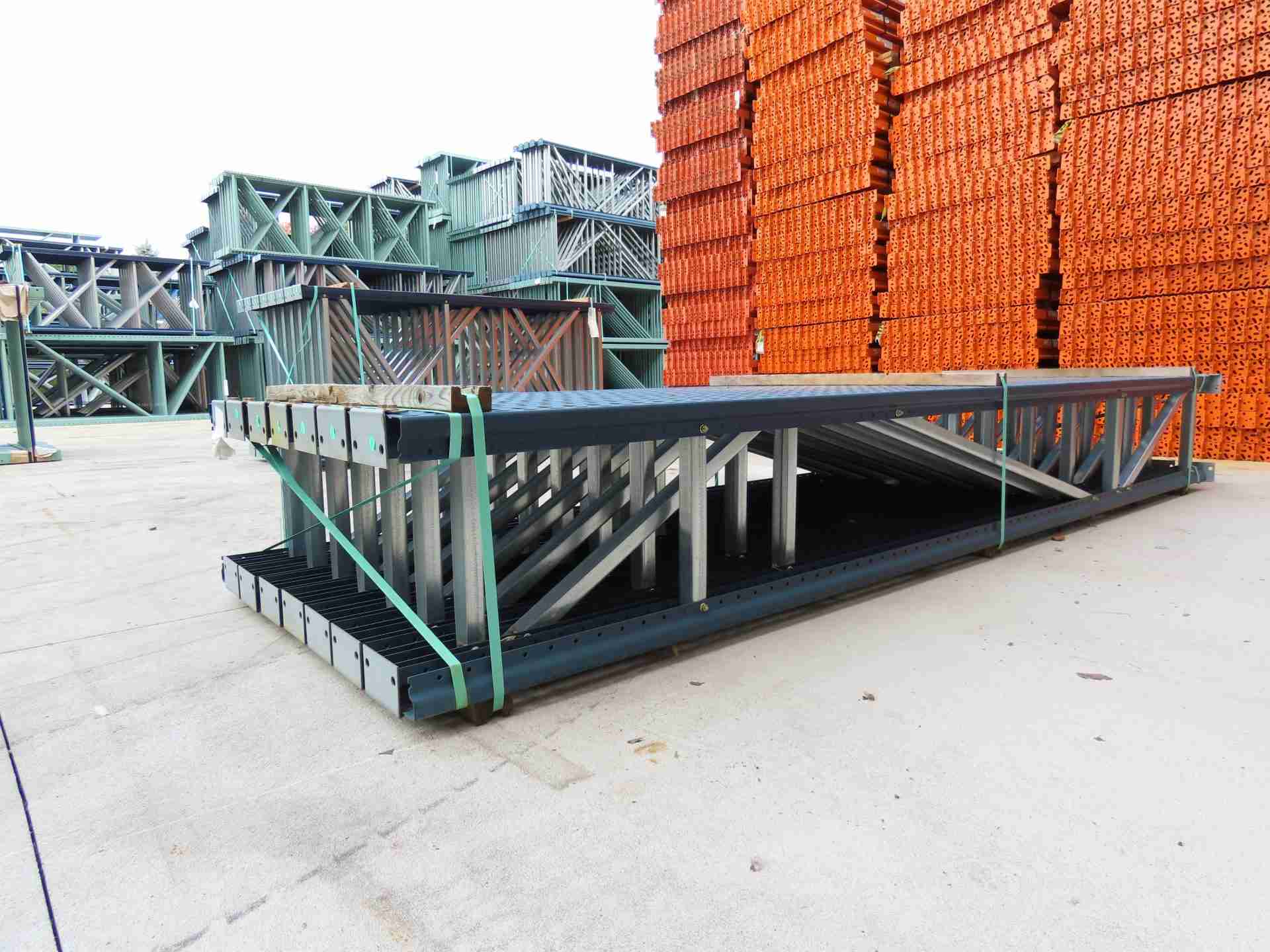
When to Use Selective Pallet Racking?
Table Of Contents
- When to Use Selective Pallet Racking?
- What Are The Advantages Of Selective Pallet Racking?
- How Does Selective Pallet Racking Compare To Other Storage Systems?
- What Types Of Products Are Best Suited For Selective Pallet Racking?
- How Can I Maximize Space And Efficiency With Selective Pallet Racking?
- What Are The Benefits Of Using Selective Pallet Racking?
- How Can I Maintain and Care for Selective Pallet Racking Systems?
- What Types Of Businesses Benefit Most From Selective Pallet Racking?
- Are There Any Drawbacks to Using Selective Pallet Racking?
- What Factors Should I Consider When Choosing Selective Pallet Racking?
- Conclusion
- Other Resources
- Glossary Of Terms
- Other Questions
- Checklist
What Are The Advantages Of Selective Pallet Racking?
Selective pallet racking is a key component of any warehouse or distribution center looking to optimize space, efficiency, and organization. This versatile system offers a wide range of advantages that can benefit businesses of all sizes and industries.
One of the primary advantages of selective pallet racking is its ability to maximize storage space. By utilizing vertical space, businesses can store more inventory in a smaller footprint, freeing up valuable floor space for other operations. This is especially important in today’s fast-paced and competitive business environment, where every square inch of space is at a premium.
Additionally, selective pallet racking allows for easy access to goods, making the process of picking and packing orders much more efficient. With this system, workers can quickly and easily locate and retrieve the items they need, reducing the time and resources required to fulfill orders. This can be especially beneficial during peak seasons or when dealing with high-volume orders.
Furthermore, selective pallet racking offers excellent inventory management capabilities. With this system, businesses can easily track and organize their inventory, reducing the risk of lost or misplaced items. This can help prevent costly errors and ensure that orders are fulfilled accurately and on time.
Another advantage of selective pallet racking is its versatility. This system can be easily customized to meet the specific needs and requirements of a business, whether it be for storing large, bulky items or smaller, more fragile goods. This flexibility allows businesses to adapt and grow as needed, without having to invest in a completely new storage solution.
Selective pallet racking offers a wide range of advantages for businesses looking to optimize their warehouse space and improve efficiency. By maximizing storage space, improving inventory management, and offering versatility, this system can help businesses streamline their operations and stay competitive in today’s fast-paced business environment.
With the right storage solution in place, businesses can improve their bottom line, reduce costs, and increase productivity. So why wait? Invest in selective pallet racking today and take your business to the next level.
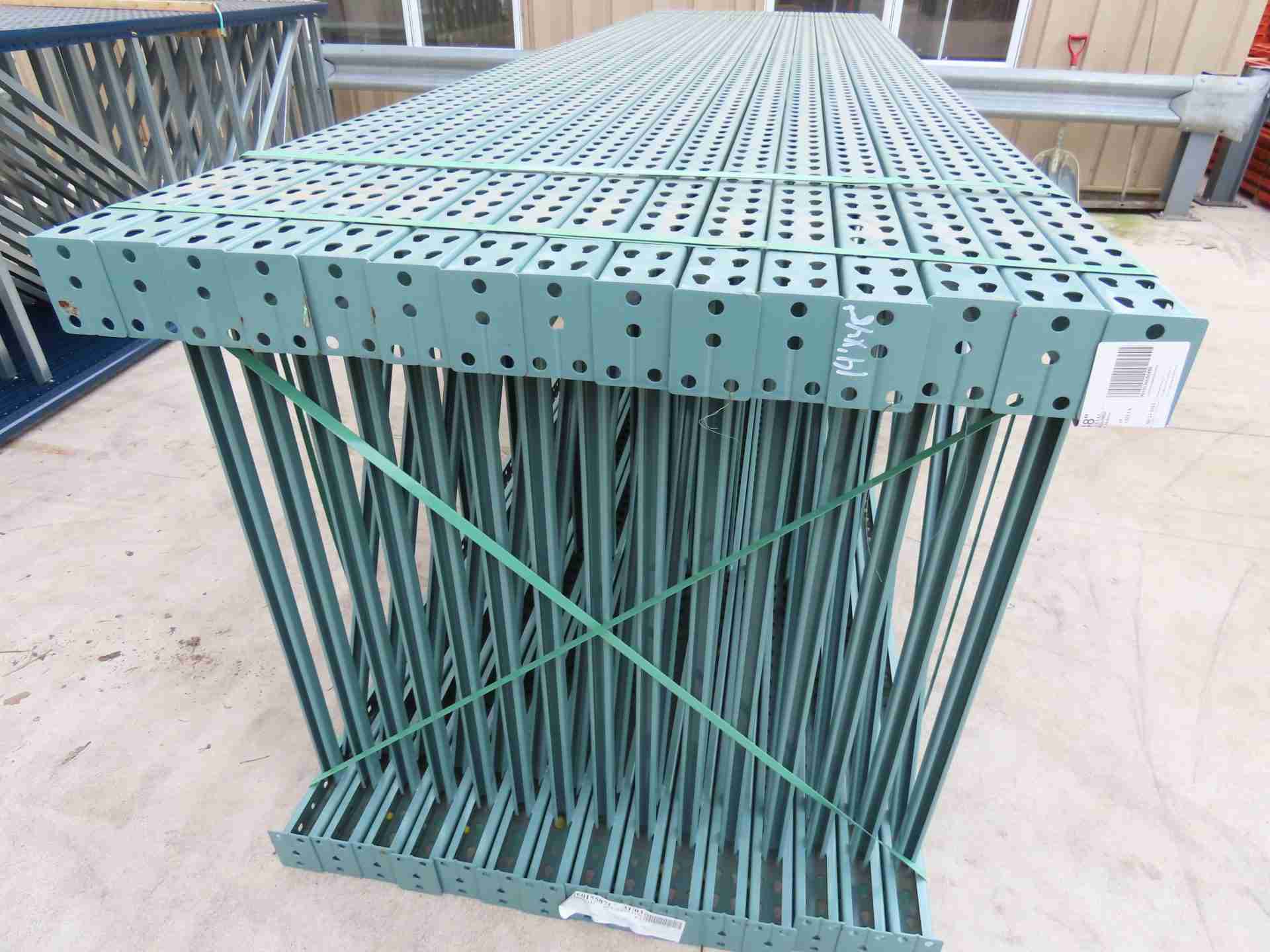
What Are The Advantages Of Selective Pallet Racking?
What Are The Advantages Of Selective Pallet Racking?
- Selective pallet racking helps optimize space, efficiency, and organization in warehouses.
- Maximizes storage space by utilizing vertical space effectively.
- Allows for easy access to goods, making picking and packing orders more efficient.
- Offers excellent inventory management capabilities, reducing the risk of lost items.
- Provides versatility by being easily customizable to meet specific business needs.
- Helps streamline operations, reduce costs, and increase productivity.
- Investing in selective pallet racking can take a business to the next level.
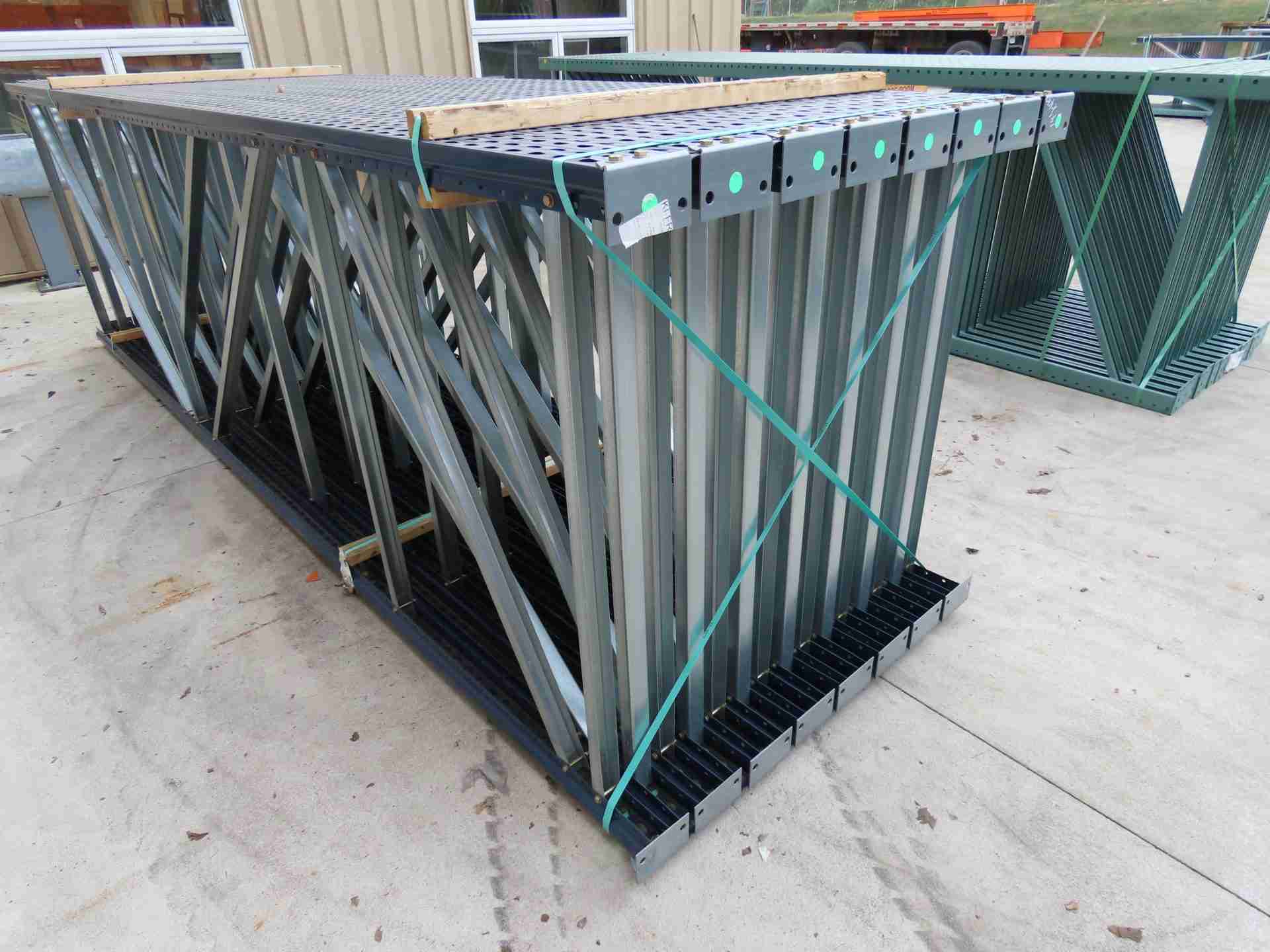
What Are The Advantages Of Selective Pallet Racking?
How Does Selective Pallet Racking Compare To Other Storage Systems?
Selective pallet racking stands head and shoulders above other storage systems in terms of efficiency, flexibility, and cost-effectiveness. When compared to traditional shelving systems or drive-in racking, selective pallet racking offers a superior solution for businesses looking to optimize their warehouse space.
One of the key advantages of selective pallet racking is its ability to maximize vertical storage space. By utilizing the vertical space in a warehouse, businesses can store more products in a smaller footprint, ultimately increasing their storage capacity. This is crucial for businesses looking to scale and grow without having to invest in additional warehouse space.
Additionally, selective pallet racking allows for easy access to individual pallets, making it ideal for businesses with a high turnover of products. This means that employees can quickly pick items from the shelves, improving overall efficiency and reducing the time spent on order fulfillment. In comparison, drive-in racking systems can be cumbersome and time-consuming to navigate, leading to inefficiencies and potential bottlenecks in the warehouse.
Furthermore, selective pallet racking is a cost-effective solution for businesses of all sizes. With its modular design, businesses can easily expand or modify their storage systems as needed, without having to invest in a completely new system. This adaptability is especially important in today’s fast-paced business environment, where companies need to be agile and responsive to changing market conditions.
In contrast, traditional shelving systems can be limiting in terms of scalability and flexibility. Once a shelving system is installed, it can be difficult and costly to make changes or upgrades, leading to inefficiencies and wasted space. By investing in selective pallet racking, businesses can ensure that their storage systems can grow and evolve along with their business.
Selective pallet racking offers a superior alternative to other storage systems in terms of efficiency, flexibility, and cost-effectiveness. By maximizing vertical space, improving access to individual pallets, and providing a modular and adaptable solution, businesses can optimize their warehouse space and streamline their operations. For businesses looking to stay ahead of the competition and maximize their storage capabilities, selective pallet racking is the clear choice.
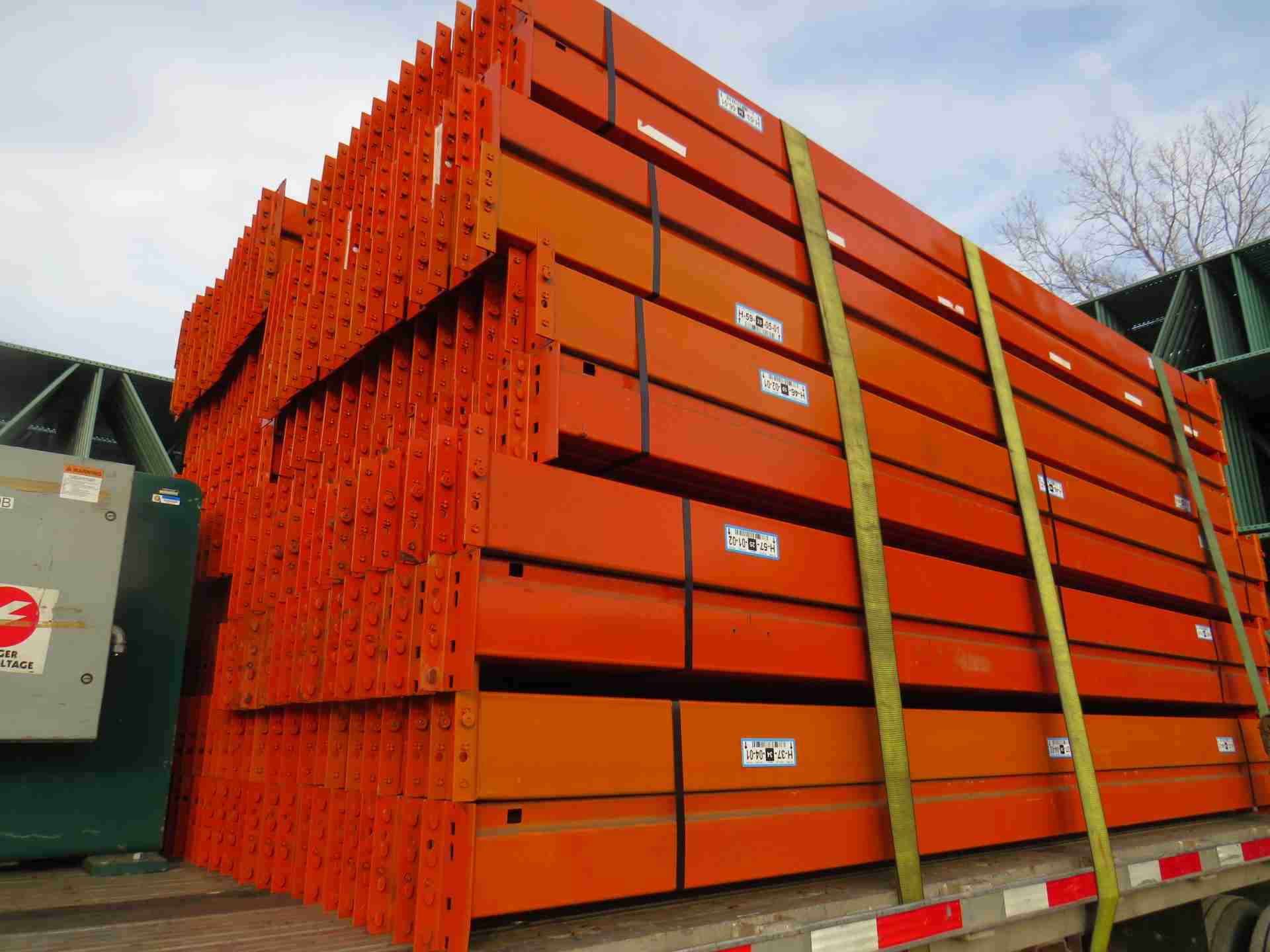
How Does Selective Pallet Racking Compare To Other Storage Systems?
How Does Selective Pallet Racking Compare To Other Storage Systems?
- Selective pallet racking stands head and shoulders above other storage systems in terms of efficiency, flexibility, and cost-effectiveness.
- Maximizes vertical storage space, allowing businesses to store more products in a smaller footprint.
- Easy access to individual pallets for high turnover businesses, improving efficiency and reducing fulfillment time.
- Cost-effective solution with modular design for easy expansion or modification as needed.
- Superior alternative to traditional shelving systems in terms of scalability and flexibility.
- Optimizes warehouse space and streamlines operations for businesses looking to stay ahead of competition.
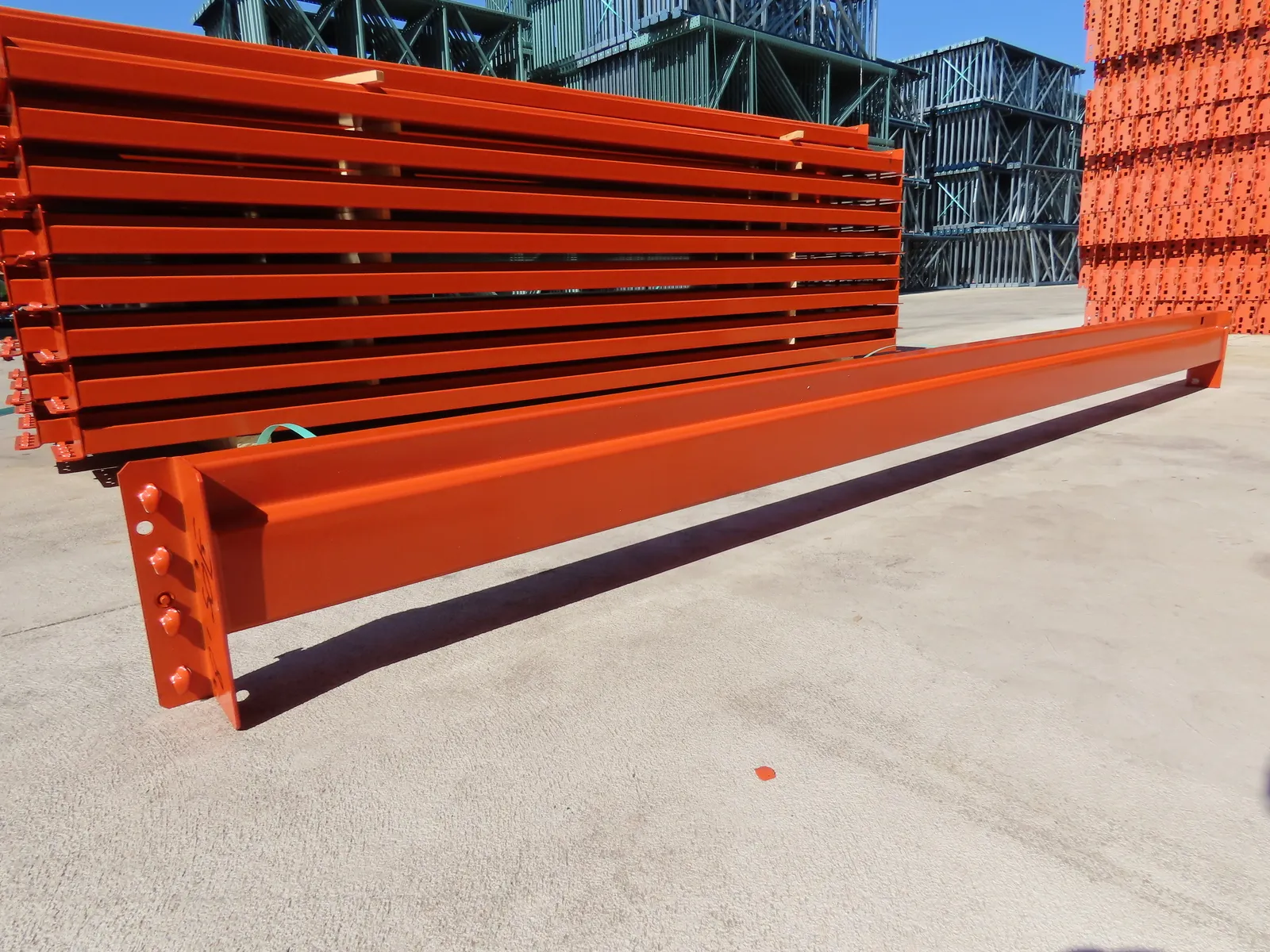
How Does Selective Pallet Racking Compare To Other Storage Systems?
What Types Of Products Are Best Suited For Selective Pallet Racking?
Selective pallet racking is a popular choice among businesses looking to optimize their warehouse storage space. This type of racking system allows for easy access to individual pallets, making it ideal for businesses with a large variety of products or frequent inventory turnover. But what types of products are best suited for selective pallet racking?
One of the key advantages of selective pallet racking is its flexibility. This system is perfect for businesses that store a wide range of products, from small and lightweight items to large and heavy products. For example, an automotive parts retailer may use selective pallet racking to store everything from small nuts and bolts to large exhaust systems. The ability to adjust shelf heights and configurations makes it easy to accommodate products of various sizes and weights.
Another factor to consider when determining the best products for selective pallet racking is the frequency of inventory turnover. Businesses that experience rapid turnover of products can benefit greatly from this type of racking system. With easy access to individual pallets, workers can quickly retrieve and restock items, reducing picking and restocking times.
Additionally, businesses that require quick and efficient order fulfillment will find selective pallet racking to be a valuable asset. E-commerce retailers, for example, rely on rapid order processing to meet customer expectations for fast shipping. Selective pallet racking allows for easy access to products, streamlining the order-picking process and maximizing productivity.
In today’s fast-paced business environment, the ability to adapt to changing market demands is crucial. Selective pallet racking enables businesses to efficiently manage inventory fluctuations and respond to shifting consumer preferences. With the flexibility to store a wide variety of products and adjust shelf configurations as needed, businesses can easily accommodate changing inventory needs.
Overall, businesses that stock a diverse range of products, experience high inventory turnover and require quick order fulfillment are well-suited for selective pallet racking. By investing in this efficient storage solution, businesses can improve warehouse organization, increase productivity, and meet customer demands with ease.
Selective pallet racking is an excellent choice for businesses looking to optimize their warehouse storage space and streamline operations. By selecting the right products for this type of racking system, businesses can maximize efficiency and stay competitive in today’s dynamic marketplace.
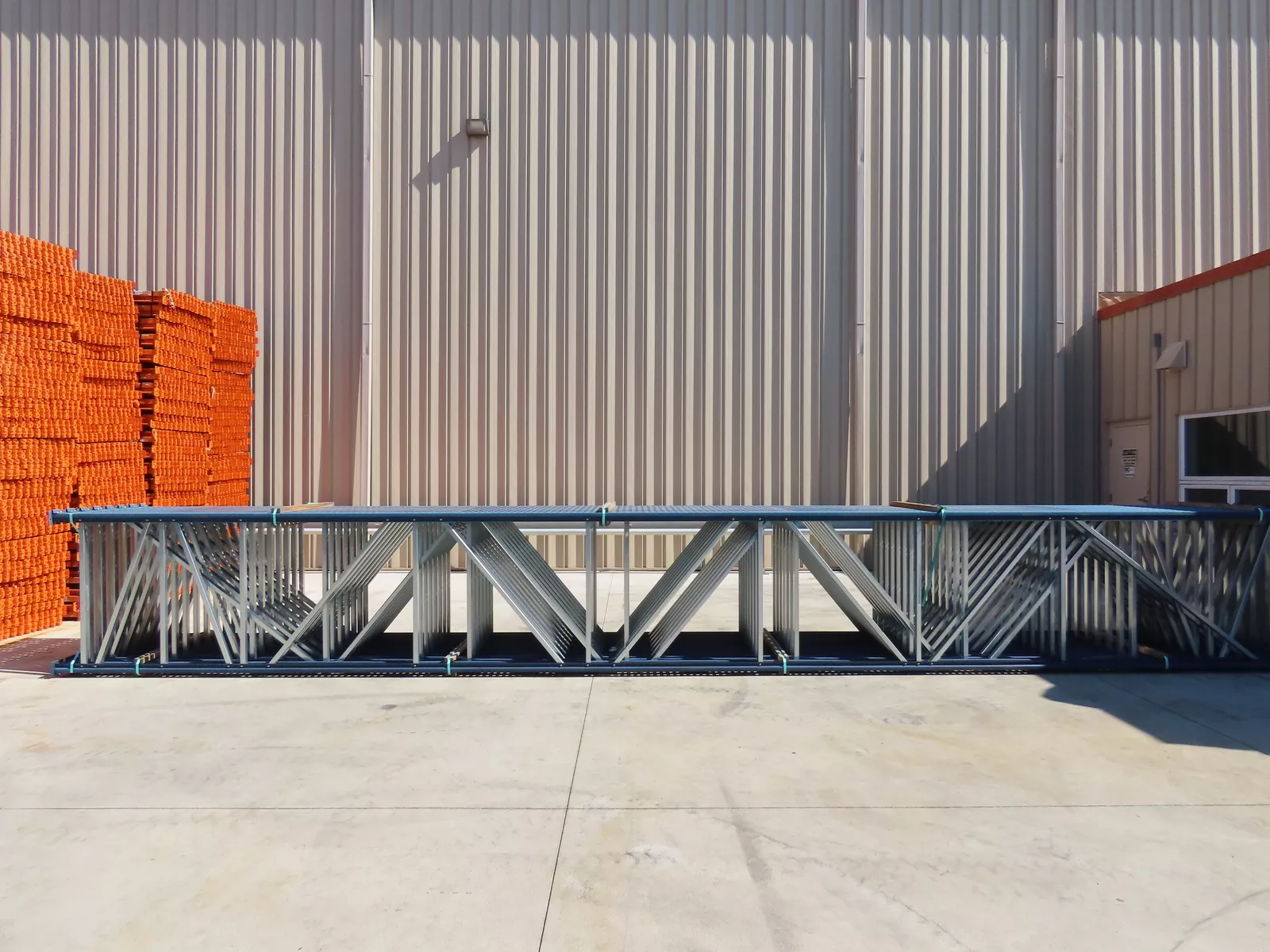
What Types Of Products Are Best Suited For Selective Pallet Racking?
What Types Of Products Are Best Suited For Selective Pallet Racking?
- Selective pallet racking is ideal for businesses looking to optimize warehouse storage space.
- Fits a wide range of products from small to large and lightweight to heavy items.
- Great for businesses with rapid inventory turnover.
- Efficient for businesses needing quick order fulfillment like e-commerce retailers.
- Allows businesses to adapt to changing market demands by adjusting shelf configurations.
- Suitable for businesses with diverse products, high turnover, and need for quick fulfillment.
- Overall, selective pallet racking improves organization, productivity, and customer satisfaction.
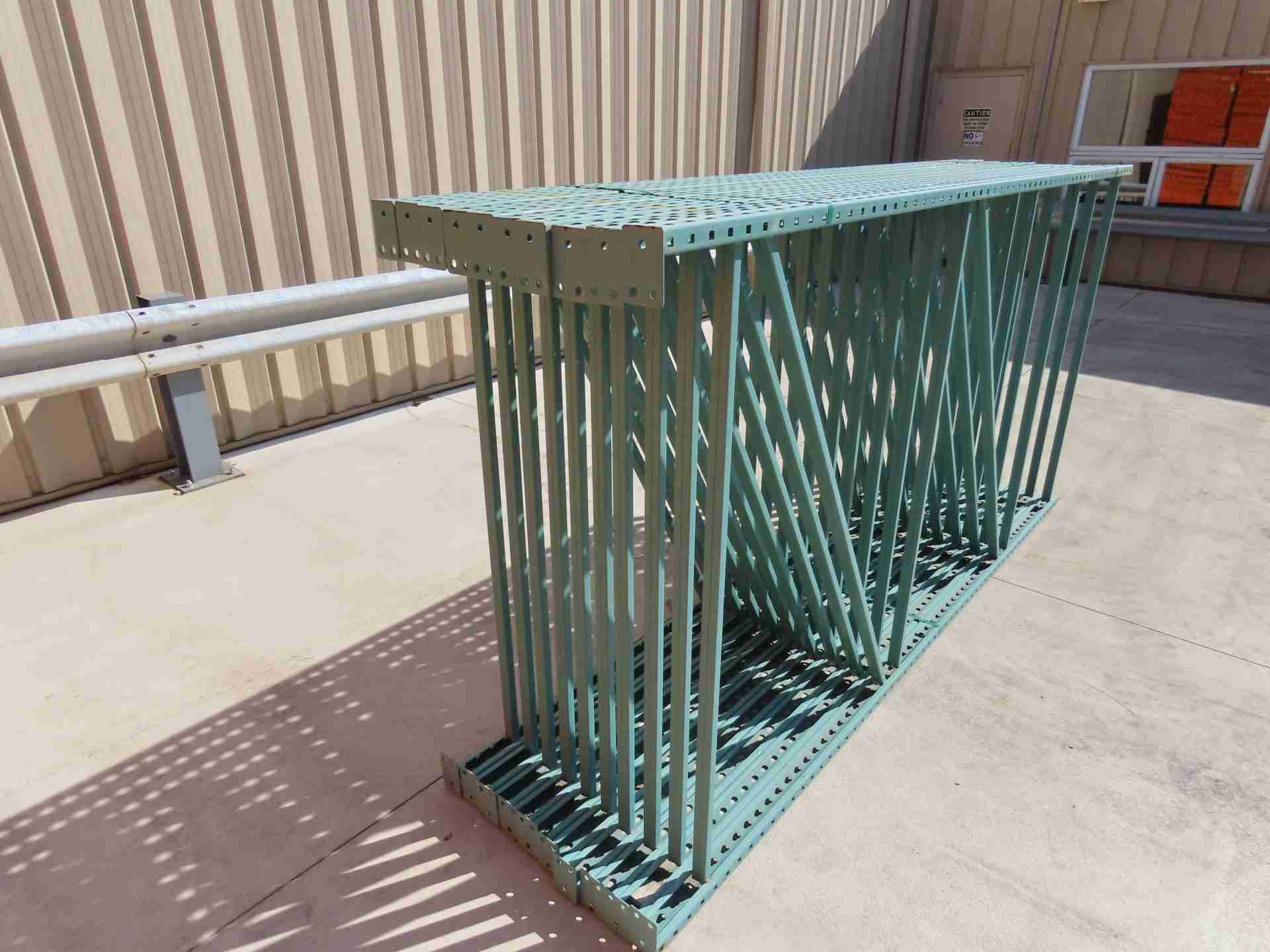
What Types Of Products Are Best Suited For Selective Pallet Racking?
How Can I Maximize Space And Efficiency With Selective Pallet Racking?
If you’re looking to maximize your warehouse space and increase efficiency, selective pallet racking is the way to go. This versatile storage system allows you to organize your inventory in a way that maximizes accessibility and minimizes wasted space. By utilizing selective pallet racking, you can make the most of your vertical storage space while maintaining easy access to all of your products.
One key benefit of selective pallet racking is its ability to adapt to different types of products and inventory levels. With selective pallet racking, you can easily adjust shelf heights and configurations to accommodate items of various sizes. This flexibility is particularly important in today’s rapidly changing market, where businesses need to be able to adapt quickly to shifting product demands.
In addition to maximizing space, selective pallet racking also improves efficiency by making it easier to locate and retrieve items. With selective pallet racking, you can clearly see and access every pallet in your inventory, allowing for faster picking and restocking. This can help to streamline your operations and reduce the time spent searching for items, ultimately saving you money and increasing productivity.
Moreover, in light of current supply chain challenges, having an efficient storage system like selective pallet racking is more important than ever. With selective pallet racking, you can ensure that your warehouse is organized and optimized for maximum efficiency, helping you to stay on top of inventory management and minimize disruptions in your supply chain.
By investing in selective pallet racking, you can make the most of your warehouse space and increase your operational efficiency. Whether you’re a small business looking to expand your storage capacity or a larger company seeking to optimize your warehouse operations, selective pallet racking can help you achieve your goals.
Don’t let wasted space and inefficient storage practices hold your business back. Take advantage of the benefits of selective pallet racking and transform your warehouse into a well-organized and efficient space that supports your business growth. With selective pallet racking, the sky’s the limit when it comes to maximizing space and efficiency in your warehouse.
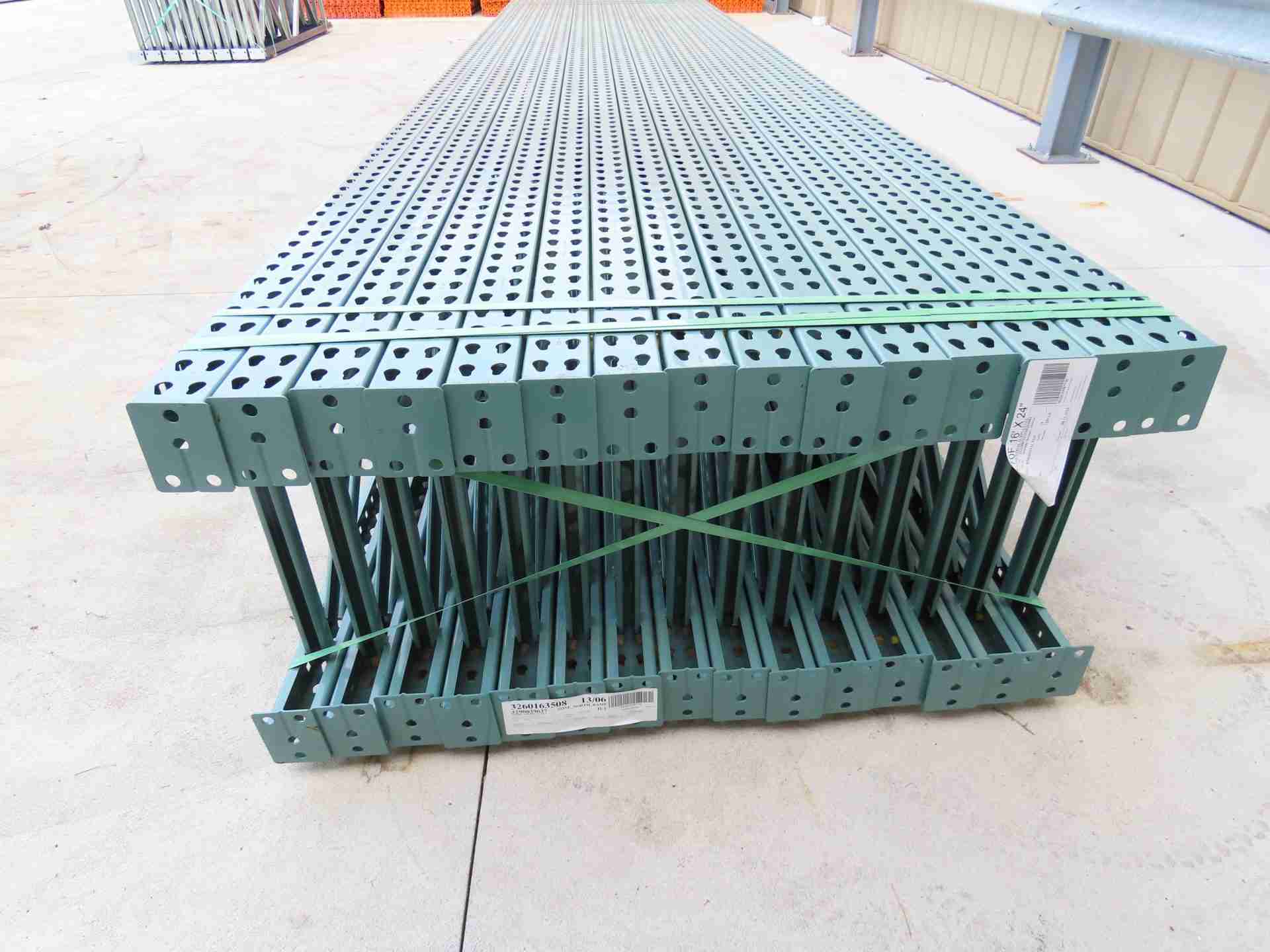
How Can I Maximize Space And Efficiency With Selective Pallet Racking?
How Can I Maximize Space And Efficiency With Selective Pallet Racking?
- If you’re looking to maximize your warehouse space and increase efficiency, selective pallet racking is the way to go.
- This versatile storage system allows you to organize your inventory in a way that maximizes accessibility and minimizes wasted space.
- One key benefit of selective pallet racking is its ability to adapt to different types of products and inventory levels.
- In addition to maximizing space, selective pallet racking also improves efficiency by making it easier to locate and retrieve items.
- Moreover, in light of current supply chain challenges, having an efficient storage system like selective pallet racking is more important than ever.
- By investing in selective pallet racking, you can make the most of your warehouse space and increase your operational efficiency.
- Don’t let wasted space and inefficient storage practices hold your business back. Take advantage of the benefits of selective pallet racking and transform your warehouse into a well-organized and efficient space that supports your business growth.
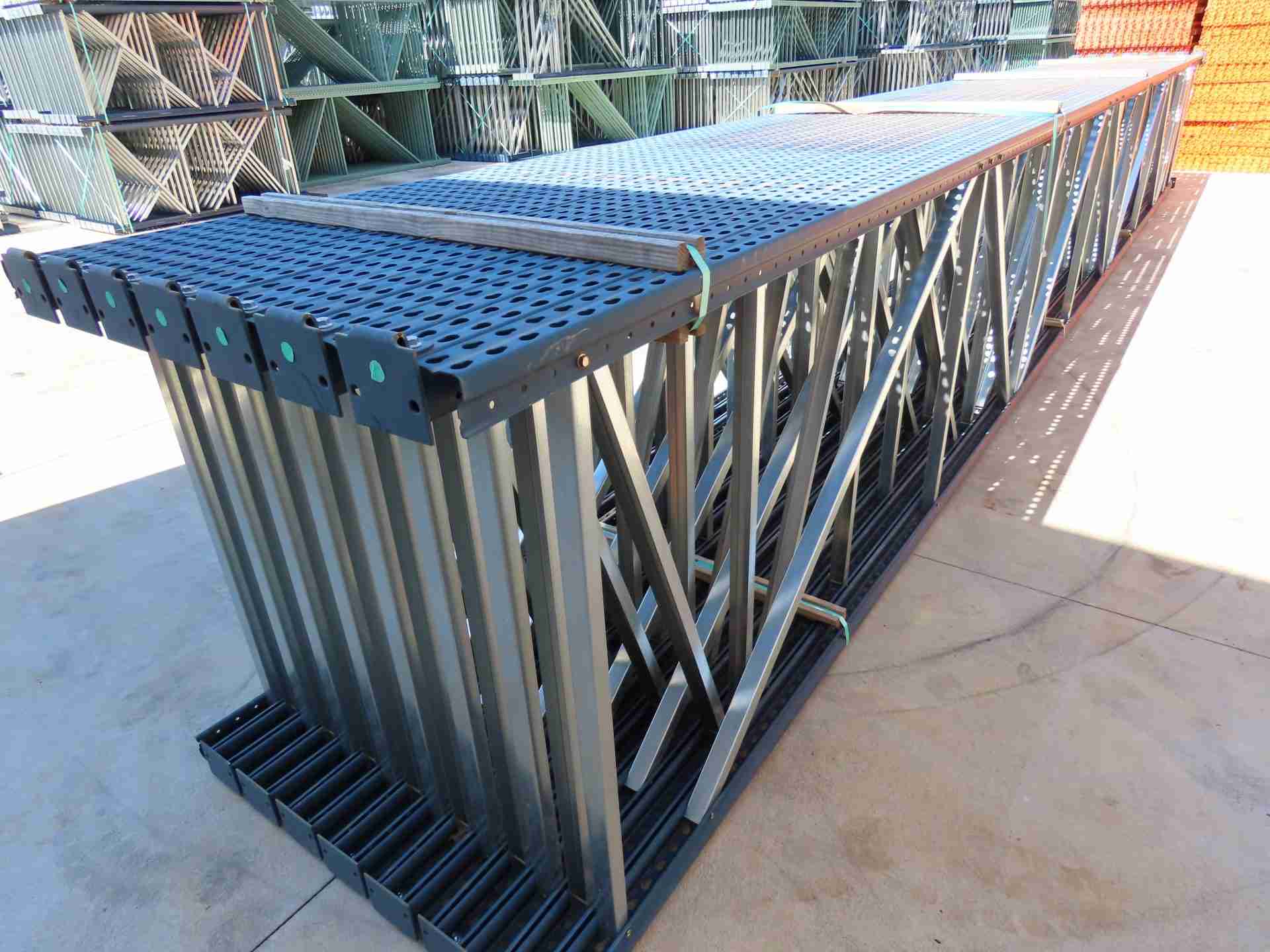
How Can I Maximize Space And Efficiency With Selective Pallet Racking?
What Are The Benefits Of Using Selective Pallet Racking?
Selective pallet racking offers a multitude of benefits for businesses looking to streamline their warehouse operations and maximize storage space. One of the key advantages of using selective pallet racking is its ability to increase efficiency and productivity. By organizing inventory in a structured manner, businesses can easily access products and reduce the time spent searching for specific items. This can lead to faster fulfillment times and ultimately, happier customers.
In addition to improved efficiency, selective pallet racking can also help businesses save money in the long run. By utilizing vertical space in the warehouse more effectively, companies can reduce the need for additional storage facilities or costly off-site storage solutions. This can result in significant cost savings, especially for businesses experiencing growth and needing to expand their storage capabilities.
Furthermore, selective pallet racking can contribute to a safer working environment for warehouse staff. By properly storing inventory in designated racks, businesses can minimize the risk of accidents and injuries caused by cluttered aisles or improperly stacked pallets. This can not only reduce downtime due to workplace injuries but also improve overall morale and employee satisfaction.
Additionally, selective pallet racking can provide businesses with greater flexibility in terms of inventory management. With the ability to easily adjust shelf heights and configurations, companies can adapt to changing inventory needs and accommodate different types of products. This can be particularly beneficial for businesses dealing with seasonal fluctuations or diverse product offerings.
Overall, the benefits of using selective pallet racking are numerous and can have a significant impact on a business’s bottom line. By increasing efficiency, reducing costs, improving safety, and enhancing flexibility, businesses can position themselves for success in an ever-evolving market landscape.
As we navigate through the challenges presented by the COVID-19 pandemic, businesses are increasingly turning to selective pallet racking as a solution to optimize their warehouse operations. With the rise of e-commerce and the growing demand for quick and efficient fulfillment services, the need for efficient storage solutions has never been greater. By investing in selective pallet racking, businesses can position themselves for success in a rapidly changing business environment.
Selective pallet racking offers a wide range of benefits for businesses looking to improve their warehouse operations. From increased efficiency and cost savings to improved safety and flexibility, selective pallet racking can be a valuable investment for companies looking to stay ahead of the competition.
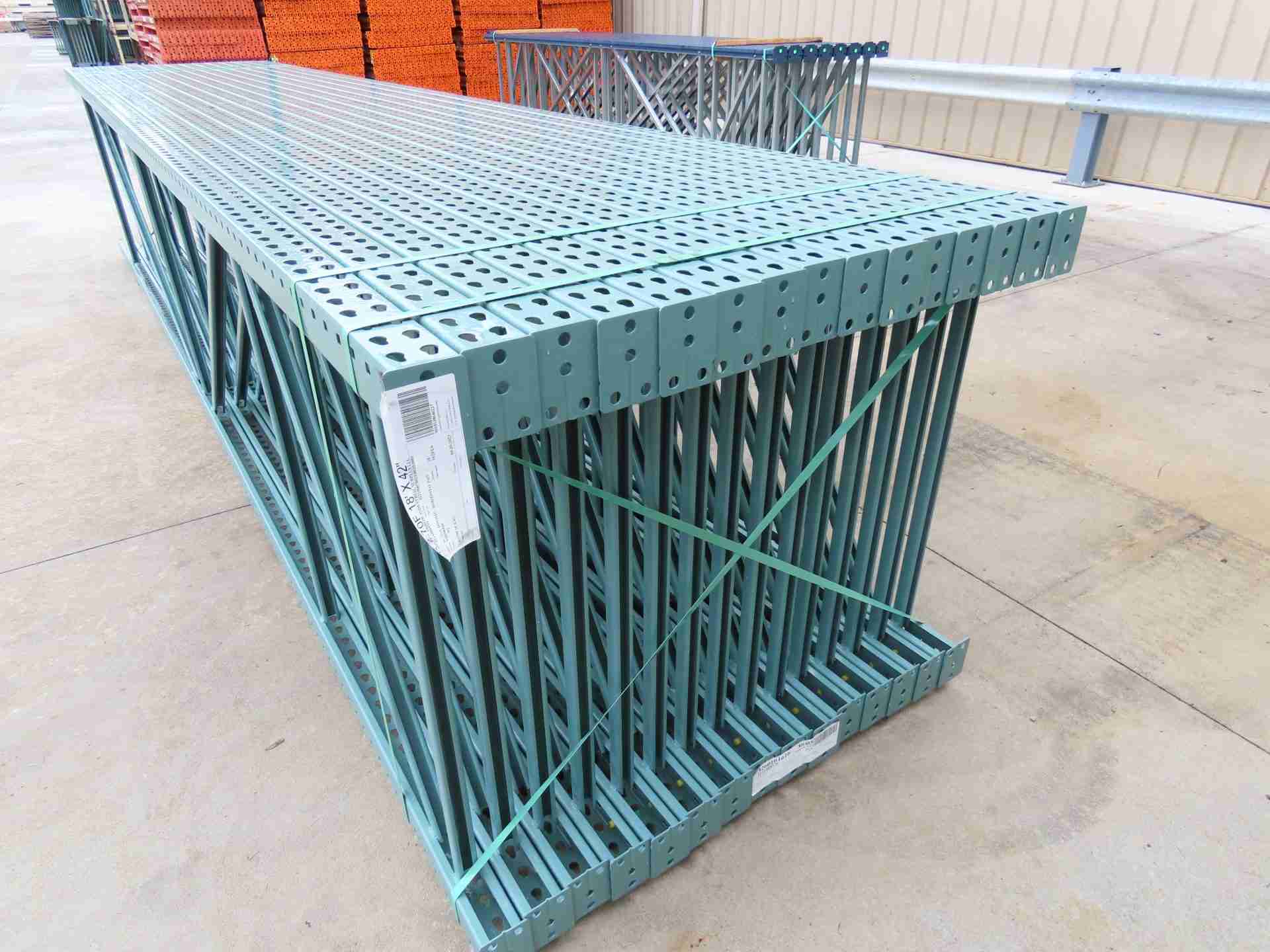
What Are The Benefits Of Using Selective Pallet Racking?
What Are The Benefits Of Using Selective Pallet Racking?
- Selective pallet racking offers a multitude of benefits for businesses.
- Increases efficiency and productivity by organizing inventory.
- Helps save money by utilizing vertical space effectively.
- Contributes to a safer working environment for warehouse staff.
- Provides greater flexibility in terms of inventory management.
- Significantly impacts businesses’ bottom line.
- Increasingly used as a solution to optimize warehouse operations.
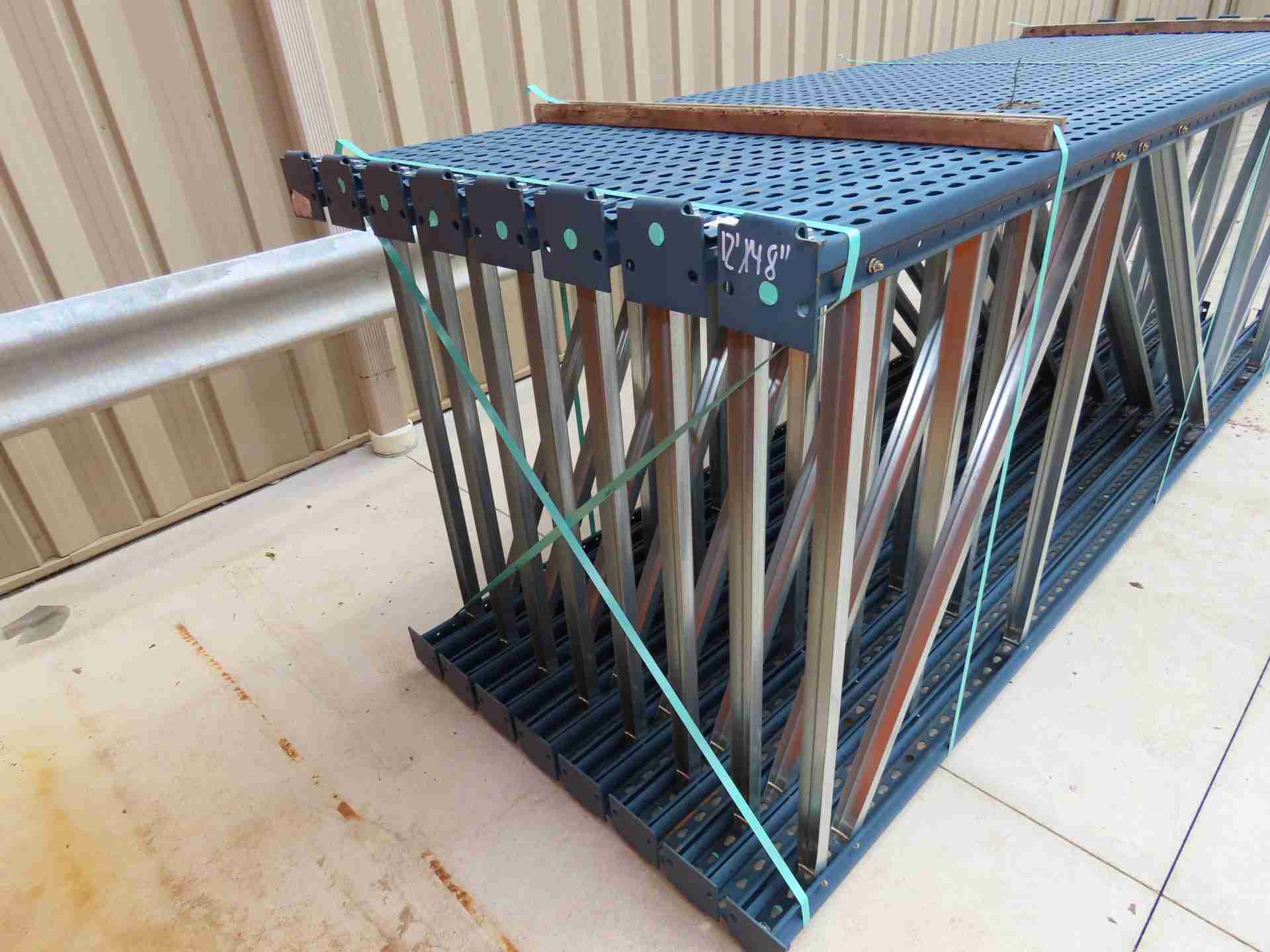
What Are The Benefits Of Using Selective Pallet Racking?
How Can I Maintain and Care for Selective Pallet Racking Systems?
When it comes to maintaining and caring for your selective pallet racking systems, there are a few key strategies you can implement to ensure their longevity and efficiency. By following these tips, you can maximize the lifespan of your racking systems and optimize your warehouse operations.
First and foremost, regular inspections are critical in maintaining the integrity of your pallet racking systems. By conducting routine inspections, you can identify any potential issues or damage early on and address them before they escalate into larger problems. Look for signs of wear and tear, such as bent beams or missing connectors, and make necessary repairs promptly to prevent accidents and ensure the safety of your employees.
Additionally, proper load management is essential for the longevity of your racking systems. Be sure to adhere to weight limits and load capacities specified by the manufacturer, and avoid overloading your racks to prevent structural damage. By following these guidelines, you can prevent unnecessary strain on your racking systems and mitigate the risk of collapse.
Furthermore, regular maintenance is key to ensuring the optimal performance of your selective pallet racking systems. Greasing moving parts, checking for loose bolts, and cleaning debris from beams are all simple tasks that can help prevent corrosion and prolong the life of your racks. Consider implementing a maintenance schedule to ensure that these tasks are completed on a regular basis and to prevent any issues from arising unexpectedly.
In addition to routine maintenance, investing in quality accessories and add-ons can help enhance the functionality of your pallet racking systems. For example, installing beam protectors or row spacers can help prevent damage to your racks and improve the overall safety of your warehouse. By making strategic investments in accessories, you can increase the efficiency and effectiveness of your racking systems and streamline your operations.
Maintaining and caring for your selective pallet racking systems is essential for the success of your warehouse operations. By conducting regular inspections, practicing proper load management, performing routine maintenance, and investing in quality accessories, you can ensure the longevity and efficiency of your racking systems. By following these strategies, you can optimize your warehouse operations and maximize the return on your investment in pallet racking systems.
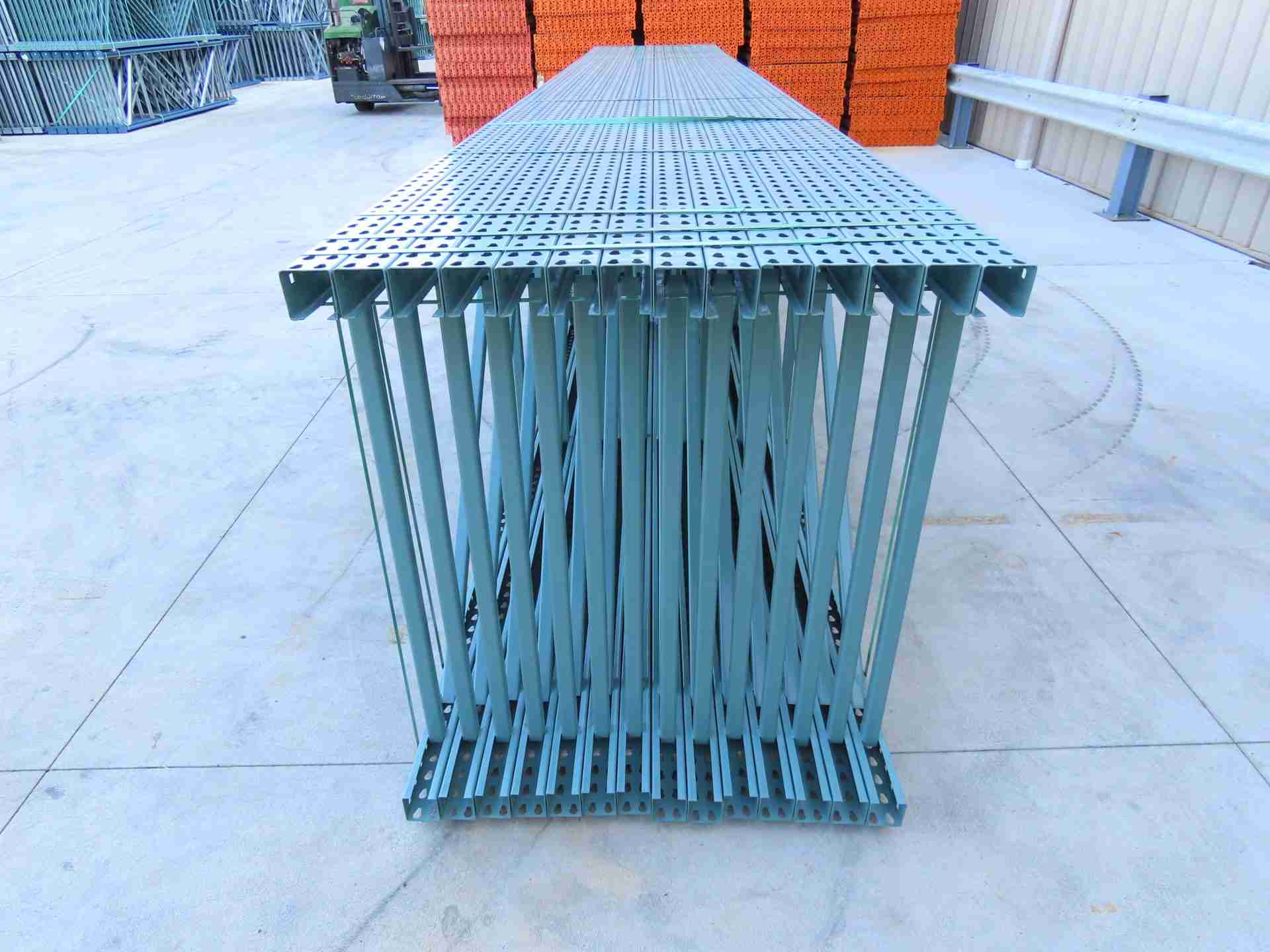
How Can I Maintain and Care for Selective Pallet Racking Systems?
How Can I Maintain and Care for Selective Pallet Racking Systems?
- Regular inspections are critical in maintaining the integrity of pallet racking systems.
- Proper load management is essential to prevent structural damage.
- Regular maintenance, such as greasing moving parts and checking for loose bolts, is key.
- Investing in quality accessories and add-ons can enhance functionality.
- Implementing a maintenance schedule can help prevent unexpected issues.
- Look for signs of wear and tear, such as bent beams or missing connectors.
- By following these strategies, you can optimize warehouse operations and maximize ROI.
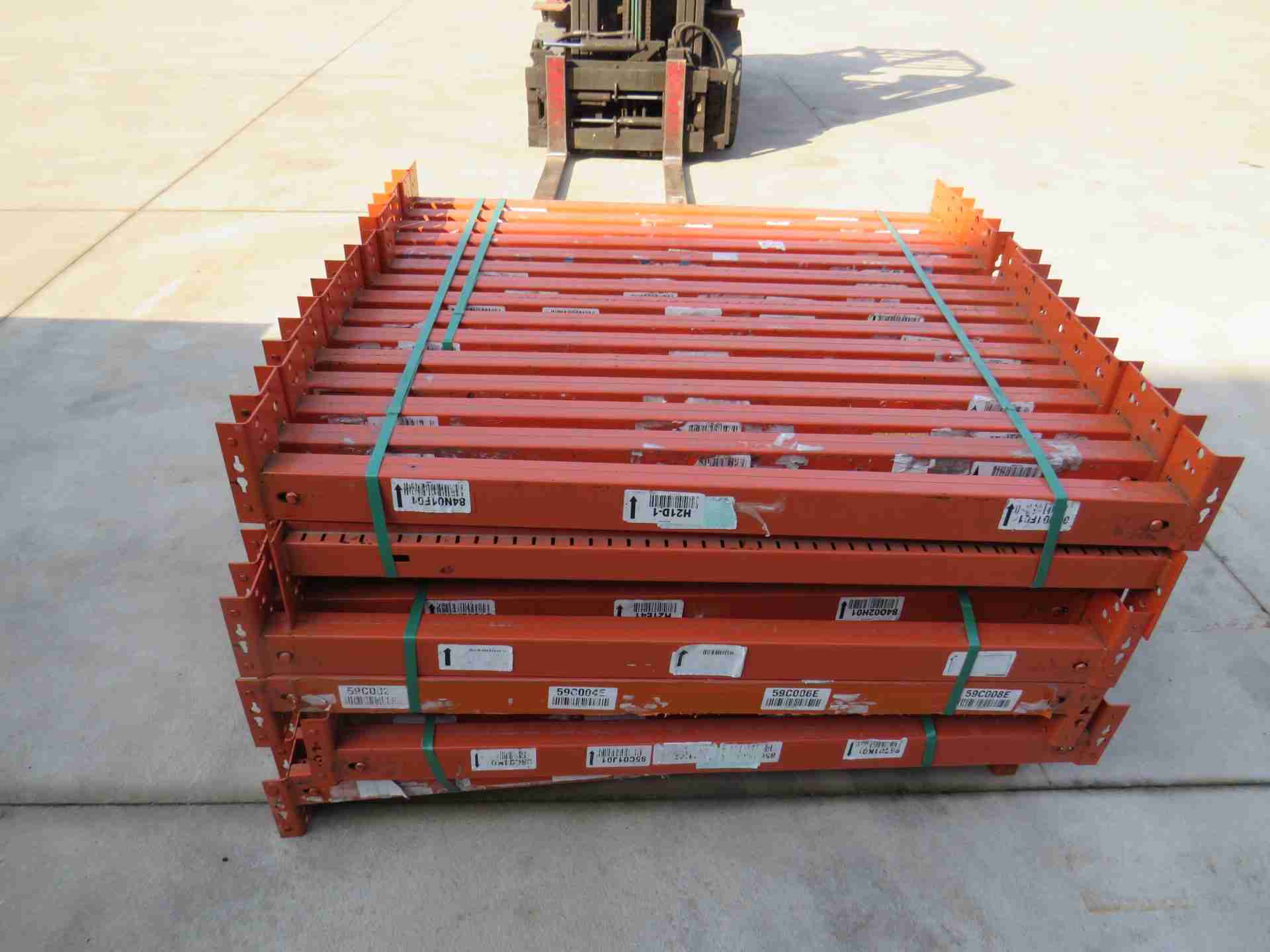
How Can I Maintain and Care for Selective Pallet Racking Systems?
What Types Of Businesses Benefit Most From Selective Pallet Racking?
Selective pallet racking is a popular storage solution for businesses looking to maximize their warehouse space and streamline their operations. But not all businesses can benefit equally from this type of storage system. Certain types of businesses stand to gain the most from implementing selective pallet racking in their operations.
One type of business that can greatly benefit from selective pallet racking is e-commerce companies. With the rise of online shopping, e-commerce companies are constantly looking for ways to optimize their warehouse space and increase efficiency. Selective pallet racking allows these companies to easily access and organize their inventory, making the picking and packing process much more efficient. This can help e-commerce businesses improve their order fulfillment times and better meet the demands of their customers.
Another type of business that can benefit from selective pallet racking is food and beverage companies. These companies often deal with perishable goods that need to be stored in a specific way to maintain their quality. Selective pallet racking allows food and beverage companies to efficiently store and organize their products, ensuring that they are easily accessible and properly rotated to prevent spoilage. This can help these businesses reduce waste and improve the overall quality of their products.
Manufacturing companies are also prime candidates for selective pallet racking. These companies often deal with large quantities of raw materials and finished goods that need to be stored in a way that maximizes space and facilitates easy access. Selective pallet racking allows manufacturing companies to organize their inventory in a way that makes it easy to locate and retrieve items when needed. This can help these businesses improve their production processes and reduce downtime.
Businesses that deal with large quantities of inventory and require efficient storage solutions are the ones that benefit the most from selective pallet racking. By implementing this type of storage system, businesses can improve their warehouse operations, increase efficiency, and ultimately boost their bottom line. Whether you are an e-commerce company, a food and beverage company, or a manufacturing company, selective pallet racking can help take your business to the next level. So why wait? Invest in selective pallet racking today and start reaping the benefits of a more organized and efficient warehouse.

What Types Of Businesses Benefit Most From Selective Pallet Racking?
What Types Of Businesses Benefit Most From Selective Pallet Racking?
- E-commerce companies can greatly benefit from selective pallet racking to optimize warehouse space and increase efficiency.
- Food and beverage companies can efficiently store and organize perishable goods with selective pallet racking, reducing waste and improving product quality.
- Manufacturing companies can easily access and retrieve raw materials and finished goods with selective pallet racking, improving production processes and reducing downtime.
- Businesses dealing with large quantities of inventory and requiring efficient storage solutions benefit the most from selective pallet racking.
- Implementing selective pallet racking can improve warehouse operations, increase efficiency, and boost the bottom line for businesses.
- Whether an e-commerce company, a food and beverage company, or a manufacturing company, selective pallet racking can take businesses to the next level.
- Investing in selective pallet racking today can lead to a more organized and efficient warehouse, reaping the benefits of improved operations.
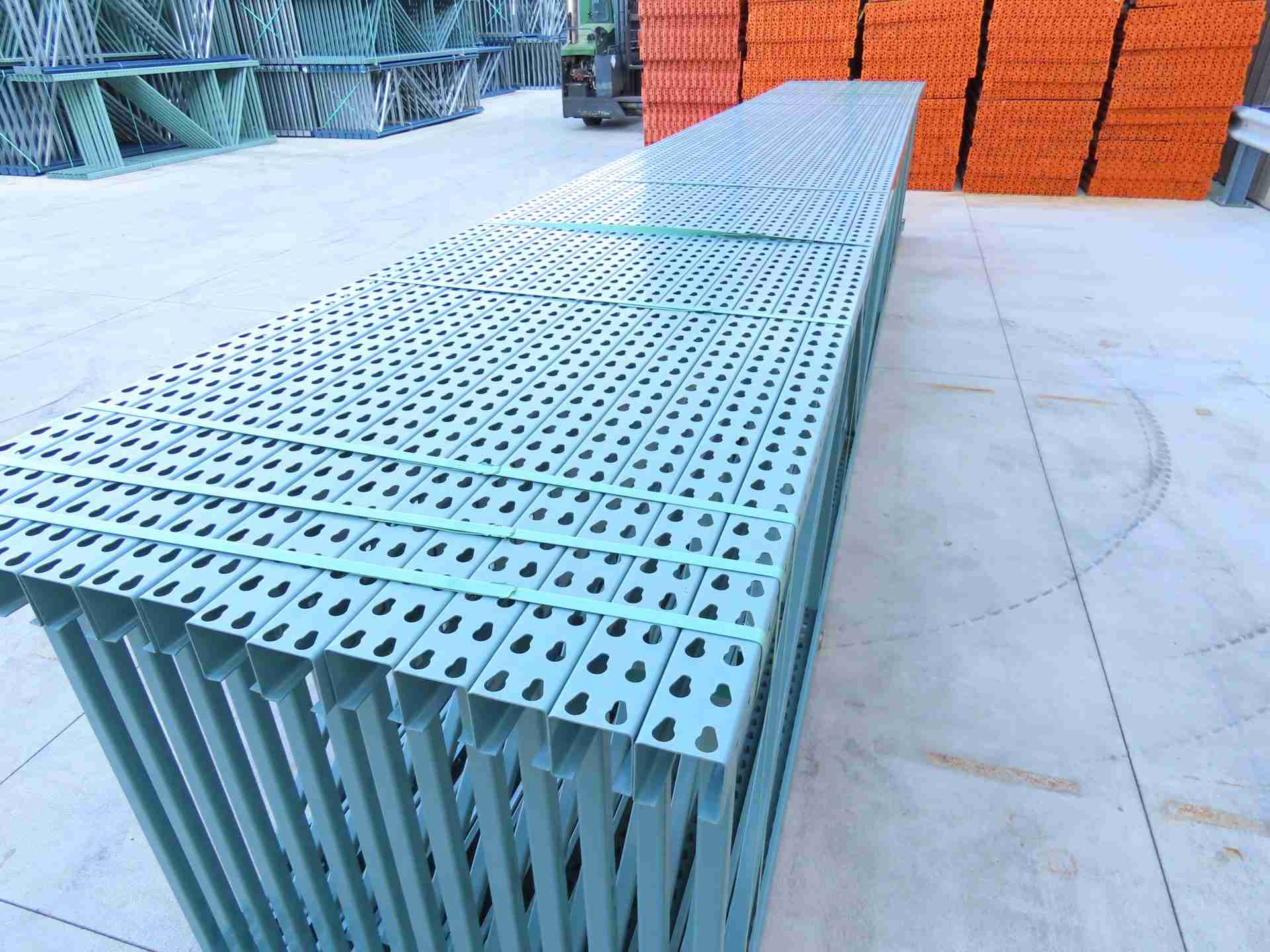
What Types Of Businesses Benefit Most From Selective Pallet Racking?
Are There Any Drawbacks to Using Selective Pallet Racking?
While Selective Pallet Racking is a popular and efficient storage solution for many businesses, it is important to consider the potential drawbacks that come with its implementation. One key drawback is the initial investment required to set up Selective Pallet rack systems. The cost of purchasing the racking equipment, installation fees, and potentially needed modifications to your warehouse space can add up quickly. However, it is important to weigh this initial cost against the long-term benefits of increased efficiency and storage capacity.
Another drawback to consider is the potential for damage to both the racking system and the stored inventory. Accidents such as forklift collisions or overloading of shelves can result in costly repairs and replacements. Regular maintenance and employee training are essential to prevent these issues from occurring.
Furthermore, Selective Pallet Racking may not be the best solution for businesses with a high turnover of inventory or those in industries with strict regulations regarding inventory management. In these cases, systems such as Drive-In Racking or Push Back Racking may offer a more suitable solution.
In addition, the ongoing maintenance and upkeep of Selective Pallet Racking systems can be time-consuming and require dedicated resources. Regular inspections, repairs, and reconfigurations may be necessary to ensure the system is functioning optimally. However, investing in preventative maintenance can help prevent costly downtime and repairs in the future.
Despite these potential drawbacks, Selective Pallet Racking remains a popular choice for businesses looking to optimize their warehouse space and improve efficiency. By carefully considering your specific needs and conducting a thorough cost-benefit analysis, you can determine if Selective Pallet Racking is the right solution for your business.
While Selective Pallet Racking offers numerous benefits, it is important to be aware of the potential drawbacks and take proactive steps to mitigate them. By carefully planning and investing in proper maintenance and training, businesses can maximize the benefits of Selective Pallet Racking while minimizing the risks.
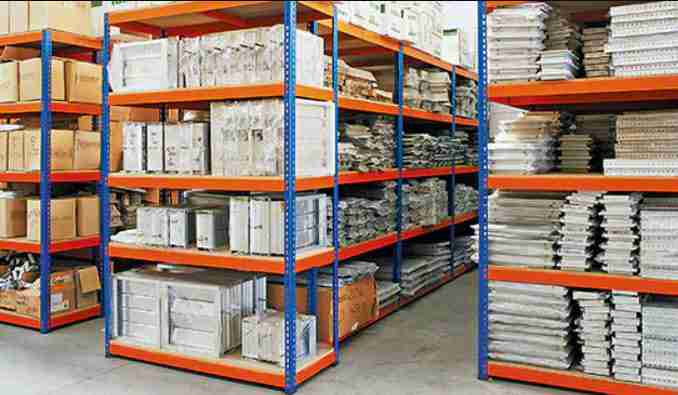
Are There Any Drawbacks to Using Selective Pallet Racking?
Are There Any Drawbacks to Using Selective Pallet Racking?
- The initial investment is required for setup.
- Potential for damage to system and inventory.
- It may not be suitable for high turnover or regulated industries.
- Ongoing maintenance and upkeep can be time-consuming.
- Despite drawbacks, it remains a popular choice for efficiency.
- Consider specific needs and conduct a cost-benefit analysis.
- Proactive steps can mitigate potential risks and maximize benefits.
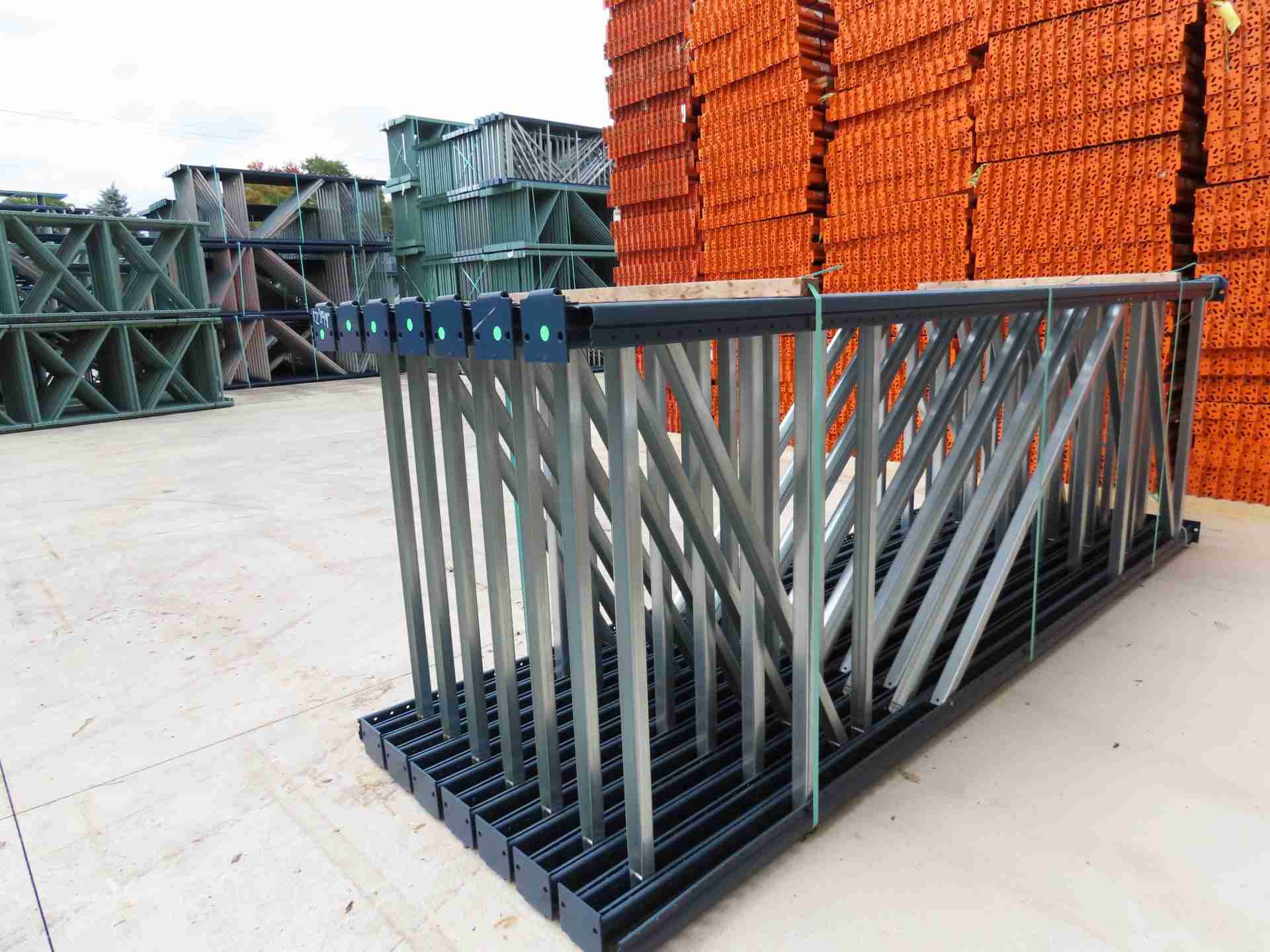
Are There Any Drawbacks to Using Selective Pallet Racking?
What Factors Should I Consider When Choosing Selective Pallet Racking?
When considering which selective pallet racking system to invest in for your warehouse, there are several important factors to take into account in order to make the best decision for your business.
First and foremost, you should think about the layout and size of your warehouse space. Are you working with a small, cramped space or a large, open area? The size and shape of your warehouse will determine the type of selective pallet racking system that will best suit your needs. For example, if you have limited ceiling height, you may want to consider a system that utilizes vertical space efficiently, such as narrow aisle racking.
Another crucial factor to consider is the weight and size of your palletized goods. Different selective pallet racking systems are designed to handle varying weight capacities, so it is essential to choose a system that can accommodate the specific needs of your inventory. For example, if you are dealing with heavy-duty industrial materials, you will want to invest in a system with high load-bearing capacity to ensure the safety and stability of your goods.
It is also important to think about the accessibility of your inventory. If you require frequent access to your palletized goods, you may want to opt for a system that allows for easy picking and restocking, such as a drive-in racking system. On the other hand, if you have slower-moving items that can be stored for longer periods of time, a push back racking system may be more suitable.
In addition to considering the layout of your warehouse and the nature of your inventory, you should also think about the potential for future growth. As your business expands, you will likely need to scale up your storage capacity, so it is important to choose a selective pallet racking system that can be easily expanded or reconfigured to accommodate your changing needs.
Lastly, you should take into account your budget and timeline for implementation. Some selective pallet racking systems may require a larger upfront investment, but offer long-term benefits in terms of efficiency and space optimization. It is important to weigh the initial cost against the potential long-term savings and productivity gains to determine the best value for your business.
Choosing the right selective pallet racking system for your warehouse requires careful consideration of factors such as warehouse layout, inventory requirements, accessibility, scalability, and budget. By evaluating these factors carefully and selecting a system that aligns with your specific needs, you can optimize your storage space and improve the efficiency of your operations.

What Factors Should I Consider When Choosing Selective Pallet Racking?
What Factors Should I Consider When Choosing Selective Pallet Racking?
- Consider the layout and size of your warehouse space to determine the best type of selective pallet racking system.
- Take into account the weight and size of your palletized goods to choose a system with suitable weight capacities.
- Think about the accessibility of your inventory and choose a system that allows for easy picking and restocking.
- Consider the potential for future growth and choose a system that can be easily expanded or reconfigured.
- Take into account your budget and timeline for implementation to determine the best value for your business.
- Evaluate factors such as warehouse layout, inventory requirements, accessibility, scalability, and budget when choosing a selective pallet racking system.
- By selecting a system that aligns with your specific needs, you can optimize your storage space and improve the efficiency of your operations.
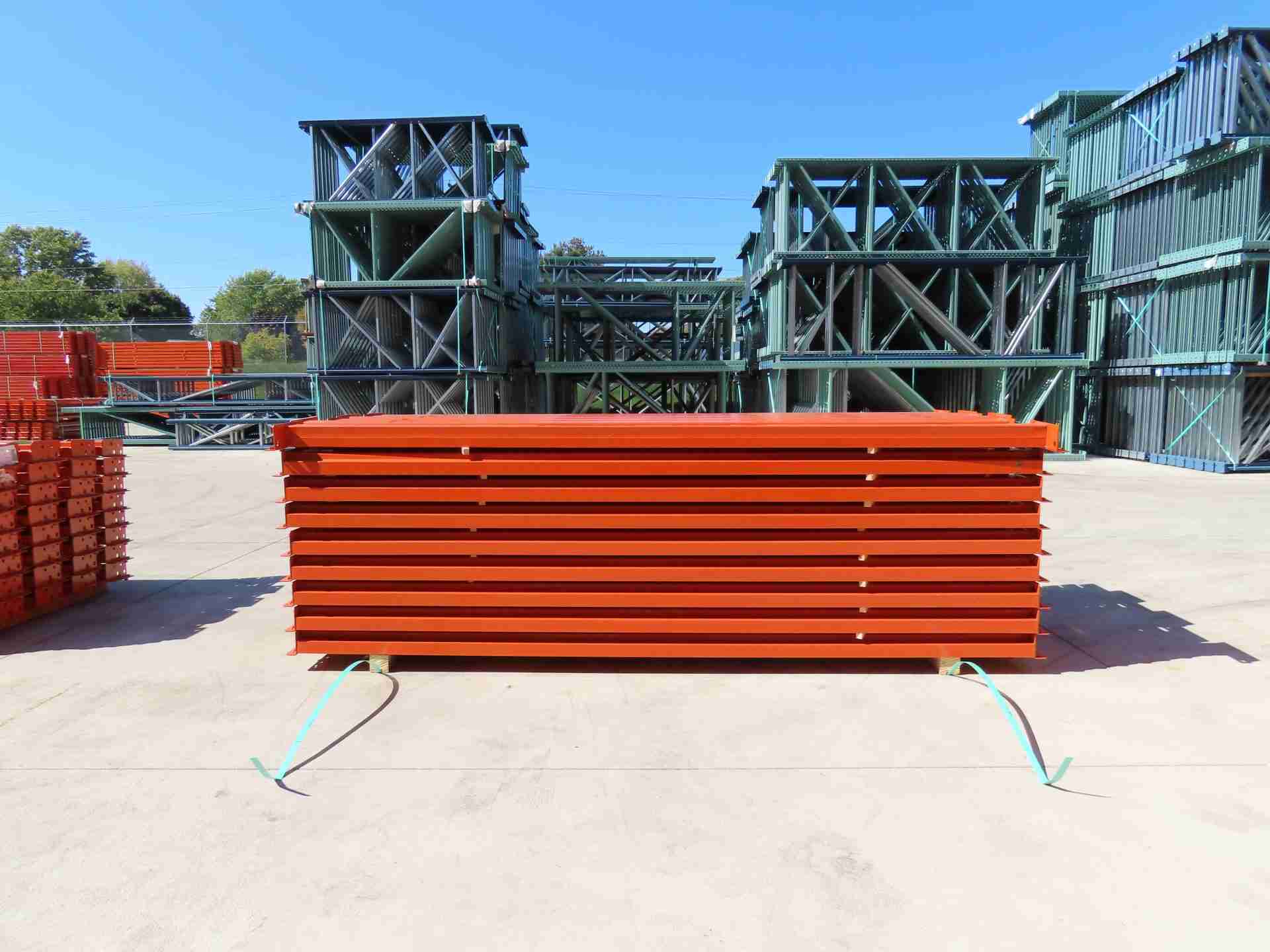
What Factors Should I Consider When Choosing Selective Pallet Racking?
Conclusion
Are you ready to take your warehouse efficiency to the next level? Selective pallet racking is the solution youve been looking for. With versatile storage options that can accommodate a variety of inventory needs, selective pallet racking can maximize your storage space, improve inventory management, and increase overall efficiency. Whether you are an e-commerce business looking to streamline order fulfillment, a manufacturing company in need of better storage solutions, or a food and beverage company looking to reduce waste and improve product quality, selective pallet racking is the answer.
But don’t just take our word for it. Consider the benefits of selective pallet racking, such as increased efficiency, improved safety, better inventory management, and greater flexibility. With the ability to customize your racking system to meet your specific needs, you can optimize your warehouse space and create a more streamlined operation. Plus, with the potential for cost savings and increased productivity, investing in selective pallet racking is a smart choice for businesses of all sizes and industries.
However, it is important to be aware of the potential drawbacks and factors to consider when choosing a selective pallet racking system. By carefully evaluating your warehouse layout, inventory requirements, accessibility needs, scalability options, budget constraints, and maintenance considerations, you can make an informed decision that will benefit your business in the long run.
Don’t wait any longer to revolutionize your warehouse operations. Call Arrow Industrial Sales at (574) 349-6575 today to learn more about how selective pallet racking can take your business to the next level. With the expertise and guidance of our team, you can transform your warehouse into a well-organized, efficient space that supports your business growth. Take the first step towards maximizing your warehouse efficiency with selective pallet racking today.
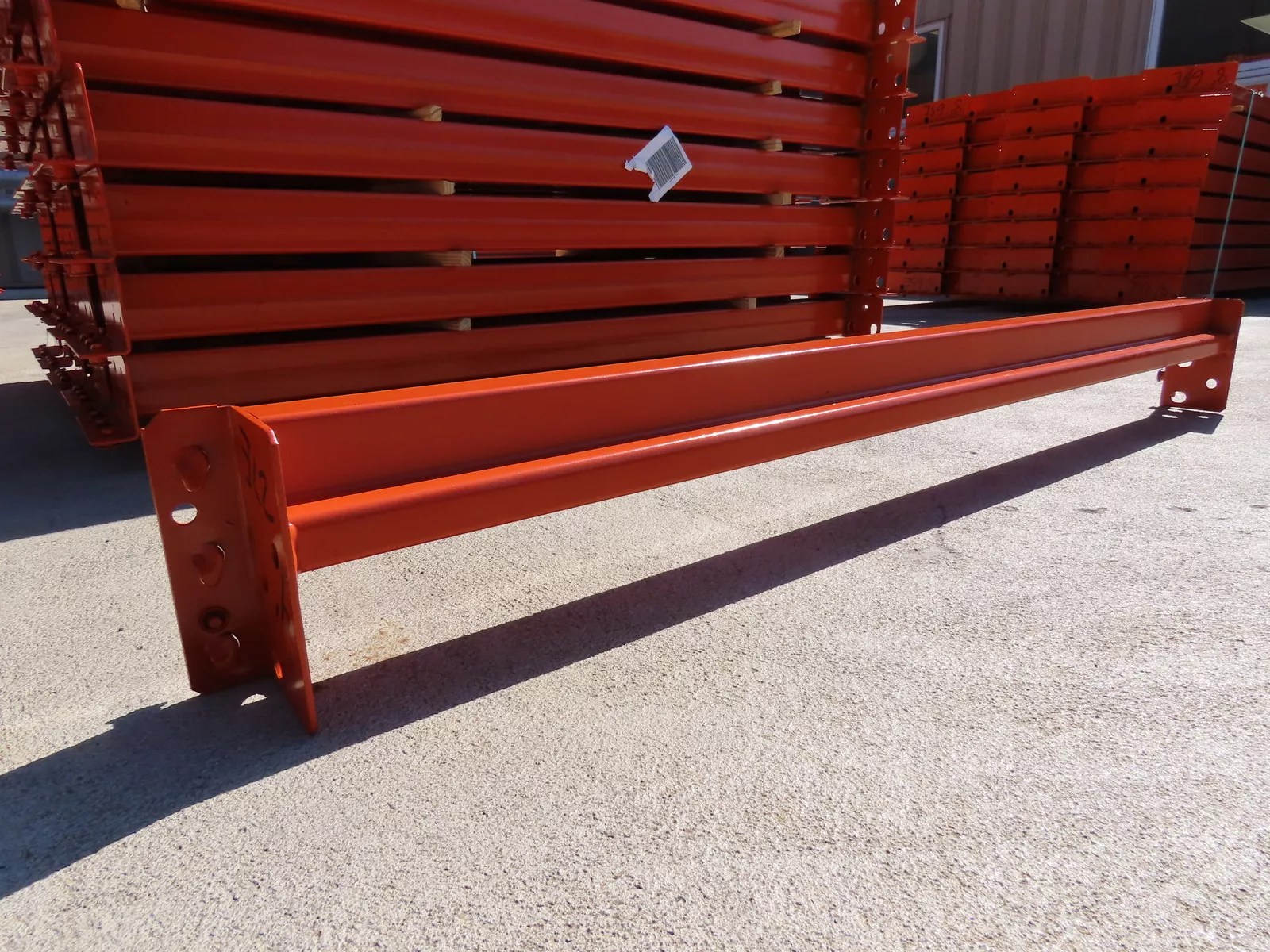
Conclusion
Conclusion:
- Selective pallet racking is the solution to maximize storage space and improve efficiency.
- Versatile storage options accommodate various inventory needs.
- Benefits include increased efficiency, improved safety, better inventory management, and greater flexibility.
- A customizable racking system can optimize warehouse space and streamline operations.
- Consider factors like warehouse layout, inventory requirements, and budget constraints when choosing a system.
- Call Arrow Industrial Sales at (574) 349-6575 to learn more about selective pallet racking.
- Transform your warehouse into an efficient space that supports business growth.
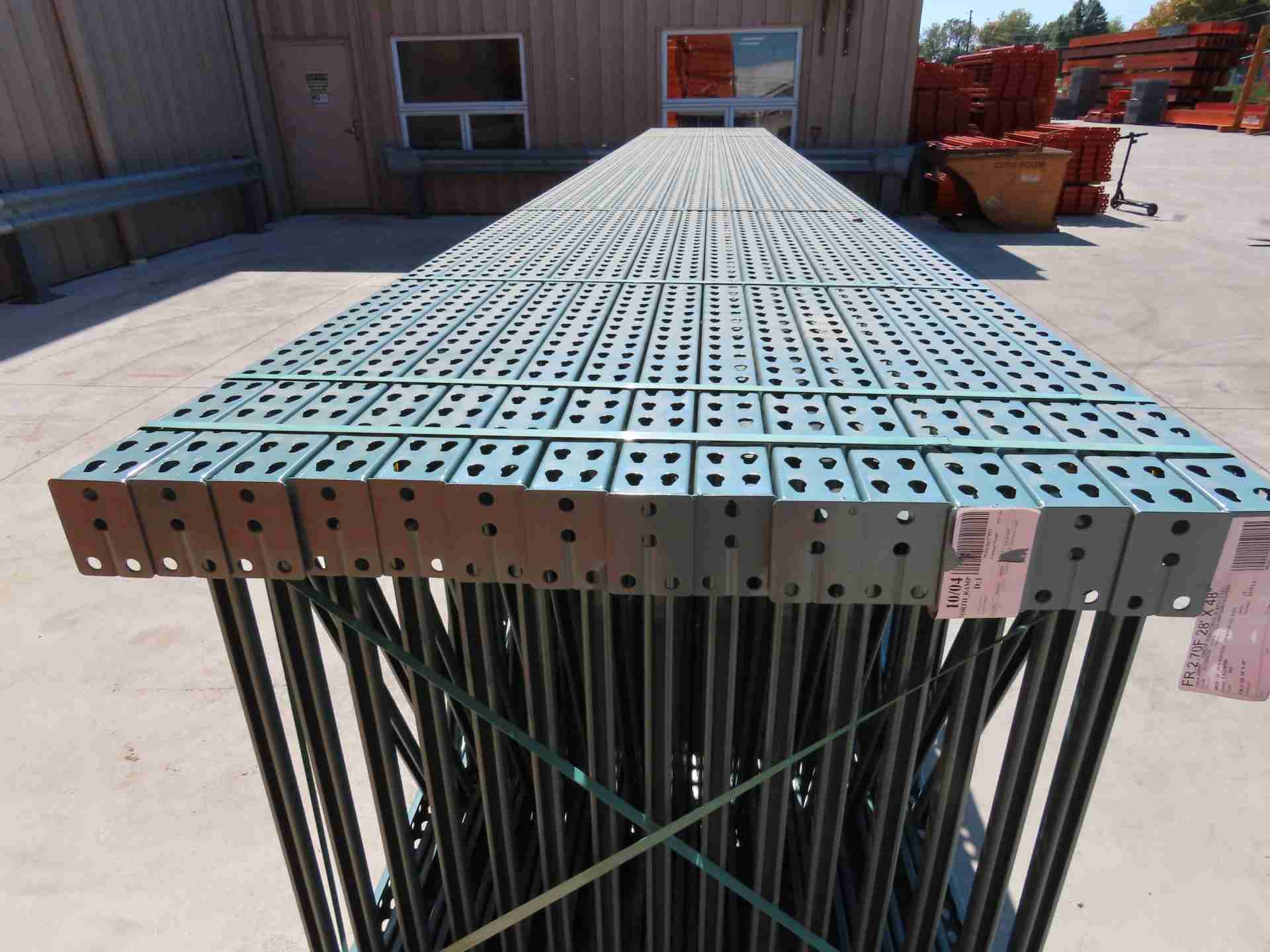
Conclusion
Other Resources
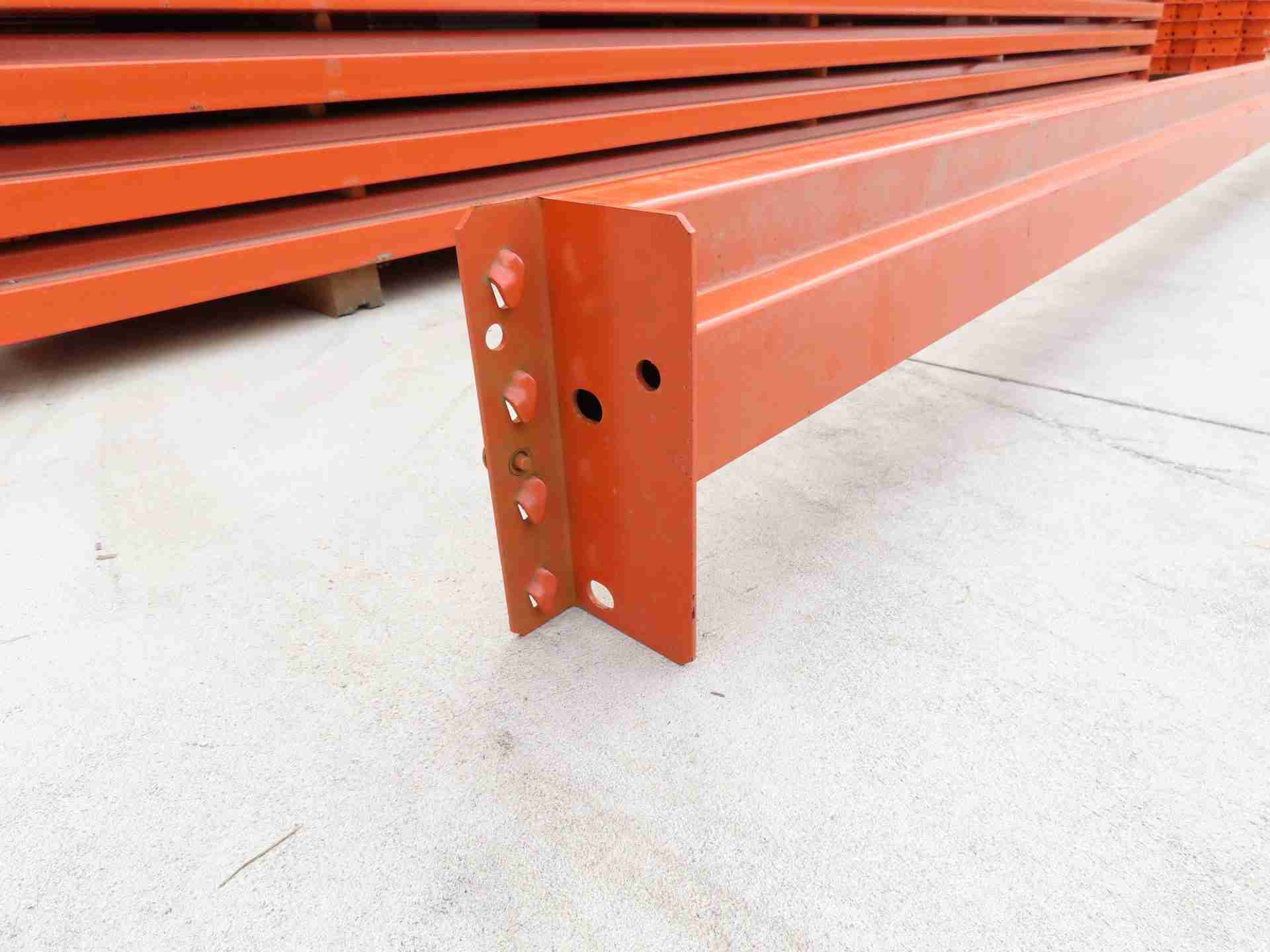
Other Resources
Here is a list of other resources you can review online to learn more:
- “Selective Pallet Racking – Economical Rack – 100% SKU …”
- “Pallet Racking (Selective Storage Racks)”
- “Selective Pallet Racking | Supply & Installation”
- “Selective Pallet Racking | AR Racking Inc”
- “Selective Pallet Rack”
- “Is Selective Pallet Racking Right For Your Warehouse? – BMH”
- “Selective Pallet Racking – Pallet Racking Product and Solutions”
- “WAREHOUSE & DISTRIBUTION SCIENCE Release 0.97”
- “PROJECT GUIDE”
- “(PDF) WAREHOUSING & INVENTORY MANAGEMENT …”

Other Resources
Glossary Terms
When to Use Selective Pallet Racking? – Glossary Of Terms
1. Selective Pallet Racking (SPR): A common type of industrial storage system designed to store palletized goods, offering easy access to all pallets.
2. Pallet: A flat structure used to transport goods in a stable fashion, often compatible with forklifts for handling.
3. Aisle: Pathways between racking units, allowing movement of forklifts and personnel to access stored goods.
4. Uprights: Vertical frames that support the horizontal beams in a selective pallet racking system.
5. Beams: Horizontal components that connect the uprights and support the loads on pallets.
6. Load Capacity: The maximum weight that can be safely stored on the racking system, crucial for ensuring stability and safety.
7. Forklift: A vehicle with forks used to lift and transport pallets within a warehouse, essential for SPR systems.
8. Accessibility: The ease with which stored goods can be accessed and retrieved from the racking system.
9. First-In, First-Out (FIFO): An inventory management method where the first items placed in storage are the first to be retrieved, often used in conjunction with SPR.
10. Last-In, First-Out (LIFO): An inventory method where the most recently placed items are the first to be retrieved, sometimes used with selective pallet racking.
11. Pick Face: The front part of the racking where items are stored and picked from, crucial for efficient order picking.
12. Load Distribution: The manner in which weight is spread across the racking system, impacting stability and safety.
13. Rack Guardian System: Safety devices installed in racking systems to prevent falls and injuries, enhancing work safety.
14. Storage Density: The amount of inventory stored within a given space, selective pallet racking typically provides moderate storage density.
15. Row Spacer: A component used to maintain even spacing between rows of racks, ensuring system stability.
16. Back-to-Back Racking: A configuration where racks are placed back-to-back to maximize storage space.
17. Drive-In Rack: An alternative to SPR, designed for high density storage but less accessibility compared to selective pallet racking.
18. Pallet Shuttle: An automated system that moves goods within the racking, enhancing efficiency but more complex than SPR.
19. Cantilever Racking: Used for storing long, bulky items, different from SPR which is primarily for pallets.
20. Push-Back Racking: A type of racking that stores pallets on a series of inclined rails, prioritizing storage density over direct accessibility.
21. Tunnel Aisle: An aisle running perpendicular to the main aisles, enhancing accessibility in large SPR systems.
22. Rack Inspection: The process of regularly checking racking systems for damage or wear, crucial for maintaining safety.
23. Beam Connector: The point where beams attach to uprights, critical for the stability of the racking system.
24. Safety Pins: Secure connectors that prevent beams from dislodging, ensuring the racking remains safe during use.
25. Structural Steel: The material often used for the construction of uprights and beams, providing necessary strength and durability.
26. Modular Design: A design that allows for easy expansion or modification of the racking system as storage needs change.
27. Selective Racking: A system prioritizing easy access to each individual pallet rather than maximum storage density.
28. Pallet Position: The specific location within a racking system where a pallet is stored, important for inventory tracking.
29. Dynamic Storage: Systems that continuously move inventory, unlike the static nature of selective pallet racking.
30. Warehouse Management System (WMS): Software that helps manage the storage, retrieval, and inventory tracking of goods within a warehouse, often integrated with SPR systems.
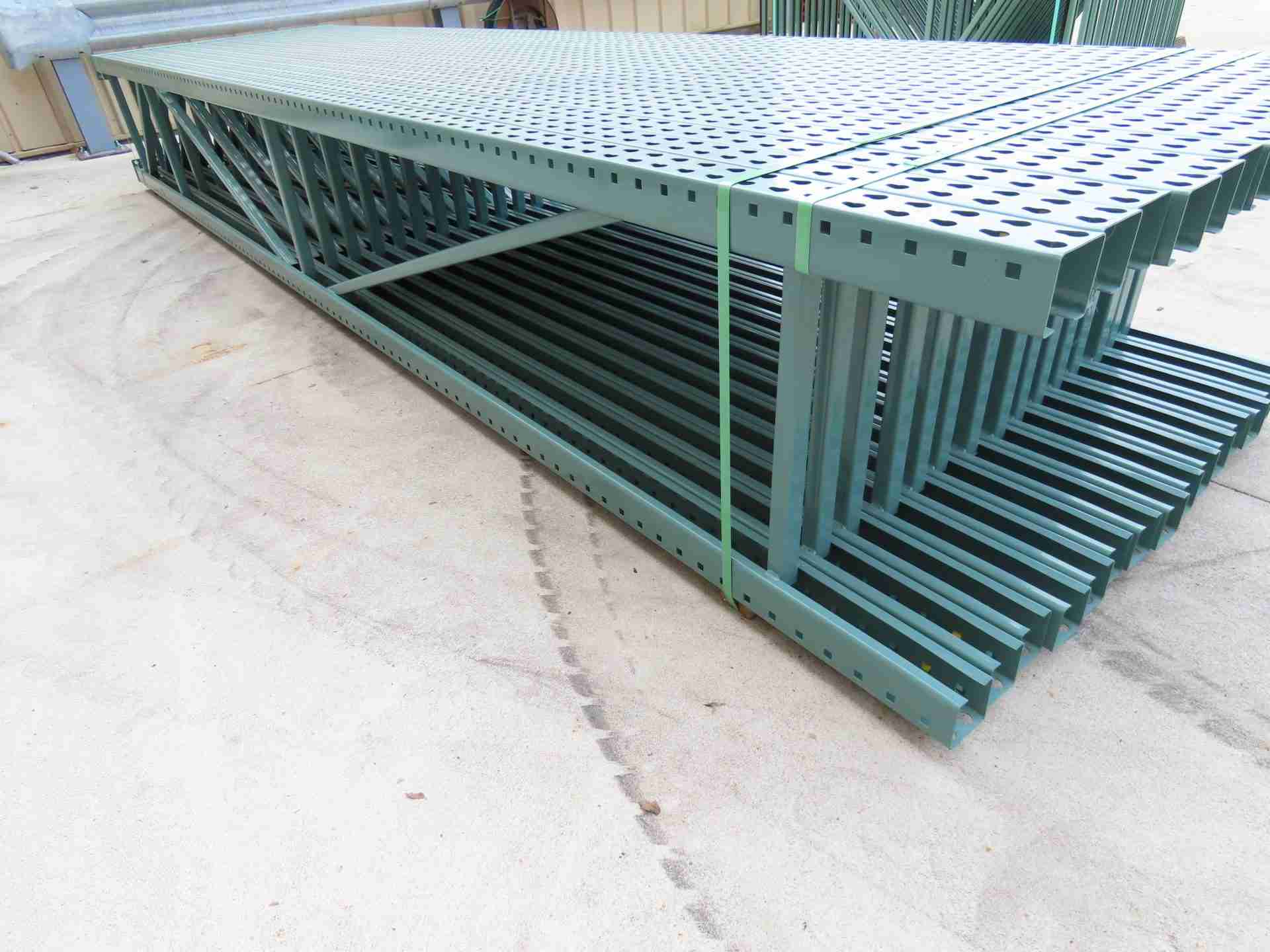
Glossary Of Terms
Other Questions
When to Use Selective Pallet Racking? – Other Questions
If you wish to explore and discover more, consider looking for answers to these questions:
- What specific types of warehouses benefit the most from using selective pallet racking?
- How does selective pallet racking compare to drive-in and push back racking systems in terms of space utilization and efficiency?
- What factors should be considered when choosing selective pallet racking for a specific business or inventory type?
- What are the initial costs and ongoing maintenance requirements associated with selective pallet racking systems?
- How can selective pallet racking improve inventory management and reduce picking errors?
- What are the potential risks and drawbacks of using selective pallet racking, and how can they be mitigated?
- How can businesses ensure the longevity and optimal performance of their selective pallet racking systems?
- Can selective pallet racking be customized to suit unique inventory needs, and if so, how?
- What are the safety considerations and best practices for using selective pallet racking in a warehouse?
- Why might a business choose selective pallet racking over other storage solutions, and what are the key benefits?
- How can selective pallet racking systems be scaled or expanded to accommodate business growth?
- Are there any industry-specific considerations for implementing selective pallet racking systems?
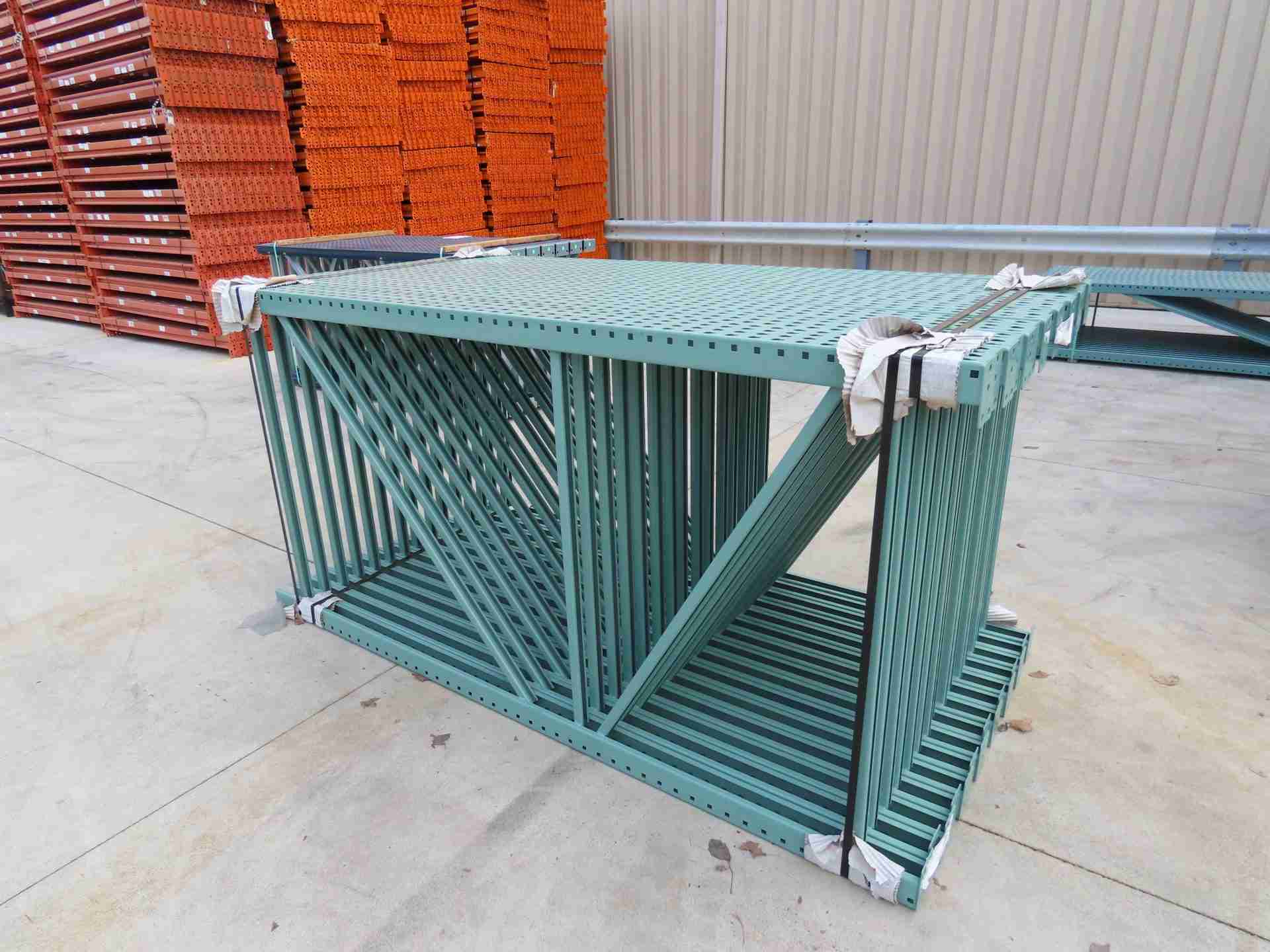
Other Questions
Checklist
When to Use Selective Pallet Racking? – A Checklist
Situations Ideal for Selective Pallet Racking:
1. Large Number of SKUs:
_____ Store multiple SKUs with dedicated locations.
_____ Optimize for easy access and location of products.
2. Frequent Inventory Turnover:
_____ Benefit from quick stock replenishment.
_____ Reduce picking errors and improve order fulfillment efficiency.
3. Varying Pallet Sizes and Weights:
_____ Utilize adjustable racking for customized storage needs.
_____ Handle wide range of product sizes and weights.
4. Maximize Storage Space and Cost-Effectiveness:
_____ Use vertical storage to maximize square footage.
_____ Avoid costly warehouse expansion or relocation.
Advantages of Selective Pallet Racking:
5. Maximize Storage Space:
_____ Leverage vertical space for increased inventory capacity.
_____ Free up valuable floor space for other operations.
6. Improve Picking and Packing Efficiency:
_____ Enable quick and easy access to goods.
_____ Make order fulfillment faster, especially during peak seasons.
7. Enhance Inventory Management:
_____ Simplify tracking and organizing of inventory.
_____ Minimize risk of misplaced items and costly errors.
8. Versatility:
_____ Easily customizable to meet specific storage requirements.
_____ Adapt and grow without needing a new system.
Comparison With Other Storage Systems:
9. Optimal for Vertical Space Utilization:
_____ Superior for maximizing vertical storage compared to traditional systems.
10. Ideal for High Inventory Turnover:
_____ Easy access to individual pallets improves efficiency.
11. Cost-Effective and Modular:
_____ Modular design allows easy expansion or modifications.
Best-Suited Products:
12. Wide Range of Products:
_____ Accommodate large and small items, including diverse sizes and weights.
13. High Inventory Turnover:
_____ Speed up retrieval and restocking.
14. Quick Order Fulfillment:
_____ Ideal for e-commerce and businesses requiring rapid processing.
Spaces and Efficiency Maximization:
15. Adaptable Storage:
_____ Adjust shelf heights and configurations for various product sizes.
16. Efficient Item Access:
_____ Faster picking and restocking, reducing search time.
17. Optimize for Market Fluctuations:
_____ Efficiently manage inventory changes driven by market demands.
General Benefits:
18. Improve Efficiency and Productivity:
_____ Reduce search time and improve order fulfillment speed.
19. Cost Savings:
_____ Avoid need for additional storage facilities.
20. Enhance Safety:
_____ Better organization reduces accidents and improves morale.
21. Flexibility:
_____ Adapt shelf heights/configurations based on changing inventory needs.
Maintenance and Care:
22. Regular Inspections:
_____ Conduct routine inspections for early problem detection.
23. Proper Load Management:
_____ Adhere to weight limits and prevent overloading.
24. Routine Maintenance:
_____ Perform tasks like greasing parts, checking bolts, and cleaning beams.
25. Invest in Quality Accessories:
_____ Use beam protectors or spacers to enhance safety and functionality.
Businesses That Benefit Most:
26. E-commerce Companies:
_____ Optimize for fast order fulfillment.
27. Food and Beverage Companies:
_____ Efficient storage for perishable goods ensuring quality.
28. Manufacturing Companies:
_____ Organize large quantities of raw materials and finished goods.
Potential Drawbacks:
29. Initial Investment:
_____ Consider the upfront cost versus long-term benefits.
30. Potential Damage:
_____ Regular maintenance and employee training required.
31. Not Ideal for Every Industry:
_____ Some industries may require alternative racking solutions.
32. Ongoing Upkeep:
_____ Ensure regular inspections and reconfiguration when needed.
Choosing the Right System:
33. Warehouse Layout and Size:
_____ Consider warehouse dimensions and specific space constraints.
34. Product Weight and Size:
_____ Choose a system accommodating your product needs.
35. Accessibility Needs:
_____ Prioritize systems that align with your accessibility requirements.
36. Future Growth Potential:
_____ Opt for expandable or reconfigurable systems.
37. Budget Considerations:
_____ Balance initial costs with long-term savings and productivity gains.
Conclusion
Selective pallet racking can significantly improve the efficiency, flexibility, and cost-effectiveness of your warehouse operations. Careful consideration of your warehouse layout, inventory characteristics, and future needs will help you determine if selective pallet racking is the right solution for maximizing your storage space and operational efficiency.
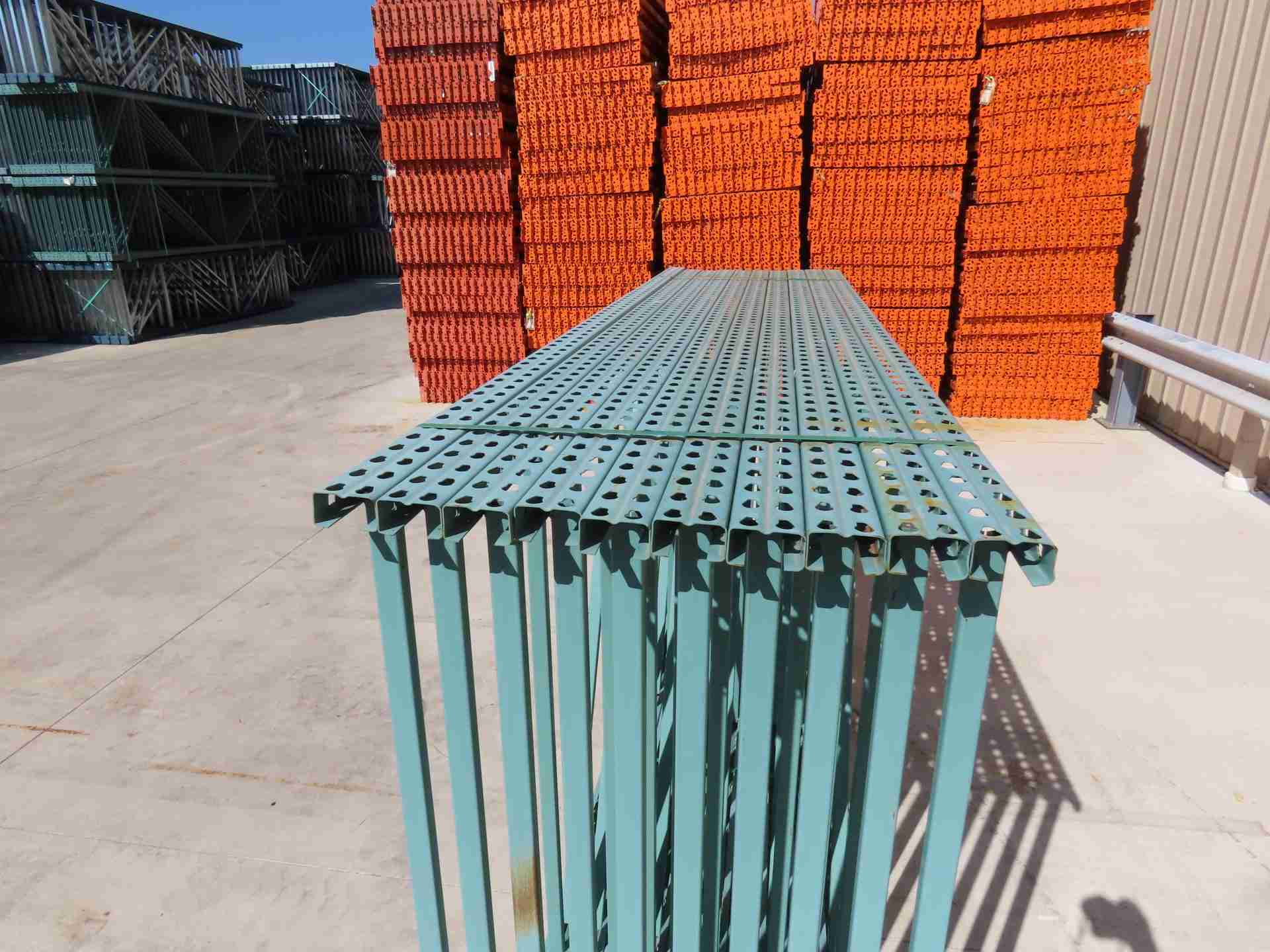
Checklist
At RackingWorld, we help guide you through selecting warehouse storage systems and racking.
Be sure to read our other related stories at RackingWorld to learn more about warehouse storage systems.
0 Comments