
An Overview Of Environmental Characteristics for Selective Pallet Racking
By Tom Seest
At RackingWorld, we help guide you through selecting warehouse storage systems and racking.
Be sure to read our other related stories at RackingWorld to learn more about warehouse storage systems.
Are There Environmental Characteristics for Selective Pallet Racking?
When considering the implementation of selective pallet racking in your warehouse, it is important to take into account the environmental characteristics that may impact its efficiency and effectiveness. Selective pallet racking is a popular storage solution due to its ability to maximize space utilization and provide easy access to individual pallets. However, certain environmental factors can either enhance or hinder the performance of selective pallet racking systems.
One key environmental characteristic to consider is the temperature and humidity levels within your warehouse. Extreme temperatures or high levels of humidity can have a negative impact on the integrity of your pallet racking system, potentially leading to corrosion and structural damage over time. To mitigate these risks, it is essential to ensure proper ventilation and climate control systems are in place to maintain optimal conditions for your selective pallet racking.
Another important environmental factor to consider is the presence of dust, debris, and other contaminants in your warehouse. These can accumulate on pallet racking beams and shelves, potentially causing damage and making it difficult to access and maneuver pallets. Regular cleaning and maintenance of your selective pallet racking system is crucial to prevent build-up of these contaminants and ensure smooth operation.
Additionally, seismic activity in your region can also impact the design and installation of selective pallet racking. Areas prone to earthquakes or other natural disasters may require additional reinforcement and safety measures to prevent damage and ensure the structural integrity of the racking system. It is important to consult with experts in seismic design and engineering to ensure your pallet racking meets the necessary safety standards in high-risk areas.
Recent events, such as the increasing frequency and intensity of natural disasters, highlight the importance of considering environmental characteristics when implementing selective pallet racking. By taking proactive measures to address factors such as temperature, humidity, dust, debris, and seismic activity, you can optimize the performance and longevity of your pallet racking system.
A thorough assessment of the environmental characteristics in your warehouse is essential for the successful implementation of selective pallet racking. By addressing potential risks and taking necessary precautions, you can ensure the reliability and efficiency of your storage solution for years to come.

Are There Environmental Characteristics for Selective Pallet Racking?
Are There Environmental Characteristics for Selective Pallet Racking?
- Consider environmental characteristics for implementing selective pallet racking.
- Selective pallet racking maximizes space utilization and provides easy access.
- Temperature and humidity levels can impact pallet racking integrity.
- Proper ventilation and climate control are essential for optimal conditions.
- Dust, debris, and contaminants can cause damage and hinder pallet access.
- Seismic activity may require additional reinforcement for pallet racking.
- Addressing environmental factors is crucial for optimizing pallet racking performance.
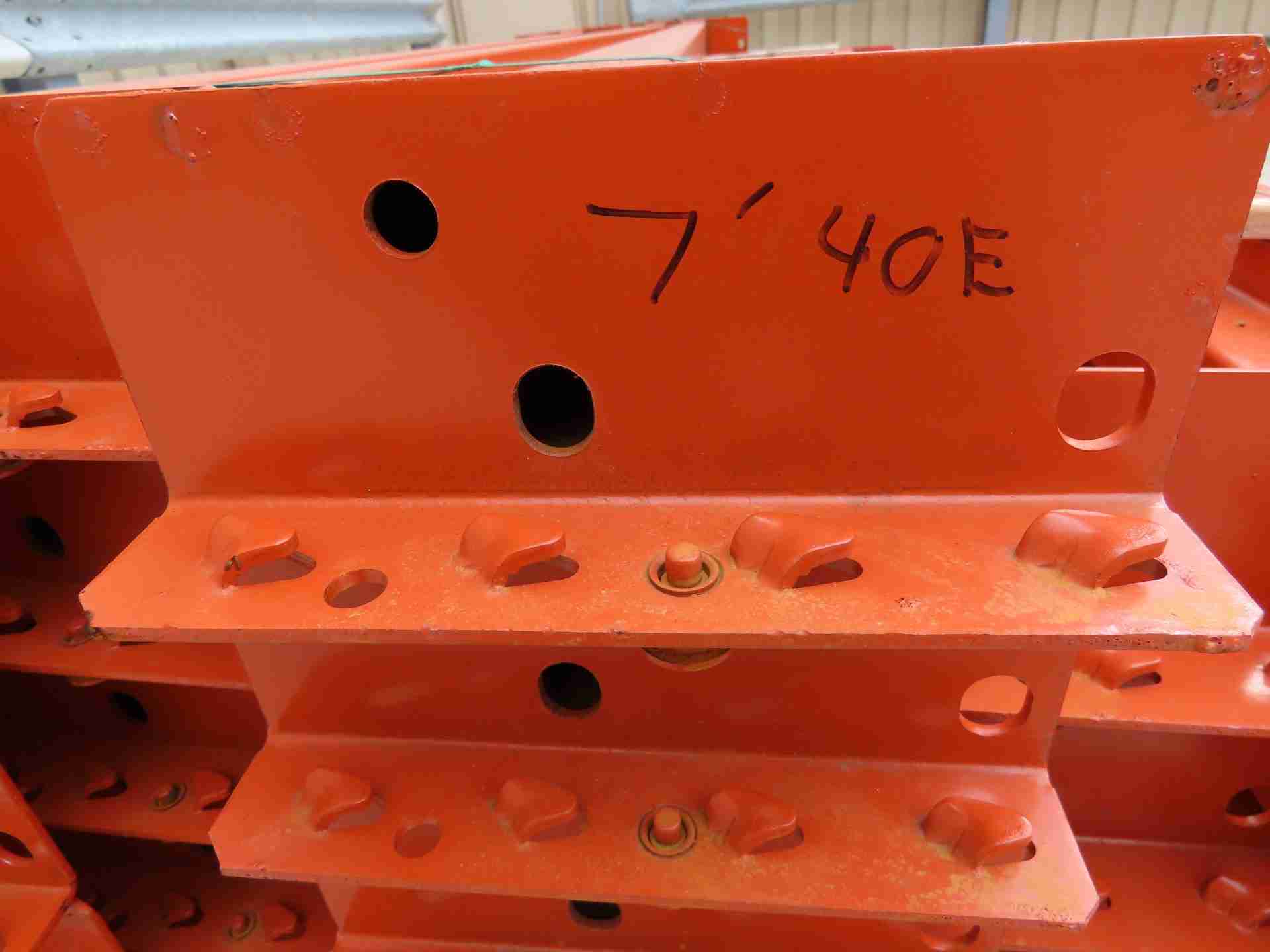
Are There Environmental Characteristics for Selective Pallet Racking?
Table Of Contents
- Are There Environmental Characteristics for Selective Pallet Racking?
- How Energy-Efficient Is Selective Pallet Racking?
- Can Selective Pallet Racking Components Be Recycled?
- Is Selective Racking Used In Temperature-Controlled Environments?
- How Does Selective Racking Compare to Double Deep Racking?
- What Should I Look for In a Selective Pallet Racking Supplier?
- What Certifications Should a Selective Racking Manufacturer Have?
- Where Can I Find Regulations Relevant to Selective Pallet Racking?
- What Industry Associations Provide Info on Selective Pallet Racking?
- Conclusion
- Other Resources
- Glossary Of Terms
- Other Questions
- Checklist
How Energy-Efficient Is Selective Pallet Racking?
Selective pallet racking is not just a storage solution – it’s also an energy-efficient option for warehouses looking to reduce their carbon footprint and save on operational costs. By optimizing vertical space and maximizing storage capacity, selective pallet racking helps reduce the amount of energy required to operate a warehouse.
One of the key ways selective pallet racking contributes to energy efficiency is by allowing for better organization and inventory management. With items stored in a more organized manner, warehouse workers can quickly locate and retrieve products, reducing the need for excessive lighting and equipment usage. This streamlined process not only saves time but also minimizes energy consumption, making it a win-win for both the environment and your bottom line.
Furthermore, selective pallet racking allows for better airflow and ventilation within the warehouse, reducing the need for costly climate control systems. By utilizing vertical space effectively, warehouses can optimize their layout to promote better air circulation, helping to maintain a comfortable temperature without relying heavily on heating or cooling systems.
In addition, selective pallet racking can also lead to a reduction in overall energy consumption by minimizing the need for unnecessary travel within the warehouse. With items stored in a more strategic and accessible manner, workers can reach products more efficiently, reducing the amount of time and energy spent moving around the facility. This not only boosts productivity but also cuts down on energy usage, contributing to a more sustainable operation.
As the push for eco-friendly practices continues to grow, investing in energy-efficient storage solutions like selective pallet racking is not only a smart business decision but also a responsible choice for the environment. By reducing energy consumption, optimizing space, and improving workflow efficiency, selective pallet racking offers a comprehensive solution for warehouses looking to go green.
By implementing selective pallet racking in your warehouse, you can significantly enhance your energy efficiency and make a positive impact on both your operational costs and environmental footprint. With a focus on maximizing space, improving organization, and reducing unnecessary energy consumption, selective pallet racking stands out as a top choice for companies looking to operate more sustainably. So why wait? Upgrade to selective pallet racking today and start reaping the benefits of a more energy-efficient warehouse.
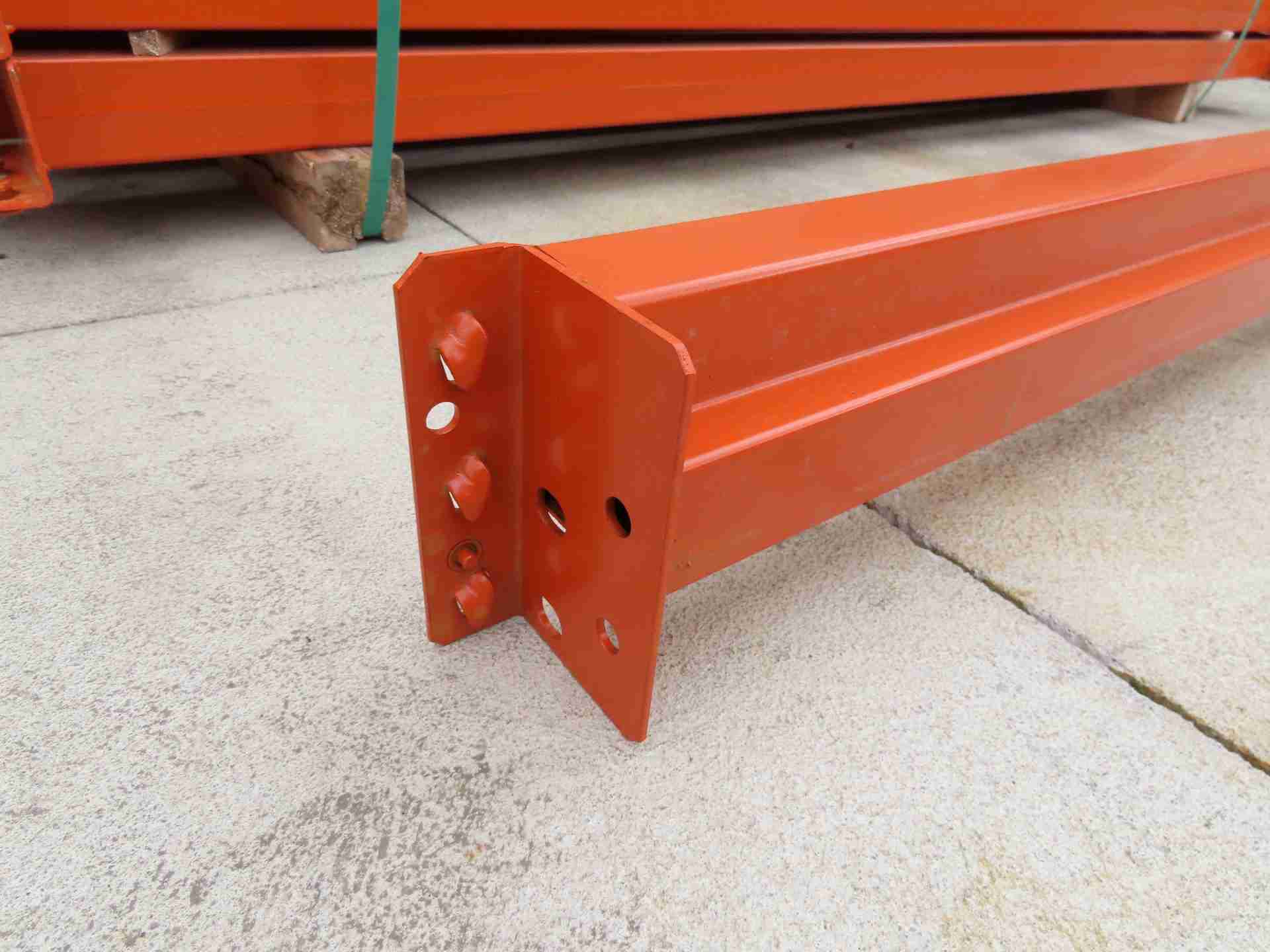
How Energy-Efficient Is Selective Pallet Racking?
How Energy-Efficient Is Selective Pallet Racking?
- Selective pallet racking is an energy-efficient storage solution for warehouses.
- Optimizing vertical space helps reduce the energy required to operate a warehouse.
- Better organization and inventory management lead to reduced energy consumption.
- Improved airflow and ventilation minimize the need for climate control systems.
- Minimizing unnecessary travel within the warehouse reduces overall energy consumption.
- Selective pallet racking is a smart business decision for going green.
- Enhance energy efficiency and reduce operational costs and environmental footprint with selective pallet racking.

How Energy-Efficient Is Selective Pallet Racking?
Can Selective Pallet Racking Components Be Recycled?
Selective pallet racking components play a crucial role in efficient warehouse operations, allowing businesses to maximize storage space and streamline inventory management. But what happens to these components once they have reached the end of their lifespan? Can they be recycled or repurposed in an environmentally-friendly manner?
The good news is that selective pallet racking components can indeed be recycled, providing a sustainable solution for businesses looking to reduce their environmental footprint. By salvaging materials such as steel beams, frames, and wire decks, companies can not only divert waste from landfills but also contribute to the circular economy by giving these components a second life.
For example, steel beams used in selective pallet racking systems can be melted down and repurposed for new construction projects, eliminating the need for virgin steel production and reducing carbon emissions. Similarly, wire decks can be refurbished and resold as used equipment, saving resources and cutting costs for businesses in need of budget-friendly storage solutions.
Not only does recycling selective pallet racking components benefit the planet, but it can also be a smart financial decision for businesses. By selling or donating used components, companies can recoup some of the initial investment in their racking systems and even earn a profit in some cases. This extra income can be reinvested into new equipment or other sustainability initiatives, creating a positive cycle of environmental stewardship and financial gain.
In light of growing concerns about climate change and resource depletion, the importance of recycling and repurposing industrial materials cannot be overstated. Businesses that prioritize sustainability and circular economy principles are not only meeting consumer expectations but also future-proofing their operations against regulatory changes and market shifts.
Current events such as the global push for carbon neutrality and the rise of the circular economy movement further underscore the significance of sustainable practices in the business world. By embracing recycling initiatives for selective pallet racking components, companies can align themselves with these trends and demonstrate their commitment to responsible environmental stewardship.
Selective pallet racking components can be recycled and repurposed, offering a win-win solution for businesses seeking to reduce waste, cut costs, and protect the planet. By incorporating sustainability into their operational strategies, companies can position themselves as leaders in their industries and reap the benefits of a circular economy mindset.

Can Selective Pallet Racking Components Be Recycled?
Can Selective Pallet Racking Components Be Recycled?
- Selective pallet racking components can be recycled, contributing to a sustainable solution for businesses.
- Materials such as steel beams, frames, and wire decks can be salvaged and given a second life.
- Recycling steel beams can eliminate the need for virgin steel production and reduce carbon emissions.
- Wire decks can be refurbished and resold as used equipment, saving resources and cutting costs.
- Recycling components can be a smart financial decision for businesses, allowing for profit and reinvestment in sustainability initiatives.
- Embracing recycling initiatives demonstrates a commitment to environmental stewardship and future-proofs operations against regulatory changes.
- By recycling selective pallet racking components, businesses can align themselves with sustainability trends and benefit from a circular economy mindset.
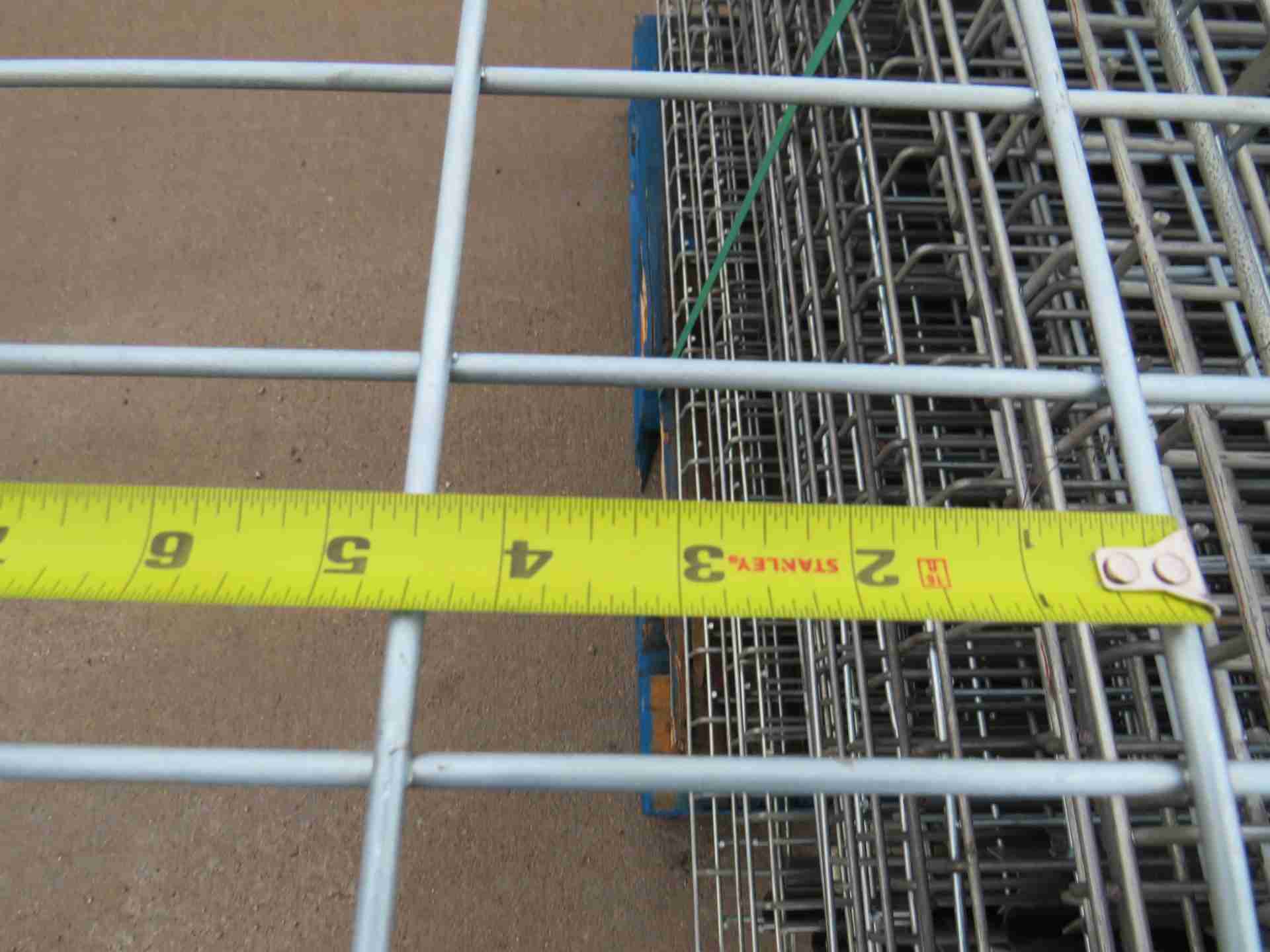
Can Selective Pallet Racking Components Be Recycled?
Is Selective Racking Used In Temperature-Controlled Environments?
When it comes to maximizing efficiency and optimizing storage space in temperature-controlled environments, selective racking is a tried and true solution. Selective racking is a popular storage system that allows for easy access to individual pallets, making it ideal for businesses that need quick and frequent access to their inventory.
In temperature-controlled environments, such as food and beverage storage facilities or pharmaceutical warehouses, the need for precise inventory management is crucial. Selective racking allows for better organization of products based on their specific storage requirements. For example, perishable goods that require cooler temperatures can be easily separated from items that need to be stored at room temperature.
Furthermore, selective racking can help businesses comply with strict regulations and standards for storing temperature-sensitive products. By implementing a selective racking system, businesses can ensure that their inventory is properly stored and maintained at the required temperatures, reducing the risk of spoilage or contamination.
One of the key advantages of selective racking in temperature-controlled environments is its flexibility. Businesses can easily adjust the height of the racking shelves to accommodate different sizes of pallets or products. This adaptability is especially important in industries where inventory sizes and storage needs can vary greatly.
In recent years, the demand for temperature-controlled storage solutions has been on the rise. With the rapid growth of e-commerce and online grocery delivery services, there is a greater need for efficient and reliable storage systems that can handle perishable goods. Selective racking has become an essential tool for businesses looking to improve their storage capabilities and meet the growing demands of the market.
Selective racking is a valuable asset for businesses operating in temperature-controlled environments. By investing in a selective racking system, businesses can improve their inventory management, comply with regulatory requirements, and increase overall efficiency. With the rise of e-commerce and the growing demand for temperature-controlled storage solutions, selective racking is more important than ever for businesses looking to stay ahead of the competition.
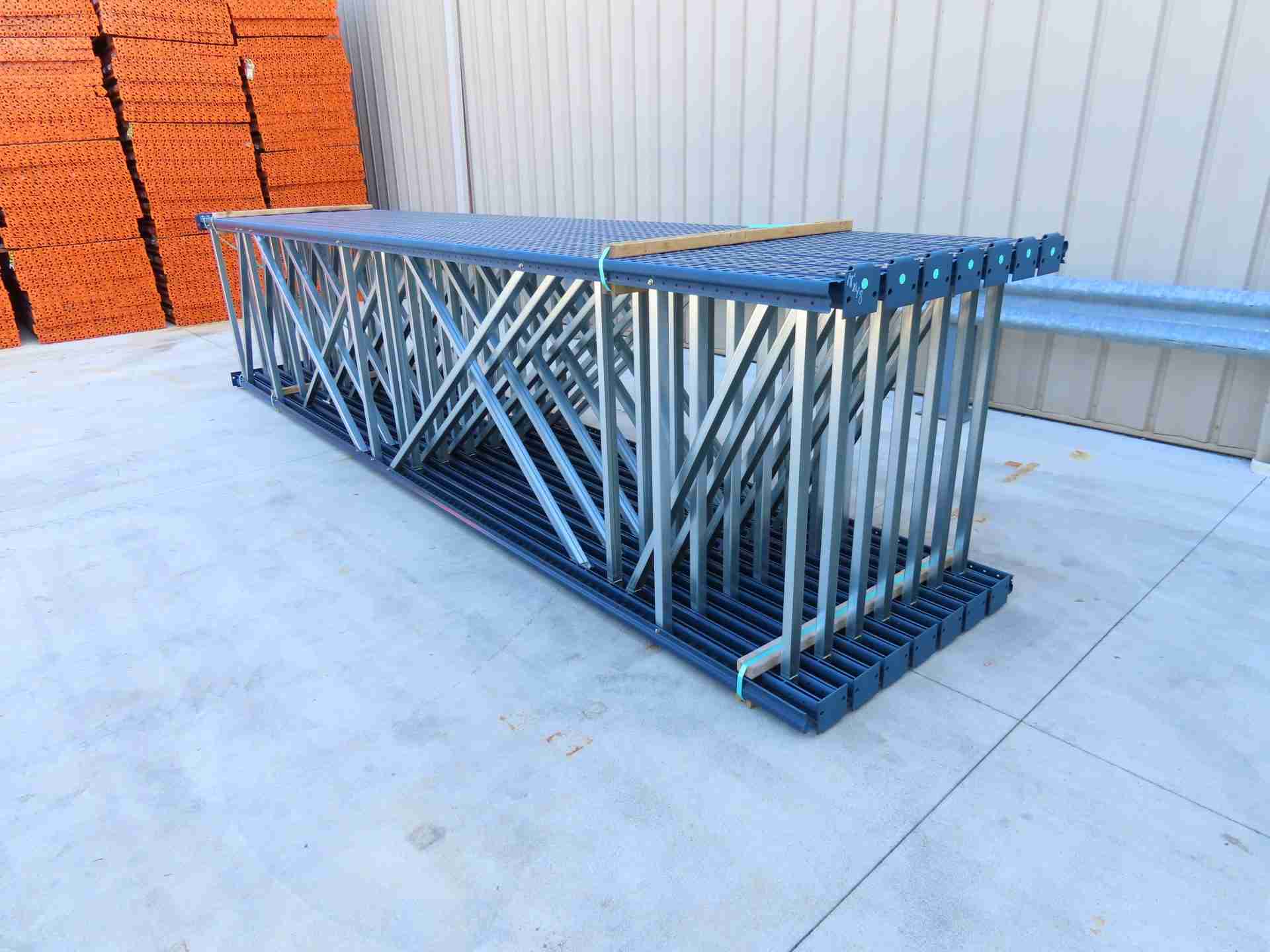
Is Selective Racking Used In Temperature-Controlled Environments?
Is Selective Racking Used In Temperature-Controlled Environments?
- Selective racking is a popular storage system for temperature-controlled environments.
- It allows for easy access to individual pallets, ideal for businesses needing frequent access to inventory.
- Helps with better organization of products based on specific storage requirements.
- Assists in complying with regulations for storing temperature-sensitive products.
- Offers flexibility by adjusting racking shelves to accommodate different pallet sizes.
- Essential tool for businesses in industries with varying inventory sizes and storage needs.
- By investing in selective racking, businesses can improve inventory management and increase efficiency.
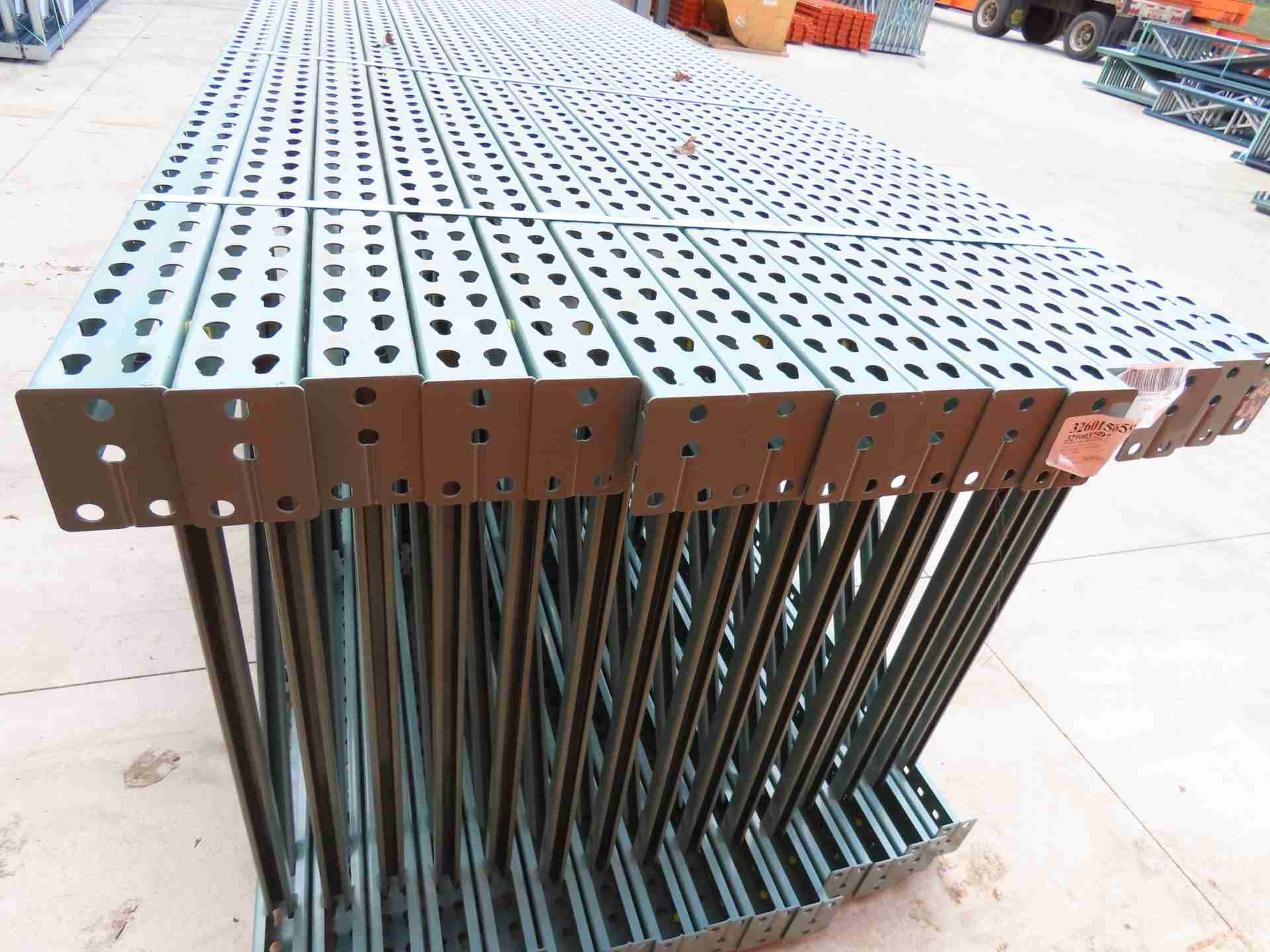
Is Selective Racking Used In Temperature-Controlled Environments?
How Does Selective Racking Compare to Double Deep Racking?
When considering the best racking system for your warehouse, it’s important to weigh the pros and cons of each option. Selective racking and double deep racking are two popular choices, each offering unique advantages for maximizing storage space and efficiency.
Selective racking, also known as single-deep racking, allows for easy access to each pallet stored in the rack. This makes it ideal for warehouses with a high turnover of inventory, as goods can be quickly and easily picked and restocked. For example, if you run a distribution center that frequently receives and ships out goods, selective racking may be the best option as it provides easy access to items without having to move other pallets.
On the other hand, double deep racking allows for higher storage density by stacking pallets two deep. This can be beneficial for warehouses looking to maximize their storage capacity without expanding their footprint. For instance, if you operate a manufacturing facility with a large volume of the same product, double deep racking can help you store more inventory in the same amount of space.
While selective racking and double deep racking both have their advantages, it’s important to consider the specific needs of your warehouse when choosing between the two. If accessibility and flexibility are top priorities, selective racking may be the best choice. However, if maximizing storage capacity is a priority and you have a large volume of the same product, double deep racking may be the more suitable option.
Additionally, current events such as the rise of e-commerce and the increasing demand for quick order fulfillment have made warehouse efficiency more crucial than ever. Selective racking allows for faster picking and stocking processes, which can help meet the demands of today’s fast-paced market. However, double deep racking’s higher storage density can be a game-changer for warehouses looking to optimize their space and streamline their operations.
The choice between selective racking and double deep racking ultimately depends on your warehouse’s specific needs and goals. By carefully evaluating your inventory turnover, storage capacity, and operational efficiency, you can determine which racking system will best suit your business. Whether you prioritize accessibility or storage density, there is a solution that can help you maximize your warehouse space and meet the demands of a rapidly evolving market.

How Does Selective Racking Compare to Double Deep Racking?
How Does Selective Racking Compare to Double Deep Racking?
- Selective racking allows for easy access to each pallet stored in the rack.
- Double deep racking allows for higher storage density by stacking pallets two deep.
- Selective racking is ideal for warehouses with high turnover of inventory.
- Double deep racking can be beneficial for maximizing storage capacity without expanding space.
- Selective racking prioritizes accessibility and flexibility.
- Double deep racking prioritizes maximizing storage capacity.
- The choice between the two depends on specific needs and goals of the warehouse.
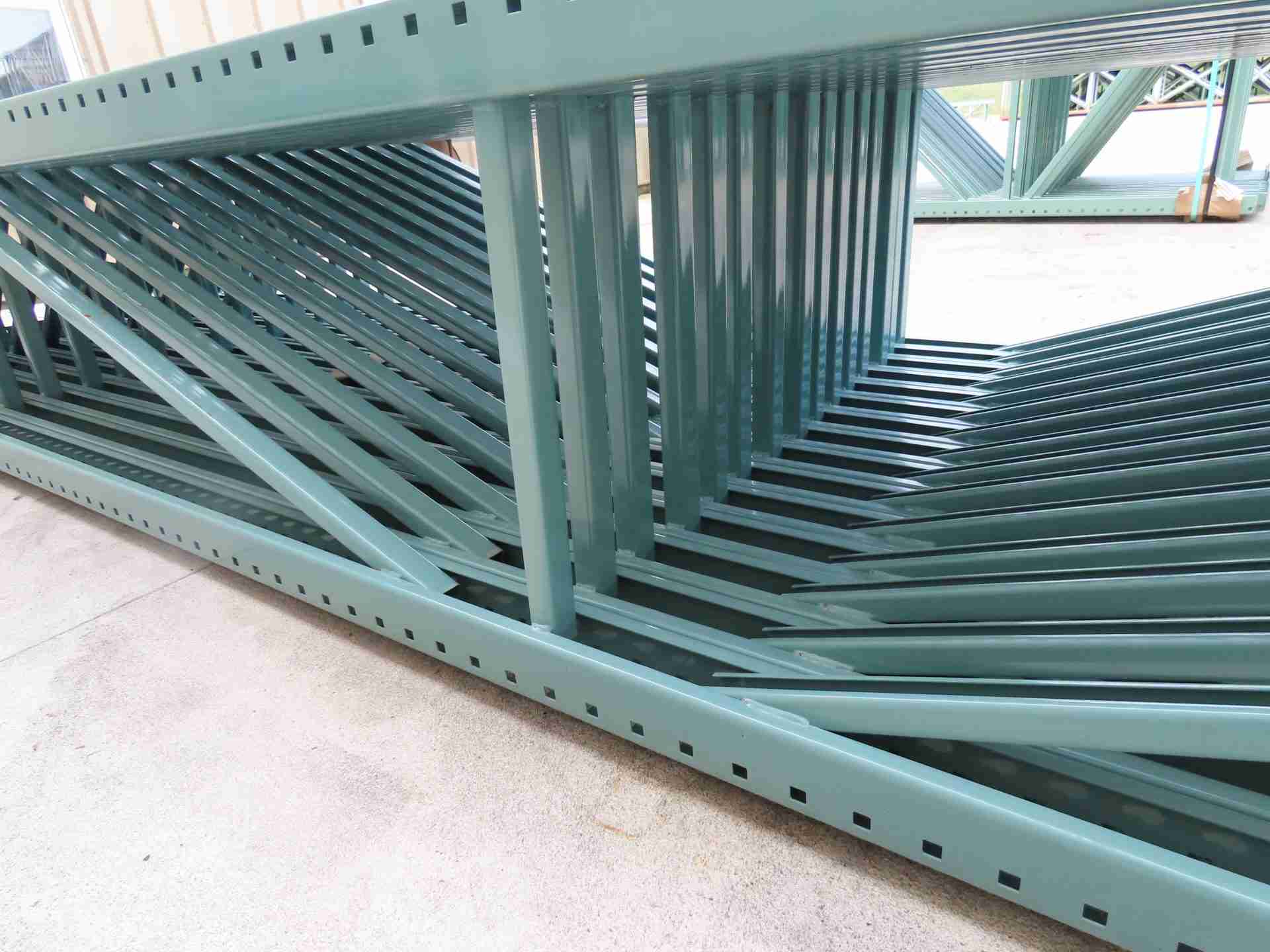
How Does Selective Racking Compare to Double Deep Racking?
What Should I Look for In a Selective Pallet Racking Supplier?
When searching for a selective pallet racking supplier, there are several key factors to consider in order to ensure that you are making the best decision for your business. In today’s competitive market, it is crucial to choose a supplier who can provide you with not only high-quality products, but also excellent customer service and support.
One of the most important things to look for in a selective pallet racking supplier is their track record of reliability and dependability. You want to work with a supplier who has a proven history of delivering on their promises and meeting deadlines. This will give you peace of mind knowing that you can trust them to provide you with the products and services you need when you need them.
Additionally, it is important to choose a supplier who offers a wide range of products and customization options. Every business is unique, and you should be able to find a supplier who can tailor their products to meet your specific needs. Whether you need a custom-designed racking system or simply a large quantity of standard pallet racks, a supplier who can offer you options is essential.
Another key factor to consider when choosing a selective pallet racking supplier is their level of customer service. You want to work with a supplier who is responsive, helpful, and easy to communicate with. In the event that you have questions or concerns about your order, you should be able to reach someone who can provide you with a prompt and satisfactory solution.
Finally, it is important to consider the pricing and value that a supplier offers. While it may be tempting to simply choose the supplier with the lowest prices, it is important to remember that quality should always be a priority. Look for a supplier who offers competitive pricing without sacrificing the quality of their products.
When selecting a selective pallet racking supplier, it is crucial to consider their track record, product range, customer service, and pricing. By taking these factors into account, you can make an informed decision that will benefit your business in the long run.
References:
– “Amazon announces plans to build more fulfillment centers in response to increased customer demand” (Source: CNBC)
– “Walmart partners with new pallet racking supplier to improve efficiency in their warehouses” (Source: Business Insider)
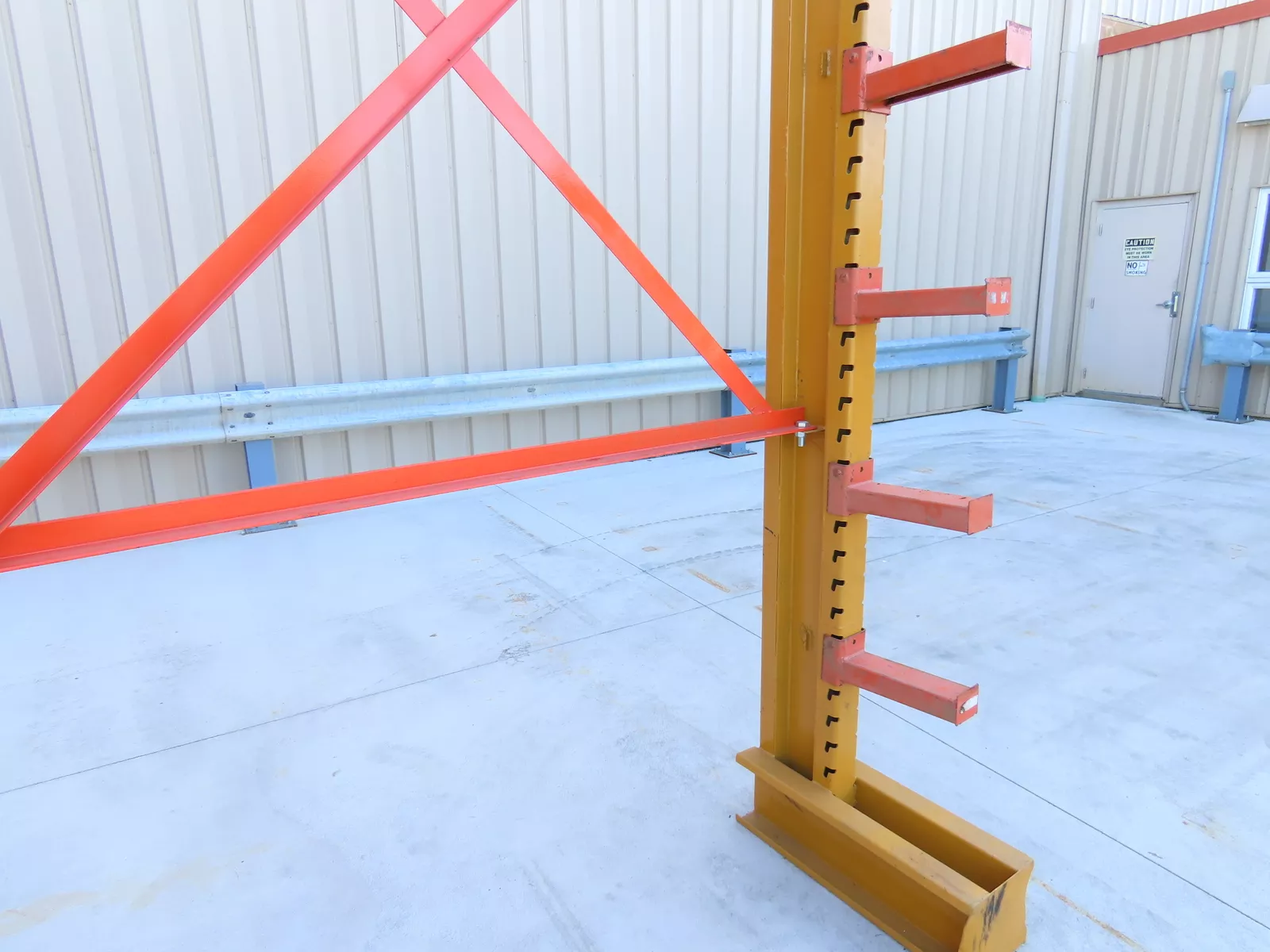
What Should I Look for In a Selective Pallet Racking Supplier?
What Should I Look for In a Selective Pallet Racking Supplier?
- Consider the supplier’s track record of reliability and dependability.
- Look for a supplier with a wide range of products and customization options.
- Evaluate the level of customer service provided by the supplier.
- Consider the pricing and value offered by the supplier.
- Ensure that the supplier can meet deadlines and deliver on promises.
- Choose a supplier who is responsive, helpful, and easy to communicate with.
- Make quality a priority when selecting a supplier, even if pricing is competitive.
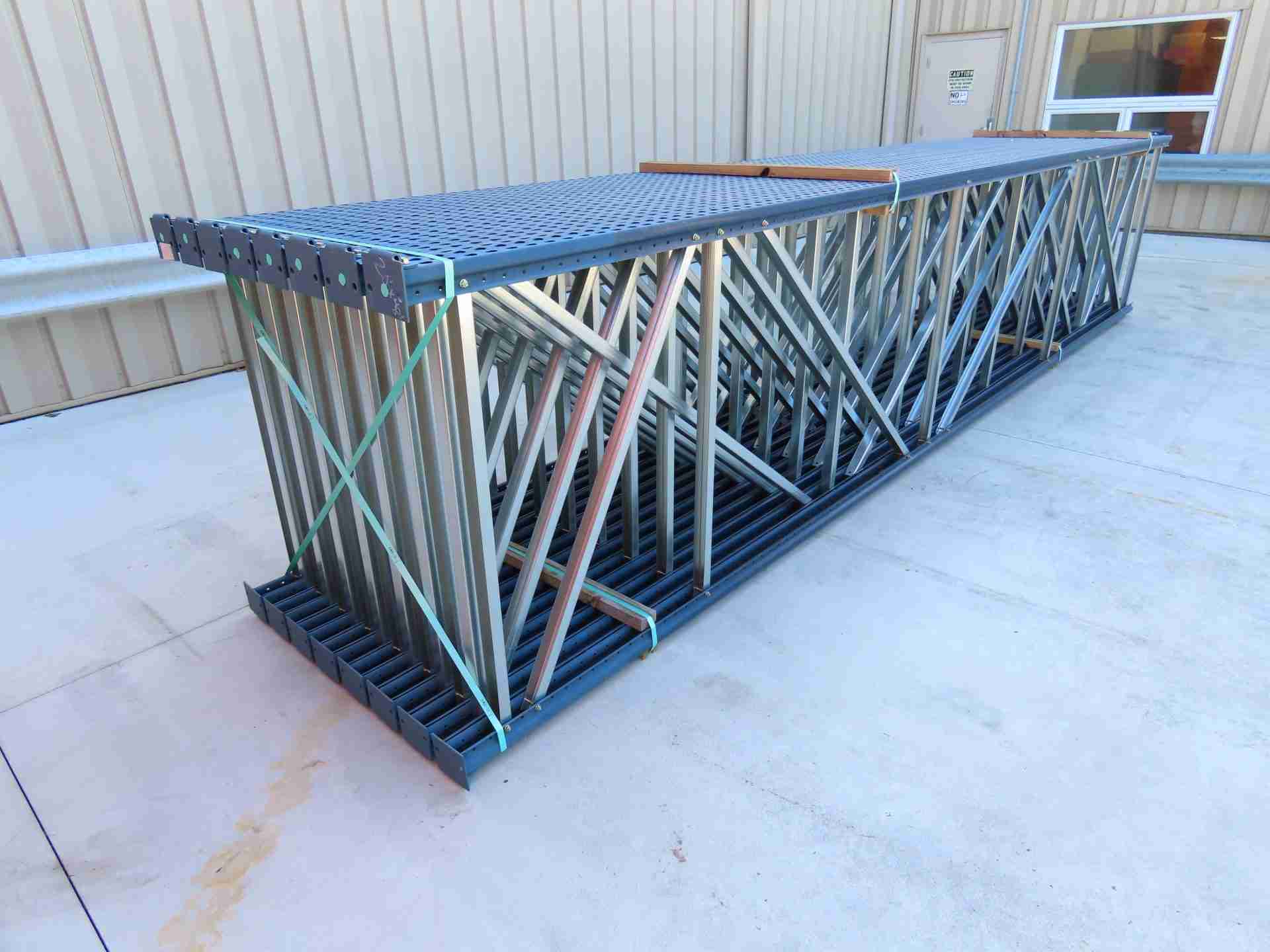
What Should I Look for In a Selective Pallet Racking Supplier?
What Certifications Should a Selective Racking Manufacturer Have?
When choosing a selective racking manufacturer for your business, it is crucial to ensure that they hold the proper certifications to guarantee the quality and reliability of their products. The right certifications can provide you with peace of mind and assurance that you are working with a reputable and trustworthy supplier.
One of the most important certifications to look for in a selective racking manufacturer is the RMI (Rack Manufacturers Institute) certification. This certification ensures that the manufacturer meets the highest standards for design, testing, and engineering of racking systems. By choosing a manufacturer with RMI certification, you can rest assured that their products have been rigorously tested and meet strict safety and quality standards.
In addition to RMI certification, it is also beneficial to look for manufacturers who are members of industry organizations such as SEMA (Storage Equipment Manufacturers Association) or MHEDA (Material Handling Equipment Distributors Association). These associations provide valuable resources and support for manufacturers and distributors in the material handling industry, and their members are often at the forefront of industry trends and best practices.
Furthermore, certifications such as ISO 9001:2015 demonstrate a manufacturer’s commitment to quality management and continuous improvement. By choosing a manufacturer with ISO certification, you can be confident that they have established processes in place to ensure the consistency and reliability of their products.
It is also worth considering any additional certifications or accreditations that are specific to your industry or application. For example, if you work in the food and beverage industry, you may want to look for a manufacturer who holds NSF certification for food safety. If you operate in a seismic zone, you may want to ensure that the manufacturer’s products are designed to meet seismic requirements.
Ultimately, the certifications that a selective racking manufacturer holds can serve as a valuable indicator of their credibility and expertise. By choosing a manufacturer with the right certifications, you can mitigate risk and ensure that you are investing in high-quality, reliable racking solutions for your business.
When selecting a selective racking manufacturer, be sure to prioritize certifications such as RMI, ISO, and industry-specific accreditations. These certifications can provide you with reassurance and confidence in the manufacturer’s products and processes, ultimately leading to a successful partnership and a more efficient and productive warehouse operation.
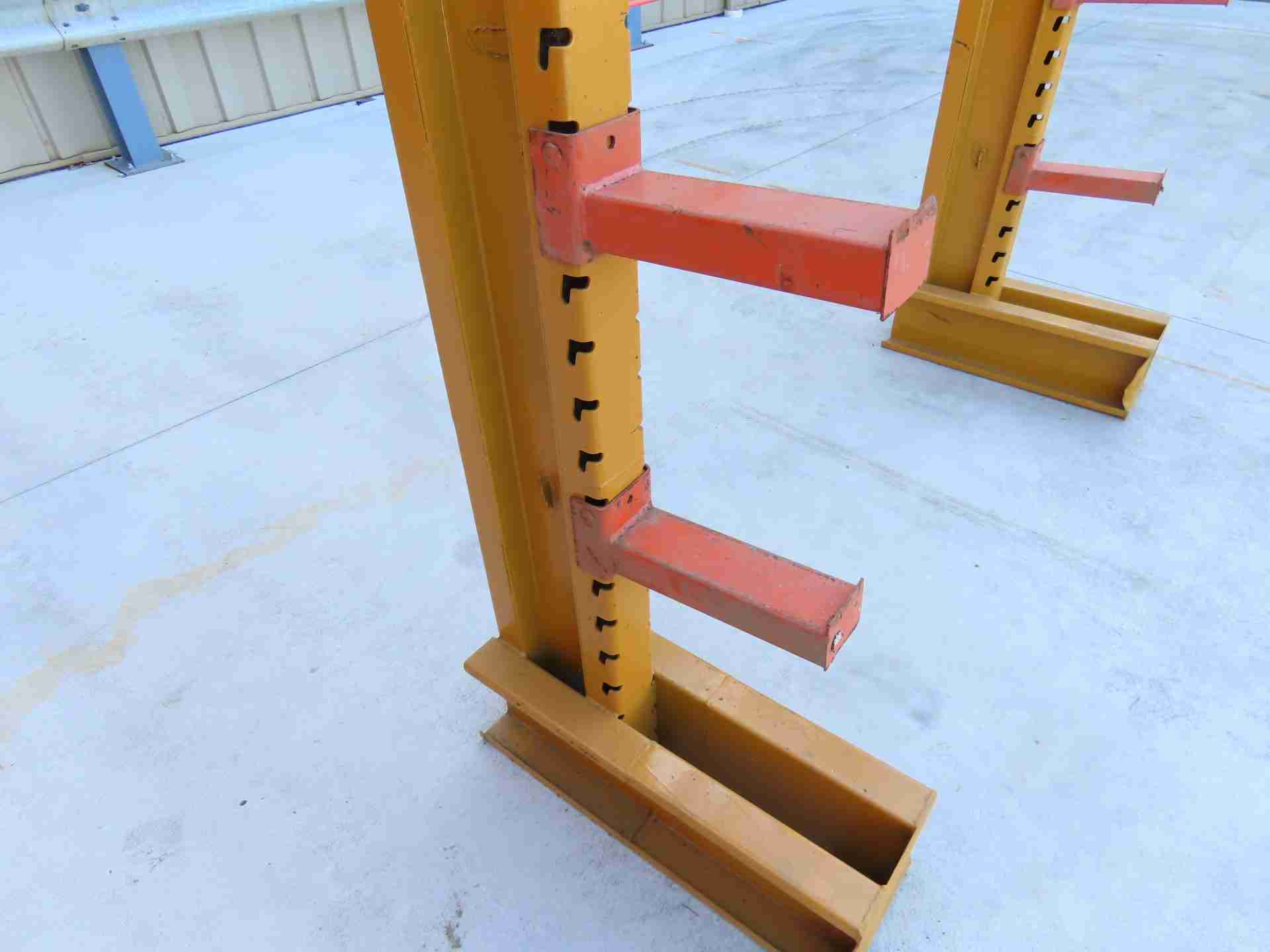
What Certifications Should a Selective Racking Manufacturer Have?
What Certifications Should a Selective Racking Manufacturer Have?
- Look for RMI (Rack Manufacturers Institute) certification for highest standards.
- SEMA and MHEDA memberships offer valuable resources and support.
- ISO 9001:2015 certification shows commitment to quality management.
- Consider industry-specific certifications like NSF for food safety.
- Choose a manufacturer with certifications specific to your industry or application.
- Certifications indicate credibility, expertise, and reliability of products.
- Prioritize certifications like RMI, ISO, and industry-specific accreditations when selecting a manufacturer.
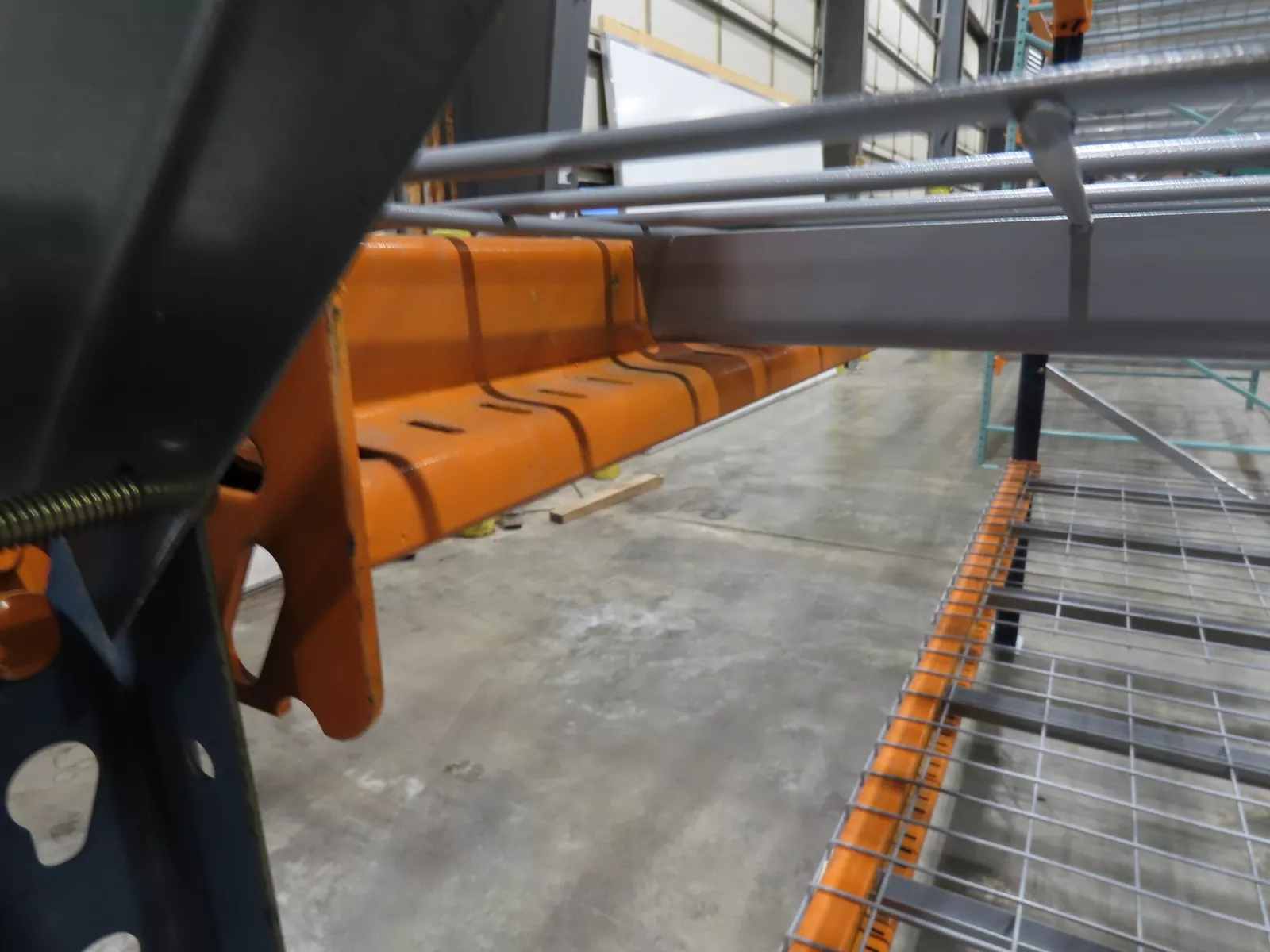
What Certifications Should a Selective Racking Manufacturer Have?
Where Can I Find Regulations Relevant to Selective Pallet Racking?
When it comes to finding regulations relevant to selective pallet racking, it’s essential to stay informed and up-to-date on industry standards. Fortunately, there are several resources available for businesses to consult to ensure compliance and safety within their warehouse operations.
One of the primary sources for regulations pertaining to selective pallet racking is the Occupational Safety and Health Administration (OSHA). OSHA sets forth guidelines and regulations to ensure the safety of workers and the proper functioning of equipment in the workplace. By visiting the OSHA website or contacting a local OSHA office, businesses can access a wealth of information on topics such as weight limits, spacing requirements, and inspection protocols for selective pallet racking systems.
In addition to OSHA, industry-specific organizations such as the Material Handling Industry of America (MHIA) and the Rack Manufacturers Institute (RMI) also provide valuable resources for businesses seeking guidance on selective pallet racking regulations. These organizations offer publications, training sessions, and certification programs that can help businesses stay informed and compliant with industry standards.
Furthermore, consulting with a professional engineer or warehouse consultant can provide businesses with personalized advice and recommendations for their selective pallet racking systems. These experts can assess the specific needs and challenges of a warehouse operation and provide tailored solutions to ensure compliance with regulations and optimize efficiency.
For businesses looking to stay ahead of the curve, it’s essential to keep an eye on current events and trends in the industry that may impact selective pallet racking regulations. For example, recent changes in building codes or safety standards could affect the design and implementation of selective pallet racking systems. By staying informed and proactive, businesses can ensure that their warehouse operations are in compliance with the latest regulations and best practices.
Staying informed and knowledgeable about regulations relevant to selective pallet racking is crucial for businesses looking to maintain a safe and efficient warehouse operation. By leveraging resources such as OSHA, industry organizations, and professional consultants, businesses can ensure compliance with regulations and optimize the performance of their selective pallet racking systems. Keep up-to-date with current events and industry trends to stay ahead of the curve and make informed decisions for your business.

Where Can I Find Regulations Relevant to Selective Pallet Racking?
Where Can I Find Regulations Relevant to Selective Pallet Racking?
- Stay informed and up-to-date on industry standards for selective pallet racking regulations.
- Consult resources such as OSHA for guidelines on safety and equipment functioning.
- Check industry-specific organizations like MHIA and RMI for valuable resources.
- Seek advice from professional engineers or warehouse consultants for personalized recommendations.
- Monitor current events and trends in the industry that may impact regulations.
- Ensure compliance with the latest regulations and best practices for warehouse operations.
- Optimize the performance of selective pallet racking systems through informed decision-making.
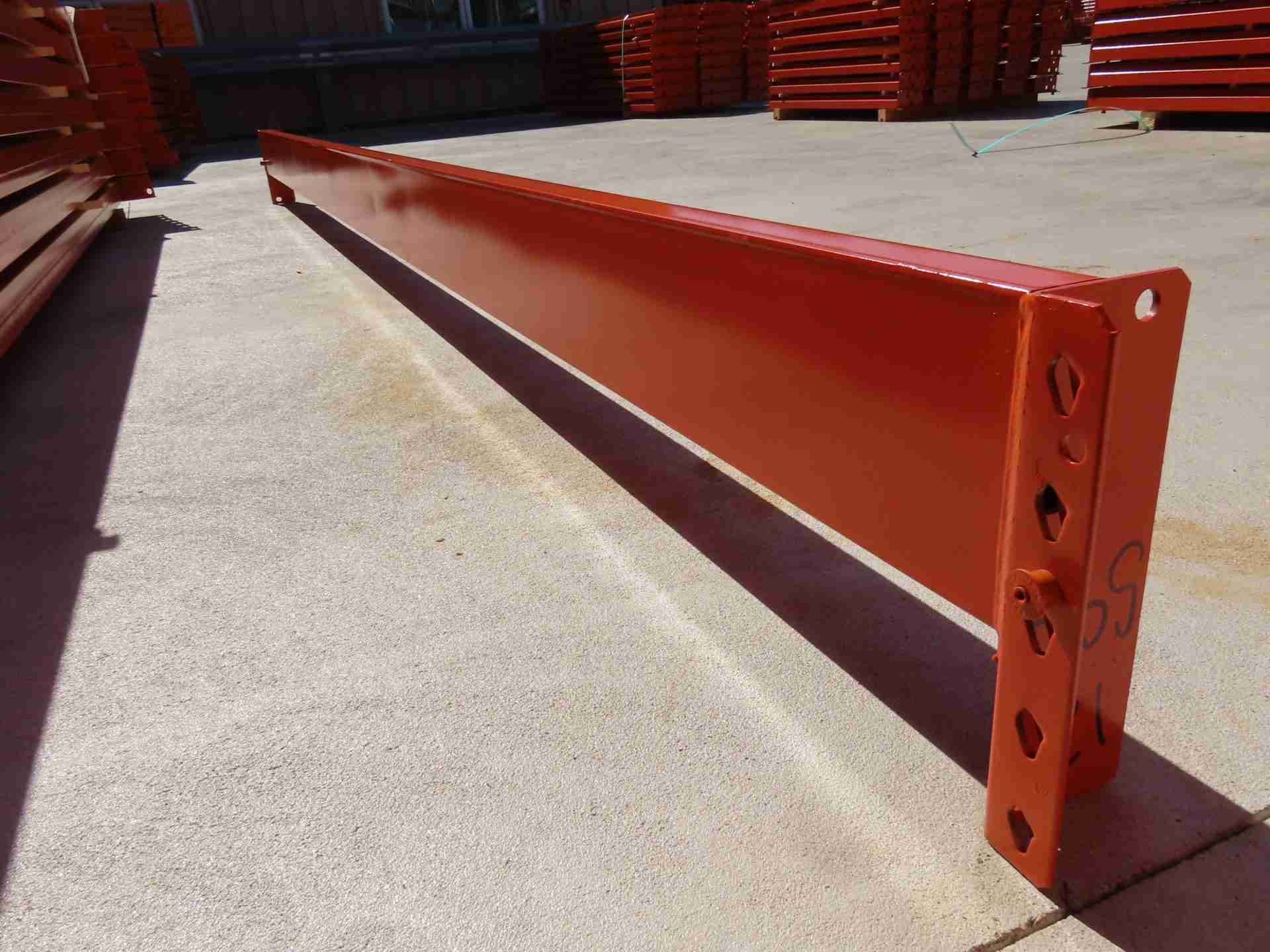
Where Can I Find Regulations Relevant to Selective Pallet Racking?
What Industry Associations Provide Info on Selective Pallet Racking?
Industry associations play a crucial role in providing valuable information on the latest trends and best practices in selective pallet racking. These organizations serve as a hub for professionals to connect, collaborate, and access resources that can help improve their storage and warehouse efficiency. By staying connected to these associations, businesses can stay ahead of the curve and ensure they are utilizing the most effective methods for their pallet racking needs.
One prominent industry association that provides valuable information on selective pallet racking is the Warehousing Education and Research Council (WERC). WERC offers a wealth of resources, including webinars, white papers, and best practice guides, to help businesses optimize their warehouse operations. By joining WERC, companies can gain access to a network of industry experts and peers who can offer valuable insights and advice on how to improve their pallet racking systems.
Another industry association that is a valuable resource for information on selective pallet racking is the Material Handling Industry (MHI). MHI hosts events, such as the MODEX trade show, where businesses can learn about the latest advancements in warehouse technology, including pallet racking systems. By attending these events and staying connected to MHI, companies can stay informed about the latest trends and innovations in the industry.
In addition to industry associations, businesses can also look to industry publications and websites for information on selective pallet racking. Publications such as Modern Materials Handling and DC Velocity often feature articles and case studies on the latest trends and best practices in warehouse storage systems. By subscribing to these publications and staying informed on the latest news and developments, businesses can ensure they are making informed decisions about their pallet racking needs.
In today’s fast-paced and competitive business environment, staying ahead of the curve is essential for success. By staying connected to industry associations and publications that provide information on selective pallet racking, businesses can ensure they are utilizing the most effective methods for their warehouse storage needs. Whether it’s through attending industry events, reading industry publications, or joining industry associations, businesses can gain access to the resources and insights they need to optimize their pallet racking systems and improve their overall warehouse efficiency.
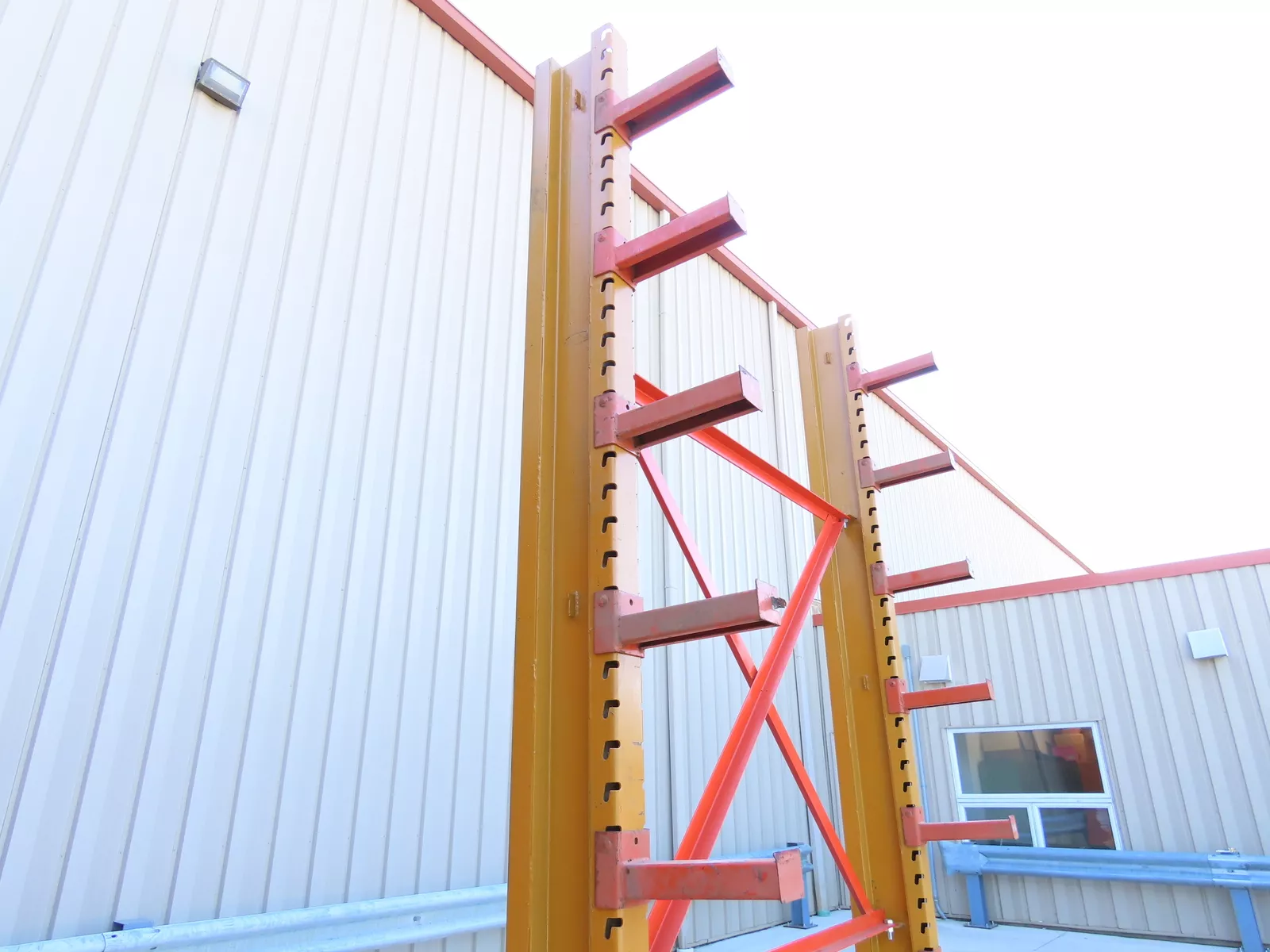
What Industry Associations Provide Info on Selective Pallet Racking?
What Industry Associations Provide Info on Selective Pallet Racking?
- Industry associations provide valuable information on the latest trends and best practices in selective pallet racking.
- They serve as a hub for professionals to connect, collaborate, and access resources for improving storage and warehouse efficiency.
- The Warehousing Education and Research Council (WERC) offers webinars, white papers, and best practice guides for optimizing warehouse operations.
- Joining WERC provides access to a network of industry experts and peers who can offer valuable insights on pallet racking systems.
- The Material Handling Industry (MHI) hosts events like the MODEX trade show to showcase advancements in warehouse technology, including pallet racking systems.
- Industry publications such as Modern Materials Handling and DC Velocity feature articles and case studies on warehouse storage systems.
- Staying connected to industry associations and publications is crucial for businesses to stay informed about the latest trends and innovations in the industry.

What Industry Associations Provide Info on Selective Pallet Racking?
Conclusion
In conclusion, when it comes to implementing selective pallet racking in your warehouse, it is crucial to consider the environmental characteristics that may impact its efficiency and effectiveness. Factors such as temperature, humidity, dust, debris, and seismic activity can all play a role in the performance of your pallet racking system. By addressing these environmental considerations and taking necessary precautions, you can optimize the performance and longevity of your storage solution.
Furthermore, selective pallet racking is not only a storage solution but also an energy-efficient option for warehouses looking to reduce their carbon footprint and save on operational costs. By maximizing vertical space, improving organization, and reducing unnecessary energy consumption, selective pallet racking can help businesses operate more sustainably and efficiently. With the increasing demand for eco-friendly practices, investing in energy-efficient storage solutions like selective pallet racking is not only a smart business decision but also a responsible choice for the environment.
However, it is important to ensure that you are working with a reputable and reliable selective pallet racking supplier who holds the necessary certifications to guarantee the quality and safety of their products. By choosing a supplier with RMI certification, ISO accreditation, and industry-specific certifications, you can be confident in the quality and reliability of the racking systems you are investing in.
In conclusion, by staying informed on regulations, industry associations, and best practices related to selective pallet racking, businesses can ensure they are utilizing the most effective methods for their warehouse storage needs. With the right knowledge, resources, and partnerships in place, businesses can optimize their pallet racking systems, improve their warehouse efficiency, and stay ahead of the competition. Don’t wait – reach out to Arrow Industrial Sales at (574) 349-6575 today to get more information and take the first step towards optimizing your warehouse storage solution. Time is of the essence – make the call now and start reaping the benefits of a more efficient and sustainable warehouse operation.
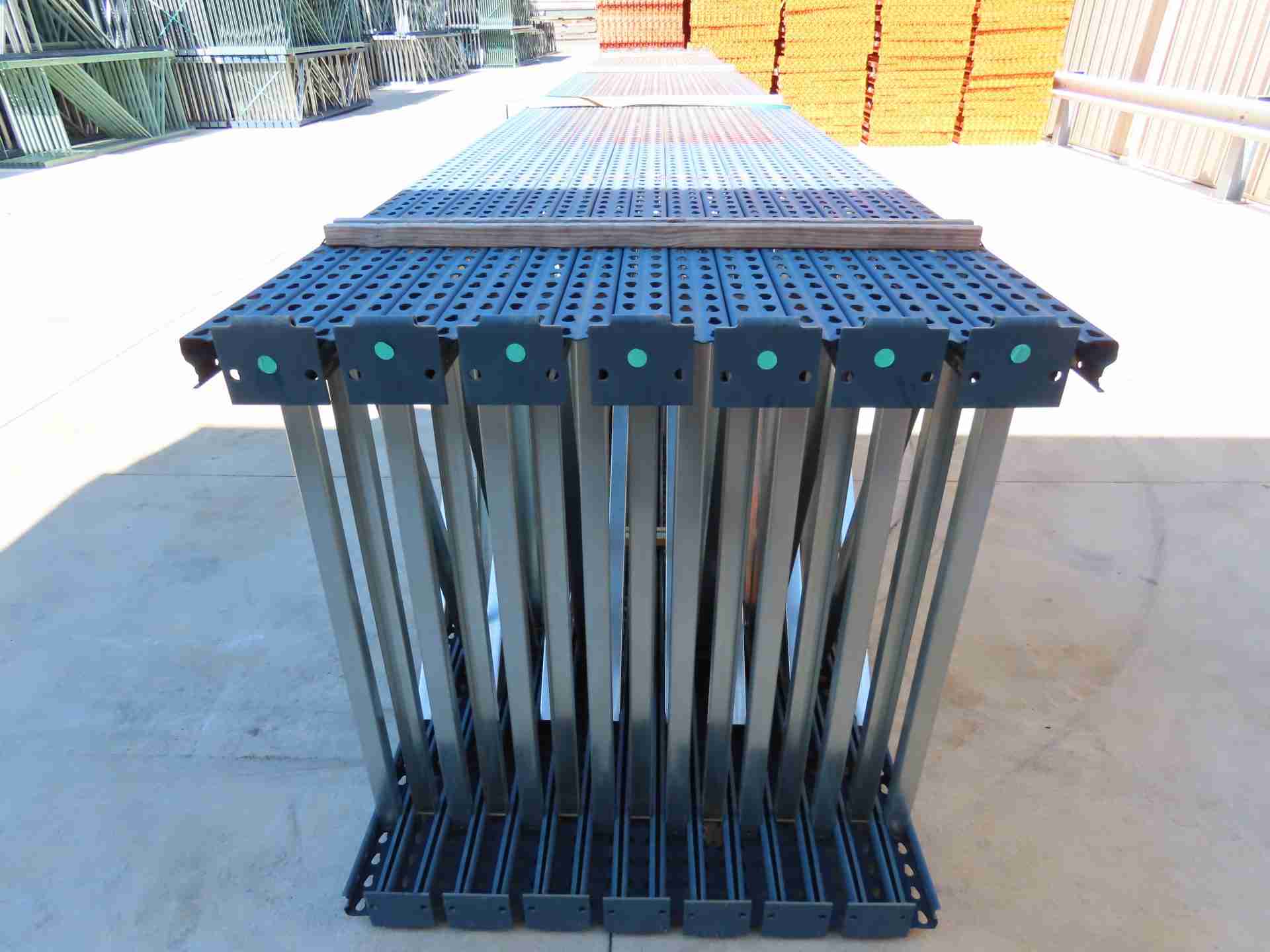
Conclusion
Conclusion:
- Consider environmental characteristics that may impact efficiency.
- Address factors such as temperature, humidity, dust, debris, and seismic activity.
- Selective pallet racking is an energy-efficient storage solution.
- Maximize vertical space, improve organization, and reduce energy consumption.
- Work with reputable supplier with necessary certifications for quality and safety.
- Stay informed on regulations, industry associations, and best practices.
- Contact Arrow Industrial Sales at (574) 349-6575 to optimize warehouse storage.
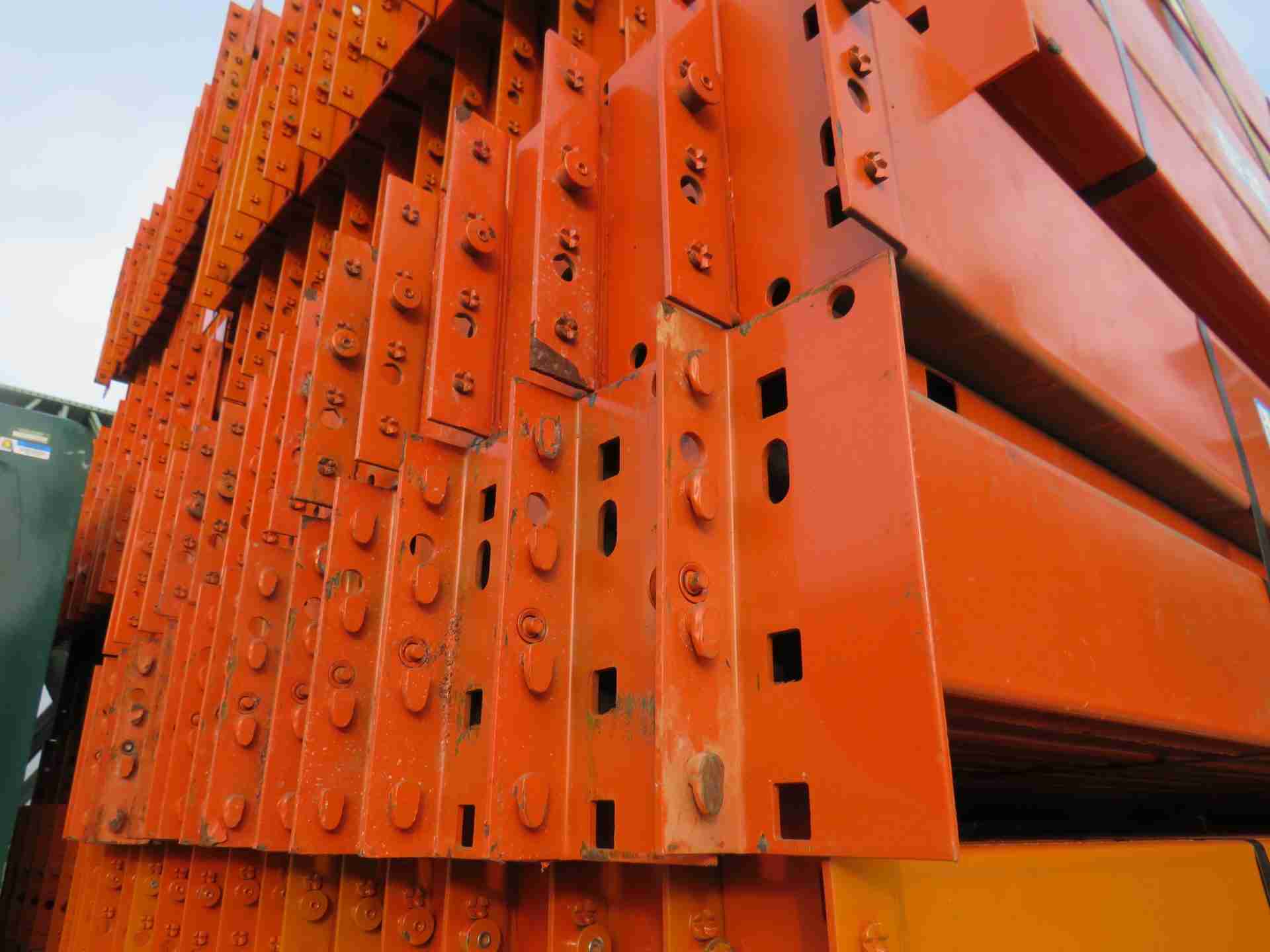
Conclusion
Other Resources
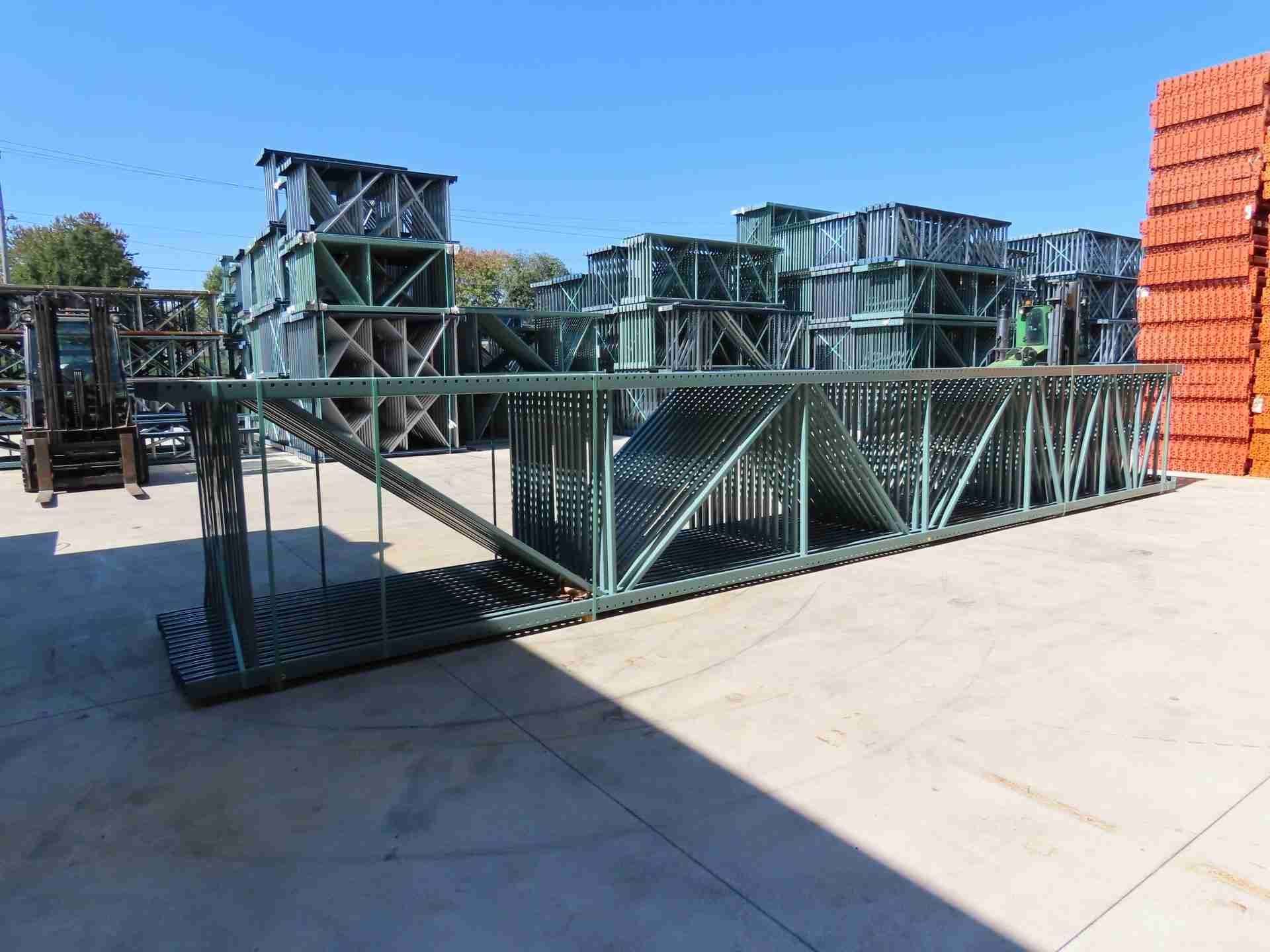
Other Resources
Here is a list of other resources you can review online to learn more:
- “Pallet Racking (Selective Storage Racks)”
- “Pallet racking systems”
- “Advantages and disadvantages of selective storage systems”
- “Selective Pallet Racking – Designed and Built to Last”
- “Pallet Racking & Shelving – BLS Racking Systems”
- “Selective Pallet Racking | Supply & Installation”
- “Selective Pallet Racking System for Immediate Access to …”
- “Pallet Racks”
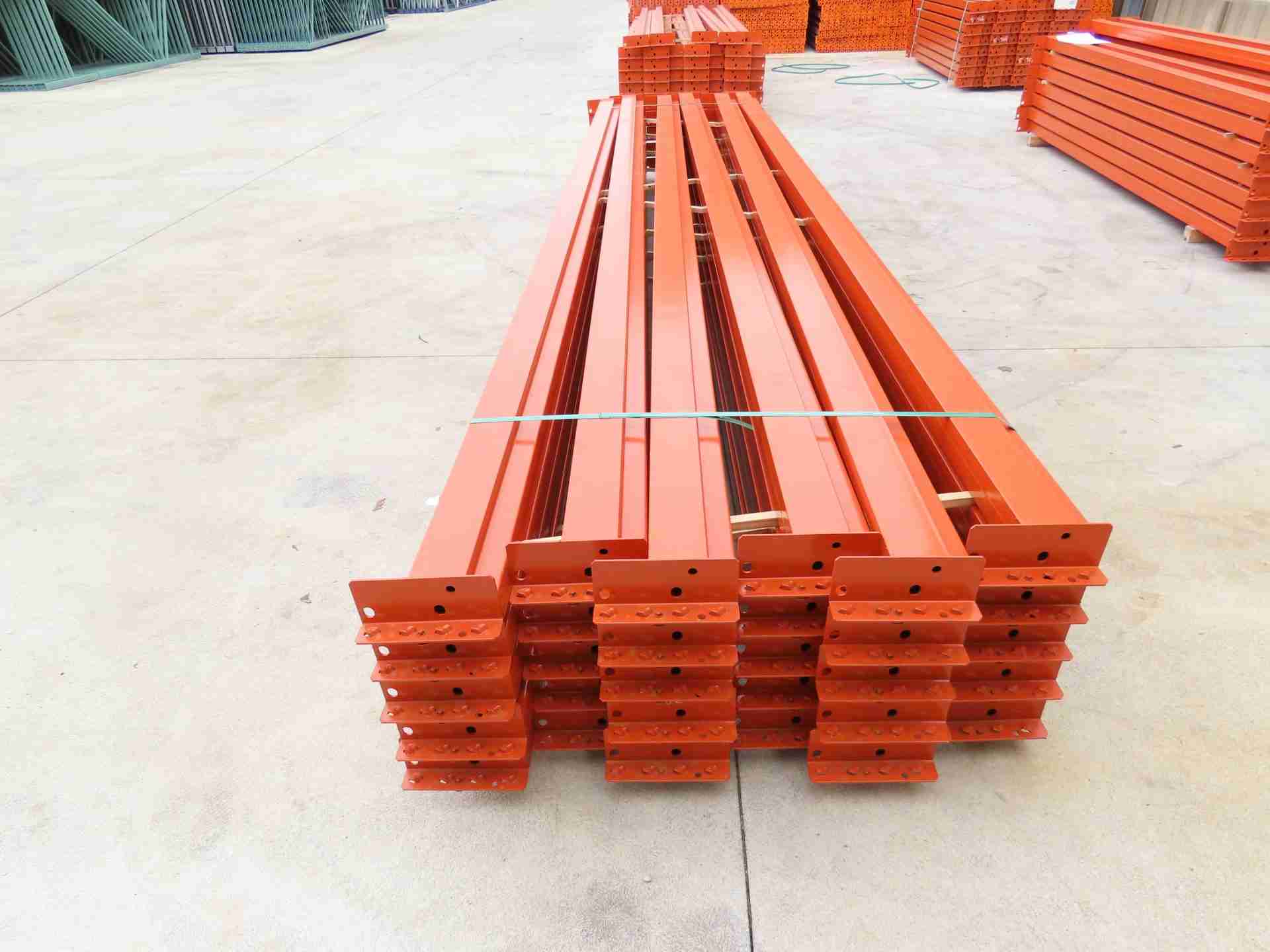
Other Resources
Glossary Terms
Are There Environmental Characteristics for Selective Pallet Racking? – Glossary Of Terms
1. Selective Pallet Racking : A type of warehouse storage system that provides immediate access to every pallet for pickers.
2. Load Capacity : The maximum weight that the racking system can safely support per shelving unit or per pallet position.
3. Aisle Width : The distance between rows of racking, impacting material handling equipment mobility and storage density.
4. Vertical Space Utilization : The ability to effectively use the warehouse’s vertical storage capacity without compromising safety and accessibility.
5. Safety Pins and Clips : Devices used to secure beams to uprights, providing additional protection against accidental dislodgement.
6. Beam Deflection : The amount of bending or sagging of a beam under load, important for maintaining structural integrity.
7. Frame Splicing : The method by which racking frames are connected or extended to meet height requirements.
8. Cross Bracing : Horizontal or diagonal supports that enhance the stability of the racking system.
9. Seismic Considerations : Engineering adaptations made to racking systems to withstand seismic events, reducing the risk of system collapse.
10. Floor Anchors : Bolts or fasteners that secure base plates of racking frames to the warehouse floor, essential for stability.
11. Upright Protectors : Devices designed to shield the upright frames from impact damage, often from forklifts or other equipment.
12. Climate Control : Systems in place to manage the temperature and humidity within the warehouse, crucial for certain stored products.
13. Fire Suppression : A system designed to detect and extinguish fires within the warehouse, playing a critical role in safety and compliance.
14. Load Distribution : The manner in which weight is spread across shelves and beams, affecting the racking’s ability to safely hold materials.
15. Durability : The robustness and life span of the racking system under continual use, factoring in material quality and design.
16. Ergonomics : Design elements that facilitate safe and efficient interactions for warehouse staff, reducing the risk of injury.
17. Modularity : The ability to reconfigure or expand the racking system to adapt to changing storage needs or inventory types.
18. Material Handling Equipment Compatibility : The suitability of the racking system for use with forklifts, pallet jacks, and other handling equipment.
19. Environmental Impact : The effect of the racking system’s materials and construction process on the environment, often including sustainability considerations.
20. Corrosion Resistance : The ability of the racking material to resist rust and degradation, particularly important in damp or chemical-laden environments.
21. Ventilation : The provision of adequate airflow around racked items, crucial for preserving perishables and maintaining air quality.
22. Fast Installation : The efficiency and ease of assembling the racking system, important for minimizing downtime during setup.
23. Rack Labels : Identification markers for each slot or position within the racking system, used to streamline inventory management.
24. Inspection Protocols : Regular checks and maintenance routines to ensure the racking system remains in safe working condition.
25. Space Optimization : The strategic arrangement of racking to maximize storage efficiency while maintaining accessibility and safety.
26. Sprinkler Systems : A component of fire suppression, integrated into the racking to target potential fire locations more effectively.
27. Energy Efficiency : The consideration of racking layout and materials to minimize energy consumption for lighting, heating, and cooling.
28. Pallet Overhang : The extension of pallets beyond the racking dimensions, which must be controlled to prevent accidents and product damage.
29. Green Building Standards : Compliance with guidelines aimed at reducing environmental impact and improving energy efficiency in warehouse design.
30. Regulatory Compliance : Adherence to local, national, and international safety and building codes that govern the construction and use of pallet racking systems.
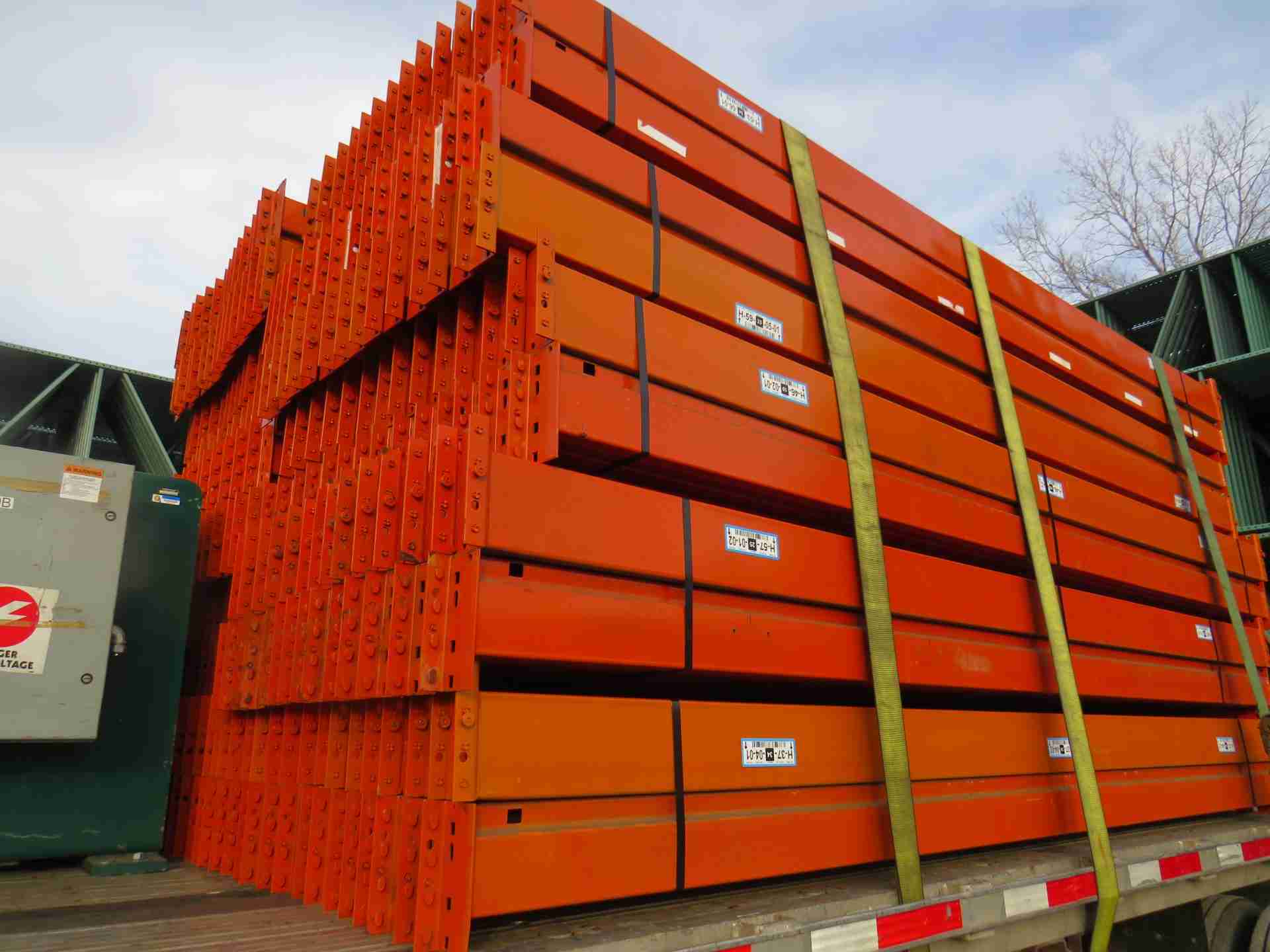
Glossary Of Terms
Other Questions
Are There Environmental Characteristics for Selective Pallet Racking? – Other Questions
If you wish to explore and discover more, consider looking for answers to these questions:
- What temperature and humidity levels are ideal for selective pallet racking?
- How often should selective pallet racking be cleaned and maintained?
- What additional reinforcement is needed for selective pallet racking in seismic zones?
- How does selective pallet racking contribute to reducing energy consumption in a warehouse?
- What are the financial benefits of recycling selective pallet racking components?
- Is selective pallet racking suitable for all types of temperature-controlled environments?
- What are the differences between selective racking and double deep racking in terms of storage capacity and accessibility?
- How can I assess if a selective pallet racking supplier is reliable and trustworthy?
- What are some customization options available for selective pallet racking systems?
- Which certifications are most important for ensuring the quality and safety of selective pallet racking?
- Where can I find the latest regulations and guidelines for selective pallet racking?
- What industry associations offer the best resources and support for businesses using selective pallet racking?
- What impact do current events and trends have on the design and implementation of selective pallet racking systems?
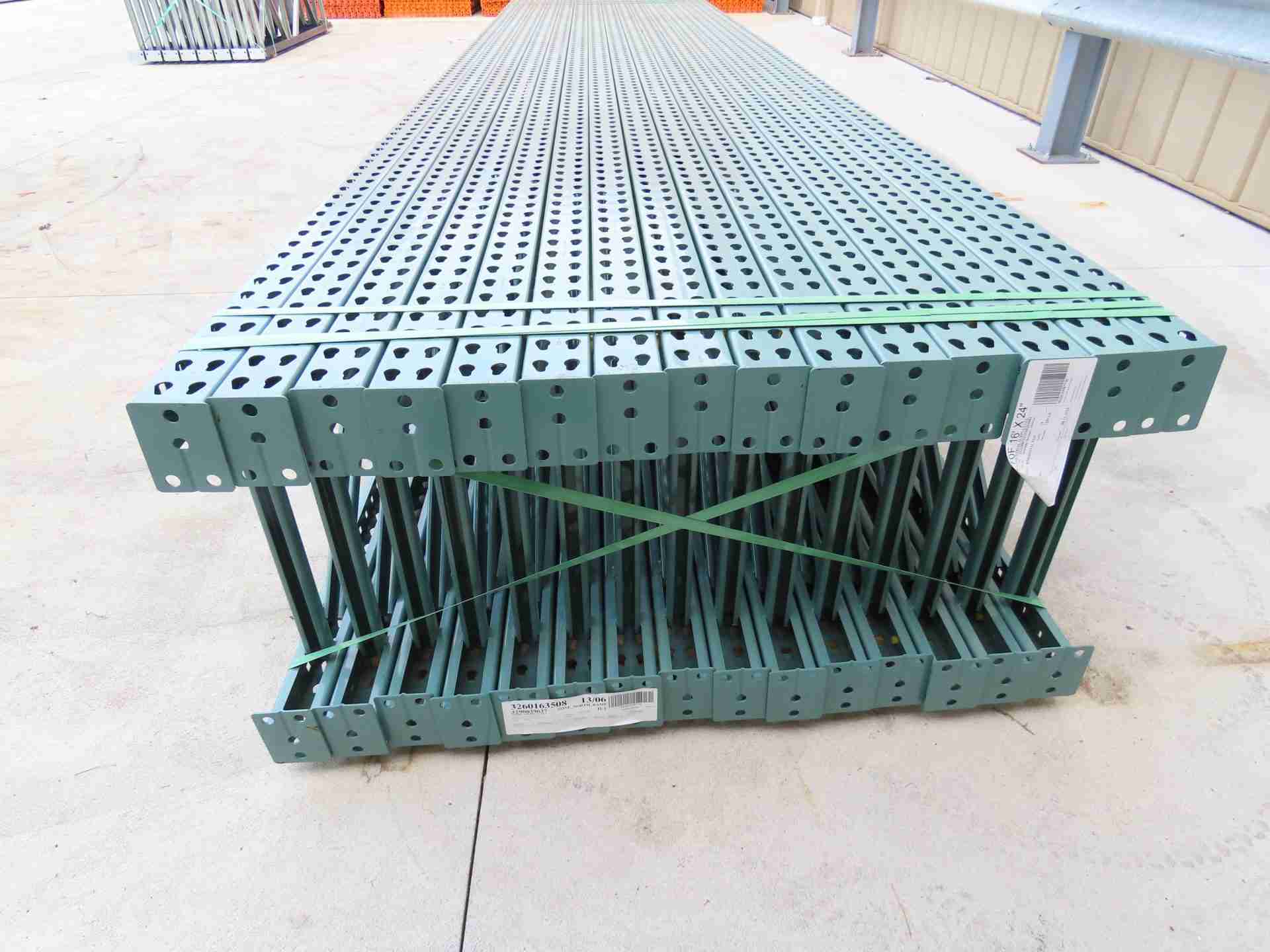
Other Questions
Checklist
Are There Environmental Characteristics for Selective Pallet Racking? – A Checklist
## Temperature and Humidity
_____ Assess the average temperature levels in your warehouse.
_____ Determine humidity levels and potential fluctuations.
_____ Implement ventilation systems to regulate temperature and humidity.
_____ Install climate control systems if necessary to maintain optimal conditions.
## Dust, Debris, and Contaminants
_____ Identify common sources of dust and debris within the warehouse.
_____ Clean and maintain pallet racking systems regularly.
_____ Consider air filtration systems to minimize contaminants.
_____ Inspect racking components for any damage or contamination buildup.
## Structural Integrity and Safety
_____ Evaluate the potential for seismic activity or other natural disasters in your area.
_____ Consult with experts in seismic design and engineering.
_____ Ensure that racking systems meet safety standards for high-risk areas.
_____ Implement additional reinforcements as necessary.
## Energy Efficiency
_____ Optimize vertical space utilization to reduce the energy required for operations.
_____ Improve organization for quicker access to products.
_____ Promote better airflow and ventilation within the warehouse.
_____ Minimize unnecessary travel within the warehouse to reduce energy consumption.
## Recycling and Environmental Impact
_____ Plan for the recycling or repurposing of steel beams, frames, and wire decks.
_____ Establish a process for the refurbishing and selling of used components.
_____ Look for opportunities to donate or recycle components to support the circular economy.
_____ Assess and document the environmental benefits and cost savings of recycling initiatives.
## Temperature-Controlled Environments
_____ Address different storage requirements for various products.
_____ Ensure compliance with regulations for storing temperature-sensitive items.
_____ Adapt shelving height and layout to accommodate different inventory needs.
_____ Monitor temperature levels consistently to prevent spoilage or contamination.
## Supplier and Manufacturer Considerations
_____ Review the track record of reliability and dependability of potential suppliers.
_____ Confirm product range and customization options available.
_____ Assess customer service responsiveness and communication quality.
_____ Evaluate pricing against quality to ensure good value.
_____ Verify that the manufacturer holds relevant certifications (e. g. , RMI, ISO 9001:2015).
## Regulation and Compliance
_____ Stay informed about OSHA guidelines and regulations for pallet racking systems.
_____ Consult industry organizations like MHIA and RMI for additional standards.
_____ Consider professional engineers or consultants for tailored regulatory advice.
_____ Monitor current industry events and trends that might affect your storage solutions.
By following these checklist items, you can ensure that your selective pallet racking system is not only efficient and effective but also tailored to the specific environmental characteristics and regulatory requirements of your warehouse operation.
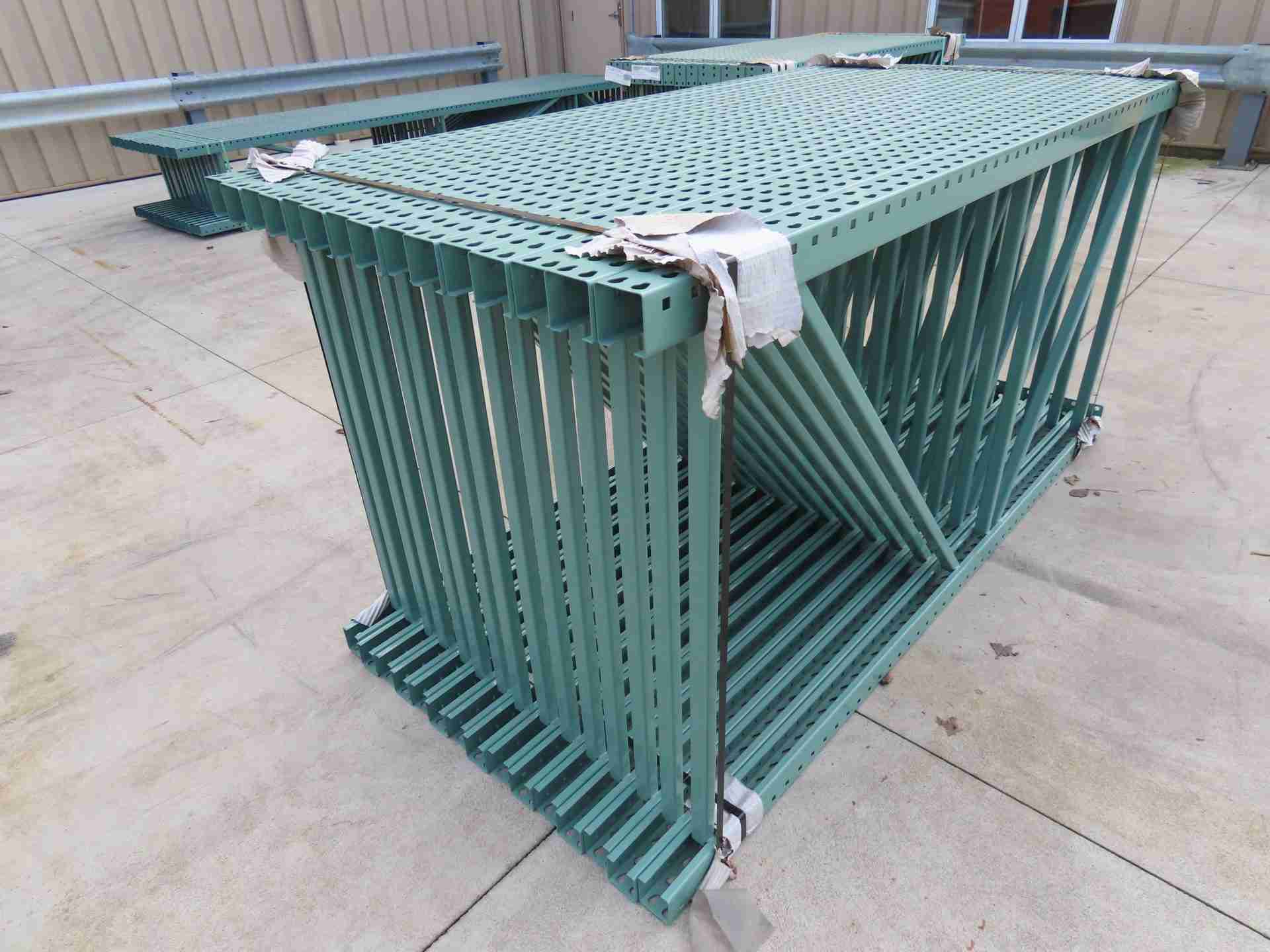
Checklist
At RackingWorld, we help guide you through selecting warehouse storage systems and racking.
Be sure to read our other related stories at RackingWorld to learn more about warehouse storage systems.
0 Comments