
Exploring The Key Pallet Rack Options
By Tom Seest
At RackingWorld, we help guide you through selecting warehouse storage systems and racking.
Be sure to read our other related stories at RackingWorld to learn more about warehouse storage systems.
What Are The Main Types Of Pallet Racks Available?
When it comes to storing and organizing inventory in a warehouse, pallet racks are an essential tool. There are various types of pallet racks available, each designed to meet different storage needs and space requirements.
One of the most common types of pallet racks is selective pallet racks. These racks allow for easy access to each pallet, as they are stored individually on the rack beams. This type of rack is great for warehouses that need to quickly pick and retrieve products, as well as for those with high inventory turnover rates.
Another popular option is drive-in pallet racks. These racks are designed to maximize storage space by allowing forklifts to drive directly into the rack structure. This means that multiple pallets can be stored in each bay, making it a great option for warehouses that need to store large quantities of the same product.
For warehouses with limited floor space, push back pallet racks can be a great solution. These racks allow for pallets to be stored on a series of nested carts that can be pushed back along inclined rails. This creates a dense storage solution that maximizes vertical space while still allowing for easy access to each pallet.
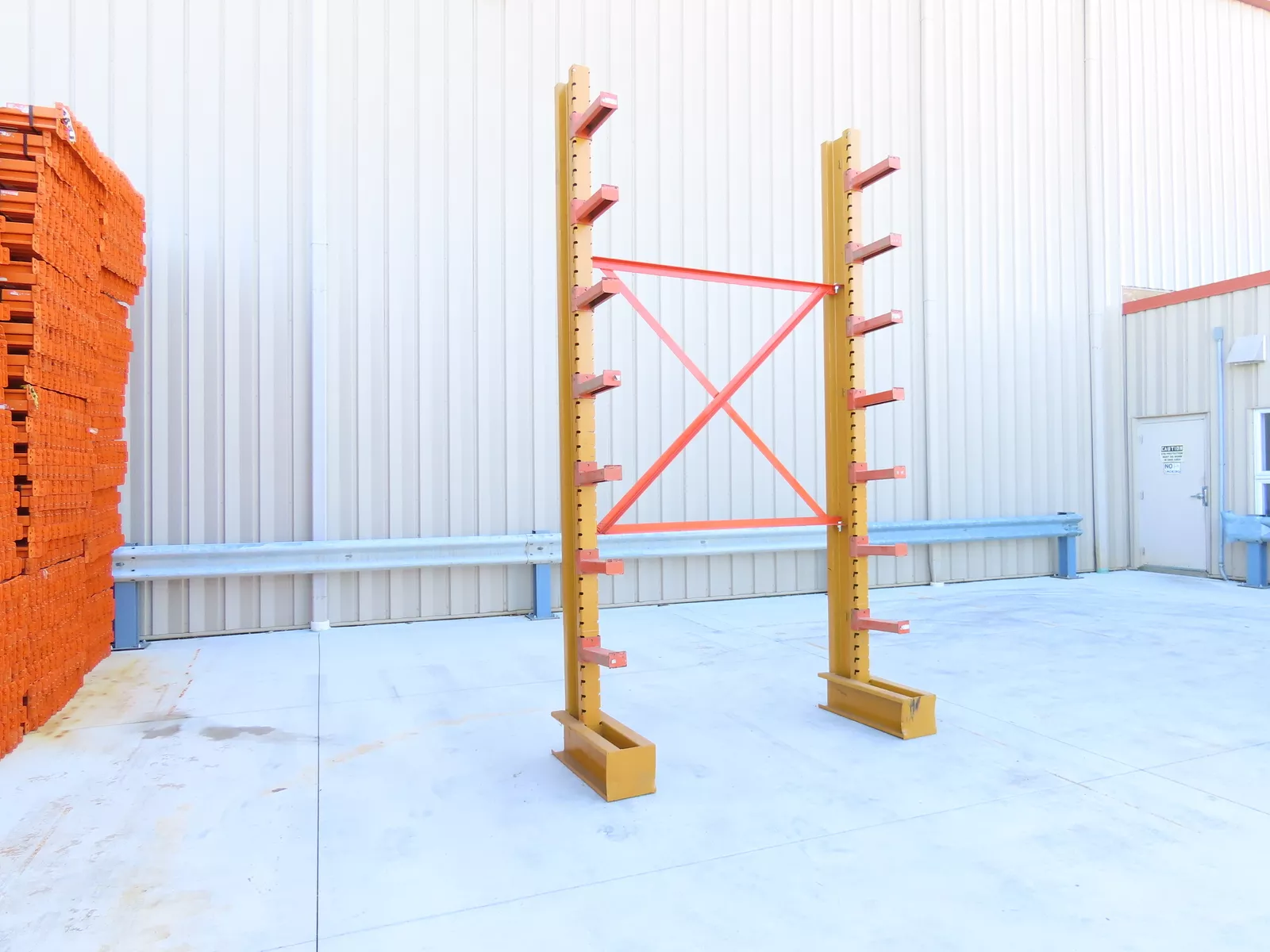
If your warehouse needs to store long or oversized items, cantilever pallet racks are the way to go. These racks have arms that extend out from the upright beams, allowing for items like lumber, piping, or furniture to be easily stored and accessed. Cantilever racks are versatile and can be adjusted to accommodate varying sizes of inventory.
For warehouses that need to store a large quantity of pallets but have limited aisle space, double deep pallet racks can be a great option. These racks allow for pallets to be stored two deep, with one row of pallets pushed back behind another. This can help maximize storage space while still allowing for easy access to each pallet.
By understanding the different types of pallet racks available, warehouse managers can choose the best option to meet their specific storage needs. Whether it’s maximizing space, improving efficiency, or accommodating oversized items, there is a pallet rack solution for every warehouse.
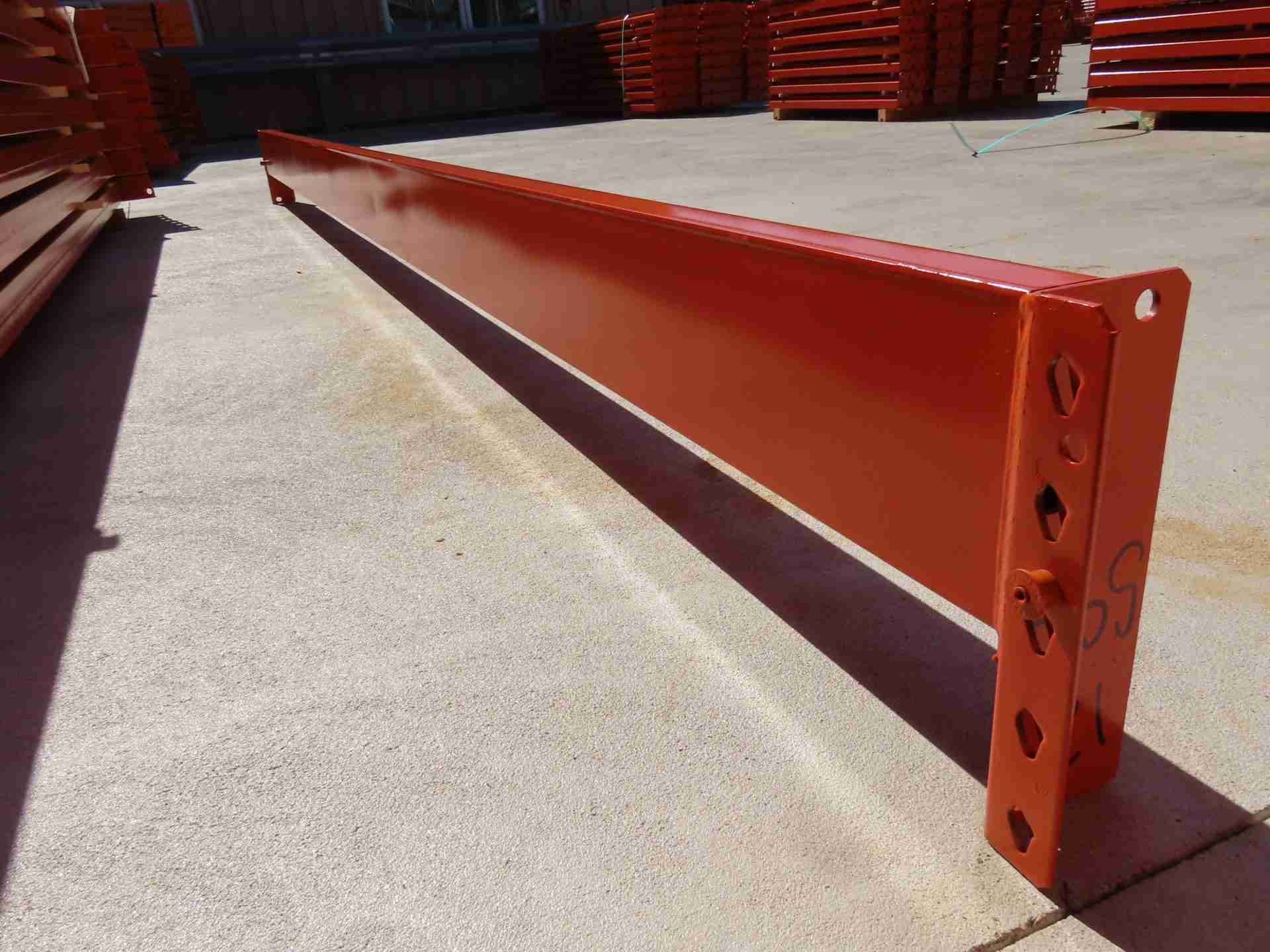
What Are The Main Types Of Pallet Racks Available?
What Are The Main Types Of Pallet Racks Available?
- Selective pallet racks allow easy access to individual pallets.
- Drive-in pallet racks maximize storage space by allowing forklifts to drive directly into the rack structure.
- Push back pallet racks are ideal for warehouses with limited floor space.
- Cantilever pallet racks are designed for storing long or oversized items.
- Double deep pallet racks are great for warehouses with limited aisle space.
- Choosing the right pallet rack can help maximize storage space and efficiency.
- There is a pallet rack solution for every warehouse’s specific storage needs.

What Are The Main Types Of Pallet Racks Available?
Table Of Contents
- What Are The Main Types Of Pallet Racks Available?
- What Are The Advantages Of Using Selective Pallet Racks?
- How Do Drive-In Pallet Racks Differ From Push Back Racks?
- Why Would A Warehouse Choose To Use Cantilever Pallet Racks?
- What Are The Main Considerations When Choosing Pallet Racks?
- How Can Pallet Racks Be Optimized For Storage Efficiency?
- How Do Push Back Pallet Racks Differ From Flow Racks?
- What Are The Benefits Of Using Cantilever Pallet Racks In A Warehouse?
- How Can I Determine The Best Pallet Rack Configuration For My Needs?
- Conclusion
- Other Resources
- Glossary Of Terms
- Other Questions
- Checklist
What Are The Advantages Of Using Selective Pallet Racks?
Selective pallet racks offer a plethora of advantages for businesses looking to streamline their storage and organization processes. These versatile shelving units are designed to maximize warehouse space by allowing for easy access to every pallet stored within them.
One of the biggest advantages of using selective pallet racks is their ability to increase efficiency and productivity in the workplace. With easy accessibility to each pallet, workers can quickly locate and retrieve items, saving valuable time and minimizing disruptions to workflow. This can help improve overall productivity and ensure that orders are processed and shipped in a timely manner.
Selective pallet racks also offer a high level of flexibility, allowing businesses to customize their storage solutions to meet their specific needs. These racks can be easily adjusted and reconfigured to accommodate different pallet sizes and weights, making them ideal for businesses with a wide variety of products. This flexibility ensures that businesses can make the most of their available storage space and optimize their warehouse layout for maximum efficiency.
In addition, selective pallet racks are designed to ensure the safety of both workers and stored items. These racks are built with durable materials that can withstand heavy loads, reducing the risk of accidents or damage to inventory. By keeping pallets organized and secure, businesses can minimize the potential for workplace injuries and prevent costly inventory losses.
Furthermore, selective pallet racks are a cost-effective storage solution for businesses of all sizes. Compared to other types of shelving systems, such as drive-in racks or push-back racks, selective pallet racks are generally more affordable and easier to install. This makes them a practical choice for businesses looking to maximize their storage space without breaking the bank.
Overall, the advantages of using selective pallet racks are clear. From increasing efficiency and productivity to enhancing safety and reducing costs, these versatile shelving units offer a wide range of benefits for businesses looking to optimize their warehouse operations. By investing in selective pallet racks, businesses can create a more organized and streamlined storage system that boosts productivity and helps them stay competitive in today’s fast-paced market.
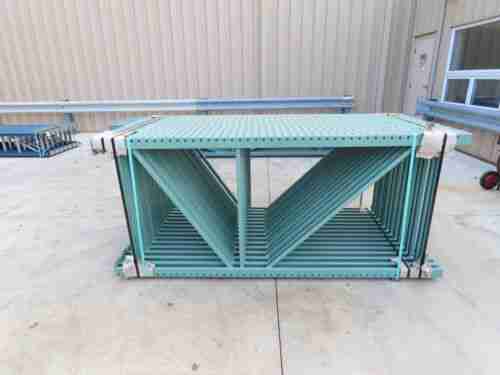
What Are The Advantages Of Using Selective Pallet Racks?
What Are The Advantages Of Using Selective Pallet Racks?
- Selective pallet racks help businesses streamline storage and organization processes.
- Maximize warehouse space and allow for easy access to every pallet stored.
- Increase efficiency and productivity in the workplace.
- Offer flexibility to customize storage solutions to specific needs.
- Ensure safety of workers and stored items with durable materials.
- Cost-effective compared to other shelving systems.
- Provide a wide range of benefits for optimizing warehouse operations.
What Are The Advantages Of Using Selective Pallet Racks?
How Do Drive-In Pallet Racks Differ From Push Back Racks?
Drive-in pallet racks and push back racks are two popular storage solutions commonly used in warehouses and distribution centers. While both systems serve the same purpose of maximizing storage space and improving efficiency, there are key differences between the two.
One of the main differences between drive-in pallet racks and push back racks lies in how they are accessed. Drive-in pallet racks are designed for Last-In, First-Out (LIFO) inventory management, meaning that the last pallet loaded into the rack is the first one to be removed. This is achieved by driving a forklift directly into the rack system to place or retrieve pallets. This makes drive-in pallet racks ideal for storing large quantities of the same product or SKU, as it allows for high-density storage with minimal aisle space.
On the other hand, push back racks are designed for First-In, Last-Out (FILO) inventory management. In a push back rack system, pallets are loaded onto nested carts that are pushed back along inclined rails as new pallets are added. When a pallet is removed, the carts behind it automatically move forward, allowing for easy access to the next pallet in line. This system is ideal for warehouses with a high volume of SKUs that require quick and easy access to inventory.
Another key difference between drive-in pallet racks and push back racks is their structural design. Drive-in pallet racks are typically constructed with structural steel columns and heavy-duty horizontal and diagonal bracing for added support and stability. This allows drive-in racks to handle heavier loads and accommodate higher pallet positions without compromising safety.
Push back racks, on the other hand, are built using a series of nested carts and inclined rails that are installed within standard pallet rack frames. This design allows for a versatile and adjustable storage solution that can be easily customized to fit varying pallet sizes and weight capacities.
While both drive-in pallet racks and push back racks offer efficient storage solutions for warehouses and distribution centers, they differ in terms of access method, inventory management, and structural design. Ultimately, the decision to choose one system over the other will depend on factors such as inventory turnover, SKU diversity, and space constraints. By understanding the unique features and benefits of each system, warehouse managers can make an informed decision on which storage solution best suits their specific needs.
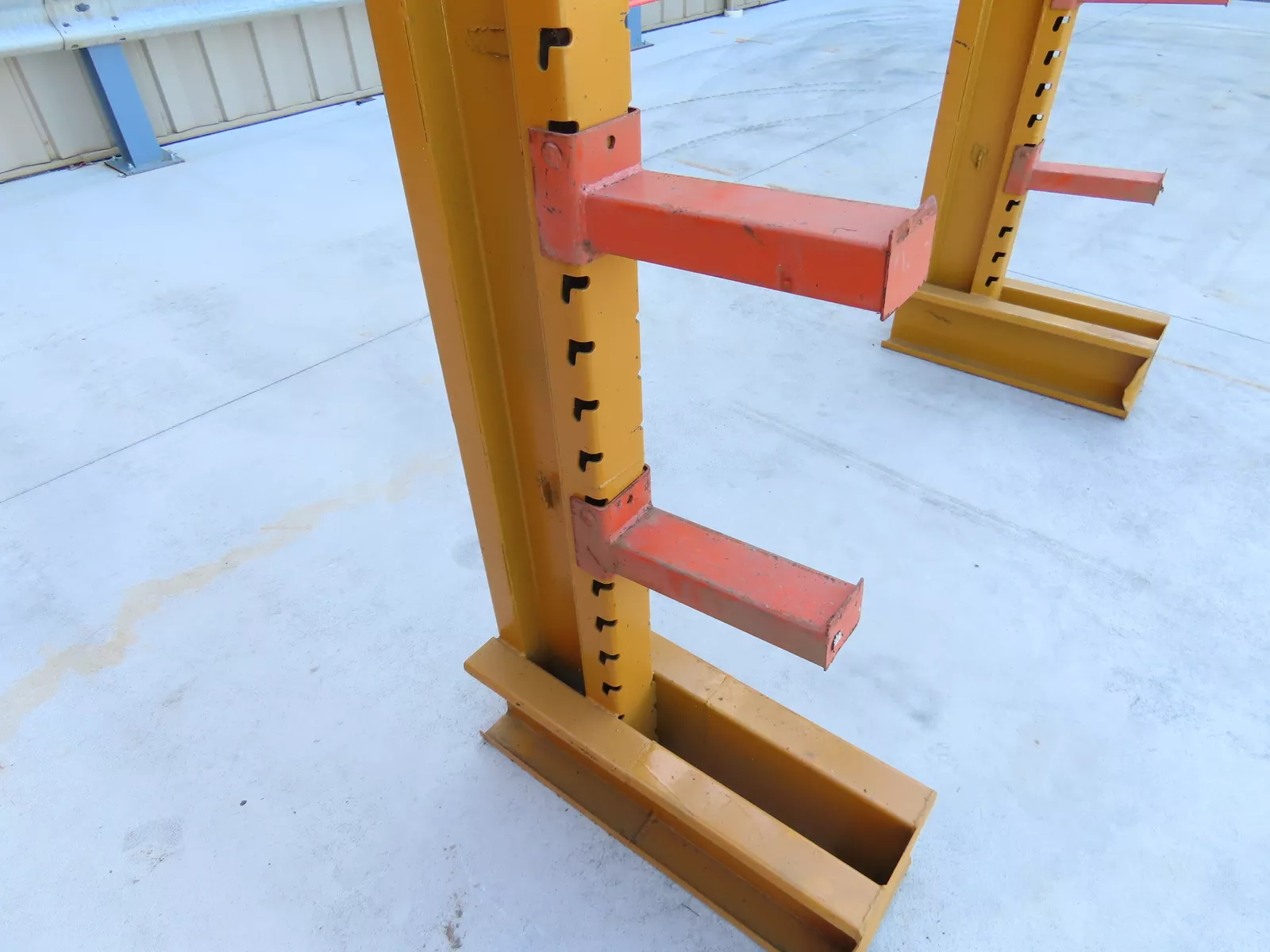
How Do Drive-In Pallet Racks Differ From Push Back Racks?
How Do Drive-In Pallet Racks Differ From Push Back Racks?
- Drive-in pallet racks and push back racks are popular storage solutions in warehouses.
- Drive-in racks use Last-In, First-Out inventory management for high-density storage.
- Push back racks use First-In, Last-Out inventory management for quick access to inventory.
- Drive-in racks are constructed with heavy-duty steel for stability and support.
- Push back racks use nested carts on inclined rails within standard pallet rack frames.
- Choosing between the two systems depends on factors like inventory turnover and space constraints.
- Understanding the unique features of each system helps in making an informed decision.
How Do Drive-In Pallet Racks Differ From Push Back Racks?
Why Would A Warehouse Choose To Use Cantilever Pallet Racks?
If you’ve ever wondered why a warehouse might choose to use cantilever pallet racks, look no further. These industrial shelving systems are a popular choice for businesses that deal with long and bulky items that traditional pallet racks just can’t accommodate.
One of the main reasons warehouses opt for cantilever pallet racks is their versatility. These racks are designed to hold items of varying sizes and shapes, making them perfect for storing items such as lumber, piping, or furniture. The open design of cantilever racks also allows for easy access to items, making it simple for workers to retrieve or store items quickly and efficiently.
Another factor that makes cantilever pallet racks an attractive option for warehouses is their durability. These racks are typically made from strong materials such as steel, ensuring they can withstand heavy loads without buckling or bending. This durability not only ensures the safety of workers but also helps to protect valuable inventory from damage.
In addition to their versatility and durability, cantilever pallet racks are also known for their space-saving design. The arms of the racks extend out from the upright columns, creating a space-efficient storage solution that maximizes the available floor space in a warehouse. This means that warehouses can store more items in a smaller footprint, ultimately increasing their storage capacity and efficiency.
Furthermore, cantilever pallet racks are easily customizable to fit the specific needs of a warehouse. With adjustable arms and heights, these racks can be tailored to accommodate a variety of items, whether they are long and narrow or short and bulky. This flexibility allows warehouses to optimize their storage space and create a more organized and efficient workspace.
Overall, the decision to use cantilever pallet racks in a warehouse ultimately comes down to their ability to increase efficiency, maximize storage capacity, and protect valuable inventory. These durable, versatile, and space-saving shelving systems are a smart choice for businesses that need to store long and bulky items safely and efficiently. So next time you see a warehouse stocked with cantilever pallet racks, you’ll understand why they chose to go with this versatile storage solution.
Why Would A Warehouse Choose To Use Cantilever Pallet Racks?
Why Would A Warehouse Choose To Use Cantilever Pallet Racks?
- Cantilever pallet racks are versatile and can hold items of varying sizes and shapes.
- The open design of cantilever racks allows for easy access to items.
- Cantilever pallet racks are durable and made from strong materials like steel.
- They are space-saving and maximize floor space in a warehouse.
- Cantilever racks are easily customizable to fit specific warehouse needs.
- They increase efficiency, maximize storage capacity, and protect valuable inventory.
- Cantilever pallet racks are a smart choice for businesses needing to store long and bulky items.
Why Would A Warehouse Choose To Use Cantilever Pallet Racks?
What Are The Main Considerations When Choosing Pallet Racks?
When it comes to selecting the right pallet racks for your warehouse, there are a few key considerations to keep in mind. These decisions may seem small, but they can have a big impact on the overall efficiency and safety of your operation.
First and foremost, you need to consider the size and weight of the items you will be storing on the racks. It’s crucial to choose racks that are designed to handle the specific load capacities you require. Overloading a rack can lead to catastrophic failures, putting your employees and inventory at risk.
Next, think about the layout of your warehouse and how the racks will fit into the space. Make sure to measure the available floor space and ceiling height to ensure that the racks will fit properly and allow forklifts and other equipment to maneuver safely. Planning ahead can help you avoid costly mistakes and delays down the line.
Another important factor to consider is the type of pallets you will be using. Different pallet rack systems are designed to accommodate different types of pallets, so make sure to choose racks that are compatible with the pallets you have or plan to use. This will help ensure a secure and stable storage solution that maximizes the use of space.
Durability and strength are also key considerations when choosing pallet racks. Look for racks made from high-quality materials like steel to ensure that they can withstand the demands of a busy warehouse environment. Investing in strong, reliable racks will help prevent accidents and damage to your inventory.
Finally, don’t forget about safety. Choosing pallet racks that are equipped with features like safety clips, aisle guards, and load backstops can help prevent accidents and injuries in the warehouse. Make sure to follow all safety guidelines and regulations when installing and using pallet racks to keep your employees and inventory safe.
Selecting the right pallet racks for your warehouse requires careful consideration of factors like load capacity, layout, pallet compatibility, durability, and safety features. By taking the time to evaluate these key considerations and choose racks that meet your specific needs, you can create a safe and efficient storage solution that will help your warehouse operate smoothly for years to come.
What Are The Main Considerations When Choosing Pallet Racks?
What Are The Main Considerations When Choosing Pallet Racks?
- Consider the size and weight capacity of items stored on the racks.
- Measure floor space and ceiling height for proper fit and equipment maneuvering.
- Choose racks compatible with the type of pallets being used.
- Look for racks made from durable materials like steel.
- Ensure racks have safety features such as clips, guards, and backstops.
- Follow safety guidelines and regulations for installation and use.
- By carefully evaluating these factors, create a safe and efficient storage solution.
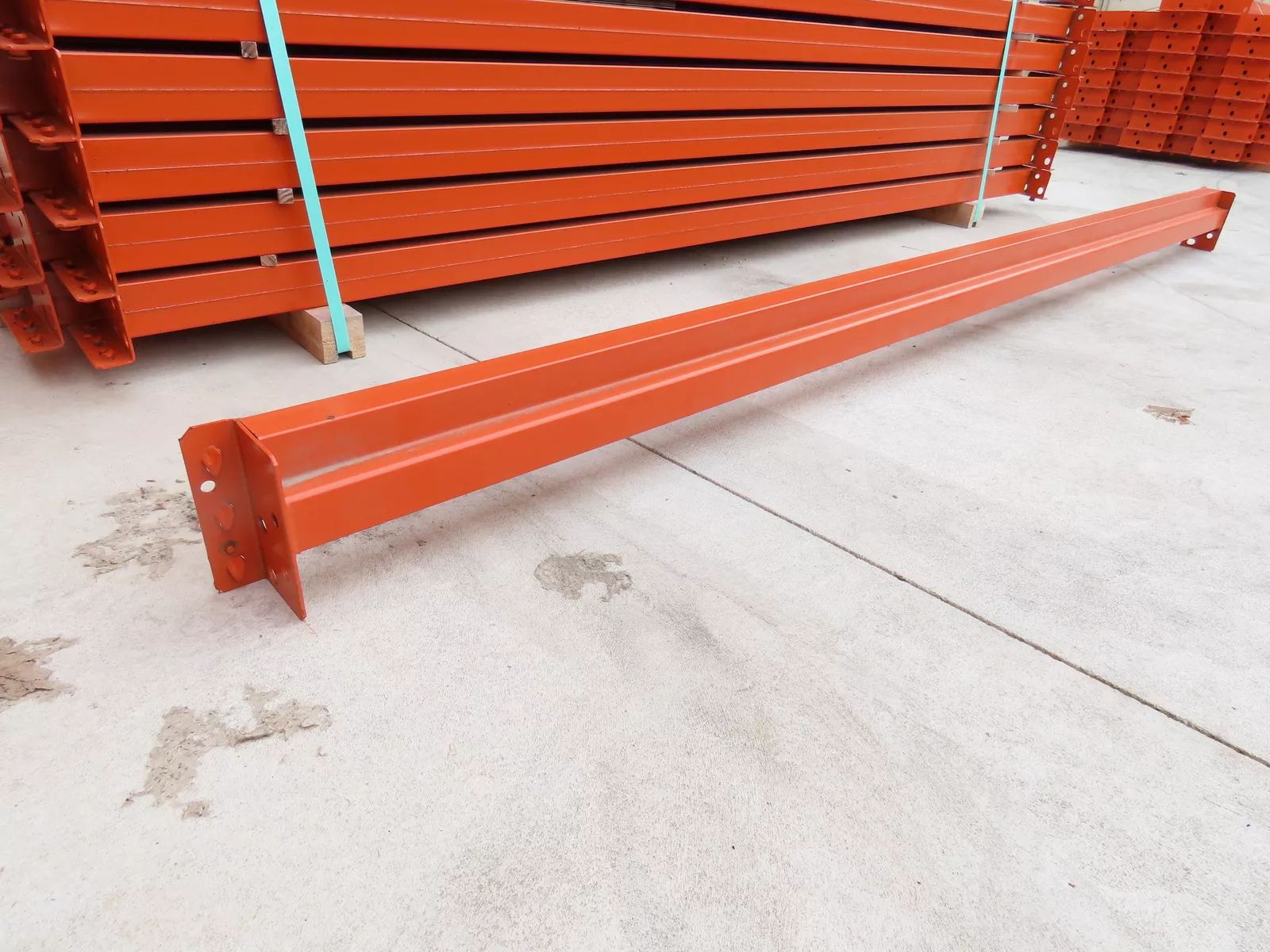
What Are The Main Considerations When Choosing Pallet Racks?
How Can Pallet Racks Be Optimized For Storage Efficiency?
When it comes to maximizing storage efficiency with pallet racks, there are a few key strategies to keep in mind. The goal is to make the most of the available space while also ensuring that items are easily accessible and organized. Here are some tips for optimizing your pallet rack system:
1. Utilize vertical space: One of the most effective ways to maximize storage efficiency is to take advantage of vertical space. By stacking pallets higher, you can make the most of the height of your warehouse or storage area. Just be sure to follow safety guidelines and ensure that the racks are securely anchored and stable.
2. Consider your inventory mix: When organizing your pallet racks, think about the size and weight of the items you will be storing. Make sure that heavier items are placed on lower shelves to prevent overloading and potential safety hazards. Additionally, group similar items together to make picking and restocking more efficient.
3. Implement a labeling system: To streamline the picking and stocking process, consider implementing a labeling system for your pallet racks. Clearly label each rack with the contents and location of items stored there. This will help employees quickly locate what they need and reduce the risk of errors.
4. Invest in quality pallet racks: Don’t skimp on the quality of your pallet racks. Investing in sturdy, durable racks will ensure that your storage system can withstand heavy loads and last for years to come. Look for racks that are made from high-quality materials and are designed to meet industry standards for safety and durability.
5. Regularly assess and reorganize: As your inventory changes and grows, it’s important to regularly assess your pallet rack system and make adjustments as needed. Periodically review the layout of your racks and make changes to optimize storage efficiency. This may involve reorganizing shelves, adding additional racks, or adjusting the placement of items.
By following these tips, you can maximize the storage efficiency of your pallet rack system and make the most of your available space. With careful planning and attention to detail, you can create a storage system that is both efficient and organized, allowing your business to operate smoothly and effectively.
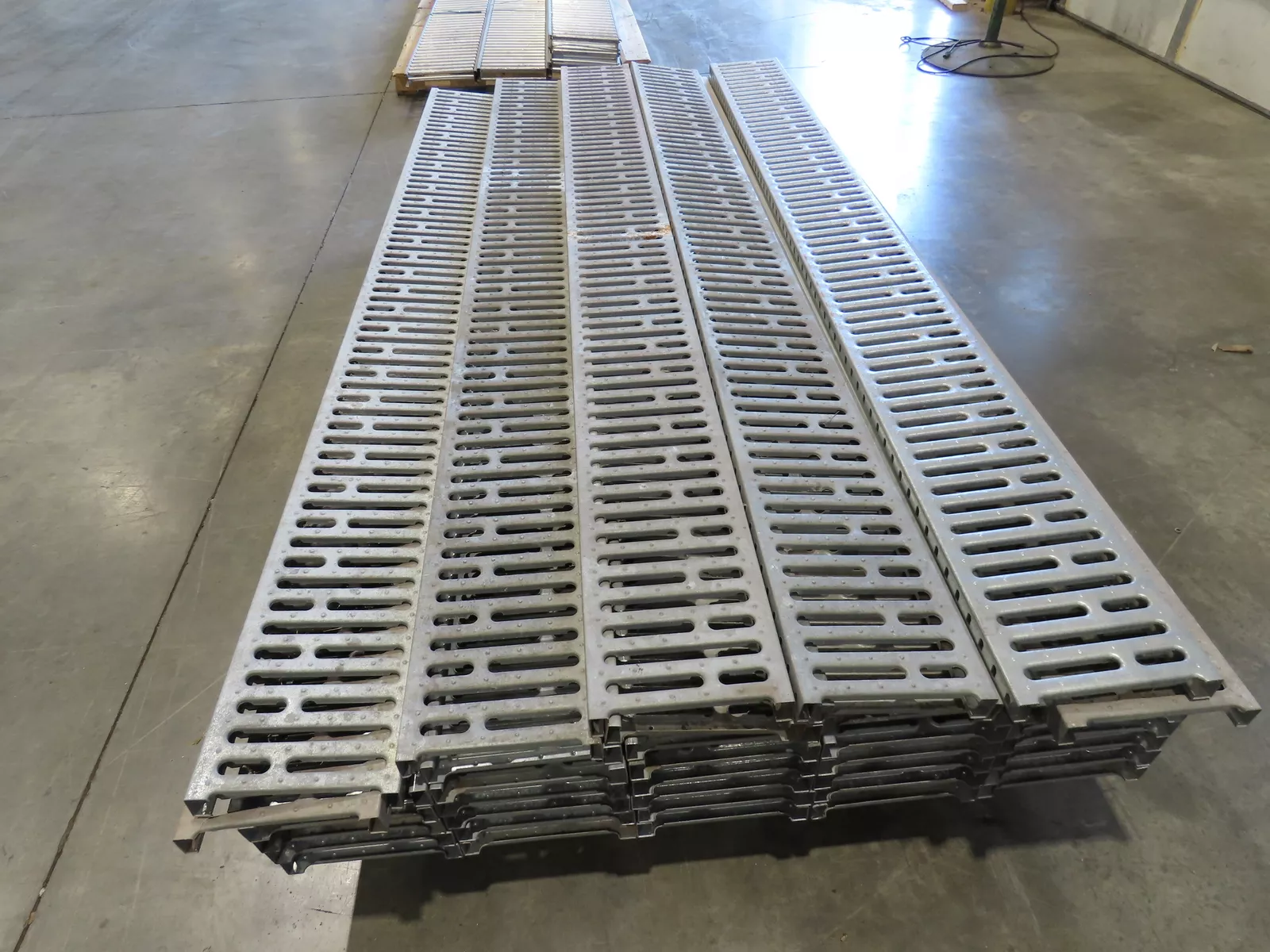
How Can Pallet Racks Be Optimized For Storage Efficiency?
How Can Pallet Racks Be Optimized For Storage Efficiency?
- Utilize vertical space: Stack pallets higher to make the most of warehouse height.
- Consider inventory mix: Place heavier items on lower shelves and group similar items together.
- Implement labeling system: Clearly label racks with contents and location for efficient picking.
- Invest in quality pallet racks: Ensure racks are sturdy, durable, and meet safety standards.
- Regularly assess and reorganize: Adjust rack layout as inventory changes to optimize efficiency.
- Maximize storage efficiency: Create an organized system to operate smoothly and effectively.
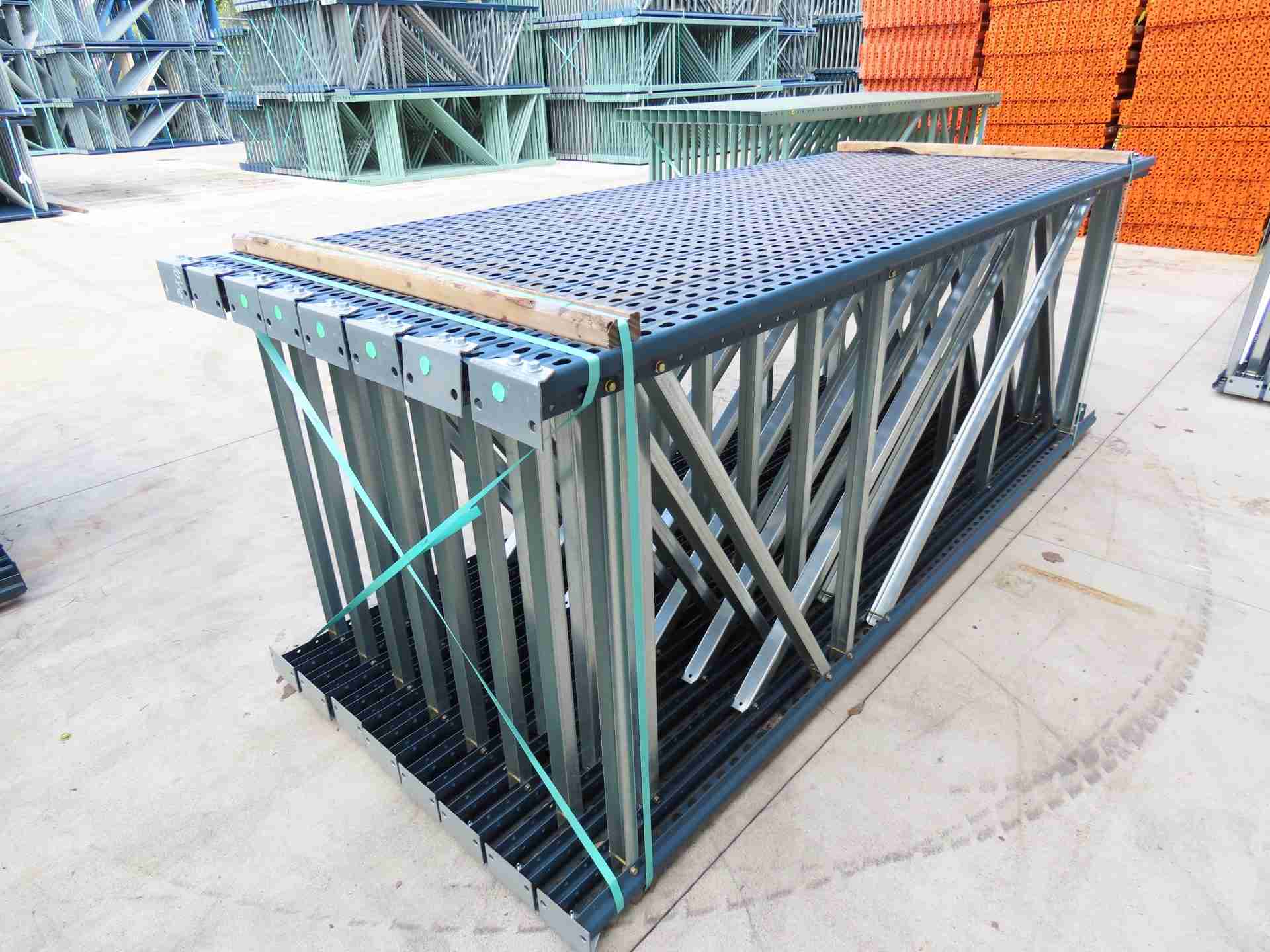
How Can Pallet Racks Be Optimized For Storage Efficiency?
How Do Push Back Pallet Racks Differ From Flow Racks?
Push back pallet racks and flow racks are two popular options for warehouse storage systems, each with its own unique features and benefits. Understanding the differences between the two can help you choose the best option for your specific needs.
One key difference between push back pallet racks and flow racks is how they handle inventory flow. Push back pallet racks operate on a Last In, First Out (LIFO) system, meaning that the most recently loaded pallet is the first to be removed. This makes push back pallet racks ideal for storing perishable goods or items with expiration dates, as it ensures that older inventory is rotated out first.
On the other hand, flow racks operate on a First In, First Out (FIFO) system, meaning that the first pallet loaded is the first to be removed. This system is great for items that need to be used in the order they were received, such as fresh produce or manufacturing materials.
Another difference between push back pallet racks and flow racks is the amount of space they require. Push back pallet racks typically require less aisle space than flow racks, as they utilize a vertical stacking system that allows for more pallets to be stored in a smaller footprint. This can help maximize storage capacity in a warehouse with limited space.
Additionally, push back pallet racks offer greater flexibility in terms of storage density. With push back pallet racks, pallets can be stored at multiple depths within each lane, allowing for more efficient use of space. Flow racks, on the other hand, are typically limited to a single depth per lane, which may not be as efficient for storing a variety of pallet sizes.
When it comes to installation and maintenance, push back pallet racks are generally easier to install and require less upkeep than flow racks. Push back pallet racks do not require specialized conveyor systems or sophisticated sensors, making them a more cost-effective option for many warehouses.
Push back pallet racks and flow racks offer unique advantages and disadvantages, depending on your specific storage needs. Consider factors such as inventory flow, space requirements, storage density, and maintenance when choosing between the two options. Ultimately, the best choice will depend on your individual warehouse requirements and budget constraints.
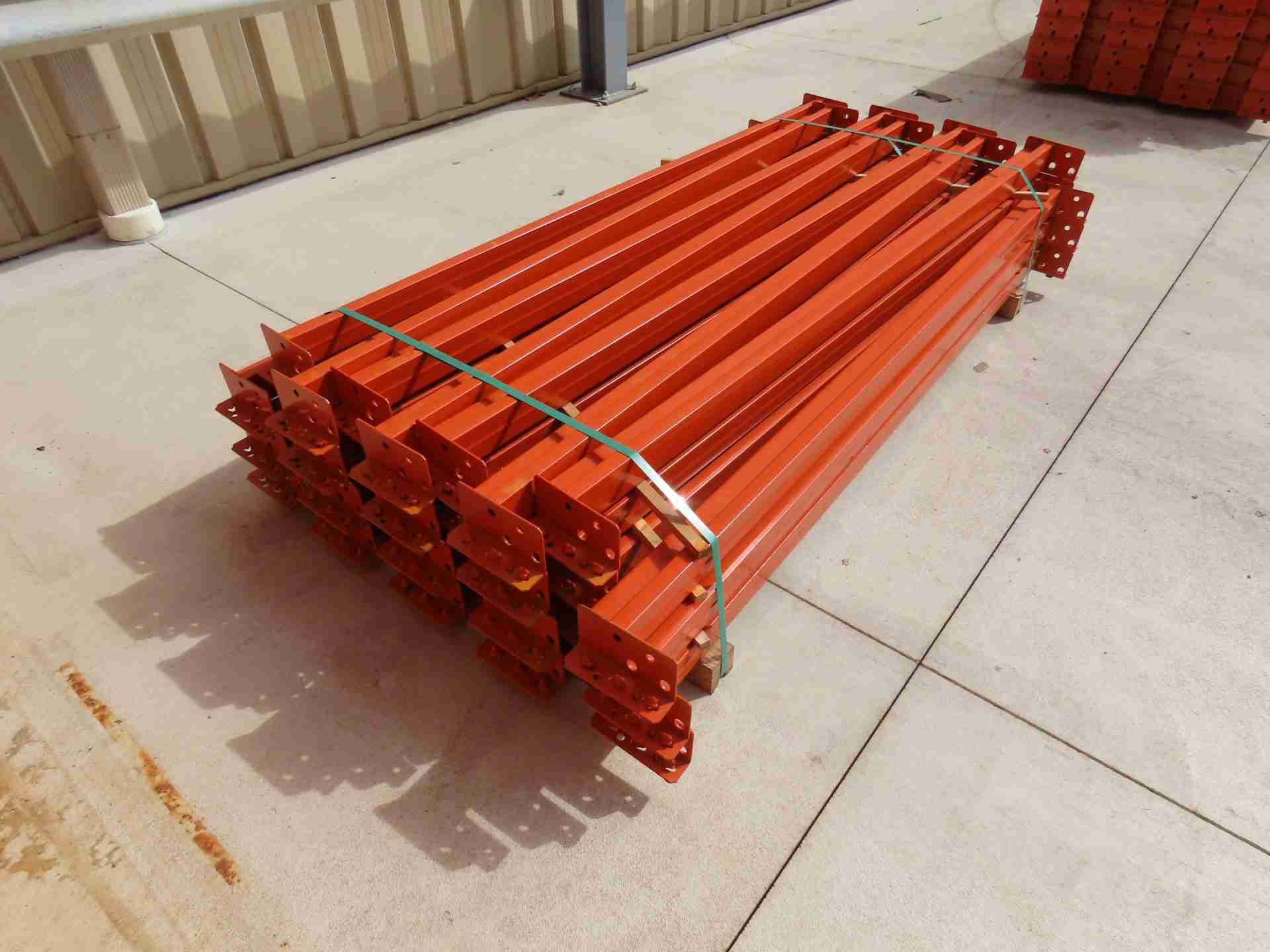
How Do Push Back Pallet Racks Differ From Flow Racks?
How Do Push Back Pallet Racks Differ From Flow Racks?
- Push back pallet racks operate on a Last In, First Out (LIFO) system.
- Flow racks operate on a First In, First Out (FIFO) system.
- Push back pallet racks require less aisle space than flow racks.
- Push back pallet racks offer greater flexibility in storage density.
- Push back pallet racks are easier to install and require less maintenance than flow racks.
- Consider factors such as inventory flow, space requirements, and maintenance when choosing between the two options.
- The best choice will depend on your individual warehouse requirements and budget constraints.
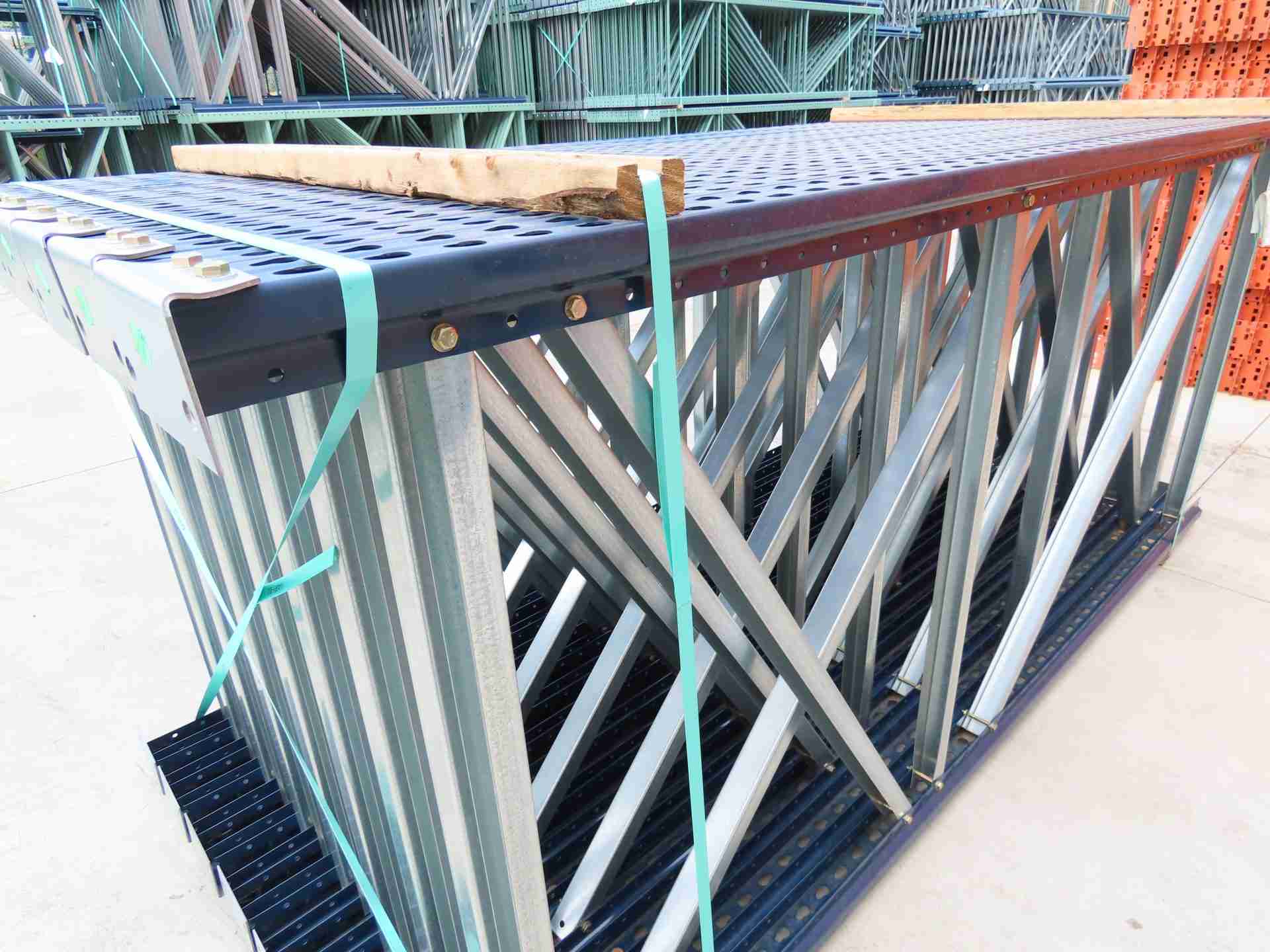
How Do Push Back Pallet Racks Differ From Flow Racks?
What Are The Benefits Of Using Cantilever Pallet Racks In A Warehouse?
When it comes to maximizing storage space and efficiency in a warehouse, cantilever pallet racks are a top choice for many businesses. These versatile storage systems offer a number of benefits that can help improve the overall organization and functionality of a warehouse.
One of the key benefits of using cantilever pallet racks is their ability to store long, bulky items such as lumber, pipes, and tubing. The design of these racks allows for easy access to items stored on them, making it simple for workers to retrieve and restock inventory. This not only saves time but also helps to prevent damage to the stored items, as they can be easily moved without the need for excessive handling.
Another advantage of cantilever pallet racks is their flexibility. These racks can be easily adjusted and customized to fit the specific needs of a warehouse. Whether you need to store items of varying sizes or simply want to make the most of the available vertical space, cantilever pallet racks can be configured to meet your requirements.
In addition, cantilever pallet racks are a cost-effective storage solution for warehouses. By utilizing the vertical space in a warehouse, businesses can maximize their storage capacity without the need for costly expansions or renovations. This can help to improve the overall efficiency of the warehouse, as more inventory can be stored in a smaller footprint.
Furthermore, cantilever pallet racks are durable and long-lasting, making them a reliable storage solution for warehouses of all sizes. Constructed from high-quality materials, these racks are designed to withstand the rigors of daily use and heavy loads. This can help to reduce maintenance costs and minimize the risk of damage to stored inventory.
Overall, the benefits of using cantilever pallet racks in a warehouse are clear. From improved organization and accessibility to cost savings and durability, these storage systems offer a number of advantages that can help businesses operate more efficiently. Whether you’re looking to streamline your warehouse operations or simply maximize your storage space, cantilever pallet racks are a practical and effective solution.
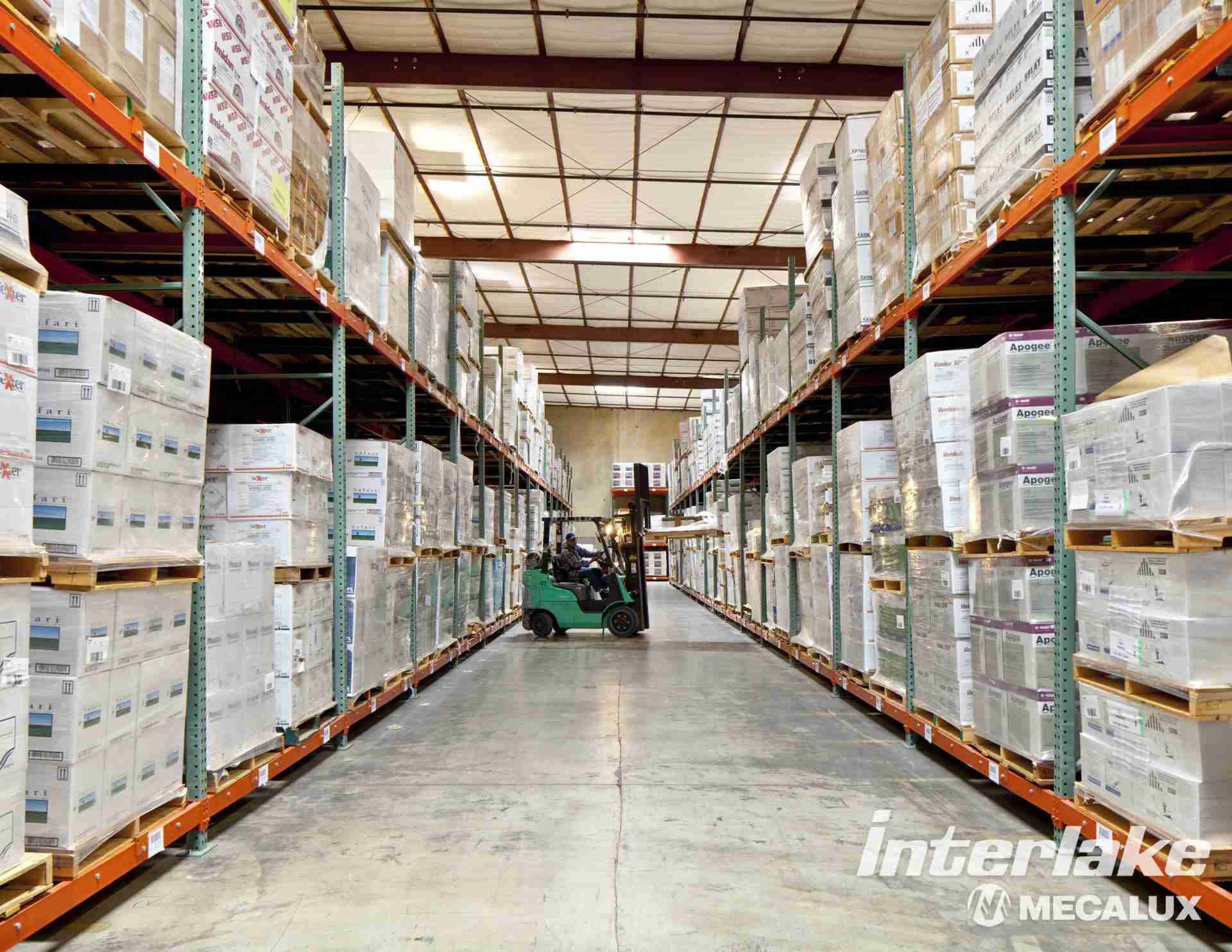
What Are The Benefits Of Using Cantilever Pallet Racks In A Warehouse?
What Are The Benefits Of Using Cantilever Pallet Racks In A Warehouse?
- Cantilever pallet racks are top choice for maximizing storage space and efficiency in warehouses.
- They can store long, bulky items such as lumber, pipes, and tubing.
- Racks allow easy access to items stored on them, saving time and preventing damage.
- They are flexible and can be easily adjusted to fit specific warehouse needs.
- Cost-effective storage solution that maximizes storage capacity without costly expansions.
- Durable and long-lasting, made from high-quality materials to withstand heavy loads.
- Overall, they offer improved organization, accessibility, cost savings, and durability for efficient warehouse operations.
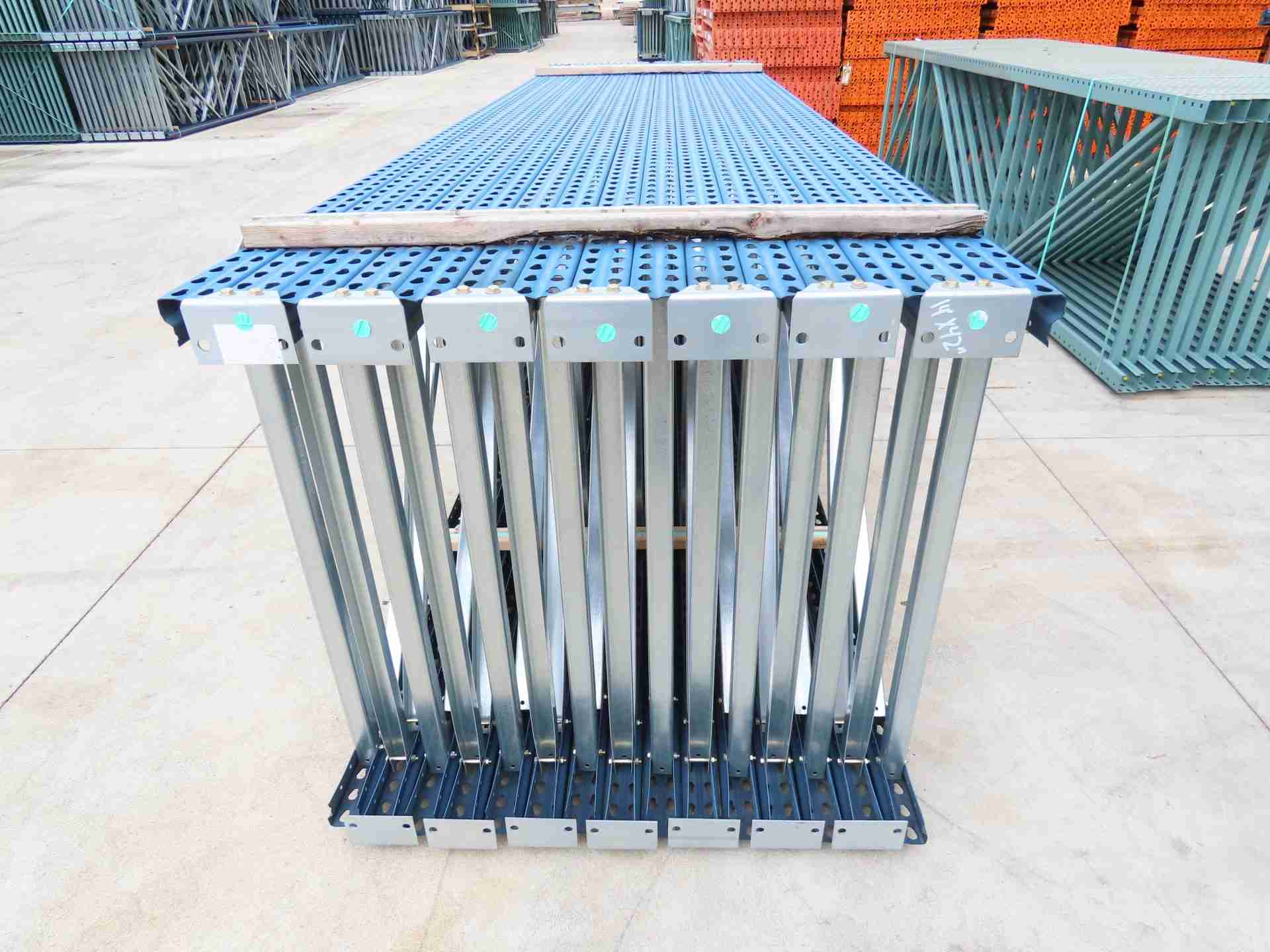
What Are The Benefits Of Using Cantilever Pallet Racks In A Warehouse?
How Can I Determine The Best Pallet Rack Configuration For My Needs?
So you’ve got a warehouse full of stuff, and you’re looking to maximize your storage space with some new pallet racks. But how can you determine the best configuration for your specific needs? Well, I’m here to tell you that it’s not as simple as just slapping up some shelves and calling it a day.
First things first, you need to consider what you’ll be storing on your pallet racks. Are you dealing with heavy, bulky items that require a sturdy rack to hold them? Or are you storing smaller, lighter items that can be stacked higher without worrying about weight limits? The type and weight of your inventory will play a big role in determining the best configuration for your racks.
Next, think about the layout of your warehouse. Do you have a lot of floor space but limited vertical space? Or maybe you’ve got high ceilings and want to take advantage of that vertical space for storage. The available space in your warehouse will dictate whether you should go with a wide aisle, narrow aisle, or high-rise configuration for your pallet racks.
Another important factor to consider is how often you’ll be accessing the items on your pallet racks. If you need to get to your inventory frequently, you’ll want to make sure that your racks are easily accessible and well-organized. On the other hand, if you’re storing items that aren’t used as often, you can get away with a more compact storage solution.
One more thing to keep in mind is safety. You want to make sure that your pallet racks are installed correctly and that they can support the weight of your inventory without risking a collapse. It’s always a good idea to consult with a professional to ensure that your racks are set up properly and meet all safety standards.
Determining the best pallet rack configuration for your needs will require some careful thought and planning. Take the time to assess your inventory, warehouse layout, access needs, and safety requirements before making a decision. And remember, it’s better to invest the time and money upfront to get it right than to deal with the consequences of a poorly configured pallet rack down the line.
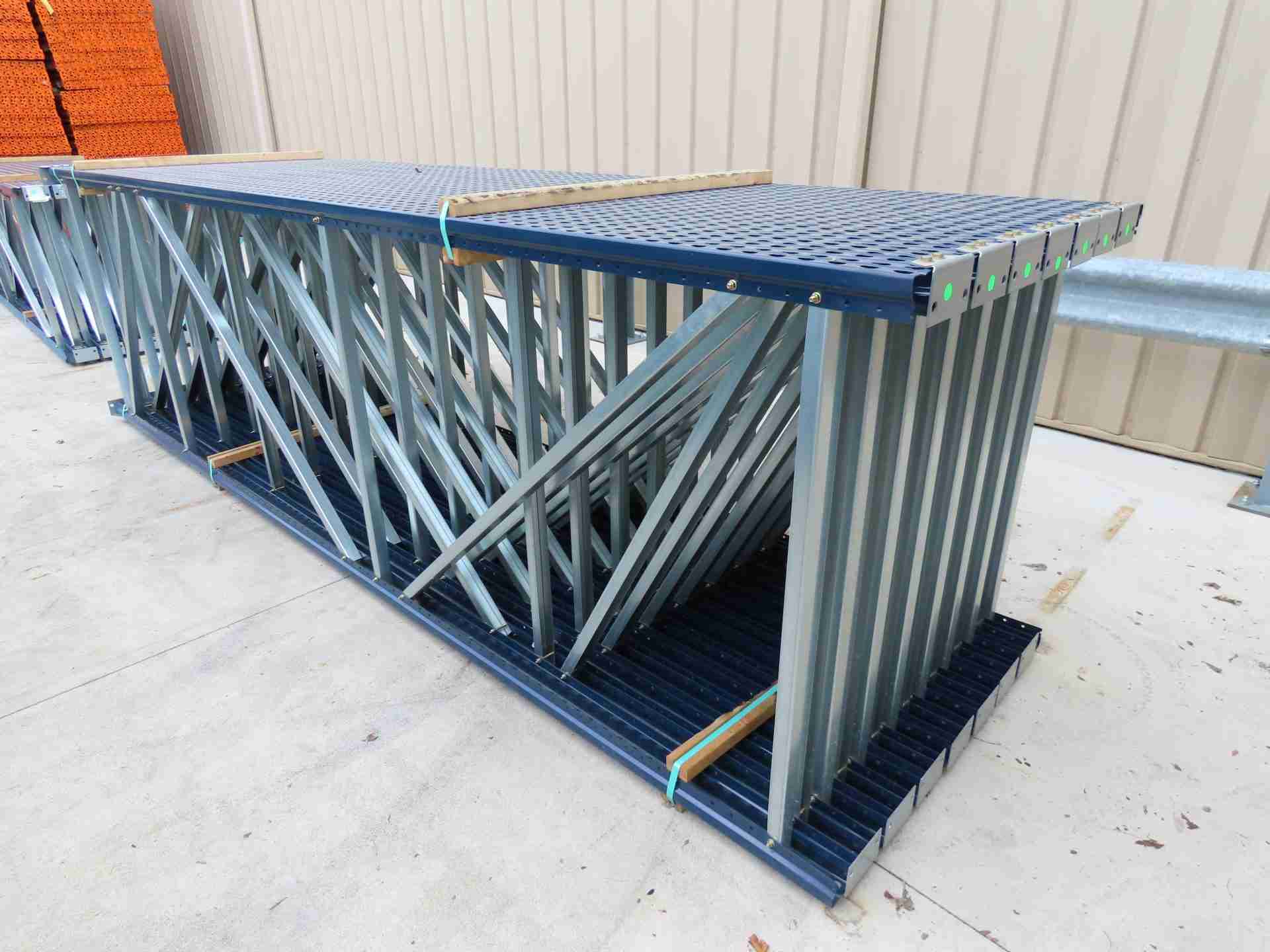
How Can I Determine The Best Pallet Rack Configuration For My Needs?
How Can I Determine The Best Pallet Rack Configuration For My Needs?
- Consider the type and weight of items you’ll be storing on your pallet racks.
- Take into account the layout of your warehouse in terms of floor space and vertical space.
- Think about how often you’ll need to access the items on your pallet racks.
- Ensure that your pallet racks are installed correctly and can support the weight of your inventory.
- Plan and assess your inventory, warehouse layout, access needs, and safety requirements before making a decision.
- Consult with a professional to ensure that your racks are set up properly and meet all safety standards.
- Invest the time and money upfront to get the best pallet rack configuration for your needs.
How Can I Determine The Best Pallet Rack Configuration For My Needs?
Conclusion
In conclusion, selecting the right pallet racks for your warehouse is a crucial decision that can have a significant impact on efficiency, productivity, and safety. With a variety of options available, including selective pallet racks, drive-in pallet racks, push back pallet racks, and cantilever pallet racks, warehouse managers have the opportunity to choose a storage solution that best meets their specific needs and space requirements.
Selective pallet racks offer easy access to each pallet, making them ideal for warehouses with high inventory turnover rates. Drive-in pallet racks maximize storage space by allowing forklifts to drive directly into the rack structure, while push back pallet racks provide a dense storage solution for warehouses with limited floor space. Cantilever pallet racks are versatile and designed for storing long or oversized items.
By understanding the unique features and benefits of each type of pallet rack, warehouse managers can make informed decisions to optimize their storage system. From increasing efficiency and productivity to enhancing safety and reducing costs, selecting the right pallet racks can lead to a more organized and streamlined warehouse operation.
When determining the best pallet rack configuration for your needs, consider factors such as the type and weight of your inventory, the layout of your warehouse, the frequency of access to items, and safety requirements. It’s important to invest the time and effort upfront to ensure that your pallet racks are properly installed and meet all safety standards.
Ultimately, by carefully evaluating your specific storage needs and considering all key factors, you can choose the pallet rack solution that will help your warehouse operate smoothly and effectively for years to come. So, take the time to explore your options, make informed decisions, and optimize your pallet rack system for maximum storage efficiency.
Conclusion
Conclusion:
- Selective pallet racks offer easy access to each pallet, ideal for high inventory turnover warehouses.
- Drive-in pallet racks maximize storage space by allowing forklifts to drive directly into the rack structure.
- Push back pallet racks provide dense storage solution for warehouses with limited floor space.
- Cantilever pallet racks are versatile and designed for storing long or oversized items.
- Understanding unique features of each rack type helps optimize storage system.
- Consider factors like inventory type, warehouse layout, access frequency, and safety requirements when choosing pallet racks.
- Investing time upfront in proper installation ensures safety and efficiency in warehouse operation.
Conclusion
Other Resources
Other Resources
Here is a list of other resources you can review online to learn more:
- “Types of Pallet Racking | Beginner’s Guide for 2022”
- “Different Types of Pallet Racks for Warehouse Storage”
- “Determine the Right Types of Pallet Racks for Your …”
- “Drive in racking storage pallet racks”
- “8 Types of Industrial Rack Systems Tailored for Warehouse …”
- “The Seven Most Common Types of Pallet Rack Systems”
- “Common Types of Pallet Racking Systems and Their …”
- “BR Interlock Pallet Racking 2009 en PDF”
- “What Are the Different Types of Pallet Racks …”
- “Pallet Racking Inspection Training and Work At Height”
Other Resources
Glossary Terms
What Are The Main Types Of Pallet Racks Available? – Glossary Of Terms
1. Selective Pallet Rack: A type of racking system providing access to all pallets directly. Ideal for warehouses that require high selectivity.
2. Drive-In Rack: Designed for high-density storage. Allows forklifts to drive directly into the rack’s bays to deposit or retrieve pallets.
3. Drive-Thru Rack: Similar to drive-in racks but allows access from both ends. Facilitates first-in, first-out (FIFO) inventory management.
4. Push-Back Rack: A gravity-flow system where pallets are loaded from the front and pushed back on inclined rails. Ideal for high-density storage.
5. Pallet Flow Rack: Uses gravity rollers or wheels to move pallets from the back to the front of the rack. Ensures a FIFO inventory system.
6. Cantilever Rack: Features horizontal arms that extend out from a single column, ideal for storing long, bulky items like timber or pipes.
7. Pallet Shuttle Rack: An automated system using a motorized shuttle to move pallets within the rack. Enhances storage density and efficiency.
8. Double Deep Rack: A type of selective pallet rack with two pallets stored deep instead of one. Requires a deep-reach forklift for access.
9. Carton Flow Rack: Uses inclined shelves with rollers for storing and picking individual cartons. Suitable for scenarios with multiple SKU storage.
10. Matrix Rack: Comprises adjustable square or rectangular grids for versatile storage options. Efficient for mixed storage requirements.
11. Stacking Frames: Portable stacking units that can be placed and removed as needed. Useful for temporary or seasonal storage.
12. Mobile Rack: Racking systems mounted on mobile carriages, which can be moved to create access aisles. Maximizes space utilization.
13. Mezzanine Rack: Incorporates elevated platforms within the warehouse, enabling additional storage space above and below the mezzanine.
14. Automated Storage and Retrieval System (AS/RS): Technology-driven storage solutions utilizing robotic systems for precise pallet placement and retrieval.
15. Boltless Rack: Easy-to-assemble racking system without bolts or nuts. Ideal for light to medium-duty storage applications.
16. Selective Rack Uprights: Vertical columns in a selective racking system. Essential for determining the height and load capacity of the rack.
17. Cross Beams: Horizontal structural components that support pallets across the bays in racking systems.
18. Wire Decking: Metal mesh placed over racking beams to support loads, enhancing safety and improving visibility.
19. Row Spacers: Devices used to maintain uniform spacing between rows of racking for stability and alignment.
20. Rack End Protectors: Safety components installed at the end of rack rows to protect rack legs from impact damage.
21. Plated Beams: Beams featuring additional plating for increased strength and capacity.
22. Teardrop Racking: A selective racking design characterized by a teardrop-shaped hole pattern, simplifying assembly and configuration.
23. Dynamic Racking: Racking systems incorporating movement mechanisms, such as push-back and pallet flow racks, to enhance efficiency.
24. Gravity Flow Rack: Another term for pallet flow rack, leveraging gravity to ensure continuous pallet movement.
25. Roll Formed Rack: A type of racking made from roll-formed steel, known for its versatility and cost-effectiveness.
26. Structural Rack: Racking made from hot-rolled steel, providing higher strength and durability for heavier loads.
27. Bolt Together Rack: Racking assembled using bolts, offering high strength and stability but requiring more effort to install.
28. Safety Clips: Safety devices securing beams to uprights, preventing accidental dislodgement of beams under load.
29. Slotted Angle Rack: Racks assembled using slotted angles and bolts, customizable and ideal for light to medium-duty storage.
30. Beam Clips: Clips used to secure beams in place on the uprights, ensuring stability and safety within the racking system.
These glossary terms cover a comprehensive range of components and types of pallet racks typically found in warehousing and storage facilities.
Glossary Of Terms
Other Questions
What Are The Main Types Of Pallet Racks Available? – Other Questions
If you wish to explore and discover more, consider looking for answers to these questions:
- What are the main considerations when selecting a pallet rack for my specific storage needs?
- How do I determine the weight and size capacities needed for my pallet racks?
- What are the differences between selective, drive-in, push back, cantilever, and double deep pallet racks?
- What are the key advantages of using selective pallet racks in a warehouse?
- How do drive-in pallet racks compare to push back racks in terms of efficiency and usability?
- Why might a warehouse choose cantilever pallet racks over other types?
- What safety features should I look for when choosing pallet racks for my warehouse?
- How can I optimize my pallet racks for maximum storage efficiency and easy access?
- What are the maintenance requirements for different types of pallet racks?
- What are the benefits of using cantilever pallet racks for storing long and bulky items?
- How do push back pallet racks differ from flow racks in terms of inventory management and space requirements?
- What are some common mistakes to avoid when installing pallet racks?
- What are the cost implications of different types of pallet racks, including installation and maintenance?
- How can I customize pallet racks to fit the unique needs of my warehouse?
Other Questions
Checklist
What Are The Main Types Of Pallet Racks Available? – A Checklist
1. Understanding Pallet Rack Types
Selective Pallet Racks:
_____ Easy access to each pallet.
_____ Suitable for high inventory turnover rates.
Drive-In Pallet Racks:
_____ Forklifts drive directly into the rack structure.
_____ Maximizes storage of large quantities of the same product.
Push Back Pallet Racks:
_____ Pallets stored on nested carts on inclined rails.
_____ Ideal for warehouses with limited floor space.
Cantilever Pallet Racks:
_____ Arms extending from upright beams.
_____ Best for long/oversized items like lumber or piping.
Double Deep Pallet Racks:
_____ Pallets stored two deep.
_____ Maximizes storage while maintaining access efficiency.
2. Advantages of Selective Pallet Racks
_____ Increased efficiency and productivity.
_____ Flexibility to adjust and reconfigure shelves.
_____ Ensures safety for workers and inventory.
_____ Cost-effective storage solution.
3. Differences Between Drive-In and Push Back Racks
Inventory Management:
_____ Drive-In: LIFO system, ideal for uniform products.
_____ Push Back: FILO system, great for various SKUs.
Structural Design:
_____ Drive-In: Heavy-duty columns, handles heavier loads.
_____ Push Back: Includes nested carts and inclined rails, versatile and adjustable.
4. Why Use Cantilever Pallet Racks?
_____ Versatile for storing long/bulky items.
_____ Durable materials, ensuring safety and protection.
_____ Space-saving designs that maximize floor space.
_____ Customizable to fit specific needs and item sizes.
5. Key Considerations When Choosing Pallet Racks
_____ Load capacity and weight of stored items.
_____ Warehouse layout and available space.
_____ Compatibility with pallet types.
_____ Durability and material strength.
_____ Safety features like safety clips and aisle guards.
6. Optimizing Pallet Racks for Storage Efficiency
_____ Utilize vertical space.
_____ Organize inventory by size and weight.
_____ Implement a labeling system.
_____ Invest in durable and quality racks.
_____ Regularly assess and reorganize the system.
7. Push Back vs. Flow Racks
Inventory Flow:
_____ Push Back: LIFO system, good for perishables.
_____ Flow Racks: FIFO system, ideal for fresh produce.
Space Requirements:
_____ Push Back: Requires less aisle space, more storage density.
_____ Flow Racks: Typically single-depth, may need more space.
Installation and Maintenance:
_____ Push Back: Easier to install, less maintenance.
_____ Flow Racks: May require more installation effort and upkeep.
8. Benefits of Cantilever Pallet Racks
_____ Convenient for long/bulky item storage.
_____ Enhances flexibility and adjustability.
_____ Cost-effective space utilization.
_____ Durable and long-lasting, reducing maintenance costs.
9. Determining the Best Pallet Rack Configuration
_____ Assess inventory type and weight.
_____ Consider warehouse layout and storage space.
_____ Evaluate access needs and frequency.
_____ Prioritize safety during installation.
_____ Consult with professionals for optimal setup.
By following this checklist, warehouse managers can make informed decisions on selecting and optimizing pallet racks to meet their specific storage needs, ensuring efficient and safe operations.
Checklist
At RackingWorld, we help guide you through selecting warehouse storage systems and racking.
Be sure to read our other related stories at RackingWorld to learn more about warehouse storage systems.
0 Comments