
Unlocking The Power Of Different Warehouse Forklifts
By Tom Seest
At RackingWorld, we help guide you through selecting warehouse storage systems and racking.
Be sure to read our other related stories at RackingWorld to learn more about warehouse storage systems.
What Are The Common Warehouse Forklift Types?
When it comes to selecting the right forklift for your warehouse operation, it’s essential to understand the different types available on the market. By choosing the right forklift type for your specific needs, you can greatly improve efficiency, safety, and overall productivity in your warehouse.
One common type of warehouse forklift is the sit-down counterbalance forklift. These forklifts are versatile and can be used both indoors and outdoors. They are ideal for lifting and transporting heavy loads, as they have a counterweight at the rear of the machine to balance the load being carried. Sit-down counterbalance forklifts come in various sizes and configurations, making them suitable for a wide range of warehouse applications.
Another popular type of forklift is the reach truck. Reach trucks are designed for narrow aisles and high stacking in warehouse environments. They are equipped with extending forks that allow them to reach higher to retrieve and place loads on high shelves. Reach trucks are ideal for warehouses with high storage capacity and limited aisle space.
For warehouses with limited space or narrow aisles, the order picker forklift is a great option. Order pickers are designed to lift the operator up to the level of the items being picked, allowing for easy access to products stored on high shelves. This type of forklift is commonly used in distribution centers and fulfillment warehouses where a high volume of orders need to be processed quickly and efficiently.
In recent years, there has been a growing trend towards the use of electric forklifts in warehouses. Electric forklifts are not only more environmentally friendly but also offer lower operating costs and reduced maintenance compared to traditional gas or diesel-powered forklifts. With advancements in battery technology, electric forklifts now offer longer run times and faster charging capabilities, making them a popular choice for many warehouse operators.
Understanding the different types of forklifts available for warehouse operations is crucial for selecting the right equipment to meet your specific needs. From sit-down counterbalance forklifts to reach trucks and order pickers, there is a wide range of options to choose from to improve efficiency and productivity in your warehouse. Consider the layout of your warehouse, the type of loads you will be handling, and your overall business goals when selecting the right forklift for your operation.

What Are The Common Warehouse Forklift Types?
What Are The Common Warehouse Forklift Types?
- Sit-down counterbalance forklifts are versatile, ideal for lifting heavy loads, and suitable for various warehouse applications.
- Reach trucks are designed for narrow aisles and high stacking, making them perfect for warehouses with high storage capacity.
- Order picker forklifts are great for warehouses with limited space, allowing easy access to products stored on high shelves.
- Electric forklifts are a growing trend in warehouses, offering lower operating costs and reduced maintenance.
- Advancements in battery technology have improved the run times and charging capabilities of electric forklifts.
- Selecting the right forklift based on your warehouse layout, load handling needs, and business goals is crucial for improving efficiency and productivity.

What Are The Common Warehouse Forklift Types?
Table Of Contents
- What Are The Common Warehouse Forklift Types?
- What Are The Advantages Of Using An Electric Forklift?
- How Do You Choose The Right Forklift For Your Warehouse?
- What Safety Features Should You Look For In A Forklift?
- Are There Different Forklifts For Indoor And Outdoor Use?
- How Do You Properly Maintain A Forklift To Extend Its Lifespan?
- What Are The Most Common Applications For Each Type Of Forklift?
- How Can You Maximize Efficiency With Your Forklift Operations?
- How Do You Prevent Accidents And Injuries While Using A Forklift?
- What Is The Most Common Type Of Forklift In a Warehouse?
- Are There Many Warehouse Forklifts Types?
- Hot to Determine The Type Of a Forklift Used In a Warehouse?
- Conclusion
- Other Resources
- Glossary Of Terms
- Other Questions
- Checklist
What Are The Advantages Of Using An Electric Forklift?
Electric forklifts offer a multitude of advantages over traditional gas-powered models. One of the main benefits is their environmental friendliness. With increased awareness of climate change and the push for greener practices in the industrial sector, electric forklifts are becoming increasingly popular. They produce zero emissions, reducing carbon footprint and helping companies meet sustainability goals.
Another advantage of electric forklifts is their lower operating costs. While the initial investment may be slightly higher than gas-powered forklifts, the long-term savings can be substantial. Electric forklifts have lower maintenance costs, as they have fewer moving parts and do not require oil changes or fuel filters. Additionally, electricity is generally cheaper than gasoline or diesel, resulting in lower fuel costs and overall operational expenses.
Furthermore, electric forklifts are quieter than their gas-powered counterparts. This is particularly advantageous in indoor settings, such as warehouses or distribution centers, where noise levels can impact productivity and employee satisfaction. The reduced noise levels also contribute to a safer work environment, as forklift operators can more easily communicate with their coworkers and hear potential hazards.
In addition to being environmentally friendly, cost-effective, and quiet, electric forklifts also offer superior performance. They have instant torque, allowing for faster acceleration and smoother operation. Electric forklifts also have better maneuverability, making them ideal for navigating tight spaces or crowded aisles. Overall, electric forklifts provide a more efficient and productive work environment.
Moreover, the advancements in battery technology have made electric forklifts more reliable and versatile than ever before. Lithium-ion batteries, for example, have longer lifespans and faster charging times, ensuring minimal downtime and increased productivity. This makes electric forklifts a smart investment for companies looking to streamline their operations and maximize efficiency.
The advantages of using an electric forklift are undeniable. From cost savings to environmental benefits to improved performance, electric forklifts offer a compelling solution for businesses looking to modernize their operations and stay ahead of the curve. With the continued focus on sustainability and efficiency in the industrial sector, electric forklifts are poised to become the standard choice for material handling equipment.

What Are The Advantages Of Using An Electric Forklift?
What Are The Advantages Of Using An Electric Forklift?
- Electric forklifts are environmentally friendly, producing zero emissions and helping companies meet sustainability goals.
- They have lower operating costs compared to gas-powered forklifts, with lower maintenance costs and cheaper fuel expenses.
- Electric forklifts are quieter, making them ideal for indoor settings and contributing to a safer work environment.
- They offer superior performance with instant torque, better maneuverability, and a more efficient work environment.
- Advancements in battery technology have made electric forklifts more reliable and versatile, with longer lifespans and faster charging times.
- Electric forklifts provide cost savings, environmental benefits, and improved performance, making them a compelling solution for modernizing operations.
- With a continued focus on sustainability and efficiency in the industrial sector, electric forklifts are poised to become the standard choice for material handling equipment.

What Are The Advantages Of Using An Electric Forklift?
How Do You Choose The Right Forklift For Your Warehouse?
When it comes to selecting the right forklift for your warehouse, the choices can be overwhelming. There are many different types of forklifts on the market, each with their own unique features and capabilities. So, how do you choose the right one for your specific needs?
To begin with, you must first consider the layout of your warehouse. If you have tight spaces or narrow aisles, a compact forklift with the ability to maneuver in small spaces may be the best option. On the other hand, if you have a large warehouse with high shelves, a forklift with a higher lifting capacity and reach may be more suitable.
Another important factor to consider when choosing a forklift is the type of materials you will be moving. If you are dealing with heavy loads, you will need a forklift with a higher weight capacity. If you are moving fragile items, a forklift with specialized attachments to handle fragile loads may be necessary.
Furthermore, you should also consider the power source of the forklift. Electric forklifts are eco-friendly and produce zero emissions, making them ideal for indoor use. On the other hand, diesel or propane-powered forklifts may be better suited for outdoor use or heavy-duty applications.
It is also important to consider the maintenance and servicing requirements of the forklift you choose. Some models may require more frequent maintenance or have higher repair costs, so it is important to factor this into your decision-making process.
Additionally, it is crucial to consider the safety features of the forklift. Look for models with advanced safety features such as anti-slip tires, overhead guards, and automatic braking systems to ensure the safety of your employees and prevent accidents in the warehouse.
Choosing the right forklift for your warehouse requires careful consideration of your specific needs and requirements. Taking into account factors such as the layout of your warehouse, the type of materials you will be moving, the power source, maintenance requirements, and safety features will help you make an informed decision that will benefit your operations and increase efficiency.
Don’t let the task of choosing a forklift overwhelm you – with careful consideration and research, you can select the perfect forklift for your warehouse that will help you streamline your operations and boost productivity.
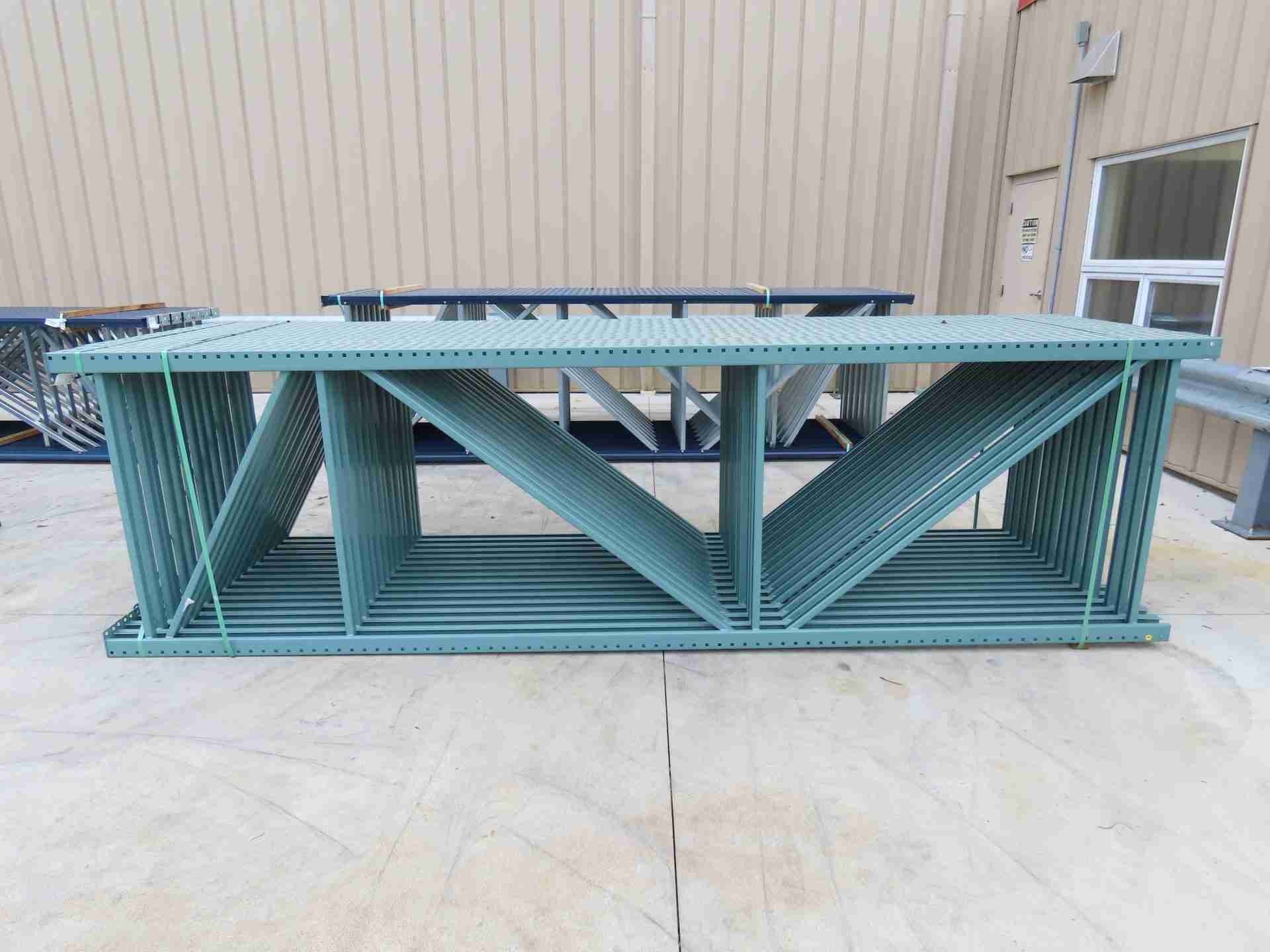
How Do You Choose The Right Forklift For Your Warehouse?
How Do You Choose The Right Forklift For Your Warehouse?
- Consider the layout of your warehouse
- tight spaces may require a compact forklift.
- Taking into account the type of materials you will be moving, heavy loads may require higher weight capacity.
- Think about the power source of the forklift: electric for indoor use, diesel or propane for outdoor or heavy-duty use.
- Consider maintenance and servicing requirements: some models may require more frequent maintenance or have higher repair costs.
- Look for safety features such as anti-slip tires, overhead guards, and automatic braking systems.
- Choose the right forklift based on your specific needs and requirements for increased efficiency.
- With careful consideration and research, select the perfect forklift to streamline operations and boost productivity.

How Do You Choose The Right Forklift For Your Warehouse?
What Safety Features Should You Look For In A Forklift?
When it comes to operating a forklift, safety should always be the number one priority. With the potential for accidents and injuries in a warehouse or industrial setting, it is crucial to ensure that the forklift you are using is equipped with the necessary safety features to protect both the operator and those around them.
One important safety feature to look for in a forklift is an overhead guard. This protective structure is designed to shield the operator from falling objects or debris, reducing the risk of injury in the event of an accident. Overhead guards are essential in busy warehouse environments where items are constantly being moved and stacked.
Another key safety feature to consider is a seat belt. While this may seem like a simple feature, it can make a big difference in preventing injuries in the event of a tip-over or collision. Seat belts keep the operator securely in place, reducing the risk of being thrown from the forklift during an accident.
In addition to overhead guards and seat belts, it is important to look for forklifts that are equipped with features such as speed limiters, warning lights, and back-up alarms. Speed limiters can help prevent accidents caused by excessive speed, while warning lights and back-up alarms alert those around the forklift to its presence, reducing the risk of collisions.
Recent events have highlighted the importance of safety features in forklifts. With the rise of e-commerce and increased demand for warehouse and distribution center workers, ensuring that forklift operators are protected is more important than ever. The Occupational Safety and Health Administration (OSHA) has strict guidelines in place for forklift safety, and failing to adhere to these guidelines can result in costly fines and penalties for employers.
By investing in forklifts that are equipped with the necessary safety features, businesses can ensure the well-being of their employees and reduce the risk of accidents in the workplace. It is important to regularly inspect and maintain forklifts to ensure that all safety features are in working order and to address any issues promptly.
When shopping for a forklift, it is essential to prioritize safety features to protect both operators and those working in close proximity to the equipment. With the right safety features in place, businesses can create a safer work environment and reduce the risk of accidents and injuries.

What Safety Features Should You Look For In A Forklift?
What Safety Features Should You Look For In A Forklift?
- Safety should always be the number one priority when operating a forklift.
- Look for forklifts equipped with overhead guards to protect from falling objects.
- Seat belts can prevent injuries in the event of a tip-over or collision.
- Features like speed limiters, warning lights, and backup alarms are important for safety.
- OSHA has strict guidelines for forklift safety to avoid fines and penalties.
- Regularly inspect and maintain forklifts to ensure safety features are working.
- Prioritize safety features when shopping for a forklift to create a safer work environment.

What Safety Features Should You Look For In A Forklift?
Are There Different Forklifts For Indoor And Outdoor Use?
When it comes to choosing the right forklift for your business, it’s important to consider whether you will be using it primarily indoors or outdoors. While some forklifts are designed to be versatile and can be used in both environments, there are specific models that are better suited for either indoor or outdoor use.
For indoor use, electric forklifts are a popular choice due to their clean operation and low noise levels. These forklifts are ideal for warehouses, distribution centers, and manufacturing facilities where emissions and noise can be a concern. Electric forklifts are also known for their ability to maneuver in tight spaces, making them suitable for navigating narrow aisles and operating in confined areas.
On the other hand, for outdoor use, diesel or gas-powered forklifts are often preferred due to their ability to handle rough terrain and heavier loads. These forklifts are commonly used in construction sites, lumber yards, and shipping yards where the terrain may be uneven and the weather conditions can be unpredictable. Additionally, diesel forklifts have a longer run time and faster refueling times, making them a practical choice for outdoor applications.
In recent years, there has been a growing trend towards using electric forklifts in outdoor settings as well. With advancements in battery technology, electric forklifts now offer longer run times and faster charging capabilities, making them a viable option for outdoor use. This shift towards electric forklifts is not only driven by environmental concerns but also by the cost savings associated with lower maintenance and fuel costs.
It is important to consider the specific needs of your business when choosing a forklift for indoor or outdoor use. Factors such as load capacity, maneuverability, and operating conditions should all be taken into account to ensure that you select the right forklift for your operation.
There are different forklifts available for indoor and outdoor use, each with their own unique advantages and capabilities. By understanding the specific requirements of your business and choosing the right forklift for the job, you can improve efficiency, productivity, and safety in your operation. Don’t hesitate to consult with a forklift expert to help you make an informed decision that meets your needs and budget requirements.

Are There Different Forklifts For Indoor And Outdoor Use?
Are There Different Forklifts For Indoor And Outdoor Use?
- Consider whether the forklift will be used primarily indoors or outdoors.
- Electric forklifts are ideal for indoor use due to their clean operation and low noise levels.
- Diesel or gas-powered forklifts are preferred for outdoor use to handle rough terrain and heavier loads.
- Advancements in battery technology have made electric forklifts a viable option for outdoor use.
- Factors such as load capacity, maneuverability, and operating conditions should be considered when choosing a forklift.
- Choosing the right forklift can improve efficiency, productivity, and safety in your operation.
- Consulting with a forklift expert can help you make an informed decision based on your needs and budget.

Are There Different Forklifts For Indoor And Outdoor Use?
How Do You Properly Maintain A Forklift To Extend Its Lifespan?
In order to ensure that your forklift operates at its optimal level and has an extended lifespan, proper maintenance is essential. Neglecting regular maintenance can not only lead to costly repairs but can also pose safety risks for operators and those working around the forklift. By following a few simple steps, you can effectively maintain your forklift and increase its longevity.
First and foremost, it is crucial to regularly check the fluid levels in your forklift, including oil, coolant, and hydraulic fluid. Without adequate levels of these fluids, your forklift’s engine may overheat or experience other mechanical issues. By checking fluid levels on a regular basis and topping them off as needed, you can avoid unnecessary damage to your forklift’s engine.
Additionally, it is important to inspect and replace worn or damaged parts on your forklift. Keeping an eye on things like tires, brakes, and chains can help prevent breakdowns and ensure that your forklift operates smoothly. By addressing these issues promptly, you can avoid more extensive damage and costly repairs down the line.
Regularly cleaning your forklift can also go a long way in extending its lifespan. Dust, dirt, and debris can build up on your forklift over time, causing components to wear down more quickly. By regularly cleaning your forklift and keeping it free of debris, you can help prevent premature wear and tear.
Lastly, scheduling routine maintenance checks with a qualified technician can help identify and address any potential issues before they become major problems. A trained technician can inspect your forklift for signs of wear and tear, perform routine maintenance tasks, and make any necessary repairs to keep your forklift running smoothly.
Proper maintenance is key to extending the lifespan of your forklift and ensuring its optimal performance. By regularly checking fluid levels, inspecting and replacing worn parts, keeping your forklift clean, and scheduling routine maintenance checks, you can help prevent breakdowns, costly repairs, and safety risks. By taking these simple steps, you can protect your investment and enjoy the benefits of a well-maintained forklift for years to come.

How Do You Properly Maintain A Forklift To Extend Its Lifespan?
How Do You Properly Maintain A Forklift To Extend Its Lifespan?
- Regularly check fluid levels in oil, coolant, and hydraulic fluid.
- Inspect and replace worn or damaged parts such as tires, brakes, and chains.
- Keep the forklift clean to prevent premature wear and tear.
- Schedule routine maintenance checks with qualified technicians.
- Proper maintenance is key to extending lifespan and optimal performance.
- Prevent breakdowns, costly repairs, and safety risks by following maintenance steps.
- Protect investment and enjoy the benefits of a well-maintained forklift for years to come.

How Do You Properly Maintain A Forklift To Extend Its Lifespan?
What Are The Most Common Applications For Each Type Of Forklift?
When it comes to choosing the right forklift for your business, it’s important to consider the specific applications for each type of forklift. Each type of forklift is designed with specific characteristics and capabilities that make it suitable for certain tasks. By understanding the most common applications for each type of forklift, you can make an informed decision and ensure optimal efficiency in your operations.
Counterbalance forklifts are perhaps the most common type of forklift and are widely used in a variety of industries. These forklifts feature a weight at the back of the truck that counterbalances the weight of the load being carried at the front. This design allows for easy maneuverability and stability, making counterbalance forklifts ideal for indoor and outdoor applications. From stacking and unstacking pallets in warehouses to loading and unloading trucks in shipping yards, counterbalance forklifts are versatile and reliable machines.
Reach trucks are another popular type of forklift commonly used in warehouse settings. These forklifts are designed with a telescoping mast that allows operators to reach higher shelves and racks with ease. Reach trucks are perfect for narrow aisle applications and can help maximize storage space in warehouses. With their ability to extend vertically, reach trucks are essential for businesses looking to increase efficiency and productivity in their operations.
For rough terrain applications, rough terrain forklifts are the go-to choice. These forklifts are equipped with larger, more rugged tires that provide superior traction on uneven surfaces such as construction sites and outdoor storage yards. Rough terrain forklifts are designed to handle heavy loads in challenging environments, making them essential for businesses in the construction and landscaping industries.
In recent years, the demand for electric forklifts has been on the rise due to their environmentally friendly design and lower operating costs. Electric forklifts are powered by rechargeable batteries, eliminating the need for fuel and reducing emissions. These forklifts are ideal for indoor applications where exhaust fumes and noise pollution are a concern, such as in food processing facilities and manufacturing plants.
By understanding the most common applications for each type of forklift, you can choose the right machine for your business and optimize your operations. Whether you need a counterbalance forklift for general warehouse tasks or a rough terrain forklift for outdoor construction projects, there is a forklift that meets your specific needs. Invest in the right forklift for your business today and experience increased productivity and efficiency in your operations.

What Are The Most Common Applications For Each Type Of Forklift?
What Are The Most Common Applications For Each Type Of Forklift?
- Counterbalance forklifts are versatile and stable, ideal for indoor and outdoor tasks such as stacking and unstacking pallets.
- Reach trucks are perfect for narrow aisle applications in warehouses, allowing operators to reach higher shelves with ease.
- Rough terrain forklifts are designed for challenging environments like construction sites, with larger tires for superior traction.
- Electric forklifts are environmentally friendly, powered by rechargeable batteries and ideal for indoor applications to reduce emissions.
- Choosing the right forklift based on its specific applications can optimize efficiency and productivity in your operations.
- Investing in the right forklift for your business needs can lead to increased productivity and efficiency.

What Are The Most Common Applications For Each Type Of Forklift?
How Can You Maximize Efficiency With Your Forklift Operations?
In today’s fast-paced business environment, maximizing efficiency is critical to staying competitive and profitable. When it comes to forklift operations, small changes can have a big impact on productivity and cost savings. Here are some tips on how you can maximize efficiency with your forklift operations:
1. Routine Maintenance: Just like any other piece of equipment, forklifts require regular maintenance to ensure optimal performance. Simple tasks such as checking fluid levels, inspecting tires, and cleaning filters can go a long way in preventing breakdowns and maximizing uptime. By staying proactive with maintenance, you can avoid costly repairs and keep your operations running smoothly.
2. Operator Training: Proper training is key to efficient forklift operations. Make sure your operators are well-versed in safety protocols, proper handling techniques, and equipment maintenance. Investing in training programs can help reduce accidents, improve productivity, and ultimately save you time and money.
3. Utilize Technology: In today’s digital age, there are many technological tools available to help streamline forklift operations. For example, telematics systems can provide real-time data on forklift usage, allowing you to track productivity, monitor fuel consumption, and identify areas for improvement. By leveraging technology, you can make informed decisions that will optimize your operations.
4. Warehouse Layout: The layout of your warehouse can have a significant impact on the efficiency of forklift operations. By organizing storage racks strategically, minimizing travel distances, and optimizing pick paths, you can reduce unnecessary movements and maximize throughput. Assessing and updating your warehouse layout periodically can lead to significant gains in productivity.
5. Inventory Management: Efficient inventory management is crucial to optimizing forklift operations. By implementing a robust inventory tracking system, you can reduce the time spent searching for items, minimize stockouts, and improve order accuracy. Utilizing barcode scanners, RFID technology, or inventory management software can help streamline your operations and increase efficiency.
By implementing these strategies, you can maximize efficiency in your forklift operations and gain a competitive edge in today’s market. Remember, small changes can lead to big results, so don’t underestimate the impact of optimizing your operations. Stay proactive, invest in training and technology, and continually assess and improve your processes to drive success in your business.

How Can You Maximize Efficiency With Your Forklift Operations?
How Can You Maximize Efficiency With Your Forklift Operations?
- Routine Maintenance: Regularly checking fluid levels, inspecting tires, and cleaning filters can prevent breakdowns and keep operations running smoothly.
- Operator Training: Ensure operators are well-trained in safety protocols, handling techniques, and equipment maintenance to improve productivity and reduce accidents.
- Utilize Technology: Use telematics systems to track forklift usage, monitor fuel consumption, and make informed decisions to optimize operations.
- Warehouse Layout: Organize storage racks strategically and optimize pick paths to reduce unnecessary movements and maximize throughput.
- Inventory Management: Implement robust inventory tracking systems to minimize search time, stockouts, and improve order accuracy.
- Implementing these strategies can maximize efficiency in forklift operations and give a competitive edge in the market.
- Stay proactive, invest in training and technology, and continually assess and improve processes to drive success in business.

How Can You Maximize Efficiency With Your Forklift Operations?
How Do You Prevent Accidents And Injuries While Using A Forklift?
Accidents and injuries involving forklifts can have devastating consequences for both individuals and businesses. It is crucial to take proactive measures to prevent these incidents from occurring. By implementing proper safety protocols and training programs, you can significantly reduce the risk of accidents and injuries in the workplace.
One of the most effective ways to prevent accidents and injuries while using a forklift is to ensure that all operators are properly trained and certified. This includes training on proper operation techniques, maintenance procedures, and emergency protocols. By investing in comprehensive training programs, you can equip your employees with the knowledge and skills they need to operate forklifts safely and efficiently.
In addition to training, regular maintenance and inspections are essential for preventing accidents and injuries. Forklifts should be routinely checked for any mechanical issues or defects that could pose a safety hazard. By conducting regular inspections and maintenance checks, you can identify and address potential problems before they escalate into serious issues.
Furthermore, creating a culture of safety in the workplace can also help prevent accidents and injuries. This includes enforcing strict safety policies and procedures, providing proper safety equipment, and encouraging open communication about potential hazards. By promoting a culture of safety, you can empower your employees to prioritize safety in all aspects of their work.
It is also important to stay informed about the latest safety regulations and guidelines for forklift operation. By keeping up-to-date on industry standards and best practices, you can ensure that your workplace is in compliance with all relevant safety regulations. This can help protect your employees and your business from potential liability issues.
Moreover, implementing technology solutions such as forklift monitoring systems can provide real-time data on forklift operation and usage. These systems can help identify potential safety hazards, track operator performance, and improve overall forklift safety in the workplace.
By taking proactive measures to prevent accidents and injuries while using a forklift, you can create a safer and more productive work environment for your employees. Investing in proper training, maintenance, and safety protocols is not only essential for protecting your workforce, but also for safeguarding your business from costly accidents and legal issues.
Prioritizing safety in forklift operations is a critical component of maintaining a safe and successful workplace. By implementing comprehensive training programs, regular maintenance checks, and a culture of safety, you can significantly reduce the risk of accidents and injuries in your workplace. Remember, safety should always be the top priority when it comes to operating a forklift.

How Do You Prevent Accidents And Injuries While Using A Forklift?
How Do You Prevent Accidents And Injuries While Using A Forklift?
- Accidents and injuries involving forklifts can have devastating consequences for both individuals and businesses.
- It is crucial to take proactive measures to prevent these incidents from occurring.
- Implement proper safety protocols and training programs to reduce the risk of accidents.
- Ensure all operators are properly trained and certified on operation techniques, maintenance, and emergency protocols.
- Regular maintenance and inspections are essential for preventing accidents and injuries.
- Create a culture of safety in the workplace by enforcing strict safety policies and promoting open communication.
- Stay informed about the latest safety regulations and guidelines for forklift operation.

How Do You Prevent Accidents And Injuries While Using A Forklift?
What Is The Most Common Type Of Forklift In a Warehouse?
In the bustling world of warehouses and distribution centers, one piece of equipment stands out as the workhorse of the industry: the electric counterbalance forklift. This type of forklift is the most common choice for warehouse operations due to its versatility, efficiency, and ease of use.
Electric counterbalance forklifts are powered by rechargeable batteries, making them environmentally friendly and economical in the long run. With zero emissions, these forklifts are ideal for indoor operations, where air quality and employee safety are top priorities. This type of forklift is also known for its quiet operation, reducing noise pollution in the warehouse and creating a more comfortable working environment for employees.
One of the key advantages of electric counterbalance forklifts is their ability to maneuver in tight spaces. Their compact design and tight turning radius allow operators to navigate narrow aisles and work efficiently in crowded warehouse settings. This makes them an ideal choice for warehouses with high density storage and limited space for maneuvering larger equipment.
In addition to their maneuverability, electric counterbalance forklifts are also prized for their lifting capacity and stability. With a counterbalance weight attached to the rear of the forklift, these machines can safely lift and transport heavy loads with ease. This increased stability helps prevent accidents and injuries in the workplace, ensuring the safety of both employees and inventory.
Recent studies have shown a rise in demand for electric forklifts in warehouse settings, as companies strive to meet sustainability goals and reduce their carbon footprint. With the push for greener technology and environmentally friendly practices, electric forklifts have become a popular choice for forward-thinking businesses looking to improve their operations while minimizing their impact on the planet.
For good reason, the electric counterbalance forklift is the most common type of forklift found in warehouses today. Its versatility, efficiency, and safety features make it the go-to choice for warehouse operations looking to maximize productivity while ensuring the well-being of their employees and the environment. Make the smart choice for your warehouse and invest in an electric counterbalance forklift today.

What Is The Most Common Type Of Forklift In a Warehouse?
What Is The Most Common Type Of Forklift In a Warehouse?
- Electric counterbalance forklifts are the workhorse of warehouse operations due to their versatility, efficiency, and ease of use..
- Powered by rechargeable batteries, they are environmentally friendly and economical in the long run..
- Ideal for indoor operations with zero emissions, improving air quality and employee safety..
- Known for their quiet operation, reducing noise pollution and creating a comfortable working environment..
- Ability to maneuver in tight spaces with a compact design and tight turning radius..
- Prized for their lifting capacity and stability, with a counterbalance weight for safety..
- Rising demand for electric forklifts in warehouses as companies strive for sustainability and greener practices.

What Is The Most Common Type Of Forklift In a Warehouse?
Are There Many Warehouse Forklifts Types?
When it comes to warehouse forklifts, there are actually quite a few different types to choose from. Each type is designed for a specific purpose and can help improve efficiency and productivity in your warehouse operations.
One common type of warehouse forklift is the counterbalance forklift. This type of forklift is ideal for lifting and moving heavy loads in a warehouse setting. With its counterweight at the rear of the machine, the counterbalance forklift can easily maneuver in tight spaces and lift heavy loads with ease.
Another popular type of warehouse forklift is the reach forklift. This type of forklift is designed for lifting loads to high shelves in a warehouse. With its extendable mast and reach mechanism, the reach forklift can easily access loads on high shelves without the need for manual intervention.
If you’re looking to move loads over longer distances, the order picker forklift might be the right choice for your warehouse. This type of forklift allows operators to pick and transport individual items from warehouse shelves to a designated location. This can help streamline the picking process and improve overall warehouse efficiency.
For warehouses with narrow aisle spaces, the narrow aisle forklift is the perfect solution. This type of forklift is designed to navigate tight spaces with ease, allowing operators to efficiently move loads in narrow aisles without any hassle.
In addition to these common types of warehouse forklifts, there are also specialized forklifts available for specific applications. For example, there are forklifts designed for cold storage facilities, forklifts with explosion-proof features for hazardous environments, and even forklifts equipped with telescopic booms for outdoor use.
With such a wide variety of warehouse forklift types available, it’s important to carefully evaluate your specific needs and requirements before making a decision. Consider factors such as the size of your warehouse, the types of loads you need to move, and the layout of your storage space.
There are many different types of warehouse forklifts available to suit a variety of applications. By choosing the right type of forklift for your specific needs, you can greatly improve efficiency and productivity in your warehouse operations. So why wait? Invest in the right warehouse forklift today and start reaping the benefits of improved efficiency and productivity in your warehouse.

Are There Many Warehouse Forklifts Types?
Are There Many Warehouse Forklifts Types?
- Counterbalance forklift: Ideal for lifting and moving heavy loads with ease.
- Reach forklift: Designed for lifting loads to high shelves without manual intervention.
- Order picker forklift: Allows operators to pick and transport individual items efficiently.
- Narrow aisle forklift: Perfect for navigating tight spaces in narrow aisles.
- Specialized forklifts: Available for specific applications such as cold storage facilities and hazardous environments.
- Evaluate your specific needs: Consider factors like warehouse size and types of loads to move.
- Improve efficiency and productivity: Choose the right type of forklift to optimize warehouse operations.

Are There Many Warehouse Forklifts Types?
Hot to Determine The Type Of a Forklift Used In a Warehouse?
Determining the type of forklift used in a warehouse is a crucial step in optimizing efficiency and productivity. By understanding the different types of forklifts available, warehouse managers can select the best equipment for their specific needs.
One way to determine the type of forklift used in a warehouse is to look at the equipment’s design and features. For example, a counterbalance forklift is commonly used in warehouse settings because of its ability to maneuver in tight spaces and lift heavy loads. On the other hand, a reach forklift may be more suitable for warehouses with tall shelving units, as it can extend its forks to reach high heights.
Another way to identify the type of forklift used in a warehouse is to observe the lifting capacity and height of the equipment. For instance, if a forklift has a lifting capacity of 5,000 pounds and can reach a height of 20 feet, it is likely a standard warehouse forklift. However, if the lifting capacity is higher and the height is greater, it may be a specialized forklift designed for heavy-duty lifting operations.
Furthermore, warehouse managers can determine the type of forklift used by examining the power source of the equipment. Electric forklifts are popular in warehouse settings because they are environmentally friendly and produce zero emissions. On the other hand, propane or diesel forklifts may be used in warehouses with heavy lifting requirements, as they offer greater fuel efficiency and power.
In addition, it is important to consider the operational features of the forklift when determining its type. For example, a forklift equipped with a side shift attachment allows for easier positioning of loads, while a forklift with a telescopic mast is ideal for reaching tall heights without compromising stability.
By carefully assessing the design, lifting capacity, power source, and operational features of a forklift, warehouse managers can accurately determine the type of equipment used in their facility. This information can help them make informed decisions about equipment maintenance, training, and future investments in forklift technology.
Understanding the type of forklift used in a warehouse is essential for optimizing operational efficiency and productivity. By evaluating the design, features, power source, and operational capabilities of the equipment, warehouse managers can make informed decisions that benefit their business in the long run.

Hot to Determine The Type Of a Forklift Used In a Warehouse?
Hot to Determine The Type Of a Forklift Used In a Warehouse?
- Determining the type of forklift used in a warehouse is crucial for optimizing efficiency and productivity.
- One way to identify the type of forklift is by looking at the equipment’s design and features.
- Observing the lifting capacity and height of the forklift can also help determine its type.
- Examining the power source of the forklift, such as electric, propane, or diesel, can be another clue.
- Considering the operational features of the forklift, like side shift attachments or telescopic masts, is important.
- By carefully assessing these factors, warehouse managers can accurately determine the type of forklift in use.
- This information can inform decisions about maintenance, training, and future investments in forklift technology.

Hot to Determine The Type Of a Forklift Used In a Warehouse?
Conclusion
Are you ready to take your warehouse operations to the next level? With the wide variety of warehouse forklift types available, selecting the right equipment for your specific needs is essential. From the versatile sit-down counterbalance forklift to the efficient reach truck and the space-saving order picker forklift, there are options to suit every warehouse layout and application.
But why stop there? By choosing to incorporate electric forklifts into your operations, you not only benefit from lower operating costs and reduced maintenance, but you also contribute to a greener, more sustainable workplace. With advancements in battery technology, electric forklifts now offer longer run times and faster charging capabilities, making them a popular choice for many warehouse operators.
Selecting the right forklift for your warehouse is just the first step. To truly maximize efficiency, productivity, and safety, it’s essential to prioritize proper maintenance, operator training, and safety protocols. By investing in routine maintenance checks, comprehensive operator training programs, and advanced safety features, you can create a safer, more efficient work environment.
So why wait? Take the first step towards optimizing your warehouse operations today. Contact Arrow Industrial Sales at (574) 349-6575 to learn more about the different warehouse forklift types available and how they can benefit your business. Don’t let inefficiency and safety risks hold your warehouse back – make the smart choice and invest in the right forklift equipment for your needs. Your warehouse operations will thank you!
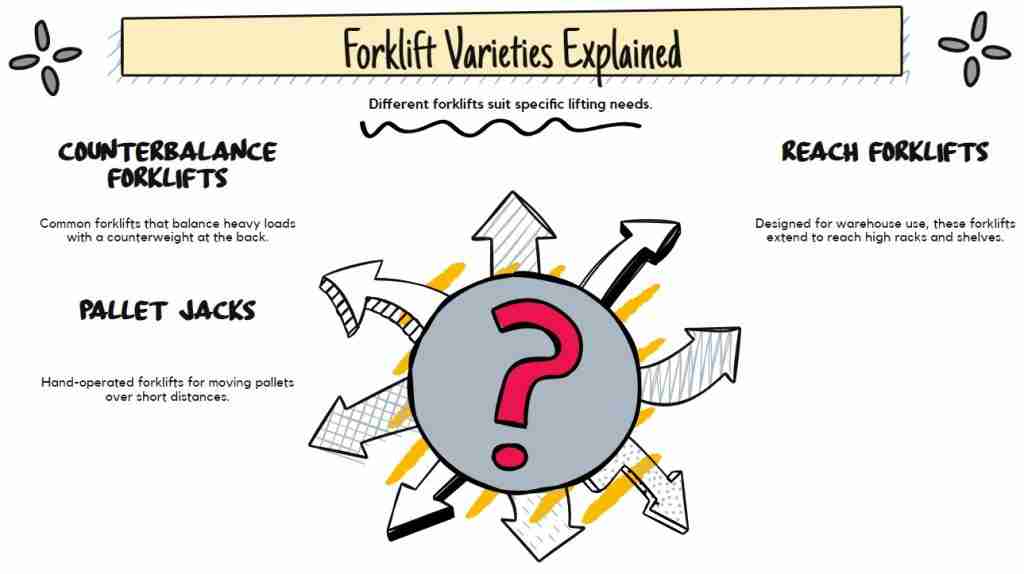
Conclusion
Conclusion:
- Wide variety of warehouse forklift types available.
- Electric forklifts offer lower operating costs and reduced maintenance.
- Advancements in battery technology provide longer run times and faster charging capabilities.
- Proper maintenance, operator training, and safety protocols are essential for maximizing efficiency.
- Investing in maintenance checks, operator training, and safety features creates a safer work environment.
- Contact Arrow Industrial Sales at (574) 349-6575 to learn more about warehouse forklift types.
- Don’t let inefficiency and safety risks hold your warehouse back
- invest in the right forklift equipment.
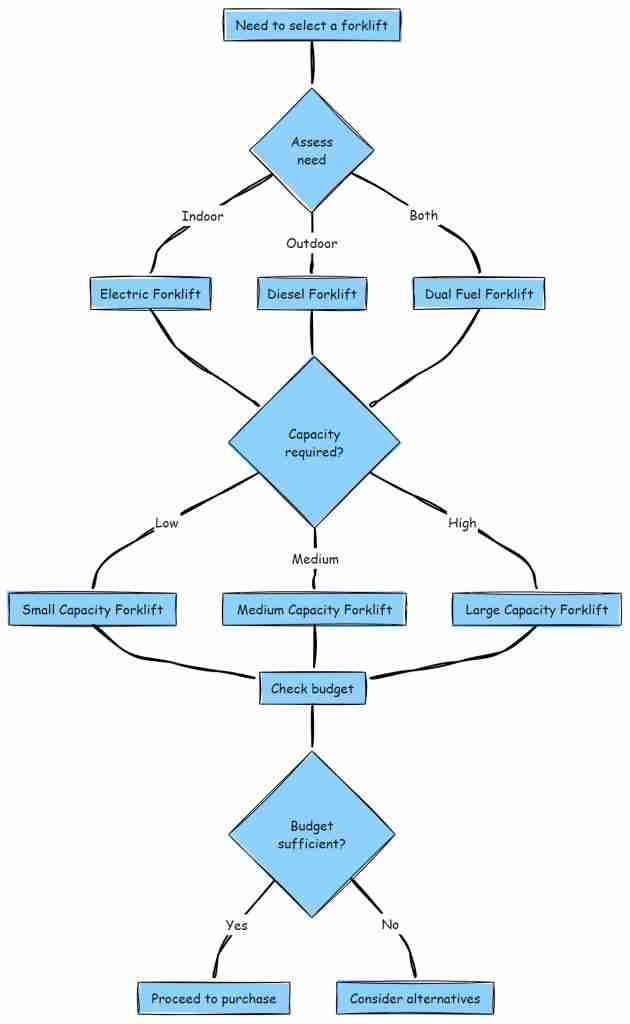
Conclusion
Other Resources
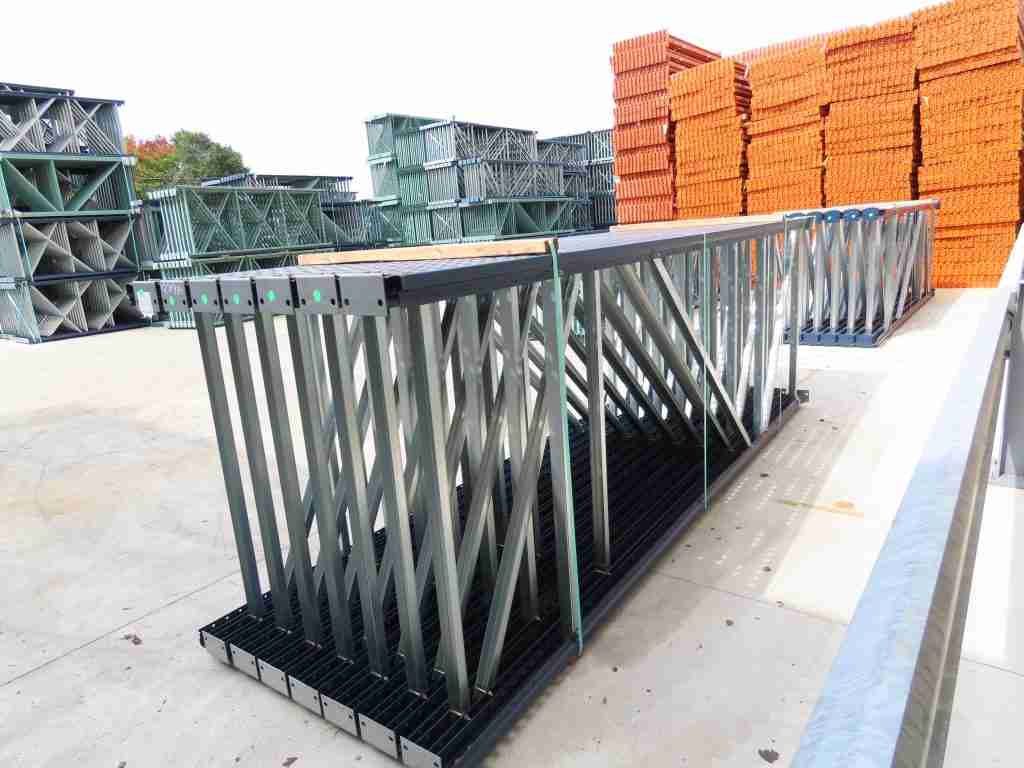
Other Resources
Here is a list of other resources you can review online to learn more:
- “The Carbon Footprint of Electric Forklifts: a Cradle-to-Grave …”
- “Boosting Environmental Sustainability With Electric Forklifts”
- “3 Ways Electric Forklifts Make Warehouses More Sustainable”
- “How the Adoption of Electric Forklifts Contributes to …”
- “Proposed Zero-Emission Forklift Regulation”
- “The Hidden Costs of IC Forklifts: Why to choose electric.”
- “Zero-Emission Forklift: Reducing Your Carbon Footprint …”
- “Assessing the lifetime emissions of electric forklifts”
- “ROADMAP TOWARDS ZERO EMISSIONS LOGISTICS 2050”
- “Electric and LPG forklifts GHG assessment in material …”
Other Resources
Glossary Terms
What Are The Common Warehouse Forklift Types? – Glossary Of Terms
1. Counterbalance Forklift: A ubiquitous type of forklift with a weight at the back to counterbalance the load at the front.
2. Reach Truck: Designed for warehouse operations, known for its extended reach capability to access high shelves.
3. Pallet Jack: A simple, low-lift machine used for moving pallets over short distances, available in manual and electric versions.
4. Order Picker: Used for selecting and retrieving items from warehouse racks, allowing operators to be lifted alongside the load.
5. Walkie Stacker: An electric lift used in narrow aisles or small warehouses with lift capabilities less than traditional forklifts.
6. Turret Truck: A lift vehicle with a rotating fork that allows for picking from either side without moving the truck.
7. Sideloader Forklift: Ideal for handling long, bulky loads such as lumber, allowing the operator to pick up loads from the side.
8. Articulated Forklift: Suitable for operating in tight spaces, these forklifts have a pivoting front part for increased maneuverability.
9. Telehandler: A versatile machine with an extendable boom that can move loads up, down, or across various terrains.
10. Rough Terrain Forklift: Built for outdoor use on uneven or rough surfaces, often featuring large, robust tires.
11. Industrial Forklift: Heavy-duty forklifts used in industrial settings for moving large loads, often with higher lifting capacities.
12. Stacker Crane: A high-bay storage lifting machine with both lifting and horizontal movement, often automated.
13. Boom Lift: Aerial lift with a long, extendable arm, used predominantly for maintenance or accessing high places.
14. Forklift Attachments: Various accessories added to enhance a forklift’s functionality, such as clamps or rotators.
15. Mast: The vertical assembly on a forklift that permits lifting and lowering of loads.
16. Forks: The pronged arms on a forklift used to engage and lift pallets or other loads.
17. Load Capacity: Maximum weight a forklift can safely lift, usually specified by the manufacturer.
18. Tilt: Forklift feature allowing the mast and forks to lean forward or backward, aiding in load stability.
19. Load Center: The central point of a load from which weight is evenly distributed, critical for forklift balance.
20. Overhead Guard: The protective roof structure on a forklift designed to shield operators from falling objects.
21. Stability Triangle: Fundamental stability concept for forklifts, based on the machine’s three points of contact with the ground.
22. Pivot Point: The rotation axis of a forklift, crucial for turning and navigation purposes.
23. Battery Electric Forklift: A forklift powered by an electric battery, known for its eco-friendly operation and reduced emissions.
24. Internal Combustion Forklift: Forklifts powered by gasoline, diesel, or propane engines, suitable for outdoor and heavy-duty applications.
25. Four-Wheel Drive Forklift: Forklift with power delivered to all four wheels, enhancing off-road and uneven terrain performance.
26. Operator Compartment: The area where the forklift operator sits, usually featuring controls, seat, and safety devices.
27. Ergonomics: The design principle focused on maximizing operator comfort and efficiency, reducing physical strain.
28. Forklift Certification: Training programs that ensure operators are qualified to safely handle different types of forklifts.
29. Load Backrest: The structure at the rear of the forks that helps stabilize loads and prevent them from falling backward.
30. Forklift Free Lift: The height to which forks can be raised before the mast begins to extend, important in space-restricted areas.
This glossary should help in understanding and identifying the various common types of forklifts used in warehouse settings and pertinent terms related to their operation and features.
Glossary Of Terms
Other Questions
What Are The Common Warehouse Forklift Types? – Other Questions
If you wish to explore and discover more, consider looking for answers to these questions:
-
- What are the specific features and benefits of sit-down counterbalance forklifts?
- How do reach trucks differ from other types of forklifts, and what are their specific use cases?
- What are the advantages and potential limitations of using order picker forklifts in a warehouse?
- What advancements have been made in electric forklift technology recently?
- How do maintenance costs compare between electric forklifts and traditional gas or diesel-powered forklifts?
- What training programs are recommended for forklift operators to ensure safety and efficiency?
- How do warehouse layout and design impact the choice of forklift type?
- What specific safety features should warehouses prioritize when selecting forklifts?
- How can businesses calculate the long-term cost savings of switching to electric forklifts?
- What are the environmental impacts of using electric forklifts versus gas or diesel-powered ones?
- How do you determine the appropriate lifting capacity for a forklift based on specific warehouse needs?
- What are the latest regulations and guidelines from OSHA regarding forklift safety?
- What are the pros and cons of using diesel versus electric forklifts for outdoor applications?
- How often should routine maintenance checks be conducted to ensure forklift longevity?
- What technological tools are available to monitor and optimize forklift operations in real-time?
- What are the key differences between indoor and outdoor forklifts in terms of design and functionality?
- How can the layout of a warehouse be optimized to improve forklift efficiency?
- What are the most common attachments available for forklifts, and how do they enhance functionality?
- How significant are the noise reduction benefits of electric forklifts in indoor warehouse environments?
- What types of forklifts are best suited for specific industries such as food processing or construction?
- What measures can be taken to create a culture of safety in warehouse settings?
- What are the emerging trends in forklift technology and design?
- How can inventory management systems be integrated with forklift operations for better efficiency?
- What are the best practices for storing and charging electric forklift batteries?
- How do operator performance and safety improve with advanced safety features in forklifts?
Other Questions
Checklist
What Are The Common Warehouse Forklift Types? – A Checklist
Before Reading:
1. Identify Your Warehouse Needs
_____ What are the dimensions of your warehouse aisles?
_____ How high are your storage shelves?
_____ What kind of loads will you be handling?
Types of Common Warehouse Forklifts:
1. Sit-Down Counterbalance Forklifts
_____ Can be used both indoors and outdoors.
_____ Ideal for lifting and transporting heavy loads.
_____ Come in various sizes and configurations.
2. Reach Trucks
_____ Designed for narrow aisles and high stacking.
_____ Equipped with extending forks for higher reach.
_____ Ideal for warehouses with high storage capacity and limited aisle space.
3. Order Picker Forklifts
_____ Lifts the operator to the level of the items being picked.
_____ Commonly used in distribution centers and fulfillment warehouses.
Advantages of Electric Forklifts:
1. Environmental Friendliness
_____ Zero emissions and reduced carbon footprint.
2. Lower Operating Costs
_____ Lower maintenance costs and cheaper fuel (electricity).
3. Quiet Operation
_____ Reduced noise levels, enhancing indoor workplace comfort.
How to Choose the Right Forklift:
1. Warehouse Layout
_____ Tight spaces or narrow aisles: opt for compact forklifts.
_____ Large warehouse with high shelves: consider higher lifting capacity and reach.
2. Type of Materials
_____ Heavy loads: higher weight capacity forklifts.
_____ Fragile items: specialized attachments.
3. Power Source
_____ Indoor: electric forklifts.
_____ Outdoor or heavy-duty: diesel or propane-powered forklifts.
4. Maintenance and Servicing Requirements
_____ Consider the frequency of maintenance and potential repair costs.
5. Safety Features
_____ Anti-slip tires, overhead guards, automatic braking systems.
Safety Features to Look for in a Forklift:
1. Overhead Guard
_____ Shields the operator from falling objects.
2. Seat Belt
_____ Prevents injuries during tip-overs or collisions.
3. Speed Limiters, Warning Lights, and Back-Up Alarms
_____ Prevents accidents caused by excessive speed.
_____ Alerts nearby workers of the forklift’s presence.
Indoor vs. Outdoor Forklifts:
1. Indoor Use
_____ Electric Forklifts: Clean operation, low noise levels, can maneuver in tight spaces.
2. Outdoor Use
_____ Diesel or Gas Forklifts: Handle rough terrain and heavier loads.
Proper Forklift Maintenance:
1. Fluid Levels
_____ Regularly check and top off oil, coolant, and hydraulic fluid.
2. Inspect and Replace Worn/Damaged Parts
_____ Focus on tires, brakes, and chains.
3. Regular Cleaning
_____ Prevents dust, dirt, and debris build-up.
4. Schedule Routine Maintenance Checks
_____ Qualified technicians can identify and address potential issues.
Applications for Each Type of Forklift:
1. Counterbalance Forklifts
_____ Versatile for both indoor and outdoor use.
_____ Used for general warehouse tasks and truck loading/unloading.
2. Reach Trucks
_____ Designed for narrow aisles and high shelf stacking in warehouses.
3. Rough Terrain Forklifts
_____ Suitable for construction sites and outdoor storage yards.
Maximizing Forklift Efficiency:
1. Routine Maintenance
_____ Regular fluid level checks, part inspections, and cleaning.
2. Operator Training
_____ Ensure proper safety protocols and efficient handling techniques.
3. Utilize Technology
_____ Telematics systems for real-time data on usage and fuel consumption.
4. Warehouse Layout
_____ Optimize storage rack placement and pick paths.
5. Inventory Management
_____ Implement robust tracking systems to reduce search time and improve order accuracy.
Preventing Accidents and Injuries:
1. Proper Training
_____ Ensure all operators are certified and trained.
2. Regular Maintenance and Inspections
_____ Routinely check for mechanical issues or defects.
3. Safety Culture
_____ Enforce strict safety policies and encourage open communication on hazards.
4. Stay Informed
_____ Keep up with the latest safety regulations and guidelines.
Determining Forklift Types in Use:
1. Design and Features
_____ Assess the equipment’s design (e. g. , counterbalance, reach mechanism).
2. Lifting Capacity and Height
_____ Identify the capacity and operational height.
3. Power Source
_____ Determine if it’s electric, propane, or diesel-powered.
4. Operational Capabilities
_____ Look for specialized features like side shift attachments or telescopic masts.
Conclusion: Evaluating and choosing the right type of forklift for your warehouse ensures improved safety, efficiency, and productivity in your operations.
Checklist
At RackingWorld, we help guide you through selecting warehouse storage systems and racking.
Be sure to read our other related stories at RackingWorld to learn more about warehouse storage systems.
0 Comments