
Maximizing Efficiency: Transitioning From A Racking System
By Tom Seest
At RackingWorld, we help guide you through selecting warehouse storage systems and racking.
Be sure to read our other related stories at RackingWorld to learn more about warehouse storage systems.
What Are The Best Practices for Transitioning From a Racking System?
So, you find yourself in need of a change. Maybe your old racking system just isn’t cutting it anymore, or perhaps you’ve outgrown it and are ready for something new. Whatever the reason, transitioning from one racking system to another can be a daunting task. But fear not, my friends. I’m here to offer you some guidance on the best practices for making this transition as smooth as possible.
First and foremost, it’s important to do your homework. Take the time to research different racking systems and determine which one will best suit your needs. Consider factors such as the size of your space, the weight of the items you’ll be storing, and how frequently you’ll need to access them. Doing this will help you narrow down your options and make an informed decision.
Next, it’s crucial to create a detailed plan for the transition. This should include a timeline for when you’ll be making the switch, a budget for any necessary equipment or labor, and a list of tasks that need to be completed. Be sure to communicate this plan to all parties involved, including your employees and any outside vendors you may be working with.
When it comes time to actually make the transition, make sure you have a solid team in place to help you. This could be your employees, a professional moving company, or a combination of both. Make sure everyone knows their role and is working together towards a common goal. Communication is key during this process, so be sure to check in regularly with your team to address any issues or concerns that may arise.
During the transition, it’s important to stay organized. Label all of your items clearly and keep track of where everything is going. This will help prevent any confusion once the new racking system is in place. Additionally, be mindful of safety protocols and make sure everyone involved is following them to prevent any accidents or injuries.
Finally, once the transition is complete, take some time to evaluate the new racking system and make any necessary adjustments. Get feedback from your employees on how the new system is working for them and make changes as needed. And above all else, don’t be afraid to ask for help if you need it. Transitioning from one racking system to another can be a challenging process, but with the right practices in place, you can make it a successful one.

What Are The Best Practices for Transitioning From a Racking System?
What Are The Best Practices for Transitioning From a Racking System?
- Do your homework and research different racking systems to find the best fit for your needs.
- Create a detailed plan with a timeline, budget, and tasks for the transition.
- Have a solid team in place to help with the transition, including clear communication.
- Stay organized by labeling items clearly and following safety protocols.
- Evaluate the new racking system and make adjustments as needed based on feedback.
- Ask for help if needed and don’t be afraid to seek assistance during the transition process.

What Are The Best Practices for Transitioning From a Racking System?
Table Of Contents
- What Are The Best Practices for Transitioning From a Racking System?
- How To Assess The Efficiency Of Current Racking System?
- What Factors Should Be Considered When Selecting A New System?
- How To Ensure Minimal Disruption During The Transition Process?
- What Are The Common Challenges Faced During The Transition?
- What Strategies Can Be Implemented To Maximize Space Utilization?
- How To Maintain Organization And Safety Standards Post-Transition?
- Conclusion
- Other Resources
- Glossary Of Terms
- Other Questions
- Checklist
How To Assess The Efficiency Of Current Racking System?
Evaluating the effectiveness of your current racking system is a crucial task for any warehouse manager. After all, your racking system plays a key role in the overall efficiency of your operations. Here are a few tips on how to assess the efficiency of your current racking system.
First, take a look at the layout of your racking system. Is it organized in a way that maximizes the use of space in your warehouse? Are there any areas that seem cluttered or underutilized? By evaluating the layout of your racking system, you can identify any potential areas for improvement.
Next, consider the accessibility of your racking system. Are your employees able to easily access the products they need? Is the layout of your racking system conducive to efficient picking and restocking processes? If not, it may be time to reevaluate the layout of your racking system to improve accessibility and streamline operations.
Another important factor to consider when assessing the efficiency of your racking system is safety. Are your racks properly installed and secured? Are there any signs of damage or wear and tear that could pose a safety hazard? By conducting regular safety inspections and addressing any issues that arise, you can help prevent accidents and ensure the safety of your employees.
Additionally, consider the scalability of your current racking system. Is your racking system able to accommodate your current inventory levels, as well as any future growth? If not, it may be time to consider expanding or upgrading your racking system to meet the needs of your business.
Finally, take a look at the overall performance of your racking system. Are you experiencing any issues with product damage, lost inventory, or slow fulfillment times? By identifying any performance issues and addressing them promptly, you can improve the overall efficiency of your operations and ensure that your racking system is functioning at its best.
Assessing the efficiency of your current racking system is a critical task for any warehouse manager. By evaluating the layout, accessibility, safety, scalability, and performance of your racking system, you can identify areas for improvement and make necessary changes to optimize the efficiency of your operations. By taking a proactive approach to evaluating your racking system, you can help ensure that your warehouse runs smoothly and efficiently.

How To Assess The Efficiency Of Current Racking System?
How To Assess The Efficiency Of Current Racking System?
- Assess the layout of your racking system to maximize space.
- Evaluate the accessibility for efficient picking and restocking.
- Ensure safety by checking for damage and securing racks.
- Consider scalability to accommodate current and future inventory levels.
- Address performance issues like product damage or slow fulfillment times.
- Make necessary changes to optimize efficiency.
- Take a proactive approach to maintain smooth warehouse operations.

How To Assess The Efficiency Of Current Racking System?
What Factors Should Be Considered When Selecting A New System?
When it comes to selecting a new system, there are a multitude of factors to consider. This decision shouldn’t be taken lightly, as the wrong choice could have serious repercussions for your business. So, before diving headfirst into the sea of options, it’s important to take a step back and carefully evaluate what you truly need.
First and foremost, you’ll want to consider the specific needs of your organization. What are the goals you are trying to achieve with this new system? Are you looking to increase efficiency, streamline processes, or improve customer experience? Understanding your unique requirements will help you narrow down the field of options and find a system that aligns with your objectives.
Next, you’ll want to look at the scalability of the system. As your business grows and evolves, your system needs to be able to grow with you. Investing in a system that is too limited in its capabilities could end up costing you more in the long run if you have to constantly upgrade or replace it as your business expands.
It’s also important to consider the compatibility of the new system with your existing infrastructure. Will it integrate seamlessly with your current software and hardware? Or will you be faced with costly and time-consuming workarounds to make everything work together? Taking the time to ensure compatibility will save you headaches down the road.
Cost is, of course, a major factor when selecting a new system. But don’t make the mistake of simply choosing the cheapest option. Sometimes, investing a little more upfront can save you a lot of money in the long term by avoiding potential issues or the need for frequent upgrades. Look at the total cost of ownership, including maintenance, upgrades, and any additional features or services you may need.
Lastly, don’t forget about user experience. Your employees will be the ones using the new system day in and day out, so their input and satisfaction are crucial. Make sure the system is user-friendly and intuitive, and provide training and support to help them get up to speed quickly.
Selecting a new system is a big decision that requires careful consideration of your organization’s needs, scalability, compatibility, cost, and user experience. By taking the time to thoroughly evaluate these factors, you can find a system that will help your business succeed now and in the future.

What Factors Should Be Considered When Selecting A New System?
What Factors Should Be Considered When Selecting A New System?
- Consider the specific needs of your organization and goals.
- Look at the scalability of the system for future growth.
- Consider compatibility with existing infrastructure.
- Take into account the total cost of ownership.
- Focus on user experience and satisfaction.
- Ensure the new system is user-friendly and intuitive.
- Thoroughly evaluate these factors for a successful selection.

What Factors Should Be Considered When Selecting A New System?
How To Ensure Minimal Disruption During The Transition Process?
When it comes to transitioning from one phase to another, whether it be a new job, a new home, or any other significant change, it’s important to take steps to ensure minimal disruption. Here are a few tips to help make the transition process as smooth as possible.
First and foremost, communication is key. Make sure to keep everyone who will be affected by the transition in the loop. This includes coworkers, family members, and anyone else who may be impacted by the change. By being upfront and transparent about what’s happening and why, you can help set expectations and alleviate any unnecessary stress or confusion.
Another important factor to consider is proper planning. Take the time to map out a clear transition plan, outlining key milestones, responsibilities, and timelines. This will help keep everyone on the same page and ensure that the transition process stays on track. It’s also a good idea to anticipate any potential roadblocks or challenges that may arise along the way, and have contingency plans in place to address them.
Additionally, it’s crucial to provide proper training and support to those who will be taking on new roles or responsibilities during the transition. Investing in their development and ensuring they have the skills and resources they need to succeed will not only benefit them, but also help smooth the transition process overall.
Finally, don’t forget to take care of yourself during the transition. Change can be stressful, and it’s important to prioritize self-care and maintain a healthy work-life balance. Make sure to take breaks when needed, get plenty of rest, and seek support from friends, family, or co-workers if necessary.
By emphasizing clear communication, careful planning, proper training, and self-care, you can help ensure minimal disruption during the transition process. Remember, change is inevitable, but how you handle it can make all the difference. So approach the transition with positivity, flexibility, and a willingness to adapt, and you’ll be well on your way to a successful and smooth transition.
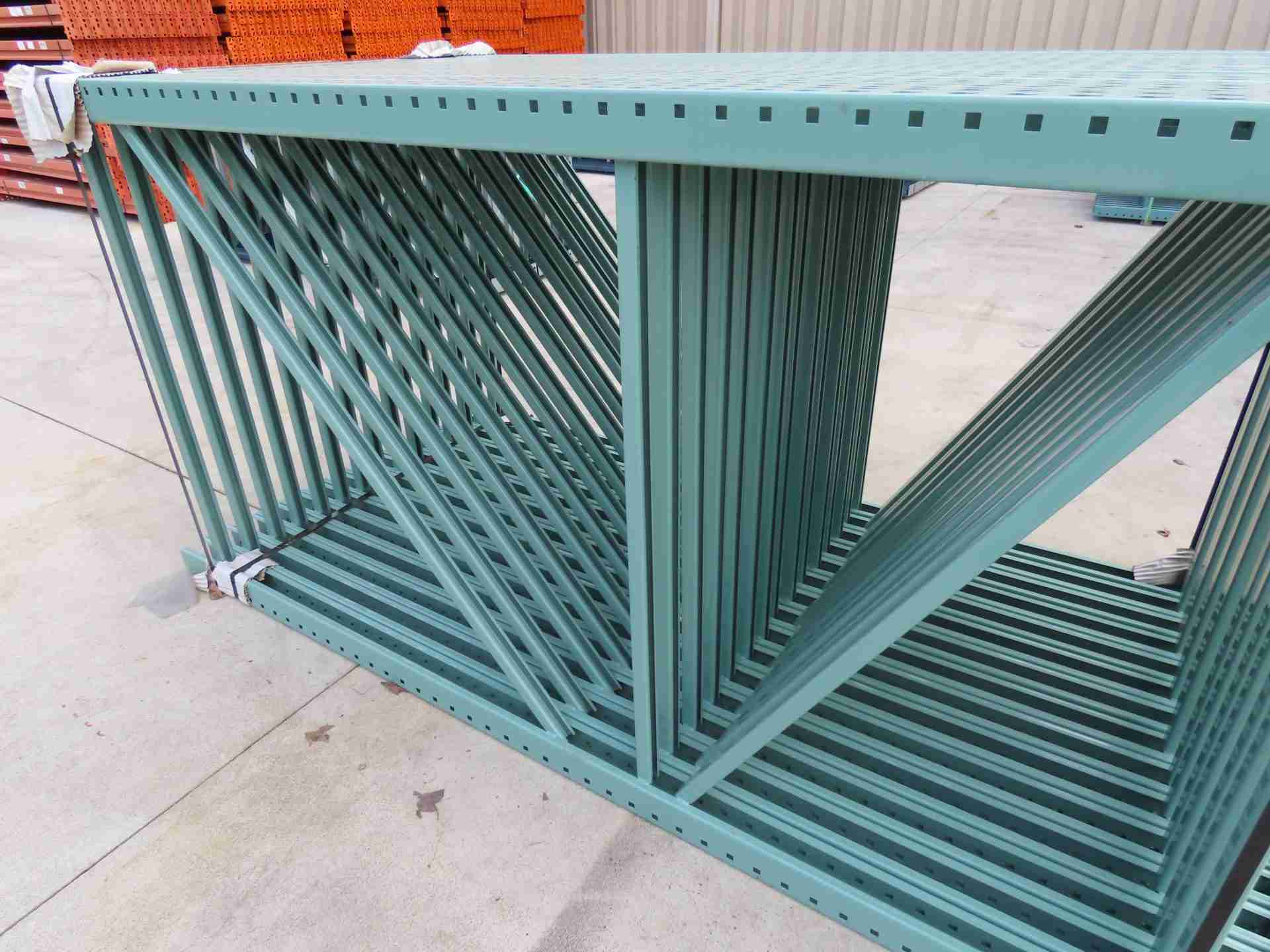
How To Ensure Minimal Disruption During The Transition Process?
How To Ensure Minimal Disruption During The Transition Process?
- Communication is key; keep everyone affected in the loop.
- Proper planning is crucial; map out a clear transition plan.
- Provide proper training and support to those taking on new roles.
- Take care of yourself during the transition; prioritize self-care.
- Anticipate potential roadblocks and have contingency plans in place.
- Emphasize clear communication, careful planning, and self-care.
- Approach the transition with positivity, flexibility, and willingness to adapt.

How To Ensure Minimal Disruption During The Transition Process?
What Are The Common Challenges Faced During The Transition?
Transitioning from one phase of life to another can be incredibly challenging for many individuals. Whether it’s starting a new job, moving to a new city, or beginning a new chapter in your personal life, there are a host of obstacles that can arise during the transition process. Here are some common challenges that people often face when navigating through transitions.
One of the biggest challenges that people encounter during transitions is dealing with uncertainty. The unknown can be a daunting and intimidating force, causing anxiety and stress as individuals try to navigate their way through unfamiliar territory. Whether it’s uncertainty about the future, uncertainty about how to handle new responsibilities, or uncertainty about how to adapt to a new environment, this lack of clarity can be overwhelming at times.
Another common challenge during transitions is facing resistance to change. Humans are creatures of habit, and breaking out of our comfort zones can be a difficult and uncomfortable process. Whether it’s letting go of old routines, adjusting to new expectations, or accepting new ways of thinking, change can be met with resistance and reluctance.
Additionally, transitions often require individuals to step outside of their comfort zones and take risks. This can involve making tough decisions, confronting fears, and pushing past self-imposed limitations. Stepping into the unknown can be scary, but it’s often necessary in order to grow and evolve as individuals.
Another challenge during transitions is managing stress and overwhelm. With so much change happening at once, it’s easy to feel stressed, anxious, and overwhelmed. Balancing new responsibilities, adapting to new environments, and juggling multiple demands can take a toll on our mental and emotional well-being.
Finally, transitions can also trigger feelings of isolation and loneliness. Moving to a new city, starting a new job, or embarking on a new life phase can mean leaving behind familiar faces and support systems. This sense of isolation can make it difficult to navigate through transitions and can leave individuals feeling disconnected and alone.
Transitioning from one phase of life to another can be a challenging and tumultuous process. Dealing with uncertainty, facing resistance to change, taking risks, managing stress, and coping with feelings of isolation are just a few of the common challenges that individuals may encounter during transitions. However, by acknowledging these obstacles and approaching them with courage and resilience, it is possible to navigate through transitions successfully and emerge stronger on the other side.

What Are The Common Challenges Faced During The Transition?
What Are The Common Challenges Faced During The Transition?
- Dealing with uncertainty.
- Facing resistance to change.
- Stepping outside of comfort zones and taking risks.
- Managing stress and overwhelm.
- Feeling isolation and loneliness.
- Challenging and tumultuous process.
- Approaching challenges with courage and resilience.

What Are The Common Challenges Faced During The Transition?
What Strategies Can Be Implemented To Maximize Space Utilization?
When it comes to maximizing space utilization, there are a few key strategies that can make a big difference in optimizing your living or working area. One of the first things to consider is decluttering and organizing your space effectively. This may seem like a simple task, but it can have a significant impact on how much usable space you have.
Start by getting rid of any items that you no longer need or use. This could include old furniture, clothes, or knick-knacks that are just taking up valuable space. Once you have decluttered, it’s important to organize the items you do have in a way that makes the most of your space. This could involve investing in storage solutions such as shelves, bins, or hanging organizers to keep things neat and tidy.
Another strategy to maximize space utilization is to consider multi-functional furniture pieces. These are pieces of furniture that can serve more than one purpose, such as a sofa that doubles as a guest bed or a coffee table that also provides storage. By incorporating multi-functional furniture into your space, you can make the most of every square inch.
Additionally, thinking vertically can help you maximize space utilization. Instead of only utilizing floor space, consider utilizing wall space as well. This could involve installing shelves or hooks to store items off the ground, or even mounting furniture to the walls to free up floor space. By looking up, you can make use of every inch of your space.
Finally, don’t be afraid to get creative with your space utilization. Think outside the box and consider unconventional solutions to maximize space. This could involve implementing a rotating closet system, utilizing under-bed storage, or even installing a lofted bed to create more floor space. By thinking creatively and being open to new ideas, you can make the most of your space and create a functional and organized environment.
Maximizing space utilization is all about decluttering, organizing, utilizing multi-functional furniture, thinking vertically, and getting creative with your space. By implementing these strategies, you can make the most of your space and create a comfortable and efficient living or working environment.

What Strategies Can Be Implemented To Maximize Space Utilization?
What Strategies Can Be Implemented To Maximize Space Utilization?
- Declutter and organize your space effectively.
- Get rid of items you no longer need or use.
- Utilize storage solutions such as shelves, bins, or hanging organizers.
- Consider multi-functional furniture pieces.
- Maximize space by thinking vertically and utilizing wall space.
- Get creative with unconventional solutions like rotating closet systems or lofted beds.
- Create a comfortable and efficient living or working environment by implementing these strategies.

What Strategies Can Be Implemented To Maximize Space Utilization?
How To Maintain Organization And Safety Standards Post-Transition?
Maintaining organization and safety standards post-transition is crucial for the success and efficiency of any workplace. Whether you’re transitioning to a new facility, implementing new equipment, or restructuring your processes, it’s important to prioritize organization and safety to ensure a smooth and productive work environment.
One of the key factors in maintaining organization and safety standards post-transition is effective communication. Make sure all employees are aware of any changes or updates, and provide the necessary training to ensure everyone is on the same page. Clear communication helps to avoid confusion and promotes a culture of transparency and accountability.
Another important aspect of maintaining organization and safety post-transition is regular maintenance and inspections. It’s essential to stay on top of maintenance tasks and conduct regular inspections to identify any potential hazards or issues before they escalate. This proactive approach not only helps to prevent accidents and injuries but also improves the overall efficiency of your operation.
Organizing workspaces and equipment is also crucial for maintaining organization and safety post-transition. Take the time to properly label and designate storage areas for tools, materials, and equipment to avoid clutter and confusion. Implementing a system for regular cleanups and organization can help to reduce the risk of accidents and improve productivity in the long run.
Additionally, it’s important to establish clear safety protocols and guidelines to ensure that all employees understand their responsibilities and requirements for maintaining a safe work environment. This includes providing proper training on safety procedures, conducting regular safety meetings, and establishing a reporting system for any potential safety concerns.
Lastly, don’t overlook the importance of promoting a culture of safety and organization in the workplace. Encourage employees to prioritize safety in everything they do and to take ownership of their workspaces. By fostering a culture of accountability and empowerment, you can create a safer and more efficient workplace for everyone.
Maintaining organization and safety standards post-transition requires a combination of effective communication, regular maintenance, organized workspaces, clear safety protocols, and a culture of safety. By prioritizing these aspects, you can ensure a smooth and productive transition while also promoting the well-being and success of your employees. Remember, safety isn’t just a priority – it’s a mindset.

How To Maintain Organization And Safety Standards Post-Transition?
How To Maintain Organization And Safety Standards Post-Transition?
- Effective communication is key to maintaining organization and safety post-transition.
- Regular maintenance and inspections help identify potential hazards before they escalate.
- Organizing workspaces and equipment reduces the risk of accidents and improves productivity.
- Establish clear safety protocols and guidelines for all employees.
- Promote a culture of safety and organization in the workplace.
- Remember, safety isn’t just a priority – it’s a mindset.

How To Maintain Organization And Safety Standards Post-Transition?
Conclusion
In conclusion, when it comes to transitioning from one racking system to another, there are several best practices to keep in mind to ensure a smooth and successful process. First and foremost, it’s crucial to do your homework and research different racking systems to determine which one will best suit your needs. Creating a detailed plan with a timeline, budget, and list of tasks is also essential for a seamless transition. Having a solid team in place, staying organized, and following safety protocols are key factors to consider during the transition process.
Assessing the efficiency of your current racking system, considering factors such as layout, accessibility, safety, scalability, and performance, can help identify areas for improvement and optimize operations. Selecting a new system requires evaluating specific organizational needs, scalability, compatibility, cost, and user experience to ensure the system aligns with your objectives and can grow with your business.
To minimize disruption during the transition process, clear communication, proper planning, training, and self-care are essential. By being transparent, mapping out a clear plan, anticipating challenges, and supporting those affected by the transition, you can help ensure a smooth transition. Common challenges faced during transitions include dealing with uncertainty, resistance to change, taking risks, managing stress, and coping with feelings of isolation.
Maximizing space utilization can be achieved through decluttering, organizing, investing in multi-functional furniture, utilizing vertical space, and getting creative with solutions. Maintaining organization and safety standards post-transition involves effective communication, regular maintenance and inspections, organizing workspaces, establishing safety protocols, and promoting a culture of safety in the workplace.
By following these best practices and strategies, you can navigate the transition from one racking system to another with confidence, efficiency, and success. Remember, change is inevitable, but how you approach and handle it can make all the difference in achieving a smooth and successful transition.
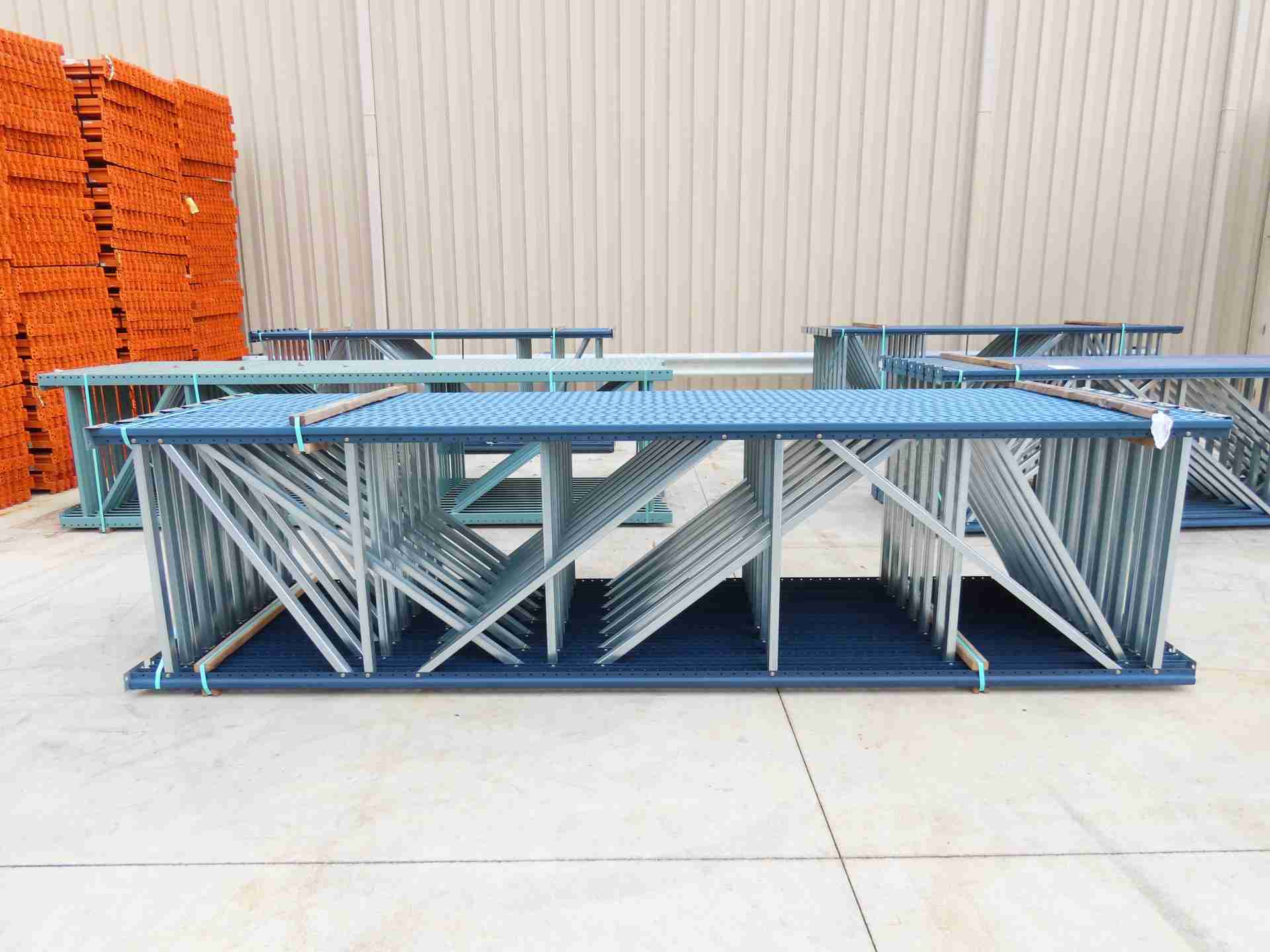
Conclusion
Conclusion:
- Do your homework and research different racking systems.
- Create a detailed plan with a timeline, budget, and list of tasks.
- Have a solid team in place and follow safety protocols.
- Assess the efficiency of your current racking system.
- Select a new system based on organizational needs and compatibility.
- Minimize disruption with clear communication, proper planning, training, and self-care.
- Maximize space utilization and maintain organization and safety standards post-transition.

Conclusion
Other Resources

Other Resources
Here is a list of other resources you can review online to learn more:
- 10 Tips for Moving into a New Warehouse Successfully: This article provides tips for moving into a new warehouse, including reassessing the layout, internal processes, and inventory management systems to ensure a smooth transition1. It also discusses the importance of planning to assess potential logistical issues.
- Warehouse Relocation & Rack Removal Checklist: Step-by-Step Guide: This step-by-step guide is designed to aid operations managers in navigating the complexities of warehouse rack removal and relocation, ensuring a smooth transition to a new facility2. It covers everything from preliminary planning and preparation to managing the logistics and setting up at the new location.
- Warehouse Racking System: Powerful Guide to Optimise, 2024: This guide emphasizes the importance of training your workforce to use the racking system safely and efficiently. It also provides tips on best practices in loading, unloading, and navigating the warehouse to minimize the risk of accidents and damage to goods.
These articles should provide a good starting point for your research.

Other Resources
Glossary Terms
What Are The Best Practices for Transitioning From a Racking System? – Glossary Of Terms
Here’s a glossary of terms related to best practices for transitioning from a racking system:
1. Racking System: A structured framework used for storing and organizing inventory, typically in warehouses.
2. Inventory Management: The process of ordering, storing, tracking, and controlling inventory.
3. Transition Plan: A detailed strategy outlining steps for moving from one system to another.
4. Stakeholder Engagement: Involving all parties affected by the transition to ensure smooth execution.
5. Gap Analysis: Identifying differences between the current system and the desired future system.
6. Change Management: A systematic approach to dealing with transformation in an organization.
7. Workflow Optimization: Streamlining processes for efficiency during the transition.
8. Risk Assessment: Identifying and analyzing potential issues that could disrupt the transition.
9. Project Timeline: A schedule outlining key milestones and deadlines for the transition.
10. Resource Allocation: Assigning necessary resources such as personnel, budget, and equipment.
11. Data Migration: The process of transferring data from the old system to the new one.
12. Training Programs: Educational sessions to help staff adapt to new processes and systems.
13. Software Integration: Ensuring new systems work seamlessly with existing software.
14. Testing Phase: A period of trial to ensure the new system functions correctly before full implementation.
15. Operational Efficiency: Achieving optimum use of resources and processes.
16. Storage Solutions: Various methods and technologies for storing inventory.
17. Load Capacity: The maximum weight that racking or storage equipment can safely hold.
18. Compliance Standards: Regulations and guidelines that must be followed during and after the transition.
19. System Downtime: Periods when the system may be unavailable during the switch-over.
20. Quality Assurance: Measures to ensure the new system meets required standards.
21. Vendor Collaboration: Working with external suppliers to ensure smooth transition and support.
22. Performance Metrics: Key indicators used to measure the effectiveness of the transition.
23. Backup Plan: A contingency strategy in case the transition encounters significant issues.
24. Scalability: The ability of the new system to grow and adapt with the organization’s needs.
25. Cost-Benefit Analysis: Evaluating the financial implications versus the benefits of the new system.
26. Lean Inventory: Minimizing excess stock to streamline processes and reduce waste.
27. Ergonomics: Designing workspaces and systems to improve safety and efficiency.
28. Automation: Implementing technology to reduce manual intervention and improve accuracy.
29. Cross-Functional Teams: Groups from different departments working together towards the transition goal.
30. Documentation: Keeping thorough records of processes, decisions, and changes during the transition.

Glossary Of Terms
Other Questions
What Are The Best Practices for Transitioning From a Racking System? – Other Questions
If you wish to explore and discover more, consider looking for answers to these questions:
- What are the different types of racking systems available?
- How long does the transition process typically take?
- What are the costs associated with transitioning to a new racking system?
- How can I ensure minimal disruption to my business operations during the transition?
- What kind of training will my employees need for the new racking system?
- What safety protocols should be followed during the transition?
- How can I get feedback from my employees on the new racking system?
- What are the common mistakes to avoid during a racking system transition?
- How do I assess the scalability of a new racking system?
- How can technology help in managing the transition process?
- What are some examples of multi-functional furniture that can be used to maximize space?
- How do I conduct a proper safety inspection of my current racking system?
- What are the signs that indicate it’s time to upgrade my racking system?
- What are the risks of not following organization and safety standards post-transition?
- How often should I evaluate the efficiency of my racking system?
- What are the best resources for staying updated on racking system technologies and trends?
- How can I maintain a healthy work-life balance during a major transition?
- What are some low-cost storage solutions for small warehouses?
- How do I communicate the benefits of the new racking system to my employees?
- What are the indicators of a successful transition from one racking system to another?

Other Questions
Checklist
What Are The Best Practices for Transitioning From a Racking System? – A Checklist
Preparation Phase:
1. Research Options:
_____ Investigate various racking systems to find the best fit for your needs.
_____ Consider factors like space size, item weight, and access frequency.
2. Detailed Planning:
_____ Create a transition timeline.
_____ Set a budget for equipment and labor.
_____ List tasks to complete before, during, and after the transition.
_____ Communicate the plan to employees and vendors.
3. Assemble a Team:
_____ Ensure you have a solid team for the transition, including internal staff or a moving company.
_____ Define roles and responsibilities for each team member.
4. Safety Protocols:
_____ Review and communicate safety guidelines.
_____ Ensure everyone is trained on these protocols.
Execution Phase:
5. Organize Inventory:
_____ Label items clearly.
_____ Maintain a detailed inventory list.
6. Monitor the Process:
_____ Regularly check in with your team.
_____ Address any concerns or issues immediately.
Post-Transition Phase:
7. Evaluate the New System:
_____ Get feedback from employees.
_____ Make any necessary adjustments.
8. Final Checks:
_____ Ensure all safety protocols are being adhered to.
_____ Conduct final inventory checks to make sure nothing is missing or misplaced.
Assessing Current System Efficiency:
9. Layout Analysis:
_____ Check for space optimization.
_____ Identify cluttered or underutilized areas.
10. Accessibility:
_____ Ensure racking layout allows for easy access to items.
_____ Confirm efficient picking and restocking processes.
11. Safety Check:
_____ Inspect racks for proper installation and any damage.
_____ Conduct and document regular safety inspections.
12. Scalability Considerations:
_____ Verify if the current system can handle future growth.
_____ Plan for potential expansion if necessary.
Selecting a New System:
13. Identify Needs:
_____ Define organizational goals and required system features.
14. Scalability:
_____ Choose a system that can grow with your business.
15. Compatibility:
_____ Ensure the new system integrates with existing infrastructure.
16. Budgeting:
_____ Calculate the total cost of ownership, including maintenance and upgrades.
_____ Balance cost against value to avoid low-cost but ineffective solutions.
17. User Experience:
_____ Gather employee input on system usability.
_____ Plan training sessions for smooth onboarding.
Ensuring Minimal Disruption During Transition:
18. Communicate Effectively:
_____ Keep all stakeholders informed of the transition plans and progress.
19. Plan Thoroughly:
_____ Develop detailed milestones, responsibilities, and timelines.
_____ Prepare for potential roadblocks with contingency plans.
20. Provide Training:
_____ Offer training for employees on new roles or systems.
21. Self-Care:
_____ Encourage a work-life balance to manage transition stress.
Common Challenges and Solutions:
22. Uncertainty:
_____ Plan thoroughly to minimize unknowns.
_____ Maintain open communication to alleviate anxiety.
23. Resistance to Change:
_____ Offer support and training.
_____ Highlight the benefits of the new system.
24. Risk Management:
_____ Encourage calculated risks and push past limitations.
25. Stress Management:
_____ Establish a supportive environment.
_____ Foster team cohesion and morale.
26. Coping with Isolation:
_____ Maintain strong support systems.
_____ Facilitate team-building activities.
Maximizing Space Utilization:
27. Declutter:
_____ Remove unnecessary items.
_____ Organize remaining items efficiently.
28. Multi-functional Furniture:
_____ Invest in furniture that serves multiple purposes.
29. Vertical Space Use:
_____ Utilize wall-mounted storage solutions.
_____ Think creatively to leverage all dimensions of the space.
30. Innovative Solutions:
_____ Explore unconventional storage methods.
Maintaining Organization and Safety Post-Transition:
31. Effective Communication:
_____ Keep all employees informed of any changes.
_____ Provide continuous training.
32. Regular Maintenance:
_____ Schedule and document routine inspections and maintenance.
33. Organized Workspaces:
_____ Implement and maintain labeling systems.
_____ Designate specific storage areas.
34. Clear Safety Protocols:
_____ Regularly review and update safety instructions.
_____ Foster a safety-first culture.
35. Promote Culture of Safety:
_____ Encourage responsibility and accountability among employees.
_____ Recognize and reward safety excellence.
By following this checklist, you can ensure a successful and smooth transition while maintaining efficiency and safety in your operations.

Checklist
At RackingWorld, we help guide you through selecting warehouse storage systems and racking.
Be sure to read our other related stories at RackingWorld to learn more about warehouse storage systems.
0 Comments