
The Eco-Friendly Guide To Pallet Racking Materials
By Tom Seest
At RackingWorld, we help guide you through selecting warehouse storage systems and racking.
Be sure to read our other related stories at RackingWorld to learn more about warehouse storage systems.
What Are The Environmental Impacts Of Different Pallet Racking Materials?
When it comes to choosing pallet racking materials for your warehouse, it’s important to consider not only the functionality and durability of the racks, but also the environmental impacts of the materials used.
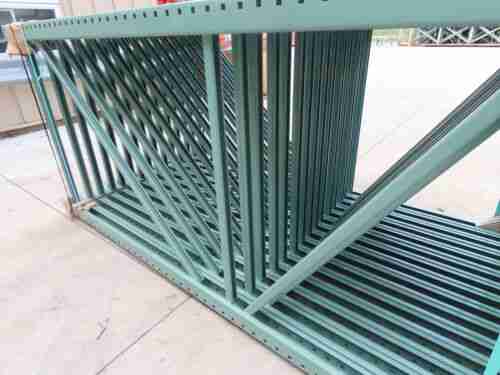
One of the most common materials used for pallet racking is steel. Steel racks are strong, durable, and long-lasting, making them a popular choice for many warehouses. However, the production of steel can have significant environmental impacts. The mining and processing of iron ore to make steel requires large amounts of energy and can lead to air and water pollution. Additionally, the transportation of steel racks to and from the warehouse can contribute to carbon emissions and other pollutants.
Another popular material for pallet racking is wood. Wood racks are often made from sustainably sourced timber, which can help reduce the environmental impact of deforestation. However, the production of wooden racks still requires energy and resources, and can contribute to deforestation if not managed properly. Additionally, wooden racks are more prone to damage and wear and tear, leading to more frequent replacements and increased waste.
Plastic pallet racking is another option that some warehouses choose for its lightweight, durable, and corrosion-resistant properties. While plastic racks can be recycled, they are often made from non-renewable petroleum products and can release harmful chemicals when burned. Additionally, the production of plastic racks can contribute to pollution and carbon emissions.
An often overlooked option for pallet racking is recycled materials. Using recycled steel, wood, or plastic for pallet racking can help reduce the environmental impacts of production and disposal. Recycled materials require less energy and resources to produce, and can help reduce waste and pollution.
When choosing pallet racking materials for your warehouse, it’s important to consider not only the functionality and durability of the racks, but also the environmental impacts of the materials used. Steel racks are strong and long-lasting, but can have significant environmental impacts. Wood racks are often made from sustainably sourced timber, but can contribute to deforestation and waste. Plastic racks are lightweight and durable, but can be made from non-renewable resources and release harmful chemicals. Using recycled materials for pallet racking can help reduce the environmental impacts of production and disposal. Ultimately, the choice of pallet racking materials should be made with a careful consideration of both performance and environmental sustainability.
What Are The Environmental Impacts Of Different Pallet Racking Materials?
What Are The Environmental Impacts Of Different Pallet Racking Materials?
- Steel racks are strong, durable, and long-lasting, but the production of steel can have significant environmental impacts due to energy consumption and pollution.
- Wood racks are often made from sustainably sourced timber, reducing the environmental impact of deforestation, but production still requires energy and resources.
- Plastic racks are lightweight, durable, and corrosion-resistant, but can be made from non-renewable petroleum products and release harmful chemicals when burned.
- Using recycled materials for pallet racking can help reduce environmental impacts by requiring less energy and resources to produce.
- It’s important to consider not only functionality and durability, but also the environmental impacts of the materials used when choosing pallet racking materials.
- Ultimately, the choice of pallet racking materials should be made with a careful consideration of both performance and environmental sustainability.

What Are The Environmental Impacts Of Different Pallet Racking Materials?
Table Of Contents
- What Are The Environmental Impacts Of Different Pallet Racking Materials?
- What Are The Pros And Cons Of Wood Pallet Racking?
- Is Metal Pallet Racking A More Sustainable Option?
- How Do Plastic Pallet Racks Compare Environmentally?
- Are There Any Eco-Friendly Alternatives To Traditional Materials?
- Which Material Has The Lowest Carbon Footprint?
- What Are The Environmental Impacts Of Wood Pallet Racking?
- What About Metal Pallet Racking?
- Are Plastic Pallet Racks More Environmentally Friendly?
- How Do Different Pallet Racking Materials Affect Indoor Air Quality?
- Conclusion
- Other Resources
- Glossary Of Terms
- Other Questions
- Checklist
What Are The Pros And Cons Of Wood Pallet Racking?
When it comes to storage solutions in warehouses and industrial facilities, wood pallet racking is a popular choice due to its affordability and versatility. However, like any storage system, it comes with its own set of pros and cons.
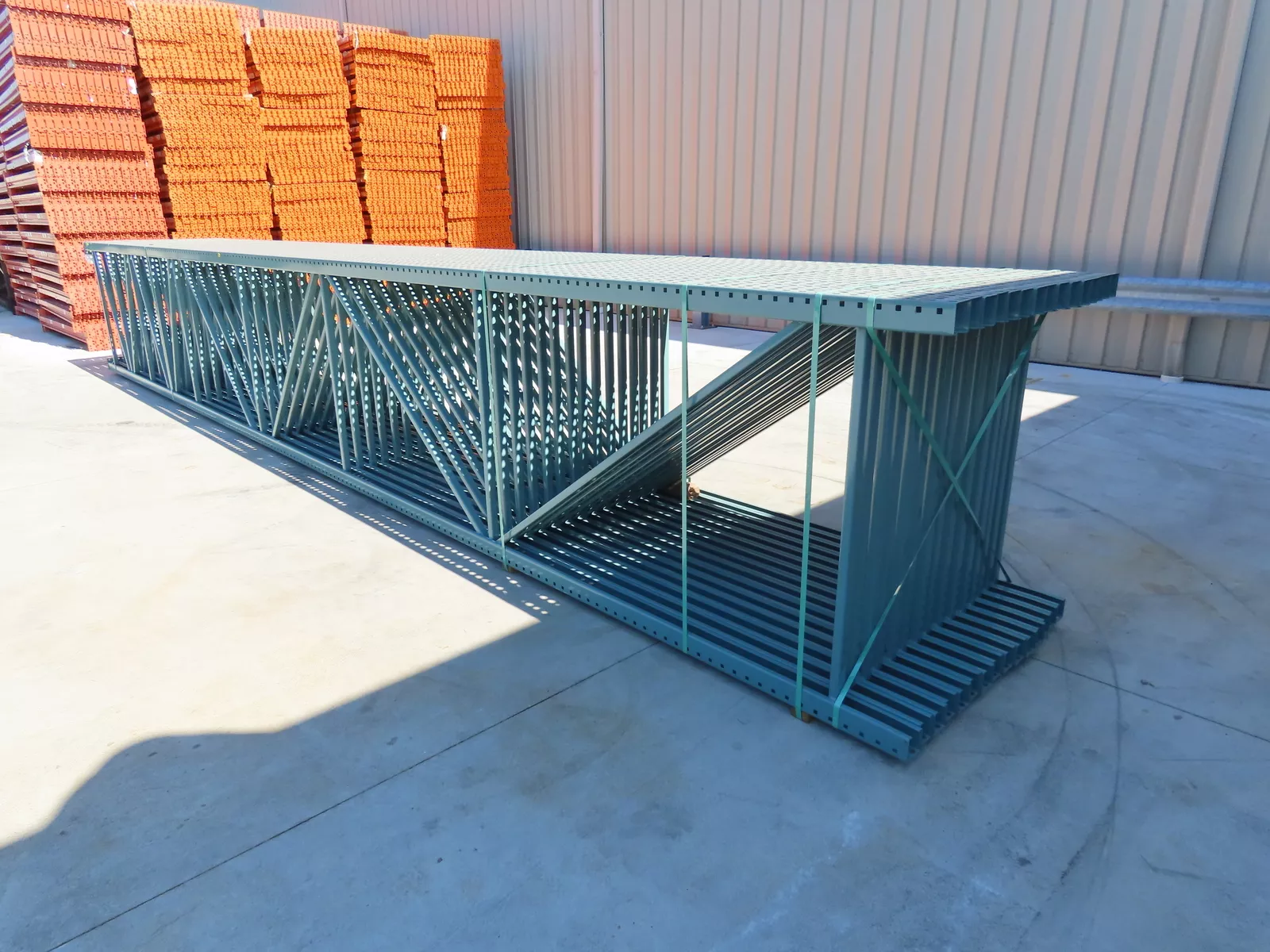
One of the main advantages of wood pallet racking is its cost-effectiveness. Wood pallet racks are typically more affordable than other types of racking systems, making them a budget-friendly option for businesses looking to maximize their storage space without breaking the bank. Additionally, wood is a renewable resource, making it a more environmentally friendly choice compared to metal or plastic racking.
Another benefit of wood pallet racking is its flexibility. Wood racks can easily be customized to fit different storage needs, whether you need to store large, bulky items or small, delicate products. This flexibility allows businesses to optimize their warehouse space and improve efficiency.
Additionally, wood pallet racking is easy to install and maintain. Unlike metal racking systems, which may require specialized tools or equipment for installation, wood racks can be assembled quickly and easily using basic tools. This can save businesses both time and money in the long run.
However, there are also some drawbacks to using wood pallet racking. One of the main concerns is durability. While wood racks can be sturdy and reliable, they are not as durable as metal racking systems. Over time, wood may warp, crack, or splinter, potentially compromising the integrity of the racks and posing a safety hazard.
Another downside of wood pallet racking is its susceptibility to damage. Wood racks are more prone to damage from forklifts, pallet jacks, and other heavy machinery compared to metal racking systems. This can result in costly repairs and replacements, as well as potential disruptions to the workflow.
Wood pallet racking offers a cost-effective and flexible storage solution for businesses looking to maximize their warehouse space. However, it is important to weigh the pros and cons of this type of racking system before making a decision. By considering factors such as durability, maintenance, and potential for damage, businesses can determine whether wood pallet racking is the right choice for their storage needs.
What Are The Pros And Cons Of Wood Pallet Racking?
What Are The Pros And Cons Of Wood Pallet Racking?
- Cost-effective option for storage.
- Wood is a renewable resource.
- Customizable to fit different storage needs.
- Easy to install and maintain.
- Less durable compared to metal racking systems.
- More susceptible to damage from heavy machinery.
- Important to weigh pros and cons before making a decision.

What Are The Pros And Cons Of Wood Pallet Racking?
Is Metal Pallet Racking A More Sustainable Option?
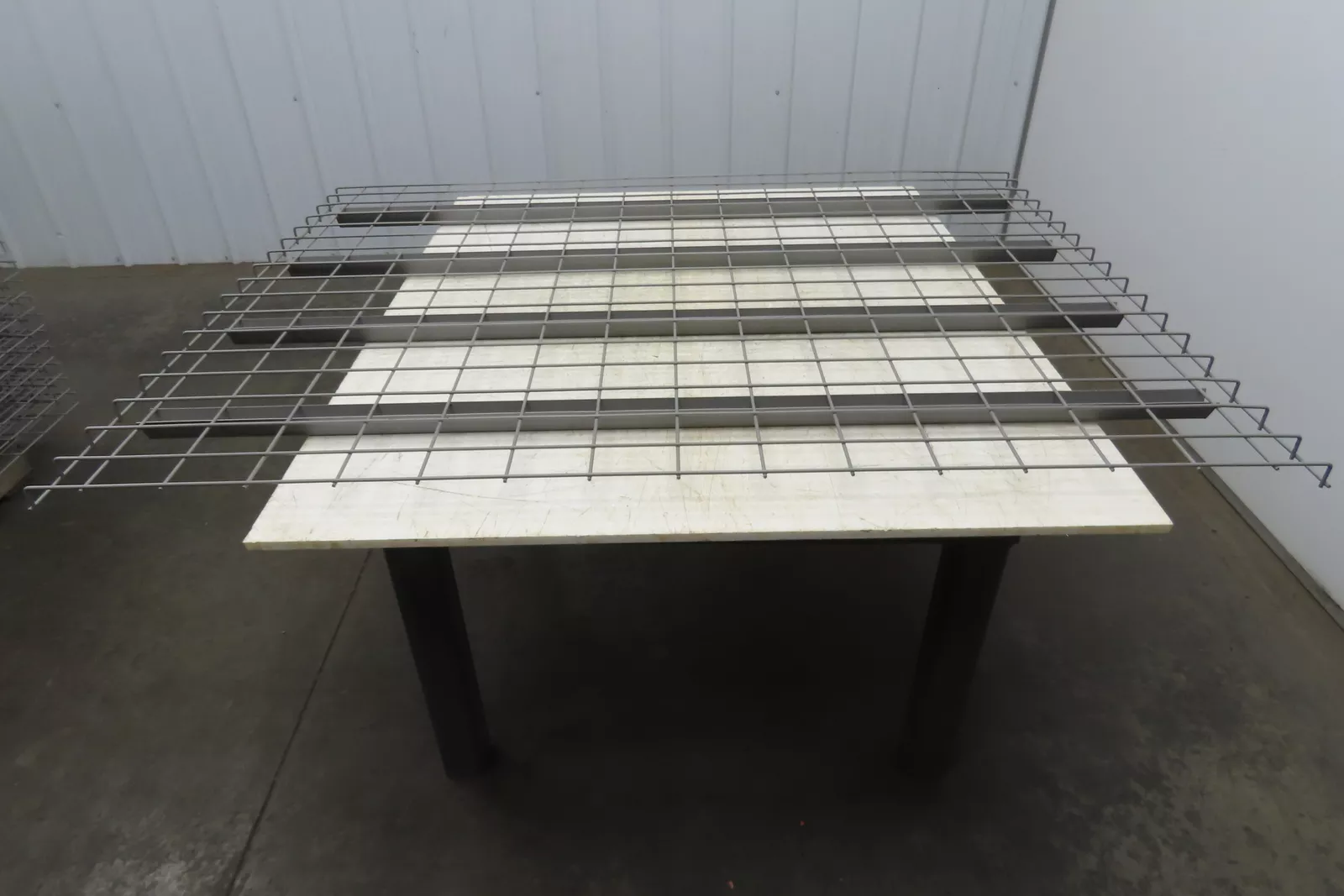
When it comes to choosing the right type of racking for your warehouse, there are many factors to consider. One important factor that is often overlooked is sustainability. Metal pallet racking, in particular, offers several advantages in terms of sustainability compared to other types of racking.
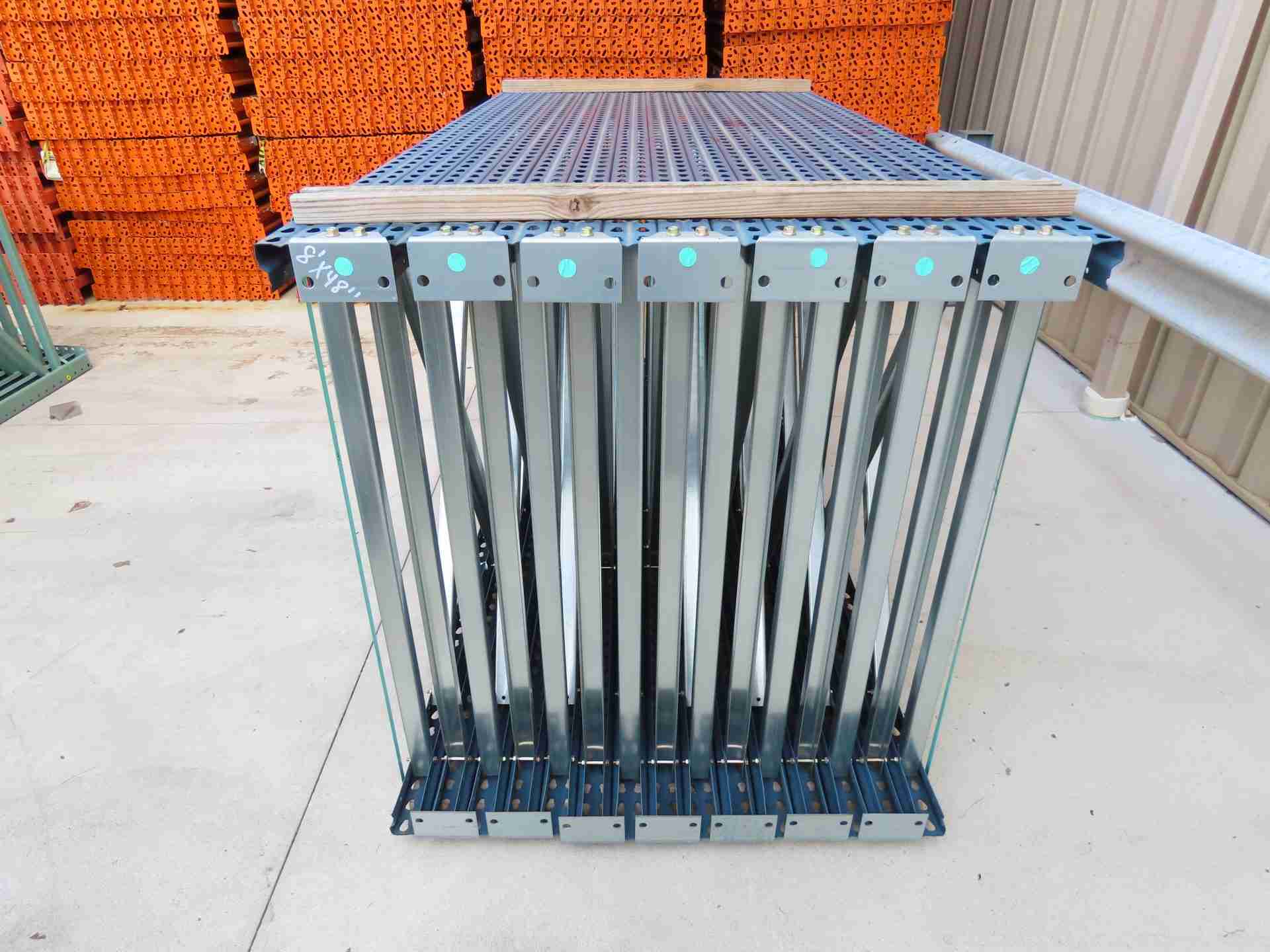
First and foremost, metal pallet racking is extremely durable and long-lasting. It is able to withstand heavy loads and harsh environmental conditions, ensuring that it will not need to be replaced as frequently as other types of racking. This longevity reduces the amount of waste produced by constantly replacing racking systems, making metal pallet racking a more sustainable option in the long run.
Additionally, metal pallet racking is highly recyclable. At the end of its lifespan, metal racking can be easily recycled and repurposed into new products, reducing the amount of waste that ends up in landfills. This closed-loop recycling process minimizes the environmental impact of metal pallet racking and contributes to a more sustainable supply chain.
Furthermore, metal pallet racking is more resistant to pests, moisture, and other environmental factors that can lead to deterioration. This means that metal racking requires less maintenance and upkeep, reducing the need for harmful chemicals and treatments that can harm the environment. By choosing metal pallet racking, you are not only investing in a durable and long-lasting storage solution, but also in a more environmentally friendly option.
In terms of energy efficiency, metal pallet racking also has advantages over other types of racking. Metal racking is easier to clean and maintain, reducing the amount of energy needed to keep your warehouse organized and efficient. Additionally, the strength and durability of metal racking allow for taller and more compact storage configurations, maximizing space efficiency and reducing the overall energy footprint of your warehouse.
Overall, metal pallet racking offers a sustainable and environmentally friendly storage solution for warehouses of all sizes. Its durability, recyclability, resistance to environmental factors, and energy efficiency make it a smart choice for businesses looking to reduce their environmental impact and operate more sustainably. By choosing metal pallet racking, you are not only investing in a high-quality storage solution, but also in a more sustainable future for your business and the planet.
Is Metal Pallet Racking A More Sustainable Option?
Is Metal Pallet Racking A More Sustainable Option?
- Metal pallet racking is extremely durable and long-lasting.
- Metal racking is highly recyclable, reducing waste in landfills.
- Metal racking is resistant to pests, moisture, and environmental factors.
- Metal racking requires less maintenance and harmful chemicals.
- Metal racking is more energy efficient and space-efficient.
- Metal pallet racking offers a sustainable storage solution.
- Choosing metal pallet racking contributes to a more sustainable future.
Is Metal Pallet Racking A More Sustainable Option?
How Do Plastic Pallet Racks Compare Environmentally?
When it comes to comparing plastic pallet racks to other materials like wood or metal, the conversation often turns to their environmental impact. Many people wonder which option is the most sustainable and eco-friendly choice.
Plastic pallet racks have some clear advantages when it comes to their environmental impact. For starters, plastic is a highly durable and long-lasting material. This means that plastic pallet racks have a longer lifespan compared to wooden pallet racks, which are more susceptible to damage from moisture, pests, and wear and tear. This longevity can ultimately reduce the need for frequent replacements, saving resources and reducing waste in the long run.
Additionally, plastic pallet racks are resistant to moisture, mold, and pests, which can be common issues with wooden pallet racks. This resistance means that plastic pallet racks require less maintenance and are less likely to harbor harmful substances or contaminants that could pose a risk to the environment.
Furthermore, plastic pallet racks are often made from recycled materials and are themselves recyclable at the end of their lifespan. This means that plastic pallet racks have the potential to be reused and repurposed, reducing the demand for virgin materials and diverting waste from landfills.
In contrast, wooden pallet racks, while renewable and biodegradable, require the harvesting of trees, which can have a significant impact on forests and habitats. Additionally, wooden pallet racks are more prone to deterioration and damage, leading to a shorter lifespan and potentially more frequent replacements.
Metal pallet racks, on the other hand, are durable and long-lasting like plastic pallet racks, but they come with their own set of environmental challenges. The production of metal racks often involves energy-intensive processes like mining and smelting, which can contribute to air and water pollution. Additionally, metal racks can rust and corrode over time, requiring maintenance and potentially impacting the environment.
Plastic pallet racks offer a compelling environmentally friendly option for businesses looking to minimize their impact on the planet. From their durability and resistance to their recyclability and use of recycled materials, plastic pallet racks stand out as a sustainable choice for storage solutions. By choosing plastic pallet racks over traditional alternatives, businesses can help reduce waste, conserve resources, and support a more environmentally friendly supply chain.

How Do Plastic Pallet Racks Compare Environmentally?
How Do Plastic Pallet Racks Compare Environmentally?
- Plastic pallet racks are highly durable and long-lasting compared to wooden pallet racks.
- Plastic pallet racks are resistant to moisture, mold, and pests, requiring less maintenance.
- Plastic pallet racks are often made from recycled materials and are recyclable at the end of their lifespan.
- Wooden pallet racks require tree harvesting, leading to environmental impact on forests and habitats.
- Metal pallet racks have energy-intensive production processes and can rust over time.
- Plastic pallet racks offer a sustainable choice for storage solutions.
- Choosing plastic pallet racks helps reduce waste, conserve resources, and support an environmentally friendly supply chain.
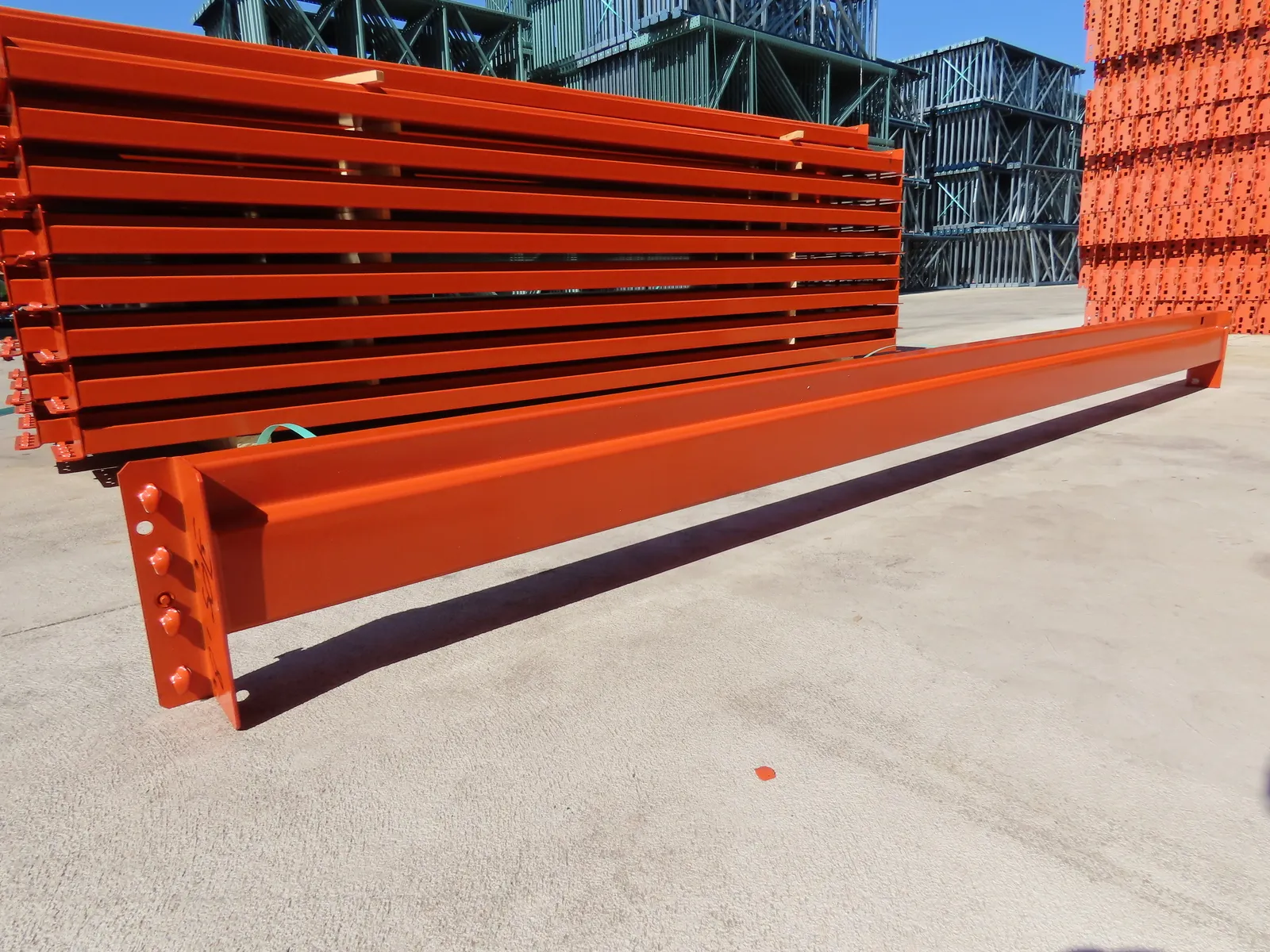
How Do Plastic Pallet Racks Compare Environmentally?
Are There Any Eco-Friendly Alternatives To Traditional Materials?
In today’s world, sustainability is a hot topic. People are becoming more aware of the impact their choices have on the environment, and they are looking for ways to lessen their carbon footprint. One area where this is especially relevant is in the materials we use for construction and manufacturing.
Traditional materials like concrete, steel, and plastic are known for their durability and versatility, but they also come with a hefty environmental price tag. The extraction and processing of these materials often involve heavy machinery, energy-intensive processes, and pollution of water and air. This has led many to search for alternatives that are more eco-friendly.
One promising alternative to traditional building materials is bamboo. Bamboo is a fast-growing, renewable resource that can be harvested in as little as three to five years. It is strong, durable, and versatile, making it an ideal material for construction. Bamboo also has natural anti-bacterial properties, making it an excellent choice for flooring, furniture, and other household items.
Another eco-friendly alternative to traditional materials is reclaimed wood. Reclaimed wood is salvaged from old buildings, barns, and other structures slated for demolition. By repurposing this wood, we are not only preventing it from ending up in a landfill but also reducing the demand for new trees to be cut down. Reclaimed wood has a unique character and charm that cannot be replicated with new wood, making it a popular choice for flooring, furniture, and decor.
For those looking to reduce their use of plastic, there are a variety of eco-friendly alternatives available. Materials like cork, hemp, and mushroom mycelium can be used to create biodegradable products that have a minimal impact on the environment. These materials are not only renewable but also biodegradable, making them a sustainable choice for those looking to reduce their waste.
There are plenty of eco-friendly alternatives to traditional materials that can help lessen our impact on the environment. By choosing materials like bamboo, reclaimed wood, and biodegradable alternatives, we can help protect the planet for future generations. It’s time to think outside the box and consider the impact of our choices on the world around us.
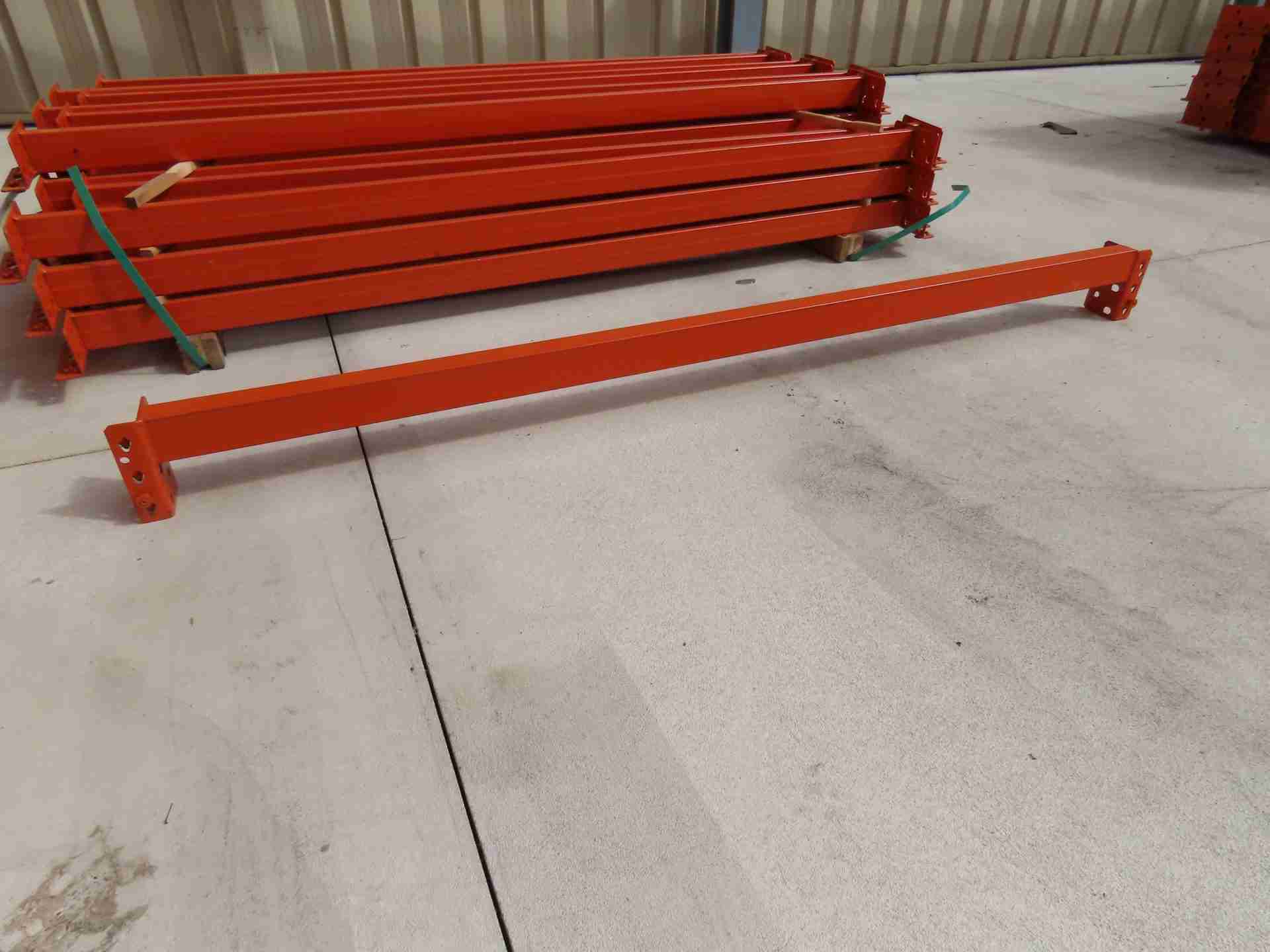
Are There Any Eco-Friendly Alternatives To Traditional Materials?
Are There Any Eco-Friendly Alternatives To Traditional Materials?
- In today’s world, sustainability is a hot topic.
- People are becoming more aware of the impact their choices have on the environment.
- One area where this is especially relevant is in the materials we use for construction and manufacturing.
- Bamboo is a promising alternative to traditional building materials.
- Reclaimed wood is an eco-friendly alternative salvaged from old buildings.
- Materials like cork, hemp, and mushroom mycelium can be used as eco-friendly alternatives to plastic.
- Choosing materials like bamboo, reclaimed wood, and biodegradable alternatives can help protect the planet for future generations.
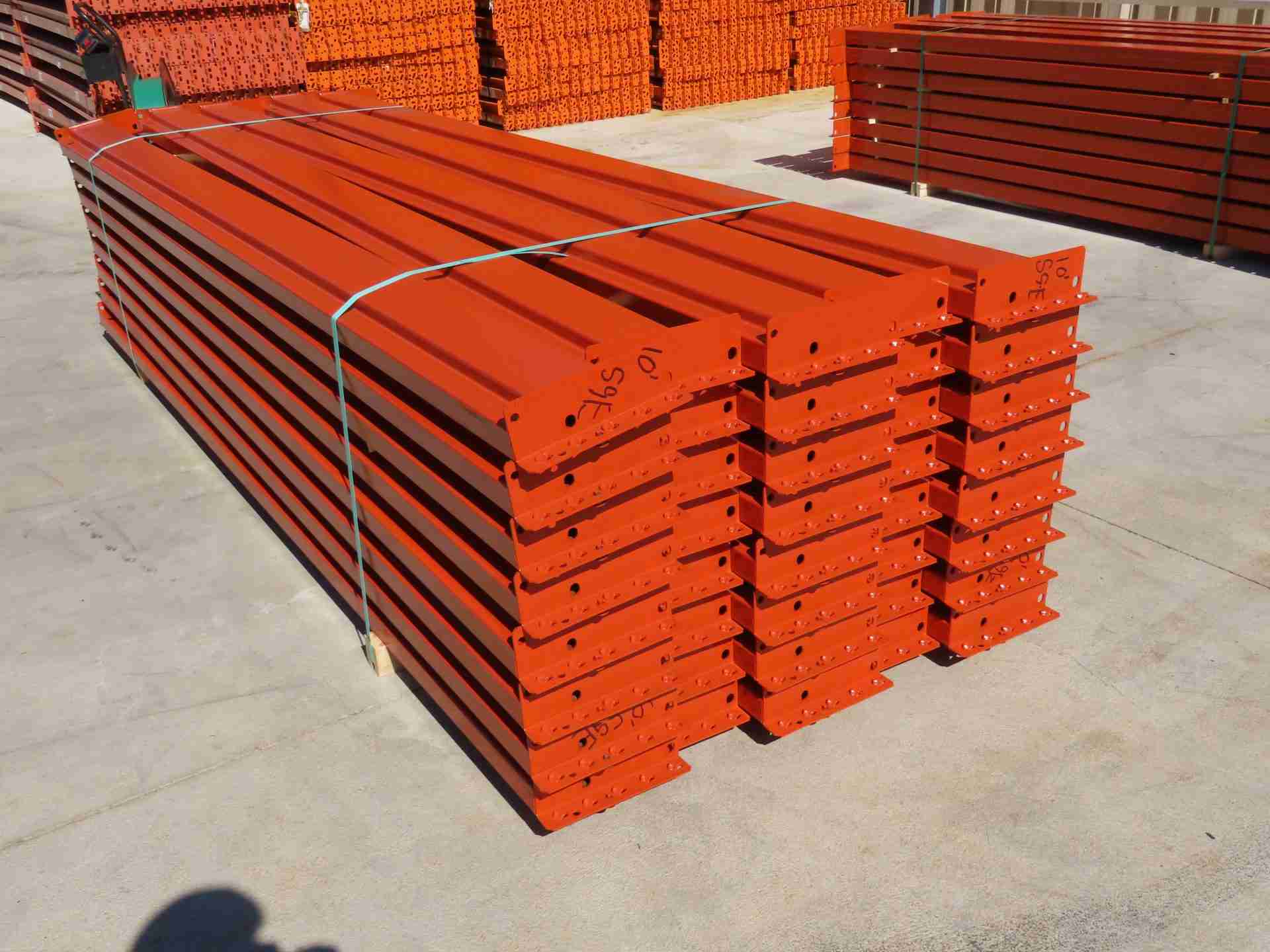
Are There Any Eco-Friendly Alternatives To Traditional Materials?
Which Material Has The Lowest Carbon Footprint?
Have you ever stopped to consider the environmental impact of the materials we use in our everyday lives? From the food we eat to the clothes we wear, each choice we make can have a significant carbon footprint. But when it comes to building materials, one question that often arises is: which material has the lowest carbon footprint?
The answer may surprise you. It turns out that the material with the lowest carbon footprint is wood. That’s right, good old-fashioned wood. Now, I know what you’re thinking – how can cutting down trees be good for the environment? But hear me out.
Wood is a renewable resource, meaning that as long as forests are managed sustainably, they can be continually replenished. And when it comes to carbon storage, wood is a champ. Trees absorb carbon dioxide from the atmosphere as they grow, locking it away in their fibers. So when wood is used in construction, that carbon remains stored in the structure, even after the tree has been harvested.
Compare that to materials like steel and concrete, which require a significant amount of energy to produce and release carbon dioxide during their production. Not to mention the fact that these materials are not renewable and require mining or drilling to extract. The carbon footprint of steel and concrete is much higher than that of wood, making them less environmentally friendly choices.
But it’s not just the production phase where wood shines. When a building constructed of wood reaches the end of its life, the wood can be reused or recycled, further reducing its environmental impact. And if the wood is left to decompose naturally, it returns to the earth without releasing harmful chemicals or greenhouse gases.
So, the next time you’re considering building materials for a project, think about the carbon footprint of your choices. Wood may not be the flashiest or most high-tech option, but it’s hard to argue with its low environmental impact. Plus, there’s something timeless and beautiful about a structure built with natural, sustainable materials.
When it comes to choosing materials with the lowest carbon footprint, wood is the clear winner. So go ahead, embrace the beauty and sustainability of wood in your next construction project. Your conscience – and the planet – will thank you.
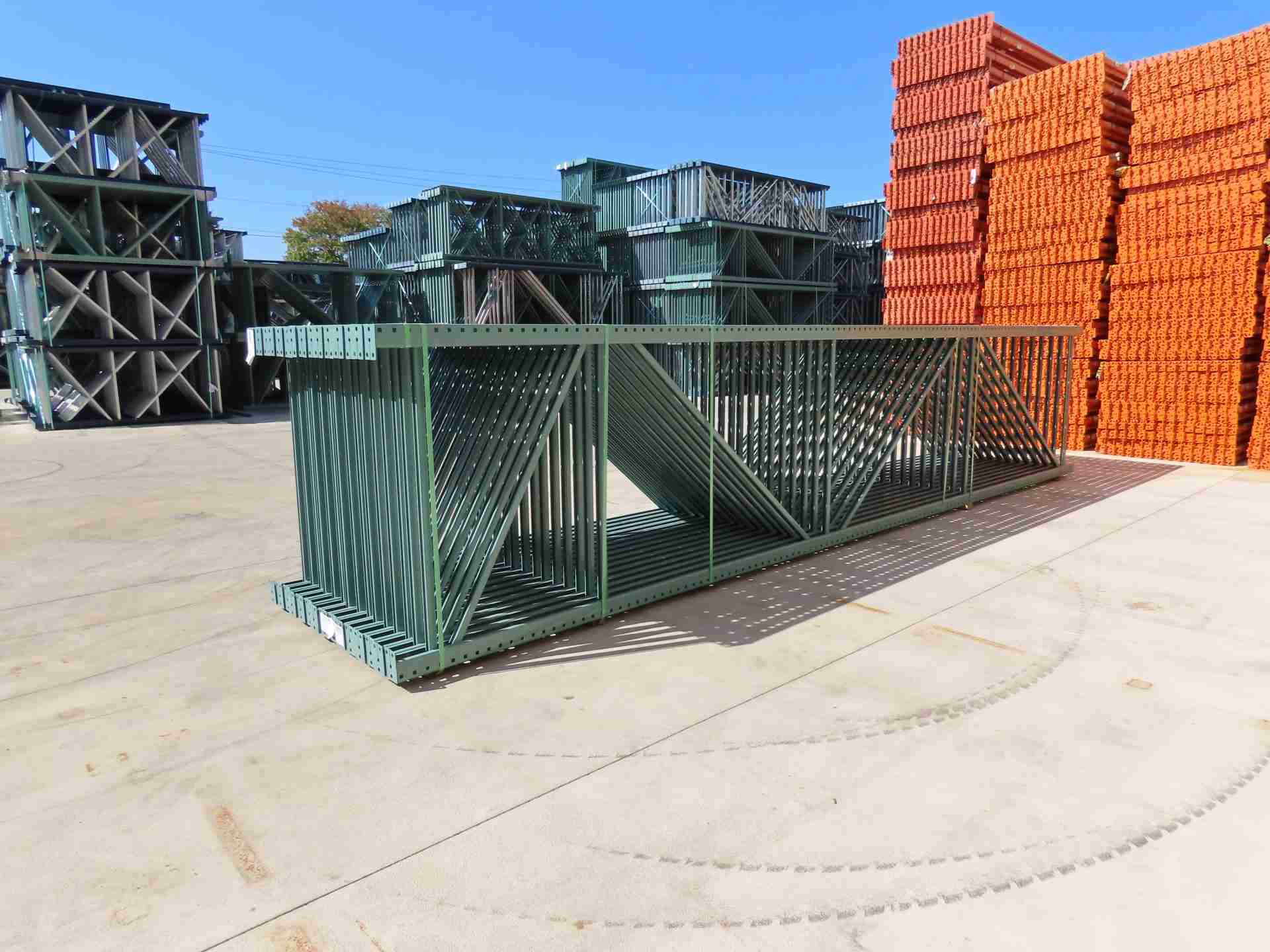
Which Material Has The Lowest Carbon Footprint?
Which Material Has The Lowest Carbon Footprint?
- Wood has the lowest carbon footprint among building materials.
- Wood is a renewable resource that can be continually replenished.
- Trees absorb carbon dioxide as they grow, storing it in their fibers.
- Steel and concrete have higher carbon footprints and are not renewable.
- Wood can be reused, recycled, or left to decompose naturally at the end of its life.
- Choosing wood for construction projects can have a low environmental impact.
- Embrace the beauty and sustainability of wood in your next project.
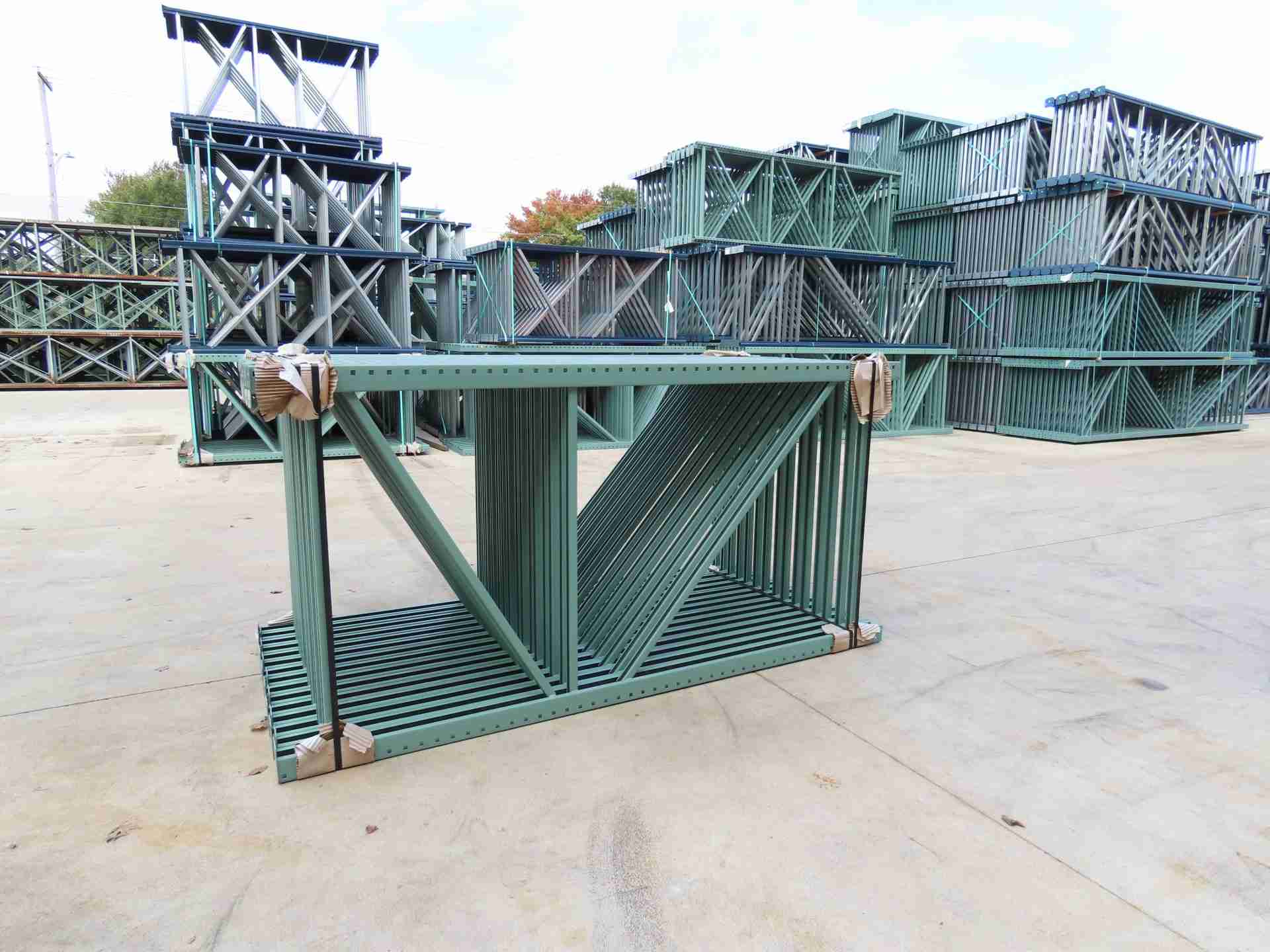
Which Material Has The Lowest Carbon Footprint?
What Are The Environmental Impacts Of Wood Pallet Racking?
Wood pallet racking has long been a popular choice for storing and organizing inventory in warehouses and distribution centers. However, it’s important to consider the environmental impacts of using wood pallet racking systems.
One of the main concerns with wood pallet racking is the deforestation that can occur in order to harvest the wood needed to produce the racks. As global demand for wood products continues to rise, forests are being cleared at an alarming rate, leading to habitat destruction and loss of biodiversity. Additionally, the process of logging and transporting the wood used for pallet racking can contribute to air and water pollution.
Another environmental impact to consider is the carbon footprint associated with manufacturing and transporting wood pallet racking systems. The energy and resources required to produce the racks, as well as the emissions generated during transportation, all contribute to the overall environmental footprint of using wood pallet racking.
Additionally, wood pallet racking systems have the potential to contribute to deforestation and illegal logging practices if not sourced from sustainable and responsibly managed forests. By using wood from uncertified sources, companies may unknowingly support destructive forestry practices that harm the environment and local communities.
However, it’s worth noting that there are ways to mitigate the environmental impacts of wood pallet racking. One option is to choose pallet racking systems made from reclaimed or recycled wood, which helps to reduce the demand for virgin timber and minimize the impact on forests. Additionally, companies can opt for pallet racking systems that are certified by organizations like the Forest Stewardship Council (FSC), which ensures that the wood used is sourced from responsibly managed forests.
Furthermore, implementing proper forest management practices, such as reforestation and sustainable logging techniques, can help to offset the environmental impact of using wood pallet racking systems. By investing in sustainable forestry practices, companies can help to ensure the long-term health and vitality of forests for future generations.
While wood pallet racking systems offer a cost-effective and versatile storage solution for many businesses, it’s important to consider the environmental impacts associated with their production and use. By choosing sustainable and responsibly sourced wood products, companies can minimize their impact on forests and help to protect the environment for years to come.
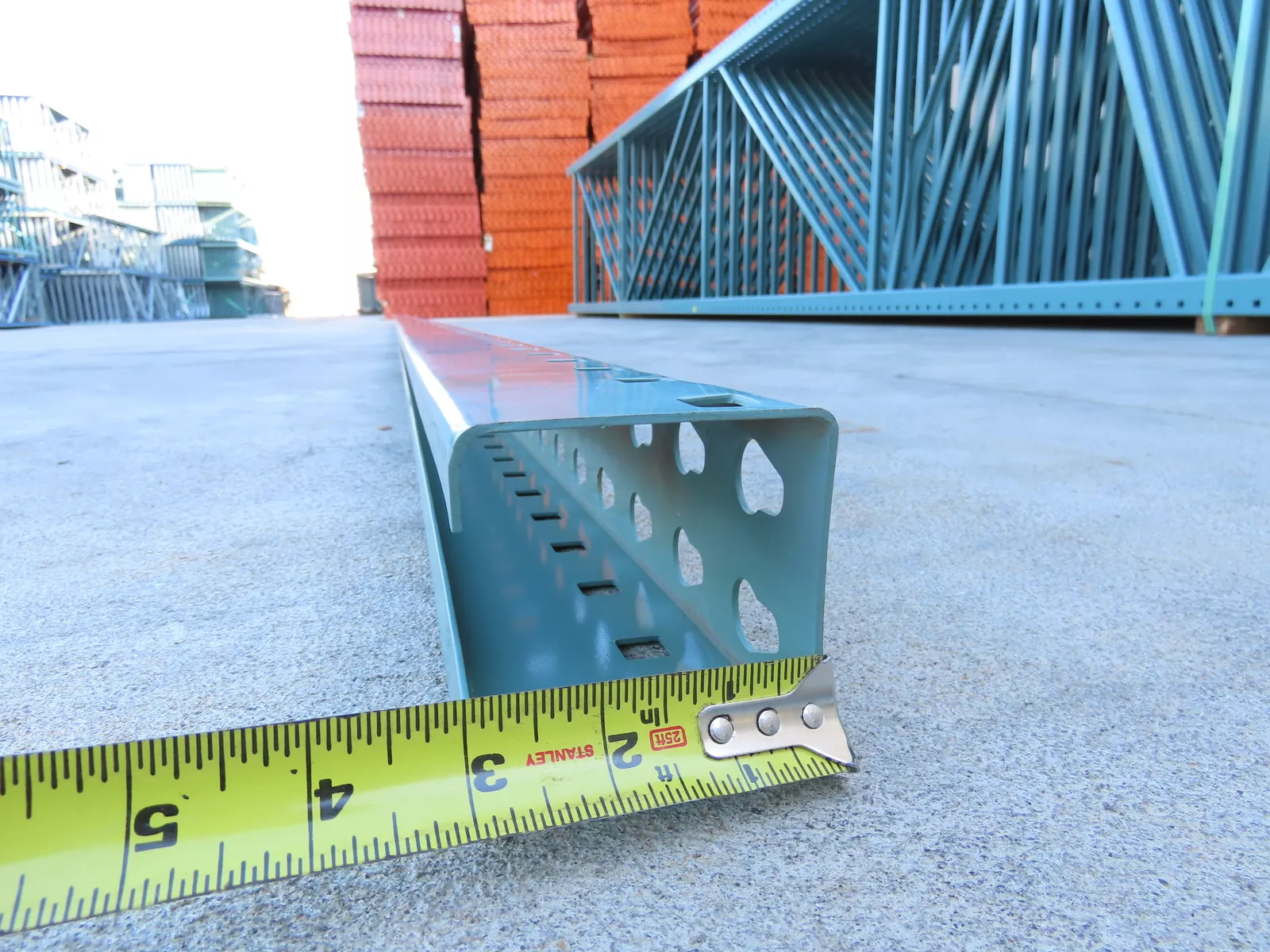
What Are The Environmental Impacts Of Wood Pallet Racking?
What Are The Environmental Impacts Of Wood Pallet Racking?
- Wood pallet racking popular for storing inventory.
- Deforestation concerns due to wood harvesting.
- Carbon footprint of manufacturing and transporting.
- Potential contribution to deforestation and illegal logging.
- Options to mitigate environmental impacts.
- Implementing proper forest management practices.
- Choosing sustainable and responsibly sourced wood products.
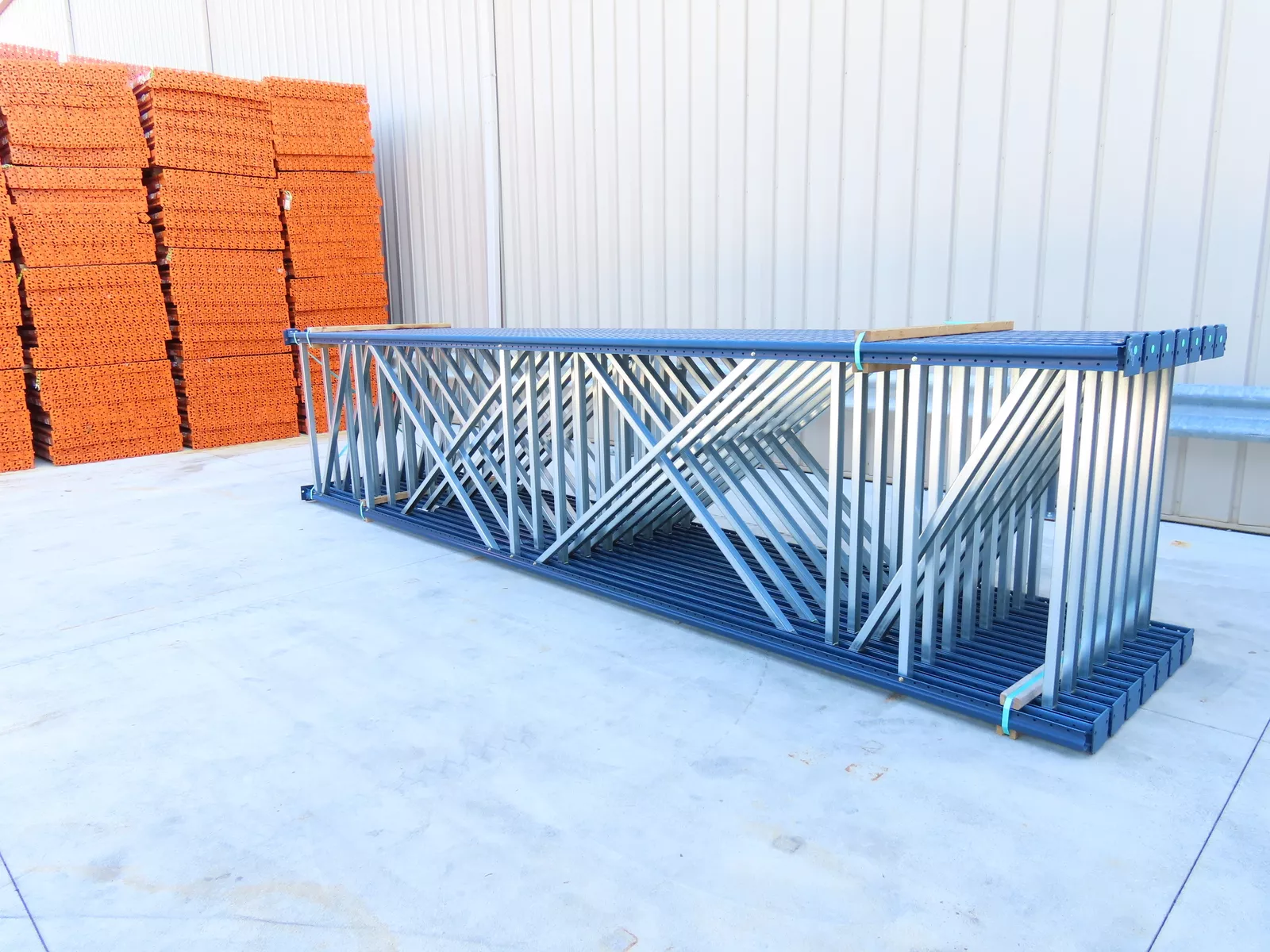
What Are The Environmental Impacts Of Wood Pallet Racking?
What About Metal Pallet Racking?
Metal pallet racking is a popular choice for many businesses looking to optimize their warehouse storage. And for good reason – metal pallet racking is known for its durability and strength, making it a reliable option for storing heavy items.
One of the key advantages of metal pallet racking is its ability to withstand the wear and tear of everyday warehouse operations. Whether you’re storing large, bulky items or heavy machinery parts, metal pallet racking can handle the weight without buckling under pressure. This means you can trust that your inventory will be safe and secure, no matter how heavy or awkwardly shaped it may be.
Another benefit of metal pallet racking is its versatility. With adjustable shelves and customizable configurations, you can easily tailor your racking system to meet the specific needs of your warehouse. Whether you need to store different types of inventory, accommodate varying pallet sizes, or create efficient picking routes, metal pallet racking can be adapted to suit your requirements.
Not only is metal pallet racking strong and versatile, but it is also relatively low maintenance. Unlike other types of storage systems, metal pallet racking is resistant to rust, corrosion, and other environmental factors that can cause deterioration over time. This means you can count on your racking system to remain in top condition for years to come, saving you time and money on repairs and replacements.
Of course, like any storage solution, metal pallet racking does come with its own set of considerations. For one, metal pallet racking can be more expensive upfront compared to other options like plastic or wood. However, the long-term durability and reliability of metal pallet racking can ultimately save you money in the long run by reducing the need for frequent replacements.
Additionally, metal pallet racking can be more difficult to install and reconfigure compared to other types of racking systems. It’s important to work with experienced professionals who can ensure that your racking system is installed correctly and efficiently. This way, you can avoid any potential safety hazards or inefficiencies that may arise from improper installation.
Metal pallet racking is a solid choice for businesses looking to maximize their warehouse space and optimize their inventory management. With its strength, versatility, and durability, metal pallet racking offers a dependable storage solution that can withstand the demands of daily operations.Consider these factors when deciding on the best racking system for your warehouse needs.
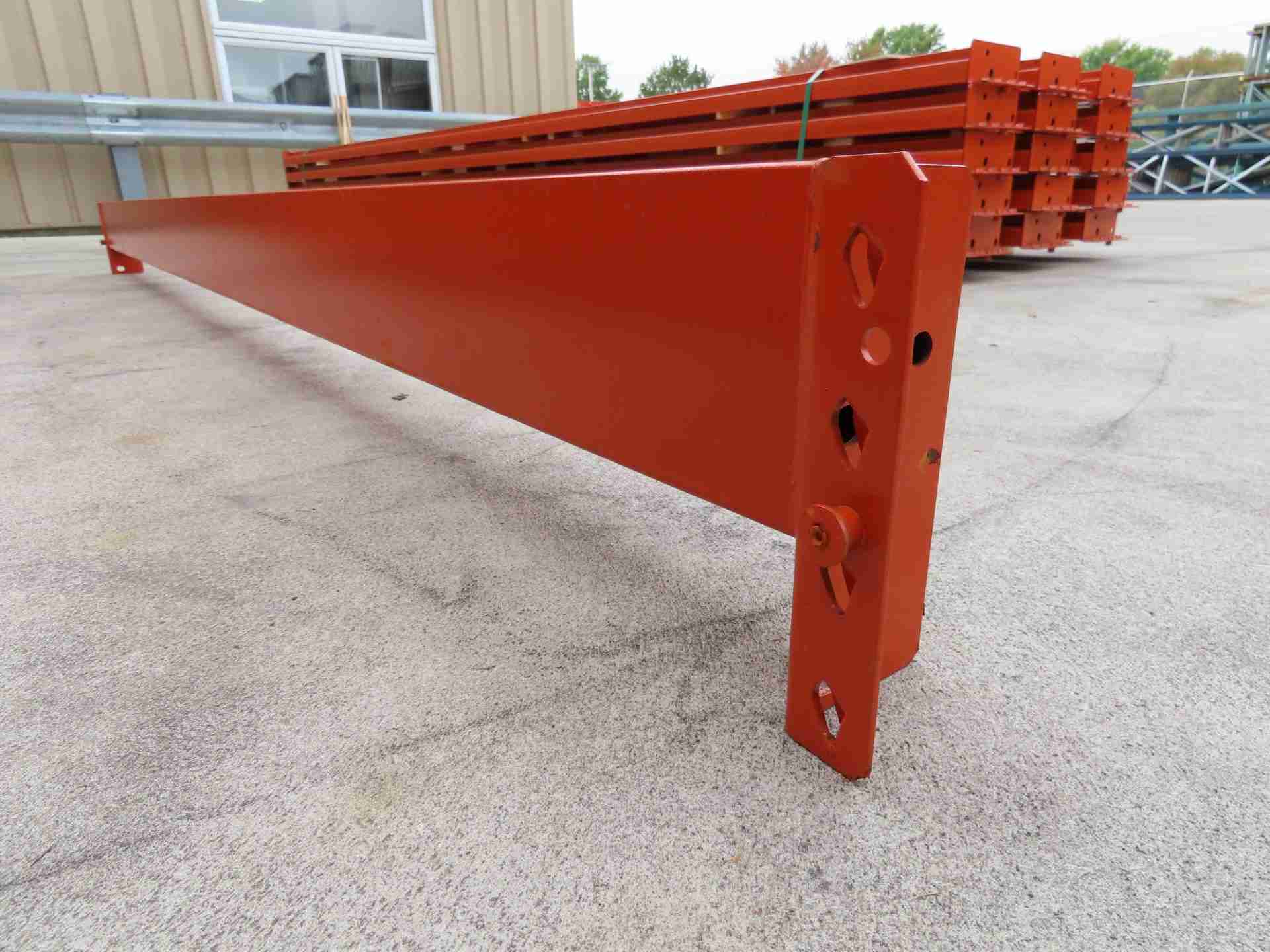
What About Metal Pallet Racking?
What About Metal Pallet Racking?
- Metal pallet racking is known for its durability and strength.
- Metal pallet racking can handle heavy items without buckling under pressure.
- Metal pallet racking is versatile with adjustable shelves and customizable configurations.
- Metal pallet racking is low maintenance and resistant to rust and corrosion.
- Metal pallet racking may be more expensive upfront but saves money in the long run.
- Metal pallet racking can be more difficult to install and reconfigure.
- Metal pallet racking offers a dependable storage solution for businesses.

What About Metal Pallet Racking?
Are Plastic Pallet Racks More Environmentally Friendly?
When it comes to discussing the environmental impact of plastic pallet racks, there are a few key points to consider. Some may argue that plastic pallet racks are not as environmentally friendly as their metal counterparts due to the fact that plastic is not biodegradable and can take hundreds of years to break down in landfills.
However, it’s important to look at the bigger picture. While it’s true that plastic pallet racks may not be biodegradable, they are durable and long-lasting, which means they can be reused many times before needing to be replaced. This longevity can actually make them a more sustainable option in the long run compared to metal racks that may need to be replaced more frequently.
Additionally, plastic pallet racks are often lighter in weight than metal racks, which can reduce fuel consumption and carbon emissions during transportation. This can have a positive impact on the environment by reducing the overall carbon footprint of the supply chain.
Furthermore, plastic pallet racks can also be made from recycled materials, further reducing their environmental impact. Many manufacturers are now using recycled plastics in the production of pallet racks, which helps to divert plastic waste from landfills and reduce the demand for virgin plastic materials.
In terms of energy consumption, plastic pallet racks may also have an edge over metal racks. The production of plastic typically requires less energy compared to the production of metal, which can result in lower greenhouse gas emissions during manufacturing.
It’s also worth noting that plastic pallet racks are resistant to moisture, rust, and corrosion, which can extend their lifespan and reduce the need for maintenance and replacement. This can not only save on costs but also reduce the environmental impact associated with the disposal of old racks.
While plastic pallet racks may not be biodegradable, their durability, recyclability, and energy efficiency can make them a more environmentally friendly option in certain circumstances. As with any product, it’s important to weigh the pros and cons and consider the specific needs of your operation before making a decision.
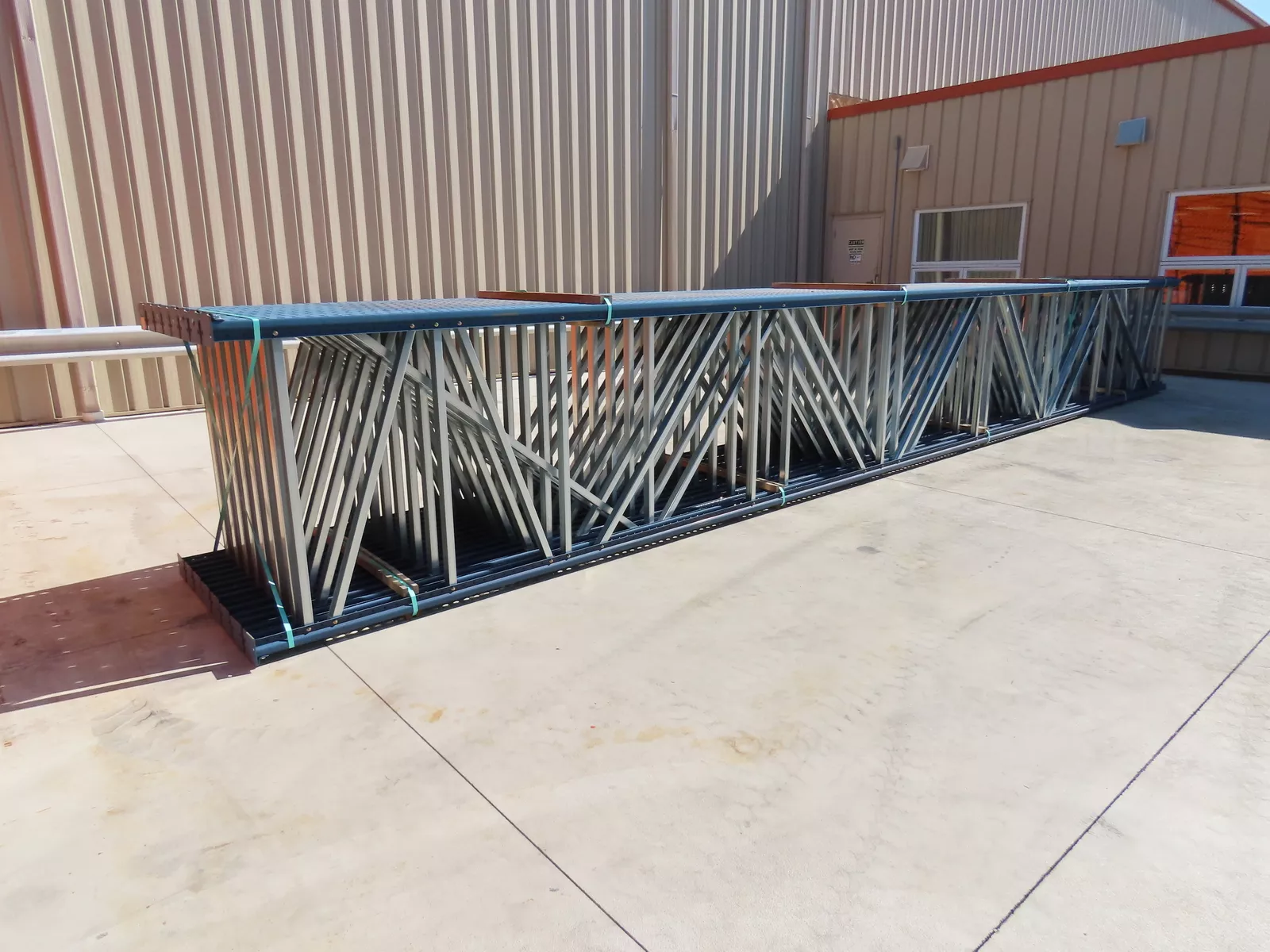
Are Plastic Pallet Racks More Environmentally Friendly?
Are Plastic Pallet Racks More Environmentally Friendly?
- Plastic pallet racks are not biodegradable and can take hundreds of years to break down in landfills.
- Plastic pallet racks are durable and long-lasting, making them a more sustainable option for long-term use.
- Plastic pallet racks are lighter in weight than metal racks, reducing fuel consumption and carbon emissions during transportation.
- Plastic pallet racks can be made from recycled materials, reducing environmental impact and diverting plastic waste from landfills.
- Production of plastic pallet racks typically requires less energy and results in lower greenhouse gas emissions compared to metal racks.
- Plastic pallet racks are resistant to moisture, rust, and corrosion, extending their lifespan and reducing the need for maintenance and replacement.
- While not biodegradable, plastic pallet racks are environmentally friendly due to their durability, recyclability, and energy efficiency in certain circumstances.
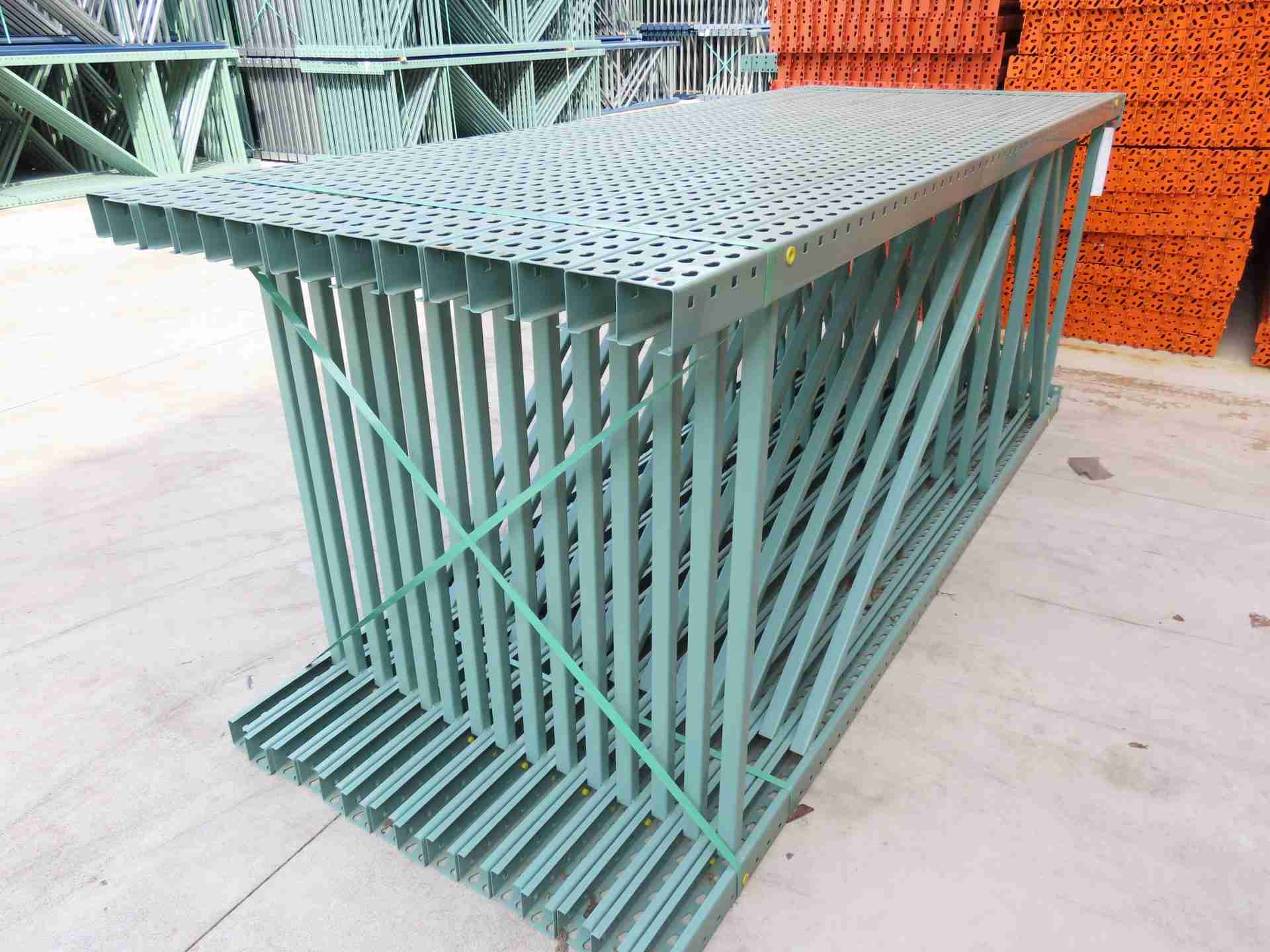
Are Plastic Pallet Racks More Environmentally Friendly?
How Do Different Pallet Racking Materials Affect Indoor Air Quality?
When it comes to pallet racking materials, the choices you make can have a significant impact on indoor air quality. The materials used in the construction of pallet racking systems can release harmful chemicals and particles into the air, which can pose risks to the health and safety of workers in the facility.
One common material used in pallet racking is steel. Steel is a durable and strong material that can withstand heavy loads and provide long-lasting support for your inventory. However, steel can also release particles and chemicals into the air through processes like galvanization or rusting. These particles can be harmful if inhaled, leading to respiratory issues and other health problems for workers in the area.
Another material often used in pallet racking systems is wood. Wood is a natural and renewable material that can be an eco-friendly choice for pallet racking. However, wood can also release volatile organic compounds (VOCs) into the air, especially if the wood is treated with chemicals for preservation. These VOCs can contribute to poor indoor air quality and pose health risks to workers in the facility.
Plastic is another common material used in pallet racking systems. Plastic is lightweight, durable, and resistant to corrosion, making it a popular choice for many warehouses. However, some types of plastic can release toxins into the air as they degrade, which can be harmful to the health of those working around the racking system.
Aluminum is a material that is sometimes used for pallet racking systems due to its strength and lightweight properties. While aluminum is generally considered a safe material, it can release particles into the air when it is drilled or cut during installation or maintenance. These particles can be a concern for indoor air quality if proper precautions are not taken.
Overall, the choice of material for your pallet racking system can have a significant impact on indoor air quality. It is important to consider the potential risks associated with different materials and take steps to minimize the release of harmful particles and chemicals into the air. Regular maintenance and inspections of pallet racking systems can help to identify any issues that may be affecting indoor air quality and address them promptly to ensure a safe working environment for all employees.
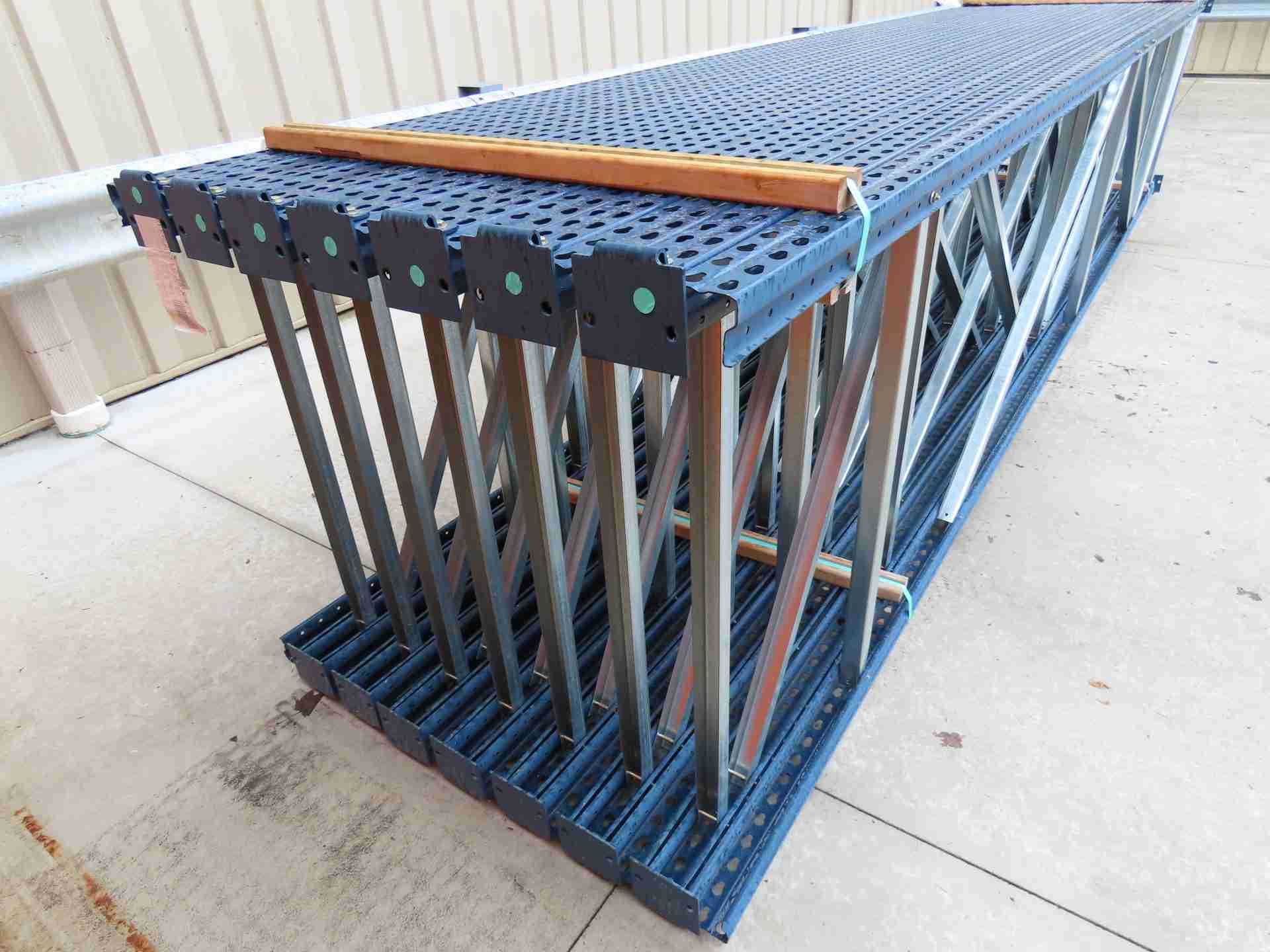
How Do Different Pallet Racking Materials Affect Indoor Air Quality?
How Do Different Pallet Racking Materials Affect Indoor Air Quality?
- Steel is durable and strong, but can release harmful particles and chemicals into the air.
- Wood, a natural and renewable material, can release VOCs if treated with chemicals.
- Plastic is lightweight and durable, but some types can release toxins as they degrade.
- Aluminum, strong and lightweight, can release particles into the air during installation or maintenance.
- Material choice for pallet racking can impact indoor air quality and worker health.
- Regular maintenance and inspections can help identify and address any issues.
- Steps should be taken to minimize the release of harmful particles and chemicals into the air.
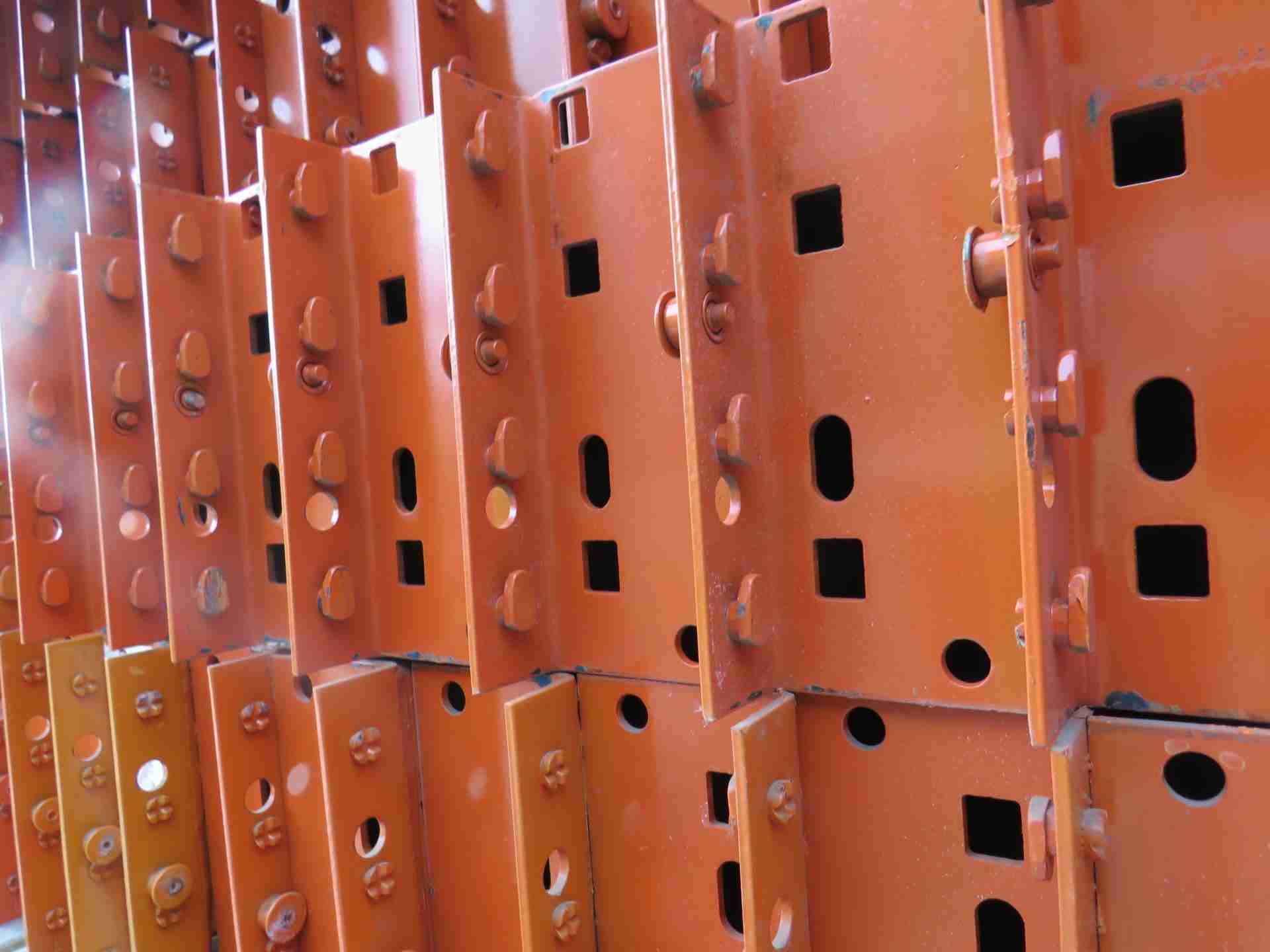
How Do Different Pallet Racking Materials Affect Indoor Air Quality?
Conclusion
In conclusion, when considering the environmental impacts of different pallet racking materials, it’s crucial to weigh the pros and cons of each option. Steel racks, while strong and durable, can have significant environmental impacts due to the energy-intensive production process and transportation emissions. Wood racks, made from sustainably sourced timber, can help reduce the impact of deforestation but still require energy and resources for production, as well as proper management to avoid waste. Plastic racks, lightweight and durable, offer recyclability but are often made from non-renewable petroleum products and can release harmful chemicals. Recycled materials provide a more sustainable option, requiring less energy and resources for production while reducing waste and pollution.
Wood pallet racking is praised for its affordability, versatility, and flexibility, but concerns arise over durability and susceptibility to damage. Metal pallet racking, on the other hand, offers durability, recyclability, resistance to environmental factors, and energy efficiency, making it a sustainable choice for warehouses. Plastic pallet racks, while not biodegradable, offer durability, recyclability, and energy efficiency, especially when made from recycled materials.
Considering the impact on indoor air quality, different materials used in pallet racking systems can release harmful particles and chemicals, affecting the health and safety of workers. Steel, wood, plastic, and aluminum all have their own considerations when it comes to indoor air quality, requiring proper maintenance and precautions to minimize risks.
In the end, the choice of pallet racking materials should be made with a careful consideration of both functionality and environmental sustainability. By weighing the environmental impacts and indoor air quality considerations of different materials, warehouses can choose the most suitable option that meets their storage needs while minimizing harm to the environment and promoting a safe working environment for all employees.
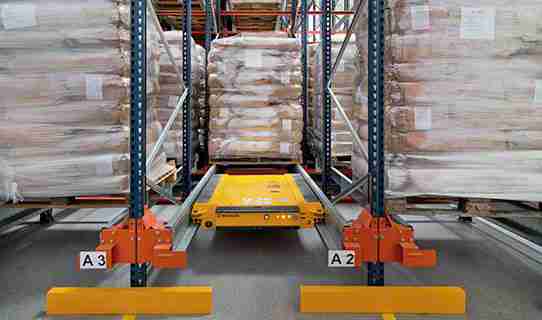
Conclusion
Conclusion:
- Steel racks: strong and durable but energy-intensive production and transportation emissions.
- Wood racks: made from sustainably sourced timber, reduce deforestation impact but require energy for production and proper management.
- Plastic racks: lightweight and durable, offer recyclability but made from non-renewable petroleum products, may release harmful chemicals.
- Recycled materials: sustainable option, require less energy for production, reduce waste and pollution.
- Wood pallet racking: affordable, versatile, flexible but concerns over durability and susceptibility to damage.
- Metal pallet racking: durable, recyclable, resistant to environmental factors, and energy efficient.
- Plastic pallet racks: durable, recyclable, energy efficient, especially when made from recycled materials.
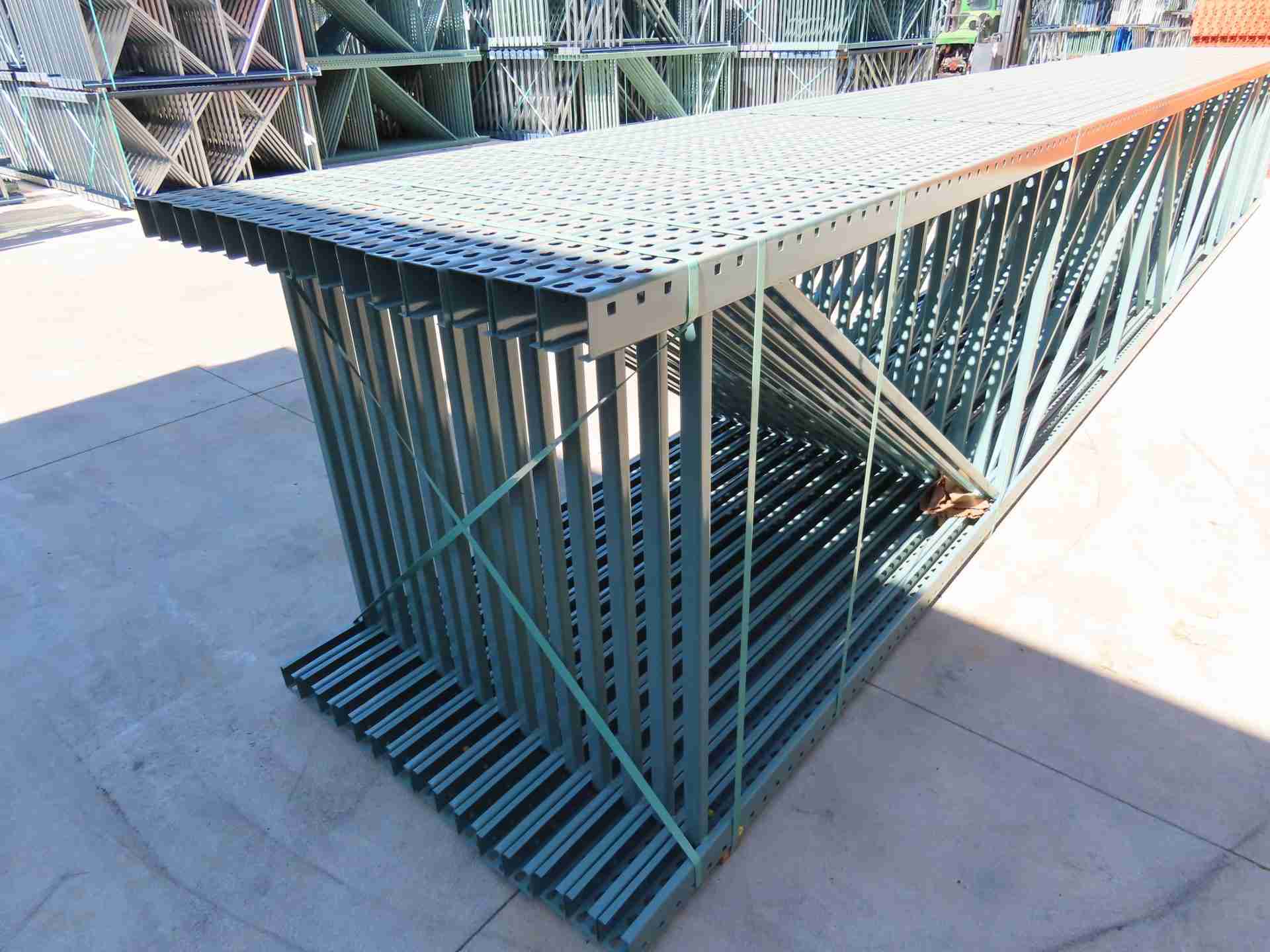
Conclusion
Other Resources
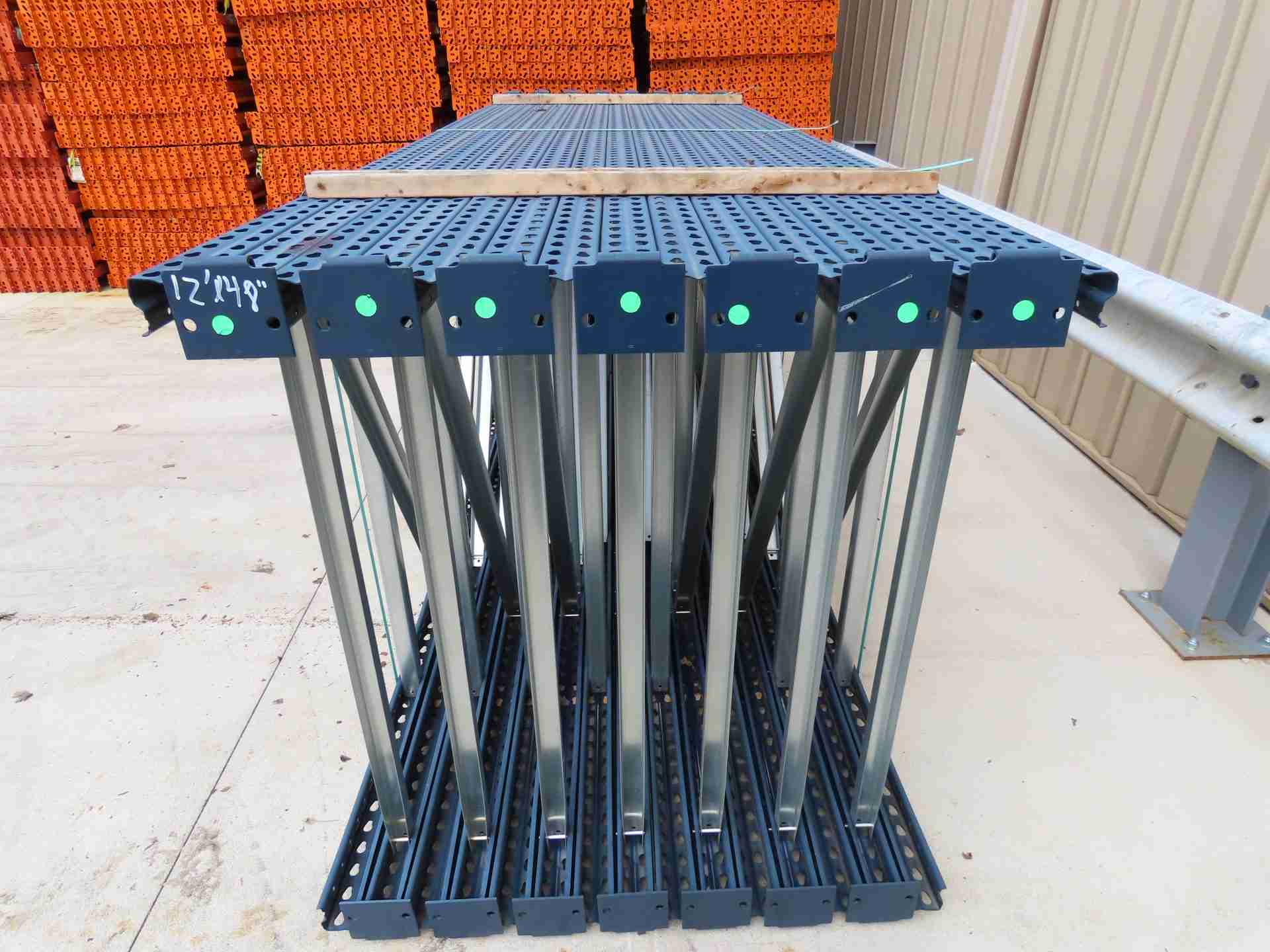
Other Resources
Here is a list of other resources you can review online to learn more:
- “””🌿 Introducing the Versatility and Sustainability of Wooden …”
- “Universal Registration Document 2 23”
- “The Environmental Impact of Wooden Pallets: How Wood …”
- “Español – EUROBLOCK Verpackungsholz GmbH”
- “Understanding the Differences Between Skids and Pallets”
- “Rethinking Timber Buildings”
- “Life cycle assessment comparison of wooden and plastic …”
- “Steel Pallet: Longer-Lasting Solutions Supporting …”
- “Pallet Rack Materials: Advantages and Drawbacks in …”
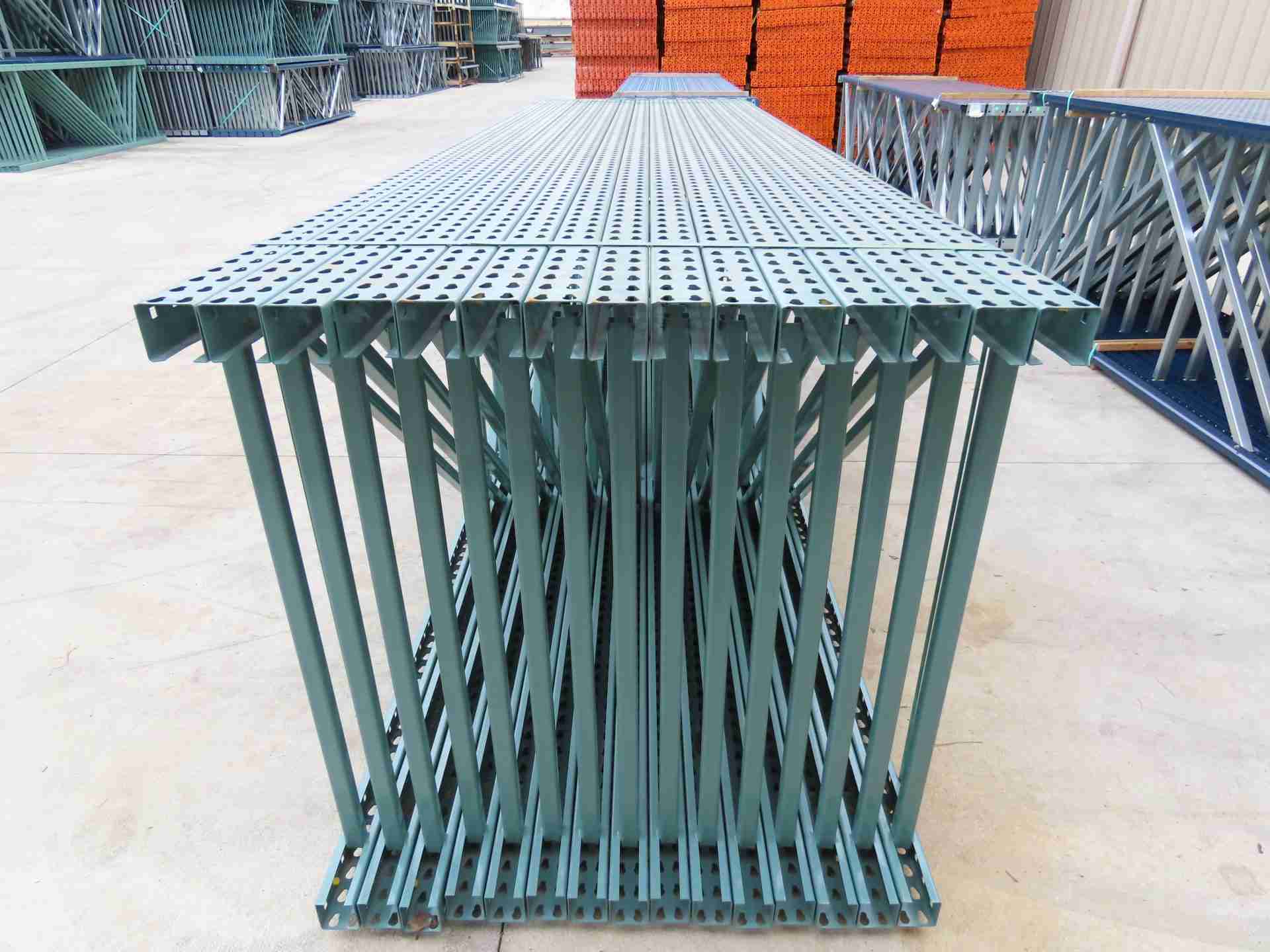
Other Resources
Glossary Terms
What Are The Environmental Impacts Of Different Pallet Racking Materials? – Glossary Of Terms
1. Pallet Racking: A storage system designed to store materials on pallets in horizontal rows with multiple levels.
2. Steel: A common material used in pallet racking systems, known for its durability but also for energy-intensive manufacturing processes.
3. Aluminum: A lighter alternative to steel used in pallet racking, though its production also requires significant energy.
4. Wood: Often used for pallets but less common for racking; has a comparatively lower carbon footprint if sourced sustainably.
5. Carbon Footprint: The total amount of greenhouse gases produced directly and indirectly by an activity or product.
6. Sustainability: Meeting the needs of the present without compromising the ability of future generations to meet their needs, crucial when selecting pallet racking materials.
7. Lifecycle Assessment (LCA): A technique to assess the environmental impacts associated with all the stages of a product’s life from cradle to grave.
8. Recyclability: The ability of a material to be recycled at the end of its life cycle, reducing its environmental impact.
9. Embodied Energy: Total energy required to produce a pallet racking system, from raw material extraction to final product.
10. Greenhouse Gas Emissions (GHGs): Gases that trap heat in the atmosphere, contributing to global warming, often measured in CO2 equivalent.
11. Renewable Resources: Natural resources that can be replenished on a human timescale, e. g. , sustainable wood.
12. Nonrenewable Resources: Resources like metals that do not replenish, creating higher long-term environmental costs.
13. Bamboo: An emerging material for pallets and racking, known for its rapid growth and low environmental impact.
14. LEED Certification: A widely used green building rating system, helpful in evaluating sustainable materials for pallet racking.
15. ISO 14001: A family of standards related to environmental management, applicable to the production of pallet racking materials.
16. Decarbonization: The process of reducing carbon dioxide emissions through the use of low-carbon technologies.
17. Circular Economy: A model focusing on designing out waste and pollution, keeping products and materials in use, and regenerating natural systems.
18. Biodegradability: The ability of a material to decompose naturally, relevant for wooden pallet racking.
19. Repurposing: Reusing materials or products for a different function from its original use can reduce environmental impacts.
20. Supply Chain Sustainability: Implementation of sustainable practices across the entire supply chain that produces pallet racking materials.
21. Energy Efficiency: Using less energy to perform the same task, crucial in the production and transport of pallet racking materials.
22. Toxic Emissions: Harmful pollutants released during the production, use, or disposal of materials, impacting air, water, and soil quality.
23. E-waste: Discarded electronic appliances, relevant when considering automated racking systems.
24. Sourcing: The process of obtaining raw materials, impacting the environmental footprint depending on methods and distances.
25. End-of-Life Management: Strategies for responsibly dealing with materials when they reach the end of their usefulness.
26. Environmental Regulations: Government policies aimed at reducing the environmental impacts of different activities, including manufacturing.
27. Waste Minimization: Efforts to reduce the amount of waste produced during manufacturing and disposal processes.
28. Composting: The process of breaking down organic material into a nutrient-rich soil amendment, a potential end-of-life option for wood.
29. Water Usage: The amount of water required in the production of pallet racking, varying significantly by material.
30. Pollution Prevention: Practices aimed at reducing the generation of pollutants, crucial in the context of manufacturing pallet racking materials.
These terms encompass a broad range of considerations that come into play when evaluating the environmental impacts of different pallet racking materials.
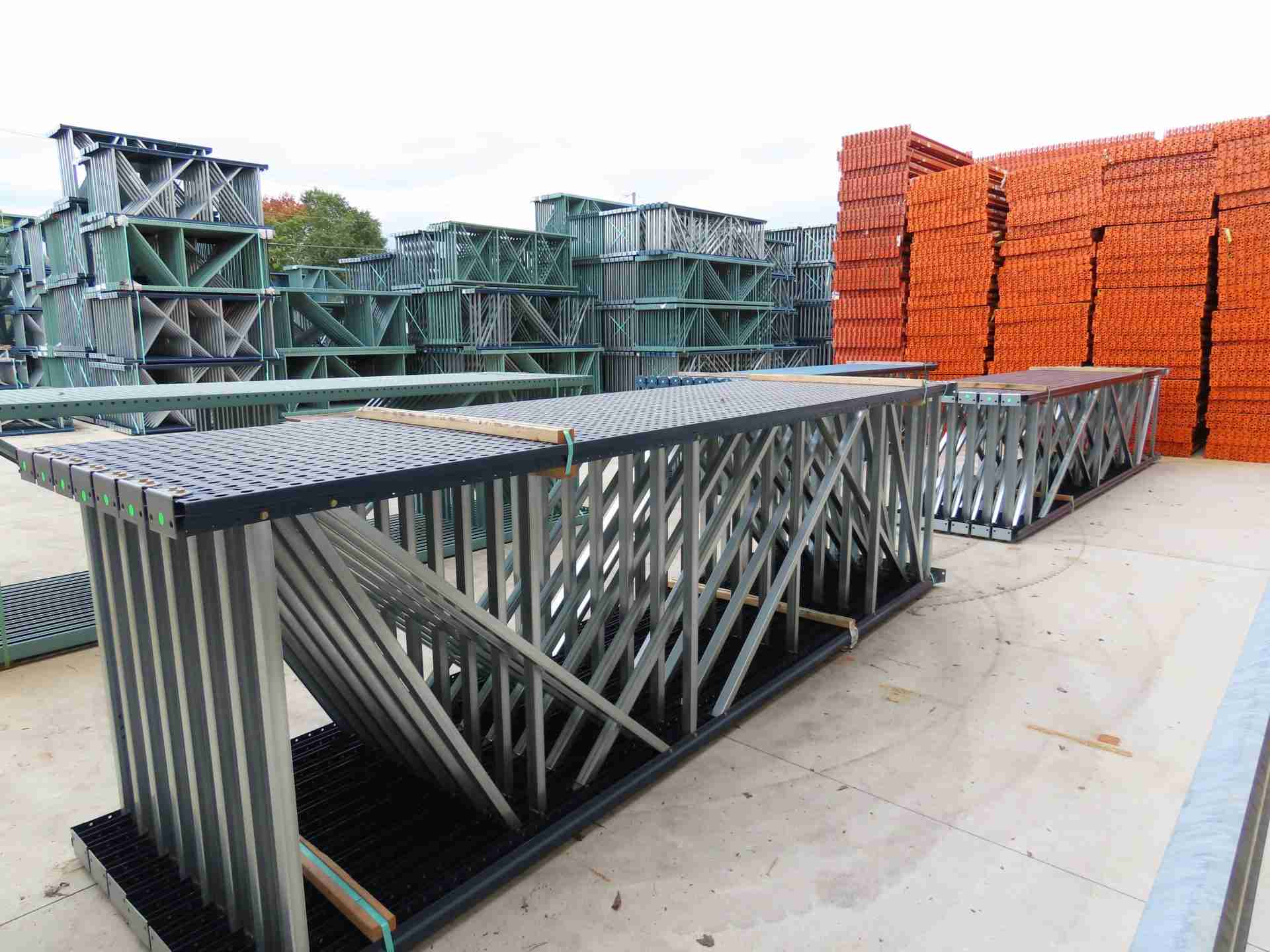
Glossary Of Terms
Other Questions
What Are The Environmental Impacts Of Different Pallet Racking Materials? – Other Questions
If you wish to explore and discover more, consider looking for answers to these questions:
- What are the alternative materials for pallet racking and how do they compare environmentally?
- How does the transportation of different pallet racking materials impact the environment?
- What are the long-term environmental effects of using recycled pallet racking materials?
- How are sustainably sourced timber and reclaimed wood regulated to ensure minimal environmental impact?
- What are the most sustainable disposal methods for pallet racking materials at the end of their lifecycle?
- How do different pallet racking materials affect the overall carbon footprint of a warehouse?
- What are the maintenance requirements for wood, metal, and plastic pallet racking, and how do they impact the environment?
- How can businesses verify the sustainability claims of pallet racking manufacturers?
- What certifications should businesses look for when purchasing environmentally friendly pallet racking?
- What are the health implications for workers exposed to different pallet racking materials over time?
- How can the use of pallet racking materials contribute to corporate sustainability goals?
- Are there any government incentives or regulations supporting the use of eco-friendly pallet racking materials?
- How does the durability of different pallet racking materials affect their overall environmental impact?
- What innovations are currently being developed to make pallet racking materials more sustainable?
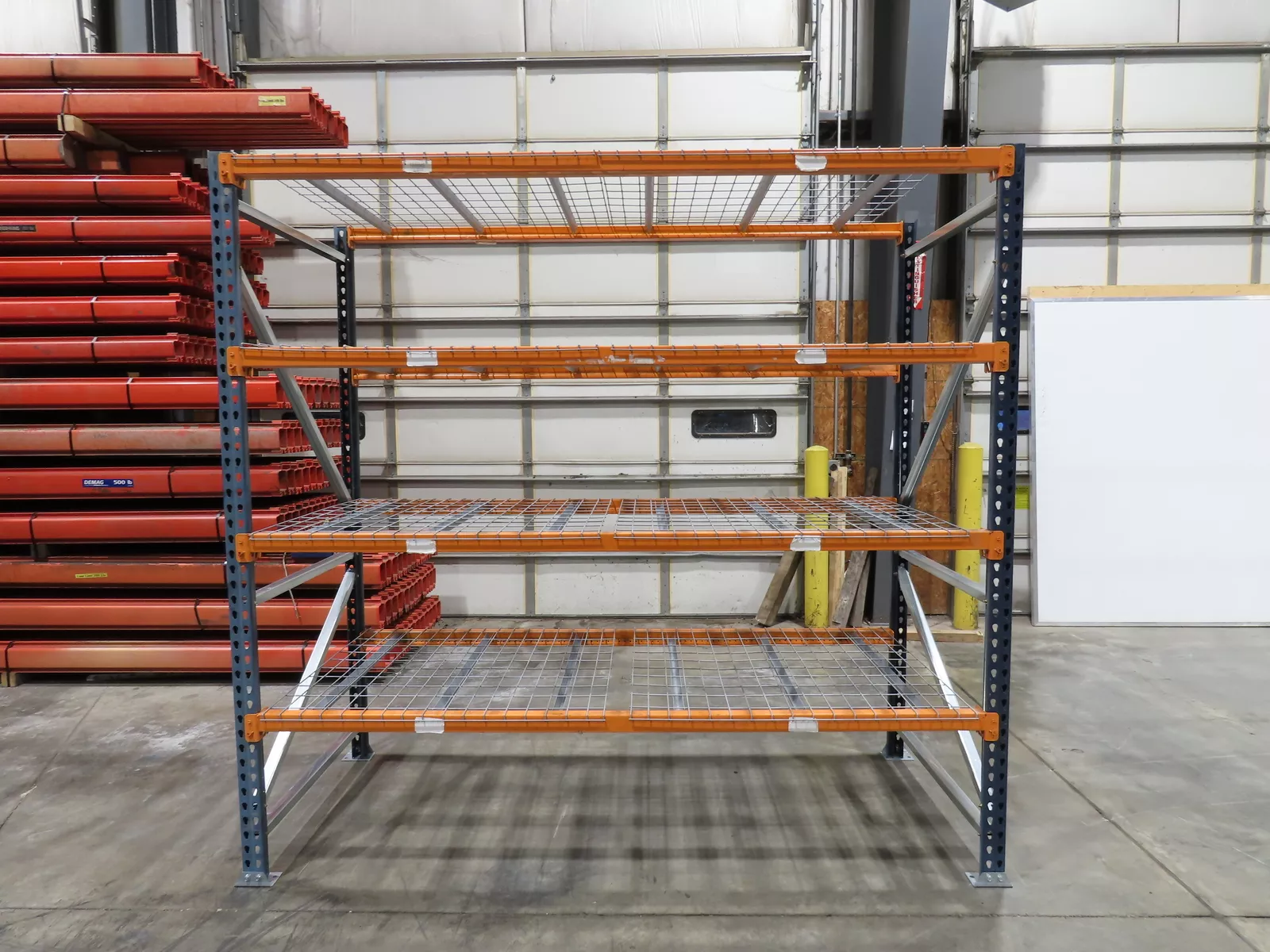
Other Questions
Checklist
What Are The Environmental Impacts Of Different Pallet Racking Materials? – A Checklist
Steel Pallet Racking
_____ Consider the energy consumption and pollution from iron ore mining and processing.
_____ Evaluate the carbon emissions from transportation of steel racks.
_____ Assess the potential for air and water pollution during manufacture.
_____ Explore the recyclability of steel racks at the end of their lifecycle.
Wood Pallet Racking
_____ Check if timber is sustainably sourced to prevent deforestation.
_____ Measure the energy and resources required for production.
_____ Consider the potential for damage and frequent replacements leading to increased waste.
_____ Ensure wood is from FSC-certified or other responsibly managed forests.
Plastic Pallet Racking
_____ Determine the type of plastic used and its petroleum base.
_____ Assess the durability and lifespan of the plastic racks to minimize replacement needs.
_____ Check for the recyclability of plastic racks.
_____ Consider the potential release of harmful chemicals if the plastic is burned.
Recycled Materials for Pallet Racking
_____ Verify if recycled steel, wood, or plastic is used in production.
_____ Assess the energy savings and reduced resource consumption from using recycled materials.
_____ Check for certifications or credentials verifying the use of recycled content.
Bamboo and Other Eco-Friendly Alternatives
_____ Investigate the renewable qualities of the material, such as bamboo’s rapid growth.
_____ Consider the environmental impact of harvesting and processing the material.
_____ Evaluate the durability and lifespan compared to traditional materials.
Metal Pallet Racking
_____ Assess the energy intensity of mining and smelting processes.
_____ Verify the recyclability of metal at the end of its lifecycle.
_____ Ensure resistance to pests, moisture, and environmental factors reducing maintenance needs.
_____ Evaluate the material’s energy efficiency in terms of ease of cleaning and maintenance.
Indoor Air Quality Considerations
_____ Monitor for particle release from steel (e. g. , galvanization, rusting).
_____ Check for VOC emissions from treated wood.
_____ Investigate potential toxins released from degrading plastics.
_____ Consider the impact of aluminum particles released during installation/maintenance.
Pros and Cons Analysis
_____ Wood: Cost-effective, versatile, renewable but less durable and prone to damage.
_____ Steel: Strong, durable, recyclable but energy-intensive and polluting.
_____ Plastic: Lightweight, durable, recyclable but can release harmful chemicals.
_____ Recycled Materials: Lower environmental impact but availability and certification must be verified.
Sustainable Practices and Certification
_____ Look for FSC certification for wood products.
_____ Check for certifications or third-party audits for recycled content.
_____ Ensure manufacturers use sustainable practices in their production process.
Lifecycle Analysis
_____ Conduct a lifecycle assessment (LCA) to compare the overall environmental impact of each material.
_____ Consider the full lifecycle from raw material extraction through manufacturing, use, and end-of-life disposal.
By using this checklist, you can make an informed decision about the pallet racking materials that best align with your warehouse’s functional needs and environmental sustainability goals.
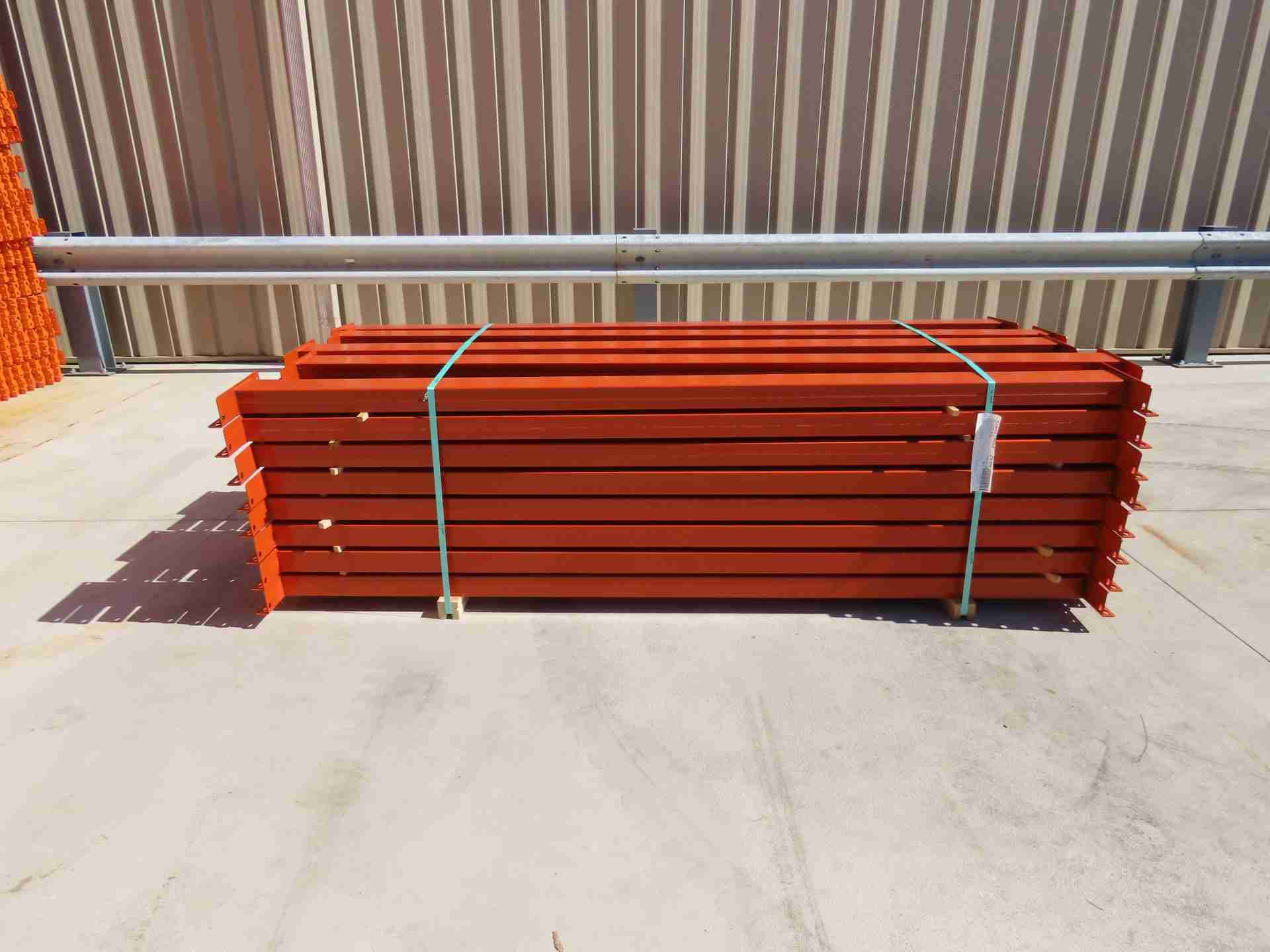
Checklist
At RackingWorld, we help guide you through selecting warehouse storage systems and racking.
Be sure to read our other related stories at RackingWorld to learn more about warehouse storage systems.
0 Comments