
Maximizing Efficiency: Industrial Racks And Fifo Management
By Tom Seest
At RackingWorld, we help guide you through selecting warehouse storage systems and racking.
Be sure to read our other related stories at RackingWorld to learn more about warehouse storage systems.
Can Industrial Racks Support First-In First-Out Inventory Management?
In the world of industrial storage, racks play a crucial role in keeping warehouses organized and efficient. One common inventory management system used in warehouses is First-In First-Out (FIFO), which ensures that the oldest stock is used first, reducing the risk of products expiring or becoming obsolete.
But can industrial racks support FIFO inventory management? The short answer is yes, absolutely.
Industrial racks are designed to maximize storage space while also allowing for easy access to products. With FIFO inventory management, it’s important that products are easily accessible so that older items can be used before newer ones. Industrial racks can be configured in such a way that allows for easy rotation of stock, making it simple to implement FIFO.
One key feature of industrial racks that supports FIFO inventory management is their versatility. Industrial racks come in various sizes and configurations, allowing warehouses to customize their storage solutions to fit their specific needs. Whether you’re storing small parts or large equipment, there are industrial racks available that can accommodate your inventory while still allowing for FIFO management.
Additionally, industrial racks are durable and can support heavy loads, making them ideal for warehouses with high levels of inventory turnover. By utilizing industrial racks for FIFO inventory management, warehouses can ensure that their products are stored in a safe and organized manner, reducing the risk of damage or loss.
It’s important to note that proper organization and labeling are key components of successful FIFO inventory management. Industrial racks can be equipped with additional features such as dividers, bins, and labeling systems to make it easier to identify and access products in the correct order.
Industrial racks are well-suited to support FIFO inventory management in warehouses. Their versatility, durability, and customizable options make them an ideal choice for warehouses looking to optimize their storage space while also implementing an efficient inventory management system. By utilizing industrial racks effectively, warehouses can ensure that their products are stored in the correct order, reducing waste and improving overall efficiency in their operations.
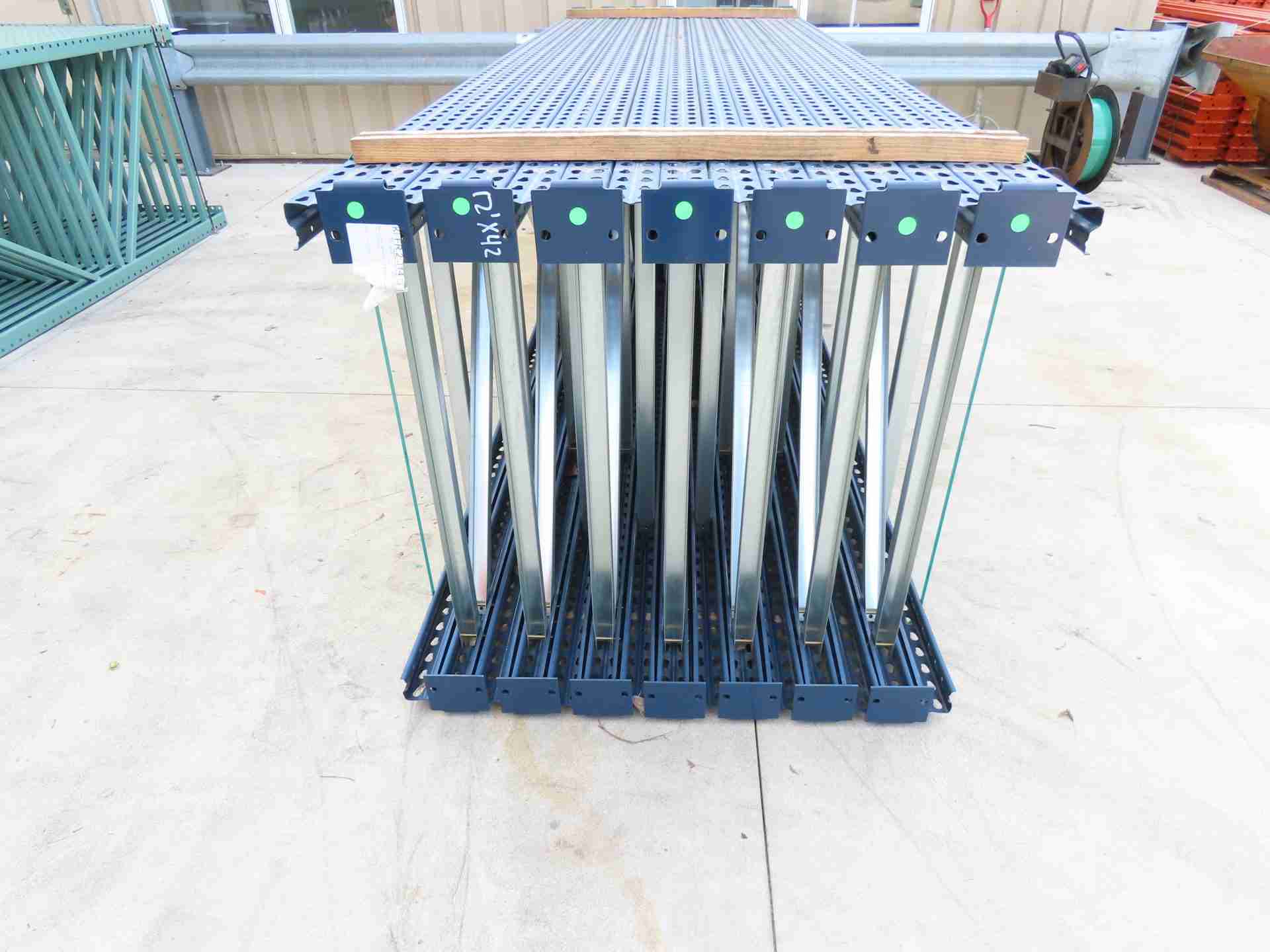
Can Industrial Racks Support First-In First-Out Inventory Management?
Can Industrial Racks Support First-In First-Out Inventory Management?
- Industrial racks play a crucial role in warehouse organization and efficiency.
- The FIFO inventory management system ensures that the oldest stock is used first.
- Industrial racks can support FIFO inventory management.
- Industrial racks allow for easy access to products for the rotation of stock.
- Industrial racks are versatile and come in various sizes and configurations.
- Industrial racks are durable and can support heavy loads.
- Proper organization and labeling are key components of successful FIFO inventory management with industrial racks.
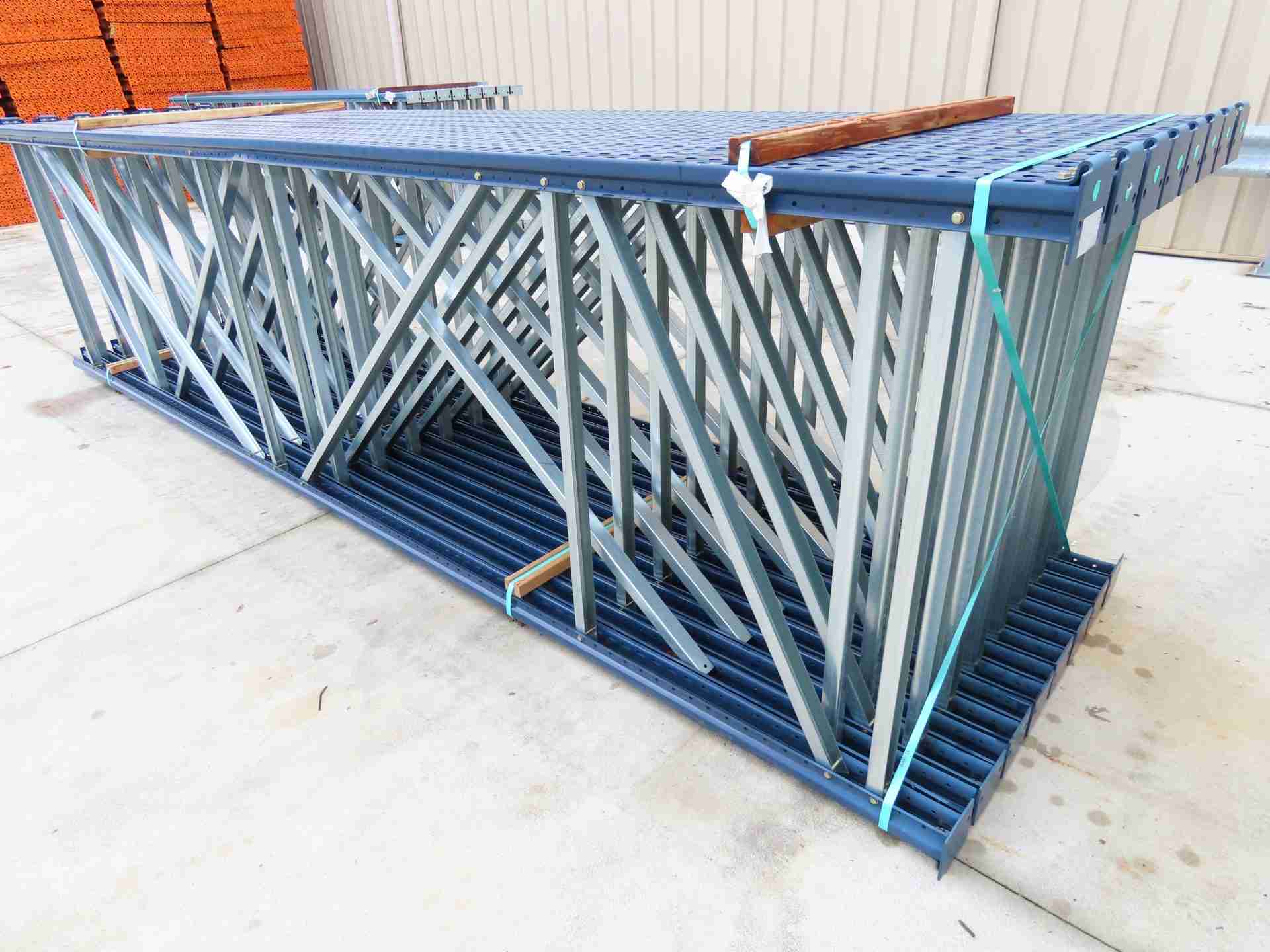
Can Industrial Racks Support First-In First-Out Inventory Management?
Table Of Contents
- Can Industrial Racks Support First-In First-Out Inventory Management?
- Are Industrial Racks Designed For Efficient Storage And Retrieval?
- How Can Industrial Racks Help With Inventory Rotation?
- Does First-In First-Out Inventory Management Reduce Waste?
- What Are The Benefits Of Using Industrial Racks For Fifo?
- Can Industrial Racks Improve Inventory Accuracy And Efficiency?
- How Do Industrial Racks Contribute To Better Inventory Control?
- Are Industrial Racks Suitable For Fifo Inventory Systems?
- Can Industrial Racks Be Customized For Specific Inventory Needs?
- Conclusion
- Other Resources
- Glossary Of Terms
- Other Questions
- Checklist
Are Industrial Racks Designed For Efficient Storage And Retrieval?
When it comes to storage in a warehouse or distribution center, one of the most essential tools is industrial racks. These racks are specifically designed to maximize the use of vertical space and provide easy access to stored items. But are they really designed for efficient storage and retrieval? The answer is a resounding yes.
Industrial racks are meticulously engineered to make the most of the available storage space. With their sturdy construction and customizable features, these racks can be tailored to fit the unique needs of any facility. Whether storing heavy pallets of inventory or smaller items in bins, there is a rack that is perfectly suited for the job.
Efficient storage is not just about maximizing space, but also about ensuring that items are easily accessible when needed. Industrial racks are designed with this in mind, providing clear visibility of inventory and easy access for picking and stocking operations. With options such as adjustable shelves, pull-out drawers, and tilt bins, these racks make it simple to organize and retrieve items quickly and efficiently.
Furthermore, industrial racks are built to withstand the rigors of a busy warehouse environment. Made from durable materials such as steel or aluminum, these racks are designed to support heavy loads and withstand the wear and tear of daily use. This means that they will not only provide efficient storage and retrieval now, but for many years to come.
In addition, industrial racks are designed to optimize safety in the workplace. By keeping inventory organized and stored securely, the risk of accidents and injuries is greatly reduced. With features such as safety guards, load capacities, and aisle widths, these racks are engineered to promote a safe working environment for employees.
So, are industrial racks designed for efficient storage and retrieval? Absolutely. From maximizing storage space to providing easy access to inventory, these racks are an essential tool for any warehouse or distribution center. With their customizable features, durable construction, and focus on safety, industrial racks are the key to optimizing storage and retrieval operations in any facility.
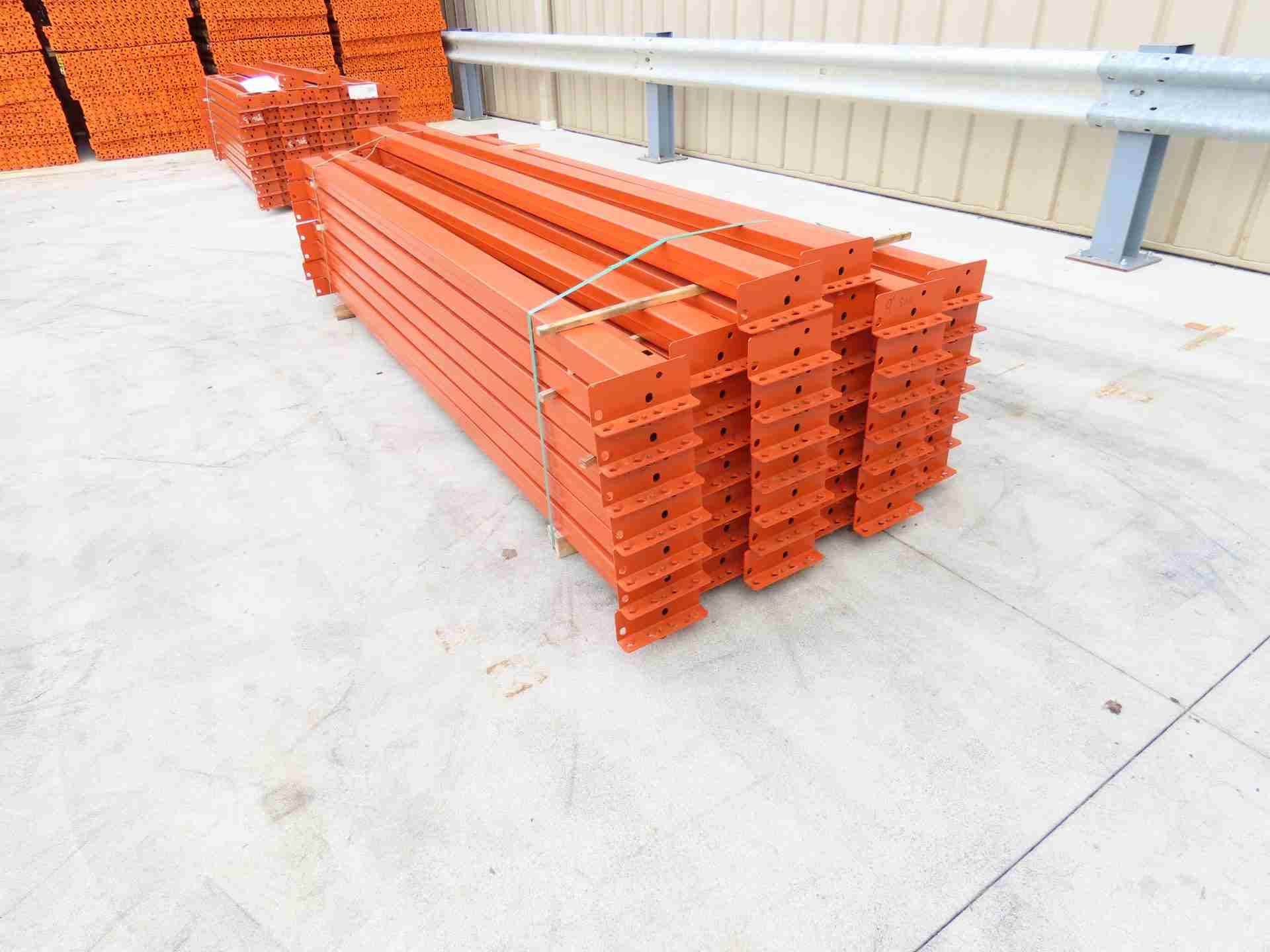
Are Industrial Racks Designed For Efficient Storage And Retrieval?
Are Industrial Racks Designed For Efficient Storage And Retrieval?
- Industrial racks are meticulously engineered to maximize storage space.
- They are sturdy and customizable to fit the unique needs of any facility.
- Industrial racks provide clear visibility of inventory for easy access.
- They are designed to withstand the rigors of a busy warehouse environment.
- Industrial racks optimize safety in the workplace by reducing risks of accidents.
- They are essential for maximizing storage space and providing easy access to inventory.
- Industrial racks are a key tool for optimizing storage and retrieval operations in any facility.
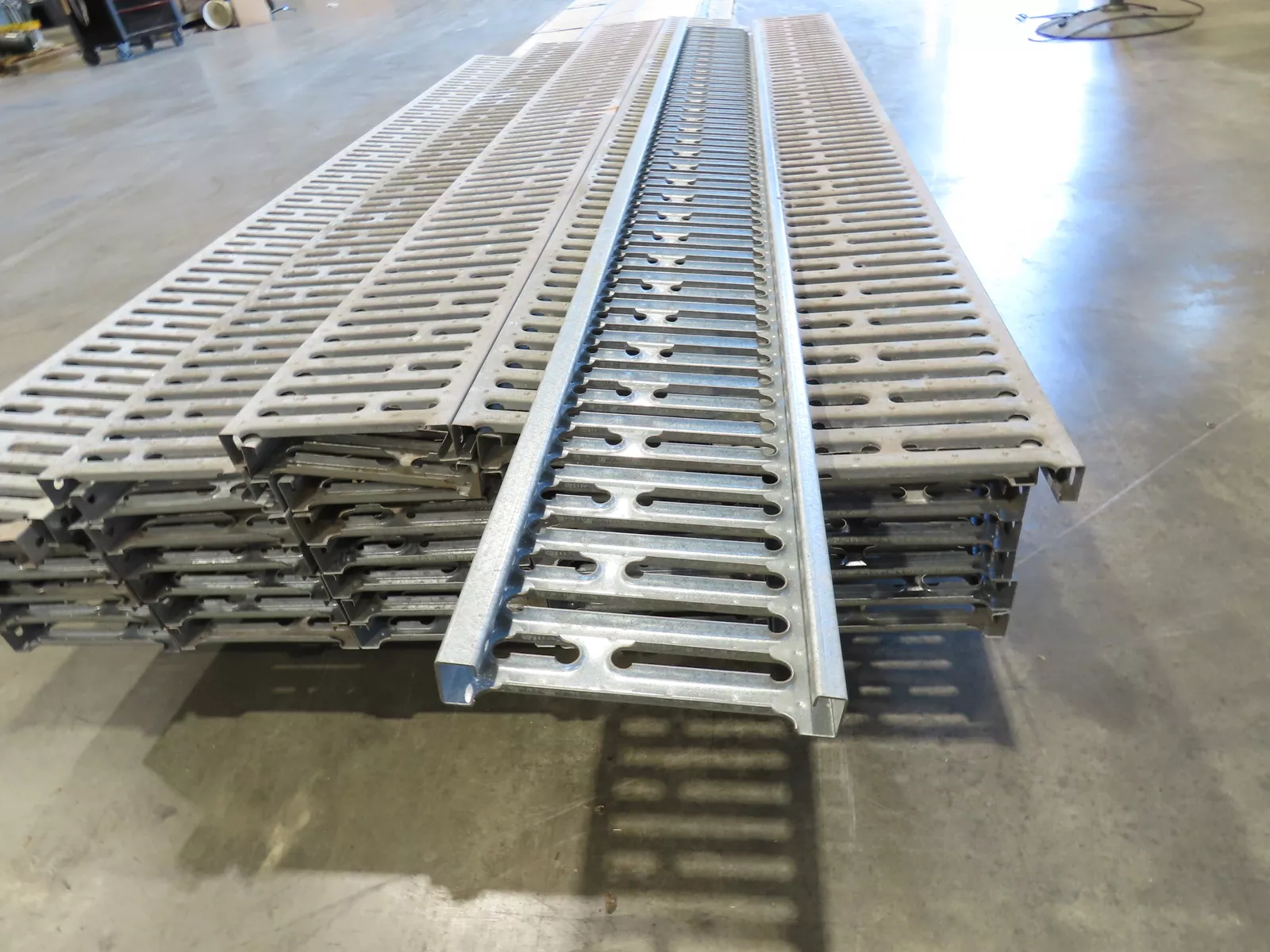
Are Industrial Racks Designed For Efficient Storage And Retrieval?
How Can Industrial Racks Help With Inventory Rotation?
In the fast-paced world of industrial warehouses, inventory rotation is a key component to keeping operations running smoothly. One way to facilitate this process is through the use of industrial racks.
Industrial racks are sturdy shelving units that are specifically designed to store and organize large quantities of items. These racks come in various sizes and configurations to accommodate different types of inventory, from small parts to bulky equipment.
One of the primary ways that industrial racks help with inventory rotation is by providing easy access to items stored on the shelves. With items organized and easily visible on the racks, workers can quickly locate and retrieve the products they need, speeding up the picking and packing process.
Additionally, industrial racks can be designed with features like tilt trays or conveyor systems that help facilitate the movement of inventory through the warehouse. This can help ensure that older items are brought to the front of the shelves for easy access, while newer items are stored towards the back, promoting a first-in, first-out (FIFO) inventory rotation system.
By using industrial racks to organize inventory in a systematic way, warehouses can reduce the risk of items becoming lost or damaged due to improper storage. This not only helps improve efficiency in the warehouse, but also ensures that products are in optimal condition when they reach the customer.
Furthermore, industrial racks can help optimize storage space in the warehouse, allowing for more efficient use of available square footage. By storing items vertically on racks, warehouses can make better use of overhead space, freeing up valuable floor space for other operations.
Industrial racks play a crucial role in facilitating inventory rotation in warehouses. By providing easy access to items, facilitating the movement of inventory, and optimizing storage space, these shelving units help streamline operations and ensure that products are rotated efficiently. So the next time you’re navigating the aisles of a bustling warehouse, take a moment to appreciate the humble industrial rack and the important role it plays in keeping things moving smoothly.
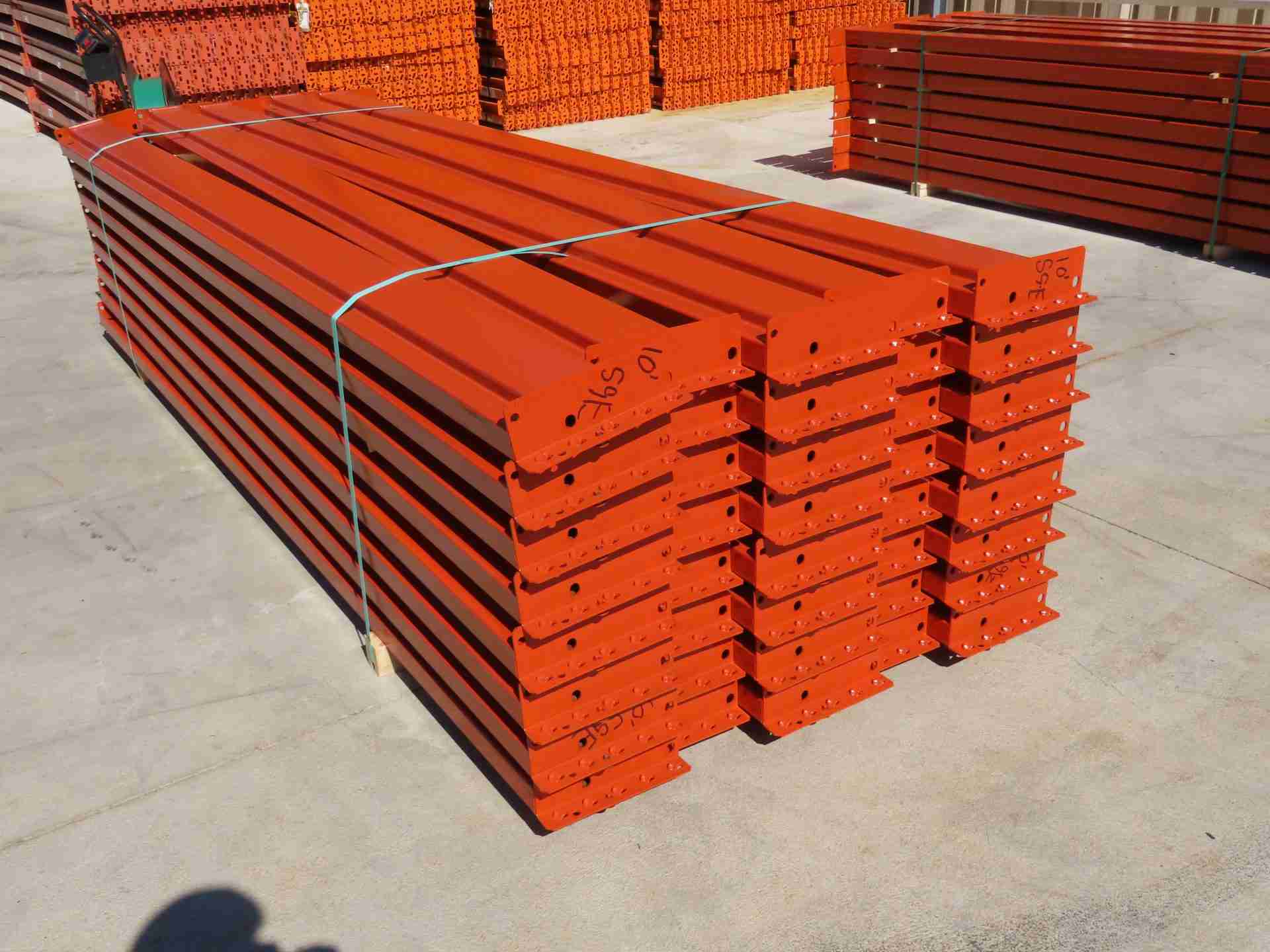
How Can Industrial Racks Help With Inventory Rotation?
How Can Industrial Racks Help With Inventory Rotation?
- Industrial racks are sturdy shelving units designed for storing large quantities of items.
- They come in various sizes and configurations to accommodate different types of inventory.
- Industrial racks provide easy access to stored items, allowing for quick retrieval and efficient picking.
- Features like tilt trays and conveyor systems help facilitate inventory movement and promote FIFO rotation.
- Using industrial racks reduces the risk of lost or damaged items, improving warehouse efficiency.
- Industrial racks help optimize storage space by storing items vertically, maximizing overhead space.
- They play a crucial role in facilitating inventory rotation, streamlining operations in warehouses.
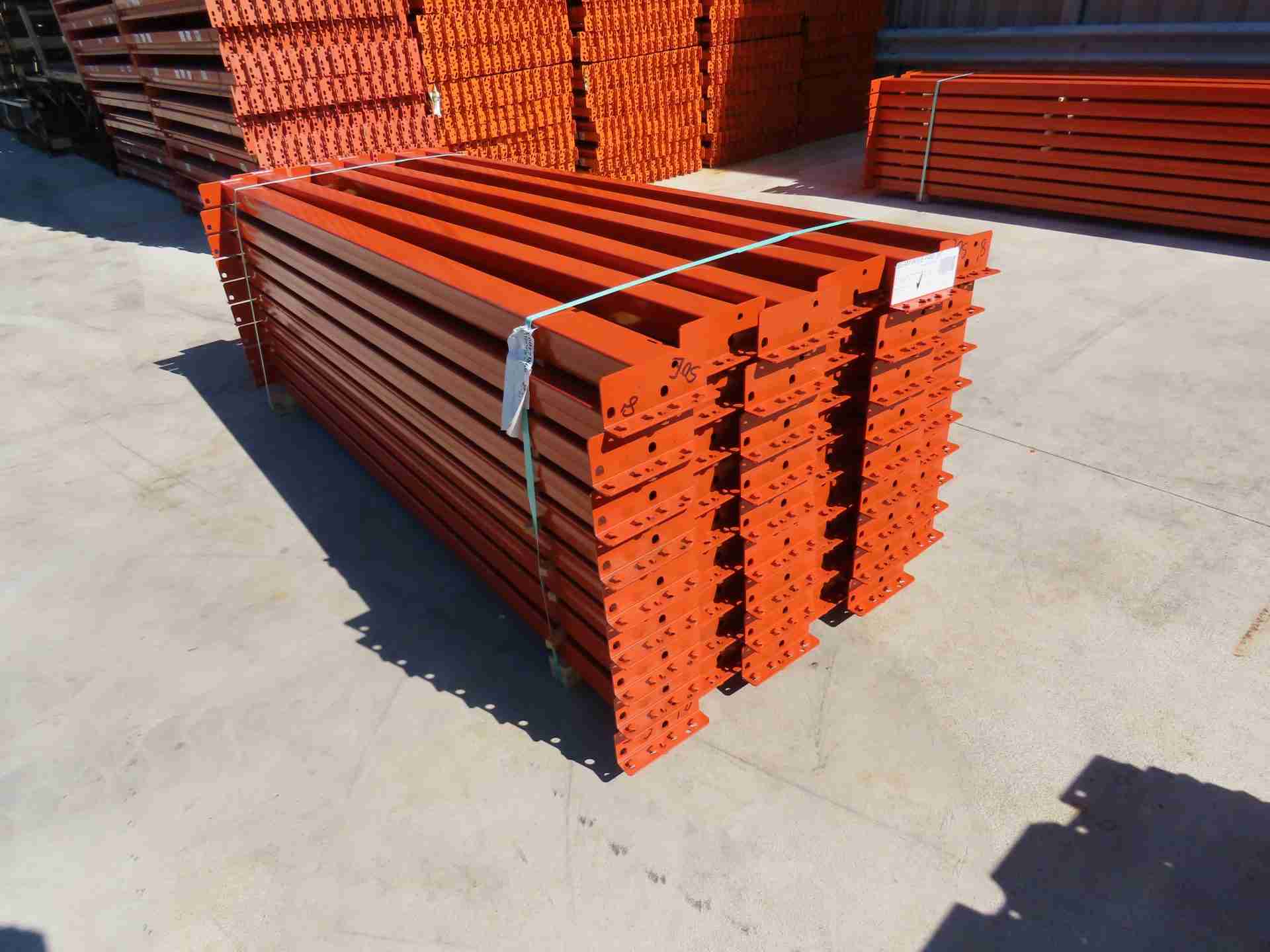
How Can Industrial Racks Help With Inventory Rotation?
Does First-In First-Out Inventory Management Reduce Waste?
First-In First-Out (FIFO) inventory management has been a long-standing practice in the world of supply chain management. The basic premise behind FIFO is simple – the first items to enter a warehouse or inventory are also the first items to be used or sold. This method is believed to reduce waste by ensuring that older items are used before they reach their expiration dates.
Proponents of FIFO argue that this system helps businesses minimize waste by preventing items from spoiling or becoming obsolete before they can be sold. By rotating stock in the order it is received, businesses can ensure that products are used in a timely manner, reducing the likelihood of having to dispose of expired or outdated goods. This not only saves money by preventing losses from wasted inventory, but also helps businesses maintain a positive reputation by ensuring that customers are receiving fresh products.
Additionally, FIFO can also help businesses identify potential issues with their supply chain, such as slow-moving products or excessive ordering. By keeping track of which items are entering and leaving the inventory first, businesses can make more informed decisions about their purchasing practices, leading to better inventory management overall.
However, critics of FIFO argue that this method may not always be the most efficient or cost-effective. Some businesses, especially those with perishable goods or short shelf lives, may find that FIFO actually increases waste by requiring them to dispose of perfectly good items simply because they were the first in line. In these cases, a different inventory management system, such as Last-In First-Out (LIFO) or Just-In-Time (JIT), may be more appropriate.
Ultimately, whether FIFO reduces waste or not depends on a variety of factors, including the type of goods being stored, the size of the inventory, and the specific needs of the business. While FIFO can be an effective tool for many businesses, it is important for companies to carefully consider whether this method is the best fit for their unique circumstances.
FFIFO inventory management can be a valuable tool for reducing waste and improving efficiency in the supply chain. By ensuring that items are used in the order they are received, businesses can minimize losses from expired or outdated inventory and make more informed decisions about their purchasing practices. However, it is important for businesses to assess their individual needs and circumstances to determine whether FIFO is the right fit for their operations.
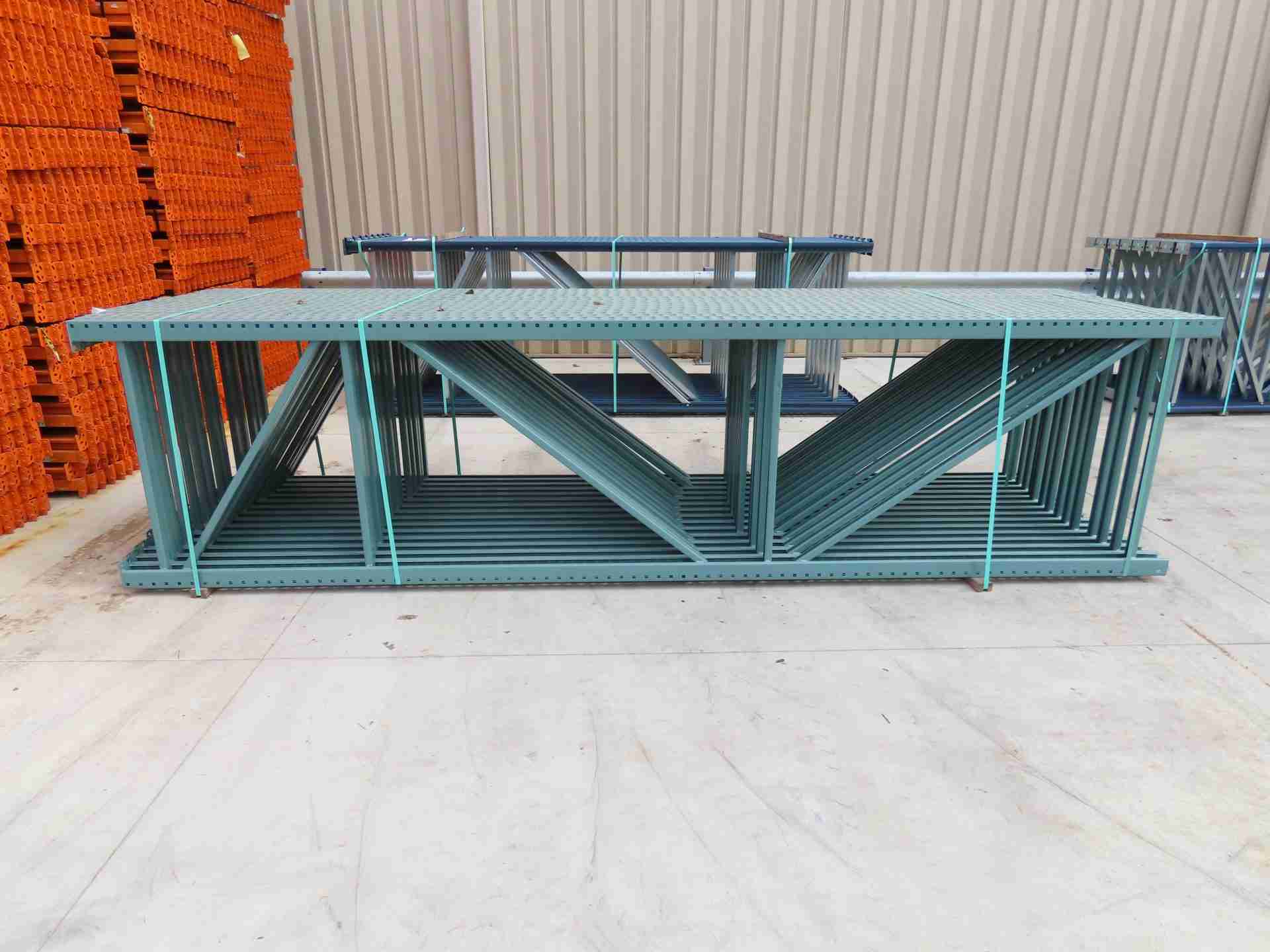
Does First-In First-Out Inventory Management Reduce Waste?
Does First-In First-Out Inventory Management Reduce Waste?
- First-In First-Out (FIFO) inventory management is a long-standing practice in supply chain management.
- FIFO ensures that the first items to enter inventory are also the first to be used or sold.
- Proponents argue that FIFO reduces waste by preventing items from becoming obsolete.
- Businesses using FIFO can rotate stock to prevent expired or outdated goods.
- FIFO helps identify supply chain issues like slow-moving products or excessive ordering.
- Critics suggest FIFO may not always be the most efficient method for all businesses.
- Businesses should carefully consider whether FIFO is the best fit for their unique circumstances.
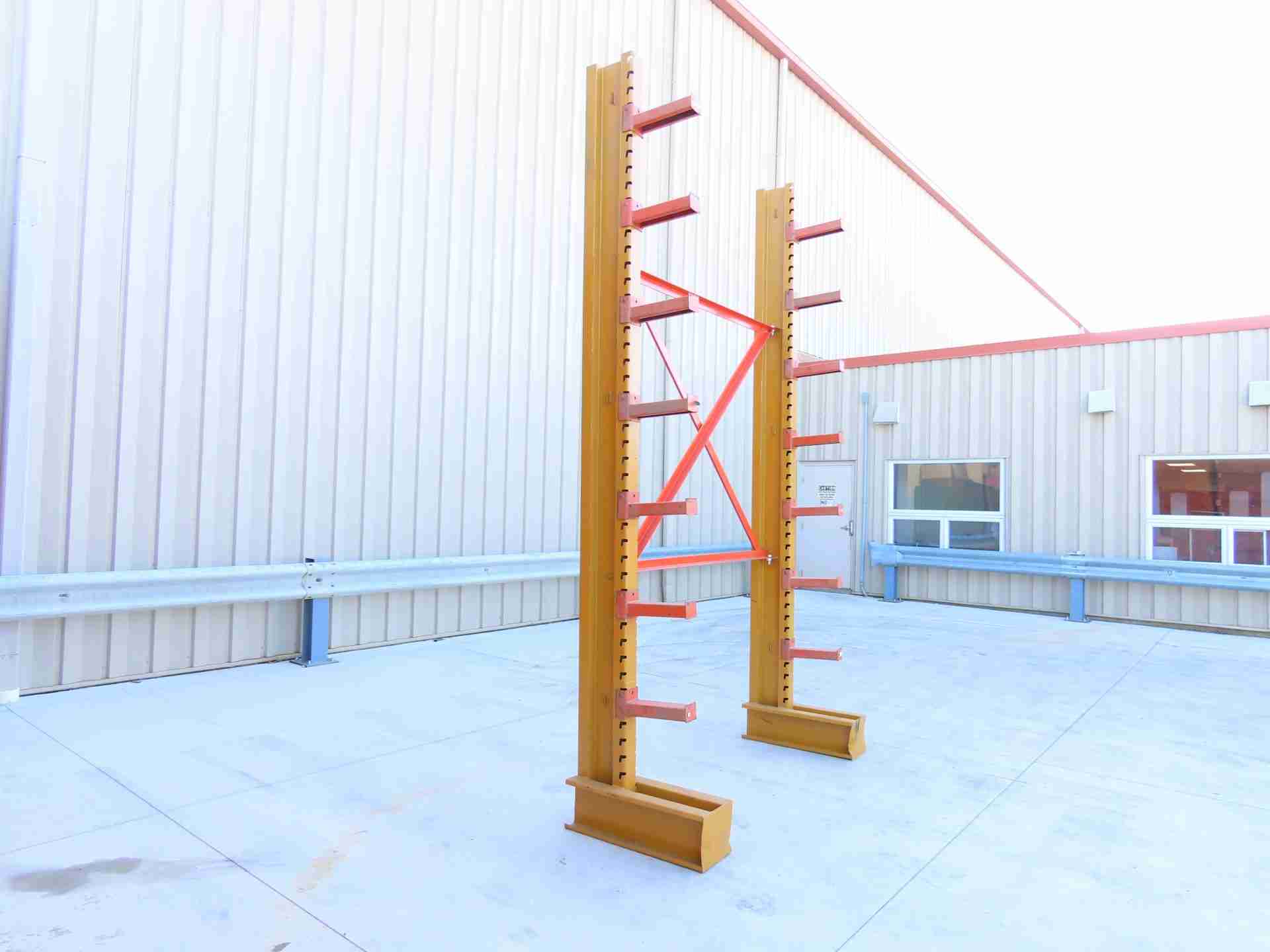
Does First-In First-Out Inventory Management Reduce Waste?
What Are The Benefits Of Using Industrial Racks For Fifo?
When it comes to managing inventory in a warehouse, the FIFO (First In, First Out) method is essential for maintaining efficiency and reducing waste. One key component of implementing FIFO is using industrial racks to store and organize inventory.
So, what are the benefits of using industrial racks for FIFO? Let’s break it down.
First and foremost, industrial racks provide a systematic way to organize inventory based on when it was received. By utilizing shelving units with designated spaces for each product, warehouse workers can easily identify which items need to be picked and shipped out first. This not only helps to ensure that older stock is used up before newer stock, but it also helps to prevent items from expiring or becoming obsolete.
In addition to improving inventory management, industrial racks also help to maximize space in a warehouse. By utilizing vertical storage space, warehouses can store a larger quantity of products in a more organized manner. This not only helps to free up floor space for other operations, but it also allows for easier access to inventory, reducing the time it takes for workers to locate and retrieve items.
Furthermore, industrial racks are designed to withstand heavy loads, making them ideal for storing bulky or heavy items. By investing in high-quality shelving units, warehouses can ensure that their inventory is safe and secure, reducing the risk of damage or accidents in the workplace.
Another benefit of using industrial racks for FIFO is the ability to customize the shelving units to meet the specific needs of the warehouse. Whether it’s adding additional shelves, adjusting shelf heights, or incorporating specialized features like dividers or bins, industrial racks can be tailored to accommodate a variety of inventory types and sizes.
Overall, the benefits of using industrial racks for FIFO are clear. From improving inventory management and maximizing space to enhancing safety and customization options, industrial racks play a crucial role in maintaining efficiency and organization in a warehouse setting. So, if you’re looking to streamline your operations and reduce waste, investing in industrial racks for FIFO is a smart choice.
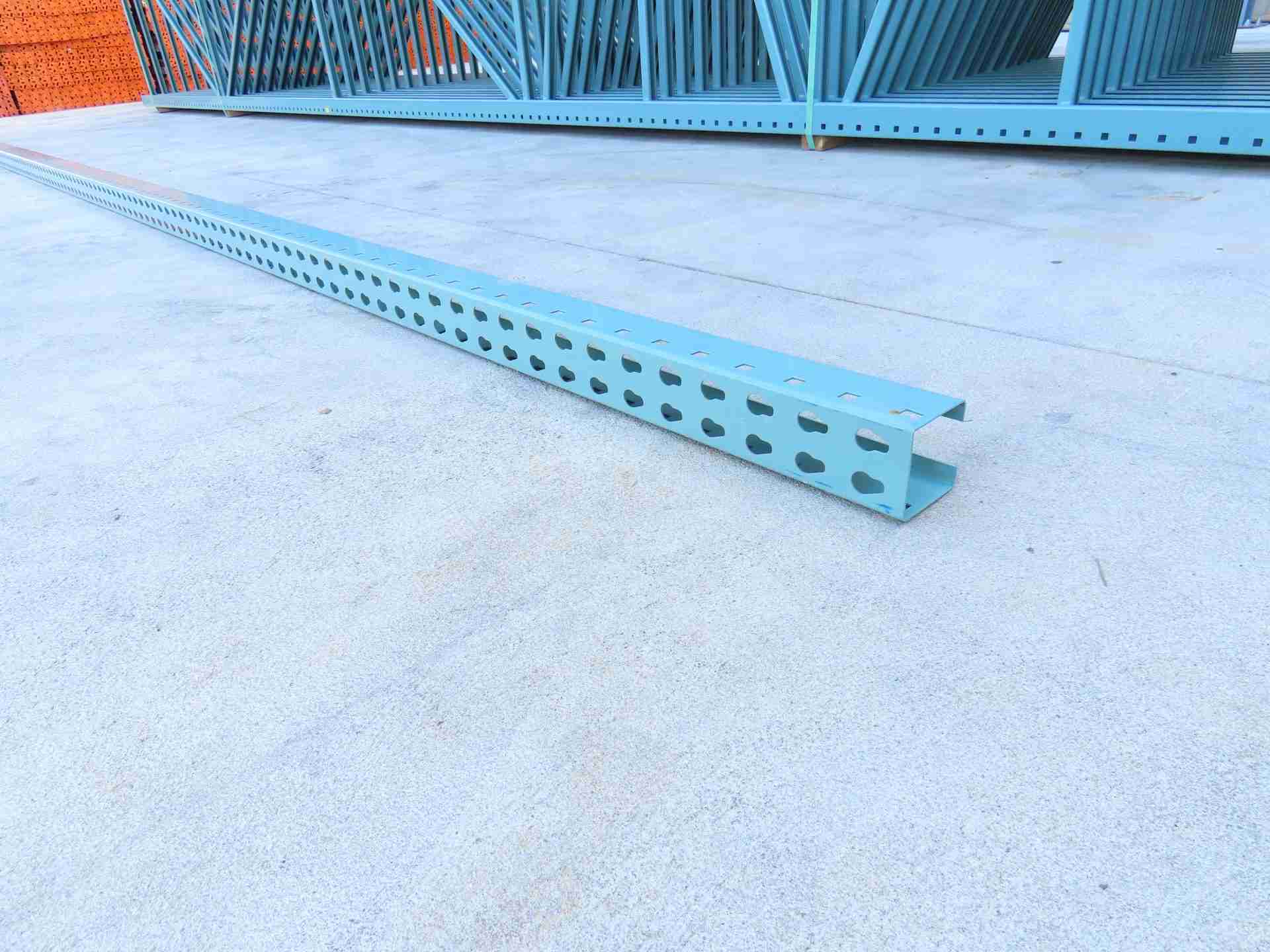
What Are The Benefits Of Using Industrial Racks For Fifo?
What Are The Benefits Of Using Industrial Racks For Fifo?
- Industrial racks provide a systematic way to organize inventory based on when it was received.
- They help ensure older stock is used up before newer stock, preventing expiration or obsolescence.
- Industrial racks help maximize space in a warehouse by utilizing vertical storage.
- They allow for easier access to inventory, reducing the time it takes for workers to locate and retrieve items.
- Industrial racks are designed to withstand heavy loads, making them ideal for storing bulky or heavy items.
- Shelving units can be customized to meet specific warehouse needs, like additional shelves or specialized features.
- Using industrial racks for FIFO enhances safety, improves inventory management, and allows for customization options in a warehouse setting.
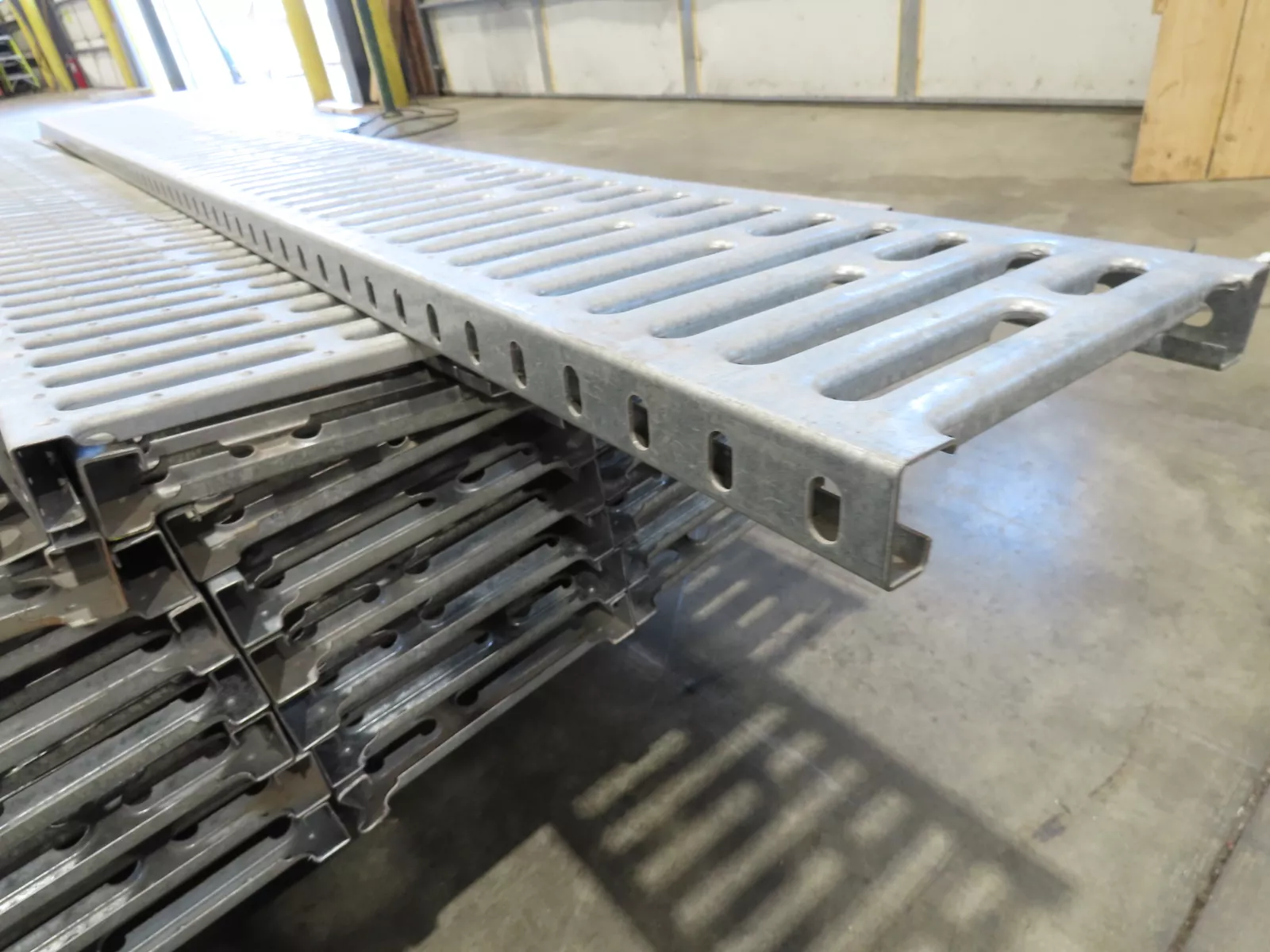
What Are The Benefits Of Using Industrial Racks For Fifo?
Can Industrial Racks Improve Inventory Accuracy And Efficiency?
Have you ever considered the impact that industrial racks could have on your business’s inventory accuracy and efficiency? It may seem like a trivial detail, but the right storage solution can make a world of difference in how smoothly your operations run.
Think about it – when your inventory is organized and easily accessible, your employees can locate items quickly and accurately. No more wasting time searching through crowded shelves or misplaced items. Industrial racks provide a structured system for organizing your products, making it easy to keep track of what you have on hand and what needs to be restocked.
Not to mention, the use of industrial racks can also help prevent inventory shrinkage. When items are stored haphazardly or piled on top of each other, they are more likely to get damaged or misplaced. This can lead to costly errors in tracking your inventory and even result in lost revenue. By investing in quality industrial racks, you can protect your inventory and ensure that everything is accounted for.
In addition to improving inventory accuracy, industrial racks can also enhance efficiency in your warehouse or storage facility. With a well-organized system in place, your employees can move products more quickly and efficiently. This means faster order fulfillment, reduced picking errors, and ultimately, a more streamlined operation.
Furthermore, the use of industrial racks can help maximize the use of your available space. By utilizing vertical storage solutions, you can make the most of your square footage and optimize your storage capacity. This can be especially beneficial for businesses that are limited on space or looking to expand their inventory without investing in a larger facility.
Overall, industrial racks offer a cost-effective solution for improving inventory accuracy and efficiency in your business. By investing in quality storage solutions, you can streamline your operations, reduce errors, and ultimately, save time and money in the long run.
So, if you’re looking to take your inventory management to the next level, consider the impact that industrial racks can have on your business. With the right storage solution in place, you can enhance accuracy, efficiency, and overall productivity in your operations.
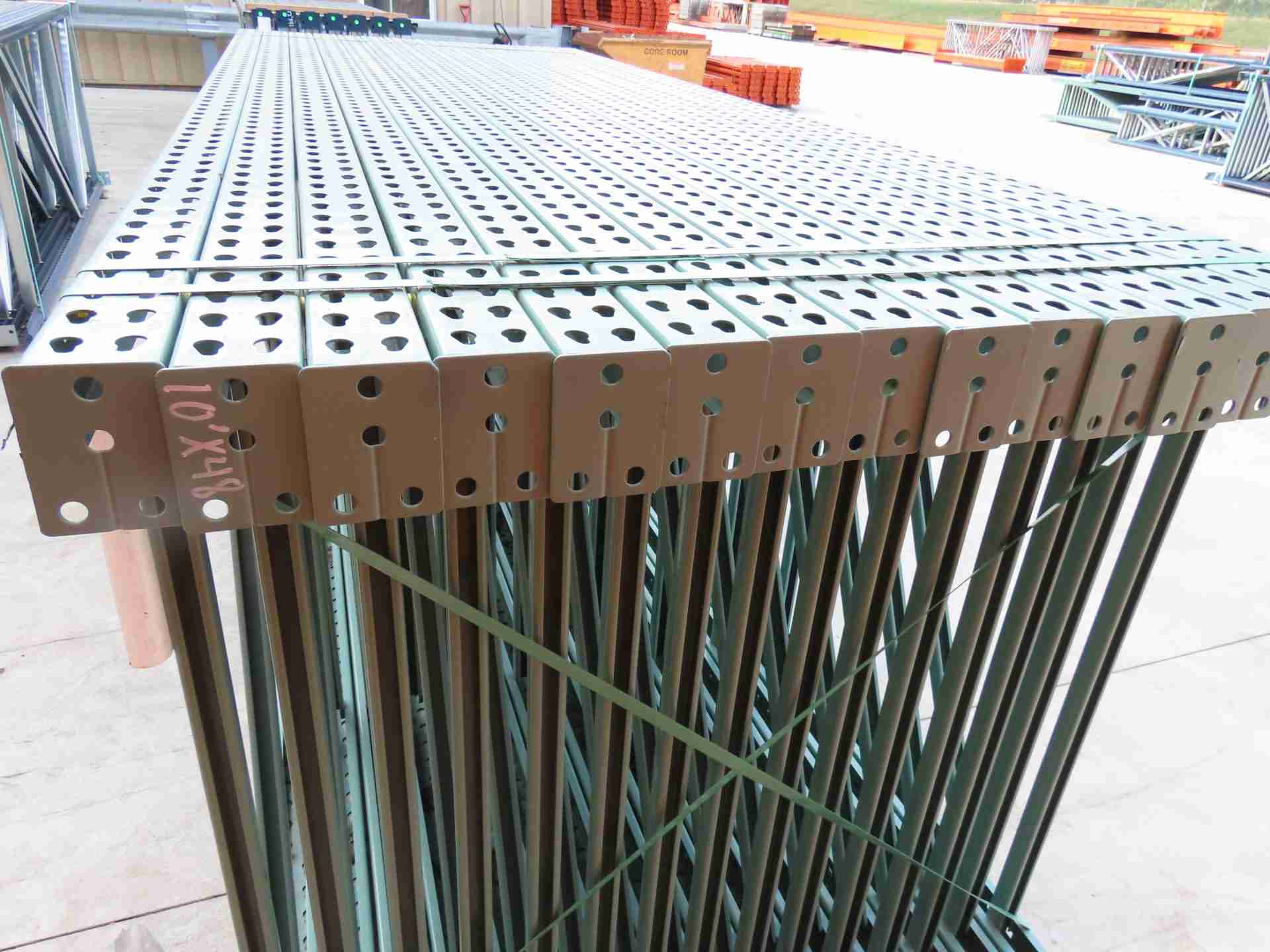
Can Industrial Racks Improve Inventory Accuracy And Efficiency?
Can Industrial Racks Improve Inventory Accuracy And Efficiency?
- Industrial racks can have a significant impact on inventory accuracy and efficiency.
- Organized inventory allows for quick and accurate item location.
- Industrial racks provide a structured system for organizing products.
- Helps prevent inventory shrinkage and costly errors.
- Enhances efficiency in warehouse operations.
- Maximizes use of available space with vertical storage solutions.
- The cost-effective way to improve inventory accuracy and efficiency.
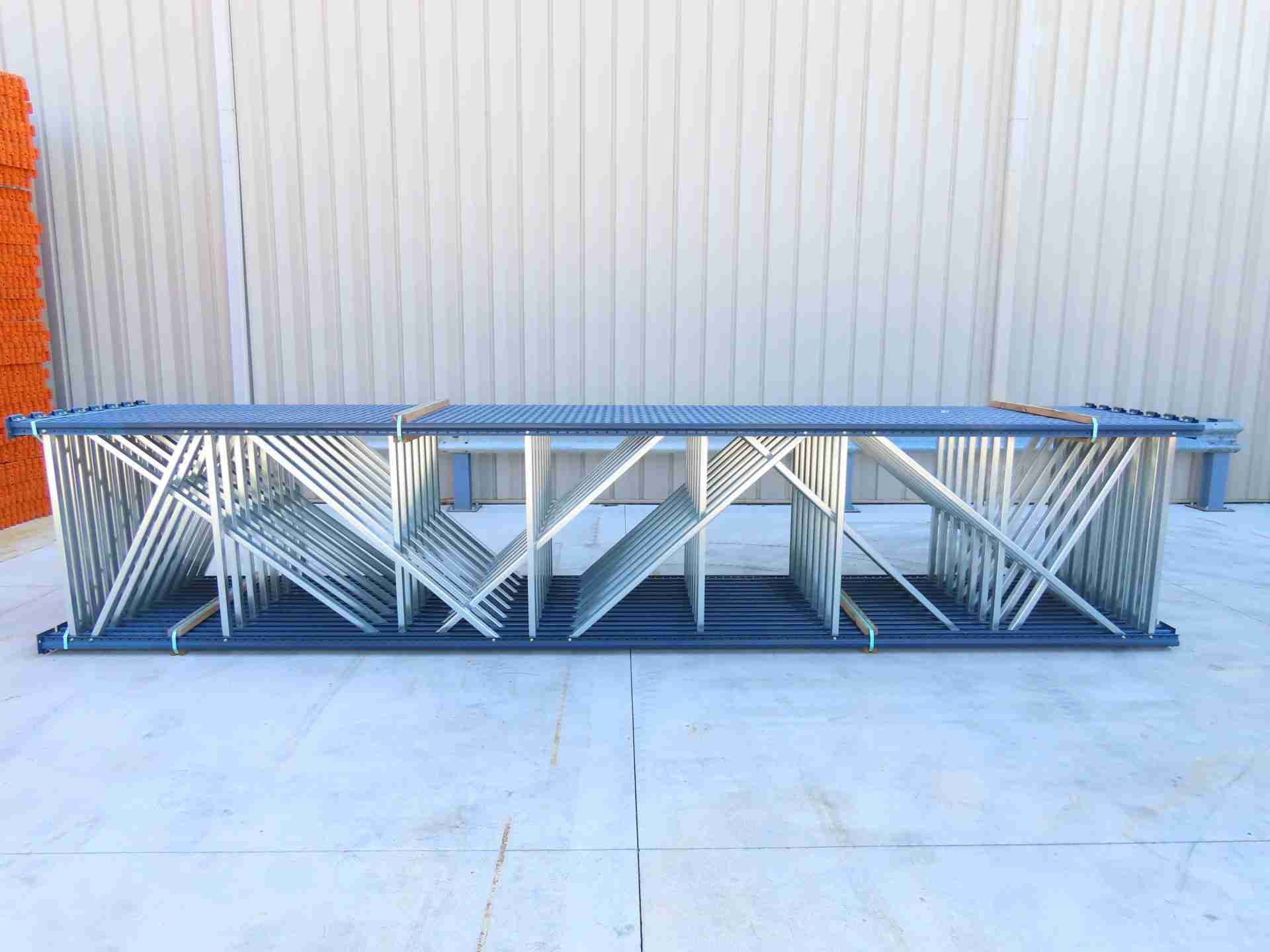
Can Industrial Racks Improve Inventory Accuracy And Efficiency?
How Do Industrial Racks Contribute To Better Inventory Control?
When it comes to managing inventory in a warehouse or industrial setting, having the right storage solutions in place is crucial. Industrial racks play a key role in helping businesses maintain better control over their inventory.
One way in which industrial racks contribute to better inventory control is by maximizing storage space. By utilizing vertical space efficiently, businesses can store more inventory in a smaller footprint, allowing for a more organized and streamlined warehouse layout. This not only helps improve productivity and workflow, but also makes it easier to keep track of inventory levels and locate specific items quickly.
Another benefit of industrial racks is their ability to provide easy access to inventory. By using racks with adjustable shelving or pallet positions, businesses can customize their storage solutions to meet their specific needs. This makes it easier for workers to access inventory quickly and efficiently, reducing the time spent searching for items and minimizing the risk of errors or misplaced inventory.
Industrial racks also help businesses keep inventory organized and secure. By providing designated storage spaces for different types of products, businesses can reduce the likelihood of damage or loss, while also improving inventory tracking and management. Additionally, many industrial racks come with locking mechanisms or other security features to help protect valuable inventory from theft or tampering.
Furthermore, industrial racks can help businesses improve inventory tracking and monitoring. By organizing inventory on racks with clear labeling and signage, businesses can easily keep track of stock levels, expiration dates, and other important information. This makes it easier to conduct inventory audits, monitor inventory turnover, and make more informed decisions about purchasing and restocking.
Overall, industrial racks play a crucial role in helping businesses maintain better control over their inventory. By maximizing storage space, providing easy access to inventory, keeping inventory organized and secure, and improving inventory tracking and monitoring, industrial racks contribute to a more efficient and effective inventory management system. In today’s fast-paced and competitive business environment, having the right storage solutions in place is essential for success, and industrial racks are a key component of achieving better inventory control.
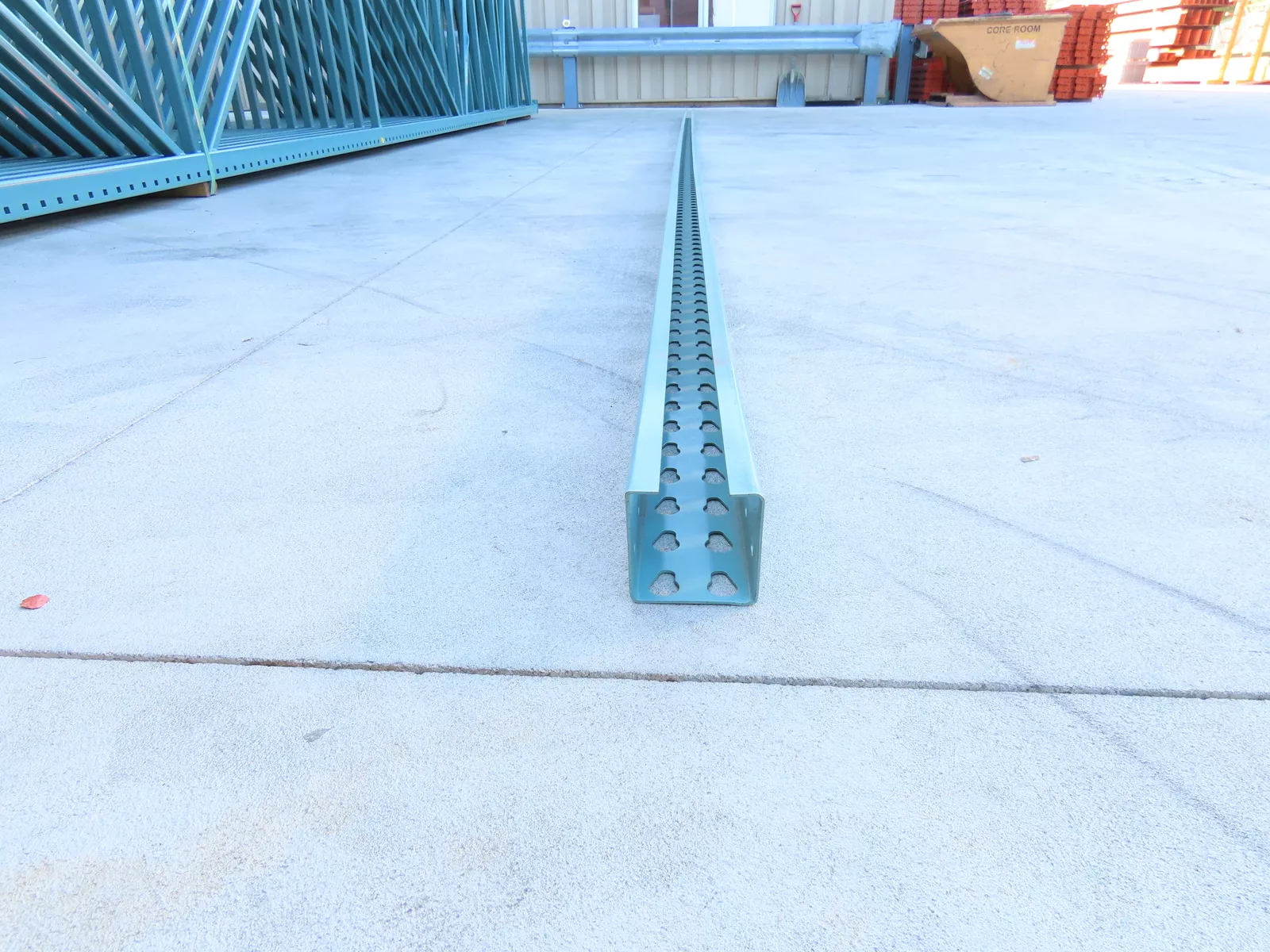
How Do Industrial Racks Contribute To Better Inventory Control?
How Do Industrial Racks Contribute To Better Inventory Control?
- Industrial racks maximize storage space, allowing businesses to store more inventory in a smaller footprint.
- Racks with adjustable shelving provide easy access to inventory, reducing search time and minimizing errors.
- Industrial racks help keep inventory organized and secure, reducing damage or loss.
- Racks with clear labeling improve inventory tracking and monitoring, facilitating audits and informed decisions.
- Industrial racks are essential for maintaining better control over inventory in a competitive business environment.

How Do Industrial Racks Contribute To Better Inventory Control?
Are Industrial Racks Suitable For Fifo Inventory Systems?
When it comes to managing inventory in a warehouse or distribution center, efficiency is key. One popular method used by many businesses is the First In, First Out (FIFO) inventory system. This system ensures that older inventory is used or shipped out before newer inventory, reducing the risk of spoilage or obsolescence.
But the question remains – are industrial racks suitable for FIFO inventory systems? The answer is a resounding yes.
Industrial racks are the backbone of any warehouse or distribution center. They provide a sturdy and reliable way to store inventory, making it easily accessible to workers and minimizing the risk of damage. But when it comes to implementing a FIFO inventory system, the design of industrial racks becomes even more important.
The key to successfully using industrial racks in a FIFO system is proper organization. By organizing inventory based on arrival date and using labels to clearly indicate the order in which items should be picked, workers can quickly and efficiently access the oldest inventory first. This not only helps prevent spoilage or obsolescence but also ensures a smoother operation overall.
In addition to proper organization, the design of industrial racks can also play a crucial role in the success of a FIFO inventory system. Adjustable shelves, flow racks, and push-back racks are all popular options for businesses looking to implement a FIFO system. These designs help ensure that older inventory is easily accessible and that new inventory is stored in a way that encourages rotation.
Furthermore, the durability of industrial racks makes them an ideal choice for businesses looking to implement a FIFO inventory system. Unlike flimsy shelving units, industrial racks are designed to withstand the wear and tear of a busy warehouse or distribution center. This means that businesses can rely on their industrial racks to hold up to the demands of a FIFO system without needing frequent repairs or replacements.
Industrial racks are not only suitable for FIFO inventory systems – they are essential. By properly organizing inventory, choosing the right rack design, and investing in durable industrial racks, businesses can ensure that their FIFO system runs smoothly and efficiently. So if you’re looking to improve your warehouse operations and reduce waste, consider investing in industrial racks for your FIFO inventory system.
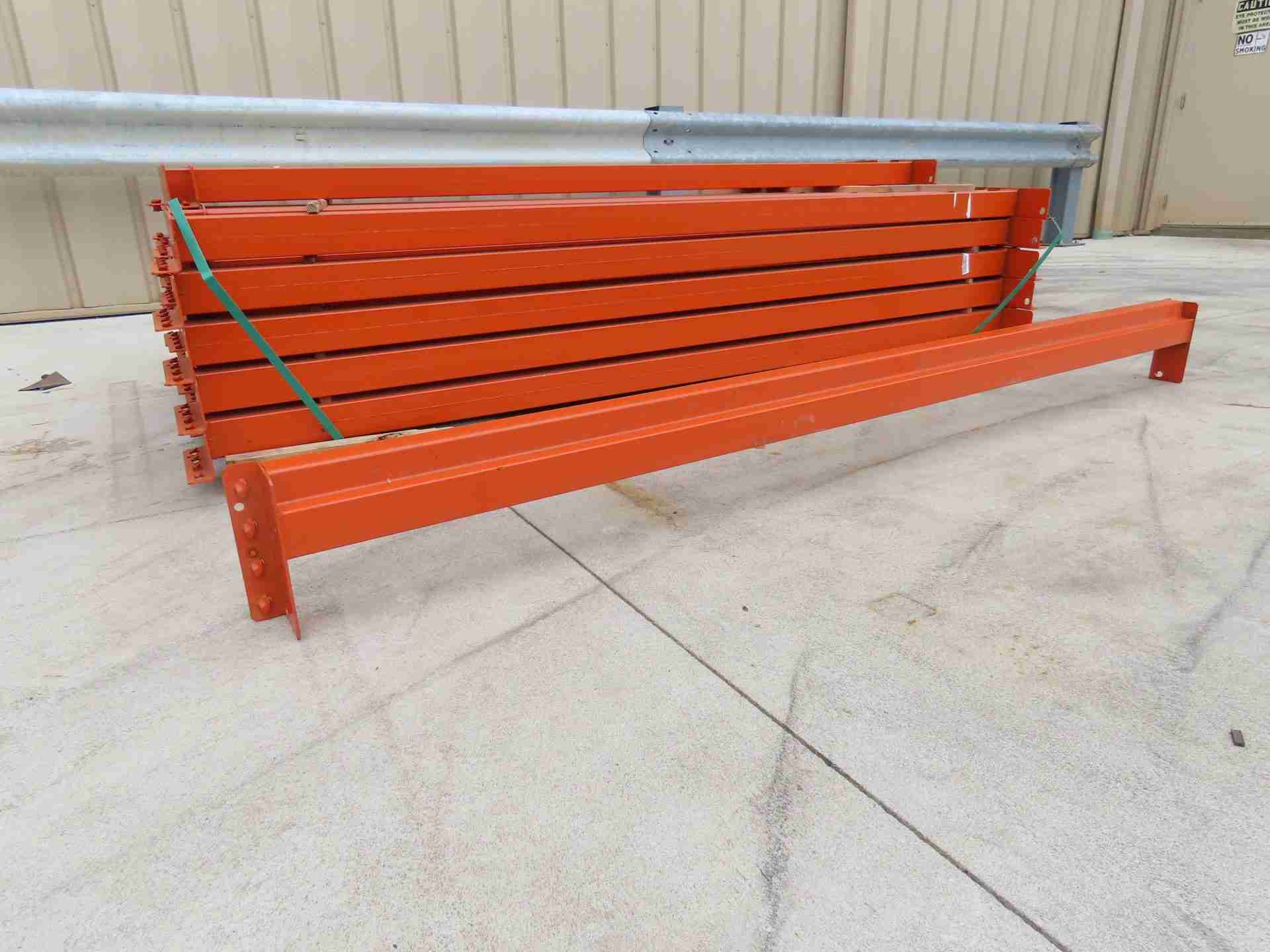
Are Industrial Racks Suitable For Fifo Inventory Systems?
Are Industrial Racks Suitable For Fifo Inventory Systems?
- Efficiency is key when managing inventory in a warehouse or distribution center.
- The First In, First Out (FIFO) inventory system is popular for ensuring older inventory is used or shipped out before newer inventory.
- Industrial racks are suitable for implementing a FIFO inventory system.
- Proper organization is key to successfully using industrial racks in a FIFO system.
- Design elements such as adjustable shelves, flow racks, and push-back racks can enhance a FIFO inventory system.
- The durability of industrial racks makes them ideal for withstanding the demands of a busy warehouse or distribution center.
- Investing in industrial racks for a FIFO inventory system can improve operations, reduce waste, and ensure efficient inventory management.
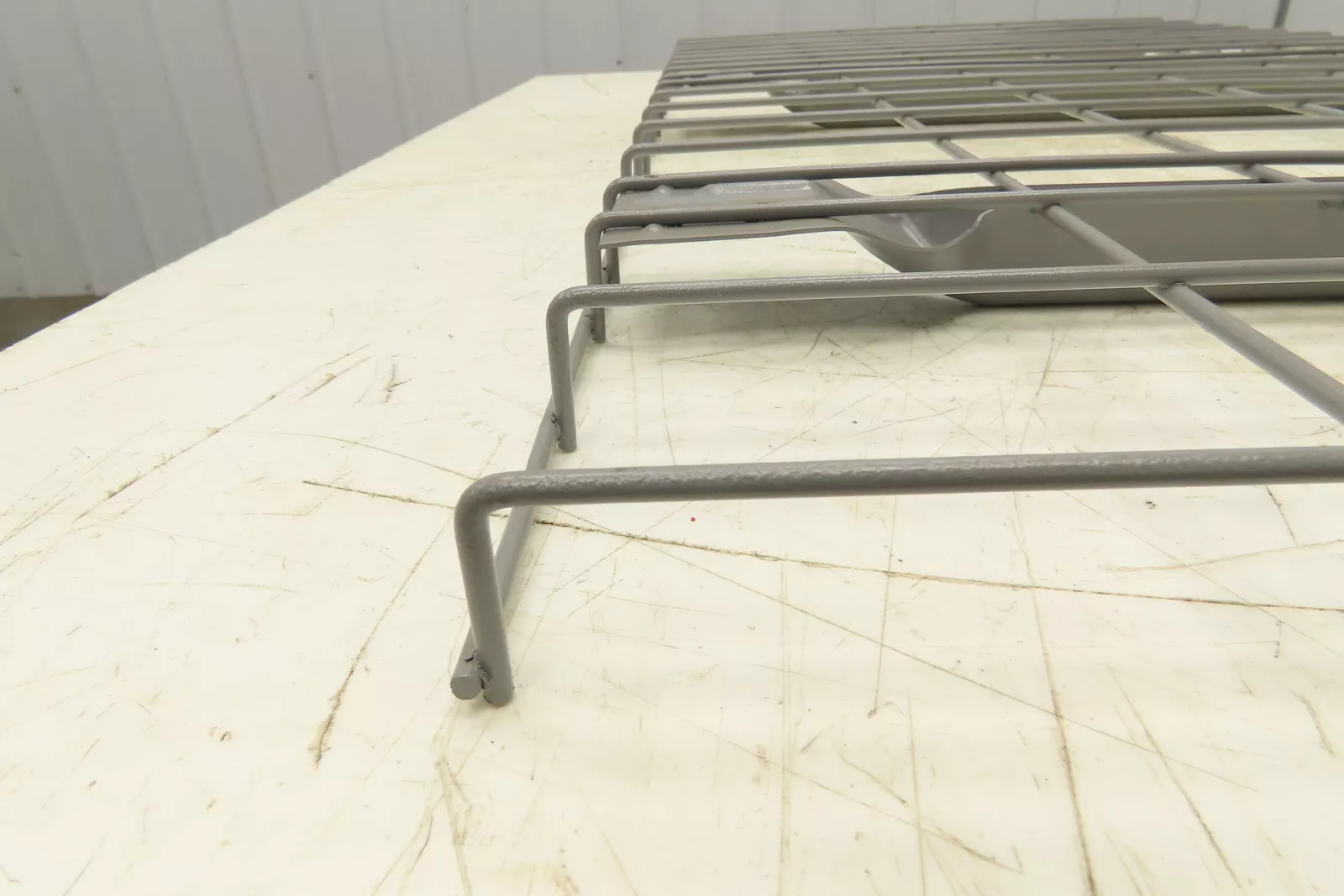
Are Industrial Racks Suitable For Fifo Inventory Systems?
Can Industrial Racks Be Customized For Specific Inventory Needs?
When it comes to industrial storage solutions, one size does not always fit all. In fact, many businesses find that they have unique inventory needs that require customized solutions. That’s where industrial racks come in.
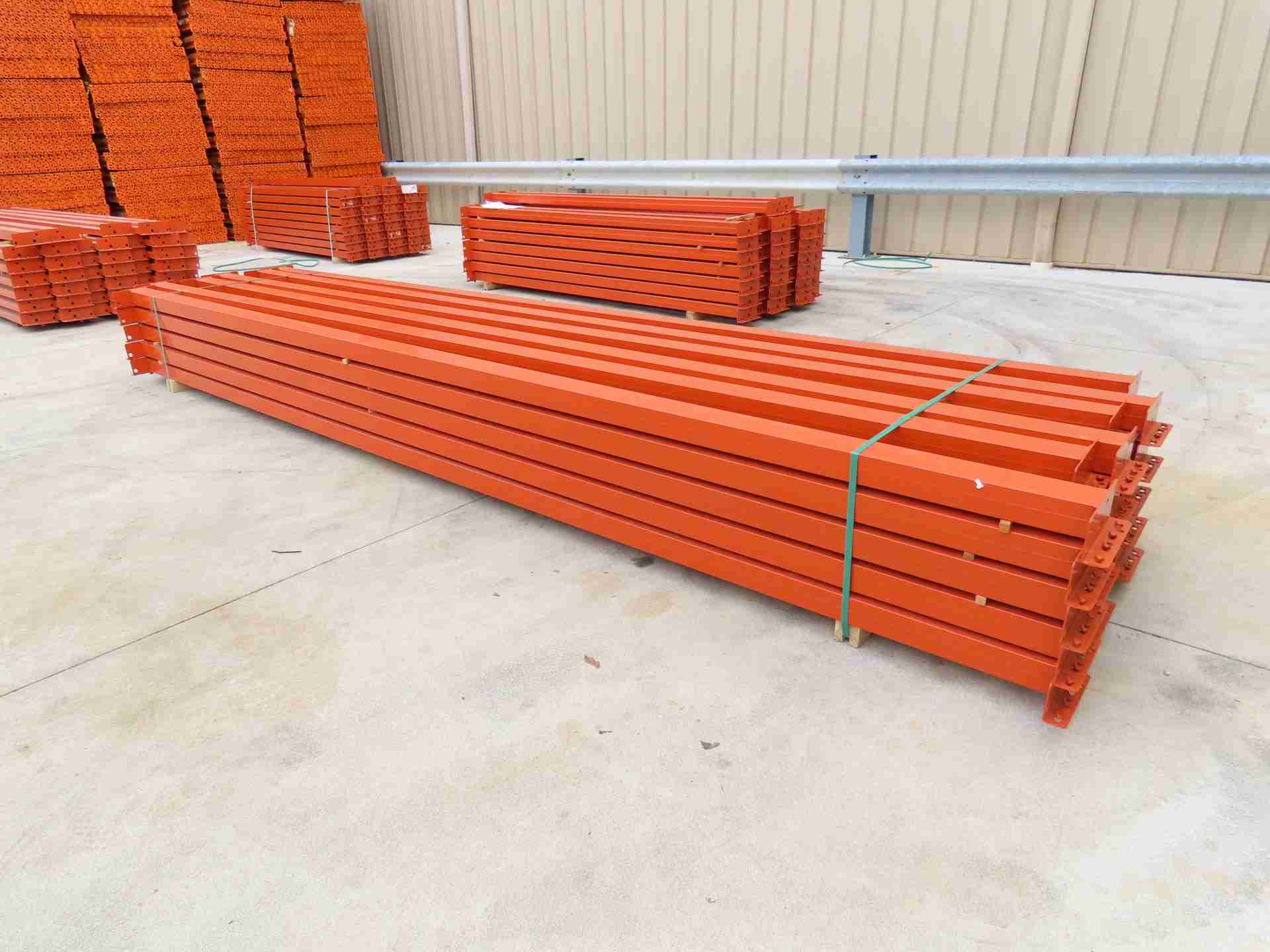
Industrial racks are versatile storage systems that can be customized to fit specific inventory needs. Whether you have large, heavy items that require heavy-duty racks or smaller, lighter items that need more compact shelving, there is a rack system out there that can be tailored to your inventory needs.
One of the key benefits of customized industrial racks is that they allow you to maximize your storage space. By tailoring the racks to fit the dimensions of your inventory, you can make better use of your warehouse space and increase efficiency. This can help you save time and money by reducing wasted space and improving organization.
Another advantage of customized industrial racks is that they can help protect your inventory. By choosing racks that are designed specifically for your items, you can ensure that they are stored safely and securely. This can help prevent damage and loss, ultimately saving you money in the long run.
Additionally, customized industrial racks can improve workflow and productivity. By organizing your inventory in a way that makes it easily accessible, you can streamline your processes and reduce the time it takes to locate and retrieve items. This can help you operate more efficiently and meet customer demands more effectively.
Of course, customizing industrial racks does require some upfront investment in terms of time and money. However, many businesses find that the benefits far outweigh the costs. By working with a professional storage solutions provider, you can develop a customized rack system that fits your specific inventory needs and helps you optimize your warehouse space.
Industrial racks can be customized to fit specific inventory needs, providing a range of benefits for businesses of all sizes. By investing in customized storage solutions, you can improve efficiency, protect your inventory, and maximize your storage space. So why settle for a one-size-fits-all approach when you can tailor your rack system to meet your unique needs?
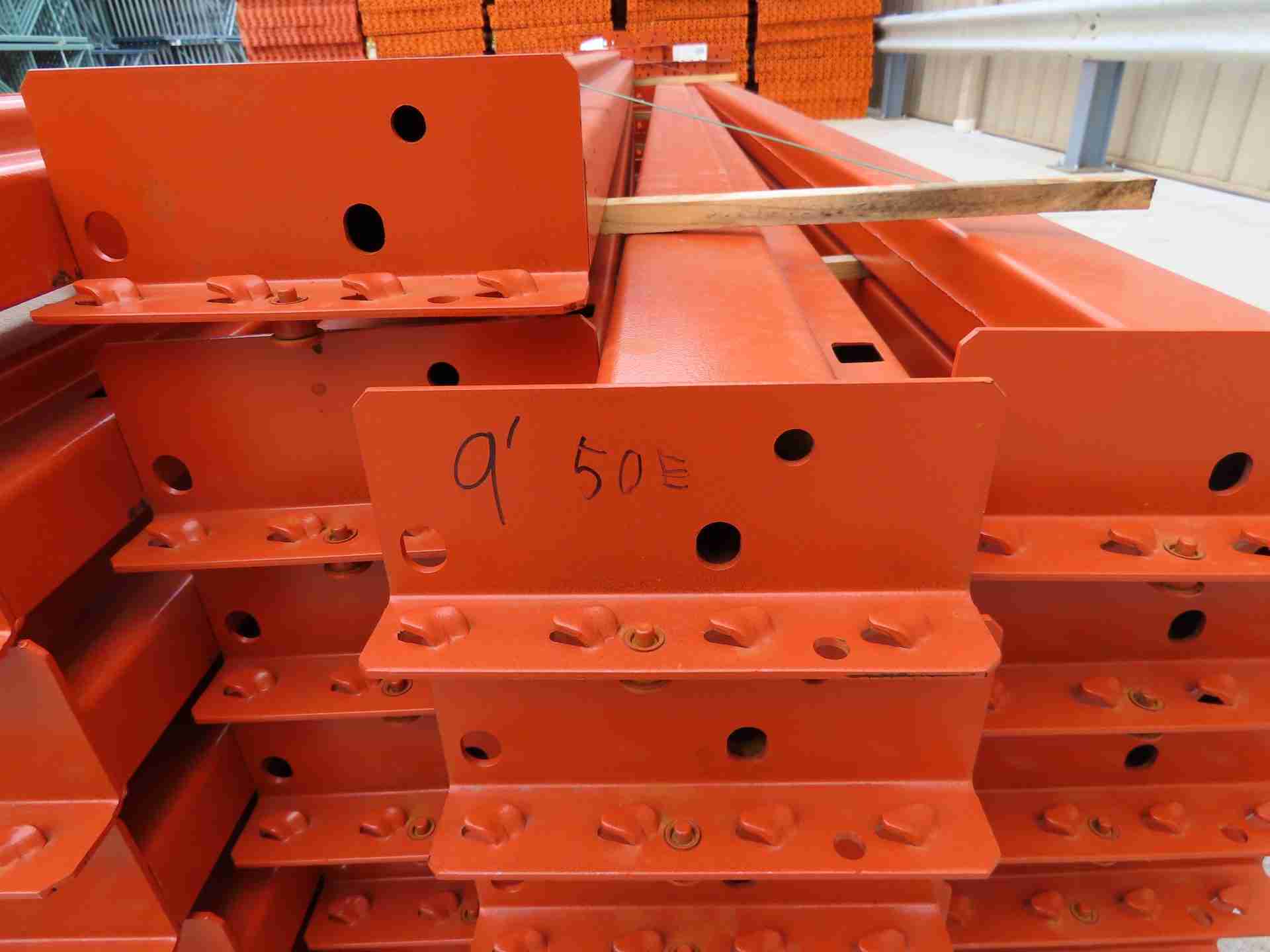
Can Industrial Racks Be Customized For Specific Inventory Needs?
Can Industrial Racks Be Customized For Specific Inventory Needs?
- Industrial racks are versatile storage systems that can be customized to fit specific inventory needs.
- Customized industrial racks allow businesses to maximize storage space and increase efficiency.
- Customized racks help protect inventory by ensuring safe and secure storage.
- Customized industrial racks improve workflow and productivity by making inventory easily accessible.
- Although there is an upfront investment, the benefits of customized racks often outweigh the costs.
- By working with a professional storage solutions provider, businesses can develop tailored rack systems.
- Investing in customized storage solutions can help businesses improve efficiency, protect inventory, and maximize storage space.
Can Industrial Racks Be Customized For Specific Inventory Needs?
Conclusion
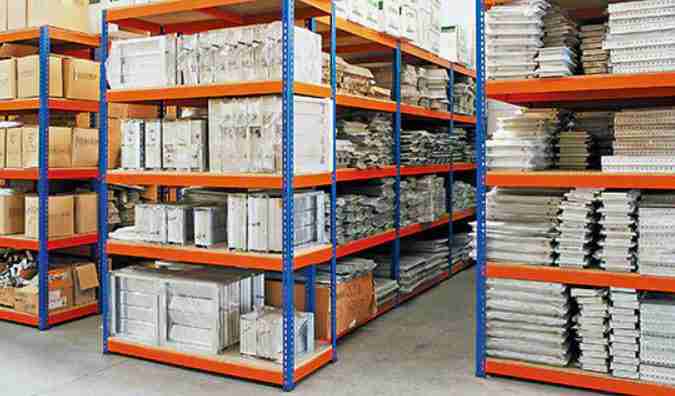
In conclusion, it is clear that industrial racks are an essential component of efficient inventory management, particularly when implementing a First In, First Out (FIFO) system. These sturdy shelving units are designed to maximize storage space, provide easy access to inventory, and support heavy loads, making them ideal for warehouses with high levels of inventory turnover. By using industrial racks effectively, businesses can ensure that their products are stored in the correct order, reducing waste and improving overall efficiency in their operations.
Industrial racks play a crucial role in facilitating inventory rotation, helping employees quickly locate and retrieve items, and promoting a FIFO system that minimizes waste. Moreover, industrial racks contribute to better inventory accuracy and efficiency by providing organized storage solutions, preventing inventory shrinkage, and optimizing space utilization. In addition, industrial racks enhance inventory control by maximizing storage space, providing easy access to inventory, keeping inventory organized and secure, and improving inventory tracking and monitoring.
Furthermore, industrial racks can be customized to meet specific inventory needs, allowing for tailored storage solutions that maximize space, protect inventory, and improve workflow and productivity. By investing in customized storage solutions, businesses can optimize their warehouse operations and meet customer demands more effectively.
In summary, industrial racks are versatile, durable, and customizable storage solutions that are essential for efficient inventory management, especially when implementing a FIFO system. By utilizing industrial racks effectively and customizing them to fit specific inventory needs, businesses can improve efficiency, reduce waste, and optimize their warehouse space. So, whether you’re looking to enhance inventory accuracy, streamline operations, or maximize space utilization, industrial racks are the key to achieving better inventory control and overall success in your business operations.
Conclusion
Conclusion:
- Industrial racks are essential for efficient inventory management, especially with a FIFO system. .
- They maximize storage space, provide easy access to inventory, and support heavy loads.
- Industrial racks facilitate inventory rotation and help employees quickly locate items.
- They contribute to better inventory accuracy, prevent shrinkage, and optimize space utilization.
- Customized industrial racks can meet specific inventory needs and improve workflow.
- By utilizing industrial racks effectively, businesses can reduce waste and improve efficiency.
- Industrial racks are key to achieving better inventory control and success in warehouse operations.
Conclusion
Other Resources
Other Resources
Here is a list of other resources you can review online to learn more:
- “FIFO Warehouse Management Method: What it is and …”
- “Warehousing and Physical Stock Management”
- “FIFO method in inventory management”
- “The FIFO Method Explained: First-In First-Out”
- “Determine the Right Types of Pallet Racks for Your …”
- “Lalit Kumar Sharma’s Post”
- “Ideal Gravity Flow Storage Solutions for FIFO Inventory …”
- “PROJECT GUIDE”
- “FIFO – First In First Out Warehousing”
- “FIFO: First In First Out Inventory Management Explained”
- “Understanding FIFO (first in first out) Rack Storage System”
- “Top Fifo Rack Products in Amravati”
- “Pallet Racking and Cantilever Racking Without the Wait”
- “Interroll DynamIc Storage the heart of logIStIcS”
- “How can palletization improve warehouse efficiency?”
- “Pallet Flow Rack – Gravity Flow Rack System”
- “Your Leading Gravity Flow Racking Systems Manufacturer …”
- “Warehouse Shelving Leeds – WSL”
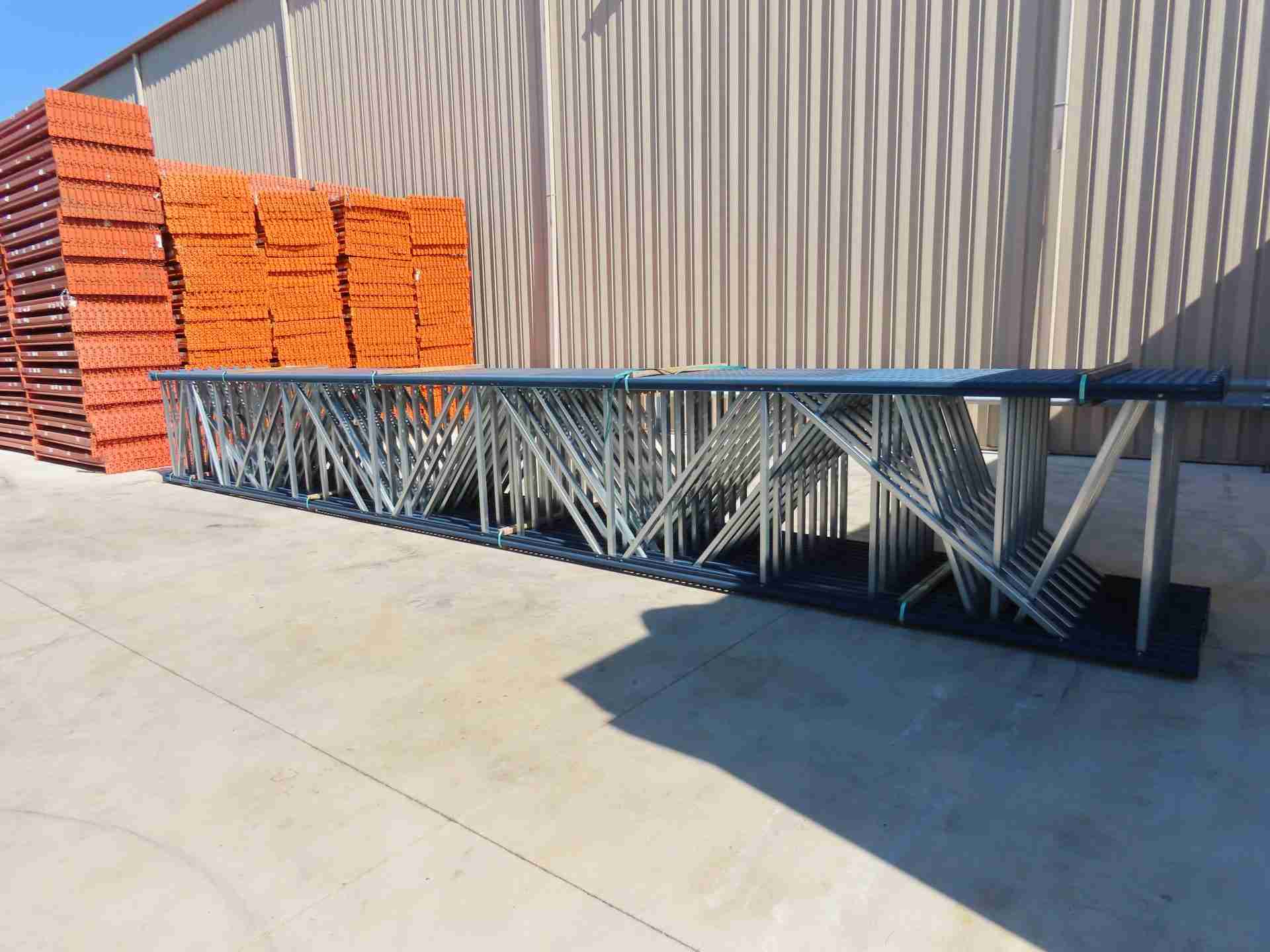
Other Resources
Glossary Terms
Can Industrial Racks Support First-In First-Out Inventory Management? – Glossary Of Terms
1. Industrial Racks: Heavy-duty shelving systems used in warehouses to store products or materials efficiently.
2. First-In First-Out (FIFO): An inventory management method where the oldest items are sold or used first.
3. Pallet Rack: A type of industrial rack designed to hold materials on pallets and provides efficient storage and retrieval.
4. Load Capacity: The maximum weight that an industrial rack can safely support.
5. Flow Racks: Racks that use gravity to automatically move items forward, supporting FIFO by design.
6. Push-Back Racks: Racks that allow for storage of multiple pallets on a slight incline, which can complicate FIFO management.
7. Shelf Life: The duration for which an item remains usable or sellable. FIFO helps in managing items with a limited shelf life.
8. Beam: A horizontal support component in industrial racks that holds the pallets or items.
9. Upright Frame: The vertical structure in an industrial rack system that supports beams and holds the weight of stored items.
10. Cantilever Rack: A type of rack designed for storing long, bulky items. Not ideal for FIFO due to its open design.
11. Picking: The process of selecting and retrieving items from racks to fulfill orders.
12. Pallet: A flat transport structure that supports goods in a stable manner while being lifted.
13. Inventory Turnover: A measure of how often inventory is sold and replaced over a period. FIFO helps in maintaining higher turnover rates.
14. Safety Clips: Devices used in industrial racks to lock beams in place and prevent them from dislodging.
15. Drive-In Rack: A storage rack designed for high-density storage but not optimal for FIFO as it operates on a Last-In, First-Out (LIFO) principle.
16. Picking Face: The front of a rack where items are picked. FIFO requires careful organization of the picking face.
17. Zone Picking: Dividing the warehouse into zones for different pickers, which can either help or hinder FIFO efficiency based on organization.
18. LIFO: Last-In, First-Out, an alternative inventory method where the most recently added items are used first. Opposite of FIFO.
19. Slotting: The process of organizing inventory within the racks to optimize picking efficiency and maintain FIFO.
20. FIFO Lanes: Dedicated lanes in flow racks or similar systems where items are loaded from the back and picked from the front, ensuring FIFO.
21. Wire Decking: Mesh material placed between beams of a rack to provide support and allow visibility and airflow.
22. Pick-to-Light Systems: Technology assisting pickers by lighting up the appropriate pick face, enhancing FIFO efficiency.
23. Rack Safety Inspections: Regular checks to ensure the integrity and safety of industrial racks.
24. Backstock: Additional inventory stored in warehouse racks for future use or sale.
25. Automated Storage and Retrieval Systems (AS/RS): Automated systems for storing and retrieving items, which can support FIFO with proper configuration.
26. Bay Depth: The horizontal depth of a single shelving or rack unit. Optimal bay depth is crucial for effective FIFO management.
27. Inventory Management System (IMS): Software systems that track inventory levels, orders, sales, and deliveries, crucial for managing FIFO.
28. FIFO Inventory Tags: Markings or tags used to denote the order of items to facilitate FIFO picking.
29. Storage Density: The amount of inventory that can be stored in a given space. FIFO efficiency can impact storage density needs.
30. Batch Picking: A method where orders are picked in batches to improve efficiency. Requires careful handling to ensure FIFO is maintained.
This glossary should provide a solid understanding of the terms and concepts associated with using industrial racks to support FIFO inventory management.
Glossary Of Terms
Other Questions
Can Industrial Racks Support First-In First-Out Inventory Management? – Other Questions
If you wish to explore and discover more, consider looking for answers to these questions:
- What specific configurations of industrial racks are best for implementing FIFO inventory management?
- What are the main considerations when customizing industrial racks for specific warehouse needs?
- Are there any specific safety features to look for in industrial racks to support FIFO systems?
- How can warehouses ensure proper labeling and organization on industrial racks for effective FIFO management?
- What types of industrial racks are best suited for different types of inventory (small parts, large equipment, etc.)?
- How do industrial racks help to reduce the risk of product damage and loss in a FIFO system?
- Can industrial racks be easily adjusted or reconfigured as inventory requirements change over time?
- What impact do industrial racks have on the overall workflow efficiency in a warehouse?
- How can industrial racks with features like dividers and bins enhance FIFO inventory management?
- What are the cost implications of implementing customized industrial racks vs. standard ones for FIFO systems?
- How do industrial racks integrate with other warehouse management systems for better inventory control?
- What are the key differences between FIFO, LIFO, and Just-In-Time inventory management systems in terms of rack usage?
- What maintenance practices are required to ensure the longevity and functionality of industrial racks?
- How do industrial racks contribute to reducing waste and improving sustainability in warehouse operations?
- Are there any case studies or examples of successful FIFO implementations using industrial racks?
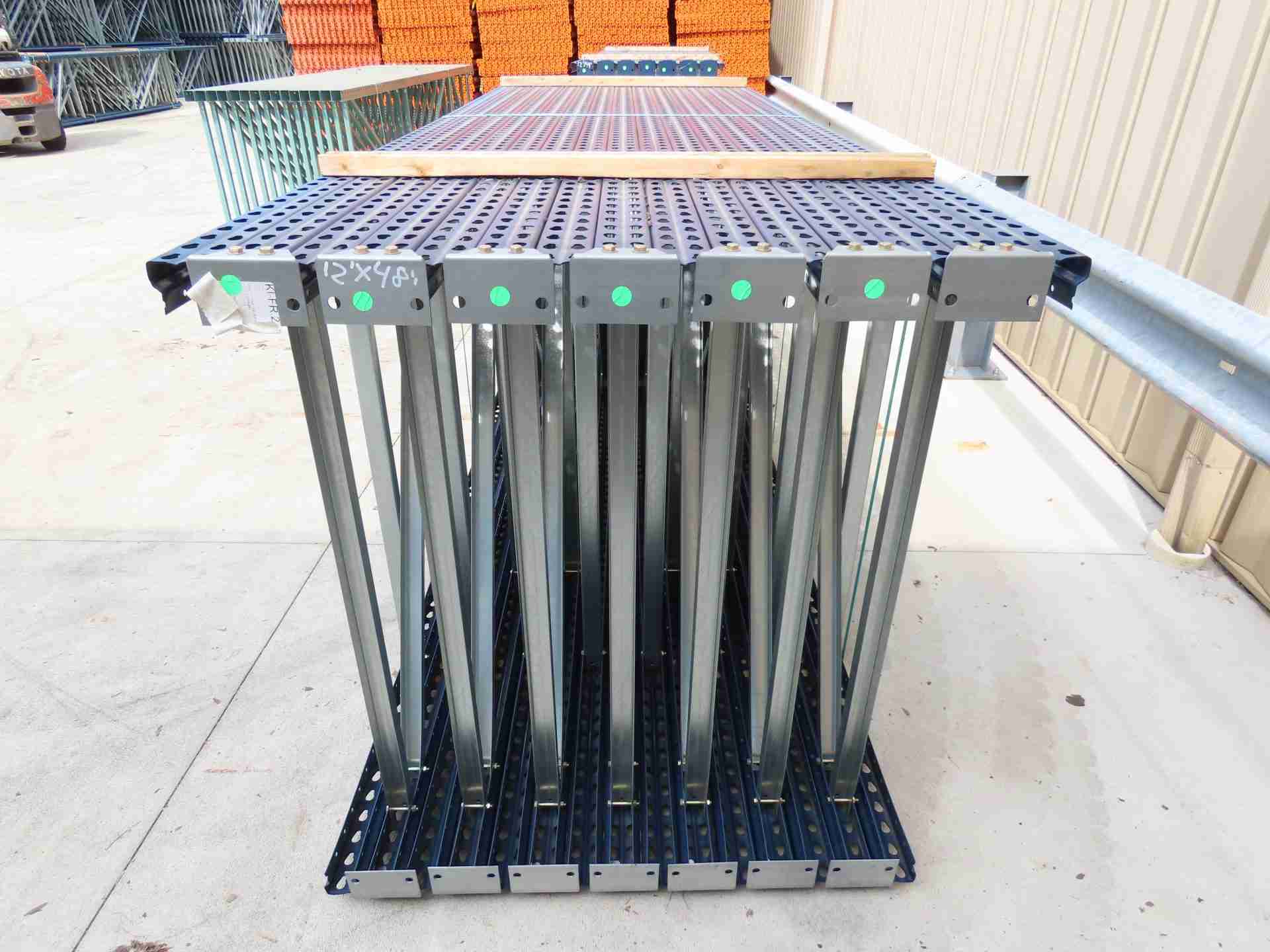
Other Questions
Checklist
Can Industrial Racks Support First-In First-Out Inventory Management? – A Checklist
1. Inventory Assessment:
_____ Identify products requiring FIFO management.
_____ Prioritize perishable or time-sensitive items.
2. Rack Selection:
_____ Choose industrial racks suitable for the weight and size of your inventory.
_____ Opt for adjustable racks to accommodate varying product sizes.
3. Rack Configuration:
_____ Set up racks to facilitate easy access to older inventory first.
_____ Consider flow racks, push-back racks, or tilt trays for better stock rotation.
4. Organizational Tools:
_____ Use dividers and bins to segregate different types of inventory.
_____ Label shelves clearly to indicate the order of stock rotation.
5. Storage Planning:
_____ Plan vertical storage to maximize space utilization.
_____ Ensure sufficient aisle widths for safe and easy access to inventory.
6. Access and Retrieval:
_____ Implement features like pull-out drawers or tilt bins for easier access.
_____ Designate specific storage spots for older and newer inventory to follow FIFO principles.
7. Inventory Monitoring:
_____ Regularly audit inventory to ensure proper FIFO implementation.
_____ Track stock levels and expiration dates using inventory management software.
8. Safety Considerations:
_____ Use racks designed to handle the weight and type of inventory.
_____ Employ safety guards and secure inventory properly to prevent accidents.
9. Workflow Optimization:
_____ Designate pathways for picking and stocking operations.
_____ Train staff on FIFO procedures and proper rack usage.
10. Customization Options:
_____ Tailor racks with adjustable shelving, custom heights, and specialized features like conveyor systems.
_____ Periodically review storage needs and make adjustments as necessary.
11. Efficiency and Waste Reduction:
_____ Monitor and adjust inventory levels to prevent overstock and minimize waste.
_____ Use FIFO data to identify slow-moving products and adjust purchasing practices.
12. Routine Checks and Maintenance:
_____ Inspect rack integrity and make repairs as needed.
_____ Ensure labels and signs are clear and updated.
By following this checklist, your warehouse can efficiently implement a FIFO inventory management system using industrial racks, thus optimizing storage, reducing waste, and improving overall operational efficiency.
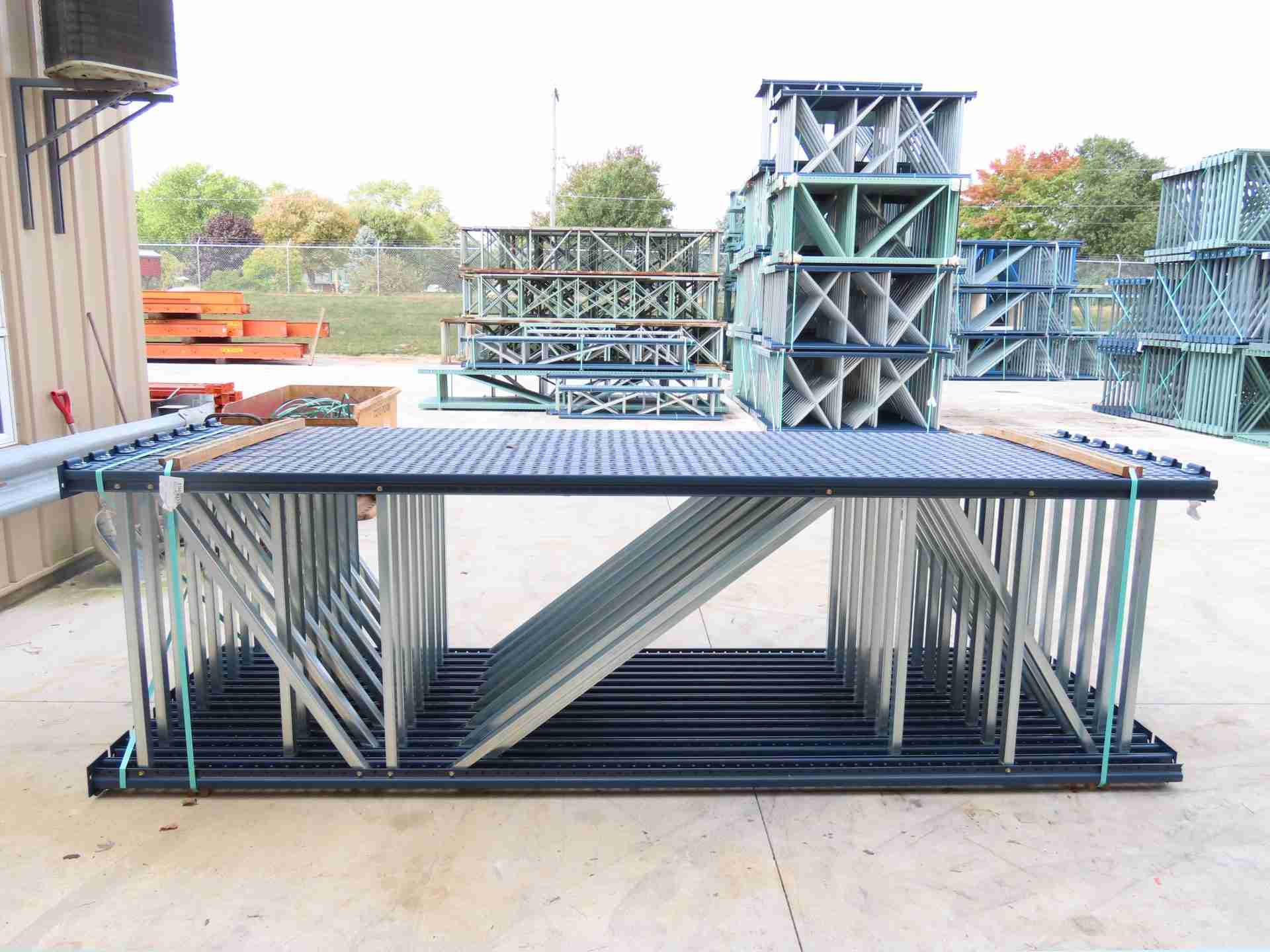
Checklist
At RackingWorld, we help guide you through selecting warehouse storage systems and racking.
Be sure to read our other related stories at RackingWorld to learn more about warehouse storage systems.
0 Comments