
Stay Compliant: OSHA Requirements for Warehouse Racking
By Tom Seest
At RackingWorld, we help guide you through selecting warehouse storage systems and racking.
Be sure to read our other related stories at RackingWorld to learn more about warehouse storage systems.
What Are The OSHA Requirements for Warehouse Racking?
When it comes to warehouse safety, the Occupational Safety and Health Administration (OSHA) has strict requirements in place to ensure that operations run smoothly and workers are protected. One area that is particularly important to address is warehouse racking. Proper racking systems are essential for maintaining a safe and efficient work environment.
One of the first things to consider when it comes to warehouse racking is the weight capacity. OSHA requires that all racking systems be able to support the weight of the materials being stored on them. This means that the racking must be sturdy and secure, with no signs of damage or wear and tear. Regular inspections are necessary to ensure that the racking is in good condition and can safely hold the necessary weight.
Another important factor to consider is the layout of the racking system. OSHA guidelines specify that aisles between racks must be wide enough to allow for safe and easy navigation by workers and equipment. This means that there should be enough space for forklifts and other machinery to move freely without the risk of collisions or accidents. Additionally, the racking system should be organized in a way that prevents overloading or uneven distribution of weight, which can lead to instability and potential collapse.
In addition to weight capacity and layout, OSHA also has requirements for the maintenance and upkeep of warehouse racking systems. Regular inspections are necessary to ensure that the racking is secure, with no signs of damage or deterioration. Any issues should be addressed promptly to prevent accidents or injuries. Workers should also be properly trained on how to safely use the racking system, including how to load and unload materials in a way that maintains stability and prevents overloading.
Overall, OSHA requirements for warehouse racking are in place to protect the safety and well-being of workers. By following these guidelines and ensuring that racking systems are in compliance, employers can create a safer work environment and minimize the risk of accidents or injuries. Remember, safety should always be the top priority in any warehouse operation.

What Are The OSHA Requirements for Warehouse Racking?
What Are The OSHA Requirements for Warehouse Racking?
- OSHA has strict requirements for warehouse safety.
- Proper racking systems are essential for a safe work environment.
- Racking systems must meet weight capacity requirements.
- Aisles between racks must allow for safe navigation.
- Regular inspections are necessary for maintenance.
- Workers should be trained on safe racking system use.
- Following OSHA guidelines creates a safer work environment.

What Are The OSHA Requirements for Warehouse Racking?
Table Of Contents
- What Are The OSHA Requirements for Warehouse Racking?
- What Are The Load Capacity Guidelines For Warehouse Racking?
- What Spacing Is Required Between Racking And Walls?
- How Should Pallets Be Stored To Comply With OSHA Regulations?
- Are There Specific Requirements For Labeling Shelves And Racks?
- How Can Workers Be Trained To Safely Use Warehouse Racking?
- Are There Guidelines For Securing Racking To Prevent Collapse?
- What Should Employers Do In Case Of a Racking System Failure?
- Conclusion
- Other Resources
- Glossary Of Terms
- Other Questions
- Checklist
What Are The Load Capacity Guidelines For Warehouse Racking?
When it comes to warehouse racking, one of the most important factors to consider is load capacity. This refers to the maximum weight that a particular rack can safely hold without risking damage or collapse. Understanding load capacity guidelines is crucial for maintaining a safe and efficient warehouse operation.
There are several key factors that determine the load capacity of warehouse racking. The first is the type of racking system being used. Different types of racking, such as selective pallet racks, drive-in racks, and cantilever racks, each have their own unique load capacities based on their design and construction.
Another important factor to consider is the weight distribution of the items being stored on the racks. It’s crucial to evenly distribute weight across the rack beams to prevent overloading and potential collapse. Additionally, it’s important to consider the size and shape of the items being stored, as irregularly shaped items may require special considerations to ensure safe storage.
In addition to the type of racking and weight distribution, it’s also important to consider the load capacity labels provided by the manufacturer. These labels typically provide information on the maximum weight capacity for the rack beams, upright frames, and overall system. It’s important to follow these guidelines to prevent overloading and ensure the safety of your warehouse employees.
When determining load capacities for warehouse racking, it’s also important to consider any potential impacts from forklifts or other heavy equipment. The added weight of these vehicles can put additional stress on the racking system, so it’s important to account for these factors when calculating load capacities.
Regular inspections and maintenance are also crucial for ensuring the safety and integrity of your warehouse racking. Inspecting racks for signs of damage, corrosion, or overloading can help prevent accidents and extend the lifespan of your racking system.
Understanding load capacity guidelines for warehouse racking is essential for maintaining a safe and efficient warehouse operation. By considering factors such as racking type, weight distribution, manufacturer guidelines, and regular maintenance, you can ensure the safety of your employees and the longevity of your racking system.

What Are The Load Capacity Guidelines For Warehouse Racking?
What Are The Load Capacity Guidelines For Warehouse Racking?
- Load capacity is crucial for warehouse racking to prevent damage or collapse.
- Factors like racking type and weight distribution affect load capacity.
- Even weight distribution and consideration of item size/shape are important.
- Manufacturer load capacity labels provide crucial information.
- Consider impacts from forklifts and heavy equipment on load capacities.
- Regular inspections and maintenance are important for safety.
- Understanding load capacity guidelines is essential for safe operations.

What Are The Load Capacity Guidelines For Warehouse Racking?
What Spacing Is Required Between Racking And Walls?
When it comes to setting up racking in your warehouse or storage facility, one important factor to consider is the spacing between the racking and the walls. Proper spacing is not only important for safety reasons but also for maximizing the use of your space and ensuring efficient operations.
The first thing to consider when determining the spacing between racking and walls is the type of racking being used. Different types of racking systems have different requirements for spacing to ensure stability and safety. For example, cantilever racking systems require more space between the racking and walls than standard pallet racking systems.
In general, it is recommended to leave a minimum of 6 inches of clearance between the racking and walls. This allows for easy access to the racking for loading and unloading materials, as well as for maintenance and inspections. However, depending on the type of racking and the specific layout of your facility, you may need to leave more space to ensure proper clearance.
Another important consideration when determining the spacing between racking and walls is fire safety. It is important to ensure that there is enough space between the racking and walls to allow for proper ventilation and to prevent the spread of fire in the event of an emergency. This is why it is important to consult with a fire safety expert or code enforcement officer to ensure that your racking layout meets all safety requirements.
In addition to safety considerations, proper spacing between racking and walls is also important for maximizing the use of your space. By optimizing the layout of your racking system and leaving enough space between the racking and walls, you can ensure that you are making the most efficient use of your available space. This can help to increase storage capacity and improve workflow within your facility.
Overall, when it comes to determining the spacing between racking and walls, it is important to consider safety, efficiency, and space optimization. By carefully planning the layout of your racking system and ensuring proper clearance between the racking and walls, you can create a safe and efficient storage solution that meets the needs of your facility.

What Spacing Is Required Between Racking And Walls?
What Spacing Is Required Between Racking And Walls?
- Proper spacing between racking and walls is crucial for safety and efficiency.
- The type of racking being used determines the required spacing.
- A minimum of 6 inches of clearance between racking and walls is recommended.
- Consider fire safety when determining spacing to allow for proper ventilation.
- Optimizing spacing can help maximize use of space and improve workflow.
- Consult with safety experts to ensure racking layout meets all requirements.
- By carefully planning spacing, you can create a safe and efficient storage solution.

What Spacing Is Required Between Racking And Walls?
How Should Pallets Be Stored To Comply With OSHA Regulations?
Pallets are a common sight in most workplaces, used for storing and transporting goods in warehouses, factories, and other industrial settings. But did you know that there are specific regulations set forth by OSHA (Occupational Safety and Health Administration) regarding how pallets should be stored in order to ensure a safe work environment?
First and foremost, pallets should be stored in a neat and organized manner to prevent any potential hazards. Pallets that are stacked haphazardly or left lying around can create trip hazards for employees, leading to potential injuries. It’s important to designate a specific area for pallet storage and ensure that pallets are stacked securely and evenly to prevent them from falling over.
Additionally, pallets should be stored away from high traffic areas and emergency exits to ensure easy access in case of an emergency. Pallets should never be stored in front of fire extinguishers, electrical panels, or other safety equipment that may be needed in a hurry. By keeping pallets stored in a designated area away from these hazards, you can help prevent accidents and ensure a safe work environment for all employees.
When it comes to stacking pallets, there are a few key guidelines to keep in mind. Pallets should be stacked evenly and securely, with the heaviest pallets on the bottom to prevent them from toppling over. Pallets should be stacked no more than six feet high to prevent them from becoming unstable and potentially causing injury. In addition, it’s important to inspect pallets regularly for any damage or wear and tear that could compromise their integrity.
Lastly, when storing pallets outdoors, it’s important to take weather conditions into consideration. Exposure to the elements can cause pallets to warp, rot, or become damaged, making them unsafe for use. Pallets should be stored on a dry, level surface to prevent them from absorbing moisture and becoming weakened. Covering pallets with a tarp or storing them in a covered area can help protect them from the elements and extend their lifespan.
By following these simple guidelines for storing pallets in the workplace, you can ensure compliance with OSHA regulations and create a safe and efficient work environment for all employees. Remember, safety should always be a top priority when it comes to handling and storing pallets in the workplace.

How Should Pallets Be Stored To Comply With OSHA Regulations?
How Should Pallets Be Stored To Comply With OSHA Regulations?
- Pallets should be stored in a neat and organized manner to prevent hazards.
- Designate a specific area for pallet storage and stack them securely to prevent falls.
- Store pallets away from high traffic areas and emergency exits.
- Stack pallets evenly with heaviest ones at the bottom, not exceeding six feet in height.
- Regularly inspect pallets for damage to ensure integrity.
- Consider weather conditions when storing pallets outdoors to prevent damage.
- Follow guidelines to comply with OSHA regulations and create a safe work environment.

How Should Pallets Be Stored To Comply With OSHA Regulations?
Are There Specific Requirements For Labeling Shelves And Racks?
When it comes to labeling shelves and racks, there are definitely some specific requirements to keep in mind. First and foremost, it’s important to remember that labeling isn’t just about slapping a sticker on something and calling it a day. It’s about creating a system that makes it easy for everyone to find what they need, when they need it.
One of the most important requirements for labeling shelves and racks is consistency. This means using the same format, font, and color scheme throughout your entire labeling system. This may seem like a small detail, but it can make a big difference in how easily people can navigate your shelves and racks. Imagine trying to find a specific item in a warehouse filled with shelves and racks labeled in different fonts and colors – it would be a nightmare!
Another requirement for labeling shelves and racks is clarity. This means using clear and concise labels that are easy to read from a distance. Remember, the goal of labeling is to make things easier for people, not harder. So, avoid using fancy fonts or colors that are difficult to read. Stick to simple, bold lettering that stands out against the background of your shelves and racks.
It’s also important to consider the size of your labels. While you want them to be large enough to read easily, you also don’t want them to take up too much space on your shelves and racks. Make sure your labels are sized appropriately for the size of the shelves and racks they are going on.
In addition to consistency, clarity, and size, another requirement for labeling shelves and racks is durability. Labels that peel off or fade over time are not only frustrating, but they can also lead to confusion and errors. Invest in high-quality labels that are designed to withstand the wear and tear of a busy warehouse environment.
Lastly, it’s important to regularly review and update your labeling system. As your inventory changes and grows, so too should your labeling system. Take the time to audit your shelves and racks on a regular basis to ensure that everything is properly labeled and organized.
Labeling shelves and racks may seem like a simple task, but it’s one that requires careful consideration and attention to detail. By following these requirements for consistency, clarity, size, durability, and regular updates, you can create a labeling system that makes everyone’s life a little bit easier.

Are There Specific Requirements For Labeling Shelves And Racks?
Are There Specific Requirements For Labeling Shelves And Racks?
- Consistency is key in labeling shelves and racks.
- Clarity of labels is important for easy reading.
- Consider the size of labels
- large enough to read, but not too big.
- Durable labels are essential to prevent confusion and errors.
- Regularly review and update your labeling system as needed.
- Labeling should make it easier for everyone to find what they need.
- Simple, bold lettering on labels is recommended for visibility.
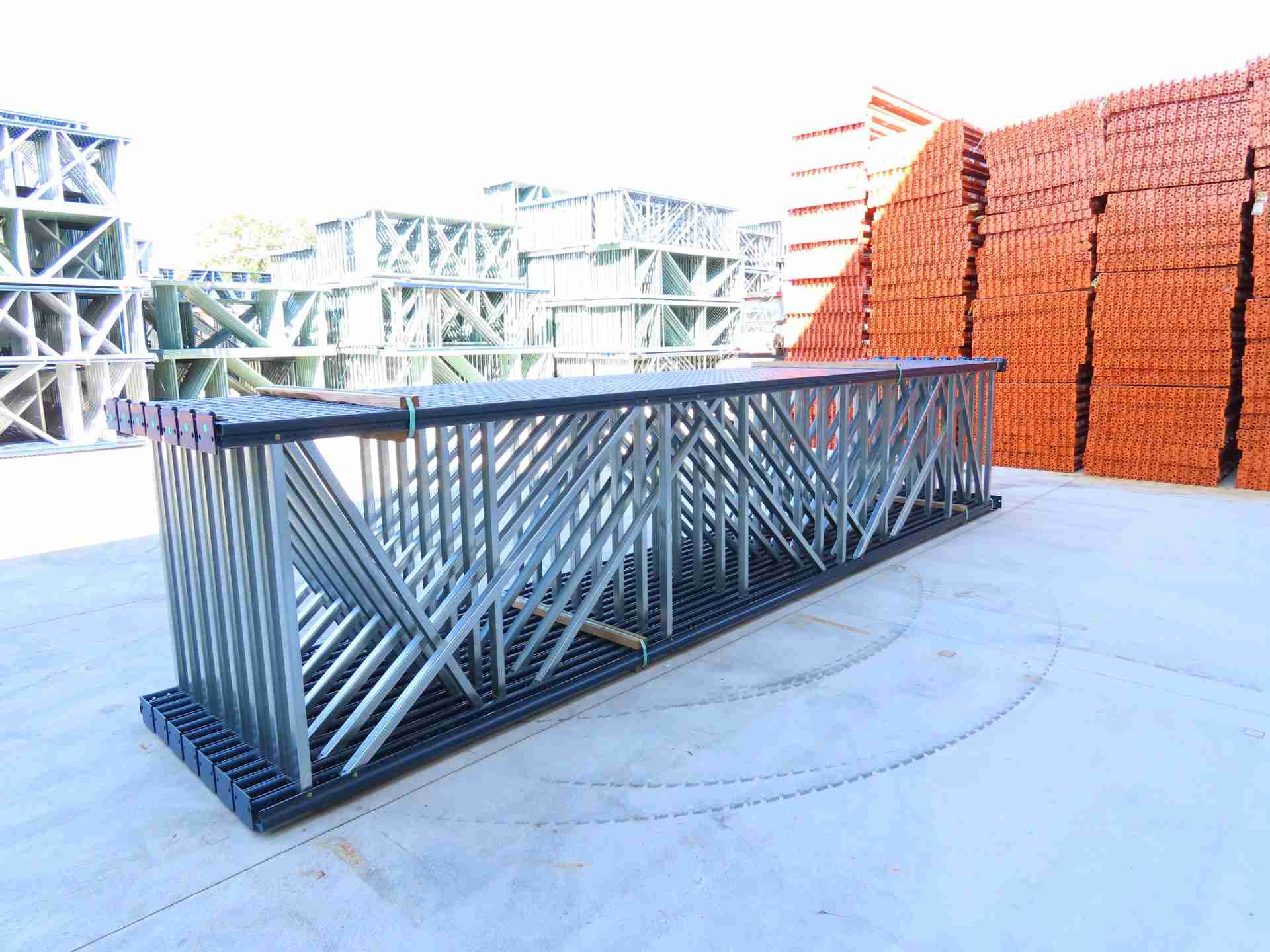
Are There Specific Requirements For Labeling Shelves And Racks?
How Can Workers Be Trained To Safely Use Warehouse Racking?
So, you wanna know how to train your warehouse workers to safely use racking, huh? Well, let me tell ya, it’s no walk in the park. But with the right approach and a little bit of elbow grease, you can ensure that your team is handling those racks like pros in no time.
First things first, you gotta start with the basics. Make sure your workers understand the weight capacity of each rack and how to properly distribute the weight. One wrong move could lead to a dangerous collapse, so it’s crucial that they know what they’re dealing with.
Next, teach ’em how to inspect the racks for any signs of damage. A loose bolt here or a bent beam there might not seem like a big deal, but trust me, it can cause some serious trouble down the line. So, make sure your team knows what to look for and how to report any issues they find.
Now, let’s talk about loading and unloading. This might seem like a simple task, but if not done correctly, it can lead to some serious accidents. Show your workers the proper way to stack and organize items on the racks, and make sure they understand the importance of keeping things balanced and secure.
And of course, safety should always be top of mind. Make sure your team knows how to use personal protective equipment, such as gloves and safety goggles, and how to avoid common hazards like slipping on wet floors or getting hit by falling objects.
But here’s the thing – all the training in the world won’t do much good if your workers aren’t motivated to follow through. So, make sure they understand the importance of proper racking procedures and the consequences of cutting corners. A little pep talk every now and then can go a long way in keeping everyone on the same page.
At the end of the day, training your workers to safely use warehouse racking comes down to one thing – attention to detail. By emphasizing the importance of proper procedures, regular inspections, and a cautious approach, you can ensure that your team is equipped to handle those racks with the care and precision they deserve. And hey, a little bit of common sense never hurt either.

How Can Workers Be Trained To Safely Use Warehouse Racking?
How Can Workers Be Trained To Safely Use Warehouse Racking?
- Start with the basics: weight capacity and weight distribution.
- Teach workers to inspect racks for damage.
- Train on proper loading and unloading techniques.
- Emphasize safety measures and use of personal protective equipment.
- Motivate workers to follow proper procedures.
- Ensure attention to detail and regular inspections.
- Encourage a cautious approach and common sense.

How Can Workers Be Trained To Safely Use Warehouse Racking?
Are There Guidelines For Securing Racking To Prevent Collapse?
In the world of warehousing and distribution, the safety and stability of racking systems are of utmost importance. When it comes to securing racking to prevent collapse, there are definitely guidelines that should be followed to ensure the safety of both workers and inventory.
First and foremost, it’s crucial to adhere to the manufacturer’s guidelines and recommendations for installation and securing of racking systems. Each manufacturer will have specific instructions on how their racking should be installed, including the type and size of anchor bolts that should be used, as well as the weight capacity of the system.
Additionally, it’s important to regularly inspect racking systems for any signs of damage or wear. This includes checking for bent or damaged beams, missing or loose bolts, or any excessive deflection in the racking. Any issues should be addressed immediately to prevent a potential collapse.
Anchoring the racking system to the floor is also essential for preventing collapse. The type of anchors used will depend on the type of flooring in the facility, but concrete anchors are commonly used for securing racking systems. It’s important to ensure that the anchors are installed properly and are able to support the weight of the racking and its contents.
In addition to floor anchors, it may also be necessary to use seismic bracing to secure racking systems in areas prone to earthquakes or other natural disasters. Seismic bracing can help prevent the racking from tipping over during an earthquake, protecting both workers and inventory.
Properly training employees on how to safely use and load racking systems is another important factor in preventing collapse. Overloading the racking or improperly stacking inventory can put unnecessary stress on the system, increasing the risk of collapse. By educating employees on proper stacking and weight distribution techniques, you can help ensure the stability of the racking system.
Overall, securing racking to prevent collapse is a crucial aspect of warehouse safety. By following manufacturer guidelines, regularly inspecting racking systems, anchoring the racking to the floor, using seismic bracing when necessary, and training employees on proper usage, you can help prevent accidents and ensure the safety of everyone in the facility. Remember, a little extra time and effort spent on securing racking now could prevent a catastrophic collapse in the future.

Are There Guidelines For Securing Racking To Prevent Collapse?
Are There Guidelines For Securing Racking To Prevent Collapse?
- Adhere to manufacturer’s guidelines for installation.
- Regularly inspect racking systems for damage or wear.
- Anchor the racking system to the floor.
- Consider using seismic bracing in earthquake-prone areas.
- Train employees on safe use and loading of racking systems.
- Follow proper stacking and weight distribution techniques.
- Securing racking is crucial for warehouse safety.

Are There Guidelines For Securing Racking To Prevent Collapse?
What Should Employers Do In Case Of a Racking System Failure?
So, you’ve got a warehouse full of shelves, stacked to the ceiling with all your valuable inventory. It’s a thing of beauty – until it’s not. One day, you walk in and see that your racking system has failed. Maybe it was a faulty component, maybe it was overloaded, who knows. The bottom line is, you’ve got a mess on your hands and a serious problem to deal with.
Now, the first thing you need to do is stay calm. I know it’s tough when all your stuff is collapsing around you, but panicking won’t help anyone. Take a deep breath, assess the situation, and come up with a plan of action.
The safety of your employees is the top priority here. If you see any signs of imminent danger, get everyone out of the area immediately. You don’t want anyone getting hurt trying to salvage the situation. Once everyone is safe, it’s time to figure out what went wrong and how to fix it.
If you have a maintenance team on staff, get them involved right away. They may be able to determine the cause of the failure and come up with a quick fix to stabilize the system. If not, it’s time to call in the experts. Don’t try to be a hero and fix it yourself if you don’t have the knowledge or experience – that’s how accidents happen.
In the meantime, start moving your inventory to a safe location. You don’t want any more damage than has already been done. If possible, try to salvage as much as you can before the situation gets worse.
Once the experts arrive, let them do their thing. They’ll assess the damage, come up with a plan to repair or replace the system, and get your warehouse back up and running in no time. It may be a costly fix, but it’s better than risking another failure in the future.
After the dust has settled and your racking system is back in working order, it’s time to do some serious reflection. What can you do to prevent this from happening again? Maybe it’s investing in better quality components, maybe it’s implementing stricter weight limits, or maybe it’s just being more proactive with maintenance checks. Whatever it is, learn from this experience and make sure it doesn’t happen again.
Remember, accidents happen. It’s how you deal with them that defines you as a leader. Stay calm, prioritize safety, and take the necessary steps to get your warehouse back on track. Your employees are counting on you to keep them safe and keep the business running smoothly. Time to roll up your sleeves and get to work.

What Should Employers Do In Case Of a Racking System Failure?
What Should Employers Do In Case Of a Racking System Failure?
- Stay calm and assess the situation.
- Prioritize the safety of your employees.
- Get maintenance team involved or call in experts.
- Move inventory to a safe location to prevent further damage.
- Let experts assess and repair the system.
- Reflect on preventative measures for the future.
- Stay proactive, prioritize safety, and get your warehouse back on track.

What Should Employers Do In Case Of a Racking System Failure?
Conclusion
In conclusion, when it comes to warehouse safety and compliance with OSHA requirements for warehouse racking, attention to detail is key. By ensuring that racking systems are able to support the weight of materials being stored, maintaining proper aisle width for safe navigation, organizing the racking system to prevent overloading, and conducting regular inspections and maintenance, employers can create a safe work environment and minimize the risk of accidents or injuries. Understanding load capacity guidelines, spacing requirements between racking and walls, and how to properly store pallets are all essential components of warehouse safety. Additionally, labeling shelves and racks clearly and consistently, training workers on how to safely use racking systems, and securing racking to prevent collapse are vital aspects of maintaining compliance with OSHA regulations. In the event of a racking system failure, staying calm, prioritizing employee safety, and taking immediate action to address the issue are crucial steps to take. By learning from past incidents and implementing preventative measures, employers can create a safer and more efficient work environment for everyone. Remember, safety should always be the top priority in any warehouse operation. So, keep those racks sturdy, those shelves labeled, and those pallets stacked with care. And remember, a little extra effort now can prevent a lot of trouble down the line. Stay safe, stay compliant, and keep on racking!

Conclusion
Conclusion:
- Attention to detail is key for warehouse safety and compliance with OSHA requirements for warehouse racking.
- Ensure racking systems can support the weight of materials being stored.
- Maintain proper aisle width for safe navigation.
- Organize racking system to prevent overloading.
- Conduct regular inspections and maintenance.
- Label shelves and racks clearly and consistently.
- Train workers on how to safely use racking systems.

Conclusion
Other Resources

Other Resources
Here is a list of other resources you can review online to learn more:
- “OSHA”
- “About OSHA | Occupational Safety and Health Administration”
- “All About OSHA”
- “OSHA Worker Rights and Protections | Occupational Safety …”
- “osha3021.pdf”
- “Law and Regulations”
- “OSHA at 50 | Occupational Safety and Health Administration”
- “OSHA’s 30th Anniversary | Occupational Safety and Health …”
- “What is OSHA: Occupational Safety & Health Administration …”
- “Employer Responsibilities | Occupational Safety and …”
- “Commonly Used Statistics | Occupational Safety and …”
- “OSH Act of 1970 | Occupational Safety and Health …”
- “Under federal Occupational Safety and Health …”
- “Health and safety in the workplaces–what can OSHA do for …”
- “Recommended Practices for Safety and Health Programs”
- “The temperature has consistently been in the high 80’s to …”
- “I am OSHA | Occupational Safety and Health Administration”
- “OSHA is Hiring | Occupational Safety and Health …”
- “The Whistleblower Protection Programs | Whistleblower …”

Other Resources
Glossary Terms
What Are The OSHA Requirements for Warehouse Racking? – Glossary Of Terms
1. OSHA: Occupational Safety and Health Administration, a federal agency that sets and enforces workplace safety and health standards.
2. Racking System: A structural framework used in warehouses to store pallets or other materials.
3. Load Capacity: The maximum weight that a racking system can safely support; must be clearly marked on racks.
4. Pallet: A flat transport structure that supports goods in a stable fashion while being lifted by a forklift.
5. Anchoring: The process of securing racking units to the floor to prevent movement or collapse.
6. Bracing: Reinforcing components within a racking system to enhance stability and safety.
7. Inspections: Regular checks required to ensure racking systems are in safe, working condition.
8. Load Ratings: Specific weight limits assigned to various parts of racking systems, such as beams and uprights.
9. Adequate Clearance: Space requirements around racking to allow safe maneuvering and materials handling.
10. Deflection: The bending or twisting of racking components under load, which must be within safe limits.
11. Egress: Clear and safe exit routes required to be maintained within a warehouse for emergencies.
12. Forklift: A powered industrial truck used to lift and transport materials within a warehouse.
13. Beam: Horizontal racking components that connect uprights and support loads.
14. Upright: Vertical racking components that form the backbone of the racking structure.
15. Cross-member: Structural component providing lateral stability to a racking system.
16. Load Distribution: Even placement of weight across racking to prevent overloading and imbalance.
17. Flue Space: The vertical space between rows of rack systems used for fire safety and air circulation.
18. Height-to-Depth Ratio: Guidelines that determine the maximum height of racking based on its depth, ensuring stability.
19. Boltless Racks: Freestanding racking systems that do not require bolts for assembly, still must meet safety standards.
20. Safety Barriers: Protective structures placed at the base of racking systems to prevent impact damage from forklifts.
21. Seismic Requirements: Additional structural reinforcements required for racking systems in earthquake-prone areas.
22. Fire Safety Codes: Regulations affecting the design and placement of racking systems to comply with fire prevention measures.
23. Signage: Required labels or signs on racking systems to indicate load limits and other safety information.
24. Aisle Width: The required clearance between rows of racking to allow safe passage of forklifts and workers.
25. Penetrable Racks: Systems where pallets can be loaded and unloaded from both ends, requiring specific safety precautions.
26. Pallet Stops: Devices at the back of racking to prevent pallets from being pushed too far back.
27. Wire Decking: A wire mesh placed on racking beams, providing additional support and safety for items stored.
28. Rack Guards: Protective devices installed on racking columns to prevent damage from forklifts or other machinery.
29. Rack Safety Audits: Comprehensive evaluations performed to ensure ongoing compliance with OSHA regulations.
30. Material Handling Equipment (MHE): All machinery used for moving, lifting, or storing materials, which must be used safely in conjunction with racking systems.
These terms and their descriptions cover a broad range of OSHA requirements and related concepts for warehouse racking, ensuring a safer work environment.

Glossary Of Terms
Other Questions
What Are The OSHA Requirements for Warehouse Racking? – Other Questions
If you wish to explore and discover more, consider looking for answers to these questions:
- What are the consequences of not complying with OSHA requirements for warehouse racking?
- Are there specific OSHA guidelines for different types of racking systems?
- How often should regular inspections of warehouse racking be conducted?
- What should be included in a warehouse racking inspection checklist?
- What are the common signs of damage or deterioration in racking systems?
- What equipment is recommended for safe navigation in aisles between racks?
- What training is available for employees to properly use warehouse racking systems?
- How can overloading of racking systems be prevented?
- Are there standards or certifications for warehouse racking systems?
- What are the requirements for labeling the load capacity on racking systems?
- How should emergency procedures be integrated into warehouse racking safety protocols?
- What are the best practices for maintaining the stability of pallets on racking systems?
- Can damaged racking components be repaired, or should they always be replaced?
- What personal protective equipment (PPE) is recommended when working with warehouse racking?
- What role do flooring conditions play in the safety of racking systems?
- How can racking be safely dismantled and reassembled during warehouse reorganization?
- What are the standards for seismic bracing in warehouse racking systems?
- How should employers document compliance with OSHA requirements for warehouse racking?
- What are the legal implications for employers in case of racking system failure and resulting injuries?
- What types of insurance coverage should employers have for warehouse racking systems?

Other Questions
Checklist
What Are The OSHA Requirements for Warehouse Racking? – A Checklist
General Compliance:
1. Weight Capacity:
_____ Verify the weight capacity of all racking systems.
_____ Ensure racking systems can support weight of stored materials.
_____ Conduct regular inspections for damage or wear and tear.
2. Layout and Aisles:
_____ Confirm aisles are wide enough for safe navigation by workers and equipment.
_____ Ensure adequate space for forklifts and machinery to move freely.
3. Maintenance and Upkeep:
_____ Perform regular inspections for damage, deterioration, or loose components.
_____ Address any issues promptly to prevent accidents or injuries.
_____ Train workers on safe racking system use, including loading and unloading procedures.
Load Capacity Guidelines:
1. Racking System Type:
_____ Determine load capacities for different types of racking (selective pallet racks, drive-in racks, cantilever racks, etc. ).
2. Weight Distribution:
_____ Ensure even weight distribution across rack beams.
_____ Evaluate size and shape of stored items for safe storage.
3. Manufacturer Guidelines:
_____ Follow load capacity labels provided by the manufacturer.
4. Impact Considerations:
_____ Account for potential impacts from forklifts or other heavy equipment.
5. Regular Inspections:
_____ Inspect racks for signs of damage, corrosion, or overloading.
Spacing Between Racking and Walls:
1. General Spacing:
_____ Leave a minimum of 6 inches of clearance between racking and walls.
_____ Adjust spacing based on racking type and facility layout.
2. Safety and Ventilation:
_____ Ensure sufficient space for proper ventilation and fire safety.
_____ Consult with a fire safety expert or code enforcement officer.
3. Space Optimization:
_____ Optimize racking layout to maximize space efficiency.
_____ Increase storage capacity and improve workflow.
Pallet Storage Compliance:
1. Organization:
_____ Store pallets neatly and securely to prevent trip hazards.
_____ Designate specific areas for pallet storage.
2. High Traffic and Emergency Exits:
_____ Keep pallets away from high traffic areas and emergency exits.
_____ Do not store pallets in front of fire extinguishers, electrical panels, or safety equipment.
3. Stacking Guidelines:
_____ Stack pallets evenly and securely.
_____ Follow height limits (no more than six feet high).
4. Outdoor Storage:
_____ Store pallets on a dry, level surface.
_____ Protect pallets from the elements to prevent damage.
Labeling Shelves and Racks:
1. Consistency:
_____ Use consistent format, font, and color scheme for labels.
2. Clarity:
_____ Use clear, concise labels that are easy to read from a distance.
_____ Avoid fancy fonts or difficult-to-read colors.
3. Label Size:
_____ Ensure labels are appropriately sized for shelves and racks.
4. Durability:
_____ Invest in high-quality, durable labels.
5. Regular Updates:
_____ Regularly review and update labeling system.
Employee Training:
1. Basic Knowledge:
_____ Ensure workers understand the weight capacity and proper weight distribution of racks.
2. Inspection Training:
_____ Teach employees to inspect racks for damage or wear.
3. Loading and Unloading:
_____ Train workers on proper stacking and organizing techniques.
4. Safety Precautions:
_____ Provide training on personal protective equipment and identifying hazards.
Securing Racking Systems:
1. Manufacturer Guidelines:
_____ Follow manufacturer’s instructions for installation and securing racking.
2. Regular Inspections:
_____ Inspect for any damage, missing bolts, and check weight capacity.
3. Anchor Racking Systems:
_____ Properly anchor racking to the floor using suitable anchors.
_____ Use seismic bracing in earthquake-prone areas.
4. Employee Training:
_____ Educate on proper stacking and weight distribution.
Emergency Response:
1. Immediate Safety:
_____ Evacuate employees from dangerous areas.
2. Assessment:
_____ Assess the situation and determine cause of failure.
3. Get Experts:
_____ Involve maintenance team or external experts for repair and stabilization.
4. Inventory Handling:
_____ Secure inventory in safe locations to prevent further damage.
5. Preventative Measures:
_____ Reflect on causes and implement measures to prevent future failures.
Use this checklist as a guide to ensure your warehouse complies with OSHA standards and maintains a safe and efficient environment for all employees.

Checklist
At RackingWorld, we help guide you through selecting warehouse storage systems and racking.
Be sure to read our other related stories at RackingWorld to learn more about warehouse storage systems.
0 Comments