
Maximizing Efficiency and Safety In Pallet Rack Shelving
By Tom Seest
At RackingWorld, we help guide you through selecting warehouse storage systems and racking.
Be sure to read our other related stories at RackingWorld to learn more about warehouse storage systems.
What Are The Best Practices for Organizing Pallet Rack Shelving?
When it comes to organizing pallet rack shelving, there are a few key best practices that can make a significant impact on the efficiency and effectiveness of your warehouse operations. By following these guidelines, you can optimize your storage space, streamline your picking and packing processes, and ultimately improve your bottom line.
One of the first things to consider when organizing pallet rack shelving is the layout of your warehouse. It’s important to strategically place your racks in a way that maximizes space and allows for easy access to all of your inventory. By grouping similar items together and organizing them by size or weight, you can minimize the time it takes for employees to locate and retrieve specific items, reducing picking errors and increasing overall productivity.
In addition, it’s crucial to regularly review and update your inventory management system to ensure that all items are properly labeled and stored in their designated locations. By implementing a barcode scanning system or RFID technology, you can track the movement of goods in real-time and identify any potential bottlenecks or inefficiencies in your shelving layout.
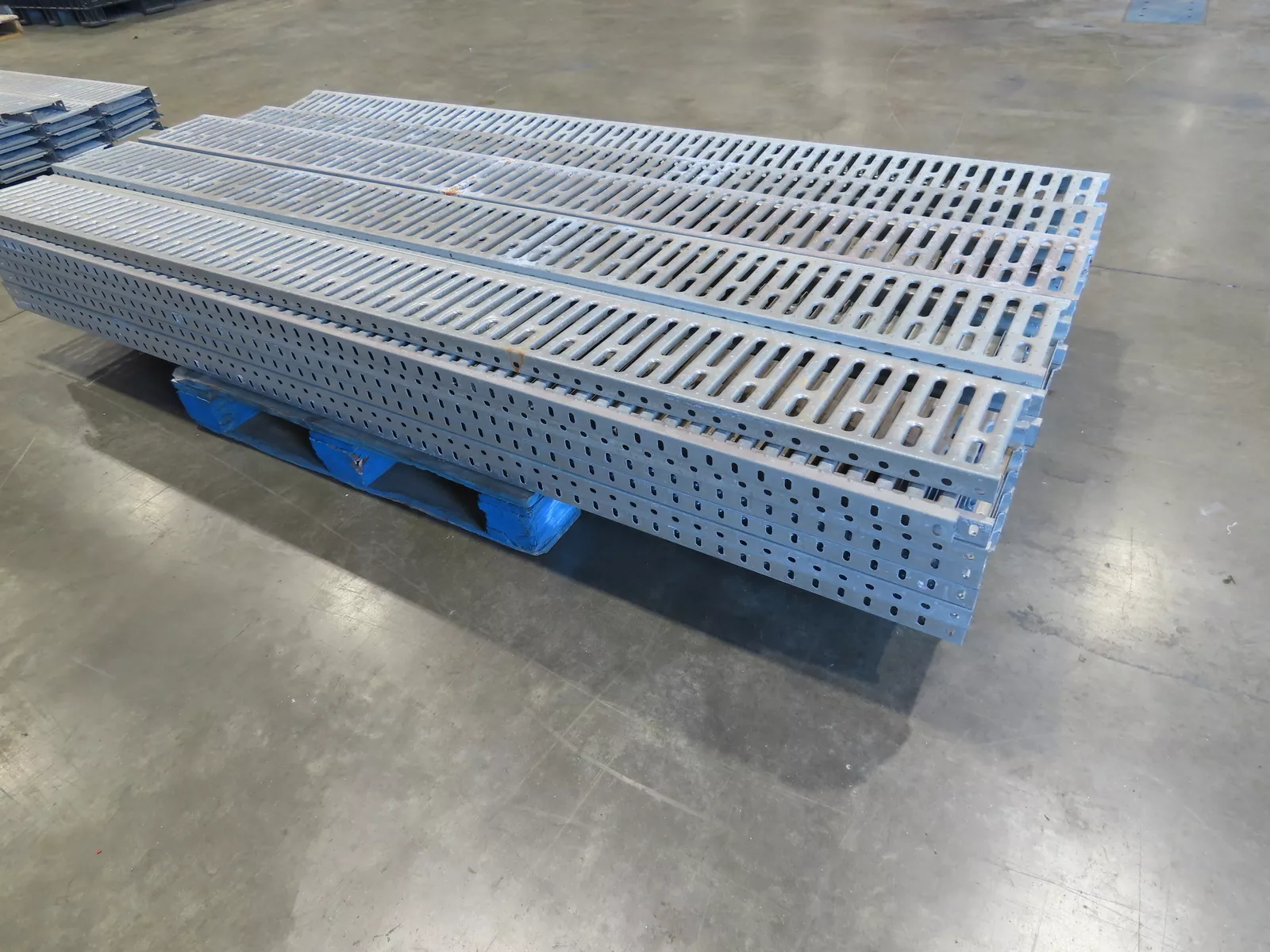
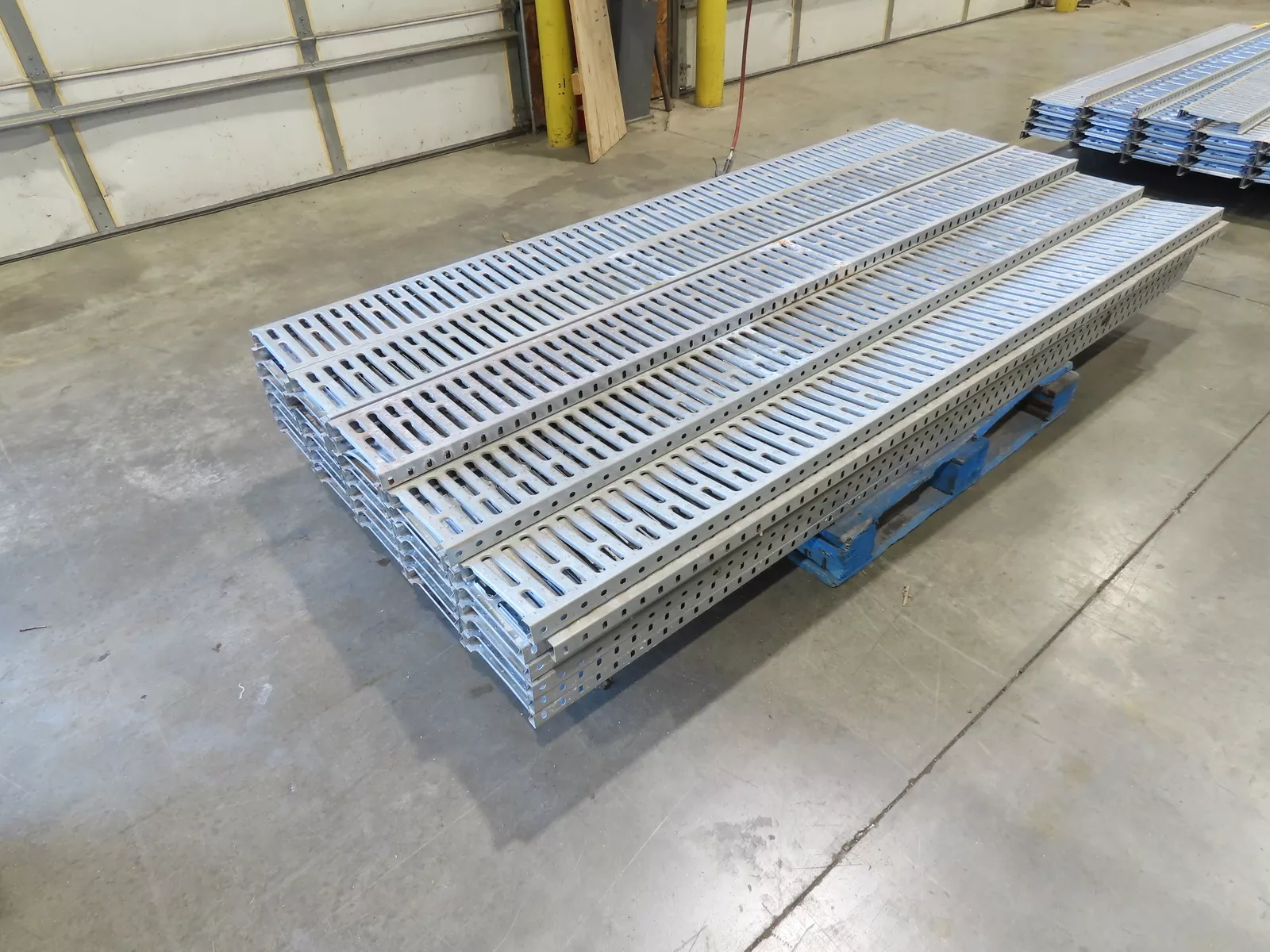
Furthermore, investing in quality pallet rack shelving solutions, such as adjustable beams, wire decking, and pallet supports, can help to maximize the capacity and safety of your warehouse. By utilizing these customizable features, you can create a more flexible storage system that can adapt to the changing needs of your business.
Finally, it’s essential to prioritize safety when organizing pallet rack shelving. By ensuring that all racks are properly secured to the floor and walls, and that weight limits are clearly marked and adhered to, you can minimize the risk of accidents and injuries in the workplace.
Overall, by following these best practices for organizing pallet rack shelving, you can create a more efficient and effective warehouse layout that maximizes space, minimizes errors, and ultimately improves your company’s bottom line. So take the time to evaluate your current shelving system and make any necessary adjustments to ensure that your warehouse is operating at its full potential.
What Are The Best Practices for Organizing Pallet Rack Shelving?
What Are The Best Practices for Organizing Pallet Rack Shelving?
- Consider the layout of your warehouse to maximize space and accessibility.
- Group similar items together and organize by size or weight to reduce picking time.
- Regularly review and update your inventory management system for efficiency.
- Invest in quality pallet rack shelving solutions to maximize capacity and safety.
- Prioritize safety by securing racks properly and adhering to weight limits.
- Create a flexible storage system that can adapt to changing business needs.
- Evaluate current shelving system and make necessary adjustments for improved efficiency.
What Are The Best Practices for Organizing Pallet Rack Shelving?
Table Of Contents
- What Are The Best Practices for Organizing Pallet Rack Shelving?
- What Is The Recommended Weight Capacity For Pallet Rack Shelving?
- How Can I Maintain And Clean Pallet Rack Shelving To Ensure Longevity?
- How Can I Optimize Space On My Pallet Rack Shelving?
- What Are The Most Efficient Storage Strategies For Pallet Racks?
- How Do I Ensure Proper Weight Distribution On Pallet Rack Shelves?
- Conclusion
- Other Resources
- Glossary Of Terms
- Other Questions
- Checklist
What Is The Recommended Weight Capacity For Pallet Rack Shelving?
When it comes to pallet rack shelving, one crucial factor to consider is the weight capacity. Ensuring that your shelving can support the weight of your products is essential for both safety and efficiency in your warehouse or storage facility. But what is the recommended weight capacity for pallet rack shelving?
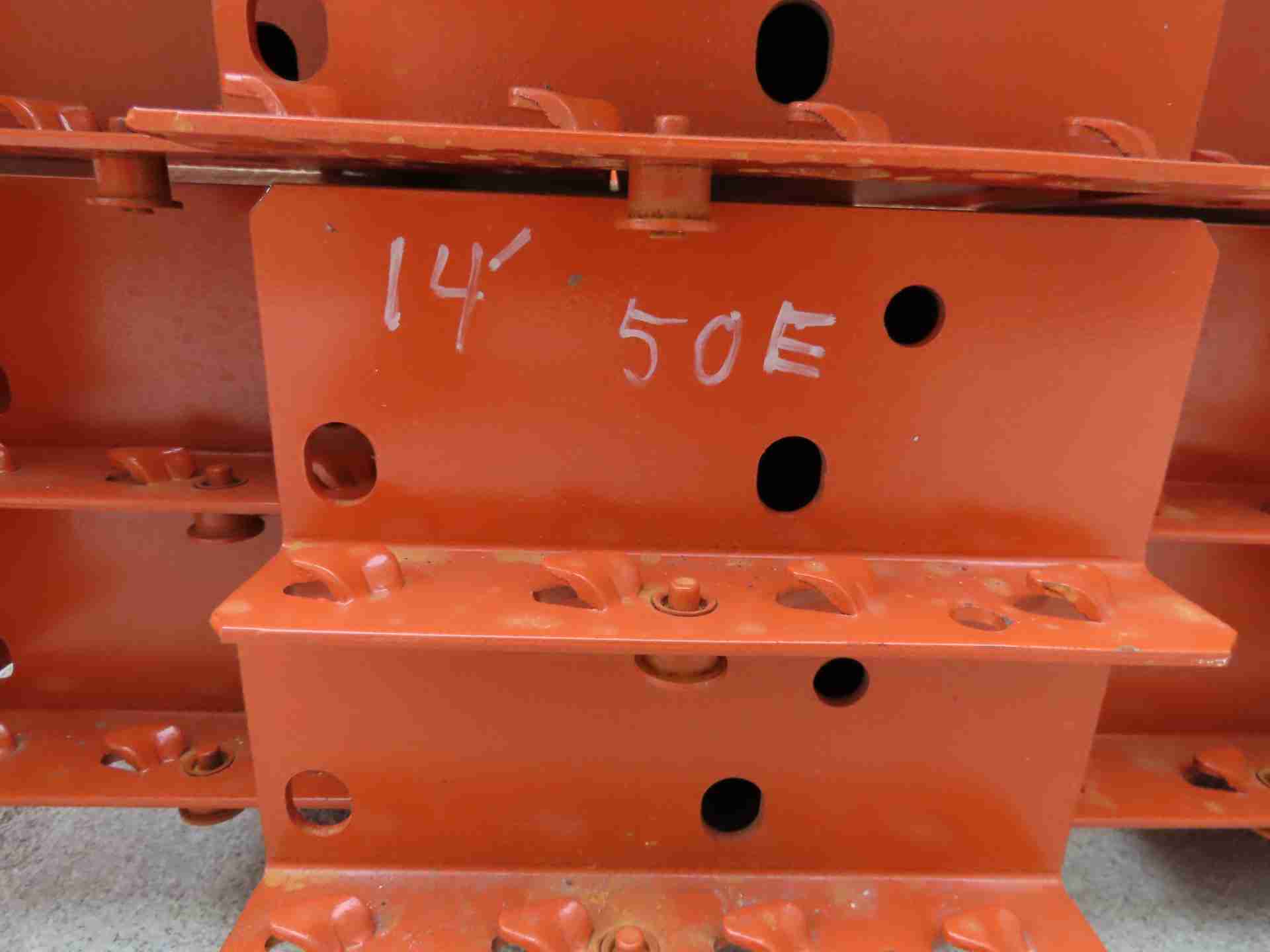
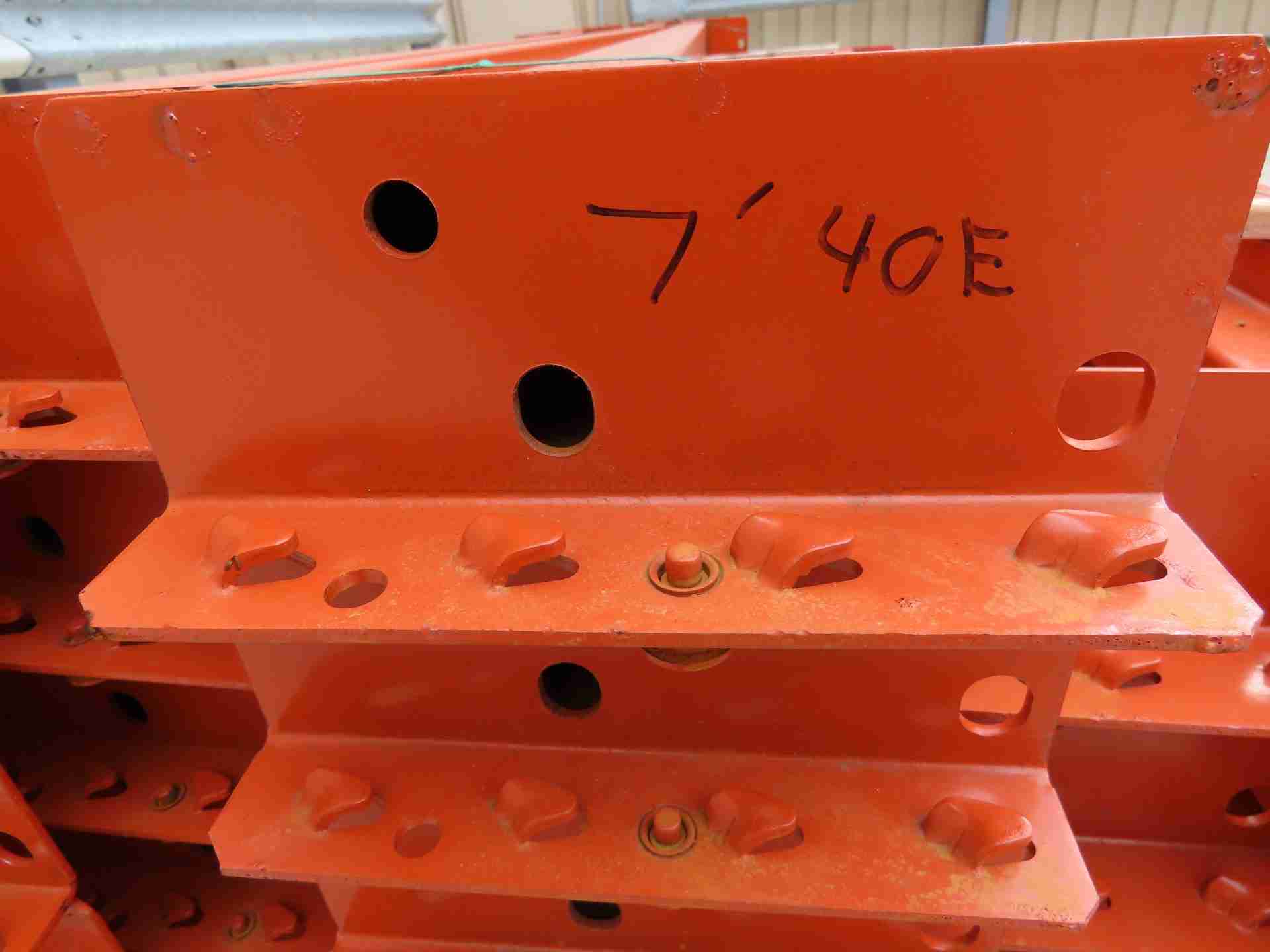
Typically, pallet rack shelving is designed to hold a certain amount of weight per shelf level. This weight capacity can vary depending on the type of shelving system you have, as well as the dimensions and construction of the shelves themselves. For example, standard pallet rack shelving may have a weight capacity of around 2,000-3,000 pounds per shelf level, while heavy-duty pallet rack shelving can support upwards of 5,000 pounds per shelf level.
It’s important to note that exceeding the recommended weight capacity of your pallet rack shelving can lead to serious safety hazards, including collapsed shelves and damaged merchandise. Not only can this result in costly repairs and replacements, but it can also put your employees at risk of injury. By adhering to the weight capacity guidelines for your shelving system, you can ensure a safe and secure storage solution for your products.
In recent news, there have been several instances of warehouse accidents caused by overloaded pallet rack shelving. In one case, a large retailer was forced to shut down a distribution center after shelves collapsed under the weight of heavy inventory, leading to significant financial losses and a tarnished reputation. This serves as a stark reminder of the importance of adhering to weight capacity guidelines and conducting regular inspections of your shelving systems.
To determine the recommended weight capacity for your pallet rack shelving, it’s essential to consult with the manufacturer or a qualified shelving expert. They can provide you with specific guidelines based on the type of shelving system you have, as well as any customizations or modifications that have been made. It’s also a good idea to regularly inspect your shelving for signs of damage or wear and tear, as this can impact its weight-bearing capabilities.
Ensuring that your pallet rack shelving is capable of supporting the weight of your products is essential for a safe and efficient storage solution. By following the recommended weight capacity guidelines and conducting regular inspections, you can prevent accidents, protect your merchandise, and maintain a productive warehouse environment.
What Is The Recommended Weight Capacity For Pallet Rack Shelving?
What Is The Recommended Weight Capacity For Pallet Rack Shelving?
- Weight capacity is a crucial factor to consider for pallet rack shelving.
- Pallet rack shelving is designed to hold a certain amount of weight per shelf level.
- Standard pallet rack shelving may have a weight capacity of around 2,000-3,000 pounds per shelf level.
- Heavy-duty pallet rack shelving can support upwards of 5,000 pounds per shelf level.
- Exceeding weight capacity can lead to safety hazards, damage, and injuries.
- Consult with manufacturer or shelving expert to determine recommended weight capacity.
- Regular inspections of shelving are essential for maintaining a safe and efficient storage solution.
What Is The Recommended Weight Capacity For Pallet Rack Shelving?
How Can I Maintain And Clean Pallet Rack Shelving To Ensure Longevity?
As businesses continue to adapt to changing market conditions and consumer demands, it becomes crucial to optimize warehouse operations for maximum efficiency. Pallet rack shelving is a fundamental component of any warehouse, providing essential storage space for goods and materials. To ensure the longevity of your pallet rack shelving and maintain a safe working environment, it is essential to implement a regular cleaning and maintenance routine.
First and foremost, regularly inspecting your pallet rack shelving for any signs of damage or wear and tear is crucial. Look for any bent or damaged beams, loose bolts, or rust that may compromise the structural integrity of the shelving. By identifying and addressing these issues early on, you can prevent accidents and costly repairs down the line.
Incorporating a regular cleaning schedule into your maintenance routine is also essential for prolonging the lifespan of your pallet rack shelving. Dust, debris, and spills can accumulate on the shelves over time, leading to corrosion and deterioration. By regularly cleaning the shelves with a mild detergent and water solution, you can prevent build-up and ensure that your shelving remains in optimal condition.
Furthermore, organizing and rearranging your inventory on a regular basis can help distribute weight evenly across the shelves, minimizing the risk of overloading and causing damage. By rotating stock and implementing a first-in, first-out system, you can prevent heavy items from causing unnecessary strain on the shelving.
Lastly, investing in high-quality pallet rack shelving and accessories, such as beam protectors and row spacers, can also contribute to the longevity and durability of your warehouse storage system. By choosing durable and well-designed shelving components, you can minimize the risk of damage and ensure that your warehouse operations run smoothly.
Maintaining and cleaning your pallet rack shelving is essential for ensuring the longevity of your warehouse storage system. By implementing a regular inspection and cleaning routine, organizing your inventory effectively, and investing in high-quality shelving components, you can optimize your warehouse operations and maximize efficiency. Don’t overlook the importance of proper maintenance and cleaning – it could save you time, money, and headaches in the long run.
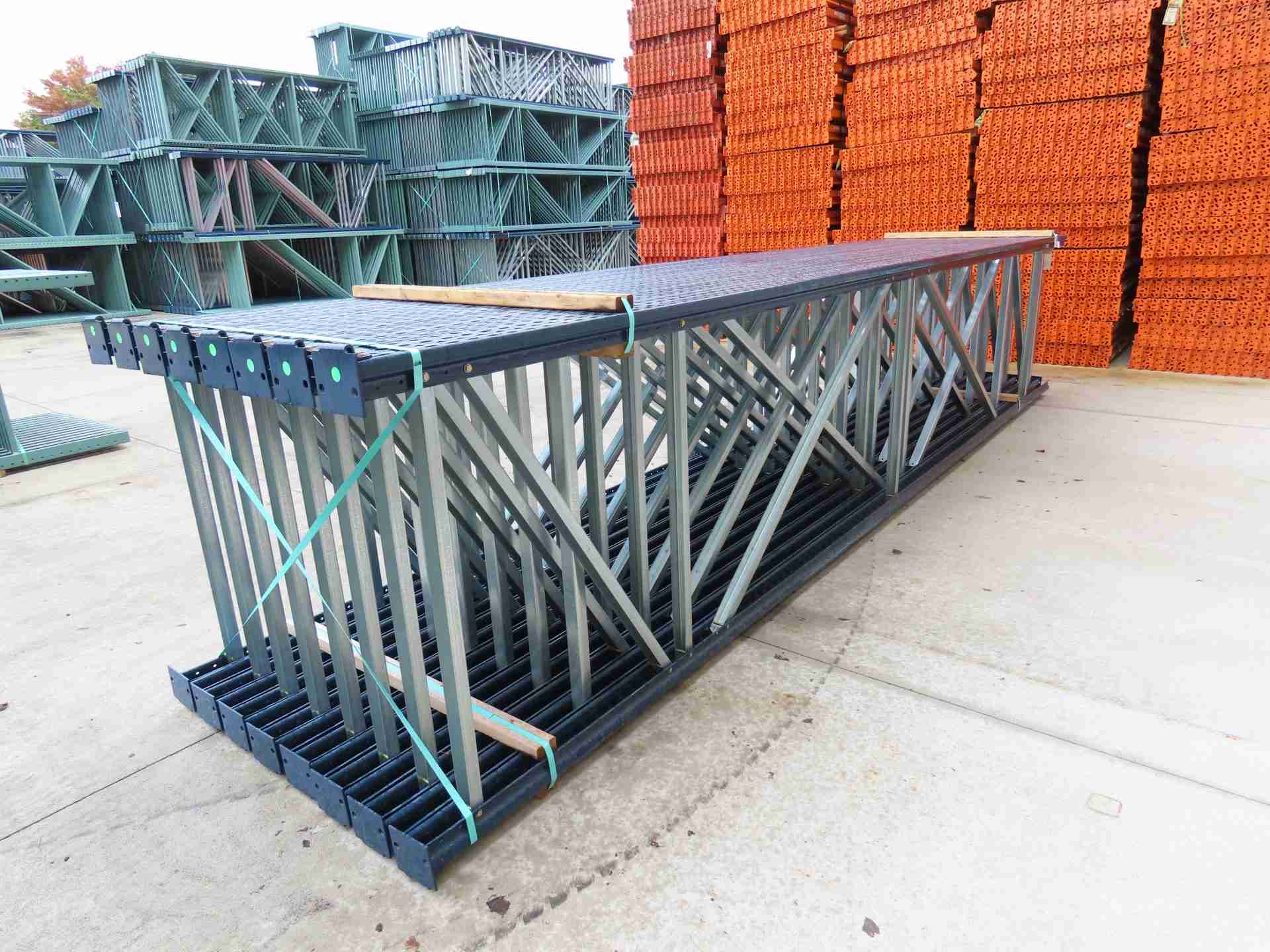
How Can I Maintain And Clean Pallet Rack Shelving To Ensure Longevity?
How Can I Maintain And Clean Pallet Rack Shelving To Ensure Longevity?
- Regularly inspect pallet rack shelving for damage or wear and tear.
- Implement a regular cleaning schedule to prevent build-up and deterioration.
- Organize and rearrange inventory to distribute weight evenly and prevent overloading.
- Invest in high-quality pallet rack shelving and accessories for durability.
- Ensure safe working environment by addressing issues early on.
- Maximize efficiency by maintaining and cleaning pallet rack shelving.
- Proper maintenance can save time, money, and headaches in the long run.
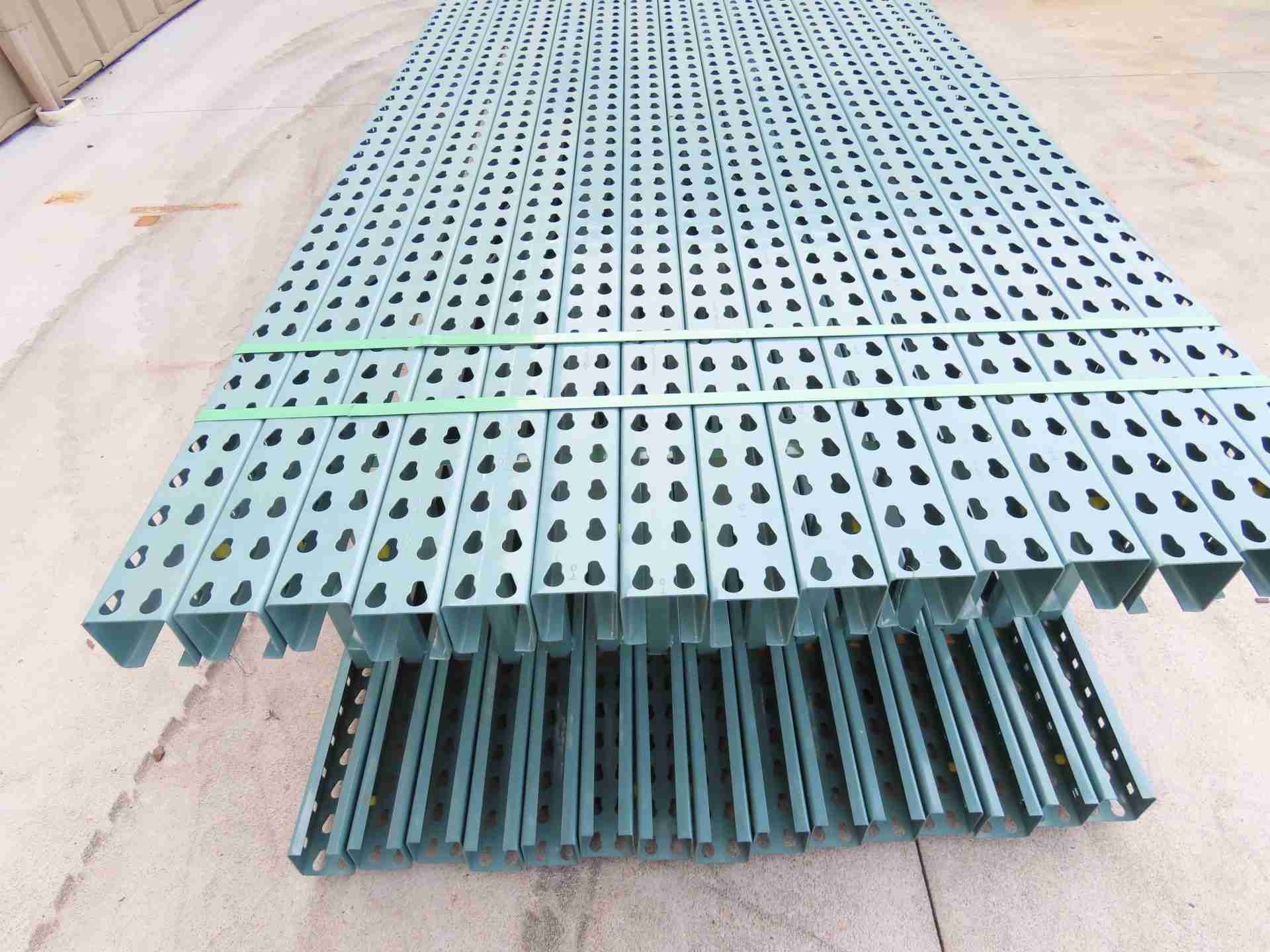
How Can I Maintain And Clean Pallet Rack Shelving To Ensure Longevity?
How Can I Optimize Space On My Pallet Rack Shelving?
Are you looking to maximize the space on your pallet rack shelving? In today’s competitive market, efficient use of space can make or break a business. By optimizing your pallet rack shelving, you can increase productivity, improve organization, and ultimately boost your bottom line.
One key strategy to optimize space on your pallet rack shelving is to carefully assess your inventory and storage needs. By categorizing your products based on size, weight, and frequency of access, you can strategically place items on your shelves to make the most of the available space. For example, heavy items should be placed on lower shelves to prevent overloading and ensure stability, while smaller, lighter items can be placed on higher shelves to maximize vertical space.
Another way to optimize space on your pallet rack shelving is to invest in space-saving storage solutions such as adjustable shelving, stackable bins, and collapsible containers. These innovative storage solutions can help you make the most of limited space and create a more efficient and organized warehouse environment. Additionally, utilizing vertical space by installing mezzanine levels or double-deck shelves can further maximize storage capacity and increase overall efficiency.
Furthermore, implementing a well-designed inventory management system can help you keep track of stock levels, prevent overstocking, and reduce the risk of stockouts. By regularly reviewing and optimizing your inventory management processes, you can ensure that you are utilizing your pallet rack shelving space effectively and minimizing waste.
In light of current events such as supply chain disruptions and labor shortages, optimizing space on your pallet rack shelving is more important than ever. With increased demand for storage space and streamlined operations, businesses must find creative ways to make the most of their existing resources. By implementing space-saving strategies and optimizing inventory management processes, you can stay ahead of the competition and position your business for long-term success.
Optimizing space on your pallet rack shelving is a critical component of running a successful and efficient warehouse operation. By assessing your inventory needs, investing in space-saving storage solutions, and implementing a well-designed inventory management system, you can maximize space, improve organization, and ultimately increase profitability. Don’t let valuable space go to waste – take action today to optimize your pallet rack shelving and watch your business thrive.

How Can I Optimize Space On My Pallet Rack Shelving?
How Can I Optimize Space On My Pallet Rack Shelving?
- Assess inventory and storage needs to strategically place items on shelves.
- Invest in space-saving storage solutions like adjustable shelving and collapsible containers.
- Utilize vertical space by installing mezzanine levels or double-deck shelves.
- Implement a well-designed inventory management system to prevent overstocking and stockouts.
- Optimizing space on pallet rack shelving is crucial in today’s competitive market.
- Increased demand for storage space requires creative space-saving strategies.
- Maximizing space on pallet rack shelving can lead to improved efficiency and profitability.
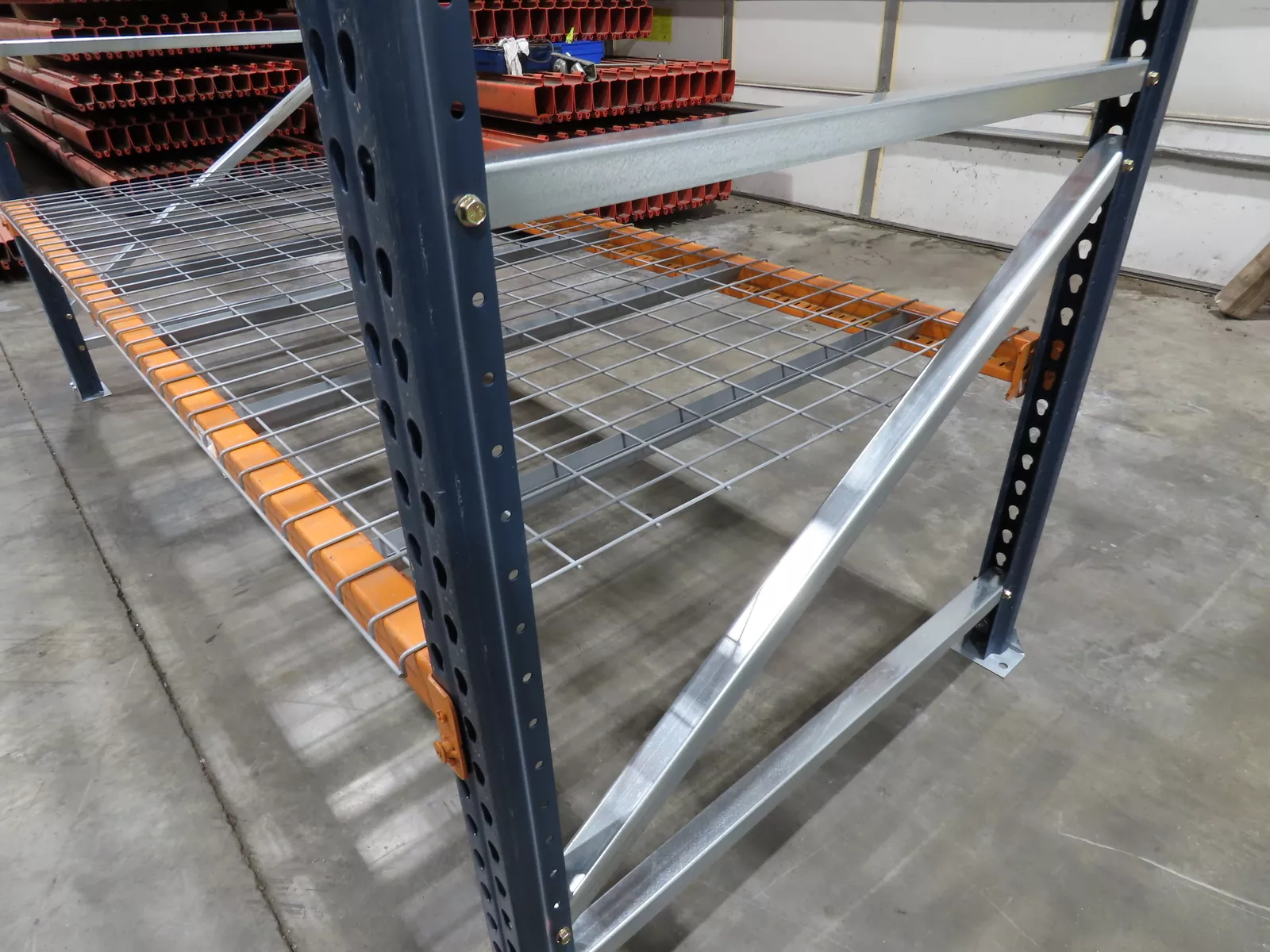
How Can I Optimize Space On My Pallet Rack Shelving?
What Are The Most Efficient Storage Strategies For Pallet Racks?
When it comes to maximizing efficiency in your warehouse storage, implementing the right pallet rack strategies is essential. By utilizing the most efficient storage solutions, you can optimize your space, streamline your operations, and ultimately increase your bottom line.
One of the most effective storage strategies for pallet racks is utilizing a vertical storage system. By maximizing the height of your warehouse space, you can significantly increase the amount of inventory that can be stored in a smaller footprint. This not only saves valuable floor space but also allows for easier organization and access to inventory. With the rise of e-commerce and the increasing demand for fast order fulfillment, vertical storage solutions are becoming more popular among warehouse operators.
Another efficient storage strategy for pallet racks is implementing a FIFO (First In, First Out) inventory management system. This ensures that older inventory is used before newer inventory, reducing the risk of product obsolescence and minimizing the likelihood of inventory shrinkage. By organizing your pallet racks in a way that facilitates FIFO picking, you can improve inventory accuracy, reduce waste, and enhance overall operational efficiency.
Additionally, incorporating automation technology such as automated picking systems or robotic pallet movers can further enhance the efficiency of your storage strategies. These cutting-edge technologies can help streamline picking processes, reduce labor costs, and improve overall warehouse productivity. With the rapid advancements in automation technology and the increasing demand for faster order fulfillment, investing in automation solutions for your pallet racks can give you a competitive edge in the market.
In light of recent global supply chain disruptions and the ongoing challenges posed by the COVID-19 pandemic, having efficient storage strategies for pallet racks is more important than ever. With many businesses facing unprecedented demand fluctuations and volatile market conditions, optimizing warehouse storage space and maximizing operational efficiency are critical to maintaining business continuity.
By implementing the most efficient storage strategies for pallet racks, you can enhance the overall performance of your warehouse, improve inventory management, and boost productivity. Whether you choose to leverage vertical storage systems, implement FIFO inventory management, or invest in automation technology, finding the right storage solutions for your pallet racks can help you stay competitive in today’s rapidly evolving business landscape.

What Are The Most Efficient Storage Strategies For Pallet Racks?
What Are The Most Efficient Storage Strategies For Pallet Racks?
- Utilizing a vertical storage system to maximize warehouse space and increase inventory storage.
- Implementing a FIFO inventory management system to reduce product obsolescence and minimize inventory shrinkage.
- Incorporating automation technology such as automated picking systems to streamline processes and improve productivity.
- Having efficient storage strategies is crucial in light of global supply chain disruptions and challenges posed by the COVID-19 pandemic.
- Optimizing warehouse storage space and maximizing operational efficiency are essential for maintaining business continuity.
- Efficient pallet rack storage strategies can enhance overall warehouse performance and improve inventory management.
- Investing in the right storage solutions for pallet racks can help businesses stay competitive in today’s rapidly evolving business landscape.
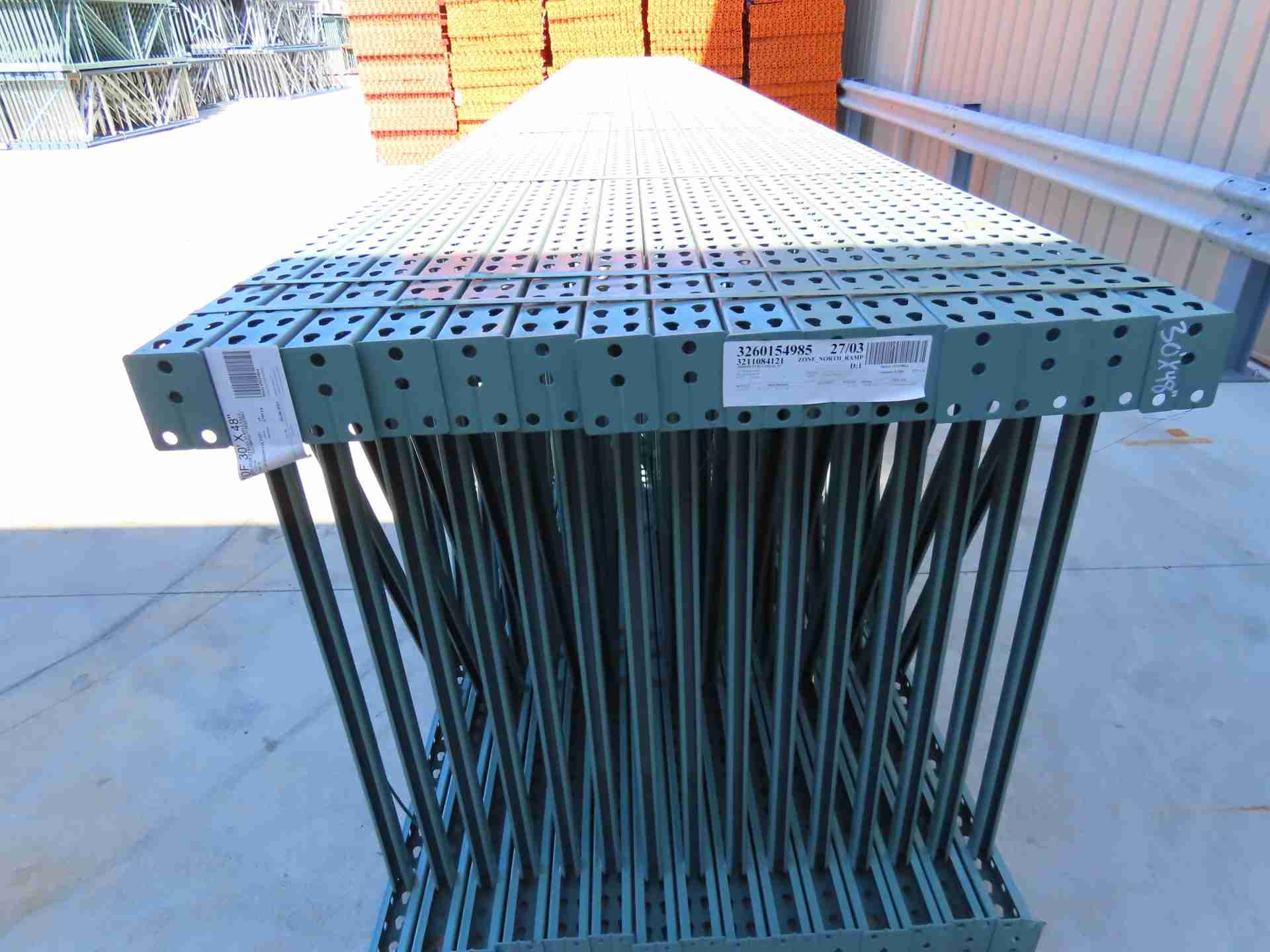
What Are The Most Efficient Storage Strategies For Pallet Racks?
How Do I Ensure Proper Weight Distribution On Pallet Rack Shelves?
Proper weight distribution on pallet rack shelves is crucial for ensuring workplace safety and maximizing storage capacity. By following a few key guidelines, you can maintain the integrity of your pallet rack system and avoid costly accidents.
One important tip for achieving proper weight distribution is to follow the manufacturer’s guidelines for load capacity. Each pallet rack system is designed to support a specific weight limit, so it’s essential to adhere to these limits to prevent overloading. Remember, exceeding the weight capacity can lead to structural damage and potential collapse, putting your employees and inventory at risk.
Another key consideration for proper weight distribution is the uniformity of load placement. Distributing weight evenly across the shelf helps to prevent strain on individual beams and minimizes the risk of overloading certain sections. For example, if you have heavy items to store, consider spreading them out across multiple pallets or shelves rather than concentrating them in one area.
Additionally, it’s important to regularly inspect your pallet rack system for any signs of wear or damage. Over time, pallet racks can become weakened due to corrosion, impacts, or other factors, compromising their ability to support weight. By conducting routine checks and addressing any issues promptly, you can ensure the continued safety and durability of your shelving system.
Incorporating safety features such as aisle guards, backstops, and beam connectors can also help improve weight distribution and prevent accidents. These accessories provide additional support and reinforcement for your pallet rack shelves, reducing the risk of overloading and promoting a safer work environment.
When it comes to optimizing weight distribution on pallet rack shelves, proper training and awareness among your employees are key. Educate your staff on the importance of adhering to weight limits, organizing loads effectively, and conducting regular inspections. By instilling a culture of safety and responsibility, you can reduce the likelihood of accidents and ensure the long-term reliability of your pallet rack system.
Maintaining proper weight distribution on pallet rack shelves is essential for workplace safety and efficiency. By following these guidelines and investing in quality shelving solutions, you can protect your employees, inventory, and bottom line. Remember, a well-organized and properly maintained pallet rack system is the foundation for a successful warehouse operation.

How Do I Ensure Proper Weight Distribution On Pallet Rack Shelves?
How Do I Ensure Proper Weight Distribution On Pallet Rack Shelves?
- Follow manufacturer’s guidelines for load capacity to prevent overloading.
- Distribute weight evenly across shelves to prevent strain on individual beams.
- Regularly inspect pallet rack system for signs of wear or damage.
- Incorporate safety features like aisle guards and beam connectors for added support.
- Educate employees on weight limits, load organization, and regular inspections.
- Invest in quality shelving solutions to ensure workplace safety and efficiency.
- Maintain a well-organized pallet rack system for a successful warehouse operation.
How Do I Ensure Proper Weight Distribution On Pallet Rack Shelves?
Conclusion
Are you struggling to maximize efficiency and safety in your warehouse operations? Look no further! By implementing the best practices for organizing pallet rack shelving, you can optimize your storage space, streamline your picking and packing processes, and ultimately improve your bottom line.
One of the first steps in optimizing your pallet rack shelving is to strategically layout your warehouse in a way that maximizes space and access to inventory. Grouping similar items together and organizing them by size or weight can reduce picking errors and increase productivity. Implementing a cutting-edge inventory management system with barcode scanning or RFID technology can help track goods movements in real-time, identifying any bottlenecks and inefficiencies in your shelving layout.
Investing in quality pallet rack shelving solutions, such as adjustable beams and wire decking, can maximize the capacity and safety of your warehouse. Prioritizing safety by securing racks properly and adhering to weight limits is crucial in minimizing accidents and injuries in the workplace. By following these best practices, you can create a more efficient and effective warehouse layout that maximizes space and minimizes errors.
Dont wait any longer to optimize your pallet rack shelving and take your warehouse operations to the next level! Call Arrow Industrial Sales at (574) 349-6575 to get more information on how to implement these best practices and ensure your warehouse is operating at its full potential. Remember, safety and efficiency go hand in hand in the world of warehouse operations. Call now and get started on the path to success!
Conclusion
Conclusion:
- Implement best practices for organizing pallet rack shelving.
- Strategically layout warehouse to maximize space and access to inventory.
- Group similar items together and organize by size or weight.
- Invest in quality pallet rack shelving solutions like adjustable beams and wire decking.
- Prioritize safety by securing racks properly and adhering to weight limits.
- Implement cutting-edge inventory management system with barcode scanning or RFID technology.
- Call Arrow Industrial Sales at (574) 349-6575 to optimize your warehouse operations.
Conclusion
Other Resources
Other Resources
Here is a list of other resources you can review online to learn more:
- “Adjustable Pallet Racking”
- “Label design for every type of pallet racking beam”
- “Pallet Racking & Shelving – BLS Racking Systems”
- “New and Used Pallet Rack Supports”
- “120””D Pallet Rack Beam Level Heavy Duty Orange”

Other Resources
Glossary Terms
What Are The Best Practices for Organizing Pallet Rack Shelving? – Glossary Of Terms
1. Pallet Rack: A warehouse storage system that uses horizontal rows and vertical columns to store pallets, providing easy accessibility and efficient space utilization.
2. Beam: The horizontal bars that connect the vertical frames of a pallet rack, supporting the weight of the stored items.
3. Frame: The vertical component of a pallet rack that carries the load and supports multiple beams.
4. Decking: The flat surface placed on the beams to hold items that are not stored on pallets, typically made of wire mesh or wood.
5. Load Capacity: The maximum weight that can be safely supported by the pallet rack system, crucial for safety and stability.
6. Aisle Width: The distance between rows of pallet racks, affecting the movement and accessibility of forklifts and other equipment.
7. Back-to-Back Rack: A configuration where two pallet racks are placed back-to-back, commonly used to maximize storage space.
8. Bay: The space between two upright frames in a pallet rack system, where pallets are stored.
9. Forklift Clearance: The required space for forklifts to maneuver safely and efficiently around the pallet racks.
10. Vertical Clearance: The space between the top of the stored items and the next beam level or the ceiling, allowing for safe stacking and retrieval.
11. Pallet Positioning: The method of arranging pallets on the racks to optimize accessibility and space utilization.
12. Safety Clips: Devices used to secure beams to frames, preventing accidental dislodgement and ensuring rack stability.
13. Load Distribution: Evenly spreading the weight across beams and frames to prevent overloading and collapse.
14. Inspection Schedule: Regular checks to ensure pallet racks are in good condition and comply with safety standards.
15. Rack Maintenance: Routine tasks to keep pallet racks in optimal working condition, such as tightening bolts and replacing damaged components.
16. Rack Labeling: Marking sections and pallets for easy identification and efficient inventory management.
17. Fire Safety Compliance: Ensuring pallet racks meet fire safety regulations, including proper clearance from sprinklers and use of flame-resistant materials.
18. Seismic Bracing: Additional support structures to stabilize pallet racks in areas prone to earthquakes.
19. Anti-Collapse Mesh: A barrier attached to the back of pallet racks to prevent items from falling off the rear side.
20. Modular Design: A flexible system that allows for easy adjustment and reconfiguration of pallet rack components as storage needs change.
21. Dynamic Storage: Racks designed to facilitate the movement of goods, such as flow racks or push-back racks.
22. Static Storage: Racks where goods remain stationary until accessed or moved by warehouse personnel.
23. First-In, First-Out (FIFO): A storage principle where the oldest inventory is accessed first, important for perishable or time-sensitive goods.
24. Last-In, First-Out (LIFO): A storage method where the most recently stored items are accessed first, often used for bulk storage.
25. Pick Face: The area of the pallet rack where items are most easily accessible for order picking.
26. Bulk Storage: The practice of storing large quantities of the same item on a pallet rack, suitable for high-volume inventory.
27. Selective Racking: A type of pallet rack that allows easy access to every pallet, commonly used for varied inventory.
28. Drive-In Rack: A high-density storage solution where forklifts drive into the rack structure to place or retrieve pallets, suitable for large quantities of similar items.
29. Cantilever Rack: A rack designed to store long, bulky items like pipes and lumber, with arms extending from a single vertical frame.
30. Pallet Jack: A manual or powered device used to lift and move pallets, essential for efficient warehouse operations.
These terms and their definitions should provide a comprehensive understanding of best practices for organizing pallet rack shelving.

Glossary Of Terms
Other Questions
What Are The Best Practices for Organizing Pallet Rack Shelving? – Other Questions
If you wish to explore and discover more, consider looking for answers to these questions:
- What are the best types of pallet rack shelving materials available?
- How do I determine the appropriate layout for my specific warehouse space?
- What safety certifications should I look for when purchasing pallet rack shelving?
- Are there any industry-specific guidelines for organizing pallet rack shelving?
- How can I integrate technology into my pallet rack shelving system for better efficiency?
- What are the common mistakes to avoid when setting up pallet rack shelving?
- How often should I inspect and maintain my pallet rack shelving?
- Can pallet rack shelving be customized for different types of inventory?
- What training should be provided to employees on pallet rack shelving safety?
- How can I address pallet rack shelving issues caused by seasonal changes in inventory?
- What is the cost range for quality pallet rack shelving solutions?
- Can I install pallet rack shelving myself, or should I hire a professional?
- Are there any environmental concerns associated with pallet rack shelving materials?
- How long does a typical pallet rack shelving system last before it needs to be replaced?
- What are the best practices for labeling and organizing inventory on pallet rack shelves?
- How do I handle returns and damaged goods with pallet rack shelving?
- Are there any tax incentives or rebates for investing in new pallet rack shelving?
- What are the latest innovations in pallet rack shelving technology?
Other Questions
Checklist
What Are The Best Practices for Organizing Pallet Rack Shelving? – A Checklist
Best Practices for Organizing Pallet Rack Shelving
Warehouse Layout
_____ Strategically Place Racks: Maximize space and ensure easy access.
_____ Organize by Size and Weight: Group similar items together.
_____ Optimize Aisle Widths: Ensure enough space for equipment and employees.
Inventory Management
_____ Label All Items: Use clear, visible labels for easy identification.
_____ Implement Barcode Scanning: Utilize barcode or RFID technology.
_____ Regularly Update System: Keep your inventory management system current.
Quality Shelving Solutions
_____ Use Adjustable Beams: For customizable storage heights.
_____ Incorporate Wire Decking: For added safety and flexibility.
_____ Install Pallet Supports: Enhance stability and capacity.
Safety Measures
_____ Secure Racks to Floor and Walls: Prevent tipping and accidents.
_____ Clearly Mark Weight Limits: Ensure adherence to capacity guidelines.
_____ Conduct Regular Safety Audits: Check for alignment, wear, and potential issues.
Recommended Weight Capacity for Pallet Rack Shelving
Understanding Weight Capacity
_____ Consult Manufacturer Guidelines: Know the weight limits per shelf level.
_____ Follow Standard Capacities: 2,000-3,000 pounds per level for standard racks; 5,000+ pounds for heavy-duty.
Safety Inspections
_____ Inspect Regularly: Check for signs of damage or overloading.
_____ Monitor Inventory Weight: Ensure loads are within safe limits.
_____ Conduct Routine Load Tests: Periodically test to confirm rack integrity.
Maintaining and Cleaning Pallet Rack Shelving
Regular Inspections
_____ Check for Damage: Look for bent beams, loose bolts, rust, etc.
_____ Inspect Connection Points: Ensure all joints and supports are secure.
Cleaning Routine
_____ Schedule Cleanings: Regularly clean shelves with a mild detergent and water solution.
_____ Remove Accumulated Debris: Prevent corrosion and deterioration.
Inventory Management
_____ Rotate Stock: Implement a first-in, first-out system.
_____ Distribute Weight Evenly: Avoid overloading specific sections.
Invest in Accessories
_____ Beam Protectors: Prevent damage from equipment.
_____ Row Spacers: Enhance stability and airflow.
Optimizing Space on Pallet Rack Shelving
Assessment and Planning
_____ Categorize Inventory: By size, weight, and frequency of access.
_____ Place Heavy Items Lower: Ensure stability and prevent overloading.
Space-Saving Solutions
_____ Adjustable Shelving: For flexible storage heights.
_____ Stackable Bins & Collapsible Containers: Save space and improve organization.
_____ Utilize Vertical Space: Install mezzanine levels or double-deck shelves.
Inventory Management System
_____ Implement Tracking Tools: Use software to monitor stock levels and locations.
_____ Regular Reviews: Optimize inventory processes to minimize waste.
Efficient Storage Strategies for Pallet Racks
Vertical Storage
_____ Maximize Height: Use vertical space to save floor area.
_____ Easy Access Layout: Ensure all items are reachable without overloading.
FIFO System
_____ First In, First Out: Use older inventory first to reduce waste.
_____ Clear Marking and Rotation: Make FIFO easy for employees to follow.
Automation
_____ Automated Picking Systems: Invest in technology to enhance efficiency.
_____ Robotic Movers: Reduce labor costs and increase productivity.
Ensuring Proper Weight Distribution
Adhere to Weight Limits
_____ Follow Manufacturer Guidelines: Stick to recommended load capacities.
_____ Never Overload: Avoid exceeding limits to prevent accidents.
Load Placement
_____ Distribute Weight Evenly: Avoid concentration of heavy items.
_____ Uniform Load Distribution: Place loads uniformly to minimize strain.
Regular Inspections
_____ Check for Wear and Tear: Regularly look for signs of damage.
_____ Conduct Routine Checks: Frequent inspections to maintain safety.
Training and Awareness
_____ Educate Employees: Train staff on weight limits and load placement.
_____ Safety Culture: Promote a workplace culture focused on safety and responsibility.
Each section of this checklist is designed to ensure that your pallet rack shelving is organized, maintained, and utilized effectively and safely, helping you maximize your warehouse’s efficiency.
Checklist
At RackingWorld, we help guide you through selecting warehouse storage systems and racking.
Be sure to read our other related stories at RackingWorld to learn more about warehouse storage systems.
0 Comments