
Maximizing Warehouse Safety Through Pallet Racking Design
By Tom Seest
At RackingWorld, we help guide you through selecting warehouse storage systems and racking.
Be sure to read our other related stories at RackingWorld to learn more about warehouse storage systems.
How Do Fire Safety Regulations Impact Pallet Racking Layout?
When it comes to designing a warehouse layout and choosing the right pallet racking system, fire safety regulations play a crucial role in determining the overall design and safety of the facility. These regulations are put in place to ensure the protection of both employees and the property in case of a fire emergency.
One of the main considerations when it comes to pallet racking layout is the distance between racks and aisles. Fire safety regulations typically require a certain amount of space to be maintained between racks to allow for proper ventilation and fire prevention measures. This spacing helps to reduce the risk of fire spreading rapidly throughout the warehouse and allows for easy access for firefighters in case of an emergency.
In addition to spacing requirements, it’s important to consider the height of the pallet racking system in relation to fire safety regulations. Taller racks may provide more storage space, but they also increase the risk of fire hazards due to the potential for stacking materials too high. Fire safety regulations often dictate the maximum height allowed for pallet racking systems to ensure that fire suppression systems can effectively reach all areas in case of a fire.
Another key factor to consider is the type of materials being stored on the pallet racking system. Some materials are more flammable than others and may require additional fire safety measures, such as sprinkler systems or fire-resistant barriers. It’s important to carefully assess the materials being stored and ensure that proper precautions are in place to prevent fires from occurring or spreading quickly.
Overall, fire safety regulations have a significant impact on the layout and design of pallet racking systems in warehouses. By adhering to these regulations and taking necessary precautions, businesses can create a safer work environment for employees and protect their property from the devastating effects of fires. Prioritizing fire safety in pallet racking layout not only ensures compliance with regulations, but also promotes a culture of safety and preparedness in the workplace.
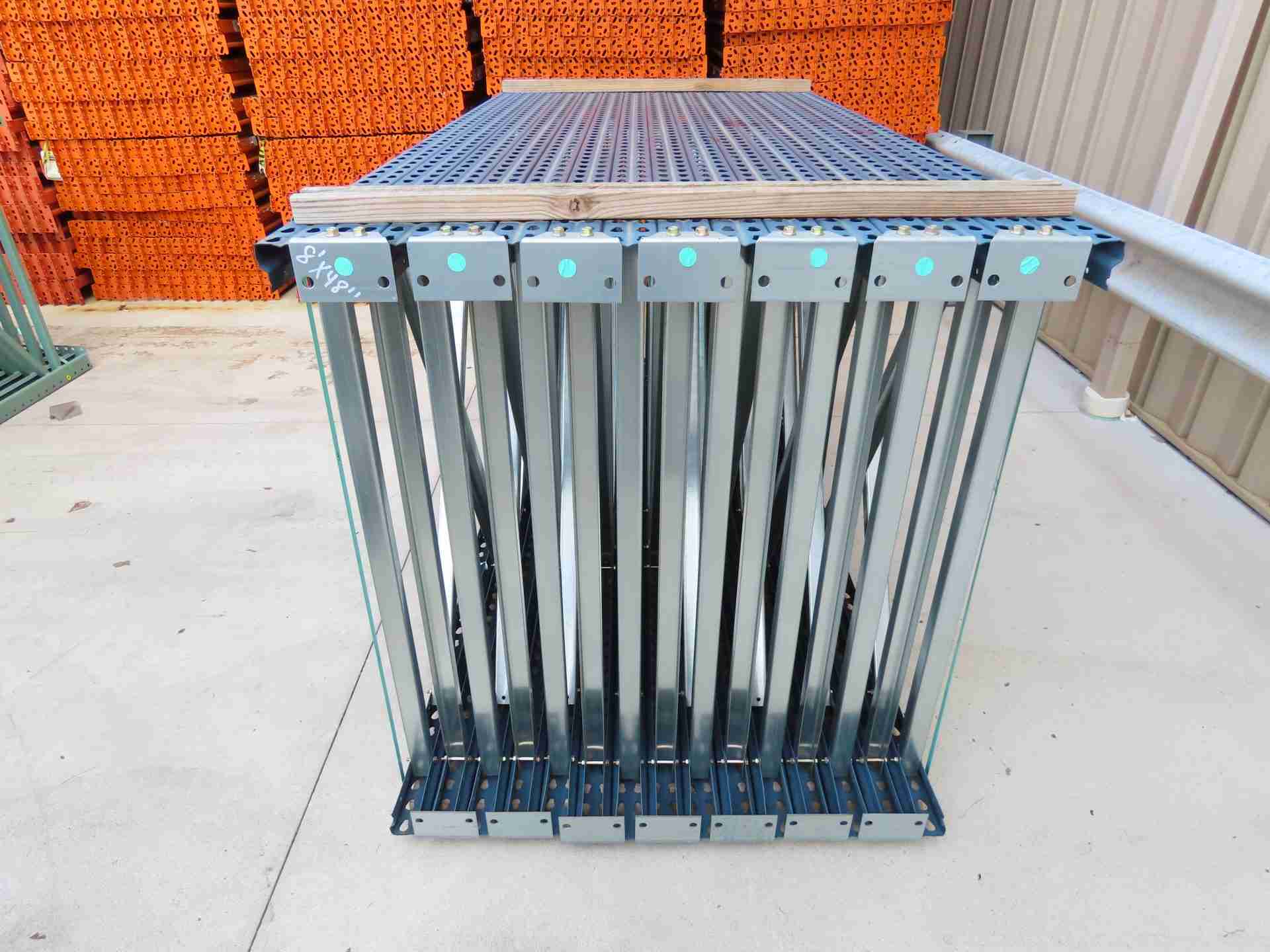
How Do Fire Safety Regulations Impact Pallet Racking Layout?
How Do Fire Safety Regulations Impact Pallet Racking Layout?
- Fire safety regulations are crucial in designing a warehouse layout and choosing pallet racking systems.
- Regulations ensure protection of employees and property in case of fire emergencies.
- Considerations include maintaining space between racks for ventilation and fire prevention.
- Height of pallet racking systems must adhere to regulations to allow for effective fire suppression.
- Type of materials stored on racks affects fire safety measures required.
- Adhering to regulations creates a safer work environment and protects property.
- Compliance promotes a culture of safety and preparedness in the workplace.
How Do Fire Safety Regulations Impact Pallet Racking Layout?
Table Of Contents
- How Do Fire Safety Regulations Impact Pallet Racking Layout?
- How Do Fire Safety Regulations Affect Pallet Racking Design?
- What Considerations Must Be Made For Aisle Widths In Pallet Racking?
- Can Pallet Racking Be Customized To Comply With Fire Codes?
- What Role Do Sprinkler Systems Play In Pallet Racking Safety?
- How Should Pallet Racking Be Positioned To Maximize Fire Safety?
- Conclusion
- Other Resources
- Glossary Of Terms
- Other Questions
- Checklist
How Do Fire Safety Regulations Affect Pallet Racking Design?
Hey there, folks. Today, we’re going to talk about something quite important when it comes to warehouses and industrial spaces – fire safety regulations and how they can have a big impact on the design of pallet racking systems.
Now, when it comes to pallet racking design, there are a few key things to keep in mind to ensure that your space is not only efficient but also safe in case of a fire. One of the main factors that fire safety regulations focus on is the spacing between racks. The National Fire Protection Association (NFPA) has specific guidelines for the distance between racks to ensure that there is enough space for firefighting equipment to access the area and for fire sprinklers to effectively suppress a fire.
In addition to spacing, the height of the racks is also a critical factor in fire safety regulations. Taller racks can pose a higher fire risk as the potential for fire to spread vertically increases. That’s why it’s important to consider the height of your pallet racking systems and ensure they are in compliance with local fire codes.
Another important aspect to consider is the materials used in the construction of the pallet racking. Certain materials, such as wood, can be more susceptible to fire damage compared to steel or other non-combustible materials. It’s important to choose materials that meet fire safety standards and minimize the risk of fire spreading throughout the warehouse.
Furthermore, fire safety regulations also mandate the installation of fire suppression systems, such as sprinklers, in warehouses with pallet racking systems. These systems are essential in quickly containing and extinguishing a fire, reducing the potential for damage and ensuring the safety of employees and property within the warehouse.
Overall, fire safety regulations play a crucial role in determining the design and layout of pallet racking systems in industrial spaces. By following these regulations and implementing proper fire safety measures, you can create a safe and efficient warehouse environment that minimizes the risk of fire-related incidents. So remember, when it comes to pallet racking design, safety should always be a top priority.
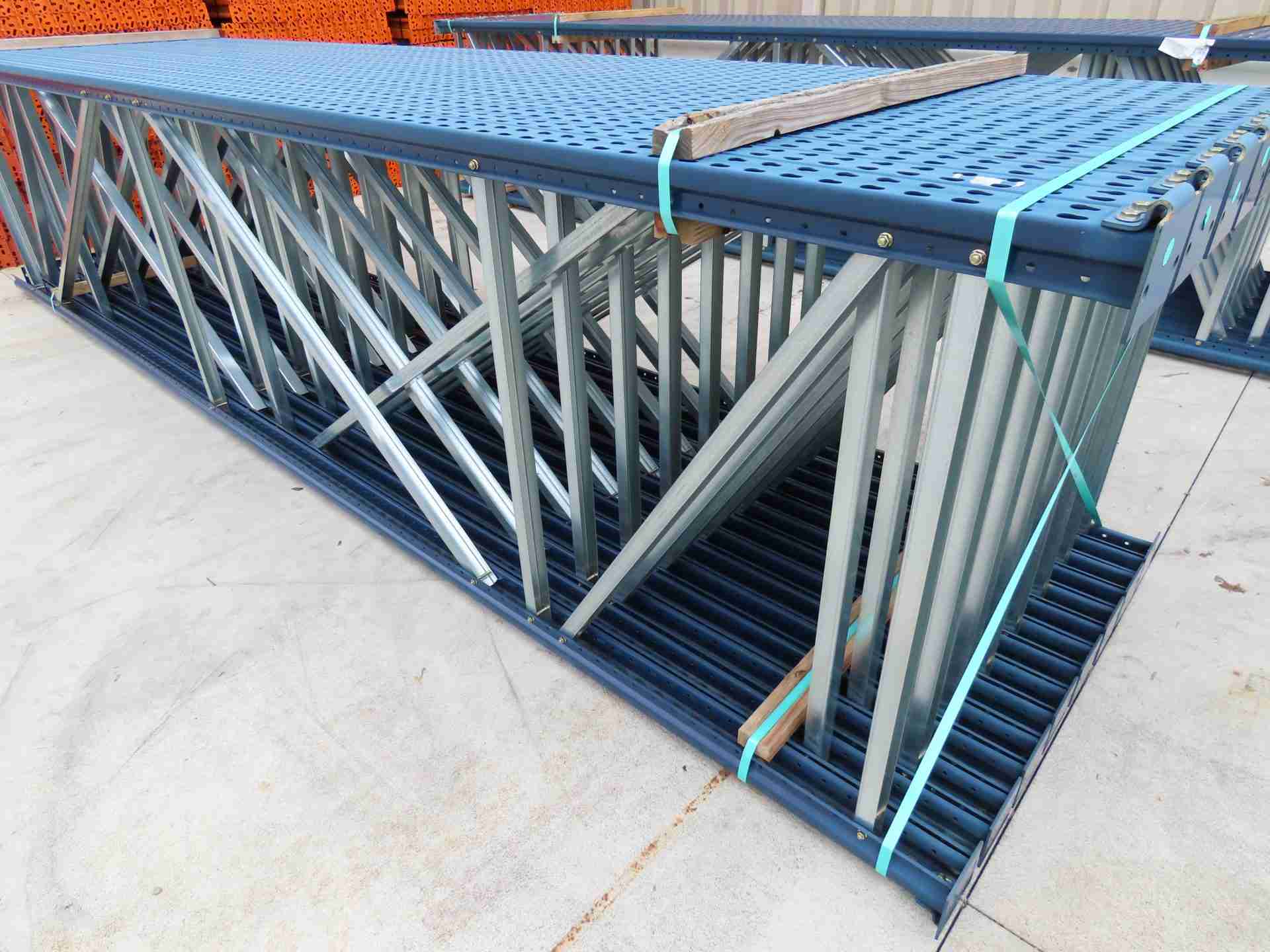
How Do Fire Safety Regulations Affect Pallet Racking Design?
How Do Fire Safety Regulations Affect Pallet Racking Design?
- Fire safety regulations are crucial in designing pallet racking systems in warehouses and industrial spaces.
- The spacing between racks is a key factor in fire safety, ensuring access for firefighting equipment and sprinklers.
- The height of racks can affect fire risk, with taller racks increasing the potential for fire to spread vertically.
- The materials used in pallet racking construction should meet fire safety standards to minimize fire damage.
- Fire suppression systems, like sprinklers, are required in warehouses with pallet racking to quickly contain fires.
- Following regulations and implementing proper fire safety measures can create a safe and efficient warehouse environment.
- Safety should always be a top priority in pallet racking design to reduce the risk of fire-related incidents.
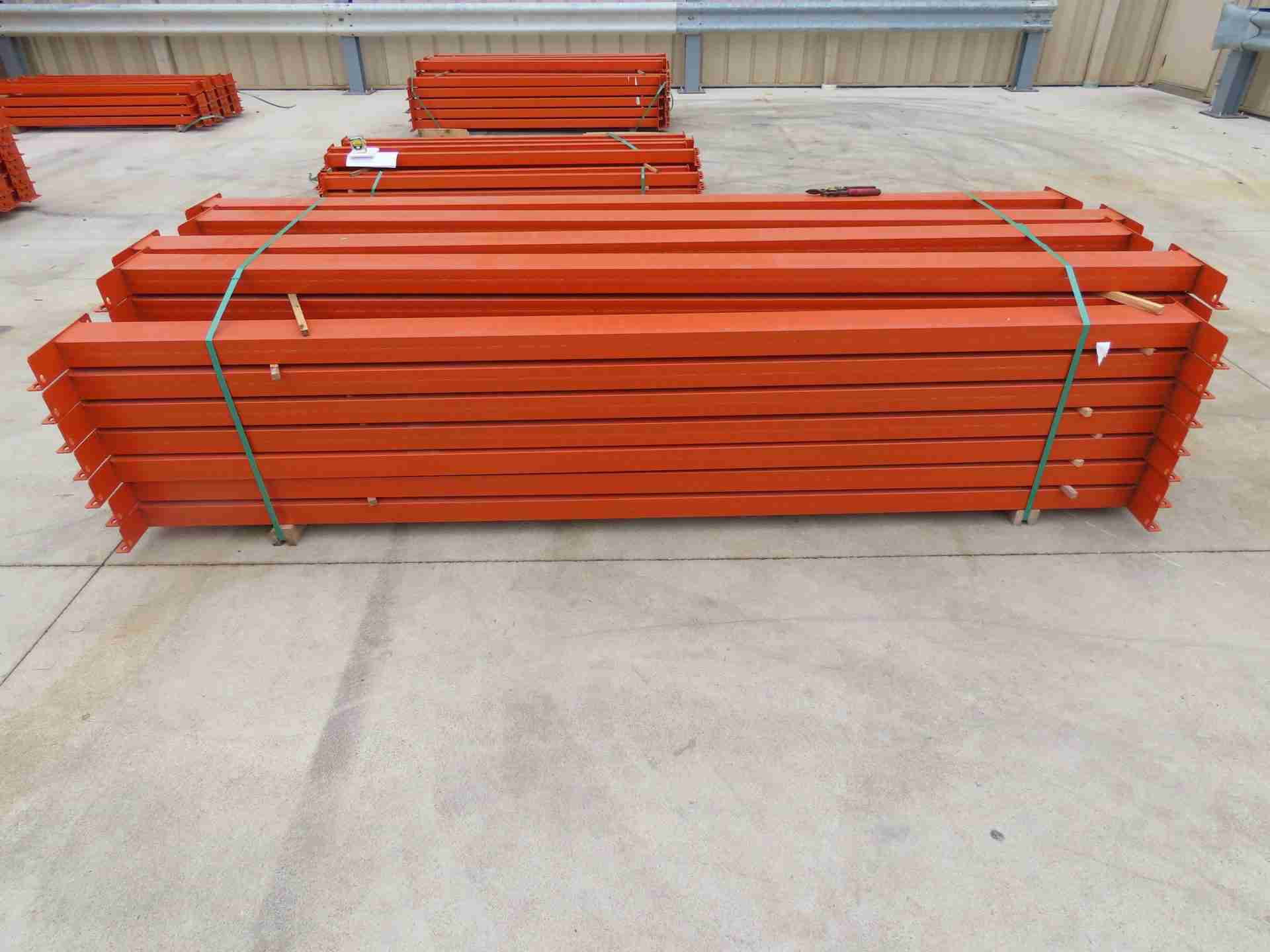
How Do Fire Safety Regulations Affect Pallet Racking Design?
What Considerations Must Be Made For Aisle Widths In Pallet Racking?
When designing a warehouse layout, one of the key considerations that must be made is the aisle widths in pallet racking. The size of your aisles can greatly impact the efficiency and safety of your operations, so it’s important to get it right.
First and foremost, you need to consider the type of equipment that will be used in the aisles. This includes the type of forklifts or reach trucks that will be navigating the space. Different types of equipment require different aisle widths in order to operate safely and efficiently. For example, narrow aisle forklifts will require less space to maneuver than standard counterbalance forklifts.
Another factor to consider is the size of the pallets being stored in the racking. The width of your aisles should be wide enough to accommodate the largest pallets you will be handling. This will ensure that your operators can easily access and retrieve pallets without causing damage to the racking or the products themselves.
In addition, you need to think about the layout of your warehouse as a whole. Consider the flow of traffic and how goods will move through the space. Will there be designated pick and pack areas? Will there be cross aisles for easier navigation? All of these factors will impact the width of your aisles and should be taken into account during the planning process.
Safety is another crucial consideration when determining aisle widths in pallet racking. Narrow aisles can increase the risk of accidents and collisions, especially in busy warehouse environments. By ensuring that your aisles are wide enough to allow for safe movement of equipment and operators, you can help prevent costly and dangerous incidents from occurring.
Lastly, it’s important to think about future growth and scalability. Your warehouse needs may change over time, so it’s a good idea to plan for flexibility in your aisle widths. By designing your racking layout with the ability to easily adjust aisle widths in the future, you can adapt to changing storage needs without having to completely reconfigure your space.
When designing a warehouse layout, careful consideration must be given to aisle widths in pallet racking. By taking into account the type of equipment being used, the size of pallets, the overall layout of the warehouse, safety concerns, and future growth potential, you can create a more efficient and effective storage solution for your operation.
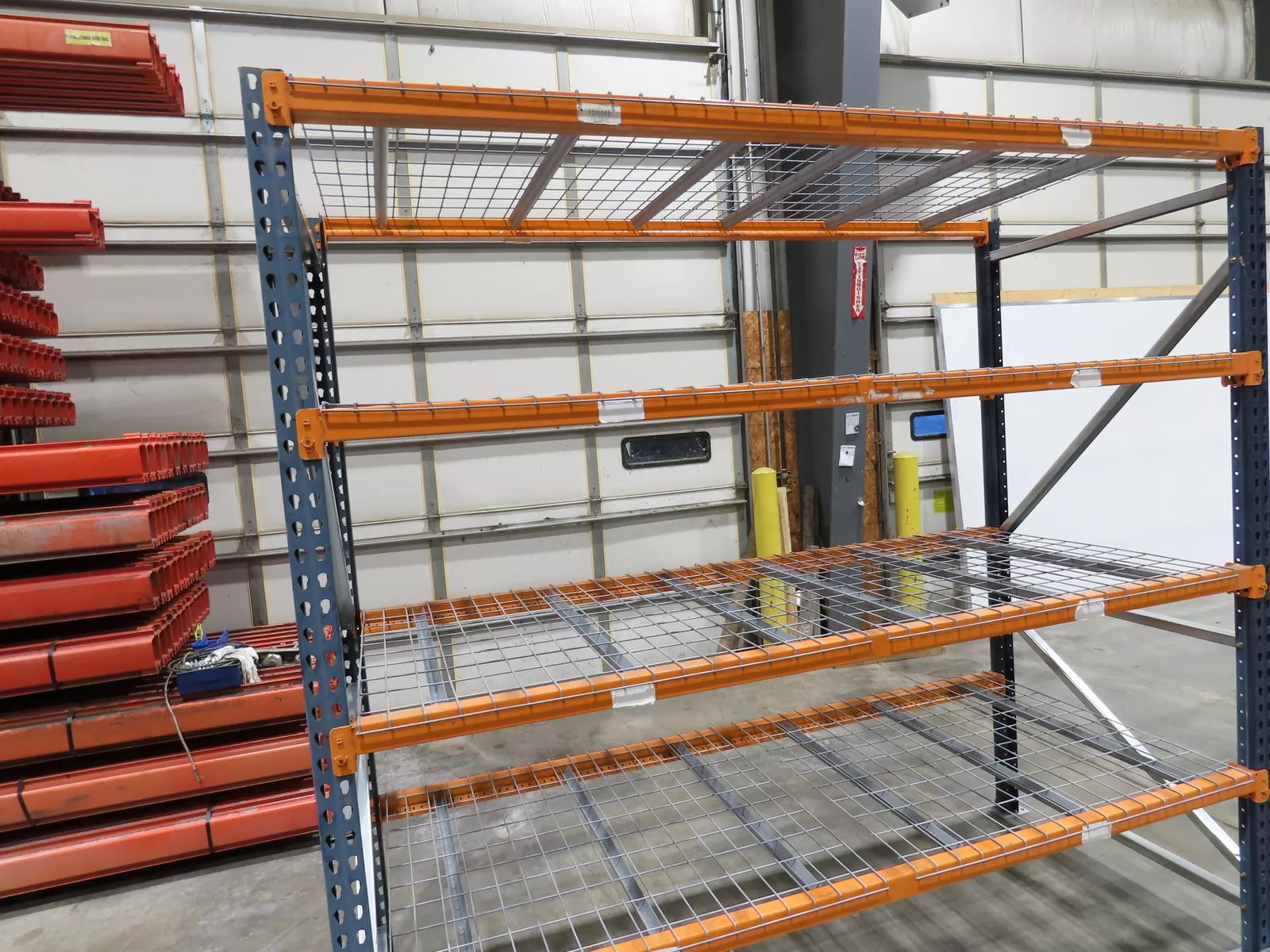
What Considerations Must Be Made For Aisle Widths In Pallet Racking?
What Considerations Must Be Made For Aisle Widths In Pallet Racking?
- Consider the type of equipment being used in the aisles.
- Take into account the size of the pallets being stored.
- Think about the overall layout of the warehouse and flow of traffic.
- Ensure safety by having wide enough aisles to prevent accidents.
- Plan for future growth and scalability by designing for flexibility.
- Careful consideration of aisle widths is crucial for efficiency and safety.
- Design a more effective storage solution by factoring in all of these considerations.
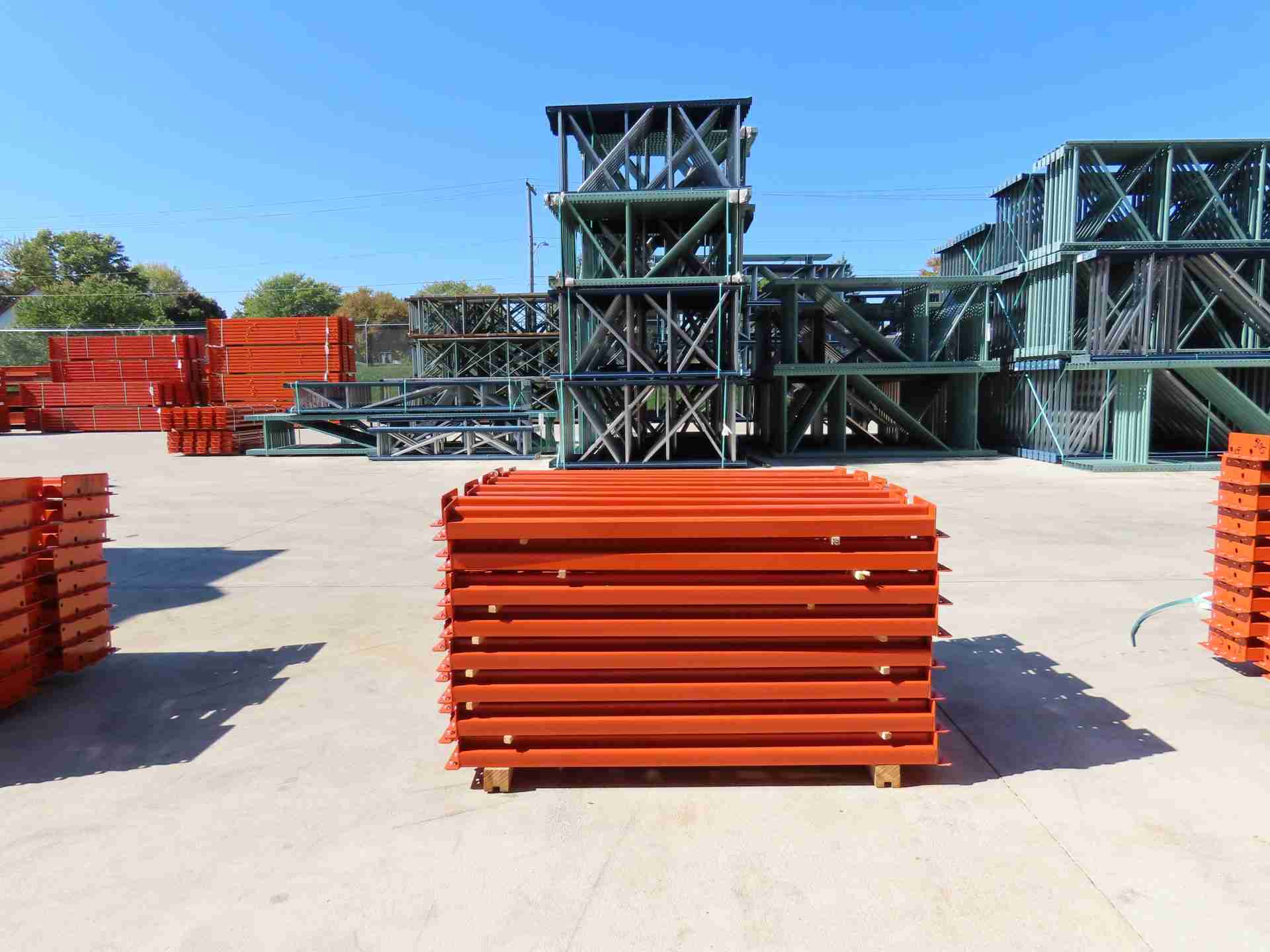
What Considerations Must Be Made For Aisle Widths In Pallet Racking?
Can Pallet Racking Be Customized To Comply With Fire Codes?
When it comes to pallet racking, safety is always a top priority. And that includes making sure that your racking system complies with fire codes. But can pallet racking be customized to meet these requirements? The short answer is yes, with the right precautions and attention to detail.
One of the key factors in ensuring that your pallet racking is fire code compliant is to work closely with a knowledgeable and experienced racking supplier. They will have a thorough understanding of the relevant fire codes and regulations in your area, and can help you design a system that meets these requirements. This may involve things like using fire-resistant materials, incorporating sprinkler systems, or ensuring proper spacing between racks to allow for easy access in case of a fire.
In some cases, it may be necessary to customize your pallet racking to comply with fire codes. This could involve adding additional safety features, such as fire barriers or smoke detectors, or making structural modifications to improve the overall fire safety of the system. While customization may add some upfront costs, the peace of mind that comes with knowing your racking system is safe and compliant is well worth it.
Another important consideration when customizing pallet racking for fire code compliance is regular maintenance and inspections. Even the best-designed racking system can become a safety hazard if not properly maintained. Regular inspections should be conducted to check for any signs of damage or wear, and necessary repairs should be made as soon as possible to ensure the integrity of the system.
Pallet racking can be customized to comply with fire codes, but it requires careful planning, attention to detail, and working with a knowledgeable supplier. By taking the necessary precautions and following best practices, you can ensure that your racking system is not only efficient and reliable, but also safe and compliant with fire codes. Remember, when it comes to safety, there’s no such thing as cutting corners. So take the time and effort to do things right the first time, and you’ll be able to rest easy knowing that your pallet racking is up to code and, most importantly, keeping your employees and facility safe.
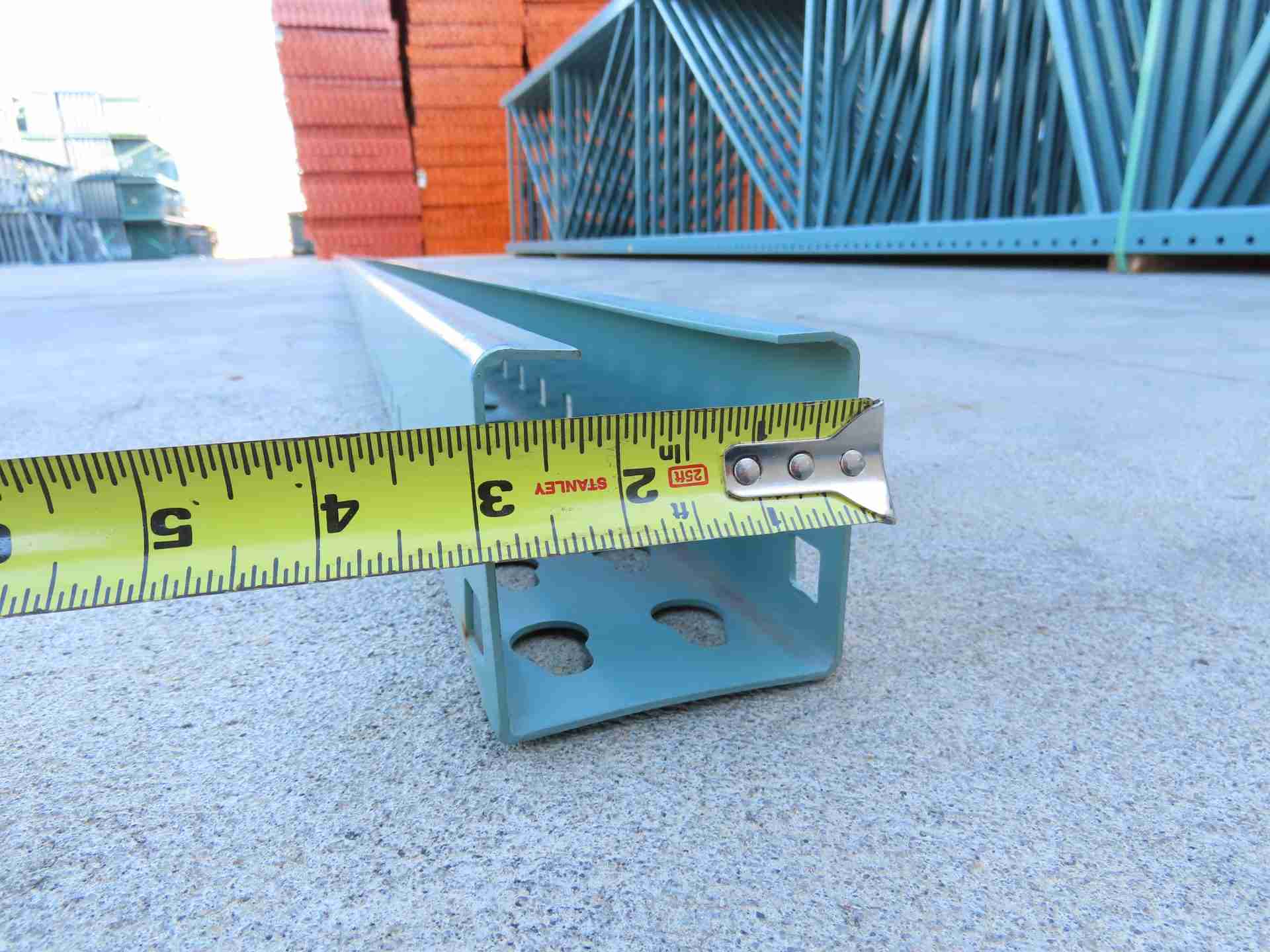
Can Pallet Racking Be Customized To Comply With Fire Codes?
Can Pallet Racking Be Customized To Comply With Fire Codes?
- Work closely with a knowledgeable and experienced racking supplier to ensure fire code compliance.
- Use fire-resistant materials, incorporate sprinkler systems, and ensure proper spacing between racks.
- Customize pallet racking with additional safety features or structural modifications if necessary.
- Regular maintenance and inspections are crucial for ensuring the safety and integrity of the system.
- Customization may add upfront costs, but the peace of mind is worth it.
- By following best practices and working with the right supplier, you can ensure your system is safe and compliant.
- Take the time and effort to do things right the first time to keep employees and facilities safe.
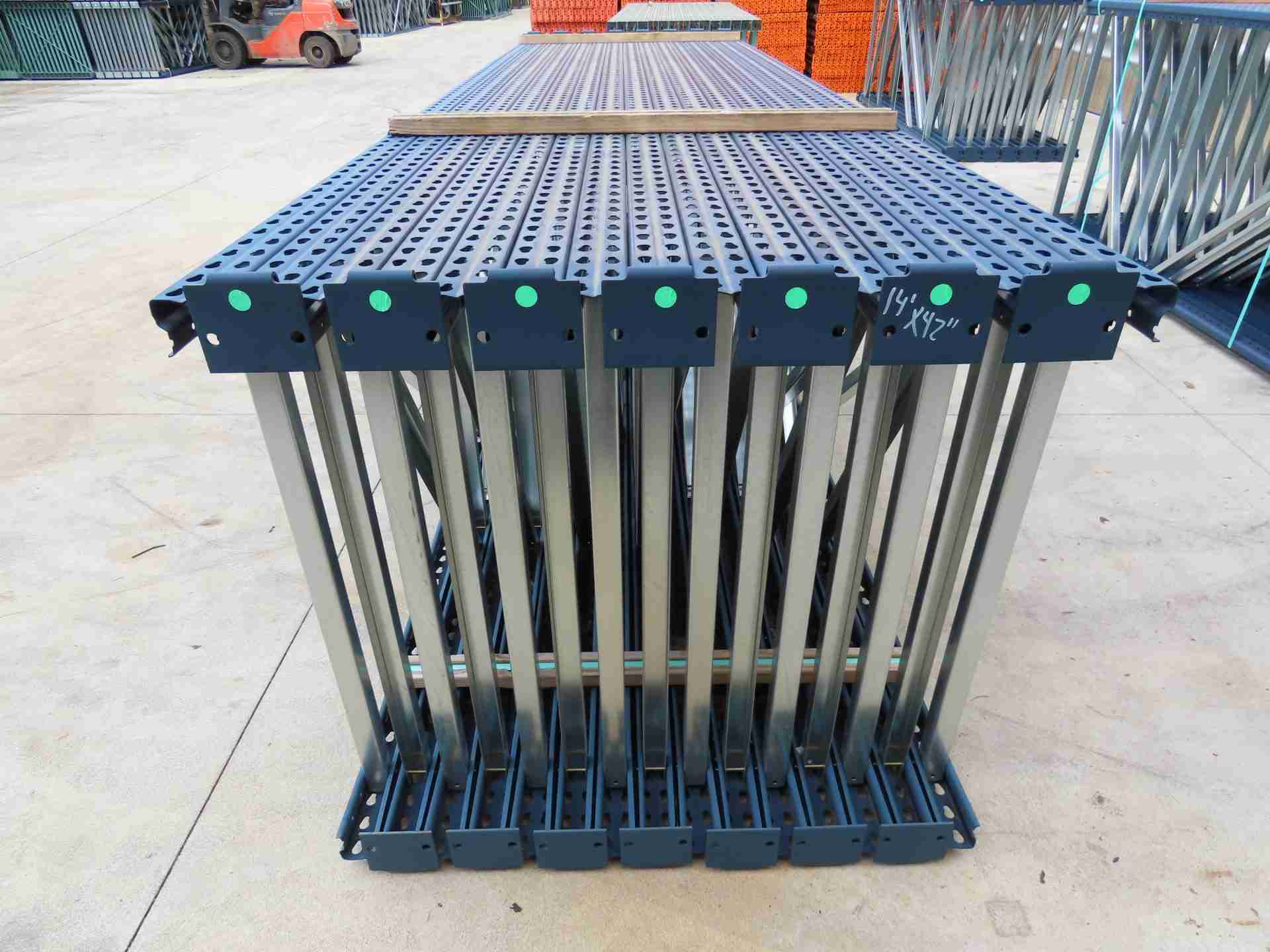
Can Pallet Racking Be Customized To Comply With Fire Codes?
What Role Do Sprinkler Systems Play In Pallet Racking Safety?
When it comes to pallet racking safety, one often overlooked aspect is the role of sprinkler systems. These systems play a crucial role in protecting both the inventory stored on the racks and the people working around them.
In the event of a fire, pallet racking can act as a chimney, quickly spreading the flames upward and making it difficult for firefighters to access and extinguish the fire. This is where sprinkler systems come in. By strategically placing sprinklers throughout the facility, the chances of a fire spreading rapidly are greatly reduced.
Sprinkler systems work by detecting heat and activating when a certain temperature is reached. The water is then released in a controlled manner, effectively suppressing the fire and giving emergency responders more time to arrive and safely put out the flames.
One common concern with sprinkler systems and pallet racking is the potential for water damage to the inventory below. However, proper design and maintenance of the sprinkler system can help mitigate this risk. By ensuring the system is up to code and regularly inspected, businesses can rest assured that their inventory is protected in the event of a fire.
Another important consideration when it comes to sprinkler systems and pallet racking safety is the layout of the racks themselves. It’s crucial to leave enough space between the racks to allow for proper water dispersion in the event of a fire. Additionally, racks should not be overloaded with inventory, as this can make it more difficult for sprinklers to effectively suppress a fire.
When it comes to pallet racking safety, sprinkler systems play a vital role in protecting both inventory and people. By investing in a well-designed and properly maintained sprinkler system, businesses can minimize the risk of fire damage and create a safer working environment for their employees. Remember, safety should always be the top priority when it comes to pallet racking – and that includes having a reliable sprinkler system in place.

What Role Do Sprinkler Systems Play In Pallet Racking Safety?
What Role Do Sprinkler Systems Play In Pallet Racking Safety?
- Sprinkler systems are crucial for pallet racking safety, protecting both inventory and employees.
- Pallet racking can act as a chimney in a fire, making it difficult for firefighters to access flames.
- Strategically placed sprinklers reduce the chances of a fire spreading rapidly.
- Sprinkler systems activate when detecting heat, suppressing fires and giving emergency responders time to arrive.
- Properly designed and maintained sprinkler systems can help prevent water damage to inventory.
- Enough space between racks is essential for proper water dispersion in case of a fire.
- Investing in a reliable sprinkler system is essential for creating a safer working environment for employees.
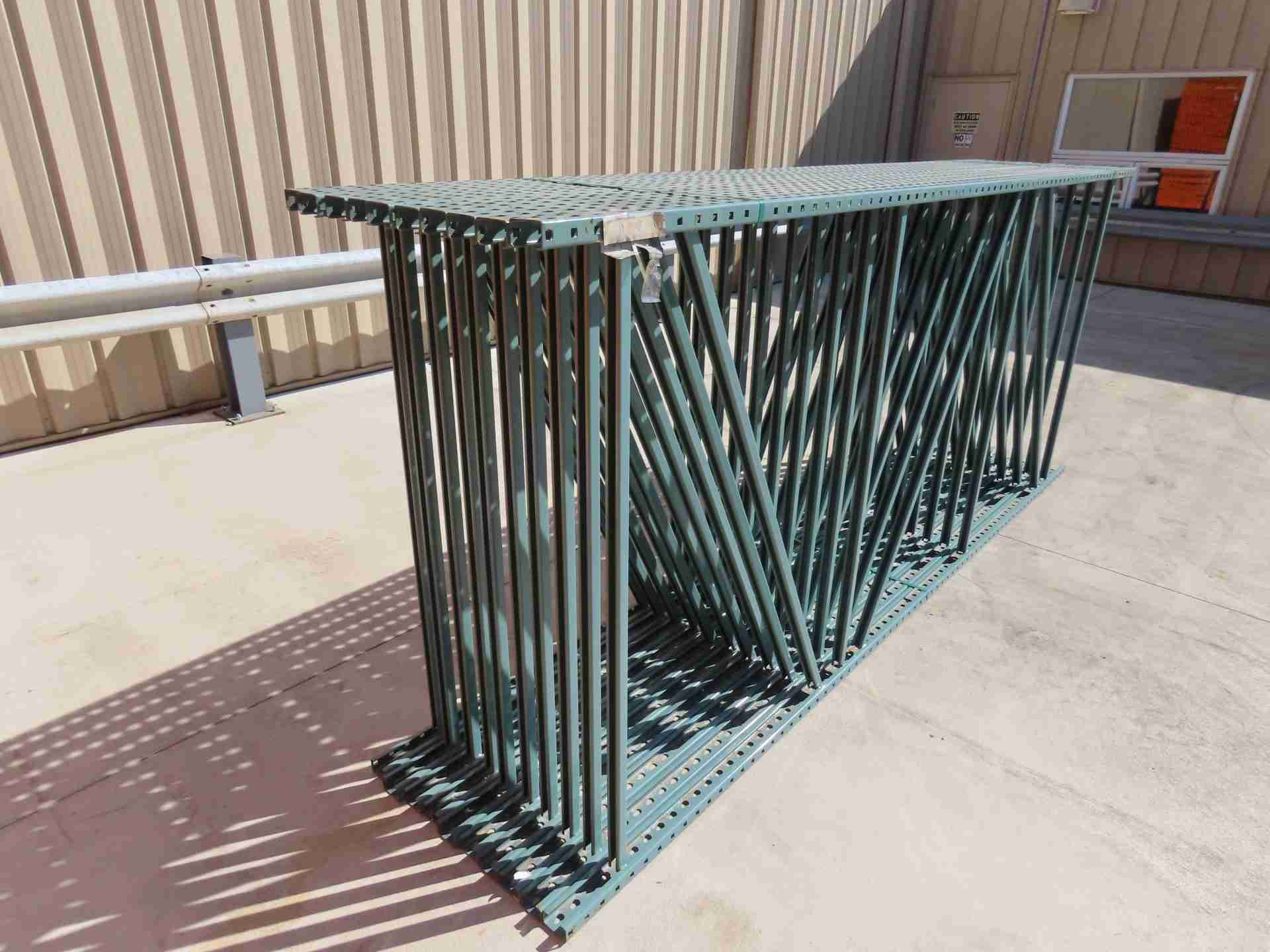
What Role Do Sprinkler Systems Play In Pallet Racking Safety?
How Should Pallet Racking Be Positioned To Maximize Fire Safety?
When it comes to maximizing fire safety in a warehouse, the positioning of pallet racking is a crucial factor that cannot be overlooked. Properly positioning pallet racking can help minimize the risk of fire spreading and ensure the safety of both employees and the warehouse itself.
One key consideration when positioning pallet racking for fire safety is to maintain adequate aisle space between rows of racks. This allows for easy access for firefighters and their equipment in the event of a fire. Aisle space should be wide enough to accommodate fire trucks and personnel, typically at least 12 feet wide.
In addition to aisle space, the height of the pallet racking also plays a significant role in fire safety. It is important to not stack pallets too high, as this can increase the risk of a fire spreading rapidly and make it more difficult for firefighters to access and extinguish the flames. Keeping pallets at a reasonable height reduces the potential for fire hazards and allows for better control in the event of an emergency.
Furthermore, it is important to consider the material used for the pallet racking itself. Choosing materials that are fire-resistant can help prevent the spread of flames and minimize damage in the event of a fire. Ensuring that the pallet racking is made of durable, non-flammable materials can significantly improve fire safety in the warehouse.
Another important factor to consider when positioning pallet racking for fire safety is the layout of the warehouse itself. It is important to strategically place fire extinguishers and other firefighting equipment throughout the warehouse to ensure quick access in case of an emergency. Additionally, implementing a fire safety plan that includes regular inspections and training for employees can help prevent fires from occurring and ensure that everyone knows how to respond in an emergency.
Overall, proper positioning of pallet racking is essential for maximizing fire safety in a warehouse. By maintaining adequate aisle space, keeping pallet heights reasonable, choosing fire-resistant materials, and implementing a comprehensive fire safety plan, businesses can reduce the risk of fires and ensure the safety of their employees and assets. Remember, when it comes to fire safety, proper planning and preparation can make all the difference.
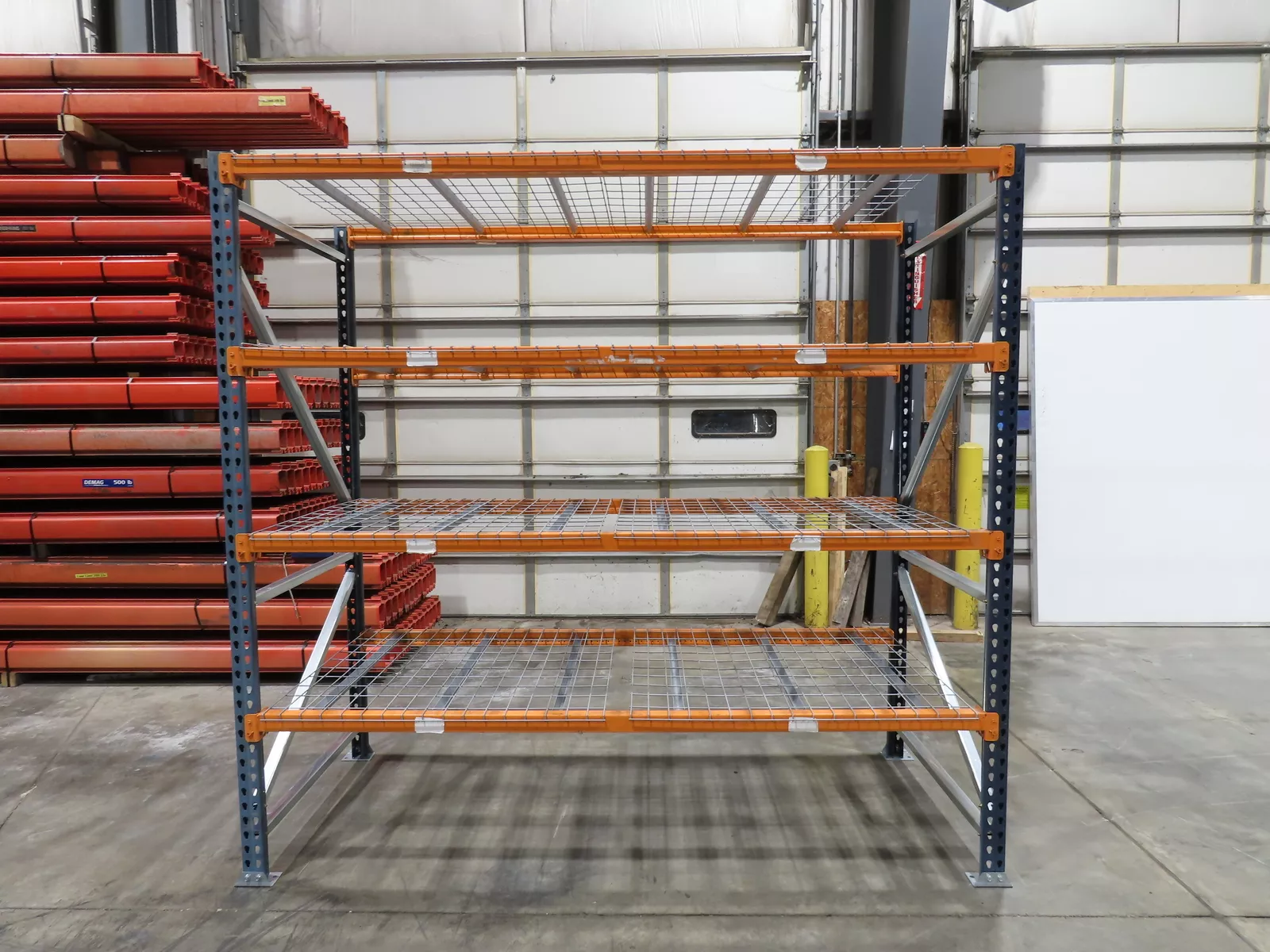
How Should Pallet Racking Be Positioned To Maximize Fire Safety?
How Should Pallet Racking Be Positioned To Maximize Fire Safety?
- Properly position pallet racking to minimize fire spread and ensure safety.
- Maintain adequate aisle space between rows of racks (at least 12 feet wide).
- Avoid stacking pallets too high to reduce fire spread risk.
- Choose fire-resistant materials for pallet racking.
- Strategically place fire extinguishers and firefighting equipment throughout the warehouse.
- Implement a comprehensive fire safety plan with regular inspections and employee training.
- Proper positioning of pallet racking is essential for maximizing fire safety in a warehouse.
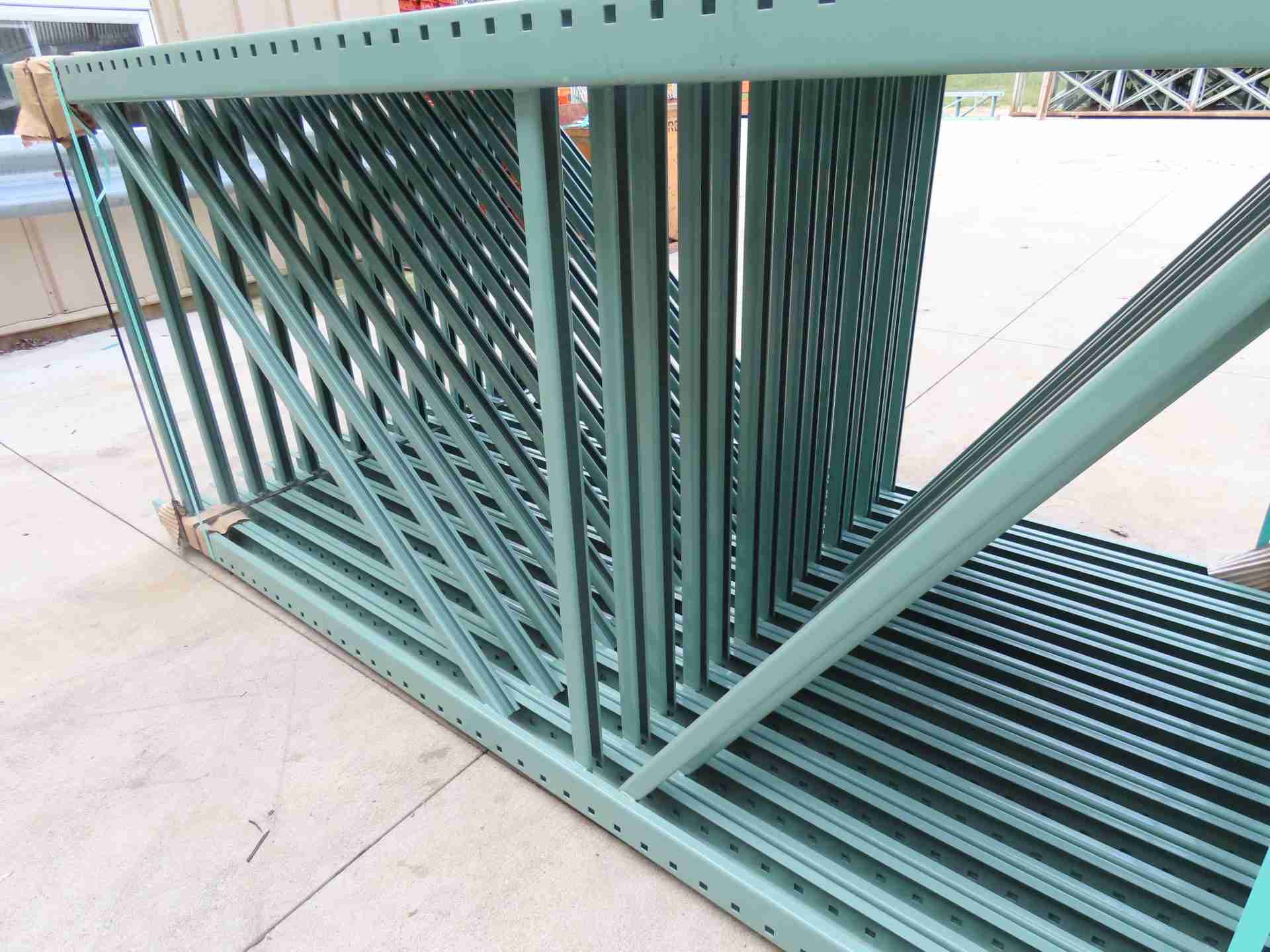
How Should Pallet Racking Be Positioned To Maximize Fire Safety?
Conclusion
In conclusion, fire safety regulations have a significant impact on the layout and design of pallet racking systems in warehouses. By adhering to these regulations and taking necessary precautions, businesses can create a safer work environment for employees and protect their property from the devastating effects of fires. Key factors to consider include spacing between racks, the height of the racks, the type of materials being stored, and the presence of fire suppression systems. Additionally, aisle widths must be carefully planned to accommodate equipment and traffic flow while ensuring safety and scalability for future growth. Pallet racking can be customized to comply with fire codes by working with knowledgeable suppliers, implementing necessary safety features, and conducting regular maintenance and inspections. Sprinkler systems play a crucial role in pallet racking safety by suppressing fires and protecting inventory, but it’s important to ensure proper design and maintenance to minimize water damage and enhance effectiveness. Proper positioning of pallet racking is essential for maximizing fire safety, requiring adequate aisle space, reasonable pallet heights, fire-resistant materials, strategic placement of firefighting equipment, and a comprehensive fire safety plan. Prioritizing fire safety in pallet racking design not only ensures compliance with regulations but also fosters a culture of safety and preparedness in the workplace. Remember, when it comes to safety, there’s no room for shortcuts – so take the necessary steps to ensure your pallet racking system is up to code and keeping your employees and property safe.
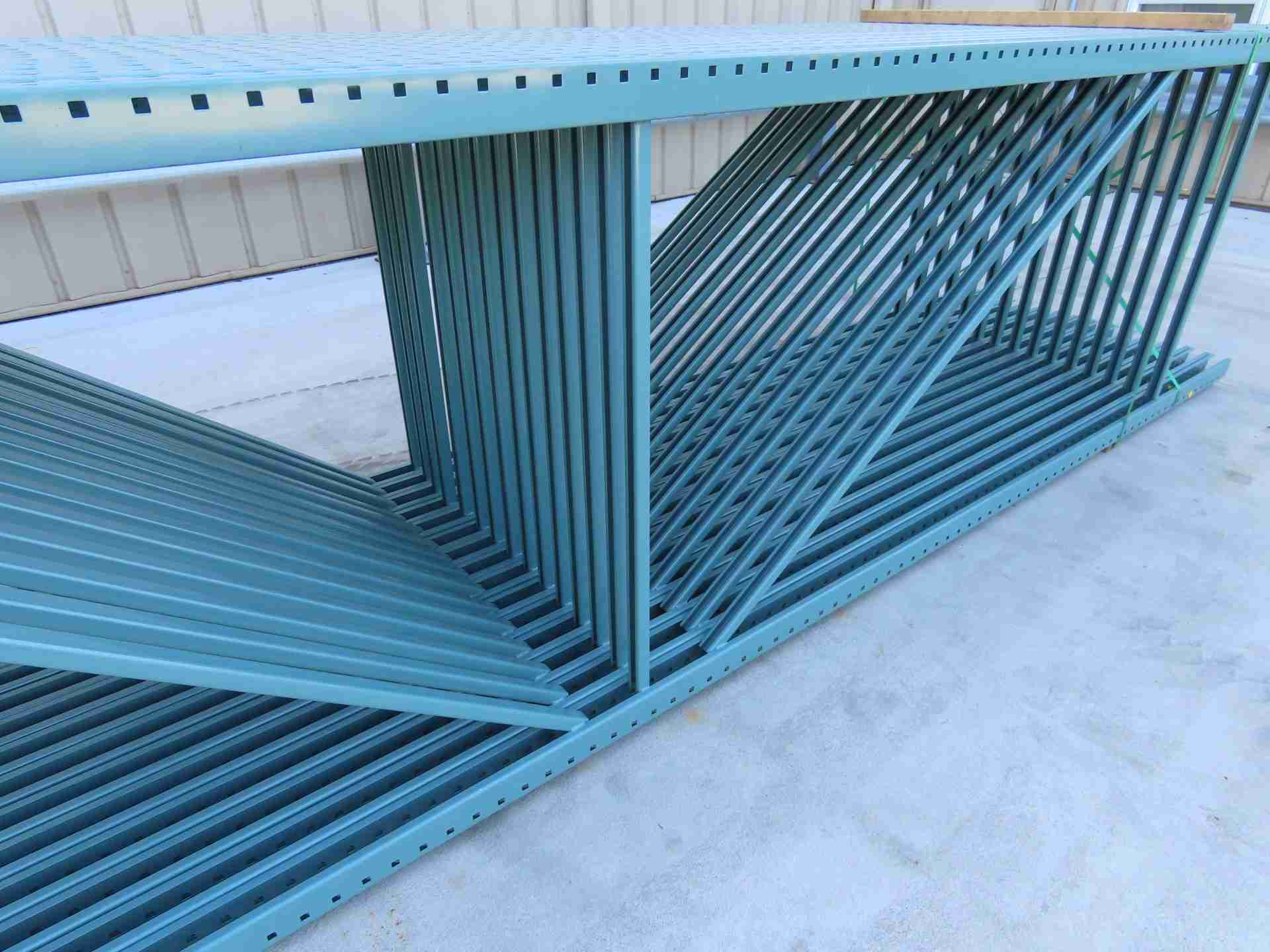
Conclusion
Conclusion:
- Fire safety regulations impact layout and design of pallet racking systems.
- Adhering to regulations creates a safer work environment and protects property.
- Key factors include spacing, height, materials, and fire suppression systems.
- Aisle widths must be planned for equipment, traffic flow, safety, and scalability.
- Customize racking to comply with fire codes through suppliers and safety features.
- Sprinkler systems are crucial for suppressing fires and protecting inventory.
- Proper positioning of pallet racking maximizes fire safety and requires strategic planning.
- Prioritizing fire safety in design fosters a culture of safety and compliance in the workplace.
Conclusion
Other Resources

Other Resources
Here is a list of other resources you can review online to learn more:
- “Warehouse Racking Fire Code Cheat Sheet & Checklist”
- “Chapter 34 General Storage”
- “1926.250 – General requirements for storage.”
- “National Fire Incident Reporting System Complete Reference …”
- “PALLET RACKING SYSTEMS 2019 2020”
- “National Fire Code – of Canada 2015”
- “Code of Practice for Fire Precautions in Buildings 2018”
- “The Building Regulations 2010”
- “Fire Safety Codes in Warehousing |”
- “Brochure in PDF – Pallet racking”
Other Resources
Glossary Terms
How Do Fire Safety Regulations Impact Pallet Racking Layout? – Glossary Of Terms
1. Pallet Racking: Storage system designed to store materials on pallets (or “skids”) in horizontal rows with multiple levels.
2. Sprinkler Systems: Fire suppression system activated by heat to release water, designed to control or extinguish fires within pallet racking systems.
3. Fire Code: A set of standards and regulations established to ensure safety and minimize risks related to fire hazards.
4. Aisle Width: The distance between rows of pallet racking, which must conform to fire safety regulations to ensure adequate space for emergency access and evacuation.
5. NFPA: The National Fire Protection Association, which sets codes and standards for fire prevention and protection, including those related to pallet racking.
6. Flue Space: Vertical and horizontal gaps between stored items on the shelves and racking units, important for facilitating water flow from sprinklers.
7. Load Capacity: The maximum weight that a pallet racking system is designed to hold, which must be considered in light of fire safety regulations to prevent collapse.
8. Fire Resistance: The ability of a pallet racking structure to withstand fire and prevent the spread of flames for a designated period.
9. Heat Detectors: Devices used in fire alarm systems to detect changes in temperature, crucial for early fire detection in a warehouse setting.
10. Fire Extinguishers: Portable devices used to put out small fires, strategically placed according to fire safety regulations within a racking layout.
11. Fire Load: The total combustible material in a given area, including stored goods and racking materials, impacting fire severity and suppression efforts.
12. Compartmentalization: Dividing a storage area into smaller sections or compartments to limit fire spread and improve fire control.
13. Evacuation Routes: Designated paths for safe and rapid exit during an emergency, which must be integrated into the racking layout according to fire safety regulations.
14. Rack Integrity: The structural stability and durability of racking systems, essential for maintaining safety during a fire.
15. Fire Doors: Specially designed doors that prevent the spread of fire and smoke within a building, often required near pallet racking systems.
16. Access Points: Areas within a racking layout that allow fire service personnel to reach and manage a fire; their placement is dictated by safety regulations.
17. Smoke Vents: Openings in the roof or walls designed to allow smoke to escape, thus improving visibility and reducing heat during a fire.
18. Fireproofing: Applying fire-resistant materials to structural elements of a racking system to reduce fire damage and increase safety.
19. Clearance: The necessary space around stored items and racking units to ensure proper airflow and sprinkler coverage, thereby meeting safety guidelines.
20. Emergency Lighting: Backup lighting system that activates during a power failure to ensure visibility and safe evacuation.
21. Risk Assessment: A thorough evaluation of fire hazards within a warehouse, crucial for designing a compliant pallet racking layout.
22. Fire Wardens: Trained personnel responsible for overseeing fire safety protocols and ensuring compliance within the warehouse.
23. Combustible Materials: Materials that can easily ignite and sustain a fire, which must be managed carefully in storage areas to meet safety regulations.
24. Fire Drill: A practice evacuation conducted to ensure preparedness and the effectiveness of fire safety measures.
25. Rack Sprinklers: Specialized sprinklers installed within the racking structure to provide targeted fire suppression.
26. Building Codes: Regulations that dictate the design and construction of buildings, including warehouses and how pallet racking layouts comply with fire safety standards.
27. Fire Alarms: Systems that alert occupants to the presence of fire, integrated into warehouse operations as part of fire safety compliance.
28. Flammable Liquids: Liquids that can ignite easily, requiring special storage considerations within pallet racking layouts to adhere to fire safety regulations.
29. Automatic Fire Suppression: Systems designed to automatically activate and control or extinguish fires, essential for managing risks in high-density storage areas.
30. Hazardous Materials: Substances that pose a fire risk, requiring appropriate labeling, storage, and handling to reduce danger and meet safety guidelines.
These terms and their descriptions provide a comprehensive overview of the factors and considerations involved in how fire safety regulations can impact pallet racking layouts.
Glossary Of Terms
Other Questions
How Do Fire Safety Regulations Impact Pallet Racking Layout? – Other Questions
If you wish to explore and discover more, consider looking for answers to these questions:
- What are the penalties for non-compliance with fire safety regulations in warehouse racking systems?
- How often should fire safety inspections be conducted in warehouses?
- What specific fire safety standards or codes should be followed for pallet racking systems?
- Are there different fire safety regulations for various types of warehouses (e.g., cold storage vs. general storage)?
- How can businesses ensure that their current pallet racking system meets fire safety regulations?
- What types of fire-resistant materials are recommended for pallet racking?
- How effective are fire suppression systems like sprinklers in preventing the spread of fires in warehouses?
- Can older pallet racking systems be retrofitted to comply with current fire safety regulations?
- What role do fire safety training programs play in warehouse safety?
- Who is responsible for ensuring fire safety compliance in a warehouse, the owner or the racking supplier?
- How does the nature of stored materials (e.g., chemicals, flammable goods) impact fire safety planning for pallet racking?
- Are there any technological advancements that can help improve fire safety in warehouses with pallet racking systems?
- What should be included in a warehouse’s fire safety plan?
- How do different warehouse layouts affect fire safety considerations?
- What are the common challenges in aligning pallet racking systems with fire safety regulations?
Other Questions
Checklist
How Do Fire Safety Regulations Impact Pallet Racking Layout? – A Checklist
Spacing Between Racks
_____ Ensure compliance with NFPA guidelines for rack spacing.
_____ Verify adequate space for firefighting equipment access.
_____ Maintain proper ventilation between racks.
Height of Pallet Racking
_____ Check local fire codes for maximum allowable rack height.
_____ Balance storage needs with safety regulations.
_____ Avoid overly tall stacks to ensure fire suppression system effectiveness.
Materials Stored
_____ Identify flammable materials and plan accordingly.
_____ Implement necessary fire safety measures (e. g. , fire-resistant barriers).
_____ Use fire-resistant materials for constructions where possible.
Aisle Widths
_____ Determine the appropriate aisle width based on equipment used (e. g. , forklifts, reach trucks).
_____ Ensure aisle widths can accommodate the largest pallets stored.
_____ Plan for traffic flow and pick-and-pack operations.
_____ Maintain safe movement to prevent accidents and collisions.
_____ Design for future scalability and flexibility.
Fire Code Compliance
_____ Consult knowledgeable racking suppliers for customized solutions.
_____ Utilize fire-resistant materials and incorporate sprinkler systems.
_____ Add safety features like fire barriers and smoke detectors if necessary.
_____ Conduct regular inspections and maintenance.
Sprinkler Systems
_____ Confirm storage layout allows effective water dispersion from sprinklers.
_____ Regularly inspect sprinkler systems to ensure operational readiness.
_____ Provide an unobstructed path so sprinklers can reach all possible fire points.
Pallet Racking Positioning
_____ Maintain adequate aisle space (at least 12 feet wide) for firefighter and equipment access.
_____ Avoid excessive pallet stacking height.
_____ Use fire-resistant materials for racking constructions.
_____ Strategically place fire extinguishers and firefighting gear throughout the warehouse.
Regular Inspections and Training
_____ Perform continual inspections to identify and mitigate fire hazards.
_____ Educate employees on fire safety protocols and emergency response.
_____ Update fire safety plans and conduct drills regularly.
Conclusion
_____ Prioritize fire safety in all design aspects.
_____ Stay updated with fire safety regulations.
_____ Commit to ongoing training and inspection to maintain a culture of safety.
By following this checklist, businesses can ensure their warehouse pallet racking systems are designed to maximize fire safety, thereby protecting both employees and property.
Checklist
At RackingWorld, we help guide you through selecting warehouse storage systems and racking.
Be sure to read our other related stories at RackingWorld to learn more about warehouse storage systems.
0 Comments