
Maximizing Warehouse Efficiency With Industrial Racks
By Tom Seest
At RackingWorld, we help guide you through selecting warehouse storage systems and racking.
Be sure to read our other related stories at RackingWorld to learn more about warehouse storage systems.
Why Are Industrial Racks Important In Warehouses?
When it comes to running a successful warehouse operation, having the right equipment and storage solutions is key. One of the most important pieces of equipment in any warehouse is industrial racks. These racks are essential for maximizing storage space, organizing inventory, and promoting efficiency in the warehouse.
Industrial racks help warehouses make the most of their available space by allowing them to store items vertically. By utilizing vertical storage space, warehouses can make room for more inventory without expanding their physical footprint. This is crucial for warehouses that are looking to maximize their storage capacity and increase their overall efficiency.
In addition to maximizing space, industrial racks also help warehouses organize their inventory. By using racks to store items in an organized manner, warehouse personnel can easily locate and retrieve items when they are needed. This helps to streamline operations and reduce the amount of time it takes to fulfill orders, leading to increased productivity and customer satisfaction.
Furthermore, industrial racks promote safety in the warehouse. By providing a sturdy and secure storage solution for heavy items, racks help prevent accidents and injuries that can occur when items are stored haphazardly. This is especially important in warehouses where employees are regularly moving heavy items, as proper storage can help prevent injuries and create a safer working environment.
Overall, industrial racks play a crucial role in the success of a warehouse operation. They help warehouses maximize their storage space, organize inventory, promote efficiency, and ensure the safety of employees. Without industrial racks, warehouses would struggle to effectively store and manage their inventory, leading to inefficiencies and potential safety hazards.
Industrial racks are a vital piece of equipment in any warehouse. They help warehouses make the most of their available space, organize inventory, promote efficiency, and ensure the safety of employees. Investing in high-quality industrial racks is essential for any warehouse looking to improve their operations and stay competitive in today’s fast-paced business environment.

Why Are Industrial Racks Important In Warehouses?
Why Are Industrial Racks Important In Warehouses?
- Industrial racks are essential for maximizing storage space, organizing inventory, and promoting efficiency in the warehouse.
- They allow warehouses to store items vertically, making room for more inventory without expanding physical footprint.
- Industrial racks help warehouses organize inventory, streamline operations, and reduce order fulfillment time.
- They promote safety by providing sturdy storage solutions for heavy items, preventing accidents and injuries.
- Industrial racks play a crucial role in warehouse success by maximizing space, organizing inventory, promoting efficiency, and ensuring employee safety.
- Investing in high-quality industrial racks is essential for warehouses looking to improve operations and stay competitive.

Why Are Industrial Racks Important In Warehouses?
Table Of Contents
- Why Are Industrial Racks Important In Warehouses?
- What Are The Benefits Of Using Industrial Racks In Warehouses?
- How Do Industrial Racks Increase Storage Efficiency?
- What Types Of Industrial Racks Are Commonly Used In Warehouses?
- How Do Industrial Racks Improve Workplace Safety?
- Can Industrial Racks Help In Organizing Inventory Better?
- Why Do Warehouses Need Proper Storage Solutions?
- How Do Industrial Racks Improve Warehouse Efficiency?
- What Are The Benefits Of Using Industrial Racks In Warehouses?
- Conclusion
- Other Resources
- Glossary Of Terms
- Other Questions
- Checklist
What Are The Benefits Of Using Industrial Racks In Warehouses?
When it comes to maximizing efficiency in a warehouse setting, industrial racks are an essential tool. These sturdy storage solutions offer a wide range of benefits that can help streamline operations and keep everything running smoothly.
One of the key benefits of using industrial racks in warehouses is their ability to maximize storage space. By utilizing vertical space, racks allow you to store more inventory in a smaller footprint, freeing up valuable floor space for other tasks. This not only helps improve organization and accessibility, but also ensures that every square foot of your warehouse is being utilized efficiently.
In addition to maximizing space, industrial racks also help improve safety in the workplace. By providing a secure place to store heavy or bulky items, racks help prevent accidents and injuries that can occur when items are stacked haphazardly on the floor. This not only protects your employees, but also helps prevent damage to valuable inventory.
Industrial racks are also highly customizable, allowing you to design a storage system that meets your specific needs. Whether you need racks that can hold long, heavy items or racks with adjustable shelves for smaller items, there is a wide range of options available. This flexibility allows you to create a storage system that works for your unique inventory and warehouse layout.
Another benefit of using industrial racks is their durability and longevity. Made from high-quality materials such as steel or aluminum, industrial racks are built to withstand the rigors of a busy warehouse environment. This means you can rely on your racks to keep your inventory safe and secure for years to come, reducing the need for frequent replacements.
Finally, industrial racks can also help improve efficiency and productivity in your warehouse. By keeping inventory organized and easily accessible, racks help reduce the time spent searching for items and retrieving them from storage. This can help speed up order fulfillment processes and ensure that products are delivered to customers in a timely manner.
Industrial racks are a valuable asset for any warehouse looking to improve efficiency, safety, and organization. By maximizing storage space, improving safety, offering customization options, and promoting efficiency, industrial racks can help take your warehouse operations to the next level. So why wait? Invest in industrial racks today and see the difference they can make in your warehouse!

What Are The Benefits Of Using Industrial Racks In Warehouses?
What Are The Benefits Of Using Industrial Racks In Warehouses?
- Industrial racks maximize storage space by utilizing vertical space.
- Racks help improve safety by providing a secure place to store items.
- Industrial racks are highly customizable to meet specific needs.
- Racks are durable and built to withstand the rigors of a warehouse environment.
- Racks improve efficiency by keeping inventory organized and accessible.
- Industrial racks are a valuable asset for improving efficiency, safety, and organization.
- Investing in industrial racks can take warehouse operations to the next level.

What Are The Benefits Of Using Industrial Racks In Warehouses?
How Do Industrial Racks Increase Storage Efficiency?
When it comes to maximizing storage space in a warehouse or industrial setting, the use of industrial racks can make a significant impact. These sturdy and versatile shelves are designed to efficiently store a wide range of items, from heavy machinery to small parts and tools.
One of the key ways in which industrial racks increase storage efficiency is by maximizing vertical space. By taking advantage of the vertical space in your facility, you can free up valuable floor space for other uses. This can help to increase the overall storage capacity of your warehouse without the need for costly expansions or renovations.
In addition to maximizing vertical space, industrial racks also help to organize and streamline inventory management. With properly labeled and organized shelves, workers can quickly and easily locate the items they need, reducing the time spent searching for specific items. This not only increases productivity but also helps to prevent costly mistakes and errors.
Industrial racks are also designed to withstand heavy loads, making them a reliable and durable storage solution for a wide range of items. Whether you need to store heavy machinery, bulky equipment, or delicate items, industrial racks can provide the support and stability needed to keep your inventory safe and secure.
Furthermore, by utilizing industrial racks, you can easily reconfigure and adapt your storage space as needed. Whether you need to add more shelves, reorganize your inventory, or expand your storage capacity, industrial racks can be easily adjusted and modified to meet your changing needs.
Overall, the use of industrial racks in a warehouse or industrial setting can have a significant impact on storage efficiency. By maximizing vertical space, organizing inventory, and providing a reliable and adaptable storage solution, industrial racks can help to streamline operations, increase productivity, and make the most of your available storage space. So, if you’re looking to optimize your storage space and improve efficiency in your facility, consider investing in industrial racks as a cost-effective and practical solution.

How Do Industrial Racks Increase Storage Efficiency?
How Do Industrial Racks Increase Storage Efficiency?
- Industrial racks maximize vertical space, freeing up floor space for other uses.
- Organize and streamline inventory management for efficiency.
- Designed to withstand heavy loads for reliable storage.
- Easy to reconfigure and adapt to changing needs.
- Help streamline operations and increase productivity.
- Cost-effective and practical solution for optimizing storage space.

How Do Industrial Racks Increase Storage Efficiency?
What Types Of Industrial Racks Are Commonly Used In Warehouses?
In the bustling world of warehouses, industrial racks play a crucial role in storing and organizing a wide variety of products and materials. There are several types of industrial racks commonly used in warehouses, each serving a specific purpose and maximizing space efficiency.
One of the most popular types of industrial racks is pallet racking. These racks are designed to store palletized items, making them ideal for warehouses that handle a large volume of goods. Pallet racking comes in various configurations, including selective, drive-in, push-back, and pallet flow racks. Selective pallet racking, for example, allows for direct access to each pallet, while drive-in racking maximizes storage capacity by allowing forklifts to drive directly into the racks.
Cantilever racks are another common type of industrial rack used in warehouses, particularly for storing long and bulky items such as lumber, piping, and metal rods. Cantilever racks feature arms that extend outward from a central column, providing easy access to items stored on them. These racks are versatile and can be adjusted to accommodate items of varying sizes.
For warehouses that require high-density storage solutions, push-back racks are often the go-to choice. These racks feature a series of nested carts that are pushed back along rails, allowing for multiple pallets to be stored deep within the rack. Push-back racks are ideal for warehouses with limited space that need to maximize storage capacity.
Another popular choice for warehouses looking to optimize their storage space is mezzanine racks. These racks are designed to take advantage of vertical space by creating a second level of storage above the ground level. Mezzanine racks can be customized to fit the specific layout and needs of a warehouse, providing additional storage space without expanding the footprint of the facility.
In addition to these common types of industrial racks, warehouses may also utilize specialty racks such as carton flow racks for picking and packing operations, drive-through racks for high-throughput storage, and garment racks for hanging items such as clothing.
Ultimately, the choice of industrial racks for a warehouse will depend on factors such as the type of products being stored, the layout of the facility, and the storage capacity requirements. By carefully selecting the right combination of industrial racks, warehouses can maximize efficiency, optimize storage space, and streamline their operations.

What Types Of Industrial Racks Are Commonly Used In Warehouses?
What Types Of Industrial Racks Are Commonly Used In Warehouses?
- Pallet racking is designed to store palletized items, with various configurations such as selective, drive-in, push-back, and pallet flow racks.
- Cantilever racks are used for storing long and bulky items, featuring arms that extend outward for easy access.
- Push-back racks are ideal for high-density storage, with nested carts that allow for multiple pallets to be stored deep within the rack.
- Mezzanine racks create a second level of storage above ground level, maximizing vertical space in warehouses.
- Specialty racks such as carton flow racks, drive-through racks, and garment racks may also be used in warehouses.
- Choosing the right industrial racks depends on factors like the type of products stored and storage capacity requirements.
- The right combination of industrial racks can help warehouses optimize space, maximize efficiency, and streamline operations.

What Types Of Industrial Racks Are Commonly Used In Warehouses?
How Do Industrial Racks Improve Workplace Safety?
Industrial racks play a crucial role in improving workplace safety in various industries. These racks provide a safe and efficient way to store materials, tools, and equipment, helping to reduce clutter and prevent accidents in the workplace. By organizing and storing items on industrial racks, workers can easily access what they need without having to dig through piles of clutter or maneuver around obstacles.
One of the key ways that industrial racks improve workplace safety is by reducing the risk of trips, slips, and falls. When materials are stored haphazardly on the floor or in unsafe locations, workers are more likely to trip over them or slip on slick surfaces. Industrial racks provide a designated and organized storage space for materials, helping to keep walkways clear and preventing accidents.
Additionally, industrial racks help to prevent injuries caused by heavy lifting and improper ergonomics. When materials are stored on high shelves or in hard-to-reach locations, workers may strain their backs or muscles trying to retrieve them. Industrial racks are designed to be accessible and easy to use, allowing workers to safely retrieve items without putting themselves at risk of injury.
Furthermore, industrial racks can help prevent damage to materials and equipment, reducing the risk of accidents and injuries. When items are stored improperly or stacked precariously, they are more likely to fall or become damaged, posing a safety hazard to workers. Industrial racks provide a sturdy and secure storage solution, ensuring that materials are kept in place and protected from harm.
In some industries, such as warehouses and distribution centers, industrial racks also play a critical role in preventing accidents involving forklifts and other machinery. By providing designated storage areas for materials and equipment, industrial racks help to prevent collisions and ensure a safe working environment for all employees. Additionally, industrial racks can be designed to withstand heavy loads and withstand the wear and tear of daily use, further enhancing workplace safety.
Overall, industrial racks are an essential component of a safe and efficient workplace. By providing a structured and organized storage solution, industrial racks help to reduce clutter, prevent accidents, and improve overall safety in the workplace. Whether used in a warehouse, manufacturing facility, or retail store, industrial racks are a valuable tool for promoting a culture of safety and ensuring the well-being of employees.

How Do Industrial Racks Improve Workplace Safety?
How Do Industrial Racks Improve Workplace Safety?
- Industrial racks improve workplace safety by providing a safe and efficient way to store materials, tools, and equipment.
- They help reduce clutter and prevent accidents by organizing and storing items effectively.
- Industrial racks help reduce the risk of trips, slips, and falls by providing designated storage spaces.
- They prevent injuries caused by heavy lifting and improper ergonomics by offering accessible storage solutions.
- Industrial racks help prevent damage to materials and equipment, reducing safety hazards.
- They play a critical role in preventing accidents involving forklifts and other machinery in industries like warehouses.
- Overall, industrial racks are essential for promoting workplace safety and improving efficiency.

How Do Industrial Racks Improve Workplace Safety?
Can Industrial Racks Help In Organizing Inventory Better?
When it comes to running a successful business, organization is key. And when it comes to organizing inventory, industrial racks can be a game changer.
Let’s face it – a disorganized warehouse or storage facility can lead to all kinds of headaches. Lost items, wasted time searching for products, and even safety hazards are just a few of the problems that can arise when things are not in their proper place. That’s where industrial racks come in.
With industrial racks, you can maximize your storage space and keep everything in its rightful spot. No more stacking boxes precariously on top of each other, hoping they won’t come crashing down. Industrial racks provide sturdy shelves that can hold a wide variety of items, from heavy equipment to fragile products.
Not only do industrial racks help keep things organized, but they can also improve efficiency. With a well-organized inventory, employees can easily locate items they need, saving time and increasing productivity. Plus, with everything clearly labeled and easily accessible, inventory counts are more accurate, reducing errors and preventing stockouts.
But the benefits of industrial racks go beyond just organization and efficiency. They can also help with safety. By storing items properly on racks, you can prevent accidents and injuries that can occur when items are haphazardly strewn about. And with heavy-duty racks designed to withstand the weight of your inventory, you can rest easy knowing that your products are secure and stable.
In addition, industrial racks can also help with inventory management. By keeping track of what goes on each shelf and implementing a system for restocking and rotation, you can ensure that your inventory is always up to date and easily accessible. This can help reduce waste, prevent overstocking, and ultimately save you money in the long run.
So, can industrial racks help in organizing inventory better? The answer is a resounding yes. With their ability to maximize space, improve efficiency, enhance safety, and aid in inventory management, industrial racks are an essential tool for any business looking to stay organized and successful. Don’t let your inventory get out of hand – invest in industrial racks and watch your business thrive.

Can Industrial Racks Help In Organizing Inventory Better?
Can Industrial Racks Help In Organizing Inventory Better?
- Organization is key for a successful business.
- Industrial racks can be a game changer for organizing inventory.
- Industrial racks help maximize storage space and keep everything in place.
- They improve efficiency by making items easily locatable.
- Industrial racks enhance safety and prevent accidents.
- They aid in inventory management by keeping track of items.
- Industrial racks are essential for businesses looking to stay organized and successful.
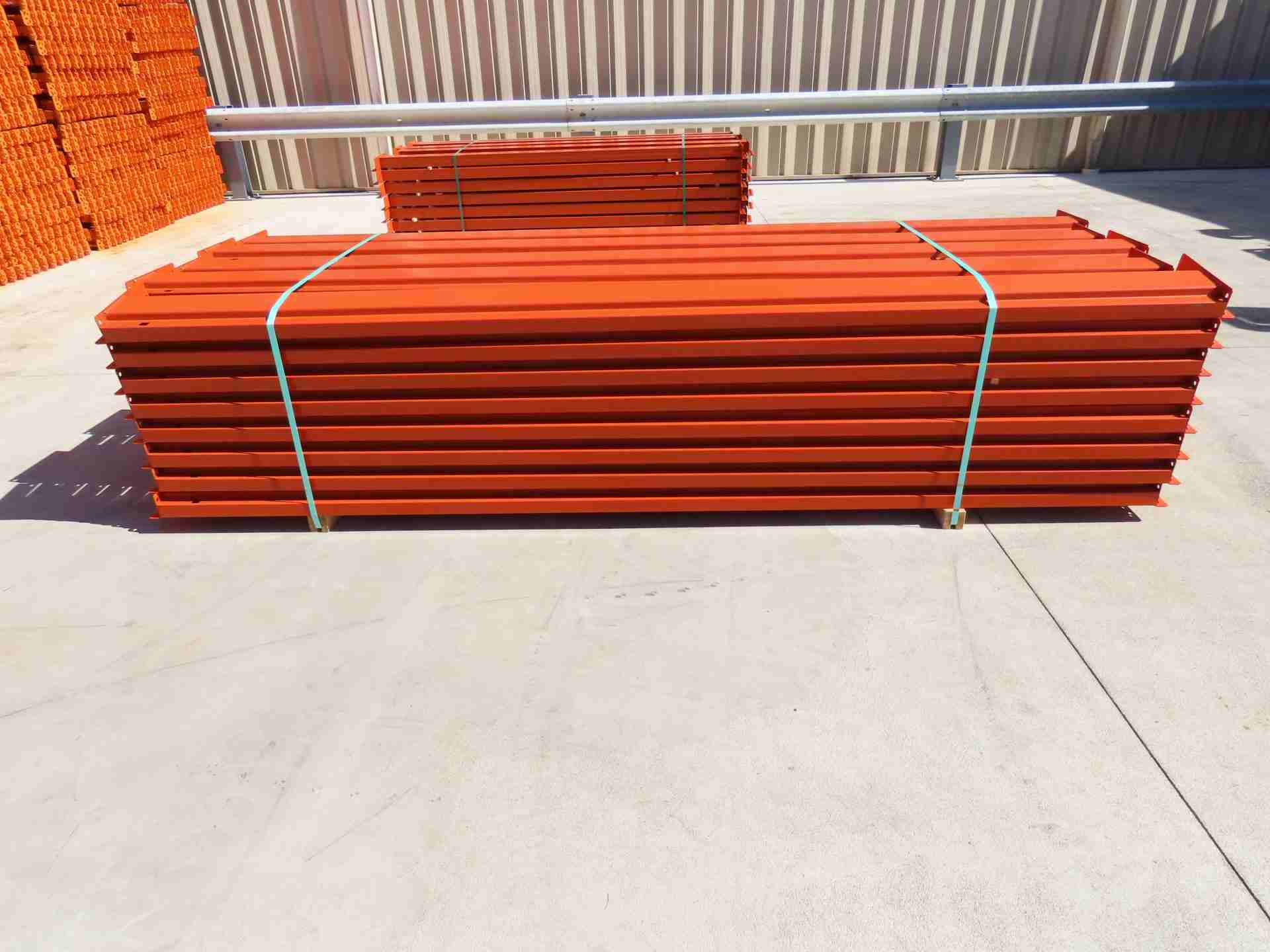
Can Industrial Racks Help In Organizing Inventory Better?
Why Do Warehouses Need Proper Storage Solutions?
Warehouses are the backbone of our economy. They are the places where goods are stored, organized, and ultimately shipped out to customers. Without warehouses, our supply chain would come to a screeching halt.
One of the key factors in keeping a warehouse running smoothly is having proper storage solutions in place. It may not seem like a big deal, but the way items are stored in a warehouse can have a huge impact on efficiency, productivity, and ultimately, the bottom line.
Imagine a warehouse without any sort of storage system in place. Boxes piled haphazardly on top of each other, items strewn about with no rhyme or reason. This chaotic scene would lead to inefficiency, as workers would have to spend unnecessary time searching for items. It could also lead to damaged goods, as items are more likely to be mishandled in a disorganized environment.
On the other hand, a warehouse with proper storage solutions in place is a well-oiled machine. Items are neatly organized, making it easy for workers to locate what they need quickly. This not only saves time, but also increases overall productivity. With everything in its rightful place, workers can focus on their tasks at hand rather than searching for lost or misplaced items.
Proper storage solutions also help maximize the use of space in a warehouse. By utilizing shelves, racks, and other storage systems, warehouses can store more items in a smaller footprint. This means that warehouses can stock more inventory without having to expand their physical space, saving both time and money.
In addition, having proper storage solutions in place can also lead to a safer work environment. With items stored securely and out of harm’s way, the risk of accidents and injuries is greatly reduced. Workers can move around the warehouse with ease, knowing that everything is where it should be.
Overall, the importance of proper storage solutions in warehouses cannot be overstated. It’s not just about keeping things tidy – it’s about keeping the gears of our economy turning smoothly. So the next time you see a warehouse operating like a well-oiled machine, remember that it’s all thanks to the proper storage solutions in place.

Why Do Warehouses Need Proper Storage Solutions?
Why Do Warehouses Need Proper Storage Solutions?
- Warehouses are the backbone of our economy. They are the places where goods are stored, organized, and ultimately shipped out to customers.
- One of the key factors in keeping a warehouse running smoothly is having proper storage solutions in place, impacting efficiency, productivity, and the bottom line.
- A warehouse without proper storage solutions can lead to inefficiency, damaged goods, and a chaotic work environment.
- In contrast, a warehouse with proper storage solutions is a well-oiled machine, increasing productivity and saving time.
- Proper storage solutions help maximize space, allowing warehouses to store more inventory without expanding their physical space.
- Proper storage solutions also contribute to a safer work environment, reducing the risk of accidents and injuries.
- The importance of proper storage solutions in warehouses cannot be overstated, as it plays a crucial role in keeping the economy running smoothly.

Why Do Warehouses Need Proper Storage Solutions?
How Do Industrial Racks Improve Warehouse Efficiency?
If you’ve ever stepped foot into a warehouse, you’ve likely noticed the towering shelves that stretch from floor to ceiling, filled with boxes, pallets, and other goods. These industrial racks may seem like simple storage solutions, but they play a crucial role in improving warehouse efficiency.
One key way that industrial racks improve warehouse efficiency is by maximizing vertical space. Instead of cluttering up valuable floor space with stacks of goods, industrial racks allow warehouses to store items vertically. This not only frees up more space for movement and operations, but it also makes it easier for workers to locate and access items quickly. By utilizing vertical space effectively, warehouses can store more inventory and streamline their operations.
In addition to maximizing space, industrial racks also help warehouses organize their inventory more efficiently. By designating specific areas for different types of goods, warehouses can reduce the time and effort required to locate and retrieve items. This organization also helps prevent damage to goods, as items are less likely to be misplaced or mishandled. With industrial racks in place, warehouses can maintain a more organized and efficient system for managing their inventory.
Furthermore, industrial racks provide a safer working environment for warehouse employees. By securely storing items on shelves instead of stacking them haphazardly on the floor, industrial racks help prevent accidents and injuries caused by falling objects. This not only protects workers from harm, but it also reduces the risk of damage to goods and equipment. With industrial racks in place, warehouses can create a safer and more productive work environment for their employees.
Another key benefit of industrial racks is their versatility. These racks come in a variety of configurations, sizes, and materials, allowing warehouses to customize their storage solutions to meet their specific needs. Whether storing heavy pallets, bulky equipment, or small boxes, industrial racks can be tailored to accommodate a wide range of items. This flexibility ensures that warehouses can optimize their storage space and maximize their efficiency.
Industrial racks play a crucial role in improving warehouse efficiency. By maximizing space, organizing inventory, ensuring safety, and offering versatility, these racks help warehouses streamline their operations and enhance productivity. Next time you step into a warehouse and see those towering shelves, remember the important role they play in keeping operations running smoothly.

How Do Industrial Racks Improve Warehouse Efficiency?
How Do Industrial Racks Improve Warehouse Efficiency?
- Industrial racks maximize vertical space in warehouses, allowing for more efficient storage and easier access to items.
- Organizing inventory with industrial racks reduces the time and effort needed to locate and retrieve goods, preventing damage and improving efficiency.
- Industrial racks create a safer work environment by securely storing items on shelves and preventing accidents and injuries from falling objects.
- These racks offer versatility with various configurations, sizes, and materials, allowing warehouses to customize storage solutions to meet specific needs.
- Overall, industrial racks help warehouses streamline operations, enhance productivity, and optimize storage space.
- They play a crucial role in improving warehouse efficiency by maximizing space, organizing inventory, ensuring safety, and offering flexibility.
- Remember the important role that industrial racks play in keeping warehouse operations running smoothly next time you see towering shelves in a warehouse.

How Do Industrial Racks Improve Warehouse Efficiency?
What Are The Benefits Of Using Industrial Racks In Warehouses?
When it comes to warehouse organization, industrial racks are a game-changer. These large, sturdy structures are designed to store and organize a wide variety of products, making it easier for workers to find and access items quickly and efficiently. But what are the benefits of using industrial racks in warehouses?
First and foremost, industrial racks maximize space utilization. By stacking products vertically instead of horizontally, warehouses can store more items in a smaller footprint. This not only allows for more inventory to be kept on hand, but also frees up valuable floor space for other activities, such as packing and shipping.
In addition to maximizing space, industrial racks also improve inventory management. With products organized neatly on shelves, workers can easily see what items are in stock and where they are located. This reduces the time and effort required to find specific products, increasing overall efficiency and productivity in the warehouse.
Industrial racks also enhance safety in the workplace. By keeping products off the floor and organized on shelves, the risk of accidents and injuries due to tripping or falling objects is significantly reduced. This creates a safer working environment for warehouse staff and helps prevent costly workplace accidents.
Furthermore, industrial racks help protect products from damage. By keeping items off the ground and stored securely on shelves, the risk of products getting crushed or broken is minimized. This ensures that goods remain in good condition until they are ready to be shipped out to customers.
Another benefit of using industrial racks in warehouses is improved accessibility. With items stored on shelves at varying heights, workers can easily reach and retrieve products without having to climb over piles of inventory or navigate through cluttered aisles. This saves time and effort, making the picking and packing process more efficient.
Overall, the use of industrial racks in warehouses offers numerous benefits, including maximizing space utilization, improving inventory management, enhancing safety, protecting products from damage, and improving accessibility. These large, sturdy structures are essential for maintaining a well-organized and efficient warehouse operation. So next time you’re looking to streamline your warehouse processes, consider investing in industrial racks – your employees and your bottom line will thank you.

What Are The Benefits Of Using Industrial Racks In Warehouses?
What Are The Benefits Of Using Industrial Racks In Warehouses?
- Industrial racks maximize space utilization by stacking products vertically.
- They improve inventory management by organizing products on shelves.
- Industrial racks enhance safety by keeping products off the floor.
- They help protect products from damage by storing them securely.
- Industrial racks improve accessibility for workers to retrieve products easily.
- Using industrial racks in warehouses offers numerous benefits for efficiency.
- Investing in industrial racks is essential for a well-organized warehouse operation.

What Are The Benefits Of Using Industrial Racks In Warehouses?
Conclusion
In conclusion, industrial racks are a vital component of any successful warehouse operation. These large, sturdy structures play a crucial role in maximizing storage space, organizing inventory, promoting efficiency, and ensuring the safety of employees. By utilizing vertical space and keeping items neatly organized on shelves, industrial racks help warehouses make the most of their available space while streamlining operations. Additionally, industrial racks help prevent accidents and injuries by providing a secure storage solution for heavy items and keeping walkways clear of clutter. The versatility of industrial racks allows warehouses to customize their storage solutions to meet their specific needs, whether it’s storing heavy machinery, bulky equipment, or small parts. Furthermore, industrial racks improve accessibility, making it easier for workers to locate and retrieve items quickly, ultimately increasing productivity and customer satisfaction. Overall, investing in high-quality industrial racks is essential for any warehouse looking to improve efficiency, safety, and organization. So, whether you’re in a bustling warehouse, a bustling factory, or a bustling retail store, remember that the towering shelves you see play a vital role in keeping operations running smoothly. Industrial racks are not just for storing goods – they are the backbone of a well-organized and efficient warehouse operation. So next time you see a warehouse operating like a well-oiled machine, remember that its all thanks to the proper storage solutions in place – industrial racks.

Conclusion
Conclusion:
- Industrial racks are a vital component of successful warehouse operations.
- They maximize storage space, organize inventory, promote efficiency, and ensure employee safety.
- Industrial racks utilize vertical space and keep items organized on shelves.
- They prevent accidents and injuries by providing secure storage for heavy items and keeping walkways clear.
- Industrial racks are versatile and can be customized to meet specific storage needs.
- They improve accessibility and increase productivity and customer satisfaction.
- Investing in high-quality industrial racks is essential for improving efficiency, safety, and organization in warehouses.

Conclusion
Other Resources

Other Resources
Here is a list of other resources you can review online to learn more:
- “How to Implement Industrial Racking Systems in Your …”
- “Unlocking Efficiency & Productivity With Warehouse Racking”
- “Warehouse Racking System: Powerful Guide to Optimise …”
- “Warehouse Space Planning: Maximize Efficiency Strategies”
- “Introduction to Warehouse Storage Racks”
- “Choosing the Right Warehouse Storage System”
- “Key Considerations For Drive-In Rack Design”
- “Warehouse Organization Using Rack Systems”
- “Efficient Warehouse Layout: Strategies to Maximize Space”
- “Warehouse Layout Optimization: A Comprehensive Guide”
- “How does a warehouse assistant improve the …”
- “How to make a warehouse efficient: From space …”
- “What Are The Key Benefits of Warehouse Storage Solutions”
- “Everything you need to know about warehouse Storage Rack”
- “Pallet Rack Safety Guidelines & Tips”
- “What to Know about Storage in a Warehouse in 2024”
- “Industrial Storage Racks safety”
- “Industrial Storage Systems: A Comprehensive Guide”
- “Warehouse Management: A Comprehensive Guide”
- “Category: Uncategorized”

Other Resources
Glossary Terms
Why Are Industrial Racks Important In Warehouses? – Glossary Of Terms
1. Industrial Racks: Heavy-duty shelving systems used to store and organize materials in warehouses.
2. Warehouse: A large commercial building used for storing goods and materials.
3. Storage Efficiency: The optimization of space within a warehouse to store the maximum amount of inventory efficiently.
4. Inventory Management: The supervision of non-capitalized assets (inventory) and stock items.
5. Pallet Racks: Storage systems designed to hold materials on pallets using horizontal rows and vertical levels.
6. Load-Bearing Capacity: The maximum weight that a rack or shelving system can safely support.
7. Safety Standards: Guidelines and regulations to ensure the safe use of storage equipment within warehouses.
8. Space Utilization: The effective use of available space to maximize storage capacity.
9. Accessibility: The ease with which stored items can be retrieved from warehouse racks.
10. Vertical Space: Unused space above the ground level that can be utilized for storage by using tall racks.
11. Durability: The ability of industrial racks to withstand heavy loads and wear over time.
12. Modular Design: Racks that can be assembled in various configurations to meet specific storage needs.
13. FIFO (First In, First Out): Inventory management method where the first items placed in storage are the first to be retrieved.
14. LIFO (Last In, First Out): Inventory management method where the last items placed in storage are the first to be retrieved.
15. Cantilever Racks: Storage systems with arms extending from a central column, used for storing long or bulky items.
16. Wire Decking: Metal grids placed on racks to support stored items, providing ventilation and visibility.
17. Push-Back Racking: Storage system allowing pallets to be stored on a slight incline, making them easier to retrieve.
18. Drive-In Racking: High-density storage system where forklifts drive into the racks to deposit or retrieve pallets.
19. Mezzanine Floors: Additional floors or levels within a warehouse created using industrial racks, to maximize vertical space.
20. Shelving Units: Structures with multiple shelves used for storing smaller items and materials.
21. Racking System: The overall structure created by assembling multiple racks for organized storage.
22. Beams: Horizontal components of racks that support the weight of stored items.
23. Uprights: Vertical supports in a racking system that hold the beams and carry the load.
24. Aisles: Passageways between racks that allow for movement and access to stored items.
25. Forklifts: Industrial vehicles used to lift and move materials within a warehouse.
26. Slotted Angle Racks: Storage systems made from metal angles with slots, allowing for adjustable shelving.
27. Automation: The use of automated systems and equipment to improve storage and retrieval efficiency in warehouses.
28. Static Loads: Loads that remain stationary once positioned on the storage racks.
29. Dynamic Loads: Loads that are moved or adjusted, impacting the stability of storage racks.
30. Rack Inspection: The process of regularly evaluating the condition and safety of industrial racks to prevent accidents.
This glossary should help you understand why industrial racks are essential in warehouses and the various terms associated with their use and benefits.

Glossary Of Terms
Other Questions
Why Are Industrial Racks Important In Warehouses? – Other Questions
If you wish to explore and discover more, consider looking for answers to these questions:
- What materials are industrial racks typically made from?
- How do you determine the best type of industrial rack for your warehouse?
- What are the cost implications of installing industrial racks?
- Are there any specific maintenance requirements for industrial racks?
- How do industrial racks contribute to reducing operational costs?
- What are the possible dangers of not using industrial racks in warehouses?
- Can industrial racks be customized for specific industries?
- What are the latest trends and innovations in industrial rack design?
- How do you properly install industrial racks for maximum stability and safety?
- What types of pallets are most compatible with different industrial racks?
- How do industrial racks compare to other storage solutions in terms of cost-effectiveness?
- What training is required for employees to efficiently use industrial racks?
- How can industrial racks be integrated with warehouse management systems?
- What are the environmental impacts of using industrial racks?
- Can industrial racks be recycled or repurposed?
- How do industrial racks affect warehouse spatial planning and workflow?
- How have industrial racks evolved over the years?
- What are the industry standards and regulations for industrial rack usage?
- How can industrial racks contribute to improving stock accuracy and reducing losses?

Other Questions
Checklist
Why Are Industrial Racks Important In Warehouses? – A Checklist
Choosing the Right Industrial Racks
1. Assess Inventory Needs:
_____ Determine the types of items you store (e. g. , pallets, bulky items, small parts).
_____ Identify the weight and dimensions of your inventory.
2. Select the Appropriate Rack Type:
_____ Pallet Racking: Ideal for palletized goods; options include selective, drive-in, push-back, and pallet flow racks.
_____ Cantilever Racks: Suitable for long and bulky items like lumber and piping.
_____ Push-Back Racks: Great for high-density storage in limited space.
_____ Mezzanine Racks: Useful for creating additional storage levels.
_____ Specialty Racks: For specific needs such as carton flow, drive-through, or garment racks.
3. Consider Customization Options:
_____ Look for racks with adjustable shelves.
_____ Choose racks made from durable materials like steel or aluminum.
Installation & Layout Planning
4. Maximize Vertical Space:
_____ Utilize the full height of the warehouse.
_____ Ensure floor-to-ceiling storage where possible.
5. Organize Storage Layout:
_____ Group similar items together.
_____ Ensure labeled and organized shelves for easy locating of items.
6. Ensure Accessibility:
_____ Plan for wide, clear aisles.
_____ Make sure items are easy to reach to reduce retrieval time.
Safety Measures
7. Proper Installation:
_____ Ensure racks are securely anchored to the floor.
_____ Confirm that every rack is level and stable.
8. Load Distribution:
_____ Follow load capacity guidelines strictly.
_____ Distribute weight evenly on shelves to prevent collapses.
9. Regular Inspections:
_____ Conduct frequent safety inspections.
_____ Report and repair any damage immediately.
10. Safety Training:
_____ Train employees on proper storage and retrieval techniques.
_____ Use safety signage to remind employees of load limits and safety practices.
Efficiency & Maintenance
11. Inventory Management:
_____ Implement an inventory system for tracking items.
_____ Regularly update inventory records.
12. Frequent Maintenance:
_____ Schedule regular maintenance to ensure racks are in good condition.
_____ Use quality checks to maintain structural integrity.
13. Improve Order Fulfillment:
_____ Optimize rack placement for quick access to high-turnover items.
_____ Reduce time spent searching for items to increase productivity.
Evaluating Performance
14. Monitor Efficiency Gains:
_____ Track improvements in storage capacity.
_____ Measure changes in retrieval times and order fulfillment speed.
15. Gather Employee Feedback:
_____ Solicit input from warehouse staff for continuous improvement.
_____ Adjust rack configurations based on practical feedback.
Compliance & Documentation
16. Adhere to Regulations:
_____ Ensure compliance with OSHA and other safety regulations.
_____ Maintain all necessary documentation for safety audits.
17. Keep Detailed Records:
_____ Document all inspections, maintenance, and repairs.
_____ Store purchasing and installation records for reference.
By following this checklist, you can effectively leverage industrial racks to transform your warehouse into a more efficient, organized, and safe space, ultimately leading to increased productivity and customer satisfaction.

Checklist
At RackingWorld, we help guide you through selecting warehouse storage systems and racking.
Be sure to read our other related stories at RackingWorld to learn more about warehouse storage systems.
0 Comments