
Navigating Regulations for Effective Warehouse Racking
By Tom Seest
At RackingWorld, we help guide you through selecting warehouse storage systems and racking.
Be sure to read our other related stories at RackingWorld to learn more about warehouse storage systems.
Are There Warehouse Racking Regulations?
When it comes to warehouse racking, regulations are not only important but absolutely crucial for the safety and efficiency of your operation. Without proper adherence to warehouse racking regulations, you not only put your employees and inventory at risk but also face potential fines and legal consequences.
One of the key regulations to be aware of is the Occupational Safety and Health Administration (OSHA) guidelines for warehouse racking. These guidelines outline specific requirements for the design, installation, and maintenance of warehouse racking systems to ensure the safety of workers and prevent accidents such as collapses or overloading.
For example, OSHA requires that warehouse racking systems be designed and installed by qualified professionals who follow industry standards such as the Rack Manufacturers Institute (RMI) guidelines. These guidelines include specifications for rack design, load capacity, and installation methods to ensure the structural integrity of the system.
In addition to OSHA regulations, it’s important to be aware of any local building codes or regulations that may apply to warehouse racking. For example, some cities or municipalities may have specific requirements for fire safety or seismic design that need to be taken into account when installing or modifying racking systems.
Current events, such as the increase in e-commerce and online shopping, have also put a spotlight on the importance of warehouse racking regulations. With more businesses investing in warehouse space to meet growing demand, there is a greater need for safe and efficient racking systems to maximize storage capacity and streamline operations.
Warehouse racking regulations are not just a necessary evil but a critical component of a successful and safe warehouse operation. By staying informed about OSHA guidelines, industry standards, and local regulations, you can ensure that your racking system is compliant and optimized for maximum efficiency and safety.
Don’t wait until it’s too late – make sure your warehouse racking systems are up to code and in compliance with regulations. Your employees, your inventory, and your bottom line will thank you for it.
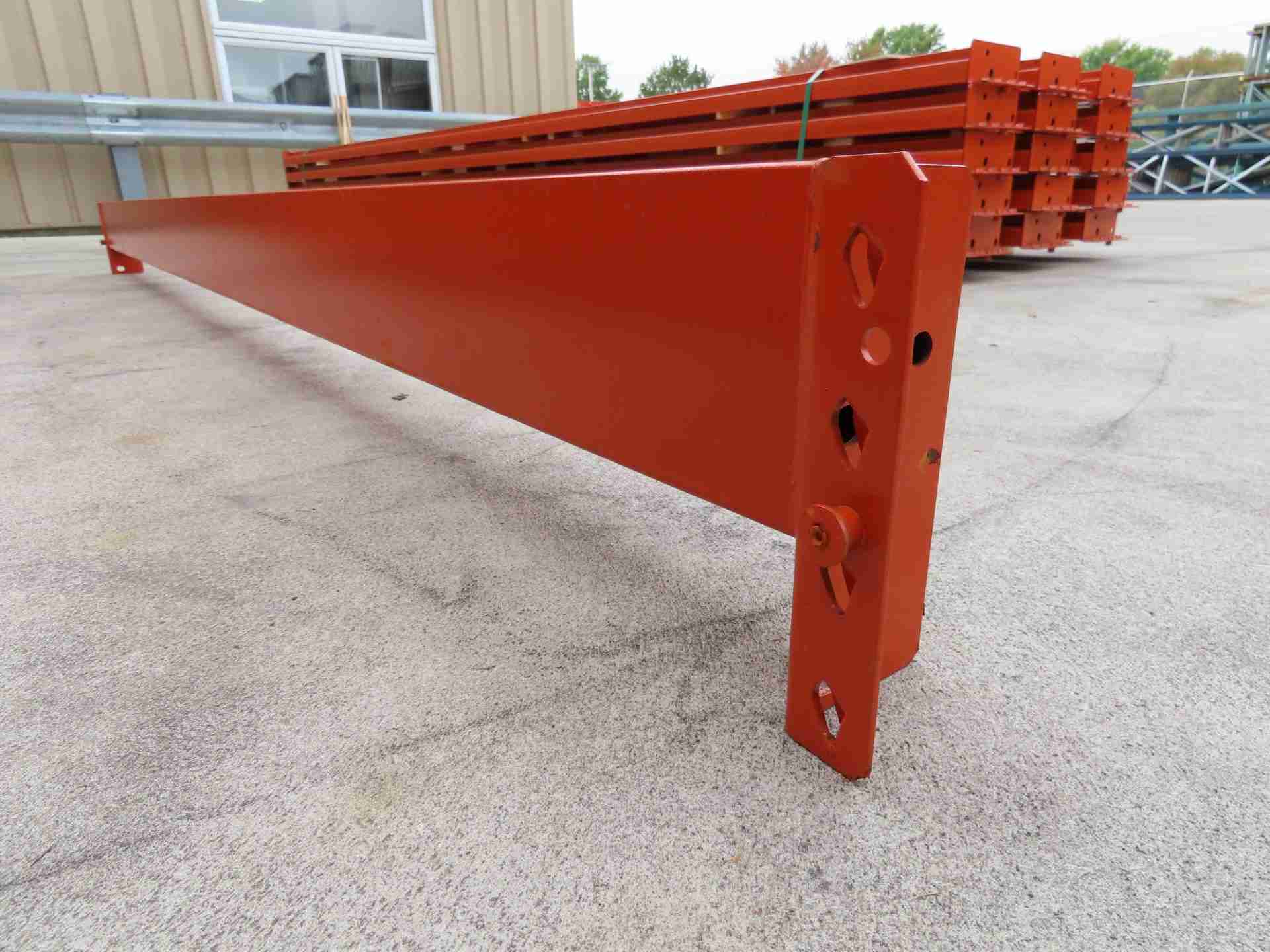
Are There Warehouse Racking Regulations?
Are There Warehouse Racking Regulations?
- Warehouse racking regulations are crucial for safety and efficiency.
- OSHA guidelines outline requirements for design, installation, and maintenance.
- RMI guidelines specify rack design, load capacity, and installation methods.
- Local building codes may have additional requirements for racking systems.
- Increasing e-commerce highlights the importance of safe racking systems.
- Compliance with regulations is critical for a successful warehouse operation.
- Ensure your racking systems are up to code to protect your employees and inventory.
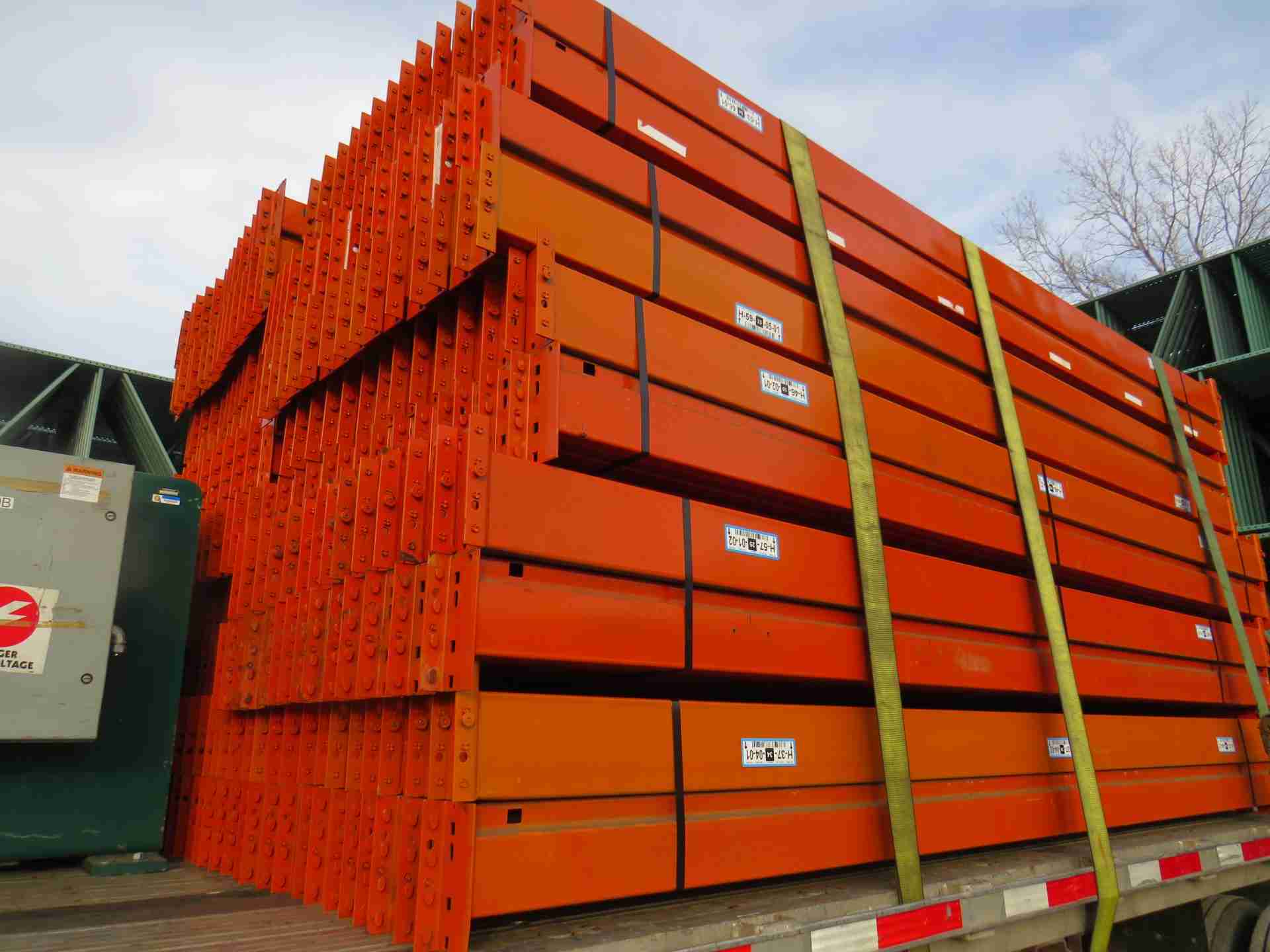
Are There Warehouse Racking Regulations?
Table Of Contents
- Are There Warehouse Racking Regulations?
- What Are The Safety Guidelines For Warehouse Racking?
- How Can I Ensure My Warehouse Racking Is Compliant?
- Are There Specific Weight Restrictions For Warehouse Racking?
- What Are The Common Violations Of Warehouse Racking Regulations?
- How Often Should Warehouse Racking Be Inspected?
- What Are The Safety Guidelines For Warehouse Racking?
- How Can I Ensure My Warehouse Racking Meets Regulations?
- Who Is Responsible For Enforcing Warehouse Racking Regulations?
- Are There Warehouse Racking Standards?
- How to Organize Warehouse Shelving?
- Are There Warehouse Racking Guidelines?
- Conclusion
- Other Resources
- Glossary Of Terms
- Other Questions
- Checklist
What Are The Safety Guidelines For Warehouse Racking?
When it comes to warehouse racking, safety should be the top priority for any business. Ensuring that your racking systems are properly installed and maintained is crucial in preventing accidents and injuries in the workplace. By following the safety guidelines for warehouse racking, you can create a secure environment for your employees and protect your inventory from damage.
One of the most important safety guidelines for warehouse racking is ensuring that the racking system is installed correctly. This means hiring experienced professionals to install the racking according to the manufacturer’s specifications. Using unauthorized installers or cutting corners during the installation process can lead to faulty racking that is at risk of collapsing and causing serious injuries.
Regular inspections and maintenance are also key components of safe warehouse racking. Inspecting the racking system on a regular basis can help identify any issues or damage that may compromise its integrity. For example, checking for loose or missing bolts, damaged beams, or overloading can prevent accidents before they happen. Additionally, having a maintenance schedule in place for regular upkeep can prolong the life of your racking system and ensure its safety.
Training your employees on proper warehouse racking practices is essential for maintaining a safe work environment. Make sure that your employees are aware of the weight capacities of the racking system, how to properly load and unload items, and what to do in case of an emergency. By providing thorough training, you can help prevent accidents and injuries caused by improper use of the racking system.
In light of recent events such as the rise in e-commerce orders during the COVID-19 pandemic, the demand for warehouse space has increased significantly. This surge in demand has put added pressure on warehouse operators to maximize their storage capabilities, which can sometimes lead to cutting corners on safety protocols. However, it is important to prioritize safety over speed and efficiency when it comes to warehouse racking to avoid costly accidents and injuries.
By following the safety guidelines for warehouse racking, you can create a secure work environment for your employees and protect your valuable inventory. Investing in proper installation, regular maintenance, and employee training can go a long way in preventing accidents and ensuring the longevity of your racking system. Remember, safety should always be the top priority when it comes to warehouse operations.
What Are The Safety Guidelines For Warehouse Racking?
What Are The Safety Guidelines For Warehouse Racking?
- Safety should be the top priority for warehouse racking.
- Proper installation by experienced professionals is crucial.
- Regular inspections and maintenance are key for safety.
- Training employees on proper racking practices is essential.
- Prioritize safety over efficiency, especially during high demand periods.
- Investing in safety measures can prevent accidents and protect inventory.
- Remember, safety should always be the top priority in warehouse operations.
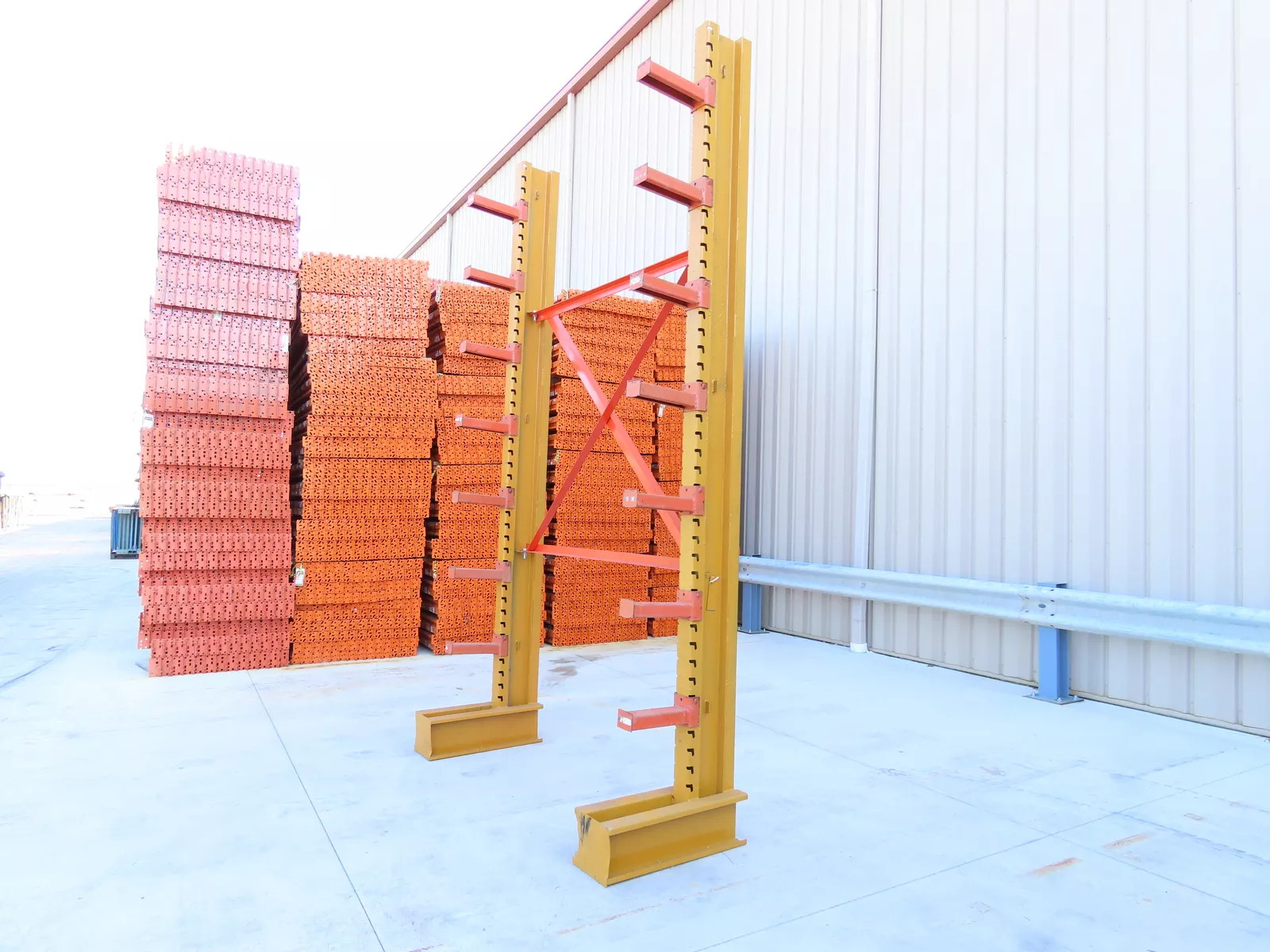
What Are The Safety Guidelines For Warehouse Racking?
How Can I Ensure My Warehouse Racking Is Compliant?
When it comes to ensuring your warehouse racking is compliant, there are a few key steps to take to protect both your business and your employees. First and foremost, it is important to stay up to date on the latest regulations and guidelines set forth by organizations such as OSHA and ANSI. This can involve attending seminars, reading industry publications, and consulting with experts in the field.
One example of a recent event that highlighted the importance of warehouse racking compliance is the tragic collapse of a warehouse in Beirut, Lebanon in 2020. The explosion, which was caused by improper storage of hazardous materials, resulted in numerous fatalities and severe damage to the surrounding area. This serves as a stark reminder of the potential consequences of not following proper safety protocols when it comes to warehouse racking.
In addition to staying informed on regulations, regular inspections of your warehouse racking system are crucial. This includes checking for signs of damage, ensuring proper weight distribution, and making any necessary repairs or adjustments. It is also important to train your employees on how to properly use the racking system and handle materials to prevent accidents.
Another aspect of compliance to consider is the layout and design of your warehouse racking system. It is important to ensure that aisles are wide enough for forklifts to navigate safely, and that there is adequate clearance between racks to prevent accidents. By taking the time to carefully plan and design your racking system, you can create a safer and more efficient work environment.
Finally, investing in high-quality racking equipment from reputable manufacturers is essential for ensuring compliance. This includes using materials that are designed to withstand the weight and load of your inventory, as well as following installation guidelines to ensure stability and durability.
Ensuring your warehouse racking is compliant requires a proactive approach that involves staying informed, conducting regular inspections, training employees, and investing in high-quality equipment. By taking these steps, you can protect your business, your employees, and your bottom line.
How Can I Ensure My Warehouse Racking Is Compliant?
How Can I Ensure My Warehouse Racking Is Compliant?
- Stay up to date on regulations and guidelines from organizations like OSHA and ANSI.
- Tragic events like the Beirut warehouse collapse highlight the importance of compliance.
- Regular inspections of the racking system are crucial for identifying and addressing issues.
- Proper training of employees on racking system use and material handling is key for accident prevention.
- Carefully plan and design the layout of the racking system for safety and efficiency.
- Invest in high-quality racking equipment from reputable manufacturers to ensure compliance.
- Taking a proactive approach to compliance protects business, employees, and bottom line.

How Can I Ensure My Warehouse Racking Is Compliant?
Are There Specific Weight Restrictions For Warehouse Racking?
When it comes to warehouse racking, weight restrictions are not one size fits all. Different racking systems have different weight capacities, and it is crucial for businesses to understand and adhere to these restrictions to ensure the safety and efficiency of their operations.
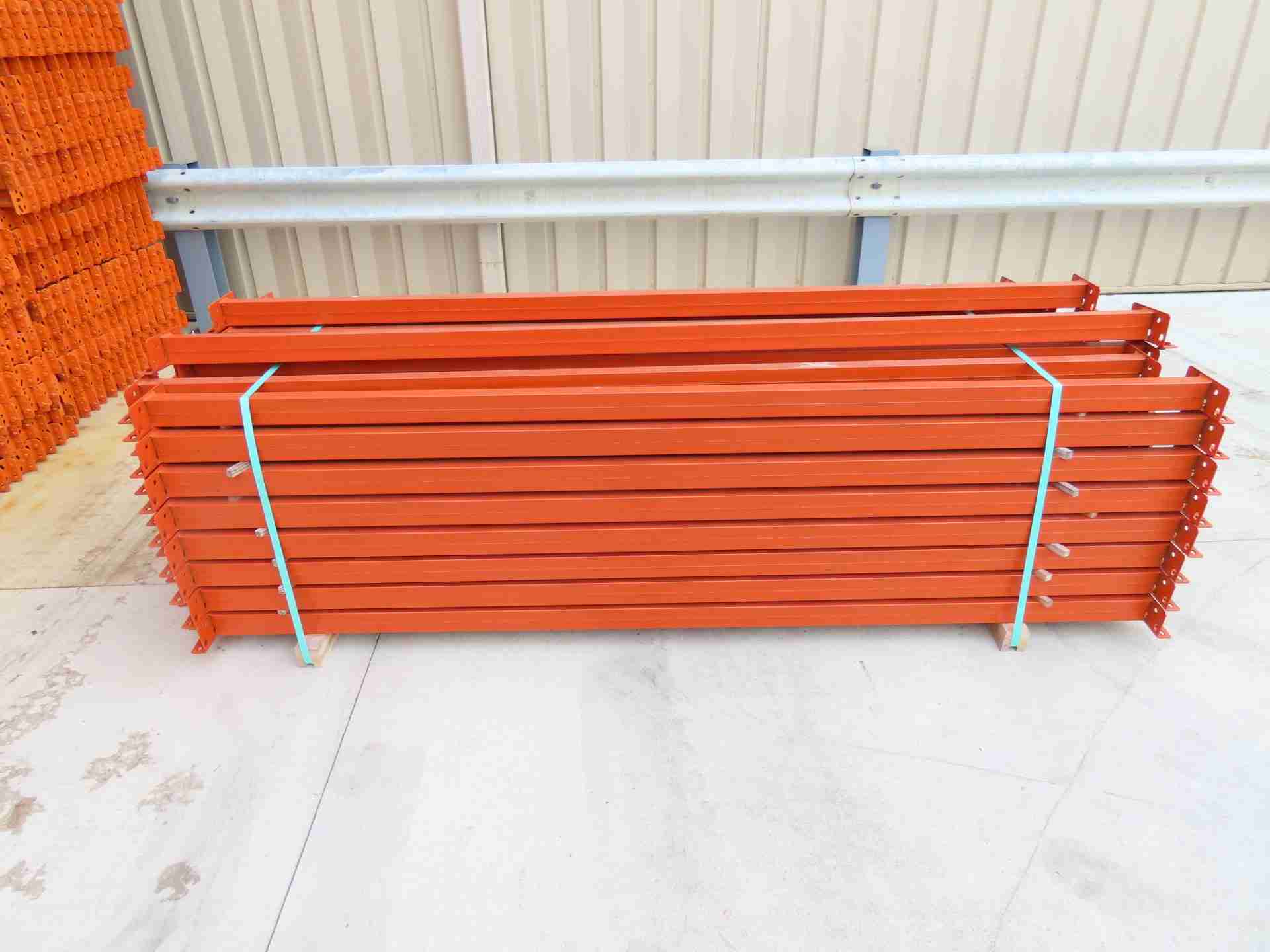
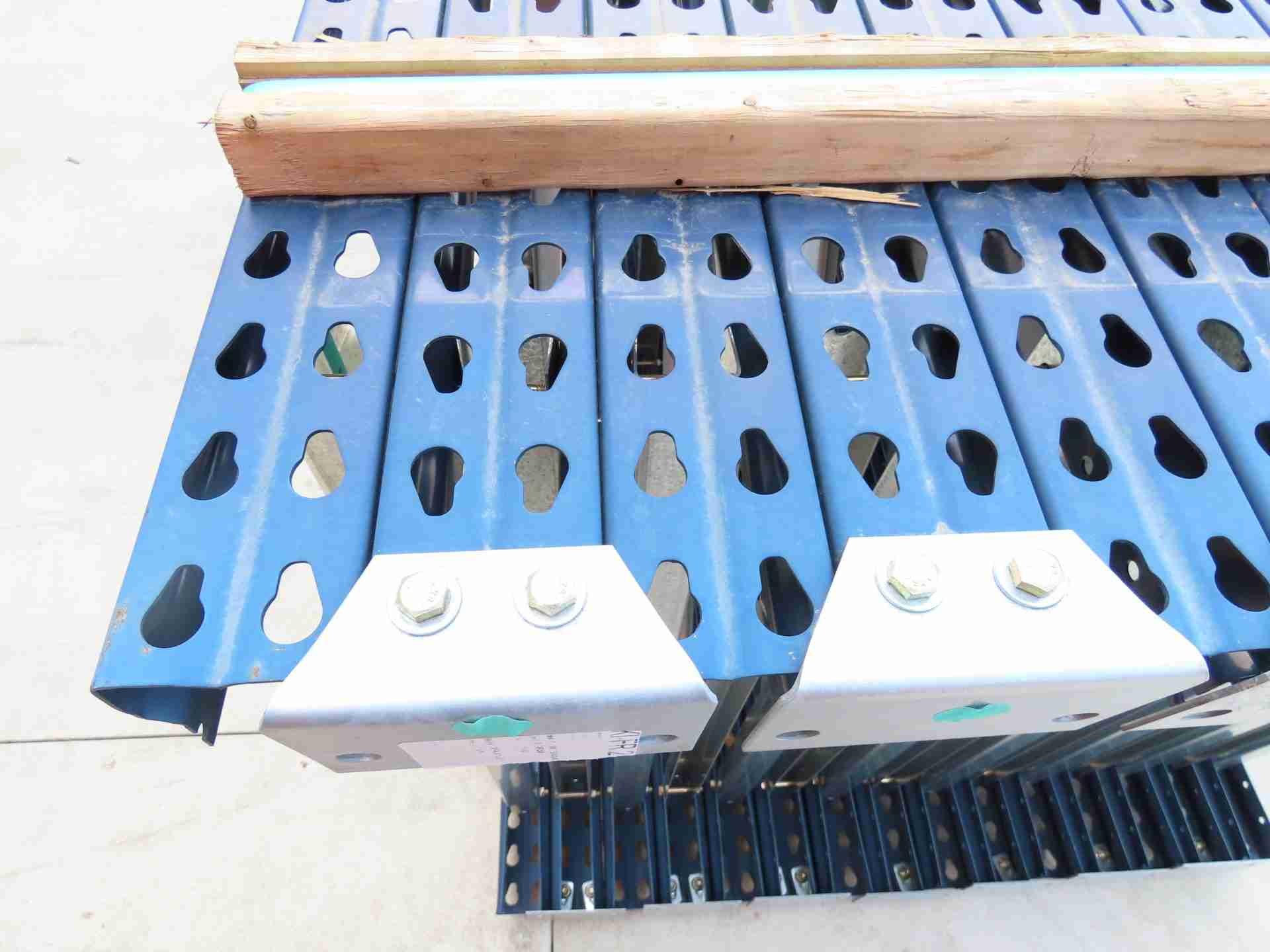
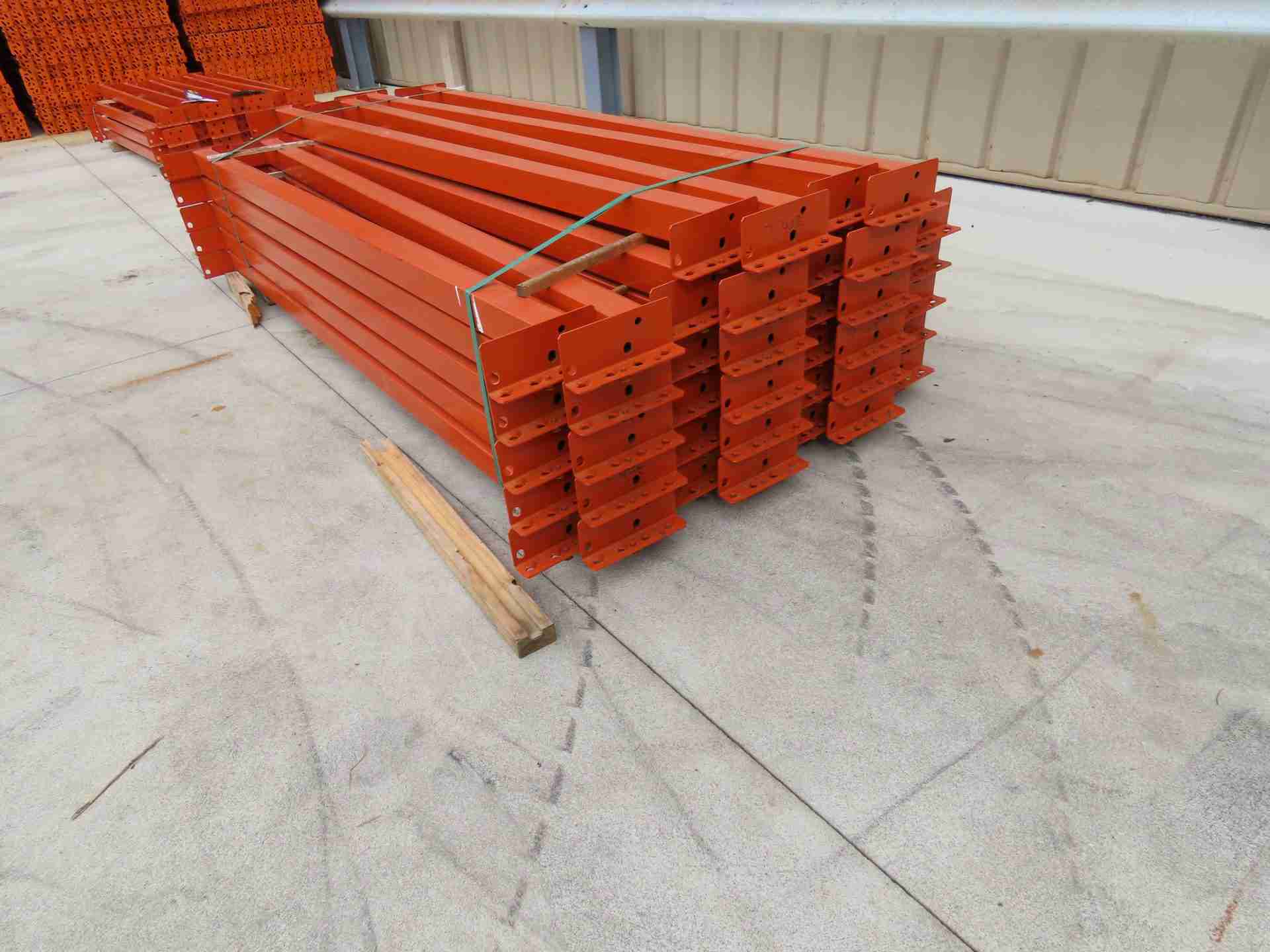
One common type of warehouse racking is selective pallet racking, which is designed to hold standard pallets and is typically used for storing heavy items. These racks are usually rated to hold anywhere from 2,500 to 4,000 pounds per level, depending on the configuration and manufacturer. Exceeding these weight limits can lead to dangerous situations like collapsed racks, damaged inventory, and potential injuries to employees.
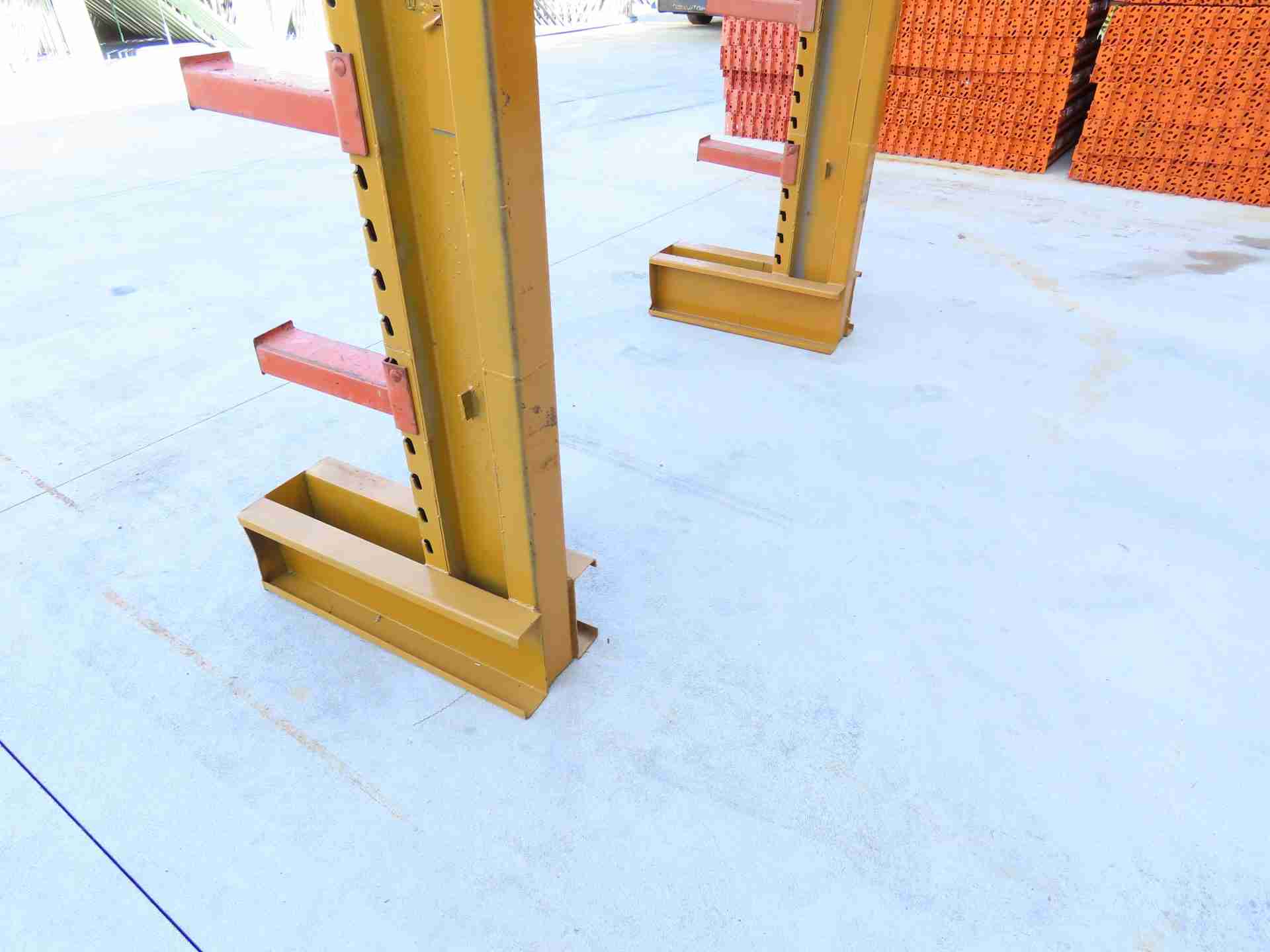
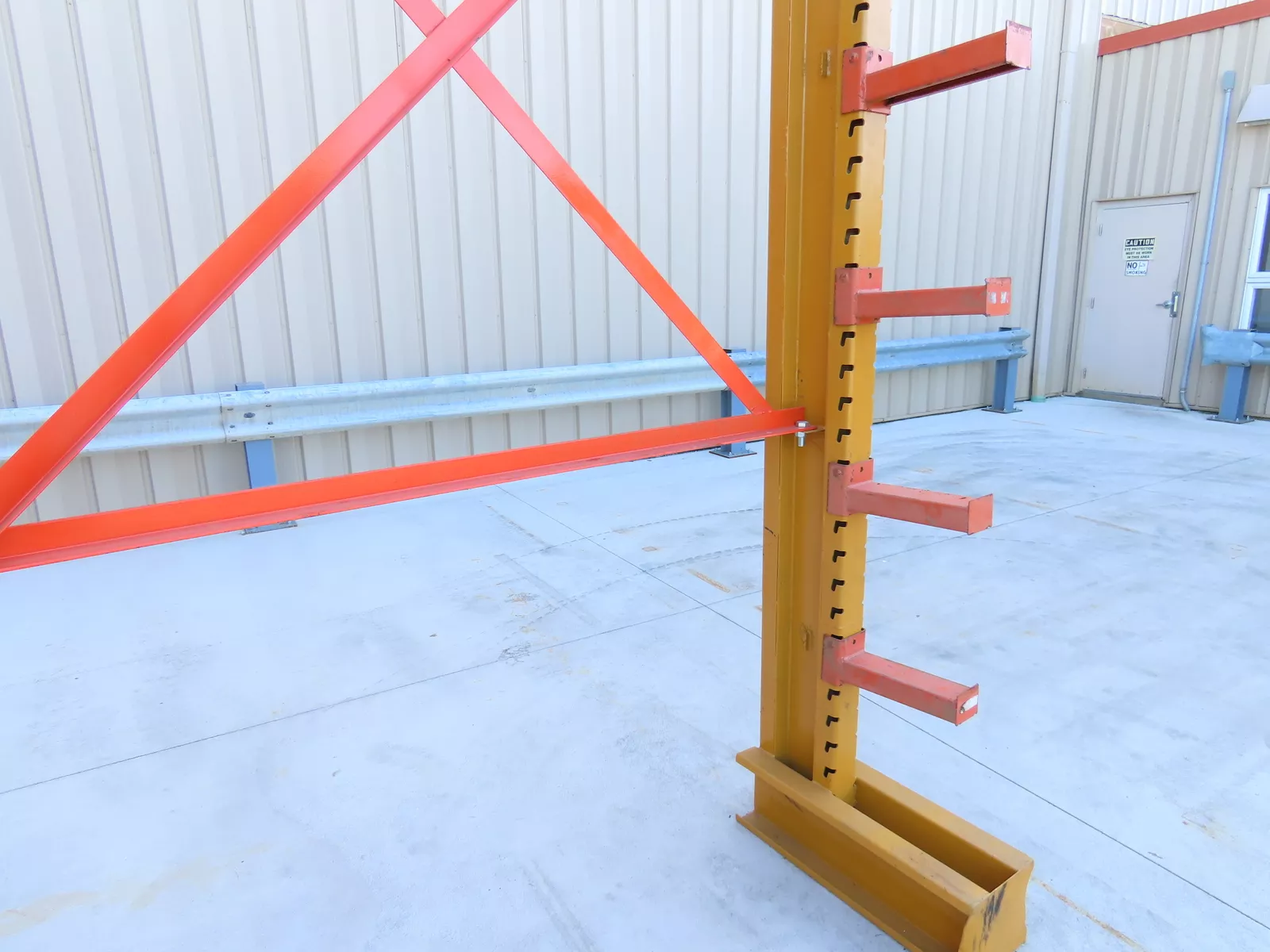
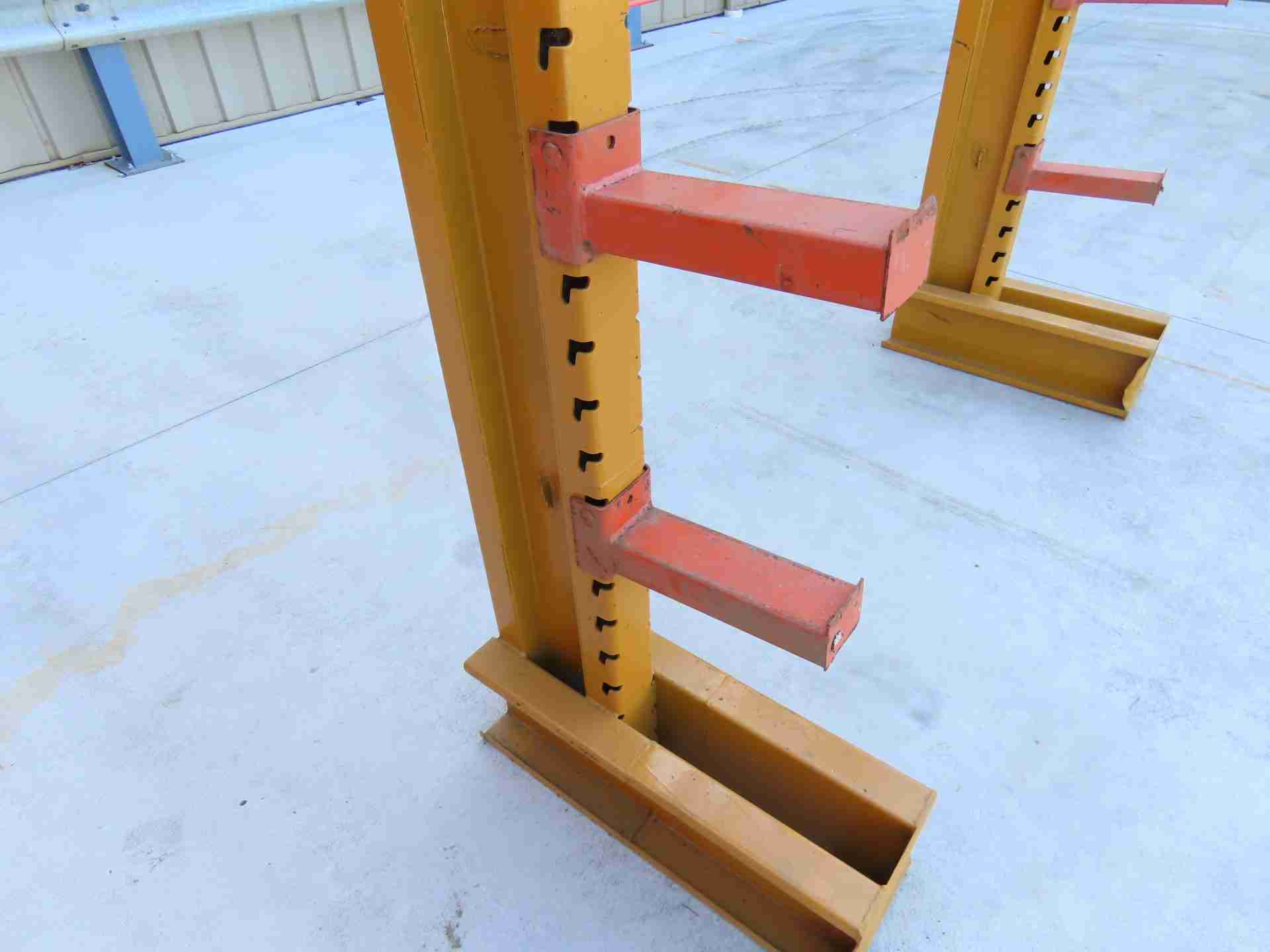
Another popular racking system is cantilever racking, commonly used for storing long and bulky items like pipes or lumber. These racks are designed to support specific weights per arm, usually ranging from 500 to 1,500 pounds. It is crucial for businesses to carefully assess the weight of the items they plan to store on cantilever racks and ensure they do not exceed these weight restrictions.
Recent events, such as the collapse of an Amazon warehouse in Baltimore in 2018, serve as a stark reminder of the importance of adhering to weight restrictions for warehouse racking. The incident, which resulted in two deaths, was attributed to overloaded racks and poor maintenance of the facility. This tragedy underscores the need for businesses to prioritize safety and compliance when it comes to their warehouse operations.
To avoid similar disasters, businesses should regularly inspect their racking systems and ensure they are being used within their designated weight capacities. Training employees on proper loading techniques and weight limits can also help prevent accidents and injuries in the warehouse.
Weight restrictions for warehouse racking are not arbitrary guidelines – they are critical factors that can impact the safety and efficiency of a business’s operations. By understanding and adhering to these restrictions, businesses can help prevent accidents, protect their inventory, and create a safer work environment for their employees. Prioritizing compliance with weight restrictions is not just a matter of best practices – it is a crucial aspect of running a successful and sustainable warehouse operation.
Are There Specific Weight Restrictions For Warehouse Racking?
Are There Specific Weight Restrictions For Warehouse Racking?
- Different racking systems have different weight capacities.
- Selective pallet racking typically holds 2,500 to 4,000 pounds per level.
- Exceeding weight limits can lead to dangerous situations.
- Cantilever racking supports weights ranging from 500 to 1,500 pounds per arm.
- Recent events highlight the importance of adhering to weight restrictions.
- Regular inspections and proper training can help prevent accidents.
- Adhering to weight restrictions can impact safety and efficiency of operations.

Are There Specific Weight Restrictions For Warehouse Racking?
What Are The Common Violations Of Warehouse Racking Regulations?
When it comes to warehouse racking regulations, it is essential for businesses to adhere to strict guidelines to ensure the safety of their employees and the efficiency of their operations. Failure to comply with these regulations can result in costly fines, damaged inventory, and even serious injuries. In order to avoid these consequences, it is crucial for businesses to be aware of the most common violations of warehouse racking regulations.
One common violation of warehouse racking regulations is overloading. This occurs when racks are loaded with more weight than they are designed to handle, leading to structural damage and the risk of collapse. This violation is not only dangerous for employees working in the warehouse, but also puts the inventory at risk of being damaged or destroyed. To avoid overloading, businesses should regularly inspect their racks and ensure that they are not exceeding their weight limits.
Another common violation is improper installation. When racks are not installed correctly, they are more likely to fail under stress, putting employees and inventory in danger. It is important for businesses to follow the manufacturer’s guidelines for installation and regularly inspect the racks to ensure they are secure and stable.
Failure to maintain racks is also a common violation of warehouse racking regulations. Over time, racks can become damaged or weakened, increasing the risk of collapse. Businesses should regularly inspect their racks for signs of wear and tear, such as rust, dents, or loose bolts, and address any issues promptly to prevent accidents.
In addition to these common violations, businesses should also be aware of the importance of regular inspections and training for employees. By conducting thorough inspections of racks and providing training on proper loading and unloading techniques, businesses can reduce the risk of accidents and ensure compliance with warehouse racking regulations.
It is crucial for businesses to be aware of the most common violations of warehouse racking regulations in order to ensure the safety of their employees and the efficiency of their operations. By following the guidelines outlined above and staying proactive in their approach to rack maintenance and inspections, businesses can avoid costly fines and protect their most valuable assets.
What Are The Common Violations Of Warehouse Racking Regulations?
What Are The Common Violations Of Warehouse Racking Regulations?
- Overloading of racks.
- Improper installation of racks.
- Failure to maintain racks.
- Lack of regular inspections.
- Inadequate employee training.
- Risk of accidents and injuries.
- Importance of compliance with warehouse racking regulations.
What Are The Common Violations Of Warehouse Racking Regulations?
How Often Should Warehouse Racking Be Inspected?
Regular inspections of warehouse racking are essential for ensuring the safety and efficiency of your operations. Without proper maintenance, your racking system could become a ticking time bomb, posing a serious risk to your employees and inventory. But how often should you be inspecting your warehouse racking to stay ahead of potential issues?
The answer to this question depends on a variety of factors, including the size of your warehouse, the type of products you store, and the frequency of loading and unloading. However, as a general rule of thumb, it is recommended that warehouse racking be inspected at least once a year by a qualified professional.
Why once a year? Well, in the fast-paced world of logistics and supply chain management, a lot can change in a year. New safety regulations may have been introduced, new products may have been added to your inventory, and the wear and tear on your racking system may have increased significantly. By conducting an annual inspection, you can catch any potential issues before they turn into costly disasters.
Of course, this is just a starting point. Depending on the nature of your operations, you may need to inspect your racking system more frequently. For example, if you operate in an industry with strict safety regulations, such as food storage or pharmaceuticals, you may need to inspect your racking on a quarterly or even monthly basis to ensure compliance.
Furthermore, if your warehouse experiences a significant event, such as a forklift collision or earthquake, it is imperative that you have your racking system inspected immediately. Even minor damage can compromise the structural integrity of your racking, putting your employees and inventory at risk.
In today’s fast-paced world, where customer expectations are higher than ever, the last thing you need is a safety incident derailing your operations. By investing in regular inspections of your warehouse racking, you can ensure that your operations run smoothly and safely, giving you peace of mind and protecting your bottom line.
So, don’t wait until it’s too late. Schedule your annual warehouse racking inspection today and keep your operations running at peak performance. Your employees, your customers, and your bottom line will thank you.
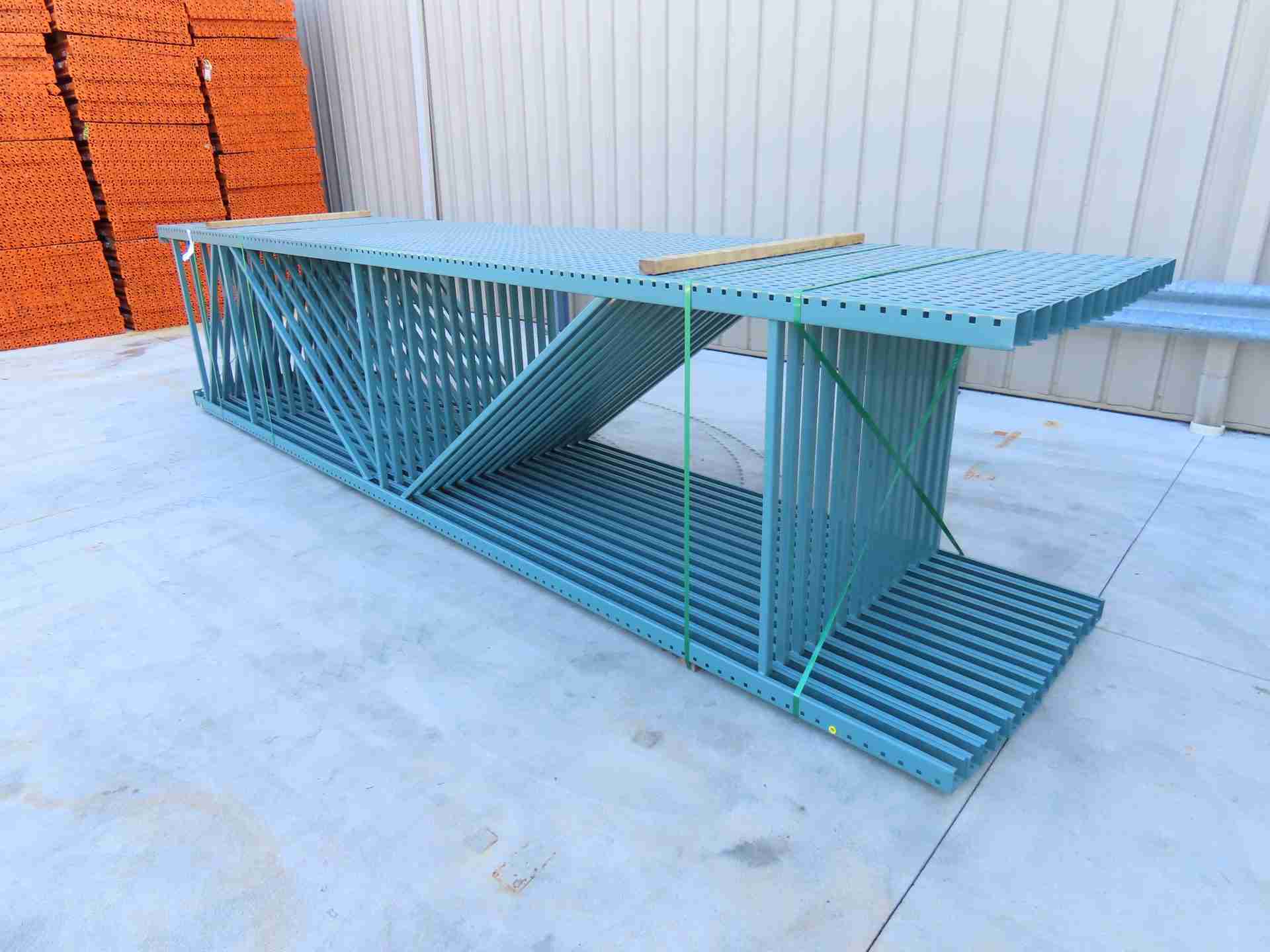
How Often Should Warehouse Racking Be Inspected?
How Often Should Warehouse Racking Be Inspected?
- Regular inspections of warehouse racking are essential for safety and efficiency.
- Inspect at least once a year by a qualified professional.
- New safety regulations, added products, and wear and tear may affect racking.
- May need to inspect more frequently based on operations and industry regulations.
- Immediate inspection needed after significant events like collisions or earthquakes.
- Regular inspections ensure smooth and safe operations.
- Schedule annual warehouse racking inspection to maintain peak performance.

How Often Should Warehouse Racking Be Inspected?
What Are The Safety Guidelines For Warehouse Racking?
When it comes to warehouse racking, safety should always be the top priority. Without proper safety guidelines in place, the risk of accidents and injuries increases significantly. To ensure the safety of your employees and the integrity of your warehouse operations, it is crucial to implement and adhere to strict safety guidelines for warehouse racking.
One of the most important safety guidelines for warehouse racking is to regularly inspect and maintain your racking systems. This includes checking for any signs of damage, corrosion, or wear and tear that could compromise the structural integrity of the racks. By conducting routine inspections, you can identify and address any issues before they lead to accidents or collapses.
Additionally, it is essential to follow the manufacturer’s guidelines for the installation and use of warehouse racking systems. This includes ensuring that racks are properly anchored to the floor, that weight limits are not exceeded, and that pallets are stacked and stored correctly to prevent overloading and imbalance.
Another important safety guideline for warehouse racking is to provide adequate training for employees who will be working around or with the racking systems. This includes educating employees on proper lifting techniques, how to safely maneuver around the racks, and what to do in the event of an emergency. By equipping your employees with the knowledge and skills they need to navigate the warehouse safely, you can reduce the risk of accidents and injuries.
In light of recent events such as the increase in online shopping and the rise of e-commerce, the demand for warehouse space and racking systems has grown significantly. With this increase in demand, it is more important than ever to prioritize safety in warehouse operations. By implementing and adhering to strict safety guidelines for warehouse racking, you can protect your employees, your inventory, and your bottom line.
Safety should always be the top priority when it comes to warehouse racking. By regularly inspecting and maintaining your racking systems, following manufacturer guidelines, and providing adequate training for employees, you can create a safe working environment that promotes efficiency and productivity. Remember, when it comes to warehouse racking, safety first, always.
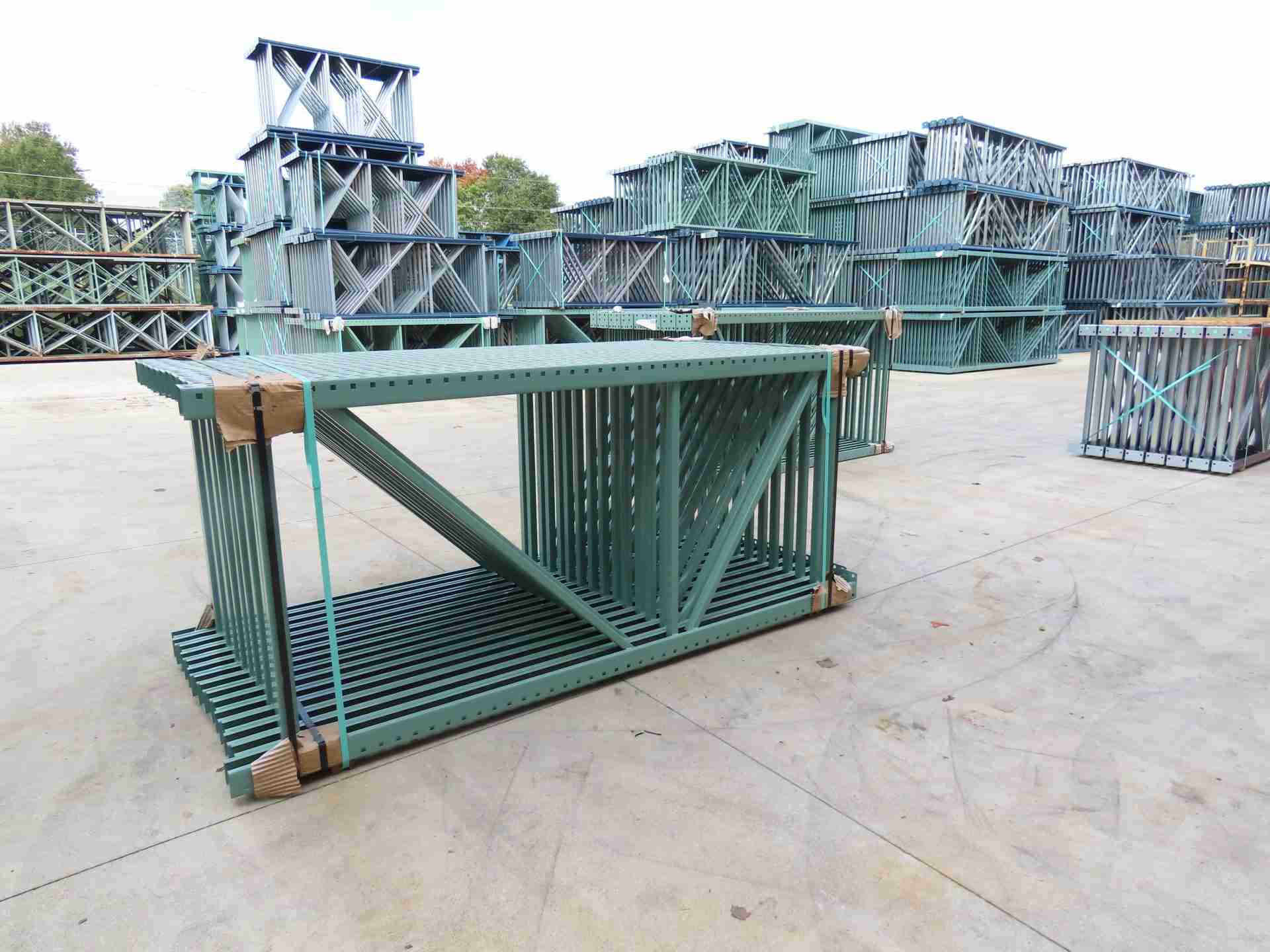
What Are The Safety Guidelines For Warehouse Racking?
What Are The Safety Guidelines For Warehouse Racking?
- Regularly inspect and maintain racking systems to prevent accidents and collapses.
- Follow manufacturer’s guidelines for installation and use of racks.
- Provide adequate training for employees working with racking systems.
- Prioritize safety in warehouse operations due to increased demand for warehouse space.
- Implement and adhere to strict safety guidelines for warehouse racking.
- Create a safe working environment that promotes efficiency and productivity.
- Remember, safety should always be the top priority when it comes to warehouse racking.
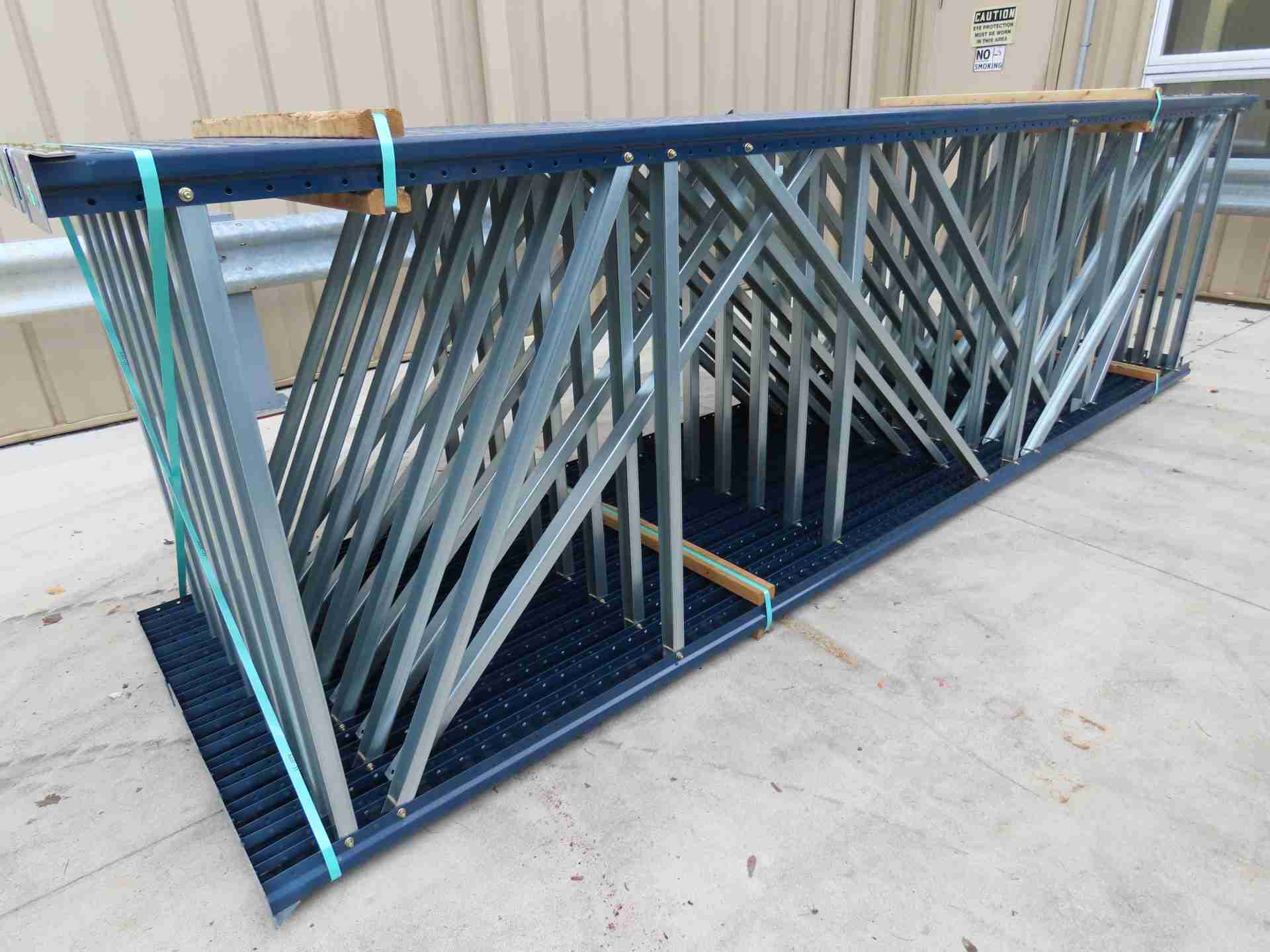
What Are The Safety Guidelines For Warehouse Racking?
How Can I Ensure My Warehouse Racking Meets Regulations?
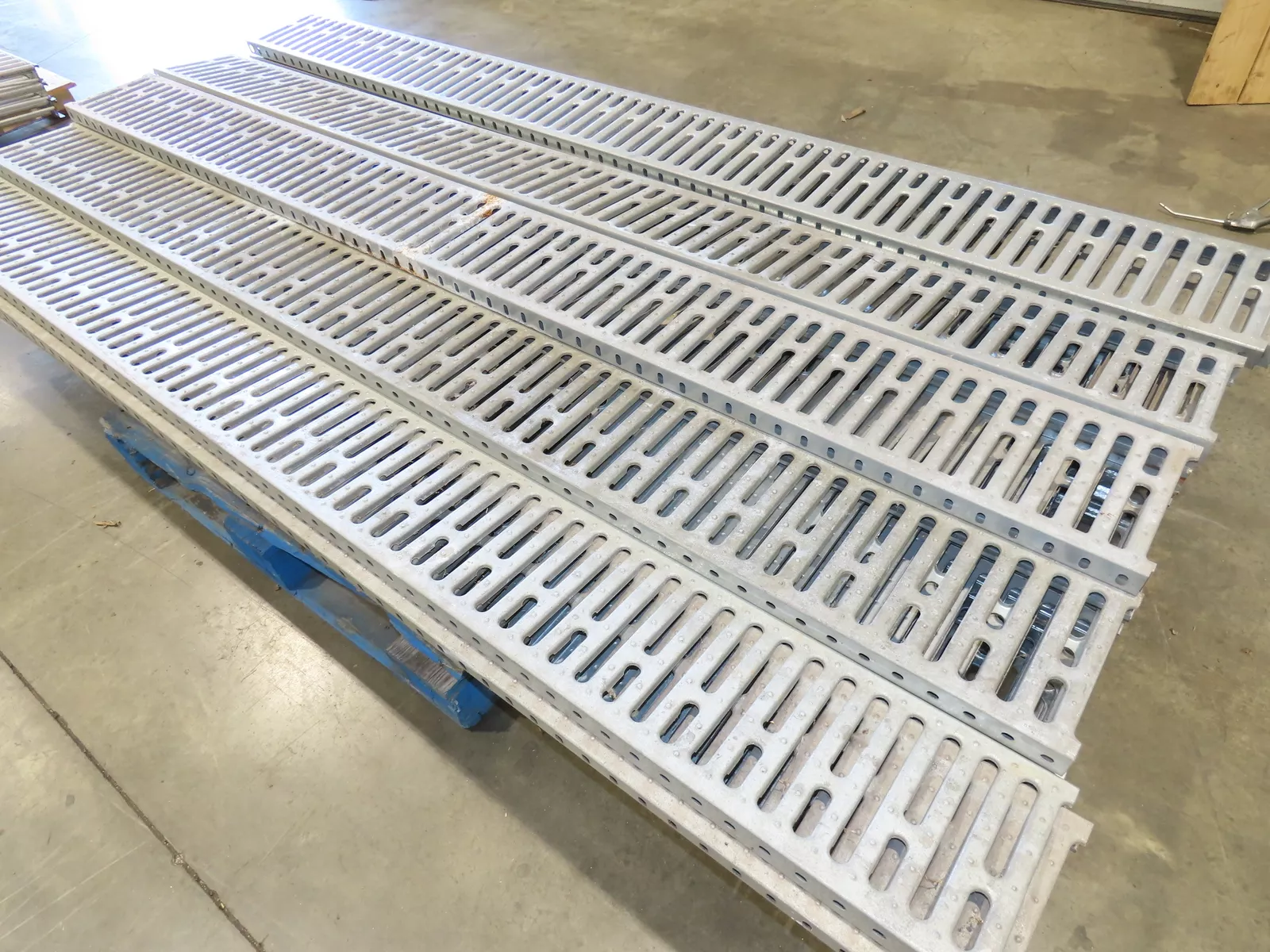
In order to ensure that your warehouse racking meets regulations, it is important to stay informed and up to date on the latest industry standards and guidelines. Failing to comply with regulations can result in costly fines, legal issues, and even accidents in the workplace. Here are some key strategies to ensure that your warehouse racking is in compliance with regulations:
1. Conduct regular inspections: It is crucial to conduct regular inspections of your warehouse racking to identify any potential hazards or issues. This includes checking for damaged or weakened racking components, ensuring that shelves are properly secured, and verifying that load capacities are not exceeded. By staying proactive and addressing any issues promptly, you can prevent accidents and maintain a safe working environment for your employees.
2. Stay informed on regulations: The regulations surrounding warehouse racking can vary depending on your location and industry. It is important to stay informed on the latest regulations and guidelines to ensure that your racking meets the necessary standards. This may involve attending industry conferences, participating in training programs, or consulting with experts in the field. By staying informed, you can make sure that your warehouse remains compliant with regulations and avoids potential penalties.
3. Invest in high-quality racking systems: Investing in high-quality racking systems can help ensure that your warehouse meets regulations and operates efficiently. Choose racking systems that are designed to withstand heavy loads, provide ample storage space, and are easy to install and maintain. By investing in quality racking systems, you can avoid issues related to safety and compliance, and improve the overall efficiency of your warehouse operations.
4. Train your staff: Proper training is essential for ensuring that your warehouse racking meets regulations. Make sure that your staff is trained on how to properly use and maintain racking systems, follow safety protocols, and identify potential hazards. By providing your employees with the necessary training and resources, you can help prevent accidents and ensure that your warehouse remains in compliance with regulations.
Ensuring that your warehouse racking meets regulations is a crucial aspect of maintaining a safe and efficient workplace. By staying informed, conducting regular inspections, investing in high-quality racking systems, and training your staff, you can help ensure that your warehouse remains compliant with regulations and operates smoothly. Stay proactive, stay informed, and prioritize safety in your warehouse operations.
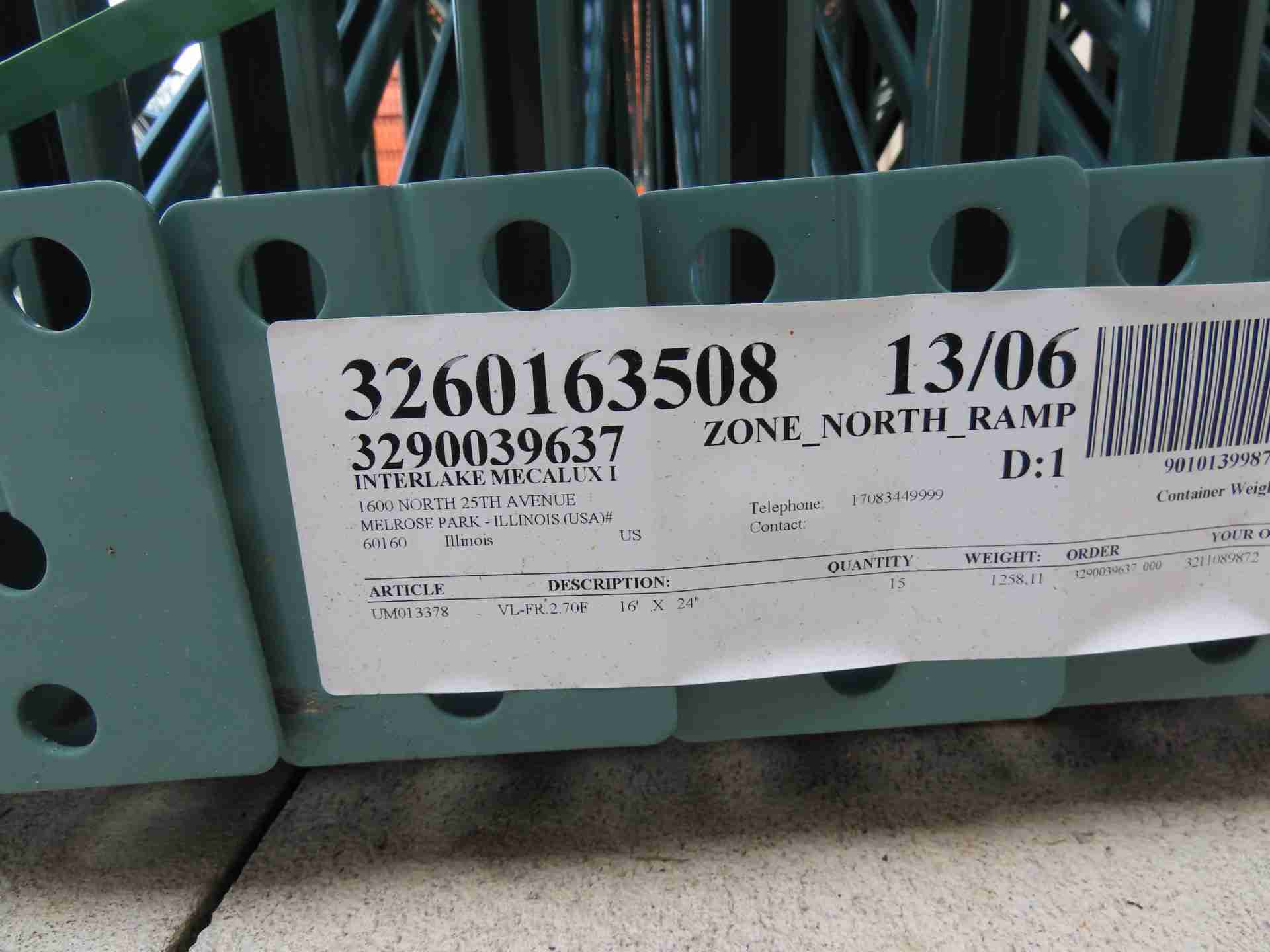
How Can I Ensure My Warehouse Racking Meets Regulations?
How Can I Ensure My Warehouse Racking Meets Regulations?
- Conduct regular inspections: Regularly check for damaged components, secure shelves, and verify load capacities.
- Stay informed on regulations: Keep up to date on industry standards and guidelines to meet necessary standards.
- Invest in high-quality racking systems: Choose systems that can withstand heavy loads and are easy to install and maintain.
- Train your staff: Ensure employees are properly trained on how to use and maintain racking systems and follow safety protocols.
How Can I Ensure My Warehouse Racking Meets Regulations?
Who Is Responsible For Enforcing Warehouse Racking Regulations?
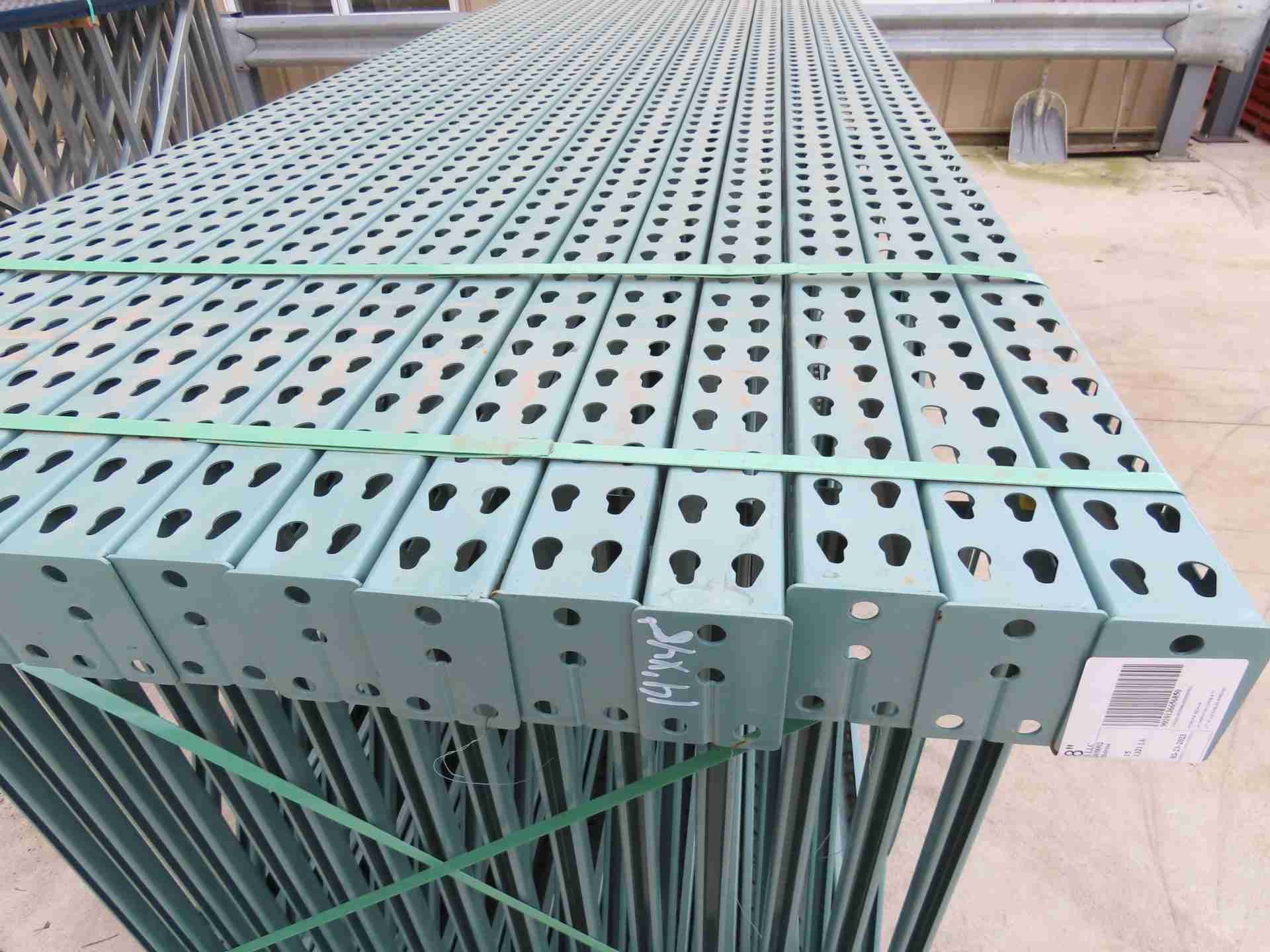
In the world of warehouse operations, it is crucial to adhere to strict regulations and guidelines to ensure the safety of employees, protect inventory, and maintain efficient processes. One of the key aspects of warehouse operations that must be closely monitored and enforced is the use of warehouse racking systems. These systems provide essential storage solutions for warehouses of all sizes, but if not properly installed and maintained, they can pose significant safety risks.
So, who is responsible for enforcing warehouse racking regulations? The answer is quite simple: it is the duty of warehouse owners, managers, and supervisors to ensure that all racking systems in their facility comply with industry regulations and standards. This responsibility cannot be taken lightly, as failure to comply can result in costly penalties, damaged inventory, and, most importantly, injuries to employees.
One recent example of the importance of enforcing warehouse racking regulations can be seen in a major retail warehouse chain that faced a hefty fine after a serious accident involving a collapsing racking system. The incident not only resulted in injuries to several employees but also caused extensive damage to inventory. Upon investigation, it was found that the racking system was not properly installed or maintained according to industry standards, leading to the collapse. As a result, the warehouse chain was hit with a substantial fine and forced to implement new safety protocols to prevent future incidents.
To avoid such costly consequences, warehouse owners and managers must take proactive steps to ensure that their racking systems are up to code. This includes regular inspections, maintenance checks, and employee training on safe racking practices. Additionally, staying informed about industry regulations and updates is crucial to staying compliant and mitigating risks.
The responsibility for enforcing warehouse racking regulations falls squarely on the shoulders of warehouse owners, managers, and supervisors. By prioritizing safety, investing in proper maintenance, and staying informed about industry standards, warehouse operators can protect their employees, inventory, and bottom line. Remember, compliance is not just a legal obligation – it is a fundamental aspect of running a successful and responsible warehouse operation.
Who Is Responsible For Enforcing Warehouse Racking Regulations?
Who Is Responsible For Enforcing Warehouse Racking Regulations?
- Warehouse racking systems must be closely monitored and enforced to ensure safety and efficiency.
- It is the responsibility of warehouse owners, managers, and supervisors to ensure compliance with regulations.
- Failure to comply can result in penalties, inventory damage, and injuries to employees.
- Recent incidents have shown the importance of enforcing warehouse racking regulations.
- Proactive steps such as regular inspections and employee training are essential to staying compliant.
- Enforcing warehouse racking regulations is crucial for protecting employees, inventory, and the bottom line.
- Compliance is a fundamental aspect of running a successful and responsible warehouse operation.
Who Is Responsible For Enforcing Warehouse Racking Regulations?
Are There Warehouse Racking Standards?
When it comes to maximizing space and efficiency in your warehouse, having the right racking system in place is crucial. But with so many options available on the market, it can be overwhelming to determine which one is the best fit for your business. That’s where warehouse racking standards come into play.
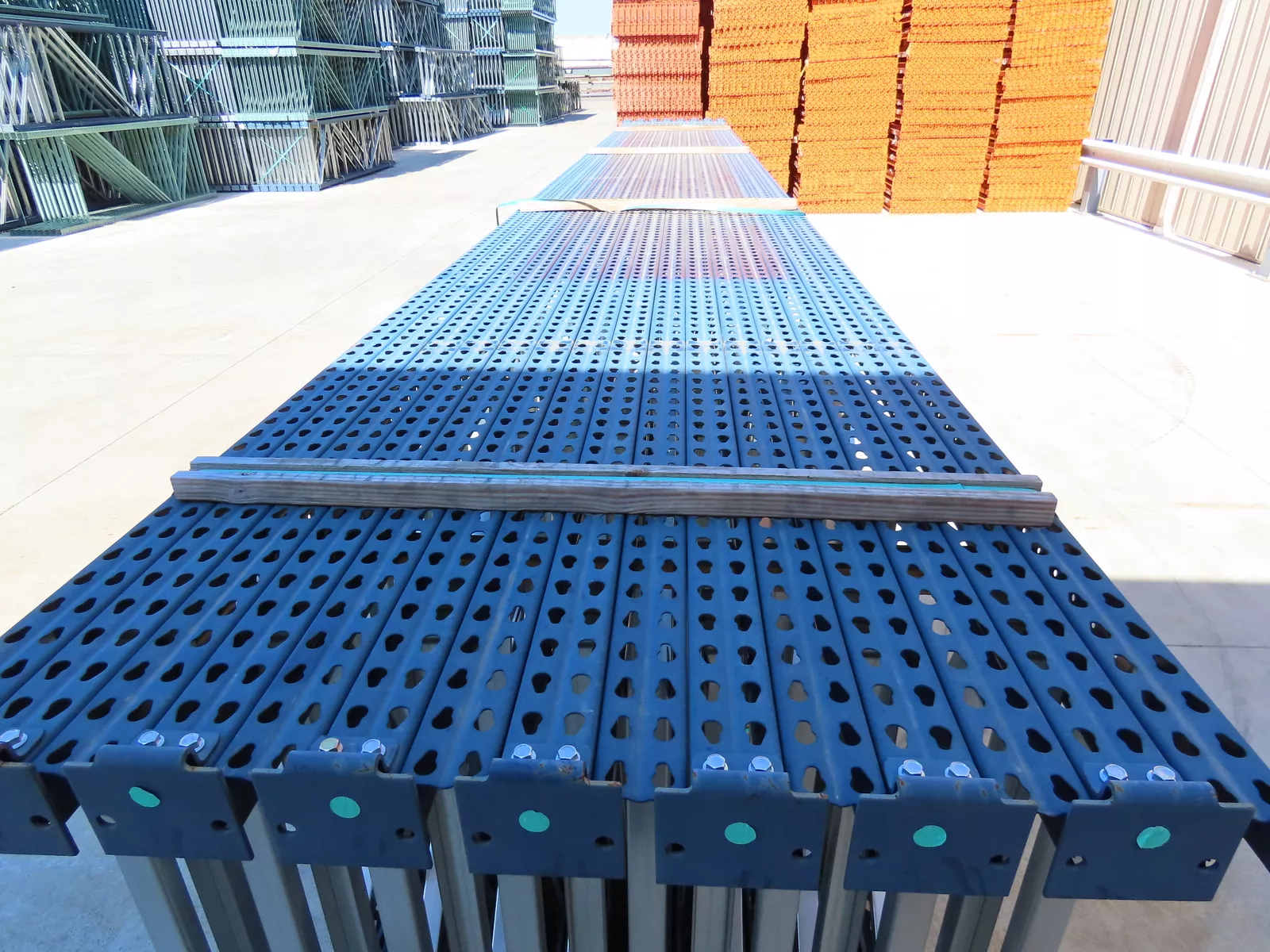
Having standardized guidelines for warehouse racking systems ensures that you are investing in a safe and effective solution. These standards help manufacturers design and produce racking that meets certain criteria for strength, durability, and safety. By adhering to these standards, you can have peace of mind knowing that your warehouse is equipped with top-quality racking that will withstand the rigors of daily use.
One of the most well-known organizations that sets warehouse racking standards is the Rack Manufacturers Institute (RMI). RMI has established guidelines for the design, testing, and installation of racking systems to ensure they meet industry best practices. By choosing racking that is RMI-certified, you can be confident that you are investing in a product that has been rigorously tested and proven to meet the highest safety standards.
In addition to RMI standards, there are also specific guidelines set forth by OSHA (Occupational Safety and Health Administration) that regulate the use of warehouse racking systems. These regulations cover everything from proper installation and maintenance to load capacity and safety precautions. By following these guidelines, you can ensure that your warehouse is in compliance with federal safety standards and reduce the risk of accidents or injuries.
Furthermore, staying up to date on the latest industry trends and advancements in warehouse racking technology is essential for ensuring you are making an informed decision when selecting a racking system. For example, with the rise of e-commerce and the increasing demand for faster order fulfillment, many warehouses are opting for automated racking solutions that can help streamline operations and maximize efficiency.
Having warehouse racking standards in place is crucial for ensuring the safety and efficiency of your warehouse operations. By investing in racking systems that meet industry standards and regulations, you can create a secure and organized workspace that will support your business growth for years to come. So don’t cut corners when it comes to your warehouse racking – choose quality and reliability every time.
Are There Warehouse Racking Standards?
Are There Warehouse Racking Standards?
- Warehouse racking standards are crucial for maximizing space and efficiency.
- Standards ensure safe and effective racking solutions for daily use.
- Rack Manufacturers Institute (RMI) sets guidelines for design, testing, and installation.
- RMI-certified racking products meet highest safety standards.
- OSHA regulations cover installation, maintenance, load capacity, and safety precautions.
- Staying informed on industry trends helps in selecting the right racking system.
- Adhering to standards creates a secure and organized workspace for business growth.
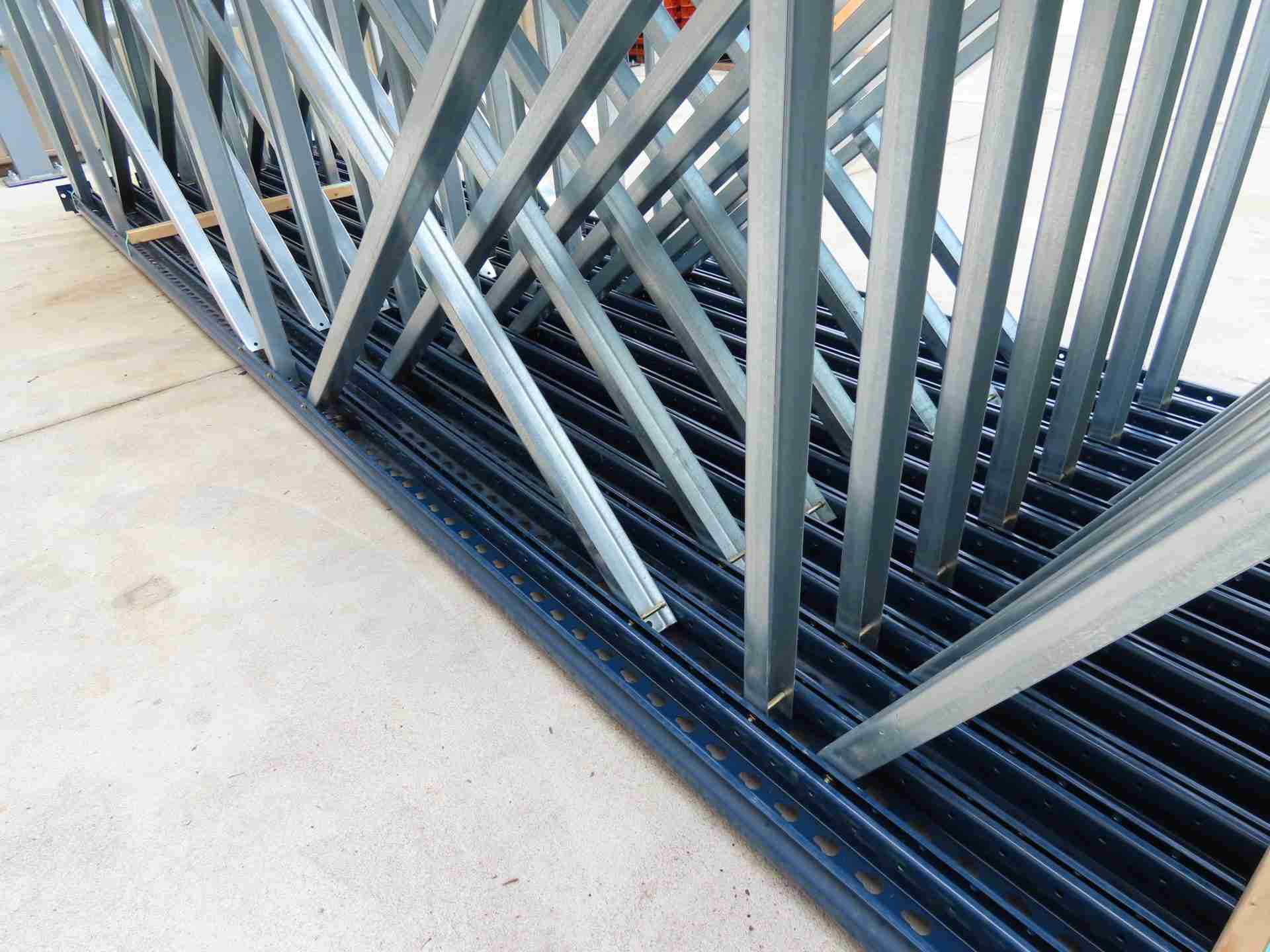
Are There Warehouse Racking Standards?
How to Organize Warehouse Shelving?
When it comes to organizing warehouse shelving, efficiency and organization are key. Without a well-organized system in place, your warehouse operations can quickly become chaotic and unproductive. Fortunately, there are a few simple strategies you can implement to keep your warehouse shelving in order and maximize space utilization.
First and foremost, it’s important to categorize your inventory and assign specific locations for each type of product. This will not only make it easier for your employees to find what they need quickly, but it will also help prevent overstocking and reduce the risk of lost items. One effective way to categorize inventory is by product type, size, or demand frequency. For example, you could designate one section of shelving for small, fast-moving items and another section for large, slow-moving items.
Secondly, consider implementing a labeling system for your warehouse shelving. Labels can help employees easily identify the contents of each shelf and locate items with minimal effort. Be sure to use clear, visible labels that are easy to read from a distance. You can also color-code shelves or use barcode scanning technology for even faster inventory retrieval.
Another important aspect of organizing warehouse shelving is to regularly audit and update your inventory. Conducting routine checks can help you identify and remove any obsolete or damaged items, freeing up valuable shelf space for more important products. It’s also a good idea to periodically reevaluate your shelving layout and make adjustments as needed to accommodate changes in inventory or operational needs.
In light of recent events such as the global supply chain disruptions caused by the COVID-19 pandemic, efficient warehouse management has never been more crucial. Companies are facing increased pressure to optimize their storage and distribution processes to meet growing consumer demand and offset delays in the supply chain. By implementing a well-organized shelving system, businesses can improve their operational efficiency, reduce costs, and ultimately enhance customer satisfaction.
Organizing warehouse shelving is a critical component of successful inventory management. By categorizing inventory, implementing labeling systems, and conducting regular audits, businesses can maximize space utilization, streamline operations, and improve overall productivity. In today’s competitive market, it’s more important than ever to optimize your warehouse shelving to stay ahead of the curve and meet customer expectations.
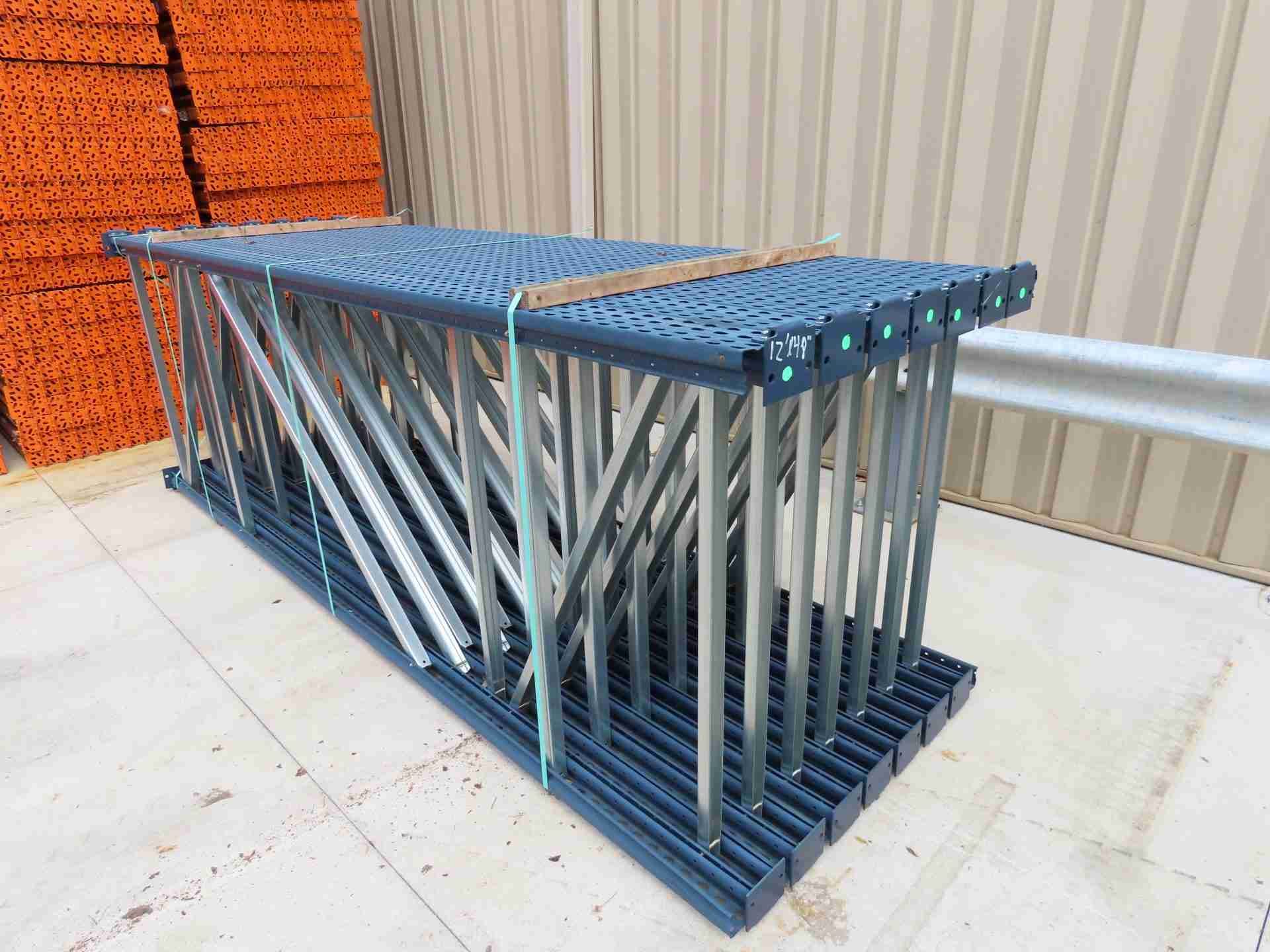
How to Organize Warehouse Shelving?
How to Organize Warehouse Shelving?
- Organizing warehouse shelving is crucial for efficiency and productivity.
- Categorize inventory and assign specific locations for different types of products.
- Implement a labeling system for easy identification of shelf contents.
- Regularly audit and update inventory to remove obsolete or damaged items.
- Efficient warehouse management is vital in light of supply chain disruptions.
- Well-organized shelving systems can improve operational efficiency and reduce costs.
- Optimizing warehouse shelving is essential in today’s competitive market.
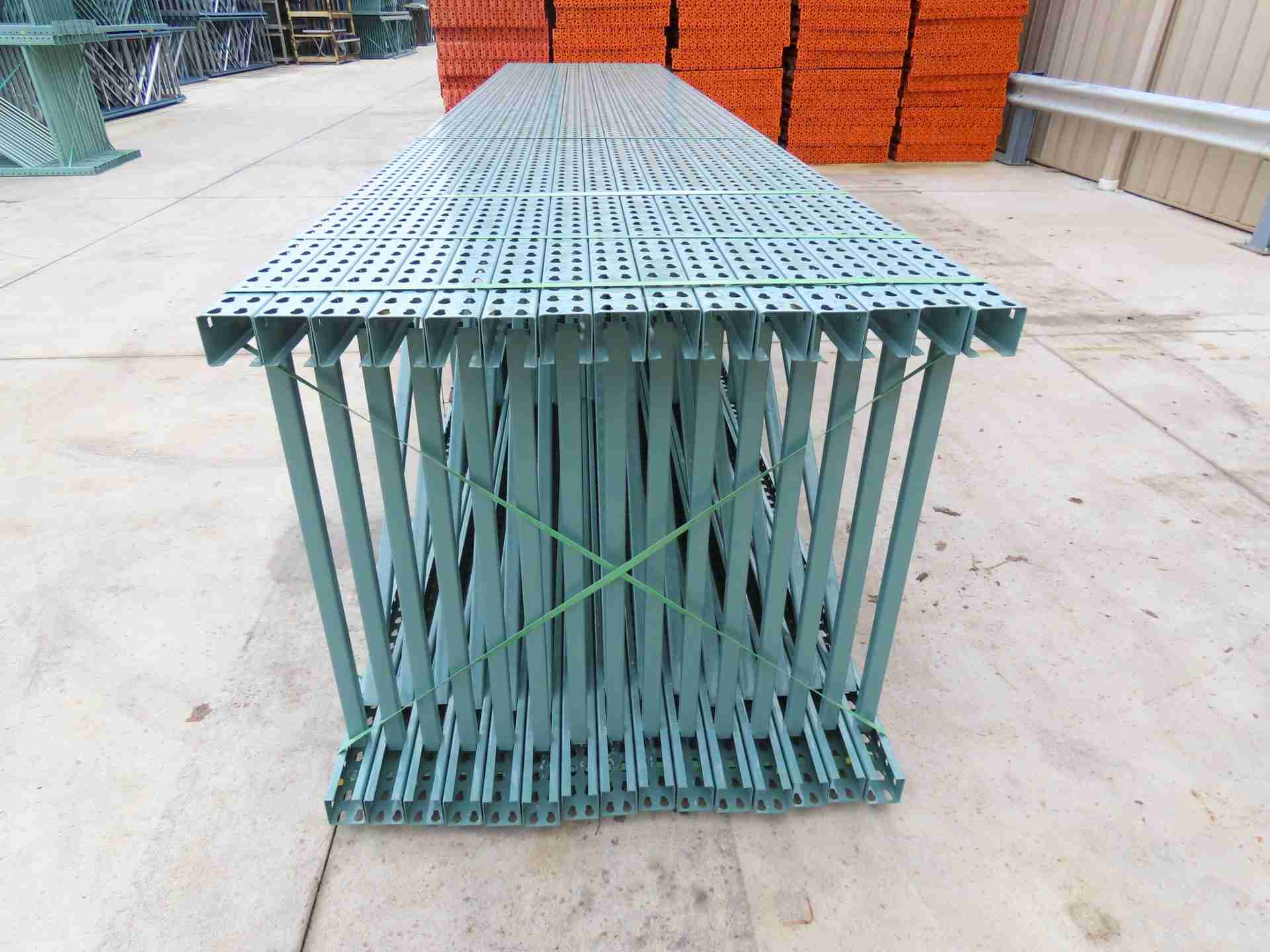
How to Organize Warehouse Shelving?
Are There Warehouse Racking Guidelines?
When it comes to warehouse racking, there are indeed guidelines that businesses should follow to ensure safety, efficiency, and organization. These guidelines are crucial in maximizing the functionality of a warehouse space and ensuring that operations run smoothly.
One important guideline is to ensure that racking systems are properly installed and maintained. This means following manufacturer instructions for assembly and not overloading the racking with more weight than it can handle. Overloading can lead to racking collapse, putting employees and inventory at risk. For example, the recent collapse of an Amazon warehouse in Baltimore was attributed to improperly installed and overloaded racking systems, resulting in tragic consequences.
Another guideline is to regularly inspect and maintain racking systems to ensure they are in good condition. This includes checking for any damage, such as bent or broken beams, and addressing any issues promptly. Regular inspections can prevent accidents and ensure that the racking systems are safe to use. In fact, OSHA requires employers to regularly inspect and maintain racking systems to ensure worker safety.
Properly organizing inventory on racking systems is also important. This can help maximize the use of space and improve efficiency in picking and storing items. For example, using a system like Material Handling Solutions classification to organize inventory based on demand can streamline operations and reduce picking times. By following guidelines for inventory organization, businesses can improve productivity and reduce labor costs.
Additionally, businesses should consider the layout of their warehouse when designing racking systems. This includes factors such as aisle width, clearance heights, and flow of goods. By optimizing the layout of the warehouse, businesses can improve accessibility to inventory and reduce the time it takes to fulfill orders. For example, incorporating cross aisles into the layout can improve traffic flow and reduce congestion, leading to faster picking and packing times.
There are indeed guidelines for warehouse racking that businesses should follow to ensure safety, efficiency, and organization. By following these guidelines, businesses can maximize the functionality of their warehouse space, improve productivity, and reduce the risk of accidents. So, be sure to adhere to these guidelines when designing and maintaining your warehouse racking systems.
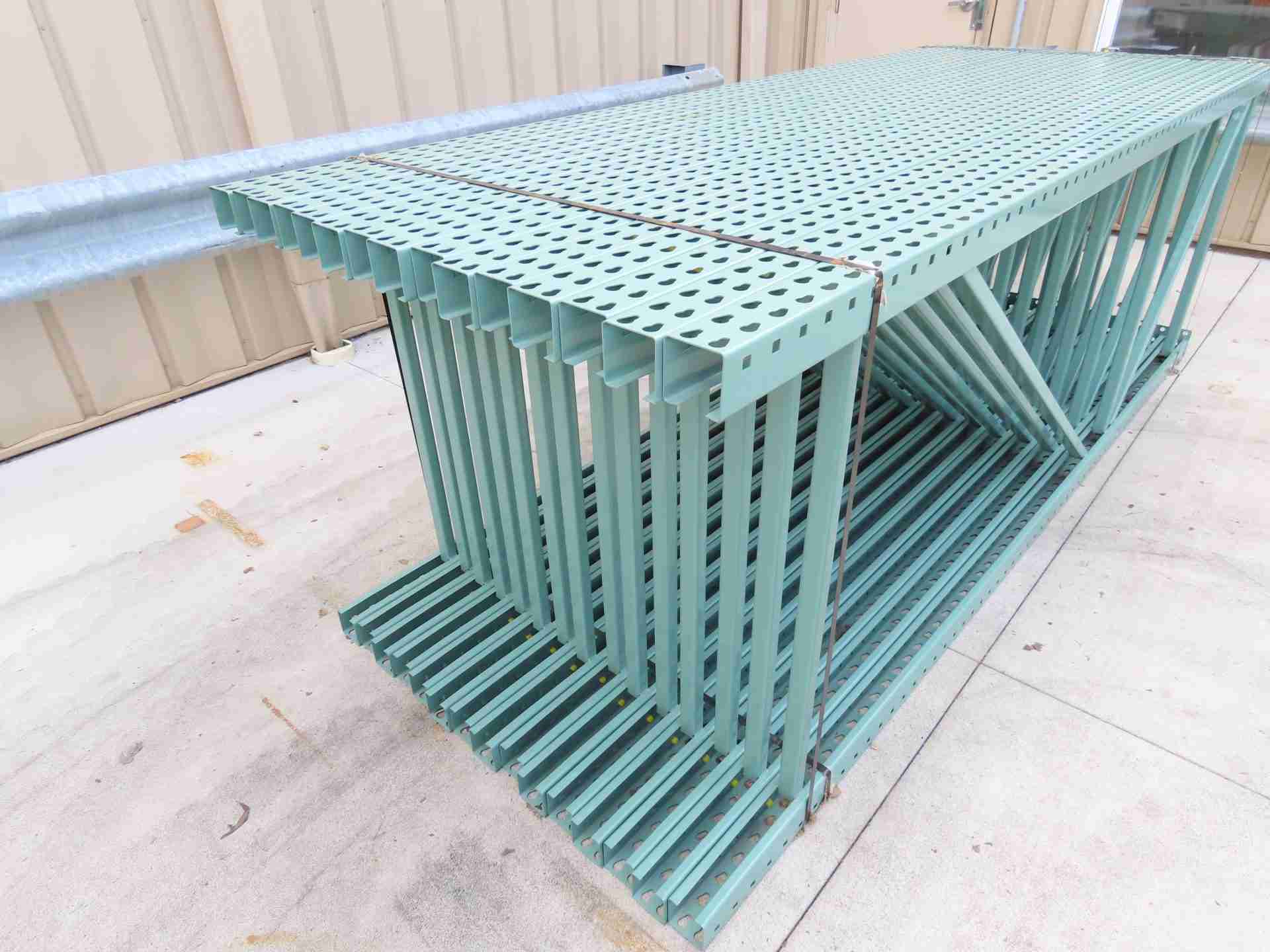
Are There Warehouse Racking Guidelines?
Are There Warehouse Racking Guidelines?
- Proper installation and maintenance of racking systems is crucial to prevent collapse and ensure safety.
- Regular inspections to check for damage and address issues promptly are necessary to prevent accidents.
- Properly organizing inventory on racking systems can maximize space and improve efficiency.
- Consider the layout of the warehouse when designing racking systems to improve accessibility and reduce fulfillment times.
- Following guidelines for inventory organization can improve productivity and reduce labor costs.
- Optimizing layout with factors like aisle width and flow of goods can improve accessibility to inventory.
- Adhering to guidelines for warehouse racking can maximize functionality, improve productivity, and reduce risk of accidents.
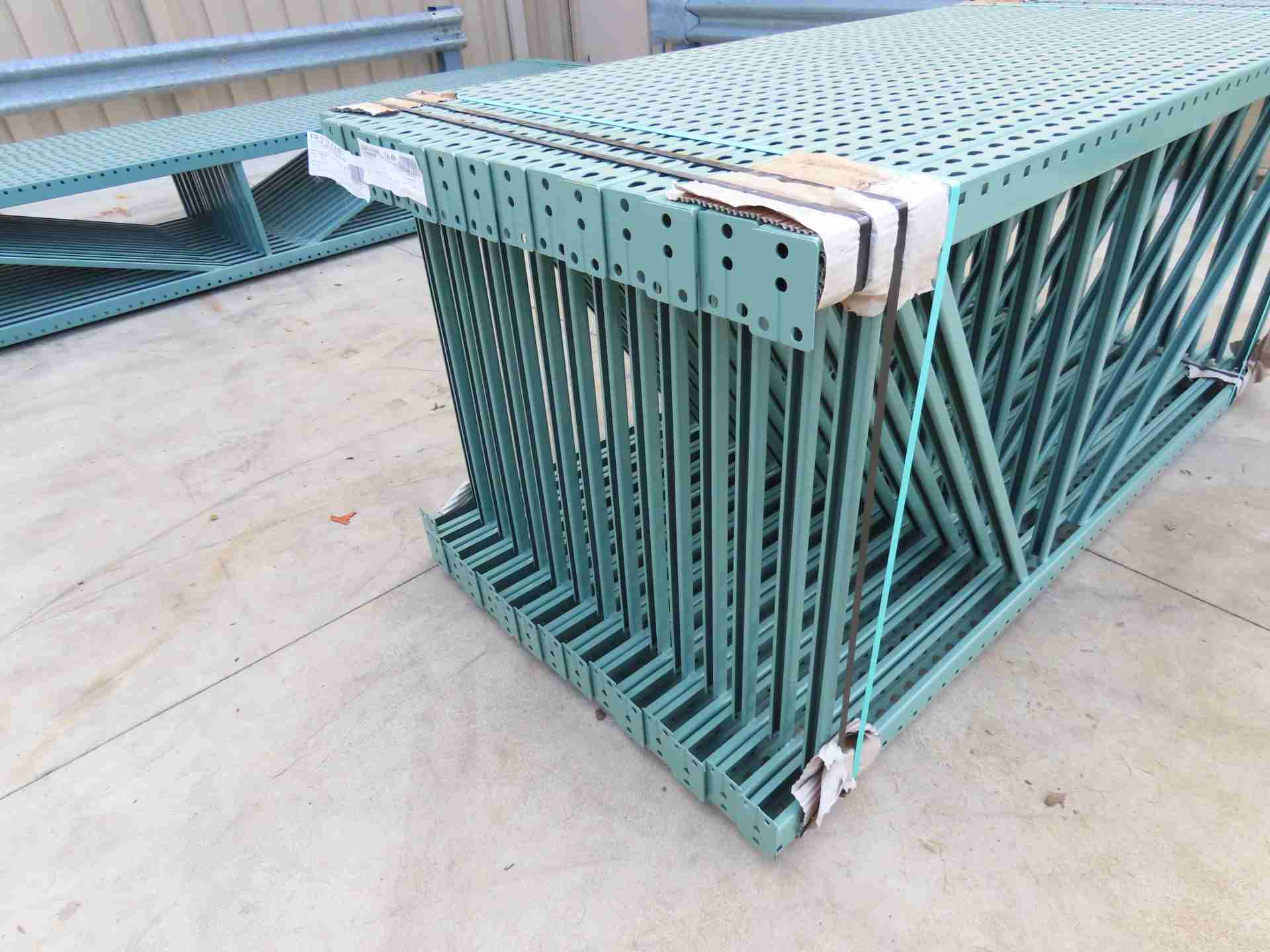
Are There Warehouse Racking Guidelines?
Conclusion
In conclusion, ensuring compliance with warehouse racking regulations is paramount for the safety and efficiency of your operation. Without adhering to strict guidelines set forth by organizations such as OSHA and ANSI, you not only risk fines and legal consequences but also put your employees and inventory in jeopardy. By staying informed about the latest regulations, conducting regular inspections, and investing in high-quality racking systems, you can create a secure work environment that promotes productivity and minimizes risks.
Organizing warehouse shelving plays a crucial role in maximizing space utilization and streamlining operations. By categorizing inventory, implementing labeling systems, and conducting regular audits, businesses can improve their efficiency and reduce costs. With recent events highlighting the importance of efficient warehouse management, now is the time to implement these strategies to stay ahead of the curve and meet customer expectations.
Furthermore, following warehouse racking guidelines such as proper installation, regular maintenance, and inventory organization is essential for optimizing the functionality of your space. By adhering to these guidelines and considering factors like warehouse layout, businesses can improve accessibility to inventory and enhance operational efficiency.
In today’s fast-paced market, where safety and efficiency are more important than ever, prioritizing compliance with warehouse racking regulations, organizing warehouse shelving, and following guidelines for racking systems are critical steps to success. So, don’t wait until it’s too late – take action now to ensure your warehouse operations are compliant, organized, and efficient. Call Arrow Industrial Sales at (574) 349-6575 today to get the information you need to optimize your warehouse racking systems and stay ahead of the competition. Your employees, your inventory, and your bottom line will thank you.

Conclusion
Conclusion:
- Ensuring compliance with warehouse racking regulations is paramount for safety and efficiency.
- Organizing warehouse shelving maximizes space utilization and streamlines operations.
- Following guidelines such as proper installation and regular maintenance is essential.
- Staying informed, conducting regular inspections, and investing in quality racking systems is crucial.
- Implementing labeling systems and conducting audits can improve efficiency and reduce costs.
- Improving accessibility to inventory and enhancing operational efficiency is achievable through proper organization.
- Prioritizing compliance with regulations, organizing shelving, and following guidelines are critical steps to success in today’s market.
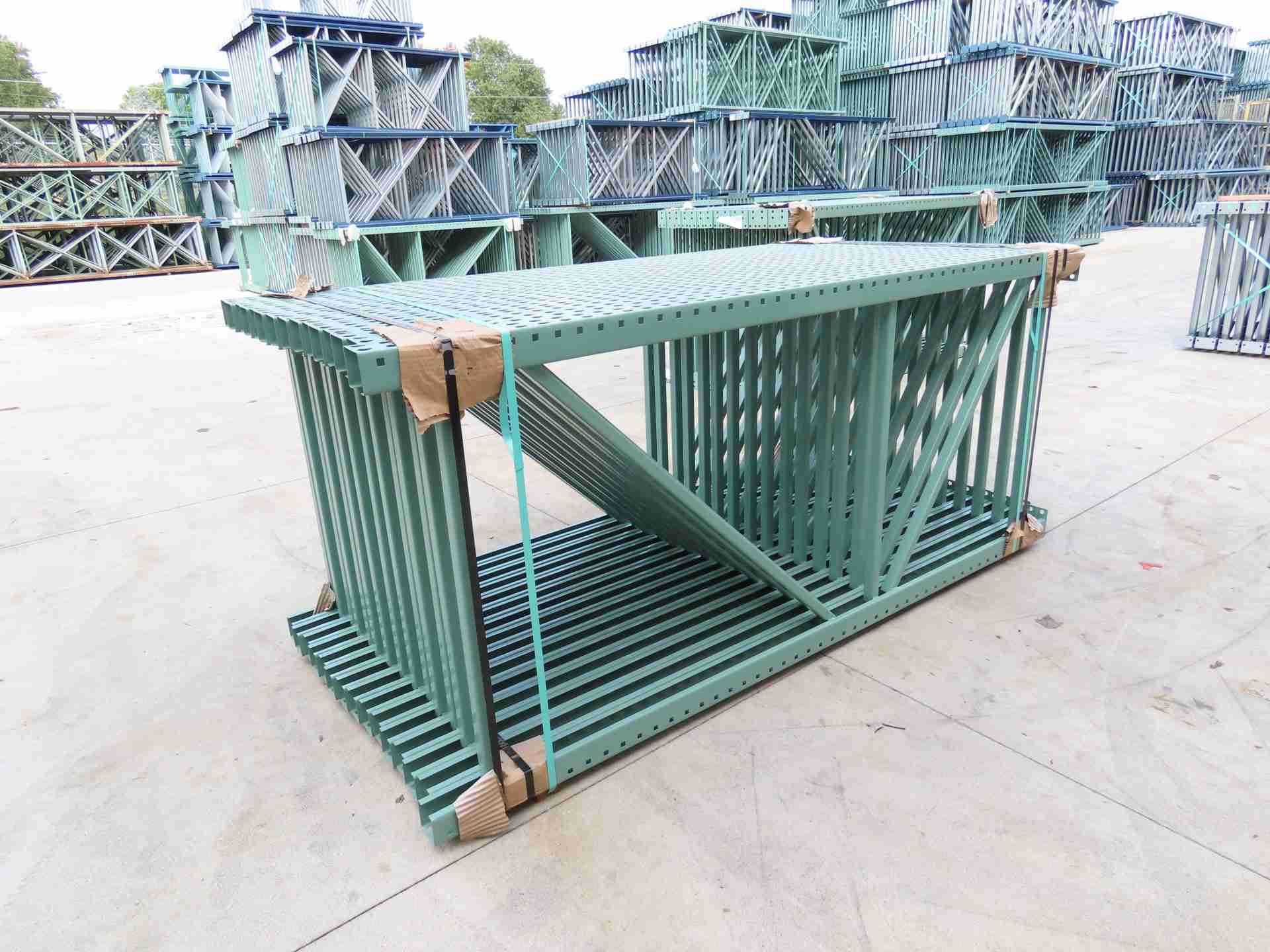
Conclusion
Other Resources
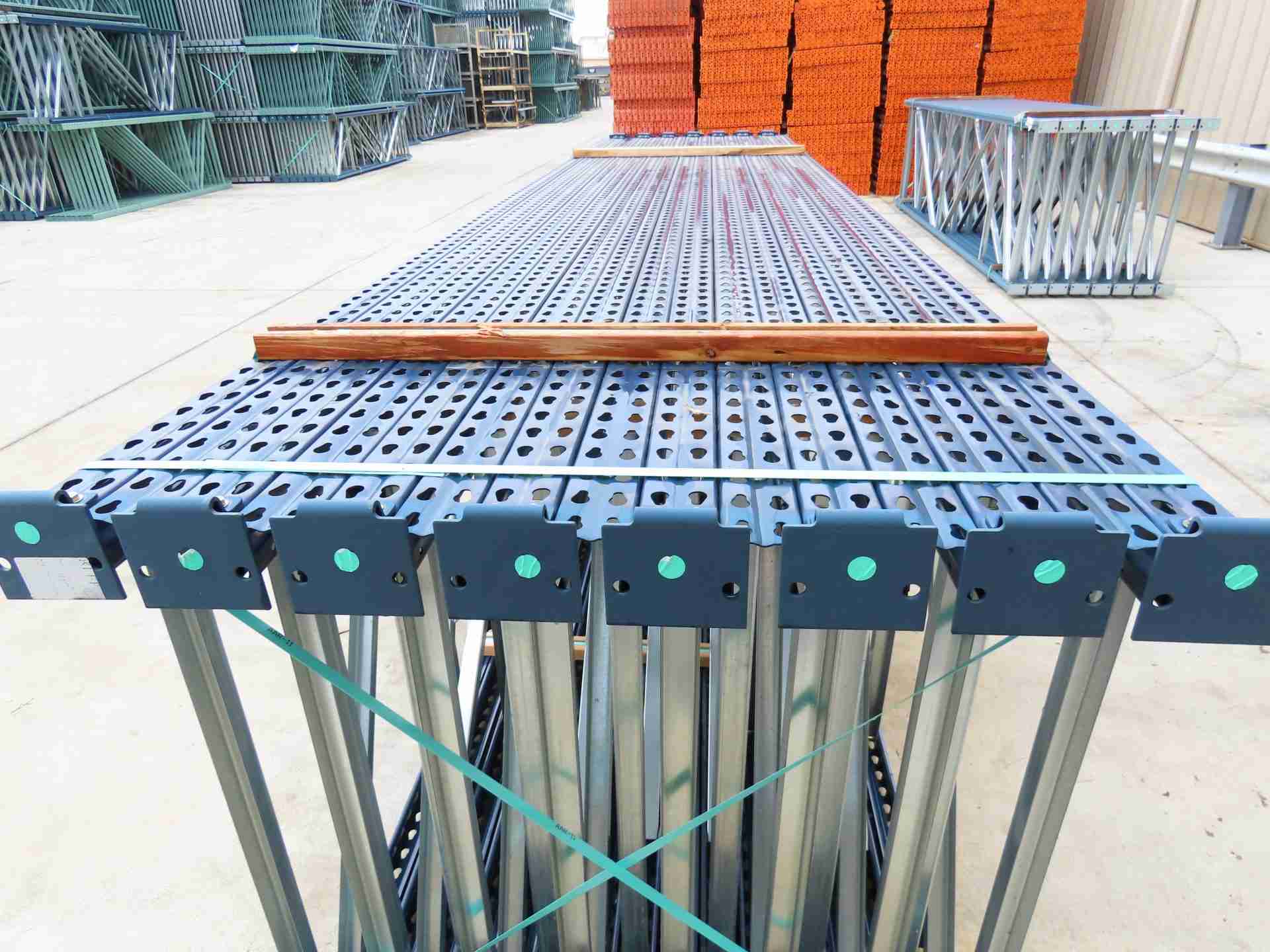
Other Resources
Here is a list of other resources you can review online to learn more:
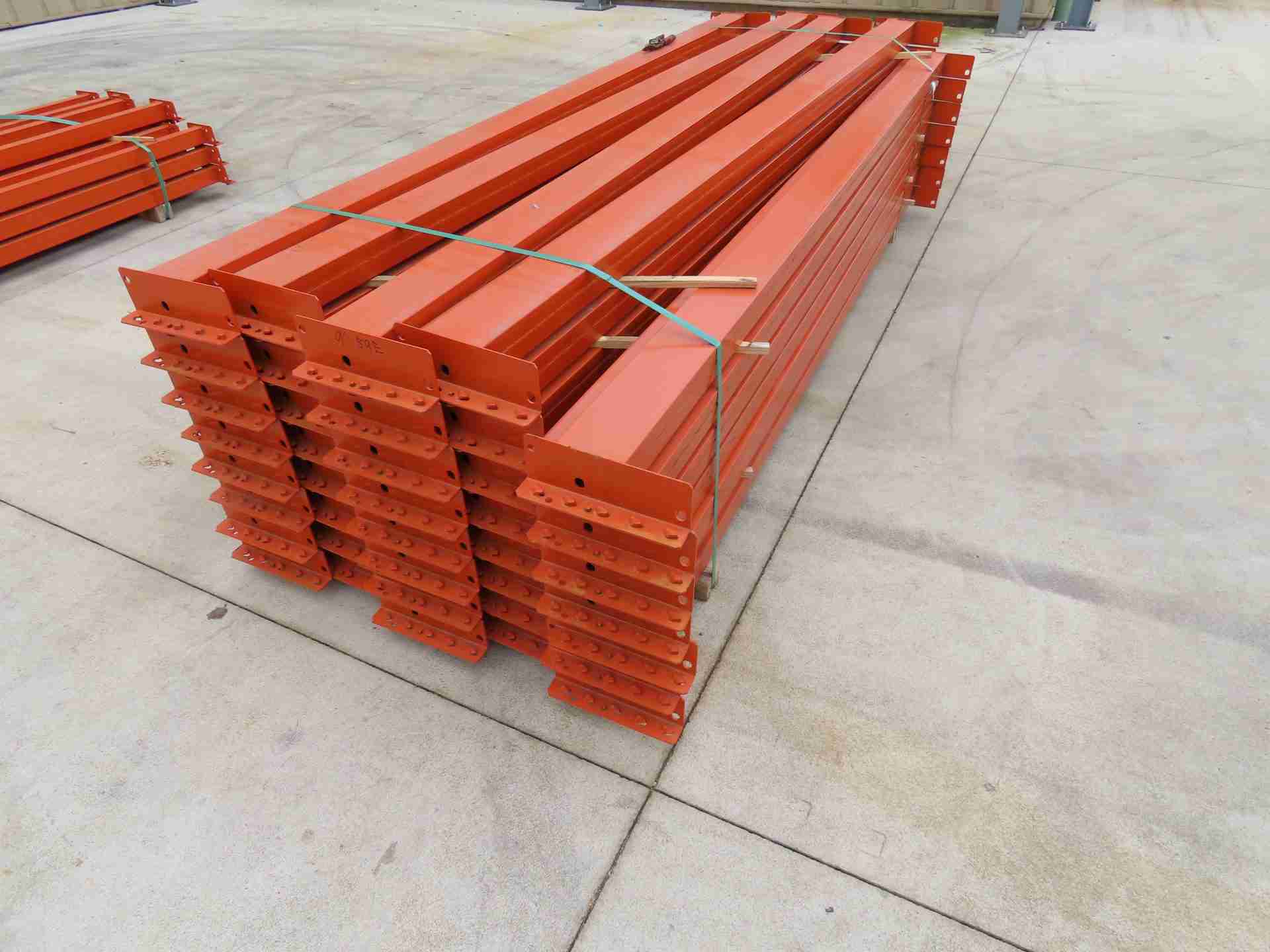
Other Resources
Glossary Terms
Are There Warehouse Racking Regulations? – Glossary Of Terms
1. ANSI: American National Standards Institute: An organization that oversees the development of voluntary consensus standards for products and services in the United States, including those related to warehouse racking systems.
2. Capacity Rating: The maximum load weight that a racking system can safely support, typically specified in pounds or kilograms.
3. Cantilever Racking: A type of racking suitable for storing long, bulky items like pipes and timber, supported by arms attached to a series of uprights.
4. Compliance: Adherence to regulations and standards related to warehouse racking, ensuring safety and legality.
5. Deflection: The amount a racking beam or structure bends under weight, which must be within acceptable limits to ensure structural integrity.
6. Durability: The ability of racking materials to withstand wear, pressure, or damage over time, ensuring long-term safety and effectiveness.
7. Earthquake-Proofing: Measures taken to ensure that warehouse racking structures are stable and secure during seismic activity, often regulated in earthquake-prone regions.
8. Egress Routes: Clear paths for emergency exits that must be maintained and unobstructed by racking systems.
9. Fire Suppression Systems: Equipment and systems designed to detect and extinguish fires, and their required integration within racking systems.
10. Frame: The upright post or support that forms the backbone of a racking system.
11. Guard Rails: Protective barriers installed around racking to prevent forklifts and other vehicles from causing damage.
12. Load Capacity: The total weight that a given racking system or individual component is rated to hold safely.
13. Mezzanine: An intermediate floor within a warehouse, which may require special regulations for racking due to additional load and safety considerations.
14. OSHA: Occupational Safety and Health Administration: A U. S. government agency responsible for enforcing workplace safety regulations, including those for warehouse racking.
15. Pallet Racking: A common type of racking designed to store materials on pallets (also known as “skids”), using horizontal rows with multiple levels.
16. Permits: Legal authorizations required for installing racking systems, which may include structural engineering assessments and compliance with local building codes.
17. Rack Inspection: Regular evaluations conducted to ensure racking systems are in good condition and meet safety standards.
18. Rack Repair: The process of fixing damaged racking components to restore them to safe and functional condition.
19. Rack Safety Netting: Mesh or netting installed to prevent items from falling off the racking, enhancing warehouse safety.
20. Safety Load Label: A label indicating the maximum load capacity for a specific racking section, crucial for ensuring proper usage.
21. Seismic Zone: An area categorized based on its potential for seismic activity, influencing specific racking regulations and design requirements.
22. Splice Kit: A set of components used to join two sections of racking together, ensuring structural stability.
23. Structural Integrity: The overall strength and stability of a racking system, crucial for preventing collapse under load.
24. Upright Frame: Vertical steel posts that form the sides of pallet racks, supporting horizontal beams and providing foundational support.
25. Vertical Clearance: The required space between the top of stored goods and any overhead obstructions, including sprinkler systems and lights.
26. WLL: Working Load Limit: The maximum permissible weight that can be safely applied to a racking component.
27. Wire Decking: Metal wire mesh panels placed on racking beams to support stored items and enhance load distribution.
28. Zoning Compliance: Adherence to local zoning laws that may influence the placement and type of racking systems allowed in a warehouse.
29. Rack Bolting Down: Securing racking to the warehouse floor to prevent tipping or movement, often mandated by safety regulations.
30. Row Spacer: A connector used to maintain consistent spacing between rows of racking, ensuring stability and alignment.
Glossary Of Terms
Other Questions
Are There Warehouse Racking Regulations? – Other Questions
If you wish to explore and discover more, consider looking for answers to these questions:
- What are the specific OSHA guidelines for warehouse racking?
- Are there any industry standards other than OSHA that regulate warehouse racking?
- How can local building codes impact warehouse racking installations?
- What are the common signs that a racking system may be overloaded?
- What qualifications should a professional have to install warehouse racking?
- How often should employees be trained on warehouse racking safety protocols?
- What are the most common causes of warehouse racking collapses?
- How do regulations differ for various types of warehouse racking systems (e.g., selective, cantilever, drive-in)?
- What are the potential fines or penalties for non-compliance with racking regulations?
- Are there any recent changes to warehouse racking regulations that businesses should be aware of?
- What steps should be taken if damage is found during a racking system inspection?
- Can technology like sensors or software help in monitoring racking systems for compliance?
- How should a business document compliance with warehouse racking regulations?
- What specific training should be provided to warehouse staff regarding loading and unloading practices?
- How does the increase in e-commerce demand affect warehouse racking regulations and practices?
- Is there a standard checklist for warehouse racking inspections?
- What role do insurance companies play in enforcing warehouse safety and racking regulations?
- What are the international standards for warehouse racking, and how do they compare to U.S. regulations?
- What is the process for addressing violations of warehouse racking regulations?
- What are the latest advancements in warehouse racking systems technology?
Other Questions
Checklist
Are There Warehouse Racking Regulations? – A Checklist
1. Regulations and Guidelines
_____ Familiarize with OSHA guidelines for warehouse racking.
_____ Understand Rack Manufacturers Institute (RMI) guidelines.
_____ Check local building codes and fire safety regulations.
_____ Stay updated on any specific seismic design requirements.
2. Installation
_____ Hire only qualified professionals for racking installation.
_____ Follow manufacturer’s specifications during installation.
_____ Ensure racks are anchored securely to the floor.
_____ Keep installation documentation for reference and compliance checks.
3. Regular Inspections
_____ Schedule annual professional inspections.
_____ Inspect racking systems after any significant event (e. g. , forklift collision, earthquake).
_____ Regularly check for loose or missing bolts and damaged beams.
_____ Identify signs of wear and tear such as rust, dents, or bends.
4. Weight and Load Capacity
_____ Understand the weight limits for different types of racking systems.
_____ Ensure weight distribution is balanced and complies with guidelines.
_____ Train employees on proper loading techniques.
_____ Avoid overloading racks to prevent potential collapses.
5. Maintenance
_____ Implement a regular maintenance schedule.
_____ Promptly address any identified issues or damages.
_____ Replace or repair any compromised components immediately.
_____ Keep detailed records of maintenance activities.
6. Employee Training
_____ Train employees on safe loading and unloading practices.
_____ Educate staff on emergency procedures related to racking incidents.
_____ Ensure employees know the weight limits and compliance requirements.
_____ Provide regular refreshers and updates on safety training.
7. Warehouse Layout and Design
_____ Design aisles wide enough for safe forklift navigation.
_____ Maintain adequate clearance between racks.
_____ Optimize the layout for accessibility and efficient workflow.
_____ Evaluate and adjust layout based on operational changes or needs.
8. Compliance Documentation
_____ Maintain records of all inspections and maintenance activities.
_____ Document employee training sessions and attendance.
_____ Keep updated on industry standards and regulatory changes.
9. High-Quality Racking Systems
_____ Invest in racking solutions from reputable manufacturers.
_____ Ensure racking materials meet strength and durability requirements.
_____ Follow manufacturer’s guidelines for installation and usage.
10. Regular Updates and Audits
_____ Stay informed about industry regulations through seminars, publications, or consulting experts.
_____ Conduct periodic audits to ensure ongoing compliance.
_____ Implement any updates or changes immediately to adhere to new guidelines.
By following this checklist, you can create a safer working environment, protect inventory, and ensure compliance with warehouse racking regulations. Consistently prioritize safety, proactive maintenance, and proper training to improve efficiency and reduce risks in your warehouse operations.

Checklist
At RackingWorld, we help guide you through selecting warehouse storage systems and racking.
Be sure to read our other related stories at RackingWorld to learn more about warehouse storage systems.
0 Comments