
Maximizing Warehouse Storage With Industrial Racks
By Tom Seest
At RackingWorld, we help guide you through selecting warehouse storage systems and racking.
Be sure to read our other related stories at RackingWorld to learn more about warehouse storage systems.
How Do Industrial Racks Help Optimize Storage Space In Warehouses?
When it comes to warehouses and storage facilities, maximizing space is essential for efficiency and productivity. One of the key tools in achieving this goal is industrial racks. These sturdy, reliable structures are designed to help optimize storage space in warehouses in a variety of ways.
First and foremost, industrial racks are built to take advantage of vertical space. By utilizing the full height of a warehouse, racks allow for more goods to be stored in a smaller footprint. This vertical storage solution not only increases the overall capacity of a warehouse but also helps keep aisles clear for forklifts and other machinery to navigate easily.
In addition to maximizing vertical space, industrial racks also help organize inventory in a way that makes it easier to access and manage. By storing items on racks, goods can be sorted by type, size, or any other relevant category, making it simpler to locate specific items quickly. This organized system reduces the time spent searching for products, ultimately improving efficiency and reducing labor costs.
Furthermore, industrial racks can be customized to fit the specific needs of a warehouse. With options for different sizes, configurations, and weight capacities, racks can be tailored to accommodate a wide range of products and materials. Whether storing small parts or large, bulky items, there is a rack solution that can optimize space and maximize storage efficiency.
Another benefit of industrial racks is their durability and long lifespan. Made from high-quality materials such as steel or aluminum, these racks are designed to withstand heavy loads and frequent use. This means that once installed, industrial racks can provide reliable storage solutions for years to come, saving warehouse owners the time and expense of replacing or repairing inferior storage systems.
Overall, industrial racks play a crucial role in optimizing storage space in warehouses. By taking advantage of vertical space, organizing inventory effectively, customizing to fit specific needs, and providing durable and long-lasting storage solutions, racks help warehouse owners maximize efficiency, productivity, and profitability. So, the next time you visit a warehouse and see row upon row of neatly stacked shelves, remember that those industrial racks are the unsung heroes of the storage world, helping businesses operate smoothly and efficiently behind the scenes.
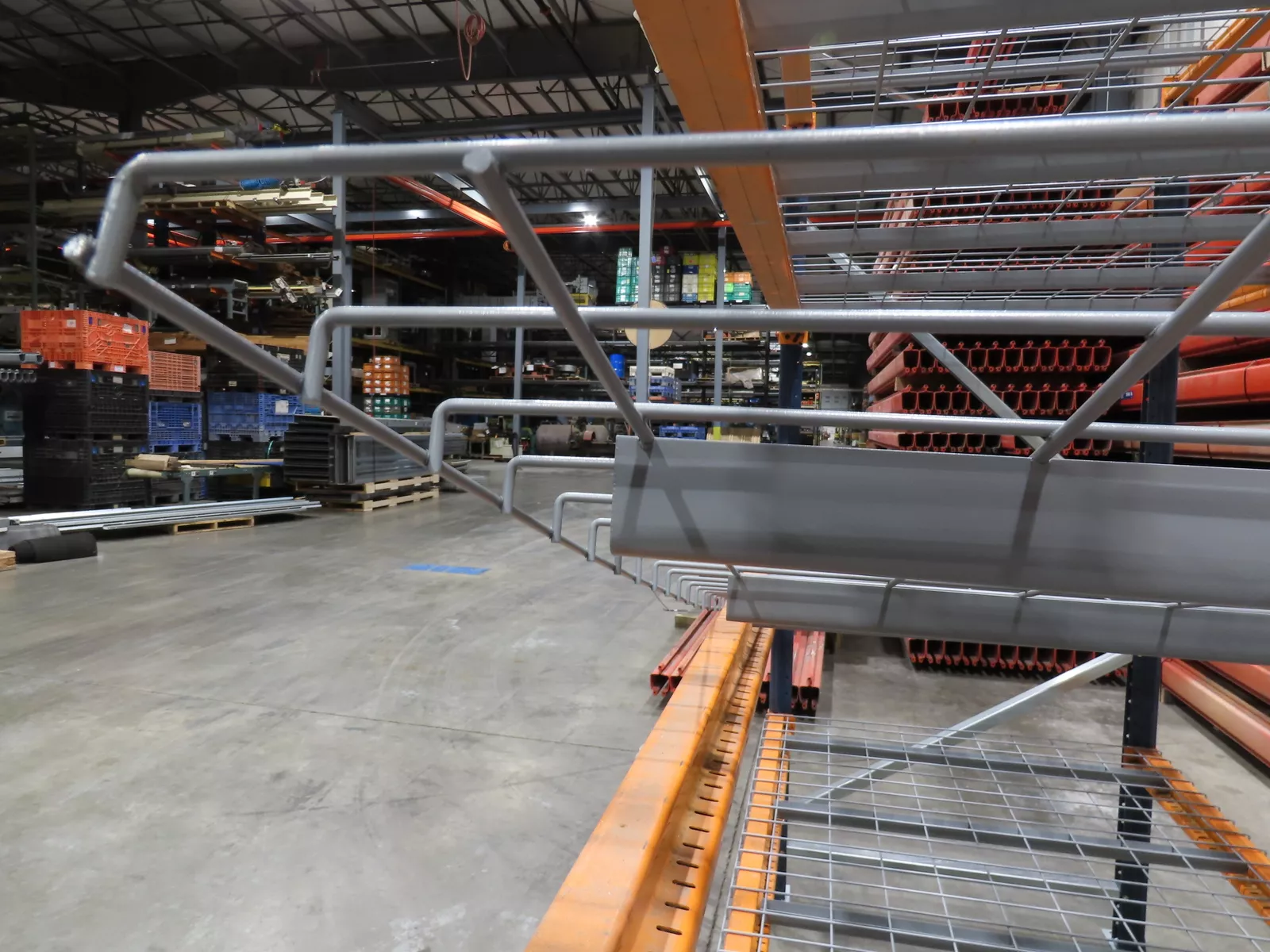
How Do Industrial Racks Help Optimize Storage Space In Warehouses?
How Do Industrial Racks Help Optimize Storage Space In Warehouses?
- Industrial racks maximize vertical space in warehouses, increasing storage capacity in a smaller footprint.
- Racks help organize inventory for easier access and management, reducing search time and improving efficiency.
- Industrial racks can be customized to fit the specific needs of a warehouse, accommodating a wide range of products and materials.
- Racks are durable and long-lasting, made from high-quality materials such as steel or aluminum to withstand heavy loads and frequent use.
- Overall, industrial racks optimize storage space, improve productivity, and help maximize profitability in warehouses.
- Industrial racks are the unsung heroes of the storage world, playing a crucial role in helping businesses operate smoothly and efficiently behind the scenes.

How Do Industrial Racks Help Optimize Storage Space In Warehouses?
Table Of Contents
- How Do Industrial Racks Help Optimize Storage Space In Warehouses?
- How Do Industrial Racks Utilize Vertical Space Effectively?
- What Types Of Industrial Racks Are Best For Heavy Items?
- Can Industrial Racks Be Customized For Specific Needs?
- How Do Industrial Racks Improve Warehouse Organization And Efficiency?
- What Safety Measures Should Be Considered When Using Industrial Racks?
- What Types Of Industrial Racks Are Available For Warehouse Storage?
- How Do Industrial Racks Improve Warehouse Organization And Efficiency?
- Conclusion
- Other Resources
- Glossary Of Terms
- Other Questions
- Checklist
How Do Industrial Racks Utilize Vertical Space Effectively?
When it comes to maximizing storage space in a industrial setting, utilizing vertical space effectively is key. Industrial racks are an essential tool in this pursuit, as they provide a way to store goods and materials in a way that takes advantage of the height of the building.
One of the ways industrial racks make efficient use of vertical space is by allowing items to be stacked on top of each other. By placing goods on shelves that reach high up towards the ceiling, valuable floor space is freed up for other uses. This not only increases the overall storage capacity of the facility, but also allows for better organization and accessibility to items.
Additionally, industrial racks often come in different configurations that can be customized to fit the specific needs of a business. Whether it’s pallet racks, cantilever racks, or push-back racks, these systems can be designed to accommodate various sizes and shapes of items, as well as to optimize workflow and accessibility for employees.
Another way industrial racks help maximize vertical space is by allowing for easy access to items stored at different levels. With the use of forklifts, pallet jacks, or other material handling equipment, employees can easily retrieve goods from high shelves without the need for excessive manual labor. This not only increases efficiency, but also improves safety by reducing the risk of injuries from lifting heavy objects.
Overall, industrial racks play a crucial role in helping businesses make the most of their vertical space. By allowing for efficient stacking, customization, and accessibility, these systems enable companies to store and organize their materials in a way that is both practical and cost-effective. So the next time you look up and see shelves reaching towards the sky in a warehouse or factory, remember that those industrial racks are not just another piece of equipment – they’re the key to unlocking the full potential of vertical space.
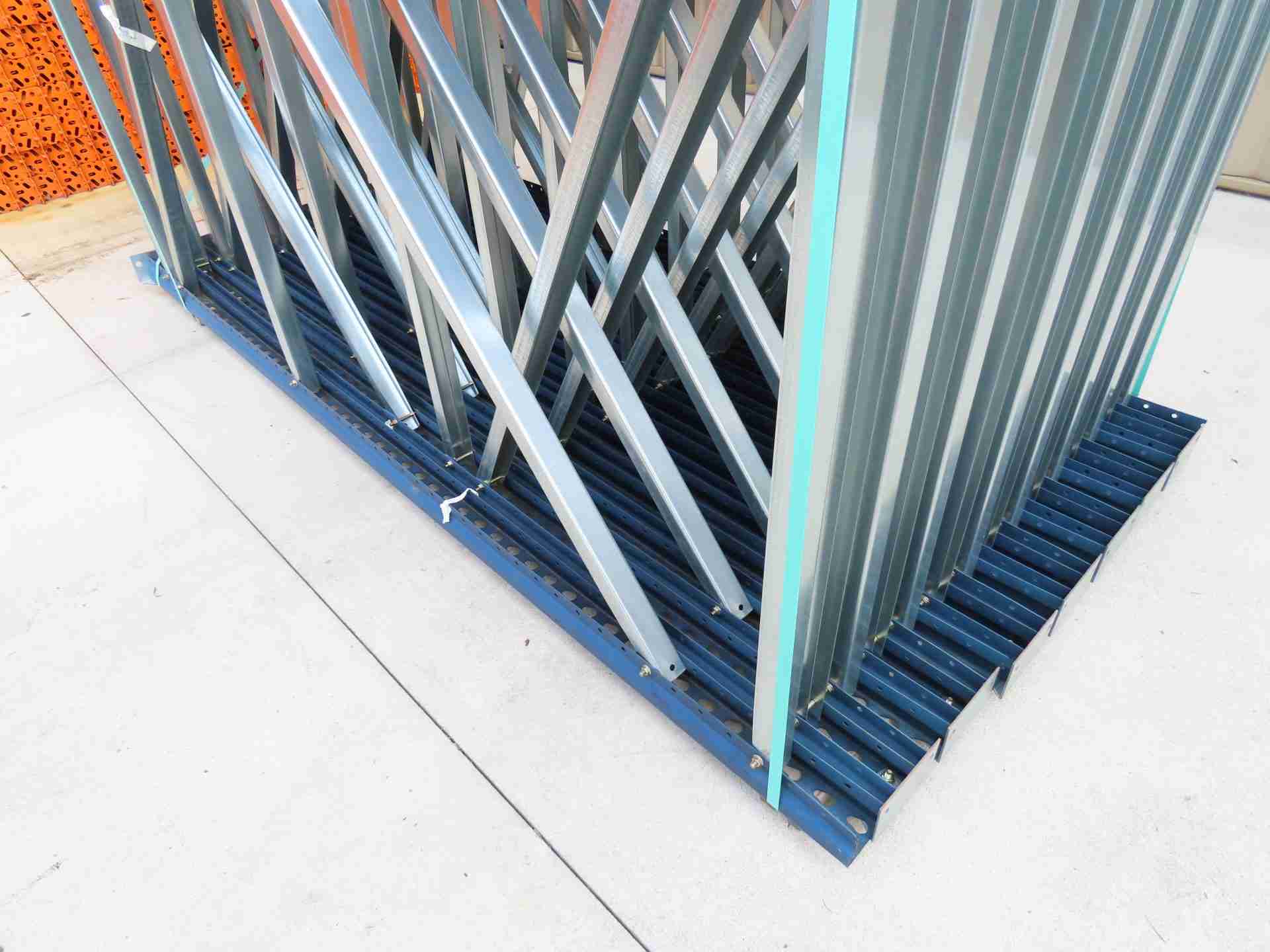
How Do Industrial Racks Utilize Vertical Space Effectively?
How Do Industrial Racks Utilize Vertical Space Effectively?
- Utilizing vertical space effectively is key in industrial settings.
- Industrial racks are essential in maximizing storage space.
- Racks allow stacking items to free up floor space.
- Racks come in different configurations for customized needs.
- Racks allow for easy access to items at different levels.
- Racks enable efficient stacking, customization, and accessibility.
- Industrial racks play a crucial role in maximizing vertical space.
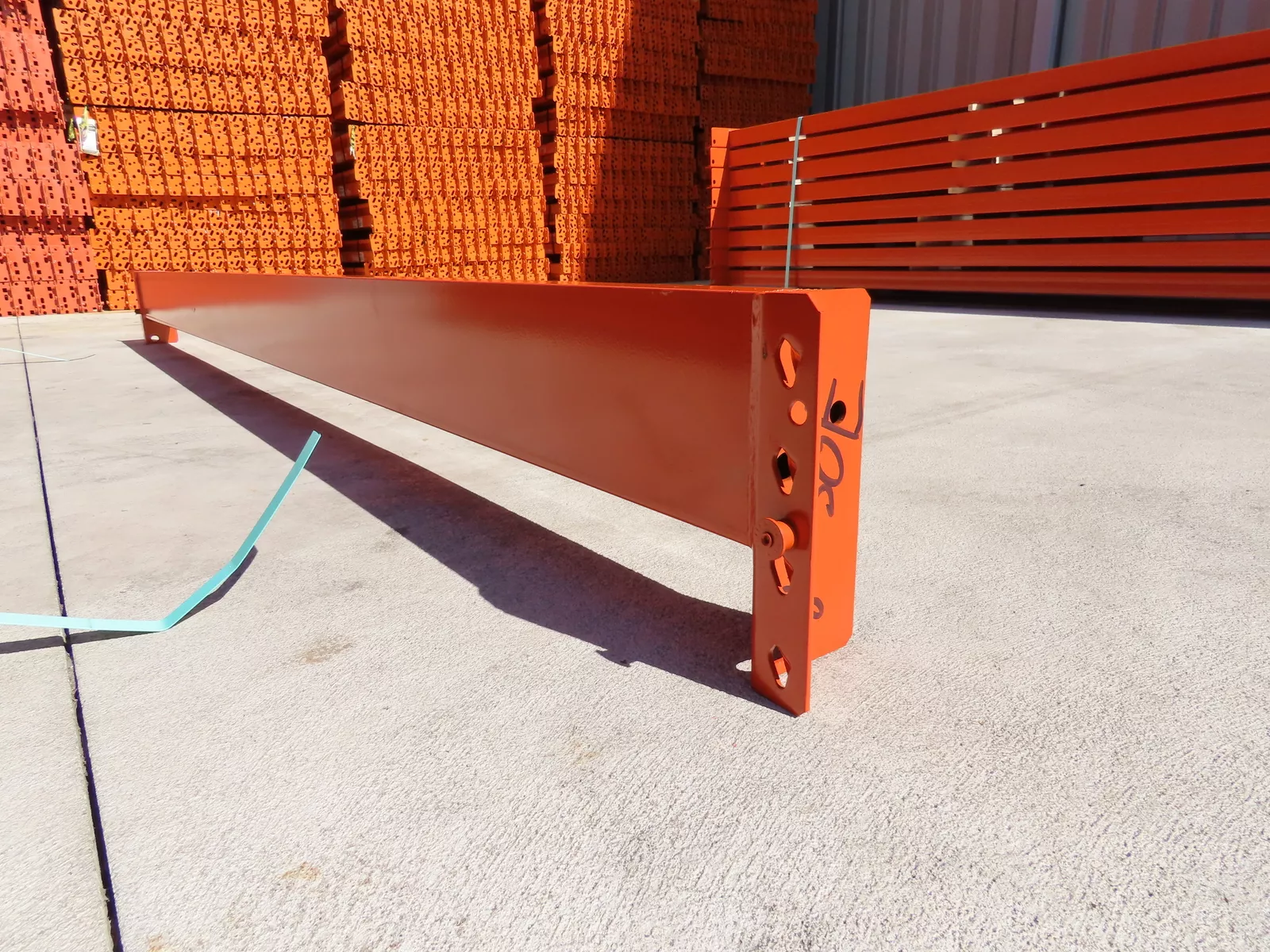
How Do Industrial Racks Utilize Vertical Space Effectively?
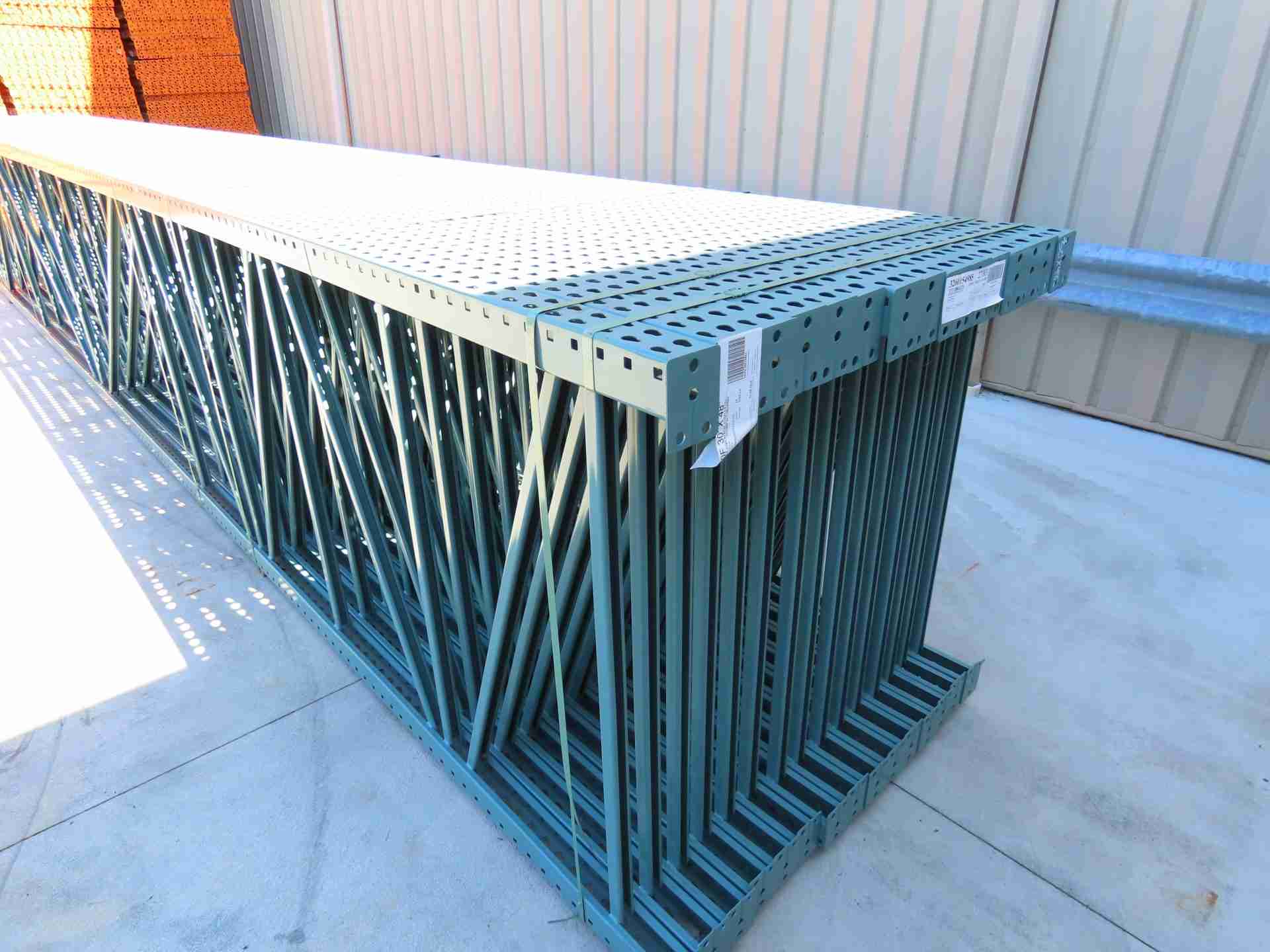
What Types Of Industrial Racks Are Best For Heavy Items?
When it comes to storing heavy items in an industrial setting, having the right racks in place is crucial. Not all racks are created equal, and some are better suited for handling heavier loads than others. Here are a few types of industrial racks that are best for storing heavy items:
1. Pallet Racks: Pallet racks are a popular choice for storing heavy items in warehouses and distribution centers. These racks are designed to hold standard pallets and can support a significant amount of weight. They can be adjusted to accommodate different sizes and weights of pallets, making them versatile and efficient for storing heavy items.
2. Cantilever Racks: Cantilever racks are ideal for storing long, bulky items such as pipes, lumber, and tubing. These racks have arms that extend outward from a single column, allowing for easy access to items and maximizing storage space. Cantilever racks are sturdy and can support heavy loads, making them a great option for storing oversized and heavy items.
3. Drive-In Racks: Drive-in racks are designed for high-density storage of heavy items. These racks allow forklifts to drive directly into the rack system to load and unload pallets, maximizing storage space and efficiency. Drive-in racks are ideal for storing large quantities of heavy items that do not need to be accessed frequently.
4. Pushback Racks: Pushback racks are another type of rack system that is ideal for storing heavy items. These racks use a series of nested carts that are pushed back as new items are loaded, allowing for multiple pallets to be stored deep within the rack system. Pushback racks are efficient, space-saving, and can support heavy loads, making them a great choice for storing heavy items.
5. Carton Flow Racks: Carton flow racks are designed for storing heavy items in cartons or boxes. These racks use gravity to feed items to the front of the rack for easy access, making them ideal for picking and packing operations. Carton flow racks can be customized to accommodate different sizes and weights of items, making them a versatile option for storing heavy items.
When it comes to storing heavy items in an industrial setting, having the right racks in place is essential. Pallet racks, cantilever racks, drive-in racks, pushback racks, and carton flow racks are all great options for storing heavy items efficiently and safely. By choosing the right rack system for your specific needs, you can maximize storage space, increase efficiency, and ensure the safety of your employees and products.
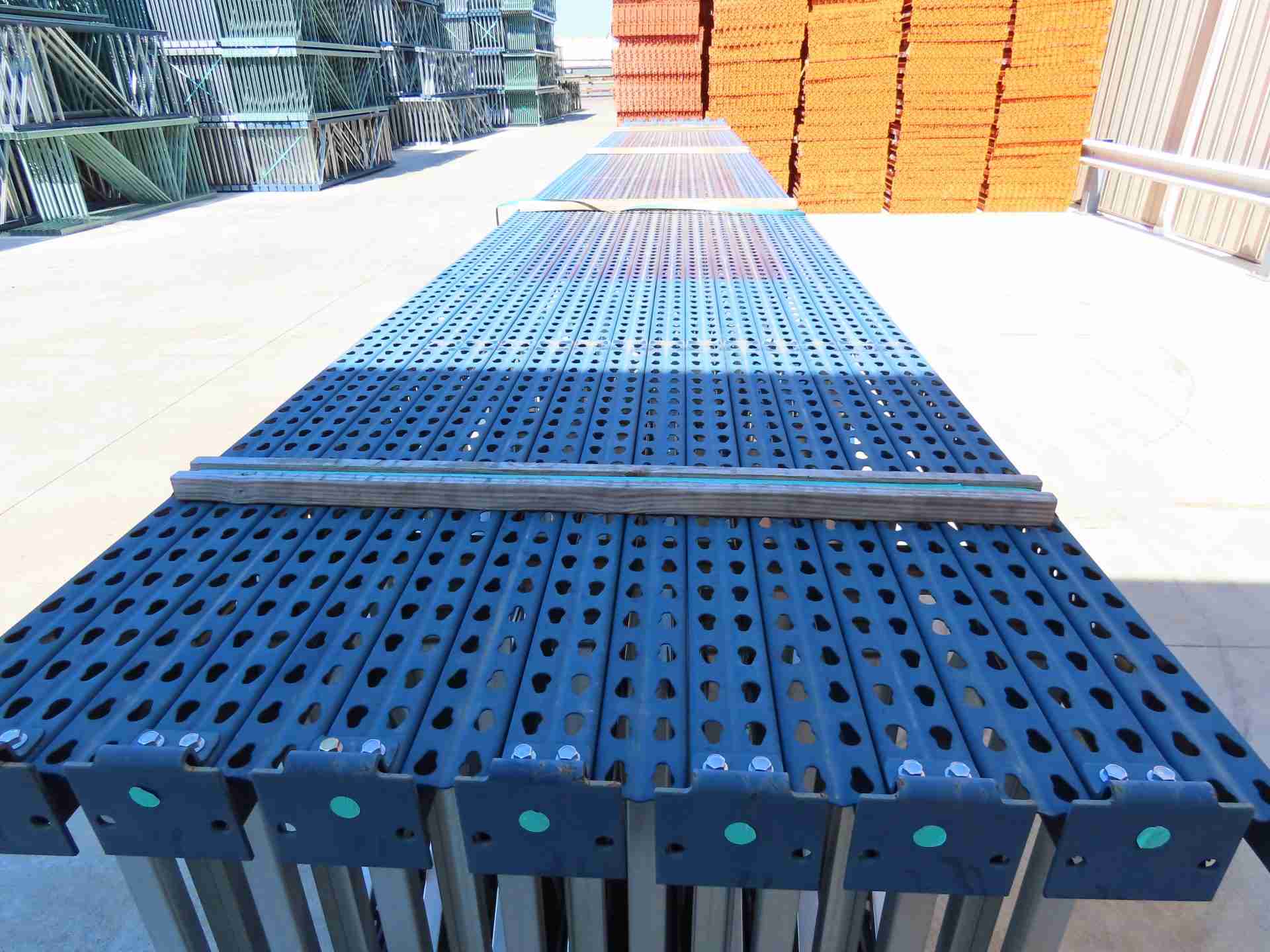
What Types Of Industrial Racks Are Best For Heavy Items?
What Types Of Industrial Racks Are Best For Heavy Items?
- Pallet Racks: Designed for heavy items, versatile and efficient.
- Cantilever Racks: Ideal for storing long, bulky items, sturdy and space-saving.
- Drive-In Racks: High-density storage for heavy items, maximizes space and efficiency.
- Pushback Racks: Efficient, space-saving storage for heavy items.
- Carton Flow Racks: Designed for heavy items in cartons, customizable and versatile.
What Types Of Industrial Racks Are Best For Heavy Items?
Can Industrial Racks Be Customized For Specific Needs?
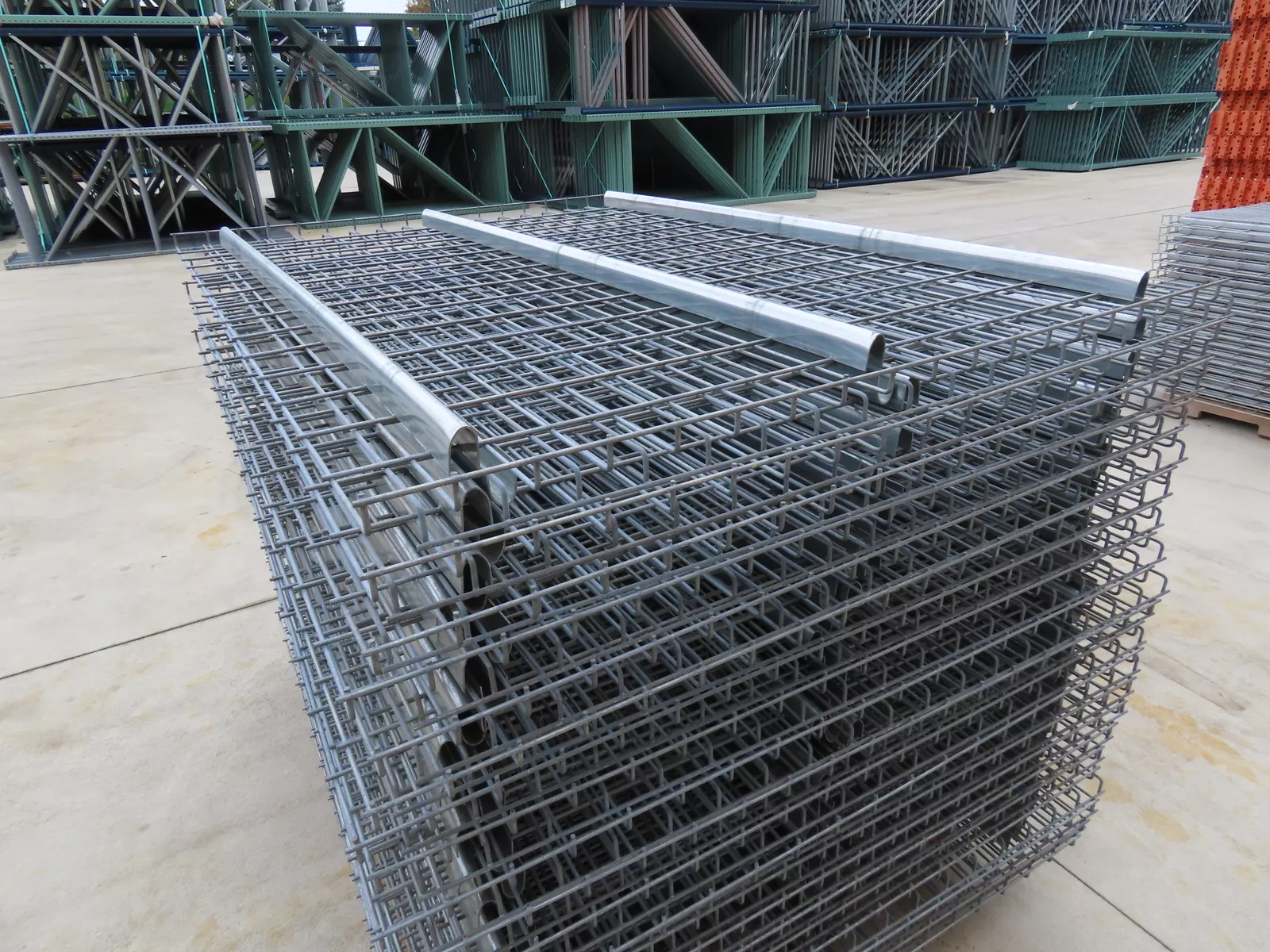
When it comes to industrial racks, one size doesn’t fit all. That’s why many businesses opt for customized solutions tailored to their specific needs. Whether you’re looking to store heavy machinery or sensitive electronics, there are plenty of options available to help you make the most of your space.
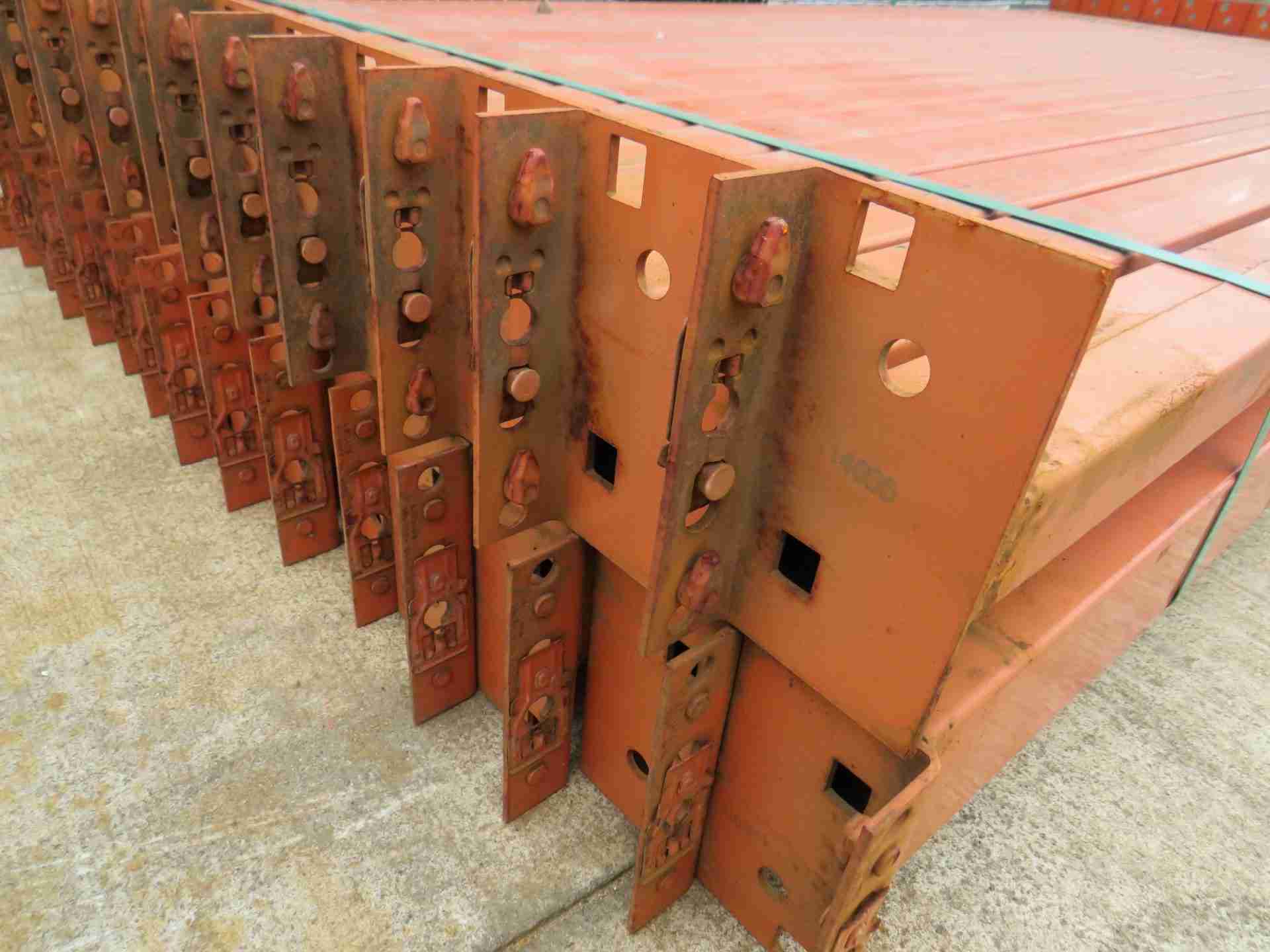
Customizing industrial racks can involve a variety of modifications, including adjusting the size, shape, and weight capacity to accommodate your unique inventory. This level of customization allows you to maximize efficiency and organization in your warehouse or storage facility.
One of the key benefits of custom industrial racks is the ability to optimize vertical space. By working with a rack manufacturer to create a custom solution, you can take advantage of the full height of your facility, freeing up valuable floor space for other activities. This is especially important in today’s fast-paced industrial environments, where every square foot counts.
Another advantage of customized industrial racks is the ability to design them to fit specific types of inventory. Whether you’re storing long, bulky items or small, fragile components, a custom rack can be built to securely hold your products in place. This reduces the risk of damage and ensures that your inventory is easily accessible when needed.
In addition to maximizing space and protecting your inventory, custom industrial racks can also improve safety in the workplace. By ensuring that your racks are built to handle the weight and size of your inventory, you reduce the risk of accidents and injuries caused by improperly stored items. This can lead to a more efficient and productive work environment for your employees.
Ultimately, investing in customized industrial racks is an investment in your business’s success. By working with a rack manufacturer to create a solution tailored to your specific needs, you can improve efficiency, organization, and safety in your facility. So why settle for off-the-shelf solutions when you can have a rack that’s tailor-made for your business?
When it comes to industrial racks, customization is key. By working with a manufacturer to design racks that fit your specific needs, you can optimize space, protect inventory, and improve safety in your facility. Don’t settle for one-size-fits-all solutions – invest in customized industrial racks today.
Can Industrial Racks Be Customized For Specific Needs?
Can Industrial Racks Be Customized For Specific Needs?
- Customized industrial racks are tailored to specific needs.
- Modifications can include adjusting size, shape, and weight capacity.
- Custom solutions allow for maximizing efficiency and organization.
- Custom racks optimize vertical space, freeing up floor space.
- Designing racks to fit specific types of inventory reduces risk of damage.
- Custom racks improve safety by ensuring proper storage of items.
- Investing in customized industrial racks improves efficiency and organization.
Can Industrial Racks Be Customized For Specific Needs?
How Do Industrial Racks Improve Warehouse Organization And Efficiency?
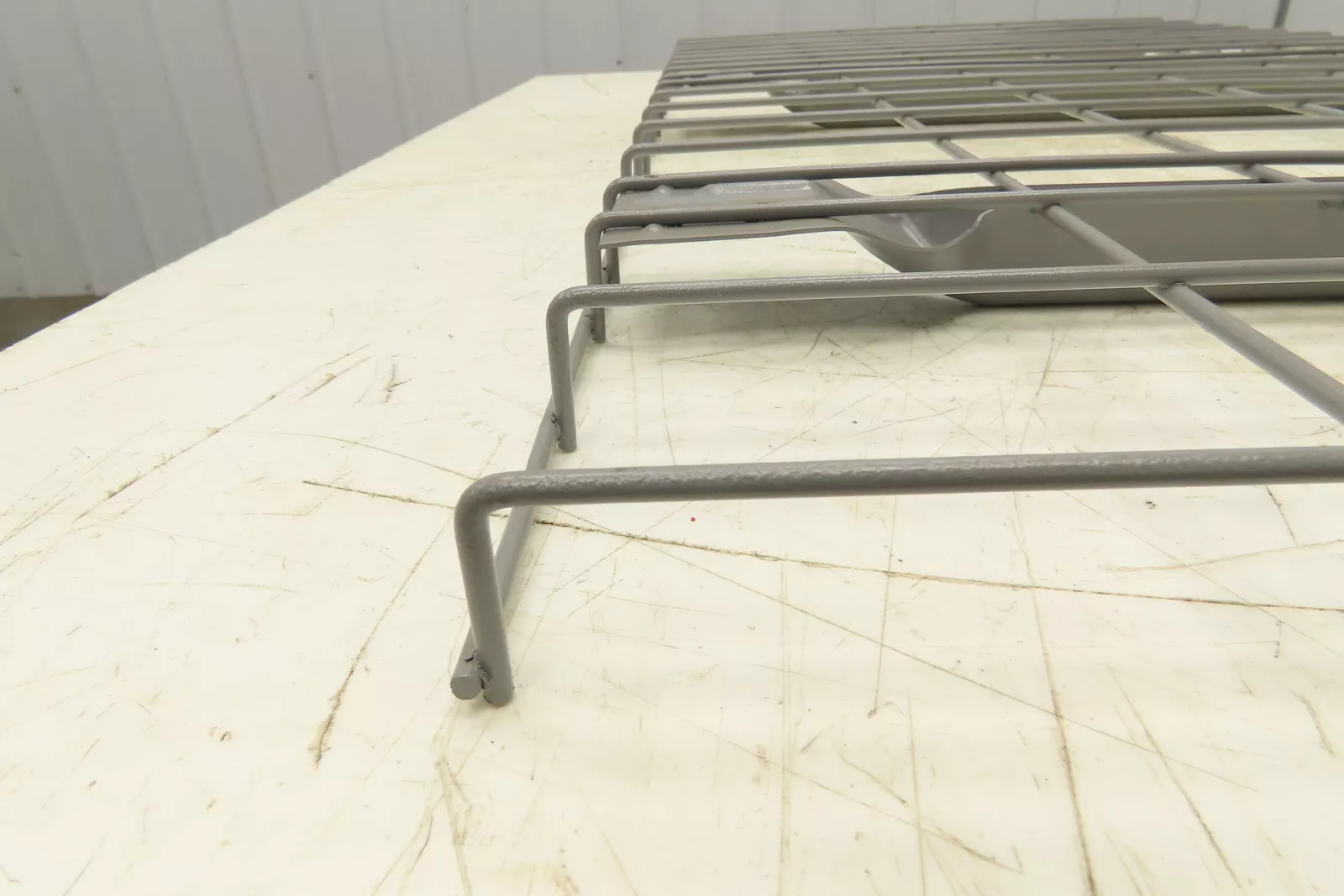
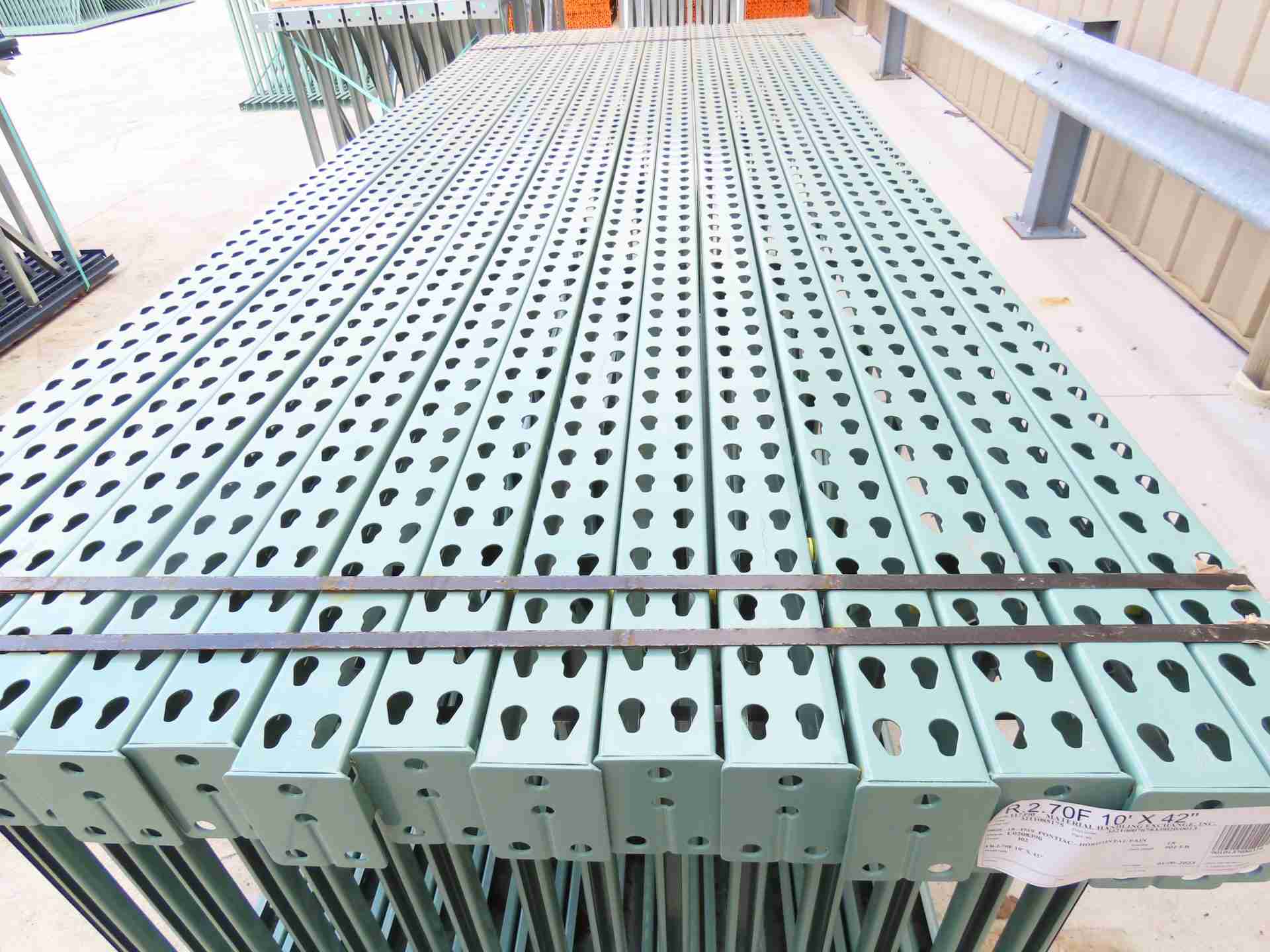
When it comes to warehouse organization and efficiency, industrial racks play a crucial role in keeping things running smoothly. These heavy-duty shelving units are designed to maximize vertical storage space while providing easy access to inventory. By utilizing industrial racks, warehouses can optimize their layout and streamline their operations.
One way industrial racks improve warehouse organization is by creating designated storage areas for different types of products. With specific shelving units for pallets, boxes, or other items, employees can easily locate and retrieve inventory as needed. This reduces the time spent searching for items, ultimately increasing productivity and efficiency within the warehouse.
Furthermore, industrial racks help to prevent clutter and congestion in the warehouse. By utilizing vertical storage space, warehouses can keep aisles clear and avoid overcrowding in work areas. This not only improves safety for employees but also allows for better organization of inventory, making it easier to maintain accurate records and inventory counts.
Another benefit of industrial racks is their ability to adapt to changing inventory needs. With adjustable shelving units, warehouses can easily reconfigure their storage layout to accommodate new products or fluctuating inventory levels. This flexibility is essential for maximizing space utilization and ensuring that warehouse operations can adjust to meet evolving demands.
Industrial racks also contribute to the overall efficiency of warehouse operations by facilitating faster and more accurate inventory management. By keeping inventory organized and easily accessible, employees can quickly locate items for picking, packing, and shipping. This reduces the time spent on manual inventory tracking and minimizes errors that can lead to order fulfillment delays.
In addition to improving organization and efficiency, industrial racks also contribute to overall cost savings for warehouses. By maximizing vertical storage space, warehouses can reduce the need for additional square footage, ultimately lowering real estate and operating costs. Additionally, the durability and longevity of industrial racks help to minimize maintenance and replacement expenses over time.
Overall, industrial racks are essential components of a well-organized and efficient warehouse operation. By utilizing these heavy-duty shelving units, warehouses can optimize their storage space, streamline their operations, and ultimately improve their bottom line. With the right industrial racks in place, warehouses can achieve greater productivity, accuracy, and cost savings in their day-to-day operations.
How Do Industrial Racks Improve Warehouse Organization And Efficiency?
How Do Industrial Racks Improve Warehouse Organization And Efficiency?
- Industrial racks play a crucial role in warehouse organization and efficiency.
- They help create designated storage areas for different types of products.
- Industrial racks prevent clutter and congestion in the warehouse.
- They can adapt to changing inventory needs with adjustable shelving units.
- Industrial racks facilitate faster and more accurate inventory management.
- They contribute to overall cost savings for warehouses.
- Industrial racks are essential for a well-organized and efficient warehouse operation.
How Do Industrial Racks Improve Warehouse Organization And Efficiency?
What Safety Measures Should Be Considered When Using Industrial Racks?
When working with industrial racks, safety should always be the number one priority. These heavy-duty shelving units are essential for organizing and storing materials in warehouses, factories, and other industrial settings, but they can also pose serious hazards if not used properly.
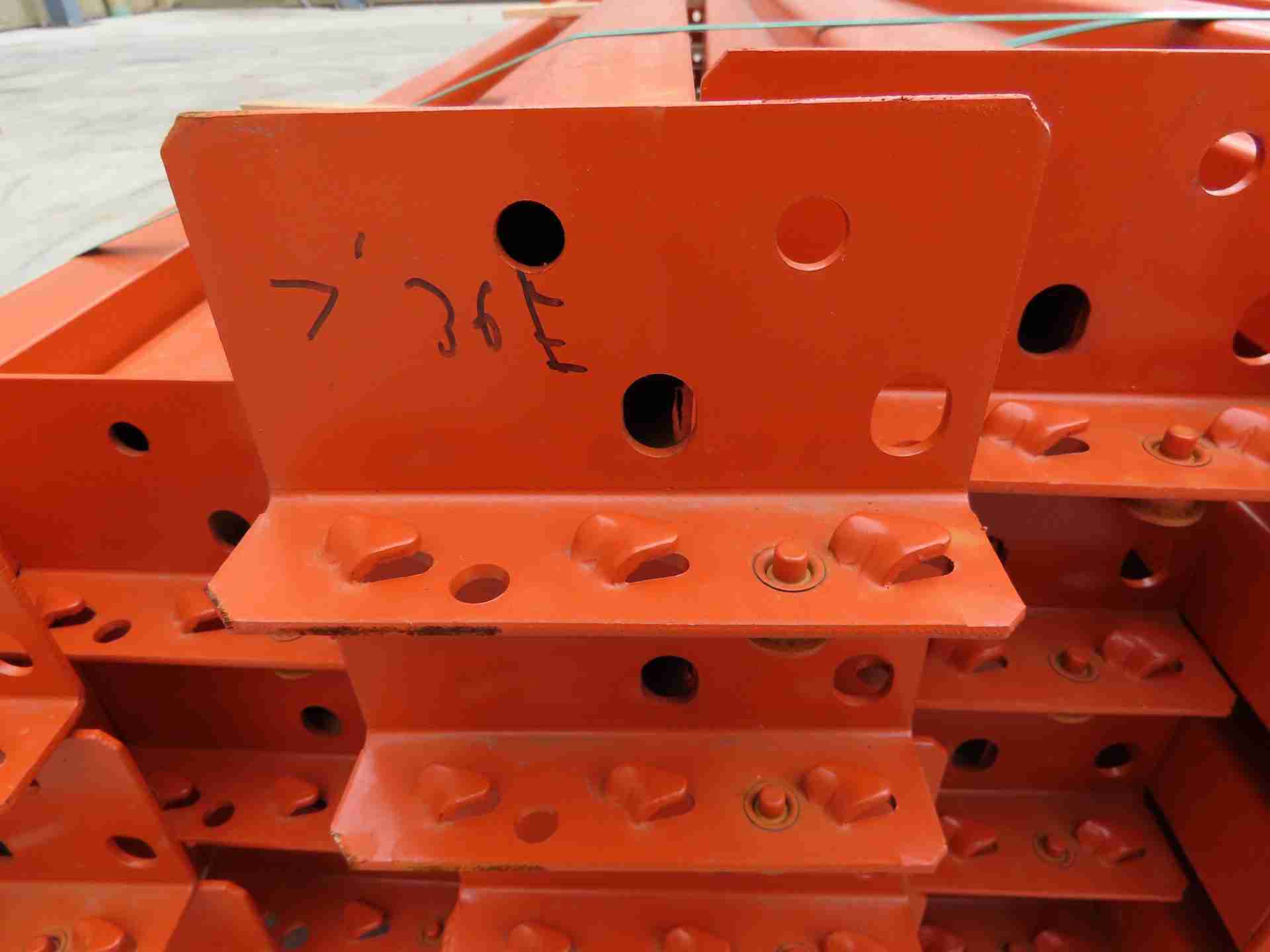
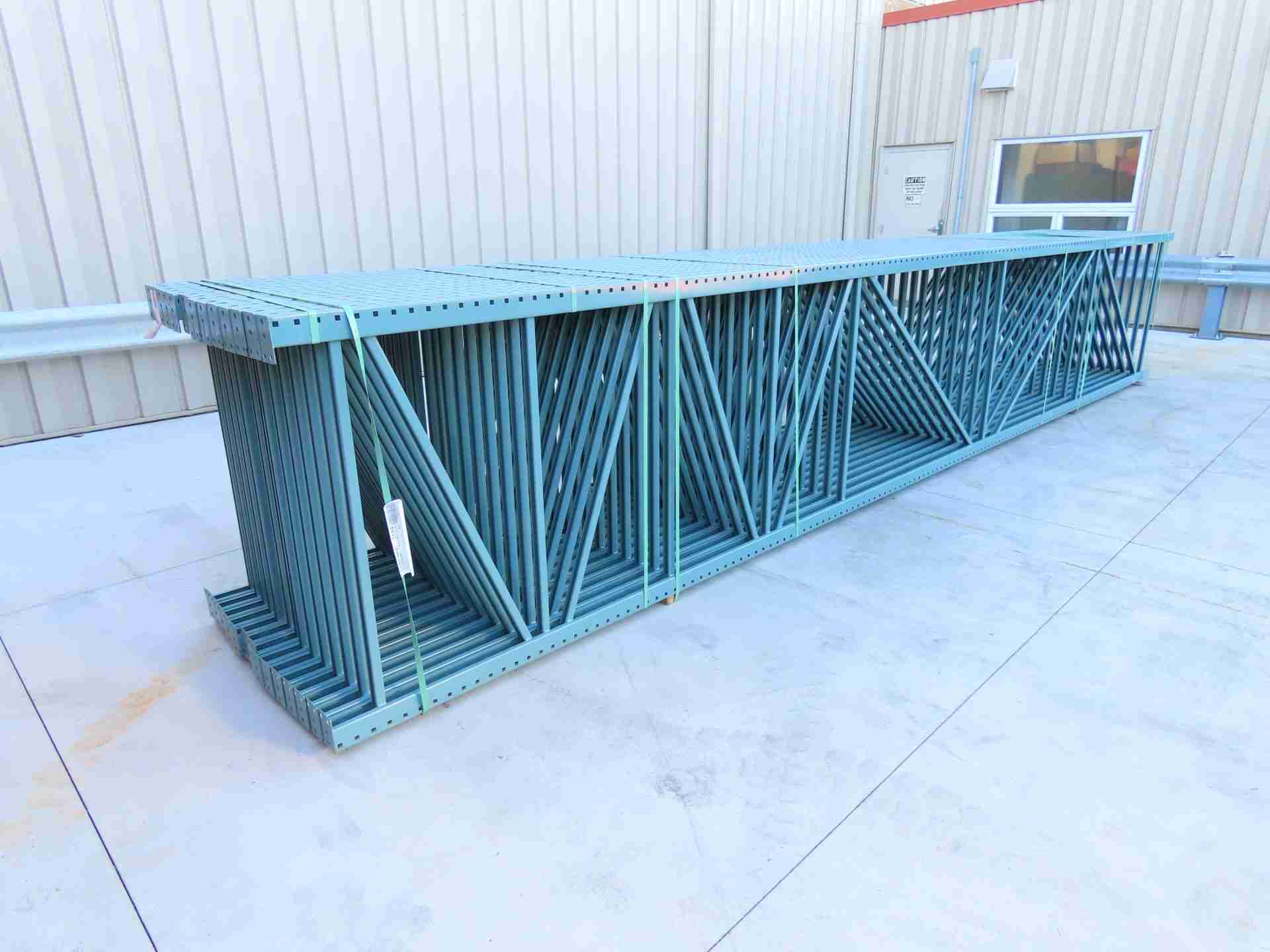
One of the most important safety measures to consider when using industrial racks is proper installation. It’s crucial to ensure that the racks are securely anchored to the floor and walls to prevent them from tipping over or collapsing. Additionally, it’s essential to follow the manufacturer’s guidelines for weight capacity and load distribution to prevent overloading, which can lead to structural failure.
Another key safety consideration is regular inspections and maintenance. Industrial racks endure a lot of wear and tear from heavy loads and constant use, so it’s important to regularly inspect them for signs of damage, such as bent or cracked beams, missing bolts, or loose connections. Any issues should be addressed immediately to prevent accidents and injuries.
Proper training is also essential when using industrial racks. Employees who work with these racks should be trained on how to safely load and unload them, as well as how to properly distribute weight to prevent overloading. They should also be educated on how to identify and report any potential safety hazards to prevent accidents.
It’s also crucial to keep walkways clear and free of debris around industrial racks to prevent tripping hazards. Employees should be encouraged to maintain a tidy work area and to store materials in an organized manner to prevent clutter and obstructions that could lead to accidents.
Lastly, personal protective equipment should be worn when working with industrial racks, especially when loading or unloading heavy materials. This includes gloves, sturdy footwear, and, in some cases, helmets or safety goggles. Proper lifting techniques should also be used to prevent strain or injury when handling heavy objects.
When using industrial racks, it’s essential to prioritize safety at all times. By following proper installation procedures, conducting regular inspections, providing adequate training, keeping work areas clean and organized, and using personal protective equipment, you can help prevent accidents and injuries and create a safe work environment for everyone involved. Remember, safety first!
What Safety Measures Should Be Considered When Using Industrial Racks?
What Safety Measures Should Be Considered When Using Industrial Racks?
- Safety should always be the number one priority when working with industrial racks.
- Proper installation is crucial to prevent tipping over or collapsing of the racks.
- Regular inspections and maintenance are important to check for signs of damage.
- Proper training for employees on how to safely load and unload racks is essential.
- Keep walkways clear and free of debris around industrial racks to prevent tripping hazards.
- Wear personal protective equipment, such as gloves and sturdy footwear, when working with industrial racks.
- Prioritize safety at all times to prevent accidents and injuries in industrial settings.
What Safety Measures Should Be Considered When Using Industrial Racks?
What Types Of Industrial Racks Are Available For Warehouse Storage?
When it comes to warehouse storage, one of the most important elements to consider is the type of industrial racks that will be used to store inventory. There are several different types of industrial racks available, each designed for specific needs and requirements.
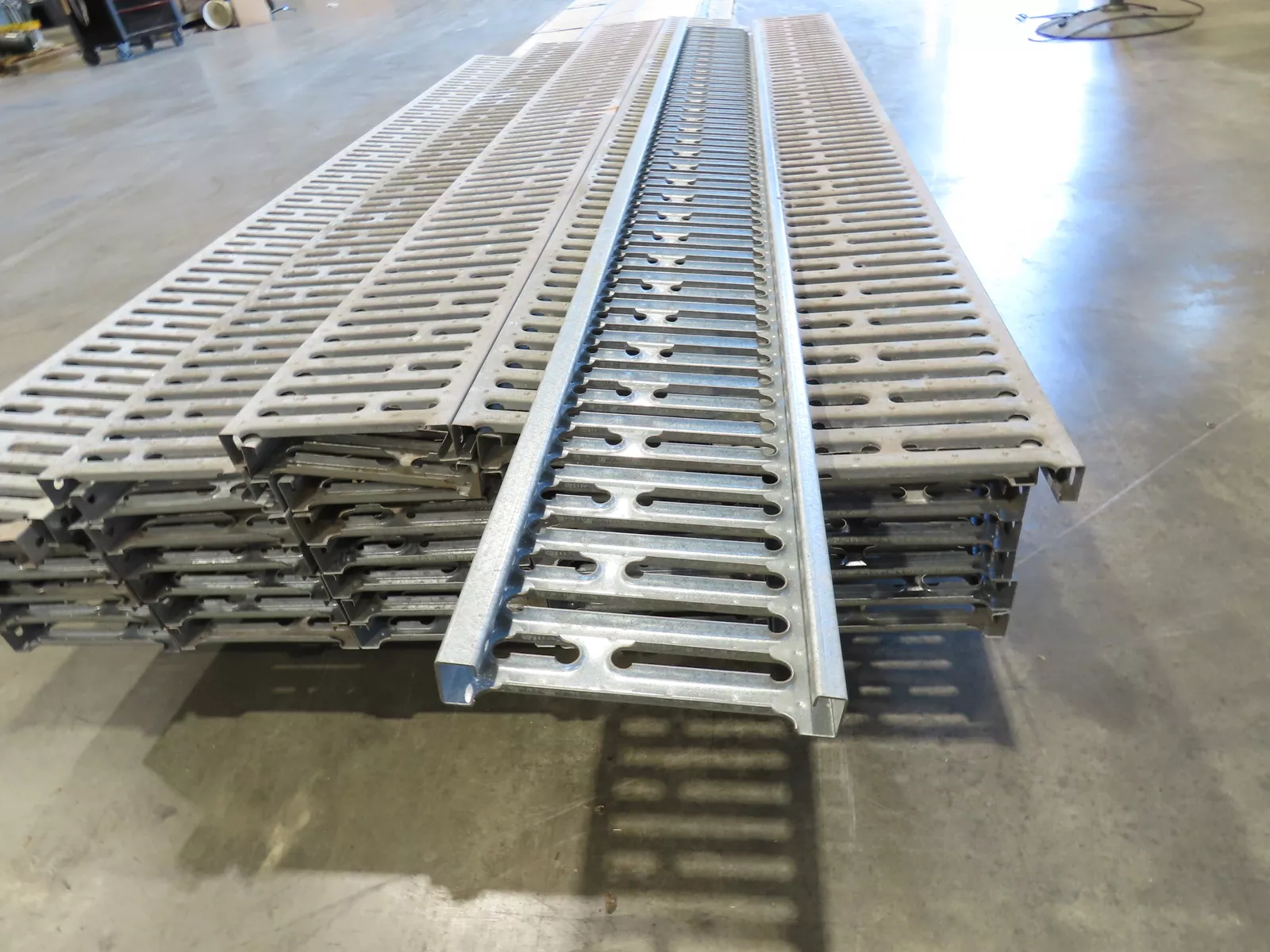
One common type of industrial rack is the pallet rack. These racks are designed to store palletized goods in a way that maximizes vertical space and allows for easy access to inventory. Pallet racks come in various configurations, including selective, drive-in, and push back racks. Selective racks are the most common type, allowing for individual access to each pallet. Drive-in racks are used for high-density storage, allowing forklifts to drive into the racking system to retrieve pallets. Push back racks are designed for storing multiple pallets deep and allow for easy loading and unloading.
Another type of industrial rack is the cantilever rack. Cantilever racks are used for storing long, bulky items such as pipes, lumber, and steel bars. These racks have arms that extend out from a vertical column, allowing for easy loading and unloading of items. Cantilever racks are ideal for storing items that are too long or awkwardly shaped to fit on traditional pallet racks.
For smaller items or cartons, shelving racks are often used in warehouse storage. Shelving racks come in various styles, including boltless, wire, and rivet shelving. Boltless shelving is easy to assemble and disassemble, making it a flexible option for warehouses with changing inventory needs. Wire shelving is durable and allows for good airflow and visibility of stored items. Rivet shelving is very sturdy and can hold heavy loads, making it ideal for warehouses with heavy inventory.
Lastly, for warehouses with limited space, mobile racks can be a good solution. Mobile racks are mounted on rails and can be moved along a track to create more storage space when needed. This type of rack is ideal for warehouses with seasonal or fluctuating inventory levels.
The type of industrial rack used for warehouse storage will depend on the specific needs and requirements of the facility. Whether storing palletized goods, long, bulky items, or smaller cartons, there are a variety of industrial racks available to maximize storage space and improve efficiency in the warehouse.
What Types Of Industrial Racks Are Available For Warehouse Storage?
What Types Of Industrial Racks Are Available For Warehouse Storage?
- Industrial racks are crucial for warehouse storage.
- Pallet racks are common and maximize vertical space.
- Types of pallet racks include selective, drive-in, and push back racks.
- Cantilever racks are used for long, bulky items.
- Shelving racks are ideal for storing smaller items or cartons.
- Mobile racks are a good solution for warehouses with limited space.
- The type of industrial rack used depends on specific needs and requirements.
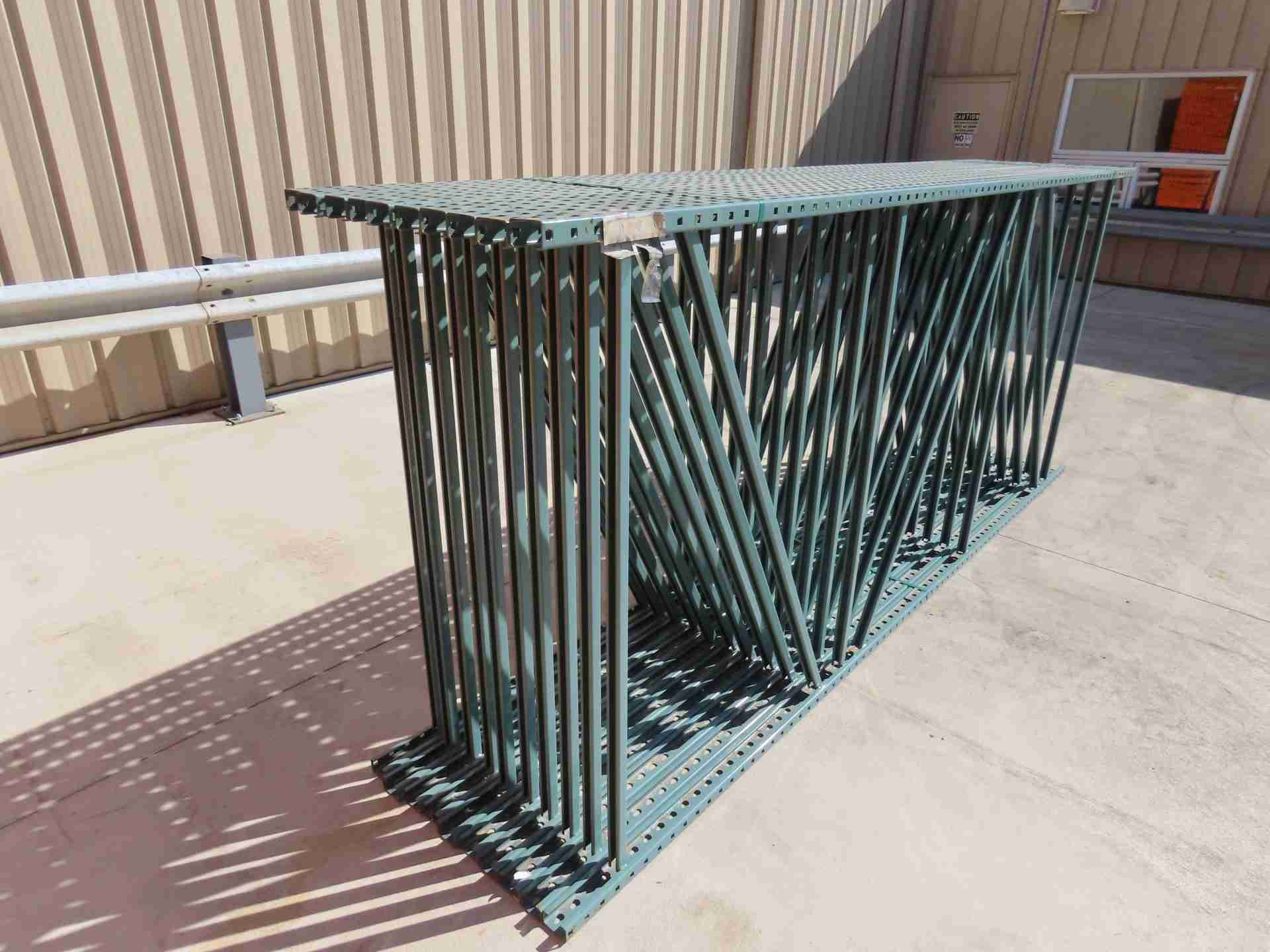
What Types Of Industrial Racks Are Available For Warehouse Storage?
How Do Industrial Racks Improve Warehouse Organization And Efficiency?
Industrial racks play a crucial role in improving warehouse organization and efficiency. These sturdy structures provide a systematic way to store and organize goods, maximizing the use of available space and making it easier for workers to locate and retrieve items.
One of the key ways industrial racks improve warehouse organization is by creating designated storage areas for different types of products. By using racks with adjustable shelves or compartments, warehouse managers can customize the layout to accommodate a variety of sizes and shapes of goods. This eliminates the need for items to be stacked haphazardly on the floor or on top of each other, reducing the risk of damage and making it easier to keep track of inventory.
In addition, industrial racks help to optimize vertical space in the warehouse. By stacking goods vertically instead of horizontally, warehouses can make more efficient use of their square footage. This not only increases storage capacity but also improves accessibility, as workers can easily see and reach items on higher shelves without having to move other products out of the way.
Furthermore, industrial racks help to streamline picking and packing processes, leading to a more efficient workflow. With goods neatly organized on racks, workers can quickly locate and retrieve items, cutting down on the time spent searching for products. This not only saves time but also reduces the risk of errors and inaccuracies in fulfilling orders.
Another benefit of industrial racks is their durability and strength. Made of high-quality materials such as steel or aluminum, these racks can withstand heavy loads and harsh warehouse environments. This means that goods can be stored securely without fear of collapse or damage, ensuring the safety of both products and workers.
Overall, industrial racks are an essential tool for improving warehouse organization and efficiency. By providing a structured storage system, optimizing vertical space, streamlining processes, and ensuring durability, these racks help warehouses operate more smoothly and effectively. So next time you’re in a warehouse, take a moment to appreciate the humble industrial rack – it may not be glamorous, but it plays a vital role in keeping operations running smoothly.
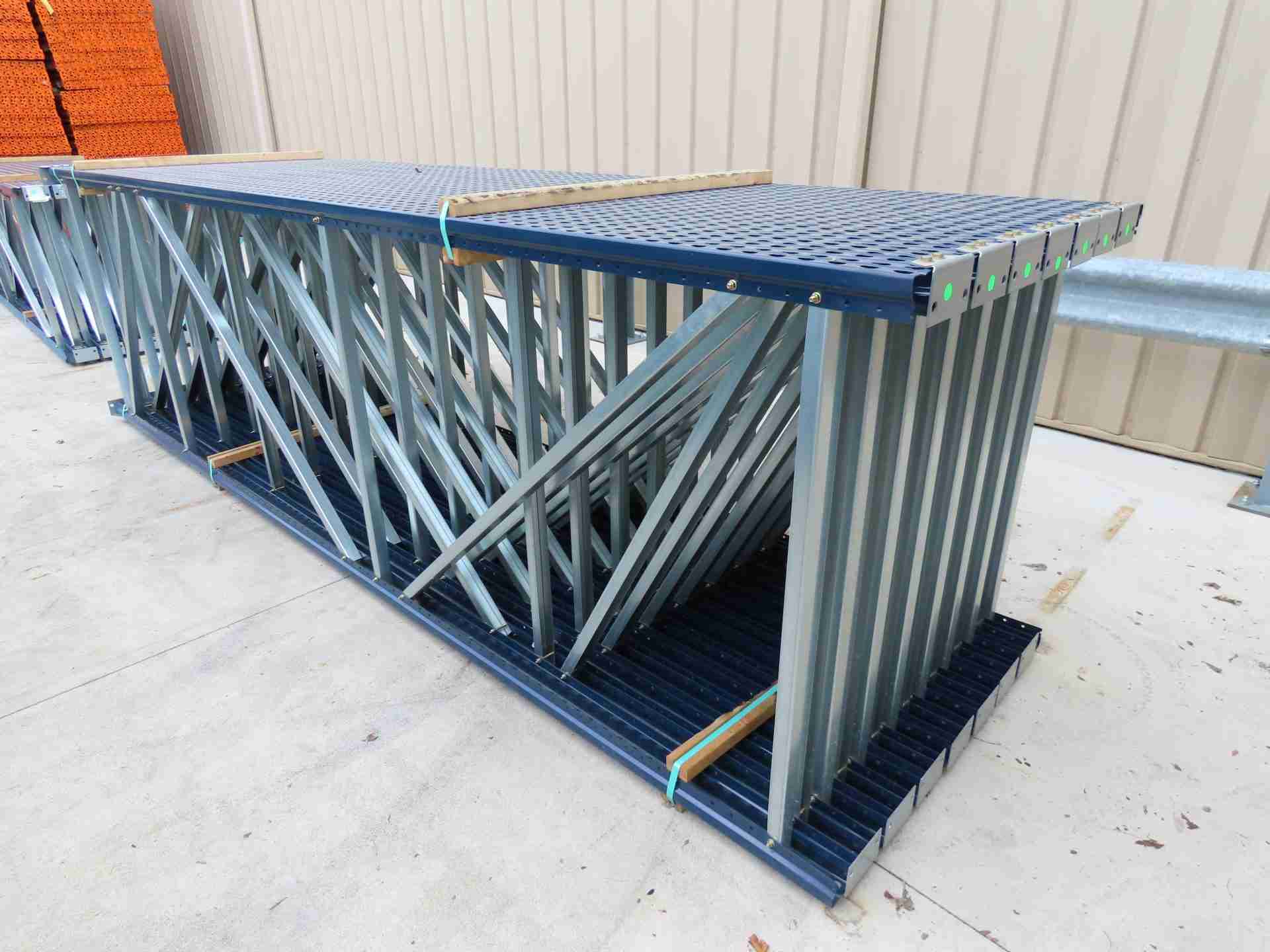
How Do Industrial Racks Improve Warehouse Organization And Efficiency?
How Do Industrial Racks Improve Warehouse Organization And Efficiency?
- Industrial racks play a crucial role in improving warehouse organization and efficiency.
- These sturdy structures provide a systematic way to store and organize goods, maximizing the use of available space.
- Industrial racks create designated storage areas for different types of products.
- They help optimize vertical space in the warehouse by stacking goods vertically.
- Industrial racks streamline picking and packing processes, leading to a more efficient workflow.
- They are durable and made of high-quality materials such as steel or aluminum.
- Overall, industrial racks are an essential tool for improving warehouse organization and efficiency.
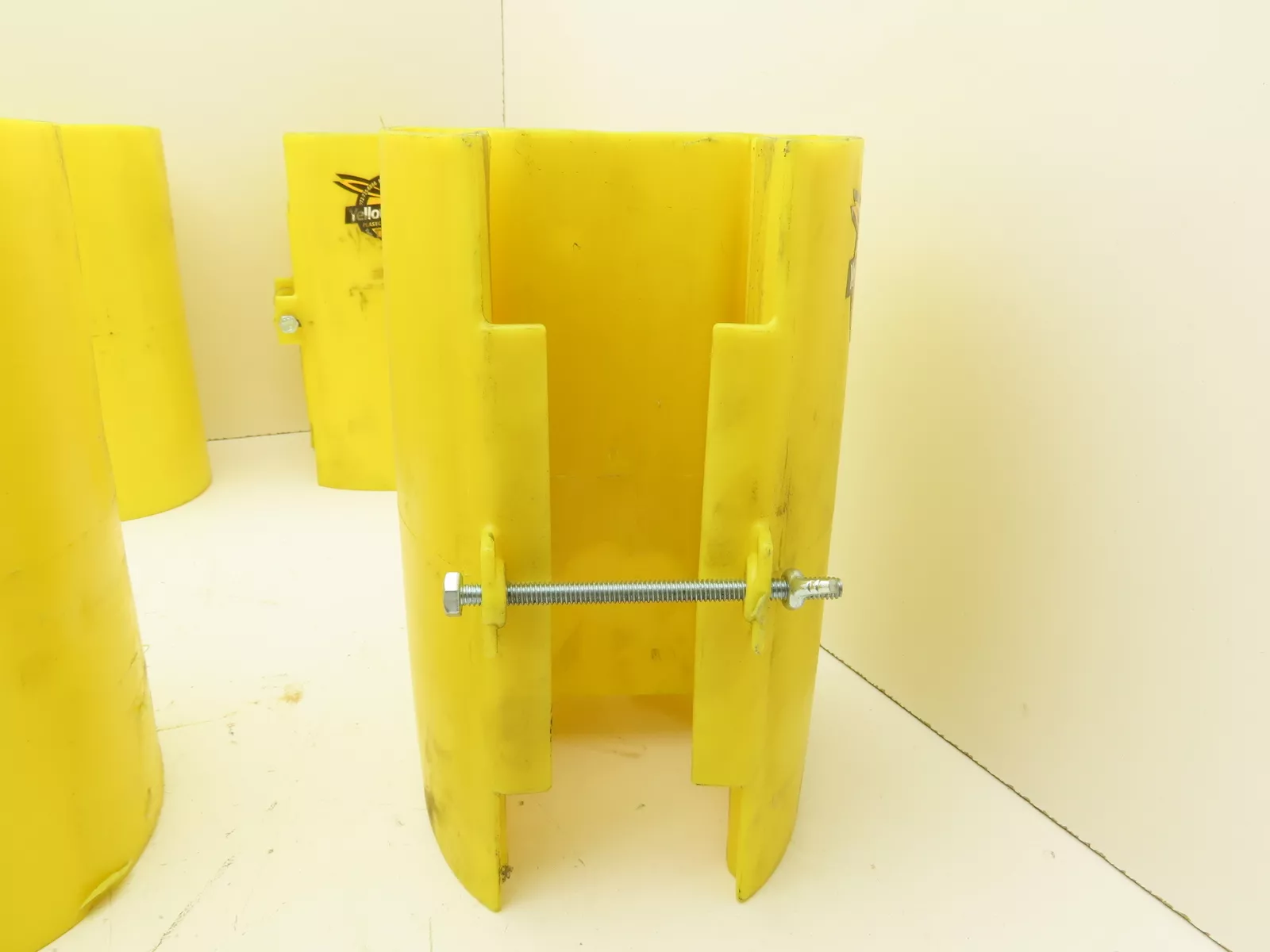
How Do Industrial Racks Improve Warehouse Organization And Efficiency?
Conclusion
In conclusion, industrial racks are the unsung heroes of warehouse storage, helping businesses optimize space, organize inventory, and improve efficiency behind the scenes. By maximizing vertical space and keeping aisles clear for easy navigation, industrial racks increase storage capacity while reducing labor costs. These customizable and durable structures are designed to accommodate a wide range of products, from small parts to heavy machinery, ensuring reliable storage solutions for years to come.
Industrial racks are not just for heavy items like pallets or long products; they can also be customized to fit the specific needs of a warehouse, improving organization, accessibility, and safety. By creating designated storage areas, optimizing vertical space, and streamlining workflow, industrial racks contribute to a more efficient and productive work environment. Additionally, the durability and strength of these racks help prevent accidents and injuries, ultimately leading to cost savings and improved bottom lines for businesses.
When using industrial racks, safety should always be a top priority. Proper installation, regular maintenance, employee training, and clear walkways are essential to prevent accidents and injuries. By prioritizing safety measures and following guidelines for weight capacity and load distribution, businesses can create a safe work environment for everyone involved.
In conclusion, industrial racks are crucial components of a well-organized and efficient warehouse operation. By utilizing these heavy-duty shelving units, businesses can maximize storage space, streamline operations, improve productivity, and ensure the safety of their employees and products. Remember, when it comes to warehouse storage, industrial racks are the key to unlocking the full potential of vertical space and keeping operations running smoothly and efficiently. So the next time you see rows of neatly stacked shelves in a warehouse, remember that those industrial racks are the backbone of the storage world, quietly supporting businesses in their quest for maximum efficiency and profitability.
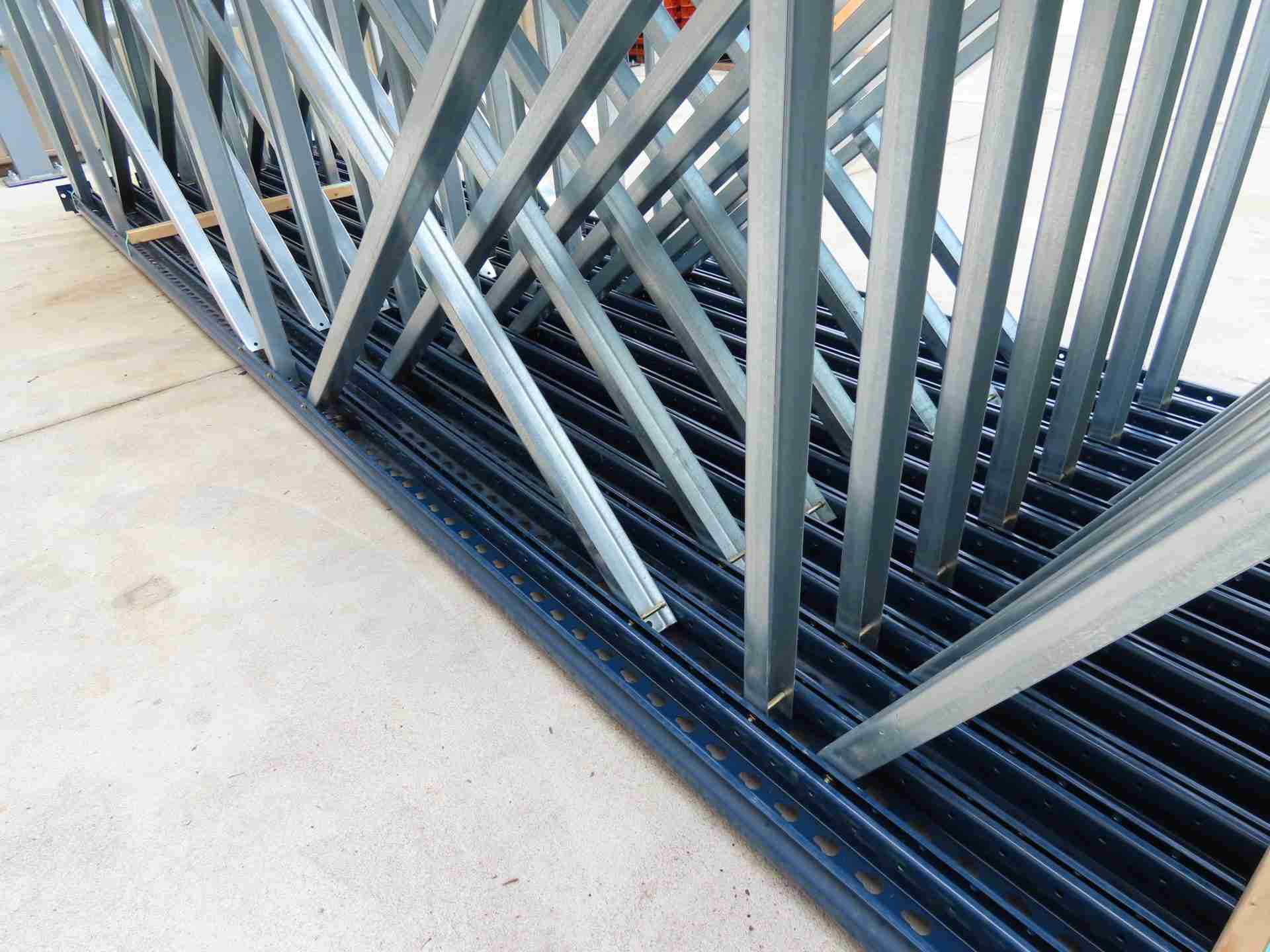
Conclusion
Conclusion:
- Industrial racks help optimize space, organize inventory, and improve efficiency in warehouses.
- They increase storage capacity and reduce labor costs by maximizing vertical space and keeping aisles clear for navigation.
- Industrial racks are customizable and durable, accommodating a wide range of products for reliable storage solutions.
- They can be customized to fit specific warehouse needs, improving organization, accessibility, and safety.
- Industrial racks contribute to efficient work environments by creating designated storage areas and streamlining workflows.
- Safety is crucial when using industrial racks, requiring proper installation, maintenance, training, and clear walkways.
- Industrial racks are essential for well-organized and efficient warehouse operations, maximizing storage space and ensuring safety.
Conclusion
Other Resources
Other Resources
Here is a list of other resources you can review online to learn more:
- “Warehouse Racking Systems | Material Handling Equipment …”
- “Industrial Pallet Racks Warehouse Shelving New & Used …”
- “Adjustable Pallet Racking”
- “Racking Solutions from Toyota”
- “Warehouse Racking Layout: The Ultimate Guide”
- “Pallet Racking (Selective Storage Racks)”
- “Material Handling Solutions | Stacking Racks | Lift Tables”
- “Understanding the Different Types of Pallet Racking Systems”
- “Double Deep Pallet Racking”
- “Maximize Your Warehouse Efficiency Pallet Racking Guide”
- “Determine the Right Types of Pallet Racks for Your …”
- “Material Handling and Storage”
- “Cantilever racking | Racking systems”
- “Pallet Racking Systems for Warehouse”
- “Which Are the Best Storage Racks for the Warehouse?”
- “The Ultimate Pallet Racking Guide”
- “VNA pallet racking: uses and applications in warehousing”

Other Resources
Glossary Terms
How Do Industrial Racks Help Optimize Storage Space In Warehouses? – Glossary Of Terms
1. Industrial Racks: Structures used to store products and materials in warehouses, optimizing available space and increasing organizational efficiency.
2. Pallet Racks: Racking systems designed to hold pallets in horizontal rows, making it easier to store and retrieve large quantities of goods.
3. Cantilever Racks: Racks with arms extending from columns, ideal for storing long and bulky items like pipes, lumber, and steel bars.
4. Mezzanine Floors: Intermediate floors built within warehouses to create additional storage space without altering the building structure.
5. Drive-In Racks: High-density storage systems where forklifts drive directly into the rack to store and retrieve pallets, ideal for large quantities of homogenous products.
6. Push Back Racks: Racks where pallets are placed on a series of nested carts that move along inclined rails, optimizing space and enhancing accessibility.
7. Selective Racking: Single-pallet-deep racking where each pallet is easily accessible, offering versatility for a wide range of products.
8. Flow Racks: Racks using gravity to move products in FIFO (First In, First Out) inventory systems, ensuring the oldest stock is used first.
9. Automated Storage and Retrieval Systems (AS/RS): Automated systems that retrieve and place items in storage, improving efficiency and reducing the need for manual labor.
10. Double-Deep Racking: Racking systems where two rows of pallets are stored back-to-back, maximizing storage density.
11. Tire Racks: Specialized racks designed to store tires in an organized manner, preventing damage and saving space.
12. Decking: Shelves or platforms installed on racks to create levels for storing smaller items, maximizing usability of rack space.
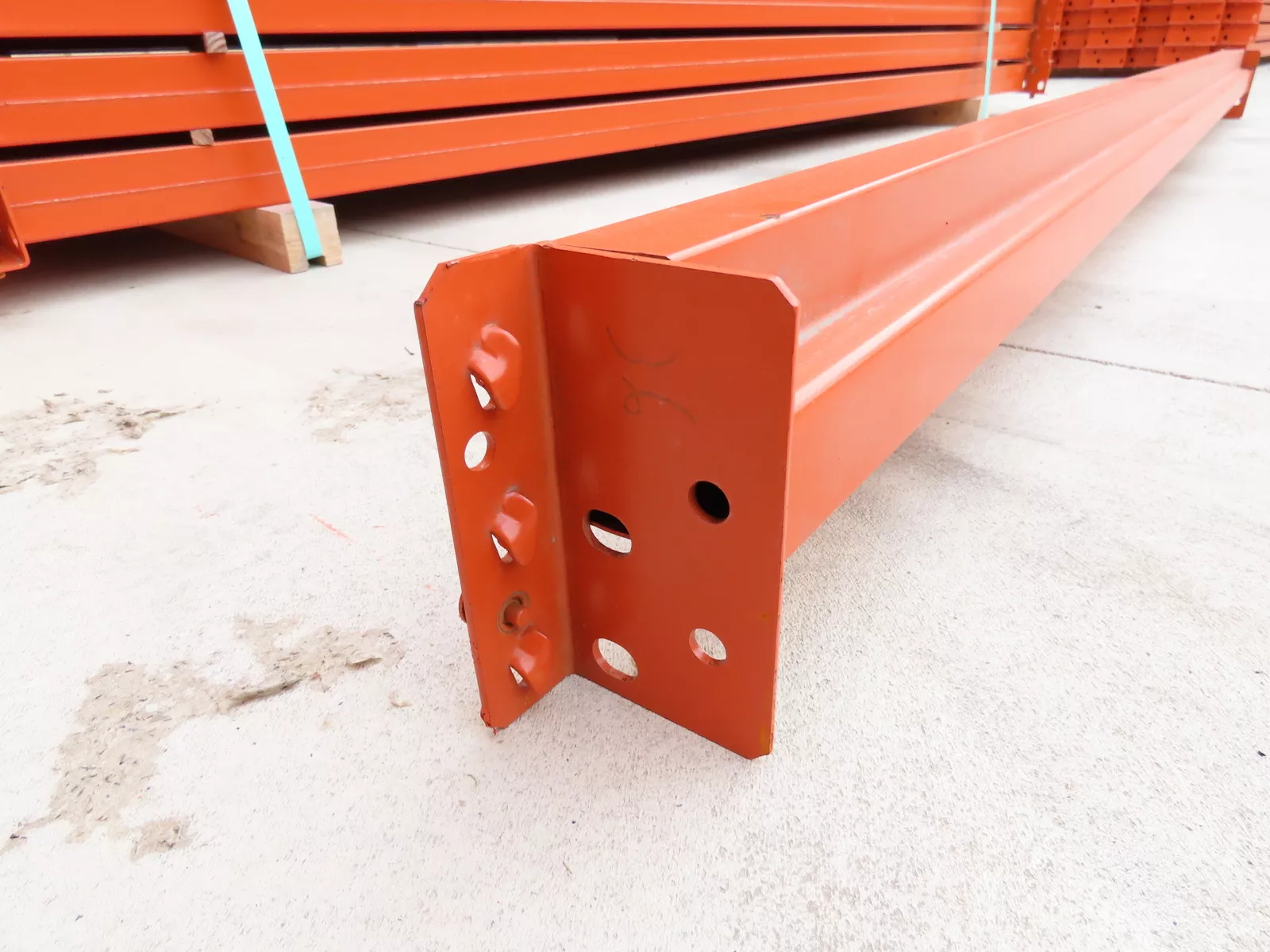
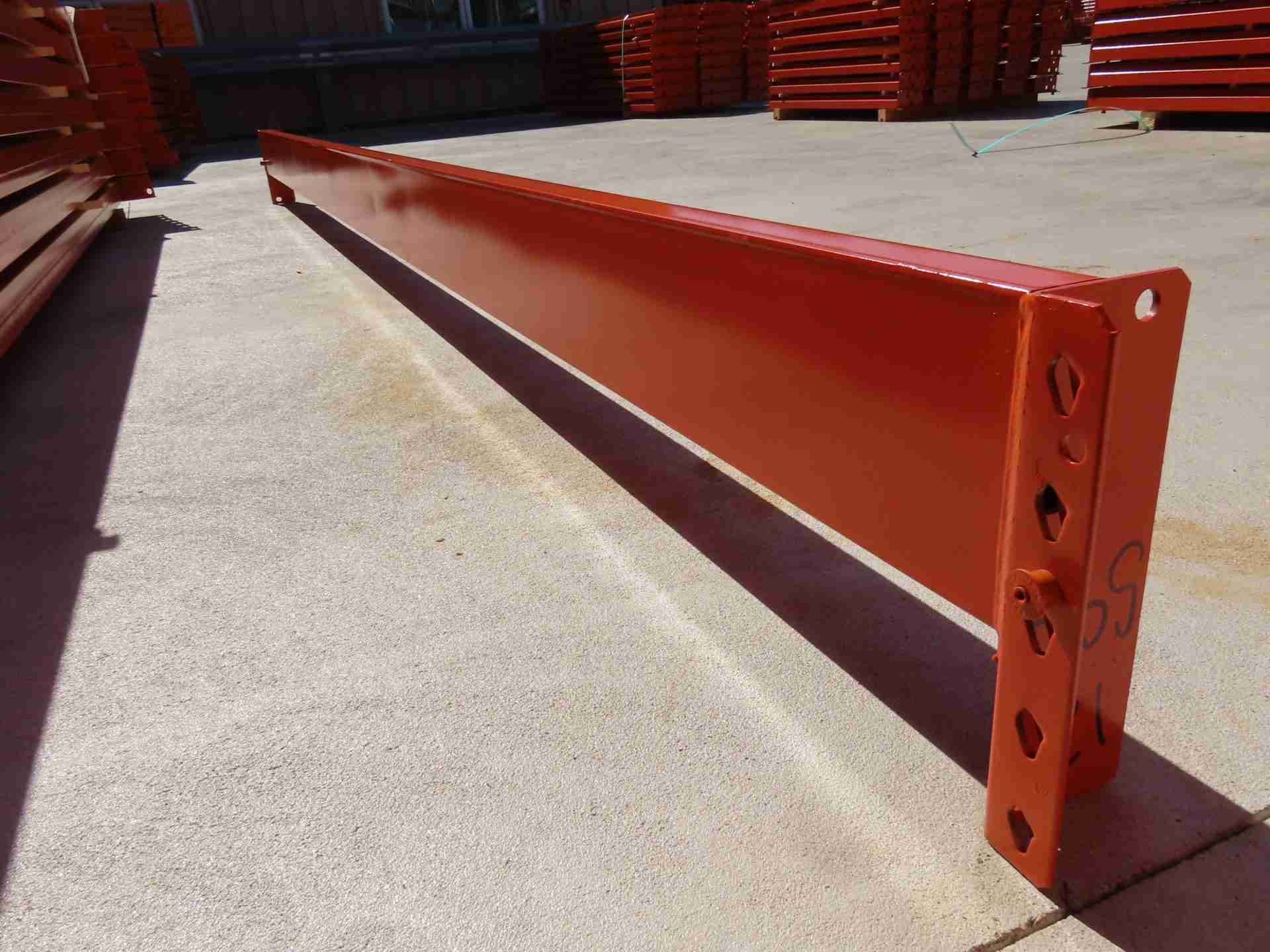
13. Load Beams: Horizontal bars that support the weight of stored items on racks, playing a critical role in the rack’s structural integrity.
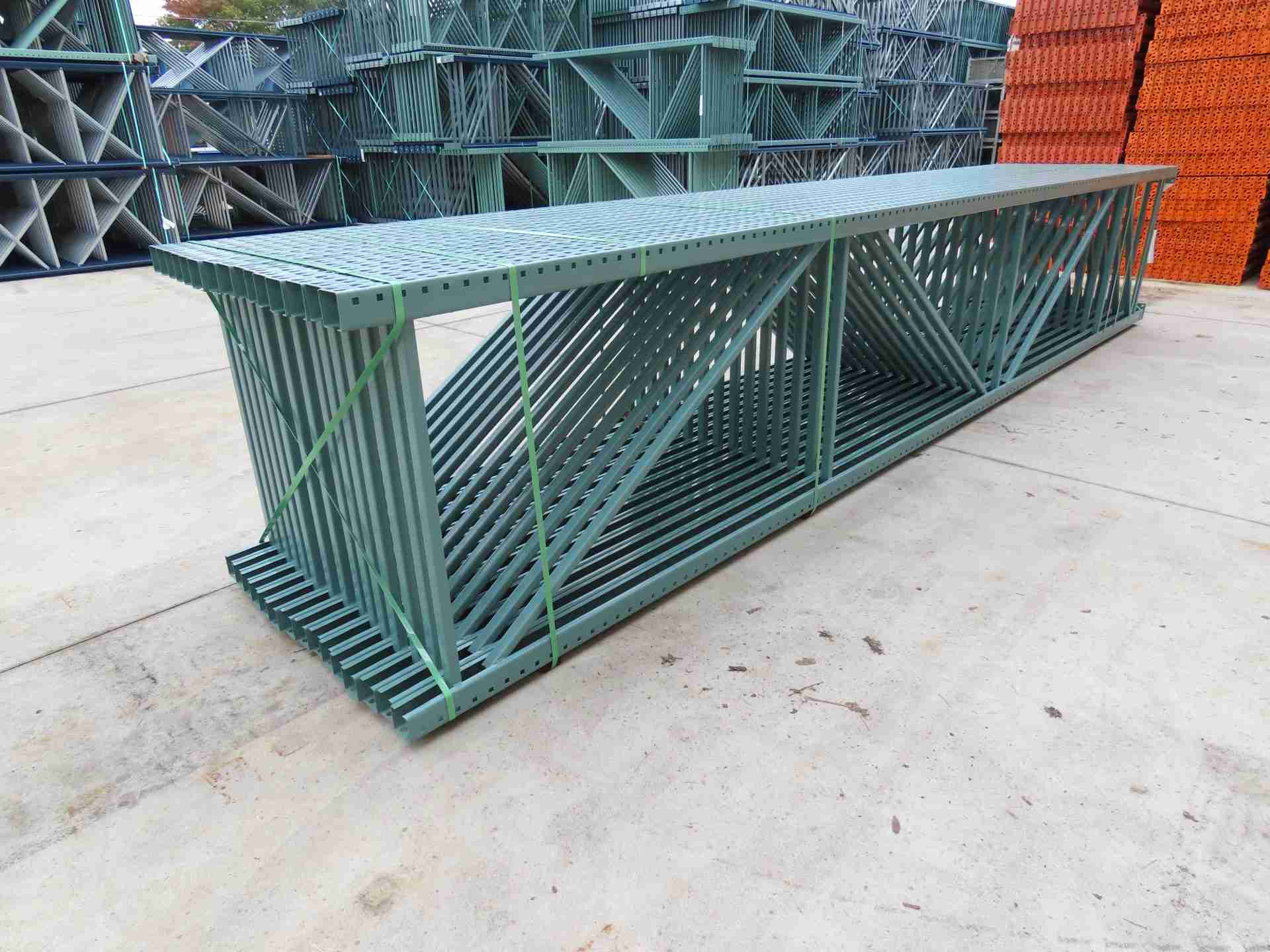
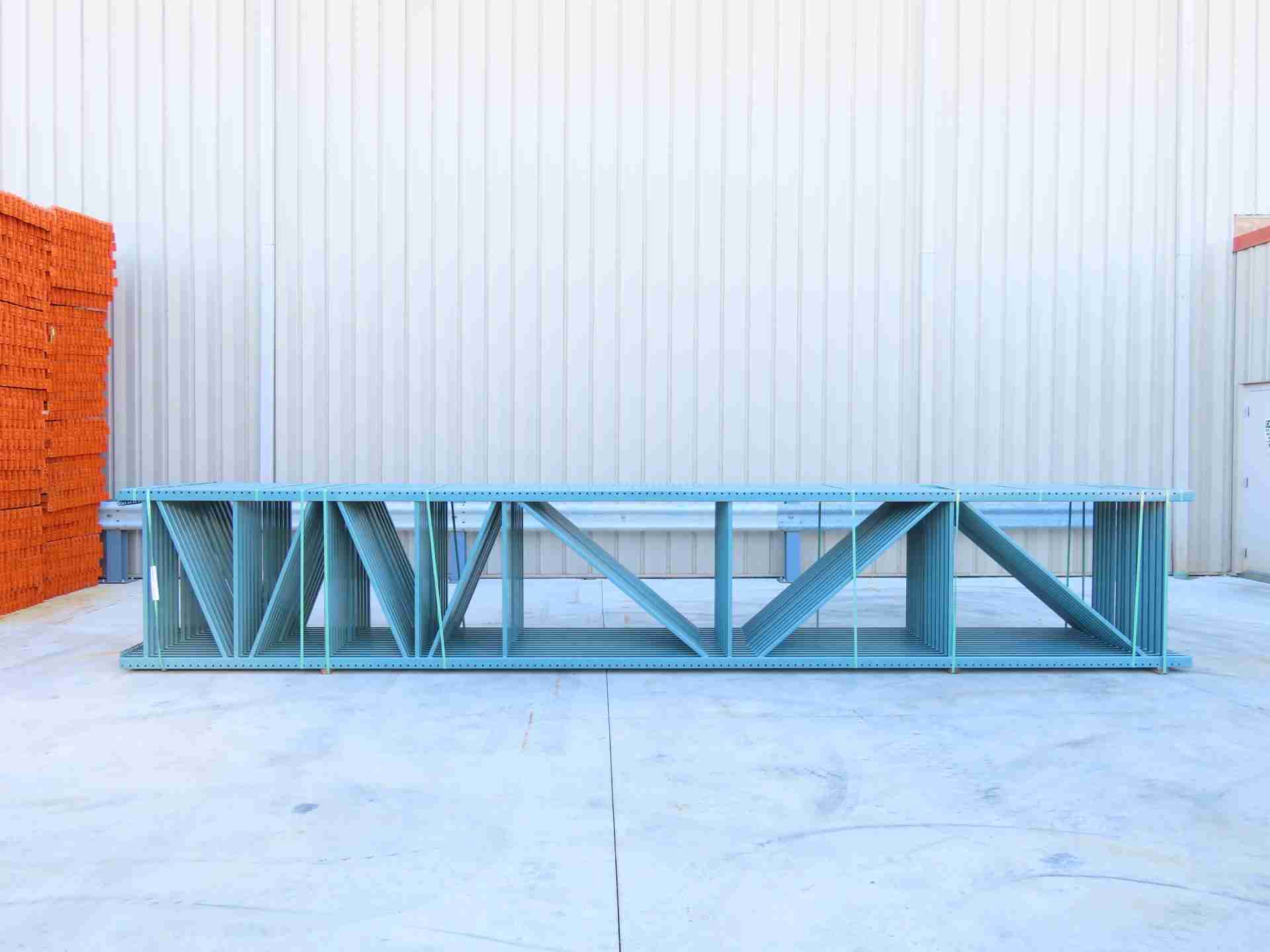
14. Upright Frames: Vertical elements of a racking system that support and stabilize the horizontal load beams and shelves.
15. Wire Mesh Decking: Metal grids placed between load beams to support items and increase rack safety, preventing small items from falling through.
16. Modular Racking: Versatile racking systems that can be reconfigured or expanded according to changing storage needs.
17. Boltless Shelving: Shelving systems assembled without bolts or nuts, allowing for quick assembly and adjustment of shelf heights.
18. Vertical Storage: Utilizing the height of a warehouse to store items, maximizing floor space and improving organization.
19. Pick Racks: Racks designed specifically for picking items, improving the efficiency of the picking process.
20. Span-Track: Dynamic storage tracks installed in racks that allow items to glide from one end to the other, often used in order-picking systems.
21. Aisle Width: The distance between rows of racks which affects the maneuverability of forklifts and efficiency of warehouse operations.
22. Slotted Angle Racking: Customizable shelving systems made from slotted angle iron, adaptable to various storage requirements.
23. Racking Protection: Guard rails, column protectors, and end-row protections designed to prevent damage to racks and improve warehouse safety.
24. Mobile Racking: Racking systems mounted on mobile bases that move along tracks, allowing for compact storage and easy access when required.
25. Dynamic Racking: Racking systems featuring moving parts (like rollers) to facilitate the movement and retrieval of stored goods, enhancing efficiency.
26. Rack Labels: Labels used to identify locations within racking systems, aiding in the organization and retrieval of stored items.
27. Safety Clips: Devices used to securely attach load beams to upright frames, ensuring the stability of the racking system.
28. Bay: The smallest unit within a racking system, typically consisting of two upright frames with load beams and decking.
29. Load Capacity: The maximum weight that a racking system or component can safely support, critical for safety and efficiency.
30. Warehouse Management System (WMS): Software used to manage the storage, retrieval, and organization of goods within a warehouse, often integrated with racking systems to optimize space use.
These terms and their descriptions should give you a comprehensive understanding of the various elements involved in optimizing storage space in warehouses using industrial racks.
Other Questions
How Do Industrial Racks Help Optimize Storage Space In Warehouses? – Other Questions
If you wish to explore and discover more, consider looking for answers to these questions:
- What are the main benefits of using industrial racks in warehouses?
- How do industrial racks help in optimizing vertical storage space?
- What types of industrial racks are best suited for different types of goods?
- How customizable are industrial racks for specific warehouse needs?
- What safety measures should be taken when using industrial racks?
- How do industrial racks contribute to warehouse organization and efficiency?
- What are the differences between pallet racks, cantilever racks, drive-in racks, and pushback racks?
- What weight capacities can industrial racks support and how does this affect their usage?
- How does the installation of industrial racks impact warehouse safety and productivity?
- What are the maintenance requirements for industrial racks to ensure longevity?
- How do industrial racks improve inventory management systems?
- Can small-scale warehouses benefit from industrial racks?
- Are there any specific industries that benefit more from using industrial racks?
- What role do industrial racks play in reducing labor costs in warehouses?
- How do customized industrial racks differ from standard, off-the-shelf options?
Other Questions
Checklist
How Do Industrial Racks Help Optimize Storage Space In Warehouses? – A Checklist
Introduction
_____ Understand the importance of maximizing space for efficiency and productivity in warehouses.
_____ Recognize industrial racks as key tools for optimizing storage space.
Utilizing Vertical Space
_____ Assess the full height of the warehouse.
_____ Determine the types of goods that can be stored vertically.
_____ Ensure aisles are clear for navigation by machinery.
Effective Inventory Organization
_____ Sort items by type, size, or other relevant categories.
_____ Implement a system for quick location and access.
_____ Reduce time spent searching for products to improve efficiency and reduce labor costs.
Customization
_____ Determine specific needs for different sizes, configurations, and weight capacities.
_____ Choose rack types that accommodate the range of products: small parts to large, bulky items.
Durability and Longevity
_____ Source high-quality materials (e. g. , steel, aluminum) for racks.
_____ Ensure racks can withstand heavy loads and frequent use.
_____ Opt for long-term, reliable storage solutions to save on time and expense.
Types of Industrial Racks (for Specific Needs)
_____ Pallet Racks: For storing heavy items on standard pallets.
_____ Support significant weight
_____ Adjustable to different sizes and weights
_____ Cantilever Racks: For long, bulky items (pipes, lumber).
_____ Easy access and maximized storage space
_____ Support heavy loads
_____ Drive-In Racks: For high-density storage.
_____ Forklifts can load/unload directly
_____ Suitable for large quantities that don’t need frequent access
_____ Pushback Racks: Space-saving and efficient.
_____ Use nested carts for deep storage
_____ Support heavy loads
_____ Carton Flow Racks: For storing items in cartons or boxes.
_____ Use gravity feed for easy access
_____ Versatile for different sizes and weights
Customization Options
_____ Adjust size, shape, and weight capacity.
_____ Optimize vertical space by working with a rack manufacturer.
_____ Tailor racks to securely hold specific types of inventory.
Improving Warehouse Organization and Efficiency
_____ Designate storage areas for different products.
_____ Utilize vertical space to keep aisles clear.
_____ Adapt storage layout for fluctuating inventory.
_____ Improve inventory management for faster, accurate operations.
_____ Lower real estate and operating costs by maximizing space.
Safety Measures
_____ Install racks securely to floors and walls.
_____ Follow manufacturer’s guidelines for weight capacity.
_____ Conduct regular inspections and maintenance.
_____ Train employees on safe load/unload practices.
_____ Keep work areas tidy and free of debris.
_____ Use personal protective equipment (gloves, sturdy footwear, etc. ).
_____ Employ proper lifting techniques.
Conclusion
_____ Acknowledge the critical role of industrial racks in warehouse efficiency.
_____ Aim for greater productivity, accuracy, and cost savings through proper use of industrial racks.
_____ Appreciate the industrial rack as a vital, though often unnoticed, component of effective warehouse management.
This checklist can be used to ensure that the key points and benefits of using industrial racks in warehouse storage are not only understood but also implemented for maximum efficiency and organization.
Checklist
At RackingWorld, we help guide you through selecting warehouse storage systems and racking.
Be sure to read our other related stories at RackingWorld to learn more about warehouse storage systems.
0 Comments