
Ensuring OSHA Compliance with Shelving Standards
By Tom Seest
At RackingWorld, we help guide you through selecting warehouse storage systems and racking.
Be sure to read our other related stories at RackingWorld to learn more about warehouse storage systems.
Are There OSHA Shelving Standards?
When it comes to workplace safety, OSHA shelving standards play a crucial role in ensuring that businesses are in compliance with regulations. These standards are put in place to protect workers and prevent accidents that could result in injury or even death.
One key standard to be aware of is the requirement for shelving to be able to support the weight of the materials stored on them. OSHA mandates that shelving systems must be able to withstand the load they are intended to hold, and that shelves should not be overloaded beyond their capacity. Failure to adhere to these standards can result in serious consequences, including fines and penalties.
For example, in a recent case in New Jersey, a manufacturing facility was fined by OSHA for failing to comply with shelving standards. The company had implemented a shelving system that was not rated to support the weight of the materials stored on them, leading to a collapse that injured several workers.
In addition to weight capacity requirements, OSHA also has standards for shelving systems to be properly installed and maintained. This includes ensuring that shelving units are securely anchored to the floor or wall, and that regular inspections are conducted to check for any signs of wear or damage.
Failure to meet these standards can result in serious consequences for businesses. In addition to the potential for fines and penalties, accidents resulting from non-compliant shelving systems can lead to costly lawsuits and damage to a company’s reputation.
To avoid these potential risks, it is essential for businesses to ensure that their shelving systems are in compliance with OSHA standards. This not only protects workers and prevents accidents, but also demonstrates a commitment to safety and compliance that can help improve overall workplace morale and productivity.
By investing in high-quality shelving systems that meet OSHA standards, businesses can create a safer and more efficient work environment for their employees. This not only protects the well-being of workers but also helps to avoid costly fines and penalties that can result from non-compliance.
OSHA shelving standards are a critical component of workplace safety that businesses cannot afford to overlook. By ensuring that shelving systems meet these standards, companies can protect their workers and avoid potentially costly consequences. It is essential for businesses to stay informed about these standards and take proactive steps to ensure compliance in order to create a safe and productive work environment.

Are There OSHA Shelving Standards?
Are There OSHA Shelving Standards?
- OSHA shelving standards are crucial for workplace safety and compliance with regulations.
- Shelving systems must be able to support the weight of materials stored on them.
- Failure to comply with standards can result in fines, penalties, and accidents.
- Standards also include proper installation and maintenance of shelving systems.
- Non-compliant shelving systems can lead to lawsuits and damage to a company’s reputation.
- Businesses should invest in high-quality shelving systems to meet OSHA standards.
- Compliance with OSHA shelving standards demonstrates commitment to safety and can improve workplace morale.

Are There OSHA Shelving Standards?
Table Of Contents
- Are There OSHA Shelving Standards?
- What Are The OSHA Requirements For Warehouse Shelving?
- How Can I Ensure My Shelving Complies With OSHA Regulations?
- What Are The Consequences Of Not Following OSHA Shelving Standards?
- Who Is Responsible For Ensuring OSHA Compliance With Shelving?
- Are There Specific OSHA Guidelines For Industrial Shelving?
- How Can I Stay Up To Date With OSHA Shelving Standards Changes?
- Are There OSHA Storage Rack Anchor Requirements?
- Are There OSHA Load Ratings for Storage Racks?
- Are There OSHA Requirements for Pallet Racking?
- Are There Pallet Rack Capacity Labeling OSHA Requirements?
- Are There OSHA Pallet Rack Standards?
- Are There OSHA Warehouse Aisle Width Standards?
- Are There OSHA Pallet Rack Requirements?
- Are There OSHA Pallet Stacking Height Standards?
- Are There OSHA Storage Rack Requirements?
- Are There OSHA Warehouse Racking Requirements?
- Are There OSHA Minimum Aisle Width Standards?
- Conclusion
- Other Resources
- Glossary Of Terms
- Other Questions
- Checklist
What Are The OSHA Requirements For Warehouse Shelving?
When it comes to warehouse shelving, ensuring compliance with Occupational Safety and Health Administration (OSHA) requirements is crucial for the safety of your employees and the overall efficiency of your operations. Failure to meet these standards can result in costly fines and, more importantly, pose serious risks to the well-being of your workforce.
OSHA has specific regulations in place to govern the design, construction, and maintenance of warehouse shelving to prevent accidents and injuries. One key requirement is ensuring that shelving units are securely anchored to the floor or wall to prevent tipping or collapse. This not only protects your inventory but also reduces the risk of accidents caused by unstable shelving.
Another important aspect of OSHA requirements for warehouse shelving is regular inspections and maintenance. It is essential to conduct routine checks to identify any damage, wear, or deterioration that could compromise the safety and integrity of the shelving units. By proactively addressing any issues, you can prevent accidents and ensure a safe working environment for your employees.
Additionally, OSHA mandates that all employees receive proper training on how to safely use and handle warehouse shelving. This includes techniques for loading and unloading items, as well as guidelines for organizing and storing inventory to prevent overloading and uneven weight distribution. By educating your team on best practices, you can reduce the likelihood of accidents and injuries related to shelving operations.
In light of recent events, such as the increase in e-commerce sales and the growing demand for efficient warehouse operations, it is more important than ever to prioritize safety and compliance in your facility. With the rise of online shopping, warehouses are experiencing higher volumes of inventory and greater pressure to fulfill orders quickly. This places added importance on having robust shelving systems that can withstand the demands of a fast-paced environment while ensuring the well-being of your employees.
Adhering to OSHA requirements for warehouse shelving is essential for maintaining a safe and productive work environment. By taking proactive steps to secure shelving units, conduct regular inspections, and provide thorough training to your team, you can mitigate risks and protect both your workforce and your bottom line. Investing in compliance now can save you from costly penalties and liabilities in the future, while also fostering a culture of safety and efficiency in your warehouse operations.
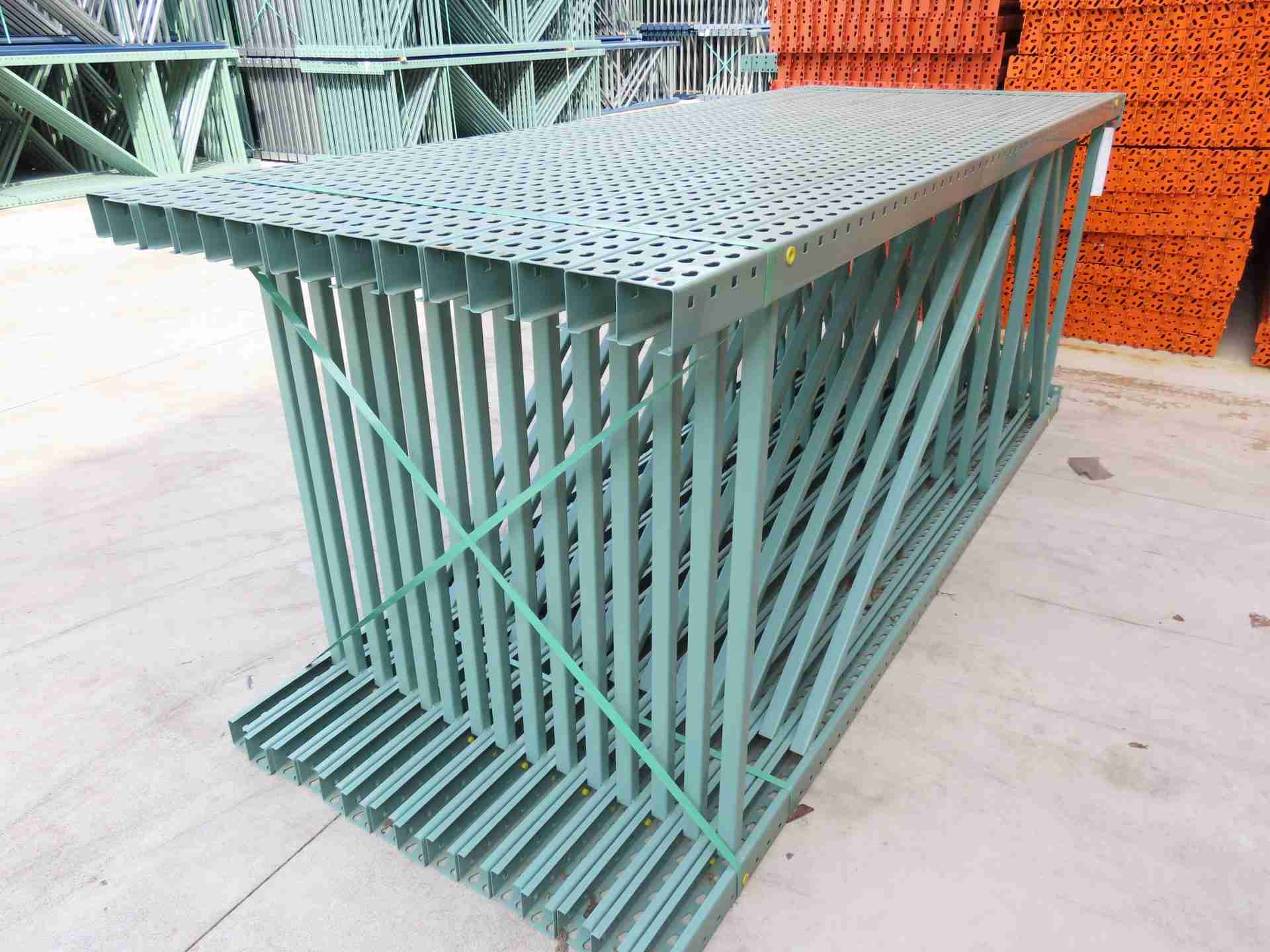
What Are The OSHA Requirements For Warehouse Shelving?
What Are The OSHA Requirements For Warehouse Shelving?
- Ensuring compliance with OSHA requirements is crucial for warehouse safety and efficiency.
- Shelving units must be securely anchored to prevent collapse and accidents.
- Regular inspections and maintenance are essential for identifying potential hazards.
- Employees should receive proper training on using and handling warehouse shelving.
- Prioritizing safety and compliance is crucial due to the rise in e-commerce sales.
- Adhering to OSHA requirements helps maintain a safe and productive work environment.
- Investing in compliance now can save you from costly penalties in the future.

What Are The OSHA Requirements For Warehouse Shelving?
How Can I Ensure My Shelving Complies With OSHA Regulations?
When it comes to ensuring your shelving complies with OSHA regulations, it’s important to take a proactive approach to avoid potential fines and penalties. By following these key steps, you can make sure your shelving meets OSHA standards and keeps your employees safe.
First and foremost, familiarize yourself with OSHA’s regulations and guidelines for shelving in the workplace. Review the specific requirements for shelving, including weight capacities, spacing guidelines, and proper installation techniques. By knowing the rules, you can ensure that your shelving is in compliance and meets OSHA’s safety standards.
One important aspect to consider is the weight capacity of your shelving units. OSHA mandates that shelving must be able to safely support the weight of the items stored on them to prevent collapse or injury. Make sure to regularly inspect your shelving for signs of wear and tear, and replace any damaged units promptly to avoid accidents.
Additionally, proper spacing between shelves is essential for maintaining safe working conditions. OSHA regulations dictate the minimum distance between shelves to prevent items from falling or shelves from collapsing. Be sure to adjust the spacing of your shelves as needed to comply with OSHA standards and keep your employees safe.
Another key factor in ensuring OSHA compliance is proper installation of your shelving units. Make sure to follow the manufacturer’s instructions and use the appropriate hardware to secure your shelves in place. Improperly installed shelving can pose a serious safety risk, so it’s essential to take the time to install them correctly.
In light of recent workplace safety incidents related to shelving failures, such as the collapse of a shelving unit at a local warehouse leading to multiple injuries, it’s more important than ever to prioritize OSHA compliance. By following OSHA’s regulations for shelving and taking proactive steps to ensure the safety of your employees, you can avoid costly fines and penalties while creating a safer work environment for everyone.
Remember, when it comes to shelving compliance, the stakes are high. By staying informed, regularly inspecting your shelving units, and taking the necessary precautions to ensure OSHA compliance, you can protect your employees, avoid potential accidents, and demonstrate your commitment to workplace safety. Trust me, the peace of mind that comes with knowing your shelving is in compliance is worth the effort.

How Can I Ensure My Shelving Complies With OSHA Regulations?
How Can I Ensure My Shelving Complies With OSHA Regulations?
- Familiarize yourself with OSHA’s regulations and guidelines for shelving in the workplace.
- Review specific requirements for shelving, weight capacities, spacing guidelines, and installation techniques.
- Ensure shelving units can safely support the weight of stored items to prevent collapse or injury.
- Maintain proper spacing between shelves to prevent items from falling or shelves from collapsing.
- Follow manufacturer’s instructions for proper installation of shelving units.
- Prioritize OSHA compliance to avoid fines and penalties and create a safer work environment.
- Regularly inspect shelving units, take necessary precautions, and demonstrate commitment to workplace safety.

How Can I Ensure My Shelving Complies With OSHA Regulations?
What Are The Consequences Of Not Following OSHA Shelving Standards?
When it comes to industrial shelving, adherence to OSHA standards is not just a suggestion – it’s a crucial requirement to ensure the safety and well-being of your employees. Failing to follow OSHA shelving standards can have serious consequences for your business, including hefty fines, potential lawsuits, and even harm to your company’s reputation.
One of the most immediate consequences of not following OSHA shelving standards is the possibility of receiving fines from regulatory agencies. OSHA has strict guidelines in place to ensure the safety of workers in industrial settings, and failing to comply with these standards can result in significant penalties. For example, in 2020, a manufacturing company in Ohio was fined $213,411 for exposing workers to safety hazards, including improper storage of materials on industrial shelves.
In addition to financial penalties, not following OSHA shelving standards can also leave your business vulnerable to lawsuits from injured employees. If an accident occurs due to unsafe shelving practices, your company could be held liable for medical expenses, lost wages, and other damages. This can not only result in costly legal fees but also damage your company’s reputation and erode trust among employees and customers.
Furthermore, failing to adhere to OSHA standards can have a negative impact on your company’s reputation. In today’s digital age, news travels fast, and a safety violation can quickly become public knowledge, tarnishing your brand’s image and deterring potential customers from doing business with you. For example, in 2019, an automotive parts manufacturer in Illinois faced backlash after OSHA found multiple violations, including inadequate storage practices that endangered workers.
Ultimately, the consequences of not following OSHA shelving standards extend far beyond just compliance issues. By prioritizing safety and ensuring that your industrial shelving meets OSHA guidelines, you can protect your employees, your business, and your bottom line. Investing in high-quality shelving solutions that meet OSHA standards not only demonstrates your commitment to safety but also helps you avoid costly fines, lawsuits, and reputational damage.
It is imperative for businesses to prioritize OSHA shelving standards to ensure the well-being of their employees and the success of their operations. By following these guidelines, you can avoid the negative consequences associated with non-compliance and create a safe and productive work environment for your team.

What Are The Consequences Of Not Following OSHA Shelving Standards?
What Are The Consequences Of Not Following OSHA Shelving Standards?
- Adherence to OSHA standards is crucial for ensuring employee safety.
- Failing to follow OSHA shelving standards can result in fines and lawsuits.
- Financial penalties can be significant for not complying with OSHA guidelines.
- Lawsuits from injured employees can lead to costly legal fees and damage to reputation.
- Violating OSHA standards can negatively impact a company’s reputation.
- Prioritizing safety and OSHA compliance can protect employees and the business.
- Following OSHA shelving standards creates a safe and productive work environment.

What Are The Consequences Of Not Following OSHA Shelving Standards?
Who Is Responsible For Ensuring OSHA Compliance With Shelving?
When it comes to ensuring OSHA compliance with shelving in the workplace, it is essential for businesses to understand the importance of accountability and responsibility. In order to maintain a safe and efficient work environment, all parties involved in the storage and shelving process must take proactive measures to adhere to OSHA regulations.
One key player responsible for ensuring OSHA compliance with shelving is the management team. It is the duty of management to implement and enforce policies and procedures that promote safety and compliance with regulations. This includes providing proper training to employees on how to safely use and maintain shelving units, conducting regular inspections of shelving to identify and address any potential hazards, and ensuring that all equipment meets OSHA standards.
Another important party responsible for OSHA compliance with shelving is the maintenance staff. It is crucial for maintenance personnel to regularly inspect and maintain shelving units to ensure they are in good working order. This includes checking for signs of wear and tear, making necessary repairs, and replacing any damaged or defective shelving components. By taking a proactive approach to maintenance, businesses can prevent accidents and injuries caused by faulty shelving.
Furthermore, employees themselves play a vital role in ensuring OSHA compliance with shelving. It is essential for employees to follow proper safety protocols when using shelving units, including using proper lifting techniques, keeping aisles clear of obstructions, and reporting any safety concerns to management. By promoting a culture of safety and responsibility among employees, businesses can create a work environment that prioritizes the well-being of all staff members.
In today’s rapidly evolving business landscape, staying compliant with OSHA regulations is more important than ever. With the rise of e-commerce and the increasing demand for efficient storage solutions, businesses must be proactive in addressing safety concerns related to shelving. Failure to comply with OSHA regulations can result in costly fines, legal issues, and damage to the company’s reputation.
By taking a proactive approach to ensuring OSHA compliance with shelving, businesses can protect their employees, avoid costly penalties, and create a safe work environment that fosters productivity and success. Ultimately, it is the responsibility of all parties involved in the storage and shelving process to prioritize safety and compliance with regulations to ensure the well-being of everyone in the workplace.

Who Is Responsible For Ensuring OSHA Compliance With Shelving?
Who Is Responsible For Ensuring OSHA Compliance With Shelving?
- Businesses must understand accountability and responsibility for OSHA compliance with shelving.
- The management team must implement and enforce safety policies and provide training.
- Maintenance staff should regularly inspect and maintain shelving units.
- Employees must follow safety protocols when using shelving units.
- Compliance with OSHA regulations is crucial in today’s business landscape.
- Failure to comply can result in fines, legal issues, and damage to reputation.
- A proactive approach to compliance can protect employees and create a safe work environment.

Who Is Responsible For Ensuring OSHA Compliance With Shelving?
Are There Specific OSHA Guidelines For Industrial Shelving?
When it comes to industrial shelving, it’s crucial to ensure that your warehouse or facility is compliant with all relevant safety regulations, including those set by OSHA. While OSHA does not have specific guidelines dedicated solely to industrial shelving, there are certain standards and regulations that must be followed to ensure the safety of workers and the integrity of the shelving itself.
One important consideration is the weight capacity of your industrial shelving units. OSHA requires that all shelving units are labeled with their weight capacity and that this capacity is not exceeded. This is to prevent the shelves from collapsing under the weight of heavy items, posing a serious safety hazard to employees.
In addition to weight capacity, it’s important to ensure that your industrial shelving units are installed properly and securely. This includes anchoring the shelves to the floor or wall to prevent tipping or collapse. OSHA also recommends regular inspections of industrial shelving units to check for signs of wear and tear, rust, or damage that could compromise their integrity.
Another key consideration is the spacing of industrial shelving units. OSHA recommends leaving enough space between shelves to allow for safe access and retrieval of items, as well as to prevent overcrowding and potential collapse. It’s also important to ensure that aisles and pathways are clear and unobstructed to prevent accidents and injuries.
While OSHA does not have specific guidelines for industrial shelving, it’s important to keep in mind that the overarching goal of these regulations is to ensure the safety and well-being of workers. By following best practices and ensuring that your industrial shelving units are compliant with relevant safety standards, you can create a safer work environment for your employees and minimize the risk of accidents and injuries.
In light of recent events such as the increase in online shopping and the growth of e-commerce industries, the demand for industrial shelving has surged. With more warehouses and fulfillment centers popping up across the country to meet the needs of consumers, it’s more important than ever to ensure that these facilities are safe and compliant with OSHA regulations.
While there are no specific OSHA guidelines for industrial shelving, it’s crucial to follow best practices and ensure that your shelving units are safe, secure, and compliant with relevant safety standards. By doing so, you can create a safer work environment for your employees and minimize the risk of accidents and injuries in your facility.

Are There Specific OSHA Guidelines For Industrial Shelving?
Are There Specific OSHA Guidelines For Industrial Shelving?
- Industrial shelving must comply with safety regulations set by OSHA.
- Shelving units must not exceed labeled weight capacity to prevent collapse.
- Proper installation and anchoring of shelves is essential for safety.
- Regular inspections of shelving units are recommended by OSHA.
- Adequate spacing between shelves is crucial for safe access and to prevent overcrowding.
- Ensuring clear aisles and pathways can help prevent accidents and injuries.
- Following best practices for industrial shelving helps create a safer work environment.

Are There Specific OSHA Guidelines For Industrial Shelving?
How Can I Stay Up To Date With OSHA Shelving Standards Changes?
One of the most crucial aspects of operating a business safely and efficiently is staying up to date with OSHA shelving standards. These regulations are put in place to ensure the safety of employees and prevent accidents in the workplace. However, with regulations constantly evolving and changing, it can be challenging for businesses to stay on top of the latest requirements.
To ensure that your business is compliant with OSHA shelving standards, it is essential to have a system in place for staying informed about any changes or updates. One way to do this is by regularly checking the OSHA website for any new guidelines or regulations that may impact your business. OSHA often updates their website with information on new standards, enforcement initiatives, and compliance assistance resources for businesses to utilize.
Additionally, subscribing to industry newsletters, attending conferences, and joining trade associations can also be valuable resources for staying current with OSHA shelving standards. These organizations often provide updates on regulatory changes, best practices, and industry trends that can help businesses maintain compliance and improve safety protocols.
Another effective way to stay informed about OSHA shelving standards changes is by working with a knowledgeable and experienced shelving provider. Reputable shelving companies are well-versed in OSHA regulations and can help businesses navigate any new requirements or updates. They can provide expert guidance on how to ensure that your shelving systems are compliant with current standards and help implement any necessary changes to meet OSHA requirements.
For example, in light of recent events such as the COVID-19 pandemic, OSHA has implemented additional guidelines for businesses to follow to protect employees and prevent the spread of the virus. This includes requirements for maintaining social distancing, implementing regular cleaning protocols, and providing personal protective equipment. By working with a shelving provider who is aware of these new regulations, businesses can ensure that their shelving systems are designed and installed in a way that complies with OSHA standards and promotes a safe working environment.
Staying up to date with OSHA shelving standards changes is essential for businesses to maintain compliance and protect the well-being of their employees. By utilizing resources such as the OSHA website, industry newsletters, trade associations, and knowledgeable shelving providers, businesses can stay informed about any new regulations and implement necessary changes to meet OSHA requirements. It is crucial for businesses to prioritize safety and stay ahead of any regulatory changes to ensure the success and longevity of their operations.

How Can I Stay Up To Date With OSHA Shelving Standards Changes?
How Can I Stay Up To Date With OSHA Shelving Standards Changes?
- OSHA shelving standards are crucial for the safety of employees and accident prevention.
- Businesses need to stay updated with evolving OSHA regulations to ensure compliance.
- Regularly check the OSHA website for new guidelines and regulations.
- Subscribing to industry newsletters and joining trade associations can help stay current with OSHA standards.
- Working with knowledgeable shelving providers can help navigate new requirements and ensure compliance.
- OSHA has implemented additional guidelines for businesses in response to events like the COVID-19 pandemic.
- Staying up to date with OSHA standards is essential for protecting employees and maintaining compliance.

How Can I Stay Up To Date With OSHA Shelving Standards Changes?
Are There OSHA Storage Rack Anchor Requirements?
When it comes to ensuring the safety of your warehouse or storage facility, it’s crucial to be aware of OSHA storage rack anchor requirements. These requirements are in place to prevent accidents and injuries caused by improperly secured storage racks.
According to OSHA guidelines, storage racks must be anchored to the floor or other stable structures to prevent them from tipping over. This is especially important in areas where seismic activity is common, as earthquakes can easily cause unsecured racks to collapse.
Failure to comply with OSHA storage rack anchor requirements can result in costly fines and penalties. For example, in 2020, a warehouse in California was fined $51,185 for violating OSHA regulations related to storage rack safety. This serves as a stark reminder of the importance of following these guidelines to avoid potentially devastating consequences.
To ensure compliance with OSHA requirements, it’s essential to choose the right type of anchor for your storage racks. There are several different options available, including floor anchors, wall anchors, and column anchors. The type of anchor you need will depend on the layout of your facility and the specific requirements outlined by OSHA.
Additionally, it’s important to regularly inspect and maintain your storage rack anchors to ensure they are in good condition and properly secure. This can help prevent accidents and injuries, as well as prolong the lifespan of your storage racks.
OSHA storage rack anchor requirements are crucial for maintaining a safe and compliant warehouse or storage facility. By understanding and following these guidelines, you can protect your employees and avoid costly fines. Remember, safety should always be the top priority in any industrial setting, and securing your storage racks is a key component of maintaining a safe work environment. Don’t wait until it’s too late – make sure your storage racks are properly anchored today.
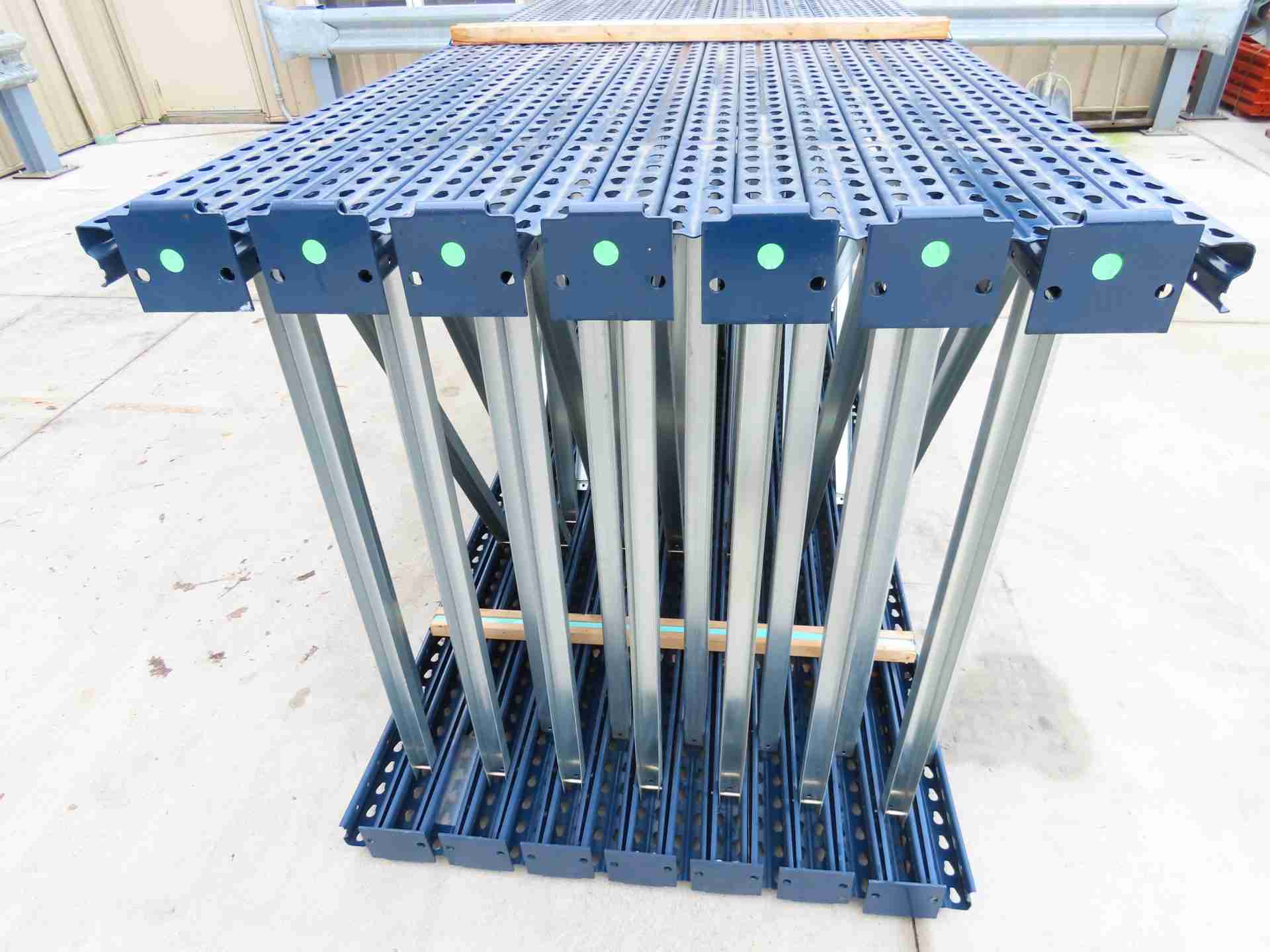
Are There OSHA Storage Rack Anchor Requirements?
Are There OSHA Storage Rack Anchor Requirements?
- OSHA storage rack anchor requirements are crucial for safety.
- Racks must be anchored to prevent tipping, especially in seismic areas.
- Non-compliance can result in costly fines, like the $51,185 issued in 2020.
- Choose the right type of anchor based on facility layout and OSHA requirements.
- Regularly inspect and maintain anchors to ensure they are secure.
- Following guidelines protects employees and prolongs rack lifespan.
- Make safety a top priority by anchoring storage racks properly.

Are There OSHA Storage Rack Anchor Requirements?
Are There OSHA Load Ratings for Storage Racks?
When it comes to storage racks, safety should always be a top priority. One important aspect to consider is whether the storage racks meet OSHA load ratings. OSHA (Occupational Safety and Health Administration) sets guidelines and regulations to ensure workplace safety, including the safe load capacity of storage racks.
It is crucial for businesses to adhere to OSHA load ratings for storage racks to prevent accidents and injuries in the workplace. Failure to comply with OSHA regulations can result in fines and penalties, as well as putting employees at risk.
To determine whether storage racks meet OSHA load ratings, businesses should look for racks that have been tested and certified by reputable organizations such as the Rack Manufacturers Institute (RMI). These certifications ensure that the storage racks have been built to withstand their rated load capacity and have undergone rigorous testing to meet safety standards.
For example, the recent increase in online shopping and e-commerce has led to a greater demand for storage racks in warehouses and distribution centers. With the rise in demand, it is more important than ever for businesses to invest in storage racks that meet OSHA load ratings to ensure the safety of their employees and the integrity of their inventory.
In addition to safety concerns, using storage racks that meet OSHA load ratings can also improve efficiency and productivity in the workplace. By ensuring that storage racks can safely handle the weight of their inventory, businesses can prevent damage to their products and optimize their storage space.
It is essential for businesses to prioritize safety by investing in storage racks that meet OSHA load ratings. By choosing certified racks that have been tested and approved by reputable organizations, businesses can protect their employees, prevent accidents, and improve efficiency in the workplace. Remember, safety is not just a priority – it’s a necessity.

Are There OSHA Load Ratings for Storage Racks?
Are There OSHA Load Ratings for Storage Racks?
- Storage racks should meet OSHA load ratings for safety.
- Businesses must adhere to OSHA load ratings to prevent accidents.
- Racks should be tested and certified by organizations like RMI.
- Increased demand for storage racks due to online shopping.
- Using racks that meet OSHA load ratings can improve efficiency.
- Prioritizing safety by investing in certified racks is essential.
- Safety is not just a priority
- it’s a necessity.

Are There OSHA Load Ratings for Storage Racks?
Are There OSHA Requirements for Pallet Racking?
When it comes to your warehouse operations, ensuring compliance with Occupational Safety and Health Administration (OSHA) regulations is crucial. Pallet racking is an essential component of many warehouse setups, providing efficient storage solutions for products of all shapes and sizes. But are there specific OSHA requirements for pallet racking that you need to be aware of?
The short answer is yes, OSHA does have regulations in place that specifically address pallet racking and the safe handling of materials in warehouse environments. These regulations are designed to protect the safety and well-being of workers, as well as the structural integrity of the racking systems themselves.
One of the key OSHA requirements for pallet racking is ensuring that the racking is properly installed and maintained. This includes ensuring that the racking is capable of supporting the intended load without risk of collapse. Regular inspections of the racking system should be conducted to identify any signs of damage or wear that could compromise its safety.
Additionally, OSHA regulations require that pallet racking systems be designed and constructed in a way that prevents the uncontrolled release of stored materials. This includes ensuring that the racking is equipped with appropriate safety features, such as backstops or safety bars, to prevent pallets from being pushed too far back and potentially falling.
In the wake of recent warehouse accidents involving pallet racking collapses, OSHA has been increasing its scrutiny of warehouse safety practices. Ensuring that your pallet racking systems are in compliance with OSHA regulations is not only a legal requirement, but also a critical step in protecting the safety of your employees and safeguarding your business from costly fines and penalties.
By working with a reputable warehouse solutions provider that specializes in pallet racking systems, you can ensure that your racking meets OSHA requirements and is designed to withstand the demands of your operation. Investing in high-quality, OSHA-compliant pallet racking not only helps you avoid potential safety hazards, but also enhances the efficiency and productivity of your warehouse.
It is essential for warehouse operators to be aware of and comply with OSHA requirements for pallet racking. By taking proactive steps to ensure the safety and integrity of your pallet racking systems, you can create a safer work environment for your employees and protect your business from potential regulatory issues. Remember, safety always comes first.

Are There OSHA Requirements for Pallet Racking?
Are There OSHA Requirements for Pallet Racking?
- OSHA regulations are crucial for warehouse operations.
- Pallet racking is essential for efficient storage solutions.
- OSHA has specific requirements for pallet racking.
- Racking must be properly installed and maintained.
- Racking systems should prevent uncontrolled release of stored materials.
- Compliance with OSHA regulations is critical for safety.
- Working with reputable providers ensures OSHA-compliant racking.

Are There OSHA Requirements for Pallet Racking?
Are There Pallet Rack Capacity Labeling OSHA Requirements?
When it comes to pallet rack capacity labeling, many warehouse managers and owners may wonder if there are specific OSHA requirements they need to adhere to. The short answer is yes, there are OSHA guidelines for pallet rack capacity labeling that are designed to ensure the safety of workers and the structural integrity of the racks.
According to OSHA standard 1910.176(b), all pallet racks used in a warehouse must have a label or sign indicating the maximum load capacity of the rack. This is crucial information that helps prevent overloading, which can lead to rack collapse and serious injuries. By clearly labeling the capacity of each rack, warehouse managers can ensure that workers know how much weight can safely be stored on each shelf.
But OSHA goes beyond just requiring capacity labeling – they also mandate regular inspections of pallet racks to ensure they are in good condition and able to support their designated loads. This includes checking for signs of damage, corrosion, or other issues that could compromise the safety of the racks. By proactively monitoring the condition of your pallet racks, you can prevent accidents before they happen and keep your workers safe.
One recent example highlighting the importance of proper pallet rack capacity labeling is the collapse of an Amazon warehouse in Baltimore in 2018. The incident, which resulted in two deaths, was attributed to overloading of the racks and inadequate maintenance. This tragic event serves as a stark reminder of the consequences of not following OSHA guidelines and properly labeling rack capacities.
In addition to safety concerns, failing to comply with OSHA requirements for pallet rack capacity labeling can also result in costly fines and penalties. OSHA inspectors regularly conduct audits of warehouses to ensure they are in compliance with safety regulations, and failure to meet these standards can lead to citations and monetary sanctions.
To avoid these risks and ensure the safety of your workers, it is essential to prioritize proper pallet rack capacity labeling in your warehouse. By investing in durable labels or signs that clearly indicate load capacities, you can create a safer work environment and demonstrate your commitment to compliance with OSHA regulations.
While OSHA does have specific requirements for pallet rack capacity labeling, these guidelines are ultimately in place to protect the wellbeing of workers and maintain the structural integrity of warehouse racks. By following these regulations and regularly inspecting and maintaining your pallet racks, you can create a safer working environment and avoid costly penalties.

Are There Pallet Rack Capacity Labeling OSHA Requirements?
Are There Pallet Rack Capacity Labeling OSHA Requirements?
- OSHA guidelines require pallet rack capacity labeling to ensure worker safety and rack integrity.
- Labels must indicate maximum load capacity to prevent overloading and potential collapse.
- Regular inspections of pallet racks are mandated by OSHA to check for damage and ensure safety.
- Amazon’s warehouse collapse in 2018 highlights the importance of proper labeling and maintenance.
- Non-compliance with OSHA requirements can result in fines and penalties.
- Prioritizing proper capacity labeling creates a safer work environment and shows commitment to compliance.
- Following OSHA regulations and maintaining pallet racks helps protect workers and avoid penalties.

Are There Pallet Rack Capacity Labeling OSHA Requirements?
Are There OSHA Pallet Rack Standards?
When it comes to pallet rack safety in the workplace, compliance with OSHA standards is essential. But are there specific OSHA standards that apply to pallet racks? The short answer is yes.
OSHA does not have specific regulations solely dedicated to pallet racks. However, there are several OSHA standards that do apply to pallet racks, including general requirements for storage of materials, maintenance of workspaces, and protection against hazards such as falling objects.
One of the key OSHA standards that apply to pallet rack safety is 29 CFR 1910.176 – Handling Materials – General. This regulation outlines requirements for the safe handling and storage of materials in the workplace, including pallet racks. It covers issues such as ensuring that racks are designed and constructed to safely support the loads placed on them, ensuring that loads are properly secured to prevent them from falling, and regularly inspecting racks for damage or wear.
In addition to the general material handling standards, OSHA also has regulations that may apply to specific industries or situations where pallet racks are used. For example, OSHA’s regulations for construction (29 CFR 1926) include requirements for the safe use of scaffolds and ladders, which may be relevant to the installation and maintenance of pallet racks in a construction setting.
To ensure compliance with OSHA standards and prevent accidents in the workplace, it is essential for businesses to prioritize pallet rack safety. This may include conducting regular inspections of pallet racks, training employees on proper loading and unloading procedures, and ensuring that racks are properly maintained and repaired as needed.
In light of recent events and the increased focus on workplace safety, businesses can’t afford to overlook the importance of complying with OSHA standards for pallet rack safety. Failure to do so can result in costly fines, legal liabilities, and most importantly, the risk of serious injury or death for employees.
By taking proactive steps to ensure pallet rack safety in the workplace, businesses can not only protect their employees and avoid legal trouble but also improve efficiency and productivity in their operations. Safe and well-maintained pallet racks reduce the risk of accidents and damage to materials, helping businesses to operate smoothly and effectively.
While there may not be specific OSHA standards dedicated solely to pallet racks, compliance with general material handling regulations and industry-specific requirements is crucial for maintaining a safe work environment. Businesses that prioritize pallet rack safety can not only avoid regulatory headaches but also create a safer and more productive workplace for their employees.
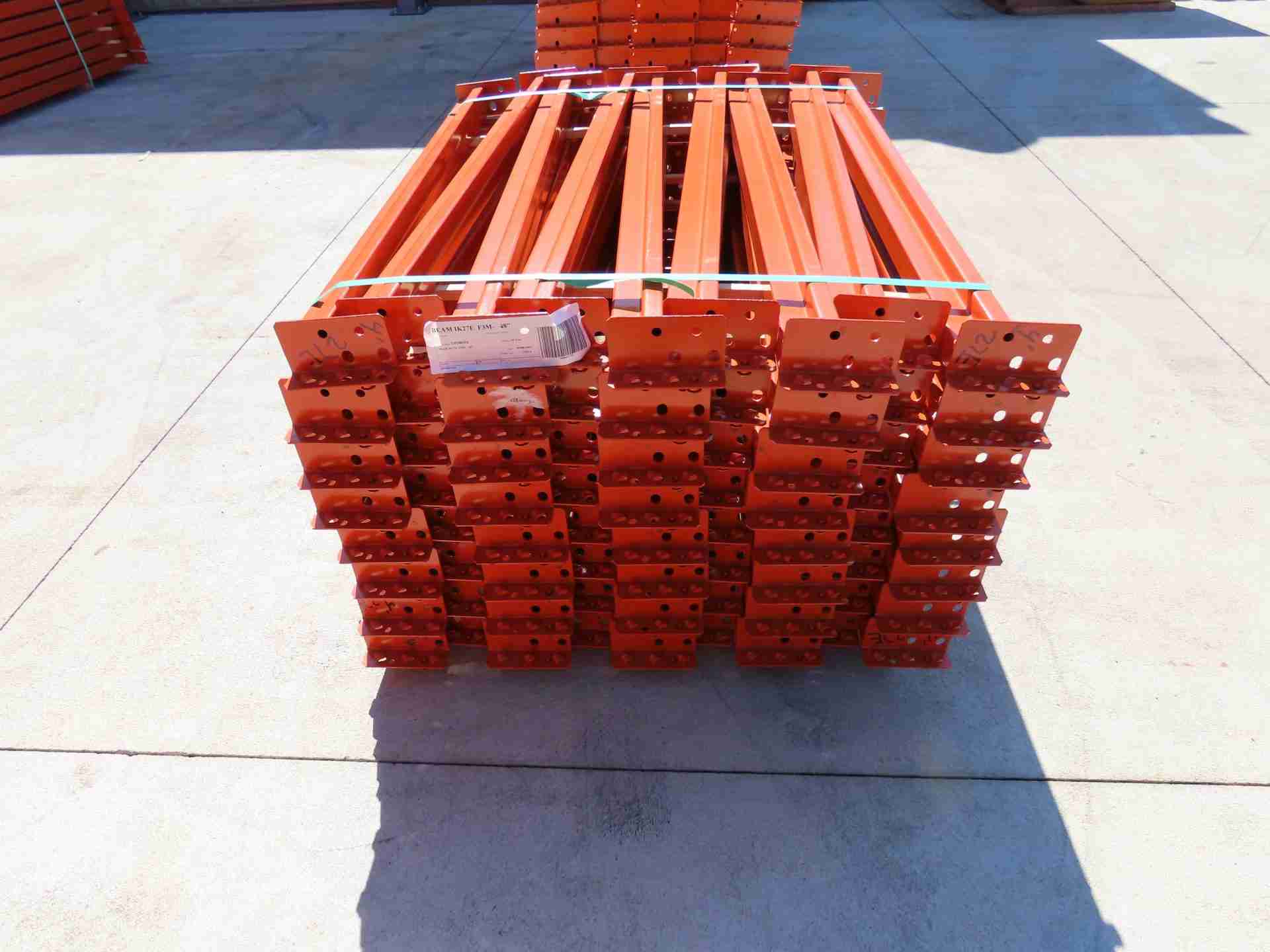
Are There OSHA Pallet Rack Standards?
Are There OSHA Pallet Rack Standards?
- Compliance with OSHA standards is essential for pallet rack safety in the workplace.
- There are several OSHA standards that apply to pallet racks, including general requirements for storage of materials and protection against hazards.
- One key standard is 29 CFR 1910.176, which outlines safe handling and storage of materials, including pallet racks.
- Other regulations, such as those for construction, may also apply to industries using pallet racks.
- Regular inspections, employee training, and proper maintenance are essential for ensuring pallet rack safety.
- Noncompliance with OSHA standards can result in fines, legal liabilities, and serious injuries.
- By prioritizing pallet rack safety, businesses can improve efficiency and productivity while creating a safer work environment.

Are There OSHA Pallet Rack Standards?
Are There OSHA Warehouse Aisle Width Standards?
When it comes to warehouse safety, one crucial factor that is often overlooked is the width of the aisleways. Ensuring that your warehouse aisles are wide enough is not only important for the safety of your employees, but it can also improve the overall efficiency of your operations.
So, you might be wondering, are there OSHA warehouse aisle width standards? The short answer is no – OSHA does not have specific guidelines for aisle width in warehouses. However, that doesn’t mean that you should neglect this aspect of your warehouse layout.
Having properly sized aisleways in your warehouse is essential for a number of reasons. Firstly, wide aisles allow for forklifts and other equipment to move freely throughout the warehouse, reducing the risk of accidents and injuries. Narrow aisles can lead to congestion and obstacles, creating a hazardous working environment for your employees.
Additionally, wider aisles can improve the efficiency of your warehouse operations. With more space to maneuver, your employees can work more quickly and safely, reducing the risk of errors and delays in your supply chain.
While OSHA may not have specific regulations for aisle width, it’s still important to consider best practices when planning your warehouse layout. Many industry experts recommend a minimum aisle width of 11 feet for standard forklifts, and even wider aisles for larger equipment or high-traffic areas.
In fact, recent studies have shown that companies who invest in wider aisles in their warehouses see a significant improvement in productivity and safety. By prioritizing aisle width in your warehouse design, you can create a more efficient and safer working environment for your employees.
While OSHA may not have specific standards for warehouse aisle width, it is still a critical factor to consider in your warehouse layout. By investing in wider aisles, you can improve safety, efficiency, and overall productivity in your warehouse operations. Don’t wait until an accident happens – take proactive steps to ensure that your warehouse aisles are wide enough to keep your employees safe and your operations running smoothly.

Are There OSHA Warehouse Aisle Width Standards?
Are There OSHA Warehouse Aisle Width Standards?
- Warehouse safety hinges on the width of aisleways.
- There are no OSHA standards for aisle width in warehouses.
- Properly sized aisles are crucial for equipment movement and employee safety.
- Wider aisles can improve efficiency and reduce errors in operations.
- Industry experts recommend a minimum aisle width of 11 feet for forklifts.
- Investing in wider aisles can lead to increased productivity and safety.
- Consider best practices and prioritize aisle width in warehouse layout for optimal results.

Are There OSHA Warehouse Aisle Width Standards?
Are There OSHA Pallet Rack Requirements?
When it comes to warehouse safety and compliance, it is important for businesses to understand and adhere to OSHA pallet rack requirements. Pallet racks are commonly used in warehouses to store goods and materials, but they can also pose safety risks if not properly installed and maintained.
One of the key OSHA pallet rack requirements is ensuring that racks are properly designed and installed to withstand the load they will be carrying. This includes making sure that racks are correctly spaced and anchored to the floor to prevent tipping or collapse. Additionally, racks should be regularly inspected for damage or wear and tear, and any issues should be promptly addressed to prevent accidents.
In recent years, there have been several high-profile incidents involving pallet rack collapses in warehouses, resulting in injuries to workers and damage to property. These incidents have highlighted the importance of following OSHA pallet rack requirements to ensure the safety of workers and the integrity of the warehouse.
Failure to comply with OSHA pallet rack requirements can result in citations and fines from OSHA, as well as potential liability in the event of an accident. By taking proactive steps to ensure that pallet racks are installed and maintained in accordance with OSHA guidelines, businesses can protect their workers and avoid costly penalties.
To ensure compliance with OSHA pallet rack requirements, businesses should consider working with experienced professionals who specialize in warehouse safety and compliance. These experts can help businesses assess their current rack systems, identify any potential issues, and develop a plan to address them in a timely and cost-effective manner.
OSHA pallet rack requirements are an important aspect of warehouse safety and compliance. By understanding and adhering to these requirements, businesses can protect their workers, prevent accidents, and avoid fines and liabilities. Investing in the proper installation and maintenance of pallet racks is not only a smart business decision, but also a critical step in ensuring the safety and well-being of everyone in the warehouse.

Are There OSHA Pallet Rack Requirements?
Are There OSHA Pallet Rack Requirements?
- Businesses must understand and adhere to OSHA pallet rack requirements for warehouse safety and compliance.
- Pallet racks are commonly used in warehouses to store goods and materials, but can pose safety risks if not properly installed and maintained.
- Racks must be properly designed, installed, spaced, and anchored to prevent tipping or collapse.
- Racks should be regularly inspected for damage or wear and tear to prevent accidents.
- Failure to comply with OSHA pallet rack requirements can result in citations, fines, and potential liability.
- Working with experienced professionals in warehouse safety and compliance can help ensure compliance with OSHA requirements.
- Investing in proper installation and maintenance of pallet racks is critical for the safety and well-being of everyone in the warehouse.

Are There OSHA Pallet Rack Requirements?
Are There OSHA Pallet Stacking Height Standards?
When it comes to pallet stacking height in the workplace, it is essential for businesses to prioritize safety and compliance with regulatory standards. One key regulatory body that sets guidelines for pallet stacking heights is the Occupational Safety and Health Administration (OSHA). OSHA plays a crucial role in ensuring the safety and well-being of workers in various industries, including warehouse and distribution centers where pallet stacking is common practice.
While OSHA does not have specific pallet stacking height standards, they do provide general guidelines that businesses should follow to prevent accidents and injuries related to pallet stacking. OSHA mandates that employers must provide a safe working environment for their employees, which includes proper training on how to safely stack pallets to prevent them from collapsing or falling over. Employers are also required to ensure that pallets are stacked securely and that the weight is evenly distributed to prevent overloading.
In addition to OSHA guidelines, businesses can also refer to industry best practices and standards set by organizations such as the Material Handling Industry (MHI) to ensure safe and efficient pallet stacking operations. These organizations provide valuable resources and training materials that can help businesses establish safe pallet stacking protocols and prevent accidents in the workplace.
For example, businesses can implement a maximum pallet stacking height policy based on the type of pallets used, the weight of the products being stacked, and the storage space available in the warehouse. By establishing a clear and consistent pallet stacking height standard, businesses can reduce the risk of accidents and injuries caused by unstable pallets or overstacking.
Furthermore, businesses can invest in technology and equipment that can help improve pallet stacking efficiency and safety. For instance, using pallet racking systems with built-in safety features such as load sensors and automatic height adjustment can help businesses maintain proper pallet stacking heights and prevent accidents caused by human error.
Overall, prioritizing safety and compliance with regulatory standards when it comes to pallet stacking height is crucial for businesses to protect their employees and prevent costly accidents in the workplace. By following OSHA guidelines, industry best practices, and investing in technology, businesses can ensure safe and efficient pallet stacking operations that contribute to a productive and accident-free workplace.

Are There OSHA Pallet Stacking Height Standards?
Are There OSHA Pallet Stacking Height Standards?
- Businesses must prioritize safety and compliance with regulatory standards when determining pallet stacking height in the workplace.
- OSHA sets guidelines for pallet stacking heights to ensure the safety and well-being of workers.
- Employers are required to provide proper training on safe pallet stacking practices to prevent accidents and injuries.
- Businesses can refer to industry best practices and standards from organizations like MHI for guidance on safe and efficient pallet stacking operations.
- Implementing a maximum pallet stacking height policy based on pallet type, product weight, and storage space can help prevent accidents and injuries.
- Investing in technology such as pallet racking systems with safety features can improve efficiency and prevent accidents in pallet stacking.
- Following OSHA guidelines, industry best practices, and utilizing technology can help create a safe and productive workplace with efficient pallet stacking operations.

Are There OSHA Pallet Stacking Height Standards?
Are There OSHA Storage Rack Requirements?
When it comes to workplace safety, one area that often gets overlooked is storage rack requirements set by OSHA. Many businesses rely on storage racks to keep their inventory organized and accessible, but failing to comply with OSHA regulations can lead to serious consequences.
It’s important for businesses to understand that OSHA does have specific requirements when it comes to storage racks. These requirements are in place to ensure the safety of workers and prevent accidents in the workplace. Failure to comply with these regulations can result in fines and penalties for businesses, not to mention the potential for serious injuries to employees.
For example, OSHA requires that storage racks be properly installed and secured to prevent them from tipping over. This means using appropriate anchors and ensuring that the racks are level and stable. Failure to do so could result in injuries to employees or damage to inventory.
Additionally, OSHA requires that businesses regularly inspect their storage racks to ensure they are in good condition and safe to use. This includes checking for any signs of damage or wear and tear, as well as making any necessary repairs or replacements. By taking proactive steps to maintain their storage racks, businesses can prevent accidents and keep their employees safe.
In light of recent events, such as the increase in workplace accidents due to improperly installed storage racks, it is more important than ever for businesses to ensure they are in compliance with OSHA regulations. This not only protects employees from harm but also helps businesses avoid costly fines and penalties.
To ensure compliance with OSHA storage rack requirements, businesses should consider working with a qualified safety consultant who can help assess their current storage system and make recommendations for improvements. By investing in their safety protocols, businesses can create a safer work environment for their employees and avoid unnecessary risks.
OSHA storage rack requirements are in place to protect workers and prevent accidents in the workplace. By understanding and complying with these regulations, businesses can avoid fines, penalties, and most importantly, keep their employees safe. It’s essential for businesses to prioritize workplace safety and make compliance with OSHA regulations a top priority.

Are There OSHA Storage Rack Requirements?
Are There OSHA Storage Rack Requirements?
- OSHA requires storage racks to be properly installed and secured to prevent tipping over.
- Businesses must regularly inspect storage racks for damage and wear and tear.
- Recent increase in workplace accidents highlights the importance of compliance with OSHA regulations.
- Working with a safety consultant can help businesses assess and improve their storage systems.
- Compliance with OSHA storage rack requirements helps protect workers and prevent accidents.
- Businesses can avoid fines and penalties by prioritizing workplace safety and OSHA compliance.
- Creating a safe work environment should be a top priority for businesses.

Are There OSHA Storage Rack Requirements?
Are There OSHA Warehouse Racking Requirements?
When it comes to warehouse racking, safety should always be a top priority. Fortunately, the Occupational Safety and Health Administration (OSHA) has established guidelines and requirements to ensure that warehouse racking systems are installed and maintained in a safe manner.
One of the key OSHA warehouse racking requirements is ensuring that racking systems are properly installed by trained professionals. This means that companies should not cut corners when it comes to the installation of their warehouse racking. Hiring experienced professionals to install racking systems can help prevent accidents and injuries in the workplace.
Another important OSHA requirement is the regular inspection and maintenance of warehouse racking systems. Companies should have a schedule in place for inspecting their racking systems to ensure that they are in good working condition. Any damaged or missing components should be replaced immediately to avoid accidents and potential injuries.
It is also important for companies to properly train their employees on how to use warehouse racking systems safely. Employees should be aware of the weight limits of the racking systems, how to properly load and unload materials, and how to spot signs of damage or wear on the racking systems.
Failure to comply with OSHA warehouse racking requirements can result in costly fines and potential legal action. In 2019, a company in New Jersey was cited by OSHA for failing to properly secure their warehouse racking systems. This resulted in a $58,880 fine for the company, highlighting the importance of following OSHA guidelines.
In today’s competitive business landscape, maintaining a safe working environment is not only a legal requirement but also a smart business decision. Accidents and injuries in the workplace can lead to costly downtime, workers’ compensation claims, and damage to a company’s reputation.
By ensuring that your warehouse racking systems meet OSHA requirements, you can protect your employees, reduce the risk of accidents, and maintain a productive work environment. Investing in proper installation, inspection, and training for warehouse racking systems can pay off in the long run by avoiding costly penalties and preserving your company’s reputation.
OSHA warehouse racking requirements are in place to protect both employees and businesses. By following these guidelines, companies can create a safe working environment and avoid potential legal issues. Remember, safety should always be a top priority when it comes to warehouse racking systems.

Are There OSHA Warehouse Racking Requirements?
Are There OSHA Warehouse Racking Requirements?
- OSHA has established guidelines for warehouse racking safety.
- Proper installation by trained professionals is a key requirement.
- Regular inspection and maintenance of racking systems is important.
- Employees should be properly trained on safe racking system use.
- Non-compliance with OSHA requirements can result in fines and legal action.
- Maintaining a safe work environment is crucial for business success.
- Following OSHA guidelines protects employees and businesses.

Are There OSHA Warehouse Racking Requirements?
Are There OSHA Minimum Aisle Width Standards?
When it comes to workplace safety, one often overlooked aspect is the width of aisles in the workplace. Many businesses may not be aware of the OSHA minimum aisle width standards that are in place to ensure the safety of employees and reduce the risk of accidents.
According to OSHA guidelines, there are no specific minimum aisle width standards that apply to all workplaces. However, OSHA does recommend that aisles be wide enough to allow for the safe movement of employees, equipment, and materials. This means that businesses must assess their own unique needs and consider factors such as the size and layout of their workspace, the types of equipment that need to be moved through the aisles, and the number of employees who will be using the space.
Failing to adhere to these guidelines can result in serious consequences for businesses. In the event of an accident, OSHA may conduct an inspection and issue citations and fines if it is found that the width of aisles contributed to the incident. Additionally, businesses risk facing a lawsuit from employees who were injured due to narrow or obstructed aisles.
To avoid these costly repercussions, businesses should take proactive steps to ensure that their aisles meet OSHA recommendations. This could involve rearranging equipment or furniture to create wider pathways, implementing clear signage to designate aisle spaces, and regularly monitoring and maintaining aisle widths to prevent obstructions. By investing time and resources into creating safe and efficient aisle widths, businesses can protect their employees and their bottom line.
In light of recent events such as the COVID-19 pandemic, maintaining adequate aisle widths has taken on even greater importance. With social distancing measures in place, businesses must ensure that their aisles allow for safe distancing between employees and customers. By adhering to OSHA recommendations for aisle widths, businesses can create a safer environment for all individuals in the workplace.
While there may not be specific OSHA minimum aisle width standards, businesses must prioritize the safety of their employees by maintaining adequate aisle widths. By taking proactive measures to assess and adjust aisle widths as needed, businesses can avoid costly penalties and create a safer work environment for everyone.

Are There OSHA Minimum Aisle Width Standards?
Are There OSHA Minimum Aisle Width Standards?
- OSHA recommends aisles be wide enough for safe movement of employees, equipment, and materials.
- Businesses must assess unique needs such as size, layout, equipment, and number of employees.
- Failure to adhere to guidelines can result in citations, fines, or lawsuits.
- Proactive steps include rearranging equipment, implementing clear signage, and monitoring aisle widths.
- Maintaining adequate aisle widths is crucial, especially in light of COVID-19 for safe distancing.
- Prioritizing employee safety with adequate aisle widths can prevent costly penalties.

Are There OSHA Minimum Aisle Width Standards?
Conclusion
In conclusion, ensuring compliance with OSHA shelving standards is of utmost importance for businesses looking to prioritize workplace safety, efficiency, and overall productivity. By adhering to these regulations, companies can protect their employees, avoid costly fines and penalties, and maintain a positive reputation in their industry. From weight capacity requirements to regular inspections and proper installation, OSHA standards for shelving systems are designed to mitigate risks and create a safe work environment for all. As recent incidents have demonstrated, the consequences of not following OSHA shelving standards can be severe. By investing in high-quality shelving solutions that meet OSHA requirements and staying informed about any updates or changes, businesses can demonstrate their commitment to safety and compliance. With the rise of e-commerce and the increased demand for efficient storage solutions, now is the time for businesses to prioritize OSHA compliance with shelving standards. Remember, safety is not just a priority – it’s a necessity. For more information on how Arrow Industrial Sales can help your business achieve OSHA compliance with shelving standards, call us today at (574) 349-6575. Don’t wait until it’s too late – take action now to protect your employees, your business, and your bottom line. Trust in Arrow Industrial Sales to provide you with the solutions you need to create a safe and efficient work environment in accordance with OSHA standards.

Conclusion
Conclusion:
- Ensuring compliance with OSHA shelving standards is crucial for businesses prioritizing workplace safety, efficiency, and productivity.
- Adhering to regulations can protect employees, prevent fines, and maintain a positive industry reputation.
- OSHA standards cover weight capacity, inspections, and proper installation to create a safe work environment.
- Failure to follow OSHA standards can lead to severe consequences, as recent incidents have shown.
- Investing in quality shelving solutions that meet OSHA requirements demonstrates commitment to safety and compliance.
- Businesses should prioritize OSHA compliance with shelving standards due to the rise of e-commerce and demand for efficient storage.
- For assistance in achieving OSHA compliance, contact Arrow Industrial Sales at (574) 349-6575 to ensure a safe work environment.

Conclusion
Other Resources

Other Resources
Here is a list of other resources you can review online to learn more:
- “Home | Occupational Safety and Health Administration”
- “All About OSHA”
- “Occupational Safety and Health Administration”
- “Publications | Safety and health at work EU-OSHA”
- “Occupational Safety and Health Administration”
- “US Department of Labor finds New Jersey trade show …”
- “Public Employees Occupational Safety and Health Act – NJ.gov”

Other Resources
Glossary Terms
Are There OSHA Shelving Standards? – Glossary Of Terms
Certainly! Here is a glossary of terms related to OSHA (Occupational Safety and Health Administration) shelving standards:
1. OSHA: Occupational Safety and Health Administration, a U. S. government agency responsible for ensuring workplace safety and health.
2. Shelving Standards: Guidelines and requirements for proper shelving to ensure safety in workplaces.
3. Load Capacity: The maximum weight that a shelf or storage unit can safely hold according to manufacturer specifications.
4. Stability: A shelving unit’s ability to remain upright and secure without tipping over when loaded properly.
5. Bracing: Structural supports or crossbars used to enhance the stability and strength of shelving units.
6. Height-to-Base Ratio: A safety principle ensuring the height of a shelving unit does not exceed a certain proportion of its base width, generally used to prevent tipping.
7. Spacing: The distance between shelves within a unit, which must accommodate the height of items being stored without creating hazards.
8. Anchoring: The process of securing shelves to walls or floors to prevent tipping or collapsing.
9. Guardrails: Safety barriers on shelving units to prevent stored items from falling off.
10. Material Handling: Methods and equipment used for moving, storing, and protecting products in a workplace.
11. Even Distribution: Placing weight evenly across shelves to avoid overloading one side, which can lead to instability.
12. Freestanding Shelving: Shelving units not attached to walls or other structures, requiring additional stability measures like bracing.
13. Fixed Shelving: Shelves that are permanently attached to walls or fixed in position for stability.
14. Shelving Unit: A frame or structure with multiple levels used for organizing and storing items.
15. Load Limits: Specific weight limits assigned to shelving units to ensure safe storage practices.
16. Inspection: The regular review and assessment of shelving units to ensure they meet OSHA standards and are in good condition.
17. Accessibility: Ensuring that shelving is easily reachable by employees to prevent overreaching and potential injury.
18. Clearance: Adequate space around shelving units for safe passage and material handling.
19. Pallet Racking: Large shelving systems used in warehouses for pallet storage, subject to specific OSHA guidelines.
20. Ergonomics: Designing shelving units to minimize strain and injury risk for employees reaching for or placing items.
21. Material Safety Data Sheets (MSDS): Documents providing safety information about materials stored on shelves, to ensure proper handling and storage.
22. Slip Resistance: Ensuring shelving surfaces and pathways are non-slip to prevent falls.
23. Overloading: Placing more weight on shelves than is safe, leading to potential collapse or tipping.
24. Employee Training: Educating workers on proper shelving usage, load limits, and safety protocols.
25. Emergency Exits: Ensuring that shelving placement does not obstruct access to emergency exits.
26. Fire Hazards: Recognizing and mitigating risks associated with flammable materials stored on shelves.
27. Labeling: Clearly marking shelves with load capacities and safety warnings.
28. Ventilation: Ensuring shelving units do not obstruct airflow, particularly in spaces requiring specific climate control.
29. Protective Equipment: Safety gear like gloves and helmets employees should use when handling and storing materials on shelves.
30. Maintenance: The ongoing process of repairing and upkeeping shelving units to comply with safety standards.
These terms and descriptions should help provide a comprehensive understanding of the various considerations and regulations involved in OSHA shelving standards.

Glossary Of Terms
Other Questions
Are There OSHA Shelving Standards? – Other Questions
If you wish to explore and discover more, consider looking for answers to these questions:
- What are the specific weight capacity requirements for shelving according to OSHA?
- How often should shelving systems be inspected for compliance with OSHA standards?
- What are the fines and penalties for not adhering to OSHA shelving standards?
- How can businesses ensure their shelving systems are properly anchored?
- What type of training should employees receive regarding OSHA shelving standards?
- Are there any recent updates or changes to OSHA shelving standards?
- What are the legal consequences for businesses if accidents occur due to non-compliant shelving?
- What are the best practices for maintaining shelving systems to meet OSHA requirements?
- Are there different OSHA guidelines for various industries regarding shelving systems?
- How can businesses determine the appropriate shelving system to meet OSHA standards?
- What resources or tools are available to help businesses stay compliant with OSHA shelving standards?
- Are there any exemptions to OSHA shelving standards?
- How can businesses document their compliance with OSHA shelving regulations?
- Who within a company is typically responsible for ensuring compliance with OSHA shelving standards?
- What are the steps to take if a shelving system fails to meet OSHA standards during an inspection?

Other Questions
Checklist
Are There OSHA Shelving Standards? – A Checklist
1. Familiarize with OSHA Regulations:
_____ Review OSHA standards for shelving, warehouse storage, and material handling.
_____ Understand specific guidelines for weight capacities, spacing, and installation.
2. Weight Capacity:
_____ Ensure shelving units are labeled with their weight capacity.
_____ Confirm shelves can support the weight of stored items.
_____ Regularly inspect shelving for signs of overloading or damage.
3. Proper Installation:
_____ Follow manufacturer instructions for secure installation.
_____ Use appropriate anchors to attach shelving to the floor or wall.
_____ Ensure shelves are level and stable.
4. Regular Inspections and Maintenance:
_____ Conduct routine checks for signs of wear, rust, or structural damage.
_____ Schedule regular maintenance to address any identified issues.
_____ Replace damaged or worn-out shelving promptly.
5. Employee Training:
_____ Train employees on safe loading and unloading techniques.
_____ Provide guidance on proper organization and spacing of stored items.
_____ Educate workers on reporting safety concerns and maintenance needs.
6. Industrial Shelving Specifics:
_____ Label all industrial shelving units with their weight capacity.
_____ Ensure proper spacing between shelves for accessible and safe item retrieval.
_____ Keep aisles and pathways clear and unobstructed.
7. Compliance with Load Ratings:
_____ Ensure all storage racks and pallet racking meet OSHA load rating standards.
_____ Obtain equipment tested and certified by recognized organizations like RMI.
8. Adherence to Anchor Requirements:
_____ Properly anchor storage racks and pallet racking to prevent tipping or collapse.
_____ Use the correct type of anchors based on facility layout and load.
9. Stay Informed About Changes:
_____ Regularly check the OSHA website for updates and new guidelines.
_____ Subscribe to industry newsletters and join trade associations.
_____ Partner with knowledgeable shelving providers for compliance advice.
10. Labeling and Signage:
_____ Ensure clear capacity labeling on all pallet racks.
_____ Use durable signs to indicate load capacities.
_____ Follow OSHA guidelines for visible and accurate labeling.
11. Warehouse Aisle Width Considerations:
_____ Assess aisle width needs based on equipment and employee usage.
_____ Follow best practices for minimum recommended aisle widths (e. g. , minimum 11 feet for standard forklifts).
12. Risk Mitigation:
_____ Evaluate workplace layout for potential hazards.
_____ Implement safety protocols to prevent shelving-related accidents.
_____ Proactively address potential fines and legal issues by ensuring compliance.
13. Document and Audit Compliance Efforts:
_____ Maintain records of inspections, maintenance, and training.
_____ Conduct periodic audits to ensure ongoing compliance with OSHA standards.
By following this checklist, businesses can enhance workplace safety, ensure proper storage practices, and maintain compliance with OSHA shelving standards.

Checklist
At RackingWorld, we help guide you through selecting warehouse storage systems and racking.
Be sure to read our other related stories at RackingWorld to learn more about warehouse storage systems.
0 Comments